
The Daily
3,002 episodes — Page 5 of 61

Who Is Winning the War in Iran?
Nearly three weeks into the war in Iran, the United States and Israel have largely decimated the regime’s missile capacity, taken out key leaders and disrupted its central command. Yet, the regime in Iran has become more hardened and is wreaking more havoc than ever. Eric Schmitt, a national security correspondent for The New York Times, discusses the state of the war and President Trump’s options for getting out of the conflict. Guest: Eric Schmitt, a national security correspondent for The New York Times based in Washington. Background reading: Entering the war’s third week, Mr. Trump is facing stark choices. Video: Where Iran is hitting back. Photo: Arash Khamooshi for The New York Times For more information on today’s episode, visit nytimes.com/thedaily. Transcripts of each episode will be made available by the next workday. Subscribe today at nytimes.com/podcasts or on Apple Podcasts and Spotify. You can also subscribe via your favorite podcast app here https://www.nytimes.com/activate-access/audio?source=podcatcher. For more podcasts and narrated articles, download The New York Times app at nytimes.com/app. Hosted by Simplecast, an AdsWizz company. See pcm.adswizz.com for information about our collection and use of personal data for advertising.

Inside the Government’s Crackdown on TV
This past weekend, the chairman of the Federal Communications Commission threatened to revoke broadcasters’ licenses over their coverage of the war in Iran. Last month, Stephen Colbert said he had to drop an interview with a Senate candidate because of F.C.C. guidance that targeted political interviews on late-night shows. Jim Rutenberg, a writer at large for The New York Times, explains how the Trump administration is trying to shape media coverage to fit its agenda. Guest: Jim Rutenberg, a writer at large for The New York Times and The New York Times Magazine. Background reading: Under President Trump, the F.C.C. has used obscure regulatory powers to crack down on network TV. How a century-old rule is scrambling late-night TV. Photo: Tierney L. Cross for The New York Times For more information on today’s episode, visit nytimes.com/thedaily. Transcripts of each episode will be made available by the next workday. Subscribe today at nytimes.com/podcasts or on Apple Podcasts and Spotify. You can also subscribe via your favorite podcast app here https://www.nytimes.com/activate-access/audio?source=podcatcher. For more podcasts and narrated articles, download The New York Times app at nytimes.com/app. Hosted by Simplecast, an AdsWizz company. See pcm.adswizz.com for information about our collection and use of personal data for advertising.

Chosen by War: The Rise of Iran’s New Supreme Leader
At the heart of the Iranian regime’s defiant stance toward the United States and Israel in the war is Mojtaba Khamenei, the new supreme leader and a son of Ayatollah Ali Khamenei, the regime’s longtime ruler. Farnaz Fassihi, who covers Iran for The New York Times, discusses the extraordinary jockeying that led to his selection and whether the United States and Israel helped motivate Iran to replace one hard-line leader with another. Guest: Farnaz Fassihi, the United Nations bureau chief for The New York Times. She also covers Iran and how countries around the world deal with conflicts in the Middle East. Background reading: Inside the deliberations, power plays and rivalries that led to the ascension of the younger Khamenei. Who is Iran’s new supreme leader? Photo: Saeid Zareian/picture-alliance/dpa, via Associated Press Images For more information on today’s episode, visit nytimes.com/thedaily. Transcripts of each episode will be made available by the next workday. Subscribe today at nytimes.com/podcasts or on Apple Podcasts and Spotify. You can also subscribe via your favorite podcast app here https://www.nytimes.com/activate-access/audio?source=podcatcher. For more podcasts and narrated articles, download The New York Times app at nytimes.com/app. Hosted by Simplecast, an AdsWizz company. See pcm.adswizz.com for information about our collection and use of personal data for advertising.

A War Within the War: Israel’s Bombardment of Lebanon
With the world’s attention on the U.S.-Israeli war with Iran, a second front in the conflict has opened in Lebanon. Israel has pummeled an area in the southern outskirts of Beirut where Hezbollah holds sway, as well as southern Lebanon, with airstrikes, displacing almost one million people. Israel has also expanded its assault into other parts of Beirut, the capital. Christina Goldbaum, The New York Times’s bureau chief in Beirut, explains how the crisis in Lebanon connects to the broader war, what Israel hopes to achieve and what people in Lebanon fear might come next. Guest: Christina Goldbaum, The New York Times’s bureau chief in Beirut. Background reading: Strikes are haunting displaced families in Lebanon. Displaced people in the country are facing cold streets and an uncertain future. Photo: David Guttenfelder/The New York Times For more information on today’s episode, visit nytimes.com/thedaily. Transcripts of each episode will be made available by the next workday. Subscribe today at nytimes.com/podcasts or on Apple Podcasts and Spotify. You can also subscribe via your favorite podcast app here https://www.nytimes.com/activate-access/audio?source=podcatcher. For more podcasts and narrated articles, download The New York Times app at nytimes.com/app. Hosted by Simplecast, an AdsWizz company. See pcm.adswizz.com for information about our collection and use of personal data for advertising.

To Save His Life, Our Food Critic Reset His Appetite
For 12 years, Pete Wells had his dream job: working as the chief restaurant critic for The New York Times. The job’s journalistic mission required Wells to eat out most nights and taste nearly everything on any given restaurant’s menu. He didn’t realize it at the time, but the excessive eating had taken a toll on his body. Then came a health crisis, followed by his doctor’s advice to “stop doing what you’re doing right now.” In 2024, Wells gave up his post as restaurant critic and set out to remake his entire relationship with food. On today’s episode, Michael Barbaro speaks with Wells about the realities of life as a restaurant critic, and what he’s learning about the joys of home cooking, mindful eating and grocery shopping for the diet he intends to follow. On Today’s Episode: Pete Wells is a reporter covering food for The New York Times. He was formerly The Times’s restaurant critic. Background Reading: After 12 Years of Reviewing Restaurants, I’m Leaving the Table Our Former Restaurant Critic Changed His Eating Habits. You Can, Too. To Eat Healthier, Our Critic Went to the Source: His Kitchen To Tune Out Food Noise, Our Critic Listened to His Hunger To Improve How He Ate, Our Critic Looked at What He Drank Photo Credit: Rachel Vanni for The New York Times. Food Stylist: Spencer Richards. Subscribe today at nytimes.com/podcasts or on Apple Podcasts and Spotify. You can also subscribe via your favorite podcast app here https://www.nytimes.com/activate-access/audio?source=podcatcher. For more podcasts and narrated articles, download The New York Times app at nytimes.com/app. Hosted by Simplecast, an AdsWizz company. See pcm.adswizz.com for information about our collection and use of personal data for advertising.

'The Interview': How Tragedy, Wealth and Trump Shaped JB Pritzker
The governor of Illinois and Trump antagonist has become a national figure for Democrats. Where will that lead? Thoughts? Email us at [email protected] Watch our show on YouTube: youtube.com/@TheInterviewPodcast For transcripts and more, visit: nytimes.com/theinterview Subscribe today at nytimes.com/podcasts or on Apple Podcasts and Spotify. You can also subscribe via your favorite podcast app here https://www.nytimes.com/activate-access/audio?source=podcatcher. For more podcasts and narrated articles, download The New York Times app at nytimes.com/app. Hosted by Simplecast, an AdsWizz company. See pcm.adswizz.com for information about our collection and use of personal data for advertising.

The Case of Kristie Metcalfe
EWarning: This episode contains strong language. The Civil Rights Division of the Justice Department — founded to focus on fighting race-based discrimination — has drastically changed the kinds of cases it pursues, dropping or setting aside many already in progress. Sarah Koenig from Serial Productions tells the story of Kristie Metcalfe — her civil rights case and how it was squandered. Guest: Sarah Koenig, podcast host and producer for The New York Times’ Serial Productions. Background reading: The Trump administration upended 60 years of civil rights in two months. Photo: Imani Khayyam for The New York Times For more information on today’s episode, visit nytimes.com/thedaily. Transcripts of each episode will be made available by the next workday. Subscribe today at nytimes.com/podcasts or on Apple Podcasts and Spotify. You can also subscribe via your favorite podcast app here https://www.nytimes.com/activate-access/audio?source=podcatcher. For more podcasts and narrated articles, download The New York Times app at nytimes.com/app. Hosted by Simplecast, an AdsWizz company. See pcm.adswizz.com for information about our collection and use of personal data for advertising.

The U.S. Errors That Led to the Airstrike on an Elementary School
A continuing military investigation has determined that the United States is responsible for a strike that hit an elementary school in Iran, according to U.S. officials and others familiar with the preliminary findings. Iranian officials have said the death toll was at least 175 people, most of them children. Malachy Browne and Julian E. Barnes, who have been covering the strike, discuss what probably led to one of the most devastating military errors in decades. Guest: Malachy Browne, the enterprise director of the Visual Investigations team at The New York Times. Julian E. Barnes, a reporter covering the U.S. intelligence agencies and international security matters for The New York Times. Background reading: A preliminary inquiry said that the United States was at fault in a strike that hit a school in Iran. A New York Times visual investigation suggested that the strike appeared to have been part of an attack on an adjacent naval base. Photo: In a photograph made available by an Iranian semiofficial news agency, rescue workers and residents searched through rubble in Minab, Iran, after a strike heavily damaged a school. Mehr News Agency, via Associated Press For more information on today’s episode, visit nytimes.com/thedaily. Transcripts of each episode will be made available by the next workday. Subscribe today at nytimes.com/podcasts or on Apple Podcasts and Spotify. You can also subscribe via your favorite podcast app here https://www.nytimes.com/activate-access/audio?source=podcatcher. For more podcasts and narrated articles, download The New York Times app at nytimes.com/app. Hosted by Simplecast, an AdsWizz company. See pcm.adswizz.com for information about our collection and use of personal data for advertising.

War in Iran Triggers Chaos in Global Oil Market
As Iran has tightened its chokehold on one of the world’s most vital shipping routes and the Trump administration sent mixed signals about how long the war would last, oil prices have swung wildly. Rebecca F. Elliott, who covers energy for The New York Times, explains just how much the world depends on that route — the Strait of Hormuz — and how quickly shutting it down can throw global energy markets into chaos. Guest: Rebecca F. Elliott, who covers energy for The New York Times. Background reading: How war in the Middle East is choking off the world’s oil and gas. A jump in oil prices was a sign of growing concern that the war will continue to take a toll on energy supplies. Photo: An island in part of the Strait of Hormuz. The war in the Middle East has affected the strait, a conduit for about a fifth of the world’s oil. Nicolas Economou/Reuters For more information on today’s episode, visit nytimes.com/thedaily. Transcripts of each episode will be made available by the next workday. Subscribe today at nytimes.com/podcasts or on Apple Podcasts and Spotify. You can also subscribe via your favorite podcast app here https://www.nytimes.com/activate-access/audio?source=podcatcher. For more podcasts and narrated articles, download The New York Times app at nytimes.com/app. Hosted by Simplecast, an AdsWizz company. See pcm.adswizz.com for information about our collection and use of personal data for advertising.

What We’ve Learned From 10 Days of War
What began as a relentless U.S.-Israeli military assault on Iran has turned into a wider crisis as the disruption of the world’s oil markets spreads beyond the Middle East. Eric Schmitt, a national security correspondent for The New York Times, discusses what we know about the players involved in the fighting. Guest: Eric Schmitt, a national security correspondent for The New York Times based in Washington. Background reading: War with Iran has become the world’s latest economic hazard. Follow updates on the fighting in the Middle East. Photo: Arash Khamooshi for The New York Times For more information on today’s episode, visit nytimes.com/thedaily. Transcripts of each episode will be made available by the next workday. Subscribe today at nytimes.com/podcasts or on Apple Podcasts and Spotify. You can also subscribe via your favorite podcast app here https://www.nytimes.com/activate-access/audio?source=podcatcher. For more podcasts and narrated articles, download The New York Times app at nytimes.com/app. Hosted by Simplecast, an AdsWizz company. See pcm.adswizz.com for information about our collection and use of personal data for advertising.

Anthropic vs. the Pentagon: Inside the Battle Over A.I. Warfare
In recent weeks, the Defense Department has tussled with Anthropic over how its artificial intelligence could be used on classified systems. That fight became bitter and negotiations fell apart. And war in the Middle East has made it increasingly clear how much the U.S. military has been relying on A.I. Sheera Frenkel, who covers technology for The New York Times, explains the standoff and what it reveals about the future of warfare. Guest: Sheera Frenkel, a New York Times reporter who covers how technology affects our lives. Background reading: How talks between Anthropic and the Defense Department fell apart. Here is a guide to the Pentagon’s dance with Anthropic and OpenAI. Photo: Brendan Smialowski/Agence France-Presse — Getty Images For more information on today’s episode, visit nytimes.com/thedaily. Transcripts of each episode will be made available by the next workday. Subscribe today at nytimes.com/podcasts or on Apple Podcasts and Spotify. You can also subscribe via your favorite podcast app here https://www.nytimes.com/activate-access/audio?source=podcatcher. For more podcasts and narrated articles, download The New York Times app at nytimes.com/app. Hosted by Simplecast, an AdsWizz company. See pcm.adswizz.com for information about our collection and use of personal data for advertising.

Oscars 2026: Who Will Win, and Who Should Win?
EToday on “The Sunday Daily,” The Times’s chief movie critic, Manohla Dargis, talks with the “Daily” host Michael Barbaro about this year’s batch of Oscar nominees, which — according to her — are uncommonly good. They discuss the performances that Dargis believes deserve to win, the dark horses that might pull off upsets, and the ambitious films that give her hope for Hollywood’s future. On Today’s Episode: Manohla Dargis, Chief Film Critic for The New York Times. Background Reading: ‘Hamnet’ | Anatomy of a Scene Delroy Lindo on ‘Sinners,’ Speaking Up and the Power of Affirmation Photo: A24; Warner Bros. Pictures; Sabrina Lantos/Sony Pictures Classics Subscribe today at nytimes.com/podcasts or on Apple Podcasts and Spotify. You can also subscribe via your favorite podcast app here https://www.nytimes.com/activate-access/audio?source=podcatcher. For more podcasts and narrated articles, download The New York Times app at nytimes.com/app. Hosted by Simplecast, an AdsWizz company. See pcm.adswizz.com for information about our collection and use of personal data for advertising.

'The Interview': Rebecca Solnit Says the Left's Next Hero Is Already Here
The writer and activist on how political change happens and taking the long view. Thoughts? Email us at [email protected] Watch our show on YouTube: youtube.com/@TheInterviewPodcast For transcripts and more, visit: nytimes.com/theinterview Subscribe today at nytimes.com/podcasts or on Apple Podcasts and Spotify. You can also subscribe via your favorite podcast app here https://www.nytimes.com/activate-access/audio?source=podcatcher. For more podcasts and narrated articles, download The New York Times app at nytimes.com/app. Hosted by Simplecast, an AdsWizz company. See pcm.adswizz.com for information about our collection and use of personal data for advertising.

The Firing of Kristi Noem
On Thursday, President Trump fired Kristi Noem, his secretary of homeland security, whose agency is at the center of his second-term agenda. Hamed Aleaziz, who covers the department, explains how Ms. Noem ended up losing the president’s trust. Guest: Hamed Aleaziz, who covers the Department of Homeland Security and immigration policy in the United States for The New York Times. Background reading: Bulletproof vests and Rolex watches: the rise and fall of Kristi Noem. Mr. Trump said he would replace Ms. Noem with an Oklahoma senator, Markwayne Mullin. Photo: Nicole Hester/USA Today Network, via Reuters For more information on today’s episode, visit nytimes.com/thedaily. Transcripts of each episode will be made available by the next workday. Subscribe today at nytimes.com/podcasts or on Apple Podcasts and Spotify. You can also subscribe via your favorite podcast app here https://www.nytimes.com/activate-access/audio?source=podcatcher. For more podcasts and narrated articles, download The New York Times app at nytimes.com/app. Hosted by Simplecast, an AdsWizz company. See pcm.adswizz.com for information about our collection and use of personal data for advertising.

Did Israel Push Trump Into War?
The U.S. decision to strike Iran was a victory for Israel, which had been pushing President Trump for months on the need to hit the country. Now, Israel’s role in spurring the operation has become a point of political tension. The New York Times journalists Mark Mazzetti and Ronen Bergman discuss what we know about the extraordinarily close cooperation between Israel and the United States. Guest: Mark Mazzetti, an investigative reporter for The New York Times in Washington, D.C., focusing on national security. Ronen Bergman, a staff writer for The New York Times Magazine in Tel Aviv. Background reading: How Mr. Trump decided to go to war. Photo: Tierney L. Cross/The New York Times For more information on today’s episode, visit nytimes.com/thedaily. Transcripts of each episode will be made available by the next workday. Subscribe today at nytimes.com/podcasts or on Apple Podcasts and Spotify. You can also subscribe via your favorite podcast app here https://www.nytimes.com/activate-access/audio?source=podcatcher. For more podcasts and narrated articles, download The New York Times app at nytimes.com/app. Hosted by Simplecast, an AdsWizz company. See pcm.adswizz.com for information about our collection and use of personal data for advertising.

A New Media Empire
The bidding war between Paramount and Netflix over the acquisition of Warner Bros. Discovery appeared to come to a close last week, when Netflix backed out. The Times journalists Nicole Sperling, Lauren Hirsch and Jonathan Mahler discuss this Hollywood drama fit for the big screen, and why it could reshape our political and cultural landscape. Guest: Nicole Sperling, a New York Times reporter in Los Angeles, covering Hollywood and the streaming revolution. Lauren Hirsch, a New York Times reporter who covers the biggest stories on Wall Street, including mergers and acquisitions. Jonathan Mahler, a staff writer for The New York Times Magazine. Background reading: Paramount raised its bid for Warner Bros. Discovery last week. Netflix lost Warner Bros., but maybe that’s a good thing. Photo: Ricardo Nagaoka for The New York Times For more information on today’s episode, visit nytimes.com/thedaily. Transcripts of each episode will be made available by the next workday. Subscribe today at nytimes.com/podcasts or on Apple Podcasts and Spotify. You can also subscribe via your favorite podcast app here https://www.nytimes.com/activate-access/audio?source=podcatcher. For more podcasts and narrated articles, download The New York Times app at nytimes.com/app. Hosted by Simplecast, an AdsWizz company. See pcm.adswizz.com for information about our collection and use of personal data for advertising.

The Midterms Begin With a Texas-Size Showdown
Democrats and Republicans will head to the polls in Texas today for an election that will send both parties a message about what voters want in Trump’s America. Shane Goldmacher, a national political correspondent for The New York Times, discusses the Senate primary that so many are watching. Guest: Shane Goldmacher, a national political correspondent for The New York Times. Background reading: The Texas Senate primary offers a test case for each party. The Republicans John Cornyn and Ken Paxton and the Democrats Jasmine Crockett and James Talarico are competing in bitter and expensive races. Photo: Haiyun Jiang/The New York Times; Aaron Schwartz, via Getty; Kenny Holston, via The New York Times; pool photo by Bob Daemmrich; Julio Cortez, via Associated Press For more information on today’s episode, visit nytimes.com/thedaily. Transcripts of each episode will be made available by the next workday. Subscribe today at nytimes.com/podcasts or on Apple Podcasts and Spotify. You can also subscribe via your favorite podcast app here https://www.nytimes.com/activate-access/audio?source=podcatcher. For more podcasts and narrated articles, download The New York Times app at nytimes.com/app. Hosted by Simplecast, an AdsWizz company. See pcm.adswizz.com for information about our collection and use of personal data for advertising.

Celebration and Mourning: Inside an Iran at War
The United States and Israel continued to strike Iran with missiles for a second day on Sunday, destroying more power centers of the Iranian regime and, according to rights groups, bringing the civilian death toll over 100. Iran responded with retaliatory attacks. At the same time, all eyes were on the Iranian government and the millions of citizens who have long opposed it. Farnaz Fassihi, who covers Iran for The New York Times, brings us the view from a pivotal moment inside Iran. Guest: Farnaz Fassihi, the United Nations bureau chief for The New York Times. She also covers Iran and how countries around the world deal with conflicts in the Middle East. Background reading: Iranians took to the streets to celebrate the death of Ayatollah Ali Khamenei. Here is the latest on the war. Photo: Arash Khamooshi for The New York Times For more information on today’s episode, visit nytimes.com/thedaily. Transcripts of each episode will be made available by the next workday. Subscribe today at nytimes.com/podcasts or on Apple Podcasts and Spotify. You can also subscribe via your favorite podcast app here https://www.nytimes.com/activate-access/audio?source=podcatcher. For more podcasts and narrated articles, download The New York Times app at nytimes.com/app. Hosted by Simplecast, an AdsWizz company. See pcm.adswizz.com for information about our collection and use of personal data for advertising.

The U.S. and Israel Strike Iran
The United States and Israel on Saturday launched an attack against Iran, killing the nation’s supreme leader, Ayatollah Ali Khamenei, and, according to Iranian state media, several people in the country’s leadership structure. The New York Times journalists Mark Mazzetti and David E. Sanger explain what is next for Iran, and what these strikes threaten to unleash. Guest: Mark Mazzetti, an investigative reporter for The New York Times based in Washington, D.C. David E. Sanger, the White House and National Security Correspondent for The New York Times. Background reading: Here’s what to know about the U.S. attacks on Iran. Fact-checking President Trump’s justifications for attacking Iran. Photo: Arash Khamooshi for The New York Times For more information on today’s episode, visit nytimes.com/thedaily. Transcripts of each episode will be made available by the next workday. Subscribe today at nytimes.com/podcasts or on Apple Podcasts and Spotify. You can also subscribe via your favorite podcast app here https://www.nytimes.com/activate-access/audio?source=podcatcher. For more podcasts and narrated articles, download The New York Times app at nytimes.com/app. Hosted by Simplecast, an AdsWizz company. See pcm.adswizz.com for information about our collection and use of personal data for advertising.

'The Interview': Maggie Gyllenhaal on Envy, Rage and Reaching Out to Her Brother
With a big budget and a lot to say, the filmmaker is unleashing her inner monster with “The Bride!” Thoughts? Email us at [email protected] Watch our show on YouTube: youtube.com/@TheInterviewPodcast For transcripts and more, visit: nytimes.com/theinterview Subscribe today at nytimes.com/podcasts or on Apple Podcasts and Spotify. You can also subscribe via your favorite podcast app here https://www.nytimes.com/activate-access/audio?source=podcatcher. For more podcasts and narrated articles, download The New York Times app at nytimes.com/app. Hosted by Simplecast, an AdsWizz company. See pcm.adswizz.com for information about our collection and use of personal data for advertising.

China Took His City. And Now His Father.
When pro-democracy protesters marched in the streets in Hong Kong in 2019, China responded by arresting thousands, including the leaders of the movement. One of the arrested was Jimmy Lai, who had used his newspaper to campaign for democracy. This month, he received a 20-year jail sentence. In an interview, Michael Barbaro speaks to Mr. Lai’s son, Sebastien Lai, about the sentence, what it means for the pro-democracy movement and where Hong Kong may go from here. Guest: Sebastien Lai, a democracy activist and the son of the pro-democracy media entrepreneur Jimmy Lai. Background reading: A Hong Kong court sentenced Jimmy Lai to 20 years in prison. The sentence for the media mogul shows how Hong Kong enforces Xi Jinping’s red lines with a new severity. Listen to our interview with Jimmy Lai from 2020. Photo: Andrew Testa for The New York Times For more information on today’s episode, visit nytimes.com/thedaily. Transcripts of each episode will be made available by the next workday. Subscribe today at nytimes.com/podcasts or on Apple Podcasts and Spotify. You can also subscribe via your favorite podcast app here https://www.nytimes.com/activate-access/audio?source=podcatcher. For more podcasts and narrated articles, download The New York Times app at nytimes.com/app. Hosted by Simplecast, an AdsWizz company. See pcm.adswizz.com for information about our collection and use of personal data for advertising.

Inside the Operation to Take Down Mexico’s Biggest Drug Lord
When Mexican forces captured and killed the country’s most-wanted cartel boss, it revealed how much President Trump’s growing pressure is forcing Mexico to take on cartels. Maria Abi-Habib and Jack Nicas, who covered the developments, discuss the operation to take down the leader known as El Mencho, and Mexico’s efforts against some of the world’s most powerful criminals. Guest: Maria Abi-Habib, an investigative correspondent for The New York Times based in Mexico City. Jack Nicas, the Mexico City bureau chief for The New York Times. Background reading: Mayhem rocked Mexico after the killing of El Mencho. Analysis: Mexico is caught between Mr. Trump and the cartels. Analysis: In nearly 60 years of the war on drugs, what has actually worked? Photo: Luis Cortes/Reuters For more information on today’s episode, visit nytimes.com/thedaily. Transcripts of each episode will be made available by the next workday. Subscribe today at nytimes.com/podcasts or on Apple Podcasts and Spotify. You can also subscribe via your favorite podcast app here https://www.nytimes.com/activate-access/audio?source=podcatcher. For more podcasts and narrated articles, download The New York Times app at nytimes.com/app. Hosted by Simplecast, an AdsWizz company. See pcm.adswizz.com for information about our collection and use of personal data for advertising.
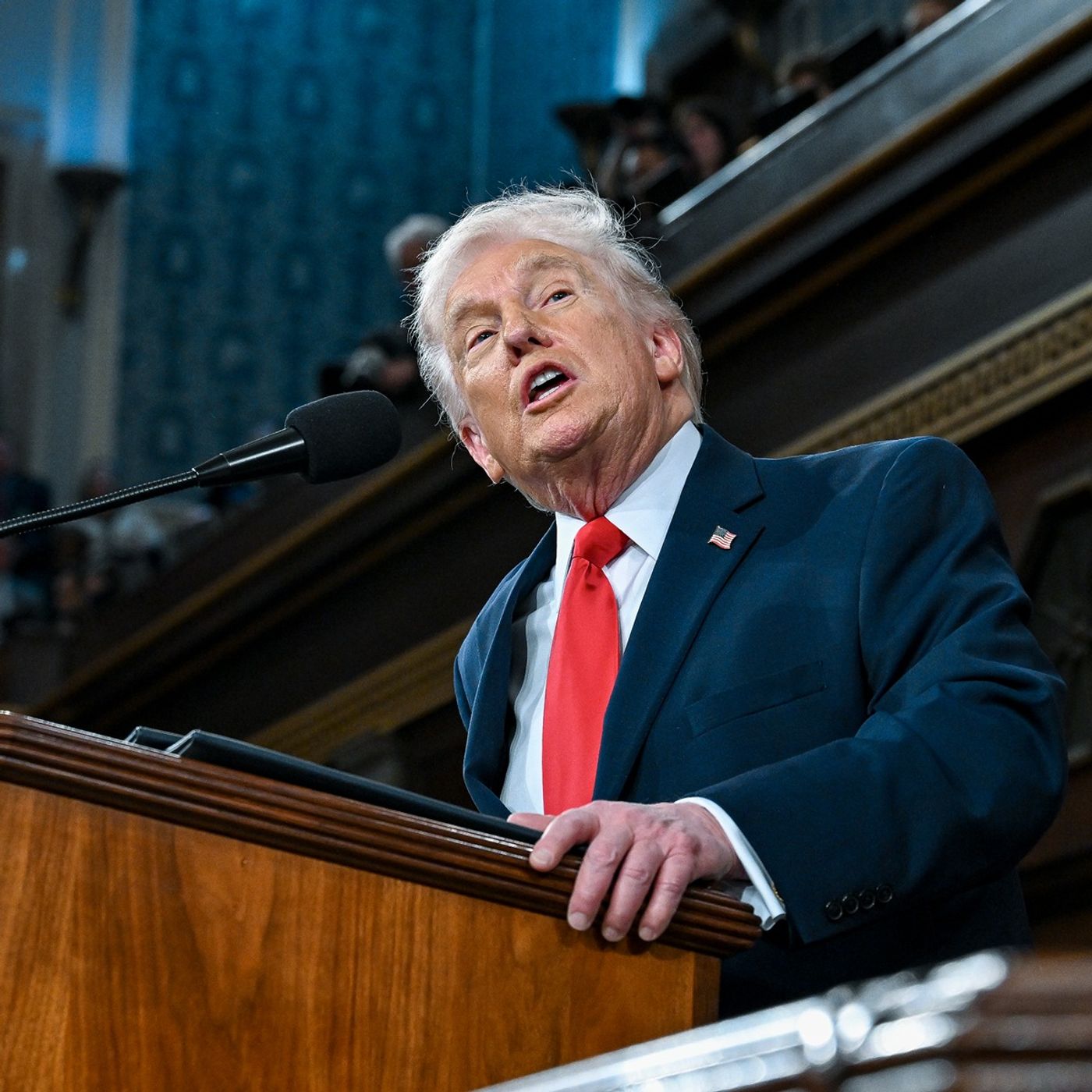
Rosy Predictions, Angry Attacks: Trump’s State of the Union
In his first State of the Union address of his second term, President Trump offered a rosy portrait of a United States that has lost confidence in his leadership. He also relentlessly baited Democrats, who want to win back control of Congress in the midterms this fall. David E. Sanger, a White House correspondent for The New York Times, takes us inside the room. Guest: David E. Sanger, the White House and National Security Correspondent for The New York Times, reporting on President Trump and his administration. Background reading: During his State of the Union address, Mr. Trump heralded economic and border policies while deriding Democrats. Here are some fact checks of his speech. Photo: Kenny Holston/The New York Times For more information on today’s episode, visit nytimes.com/thedaily. Transcripts of each episode will be made available by the next workday. Subscribe today at nytimes.com/podcasts or on Apple Podcasts and Spotify. You can also subscribe via your favorite podcast app here https://www.nytimes.com/activate-access/audio?source=podcatcher. For more podcasts and narrated articles, download The New York Times app at nytimes.com/app. Hosted by Simplecast, an AdsWizz company. See pcm.adswizz.com for information about our collection and use of personal data for advertising.

Trump Weighs War With Iran
The United States has been building up a military presence around Iran for weeks, even as negotiators from both countries plan to meet later this week in hopes of finding a diplomatic solution to the escalating tensions. David E. Sanger, a national security correspondent for The New York Times, explains what President Trump hopes to achieve through potential military action, and why he has chosen this moment. Guest: David E. Sanger, the White House and National Security Correspondent for The New York Times. Background reading: Mr. Trump has said he is considering a targeted strike against Iran that could be followed by a larger attack. As Mr. Trump weighs military action, he has declined to make a clear case for why, or why now. Photo: Pool photo by Fazry Ismail For more information on today’s episode, visit nytimes.com/thedaily. Transcripts of each episode will be made available by the next workday. Subscribe today at nytimes.com/podcasts or on Apple Podcasts and Spotify. You can also subscribe via your favorite podcast app here https://www.nytimes.com/activate-access/audio?source=podcatcher. For more podcasts and narrated articles, download The New York Times app at nytimes.com/app. Hosted by Simplecast, an AdsWizz company. See pcm.adswizz.com for information about our collection and use of personal data for advertising.

Chaos, Confusion and Defiance: The Global Fallout From the Tariff Ruling
The Supreme Court ruled on Friday that President Trump exceeded his authority when he imposed sweeping tariffs on imports from nearly every U.S. trading partner. Tyler Pager, Ana Swanson and Andrew Ross Sorkin of The New York Times explain what comes next. Guest: Tyler Pager, a White House correspondent for The New York Times who covers the Trump administration. Ana Swanson, a reporter in Washington who covers trade and international economics for The New York Times. Andrew Ross Sorkin, a columnist and the founder and editor at large of DealBook. Background reading: Mr. Trump said he would raise his new global tariff to 15 percent after the Supreme Court struck down many of his previous tariffs. The president’s response underscored his insistence that he should have expansive powers to carry out his agenda as he wishes. Here are some key questions to consider on the future of the Trump administration’s tariffs. Photo: Adam Amengual for The New York Times For more information on today’s episode, visit nytimes.com/thedaily. Transcripts of each episode will be made available by the next workday. Subscribe today at nytimes.com/podcasts or on Apple Podcasts and Spotify. You can also subscribe via your favorite podcast app here https://www.nytimes.com/activate-access/audio?source=podcatcher. For more podcasts and narrated articles, download The New York Times app at nytimes.com/app. Hosted by Simplecast, an AdsWizz company. See pcm.adswizz.com for information about our collection and use of personal data for advertising.

Is the Swipe Era Over?
In 2012, Tinder revolutionized dating apps with its swipe feature. With the flick of a finger, singles could accept or reject a potential mate. While this innovation has worked for many, some have grown weary of the simple swipe, and long for a more nuanced way to find love. Today on “The Sunday Daily,” Rachel Abrams examines two dating tends on the rise: in-person mixers that are far from old-fashioned, and emerging A.I. technology that promises singles a ‘soul’ match. Rachel speaks with The New York Times’s dating columnist Gina Cherelus; Luke Vander Ploeg, a producer on the “Daily”; and Amanda Hess, a writer at large at The Times. On Today’s Episode Gina Cherelus covers dating for The New York Times. Luke Vander Ploeg is a producer on The Daily. Amanda Hess is a writer at large for The Times. Photo: Mila De La Torre for The New York Times For more information on today’s episode, visit nytimes.com/thedaily. Transcripts of each episode will be made available by the next workday. Subscribe today at nytimes.com/podcasts or on Apple Podcasts and Spotify. You can also subscribe via your favorite podcast app here https://www.nytimes.com/activate-access/audio?source=podcatcher. For more podcasts and narrated articles, download The New York Times app at nytimes.com/app. Hosted by Simplecast, an AdsWizz company. See pcm.adswizz.com for information about our collection and use of personal data for advertising.

'The Interview': Wellness Guru Jay Shetty Has Raised Some Doubts. Including His Own.
The self-help influencer on his values, his journey and criticism of his work. Thoughts? Email us at [email protected] Watch our show on YouTube: youtube.com/@TheInterviewPodcast For transcripts and more, visit: nytimes.com/theinterview Subscribe today at nytimes.com/podcasts or on Apple Podcasts and Spotify. You can also subscribe via your favorite podcast app here https://www.nytimes.com/activate-access/audio?source=podcatcher. For more podcasts and narrated articles, download The New York Times app at nytimes.com/app. Hosted by Simplecast, an AdsWizz company. See pcm.adswizz.com for information about our collection and use of personal data for advertising.
Special Episode: Trump's Tariffs Struck Down
In a historic 6-3 decision, the Supreme Court ruled that President Trump’s sweeping global tariffs were illegal, jeopardizing a pillar of the president’s second term. The New York Times chief legal affairs correspondent Adam Liptak explains the legal logic of the ruling and its potentially seismic impacts. Guest: Adam Liptak, chief legal affairs correspondent for The New York Times. Background Reading: What Happens to All These Trade Deals Now? Trump Tariff Tracker: Latest Rates on Countries and Products For more information on today’s episode, visit nytimes.com/thedaily. Transcripts of each episode will be made available by the next workday. Subscribe today at nytimes.com/podcasts or on Apple Podcasts and Spotify. You can also subscribe via your favorite podcast app here https://www.nytimes.com/activate-access/audio?source=podcatcher. For more podcasts and narrated articles, download The New York Times app at nytimes.com/app. Hosted by Simplecast, an AdsWizz company. See pcm.adswizz.com for information about our collection and use of personal data for advertising.
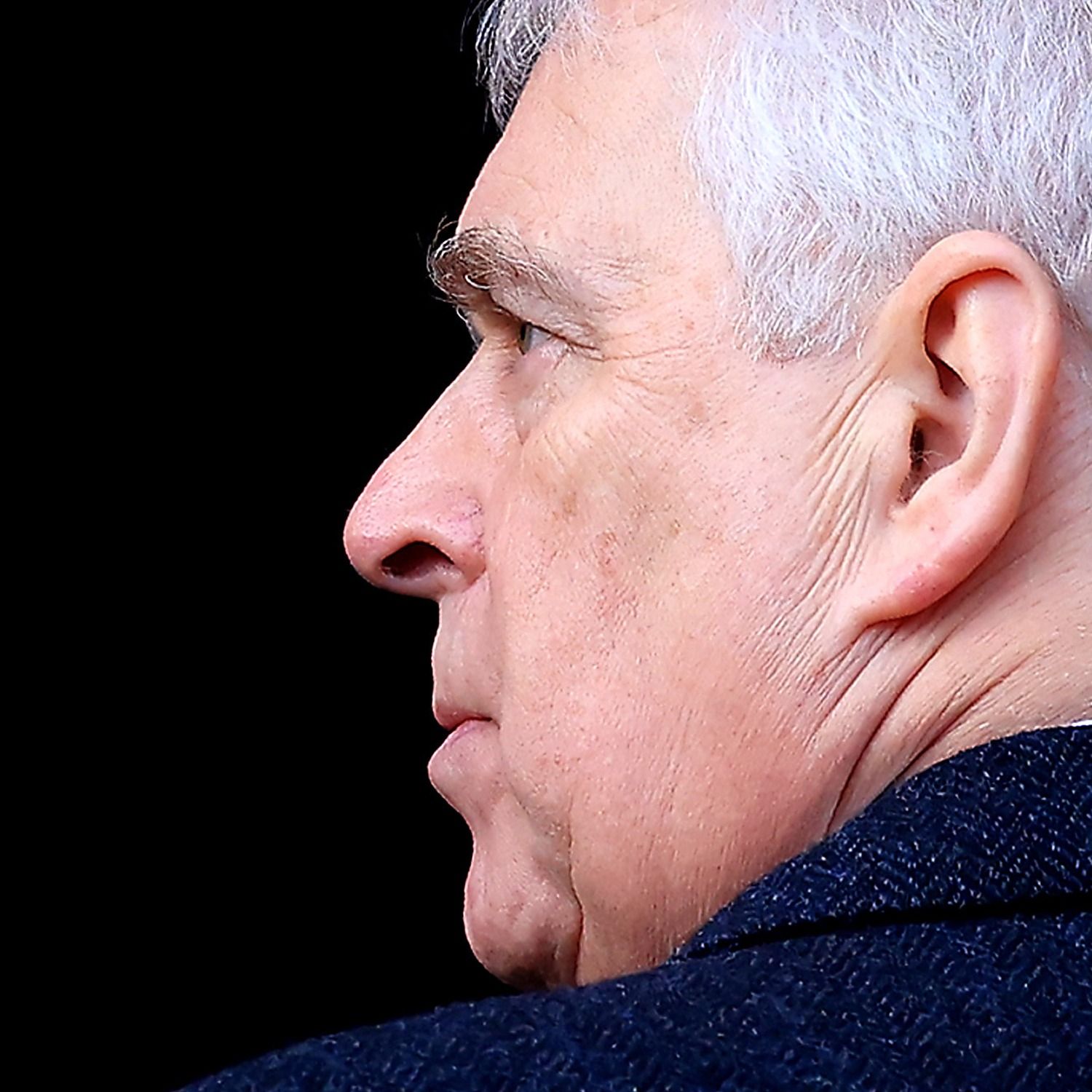
A Royal Arrest and Global Fallout Over Epstein
EWarning: This episode mentions suicide. Andrew Mountbatten-Windsor, the former Prince Andrew, was arrested by the British police on Thursday amid widening scrutiny over his ties to the disgraced financier Jeffrey Epstein. The New York Times journalists Michael D. Shear and Nicholas Confessore explain why Mr. Mountbatten-Windsor was arrested and why, to many people, consequences still feel elusive. Guest: Michael D. Shear, a senior U.K. correspondent for The New York Times, covering British politics and culture and diplomacy around the world. Nicholas Confessore, a New York-based political and investigative reporter at The New York Times and a staff writer at The New York Times Magazine. Background reading: The British police arrested former Prince Andrew. The arrest casts a shadow over the royal family. Photo: Stephen Pond/Getty Images For more information on today’s episode, visit nytimes.com/thedaily. Transcripts of each episode will be made available by the next workday. Subscribe today at nytimes.com/podcasts or on Apple Podcasts and Spotify. You can also subscribe via your favorite podcast app here https://www.nytimes.com/activate-access/audio?source=podcatcher. For more podcasts and narrated articles, download The New York Times app at nytimes.com/app. Hosted by Simplecast, an AdsWizz company. See pcm.adswizz.com for information about our collection and use of personal data for advertising.

‘Thugs’: The Moderate Democrat Railing Against ICE
Senator Catherine Cortez Masto of Nevada is nobody’s idea of a partisan firebrand. She’s a moderate, swing-state Democrat with a résumé steeped in law enforcement — all of which makes her an unlikely leader of the Democratic-led shutdown of the Department of Homeland Security, which has now entered its sixth day.But over the past few months, Senator Cortez Masto said she was horrified by the conduct of federal immigration enforcement agents in her own state and across the country. By last week, she and many of her Democratic colleagues in the Senate decided to act on their outrage.In an interview with her on “The Daily,” Senator Cortez Masto talks about why she decided to support withholding homeland security funding, the political perils for her party in blocking that funding and why she believes most Americans support the strategy.Guest: Catherine Cortez Masto of NevadaBackground reading: Democrats and the White House traded offers, but a deal to reopen the Department of Homeland Security remained elusive.A polling memo circulated among centrist senators urged Democrats to talk tougher on crime, while noting an opportunity for the party to appeal to voters with criticism of ICE.Photo: Eric Lee for The New York TimesFor more information on today’s episode, visit nytimes.com/thedaily. Transcripts of each episode will be made available by the next workday. Subscribe today at nytimes.com/podcasts or on Apple Podcasts and Spotify. You can also subscribe via your favorite podcast app here https://www.nytimes.com/activate-access/audio?source=podcatcher. For more podcasts and narrated articles, download The New York Times app at nytimes.com/app. Hosted by Simplecast, an AdsWizz company. See pcm.adswizz.com for information about our collection and use of personal data for advertising.
Can A.I. Already Do Your Job?
“Vibecoding,” or using artificial-intelligence tools such as Claude Code to generate code for websites or apps, is the newest A.I. trend, and it could transform the software-development industry.Kevin Roose, a technology columnist for The New York Times, takes us inside the process.Guest: Kevin Roose, a technology columnist for The New York Times in the San Francisco Bay Area and a host of the Times tech podcast, “Hard Fork.”Background reading: Here is the website Kevin and Natalie built during the episode.Here are five ways people are using Claude Code.With “vibecoding," A.I. can help anyone build an app.Photo: Photo illustration by The New York TimesFor more information on today’s episode, visit nytimes.com/thedaily. Transcripts of each episode will be made available by the next workday. Subscribe today at nytimes.com/podcasts or on Apple Podcasts and Spotify. You can also subscribe via your favorite podcast app here https://www.nytimes.com/activate-access/audio?source=podcatcher. For more podcasts and narrated articles, download The New York Times app at nytimes.com/app. Hosted by Simplecast, an AdsWizz company. See pcm.adswizz.com for information about our collection and use of personal data for advertising.

After Venezuela, Is Cuba Next?
For more than six decades, the United States has tried to topple the regime in Cuba. After ousting President Nicolás Maduro of Venezuela, who was one of Cuba’s closest allies, the Trump administration is closer than ever to forcing radical change on the island.The New York Times reporters Frances Robles and Michael Crowley discuss how the latest escalation is pushing Cuba to the brink, and whether this time the United States will get what it wants. Guest:Frances Robles, an international correspondent covering Latin America and the Caribbean for The New York Times.Michael Crowley, a reporter covering the State Department and U.S. foreign policy for The New York Times.Background reading: Cuba’s government has lasted 67 years. Will it fall under Mr. Trump?Can Cuba survive without Venezuela’s oil?Photo: Yamil Lage/Agence France-Presse — Getty ImagesFor more information on today’s episode, visit nytimes.com/thedaily. Transcripts of each episode will be made available by the next workday. Subscribe today at nytimes.com/podcasts or on Apple Podcasts and Spotify. You can also subscribe via your favorite podcast app here https://www.nytimes.com/activate-access/audio?source=podcatcher. For more podcasts and narrated articles, download The New York Times app at nytimes.com/app. Hosted by Simplecast, an AdsWizz company. See pcm.adswizz.com for information about our collection and use of personal data for advertising.

When A.I. Comes to Town: The Backlash Over Data Centers
Tech companies are racing to build thousands of huge data centers to power the artificial intelligence revolution. To find the land they need, they are barreling into rural communities across the United States with the promise of good jobs. But not everyone is buying that pitch.Karen Weise, a technology correspondent for The New York Times, tells the story of one county pushing back against Big Tech. Guest: Karen Weise, a technology correspondent for The New York Times.Background reading: What exactly are artificial intelligence companies trying to build? Here’s a guide.How large tech companies are offloading the risks of the A.I. boom.At this big Amazon data center in Indiana, everything is supersized for A.I.Photo: AJ Mast for The New York TimesFor more information on today’s episode, visit nytimes.com/thedaily. Transcripts of each episode will be made available by the next workday. Subscribe today at nytimes.com/podcasts or on Apple Podcasts and Spotify. You can also subscribe via your favorite podcast app here https://www.nytimes.com/activate-access/audio?source=podcatcher. For more podcasts and narrated articles, download The New York Times app at nytimes.com/app. Hosted by Simplecast, an AdsWizz company. See pcm.adswizz.com for information about our collection and use of personal data for advertising.

Boos, Rivalries and Records: Inside the 2026 Olympics
In this episode of “The Sunday Daily,” the host Rachel Abrams is joined by her New York Times colleagues Motoko Rich, Shawna Richer and Juliet Macur, who are all covering this year’s Olympic Games. They discuss how the geopolitical climate may or may not be influencing the competition, and talk about some of the extraordinary athletes who are pushing the limits of physical achievements.On Today’s EpisodeMotoko Rich is the Rome bureau chief for The New York Times.Juliet Macur is a national reporter covering sports for The New York Times.Shawna Richer is an editor at The New York Times, working on coverage of sports in America.Photo Illustration by The New York Times; Images: Sarah Stier/Getty ImagesFor more information on today’s episode, visit nytimes.com/thedaily. Transcripts of each episode will be made available by the next workday. Subscribe today at nytimes.com/podcasts or on Apple Podcasts and Spotify. You can also subscribe via your favorite podcast app here https://www.nytimes.com/activate-access/audio?source=podcatcher. For more podcasts and narrated articles, download The New York Times app at nytimes.com/app. Hosted by Simplecast, an AdsWizz company. See pcm.adswizz.com for information about our collection and use of personal data for advertising.

'The Interview': The Woman at the Center of the French Rape Trial That Shocked the World
Gisèle Pelicot opens up about surviving years of secret abuse and her life today.Thoughts? Email us at [email protected] our show on YouTube: youtube.com/@TheInterviewPodcastFor transcripts and more, visit: nytimes.com/theinterview Subscribe today at nytimes.com/podcasts or on Apple Podcasts and Spotify. You can also subscribe via your favorite podcast app here https://www.nytimes.com/activate-access/audio?source=podcatcher. For more podcasts and narrated articles, download The New York Times app at nytimes.com/app. Hosted by Simplecast, an AdsWizz company. See pcm.adswizz.com for information about our collection and use of personal data for advertising.
The Government Shutdown Fight Over Immigration
The U.S. government this weekend is expected to find itself in yet another shutdown. This time, it is only one agency shutting down: the Department of Homeland Security.Michael Gold, a congressional reporter for The New York Times, explains why Democrats are once again picking a fight over funding with President Trump.Guest: Michael Gold, a congressional correspondent for The New York Times, based in Washington.Background reading: Senate Democrats refused to move ahead with a spending bill needed to keep the Department of Homeland Security running.Video: How Democrats are trying to rein in ICE.Photo: Elizabeth Frantz for The New York TimesFor more information on today’s episode, visit nytimes.com/thedaily. Transcripts of each episode will be made available by the next workday. Subscribe today at nytimes.com/podcasts or on Apple Podcasts and Spotify. You can also subscribe via your favorite podcast app here https://www.nytimes.com/activate-access/audio?source=podcatcher. For more podcasts and narrated articles, download The New York Times app at nytimes.com/app. Hosted by Simplecast, an AdsWizz company. See pcm.adswizz.com for information about our collection and use of personal data for advertising.

The Secret Plan to End U.S. Climate Regulations
The administrator of the Environmental Protection Agency is expected on Thursday to repeal a scientific finding that requires the federal government to fight global warming. The move is the latest push by the Trump administration to wipe out climate regulations in the United States.Lisa Friedman, a New York Times reporter who covers climate policy, has spent the past few weeks piecing together the inside story of how a small group of activists turned its goal of rolling back environmental protections into reality.Guest: Lisa Friedman, a reporter covering climate policy and politics at The New York Times.Background reading: President Trump’s allies are near a “total victory” in wiping out a central U.S. climate regulation.Four Trump allies have been a driving force behind the administration’s efforts to rollback the rule.Photo: Evelyn Hockstein/ReutersFor more information on today’s episode, visit nytimes.com/thedaily. Transcripts of each episode will be made available by the next workday. Subscribe today at nytimes.com/podcasts or on Apple Podcasts and Spotify. You can also subscribe via your favorite podcast app here https://www.nytimes.com/activate-access/audio?source=podcatcher. For more podcasts and narrated articles, download The New York Times app at nytimes.com/app. Hosted by Simplecast, an AdsWizz company. See pcm.adswizz.com for information about our collection and use of personal data for advertising.

TrumpRx Opens for Business
Last week, the Trump administration unveiled TrumpRx to try to counteract the high cost of prescription drugs. The president hailed the website as a “transformative” health care initiative.Margot Sanger-Katz, who covers health care policy, explains how the site works, and whether it will actually save Americans money.Guest: Margot Sanger-Katz, a reporter for The New York Times who covers health care policy and government spending.Background reading: President Trump’s online drugstore opened for business last week.Here’s how to tell if you will save money using TrumpRx.Photo: Kenny Holston/The New York TimesFor more information on today’s episode, visit nytimes.com/thedaily. Transcripts of each episode will be made available by the next workday. Subscribe today at nytimes.com/podcasts or on Apple Podcasts and Spotify. You can also subscribe via your favorite podcast app here https://www.nytimes.com/activate-access/audio?source=podcatcher. For more podcasts and narrated articles, download The New York Times app at nytimes.com/app. Hosted by Simplecast, an AdsWizz company. See pcm.adswizz.com for information about our collection and use of personal data for advertising.
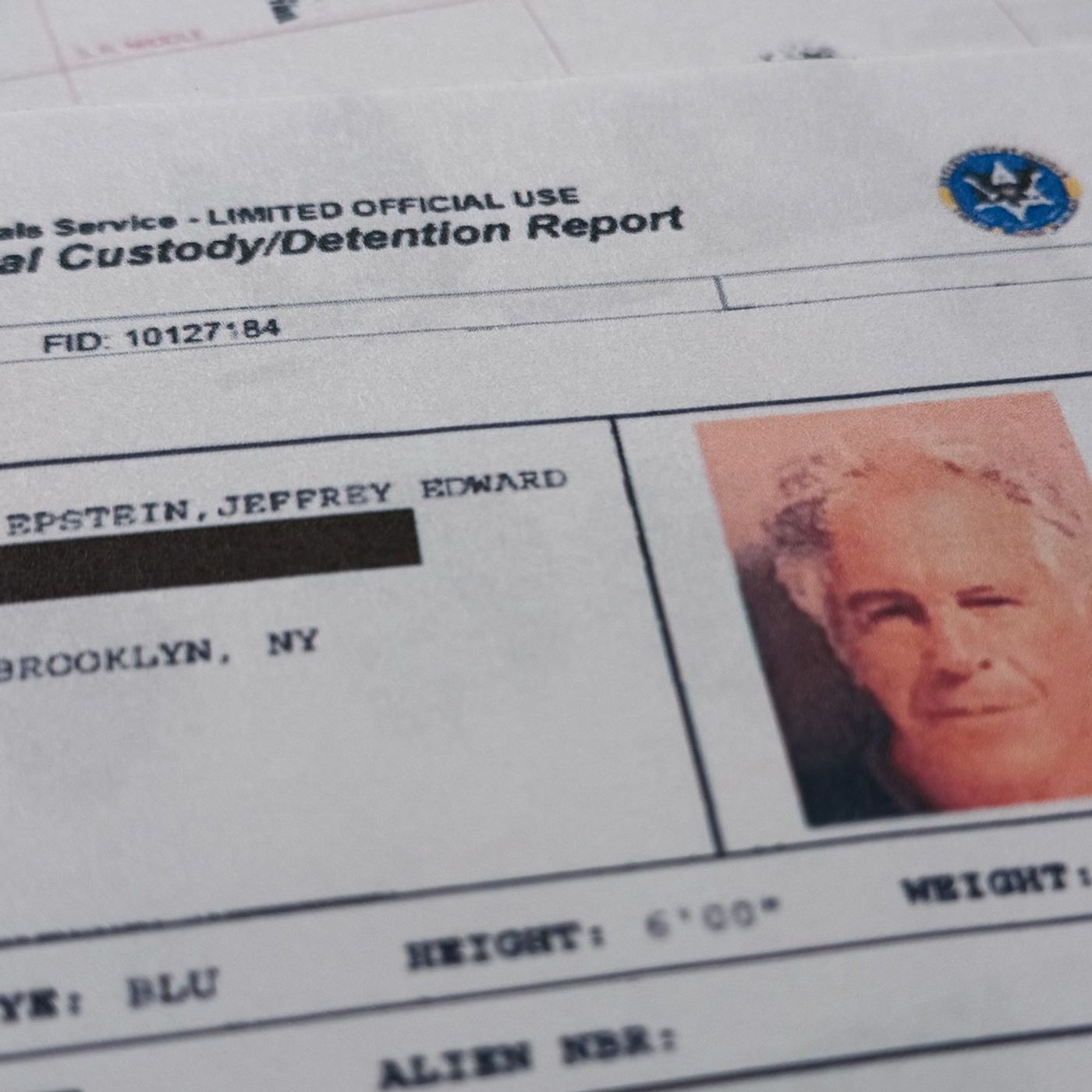
Deception and Dependency: Inside the Latest Epstein Files
The latest release of documents related to Jeffrey Epstein has revealed deep and intense relationships with the global elite, long after he became a convicted sex offender.Debra Kamin, Nicholas Confessore and Matthew Goldstein, Times reporters who have been covering the release of the documents, discuss their findings.Guest:Debra Kamin, an investigative reporter for the The New York Times, focusing on wealth, power and corruption in New York City.Nicholas Confessore, a political and investigative reporter at The New York Times and a staff writer at The New York Times Magazine.Matthew Goldstein, a New York Times Business reporter focusing on white-collar crime and the financialization of the housing market.Background reading: Prominent business and political leaders said they weren’t close to Mr. Epstein. The latest documents show otherwise.The new files named Elon Musk, Bill Gates and other powerful men among those who exchanged messages or visited with Mr. Epstein.Photo: Jon Elswick/Associated PressFor more information on today’s episode, visit nytimes.com/thedaily. Transcripts of each episode will be made available by the next workday. Subscribe today at nytimes.com/podcasts or on Apple Podcasts and Spotify. You can also subscribe via your favorite podcast app here https://www.nytimes.com/activate-access/audio?source=podcatcher. For more podcasts and narrated articles, download The New York Times app at nytimes.com/app. Hosted by Simplecast, an AdsWizz company. See pcm.adswizz.com for information about our collection and use of personal data for advertising.

Why Trump Voters Are Torn Over Minneapolis
The question of what to do about undocumented immigrants has long bonded President Trump and his supporters — and an overwhelming majority of them backed his all-out crackdown over the past year.But then came the extraordinary events of the past few weeks in Minneapolis. Since then, some of Mr. Trump’s voters have begun to have misgivings about his agenda.“The Daily” spoke with more than a dozen people who voted for him in the last election about how they are making sense of the recent events in Minneapolis.Background reading: A conversation with the Minneapolis police chief on ICE and the killing of Renee Good.Photo: David Guttenfelder / The New York TimesFor more information on today’s episode, visit nytimes.com/thedaily. Transcripts of each episode will be made available by the next workday. Subscribe today at nytimes.com/podcasts or on Apple Podcasts and Spotify. You can also subscribe via your favorite podcast app here https://www.nytimes.com/activate-access/audio?source=podcatcher. For more podcasts and narrated articles, download The New York Times app at nytimes.com/app. Hosted by Simplecast, an AdsWizz company. See pcm.adswizz.com for information about our collection and use of personal data for advertising.

At the Super Bowl, It’s Nice Guy vs. Underdog
For football fans nationwide, this year’s Super Bowl between the New England Patriots and the Seattle Seahawks is inherently exciting. For non-football fans like the Daily host Michael Barbaro — not so much.In this episode of “The Sunday Daily,” Natalie Kitroeff — who is a big Philadelphia Eagles fan — makes it her mission to draw Barbaro and other non-football fans into the excitement and drama of this year’s matchup through storytelling. She talks with two reporters who cover the teams for The Athletic: Chad Graff, a senior writer covering the Patriots; and Michael-Shawn Dugar, who covers the Seahawks.On Today’s Episode:Chad Graff is a senior writer for The Athletic, covering the New England Patriots.Michael-Shawn Dugar is a staff writer for The Athletic, covering the Seattle Seahawks.Photo Illustration by The New York Times; Images: Greg M. Cooper/AP; Steph Chambers/GettyFor more information on today’s episode, visit nytimes.com/thedaily. Transcripts of each episode will be made available by the next workday. Subscribe today at nytimes.com/podcasts or on Apple Podcasts and Spotify. You can also subscribe via your favorite podcast app here https://www.nytimes.com/activate-access/audio?source=podcatcher. For more podcasts and narrated articles, download The New York Times app at nytimes.com/app. Hosted by Simplecast, an AdsWizz company. See pcm.adswizz.com for information about our collection and use of personal data for advertising.

'The Interview': Michael Pollan Says Humanity Is About to Undergo a Revolutionary Change
The best-selling author grapples with big questions about A.I., consciousness and the distractions polluting our minds.Thoughts? Email us at [email protected] our show on YouTube: youtube.com/@TheInterviewPodcastFor transcripts and more, visit: nytimes.com/theinterview Subscribe today at nytimes.com/podcasts or on Apple Podcasts and Spotify. You can also subscribe via your favorite podcast app here https://www.nytimes.com/activate-access/audio?source=podcatcher. For more podcasts and narrated articles, download The New York Times app at nytimes.com/app. Hosted by Simplecast, an AdsWizz company. See pcm.adswizz.com for information about our collection and use of personal data for advertising.

When Anesthesia Fails and the Patient Is Cut Open
Women’s pain is too often dismissed in medicine. An alarming number of women report feeling major surgery and dealing with doctors and nurses who make light of their complaints.Susan Burton, reporter and host of the podcast “The Retrievals,” shares stories from just a few of the many cases of women who felt significant pain during their C-sections.Guest: Susan Burton, the host, writer and reporter of “The Retrievals,” a podcast series by Serial Productions.Background reading: A timeline of the problem of pain during cesarean and the efforts to solve it.A series examining the solutions to pain during C-sections.Photo: Illustration by Getty ImagesFor more information on today’s episode, visit nytimes.com/thedaily. Transcripts of each episode will be made available by the next workday. Subscribe today at nytimes.com/podcasts or on Apple Podcasts and Spotify. You can also subscribe via your favorite podcast app here https://www.nytimes.com/activate-access/audio?source=podcatcher. For more podcasts and narrated articles, download The New York Times app at nytimes.com/app. Hosted by Simplecast, an AdsWizz company. See pcm.adswizz.com for information about our collection and use of personal data for advertising.

Bezos Guts The Washington Post
When Jeff Bezos bought The Washington Post more than a decade ago, journalists inside and outside the newsroom were cautiously optimistic. But those hopes were dashed on Wednesday, when the paper carried out widespread layoffs.Erik Wemple, who covered the developments, discusses what went wrong and what comes next.Guest: Erik Wemple, who reports on the media business for The New York Times.Background reading: The Washington Post lays off more than 300 journalists.As part of the layoffs, The Post eliminated its sports section, one of the last bastions of great sportswriting.Photo: Pablo Martinez Monsivais/Associated PressFor more information on today’s episode, visit nytimes.com/thedaily. Transcripts of each episode will be made available by the next workday. Subscribe today at nytimes.com/podcasts or on Apple Podcasts and Spotify. You can also subscribe via your favorite podcast app here https://www.nytimes.com/activate-access/audio?source=podcatcher. For more podcasts and narrated articles, download The New York Times app at nytimes.com/app. Hosted by Simplecast, an AdsWizz company. See pcm.adswizz.com for information about our collection and use of personal data for advertising.

How to Bet on (Literally) Anything
The explosion of prediction markets in the United States, where people bet on everything from Taylor Swift’s wedding date to election outcomes, has radically expanded the universe of gambling.David Yaffe-Bellany, a technology reporter, explains how these platforms became so widespread so fast, and how betting on everything could change the way we live. Guest: David Yaffe-Bellany, a technology reporter for The New York Times, covering the crypto industry.Background reading: David Yaffe-Bellany, a technology reporter for The New York Times, covering the crypto industry.Photo: Photo Illustration: atakan/iStock, via Getty ImagesFor more information on today’s episode, visit nytimes.com/thedaily. Transcripts of each episode will be made available by the next workday. Subscribe today at nytimes.com/podcasts or on Apple Podcasts and Spotify. You can also subscribe via your favorite podcast app here https://www.nytimes.com/activate-access/audio?source=podcatcher. For more podcasts and narrated articles, download The New York Times app at nytimes.com/app. Hosted by Simplecast, an AdsWizz company. See pcm.adswizz.com for information about our collection and use of personal data for advertising.

The F.B.I.’s Extraordinary Seizure of Voting Records
Last week, F.B.I. agents searched an election center in Fulton County, Ga., seizing truckloads of ballots from 2020. The move escalated the investigation into President Trump’s claims of voter fraud in the state after his 2020 defeat in the state.It has since been learned that Tulsi Gabbard, the director of national intelligence, was present during the search.Devlin Barrett, a Times reporter who covers the F.B.I., discusses the presence of the nation’s top intelligence official and the stunning phone call that shows how personally involved Mr. Trump has become in the investigation.Guest: Devlin Barrett, a New York Times reporter covering the Justice Department and the F.B.I.Background reading: Mr. Trump had an unusual call with F.B.I. agents after the election center search.The move to seize ballots has thrust the F.B.I. into Mr. Trump’s election conspiracy claim.Photo: Nicole Craine for The New York TimesFor more information on today’s episode, visit nytimes.com/thedaily. Transcripts of each episode will be made available by the next workday. Subscribe today at nytimes.com/podcasts or on Apple Podcasts and Spotify. You can also subscribe via your favorite podcast app here https://www.nytimes.com/activate-access/audio?source=podcatcher. For more podcasts and narrated articles, download The New York Times app at nytimes.com/app. Hosted by Simplecast, an AdsWizz company. See pcm.adswizz.com for information about our collection and use of personal data for advertising.
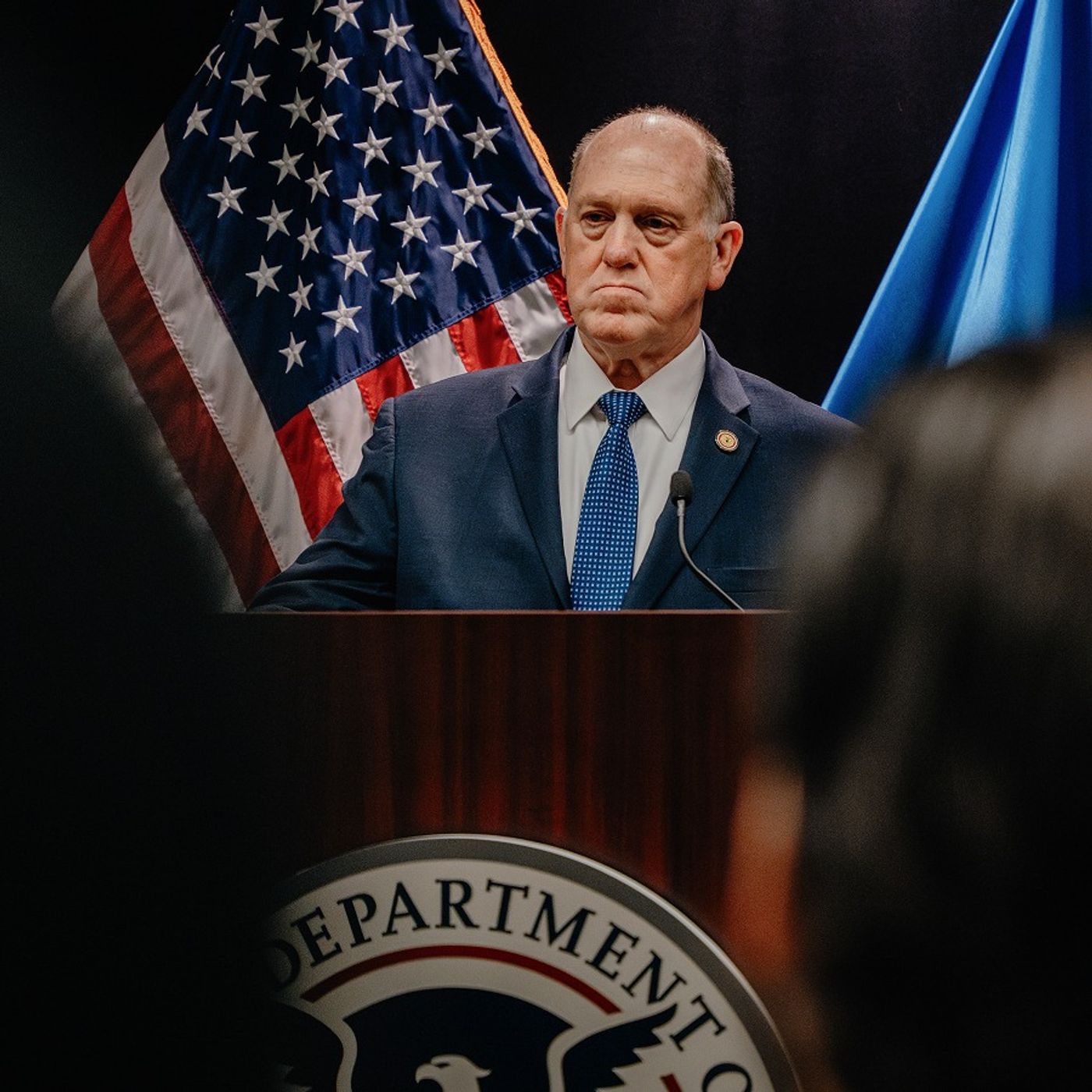
Can Trump Force Blue Cities to Cooperate With ICE?
Tom Homan, President Trump’s border czar, traveled to Minneapolis a few days ago with a message: the faster local officials cooperate with federal immigration agents, the faster those agents will leave.Hamed Aleaziz and Ernesto Londoño, New York Times reporters, explain why that kind of cooperation is so difficult to pull off. Guest:Hamed Aleaziz, who covers the Department of Homeland Security and immigration policy in the United States for The New York Times.Ernesto Londoño, a reporter for The New York Times based in Minnesota.Background reading: Can Mr. Homan de-escalate tensions in Minnesota?Minneapolis police officers caught between the Trump administration and city residents face difficult choices.Photo: Jamie Kelter Davis for The New York TimesFor more information on today’s episode, visit nytimes.com/thedaily. Transcripts of each episode will be made available by the next workday. Subscribe today at nytimes.com/podcasts or on Apple Podcasts and Spotify. You can also subscribe via your favorite podcast app here https://www.nytimes.com/activate-access/audio?source=podcatcher. For more podcasts and narrated articles, download The New York Times app at nytimes.com/app. Hosted by Simplecast, an AdsWizz company. See pcm.adswizz.com for information about our collection and use of personal data for advertising.

Bad Bunny Takes Over America
At the Grammy Awards tonight, the Puerto Rican pop sensation Bad Bunny is the first Spanish-language artist to be nominated for album, record and song of the year simultaneously. For most artists, this would be the high point of their year, if not their career. For Bad Bunny, this is just an appetizer for what’s in store for him next week.Next Sunday, he will headline the Super Bowl halftime show. His performance comes in the middle of a nationwide crackdown on immigration — an issue he’s been vocal about — and follows a backlash against the N.F.L. for booking him in the first place.Jon Caramanica and Joe Coscarelli, the hosts of The Times’s pop music show “Popcast,” discuss Bad Bunny’s rise to the heights of pop stardom, and explore what it means for a Puerto Rican artist to headline the world’s biggest stage.On Today’s Episode:Jon Caramanica is a pop music critic at The New York Times and a co-host of “Popcast.”Joe Coscarelli is a culture reporter for The New York Times who focuses on popular music and a co-host of “Popcast.”Background Reading:Grammys 2026: Who Should Win the Biggest AwardsBad Bunny Talks Coming Back Home on His ‘Most Puerto Rican’ Album YetGet to Know Bad Bunny in 9 SongsPhoto: Mario Anzuoni for Reuters. Subscribe today at nytimes.com/podcasts or on Apple Podcasts and Spotify. You can also subscribe via your favorite podcast app here https://www.nytimes.com/activate-access/audio?source=podcatcher. For more podcasts and narrated articles, download The New York Times app at nytimes.com/app. Hosted by Simplecast, an AdsWizz company. See pcm.adswizz.com for information about our collection and use of personal data for advertising.

“A Terrifying Line Is Being Crossed”: Mayor Jacob Frey on the Turmoil in Minneapolis
The Minnesota Democrat on the battle between his city and the federal government.Thoughts? Email us at [email protected] our show on YouTube: youtube.com/@TheInterviewPodcastFor transcripts and more, visit: nytimes.com/theinterview Subscribe today at nytimes.com/podcasts or on Apple Podcasts and Spotify. You can also subscribe via your favorite podcast app here https://www.nytimes.com/activate-access/audio?source=podcatcher. For more podcasts and narrated articles, download The New York Times app at nytimes.com/app. Hosted by Simplecast, an AdsWizz company. See pcm.adswizz.com for information about our collection and use of personal data for advertising.

Trump 2.0: The President’s Affordability Problem
President Trump was elected in 2024 on the promise that he would fix the economy. Now, a new poll from The New York Times/Siena reveals that the issue may be driving voters away.Nate Cohn, the chief political analyst at The Times, explains what the poll tells us.Guest: Nate Cohn, the chief political analyst for The New York Times.Background reading: Voters see a middle-class lifestyle as drifting out of reach, the poll found.Here’s what Americans really mean by “affordability.”Who are the voters who have taken a U-turn on Mr. Trump?Photo: Doug Mills/The New York TimesFor more information on today’s episode, visit nytimes.com/thedaily. Transcripts of each episode will be made available by the next workday. Subscribe today at nytimes.com/podcasts or on Apple Podcasts and Spotify. You can also subscribe via your favorite podcast app here https://www.nytimes.com/activate-access/audio?source=podcatcher. For more podcasts and narrated articles, download The New York Times app at nytimes.com/app. Hosted by Simplecast, an AdsWizz company. See pcm.adswizz.com for information about our collection and use of personal data for advertising.