The Colin McEnroe Show
3,254 episodes — Page 31 of 66

Hang Tight. It's Almost Next Year.
Officials in the Trump Administration last week videotaped both a naturalization ceremony held at the White House and an HUD official's interview with four New York City tenants on housing conditions. They then played selected parts from each video at the Republican National Convention without the knowledge of the participants. The CDC updated testing guidelines last week to say that people who have been exposed to the virus but who don’t have symptoms or underlying risk factors, don't necessarily need to be tested. After public health officials complained that asymptomatic carriers are more likely to spread the virus, we learned that the recommendations came from the White House Coronavirus Task Force. Today, politics and Covid. Guests: Saskia Popescu is an infectious disease epidemiologist at the University of Arizona (@SaskiaPopescu) Gail Collins is an op-ed columnist for the New York Times and the author of When Everything Changed: The Amazing Journey of American Women From 1960 to the Present and most recently, No Stopping Us Now: The Adventures of Older Women in American History (@gailcollins) Support the show: http://www.wnpr.org/donateSee omnystudio.com/listener for privacy information.

The Placebo Effect
Placebo treatments have been making people feel better for a long time. They've been working since long before Franz Mesmer was run out of 18th-century Vienna for "mesmerizing" a young pianist into regaining her eyesight, after all hope for a medical cure had been lost. Doctors have long dismissed the placebo effect as inferior to conventional medical treatments that sometimes fail where placebo works well, including in surgical procedures like arthroscopy, a popular procedure that relieves the pain of arthritic knees. The placebo effect is triggered not by a magic pill, but through a combination of expectation, hope, and the strength of the doctor-patient relationship. Placebo is real; it's on the rise in America, and technology is allowing researchers to link placebo with physiological and psychological changes and genetic predisposition that could change the way we treat illness. GUESTS: Gary Greenberg - Psychotherapist and the author of The Book of Woe: The DSM and the Unmasking of Psychiatry Ted Kaptchuk - Professor of medicine, Harvard Medical School, and Director, Program of Placebo Studies and Therapeutic Encounter at Beth Israel Deaconess Hospital Bruce Moseley - Orthopedic surgeon and sports medicine specialist, former team physician to the Houston Rockets, first to perform placebo surgery Join the conversation on Facebook and Twitter.Support the show: http://www.wnpr.org/donateSee omnystudio.com/listener for privacy information.
The Nose's Bookshelf Is Just A Bunch Of Copies Of Mariel Hemingway's Yoga Memoir
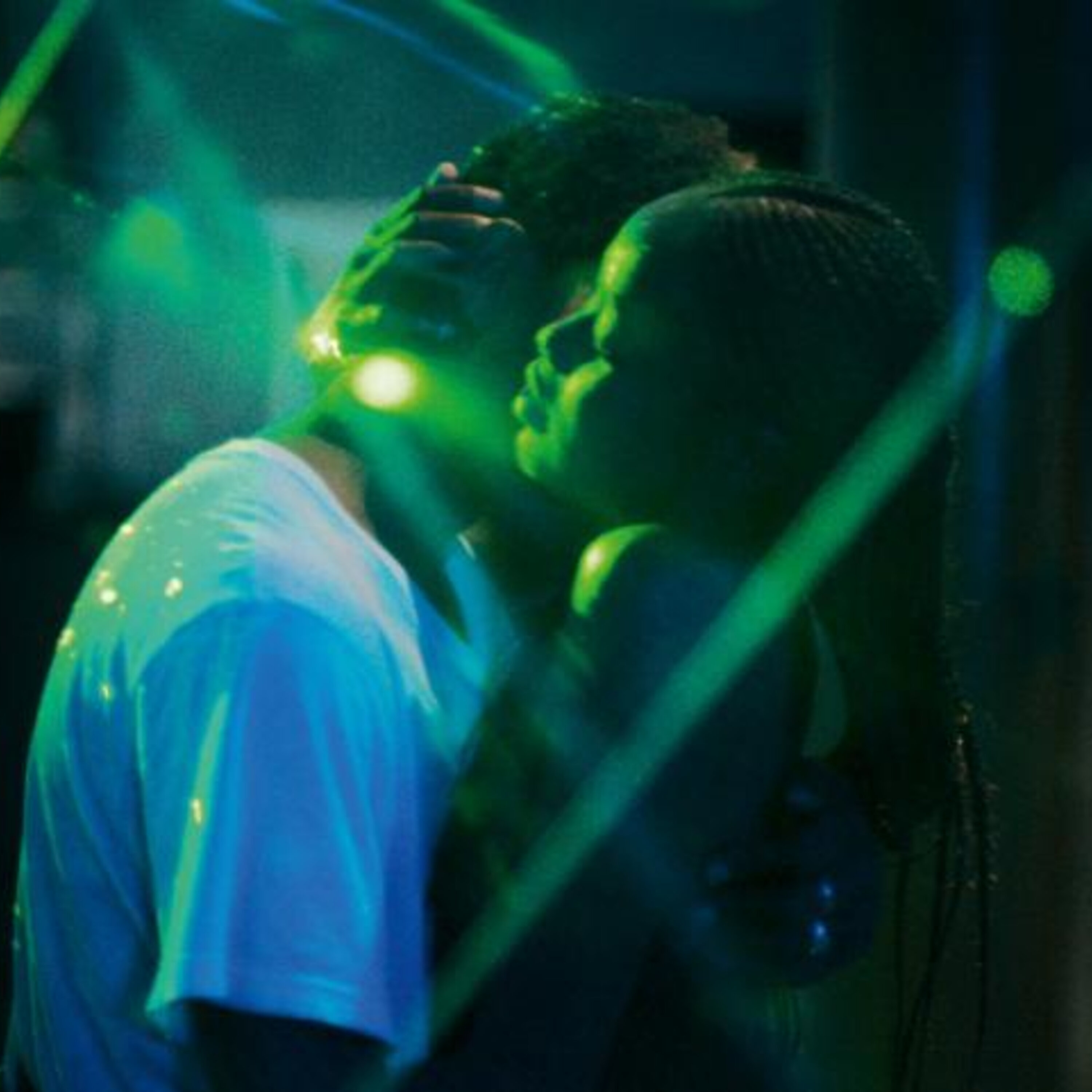
This week, the NBA, the WBNA, MLB, MLS, tennis, and eventually the NHL all postponed games and matches in response to the shooting of Jacob Blake in Kenosha, Wisconsin. And: A Tweet listing the "Top 7 Warning Signs In a Man's Bookshelf" -- including "Too Much Hemingway," you see -- caused a bit of a fuss on the Twitter. And finally: Atlantics is the directorial debut of actress and writer Mati Diop. It premiered at the 2019 Cannes Film Festival, where it was the first movie directed by a Black woman ever to compete at the festival. It won the Grand Prix. It is available to stream on Netflix, and The Guardian wrote about it this week in their "My Streaming Gem" column. Some other stuff that happened this week, give or take: Justin Townes Earle, Americana Singer-Songwriter, Dead at 38Nashville native, known for his mix of old-timey roots music and modern folk-rock, was the son of Steve Earle Riley Gale, Power Trip Vocalist, Dead At 34One of metal's true rising stars has left us too early Danbury Mayor Names Sewage Plant After John Oliver Following 'Last Week Tonight's Story On Jury Selection In Connecticut Jerry Seinfeld: So You Think New York Is 'Dead'(It's not.) The Batman: is Robert Pattinson set to play the superhero as an emo?In the latest film version of the vigilante's adventures, Batman/Bruce Wayne unexpectedly brings back the eyeliner and My Chemical Romance fringe of early 00s youth culture Fans Already Solved The Riddler's Cryptic Puzzle In 'The Batman' TeaserThe bigger question is why Batman doesn't just check the internet. How the Criterion Collection Crops Out African-American DirectorsThe prestigious line is coveted by cinephiles and taught in film schools. The company's president blames his "blind spots" for largely shutting out Black Americans. 'Tenet' May Not Be Playing at Your Local Drive-In Theater 'Drunk History' Canceled After Six Seasons at Comedy Central Bleacher Report Shuttering B/R Mag Long-form Storytelling Unit Chris Evans Responds To Backlash Over That Ted Cruz PhotoThe "Avengers" actor explained things on "The Daily Show." Live Comedy Is Back in New York! But Outdoors. Is This a Good Thing?The club Stand Up NY is staging 40 shows a week across the city. Performing in parks raises the stakes for comedians and audiences alike. Steven Soderbergh Reedited Three of His Movies in Quarantine While Producing 'Bill and Ted Face the Music'The filmmaker discussed how he's been spending quarantine, exploring safety guidelines for film productions, and why he helped get a long-dormant sequel finally get made. GUESTS: Jim Chapdelaine - An Emmy-winning musician, producer, composer, and recording engineer, and a patient advocate for people with rare cancers Taneisha Duggan - Producing associate at TheaterWorks Join the conversation on Facebook and Twitter. Colin McEnroe and Cat Pastor contributed to this show.Support the show: http://www.wnpr.org/donateSee omnystudio.com/listener for privacy information.
Trumpism Is The Loyal Child of McCarthyism
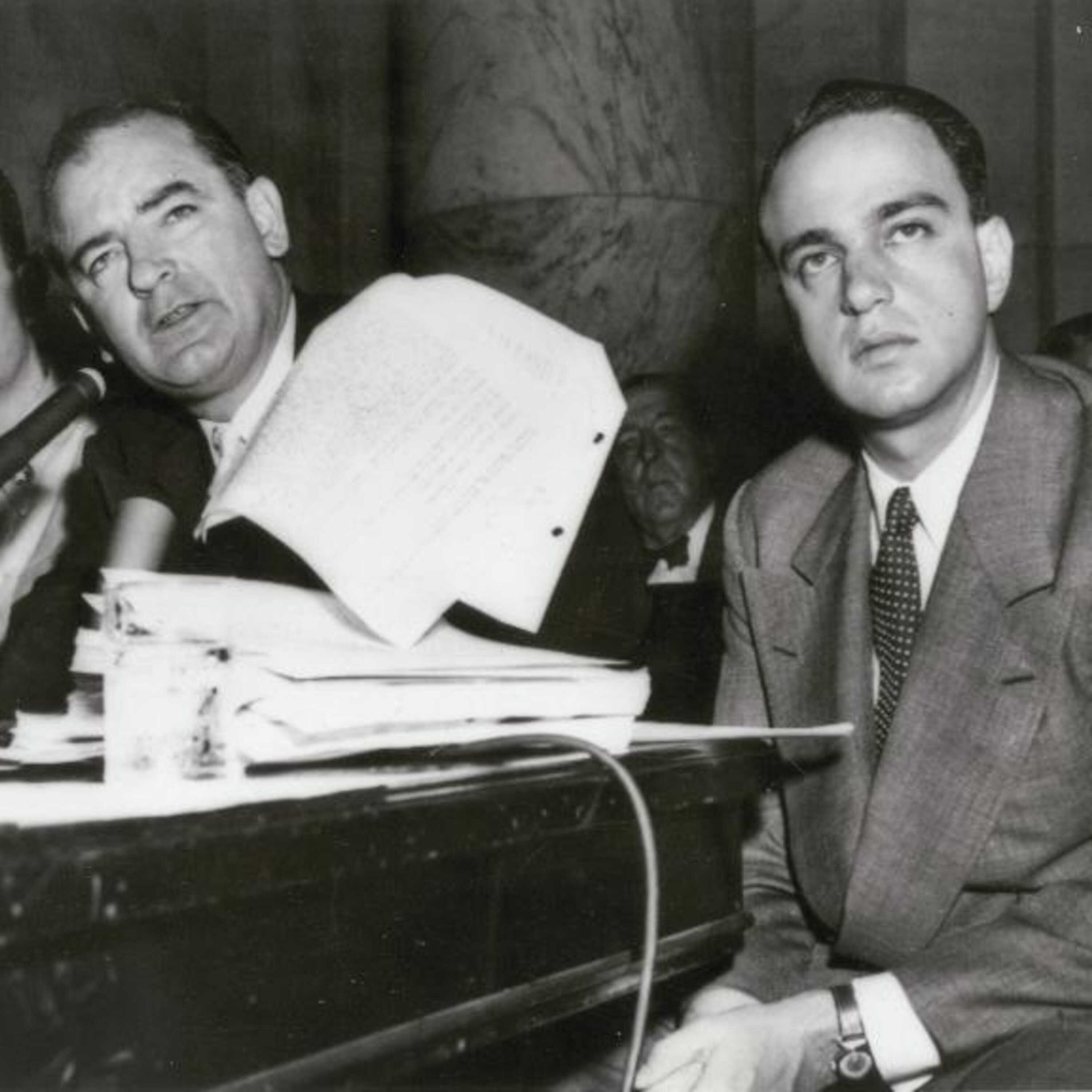
America has long been attracted to charismatic demagogues who master the media of their time to tap into America’s insecurities. Long before Donald Trump descended a golden escalator in 2015 to announce he was running for president, anti-communist zealot Joseph McCarthy took America by storm. The parallels many writers see between President Trump and Senator Joe McCarthy are not coincidental. There's a flesh-and-blood throughline that connects the two. President Trump's former attorney Roy Cohn taught him everything he learned from McCarthy's playbook when the served as McCarthy's chief council during his second term as a Wisconsin senator. Demagogues are often charasmatic men of limited ability who bully their way to the top and threaten reluctant enablers to go along. The good news is that they fall faster than they rise once people see that the emperor wears no clothes. What can we learn from McCarthyism as we consider our upcoming election? GUEST: Larry Tye is the author of eight books. His latest is Demagogue: The Life and Long Shadow of Senator Joe McCarthy. He’s also a Nieman fellow at Harvard and a former award-winning reporter for The Boston Globe. His next book will be, The Jazzmen: How Duke Ellington, Satchmo Armstrong and Count Basie Transformed America. Support the show: http://www.wnpr.org/donateSee omnystudio.com/listener for privacy information.

A Look At Logic Puzzles (Like Sudoku!)
In May, I discovered (along with the rest of the internet) a video on YouTube of a guy in his loft in Surrey, England... solving a Sudoku puzzle. It was intense, a rollercoaster ride, and, ultimately, sublime. Those are not words you might expect someone to use to describe watching a stranger solve a little number puzzle, but here we are. Since I found that video, I've watched that YouTube channel, Cracking the Cryptic, practically every day. Sometimes the videos are riveting. The rest of the time, they're soothing. The channel's 250,000 subscribers and 40 million cumulative views would seem to indicate that I'm not alone in using it as a way to both exercise and relax my mind during this pandemic period. This hour, a look at Sudoku, specifically, and logic puzzles more generally. GUESTS: Simon Anthony - A former U.K. team member in the World Sudoku and World Puzzle Championships and a host of Cracking the Cryptic Jason Rosenhouse - Professor of mathematics at James Madison University and the author of a number of books about math and related topics, including the forthcoming Games for Your Mind: The History and Future of Logic Puzzles Join the conversation on Facebook and Twitter. Colin McEnroe and Cat Pastor contributed to this show.Support the show: http://www.wnpr.org/donateSee omnystudio.com/listener for privacy information.
The Secret Lives Of Numbers
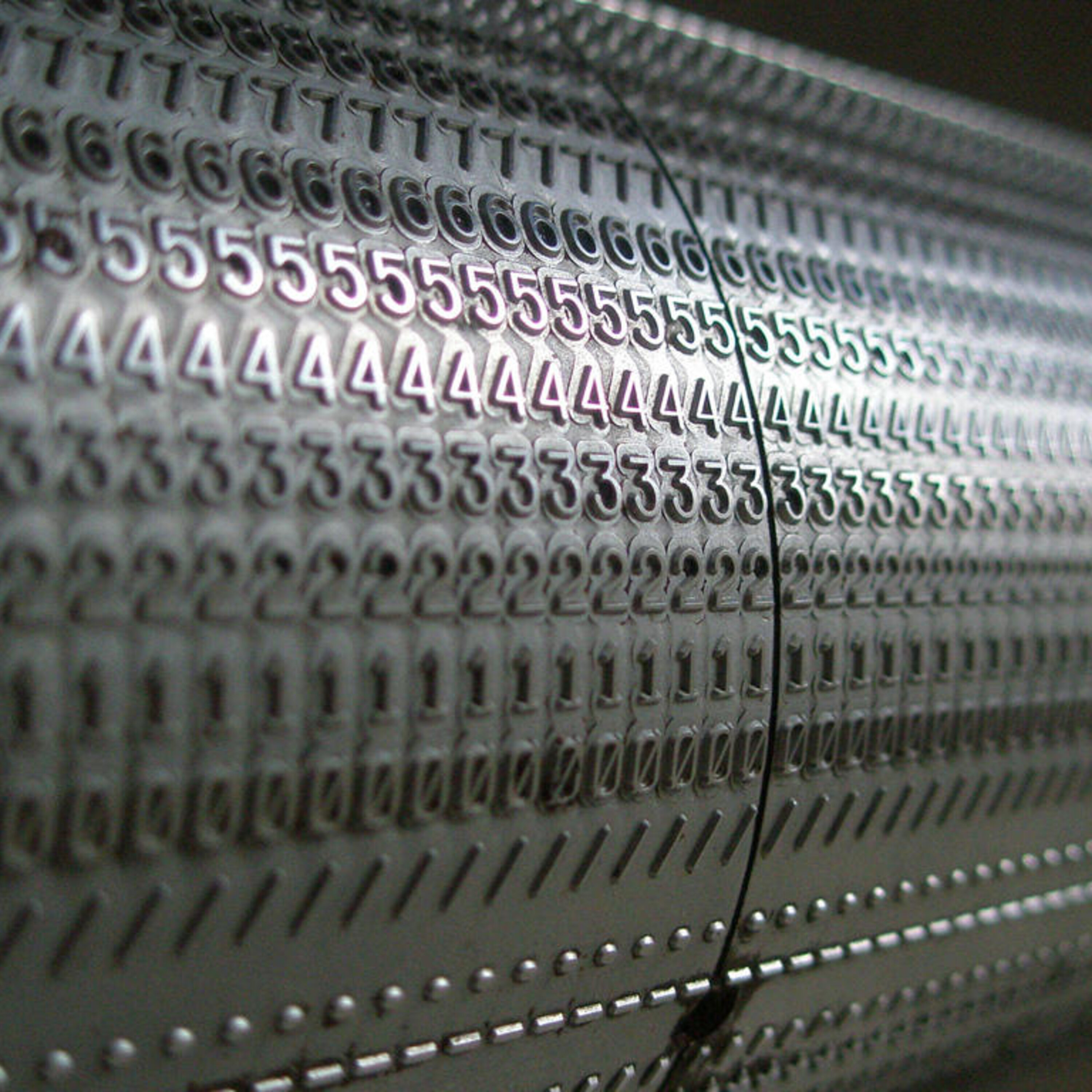
Numbers are so fundamental to our understanding of the world around us that we maybe tend to think of them as an intrinsic part of the world around us. But they aren't. Humans invented numbers just as much as we invented all of language. This hour, we look at the anthropological, psychological, and linguistical ramifications of the concept of numbers. And we look at one philosophical question too: Are numbers even real in the first place? GUESTS: Brian Clegg - Author of Are Numbers Real? The Uncanny Relationship of Mathematics and the Physical World Caleb Everett - Professor and chair of anthropology at the University of Miami and the author of Numbers and the Making of Us: Counting and the Course of Human Cultures Join the conversation on Facebook and Twitter. Colin McEnroe and Chion Wolf contributed to this show, which originally aired October 12, 2017.Support the show: http://www.wnpr.org/donateSee omnystudio.com/listener for privacy information.
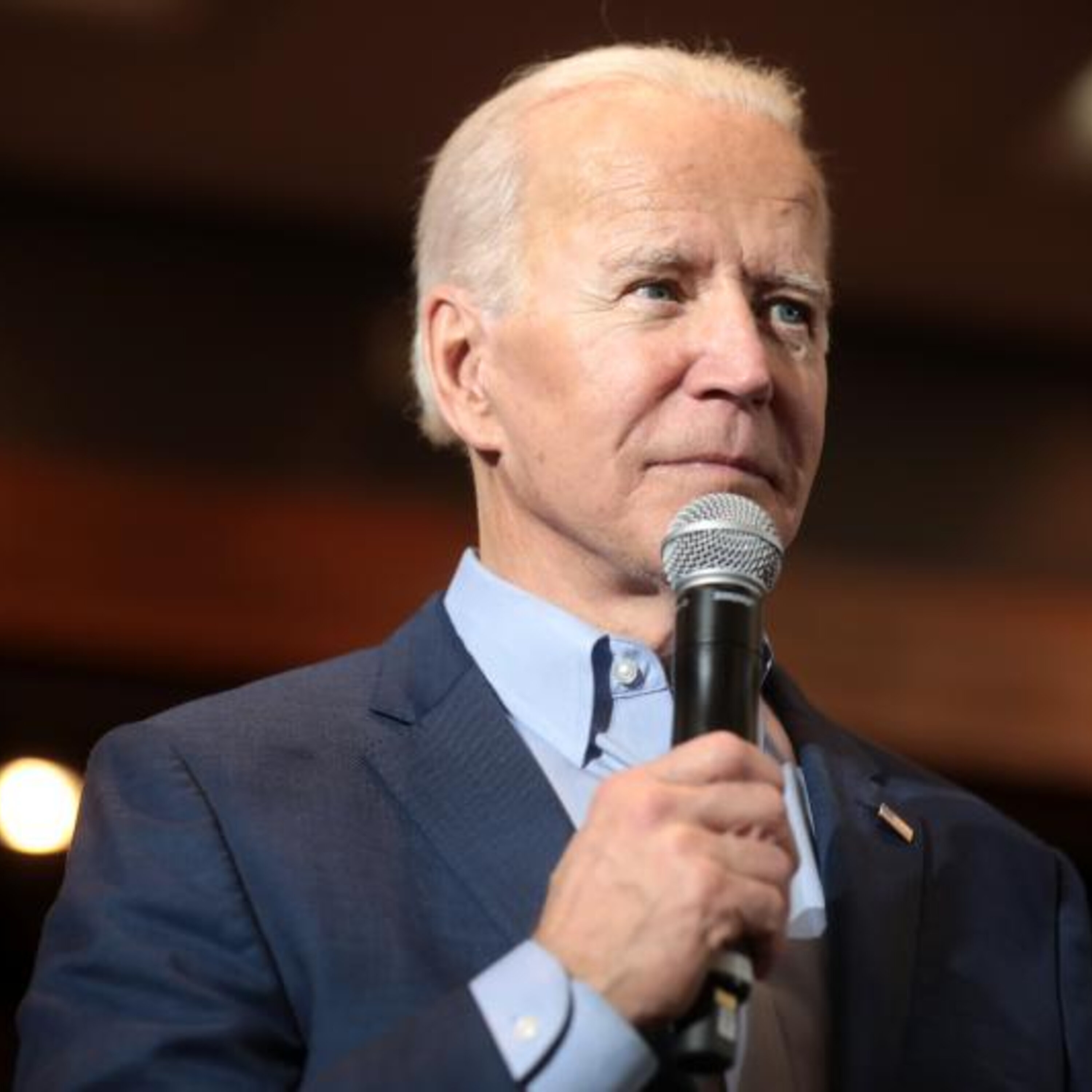
Two Political Conventions And A Pandemic
The Food and Drug Administration on Sunday authorized the emergency use of convalescent blood to treat people hospitalized with Covid-19. Sunday's decision comes on the heels of a presidential tweet that may have put pressure on the FDA to authorize it prematurely. We talk about this and more news on Covid. Also this hour: The Republican National Convention begins this week, a few days after former Vice-President Joe Biden accepted the nomination to represent Democrats in November's election. We talk about last week's convention, how this week's convention might play out, and other political news from the weekend. GUESTS: Angela Rasmussen is a virologist and associate research scientist at the Center of Infection and Immunity at Mailman School of Public Health at Columbia University. She is a contributing writer to Forbes magazine. (@angie_rasmussen) Annie Linskey is a national political reporter focused on the 2020 presidential campaign for The Washington Post. (@AnnieLinskey) Support the show: http://www.wnpr.org/donateSee omnystudio.com/listener for privacy information.

Swipe The Nose Like A Credit Card
The No. 1 song in the country -- "WAP" by Cardi B featuring Megan Thee Stallion -- seems to make just one concession to commercial decorum: its acronym title, which I won't be spelling out for you here. It's being called the "gloriously filthy song of the summer" and subversive "in almost every way, even as it plays with the limits of explicit expression." Speaking of troublesome songs: Does The Band's classic "The Night They Drove Old Dixie Down" belong in the same category as bits of culture like Song of the South and Gone with the Wind? And finally: Has it turned out that Kevin Costner's 1997 box office bomb, The Postman, is "the most accurate dystopian movie?" Some other stuff that happened this week, give or take: CAROLE BASKIN Debunks Facebook Group's Theory ... MISSING HUBBY'S NOT IN SEPTIC TANK!!! Second City Is Trying Not To Be Racist. Will It Work This Time?For more than 60 years, the premier home for improv was a bastion of whiteness where performers of color were consistently demeaned. Now it is trying to remake itself entirely. An Airline Employee On TikTok Is Calling Out All The Celebs Who Were Rude (And Nice) To Her, And It's Wild"She wouldn't get off the aircraft until everybody else got off." Two men charged with the 2002 killing of Run-DMC legend Jam Master Jay On Percival Everett's Almost Secret Experiment in a Novel in ThreesDavid Lerner Schwartz on the Tripartite Puzzle That is Telephone How the Criterion Collection Crops Out African-American DirectorsThe prestigious line is coveted by cinephiles and taught in film schools. The company's president blames his "blind spots" for largely shutting out Black Americans. GUESTS: Cara McDonough - A freelance writer; you can read her blog at caramcduna.com Brian Slattery - Arts editor for the New Haven Independent and a producer at WNHH radio Join the conversation on Facebook and Twitter. Colin McEnroe and Cat Pastor contributed to this show.Support the show: http://www.wnpr.org/donateSee omnystudio.com/listener for privacy information.

Can You Spare A Quarter?
The pandemic has led to national shortages in testing supplies, PPE, and now, coins. We've been predicting a cashless society and the demise of the penny for so long that we may be underestimating how much people still use coins in places like laundromats and coffeeshops, and the occasional parking meter. And about eight million households are "unbanked," and rely on money orders, pawn shops, or payday loans, instead of banks. So, where are all the coins? Also this hour: The world's earliest coins date back to ancient Greek and Roman culture. And each coin contains information often not found anywhere else in surviving relics of the ancient world. Some numismatists consider ancient coins one of the most important discoveries to fuel the renaissance. Lastly, how a North Carolina aquarium used coins from their waterfall to care for thousands of their animals during the pandemic. GUESTS: Molly Olmstead is a staff writer at Slate Brian Wallace is the President and Chief Executive Officer of the Coin Laundry Association David Vagi is Director, Ancient Coins at the Numismatic Guaranty Corporation and the author of Coinage and History of the Roman Empire Liz Baird is the director of the North Carolina Aquarium at Pine Knoll Shores Join the conversation on Facebook and TwitterSupport the show: http://www.wnpr.org/donateSee omnystudio.com/listener for privacy information.

A New Saliva Test; Politics At The Postal Service
The FDA on Saturday authorized emergency use of a rapid and inexpensive saliva test that could increase testing capacity. It’s quick, less expensive, and doesn't need the chemical reagents that are in short supply. It's also less sensitive than PCR tests. But public health experts believe the tradeoff will save lives. We talk about that and more Covid-related news. "Neither snow nor rain nor heat nor gloom of night stays these couriers from their appointed rounds," remains the motto of the United States Postal Service, despite changes by the new Postmaster General to slow down mail delivery, remove sorting machines, and make it more difficult for voters to receive and return mail-in ballots on time. Free and fair elections are the bedrock of democratic principles. The postal service led our first communications revolution by forging transportation networks that spread national and international news - even to those living in the most remote areas - to encourage an informed citizenry. Isn't it worth protecting? GUESTS: Vincent Racaniello is a professor of Microbiology & Immunology in the College of Physicians and Surgeons of Columbia University. He’s the host of the podcast, “This Week in Virology.” (@profvrr) Margaret Sullivan is the media columnist at the Washington Post and the author of Ghosting the News: Local Journalism and the Crisis of American Democracy. (@sulliview) Support the show: http://www.wnpr.org/donateSee omnystudio.com/listener for privacy information.
The Nose Knows That It's Going To Be Tired Tomorrow, At Least
The Nose is worried about movie theaters. The pandemic has done such damage to the industry that Hollywood has started treating the U.S. as a second-run market. And now the Paramount Consent Decrees have ended. (We're not exactly sure what that means, but it's not good.) Is the future of movie theaters... Walmart drive-ins? And: She Dies Tomorrow is a horror-comedy-thriller written and directed by Amy Seimetz. It was supposed to premiere at this year's South by Southwest, which was canceled. She Dies Tomorrow is out now on video on demand platforms. Some other stuff that happened this week, give or take: RZA unveils new ice cream truck jingle to replace problematic 'Turkey in the Straw' Trini Lopez, Singing Star Who Mixed Musical Styles, Dies at 83His blend of American folk, Latin and rockabilly music captivated listeners worldwide. His secret: arrangements that people could dance to. He died of COVID-19. Kurt Luedtke, Newspaperman Turned Screenwriter, Dies at 80He led The Detroit Free Press at 33, then gave up journalism for Hollywood. "Absence of Malice" was one result; an Oscar for "Out of Africa" was another. The Best Movies Eligible for the 2021 Oscars Right NowFrom "The Assistant" to "Never Rarely Sometimes Always," the first half of 2020 boasts more than a few titles worthy of Oscar buzz. Alan Dershowitz claims a fictional lawyer defamed him. The implications for novelists are very real. Kelly Ripa claps back after troll criticizes her 'lack of personal grooming' Martin Scorsese Makes Apple First-Look Film & Television Deal For His Sikelia Productions Banner Yale scientists restore cellular function in 32 dead pig brainsResearchers hope the technology will further our understanding of the brain, but lawmakers may not be ready for the ethical challenges. Can You Hack the Jeopardy! Buzzer?Different schools of thought have emerged. Oh, to be a cat in a plastic container sailing around a bathtub The Shark Week SuperlativesDiscovery Channel's much-hyped annual programming package has become increasingly ahistorical and fantastical over the years. Yet, it remains popular. So, our two resident shark experts dove in to discuss the best and worst that the week has to offer. "Weird and Strange Doesn't Even Begin to Describe It": What It’s Like to Be the Phillie Phanatic Right NowA brave mascot reveals what it's like to fill the crushing emptiness of an MLB stadium. A 'Socially Distanced' Venue Held Its First Concert, And It's An Introvert's Dream As it Celebrates the Centennial of the Negro Leagues, MLB May Undo a "Major" MistakeBecause of a prejudiced decision made more than 50 years ago, the segregation-era circuits that featured Black players have never been counted among the official major leagues. For the first time, MLB is considering righting that wrong. GUESTS: James Hanley - Co-founder of Cinestudio at Trinity College Carolyn Paine - An actress, comedian, and dancer; founder, director, and choreographer of CONNetic Dance Join the conversation on Facebook and Twitter. Colin McEnroe and Cat Pastor contributed to this show.Support the show: http://www.wnpr.org/donateSee omnystudio.com/listener for privacy information.

Swamps: The Past, Present, And (Endangered?) Future Of America's Wetlands
As President Trump talks about draining the swamp in Washington D.C., we turn our attention to actual swamps. Associated with death and decay, while also celebrated for their beauty and biodiversity, few landscapes evoke such contradictory sentiments as swamps. This hour we speak with experts about the surprising history, culture, nature, and politics associated with America's wetlands. We'll also talk with a woman who spent eight years of her life living in these inhospitable environments on a makeshift houseboat. GUESTS: Michael Grunwald - Senior writer for Politico Magazine, and Editor-at-Large of POLITICO’s new public policy site, The Agenda; author of The Swamp: The Everglades, Florida, and the Politics of Paradise (@MikeGrunwald) Dr. Anthony Wilson - Professor of English at LaGrange College, GA; author of Swamp: Nature and Culture, and Shadow and Shelter: The Swamp in Southern Culture Gwen Roland - Writer, and former full-time resident of the Atchafalaya river basin swamp; author of Atchafalaya Houseboat: My Years in the Louisiana Swamp, and Postmark Bayou Chene Join the conversation on Facebook and Twitter. Colin McEnroe and Chion Wolf contributed to this show.Support the show: http://www.wnpr.org/donateSee omnystudio.com/listener for privacy information.

The Sweatpants Maketh The Man (And Woman)
"It is the rare person who doesn't own a pair of sweatpants." I am, it turns out, that rare person. Sweatpants are just too warm, is my take. But I do own a number of pairs of cotton pajama pants. They're my sweatpants proxy. Back before the pandemic became the central preoccupation of our existence, back when we made our radio show in, ya know, a radio studio, I would always get a little dressed up on my show days. I'd wear a jacket. Or a tie. Or a jacket and a tie. Now that we're all working from home all the time, I spend the great majority of my work hours in pajama pants and stocking feet and a bathrobe. But when it comes time for one of my shows -- like this one, for instance -- I change out of my PJ pants into jeans or chinos. That's what "a little dressed up" means these days: putting real pants on. (Or even "hard pants," as they're now known.) For we are living in the age of sweatpants. Question is: Are we ever going back? Or should we go back right now and start dressing like grownups again? What if we got, like, some fancy pants sweatpants? Would that be grown up enough? This hour, from The Bad Ideas Dept.: a show about sweatpants. GUESTS: Tim Chan - Lifestyle and market editor at Rolling Stone Rebecca Jennings - A reporter covering pop and internet culture at The Goods by Vox Rachel Tashjian - Style writer for GQ Adam Tschorn - Deputy fashion editor at the Los Angeles Times Join the conversation on Facebook and Twitter. Colin McEnroe and Cat Pastor contributed to this show, which originally aired May 6, 2020.Support the show: http://www.wnpr.org/donateSee omnystudio.com/listener for privacy information.
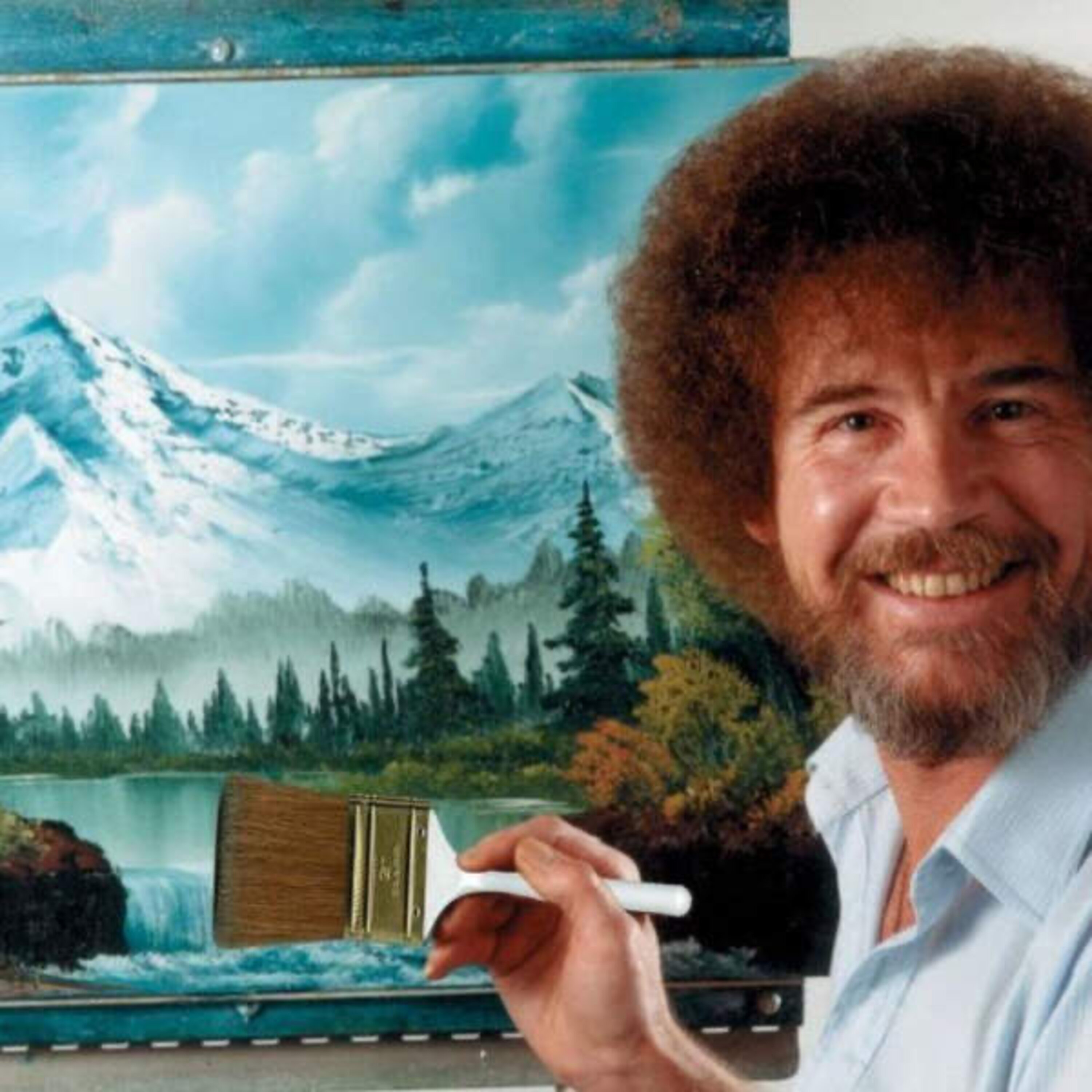
Happy Little Trees: The Joy Of Bob Ross (And Thomas Kinkade)
It's been 25 years since Bob Ross died and 26 years since his The Joy of Painting went off the air. But there are 52 episodes of the show available to stream on Netflix. Bob Ross and Chill is a thing. The 403 full episodes available on YouTube have accumulated something approaching 250 million views. And last summer, The New York Times did a big Bob Ross investigation. This hour: a look at the undying force for permed hair and puffy little clouds and happy little trees that is Bob Ross. Plus: Could we do a show about Bob Ross without also talking Thomas Kinkade? No we could not. And so no we do not. GUESTS: Nathan Badley - Cohost of the Nothing But a Bob Thang podcast Alexis Boylan - Associate professor of art history at UConn and the editor of Thomas Kinkade, The Artist in the Mall Justin Croft - Cohost of the Nothing But a Bob Thang podcast Emily Rhyne - Cinematographer at The New York Times Join the conversation on Facebook and Twitter. Colin McEnroe and Chion Wolf contributed to this show, which originally aired September 26, 2019.Support the show: http://www.wnpr.org/donateSee omnystudio.com/listener for privacy information.

COVID; And, The Assault On Liberalism
As of this weekend, the number of people in the U.S. infected with SARS-CoV-2 topped five million, just sixteen days after passing the four million mark on July 23. This weekend's motorcycle rally in Sturgis, South Dakota portends that those numbers will continue to rise. Three potential vaccines against the virus have entered phase III clinical trials, in which safety and effectiveness is tested on thousands of healthy people. This stage can take months or years depending on how quickly researchers can detect a difference between the two groups, but some doctors believe that we'll have a vaccine sooner than later. Are we expecting too much from a vaccine? And, what about the expanding group of people afraid to trust any vaccine developed at "warp speed"? Is it time for another lockdown to get things under control until a vaccine is ready? Also this hour: Sending troops into U.S. cities and the recent changes at the U.S. Postal Service are two recent examples of what writer Adam Gopnik sees as an emboldened and authoritarian right encroaching on democratic premises. Meanwhile, he says the rage of an out-of-power left makes liberalism look indifferent. Incremental reform is not enough. GUESTS: Tim Schacker is an infectious disease physician and vice dean for research at the University of Minnesota Medical School Adam Gopnik is an author and a staff writer for The New Yorker. The paperback edition of his most recent book, A Thousand Small Sanities: The Moral Adventures of Liberalism, was published in July. He is also a lyricist and libretto writer. With composer David Shire, he wrote the book and lyrics for the musical comedy TABLE, produced in 2016 at the Long Wharf Theater Join the conversation on Facebook and Twitter. Colin McEnroe and Cat Pastor contributed to this show. Support the show: http://www.wnpr.org/donateSee omnystudio.com/listener for privacy information.
The Nose Won't Make Assumptions About Why You Switched Your Homeroom
The Federal Communications Commission requires that The Nose cover each and every new Taylor Swift release*. Folklore is Swift's seventh number-one album, and it's become, in just two weeks, the highest-selling album of 2020 so far. But rather than just spending a segment talking about the album... We came across a term that's new to us: cottagecore. Folklore is, apparently, cottagecore. We're not entirely convinced that cottagecore is a thing, but we're covering it anyway, and we'll get to Folklore that way. And: When You Finish Saving the World is an audiobook/podcast/radio play/thing written by and co-directed by and starring Jesse Eisenberg. It's a five-hour, three-act, three-monologue, audio-only Audible original that also stars Kaitlyn Dever and Finn Wolfhard as the wife and son of Eisenberg's character, respectively. *No, it doesn't. Some other stuff that happened this week, give or take: Will White People Forget About George Floyd?A parable embedded in The Maltese Falcon offers a cautionary tale. The Reconciliation Must Be TelevisedWhat is the next step as America confronts its racism? A broadcast spectacle, our critic writes, that could look like court, a telethon, therapy, an Oprah show -- and more. Wilford Brimley, 'Cocoon' Star and Quaker Oats Pitchman, Is Dead at 85 The Mind Behind Japan's Legendary Batmanga, Jiro Kuwata, Has Passed Away The End of the Fictional CopTelevision and film helped naturalize police violence. Noir offers a way out. Brad Garrett, Lea Thompson declare Ellen staff mistreatment "common knowledge" Hollywood Is Finally Admitting That the U.S. Is a Lost CauseThe country's sluggish pandemic response has forced movie studios to release big movies, such as Christopher Nolan's Tenet, abroad first -- a highly unusual move for the industry. Netflix is rolling out video speed controls Zelda recipe appears in serious novel by serious author after rushed Google searchA bad day for literature, a great day for Polygon's SEO GUESTS: Lucy Gellman - Editor of The Arts Paper and host of WNHH radio's Kitchen Sync Bill Yousman - Professor of Media Studies at Sacred Heart University Support the show: http://www.wnpr.org/donateSee omnystudio.com/listener for privacy information.

Two Hours With Songwriter Jimmy Webb: Part Two
Jimmy Webb was possibly the most successful songwriter of the 1960s and 1970s. Classics like "Galveston," "Wichita Lineman," "Up, Up, and Away," and "MacArthur Park" were recorded by hundreds of artists from Glen Campbell to Donna Summer. Webb wrote the songs that others made famous. Our team made the trek to Glen Cove, New York, in the summer of 2019 to meet Jimmy Webb and his wife, Laura Savini, at a recording studio near their home. Our adventure was well worth the trip. What we took home from our day were the sweet remains of time spent with friends, great music, and a spectacular sunset. For the first time in Colin McEnroe Show history, we decided to create two shows from our time with Jimmy Webb. Today, we bring you part two of our two-hour show with Jimmy Webb. Listen to Part One. GUEST: Jimmy Webb - Songwriter, pianist, composer, storyteller. He's won Grammy Awards for his music, lyrics and orchestration. His songs include "Galveston," "Wichita Lineman," and "MacArthur Park." He's the author of Tunesmith: Inside the Art of Songwriting and his 2017 memoir, The Cake and the Rain. His latest album is Slipcover.Support the show: http://www.wnpr.org/donateSee omnystudio.com/listener for privacy information.
Laura Nyro Was The Emily Dickinson Of American Pop Music
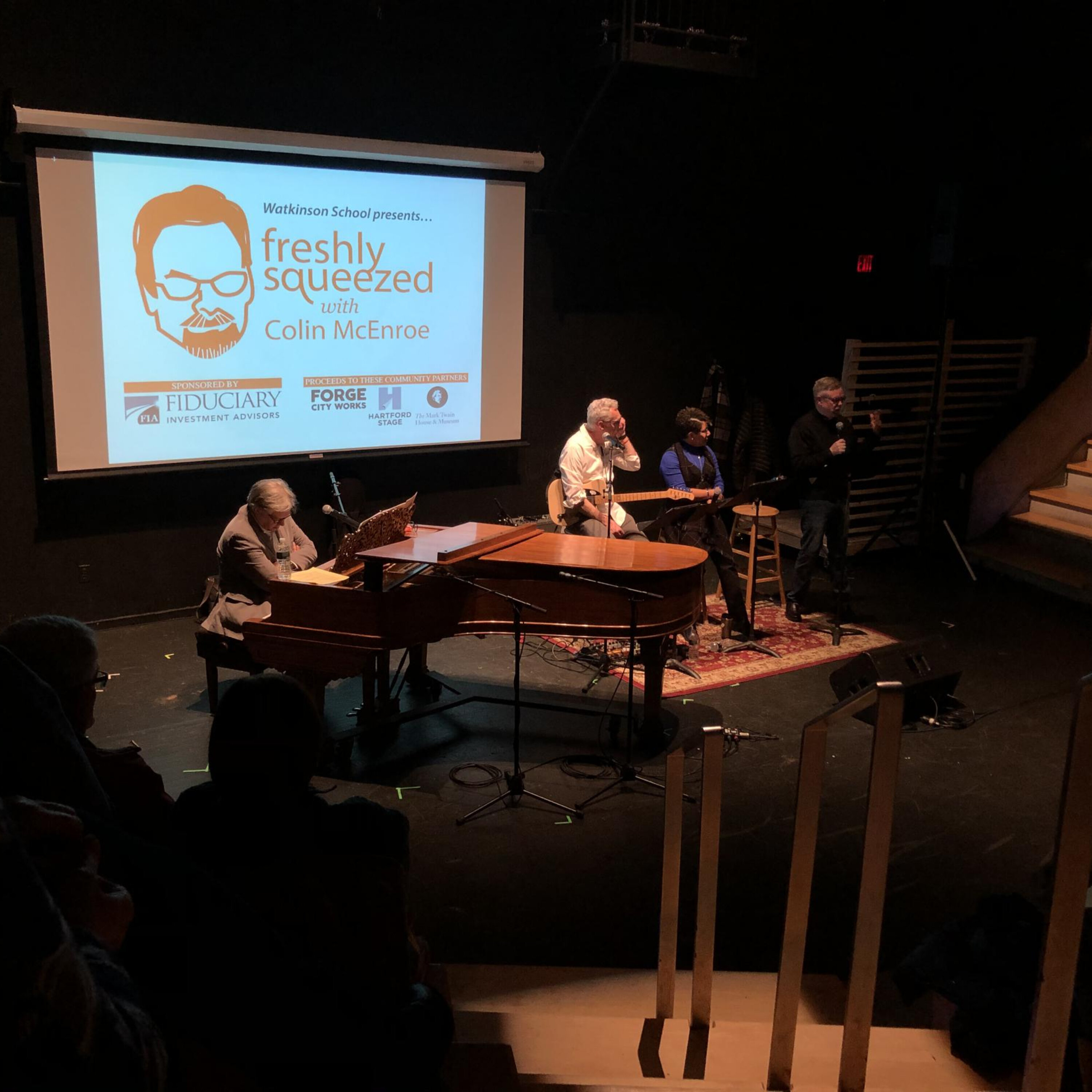
Laura Nyro's most famous compositions -- "Stoned Soul Picnic," "Stoney End," "When I Die," "Wedding Bell Blues," "Eli's Coming" -- are jewels of mainstream music, and her covers of songs like "Jimmy Mack" and "Gonna Take a Miracle" are legendary. But she was uncomfortable under the spotlight and withdrew from it to become the Belle of Danbury. This hour: a night of singing, reflecting, and celebrating recorded in front of a live audience on January 29, 2020, as part of Colin's Freshly Squeezed series at Watkinson School. GUESTS: Jim Chapdelaine - Guitar and vocals Latanya Farrell - Vocals and tambourine Steve Metcalf - Piano and vocals Join the conversation on Facebook and Twitter. This show originally aired February 21, 2020.Support the show: http://www.wnpr.org/donateSee omnystudio.com/listener for privacy information.

Two Hours With Songwriter Jimmy Webb: Part One
We're reairing this show from September, 2019, when our team traveled to Glen Cove, New York, to interview legendary songwriter Jimmy Webb. We waited a long time for this interview and it was worth every minute of the wait. It was a special day. We broke bread together, met kind people, and enjoyed a day of music and stories from Jimmy Webb's decades of making music. The day was not without adversity. A flat tire forced us to miss our ferry back home to Connecticut (and our dinner). We were hungry and tired. But none of that mattered when the late ferry pulled into Bridgeport against a spectacular sunset of orange, red, and purple. We would never have seen it had the day gone as planned. A lot has changed in America since that day last September. But not our human need for music and kinship. We made two shows from our time with Jimmy Webb. There was too much music not to share all of it. This is part one. You can hear part two on Thursday, August 6. GUEST: Jimmy Webb - Songwriter, pianist, composer, storyteller. He’s won Grammy Awards for his music, lyrics, and orchestration. His songs include “Galveston,” “Wichita Lineman,” and “MacArthur Park.” He’s the author of Tunesmith: Inside the Art of Songwriting and his 2017 memoir, The Cake and the Rain. His latest album is Slipcover. Support the show: http://www.wnpr.org/donateSee omnystudio.com/listener for privacy information.

To Bubble Or Not To Bubble: The Sports, They Have Returned
Sports! There are sports! Baseball's back. At least for now. With almost all of the teams playing games. And only, ya know, two of them having big COVID outbreaks. The NBA exists in a Disney World "bubble," and it hasn't had a single test come back positive yet. The NHL is doing two different kinds of tournaments at once in two different "bubbles" in Canada. The arenas and stadiums are empty and quiet, but for the cardboard cutout fans and the piped-in crowd sounds. And the whole thing may well be a bad idea anyway... But there are sports! At least for now. GUESTS: Ben Cohen - Sports reporter for The Wall Street Journal and the author of The Hot Hand: The Mystery and Science of Streaks Jeff Tracy - Sports reporter for Axios Join the conversation on Facebook and Twitter. Colin McEnroe and Cat Pastor contributed to this show.Support the show: http://www.wnpr.org/donateSee omnystudio.com/listener for privacy information.
The Nose Got Bought Out By The Des Moines Register
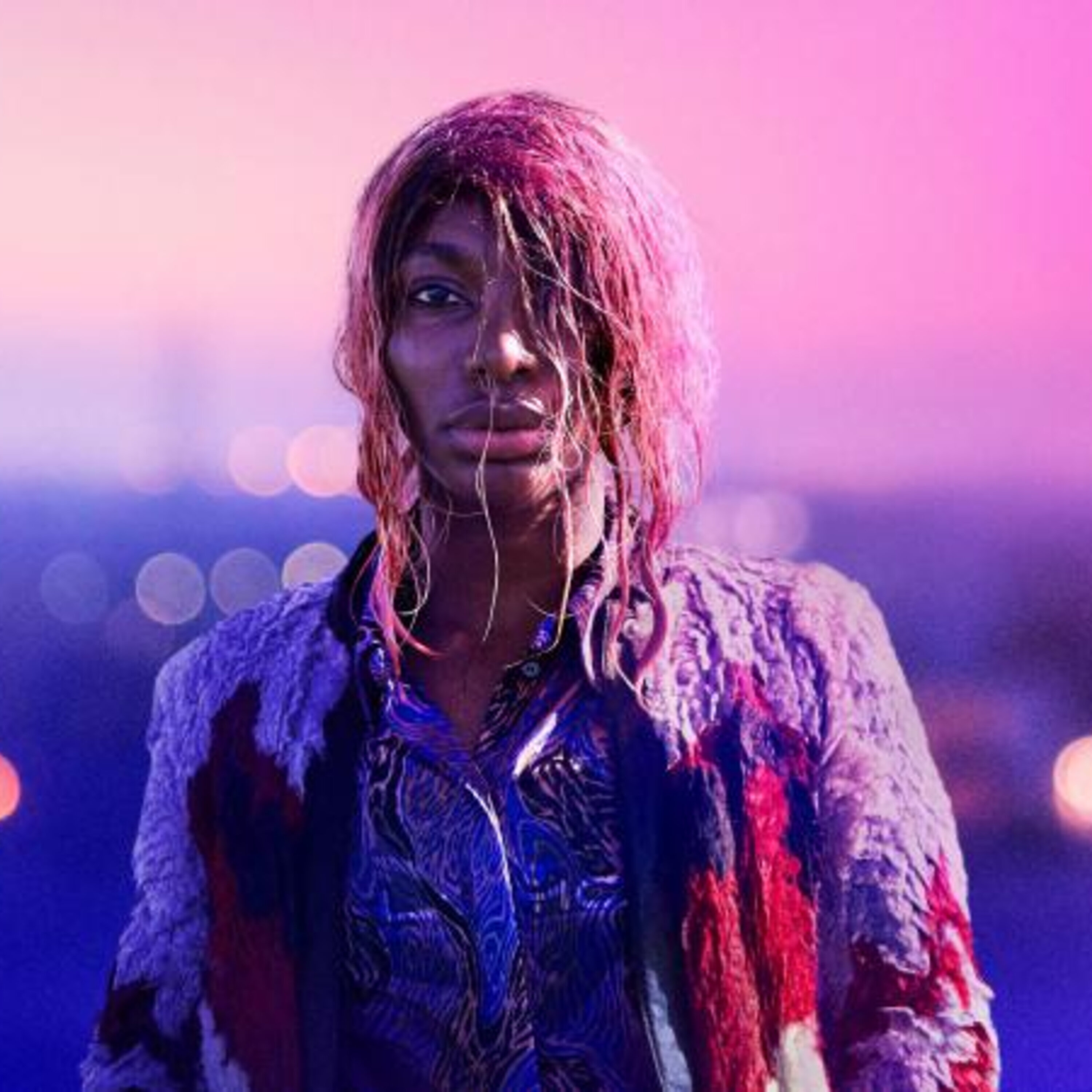
This New or Second or Third Golden Age of Television has been going on for 20 or 25 or 30 years now. Peak TV just won't stop peaking. For decades, there's just been no way to keep up. But then… suddenly we've all got a lot more time on our hands in our houses. And instead of finally watching The Wire and The Americans and Homeland and whatever else, we're all just rewatching Parks and Rec for the eleventeenth time. And, hey, whoa: The New York Times bought Serial productions. And finally: I May Destroy You is a BBC One and HBO show starring and written and created by Michaela Coel. Set in London, the series is a comedy-drama about consent and, ultimately, trauma. Some other stuff that happened in the last couple weeks, give or take: Alan Parker, British Director of 'Fame', 'Midnight Express' and 'Mississippi Burning,' Dies at 76 Malik B., Founding Member of the Roots, Dead at 47The rapper departed the group following the the release of Things Fall Apart in 1999 Regis Philbin, TV's Enduring Everyman, Dies at 88With patience, determination and folksy, spontaneous wit, Mr. Philbin climbed to pre-eminence relatively late in life on talk and game shows. David Letterman On Regis Philbin's Death: "Best Guest We Ever Had" As a Teenager, I Hated Johnny Carson. Then Came the Pandemic.As a teenager, I thought his 'Tonight Show' was a bland, uncool relic. Now I appreciate his deadpan humor and the loose weirdness of his interviews. 'Saturday Night Live' Wants to Resume Filming in Person Olivia de Havilland, a Star of 'Gone With the Wind,' Dies at 104She built an illustrious Hollywood career punctuated by a successful fight to loosen the studios' grip on actors. Billy Eichner To Play Paul Lynde In 'Man In The Box,' About Gifted Actor Stigmatized For Being Gay: Why Eichner Feels Things Haven't Changed, Gay Actors Still Excluded From Straight Roles & Even Playing Gay Icons The Force Is Still Strong with John Williams Washington NFL team to use 'Washington Football Team' for 2020 season Mulan falls off Disney's schedule, takes Avatar and Star Wars with it "The Far Side" Returns to a Weird World Best Cinematography Oscar Winners of the 21st Century, Ranked Tom Hanks lending voice as vendor at Oakland A's games 'Metal Gear Solid V' Players Achieve the Impossible: Nuclear Disarmament'Metal Gear Solid V: The Phantom Pain' players briefly got rid of all nuclear weapons and triggered a secret cutscene. Wild Star Wars Rumor Claims Disney Will Erase the Sequel Trilogy and Reset CanonAn unsubstantiated Star Wars rumor claims that Disney is ready to junk everything that happened in The Force Awakens and its sequels. Breonna Taylor Is On The Cover Of O Magazine -- The First One Ever Without Oprah"Breonna Taylor had dreams," Oprah Winfrey said. "They all died with her the night five bullets shattered her body and her future." GUESTS: Irene Papoulis - Teaches writing at Trinity College Mercy Quaye - Founder and principal consultant for The Narrative Project and a columnist with Hearst Connecticut Media Group Join the conversation on Facebook and Twitter. Colin McEnroe and Cat Pastor contributed to this show.Support the show: http://www.wnpr.org/donateSee omnystudio.com/listener for privacy information.

The Decimation Of The Osage Nation
Native Americans have been getting forced off their land for a long time. Although Thomas Jefferson promised they shall know the United States as only "friends and benefactors," he forced them from their ancestral home in 1804 after he signed the Louisiana Purchase. Assured by the government that Kansas territory would be theirs forever, they were soon forced from their new home by white settlers (including the Wilder family of Little House fame) who plundered their burial sites and squatted on their land until they felt little choice but to sell to them. The Osage finally settled on territory in Oklahoma that most whites found "unfit for cultivation," at least until they found oil underneath those rocks. Then it became attractive to powerful white men who hatched a plot to kill the Osage obtain and obtain mineral rights to the land. This is the chilling story of the systematic murder of one group of native people. It's the bigger story of how the United States government has betrayed and controlled the sovereignty of a nation of people who lived here first. This story never seems to end. In 2019, Attorney General William Barr announced a plan to address the crisis of missing and murdered Native Americans. I wonder whether anything has changed. GUESTS: David Grann - Staff writer for The New Yorker and the author of The Lost City of Z: Tale of Deadly Obsession in the Amazon and Killers of the Flower Moon: The Osage Murders and the Birth of the FBI Denny McAuliffe - Editor at The Washington Post, adjunct professor in journalism at University of North Carolina Chapel Hill, and the author of The Deaths of Sybil Bolton: An American History Jim Gray - Former Principal Chief of the Osage Nation and current Tribal Administrator for the Sac and Fox Nation Join the conversation on Facebook and Twitter. Colin McEnroe and Chion Wolf contributed to this show, which originally aired August 10, 2017.Support the show: http://www.wnpr.org/donateSee omnystudio.com/listener for privacy information.

You Didn’t Ask To Be Here: Adventures In Antinatalism
Colin McEnroe Show alum Chion Wolf has a new show: Audacious. Hear this guest episode from her series! Last year, a 28-year-old guy in Mumbai tried to sue his parents -- who are both lawyers -- for having brought him into the world. He claims his parents didn’t get his consent to live. In addition to being a very bold person, he is an anti-natalist. That is, he believes that it is morally wrong to bring sentient life into this world -- no matter how charmed or how troubled that life is -- and that humanity should stop reproducing, full stop. Anti-natalism is not a novel concept. You can trace it as far back as some interpretations of the teachings of Buddah, and in ancient religious sects. Nowadays, the subreddit dedicated to anti-natalism has 70,000 members, and there are 15,000 people following the Facebook group the Voluntary Human Extinction Movement. You'll hear from one of its leaders in this show. The screenwriter for the HBO series True Detective says that that the antinatalist beliefs of one of the main characters was inspired by the book Better Never to Have Been: The Harm of Coming Into Existence by the philosopher David Benatar. You'll meet him too and learn a lot more about the belief that this world would have been better had none us been here in the first place. GUESTS: David Benatar - A professor and the head of the Department of Philosophy at the University of Cape Town in South Africa, the author of Better Never to Have Been: The Harm of Coming into Existence and The Human Predicament: A Candid Guide to Life's Biggest Questions Les Knight - A volunteer with the Voluntary Human Extinction Movement Join the conversation on Facebook, Twitter, and email. Catie Talarski contributed to this show.Support the show: http://www.wnpr.org/donateSee omnystudio.com/listener for privacy information.
America Loves Its Heroes
How we define what it means to be a hero depends a lot on the values shared by the group that's in power at any given time. We're seeing it today in the push and pull over the statues of men whose values no longer reflect the values of a changing community. And time tends to wash away the nuance and complexity of heroes that stand as a symbol of a prior generation. Yet, America loves its heroes, even if only for a time. But we have a way of using the language of "heroism" to sacrifice the very heroes we admire. Many of the essential workers we deemed heroes of the pandemic had to choose between their health and a paycheck. They didn't choose to be heroes. Some didn't want to be. Others were silenced or shamed for speaking out about unsafe conditions. This hour, we talk about what it means to be a hero, and we consider some Connecticut heroes you may not know about. Also, a look at the unlikely hero driven to heroic acts to avoid being labeled a coward. GUESTS: Dahlia Lithwick - Writes about the courts and the law for Slate and hosts the podcast Amicus Chris Walsh - Director of the college of arts and sciences writing program at Boston University and the author of Cowardice: A Brief History Walter Woodward - State historian of Connecticut, the author of Creating Connecticut, and the host of the Grating the Nutmeg podcast Join the conversation on Facebook and Twitter. Colin McEnroe and Cat Pastor contributed to this show.Support the show: http://www.wnpr.org/donateSee omnystudio.com/listener for privacy information.

It's Hard To Be Black In America. Still.
Race is a myth; racism is not. I'm stealing this line from Gene Seymour, one of our guests on our show today. We're reairing a show with three people who discuss what it's like to be Black in America. The show was originally in 2017. We chose to reair it today to coincide with the memorials this week for Congressman John Lewis, who will be the first Black congressman to lie in state in the Capitol Rotunda, after fighting his entire life for social justice. And because the recent police brutality, along with a pandemic that disproportionately affected minority communities, exposed how little has changed for Black Americans since we first aired this show in 2017. Many of us hoped the election of Barack Obama in 2008 was a sign that we were finally entering a time when America was ready to recognize that racial inequality is the direct result of systemic discrimination going back to the founding of this country. That did not happen. Congressman Lewis fought for civil rights and dignity for all black Americans. We should all think about that as we honor his legacy this week. This show originally aired on July 12, 2017 and was reaired on January 15, 2018. GUESTS: Gene Seymour - Cultural critic, writer, jazz aficionado, and contributor for CNN Opinion, The Baffler, Book Forum and The Nation Bruce Haynes - Professor of sociology at U.C. Davis and co-author of Down the Up Staircase Kris Marsh - Demographer and associate professor of sociology at the University of Maryland and a 2017 Fulbright Scholar in South Africa Join the conversation on Facebook and Twitter. Colin McEnroe and Chion Wolf contributed to this show.Support the show: http://www.wnpr.org/donateSee omnystudio.com/listener for privacy information.
The Glory Of Everything: Reading Kids' Books As An Adult
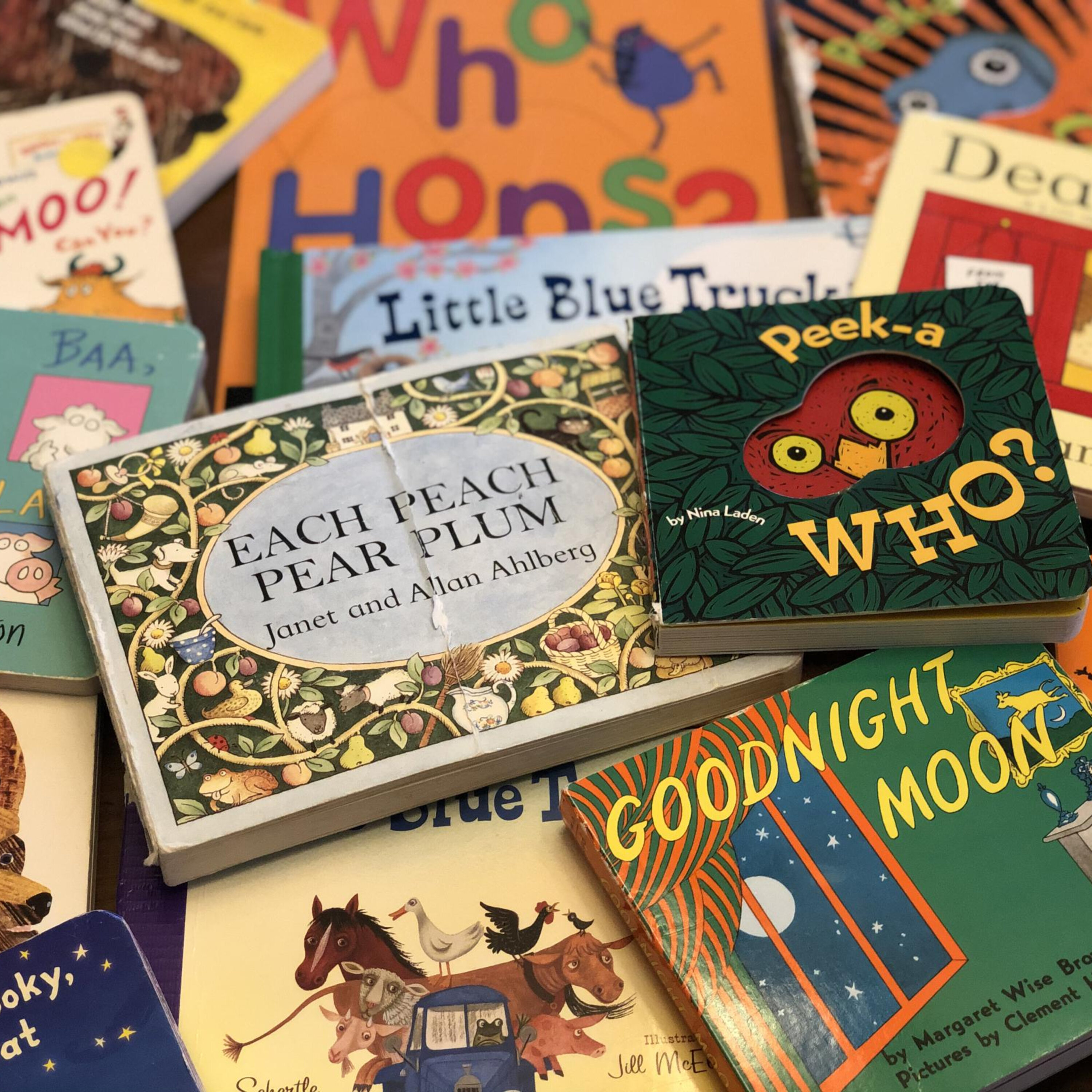
My son, Simon, is a year old. His mother and his grandmother are both librarians. His father is, well, me. Simon is, predictably, obsessed with books. Back before everything changed, we'd gotten into a pretty good reading routine. Every morning before Simon went to his grandparents', we'd read a big pile of books. Every evening when I got home from work, we'd read a big pile of books. We'd read Goodnight Moon. We'd read Little Blue Truck. We'd read Peek-a Who? and Peek-a Moo! and Peek-a Zoo! We'd read Who Hoots? and Who Hops? We'd read Dear Zoo and Mr. Brown Can Moo! Can You? and Each Peach Pear Plum and Spooky, Spooky, Little Bat and Brown Bear, Brown Bear, What Do You See? And then we'd probably read them all again. Now that our whole family stays home all day every day, we still do all the reading. What's lost is the routine. What's lost is any sort of limit at all. From Simon's point of view, there's nothing to stop us from reading all day every day, from when he jams me in the back with his copy of The Mixed-Up Chameleon too early in the morning until he falls asleep wearing one sock and with a clump of Cheerios somehow stuck in his diaper too late at night. If you've got smallish kids and you're staying home these days, children's literature has undoubtedly become a much larger part of your life than you'd ever bargained for. This hour, a look at what it's like reading kids' books as an adult. GUESTS: Bruce Handy - The author of Wild Things: The Joy of Reading Children's Literature as an Adult Julia Pistell - Managing director of Sea Tea Improv and cohost of the Literary Disco podcast Join the conversation on Facebook and Twitter. Colin McEnroe and Cat Pastor contributed to this show, which originally aired April 9, 2020.Support the show: http://www.wnpr.org/donateSee omnystudio.com/listener for privacy information.

Do You Speak Corona?
It took two years for the word AIDS to get from coinage to dictionary. It took COVID-19 thirty-four days. The pandemic has inspired a thousand new or repurposed words, slang, nicknames, and neologisms. It has changed the way we speak. We made technical medical language part of everyday conversation. We created new words to describe emotions that had no words. We repurposed old words or combined two words to express a way of life we never expected. Lockdowns. WFH. Pancession. Doomscrolling. We made phrases to unite us, others to make us laugh, and some to explain our confusion. Workers became essential and advertisers made them heroes. Do you speak Corona? GUESTS: Peter Sokolowski is a lexicographer and editor-at-large at Merriam-Webster; he's also a musician and public radio jazz host at NEPR, and he's the author of a chapter in The Whole World in a Book (@PeterSokowski) Tony Horne is a linguist, lexicographer, and a language consultant in the faculty of Arts and Humanities, at King’s College, London (@tonythorne007) Justin Peters is a correspondent for Slate and the author of The Idealist: Aaron Swartz and the Rise of Free Culture on the Internet (@justintrevett) Join the conversation on Facebook and Twitter Colin McEnroe and Cat Pastor contributed to this show. Support the show: http://www.wnpr.org/donateSee omnystudio.com/listener for privacy information.

A Place Where Everybody Knows Your Name
Historian Christine Sismondo says that "America, as we know it, was born in a bar." Taverns were where the Boston Tea Party was planned. They were where court cases were carried out, where land was bought and sold, where immigrants came to congregate. Over the centuries since, bars have fostered so much social change. And today, they're where we go to meet people, to catch the game, to talk about our problems, to relax. Or at least they were. Back when bars were open, back when there were games to catch... Back when we could relax. This hour, a look at what we've been missing these last few months when we've been missing bars. GUESTS: Rand Richards Cooper - A contributing editor at Commonweal, and he writes the "In Our Midst" column for Hartford Magazine Christine Sismondo - The author of America Walks into a Bar: A Spirited History of Taverns and Saloons, Speakeasies and Grog Shops Karl Franz Williams - Principle, The Anchor Spa in New Haven Support the show: http://www.wnpr.org/donateSee omnystudio.com/listener for privacy information.

Does Religion Still Matter When We Need It Most?
Religious scholar Elaine Pagels trusted the Gospel of Thomas to get her through the almost unbearably painful years after the death of her six-year-old son -- born with a congenital heart defect -- followed one year later by the unexpected death of her husband. Thomas was one of many hidden texts discovered in a cave in Egypt in 1945, written around the time of Jesus but omitted from the New Testament. Pagels's exploration of the secret gospels revealed early Christianity to be a mix of traditions, stories, music, mysticism, art, and poetry that were lost in later versions perpetuated by individual Christian groups. Pagels wonders how Roman Catholics, Baptists, Mormons, and Quakers -- to name a few -- could all proclaim themselves the one true version of Christianity. The Gnostic Gospels challenged thousands of years of Christian ideology regarding our views on God, women, sexuality, and death that still dictate the cultural values we follow today. How had we not become aware that thousands of years of censoring Christianity has come to contradict our own experience of what is meaningful in our lives? So often, religion fails us in our time of need. The Gnostic Gospels gave Elaine Pagels hope. She was grateful for that. GUEST: Elaine Pagels - Professor of Religion at Princeton University and the author of several books including The Gnostic Gospels, Beyond Belief, and, most recently, Why Religion? A Personal Story Join the conversation on Facebook and Twitter. Colin McEnroe and Chion Wolf contributed to this show, which originally aired February 21, 2019.Support the show: http://www.wnpr.org/donateSee omnystudio.com/listener for privacy information.

Coronavirus Is Still Rising, Biden Is Still Leading, And It's National Moth Week
The number of people testing positive for coronavirus continues to rise in many parts of the U.S., with sharp rises in places like Florida, Nevada, Alabama, Texas, and Puerto Rico. Yet, President Trump continues to attribute the rise to more testing -- despite the rise in hospitalizations and deaths -- and he wants to reduce federal aid for more testing, tracing, and for the Centers for Disease Control and Prevention. Also this hour: The ABC News/Washington Post poll released Sunday shows former Vice President Joe Biden leading President Trump by 15 points among registered voters, 55% to 40%. A majority of respondents are not happy with the president's handling of the coronavirus, among other things. On a happier note: It's National Moth Week! GUESTS: Maria Sundaram is an infectious disease epidemiologist. She’s a postdoc fellow at ICES in Toronto and a regular contributor to BBC OS (@mariasundaram) Steven Shepard is senior campaign and elections editor and chief polling analyst for Politico. (@politico_steve) Liti Haramaty is a founding member of the Friends of the East Brunswick Environmental Commission and vice-chair of the East Brunswick Commission. She's co-founder of National Moth Week and a researcher at the department of Marine and Coastal Sciences at Rutgers University. (@LeeTeeK) Join the conversation on Facebook and Twitter. Colin McEnroe and Cat Pastor contributed to this show.Support the show: http://www.wnpr.org/donateSee omnystudio.com/listener for privacy information.
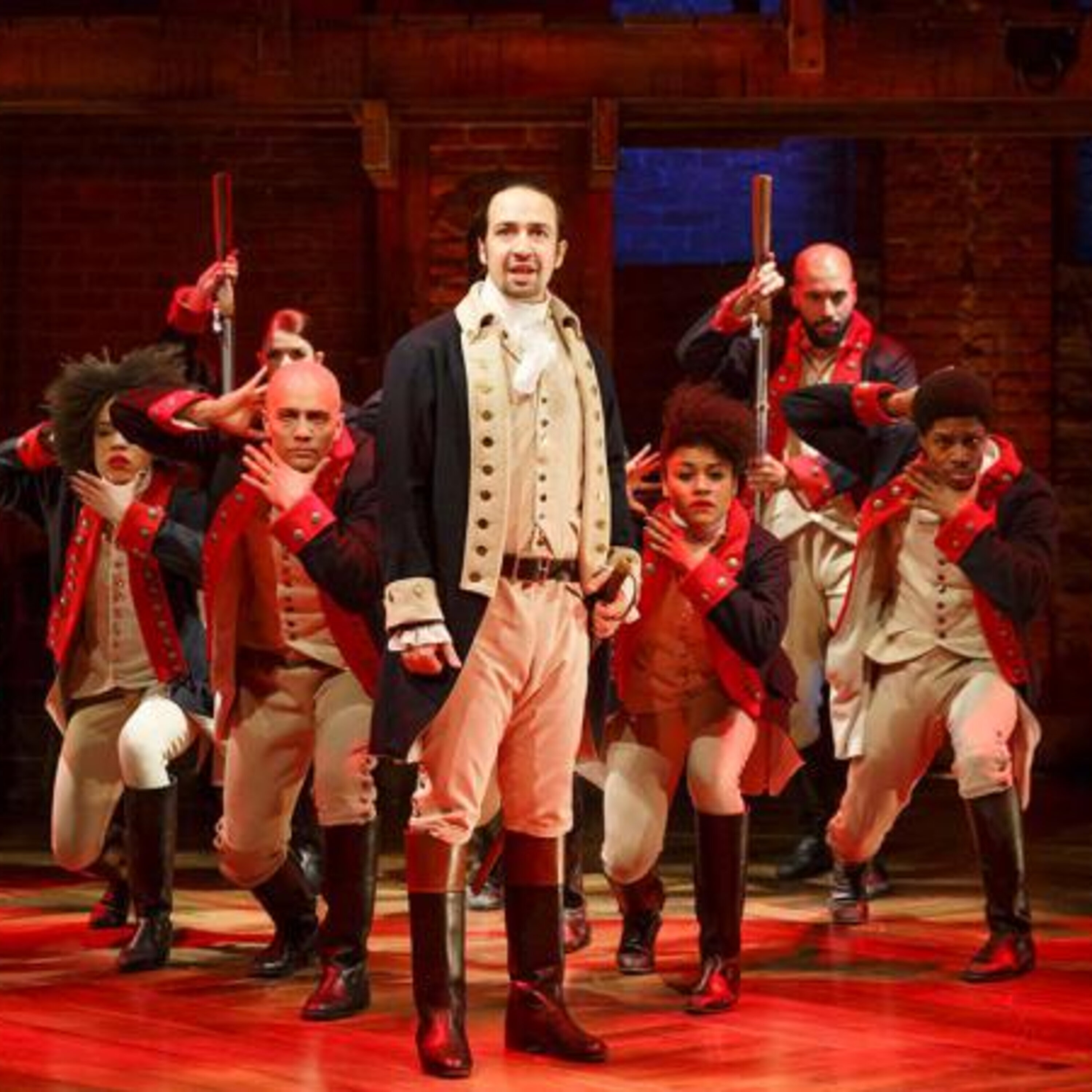
The Nose Has Got A Lot Of Brains But No Polish
Four years ago, over the course of three days, film crews documented the musical Hamilton as performed by nearly its entire original Broadway cast. Eventually, Disney bought the distribution rights to the movie and planned to release it in theaters next fall. But then there was a pandemic, and people were stuck in their houses, and the film dropped on Disney+ earlier this month. And: Kanye West is running for president. Unless he isn't. But maybe he is. Some other stuff that happened this week, give or take: Grant Imahara, Host of 'MythBusters' and 'White Rabbit Project,' Dies at 49 This Pickle Is a CakeWelcome to the viral world of hyper-realistic cake slicing videos. 26 Hilarious Tweets About All Those Cakes We're Seeing On The Internet"Are we human? Or are we cake?" TikTok users panic as Trump admin considers banning app Far Side creator Gary Larson publishes first new cartoons in 25 yearsAfter coming out of retirement, the cartoonist says digital technology has allowed him to rediscover the fun of drawing In Conversation: Thandie NewtonAfter decades onscreen, nothing surprises the Westworld actress, though what she’s ready to share will surprise you. This Profile of Charlie Kaufman Has ChangedHow do you write about Hollywood’s most self-referential screenwriter at a destabilizing moment in history? It takes more than one draft. How 'Inception' Redefined Christopher Nolan Could U.S. Theaters Stay Closed Until Mid-2021? Walt Disney World's Reopening Video Didn't Go Over So Well GUESTS: Taneisha Duggan - Producing associate at TheaterWorks Jacques Lamarre - A playwright and director of client services at Buzz Engine Join the conversation on Facebook and Twitter. Colin McEnroe and Cat Pastor contributed to this show.Support the show: http://www.wnpr.org/donateSee omnystudio.com/listener for privacy information.
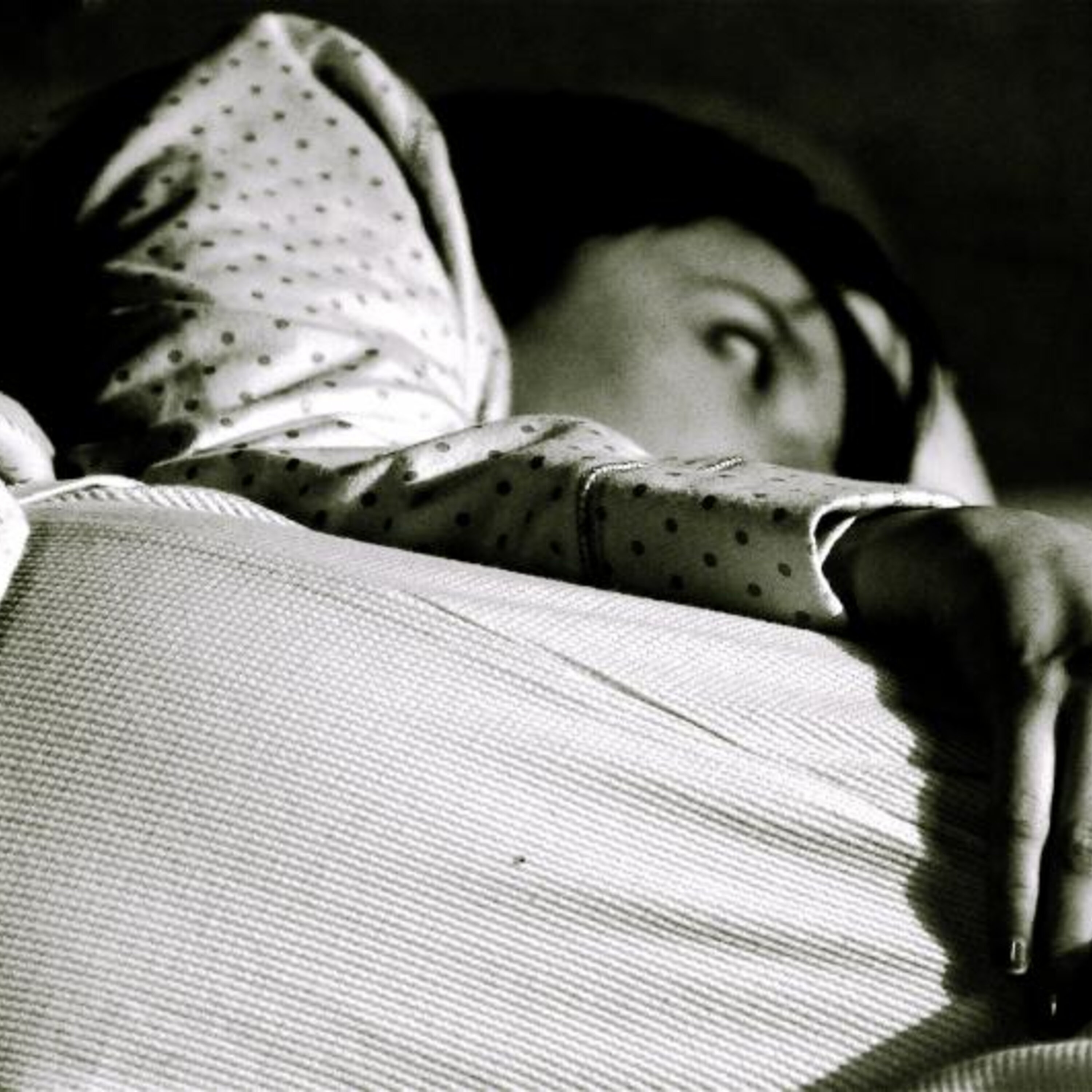
Awake In The Middle Of The Night
Our ancestors viewed sleep as a highly sensual and transcendent experience. Today, about a third of adults have trouble falling asleep, staying asleep or feeling rested. We're becoming a nation of insomniacs. We live in what Rubin Naiman calls, a "wake-centric era,” where sleeping and dreaming are viewed as less important than being awake and on the go. It's hard to come down from the hyperaroused state we whip ourselves into by the end of a day. It's not surprising that we can't sleep. Insomnia can be miserable when all we want to do is sleep. But it's more a human condition than a medical condition to be solved by sleeping pills and tech gadgets. Plus, insomnia can have its upside. Our minds can be more open to insights and new possibilities in the dark quiet of night when our thoughts can wander to unknown places that the conscious mind can’t see. GUESTS: Marina Benjamin is a writer and Senior Editor at Aeon magazine. She’s written five books. Her latest memoir is Insomnia. She’s also the author of The Middlepause and Garden Among Fires: A Lockdown Anthology. (@marinab52) Rubin Naiman is a psychologist, clinical assistant professor of medicine and the sleep and dream specialist at the University of Arizona Andrew Weil Center for Integrative Medicine (@drnaiman) Charlotte Jee is a writer and reporter for MIT Technology Review, where she also writes The Download newsletter (@charlottejee) Support the show: http://www.wnpr.org/donateSee omnystudio.com/listener for privacy information.

We Like To Watch
For decades, we didn't take television seriously. We saw it as ephemeral, as "chewing gum for the eyes," as, literally, furniture. And then, around the turn of the century, things started to change. There was The Sopranos. The Wire. And, at the same time, shows like Big Brother and The Amazing Race. For Emily Nussbaum, it was Buffy the Vampire Slayer that forever changed her take on television. And now... the president is a TV character. This hour: A serious appraisal of television with The New Yorker's television critic. GUEST: Emily Nussbaum - Television critic for The New Yorker and the author of I Like To Watch: Arguing My Way Through the TV Revolution Join the conversation on Facebook and Twitter. Colin McEnroe and Cat Pastor contributed to this show.Support the show: http://www.wnpr.org/donateSee omnystudio.com/listener for privacy information.

A Perfect Storm: A Surging Virus and An Election Meltdown
The number of people being infected with the SARS-CoV-2 virus is rising in 48 states. We're testing more, but the rate of positive tests, hospitalizations, and in some states, deaths, is also rising. On Sunday, Florida recorded 15,300 new cases, the highest single-day total to date. The Centers for Disease Control and Prevention reported 60,000 new cases in the U.S. on Monday. And we're seeing the same delays in test results and shortages of protective gear that we experienced in the spring. Should we be more focused on what's happening now instead of reopening bars and schools? Also this hour: Election law scholar Richard Hasen says we need a 28th amendment to secure voting rights in this country. The U.S. Constitution contains no affirmative right to vote. Social policy and responsive representation should reflect everyone’s needs, not just those most likely to turn out with their votes and dollars. GUESTS: Saskia Popescu is an infectious disease epidemiologist at the University of Arizona (@SaskiaPopescu) Richard Hasen is a professor of Law and Political Science at the University of California, Irvine. He is a founding co-editor of Election Law Journal and runs The Election Blog. His new book is Election Meltdown: Dirty Tricks, Distrust, and the Threat To American Democracy. (@rickhasen) Join the conversation on Facebook and Twitter. Colin McEnroe and Cat Pastor contributed to this show.Support the show: http://www.wnpr.org/donateSee omnystudio.com/listener for privacy information.

Walking With Dante
"Dante's Inferno" is the most famous section of Dante Aligheri's 14,000 line epic poem, The Divine Comedy. But it's only the first part of Dante's long pilgrimage through the afterlife. He first enters the circles of hell, filled with beasts and sinners doomed to the Inferno for crimes like gluttony, lust, and treason. Dante slowly recognizes a glimmer of each sinner's fault in his own character as he makes his way through hell. His recognition of his humanity led him up the steep mountain of purgatory and ultimately toward a paradise opened by his enlightenment. The story of The Divine Comedy is an adventure story based on Dante's real life in 14th century Italy. He was deeply wrapped up in the politics of his time. He was a city official, diplomatic negotiator, poet, and a man who dared to cross the pope. He was exiled from his city, never to return under threat of death. He left all behind, except his unrequited love for Beatrice. Nearly broken and in a "dark wood" of grief in midlife, Dante wrote a masterpiece that is remarkably relevant today for all of us who have ever been in the dark wood of loss. This hour, we talk to three people who walked with Dante through the dark wood. GUESTS:Support the show: http://www.wnpr.org/donateSee omnystudio.com/listener for privacy information.

A World In A Grain Of Sand
Sand is the most abundant material on Earth. And, other than water and air, sand is the natural resource we consume more than any other -- more, even, than oil. The pyramids are made of sand. Our roads and driveways and sidewalks are made of sand. Concrete buildings and their concrete foundations are made of sand. From computer chips to computer screens, window panes to lightbulbs, breast implants to the Hubble telescope, sand is basically the essential building block of civilization. Humans are estimated to consume almost 50 billion tons of sand and gravel every year. Oh, and, by the way: We're running out of it. For a look at Sue McGrew's crazy impressive sand sculptures, check out her website. GUESTS: Vince Beiser - Author of The World in a Grain: The Story of Sand and How It Transformed Civilization Sarah Page Kyrcz - A reporter who covers Guilford and Madison for the Shoreline Times Sue McGrew - Professional sand sculptor Join the conversation on Facebook and Twitter. Colin McEnroe and Chion Wolf contributed to this show, which originally aired August 9, 2018.Support the show: http://www.wnpr.org/donateSee omnystudio.com/listener for privacy information.
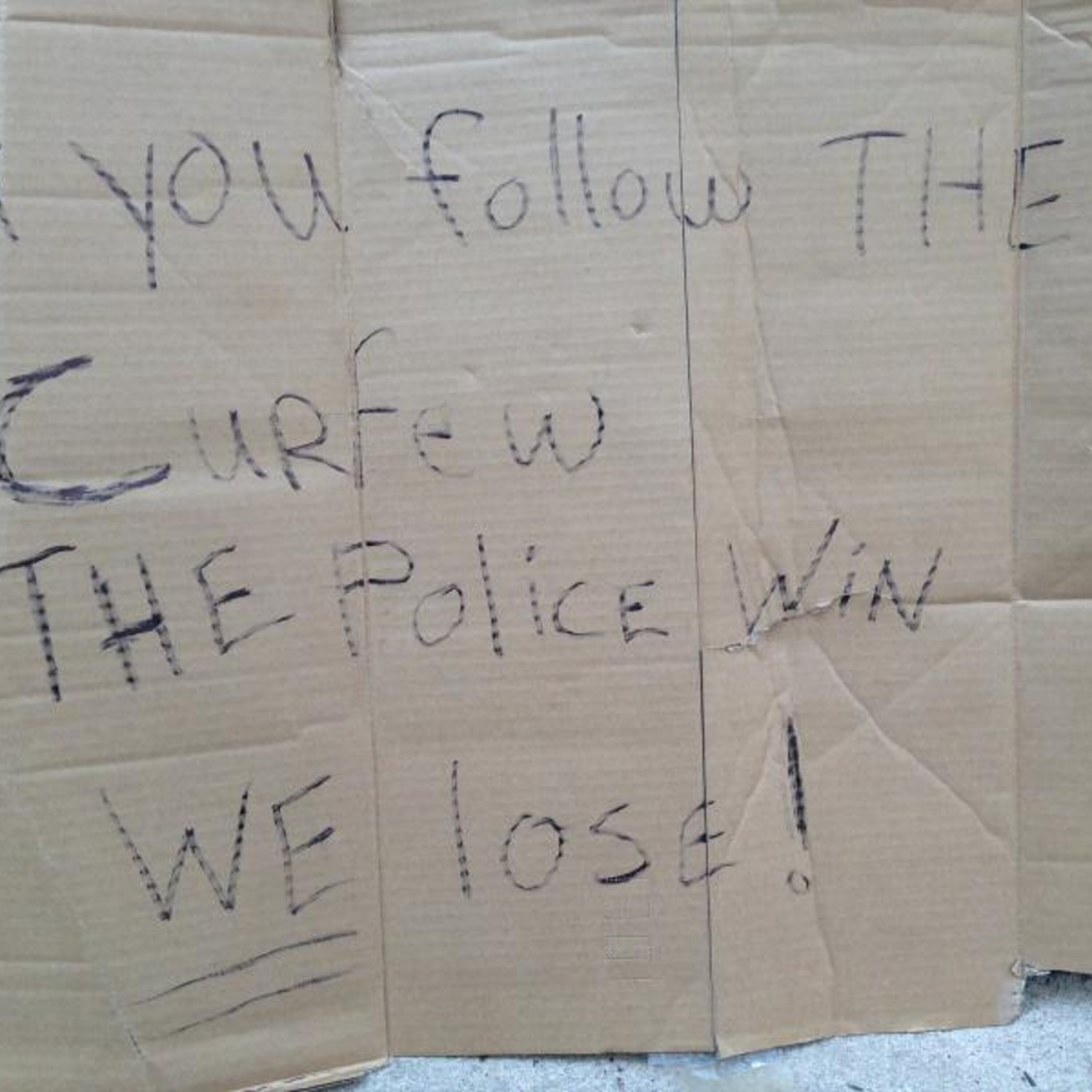
Silenced Nights: Curfews And Fear Of The Night
Over the past weeks, cities across the country have implemented curfews in response to George Floyd protests and to enforce stay-at-home orders during COVID-19. This hour, we discuss whether emergency curfews really keep people safer or become another way to intimidate and discriminate. Also, the history and wisdom of juvenile curfews and what it's like to protest after curfew. And we learn about early curfews across the pond during the British Empire. GUESTS: Roger Ekirch - The author of five books including At Day's Close: Night in Times Past Dennis Keeney - Former police officer and current professor in the John Jay Department of Criminal Justice at City University of New York Mike Males - An American sociologist and senior researcher at the Center on Juvenile and Criminal Justice in San Francisco Kalfani Ture - Assistant professor of criminology at Quinnipiac University and a former police officer Join the conversation on Facebook and Twitter. Betsy Kaplan, Jonathan McNicol, and Cat Pastor contributed to this show.Support the show: http://www.wnpr.org/donateSee omnystudio.com/listener for privacy information.

Bankers For The Stars: Deutsche Bank, Trump, And Jeffrey Epstein
Is it safe to say that we're not yet ready to kiss and make up with the banks whose reckless behavior led to the 2008 financial crisis? A little contrition would go a long way to helping us forgive and forget. That's not happening, at least not with Deutsche Bank, the preferred bank of Donald Trump and Jeffrey Epstein. Deutsche Bank lent money to rogue states that funded terrorist activities that hurt U.S. soldiers. They laundered money for Russian oligarchs, sold securities they knew were bad, gave out multimillion-dollar bonuses, and fired whistleblowers who tried to tell. They lent money to Donald Trump, despite his repeated defaults on his loans, and Jeffrey Epstein long after he was shunned for molesting young girls. You may wonder how this could happen. Basically, a massive lack of accountability on behalf of the Central Bank, the Federal Reserve, shareholders, board members, and the federal government. That's a lot of people. No wonder Elizabeth Warren threatened to take on the big banks. GUESTS: David Enrich - Business investigations editor at The New York Times and the author of Dark Towers: Deutsche Bank, Donald Trump, and An Epic Trail of Destruction Join the conversation on Facebook and Twitter. Colin McEnroe and Cat Pastor contributed to this show.Support the show: http://www.wnpr.org/donateSee omnystudio.com/listener for privacy information.

The Evolution Revolution: Women Call The Shots
The Argus Pheasant is a lifelong bachelor. He mates with multiple females but has no further contact with his mates or the baby pheasants he sires. By human terms, not much of a feminist. Yet, he stages a chivalrous courtship on moonlit nights on a forest stage he clears with meticulous care. He sings and dances and pecks. He encompasses his 'date' in a cape of intricately-colored four-foot-long feathers. He ends with a bow. Evolutionarily, there's no purpose for the spectacular feathers on the Argus Pheasant - unless you consider they may have evolved to satisfy the sexual preferences of the female Argus. Darwin, while famous for his theory on evolution through battle for the fittest, also promoted a second, less popular theory of evolution through female sexual preference. This theory may also shed light on evolved human traits and behaviors we don't need to survive - like female orgasm and same-sex preferences. GUESTS: Richard Prum - Evolutionary Ornithologist, Professor of Ornithology at Yale and the curator of Ornithology at the Yale Peabody Museum of Natural History. He’s the author of The Evolution of Beauty: How Darwin’s Forgotten Theory of Mate Choice Shapes the Animal World - and Us. Patricia Brennan - Evolutionary Biologist, Behavioral Ecologist and visiting lecturer at Mount Holyoke College. Support the show: http://www.wnpr.org/donateSee omnystudio.com/listener for privacy information.
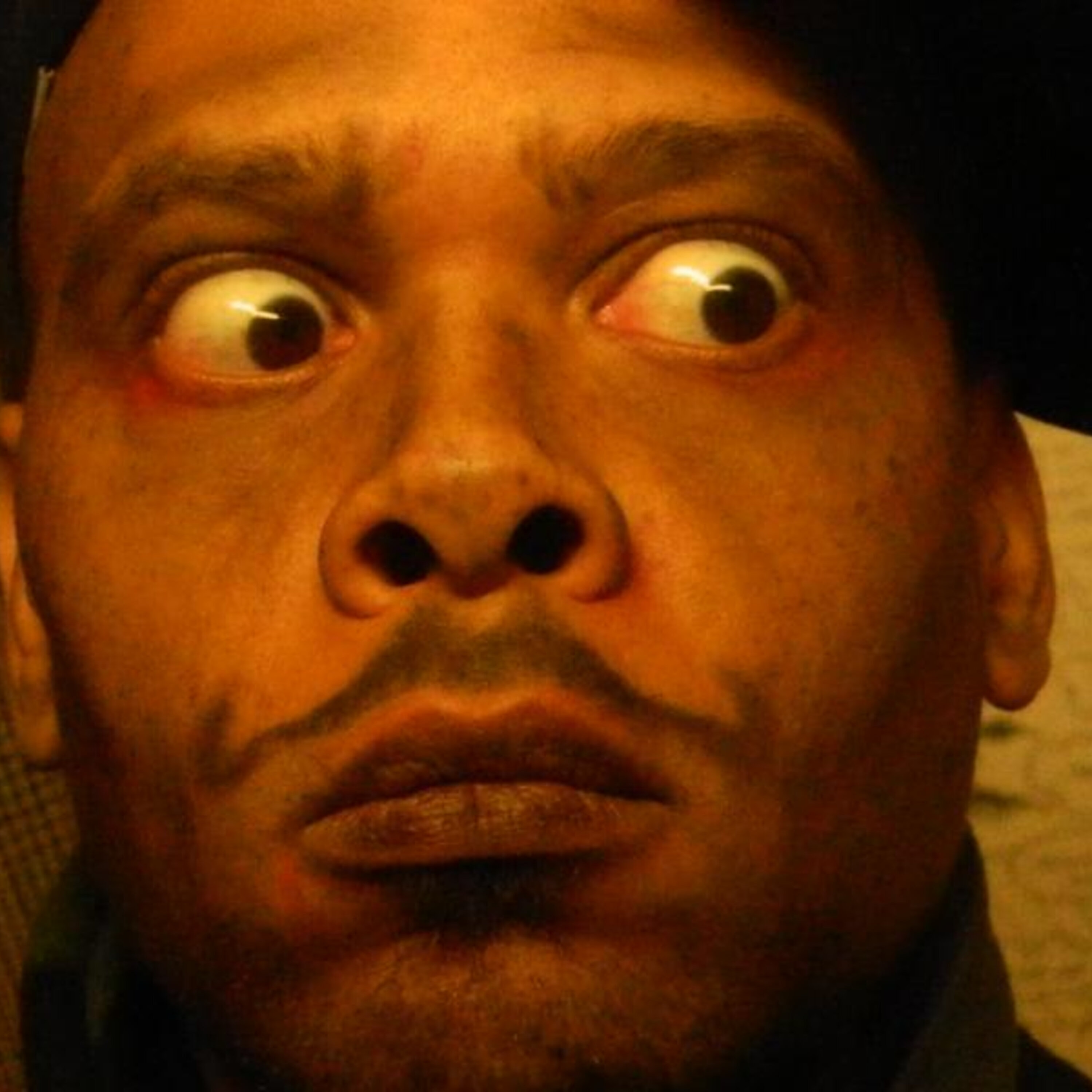
You're Not Dying. But Panic Attacks Can Make You Think You Are.
You're Not Dying. But Panic Attacks Can Make You Think You Are." width="100%">You're shopping for groceries. Out of the blue your heart starts to race, your knees feel week, you feel like you can't breathe, like you might be having a heart attack. You wonder if you're losing your mind -- but you're not. You're having a panic attack. About 1 in 4 people have had at least one panic attack during their lives, yet few like to admit it. Because panic manifests through physical symptoms that can mimic a heart attack, a lot of people feel shame when they go to the ER and find there's nothing wrong with them. In the absence of a test that defines panic, a lot of people worry they might be losing their mind. Also this hour: Panic ensued in Times Square in early August when a motorcycle backfired. Fear of being caught in the crossfire of gun shots has led to a collective panic of loud noises in public places. GUESTS: Geraldine DeRuiter - Writer, public speaker and the author of All Over the Place: Adventures in Travel, True Love, and Petty Theft. Her blog is titled, The "Everywhereist." Jacques Lamarre - Connecticut-based playwright and director of client services at BuzzEngine Cara McDonough - Freelance writer who writes for several publications, including the Washington Post. Her blog is titled, “Caramcduna.” David Tolin - Director, Anxiety Disorders Center & Center for Cognitive Behavioral Therapy, Institute of Living Join the conversation on Facebook and Twitter. Colin McEnroe and Chion Wolf contributed to this show.Support the show: http://www.wnpr.org/donateSee omnystudio.com/listener for privacy information.

The Nose Has Pretty Much Always Hoped Someone Would Rename It
The raft of renaming going on right now obviously hasn't spared popular culture. The Dixie Chicks and Lady Antebellum are now The Chicks and Lady A, respectively. Björk's record label changed its name. Democrats want to rename John Wayne Airport. FedEx has formally asked the Washington Redskins to change their name, and Guilford's board of education voted to drop the town's "Indians" nickname. And, while Splash Mountain is going to keep being called Splash Mountain, it won't be based on Song of the South anymore. And: The King of Staten Island is the sixth feature film directed by Judd Apatow. It stars Pete Davidson (who also co-wrote the movie with Apatow and Dave Sirus) as a 24-year-old high school dropout who lives with his mother on Staten Island. It's available for rental on digital platforms. Some other stuff that happened over the last month, give or take: Carl Reiner, Comedy Legend and 'Dick Van Dyke Show' Creator, Dies at 98 Joel Schumacher, Director of Batman Films and 'Lost Boys,' Dies at 80 Hugh Downs, Perennial Small-Screen Fixture, Is Dead at 99A longtime host of both "Today" and "20/20," for many years he held the Guinness-certified record for most total hours on commercial network television. Legendary Batman writer, Denny O'Neil dies at age 81 Benny Mardones, 'Into the Night' Singer-Songwriter, Dead at 73 At 99, Al Jaffee Says Goodbye to Mad MagazineAs a send-off for the cartoonist, the satirical publication has prepared an all-Jaffee issue that includes his final Fold-In. Olivia de Havilland, the Last Remaining Star of Old Hollywood, Turns 104 The Long Battle Over 'Gone With the Wind'The 1939 blockbuster once symbolized the ultimate in mass entertainment. But African-Americans have protested against it from the start, even if white America didn't want to hear it. The Gentlemanly Hater's Guide to Gone With the WindThe Hollywood classic is a soap opera and a war movie smashed together. It’s also really, really racist. 'Jaws' Is Still Devouring Us. SOS!In 1975, this thriller freaked out the world, scaring us out of the water and creating the summer-blockbuster template. It was also a warning. 'Back To The Future' At 35: Looking Back On The Movie That Made America Great Again Heads Up, Hollywood: Agents Can Vote For Oscars Now Academy delays 2021 Oscars ceremony because of coronavirus Broadway Will Remain Closed Through the Rest of the YearThe industry has not yet set a reopening date, but said it would now refund tickets through Jan. 3. Chuck E. Cheese Files for Bankruptcy Walmart Will Convert Parking Lots Into Drive-Ins This Summer, Teams with Tribeca For Touring Screening Series 'The Trip to Greece' tops New Zealand box office as cinemas return to full capacity Unsubscribe: The $0-budget movie that 'topped the US box office' Bob Dylan Has a Lot on His MindIn a rare interview, the Nobel Prize winner discusses mortality, drawing inspiration from the past, and his new album, "Rough and Rowdy Ways." Jon Stewart Is Back to Weigh In The end of credits: why doesn't Netflix want us to watch them?The end credits are an unsexy but important part of the experience -- but streaming platforms seem to be interested only in getting us to the next piece of content A Redditor Revealed He Left His Wife Over His Funko Pops Collection And People On Twitter Had Thoughts"$500 a month?! How many Funko Pops is that? Where do you put all the Funkos?!" Batman Returns! Michael Keaton in Talks to Play Bruce Wayne in 'The Flash' MovieThat plot will introduce general audiences to the idea of the multiverse, one of the of core concepts underpinning DC Comics Producer Effie Brown: "People Didn't Want to Work With Me" After Calling Out Matt Damon on 'Project Greenlight' Diversity Issues Black Performers and Other Minority Alums of The Second City and The UCB Join Forces, Asking Their Theaters To Do better Many newsrooms are now capitalizing the B in Black. Here are some of the people who made that happenIt took years of work behind the scenes, both with the Associated Press and despite seemingly sacred style rules. NFL To Play Black National Anthem Before Week One Games, Considers Placing Police Violence Victims' Names on Jerseys, Helmets Jeremy Piven Is Available For A Zoom Call If You Have A Spare... $15,000?! A 'Reimagined' Beavis and Butt-Head Is Coming to Comedy Central GUESTS: Rebecca Castellani - A music writer for the Red Hook Star Revue Rich Hollant - Principal at CO:LAB, founder of Free Center, and commissioner on cultural affairs for the city of Hartford Join the conversation on Facebook and Twitter. Colin McEnroe and Cat Pastor contributed to this show.Support the show: http://www.wnpr.org/donateSee omnystudio.com/listener for privacy information.

Poker Mirrors Life: Part Skill, Lots Of Luck
Maria Konnikova, best-selling New York Times author and a regular contributor to The New Yorker, has long been interested in understanding the balance between skill and luck. How much of her life could she take credit for and how much was the luck of her draw? So, she took a year away from work to become a professional poker player. What better way to learn how skill and luck play out in life than by learning the game that best balances these two competing forces? Unlike the pure chance of roulette or the mathematical precision of chess, poker finely balances chance and skill, particularly the game of no limit Texas Hold'em. How can we use poker to help us strengthen our hand against Covid-19 and the economic downturn? How do we make the best of a bad hand? GUEST: Maria Konnikova is a New York Times best-selling author, journalist, and professional poker player. Her newest book is The Biggest Bluff: How I Learned To Pay Attention, Master Myself, And Win. She is a regularly contributing writer for The New Yorker (@mkonnikova) Join the conversation on Facebook and Twitter Colin McEnroe and Cat Pastor contributed to this show.Support the show: http://www.wnpr.org/donateSee omnystudio.com/listener for privacy information.
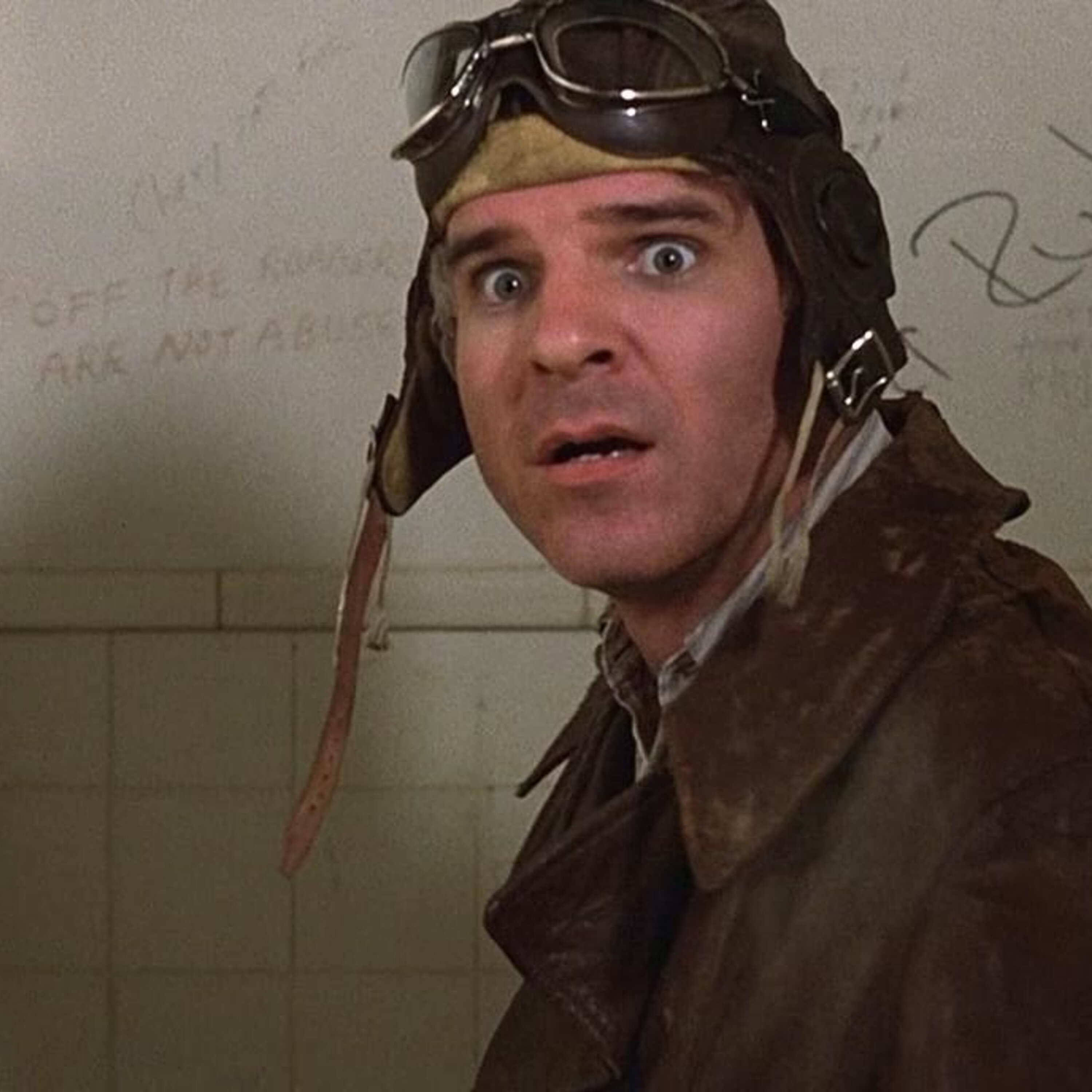
Wild And Crazy Guys
Bill Murray, Eddie Murphy, Chevy Chase, Steve Martin, John Belushi, John Candy, Rick Moranis. Animal House, The Blues Brothers, Beverly Hills Cop, Caddyshack, The Jerk, Ghost Busters, ¡Three Amigos!, Funny Farm, Spaceballs, Stripes. We maybe didn't properly appreciate it at the time, but the 1980s were one of the most fertile periods ever for screen comedies and screen comedians. This hour, a look at the mavericks who shaped a whole comedy aesthetic and at some of the most popular movie comedies ever made. GUESTS: Nick de Semlyen - Features editor for Empire and the author of Wild and Crazy Guys: How the Comedy Mavericks of the '80s Changed Hollywood Forever Daniel Kalwhite - A standup comedian based in New Haven Carolyn Paine - A standup comedian, an actress, and a dancer Join the conversation on Facebook and Twitter. Colin McEnroe contributed to this show, which originally aired July 11, 2019.Support the show: http://www.wnpr.org/donateSee omnystudio.com/listener for privacy information.

You Are Your Safest Sex Partner: Sex And Coronavirus
Your sex life doesn't have to suffer just because you're cooped up at home every day. Researchers say that sex is a healthy way to calm the anxiety of pandemic, even if you live alone. Virtual dating, masturbation, and coronavirus-related porn are more popular than ever. Some sex researchers think our desire for sex in the middle of a pandemic is one way we cope with the prospect of our own mortality. But not everyone reacts in the same way. Some lose their desire for sex, especially when you pile on added stressors like losing a job, having kids home from school, or working in a higher-risk job. Also this hour: How will coronavirus change the way we think about touching others? We take a look at sex, dating, and relationships in the shadow of coronavirus. GUESTS: Justin Lehmiller - A research fellow at the Kinsey Institute, the founder and editor of the Sex and Psychology blog, and the author of Tell Me What You Want: The Science of Sexual Desire and How It Can Help You Improve Your Sex Life Lisa Bonos- Writes about dating and relationships for the Washington Post Amy Weissfeld - A somatic sex educator and masturbation coach Cathrine Jansson-Boyd - A consumer psychologist at Anglia Ruskin University Join the conversation on Facebook and Twitter. Colin McEnroe, Cat Pastor, Catie Talarski, Gene Amatruda, TJ Coppola, and Joe Coss contributed to this show.Support the show: http://www.wnpr.org/donateSee omnystudio.com/listener for privacy information.

Coronavirus Is Surging; Tax Refunds Will Be Delayed; Fireworks Inspire Conspiracy Theories
There are just over 10 million cases of coronavirus globally and almost 500,000 deaths. U.S. deaths recently rose to 125,000. Yet, the Trump Administration continues to downplay the seriousness of this pandemic. The White House Coronavirus Task Force met Friday for the first time in two months, with Vice-President Pence acknowledging the surge in several states but insisting, "We're in a much better place," than we were two months ago. Also this hour: The estimated backlog of unopened mail at the IRS is about eleven million. And that doesn't include the one million pieces of mail that continue to come in every day. It may take a while to get your tax refund. Lastly, fireworks are a rite of summer. In this summer of pandemic, police brutality, and overall mistrust, fireworks have attracted darker conspiracies. GUESTS: Rebecca Katz is a Professor and Director of the Center for Global Health Science and Security at Georgetown University Medical Center. (@rebeccakatz5) Kelly Phillips Erb is a managing shareholder at the Erb Law Firm, a Senior Contributor at Forbes, regular columnist for Bloomberg Tax, and author of the “Taxgirl” blog. (@taxgirl) Kaitlyn Tiffany is a staff writer for The Atlantic. (@kait_tiffany) Support the show: http://www.wnpr.org/donateSee omnystudio.com/listener for privacy information.
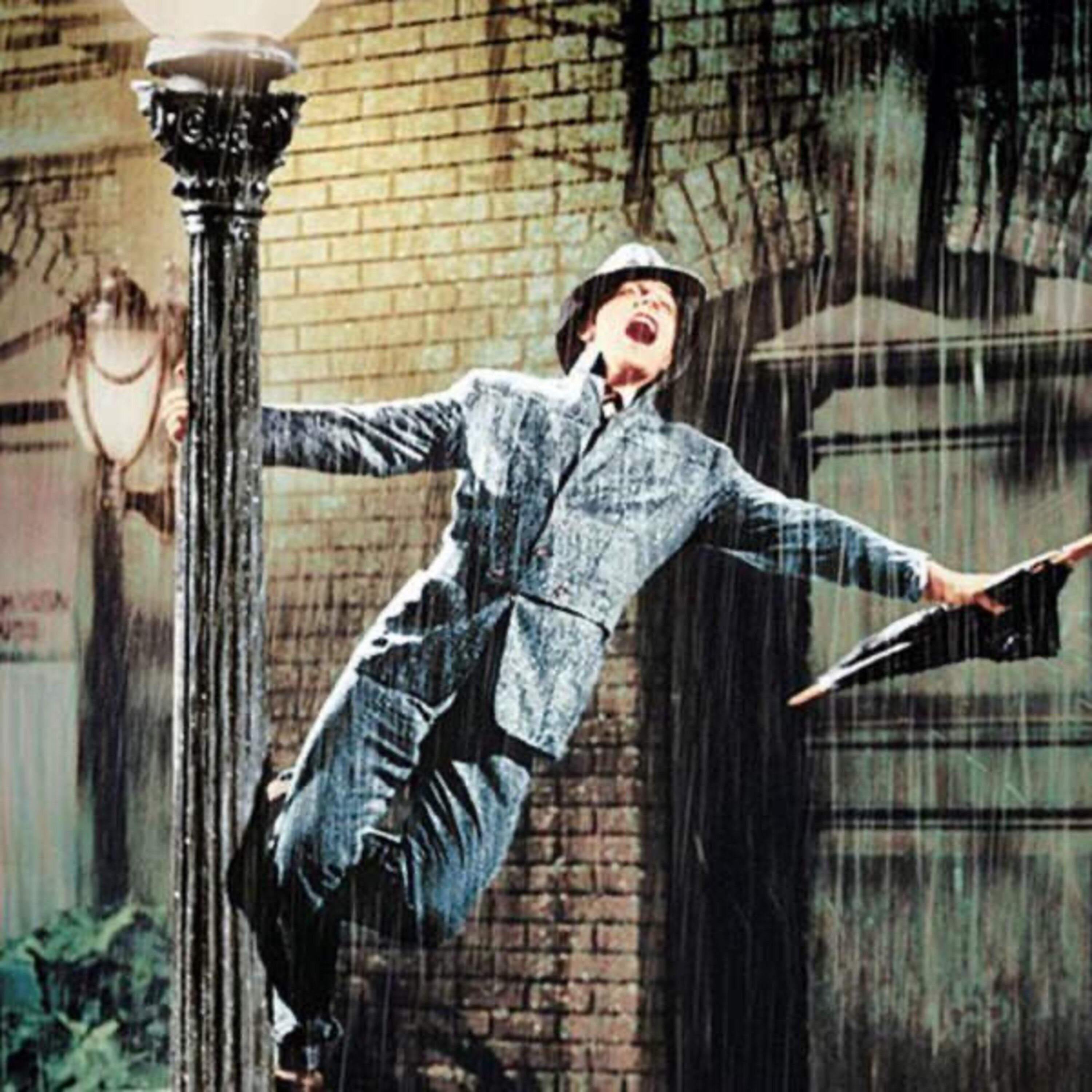
Long Live The Movie Musical
The movie musical died a long, slow death a long time ago. Right? Well, except that there's La La Land. And Moana. And The Greatest Showman and A Star Is Born and Mary Poppins Returns. Oh, and Bohemian Rhapsody and Rocketman. And Frozen II and The Lion King and Aladdin. Those are just from the last five years. And I could keep going, but then I might forget to mention that Steven Spielberg's version of West Side Story is scheduled to come out this year or that the Hamilton movie comes out next week. This hour, a long look at the long-dead movie musical. Long live the movie musical. GUESTS: Jeanine Basinger - Founder of the Department of Film Studies at Wesleyan University and the author of twelve books on film; her latest is The Movie Musical! Steve Metcalf - Director of the University of Hartford's Presidents' College Join the conversation on Facebook and Twitter. Colin McEnroe and Cat Pastor contributed to this show, which originally aired March 5, 2020.Support the show: http://www.wnpr.org/donateSee omnystudio.com/listener for privacy information.

How Are You? It's So Nice Outside Today; A Great Day For Our Show On Small Talk
It's nice to meet you! How do you like it here in Connecticut? Small talk is both the bane of our existence and essential in our existential quest to understand our place in the world. Whether you like it or hate it may depend, in part, on whether you like speech that establishes and maintains relationships or speech that provides information. We talk to a humorist, writing teacher, meteorologist, and philosopher about small talk. And we want to hear about your small talk stories. GUESTS: Alexandra Petri - A columnist for The Washington Post, a punning champion, and the author of Nothing Is Wrong and Here Is Why Irene Papoulis - Teaches writing at Trinity College Garett Argianas - A forensic meteorologist and Connecticut Public Radio's weather forecaster Agnes Callard - Associate professor of philosophy at the University of Chicago, monthly columnist for The Point magazine, and a contributor to The New York Times Join the conversation on Facebook and Twitter. Colin McEnroe and Cat Pastor contributed to this show, which originally aired March 4, 2020.Support the show: http://www.wnpr.org/donateSee omnystudio.com/listener for privacy information.

The Wonder Of Termites (Yep, That's What I Said)
Nobody likes termites. They get into the wood in our homes and can lead to infuriating and expensive repairs. What's to like? It turns out, there's a lot to like termites. Scientists study how they build their mounds for clues to solving some of the world's most pressing problems, like mitigating the effects of drought, building colonies on Mars, and creating biofuels. Plus, their ability to adapt to the harshest conditions over millions of years says a lot about them. Almost 90% of the microbes found in their guts are unique to the termite. Those same gut microbes are what make them so productive and, on the flip side, so destructive. Lastly, some believe termites work with joy and have a soul. You be the judge. GUESTS: Jennifer Dacey - An entomologist and a wildlife biologist and integrated pest management technician in the UConn Department of Plant Science and Landscape Architecture Lisa Margonelli - Author of Underbug: An Obsessive Tale of Termites and Technology Mick Pearce - An architect Join the conversation on Facebook and Twitter. Colin McEnroe and Jonathan McNicol contributed to this show, which originally aired August 29, 2018.Support the show: http://www.wnpr.org/donateSee omnystudio.com/listener for privacy information.
Do You Hear What I Hear?
Humans typically make enough collective noise to keep the earth vibrating at a steady hum. But the pandemic has quieted that hum enough to let seismologists study the vibrations that can be hard to detect in the din of our noise. The world is eerily silent now, showing us how accustomed we have become to cacophony of loud sound in our lives. We're hardwired to focus on the sounds we need to hear and tune out those we don't. It's hard to notice what we miss when cars and horns and other noisemakers compete for our sonic attention. And we don't always notice how loud it is until it's quiet. Today, an ode to the sound we take for granted, including the soothing sound of another human voice on the telephone. Yep, that's what I said. The telephone. GUESTS: David Owen is a staff writer for The New Yorker and the author of more than a dozen books. His newest book is Volume Control: Hearing in a Deafening World Chris Hoff is a sound engineer and co-creator with Sam Harnett, of the podcast, "The World According to Sound." (@chrisjameshoff) Sam Harnett is a reporter and co-creator with Chris Hoff, of the podcast, "The World According to Sound." (@samwharnett) Heather Radke is a writer and critic. Her work has appeared in The Believer, The Paris Review Daily, and RadioLab, among others. Her book, BUTTS, will be published in 2021. (@hradke) Join the conversation on Facebook and Twitter.Support the show: http://www.wnpr.org/donateSee omnystudio.com/listener for privacy information.
After We Die, Our Dust Will Live Forever
Dust is a fascinating substance. Our bodies are always shedding dust from our skin, hair, and nails, leaving little bits of DNA wherever we roam. Dust floats unseen through the air around us. It's light. It's hard to see unless it lands on a contrasting surface or crosses the path of a ray of sunshine. It can travel far and wide. Earth collects more than 100 tons of cosmic dust a day. A speck of it might be in your rug. The unseen dust deeply embedded in our homes over many years becomes an archive of every "geochemical" substance that's ever entered our home. All of history is recorded in the dust we create: the pollution we make, the fires we start, the chemicals we use, the volcanos that erupt. Scientists can learn about the Roman Empire through the dust that has been compressed each year for thousands of years into layers of ice sheets in Greenland. Today, we talk about the science and politics of dust. We also talk to a cleaning expert who will take your questions about dust and an artist who makes dust bunnies--bunnies sculptures from dust. GUESTS: Jay Owens - Geographer and research director at Pulsar Platform. She writes a newsletter about dust she calls, “Disturbances.” (@hautepop) Jolie Kerr - Cleaning expert and advice columnist for The Inventory and the host of the podcast “Ask a Clean Person.” She’s also the author of My Boyfriend Barfed in My Handbag...and Other Things You Can't Ask Martha. She’s the resident cleaning expert for the New York Times. (@joliekerr) Suzanne Proulx - Artist, sculpture and Assistant Professor, Edinboro University of Pennsylvania. Support the show: http://www.wnpr.org/donateSee omnystudio.com/listener for privacy information.