The Colin McEnroe Show
3,254 episodes — Page 30 of 66

America Has A Pandemic Problem. The President Has A Legal Problem.
The number of people infected with SARS-CoV-2 is rising in almost every state. America averaged over 100,000 new cases every day over the last seven days and 1,000 deaths every day over the same period. The positivity rate is more than 50 percent in some states, straining hospital systems and front line staff. Have we normalized the pandemic to the point where we're no longer taking it seriously enough? Also this hour: President Trump will no longer be protected from federal and state prosecution for questionable business and tax dealings when he exits the office of the presidency. There are also several civil lawsuits, including from two women who have filed separate civil suits for defamation after he denied their allegations of sexual assault. How legally vulnerable is President Trump? GUESTS: Dr. Angela Rasmussen is a virologist and an affiliate at the Georgetown Center for Global Health Science and Security. She’s a contributor to Slate (@angie_rasmussen) Ross Garber is a lawyer specializing in political investigations and impeachment and a legal analyst for CNN. He teaches at Tulane Law School. (@rossgarber) Support the show: http://www.wnpr.org/donateSee omnystudio.com/listener for privacy information.

Is Election Day Over Yet?
t's been eight days since Election Day. It's been four days since Joe Biden was projected to become President-elect Joe Biden. But we've still got the secretary of state saying, "There will be a smooth transition to a second Trump administration." We've still got any number of lawsuits flailing their way through the courts in various states. Are we really going to reject democratic elections to soothe Trump's ego? And: The Washington Post's Pulitzer-winning nonfiction book critic takes a look at the Trump years through the lens of all the Trump books. GUESTS: Philip Bump - A correspondent for The Washington Post based in New York Jeannie Suk Gersen - A contributing writer to The New Yorker and a professor at Harvard Law School Carlos Lozada - The nonfiction book critic of The Washington Post and the author of What Were We Thinking: A Brief Intellectual History of the Trump Era Join the conversation on Facebook and Twitter. Colin McEnroe and Cat Pastor contributed to this show.Support the show: http://www.wnpr.org/donateSee omnystudio.com/listener for privacy information.
Benedict Arnold: Unscrupulous Traitor or Unsung Hero?
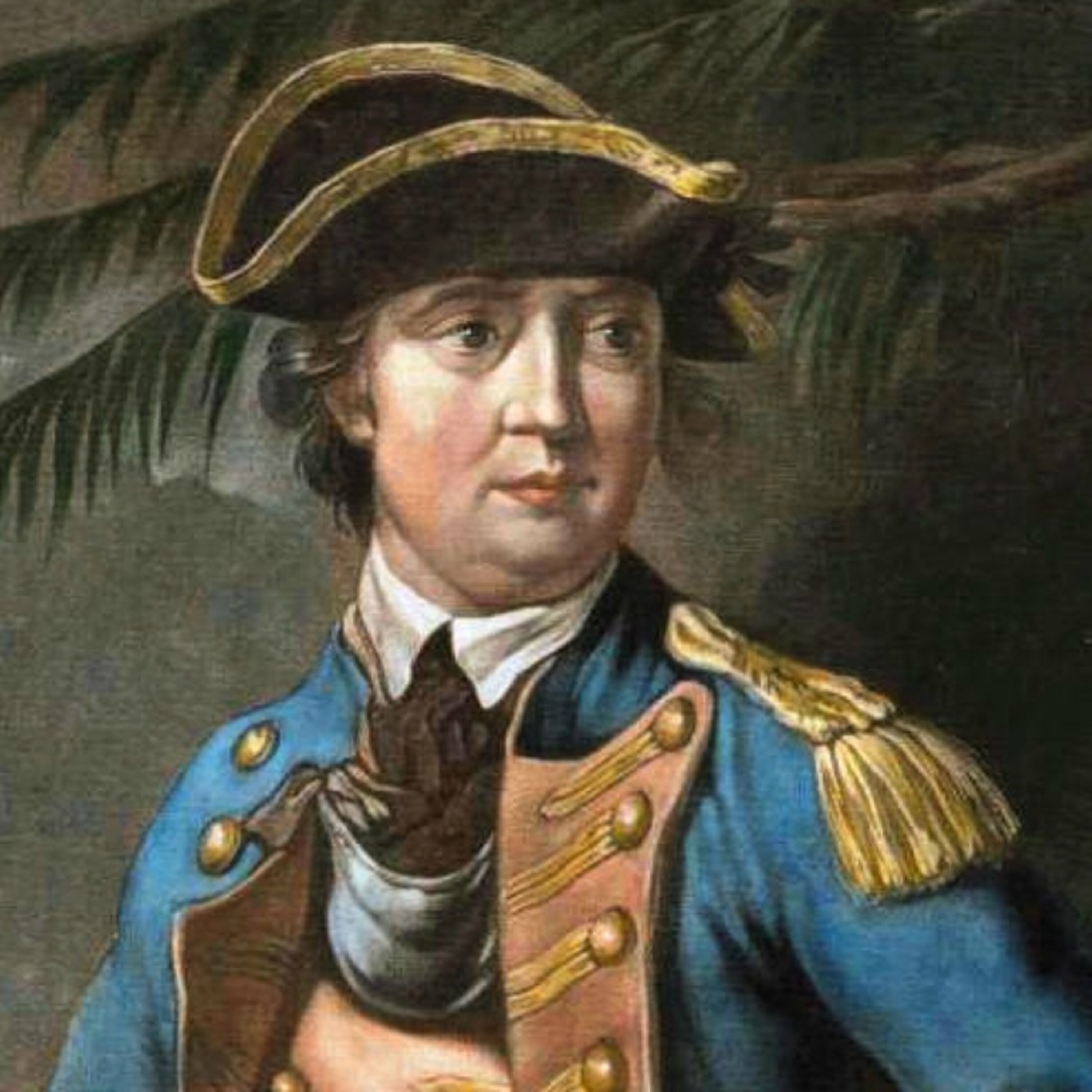
Benedict Arnold's reputation as a traitor instead of a skilled warrior and confidante of George Washington has become accepted history in the minds of many Americans living hundreds of years removed from our founding. But that's too simple a story. The Revolution was a chaotic time. Congress was in constant battle with the military and feelings ran high over whether power should reside in the states or the federal government. The war took a toll on the men who fought this bloody and protracted war. Leadership was often ineffective, greed was rampant, and militias fought without pay, few provisions, and little training. Family farms were looted and destroyed, the economy collapsed, and the Native Americans usually fought for the British. Benedict Arnold was a traitor to his country, fighting against friends and former comrades. He was impetuous and quick to anger. He also fought valiantly for the Revolution, often turning the tide toward America in decisive battles. Yet, he got little respect, less pay, and was a target of a politicized Congress. Is it time to take another look at Benedict Arnold and the Revolution that birthed America? GUESTS: Nathaniel Philbrick - Author of In the Heart of the Sea; Mayflower; and Valiant Ambition: George Washington, Benedict Arnold, and the Fate of the American Revolution Eric Lehman - Professor of English and Director of the Creative Writing Program at University of Bridgeport; author of Homegrown Terror: Benedict Arnold and the Burning of New London Brad Meltzer - Author of The Inner Circle; The Book of Fate; and The House of Secrets Join the conversation on Facebook and Twitter. Colin McEnroe, Chion Wolf, and Greg Hill contributed to this show.Support the show: http://www.wnpr.org/donateSee omnystudio.com/listener for privacy information.
The Nose Got The Boot For Putting Boots In The Boot
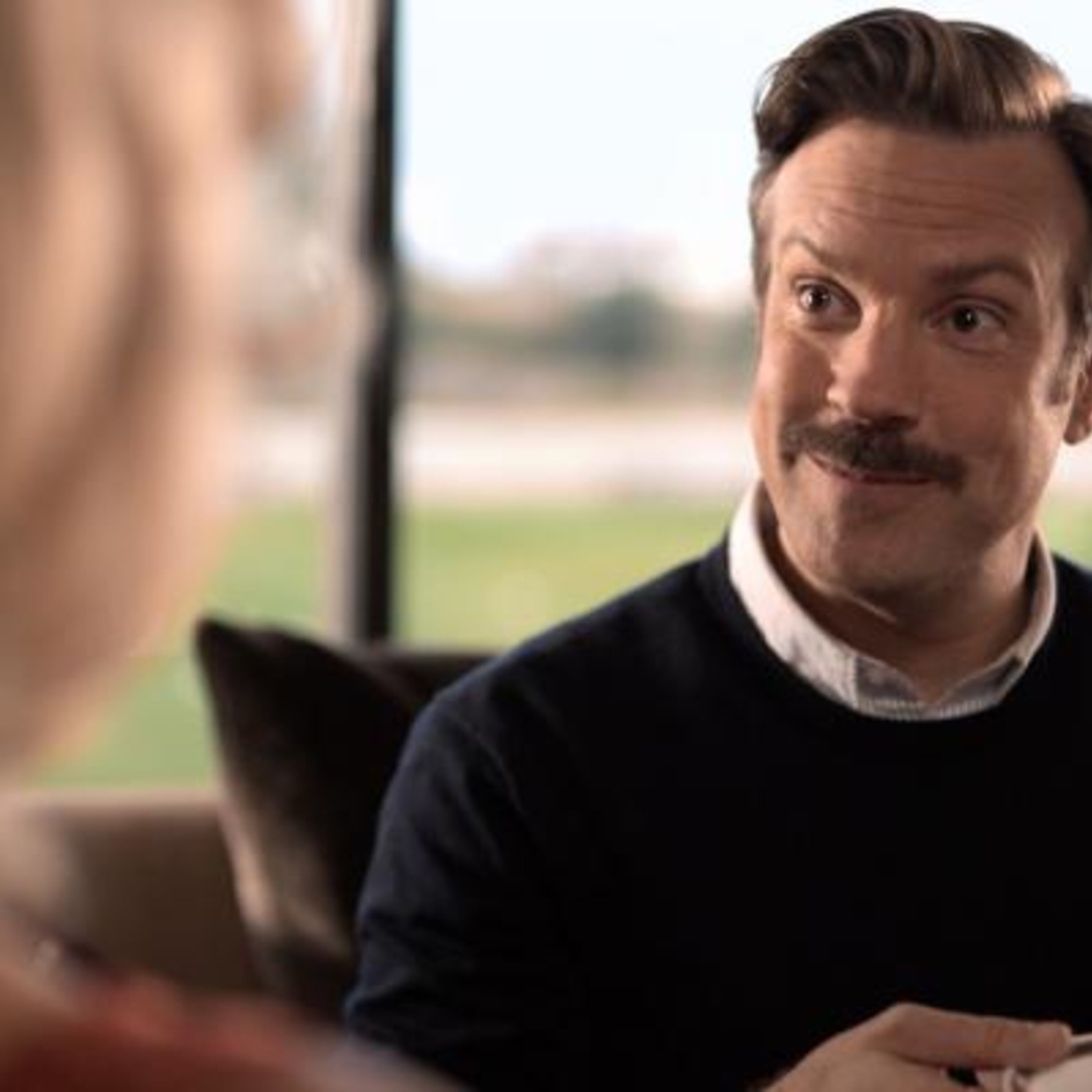
The world has an Alex Trebek-shaped hole in it. Which raises a question: Who should fill said hole? Billie Eilish has a new single out this week, which got The Nose thinking about her now-in-limbo James Bond theme song, which got The Nose thinking about James Bond theme songs in general. And: Ted Lasso is a half-hour comedy series on AppleTV+. It stars Jason Sudeikis as the title character, and it's based on a character Sudeikis developed in 2013 for a series of promos for NBC Sports's Premier League coverage, of all things. GUESTS: Jim Chapdelaine - An Emmy-winning musician, producer, composer, and recording engineer, and a patient advocate for people with rare cancers Irene Papoulis - Teaches writing at Trinity College Support the show: http://www.wnpr.org/donateSee omnystudio.com/listener for privacy information.
The Flap Over Flags
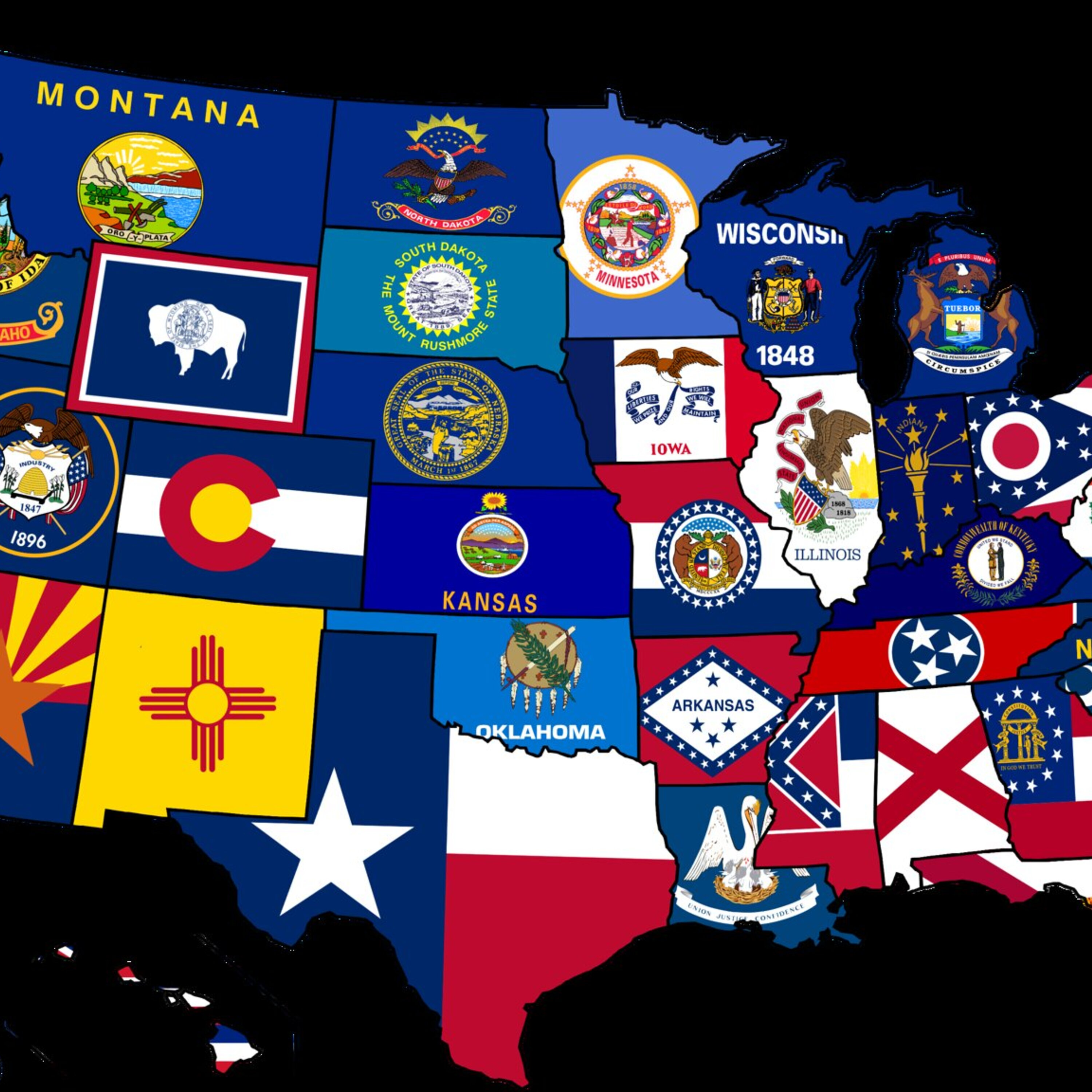
On the surface, a flag is a piece of cloth with pretty colors and designs. That's the thing with flags. They're often judged on their aesthetics, but their power lies in how well their design captures the culture, religion, politics, and history of a place and its people. We have flags for everything - nations, states, cities, sports teams, schools, micronations - you can even make your own flag with advice on how to do it. Keep it simple with 2-3 basic colors and skip the lettering. How can a flag unite a group around a single identity when people are unique and cultures change? Today, we talk about flags. Check out the website of the North American Vexillological Association. It's filled with lots of good stuff. GUESTS: Mike Pesca is the host of the Slate daily podcast The Gist and a frequent contributor to NPR Alexandra Petrie is a columnist for the Washington Post and the author of A Field Guide to Awkward Silences Scot Guenter is a laureate of the International Federation of the Vexillological Association and professor of American Studies at San Jose State University. He’s the author of The American Flag 1777-1924: Cultural Shifts from Creation to Codification and the founder of “Raven: A Journal of Vexillology You can join us on Facebook and Twitter.Support the show: http://www.wnpr.org/donateSee omnystudio.com/listener for privacy information.
So. How Was Your Weekend?
On most Mondays, we scramble around trying to put together a show reacting to the weekend's news. But being that nothing much happened over this weekend, we decided just to take your calls this hour. 860-275-7266. Call in and talk to Colin about how you're feeling at the start of this new day, this new week -- this new era. Join the conversation on Facebook and Twitter. Colin McEnroe and Cat Pastor contributed to this show.Support the show: http://www.wnpr.org/donateSee omnystudio.com/listener for privacy information.
The Truth About Lies
Laszlo Ratesic is a nineteen-year veteran of the Speculative Service. He lives in the Golden State, the only place left in what was once America. Laszlo's job is to bring the worst criminals to justice, those who tell lies. In his new novel, Ben Winters creates a world which might sound Eden-esque in our era of misinformation. It's getting more difficult to distinguish real from fake news, AI-assisted technology allows a bad actor to splice celebrity heads onto the faces of actors in a pornographic video, and major news organizations need to keep track of how often America's president lies. Yet, we should be careful what we wish for. Philosophers like Derrida have long questioned the nature of truth; can there be one truth? If so, whose truth is it? While few of us want to return to the pre-internet days when everyone got their news from Walter Cronkite, we need to understand how to recognize when information is false and how it is spread. It's too easy to blame ignorance or a willful repudiation of the truth for the spread of misinformation. It's a lot more about who we trust. For those who fear a Golden State could be our future, there's hope on the horizon if we're willing to pay attention. GUESTS: Ben Winters - Author of ten novels including Underground Airlines, the award-winning Last Policeman trilogy, and most recently Golden State: A Novel James Owen Weatherall - Professor of Logic and Philosophy of Science at the University of California, Irvine and the author of three books. His most recent is The Misinformation Age: How False Beliefs Spread, co-authored with Cailin O’Connor Aviv Ovadya - Founder of the Thoughtful Technology Project, set to launch soon, and a non-resident fellow at the German Marshall Fund’s Alliance for Securing Democrac (@metaviv) Join the conversation on Facebook and Twitter Colin McEnroe and Jonathan McNicol contributed to this showSupport the show: http://www.wnpr.org/donateSee omnystudio.com/listener for privacy information.

The Nose Has Been Watching Some Netflix. What Have You Guys Been Up To?
Since nothing has really been going on lately, we figured we'd do an hour about the week in pop culture, as usual. The Nose is sad to see Sean Connery go. But it's glad to see John Mulaney on SNL again. And: The Queen's Gambit is Netflix's new limited series adaptation of the Walter Tevis novel of the same name. Some other stuff that happened this week, give or take: Billy Joe Shaver, Seminal Outlaw-Country Songwriter, Dead at 81Best known as the songwriter of Waylon Jennings' 1973 album 'Honky Tonk Heroes,' the colorful Texas raconteur had his songs recorded by Willie Nelson, Elvis Presley The Crock-Pot Facebook group drama, explainedThe admin of the group said she goes into "full mama bear mode" when members are treated unkindly. 50 Best Movie Posters of the 2010s Tyra Banks Lands in Hot Water Over Takeout Order The Most-Watched Streaming Movies of 2020 Include 'Hamilton', 'Borat 2', 'My Spy', and More Robert Zemeckis Helped Revolutionize Visual Effects -- and Then Visual Effects Ruined Robert Zemeckis Why Johnny Depp's career is finished GUESTS: Rebecca Castellani - Handles social media marketing and event planning for Quiet Corner Communications David Edelstein - America's Greatest Living Film Critic Join the conversation on Facebook and Twitter. Colin McEnroe and Cat Pastor contributed to this show.Support the show: http://www.wnpr.org/donateSee omnystudio.com/listener for privacy information.

Waiting For A President
The Trump campaign threatened legal challenges Wednesday, to force four states to stop counting ballots after Joe Biden's wins in the battleground states of Michigan and Wisconsin narrowed the President's path to reelection. How bad must an American president behave before a majority of voters repudiate him for his actions? We want to hear from you. How are you coping with this current moment? Are you still proud to be an American? What do you want from your government and the next President? Call us at (888) 720-9677 with your questions, comments, concerns. GUEST: Bill Curry was White House counselor to President Bill Clinton and a two-time Democratic nominee for governor of Connecticut. Join us on Facebook and TwitterSupport the show: http://www.wnpr.org/donateSee omnystudio.com/listener for privacy information.
Uh. Well. Election Day Is Over.
The one thing we knew for sure was that by the time we got to today, yesterday would be over. And it is. And we don't quite know what actually happened yet. This hour, we look at today and start to think about tomorrow... and the rest of the week... and maybe the weeks after that. GUESTS: David Folkenflik - NPR's media correspondent Michael Lynch - Professor of philosophy and director of the Humanities Institute at the University of Connecticut; the author of Know-It-All Society: Truth and Arrogance in Political Culture Chris Murphy - The junior U.S. senator from Connecticut Support the show: http://www.wnpr.org/donateSee omnystudio.com/listener for privacy information.
"Citizen Observers" Share Their Voting Experiences
The Colin McEnroe Show has an Election Day tradition of celebrating voters by inviting "citizen observers" from around the state to share their experience with voting. An ongoing pandemic and tensions stemming from a deeply divided electorate make this a year like no other. People nationwide are working hard to make sure their vote is counted. They're voting early, they're waiting hours in line, and some are flying "home" to vote in-person to ensure their vote is counted. Election Day still has the power to inspire and make me hopeful that we're more united than some would have us believe. Call us today at (888) 720-9677 with your Election Day stories. We'll take as many calls as we can. GUESTS: Alicia Cobb is a visual artist and art instructor in Bridgeport. Madi Csejka is a 23-year-old voter living in Orange. Susan Clinard is the owner of Clinard Sculpture Studio in Hamden. John Dlugosz works in information technology services at Trinity College. Ben Freund is the owner and operator of Freund's Farm, and Cow Pots, in East Canaan. Lara Herscovitch is a singer-songwriter-poet, performer, and a former CT State Troubadour. Her latest album is "Highway Philosophers." Sarah Kaufold is a choral conductor and founder and artistic director of Consonare Choral Community Michael Moschen is a world-renowned juggler, performance artist, and recipient of a MacArthur Genius Grant. George Noujaim is the owner of Noujaim's Bistro in Winsted. Kate Rushin is a poet, writer, and educator. Support the show: http://www.wnpr.org/donateSee omnystudio.com/listener for privacy information.
The Election Is Finally Here. What Happens Now?
Most of us are approaching Election Day with a mix of excitement, hope, and fear, as we live with surging numbers of coronavirus cases, threats of civil unrest, and uncertainty over when the election will be decided -- and who will get to decide. We want to hear from you. Call us at 888-720-9677 or 888-720-WNPR to share your hopes and concerns about Election Day and for a post-election America. GUEST: Alan Greenblatt - Senior staff writer covering politics and policy issues for Governing magazine; his work has been published in the New Republic, Vox, and American Conservative, among other publications (@alangreenblatt) Join the conversation on Facebook and Twitter. Colin McEnroe and Cat Pastor contributed to this show. Support the show: http://www.wnpr.org/donateSee omnystudio.com/listener for privacy information.
The Nose For Make Benefit Once Glorious Nation of Kazakhstan
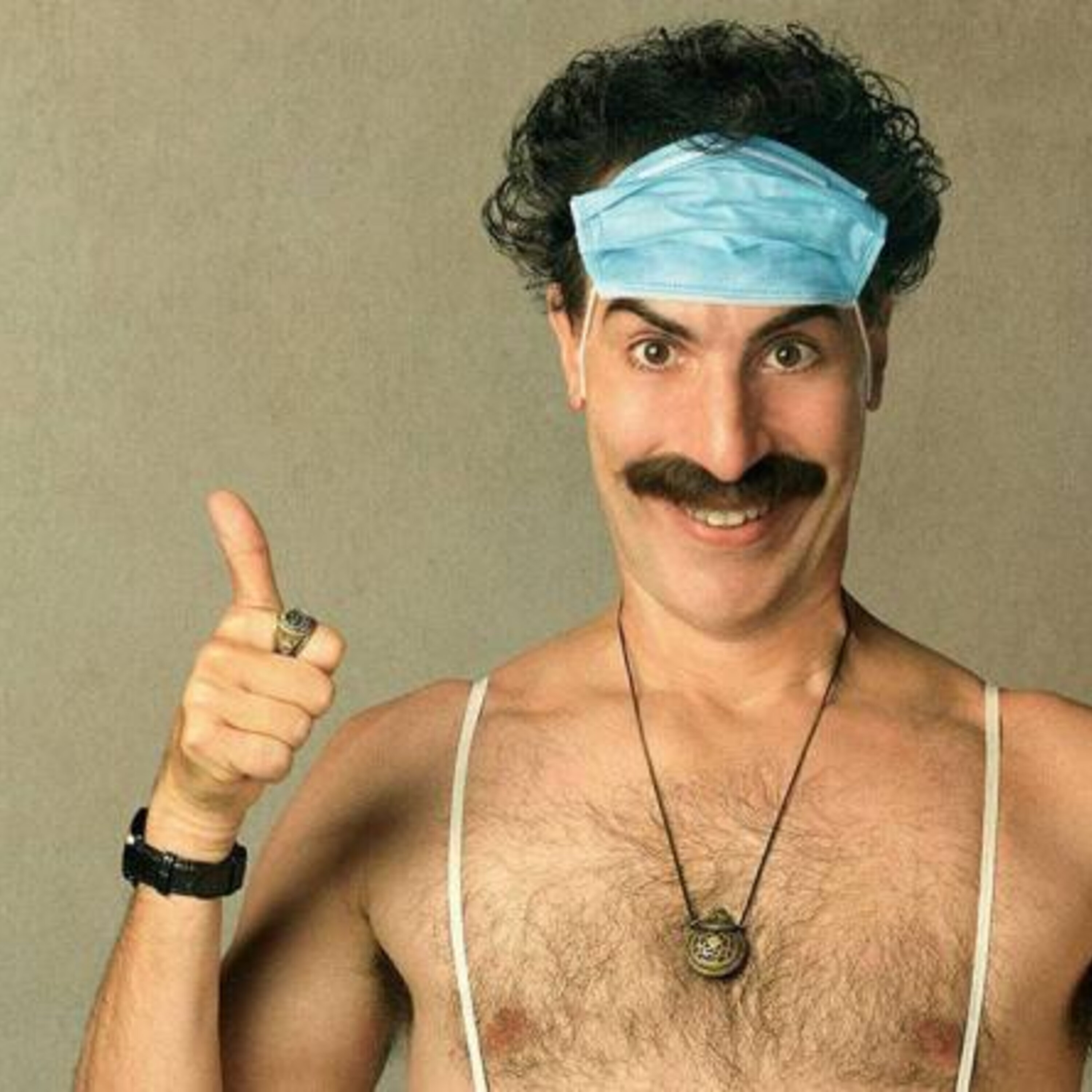
Borat Subsequent Moviefilm: Delivery of Prodigious Bribe to American Regime for Make Benefit Once Glorious Nation of Kazakhstan (on Amazon Prime) is a sequel to 2006's Borat: Cultural Learnings of America for Make Benefit Glorious Nation of Kazakhstan. Sacha Baron Cohen returns as the titular character. And: The Trial of the Chicago 7 (on Netflix) is Aaron Sorkin's film depiction of the 1969 trial of Abbie Hoffman, Jerry Rubin, David Dellinger, Tom Hayden, Rennie Davis, John Froines, Lee Weiner, and Bobby Seale. Here, Baron Cohen plays Hoffman. Some other stuff that happened this week, give or take: Pioneering drummer Viola Smith has died, aged 107The original 'hep girl' played a big part in the acceptance of female musicians Jerry Jeff Walker, a Trailblazer of the Cosmic Cowboy Sound, Passes Away at 78The country icon was, as fellow musician Lucinda Williams put it, an "American treasure." Mutiny! Prince Andrew 'could be sacked' as Commodore of Britain's most famous yacht club over his links to Jeffrey Epstein -- and be replaced by Duchess of Cambridge A Glance at Daily Life Among the Caretakers of Britain's Small IslandsStationed off the coast of Britain, island wardens manage preservation of their small speck of land -- while coping with extreme weather and limited access to the mainland 15 Years On, The Lonely Legacy Of 'Shadow Of The Colossus' Time Magazine replaces its name on cover for first time in 100 yearsEditors replaced "TIME" with the word of the moment: "VOTE." This Election, David Duchovny Wants to Go on Record"Sadly, it's a little prophetic at this point," actor-musician says of his new anti-Trump song "Layin' on the Tracks" What was fun?As we adjust to the "new normal," something's missing. Beethoven Has a First NameIt's time to "fullname" all composers in classical music. F*ck Sliders An East Dallas Home's Halloween Decorations Prompt Multiple Police Visits And Now, a Sinkhole Full of Rats Hollywood's Masked Killers Want You to Know How Hard Their Job IsThe actors who played Jason Voorhees, Michael Myers and Leatherface discuss the misconceptions around playing Hollywood's masked bogeymen. American Accident: All the Presidents' Movies GUESTS: Jacques Lamarre - A playwright and director of client services at Buzz Engine Mercy Quaye - Founder and principal consultant for The Narrative Project and a columnist with Hearst Connecticut Media Group Join the conversation on Facebook and Twitter. Colin McEnroe and Cat Pastor contributed to this show.Support the show: http://www.wnpr.org/donateSee omnystudio.com/listener for privacy information.
Is It Time To "Pack" The Supreme Court?
A lot of people are wondering if it's time to look at "court packing," and other court reforms, to address judiciary dysfunction that we can see playing out during this election and in the confirmation of Justice Amy Coney Barrett. Look at what's happening with voting rights. The Supreme Court had been asked to intervene in several state decisions that would allow ballots postmarked by Election Day to be accepted in the first days after the election due to the high volume of mail-in ballots cast during a pandemic. On Tuesday, the Supreme Court ruled that Wisconsin mail-in ballots could not be accepted after Election Day. On Wednesday, they refused to hear a fast-tracked plea from Pennsylvania Republicans looking to block a three-day extension, and refused to block rulings allowing North Carolina to extend their deadlines. In addition, voter suppression or intimidation tactics are happening in states like Nevada, Texas, and Michigan. And one week before the election, the mail is still slow. Lastly, states led primarily by Republicans, have been trying to pack their state supreme courts for a decade, mostly for partisan advantage. Do we need a new amendment to the Constitution that would protect against a minority no longer accountable to the people they serve? GUESTS: Marin K Levy is a professor of law at Duke University and author of "Packing and Unpacking State Courts," published in the William & Mary Law Review earlier this year. (@marinklevy) Ian Millhiser is a senior correspondent at Vox, where he focuses on the Supreme Court and the Constitution. He’s the author of Injustices: The Supreme Court's History of Comforting the Comfortable and Afflicting the Afflicted. (@imillhiser) Julie Suk is a Florence Rogatz Visiting Professor of Law at Yale Law School and Professor of Sociology, Political Science, and Liberal Studies at The Graduate Center of the City University of New York. Her new book is We the Women: The Unstoppable Mothers of the Equal Rights Amendment (@JulieCSuk) Join the conversation on Facebook and TwitterSupport the show: http://www.wnpr.org/donateSee omnystudio.com/listener for privacy information.
Not Necessarily The Nose: The Year In Horror, 2020
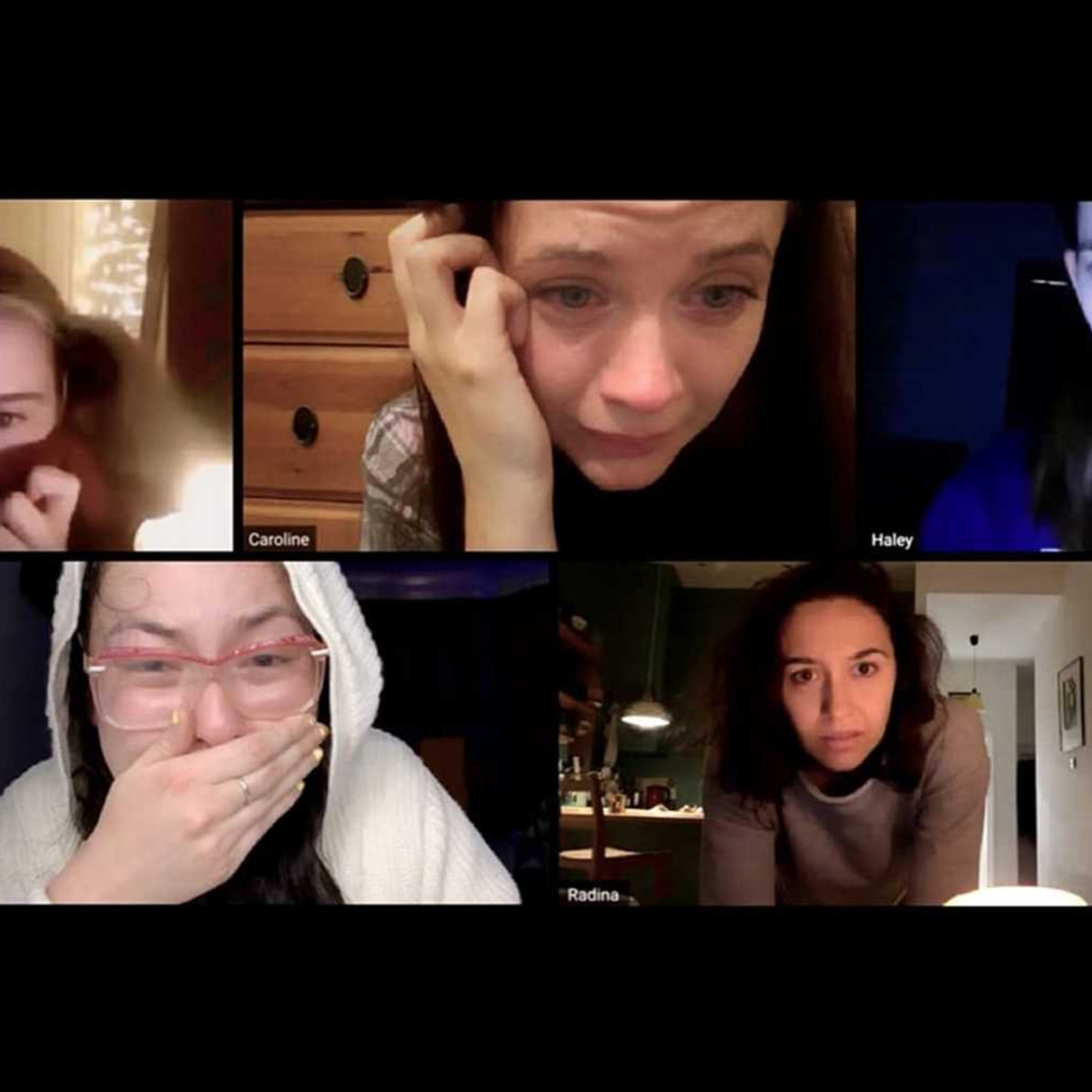
It's our annual Halloween special! For this year, the script kind of wrote itself. We look at the way our current, actual horror is likely to affect our future fictional horror through the lens of the genre's past distinct historical eras. Plus: A new study that seems to say that horror fans were better prepared for the pandemic than the wimpy rest of us were. And: Every year on this show, for no particular reason, we look specifically at some classic horror movie that's celebrating its 40th anniversary. Two years ago, it was Halloween. Last year, it was Alien. This year, it's Stanley Kubrick's The Shining. And finally: The always-spooky staff endorsements. Note: This podcast version of the show is nearly four full minutes longer than the show as it's airing on WNPR. We couldn't fit all the good stuff into the constraints of radio, so we present to you here the show as we really wanted to make it. GUESTS: Carmen Baskauf - A producer for Where We Live on Connecticut Public Radio James Hanley - Co-founder of Cinestudio at Trinity College Betsy Kaplan - Our senior producer Ryan Caron King - Visuals journalist for Connecticut Public Megan McCluskey - A reporter for Time magazine Carlos Mejia - Digital audience manager for Connecticut Public David Mikics - The author of Stanley Kubrick: American Filmmaker Ali Oshinskie - A reporter covering the Naugatuck River Valley for Connecticut Public Radio Coltan Scrivner - A PhD candidate in the Department of Comparative Human Development at The University of Chicago Catie Talarski - Senior director of storytelling and radio programming for Connecticut Public Join the conversation on Facebook and Twitter. Colin McEnroe and Cat Pastor contributed to this show.Support the show: http://www.wnpr.org/donateSee omnystudio.com/listener for privacy information.

In Pods We Trust: How The Pod Prevails In Consumer- And Pop-Culture
We wake up to coffee from a pod, listen to music through our EarPods from our iPods, drive our Smart cars and Fiats and other increasingly pod-shaped vehicles, wash our clothes using Tide pods, and while we wait for the clothes to dry, we listen to our favorite podcast through our AirPods from our HomePod. Sound about right? What is it about pods that we're so drawn to? And why do an increasing number of our products and services all feature the word "pod" in their name? Is it possible the pod's slick, liminal aesthetic or the allure of its Pandorian promise holds some sway over our subconscious? Might Freud have something to say about its curvature or its role in nature as a place of transformation, emergence, and ultimately independence? Perhaps it's the pod's minimalism and symmetry which appeal to us as we negotiate an increasingly chaotic world. Or is it simply an efficient design suited to meet the needs of our busy lives? This hour, we speak with experts and discuss the mystery of the pod in consumer- and pop-culture. We'll also look back over recent history and explore the possibility that we are, and always have been, pod people! GUESTS: Blanka Domagalska - Lecturer at Otis College of Art and Design teaching courses on product design with expertise in art history, media and cultural theory, philosophy, and aesthetic liminality Elvina Beck - Co-founder and CEO of Podshare Kotaro Aoki - Former philosophy major at Wesleyan University Jim Knipfel - A novelist and memoirist; he wrote the feature "The Legacy of Invasion of the Body Snatchers" for Den of Geek Join the conversation on Facebook and Twitter. Colin McEnroe, Jonathan McNicol, and Chion Wolf contributed to this show, which originally aired December 26, 2019.Support the show: http://www.wnpr.org/donateSee omnystudio.com/listener for privacy information.
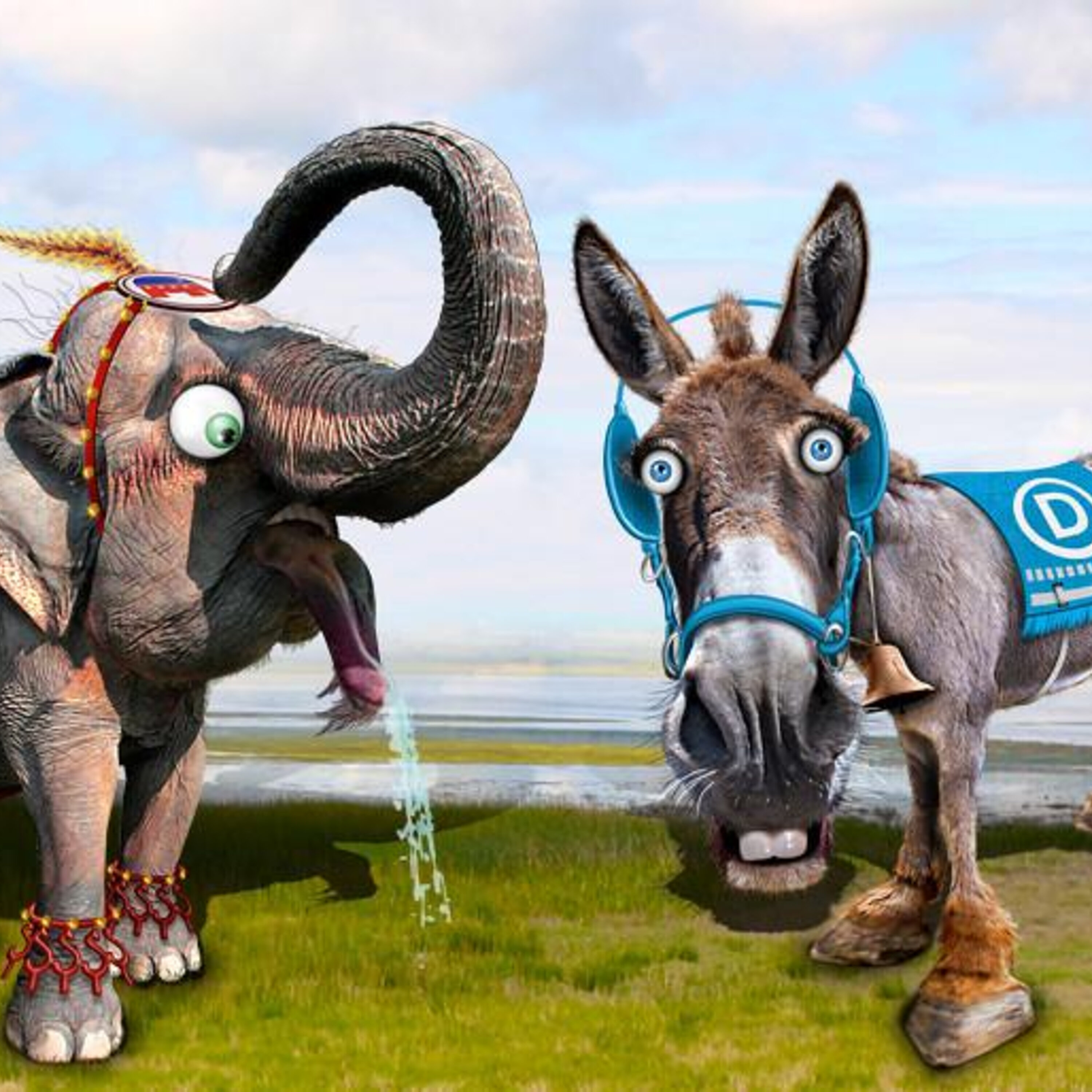
America In The Middle Of An Election During A Surge In The Pandemic
The Trump Administration continues to downplay the pandemic, Vice-President Mike Pence campaigns even as staff members in his inner circle test positive for SARS-CoV-2, and Chief of Staff Mark Meadows said Sunday on CNN's "State of the Union," that the Administration is no longer going to control the pandemic. Some Americans are beginning to fear a dark post-election America if the other side wins. Fear of the "other" candidate winning is felt by Biden and Trump supporters. Americans usually fear foreign threats, not each other. Does the pandemic have us on edge or is something deeper going on in America? Also this hour: The Trump Administration is counting on a vaccine by the end of the year. But approval of a vaccine may signal the beginning of a long year tracking the safety of potentially multiple vaccines in the absence of a vaccine safety office dedicated solely to leading the effort. GUESTS: Yascha Mounk is the founder and Editor-in-Chief of Persuasion, an associate Professor of the Practice of International Affairs at Johns Hopkins University, and a contributing editor at The Atlantic. His latest book is "The People Vs. Democracy: Why Our Freedom Is In Danger and How To Save It." @yascha_mounk Carl Zimmer is the author of thirteen books about science. His next book, “Life’s Edge: The Search For What It Means To Be Alive,” will be published in March 2021. He writes the "Matter" column for The New York Times, and is an adjunct professor at Yale. (@carlzimmer) Join the conversation on Facebook and Twitter.Support the show: http://www.wnpr.org/donateSee omnystudio.com/listener for privacy information.

The Nose Turns Like A Wheel Inside A Wheel
It has come to The Nose's attention that you can rent an entire movie theater out for just $99 and have yourself a slightly less pandemic-panicky moviegoing experience. Which got us thinking about, just, going to the movies. Remember going to the movies? And then: "Which of the Hollywood Chrises is the worst Hollywood Chris?" is a question the internet has been grappling with recently. As with all things internet, there's now a bit of a controversy. And: David Byrne's American Utopia is Spike Lee's HBO movie version of Byrne's American Utopia Broadway show, which is a theater version of Byrne's American Utopia tour, which Byrne did in support of his album, American Utopia. Some other stuff that happened this week, give or take: A Disturbing Twinkie That Has, So Far, Defied Science Alan Arkin on Hollywood success: 'I was miserable pretty much all of the time'In his mid-30s, the actor was living the dream, but was far from happy. As he publishes his memoir Out of My Mind, he talks about turning his life around -- and the disgraced guru he pinned his hopes on Last Week Tonight - The John Oliver Memorial Sewer Plant is Here! Mike 'Doc' Emrick retiring from legendary NHL broadcasting career Actor Jeff Bridges Tweets That He Has Been Diagnosed With Lymphoma The Pandemic Lessons From MLB's Surprisingly Successful Season COVID-19 Pauses Production On Joe Rogan's Podcast The Outfield Frontman Tony Lewis Dead at 62 Tom Lehrer Is Releasing His Lyrics and Music Into the Public Domain Apple Launches 'Apple Music TV,' a 24-Hour Music Video Livestream Keith Jarrett Confronts a Future Without the PianoThe pathbreaking musician reveals the health issues that make it unlikely he will ever again perform in public. 'It's the Great Pumpkin, Charlie Brown' won't air on ABC this year, moves to Apple TV+The popular Halloween special, which premiered on CBS in 1966, will instead air on demand on AppleTV+ for free from Oct. 30-Nov. 1. NASA To Make Major Announcement Of 'Exciting News' About The MoonFlying observatory that made new discovery is able to 'pick up phenomenon impossible to see with visible light', space agency notes The 50 Best Movie and TV Show Twists of All TimeFrom 'Fight Club' to 'Game of Thrones,' from 'The Sixth Sense' to 'Lost,' nothing hits quite as hard as a shocking reveal Rethinking Appropriation and Wokeness in Pop MusicOver the last decade, the language and aesthetics of social justice have become the social currency of the music industry (and pop culture at large), ultimately yielding the myth that representation solves everything. This is one story of how we got there, and where we carefully go from here. Artist In Residence Creates Portraits Of Reform At The District Attorney's Office AOC's debut Twitch stream is one of the biggest everAnd she's genuinely pretty good at Among Us Scientists have found a rare half-male, half-female songbird GUESTS: Taneisha Duggan - Producing associate at TheaterWorks Bill Yousman - Professor of media studies at Sacred Heart University Join the conversation on Facebook and Twitter. Colin McEnroe and Eugene Amatruda contributed to this show.Support the show: http://www.wnpr.org/donateSee omnystudio.com/listener for privacy information.
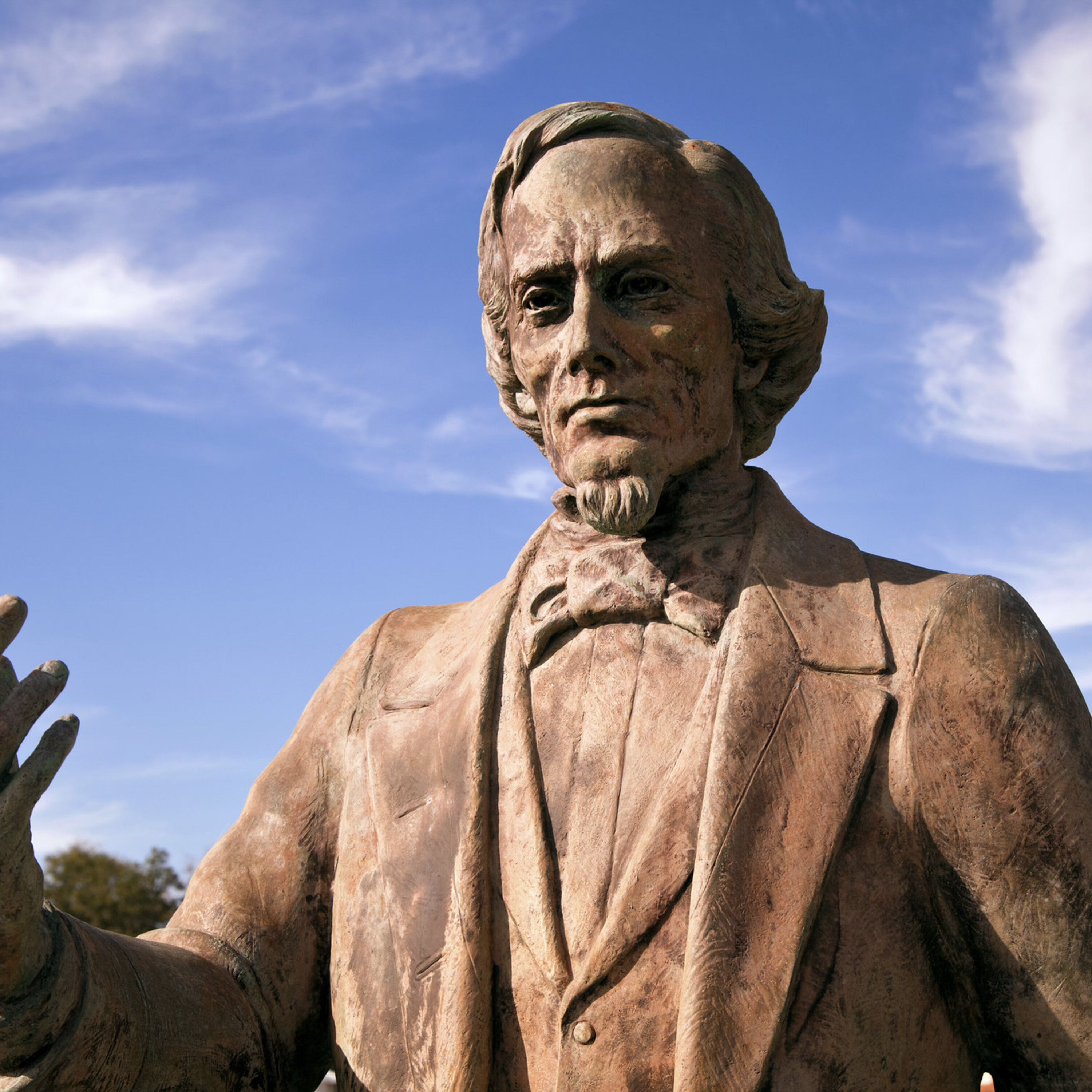
How To Secede From Belgium Without Really Trying
Secession is in the air. Britain withdrew from the European Union, Scotland wants out of the U.K., Catalonia from Spain, and, wait for it, California from the U.S. Yes, the days of our country's states being united may soon come to an end. In fact, not only is California home to active secessionist and separatist movements, but so are Texas, Washington, Hawaii, Alaska, Vermont, and several other states. And with the degree to which our nation seems divided, one wonders if this isn't long overdue. This hour, we speak with legal experts and advocates about the growing calls for secession both here and abroad. Would nations be better off if they allowed their citizens to secede, forming smaller, more like-minded sovereign territories? Would the citizens be better off? And, to be quite frank, would any of this even be legal? GUESTS: Francis H. Buckley - Foundation professor at the Antonin Scalia Law School at George Mason University, senior editor at The American Spectator, and the author of American Secession: The Looming Threat of a National Breakup Marcus Ruiz Evans - Co-founder of the Yes California movement and author of California's Next Century Erica Frankenberg - Professor of education and demography in the College of Education at Penn State University and co-author of several books including Educational Delusions?: Why Choice Can Deepen Inequality and How to Make Schools Fair Join the conversation on Facebook and Twitter. Colin McEnroe, Jonathan McNicol, and Cat Pastor contributed to this show, which originally aired February 27, 2020.Support the show: http://www.wnpr.org/donateSee omnystudio.com/listener for privacy information.

You Can Keep Your Socks On
In the 1990's, the Southport Sockmen, otherwise known as Steven Bain and Steven Gawthrop, paid drunk people in Liverpool bars and clubs to give them the socks they were wearing. The Sockmen took photos of each “donor,” before placing each sock and its matching donor photo in a plastic bag. The police found 4,000 pairs of socks piled 18 inches deep when they arrived to arrest the pair for "acts of gross indecency." The socks were also hanging from the furniture and lampshades - and some were in the microwave. Most of us put on a pair of clean socks every morning. Beyond what color and style we choose, we don't give much thought to the history, craft, or fashion of socks. Nor do we think about the intimacy of the sock. Almost half of sexual fetishes are for feet, shoes, or socks. This seemingly boring object that we wear on our feet every day, is really quite interesting. GUESTS: Kim Adrian is the author of the memoir 'The Twenty-Seventh Letter of the Alphabet.' Her most recent book, 'Dear Knausgaard,' was published in September. She teaches at Grub Street in downtown Boston. Kara Mavros is a writer based in New York. Chloe Bryan is the deputy editor for Mashable’s shopping section, covering tech and lifestyle products. Previously, she was a culture reporter for Mashable. (@chloebryan) Support the show: http://www.wnpr.org/donateSee omnystudio.com/listener for privacy information.
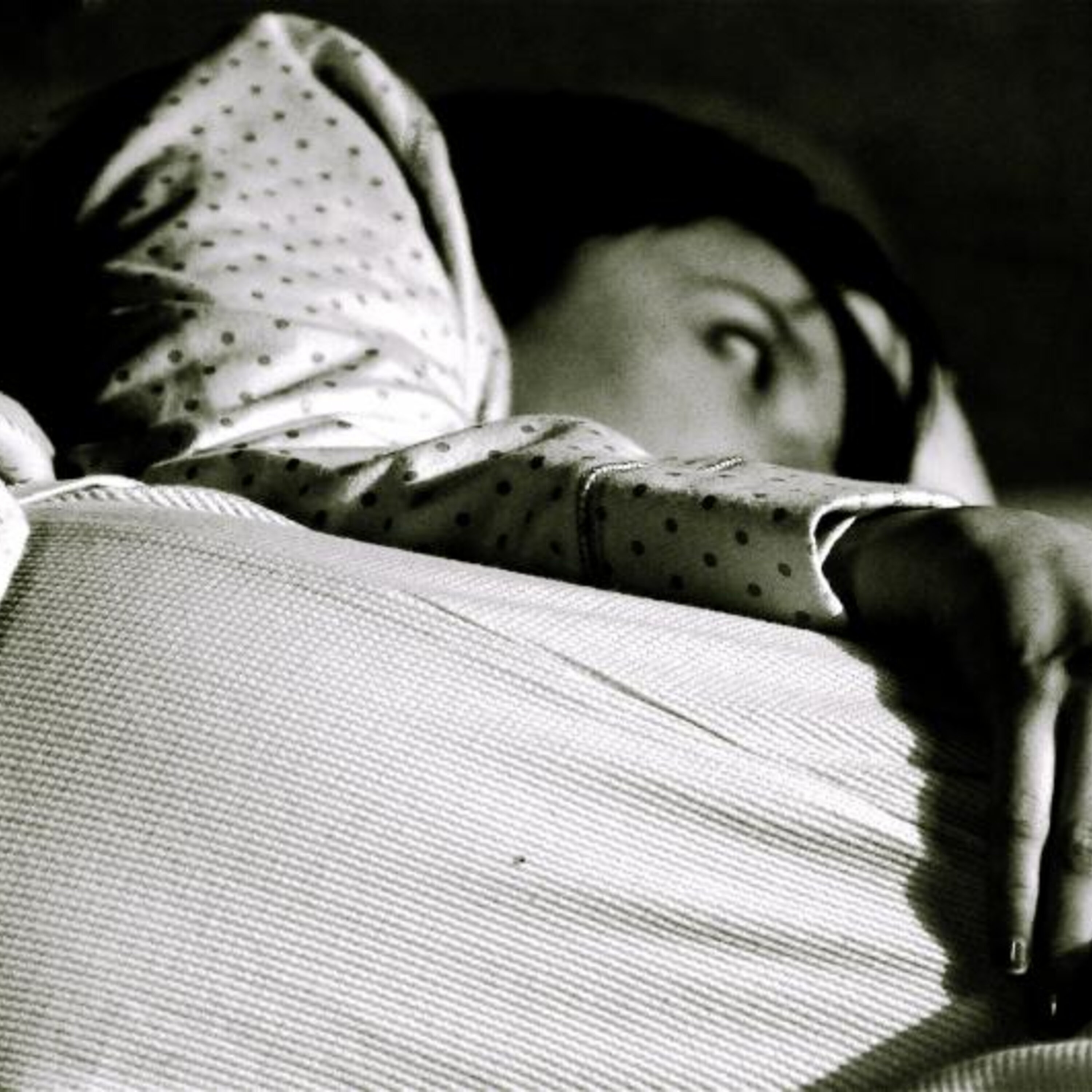
Awake In The Middle Of The Night
Our ancestors viewed sleep as a highly sensual and transcendent experience. Today, about a third of adults have trouble falling asleep, staying asleep or feeling rested. We're becoming a nation of insomniacs. We live in what Rubin Naiman calls, a "wake-centric era,” where sleeping and dreaming are viewed as less important than being awake and on the go. It's hard to come down from the hyperaroused state we whip ourselves into by the end of a day. It's not surprising that we can't sleep. Insomnia can be miserable when all we want to do is sleep. But it's more a human condition than a medical condition to be solved by sleeping pills and tech gadgets. Plus, insomnia can have its upside. Our minds can be more open to insights and new possibilities in the dark quiet of night when our thoughts can wander to unknown places that the conscious mind can’t see. GUESTS: Marina Benjamin is a writer and Senior Editor at Aeon magazine. She’s written five books. Her latest memoir is Insomnia. She’s also the author of The Middlepause and Garden Among Fires: A Lockdown Anthology. (@marinab52) Rubin Naiman is a psychologist, clinical assistant professor of medicine and the sleep and dream specialist at the University of Arizona Andrew Weil Center for Integrative Medicine (@drnaiman) Charlotte Jee is a writer and reporter for MIT Technology Review, where she also writes The Download newsletter (@charlottejee) Support the show: http://www.wnpr.org/donateSee omnystudio.com/listener for privacy information.
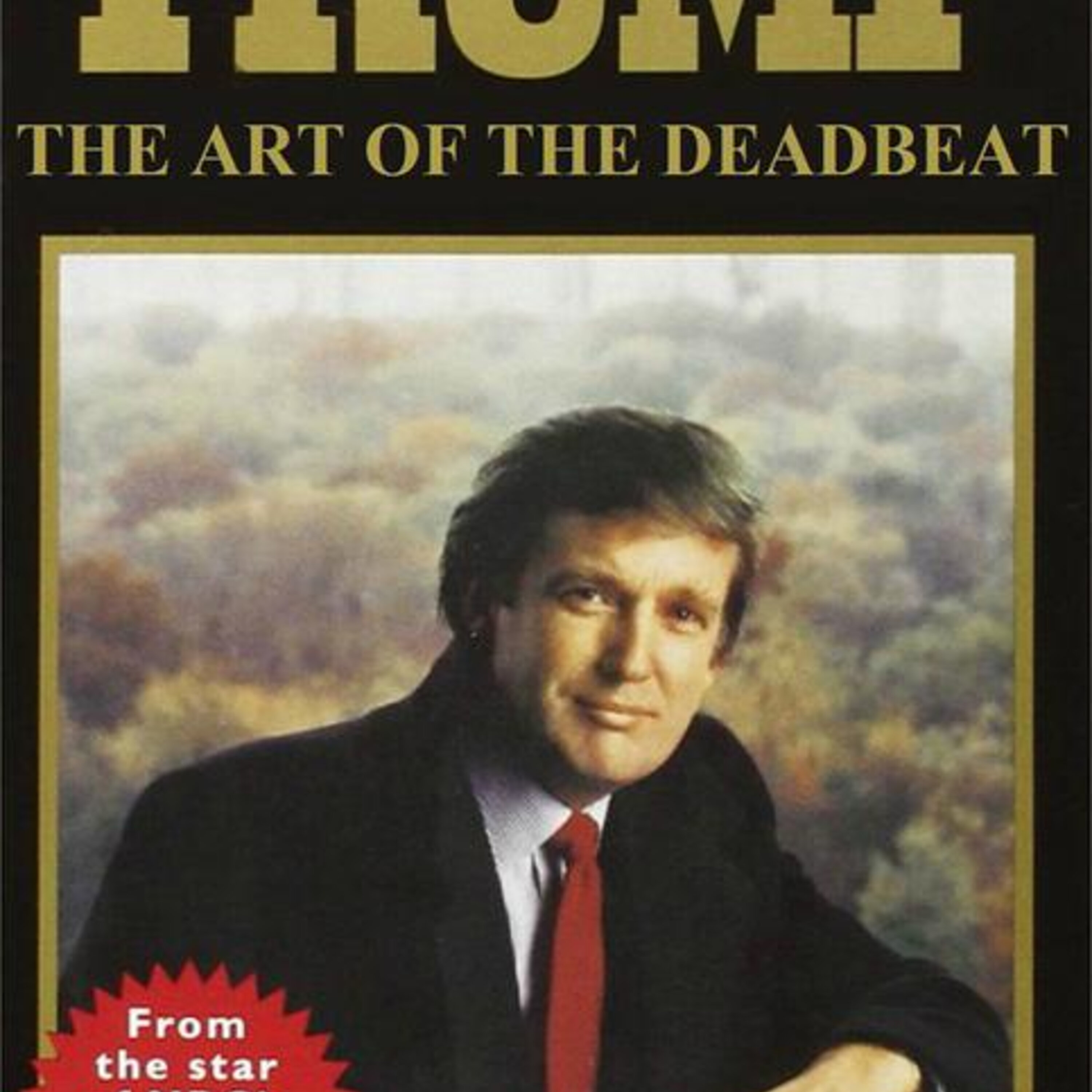
Trump's Ghostwriter; And, A Covid Surge
Donald Trump asked journalist Tony Schwartz to ghostwrite his memoir, "The Art of the Deal," because Trump liked the unflattering story Schwartz wrote for New York magazine, about Trump's effort to evict rent-controlled tenants from his Manhattan apartment building. Schwartz agreed and has been atoning for that decision ever since. Also this hour: The Covid Tracking Project shows the US may be entering a third surge of coronavirus infections that is more widespread than the regional spikes we saw last spring and summer. We still don't have a national plan to manage it and Trump officials continue to downplay the risk and spread misinformation about herd immunity. GUESTS: Tony Schwartz is a journalist and political commentator. His most recent book is Dealing with the Devil: My Mother, Trump, and Me. He’s also the ghostwriter for Donald Trump’s 1987 memoir, The Art of the Deal. He’s the founder and CEO of The Energy Project (@tonyschwartz) Jeremy Konyndyk is a senior policy fellow and pandemic preparedness expert at the Center for Global Development. He was the director of USAID’s Office of US Foreign Disaster Assistance 2013-2016. (@JeremyKonyndyk) Support the show: http://www.wnpr.org/donateSee omnystudio.com/listener for privacy information.

The Nose Watches 'The West Wing'
Bill Burr hosted Saturday Night Live last weekend, and his monologue -- which included bits about wearing masks, cancel culture, white women in the "woke" movement, Pride Month, and more -- has drawn some criticism. It has The Nose thinking about "How President Trump Ruined Political Comedy." And: The West Wing ran for seven seasons and 156 episodes and ended more than 14 years ago. A new reunion special debuted yesterday, and it's got The Nose wondering how the classic show -- with its Capraesque, idealized vision of American politics -- plays against our present reality. Some other stuff that happened this week, give or take: Joe Morgan, driving force of Big Red Machine, dies at 77 NY Philharmonic cancels entire concert season for the first time in its 178-year history 20 Notable UConn Alumni Who Changed the World Kate McKinnon breaks character, addresses viewers during 'SNL': 'Such a crazy time'The fourth-wall busting moment summed up this year pretty well. Woman says Southwest wouldn't let her on plane due to 'inappropriate' outfitKayla Eubanks said Southwest Airlines employees told her that she needed to wear a shirt over her outfit in order to board one of their planes. Inside Gravity's daring mission to make jetpacks a realityInventors like Richard Browning have been trying to build jetpacks for a century. Now they're here, what do we do with them? Dying swan or lame duck? Why 'Fatima' the ballerina's next job was tripping up the governmentA new advert suggesting a ballerina retrain for a job in 'cyber' has faced a backlash. What were they thinking? The rise and fall and rise of Kevin Smith's MallratsThe writer-director recalls making his ribald comedy, whose cast includes Jeremy London, Jason Lee, Shannen Doherty, Claire Forlani, and Ben Affleck. Cardi B Breaks Her Silence After Accidentally Posting Private Pic: 'Lord,Why Did You Make Me So Stupid?' 'Jagged Little Pill' leads Tony Awards nominations with 15 J.J. Abrams, Ava DuVernay, Mariska Hargitay Among 100 Top Hollywood Players Protesting NBC's Trump Town Hall The DC Universe is taking a giant leap into the futureDC Comics' next event, Future State, launches in January Tab, Coca-Cola's Diet-Soda Pioneer and a '70s Icon, Is Going AwayThe beverage maker had held on to the fading brand to appease its loyal fan base, but the coronavirus pandemic prompted a culling of the company's products GUESTS: Rebecca Castellani - Handles social media marketing and event planning for Quiet Corner Communications Theresa Cramer - A freelance writer and editor and the co-founder of Quiet Corner Communications Join the conversation on Facebook and Twitter. Colin McEnroe and Cat Pastor contributed to this show.Support the show: http://www.wnpr.org/donateSee omnystudio.com/listener for privacy information.

Right-Wing Extremism
The pandemic, coupled with Black Lives Matter protests, and incendiary rhetoric from President Trump, has riled up anti-government militias across the US, most evident in the recent foiled plot by militia groups in Michigan, to kidnap Governor Gretchen Whitmer. Anti-government movements emerged in the 1990's, in response to the government's deadly siege at Ruby Ridge, the Waco standoff with the Branch Davidians, former President Bill Clinton's passage of NAFTA, and two new gun control laws, one of which banned assault weapons. The FBI took these groups more seriously after anti-government extremist Timothy McVeigh blew up a federal building in 1995, that killed 168 people, including 19 children. It used to be hard for people with extreme ideologies to find one another. Now, groups across the country are networking, posting hate speech, and planning events on Facebook. Hate speech goes against Facebook policy but the posts are rarely removed. GUESTS: Amy Cooter is a senior lecturer in Sociology at Vanderbilt University (@AmyCooter) Andrew Marantz is a staff writer for The New Yorker. He writes about technology, social media, and the alt-right. He’s the author of Antisocial: Online Extremists, Techno-Utopians, and the Hijacking of the American Conversation (@andrewmarantz) Mark Pitcavage is a historian and senior research fellow at the Anti-Defamation League’s Center on Extremism. Prior to joining ADL in 2000, Dr. Pitcavage trained law enforcement officers on domestic terrorism in a Justice Department anti-terrorism program created after the Oklahoma City bombing. (@egavactip) Support the show: http://www.wnpr.org/donateSee omnystudio.com/listener for privacy information.
The Nose Has A Fly In Its Hair
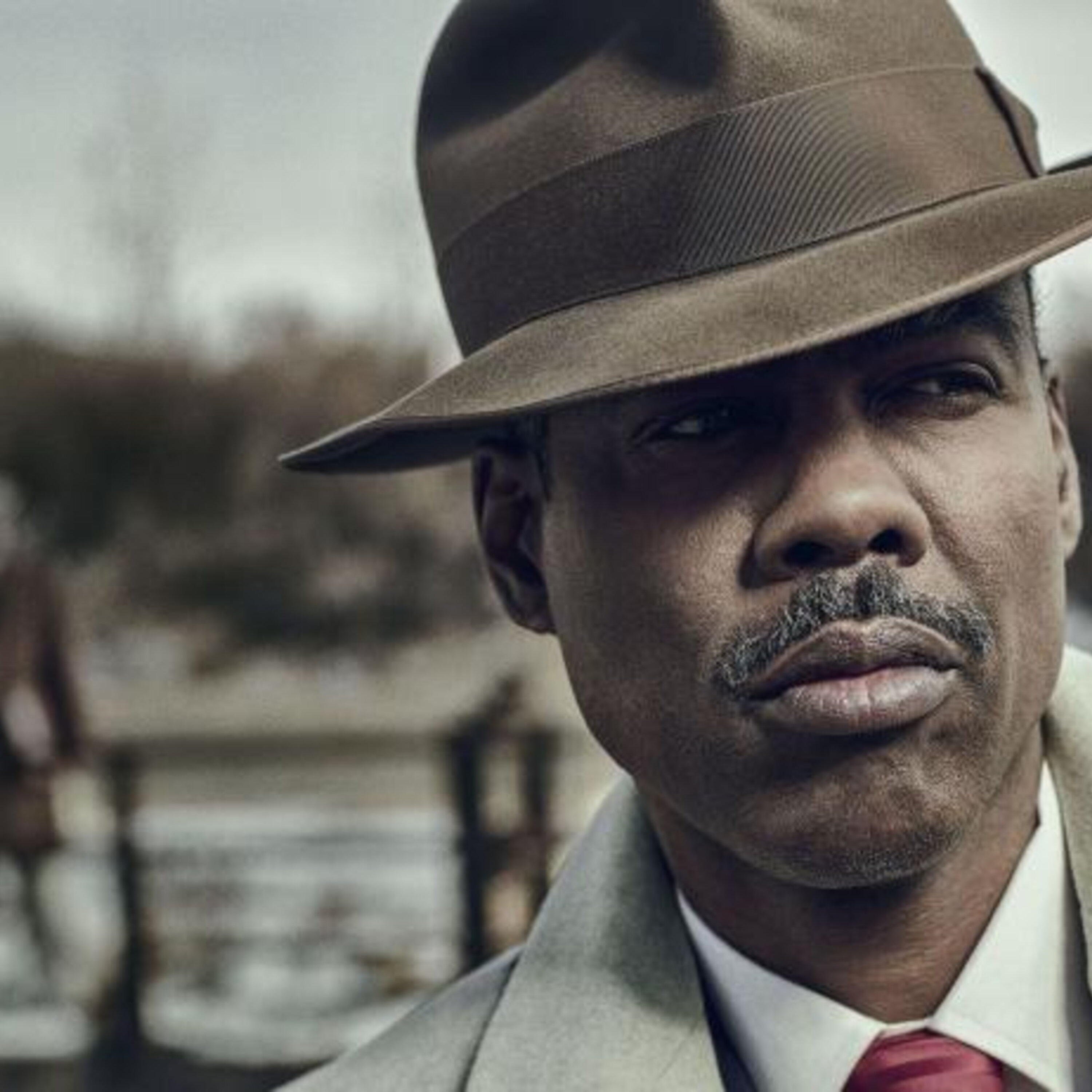
Undoubtedly, the thing that will most be remembered from Wednesday night's vice presidential debate is the fly that landed on Mike Pence's hair... and then stay there for more than two minutes. The Nose isn't sure what to make of that, exactly, but things are definitely being made of it. And: Fargo is an anthology that premiered on FX in 2014. It's inspired by the Coen brothers' 1996 film. The fourth season, which is airing now, stars Chris Rock, Jessie Buckley, and Jason Schwartzman, and it's set in Kansas City, Missouri, in 1950. Some other stuff that happened this week, give or take: Eddie Van Halen, Virtuoso of the Rock Guitar, Dies at 65His outpouring of riffs, runs and solos was hyperactive and athletic, making deeper or darker emotions feel irrelevant. The band he led was one of the most popular of all time. Mac Davis, Country Singer and Elvis Presley Songwriter, Dead at 78Singer-songwriter wrote Elvis Presley's indelible "In the Ghetto" alongside solo hits like "Baby Don't Get Hooked on Me" and "Stop and Smell the Roses" 'GLOW' Canceled By Netflix; Won't Proceed With Fourth & Final Season Due To COVID-19 Why Is Mainstream Media Choosing to Silence Us?An article published by The New York Times discussing the "comeback" of the guitar propels our investigation into the dangers of mainstream narratives. Super-Concierge Doctors, High-Design Home Classrooms, and Catered Backyard Dinners: Lifestyles of the Rich and QuarantinedThis is what a luxe lockdown in Washington looks like. People Are Calling Out Chris Pratt For Making An "Insensitive" Joke About Voting And Yikes"Read the room." Led Zeppelin Emerges Victor in 'Stairway to Heaven' Plagiarism Case Sorry, But The Yankees Are The Good Guys Robert Downey Jr. Is Developing a 'Sherlock Holmes' Cinematic Universe to Follow the Next Sequel Cineworld Closing Theater Venues Following 'No Time to Die' Delay Most of Scottish Wikipedia Written By American in Mangled EnglishScots is an official language of Scotland. An administrator of the Scots Wikipedia page is an American who doesn't speak Scots but simply tries to write in a Scottish accent. Why Are Pandemic Sports Ratings So Terrible? People Are Just Finding Out Chris Evans Is Covered In Tattoos After He Posted A Video Doing A Backflip Into A PoolThis was a major oversight on my part. What Is the Best Adam Sandler Movie?What is an "Adam Sandler movie," for that matter? Danbury City Council passes vote to rename sewage plant after HBO's John Oliver GUESTS: Shawn Murray - A stand up comedian and writer Irene Papoulis - Teaches writing at Trinity College Join the conversation on Facebook and Twitter. Colin McEnroe and Cat Pastor contributed to this show.Support the show: http://www.wnpr.org/donateSee omnystudio.com/listener for privacy information.
The Myth Of Meritocracy
The populist backlash that led to the election of President Trump was decades in the making. Like other populist leaders around the world, Trump gave voice to the resentment directed toward “elites” who devalue the hard work and dignity of workers without college degrees. Ronald Reagan was the first president to tell every American they could "go just as far as their dreams and hard work will take them." He used those words to enact policies that led to economic inequality and a global economy that advantaged a professional class over those without college degrees. These policies were continued by subsequent administrations, regardless of party. Americans like to believe we live in a meritocracy but the odds are stacked in favor of the already lucky and fortunate. We congratulate the "winners" and humiliate the "losers," who are told to better themselves or carry the burden of their failure. GUEST: Michael Sandel teaches philosophy at Harvard University. His most recent book is The Tyranny of Merit: What’s Become of the Common Good? His BBC Radio 4 series “The Public Philosopher,” explores the philosophical ideas lying behind the headlines. You can join the conversation on Facebook and Twitter. Support the show: http://www.wnpr.org/donateSee omnystudio.com/listener for privacy information.

We Like To Watch
For decades, we didn't take television seriously. We saw it as ephemeral, as "chewing gum for the eyes," as, literally, furniture. And then, around the turn of the century, things started to change. There was The Sopranos. The Wire. And, at the same time, shows like Big Brother and The Amazing Race. For Emily Nussbaum, it was Buffy the Vampire Slayer that forever changed her take on television. This hour: A serious appraisal of television with The New Yorker's television critic. GUEST: Emily Nussbaum - Television critic for The New Yorker and the author of I Like To Watch: Arguing My Way Through the TV Revolution Join the conversation on Facebook and Twitter. Colin McEnroe and Cat Pastor contributed to this show, which originally aired July 15, 2020.Support the show: http://www.wnpr.org/donateSee omnystudio.com/listener for privacy information.
Republicans And COVID; The White House COVID Tracker
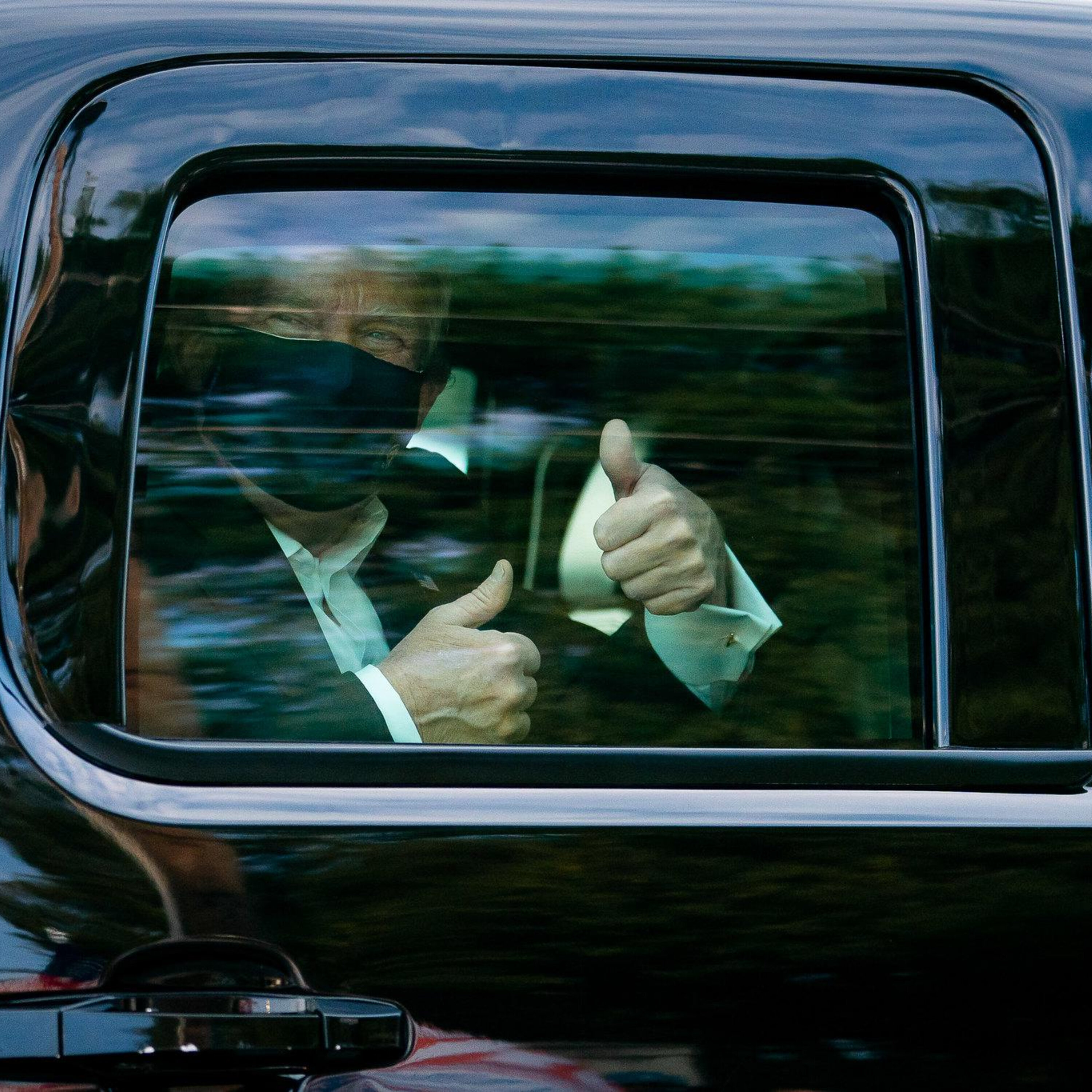
President Trump was quick to downplay the pandemic upon his return from Walter Reed in a tweeted video encouraging people not to let the virus dominate or scare them. He said they would beat the virus, just as he's convinced himself that he's got his licked. The president's attitude reflects a reality that denies the 209,000 (and counting) people who have already died from the virus and a stunning inability to admit weakness. Unfortunately, the nation has to pay for it. We still don't know when he was first infected or when he learned he was contagious. We do know that he is one of 25 (and counting) people in his orbit who have tested positive in recent days and that he traveled to a campaign rally in Minnesota and a fundraiser in New Jersey -- sans mask -- after learning he was infected. How much sympathy should we have for a president who has actively withheld or misconstrued information that could have prevented deaths from COVID? Yet, what does it say about who we are becoming as people and as a culture if we can't offer a morsel of sympathy? Also this hour: A group of data specialists developed a White House COVID Tracker to chart the impact of COVID on political leaders and those they come in contact with. Unfortunately, the White House refuses to work with the Centers for Disease Control and Prevention to trace exposures that could save lives. GUESTS: John F. Harris is the co-founder of Politico and the author of The Survivor: Bill Clinton in the White House; he writes "Altitude," a weekly column for Politico) (@harrispolitico) Peter Walker leads the White House COVID Tracker, a crowd-sourced database for the White House COVID outbreak, and is head of growth at Public Relay (@PeterJ_Walker) Join the conversation on Facebook and Twitter. Colin McEnroe and Cat Pastor contributed to this show.Support the show: http://www.wnpr.org/donateSee omnystudio.com/listener for privacy information.
The Serious, Subversive (And Sometimes Shocking) History Of Cartoons
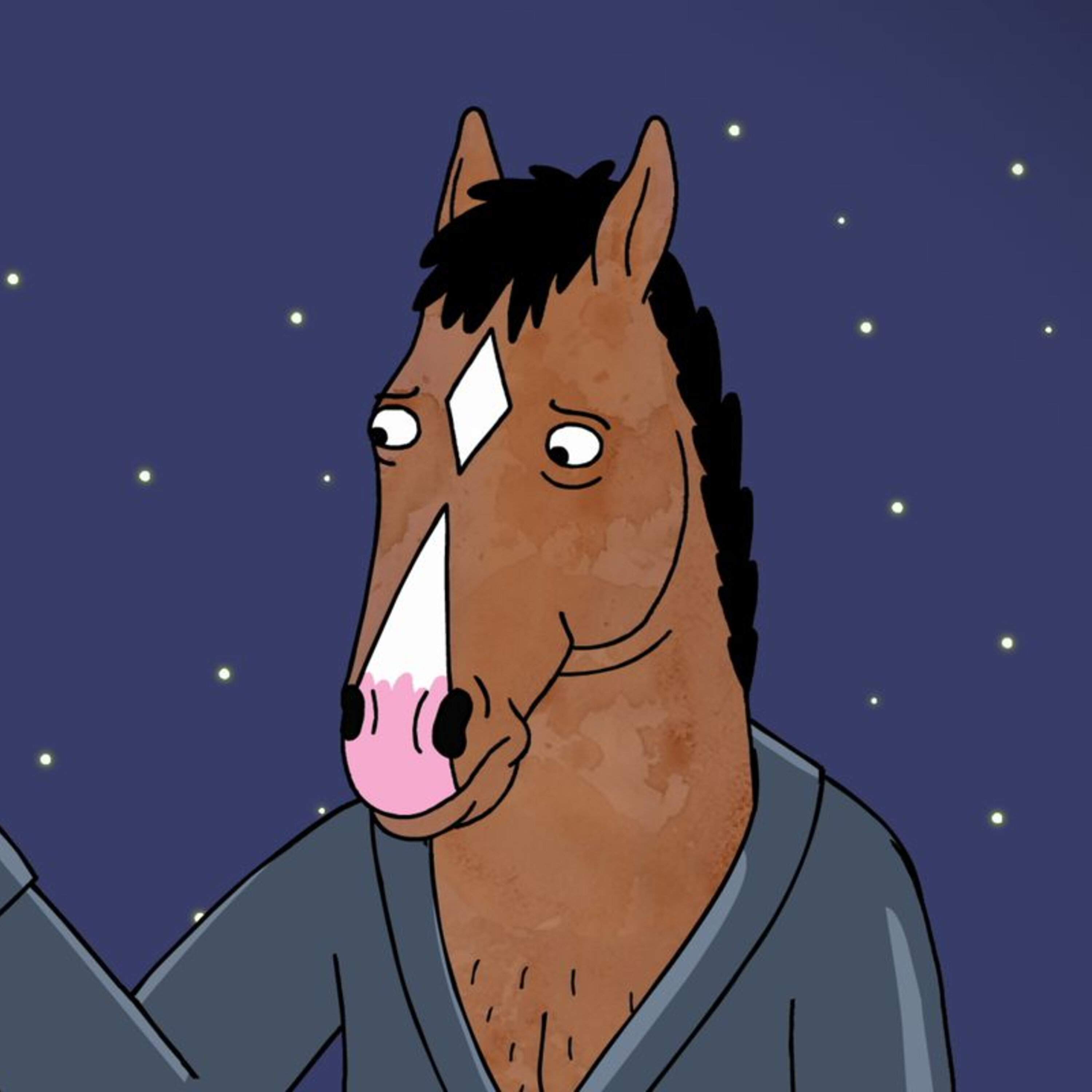
It's been over 100 years since the first cartoons were drawn by hand. Since then, the form has delved into everything from sex and drugs to racial inequality and war crimes. Even the tamest, G-rated cartoons have often found ways of slipping in adult humor past the eyes of younger viewers. Cartoons have been the vehicle for government propaganda, social change, and political satire. Some have been boycotted and even banned for their content while others have been deemed masterpieces and praised by critics for their bold message and style. Today, cartoons continue to find ways of subverting the status quo in surprising (sometimes shocking) new ways. This hour, we speak with animators, animation experts, and historians about what makes cartoons so well suited for the exploration of, well, everything. GUESTS: Maureen Furniss - Program director of experimental animation at California Institute of the Arts, founding editor of Animation Journal, and the author of A New History of Animation Paul Wells - Director of the Animation Academy at Loughborough University in England and the author of several books including Animation, Sport and Culture Ralph Bakshi - Animator, writer, and director of animated and live-action films and TV shows including Fritz The Cat, Coonskin, and Heavy Traffic Lisa Hanawalt - Producer and production designer of the Netflix animated series BoJack Horseman, which ended in January Join the conversation on Facebook and Twitter. Colin McEnroe, Jonathan McNicol, and Chion Wolf contributed to this show, which originally aired April 18, 2017.Support the show: http://www.wnpr.org/donateSee omnystudio.com/listener for privacy information.

The Nose Needs Loyalty; It Expects Loyalty
The Nose had planned to discuss The Danish Girl star Eddie Redmayne standing up for J.K. Rowling and Rolling Stone updating their "500 Greatest Albums of All Time" list. But then some news broke overnight. Perhaps fittingly, though, The Nose watched Showtime's new miniseries, The Comey Rule, this week. GUESTS: Lucy Gellman - Editor of The Arts Paper and host of WNHH radio's Kitchen Sync Mike Pesca - The host of Slate's daily podcast, The Gist Join the conversation on Facebook and Twitter.Support the show: http://www.wnpr.org/donateSee omnystudio.com/listener for privacy information.
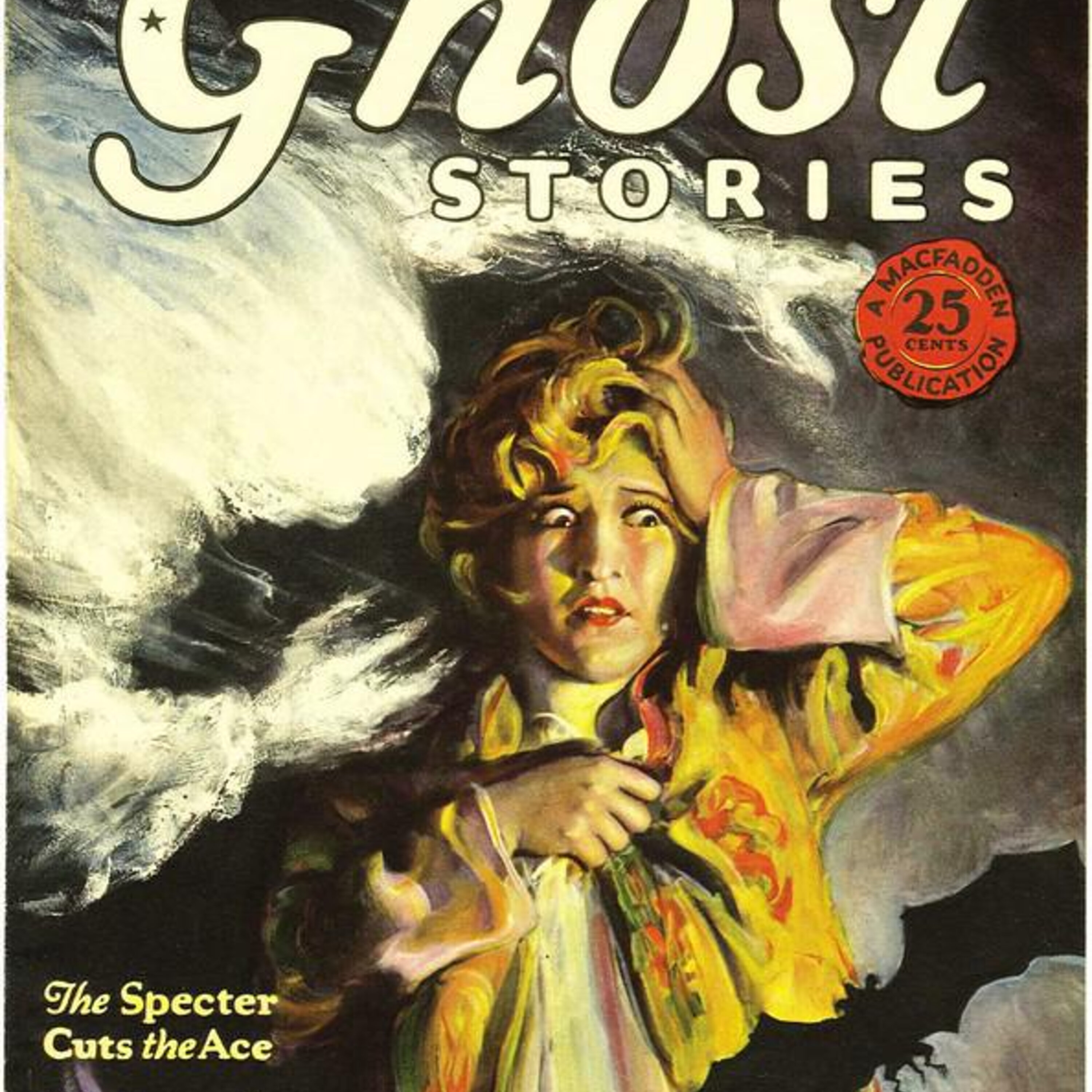
Do You Believe In Ghosts?
A 2019 YouGov survey says that 20 percent of American adults "definitely" believe in ghosts; another twenty-five percent believe they "probably exist." And, while no data yet proves it, there's a good chance that quarantining at home during the pandemic has led more people to wonder where those nighttime creaks and groans are coming from. Some skeptics say that seeing ghosts is part of the human experience and far too common an occurrence for everyone who thinks they see a ghost to be crazy. But there are a lot of reasons to explain why we sincerely believe we're seeing a ghost. Yet, it's hard to convince people otherwise - even when confronted with evidence to the contrary. In the end, psychologists can offer explanations but no one can definitively prove ghosts don't exist. GUESTS: “Danielle” is a lawyer in British Columbia. She chose not to have her full name used. Chris French is a professor of psychology and head of the Anomalistic Psychology Research Unit, Department of Psychology, at Goldsmiths College, University of London. He’s a former editor of The Skeptic Magazine (@chriscfrench) Deborah Hyde is a cultural anthropologist, and a fellow of “The Committee of Skeptical Inquiry.” She recently retired as editor of The Skeptic Magazine. (@jourdemayne) Elizabeth Saint is an electrical engineer, paranormal researcher, and president of the streaming platform VidiSpace. She was a researcher on Discovery’s “Ghosts of Shepherdstown” (@ElizabethSaint) Support the show: http://www.wnpr.org/donateSee omnystudio.com/listener for privacy information.
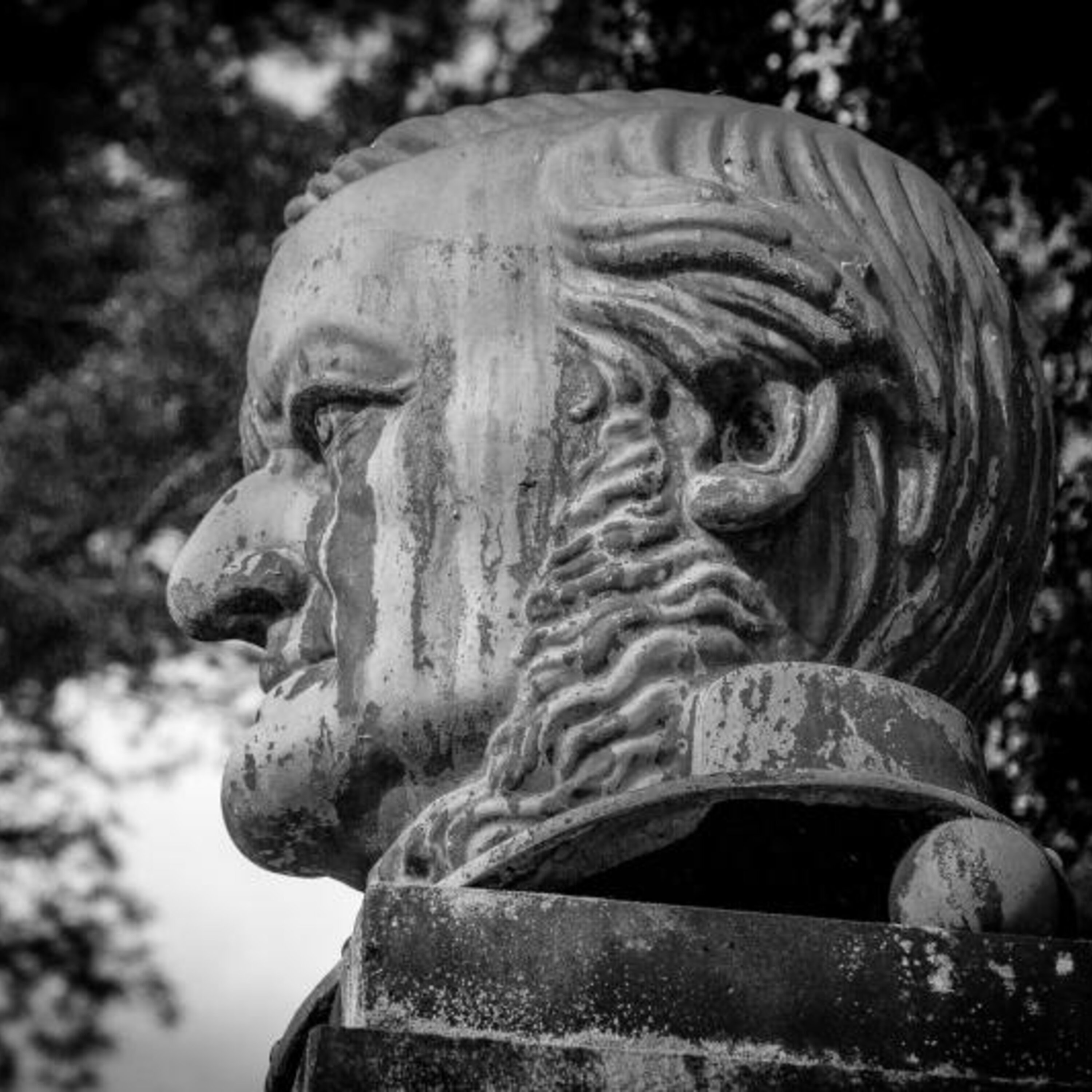
The New Yorker's Alex Ross On 'Wagnerism'
Nietzsche called Richard Wagner "a volcanic eruption of the total undivided artistic capacity of nature itself," and Thomas Mann said he was "probably the greatest talent in the entire history of art." More than a thousand movies have Wagner on their soundtracks, including classic scenes from Apocalypse Now, The Blues Brothers, Bugs Bunny cartoons, and Charlie Chaplin. But, there's a reason Woody Allen says too much of Wagner's music gives him "the urge to conquer Poland." Wagner is nothing if not a problematic figure. As the new book Wagnerism: Art and Politics in the Shadow of Music puts it, "An artist who might have rivaled Shakespeare in universal reach is undone by an ideology of hate." This hour, a look at Wagnerism with New Yorker music critic Alex Ross. GUESTS: Steve Metcalf - Director emeritus of the University of Hartford's Presidents' College Alex Ross - Music critic at The New Yorker and the author of Wagnerism: Art and Politics in the Shadow of Music Join the conversation on Facebook and Twitter. Colin McEnroe and Cat Pastor contributed to this show.Support the show: http://www.wnpr.org/donateSee omnystudio.com/listener for privacy information.

Sex And Intimacy When Fat
We tend to focus on the physical ailments that can arise from being fat more than how fat shaming can affect the mental health of people who are fat. Nor do we think of how our culture (and the media) perpetuate the notion that fat people aren't desirable enough for love and intimacy. That's flat-out wrong. Sex is a physical act that is deeply influenced by how our mind perceives desire. We first aired this show in 2014, so you'll hear some outdated references to Lena Dunham and Louis C.K. The references are dated; the message is not. GUESTS: Sarah Varney is the author of XL Love: How the Obesity Crisis is Complicating America's Love Life Laura Bogart is a freelance writer and editor whose work has appeared in Salon, The Rumpus, and The Nervous Breakdown Dan Weiss is a music critic, he's the author of the blog Ask A Guy Who Likes Fat Chicks, and he plays in the band Dan Ex Machina Join the conversation on Facebook and Twitter. Colin McEnroe and Chion Wolf contributed to this show, which originally aired August 27, 2014. Support the show: http://www.wnpr.org/donateSee omnystudio.com/listener for privacy information.

The Latest Political Dysfunction To Emerge From The Weekend
At a news briefing last week, President Trump refused to commit to a peaceful transition. Now, we're all talking about it. Atlantic writer Barton Gellman, gamed out worst case scenarios, the military discussed how they would deal with his refusal, and Republican colleagues pushed back on his comments. Has anyone told the President that it's not his choice? Today, we talk about presidential dysfunction, Amy Coney Barrett and the Supreme Court, and Tuesday's presidential debate. Also this hour: Matt Lieberman is running as a Democrat for a U.S. Senate seat in Georgia. He's currently positioned to be the spoiler that could hand the race to the Republicans. This, in a state where Black Americans suffer higher levels of voter disenfranchisement, maternal death, and poverty. Did I mention he's the son of former U.S. Senator Joe Lieberman? GUESTS: Molly Jong Fast is editor-at-large for The Daily Beast and co-host of the podcast “The New Abnormal.” She’s the author of two novels, Normal Girl and The Social Climber's Handbook, and a memoir, Girl [Maladjusted]. (@mollyjongfast) Anjali Enjeti is an award-winning Atlanta-based journalist. Her essay collection about activism and debut novel will be published in the spring of 2021. She is the co-founder of the Georgia chapter of They See Blue, an organization for South Asian Democrats. (@anjalienjeti) Support the show: http://www.wnpr.org/donateSee omnystudio.com/listener for privacy information.
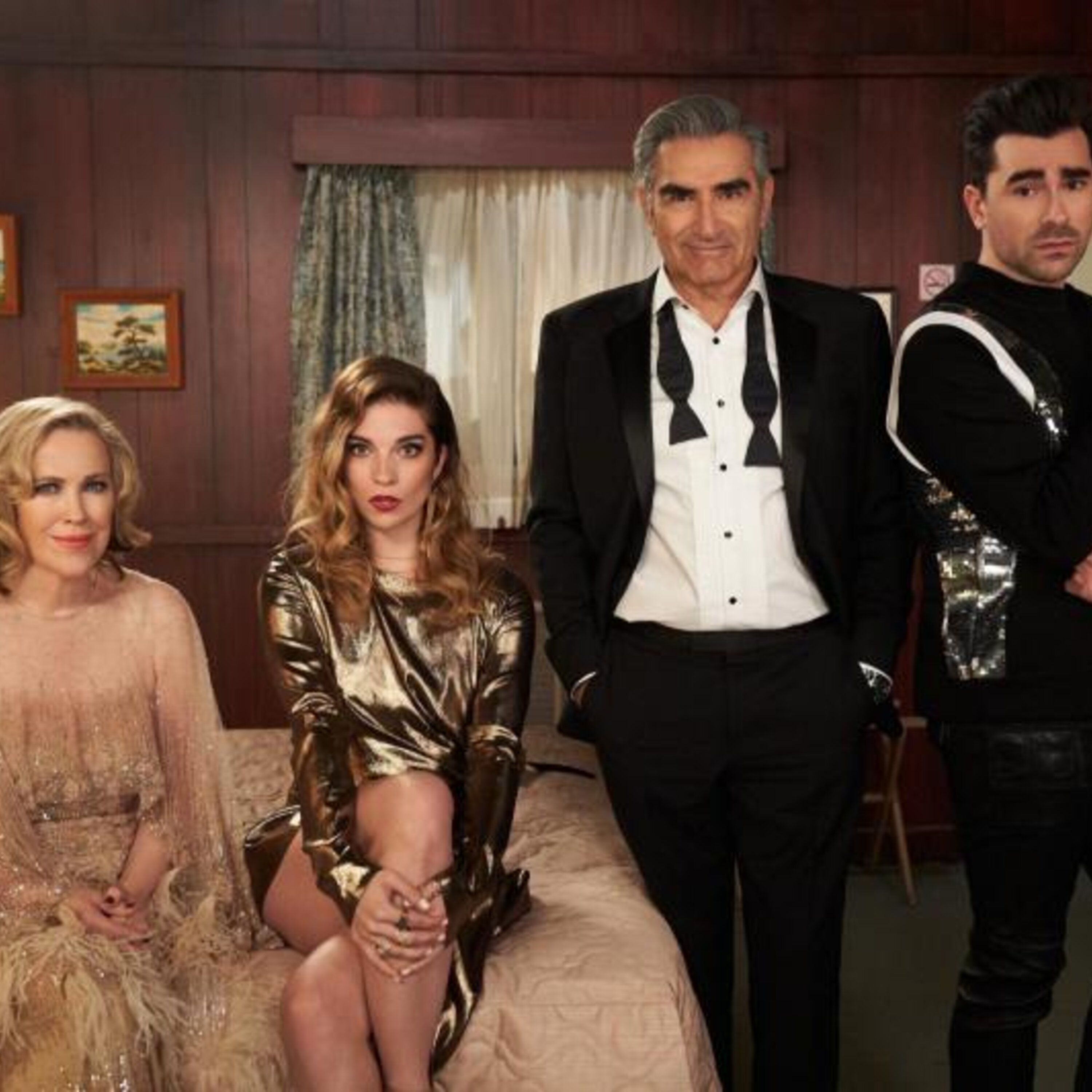
The Nose Goes Up 'Schitt's Creek'
Listen live Friday at 1 p.m. The Nose has been contemplating covering the controversy around the The Ellen DeGeneres Show literally for months now. The show returned with a new season of new episodes this week, and Ellen addressed allegations of a toxic work environment in her monologue. And: The CBC series Schitt's Creek has been endorsed on any number of Noses over the years, but we've never actually covered it. But then, after it won literally ever Emmy in the comedy category on Sunday (a feat no show has ever before achieved), we decided that this week had to be the week. Some other stuff that happened this week, give or take: Randall Kenan, Southern Writer of Magical Realism, Dies at 57His upbringing in North Carolina helped him create a fictional hamlet, Tims Creek, where a 3-year-old clairvoyant scares the neighbors and a pig talks. Michael Lonsdale, 'Day of the Jackal' Star & James Bond Villain Hugo Drax, Dies at 89 Jackie Stallone Sylvester's Mom Dead At 98 Michael Chapman, 'Taxi Driver' and 'Raging Bull' Cinematographer, Dies at 84 Ron Cobb, Designer of the 'Alien' Ship and the 'Back to the Future' DeLorean, Dies at 83 Tommy DeVito, a founding member of The Four Seasons, dies from Covid-19 complications Winston Groom, Author of 'Forrest Gump,' Dies at 77He wrote the 1986 novel that inspired the Oscar-winning film starring Tom Hanks. Another book was a finalist for a Pulitzer. RBG and the empty triumph of liberal pop culture "This Is the Best Part I've Ever Had": Chris Rock Talks 'Fargo,' Aging and Why He's Spending 7 Hours a Week in Therapy Someday Our Kids Will Not Believe Us About Any of This Oklahoma woman tells cops 'I have to poop so bad' before high-speed chase MTA board to formally ban pooping in subways and buses The Most Underrated Movies of 2020 (So Far) Don't sleep on these overlooked gems.After 7 weeks on the lam, the latest on 'Buddy the Beefalo' CDC's Halloween Guidelines Warn Against Typical Trick-Or-Treating Too much candy: Man dies from eating bags of black licorice BTS Fans Are Donating to Public Radio StationsThe day after the K-pop group performed a Tiny Desk concert, its fans are sharing screenshots of their donations. 'Lord of the Rings' TV Crew Size Is So 'Mind-Blowing' It's Someone's Job to Study How Dust MovesMorfydd Clark takes on the role of young Galadriel and says of the show, "I don't think things could get much bigger than this." The Metropolitan Opera Won't Reopen for Another YearThe nation's largest performing arts organization, shut by the coronavirus pandemic, sends a chilling signal that American cultural life is still far from resuming. Nobody wants to bone Luigi The Problem With Calling Tenet a Flop I'm an On-Set 'COVID Person,' Whatever That MeansAs production resumes amid the pandemic, a new role is causing confusion and consternation. The Weirdest Thing About the Pandemic Emmys Was How Normal They FeltCOVID jokes and a few moments of protest aside, this was an awards show devoted to the idea that TV should make you feel good. We Talked to the Hot Firefighter About Debunking Conspiracy Theories, Viral Fame, and Thirsty DMs The Rise and Fall of the Quaker Rice Cake, America's One-Time Favorite Health SnackWhere did they come from and where did they go? Ranch NationHow one creamy, peppery salad dressing became America's favorite flavor. GUESTS: Carolyn Paine - An actress, comedian, and dancer; she is founder, director, and choreographer of CONNetic Dance Mercy Quaye - Founder and principal consultant for The Narrative Project and a columnist with Hearst Connecticut Media Group Join the conversation on Facebook and Twitter. Colin McEnroe and Cat Pastor contributed to this show.Support the show: http://www.wnpr.org/donateSee omnystudio.com/listener for privacy information.

Motels and RVs Are Enjoying A Renaissance With Millennials
One of the few silver linings of the pandemic has been a resurgence of interest in motels and RV life from a diverse group of millennials who want safe and less expensive options to travel and work during a pandemic. And motels and RV companies are trying to meet the demand with upgrades and amenities like flat-screen TVs, memory-foam mattresses, and free Wi-Fi. Some are turning to RV life permanently to travel, live, and work from where they want instead of being tethered to a desk and real estate. The pandemic has shown us that millennials who have never known the security of stable jobs or home ownership feel more "at home" outside traditional places. The existential nature of the pandemic has made many of us think about what's important to each of us, how we spend our time, and who we want to spend it with. And the freedom of the open road sounds like a pretty good way to start figuring those questions out. GUESTS: Foram Mehta - A journalist, editor, and content developer; her personal essays, op-eds, and articles have appeared in HuffPost, The New York Times, and The Bold Italic, among others Alex Temblador - A novelist and freelance writer who focuses on diversity and inclusion in travel, arts, and culture; she's the author of Secrets of the Casa Rosada Arunan Arulampalam - The deputy commissioner at the Connecticut Department of Consumer Protection Liza Butler Arulampalam - Co-lead pastor of the Riverfront Community Church Join the conversation on Facebook and Twitter. Colin McEnroe and Cat Pastor contributed to this show.Support the show: http://www.wnpr.org/donateSee omnystudio.com/listener for privacy information.
Kurt Andersen On The Unmaking Of America
Kurt Andersen's last book, Fantasyland, looks at America's "centuries-old weakness for the untrue and irrational, and its spontaneous and dangerous flowering since the 1960s" and how it got us where we are today. His new book, Evil Geniuses, is a kind of sequel, a companion. It's a parallel history, really, that looks more closely at "the quite deliberate reengineering of our economy and society since the 1960s." This hour, public radio great Kurt Andersen on "the unmaking of America." GUEST: Kurt Andersen - Co-founded Spy magazine and he was the host and co-creator of Studio 360; his newest book is Evil Geniuses: The Unmaking of America -- A Recent History Join the conversation on Facebook and Twitter. Support the show: http://www.wnpr.org/donateSee omnystudio.com/listener for privacy information.

What About Bill? Bill Murray At 70
Bill Murray has starred in some of our favorite movies of the last few decades: Caddyshack, Stripes, Tootsie, Ghostbusters, Scrooged, What About Bob?, Groundhog Day, Ed Wood, Space Jam, Lost in Translation, all the Wes Anderson films, and so many more. He doesn't like managers or agents, and, rumor has it, he once agreed to play Garfield because he thought it was a Coen brothers film. (It wasn't.) And now, Bill Murray is 70 (!) years old. This hour, we talk with Robert Schnakenberg, author of The Big Bad Book of Bill Murray: A Critical Appreciation of the World's Finest Actor, to find out what makes the famed comedian unique. We also hear some favorite Bill Murray stories from local celebrities and members of Sea Tea Improv. GUEST: Robert Schnakenberg - Author of The Big Bad Book of Bill Murray: A Critical Appreciation of the World's Finest Actor Join the conversation on Facebook and Twitter. Colin McEnroe, Betsy Kaplan, Jonathan McNicol, Julia Pistell, Dan Schulz, and Chion Wolf contributed to this show, which originally aired December 14, 2015.Support the show: http://www.wnpr.org/donateSee omnystudio.com/listener for privacy information.
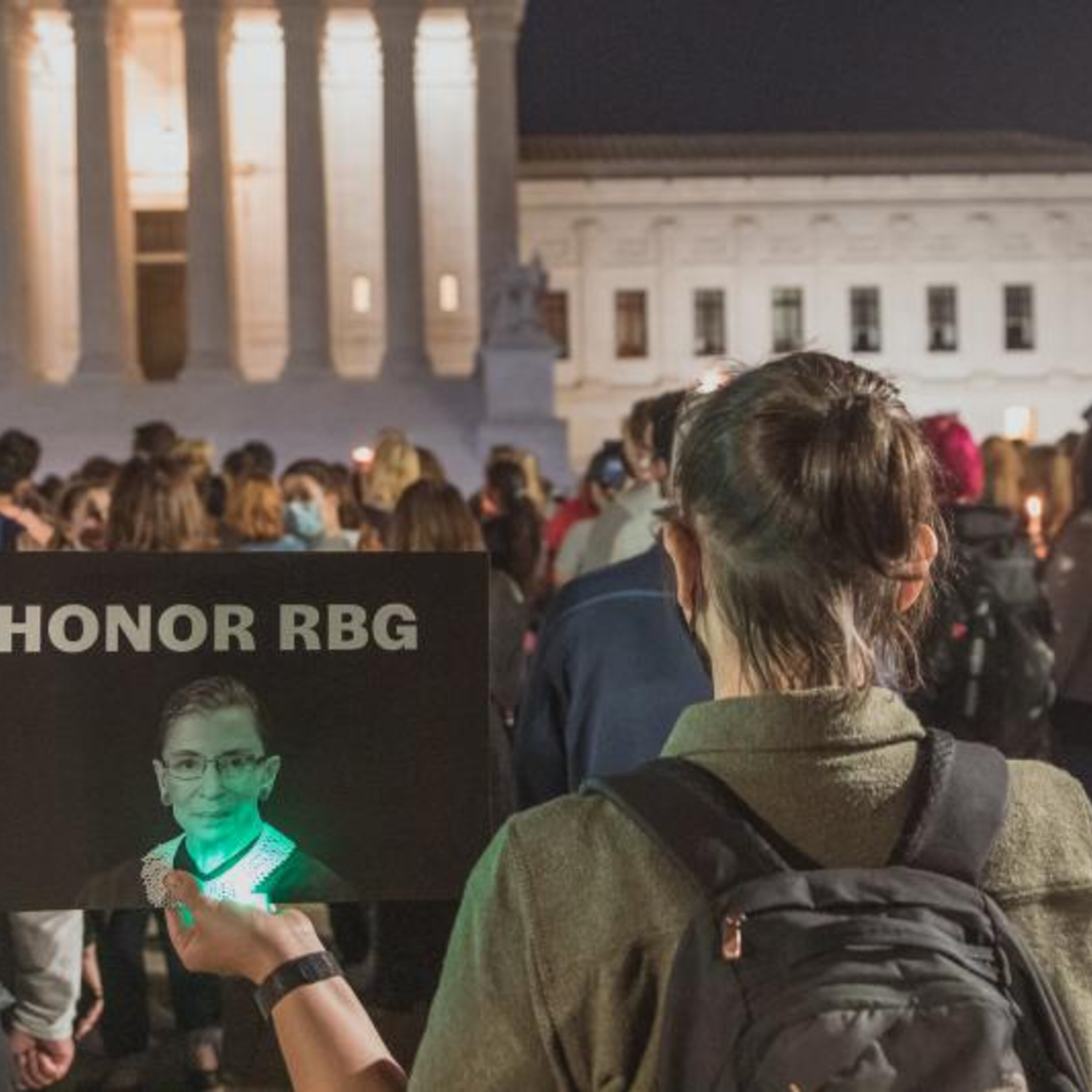
The Supreme Court and COVID
Justice Ruth Bader Ginsburg died Friday evening, breaking the hearts of generations of women -- and men -- who have benefited from her work guaranteeing our rights to equal treatment under the law. That same evening, Senate Majority Leader Mitch McConnell announced that a Trump nominee to replace Ginsburg would receive a vote on the floor of the Senate. By Saturday, President Trump was claiming he had an "obligation" to replace her, "without delay." The loss is larger than either man could understand. We talk about the political ramifications of her death and what it might mean for the upcoming election. We also continue our weekly check-in with an epidemiologist to help us make sense of news on the pandemic. GUESTS: Richard Blumenthal is the senior U.S. senator from Connecticut Kate Grabowski is an infectious disease epidemiologist at Johns Hopkins University; she leads researchers at the Novel Coronavirus Research Compendium Join the conversation on Facebook and Twitter. Colin McEnroe and Cat Pastor contributed to this show.Support the show: http://www.wnpr.org/donateSee omnystudio.com/listener for privacy information.

The Nose Treats Its Grammys Better Than Kanye Treats His
Kim Kardashian and other celebrities "froze" their Facebook and Instagram accounts for one day this week "to protest the spread of hate speech and misinformation on those platforms." Meanwhile, Kardashian's husband had the strange sort of week that we've maybe grown to expect from him, but seemingly with more public peeing in it than we're maybe used to. And: Cuties (Mignonnes in the original French) is the feature film debut of Senegalese-French writer and director Maïmouna Doucouré. The movie's release on Netflix has been controversial, to say the least. Some other stuff that happened this week, give or take: New promenade at West Hartford park to be named after Parks & Rec character Leslie Knope Life on Venus? Astronomers See a Signal in Its CloudsThe detection of a gas in the planet's atmosphere could turn scientists' gaze to a planet long overlooked in the search for extraterrestrial life. His Girl Friday redefined the screwball comedy at 240 words per minute John Boyega Drops Jo Malone Ambassador Title After Brand Removes 'Star Wars' Actor From China Ad 'Fresh Prince of Bel-Air' mansion is added to Airbnb -- for just $30 Jason Momoa Slams Warner Bros. Amid 'Justice League' Investigation: 'This S--- Has to Stop' Movie Theaters That Opened For Tenet Are Now Worse Off Than BeforeThings aren't looking too good for the movie theaters that are currently open, even with the release of Christopher Nolan's Tenet. Ethan Hawke Directing Documentary About Paul Newman And Joanne Woodward CBS All Access to Rebrand as Paramount Plus Early Next Year'Godfather'-inspired drama 'The Offer' and reboot of 'The Game' among new original series in works Stanley Crouch, combative writer, intellectual and authority on jazz, dies at 74 'Colourful, vibrant, sensual!' Stars on Jimi Hendrix, 50 years goneIn awe of everything from his raunchiness to his skill with sheer volume, members of Pixies, Yes, Parliament-Funkadelic, Thin Lizzy and more celebrate the guitar god, who died 50 years ago today 'I Don’t Want to Be an Oracle.' Baseball Writer Roger Angell at 100.Talking extra innings -- and a milestone birthday -- with the celebrated chronicler of the summer game 7 movies to celebrate Bill Murray's 70th birthday Bus passenger uses live snake as a face mask GUESTS: Theresa Cramer - A writer and the editor of E Content Magazine Rich Hollant - Principal at CO:LAB, founder of Free Center, and commissioner on cultural affairs for the city of Hartford Join the conversation on Facebook and Twitter. Colin McEnroe and Cat Pastor contributed to this show.Support the show: http://www.wnpr.org/donateSee omnystudio.com/listener for privacy information.
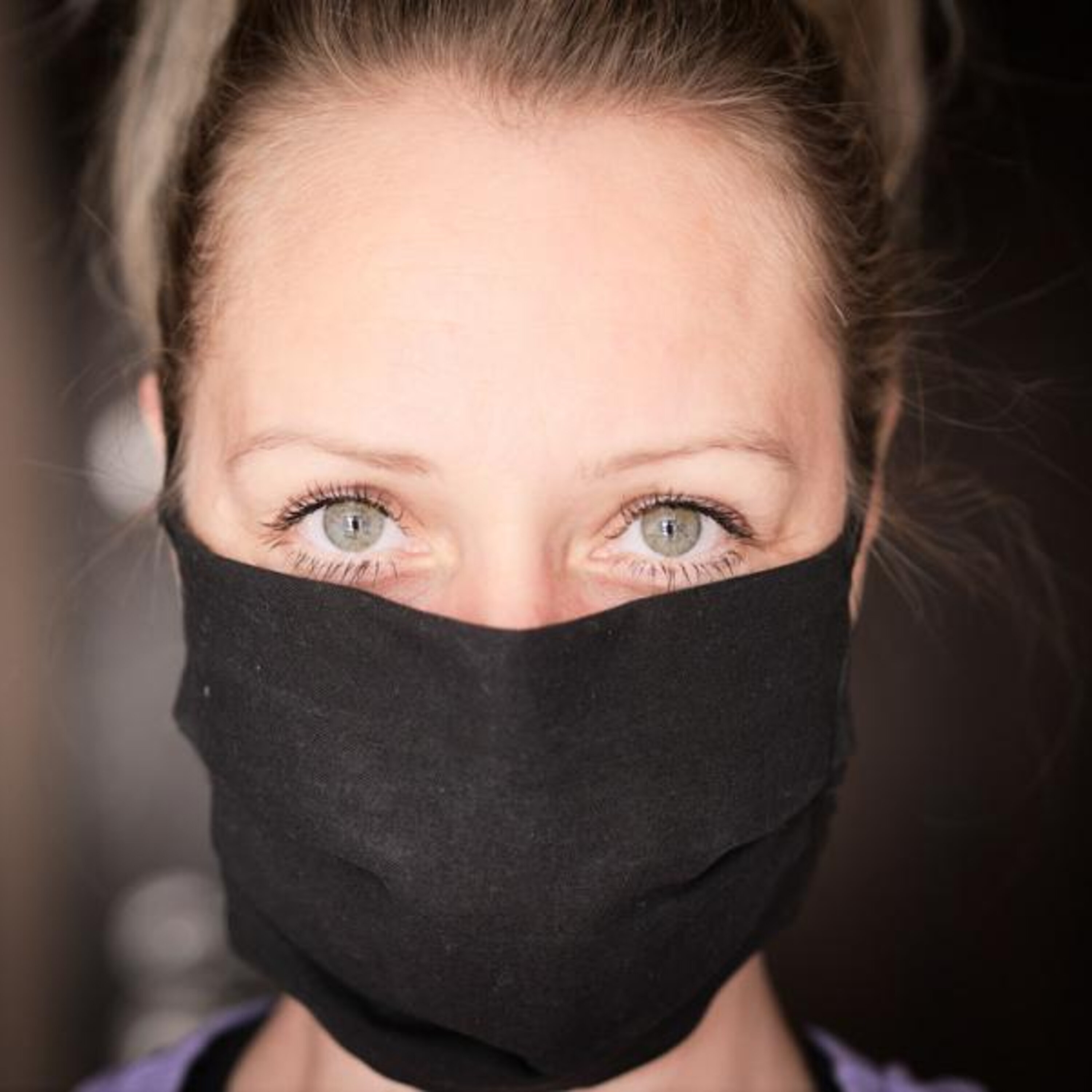
The Face Behind The Mask
We produced our first show on masks in the spring of 2020. It was when most of us were isolated at home to sidestep the life-threatening illness we've come to call "COVID." The show was about how rapidly masks had become a statement of political identity. The intensity of the mask battles has begun to calm as we've acclimated to the pervasiveness of masks in our lives. Like them or not, they're here to stay, and they've begun to leave a lasting imprint on our culture. This hour, we take a longer view of how these objects that cover half of our faces have changed the way we perceive ourselves and interact with others -- and what they might look like in the future. GUESTS: Kim Adrian is the author of Sock, The 27th Letter of the Alphabet, and, most recently, Dear Knausgaard Henry Alford is a humorist, journalist, and author; his most recent book is And Then We Danced: A Voyage Into the Groove Mollie Ruben is an assistant professor of psychology at the University of Maine Elizabeth Segran is a senior staff writer at Fast Company and the author of The Rocket Years: How Your Twenties Launch the Rest of Your Life Join the conversation on Facebook and Twitter. Colin McEnroe and Cat Pastor contributed to this show.Support the show: http://www.wnpr.org/donateSee omnystudio.com/listener for privacy information.
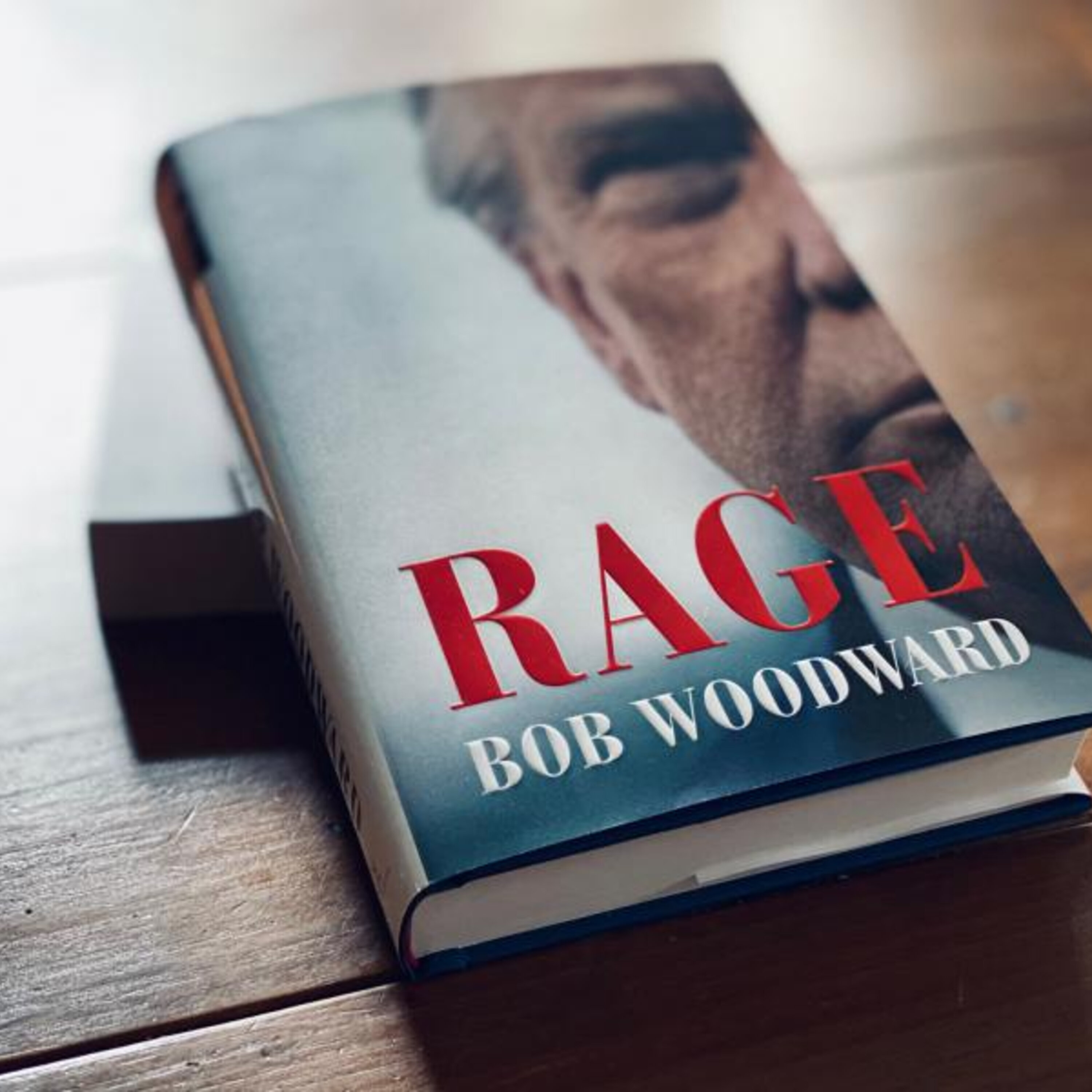
Some Fierce Thing Replete With Too Much 'Rage'
Bob Woodward is 77 years old. He's in his 50th year at The Washington Post. And he just yesterday published his 20th book. Rage is Woodward's second book about the Trump presidency. Two years ago, on the day after the first one came out, we did a show about it. So we've gotten that band mostly back together again, and we've spent the last 30 or so hours cramming. This hour, a look at Rage as a chronicling of our current history and as a publishing phenomenon. GUESTS: David Adams - Reviews editor at Publishers Weekly Susan Campbell - A Pulitzer Prize-winning journalist and the author, most recently, of Frog Hollow: Stories from an American Neighborhood Jacques Lamarre - A playwright and the director of client services at Buzz Engine Join the conversation on Facebook and Twitter. Colin McEnroe and Cat Pastor contributed to this show.Support the show: http://www.wnpr.org/donateSee omnystudio.com/listener for privacy information.
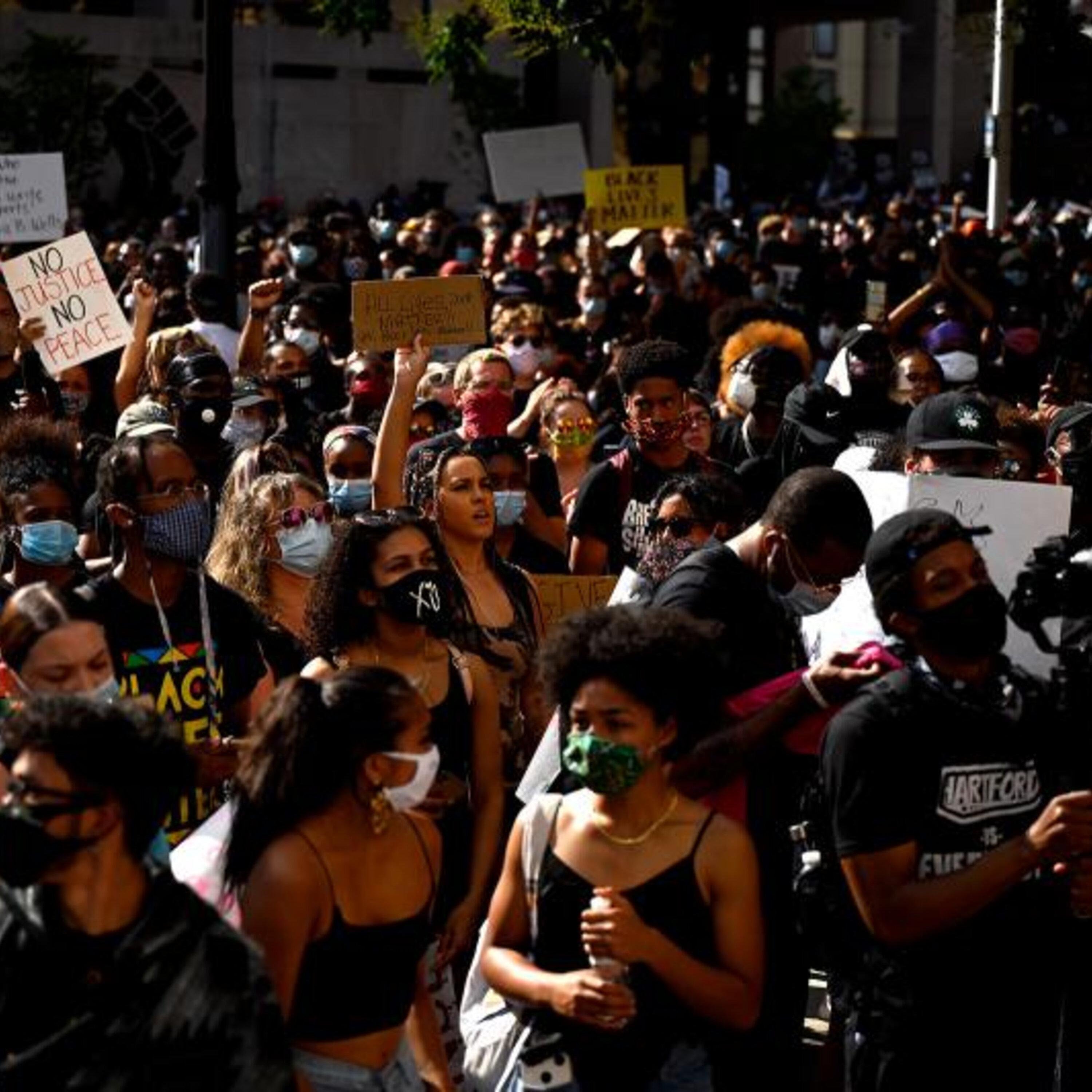
The Politics Of Police Reform And COVID-19
Black Americans are more likely to be infected from COVID-19, be incarcerated, live in poverty, and/or be killed by the police than white Americans. It took a pandemic and the killing of George Floyd to crystallize those facts. Historian and New Yorker writer Jelani Cobb looks at race, policing, and the difficulty of holding police departments accountable in Frontline's "Policing the Police 2020," a documentary that will air on CPTV on Tuesday, Sept. 15. It follows Cobb's 2016 Frontline, "Policing the Police." On another front: Trump administration officials have been interfering since (at least) August with the data that are included in the Centers for Disease Control and Prevention's "Morbidity and Mortality Weekly Reports." These reports are used to help doctors and researchers understand how COVID-19 is spreading and who is at risk. Up to now, scientists wrote the reports without political interference. This is the latest attempt by the Trump administration to censor information intended to protect us. GUESTS: Jennifer Nuzzo is a senior scholar at the Johns Hopkins Center for Health Security and an associate professor in the Department of Environmental Health and Engineering and the Department of Epidemiology at the Johns Hopkins Bloomberg School of Public Health; she is the lead epidemiologist for the Johns Hopkins Testing Insights Initiative (@JenniferNuzzo) Jelani Cobb is a staff writer at The New Yorker and a professor of journalism in Columbia University's Graduate School of Journalism; his most recent book is The Substance of Hope: Barack Obama and the Paradox of Progress (@jelani9) Join the conversation on Facebook and Twitter. Colin McEnroe and Cat Pastor contributed to this show.Support the show: http://www.wnpr.org/donateSee omnystudio.com/listener for privacy information.
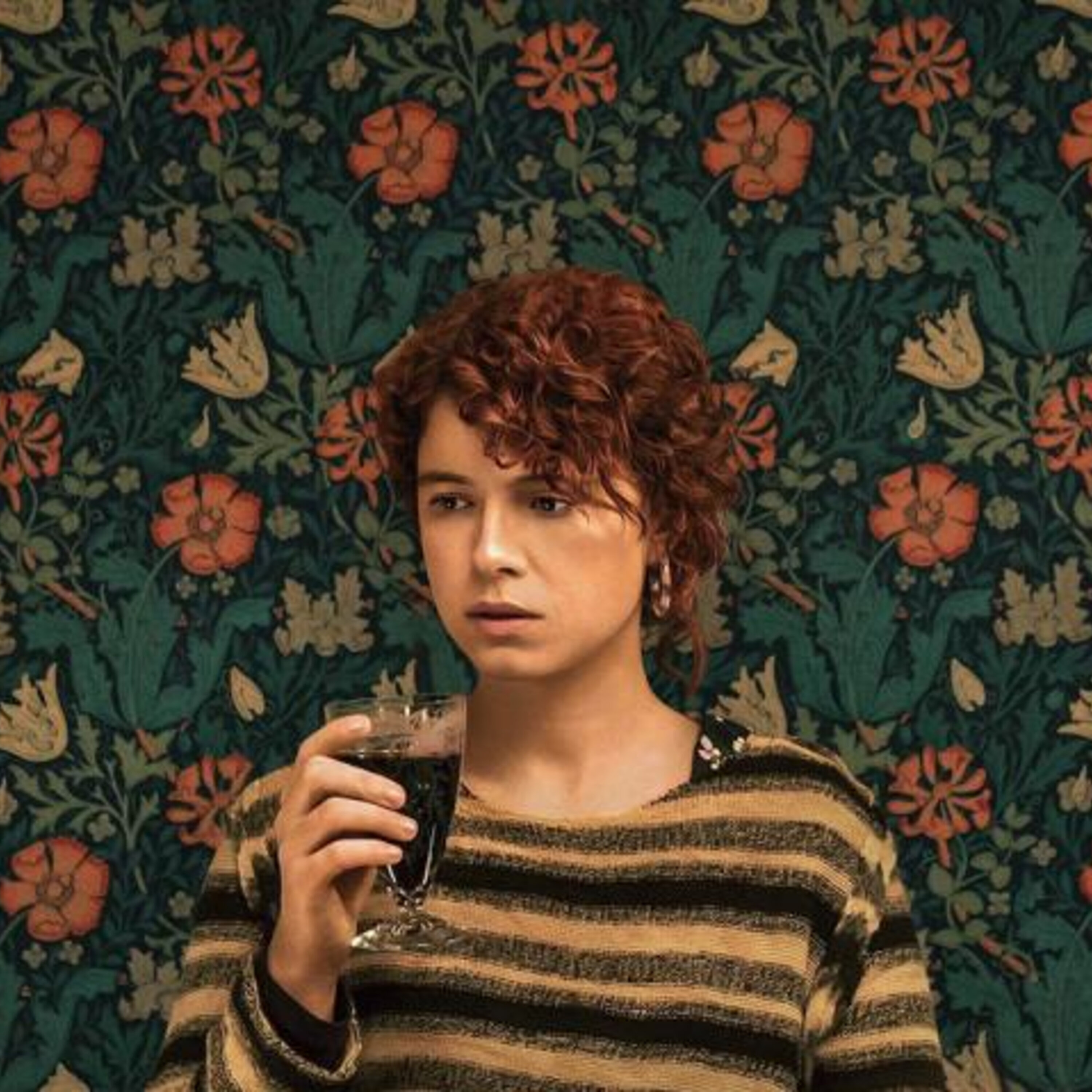
The Nose Is Thinking Of Ending Things
It's been a week of ending things, really. Keeping Up with the Kardashians is ending after 20 seasons. Diana Rigg -- Emma Peel on The Avengers and Lady Olenna on Game of Thrones, among many other things -- died at 82. And, of course, people are trying to end the whole world with their gender reveal parties. And then there's I'm Thinking of Ending Things. It's Charlie Kaufman's first movie for Netflix, and it stars Jesse Plemons and Jessie Buckley. It's based on Iain Reid's novel of the same name, which makes it the first movie Kaufman's ever directed not from his own original screenplay. Some other stuff that happened this week, give or take: Plymouth police closing in on Buddy, the beefalo who has been on the run since escaping from a local slaughter house ESPN Scraps Hank Williams Jr. From "MNF" Open 'Saturday Night Live' Promotes Ego Nwodim To Main Cast Member For Season 46 Ryan Reynolds Brings Rick Moranis Out of Retirement for Mint Mobile Commercial Fender has sold more guitars in 2020 than any other year in its historyGibson, Taylor, Martin and others also report pandemic sales booms, with new users turning to the guitar as "six-string therapy" Film Academy Sets Inclusion Requirements for Oscars, Will Take Full Effect in 2024 Kirstie Alley slams new Oscars inclusion rules: 'This is a disgrace to artists everywhere' 'Tenet' Will Play at a Southern California Drive-In Despite Indoor Theaters Being Closed, Ignoring WB's Previous Mandate Kate Winslet, Unfiltered: "Because Life Is F--king Short"The Oscar winner, whose powerful love story Ammonite debuts at the Toronto Film Festival this week, knows the industry can do better -- and that she can too: "What the f--k was I doing working with Woody Allen and Roman Polanski?" Why Disney's new 'Mulan' is a scandal GUESTS: Rebecca Castellani - Handles social media marketing and event planning for Quiet Corner Communications David Edelstein - America's Greatest Living Film Critic Join the conversation on Facebook and Twitter. Colin McEnroe and Cat Pastor contributed to this show. TAGS: Support the show: http://www.wnpr.org/donateSee omnystudio.com/listener for privacy information.

Racism In The Small Towns And Suburbs Of Connecticut
In the wake of resistance to Black Lives Matter protests against racial injustice in cities like Portland, Oregon; Kenosha, Wisconsin; and others, we decided to take a look at race relations in the small towns and suburbs of Connecticut. What we found was disturbing. In some ways, the show feels inadequate. I wish we could have included more of the many people who have experienced racist behavior in our small towns of Connecticut. We won't get to talk to a woman from Farmington who received a threatening note at her home for hanging a Black Lives Matter banner, a student from Killingly who experienced racial bullying, a young BLM organizer in Durham, or a woman angry that Confederate flags are still sold at the Durham fair. I know about these. Most incidents never make the news. This hour, what’s it like to be black and living in a small town or suburb in Connecticut? How do we begin to change the structures that keep racism alive? GUESTS: Gary Greenberg is a psychotherapist, the author of The Book of Woe: The DSM and the Unmasking of Psychiatry, and the first selectman of Scotland, Connecticut Drew John Ladd is a blogger, activist, and the author of Wolfsong, Beloved Leah Ralls is the president of the Windham/Willimantic NAACP and a social worker for Connecticut’s Division of Public Defender Services Al Robinson is a blogger, activist, and the publisher of My Left Nutmeg Join the conversation on Facebook and Twitter. Colin McEnroe and Cat Pastor contributed to this show.Support the show: http://www.wnpr.org/donateSee omnystudio.com/listener for privacy information.

VHS Will Not Die
Tracking, rewinding, ejecting, collecting -- VHS broke ground in home entertainment like never before. The culture of VHS and its enormous best friend, the VCR, were kings of consumer media for decades. Despite the last VCR and VHS being manufactured just four years ago, videotapes are still consumed, collected, and in some cases, sold(!) across the country. But why? With streaming service giants like Netflix, Amazon, Hulu, Disney, giving us on-demand content with the push of a button and with Blu-ray and 4K players displaying movies and TV shows at crystal clear resolutions, videotapes offer a simple, analog experience that will just not go away. This hour, a look inside the impact, history, and legacy of VHS. Plus: the video store! It was the place to get your VHS rental and consume the content you couldn't get anywhere else. A look at life owning and working at a video store. GUESTS: Caetlin Benson-Allott - Distinguished Associate Professor of Film and Media Studies at Georgetown University and the author of Killer Tapes and Shattered Screens Video Spectatorship From VHS to File Sharing Sam Hatch - Co-host of The Culture Dogs on Sunday nights on WWUH Hank Paper - The former owner of Best Video in Hamden, Conn., and a professor of Film, Television, and Media Arts at Quinnipiac University Join the conversation on Facebook and Twitter. Colin McEnroe, Betsy Kaplan, Jonathan McNicol, and Chion Wolf contributed to this show, which originally aired May 16, 2019.Support the show: http://www.wnpr.org/donateSee omnystudio.com/listener for privacy information.

The Philosophy And Psychology (And Physics And Metaphysics) Of Holes
In November, 2016, we did a show about all the problems presented by, well, a-holes. And so it seems only logical to expand our scope a bit and do a show about all the problems presented by, well, a hole. For instance: How many holes are there in a straw? Did you say one? Okay, cool. Then how many holes are there in a sock? (A relatively new sock, I mean.) You said one again, right? But how can both of those things be true at the same time? Or, put another way: What happens to the hole in the donut as you eat the donut around it? This gets into mereology, the theory of parthood relations -- for our purposes, the parts and wholes of holes and the wholes the holes are parts of. Your head hurts a little, right? And then there's trypophobia, an irrational fear of clusters of holes and cracks. And finally: We've just found a black hole right in our cosmic backyard. GUESTS: Chrissie Giles - A science writer and the global health editor at The Bureau of Investigative Journalism Marina Koren - Staff writer at The Atlantic Achille Varzi - Professor of philosophy at Columbia University and the coauthor of Holes and Other Superficialities Join the conversation on Facebook and Twitter. Colin McEnroe and Cat Pastor contributed to this show, which originally aired May 12, 2020.Support the show: http://www.wnpr.org/donateSee omnystudio.com/listener for privacy information.
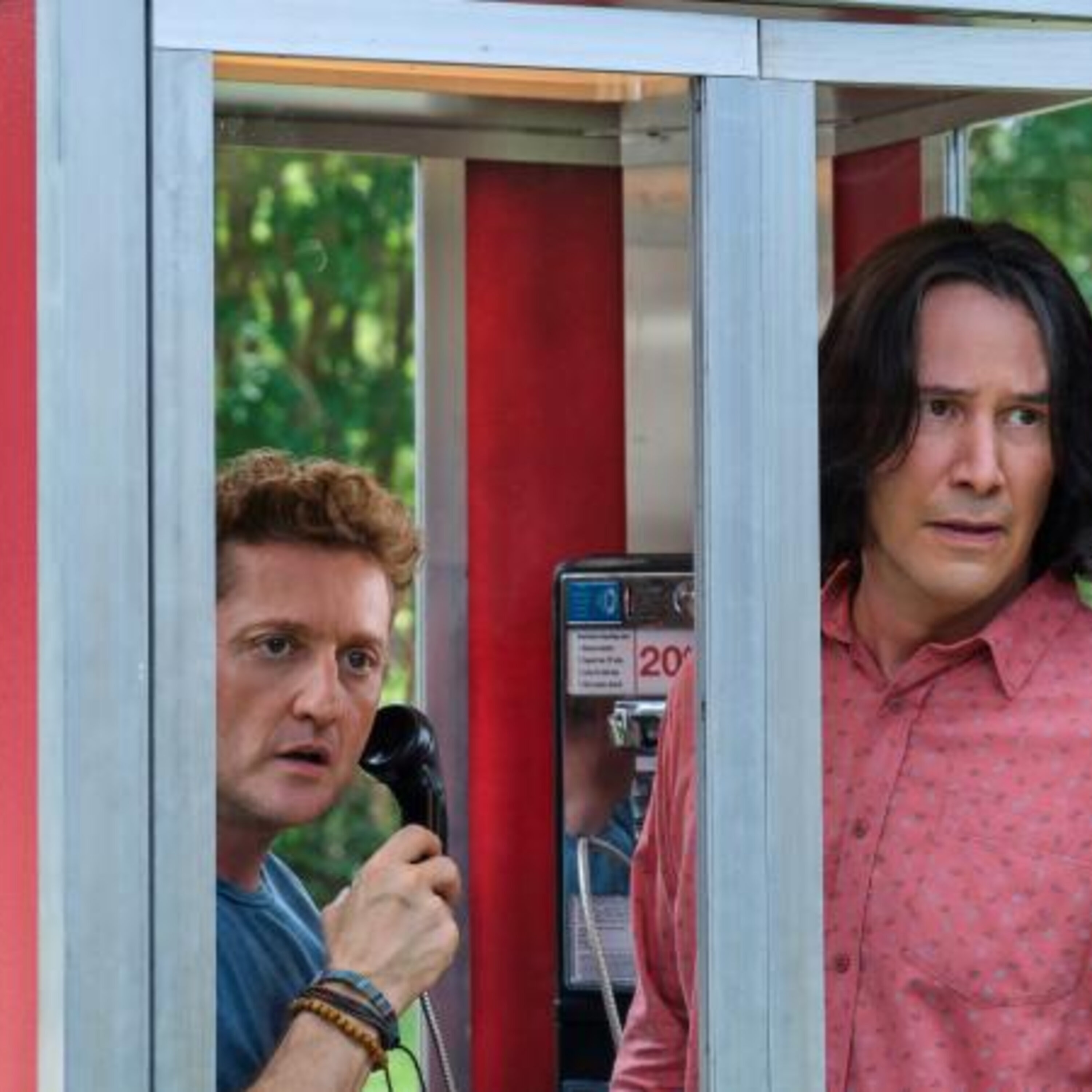
The Nose Parties On, Dudes
Carole Baskin is going to appear on Dancing with the Stars. And with that, I've typed the least surprising opening sentence in the history of Nose posts. And: When Bill & Ted's Excellent Adventure came out in 1989, Alex Winter (Bill) was 23 and Keanu Reeves (Ted) was 24. Winter and Reeves are now 55 and 56, respectively, but that seems to be no reason not to put out a third Bill & Ted movie, 29 years after the second one. Bill & Ted Face the Music is now available on all your video-on-demand platforms. And speaking of sequels to classic 1980s teen movies, the first two seasons of Cobra Kai have moved from YouTube to Netflix (who will produce a third season) and they've found a new audience. Some other stuff that happened this week, give or take: Do Your Bowels Suddenly Spring to Life in Bookstores? You're Not Alone -- and the Japanese Even Have a Term for It: Mariko Aoki Parents of young 'Black Panther' fans struggle with telling children of actor's death Twitter says Chadwick Boseman's final post is the most liked tweet everIt's a bittersweet achievement. Brad Pitt's girlfriend reportedly is married but in an 'open' relationship Andrew Lloyd Webber dropped a 'Phantom of the WAPera' Cardi B remix and we regret to inform you music is cancelled John Oliver throws sludge back at Danbury officials, demands sewage plant be named in his honor Mariah Carey Just Addressed Her "Uncomfortable" Resurfaced Interview On "The Ellen DeGeneres Show""I wasn't ready to tell anyone." How Pop Music's Teenage Dream EndedA decade ago, Katy Perry's sound was ubiquitous. Today, it's niche. How did a genre defined by popularity become unpopular? 'I Like to Move It' DJ, Erick Morillo, Dead at 49 WFSB Cleans House -- But At What Cost? Alarmed pilot tells LAX tower: 'We just passed a guy in a jet pack'; FBI now investigating Robert Pattinson Has COVID-19, Halting The Batman ProductionVanity Fair has learned the star came down with the virus just days after shooting resumed. How a Praying Mantis Says 'Boo!'A study of startle displays hints at why provoked creatures have such a wide range of reactions. GUESTS: Helder Mira - Multimedia producer at Trinity College and a Cinestudio board member Carolyn Paine - An actress, comedian, and dancer; she is founder, director, and choreographer of CONNetic Dance Join the conversation on Facebook and Twitter. Colin McEnroe and Cat Pastor contributed to this show.Support the show: http://www.wnpr.org/donateSee omnystudio.com/listener for privacy information.
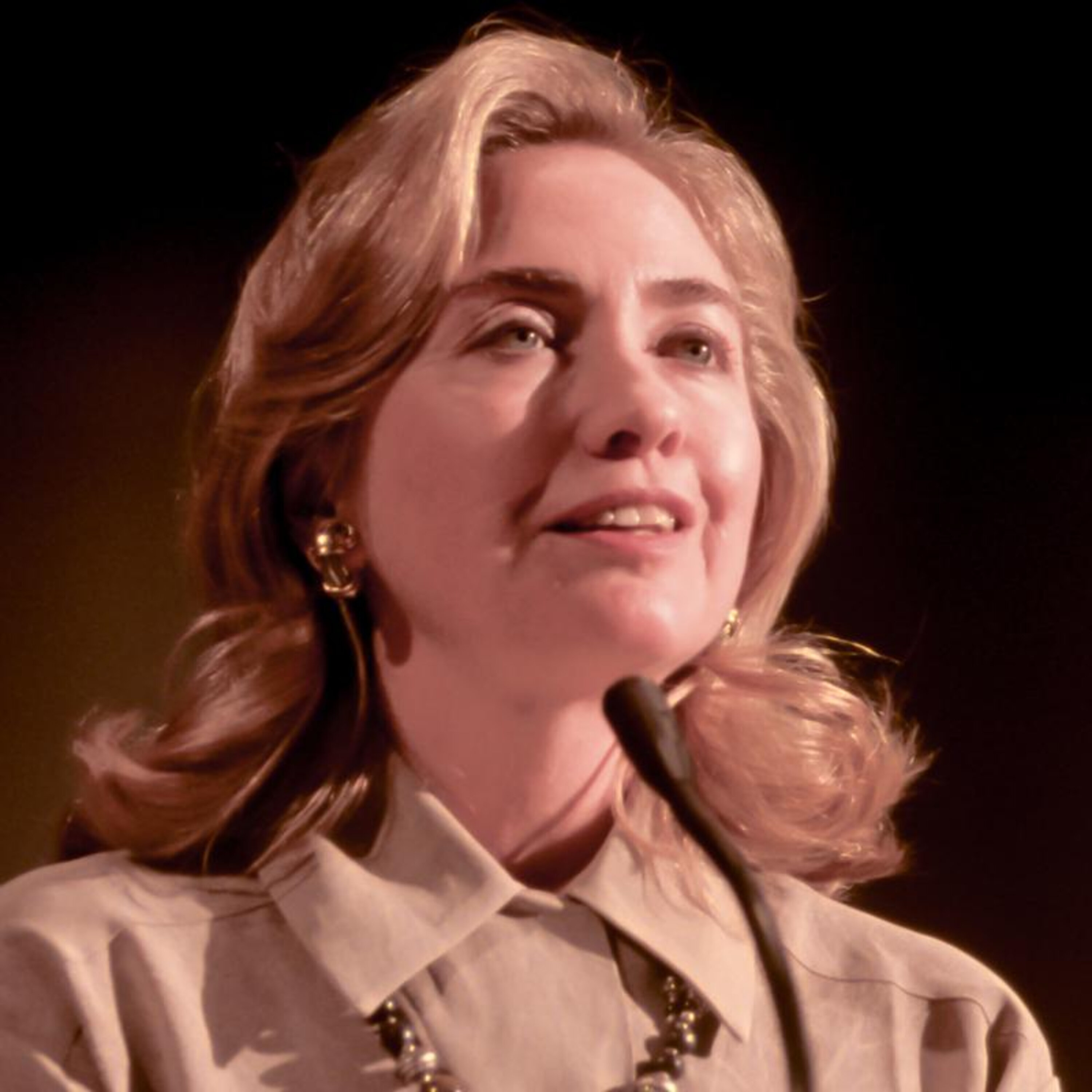
Imagining Hillary's Clinton Life If She Never Married Bill
Hillary Clinton has spent a lot of time in the spotlight. We know her as a First Lady, a U.S. Senator from New York, President Obama's Secretary of State, a candidate in the 2016 presidential election, and as the wife of former President Bill Clinton. Yet most everything we know about Hillary as an individual separate from Bill has been filtered through the media, through President Trump's Twitter feed, and through the many conspiracy theories linked to her name. But after all the years of Hillary at Bill's side and after her loss in the 2016 election, didn't you wonder how Hillary Clinton's life might have been different if she never married Bill? Would she have broken the "glass ceiling" if she hadn't been married to Bill? We talk to a writer who imagined Hillary's life without Bill. GUEST: Curtis Sittenfeld is the author of a collection of short stories, You Think It, I’ll Say It, as well as six novels, including Prep and Eligible. Her non-fiction has appeared in The New York Times, The Atlantic, and NPR’s This American Life, among others. Her new novel is Rodham. Support the show: http://www.wnpr.org/donateSee omnystudio.com/listener for privacy information.

Considering Kubrick
2001: A Space Odyssey. Dr. Strangelove or: How I Learned To Stop Worrying and Love the Bomb. A Clockwork Orange. The Shining. Full Metal Jacket. Spartacus. Eyes Wide Shut. This hour, a careful consideration of the filmmaker Steven Spielberg called "the best in history": Stanley Kubrick. GUESTS: James Hanley - Co-founder of Cinestudio at Trinity College David Mikics - Author of Stanley Kubrick: American Filmmaker Lila Shapiro - Senior reporter at New York magazine and Vulture, where she published "What I Learned After Watching Eyes Wide Shut 100 Times" Join the conversation on Facebook and Twitter. Colin McEnroe and Cat Pastor contributed to this show.Support the show: http://www.wnpr.org/donateSee omnystudio.com/listener for privacy information.