The Colin McEnroe Show
3,254 episodes — Page 29 of 66
The Nose Was Filmed Before A Live Studio Audience: 'WandaVision,' More
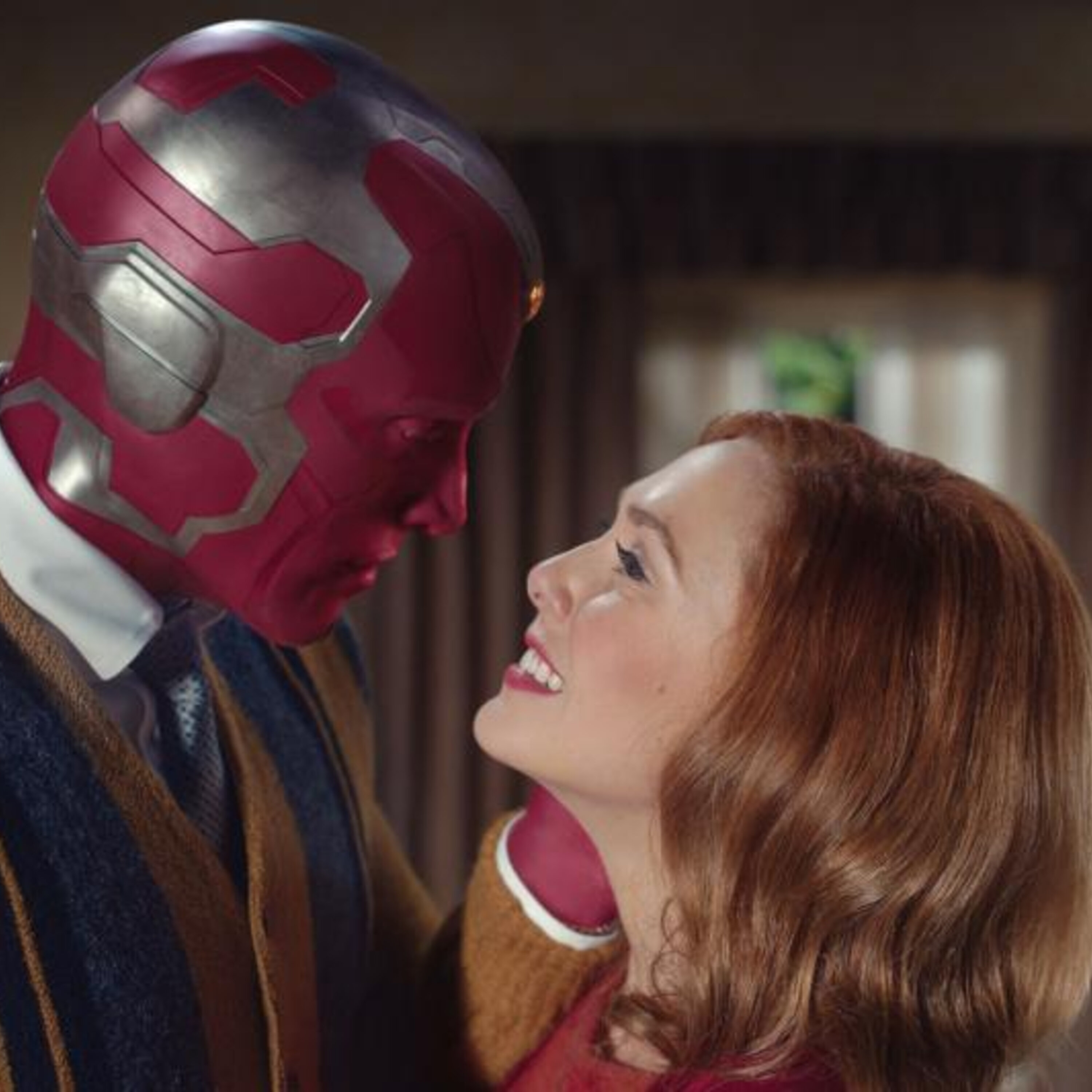
WandaVision is a Disney+ miniseries that's part of the Marvel Cinematic Universe and that's set, like, inside the history of television? It follows Elizabeth Olsen as Wanda Maximoff and Paul Bettany as Vision as they try to conceal their superhero powers and blend into a generic sitcom neighborhood. Episodes so far have taken on the look and feel of American sitcoms from the 1950s, '60s, '70s, and '80s. Some other stuff that happened this week, give or take: Hal Holbrook, Actor Who Channeled Mark Twain, Is Dead at 95He carved out a substantial career in television and film but achieved the widest acclaim with his one-man stage show, playing Twain for more than six decades. Dustin Diamond, 'Saved by the Bell' star, dead at 44 Jamie Tarses, Pioneering Television Executive, Dies at 56 Tony Bennett Reveals Alzheimer's Battle Golden Globes 2021: A Full List of NomineesHere are the films, television shows, actors and directors chosen by the Hollywood Foreign Press Association. Ella Emhoff Isn't a Nontraditional Model!Please stop praising her for having armpit hair and tattoos. Evan Rachel Wood Alleged Her Ex-Fiancé Marilyn Manson "Horrifically Abused" And "Manipulated" Her"He started grooming me when I was a teenager and horrifically abused me for years. I was brainwashed and manipulated into submission." Of course the GameStop stock market frenzy is already being turned into a movie Steven Spielberg Writes For Empire About Why Cinema Will Never Die The Wayne's World Super Bowl Ad Is Even More Depressing Than That Wonder Years TweetThe Generation X staple vanishes a little more each year Even Jodie Foster Is Still Trying to Figure Jodie Foster Out Six arrested after changing Hollywood sign to 'Hollyboob' Outlander star Sam Heughan hints he will be next James Bond on Instagram post The Accidental Sex Couch Tearing Facebook Mom Groups Apart Sarah Silverman just wants to make things rightThe potty-mouthed comic isn't done talking trash, but it's no longer her first instinct, or her job. GUESTS: Taneisha Duggan - Artistic producer at TheaterWorks Bill Yousman - Professor of media studies at Sacred Heart University Join the conversation on Facebook and Twitter. Colin McEnroe and Cat Pastor contributed to this show.Support the show: http://www.wnpr.org/donateSee omnystudio.com/listener for privacy information.
A Non-Threatening Conversation About Jazz
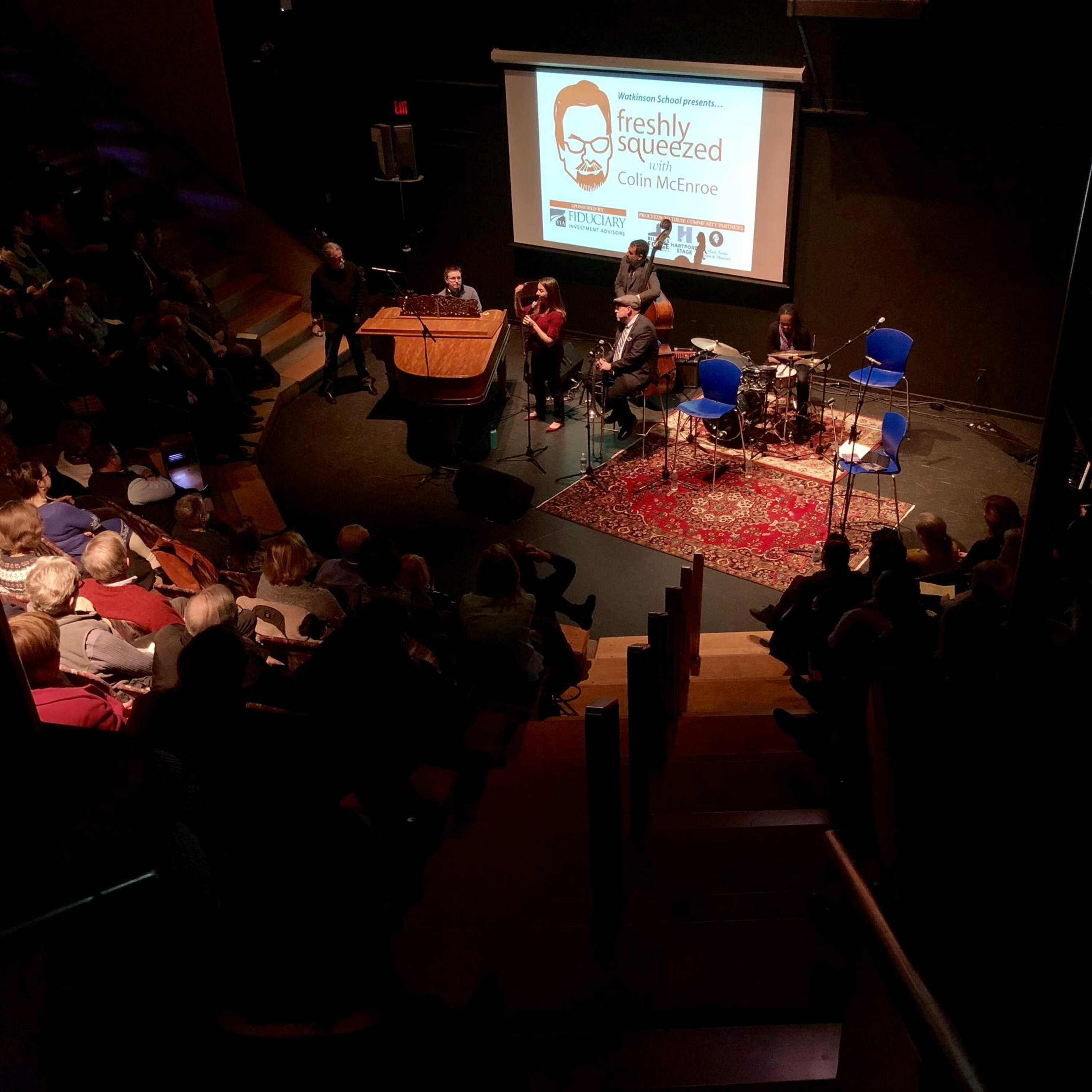
Who's afraid of the Bix bad Beiderbecke? Hartford has an amazing jazz history, and Colin has a lot of jazz musician friends. This hour, a little onstage jazz party recorded in front of a live audience long before the pandemic put a pause on live audiences as a thing. Colin and the panel look to make jazz accessible to mere mortals. They talk about what makes jazz jazz, invite the audience to sing, and teach the audience to scat. GUESTS: Steve Davis - Trombone Atla DeChamplain - Vocals Matt DeChamplain - Piano Henry Lugo - Bass Jocelyn Pleasant - Drums Join the conversation on Facebook and Twitter. This show originally aired February 8, 2018.Support the show: http://www.wnpr.org/donateSee omnystudio.com/listener for privacy information.
Digging Into The Roots Of Our Food
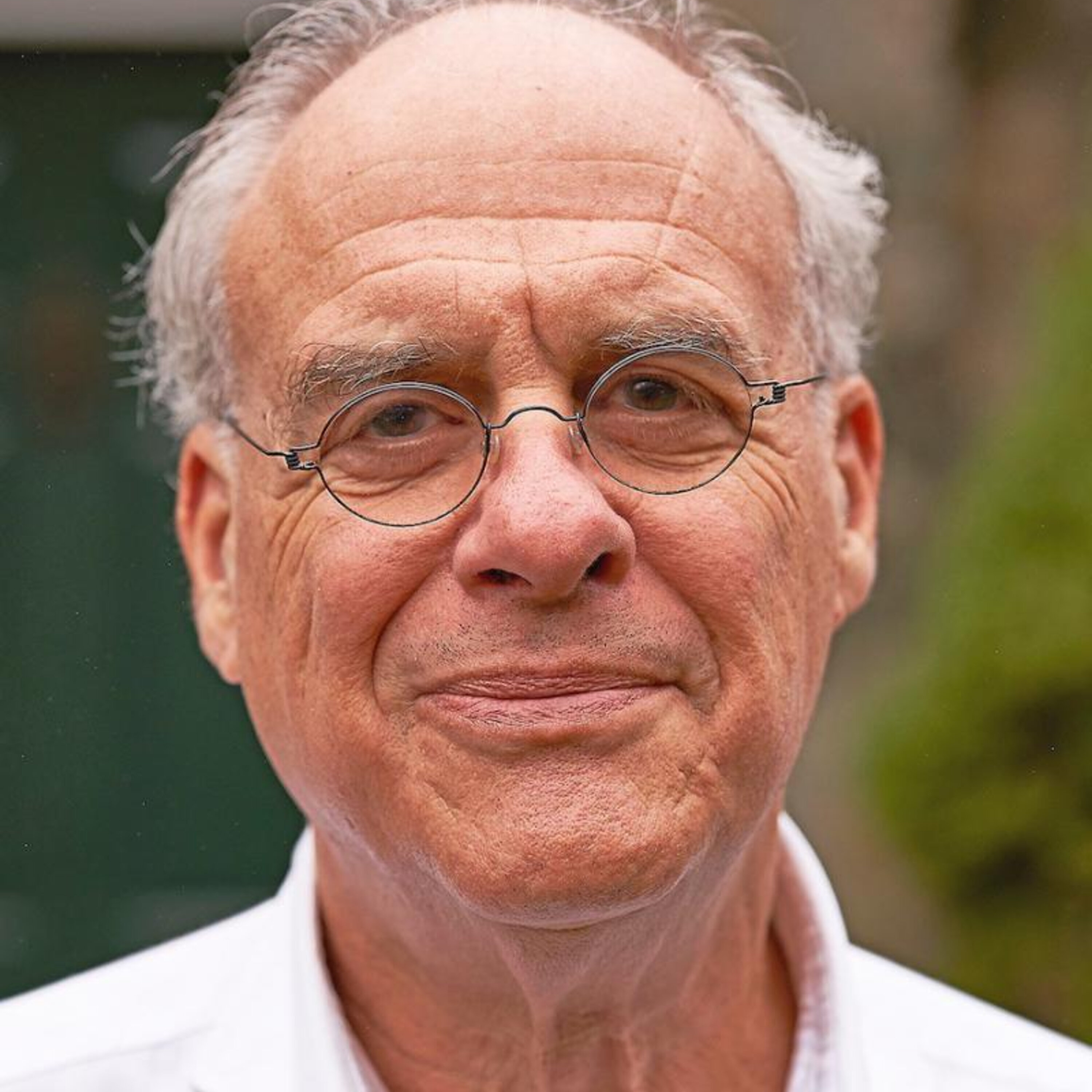
We have a complicated relationship with our food. We need food to live; yet, we've become removed from the food we eat and how it's grown and processed. Even with the best of intentions, today's ultra-processed foods make it hard for us to know exactly what we're eating or how the methods used to mass produce our food are affecting our environment and our health. And I haven't even touched on how food has led to war, famine, poverty, and enslavement. Today, we talk about the history of agriculture, where it went wrong, and how we might begin to cultivate food that is kinder to our bodies, our earth, and our fellow humans. GUEST: Mark Bittman is the author of 30 books, most recently, Animal, Vegetable, Junk: A History of Food From Sustainable To Suicidal. He was a food columnist and writer at the New York Times for 30 years. He’s currently Special Advisor on Food Policy at Columbia University’s Mailman School of Public Health. Support the show: http://www.wnpr.org/donateSee omnystudio.com/listener for privacy information.
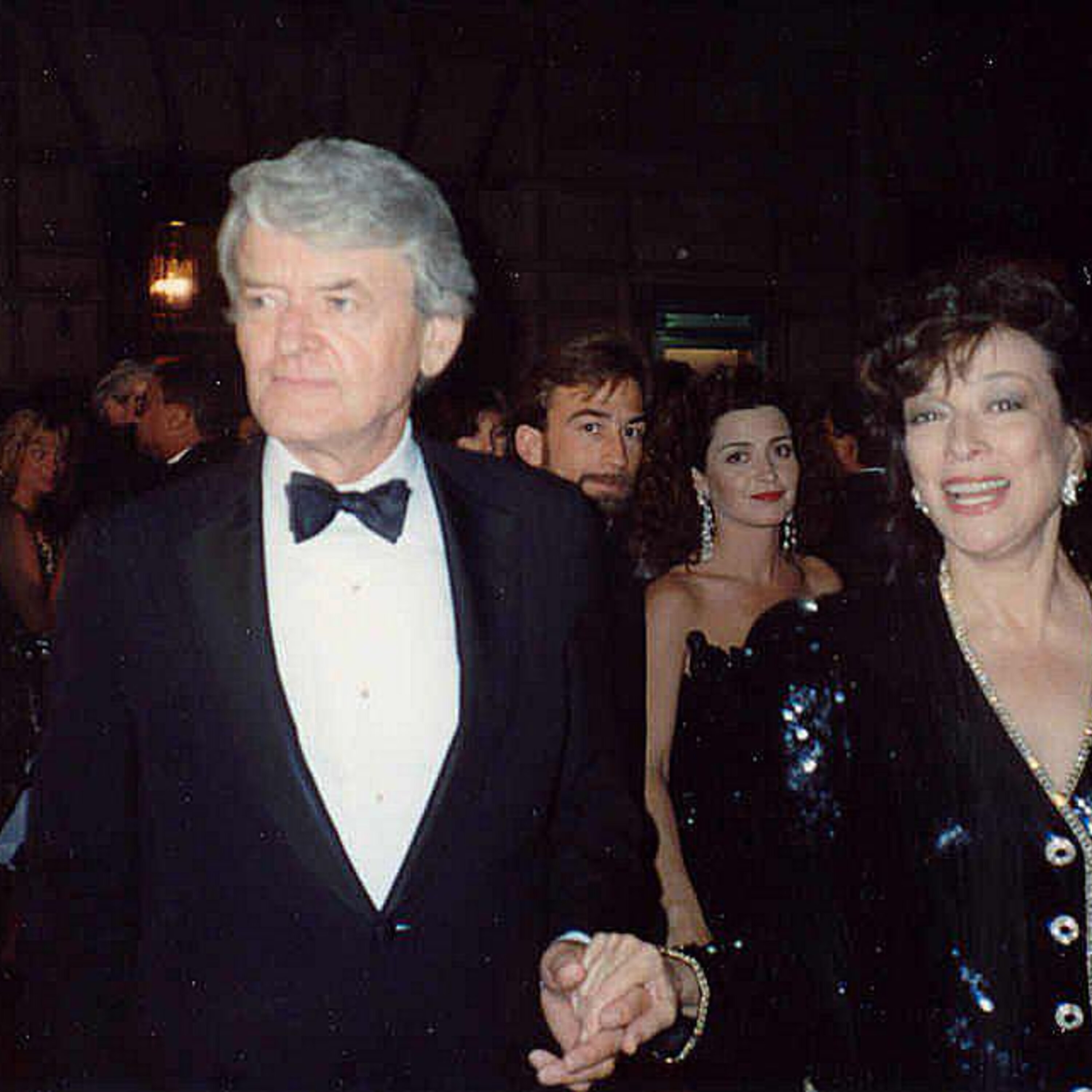
Beyond Mark Twain: A Conversation With Hal Holbrook
Colin interviewed Hal Holbrook on February 3, 2015, in advance of Holbrook's performance of Mark Twain Tonight in Hartford on his 90th birthday on February 17, 2015. Colin wrote at the time that Holbrook was one of the most remarkable people he's encountered of all the remarkable people he's interviewed over the years. Holbrook was so passionate and fun to speak with that Colin never got to ask him all the many questions about the love of his life, his difficult childhood, or his time spent at Suffield Academy. He hoped for a second interview. Holbrook died on January 23. This hour, we reair our 2015 interview with him. GUEST: Hal Holbrook was an American film, television, and stage actor famous for his portrayal of Mark Twain in the solo show he created, Mark Twain Tonight, for which he won a Tony Award. His movies include All the President's Men, Lincoln, and Into the Wild, for which he was nominated for an Oscar in 2008. He won five Primetime Emmy Awards, and he's the subject of a documentary by Scott Teems and Laura D. Smith, Holbrook/Twain: An American Odyssey. Join the conversation on Facebook and Twitter. Colin McEnroe contributed to this show, which originally aired February 4, 2015. Support the show: http://www.wnpr.org/donateSee omnystudio.com/listener for privacy information.
How To Report On The Behavior Of The GOP; Trump's Evolving Defense Team
Some say the press continues to portray the Republican Party as a "mainstream, center-right entity," long after their words and deeds reflect something more ominous. Is the media failing to convey the extreme behavior of the GOP out of fear they will be accused of liberal bias? It's not the first time the media has been accused of bias or been too slow to see something for what it is instead of what they want it to be. Also this hour: Five members of former President Trump's impeachment team departed Saturday, a little over a week before the Senate trial is set to begin on February 9. On Sunday, Trump hired lawyers David Schoen and Bruce L. Castor Jr. to take over. Will they be ready by next week? GUESTS: Eric Boehlert - A media critic and the founder and editor of Press Run; he has been a senior fellow at Media Matters for America, a media critic at Daily Kos, and a staff writer at Rolling Stone, and he's the author of three books, including Lapdogs: How The Press Rolled Over For Bush (@EricBoehlert) Ross Garber - Principal at The Garber Group, specializing in political investigations and impeachment; he's also a legal analyst for CNN, and he teaches at Tulane Law School (@rossgarber) Join the conversation on Facebook and Twitter. Colin McEnroe and Cat Pastor contributed to this show.Support the show: http://www.wnpr.org/donateSee omnystudio.com/listener for privacy information.

The Nose Drives Alone Past Your Street: 'Pretend It's A City' And 'How To With John Wilson'
Olivia Rodrigo's "drivers license" is in its second week as the No. 1 song in the country, having debuted there last week. It is the first debut single by any artist to hit the Billboard Hot 100 at No. 1 in history. And: Pretend It's a City is Martin Scorsese's seven-part Netflix documentary series about Fran Liebowitz that's actually also kind of about New York City. And finally: How To with John Wilson is John Wilson's six-part HBO documentary series of advice and tutorials that's actually also kind of about New York City. Some other stuff that happened this week, give or take: Cicely Tyson, groundbreaking award-winning actor, dead at 96 Cloris Leachman, Emmy and Oscar Winner, Dies at 94 Bruce Kirby, Veteran Character Actor and 'Columbo' Cop, Dies at 95 Walter Bernstein, Oscar-Nominated Screenwriter on 'The Front,' Dies at 101 Freddy the Great Dane, the world's largest dog, has died The Jokes About GameStop And The Stock Market Keep Coming, So Here Are The 50 Funniest Ones"Siri, what is a 'stock'?" There's a Metallica/Huey Lewis Mashup Now, Because San Francisco The Oscars Are a Mess. Let's Make Them Messier.Nothing has been normal about the last year, including the movies. The academy shouldn’t try to pretend otherwise. It should see this as an opportunity. These are the movies to watch before Oscars night The 50 Best Cult MoviesFrom 'The Room' to 'Eraserhead' to 'Rocky Horror,' these are the best movies to ever inspire deep obsession 'Tenet' Is Destined to Become a Cult MovieWith a failed release due to the pandemic, a muted critical reception, and a twisty narrative that demands multiple viewings, Christopher Nolan's 2020 film has all of the elements that eventually lead to niche fandom 2021 BBWAA Voting Results Yield No Electees Kraft Is Releasing A Pink Candy-Flavored Mac And Cheese For Valentine's Day, And The Internet Is Losing Its Mind The Pandemic Has Erased Entire Categories of FriendshipThere's a reason you miss the people you didn't even know that well. Here's What It Was Really Like to Work at a Women's WebsiteI felt nothing. So I headed to my desk for another busy day of browsing online sales and waiting to die. Carey Mulligan Responds to Variety's Apology for 'Promising Young Woman' Review Subway's tuna is not tuna, but a 'mixture of various concoctions,' a lawsuit alleges A Reformed Late Person's Guide to Being on TimeTime has become fluid in the pandemic. Except when there's a Zoom meeting. GUESTS: Jacques Lamarre - A playwright and director of client services at Buzz Engine Irene Papoulis - Teaches writing at Trinity College Join the conversation on Facebook and Twitter. Colin McEnroe and Cat Pastor contributed to this show.Support the show: http://www.wnpr.org/donateSee omnystudio.com/listener for privacy information.

Running Toward The Fire
Applications to nursing schools spiked during the pandemic from those who wanted to help. They chose to be nurses at a time when the risk to their own health was never greater. Why are some people willing to run toward the fire when others are running away from it? Most of us fall somewhere on a spectrum of altruistic behavior. We might adopt a stray pet, donate a liter of blood, or check on an older neighbor. Others pursue a career based on helping others, and, at the extreme end of the spectrum, some choose to donate their kidney to a stranger. We talk to two nurses, a kidney donor, and a psychologist about the nature of altruism. GUEST: Kelly Chevalier - Interim director of emergency services at Trinity Health of New England/St. Francis Hospital and Medical Center Tracy Gordon Fox - A former journalist for the Hartford Courant; she’s currently a staff nurse on the general surgery floor at St. Francis Hospital and Medical Center Lauren Herschel - An anonymous kidney donor who lives in Calgary, Alberta Abigail Marsh - A professor of psychology and a neuroscientist in the Interdisciplinary Neuroscience Program at Georgetown University; she directs their Lab on Social & Affective Neuroscience, and she’s the author of The Fear Factor: How One Emotion Connects Psychopaths, Altruists, and Everyone In Between Join the conversation on Facebook and Twitter. Colin McEnroe and Cat Pastor contributed to this show.Support the show: http://www.wnpr.org/donateSee omnystudio.com/listener for privacy information.
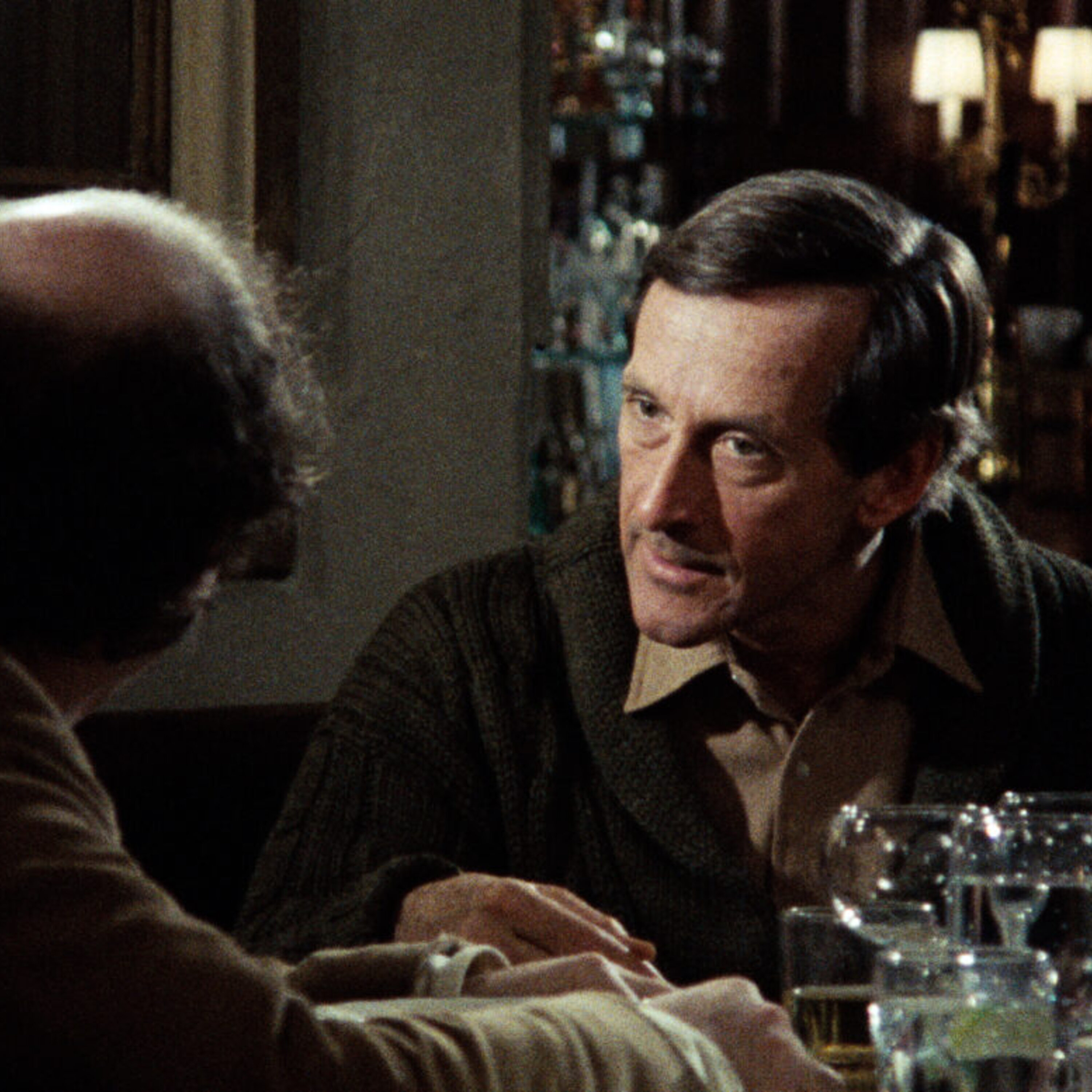
Our Lunchtime With André
André Gregory has directed and acted in the theater for more than 50 years. He has appeared in a number of movies, including Martin Scorsese's The Last Temptation of Christ, Woody Allen's Celebrity, Brian De Palma's The Bonfire of the Vanities, Peter Weir's The Mosquito Coast, and many more. He has starred in three movies about the theater with the playwright, actor, and comedian Wallace Shawn: A Master Builder, Vanya on 42nd Street, and the iconic My Dinner with Andre. Gregory's memoir is This Is Not My Memoir. He joins us for the hour. Note: I apologize for the flagrant hackiness of the "joke" of the headline here. I feel your scorn and must suffer through my shame. There are times when a work is so iconic one doesn't have a choice but to make reference to it. And so here we are. GUEST: André Gregory - An actor, writer, director, teacher, and painter; his new book, written with Todd London, is This Is Not My Memoir Join the conversation on Facebook and Twitter. Colin McEnroe and Cat Pastor contributed to this show.Support the show: http://www.wnpr.org/donateSee omnystudio.com/listener for privacy information.

Coronavirus Variants; A Very Catholic Inauguration; An Ode
Moderna announced today they were making new versions of their vaccine that can be used as boosters against variants seen in South Africa, Brazil, and the U.K. The vaccine should be effective against variants but it seems to create fewer antibodies against the one that has emerged in South Africa. Either way, vaccines alone will not be enough. We talk about mutations and vaccines. Also this hour: The Biden inauguration was the most Catholic inauguration in history. Is a more liberal Christianity on the rise? Lastly, a tribute to John McDonough, actor, singer, and a Connecticut native. GUESTS: Paul Turner - An evolutionary biologist and virologist; he’s the Rachel Carson Professor of Ecology and Evolutionary Biology at Yale University and a microbiology faculty member at Yale School of Medicine Michael Sean Winters - Writes the Distinctly Catholic blog for the National Catholic Reporter, and he is the author of two books including Left At the Altar: How Democrats Lost The Catholics And How Catholics Can Save The Democrats Join the conversation on Facebook and Twitter. Colin McEnroe and Cat Pastor contributed to this show. Support the show: http://www.wnpr.org/donateSee omnystudio.com/listener for privacy information.
Pardon Me: Season 2, Episode 2 -- It's Been A Good Week
The House will transmit its Article of Impeachment charging former President Trump with "incitement of insurrection" to the Senate on Monday. Senate Minority Leader Mitch McConnell asked the House to wait two weeks to let the former president work on his defense. The House chose not to wait any longer , possibly influenced by more than a dozen Republican senators trying to dismiss the impeachment trial before it begins, based on the disputed claim that it's unconstitutional to try an ex-president. And House Minority Leader Kevin McCarthy's walking back his prior claim that Trump incited the riot at the Capitol. Today, we look at what's required to prove "incitement" and we look back on the fashion legacy of Trump. We also bring you factoids with Chion Wolf and our first second-season AccuFrankie dispatch from reporter Frankie Graziano. GUESTS: Vanessa Friedman - Fashion director for The New York Times Frankie Graziano - A reporter for Connecticut Public Radio Catherine J. Ross - Professor of law at the George Washington University Law School and the author of a forthcoming book, Presidential Lies, The First Amendment, and Democracy Chion Wolf - The host of Audacious with Chion Wolf on Connecticut Public Radio Support the show: http://www.wnpr.org/donateSee omnystudio.com/listener for privacy information.
It's Time To Talk About The Alphabet In The Room
Most of the Western world is organized by alphabetical order, which is so much more than the 26 letters that make up the alphabet. Alphabetical order is an organizing principle that allows us to save, order, and access thousands of years of humankind's most precious documents and ideas. Without it, we'd never know what came before us or how to pass on what's with us. It's ubiquitous, yet invisible in daily life. This hour, a conversation about how we order our world and why we do it. GUESTS: Nicholson Baker - A novelist and essayist; he's the author of 17 books, including, most recently, Baseless: My Search for Secrets in the Ruins of the Freedom of Information Act; he's currently the Jennifer Jahrling Forese Writer-in-Residence in Creative Writing at Colby College Judith Flanders - A social historian and senior research fellow at the University of Buckingham; her new book is A Place For Everything: The Curious History of Alphabetical Order Peter Sokolowski - A lexicographer and editor-at-large at Merriam-Webster and co-host of the podcast Word Matters; he's also a musician and public radio jazz host at NEPR and the author of a chapter in The Whole World in a Book Join us on Facebook and Twitter. Colin McEnroe and Cat Pastor contributed to this show. Support the show: http://www.wnpr.org/donateSee omnystudio.com/listener for privacy information.
The Legacy Of COVID-19
Yale University's Dr. Nicholas Christakis explores what it means to live in a time of pandemic. He looks at historical epidemics and current medical and social research to help us understand the potential long-term impact COVID-19 will have on people and culture. Greek mythology holds that the arrows of plague Apollo shot down upon the Greeks led to great death and suffering. The plague that has brought death and pain over this past year was not brought by an angry god, but an infinitesimal virus that has wreaked global havoc and exposed the best and worst of human behavior. We spend an informative and insightful hour with Nicholas Christakis. GUEST: Nicholas Christakis - A physician and sociologist; he directs the Human Nature Lab at Yale where he is the Sterling Professor of Social and Natural Science, and he's the author of Apollo's Arrow: The Profound and Enduring Impact of Coronavirus on the Way We Live Join the conversation on Facebook and Twitter. Colin McEnroe and Cat Pastor contributed this show.Support the show: http://www.wnpr.org/donateSee omnystudio.com/listener for privacy information.
The Nose Can Cut, Soothe, Delight, Frighten, Insult, And Seduce: Tom Cruise's COVID Robots, 'History Of Swear Words,' And More
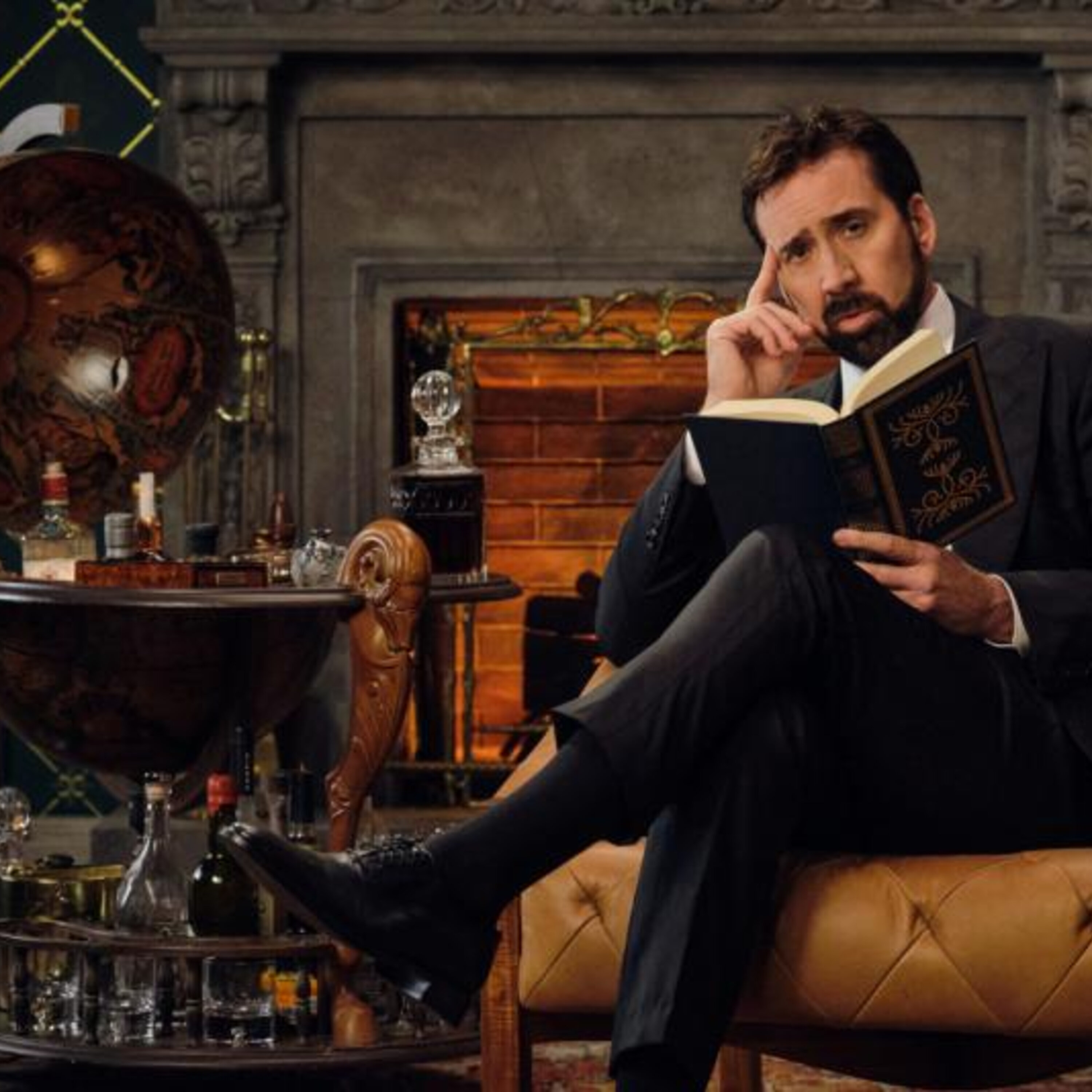
Tom Cruise's seventh Mission: Impossible installment has been one of the few huge Hollywood productions trying to to figure out how to film during the pandemic. Cruise has been in the news lately for blowing up at his crew for breaking COVID protocols, and now he's back in the news for… buying COVID enforcement robots? And: Could front porches be just the right "magical intermediate zone" to keep communities connecting during a time of social distancing? And finally: Nicolas Cage is hosting a documentary series on Netflix called History of Swear Words. Normally I'd try to give you a little more context here, but I feel like that first sentence pretty much covers it. Some other stuff that happened this week, give or take: Michael Apted, 'Coal Miner's Daughter' Director and 'Seven Up' Documentarian, Dies at 79 Jessica Campbell, 'Election' and 'Freaks and Geeks' Actor, Dies at 38 Oscars' International Feature Race: Has 'Parasite' Ushered in a Broader Acceptance of Genre in the Category? Why a Vogue Cover Created an Uproar Over Kamala HarrisThe vice president-elect is on the cover of the U.S. fashion magazine. Many people were not happy with the result. Are Armie Hammer's leaked DMs fake? Actor's alleged 'cannibal sex fantasy' shocks Internet: 'This can't be real'The actor allegedly stated 'I am 100% a cannibal' to a woman who shared the Instagram DMs and the Internet is shocked Armie Hammer calls online attacks 'spurious,' will still exit Jennifer Lopez rom-com Sex And The City revived at HBO Max—yes, without Kim Cattrall Welcome to ZollywoodAt 24 she's already conquered the Disney thing—and Marvel. She even won an Emmy for Euphoria. Next up for Zendaya? Figuring out who she really is when the cameras aren't rolling. Alec Baldwin Delivers Final Trump Performance With Spoof 'Farewell Address' Audiobook Bill Belichick says he won't accept Presidential Medal of Freedom from Trump Hollywood Prepares to Delay Another Slew of Blockbusters Netflix teases massive 2021 film slate with plans to release new movies every week Gov. Cuomo outlines plan to accelerate return of theater and the arts Chuck Norris' Manager Insists Actor Wasn't at the Capitol Insurrection The Case for Ted Danson As the TV GOATNearly 40 years after he stepped behind a Boston bar, Danson is still going. And by the time he's finished, no one may be able to top his run. Chris Rock Re-Edits a Special, and the Result Is FascinatingWith "Total Blackout: The Tamborine Extended Cut," the comic effectively erases the stamp of the original director, Bo Burnham, and turns in a less intimate show. Bruce Willis asked to leave store for 'refusing' to wear a mask 'The Office' Was by Far the Most-Streamed TV Show in 2020, Nielsen Says David Fincher: The Rolling Stone InterviewThe boundary-pushing filmmaker behind 'Mank' reflects on his career, his journey into Hollywood's past and the industry's uncertain future Noah Baumbach Adapting Don DeLillo's White Noise; Adam Driver & Greta Gerwig to Star A History of the Trump Era Through Stories About Toilets 'Human foot' in Gateshead field turns out to be potato GUESTS: Carolyn Paine - An actress, comedian, and dancer; she is founder, director, and choreographer of CONNetic Dance Brian Slattery - Arts editor for the New Haven Independent and a producer at WNHH radio Join the conversation on Facebook and Twitter. Colin McEnroe and Cat Pastor contributed to this show.Support the show: http://www.wnpr.org/donateSee omnystudio.com/listener for privacy information.
Pardon Me's Season Two Premiere: We Love You. You're Very Special. Go Home.
Previously on Pardon Me (Another Damn Impeachment Show?): House Democrats voted to impeach President Trump on two Articles of Impeachment: "abuse of power" and "obstruction of Congress." He was later acquitted promptly after Senate Republicans voted against calling witnesses or admitting new evidence. Now (less than 48 weeks later), on Season Two of Pardon Me: House Democrats, along with 10 Republicans, voted to impeach President Trump Wednesday on one Article of Impeachment: "incitement of insurrection." Senate Majority Leader Mitch McConnell, R-Ky., promptly responded that there'll be no trial while he's Senate leader. The more things change, the more they stay the same. This hour, we talk about the constitutional gray zone of impeaching a president no longer in office, co-opting historically significant language, and a musical response to this political moment. And, we bring back Factoids with Chion Wolf. GUESTS: Joanne Freeman - The Class of 1954 Professor of History & American Studies at Yale University and the co-host of the American History podcast Backstory; her most recent book is The Field of Blood: Violence in Congress and the Road to Civil War Michael Gerhardt - The Burton Craige University Distinguished Professor of Jurisprudence at the University of North Carolina School of Law in Chapel Hill and the author of seven books; his most recent is Lincoln's Mentors: The Education of a Leader Jill Sobule - An award-winning singer, songwriter, and guitarist; her most recent album is Nostalgia Kills Chion Wolf - The host of Audacious with Chion Wolf on Connecticut Public Radio Cat Pastor contributed to this show. Pardon Me is a production of The Colin McEnroe Show on Connecticut Public Radio.Support the show: http://www.wnpr.org/donateSee omnystudio.com/listener for privacy information.
Go Ahead And Talk To Yourself. It's Good For You.
Do you talk to yourself? Is it a silent inter-narrative or do you talk aloud? What form of address to you use to yourself? When I'm mad at myself I sometimes address myself as Colin. But, I sense that when LeBron speaks to himself as LeBron, it's more affirming. I talk aloud quite a bit. A hangover, I think, from growing up as an only child. The Spanish and Argentine novelist Andres Neumann has a new work, "Talking to Ourselves," in which he explores the solitary inner narrative that each of us conducts either silently, aloud, or writing a diary. Some form of talking to ourselves is universal. You could argue that without it life would be unsupportable, would be lived unconsciously. So, let me ask you again, do you talk to yourself? Yes, you do. GUESTS: Professor Ethan Kross is Director of the Emotion and Self-Control Laboratory at the University of Michigan Andres Neuman is an author of fiction, poetry, nonfiction, and criticism. He’s the author of several award-winning novels including “Traveler of the Century” and most recently, “Talking To Ourselves” Join the conversation on Facebook and Twitter. Jon Franois produced this show with help from Betsy Kaplan and Chion WolfSupport the show: http://www.wnpr.org/donateSee omnystudio.com/listener for privacy information.

Is This The End Of Trumpism Or The Beginning?
Wednesday's insurrection by Trump supporters at the Capitol was the culmination of months of Trump perpetuating the lie that the election was stolen from him. The fire he built might have sputtered without oxygen from Republican colleagues and right-wing media intent on capitalizing on his lies. House Democrats introduced an article of impeachment Monday. It charges President Trump with "inciting violence against the government of the United States," after House Republicans objected to a resolution calling on Vice President Pence to invoke the 25th Amendment. The House will consider the impeachment resolution on the floor if the vice president refuses to intervene "within 24 hours" or if the president refuses to resign. The boundaries between democracy, autocracy, and fascism have blurred in America over the last four years. Is impeachment or the 25th Amendment the best way to put out the fire of Trumpism? We want to hear from you. Call us at 888-720-9677. GUEST: Yascha Mounk - A contributing editor at The Atlantic, an associate professor at Johns Hopkins University, a senior fellow at the German Marshall Fund, and a senior adviser at Protect Democracy; his most recent book is The People Vs. Democracy: Why Our Freedom Is In Danger and How To Save It, and he recently founded the newsletter Persuasion Join the conversation on Facebook and Twitter. Colin McEnroe and Cat Pastor contributed to this show.Support the show: http://www.wnpr.org/donateSee omnystudio.com/listener for privacy information.
The Nose Is Preparing To Divorce Kanye West (Plus: #BeanDad And 'Bridgerton')
Last weekend, a little girl asked her father for help opening a can of beans. Rather than help her, Bean Dad left his daughter to figure it out for herself. For six hours (supposedly). And tweeted about it. It was peak internet. Also: This will come as a shock (it probably won't), but Kim Kardashian is rumored to be divorcing Kanye West. Or she's rumored to be about to be divorcing Kanye West. Or she's rumored to be considering divorcing Kanye West. Or something. And finally: Bridgerton is a period drama series on Netflix produced by Shonda Rhimes. It's set in Regency London during "the social season," and you're either super interested in a show with that premise or you aren't. Some other stuff that happened this week, give or take: The Nirvana of Ben AffleckWe want our stars to be just like us, but ultimately, we want them to be themselves even more Influencers Feuding After Both Naming Their Babies 'Baby' We Need to Bring Back Clowning On Some Guy What's Entering the Public Domain in 2021: The Great Gatsby & Mrs. Dalloway, Music by Irving Berlin & Duke Ellington, Comedies by Buster Keaton, and More 'Calvin and Hobbes' said goodbye 25 years ago. Here's why Bill Watterson's masterwork enchants us still. McDonald's will debut new chicken sandwich Feb. 24New platform will be offered in three versions: crispy, spicy and deluxe What On Earth Happened Here? Grammys Postpone 2021 Ceremony Over COVID-19 ConcernsOrganizers set March 14th as new date, citing "thoughtful conversations with health experts, our host and artists scheduled to appear" Rapper Dr. Dre hospitalized after brain aneurysm"I will be out of the hospital and back home soon," the 55-year-old Beats co-founder posted on Instagram. The Forever Legacy of Alex TrebekThe longtime 'Jeopardy!' host’s final episodes are airing this week. They're a testament to Trebek's profound impact -- on the show he defined, the world it created, and the lives of those who crossed his path. Simon & Schuster Cancels Plans for Senator Hawley's BookThe publisher faced calls to drop the Missouri Republican's upcoming book, "The Tyranny of Big Tech," following criticism of his efforts to overturn the presidential election. Shakespeare, Swing and Louis Armstrong. So What Went Wrong?Three theaters are exploring "Swingin' the Dream," which tanked on Broadway in 1939, but opens a window on the racial and artistic dynamics of its time. Wrestler Mick Foley asks Vince McMahon to boot Donald Trump from the WWE Hall Of Fame GUESTS: Theresa Cramer - A freelance writer and editor and the co-founder of Quiet Corner Communications Rich Hollant - Principal at CO:LAB, founder of Free Center, and commissioner on cultural affairs for the city of Hartford Join the conversation on Facebook and Twitter. Colin McEnroe and Cat Pastor contributed to this show.Support the show: http://www.wnpr.org/donateSee omnystudio.com/listener for privacy information.
Insurrection At The U.S. Capitol
President Trump has gotten away with bad behavior since long before he was elected to the presidency. When faced with an election loss that he couldn't change, he instigated his followers to fight for him. They obeyed his command. He may not be able to get out of the consequences of the actions they took on his behalf. We talk about the implications of what happened yesterday. And we take your calls. You can reach us at 888-720-9677. GUEST: Ruth Ben-Ghiat - Professor of history and Italian studies at New York University and a frequent contributor to CNN opinion; her new book is Strongmen: Mussolini to the Present Join the conversation on Facebook and Twitter. Colin McEnroe and Cat Pastor contributed to this show.Support the show: http://www.wnpr.org/donateSee omnystudio.com/listener for privacy information.
Congress Counts The Electoral College Votes, And We Take Your Calls
As our show starts today, the U.S. Congress will begin the process of officially tallying the Electoral College votes in the 2020 elections for president and vice president. President-elect Joe Biden and Vice President-elect Kamala Harris received 306 votes, President Donald Trump and Vice President Mike Pence received 232 votes, and this should be a pretty pro forma exercise. Should be. Instead, scores of congressional Republicans are expected to object to the certified votes from a number of swing states. The president thinks the vice president has the power to pick and choose which votes to count. The vice president reportedly disagrees. In any case, the objections are expected to gum up the works -- probably for hours. All this while House Democrats consider censuring the president, while there are rumors the president is planning to travel to Scotland on the eve of Inauguration Day, while the countdown to Inauguration Day has ticked down to t-minus just two weeks. Oh. And there were two runoff elections in Georgia yesterday to decide control of the U.S. Senate. In other words, all kinds of craziness going on all at once. And so: We want your calls. Join us during the 1 p.m. ET hour. 888-720-WNPR. 888-720-9677. GUEST: Ross Garber - A lawyer specializing in political investigations and impeachment and a legal analyst for CNN Support the show: http://www.wnpr.org/donateSee omnystudio.com/listener for privacy information.
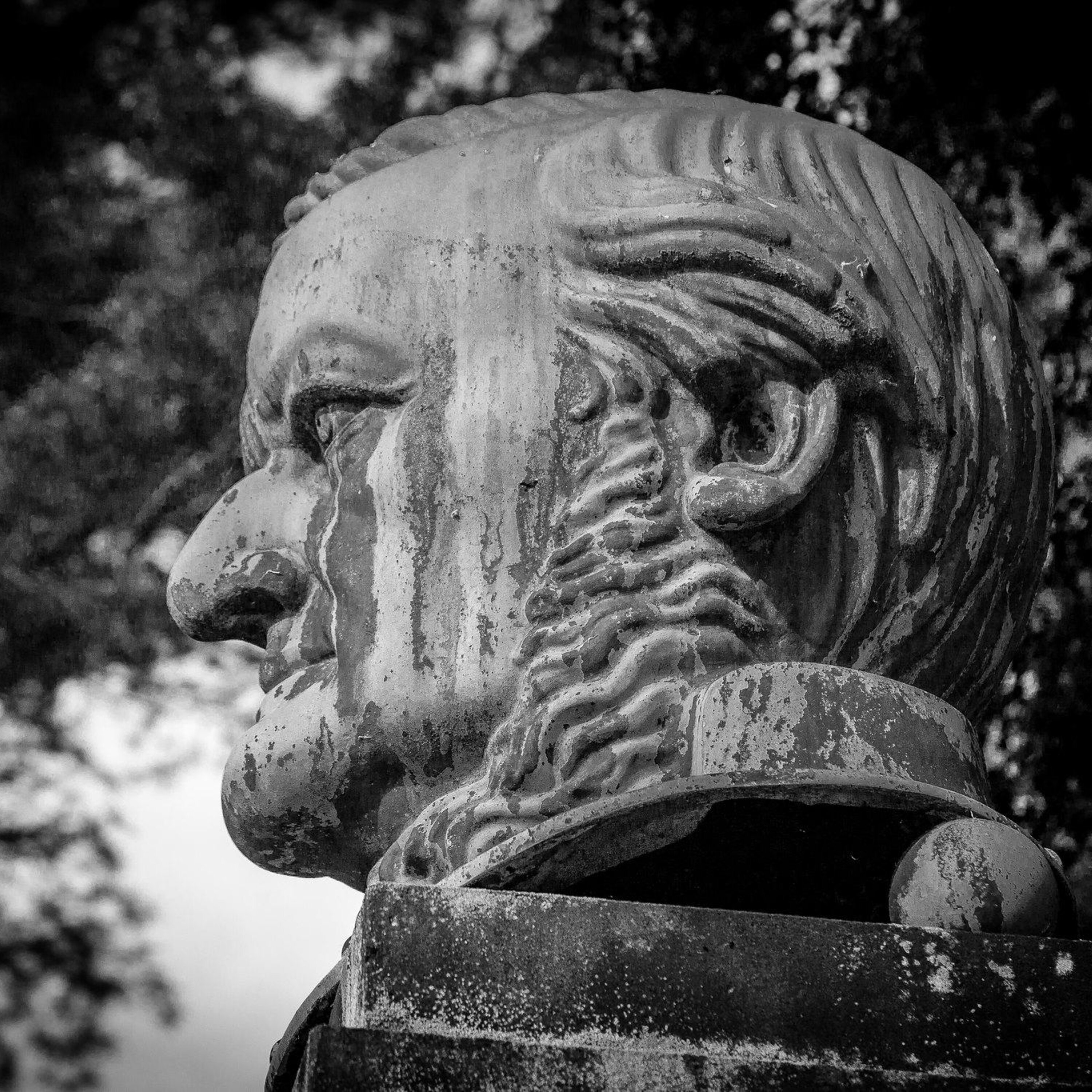
The New Yorker's Alex Ross On 'Wagnerism'
Nietzsche called Richard Wagner "a volcanic eruption of the total undivided artistic capacity of nature itself," and Thomas Mann said he was "probably the greatest talent in the entire history of art." More than a thousand movies have Wagner on their soundtracks, including classic scenes from Apocalypse Now, The Blues Brothers, Bugs Bunny cartoons, and Charlie Chaplin. But, there's a reason Woody Allen says too much of Wagner's music gives him "the urge to conquer Poland." Wagner is nothing if not a problematic figure. As the new book Wagnerism: Art and Politics in the Shadow of Music puts it, "An artist who might have rivaled Shakespeare in universal reach is undone by an ideology of hate." This hour, a look at Wagnerism with New Yorker music critic Alex Ross. GUESTS: Steve Metcalf - Director emeritus of the University of Hartford's Presidents' College Alex Ross - Music critic at The New Yorker and the author of Wagnerism: Art and Politics in the Shadow of Music Join the conversation on Facebook and Twitter. Colin McEnroe and Cat Pastor contributed to this show, which originally aired September 30, 2020.Support the show: http://www.wnpr.org/donateSee omnystudio.com/listener for privacy information.
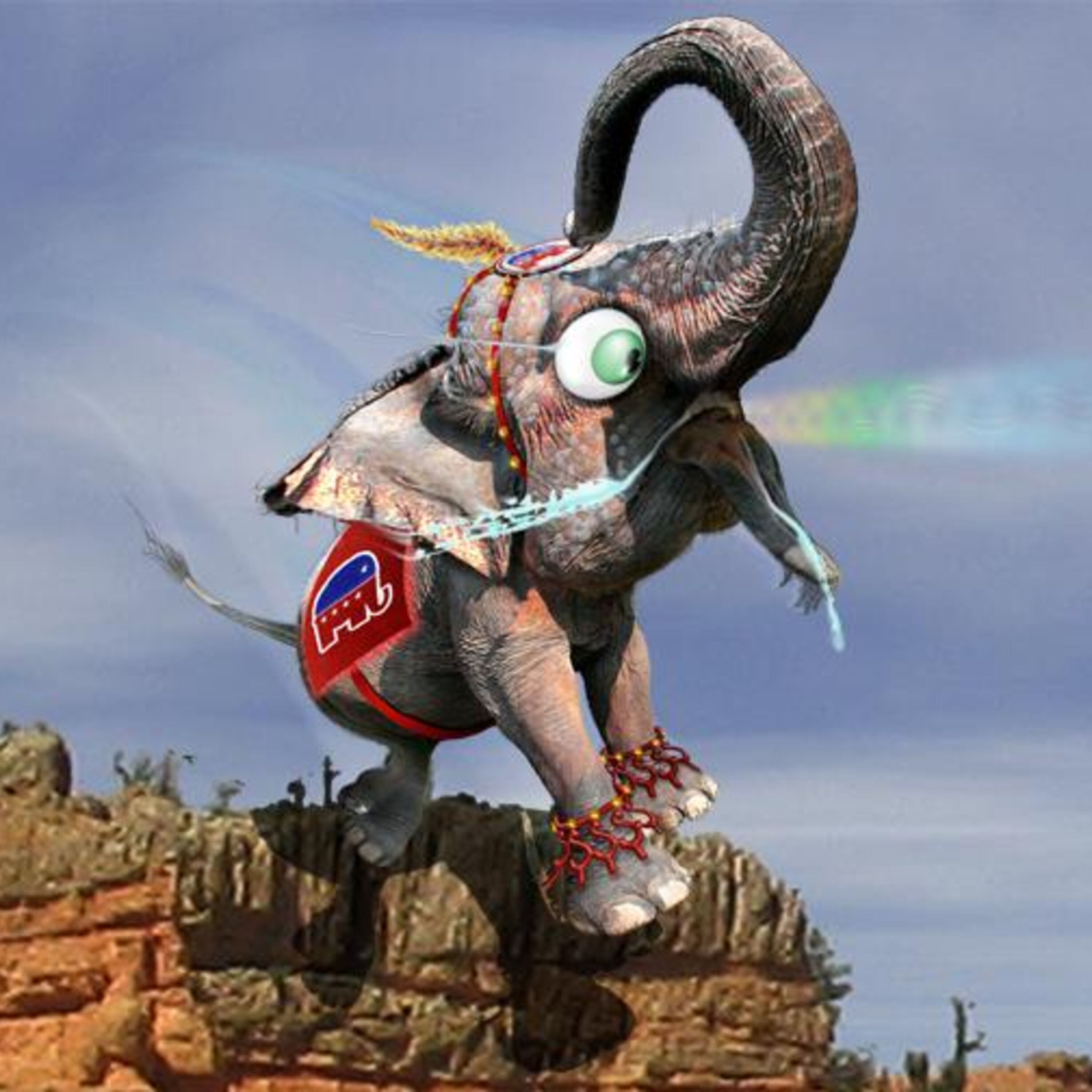
Finding The Soul Of The Republican Party; And, Politics In 2021
President Trump kept Georgia Secretary of State Brad Raffensperger on the phone for an hour Saturday, using a combination of cajoling, lies, and threats to encourage him to “find” enough votes to overturn the election. All 10 living former defense secretaries stressed in an op-ed for the Washington Post published yesterday that: “The time for questioning the results has passed; the time for the formal counting of the electoral college votes, as prescribed in the Constitution and statute, has arrived.” Yet, eleven Republican senators and senators-elect and 140 House Republicans plan to vote against the joint session of Congress scheduled for Wednesday where President-elect Joe Biden’s victory is expected to be certified. Has the Republican Party lost its soul? Lastly, how will the political power dynamics in Washington play out in 2021? GUESTS: Peter Wehner is a senior fellow at the Ethics and Public Policy Center and a contributing writer at The Atlantic and The New York Times. He’s the author of The Death of Politics: How to Heal Our Frayed Republic After Trump. He served in the three previous Republican Administrations. John Harris is the co-founder of Politico and the author of The Survivor: Bill Clinton in the White House. He writes the Altitude column for Politico. Join the conversation on Facebook and Twitter. Support the show: http://www.wnpr.org/donateSee omnystudio.com/listener for privacy information.
The Best Jazz Of 2020
To round out the year, we round up the best jazz of the year. We've done this every year for at least the last seven years. Here are our 2020 picks: "Kurinji" by Jen Allen featuring Kris Allen, Marty Jaffe, and Kush Abadey, from Sifting Grace "The Sidewinder" by Artemis, from Artemis "Dream Without Me" by Noah Baerman & Friends, from Love Right "Inner Child" by Chris Dingman featuring Linda May Han Oh and Tim Keiper, from Embrace "The Well" by Endless Field, from Alive in the Wilderness "AKA Reggie" by Wayne Escoffery, from The Humble Warrior "I Can't Remember Love" by Anna Hauss, Robert Wienröder & William Horberg, from Music from the Netflix Limited Series The Queen's Gambit "La Mesha" by Jimmy Heath featuring Wynton Marsalis, from Love Letter "Spiral" by Dan Liparini, from Tessellations "Data Lords" by Maria Schneider Orchestra, from Data Lords "More?" by Joel Ross, from Who Are You? "Piggy Bank for Charity" by Sax & Taps, from Intersplosion! (Live at Dizzy’s Club) GUESTS: Jen Allen - A pianist, composer, arranger, and educator; her new album is Sifting Grace Noah Baerman - A pianist, composer, and educator; his new album is Love Right Gene Seymour - A film, television, and music critic Join the conversation on Facebook and Twitter. Colin McEnroe and Cat Pastor contributed to this show.Support the show: http://www.wnpr.org/donateSee omnystudio.com/listener for privacy information.
The Nose Says Goodbye To 2020
2020 was … not great. But, from a pop culture point of view, it wasn't so bad either. I mean, we got the Hamilton movie, The Queen's Gambit, the final season of Schitt's Creek, David Byrne's American Utopia, the Borat sequel, "WAP," I May Destroy You, Tiger King, two new Taylor Swift albums, Ma Rainey's Black Bottom… The list goes on. This hour, The Nose looks back at the year in pop culture that was 2020. Some other stuff that happened this week, give or take: French designer Pierre Cardin, licensing pioneer, dies at 98 What the Hole Is Going On?The very real, totally bizarre bucatini shortage of 2020. This Lawsuit Goes to 11The creators of This is Spinal Tap, the most influential mockumentary ever made, have been paid almost nothing. The rock gods are angry. Wait, What's Going on With Hilaria Baldwin? The 16 Best Ambient Albums of 2020Whether offering solace, transport, or simple numbness, these albums perfectly suited a year of lockdown. The 15 Best Crime Movies of 2020Heists, embezzlement attempts, and temporally-warped espionage will help end the year on a good note. The 39 Most Anticipated Movies of 2021 GUESTS: Rebecca Castellani - Handles social media marketing and event planning for Quiet Corner Communications Taneisha Duggan - Artistic producer at TheaterWorks Sam Hadelman - Host of The Sam Hadelman Show at Radio Free Brooklyn Irene Papoulis - Teaches writing at Trinity College Mercy Quaye- Founder and principal consultant for The Narrative Project and a columnist with Hearst Connecticut Media Group Bill Yousman - Professor of Media Studies at Sacred Heart University Join the conversation on Facebook and Twitter. Colin McEnroe and Cat Pastor contributed to this show.Support the show: http://www.wnpr.org/donateSee omnystudio.com/listener for privacy information.
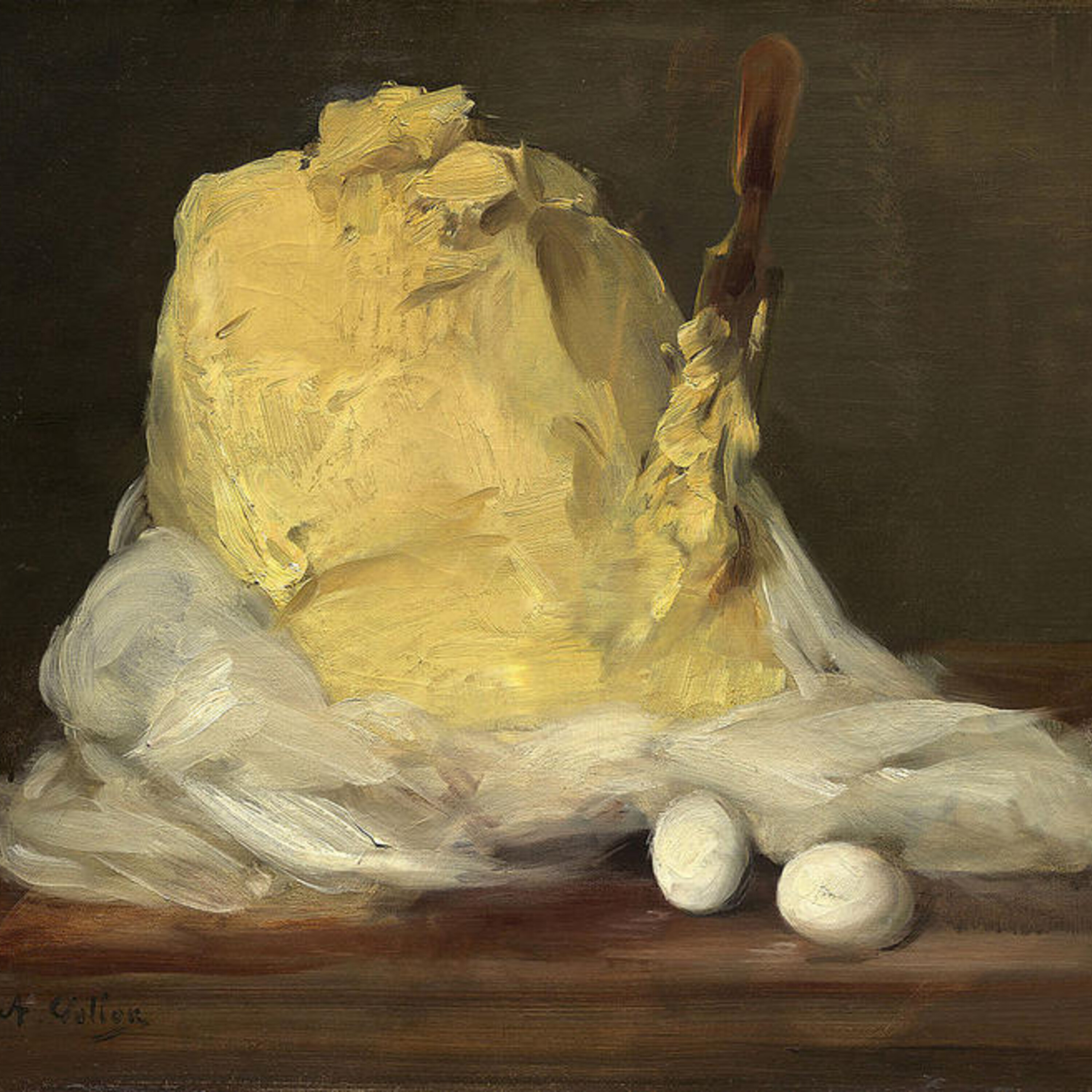
The Battle For Butter
We tend not to think much about that pat of butter we put on our morning toast, including how the store-bought sweet cream butter we're eating likely pales in comparison to the rich, nutty flavor of the cultured butter not found in many stores. Nor, do we think about butter sculpture, butter bogs, pleasure dairies, or the dairymaids, those once respected and well-paid artisans and economic powerhouses of our nations earliest days. We definitely don't think about the nationwide 'war' between butter-loving dairy farmers and the margarine industry. It led to smear campaigns, state laws against margarine, and a ruling by the Supreme Court that led to pink margarine. You may not even know it's okay to eat butter again after decades of being told to stay away from the death-inducing fats found in butter. So, go ahead and eat that toast with butter. Today, a show about butter. GUESTS: Elaine Khosrova - Author of Butter: A Rich History, a former pastry student at Culinary Institute of America and a former test kitchen editor at Country Living magazine Doug Moe - Wisconsin-based author and journalist who has written for newspapers and magazines for almost 40 years Adeline Druart - President of Vermont Creamery. Adeline brings her knowledge of butter-making to Vermont from her home country of France You can join the conversation on Facebook and Twitter. Colin McEnroe and Chion Wolf contributed to this show.Support the show: http://www.wnpr.org/donateSee omnystudio.com/listener for privacy information.
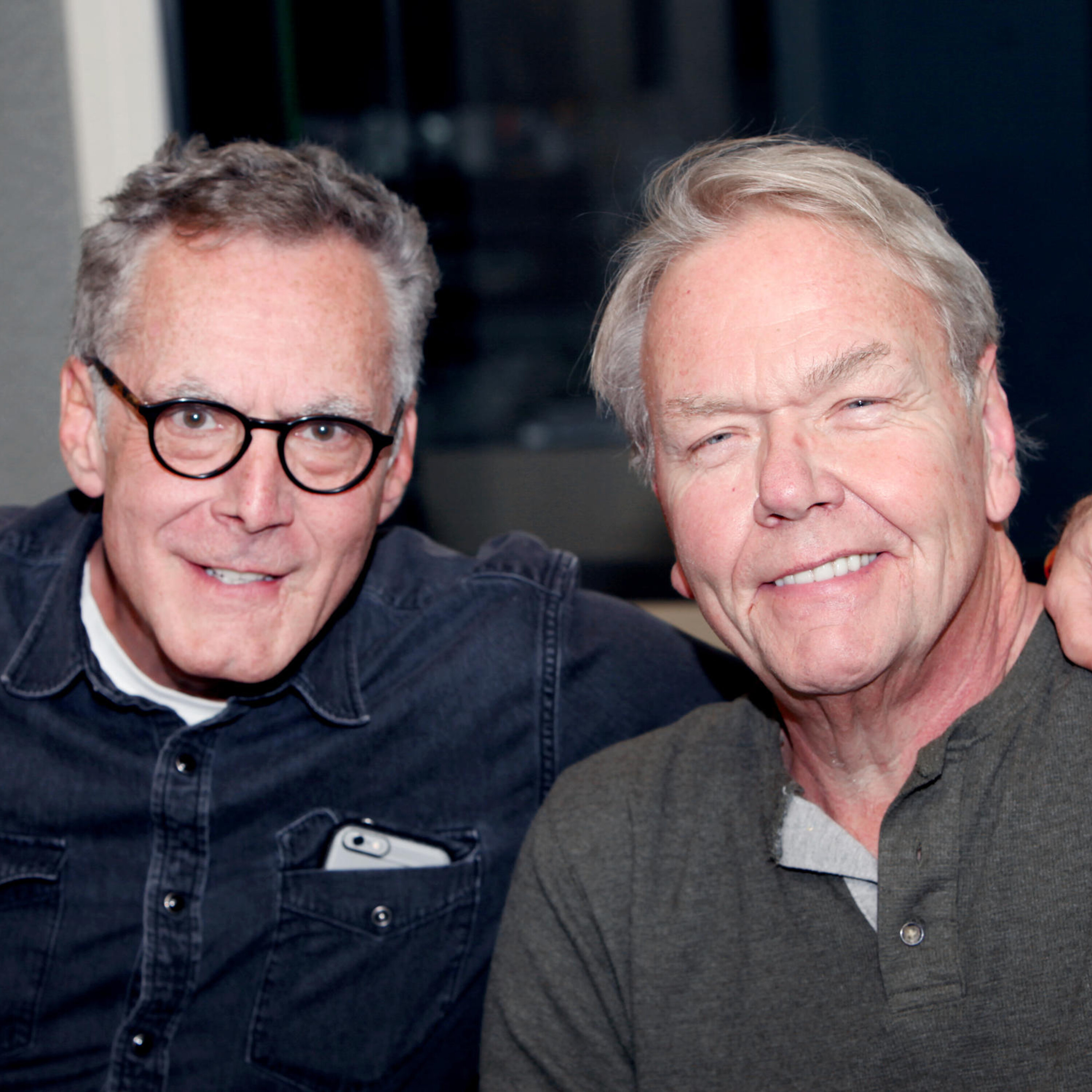
Our 2020 Holiday Spectacular With 'Big Al' Anderson, Jim Chapdelaine, And Friends
Toward the end of every year since 2014, we've picked a day and put "Big Al" Anderson, Jim Chapdelaine, and Colin in a room together, sung some songs, told some stories, and wound up with some sort of a holiday special. The "in a room together" part of that is essential… and just not going to happen in 2020. So, in lieu of doing a new show with Al and Jim, this year we've gone through all six of the previous shows we've done and pulled out some of the best songs -- 11 of them, no less -- and some of the best guest appearances and some of the other best bits and bobs and we've added a brand-new version of an age-old Big Al song that Al and Jim sent along special. And we've wound up with this sort of best-of edition of our annual holiday spectacular. Just 'cause we can't all get in a room together doesn't mean you can't have an hour of our nonsense to put on in the background on Christmas Eve or New Year's Eve or whatever Eve you want. Happy holidays from us to you. GUESTS: Al Anderson - Vocals, guitar, songwriter Jim Chapdelaine - Guitar and vocals Lorne Entress - Drums and vocals Paul Kochanski - Bass guitar and vocals Nekita Waller - Connecticut's 17th state troubadour Chion Wolf - Host of Audacious with Chion Wolf on Connecticut Public Radio Join the conversation on Facebook and Twitter. Colin McEnroe, Gene Amatruda, Betsy Kaplan, and Cat Pastor contributed to this show.Support the show: http://www.wnpr.org/donateSee omnystudio.com/listener for privacy information.
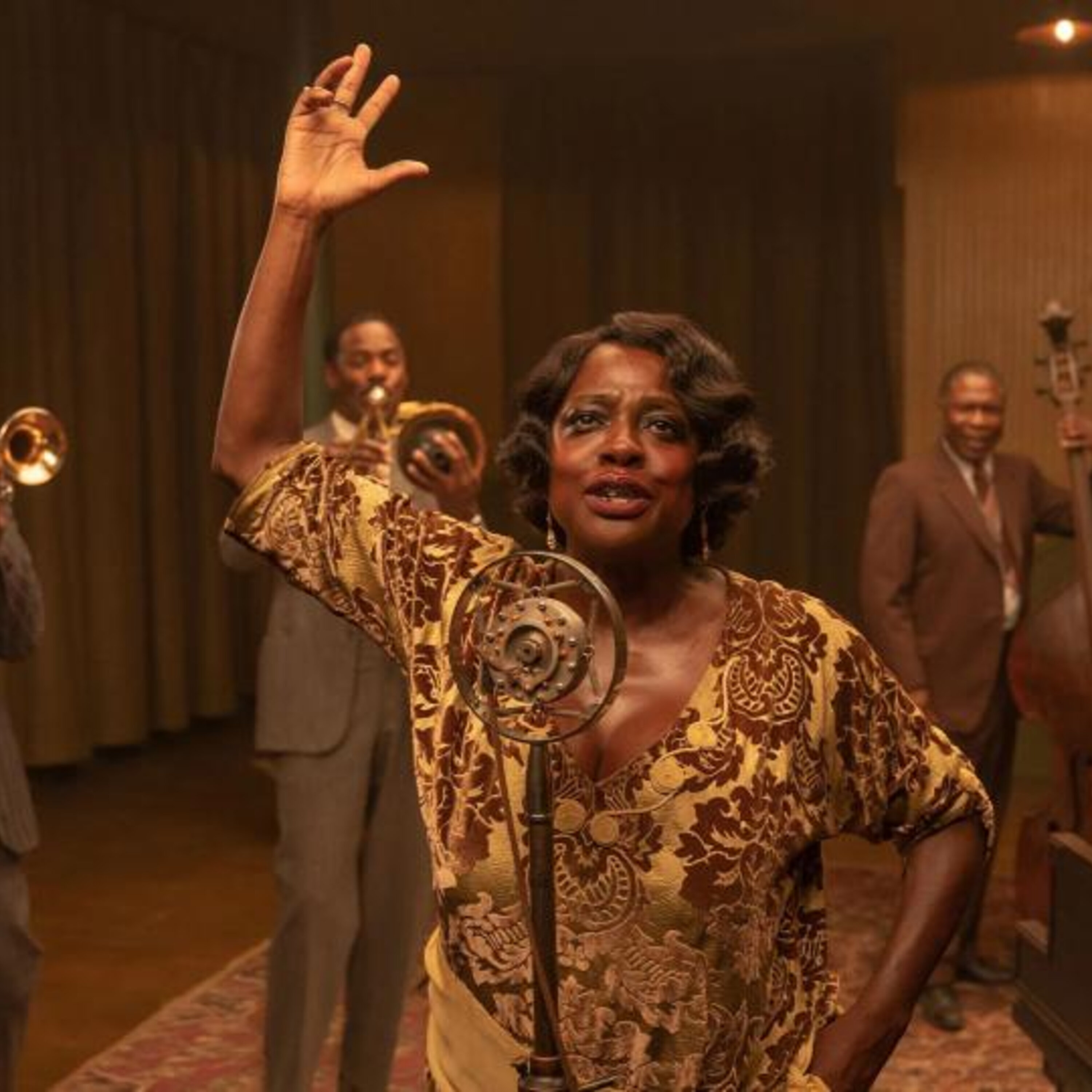
The Nose Hasn't Happened Yet: 'Ma Rainey's Black Bottom' And 'Tenet'
Primary tabs View(active tab) Edit The Nose Hasn't Happened Yet: 'Ma Rainey's Black Bottom' And 'Tenet'By JONATHAN MCNICOL • 1 HOUR AGOThe Colin McEnroe ShowShareTweetEmail Chadwick Boseman, Colman Domingo, Viola Davis, Michael Potts, and Glynn Turman in 'Ma Rainey's Black Bottom.'NETFLIX, INC. Ma Rainey's Black Bottom is George C. Wolfe's film adaptation of the August Wilson play. It stars Viola Davis in the title role and Chadwick Boseman in his final film performance, and it's available to stream on Netflix. Christopher Nolan's Tenet was the first tentpole movie to be released in theaters during the pandemic. It did okay business (it's currently the third-highest grossing film of 2020), but nothing like what Warner Bros. would've hoped for in a normal time. It's still in theaters, and it's now available to buy on physical disc or from digital platforms. It will be available to rent digitally in January. Some other stuff that happened this week, give or take: John le Carré, Best-Selling Author of Cold War Thrillers, Dies at 89Breaking from the James Bond mold, he turned the spy novel into high art as he explored the moral compromises of agents on both sides of the Iron curtain. Charley Pride, Country Music's First Black Superstar, Dies at 86He began his career amid the racial unrest of the 1960s and cemented his place in the country pantheon with hits like "Kiss an Angel Good Mornin'." Ann Reinking, Tony Winner and Star of Broadway's 'Chicago,' Dies at 71 Pantone Picks Two Colors of the Year for 2021It's all about the messaging. Get ready for a brighter future. Here's a Complete List of Updated Marvel, Lucasfilm, Pixar, and Disney Animation Release Dates Snoop Dogg Doesn't Agree With Cardi B's "Wap," Encourages Women to Have Privacy and Leave Things to the Imagination Jon Bon Jovi's sappy cover of a Pogues' holiday classic just 'ruined' Christmas, says the Pogues American Master Bedrooms Should Just Split Up Already No, I Am Not Getting Rid of My Thousands of CDsOur chief classical music critic writes in praise of going to a shelf, pulling out a recording and sitting down to listen. Cleveland's Baseball Team Will Drop Its Indians Team NameThe decision comes amid a wider push for sports teams to stop using Native American names and imagery as team names and mascots. MLB Is Finally Recognizing the Negro Leagues as the Major Leagues They Always WereNegro League statistics from 1920 to 1948 will now be officially classified as "major league," marking a long-overdue acknowledgment of the accomplishments of players who didn't have the opportunity to play in the American or National Leagues Every Steven Soderbergh Movie, Ranked Taylor Swift's deeply affecting evermore continues folklore's rich universe-building Christopher Walken Says He's Never Owned a Computer or Cell Phone TOM CURSE: Raging Tom Cruise warns Mission: Impossible crew they're 'f***ing gone' if they break COVID rules on set Tom Cruise rant dubbed into classic 'Rudolph' clip on Twitter Lin-Manuel Miranda Is Hopeful for Broadway's Return 'Heroes' Was Supposed to Be Leonard Roberts' Big Break. Instead, It Nearly Broke Him. Cyberpunk 2077 Was Supposed to Be the Biggest Video Game of the Year. What Happened?Nearly a decade of hype led to a troubled release riddled with glitches, a livid fan base, refunds for potentially millions of players and a possible class-action lawsuit. John Mulaney Checks Into Rehab The Journalist and the Pharma BroWhy did Christie Smythe upend her life and stability for Martin Shkreli, one of the least-liked men in the world? It Took a Global Pandemic, But Generation X is Finally Getting LoveSorry Boomers and Too Bad Millennials -- Only One Generation Stands Out as Social Distancing Pros A Close Reading of Ariana Grande's Engagement AnnouncementIn an extremely 2020 move, Ms. Grande got quarantine-engaged and announced it in an Instagram photo dump. MGM Is Exploring a Sale of Its Studio Trump Sets 'Beautiful' as the New Standard for Federal Buildings Golden Globes Switch 'Promising Young Woman' to Drama, Maria Bakalova Moved to Lead for 'Borat'Other HFPA changes include the men of "One Night in Miami" and "Hamilton" accepted into the film categories. GUESTS: Tom Breen - A film critic and reporter for the New Haven Independent and host of WNHH radio's Deep Focus Mercy Quaye - Founder and principal consultant for The Narrative Project and a columnist with Hearst Connecticut Media Group Join the conversation on Facebook and Twitter. Colin McEnroe and Cat Pastor contributed to this show.Support the show: http://www.wnpr.org/donateSee omnystudio.com/listener for privacy information.
Kurt Andersen On The Unmaking Of America
Kurt Andersen's last book, Fantasyland, looks at America's "centuries-old weakness for the untrue and irrational, and its spontaneous and dangerous flowering since the 1960s" and how it got us where we are today. His new book, Evil Geniuses, is a kind of sequel, a companion. It's a parallel history, really, that looks more closely at "the quite deliberate reengineering of our economy and society since the 1960s." This hour, public radio great Kurt Andersen on "the unmaking of America." GUEST: Kurt Andersen - Co-founded Spy magazine and he was the host and co-creator of Studio 360; his newest book is Evil Geniuses: The Unmaking of America — A Recent History Join the conversation on Facebook and Twitter. Colin McEnroe and Cat Pastor contributed to this show, which originally aired September 23, 2020.Support the show: http://www.wnpr.org/donateSee omnystudio.com/listener for privacy information.

America's Defenses Are Being Tested By Cyberattacks and Electoral Dysfunction
It could be months or years before the US government knows the full extent of last week's sophisticated cyberattack that targeted private tech and security companies and federal agencies like the Energy Department and National Nuclear Security Administration. President Trump dismissed the significance of the attack, tweeting that "everything was under control." He refused to criticize Russia for the attack, claimed without evidence that it could be China, and contradicted Secretary of State Mike Pompeo's acknowledgement of Russian involvement. Yet, the President continues to fight the election results and has considered declaring martial law to overturn the election. Also this hour: The FDA says it's time to deregulate the ingredients in French dressing and frozen cherry pies. GUESTS: Josphine Wolff is assistant professor of cybersecurity policy at The Fletcher School at Tufts University. She's the author of, You'll See This Message When It Is Too Late: The Legal and Economic Aftermath of Cybersecurity Breaches. Lawrence Douglas is the James J. Grosfeld Professor of Law, Jurisprudence and Social Thought at Amherst College. He’s the author of seven books; his most recent is Will He Go? Trump and the Looming Electoral Meltdown in 2020 Michael Levenson reports for The New York Times, Express Desk. Join the conversation on Facebook and Twitter. Support the show: http://www.wnpr.org/donateSee omnystudio.com/listener for privacy information.
We Like To Watch
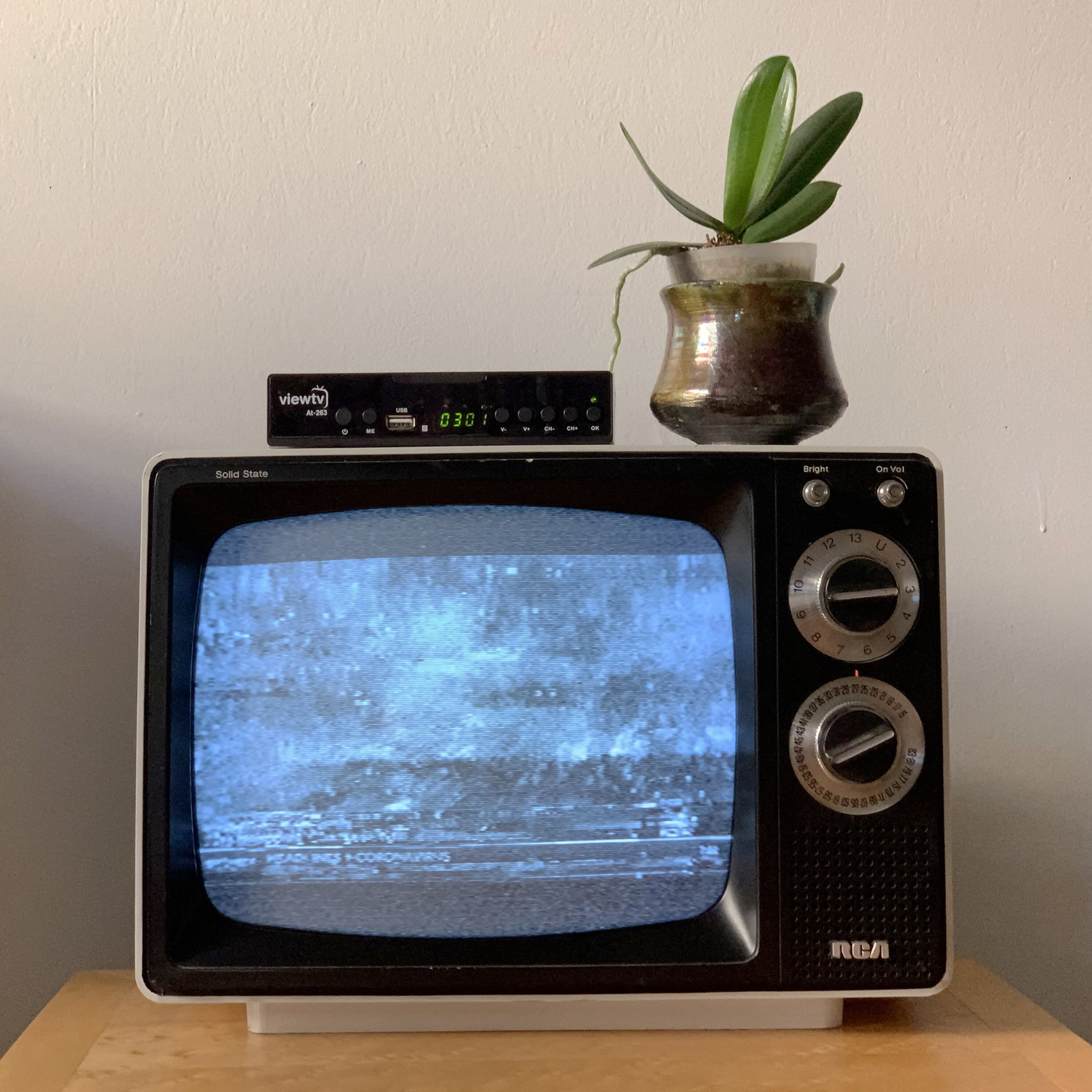
For decades, we didn't take television seriously. We saw it as ephemeral, as "chewing gum for the eyes," as, literally, furniture. And then, around the turn of the century, things started to change. There was The Sopranos. The Wire. And, at the same time, shows like Big Brother and The Amazing Race. For Emily Nussbaum, it was Buffy the Vampire Slayer that forever changed her take on television. This hour: A serious appraisal of television with The New Yorker's television critic. GUEST: Emily Nussbaum - Television critic for The New Yorker and the author of I Like To Watch: Arguing My Way Through the TV Revolution Join the conversation on Facebook and Twitter. Colin McEnroe and Cat Pastor contributed to this show, which originally aired July 15, 2020.Support the show: http://www.wnpr.org/donateSee omnystudio.com/listener for privacy information.
(Un)Erasing Native American Culture
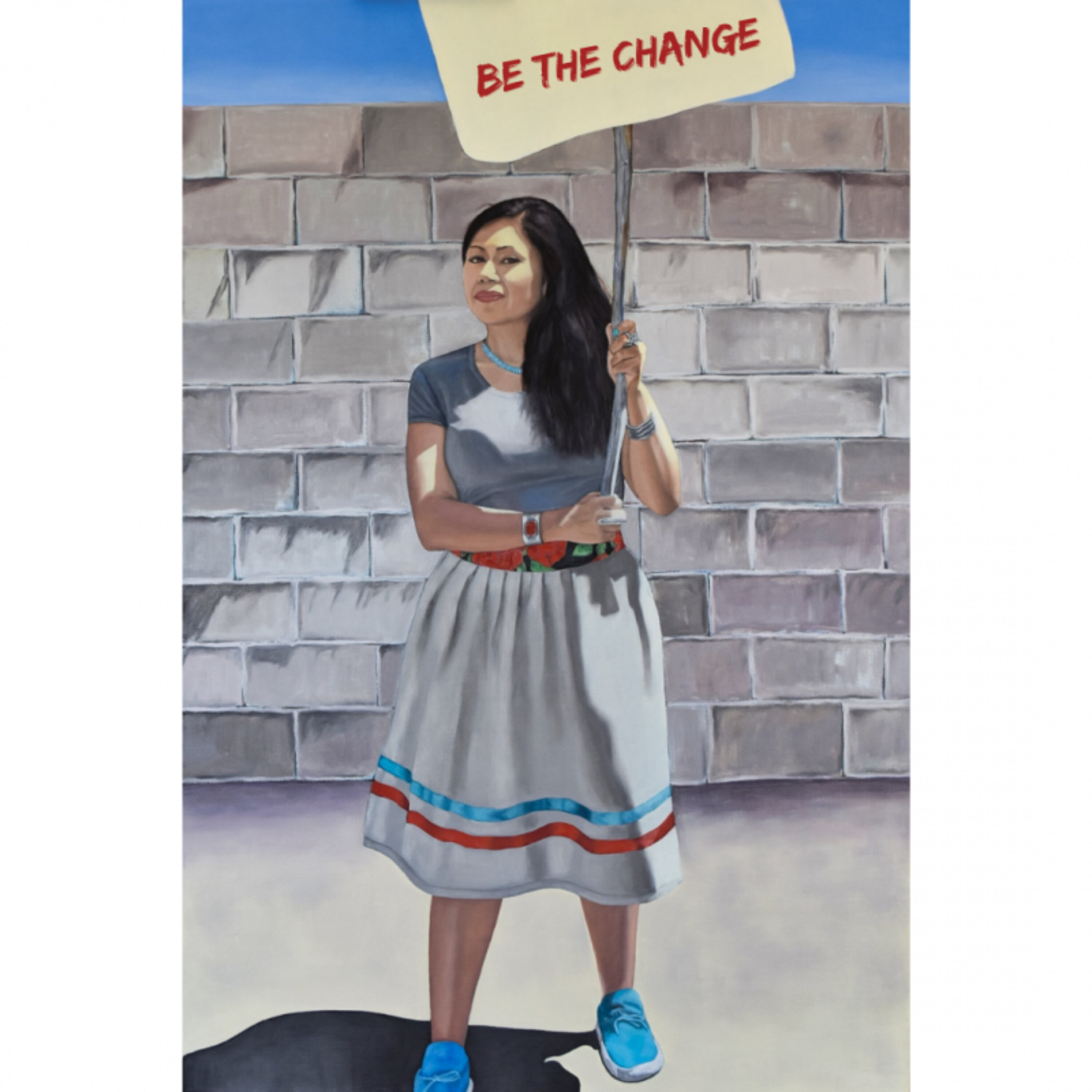
Native Americans exerted their political power in the 2020 election. A record-breaking six Native-Americans were elected to Congress and Native American votes tipped the scales in Arizona - which went blue for only the second time in seventy years. And U.S. Representative Deb Haaland (D-NM) is on President-elect Biden's short list to be Secretary of the Interior. Native Americans made big gains in the 2020 election. Yet, Native Peoples are still largely invisible in American culture. Centuries of "colonialism" that separated Indigenous People from their families, their culture, and their land, led to intergenerational trauma from which they are still recovering. Yet, they remain resilient against continued attacks on their land and a trail of broken promises. Today, we look at the emerging power of Native Americans in the context of centuries of systemic racism and cultural erasure. GUESTS: Sara Sinclair is an oral historian of Cree-Ojibwa descent. She is the editor of the Voice of Witness oral history collection How We Go Home: Voices from Indigenous North America. Sara teaches in the Oral History Masters Program at Columbia University. Robert Ornelas is T/ijua Apache. He worked at the New York City Ballet and as a substance abuse counselor Tara Benally is of Hopi descent. Her family was raised by Navajo. She is a field director at Utah Rural Project Support the show: http://www.wnpr.org/donateSee omnystudio.com/listener for privacy information.

Considering Kubrick
2001: A Space Odyssey. Dr. Strangelove or: How I Learned To Stop Worrying and Love the Bomb. A Clockwork Orange. The Shining. Full Metal Jacket. Spartacus. Eyes Wide Shut. This hour, a careful consideration of the filmmaker Steven Spielberg called "the best in history": Stanley Kubrick. GUESTS: James Hanley - Co-founder of Cinestudio at Trinity College David Mikics - Author of Stanley Kubrick: American Filmmaker Lila Shapiro - Senior reporter at New York magazine and Vulture, where she published "What I Learned After Watching Eyes Wide Shut 100 Times" Join the conversation on Facebook and Twitter. Colin McEnroe and Cat Pastor contributed to this show, which originally aired in a different form September 2, 2020.Support the show: http://www.wnpr.org/donateSee omnystudio.com/listener for privacy information.

An Ode To Yodeling
What is yodeling, anyway? Some consider it singing, some say it's an ululation, and still others consider it merely a means to herd animals. Whatever yodeling is, one's thing clear: Yodeling has been around for thousands of years and shows no signs of disappearing. This hour we speak with a musicologist, a DJ, and a professional singer about this age-old vocal practice. We'll trace yodeling's history from its humble, utilitarian roots to its place in modern day pop music and beyond. GUESTS: Bart Plantenga - Amsterdam based writer, radio DJ, and expert on yodeling; author of several books including Yodel in Hi-Fi: From Kitsch Folk to Contemporary Electronica Timothy Wise - Senior lecturer in musicology at the University of Salford, England; author of Yodeling and Meaning in American Music Roger Tincknell - Massachusetts-based cowboy yodeler, musician, and traveling performer Chion Wolf - Host of WNPR's Audacious with Chion Wolf Join the conversation on Facebook and Twitter. Colin McEnroe contributed to this show, which originally aired October 10, 2017.Support the show: http://www.wnpr.org/donateSee omnystudio.com/listener for privacy information.
President Trump's Failed Coup; The Voice Of America Is Under Siege
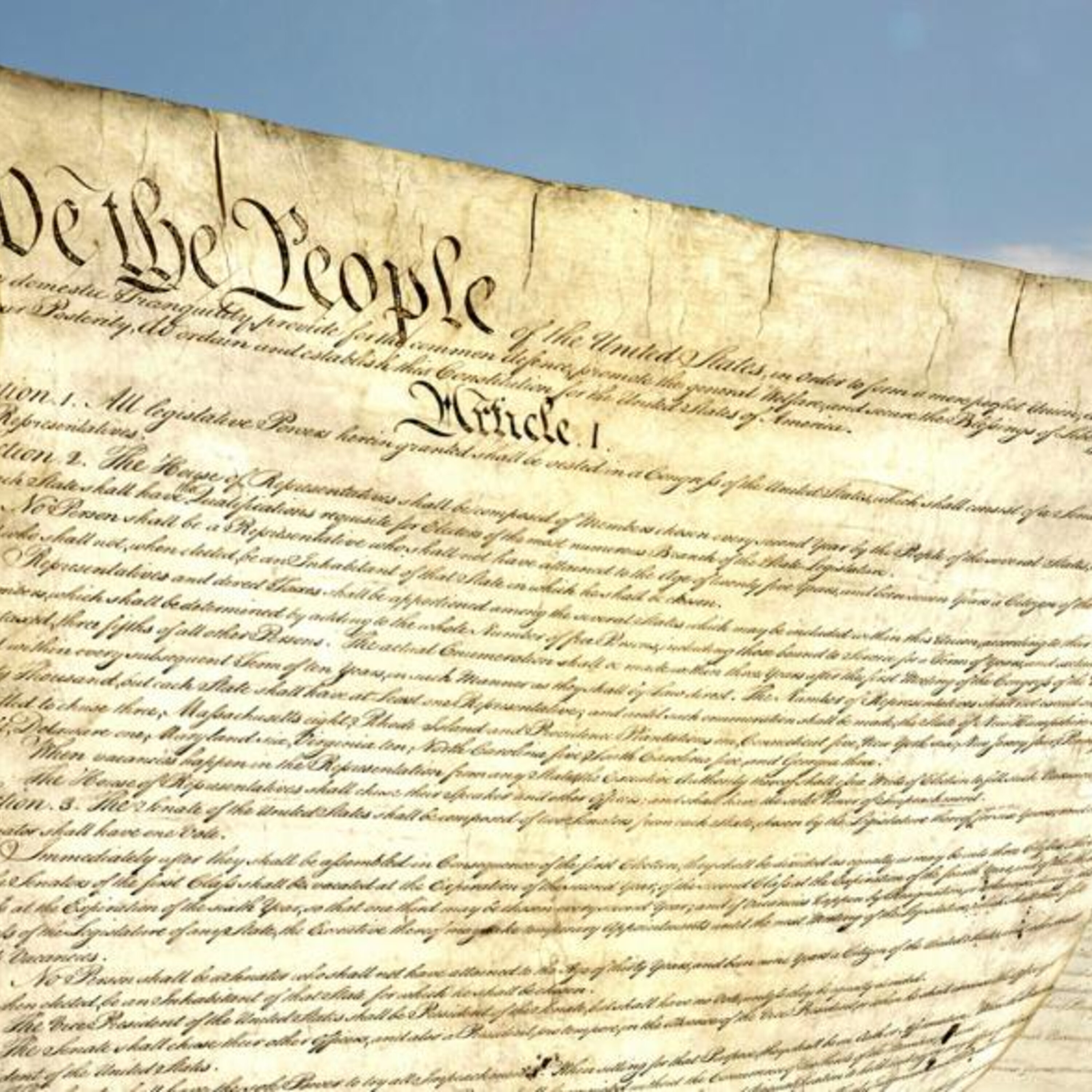
Each state's slate of electors will cast their votes for president and vice-president today. President Trump won't win today. Nor will he win in the final Congressional certification on January 6, despite talk among some Republican legislators about plans for some type of electoral coup during the final vote count. Trump and his supporters are retreating deeper and deeper into an alternate reality where they can collectively will things to be the way they want them to be. At some point, Americans will have to start sharing the same reality again or reckon with the outcome. If we downplay anti-democratic behavior by a sitting president and leaders of a major political party, even if they didn't pull it off, we normalize it and invite future attempts by someone more competent. Also this hour: the ongoing assault against Voice of America. GUESTS: Dahlia Lithwick writes about the courts and the law for Slate and hosts the podcast Amicus. Margaret Sullivan is a media columnist for The Washington Post and the author of Ghosting the News: Local Journalism and the Crisis of American Democracy @sulliview Support the show: http://www.wnpr.org/donateSee omnystudio.com/listener for privacy information.

The Nose Has Never Not Been Fired
Mank is David Fincher's feature film portrayal of the writing of Citizen Kane. Gary Oldman plays the title character and Kane screenwriter, Herman J. Mankiewicz. Mank hit Netflix last Friday, and it's already got lots of Oscar buzz. The Godfather: Part III is a movie that was actually nominated for seven Oscars 30 years ago (it didn't win any), and it's the third film in a series that had already won nine Academy Awards, including two Best Pictures. Part III, though, has always been thought of relatively poorly. And so, for its 30th anniversary this month, Francis Ford Coppola has rejiggered it and rereleased it as The Godfather, Coda: The Death of Michael Corleone. This new version is four minutes shorter, starts with a different scene, ends slightly differently ... and is ultimately the same movie. Some other stuff that happened this week, give or take: Stream Taylor Swift's New Album, 'Evermore' Taylor Swift Had A Powerful Message For People Who "Don't Care" About Following COVID Guidelines"If they make it out of this, if they see the other side of it, there's going to be a lot of trauma that comes with that." Bob Dylan Sells His Songwriting Catalog in Blockbuster DealUniversal Music purchased his entire songwriting catalog of more than 600 songs in what may be the biggest acquisition ever of a single act's publishing rights. Harrison Ford to reprise Indiana Jones role for fifth and final movie Disney Just Announced So Much More 'Star Wars'Breaking down the many Force-related developments from Thursday's Investor Day Steven Soderbergh Teases Plans for Limited-Edition Box Set Featuring Seven Remastered FilmsAnd it could be released sooner than you think. GUESTS: Nick Davis - A filmmaker and the author of the forthcoming Competing with Idiots: Herman and Joe Mankiewicz, a Dual Portrait Taneisha Duggan - Producing associate at TheaterWorks James Hanley - Co-founder of Cinestudio at Trinity College Join the conversation on Facebook and Twitter. Colin McEnroe and Cat Pastor contributed to this show.Support the show: http://www.wnpr.org/donateSee omnystudio.com/listener for privacy information.
How Will We Know If Society Is On the Verge Of Collapse?
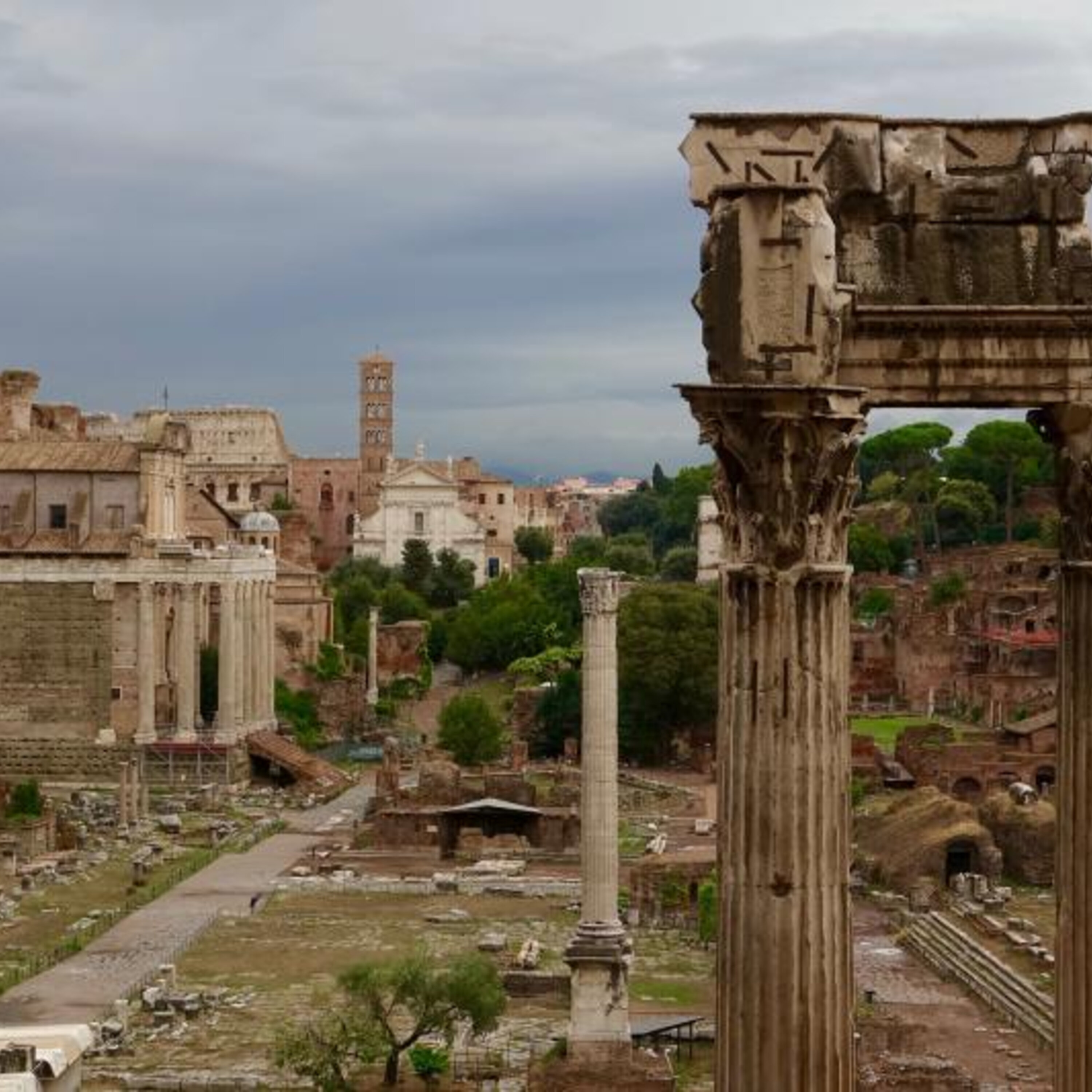
Are we on the verge of societal collapse? We tend to worry about the big explosive stuff like nuclear war, asteroids, and solar flares when we consider end-of-the-world-as-we-know-it scenarios. The reality is that most "fallen" civilizations gradually decline over many decades with a banality that can barely register. We often remember the decline of civilizations as the fault of poor leaders or natural disasters but it's more like death from a thousand cuts from conditions like inequality, corruption, and political dysfunction. That's (partly) what happened to the Roman Empire. And most civilizations don't "collapse." They adapt and transform and take their culture with them. The Maya civilization is the archetype of a “collapsed” civilization, ingrained through popular and scholarly literature. That's not really what happened and millions of Maya descendants are alive to talk about it. Today, we talk about societal collapse and whether we'll know if we're in it. GUESTS: Martin Rees is the Astronomer Royal and a member of the House of Lords. He’s the co-founder of the Centre for the Study of Existential Risk at the University of Cambridge. His latest book is On the Future: Prospects for Humanity. Patrick Wyman is the host of the “Tides of History,” and the former host of “The Fall of Rome,” podcasts. His book, The Verge, will be published in 2021. Patricia McAnany is a Maya archaeologist and the Keenan eminent professor of Anthropology at the University of North Carolina at Chapel Hill. She is the co-editor with Norman Yoffe, of Questioning Collapse: Human Resilience, Ecological Vulnerability, and the Aftermath of Empire Support the show: http://www.wnpr.org/donateSee omnystudio.com/listener for privacy information.

From Winner To Champion, From Champion To Dynasty
Seventeen AFC East championships. Nine Super Bowl appearances. Six Lombardi trophies. Twenty seasons pairing maybe the greatest head coach in the history of the NFL with maybe the greatest quarterback in the history of the NFL. At the same time, there are words like "spygate." "Deflategate." And even "solicitation in Florida." This hour, a look at one of the all-time great (and all-time most divisive) sports dynasties: the Tom Brady/Bill Belichick/Robert Kraft New England Patriots. GUEST: Jeff Benedict - Special features writer for Sports Illustrated and the author of 16 books; his latest is The Dynasty Join the conversation on Facebook and Twitter. Colin McEnroe and Cat Pastor contributed to this show.Support the show: http://www.wnpr.org/donateSee omnystudio.com/listener for privacy information.
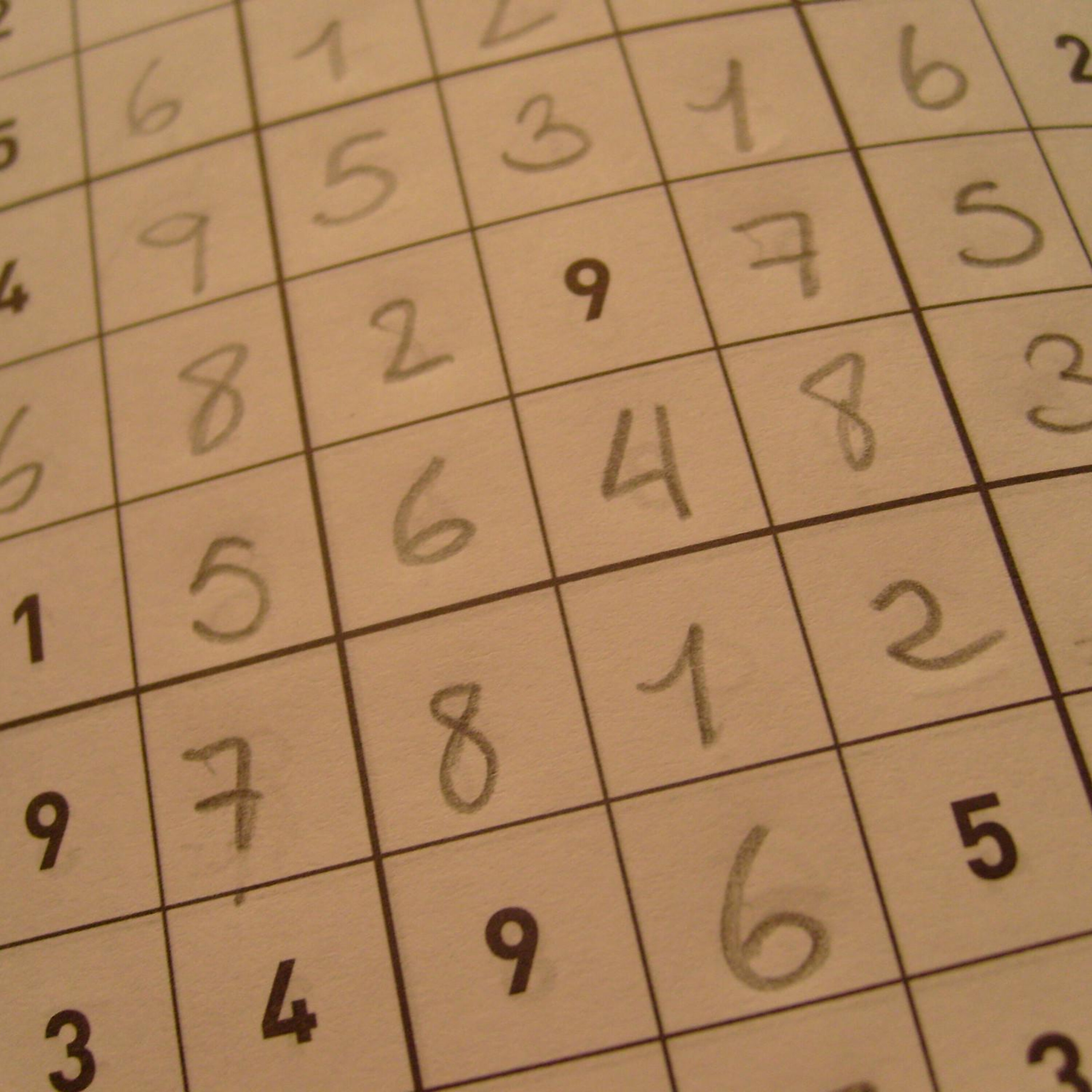
A Look At Logic Puzzles (Like Sudoku!)
In May, I discovered (along with the rest of the internet) a video on YouTube of a guy in his loft in Surrey, England ... solving a Sudoku puzzle. It was intense, a roller-coaster ride, and, ultimately, sublime. Those are not words you might expect someone to use to describe watching a stranger solve a little number puzzle, but here we are. Since I found that video, I've watched that YouTube channel, Cracking the Cryptic, practically every day. Sometimes the videos are riveting. The rest of the time, they're soothing. The channel's 300,000 subscribers and 50 million cumulative views would seem to indicate that I'm not alone in using it as a way to both exercise and relax my mind during this pandemic period. This hour, a look at Sudoku, specifically, and logic puzzles more generally. GUESTS: Simon Anthony - A former U.K. team member in the World Sudoku and World Puzzle Championships and a host of Cracking the Cryptic Jason Rosenhouse - Professor of mathematics at James Madison University and the author of a number of books about math and related topics, including Games for Your Mind: The History and Future of Logic Puzzles Join the conversation on Facebook and Twitter. Colin McEnroe and Cat Pastor contributed to this show, which originally aired August 26, 2020.Support the show: http://www.wnpr.org/donateSee omnystudio.com/listener for privacy information.

The Return of Decency; Vaccine Caution; And, A Run On Christmas Trees
Roger Cohen, a former columnist and current Paris bureau chief for The New York Times, longs for a return to decency - a moral shift away from a Trump Presidency characterized by retreat, self-obsession, and a lack of respect for truth or decency. He welcomes the tenor he anticipates President-elect Biden will bring to the White House, but cautions against a return to the status quo. Too much has changed that still threatens liberalism and the Western alliance. Also this hour: The Trump Administration is not happy that the FDA failed to approve a coronavirus vaccine before the UK did it first. The President's prior interference in FDA decisions led to public resistance against any vaccine they feared was tainted by politics. Are they doing it again? Lastly, there's a national run on Christmas trees this year akin to the run on toilet paper in the spring. Even people who don't usually purchase a real tree seem to want one this year. GUESTS: Roger Cohen runs the Paris bureau for The New York Times. He's also the author of several books, including his family memoir, "The Girl From Human Street: Ghosts of Memory in a Jewish Family." Dan Diamond investigates health care politics and policy for Politico. He co-authors “Politico Pulse,” and hosts Politico’s “Pulse Check” podcast. Kathy Kogut is president of the Connecticut Christmas Tree Growers Association Join the conversation on Facebook and Twitter. Support the show: http://www.wnpr.org/donateSee omnystudio.com/listener for privacy information.
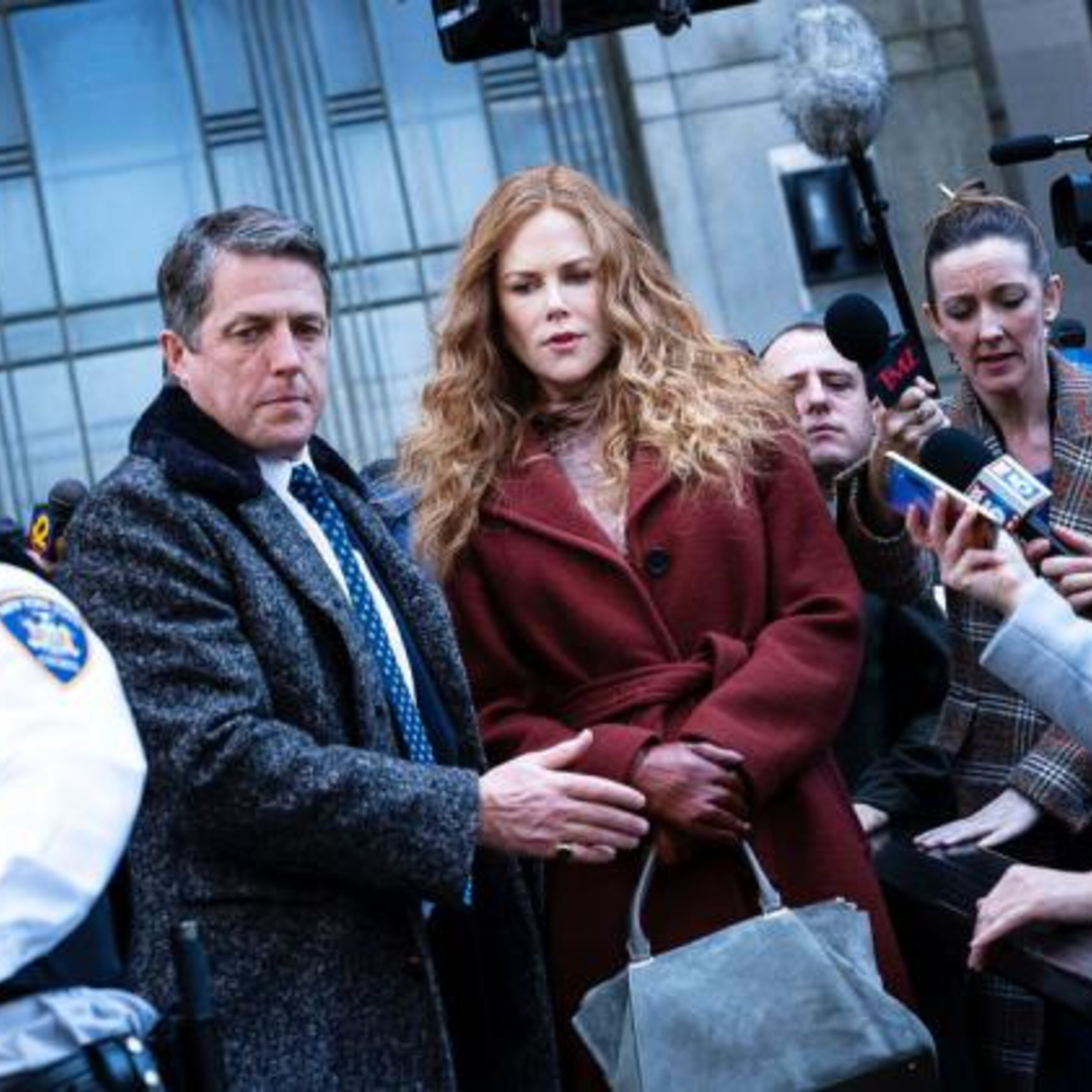
The Nose Thinks Schenectady Sounds Terrible, Even Phonetically
Warner Bros. announced Thursday that all of its movies for all of 2021 will be available to stream on HBO Max the same day they debut in cinemas. The movie theater chains see this as "doomsday for the theatrical experience." And: Three strange, metal monoliths having been discovered in recent weeks, one each in Utah, Romania, and California. The ones in Utah and Romania have since disappeared, and the one in Utah had stood undiscovered for at least four years before it was found. Finally: The Undoing is a six-part HBO miniseries starring Nicole Kidman and Hugh Grant. Its finale aired Sunday. Some other stuff that happened this week, give or take: David Prowse, Man Behind the Darth Vader Mask, Dies at 85 'Juno' and 'Umbrella Academy' Actor Elliot Page Comes Out as Transgender in Heartfelt Letter"I love that I am trans. And I love that I am queer," Page writes. Elliot Page Will Continue to Star in 'Umbrella Academy,' Netflix Changes Credits on His Past Films John Cleese Sparks Backlash Over Transphobic Tweets in Defense of J.K. Rowling Harry Styles Clapping Back At Candace Owens Is The Content I Needed Today Music Legends Eric Clapton, Van Morrison Team for Anti-Lockdown Single 'Stand and Deliver' Disney+ redesigns Black Panther's opening logo in honor of Chadwick Boseman's birthday I raised my kids on Pixar -- and it has ruined classic cinema for themHaving grown up on Toy Story and Up, this generation has zero tolerance for slow pacing or only mild amusement "Look At What We Love. It's on Fire": Stephen Colbert on Trump Trauma, Leadership, and LossThe late-night host is ready for a little less excitement: "If Joe Biden is a pair of khaki pants inside a manila envelope, that would be great." GUESTS: Rebecca Castellani - Handles social media marketing and event planning for Quiet Corner Communications Carolyn Paine - An actress, comedian, and dancer; founder, director, and choreographer of CONNetic Dance Join the conversation on Facebook and Twitter. Colin McEnroe and Cat Pastor contributed to this show.Support the show: http://www.wnpr.org/donateSee omnystudio.com/listener for privacy information.

Fixing The Norms That President Trump Has Broken
The Trump presidency has exposed many vulnerabilities in the laws and norms that govern presidential behavior. His brazen disrespect demands action to protect against a future president who might build on Trump's playbook. President Trump has flouted norms against conflicts-of-interest and courting foreign interference, abused his pardon power, threatened nuclear war, used the office to attack political foes, the press, and the judiciary, and refused to concede an election that he lost. He's not the first president to abuse presidential power and he's not the only problem. Congress has abdicated too much of the power they once used to better oversee and constrain presidential power. The good news is that we now have an opportunity to codify certain norms most vulnerable to abuse. Do we have the political will? GUEST: Jack Goldsmith is a professor at Harvard Law School, co-founder of Lawfare, and a Senior Fellow at the Hoover Institution. He served as the head of the Office of Legal Counsel during the George W. Bush Administration. Administration. He’s the co-author, with Bob Bauer, of After Trump: Reconstructing the Presidency (@jacklgoldsmith) Support the show: http://www.wnpr.org/donateSee omnystudio.com/listener for privacy information.

America Loves Its Heroes
How we define what it means to be a hero depends a lot on the values shared by the group that's in power at any given time. We're seeing it today in the push and pull over the statues of men whose values no longer reflect the values of a changing community. And time tends to wash away the nuance and complexity of heroes that stand as a symbol of a prior generation. Yet, America loves its heroes, even if only for a time. But we have a way of using the language of "heroism" to sacrifice the very heroes we admire. Many of the essential workers we deemed heroes of the pandemic had to choose between their health and a paycheck. They didn't choose to be heroes. Some didn't want to be. Others were silenced or shamed for speaking out about unsafe conditions. This hour, we talk about what it means to be a hero, and we consider some Connecticut heroes you may not know about. Also, a look at the unlikely hero driven to heroic acts to avoid being labeled a coward. GUESTS: Dahlia Lithwick - Writes about the courts and the law for Slate and hosts the podcast Amicus Chris Walsh - Director of the college of arts and sciences writing program at Boston University and the author of Cowardice: A Brief History Walter Woodward - State historian of Connecticut, the author of Creating Connecticut, and the host of the Grating the Nutmeg podcast Join the conversation on Facebook and Twitter. Colin McEnroe, Jonathan McNicol, and Cat Pastor contributed to this show, which originally aired July 28, 2020.Support the show: http://www.wnpr.org/donateSee omnystudio.com/listener for privacy information.

Mmmm Donuts
Almost everybody has a favorite donut - even if you don't eat a lot of donuts. It's not so much about the donut as it is about how donuts bring people together - to celebrate, to mourn, to share. Donuts have been part of cultures around the world for more than a thousand years, first as a festival special-occasion food, later as an everyday treat. Later still, as a "weapon" in World War I. They're in movies, music, and Twin Peaks. In the words of Homer Simpson, "Mmmm donuts. What's your favorite donut? GUESTS: Michael Krondl - Food writer, culinary historian, artist, and the author of many books including The Donut: History, Recipes, and Lore from Boston to Berlin Miranda Popkey - Freelance writer whose work appears in numerous publications including The Hairpin, New York Magazine, and The New Yorker Collin Sanford - Dentist at Avon Family Dentistry in Avon and the son of Luke Sanford, former owner of Luke’s Donuts in Avon Freda Love Smith - Drummer and founding member of the Blake Babies, lecturer at Northwestern University and the author of her food memoir, Red Velvet Underground Join the conversation on Facebook and Twitter. Colin McEnroe and Jonathan McNicol contributed to this show.Support the show: http://www.wnpr.org/donateSee omnystudio.com/listener for privacy information.

Mmmm Donuts
Almost everybody has a favorite donut - even if you don't eat a lot of donuts. It's not so much about the donut as it is about how donuts bring people together - to celebrate, to mourn, to share. Donuts have been part of cultures around the world for more than a thousand years, first as a festival special-occasion food, later as an everyday treat. Later still, as a "weapon" in World War I. They're in movies, music, and Twin Peaks. In the words of Homer Simpson, "Mmmm donuts. GUESTS: Michael Krondl - Food writer, culinary historian, artist, and the author of many books including The Donut: History, Recipes, and Lore from Boston to Berlin Miranda Popkey - Freelance writer whose work appears in numerous publications including The Hairpin, New York Magazine, and The New Yorker Collin Sanford - Dentist at Avon Family Dentistry in Avon and the son of Luke Sanford, former owner of Luke’s Donuts in Avon Freda Love Smith - Drummer and founding member of the Blake Babies, lecturer at Northwestern University and the author of her food memoir, Red Velvet Underground Join the conversation on Facebook and Twitter. Colin McEnroe and Jonathan McNicol contributed to this show.Support the show: http://www.wnpr.org/donateSee omnystudio.com/listener for privacy information.

Politics, Religion, and Football. (No Peanuts Or Beer)
We are still living in two different realities. President Trump lost the election but still can't concede or admit it, and a high percentage of Republicans say they doubt the results - even though courts have found no evidence to support their claims of fraud. Meanwhile, President-Elect Joe Biden is moving forward with his transition - including talking with foreign leaders, choosing Cabinet members, and planning his first 100 days in office. Can Biden unite us? On a related note: Pope Francis elevated Archbishop Wilton Gregory to be a cardinal for the archdiocese of Washington. He'll be the first African American cardinal in the history of the Catholic Church. The archdiocese of Washington sits the heart of our government and Cardinal Gregory will work with the incoming Biden administration to advance the social justice causes important to both. Lastly, the virus is wreaking havoc on the NFL. GUESTS: Frank Rich is Writer-at-Large for New York magazine and Executive Producer for the HBO series "Succession." (@frankrichny) Michael Sean Winters is a columnist at National Catholic Reporter and a fellow at the Greenberg Center for the Study of Religion in Public Life at Trinity College in Hartford. (@MichaelSWinters) Ken Belson covers the NFL for The New York Times (@el_belson) Join the conversation on Facebook and Twitter. Support the show: http://www.wnpr.org/donateSee omnystudio.com/listener for privacy information.

The Nose Is Ready For Thanksgiving
Last week, President Obama twittered a list of "memorable songs" from his administration. The list was, let's just say, not necessarily well received. Vaguely relatedly: Incoming secretary of state nominee Antony Blinken… has his own "wonk rock" tunes up on Spotify? And: The Liberator is a sort of animated, four-part Netflix miniseries that tells the story of the 157th Infantry in World War II. Some other stuff that happened this week, give or take: Fred Hills, Editor of Nabokov and Many Others, Dies at 85A longtime editor at Simon & Schuster, he brought to market both commercial hits and literary prizewinners and edited more than 50 New York Times best sellers. David Maas, Half of 'Quick Change' Magic Act, Dies of COVID-19Mr. Maas and his wife, who performed lightning-fast costume changes, often appeared on television and were a halftime fixture at N.B.A. and college basketball arenas. Conan O'Brien's Nightly Late-Night Show to End Its Run in 2021 Here's The Deal, Folks: A POTUS Impression Is Harder Than It Looks Baby Yoda Canceled Amid Accusations of GenocideLast week's egg-eating episode of The Mandalorian has led to a disturbance in the Force. For real. Howard Stern: If Trump starts a TV network, it'll fail within a year The Art That Defied the Last Four, Terrible YearsMy mind has slipped anxiously off books and movies since 2016. But as the credits roll on 2020, I'm ready to look back. George Clooney When We Need Him MostThe actor, director, and GQ Icon of the Year is the one thing we can all agree on -- at a time when we can’t agree on anything. Jason Isaacs: 'I'd like to apologise to anyone who met me before I was 30 -- I was a drug addict' David Fincher's Impossible EyeWith 'Mank,' America's most famously exacting director tackles the movie he's been waiting his entire career to make. 98 Million TikTok Followers Can't Be WrongHow a 16-year-old from suburban Connecticut became the most famous teen in America Helicopter pilot finds 'strange' monolith in remote part of UtahState employee spotted mysterious metal structure amid red rocks while counting bighorn sheep John Boyega Had A "Transparent, Honest" Phone Call With Kathleen Kennedy After 'Star Wars' Race Comments Columbus-Free Wooster Square Takes Shape Beyoncé, Taylor Swift and Dua Lipa Dominate 2021 Grammy NominationsThe major categories include some surprising, lesser-known names and notable absences as a Recording Academy in transition plans its pandemic awards show. 'Chappelle's Show' Removed From Netflix at Dave Chappelle's Request The 25 Greatest Actors of the 21st Century (So Far)Chameleons or beauties, star turns or character roles -- these are the performers who have outshone all others on the big screen in the last 20 years. GUESTS: Lucy Gellman - Editor of The Arts Paper and host of WNHH radio's Kitchen Sync Rich Hollant - Principal at CO:LAB, founder of Free Center, and commissioner on cultural affairs for the city of Hartford Join the conversation on Facebook and Twitter. Colin McEnroe and Cat Pastor contributed to this show.Support the show: http://www.wnpr.org/donateSee omnystudio.com/listener for privacy information.

A Long Look at Losing and Lovable (and Loathsome) Losers
As we were preparing for our show on underdogs, I kept saying that we shouldn't overlook the fact that, often, to be an underdog in the first place, you have to be relatively bad at the thing you're an underdog about. The more we talked about it, the more I found myself making the case that losers and losing are fascinating. And they are. There's a whole podcast about political candidates who lost. We romanticize losers in movies and TV and songs and stories. And think just about the phrase "lovable losers." In a culture where we focus seemingly entirely on the positive half of the zero sum, where we endlessly exalt WINNING, it's kind of interesting that we love the losers too, isn't it? This hour, a long look at losers and losing. GUESTS: Jason Cherkis - Political reporter for The Huffington Post and the co-host of Candidate Confessional Josh Keefe - An investigative reporter at the Bangor Daily News; in a piece for Slate's Sports Nut, he claimed that he was the worst high school quarterback ever Irene Papoulis - Teaches writing at Trinity College Brian Slattery - Arts editor for the New Haven Independent and a producer at WNHH radio Join the conversation on Facebook and Twitter. Colin McEnroe and Betsy Kaplan contributed to this show, which originally aired August 1, 2016.Support the show: http://www.wnpr.org/donateSee omnystudio.com/listener for privacy information.

America's Escalating Post-Election Madness
We're almost three weeks past Election Day. Yet, President Trump and his evolving legal team continue to spew conspiracy theories intended to delegitimize the voting process, sow confusion, and delay the transition of power to incoming President-elect Joe Biden. Meanwhile, most Senate Republicans remain silent and Trump's most fervent supporters ignore our post-election reality in favor of conspiracy theories that run unchecked on platforms like Parler. Lastly, is it too late to cancel Thanksgiving? Many people are already traveling for the Thanksgiving holiday despite CDC pleas to please stay home. GUESTS: James Surowiecki is a journalist who has written about business and finance for The New Yorker and Slate. He now writes a business column for Marker on Medium. He's the author of The Wisdom of Crowds (@jamessurowiecki) Tina Nguyen reports on the White House for Politico (@tina_nguyen) James Hamblin is a staff writer at The Atlantic. He is preventive medicine physician and a lecturer at Yale School of Public Health. He's the co-host of the podcast "Social Distance," and author of Clean: The New Science of Skin. (@jameshamblin) Join the conversation on Facebook and Twitter.Support the show: http://www.wnpr.org/donateSee omnystudio.com/listener for privacy information.
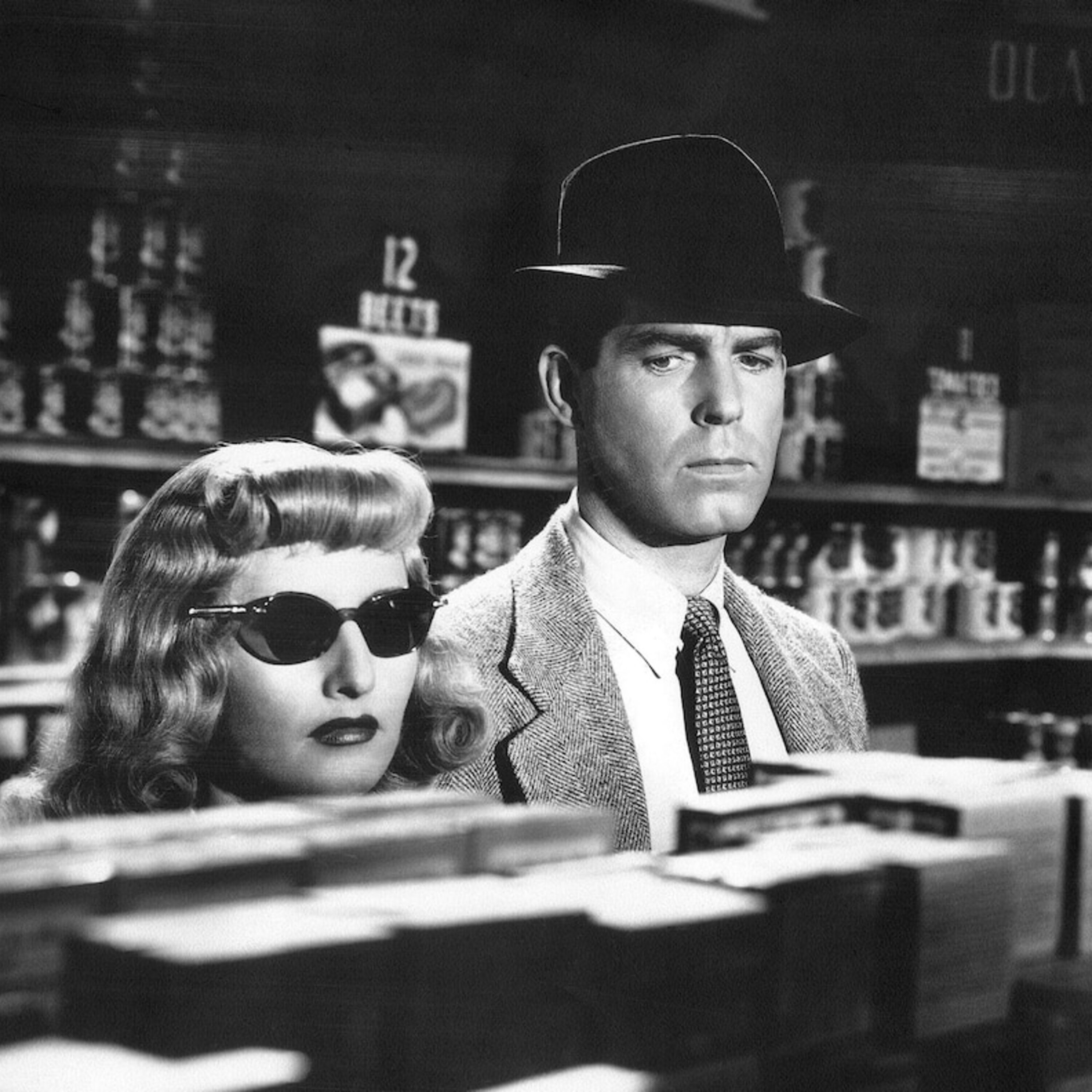
It Was A Dark Night In The City. Death Hung In The Air Like...
A hard-boiled private eye, a glamorous blond, and a hapless drifter all sit at a bar on the seamy side of town. It's night, the streets are wet, the shadows are long. They each nurse a drink to the notes of a mournful saxophone and a lonely piano. Smoke from the cigarettes swirls in the darkness. We all know classic noir when we see it and hear it and read it; yet, we don't really know how to define the dark plots that expose humanity in all its moral ambiguity and loneliness. Noir arrived in America with German emigres escaping the Nazis and fit well with the bleakness of Americans reeling from a depression, two world wars, and, later, the threat of nuclear annihilation. It continues to resonate and has transposed its style across genres. This hour, a deeper look at noir -- then and now. GUESTS: Amy Bloom - A novelist and the editor of New Haven Noir Colin Harrison - The author, most recently, of You Belong To Me Sheri Chinen Biesen - Professor of film history at Rowan University and the author of Blackout: World War II and the Origins of Film Noir and Music in the Shadows: Noir Musical Films Join the conversation on Facebook and Twitter. Colin McEnroe, Kevin MacDermott, Jonathan McNicol, and Chion Wolf contributed to this show, which originally aired January 24, 2018.Support the show: http://www.wnpr.org/donateSee omnystudio.com/listener for privacy information.
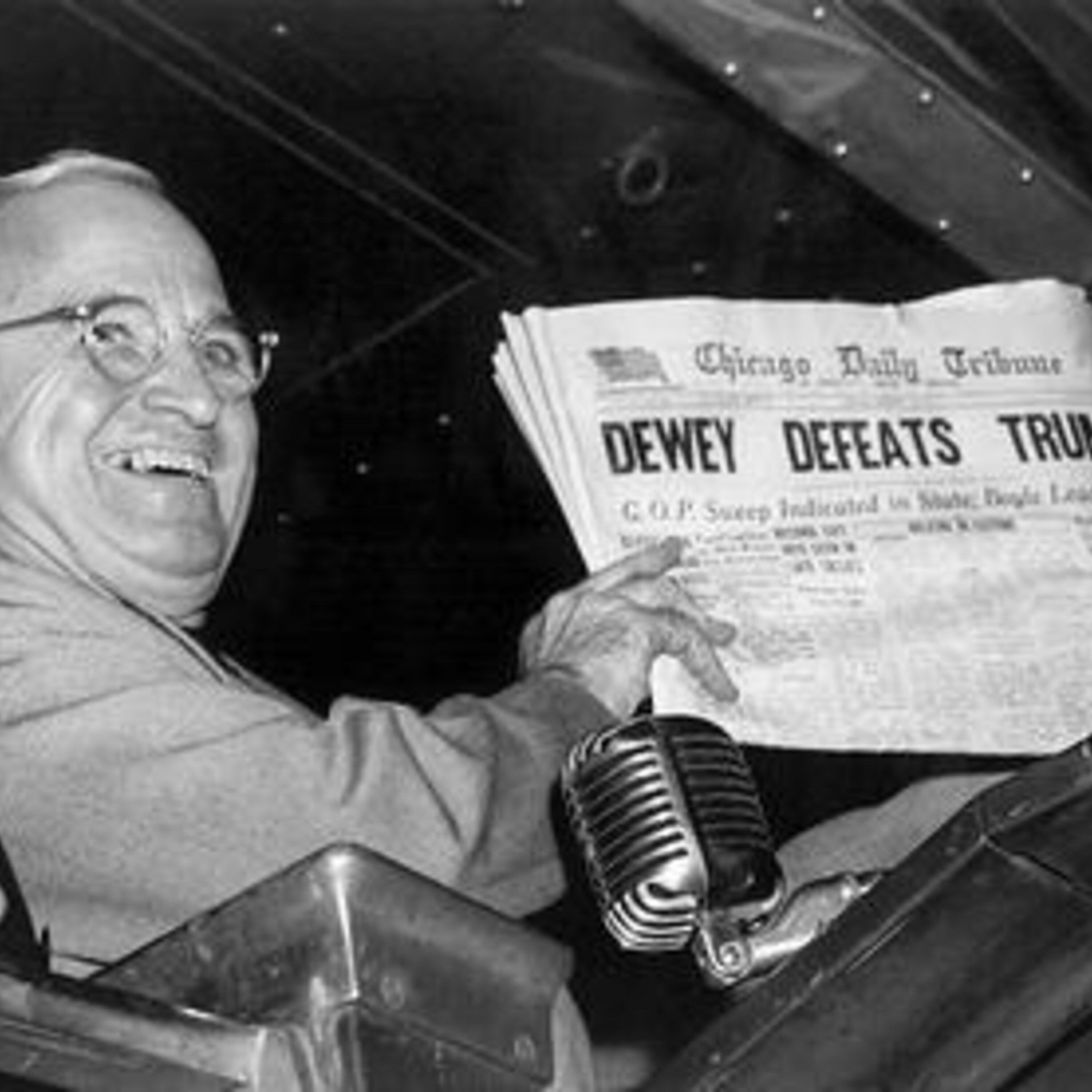
Polls Are Like A Bad Mate. They Keep Letting Us Down.
Many of the poll results that drove headlines this election season missed the mark, even after pollsters spent the previous four years correcting for the errors of 2016. They shouldn't feel too bad. Even George Gallup got it wrong. But Gallup had it easier. Almost ninety percent of people answered polls in his day. Today, about six percent of people answer polls - and the ones that do tend to have more social trust in other people and institutions. Pollsters will be dissecting the hits and misses in their predictions for some time. Could it be that not enough people participate any longer for them to get a diverse enough sample of viewpoints to reflect our political reality? Should we consider whether polls advance or hinder democracy? We talk about the history and current state of polling, including how pollsters misread the Latino vote. GUESTS: David Shor is an independent data analyst who formerly worked for the 2012 Obama campaign and Civis Analytics. (@davidshor) David Greenberg is a professor of History, and of Journalism & Media Studies at Rutgers University, and a contributing editor to Politico Magazine. He is currently working on a biography of the late congressman John Lewis. (@republicofspin) Arelis Hernandez covers the U.S. Southern border, immigration, and Texas for The Washington Post (arelisrhdz) Join the conversation on Facebook and TwitterSupport the show: http://www.wnpr.org/donateSee omnystudio.com/listener for privacy information.

This Is 'Jeopardy!'
Jeopardy! has been part of the fabric of American TV, in a couple different forms and across a couple different breaks, since 1964. It is the longest-running nationally-televised game show in U.S. television history. At the 2015 Emmys, John Oliver quipped, "The sun could burn out, humanity could flee to another galaxy, time as we know it could cease to exist, but Alex Trebek will still be there scolding librarians from Ames, Iowa, to answer in the form of a question." Except, of course, Alex Trebek died last week. And before that, Jeopardy!'s long-time executive producer and its long-time contestant coordinator both left at the end of last season. So what's in store for this quiz show institution? GUESTS: Sherri Cohen - Former Jeopardy! contestant Claire McNear - Staff writer at The Ringer and the author of Answers in the Form of Questions: A Definitive History and Insider's Guide to Jeopardy! Carolyn Paine - An actress, comedian, and dancer, and founder, director, and choreographer of CONNetic Dance Join the conversation on Facebook and Twitter. Colin McEnroe and Cat Pastor contributed to this show.Support the show: http://www.wnpr.org/donateSee omnystudio.com/listener for privacy information.