
The Bio Report
636 episodes — Page 11 of 13

How Biomarkers Can Alter the View of and Approach to Alzheimer’s Disease
By the time signs of Alzheimer’s disease manifests in the form of memory problems, behaviorial changes, or loss of executive function, years of irreversible damage to the brain has already occurred. In the latest annual report from the Alzheimer’s Association, the organization looks at the potential for biomarkers to diagnose the disease at its earliest appearance and allow for treatments to hold the disease in check. We spoke to Heather Snyder, senior director of medical and scientific operations for the Alzheimer’s Association about the report, where efforts to validate biomarkers of early-stage Alzhimer’s disease stand, and why this holds the potential to change the way Alzheimer’s disease is viewed and treated much in the way diagnostic tools have turned heart disease into a chronic condition.

The Fight for Personalized Medicine Wages on Many Fronts
The Personalized Medicine Coalition’s recently issued its 2017 report on the opportunities and challenges for the industry. Chris Wells, communications director for the organization, will be kicking off The 4th Annual Business of Personalized Medicine Summit in South San Francisco March 28, drawing from the new report to discuss trends and the pace of advances. We spoke to Wells about the state of personalized medicine, the obstacles to greater clinical adoption, and what the growing legislative battles in Washington will mean for the industry.

Big Pharma and the Growth and Outlook for Orphan Drugs
Orphan drugs, therapeutics that target small patient populations, have become an enticing area for Big Pharma as companies are attracted to the premium prices, lower development costs, and faster path to market. A new EvaluatePharma report on the Orphan Drug market forecasts a compounded annual sales growth rate of more than 11 percent through 2022 with orphan drug accounting more than 20 percent of total worldwide prescription sales by then. We spoke to Jon Gardner, U.S. editor for EP Vantage, about the growth of orphan drugs, what’s driving the sector, and whether the way the industry is taking advantage of the Orphan Drug Act will cause policymakers to push back.

What the Recent Patent Ruling Means for the Future of Gene-Editing Technology
The Broad Institute has emerged victorious in a battle with researchers at the University of California, Berkeley over patents covering breakthrough gene-editing technology that allows scientists to easily and inexpensively alter genetic material with precision. Last month, the Patent Trial and Appeal Board of the U.S. Patent and Trademark Office ruled that patents held by the Broad Institute relating to certain aspects of CRISPR-Cas9 gene editing did not interfere with those being sought by UC Berkeley researchers. We spoke to Kevin Noonan, Partner and Chair of the Biotechnology & Pharmaceuticals Practice Group of McDonnell Boehnen Hulbert & Berghoff and founding author of the Patent Docs blog, about the decision, what it means, and to what extent it resolves patent issues regarding the gene-editing technology.

Weighing What Limits Should Be Put on Gene Editing
Earlier this month the National Academy of Sciences and the National Academy of Medicine issued a report that considered the scientific, ethical, and governance issues surrounding human genome editing. The report comes as new gene editing technologies have reduced the cost and increased the ease of manipulating the human genome. We spoke to Alta Charo, co-chair of the study committee that wrote the report and professor of Law and Bioethics at University of Wisconsin-Madison, about the study, the potential for this science, and where the committee thought limits should be imposed.

Enlisting the Immune System in the War on Cancer
The emergence of cancer immunotherapies, drugs that activate and enlist the immune system to fight cancer, has emerged as a promising approach to combat the disease in its many forms. Lawrence Fong, co-leader for the Cancer Immunotherapy Program at the University of California, San Francisco, stands at the intersection of several initiatives involving UCSF to better understand the immune system’s response to cancer and develop more effective drugs in the battle against it. We spoke to Fong about the potential of immunotherapies, the various efforts underway at UCSF, and what we known and don’t know about the immune system.

Why Scientists Must Also Be Advocates
The start of Trump administration, a new cabinet, and a new Congress are raising concerns within the scientific community about how the changes in Washington will affect the health of science and innovation in the United States. At issue is not only funding for research, but a range of policy decisions relating to everything from public health to climate change that some fear will not be informed by science. We spoke to Mary Woolley, president of Research!America, about the new administration, why it is critical for scientists to become advocates, and the planned March for Science in Washington, D.C. this April.

Sernova Eyes Range of Disease for Implantable Cell Technology
For a number of diseases that require chronic administration of a substance naturally produced by the body, patients may have to rely on regular injections or infusions. Sernova is working to free patients from these types of regimes with it combination device and cell therapy that implants a pouch that contains living cells that produce the missing hormone, factor or other substance. We spoke to Phil Toleikis, CEO of Sernvoa, about its technology, the challenges involved in such an approach, and the company’s initial focus on diabetes and hemophilia.

Stratus Wants to Demonstrate Its Telehealth Fluency
Telehealth, which encompasses an array of technologies to deliver healthcare, is a rapidly growing area. Stratus Video, a language services company, is making a push into telehealth where it sees a big opportunity to leverage its expertise and apply it to healthcare. We spoke to Lee Horner, president of the Stratus Telemedicine division, about telehealth trends, how its altering the practice of medicine, and whether it can deliver on the promise of improving care while reducing costs.

Regeneron Embraces Genetics as Fundamental to Drug Development
Drug discovery and development is a slow and costly process, but the Regeneron Genetics Center represents a drugmakers’ bet that harnessing large amounts of genetic data can point the way to better targets, greater success rates, and ultimately better drugs. We spoke to Aris Baras, vice president and head of the Regeneron Genetics Center ahead of the Precision Medicine World Conference 2017 in Silicon Valley about how large genetic studies are brining fundamental change to the drug development process, the approach Regeneron is taking, and why its becoming a necessary element of drug development today.

Despite FDA Setback, KemPharm Advancing Prodrug Pipeline
Last year, KemPharm was on its way to winning an FDA approval for its opioid Apadaz designed to deter users from snorting, injecting, or otherwise abusing it. But the regulatory agency stymied the company’s efforts when it declined to label it as an abuse-deterrent opioid. Apadaz is a prodrug that is converted to its active form through an enzyme present in the intestinal tract that releases the hydrocodone in it. The decision sent shares in KemPharm tumbling. Now, as the company works to resolve regulatory issues around Apadaz, it’s moving forward with the rest of its prodrug pipeline. We spoke to KemPharm CEO Travis Mickle about abuse-deterrence, the ongoing discussion with the FDA, the company’s prodrug pipeline.

Using digital technologies to improve diagnosis and treatment of mental health patients
In the realm of mental health, a lack of biologic measures for diagnosing and treating patients has at times made this an area where doctor’s subjective decisions can play a disproportionate role. Ehave is seeking to improve diagnosis and treatment of patients with its data-rich management, assessment, and remediation tools that sit on its cloud-based software platform. The company’s initial product focuses on ADHD, although it plans to roll-out other applications in the future. We spoke to Prateek Dwivedi, CEO of Ehave, about its platform, the problems the company is trying to address, and how digital technologies are changing the way doctors diagnose, treat, and interact with patients.

Biotech in 2016 and the Year Ahead with TheStreet’s Adam Feuerstein
With 2016 drawing to a close and the biotech industry gearing up for the annual JPMorgan Healthcare Conference in San Francisco, we continued our holiday tradition of checking in with Adam Feuerstein, senior columnist for TheStreet. We spoke to Feuerstein about the year in biotech that was, the winners and losers of 2016, and what to look for at the JPMorgan Healthcare Conference and beyond.

Harnessing Gut Bacteria to Treat Disease
While there has been much buzz in the industry over the potential for harnessing the microbiome and using it as a way to treat disease, it remains early days for the therapeutic pipeline. Rebiotix, which is delivering human-derived microbes to treat recurrent Clostridium difficile infections, is ready to move its lead experimental therapeutic into late-stage clinical testing. The company says it is the most advanced human clinical program evaluating a microbiota-based drug conducted in coordination with a regulatory authority. We spoke to Lee Jones, founder and CEO of Rebiotix, about the microbiome, the opportunity for drugs targeting the colonies of bacteria in the gut, and the indications beyond c. diff Rebiotix is pursuing.

A Look at What’s Ahead for Biopharma in 2017
Investors bid up biopharmaceutical stocks following the election of Donald Trump as President of the United States. It reflected a belief that a Trump administration will remove the threat of price controls on drugs and bring about a friendlier regulatory environment at the FDA. We spoke to Amy Brown, senior reporter and author of the EP Vantage 2017 Preview, about what’s in store for the biopharmaceutical sector in the year ahead, what to look for, and why it may turn out to be a big year for M&A activity.

AMA Wants Docs to Have Seat at mHealth Table
The advent of digital health devices and mobile health apps has the potential to improve care, change patient behavior, and permit doctors to intervene early when the health of a patient changes. But the American Medical Association wants to ensure that as these devices proliferate, doctors have a role in guiding their design and determining their worth. We spoke to James Madara, CEO of the AMA, about new principles its adopted to promote safe and effective mHealth applications, the concerns physicians have about the use of these apps, and how he sees them reshaping healthcare.

Testing of New HIV Vaccine Carries Hopes of a Breakthrough
A clinical trial of an experimental vaccine against HIV that just began in South Africa is raising new hopes of making new strides against the disease. The trial follows recent news of tests in animals that suggest the vaccine, in combination with an innate immune stimulant may be able to put infected patients into remission. We spoke to Colonel Nelson Michael, director of the U.S. Military HIV Research Program at the Walter Reed Army Institute of Research, about the new trial, how this vaccine builds on what was learned from a clinical trial in Thailand from an earlier version of the vaccine, and why there’s hope of related work moving researchers towards a functional cure for the disease that could free patients from the need for antiretroviral therapy for extended periods.

Centrexion Takes Aim at Pain with Growing Portfolio of Non-Opioid Therapeutics
Pain takes both a personal toll on individuals who suffer from it and an economic toll on society more broadly. Though there is a wide range of drugs available to treat pain, it’s a problem that is still not well addressed. The need for new pain therapies has become even more acute as the problem of opioid addiction has grown. We spoke to Kerrie Brady, founder and chief business officer of Centrexion Therapeutics, which is developing a pipeline of non-opioid pain drugs. Brady discussed the problem of today’s existing pain therapies, how the company is using Big Data in its pursuit of new drugs, and its strategy of building out its pipeline.

Bringing Women into Biotech Boardrooms
A number of studies have recently called attention to the lack of gender diversity in leadership positions in the life sciences industry. Women in BIO and LifeSci Advisors have taken steps to increase the presence of women in the boardroom of biotech companies through a new training program to get women boardroom ready, as well as the creation of an initiative to help place qualified women onto the boards of companies. We spoke to Dawn Hocevar, president elect of Women in Bio and Michael Rice, founding partner of LifeSci Advisors about their efforts, why there aren’t more women on the boards of biotech companies today, and what has to be done to remedy the problem.
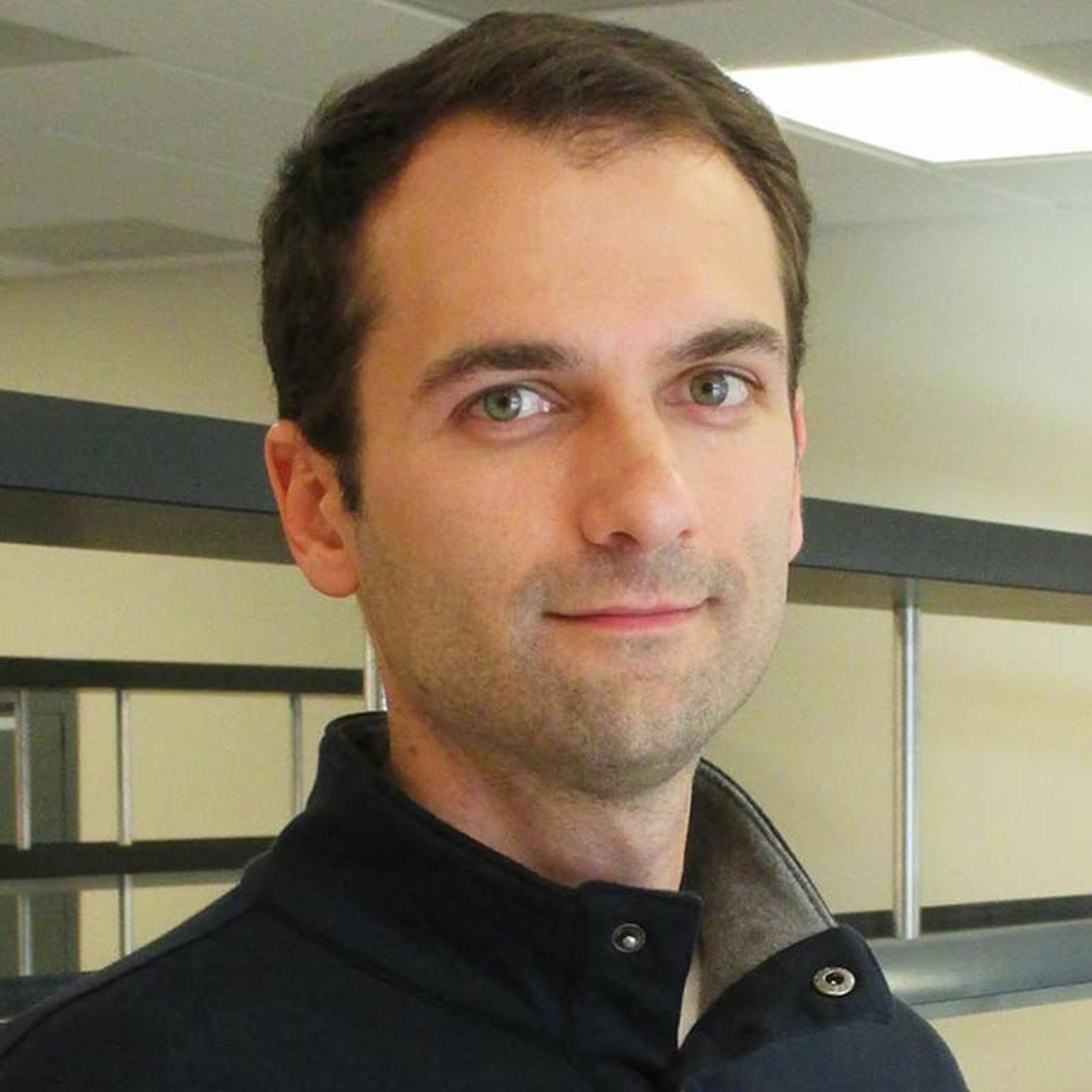
Novartis Deal Validates Perlara’s Approach to Rare Disease Drug Discovery
Perlara is a drug discovery company focused on using model organisms to find treatments for diseases previously believed to be too rare to cure. Recently Perlara entered into a drug discovery and development collaboration with Novartis, a deal that included an equity investment and is seen as validating Perlara’s platform. We spoke to Ethan Perlstein, CEO of Perlara, about the company’s unique approach to drug discovery, why it focuses on the diseases it does, and the significance of its agreement with Novartis.

Harvesting the Aquatic Microbiome for New Drugs
There’s been much buzz about the microbiome, but what that constitutes can mean different things to different people. Biosortia Pharmaceuticals is focusing on the aquatic microbiome as a rich source of potential first-in-class small molecules to address unmet medical needs. We spoke to Ross Youngs, founder and CEO of Biosortia, about what makes the aquatic microbiome compelling as a source of new drugs, how the company goes about mining it for potential compounds, and what the company’s growing pipeline looks like.

How TwoXAR Is Using Big Data to Accelerate Drug Discovery
It can take up to six years to accumulate enough evidence to support advancing an experimental drug into clinical development. twoXAR is working to rapidly accelerate that process through the use of Big Data and its proprietary algorithms to find screen large public and proprietary data sets to indentify new drug candidates and determine their efficacy. We spoke to Andrew Radin, co-founder and CEO of twoXAR, about the company’s technology, how it’s being applied today, and the evolution of the company’s strategy.

Developer of innovative catheter for cancer drugs turns to crowdfunding
Robert Goldman had been a successful Internet age inventor having developed some of the critical technology underlying the way digital music is stored, searched, and purchased online. But when his sister developed cancer, he found himself turning his skills as an inventor into an unchartered area for him. Eventually he developed a new type of catherter to deliver cancer medicines directly to where they are needed in the body. But despite his company’s success at winning marketing clearance from the U.S. Food and Drug Administration, his company Vascular Designs has had difficulty raising money. On October 17 Vascular Designs launched a campaign to raise $500,000 through the crowdfunding site Indigogo. We spoke to Goldman about his IsoFlow catheter, the funding environment for innovative medical device companies, and his decision to turn to crowdfunding.

Harnessing Real World Samples and Data to Speed Biomedical Research
One of the issues researchers face is getting access to needed biospecimens with detailed clinical data that can expand the understanding of a specific disease or treatment. The difficulty in obtaining biospecimens can hamper R&D productivity, extend the time of project, and increase costs. Novaseek has developed a platform that provides access to real world data and supports the ability to define patient cohorts based on detailed clinical criteria, such as demographics, diagnoses, medications, and lab test results, and supports the collection of biospecimens at various time points. The platform also offers healthcare organizations an opportunity to develop a new source of revenue. We spoke to Kate Torchilin, CEO of Novaseek, about the challenges researchers face in getting biospecimens, how Novaseek seeks to address that, and how the company’s platform can help to accelerate biomedical research.

A Rich Pipeline Expected to Drive Industry’s Growth
Evaluate Pharma, in its latest World Preview report, is projecting solid growth for prescription drug sales through 2022. Driving that growth is both the new products expected to come to market during that time and the industry’s embrace of orphan drugs, the source of half of that growth. We spoke to Antonio Iervolino, head of forecasting for Evaluate, about the new report, the growing number of drug approvals, and the challenges drugmakers face that could alter the outlook for the industry.

Harnessing Biology to Transform the Economy
The growing promise to harness biology to address environmental, agricultural, health, and energy needs is fueling a new bioeconomy. The state of engineering biology will be on display at the SynBioBeta SF 2016 conference in South San Francisco October 4 through October 6. We spoke to John Cumbers, founder of SynBioBeta, about the state of the industry, the challenges it faces, and the long-term potential it holds for transforming our manufacturing sector.

How a Predictive Diagnostic Can Reduce Preterm Births
About 380,000 infants in the United States—about one in 10— are born prematurely each year. Preterm births, defined as any birth before 37 weeks of pregnancy, is the leading cause of death for infants and puts these babies at greater risk for cerebral palsy, respiratory and cardiovascular complications, and delays in development. Sera Prognostics has developed a predictive diagnostic that can identify pregnant woman at risk of delivering prematurely, allowing for interventions. We spoke to Greg Critchfield, CEO of Sera Prognostics, about the test, how it works, and what it take to get doctors to adopt the test and payers to reimburse for it.

Building Better Drugs for Psychiatric Disorders by Targeting the Causes
The Johns Hopkins University School of Medicine and the Salk Institute for Biological Studies are leading a $15.4 million effort to develop new systems for quickly screening libraries of drugs for potential effectiveness against schizophrenia and bipolar disorder. The National Institute of Mental Health is funding the work. We spoke to Hongjun Song, professor of neurology and neurosciences at the Johns Hopkins University School of Medicine, about the effort, the challenges of understanding the underlying biological mechanism of these disorders, and how the consortium expects to change the development of drugs to treat mental illnesses.

The Role of PBMs in the Controversy over Drug Pricing
The recent controversy over Mylan Pharmaceuticals sharp increase to the price of its EpiPen, an emergency injection of epinephrine to treat someone suffering a severe and potentially fatal allergic reaction, has once again ignited public debates over drug pricing. While drugmakers have been in the sights of the public, other players in the supply chain have escaped scrutiny. David Balto, a Washington, D.C.-based antitrust attorney, in a recent piece in The Hill, calls attention to the role pharmacy benefits managers play in the price equation. We spoke to Balto about PBMs, their growing power, and the perverse incentives they have to work against the best interest of consumers.

Why a Rare Genetic Disease May Shed Light on Normal Aging
Werner’s and Hutchinson-Gilford Progeria Syndromes are rare, genetic diseases that causes children to appear to suffer from advanced aging at young ages. The syndromes are of particular interest to researchers because of the potential they may have to help understand the biology of normal again and lead to ways to counter aging-related diseases. We spoke to Brian Kennedy, president and CEO of the Buck Institute for Research on Aging, about his progeria research, the potential to repurpose existing drugs to combat these syndromes, and what insights into normal aging are being gained from the study of progeria.

Battling Zika and Other Diseases Like It
Concern about the spread of the Zika virus has sparked efforts to develop therapies and vaccines to counter it. But the outbreak reflects a growing threat from zoonetic diseases, once thought of as being contained to tropical regions, that are making incursions into the developed world. We spoke to Jim Pannucci, director for infectious disease research at Southern Research, about Zika, the work his organization is doing around the virus, and whether we need to rethink investment in prevention and treatment of such diseases.

Chronicling a Trailblazer of the Genomics Age
Lee Hood was a visionary who helped enable the genomics age. Journalist Luke Timmerman, in his newly published biography of Hood, chronicles the scientist career and achievements, as well as the controversies that surrounded him. We spoke to Timmerman about Hood, the conflicts that shaped his career, and the significance of his contributions to the field of biology.

Great Progress, but Concerns Persist About Cancer Care in America
Despite continued scientific and medical progress, the American Society of Clinical Oncology offered a mixed picture in its annual report on The State of Cancer Care in America earlier this year. While advances have been made in combating some cancers, mortality rates for others remain unchanged or have increased. There’s disparity in care, concerns about the rising cost of therapy, and uncertainty about how new payment models will affect care. We spoke to Julie Vose, immediate past president of ASCO, about the report, where additional work is needed, and how to balance the need to make cancer care affordable while encouraging innovation.

Improving Healthcare by Addressing the Most Challenging Patients
People with multiple chronic conditions represent about 5 percent of the patient population in the United States, but account for half of the nation’s healthcare spending. In order to improve care and reduce costs overal there’s an urgent need to do a better job of treating these patients, according to a recent perspective in the New England Journal of Medicine from the heads of five leading healthcare foundations. We spoke to David Blumenthal, president of the Commonwealth Fund and one of the authors of the piece, about why improving care for this population is critical, why there’s not a single solution to treating what is actually a diverse population of patients, and what these foundations are doing to address the problem.

The Case for Chasing Unpopular Indications
Neglected diseases and drugs to counter addiction represent unmet medical needs, but they have been areas that pharmaceutical companies have been reluctant to pursue. Savant HWP is in clinical development on an experimental drug that targets both of these indications. We spoke to Stephen Hurst, CEO of Savant HWP about the company’s strategy, the unique compound that can address two seemingly unrealated indications, and the role priority review vouchers can play in providing drug developers with incentives to pursue indications that might otherwise be ignored.

Improving Drug Development through Better Use of Biomarkers
The use of biomarkers has long held the promise accelerating drug development and producing safer and more targeted drugs to meet the needs of patients. The explosion of genetic, proteomic, and metabolomic data, as well as the emergence of the human microbiome, is rapidly growing the world of biomarkers, but with that comes challenges for researchers and drug developers about knowing what’s available and how well validated these biomarkers may be. We spoke to John Audette, president and co-founder of Amplion, about the company’s database, which seeks to make biomarker information accessible to researchers, the role biomarkers can play in improving the drug development process, and how their increased use can bring about a long anticipated era of precision medicine.

Measuring the Value of Incubators and Accelerators
Incubators and accelerators have been proliferating in California, but little has been done to track their activities and analyze their performance. The California Business Incubation Alliance recently released a study of the performance of incubators and accelerators in California, the contribution they make to the state’s economy, and whether they deliver value to the entrepreneurs that use them. We spoke to Matt Gardner, CEO of the California Technology Council and lead author of the report, about its findings, why gathering data about incubators and accelerators is so challenging, and why the findings include a word of caution to entrepreneurs. As a matter of full disclosure, Matt is a friend, client, and partner and I served as an editor on this report.

Enlisting New and Old Tools to Combat Antibiotic Resistance
The growing problem of antibiotic-resistant bacteria and the evolution of next-generation sequencing technology is giving rise to new approaches to combat what’s become a serious global health threat. Epibiome, which describes itself as a precision microbiome engineering company, is working to develop cocktails of bacteriophages to use in animal and human health. We spoke to Nick Conley, CEO of Epibiome, about the urgent need for new therapeutics, the renewed interest in phages, and Epibiome’s unique approach to address the problem.

Advancing Cancer Care with New Diagnostic Tools
The ability to find and tumor cells and DNA fragments shed by tumors circulating in the blood has given rise to liquid biopsies. This emerging area of diagnostics promises to improve cancer care, better monitor patient response to a therapy, personalize care, and provide earlier evidence of recurrence. We spoke to Andre de Fusco, CEO of Cynvenio, about the company’s liquid biopsy rare cell isolation platform, and its implications for changing how cancer patients

A Biotech Reinvents Itself and How to Price Drugs
KaloBios, a biotech best known for a series of disastrous events including failed clinical trials, a bankruptcy filing, lawsuits, and the arrest of its CEO, is being reborn. In the process, it may provide a valuable contribution to the ongoing discussion over drug pricing. In April, the development-stage company unveiled a pricing plan based on transparency, affordability, and reasonable profit. We spoke to Cameron Durrant, CEO of KaloBios, about his efforts to clean up the mess he inherited, turnaround the fortunes of the company, and introduce an innovate pricing model that could reshape the way industry thinks about pricing its products.

Using Technology to Modernize Preclinical Development
Despite a rapid advance of technology there’s been little change in the preclinical drug development process. Vium is hoping to change that by using sensors, automation, and bioinformatics to change the way data is gathered in the preclinical process to fuel better and faster decisions about the potential value of an experimental drug. We spoke to Tim Robertson, co-founder and CEO of Vium and Joe Betts-Lacroix, co-founder and CTO of Vium, about the company, how its hoping to change the preclinical drug development process, and why that’s essential.

Can the Biotech Industry Stay on Track through Innovative Pricing
The biotechnology industry continued to post record numbers, attract significant investment, and won approval for a solid number of new drugs in 2015. Nevertheless, EY in its new Beyond Borders report warns that there’s a deceleration within the industry that points to threats that could undermine the robust growth it has enjoyed. We spoke to Glen Giovannetti, EY Global Biotechnology Leader, about the new report, the need for the industry to innovate pricing models for new drugs, and why as companies seeks to demonstrate the value of a product they will need to consider the unique perspective of each payer.

Wall Street Turns Its Eyes to ASCO
Wall Street’s attention will turn to Chicago as the annual meeting of the American Society of Clinical Oncology gets underway June 3 to June 7. Though this is a scientific conference, it is one closely watched by investors, who have been pouring through the abstracts that have been available and keeping an eye open for late-breakers that could move stocks. We spoke to Jon Gardner, deputy news editor for EP Vantage, about the ASCO meeting, what the early abstracts say, and who will likely be making headlines at this year’s meeting.

Understanding the Disease It Never Was on House
Lupus is an often misunderstood and misdiagnosed autoimmune disease. While some 1.5 million people—mostly women—have lupus, it can take years for someone with the disease to get a correct diagnosis. We spoke to Susan Manzi, medical director of the Lupus Foundation of America and Co-founder and director of the Lupus Center of Excellence at Allegheny Health Network, about the disease, why there are so few treatments available today, and why she holds out hope for the pipeline of new therapies moving through the clinic.

Why the State of Innovation Is Encouraging
Global innovation activity experienced broad gains across industry sectors last year, according to Thompson Reuters newly released 2016 State of Innovation report. We spoke to Anthony Trippe, senior patent analyst for Thomson Reuters about the report, its upbeat outlook, and what it says about the direction of innovation in the biotechnology, pharmaceutical, and medical device sectors.

Can Market Forces Fix Drug Pricing
The Campaign for Sustainable Rx Pricing, a coalition of healthcare stakeholders, thinks that the rising cost of prescription drugs can be addressed through a series of market-based solutions that will strike a balance between preserving innovation and ensuring affordability. Its recently released plan outlines steps to increase transparency, competition, and value. We spoke to John Rother, executive director of the Campaign for Sustainable Rx Pricing, about the organization, its focus on market-based solutions, and what it will take to make them a reality.

Digital Health Device Seeks to Push Beyond Cannabis to Test Food, Air, and Water
The emergence of smartphones at the center of a growing universe of digital health devices is giving rise to new ways to monitor and measure our bodies in real time. MyDx, one of the latest entrants into this area, is working to enable consumers to test the food they eat, the water they drink, and the air they breathe to ensure they’re safe. Its first offering allows cannabis users to analyze samples for THC content, the presence of pesticides, and their potential effects on users. We spoke to Daniel Yazbeck, chairman and CEO of MyDx, about his handheld analyzer, how it works, and how he expects it to both enable and be fueled by changing consumer behavior in the emerging world of the quantified self.

Why the Cancer Moonshot Offers a Chance to Rethink Funding Priorities
The Obama Adminstration’s Cancer Moonshot initiative is a boost to cancer researchers, but Bruce Zetter says in order for it be as effective as possible, it must not repeat the same funding priorities of the past and instead should support innovative projects and research against the deadliest cancers. In a recent commentary in Politico, Zetter, a professor of cancer biology at Harvard Medical School and Boston Children’s Hospital, notes that researchers follow the money and that the cancers with which we have made the least progress still seem to get the least amount of funding. We spoke to Zetter about his commentary, the opportunities being created by the Cancer Moonshot, and how he thinks cancer funding needs to change.

Medtronic Advances Toward an Artificial Pancreas
For people with type I diabetes, the day-to-day management of the disease can be a full-time job involving the monitoring blood glucose levels and injection of insulin. The medical device giant Medtronic has been working toward the development of what it’s called an artificial pancreas, a steady improvement of pump and sensor technology to free type I diabetes patients and allow them to think less about the management of their disease. We spoke to Fran Kaufman, chief medical officer of Medtronic Diabetes, about the progress the company has made, its newest technology that is moving towards the market, and how close it is to realizing its vision of an artificial pancreas.

Using Real-Time Data to Detect HIV Outbreaks
By using data from routine testing about the genetic evolution of the HIV /AIDS virus in the Canadian province of British Columbia, researchers have shown they are able to identify emerging outbreaks of the disease in near real-time and intervene to control its spread. The first-of-its-kind system is the focus of a study in an April edition of The Lancet HIV. We spoke to Art Poon, Associate Research Scientist for the British Columbia Centre for Excellence in HIV/AIDS and lead author of the study, about the monitoring system, the impact it has had, and whether such an approach is transferable to other regions and other disease outbreaks.