
The Bio Report
636 episodes — Page 12 of 13

Why Pharma Needs to Forge New Drug Pricing Models
As pricing pressure grow on the pharmaceutical industry, a recent article in Invivo argues that drugmakers must look to a variety of new pricing models built around collaborations with payers and providers. Such an approach, the authors argue, would minimize conflicts between stakeholders, close the information gap about the real-world value of new drugs, and allow for a more evidence-based approach to pricing. We spoke to Susan Garfield, a principal in EY's Life Sciences Advisory Services practice and co-author of the Invivo article, about the need for new approaches to pricing, why the existing unit price approach is too one-dimensional, and what’s at stake for the industry if it fails to innovate new models.

Gensight Targets Gene Therapy on Diseases that Blind
The France-based biotech Gensight Biologics is developing gene therapy treatments for rare, mitochondrial, and neurodegenerative diseases of the eye. Its lead therapeutic candidate is in late-stage trials for Leber’s Hereditary optic neurophathy, a sudden condition that afflicts young adults and leaves almost all of them blind. We spoke to Gensight’s CEO Bernard Gilly about the company, the challenges and promises of gene therapy, and why eye disease is a particularly attractive target for this emerging area of treatment.

A Vial Problem: How We Waste $3 Billion of Cancer Drugs a Year
Nearly $3 billion a year is wasted on cancer drugs because of the way they are packaged, according to a study in BMJ. These expensive drugs that are injected or infused come in fixed size vials and patients often require less drug than what is sold as a single dose. Because of restrictions on the ability to use leftover drug, the result is that it is usually thrown out. Nevertheless, drugmakers have little incentive to do things differently because the waste enhances their profitability. We spoke to Leonard Saltz, an oncologist with Sloan Kettering Memorial Cancer Center and coauthor of the study, about the findings, why Europe doesn’t have the same problem, and what can be done to stop the waste.

The Havoc-Wreaking Zombies Lurking in Life Sciences Boardrooms
The walking dead live, but it's value, not brains, they are eating. So-called zombie funds, life sciences venture capital funds that are fully invested and unable to raise new money, still maintain their board seats. But Outcome Capital’s Managing Directors Oded Ben-Joseph and Arnie Freeman say their divergent interest from their fellow board members often lead to disputes that can end the life of promising technologies and lead to acquisitions that leave much value on the table. We spoke to Ben-Joseph and Freeman about the boardroom dynamics were zombies lurk, the consequence of this board misalignment, and how acquirers may seek to leverage the situation

New FDA Chief Faces Challenges
Last month, the Senate confirmed Robert Califf, a cardiologist and clinical researcher from Duke University, as commissioner of the U.S. Food and Drug Administration. Though he was overwhelming confirmed, some expressed concerns about his ties to the pharmaceutical industry. Others used the confirmation process to protest the FDA’s handling of opioid painkillers as the problem of addiction to these drugs have become a growing concern. We spoke to Peter Pitts, a former FDA associate commissioner and president of the Center for Medicine in the Public Interest, about Califf, why he’s well suited for the job, and the challenges he will face in his new role.

Seeking a Best-in-Class Antibody at Bargain Basement Prices
Bird Rock Bio, a small, San Diego-based biotech, is planning to take aim at some of the biggest biologics on the market with an antibody in development to treat rheumatoid arthritis that it says it expects to market at an annual cost of just $2,000 a year. That compares to around $30,000 a year for drugs such as Humira, Remicade, and Enbrel that are TNF inhibitors. The experimental therapeutic known as Gerilimzumab targets IL-6. We spoke to Paul Grayson, president and CEO of Bird Rock Bio about the company, the benefits of targeting IL-6, and how the company expects to be able to offer the drug at such a disruptive price point.

Pharma Bro, Price Controls, and the Quest to Balance Innovation with Affordability
The embattled pharma executive Martin Shkreli, whether intentional or not, has ignited a long smoldering public policy discussion about the pricing of pharmaceuticals. As there are growing calls for steps to restrain drug prices, there are also industry concerns about the effect such actions would have on the ability to attract investment and pursue the development of high-risk, innovative therapies. We spoke to Denis Corin, CEO of Q BioMed, an acceleration and development company, for a perspective on the fallout from Shkreli, how to balance innovation with affordability, and whether he expects any lasting impacts on small drug developers.

California’s Stem Cell Agency Plots Its Future
The California Institute for Regenerative Medicine, California’s voter-established stem cell agency, is thinking about its future. The institute recently issued a strategic plan for the next five years that it says represents a “radical overhaul of the way the institute conducts business” and emphasizes “coordination, speed, partnerships, and patients.” We spoke to Randy Mills, president of the California Institute for Regenerative Medicine, about the strategic plan, the ambitious goal it has set for the next five years, and whether CIRM will have a life beyond the $3 billion voters approved for its funding.

ViaCyte Pursues ”Functional Cure” for Type 1 Diabetes
About 1.3 million people in the United States have type 1 diabetes, which requires constant monitoring and regular injections of insulin. The autoimmune disease attacks the insulin producing beta cells in the pancreas and replacement of those cells has long been viewed as an ideal approach to treating the disease. The problem, though, has been finding a reliable supply or replacement cells and protecting them from the body’s immune system while allowing them to recieve needed nutrients, as well as deliver insulin to the body. San Diego-based ViaCyte is now in human clinical trials with a promising approach to treating the disease. We spoke to Paul Laikind, president and CEO of ViaCyte, about the company’s cell therapy, its critical financial support from the California Institute for Regenerative Medicine and JDRF, and why its investigational product may represent a functional cure.

Building a Better Pain Pill
Non-steroidal anti-inflammatory drugs are the most widely used medications in the world. They are used to treat pain resulting from diseases such as arthritis, but these drugs can raise blood pressure and cause serious problems including heart attacks, strokes, and death. We spoke to Paul Waymack, founder, chairman, and chief medical officer of Kitov Pharmaceuticals about its efforts to bring to market a combination therapy that addresses these safety concerns. Waymack discussed the issues surrounding pain medications, his company’s approach, and how the company’s smart FDA strategy is significantly cutting its cost and time to market.
Project GENIE Hopes to Make Precision Medicine a Reality
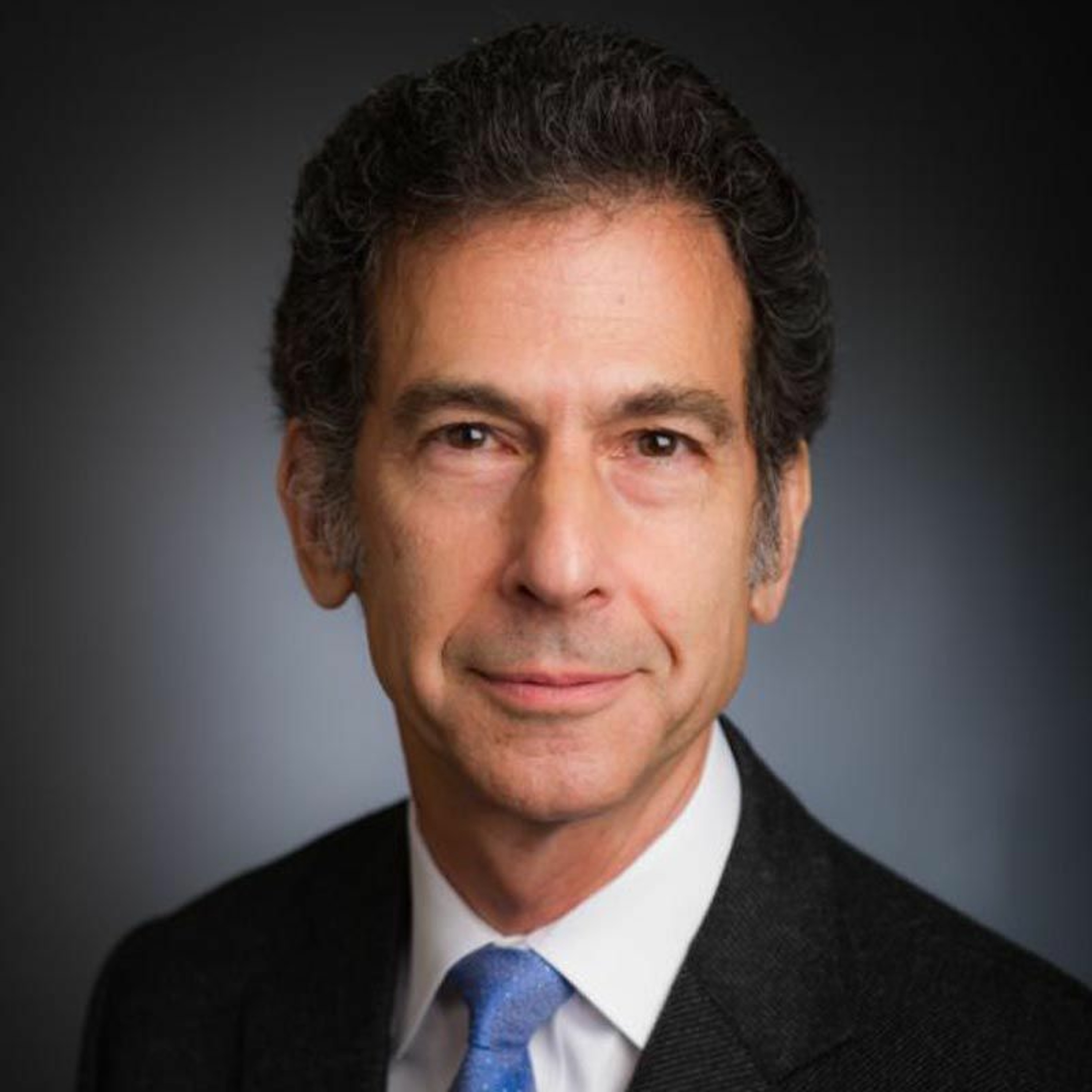
The American Association for Cancer Research, with seven leading cancer research centers, has launched Project GENIE to determine how to better tailor treatments to patients’ individual cancers. The effort will take tumor genomic profiling data from the various institutions and aggregate it into a single database for researchers to harness. We spoke to Barrett Rollins, chief scientific officer at the Dana-Farber Cancer Institute, about the project, how far down the path of precision medicine we have travelled, and how he expects it to reshape cancer care in the years to come.

FDA Wants Industry to Guard Against Cybersecurity Risks of Medical Devices
As medical device makers are building network connectivity and intelligence into their products, they are adding new vulnerabilities and risks as well. The U.S. Food and Drug Administration has just issued draft guidance for postmarket management of cybersecurity of medical devices. It follows previous guidance on premarket submissions for management of cybersecurity in medical devices. We spoke to Russell Jones, partner with Deloitte & Touche, cyber risk leader for the firm’s State of California Practice and co-leader of the firm’s medical device safety and security practice, about the FDA actions, how these connected devices can be exploited by hackers, and what medical device makers can learn from industries that have already faced these issues.

Pharma’s Leadership Vacuum and Its Price to the Industry
The pharmaceutical industry appears to have lost ground in 2015 on the ongoing debate around drug pricing, a problem that Christopher Bowe sees in part as a failure of leadership within the industry. In a recent guest column in Forbes, Bowe, who advises industry CEOs on communicating their strategies and ideas, argued that the industry needs CEOs capable of reframing the discussion with fresh ideas, forging new alliances, and disrupting existing business models. We spoke to Bowe about this leadership vacuum, why it is critical for the industry to move beyond its tired arguments, and what it needs to do to rebuild trust and credibility with the public.

Permanent R&D Tax Credit a Boost to Life Sciences
As 2015 came to a close, Congress passed a package of tax extenders that among other things expanded the Research and Development Tax Credit and made it permanent. The move represents a big win for innovation-based industries, but the life sciences in particular, which will benefit from a new provision that allows companies to capitalize on the credit ahead of producing revenue. We spoke to Dan Mennel, California Market Leader of Strategic Federal Tax Services for Grant Thorton and Matt Gardner, CEO of the California Technology Council, about the R&D tax credit, what it does, and what it means for the life sciences.

Biotech in 2015 and the Year Ahead with TheStreet’s Adam Feuerstein
The year 2015 was another big one for biotech with record dealmaking, big drug approvals, and solid performance, but it somehow didn’t feel as good as it looks on paper. Pricing concerns that garnered big attention are expected to grow in intensity in the new year with the presidential election and negotiations for the renewal of the Prescription Drug User Fee Act. We spoke to Adam Feuerstein, senior columnist for TheStreet.com, about the year in biotech, the highs and lows, and what’s ahead in the new year.

Trends Shaping the New Health Economy in 2016
Growing costs pressures, the integration of technology, and the transformation of the patient into a healthcare consumer is giving rise to a new health economy. In its report on the top health industry issue for 2016, PwC highlights the forces expected to have the most impact on the industry in the coming year. We spoke to Karla Anderson, principal of U.S. pharmaceuticals and life sciences for PwC, about the report, how an increasing emphasis on value is reshaping the sector, and what’s in store for 2016.

Declining R&D Productivity Continues to Plague Big Pharma
Despite a record number of new drug approvals this year, the return on R&D investment for the largest pharmaceutical companies continues to fall, according to a new report from the Deloitte Centre for Health Solutions and Deloitte’s R&D services group. In fact, the report finds R&D returns for this group of companies have fallen to their lowest point since Deloitte began tracking them in 2010. We spoke to Neil Lesser, principal with Deloitte Consulting in the Life Sciences strategy practice and a leader in the Research & Development strategy practice, about the report, the pressures on the industry that are hurting returns, and what R&D strategies companies can pursue that might reverse the trend.

Searching for Solutions to Rising Specialty Drug Prices
Retail prices for more than 100 widely used specialty drugs rose nearly 11 percent in 2013, according to a new report from AARP Public Policy Institute. The report found that the average annual cost of a specialty drugs used to treat chronic diseases rose to more than $53,000 — greater than the U.S. median income and more than twice the $23,500 median income of people on Medicare. We spoke to Leigh Purvis, director of health services research in AARP’s Public Policy Institute about the report, trends that are fueling demand for these drugs, and whether there are public policy solutions to rein in rising drug prices that can be implemented without harm to innovation.

Biohackers Seek a Faster, Cheaper Path to Insulin
A team of biohackers is developing the first open source protocol to produce insulin simply and economically. The hope is that their work will serve as the basis for generic production of insulin and provide a foundation for continued research into improved versions of the life saving biologic. We spoke to Anthony Di Franco, co-founder of the Open Insulin project and a board member of Counter Culture Labs, about the work, the challenges they are encountering, and whether the DIY movement can teach the corporate world anything about cost-effective innovation.

A Scorecard to Improve Drugmakers’ Transparency
A large number of clinical trials underlying the approval of drugs never come into public view. This not only has legal and ethical ramifications, but implications for the healthcare system as a whole. We spoke to Jennifer Miller, founding president of Bioethics International and assistant professor at the NYU School of Medicine about her recent study in BMJ Open, part of an effort to improve transparency through the creation of a Good Pharma Scorecard. Miller discussed the study, the scorecard, and the state of transparency in the pharmaceutical industry.

Forget the Chemistry Set, Mom, I Want a Bioreactor
The power of genetic engineering will soon be available for the home thanks to the Amino One, a piece of hardware about the size of a laptop computer that would allow users to manipulate the DNA of microorganisms for productive purposes or just plain fun. We spoke to Julie Legault, founder and CEO of Amino One’s creator Amino Labs, about the device, its target market, and the implications of putting the tools of synthetic biology into the hands of kids.

Ensuring Biological Tools Benefit the Environment
New gene editing technologies are expanding the ease and power with which scientists can manipulate biological systems with the promising of addressing not only human health issues, but problems the plant faces with regards to food, fuel, and the environment. But while much of the concerns raised about the potential consequences of this technology have focused on its use in humans, Elizabeth Alter, assistant professor of biology at City University of New York’s York College, argues its potential environmental implications will likely be far more significant. We spoke to Alter about her recent op-ed in The New York Times, the need for public discussion about the technology, what should be done today as we work through broader questions of policy.

New SEC Rules Open Crowdfunding to the Masses
The U.S. Securities and Exchange Commission last week finalized rules on crowdfunding that opens the door for the participation of non-accredited investors. The rules complete a long process for the commission set into motion by the passage of the JOBS Act. We spoke to Richard Swart, director of research for the Program for Innovation in Entrepreneurial and Social Finance at the University of California at Berkeley and chief strategy officer for the crowdfunding investment site NextGen Crowdfunding, about the new rules, how this will change the investment landscape, and what it all means for the biotech industry.

Harnessing Biology to Address Global Challenges
Growing challenges in the areas of health, food, energy, and the environment have increased efforts to harness biology to create sustainable solutions to global problems. With advances in the ability to engineer microbes to perform desired tasks, the rapidly evolving area of synthetic biology is expected to fundamentally reshape industrial processes and give rise to a new bioeconomy. Leading scientists, entrepreneurs, and investors will gather in San Francisco November 4 through 6 for SynBioBeta SF 2015 to explore the state of synthetic biology. We spoke to Richard Kitney, professor of biomedical systems engineering at Imperial College London and one of the leading scientists behind the United Kingdom’s efforts in synthetic biology, about the upcoming conference, where the state of the science is today, and why scaling up to industrial sized processes remains a big challenge.

Immunotherapies ETF Lets Biotech Investors Bet on Emerging Sector
A new class of immunotherapies is promising to radically alter the treatment of cancers and has generated excitement among investors for their groundbreaking potential. Now the Loncar Cancer Immunotherapy ETF provides a way for investors to bet on the sector through an exchange traded fund that consists of both Big Pharma and emerging growth biotechs leading the sector. We spoke to Brad Loncar, CEO of Loncar Investments and creator of the ETF, about the fund, why the focus on this narrow slice of the biotech world, and why he thinks immunotherapies will dramatically reshape cancer care in the years ahead.

Biotech Investors Turn Their Eyes to Policy Matters
Wall Street doesn’t like uncertainty and there are a number of policy issues now brewing that threaten to create some uncertainty for the biotechnology industry. As the BIO Investor Forum kicks off in San Francisco October 20 and 21, bringing together investors and CEOs for two days of panels and presentations, the conference will turn its attention to policy issues and the effects they have on valuations within this industry. We spoke to Sara Radcliffe, president and CEO of the California Life Sciences Association and a policy panelist and the BIO Investor Forum, about policy issues the industry faces, the growing controversy over pricing, and what policy matters investors should be watching.

Why the MedTech Industry Should Worry About Future Innovation
The medtech industry has enjoyed robust M&A activity, strong financings, and a rise in R&D investments, but other numbers point to troubling developments that threaten the future health and growth of the industry, according to a new report from EY. We spoke to Ellen Licking, EY Life Sciences lead analyst, about the report, concerns about the venture capital industry’s move away from the sector, and questions about who will fund early-stage innovation that will be necessary for the future growth of the industry.

Rare Disease Drug Developer Shows Speed of Business Model
Vtesse, a rare disease drug development company, this week announced that it was initiating a late-stage pivotal trial for its lead experimental therapeutic to treat Niemann-Pick Type C1 disease. The start of the trial for the nine month old company represents a major milestone and suggest its history with the National Institutes of Health and the rare disease drug accelerator Cydan Development may point to new ways of cutting the time and cost of advancing a drug to market. We spoke to Ben Machielse, CEO of Vtesse, about the rapid pace at which the company has been able to move, the role NIH has played, and whether this points to new ways to accelerate the drug development process.

Ensuring Value-Based Care Addresses What Matters to Patients
The U.S. Department of Health and Human Services has been working to move Medicare from fee-for-service to value-based payments. It’s seeking to get 90 percent of payments to being value-based by 2018. The problem, according to a recent Viewpoint in JAMA, is that when addressing life-ending chronic conditions faced by older patients, traditional professional standards that drive today’s metrics don’t effectively address patient desires. We spoke to Joanne Lynn, director of the Altarum Institute’s Center for Elder Care and Advanced Illness and lead author of the JAMA Viewpoint, about what value-based care means for patients near the end of their lives, the need to recognize the great variance in patient desires, and how healthcare systems will need to change to account for this.

California, Aid-in-Dying, and What We’ve Learned from Oregon
The California legislature earlier this month passed a bill that would allow physicians to aid terminally ill patients who wanted to end their lives. California would become the fifth state to enact such legislation. We spoke to David Grube, national medical director of Compassion & Choices, a nonprofit working to expand end of life options, about the legislation, how attitudes among the public and physicians have changed, and what we’ve learned since Oregon passed the first such law 17 years ago.

FDA Guidance on Names for Biologics and Biosimilars and its Implications
The U.S. Food and Drug Administration recently released long-awaited draft guidance regarding the naming of biologics, biosimilars, and interchangeable biologics. At the same time the agency released a proposed rule to apply the naming scheme to six current biological products with, or expected to soon have, biosimilar competitors. We spoke to Gillian Woollett, senior vice president with the healthcare business strategy and public policy advisory firm Avalere Health, about the FDA’s actions, their implications, and some potential unintended consequences.

Understanding the Cost and Value of Cancer Therapies
The National Comprehensive Cancer Network in October will release a new tool designed to help doctors understand the value of different cancer therapies by taking into account the costs of treatments. The effort from the influential group follows similar initiatives by Sloan Kettering Cancer Center and the American Society of Clinical Oncology. We spoke to Bob Carlson, CEO of the National Comprehensive Cancer Network, about the rising costs of cancer care, the new tool, and what impact it will likely have on drug pricing in the future.

Jimmy Carter’s Final Wish: Eradicating Guinea Worm
President Jimmy Carter, at a recent press conference discussing his cancer diagnosis and treatment, expressed his wish to outlive the last Guinea worm. The Carter Center, since 1986, has led a global effort to eradicate Guinea worm disease with great success and its goal is within reach. We spoke to Ernesto Ruiz-Tiben, director of The Carter Center’s Guinea Worm Eradication Program, about its efforts, the history behind it, and what lessons can be drawn in combating other public health threats throughout the world.

The Quest for a Pink Viagra
Sprout Pharmaceuticals earlier this week won a controversial U.S. Food and Drug Administration approval of Addyi, the first drug approved in the United States to treat female sexual dysfunction. Following the news, Valeant Pharmaceuticals said it would acquire Sprout for $1 billion. We spoke filmmaker Liz Canner, director of the documentary Orgasm, Inc., about Addyi, the drug industry’s long standing pursuit of a female Viagra, and why its approval is troubling to many people.

Free Speech Ruling May Force FDA to Rethink Off-Label Marketing
Earlier this month in a preemptive challenge from Amarin Pharma against the U.S. Food and Drug Administration a federal judge ruled that the FDA cannot prohibit a drugmaker from promoting the off-label use of a drug if it does so through the dissemination of truthful and non-misleading information. The decision about the First Amendment Rights of a pharmaceutical company is seen as a significant ruling in a long-standing battle between the agency and the industry that has played out over the past 20 years. We spoke to John Kamp, executive director of the Coalition for Healthcare Communication, about the case, the issues behind it, and its implications for how the industry and agency will act going forward.

Drugmakers Often Late to Report Serious Side Effects
Drugmakers about 10 percent of the time fail to report serious adverse events to the U.S. Food and Drug Administration within the time required, according to a recent study in the Journal of the American Medical Association. We spoke to Pinar Karaca-Mandic, study co-author and associate professor of Health Policy and Management at the School of Public Health at the University of Minnesota, about the study, the concerns it raises, and whether regulators need to rethink the way adverse events are reported.

When Hospital Cause, Rather than Cure, Deadly Infections
A growing problem with drug resistant infections acquired in hospitals is catching the eye of Consumer Reports, which has added the incidence of two common and deadly infections to their hospital ratings. The ratings come in the second part of a three-part investigation in the antibiotic crisis. We spoke to Doris Peter, director of Consumer Reports’ Health Ratings Center, about the study, what the highest rated hospitals are doing that the lower rated ones are not, and things patients can do to safeguard themselves when they face a hospital stay.

Rethinking the Value and Price of Drugs
The controversy over the high price of new drugs and the question of the value they provide will come under increased scrutiny thanks to a grant to a Boston-based nonprofit that works to get at these questions. The Laura and John Arnold Foundation this week announced it is providing $5.2 million to the Institute for Clinical and Economic Review aimed at transforming the way new drugs are evaluated and priced. We spoke to Sarah Emond, COO of the institute, about the work it does, what this new grant will do to expand that work, and how to get a the question of the value of new drugs.

Harnessing Stem Cells to Test Drug Safety
Researchers at the University of California, Berkeley and the Gladstone Institutes have grown beating cardiac tissue from stem cells in work that may lead to new ways to quickly screen for drugs likely to cause birth defects in the heart and identify drugs that may be dangerous during pregnancy. We spoke to Bruce Conklin, a senior investigator at the Gladstone Institute of Cardiovascular Disease, about the work, which was published in the journal Nature Communications, the promise it has for providing more accurate insights than animal models, and whether the approach could be expanded to other cell types to screen for drug toxicity to other organs.

CrowdMed Enlists the Wisdom of Crowds to Solve Medical Mysteries
For many patients with rare and difficult to diagnose conditions, it can take many years and many doctors to find a correct answer. CrowdMed is trying to offering an alternative to patients by allowing them to tap the wisdom of crowds and letting medical detectives who sign on to the site try to find the right answer. We spoke to Jared Heyman, founder and CEO of CrowdMed, about the problem with the traditional way doctors diagnose patients, the wisdom of crowds, and the case for making medicine a team sport.

Biotech’s Record Performance and Looming Threats
Last year, the biotechnology industry set records across the board for financial metrics, a reflection of product success, new drug approvals, and free-flowing investment capital. Despite the record performance, concerns continue about growing pricing pressure and maturing pipelines that represent challenges with which the industry must contend. We spoke to Glen Giovannetti, EY’s Global Life Sciences Leader about his firms recently released Beyond Borders report, what the numbers tell us, and what the industry will need to do to keep the good times rolling.

What a Decade of Investment Tells Us about the Health of Biotech
A detailed view of funding of emerging therapeutic companies over the past ten years shows despite a rebound in venture financing, companies continue to struggle to find early-stage money. Nevertheless, the report shows the overall health of investment in the sector is thriving. We spoke to Dave Thomas, senior director of industry research and analysis for the Biotechnology Industry Organization and co-author of the report, about BIO’s findings, what therapeutic areas attracted the most financing, and what impact the capital markets have had on partnering and licensing activity.

What Activist Investors Can Teach Biotech Companies
To improve the long-term value of biopharmaceutical companies, management should learn to think more like activist investors, according to a new report from EY. The report argues that capital allocation and strategic decision-making could benefit from company leaders setting aside their assumptions and challenging themselves by thinking more like outsiders. We spoke to Jeff Greene, Global Life Sciences Transaction Advisory Services Leader for EY, about the report, what industry executives could learn from activists, and whether shareholder activists indeed have a track record worth emulating.

ALS Fight Carries Muller from Patient to Biotech CEO
Bernard Muller was a successful businessman in the maritime and oil industry, but when he was diagnosed with the neurodegenerative disease ALS in 2010, he turned his entrepreneurial skills toward developing new therapies to treat the disease. Muller co-founded the world’s largest genetic research project for ALS, project MinE, and launched Treeway, a biotech company developing new therapies for ALS. As the Biotechnology Industry Organization kicks off its BIO 2015 International Convention in Philadelphia June 15, Muller is a finalist as one of the organization’s Everyday Superheroes in the pharma/biotech category. We spoke to Muller about his decision to launch Treeway, the active role he sees for patients, and why he thinks traditional approaches to drug development and clinical trial design have not served ALS patients well.

Examining the State of Sleep
Sleep researchers and clinicians will be gathering in Seattle June 6 - 10 for SLEEP 2015, a joint meeting of the American Academy of Sleep Medicine and the Sleep Research Society. It is the largest gathering of sleep medicine physicians, sleep and circadian researchers, and health professionals in the sleep field. We spoke to Chris Winter, a fellow of the American Academy of Sleep Medicine and a board-certified sleep specialist with a background in neurology, about our understanding of sleep today, how genetics and digital health technologies may be altering our understanding of sleep, and what we should do to get a decent night’s rest.

TheStreet’s Adam Feuerstein Previews ASCO 2015
Wall Street’s attention will turn to Chicago as the annual meeting of the American Society of Clinical Oncology runs from May 29 to June 2. Some 5,000 abstracts became available mid-month and investors have been sifting through them to gain insights into which drugmakers will rise and fall on news from the meeting. We spoke to Adam Feuerstein, senior columnist for TheStreet, about the ASCO meeting, what the early abstracts say, and who will likely be making headlines at the meeting this year.

Home-Brew Morphine, Dual Use Technology, and the Biologist’s Repsonsibilities
A recent article in Nature Chemical Biology that shows it is possible to convert sugar into morphine with genetically engineered yeast has sparked public attention over the potential illicit use of the technology and the need for regulation. The work, though, also opens up significant possibilities for producing a wide range of drugs and the discovery of new ones to treat everything from cancer to infectious diseases. We spoke John Dueber, assistant professor of bioengineering at the University of California, Berkeley and one of the authors of the study, about the work, its implications, and what role biologists need to play in regulating themselves.

Reinventing Tech Transfer
Universities are moving away from a passive approach to technology transfer to engage with industry in new partnerships, put a greater emphasis on translational research, and nurturing technologies so they can give rise to new products and companies. We spoke to Eric Tomlinson, chief innovation officer of Wake Forest Baptist Medical Center, about these changes, the approach Wake Forest is taking, and how it is forging new relationships with industry and the regional economy.

Thinking Narrowly About Antibiotics
With the mapping of the human microbiome, a new understanding is emerging of the complex relationship between the microorganisms that live in the human gut, skin, and elsewhere on the body, and the role they play both in disease and in maintaining health. Along with growing concerns about drug resistant bacteria, this is giving rise to opportunities for narrow spectrum antibiotics. We spoke to David Martin, founder and CEO of AvidBiotics, about the problems of antibiotic resistance, the benefits narrow spectrum therapies offer, and how the sequencing of the microbiome is leading to new approaches to not only treat infectious diseases, but other diseases not traditional thought of as being driven by microorganisms.

Promise Shown in Different Approach to Alzheimer’s
AgeneBio is developing drugs to treat the pre-dementia stage of Alzheimer’s disease, and other neurological and psychiatric conditions. The company announced encouraging mid-stage results for its lead therapeutic, which works by quieting hyperactivity in the hippocampus portion of the brain, which plays a critical role in the formation of memory. We spoke to Jerry McLaughlin, CEO of AgeneBio about the company’s efforts, why this approach holds promise in delaying the onset of dementia in Alzheimer’s patients, and whether this approach may have implications for other neurological and psychiatric diseases.