
The Bio Report
636 episodes — Page 8 of 13

Orasis Developing Eye Drops as Alternative to Reading Glasses
As people age, the ability of their eyes to focus on objects near to them weakens. The condition, known as presbyopia, affects more than 1.8 billion people worldwide. Though reading glasses provide a solution to the problem, Orasis Pharmaceuticals is developing a corrective eyedrop it says will provide an alternative. We spoke to Elad Kedar, CEO of Orasis, about aging eyes, its experimental eye drop intended to allow people to free themselves from a dependency on reading glasses, and how it works.

Reversing Disease Signals
Ben Zeskind likens Immuneering’s platform technology to noise-cancelling headphones. Infact, the company’s use of the term “Disease Cancelling Technology” speaks directly to that. The approach, he says, allows the company to build a pipeline of drug candidate that address aspects of disease that have eluded tradition drug development approaches. We spoke Zeskind, CEO of Immuneering, about the company’s evolution from its roots in bioinformatics, its movement into drug development, and how its proprietary platform technology works.

Turning Cold Tumors Hot
One reason immunotherapies fail is because of the ability to tumors to alter the microenvironment in which they exist and hide themselves from detection by the immune system. In some indications, as few as 20 percent of patients benefit from checkpoint inhibitors. Oncolytics Biotech is developing pelareorep, an immune-oncolytic virus that activates the innate and adaptive immune systems, triggering inflammation in the tumor, and overexpressing checkpoints to increase the number of patients that can benefit from the use of checkpoint inhibitors. We spoke to Matt Coffey, president and CEO of Oncolytics Biotech, about Pelareorep, how it works to treat cancer, and why it can make checkpoint inhibitors more effective.

Stabilizing Neuronal Connections to Treat Cognitive Impairment in Alzheimer’s
The brain converts short-term memories into long-term memories through the formation and stabilization of new connections between neurons. Tetra Therapeutics is working to treat cognitive impairment and memory loss from Alzheimer’s disease by developing an experimental therapy intended to stabilize these connections. We spoke to Mark Gurney, CEO of Tetra Therapeutics, about memory loss in Alzheimer’s disease, the company’s experimental therapy to treat the condition, and a recent study he was involved in that suggest TNF inhibitors may provide protection against the condition in patients with autoimmune conditions.

Our Annual Biotech Review/Preview with STAT’s Adam Feuerstein
A holiday tradition at The Bio Report is to take a moment to reflect on the year past and look ahead to the new year with Adam Feuerstein, senior writer and national biotech columnist for STAT. We talked to Feuerstein about some of the highs and lows of the year in biotech, a few of the big stories he followed, and the big fourth quarter for biotech stocks. Feuerstein offers us a look at the best and worst CEO of 2019, the upcoming JPMorgan conference, and what to watch in 2020. Last week we released an additional episode of the podcast that featured the Himalayan Cataract Project (https://soundcloud.com/levine-media-group/an-effort-to-eradicate-preventable-blindness), which is working to eradicate preventable blindness throughout the world. There are 18 million people in the developing world who are unable to perform the tasks of daily living because of easily treatable cataracts that can be addressed with a fast and inexpensive procedure. We’re helping raise $100,000 through a GoFundMe Campaign (https://gate.sc/?url=https%3A%2F%2Fcharity.gofundme.com%2Fo%2Fen%2Fcampaign%2Fgiving-the-gift-of-sight-in-ethiopia-and-eritrea&token=26d7bc-1-1577387027965) to bring the organization back to Ethiopia and Eritrea, where on a recent trip to the region they performed 4,300 sight-saving surgeries. If you’d like to learn more, have a listen to the special episode in our feed. We’ll include a link at the bottom of this week’s episode to the campaign. Thanks to all who gave and if you haven’t, we encourage you to consider making a contribution to this cause.

An Effort to Eradicate Preventable Blindness
We spend a lot of time on The Bio Report talking about innovation. We are living at a time of great scientific advances that are translating into remarkable therapies that are changing people’s lives. Sometimes, though, the type of innovation needed to address a global health problem has more to do with access and delivery than technology. This was brought home to me when my friend Menghis Bairu, an Eritrean-born physician, life sciences executive, and philanthropist, returned from a recent trip. Menghis had gone to Ethiopia and Eritrea, where he worked with the Himalayan Cataract Project. HCP is working to eradicate curable blindness. There are some 18 million people in the developing world who are unable to perform the tasks of daily living because of easily treatable cataracts that can be addressed with a fast and inexpensive procedure. During a one-week period in these countries, the organization performed nearly 4,500 sight-saving surgeries and provided training to doctors in there. We spoke to Matt Oliva, associate clinical professor in the division of international ophthalmology at the Casey Eye Institute and Oregon Health Sciences University, and a member of the Himalayan Cataract Project board who is involved in the clinical and programmatic direction of HCPs outreach in Ethiopia, about the burden of blindness in the developing world, the global health need HCP is addressing, and its model for delivering care and training to cure preventable blindness. We’re doing this special edition of The Bio Report podcast to help Menghis’ fundraising efforts to bring HCP back to Ethiopia and Eritrea in 2020. The campaign is seeking to raise $100,000. We’ve provided a link to the GoFundMe campaign (https://charity.gofundme.com/o/en/campaign/giving-the-gift-of-sight-in-ethiopia-and-eritrea). We encourage all of our listeners to consider making a contribution to support the effort.

Seeking Success Where Others Have Failed
Inhaled insulin has been one of those biotech ideas that have seemed better on paper than in practice. Huge investments have been made to carry these products through challenging development only to end in market flops. Aerami Therapeutics, a company founded by one of the pioneers in the field, is advancing its version of inhaled insulin and building a pipeline of other inhaled biologics behind it We spoke to Anne Whitaker, CEO of Aerami, about its pursuit of inhaled insulin, why she believes the company will be able to avoid the pitfalls others have faced, and the case for delivering insulin and other biologics through the lung with its technology.

A New Antibiotic with a Unique Mechanism of Action Hits the Market
In August, Nabriva Therapeutics won U.S. Food and Drug Administration approval for Xenleta for the treatment of community-acquired bacterial pneumonia in adults. It was the first new antibiotic with a novel mechanism of action approved by the FDA in nearly two decades for the condition. We spoke to Ted Schroeder, CEO of Nabriva about Xenleta’s unique mechanism of action, why it may be less prone to the development of resistance, and why policymakers still need to take additional steps to spur development of novel antibiotics.

Improving Health with Better Data
Healthcare decisions are often flawed because of the limited information on which they are based. But with the growing ability to capture massive amounts of data digitally and apply artificial intelligence to its analysis, there is a growing potential to gain better insights into healthcare and improve patient outcomes. Komodo Health has an ambitious plan to do that with its AI-drive platform that captures 15 million patient encounters with the healthcare system daily to provide a real-time picture of patients and their various encounters. We spoke to Aswin Chandrakantan, chief medical officer and senior vice president of corporate development at Komodo Health, about the changing data landscape, how Big Data has the potential to reshape healthcare decision-making, and what it is enabling everyone from patient groups to payers to do differently.

An Effort to Bioprint a Transplantable Human Heart
In the United States, more than 100,000 people are on a transplant waiting list and many other simply do not qualify. In 2009, 25 people per day died while on the waiting list. Transplant procedures are costly and require lifelong use of immunotherapies. BioLife4D is seeking to disrupt organ transplantation with the development of bioprinted hearts produced using a patient’s own cells. The technology also has the potential to have an impact in other areas, such as drug discovery and development. We spoke to Steve Morris, founder and CEO of BioLife4D, about its effort to bioprint a transplantable human heart, a recent milestone it achieved to produce a mini-heart, and the range of challenges it must overcome to make its vision a commercial success.

How Doctors Are Cracking Difficult Cases with a Social Network
Sermo describes itself as a “virtual doctors’ lounge” where physicians can express their opinions and interact with other doctors. One of the newer features on the physician-only social network is the ability to crowdsource solutions for difficult cases. We spoke to Erin Fitzgerald, senior vice president of marketing at Sermo, about the social networking platform, how it’s used to solve hard-to-crack cases, and the business model underlying the free service for physicians.

Cala Health Hopes to Win Over Payers and Providers with Its Bioelectric Medicine
Essential tremors, uncontrollable shaking of the hands, arms, and other parts of the body, have been traditionally treated through drugs or surgery. Cala Health is providing a new option to patients with its wristwatch-like neuromodulation device that uses electrical pulses to stimulate peripheral nerves to treat the condition. We spoke to Renee Ryan, CEO of Cala Health, about the company’s Cala Trio device, the potential for bioelectric medicine to treat a broader range of neurologic, psychiatric, and cardiologic indications; and what it will take to get payers and providers to embrace the technology.

Shaping the Emerging Bioeconomy
The ability to engineer biological systems to replace chemical processes is making the promise of the emerging bioeconomy a reality. Some of the leading industry players, though, see a growing need to have a voice in the policy arena and have formed the Bioeconomy Alliance to ensure the sector can flourish and realize its potential. We spoke to Jason Gammack, chief commercial officer of Inscripta and a founding member of the Bioeconomy Alliance, about how synthetic biology is reshaping the economy, why there is a need for this new organization, and the issues it will address.

A Belief that Early Interventions Will Be the Key to Treating Alzheimer’s Disease
Efforts to develop effective therapies to treat Alzheimer’s disease have been stymied by a long history of clinical failures. Those disappointments have included two, late-stage failures of AC Immune’ Crenezumab, which the company is developing with it partner Roche. The two companies are continuing to pursue the drug under the belief that treating patients earlier in the progress of the disease will be critical. We spoke to Andrea Pfeifer, CEO of AC Immune, about the company’s efforts to identify and treat Alzheimer’s at its earliest stages, its efforts to develop a vaccine against the condition, and why she believes the future of Alzheimer care will involve combination therapies similar to what has emerged in the area of cancer.

Transforming the Study of Microbes with High-Throughput Technology
The study of microbes and their interactions is changing our understanding of biology, but only a small fraction of microbial species have been cultured. One of the challenges researchers have faced is the limits of existing tools used to study microbes. We spoke to Peter Christey, co-founder and CEO of GALT, about our emerging understanding of the microbiome, the need for a technological transformation of microbiome-based science, and how his company is hoping to fuel the emergence of new insights with its high-throughput technology to isolate and cultivate microbes.

Using RNA Diagnostics to Predict Patient Response to Immunotherapies
Cofactor Genomics believes RNA provides a better means than DNA and other biomarkers to diagnose disease, monitor health, and enhance treatment decisions. The company’s Predictive Immune Modeling provides insight into a cancer patient’s immune response at the tumor to determine whether an individual is likely to response to an immunotherapy. We spoke to Jarret Glasscock, founder and CEO of Cofactor Genomics, about its RNA diagnostics, the case for the use of multidimensional biomarkers, and the challenges it faces with physician adoption and reimbursement.

How a Clever Business Model May Accelerate the Use of Companion Diagnostics
Scientists can understand individual tumors at a molecular basis, but clinician don’t yet routinely profile and treat cancers based on this knowledge. Strata Oncology, with drug developers as its customer, is providing tumor profiling to cancer patients in the hopes of directing them into appropriate clinical trials. We spoke to Dan Rhodes, co-founder and CEO of Strata, about the state of precision medicine, Strata’s business model which works around the often-difficult issue of reimbursement for in vitro diagnostics, and the company’s long-term plan for building a commercial diagnostics business.

Building Cell Therapies with Switches to Modulate Their Activity
Bellicum Pharmaceuticals is developing cellular immunotherapies that modulate T cell function through controllable molecular switches. The company is developing these immunotherapies to treat a range of cancers, as well as rare inherited blood disorders. The company believes the ability to modulate these cells once they are in the body will provide safer and more effective immunotherapies. We spoke to Rick Fair, CEO of Bellicum, about the company’s approach, how its molecular switches work, and its current therapeutic pipeline.
Using Synthetic Biology to Build Intelligence into Cell and Gene Therapies
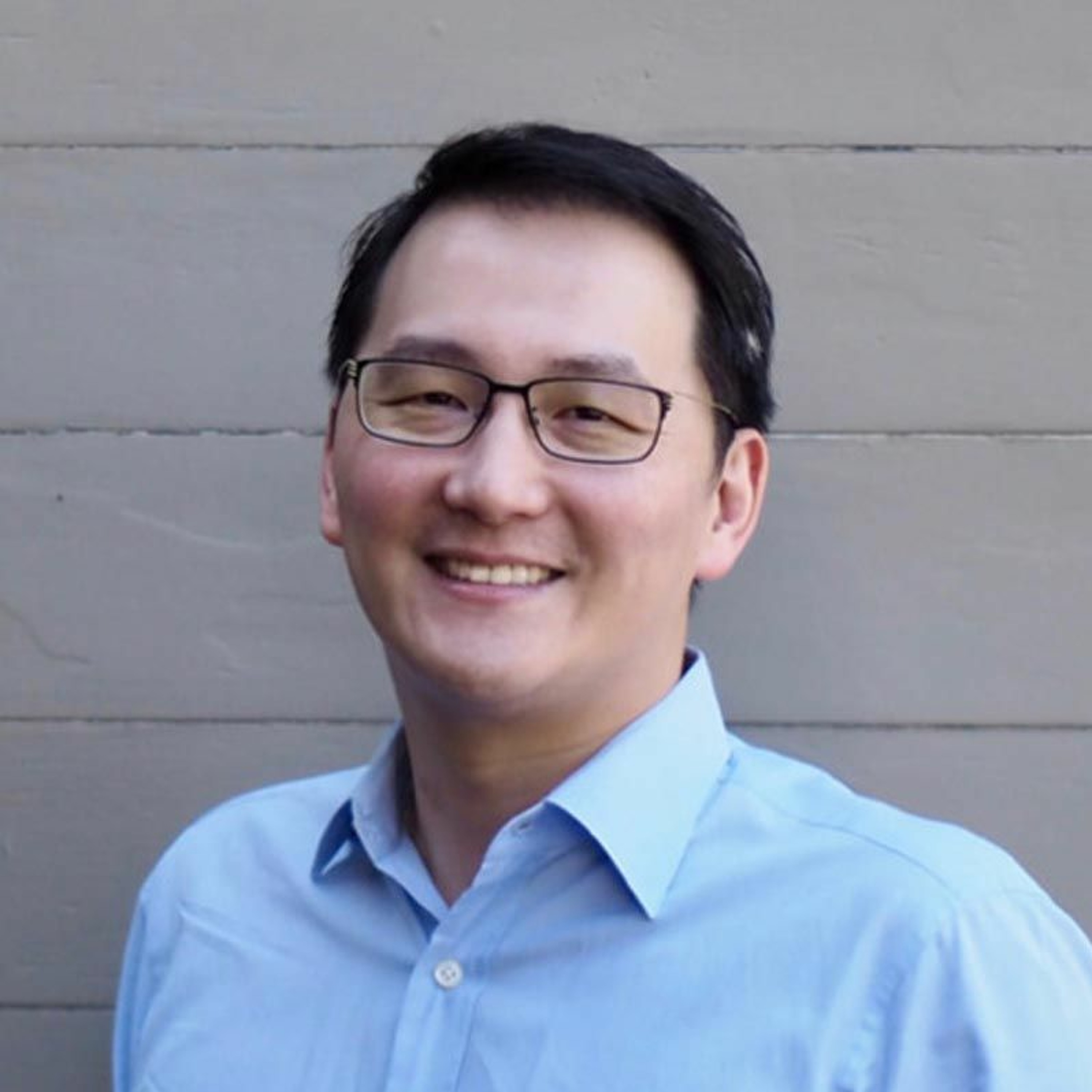
Senti Bio is using synthetic biology to build intelligence into cell and gene therapies, altering the way they act depending on the changing biological circumstances they may encounter in the body. Doing so may lead to safer and more effective therapies and address such things as the tumor microenvironment and mechanisms cancer have to grow, spread, and become resistant to treatments. Ahead of his appearance at the SynBioBeta conference that runs October 1-3 in San Francisco, we spoke to Tim Lu, co-founder and CEO of Senti Bio, about the company’s efforts to engineer a new class of intelligent medicines, its ability to design therapies that hit multiple targets, and its strategy to leverage its technology to reach beyond oncology through partnerships.

A Therapeutic Approach Built on Protein Degradation
Nurix Therapeutics is harnessing the body’s natural process for controlling protein levels to target and degrade proteins that drive cancer and other diseases. Its small molecule therapies control key enzymes responsible for protein breakdown and can be used to modulate the levels of proteins within cells. The company believes it can leverage the approach to treat a range of diseases. We spoke to Arthur Sands, CEO of Nurix, about the company’s discovery platform, its pipeline of cancer therapies, and its recent collaboration with Gilead Sciences to discover and develop drug candidates against up to five targets.

Harnessing AI to Improve Sales and Marketing Decision-Making
The biopharmaceutical industry has been embracing artificial intelligence as a way to address complex issues of drug design and development, but Aktana is betting that such big data analysis can improve decision-making around sales and marketing too. Aktana’s AI technology integrates with a company’s customer relationship management system to synthesize data from a wide variety of sources and guide marketing teams and sales reps about such things as which physicians to contact, when to do so, and how to best approach them. We spoke to David Ehrlich, president and CEO of Aktana, about the company’s decision support products, how they work, and the case for using AI to improve sales and marketing decision-making.

A Doctor’s Quest to Cure His Own Rare Disease
When David Fajgenbaum was in medical school, he became stricken with a rare autoimmune disease that nearly killed him. Though he recovered, he would suffer recurring, life-threatening flares only to discover the poor state of research into condition. Fajgenbaum chronicles his rare disease journey and his efforts to drive research and find treatments in his new book “Chasing My Cure: A Doctor’s Race to Turn Hope into Action.” Fajgenbaum, who is executive director of the Castleman Disease Collaborative Network, will be featured at this year’s Global Genes Rare Patient Advocacy Summit, which begins in San Diego September 18. Ahead of the summit, we spoke to him about his experience as a rare disease patient, his efforts to find treatments for his conditions, and how his innovative approach to developing a patient-driven research agenda has provided a roadmap for other rare disease organization to follow suit.

Athersys Advances Off-the-Shelf Stem Cell Therapy for Stroke
Among the many challenges to developing stem cell therapies is the need to match donors to recipients and the risk of graft vs. host disease that requires the use of immunosuppressants. Athersys has developed a stem cell therapy platform known as MultiStem that makes use of a type of stem cell that doesn’t carry the risk of causing an immune response. What’s more, cells from a single donor can be expanded to provide potentially millions of doses to treat a wide range of conditions making it a scalable, off-the-shelf therapy. The company’s is in late-stage clinical testing of its cell therapy for the treatment of ischemic stroke, a leading cause of serious disability. We spoke to Gil Van Bokkelen, CEO of Athersys, about the company’s MultiStem platform, how it works, and the range of indications it is pursuing.

Enlisting the Innate Immune System to Fight Cancer and other Diseases
Immunotherapies have mostly sought to harness the adaptive immune system, but Silverback Therapeutics believes its technology platform will allow it to enlist the innate immune system in the fight against cancer, fibrosis, and infectious diseases. The company is developing antibody conjugates that activate myeloid cells to target tumors. It’s lead indication is in HER-2 positive tumors. We spoke to Peter Thompson, co-founder and CEO of Silverback, about the company’s platform technology, its potential applications, and the challenges of activating the innate immune system in a targeted fashion.

Using AI to Improve Clinical Development
Artificial intelligence is all the rage in drug discovery today, but there are efforts to apply to technology to other aspects of the drug development continuum to improve decision making and increase efficiency. One such example is Phesi, which has developed an artificial intelligence platform to improve clinical site selection, evaluate protocol designs and patient inclusion criteria, and manage the implementation of trials. We spoke to Gen Li, founder and president of Phesi, about his company’s AI platform, how it works, and the case for the use of artificial intelligence as a tool to improve drug development.

Addressing the Challenge of Making Antibody-Drug Conjugates
Antibody-drug conjugates marry the precise targeting of an antibody to a cytotoxic payload. That has the potential to provide a powerful treatment approach to a variety of cancers with less toxicity than systemically delivered chemotherapy. The problem has been producing large quantities of antibody-drug conjugates in a consistent manner where all the pieces are where they belong. Sutro Biopharma has developed a technology platform that allows it to precisely design and consistently manufacture these molecules. We spoke to Bill Newell, CEO of Sutro, about the promise of antibody-drug conjugates, the company’s platform technology, and its lead therapeutic candidates.

Targeting Regulators of Genes to Treat Cancer
While much of the focus of drug developers looking to act on the genetic mechanisms underlying diseases has focused on the genes that code for proteins, Syros Pharmaceuticals is looking to the regulatory regions of the genome. This is the noncoding part of the genome that controls the expression of genes, turning them on or off, or modulating their level of activity. We spoke to Eric Olson, chief scientific officer of Syros Pharmaceuticals, about the company’s discovery platform, its pursuit of cancer and monogenic diseases, and the lead programs in its pipeline.

Harnessing the Immune System to Diagnose and Treat Cancer
Anixa Biosciences is harnessing the immune system to both diagnose and treat cancer. It recently announced a licensing agreement with the Cleveland clinic for a novel breast cancer vaccine that is being developed for both therapeutic and prophylactic use. It’s lead candidate is a CAR-T cell therapy in development for ovarian and other solid tumors. We spoke to Amit Kumar, president and CEO of Anixa, about the company’s strategy to pursue both therapeutic and diagnostic products, its partnerships with leading research institutes, and its development strategy going forward.

Using Synthetic Biology to Produce Cannabinoids
There’s growing interest in cannabinoids for their therapeutic potential in a range of conditions, but one challenge therapeutic developers face is a reliable and consistent supply. Teewinot Life Sciences is using synthetic biology to produce a range of cannabinoids. We spoke to Michael Luther, president and CEO of Teewinot Life Sciences, about the companies process for producing cannabinoids, its business model, and the therapeutic and consumer areas it plans to pursue.

EpicentRx Hopes Rocket-Fuel-Derived Drug Will Propel It
Much has been made about a cancer moonshot, but in the world of oncology, rocket fuel is rarely a topic of conversation except maybe as a metaphor. EpicentRx, though, is looking to rocket fuel as a source for its lead experimental therapy RRx-001. It believes this high-energy molecule, derived from rocket fuel, has the potential to improve immunotherapies and radiotherapies, as well as having anticancer activity on its own. We spoke to Corey Carter, president and CEO of EpicentRx about how RRx-001 came about, how it works, and the company’s oncolytic viral pipeline also in development.

Using Fruit Flies to Personalize Cancer Therapies
The complexity of individual tumors creates a challenge for physicians to determine the optimal treatment for any given patient. This complexity may also require a combination of therapies to target the multiple pathways a given cancer may exploit to grow and spread. My Personalized Therapeutics is taking a model systems approach to pair patients to customized drug regimens by using fruit fly models of a patient’s cancer to screen hundreds of FDA approved therapies and combinations. We spoke to Laura Towart, co-founder and CEO of My Personalized Therapeutics, about the company’s Personalized Discovery Process, how it works, and why it may lead to better outcomes for cancer patients.

Bridging the Gap Between Data and Knowledge with AI
As biomedical data proliferates and the life sciences becomes more closely integrated with data science, the ability for researchers to access, use, and learn from the growing universe of information requires new tools. InveniAI is seeking to address this need with its artificial intelligence platform for biopharmaceutical companies to both monitor innovation and to enhance their own drug development capabilities. We spoke to Krishnan Nandabalan, president and CEO of InveniAI, about the company, how its artificial intelligence platform is being used, and what he expects the ultimate payoff from this technology will be.

How Virtual Reality May Change the Way Researchers Discover and Develop Drugs
The convergence of information technology with the life sciences is opening up new ways of approaching the challenges of drug discovery and development. While much has been made about approaches that seek to leverage artificial intelligence, Nanome is bringing virtural reality into the process. With the company’s technology, scientists can take a fantastic journey to view and manipulate proteins, compounds, and other molecules at a nanoscale. We spoke to Steve McCloskey, founder and CEO of Nanome, about the company’s virtual reality platform, how scientists can use it to collaborate in real time, and its potential to change the way researchers discover and develop drugs.

Addressing the Challenges of Drug Development with a New Market
The high cost of developing therapies impedes the pharmaceutical industry’s ability to bring innovative products to market, but also leaves potentially valuable discoveries languishing on university shelves. The Swiss non-profit foundation Molecule is trying to alter the landscape by establishing an online marketplace to create shared ownership of intellectual property and provide a new funding mechanism for early-stage experimental therapies that could also lead to distributed research and development of promising drugs. We spoke to Paul Kohlhaas, founder of Molecule, about the market it is developing, how it would work, and the challenges it will need to overcome to make it a reality.

Addressing the Challenge of Producing Stem Cell Therapies with Consistency at Scale
Mesenchymal stem cells may be a powerful way to treat a range of medical conditions but realizing the therapeutic potential of these cells has been hampered in part by the challenges of manufacturing a consistent product at scale. Cynata Therapeutics believes its platform technology addresses these challenges. The company lead cell therapy candidate is being developed to treat graft vs. host disease, a potentially deadly response to the transplantation of cells from a donor. We spoke to Ross MacDonald, CEO of Cynata, about the company’s platform technology, the potential for these therapies, and the indications the company is pursuing.

Ensuring a Placebo Response Doesn’t Derail a Clinical Trial
The placebo response in clinical trials can derail a promising experimental therapy that might benefit patients. In cases where trials rely on subjective endpoints or patient-reported outcomes, the placebo response can be more pronounced. Tools4patient has developed a means of identifying patients who are likely to be placebo responders and allow trial sponsors to take steps to account for that in clinical studies. We spoke to Erica Smith, vice president of business development at Tools4Patient, about the placebo response, the consequence this phenomenon has on drug development, and how the company is seeking to address this problem.

Using AI to Find New Uses for Validated Drugs
Artificial intelligence is being embraced the pharmaceutical industry as a way to reduce the time and cost of drug development. BioXcel Therapeutics is using AI to leverage as a means to identify new targets for approved drugs and clinically-validated drug candidates with a focus on oncology and neurology. We spoke to Vimal Mehta, CEO and founder of BioXcel Therapeutics, about the company’s AI platform, what makes it unique, and its pipeline of repurposed therapies.

Using Digital Health to Change Our Understanding of What Drives Disease
The ability to capture and parse data in real-time and at a vast scale is transforming our approach to biomedical research and has the potential to change the way we think about the causes of disease, public health, and medical interventions. Paul Glimcher, president and CEO of Datacubed Health and professor of Neural Science, Economics and Psychology, at New York University, where he directs the Institute for the Study of Decision Making, is conducting an ambitious study known as The Human Project. The study will gather data on the everyday habits and health of 10,000 New Yorkers over 20 years to find critical connections between biology, behavior, and the environment to drive evidence-based public policies to improve lives. Through his company Datacubed Health, he’s using the same technologies to drive patient-centered research. We spoke to Glimcher about his work, how technology is changing the nature of health research, and how he sees digital technology transforming the healthcare continuum from discovery to care.

Cidara Advances Antiviral Conjugate to Treat and Prevent Flu
Cidara Therapeutics is developing new anti-infectives using its Cloudbreak platform to develop antiviral conjugates that both directly kill pathogens and also enlist a patient’s immune cells to attack and eliminate them. The company is advancing its first therapy developed through the platform to the clinic, CB-012, an experimental therapy that is being developed to both treat and prevent flu infections. We spoke to Jeff Stein, CEO of Cidara, about the therapy, how it works, and the need the company is trying to address.

Building a Drug Empire on Undervalued Assets
Roivant Sciences doesn’t fit easily into conceptions of drug companies, venture capital firms, or accelerators. It is building highly-focused drug development companies around promising undervalued assets it licenses. In five years’ time, it’s raised more than $3 billion, amassed a broad pipeline of more than 35 therapies, and has more than 800 employees. We spoke to Eric Venker, chief operating officer of Roivant, about the company’s business model, how it leverages its resources, and how it may be changing the industry’s approach to drug development.

Bringing Precision Medicine to Autoimmune Disease
Advances in precision medicine have helped to reshape the cancer landscape with the development of diagnostics to determine whether a patient may benefit from a specific drug. Little progress, though, has been made outside of the area of oncology to avoid the waste of time and money on therapies that won’t work for an individual patient. Scipher Medicine is working to change that for the treatment of autoimmune diseases by identifying which patients would benefit from which drugs. We spoke to Alif Saleh, CEO of Scipher, about the company’s approach, the opportunity it is addressing, and how he sees the area of precision medicine evolving.

Fighting Drug-Resistant Fungal Infections
Concerns about the threat posed by the growth of drug-resistant pathogens has often focused on the need to reinvigorate our arsenal of antibiotics, but health authorities are paying new attention to the rise of invasive fungal infections. Globally, about 1.5 million people each year die from these infections. There’s been a lack of investment and innovation in new types of antifungals and the worry is growing about the emergence of fungal strains that are resistant to existing treatments. We spoke to Ciara Kennedy, president and CEO of Amplyx, about the need for new antifungals, why this problem is emerging, and her company’s first-in-class experimental therapy to fight fungal infections.

Accelerating Early-Stage Biotechs
The effort to cost-effectively accelerate the development of new therapies has led to the rise of new business models that seek to provide expertise, capital, and access to professional networks that can help early-stage companies navigate pitfalls and overcome challenges. Xontogeny is a bit of a hybrid in its approach, preferring the term aggregator to accelerator or incubator. We spoke to Chris Garabedian, chairman and CEO of Xontogeny, about the company’s approach, what it looks for in the biotechs it backs, and what he’s learned from his own experience as a biotech executive that he thinks will benefit others.

Agenus Advances Broad Immuno-Oncology Pipeline
Agenus is an immuno-oncology company with a long history and a broad portfolio. To help fund its pipeline, it entered into a significant alliance with Gilead Sciences in December 2018 and has used an unusual funding mechanism by raising money through what it described as the first asset-backed digital-security offering. We spoke to John Castle, head of translational medicine and bioinformatics at Agenus, about the company’s approach to managing and prioritizing its pipeline, its use of artificial intelligence, and the recent deals it’’s done to fund development.

Targeting the Right Proteins to Treat Neurological Diseases
The recent late-stage failure of another high-profile Alzheimer’s disease drug candidate is a reminder of the challenges of developing drugs for neurological diseases. These challenges are driven by the fact that there are hundreds of different brain cell types and complex circuits and pathways in the brain that make it difficult to identify the right protein to target to treat a given disease. Cerevance says its proprietary platform overcomes the limitations of must approaches used today to study human brain cells. We spoke to Brad Margus, CEO of Cerevance, about the company’s platform technology, how it addresses the challenges drug developer face, and the programs it has advanced to date.

A Treat Locally, Act Globally Strategy for Treating Cancer
Intensity Therapeutics argues that cancer is both a micro and macro disease. Therapies need to act at the site of tumors, but they also need to treat the systemic effects of the disease that results from micro-metastases. Intensity is developing cancer therapies that are delivered directly into tumors, but also stimulate the innate immune system to address the more systemic effects of cancer. We spoke to Lewis Bender, CEO of Intensity, about the company’s platform technology, how it enlists the innate immune system in the battle against cancer, and the thinking behind the company’s approach.

Squeezing New Possibilities into Cell Therapies
SQZ Biotech believes its platform technology can enable the engineering of virtually any function into any cell type allow for a new world of cell therapies to revolutionize the treatment of diseases. As its name implies, it does this by squeezing a cell to momentarily disrupt its membrane to allow it to insert a range of substances. We spoke to Armon Sharei, CEO of SQZ Biotech, about the company’s platform technology, its initial focus on oncology and auto-immune diseases, and the broad potential for this approach.

Industry Calls for New Incentives to Spur Development of New Antibiotics
As concerns grow about the rise of antibiotic resistant bugs, the ability to combat them is being undermined by the economics of antibiotic drug development. Many large pharmaceutical companies stepped away from the space and despite the passage of the GAIN Act in 2012 and government investment in antibiotic research and development, drug companies argue more action is needed. We spoke to Michael Dunne, chief scientific officer at Iterum Therapeutics, about the state of the antibiotic arsenal today, the challenges drug developers face, and whether Congress will be willing to provide the industry incentives to address societal needs at a time when there is growing animosity towards the industry over issues such as pricing.

Company Seeks to Prove Marine-Derived Alzheimer’s Drug Is No Fish Story
Neurotrope is developing its experimental therapy bryostatin as a potential treatment for Alzheimer’s disease and other neurodegenerative conditions. The company believes the drug has multiple mechanisms of action and can stimulate synaptic growth factors to repair damaged synapses, form new ones, and prevent neuronal death. The company, though, found itself in a controversy over the way it characterized results from a phase 2 study of the drug in 2017. It is now conducting a second phase 2 study of the drug in the hopes of demonstrating meaningful benefits for patients. We spoke to Daniel Alkon, chief scientific officer of Neurotrope, about bryostatin, the controversy over the way it reported its previous results, and the path forward for the drug.

Targeting the Plasma Proteome to Address Diseases of Aging
As people age, their bodies lose the ability to regenerate as well as they were able to when they were younger. Alkahest believes this is tied to changes in the mix of proteins that are present in the blood as we age. It is developing therapies for diseases of aging that seek to target specific proteins that are upregulated in diseases of aging, as well as providing a wide set of proteins drawn from purified human plasma as a therapeutic approach to counter the depletion of regenerative proteins. We spoke to Elizabeth Jeffords, chief commercial and strategy officer for Alkahest, about the science underlying the company’s approach, the controversy around others who have offered so-called “young-blood” transfusions, and the pipeline the company is pursuing.