
Stop Chasing Pain
121 episodes — Page 3 of 3

SCP Podcast Episode 242: Dr. Jolene Brighten - Is This Normal?
EIn this episode, join us as we talk with Dr. Jolene Brighten, author of Is This Normal? Judgement-free straight talk about your body. Dr. Jolene Brighten NMD, is a hormone expert, nutrition scientist, and thought leader in women's medicine. She is board certified in naturopathic endocrinology and trained in clinical sexology. Dr. Brighten is the author of Is This Normal, a non-judgemental guide to creating hormone balance, eliminating unwanted symptoms, and building the sexual desire you crave. A fierce patient advocate and completely dedicated to uncovering the root cause of hormonal imbalances, Dr. Brighten empowers women worldwide to take control of their health and their hormones through her website and social medical channels. Dr. Brighten is an international speaker, clinical educator, and medical advisor within the tech community. Highlights of this podcast include: Hormones Genetics Fertility Body literacy Insulin Nutrition Stress Joy PCOS Inflammation Seed cycling Conception window Orgasm gap Sex Ed Cervical orgasm Importance of pleasure HPV Stigmas Removing shame Libido Top 3 things you can put into action right now And so much more... This podcast contains explicit and mature content. To learn more about Dr. Jolene Brighten, her website: www.drbrighten.com or on her social handles on Instagram, Tiktok, and Youtube - @drjolenebrighten Dr. Jolene has generously shared a book bonus gift for our audience.

SCP Podcast Episode 241: Dr. Jill Carnahan - Unexpected
In this episode, join us as we talk with Dr. Jill Carnahan. Dr. Jill Carnahan is Your Functional Medicine Expert® dually board certified in Family Medicine for 10 years and in Integrative Holistic Medicine since 2015. She is the Medical Director of Flatiron Functional Medicine, a widely sought-after practice with a broad range of clinical services including functional medical protocols, nutritional consultations, chiropractic therapy, naturopathic medicine, acupuncture, and massage therapy. As a survivor of breast cancer, Crohn's disease, and toxic mold illness she brings a unique perspective to treating patients in the midst of complex and chronic illness. Her clinic specializes in searching for the underlying triggers that contribute to illness through cutting-edge lab testing and tailoring the intervention to specific needs. Featured in Shape Magazine, Parade, Forbes, MindBodyGreen, First for Women, Townsend Newsletter, and The Huffington Post as well as seen on NBC News and Health segments with Joan Lunden, Dr. Jill is a media must-have. Her YouTube channel and podcast features live interviews with the healthcare world's most respected names. She co-authored the Personalized and Precision Integrative Cardiovascular Medicine Textbook and is set to release her prescriptive memoir through Forefront Publishing in 2023. A popular inspirational speaker and prolific writer, she shares her knowledge of hope, health and healing live on stage and through newsletters, articles, books, and social media posts! People relate to Dr. Jill's science-backed opinions delivered with authenticity, love and humor. She is known for inspiring her audience to thrive even in the midst of difficulties. Highlights of this podcast include: Pain and Chronic Illness Transformation Uncertainty Functional Medicine Chemotherapy SIBO Stool Test Crohn's Colitis Fungal Overgrowth Mold Toxic Load Highly Sensitive Persons S.O.U.L. practice Addiction Self Love Connection And so much more... To learn more about Dr. Jill Carnahan, visit jillcarnahan.com or follow her on Instagram at @drjillcarnahan.
SCP Podcast Episode 240: Kute Blackson - The Magic of Surrender
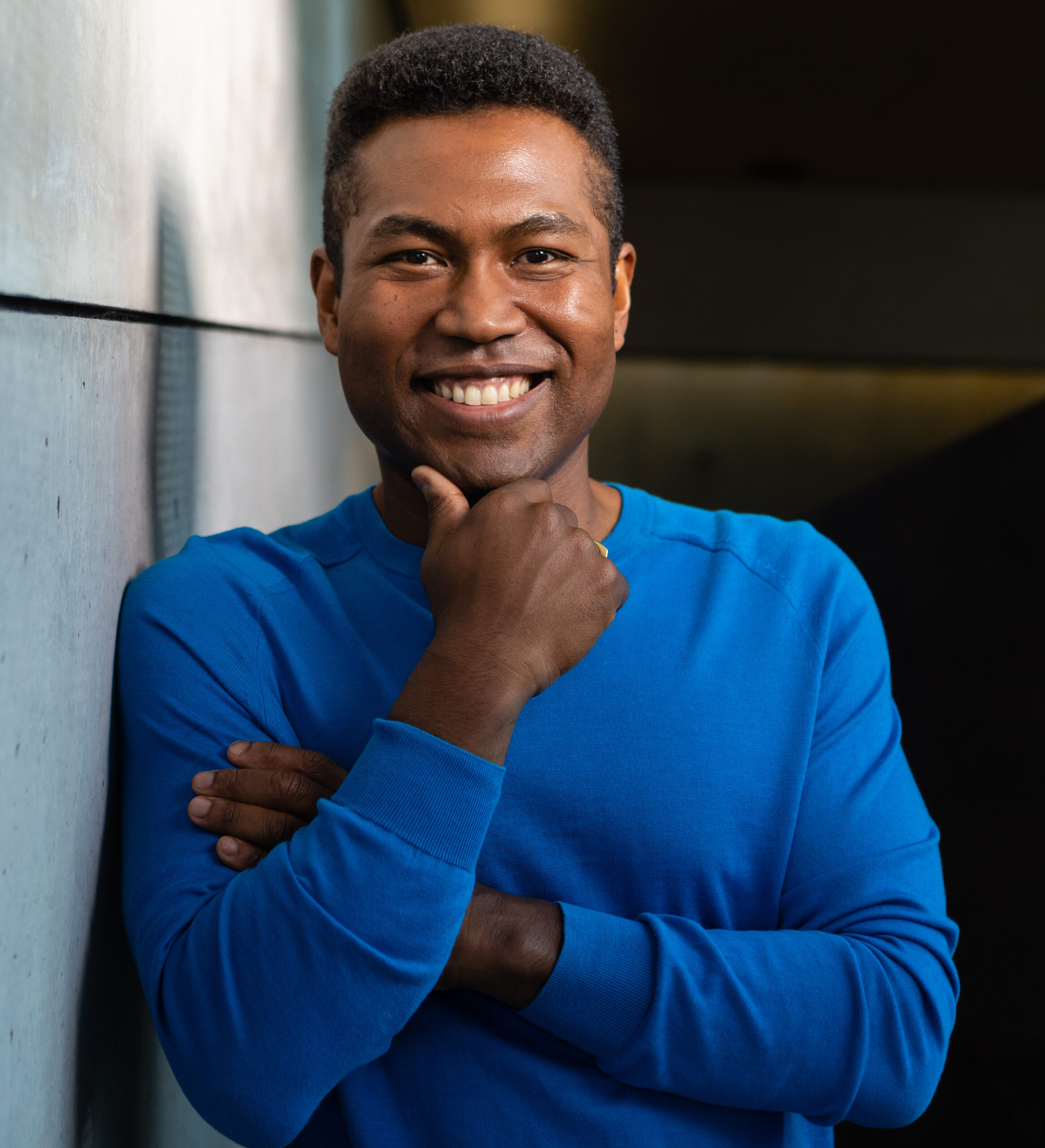
In this episode, join us as we talk with Kute Blackson. A transformational teacher, speaker, visionary, guide and national best-selling author of You.Are.The.One. and The Magic of Surrender. A beloved inspirational speaker and transformational teacher, Kute Blackson offers a fresh, bold look at spiritual awareness for a whole new generation. Born in Ghana, West Africa, Kute's multicultural upbringing as the child of a Japanese mother and a Ghanaian father has spanned four different continents. His unique lineage lay the foundation for his approach to breaking down barriers and unlocking an individual's true gifts and greatness. Though Kute was raised all over the world, he had always dreamed of life in America. As if by kismet, he won a green card just after finishing school in London. He came to America alone just months later, with no connections or prospects. When Kute arrived in Los Angeles, all he had to his name were two suitcases and the dream of seeking out the spiritual and self-help icons who had inspired him when he was a boy. Kute quickly learned that the "outside-in" approach favored by so many in the personal development space had to become an inside-out approach. So he decided to create his own method—a process that liberates the individual and the true self at the core and then pushes those gifts outward into the universe. This helps the individual get in touch with who they really are. It is a process of breaking free—so that the individual can live, give, and share the truest expression of their self. This is what Kute calls "Liberated Living." Highlights of this podcast include: Surrender Love and surrender The secret to manifestation Magic Fear Nature Conditioning Freedom Ego Meditation Resistance Awareness Labels Authenticity And so much more... To learn more about Kute Blackson, visit kuteblackson.com or follow him on Instagram at @kuteblackson.

SCP Podcast Episode 239: Lee Burton - Functional Movement
In this episode, join us as we talk with Lee Burton, FMS Co-Founder. Dr. Lee Burton received his Bachelor's Degree in Athletic Training from Appalachian State University and his Master's Degree in Education with an emphasis on athletic training from Old Dominion University. Lee received his Doctorate Degree from Virginia Tech with an emphasis in Health Promotion and Wellness. He attained his Certification of Athletic Training through the NATA-BOC and his Certification of Strength and Conditioning through the NSCA. He has presented internationally on numerous sports medicine topics. Additionally, Lee has authored book chapters and articles in a variety of sports medicine journals and produced instructional videos concerning functional applications for treatment, assessment and conditioning of active individuals. Lee consults with a wide variety of organizations and individuals including NFL, NHL, MLB, NBA, military/government entities, as well as the Cooper and Mayo Clinics on injury prevention and performance enhancement. Highlights of this podcast include: Holistic movement approach Corrective exercise Ankle mobility Squat Movement screening Mobility Pain Breathing Hydration Environment Trends Hypermobility And so much more... To learn more about Lee Burton, visit functionalmovement.com or follow him on Instagram at @lburtonfms01 or at @functionalmvmt.

SCP Podcast Episode 238: Robby Besner - Ozone
In this episode, join us as we talk with Robby Besner, owner, and CEO of Therasage. Rob Besner, PSc.D, the Chief Science Officer, device developer, and cofounder of Therasage, Premier Infrared Healing Products, recognized as the leader in integrated infrared technology. Rob has always been an advocate of natural health and wellness. After graduating from Boston University in Pre-Med, Engineering, Psychology, and Business, he continued onto post-graduate work at Case Western Medical School and Holistic Medicine. After many years of illness, Mr. Besner's teenage daughter was diagnosed with Lyme Disease. This began his mission to find alternative, holistic and homeopathic avenues of treatment. He discovered the natural healing effects of Infrared frequencies and began developing specialized devices and applications to help his daughter with her health challenge. When he saw the positive results, he felt compelled to share what he had discovered and formed Therasage, now recognized as the leader in integrated Infrared technology. Therasage has built a reputation with the healthcare community and mainstream public by educating and creating special cutting-edge applications and protocols, unique from the rest. A Professor for the World Federation of Chinese Medicine Societies, an annual contributor at the World Committee on Infrared, a member of the Education Committee of the prestigious Hippocrates Health Institute, a presenter at many Medical, Integrative, and Anti-Aging Health Conferences, as well as an invited contributor on many pod-casts online summits, on-air radio and TV health shows around the world, best-selling author, and considered a leading scientist in the field of Integrated InfraRed technology. Besner continues to research and develop new devices and health science applications to bring the power of healing with nature to the world. Since its founding, Therasage has become the gold standard for energy healing naturally healing infrared, negative ions, and eliminating EMFs (the harmful frequencies that electronic products generate.) Highlights of this podcast include: What is Ozone Gamma Infrared sauna Nitric oxide Blood flow Listening to your body Going slow Strategy Falls fever Cleaning the air Ozone bubbler Ozone and oral health Oxygenating water Coffee enema Probiotics And so much more... To learn more on Therasage, visit Therasage.com or follow them on Instagram at @therasageinfrared. Enter code STOPCHASINGPAIN at checkout and receive a 15% off discount on your purchase. To learn more about Therasage, visit Therasage.com or follow them on Instagram at @therasageinfrared. Enter code STOPCHASINGPAIN at checkout and receive a 15% discount on your purchase.

SCP Podcast Episode 237: Dr. Guillermo Oliver - Lymphatic Vasculature Novel Functional Roles in Disease
In this episode, we chat with Dr. Guillermo Oliver. Guillermo Oliver is a Uruguayan-American research scientist. He is currently the Thomas D. Spies Professor of Lymphatic Metabolism at Northwestern University, and director of the Center for Vascular and Developmental Biology at the Feinberg Cardiovascular Research Institute. Oliver is an elected member of both the American Association for the Advancement of Science and the Academia de Ciencias de América Latina. One of Oliver's research focuses has been the lymphatic vasculature, and his laboratory demonstrated that Prox1 activity was required for the differentiation of lymphatic endothelial cells and the formation of the entire lymphatic vasculature.[9][10] They later showed the role of lymphatic vasculature on obesity.[11][12] His laboratory also identified Six2 as a critical gene in the process of generation of nephron progenitors[13] and demonstrated that Six3 activity was required for the formation of the mammalian forebrain and neuroretina in mice.[14][15] He expanded those results using embryonic stem cells and induced pluripotent stem cells to generate eye organoids that mimic early eye development.[8] In 2020, he published his research on the role of the Reelin protein promotes cardiac regeneration and repair by reducing cell death after heart injury in the journal Nature.[16][1 (Bio reference: Wikipedia) Highlights of this podcast include: What is Lymphatics Removal of toxins Immune response Lymphedema Weight gain and lymphatics Obesity and lymphatics Meningeal lymphatics Cardiac repair Lymphatics and organ growth Comorbidity Diet and lymphatics Crohns, IBS and lymphatics Lipedema And so much more... To learn more about Guillermo Oliver, visit @NU_Lymphatics on Twitter or on the Northwestern Medicine website and bio. Reference: The Lymphatic Vasculature in the 21st Century: Novel Functional Roles in Homeostasis and Disease.

SCP Podcast Episode 236: David "Avocado" Wolfe
In this episode, we chat with David "Avocado" Wolfe. Leader in the "superfood" movement. David "Avocado" Wolfe is the rock star and Indiana Jones of the superfoods and longevity universe. The world's top CEOs, ambassadors, celebrities, athletes, artists, and the real superheroes of this planet—Moms—all look to David for expert advice in health, beauty, herbalism, nutrition, and chocolate! He is the visionary founder and president of the non-profit The Fruit Tree Planting Foundation charity (www.ftpf.org) with a mission to plant 18 billion fruit, nut, and medicinal trees on planet Earth. Highlights of this podcast include: Gynostemma Ginseng Chinese herbs Growing your own food Pine pollen - testosterone Loblolly pine Time in nature -microbes Activated Charcoal Herbalism Medicinal Mushrooms Foraging Immune literate Makai sea salt Jing leakage He Shou Wu Rehmannia Adsorption (with a "d") Ozone And so much more... To learn more about David, please visit Instagram @davidavocadowolfe or on his website at davidwolfe.com and at frequencylifestyle.org.
SCP Podcast Episode 235: Clint Ober - Earthing
In this episode, we chat with Clint Ober, Earthing pioneer and author of Earthing: The Most Important Health Discovery Ever! Clint grew up on a farm in Montana where daily life existed in balance with Mother Nature. His childhood days were spent chasing cows, baling hay, and walking the long rows of beets and beans pulling weeds while barefoot. Of this time, Clint notes, "Everything was about the Earth." Many of Clint's friends were from the Native American reservation. He noticed that most things they did were different from what he was told was "normal." One time, his friend's mother told him to remove his shoes when they got home from school. "They will make you sick," she said. Clint vividly remembers when the sister of his friend became very ill with a bad case of scarlet fever. Her grandfather dug a pit in the ground and placed her in it. He built a fire near the pit and sat nearby. The girl stayed there for a few days and then arose, much better. Clint helped pioneer the first-ever cable modem and distribution through personal computers of news reports from news agencies around the world. He was closely involved in the early development of programming and marketing for the cable and telecommunications industries, working with the top visionaries who created Cable News Network (CNN), Home Box Office (HBO), and other major cable networks. Clint was successful in every way possible, until 1993 when his health crumbled. It was only later in life that Clint realized that everything his friends' parents did was based on a much greater knowledge of Nature than he was ever taught. For more than 20 years, Clint has dedicated his life to improving the health of everyone on earth. In 1998 after a successful career grounding systems in the cable television industry, he began investigating the potential to improve human health with grounding. Today, he is founder of Earth FX Inc., a grounding research and development company based in California through which he helped to develop, and patent, the first indoor Earthing products. His products are used by millions of people every day around the globe to improve their quality of life. Highlights of this podcast include: Movement of electrons is life Nutrition Inflammation - fire Inflammation cannot exist in a grounded body Tooth health Liver health Static electricity Shoes Nature for healing Grounding Grounding and PMS EMF Grounding and cortisol Grounding and MS And so much more... To learn more about Clint, please visit Instagram @clintober . Earthing and Ground Therapy are sold by Clint's companies on his website Earthing.com and also on Amazon and via other select authorized retailers.

SCP Podcast Episode 234: Max Casa
In this episode, we chat with Max Casa, or the "Shamanic Sensei" as some know him. He is the President and Founder of Max Vitality. He is also a world-class, life-long martial artist, performance coach, and medicine man. Max developed the Max Vitality Protocol (MVP), by leveraging the same frameworks he used and established during his own coaching and high-performance journey. After over a decade of coaching thousands of elite athletes, he has fine-tuned his process to help maximize performance & transcend dis-ease as effectively as possible by optimizing mineral levels. Highlights of this podcast include: CMT Flotation tanks / sensory deprivation Brain effects of floating "The Spectrum" and floating Releasing trapped energy in the body Judgment / Shame Increased body awareness Increasing blood flow Magnesium absorption transdermally and follicular Nature and light for healing Magnesium chloride Flotation protocols Flotation and speed learning Blood pressure Float therapy and anti-anxiety effects Flow state And so much more... To learn more about Max, please visit Instagram @maxxcasa, @max_vitality.co or his website Max Vitality. Our friends and followers get 10% off their Vitality Salts orders using his discount code STOPCHASINGPAIN at checkout.

SCP Podcast Episode 233: Alex van den Heever
In this episode, we chat with Alex van den Heever. Wildlife tracker, speaker, and author of Changing a Leopard's Spots. Alex spent his formative years growing up on a cattle farm in the Western Cape, South Africa. After completing studies in Marketing and Business Management, he joined the world-renowned Londolozi game reserve in 1995, as a game ranger. Alex worked as the environmental manager, presented for the marketing team, and conducted specialized safaris. Alex's greatest fascination is the traditional skills of wildlife tracking. He has dedicated much of his life to learning the ancient skill, eventually qualifying as one of a handful of tracker assessors in 2004 – the youngest ever to achieve this feat. Over the last two decades, Alex has tracked jaguars in the Amazon jungle, bears in California, grizzlies, and wolves in Montana, Pumas in Patagonia, and the famous black-mane lions of the Kalahari. Alex is the Director of the Tracker Academy, an NGO which trains unemployed people in the traditional skills of tracking. He is also the director and shareholder of EcoTraining, the largest private guide training school in Africa. In addition to his conservation work, Alex has conducted diversity training leading courses aimed at facilitating a better understanding between black and white people working in corporate South Africa. Alex is the founder of Nhlayisa Nutrition Solutions, a company that produces fortified foods for rural markets and bulk feeding. The company distributes over a million meals per year of its vitamin-enriched products. Alex and Renias continue to work together in the bushveld, as well as to conduct motivational presentations in South Africa and abroad. Their inspirational presentation, The Power of Relationships, has relevance for both local South African as well as international audiences. Alex is the co-author of the bestselling animal tracking book called the Tracker Manual. Highlights of this podcast include: Nature calls Nature tracking Mental and Physical components of tracking Awareness Shifting focus Preserving nature Tracking in life Blood pressure And so much more... To learn more about Alex, please visit Instagram @alex_vandenheever or on his websites Tracker Academy, Alex & Renias, and Tracking Success.

SCP Podcast Episode 232: Justin Janoska MS
In this episode, we chat with Justin Janoska MS. He is the founder of The Autoimmune Revolution - an emerging company that guides women in their healing journey to reverse their autoimmune disease and reproductive disorder naturally. After fixing his mother's Hashimoto's, he made it his mission to help other women with autoimmune disease who need to hear the truth about what is possible. He has the greatest amount of experience with Hashimoto's, Multiple Sclerosis, Rheumatoid Arthritis, Ulcerative Colitis, PCOS, Infertility, Endometriosis, and eating disorders. Justin holds a Master's in Human Nutrition from The University of Bridgeport and did post-graduate studies in mind-body medicine. Naturally, he continues to advocate for women who struggle with emotional blocks, early adult and childhood trauma - a surprising component of his clients' history. Through his work with clients, he helps them acquire a deeper understanding of how they got here, supports them to be with their pain, and embrace their truth. Justin is deeply committed and, on a mission, to help revolutionize how we address and heal women who are struggling with autoimmunity, reproductive disorders, eating disorders and trauma. His new book "The Flexible Dieting Disaster" highlights his experience with clients who have struggled with eating disorders and disordered eating, and shares actionable tools to help cultivate self-healing. As an artist since childhood, he spends most of his time playing guitar and writing music when he is not changing lives! Highlights of this podcast include: Hashimoto's PCOS Autoimmunity Alternative Medicine Stress Trauma Overkill Less is more Diagnosis identity Trusting yourself Perception Healing your mind before your body Exploring the subconscious Shame Grief Childhood upbringing Giving yourself permission Type A - Overachievers Giving up control to regain your power And so much more... To learn more about Justin, please visit Instagram @justinjanoska or on his website theautoimmunerevolution.com

SCP Podcast Episode 231:Olympian Caroline Burkle
In this episode, we chat about mental health and athletics with Olympian Caroline Burkle. A former professional athlete, she swam in the Olympics in 2008. She has an Associate of Arts in Product Development and a Masters in Sport Psychology. Caroline co-founded RISE Athletes, and she enjoys creating artwork of the human form. Caroline has spent a decade in pursuit of, and (full stop) spent another decade after understanding her pain. This work has helped her blend art, mindset, and sport to discover herself, her shadows, her light, her movement, and her passions. Highlights of this podcast include: Mental health Confidence Burn out Emotional ties to injury Hitting rock bottom Illness and trauma Resentment Listening to your body Balance Trusting yourself Less is more Anxiety Recovery Visualization Breathwork Take 5 And so much more... To learn more about Caroline, please visit Instagram @caroburckle or on her websites carolineburckle.com and rise-athletes.com.

SCP Podcast Episode 230:Billy Carson and Elisabeth Hoekstra
In this episode, we chat with Billy Carson and Elisabeth Hoekstra. Billy Carson is the founder and CEO of 4BiddenKnowledge Inc, the Best Selling Author of The Compendium Of The Emerald Tablets and Woke Doesn't Mean Broke. He is also the winner of the 2022 Stellar Citizens Award. Mr. Carson is also the founder and CEO of 4BiddenKnowledge TV, a new conscious streaming TV network, and the Co-Host of Bio-Hack Your Best Life, He also is also a writer and contributor Rolling Stones and Entrepreneur magazines. Mr. Carson appreciates the dedication and hard work it takes to accomplish great things. Recently, Mr. Carson earned the Certificate of Science (with an emphasis on Neuroscience) at M.I.T. and has a certificate in Ancient Civilization from Harvard University. Among his most notable achievements, Billy is the CEO of First Class Space Agency based in Fort Lauderdale, FL. Specifically, his space agency is involved in the research and development of alternative propulsion systems and zero-point energy devices. Elisabeth Hoekstra has experienced over 60 different holistic modalities, making her an expert on hacking her own mental and physical health. Throughout her various careers, she has seen how stress can take its toll on people's physical well-being, leading to her most recent professional engagement. Elisabeth is the founder of Bio-Hack Your Best Life and the Director of Operations for 4BiddenKnowledge. Highlights of this podcast include: PTG - Post Traumatic Growth Consciousness Trauma Goals Forbidden Knowledge TV Egyptian pyramids Limitations and challenges Energy and frequencies Grounding Manifesting And so much more... To learn more about Billy and Elizabeth, please visit Instagram @4biddenknowledge or @ElisabethiHoekstra or visit the websites 4biddenknowledge.com and elisabethihoekstra.com.

SCP Podcast Episode 229: Gray Cook - The Business of Movement
In this episode, we chat with Gray Cook. Gray is a practicing physical therapist, a orthopedic certified specialist, a certified strength and conditioning specialist and an RKC kettlebell instructor. He is the founder of Functional Movement Systems, a company that promotes the concept of movement pattern screening and assessment. His work and ideas are at the forefront of fitness, conditioning, injury prevention, and rehabilitation. You'll find him lecturing on these topics several weekends each month, worldwide. His career started with an undergraduate degree in sports medicine and exercise science, with minors in athletic training and psychology. His interest took him to the University of Miami, where he studied physical therapy and furthered his strength and conditioning development. Gray has introduced a systems approach to understanding, training, and rehabilitating movement. He contends that we must map movement patterns and consider movement as a behavior, not simply as clean mechanical data. We must also develop a better understanding of how movement is learned, maintained, and restored. Gray's work cuts to the core of problems like low back pain, obesity, and the general physical decline of modern culture. By revisiting the natural developmental principals that all infants employ as they learn to walk, run and climb, Gray forces us the rethink motor learning, corrective exercise, and modern conditioning practices. Highlights of this podcast include: Stop Chasing Pain Rehabilitation Aging Weakest link Musculoskeletal problems Developmental milestones Breathing Supplementation Homeostasis Stress recovery cycle Structured governing function Diet Inflammation Sleep Risk factors Basic fundamentals Corrective exercises Fatigue Movement problems Exercise The Business of Movement Awareness Responsibility And so much more... To learn more about Gray Cook, please visit Instagram @functionalmvmt , The Business of Movement, or visit the website functionalmovement.com. EXERCISE LINKS MENTIONED: Half-kneeling and Tall-kneeling Workouts Movement Flows The Business of Movement

SCP Podcast Episode 228: Dr. Allyson Augusta Shrikhande - Pelvic Floor Dysfunction
In this episode, we chat with Dr. Allyson Augusta Shrikhande. A board certified Physical Medicine and Rehabilitation specialist, she is the Chief Medical Officer of Pelvic Rehabilitation Medicine. She is also the Chair of the Medical Education Committee for the International Pelvic Pain Society. She is working with other experts in the field of chronic pelvic pain to develop training modules for residents and physicians interested in learning about the diagnosis, treatment, and management of chronic pelvic pain. A leading expert on pelvic health and a respected researcher, author and lecturer, Dr. Shrikhande is a recognized authority on male and female pelvic pain diagnosis and treatment. Dr. Shrikhande is passionate about this cause and dedicated to helping men and women with pelvic pain who often suffer without anyone willing to listen, understand or find the cause of their pain. That's why she has traveled the world to work with expert gynecologists, urologists, physiatrists and interventional pain physicians. Dr. Shrikhande has distilled this global expertise into a minimally invasive, cutting-edge approach to the treatment of pelvic pain and pelvic floor muscle dysfunction. With an extensive background in mainstream clinical medicine, she also makes use of many alternatives, holistic and homeopathic approaches. Taking a team approach, she works with specialists in pelvic floor physical therapy, kinetics, and movement, as well as acupuncturists, nutritionists, cognitive behavioral therapists, and functional medicine physicians. Dr. Allyson Shrikhande currently teaches fall and spring remote courses at the Herman & Wallace Pelvic Rehabilitation Institute. Highlights of this podcast include: Pelvic pain Pelvic muscle disfunction Pelvic rehabilitation Women empowerment Endometriosis Toxins Genetic predisposition Autoimmune disease Hypertonic and Hypotonic pelvic floor Pelvic floor pain symptoms Musculoskeletal pain Men and pelvic floor issues Inflammation Nerve pain Treatment Exercise PCOS All systems are connected And so much more... To learn more about Dr. Allyson Augusta Shrikhande, please visit Instagram @pelvicrehabilitation or visit the website pelvicrehabilitation.com

SCP Podcast Episode 227: Dr. Asia Muhammad
In this episode, we chat with Dr. Asia Muhammad. Asia Muhammad values the power of lifestyle modifications to achieve optimal health. She uses evidence-based, science-based medicine to provide individualized attention to those in her practice. As a naturopathic doctor, she utilizes nutrition, exercise, supplementation through nutraceuticals, botanical medicine, and mind-body therapies such as hypnosis. She has a special interest in gastroenterology, mind-body medicine, and stress management, as increasing research demonstrates the role of stress in disease. She has received additional training in mind-body therapies, including hypnosis, guided imagery, biofeedback, autogenic training, and progressive muscle relaxation. Highlights of this podcast include: Gut and Liver, best friends forever! Bowel movement difficulties Effects of improved bowel functionality H. pylori Burping, bloating Gut / Brain connection Antibiotics Stress Leaky gut Acid reflux and PPIs Nutrition and digestive habits "Poop" Dysbiosis Bacteria diversity Fiber Poly autoImmunity Chronic pain Nutrient absorption Physical manipulation for gastrointestinal issues Stomach acid Nonalcoholic fatty liver disease High fructose corn syrup Glutathione And so much more... To learn more about Dr. Muhammad, please visit Instagram @dr.asiamuhammad or visit the website asiamuhammad.com.

SCP Podcast Episode 226: James Cant - Stress and Success
In this episode, we chat with returning guest James Cant. James Cant is a leading expert in helping entrepreneurs and business owners prevent stress, anxiety and burnout. He's worked with over 7000 men and women Highlights of this podcast include: Getting out of your own way Autonomic nervous system Stress Management Being Uncomfortable Ego Hesitation Fear of rejection Power of self-talk You're PERFECT Stillness Meditation Happiness is not in the future, it's TODAY. Breath Divergent Meditation Convergent Mediation Hierarchy of Health And so much more... To learn more about James please visit Instagram @jamescant or on his website jcfcoaching.com

Movement and Hypermobility with Celest Pereira
In this episode, we chat with returning guest Celest Pereira. Celest is a trained dancer and martial artist with a BS in Physiotherapy, and over 10 years yoga practice. Celest completed her Yoga Teacher Training in India in 2009 and has been teaching full-time since then. Celest's greatest passion is to teach Vinyasa Flow Yoga but these days she teaches anatomy and biomechanics. (Editors note: Celest found yoga early in her life, she received her Yoga Teacher Training Certificate after University.) Highlights of this podcast include: Dance and healing Dance and athletes Yoga and meditation "Too Flexible To Feel Good" Hypermobility Active and passive range EDS (Ehlers-Danlos syndromes) Effects of language Stability Reflexive engagement vs Conscious engagement Air hunger breathing Rituals To learn more about Celest please visit @celestpereiraphysio on Instagram and at celestpereira.com.
SCP Podcast Episode 224: Matt Maruca
In this episode, we chat with returning guest Matt Maruca. Founder & CEO of Ra Optics. Matt is also the creator of the Light Diet. This diet directly addresses the root of the modern, chronic disease epidemic and mitochondrial dysfunction. Matt's mission is to remind the world that sunlight is good. This podcast episode was super fun to record. Highlights of this podcast include: Yeah, you're just going to have to listen to this one! To learn more about Matt, please visit @thelightdiet on Instagram and at rapotics.com.

SCP Podcast Episode 223: Jonathan Kipnis, PhD
In this episode, we chat with Jonathan Kipnis, Ph.D. - BJC Investigator. Jonathan Kipnis is a neuroscientist, immunologist, and professor of pathology and immunology at the Washington University School of Medicine. His lab studies interactions between the immune system and nervous system. He is best known for his lab's discovery of meningeal lymphatic vessels in humans and mice, which has impacted research on neurodegenerative diseases such as Alzheimer's disease and multiple sclerosis, neuropsychiatric disorders, such as anxiety, and neurodevelopmental disorders such as autism and Rett syndrome. Kipnis is credited with the 2014 discovery of meningeal lymphatic vessels, a recently discovered network of conventional lymphatic vessels located parallel to the dural sinuses and meningeal arteries of the mammalian central nervous system (CNS). As a part of the lymphatic system, meningeal lymphatics are responsible for draining immune cells, small molecules, and excess fluid from the CNS and into the deep cervical lymph nodes. While it was initially believed that both the brain and meninges were devoid of lymphatic vasculature, the landmark Nature paper by Jonathan Kipnis and his postdoctoral fellow Antoine Louveau was published in 2015. By 2016, this paper was cited nearly 200 times. His discovery of meningeal lymphatic vessels was included in Scientific American's "Top 10 Science Stories of 2015", Science Magazine's "Breakthrough of the Year", Huffington Post's "Eight Fascinating Things We Learned About the Mind in 2015" and the National Institutes of Health's director Francis Collins year-end review. Other research has included the 2015 discovery that the immune system directly affects social behavior and that IFN-gamma is necessary for social development. This expands upon his work as a graduate student when he discovered that mice lacking T-cells had cognitive impairments. (Biography reference - Wikipedia) Highlights of this podcast include: Menigineal immunity and functions Functions of the glymphatics and meningeal lymphatics Neuroimmune system Meningeal lymphatics draining the CNS Immune system affects on the brain Pia, arachnoid, and dura mater Difference between the Lymphatic system and the Glymphatic system Aging and glymphatics Brain tumors Sleep and glymphatic draining Alzheimers Immuno-therapies and combination therapies And So Much More! To learn more about Jonathan Kipnis PhD., please visit kipnislab.wustl.edu This episode is brought to you by Therasage. Use code: STOPCHASINGPAIN at checkout.

SCP Podcast Episode 222: Gary M. Heir, DMD
In this episode, we chat with Gary M. Heri, DMD. An internationally recognized expert in orofacial pain and temporomandibular disorders. He is the director of the Center for Temporomandibular Disorders and Orofacial Pain in the Department of Diagnostic Sciences at Rutgers School of Dental Medicine, which performs research and teaches this advanced field of dentistry focusing on the assessment, diagnosis and treatment of complex chronic orofacial pain disorders. Gary Heir has recently been appointed to the Robert and Susan Carmel Chair in Algesiology at the Rutgers School of Dental Medicine. Over the past decade, Heir played a significant role alongside a committee of national orofacial pain program directors and the American Academy of Orofacial Pain to get orofacial pain recognized as the 12th specialty in dentistry by the American Dental Association in March 2020. He is also the signatory on the application to the National Commission on Recognition of Dental Specialties and Certifying Boards for recognition of the American Board of Orofacial Pain as the official certifying board for the specialty. Currently, Heir directs the center at the dental school, one of only 12 postgraduate orofacial pain programs in the country accredited by the Commission on Dental Accreditation (CODA). He stressed the need for more accredited programs, citing the millions of patients who require treatment but have difficulty finding specialists. In addition to his work at Rutgers, Heir is a highly sought-after lecturer, having delivered nearly 300 presentations on orofacial pain and related subjects in the region, in the country and throughout the world. He has served on the boards of many professional organizations, including as the president of the American Academy of Orofacial Pain and the American Board of Orofacial Pain and as a member of CODA and the Council on Dental Education and Licensure. He was appointed by three of New Jersey's governors for three consecutive terms as a member of New Jersey Governor's Lyme Disease Commission. Heir has published more than 100 peer-reviewed articles, chapters and abstracts on orofacial pain and TMJ disorders. He also serves as the section editor for Orofacial Pain Neuroscience of The Journal of the American Dental Association. (Bio credit, Rutgers.edu) Highlights of this podcast include: Orofacial Pain Musculoskeletal pain Neuropathic pain Neuralgia and palsy Nerve damage and neuropathy Trigeminal neuralgia Migraines Categories of Pain Fear and Pain - psychogenic Placebo and nocebo effects Pain Management / Control Emotional component of pain Diagnosis And So Much More! To learn more about Dr. Heir, please visit rutgershealth.org. This episode is brought to you by Therasage. Use code: STOPCHASINGPAIN at checkout.