
SpyCast
767 episodes — Page 15 of 16

Ep 67Stalking Terrorists Online
Montana resident Shannen Rossmiller is proof that things are not as they seem online. Before September 11, she was a judge, a wife, and a mother but not an expert on terrorism or an Arabic speaker. After September 11, she taught herself Arabic and started to explore the world of online jihadism, pretending to be a male terrorist. She soon found that real jihadists were willing to share their secrets with her. She turned these secrets over to the FBI and as a result some of her online acquaintances are now in jail. Listen in as Peter, who used to steal secrets in the real world, compares notes with Shannen who used to steal secrets in the virtual world.

Ep 66Dropping Spies from the Sky during the Korean War
During the Korean War, US military intelligence worked with anti-communist Korean agents and partisans to collect information from behind North Korean lines. SPY Historian Mark Stout interviews Colonel Douglas Dillard, USA (Ret.) who led AVIARY operations, the airborne insertion of the agents and partisans, and Mr. James M. H. Lee, a native of North Korea, who worked at his side as an interpreter. Learn what it was like flying at night over North Korea in a blacked out plane and hear about the courage of the Korean volunteers who parachuted into the dark, many of them never to return.

Ep 65Social Media: Tools of Liberation or Repression?
Social media—Facebook, Twitter, YouTube, and others—are held up as powerful tools for peoples trying to overthrow police states. Iran’s “Twitter Revolution” electrified the world and the Egyptian government shut off Internet access as demonstrations swept that country. However, Evgeny Morozov of Stanford University, one of the leading thinkers about the political impact of new media, explains to SPY Historian, Mark Stout that they are less powerful than we normally think; worse, “the KGB wants you to join Facebook.”Social media—Facebook, Twitter, YouTube, and others—are held up as powerful tools for peoples trying to overthrow police states. Iran’s “Twitter Revolution” electrified the world and the Egyptian government shut off Internet access as demonstrations swept that country. However, Evgeny Morozov of Stanford University, one of the leading thinkers about the political impact of new media, explains to SPY Historian, Mark Stout that they are less powerful than we normally think; worse, “the KGB wants you to join Facebook.”

Ep 64Intelligence and Analysis in the National Football League
In 2007, the New England Patriots were caught videotaping the New York Jet’s sideline defensive signals. That was illegal, but it’s remarkable what is allowed, even routine. From surveillance films, to secure communications, to briefing books, and deception operations, the intelligence activity conducted for the gridiron warriors is as intense as that conducted for the US military. T. J. Waters joins Peter Earnest and Dan Treado of the International Spy Museum to discuss his new ebook, Prior to the Snap: How the NFL’s Hyperperformance Strategy Safeguards the World’s Most Successful Team Sport. You’ll never look at football the same way again.

Ep 63Spying on the Soviet Army in East Germany
During the Cold War, the United States, the United Kingdom, and France each had a “military liaison mission” authorized to roam East Germany. While the fiction was that they existed to coordinate military affairs with the Soviets in Germany, the reality was that they collected intelligence on the Soviet military. Join Spy Museum Historian Mark Stout as he talks with Brigadier General Roland Lajoie, a former chief of the US Military Liaison Mission, about the accomplishments, adventures, and tragedies of these little known spies in uniform.

Ep 62A Young Woman on the Front Lines of the Cold War
Shirley Perry was recruited to join the CIA in 1951, a time when applications were handed out “under the counter” at the university job office, and when the CIA lived in rodent-infested temporary buildings on the National Mall. What was it like to be a young woman in the Agency at that time, and to be sent to Vienna—the front line of the Cold War—to support intelligence operations? Shirley Perry, former CIA case officer, reminisces with Peter about those early days and talks about her new memoir, After Many Years.

Ep 61David Kahn on Codebreaking from Ancient Times to the Internet Era
David Kahn is the author of the classic book The Codebreakers. When it was first published in 1967, the National Security Agency was concerned that the book might reveal sensitive secrets. Over the years, however, NSA changed from perceiving Kahn as “an enemy of the people” to depending on him as a popularizer of codebreaking. Join Peter and David Kahn as they discuss Kahn’s career, some of the greatest triumphs of American signals intelligence history, and the challenges facing today’s codebreakers.

Ep 60The Real History of MI6
Britain’s Secret Intelligence Service, better known as MI6, is James Bond’s home agency and one of the world’s most secretive organizations. The British government did not even admit that it existed until the 1990s. Yet, in connection with its centennial year, the service has commissioned an outside scholar to write an official history of its first forty years. Peter chats with Professor Keith Jeffery, the only outsider who has ever seen the MI6 archives and given their penchant for secrecy perhaps the only one who ever will in our lifetimes. Drawing on his new book, The Secret History of MI6, 1909-1949, Professor Jeffery shares “how it actually was and how it’s actually done.

Ep 59Escape from Tehran, 1979: Part II
American diplomats Mark and Cora Lijek were hiding at the home of a Canadian diplomat as the Iranian Revolution swirled around them. Peter continues his discussion with the Lijeks and also welcomes Tony Mendez, the CIA officer who led the daring operation to bring them home. Hear how they escaped the country posing as Hollywood filmmakers and the joy they felt as they finally left Iranian airspace.

Ep 58Escape from Tehran, 1979: Part I
When Iranian militants stormed the US Embassy in Tehran, Mark and Cora Lijek and four other American diplomats slipped out a side exit and found themselves on the run in a hostile country. Before long, Canadian diplomats gave them shelter but now they had to avoid discovery while Washington hatched an audacious plan to rescue them. The Lijeks discuss with Peter their ordeal and how they prepared to escape.

Ep 57From the Vault: The Cuban Missile Crisis - Peering Over the Iron Curtain: Overhead Photography and the Cold War
Today Peter converses with Dino Brugioni, a pioneer of the art of photo interpretation and a living legend of the US Intelligence Community. Dino shares his personal experiences briefing Presidents and describes the role that he and overhead photography played in such seminal Cold War events as the “missile gap” and the Cuban Missile Crisis. Dino Brugioni has looked inside the most secret places on earth…from above..
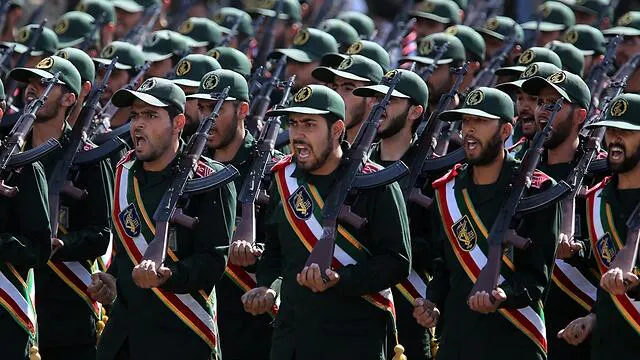
Ep 56A Spy in the Iranian Revolutionary Guard
A young student in the US when the Iranian Revolution happened in 1979, Reza Kahlili rejoiced and hurried back to his native country, but he soon found that "every promise that Khomeini had made was vividly a lie." In the early 1980s, he made contact with the CIA, agreeing to risk his life and his family's wellbeing as a spy within Iran. He discusses with Peter how he burrowed inside the regime's elite Revolutionary Guard to report what he found, balancing his constant fear against his Persian patriotism.

Ep 55An Army of Illegals: Assessing the Russian Spy Case
Two weeks ago on 27 June, the FBI arrested a network of 10 Russian "deep cover" spies. Peter sits down with former KGB Major General Oleg Kalugin to discuss this remarkable case and the historic spy swap which took place last Friday. Kalugin, who once ran agents in the United States, is forthright in expressing his views about what this case says about the state of Russian intelligence today.
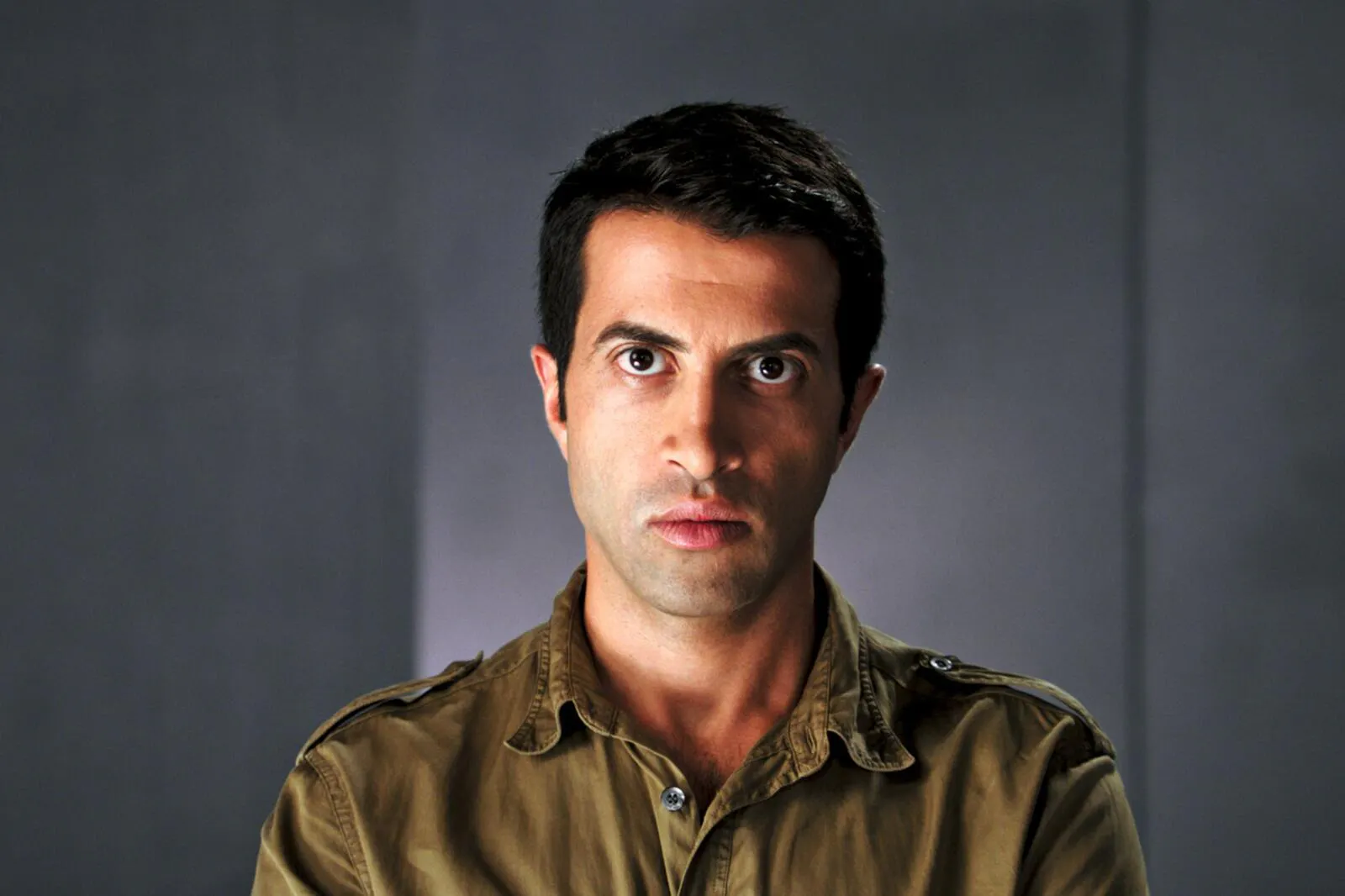
Ep 54Son of Hamas, Spy for Israel
Mosab Hassan Yousef was the nearest thing to royalty in the terrorist group Hamas: the son of one of its founding members. He was also a spy for Shin Bet, Israel's internal security agency, which dubbed him the "Green Prince." Today Mosab and his Shin Bet handler sit down with Peter to discuss their dangerous game and his book Son of Hamas.

Ep 53Caught by the KGB
Martha Peterson, a 32 year CIA veteran, was the first female case officer assigned to Moscow. Today she talks with Peter about her sudden capture by the Soviet KGB while executing a covert operation in Moscow.

Ep 52Military Intelligence from the Cold War to Cyber War
In 1973 Captain Gail Harris became the first woman to hold a combat intelligence job in the U.S. Navy. Her 28 year career included hands-on leadership in the intelligence community during every major conflict from the Cold War to Desert Storm to Kosovo. Today, she discusses with Peter her unique experience providing intelligence support to military operations and the challenges of developing policies for defense against cyber warfare.

Ep 51Evolution of Government Surveillance Programs
Shane Harris is a staff correspondent for National Journal and the former technology editor of Government Executive magazine. In his new book, The Watchers, he chronicles the government’s efforts to create a computer system capable of analyzing data and identifying terrorist activity. Harris contends that while pinpointing threats remains difficult, the governments can now spy on U.S. citizens with ease. He joins Peter today to discuss the evolution of surveillance, America’s changing views on privacy, and the human element behind computerized data collecting.
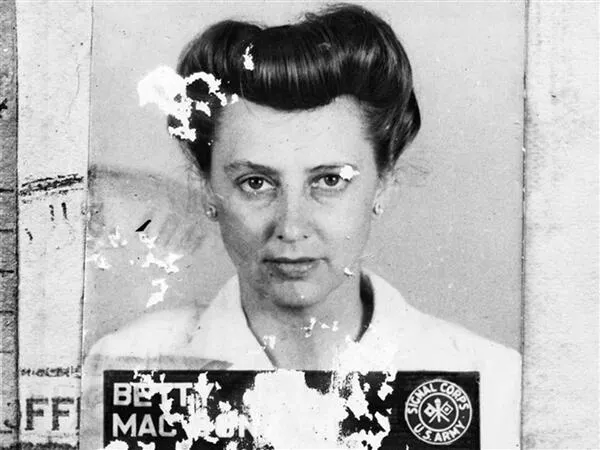
Ep 50Tales from the OSS, part II
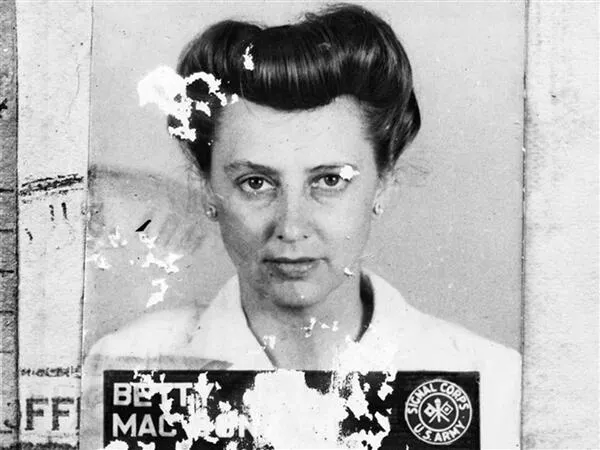
Elizabeth Macintosh continues to offer her insights into OSS. This time, she talks about the many fascinating and colorful people she met at OSS, including Director William “Wild Bill” Donovan and Virginia Hall.

Ep 49Cyber Security and Covert Action
Dr. Herbert Lin is chief scientist at the Computer Science and Telecommunications Board, National Research Council of the National Academies. An expert on cyber security, Herb discusses various aspects of cyber attacks, including ways in which cyber weapons can be used for covert action. To view his co-edited report on this subject, visit: http://www.anagram.com/berson/nrcoiw.pdf
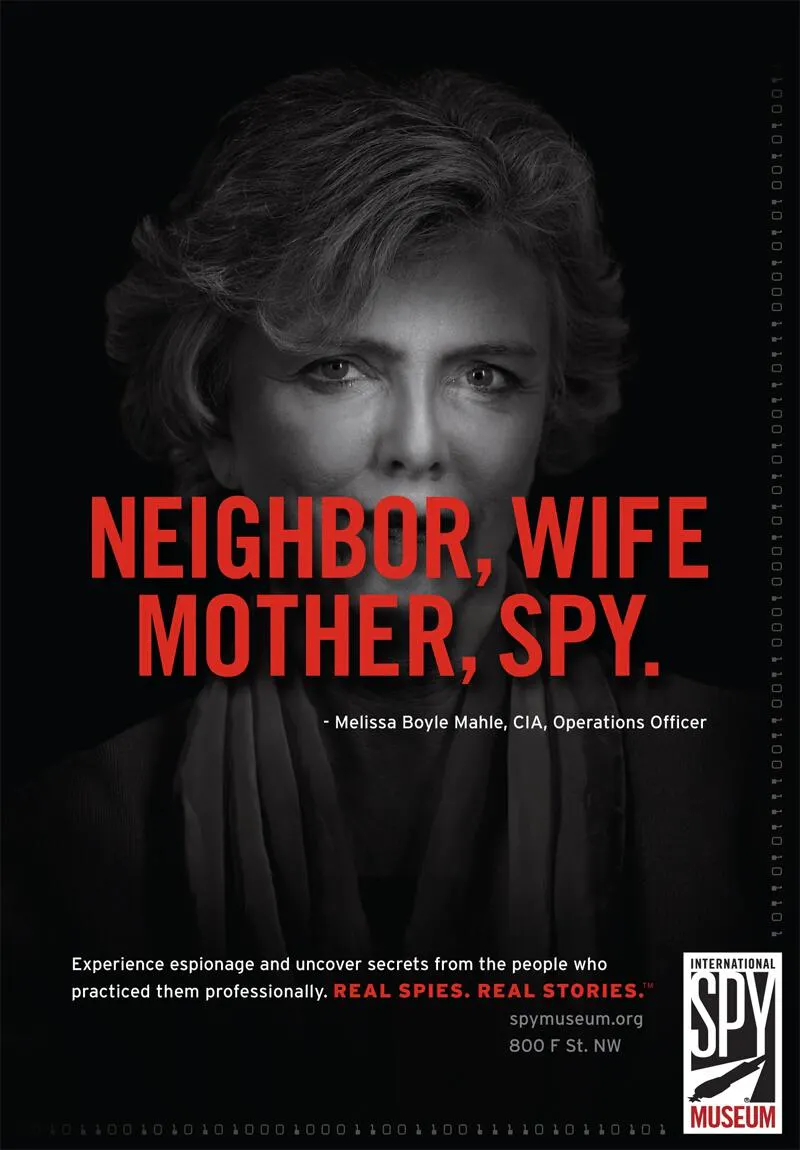
Ep 48Intelligence in a War Zone (Melissa Mahle)
Melissa Mahle served from 1988-2002 at the CIA, much of the time as a case officer dealing with terrorist issues in the Middle East, running agents and gathering intelligence. Today, she discusses with Peter her perspective on the recent suicide bombing of a CIA base in Afghanistan, the perils of collecting intelligence in a war zone, as well as the terrorist challenge.

Ep 47The Terrorist Challenge
The U.S. authorities' failure to prevent a Nigerian suicide bomber from boarding a Detroit-bound plane on Christmas Day, and the suicide bombing at a CIA base in Afghanistan have roiled the intelligence community. International Spy Museum historian Dr. Thomas Boghardt discusses with SpyCast host and CIA veteran Peter Earnest how these incidents unfolded and their implications for intelligence reform.
Ep 46Tales from the OSS, Part I
Elizabeth Macintosh served in the Office of Strategic Services (OSS) during World War II. Today, she discusses her personal experience working for OSS, the role of women in it, as well as some of the agency’s most exciting operations.
Ep 45The MI5 Centenary
This year, Britain’s domestic security service, MI5, celebrates its 100th anniversary. Cambridge University professor Christopher Andrew, the author of MI5’s official history, Defend the Realm, reveals the agency’s strengths and weaknesses, and relates some of the most intriguing stories involving Britain’s spy catchers.

Ep 44Cyber Threats: Challenges and Solutions
Melissa Hathaway served as acting senior director for cyberspace for the National Security Council, heading a 60-Day Cyberspace Policy Review for President Obama that resulted in a comprehensive report with recommendations for action. Today, she discusses the massive and growing challenges of cyberspace—such as identity theft, cyber espionage, and cyber wars—and what needs to be done to deal with this threat.
Ep 43The Changing Face of Al Qaeda
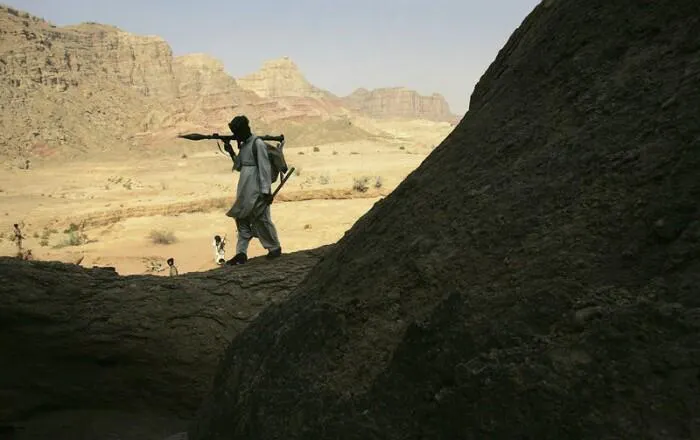
How has the sustained U.S. effort to destroy Al Qaeda affected the terrorist organization, and how important is the current struggle against the Taliban in Afghanistan for the future of Al Qaeda? A former Deputy Assistant to the President and Deputy National Security Advisor for Combating Terrorism, Juan C. Zarate discusses America’s struggle with Al Qaeda and comments on the organization’s current state.

Ep 42Intelligence and 9/11 with Amy Zegart
Could intelligence have prevented the terrorist attacks of 9/11, and has the Intelligence Community been sufficiently reformed to deal with current and future threats? These are the questions that Amy Zegart discusses on the eighth anniversary of 9/11. An intelligence scholar, Amy has worked on President Clinton’s National Security Council and is currently teaching intelligence and national security at UCLA.

Ep 41Sexpionage
Since biblical times, spies and intelligence services have used sexual entrapment and emotional blackmail to recruit agents and gather secret information. International Spy Museum advisory board member and espionage author H. Keith Melton discusses the means, methods, and effectiveness of “sexpionage,” and elaborates on specific examples, such as the Russian honeytrap and the East German Romeo agent.
Ep 40The Cambridge Five
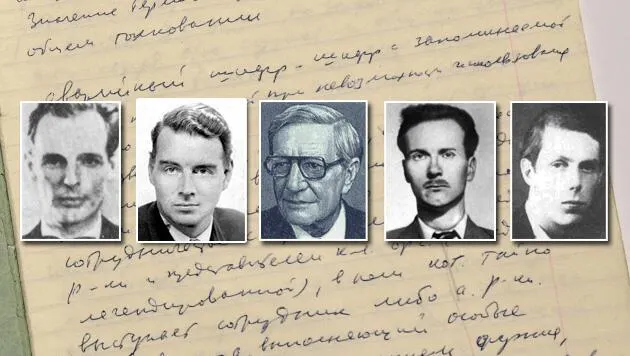
In the 1930s, five young Cambridge University students were recruited by Soviet intelligence to penetrate the British intelligence community. In the course of their decade-long espionage career, the Five did enormous damage to Western security. British intelligence author Nigel West examines their motivations and activities, and reveals new evidence he has unearthed in Soviet intelligence archives.

Ep 39Cold War Radio
Richard H. Cummings served for fifteen years as Director of Security for Radio Free Europe/Radio Liberty (RFE/RL). He reviews the propaganda activities of RFE/RL during the Cold War and describes Soviet bloc operations against the stations, including the 1978 murder of RFE scriptwriter Georgi Markov in London, and the 1981 bombing of RFE/RL headquarters in Munich by the terrorist Carlos the Jackal.
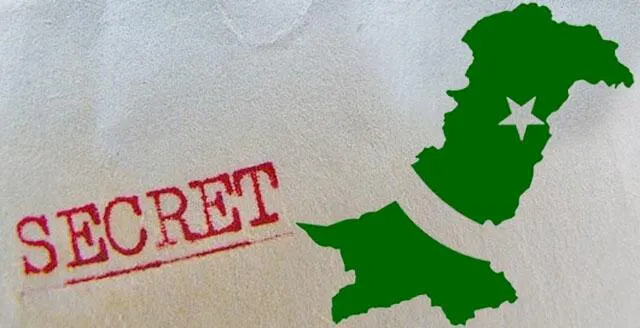
Ep 38Intelligence on Pakistan
"Pakistan is the most dangerous country in the world today," asserts Bruce Riedel, a 30-year CIA veteran and currently a senior fellow at the Saban Center for Middle East Policy at the Brookings Institution. Bruce discusses the various threats emanating from Pakistan, including the rise of the Taliban, the security of the country’s nuclear weapons, the murky role of its Inter-Services Intelligence agency (ISI), and the precarious relationship with neighboring India.

Ep 37Intelligence in Cyberspace
Cyber threats, information warfare, and internet espionage are growing challenges for business companies, private individuals, and the intelligence community alike. A former CIA operations officer and current president of the cyber intelligence company Cyveillance, Dr. Terry Gudaitis discusses specific examples of cyber threats as well as techniques to counter them.

Ep 36Inside the National Security Agency
The National Security Agency (NSA), America’s premier cryptanalytic organization, is the largest and most secretive member of the American intelligence community. Discussing NSA’s mission, capabilities, and past exploits, former NSA Chief of Information Policy Mike Levin reveals some of the mysterious agency’s secrets.

Ep 35U.S. Military Intelligence—Past and Present
A West Point graduate, Brian G. Shellum was U.S. Army attaché in Germany, served in the armed forces during the first Gulf War, and worked for over a decade as historian for the Defense Intelligence Agency (DIA). Today, Brian discusses the history and purpose of American military intelligence, describing the DIA and the role of the military attachés posted abroad.
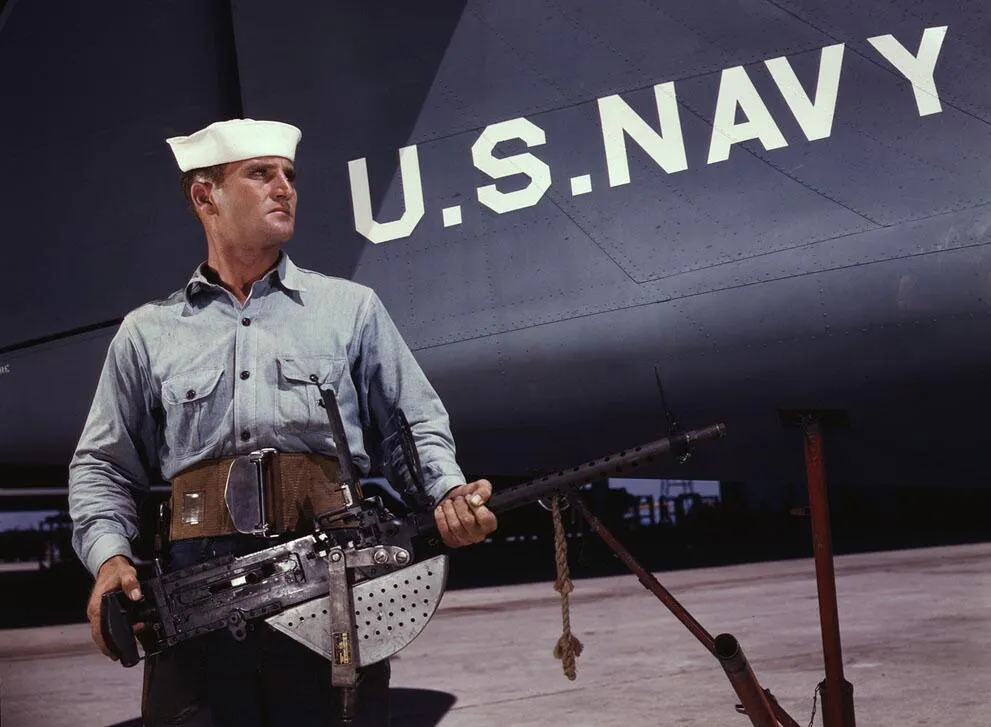
Ep 34U.S. Naval Intelligence in World War II
Rear-Admiral Donald Mac Showers joined the U.S. Navy’s codebreakers at Pearl Harbor in 1942 and went on to serve three decades in the American intelligence community. Today, he talks about the contribution of codebreaking to the defeat of Japanese naval forces at Midway in 1942, and he reveals how cryptanalysts helped U.S. forces locate and kill Admiral Isoroku Yamamoto, the mastermind of the Japanese attack on Pearl Harbor.

Ep 33Intelligence and Conspiracy Theories II
During the Cold War, Soviet intelligence used disinformation to malign the United States, for example, by spreading the rumor that AIDS resulted from U.S. Army bacteriological warfare experiments. U.S. State Department Counter-Misinformation officer Todd Leventhal discusses some of the most notorious Soviet-inspired conspiracy theories and explains how the United States sought to counter them.

Ep 32Intelligence and Conspiracy Theories I
What makes conspiracy theories so appealing, and why have they become so prevalent in this day and age? Do some of them contain a grain of truth? And who stands to gain from spreading these ideas? To answer these questions, Peter interviews Professor Robert Alan Goldberg, author of Enemies Within, and a leading authority on conspiracy thinking.
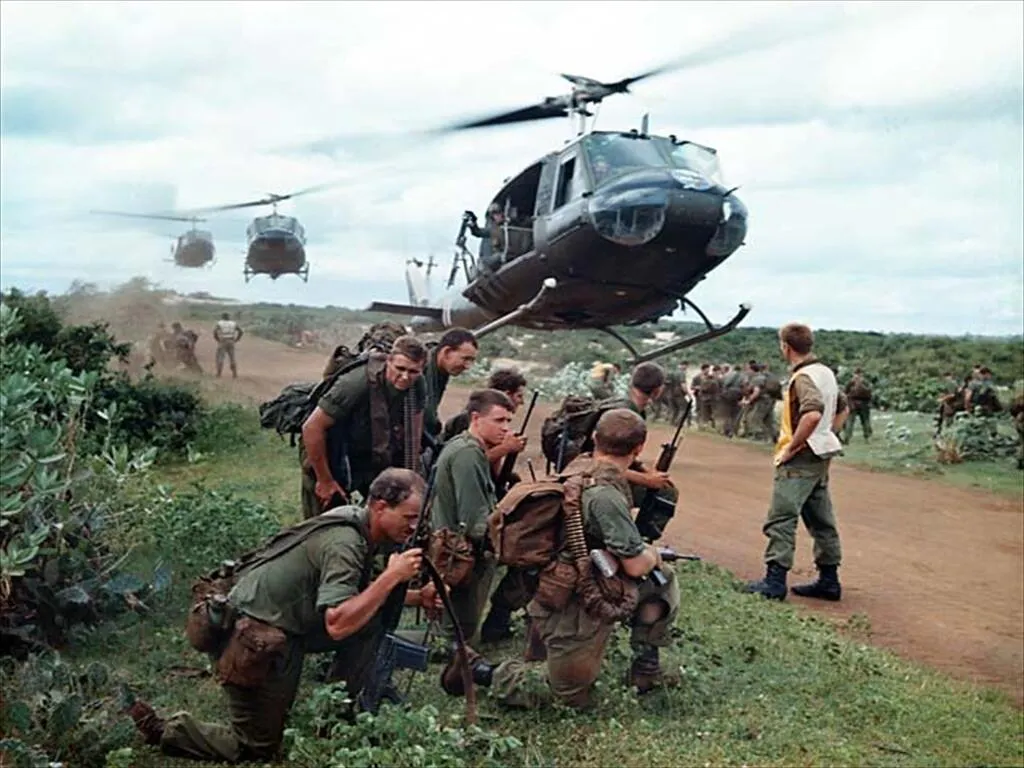
Ep 31Intelligence Lessons from Vietnam
Working for the Saigon Military Mission and the CIA, Rufus Phillips spent ten years in South East Asia during the Vietnam War. Drawing on this experience, Rufus talks about psychological warfare and counter-insurgency tactics in Vietnam, and lessons for America’s present engagement in Iraq and Afghanistan.
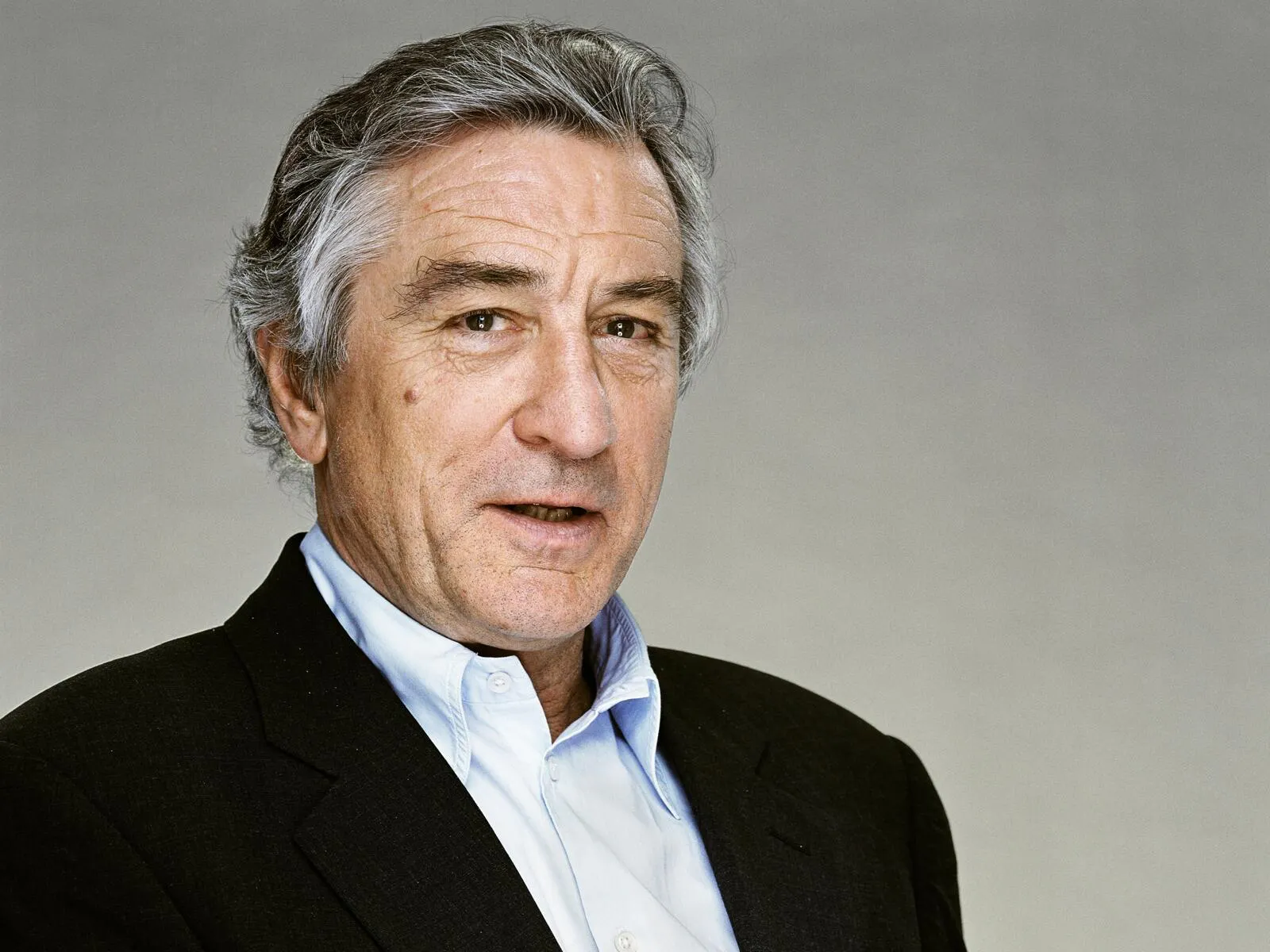
Ep 30Robert De Niro on Intelligence
Today, Peter chats with actor and film producer Robert De Niro. De Niro talks about his long-standing interest in the world of intelligence and discusses his latest espionage movie The Good Shepherd about the early history of the CIA. He also provides an insider look at the making of the humorous polygraph scene in Meet the Parents.

Ep 29U.S. Intelligence in Decline?
A senior fellow at the Center for International Policy, Melvin A. Goodman served many years as an analyst at the CIA and the State Department’s Bureau of Intelligence and Research. A critical observer of the intelligence community, he elaborates on his thesis about the decline of U.S. intelligence, specifically its militarization, privatization, and deteriorating analysis capacities.

Ep 28The CIA and the End of the Cold War
As CIA station chief in Pakistan, Nigeria, Sudan, and Germany in the 1980s and early ‘90s, Milt Bearden observed—and influenced—the end of the Cold War from a unique vantage point. Today, he talks with Peter about U.S. support of Afghani mujahideen against the Soviet invaders, intelligence community reforms, and his work as a consultant on spycraft in Hollywood.

Ep 27Woman in Disguise - Jonna Mendez
Jonna Hiestand Mendez began her CIA career as a secretary and ended it as head of the agency’s Office of Technical Services, overseeing the development of gadgets, disguises, and high-tech devices in support of espionage missions. Today, she discusses with Peter some of the operations she was involved in as well as opportunities for women in the intelligence community.

Ep 26Intelligence and the Presidential Elections II
Judge William H. Webster, the only person who directed both the FBI (1978-87) and the CIA (1987-91), taps into his vast expertise to discuss with Peter the guidance he would offer to the next U.S. president. In addition, he provides insight on the ever-present tension between civil liberties and national security, and issues of intelligence oversight.
Ep 25Inspecting the CIA
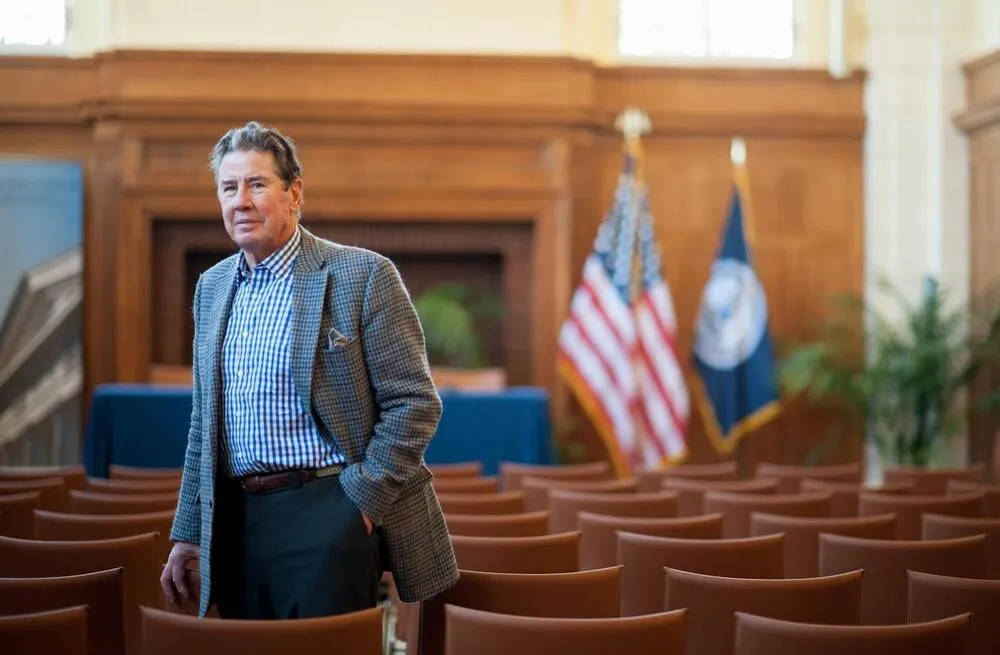
Peter’s guest today is Frederick Hitz, the CIA’s first inspector general subject to U.S. Senate Confirmation (1990-98) and now a lecturer on intelligence at the University of Virginia. In a wide-ranging discussion, Fred talks about intelligence oversight, leadership issues, and terrorism. He also discusses career options in intelligence for young people.

Ep 24Intelligence and the Presidential Elections I
A former station chief in Moscow and head of the CIA’s Soviet/East Europe division, Burton Gerber now lectures on intelligence and national security at Georgetown University. Today, Peter interviews him about the post 9/11 reforms of the intelligence community and what guidance he would offer to the next occupant of the White House.

Ep 23The Iranian Hostage Crisis
In November 1979, radical Iranian students overran the U.S. embassy in Tehran, capturing most of the embassy staff—except for six diplomats who found refuge with the Canadian embassy. Today, Peter talks with retired CIA officer Tony Mendez who, in an elaborate deception and disguise operation, managed to exfiltrate the six Americans from Tehran before the Iranians were able to track them down.

Ep 22Intelligence and the Presidency
How is information from the intelligence community (IC) conveyed to the president, and how have different administrations incorporated intelligence in the political decision-making process? John Hedley, former CIA officer and editor of the President’s Daily Brief (PDB), reviews the relationship between the IC and presidents since World War II, in the course revealing fascinating episodes from his personal experience in dealing with several administrations.

Ep 21Gizmos and Gadgets—the World of Spycraft
Peter interviews Robert Wallace, director of the CIA’s Office of Technical Services (OTS, the department in charge of “gadgetry”) from 1998 to 2002. Bob explains some of his favorite devices, such as the T-100 subminiature camera, and compares OTS’ performance to that of its adversaries. He also reviews the role of OTS in some high-profile spy cases and discusses the capabilities and limitations of technical support in intelligence operations.
Ep 20Predicting Terrorism
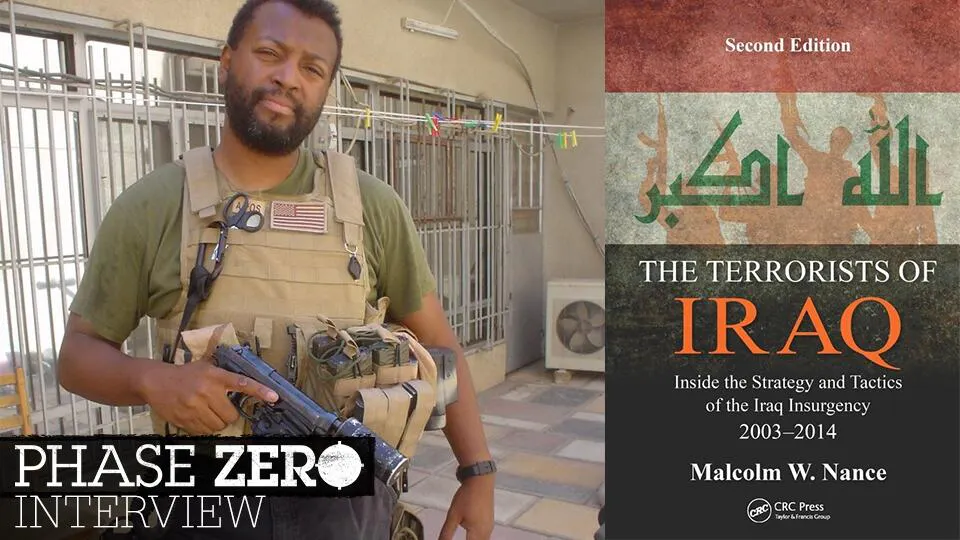
Peter’s guest today is Malcolm W. Nance. A 20 year veteran of the US intelligence community, Malcolm has participated in numerous counter-terrorism operations in the Balkans, the Middle East, and sub-Saharan Africa. The author of The Terrorist Recognition Handbook and The Terrorists of Iraq, Malcolm discusses with Peter the role of Osama Bin Laden, Al Qaeda operations in Iraq, and the threat of domestic terrorism in the United States. He also talks about means and methods of effective anti-terrorist operations and cautions against overreactions.

Ep 19Congressional Perspectives on U.S. Intelligence
Peter’s guest today is former Democratic Congressman Louis Stokes from Ohio, who chaired the House Intelligence Committee in the 1980s and the House Select Committee on Assassinations in the 1970s. Congressman Stokes discusses Congress’ role in overseeing the intelligence community and the value of intelligence to national security, and his committee’s investigation of the deaths of President John F. Kennedy and Dr. Martin Luther King, Jr.

Ep 18Comrade J and Russian Espionage in the U.S.
Today, Peter interviews espionage writer Pete Earley about one of the most senior Russian intelligence defectors ever, Col. Sergei Tretyakov or “Comrade J.” Pete reveals some of the secrets Tretyakov covertly betrayed to the FBI/CIA while serving as SVR (Russian foreign intelligence) deputy resident in New York in the late 1990s. He also sheds light on Tretyakov’s complex motivations for defecting.