
SpyCast
767 episodes — Page 14 of 16
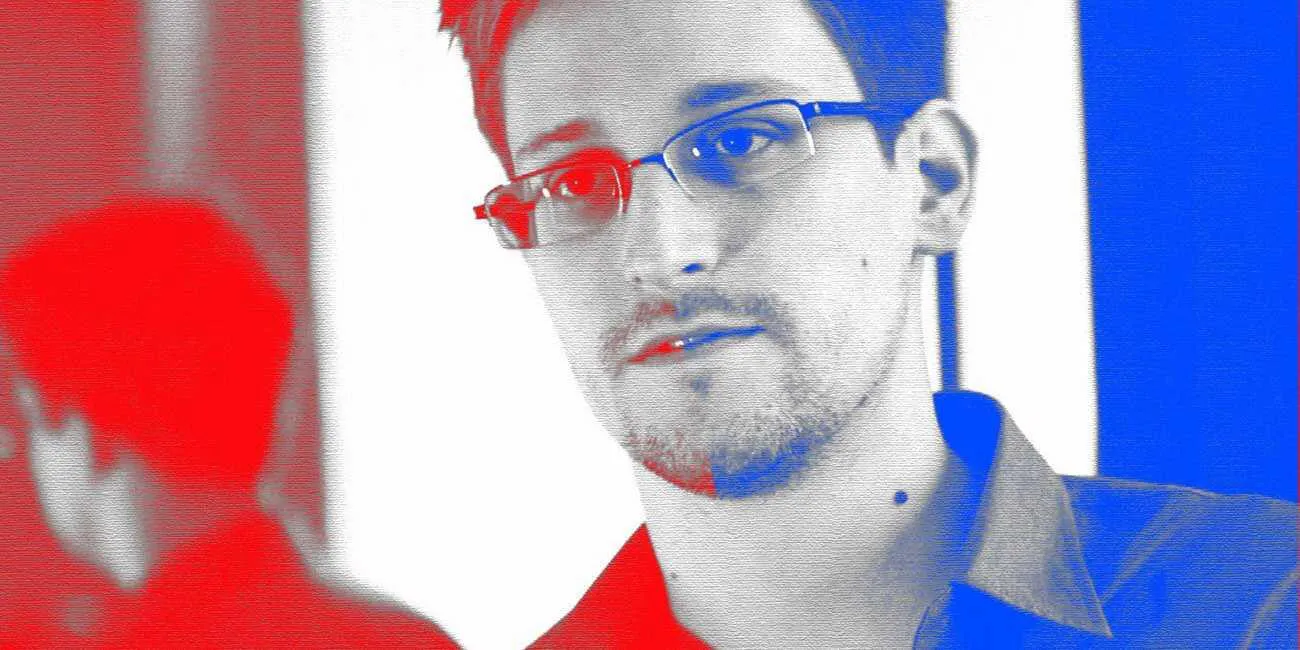
Ep 117A Legal Perspective on the Snowden Case
Mark Zaid is one of the nation’s top national security lawyers and has defended many alleged whistleblowers and leakers. SPY Historian, Mark Stout, called him in for a consultation on the case of Edward Snowden who has admitted leaking to the press top secret material from the National Security Agency. Hear them discuss Snowden’s present legal position, the options open to a would-be whistleblower, and the actual meanings of treason and asylum.

Ep 116A Western Spy among Terrorists in Yemen
Morten Storm was a Danish convert to Islam who became a close associate of Anwar al-Awlaki, the American imam who was a senior member of Al Qaeda in the Arabian Peninsula (AQAP) in Yemen. He even ate in Awlaki’s home and helped find him a wife. When Storm repented of his radical ways, he turned to the Danish intelligence service and offered inside access to AQAP. Hear him tell SPY Historian Mark Stout how MI6 and CIA came into the picture and how he helped tracked down Awlaki, who died in a controversial CIA drone attack in September 2011.

Ep 115The Rice Paddy Navy: U.S. Sailors Undercover in China
After the surprise attack on Pearl Harbor on December 7, 1941, the US Navy knew it would need vital information from the Pacific. Captain Milton ‘Mary’ Miles journeyed to China to set up weather stations and monitor the Chinese coastline—and to spy on the Japanese. After a handshake agreement with Chiang Kai-shek's spymaster, General Dai Li, the Sino-American Cooperative Organization (SACO) was born. This top-secret network worked hand in hand with the Nationalist Chinese to fight the Japanese invasion of China while erecting crucial weather stations, providing critical information to the US military, intercepting Japanese communications, blowing up enemy supply depots, laying mines, destroying bridges, and training Chinese peasants in guerrilla warfare. Join author Linda Kush as she reveals the story of one of the most successful covert operation efforts of World War II. This event took place on March 5, 2013.

Ep 114Spying in America: Espionage from the Revolutionary War to the Dawn of the Cold War
Can you keep a secret? Maybe you can, but the United States government can’t. Since the birth of our country, nations from Russia and China to Ghana and Ecuador, have stolen some of our country’s most precious secrets. Michael Sulick, former director of the CIA's National Clandestine Service, discusses his book, Spying in America, which presents a history of more than thirty espionage cases inside the United States. This event took place on January 15, 2013. Get the book: http://www.spymuseumstore.org/spying-in-america-book.html#.Vxk4FpMrJTY

Ep 113The United States Military Liaison Mission in East Germany
Major General Michael Ennis was one of the rare Marine officers admitted to the Foreign Area Officer program where he became a specialist on the Soviet Union. This led to an assignment as a translator on the Washington-Moscow Hotline at the White House and then got him a license to spy in communist East Germany in the 1980s as part of the US Military Liaison Mission. Hear him tell SPY Historian Mark Stout what it’s like to penetrate a Soviet command bunker at night or be chased by a Soviet tank, and learn the intelligence value of a hunk of concrete.

Ep 112American Communism and Soviet Espionage: A Look Back with John Earl Haynes
In the 1970s, historian John Earl Haynes was researching the American labor movement when he discovered interesting connections to the Communist party. Fast forward 20 years to the 1990s, when that ongoing research on the Communist party led him into the murky world of Soviet espionage. SPY Historian Mark Stout sits down with this groundbreaking historian to look back on his career and learn how he became a leading and unlikely expert on Soviet espionage in the America. Follow along on this fascinating journey from Minnesota, to the halls of power in Washington DC, to dusty archives in Moscow.

Ep 110Intelligence in Support of UN Peacekeeping in Bosnia during the 1990s
The United Nations thinks “intelligence” is a dirty word but it still needs intelligence to conduct peacekeeping operations. The result is a euphemism: “military information.” SPY Historian Mark Stout talks with Tom Quiggin, a former Canadian intelligence officer who worked alongside Americans, Swedes, Jordanians, Russians, and others in the Military Information Office supporting UN peacekeeping operations in Bosnia during the 1990s. Hear what it’s like to pass through a checkpoint manned by drunken teenage soldiers or to know that your warnings of an upcoming massacre in Srebrenica are being ignored.

Ep 111Born Under an Assumed Name
Looking back on her childhood, Sarah Taber remembers that “my identity was problematic because of moving from country to country and the overall atmosphere of growing up in the CIA.” As an adult she wrote about what it was like to be raised in a culture of “secrecy, stoicism and silence” in her book Born Under an Assumed Name: The Memoir of a Cold War Spy’s Daughter. Feel the stresses and learn the secrets of a CIA family in this heart-to-heart talk between Sarah and Peter, himself a CIA father.
Ep 109From Nazi Germany to the OSS to the CIA (Part 2)
In this Spycast Peter finishes his conversation with Peter Sichel. Listen to this insider talking about CIA operations in Germany after World War II, the futile support for anti-communist guerrillas in Ukraine and China during the 1940s and 1950s, the strains of leading an undercover life and his friendship with legendary CIA counterintelligence chief James Jesus Angleton.

Ep 108Canada’s Security Intelligence Service in the Post-Cold War World
Canada’s Security Intelligence Service (CSIS) operates on a very different model from the American CIA, being neither strictly a foreign intelligence agency nor a domestic intelligence agency. Today SPY Historian Mark Stout discusses CSIS with Ray Boisvert, who was one of the founding members of the Service in 1984 and rose to become its Assistant Director, Intelligence, a position from which he retired in 2012. Hear them talk about the concept of “security intelligence” in a democratic society and explore the dilemmas which the Service faces in an era of terrorism emanating from groups such as al Qaeda and foreign covert influence from nation states.
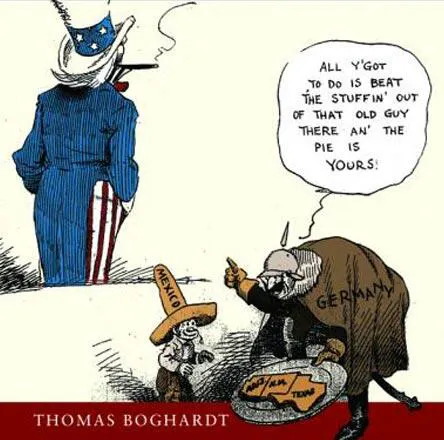
Ep 107The Zimmermann Telegram: Intelligence, Diplomacy, and America's Entry into World War I
In January 1917, British naval intelligence intercepted what became the most important telegram in all of American history. It was a daring proposition from Germany's foreign secretary, Arthur Zimmermann, offering German support to Mexico for regaining Texas, New Mexico, and Arizona in exchange for a Mexican attack on America. Five weeks later, America entered World War I. Former SPY Historian Dr. Thomas Boghardt who is now at the US Army’s Center of Military History talks about his new account of the Zimmerman Telegram. This event took place on, November 27, 2012. Get the book: http://www.spymuseumstore.org/zimmermann-telegram-book.html#.Vxk4aZMrJTY

Ep 106From Nazi Germany to the OSS to the CIA (Part 1)
Today Peter begins a conversation with the remarkable Peter Sichel, OSS veteran, senior CIA official of the 1950s, and onetime head of Blue Nun wines. After fleeing Nazi Germany with his family in the 1930s and eventually finding himself in the United States, Sichel joined the OSS and in 1944 he went back to Europe where he recruited German prisoners of war to spy for the US 7th Army. Hear him talk about his operations in Europe and his friendship with future Director of the CIA, Richard Helms.

Ep 105The Evolution of Spy Fiction: Bond and His Brethren
The modern spy novel was born in early twentieth century Britain with writers such as Erskine Childers and William LeQueux whose one-dimensional heroes were English gentlemen holding back the barbarians. How did we get from there to the gray and morally ambiguous world of John Le Carré? And how does all this relate to James Bond and even George Orwell’s 1984? Listen to SPY Historian Mark Stout discuss the development and importance of spy fiction with intelligence historian Wesley Wark.

Ep 104Author Debriefing: The Twilight War: The Secret History of America’s Thirty-Year Conflict with Iran
The United States and Iran have been at daggers drawn for more than thirty years. While this rivalry has never erupted into open war, it has been an enduring “twilight war” in which spies and terrorists often play the lead role. US Government historian David Crist will discuss his groundbreaking book which pulls back the curtain on many of the deepest secrets of this lethal struggle. Among other fascinating revelations, hear about the massive spy network that the CIA developed in Iran with German help in the 1980s, how these spies communicated with their handlers using invisible ink, and how their discovery led to the deaths of more than two dozen people. This event took place on 1 August 2012.
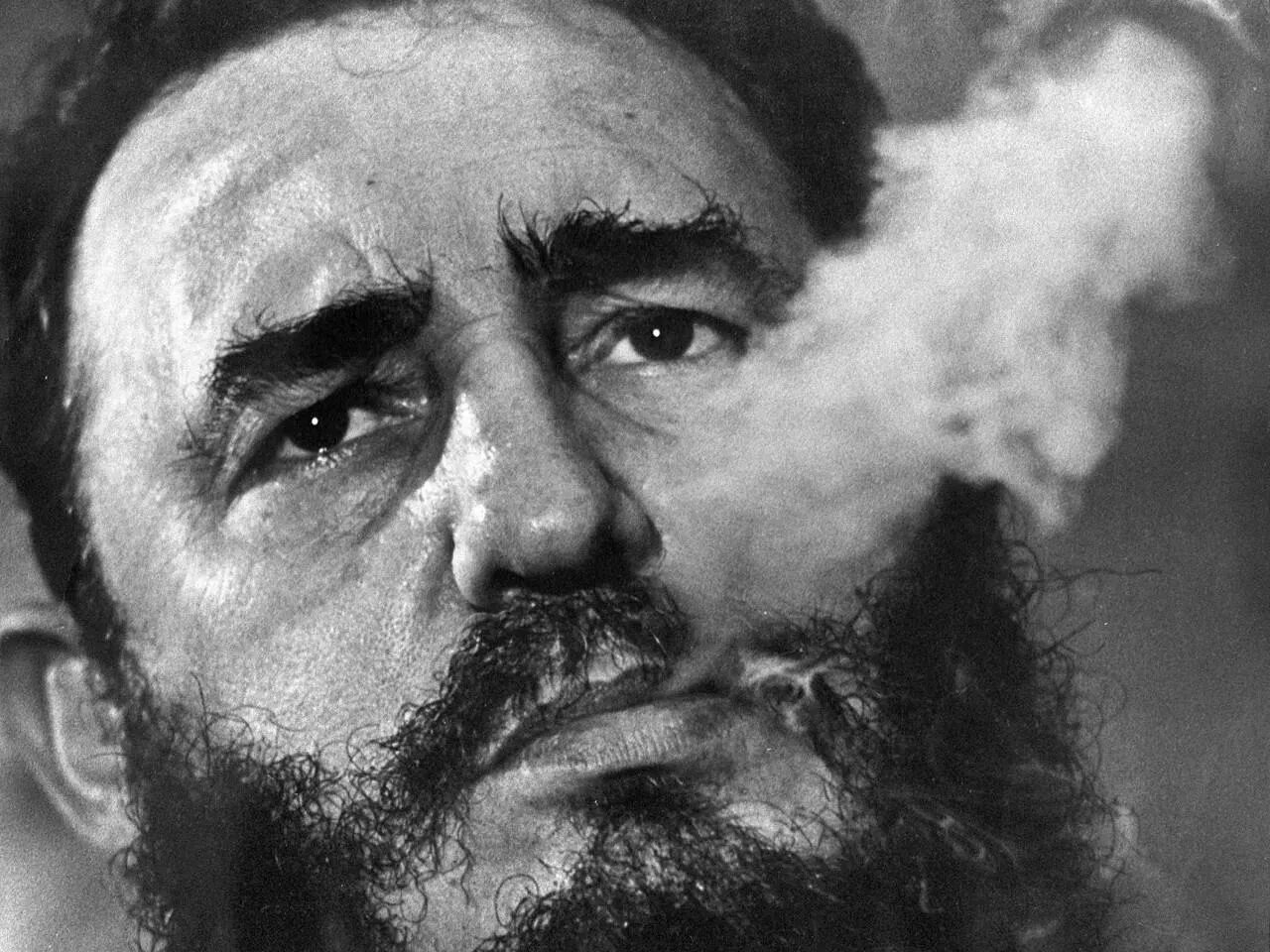
Ep 103Author Debrief: Castro's Secrets: The CIA and Cuba's Intelligence Machine
In Castro’s Secrets, Brian Latell, former National Intelligence Officer for Latin America and long-time Cuba analyst, offers a strikingly original image of Fidel Castro as Cuba's supreme spymaster. Latell exposes many long-buried secrets of Castro's lengthy reign, including the extent of Cuba’s double agent operations against the United States. In writing this book, Latell spoke with many high-level defectors from Cuba’s powerful intelligence and security services; some had never told their stories on the record before. He also probed dispassionately into the CIA's plots against Cuba, including previously obscure schemes to assassinate Castro and presents dramatic new conclusions about what Castro actually knew of Lee Harvey Oswald prior to the assassination of John F. Kennedy. This event took place on October 10 2012.
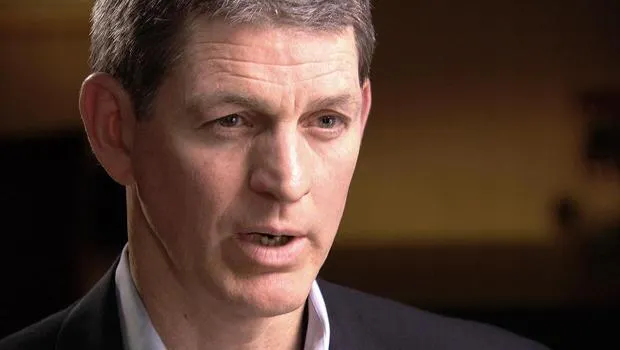
Ep 102Author Debriefing: The Art of Intelligence: Lessons from a Life in the CIA’s Clandestine Service
In the days after 9/11, the CIA directed Henry Crumpton to organize and lead its covert action campaign in Afghanistan. In less than 90 days Al Qaeda and the Taliban were routed. The Art of Intelligence draws from the full arc of Crumpton’s espionage and covert action exploits to explain what America’s spies do and why their service is more valuable than ever. This event took place 12 June 2012.
Ep 101The Red Cell: Fact and Fiction
The surprise of September 11 2001 was, in part, a failure of imagination and CIA Director George Tenet did not want that to happen again. On September 13 he created the Red Cell and staffed it with “people who were willing to take their analysis to a whole new zip code.” CIA analyst Mark Henshaw’s first novel, Red Cell, is about the adventures of two analysts assigned to that team during a military crisis with China. The story is fiction, but it draws on Henshaw’s three years in the Red Cell. Join him and SPY Historian Mark Stout as they discuss what goes on in Room 2G31 at CIA Headquarters.
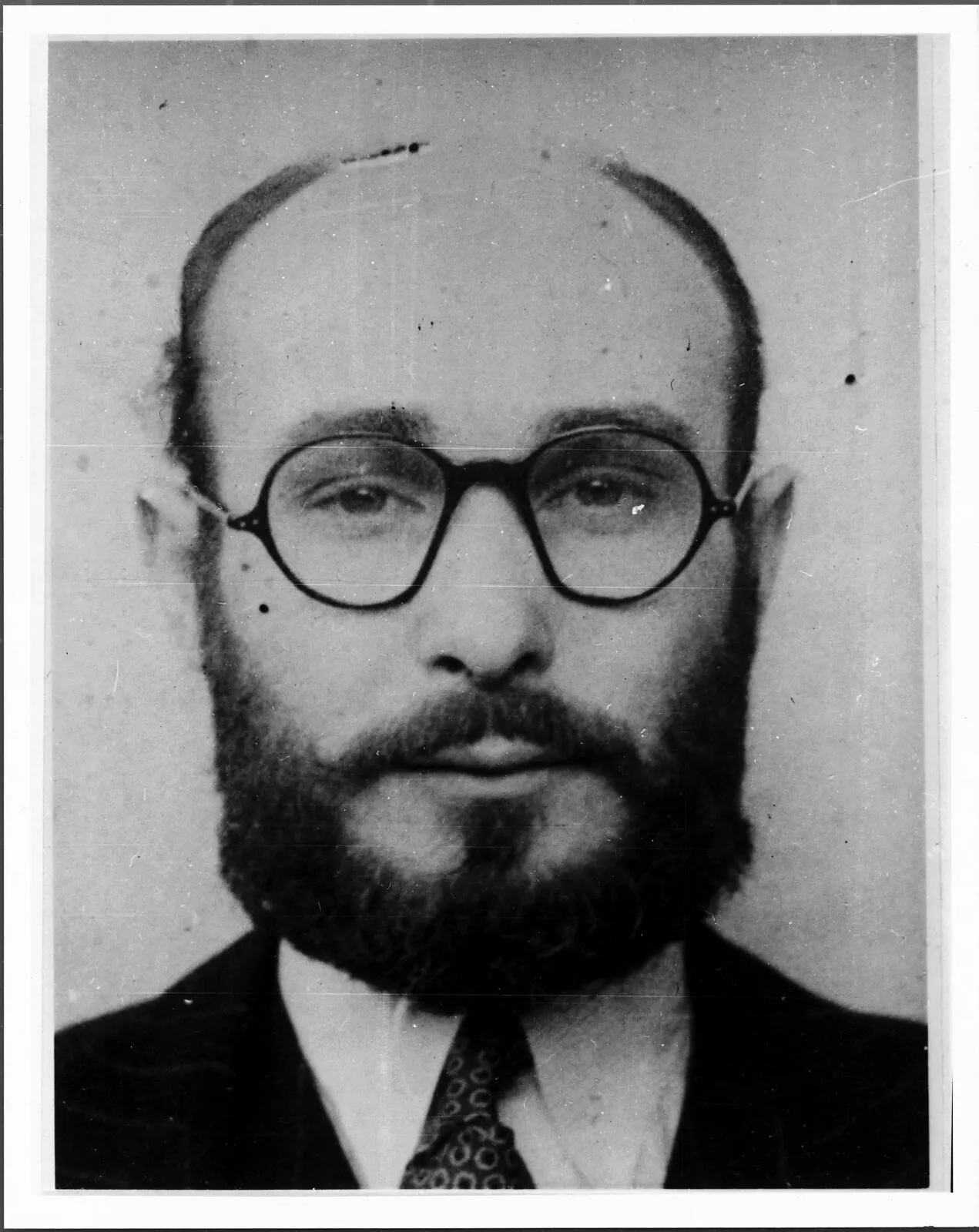
Ep 100Agent Garbo: How a Brilliant & Eccentric Double Agent Tricked the Nazis & Saved D-Day
Juan Pujol was the Walter Mitty of World War II, a nobody who at one doomed venture after another while dreaming of doing something interesting with his life -- saving Western civilization, if possible. Journalist Stephan Talty, whose work has appeared widely, including in the New York Times Magazine and GQ, has told the remarkable story of how against all the odds, Pujol did just that by becoming agent GARBO, the most important double agent of World War II. Hear Talty discuss his new book with SPY Historian Mark Stout in this author debriefing which took place on July 12, 2012.
Ep 99Our Man in the Middle East (Part 3)
Peter concludes his conversation with longtime CIA officer George Cave with a brief discussion of some of the funny and unusual events that took place in the course of his career in the Clandestine Service.
Ep 98Spies Against Armageddon: Inside Israel's Secret Wars
The history of Israel’s intelligence community—led by the feared and famous Mossad—includes stunning successes and embarrassing failures with important implications for war and peace today. CBS journalist Dan Raviv co-author with Israeli journalist Yossi Melman, of Spies Against Armageddon, traces this history from the country’s independence in 1948 right up to the crises of today.

Ep 97Spies and Commissars: The Early Years of the Russian Revolution
Russia was a chaotic hotspot after the Revolution of 1917 and an extraordinary collection of spies, adventurers, and opportunists poured into the roiling Russian political scene. Outsized characters like Sidney “Ace of Spies” Reilly, communist activist John Reed, and author/spy Somerset Maugham all played their parts…under the watchful eye of Feliks Dzerzhinsky, the head of the ruthless Cheka, the first of the Soviet state security organizations. Listen to renown British historian Robert Service discuss his thrilling new book about this turning point of twentieth century history.
Ep 96Our Man in the Middle East (Part 2)
Peter continues his discussion with career CIA officer George Cave. They cover Cave’s time in Saudi Arabia—from which he was expelled when a candid cable he wrote about Saudi politics leaked to the press—and back in Washington where he became embroiled in the Iran-Contra Affair. Hear his account of a clandestine trip with Robert McFarlane and Oliver North for talks with Ayatollah Khomeini’s government and other inside details of this scandal.

Ep 95Our Man in the Middle East (Part 1)
George Cave is a legend in the CIA’s Clandestine Service. He was recruited into the CIA in 1956 as a fluent Farsi speaker and was pulled out of his entry training and sent to Afghanistan to deal with an urgent operation there. He never looked back. Join Peter and George as they relive the assassination attempts in Iran against the US Ambassador and George himself in the early 1970s and discuss CIA’s operations in the Middle East over three decades.

Ep 94Dick Holm: the Perils and Rewards of a Life in the CIA, Part 2
EPeter continues his discussion with legendary case officer Dick Holm, the author of The Craft We Chose: My Life in the CIA. Holm discusses several highlights and low points of his career. Learn about his work with Belgian intelligence in thwarting a Belgian Air Force officer who was spying for Russia and his role in the embarrassing “spy flap” when he was the CIA chief in Paris. Get the book: http://www.spymuseumstore.org/craft-we-chose-life-in-cia-book.html#.Vz3rhPkrIdU

Ep 93Author Debriefing: Alger Hiss - Why He Chose Treason
In 1948, when Whittaker Chambers accused Ivy League-educated senior diplomat Alger Hiss of spying for the Soviets, few Americans were willing to believe him. In fact, Hiss went to his grave protesting his innocence, but now it seems clear that he was guilty, given the evidence available since the end of the Cold War. Retired counterintelligence officer Christina Shelton has written a new biography of Hiss. She highlights the many missed opportunities and poor judgments in the Hiss case, and discusses them in the context of wide-scale Soviet infiltration and espionage. Join Shelton and SPY historian Mark Stout for a discussion of this provocative new book about one of America’s most controversial icons. Get the book: http://www.spymuseumstore.org/zimmermann-telegram-book.html#.Vxk4aZMrJTY
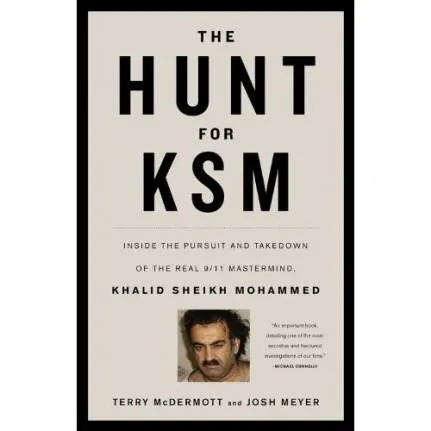
Ep 92The Hunt for KSM: Inside the Pursuit and Takedown of the Real 9/11 Mastermind, Khalid Sheikh Mohammed
Josh Meyer, co-author with Terry McDermott of The Hunt for KSM, visits the International Spy Museum to talk about the decade-long FBI and CIA effort to capture Khalid Sheikh Mohammed. Meyer discusses the repeated failed attempts to find the evil genius who had plotted to kill the Pope and President Clinton and explode a dozen planes over the Pacific Ocean, all before masterminding the 9/11 attacks. Finally, hear how the US finally grabbed KSM as a result of the interrogation of another terrorist, Abu Zubaydah.

Ep 91Dick Holm: the Perils and Rewards of a Life in the CIA, Part 1
EToday Peter starts a conversation with Dick Holm, a legendary CIA operations officer, who has served all over the world. Dick, the author of The Craft We Chose: My Life in the CIA, talks about the importance of intelligence and reveals the terrible price that he paid for serving his country as a young officer in the Congo in the 1960s. Get the book: http://www.spymuseumstore.org/craft-we-chose-life-in-cia-book.html#.Vz3rhPkrIdU

Ep 90Leak: Why Mark Felt became Deep Throat
Intelligence officers and investigative journalists both depend on clandestine sources to divulge secrets. But why do people betray a trust? Peter interviews veteran journalist Max Holland about his new book, Leak, which probes the mind and motivations of one of the most famous clandestine sources in American history: Deep Throat. Hear why Mark Felt, the Deputy Director of the FBI, betrayed President Nixon by leaking to the Washington Post and Time about Watergate. Were Felt’s motives patriotic or self-serving…or both? Get the book: http://www.spymuseumstore.org/leak-shy-mark-felt-became-deep-throat.html#.Vz3q4PkrIdU

Ep 89Author Debriefing: Shadow Commander: The Epic Story of Donald D. Blackburn-Guerrilla Leader and Special Forces Hero
During the Vietnam War, perhaps the US Army’s most secretive unit was the Studies and Observations Group (SOG). This unit conducted reconnaissance missions, captured enemy prisoners for interrogation and rescued American POWs. It also ran teams of clandestine agents, and conducted psychological operations. The leader of this group in the mid-1960s was a legendary Army officer, Donald Blackburn. Listen to author Mike Guardia describe Blackburn’s colorful life in this event which took place on 16 February 2012.

Ep 88Eavesdropping in Vietnam: One Man’s Experience
SPY Historian Mark Stout explores the importance of signals intelligence (SIGINT) to the Vietnam War with retired National Security Agency cryptanalyst Tom Glenn. Glenn served more time in country than any other civilian of the NSA. Hear about the sixth sense that good SIGINTers need to have, the difficulties of working in foreign languages, and how Glenn and his colleagues were able to predict every major Communist offensive. Learn also why American commanders did not always believe them. Finally, hear the wrenching story of Glenn’s last days in Saigon in 1975 as the city was falling to the North Vietnamese Army.

Ep 87The Power of Open Source Intelligence
With the ever increasing global connectivity, more and more information is available merely for the asking. This has led to a flourishing of the discipline of open source intelligence collection. SPY Historian Mark Stout has a probing discussion with one of the world’s leading practitioners of this art: Arno Reuser of the Dutch military intelligence service. With the growth of open source, can we stop stealing secrets?
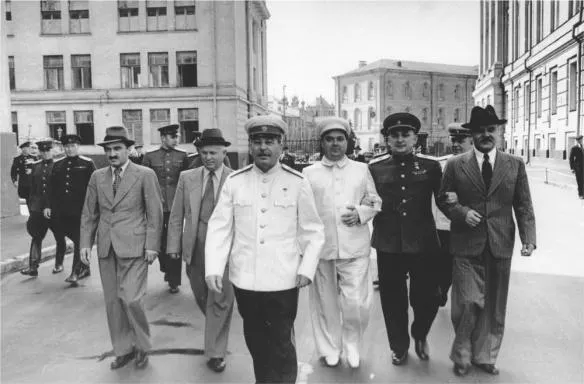
Ep 86Author Debriefing: Smersh: Stalin's Secret Weapon: Soviet Military Counterintelligence in WWII
In the early James Bond novels, the hero battled the villainous forces of Smersh, a shadowy Soviet intelligence organization. Bond was fictional, but Smersh really existed. Drawing its name from smert shpionam Russian for “death to spies,” it was Stalin’s wartime terror apparatus and it cut a bloody swath of death across Eastern Europe. Its job was to “filter” the Red Army for spies and it was responsible for the arrest, torture, and execution of many thousands of innocent people. Listen to historian Vadim J. Birstein as he discusses this bloodthirsty organization and discusses the evidence suggesting that Raoul Wallenberg was one of its victims. This event took place on 12 January 2012.

Ep 85Investigating Historical Spies
Researching spy history is a difficult business. Spies carefully cover their tracks and intelligence agencies classify everything and release their records only after many years, if at all. Given these difficulties how do historians reconstruct espionage history? SPY Historian Mark Stout explores this issue with Dr. R. Bruce Craig, the author of Treasonable Doubt: The Harry Dexter White Spy Case. Hear Craig describe how a receipt for $1.25 allowed him to discover the real identity of the mysterious “Agent Zero” who spied for the Soviets before World War II. Also listen as Craig tells of his forthcoming book about Alger Hiss and how he has brought lawsuits that forced the government to open up sealed grand jury records for Hiss and Julius and Ethel Rosenberg.

Ep 84The Intelligence War Against Terrorism
Since 9/11, the United States Intelligence Community has expanded into an $80 billion behemoth and taken on many new tasks, for instance spying on terrorists in cyberspace and even becoming a combat organization in its own right. Are we getting value for our money? To what extent did the invasion of Iraq divert important intelligence resources from Afghanistan? And why is the FBI flying reconnaissance flights over northwest D.C.? Intelligence historian, Matthew Aid, the author of the new book Intel Wars: The Secret History of the Fight Against Terror, grapples with these and other questions in a discussion with SPY Historian Mark Stout.

Ep 83Intelligence and Espionage in the U.S. Civil War
Spies, cavalry, and telescopes were the traditional intelligence tools available during the Civil War, but there was also cutting edge high tech: the telegraph and the observation balloon. How did Civil War generals combine these to help make strategic decisions? As we observe the 150th anniversary of the Civil War, SPY Historian Mark Stout discusses this question with Professor William Feis of Buena Vista University, the author of Grant’s Secret Service: The Intelligence War from Belmont to Appomattox.

Ep 82Author Debriefing: MH/CHAOS: The CIA’s Campaign against the Radical New Left and the Black Panthers
Operation MHCHAOS was the code name for a secret domestic spying program conducted by the Central Intelligence Agency in the late 1960s and early 1970s charged with unmasking any foreign influences on left wing protestors. CIA counterintelligence officer Frank Rafalko was a part of that operation. When The New York Times revealed MHCHAOS in 1974 and Congress investigated, MHCHAOS took its place in the pantheon of intelligence abuses. However, in his new book Rafalko says that the operation was justified and that the CIA was the logical agency to conduct it. Listen as he defends his perspective with dramatic intelligence collected on the New Left and black radicals. This event took place on 26 October 2011.

Ep 81The Silent Listener: British Eavesdropping in the Falklands War
D. J. Thorp, a signals intelligence officer in the British Army, spent many years eavesdropping on the hot spots of the Cold War in Europe and the Middle East. In 1982 he found himself on board a Royal Navy ship intercepting signals from the Argentinean military as it fought the British in the Falklands War. Listen in as Major Thorp describes to SPY Historian Mark Stout how signals intelligence influenced the course of that war, how his team uncovered an Argentinean plan for a counterattack that could have turned the tide of the war, and even how a signals intercept led British naval personnel to shave off their beards!

Ep 80J. Edgar Hoover: Fact vs. Fiction
Clint Eastwood’s movie, J. Edgar, gives a Hollywood take on the controversial Director of the FBI. However, many people have criticized the movie for whitewashing Hoover’s abuses while others have criticized it for its implication that Hoover may have been gay. Peter addresses these issues in discussion with Ray Batvinis, a former FBI special agent, a former Executive Director of the J. Edgar Hoover Foundation, and the author of the book, The Origins of FBI Counterintelligence.
Ep 79Uncompromised: The Rise, Fall, and Redemption of an Arab American Patriot in the CIA
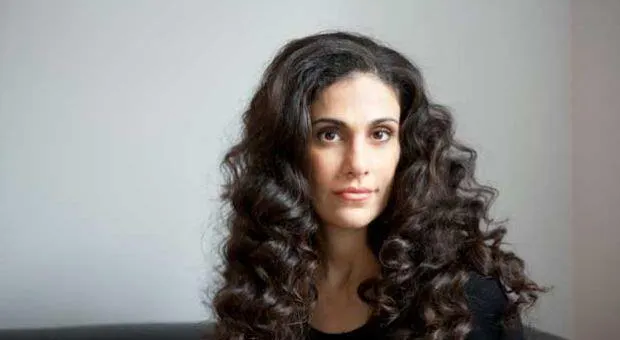
After a childhood in war-torn Lebanon with an abusive father, Nada Prouty jumped at the chance to forge her own path in America, a path that led to undercover work in the FBI, then the CIA. Her work earned her great respect from her colleagues but her promising career came to an end when federal investigators charged Prouty with passing intelligence to Hezbollah. Lacking sufficient evidence to make their case in court, prosecutors went to the media, suggesting that she had committed treason. Though the CIA and a federal judge eventually exonerated Prouty, she was dismissed from the Agency and stripped of her citizenship. In Uncompromised, Prouty tells her story in a bid to restore her name and reputation. This event took place on 15 November 2011.

Ep 78Identity, Espionage, and Social Media
Who are your friends on Facebook? Are you sure? Thomas Ryan, co-founder of Provide Security, knows that you can’t always be certain. Why? Because he created the fictional Robin Sage, a cyber femme fatale, who quickly wormed her way into the confidence of national security professionals who should have known better. He conceived the experiment to expose weaknesses in the nation's defense and intelligence communities, but even he was surprised by its success. Robin Sage is just one of the fascinating and disturbing tricks of the online espionage trade that Ryan shared with SPY Historian Mark Stout. You may never friend anyone again…

Ep 77Interrogating a High Value Detainee: A Morality Tale
What would you do if you were told to do whatever was necessary to get a prisoner to talk? This is the situation that career CIA officer Glenn Carle found himself in when he was made the lead interrogator for a detainee who was said to be a member of Al Qaeda’s top echelon. Carle, the author of the recently published book, The Interrogator: An Education, tells Peter what it was like to be in this position. And, he describes how he got on the wrong side of CIA Headquarters (HQ) when he objected to the treatment of the detainee, who he came to believe was not who CIA HQ said he was. Listen in on a discussion that raises profound questions about American values and the struggle against terrorism.

Ep 76In the Counterterrorism Center on 9/11: One Analyst’s Story
The war with Osama Bin Laden and Al Qaeda did not begin on September 11th. CIA analyst Cindy Storer was there from the beginning in the early 1990s, a member of a small band of mostly female analysts who worked on Al Qaeda long before September 11. They faced a frustrating uphill battle convincing others about this new threat and were subjected to ridicule for their supposedly excessive passion right up until September 11th. Hear Cindy discuss with SPY Historian Mark Stout what it was like to be in the building on that day and the amazing combination of emotion, professionalism, and commitment that characterized the following days.

Ep 75The Triple Agent: The al-Qaeda Mole Who Infiltrated the CIA
In 2009, the CIA’s partners in the Jordanian General Intelligence Directorate had a source named Humam Khalil al-Balawi working inside Al Qaeda and he knew where Ayman al-Zawahiri, the number two man in al Qaeda was…or so they thought. In fact, Al Qaeda was running a deception. In December 2009 al-Balawi came to a CIA base in Khost, Afghanistan and detonated bomb strapped to his chest, killing seven CIA officers and one Jordanian intelligence officer. It was the CIA’s greatest loss of life in decades. Join Pulitzer Prize winning author Joby Warrick for this gripping true story of miscalculation, deception, and revenge, and learn how Al Qaeda fooled the world’s greatest intelligence service. This event took place on 20 July 2011.

Ep 74The Aftermath of Bin Laden’s Death: The Lessons of Strategic Manhunting
The 13-year search for Osama Bin Laden may have seemed unprecedented, but actually such events have not been uncommon in American history. Since the days of Geronimo, the United States has embarked on at least eleven such “strategic manhunts.” Benjamin Runkle, the author of the new book Wanted Dead or Alive: Manhunts from Geronimo to Bin Laden, sits down with SPY Historian Mark Stout to discuss what we can learn from the history of these manhunts. Find out what kind of intelligence it takes to track down an evasive enemy leader and learn what the strategic pay-off can be from a successful manhunt. Part three of a series.

Ep 73Mastermind: The Many Faces of the 9/11 Architect, Khalid Shaikh Mohammed
Khalid Shaikh Mohammed was behind many of the most heinous terrorist plots of the past twenty years, including the 1993 World Trade Center bombing, the Millenium Plots, and 9/11 itself. He even claims to have personally beheaded Wall Street Journal reporter Daniel Pearl. Investigative journalist Richard Miniter brings to life the remarkable story of “KSM,” including his time living in the United States. Based on interviews with government officials, generals, diplomats and spies from around the world, Miniter reveals never before reported Al Qaeda plots and remarkable new details about the 9/11 attacks. He also lets us into the ultimately successful clandestine operations of American and Pakistani intelligence officers to capture this notorious killer. This event took place on May 19, 2011.

Ep 72Author Debriefing: "Wild Bill" Donovan
“Wild Bill” Donovan was a World War I hero with a Medal of Honor to prove it, a millionaire Wall Street lawyer, and a prominent Republican. Democratic President Franklin Roosevelt chose this brilliant yet disorganized visionary to be his spymaster, head of the World War II Office of Strategic Services (OSS). Veteran journalist Douglas Waller has written a compelling biography of William Donovan. He describes Donovan’s reckless nature: how he needlessly risked his life on foreign battlefields and engaged in extramarital affairs that emboldened his enemies in Washington. Waller also recounts the OSS’s daring operations overseas and the vicious political battles that Donovan had to fight with Winston Churchill, J. Edgar Hoover, and the Pentagon. Donovan’s plans to continue the OSS after the war were defeated, yet the CIA rose like a phoenix from the OSS’ ashes. This event took place February 17, 2011. Get the book: http://www.spymuseumstore.org/wild-bill-donovan-book.html#.Vxk4yJMrJTY

Ep 71Modern Intelligence Analysis: From Art to Science?
A great deal of public attention goes to the CIA’s case officers who recruit and run agents and steal secrets. However, few people pay attention to the fact that those secrets are stolen so that they can be put on desks of intelligence analysts. Analysts, then, must put together information from both secret sources and open sources to produce insightful assessments to inform the nation’s leaders. Randy Pherson, a former senior official at the CIA and the President of Pherson Associates, teaches advanced analytic techniques to the US Intelligence Community. Join him as he discusses with SPY Historian Mark Stout his efforts to move the vital field of intelligence analysis toward greater rigor.

Ep 70The Aftermath of Bin Laden’s Death: Inside al Qaeda’s Hard Drive
After killing Osama bin Laden, the SEALs reportedly took hundreds of drives, disks, and computers from the house in Abbottabad, Pakistan. What challenges will American intelligence agencies face in exploiting bin Laden’s computers and what can be learned from the computer of a terrorist mastermind? SPY Historian Mark Stout discusses the complexities of digital dumpster diving with Wall Street Journal reporter Alan Cullison, who in 2001 purchased and exploited a computer used by Ayman al-Zawahiri, now the heir apparent to lead al Qaeda. Part two of a series.

Ep 69The Aftermath of bin Laden’s Death: Winning the War While Staying in the Right
What are the implications of Osama bin Laden’s death for the al Qaeda movement? What role did waterboarding and “enhanced interrogation techniques” play in tracking down Bin Laden and should we reassess our views of torture? Peter explores these provocative questions with naval intelligence veteran and counterterrorism expert Malcolm Nance, the author of An End to al Qaeda: Destroying bin Laden’s Jihad and Restoring America’s Honor. As a SERE instructor, Nance has been waterboarded and has conducted waterboardings. He has even given expert testimony on the issue before Congress. Part one of a series.
Ep 68Spy versus Spy in East Germany
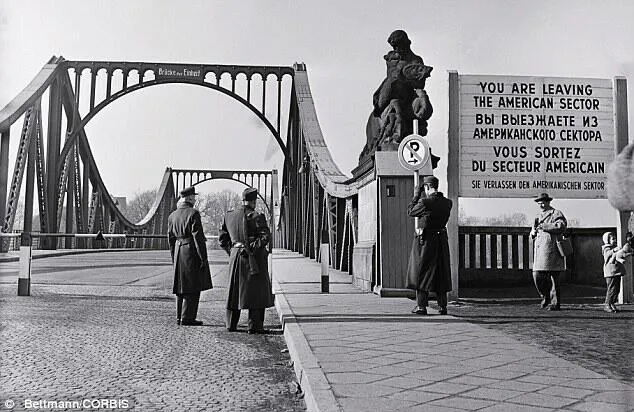
The East German security service, the Stasi, was infamous for surveilling and oppressing the East German population. However, it also hunted Western spies and there were many to be found; the CIA, the West German BND, and Britain’s MI-6 were all very active. In fact, from 1955 to 1989 the Stasi uncovered more than 1300 foreign spies operating in East Germany. Join SPY Historian Mark Stout as he discusses Stasi counterespionage with Professor Paul Maddrell who has been working in the Stasi archives. Learn about Western espionage in East Germany and find out the grim fate of the spies who were uncovered.