
Show overview
Sound Bites A Nutrition Podcast has been publishing since 2015, and across the 11 years since has built a catalogue of 328 episodes, alongside 9 trailers or bonus episodes. That works out to roughly 260 hours of audio in total. Releases follow a fortnightly cadence.
Episodes typically run thirty-five to sixty minutes — most land between 41 min and 56 min — and the run-time is fairly consistent across the catalogue. It is catalogued as a EN-language Health & Fitness show.
The show is actively publishing — the most recent episode landed 1 weeks ago, with 17 episodes already out so far this year. Published by Melissa Joy Dobbins.
From the publisher
Hosted by award-winning Registered Dietitian Nutritionist, Melissa Joy Dobbins, the Guilt-Free RD - "because food shouldn't make you feel bad!" Join Melissa's conversations with a variety of experts on topics ranging from fad diets to farming and gain credible information to help you make your own, well-informed food decisions based on facts, not fear. For more information visit www.SoundBitesRD.com.
Latest Episodes
View all 328 episodes319: The Fiber Gap: Why You're Not Getting Enough & Easy Ways to Get More – Sarah Ludmer
318: Healthy Cooking Hacks, Teaching Kitchens & Medically Tailored Meals – Chef Abbie Gellman
317: Beyond Protein and Low-Carb Diets: Why Whole Grain Foods Still Matter - Dr. Julie Miller Jones & Alex Turnbull
316: The Habit Window: How GLP-1 Insights Can Help Anyone Change Behavior – Charles Duhigg
315: Burnout and Brain Health: Why Nutrition & Resilience Matter
314: Restorative Treats: The Science of Feeling Good Through Food – Kevin Ryan
313: Stopping GLP-1 Meds: What It Takes to Keep the Weight Off – Dr. Holly Wyatt
312: Public Health Misinformation & Communication: How to Build Trust for Behavior Change – Dr. Jessica Steier
311: Food Noise, Appetite Regulation & Calorie Intake: What Really Influences How We Eat? – Dr. Rick Mattes
310: Healthy Convenience: How to Select Nutrient-Rich Frozen Foods – Maya Feller
309: The Dietitian Coach Approach, Insurance Changes & New Opportunities – Jenny Westerkamp
308: Social Media, Food Science & the Food Industry: Getting from Fear to Facts – Hydroxide

Ep 307307: GLP-1 Weight Loss: Microdosing, Mental Load & the Maintenance Phase - Ana Reisdorf, MS, RD
Gain Valuable Insights from a GLP-1 Expert and User Cozy Earth coupon code, full shownotes, transcript, and resources here: https://soundbitesrd.com/307 In this episode, we explore GLP-1 weight loss medications, including emerging conversations around microdosing, the "mental load" of weight management, and what it really takes to maintain weight loss long term. Hear expert insights on how these medications work, what happens after weight loss, and practical strategies to support sustainable results. Whether you're considering GLP-1 medications, currently using them, or supporting patients or clients, this evidence-based conversation helps cut through hype, misinformation, and confusion. Tune in to this episode to learn about: personal insights from a GLP-1 user who is also a dietitian how GLP-1 medications work new meds in the pipeline including oral versions scams and frauds – meds that don't work from patches to certain pills pros and cons of compounded meds the difference between "food noise" and "mental load" the microdosing trend – what is it, does it work, what's the controversy GLP-1 foods – what are they and where are they key mistakes to avoid how to emphasize protein, fiber and fluids when feeling full weird side effects and unexpected benefits potential nutrient deficiencies and recommended supplements considerations for long-term weight loss maintenance the evolving role of the dietitian in patient care how increased access is often hand in hand with decreased care resources for health professionals and the public

Ep 306306: Extra Virgin Olive Oil: Why EVOO is Best & How to Use It - Dr. Mary Flynn & Leandro Ravetti
Full shownotes, transcript, resources and free CEU here: https://soundbitesrd.com/306 Commercial Support has been provided by Cobram Estate This podcast episode discusses the nutritional differences between extra virgin olive oil (EVOO) and other grades of olive oil and how those differences impact health outcomes. Listeners will learn how olives are harvested, how EVOO is made, and what the science says about EVOO and the Mediterranean Diet. Questions such as what to look for on the label, if smoke point is something to consider when cooking and how much to consume per day are answered. Whether you're looking to debunk common myths, understand the latest research, or get practical tips for recommending healthy fats, this episode delivers evidence-based insights and real-world tips that will transform your approach to dietary oils. Tune in to this episode to learn about: The important differences between extra virgin and other olive oil Specific polyphenols (or "biophenols") unique to EVOO what to look for when choosing the highest quality EVOO the research on the Mediterranean Diet and EVOO chronic disease risk factors that may be improved with olive oil the new DGA recommendations related to olive oil and other fats if smoke point is something to worry about or not how to store olive oil to maximize health attributes the minimum daily amount of olive oil recommended to realize health benefits and how long it takes to see results practical and delicious ways to incorporate EVOO into your daily diet resources for health professionals and the public Click here to earn 1.0 FREE CEU for listening to this podcast episode. Extra Virgin Olive Oil: Why EVOO is Best & How to Use It - Dr. Mary Flynn & Leandro Ravetti awards 1.0 CPEUs in accordance with the Commission on Dietetic Registration's CPEU Prior Approval Program.
Ep 305305: What's in Your Freezer? The Science, Myths & Benefits of Frozen Foods – Jennie Norka
Full shownotes, transcript and resources here: https://soundbitesrd.com/305 Frozen foods are having a moment – and the science, policy, and nutrition research behind them is more nuanced than most people realize. In this episode, we take a fresh (and frozen) look at how freezing works, why it matters for nutrition, and how frozen foods fit into today's evolving dietary guidance and food systems. From debunking persistent myths to exploring how frozen fruits and vegetables can support healthier eating patterns, reduce food waste, and improve access to nutrient-dense foods, this conversation connects the dots between research, real-world eating habits, and public health programs. We also dive into emerging policy efforts and pilot programs that recognize frozen produce as a powerful tool for improving food security and diet quality—especially for communities using SNAP and nutrition incentive programs. If you're curious about how frozen foods stack up nutritionally, practically, and sustainably, this episode offers a timely, evidence-based perspective. Tune in to this episode to learn about: the science behind the freezing process how and why foods are frozen the benefits of frozen foods common myths about frozen foods what drives shoppers to purchase frozen foods how frozen foods fit in the context of evolving nutrition science and dietary guidelines nutritional equivalency of frozen foods compared to fresh or home prepared foods innovative ways to include frozen foods into a healthy diet how frozen produce can improve fruit and vegetable consumption how the frozen food industry supports food waste reduction GusNIP pilot to integrate frozen produce into the nutrition incentive program for SNAP participants SHOPP Act legislation that ensures frozen produce is represented in the Produce Prescription Program resources for health professionals and the public
Ep 304304: SNAP, School Meals, New DGAs: What's Changing & Why It Matters – Dr. Sara Bleich
Full shownotes, transcript and resources here: https://soundbitesrd.com/304 Federal nutrition programs impact the lives of tens of millions of Americans each year, yet they are often misunderstood, politicized, or reduced to headlines without context. This episode unpacks what federal nutrition assistance programs actually do, why they matter, and how recent policy shifts are reshaping the nutrition safety net. This conversation cuts through myths and confusion to explore how nutrition policy plays out in real life, for real people. We dig into the science, the policy decisions, and the downstream health implications, along with what health professionals and the public can do moving forward. Tune in to this episode to learn about: An overview of federal nutrition assistance programs and who they serve The evolution from "food insecurity" to the broader concept of "nutrition security" The steepest rollback of nutrition assistance in decades Common myths about SNAP—and what the evidence actually shows The elimination of SNAP-Ed and why nutrition education matters The Thrifty Food Plan and how it determines benefit levels The role of school meals, including how many children rely on them and why they are critical How the newly released Dietary Guidelines for Americans shape federal nutrition programs What comes next: the public health implications of current policy changes Practical calls to action for registered dietitians, nutrition professionals, and the general public Resources for health professionals and the public
Ep 303303: New DGAs: The Good, The Bad & The Upside Down – Alex Turnbull
Full shownotes, transcript and resources here: https://soundbitesrd.com/303 The new Dietary Guidelines for Americans were released on January 7, 2026 by HHS Secretary Robert F. Kennedy Jr. and USDA Secretary Brooke Rollins. These new guidelines state that they had concerns with the DGAC report because it framed it's analysis through a health equity lens and therefore disregarded most of the report instead relying on their own independent report. Tune in to this episode to learn about: · An overview of the new DGAs · The new upside down pyramid that replaces MyPlate · What has changed from the previous version and what has not changed · Hits, misses and inconsistencies · What the DGAs mean for people/families at home · What the DGAs mean for federal nutrition programs like school meals · What health professional organizations have to say about the new DGAs · Practical takeaways and tips for the public and health professionals · Resources for more information
Ep 302302: Alcohol & Damp January: The Research on Moderate Drinking – Jennifer Tujague
Full shownotes, transcript and resources here: https://soundbitesrd.com/302 The health risks of heavy drinking are well-established. But what about the health risks of light to moderate drinking? More people, especially the Gen Z population, are leaning toward moderation of alcohol intake rather than going completely dry, shifting the popular "Dry January" challenge toward more of a "Damp January" trend. While the role of alcohol in health-related outcomes is complex and nuanced, a new meta-analysis of 23 major studies from 2000 to 2024 found that light-to-moderate drinking carries the same – or in some cases lower – risk of death compared to abstaining, while lifestyle factors like diet and exercise play a huge role in outcomes. Likewise, a new report published in September sheds light on alcohol and health including WHO data showing reductions in alcohol-related morbidity and mortality with many countries on track to meet targets for reducing harmful drinking. Tune in to this episode with guest Jennifer Tujague, MPH, to learn about: · the different and conflicting reports on alcohol intake and recommendations · the research on alcohol consumption and health · how moderation is defined · different drinking patterns and associated risks · combined effects of obesity and alcohol · alcohol and weight · GLP-1s and alcohol · Non-alcoholic beverages · The Damp January trend · resources for health professionals and the public
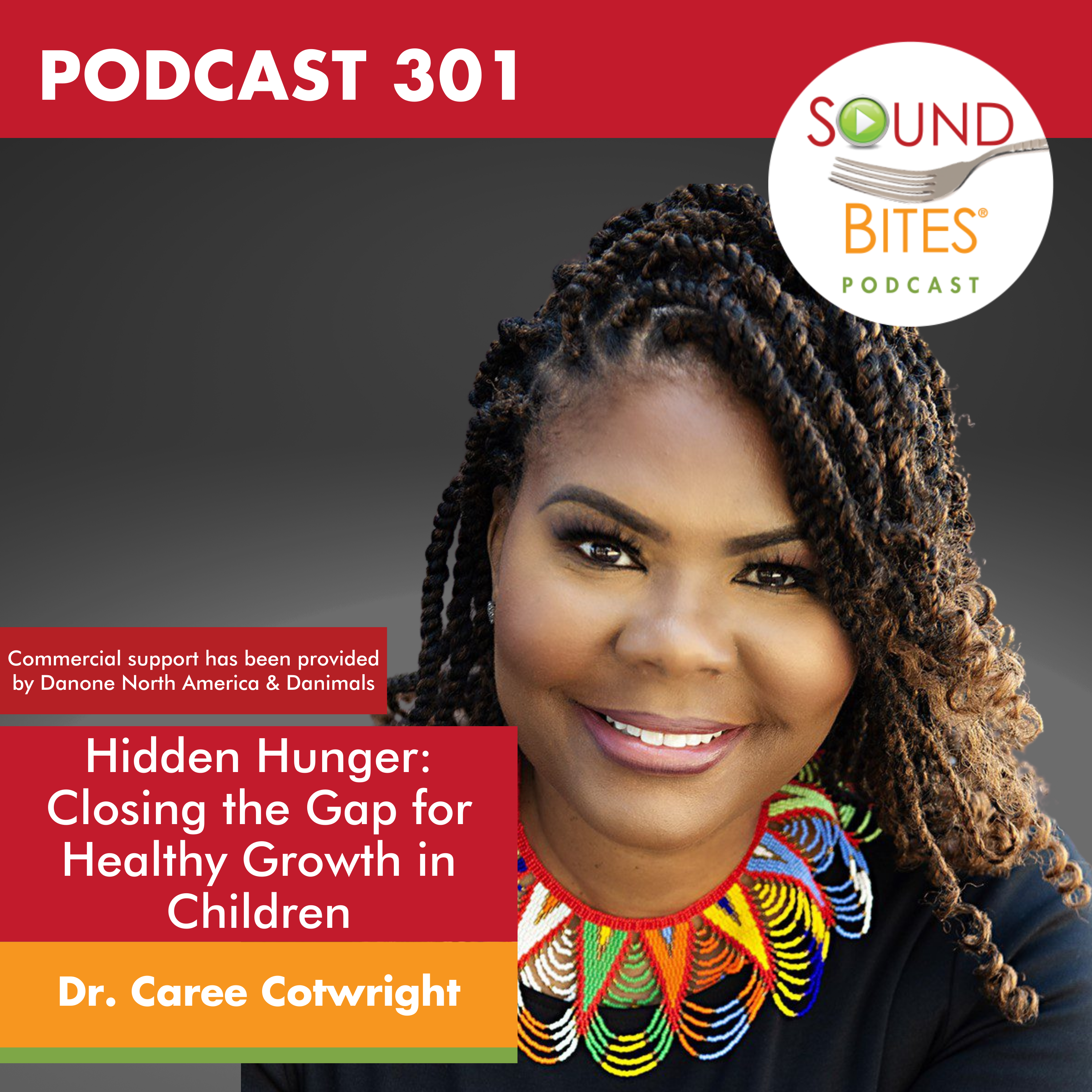
Ep 301301: Hidden Hunger: Closing the Gap for Healthy Growth in Children – Dr. Caree Cotwright
Full shownotes, transcript and resources here: https://soundbitesrd.com/301 This episode is sponsored. Commercial support has been provided by Danone North America & Danimals. Dr. Caree Cotwright is a paid consultant to Danone North America. No brands are discussed or promoted. Many kids don't consume the proper amount of nutrients that are vital for healthy growth, chronic disease prevention, and overall health. This episode examines hidden hunger - when children consume enough calories but not enough essential nutrients for growth and development. Listeners will explore the nutrient gaps most common in U.S. children, the role of picky eating and access in shaping dietary patterns and practical ways to help families close nutrient gaps with affordable, nutrient-dense foods. Tune in to this episode with guest Dr. Caree Cotwright, PhD to learn about: · the prevalence and main drivers of hidden hunger · myths about hidden hunger and who is at risk · common nutrient gaps in children's diets · how 'picky eating' and food preferences impact nutrient intake · how issues of equity and nutrition security impact hunger · real-world ways hidden hunger shows up in schools and communities · challenges parents/families face and how health professionals can support them · practical strategies parents can employ even when resources are tight · the important role that 'nutrition resilience' plays · the power of collaboration between healthcare professionals, teachers and families · addressing the view that "eating healthy is too expensive" · resources for health professionals and the public This episode (Hidden Hunger: Closing the Gap for Healthy Growth in Children) awards 1.0 CPEUs in accordance with the Commission on Dietetic Registration's CPEU Prior Approval Program. Visit https://soundbitesrd.com/301 to access the CPEU activity.

Ep 300300: GLP-1 Meds and Then What? Turning Weight Loss into Lifelong Wellness – Dr. Gitanjali Srivastava
Full shownotes, transcript and resources here: https://soundbitesrd.com/300 This episode is sponsored. Commercial support has been provided by Danone North America & OIKOS. Dr. Gitanjali Srivastava is a paid consultant to Danone North America. No brands are discussed or promoted. This episode explores strategies for maintaining weight loss and overall wellness following the use of GLP-1 medications. Listeners will learn how behavioral, nutritional and clinical approaches can help patients sustain progress and build long-term healthy habits with shifts to their dosage or after discontinuing treatment. Tune in to this episode to learn about: · the STEP and SURMOUNT 4 trial findings · the chronic pathological state of obesity · how GLP-1 meds curb food noise and disordered eating · how GLP-1 meds are intended to be used for weight loss · the crucial role of behavior change · statistics about how and why people plan to stay on or go off the meds · key behavior changes that GLP-1 users can adopt to maximize their success · the importance of structured exercise · how "clock genes" play a role in metabolic function · the power of fiber, protein and fluids in dietary habits · the three pillars: protein, portions and patterns · various reasons that people stop taking GLP-1s · what happens when people stop taking GLP-1s · stigma and bias with weight loss medications · the many challenges in maintaining weight loss · how dietitians are an essential part of the care team · the importance of communicating with patients about side effects · how to support patients who are pausing, cycling or microdosing their GLP-1s · resources for health professionals and the public This episode (GLP-1 Meds and Then What? Turning Weight Loss into Lifelong Wellness) awards 1.0 CPEUs in accordance with the Commission on Dietetic Registration's CPEU Prior Approval Program. Visit https://soundbitesrd.com/300 to access the CPEU activity.