Software Development, Finance and AI
474 episodes — Page 4 of 10

Ep 402Career Progression: Development to Leadership (feat. Siddharth Parakh)
In this episode, Krish Palaniappan engages with Siddharth Parakh, an experienced software engineer and leader, to discuss the evolving role of developers in the age of AI. Siddharth shares his journey from a developer to an engineering leader, emphasizing the importance of understanding the bigger picture in software development. The conversation explores the significance of user perspective, leadership in engineering, and the balance between customer needs and development priorities. They also delve into the dynamics between product owners and developers, the art of prioritization, and the concept of customer obsession versus innovation. They explore the nuances of customer obsession, innovation, and the iterative process of product development. Takeaways Understanding the user perspective enhances software development. Leadership in engineering is about more than just coding. Customer obsession is crucial for product success. Balancing customer needs with development priorities is essential. Effective communication between product and engineering teams is key. Prioritization in software development requires understanding impact. Every product team should allocate time for customer support activities. Innovation should not overshadow the importance of customer satisfaction. Customer obsession is about delivering happiness, not just following demands. Innovation often arises from solving personal needs, not just customer requests. Agility in development allows for iterative improvements based on user feedback. Failure is a crucial part of the innovation process; companies must embrace it. Success traits include accountability, ownership, and a willingness to learn. Cultural context can influence the startup environment and opportunities for networking. Location can impact inspiration and motivation, but not individual performance. Building software requires minimal resources, making it accessible to many. Success is subjective and can vary based on personal goals and definitions. Commitment and passion are essential for success. You don't have to chase titles; focus on what you love. Learning from others is crucial for growth. Burning the back bridge helps you focus on your goals. Nobody regrets doing something; they regret what they didn't do. Sacrifices are necessary when building a business. Chapters 00:00 Introduction to Siddharth Parakh's Journey 03:06 The Developer's Perspective: Understanding the Bigger Picture 05:57 The Importance of User Perspective in Software Development 08:45 Leadership in Software Engineering: Beyond Coding 11:52 Balancing Customer Needs and Development Priorities 15:11 Navigating Conflicts Between Product and Engineering 17:56 Role-Playing: Product Owner and Developer Dynamics 20:53 The Art of Prioritization in Software Development 24:07 Customer Obsession vs. Innovation: A Balancing Act 37:55 Customer Obsession vs. Innovation 40:48 Agility in Product Development 43:26 The Role of Failure in Innovation 46:09 Finding the Right Focus for Success 49:58 Common Traits of Successful Individuals 52:22 Cultural Differences in Success 57:35 The Impact of Location on Career Success 01:06:21 Overcoming Barriers to Entry in Tech 01:12:38 Discovering Strengths and Humility 01:14:39 The Journey of Commitment and Passion 01:17:33 Learning from Others and Embracing Growth 01:20:53 The Transition to Entrepreneurship 01:25:32 The Importance of Full-Time Commitment 01:31:17 Navigating Sacrifices in Entrepreneurship 01:35:31 The Value of Mentorship and Personal Insights

Ep 401Entrepreneurship, MVP & Startup Challenges (feat. Michael Sattler)
In this episode, Krish Palaniappan interviews Michael Sattler, a serial entrepreneur and fractional technical product executive. They discuss the critical aspects of MVP development for early-stage companies, emphasizing the importance of finding product-market fit, learning from failures, and the necessity of customer feedback. Michael shares his insights on the entrepreneurial journey, the value of teamwork, and the motivations behind starting a business. The conversation highlights the realities of entrepreneurship, the importance of continuous learning, and the need for realistic expectations in the startup world. Takeaways Learn more from failures than successes. Finding product-market fit is crucial before building an MVP. Customer feedback is essential in defining an MVP. Entrepreneurship is a team sport, not a solo endeavor. Motivation should be about solving problems, not just making money. Working for a startup can provide valuable experience for aspiring entrepreneurs. The myth of the solo entrepreneur can be damaging to new founders. Realistic expectations are important for startup success. Continuous learning is key in entrepreneurship. Building a product should start with understanding customer needs. Chapters 00:00 Introduction to MVP Development 03:14 Lessons from Startup Failures 06:03 Understanding Product-Market Fit 09:12 Defining the Minimum Viable Product (MVP) 12:04 The Importance of Customer Feedback 15:00 The Role of Founders in Startup Success 17:58 Navigating the Startup Landscape 21:05 The Value of Teamwork in Entrepreneurship 24:04 Motivation Behind Entrepreneurship 27:00 The Reality of Being Your Own Boss 29:47 The Myth of the Solo Entrepreneur 33:09 Learning from Experience 36:05 Advice for Aspiring Entrepreneurs 38:52 Closing Thoughts on Entrepreneurship

Ep 400What does it take to build a (successful) business?
In this episode, Krish Palaniappan discusses the essential elements of entrepreneurship, drawing from personal experiences at Snowpal. He emphasizes the importance of patience, identifying real problems to solve, building a supportive network, and the need for self-motivation. The conversation also touches on the long-term commitment required in business, the significance of having expertise in your chosen field, and the critical nature of sales skills. Krish warns against the pitfalls of building products just because one can, urging entrepreneurs to focus on meaningful solutions. Takeaways Patience is crucial in building a business. Identify a real problem that needs solving. A strong support system is essential for success. Expect to invest more time for less immediate pay. Money should not be the primary motivator. Self-motivation is key to overcoming challenges. Entrepreneurship may not be for everyone. Your business should align with your expertise. Be prepared for a long-term commitment. Sales skills are vital for entrepreneurial success. Chapters 00:00 Introduction to Entrepreneurship 03:09 The Importance of Patience in Business 05:56 Identifying Real Problems to Solve 08:50 Building a Support System 12:14 Expectations of Time and Pay 15:09 Motivation Beyond Money 16:59 Self-Motivation and Resilience 19:10 Understanding Entrepreneurship is Not for Everyone 21:46 Expertise in Your Business Domain 24:09 Long-Term Commitment to Your Venture 25:48 Sales Skills and Experience 29:02 Avoiding the Trap of Building for the Sake of It

Ep 399Designing System Notifications feature on Native Mobile App
In this episode, Krish Palaniappan discusses the implementation of a specific feature in their mobile app, focusing on system notifications. He explains the different types of notifications, the design considerations for scalability, and the importance of creating a generic framework for future features. The conversation also touches on the managed services offered by Snowpal, emphasizing their commitment to helping clients achieve their software development goals. Takeaways The mobile app allows for 70-75% of web functionalities. System notifications can be categorized into user and system notifications. Designing features should balance between being generic and avoiding over-engineering. Scalability applies to processes, teams, and methodologies, not just systems. Using a JSON structure for notifications allows for easy updates without code changes. Notifications must be intelligently managed to avoid redundancy for users. Experience and skill sets of the team significantly impact project outcomes. Managed services are offered to help clients with their software needs. Effective communication of new features is crucial for user engagement. The importance of a professional appearance in product development. Chapters 00:00 Introduction to Snowpal and Mobile App Features 02:54 Exploring System Notifications 09:38 Designing Scalable Features 15:26 Managed Services and Conclusion

Ep 398What does it take to run a SaaS Business? (feat. Rodion Telpizov)
In this episode, Krish Palaniappan interviews Rod Telpizov, CEO of SmartJobBoard. They discuss the journey of launching and growing a SaaS business, the importance of choosing the right market, navigating business challenges, and the critical role of resilience in entrepreneurship. Rod shares insights on leveraging AI tools to enhance product offerings and provides advice for those looking to integrate AI into their software development processes. The conversation emphasizes the need for operational efficiency and the significance of identifying the best customer profile for sustainable growth. Takeaways Choosing the right market is crucial for success. Operational efficiency and growth must be balanced. Resilience is essential in navigating challenges. AI tools can significantly enhance product capabilities. Start small when integrating AI into your product. Identifying your best customer profile is key to growth. Niche markets can protect against larger competitors. Building a network is vital for business success. Adapting to market needs is necessary for survival. Continuous learning and adaptation are essential in tech. Chapters 00:00 Introduction to Smart JobBoard and Rod Telpizov 03:01 Launching and Growing a SaaS Business 06:06 Choosing the Right Market for Success 11:58 Navigating Business Challenges and Operational Efficiency 19:47 The Importance of Resilience in Entrepreneurship 24:03 Leveraging AI Tools for Competitive Advantage 30:10 Skills for Integrating AI in Software Development

Ep 397Product Management: Problems and Solutions (feat. Christoph Steinlehner)
In this episode, Christoph Steinlehner discusses the challenges faced by product managers, including endless discussion cycles and the importance of visual communication. He emphasizes the need for effective meetings, collaboration between product managers and developers, and the role of prototyping and user feedback in product development. Christoph also shares advice for aspiring product managers and reflects on common pitfalls in the field. Takeaways Product managers often struggle with endless discussion cycles in meetings. Visual communication can significantly enhance understanding and collaboration. Effective meetings should result in clear next steps and actionable outcomes. Collaboration between product managers and developers is crucial for success. Prototyping and user feedback are essential for validating product ideas. Avoid being overly attached to initial product ideas; flexibility is key. Understanding different perspectives in cross-functional teams can improve outcomes. Start building projects to gain practical experience in product management. Using visual tools can help clarify complex discussions. Schnitzel is a beloved dish that represents Christoph's cultural background. Chapters 00:00 Introduction to Product Management Coaching 02:29 Breaking Through Endless Discussion Cycles 05:56 The Role of Visual Communication in Product Management 14:07 Effective Meeting Strategies for Product Teams 18:22 Collaboration Between Product Managers and Developers 25:28 Prototyping and User Feedback in Product Development 33:01 Common Pitfalls in Product Management 42:18 Advice for Aspiring Product Managers 44:57 Closing Thoughts and Favorite Dishes

Ep 396AI Orchestration & Automation (feat. Andrew Brooks)
In this episode, Krish Palaniappan interviews Andrew Brooks, co-founder of contextual.io, an AI orchestration platform. The episode includes a live demonstration of the platform, showcasing its features, user interface, and capabilities for integrating AI solutions into business processes. They discuss the functionalities and features of Contextual, focusing on managing permissions, API access, usage-based pricing, and the role of services. They explore the mapping of services to tenants, promoting services across environments, and the importance of atomic services. They highlight the significance of reusing flows, interacting with agents, & visualizing real-time data flow. They delve into the intricacies of data flow in AI applications, focusing on the differences between event and HTTP flows, the importance of designing efficient flows for scalability, and the seamless integration of third-party APIs. Takeaways Contextual.io focuses on AI orchestration and workflow automation. The platform is designed to be user-friendly for developers. AI solutions can significantly enhance business processes. Contextual allows for custom solutions tailored to specific organizational needs. The platform supports integration with various third-party services. User management and security are critical components of the platform. Developers can create and manipulate object types and flows easily. The visual editor simplifies the development process for AI solutions. Contextual's API allows for seamless interaction with external systems. Managing permissions is crucial to prevent unauthorized access. Contextual offers a usage-based pricing model for flexibility. Services in Contextual package components for deployment. Understanding tenant mapping is essential for service management. Promoting services can be done selectively across environments. Atomic services allow for independent promotion of components. Navigating the Contextual interface is user-friendly and intuitive. The Hello AI World demo is a great starting point for new users. Documentation is vital, but many developers prefer hands-on exploration. Exporting and importing flows as JSON enhances collaboration. Data flows through nodes in AI applications. Understanding the difference between event and HTTP flows is crucial. Integrating third-party APIs can simplify complex workflows. Visual orchestration makes AI tools accessible to developers. Splits and joins within flows allow for parallel processing. Chapters 00:00 Introduction to Andrew Brooks and Contextual.io 08:44 Exploring Contextual's AI Orchestration Platform 15:30 Understanding AI Workflows and Use Cases 24:18 Live Demo: Navigating Contextual's Interface 38:00 Creating Object Types and API Integration 58:43 User Management and Security Features 01:16:39 The Importance of Atomic Services 01:22:19 Understanding Instructions and Documentation 01:30:05 Real-Time Data Flow Visualization 01:38:02 Uptime and Reliability of Services 01:51:59 Customizing the Flow Editor 02:05:07 Understanding Data Flow in AI Applications 02:12:13 Navigating Event and HTTP Flows 02:19:20 Designing Efficient Flows for Scalability 02:28:24 Integrating Third-Party APIs Seamlessly 02:37:29 Debugging and Monitoring Flows 02:49:53 Contextual's Mission and Value Proposition

Ep 395Finding Product Market Fit (feat. Daniel Mawdsley)
In this conversation, Daniel Mawdsley, founder of Skill Society, discusses the innovative approach his company is taking to revolutionize the hiring process through AI-driven assessments. He emphasizes the importance of identifying real problems in the market, understanding product-market fit, and the significance of creating a minimum viable product (MVP). The discussion also touches on the challenges of engineering, the need for scalability, and the entrepreneurial journey, highlighting the balance between passion and practicality in building a successful business. Takeaways Skill Society aims to revolutionize hiring with AI-driven assessments. Traditional hiring processes are often biased and subjective. Identifying real problems is crucial for product development. A minimum viable product (MVP) should solve a specific pain point. Over-engineering can lead to wasted resources and time. It's important to balance ambition with practical execution. Feedback from customers is essential for refining products. Scalability should be considered but not at the expense of initial focus. Entrepreneurship offers autonomy and the chance to solve meaningful problems. The journey of entrepreneurship is challenging but rewarding. Chapters 00:00 Introduction to Skill Society and AI in Hiring 04:23 Revolutionizing the Hiring Process 10:45 Understanding Product Market Fit 19:54 Identifying Real Problems 30:31 Minimum Viable Product (MVP) Explained 41:53 The Importance of Good Engineering 51:03 Scalability and Market Focus 01:00:19 The Entrepreneurial Journey

Ep 394Business Agility & its role in the modern world (feat. Ivan Gekht)
In this engaging conversation, Krish Palaniappan and Ivan Gekht delve into the concept of business agility and its significance in the modern world. They explore the differences between business agility and agile software development, the importance of mindset, and the challenges of implementing agile practices in teams. Ivan shares insights on the complexities of software development, the role of AI, and the necessity of adapting processes to fit team dynamics. The discussion emphasizes the need for continuous learning and the importance of focusing on outcomes rather than just processes. Takeaways Business agility is about the ability to adapt and respond to change. Agile principles originated from the need for flexibility in software development. Not all problems can be solved with agile methodologies; understanding complexity is key. A growth mindset is essential for success in agile environments. Processes should support the product goals, not hinder them. Total cost of ownership should be considered in software development decisions. Agile is about delivering usable products every day. Comfort in teams can lead to complacency and hinder progress. Continuous learning is vital in the ever-evolving tech landscape. Effective communication and accountability are crucial for agile success. Chapters 00:00 Introduction to Business Agility 02:58 Understanding Business Agility vs Agile Software Development 06:05 The Importance of Agile in Modern Organizations 09:10 Complexity vs Complicated Problems in Agile 11:58 The Role of Mindset in Agile Practices 15:12 Navigating Agile Processes and Team Dynamics 18:02 The Balance Between Process and Flexibility 20:56 The Future of Software Development and AI 23:54 Final Thoughts on Business Agility and Software Development

Ep 393iOS 18: New Feature Review (feat. Varun Palaniappan)
In this episode, Krish and Varun discuss the new features of iOS 18, focusing on customization options for the home screen and lock screen, enhancements to the torch app, a revamped control center, improvements in the photos app, and new functionalities in the calculator and notes apps. They provide insights into how these features enhance user experience and reflect Apple's ongoing commitment to innovation. In this conversation, Varun and Krish discuss the new features of iOS 18, focusing on embedded voice features, reminders and calendar integration, app privacy, widget customization, tap to cash, maps and custom routes, and enhancements in iMessage. They explore how these features improve user experience and productivity, while also addressing some limitations and bugs they encountered during their discussion. Takeaways iOS 18 introduces significant home screen customization options. Lock screen customization allows for more personalized controls. The torch app now features adjustable brightness and focus. Control center has been revamped for better accessibility and customization. The photos app now includes advanced search capabilities using AI. Calculator app now supports math notes and conversion features. Notes app allows for collapsible categories and color customization. Customization features are aimed at enhancing user experience. Apple continues to innovate with software updates, enhancing older devices. User feedback is crucial for future updates and improvements. Embedded voice features enhance note-taking efficiency. Reminders now integrate seamlessly with the calendar app. Hiding apps adds a layer of privacy for users. Widget customization allows for a more personalized home screen. Tap to cash simplifies peer-to-peer payments. Custom routes in maps improve navigation for outdoor activities. iMessage now supports a wider range of reactions. Sending messages later can help manage communication better. The predictive text feature has improved significantly. Overall, iOS 18 offers subtle yet impactful enhancements. Chapters 00:00 Introduction to iOS 18 Features 03:05 Home Screen Customization 06:02 Lock Screen Customization 11:54 Torch App Enhancements 14:58 Control Center Overhaul 23:50 Photos App Revamp 33:02 Calculator and Math Notes Features 51:56 Notes App Improvements 55:07 Exploring Embedded Voice Features 58:43 Reminders and Calendar Integration 01:01:50 Hiding Apps for Privacy 01:04:23 Customizing Widgets and Home Screen 01:11:14 Tap to Cash: A New Way to Pay 01:15:30 Maps and Custom Routes 01:20:49 iMessage Enhancements and Reactions

Ep 392Starting a Startup: What does it take? (feat. Josh Sanabria)
In this episode, Krish Palaniappan interviews Josh Sanabria, CEO of Go Architect, discussing the journey of starting a startup. They explore the challenges entrepreneurs face, the importance of patience, effective prospecting strategies, and the significance of building a supportive community. Josh shares insights on narrowing down target audiences and emphasizes that entrepreneurship isn't for everyone, but it can be a rewarding path for those who are passionate about solving problems. Takeaways Everything takes twice as long as you think it will. You don't have to go and be a venture funded company to be successful. Patience is crucial in the entrepreneurial journey. Understanding your customers is key to effective prospecting. Be specific rather than casting a wide net in outreach. Building a support system is essential for success. Not everyone is cut out for entrepreneurship. You don't start a business to save time; it often requires more effort. Entrepreneurship can be an exciting and interesting journey. Take risks on adding value in your community. Chapters 00:00 Introduction to Entrepreneurship and Go Architect 02:20 Challenges of Starting a Startup 11:04 The Importance of Patience in Entrepreneurship 12:52 Prospecting and Sales Strategies 20:39 Narrowing Down Your Target Audience 29:11 Building a Support System 35:53 Is Entrepreneurship for Everyone?

Ep 391Entrepreneurship with a Nomadic Lifestyle (feat. Austin Reed)
In this episode, Austin Reed shares his experiences as a digital nomad and entrepreneur, discussing the challenges and rewards of balancing work and travel. He delves into the dynamics of remote work, the importance of flexibility, and the technical challenges faced by distributed teams. The conversation also covers API development, cultural differences in engineering, and the effectiveness of agile methodologies in a remote setting. Austin emphasizes the significance of fostering a collaborative environment and the value of constructive feedback in code reviews. Takeaways Austin Reed has been a digital nomad for eight years, traveling to over 26 countries. He runs a software development agency that focuses on automating processes for businesses. The nomadic lifestyle allows for flexibility and exploration, but requires effective work management. Remote work dynamics differ significantly from traditional office settings, emphasizing freedom and flexibility. Building camaraderie in remote teams is possible through shared activities and communication tools. API development requires clear communication and collaboration between front-end and back-end teams. Cultural differences can impact team dynamics and communication styles in engineering. Sprints can be beneficial for complex projects but may be overkill for simpler tasks. Code reviews should focus on constructive feedback and fostering problem-solving skills. It's essential to establish clear specifications to avoid miscommunication during development. Chapters 00:00 Introduction to the Nomadic Lifestyle 03:10 The Journey to Becoming a Digital Nomad 05:57 Balancing Work and Travel 09:06 Remote Work Dynamics 12:05 Technical Challenges in Remote Teams 14:46 API Development and Collaboration 17:50 Cultural Differences in Engineering 20:46 Sprints and Agile Methodologies 24:06 Code Review Practices 27:08 Final Thoughts and Reflections

Ep 390Back to development after 3 months
In this non-technical podcast episode, the host reflects on the challenges of getting back into the routine of software development after a break. They discuss how taking time off can make tasks that were once seamless feel unfamiliar and laborious. The host shares examples of how even simple processes like recording a podcast or fixing a bug can become more difficult after a break. They emphasize the importance of staying connected to the industry and finding one's comfort zone when returning to software development. Takeaways Taking a break from software development can make it challenging to get back into the routine. Tasks that were once seamless can feel unfamiliar and laborious after a break. Staying connected to the industry and keeping up with new developments is important. Finding one's comfort zone and understanding how long of a break can be taken without feeling uncomfortable is crucial. Chapters 00:00 Introduction and Overview 03:17 Challenges of Getting Back into Software Development 08:11 The Laborious Process of Tasks After a Break 09:40 The Importance of Staying Connected to the Industry 13:31 Finding Your Comfort Zone in Returning to Software Development

Ep 389Journey of a product from Vision to Execution (feat. Chuks Ejechi)
In this conversation, Chuks Ejechi, a product leader, discusses the journey of a product from vision to execution. He explains the process of translating a business vision into a product vision and the importance of defining what, who, and why in the product vision. Chuks also highlights the challenges faced in executing ideas, such as resistance from stakeholders, shifting markets, resource limitations, and competition. He emphasizes the need to start small and iterate quickly, using minimum viable products to gather feedback and make improvements. The conversation explores the challenges of building a product from vision to execution, with a focus on the importance of identifying unique selling propositions and avoiding unnecessary features. The discussion also touches on the challenges of working with engineering teams, including the need for clear communication and coordination between front-end and back-end developers. The impact of geographical diversity on product development is also discussed, emphasizing the importance of understanding and appreciating different cultures and backgrounds. The conversation concludes with a discussion on the challenges faced by product teams and the importance of building a happy and cohesive team. Takeaways Translating a business vision into a product vision involves defining what, who, and why. Challenges in executing ideas include resistance from stakeholders, shifting markets, resource limitations, and competition. Starting small and iterating quickly with minimum viable products allows for gathering feedback and making improvements. A minimum viable product should have an element of usefulness and relate to the original vision. Identify and focus on the unique selling propositions of your product to avoid building unnecessary features. Clear communication and coordination between front-end and back-end developers is crucial for successful product development. Understanding and appreciating different cultures and backgrounds is important when working with geographically diverse teams. Building a happy and cohesive team is essential for effective product management and development. Chapters 00:00 Introduction and Background 04:51 The Process of Translating Vision into Product 12:21 Challenges in Executing Ideas 17:02 Starting Small and Iterating Quickly 20:54 The Importance of a Meaningfully Small Product 24:10 Building a Product: From Vision to Execution 26:06 Identifying and Focusing on Unique Selling Propositions 29:12 Challenges of Working with Engineering Teams 32:36 The Impact of Geographical Diversity on Product Development 39:23 Building a Happy and Cohesive Team

Ep 388Dealing with Flutter Dependency Conflicts and Third-Party Plugin Changes
In this podcast episode, Krish discusses recent changes made to their mobile app built on Flutter. They highlight the challenges faced when upgrading dependencies and dealing with breaking changes. He shares their experience with dependency conflicts and the need to update dependencies incrementally. He also discuss the changes in Facebook login and the introduction of limited login. Krish provides insights into debugging and finding solutions to these challenges. He concludes by mentioning their exploration of AI technologies and the availability of their APIs on AWS Marketplace. Takeaways Regularly upgrading dependencies in a mobile app is important to avoid dependency issues and breaking changes. Handling dependency conflicts can be challenging, especially when using third-party plugins and libraries. Changes in third-party plugins, like Facebook login, can introduce new features and limitations that need to be accounted for. Debugging and finding solutions to issues with upgrades and changes require thorough investigation and sometimes trial and error. Exploring AI technologies and leveraging existing APIs can save time and effort in software development. Chapters 00:00 Introduction and Apologies for the Delay 04:12 Handling Dependency Upgrades and Breaking Changes 08:38 Challenges with Facebook Login and Limited Login 13:04 Debugging and Finding Solutions to Issues 15:28 Importance of Keeping Up to Date with Software Changes 18:16 Exploring AI Technologies and APIs 29:20 Future Topics and Conclusion
Ep 387Measuring Developer Experience and Improving it through Platform Engineering (feat. Ajay Chankramath)
Ajay Chankramath, Head of Platform Engineering at ThoughtWorks, discusses measuring and improving developer experience through platform engineering. Platform engineering is the abstracted set of tools, principles, and techniques that make developers' lives easier and enable DevOps. It focuses on improving developer productivity and reducing friction in the software development process. The key to successful platform engineering is adopting a product management mindset and prioritizing capabilities based on their value. Platform engineering can benefit organizations of all sizes, but the scope and implementation may vary. Internal developer platforms and managed platform engineering services are emerging as options for startups and smaller organizations. Platform engineering is the evolution of software development and delivery. It is not a passing fad or a replacement for DevOps, but rather a cultural paradigm that brings together tools, techniques, and processes. Platform engineering aims to simplify and automate the development process, improve compliance gating, and provide internal developer portals for self-service. It also involves the use of generative AI to enhance operational productivity and enable proactive issue detection. While there is no one-size-fits-all approach to platform engineering, it is important for organizations to invest in platforms that align with their specific requirements and skill sets. Takeaways Platform engineering aims to improve developer productivity and reduce friction in the software development process. Adopting a product management mindset and prioritizing capabilities based on their value is crucial for successful platform engineering. Platform engineering can benefit organizations of all sizes, but the scope and implementation may vary. Internal developer platforms and managed platform engineering services are emerging as options for startups and smaller organizations. Platform engineering is the evolution of software development and delivery. It is not a passing fad or a replacement for DevOps, but rather a cultural paradigm that brings together tools, techniques, and processes. Platform engineering aims to simplify and automate the development process, improve compliance gating, and provide internal developer portals for self-service. Generative AI can be used to enhance operational productivity and enable proactive issue detection. There is no one-size-fits-all approach to platform engineering, and organizations should invest in platforms that align with their specific requirements and skill sets. Chapters 00:00 Introduction to Ajay Chankramath and ThoughtWorks 03:08 Defining Platform Engineering and its Importance 07:48 The Role of Product Management in Platform Engineering 10:21 The Genesis of Platform Engineering and the Importance of Value Modeling 13:22 Platform Engineering for Organizations of All Sizes 22:16 Breaking Down Platform Engineering into Five Planes 25:41 The Importance of Observability in Platform Engineering 29:19 The Role of Orchestrators in Platform Engineering 33:26 The Impact of Platform Engineering on Developers' Daily Work 35:56 The Importance of Compliance Gating 36:47 Internal Developer Portals 38:17 Abstraction with Terraform and Other Tools 49:04 The Potential of Generative AI 55:53 Coexistence of Self-Serve Portals and Conversational UIs 01:06:25 Platform Engineering as an Evolution of Software Development
Ep 386Its 2024. Software Development has changed. Completely.
In this conversation, Krish discusses the need for software development to evolve. He emphasizes the importance of adapting to change and exploring new ways of doing things. Krish also highlights the role of AI in software development and the potential benefits it can bring. He encourages reevaluating problem-solving approaches and finding more efficient ways to document and create tickets. Ultimately, Krish emphasizes the need to embrace change and stay ahead in the rapidly evolving software industry. Takeaways Software development needs to evolve by adapting to change and exploring new approaches. AI can play a significant role in improving software development processes and delivering solutions more efficiently. Problem-solving approaches should be reevaluated to ensure they are still relevant and effective. Efficient documentation and ticket creation processes can enhance productivity and collaboration. Chapters 00:00 Introduction 01:01 Adapting to Change 03:54 Reevaluating Problem Solving 05:18 Approaching Documentation 06:40 Efficient Ticket Creation 07:08 Embracing Change
Ep 385Entrepreneurship: It's not easy. But, it's worth it.
In this conversation, Krish shares his thoughts on the challenges of entrepreneurship and building a software company. He emphasizes that while technical challenges are expected, non-technical challenges often prove to be more important. He discusses the evolving challenges of AI and the need to balance priorities and efficiency. Krish also highlights the importance of motivating teams and overcoming discouragement. He explains the exponential nature of startups and encourages listeners to embrace challenges and take action. Takeaways Entrepreneurship is not just an option for some, but becomes their only option. Non-technical challenges are often more important than technical challenges in building a software company. The challenges of AI are constantly evolving and require adaptation. Balancing priorities and finding efficiency is crucial for startups. Motivating teams and overcoming discouragement are key to success. Learning by doing and embracing challenges leads to growth and success. Chapters 00:00 Introduction and Resonance with Entrepreneurship 01:20 The Challenges of Building Software 04:41 The Evolving Challenges of AI 06:04 Balancing Priorities and Efficiency 07:02 Motivating Teams and Overcoming Discouragement 09:00 The Exponential Nature of Startups 10:28 Embracing Challenges and Taking Action 12:19 Learning by Doing and Spreading Wings 13:43 Conclusion and Call to Action

Ep 384Importance of UI/UX Localization & the Need for Transparency between all Stakeholders (feat. Leigh Lawhon)
In this episode, Leigh Lawhon discusses the importance of transparency in software projects. She highlights the gap between product managers and developers, emphasizing the need for clear communication and understanding of the 'why' behind tasks. She explores the influence of culture on UX/UI design and the challenges of localization. She emphasizes the importance of visual hierarchy and understanding user personas in designing effective interfaces. It delves into the challenges of localization and the balance between personalization and localization. The potential impact of AI on the job market and the future of software development are also discussed. The conversation emphasizes the need for problem-solving skills and the value of being a generalist in the industry. It concludes with the importance of curating one's career in the age of AI. Takeaways Transparency is crucial for the success of software projects, bridging the gap between product managers and developers. Understanding the 'why' behind tasks is essential for developers to align their work with the overall goals of the project. Cultural considerations play a significant role in UX/UI design, and localization is necessary to create interfaces that resonate with different user demographics. Visual hierarchy and clear communication are key elements of effective UX/UI design. The balance between coolness and usability should be considered in designing interfaces, with a focus on meeting user needs and preferences. Understanding cultural differences is crucial for successful product design and development. Balancing personalization and localization is essential to cater to diverse user needs. Language plays a significant role in user experience and must be carefully considered in interface design. The rise of AI may have implications for the job market, requiring professionals to adapt and develop problem-solving skills. Chapters 00:00 Introduction and Background 00:53 The Importance of Transparency in Software Projects 03:12 Task Over Communication 05:04 The Importance of Understanding the 'Why' 06:19 The Role of Developers in Implementing Requirements 07:22 The Example of Building an API for Food Ordering 09:12 The Tension Between Flexibility and Alignment 10:11 The Influence of Culture on UX/UI Design 14:25 The Importance of Shared Vocabulary 15:24 The Role of Visuals in Bridging the Gap 20:11 The Complexity of UX/UI Design in Different Regions 22:15 The Impact of Familiarity on User Interfaces 23:15 The Challenge of Changing User Interfaces 25:08 The Role of UX/UI Design in Personalization 26:20 The Overemphasis on Coolness in UX/UI Design 28:30 The Most Important Aspects of UX/UI Design 30:45 Visual Hierarchy 31:46 Understanding User Personas 33:21 Localization and Cultural Considerations 39:48 Understanding Cultural Differences 41:02 The Importance of Cultural Understanding 43:01 Balancing Personalization and Localization 44:08 The Impact of Language on User Experience 48:49 The Challenges of Localization 53:57 The Complexity of Localization within a Country 56:07 The Potential Impact of AI on Job Market 01:00:30 The Future of Software Development 01:07:07 The Importance of Problem Solving 01:09:11 The Need for Generalists in the Industry 01:12:06 Curating Your Career in the Age of AI 01:14:00 Curating Your Career 01:19:12 Embracing Change and Learning 01:25:12 The Importance of Language and Communication 01:31:22 Dealing with Rejection and Embracing Failure 01:34:19 Finding Unity in Language 01:39:18 Summary and Closing Thoughts

Ep 383Authorization as a Service (feat. Jake Moshenko)
Jake Moshenko, CEO of AuthZed, discusses the importance of permissioning databases and the challenges of implementing permissions at scale. He explains how AuthZed solves this problem by providing a common API for flexible and fine-grained authorization. The target market for AuthZed includes companies of all sizes that need to add complex permission workflows to their applications. Jake demonstrates how AuthZed can be integrated with backend systems, web applications, and mobile apps. He also explains the benefits of using AuthZed, such as increased security and improved product velocity. The conversation concludes with a discussion on the AuthZed schema language and how permissions and roles are defined in the system. Jake Moshenko introduces the concept of permissions and relations in the context of access control. He explains how permissions can be granted to users for specific actions on resources, and how relationships between users and objects are defined. Jake also discusses the flexibility of defining roles and the granularity of permissions. He demonstrates how permissions can be visualized and edited in a user interface, and highlights the benefits of using a startup solution for access control. The conversation concludes with a discussion on the importance of leveraging existing tools and trusting innovative startups. Takeaways Permissions can be granted to users for specific actions on resources, such as read, write, and admin privileges. Relations define the relationships between users and objects, allowing users to be readers, writers, or admins of a particular object. Roles can be used to group multiple privileges or permissions together, providing a higher level of access. Design time actions involve configuring the access control system, while runtime actions involve making API calls to enforce permissions. When considering building or buying a solution, it is important to focus on core competencies and leverage existing tools and services. Chapters 00:00 Introduction and Background 01:04 The Problem of Permissions at Scale 05:25 Implementing Authorization for Different Client Types 06:46 Integration with Backend and Web Applications 10:24 Implementing Permissioning for Mobile Apps 14:25 Benefits of Using AuthZed for Permissioning 22:00 Granting Access to Resources with AuthZed API 25:11 Defining Permissions and Roles in AuthZed 30:42 Introduction to Permissions and Relations 31:11 Understanding Permissions and Roles 32:20 Decoupling Relationships and Actions 33:36 Granularity of Permissions 34:14 Grouping Privileges into Roles 36:01 Design Time and Runtime Actions 36:46 Visualizing and Editing Permissions 39:33 Trusting a Startup 53:36 Building vs. Buying Solutions 58:36 The Value of Innovation and Trust

Ep 382Practical Tips to handle Tech Layoffs
In this podcast, Krish discusses the impact of layoffs and how individuals can better prepare themselves for such situations. He emphasizes the importance of continuous learning and expanding one's skill set to stay competitive in the job market. Krish also advises against becoming too attached to a company and building a lifestyle around the highest pay, as these can lead to difficulties in the event of a layoff. He reminds listeners that a company is not a family and encourages them to enjoy their time off and give back to the community. Takeaways Continuous learning is crucial for staying competitive in the job market. Avoid becoming too attached to a company and build a lifestyle around the lowest pay to mitigate the impact of a layoff. Recognize that a company is not a family and maintain a healthy separation. Take the opportunity of job loss to expand your horizons and learn new skills. Focus on adding value to the organization to stay relevant and stand out. While there is competition, there is also a dearth of good and smart people, so being committed and passionate can make a difference. Enjoy your time off and use it to recharge and explore new opportunities. Remember that a job is just a job and there are other aspects of life to prioritize. Give back to the community and share your knowledge and experiences with others. Chapters 00:00 Introduction 00:35 Summary of Previous Podcast 01:14 Preparing for Layoffs 04:00 Limited Attachment 05:00 Lifestyle and Financial Planning 05:45 Company is Not Your Family 06:06 Expanding Horizons 09:01 Adding Value 12:34 Competition and Dearth of Good People 13:48 Enjoying Time Off 16:16 Perspective on Job Loss 16:32 Giving Back Snowpal Products Backends as Services on AWS Marketplace Mobile Apps on App Store and Play Store Web App Education Platform for Learners and Course Creators

Ep 381Stock Trading for Dummies: A high level introduction
For Entertainment Purposes only. In this podcast episode, Krish Palaniappan introduces the idea of creating a series of podcasts on trading stocks, which is a departure from their usual software-related topics. He mentions that while Snowpal is not in the business of trading and does not claim to be experts in finance, they have some knowledge and experience in trading. Krish explains that the motivation behind this series is to share their learnings and provide entertainment on the topic. He also emphasizes that listeners should seek qualified sources for learning finance and trading. Takeaways Snowpal is planning to create a series of podcasts on trading stocks, which is a departure from their usual software-related topics. The motivation behind the trading series is to share their learnings and provide entertainment on the topic. Snowpal acknowledges that they are not experts in finance and trading, and listeners should seek qualified sources for learning finance. The trading series will cover topics such as opening an account, buying stocks, basic analysis, placing trades, and understanding trading terminologies. Chapters 00:00 Introduction and Background 00:53 Engaging in New Topics 01:35 Interest in Trading 03:11 Podcast Disclaimer 04:07 Topics to Cover 05:33 Exploring Trading Terminologies 06:02 Sharing Knowledge and Entertainment Snowpal Products Backends as Services on AWS Marketplace Mobile Apps on App Store and Play Store Web App Education Platform for Learners and Course Creators

Ep 380Scaling High Performing, Multinational Teams (feat. Andy Hilliard)
In this podcast episode, Krish Palaniappan interviews Andy Hilliard, CEO of Accelerance, about offshoring and building effective globally distributed teams. They discuss the importance of understanding cultural differences in offshoring, the challenges of offshoring for different types of positions, and navigating the risks of offshoring with defined vs undefined vision. In this conversation, Andy Hilliard discusses the challenges and trends in outsourcing software development to offshore service providers. He highlights the importance of having a strong product ownership role and the need for both clients and service providers to invest in developing product ownership capabilities. Andy also emphasizes the proliferation of overnight service providers and the importance of vetting and integrating offshore teams into the client's ecosystem. He discusses the challenges of understanding cultural differences and the need for clients to spend time overseas to build relationships and trust. Finally, he introduces his book, 'Synergia,' which provides a blueprint for building effective globally distributed teams in the new era of software development. Takeaways Understanding cultural differences is crucial in offshoring to ensure effective communication and collaboration. Different types of positions may have different suitability for offshoring, and it is important to choose the right offshore partner based on their expertise and track record. Offshoring with a clearly defined vision is more straightforward, while offshoring to fill a knowledge gap requires a partner with subject matter expertise. To navigate the risks of offshoring, it is important to become a servant leader to the service provider and integrate them into your environment. Clients and service providers need to invest in developing strong product ownership capabilities. Vetting and integrating offshore teams into the client's ecosystem is crucial for successful outsourcing. Understanding cultural differences is essential for effective collaboration with offshore teams. Building relationships and trust through spending time overseas can lead to better outcomes in outsourcing. The book 'Synergia' provides insights and strategies for building effective globally distributed teams in software development. Chapters 00:00 Introduction and Background 06:42 Understanding Cultural Differences in Offshoring 13:01 Offshoring for Different Types of Positions 22:15 Navigating the Risks of Offshoring 28:21 The Role of Product Ownership in Offshore Service Providers 30:13 Challenges of Outsourcing to Service Providers 32:43 The Proliferation of Overnight Service Providers 36:00 The Importance of Leadership Positions in Service Providers 38:22 Understanding Cultural Differences in Offshoring 41:04 The Importance of Trust and Commitment in Offshore Relationships 45:42 The Book: Synergia - A Blueprint for Building Effective Globally Distributed Teams Andy Hilliard (Accelerance) Linkedln Company Website Book: "Synergea: A Blueprint for Building Effective, Globally Distributed Teams in the New Era of Software Development" Snowpal Products Backends as Services on AWS Marketplace Mobile Apps on App Store and Play Store Web App Education Platform for Learners and Course Creators
Ep 379Evolution of Software Development: Summary
In this conversation, Krish discusses the evolution of software development over the past two decades. He covers various topics such as technology changes, work styles, shorter attention spans, the developer vs engineer mindset, and the importance of passion and commitment in one's career. Krish emphasizes the need for adaptability and embracing change in the software development industry. Takeaways Technology in software development is constantly evolving, particularly in front-end development. Work styles have changed, with remote work becoming more prevalent and flexible working hours. Shorter attention spans have become a challenge in design discussions and meetings. Developers need to adopt an engineering mindset and approach problems with fresh perspectives. Passion and commitment are crucial for long-term career fulfillment in software development. Chapters 00:00 Introduction 01:33 Technology Changes 05:19 Shorter Attention Spans 06:20 Developer vs Engineer Mindset 08:30 Passion and Commitment 10:10 Summary Snowpal Products Backends as Services on AWS Marketplace Mobile Apps on App Store and Play Store Web App Education Platform for Learners and Course Creators

Ep 378Impact of layoffs - letting go and being let go (feat. Serkan Durusoy)
In this episode, Serkan Durusoy shares his experiences and insights on the impact of layoffs, both from a leadership perspective and as someone who has been let go. He emphasizes the importance of proactive planning and avoiding surprises in the layoff process. Serkan also discusses the need for individuals to manage their attachment to a company and build a resilient mindset to navigate layoffs. He highlights the responsibility of employees to ensure job security by continuously developing their skills and staying up-to-date in their field. Takeaways Proactive planning and avoiding surprises are crucial in the layoff process. Managing attachment to a company and building a resilient mindset can help navigate layoffs. Employees should take responsibility for their job security by continuously developing their skills and staying up-to-date in their field. Layoffs should be conveyed with thoughtfulness and care, preferably by someone familiar to the affected employees. Genuine interest and continuous learning are crucial for long-term success in the software industry. The rise of generative AI may impact job security, but it also presents opportunities for providing unique value. Problem-solving skills are highly valuable and should be prioritized alongside technical skills. Staying relevant and adaptable is essential in a rapidly changing industry. Recognizing the uncertainty of job security and being prepared for potential layoffs is important for all professionals. Finding the crossroads of passion, skills, and market demand is key to long-term career satisfaction. It's never too late to change careers or learn new skills. Recognizing the value of tools and focusing on providing value can lead to success in any role or job. Chapters 00:00 Introduction and Background 03:30 Leadership Perspective on Layoffs 09:12 Factors to Consider in Layoff Decisions 14:20 Managing Expectations and Attachment to the Company 21:34 Conveying Layoff News to Employees 25:27 Building a Resilient Mindset 28:26 Responsibility and Reaction to Layoffs 34:00 Perspective on Job Security 36:21 Impact of Layoffs and Perspective on Loss 43:41 Building Skills and Being Up-to-Date 44:28 The Importance of Genuine Interest and Continuous Learning 45:32 The Rise of Generative AI and Its Impact on Job Security 46:58 Providing Quantitative Value to Employers 48:30 The Moving Target of Value and the Need for Adaptability 49:24 Adapting to Upcoming Challenges and Staying Relevant 50:46 The Importance of Problem Solving Skills 51:12 The Responsibility to Stay Valuable in Jobs 53:17 The Continuous Learning Mindset and Recognizing Limitations 55:22 The Diminished Value of Coding Skills 56:31 The Importance of Problem Solving Skills in the Age of Generative AI 58:50 Recognizing the Uncertainty of Job Security 59:30 Recommendations for Recent Graduates and Experienced Professionals 01:00:47 Finding the Crossroads of Passion, Skills, and Market Demand 01:03:25 Overcoming the Trap of Feeling Too Old to Change Careers 01:06:02 Recognizing the Value of Tools and the Importance of Providing Value 01:09:49 Recognizing the Difficulty of Different Roles and Jobs 01:12:21 Avoiding Layoffs and Recognizing the Signs 01:14:09 Closing Remarks and Final Thoughts Snowpal Products Backends as Services on AWS Marketplace Mobile Apps on App Store and Play Store Web App Education Platform for Learners and Course Creators
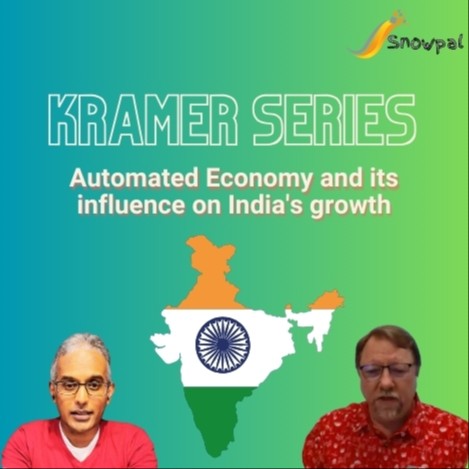
Ep 377Automated Economy and its influence on India's growth (feat. David Kramer)
In this podcast episode, Kramer discusses his recent travels and the evolution of automation in traditional services. He highlights the excitement of witnessing the accelerated adoption of automation in different countries. The conversation then shifts to the most delicious vegetarian food in New Zealand. The hosts recap the previous podcast and set the context for the discussion on solving problems in the automated economy. They explore the changing perspectives on working for large organizations and the importance of passion and curiosity in problem-solving. The value of creativity in finding solutions and the potential of applying solutions from one country to another are also discussed. Takeaways The automated economy is rapidly evolving, with traditional services being hyper-automated and integrated into the digital economy. Entrepreneurs should be passionate about the problems they want to solve and think outside the box to find innovative solutions. Creativity is crucial in problem-solving, even when solutions have been developed elsewhere. Each solution should be tailored to the specific context and needs of the target market. The automated economy offers opportunities for entrepreneurs to solve problems and generate income in ways that were not possible before. The automated economy enables more fluid and efficient economic transactions, allowing entrepreneurs to solve problems and accelerate payment systems. Entrepreneurs can build solutions for other countries without physical presence, leveraging technology and digital enablement. Localization is crucial in building successful solutions, considering cultural norms, economic conditions, and ethical considerations. Understanding the transactional states and evolving solutions based on market conditions are key to success in the automated economy. Long-term business strategy should focus on embracing automation, hyper-personalization, and data-driven decisions. Chapters 00:00 Introduction and Travel Experiences 01:16 The Evolution of Automation in Traditional Services 03:21 Delicious Vegetarian Food in New Zealand 04:41 Recap of Previous Podcast and Context Setting 07:06 Changing Perspectives on Working for Large Organizations 08:01 Identifying Problems to Solve in the Automated Economy 08:30 The Importance of Passion and Curiosity in Problem Solving 09:29 Understanding the Automated Economy and Applying Knowledge 10:22 Solving Problems in the Retail Sales Space 12:18 Taking Solutions from One Country to Another 13:47 Gaining Knowledge and Thinking Outside the Box 15:39 Applying Solutions to Similar Problems in Different Economies 19:10 Solving Problems Locally vs. Being Creative 22:24 The Importance of Passion and Creativity in Problem Solving 23:42 The Nuances of Localizing Solutions 25:29 The Significance of Creativity in Solution Building 28:32 The Value of Innovation in Problem Solving 30:12 The Similarity and Uniqueness of Problems and Solutions 34:52 The Differences in Problem Solving Across Economies 36:45 The Potential of Solving Problems in Different Nations 38:15 Solving Economic Transactions 41:31 Food Delivery in Different Cultures 42:49 Building Solutions Without Physical Presence 44:44 Mitigating Mistakes in Global Business 45:26 Understanding the Transactional States 46:24 Evolving Solutions for Different Markets 47:40 Long-Term Business Strategy in the Automated Economy 48:41 Taking Advantage of Automation 50:07 Ethics and Localization in Building Solutions 53:04 Impact of Automated Economy on Other Industries 56:32 Importance of Localization in Solutions 01:00:32 Automated Economy in India Cooperative Computing: LinkedIn: David Kramer Company Website "How AI is Disrupting Traditional Business Models" Snowpal's Products: Backends as Services on AWS Marketplace Mobile Apps on App Store and Play Store Web App Education Platform for Learners and Course Creators
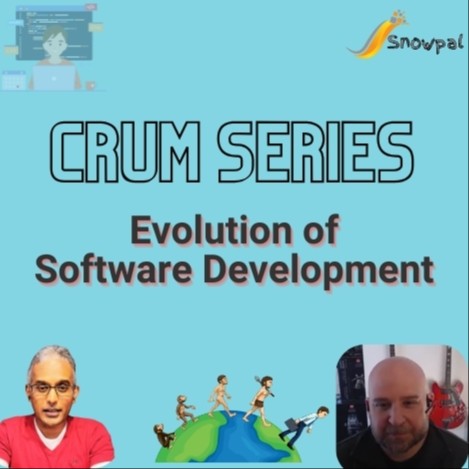
Ep 376Evolution of Software Development (feat. Jason Crum)
In this episode, Krish and Jason discuss the evolution of software development and the changes they have witnessed over the years. They reflect on their first lines of code and compare the differences between then and now. They also explore the pace of change in technology and the challenges it presents for developers. The conversation touches on the importance of being a lifelong learner and staying up to date with new languages and frameworks. They also discuss the benefits and drawbacks of specializing in a specific language or framework and the role of opinions and design patterns in different languages. Krish and Jason go on to discuss the evolution of software development and the challenges and opportunities it presents. They explore the importance of flexibility in programming languages and the need for developers to have an open mind and adapt to new frameworks and technologies. They also delve into the difference between a developer and an engineering mindset, emphasizing the value of problem-solving skills and self-learning. The conversation touches on attention spans and generational shifts, highlighting the impact of smartphones and social media on society. Finally, they discuss the importance of finding fulfillment in one's work and making productive use of time. Takeaways Software development has evolved significantly over the years, with new languages, frameworks, and techniques constantly emerging. Being a lifelong learner and staying up to date with new technologies is crucial for success in the field. Specializing in a specific language or framework can provide job security, but it may limit career opportunities in the long run. Opinions and design patterns vary across different languages, and developers should be open to learning and adapting to new approaches. Developers should be open-minded and adaptable to new frameworks and technologies. Problem-solving skills and self-learning are essential for success in software development. The rise of smartphones and social media has negatively impacted attention spans and the ability to focus. Finding fulfillment in one's work and making productive use of time are important for personal and professional growth. Chapters 00:00 Introduction and Background 01:19 The Evolution of Software Development 13:59 The Pace of Change in Technology 24:53 Specializing in a Language or Framework 29:12 Opinions and Design Patterns in Different Languages 31:25 The Importance of Flexibility in Programming Languages 36:25 Developer vs Engineering Mindset 41:56 Attention Spans and Generational Shifts 57:24 The Detrimental Effects of Smartphones and Social Media 01:02:07 Finding Fulfillment in Software Development Snowpal Products Backends as Services on AWS Marketplace Mobile Apps on App Store and Play Store Web App Education Platform for Learners and Course Creators

Ep 375Software Supply Chain Security and a Decoupled Architecture (feat. Tracy Ragan)
Tracy Ragan discusses software supply chain management and the importance of generating and consuming Software Bill of Materials (SBOMs) in decoupled architectures. She explains the challenges of managing libraries and dependencies in microservices and the need for aggregated SBOMs. Tracy emphasizes the importance of rapid response to vulnerabilities and the value of SBOMs in facilitating this response. She also discusses the requirements and industries for SBOMs and the role of SBOMs in analyzing and securing open source and commercial software. Tracy introduces DeployHub as a DevSecOps evidence store that helps teams gain confidence in the use and consumption of open source software and enables rapid response to vulnerabilities. Takeaways Software supply chain management involves generating and consuming SBOMs to track libraries and dependencies in decoupled architectures. In decoupled architectures, it is important to generate SBOMs for each microservice and aggregate them to understand the overall software supply chain. SBOMs should be generated for every build and provide visibility into the vulnerabilities and dependencies of each component. The quality of SBOMs is determined by their ability to facilitate rapid response to vulnerabilities and enable collaboration among teams. While SBOMs are not currently required in all industries, their importance is increasing, especially in sectors like government and fintech. Understanding the impact of vulnerabilities is crucial for effective response and prioritization. Rapid response to vulnerabilities is essential to minimize the potential impact on production environments. Centralized data and information are necessary for effective vulnerability management. Fixing vulnerabilities in open source software can be challenging due to the lack of accountability and maintenance. Controlling open source consumption and managing the software supply chain are complex tasks. DeployHub provides a DevSecOps evidence store that helps teams gain confidence in the use of open source software and enables rapid response to vulnerabilities. Chapters 00:00 Introduction to Software Supply Chain Management 03:22 Understanding Architecture in the Context of SBOMs 06:12 Configuration Management in Monolithic Applications 07:39 Challenges of Decoupled Architecture in Microservices 09:20 The Need for SBOMs in Decoupled Architectures 11:15 Generating Aggregated SBOMs for Microservices 13:24 Generating SBOMs for Each Microservice 15:23 Generating SBOMs for Every Build 17:15 Managing Libraries and Dependencies in Decoupled Architectures 19:31 The Importance of Consuming SBOM Data 22:30 Generating SBOMs with Tools 24:28 The Format and Consumption of SBOMs 27:55 The Importance of Consuming and Analyzing SBOM Data 29:43 Requirements and Industries for SBOMs 33:29 SBOMs for Open Source and Commercial Software 36:01 The Role of SBOMs in Rapidly Responding to Vulnerabilities 39:05 The Value of SBOMs in Rapid Response Systems 43:13 Defining the Quality of SBOMs 44:06 Understanding the Impact of Vulnerabilities 46:03 The Importance of Rapid Response 48:35 The Need for Centralized Data and Information 50:27 Challenges in Fixing Vulnerabilities 52:14 The Accountability of Open Source Software 53:41 The Difficulty of Controlling Open Source Consumption 55:16 Introduction to DeployHub 57:43 Managing the Software Supply Chain Tracy Ragan's Links: Linkedln Profile DeployHub Snowpal Products Backends as Services on AWS Marketplace Mobile Apps on App Store and Play Store Web App Education Platform for Learners and Course Creators

Ep 374Software Reusability: Build once, build it well and make it customizable
In this podcast episode, Krish compares the Instacart and Wegmans apps to identify commonalities and similarities. He discusses the reusability and integration of backend systems, highlighting the benefits of leveraging existing solutions rather than reinventing the wheel. Krish also explains Snowpal's business model, which focuses on selling software and licenses to other companies. He showcases the integration of multiple products within the Snowpal app and emphasizes the importance of balancing verticals and horizontals in software development. Takeaways Leveraging existing solutions and reusing backend systems can save time and resources in software development. Selling software and licenses can be a successful business model, allowing companies to provide ready-made solutions to other businesses. Integrating multiple products within an app can provide a comprehensive solution for users. Balancing verticals (specific solutions) and horizontals (platform layers) is crucial for successful software development. Chapters 00:00 Introduction and Context 02:02 Comparison of Instacart and Wegmans Apps 13:00 Reusability and Integration of Backend Systems 17:20 Snowpal's Business Model 21:12 Integration of Multiple Products in SnowPAL App 26:10 Reuse of SnowPAL's Web Application 28:37 Balancing Verticals and Horizontals in Software Development 29:07 Conclusion Snowpal Products Backends as Services on AWS Marketplace Mobile Apps on App Store and Play Store Web App Education Platform for Learners and Course Creators

Ep 373Teradata (1/N): Getting Started (Create Environment, Explore Use Cases)
In this podcast episode, Krish explores Teradata from scratch. He starts by introducing Teradata as a complete cloud analytics and data platform, suitable for building large-scale data warehousing applications. He explains the concepts of data warehousing, data lakes, and data marts. Krish then explores Teradata's platform and products, including Teradata Vantage and ClearScape Analytics. He demonstrates how to get started with Teradata by creating an environment and exploring the JupyterLab interface. Krish creates tables, loads data, and runs queries in Teradata, providing hands-on experience and learning along the way. Krish explores the Teradata platform and its functionalities. He starts by troubleshooting a query and identifying the issue. Then, he runs basic queries to demonstrate the SQL syntax. Krish also discusses the availability of third-party plugins and explores some of them. Finally, he concludes the episode by discussing the next steps for further exploration and learning. Takeaways Teradata is a complete cloud analytics and data platform suitable for building large-scale data warehousing applications. Data warehousing, data lakes, and data marts are important concepts to understand in the context of Teradata. Teradata offers a range of products and platforms, including Teradata Vantage and ClearScape Analytics. JupyterLab and Jupyter Notebooks can be used to interact with Teradata and perform data analysis and exploration. Creating tables, loading data, and running queries are essential tasks in Teradata. Teradata is a powerful platform for data analysis and management. Troubleshooting queries is an essential skill for working with Teradata. Basic SQL syntax can be used to run queries on Teradata. Third-party plugins can enhance the functionality of Teradata. Chapters 00:00 Introduction to Teradata 01:16 Understanding Data Warehousing and Data Lakes 03:35 Data Marts and Teradata 04:26 Exploring Teradata's Platform and Products05:41Getting Started with Teradata 06:25 Teradata Vantage and ClearScape Analytics 07:57 Understanding JupyterLab and Jupyter Notebooks 19:14 Exploring JupyterLab Extensions 28:18 Creating Tables and Loading Data in Teradata 48:02 Running Queries in Teradata 53:49 Troubleshooting Query 55:14 Running Basic Queries 56:00 Third-Party Plugins 57:14 Exploring Plugins 58:18 Next Steps and Further Exploration 58:45 Conclusion Snowpal Products Backends as Services on AWS Marketplace Mobile Apps on App Store and Play Store Web App Education Platform for Learners and Course Creators

Ep 372Fundamentals of Prospecting with a focus on B2B Sales (feat. Dr. Deva Rangarajan)
In this podcast episode, Dr. Deva Rangarajan discusses the topic of prospecting in sales. The conversation covers various aspects of prospecting, including the changes in prospecting over time, the difference between advertising and marketing, and the role of sales and marketing in outbound and inbound prospecting. The discussion also touches on the effectiveness of cold calling and cold emailing, the challenges of purchasing mailing lists, and the importance of automation in sales. The episode concludes with a recap of the main points discussed and a preview of the next episode, which will delve into a practical example of prospecting. Takeaways Prospecting in sales involves both outbound and inbound approaches. The role of sales and marketing teams is crucial in both outbound and inbound prospecting. Cold calling and cold emailing can still be effective in certain scenarios and industries. Purchasing mailing lists may not be a reliable or recommended approach. Automation plays a significant role in streamlining sales processes. Open rates and response rates in email campaigns can vary, and it is important to set realistic expectations. Chapters 00:00 Introduction 01:24 Subjectivity in Sales 06:42 Sales Prospecting 101 09:31 Changes in Prospecting 10:33 Difference Between Advertising and Marketing 12:26 Sales and Marketing for the Long Term 15:24 Inbound and Outbound Prospecting 18:43 Approaching Outbound and Inbound Differently 22:03 Role of Sales and Marketing in Outbound and Inbound 23:37 Assessing Success in Sales and Marketing 25:26 Filtering Leads in Inbound Marketing 26:52 Role of Sales and Marketing Teams 27:36 Inbound and Outbound as a Combination 29:29 Outbound Sales Campaigns 30:51 Cold Calling and Cold Emailing 32:43 Effectiveness of Cold Calling in 2024 33:31 Feasibility of Cold Calling in Certain Scenarios 34:36 Cold Calling in Specific Industries or Demographics 36:39 Cold Emailing and LinkedIn Prospecting 38:17 Challenges with Purchasing Mailing Lists 39:23 Quality and Accuracy of Mailing Lists 42:42 Considerations for Small Organizations 43:39 Importance of Automation in Sales 44:57 Open Rates and Response Rates in Email Campaigns 49:09 Recap and Practical Examples 53:49 Closing Comments 55:51 Next Steps and Example 58:14 Conclusion Dr. Rangarajan's Links LinkedIn Profile Ball State Sales Center Snowpal Products Backends as Services on AWS Marketplace Mobile Apps on App Store and Play Store Web App Education Platform for Learners and Course Creators
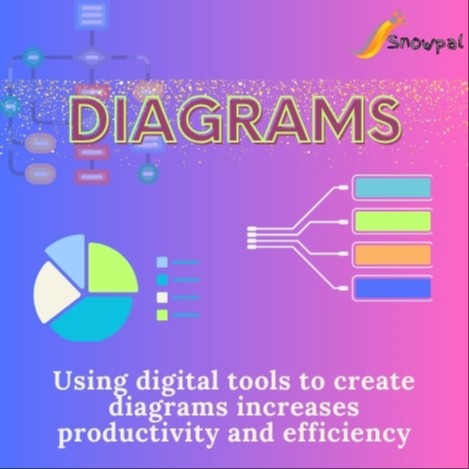
Ep 371Using diagrams to effectively communicate with Teams, Clients & Stakeholders
In this podcast, Krish discusses the importance of using diagrams to effectively communicate within teams. He shares examples of different types of diagrams, including sequence diagrams, flowcharts, and mind maps. Krish emphasizes the productivity and efficiency gained by using digital tools to create diagrams, rather than manually drawing them. He also highlights the value of diagrams in conveying complex information and facilitating understanding. Overall, the podcast emphasizes the benefits of incorporating diagrams into team communication and decision-making processes. Takeaways Diagrams are a powerful tool for effective communication within teams. Using digital tools to create diagrams increases productivity and efficiency. Different types of diagrams, such as sequence diagrams, flowcharts, and mind maps, can be used to represent different types of information. Diagrams help convey complex information and facilitate understanding. Chapters 00:00 Introduction to Diagrams 04:45 Using Diagrams to Communicate Within Teams 06:08 Using Sequence Diagrams 22:44 Using Flowcharts 32:09 Using Mind Maps 35:33 Summary and Conclusion Snowpal Products Backends as Services on AWS Marketplace Mobile Apps on App Store and Play Store Web App Education Platform for Learners and Course Creators

Ep 370(Part 2/2) FullStory Digital Analytics: Convert Results of Analysis to Product Requirements
In this podcast, Krish explores the process of digital analysis and how to take the analysis forward. He discusses different approaches to analyzing product usage, including general product usage analysis, client-specific product usage analysis, feature-specific product usage analysis, ad hoc analysis, and usage pattern analysis. Krish emphasizes the importance of communicating the analysis to the product team and translating it into meaningful requirements for the engineering team. Takeaways Digital analysis involves analyzing product usage and user behavior. Different approaches to analysis include general product usage analysis, client-specific product usage analysis, feature-specific product usage analysis, ad hoc analysis, and usage pattern analysis. Communicating the analysis to the product team is crucial for making informed decisions. Translating the analysis into meaningful requirements helps guide the engineering team. Chapters 00:00 Introduction and Recap 03:58 Communicating Analysis to Product Team 04:59 General Product Usage Analysis 09:34 Client Specific Product Usage Analysis 14:51 Feature Specific Product Usage Analysis 20:39 Ad Hoc Analysis 25:25 Usage Pattern Analysis 31:03 Translating Analysis into Requirements Snowpal Products Backends as Services on AWS Marketplace Mobile Apps on App Store and Play Store Web App Education Platform for Learners and Course Creators

Ep 369(Part 1/2) FullStory Digital Analytics: Getting Insights into Customer's Experience of your Products
This podcast episode explores digital analytics tools, with a focus on FullStory. The host provides an overview of digital analytics and its importance in understanding user behavior and improving online marketing strategies. The features and configuration of FullStory are discussed, including the ability to analyze user activity, track frustrated sessions and rage clicks, and use UTM campaigns for tracking. The episode also touches on the use of DataDog for digital analytics and highlights the various aspects that can be analyzed, such as session length, user behavior, and conversion rates. The episode concludes with the importance of using digital analytics to improve business performance. Takeaways Digital analytics tools help gather, analyze, and interpret data from digital sources to understand user behavior and improve online marketing strategies. FullStory is a digital analytics tool that provides detailed insights into customer behavior, allowing for optimization of webpages, marketing campaigns, and online initiatives. Features of FullStory include analyzing user activity, tracking frustrated sessions and rage clicks, and using UTM campaigns for tracking. Session length and active time are important metrics to consider for user engagement and scalability. Frustrated sessions and rage clicks can provide insights into user experience issues and areas for improvement. UTM campaigns and sources can be used to track and analyze the performance of digital marketing campaigns. DataDog is another tool that can be used for digital analytics and offers features for monitoring and observability. Digital analytics can be customized to analyze different aspects such as user behavior, page performance, and conversion rates. Using digital analytics can help businesses improve their online presence, understand user needs, and make data-driven decisions for growth and optimization. Chapters 00:00 Introduction and Context 01:27 Overview of Digital Analytics Tools 03:49 Exploring FullStory 07:14 Configuring FullStory 09:40 Analyzing User Activity in FullStory 13:13 Additional Features of FullStory 19:00 Importance of Session Length and Active Time 20:04 Optimizing User Experience and Scalability 21:45 Frustrated Sessions and Rage Clicks 22:33 Understanding Frustrated Sessions and Rage Clicks 23:37 UTM Campaigns and Sources 26:34 Using UTM Codes for Tracking 28:38 Customizing Analysis Parameters 29:42 Exploring DataDog for Digital Analytics 31:56 Analyzing Different Aspects of Digital Analytics 38:00 Using Digital Analytics to Improve Business 39:16 Conclusion Snowpal Products Backends as Services on AWS Marketplace Mobile Apps on App Store and Play Store Web App Education Platform for Learners and Course Creators

Ep 368More than your reputation is at stake: What you do can affect other people (for good or bad)!
In this podcast, Krish discusses how each individual represents not only themselves but also a larger population. He emphasizes the importance of credibility, professionalism, clear communication, and commitment to deliverables. Krish also highlights the significance of reputation and how it can impact others who share similarities. He advises learning the paradigms of the organization and reacting gracefully to transitions. Krish concludes by reminding listeners that a job does not define their worth as a person. Takeaways Representing oneself also means representing a larger population. Credibility is crucial in building trust and reputation. Clear communication and professionalism are essential in the workplace. Commitment to deliverables and meeting deadlines is important. Helping others and reacting gracefully to transitions can have a positive impact. A job does not define an individual's worth. Chapters 00:00 Introduction 00:58 Representing a Larger Population 03:25 Changes in the Hiring Process 08:05 Credibility 09:58 Location and Availability 12:17 Professionalism 13:19 Communication 15:25 Commitment to Deliverables 16:48 Reputation 18:31 Learning Organizational Paradigms 19:53 Confidence 20:58 Helping Others 23:01 Reacting to Transitions 25:20 Job Does Not Define You 26:39 Conclusion Snowpal Products Backends as Services on AWS Marketplace Mobile Apps on App Store and Play Store Web App Education Platform for Learners and Course Creators

Ep 36710+ ways to improve Employee Retention
In this podcast episode, Krish discusses employee retention and the overall employee experience. He shares insights and tips based on his experience in software development and running a startup. The conversation covers various topics such as job descriptions, recruiter reach out, interview processes, communication and feedback, onboarding, promotions and pay raises, time off policies, equipment, happiness check, training, engagement, restructuring, and moving on. Krish emphasizes the importance of treating employees as individuals and creating a positive work environment. Takeaways Job descriptions should be engaging and reflect the company culture. Recruiters should reach out to candidates in a personalized and clear manner. The interview process should be well-defined and relevant to the role. Regular communication and feedback are crucial for employee satisfaction. Onboarding should be seamless and include necessary resources and support. Treating contractors and consultants with respect and clarity is important. Promotions, pay raises, and titles should be personalized to meet individual preferences. Time off policies should be flexible and considerate of employees' needs. Providing the right equipment and tools for work enhances productivity and satisfaction. Engagement activities should be tailored to the team's preferences and promote a positive work culture. Restructuring should be handled with empathy and transparency. When moving on, employees should give notice and assist with the transition process. Chapters 00:00 Introduction 01:42 Job Description 04:46 Recruiter Reach Out 08:52 Interview Process 12:23 Communication and Feedback 13:21 Onboarding Process 15:21 Treating Contractors and Consultants 17:05 Feedback 18:05 Promotions, Pay Raises, and Titles 20:24 Time Off 22:01 Equipment 25:31 Happiness Check 27:00 Training 28:30 Engagement 30:59 Restructuring 34:36 Moving On 35:36 Conclusion Snowpal Products Backends as Services on AWS Marketplace Mobile Apps on App Store and Play Store Web App Education Platform for Learners and Course Creators
Ep 366Automated Economy Series (4/N): Impact of Automated Economy on Global Economic Growth (feat. David Kramer)
In this episode, Krish and Kramer discuss the impact of the automated economy on global economic growth. They explore the differences in the adoption of automated economy between countries and the role of culture in this process. They also identify the countries that are likely to have the largest impact on the automated economy, including India, African countries, South Asian countries, and Latin American countries. The conversation explores the impact of the automated economy on different countries and regions. It discusses the growth potential of India, Africa, South Asia, Latin America, China, Europe, Australia, and New Zealand. The chapters also highlight the relationship between GDP and the automated economy. They explore the contribution of automated economy to GDP growth and how it is not directly proportional. They also discuss the importance of the percentage of automated economy and its contribution to GDP. Additionally, they delve into the concept of accelerating economic growth through automation and how the growth potential of an economy is directly proportional to the level of automation. Finally, they summarize the key takeaways, including the role of automated economy in driving economic growth and the importance of understanding the cultural and political perspectives. Takeaways The automated economy is driving global economic growth, with the GDP generated from the automated economy increasing from $13.5 trillion in 2018 to $53.3 trillion in 2022. The adoption of automated economy varies between countries, with factors such as disposable income, government support, and cultural readiness playing a role. Countries like India, African countries, South Asian countries, and Latin American countries have the potential for significant growth in the automated economy. The growth of the automated economy is driven by consumer demand for convenience and personalization, as well as the ability of businesses and governments to implement and support automation. India has a high growth capability due to automation and a focus on middle-income growth. Africa has the potential to become a stellar growth region, but disposable income growth may hinder its economic impact. China may struggle with middle-income growth, resulting in a lower impact from the automated economy. Latin America has the economic capability for growth, but cultural adoption may slow down the impact of automation. The growth potential of different countries and regions is not directly proportional to their GDP. The contribution of automated economy to GDP growth is not directly proportional. The percentage of automated economy and its contribution to GDP is an important factor to consider. Automation can accelerate economic growth by increasing the expansion capability of an economy. The growth potential of an economy is directly proportional to the level of automation. Chapters 00:00 Introduction 11:03 Differences in Automated Economy between Countries 19:14 Culture and Automated Economy 35:27 Countries with the Largest Impact on Automated Economy 42:55 The Impact of the Automated Economy on Different Countries 44:20 China's Struggle with Middle Income Growth 45:38 India's Growth Capability Due to Automation 48:01 The Growth Potential of Latin America 53:23 The Growth Potential of Western & Rest of Europe 55:02 The Growth Potential of Australia & New Zealand 58:02 The Impact of GDP & Automated Economy 01:20:03 Accelerating Economic Growth through Automation 01:23:12 Summary Snowpal Products Backends as Services on AWS Marketplace Mobile Apps on App Store and Play Store Web App Education Platform for Learners and Course Creators

Ep 365World Traveler Series (4/N): Welcome to Africa, Part 2/2 (feat. Prasanna Veeraswamy)
In this podcast, Prasanna Veeraswamy discusses his travels to 200 countries and the cultural differences he encountered. The conversation explores the hypothetical scenario of introducing technology to individuals from different countries and the potential impact on happiness. The shared experiences and commonalities between people in Africa are also discussed. The conversation concludes with a discussion on the impact of technology on people's beliefs and the continuation of the topic in the next podcast. Takeaways Traveling to different countries provides valuable insights into different cultures and perspectives. Shared experiences and connections with others can bring a sense of calm and happiness. Despite cultural differences, there are often commonalities that bind people together. The impact of technology on people's beliefs and values is a complex topic that requires further exploration. Chapters 00:00 Introduction and Background 01:17 Hypothetical Scenario 04:51 Discussion on Happiness 08:04 Shared Experiences 11:30 Sadness and Commonalities in Africa 13:11 Design Patterns and Commonalities 15:42 Technology and People18:51Relaxation and Travel 19:30 Impact of Technology Snowpal Products Backends as Services on AWS Marketplace Mobile Apps on App Store and Play Store Web App Education Platform for Learners and Course Creators

Ep 364World Traveler Series (3/N): Welcome to Africa, Part 1/2 (feat. Prasanna Veeraswamy)
In this podcast episode, Krish and Prasanna continue their conversation about Prasanna's travels. They focus on Africa, discussing its diversity and unique characteristics. They also explore the impact of technology, specifically YouTube consumption, in different regions. The episode concludes with a thought-provoking question about happiness in different cultural contexts. Takeaways Africa is a diverse continent with distinct regions and cultures. Africa has a raw and primitive feel, with limited technological advancements compared to other continents. YouTube consumption varies significantly across different regions, with Africa having the lowest consumption rates. Cultural context plays a significant role in determining happiness levels. Chapters 00:00 Introduction and Background 01:04 Continuing the Conversation 03:00 Africa: A Continent of Diversity 06:25 Africa's Unique Characteristics 08:05 Technology and YouTube Consumption 09:34 Happiness in Different Cultural Contexts 10:47 Conclusion Snowpal Products Backends as Services on AWS Marketplace Mobile Apps on App Store and Play Store Web App Education Platform for Learners and Course Creators

Ep 363World Traveler Series (2/N): Why cultural learnings have a profound impact on business outcomes (feat. Prasanna Veeraswamy)
In this podcast episode, Krish and Prasanna discuss the challenges and strategies for building relationships and effective communication in remote work environments. They explore the cultural differences that can impact communication styles and offer insights on how to bridge those gaps. They also discuss the importance of creating off-sites and team building activities to foster connections among remote team members. Additionally, they address the fear of being judged and provide suggestions for individuals to take initiative in building relationships. Overall, the conversation emphasizes the value of understanding and adapting to different cultures in order to create successful remote work environments. The conversation explores the complexity of cultures and the adjustments required when working with teams in different parts of the world. It emphasizes the importance of work-life harmony and the need for companies to invest in their employees. The blurring of personal and professional relationships is discussed, along with the cultural differences in weddings and drinking culture. Krish and Prasanna discuss various topics related to cultural differences and their experiences in different countries. They explore the concept of leadership in different cultures, highlighting the importance of personal attention and mentorship in countries like China. They also express their interest in Africa and its unique qualities, such as its raw and elemental nature. The conversation concludes with a discussion on the value of diversity and the potential future topic of social group travel. Takeaways Cultures are complex and require understanding and adjustments when working with teams from different parts of the world. Work-life harmony is more important than work-life balance, as it allows for flexibility and integration of personal and professional lives. Companies should invest in their employees and create a positive work environment to retain talent. Cultural differences can be seen in various aspects of life, including weddings and drinking culture. Chapters 00:00 Introduction and Background 01:41 Cultural Differences in Communication 06:12 Finding a Middle Ground for Remote Work 09:06 Creating Offsites and Team Building Activities 11:44 Overcoming Social Barriers in Remote Work 16:23 Balancing Transactional and Relational Work Relationships 17:46 Individual Initiatives for Building Relationships 20:43 Addressing the Fear of Being Judged 22:13 Creating a Live Call Environment 26:26 Navigating Cultural Differences 34:44 Cultural Complexity 36:01 Adjustments in Different Parts of the World 39:01 Work-Life Balance and Cultural Differences 46:24 Retaining Employees in a Changing Workforce 48:20 Blurring the Line Between Personal and Professional Relationships 49:45 Forming Personal Relationships at Work 51:11 Work-Life Harmony 56:01 The Evolution of Work-Life Balance 59:32 The Importance of Work-Life Harmony 01:03:31 The Blending of Personal and Professional Lives 01:06:37 Cultural Differences in Weddings 01:08:30 Cultural Differences in Drinking Culture 01:09:13 Cultural Differences in Leadership 01:11:27 Interest in Africa 01:13:40 Uniqueness of Africa 01:16:03 Appreciation for Diversity 01:18:23 Future Topics: Social Group Travel Snowpal Products Backends as Services on AWS Marketplace Mobile Apps on App Store and Play Store Web App Education Platform for Learners and Course Creators

Ep 362(Part 3/N) Terraform: Create Image Resource
In this podcast, Krish continues the Terraform series by bringing another resource under Terraform's management without using the import block. He demonstrates how to create and modify a Docker container image using Terraform. He also explores the process of destroying resources and discuss some limitations and considerations. Takeaways You can bring existing resources under Terraform's management without using the import block. Terraform allows you to modify the configuration of resources and apply the changes. Destroying resources in Terraform can sometimes result in errors, but they can usually be resolved. The next episode will focus on using Terraform with AWS and explore other cloud providers. Chapters 00:00 Introduction and Recap 06:12 Bringing a Resource Under Terraform's Management 15:24 Modifying Configuration and Destroying Resources 17:08 Summary and Next Steps Snowpal Products Backends as Services on AWS Marketplace Mobile Apps on App Store and Play Store Web App Education Platform for Learners and Course Creators
Ep 361(Part 4/4) Confluent Cloud (Managed Kafka as a Service) - What is a connector & How to create Custom Connectors
In this podcast, Krish explores the various connectors available in Confluent Cloud. He starts by recapping the previous podcasts and the basics of Confluent Cloud. Krish then focuses on connectors, explaining their value and why they can reduce the need for writing code. He explores different connectors, such as the data gen source connector and the MongoDB Atlas connectors. Krish also discusses different data formats, including Avro, Protobuf, and JSON. He briefly touches on implementing custom connectors. Krish explores the topic of connectors in Confluent Cloud. He discusses the process of creating connectors and the different types of connectors available. Krish also delves into configuring connectors and defining configuration parameters. He explores the concept of custom connector configuration and the use of connector properties files. Krish then explores existing connectors, such as the HTTP source and sync connectors, and discusses the process of publishing custom connectors. He concludes by mentioning the Confluent CLI for managing connectors. Takeaways Connectors in Confluent Cloud provide value by reducing the need for writing code. Different connectors are available for various data sources and destinations, such as MongoDB, Amazon S3, and Elasticsearch. Data formats like Avro, Protobuf, and JSON can be used with connectors. Implementing custom connectors allows for more flexibility and integration with specific systems. Connectors enable seamless data integration and propagation between different systems. Connectors in Confluent Cloud allow for seamless integration with various systems and services. Custom connectors can be created and published to Confluent Cloud. Configuration parameters for connectors can be defined and managed. The Confluent CLI provides a command-line interface for managing connectors. Chapters 00:00 Introduction 00:35 Recap of Previous Podcasts 01:05 Focus on Connectors in Confluent Cloud 02:16 Exploring Data Gen Source Connector 03:43 Different Formats: Avro, Protobuf, JSON 08:07 Differences Between Avro and Protobuf 10:03 Exploring Other Connectors 11:14 Using MongoDB Atlas Connectors 12:08 Testing Different Formats with Connectors 13:36 Handling Avro Format with Consumer 16:58 Exploring More Connectors: Snowflake, Amazon S3, Elasticsearch 20:33 Implementing Custom Connectors 27:31 Exploring More Connectors: Salesforce, Oracle, Jira 35:16 Exploring More Connectors: SQL Server, MySQL 38:43 Implementing Custom Connectors 43:24 Exploring More Connectors: Kafka, File 46:20 Understanding Connector Implementation 49:06 Creating Custom Connectors 50:00 Summary and Conclusion 50:59 Creating Connectors 52:04 Configuring Connectors 54:00 Custom Connector Configuration 56:08 Defining Configuration Parameters 57:38 Configuration Properties 59:49 Self-Managed Connectors 01:00: 27 Connector Properties File 01:01:28 Creating Custom Connectors 01:02: 09 Publishing Custom Connectors 01:03: 37Existing Connectors 01:04: 14HTTP Source Connector 01:06:40 HTTP Sync Connector 01:08:34 Other Connectors 01:10:34 Managing Connectors 01:12:14 Confluent CLI Snowpal Products Backends as Services on AWS Marketplace Mobile Apps on App Store and Play Store Web App Education Platform for Learners and Course Creators

Ep 360(Part 2/2) Remote Work - An Engineer’s Perspective (feat. Jason Crum)
In this podcast, Krish and Jason discuss the cultural aspects of remote work and the importance of knowing each other in a remote setting. They explore whether it is necessary for engineers to know each other and the responsibility of individuals and organizations in fostering relationships. They also touch on the impact of engagement length on building relationships and the importance of treating software development as an art. The conversation concludes with a discussion on the challenges of working with different cultures and the need to embrace diversity and learn from different cultures. Takeaways Building relationships and getting to know each other is important in a remote work setting. Both individuals and organizations have a responsibility in fostering relationships and creating a positive work culture. Engagement length can impact the depth of relationships and the quality of deliverables. Treating software development as an art and giving 100% effort leads to better results. Working with different cultures requires understanding and embracing diversity. Chapters 00:00 Introduction and Recap 00:46 The Importance of Knowing Each Other 03:48 The Individual vs. Organization Responsibility 06:12 Building Relationships in a Remote Setting 11:11 The Impact of Engagement Length 12:32 Treating Software Development as an Art 17:50 Giving 100% and Treating Software Development as an Art 22:23 Challenges of Working with Different Cultures 24:51 Embracing Diversity and Learning from Different Cultures 26:56 Closing Remarks Snowpal Products Backends as Services on AWS Marketplace Mobile Apps on App Store and Play Store Web App Education Platform for Learners and Course Creators

Ep 359(Part 1/2) Remote Work - An Engineer’s Perspective (feat. Jason Crum)
In this podcast episode, Krish interviews Jason Crum, a Senior Enterprise Architect, about remote work from an engineer's perspective. They discuss various aspects of remote work, including pre-pandemic, during pandemic, and post-pandemic experiences, preferences for remote or in-office work, benefits and challenges of remote work, limitations of remote work, social interaction, pairing in remote work, implementing remote work in startups, team dynamics, and challenges of non-engineers in remote teams. Takeaways Remote work offers flexibility and the ability to manage time effectively. Remote work can limit social interaction and the ability to collaborate in person. Pairing in remote work can be challenging but can also be beneficial for certain tasks. Implementing remote work in startups requires considering team dynamics and ensuring everyone is either remote or in-office. Non-engineers in remote teams may face unique challenges. Chapters 00:00 Introduction and Welcome 01:10 Favorite Food Items 04:06 Remote Work Experience 06:23 Pre-Pandemic, During Pandemic, and Post-Pandemic Remote Work 10:33 Preference for Remote or In-Office Work 13:07 Benefits and Challenges of Remote Work 15:28 Limitations of Remote Work 19:16 Social Interaction and Remote Work 20:39 Pairing in Remote Work 24:46 Implementing Remote Work in Startups 27:50 Team Dynamics in Remote Work 29:43 Challenges of Non-Engineers in Remote Teams 32:21 Closing Comments Snowpal Products Backends as Services on AWS Marketplace Mobile Apps on App Store and Play Store Web App Education Platform for Learners and Course Creators

Ep 358(Part 3/4) Confluent Cloud (Managed Kafka as a Service) - Create a Go client to consume messages
In this podcast episode, the host continues from the previous episodes in the Confluent Cloud series and focuses on consuming messages. The consumer code is reviewed, and the concept of group ID is explained. The process of initializing the consumer and subscribing to topics is demonstrated. The use of channels in Go for message consumption is explored. The host troubleshoots issues related to group ID and discusses the inconsistencies observed. The allocation of messages among multiple consumers with different group IDs is examined. The episode concludes with a summary of the learnings and an invitation to explore Snowpals' products and APIs. Takeaways Consuming messages in Confluent Cloud involves initializing the consumer and subscribing to topics. The group ID determines which consumers belong to which group and affects work sharing and fault tolerance. Messages can be consumed using channels in Go, allowing for continuous listening and processing. Troubleshooting issues with group ID and understanding message allocation among multiple consumers is important. Snowpal offers a range of products and APIs for software development and architecture. Chapters 00:00 Introduction and Recap 00:31 Starting to Consume Messages 01:44 Consumer Code Overview 03:08 Consumer Group ID04:04Initializing the Consumer 04:32 Consuming Messages with Channels 05:00 Publishing Messages and Consuming 06:25 Group ID and Offset 07:07 Troubleshooting Group ID08:29Group ID and Producer 09:12 Inconsistencies and Debugging 10:24 Cluster Settings and Group ID 11:08 Cluster and Topic Configuration 12:24 Consumer Group ID and Partitions 13:22 Consumer Group ID and Message Filtering 16:29 Consumer Group ID and Work Sharing 17:49 Producer and Consumer Group ID 18:35 Multiple Consumers and Group ID 19:54 Multiple Consumers with Different Group IDs 20:50 Consuming Messages with Multiple Consumers 22:07 Parallelism and Message Distribution 23:52 Consumer Group ID and Message Allocation 26:30 Consumer Group ID and Message Allocation (Continued) 28:30 Consumer Group ID and Message Allocation (Continued) 30:03 Consumer Group ID and Message Allocation (Continued) 35:45 Conclusion Snowpal Products Backends as Services on AWS Marketplace Mobile Apps on App Store and Play Store Web App Education Platform for Learners and Course Creators

Ep 357(Part 2/4) Confluent Cloud (Managed Kafka as a Service) - Create a Go client to publish messages
In this podcast episode, the host continues the discussion on Confluent Cloud and focuses on adding a consumer and creating a Go client. The process of building a producer and troubleshooting and debugging common issues is also covered. The host explores topics such as topic creation, error handling, and configuration. Known issues and workarounds are discussed, along with cluster settings and security protocols. The episode concludes with final debugging and error handling techniques. In this conversation, Krish explores the process of publishing messages to a Kafka topic using a Go client. He encounters some issues along the way, such as delivery failures and SSL connection problems. However, after making some code changes and switching back and forth, the publishing starts working unexpectedly. Krish also discusses the use of Go channels in the producer and the importance of reading config and initializing the producer correctly. He concludes by mentioning the next steps, which involve consuming the messages from the topic. Takeaways Adding a consumer and creating a Go client are important steps in working with Confluent Cloud. Troubleshooting and debugging are essential skills when working with messaging systems like Kafka. Understanding topic creation, error handling, and configuration is crucial for successful message production. Being aware of known issues and their workarounds can save time and effort in troubleshooting. Configuring cluster settings and security protocols correctly is essential for smooth operation. Publishing messages to a Kafka topic using a Go client involves initializing the producer and ensuring the correct configuration. Go channels can be used in the producer to handle message production. Reading the config and initializing the producer correctly is crucial for successful message publishing. Issues such as delivery failures and SSL connection problems can be resolved by making code changes and switching back and forth. Chapters 00:00 Introduction and Recap 02:30 Adding a Consumer 03:44 Creating a Go Client 08:08 Building the Producer 10:55 Creating a Consumer 17:30 Troubleshooting and Debugging 21:02 Topic Creation and Message Production 25:48 Error Handling and Configuration 33:27 Continued Troubleshooting 46:20 Correcting Configuration Issues 55:41 Known Issues and Workarounds 59:12 Cluster Settings and Security Protocols 01:01:07 Final Debugging and Error Handling 01:02:19 Connecting to the Bootstrap Server 01:03:47 Using Channels 01:04:48 Replacing Code and Expecting a Broker and Topic 01:05:21 Building and Running with Broker and Topic 01:06:36 Using Go Channels in the Producer 01:07:16 Reading Config and Initializing the Producer 01:08:43 Delivery Failed and SSL Connection 01:10:13 Sending Messages via Postman and Code 01:11:02 Switching Code and Unexpected Working 01:11:39 Messages Sent and Refreshing Stand 01:12:55 Publishing to Different Topics 01:13:32 Publishing Messages and Minor Changes 01:14:00 Initializing the Producer and Randomizing Messages 01:15:09 Failed to Deliver Message and Event Types 01:17:00 Producing Messages with Go Routine 01:18:13 Producing Messages and Business Functionality 01:19:21 Producing Messages and Printing Output 01:21:48 Subscription to the Topic 01:22:37 Go Routine and Message Type 01:23:56 Event Types and Handling 01:30:07 Error Handling and Non-Existent Topic 01:32:12 Next Steps: Consuming Messages Snowpal Products: Backends as Services on AWS Marketplace Mobile Apps on App Store and Play Store Web App Education Platform for Learners and Course Creators

Ep 356(Part 1/4) Confluent Cloud (Managed Kafka as a Service) - Create a cluster, generate API keys, create topics, publish messages
In this podcast, the host explores Confluent Cloud, a fully managed Kafka service. The host shares their experience with RabbitMQ and Kafka and explains the value of using a managed service like Confluent Cloud. They walk through the process of signing up for an account, creating a cluster, generating API keys, and creating topics. The host also discusses the use of connectors and introduces ksqlDB and Apache Flink. They explore cluster settings, message consumption, and additional features of Confluent Cloud. The podcast concludes with a summary of the topics covered. Takeaways Confluent Cloud is a fully managed Kafka service that provides added value through pre-built connectors and ease of use. Creating a cluster, generating API keys, and creating topics are essential steps in getting started with Confluent Cloud. ksqlDB and Apache Flink offer stream processing capabilities and can be integrated with Confluent Cloud. Cluster settings, message consumption, and additional features like stream lineage and stream designer enhance the functionality of Confluent Cloud. Using a managed service like Confluent Cloud allows developers to focus on solving customer problems rather than managing infrastructure. Chapters 00:00 Introduction 02:25 Exploring Confluent Cloud 09:14 Creating a Cluster and API Keys 11:00 Creating Topics 13:20 Sending Messages to Topics 15:12 Introduction to ksqlDB and Apache Flink 17:03 Exploring Connectors 25:44 Cluster Settings and Configuration 28:05 Consuming Messages 35:20 Stream Lineage and Stream Designer 38:44 Exploring Additional Features 44:21 Summary and Conclusion Snowpal Products: Backends as Services on AWS Marketplace Mobile Apps on App Store and Play Store Web App Education Platform for Learners and Course Creators

Ep 3552 engineers discussing many things about Software Development (feat. Serkan Durusoy)
In this conversation, Serkan Durusoy, the head of engineering at Okra, discusses his background, living on a sailboat, and his passion for engineering. He emphasizes the importance of creativity and art in engineering and how personal background and upbringing can influence problem-solving approaches. Serkan also explores the balance between individual approaches and the need for alignment on outcomes in engineering teams. He highlights the role of personal relationships and the challenges of making tough decisions as a manager. In this conversation, Krish and Serkan discuss various topics related to software engineering and career development. They explore managing differences as a manager, the challenges of remote work, choosing a software engineering career, applying opinions to circumstances, and the impact of software engineering on the world. Takeaways Engineering is a creative and artistic field that allows for the creation of solutions and the impact on users. Personal background and upbringing can shape problem-solving approaches in engineering. Balancing individual approaches and aligning on outcomes is crucial for effective teamwork in engineering. Personal relationships and emotions should be considered, but the focus should be on the problem and desired outcome. As a manager, it is important to approach conflicts with the goal of amicably solving the problem and moving things forward. Remote work requires intentional communication and over-communication to compensate for the lack of social cues and body language. Choosing a software engineering career can be a shortcut to making a visible impact in the world, but it requires a lifelong commitment to learning and dealing with frustrations. Opinions and learnings should be applied to specific circumstances rather than taken as absolute truths. Software engineering has the potential to make a significant impact on the world and offers opportunities for personal and professional growth. Chapters 00:00 Introduction and Background 01:37 Living on a Sailboat and Engineering 03:25 Favorite Food and Cultural Differences 05:29 Engineering as Art and Creativity 09:42 The Influence of Upbringing on Engineering 11:14 Differences in Approaching Engineering Problems 16:36 The Role of Personal Background in Engineering 19:22 Balancing Individual Approaches in Engineering 25:14 Navigating Differences in Engineering Approaches 28:59 The Importance of Alignment on Outcomes 31:45 Balancing Personal Relationships and Engineering Decisions 36:43 Prioritizing the Problem and Outcome 40:12 Making Tough Decisions as a Manager 40:40 Managing Differences as a Manager 49:16 Challenges of Remote Work 59:13 Choosing a Software Engineering Career 01:01:07 Applying Opinions to Circumstances 01:03:21 Software Engineering as a Career Snowpal Products: Backends as Services on AWS Marketplace Mobile Apps on App Store and Play Store Web App Education Platform for Learners and Course Creators

Ep 354World Traveler Series (1/N): Learnings from Global Travels about gaps in App Localizations (feat. Prasanna Veeraswamy)
Prasanna Veeraswamy shares his unique experience of traveling to every country in the world and the personal growth and education he gained from his travels. He emphasizes the importance of living in a place to truly understand its culture and build relationships. Prasanna also discusses the impact of travel on food perceptions and the accessibility of travel and learning opportunities for everyone. In this conversation, Prasanna Veeraswamy shares his experiences and insights from traveling to different countries. He discusses the number of countries and cities he has visited, the unplanned nature of his travels, and the sacrifices he has made for his nomadic lifestyle. Prasanna also reflects on the impact of traveling on his appreciation of different cultures and the expansion of his food palette. He emphasizes the importance of exploring the world and understanding different markets for product development. The conversation concludes with a discussion on the evolution of personal identity through travel and the potential for future conversations on overlapping topics. Takeaways Traveling is a valuable form of education that provides personal growth and learning opportunities. Living in a place, even for a short period, allows for a deeper understanding of the culture and the ability to build meaningful relationships. Food perceptions can vary greatly between different countries and regions, and experiencing local cuisine is an important part of travel. Travel and learning opportunities are accessible to everyone, and it is possible to balance travel with professional life. Traveling to different countries allows for a deeper understanding and appreciation of different cultures. The number of countries and cities visited can vary based on personal circumstances and opportunities. Unplanned travel can lead to unexpected adventures and opportunities to explore new places. Traveling often requires sacrifices, such as stability and financial considerations. Experiencing different cuisines can expand one's food palette and provide a deeper connection to different cultures. Understanding local markets and cultures is crucial for effective product development. Traveling can contribute to personal growth and the evolution of one's identity. Future conversations can explore overlapping topics related to travel, culture, and product development. Chapters 00:00 Introduction to Prasanna Veeraswamy 03:06 The Unique Experience of Traveling to Every Country 06:02 The Education and Personal Growth of Travel 09:29 Balancing Travel and Professional Life 10:53 The Topic: Learnings from Global Travels about Gaps in App Localizations 12:14 Factors that Shape a Person 15:31 The Impact of Living in Different Countries 19:14 The Difference Between Traveling and Living in a Place 23:17 Understanding Culture and Building Relationships 26:55 The Influence of Travel on Food Perceptions 30:38 The Importance of Being on the Ground 36:53 The Accessibility of Travel and Learning Opportunities 38:41 Traveling to Different Countries 40:08 The Number of Countries and Cities Visited 41:05 Unplanned Traveling 43:41 Appreciating and Remembering the Travel Experiences 45:55 Sacrifices Made for Traveling 47:24 The Impact of Traveling on Appreciating Different Cultures 49:22 Completing the Loop of Traveling to All Countries 52:19 Expanding the Circle of Food Experiences 56:14 Favorite Food Item 57:20 Consistency in Food Preferences 58:24 Evolution of Personal Identity 01:02:27 Understanding Different Markets and Cultures 01:05:38 The Importance of Traveling for Product Development 01:08:34 Future Conversations on Overlapping Topics 01:12:07 Closing Thoughts on Traveling and Exploration Prasanna Veeraswamy's Links: LinkedIn Profile Book: One for the Road Snowpal Products: Backends as Services on AWS Marketplace Mobile Apps on App Store and Play Store Web App Education Platform for Learners and Course Creators

Ep 353Impact of Gratitude, Forgiveness, Expectations on Mental Health (feat. Vidhi Vohra)
In this conversation, Krish and Vidhi discuss the topics of gratitude and forgiveness. They emphasize the importance of expressing gratitude towards oneself and others, as well as the positive impact it can have on mental health. Vidhi shares her personal experience of forgiving someone and the sense of relief it brought her. They also discuss the need to let go of expectations and focus on the present moment. Overall, the conversation highlights the power of gratitude and forgiveness in leading a happier and more fulfilling life. In this conversation, Vidhi and Krish discuss the interconnectedness of happiness and mental health. They explore the relationship between gratitude, forgiveness, and expectations, emphasizing the importance of continuous effort in maintaining mental well-being. They draw parallels between mental well-being and the execution of tasks in software development. Vidhi shares her personal journey of forgiveness and highlights the positive impact it has had on her mental state. They discuss the need for incremental action and self-forgiveness as the first step towards positive change. The conversation concludes with a reminder to be grateful for what one has and to spread happiness to others. Takeaways Expressing gratitude towards oneself and others can have a positive impact on mental health. Forgiving others can bring a sense of relief and contribute to personal growth. Letting go of expectations can lead to greater happiness and contentment in life. Gratitude, forgiveness, and mental well-being are interconnected and contribute to happiness. Continuous effort is required to maintain good mental health. Self-forgiveness is the first step towards positive change. Feeling gratitude for what one has can lead to a happier state of mind. Forgiveness allows for healthier relationships and personal growth. Chapters 00:00 Introduction and Gratitude 07:48 The Power of Gratitude 16:02 The Importance of Forgiveness 28:17 Managing Expectations 39:22 The Interconnectedness of Happiness and Mental Health 40:34 The Connection Between Gratitude, Forgiveness, and Expectations 42:55 The Continuous Process of Working on Mental Well-being 43:54 The Challenge of Sustaining Positive Feelings 45:21 The Importance of Execution and Concentration 47:33 The Effort Required for Positive Change 49:55 Taking Incremental Action Towards Mental Well-being 52:47 The First Step: Forgiving Yourself 57:32 Feeling Gratitude for What You Have 59:01 The Journey of Forgiveness 01:03:45 Making an Effort for Positive Change 01:07:39 The Importance of Mental Peace and Self-love 01:10:12 Continuing the Journey of Gratitude Snowpal Products: Backends as Services on AWS Marketplace Mobile Apps on App Store and Play Store Web App Education Platform for Learners and Course Creators