
So to Speak: The Free Speech Podcast
285 episodes — Page 1 of 6
Ep. 280: Social media, speech, and kids w/ Joel Thayer and Kate Ruane
Ep. 279: Legendary lawyer Michael Tigar on juries, free speech, and the trial of John Peter Zenger
Ep. 278: The Trump admin wants to change how scientific research is funded w/ Catharine Young, Evan Morris, and Ryne Weiss
Ep. 277: Ada Palmer on the history of censorship from the Renaissance to AI
Ep. 276: Book banning's trial of the century w/ Anthony Aycock
Ep. 275: Stress-testing the limits of the First Amendment w/ Chaz Stevens
Ep. 274: Financial censorship: how banks silence speech w/ Rainey Reitman
Ep. 273: Debating Super PACs and campaign finance w/ Larry Lessig and Paul Sherman
Ep. 272: FIRE Monthly Member Webinar - May 2026
Ep. 271: Minecraft, censorship, and threats to press freedom with Clayton Weimers
FIRE Reacts: Comey, Kimmel, ABC & the FCC
Ep. 270: The fight for privacy and free speech in the surveillance age
Ep. 269: Is free speech declining worldwide?
Ep. 268: News and misinformation in early America

Ep 267Ep. 267: Social media = cigarettes?
In March, juries in California and New Mexico delivered seminal verdicts holding Meta and YouTube liable for failing to protect young users from harm. Both verdicts found that the companies were negligent in the design or operation of their platforms and that each company knew their platforms could be dangerous when used by a minor. The courts found that the design elements of the platforms could be separated from the content hosted on the platforms, thus removing the need to consider the First Amendment or Section 230 of the Communications Decency Act. Joining us to break down the rulings and their possible free speech implications is Mike Masnick, CEO & founder of Techdirt & the Copia Institute. Masnick is the author of "Everyone Cheering The Social Media Addiction Verdicts Against Meta Should Understand What They're Actually Cheering For." Timestamps: 00:00 Intro 02:29 Why these verdicts scare the hell out of Mike 10:34 Are social media algorithms "addictive"? 21:45 Did Meta fail to protect kids? 30:37 The First Amendment and Section 230 43:13 Is social media the new Big Tobacco? 55:15 The role of parents in social media use 59:04: Outro Enjoy listening to the podcast? Donate to FIRE today and get exclusive content like member webinars, special episodes, and more. If you became a FIRE Member through a donation to FIRE at thefire.org and would like access to Substack's paid subscriber podcast feed, please email [email protected].

Ep 266Ep. 266: How foreign censors target American speakers
Governments around the world have increasingly sought to regulate online speech well beyond their borders. If global platforms are forced to comply with the world's most restrictive laws, whose speech standards win? And what happens to a free and open internet when governments apply their censorship rules across borders? Today we are joined by Preston Byrne, an attorney and expert in international law and emerging technologies. He has spent nearly two decades working at the intersection of law, tech, and policy, and he now serves as counsel to a coalition of internet publishing platforms suing the United Kingdom's internet regulator. Follow him on X and Substack. Timestamps: 00:00 Intro 02:15Preston's background 16:46 What do foreign censorship laws actually target? 22:35 The UK's Online Safety Act 29:39 Free speech cultures: US vs. UK 40:48 The GRANITE Act and protecting Americans from foreign censorship 1:01:15 Outro Don't miss the free speech event of the year! Get your tickets and learn more about the Soapbox Conference here. Enjoy listening to the podcast? Donate to FIRE today and get exclusive content like member webinars, special episodes, and more. If you became a FIRE Member through a donation to FIRE at thefire.org and would like access to Substack's paid subscriber podcast feed, please email [email protected].

Ep 265Ep. 265: Anthropic, age verification laws, and press freedom
Several stories have put government power over speech and technology back in the spotlight. In this episode, we break down the Pentagon's targeting of the AI company Anthropic, the push for government-mandated age verification technologies, and the Department of Justice's raid on a Washington Post reporter's home. We are joined by: Jennifer Huddleston, senior fellow in technology policy at the Cato Institute Mike Godwin, AI and privacy expert, first staff counsel at the Electronic Frontier Foundation, first full-time general counsel at Wikimedia, and author of two books on internet law and policy Greg Lukianoff, president and CEO of FIRE Timestamps: 00:00 Intro 03:19 The Pentagon vs. Anthropic? 22:40 The FTC, Congress, and age verification laws 48:15 Is it unusual for the DOJ to seize a reporter's computer? 59:46 Outro Don't miss the free speech event of the year! Get your tickets and learn more about the Soapbox Conference here. Enjoy listening to the podcast? Donate to FIRE today and get exclusive content like member webinars, special episodes, and more. If you became a FIRE Member through a donation to FIRE at thefire.org and would like access to Substack's paid subscriber podcast feed, please email [email protected].
Ep 264Ep. 264: Anonymity from the founding to the digital age
In the years leading up to the American Revolution, newspapers and pamphlets overflowed with essays signed "Publius," "Brutus," and "A Farmer." Those arguments helped shape a nation, but the authors' real names were nowhere to be found. Americans have long relied on anonymous speech to challenge the powerful, protect dissenters, and keep the focus on ideas rather than identities. That tradition has endured into America's digital age, even as anonymous speech has become more controversial. To explore America's history with anonymity, we are joined by Jeff Kosseff, a nonresident senior legal fellow at The Future of Free Speech and author of The United States of Anonymous. Preorder his forthcoming book, The Future of Free Speech: Reversing the Global Decline of Democracy's Most Essential Freedom. Timestamps: 00:00 Intro 02:01 What is anonymity? 04:38 Anonymous speech in Colonial America 15:58 Does the First Amendment protect anonymity? 20:35 Anonymous speech in the Civil Rights Era 31:17 The internet and anonymity 35:44 Modern anonymity debates: DHS subpoenas, age verification, social media regulation, and VPN bans 51:53 Outro Read the transcript here. Enjoy listening to the podcast? Donate to FIRE today and get exclusive content like member webinars, special episodes, and more. If you became a FIRE Member through a donation to FIRE at thefire.org and would like access to Substack's paid subscriber podcast feed, please email [email protected].
Ep 263Ep. 263: Free speech in Trump 2.0
One year into Trump 2.0, we examine the administration's record on free speech and how it compares to the president's campaign pledge to "bring back free speech to America." We also discuss recent ICE protests, including the right to carry a gun and to film law enforcement, and what these encounters reveal about protest rights today. Today we are joined by: Clark Neily, senior vice president for legal studies at the Cato Institute Timothy Zick, professor of government and citizenship at William & Mary Law School and author of the new book Trump 2.0: Executive Power and the First Amendment Conor Fitzpatrick, supervising senior attorney at FIRE Zick is also the author of Public Protest and Governmental Immunities, Managed Dissent: The Law of Public Protest, and Arming Public Protests. Timestamps: 00:00 Intro 01:47 ICE protests: Alex Pretti, filming police, and the right to carry a gun 13:30 How to hold law enforcement accountable 19:10 Don Lemon's arrest 23:27 Trump's retribution politics and the "domestic terrorist" label 35:05 FCC pressure and attacks on the media 39:40 Free speech for noncitizens 53:49 Attacks on higher education 58:40 Trump 1.0 vs. Trump 2.0 01:02:25 What reforms are needed? 1:09:13 Outro Read the transcript here. Enjoy listening to the podcast? Donate to FIRE today and get exclusive content like member webinars, special episodes, and more. If you became a FIRE Member through a donation to FIRE at thefire.org and would like access to Substack's paid subscriber podcast feed, please email [email protected].
Ep 262Ep. 262: Escaping Iran
Recent protests in Iran have drawn renewed attention to dissent under the country's authoritarian government. The demonstrations have been met with mass arrests, internet restrictions, and even accusations of murder. While large-scale demonstrations appear to have subsided for now, reporting from Iran describes a tense calm, a heightened security presence, and widespread "disappointment and disillusionment" among Iranians. Today we are joined by Pouya Nikmand, an Iranian-born writer who escaped Iran at 18. He writes about how his experiences have shaped his understanding of expression, freedom, and belonging on his Substack, Outliving Iran. Timestamps: 00:00 Intro 02:17 What's happening in Iran now? 10:47 What does life look like under an authoritarian regime? 20:33 Growing up in Iran 24:48 The influence of Western media in Iran 32:55 Escaping Iran 37:05 Life after escape 40:55 Being trafficked to Poland 54:45 Escaping captivity and coming to America 01:01:53 An immigrant's perspective on US immigration 1:07:24 Outro Read the transcript here. Enjoy listening to the podcast? Donate to FIRE today and get exclusive content like member webinars, special episodes, and more. If you became a FIRE Member through a donation to FIRE at thefire.org and would like access to Substack's paid subscriber podcast feed, please email [email protected].
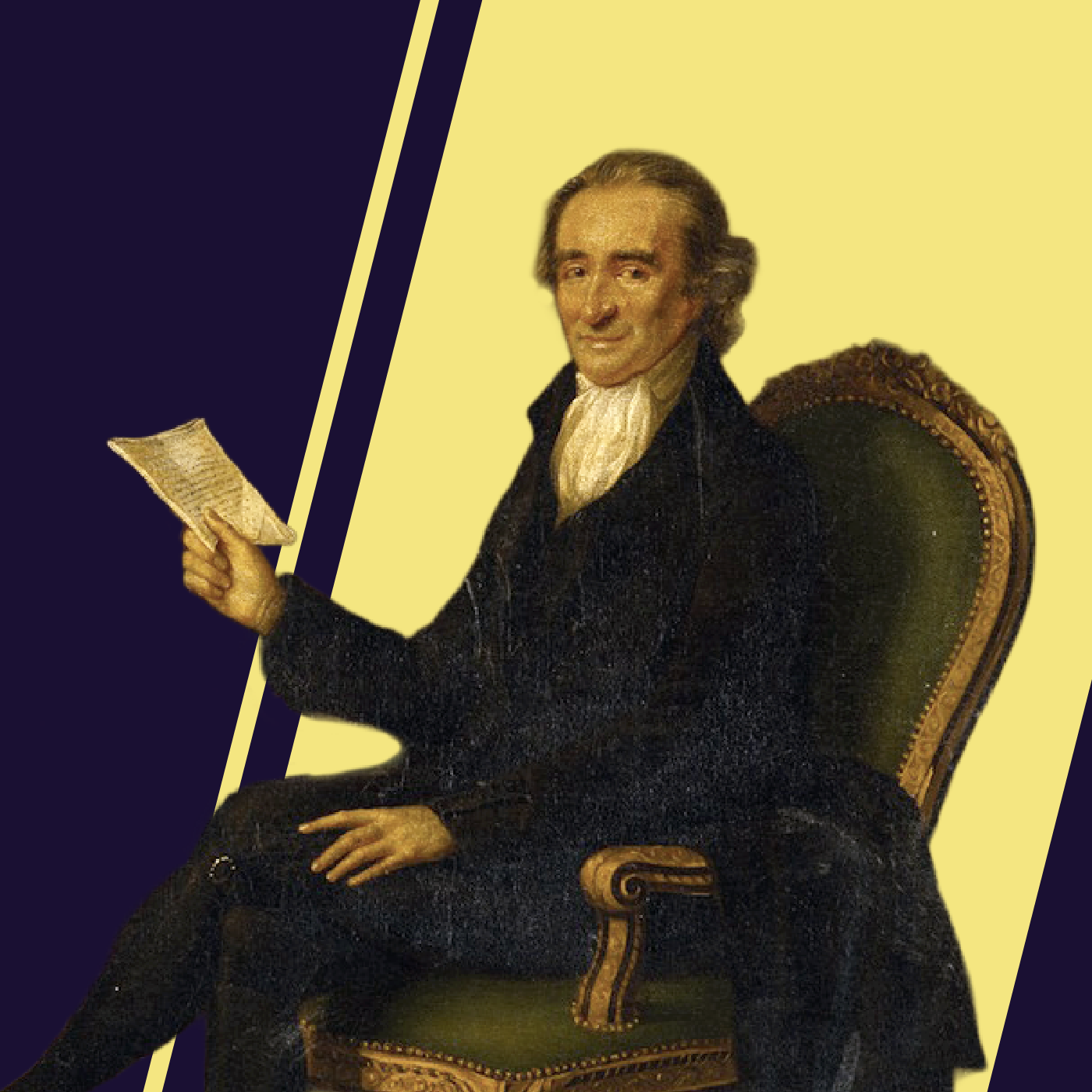
Ep 261Ep. 261: Thomas Paine's rise and fall
Thomas Paine arrived in America in 1774 with little to his name and a long record of personal failure behind him. Within a year, he wrote Common Sense, one of the most influential political pamphlets in history, helping to ignite the American Revolution and catapulting Paine into the American history hall of fame. But by the end of his life, he was widely reviled, politically isolated, and personally abandoned. Once celebrated as the voice of liberty, he died an outcast, mourned by only six people at his funeral. How does one man become the voice of the American Revolution and end up forgotten? To explore Paine's complicated legacy, we are joined by Richard Bell, professor of history at the University of Maryland and author of The American Revolution and the Fate of the World. Timestamps: 00:00 Intro 02:41 Thomas Paine's early life 10:32 Paine's arrival in America 20:02 What did Paine argue in Common Sense? 25:11 Why Common Sense was so revolutionary 36:31 The American Crisis and the Revolutionary War 41:35 Why Paine returned to London and wrote The Rights of Man 49:19 Exile from Britain, imprisonment in France, and writing The Age of Reason 01:01:27 Why America turned its back on Paine 01:12:09 Paine's final days 01:18:50 How should we understand Paine's legacy today? 01:26:58 Outro Read the transcript here. Enjoy listening to the podcast? Donate to FIRE today and get exclusive content like member webinars, special episodes, and more. If you became a FIRE Member through a donation to FIRE at thefire.org and would like access to Substack's paid subscriber podcast feed, please email [email protected].
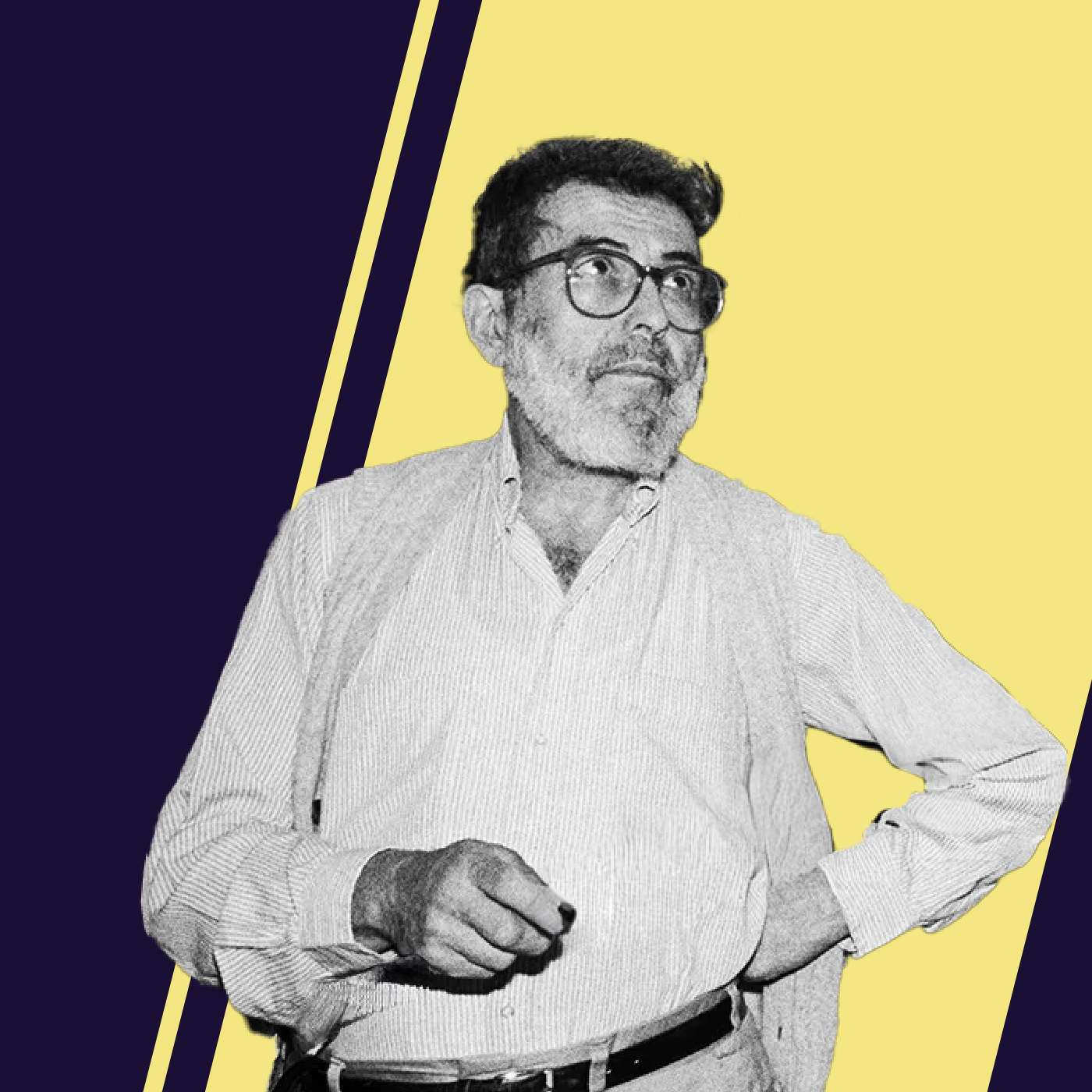
Ep 260Ep. 260: Remembering 'free-thinking' writer Nat Hentoff
On January 7, 2017, The Associated Press announced that "Free-thinking author and columnist Nat Hentoff is dead at 91." For well over 60 years, Hentoff was a one of America's foremost public intellectuals and a familiar byline to free speech advocates and jazz aficionados. The First Amendment was a way of life for Nat Hentoff. He would have been 100 years old this year. To reflect on his life and legacy, we are joined by his son Nick Hentoff and filmmaker David Lewis, whose 2013 documentary, "The Pleasures of Being Out of Step," explored Nat Hentoff's embodiment of free expression as the defining characteristic of the individual. Timestamps: 00:00 Intro 00:52 Who was Nat Hentoff 03:48 Nat's early life & influences 18:20 Jazz, writing, & finding his voice 31:24 Free speech as a way of being 35:15 Being out of step: Controversy, courage, and consequences 41:56 Rage, compassion, & moral clarity 51:53 Nat Hentoff's legacy of dissent 55:20 Outro Read the transcript here. Enjoy listening to the podcast? Donate to FIRE today and get exclusive content like member webinars, special episodes, and more. If you became a FIRE Member through a donation to FIRE at thefire.org and would like access to Substack's paid subscriber podcast feed, please email [email protected].
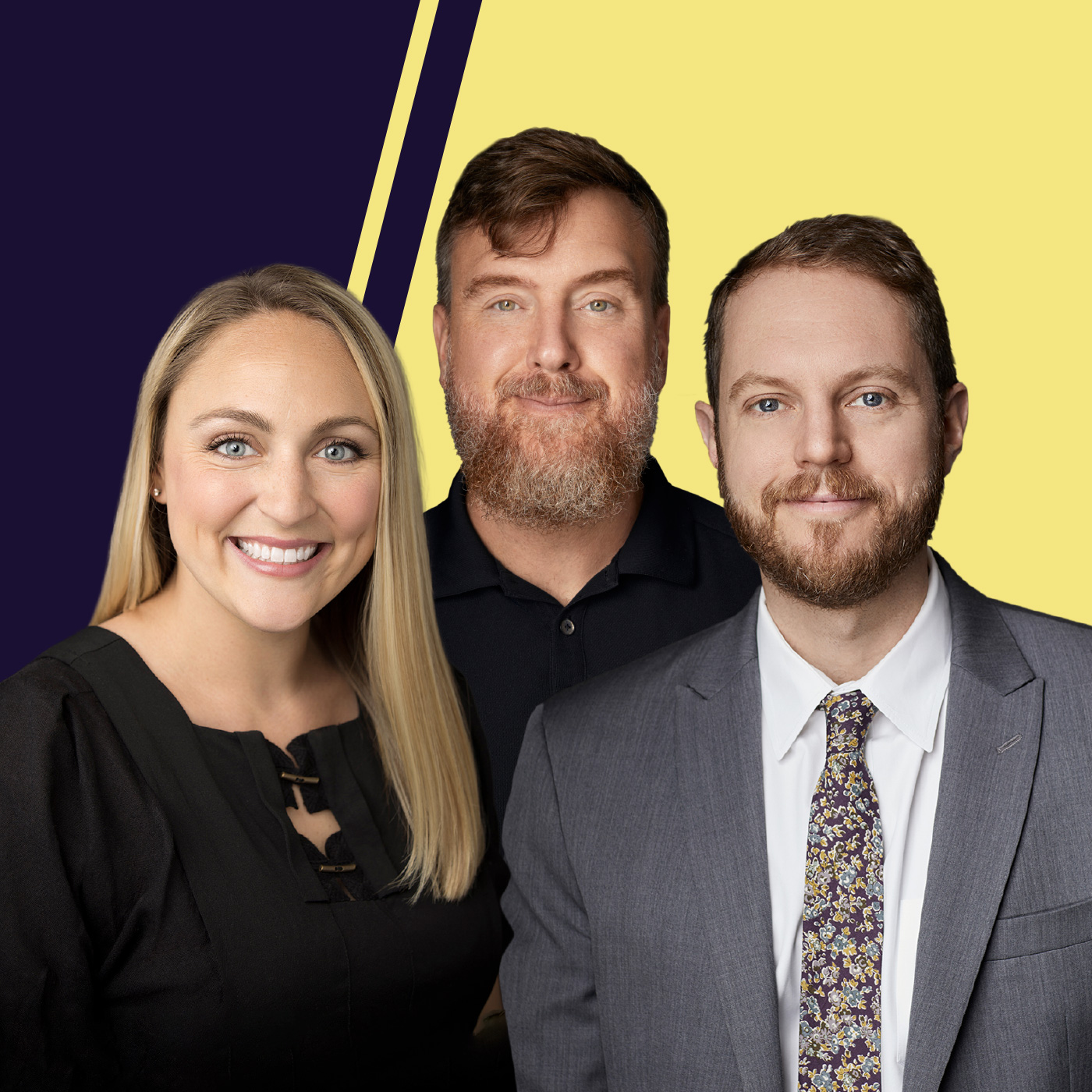
Ep 259Ep. 259: FIRE answers your questions
Changes at the Pentagon, Charlie Kirk and cancel culture, free speech and misinformation, globalized censorship, Indiana University, how to support FIRE, and more! Timestamps: 00:00 Introductions 02:11 What is the Press Clause, and who does it apply to? 05:53 FIRE's position on Oklahoma student grading incident 08:50 What does FIRE need from Members besides financial support? 15:59 FIRE's College Free Speech Rankings and what they mean 19:44 What is the latest on the Ann Seltzer cases? 22:08 What is FIRE's view on the Pentagon press room changes? 24:50 What is the value of small donations? How can FIRE supporters volunteer? 29:21 Indiana University is good at football but bad at free speech 33:46 Are courts trending in a more speech-protective direction? 37:05 Charlie Kirk and cancel culture 39:20 Pro- and anti-Zionist speech and "hostile environment" harassment 43:48 Is "globalize the intifada" incitement? 45:07 How does FIRE distinguish between free speech and misinformation? 47:54 Can FIRE help supporters start free speech alumni groups? 48:55 Free speech, artificial intelligence, and copyright/trademarks 51:51 The sordid legacy of Hazelwood v. Kuhlmeier 53:22 Staying hopeful amidst so much hypocrisy 55:32 Global speech platforms and censorship 58:14 Differences between FIRE and the ACLU? 59:34 Does FIRE have a Substack? (The Eternally Radical Idea, So to Speak, Expression) 1:00:03 Closing remarks. Read the transcript here. Joining us: Alisha Glennon, chief operating officer Nico Perrino, executive vice president Greg Lukianoff, president and ceo Will Creeley, legal director Become a paid subscriber today to receive invitations to future live webinars. If you became a FIRE Member through a donation to FIRE at thefire.org and would like access to Substack's paid subscriber podcast feed, please email [email protected].
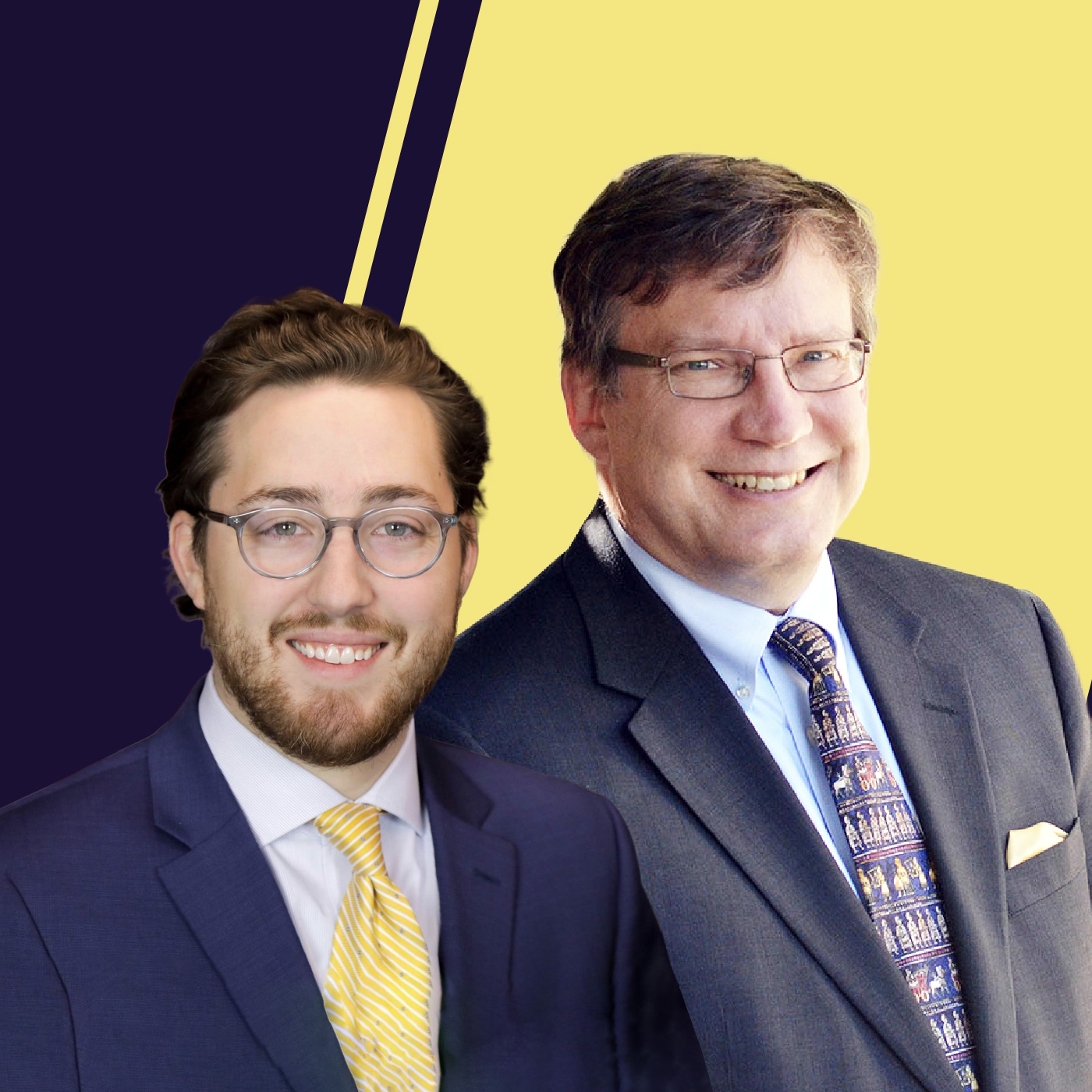
Ep 258Ep. 258: Donor disclosure and campaign finance at SCOTUS
The Institute for Free Speech's Bradley Smith and Brett Nolan join the show to discuss two upcoming Supreme Court arguments involving donor disclosure (First Choice Women's Resource Centers, Inc. v. Platkin) and political party contributions to candidates (National Republican Senatorial Committee v. FEC). The conversation also explores the broader landscape for political speech and campaign regulation, what legal battles may be next for the Supreme Court, and how both guests found their way into First Amendment advocacy. Timestamps: 00:00 Intro 01:32 What is the Institute for Free Speech? 02:39 Personal paths into free speech work 05:10 First Choice Women's Resource Centers, Inc. v. Platkin 32:08 NRSC v. FEC 51:50 What's next for campaign finance at SCOTUS? 54:58 Outro Enjoy listening to the podcast? Donate to FIRE today and get exclusive content like member webinars, special episodes, and more. If you became a FIRE Member through a donation to FIRE at thefire.org and would like access to Substack's paid subscriber podcast feed, please email [email protected].
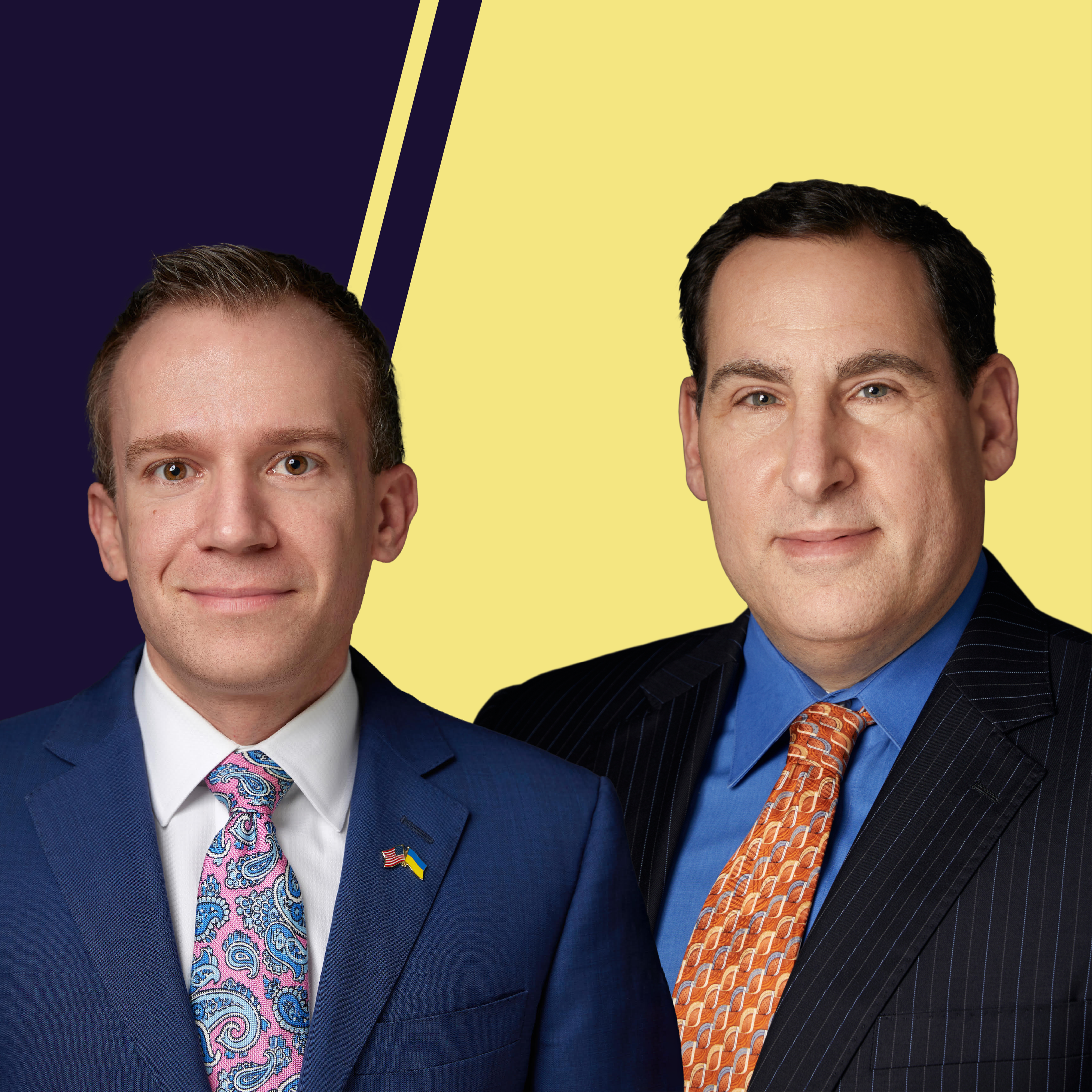
Ep 257Ep. 257: Conversion therapy at the Supreme Court
FIRE's Ronnie London and Conor Fitzpatrick join the show to discuss the Supreme Court's oral argument in the conversion therapy case, the Pentagon's new press rules, Indiana University's censorship rampage, and where the situation stands with visa and green card holders who say things the feds don't like. Timestamps: 00:00 Intro 01:19 Chiles v. Salazar, the conversion therapy case 30:03 The Pentagon's new press rules 48:48 What the hell is going on at Indiana University? 55:38 Feds boot noncitizens for Charlie Kirk speech 01:05:02 Outro Enjoy listening to the podcast? Donate to FIRE today (https://www.thefire.org/) and get exclusive content like member webinars, special episodes, and more. If you became a FIRE Member through a donation to FIRE at thefire.org and would like access to Substack's paid subscriber podcast feed, please email [email protected].
Ep 256Ep. 256: Ten arguments against free speech
We tackle ten common arguments against free speech. FIRE President and CEO Greg Lukianoff and FIRE Senior Fellow and former ACLU President Nadine Strossen are the co-authors of the new book, "War on Words: 10 Arguments Against Free Speech—And Why They Fail." Transcript Timestamps: 00:00 Intro 01:18 Book's origins 04:25 Argument #1: Words are violence 20:27 Argument #2: Words are dangerous 25:09 Argument #3: Hate speech isn't free speech 31:06 Argument #4: About shoutdowns 37:18 Argument #5: Free speech is outdated 45:41 Argument #6 Free speech is right-wing 50:14 Argument #7: About that crowded theater and marketplace of ideas 59:27 Argument #9: Misinformation and disinformation 01:03:53 Argument #8: Free speech protects power 01:09:30 Argument #10: About the Holocaust and Rwandan genocide 01:13:35 Outro Get the Book:Purchase War on Words: 10 Arguments Against Free Speech—And Why They Fail. Enjoy listening to the podcast? Donate to FIRE today (https://www.thefire.org/) and get exclusive content like member webinars, special episodes, and more. If you became a FIRE Member through a donation to FIRE at thefire.org and would like access to Substack's paid subscriber podcast feed, please email [email protected].
Ep 255Ep. 255: Authoritarians in the Academy
FIRE Senior Scholar Sarah McLaughlin discusses her new book, "Authoritarians in the Academy: How the Internationalization of Higher Education and Borderless Censorship Threaten Free Speech." Timestamps: 00:00 Intro 01:17 Book origins 03:38 How China censored speech on American campuses 18:36 COVID's impact for international students' speech 22:05 What is sensitivity exploitation? 25:35 Free speech at international satellite campuses 31:28 Attempted deportations of Mahmoud Khalil and Rümeysa Öztürk 36:52 Sarah's free speech inspirations: literature and people About the Guest: Learn more about Sarah McLaughlin and her work. Get the Book: Purchase Authoritarians in the Academy here. Read the transcript here: https://www.thefire.org/research-learn/so-speak-transcript-authoritarians-academy Enjoy listening to the podcast? Donate to FIRE today (https://www.thefire.org/) and get exclusive content like member webinars, special episodes, and more. If you became a FIRE Member through a donation to FIRE at thefire.org and would like access to Substack's paid subscriber podcast feed, please email [email protected].
Ep. 254: What is going on with the FCC?
What is the Federal Communications Commission, and why does its chairman think the agency can regulate Jimmy Kimmel's jokes? Note: Shortly after recording this episode, Nexstar and Sinclair announced they would return "Jimmy Kimmel Live!" to their stations. Joining us: Anna Gomez, FCC Commissioner Ronnie London, FIRE General Counsel Bob Corn-Revere, FIRE Chief Counsel Timestamps: 00:00 Intro 04:46 What's the FCC? 07:35 What's the "public interest" standard? 14:20 What is the "fairness doctrine"? 25:21 What is the "broadcast hoax" rule? 28:55 What is "news distortion"? 35:31 Role of network affiliates 41:15 What happens now? Read the transcript here: https://www.thefire.org/research-learn/so-speak-podcast-transcript-what-going-fcc Enjoy listening to the podcast? Donate to FIRE today and get exclusive content like member webinars, special episodes, and more. If you became a FIRE Member through a donation to FIRE at thefire.org and would like access to Substack's paid subscriber podcast feed, please email [email protected].
Ep. 253: Pam Bondi says hate speech is not free speech — is she right?
FIRE staff also take your questions on Charlie Kirk's assassination, President Trump's lawsuit against The New York Times, cancel culture, and more. Timestamps: 00:00 Intro 01:42 Attorney General Pam Bondi's comments that "hate speech" is distinct from "free speech" 02:23 Is it OK for the Department of Justice to target people for "hate speech"? 05:42 How have "hate speech" laws played out overseas? 07:19 President Trump's response to Pam Bondi's "hate speech" remarks 08:50 Are "fighting words," "incitement," and "true threats" free speech? 11:22 What about doxxing? 15:15 Is it free speech to celebrate or condone the assassination of Charlie Kirk? 21:52 The termination of k-12 and university faculty in response to their commentary on Kirk's assassination 28:40 Is there a law that might implicate the Discord users who had reason to be aware of malicious intentions the shooter had towards Kirk ahead of the assassination? 30:05 The agency of speakers and those hearing their speech under the incitement standard 31:14 What are the differences between the free speech rights of citizens and non-citizens? 36:20 Does a court filing by President Trump as an individual in the New York Times lawsuit open him up to being deposed about a wide range of behaviors and actions? 37:40 What is the Trump's administration's legal strategy with the New York Times lawsuit? 39:24 What is FIRE doing about private employees being fired for their political commentary? 46:50 What is Charlie Kirk's legacy on free speech? 50:04 What is the difference between the academic protections enjoyed by tenured and non-tenured faculty members? 52:05 Does FIRE trust the Supreme Court to protect free speech? 56:12 How can we prevent capitulation from The New York Times? 59:20 How can ordinary people safely express their opinions on social media and promote civil discourse? Joining us: Ronnie London, general counsel Sarah McLaughlin, senior scholar, global expression Aaron Terr, director of public advocacy
Ep. 252: America's first free speech crisis — the Sedition Act of 1798
We're joined by award-winning author, Charles (Charlie) Slack, to discuss his book, Liberty's First Crisis: Adams, Jefferson and the Misfits Who Saved Free Speech. Slack focuses on the infamous Sedition Act of 1798, which sparked the first major controversy over freedom of speech in America. Timestamps: 00:00 Intro (including note about Charlie Kirk) 03:59 Book origins 12:05 What were the Alien and Sedition Acts? 16:00 Prosecutions under the Act and their free speech implications 25:35 Free speech during the Revolutionary era 28:14 Adams' perspective on the Sedition Act 46:02 Was Supreme Court Justice Samuel Chase a partisan hack? 53:57 Sedition Act fallout 01:01:02 Outro Read the transcript here. Enjoy listening to the podcast? Donate to FIRE today and get exclusive content like member webinars, special episodes, and more. If you became a FIRE Member through a donation to FIRE at thefire.org and would like access to Substack's paid subscriber podcast feed, please email [email protected].
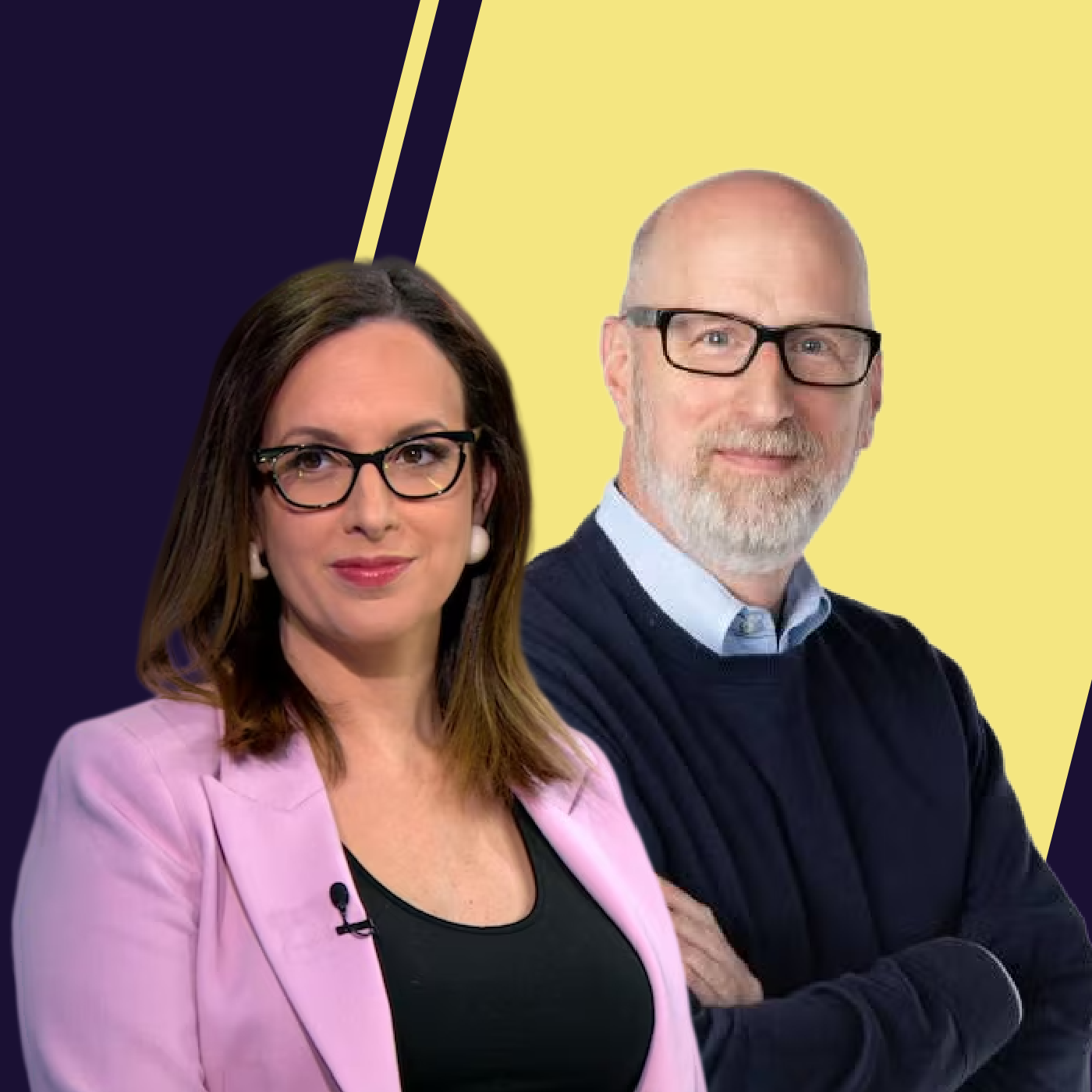
Ep. 251: Free speech and 'the executive power' with Advisory Opinions
What are the limits of presidential power? How many days has it been since President Trump's TikTok ban moratorium went into place? What is the state of the conservative legal movement? And where did former FIRE president David French go on his first date? French and Sarah Isgur of the popular legal podcast "Advisory Opinions" join the show to answer these questions and discuss the few free speech issues where they disagree with FIRE. Timestamps: 00:00 Intro 02:18 Origin story of "Advisory Opinions" 08:15 Disagreements between FIRE and AO 15:04 Why FIRE doesn't editorialize on the content of speech 24:27 Limits of presidential power 43:30 Free speech, the dread of tyrants 51:01 The prosecution of political figures 58:01 Cracker Barrel 01:00:09 State of the conservative legal movement Read the podcast transcript here. Enjoy listening to the podcast? Donate to FIRE today and get exclusive content like member webinars, special episodes, and more. If you became a FIRE Member through a donation to FIRE at thefire.org and would like access to Substack's paid subscriber podcast feed, please email [email protected].
Ep. 250: Civil rights, hate speech, and the First Amendment
We know the First Amendment protects hate speech. But has it always done so? And how have civil rights groups responded when their members are the target of hate speech? University of Iowa Law Professor Samantha Barbas is the author of a new law review article, "How American Civil Rights Groups Defeated Hate Speech Laws." Timestamps: 00:00 Intro 04:04 "The Birth of a Nation" movie controversy 12:44 Henry Ford's anti-Semitic "Dearborn Independent" 22:41 American Jewish Committee's "quarantining" solution 28:41 ACLU's Eleanor Holmes Norton defending a racist in court 33:42 Racist Senate candidate J.B. Stoner 37:28 Neo-Nazis and Skokie 47:20 Why are college students afraid of saying "the wrong thing?" 52:31 Barbas' favorite free speech literature 53:15 Barbas' free speech hero Read the transcript here: https://www.thefire.org/research-learn/so-speak-podcast-transcript-civil-rights-hate-speech-and-first-amendment. Enjoy listening to the podcast? Donate to FIRE today and get exclusive content like member webinars, special episodes, and more. If you became a FIRE Member through a donation to FIRE at thefire.org and would like access to Substack's paid subscriber podcast feed, please email [email protected]. Show notes: Morris Ernst, free speech renegade (Barbas' previous So to Speak appearance, July 29, 2021) Brandenburg v. Ohio (1969) via FIRE
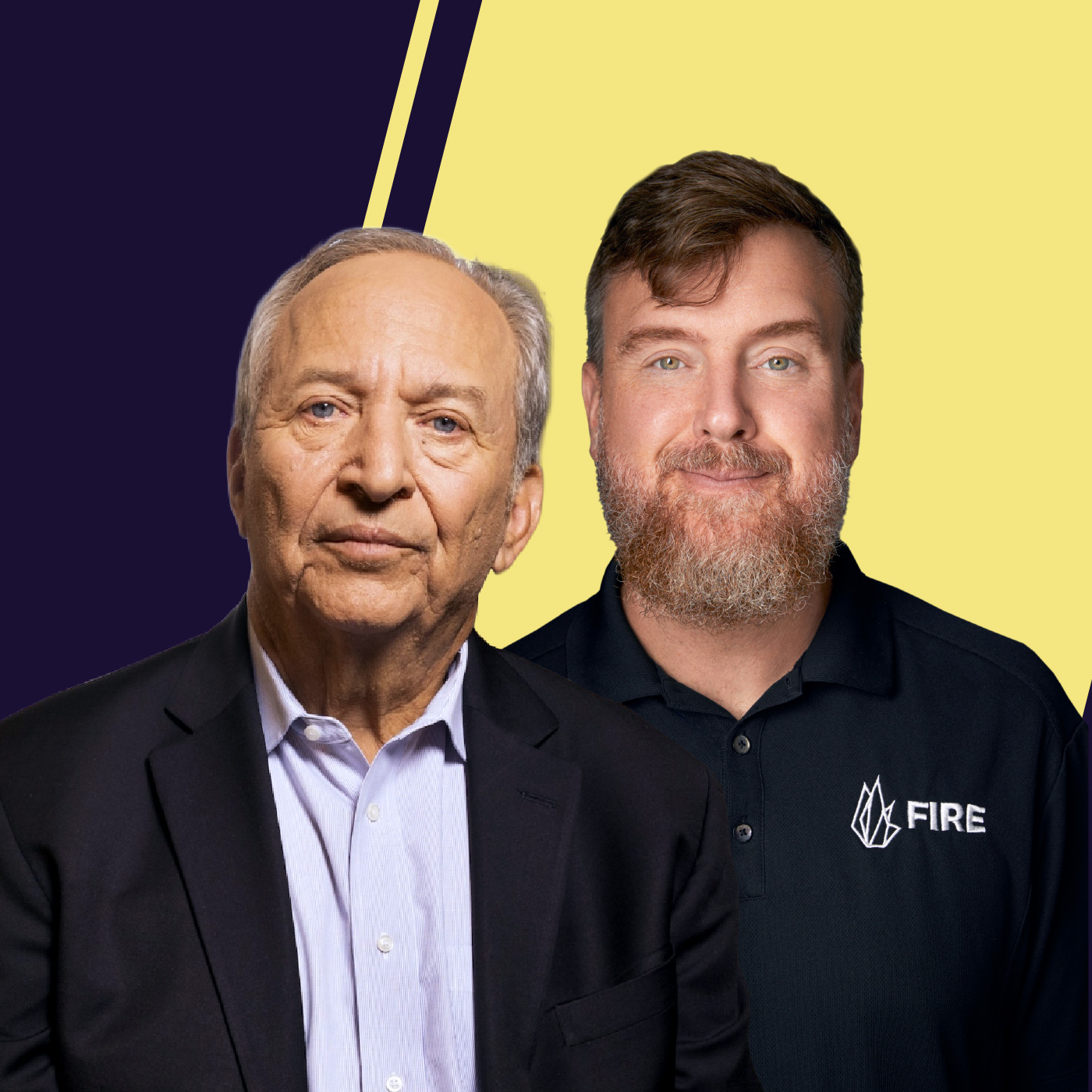
Ep. 249: FIRE Reacts — Where does Harvard go from here? With Larry Summers
2025 has not been kind to Harvard. To date, the Trump administration has revoked nearly $3 billion in research funding to the university, demanding violations of free speech, academic freedom, and institutional autonomy in return for restoring the funding. In response, Harvard filed a lawsuit, raising First Amendment claims. Helping us unpack all things Harvard are: Larry Summers, President Emeritus, professor (Harvard) & advisory council member (FIRE) Greg Lukianoff, President & CEO (FIRE) Timestamps: 00:00 Intro 02:32 Harvard's disputes with the Trump administration 08:29 The need for internal reforms at Harvard 42:50 Institutional neutrality debate 46:16 IHRA definition of anti-Semitism 01:01:28 Latest update on potential Harvard-Trump administration settlement Read the transcript here: https://www.thefire.org/research-learn/so-speak-podcast-transcript-fire-reacts-where-does-harvard-go-here-larry-summers Enjoy listening to the podcast? Donate to FIRE today and get exclusive content like member webinars, special episodes, and more. If you became a FIRE Member through a donation to FIRE at thefire.org and would like access to Substack's paid subscriber podcast feed, please email [email protected]. Show notes: The War on Words: 10 Arguments Against Free Speech—and Why They Fail by Greg Lukianoff & Nadine Strossen (2025)
Ep 248Ep. 248: Commercial speech and the First Amendment
Imagine the government forcing you to label your all-natural milk product as "imitation." Florida tried to make one dairy farm do just that, sparking a First Amendment question: Where's the line between a business's right to speak and protecting consumers from deception? In this episode, we explore how far free speech protections go for commercial speech with: Justin Pearson, managing attorney (Institute for Justice) Bob Corn-Revere, chief counsel (FIRE) Eugene Volokh, Thomas M. Siebel senior fellow (Hoover Institution, Stanford) Timestamps: 00:00 Intro 05:03 What exactly is commercial speech? 08:25 The evolution of commercial speech law 13:59 Early regulation of commercial speech 23:03 What is false or misleading commercial speech? 26:04 Controversial regulations of non-misleading commercial speech 37:35 Future of commercial speech regulations Read the transcript: https://www.thefire.org/research-learn/so-speak-podcast-transcript-state-commercial-speech Coming up: Live episode of So To Speak On Monday, August 11th at 4 p.m. Eastern Time, Nico will be speaking with former Treasury Secretary/Harvard University president, Larry Summers, and FIRE President/CEO, Greg Lukianoff. They will discuss the Trump administration's campaign against elite universities, including Harvard, what outcomes we can expect from that campaign, and what those outcomes might mean for free speech, academic freedom, and university independence. Register for the livestream here: https://thefire-org.zoom.us/webinar/register/5817544039734/WN_AISudjopTvu2Yzk2pXkDYg. Enjoy listening to the podcast? Donate to FIRE today and get exclusive content like member webinars, special episodes, and more. If you became a FIRE Member through a donation to FIRE at thefire.org and would like access to Substack's paid subscriber podcast feed, please email [email protected]. Show notes: Commercial speech: Should it still receive unique constitutional treatment? FIRE (2025) "In 1995, Pepsi offered a $33 million fighter jet for 7 million Pepsi Points. They thought it was a joke. But this 21-year-old took them seriously, found a loophole, and demanded the fighter jet for his 7 million Pepsi Points." So to Speak repost via X
Ep. 247: Justin Amash
Throughout his career, former Congressman Justin Amash has been a strong advocate for freedom of speech, writing that "The value of free speech comes from encountering views that are unorthodox, uncommon, or unaccepted…Free speech is a barren concept if people are limited to expressing views already widely held." In this special live episode, filmed in front of 200+ high schoolers attending FIRE's Free Speech Forum at American University in Washington, D.C., Amash takes questions from the audience and discusses his upbringing, his political career, the state of American politics, and how the Constitution guided his work in Congress. Earlier this year, Congressman Amash joined FIRE's Advisory Council. Timestamps: 00:00 Intro 03:30 Upbringing 06:21 Law school 13:15 Time in Congress 15:59 Why Amash publicly explained each of his votes 26:30 On being the first libertarian in Congress 30:57 Connection between his principles and free speech 33:10 Trump's first impeachment 42:48 Dealing with pushback from constituents 46:03 Term limits for members of Congress? 55:25 How high schoolers can pursue a career in politics 59:45 Has there been a regression in First Amendment protections? 01:07:32 What Amash is up to now 01:08:06 Outro Read the transcript here: https://www.thefire.org/research-learn/so-speak-podcast-transcript-justin-amash Enjoy listening to the podcast? Donate to FIRE today and get exclusive content like member webinars, special episodes, and more. If you became a FIRE Member through a donation to FIRE at thefire.org and would like access to Substack's paid subscriber podcast feed, please email [email protected].
Ep. 246: Tech check — AI moratorium, Character AI lawsuit, FTC, Digital Services Act, and FSC v. Paxton
We're checking in on the latest news in tech and free speech. We cover the state AI regulation moratorium that failed in Congress, the ongoing Character A.I. lawsuit, the Federal Trade Commission's consent decree with Omnicom and Interpublic Group, the European Union's Digital Services Act, and what comes next after the Supreme Court's Free Speech Coalition v. Paxton decision. Guests: Ari Cohn — lead counsel for tech policy, FIRE Corbin Barthold — internet policy counsel, TechFreedom Timestamps: 00:00 Intro 02:38 State AI regulation moratorium fails in Congress 20:04 Character AI lawsuit 41:10 FTC, Omnicom x IPG merger, and Media Matters 56:09 Digital Services Act 01:02:43 FSC v. Paxton decision 01:10:49 Outro Read the transcript here: https://www.thefire.org/research-learn/so-speak-podcast-transcript-tech-check-ai-moratorium-character-ai-lawsuit-ftc Enjoy listening to the podcast? Donate to FIRE today and get exclusive content like member webinars, special episodes, and more. If you became a FIRE Member through a donation to FIRE at thefire.org and would like access to Substack's paid subscriber podcast feed, please email [email protected]. Show notes: "The AI will see you now" Paul Sherman (2025) Megan Garcia, plaintiff, v. Character Technologies, Inc. et. al., defendants, United States District Court (2025) Proposed amicus brief in support of appeal - Garcia v. Character Technologies, Inc. FIRE (2025) "Amplification and its discontents: Why regulating the reach of online content is hard" Daphne Kelly (2021) "Omnicom Group/The Interpublic Group of Co." FTC (2025)
Ep. 245: The Supreme Court's decision in Free Speech Coalition v. Paxton
FIRE staff responds to the Court's decision in Free Speech Coalition v. Paxton that addresses a Texas law requiring age verification for accessing certain sexual material online. Joining us: Will Creeley — Legal director Bob Corn-Revere — Chief counsel Ronnie London — General counsel Timestamps: 01:21 How the case wound up at the Supreme Court 06:57 Bob's experience with arguing strict scrutiny in the courts 09:32 Ronnie's perspective on the ruling 10:22 Brick + mortar stores vs. online sites 12:07 Has the Court established a new category of partially protected speech? 13:36 What speech is still subject to strict scrutiny after the ruling? 15:55 What does it mean to address the "work as a whole" in the internet context? 17:24 What modifications to the ruling, if any, would have satisfied FIRE? 18:06 What are the alternatives to address the internet's risks toward minors? 20:16 For non-lawyer Americans, what is the best normative argument against the ruling? 22:38 Why is this ruling a "canary in the coal mine?" 23:36 How is age verification really about identity verification? 24:42 Why did the Court assume the need to protect children without citing any scientific findings in its ruling? 26:17 Does the ruling allow for more identity-based access barriers to lawful online speech? 28:04 Will Americans have to show ID to get into a public library? 29:30 Why does stare decisis seem to mean little to nothing to the Court? 32:08 Will there be a problem with selective enforcement of content-based restrictions on speech? 34:12 Could the ruling spark a patchwork of state laws that create digital borders? 36:26 Is there any other instance where the Court has used intermediate scrutiny in a First Amendment case? 37:29 Is the Court going to keep sweeping content-based statutes in the "incidental effect on speech" bucket? 38:14 Is sexual speech considered obscene? 40:33 How does the ruling affect adult content on mainstream social media platforms like Reddit and X? 43:27 Where does the ruling leave us on age verification laws? Read the transcript here: https://www.thefire.org/research-learn/fire-reacts-supreme-courts-decision-free-speech-coalition-v-paxton Show notes: - Supreme Court ruling: https://www.supremecourt.gov/opinions/24pdf/23-1122_3e04.pdf - FIRE statement on FSC v. Paxton ruling: https://www.thefire.org/news/fire-statement-free-speech-coalition-v-paxton-upholding-age-verification-adult-content - FIRE's brief for the Fifth Circuit: https://www.thefire.org/news/supreme-court-agrees-review-fifth-circuit-decision-upholding-texas-adult-content-age - FIRE's amicus brief in support of petitioners and reversal: https://www.thefire.org/research-learn/amicus-brief-support-petitioners-and-reversal-free-speech-coalition-v-paxton

Ep. 244: Censoring lawmakers, T-shirts, and seashells
We discuss the Supreme Court backing Maine lawmaker Laurel Libby, NPR filing suit against Trump, a years-long dispute over a student wearing a "there are only two genders" shirt, the Secret Service investigation into James Comey, the latest on Harvard vs. Trump, and more. Guests: Bob Corn-Revere — chief counsel, FIRE Lee Levine — former senior counsel, Ballard Spahr Timestamps: 00:00 Intro 03:34 Censure of Rep. Libby 07:02 Supreme Court shadow docket 13:53 NPR lawsuit against Trump admin 19:07 Differences between NPR and Voice of America cases 30:50 Middle school student wearing "there are only two genders" shirt 48:54 Recent investigation into former FBI Director James Comey 55:46 Latest updates with Harvard and Trump 01:05:27 Outro Read the transcript here. Enjoy listening to the podcast? Donate to FIRE today and get exclusive content like member webinars, special episodes, and more. If you became a FIRE Member through a donation to FIRE at thefire.org and would like access to Substack's paid subscriber podcast feed, please email [email protected]. Show notes: "Ep. 56 have you been defamed?" Lee Levine's previous appearance on the show (2018) "Supreme Court backs Republican lawmaker in Maine who was punished for transgender athlete remarks" NBC (2025) "NPR and Colorado public radio stations lawsuit against Trump administration" NPR (2025) "Ending taxpayer subsidization of biased media" The White House (2025) L. M. v. Town of Middleborough, Massachusetts Justia (2024) Tinker v. Des Moines Independent Community School District FIRE (1969) "Secret Service is asking Comey about a photo of seashells spelling '86 47'" The New York Times (2025) "The promise of American higher education" Alan Garber (2025) Harvard's lawsuit (complaint) (2025)

Ep. 243: Heather Mac Donald on Trump and free speech
Heather Mac Donald discusses the Trump administration's free speech record amidst its battles with higher ed, mainstream media, law firms, and more. Mac Donald is Thomas W. Smith Fellow at the Manhattan Institute. Her most recent book is "When race trumps merit: How the pursuit of equity sacrifices excellence, destroys beauty, and threatens lives." Timestamps: 00:00 Intro 01:54 Mac Donald's personal experience with being shouted down 05:34 Amy Wax, Carole Hooven, and other cancelled professors 11:04 Mac Donald's support and concern on Trump's free speech approach 23:41 Rümeysa Öztürk situation 32:08 The problems of campus bureaucracy 36:40 Trump's executive orders on law firms 43:14 Trump's attacks on AP News, CBS, ABC, Paramount, and other media companies 59:54 Outro Read the transcript. Enjoy listening to the podcast? Donate to FIRE today and get exclusive content like member webinars, special episodes, and more. If you became a FIRE Member through a donation to FIRE at thefire.org and would like access to Substack's paid subscriber podcast feed, please email [email protected]. Show notes: "The White House's clumsy attack on Harvard" (2025) Heather Mac Donald "Everyone knows that Harvard has "lost its way…" (2025) President Trump via Truth Social "Secretary of State Marco Rubio with Mike Benz" (2025) U.S. Department of State "Tufts student returns to Massachusetts after 6 weeks in immigration detention" (2025) The New York Times "Headlines compared: Kamala Harris' multiple answers to '60 Minutes' question" (2024) Straight Arrow News

Ep. 242: Is cancel culture dead?
The co-authors of "The Canceling of the American Mind" discuss its new paperback release and where cancel culture stands a year and a half after the book's original publication. - Greg Lukianoff — President and CEO of FIRE Co-author of "The Canceling of the American Mind" - Rikki Schlott — New York Post columnist Co-author of "The Canceling of the American Mind" Timestamps: 00:00 Intro 04:35 Origin of book 07:56 Definition of cancel culture 17:55 Mike Adams, canceled professor 23:51 Alexi McCammond, former Teen Vogue editor-in-chief 31:57 Echo chambers on social media 35:09 Trump administration 'canceling' law firms and higher ed institutions 44:02 Rikki's libertarian political identity 51:02 Is cancel culture dead? 54:26 Outro Read the transcript. Enjoy listening to the podcast? Donate to FIRE today and get exclusive content like member webinars, special episodes, and more. If you became a FIRE Member through a donation to FIRE at thefire.org and would like access to Substack's paid subscriber podcast feed, please email [email protected]. Show notes: "Canceling of the American Mind" (paperback, 2025) by Greg Lukianoff and Rikki Schlott "We have never been woke: The cultural contradictions of a new elite" (2024) by Musa al-Gharbi

Ep. 241: The government's money, the government's rules?
Our guests today signed onto a statement by a group of 18 law professors who opposed the Trump administration's funding threats at Columbia on free speech and academic freedom grounds. Since then, Northwestern, Cornell, Princeton, Harvard, and nearly 60 other colleges and universities are under investigation with their funding hanging in the balance, allegedly for violations of civil rights law. To help us understand the funding threats, Harvard's recent lawsuit against the federal government, and where universities go from here are: - David Rabban — distinguished teaching professor at The University of Texas at Austin School of Law - Erwin Chemerinsky — distinguished professor of law and dean at UC Berkeley Law Timestamps: 00:00 Intro 02:50 Govt's approach with Harvard and Columbia 05:39 Title VI violations 11:30 Anti-Semitism on campuses 23:02 Viewpoint diversity in higher education 27:12 Affirmative action and the Supreme Court 35:52 Title IX under the Obama and Biden administrations 42:32 Bob Jones University and tax-exempt status 45:53 Future of federal funding in higher education 54:08 Outro Read the transcript. Enjoy listening to the podcast? Donate to FIRE today and get exclusive content like member webinars, special episodes, and more. If you became a FIRE Member through a donation to FIRE at thefire.org and would like access to Substack's paid subscriber podcast feed, please email [email protected]. Show notes: Academic freedom: from professional norm to first amendment right David Rabban (2024) Worse than nothing: the dangerous fallacy of originalism Erwin Chemerinsky (2022) "A statement from constitutional law scholars on Columbia" The New York Review (2025) Sweezy v. New Hampshire (1957) Title VI of the Civil Rights Act (1967) Federal government letter to Harvard (2025) "The promise of American higher education" Alan Garber (2025) Harvard's lawsuit (complaint) (2025) "Columbia agrees to Trump's demands after federal funds are stripped" The New York Times (2025) "Sustaining Columbia's vital mission" Claire Shipman (2025) Students for Fair Admissions, Inc. v. President and Fellows of Harvard College (2023) "What is Title IX? Its history & implications" FIRE (2025) Bridges v. Wixon (1945)

Ep. 240: Is there a global free speech recession?
We travel from America to Europe, Russia, China, and more places to answer the question: Is there a global free speech recession? Guests: - Sarah McLaughlin: FIRE senior scholar, global expression - James Kirchick: FIRE senior fellow - Jacob Mchangama: FIRE senior fellow Timestamps: 00:00 Intro 03:52 Free speech global surveys 07:49 Freedom of expression deteriorating 11:43 Misinformation and disinformation 18:05 Russian state-sponsored media 24:55 Europe's Digital Services Act 29:26 Chinese censorship 34:33 Radio Free Europe 54:57 Mohammad cartoons 01:04:14 Outro Read the transcript here. Enjoy listening to the podcast? Donate to FIRE today and get exclusive content like member webinars, special episodes, and more. If you became a FIRE Member through a donation to FIRE at thefire.org and would like access to Substack's paid subscriber podcast feed, please email [email protected]. Show notes: - Authoritarians in the academy: How the internationalization of higher education and borderless censorship threaten free speech Sarah McLaughlin (2025) - "The First Amendment created gay America" So to Speak (2022) - "Secret city: The hidden history of gay Washington" James Kirchick (2022) - "Who in the world supports free speech?" The Future of Free Speech (2025) - "V-DEM democracy report 2025: 25 years of autocratization — democracy trumped?" V-Dem Institute (2025) - Global risks report 2024 World Economic Forum (2025) - "Gay reporter kicked off Kremlin network after protesting anti-gay law" Washington Free Beacon (2013) - Free speech: A history from Socrates to social media (paperback) Jacob Mchangama (2025) - Europe's Digital Services Act (DSA) (2022) - Careless people: A cautionary tale of power, greed, and lost idealism Sarah Wynn-Williams (2025) - "The Voice of America falls silent" The New York Times (2025) - Text of Havel's speech to Congress The Washington Post (1990) - Voice of America wins in court, for now, as judge blocks Trump administration from firing staff AP News (2025)

Ep. 239: Columbia University, Mahmoud Khalil, DEI, law firms, and more
We explore how censorship is impacting institutions — from universities to law firms to the Maine House of Representatives. Timestamps: 00:00 Intro 01:40 Federal government cuts Columbia's funding 16:57 Updates on the Mahmoud Khalil case 27:01 Ed Martin's Georgetown letter 34:59 Trump targeting law firms 55:01 Maine House censure of Rep. Laurel Libby 01:03:37 Outro Read the transcript. Guests: - Will Creeley, FIRE's legal director - Conor Fitzpatrick, FIRE's supervising senior attorney - Lindsie Rank, FIRE's director of campus rights advocacy Enjoy listening to the podcast? Donate to FIRE today and get exclusive content like member webinars, special episodes, and more. If you became a FIRE Member through a donation to FIRE at thefire.org and would like access to Substack's paid subscriber podcast feed, please email [email protected]. Show notes: - "DOJ, HHS, ED, and GSA announce initial cancelation of grants and contracts to Columbia University worth $400 million" U.S. Department of Justice (2025) - HHS, ED, and GSA follow up letter to Columbia. U.S. Department of Health & Human Services, U.S. Department of Education, U.S. Government Services Administration (2025) - "Columbia yields to Trump in battle over federal funding" The Wall Street Journal (2025) - "Advancing our work to combat discrimination, harassment, and antisemitism at Columbia" Columbia University (2025) - "Columbia caves to feds — and sets a dangerous precedent" FIRE (2025) - "ED, HHS, and GSA Respond to Columbia University's Actions to Comply with Joint Task Force Pre-Conditions" U.S. Department of Education (2025) - "FIRE demands answers from Trump admin officials on arrest of Mahmoud Khalil" FIRE (2025) - "Brief of Amici Curiae in Support of Petitioner's Motion for Preliminary Injunction - Khalil v. Joyce" FIRE (2025) - "We will be revoking the visas and/or green cards of Hamas supporters in America so they can be deported." Secretary of State Marco Rubio via X (2025) - "'ICE proudly apprehended and detained Mahmoud Khalil, a radical foreign Pro-Hamas student on the campus of @Columbia University. This is the first arrest of many to come.' President Donald J. Trump" The White House via X (2025) - "WATCH: White House downplays stock market declines as 'a snapshot'" PBS NewsHour (2025) - "Secretary Rubio's remarks to the press" U.S. Department of State (2025) - "Mahmoud Khalil. Notice to appear." Habeeb Habeeb via X (2025) - "Alien and Sedition Acts" National Archives (1798) - Ed Martin's letter to Georgetown Law Dean William Treanor. (2025) - Dean Treanor's response to Ed Martin. (2025) - "Trump, Perkins Coie and John Adams" The Wall Street Journal (2025) - "Suspension of Security Clearances and Evaluation of Government Contracts" The White House (2025) - "Addressing Risks from Perkins Coie LLP" The White House (2025) - "Addressing risks from Paul Weiss" The White House (2025) - "Lawyers who anger the Feds face new penalties by decree" The CATO Institute (2025) - "Today, President Donald J. Trump agreed to withdraw his March 14, 2025 Executive Order regarding the Paul, Weiss, Rifkind, Wharton & Garrison LLP law firm ('Paul, Weiss'), which has entered into the following agreement with the President…" President Trump via TruthSocial (2025) - "Head of Paul, Weiss says firm would not have survived without deal with Trump" The New York Times (2025) - "House resolution relating to the censure of Representative Laurel D. Libby of Auburn by the Maine House of Representatives" Maine House of Representatives (2025) - "Maine's censure of lawmaker for post about trans student-athlete is an attack on free speech" FIRE (2025) - "Maine State Rep. Laurel Libby disagreed with biological males competing in women's sports, and now, the Maine State House is censuring her." Sen. Kennedy via X (2025) - "The open society and its enemies" Karl Popper (1945) - "Cyber rights: Defending free speech in the digital age" Mike Godwin (1995)

Ep. 238: On Mahmoud Khalil
First Amendment lawyer Marc Randazza and immigration lawyer Jeffrey Rubin join the show to discuss the arrest, detention, and possible deportation of green card holder Mahmoud Khalil. Timestamps: 00:00 Intro 00:53 Latest updates on Khalil 02:51 First Amendment implications 06:08 Legal perspectives on deportation 11:54 Chilling effects on free expression 21:06 Constitutional rights for non-citizens 24:03 The intersection of free speech and immigration law 27:02 Broader implication of immigration policies 37:51 Outro Read the transcript here. Enjoy listening to the podcast? Donate to FIRE today and get exclusive content like member webinars, special episodes, and more. If you became a FIRE Member through a donation to FIRE at thefire.org and would like access to Substack's paid subscriber podcast feed, please email [email protected]. Show notes: - "We will be revoking the visas and/or green cards of Hamas supporters in America so they can be deported." Secretary of State Marco Rubio via X (2025) - "'ICE proudly apprehended and detained Mahmoud Khalil, a radical foreign Pro-Hamas student on the campus of @Columbia University. This is the first arrest of many to come.' President Donald J. Trump" The White House via X (2025) - "WATCH: White House downplays stock market declines as 'a snapshot'" PBS NewsHour (2025) - "Secretary Rubio's remarks to the press" U.S. Department of State (2025) - "Mahmoud Khalil. Notice to appear." Habeeb Habeeb via X (2025)

Ep. 237: A tech policy bonanza! The FCC, FTC, AI regulations, and more
Does a cat stand on two legs or four? The answer to that question may tell you all you need to know about the government involving itself in social media content moderation. On today's show, we cover the latest tech policy developments involving the Federal Communications Commission, Federal Trade Commission, AI regulation, and more. Guests: - Ari Cohn, FIRE's lead counsel, tech policy. - Adam Thierer, a resident technology and innovation senior fellow at the R Street Institute - Jennifer Huddleston, a technology policy senior fellow at the CATO Institute Timestamps: 00:00 Intro 01:30 Section 230 06:55 FCC and Section 230 14:32 Brendan Carr and "faith-based programming" 28:24 Media companies' settlements with the Trump 30:24 Brendan Carr at Semafor event 38:37 FTC and social media companies 48:09 AI regulations 01:03:43 Outro Read the transcript. Enjoy listening to the podcast? Donate to FIRE today and get exclusive content like member webinars, special episodes, and more. If you became a FIRE Member through a donation to FIRE at thefire.org and would like access to Substack's paid subscriber podcast feed, please email [email protected]. Show notes: "Seeing reports that the FCC plans to take a vague and ineffective step on Section 230 to try to control speech online…" FCC Commissioner Anna M. Gomez via X (2025) "Federal Communications Commission Chair Brendan Carr taking first steps in eroding key legal protection enjoyed by Big Tech" New York Post (2025) Section 230 text "Federal Communications Commission" Brendan Carr via Project 2025 (2022) "Bless Ron Wyden and his steady defense of Section 230. He is absolutely right: 230 is a pro-competition law." Adam Kovacevich via X (2025) "If Google is looking to block faith-based programming on YouTube, they are doing a really really bad job at it…" Adam Thierer via X (2025) "I have received complaints that Google's @YouTubeTV is discriminating against faith-based programming…" Brendan Carr via X (2025) "FCC's Carr defends broadcast probes, slams social media 'threat'" Semafor (2025) "Petition for rulemaking of the national telecommunications and information administration" National Telecommunications and Information Administration (2020) "FCC Chair Brendan Carr taking first steps in eroding key legal protection enjoyed by Big Tech" New York Post (2025) "Big Tech censorship is not just un-American, it is potentially illegal…" FTC Chair Andrew Ferguson via X (2025) "Federal Trade Commission launches inquiry on tech censorship" FTC (2025) "Moody v. NetChoice" (2024) "The FTC is overstepping its authority — and threatening free speech online" FIRE (2025) "Wave of state-level AI bills raise First Amendment problems" FIRE (2025) "AI regulatory activity is completely out of control in the U.S…" Adam Thierer via X (2025) "Cyber rights: Defending free speech in the digital age" Mike Godwin (1995) "Greg Lukianoff testimony before the House Judiciary Committee, February 6, 2024" FIRE (2024) "Technologies of Freedom" Ithiel de Sola Pool (1984)

Ep. 236: JD Vance, 60 Minutes, the Associated Press, the FCC, and more
From JD Vance's free speech critique of Europe to the Trump administration barring the Associated Press from the Oval Office, free speech news is buzzing. General Counsel Ronnie London and Chief Counsel Bob Corn-Revere unpack the latest developments. Timestamps: 00:00 Intro 01:49 JD Vance's speech in Europe 13:27 Margaret Brennan's comment on the Holocaust 15:13 Weimar fallacy 17:36 Trump admin v. Associated Press 21:33 DEI executive order 27:39 Trump's lawsuits targeting the media 28:54 FIRE defending Iowa pollster Ann Selzer 32:29 Concerns about the FCC under Brendan Carr 44:09 2004 Super Bowl and the FCC 46:25 FCC's history of using the "Section 230 threat" 49:14 Newsguard and the FCC 54:48 Elon Musk and doxxing 59:44 Foreigners and the First Amendment 01:05:19 Outro Read the transcript here. Enjoy listening to our podcast? Donate to FIRE today and get exclusive content like member webinars, special episodes, and more. If you became a FIRE Member through a donation to FIRE at thefire.org and would like access to Substack's paid subscriber podcast feed, please email [email protected]. Show notes: - "Vice President JD Vance delivers remarks at the Munich Security Conference" The White House (2025) - "Utterly bizarre assertion from Margaret Brennan…" Michael Tracey via X (2025) - "Rubio defends Vance's Munich speech as CBS host suggests 'free speech' caused the Holocaust" FOX News (2025) - "Posting hateful speech online could lead to police raiding your home in this European country" 60 Minutes (2025) - "AP reporter and photographer barred from Air Force One over 'Gulf of Mexico' terminology dispute" AP News (2025) - "FIRE statement on White House denying AP Oval Office access" FIRE (2025) - "Ending radical and wasteful government DEI programs and preferencing" The White House (2025) - "Meta to pay $25 million to settle 2021 Trump lawsuit" The Wall Street Journal (2025) - "Trump settles suit against Elon Musk's X over his post-Jan. 6 ban" AP News (2025) - "Questions ABC News should answer following the $16 million Trump settlement" Columbia Journalism Review (2025) - "Trump v. Selzer: Donald Trump sues pollster J. Ann Selzer for 'consumer fraud' over Iowa poll" FIRE (2025) - "A plea for institutional modesty" Bob Corn-Revere (2025) - "Telecommunications Act" FCC (1996) - Section 230 (1993) - "CBS News submits records of Kamala Harris' '60 Minutes' spot to FCC amid distortion probe" USA Today (2025) - "Complaints against various television licensees concerning their February 1, 2004 broadcast of the Super Bowl XXXVIII halftime show" FCC (2004) - "Brendan Carr's letter to Big Tech CEOs" Brendan Carr via the FCC (2024) - "NRA v. Vullo" (2023) - "She should be fired immediately" Elon Musk via X (2025) - "Restoring freedom of speech and ending federal censorship" The White House (2025) - "Protecting the United States from foreign terrorists and other national security and public safety threats" The White House (2025)

Ep. 235: Cancel culture, legal education, and the Supreme Court with Ilya Shapiro
Over the years, elite institutions shifted from fostering open debate to enforcing ideological conformity. But as guest Ilya Shapiro puts it, "the pendulum is swinging back." He shares his firsthand experience with cancel culture and how the American Bar Association's policies influence legal education. Shapiro also opines on major free speech cases before the Supreme Court, including the TikTok ownership battle and Texas' age verification law for adult content. Shapiro is a senior fellow and director of constitutional studies at the Manhattan Institute. He previously (and briefly) served as executive director and senior lecturer at the Georgetown Center for the Constitution and as a vice president at the Cato Institute. His latest book, "Lawless: The Miseducation of America's Elites," is out now. Enjoy listening to our podcast? Donate to FIRE today and get exclusive content like member webinars, special episodes, and more. If you became a FIRE Member through a donation to FIRE at thefire.org and would like access to Substack's paid subscriber podcast feed, please email [email protected]. Read the transcript. Timestamps: 00:00 Intro 02:58 Shapiro's Georgetown controversy 15:07 Free speech on campus 26:51 Law schools' decline 40:47 Legal profession challenges 42:33 The "vibe shift" away from cancel culture 56:02 TikTok and age verification at the Supreme Court 01:03:37 Anti-Semitism on campus 01:09:36 Outro Show notes: - "The illiberal takeover of law schools" City Journal (2022) - "Poll finds sharp partisan divisions on the impact of a Black woman justice." ABC News (2022) - "Why I quit Georgetown." Ilya Shapiro, The Wall Street Journal (2022) - "Georgetown's investigation of a single tweet taking longer than 12 round-trips to the moon." FIRE (2022) - Students for Fair Admissions v. Harvard (2023) - Lamont v. Postmaster General (1965) - TikTok Inc v. Garland (2025) - Free Speech Coalition v. Paxton (2024) - Ginsberg v. New York (1968) - International Holocaust Remembrance Alliance (IHRA) working definition of antisemitism (last updated 2025)

Ep. 234: The Chicago Canon
The University of Chicago is known for its commitment to free speech and academic freedom. Why are these values important to the university? Where do they originate? And how do they help administrators navigate conflicts and controversies? Tony Banout and Tom Ginsburg direct the University of Chicago's Forum for Free Inquiry and Expression, which received a $100 million gift last year. They are also editors of "The Chicago Canon on Free Inquiry and Expression," a new book that collects foundational texts that inform the university's free speech tradition. Enjoy listening to our podcast? Donate to FIRE today and get exclusive content like member webinars, special episodes, and more. If you became a FIRE Member through a donation to FIRE at thefire.org and would like access to Substack's paid subscriber podcast feed, please email [email protected]. Read the transcript. Timestamps: 00:00 Intro 03:31 Origin of book 07:14 UChicago's founding principles 12:41 Free speech in a university context 19:17 2015 UChicago committee report 32:03 1967 Kalven report 38:02 Institutional neutrality 57:41 Applying free speech principles beyond the university 01:04:21 Future steps for the Forum 01:06:35 Outro Show notes: - The University of Chicago's Report of the Committee on Freedom of Expression (2015) - Chicago Statement: University and Faculty Body Support (last updated 2024) - The University of Chicago Kalven Report (1967)

Ep. 233: Rethinking free speech with Peter Ives
Is the free speech conversation too simplistic? Peter Ives thinks so. He is the author of "Rethinking Free Speech," a new book that seeks to provide a more nuanced analysis of the free speech debate within various domains, from government to campus to social media. Ives is a professor of political science at the University of Winnipeg. He researches and writes on the politics of "global English," bridging the disciplines of language policy, political theory, and the influential ideas of Antonio Gramsci. Enjoying our podcast? Donate to FIRE today and get exclusive content like member webinars, special episodes, and more. If you became a FIRE Member through a donation to FIRE at thefire.org and would like access to Substack's paid subscriber podcast feed, please email [email protected]. Read the transcript. Timestamps: 00:00 Intro 02:25 The Harper's Letter 05:18 Neil Young vs. Joe Rogan 08:15 Free speech culture 09:53 John Stuart Mill 12:53 Alexander Meiklejohn 17:05 Ives's critique of Jacob Mchangama's "History of Free Speech" book 17:53 Ives's definition of free speech 19:38 First Amendment vs. Canadian Charter of Rights 21:25 Hate speech 25:22 Canadian Charter and Canadian universities 34:19 White supremacy and hate speech 40:14 Speech-action distinction 46:04 Free speech absolutism 48:49 Marketplace of ideas 01:05:40 Solutions for better public discourse 01:13:02 Outro Show notes: The Canadian Charter of Rights and Freedoms (1982) "A Letter on Justice and Open Debate" Harper's Magazine (2020) "On Liberty" John Stuart Mill (1859) "Free Speech: A History from Socrates to Social Media" Jacob Mchangama (2022) Brandenburg v. Ohio (1969) Mahanoy Area School District v. B.L. (2021) Canadian Criminal Code (1985) Bill C-63 - An Act to enact the Online Harms Act (2024) McKinney v. University of Guelph (1990) "When is speech violence?" The New York Times (2017) Section 230 (Communications Decency Act of 1996)

Ep. 232: We answer your free speech questions
FIRE staffers take your questions on the TikTok ban, mandatory DEI statements, the Kids Online Safety Act, Trump vs. the media, and more. Joining us: Ari Cohn, lead counsel for tech policy Robert Shibley, special counsel for campus advocacy Will Creeley, legal director This webinar was open to the public. Future monthly FIRE Member Webinars will not be. Become a paid subscriber today to receive invitations to future live webinars. If you became a FIRE Member through a donation to FIRE at thefire.org and would like access to Substack's paid subscriber podcast feed, please email [email protected]. Timestamps: 00:00 Intro 00:52 Donate to FIRE! 02:49 TikTok ban 10:01 Ari's work as tech policy lead counsel 12:03 Mandatory DEI statements at universities 15:19 How does FIRE address forced speech? 18:17 Texas' age verification law 24:35 Would government social media bans for minors be a First Amendment violation? 33:48 Online age verification 35:17 First Amendment violations while making public comments during city council/school board public meetings 37:25: Edison, New Jersey city council case 39:48 FIRE's role in educating Americans 41:55 If social media addiction cannot be dealt with like drugs, how can it be dealt with? 43:34 "Pessimists Archive" Substack and moral panics 45:27 Trump and the media 51:23 Gary Gadwa case 52:49 How to distinguish the freedom of speech versus freedom from social consequences? 55:53 Free speech culture is a "mushy concept" 57:58 ABC settlement with Trump 01:01:27 Nico's upcoming book! 01:02:32 FIRE and K-12 education 01:04:40 Outro Show notes: "TikTok Inc. and ByteDance LTD. v. Merrick B. Garland, in his official capacity as attorney general of the United States" (D.C. 2024) "Opinion: The TikTok court case has staggering implications for free speech in America" L.A. Times (2024) H.B. No. 1181 (Tex. 2023; Texas age-verification law) "The Anxious Generation" Jonathan Haidt (2024) S. 1409 - Kids Online Safety Act (2023-2024) American Amusement MacH. Ass'n v. Kendrick (Ind. 2000) "Edison Township, New Jersey: Town Council bans props, including the U.S. flag and Constitution, at council meetings" FIRE (2024) "LAWSUIT: Arizona mom sues city after arrest for criticizing government lawyer's pay" FIRE (2024) "President Donald J. Trump v. J. Ann Selzer, Selzer & Company, Des Moines Register and Tribune company, and Gannett Co., Inc." (2024) "Trump v. American Broadcasting Companies, Inc." (2024) "New Jersey slaps down censorship with anti-SLAPP legislation" FIRE (2023) "FIRE defends Idaho conservation officer sued for criticizing wealthy ranch owner's airstrip permit" FIRE (2023) "On Liberty" John Stuart Mill (1859) "Home Depot cashier fired over Facebook comment about Trump shooting" Newsweek (2024) "Free speech culture, Elon Musk, and Twitter" FIRE (2022) "Questions ABC News should answer following the $16 million Trump settlement" Columbia Journalism Review (2024) "Appellants' opening brief — B.A., et al. v. Tri County Area Schools, et al." FIRE (2024) Transcript is here