
Shift with CJ
193 episodes — Page 2 of 4

S1 Ep 147How To Improve Your Energy Levels, Sleep & Biohacking with Chiara Seidenader
In this episode, CJ and Chiara Seidenader dive into the world of biohacking, exploring practical ways to optimize energy, improve sleep quality, and promote a long, healthy life. They discuss how our modern lifestyle creates an "ancestral mismatch" with our natural biology, which often leads to fatigue, sleep issues, and even mental health challenges. Biohacking, as they explain, is about restoring balance by reconnecting with nature and introducing beneficial stressors into our daily routines.Key Topics:Understanding Biohacking: Biohacking is more than just advanced tech—it includes simple lifestyle changes like exposure to natural light, maintaining a regular sleep schedule, and incorporating stressors (like cold exposure) to boost resilience.Energy & Mitochondrial Health: Chronic fatigue often stems from mitochondrial dysfunction. Simple habits like movement, exposure to sunlight, and intermittent fasting can stimulate mitochondrial biogenesis, enhancing energy levels.Sleep Optimization: Reducing blue light exposure, maintaining a cool sleeping environment, and minimizing pre-sleep stimulation can significantly improve sleep quality. Chiara emphasizes avoiding late meals to optimize blood sugar regulation and promote restful sleep.Managing Modern-Day Stressors: Overstimulation from social media, EMFs, and processed foods can drain our energy. CJ advises on balancing technology use and making conscious dietary choices to reduce inflammation and preserve energy.Longevity & Anti-Aging: The conversation touches on the potential of hyperbaric oxygen therapy, red light therapy, and other innovations that enhance cellular health and promote longevity.Key Takeaways:Biohacking isn’t just technology; it’s also about reconnecting with natural rhythms and avoiding overstimulation from modern stressors.Mitochondrial health is crucial; movement and intermittent fasting can support energy levels by promoting mitochondrial resilience.Prioritize sleep: Maintain a dark, cool environment and avoid blue light for better melatonin production and restful sleep.Avoid processed foods and opt for whole foods closer to their natural state to reduce inflammation and enhance energy.Longevity benefits come from lifestyle changes like exposure to natural light, red light therapy, and periodic use of hyperbaric chambers.5 Steps You Can Start Today:Get Morning Sunlight: Expose yourself to natural sunlight upon waking to reset your circadian rhythm and improve energy.Limit Evening Screen Time: Avoid blue light from screens at least two hours before bed to support melatonin production.Cold Exposure: Try cold showers or ice baths to stimulate brown fat activation and boost energy naturally.Incorporate Intermittent Fasting: Give your body a rest from constant eating to enhance cellular repair and energy levels.Prioritize Whole Foods: Opt for unprocessed, nutrient-dense foods to fuel your body effectively and maintain stable energy levels throughout the day.This episode is a deep dive into easy, actionable biohacks that can help everyone take charge of their health today!
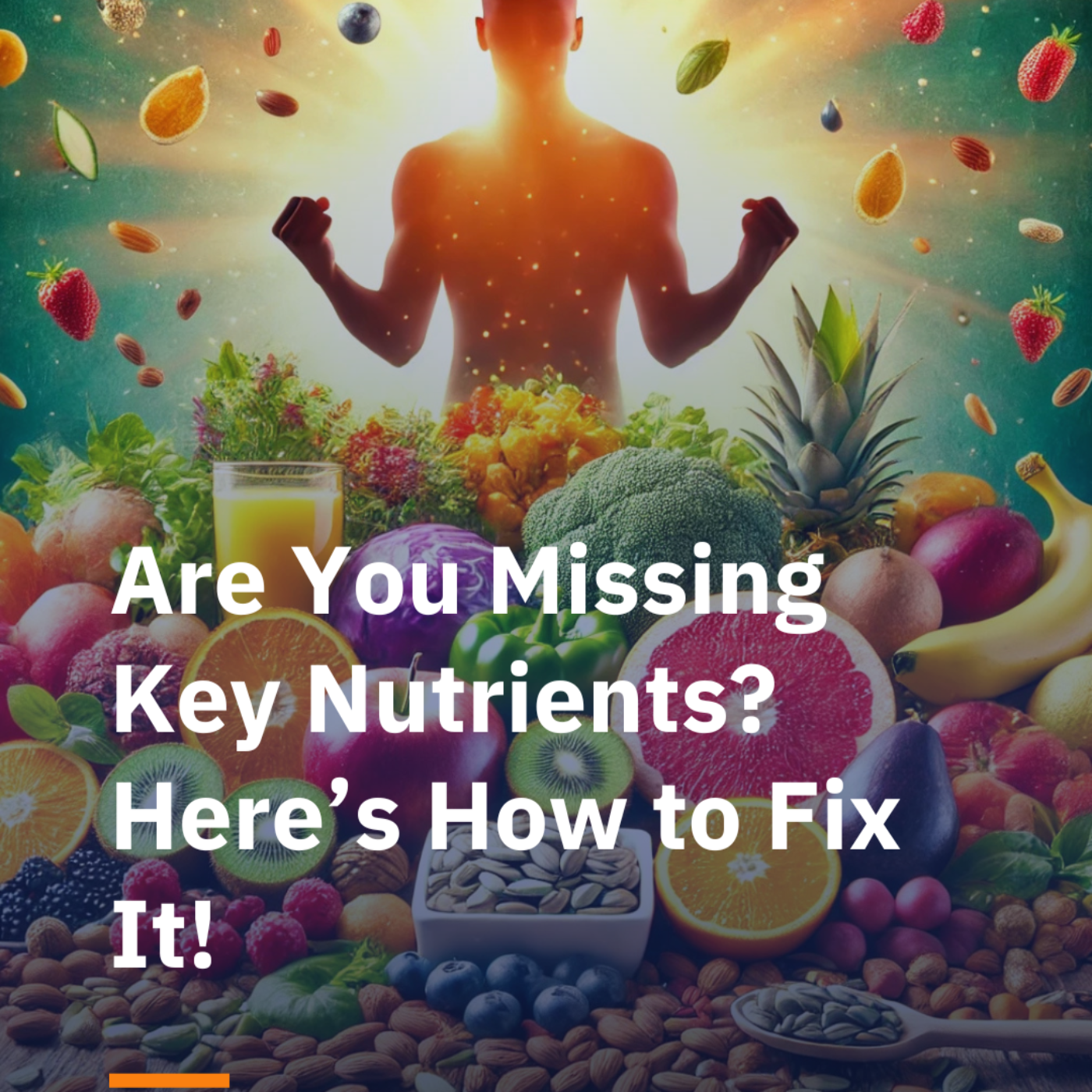
S1 Ep 146Are You Missing Key Nutrients? Here’s How to Fix It!
In this episode, CJ dives into the critical topic of micronutrient deficiencies and their often-hidden effects on health. While macronutrients (proteins, fats, and carbohydrates) fuel our bodies, micronutrients (vitamins and minerals) help it function optimally. A deficiency in essential nutrients can lead to fatigue, weakened immunity, mood swings, and even hair loss. CJ breaks down the importance of micronutrients and offers practical ways to integrate them into daily life.Key Takeaways:Micronutrients Are Essential: They support immune function, brain health, and hormone balance. Without adequate levels, your body can't perform at its best.Common Deficiencies Are Global: Even in developed areas, people are often deficient in nutrients like vitamin D, magnesium, and iodine due to processed diets lacking real nutrition.Processed Foods Deplete Nutrients: Calories alone aren’t enough. Processed foods might fill you up but often leave you nutrient-deficient.Signs of Deficiency: Constant fatigue, frequent illness, mood changes, and physical signs like hair loss or brittle nails can be clues.Basic Nutrition Steps Work: Simple adjustments to your diet can make a huge difference in nutrient intake.5 Actions to Improve Your Life Today:Eat the Rainbow: Incorporate a variety of colored fruits and vegetables into your meals to cover a broader nutrient spectrum. Each color offers unique vitamins and minerals.Choose Whole Foods: Prioritize whole, unprocessed foods like vegetables, fruits, nuts, seeds, and lean meats to maximize nutrient intake and avoid unhealthy fats and sugars.Add Iodine-Rich Foods: To support thyroid health, integrate iodine sources like seafood, seaweed, and kelp. For those who don’t eat seafood, iodized salt can be a helpful alternative.Boost Vitamin D Levels: Even in sunny climates, many people have low vitamin D due to indoor lifestyles. Aim for 10-15 minutes of daily sunlight exposure or consider a D3 supplement if needed.Incorporate Magnesium-Rich Foods: Foods like dark chocolate, spinach, avocados, and nuts are rich in magnesium, which supports over 300 biochemical reactions in the body, including stress reduction and sleep quality.Advanced Biohacks:Consider High-Quality Supplements: For those already consuming a balanced diet, supplements with bioavailable forms (like magnesium glycinate and methylated B vitamins) may boost health further.Intermittent Fasting: Periodic fasting can improve nutrient absorption and efficiency.Track Your Nutrients: Use technology like the Oura Ring or nutrition-tracking apps to monitor intake and pinpoint any gaps.Incorporate Superfoods: Add nutrient-rich superfoods like mushrooms and bone broth for a natural boost in vitamins and minerals.Optimize Gut Health: Ensure nutrient absorption by improving gut health with probiotics, prebiotics, and digestive enzymes.CJ’s discussion emphasizes that nutrient sufficiency is foundational to good health. By making small changes, you can address micronutrient deficiencies, enhance your vitality, and unlock better performance in daily life. For more tips and support, join CJ’s Skool community.Click here to join

S1 Ep 145Is Living Alone as Harmful as Smoking?
In this episode, CJ delves into the profound impact of social connections on our health and longevity. He explains how social bonds are not merely fulfilling but essential for a longer, healthier life. The episode explores scientific studies and ancient wisdom, from Aristotle to Confucianism, showing how cultures across the ages have valued social connections. CJ highlights how loneliness today rivals smoking in its health risks and offers practical steps to build meaningful relationships that foster well-being.Key Insights and TakeawaysLongevity and Relationships: Research shows that strong social connections can predict life expectancy more accurately than factors like exercise or diet. This aligns with ancient insights where societies, like the Greeks and Buddhists, emphasized community and mutual support.Evolution and Social Needs: Human evolution favors social bonds; isolation once meant a significant survival risk. Like wolves and elephants, humans thrive within social groups, with modern science linking social isolation to risks of heart disease, dementia, and mental health issues.Historical Perspectives on Community: Philosophies worldwide stress interconnectedness. Concepts like Ubuntu, Aristotle's "social animal," and Buddhist Sangha all underscore that our health, happiness, and even personal growth depend on community.Modern Risks of Loneliness: Loneliness today can impact mental and physical health severely, likened to smoking 15 cigarettes daily. Extended isolation can weaken social skills, decrease happiness, and shorten life expectancy.The Role of Laughter: Laughter serves as a "superpower" in social bonding, releasing feel-good hormones like dopamine and reducing stress. CJ notes that as people age, they laugh less, contributing to stress and isolation in adulthood.Practical Actions to Improve Social ConnectednessPractice Active Listening and Open Questions: Engaging others with thoughtful, open-ended questions (e.g., “What did you think about that?”) shows genuine interest and encourages deeper conversation, helping build rapport.Be Open and Approachable: Small gestures, like maintaining open body language, smiling, and making eye contact, can help make new social interactions feel more natural and welcoming.Start Small and Build Confidence: If meeting new people feels daunting, start by engaging in brief, friendly exchanges like smiling at a coworker or saying hello to a neighbor. These small interactions build confidence and help ease into larger social circles.Join Groups with Shared Interests: Clubs, teams, or online communities provide a natural setting for connection. They offer a low-pressure environment to meet others who share your passions, helping expand your social network.Stay Consistent in Friendships: Building and maintaining relationships require regular effort. Check in with friends, plan occasional get-togethers, or simply send a quick message to show you care, as consistency strengthens social bonds.This episode serves as a powerful reminder of how essential social connectedness is to our mental and physical health. Whether through family, friends, or even casual acquaintances, the connections we nurture can significantly impact our lives, contributing to our happiness, resilience, and longevity.

S1 Ep 144Is Your Life Driven by Purpose or by Pressure?
In this powerful episode of Shift with CJ, CJ speaks with Dr. Jonathan S. Marion—Transformational Life Coach and cultural anthropologist. Together, they explore how to live with intention, balancing long-term goals with presence and self-awareness. Dr. Marion emphasizes shifting from achievement-focused living to becoming the person you aspire to be.Key Points Covered:The Power of “Being” Over “Doing”: We’re “human beings,” not “human doings.” Instead of obsessing over goals, focus on the person you’re becoming along the way.The “BEING” Framework for Balance:B – Begin Where You Are: Start by evaluating your current situation before seeking change.E – Explore Your True Goals: Identify if your ambitions resonate with you or are simply societal expectations.I – Identify Your Options: List potential paths, using past positive decisions as a guide.N – Now, Take Action: Don’t let perfectionism hold you back; start moving forward.G – Gratitude for Progress: Appreciate each step you take, recognizing growth, not just outcomes.Switching from “Should” to “Could”: Dr. Marion suggests replacing “should” with “could” to open up new possibilities and reduce self-criticism.Managing Daily Stress: Recognize minor stressors for what they are, preventing them from snowballing into bigger anxieties.Future Casting for Clarity: In overwhelming moments, envision yourself years from now and ask, “How would my ideal future self handle this?”Key Takeaways:Redefine Success as “Being”: Shift from a goal-oriented mindset to focusing on the kind of person you aspire to become.Adapt with Intention: Accept that life’s detours are part of the process; stay flexible and true to your vision.Approach with Curiosity: Engage with others’ perspectives, understanding their “why” without judgment.Cultivate Inner Peace: Manage your internal state, embracing resilience amidst external unpredictability.Pause for Gratitude: Regularly acknowledge your progress to reinforce fulfillment.5 Actions You Can Start Today:Reflect Daily: Set aside a few minutes to check in and ask, “Am I being the person I want to be?”Adopt “Could” Thinking: Swap out “should” for “could” in self-talk and experience the mental freedom.Future Casting: Visualize your ideal future self and let their perspective guide you in the present.Daily Gratitude: Each day, list one thing you’re grateful for in your personal journey.Engage with Openness: Approach conversations seeking to understand others’ viewpoints with curiosity.This episode is a reminder that a fulfilling life isn’t just about goals but about evolving into your best self.

S1 Ep 143Why a Poor Night's Sleep Could Be Sabotaging Your Diet
In this episode, CJ dives deep into the science of sleep, exploring how it affects various aspects of our health—from metabolism and weight management to mental clarity and emotional well-being. This conversation sheds light on the often-overlooked importance of quality sleep and its transformative potential for those seeking to improve their physical and mental performance. CJ also offers actionable tips and advanced biohacks to optimize sleep quality, making it easier to see positive changes almost immediately.Key Points and Takeaways:Sleep and Weight Connection:Hormonal Imbalance and Appetite: Sleep deprivation disrupts hormones like ghrelin and leptin, increasing hunger and reducing satiety. This leads to increased cravings, particularly for high-calorie, sugary foods.Metabolic Efficiency: Poor sleep affects insulin sensitivity, reducing the body's ability to process glucose. This leads to more fat storage, especially around the midsection, contributing to weight gain and potential insulin resistance.Impact on Mental Health and Cognitive Function:Brain Detoxification: During deep sleep, the brain clears out toxins, including proteins linked to neurodegenerative diseases like Alzheimer’s.Mood and Mental Clarity: Sleep deficiency impacts mental resilience, decision-making, and emotional balance, raising the risk for anxiety and depression.Role of Cortisol and Stress in Sleep:High cortisol levels resulting from poor sleep can lead to muscle breakdown and fat storage, particularly in the belly area. Managing stress is crucial for better sleep and metabolic health.Biohacking Strategies for Better Sleep:Red Light Therapy: Exposure to red light before bed boosts melatonin production, helping you fall into a deeper, more restful sleep.Magnesium Supplementation: Magnesium calms the nervous system and relaxes muscles, promoting better sleep.Sleep Tracking Devices: Wearables like the Oura Ring or Whoop Strap provide insights into sleep patterns, allowing for data-driven adjustments to sleep routines.5 Actions to Improve Your Life Starting Tonight:Establish a Consistent Sleep Schedule: Go to bed and wake up at the same time every day. This routine trains your circadian rhythm, helping you fall asleep faster and wake up feeling refreshed.Reduce Blue Light Exposure: Blue light disrupts melatonin production, so avoid screens at least an hour before bed. If avoiding screens is impractical, use blue light-blocking glasses.Optimize Your Sleep Environment: Ensure your room is cool, dark, and quiet. Blackout curtains, a white noise machine, or earplugs can help create a conducive sleep environment.Practice Relaxation Techniques: Incorporate calming activities before bed, like deep breathing, meditation, or gentle stretching, to wind down and promote a relaxed state for sleep.Limit Stimulants and Heavy Meals Before Bed: Avoid caffeine and nicotine in the afternoon, and finish your last meal at least three hours before bedtime to prevent sleep disruptions.By focusing on these essential aspects of sleep, CJ emphasizes that improving sleep is foundational to enhancing health, well-being, and daily performance. Implementing these strategies can yield significant results in mood, energy, mental clarity, and even weight management.
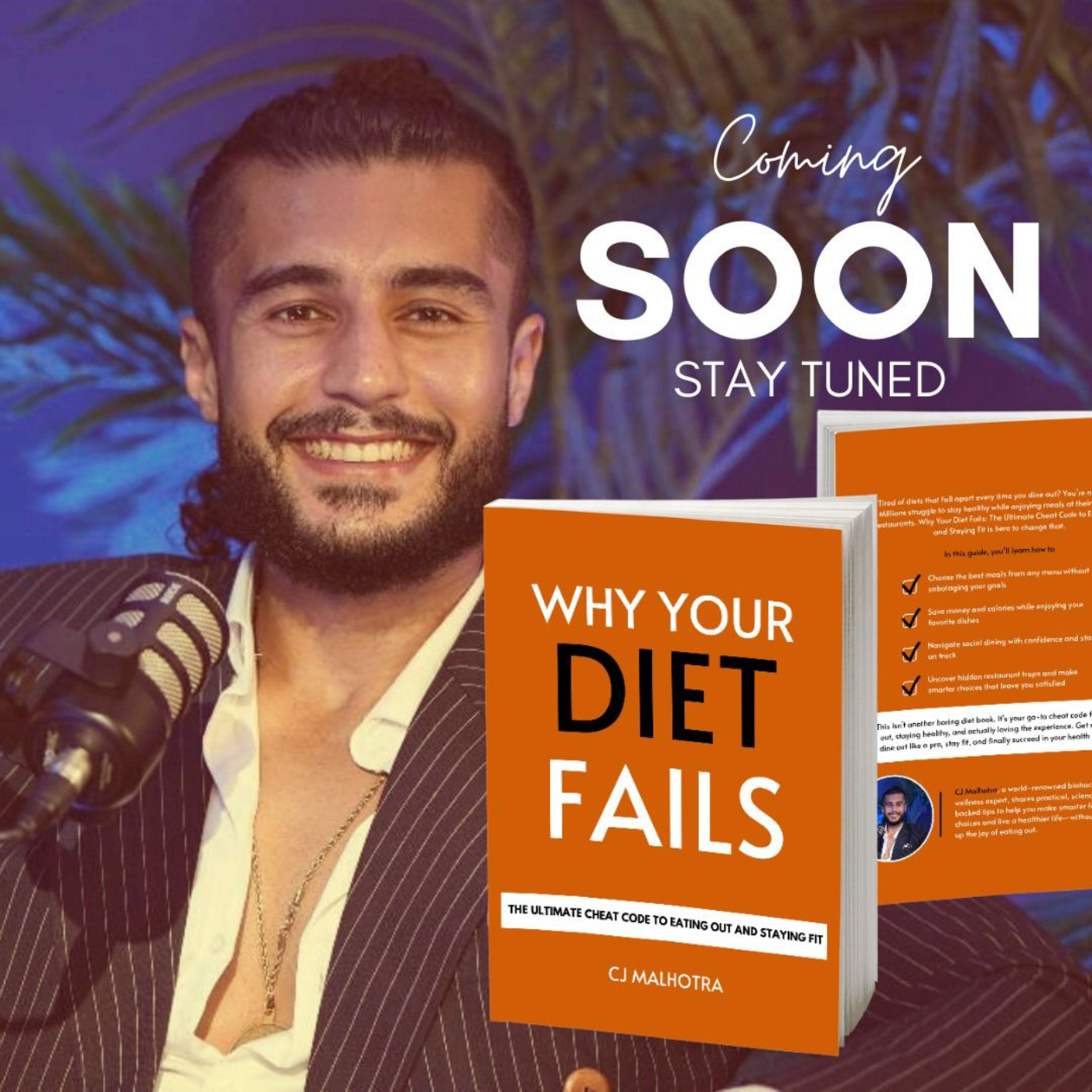
S1 Ep 142Chapter 2: Navigating Different Types of Restaurants
In this episode, we’re diving into Chapter 2 of Why Your Diet Fails: The Ultimate Cheat Code to Eating Out and Staying Fit. If you’ve ever sat at a restaurant, menu in hand, wondering how to enjoy your meal without undoing your hard work, this one’s for you. From Italian to Asian, American grills, and even fast food, I’ve got you covered with strategies to make eating out easier—and healthier—without sacrificing flavor.Key Takeaways:Italian Restaurants: Italian food and carbs go hand-in-hand, right? Not necessarily! You can still have a satisfying meal without the pasta overload. Try kicking things off with grilled seafood or go for a lighter dish with zoodles (yes, zucchini noodles!) in olive oil and garlic. And if you’re craving pizza, just ask for a cauliflower crust loaded with veggies and lean protein to keep it balanced and satisfying.Asian Cuisine: Asian flavors are incredible, but sauces can be sneaky with hidden sugars and carbs. If you’re at a Japanese place, go for sashimi with seaweed salad—pure protein with a mineral boost! For Chinese or Thai, ask for stir-fried veggies with lean proteins like chicken or shrimp, with sauce on the side. And if you’re craving Vietnamese pho, ask for zoodles instead of rice noodles, and add extra protein to stay fuller for longer.American Grills and Steakhouses: Ah, the land of big portions! But don’t worry, there are ways to make it work. Look for grass-fed steaks and pair them with something green like roasted Brussels sprouts or a side salad. Craving a burger? Ditch the bun and load up with toppings like avocado and mushrooms for a flavorful, filling option.Middle Eastern and Indian: These cuisines are packed with spices and flavor, which means you don’t have to sacrifice anything! Go for kebabs or tandoori meats for that grilled goodness. If you love dipping, try swapping pita for cucumber slices with your hummus or baba ganoush to cut down on carbs while keeping the taste.Fast Food Chains: Sometimes, fast food is the only option. Here’s what you can do: get a grilled chicken salad with vinaigrette or order a bunless burger and load it up with veggies. And if it’s breakfast, look for egg whites, oatmeal with nuts, or a fruit parfait without added sugars to start your day right.5 Things You Can Start Doing TodaySwap in Low-Carb Alternatives: Next time you’re tempted by pasta or rice, look for zoodles or cauliflower rice instead. Small changes, big impact!Request Sauces on the Side: You’d be amazed at how much sugar and sodium you save just by adding your own sauce. A simple ask that makes a huge difference.Go for Protein: Protein-rich dishes like grilled meats or sashimi keep you full and satisfied, so you’re less likely to indulge in those extras.Box Half Your Meal Right Away: Restaurant portions can be massive, so box half when it arrives (or share!) to avoid overeating.Ask for Minimal Oil and Salt: Avoid those hidden fats and extra sodium by asking for light oil (like olive or avocado) and light salt. Your body will thank you later!If you’re ready to go out and order confidently, listen to this episode and grab all these biohacking tips. These strategies help you make healthier, happier choices—without missing out on the restaurant fun.

S1 Ep 141Are You Highly Sensitive? Learn How to Turn It Into a Superpower
In this episode, Dr. Karen Kan, a medical doctor and founder of the Academy of Light Medicine™, shares her journey as a highly sensitive person (HSP). Through her experiences with burnout, chronic illness, and emotional struggle, she learned to embrace her sensitivity as a superpower. She discusses how HSPs can harness their sensitivities to lead fulfilling, joyful lives and how sensitivity, often seen as a weakness, can become a source of strength and healing. Dr. Kan also touches on her healing method, the TOLPAKAN™ Healing Method, which combines energy healing and spiritual guidance.Key Takeaways:Sensitivity is a Superpower: Sensitivity allows individuals to pick up on the emotions and energies around them, offering a unique ability to connect deeply with others and the world.Overcoming Burnout: Dr. Kan shared her battle with chronic fatigue syndrome, fibromyalgia, and depression, showing how sensitivity, when not honored, can lead to physical illness. The turning point in her healing came when she acknowledged and worked with her sensitivity rather than against it.Energy Healing: Through techniques like Reiki and the TOLPAKAN™ Healing Method, Dr. Kan discovered how energy healing can aid in physical, emotional, and spiritual recovery. She advocates for HSPs to explore energy healing as a tool for managing their sensitivity.Zero Point Field: Dr. Kan discusses the concept of the Zero Point Field, a state of stillness where healing and creation become possible. By accessing this field, individuals can let go of stress, and negative emotions, and manifest positive changes in their lives.Perception Kung Fu: She introduces "Perception Kung Fu," a metaphorical technique that helps people shift their perspectives when facing obstacles, allowing them to grow beyond challenges rather than fighting them head-on.5 Actionable Steps to Improve Your Life:Embrace Your Sensitivity: Instead of seeing sensitivity as a weakness, learn to view it as a strength. Recognize how it can deepen your connection to others and enhance your awareness of your environment.Energy Healing Practices: Explore energy healing modalities like Reiki or Dr. Kan’s TOLPAKAN™ Healing Method to help clear emotional blockages and physical ailments. Start with simple techniques, such as grounding exercises or breathwork.Set Boundaries: HSPs often absorb the energy of those around them, leading to emotional overwhelm. Practice saying "no" and set clear boundaries to protect your energy and maintain balance.Access the Zero Point Field: Develop a stillness practice to tap into the Zero Point Field. This could be through meditation, mindfulness, or simply being present with your body. It is in this space that healing and transformation occur naturally.Shift Your Perception: When facing challenges, use Dr. Kan’s "Perception Kung Fu." Instead of confronting problems with force or avoiding them, change your angle—view the obstacle as an opportunity for growth and alignment with your true purpose.This episode encourages listeners, especially those who identify as highly sensitive, to embrace their unique gifts, take charge of their healing journey, and live with more joy and purpose.Website: https://karenkan.com/Facebook: https://www.facebook.com/DrKarenKanYouTube: https://www.youtube.com/@KarenKan
S1 Ep 140Feeling Tired All the Time? It Could Be Your Thyroid!
In this episode of Shift with CJ, we explore the often-overlooked yet incredibly important gland in your body: the thyroid. CJ breaks down the science behind thyroid function and how it impacts every aspect of your health, from metabolism to brain function. If you've been struggling with fatigue, brain fog, or mood swings, this episode is for you.Key Points:Thyroid Basics: The thyroid is a small, butterfly-shaped gland at the base of your neck that plays a vital role in regulating your metabolism. It impacts brain function, digestion, heart health, and even mood.Thyroid Hormones: The two primary hormones produced by the thyroid are T3 (triiodothyronine) and T4 (thyroxine). T3 is the more active form and is crucial for regulating energy levels and metabolism.Brain Function: Research has shown that thyroid hormones significantly impact brain function, particularly in decision-making, curiosity, and mood regulation. When T3 levels are low, it can lead to apathy and even depression.Thyroid and Stress: Elevated cortisol levels from chronic stress can inhibit thyroid function. Low-carb diets can also increase cortisol, which might disrupt thyroid balance over time.Signs of Hypothyroidism: Common symptoms include persistent fatigue, unexplained weight gain, cold sensitivity, brain fog, dry skin, brittle nails, and mood swings. If you’re experiencing these symptoms, a thyroid function test (TSH, T3, and T4) may be beneficial.Key Takeaways:The Thyroid is a Master Regulator: It’s not just about metabolism—your thyroid impacts almost every system in your body.Hormonal Balance is Crucial: Proper conversion of T4 to T3 is key to maintaining your energy levels and mental sharpness.Stress and Diet Impact Thyroid Health: Chronic stress and extreme diets, like long-term low-carb plans, can negatively affect thyroid function.Symptoms Can Be Subtle: Hypothyroidism symptoms like fatigue and brain fog often go unnoticed but can signal thyroid issues.Check Your Thyroid Health: If you suspect thyroid dysfunction, a simple blood test can provide clarity.5 Things You Can Start Doing Today to Improve Your Thyroid Health:Increase Your Iodine Intake: Iodine is essential for thyroid hormone production. Incorporate iodine-rich foods like seaweed, kelp, and seafood into your diet, or consider a supplement.Balance Your Carbs: After a long period of low-carb eating, it’s important to reintroduce healthy carbs like sweet potatoes or quinoa to stabilize energy and cortisol levels.Prioritize Sleep: Aim for 7-9 hours of quality sleep per night to support thyroid function. Adequate rest also helps manage cortisol, the stress hormone.Get Sunlight for Vitamin D: Vitamin D is vital for thyroid health. Aim for 10-15 minutes of morning sun exposure daily, or take a vitamin D3 supplement if needed.Exercise Smartly: Incorporate strength training, moderate cardio, and yoga, but avoid overtraining, which can elevate cortisol and strain the thyroid.By understanding how your thyroid functions and making small adjustments to your lifestyle, you can significantly improve your overall health and energy levels. Stay tuned for more insights, and don’t forget to check out CJ’s Skool community for deeper dives into biohacking topics!Click here to join: https://www.skool.com/road-to-superhuman-5183
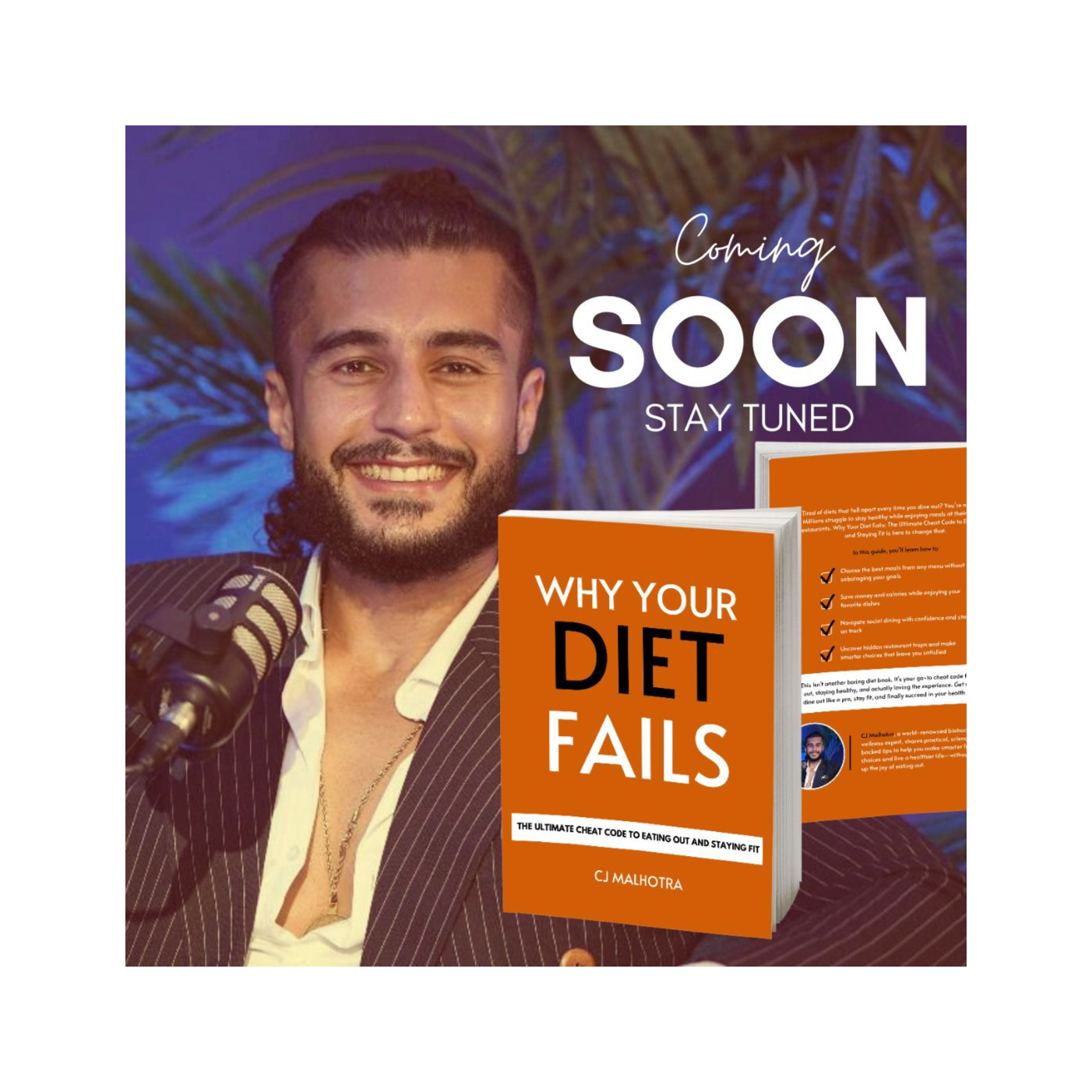
S1 Ep 139Chapter 1: Key Principles for Eating Out
Welcome back to another episode of The Shift with CJ. Today, we're diving into Chapter 1 of my book, "Why Your Diet Fails: The Ultimate Cheat Code to Eating Out and Staying Fit." We're talking all about the key principles for eating out without derailing your health goals.Have you ever felt like dining out is a minefield when you're trying to stay healthy? Trust me, I've been there. But guess what? It doesn't have to be that way! In this episode, we're unpacking some biohacking strategies that will change how you approach restaurant meals.First up, we chat about aligning your meal times with your circadian rhythm. Sounds fancy, right? It's all about eating when your body is naturally primed to digest food, which can boost your metabolism and energy levels.We also delve into choosing nutrient-dense options when you're scanning that menu. I'll share tips on how to spot the healthiest choices without sacrificing flavor. Spoiler alert: It's easier than you think!And let's not forget about mindful eating. We'll discuss how being present during your meal can enhance digestion and make your dining experience more satisfying.Key Takeaways:Sync with Your Body Clock: Eating in tune with your circadian rhythm can improve digestion and energy.Pick Nutrient-Dense Foods: Opt for meals rich in vitamins and minerals to keep you full and nourished.Mindful Eating Matters: Slowing down and savoring your food can prevent overeating.Plan Ahead: Knowing what's on the menu can help you make healthier choices.Stay Hydrated: Drinking water before and during meals aids digestion.5 Things You Can Start Doing Today:Set Regular Meal Times: Try to eat your meals at the same times each day to align with your body's natural rhythm.Choose Whole Foods: Go for dishes with lean proteins, whole grains, and plenty of veggies when eating out.Practice Mindfulness: Put away distractions and focus on your meal to enjoy it fully.Check Menus in Advance: Look up restaurant menus online before you go to pick out healthy options.Drink More Water: Start your meal with a glass of water to help with digestion and control appetite.So, whether you're a foodie who loves dining out or someone trying to stick to a diet, this episode is packed with tips to help you stay on track. Remember, it's all about making smarter choices and enjoying the process. Tune in now, and let's make every bite count!Stay tuned for the launch of my book!
S1 Ep 138Proven Weight Loss Tips: Burn Fat Faster with Calorie Deficit Strategies
In this episode of Shift with CJ, host CJ engages in an insightful conversation with Dr. Azri Zakariya, a prominent voice in the health and fitness industry. Dr. Zakariya discusses key strategies for sustainable weight loss, the importance of balanced nutrition, and how to overcome common hurdles like cravings and misinformation.Key Takeaways:1. Calories In vs. Calories Out: Dr. Zakariya emphasizes that the fundamental principle behind weight loss is creating a calorie deficit—burning more calories than consumed. This is a scientific fact, and no diet or exercise regimen can bypass this basic rule.2. Sustainability is Key: Many people fall into the trap of extreme diets or workout programs that aren't sustainable. Dr. Zakariya explains that consistent weight management requires lifestyle changes that can be maintained in the long term.3. The Role of Nutrition: While exercise is important, nutrition plays a larger role in fat loss. Even without intense exercise, a person can lose weight by adhering to a calorie deficit and eating nutrient-dense foods. Proteins and fiber-rich foods should be prioritized to enhance satiety and prevent cravings.4. Cravings and Binge Eating: Dr. Zakariya recommends focusing on adequate sleep and a well-structured eating plan during the day to combat night-time cravings. He suggests intermittent fasting, frontloading protein, and fiber-rich foods as strategies to feel fuller and avoid binge eating.5. Misinformation on Social Media: There’s a lot of confusion caused by misleading fitness advice on social media. Dr. Zakariya warns against blindly following fad diets or influencers without understanding the science behind effective weight loss and muscle gain.5 Practical Steps You Can Start Today:1. Track Your Calories: Use an app like MyFitnessPal to get an accurate picture of your daily caloric intake. Combine this with tracking your morning weight to find your maintenance level and adjust your calories accordingly.2. Improve Your Sleep: Poor sleep affects hunger hormones, increasing cravings. Ensure you're getting sufficient, quality sleep to help with weight management and control over cravings.3. Prioritize Protein and Fiber: Make sure your diet includes plenty of lean protein and high-fiber foods, which will help you stay full longer and prevent late-night cravings or overeating.4. Stay Consistent, Not Extreme: Instead of adopting extreme diets, aim for gradual, sustainable changes that you can maintain in the long term. Avoid overly restrictive diets that lead to binge-eating cycles.5. Avoid Misinformation: Focus on scientifically backed approaches, especially when it comes to nutrition and exercise. Be cautious of social media influencers who push fads without real evidence.Dr. Zakariya’s advice provides a balanced approach to weight loss and fitness, focusing on long-term sustainability, proper nutrition, and mindfulness around common challenges like cravings and misinformation. Implementing these strategies can lead to healthier, more consistent progress in fitness and well-being.---Dr. Azri Zakariya's Instagram: https://www.instagram.com/azri.zakariya/
S1 Ep 137Want to Lose Weight Fast? Try These Expert Tips for Quick Results
In this episode of The Shift with CJ, I dive into the science of weight loss beyond the traditional diet and exercise recommendations. I discuss the critical role of chronic inflammation, hormones, circadian rhythms, stress, and everyday environmental factors that often prevent people from achieving their weight loss goals. This episode offers actionable, research-backed strategies to help you lose weight and improve your overall well-being.Key Takeaways:Chronic Inflammation as a Barrier to Weight Loss: Chronic inflammation, while necessary for healing, is also a root cause of many diseases and can severely hinder weight loss. Inflammation affects various metabolic pathways, making it difficult to lose fat. Reducing inflammation by avoiding processed oils and refined sugars can be a game-changer for weight loss.The Role of Circadian Rhythms: Your body’s internal clock, or circadian rhythm, plays a significant role in fat storage and energy usage. Disrupted sleep patterns or irregular eating schedules can lead to weight gain. Regular sleep patterns and morning sunlight exposure help regulate this rhythm, aiding weight loss.Stress and Weight Gain: Elevated stress levels increase the hormone cortisol, which spikes appetite and makes weight loss more challenging. Stress reduction techniques such as meditation, yoga, writing, or even hugging can be effective in controlling cortisol and improving brain chemicals that regulate appetite.The Pitfalls of Frequent Eating: Eating too frequently can lead to insulin resistance and hinder weight loss. Instead, intermittent fasting with 2-3 meals per day can help regulate blood sugar levels and enhance fat loss.Hormones and Environmental Toxins: Environmental toxins known as endocrine disruptors (found in food packaging, cosmetics, and more) can affect hormone balance, making it harder to lose weight. Choosing organic and chemical-free products is essential for maintaining hormonal balance and achieving weight loss goals.Five Things You Can Start Doing Today:Eliminate Processed Oils and Refined Sugars: Processed oils (such as canola and peanut oil) and refined sugars are major contributors to chronic inflammation. Switch to healthier alternatives like ghee, coconut oil, or butter, and cut back on high fructose corn syrup and refined carbs.Regulate Your Circadian Rhythm: Improve your sleep and wake patterns by getting sunlight in the morning and avoiding late-night eating. Consistent sleep-wake times and exposure to natural light help regulate hormones like melatonin, which play a role in fat loss.Manage Stress Effectively: Adopt stress-relieving practices such as meditation, yoga, and even simple actions like hugging or writing down your thoughts. Reducing cortisol levels can improve your body's ability to lose weight.Incorporate Intermittent Fasting: Instead of eating six small meals a day, try intermittent fasting with just two or three meals. This practice helps regulate insulin levels and increases fat-burning potential, supporting long-term weight loss.Use Cold Exposure and NEAT for Extra Fat Burn: Incorporating cold exposure (ice baths or cold showers) and increasing your non-exercise activity (such as walking, gardening, or standing) can help activate brown fat and burn more calories outside of structured workouts.By applying these five strategies to your daily routine, you can not only lose weight but also improve your overall health and well-being in a sustainable and scientifically backed way.
S1 Ep 136Primer Cube: Biohacking Device for Faster Healing and Better Sleep
In this episode, CJ introduces the audience to an innovative biohacking device called the Primer Cube, designed to enhance mitochondrial function, speed up healing, and improve overall health. LaWanda explains the science behind the Primer Cube, emphasizing how it uses magnetic energy to charge the mitochondria—the "battery" of the cell—thereby enabling the body to heal itself faster and detoxify more efficiently. They also explore how the device can impact sleep, aging, and even energy levels for daily activities like exercise.Key Topics Discussed:The Primer Cube's Design and Function: The cube is designed to generate a magnetic array that charges cells, boosting the body’s self-healing capacity. It was inspired by both the Rubik’s Cube and the science of magnetism.Impact on Mitochondria: Mitochondria play a critical role in health, and by using the cube to stimulate them, users can experience faster healing, detoxification, and energy improvements.Stories of Healing: Several cases were discussed, including faster recovery from injuries, broken bones, and even post-surgical healing.Application Beyond Healing: The device helps not only with physical injuries but also with enhancing sleep quality, reducing toxins, and possibly supporting anti-aging by improving cellular health and slowing telomere shortening.Biohacking and Longevity: CJ and LaWanda also discuss broader biohacking principles, such as detoxification, sleep improvement, and anti-aging strategies, making the Primer Cube a valuable tool for longevity enthusiasts.Key Takeaways:Fix Your Mitochondria: Mitochondria are central to overall health. By using technologies like the Primer Cube, you can boost your mitochondria, leading to faster healing, better detoxification, and enhanced energy.Use Magnetic Fields for Healing: The Primer Cube works by generating magnetic waves that stimulate cell healing. This can be particularly beneficial for injuries and post-surgical recovery, speeding up the healing process naturally.Detoxification Benefits: By helping the body push out toxins, the Primer Cube supports clearer skin, better energy levels, and overall well-being.Improved Sleep with Lower RPM Settings: The Primer Cube can aid in better sleep, especially in environments where stress, EMFs, and poor sleep quality are rampant.Anti-aging Potential: Regular use of the device could contribute to slowing down the aging process by reducing telomere shortening, helping users feel more energized and youthful.5 Things You Can Start Doing Today to Improve Your Life:Focus on Mitochondrial Health: Incorporate practices like cold therapy, proper nutrition, and exercise that support mitochondria.Detox Regularly: Look into detoxification practices like infrared saunas or simple sweating exercises to help rid your body of toxins.Prioritize Sleep: Create a sleep routine that limits blue light exposure and use biohacking devices like the Primer Cube to improve sleep quality.Heal Faster Naturally: For injuries, explore using biohacking tools like the Primer Cube to speed up recovery and reduce inflammation.Invest in Longevity: Regularly engage in biohacking techniques that boost overall health and contribute to a longer, healthier life, such as frequency healing, meditation, and proper sleep hygiene.
S1 Ep 135Unlock the Power of Mushrooms: Health Benefits from Expert Lee Carroll
In this insightful episode of the Shift with CJ podcast, CJ interviews Lee Carroll, a leading expert in holistic health with over 30 years of experience as a medical herbalist. The conversation delves into the world of mushrooms and their vast potential for health, well-being, and even mental clarity.Key Topics Discussed:Mushroom Science: Lee explains how mushrooms, particularly those like Lion’s Mane, Reishi, and Cordyceps, offer cognitive, immune, and energy benefits. He details how mushrooms contain beta-glucans, ergo theanine, and other powerful compounds that support the immune system and promote longevity.Ergo Theanine: A major highlight is ergo theanine, an amino acid found in mushrooms that functions as an antioxidant. Lee stresses its importance for maintaining cognitive health and its potential role in preventing neurodegenerative diseases like Alzheimer's.Adaptogens and Their Benefits: The concept of mushrooms as adaptogens is explored. Lee explains how mushrooms help the body adapt to stress, improve immune response, and maintain energy levels without overstimulation.Quality of Mushroom Supplements: Lee discusses the ethical concerns surrounding the mushroom supplement industry, advising listeners on how to choose high-quality products, including looking for beta-glucan content and avoiding products made from mycelium on grain, which lack key health benefits.Psychedelic Mushrooms and Brain Function: There’s a fascinating discussion about the potential of psychedelic mushrooms in improving mental health, with Lee touching on their ability to reshape brain patterns, aiding in stress management and emotional regulation.Key Takeaways:Eat Mushrooms Regularly: Incorporate mushrooms into your diet at least twice a week to reap the long-term benefits, from improved immune function to cognitive protection.Supplement with Quality Mushrooms: If you can't consume mushrooms regularly, consider supplements. Look for products with guaranteed beta-glucan content and avoid those made from mycelium on grain.Leverage Adaptogens: Mushrooms like Reishi and Cordyceps act as tonics, helping your body cope with stress while promoting overall vitality.Explore Psychedelics for Mental Health: Although still controversial, psychedelics hold promise for revolutionizing mental health care, helping with conditions like anxiety, depression, and addiction.Stay Curious and Open-Minded: Health is not just about physical well-being. Exploring holistic and natural remedies like mushrooms can open new pathways to healing and personal growth.5 Things You Can Start Doing Today:Eat Mushrooms Twice a Week: Add varieties like Lion’s Mane, Reishi, or Cordyceps to your meals for cognitive, immune, and energy benefits.Incorporate Mushroom Supplements: Choose high-quality mushroom extracts if fresh mushrooms aren’t readily available, ensuring they contain beta-glucans.Drink Mushroom-Infused Beverages: Try adding mushroom powders to your coffee or tea for an easy boost to your mental clarity and energy levels.Research the Benefits of Ergo Theanine: Learn about the importance of this amino acid and how it can help protect your cells from oxidative stress and aging.Consider Psychedelic Mushrooms for Mental Health: Stay informed about ongoing research into the benefits of psychedelic mushrooms for improving mental health and cognition.
S1 Ep 134Stop Snacking and Boost Your Energy: The Simple Digestive Hack!
In this episode of The Shift with CJ, CJ dives deep into why constant snacking might not be as beneficial as we think and how it disrupts a vital digestive process called the Migrating Motor Complex (MMC). This complex is like the "cleaning crew" of our digestive system, ensuring leftover food particles and bacteria are swept away during fasting periods between meals. However, frequent snacking can interrupt this process, leading to issues like bloating, poor digestion, and even bacterial overgrowth.CJ also shares his personal experience of cutting down on snacks and how it improved his digestion and energy levels. The episode offers insightful biohacking tools like infrared saunas, molecular hydrogen water, and red light therapy to optimize gut health. Practical tips are also provided to help listeners reduce snacking and improve their overall well-being.Key Takeaways:The Importance of the MMC: This process clears food residue and moves bacteria to their proper place, but constant snacking disrupts it, leading to digestive issues.Hormonal Regulation: The hormone motility is key in activating the MMC, but eating too frequently keeps its levels low, preventing the MMC from functioning.Consequences of Disrupted MMC: Issues like Small Intestinal Bacterial Overgrowth (SIBO) can arise, causing bloating and malabsorption of nutrients.Balanced Meals: A well-rounded meal with protein, fats, and fiber keeps you fuller longer, reducing the urge to snack.Biohacking Tools: Infrared saunas, hydrogen water, and light therapy can support digestive health and overall wellness.5 Things You Can Start Doing Today:Plan Your Meals: Focus on eating three balanced meals a day to avoid the need for constant snacking.Stay Hydrated: Often thirst is mistaken for hunger. Drinking plenty of water can reduce unnecessary snacking.Listen to Your Body: Pay attention to true hunger and fullness cues, eating mindfully and slowly.Incorporate Activity: Regular exercise not only supports digestion but also helps manage stress, which impacts gut health.Get Quality Sleep: Prioritize sleep, as it’s crucial for proper digestion and maintaining healthy hunger cues.
S1 Ep 133Stop Bone Loss Now! 5 Essential Steps for Healthier, Stronger Bones!
In this insightful episode of The Shift with CJ, CJ takes listeners on a journey to better bone health. Broadcasting from Dubai, CJ highlights the importance of maintaining strong bones as we age and explores practical ways to prevent osteoporosis—a condition where bones become brittle and weak. Through engaging examples and actionable advice, CJ emphasizes the critical role of nutrition, exercise, and innovative health practices in supporting bone health.Key Takeaways:Understanding Osteoporosis: As we age, bone density decreases, making us more susceptible to fractures. CJ explains how calcium and other nutrients are essential for maintaining bone strength and preventing osteoporosis.Nutritional Powerhouses for Bones:Calcium: Dairy products, leafy greens, and fish like sardines are rich in calcium, the foundational building block of bones.Vitamin D: Known as the "sunshine vitamin," Vitamin D is crucial for calcium absorption. Safe sun exposure or dietary supplements are recommended.Vitamin K2: This nutrient directs calcium to bones. Eggs and aged cheeses are excellent sources.Magnesium: Found in nuts, seeds, and dark chocolate, magnesium works with calcium and Vitamin D to promote bone health.Exercise for Bone Strength: Weight-bearing exercises like walking, dancing, and resistance training are vital to maintaining and strengthening bone density.Innovative Health Hacks: CJ discusses advanced techniques like infrared saunas, red light therapy, and molecular hydrogen to further support bone health and overall wellness.Regular Health Monitoring: Bone density tests and routine checkups help ensure optimal bone health as we age, allowing for timely intervention if needed.5 Actionable Tips to Improve Your Bone Health Today:Increase Calcium Intake: Incorporate more dairy, leafy greens, and calcium-rich fish into your meals.Get Safe Sun Exposure: Aim for 15 minutes of sun exposure a few times a week to boost Vitamin D production.Exercise Regularly: Focus on weight-bearing exercises like walking or resistance training to keep bones strong.Try Bone Broth: This collagen-rich food supports bone and joint health while being nourishing and delicious.Explore Infrared Saunas: Try using an infrared sauna to support bone health, improve circulation, and reduce inflammation.By making small adjustments to your daily routine, such as adding calcium-rich foods or trying infrared saunas, you can significantly improve your bone health and overall well-being.
S1 Ep 132Master Fear, Find Balance: Secrets Every Ambitious Person Must Know!
In this insightful episode, CJ welcomes Erika De Pellegrin, the host of The Balance Theory podcast, who shares her journey from a corporate lawyer to a successful podcast host. Erika dives deep into the essence of balance and how it means different things to different people. Through her personal experiences and the creation of her podcast, she highlights the importance of health, relationships, and fulfillment as the core pillars of creating a balanced life.Erika discusses how essential it is to step out of your comfort zone, especially when starting something new, like a podcast or a business. She emphasizes the need to accept discomfort as part of the process and suggests that fear is a natural companion when moving beyond what feels comfortable.This episode touches on dealing with rapid personal change, uncertainty, and the fears that arise from growth. Erika also shares strategies for managing life’s busy schedule by focusing on "bare essentials" and non-negotiables—basic elements you need to balance life's different aspects.Key Takeaways:The Gift of Communication: If you have the talent for communication, use it through various platforms such as podcasts, YouTube, or other creative outlets.Balance as a Personal Concept: Balance doesn’t mean evenly dividing time between all life areas, but rather identifying the essentials in health, relationships, and work that make sense for you.Fear and Uncertainty Are Normal: Fear doesn’t mean you're not ready. It’s a sign that you're moving out of your comfort zone, which is essential for growth.Dealing with Rapid Changes: Understand that personal growth and change may make you feel out of place with certain people or environments, but this is a natural part of evolving.Create Your Own Non-Negotiables: Build personal boundaries in your health, relationships, and work that define your well-being, and adjust them as life changes.5 Actionable Steps to Improve Your Life:Identify Your Essentials: Write down the non-negotiables for your health, relationships, and fulfillment. These are the activities that give you energy and maintain your well-being.Step Out of Your Comfort Zone: Start that project or hobby you’ve been avoiding. Accept fear as part of the process and start taking small steps toward it.Create a Routine Around Balance: Time-block your day to ensure you’re dedicating effort to your non-negotiables, but remain flexible. Adjust as needed based on the season of life.Deal with Change Gracefully: As you grow and change, communicate with people in your life about your personal development and adjust your social circle as needed.Utilize Tools to Manage Distractions: Practice using "Do Not Disturb" modes, limiting social media, and creating time for intentional focus to improve productivity and mental clarity.Erika De Pellegrin: Website: https://thebalancetheorypodcast.com/
S1 Ep 1315 Simple Daily Habits That Will Improve Your Brain and Health
n this episode, CJ dives deep into the powerful concept of neuroplasticity, the brain's ability to rewire itself and adapt through learning and experience. Neuroplasticity is not just a buzzword; it's a fundamental aspect of how we can improve cognitive performance, longevity, and overall health. CJ ties together biohacking, natural methods, and cutting-edge scientific discoveries to show how we can boost brain function, stave off aging, and optimize our physical health.Key Topics Covered:Cognitive Hacking: Improving focus, memory, creativity, and decision-making are all linked to keeping our brains flexible and sharp. CJ emphasizes that cognitive function directly impacts longevity, and brain health is a gateway to a longer, healthier life.Nootropics: CJ explores nootropics like Modafinil and its refined version, Armodafinil, as smart drugs that boost brain performance, alongside natural alternatives like cold exposure and breathing techniques, such as the Wim Hof Method.Natural Cognitive Boosters: From blueberries and dark leafy greens to mindfulness meditation, CJ offers accessible ways to keep your brain sharp without relying on synthetic compounds.Stem Cells and Aging: CJ breaks down the types of stem cells (e.g., Mesenchymal and Hematopoietic) and how they play a key role in repairing tissue and boosting the immune system. He suggests simple lifestyle changes like resistance training and intermittent fasting to naturally promote stem cell health.Muscle Growth and Anti-Aging: Maintaining muscle mass is crucial as we age. Strength training and anti-inflammatory diets rich in omega-3s can help slow down muscle degradation, while exploring the potential of follistatin for future anti-aging breakthroughs.Telomeres and Longevity: Stress management is essential for protecting telomeres, the protective caps on our DNA that shorten as we age. Practices like meditation, yoga, and spending time in nature can reduce stress and support longevity.Key Takeaways:Neuroplasticity is vital for keeping our brains flexible, and by learning new skills and habits, we keep our cognitive function sharp as we age.Natural cognitive enhancers like sleep, cold exposure, and mindfulness can be as effective as nootropics in boosting brain performance.Stem cell health can be maintained through regular exercise and intermittent fasting, which helps to boost immune function and tissue repair.Muscle maintenance is crucial for longevity; resistance training and anti-inflammatory foods can slow muscle loss and reduce inflammation.Telomere health is directly linked to stress. Reducing chronic stress through mindful practices helps protect your DNA and slow aging.5 Things You Can Start Doing Today:Practice mindfulness meditation to boost creativity, reduce stress, and support brain function.Incorporate berries and leafy greens into your diet to enhance memory and brain health.Start intermittent fasting to regenerate stem cells and improve longevity.Do strength training to maintain muscle mass and slow down the aging process.Prioritize sleep to enhance cognitive function and protect your overall health.Stay curious, and embrace a balanced approach to biohacking for a healthier, longer life!
S1 Ep 130Power Up Your Brain: The Ultimate Guide to Essential Nutrients for Cognitive Health
In this episode of Shift with CJ, the discussion dives deep into brain nutrients—key compounds that enhance cognitive function, brain health, and longevity. The host highlights various nutrients, explaining their roles and how they impact our brain's performance.Show Notes:The brain is a complex organ that requires a variety of nutrients to function optimally. Here, CJ outlines some of the most powerful brain-boosting nutrients:Omega-3 Fatty Acids (DHA & EPA): These are found in fish oil and are crucial for brain cell membrane structure and function. DHA is essential for brain longevity, while EPA has anti-inflammatory properties that help prevent cognitive decline and diseases like Alzheimer's and dementia.Alpha-Linolenic Acid (ALA): A plant-based omega-3 found in walnuts, avocados, and extra virgin olive oil. It increases brain-derived neurotrophic factor (BDNF), which supports brain cell growth and survival, improving learning and memory.Beetroot Juice: Rich in nitrates, beetroot juice boosts blood flow and oxygen delivery to the brain, enhancing cognitive function and overall brain health.Bone Broth: Packed with collagen, glycine, and minerals like calcium and magnesium, bone broth helps with memory consolidation, joint health, and anti-aging.Berries: Full of antioxidants like flavonoids, berries reduce oxidative stress, which is linked to neurodegenerative diseases, while improving memory and cognitive function.Cacao: Contains flavonoids and magnesium, which help with cognitive function, neuron growth, and reducing inflammation.Choline: Found in eggs and broccoli, choline supports memory and learning by producing the neurotransmitter acetylcholine.Turmeric (Curcumin): This spice contains anti-inflammatory properties and boosts BDNF levels, protecting against brain-related decline and potentially reversing cognitive issues in Alzheimer’s patients.Glutathione: Known as the "master antioxidant," glutathione helps reduce inflammation and oxidative stress in the brain. It can be found in foods like broccoli, cauliflower, and liver.Key Takeaways:Omega-3s are essential for brain health—whether from fish oil or plant-based sources.Antioxidants are powerful defenders against brain damage caused by free radicals, so berries and cacao should be regulars in your diet.Nitrate-rich foods like beetroot juice can significantly improve cognitive performance.Mineral-rich foods like bone broth can aid memory and support overall brain longevity.Spices like turmeric and supplements such as glutathione can protect your brain from aging and oxidative stress.5 Actionable Steps for Better Brain Health:Incorporate Omega-3s: Add fatty fish like salmon or plant-based ALA from avocados and walnuts to your meals to enhance brain function.Start your day with berries: Make a habit of adding a handful of berries to your breakfast for an antioxidant boost.Drink Beetroot Juice: Try adding beetroot juice to your routine for improved blood flow and cognitive function.Boost Choline Intake: Eat eggs or broccoli regularly to support memory and learning.Use Turmeric in Cooking: Add turmeric to your meals or consider a curcumin supplement to reduce inflammation and protect your brain.
S1 Ep 129Why You’re Doing Health All Wrong – Spencer Feldman Reveals Groundbreaking Hacks!
In this episode of the Shift with CJ podcast, CJ reconnects with Spencer Feldman, founder of Remedy, to explore innovative health strategies and biohacking tips. Spencer dives into the concept of "feral tissue," the role of lactic acid, and the importance of maintaining a balanced pH in the body. This episode is a treasure trove of insights on holistic health, longevity, and practical hacks for improving your overall well-being.Key Takeaways:Lactic Acid for Health: Contrary to popular belief, lactic acid is beneficial for the body, especially in maintaining capillary structure and promoting healthy blood flow. Spencer suggests using lactic acid supplements to mimic the benefits of exercise, particularly for those who cannot engage in regular physical activity.The Importance of Alkalinity: Spencer emphasizes maintaining a balanced pH in the body. He suggests consuming more alkaline-forming foods (like fruits and vegetables) and using hacks like vegetable juices or bicarbonate baths to keep the body’s pH levels in check.Understanding Feral Tissue: Spencer introduces the concept of "feral tissue," which he describes as cells that have lost their way due to various insults like acidity, lack of short-chain fatty acids, and toxin build-up. He suggests detox protocols and natural interventions to bring these cells back to a state of normalcy.Health Hacks and Biohacks: Spencer discusses numerous hacks for improving health, such as using prebiotics to promote gut health, maintaining adequate levels of bicarbonate for digestive health, and incorporating lung surfactants to combat air pollution and respiratory infections.Mind-Body Connection: Chronic stress and acidity in the connective tissue can lead to a constant state of tension and irritability. Spencer shares that by addressing these underlying physiological conditions, one can reduce stress and promote overall calmness.5 Actions to Start Improving Your Life Today:Include Lactic Acid Supplements: Consider using lactic acid supplements if you can't get enough physical exercise. They help maintain capillary health and can offer some benefits of exercise without the need for strenuous activity.Balance Your Diet: Aim to eat more alkaline-forming foods, such as fruits and vegetables. Limit your intake of acidic foods like meats and processed grains to maintain a balanced pH.Check Your pH Levels: Regularly monitor your saliva and urine pH levels to ensure they are within the healthy range (around 6.8). This can help you detect early signs of metabolic imbalance.Detoxify Regularly: Use natural detox methods to remove toxins from your body. Methods include using baking soda baths, maintaining adequate hydration, and consuming prebiotics to support gut health.Enhance Respiratory Health: Consider using lung surfactant supplements if you live in a polluted city or are frequently exposed to respiratory pathogens. These supplements can help maintain lung health and prevent infections.By implementing these tips and strategies, you can make significant strides toward a healthier, more balanced life. Stay curious, stay healthy, and remember that even small changes can have profound impacts on your overall well-being.Website: https://remedylink.com/
S1 Ep 128Boost Your Health with Collagen: The Miracle Protein You’re Missing!
In this episode of "Shift with CJ," CJ dives deep into the topic of collagen, a vital protein that plays a critical role in our body's structure and function. Collagen is like the building blocks or "Lego pieces" for the body, providing strength and flexibility to the skin, bones, muscles, hair, and nails. As we age, collagen production decreases, which can lead to wrinkles, weaker bones, and less flexible joints. However, we can support our body's collagen production through diet and lifestyle.Key Takeaways:Understanding Collagen's Role: Collagen makes up about 30% of the body's protein, acting like the glue that holds everything together. It's vital for skin elasticity, joint flexibility, bone strength, and overall bodily structure.Collagen and Aging: As we age, the body produces less collagen, leading to visible signs of aging like wrinkles and weaker bones. Consuming collagen-rich foods and supplements can help mitigate these effects.Foods that Boost Collagen Production: Consuming foods rich in Vitamin C (oranges, strawberries, broccoli) and amino acids (chicken, fish, eggs) supports collagen production. Vitamin C acts like "cement," while amino acids are the "bricks" that build collagen.Health Benefits of Collagen: Collagen helps improve sleep quality, supports joint health, maintains gut health, and keeps the skin youthful. It's also helpful in managing degenerative diseases by reducing inflammation and promoting healing.Incorporating Collagen into Your Diet: Bone broth, gelatin-rich foods (like jelly and gummies), and collagen supplements are excellent sources to increase collagen intake.5 Actions to Improve Your Life with Collagen:Eat Vitamin C-Rich Foods: Include more fruits and vegetables like oranges, strawberries, and broccoli in your diet to enhance collagen production.Stay Hydrated: Drink plenty of water to support skin hydration and collagen function.Exercise Regularly: Maintain an active lifestyle to promote overall health, joint flexibility, and bone strength.Protect Your Skin: Use sunscreen to shield your skin from UV damage, which can break down collagen.Consider Collagen Supplements: Explore collagen supplements or foods like bone broth and gelatin to directly increase your collagen intake.By integrating these practices into your daily routine, you can help maintain your body's collagen levels, leading to improved skin health, stronger bones, better sleep, and a healthier digestive system.
S1 Ep 127From Overweight to Fit: The Secrets No One Tells You
In this episode of "Shift with CJ," CJ takes a deep dive into the world of health and wellness, sharing personal insights and debunking common myths. Growing up, CJ faced struggles with weight and health, finding the path to wellness confusing due to conflicting information. Today, CJ helps listeners navigate the maze of health claims, marketing jargon, and societal pressures by encouraging a more mindful and informed approach to living.Key Takeaways:Educate Yourself on Health: Knowledge is power when it comes to health and wellness. Labels like "all-natural" and "fragrance-free" can be misleading, so it's essential to look beyond the marketing to understand what truly supports clean living.Embrace Simplicity and Nature: Simple, natural practices like "earthing" — walking barefoot to connect with the earth's energies — can have significant health benefits. Embrace basic, nature-oriented activities for improved well-being.Understand and Manage Toxins: Modern life exposes us to various environmental toxins, from air pollution to chemicals in personal care products. While you can't eliminate all toxins, becoming aware of them and making informed choices can help minimize their impact.Focus on Whole, Natural Foods: Avoid processed foods and opt for whole, natural foods whenever possible. Be mindful of labels and ingredients, and remember that "natural" does not always mean safe or healthy.Adopt a Holistic Approach: Health is not just about diet; it involves understanding the air we breathe, the products we use, and our daily habits. Every small, mindful change contributes to a healthier lifestyle.Five Actions to Improve Your Life Today:Start a Health Journal: Track your food intake, product use, and lifestyle habits to identify patterns and make more informed health decisions.Read Labels Carefully: When shopping, take time to understand the ingredients and claims on product labels. Research anything unfamiliar to make healthier choices.Incorporate Earthing: Spend a few minutes daily walking barefoot on natural surfaces like grass or sand to ground yourself and connect with nature.Detox Your Environment: Identify and replace products containing harmful chemicals, such as cleaning supplies or personal care items, with natural alternatives.Practice Intermittent Fasting: Explore intermittent fasting to support metabolism, cellular repair, and overall health. Start with a simple schedule, like 16 hours of fasting and an 8-hour eating window.By taking these steps, you can start your journey towards a healthier, more mindful life today.
S1 Ep 126Exposed: Everyday Household Items Loaded With Dangerous, Harmful Chemicals!
Episode Overview: In this episode of "The Shift with CJ," CJ dives into the pervasive issue of harmful chemicals like BPA and PFAS that infiltrate our everyday lives through items like food packaging, water bottles, and household products. These chemicals, often invisible and overlooked, can have serious impacts on our health, disrupting hormones and contributing to conditions like heart disease, infertility, and even cancer. CJ emphasizes the importance of awareness and proactive steps to protect ourselves and our environment.Key Takeaways:Widespread Exposure: BPA and PFAS, known as “forever chemicals,” are found in a wide range of everyday products, from plastic containers and canned foods to nonstick cookware and even store receipts. Nearly everyone has these chemicals in their bodies, with exposure beginning even before birth.Health Impacts: BPA is an endocrine disruptor that mimics hormones, potentially leading to mood swings, sleep disorders, weight gain, and more severe health issues. PFAS are particularly harmful because they do not break down in the body, leading to long-term health risks, including cancer, high blood pressure, and developmental issues in children.Environmental Concerns: These chemicals contaminate our water, soil, and air, affecting wildlife and ecosystems. PFAS, in particular, have been found in remote environments, highlighting their persistence and global spread.Ancient Wisdom: CJ draws on principles from ancient Eastern philosophies that emphasize purity and avoidance of toxins, suggesting that modern threats like BPA and PFAS demand a renewed focus on mindful, clean living.Small Changes Matter: By making intentional choices about the products we use and consume, we can reduce our exposure to these harmful substances, contributing to better personal and environmental health.5 Actions to Improve Your Life:Ditch Plastics: Replace plastic containers with glass or stainless steel, especially when heating food. Avoid microwaving in plastic to reduce chemical leaching.Filter Your Water: Invest in a high-quality water filter that removes PFAS and other contaminants. Not all filters are effective, so research thoroughly to find the best option.Switch Your Cookware: Nonstick pans often contain PFAS. Opt for safer alternatives like cast iron or stainless steel, which are durable and free of harmful coatings.Read Labels: Get in the habit of checking labels not just on food but on household items as well. Avoid products with ingredients like “fluoro” or “perfluoro,” which indicate the presence of PFAS.Choose Whole Foods: Limit processed and packaged foods, which are more likely to contain harmful chemicals. Focus on fresh, whole foods to support overall health and reduce exposure to toxins.By integrating these small, manageable changes into your daily routine, you can significantly reduce your exposure to harmful chemicals and protect both your health and the environment. Remember, every small step counts toward a healthier life and a cleaner planet.
S1 Ep 124India’s Top Biohacker Exposes 5 Game-Changing Health Hacks You Need
In this episode of the Shift with CJ podcast, CJ sits down with the CEO of Miduty to discuss advanced biohacking strategies, nutrition, fitness, and holistic health practices rooted in ancient wisdom combined with cutting-edge science. The conversation dives deep into actionable tips for optimizing longevity, managing stress, improving physical and mental health, and achieving peak performance.Key Takeaways:Biohacking Origins:Ancient Indian traditions, especially practices like yoga and meditation, are seen as the earliest forms of biohacking.Modern biohacking combines these traditional methods with technological advancements to enhance life quality and longevity.Nutrition & Protein Insights:Plant-based proteins can be less bioavailable than animal proteins, but combining plant-based sources with digestive enzymes and essential amino acids can bridge the gap.Balance between carbohydrates, fats, and proteins is key; however, bioindividuality means dietary needs can differ greatly.Importance of Fasting:Incorporating fasting into your routine, such as 24-hour fasts twice a week or longer monthly fasts, can significantly boost metabolic health and longevity.Gut Health and Detoxification:Gut health and liver detox are critical for overall well-being. Include foods like broccoli, which activate detox pathways, and supplements like milk thistle, activated charcoal, and green tea for enhanced detoxification.Lifestyle and Mindset:A holistic approach to health should include movement, quality sleep, and stress management. Biohacking is about controlling your environment—both internally and externally.5 Things You Can Start Doing Today:Incorporate Fasting:Start with a simple intermittent fasting routine. A 16-hour fast with an 8-hour eating window can boost fat loss, improve mental clarity, and promote longevity.Optimize Protein Intake:Ensure you’re getting sufficient protein, especially if you’re over 30, to combat muscle loss (sarcopenia). Consider plant-based protein sources like chickpeas and paneer, and supplement with digestive enzymes for better absorption.Enhance Gut and Liver Health:Add cruciferous vegetables like broccoli and cauliflower to your meals for detox support. Try incorporating daily supplements like selenium (from Brazil nuts) and consider periodic liver detoxes.Prioritize Movement and Exercise:Aim for a mix of cardio (especially zone 2 training), strength training, and flexibility exercises like yoga. Movement not only strengthens muscles but also enhances overall mood and energy levels.Practice Mindfulness and Stress Management:Make time for daily mindfulness practices, such as meditation or deep breathing exercises. Lowering stress improves sleep quality, emotional resilience, and overall health.
S1 Ep 123Top Brain Hacks for Ultimate Performance and Longevity: Proven Strategies
In this episode of the Shift with CJ podcast, CJ dives deep into the world of brain optimization, exploring how we can achieve peak mental performance and long-term cognitive health. This episode isn’t just about avoiding cognitive decline but maximizing the potential of our brains. By focusing on key practices like sleep, nutrition, and specific brain hacks, CJ provides a roadmap for unlocking your brain’s full capabilities.Key Takeaways:Your Brain is the CEO of Your Body: Treat your brain like the most critical organ in your body. When it’s functioning at its best, everything else follows suit.Myelination – The Foundation of Brain Function: Eating the right fats (like omega-3s) and nutrients supports myelination, crucial for fast and clear thinking. Good sources include seafood, grass-fed meats, flaxseeds, and walnuts.Protecting the Blood-Brain Barrier (BBB): This barrier is your brain’s defense system. Practices like getting quality sleep, managing blood pressure, and consuming magnesium-rich foods (or supplements) can strengthen it.Breathwork for Performance: Breathing techniques like box breathing and the 4-3-8 method are powerful tools to reduce stress, enhance focus, and improve brain function.Cold Exposure and Vagus Nerve Activation: Cold showers and stimulating the vagus nerve (through activities like singing and meditation) are potent biohacks that boost brain resilience and overall health.5 Actionable Steps to Improve Your Life:Incorporate Omega-3s and Good Fats into Your Diet: Boost myelination by adding foods like salmon, flaxseeds, and walnuts. If you’re vegetarian, consider supplements to cover your omega-3 needs.Prioritize Sleep Quality: Ensure you get 7-9 hours of uninterrupted sleep. Quality sleep is essential for brain recovery, memory, and protecting the BBB.Try Breathwork Daily: Start with box breathing for stress relief or the 4-3-8 technique for better sleep. These exercises require no special tools and can be done anywhere.Introduce Cold Exposure: Whether it’s a cold shower or an ice bath, a few minutes of cold exposure daily can enhance brain health and boost your immune system.Optimize Magnesium Intake: Support your BBB and reduce stress by increasing your magnesium levels. You can use supplements, transdermal lotions, or even Epsom salt baths.Episode Highlights:CJ discusses how brain performance is like a turbocharged engine—vital for both speed and endurance.Learn about the critical role of myelination and how good fats keep our brain running smoothly.Explore how protecting your BBB is essential to warding off toxins and keeping your brain sharp.Discover the benefits of breathwork, including Navy Seal-approved techniques for staying calm under pressure.Cold exposure isn’t just for athletes; it’s a powerful tool to supercharge your brain and body.Find out why activating the vagus nerve is key to maintaining mind-body balance.By implementing even a few of these brain hacks, you can start experiencing sharper focus, better decision-making, and overall improved well-being. Your brain is your most valuable asset—nurture it, and it will reward you with peak performance and longevity.
S1 Ep 122Are PFAS Poisoning You? Discover 5 Ways to Protect Your Family
In this episode of "The Shift with CJ," host CJ dives into the alarming yet often overlooked world of PFAS, also known as "forever chemicals." These synthetic chemicals are ubiquitous in our environment and have infiltrated our lives through everyday products like non-stick cookware, water-resistant clothing, and fast-food packaging. Despite their widespread use, PFAS pose significant health risks due to their persistence in the environment and in our bodies.Key Takeaways:Understanding PFAS: PFAS are a group of man-made chemicals used since the 1950s for their water- and grease-resistant properties. However, their resilience means they don’t break down easily, accumulating in our bodies and the environment over time.Health Implications: Chronic exposure to PFAS is linked to various health issues, including hormone disruption, immune system suppression, developmental problems in children, and an increased risk of cancer. Alarmingly, PFAS can be transferred from mother to child during pregnancy and breastfeeding, burdening future generations before they are even born.Widespread Presence: PFAS have been detected in the blood of 98% of Americans, including newborns. This pervasive presence highlights the importance of taking proactive steps to reduce exposure.Ancient Wisdom Meets Modern Science: CJ reflects on how indigenous cultures emphasize thinking seven generations ahead, a principle that resonates today as we consider the long-term impact of our exposure to PFAS on future generations.Empowerment Through Action: While eliminating PFAS entirely from our lives may not be feasible, CJ encourages listeners to focus on what they can control, making small, consistent changes that contribute to a healthier life.5 Things You Can Start Doing Today:Ditch Non-Stick Cookware: Replace Teflon pans with safer alternatives like cast iron, stainless steel, or ceramic to reduce your PFAS exposure.Filter Your Water: Invest in a high-quality carbon filter or reverse osmosis system to remove PFAS from your drinking water, protecting yourself and your family from these harmful chemicals.Avoid Packaged Fast Foods: Opt for homemade meals instead of fast food or microwave popcorn, as the packaging of these products often contains PFAS.Be a Conscious Consumer: Check labels and choose products made from natural materials, avoiding items marketed as water- or stain-resistant, which may contain PFAS.Continue Breastfeeding: Despite the presence of PFAS, breastfeeding remains crucial for your baby’s health. Focus on reducing your overall exposure to pass on fewer chemicals to your child.This episode is a call to action, urging listeners to take control of their health by making informed decisions. The conversation is not about inducing fear but about empowering individuals to make choices that safeguard their health and the well-being of future generations.
S1 Ep 121Longevity Hacks: CJ’s Secrets to Living 100+ (From a Special Podcast Interview)
In this episode, CJ explores practical ways to boost your energy, optimize sleep, and use biohacking to improve your overall well-being. The discussion covers a variety of strategies, from aligning with natural rhythms to adopting modern biohacks that enhance your daily life.Key Takeaways:Biohacking Defined: Biohacking isn’t just about advanced tech or gene editing. It’s about using natural principles and modern techniques to optimize your body and mind. CJ emphasizes returning to nature by incorporating practices like exposure to sunlight and cold therapy, which our ancestors naturally engaged in.Importance of Natural Light: Exposure to natural light, especially during sunrise and sunset, plays a critical role in regulating your circadian rhythm. This can significantly impact sleep quality and overall energy levels. If you can’t get enough natural light, consider using red light therapy as a substitute.Impact of Modern Lifestyle: Our current lifestyle often leads to an "ancestral mismatch," where we’re out of sync with our natural environment. This mismatch contributes to various health issues, including poor sleep, low energy, and chronic diseases. CJ highlights how reconnecting with nature through biohacking can help bridge this gap.The Power of Cold Exposure and Infrared Saunas: Incorporating cold exposure (like ice baths) and infrared sauna sessions can stimulate the body’s fat-burning processes and improve overall resilience. These practices also contribute to better sleep and recovery.Mindful Technology Use: CJ discusses how modern technology, particularly blue light from screens and electromagnetic fields (EMFs), can disrupt sleep and overall health. Limiting exposure to these and using grounding techniques or blue light blockers can help mitigate their effects.5 Actionable Steps to Improve Your Life:Morning Sunlight: Start your day with at least 10-15 minutes of sunlight to reset your circadian rhythm, boosting energy and improving sleep quality.Cold Therapy: Incorporate cold exposure, such as ice baths or cold showers, to enhance fat burning, increase dopamine levels, and improve resilience.Infrared Sauna Sessions: Use an infrared sauna regularly to detoxify, relax, and support weight loss and anti-aging efforts.Optimize Your Sleep Environment: Create a sleep-friendly space by keeping your room cool, dark, and free of blue light. Consider using red light bulbs in the evening.Mindful Eating and Technology Use: Avoid heavy meals and screen time close to bedtime to ensure better sleep. Instead, wind down with relaxing activities like reading or journaling.These steps, coupled with a focus on reconnecting with nature, can lead to improved health, higher energy, and better sleep. Start small, and gradually integrate these practices into your daily routine for lasting benefits.
S1 Ep 120Reverse Aging Naturally: Discover the Power of Epigenetic Biohacking
In this episode of The Shift with CJ, CJ explores the fascinating world of epigenetics and its profound impact on health, longevity, and overall well-being. Epigenetics, the study of how behavior and environment can alter gene expression without changing the DNA sequence, is described as the "director" of our genetic "script." CJ breaks down complex scientific concepts like DNA methylation, histone modifications, and non-coding RNAs, explaining how they influence aging and disease. The episode also delves into practical lifestyle changes and biohacks that can positively impact epigenetic regulation, promoting a longer and healthier life.Key Takeaways:Understanding Epigenetics: Your DNA acts as the script of your life, but epigenetics, influenced by your environment and behavior, determines how that script plays out. It’s like a light switch that can turn certain genes on or off, impacting your health and longevity.DNA Methylation and Histone Modifications: These are crucial processes that influence gene expression. While DNA methylation can silence or activate genes, histone modifications help in the packaging of DNA, which affects how genes are expressed. Both are heavily influenced by lifestyle factors.Impact of Non-Coding RNAs: These molecules, although not translated into proteins, play a significant role in regulating gene expression, impacting everything from aging to disease susceptibility.Lifestyle is Key: Supplements and biohacks are helpful, but the foundation of good health starts with a healthy lifestyle. This includes a nutrient-rich diet, proper sleep, regular exercise, and stress management.Practical Biohacks: From consuming polyphenol-rich foods like berries and green tea to using cutting-edge techniques like pulsed electromagnetic field therapy (PEMF) and infrared saunas, CJ discusses various methods to enhance your epigenetic health.5 Actionable Steps to Improve Your Life:Incorporate Folate into Your Diet: Folate-rich foods like leafy greens and legumes support DNA methylation, which is crucial for healthy gene expression.Consume Polyphenol-Rich Foods: Berries, green tea, dark chocolate, and red wine contain polyphenols that positively influence epigenetics. Moderation is key, especially with red wine.Add Cruciferous Vegetables: Broccoli, cauliflower, and other cruciferous vegetables contain sulforaphane, which helps modulate histone deacetylase activity, promoting healthy aging.Explore Infrared Saunas: Regular use of infrared saunas can support longevity by promoting positive gene expression changes and detoxification.Consider PEMF Therapy: This advanced biohack uses electromagnetic fields to improve cellular health and influence gene expression, offering benefits similar to grounding but with enhanced effects.This episode emphasizes the importance of understanding and influencing your epigenetics to achieve optimal health. By making small, consistent lifestyle changes and exploring biohacking techniques, you can take control of your biology and live a longer, healthier life.
S1 Ep 119Is Aging Optional? Discover the Biohacking Secrets of Epigenetics
In this insightful episode of the Shift with CJ podcast, host CJ dives deep into one of the fundamental hallmarks of aging: genomic instability. This episode is a must-listen for anyone interested in biohacking, longevity, and improving their overall health. CJ breaks down complex scientific concepts into digestible information, guiding listeners on how genomic instability contributes to aging and how it can lead to age-related diseases like cancer and Alzheimer’s.Key Discussion Points:Understanding Genomic Instability:Genomic instability refers to the increased rate of mutations in our genes, caused by various factors such as environmental toxins, radiation, and even the natural process of cell division.Over time, these mutations accumulate, leading to age-related diseases and conditions.Causes and Consequences:DNA replication errors increase with age, leading to a loss of genetic information.Oxidative stress, environmental factors like UV radiation, and toxins play a significant role in damaging DNA.Protecting Your DNA:Nutrition, exercise, and sleep are fundamental in maintaining DNA integrity.Traditional practices like Qigong and herbs such as Ashwagandha and Turmeric have been used for centuries to support DNA health.Modern Supplements and Biohacking Tools:Supplements like NAD precursors, Resveratrol, Vitamin C, and E are beneficial for DNA protection.Biohacking tools such as red light therapy, cryotherapy, and hyperbaric oxygen therapy are explored for their potential to reverse DNA damage and promote longevity.Key Takeaways:Nutrition: Focus on a diet rich in antioxidants. Incorporate foods like berries, leafy greens, and Vitamin C-rich fruits to combat free radicals and protect your DNA.Exercise Regularly: Engage in moderate physical activity, which not only supports overall health but also boosts DNA repair mechanisms.Prioritize Quality Sleep: Ensure you get enough sleep, as it's crucial for DNA repair and overall health. Melatonin, a powerful antioxidant produced during sleep, plays a vital role in protecting your DNA.Limit Exposure to Toxins: Avoid environmental toxins such as cigarette smoke, UV radiation, and pollutants that can cause significant DNA damage.Incorporate Traditional Practices and Supplements: Explore traditional practices like Qigong and include supplements like NAD precursors and Resveratrol in your routine to enhance DNA stability and promote longevity.As CJ emphasizes, "The journey of a thousand miles begins with one step." Start with the simple actions today, such as adjusting your diet or improving your sleep, and gradually building a routine that supports your long-term health and longevity.
S1 Ep 118Biohacking Techniques for Improved Health The Negative Effects of Sugar on the Body
CJ discusses the concept of biohacking and how it can be used to change our biology. He explains that biohacking involves changing the environment inside and around us to have control over our biology. He emphasizes that our genes are not fixed and can be influenced by lifestyle factors. CJ also discusses the impact of technology and the modern food industry on our health, highlighting the importance of reconnecting with our natural environment. He provides tips on how to live a healthier life, including limiting processed foods and understanding the effects of technology. CJ also talks about the role of diet in our health and the importance of focusing on health span rather than just lifespan. He shares examples of biohacking techniques, such as red light therapy and grounding, that can help improve our overall well-being. Finally, CJ addresses the possibility of reversing aging and the importance of finding balance in our lives. In this conversation, CJ and Reda discuss the importance of fasting, the effects of sugar on the body, and the role of sleep in overall health. They emphasize the need to give the body a break from constant eating and the benefits of time-restricted eating. They also highlight the negative effects of sugar, including insulin resistance, weight gain, and increased risk of diseases like diabetes and Alzheimer's. Additionally, they stress the significance of quality sleep for optimal health and recommend strategies for improving sleep habits.Sound Bites:"Biohacking is the art and science of changing the environment inside you and around you, so you can have complete control over your biology." "If 85% of the time your genes or your cells react differently, you're gonna notice a difference in your life." "You don't have to get away from technology, you just have to limit it and understand it." "Fasting is one of the best things you can do for yourself." "Sugar is one of the leading causes of disturbances in the body." "Sleep is the base foundation on which all health pillars are made."Instagram: https://www.instagram.com/pandhbpodcast/
S1 Ep 117Master the Art of Imperfection: Discover Wabi Sabi's Wisdom
In this enlightening episode, CJ dives into the Japanese philosophy of Wabi Sabi, which finds beauty in imperfection and simplicity. CJ shares personal experiences and insights into how this philosophy can transform our lives by helping us appreciate the present moment, connect with nature, and find joy in simplicity.Key Takeaways:Understanding Wabi Sabi: Wabi Sabi is a Japanese concept that appreciates the beauty in imperfections and the transient nature of life. It encourages us to find peace in simplicity and accept that nothing lasts forever.Personal Journey with Wabi Sabi: CJ recounts his move from a large villa to a minimalist apartment, emphasizing the importance of surrounding oneself with meaningful items and natural materials that add warmth and character.Connection to Nature: The philosophy encourages a deep connection with nature, promoting harmony with the natural environment and an appreciation for its cycles and changes.Acceptance and Resilience: Wabi Sabi teaches acceptance of life’s imperfections and changes, fostering resilience and a deeper appreciation for the present.Influence on Relationships: By incorporating the principles of harmony, respect, purity, and tranquility from the Japanese tea ceremony, we can cultivate more meaningful and peaceful relationships.5 Actions to Improve Your Life with Wabi Sabi:Simplify Your Space: Declutter your living environment, keeping only items that bring joy or serve a purpose. Use natural materials to create a warm and inviting atmosphere.Embrace Imperfections: Learn to appreciate the flaws in your surroundings and yourself. View imperfections as unique characteristics that tell a story and add beauty to life.Reconnect with Nature: Spend time outdoors and observe the changing seasons. Incorporate natural elements into your home to stay grounded and connected to the natural world.Practice Mindfulness: Engage in mindful activities such as meditation, yoga, or a simple tea ceremony. These practices help you appreciate the present moment and find peace in simplicity.Focus on Quality Over Quantity: Acquire high-quality items that will last, rather than constantly chasing trends. This reduces waste and fosters a deeper appreciation for what you have.Inspirational Thought: Life doesn't have to be perfect to be wonderful. By embracing simplicity, imperfection, and the beauty of the present moment, we can create a more fulfilling and joyful life.
S1 Ep 116Is Your Kitchen Sponge Dirtier Than a Toilet Seat? Discover Why
In this enlightening episode of "The Shift with CJ," host CJ dives deep into the microbiome of an often-overlooked household item: the kitchen sponge. With startling insights from scientific research, CJ reveals the hidden world of bacteria thriving in our sponges, debunks common myths about cleaning methods, and provides practical solutions for maintaining a healthier kitchen environment.Key Takeaways:Bacteria Breeding Ground: Kitchen sponges can harbor up to 362 different species of bacteria, with a single cubic inch containing about 82 billion bacteria, more than you'd find in a toilet.Microwaving Myths: While microwaving sponges is a popular cleaning method, it can actually leave behind the most resilient and harmful bacteria, making the sponge smellier and more contaminated.Cross-Contamination Risks: Using the same sponge for multiple tasks without proper sanitization can spread bacteria across different surfaces, increasing the risk of foodborne illnesses.Alternative Cleaning Methods: Boiling or using a dishwasher on the hottest cycle can reduce bacteria but are not foolproof. Regular replacement of sponges is crucial.Kitchen Hygiene Habits: Implementing better hygiene practices, such as using separate sponges or tools for different tasks, can significantly reduce bacterial spread.Actionable Steps to Improve Your Life:Replace Sponges Regularly: Swap out your kitchen sponge weekly or bi-weekly to minimize bacterial growth. If it starts to smell or shows wear, replace it immediately.Use Separate Cleaning Tools: Assign different sponges or cleaning tools for distinct tasks, such as one for dishes and another for surfaces, to prevent cross-contamination.Sanitize Smartly: Boil your sponge for a few minutes or run it through the dishwasher on a hot cycle regularly, but do not rely solely on these methods.Promote Air Drying: Ensure your sponge dries completely between uses by wringing it out and placing it in a well-ventilated area to discourage bacterial growth.Consider Alternatives: Explore using dishcloths or brushes that can be washed and dried more effectively, providing a more hygienic cleaning option.In this episode, CJ emphasizes the importance of awareness and proactive kitchen hygiene practices. By understanding the potential risks associated with kitchen sponges and adopting healthier habits, listeners can significantly improve their kitchen environment's safety. For more insights and to stay updated on transformative tools and tips, subscribe to "The Shift with CJ" and join the journey toward a cleaner, healthier lifestyle.
S1 Ep 115Are You Eating Plastic? Discover the Scary Truth Today
In this episode of The Shift with CJ podcast, CJ uncovers the alarming presence of plastic particles in the human body and their potential health risks. This episode delves into how microplastics invade our bodies, affect our reproductive health, and offers practical steps to mitigate these risks.Key Points Discussed:Plastic Invasion:The average person consumes about five grams of plastic per week, equivalent to the weight of a credit card.Microplastics have been found in unexpected places in the human body, including the bloodstream, heart, and male reproductive system.Research Findings:Microplastics detected in human and dog testicles, indicating their ability to bypass the blood-testis barrier.Common microplastics found include polyethylene and polyvinyl chloride (PVC), linked to lower sperm counts and decreased testicular weight.Impact on Reproductive Health:Phthalates and other plastic chemicals can disrupt endocrine functions, leading to reduced semen quality and fertility issues.The decline in sperm counts by over 60% from 1973 to 2018 is partly attributed to plastic exposure.Endocrine Disruptors:Plastics act as xenoestrogens, mimicking estrogen in the body, potentially contributing to estrogen-sensitive cancers and estrogen dominance.Exposure to endocrine disruptors is associated with various health issues, including impaired reproductive functions and decreased sperm counts.Progesterone and Hormonal Balance:Using trans-mucosal progesterone can help balance hormones and counteract estrogen's harmful effects.Natural vitamin E (D-alpha tocopherol) is recommended as a solvent for delivering progesterone.Key Takeaways:Plastic Ubiquity: Microplastics are pervasive, entering our bodies through food, water, and air, impacting multiple body systems.Reproductive Risks: Exposure to microplastics and endocrine disruptors can significantly harm reproductive health.Health Strategies: Balancing hormones and reducing exposure to synthetic estrogens are crucial for mitigating plastic-related health risks.Environmental Awareness: The growing plastic pollution crisis demands immediate action to reduce plastic use and exposure.Preventive Measures: Adopting healthier lifestyle choices can help protect against the detrimental effects of plastics.5 Actions to Improve Your Life Today:Avoid Plastic Containers: Use glass or stainless steel containers to reduce exposure to estrogenic compounds from plastics.Choose Natural Products: Opt for organic personal care products to minimize exposure to synthetic chemicals like parabens and phthalates.Eat Organic Produce: Select organic fruits and vegetables to avoid pesticides with estrogenic effects.Support Liver Health: Maintain a nutrient-rich diet and consider liver-supporting herbs to help eliminate excess estrogen.Promote Hormonal Balance: Include cruciferous vegetables in your diet to support estrogen metabolism and reduce stress through relaxation techniques.Stay informed and take proactive steps to protect your health from the hidden dangers of plastics.
S1 Ep 113Amazing Secrets to Longevity: Improve Your Life with Telomere Health
In this enlightening episode, CJ delves into the fascinating world of telomeres, the protective caps at the ends of chromosomes that play a crucial role in aging and overall health. Discover practical lifestyle changes and habits that can help maintain and even lengthen your telomeres, promoting a longer, healthier life.Key Topics Discussed:Introduction to Telomeres:Telomeres are compared to plastic tips on shoelaces, protecting chromosome ends from damage.Importance in aging and disease prevention.Impact of Telomere Length:Shortened telomeres linked to aging and higher risks of diseases like heart disease, diabetes, and cancer.Ways to Support Telomere Health:Regular Exercise: At least 150 minutes of moderate or 75 minutes of high-intensity exercise weekly.Healthy Diet: Focus on antioxidants, anti-inflammatory foods, omega-3 fatty acids, and avoid processed foods.Stress Reduction: Engage in mindfulness, meditation, yoga, and activities that bring joy.Quality Sleep: Aim for 7-9 hours per night with a relaxing bedtime routine.Supplements: Consider TA-65 from astragalus, but consult a healthcare provider first.Additional Tips:Mind-Body Practices: Tai chi, qigong, and other exercises to reduce stress.Caloric Restriction: Mindful eating without malnutrition.Plant-Based Diet: Rich in fruits, vegetables, legumes, and whole grains.Green Tea: High in antioxidants like EGCg.Vitamin D: Ensuring adequate levels through sun exposure, diet, or supplements.Social Connections: Maintaining strong relationships for better health and longevity.Key Takeaways:Exercise Regularly: Aim for a mix of moderate and high-intensity activities.Eat a Nutritious Diet: Emphasize antioxidants, omega-3s, and avoid processed foods.Manage Stress: Practice mindfulness, meditation, and engage in joyful activities.Prioritize Sleep: Ensure 7-9 hours of quality sleep per night.Consider Supplements: Explore options like TA-65 with professional guidance.Actionable Steps:Start Exercising: Incorporate walking, running, or strength training into your weekly routine.Revamp Your Diet: Add more fruits, vegetables, whole grains, and omega-3-rich foods.Practice Mindfulness: Set aside time for meditation or yoga daily.Improve Sleep Hygiene: Create a calming bedtime routine and optimize your sleep environment.Build Connections: Strengthen your social ties and engage in meaningful relationships. Supporting your telomeres involves a comprehensive approach to health, combining physical activity, nutrition, stress management, sleep, and social interactions. Implement these practices to not only protect your telomeres but also invest in a longer, healthier life.
S1 Ep 114Energy Drinks Exposed: The Hidden Dangers You Need to Know About
In this episode of The Shift with CJ podcast, CJ delves into the potential risks associated with energy drinks, an increasingly popular beverage among young adults and office workers. The discussion focuses on the health implications, particularly on heart health, and offers practical advice for reducing dependency on these stimulants.Key Points Discussed:Popularity and Market Growth:Energy drinks are the second most consumed supplement after multivitamins.The market is expected to reach $90.49 billion by 2028.Health Risks:Cardiac Arrest: Energy drinks have been flagged as arrhythmia-genic, increasing the risk of sudden cardiac arrest, especially in those with genetic heart conditions.Caffeine Content: Energy drinks can contain between 80 to 300 mg of caffeine per serving, which can significantly affect heart rate and blood pressure.Combined Ingredients: Stimulants like guarana, taurine, and l-carnitine can synergistically raise heart rate and stress hormone levels, leading to severe health issues.Demographic Impact: A third of adolescents aged 12 to 17 consume energy drinks regularly, with the highest consumption among men aged 18 to 34.Research Findings:Studies from the Mayo Clinic and other research institutions highlight the link between high caffeine intake from energy drinks and adverse cardiac events.Research on Red Bull indicated a decrease in cardiac output and an increase in blood pressure among young adults.Personal Experiences:CJ shares personal anecdotes about the impact of energy drinks on his workout routines and overall health.Emphasis on the realization of the harmful effects leading to a conscious effort to quit energy drinks.Key Takeaways:Moderation is Crucial: Limit energy drink consumption to avoid potential health risks.Read Labels: Check for caffeine content and other stimulants in energy drinks.Know Your Health: Avoid energy drinks if you have genetic heart conditions or other health issues.Seek Healthier Alternatives: Opt for green tea or natural energy boosters like biohacking coffee with medicinal mushrooms.Adopt a Healthier Lifestyle: Incorporate whole foods, stay hydrated, get enough sleep, and engage in regular physical activity to maintain energy levels naturally.5 Actions to Improve Your Life Today:Limit Energy Drink Intake: Reduce the frequency of consuming energy drinks to lower health risks.Switch to Green Tea: Replace energy drinks with green tea, which offers a milder caffeine boost and antioxidants.Hydrate Regularly: Ensure you are drinking enough water throughout the day to maintain optimal health.Get Sufficient Sleep: Prioritize sleep to naturally boost your energy levels and overall well-being.Incorporate Physical Activity: Engage in daily physical activity, such as walking or other enjoyable exercises, to enhance your heart health and energy.Stay informed and make conscious choices to improve your health and well-being.
S1 Ep 110Quantum Medicine Revealed: Transform Stress Into Boundless Energy!
In this episode of "The Shift with CJ," CJ sits down with Dr. Ludmilla to explore the fascinating world of quantum medicine. Dr. Ludmilla, a seasoned practitioner of both conventional and quantum medicine, shares her journey and the profound impact quantum medicine has had on her life and her patients.Key Topics Discussed:Introduction to Quantum Medicine:Definition and scope.How quantum medicine works on physical, mental, and emotional levels.The role of frequencies in maintaining cellular health.The Interconnectedness of Emotions and Organs:How emotions like anger and sadness are linked to specific organs.The biological clock and its significance in traditional Chinese medicine.The impact of stress on our body's energy and immune system.Impact of Modern Lifestyle:The effects of technology and environmental toxins on health.Common symptoms like brain fog, fatigue, and anxiety due to modern lifestyle.The importance of balanced eating habits and timings according to the body's meridian cycles.Personal Stories and Practical Tips:Dr. Ludmilla's personal transformation through quantum medicine.Practical advice on improving sleep, managing stress, and maintaining energy levels.The importance of self-love and taking time for oneself.Key Takeaways:Understand Your Biological Clock:Each organ has peak times during the day. Align your activities, especially sleep and eating, with these cycles for better health.Emotional Awareness:Recognize how emotions are connected to your physical health. Address emotional scars and stress to improve overall well-being.Balanced Diet and Eating Habits:Eat in a calm state, avoid multitasking during meals, and follow a routine that supports your body's natural cycles.Manage Modern Lifestyle Stressors:Limit exposure to technology and environmental toxins. Incorporate regular breaks, nature walks, and mindful practices into your routine.Preventive Health Measures:Regularly check for intolerances and imbalances through methods like quantum medicine. Address issues before they escalate into severe conditions.5 Practical Steps to Improve Your Life:Implement a Morning Routine:Start your day with "5 Smiles, 5 Goals, and 5 Gratitudes" to boost your mood and set positive intentions.Optimize Your Sleep:Ensure you sleep during the gallbladder and liver's peak times (11 PM - 3 AM) for effective detoxification and rest.Mindful Eating:Sit down for meals without distractions. Chew slowly and enjoy the process to aid digestion and nutrient absorption.Hydrate Properly:Drink plenty of still water daily to support cellular communication and overall hydration.Regular Detox Practices:Engage in practices like forest bathing or nature walks to reduce stress and enhance your body's natural detoxification processes.By integrating these insights and practices into daily life, listeners can enhance their energy, manage stress better, and lead a more balanced and healthy life.
S1 Ep 107Say Goodbye to Alcohol Cravings with This Revolutionary Diet Plan
In this episode of The Shift with CJ podcast, CJ explores the critical topic of nutritional therapy for alcoholism. The discussion sheds light on how specific foods and nutrients can support recovery from alcoholism, presenting a holistic approach to healing.Key Points Discussed:Nutritional Therapy Success Rates:Julia Ross's research shows that a high protein, high fat diet combined with vitamin or amino acid supplements has a 70-80% success rate in aiding recovery, compared to 20% with conventional therapy alone.Impact of Alcohol on Neurotransmitters:Alcohol affects neurotransmitters like dopamine and serotonin, which influence mood and stress levels. Nutritional therapy aims to balance these chemicals naturally.Essential Nutrients and Foods:Egg Yolks: Rich in cholesterol and vitamins A, D, K2, B6, and B12.Bone Broth: Regulates dopamine and provides glutamic acid for GABA production.Raw Animal Foods: High in vitamin B6, calcium, and amino acids necessary for serotonin and dopamine.Liver: Nutrient-dense, supports stress management and neurotransmitter production.Animal Fats: Essential for producing endocannabinoids, which help reduce cravings.Unrefined Salt: Supports adrenal glands and neurotransmitter production.Fermented Foods: Promote beneficial gut bacteria and produce feel-good chemicals.Alternative Beverages to Alcohol:Kombucha: Low in alcohol and can be homemade to control sugar content.Vinegar Drinks: Made with raw apple cider vinegar, sparkling water, and lemon or lime.Herbal and Homeopathic Remedies:Remedies like kudzu, Saint John's wort, milk thistle, and passionflower can help with cravings and withdrawal symptoms.Holistic Approach to Recovery:Emphasizes the importance of combining diet, lifestyle changes, and therapy for effective recovery.Key Takeaways:Balance Neurotransmitters: Incorporate foods that help balance dopamine and serotonin levels.Prioritize Nutrient-Dense Foods: Focus on egg yolks, bone broth, liver, and fermented foods.Avoid Refined Carbs: Choose animal fats over refined carbs to stabilize blood sugar levels.Include Unrefined Salt: Ensure adequate intake of unrefined salt for adrenal support.Explore Herbal Remedies: Consider herbal and homeopathic options to manage cravings and withdrawal symptoms.5 Actions to Improve Your Life Today:Add Bone Broth: Start consuming bone broth daily for its neurotransmitter-regulating properties.Incorporate Raw Animal Foods: Include raw dairy or meat dishes to boost vitamin B6 intake.Eat Liver Regularly: Introduce liver into your diet for its nutrient density.Use Unrefined Salt: Replace refined salt with unrefined salt in your meals.Try Kombucha: Drink kombucha or vinegar-based beverages as healthy alternatives to alcohol.Stay informed and take proactive steps towards recovery and better health through the power of nutrition.
S1 Ep 106Work Smarter: Walking Pads Are the Ultimate Productivity Hack
In this episode of "The Shift with CJ," our host CJ delves into a topic particularly relevant for desk-bound workers: breaking free from sedentary habits using a walking pad. Learn about the health risks associated with prolonged sitting, the benefits of using a walking pad, and practical tips to incorporate more movement into your daily routine. This episode is a must-listen for anyone looking to boost their productivity and overall health.Key Takeaways:The Dangers of Prolonged Sitting:Sitting for long periods is linked to a significant increase in the risk of cardiovascular diseases, diabetes, and overall mortality. It can also lead to back pain and other musculoskeletal issues.Health Benefits of Walking Pads:Using a walking pad can help counteract the negative effects of a sedentary lifestyle. Studies show that it increases energy expenditure and can contribute to weight loss, improved cognitive function, and overall better health.Boosting Productivity:Walking while working has been found to enhance cognitive function and productivity. Regular physical activity improves brain health, leading to better focus and efficiency at work.Proper Setup and Use:To maximize the benefits of a walking pad, ensure proper ergonomics: the desk should be centered, the keyboard at a comfortable height, and the monitor at eye level. Start with lower speeds and gradually increase as you get used to the setup.Complementing Outdoor Activities:While walking pads are great, they don't replace the benefits of outdoor activities. Walking outside, especially during solar noon, can boost vitamin D levels, improve cardiovascular fitness, and enhance overall well-being.Five Practical Tips to Improve Your Life Today:Integrate a Walking Pad:Invest in a walking pad to use while working. It helps you stay active without disrupting your workflow. Aim to walk 2-3 hours a day while working.Maintain Proper Ergonomics:Ensure your desk setup is ergonomic to avoid strain. Keep your keyboard, monitor, and frequently used items at appropriate levels.Take Regular Breaks:Even with a walking pad, take regular breaks to walk outside if possible. This helps you get fresh air and sunlight, which are essential for health.Monitor Your Progress:Use fitness apps to track your steps and activity levels. This can motivate you to keep moving and set achievable fitness goals.Adopt a Holistic Health Approach:Incorporate other forms of exercise, maintain a balanced diet, and ensure adequate sleep. These practices complement the benefits of using a walking pad and contribute to overall health.Inspirational Quotes:"Our bodies are not designed to remain stationary for so long. Keep moving for a healthier life.""Small changes can make a big difference in your overall health and productivity."
S1 Ep 105Declutter Your Life: Saahil Mehta's Secrets to True Happiness
In this enlightening episode of "The Shift with CJ," our host CJ sits down with the remarkable Saahil Mehta. Saahil is not just an entrepreneur and coach but also a passionate mountaineer and the author of an insightful book on decluttering life. Tune in to discover practical tips and profound wisdom on how to declutter your life and find true meaning. Saahil shares his journey and philosophies, making this episode a must-listen for anyone feeling overwhelmed or stuck in their lives.Key Takeaways:Decluttering Starts from Within:Saahil emphasizes that decluttering your life begins with understanding and addressing the internal chaos. It’s not just about organizing your physical space but also about clearing mental and emotional clutter.The Importance of Non-Violence:Saahil discusses the concept of Ahimsa (non-violence) and how it should be applied internally first. Recognizing and resolving internal conflicts can help prevent outward expressions of anger and violence.Embracing Forgiveness:Forgiveness is crucial for personal peace. Saahil highlights that forgiving others is less about them and more about freeing yourself from the burden of grudges and resentment.Impact of Labels:Identifying and shedding the labels placed upon us by society and ourselves is essential for personal growth. These labels often limit our potential and create unnecessary pressures.Happiness Lies Within:True happiness is not contingent on external achievements or possessions. It is a choice we make internally, independent of our circumstances.Five Practical Tips to Improve Your Life Today:Practice Self-Awareness:Regularly check in with yourself to identify any internal conflicts or negative emotions. Journaling or meditation can be effective tools for this.Simplify Your Surroundings:Start with decluttering your physical environment. A tidy space can significantly improve your mental clarity and overall well-being.Forgive Yourself and Others:Write a letter of forgiveness to yourself. Acknowledge past mistakes and let go of the guilt and shame associated with them.Set Clear Goals:Define what success and happiness mean to you. Write down your goals and focus your energy on actions that align with these objectives.Limit Negative Influences:Be mindful of the people and content you surround yourself with. Distance yourself from negativity and seek out positive, supportive influences.Inspirational Quotes:"To forgive is to set the prisoner free, only to realize the prisoner was you." - Henry Smith"Why worry? If you can do something about it, then do it. If you can't, then accept it and move on."About the Guest: Saahil Mehta is an accomplished entrepreneur, coach, and mountaineer. He has dedicated his life to helping others find clarity and purpose through the art of decluttering. His book offers practical advice on simplifying life and achieving lasting happiness.Instagram: https://www.instagram.com/saahilmehtaofficial/
S1 Ep 104Live Longer: Proven Methods to Enhance Mitochondrial Efficiency
In this episode, CJ explores the second hallmark of aging: mitochondrial dysfunction. Mitochondria, often referred to as the powerhouses of our cells, generate the energy necessary for cellular functions. As we age, these mitochondria become less efficient, leading to what is known as mitochondrial dysfunction, which can significantly impact our energy levels, health, and longevity.Key Takeaways:Mitochondrial Dysfunction Explained: Mitochondria generate cellular energy through oxidative phosphorylation, producing free radicals that can damage mitochondria over time. This oxidative stress contributes to aging and various diseases.Importance of Mitochondrial DNA: Mitochondria have their own DNA, which is prone to mutations over time, leading to further dysfunction and impaired energy production.Mitochondrial Biogenesis: The process of creating new mitochondria diminishes with age, reducing the number and efficiency of these vital cellular structures.Impact on Health: Mitochondrial dysfunction is linked to several diseases, including Parkinson's, Alzheimer's, and cardiovascular diseases, highlighting the need for maintaining mitochondrial health.Multiple Approaches to Enhance Mitochondrial Health: From diet and exercise to supplements and alternative therapies, there are various ways to support and improve mitochondrial function.Actions You Can Take Today:Adopt an Antioxidant-Rich Diet: Incorporate foods high in antioxidants, such as nuts, avocados, and omega-3 fatty acids, to help protect and support your mitochondria.Engage in High-Intensity Interval Training (HIIT): Activities like sprints, CrossFit, or any form of HIIT can boost mitochondrial biogenesis, improving the efficiency and number of mitochondria.Practice Intermittent Fasting: Fasting triggers autophagy, a process that removes old and damaged mitochondria, replacing them with new, more efficient ones.Cold Exposure: Ice baths or cold showers can directly enhance mitochondrial health and function.Consider Supplements: Supplements such as Coenzyme Q10 and alpha-lipoic acid can protect against oxidative damage and improve mitochondrial function. Combining these with fasting, exercise, and a healthy diet can maximize their benefits.Understanding mitochondrial dysfunction is crucial for improving overall health and longevity. By adopting these actionable strategies, you can support your mitochondrial health and enhance your quality of life. Stay tuned for more insights and tips in future episodes of "ShiftwithCJ."
S1 Ep 103The Dark Side of Fashion: Toxic Chemicals in Your Clothes!
In this eye-opening episode of "The Shift with CJ," CJ explores an often overlooked aspect of our health—our clothing. While many are meticulous about their workouts and nutrition, few consider the impact of the clothes they wear. CJ delves into the journey of our clothes, from production to our wardrobes, highlighting the harmful chemicals involved and their potential health risks. The discussion covers the environmental impact of the fashion industry and offers practical tips for making safer and more sustainable clothing choices.Key TakeawaysChemical Exposure in Clothing: Many clothes, especially those from fast fashion retailers, contain harmful chemicals such as azo dyes, formaldehyde, nonylphenol ethoxylates (NPEs), and glyphosate, which can cause skin irritation, allergies, and other serious health issues.Environmental Impact: The fashion industry is a significant polluter, second only to oil. The production of textiles involves substantial use of water, pesticides, and insecticides, contributing to environmental degradation and microfiber pollution.Health Risks: Chemicals used in clothing can cause a range of health problems, from respiratory issues and skin conditions to more severe long-term effects like cancer and endocrine disruption.Importance of Washing New Clothes: Washing new clothes can help remove surface chemicals, though multiple washes may be necessary to reduce the presence of more stubborn substances.Sustainable Choices: Opting for organic cotton, vintage and thrift shopping, and sustainable brands can reduce chemical exposure and environmental impact.Five Actions to Improve Your Life TodayWash New Clothes Thoroughly: Always wash new clothes before wearing them to reduce chemical exposure. Multiple washes may be required for more stubborn chemicals.Choose Organic Materials: Look for clothing made from organic cotton and other natural fibers, which are less likely to be treated with harmful chemicals.Be Mindful of Fast Fashion: Reduce your reliance on fast fashion. Invest in higher quality, durable clothing that is safer and has a lower environmental impact.Support Sustainable Brands: Seek out and support brands that prioritize sustainable and ethical production practices. These companies are often transparent about their use of materials and chemicals.Embrace Thrift Shopping: Vintage and thrift shopping are excellent ways to find unique, less chemically treated clothes while reducing waste and supporting sustainable fashion.CJ's discussion highlights the hidden dangers lurking in our wardrobes and emphasizes the importance of making informed choices about the clothes we wear. By washing new clothes, choosing organic materials, being mindful of fast fashion, supporting sustainable brands, and embracing thrift shopping, we can protect our health and the environment. Tune in next time for more insights on living a healthier, more mindful life.
S1 Ep 102The Shocking Truth About Aging: What You Need to Know
In this episode, CJ dives deep into one of the hallmarks of aging: genomic instability. Whether you're new to biohacking or a seasoned enthusiast, understanding genomic instability is crucial for promoting longevity and a healthy life.What is Genomic Instability?Genomic instability refers to the increased rate of mutations within our genes. These mutations can be caused by various factors such as environmental toxins, radiation, and the natural process of cell division. Over time, these genetic changes accumulate and contribute to age-related diseases and conditions.Key Concepts Discussed:DNA Replication Errors: Every time a cell divides, it copies its DNA. This process isn't perfect, leading to replication errors that accumulate over time.Oxidative Stress: An imbalance between free radicals and antioxidants in the body can damage DNA, leading to mutations.Environmental Factors: Exposure to UV radiation, pollution, and toxins can directly damage DNA.Impact of Genomic Instability: Conditions like cancer and Alzheimer's disease are linked to accumulated DNA damage and genomic instability.How to Protect Your DNA:Diet: Consuming antioxidant-rich foods like berries, leafy greens, and protein-packed foods can help neutralize free radicals.Exercise: Regular physical activity can repair DNA damage and reduce the risk of mutations by boosting enzymes that maintain DNA integrity.Quality Sleep: Adequate sleep is essential for DNA repair, with melatonin playing a crucial role as a powerful antioxidant.Avoid Toxins: Reducing exposure to environmental toxins like cigarette smoke and UV radiation can prevent DNA damage.Lifestyle Practices: Traditional practices like qigong and Ayurveda offer natural ways to support antioxidant systems and protect against DNA damage.Recommended Supplements:NAD Precursors: Molecules like nicotinamide riboside (NR) and nicotinamide mononucleotide (NMN) boost NAD levels, crucial for DNA repair and energy production.Resveratrol: Found in red wine, resveratrol protects against DNA damage by activating proteins that maintain DNA integrity.Vitamins C and E: These antioxidants help neutralize free radicals and protect against oxidative stress and membrane damage.Biohacking Tools:Red Light Therapy: Stimulates cellular repair processes and enhances mitochondrial function.Cryotherapy: Reduces inflammation and oxidative stress, promoting DNA repair.Hyperbaric Oxygen Therapy: Increases oxygen levels in the blood, encouraging DNA repair and reversing aspects of aging.Key Takeaways:Start with Your Diet: Focus on incorporating antioxidant-rich foods into your daily meals.Exercise Regularly: Aim for moderate physical activity to boost DNA repair processes.Prioritize Sleep: Ensure you get quality sleep to support overall health and DNA repair.Minimize Toxin Exposure: Avoid harmful environmental factors to protect your DNA.Explore Traditional Practices: Consider incorporating practices like qigong and Ayurveda for additional support.Understanding and addressing genomic instability can significantly enhance your health and longevity. Small, consistent changes lead to long-term benefits.
S1 Ep 101This Superfood Will Transform Your Health – Find Out How!
In this episode of the Shift with CJ podcast, we delve into the fascinating world of Better Lens, powerful compounds found in beets, prickly pear cactus, and dragon fruit. Better Lens are pigments that provide vibrant colors and are packed with antioxidants. These compounds offer numerous health benefits, including anti-inflammatory, antioxidant, and anti-cancer properties.Key Takeaways:What are Better Lens?Better Lens are pigments that give beets, cactus fruit, and dragon fruit their vibrant red, yellow, and purple colors.They are rich in antioxidants that help protect cells from damage and are easily absorbed by the body.Health Benefits:Anti-inflammatory Properties: Better Lens inhibit enzymes that cause inflammation, helping to reduce chronic inflammation linked to diseases such as cancer, heart disease, and diabetes.Antioxidant Effects: They neutralize free radicals, protecting cells from damage and reducing cancer risk.Cardiovascular Support: Better Lens help lower blood pressure, improve blood flow, and support vascular health.Detoxification: They assist in cell detoxification, strengthening cell walls and supporting overall health.Cognitive Function: Improved blood flow to the brain helps maintain cognitive function as you age.Incorporating Better Lens into Your Diet:Add roasted beets to salads or blend them into smoothies.Eat prickly pear cactus fresh or use it in juices and smoothies.Enjoy dragon fruit as a tasty and nutritious snack.Include other sources like purple chard, amaranth, and quinoa in your meals.Five Things You Can Start Doing Today:Smoothie Boost: Add a handful of beetroot or dragon fruit to your morning smoothie for a nutrient-packed start to your day.Salad Upgrade: Toss roasted beets into your salads along with nuts and goat cheese for a delicious and healthy meal.Hydration Enhancement: Incorporate prickly pear juice into your hydration routine for a refreshing and beta-lane-packed beverage.Natural Food Dye: Use beetroot powder as a natural food dye in your baking or cooking to add color and nutrition.Explore New Ingredients: Try incorporating purple chard, amaranth, and quinoa into your meals to increase your intake of beta lanes.Practical Tips:Beetroot in Salads: Roasted beets with nuts and goat cheese make a nutritious and tasty salad.Prickly Pear Juice: A refreshing and nutrient-packed drink option.Dragon Fruit Snacks: Enjoy dragon fruit as a healthy and delicious snack.Research Highlights:Studies show that beetroot ingestion can significantly reduce blood pressure, improve exercise performance, and support vascular health.Cactus fruit provides soluble fiber, protects liver health, and offers cardiovascular benefits.Thank you for tuning in to this episode of Shift with CJ. Remember to subscribe, leave a review, and share this podcast with your friends. Stay healthy and keep exploring the world of biohacking. For more tips and information on living your healthiest life, visit our website.
S1 Ep 100From Zero to Hero: Consistency and Growth Mindset Unveiled!
In this inspiring episode of The Shift with CJ Podcast, host CJ and guest Marwan Albanna delve into the importance of consistency and maintaining a growth mindset. Marwan, a seasoned athlete with a remarkable track record in various sports, shares his journey, challenges, and the mental resilience needed to succeed.Key Takeaways:Understanding Your "Why": Both CJ and Marwan emphasize the importance of having a strong "why." This internal motivation drives their persistence and helps them push through challenges.Consistency Equals Perfection: Marwan believes that doing a little bit more each day adds up over time. He stresses that consistency is crucial for growth and achieving long-term goals.Growth Mindset: Embracing a growth mindset involves stepping out of your comfort zone and continually challenging yourself. Marwan explains the concept of progressing through different zones—comfort, fear, vulnerability, and growth.Trust the Process: Marwan and CJ both advocate for trusting the process and staying committed, even when results aren't immediately visible. This mindset helps them stay motivated and focused on their long-term goals.Community and Support: Building a supportive community can significantly impact your journey. Surrounding yourself with like-minded individuals can provide motivation and make the journey less lonely.Five Actions to Improve Your Life:Define Your "Why": Identify what motivates you and why you want to achieve your goals. Having a clear purpose will keep you focused and driven.Develop a Consistent Routine: Establish a daily routine that includes small, consistent actions towards your goals. Consistency will lead to incremental improvements over time.Embrace Vulnerability: Step out of your comfort zone and embrace challenges. Growth occurs when you face and overcome your fears.Build a Supportive Community: Surround yourself with people who share your goals and values. A strong support system can provide encouragement and accountability.Trust the Process: Stay committed to your goals, even when progress seems slow. Trust that consistent effort will yield results in the long run.Marwan Albanna, an accomplished athlete with experience in triathlons, marathons, and combat sports, joins CJ to discuss the importance of consistency and a growth mindset. Marwan shares his journey from a young, competitive spirit to becoming a seasoned athlete. He emphasizes that consistency and trusting the process are key to achieving success.Marwan explains the different zones of growth, highlighting that real progress happens outside of the comfort zone. He shares personal anecdotes about his training routines, the importance of a strong support system, and the role of mental resilience in overcoming challenges.CJ and Marwan also discuss the importance of sleep, nutrition, and recovery in maintaining peak performance. They touch on the role of genetics and the importance of building resilience through consistent effort and a positive mindset.Throughout the episode, Marwan's passion for athletics and his dedication to self-improvement shine through, offering listeners valuable insights and practical tips for achieving their own goals.
S1 Ep 99The Shocking Benefits of Walking Barefoot You Never Knew
In this episode, we explore the ancient practice of grounding, also known as earthing. This involves walking barefoot on natural surfaces like grass, soil, sand, or even water, allowing electrons from the Earth to enter your body, neutralizing free radicals, reducing inflammation, and promoting overall well-being. Discover how grounding can reduce stress and improve sleep.Key Points Discussed:Introduction to Grounding:Grounding involves walking barefoot on natural surfaces.It allows direct contact with the Earth's electrons, helping neutralize free radicals and reduce inflammation.Health Benefits of Grounding:Reduces Inflammation: Neutralizes free radicals, reducing chronic inflammation linked to heart disease, diabetes, and autoimmune disorders.Stress Reduction: Activates the parasympathetic nervous system, promoting relaxation, reducing stress, and improving mood.Improved Sleep: Enhances sleep quality and helps you feel more rested by reducing stress and inflammation.Practical Tips for Incorporating Grounding:Walk Barefoot Outside: Spend at least ten minutes a day walking barefoot on natural surfaces.Use Grounding Equipment: Grounding mats, sheets, or patches can be used indoors to simulate the effect of walking barefoot.Garden with Your Hands: Gardening can have the same grounding effect as walking barefoot.Swim in Natural Bodies of Water: Swimming in the ocean, a lake, or a river provides grounding benefits.Practice Mindfulness in Nature: Spend time in natural settings, practicing mindfulness or meditation to enhance the grounding effect.Regular Practice for Maximum Benefits:Grounding is most effective when done regularly. Make it a daily habit for cumulative health benefits.Key Takeaways:Grounding is a simple practice that offers significant physical and mental health benefits.Regular grounding can help reduce inflammation, lower stress levels, and improve sleep quality.Incorporating grounding into your daily routine can lead to feeling more balanced and energized.Five Things to Start Doing Today:Walk Barefoot on Natural Surfaces: Spend at least ten minutes a day walking barefoot on grass, soil, or sand.Use Grounding Mats: Use grounding mats or sheets indoors to simulate the effect of walking barefoot.Garden with Your Hands: Engage in gardening activities to connect with the earth.Swim in Natural Waters: Take advantage of natural bodies of water to benefit from grounding.Practice Mindfulness Outdoors: Spend time in nature practicing mindfulness or meditation while in direct contact with the ground.Thank you for tuning in to the Shift with CJ podcast! Grounding is a simple yet powerful practice to improve your health and well-being. If you found this episode helpful, please share it with friends and family. Don’t forget to subscribe and leave a review on your favorite podcast platform. Until next time, stay healthy, stay happy, and keep exploring new ways to optimize your life.
S1 Ep 98Morning Secrets: How a Power Hour Can Change Your Life
In this episode, CJ discusses the importance of investing the first hour of your day in activities that promote overall well-being. This routine, called the "Power Hour," sets a positive tone for the rest of your day by prioritizing self-care and well-being from the moment you wake up.Key Takeaways:Morning Rituals:Starting your day with specific activities can significantly improve your mental, physical, emotional, and spiritual well-being.Examples include meditation, light exercise, reading, listening to podcasts, practicing gratitude, journaling, spending time with loved ones, or walking in nature.Scientific Backing:Research shows that morning self-care routines reduce stress and increase happiness and life satisfaction.A study published in the Journal of Applied Psychology found that people who practice self-care in the morning experience less stress and better performance throughout the day.Productivity and Energy:Productivity is more about managing your energy and focus rather than time.Boost your energy levels through adequate sleep, healthy eating, staying hydrated, and regular exercise.Sleep as an Investment:Quality sleep is crucial for productivity. Consider it an investment with a high return in terms of energy.Ensure you get enough sleep each night to see improvements in your productivity and overall well-being.Exercise and Healthy Eating:Exercise releases endorphins, boosts circulation, clears the mind, and enhances energy levels.Eating a balanced diet rich in good fats, proteins, and vegetables while avoiding blood glucose spikes contributes to sustained energy throughout the day.Taking Breaks:Regular breaks throughout the day prevent burnout and help maintain productivity.Consider activities like power naps, listening to music, or other relaxing activities to recharge.Five Actions to Start Today:Set Your Power Hour:Choose activities that resonate with you and dedicate the first hour of your day to them. This could include meditation, exercise, or reading.Prioritize Sleep:Aim for quality sleep every night. Develop a bedtime routine that ensures you get enough rest to wake up refreshed and ready for your Power Hour.Exercise Regularly:Incorporate light exercise into your morning routine. Even a few minutes of physical activity can boost your energy levels for the day.Eat Healthily:Focus on a balanced diet with good fats, proteins, and plenty of vegetables. Avoid foods that cause blood sugar spikes to maintain steady energy levels.Take Breaks:Schedule regular breaks throughout your day to prevent burnout. Find what helps you relax and recharge, whether it's a short nap or listening to music.By implementing these habits, you can transform your mornings and set a positive tone for your entire day. Tune in to "Shift with CJ" for more insights and tips to enhance your well-being and performance. Don't forget to subscribe and hit the bell for updates on new episodes!
S1 Ep 97The Hidden Health Risks of Sitting – Why You Should Stand More
In this episode, CJ explores the severe health risks of prolonged sitting, now considered as harmful as smoking. Learn about the negative impacts of sedentary behavior and discover practical tips for incorporating more standing into your routine.Key Discussion Points:Health Risks of Sitting:Prolonged sitting can lead to obesity, diabetes, heart disease, and even cancer.Sitting for more than 30 minutes at a time increases the risk of death by 55%.Impact on Well-being:Extended sitting affects mood, focus, and sleep quality.It puts pressure on nerves and blood vessels, potentially causing blockages.Benefits of Standing:Standing increases heart rate, burning an extra 50 calories per hour.Standing for three hours daily can burn about 30,000 calories annually, equivalent to running ten marathons or burning 8 pounds of fat.It helps lower blood glucose levels after meals.Practical Tips:Standing Desk: Alternate between sitting and standing, starting with 30 minutes of standing per hour.Saddle Chair: Reduces pressure on the Prudential vein in men, improving fertility and reducing testicular risks.Anti-Fatigue Mat: Reduces knee pressure, making standing more comfortable.Additional Advice:Avoid sitting cross-legged to maintain proper blood circulation and prevent increased blood pressure.Regularly stretch and move around to stay active.Key Takeaways:Sitting is Harmful: Understand that prolonged sitting is as detrimental as smoking.Stand More: Use a standing desk and take regular breaks from sitting.Ergonomic Seating: Consider a saddle chair for better posture and health benefits.Comfortable Standing: Use an anti-fatigue mat to ease leg pressure.Stay Active: Incorporate movement breaks throughout the day.Actionable Steps:Get a Standing Desk: Start with 30 minutes of standing for every hour of sitting.Choose a Saddle Chair: Reduce pressure on sensitive areas with ergonomic seating.Use an Anti-Fatigue Mat: Make standing more comfortable with a supportive mat.Avoid Cross-Legged Sitting: Sit with both feet flat on the ground for better circulation.Move Regularly: Take breaks to stretch and walk throughout the day.Implement these simple changes to significantly improve your health and productivity. Standing more and sitting less can lead to a healthier, more active lifestyle. For more tips, visit our website at ShiftWithCJ.com.
S1 Ep 96Easy Living with Seline Shenoy: Beat Decision Fatigue and Be Your Authentic Self
In this enlightening episode of Shift with CJ, host CJ engages in a deep conversation with Seline Shenoy, exploring themes of personal growth, inner journey, and the essence of human connection. They delve into Seline's growth journey, the inspiration behind her blog, her transition to podcasting, and her latest book, "The Nomadic Soul."Key Takeaways:Importance of Self-Discovery:Knowing oneself is a journey that requires introspection and clarity.Confidence should be paired with clarity to avoid disaster.Self-awareness leads to wisdom and better decision-making.Nomadic Soul Concept:Inspired by the nomadic culture of the Middle East and the idea of sacred quests.Emphasizes the importance of physical and internal movement for personal growth.Aligns with the idea that progress is essential for happiness.Connection and Community:Modern society's breakdown of community and family structures leads to loneliness.True connection involves understanding oneself, connecting with others, and finding a higher purpose.Emphasizes the need for building supportive relationships and communities.Facing Societal Pressures:Society's template for success often leads to frustration and a lack of fulfillment.Encourages questioning societal norms and finding one's own path.Importance of aligning life choices with personal values and purpose.Decision Making and Fatigue:Decision fatigue is real and affects productivity and happiness.Simplifying life and automating routine decisions can conserve mental energy.Make important decisions when rested and at your mental peak.Five Actions to Improve Your Life:Invest in Self-Education:Continuously learn about topics that interest you or are beneficial to your goals.Utilize resources like books, podcasts, and online courses.Practice Self-Love:Identify what self-love means to you and incorporate those practices into your routine.Make time for activities that nourish your body, mind, and soul.Build Strong Connections:Focus on building deep and meaningful relationships with those around you.Engage in activities that connect you with nature and your spiritual side.Simplify Decision Making:Automate routine decisions like meals and wardrobe to save mental energy.Plan and prepare for the next day’s decisions to reduce daily fatigue.Align with Your True Self:Reflect on your values and ensure your actions align with your personal beliefs.Be courageous in making changes that reflect your true desires and aspirations.Conclusion:The episode offers deep insights into living a fulfilled life by focusing on personal growth, self-awareness, and meaningful connections.Seline’s book, "The Nomadic Soul," it is now available at https://www.thenomadicsoulbook.com/ Learn more about Seline Shenoy at https://thedreamcatch.com/
S1 Ep 95Huberman's Sleep Secrets: Boost Sleep upto 400% With THIS!
Welcome to the Shift with CJ podcast! In this episode, CJ delves into top sleep strategies shared by Doctor Andrew Huberman, a professor at Stanford and a renowned expert in neuroscience and sleep science. This episode breaks down complex science into actionable steps to enhance your sleep quality and overall well-being.Key Takeaways:Morning Light Exposure: Exposing yourself to bright light or sunlight within the first 30-60 minutes of waking up helps regulate your body's internal clock. Aim for 15-20 minutes of natural light exposure, even on cloudy days, to enhance alertness and set a healthy circadian rhythm.Morning Movement: Engaging in light physical activity like walking or stretching in the morning helps increase your body temperature and kickstart metabolic processes. Cold exposure, such as cold showers or ice baths for 1-3 minutes, can also boost dopamine levels, improving focus and motivation.Coffee Timing: Delay your morning coffee by 90-120 minutes after waking up to avoid an afternoon crash. Avoid consuming caffeine after 2 p.m. to prevent sleep disturbances. If you crave coffee later in the day, opt for decaf.Evening Light Management: In the evenings, reduce exposure to blue light from screens and artificial sources. Use dim yellow or red lights to promote melatonin production, which helps you fall asleep faster. Consider using blue light blockers or candles to create a calming environment.Sleep Supplements: Certain supplements like magnesium, theanine, and arginine can support sleep quality. Doctor Huberman recommends specific dosages and types of these supplements to optimize their effectiveness without causing gastric stress.Five Actions to Improve Your Sleep:Get Morning Sunlight: Spend at least 15-20 minutes outside in the morning light, even on cloudy days, to regulate your circadian rhythm and improve alertness.Incorporate Morning Movement: Engage in light physical activity or cold exposure to boost your body temperature and dopamine levels, enhancing focus and motivation for the day.Delay Coffee Intake: Wait 90-120 minutes after waking up to have your first cup of coffee. Avoid caffeine after 2 p.m. to ensure it doesn't interfere with your sleep.Manage Evening Light: Reduce exposure to blue light in the evening by using dim yellow or red lights. Consider blue light blockers or candles to create a sleep-friendly environment.Use Sleep Supplements Wisely: Consider incorporating magnesium, theanine, and arginine into your nightly routine to support sleep quality. Follow recommended dosages and choose types that minimize gastric stress.By incorporating these strategies into your daily routine, you can significantly improve your sleep quality and overall well-being. For more advanced sleep hacks and tips, check out CJ's sleep course and become a master of sleep!
S1 Ep 94Extending Your Lifespan through Caloric Restriction
In this episode, CJ delves into the science and practical aspects of caloric restriction, an effective approach to extending lifespan and improving health. Caloric restriction involves reducing calorie intake without causing malnutrition, which has been shown to reduce age-related diseases and improve metabolic health. Key Points Discussed:Introduction to Caloric RestrictionExplanation of caloric restriction and its benefits.Overview of scientific research supporting its efficacy in extending lifespan and enhancing health.Science Behind Caloric RestrictionReduces oxidative stress by lowering the production of free radicals.Enhances cellular repair mechanisms through processes like autophagy.Promotes healthier cells and improved overall health and longevity.Practical Tips for Incorporating Caloric RestrictionIntermittent Fasting: Popular method like the 16/8 approach (16 hours fasting, 8 hours eating).Reducing Daily Calorie Intake: Aim for a 10-20% reduction, focusing on nutrient-dense foods.Mindful Eating: Pay attention to hunger and fullness cues, eat slowly, and savor your meals.Meal Planning: Plan meals ahead to ensure a balance of nutrients and avoid impulsive eating.Monitoring Progress: Keep track of calorie intake and overall well-being using food diaries or apps.Benefits of Caloric Restriction Beyond LongevityImproved metabolic health.Reduced risk of age-related diseases.Enhanced overall well-being.ConclusionEncouragement to make thoughtful dietary choices for long-term health.Reminder to consult healthcare providers before making significant dietary changes.Key Takeaways:Caloric restriction can significantly enhance your lifespan and health by reducing oxidative stress and promoting cellular repair.Intermittent fasting and mindful eating are effective strategies for reducing calorie intake.Planning meals and monitoring progress are crucial for maintaining nutritional balance and achieving caloric restriction goals.The approach is not about deprivation but making healthier, more thoughtful dietary choices.5 Things You Can Start Doing Today:Try Intermittent Fasting: Start with the 16/8 method to control your eating window and reduce calorie intake.Reduce Your Caloric Intake: Aim for a moderate reduction of 10-20% in your daily calories.Eat Nutrient-Dense Foods: Focus on fruits, vegetables, lean proteins, and whole grains to get essential nutrients without excess calories.Practice Mindful Eating: Slow down during meals, pay attention to your body's signals, and stop eating when you feel satisfied.Plan Your Meals: Prepare balanced meals in advance to avoid impulsive eating and ensure you meet your nutritional needs.Caloric restriction is a sustainable and scientifically backed approach to improving health and extending lifespan. By incorporating these practices into your daily routine, you can support your body's natural repair processes and achieve a healthier, longer life. Always consult with a healthcare provider before making significant changes to your diet.
S1 Ep 93Andrew Huberman's Fitness Protocol
In this episode, CJ discusses insights gained from a two-hour episode with Dr. Andrew Huberman of Stanford School of Medicine. Dr. Huberman shared his fitness toolkit, emphasizing simple yet powerful practices for enhancing fitness and overall health. CJ breaks down these practices and explains how you can integrate them into your daily routine.Key Takeaways:Calf Raises and Blood Sugar Management:Doing calf raises while sitting can significantly reduce insulin and blood glucose levels.Simple actions can have profound impacts on longevity and overall health.Zone 2 Cardio:Engage in moderate-intensity cardio, like hiking or brisk walking, where you can maintain a conversation.Aim for 180-200 minutes of Zone 2 cardio per week to reap substantial health benefits.Leg Training and Weighted Stretching:Training large muscle groups early in the week can enhance metabolic changes and hormone production.Incorporate weighted stretching exercises like calf raises, leg curls, and leg extensions to build strength and flexibility simultaneously.Active Recovery and Hot/Cold Therapy:Use active recovery days with hot/cold contrast sessions (e.g., sauna followed by cold plunge) to enhance muscle recovery and overall wellness.Incorporating these sessions can improve longevity, brain health, and muscle function.Consistent and Varied Workout Routine:Dr. Huberman follows a structured weekly fitness routine that balances endurance, strength, and recovery.Mixing high-intensity interval training (HIIT) with moderate-intensity exercises can optimize cardiovascular health without burnout.5 Things You Can Start Doing Today:Calf Raises:While sitting at your desk, perform calf raises periodically throughout the day to manage blood sugar levels and improve leg strength.Zone 2 Cardio:Aim for 30 minutes of moderate-intensity cardio, such as brisk walking or cycling, where you can still have a conversation. Start with a weekly goal and gradually increase to 180-200 minutes.Weighted Stretching Exercises:Incorporate exercises like leg curls, calf raises, and leg extensions into your routine. Focus on stretching the muscle while adding weight to enhance flexibility and strength.Active Recovery:Dedicate a day to active recovery using hot/cold contrast therapy. Try alternating between a hot bath or sauna and a cold shower or plunge.Yoga and Stretching:Include yoga or stretching sessions in your weekly routine to improve flexibility, enhance blood flow, and promote relaxation. Aim for at least 20 minutes, five times a week.CJ's breakdown of Dr. Andrew Huberman's fitness toolkit offers actionable insights and practical tips to integrate into your fitness routine. By adopting these practices, you can enhance your health, longevity, and overall well-being.