Secret Life of Books
164 episodes — Page 4 of 4

Ep 13To Kill a Mockingbird: racism, gun violence and coming of age in the 1930s South
Within a year of its publication in 1960, Harper Lee’s To Kill a Mockingbird sold 2.5 million copies and has remained a much-loved classic by adults and children alike. What was it about this book that captured the public imagination at the time - and to this day? Harper Lee mined her own childhood in Alabama for this coming-of-age story of personal and social justice against a backdrop of Depression-era America. She worked and reworked several earlier drafts before achieving the crystal precision of what would prove her masterpiece. Harper imagined the book would be just the first in an illustrious career; that she would fulfil her dream of becoming, in her own words, ‘the Jane Austen of South Alabama’. But she never wrote another novel. Sophie and Jonty argue that the success of To Kill A Mockingbird rested on the way it optimistically presented a path of reconciliation through what was, at the time, a subject of deep national division - segregation and civil rights. Harper’s Mockingbird, like Martin Luther King’s famous dream, contained a message of hope. But was it a realistic one? At the very end of her life, and in controversial circumstances, an earlier draft of what became To Kill A Mockingbird was published. Titled Go Set A Watchman, this book presented a more pessimistic view of American society. It’s less convincing as a work of art, but - in many ways - a more truthful one. Content warning: discusses gun violence, racism, domestic and sexual violence.Visit the Secret Life of Books and join a conversation about the episode and the show: https://www.secretlifeofbooks.org/forumFurther Reading:Harper Lee, To Kill A Mockingbird, (Harper, 2010)Harper Lee, Go Set a Watchman, (Harper, 2015)Charles J Shields, I Am Scout (Square Fish, 2008) The Cambridge Companion to the Literature of the American South, ed. Sharon Monteith, (Cambridge UP, 2022)Neal Dolan, “The Class Dynamics of Antiracism in Go Set a Watchman.” (Twentieth Century Literature, [s. l.], v. 69, n. 2, p. 121–146, 2023)W.D. Kim, "Animal Imagery in Harper Lee’s To Kill a Mockingbird," (ANQ: A Quarterly Journal of Short Articles, Notes, and Reviews, [s. l.], v. 35, n. 2, p. 161–166, 2022) J. C. Ford, “Birds of a Feather: Gay Uncle Jack and Queer Cousin Francis in To Kill a Mockingbird,” (ANQ: A Quarterly Journal of Short Articles, Notes, and Reviews, [s. l.], v. 36, n. 3, p. 418–433, 2023).Support the showProducer: Boyd BrittonDigital Content Coordinator: Olivia di CostanzoDesigner: Peita JacksonOur thanks to the University of Sydney Business School. Hosted on Acast. See acast.com/privacy for more information.
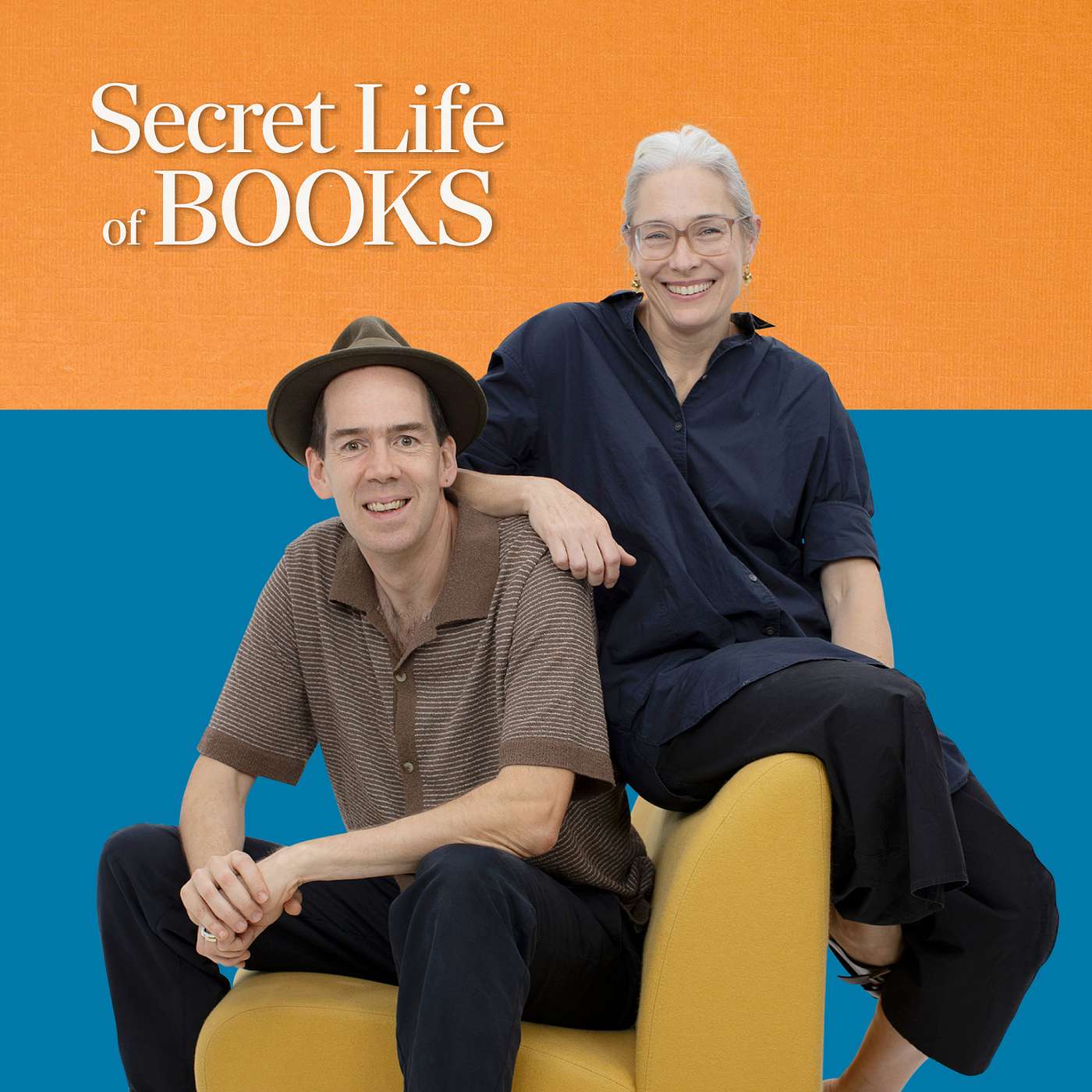
Ep 12Wolf Hall: is this the best historical novel ever written?
Hello Thomas Cromwell. And Hello Lev Grossman, best-selling author of The Magicians trilogy, the Silver Arrow children’s books, and now The Bright Sword, who joins Sophie and Jonty as THEIR FIRST EVER GUEST to talk about Hilary Mantel’s Wolf Hall. Published in 2009 to immediate acclaim, Wolf Hall reinvented historical fiction and changed the way we see Henry VIII and the Tudor court of 16th Century England. Mantel’s idea was to tell the story of Henry VIII and his disastrous marriages through the eyes of his right-hand man Thomas Cromwell. Traditionally thought of as mysterious and Machievallian, Cromwell, in Mantel’s hands, becomes a heroic survivor, navigating his way through a treacherous world. Behind this irresistible story lies Mantel’s own unique philosophy of history, her belief in ghosts and her experience of chronic pain (through endemetriosis). Lev Grossman shares his insights as an author profoundly influenced by Mantel’s use of character, dialogue and perspective; an author who is also, in his view, a master of ‘the title-drop’. Personal revelations abound too. In a shock reveal, Sophie discloses that she is married to Lev, while Jonty manages to trace his personal ancestry back to Thomas Cromwell’s brutal father Walter - raising the alarming possibility of a Putney-style rampage through the SLOB studio. Visit the Secret Life of Books and join a conversation about the episode and the show: https://www.secretlifeofbooks.org/forumFurther Reading:Hilary Mantel, Wolf Hall (Fourth Estate, 2009)Hilary Mantel, A Place of Greater Safety (Harper Perennial, 2009)Hilary Mantel, Giving Up the Ghost (Harper Perennial, 2009) Listen: The Reith Lectures, Hilary Mantel (BBC) Support the showProducer: Boyd BrittonDigital Content Coordinator: Olivia di CostanzoDesigner: Peita JacksonOur thanks to the University of Sydney Business School. Hosted on Acast. See acast.com/privacy for more information.
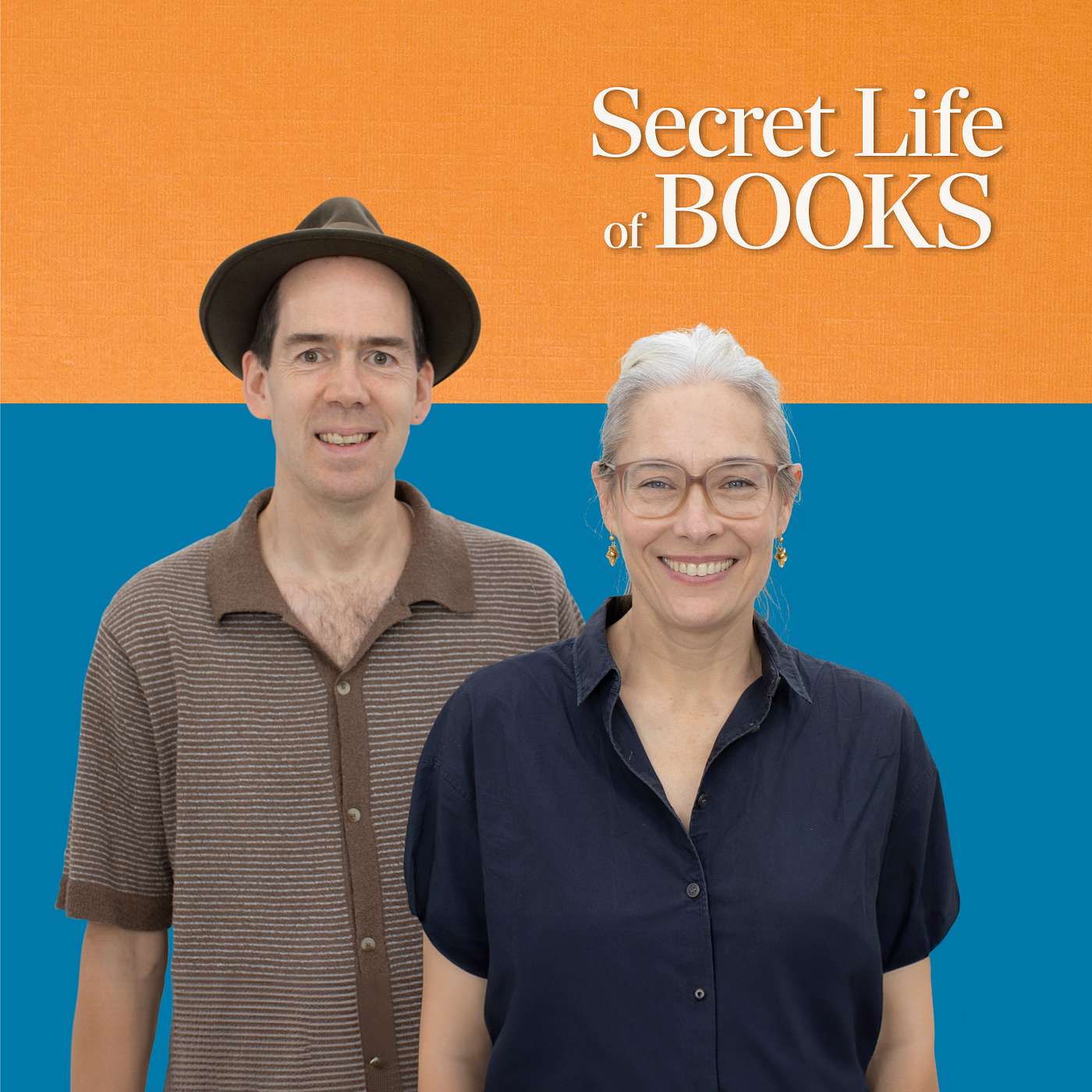
Ep 11Dracula: vampires even weirder than you think. And they may have started WWI
Twenty-first century vampires are the brooding, sparkly anti-heroes of Twilight and Ann Rice— all pointy teeth and hair-product. But they used to be much weirder, scarier and sexier than that. Bram Stoker’s world-changing 1897 novel Dracula is one of the most erotic and thrilling novels in English literature—despite having the most boring opening pages—and it’s crammed with secrets, including the fact that Dracula had a long white mustache, and he made the beds and did the cooking at his at his ultra-scary castle in Transylvania. Stoker himself was a brilliant dancer, a champion fast-walker and a theatrical impresario who was married to—wait for it—Oscar Wilde’s ex-girlfriend.So whatever you’re imagining, we promise you, you’re not ready for this. Join Jonty and Sophie as they dig up the story behind the story of Dracula, which includes Jack the Ripper, Wilde’s trials for homosexuality, Kodak cameras, immigration, industrialization, decapitation, Macbeth, gobs of sex, King James’s Demonologie and a serious case of Victorian-era trainspotting.Oh, and vampires caused World War I. You’ve been warned!Content warning: some references to emotional and physical abuse, mental illness and suicide.Visit the Secret Life of Books and join a conversation about the episode and the show: https://www.secretlifeofbooks.org/forumFurther Reading:Bram Stoker, Dracula, Penguin Classics, (2011)David J. Skal, Something in the Blood: The Untold Story of Bram Stoker, the Man Who Wrote Dracula (Liveright, 2016)Elizabeth Miller & Dacre Stoker, The Lost Journal of Bram Stoker: The Dublin Years (Hellbound Books 2024)Philip Ball, The Modern Myths, Adventures in the Machinery of the Popular Imagination (Chicago UP 2021).Luckhurst R, ed. The Cambridge Companion to Dracula. Cambridge University Press; 2017.Support the showProducer: Boyd BrittonDigital Content Coordinator: Olivia di CostanzoDesigner: Peita JacksonOur thanks to the University of Sydney Business School. Hosted on Acast. See acast.com/privacy for more information.
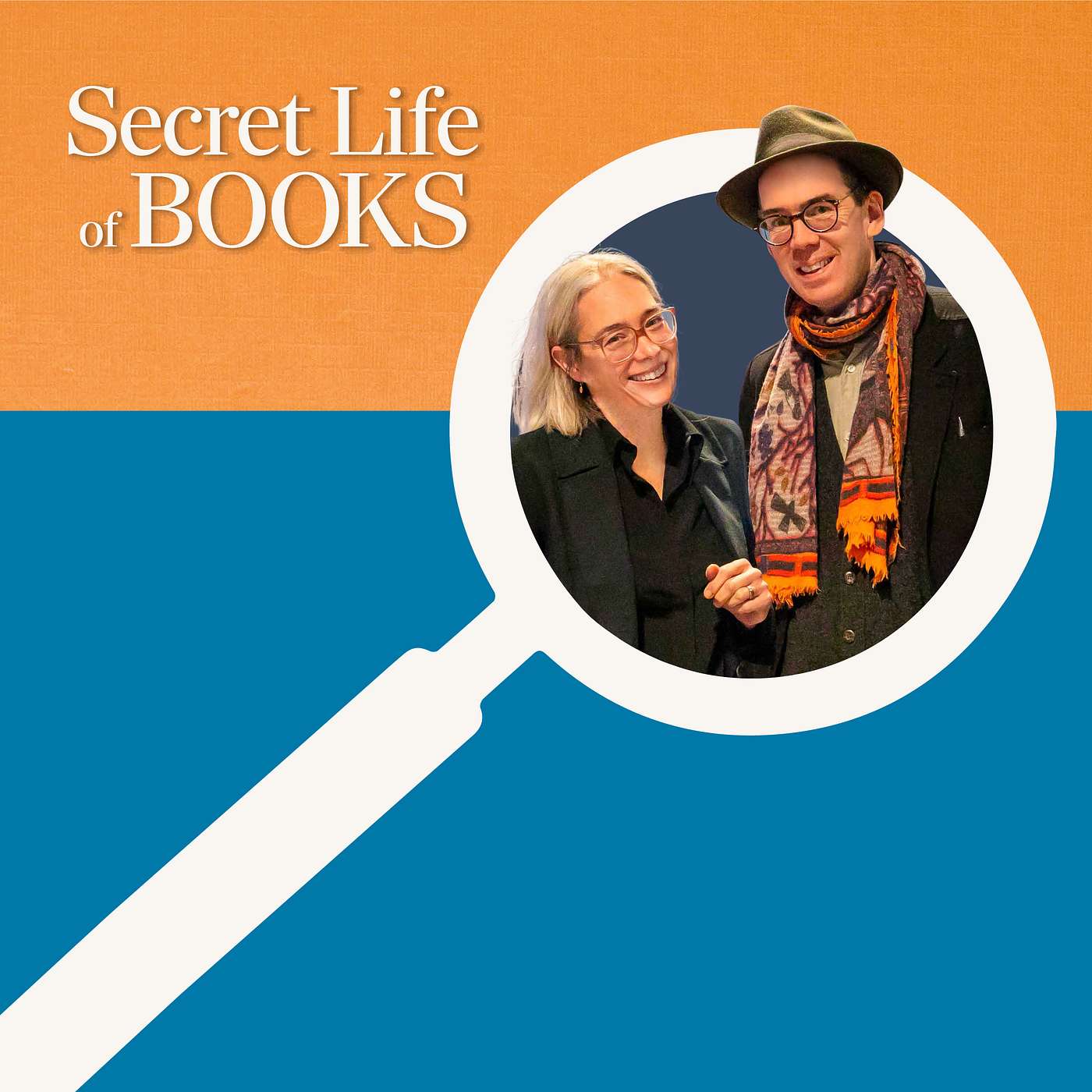
Ep 10Frankenstein: the ultimate monster; the first A.I story; Mary Shelly's multi-generational grief
Frankenstein is English literature’s great myth about Artificial Intelligence, 200 years before A.I. existed. But the world’s most famous monster is nothing like you imagine. Who knew that he chops wood and reads Milton’s Paradise Lost? And who remembers if Frankenstein is the name of the monster, or the mad inventor who made him? Sophie and Jonty explain how and why a brilliant scientist's breakthrough in creating artificial life ends in high drama and rare seabird-sightings in the Arctic circle.Frankenstein’s own creator, the young Mary Shelley, was English literature’s first nepo-baby. She was the daughter of two celebrity intellectuals, the feminist Mary Wollstonecraft and the radical William Godwin. At age 8, hiding behind the sofa in her parents' living room, Mary heard Samuel Taylor Coleridge read aloud The Rime of the Ancient Mariner. She and her husband Percy Bysshe Shelley would become the Brad and Angelina of Regency England, entangled with Lord Byron's circle. Come for the insightful literary analysis – stay for the sex scandals and family dramas.Content warning: references to emotional and physical violence, incest, mental illness and suicide.Further Reading:Mary Shelley, Frankenstein, Penguin Classics, 2018.Daisy Hay, Young Romantics: The Tangled Lives of English Poetry's Greatest Generation (Farrah, Strauss and Giroux, 2010).Charlotte Gordon, Romantic Outlaws: The Extraordinary Lives of Mary Wollstonecraft & Mary Shelley (Random House, 2015)The Cambridge Companion to Frankenstein, ed. Andrew Smith, (Cambridge UP, 2016)Support the showProducer: Boyd BrittonDigital Content Coordinator: Olivia di CostanzoDesigner: Peita JacksonOur thanks to the University of Sydney Business School. Hosted on Acast. See acast.com/privacy for more information.
Ep 9Wuthering Heights: passionate love affairs and dysfunctional families go together
A ghostly face in the dark, a child’s hand through the window, a doleful cry: “I’d lost my way on the moor! - I’ve been a waif for twenty years!” Are we talking about Kate Bush’s 1978 hit single “Wuthering Heights”? No! It’s Emily’s Bronte’s 1847 novel of the same name, back as never before. Heathcliff and Catherine are the doomed lovers in a novel that defied the rules of both realism and fantasy, and redefined the genre for post-Romantic readers.An intergenerational love story of passion, trauma and violence, Wuthering Heights is one of the most famous tales about undying obsession of all time. Sophie and Jonty explain how this masterpiece came to be written by a young woman who barely left her family home in Yorkshire, living with her sisters and brother her whole life. Find out why Wuthering Heights a daring rewriting of the Bronte family’s own tragic secrets, and how a book set on a wild and windy moor, with no buildings or townships for miles on every side, came to be a novel not just about England, but a wider world of revolution and rebellion.Content warning: some references to emotional and physical abuse, mental illness and suicide.Further Reading: Emily Bronte, Wuthering Heights, Norton Critical Edition, ed. Alexandra Lewis (2019).(includes letters, diary-entries, Charlotte Bronte’s introduction to the 1850 edition, contemporary reviews and critical assessments.)Juliet Barker, The Brontes: Wild Genius on the Moors: The Story of a Literary Family (Pegasus, 2013).Catherine Reef, Bronte Sisters: The Brief Lives of Charlotte, Emily, and Anne (2015).Christine Alexander (ed.), The Oxford Companion to the Brontës. (Oxford University Press 2003).Deborah Denenholz Morse, 'The House of Trauma': The Influence of Frederick Douglass on Heathcliff in Emily Brontë's Wuthering Heights. Victorians: A Journal of Culture and Literature, 12/2021, Volume 140, Issue 1. Emma Soberano,“Heathcliff as Bog Creature: Racialized Ecologies in Wuthering Heights,” Nineteenth-Century Contexts, 03/2023, Volume 45, Issue 2.Support the showProducer: Boyd BrittonDigital Content Coordinator: Olivia di CostanzoDesigner: Peita JacksonOur thanks to the University of Sydney Business School. Hosted on Acast. See acast.com/privacy for more information.
Ep 8Wide Sargasso Sea 2: bohemianism, madess and celebrity back in England
It should have taken a year. It took thirty. In writing Wide Sargasso Sea, Jean Rhys endured several mental breakdowns, was arrested numerous times for verbal and physical violence, served time in prison, lost two husbands and suffered a heart attack. All the time, she came to increasingly identify with her heroine, making the inevitable tragedy of the ending all the harder to write. With the aid of ‘pep’ pills (probably amphetamines), supplied by a local vicar, she finally completed the novel in 1966 at the age of 76. It went on to become one of the most revered novels of the 20th Century. Join Sophie and Jonty as they look at Jean Rhys’ agonising but ultimately heroic road to greatness and examine the ways in which she subverts Jane Eyre, taking the literally dehumanised mad woman in the attic and turning her into one of the most psychologically complex characters in 20th century literature. Further reading: Jean Rhys, Wide Sargasso Sea, with introduction by Edwidge Denticat, (Norton, 2016); Miranda Seymour’s I Used to Live Here Once: The Haunted Life of Jean Rhys (Norton, 2022) is a superb piece of detective work, excavating the forgotten years of Rhys’ life as well as those which are recorded. For landmark writing about race, empire and the novel see Gayatri Chakravorty Spivak, “Three Women’s Texts and a Critique of Imperialism,” (Critical Inquiry, vol. 12, no. 1, 1985, pp. 243–61) and Edward Said Orientalism (Vintage, first pub. 1979).Support the showProducer: Boyd BrittonDigital Content Coordinator: Olivia di CostanzoDesigner: Peita JacksonOur thanks to the University of Sydney Business School. Hosted on Acast. See acast.com/privacy for more information.
Ep 7Wide Sargasso Sea 1: tropical gothic in the West Indies and Jane Eyre disrupted
Jean Rhys’ Wide Sargasso Sea, published in 1966, is a bold riposte to Charlotte Bronte’s Jane Eyre, humanising the mad woman in Mr Rochester’s attic. It is less than 150 pages, but took Rhys 30 years to write - one of the most agonising literary births in history. Jean Rhys was born on the Caribbean island of Dominica in 1890 and identified as ‘white Creole’. As a young woman, she moved to England and travelled around Europe, leading a bohemian life of love affairs, alcoholism and occasional destitution. Through the 1920s and 30s, she published a string of semi-autobiographical stories and novels that were critically revered, but failed to sell. After a return visit to Dominica in 1936, she conceived the idea of Wide Sargasso Sea as a novel that would right the great wrong Bronte had done to the Creole people. Join Sophie and Jonty as they look at how Charlotte Bronte got the Caribbean - and its people - wrong, the role of race and colonialism in the English novel, and why Rhys was the right person at the right time to take Bronte to task. Further reading: Jean Rhys, Wide Sargasso Sea, with introduction by Edwidge Denticat, (Norton, 2016); Miranda Seymour’s I Used to Live Here Once: The Haunted Life of Jean Rhys (Norton, 2022) is a superb piece of detective work, excavating the forgotten years of Rhys’ life as well as those which are recorded. For landmark writing about race, empire and the novel see Gayatri Chakravorty Spivak, “Three Women’s Texts and a Critique of Imperialism,” (Critical Inquiry, vol. 12, no. 1, 1985, pp. 243–61) and Edward Said Orientalism (Vintage, first pub. 1979).Support the showProducer: Boyd BrittonDigital Content Coordinator: Olivia di CostanzoDesigner: Peita JacksonOur thanks to the University of Sydney Business School. Hosted on Acast. See acast.com/privacy for more information.
Ep 6Jane Eyre 2: the Brontes' real lives are even wilder than their fiction
When Charlotte Bronte arrived in Brussels at the age of 26 to attend finishing school, she had no idea she would fall desperately in love with the director: Constantine Heger. Heger - a strange, mercurial character - would prove the model for Mr Rochester in Jane Eyre. On returning to Haworth Parsonage, she wrote obsessively to and about him, while her plans to open a school floundered and her brother Branwell sunk deeper into addiction. Determined that her life should not be a failure, she gathered the best poems by herself and her sisters for publication under male pseudonyms. The idea for Jane Eyre came at an intense low in her life, but once started, it poured out within a year. At the start of 1847, her life was a failure, by the end of it she was famous. Join Sophie and Jonty as they look at how Charlotte Bronte turned her vulnerabilities into great art and created one of the most unusual and improbable love affairs in fiction. Recommended reading: Charlotte Bronte, Jane Eyre, Norton Critical Edition, ed. Deborah Lutz (Norton, 2016); Claire Harman, Charlotte Bronte: A Life (Viking, 2015); Sandra Gilbert and Susan Gubar, The Mad Woman in the Attic (Yale University Press, new edition 2000); Christine Alexander, ed., Oxford Companion to the Brontes, (Oxford UP, 2006).Support the showProducer: Boyd BrittonDigital Content Coordinator: Olivia di CostanzoDesigner: Peita JacksonOur thanks to the University of Sydney Business School. Hosted on Acast. See acast.com/privacy for more information.
Ep 5Jane Eyre 1: passion, madness, gaslighting and bad hair days
What on earth was going on in the parlour of Haworth Parsonage in the Yorkshire Moors that caused three sisters to write three of the greatest novels in history within a year of one another? This is the question running through this four-part series of the Brontes. In this first episode, Sophie and Jonty look at the impact of Charlotte Bronte’s Jane Eyre the moment it was published in 1847, causing even the mealy-mouthed Queen Victoria to praise it as ‘intensely interesting’. Charlotte’s life was marred by tragedy: the death of her mother, then her two oldest sisters. She and her remaining sisters, Emily and Anne, created an imaginary world for themselves to hide from the worries of the world. But as they grew older, they were faced with that particularly Victorian problem: what to do with your life if you are a woman without money or any prospect of marriage? Charlotte would ultimately funnel all these tragedies and conundrums into her masterpiece. But we end this episode on a cliffhanger with Charlotte heading off to Brussels to acquire the right qualifications to open a girls’ school at the parsonage, little knowing that she was about to fall headlong - and disastrously - in love. Recommended reading: Charlotte Bronte, Jane Eyre, Norton Critical Edition, ed. Deborah Lutz (Norton, 2016); Claire Harman, Charlotte Bronte: A Life (Viking, 2015); Sandra Gilbert and Susan Gubar, The Mad Woman in the Attic (Yale University Press, new edition 2000); Christine Alexander, ed., Oxford Companion to the Brontes, (Oxford UP, 2006).Support the showProducer: Boyd BrittonDigital Content Coordinator: Olivia di CostanzoDesigner: Peita JacksonOur thanks to the University of Sydney Business School. Hosted on Acast. See acast.com/privacy for more information.
Ep 4Gulliver's Travels Part 2
As we learned in episode one, Gulliver’s Travels is the gloriously unhinged invention of the dirty-minded genius Jonathan Swift, who was also the greatest defender of Ireland under English rule. Swift was a man of contradictions - to put it mildly - a clergyman and patriot who wrote some of the most explicit and shocking poems and essays of all time.In our second episode in this series Sophie and Jonty explain how Swift’s imaginings in Gulliver reflect the real-life love affairs and unrequited passions he had with two women — both called Esther — who were his life-long companions and rivals. We’ll hear how Jonathan Swift invented one of the most popular women’s names in history, so he wouldn’t get confused about the two women in his life. And you’ll learn why Gulliver’s Travels was way ahead of its time as a satire defending Irish suffering under English rule. Suggested reading: Jonathan Swift, Gulliver’s Travels, (Cambridge Edition of the Works of Jonathan Swift, ed. David Wommersley, 2012); Victoria Glendinning, Jonathan Swift: A Portrait (Henry Holt, 1999); John Stubbs, Jonathan Swift: The Reluctant Rebel (Penguin, 2016); Daniel Cook and Nicholas Seager, eds., Cambridge Companion to Gulliver’s Travels, (Cambridge University Press, 2023).Support the showProducer: Boyd BrittonDigital Content Coordinator: Olivia di CostanzoDesigner: Peita JacksonOur thanks to the University of Sydney Business School. Hosted on Acast. See acast.com/privacy for more information.
Ep 3Gulliver's Travels Part 1
Gulliver’s Travels is one of the most popular books of all time, but it’s no mere child’s tale. It’s the GOAT of political satires – mad, dirty and brilliantly cutting, written in 1726 by Jonathan Swift, an Anglo-Irish clergyman and perhaps the most notorious writer of his age. Join us to learn more about the fictional adventures of Swift’s creation Lemuel Gulliver, who finds himself in strange, imaginary lands with tiny people and giant people, mad scientists and talking horses.In the first episode we explain why Swift published Gulliver’s Travels anonymously to avoid being arrested and why this was not the first time Swift had the Prime Minister’s bounty on his head for inflammatory and scandalous writing.Come for the politics, stay for the sex comedy. Swift has one of the dirtiest minds in English literature. How do Swift’s fantasies play out when the giant women of Brobdignag play with the tiny man-doll Gulliver in their private chamber… And what happens when the giant Gulliver needs to use a toilet in a city full of minute people?Suggested reading: Jonathan Swift, Gulliver’s Travels, (Cambridge Edition of the Works of Jonathan Swift, ed. David Wommersley, 2012); Victoria Glendinning, Jonathan Swift: A Portrait (Henry Holt, 1999); John Stubbs, Jonathan Swift: The Reluctant Rebel (Penguin, 2016); Daniel Cook and Nicholas Seager, eds., Cambridge Companion to Gulliver’s Travels, (Cambridge University Press, 2023).Support the showProducer: Boyd BrittonDigital Content Coordinator: Olivia di CostanzoDesigner: Peita JacksonOur thanks to the University of Sydney Business School. Hosted on Acast. See acast.com/privacy for more information.
Ep 1Macbeth: terrorism, gunpowder and treason in James I's London
Macbeth, which actors superstitiously call the Scottish Play, is one of Shakespeare’s shortest and most exciting dramas. It’s also the most horrifying. Join Sophie and Jonty to find out why a play set in 11th-Century Scotland is really about the biggest issues of the day in King James I’s new court in 1606 London. Learn how Shakespeare is taking a major risk using an old tale of kingship to restage the Gunpowder Plot of 1605. Find out just how close the Catholic conspirators led by Guido Fawkes came to blowing up the Houses of Parliament and 30,000 people in Stuart London. During the episode we talk about why it’s a risky choice for Shakespeare to include witches in this play and why “double, double, toil and trouble” is anything but a harmless joke about magic spells and bubbling cauldrons.This is the play that invents the toxic marriage we later see in Gone Girl and Who’s Afraid of Virginia Woolf, and we’ll unpack that, along with some famous moments that are deliberately hard to understand - like the dagger Macbeth sees before him, Lady Macbeth’s unwashed hands, and why the forest of Birnam Wood, moves of its own accord. And we’ll settle the age-old question of why Macbeth has trouble sleeping. Jonty fills us in on how to lift the curse of the Scottish Play if you accidentally say its name, and Sophie gives a 30 second history of the Protestant Reformation. Find out why fans are saying SLOB’s Macbeth in an hour is even better than the real thing!Shakespeare, Macbeth (New Cambridge Shakespeare, 2019); James Shapiro, The Year of Lear: Shakespeare in 1606 (Simon and Schuster, 2015); Stephen Greenblatt, Will in the World: How Shakespare Became Shakespeare, (Norton, 2004)Support the showProducer: Boyd BrittonDigital Content Coordinator: Olivia di CostanzoDesigner: Peita JacksonOur thanks to the University of Sydney Business School. Hosted on Acast. See acast.com/privacy for more information.
Ep 2Alice in Wonderland: rabbit-holes, mad mathematics and the elephant in the room
Alice in Wonderland is one of the most widely translated and quoted books in the world, and yet it is - quite literally - nonsense. How was it ushered into the world and why did it travel quite so far? Lewis Carroll, or Charles Dodgson to his mum and dad, was born in the north of England in 1832. Somehow, the unique circumstances of his life - a wild imagination, hatred of Victorian morality, appalling board school, love of mathematics and photography, debilitating stutter and a not entirely reassuring interest in children - came together in a children’s story of breathtaking originality. Join Sophie and Jonty as they get to grips with this unlikely phenomenon, reveal how Karl Marx, Charles Darwin, the speech pathologist James Hunt, Alice Lidell and an extinct bird all played their part in bringing Alice into being, and ask whether his affection for young girls was part of the spirit of the age or something more disturbing. Recommended reads: Morton N Cohen, Lewis Carroll: A Biography (Knopf, 1995); Robert Douglas-Fairhurst, The Story of Alice (Harvard University Press 2015); Jenny Woolf, The Mystery of Lewis Carroll (Haus Books, 2010)and Jonty Claypole, Words Fail Us Chapter 9 ( Wellcome, 2021); Gillian Beer, Alice in Space: The Sideways World of Lewis Carroll (University of Chicago Press, 2016).Support the showProducer: Boyd BrittonDigital Content Coordinator: Olivia di CostanzoDesigner: Peita JacksonOur thanks to the University of Sydney Business School. Hosted on Acast. See acast.com/privacy for more information.
Secret Life of Books Trailer
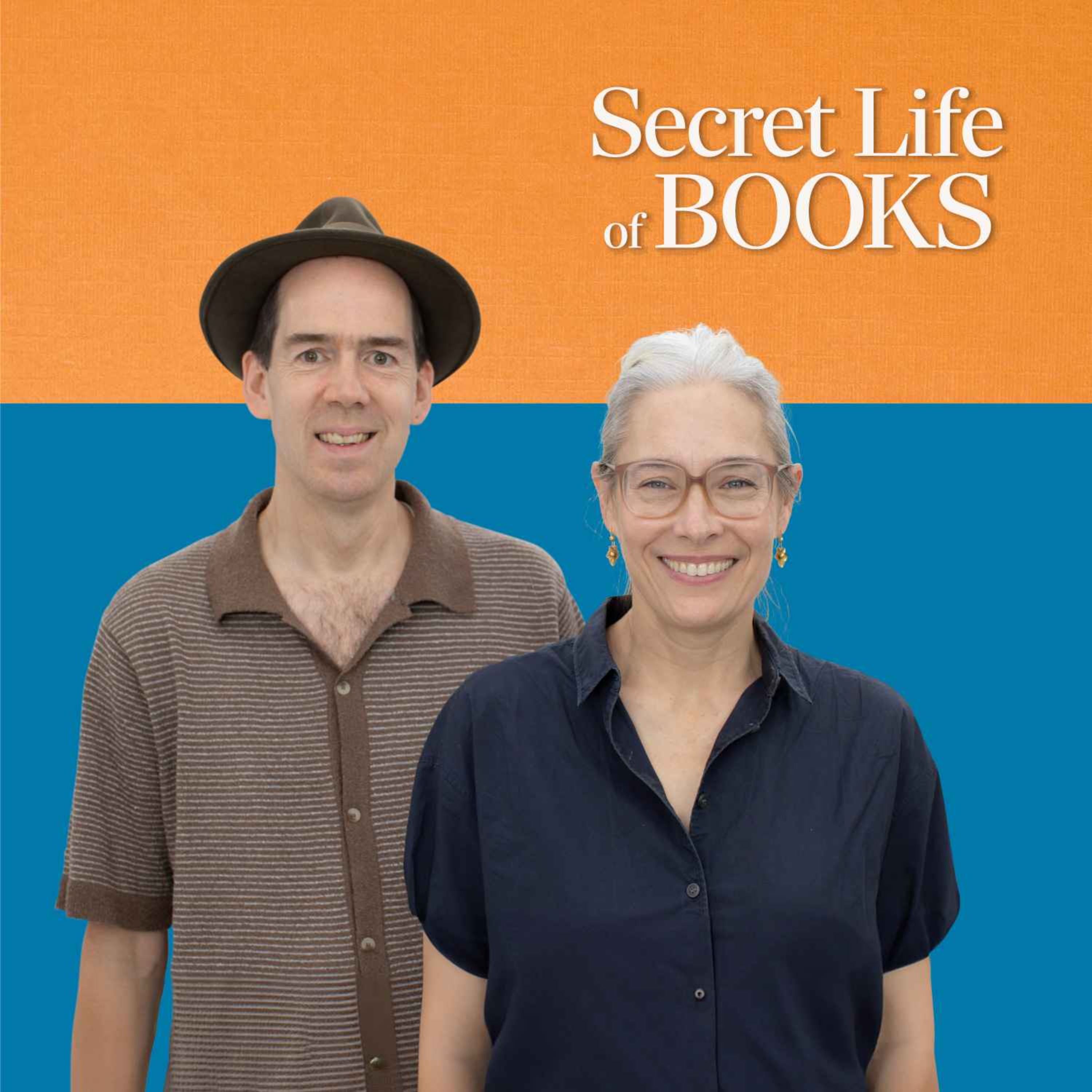
trailerThe Secret Life of Books is a fascinating, addictive, often shocking,occasionally hilarious weekly podcast starring Sophie Gee, professor ofEnglish at Princeton University, and Jonty Claypole, formerly director of arts atthe BBC.Every week these virtuoso critics and close friends take an iconicbook and reveal the hidden story behind the story: who made it, theirclandestine motives, the undeclared stakes, the scandalous backstory andabove all the secret, mysterious meanings of books we thought we knew.Just for example: did you know that Macbeth was a direct response to aterrorist plot against King James I—and Shakespeare himself was connectedto the plotters? That Charles Dickens almost died in a railway accident in 1865, butclimbed out through a window, rescued his mistress, tended to the sick anddying—then went back to retrieve the manuscript for Our Mutual Friend? ThatJane Austen observed the parties and balls of Regency England from above:she towered a full eight inches taller than the average woman of her time?The Secret Life of Books draws on two lifetimes of readerly expertise, but it’s also deeply user-friendly: you’ll feel like a guest at the best dinner party of the year. These are brilliant people who’ll make you feel brilliant, too.With the help of some high-profile guests, Sophie and Jonty won’t just transform the classics, they’ll bring to life the great events and movements in world history—wars and revolutions, breakthroughs and triumphs and disasters—seen in the new light of great art rediscovered. This is a podcast for readers and book groups, students and teachers of literature, but it’s also for fans of history and biography, and anyone who’s excited by dazzling, deeply knowledgeable minds working hard and having the time of their lives.Support the showProducer: Boyd BrittonDigital Content Coordinator: Olivia di CostanzoDesigner: Peita JacksonOur thanks to the University of Sydney Business School. Hosted on Acast. See acast.com/privacy for more information.