
Science Quickly
2,002 episodes — Page 17 of 41

The World's Highest-Dwelling Mammal Lives atop a Volcano
Scientists spotted a mouse at the summit of Llullaillaco, a 22,000-foot-tall volcano on the border of Chile and Argentina. Julia Rosen reports. Learn more about your ad choices. Visit megaphone.fm/adchoices

Dampening of the Senses Is Linked to Dementia Risk
A decline in smell was the sense loss most strongly associated with such risk in a recent study. Christopher Intagliata reports. Learn more about your ad choices. Visit megaphone.fm/adchoices

Translucent Frog Optics Create Camo Color
Rather than undergoing active chameleonlike color changes, glass frogs’ translucency allows light to bounce from their background and go through them—making their apparent color close to their setting. Learn more about your ad choices. Visit megaphone.fm/adchoices

Paired Comparisons Could Mean Better Witness Identifications
Compared with traditional lineup techniques, a series of two-faces-at-a-time choices led to more accurate identification by study witnesses. Learn more about your ad choices. Visit megaphone.fm/adchoices

Foxes Have Dined on Our Leftovers for 30,000 Years
An analysis of fox fossils found evidence that they scavenged from wolf and bear kills until Homo sapiens supplied plenty of horse and reindeer remains. Learn more about your ad choices. Visit megaphone.fm/adchoices

Mexico Caves Reveal Ancient Ocher Mining
Now submerged caves in the Yucatán Peninsula contain remains of ocher-mining operations that date back at least 10,000 years. Learn more about your ad choices. Visit megaphone.fm/adchoices
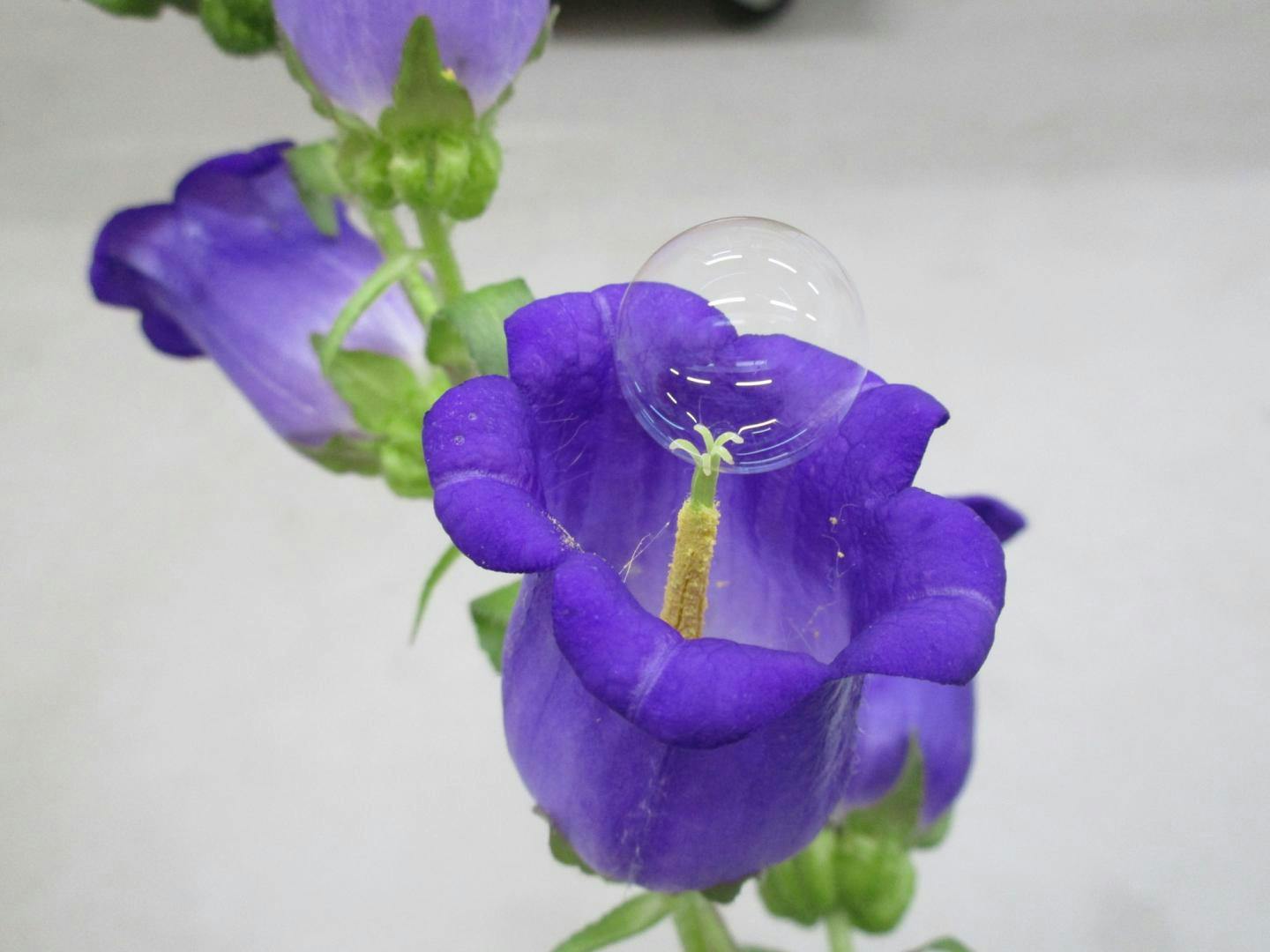
In Bee Shortage, Bubbles Could Help Pollinate
Soap bubbles are sticky enough to carry a pollen payload and delicate enough to land on flowers without harm. Learn more about your ad choices. Visit megaphone.fm/adchoices
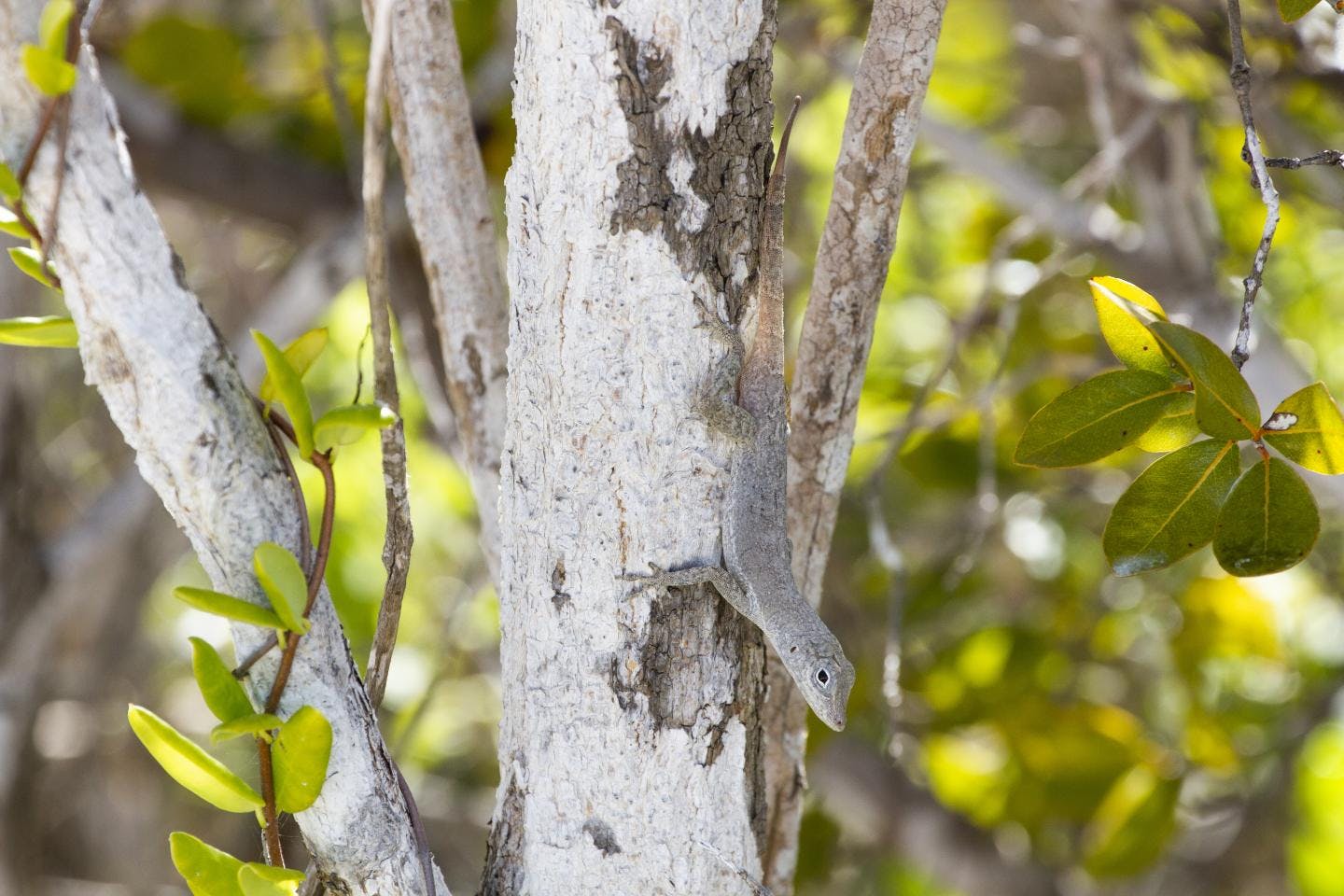
Science News Briefs from around the Planet
Here are some brief reports about science and technology from all over, including one about how a lizard population responded to hurricanes by developing larger and stickier toe pads on average. Learn more about your ad choices. Visit megaphone.fm/adchoices

Seismologists Find the World Quieted Down during Pandemic Lockdowns
COVID-19-related lockdowns dampened human activity around the globe—giving seismologists a rare glimpse of the earth’s quietest rumblings. Christopher Intagliata reports. Learn more about your ad choices. Visit megaphone.fm/adchoices

Old Art Offers Agriculture Info
Art museums are filled with centuries-old paintings with details of plants that today give us clues about evolution and breeding practices. Learn more about your ad choices. Visit megaphone.fm/adchoices

How COVID-19 Decreases Weather Forecast Accuracy
Meteorologists take advantage of weather data collected by commercial jetliners at different altitudes and locations. Fewer flights mean less data. Learn more about your ad choices. Visit megaphone.fm/adchoices

Cricket Avoids Being Bat Food by Doing Nothing
The sword-tailed cricket can discern bats’ echolocation signals by only responding to calls of a certain volume—at which point it plummets out of their approach. Learn more about your ad choices. Visit megaphone.fm/adchoices

Speaker System Blocks City Noise
The system works like noise-cancelling headphones but fits over an open window. Christopher Intagliata reports. Learn more about your ad choices. Visit megaphone.fm/adchoices

Civil War Vaccine May Have Lessons for COVID-19
Vaccination used against smallpox during the Civil War reveals the identity of the distantly related virus used to keep troops disease-free. Learn more about your ad choices. Visit megaphone.fm/adchoices

Can People ID Infectious Disease by Cough and Sneeze Sounds?
Individuals aren’t very good at judging whether someone coughing or sneezing has an infectious condition or is simply reacting to something benign. Learn more about your ad choices. Visit megaphone.fm/adchoices

Why Some Birds Are Likely To Hit Buildings
Those that eat insects, migrate or usually live in the woods are most likely to fly into buildings that feature a lot of glass. Learn more about your ad choices. Visit megaphone.fm/adchoices

Sparrow Song Undergoes Key Change
White-throated sparrows made a change to their familiar call that quickly spread across Canada. Learn more about your ad choices. Visit megaphone.fm/adchoices

Polynesians and Native South Americans Made 12th-Century Contact
Scientists have found snippets of Native South American DNA in the genomes of present-day Polynesians, and they trace the contact to the year 1150. Christopher Intagliata reports. Learn more about your ad choices. Visit megaphone.fm/adchoices

Animals Appreciate Recent Traffic Lull
Researchers saw a third fewer vehicle collisions with deer, elk, moose and other large mammals in the four weeks following COVID-19 shutdowns in three states they tracked. Learn more about your ad choices. Visit megaphone.fm/adchoices
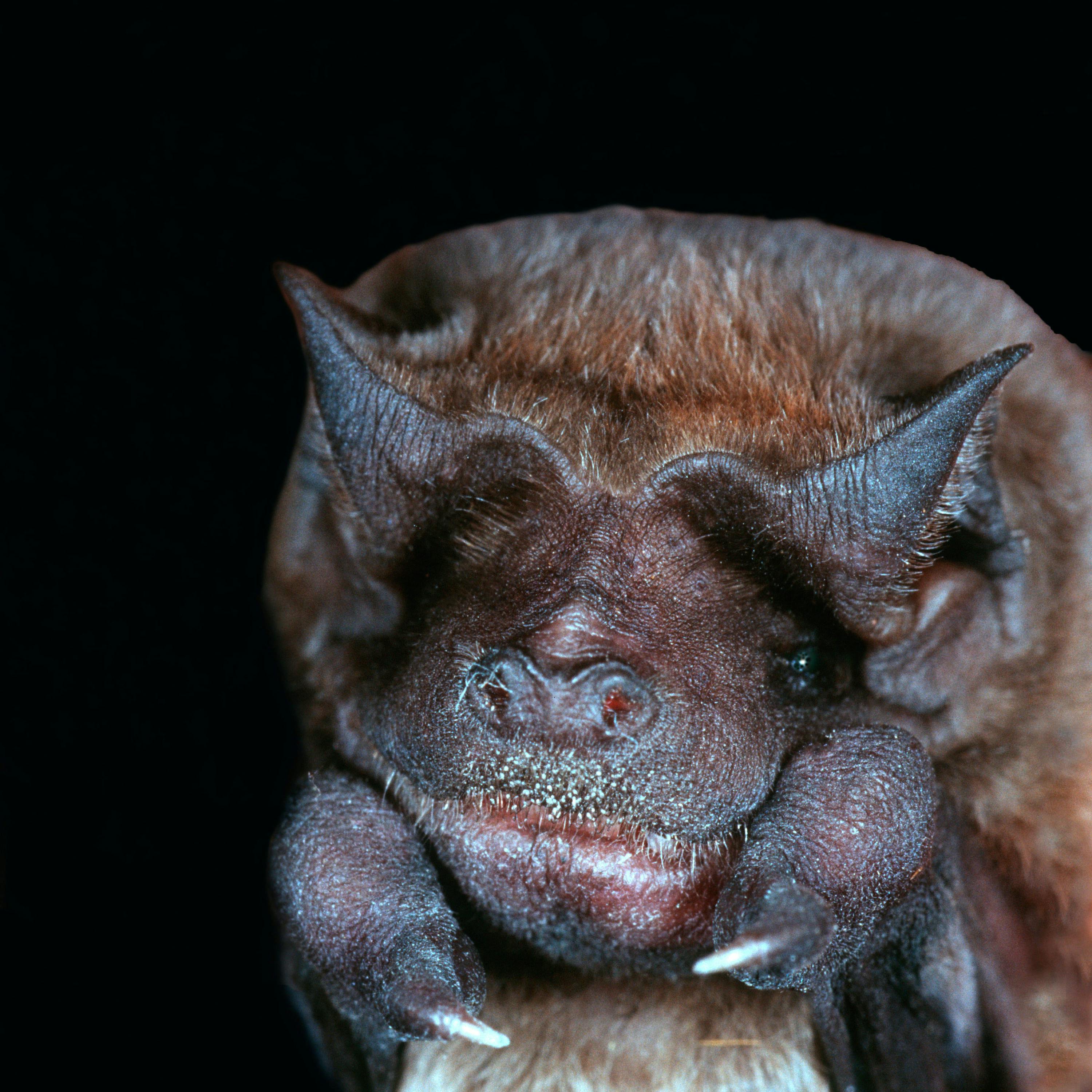
Bat Says Hi as It Hunts
Velvety free-tailed bats produce sounds that help them locate insect prey but simultaneously identify them to their companions. Learn more about your ad choices. Visit megaphone.fm/adchoices

Forests Getting Younger and Shorter
Old, big trees are dying faster than in the past, leaving younger, less biodiverse forests that store less carbon worldwide. Learn more about your ad choices. Visit megaphone.fm/adchoices

Young Great White Sharks Eat off the Floor
The stomach contents of young great white sharks show that they spend a lot of time patrolling the seafloor for meals. Learn more about your ad choices. Visit megaphone.fm/adchoices

Tweets Reveal Politics of COVID-19
Political scientists analyzed congressional tweets and observed how Republicans and Democrats responded differently to the virus. Christopher Intagliata reports. Learn more about your ad choices. Visit megaphone.fm/adchoices

Nature's Goods and Services Get Priced
The gross ecosystem product, or GEP, tries to take into account the contribution of nature to the economy. Learn more about your ad choices. Visit megaphone.fm/adchoices

Animal Migrations Track Climate Change
Many species are known to have changed their migration routes in response to the changing climate. They now include mule deer and Bewick’s swans. Learn more about your ad choices. Visit megaphone.fm/adchoices

Science Briefs from around the World
Here are some brief reports about science and technology from around the planet, including one about a 70-million-year-old mollusk fossil that reveals years back then had a few more days than we have now. Learn more about your ad choices. Visit megaphone.fm/adchoices

Stiffer Roads Could Drive Down Carbon Emissions
By hardening the nation’s streets and highways, trucks would use less fuel and spare the planet carbon emissions. Christopher Intagliata reports. Learn more about your ad choices. Visit megaphone.fm/adchoices

Unicorns of the Sea Reveal Sound Activities
Narwhals, recognizable by their large single tusk, make distinct sounds that are now being analyzed in depth by researchers. Learn more about your ad choices. Visit megaphone.fm/adchoices

Human Speech Evolution Gets Lip-Smacking Evidence
A study of our closest evolutionary relatives finds that the chimp behavior known as lip smacking occurs in the same timing range as human mouths during speech. Learn more about your ad choices. Visit megaphone.fm/adchoices

Printed Coral Could Provide Reef Relief
Three-dimensional printed coral-like structures were able to support the algae that live in real corals, which could help restore reefs and grow algae for bioenergy production. Learn more about your ad choices. Visit megaphone.fm/adchoices

'Snot Palaces' Reveal Undersea Creature Secrets
Scientists are studying the delicate mucus houses built by creatures called larvaceans to better understand how they live. Christopher Intagliata reports. Learn more about your ad choices. Visit megaphone.fm/adchoices

Helping Kids Cope with COVID-19 Worries
The psychological state of children may need special attention during COVID-19 impacts and isolation. Learn more about your ad choices. Visit megaphone.fm/adchoices

Ancient DNA Rewrites Dead Sea Scroll History
By sequencing DNA from the dust of dead sea scrolls, scientists were able to glean new clues about the ancient manuscripts. Christopher Intagliata reports. Learn more about your ad choices. Visit megaphone.fm/adchoices
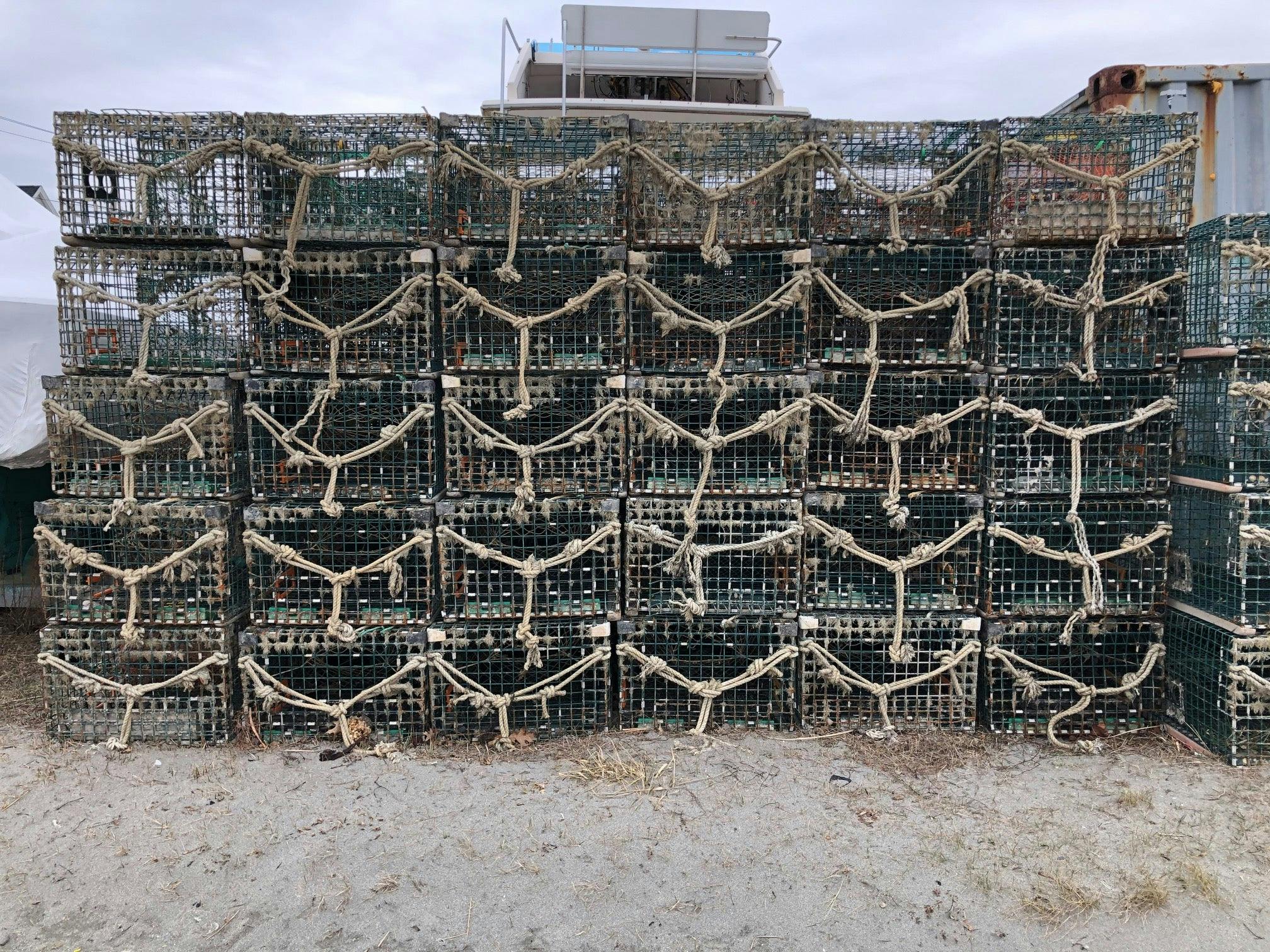
Whale Protections Need Not Cause Lobstering Losses
Right whales, other whales and turtles get caught in lobster trap lines, but fewer lines can maintain the same lobster catch levels. Learn more about your ad choices. Visit megaphone.fm/adchoices

How to Keep COVID-19 Conspiracies Contained
An expert on climate denial offers tips for inoculating people against coronavirus conspiracy notions. Learn more about your ad choices. Visit megaphone.fm/adchoices

Bioluminescence Helps Prey Avoid Hungry Seals
Prey animals flash biochemically produced light to confuse elephant seals hunting in the dark. But at least one seal turned the tables. Learn more about your ad choices. Visit megaphone.fm/adchoices

3 Words Mislead Online Regional Mood Analysis
Analyzing keywords on Twitter can offer a loose measure of the subjective well-being of a community, as long as you don’t count three words: good, love and LOL. Learn more about your ad choices. Visit megaphone.fm/adchoices

COVID Has Changed Soundscapes Worldwide
The Silent Cities project is collecting sound from cities around the planet during the coronavirus pandemic to give researchers a database of natural sound in areas usually filled with human-generated noise. Learn more about your ad choices. Visit megaphone.fm/adchoices

Science News Briefs from All Over
Here are some brief reports about science and technology from around the planet, including one about an incredibly well-preserved horned lark (Eremophila alpestris), like the one pictured, that lived 46,000 years ago. Learn more about your ad choices. Visit megaphone.fm/adchoices

Colorful Corals Beat Bleaching
Exposed to mildly warmer waters, some corals turn neon instead of bleaching white. The dramatic colors may help coax symbiotic algae back. Christopher Intagliata reports. Learn more about your ad choices. Visit megaphone.fm/adchoices

Skinny Genes Tell Fat to Burn
A gene whose mutated form is associated with cancer in humans turns out to have a role in burning calories over a long evolutionary history. Learn more about your ad choices. Visit megaphone.fm/adchoices

Malaria Mosquitoes Are Biting before Bed-Net Time
Mosquitoes that like to bite at night are being thwarted by bed nets, leading to the rise of populations that prefer to bite when the nets are not up yet. Learn more about your ad choices. Visit megaphone.fm/adchoices

We're Being Tested
President Trump pointed out yesterday that if we didn't do any testing for the virus we would have very few cases, which forces us to confront the issues posed by testing in general. Learn more about your ad choices. Visit megaphone.fm/adchoices

Barn Owl Babies Can Be Helpful Hatch Mates
Food sharing is mainly found in adult animals as a part of social bonding. But in a rarely observed behavior in birds, older barn owl chicks will share food with younger ones. Learn more about your ad choices. Visit megaphone.fm/adchoices

Donut Sugar Could Help Stored Blood Last
Dehydrated blood that could be kept at room temperature for years may be possible thanks to a sugar used to preserve donuts—and made by tardigrades and brine shrimp so they can dry out and spring back with water. Learn more about your ad choices. Visit megaphone.fm/adchoices

Lemur Flirting Uses Common Scents
To entice female ring-tailed lemurs, males rub wrist secretions, which include compounds we use in perfumes, onto their tail and then wave it near the gals. Learn more about your ad choices. Visit megaphone.fm/adchoices

Flamingos Can Be Picky about Company
They don’t stand on one leg around just anybody but often prefer certain members of the flock. Learn more about your ad choices. Visit megaphone.fm/adchoices
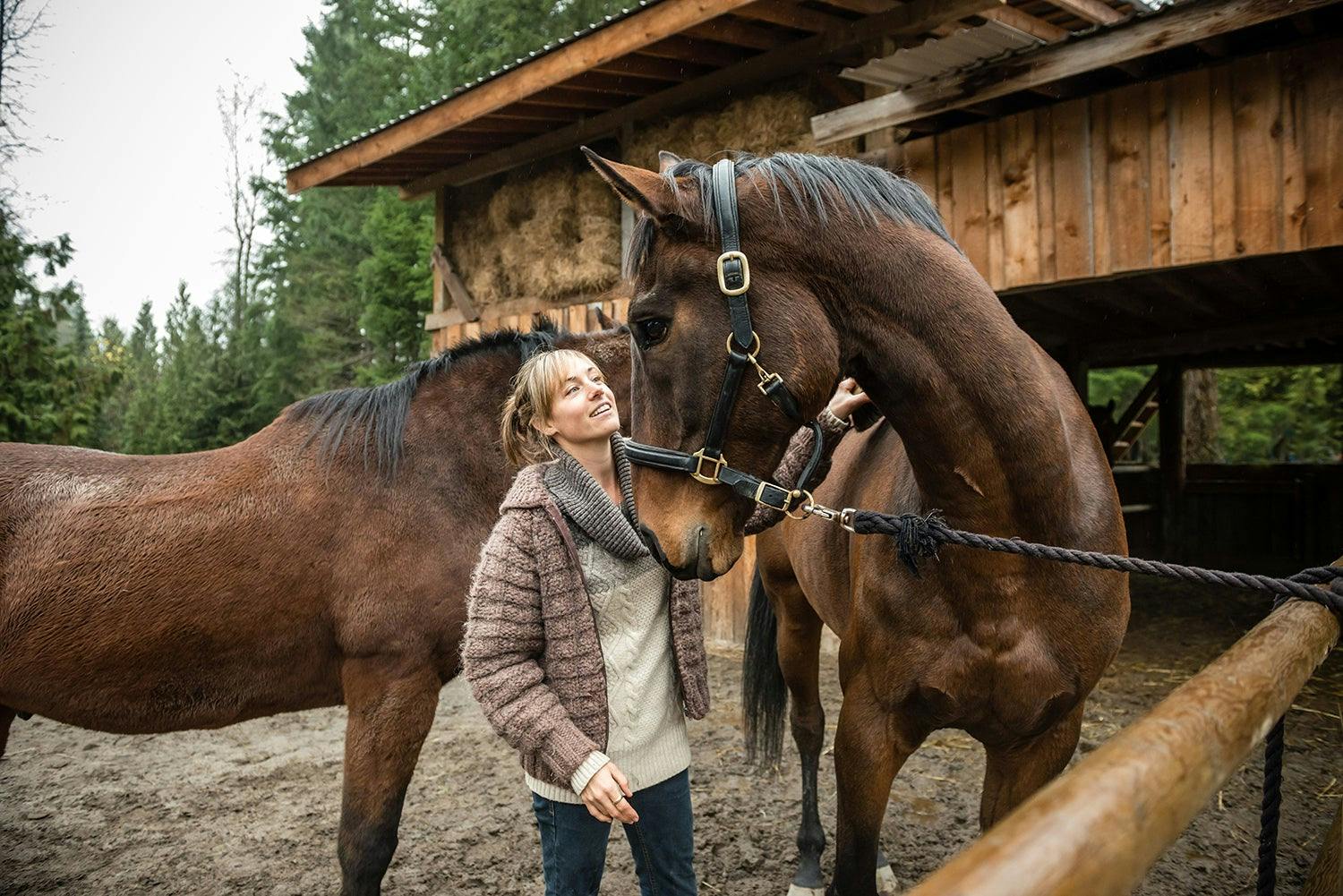
Horses Recognize Pics of Their Keepers
Horses picked out photographs of their current keepers, and even of former keepers whom they had not seen in months, at a rate much better than chance. Learn more about your ad choices. Visit megaphone.fm/adchoices

Tapirs Help Reforestation via Defecation
The large herbivores appear to prefer disturbed areas over more intact ones and spread many more seeds in those places through their droppings. Learn more about your ad choices. Visit megaphone.fm/adchoices

Virus-Infected Bees Practice Social Distancing
Bees infected with a virus cut back on interactions within their hive but find it easier to get past sentries at neighboring hives. Learn more about your ad choices. Visit megaphone.fm/adchoices