Science Quickly
2,002 episodes — Page 16 of 41

Early Mammals Had Social Lives, Too
Chipmunklike animals that lived among the dinosaurs appear to have been social creatures, which suggests that sociality arose in mammals earlier than scientists thought. Christopher Intagliata reports. Learn more about your ad choices. Visit megaphone.fm/adchoices

Science News Briefs from All Over
Here are some brief reports about science and technology from around the world, including one, from the dormant volcano Llullaillaco in Chile, about a mouse that is the highest-dwelling mammal ever documented. Learn more about your ad choices. Visit megaphone.fm/adchoices

Divide and Conquer Could Be Good COVID Strategy
COVID might be fought efficiently with fewer shutdowns by restricting activities only in a particular area with a population up to 200,000 when its case rate rises above a chosen threshold. Learn more about your ad choices. Visit megaphone.fm/adchoices
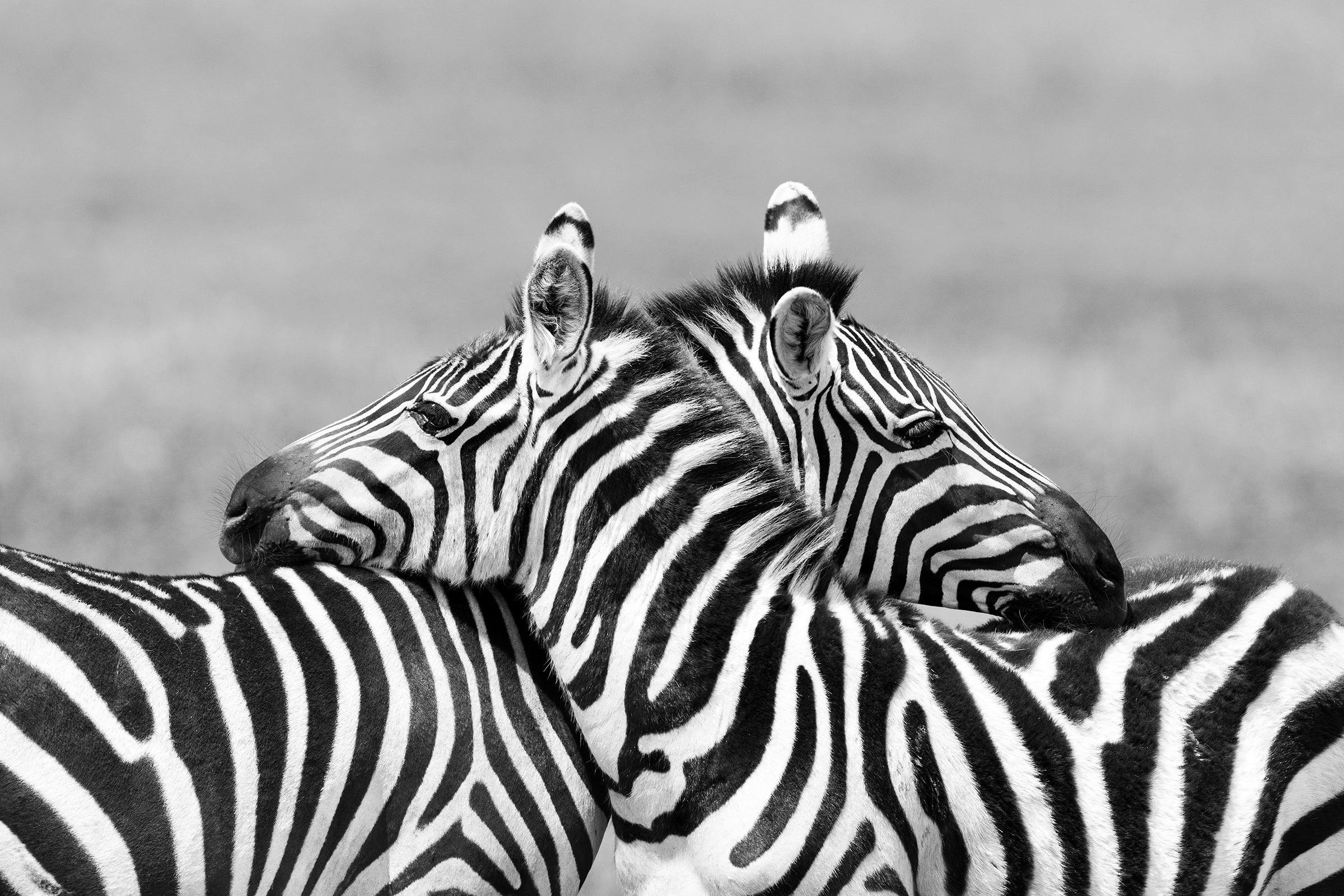
Zebra Coloration Messes With Fly Eyes
Horseflies misjudge landings on zebra patterns, compared with solid gray or black surfaces, which provides evidence for why evolution came up with the black-and-white pattern. Learn more about your ad choices. Visit megaphone.fm/adchoices

Science Sound(E)scapes: Head Banging and Howling in the Amazon
Need a break from politics and the pandemic? You’re probably not in the Amazon rain forest right now, but we can take you there in audio. Today, in part three of our three-part audio sound escape, we ascend into the trees where howler monkeys and crimson-crested woodpeckers rule the airwaves. Learn more about your ad choices. Visit megaphone.fm/adchoices

Science Sound(E)scapes: Amazon Frog Choruses at Night
Need a break from politics and the pandemic? You’re probably not in the Amazon rain forest right now, but we can take you there in audio. Today, in part two of our three-part audio sound escape, we descend into a nighttime flood of frog music. Learn more about your ad choices. Visit megaphone.fm/adchoices

Science Sound(E)scapes: Amazon Pink River Dolphins
Need a break from politics and the pandemic? You’re probably not in the Amazon rain forest right now, but we can take you there in audio. Today, in part one of our three-part audio sound escape, we listen to dolphins hunting among the trees. Learn more about your ad choices. Visit megaphone.fm/adchoices

Frog Vocals Lead to Small Preference
The concave-eared torrent frog's unusual ear anatomy lets it hear high-frequency calls, which gives a mating advantage to the littler males that sing soprano. Learn more about your ad choices. Visit megaphone.fm/adchoices

Science News Briefs from around the Globe
Here are some brief reports about science and technology from all over, including one from the United Arab Emirates about the the first interplanetary mission by an Arab country. Learn more about your ad choices. Visit megaphone.fm/adchoices

Election Science Stakes: Technology
We wrap up our preelection series with Scientific American senior editor Jen Schwartz, who talks about the possible effects of the election results on technology development and use. Learn more about your ad choices. Visit megaphone.fm/adchoices

Election Science Stakes: Energy
Scientific American senior editor Mark Fischetti and associate editor Andrea Thompson talk about this election and the future of U.S. energy research and policy. Learn more about your ad choices. Visit megaphone.fm/adchoices

Election Science Stakes: Environment
Scientific American senior editor Mark Fischetti talks about how this election will affect environmental science and policy. Learn more about your ad choices. Visit megaphone.fm/adchoices

Election Science Stakes: Climate
Scientific American’s associate editor for sustainability Andrea Thompson talks about how climate science and policy will be affected by this election. Learn more about your ad choices. Visit megaphone.fm/adchoices

Election Science Stakes: Medicine and Public Health
Scientific American’s senior medicine editor Josh Fischman talks about issues in medicine and public health that will be affected by this election. Learn more about your ad choices. Visit megaphone.fm/adchoices

Election 2020: The Stakes for Science
Scientific American’s editor in chief sets up this week’s series of podcasts about how this election could affect science, technology and medicine. Learn more about your ad choices. Visit megaphone.fm/adchoices
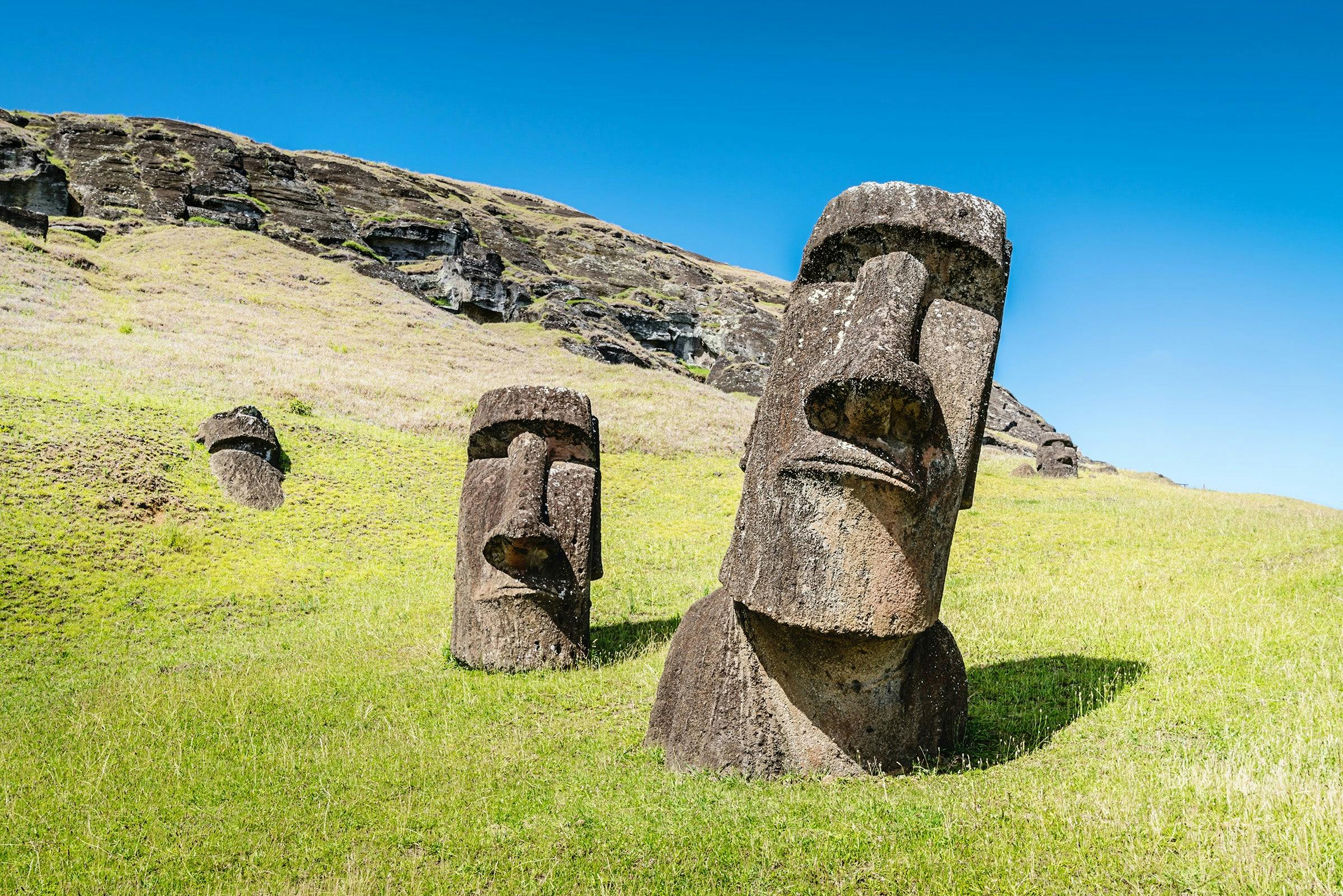
Why Some Easter Island Statues Are Where They Are
Many of the statues not along the coast are in places that featured a resource vital to the communities that lived and worked there. Learn more about your ad choices. Visit megaphone.fm/adchoices

Acorn Woodpeckers Fight Long, Bloody Territorial Wars
More than 40 of the birds, in coalitions of three or four, may fight for days over oak trees in which to store their acorns. Learn more about your ad choices. Visit megaphone.fm/adchoices

Funky Cheese Rinds Release an Influential Stench
The volatile compounds released by microbial communities on cheese rinds shape and shift a cheese’s microbiome. Christopher Intagliata reports. Learn more about your ad choices. Visit megaphone.fm/adchoices

Dinosaur Asteroid Hit Worst-Case Place
The mass-extinction asteroid happened to strike an area where the rock contained a lot of organic matter and sent soot into the stratosphere, where it could block sunlight for years. Learn more about your ad choices. Visit megaphone.fm/adchoices

River Ecosystem Restoration Can Mean Just Add Water
Planners returned water to the dry bed of Arizona’s Santa Cruz River in 2019, and various species began showing up on the same day. Learn more about your ad choices. Visit megaphone.fm/adchoices

3,000-Year-Old Orbs Provide a Glimpse of Ancient Sport
Researchers say three ancient leather balls, dug up from the tombs of horsemen in northwestern China, are the oldest such specimens from Europe or Asia. Christopher Intagliata reports. Learn more about your ad choices. Visit megaphone.fm/adchoices

Humans Make Wild Animals Less Wary
From mammals to mollusks, animals living among humans lose their antipredator behaviors. Learn more about your ad choices. Visit megaphone.fm/adchoices
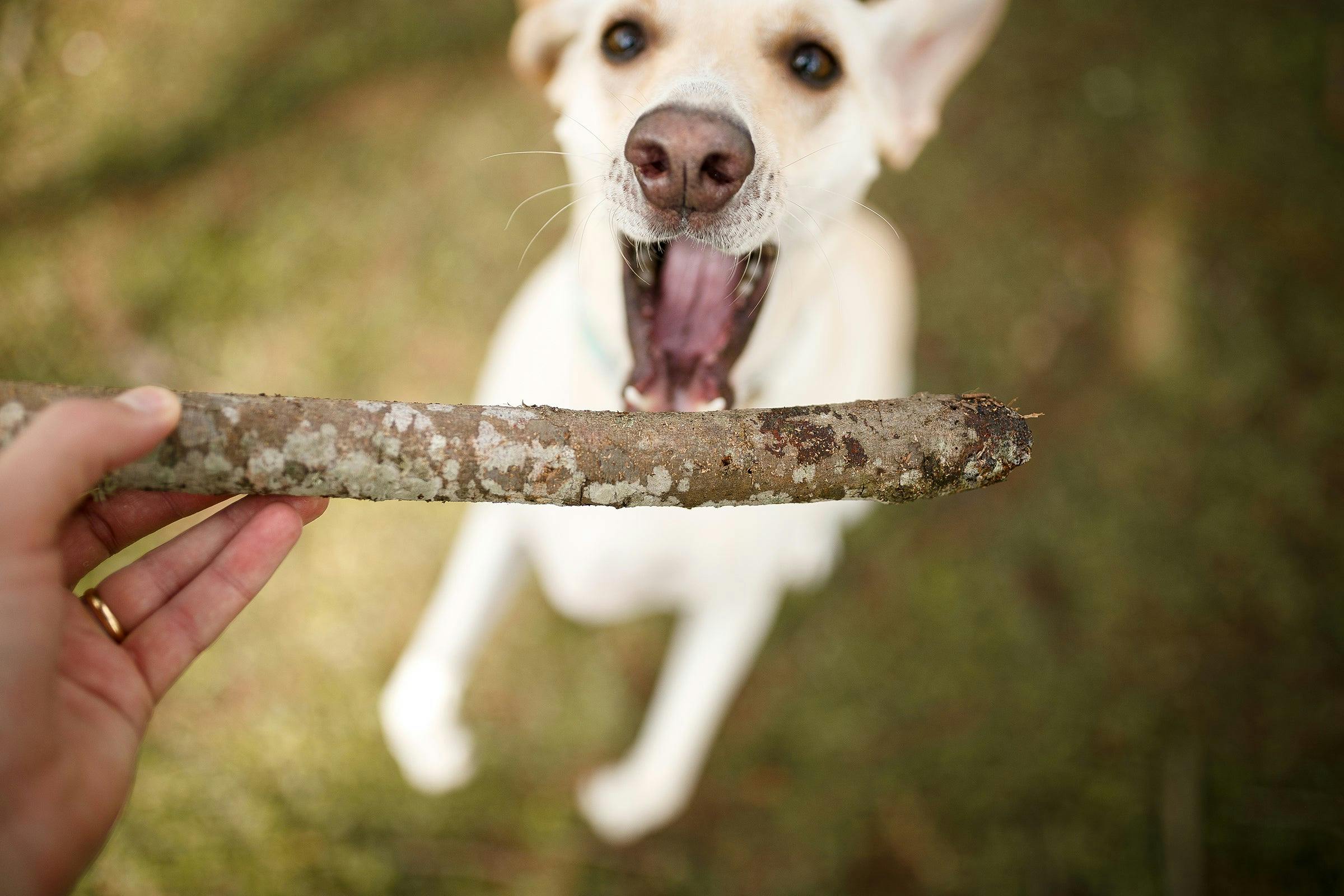
Play Helped Dogs Be Our Best Friends
The ancestors of today’s dogs already exhibited some playfulness, which became a key trait during domestication. Learn more about your ad choices. Visit megaphone.fm/adchoices

Neandertal DNA May Be COVID Risk
A stretch of Neandertal DNA has been associated with some cases of severe COVID-19, but it’s unclear how much of a risk it poses. Christopher Intagliata reports. Learn more about your ad choices. Visit megaphone.fm/adchoices

Nobelist Talks CRISPR Uses
New Nobel laureate in chemistry Jennifer Doudna talks about various applications of the gene-editing tool CRISPR. Learn more about your ad choices. Visit megaphone.fm/adchoices

Blue Whale Song Timing Reveals Time to Go
Blue whales off California’s coast sing at night—until it’s time to start migrating, and they switch to daytime song. Learn more about your ad choices. Visit megaphone.fm/adchoices

New Nobel Laureate Talks Today's Virology
Charles Rice, who today shared the Nobel Prize in Physiology or Medicine for the discovery of the hepatitis C virus, talked about how rapidly research now occurs, compared with his early work. Learn more about your ad choices. Visit megaphone.fm/adchoices

Greenland Is Melting Faster Than Any Time in Past 12,000 Years
Researchers determined that Greenland is on track to lose more ice this century than during any of the previous 120 centuries. Christopher Intagliata reports. Learn more about your ad choices. Visit megaphone.fm/adchoices

Sloths Slowly Cavort by Day Now
The disappearance of their predators in a disturbed ecosystem has turned Atlantic forest sloths from night creatures to day adventurers. Learn more about your ad choices. Visit megaphone.fm/adchoices

Dinosaurs Got Cancer, Too
Researchers seeking evidence for cancer in dinosaurs found it in a collection of bones at a paleontology museum in Alberta. Learn more about your ad choices. Visit megaphone.fm/adchoices

Fluttering Feathers Could Spawn New Species
Fork-tailed flycatchers make a fluttering sound with their wings—but separate subspecies have different “dialects” of fluttering. Christopher Intagliata reports. Learn more about your ad choices. Visit megaphone.fm/adchoices

Science News from around the World
Here are some brief reports about science and technology from all over, including one from Israel about what DNA reveals about the Dead Sea Scrolls’ parchment. Learn more about your ad choices. Visit megaphone.fm/adchoices

These Small Mammals Snort to a Different Tune
Hyraxes, which live in Africa and the Middle East, punctuate their songs with snorts. And the snorts appear to reflect the animals’ emotional state. Jason G. Goldman reports. Learn more about your ad choices. Visit megaphone.fm/adchoices

Ice Age Temperatures Help Predict Future Warming
Scientists determined that temperatures were 11 degrees cooler during the last ice age—and that finding has implications for modern-day warming. Julia Rosen reports. Learn more about your ad choices. Visit megaphone.fm/adchoices

High-Elevation Hummingbirds Evolved a Temperature Trick
Hummingbirds in the Peruvian Andes enter a state of torpor at night to conserve energy, dipping their body temperature to as low as 38 degrees Fahrenheit. Christopher Intagliata reports. Learn more about your ad choices. Visit megaphone.fm/adchoices

Why Pet Pigs Are More like Wolves Than Dogs
Given an impossible task, a dog will ask a human for help, but a wolf will not seek help—and neither will a pet pig. Learn more about your ad choices. Visit megaphone.fm/adchoices

Bricks Can Be Turned into Batteries
Pumping cheap iron-oxide-rich red bricks with specific vapors that form polymers enables the bricks to become electrical-charge-storage devices. Learn more about your ad choices. Visit megaphone.fm/adchoices

Leftovers Are a Food-Waste Problem
Researchers found that leftovers are likely to end up in the trash, so they advise cooking smaller meals in the first place to avoid food waste. Christopher Intagliata reports. Learn more about your ad choices. Visit megaphone.fm/adchoices

Some Dinosaurs Probably Nested in Arctic
The finding of a baby dinosaur fossil in the Arctic implies that some dinos nested in the region, which was milder than today but not toasty. Learn more about your ad choices. Visit megaphone.fm/adchoices

Star Systems Can Be Born Topsy-Turvy
Astronomers observed an odd triple-star system that offers clues about misaligned planetary orbits. Christopher Intagliata reports. Learn more about your ad choices. Visit megaphone.fm/adchoices

Death by Lightning Is Common for Tropical Trees
A study estimates that 200 million trees in the tropics are mowed down by lightning annually. Learn more about your ad choices. Visit megaphone.fm/adchoices

Science Briefs from around the World
Here are some brief reports about science and technology from all over, including one from Antarctica about how there’s something funny about penguin poop. Learn more about your ad choices. Visit megaphone.fm/adchoices

Alaska's Salmon Are Shrinking
Every year, Alaska’s big salmon runs feature smaller salmon. Climate change and competition with hatchery-raised salmon may be to blame. Julia Rosen reports. Learn more about your ad choices. Visit megaphone.fm/adchoices

End of 'Green Sahara' May Have Spurred a Megadrought in Southeast Asia
That drought may have brought about societal shifts in the region 5,000 years ago. Christopher Intagliata reports. Learn more about your ad choices. Visit megaphone.fm/adchoices

White Rhinos Eavesdrop to Know Who's Who
The finding could potentially help wildlife managers keep better tabs on their herds. Jason G. Goldman reports. Learn more about your ad choices. Visit megaphone.fm/adchoices

Prehistoric Marine Reptile Died after a Giant Meal
Researchers found extra bones within a 240-million-year-old ichthyosaur fossil—which they determined to be the ichthyosaur’s last, possibly fatal meal. Christopher Intagliata reports. Learn more about your ad choices. Visit megaphone.fm/adchoices

Cows with Eye Images Keep Predators in Arrears
Butterflies, fish and frogs sport rear-end eyespots that reduce predation. Painting eye markings on cows similarly seems to ward off predators. Learn more about your ad choices. Visit megaphone.fm/adchoices

Warbler Species Fires Up Song Diversity
Hermit warblers in California have developed 35 different song dialects, apparently as a result of wildfires temporarily driving them out of certain areas. Learn more about your ad choices. Visit megaphone.fm/adchoices

Why Lava Worlds Shine Brightly (It's Not the Lava)
Scientists determined that “lava world” exoplanets do not derive their brightness from molten rock but possibly get it from reflective metallic clouds. Christopher Intagliata reports. Learn more about your ad choices. Visit megaphone.fm/adchoices

Aardvarks Are Ailing amid Heat and Drought
Climate change is expected to bring more frequent droughts and heat waves to Africa’s Kalahari Desert. And aardvarks might not be able to cope. Jason G. Goldman reports. Learn more about your ad choices. Visit megaphone.fm/adchoices