Science Quickly
2,002 episodes — Page 14 of 41

Canary Islands Eruption Resets Volcano Forecasts
A volcanologist says the eruption on the island of La Palma is a unique window into the “personality” of basaltic volcanoes. Learn more about your ad choices. Visit megaphone.fm/adchoices

COVID Quickly, Episode 21: Vaccines against Omicron and Pandemic Progress
Today we bring you a new episode in our podcast series COVID, Quickly. Every two weeks, Scientific American’s senior health editors Tanya Lewis and Josh Fischman catch you up on the essential developments in the pandemic: from vaccines to new variants and everything in between. You can listen to all past episodes here. Learn more about your ad choices. Visit megaphone.fm/adchoices

As Forests Burn, a Climate Puzzle Materializes in the Far North
A 15-year study of where carbon lies in boreal forests has unearthed a surprising finding. Learn more about your ad choices. Visit megaphone.fm/adchoices

Astronomers Spot Two Dust Bunnies Hiding in the Early Universe
The scientists found several previously hidden galaxies that date back to 13 billion years ago—and many more might be missing from our current census of the early universe. Learn more about your ad choices. Visit megaphone.fm/adchoices

COVID Quickly, Episode 20: The Omicron Scare, and Anti-COVID Pills Are Coming
Today we bring you a new episode in our podcast series COVID, Quickly. Every two weeks, Scientific American’s senior health editors Tanya Lewis and Josh Fischman catch you up on the essential developments in the pandemic: from vaccines to new variants and everything in between. You can listen to all past episodes here. Learn more about your ad choices. Visit megaphone.fm/adchoices

To Better Persuade a Human, a Robot Should Use This Trick
A new study finds that, for robots, overlords are less persuasive than peers. Learn more about your ad choices. Visit megaphone.fm/adchoices

Redo of a Famous Experiment on the Origins of Life Reveals Critical Detail Missed for Decades
The Miller-Urey experiment showed that the conditions of early Earth could be simulated in a glass flask. New research finds the flask itself played an underappreciated, though outsize, role. Learn more about your ad choices. Visit megaphone.fm/adchoices

COVID Quickly, Episode 19: Mandate Roadblocks, Boosters for All and Sickness in the Zoo
Today we bring you a new episode in our podcast series COVID, Quickly. Every two weeks, Scientific American’s senior health editors Tanya Lewis and Josh Fischman catch you up on the essential developments in the pandemic: from vaccines to new variants and everything in between. You can listen to all past episodes here. Learn more about your ad choices. Visit megaphone.fm/adchoices

Flocking Together May Have Helped Dinosaurs Dominate the Earth
A fossil bed in Patagonia provides evidence of complex social structure in dinosaurs as early as 193 million years ago. And scientists say that herding behavior could have been key to the beasts’ success. Learn more about your ad choices. Visit megaphone.fm/adchoices
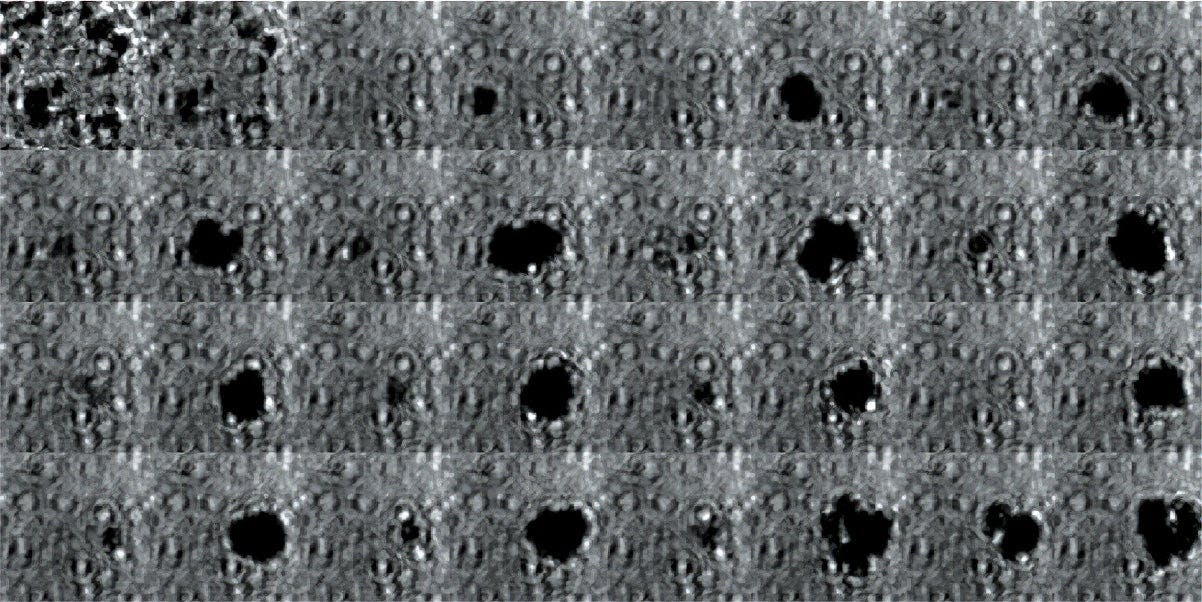
Engineered Bacteria Use Air Bubbles as Acoustically Detonated Tumor TNT
Ultrasound triggered cells home in on tumors and then self destruct to deliver damage or therapeutics from inside. Learn more about your ad choices. Visit megaphone.fm/adchoices

COVID Quickly, Episode 18: Vaccines for Kids and the Limits of Natural Immunity
Today we bring you a new episode in our podcast series COVID, Quickly. Every two weeks, Scientific American’s senior health editors Tanya Lewis and Josh Fischman catch you up on the essential developments in the pandemic: from vaccines to new variants and everything in between. You can listen to all past episodes here. Learn more about your ad choices. Visit megaphone.fm/adchoices

These Bugs Produce Smelly Defenses That Need to Be Heard to Be Believed
You read that right. Researchers have taken the chemical defenses of some insects and turned them into sounds, which, it turns out, repel people just as well. Learn more about your ad choices. Visit megaphone.fm/adchoices

For Some Parents, Hiding a Dead Body Shows How Much You Care
Over millions of years of evolution, some beetles have learned to dampen the stench of decay to help their young thrive. Learn more about your ad choices. Visit megaphone.fm/adchoices
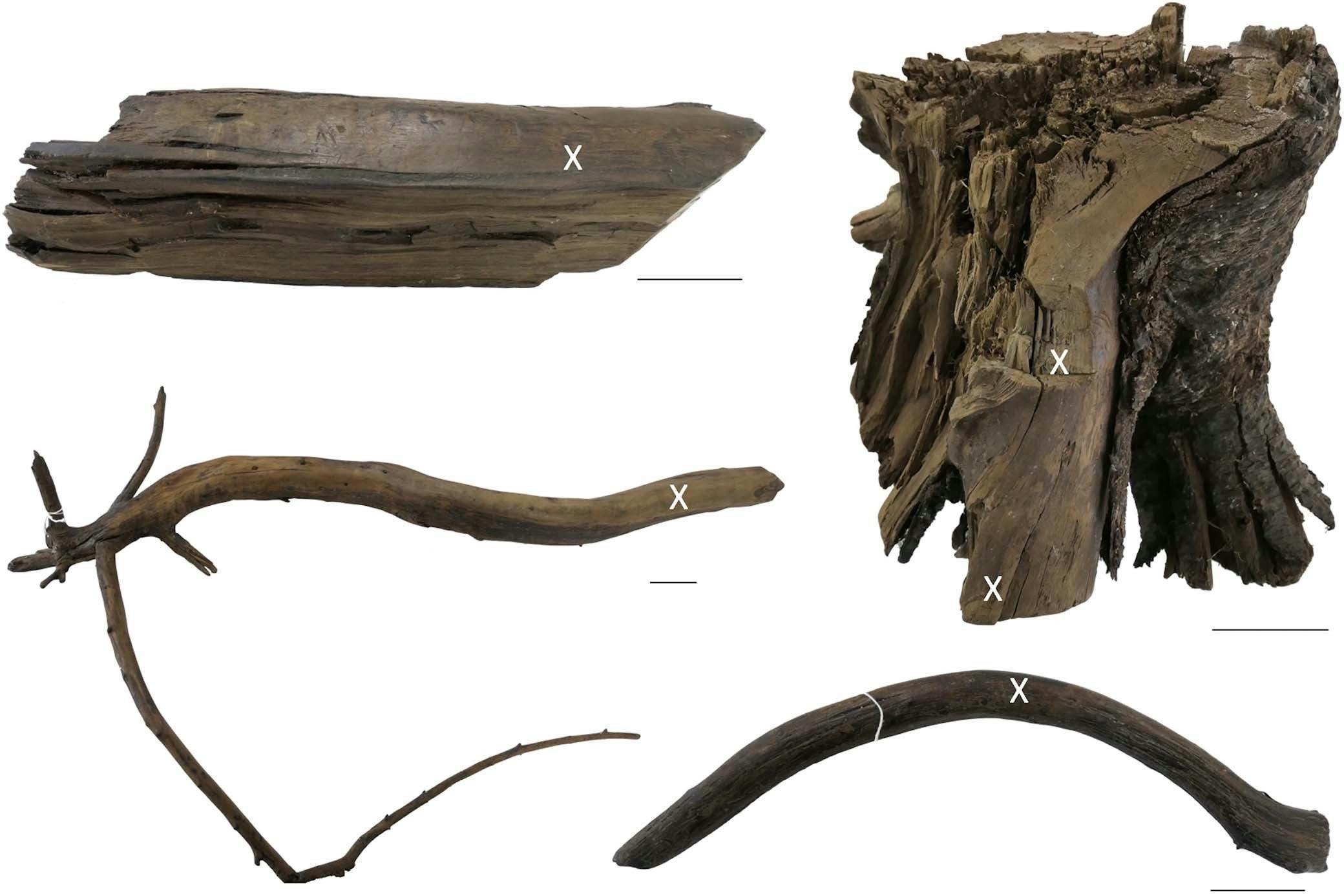
Date of the Vikings' First Atlantic Crossing Revealed by Rays from Space
By dating the remnants of trees felled in Newfoundland, scientists have determined that the Norse people likely first set foot in the Americas in the year A.D. 1021. Learn more about your ad choices. Visit megaphone.fm/adchoices

COVID Quickly, Episode 17: Vaccine Lies and Protecting Immunocompromised People
Today we bring you a new episode in our podcast series COVID, Quickly. Every two weeks, Scientific American’s senior health editors Tanya Lewis and Josh Fischman catch you up on the essential developments in the pandemic: from vaccines to new variants and everything in between. You can listen to all past episodes here. Learn more about your ad choices. Visit megaphone.fm/adchoices

How Can an Elephant Squeak Like a Mouse?
New research using a camera that can “see" sound” shows some elephants can produce high-pitched buzzing with their lips. Learn more about your ad choices. Visit megaphone.fm/adchoices

Beethoven's Unfinished 10th Symphony Brought to Life by Artificial Intelligence
Nearly 200 years after his death, the German composer’s musical scratch was pieced together by machine—with a lot of human help. Learn more about your ad choices. Visit megaphone.fm/adchoices

The Kavli Prize Presents: Understanding the Universe [Sponsored]
Ewine van Dishoeck received the Kavli Prize in Astrophysics in 2018 for elucidating the life cycle of interstellar clouds and the formation of stars and planets. What other mysteries of space are left to be uncovered? Learn more about your ad choices. Visit megaphone.fm/adchoices

A Canary in an Ice-Rich, Slumping Rock Glacier in Alaska
Here’s what we can learn about climate change and infrastructure from Denali National Park’s only road. Learn more about your ad choices. Visit megaphone.fm/adchoices

COVID Quickly, Episode 16: Vaccines Protect Pregnancies and a New Antiviral Pill
Today we bring you a new episode in our podcast series COVID, Quickly. Every two weeks, Scientific American’s senior health editors Tanya Lewis and Josh Fischman catch you up on the essential developments in the pandemic: from vaccines to new variants and everything in between. You can listen to all past episodes here. Learn more about your ad choices. Visit megaphone.fm/adchoices
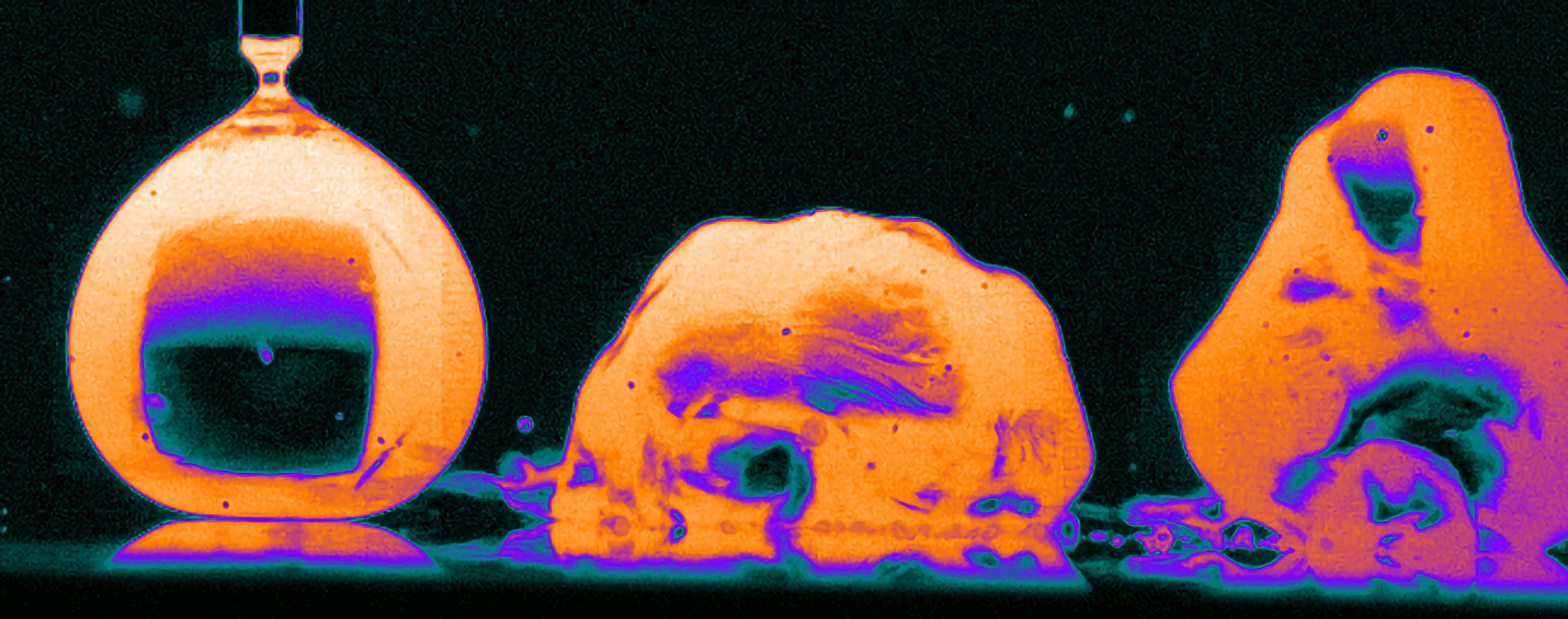
The Mystery of Water Drops That Skate Across Oil at Impossible Speeds
The speed of these self-propelling droplets on a hot-oil surface seemed to defy physics until researchers broke out the super-slow-motion camera. Learn more about your ad choices. Visit megaphone.fm/adchoices

Night Flights Are No Sweat for Tropical Bees
New research uses night vision to see how nocturnal bees navigate the dark. Learn more about your ad choices. Visit megaphone.fm/adchoices

These Bacteria Steal from Iron and Could Be Secretly Helping to Curb Climate Change
Photoferrotrophs have been around for billions of years on Earth, and new research suggests that they have played an outsize roll in the natural capture of carbon dioxide. Learn more about your ad choices. Visit megaphone.fm/adchoices

COVID, Quickly, Episode 15: Booster Shot Approvals--plus Vaccines for Kids?
Today we bring you a new episode in our podcast series COVID, Quickly. Every two weeks, Scientific American’s senior health editors Tanya Lewis and Josh Fischman catch you up on the essential developments in the pandemic: from vaccines to new variants and everything in between. You can listen to all past episodes here. Learn more about your ad choices. Visit megaphone.fm/adchoices

Dinosaurs Lived--and Made Little Dinos--in the Arctic
New research shows that the prehistoric giants were even cooler than we thought Learn more about your ad choices. Visit megaphone.fm/adchoices

During a Rodent Quadrathlon, Researchers Learn That Ground Squirrels Have Personalities
The rodents’ personalities may help them to secure territory and avoid prey. Learn more about your ad choices. Visit megaphone.fm/adchoices

A Car Crash Snaps the Daydreaming Mind into Focus
One researcher’s poorly timed attention lapse flipped a car—and pushed science forward. Learn more about your ad choices. Visit megaphone.fm/adchoices

COVID, Quickly, Episode 14: Best Masks, Explaining Mask Anger, Biden's New Plan
Today we bring you a new episode in our podcast series COVID, Quickly. Every two weeks, Scientific American’s senior health editors Tanya Lewis and Josh Fischman catch you up on the essential developments in the pandemic: from vaccines to new variants and everything in between. You can listen to all past episodes here. Learn more about your ad choices. Visit megaphone.fm/adchoices

The Kavli Prize Presents: Understanding Atoms [Sponsored]
Gerd Binnig shared The Kavli Prize in Nanoscience in 2016 for inventing the atomic force microscope. What transformative impact has this invention had on nanoscience? Learn more about your ad choices. Visit megaphone.fm/adchoices

In Missouri, a Human 'Bee' Works to Better Understand Climate Change's Effects
Researcher Matthew Austin has become a wildflower pollinator, sans the wings. Learn more about your ad choices. Visit megaphone.fm/adchoices

These Baby Bats, like Us, Were Born to Babble
The greater sac-winged bat develops its own language in much the way we do. Learn more about your ad choices. Visit megaphone.fm/adchoices

Their Lives Have Been Upended by Hurricane Ida
Theresa and Donald Dardar lived their whole lives in coastal Louisiana. They knew the “big one” might come someday. It did, and now everything is uncertain. Learn more about your ad choices. Visit megaphone.fm/adchoices

COVID, Quickly, Episode 13: Vaccine Approval, Breakthrough Infections, Boosters
Today we bring you a new episode in our podcast series COVID, Quickly. Every two weeks, Scientific American’s senior health editors Tanya Lewis and Josh Fischman catch you up on the essential developments in the pandemic: from vaccines to new variants and everything in between. You can listen to all past episodes here. Learn more about your ad choices. Visit megaphone.fm/adchoices

Flexible Microprocessor Could Enable an 'Internet of Everything'
Researchers have developed a microprocessor built on high-performance plastic rather than silicon—and they say it could enable smarter food labels and supply chain management. Learn more about your ad choices. Visit megaphone.fm/adchoices

Years Before COVID-19, Zombies Helped Prepare One Hospital System for the Real Pandemic
An educational experiment used escape rooms and the undead to set the stage for a terrible situation that would become all too real Learn more about your ad choices. Visit megaphone.fm/adchoices

The Incredible, Reanimated 24,000-Year-Old Rotifer
The last time this tiny wheel animalcule was moving around, woolly mammoths roamed the earth. Learn more about your ad choices. Visit megaphone.fm/adchoices

Astronomers Find an Unexpected Bumper Crop of Black Holes
In trying to explain the spectacular star trails of the star cluster Palomar 5, astronomers stumbled on a very large trove of black holes. Learn more about your ad choices. Visit megaphone.fm/adchoices

Inside Millions of Invisible Droplets, Potential Superbug Killers Grow
New research has created microscopic antibiotic factories in droplets that measure a trillionth of liter in volume. Learn more about your ad choices. Visit megaphone.fm/adchoices

The Secret behind Songbirds' Magnetic Migratory Sense
A molecule found in the retinas of European robins seems to be able to sense weak magnetic fields, such as that of Earth, after it is exposed to light. Learn more about your ad choices. Visit megaphone.fm/adchoices

COVID, Quickly, Episode 12: Masking Up Again and Why People Refuse Shots
Today we bring you a new episode in our podcast series COVID, Quickly. Every two weeks, Scientific American’s senior health editors Tanya Lewis and Josh Fischman catch you up on the essential developments in the pandemic: from vaccines to new variants and everything in between. You can listen to all past episodes here. Learn more about your ad choices. Visit megaphone.fm/adchoices

The Kavli Prize Presents: Understanding Touch [Sponsored]
Ardem Patapoutian shared The Kavli Prize in Neuroscience in 2020 for answering a basic question: How does touch actually work? Learn more about your ad choices. Visit megaphone.fm/adchoices

Moths Have an Acoustic Invisibility Cloak to Stay under Bats' Radar
New research finds they fly around on noise-cancelling wings Learn more about your ad choices. Visit megaphone.fm/adchoices

COVID, Quickly, Episode 11: Vaccine Booster Shots, and Reopening Offices Safely
Today we bring you a new episode in our podcast series: COVID, Quickly. Every two weeks, Scientific American’s senior health editors Tanya Lewis and Josh Fischman catch you up on the essential developments in the pandemic: from vaccines to new variants and everything in between. You can listen to all past episodes here. Learn more about your ad choices. Visit megaphone.fm/adchoices

Your Brain Does Something Amazing between Bouts of Intense Learning
New research shows that lightning-quick neural rehearsal can supercharge learning and memory. Learn more about your ad choices. Visit megaphone.fm/adchoices

COVID, Quickly, Episode 10: Long Haulers, Delta Woes and Barbershop Shots
Today we bring you a new episode in our podcast series: COVID, Quickly. Every two weeks, Scientific American’s senior health editors Tanya Lewis and Josh Fischman catch you up on the essential developments in the pandemic: from vaccines to new variants and everything in between. Learn more about your ad choices. Visit megaphone.fm/adchoices

This Newly Discovered Species of Tree Hyrax Goes Bark in the Night
A study makes the case for the new species based on its looks, genes and sounds Learn more about your ad choices. Visit megaphone.fm/adchoices

COVID, Quickly, Episode 9: Delta Variant, Global Vaccine Shortfalls, Beers for Shots
Today we bring you a new episode in our podcast series: COVID, Quickly. Every two weeks, Scientific American’s senior health editors Tanya Lewis and Josh Fischman catch you up on the essential developments in the pandemic: from vaccines to new variants and everything in between. You can listen to all past episodes here. Learn more about your ad choices. Visit megaphone.fm/adchoices

Animal Kids Listen to Their Parents Even before Birth
Human children: please take note of the behavior of prebirth zebra finches Learn more about your ad choices. Visit megaphone.fm/adchoices

For African Elephants, Pee Could Be a Potent Trail Marker
Scientists found that elephants often sniff pathways—and seem especially attuned to urine. Learn more about your ad choices. Visit megaphone.fm/adchoices

A 'Universal' Coronavirus Vaccine to Prevent the Next Pandemic
A pan-coronavirus vaccine could be “one vaccine to rule them all,” and so far it has shown strong results in mice, hamsters, monkeys, horses and even sharks. Learn more about your ad choices. Visit megaphone.fm/adchoices