
Science Of Ultra
148 episodes — Page 1 of 3
Ep 151SOUP Out
Thank you, thank you, thank you...on we go!
Ep 150Break
SOUP is taking a break for the summer, and will be back in September 2021.

Ep 149Hillary Allen
Hillary Allen, aka Hillygoat, is one of the top ultra- and sky-runners in the world. We talk about her views of life and running, what's important, and how to stay competitive while embracing whatever life brings. Her near-death accident during the 2017 Tromsø Skyrace, and her recovery are chronicled in her book Out & Back: A Runner's Story of Survival and Recovery Against All Odds Her website: https://hillaryallen.com/ Show page: https://scienceofultra.com/podcasts/149
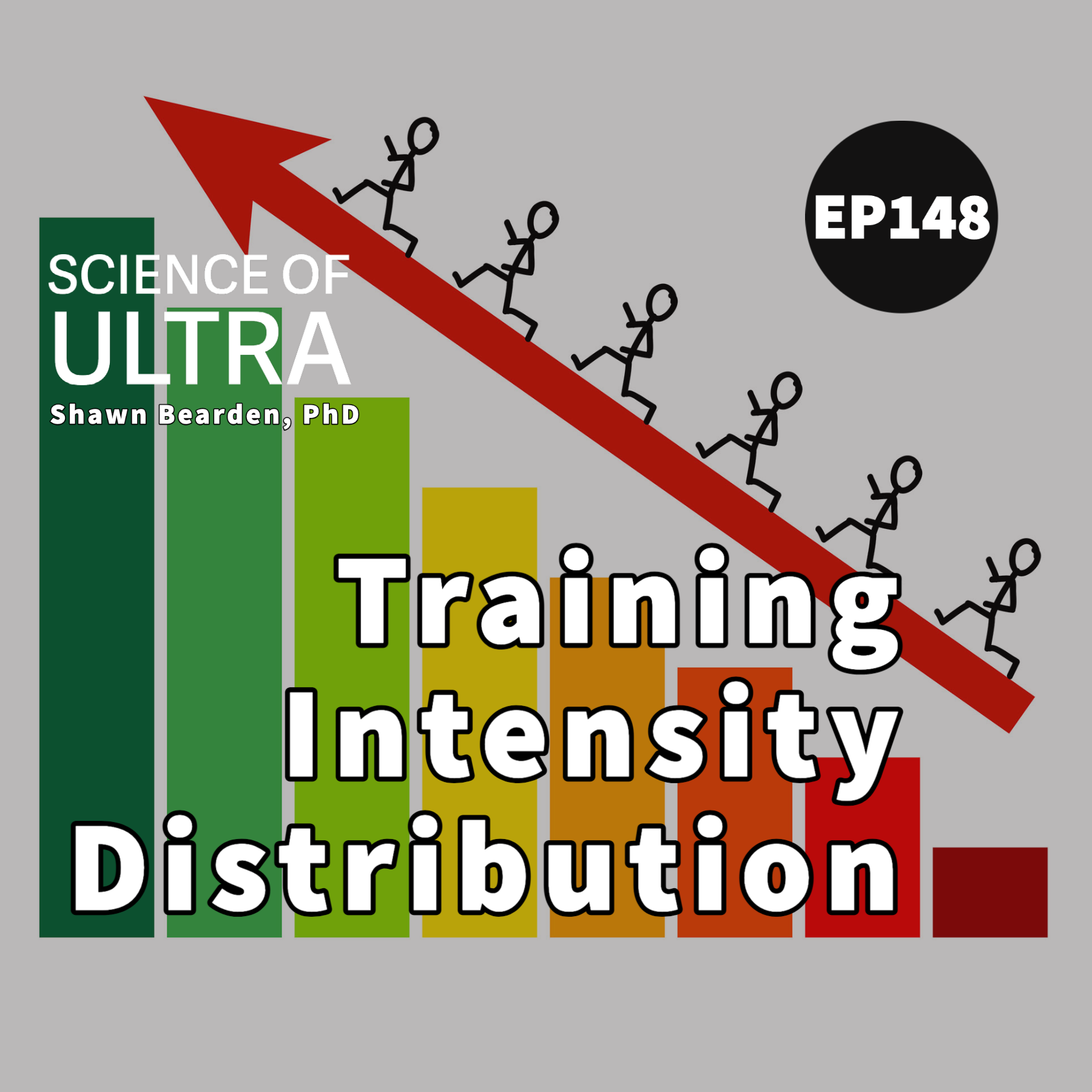
Ep 148Training Intensity Distribution
Let's answer the question: How much time should I spend training at different intensities? And, let's bust the polarized training myth in the process.
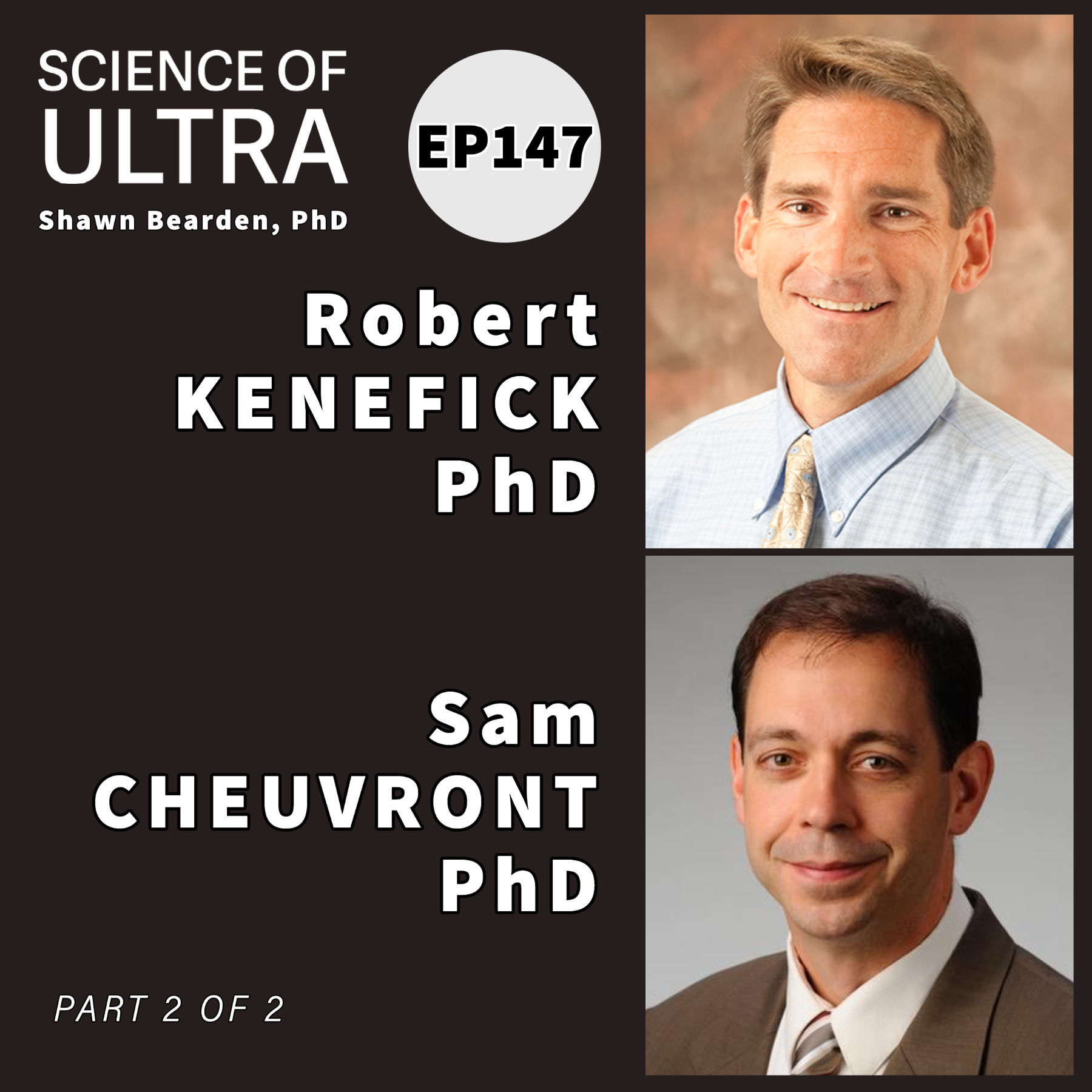
Ep 147Kenefick & Cheuvront
Rebroadcast part 2 of 2 - Two of the living legends of performance hydration bring everything you could want to know about hydration for endurance athletes. This episode is all about application of knowledge in the context of ultras.
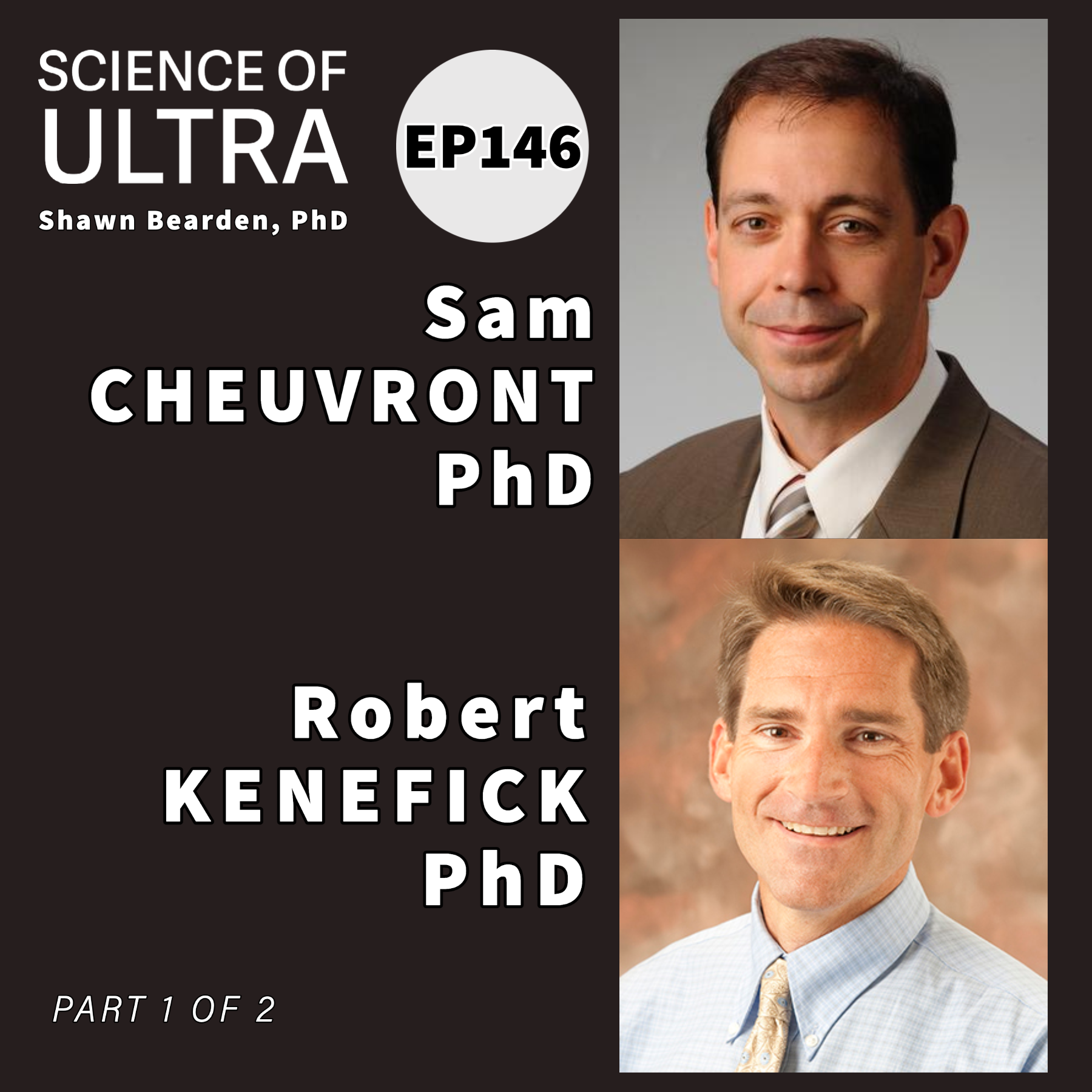
Ep 146Sam Cheuvront, PhD & Robert Kenefick, PhD
Rebroadcast part 1 of 2 - Sam Cheuvront, PhD & Robert Kenefick, PhD, two of the living legends of performance hydration, bring everything you could want to know about hydration for endurance athletes starting with the basics in this episode.
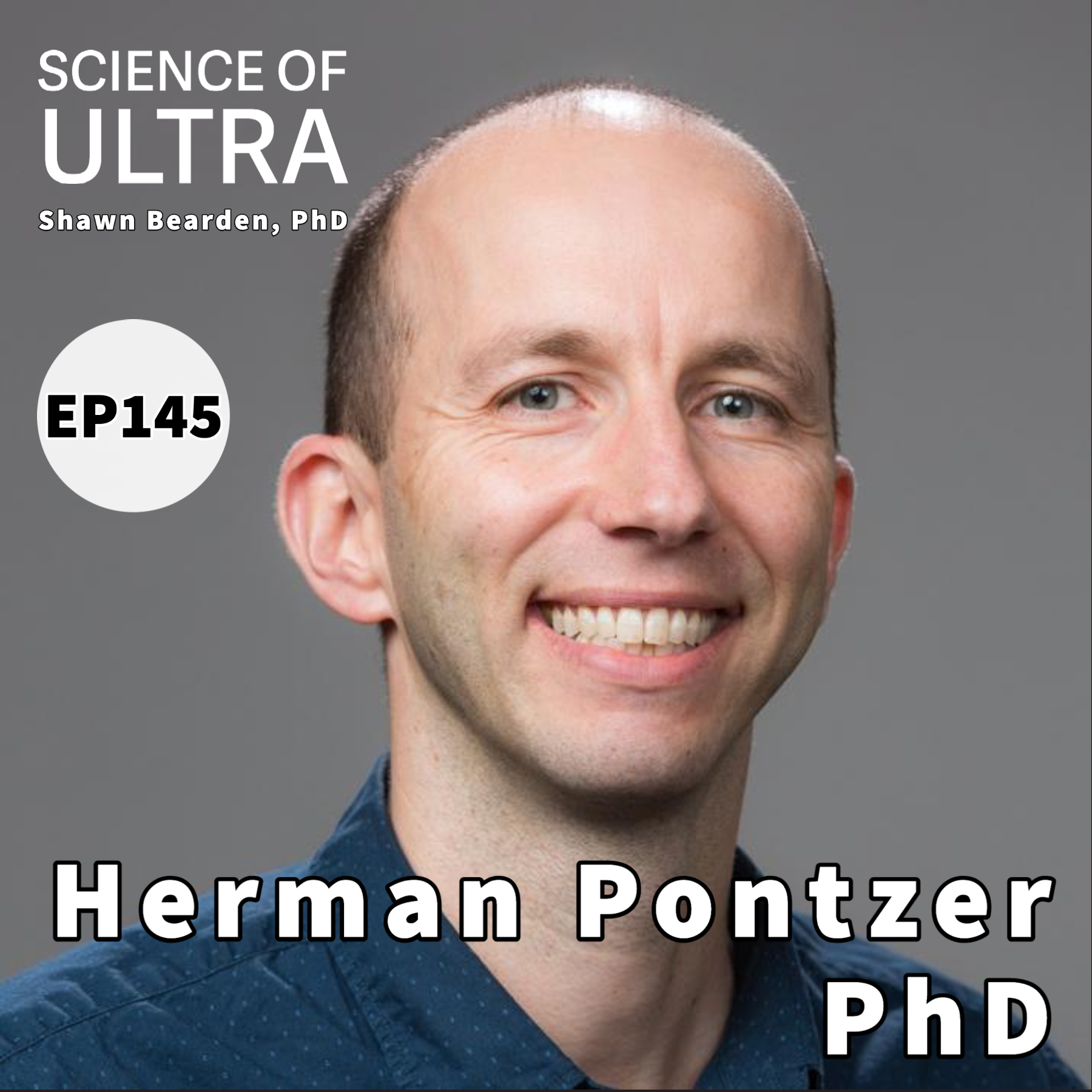
Ep 145Herman Pontzer PhD - Burn
Major advances in our understanding of human metabolism have been made in recent years, and they've been pioneered by Herman Pontzer, PhD. He, and his colleagues, are making discoveries in human metabolism and energy balance that will reshape our approach to human health for many years to come. These are fundamental breakthroughs that are providing explanations for outcomes among energy intake, exercise, and body weight that have confused us for so long. Get his new book on the show page: https://scienceofultra.com/podcasts/145
Run With Ease (rebroadcast)
[Rebroadcast] Our goal is never to get good at suffering. Our goal is to suffer less under the same conditions, not to make running easier but to run with greater ease.
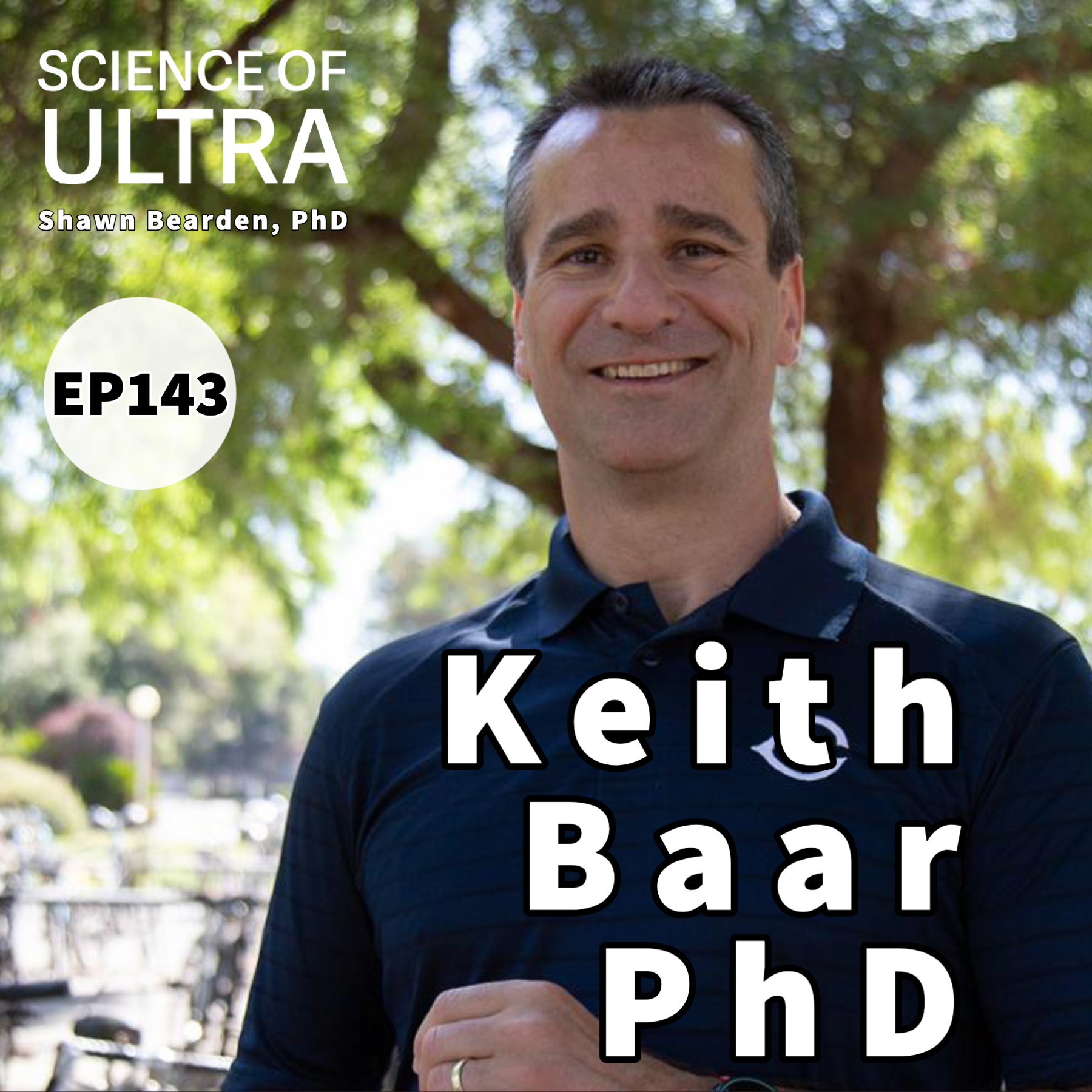
Ep 143Keith Baar, PhD
Dr. Baar rejoins us on the show. He was previously on for episode 58. Today we illuminate the central role of connective tissue and associated proteins in transmitting force from muscle, extend that understanding to explain how muscle functions in running (hint: it's not at all like most people think), and dive into ways that you can optimize your connective tissue health. https://scienceofultra.com/podcasts/143

Ep 142Kathryn Ackerman, MD, MPH
Kathryn Ackerman, MD, MPH is a sports medicine physician, Associate Professor of medicine at Harvard Medical School, medical director of the Female Athlete Program at Boston Children's Hospital, Associate Director of the sports endocrine research lab at Massachusetts General Hospital, and a team physician for USA Rowing. Dr. Ackerman is, herself, a former national team rower. Twitter: @DrKateAckerman https://twitter.com/DrKateAckerman Female Athlete Conference: https://www.femaleathleteconference.com https://scienceofultra.com/podcasts/142
Ep 141Hiking
Hiking! I'm joined by Ian Sharman for a deep dive into training for hiking in ultras.
Ep 140How much?
How much running and how much overall exercise training should you be doing to prepare yourself for ultra-marathons or other major endurance adventures? Show page: https://scienceofultra.com/podcasts/140
Ep 139This is the most useful pace
If you only have one training pace, this should be it. https://scienceofultra.com/podcasts/139
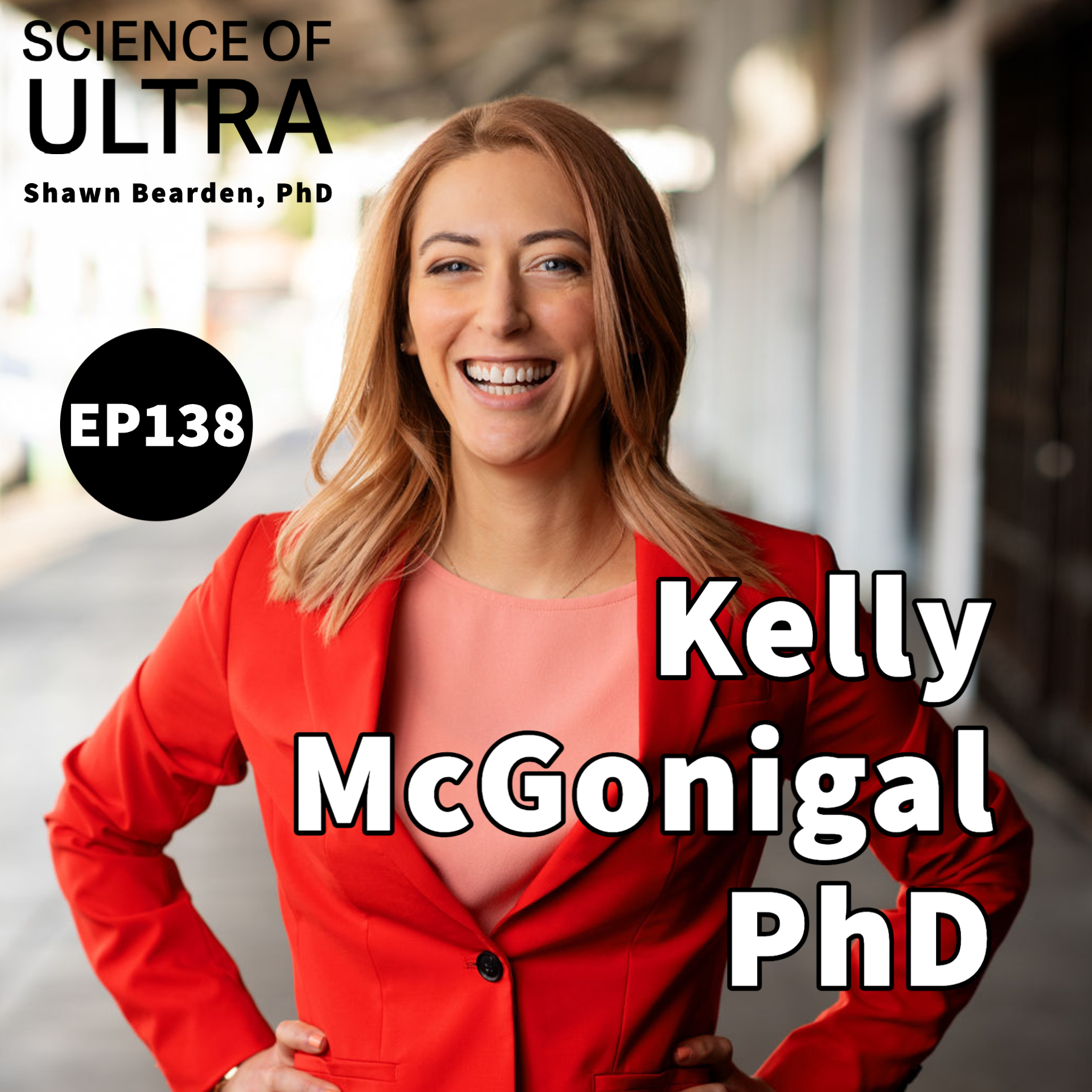
Ep 138Kelly McGonigal, PhD
Kelly McGonigal, PhD understands the power of mindset and movement better than anyone. Show page: https://scienceofultra.com/podcasts/138
Ep 137Amy Bender, PhD
A primer on the why and how of sleep for endurance athletes with Amy Bender, PhD from the Centre for Sleep. Show page: https://scienceofultra.com/podcasts/137
Ep 136Mileage Matters Most
Mileage is the most important factor in your training, after consistency, no matter your goals. Show page: https://scienceofultra.com/podcasts/136

Ep 135Shaping Hard Sessions
Two questions answered today. Should you put intervals at the beginning or at the end of the workout? Should progression runs be done by effort or pace?
Ep 134Herman Pontzer, PhD
Herman Pontzer, PhD is an evolutionary anthropologist at Duke University interested in how the human body evolved and how our species' past has shaped our health and physiology today. He studies the ecology, lifestyle, diet and evolutionary history of humans and apes to better understand metabolism and health. As you'll hear in the interview, we emphasize what hunter-gatherer societies can tell us about the human body because it's the lifestyle of hunter-gatherers that created the bodies we have. Several years ago, Dr. Pontzer and his colleagues were curious about the total energy expended per day by people living as hunter-gatherers. They discovered that nobody had made the actual, direct measurements. It took them a while to convince funding agencies that this was a good use of research dollars because the reviewers thought 'these are very active people, they're going to be expending a lot more energy than sedentary people, we have good estimates of that based on activity level, we're not going to learn anything here'. But Dr. Pontzer and is colleagues persisted, got the funding, and did the direct measurements. They discovered that the Hadza people of Tanzania expend the same number of calories per day as sedentary people in the United States and other modern societies despite being much more active. Show page: https://www.scienceofultra.com/podcasts/134
Ep 133Andrew Skurka & Joe McConaughy
Andrew Skurka & Joe McConaughy join me to talk about training and psychology for ultra distance events. Show page: https://scienceofultra.com/podcasts/133
Ep 132Stop Failing, Learn To Succeed
Let's talk about failure, success, and learning.
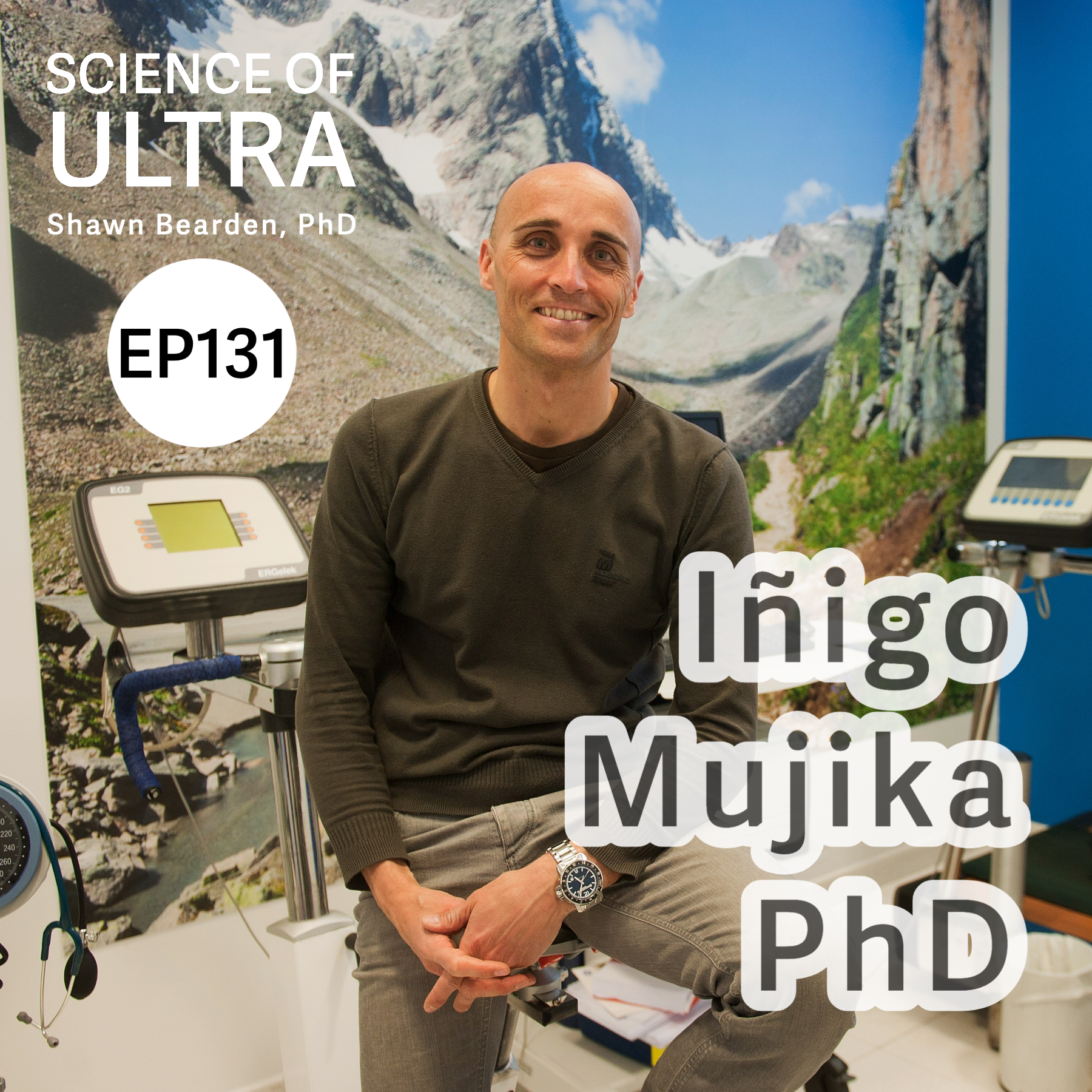
Ep 131Iñigo Mujika, PhD On Strength
Iñigo is back on the show, following up on his recent appearance in episode 127. In the previous episode, we talked about tapering. In this episode, talk about strength training from every angle, and we dive into two specific examples of training tweaks that made big improvements for athletes he coaches. Episode page: https://scienceofultra.com/podcasts/131
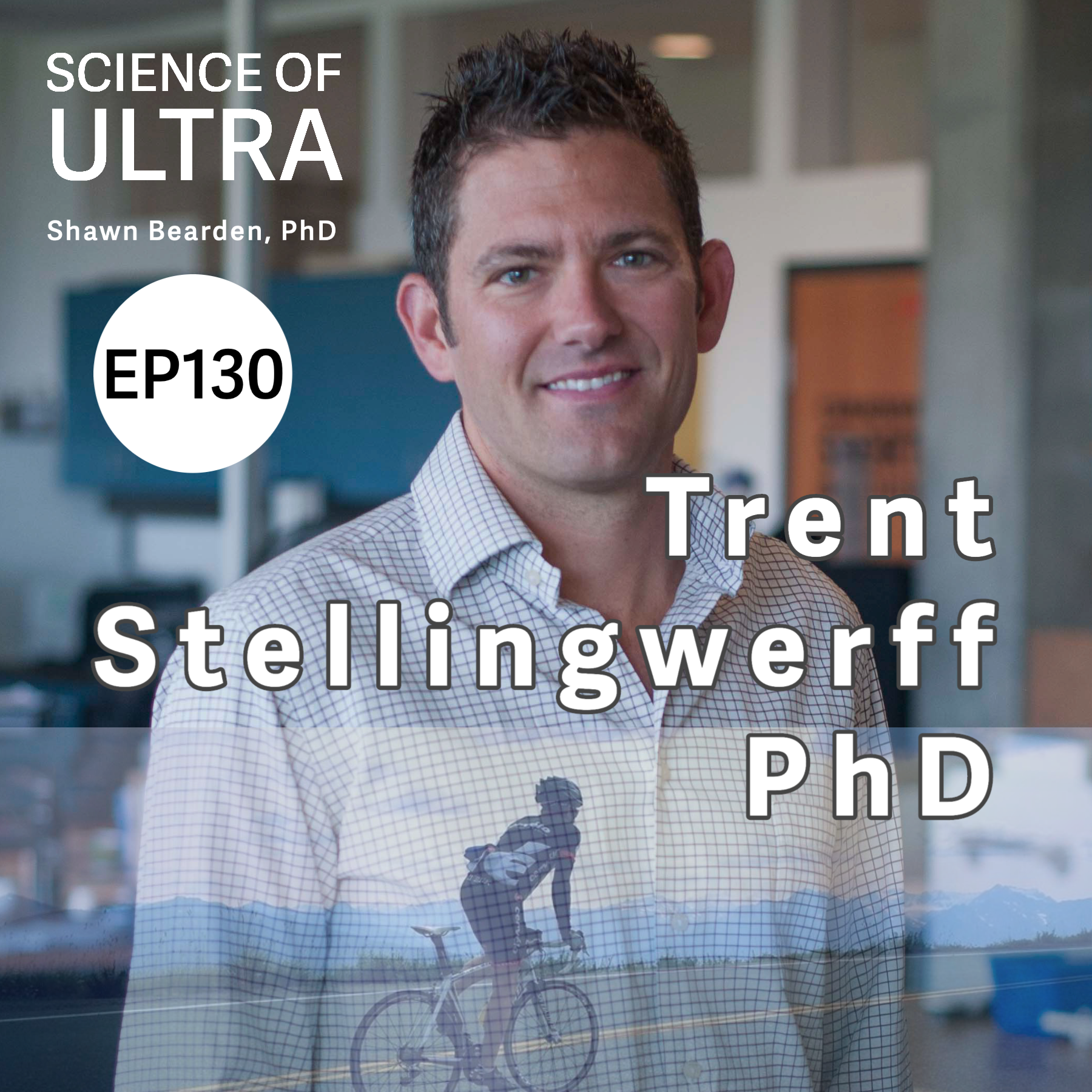
Ep 130Trent Stellingwerff, PhD
Trent Stellingwerff has been in the trenches of nutritional support and body composition in supporting athletes of all abilities for many years. Today, we talk through critical new insights that can apply to your training. Episode page: https://scienceofultra.com/podcasts/130
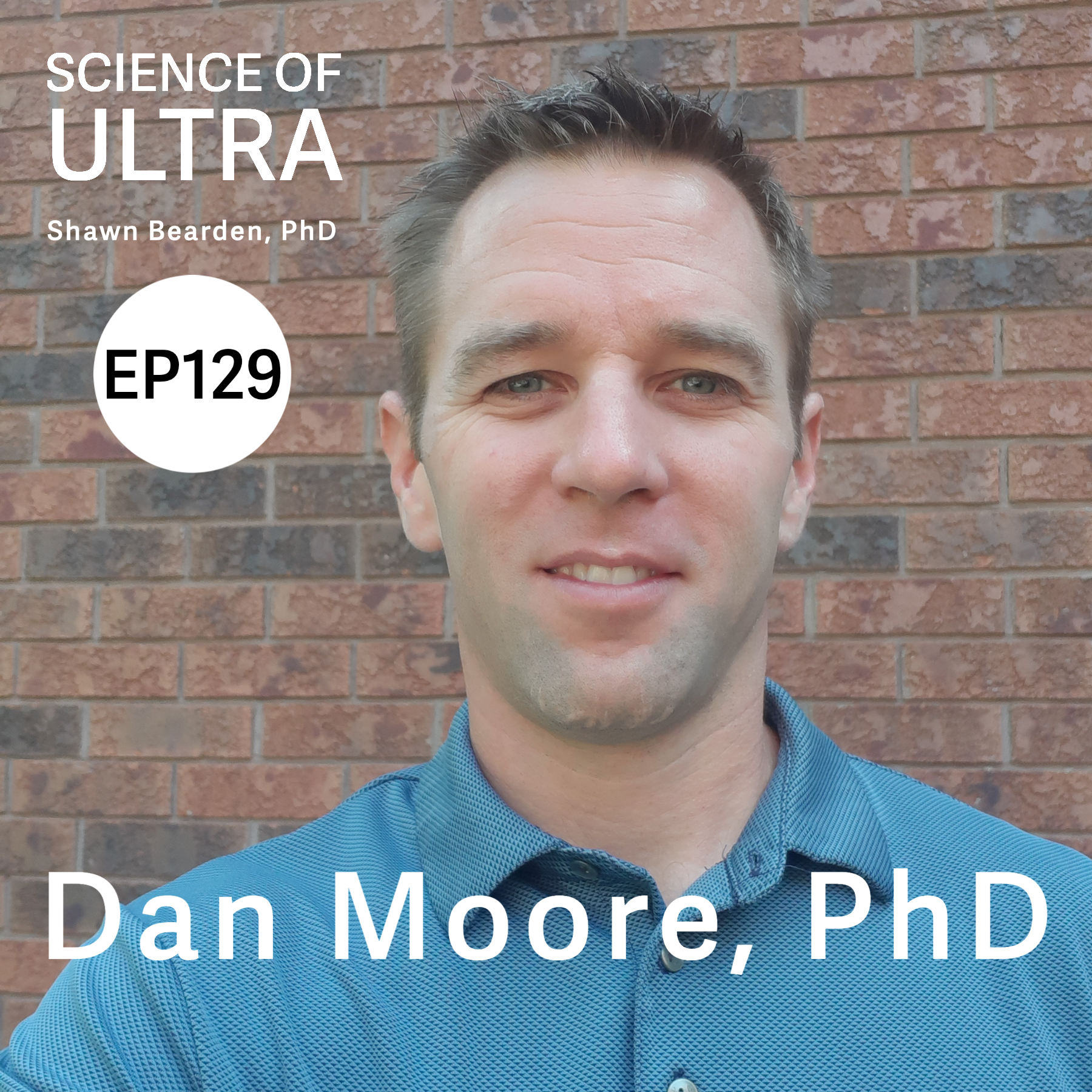
Ep 129Dan Moore, PhD
Dan Moore, PhD, brings us the current science on protein requirements for endurance athletes along with very practical advice for putting it into action for you. Episode page: https://scienceofultra.com/podcasts/129

Ep 128Alyssa Amos Clark
Alyssa Amos Clark is an extraordinary athlete. We start this interview after she completed 66 marathons in 66 days, on her way to many more. We finish discussing her journey, including her battles with COVID-19. Episode page: https://scienceofultra.com/podcasts/128 Instagram: @theory_in_motion Alyssa's website: https://akamos13.wixsite.com/website
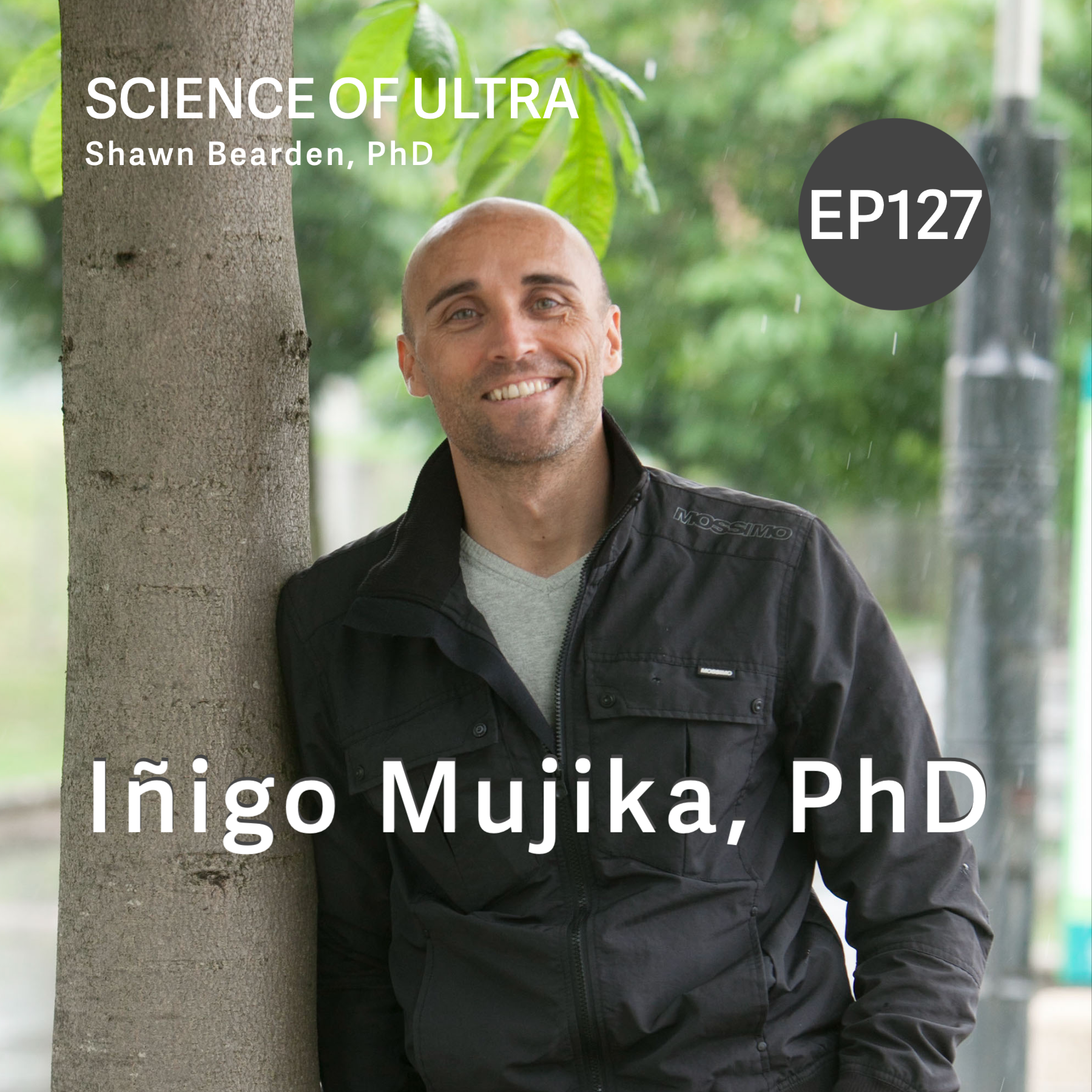
Ep 127Iñigo Mujika, PhD On Tapering
Iñigo Mujika (PhD) has coached numerous Olympians, national teams, and is recognized as one of the top triathlon (swimming, cycling, and running) coaches in the world. He's published over 100 peer-reviewed articles, books, and book chapters. He literally wrote the book on tapering, which is the main focus of our discussion though we touch on many other important and practical topics. Find all the links we talk about at https://scienceofultra.com/podcasts/127
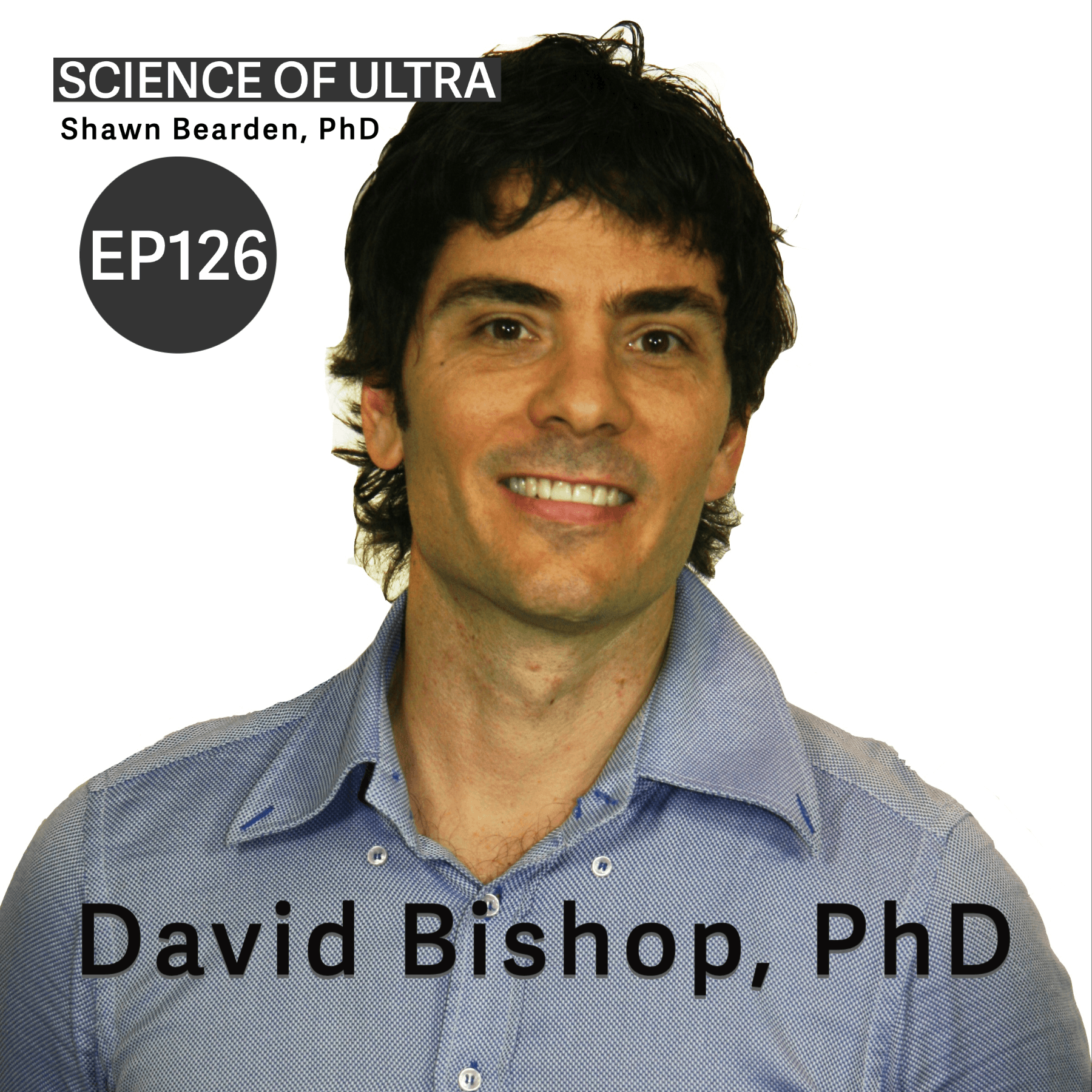
Ep 126David Bishop, PhD
My guest today is David Bishop, PhD from Victoria University in Australia. He's a world leading expert on the health and performance outcomes of exercise prescription with a particular emphasis on mitochondrial adaptations. Recently, he's been studying the impact of twice-per-day training and that's the main reason I brought him on the show. You'll learn, for example, that running twice in a day may be more beneficial than training for the same duration in one long run. But we explore many other topics that will help you take your workouts to the next level. I spoke with him in the midst of the 2020 COVID-19 pandemic while he was on sabbatical and in lockdown in the north of Italy.
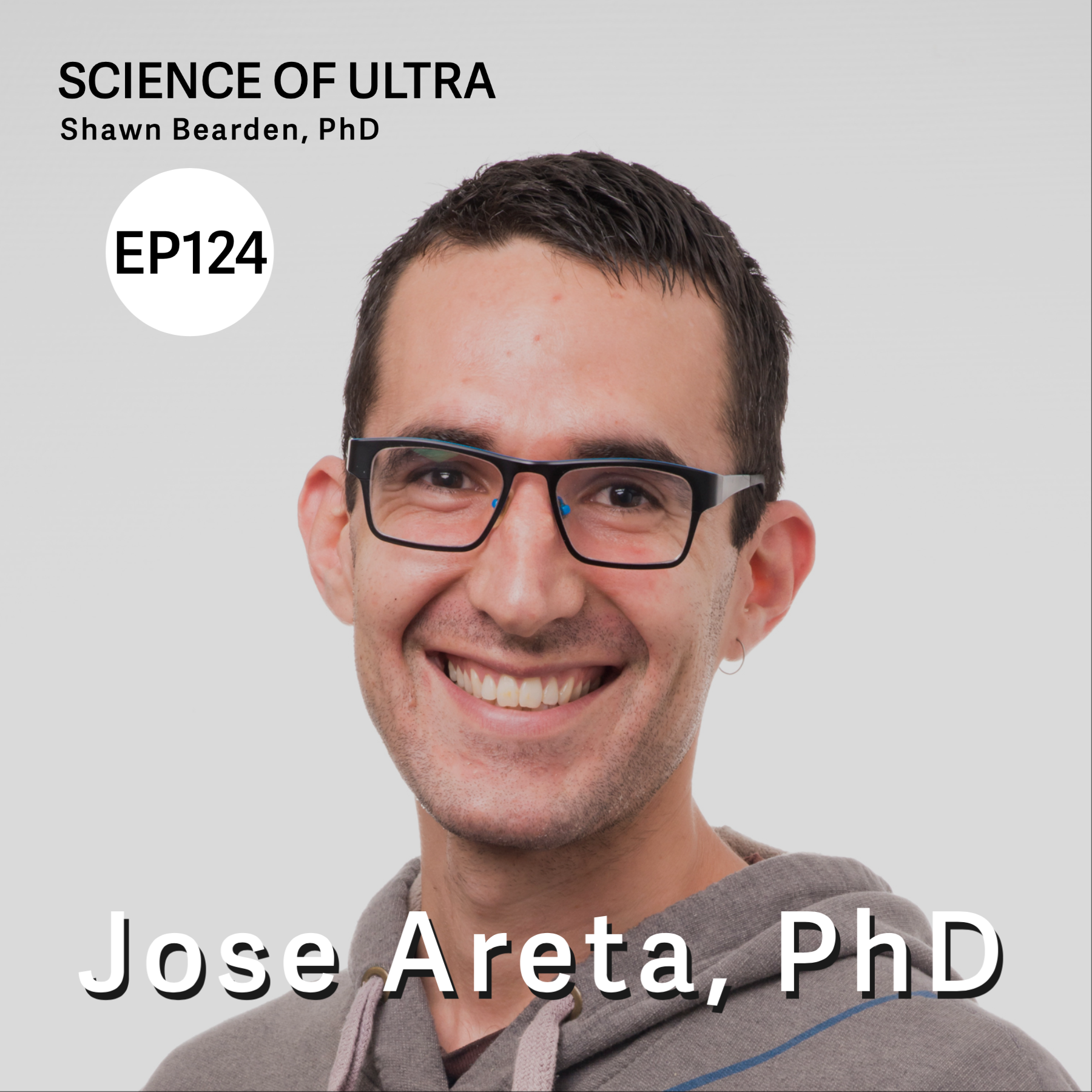
Ep 125Jose Areta, PhD
Jose Areta studies energy availability, training, and performance. We talk about his recent case study of an amenorrhoeic athlete who restored their menstrual cycle while training and competing at a high level, his comprehensive review of glycogen utilization, and how an athlete can loose weight while training for performance and periodizing carbohydrate intake. SOUP is free of advertisements and sponsors, it's supported by listeners who find it useful: https://scienceofultra.com/support
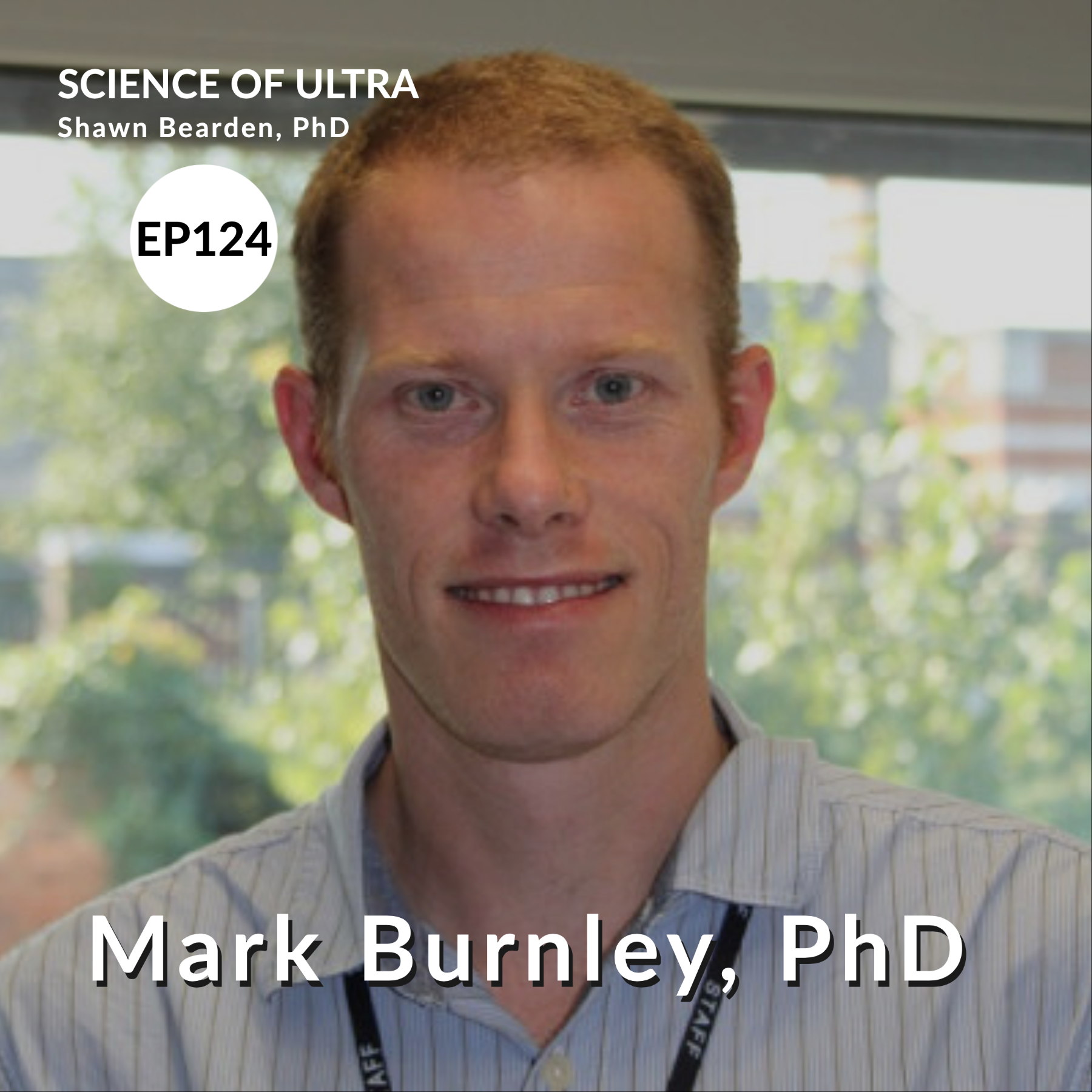
Ep 124Mark Burnley, PhD
My guest today is Mark Burnley, PhD from the University of Kent, in the UK. His principle interests concern endurance physiology, specifically the oxygen uptake and metabolic responses to exercise and the power-duration relationship. For example, he was part of the group that first validated the 3-minute all-out test to estimate critical power. He's spent much of his career questioning why a large fraction of our exercise capacity is unsustainable. In other words, we can only maintain exercise when the intensity is less than 20-30% of our ability to generate force…why do we have so much additional capacity when we can't sustain it?
Ep 123Patrick Wilson, PhD
Patrick Wilson (PhD) is an Associate Professor at Old Dominion University and author of a newly published book, The Athlete's Gut. He was a guest in episode 16. Today, we update our understanding of gut physiology from when he was first on the show but spend most of our time on lots of new and applied questions relevant to your training, racing, and adventures.

Ep 122Andy Jones, PhD
Andy Jones is one of the world's leading experts in human performance physiology, especially in the realm of endurance. Nike recognized this when they brought him onto the Breaking 2 project. He's most famous in many circles for his pioneering work using nitrates to boost performance. Yes, this is the beetroot guy. Today we talk about mechanisms of fatigue, critical speed/power, evidence-based approaches to training, and (of course) beetroot juice.
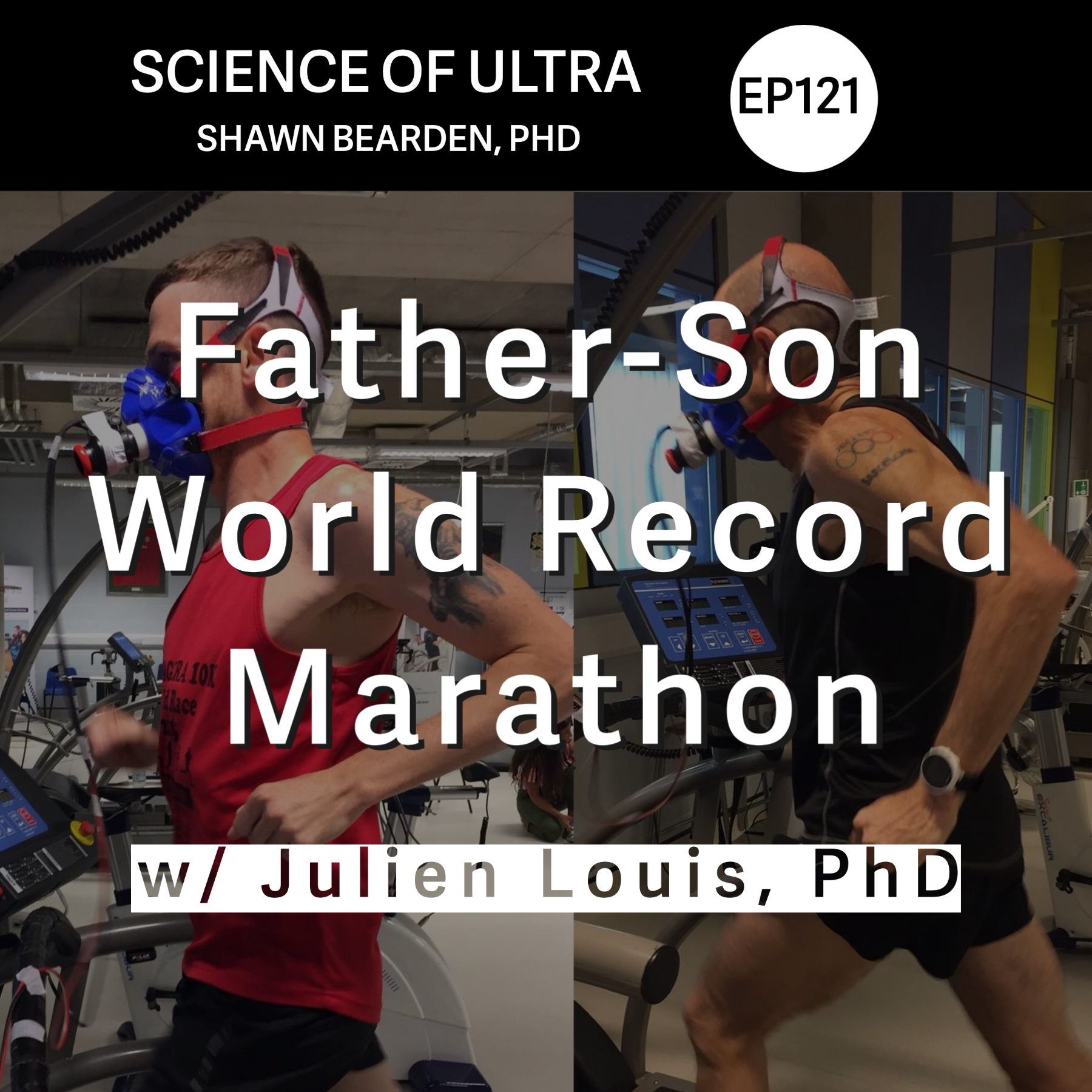
Ep 121Father-Son World Record Marathon
Dr. Julien Louis takes us through the training, pacing, and physiology of the father-son duo who set a new world record for combined time in the marathon. In 2019, Tommy (59 yrs) and Eoin Hughes (34 yrs) ran the Frankfurt Marathon in times of 2:31:30 and 2:27:52, respectively. Their combined marathon time was 4:59:22. Dr. Louis studied Tommy in a previous year and then studied the pair as they took on, and ultimately succeeded, in setting the new record. We discuss the father-son team and extract additional take-away messages for your training.
Ep 120Is Your Training Bent?
Mapping your training and then seeing what events (races, or adventures) fit on your map, without bending it, keeps the focus on what's most important…you. This method tells you which events you could run because it's the method that fits events to your body rather than bending your body to fit events. It's the only approach that will provide a lifetime of healthy and sustainable running progress.
Ep 119Finish Low With Drs. Morton And Louis
This is a deep dive into carbohydrate periodization with Drs. James Morton and Julien Louis where we explain the science behind our recommendation of FUEL FOR THE WORK REQUIRED (e.g., enough but not much more) and GLYCOGEN THRESHOLD (i.e., train to low levels). We also explore issues of sex and age, how bone health may be critically dependent on carbohydrate availability (not just total calories), and several other important topics.
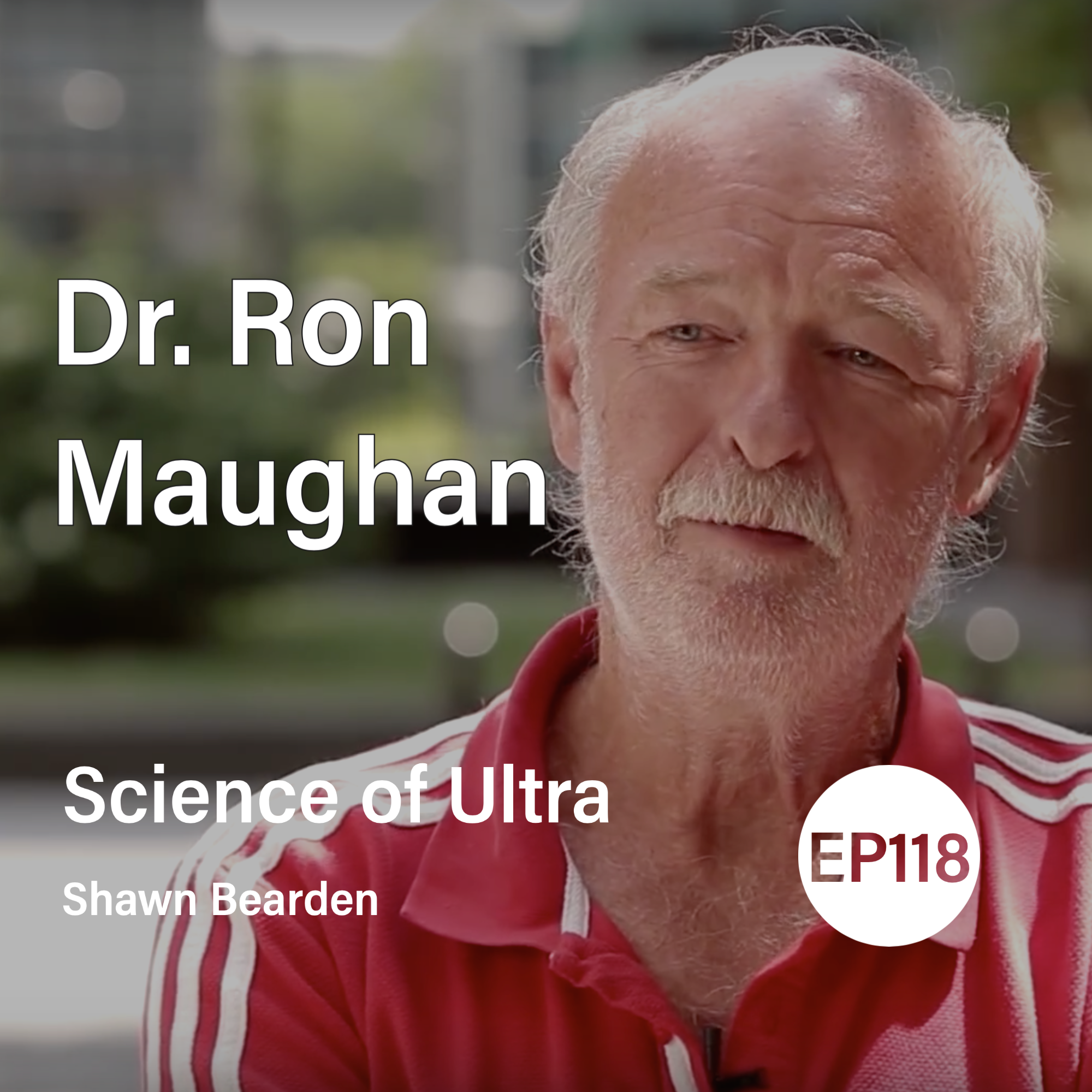
Ep 118Dr. Ron Maughan
Dr. Ron Maughan is arguably the most recognized name in sports nutrition. I was fortunate to meet with him in St Andrews, Scotland for our discussion. In this interview we talk about his early days in sports, running with the likes of Don Ritchie among many others, and review some of the current recommendations on training and nutrition.

Ep 117Run With Ease
Our goal is never to get good at suffering. Our goal is to suffer less under the same conditions, not to make running easier but to run with greater ease.

Ep 116Genes And Placebos
Today's conversation is with John Kiely and Craig Pickering. John was on episode 52; we talked the lack of evidence supporting periodized training programs. We begin with the current state of evidence in genetic testing for athletic potential and planning training. We move on to more useful ways of viewing your training program. It really is simple yet multitudes are derailed by chasing placebo effects for marginal gains on an inconsistent program. Oh, and we talk about placebo effects as well.
Ep 115Cramping
Cramping isn't well understood. But here's what we know right now.
Ep 114Are rest days needed?
Rest days are a staple of most running programs. But are they needed. In this episode we reframe our view of exercise, rest, and recovery time to help you make clearer decisions about when you exercise.

Ep 113CC18 Roundtable
A T/F from each of our four coaches posed to the group to wrap up 2019. Does level running speed translate to uphill abilities, is training for a 200 miler fundamentally different from training for shorter distances, should you run through tweaks or injuries, is more running volume going to help you run 100-milers better...these are our main topics of conversation.

Ep 111CC17 Is an off-season right for you?
Our four coaches discuss taking time off. If you're looking for a coach, or just have questions, you can reach David Roche at SWAPrunning.com Ian Sharman at sharmanultra.com Krissy Moehl at krissymoehl.com Shawn Bearden at ScienceOfUltra.com ([email protected])

Ep 110Travel
A massive how and what on traveling, including cameo appearances from numerous elite ultra runners.

Ep 109Ditch the gels?
I sat down with Spring co-founder Rafal Nazarewicz, PhD to talk about using real foods in ultras.

Ep 108CC16 Are you overtraining?
Is overtraining common among ultra runners? Are you running too much? Can adherence to the mantra of consistency open a gateway to overtraining?

Ep 107CC15 Is Specificity Important?
How much do your training runs need to look like the race or event to maximize your performance? That's the basic question behind the term 'specificity'. Our four coaches address these ideas in today's Coaches' Corner.

Ep 106The Long Run
What is the 'long run'; can it be too short; can it be too long? Today we simplify and demystify this enigmatic workout.

Ep 105Stress...Response
How valid are the most commonly held beliefs in exercise training that assume a reliable and specific adaptation to a specific workout - do this workout and get that result ? In this episode, I explain why we now view these ideas as too simplistic. We dig into how the basic principles that underly the majority of exercise training plans owe their origins to a theory of pathological stress-response patterns, which may not be reliable across the spectrum of sports. Then we take a four-step approach to getting it right, or at least better.

Ep 104CC14 Are Tech Metrics Useful?
Technology gives runners the opportunity to run according to readouts and feedback from devices. To what extent should you use them?

Ep 103Downhill Running
In recent episodes we've explored how you can train your mind and body. The third area for training is craft. Everything from pacing, to hydration strategy, to gear choices, to foot care are part of your craft. Today, the part of craft we're going to explore is downhill running. Downhill running is a skill. It requires deliberate practice and can not be mastered just by training the body or running downhill a lot without putting at least some thought into it.

Ep 102CC13 Tapering
Is there a general formula you can apply to taper properly for an event? Find out how our coaches approach tapering with their athletes.

Ep 101Interval Fundamentals
You can train our mind, body, and craft. In recent episodes on training your body, we skimmed the surface of training endurance and economy. If you run a lot of miles, often on race-like terrain and run all out for short bursts a few times per week, you're doing the majority of the work that will improve your body's capacities. To further extend stamina, you may want to run comfortably hard intervals, the topic of today's episode.