
Show overview
Science Of Ultra has been publishing since 2015, and across the 6 years since has built a catalogue of 148 episodes. That works out to roughly 130 hours of audio in total. Releases follow a fortnightly cadence.
Episodes typically run thirty-five to sixty minutes — most land between 40 min and 1h 6m — though episode length varies meaningfully from one episode to the next. None of the episodes are flagged explicit by the publisher. It is catalogued as a EN-language Sports show.
The catalogue appears to be on hiatus or wound down — the most recent episode landed 5 years ago, with no new episodes in over a year. Published by Shawn Bearden.
From the publisher
For endurance athletes who want to do more than improve race performance. How you sleep, think, eat, and move all play a role in helping you Become Your Ultra Best!
Latest Episodes
View all 148 episodes
Ep 151SOUP Out
Thank you, thank you, thank you...on we go!
Ep 150Break
SOUP is taking a break for the summer, and will be back in September 2021.

Ep 149Hillary Allen
Hillary Allen, aka Hillygoat, is one of the top ultra- and sky-runners in the world. We talk about her views of life and running, what's important, and how to stay competitive while embracing whatever life brings. Her near-death accident during the 2017 Tromsø Skyrace, and her recovery are chronicled in her book Out & Back: A Runner's Story of Survival and Recovery Against All Odds Her website: https://hillaryallen.com/ Show page: https://scienceofultra.com/podcasts/149
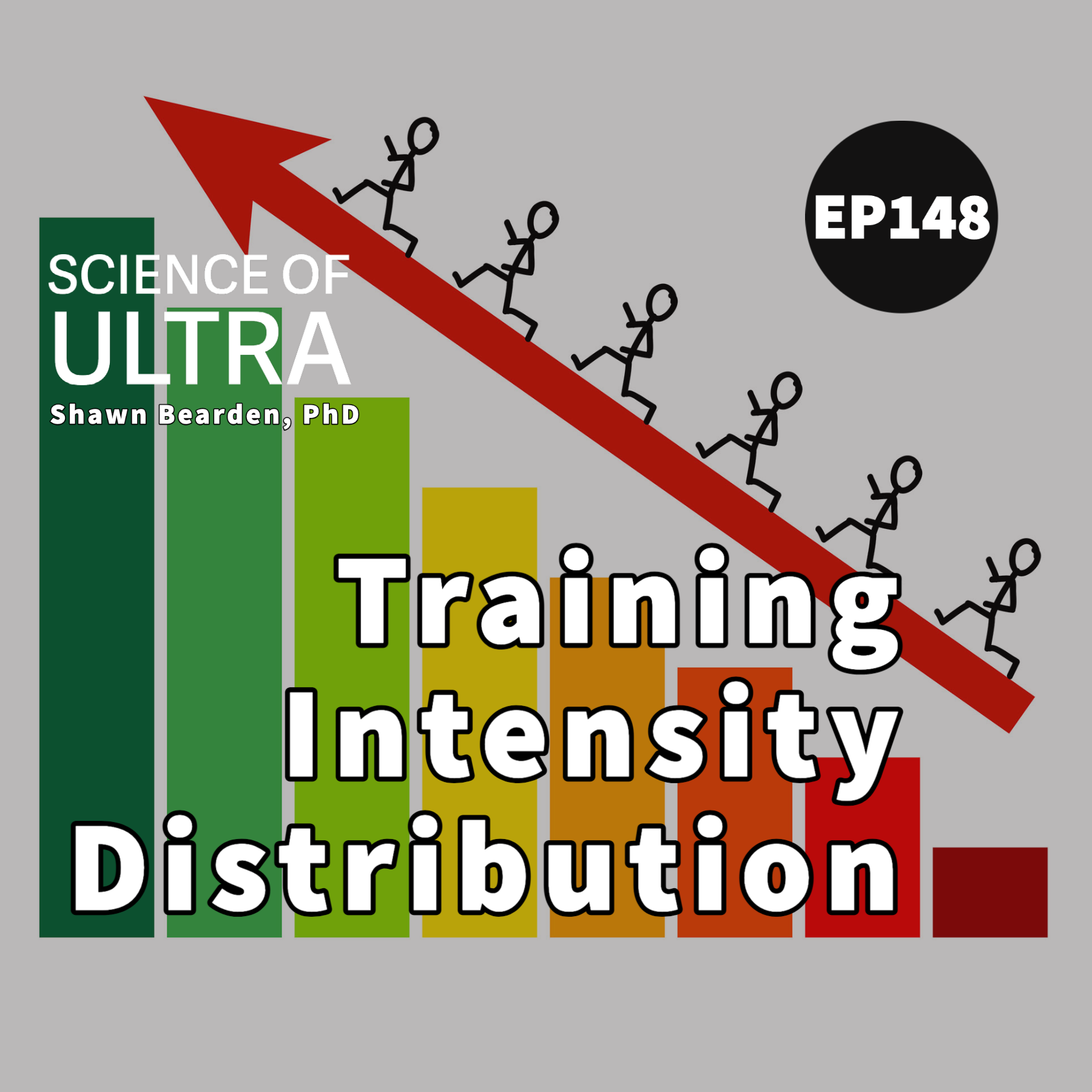
Ep 148Training Intensity Distribution
Let's answer the question: How much time should I spend training at different intensities? And, let's bust the polarized training myth in the process.
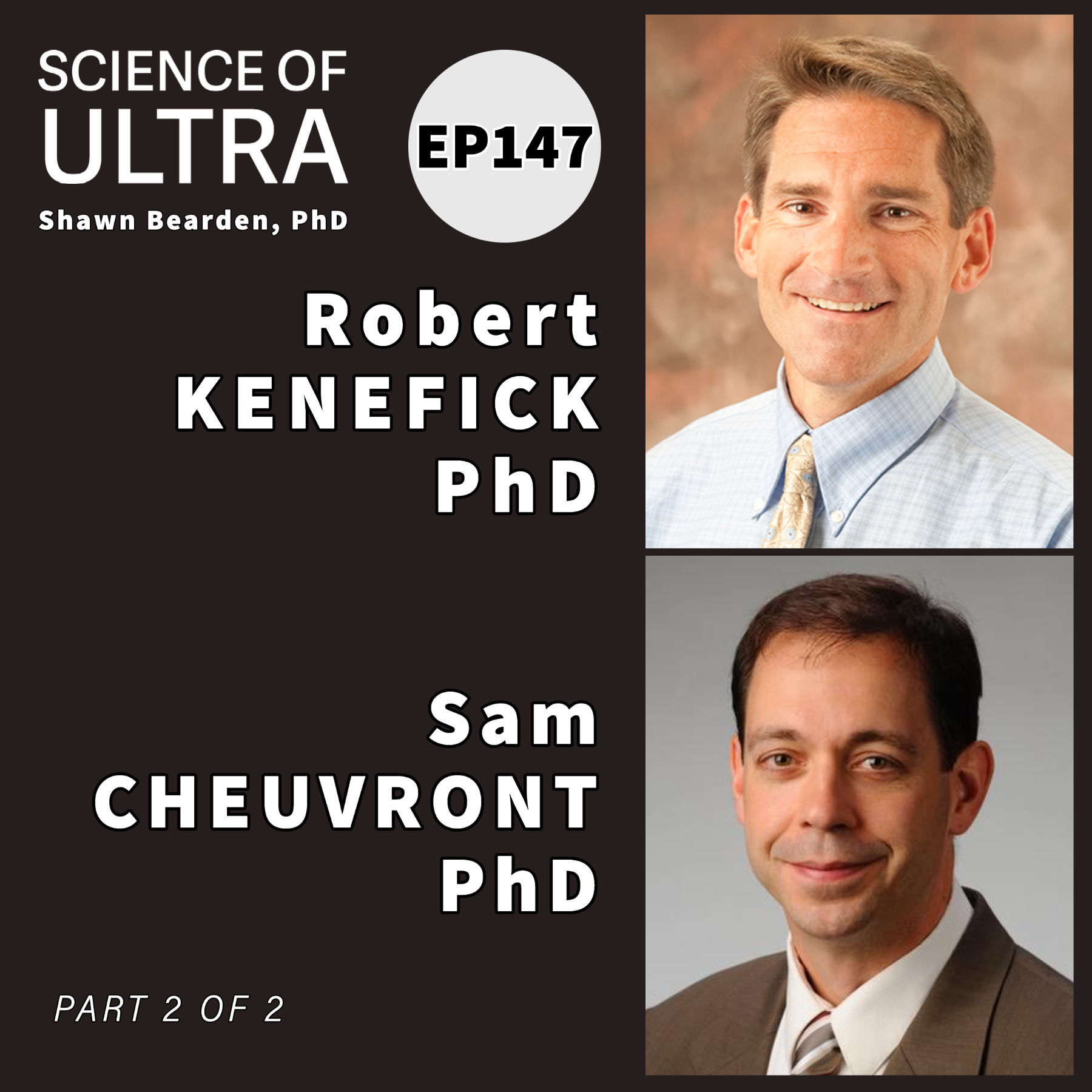
Ep 147Kenefick & Cheuvront
Rebroadcast part 2 of 2 - Two of the living legends of performance hydration bring everything you could want to know about hydration for endurance athletes. This episode is all about application of knowledge in the context of ultras.
Ep 146Sam Cheuvront, PhD & Robert Kenefick, PhD
Rebroadcast part 1 of 2 - Sam Cheuvront, PhD & Robert Kenefick, PhD, two of the living legends of performance hydration, bring everything you could want to know about hydration for endurance athletes starting with the basics in this episode.
Ep 145Herman Pontzer PhD - Burn
Major advances in our understanding of human metabolism have been made in recent years, and they've been pioneered by Herman Pontzer, PhD. He, and his colleagues, are making discoveries in human metabolism and energy balance that will reshape our approach to human health for many years to come. These are fundamental breakthroughs that are providing explanations for outcomes among energy intake, exercise, and body weight that have confused us for so long. Get his new book on the show page: https://scienceofultra.com/podcasts/145

Run With Ease (rebroadcast)
[Rebroadcast] Our goal is never to get good at suffering. Our goal is to suffer less under the same conditions, not to make running easier but to run with greater ease.
Ep 143Keith Baar, PhD
Dr. Baar rejoins us on the show. He was previously on for episode 58. Today we illuminate the central role of connective tissue and associated proteins in transmitting force from muscle, extend that understanding to explain how muscle functions in running (hint: it's not at all like most people think), and dive into ways that you can optimize your connective tissue health. https://scienceofultra.com/podcasts/143

Ep 142Kathryn Ackerman, MD, MPH
Kathryn Ackerman, MD, MPH is a sports medicine physician, Associate Professor of medicine at Harvard Medical School, medical director of the Female Athlete Program at Boston Children's Hospital, Associate Director of the sports endocrine research lab at Massachusetts General Hospital, and a team physician for USA Rowing. Dr. Ackerman is, herself, a former national team rower. Twitter: @DrKateAckerman https://twitter.com/DrKateAckerman Female Athlete Conference: https://www.femaleathleteconference.com https://scienceofultra.com/podcasts/142
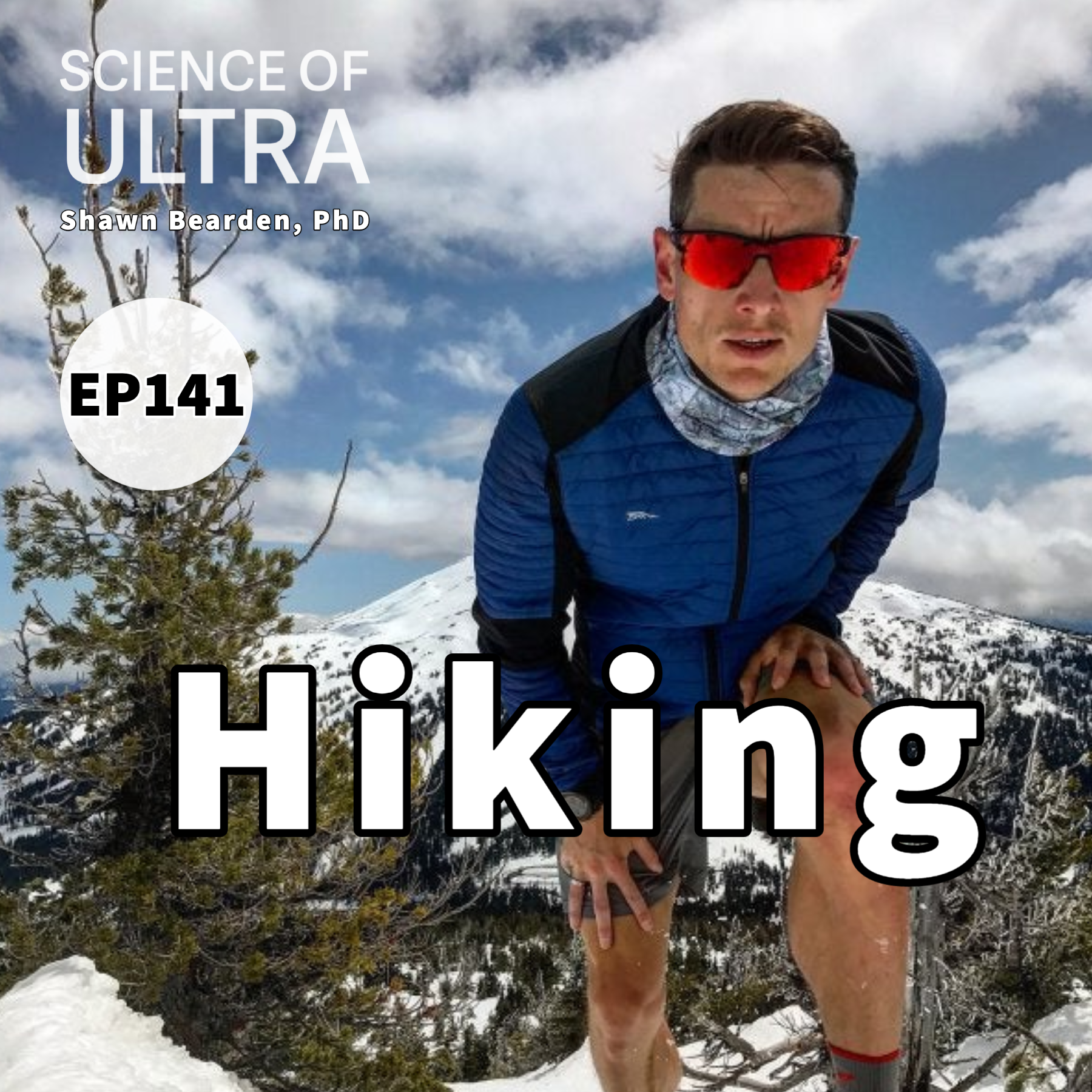
Ep 141Hiking
Hiking! I'm joined by Ian Sharman for a deep dive into training for hiking in ultras.
Ep 140How much?
How much running and how much overall exercise training should you be doing to prepare yourself for ultra-marathons or other major endurance adventures? Show page: https://scienceofultra.com/podcasts/140
Ep 139This is the most useful pace
If you only have one training pace, this should be it. https://scienceofultra.com/podcasts/139
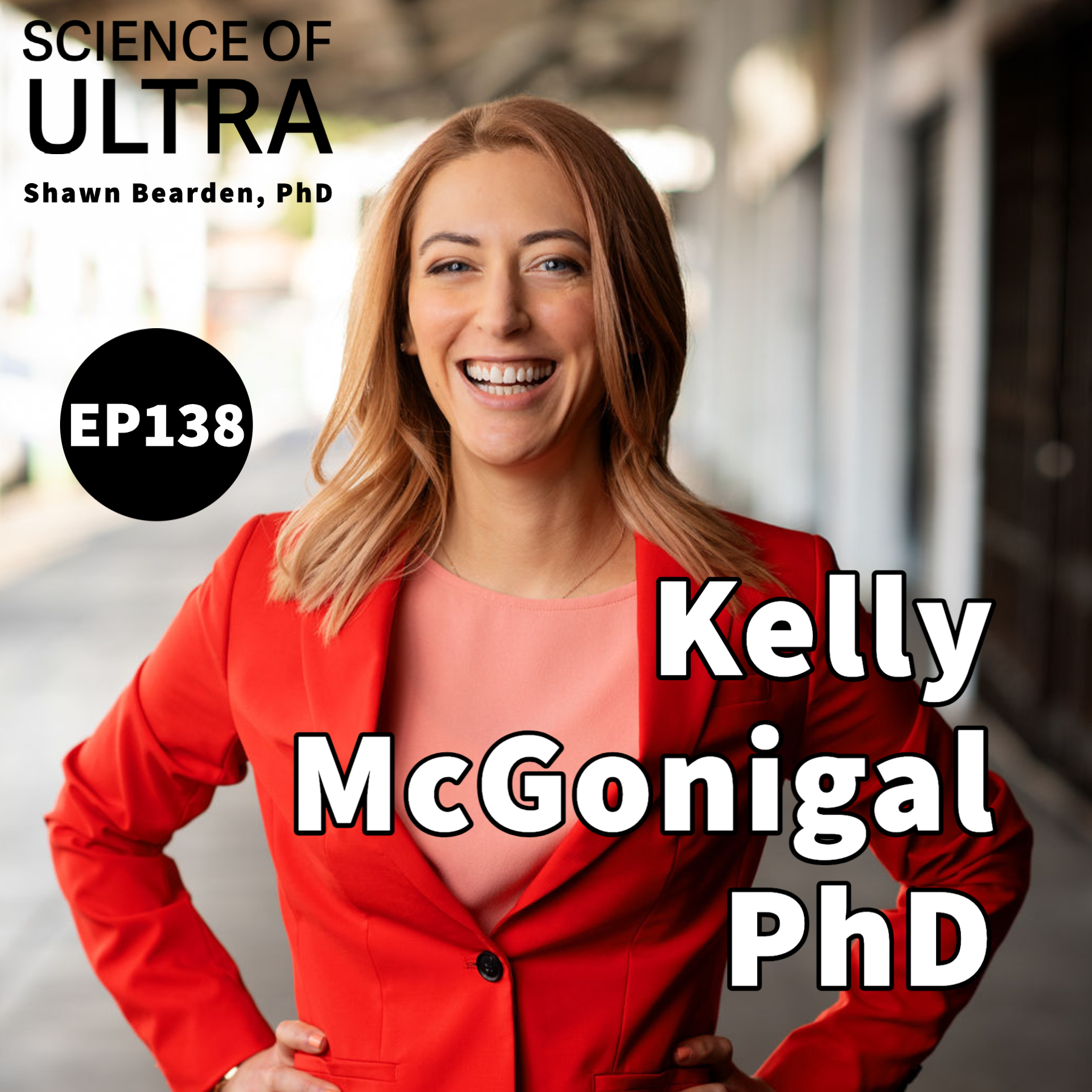
Ep 138Kelly McGonigal, PhD
Kelly McGonigal, PhD understands the power of mindset and movement better than anyone. Show page: https://scienceofultra.com/podcasts/138
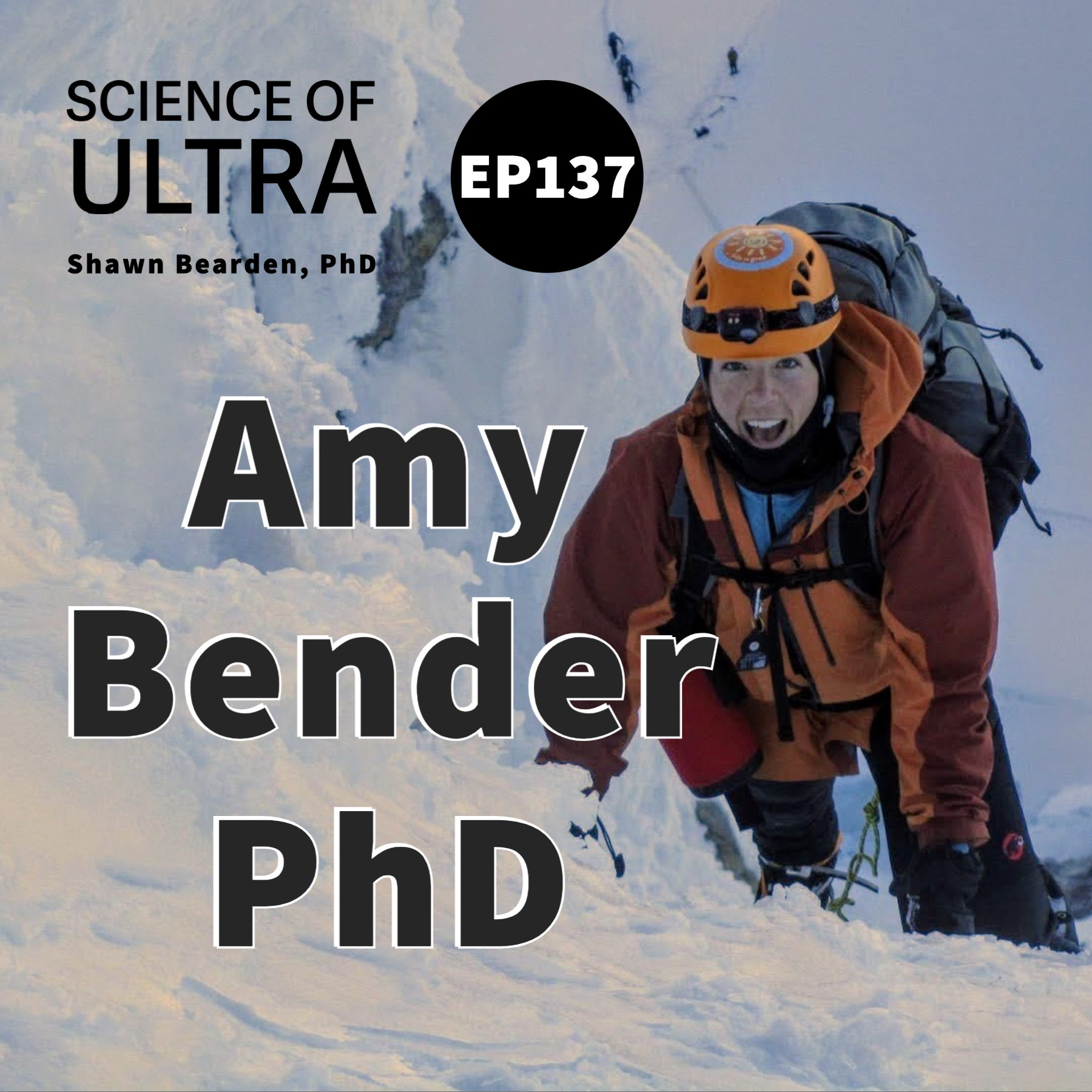
Ep 137Amy Bender, PhD
A primer on the why and how of sleep for endurance athletes with Amy Bender, PhD from the Centre for Sleep. Show page: https://scienceofultra.com/podcasts/137
Ep 136Mileage Matters Most
Mileage is the most important factor in your training, after consistency, no matter your goals. Show page: https://scienceofultra.com/podcasts/136

Ep 135Shaping Hard Sessions
Two questions answered today. Should you put intervals at the beginning or at the end of the workout? Should progression runs be done by effort or pace?
Ep 134Herman Pontzer, PhD
Herman Pontzer, PhD is an evolutionary anthropologist at Duke University interested in how the human body evolved and how our species' past has shaped our health and physiology today. He studies the ecology, lifestyle, diet and evolutionary history of humans and apes to better understand metabolism and health. As you'll hear in the interview, we emphasize what hunter-gatherer societies can tell us about the human body because it's the lifestyle of hunter-gatherers that created the bodies we have. Several years ago, Dr. Pontzer and his colleagues were curious about the total energy expended per day by people living as hunter-gatherers. They discovered that nobody had made the actual, direct measurements. It took them a while to convince funding agencies that this was a good use of research dollars because the reviewers thought 'these are very active people, they're going to be expending a lot more energy than sedentary people, we have good estimates of that based on activity level, we're not going to learn anything here'. But Dr. Pontzer and is colleagues persisted, got the funding, and did the direct measurements. They discovered that the Hadza people of Tanzania expend the same number of calories per day as sedentary people in the United States and other modern societies despite being much more active. Show page: https://www.scienceofultra.com/podcasts/134
Ep 133Andrew Skurka & Joe McConaughy
Andrew Skurka & Joe McConaughy join me to talk about training and psychology for ultra distance events. Show page: https://scienceofultra.com/podcasts/133
Ep 132Stop Failing, Learn To Succeed
Let's talk about failure, success, and learning.