
Run to the Top Podcast | The Ultimate Guide to Running
768 episodes — Page 10 of 16

Team RC Update 4/24/2020 - Virtual Race Results
In this week's Team RC Update, Coach Michael shares details about some of the wonderful performances achieved by the athletes at last week's RC virtual race. Also, listen to find out what's new on your YouTube live sessions.
Up-Tempo Talks - 10 Things Coach Dylan Belles Can't Live Without
In this week's episode, Coach Dylan talks about 10 things he can't live without and how they help with his running. Tune in now!

Andrew Colley: Build Your Best Base Now 04/22/2020
Andrew Colley: Build Your Best Base Now If you watched the 2020 U.S.A. Olympic Marathon trials in Atlanta on February 29th, you may have noticed one of the men running with long, flowing. fabulous locks of hair trailing behind him. Or blowing into his face depending on the strong winds that day. And you may have thought: "Who is that guy?" This week's interview is with professional runner Andrew Colley. Andrew runs at On ZAP Endurance in Blowing Rock, NC where Runners Connect hosts running retreats every fall. Andrew is in the top tier of American distance runners and holds some incredible personal records, like 2:12 in the marathon, 1:02 in the half, and 13:40 in the 5k. This guy is super fast and incredibly talented. We dive into what kinds of things he and the other men and women at ZAP are doing that helps them be so successful in endurance running. Is it just talent? Is it the shoes? Is it the food? And what is the team doing right now with the calendar wiped clean of races? In short, Coach Claire asked Andrew how he could help us become better runners and he absolutely delivered. We talked about both mental and physical training tips, a little bit about nutrition, and more. What is refreshing is that professional runners might not be so different from us after all. Sure, it's their job to run for a living, but we can use similar techniques and habits to get the most out of our running too. And it sounds like there are a few things Andrew thinks elites can learn from us as well! Questions Andrew is asked: 2:08 How is everyone at ZAP handling the current quarantine situation? 3:12 How do you plan for long-term goals without any upcoming races to plan for? 4:36 How has your training changed, especially the hard to easy ratio? 5:34 How would you explain 'strides' to a brand new runner? 7:26 Your last race was the Olympic Marathon Trials in February where you came to the starting line with a 2:12 PR. It sounds like it wasn't your day. Can you tell us a bit about what happened? 9:19 Is this an injury you've had before or a new one? 10:45 What kind of company is ON? 11:04 I reached out to our audience on Facebook and asked them what kinds of topics they'd like to learn about and I think this one from Pete Fenn is great to ask you: "Do you have any tips or ideas for how to be able to really 'go for it' in the midst of races of any distances, to get over the intense feeling that you just don't have any more gears to go up to?" 13:09 Do you practice mental training outside of running? 14:37 Is it as important to visualize negative race circumstances as much as positive outcomes? 15:54 One thing that I caution my athletes about is:, while we can learn a lot from elite runners such as yourself, we shouldn't train like elites for many reasons. Do you agree with that? 18:17 How much slower, by minutes, is your easy run pace than your marathon pace? 19:27 What do you do for recovery and what's the most important? 22:32 What is the nutrition philosophy at ZAP? 25:08 How do you approach nutrient-timing? 25:47 What is your favorite indoor workout? 27:02 What's next for you with the calendar being pretty empty? 28:38 What advice would you give yourself back when you started running? 29:29 What is the best gift running has given you? 30:30 How can people connect with you? Quotes by Andrew: "The last thing you want to do is get yourself ready for a hard effort when there isn't going to be one. So, it's just about getting that base and keeping a mindfulness that there is purpose behind that base and that it will serve you in the long-term, even if that's 6-10 months from now." "You're not running top speed for that whole stride, but you get up to it and you touch it. Whereas when you're finishing the stride, you should be at that speed. It should make you feel like you're fast." "Recovery is not the ABSENCE of training; it IS training in itself." "I like to warm up into my runs, whether that's doing drills or doing the first couple minutes walking. I like to get the body into running mode. I count that as part of recovery because it is easier on your body." "To look on the positive note: there are no races in the future, so if I have to miss time I guess this is the best time to be missing." "There's been several times in my career when I've just seen the race happen in my head and when the race comes, it's not surprising. It's more of a habitual reaction because you've been there before." Take a Listen on Your Next Run Want more awesome interviews and advice? Subscribe to our iTunes channel Mentioned in this podcast: Run To The Top Winners Circle Facebook Community RunnersConnect Facebook page Andrew's ZAP Athlete Bio ON ZAP Fitness ON Shoes Follow Andrew on: Instagram Twitter Andrew's Website We really hope you've enjoyed this episode of Run to the Top. The best way you can show your support of the show is to share this podcast with your family and friends and share it on your Facebook, Twitter, or any other social media
How To Make A Solo Time Trial Work For You
How to find motivation when you have to run solo during this challenging times? How to choose a safe route and the distance for your solo time trail? Coach Hayley explains in today's podcast.

How To Breathe
How to breathe easier while running? Should you breathe through your nose or mouth when running? Why chest breathing is bad for you? How to strengthen your breathing muscles? Find out in today's audio blog episode.

Team RC Update 4/17/2020 - How To Improve Your Running At Home
In this podcast, Coach Michael gives details about what kind of strength training sessions are covered each day of the week that goes live on our Youtube channel and shares more information about this Sunday's virtual race. Tune in now!

Up-Tempo Talks - Five Fartlek Workouts You Need to Try!
What is a fartlek workout? Why and how to do it? What are some practical ways to apply fartlek into your training? Find out in today's podcast from Coaches Ruairi and Dylan.
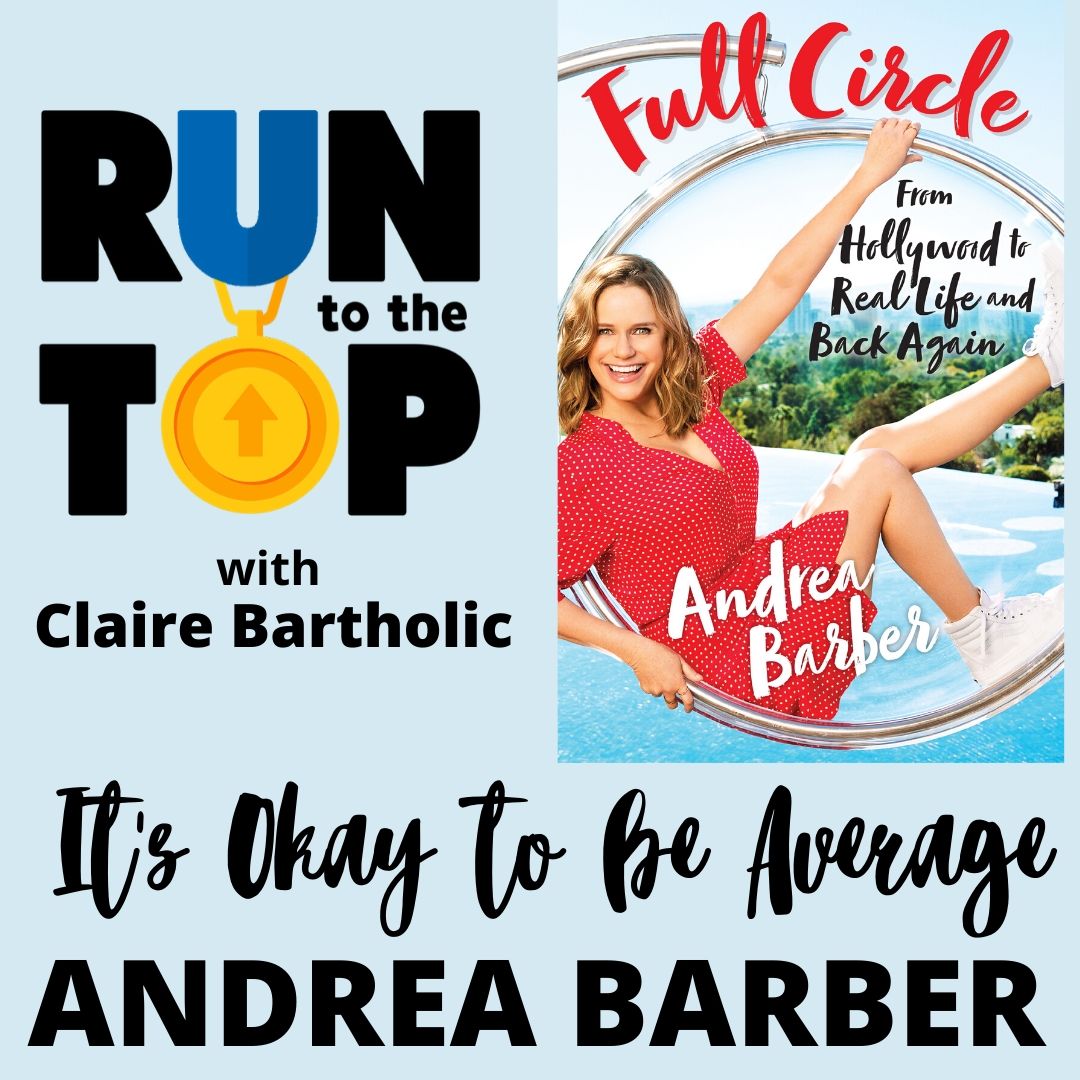
Andrea Barber: It's Okay to be Average
You probably know her best as the zany next-door neighbor on Netflix's hit show Fuller House and if you don't know her, your kids probably do. We're excited to have Andrea on the show, not to talk about her acting or to ask her about Hollywood, but because Andrea is a runner and the sport has completely changed her life for the better. In her new book, Full Circle, Andrea is refreshingly honest and open about her struggles with anxiety and depression and how running helped her through some incredibly difficult times in her life. Like me, and so many of you listening, Andrea did not start running as a kid, but found it later in life. Running helped her become strong and confident and realize that she could do hard things. The simple act of going for a run, whether alone or with a friend or group, brought her much needed peace and a sense that everything is going to be okay. As many of us are challenged with adjusting to our current situation, running can provide us with a healthy mechanism for better managing stress and anxiety. And if you're new to running, as you'll hear Andrea explain, don't worry about how fast or how far you're running. It's OK to simply be OK. We're here for you, no matter what. Questions Andrea is asked: 2:02 Are you getting any runs in during quarantine? 3:40 Does your Instagram bio rank your characteristics in order of importance? 5:12 What did running give you that you needed at the time you started running? 9:10 Where does running fit into overall good mental health? 14:22 What is so special about the bond that is formed running with someone else? 18:22 What do you like and not like about racing? 20:47 What advice do you have for beginner runners just off the couch? 22:25 What did you learn most about yourself when you ran your first marathon? 27:34 Why do wish there was an 'It's OK to be average' movement? 30:19 What advice would you give yourself back when you started running? 30:57 What is the best gift running has given you? 32:08 How can people connect with you? Quotes by Andrea: "I found so much catharsis through running. And I didn't expect that; I expected to suffer through the training runs, do (the race), cross the finish line and then be done and never run again. But, something happened out there on that course and I was just transformed." "Running made me feel like I could do hard things and that became a huge metaphor in my life. I could physically do hard things and I could do mentally and emotionally hard things, too." "That's how I learned to run: I would just run until it hurt and then I walked until I felt better. And then I would run again." "Why as a running culture do we only celebrate the fast paces and not the slow paces? The slow runners are still Runners and they're still out there challenging themselves and they're still growing. It doesn't matter if you're running 12:00 miles or 9:00 miles or 7:00 miles. It doesn't matter; you're still growing and challenging yourself." "Pain is temporary, but Pride lasts forever." Take a Listen on Your Next Run Leave a space for libsyn link Want more awesome interviews and advice? Subscribe to our iTunes channel Mentioned in this podcast: Run To The Top Winners Circle Facebook Community RunnersConnect Facebook page Book: Full Circle by Andrea Barber Series: Fuller House Follow Andrea on: Instagram Twitter We really hope you've enjoyed this episode of Run to the Top. The best way you can show your support of the show is to share this podcast with your family and friends and share it on your Facebook, Twitter, or any other social media channel you use. The more people who know about the podcast and download the episodes, the more I can reach out to and get top running influencers, to bring them on and share their advice, which hopefully makes the show even more enjoyable for you!
How To Maintain a Healthy Immune System For Runners
How to train and what to eat to maintain a healthy immune system? Why the quality and quantity of your diet is very important now? What nutrients can supercharge your immunity? Coach Hayley explains in today's podcast episode.
Black Toenails
What causes black toenails, cramps and pain on the top your foot? How to treat and prevent them? Coach Claire explains in this week's audio blog episode. Listen now!

Team RC Update - Live At-Home Strength Training Sessions
In this week's episode, Coach Michael gives details about the weekday live at-home fitness challenge video sessions on our YouTube channel. Tune in now!

Up-Tempo Talks - Foundational Training
How to build a strong foundation for running? What things you need to focus on during your base training period? Coaches Dylan and Ruairi discuss in this week's Up-Tempo Talks episode.

Pain Free Running: Dr. Boleslav Kosharskyy 04/08/2020
Pain is a universal occurrence and is considered one of the most important factors impacting runners. How can we avoid pain in the first place? And if we are unable to avoid pain, how can we manage it to continue training safely? Dr. Boleslav Kosharskyy is board-certified in Anesthesiology, Interventional Pain Medicine and Palliative Care. He is Associate Medical Director of Pain Medicine and Director of Anesthesia for Joint Replacement Center at Montefiore Medical Center, Albert Einstein Medical College. Dr. Kosharskyy employs multimodal therapeutic modalities to treat musculoskeletal pain of the back, neck, and joints, neuropathic disorders, and cancer pain. In this episode, we learn about pain avoidance and management techniques as well as how Dr. Kosharskyy treats his patients in his practice. He dispels some common myths and provides clarity on using common and alternative medicines for treatment. Dr. Kosharskyy specializes in minimally invasive therapies such as: Spinal Cord and DRG Stimulation, Kypho- and Vertebroplasty, Percutaneous Discectomy and MILD Procedure (Minimally Invasive Lumbar Decompression) for Spinal Stenosis as well as an alternative medical marijuana treatments. He is involved in several clinical trials as well as basic science research on neuroprotective properties of enolate forming compounds. He completed his fellowship in Interventional Pain Medicine at Upstate University Hospital, Syracuse, NY in 2005. He completed his Anesthesia residency at Boston University Medical Center, Boston, MA in 2004. He earned his Medical Degree in 1997 from Free University of Berlin Medical School, Berlin, Germany. He is an active member of the American Society of Anesthesiology (ASA), American Society of Regional Anesthesia and Pain Medicine (ASRA), and the New York State Society of Anesthesiologists (NYSSA). Questions Dr. Kosharskyy is asked: 2:16 When is it safe to run through pain? 2:49 When should you definitely not run through pain? 3:53 What about 'Phantom Pain'? 5:04 What is your opinion on NSAID's? 6:01 does acetaminophen work differently than ibuprofen? 6:30 Can each of these exacerbate certain conditions? 7:20 What are some pain relief alternatives can people use for day-to-day pain? 8:40 Is running bad for your knees? 10:49 How can runners prevent knee injuries? 12:24 Should runners who are very heavy do more low-impact activities? 13:35 What is your opinion on KT Tape for knees? 16:07 Platelet Rich Plasma--what is it and how can it help runners? 20:20 Are there any side-effects or people who should avoid PRP injections? 22:24 Is it a last resort treatment for injuries? 23:15 Why is it important to keep the thoracic spine flexible and the lumbar region stable? 26:05 Your clinic also is a leader in medical marijuana therapy for pain management. Can you explain how this can apply to runners? 27:42 Would you recommend topical CBD for local pain? 28:26 What advice would you give yourself back when you started running? 29:16 What is the best gift running has given you? 30:44 How can people connect with you? Quotes by Dr. Kosharskyy: "I avoid the term 'in your head' because I think it's very diminishing and insulting. I think everything is in our heads, it's true, but we always have to listen to the concerns, especially as physicians." "Everything is connected in your body." "Running is good for you if you do it recreationally; meaning if you do it 3-4 times a week and you don't obsess over it, it's actually good for your knees and prevents arthritis." "I would not use PRP injections as prophylaxis for anything because there is very little data to support the prophylactic use." "Biomechanics are very important when you run. If anything has shifted, it's going to create a chain reaction. If you don't have a flexible spine in the thoracic area, it will create an enormous increase and pressure on the unilateral joints. So instead of evenly redistributing the pressure on both knees, one knee will get a lot more of it and is more likely to get injured over time." Take a Listen on Your Next Run Leave a space for libsyn link Want more awesome interviews and advice? Subscribe to our iTunes channel Mentioned in this podcast: Run To The Top Winners Circle Facebook Community RunnersConnect Facebook page Pain Management NYC's website We really hope you've enjoyed this episode of Run to the Top. The best way you can show your support of the show is to share this podcast with your family and friends and share it on your Facebook, Twitter, or any other social media channel you use. The more people who know about the podcast and download the episodes, the more I can reach out to and get top running influencers, to bring them on and share their advice, which hopefully makes the show even more enjoyable for you!

Benefits of a Period of Time Without Racing
What are the positives of having a period of time without racing? Why now is the right time for you to focus on the often neglected elements of your training cycle? Coach Hayley explains in this episode.

Three Reasons to Ditch HR Training
How training using your heart rate monitor can hold you back from reaching your potential? In this episode, Coach Claire shares 3 reasons to ditch HR training and then gives you the best ways to improve your running without using heart rate.

Team RC Update 4/3/2020 - Live Strength Training Overview
In this week's update, Coach Michael gives details about what kind of strength training videos are added each day on our YouTube channel and also provides some clarifications on our upcoming virtual race. Listen now!
Up-Tempo Talks - We Compare the New Nike Alpha Fly Shoe to Previous Models
In this week's up-tempo talks, Coaches Ruairi and Dylan talk about the specs of the new Nike Alpha Fly shoe and how it differs from the previous models. Listen now!

Running Everest: Holly Zimmermann 04/01/2020
Holly Zimmermann - Running Everest In 2018, Holly Zimmermann was the first international female to finish the Mount Everest Marathon. That's right; a marathon. On Mount Everest. Additionally, she has completed the 257-km (160 mile) Marathon des Sables across the Sahara Desert as well as a marathon at the Polar Circle. Born in Providence, RI, the middle child of three girls, she was active in team sports including soccer, softball, gymnastics, basketball, field hockey and even cross-country running (although she despised running then!) She received a Bachelor's Degree in Mechanical Engineering with a concentration in Aerospace Engineering at Worcester Polytechnic Institute in 1991, then at The University of Rhode Island she acquired a Master's Degree in Mechanical Engineering concentrating in the thermal sciences, and finally finished her education with a Master's in Business Administration (MBA) at The College of William & Mary. She then worked for several years in research and development for military applications including antenna and radar jamming systems for tactical fighter aircraft (F14s, F15s) and later acoustic damping for submarines. In 2000, she moved to Germany with her Berlin-born husband with whom she has four children ranging in age from 12 to 18. With the birth of her first child, she gave up her technical pursuits and turned to sports and writing, while raising their children and working part-time at home as an editor for technical professional journals. Today she is an athlete in the world of extreme sports, from mountain and desert ultras, orienteering, endurance bike and expedition adventure races to running a marathon on the Arctic ice sheet. Aside from running, one of her passions is motivating others to be active, and she encourages them by speaking in companies, at sporting events, in women's groups and at charities or by volunteering in schools where she trains kids to take part in local races. Her first book, Ultramarathon Mom: From the Sahara to the Arctic, was released in April 2018 and her second book Running Everest: Adventures at the Top of the World in April 2020. Holly doesn't claim to have any better-than-average athletic ability but believes her passion for running and strong mental focus are what give her the drive and ability to compete and be competitive in long-distance races in extreme environments. Becoming a role model for other women has taken her by surprise, but she attributes it to being a regular woman that many can relate to, someone who does the cooking, cleaning and child rearing, but just happens to have an adventurous spirit that puts her physical and mental limits to the test. Questions Holly is asked: 2:27 How is life in Germany for you now during the CV19 pandemic? 3:42 Are you still able to train? 4:08 Why did you want to do the Everest Marathon? 5:41 What was the terrain like compared to a traditional marathon? 8:03 What was training like for that? 8:59 Did everyone finish despite their altitude sickness? 9:55 What were some of the surprises that you didn't expect on your trip? 11:33 Can you talk a little bit about how training for big adventures fits in with family life? 13:12 Does your husband run, too? 14:01 You've said that your strong mental focus is what gets you through races in extreme environments. Can you talk about how to develop this? 15:43 How did your passion for running grow? 16:38 What advice would you give other parents who have young children at home that are searching for a passion of their own? 17:39 What advice would you give someone interested in running Everest? 18:17 Can anyone just sign up and run it? 18:50 What did you learn about the culture when you were there? 20:11 Are you a plant-based runner? 21:39 Did you notice a difference when you started adding in a little dairy? 22:28 What do you eat when you are in an ultra race? 23:51 Do you make your own oat milk? 24:07 What gear is essential for starting with ultra running? 25:20 What is next on the horizon for you? 26:24 What advice would you give yourself back when you started running? 27:21 What is the best gift running has given you? 29:44 How can people connect with you? Quotes by Holly: "There's a lot of rocks, there's some climbing, but that's not the most difficult part because I run a lot of trail races here in the alps and they're very similar in terms of the terrain, but what IS difficult is the oxygen. At the start of basecamp, we're at 17,000 feet and you have about 50% of the oxygen as you do at sea level." "When you're up there in the Khumbu Valley you see the rescue helicopters coming in and out all day long. And I think that's not really heard so often in the western world, how dangerous it actually is and we witnessed quite a few visitors to the region who were evacuated. And it looked horrible." "I'm lucky enough to work from home, and that gives me the flexibility to spend some time training when my kids are at school. So usually I do that first thing in the

GPS Watch Race Predictors
How accurate are the VO2 Max calculations on your GPS watch? What is the problem with the Garmin's race predictions? Coach Laura explains in today's Extrakick episode.

Seven Mental Strategies
How to prepare for the mental and emotional rigors of race day during workouts and in your mind? Does visualization really work? If so, how can you implement it before and during the race? Coach Claire discusses seven mental strategies to build mental toughness during races in today's episode.

Team RC Update 3/27/2020 - Live At-Home Strength Sessions!
In this week's Team RC update, Coach Michael talks about our new weekday live at-home strength training sessions on Youtube and also give details on how you can participate in the virtual race, which is happening on April 19th. Tune in now!
Up-Tempo Talks - Strategies for Returning from Injury
Are you coming back from injury and want to get back to running? Where to start from there? How to return to action stronger? Coaches Dylan and Ruairi share various practical strategies that you can apply today for faster return. Listen now!

Fitter as You Age with Carolee Walker
Carolee Belkin Walker is currently Chief of Staff in the office of the Special Presidential Envoy for Hostage Affairs at the U.S. Department of State. She's a career professional at the Department with previous assignments as a congressional advisor in the Bureau of Legislative Affairs, the Deputy Director of the state.gov website, and a consular affairs officer and chief serving on crisis task forces such as the earthquake in Haiti and the earthquake and tsunami in Japan. Since 2014, Carolee has enjoyed a successful side hustle as a freelance wellness and fitness writer for such publications as the Washington Post, Huffington Post, Women's Running, and others. She's the author of her memoir Getting My Bounce Back and she's currently writing her second book, Keeping My Bounce in Spite of What I'm Facing. She started running in her late 50s in order to lose weight, but soon she began to embrace the overall health benefits of running, and most importantly the mental benefits. As a marathon and triathlon finisher, Carolee is a proud member of the back of the pack. She maintains that participating in these events can play a major role in keeping fit and healthy as you age as they help you set good habits and teach you mindfulness skills that can have a positive impact on every aspect of your life. It has in hers. Questions Carolee is asked: 2:42 How are things at the moment in Washington D.C. with all that's going on? 4:23 How important is running right now? 6:20 We were first introduced when you interviewed me for an article in the Washington Post about slowing down your runs so you can eventually run faster. Can you tell me what you learned overall from researching that article? 9:29 You started running later in life. Can you tell me about why you started to run and how it's evolved? 11:50 Are people taking this situation as an opportunity to start or restart running? 15:12 You've written a book called "Getting My Bounce Back" and are currently working on "Keeping My Bounce." Can you talk about the core messages in those books and how they relate to age and running? 20:47 What is the relationship between running and yoga? 26:24 What are the most important lessons you've learned about health, running, and aging? 30:29 How important is surrounding yourself with supportive people? 33:57 What advice would you give yourself back when you started running? 34:24 What is the best gift running has given you? 31:43 How can people connect with you? Quotes by Carolee: "When you're running slow, you're really developing the energy system that you need for the long haul. And the more you can develop that system, the better you can do overall." "Especially now with Covid-19, this is the perfect time to become part of an online running community or online training." "Doing some planks, maybe one plank on all sides, if possible; two sides and then in the center before you go for a runcan sort of activate your core which can hold you up a little higher so you're not putting pressure on your back." "The fact is, even in a perfect situation… you might tweak something, but you don't want to throw in the towel, so if I have a labral tear on my hip… then I will go swimming in the pool or I'll do something else. There is no scenario where you should not be moving around." Take a Listen on Your Next Run! Want more awesome interviews and advice? Subscribe to our iTunes channel Mentioned in this podcast: Run To The Top Winners Circle Facebook Community RunnersConnect Facebook page Book: Getting My Bounce Back by Carolee Belkin Walker Follow Carolee on: www.caroleewalker.com Instagram Twitter Facebook LinkedIn We really hope you've enjoyed this episode of Run to the Top. The best way you can show your support of the show is to share this podcast with your family and friends and share it on your Facebook, Twitter, or any other social media channel you use. The more people who know about the podcast and download the episodes, the more I can reach out to and get top running influencers, to bring them on and share their advice, which hopefully makes the show even more enjoyable for you!

How to Make the Most Out of Training Alone
In this challenging times, what areas you can focus now to make the most out of training? Coach Hayley explains in this podcast and also talks about the positives of having a period of time without racing.

Losing Running Fitness
How much you'll slowdown when not able to run? What is the effect of detraining on your VO2 Max and fitness level? How quickly do you lose your running fitness? Coach Claire explains in this Audio Blog podcast.

Team RC Update 3/20/2020 - Virtual Racing
In this episode, Coach Michael shares details about a virtual race that Team RunnersConnect is organizing next month. Listen now to know how you can take part in this event that helps you keep focused on your goals and maintain a positive mindset.

How to Love Running When You're Not Racing
With many of us don't have races to do, what steps you can take to stay focused on your running and fitness goals? Why you need to reevaluate your purpose when it comes to running? How to be more productive when you've to work from home? Coaches Dylan and Ruairi share some great tips and ideas in today's podcast. Listen now!

World Record Dad Calum Neff
Calum Neff- World Record Holder in Stroller Marathon and 10k This week we talk with Calum Neff, who holds the Guinness world record in the marathon and the 10k while pushing a stroller, or as they say in the UK, while pushing a "pram." Calum's accomplishments are amazing and he has a unique perspective on getting fit as a family. Currently residing in Houston, TX, he started running at four years old. His wife, Julie, and his three young daughters have helped define Calum's running career after earning a series of Guinness World Records racing while pushing his daughters in the stroller. But he also is a diverse runner competing in all distances on all terrains in a single year, from speed on the track to grueling ultras in the mountains and everything in-between. He also runs his own coaching business called Hardloop Endurance in Houston. So just how fast do you have to run while pushing a young human in a stroller to earn a Guinness World Record? Pretty darn fast! Calum ran 2:31 in the marathon, 1:11 in the half, and 31:43 in the 10k. That is lightning fast even without a stroller! Not only is Calum fast, but he involves his family in his accomplishments, which is not easy to do. You can tell that he takes his job as a parent and a husband very seriously, but also manages to have a great time in the process. Take a listen as we learn about his training and racing endeavors. Perhaps you will be inspired to gear up the kid(s) and push yourself to new achievements. Questions Calum is asked: 3:18 How did you get into racing with a stroller and how did you decide to go after stroller records? 4:30 Was it your idea or your daughter's? 5:22 Can you recap your recent 10K WR you just got in February? 7:30 What tips do you have for stroller running? 8:43 What do you look for in a jogging stroller? 9:27 Do you switch hands and how often would you switch in a 5k? 9:47 What is your daughter doing during the race? 10:57 How would you describe your race footage? 11:38 What are the reactions of other racers to you? 12:28 Do you have stroller-specific training? 13:36 What tips do you have to stay fit as a family? 15:51 What strength training do you do with your kids? 19:15 Do you ever run without your kids? 20:02 What advice do you have for those looking at online running coaches? 21:34 Will you coach your daughters at some point? 22:24 What advice would you give parents who are looking for a coach for their kids? 24:28 How do you walk the line of nurturing and pushing? 26:45 Any more WR attempts on the horizon? 27:45 What are the differences between single and double strollers? 29:08 Any plans to reclaim the Half Marathon Stroller Record? 29:40 What advice would you give yourself back when you started running and weight training? 30:53 What is the best gift running has given you? 31:49 How can people connect with you? Quotes by Calum: "Running takes so long to develop. Stay consistent; stay at it through not only the good times, but the bad runs, as well." "Imagine you're watching a movie and your kids are in that movie, but YOU'RE NOT. And you're at the theater. You would never stand up in the theater and scream at the screen; you would never try to change the plot. Showing up to sports with that attitude is going to improve not only your kid's enjoyment of the game, whatever that game is, but it will improve your relationship." "A lot of my work in the gym is just very light weight, but very focused on single-leg stability, because you're either on your left or on your right when you're running. It's great to be in a single plane and strong that way, but as soon as you're off kilter or getting fatigued late in the marathon, you really need to have those extra stability muscles and core strength to kick in." "Allie, when I did the marathon record, she was four. This is something that she'll remember for the rest of her life and just to be running alongside Olympians was the coolest thing to share with her." "Stay fluid on the (stroler) bar. I always see parents with the double-handed death-grip on their stroller like it's just going to fly away from them. It makes you whole body very rigid and your form goes out the window." Take a Listen on Your Next Run Leave a space for libsyn link Want more awesome interviews and advice? Subscribe to our iTunes channel Mentioned in this podcast: Run To The Top Winners Circle Facebook Community RunnersConnect Facebook page Save 20% on your first order of Generation UCAN Calum Neff World Record Half Marathon with Stroller Periscope Footage Calum Neff World Record 10K with Stroller Footage Thule Glide Stroller Thule Double Glide Thule Cross Trailer Follow Calum on: Instagram Strava Twitter Facebook Calum's coaching program We really hope you've enjoyed this episode of Run to the Top. The best way you can show your support of the show is to share this podcast with your family and friends and share it on your Facebook, Twitter, or any other social media channel you use. The more people w

Foot Strength
How to strengthen your foot? What exercises can help stretch your foot and calf muscles? Coach Laura explains in today's podcast.

What To Do If Your Race Is Cancelled
So your race is likely to get cancelled or postponed. Now what to do? In this week's audio blog, Coach Claire reads an article about how to potentially adjust your schedule for another race and why now is the best time to work on your weaknesses.

Team RC Update 3/13/2020
As many big-city races are getting cancelled due to Coronavirus, what can you do to remain positive and stay focused on other aspects of your running goals? Coach Michael gives suggestions on how to cope and turn this situation into a more positive one.

Coach Dylan's Olympic Trials Recap
In this podcast about Olympic Trails recap, Coach Dylan talks about various interesting things that happened before, during and after the race. Listen now!

Are Your Glutes Asleep? Fix Your Form with PT Abby Douek
Sleepy glutes… yes, this is an actual thing for many runners. And it's just one of an assortment of issues runners can suffer from. Whether it's injury, weakness, or just inefficiency and injury prevention, a great physical therapist works individually with athletes to increase performance. And that is exactly what PT Abby Douek, owner of and therapist at Run Raleigh Physical Therapy and Performance Lab, does with her athletes. In this episode, we learn a lot about form; how to analyze it, including the differences between 2D and 3D gait analysis, and how to improve it. Strength and conditioning is another crucial component to rehabbing and pre-habbing injuries. And the good news is that it doesn't take nearly as much time as you might think to improve your functional strength. Abby also challenges some conventional thinking about returning to running post-injury and thoroughly explains common issues runners have and some ways that might help them. Lots of great info in this one, so you may want to flag it as a favorite to come back to. Questions Abby is asked: 3:14 How was it seeing some of your athletes compete at the Olympic Trials in Atlanta? 3:43 How many of the runners had excellent form as you saw them running by? 4:12 How can people run well with what appears to be terrible form? 5:37 How easy is it to fix one's form? 7:06 Can a novice runner fix form as easy as a veteran, or is it different? 8:18 What is gait analysis and what should someone expect? 10:16 Does form vary between paces? 11:02 What should people do if they feel injured on a run? 11:32 Should people run fast or slow when recovering from injury? 12:32 What are some of the most common issues you see with runners? 12:42 What are 'Sleepy Butts'? 13:39 What can people do if they are deskbound at work? 15:02 What issues do you see with feet? 16:57 What do runners need for balance and how can they improve it? 18:18 How much strength work do runners need each week? 21:17 What is an example of a good strength work routine? 22:29 What are the best exercises for core? 23:09 What about ankles and how can we work on them? 24:25 What is the actual treatment process for injured runners? 26:49 How much pain is ok to run through? 28:38 Should most runners go to a PT when healthy or only when they're hurt? 29:29 What advice would you give yourself back when you started running and weight training? 35:48 What is the best gift running has given you? 37:18 How can people connect with you? Quotes by Abby: "We are trying to prevent the pain before it starts. We're trying to get out in the community, trying to talk to coaches, talk to run clubs, anybody who will listen on how to foam roll properly, how to do dynamic stretching vs. static stretching before you get out there, anything we can do to try to catch problems before they start." "Every patient has to do two what I would consider 'successful runs' before we can increase them. It can't be a fluke." "I try not to tell people where to put their feet on the ground, but can we think about where your gaze is, where your trunk is, things that are a little more tangible." "People are really amazing compensators; people can run with all kinds of biomechanical issues. It's not necessarily my job to fix what I'm seeing, but to work with what we have." Take a Listen on Your Next Run Want more awesome interviews and advice? Subscribe to our iTunes channel Mentioned in this podcast: Run To The Top Winners Circle Facebook Community RunnersConnect Facebook page Save 20% on your first order of Generation UCAN Follow Abby on: Run Raleigh PT homepage Email Abby We really hope you've enjoyed this episode of Run to the Top. The best way you can show your support of the show is to share this podcast with your family and friends and share it on your Facebook, Twitter, or any other social media channel you use. The more people who know about the podcast and download the episodes, the more I can reach out to and get top running influencers, to bring them on and share their advice, which hopefully makes the show even more enjoyable for you!

Are You Doing Enough For Your Bone Density
Can exercise alone prevent age-related bone loss? Do all kinds of running activities help build your bone mass? What can you do as a runner to protect your bone density? Coach Hayley explains in today's podcast episode.

How Much Will Wind Slow You Down
How much will running in windy conditions is going to affect your race? Does running in the wind cool you quicker? In this RC audio blog, Coach Claire talks about different research studies on the relationship between wind resistance and running performance and also shares tips for tackling the windy races.

Team RC Update 3/6/2020
In this week's edition of the RC update, Coach Michael shares details about the "Athlete of the Week", an achievement made by one of our coaches and how runners can prepare for Coronavirus. Tune in Now!

Q & A with Coach Dylan On His Journey To The Olympic Trials
In today's podcast, Coach Ruairi interviews Coach Dylan about his journey to the Olympic marathon trails. Find out how he qualified for the race, the roadblocks he faced, his training plans and his preparation strategy for this race course.

Pros and Cons of Pace Groups with OTQ Pacer Rick Powell
At RunnersConnect, we get a lot of questions about using pace groups in races. While we teach about how you should run your own race, there is something undeniably beneficial about running with a group. It's been proven that being a part of a group with the same goal lowers your own perception of effort which makes running hard feel easier. And the idea of just blindly trusting a group and letting go of the mental math that you have to do when you pace yourself, is unbelievably tempting. On the other hand, after months or even years of training, do you really want to risk your race by following strangers? So to answer this question, we sought out Rick Powell. Rick paced the last chance opportunity for women to qualify for the Olympic Trials in Houston this past January. Rick Powell is a 31 year old Texan, originally from South Africa, a former marine and a current lawyer. He has a personal best of 2:29 in the marathon and had the task of bringing in the group of women qualifying for the B standard under 2 hours and 45 minutes. As you will hear in this interview, Rick is about as calm and collected as can be, which in my opinion is EXACTLY what you want in a pacer. He talks not only about the specifics of pacing this important race in Houston, where he helped 17 women cross the line with an OTQ, but what pacing is like in general. We go over strategy, what to ask your pacer before the race, and what pros and cons there are to pace groups. If you've ever wondered about whether using a pace group can help you or hinder you, you'll have a better idea at the end of this episode. Questions Rick is asked: 3:07 How did you end up pacing the 2:45 group of women at Houston, which was the last opportunity to qualify for the Olympic Trials? 5:17 What was it like on the day, and why don't you like running Houston? 7:01 How was your buildup and training different from racing for yourself? 10:54 What pace strategy did you use in Houston? 12:38 What kind of questions did your pace group ask you before or during the race? 15:56 Were you running at a pace where you could communicate comfortably with them? 18:00 Is it acceptable to ask your pacer, "What's your PR?"? 21:49 Should runners avoid pacers who are looking to positive-split a race? 23:38 Should runners audit the pacer with their own watches? 26:21 What was your finishing time? 27:24 Does Houston use gun-time or chip-time? 28:52 What are the pros and cons of pace groups? 33:21 What advice would you give for people who want to be a pacer? 35:39 Are you going to sign up again for this year? 37:28 What advice would you give yourself back when you started running? 35:48 What is the best gift running has given you? 37:18 How can people connect with you? Quotes by Rick: "Taking the pressure off of me doing well and putting it on, 'well, I have to help these women get there time and I have a job to do.' I didn't have time to think how good or bad a day it was." "You don't want a pacer who's like, 'well… I've never actually run that time before, but I'm gonna go for it.'" "Important things to ask the pacer are: What is your plan? How will I find you? Have you run this course before?" "If you've not run the course before, I don't trust you. I'm sorry; I just don't." "The pack CAN push the pacer, which is another thing to be concerned about." "The more people you get together in the same mind set, the same common goal, the easier it is. It's that pack mentality where if you're all working together, you all will thrive." "Having a pacer or being in a pace group is a good indicator of where you are. If you've talked to the pacer beforehand and you know their strategy and their pacing and you know more or less where they want to be at certain mile-markers, it's a good red-line marker." Want more awesome interviews and advice? Subscribe to our iTunes channel Mentioned in this podcast: Run To The Top Winners Circle Facebook Community RunnersConnect Facebook page Use Coupon Code: RTTT for 20% off Native Deodorant The Pacer Who Led Last-Chance OTQ Hopefuls at Houston Houston Marathon Follow Rick on: Instagram We really hope you've enjoyed this episode of Run to the Top. The best way you can show your support of the show is to share this podcast with your family and friends and share it on your Facebook, Twitter, or any other social media channel you use. The more people who know about the podcast and download the episodes, the more I can reach out to and get top running influencers, to bring them on and share their advice, which hopefully makes the show even more enjoyable for you!

3 Things To Add To Your Training
In today's podcast, Coach Laura discusses 3 simple things that you can add to your training to get the most out of yourself. Tune in now!

How To Suceed At Running as a Master
Are you a master runner? Is strength training necessary for you? How about speed work? Coach Claire clarifies and shares a few other tips to make running more pleasant for master runners. Listen now!

Team RC Update
In this podcast, Coach Michael talks about some of the interesting things happening within the RC circle that runners like you can take advantage of, an event you should watch out for this weekend and then shares a truly inspiring story about one of our athletes that teaches the importance of focus and perseverance. Listen to our new special weekly episode!

How To Build Races Into Your Training
In today's podcast, Coach Hayley shares her three favorite ways to incorporate races as part of your training. Tune in now!

The Rebuilding of Neely Spence Gracey
Neely Spence Gracey has running in her blood--her Olympian dad, Steve Spence, was running the Boston Marathon the day she was born and her mom ran that day too! She became a four-time state champion in high school and went on to turn pro after college. She has qualified for the Olympic Trials three times, but due to injury, hasn't been able to toe the line and race for a spot. Until now. On this episode of Run To The Top, Claire talks with the 2:34 marathoner about journey she has experienced for the past year and a half. From injury, to pregnancy, to qualifying for the Olympic Trials in Atlanta this weekend, she shares it all. Not only that, Neely shares her wisdom for staying focused and healthy; the same tips she gives the athletes she coaches herself. Neely has a wonderful attitude and tremendous insight to performance athletes. We can't wait to cheer her on in Atlanta! Questions Neely is asked: 3:30 What made you change your mind to go for the Olympic Marathon Trials? 9:34 How was your mental state while you were injured? 12:12 What do you think makes a good coaching relationship? 14:52 What was your experience running through your pregnancy and how do you coach your runners who are pregnant? 21:54 Do you think you will come back stronger post-pregnancy? 23:47 Do you have any stroller-running tips? 26:05 How did you use Walk/Run to ramp back up post-pregnancy? 30:01 How did it feel from an 'ego' standpoint to be Walk/Running? 32:45 What are your goals for Atlanta on February 29th? 34:21 What advice would you give yourself back when you started running and weight training? 35:48 What is the best gift running has given you? 37:18 How can people connect with you? Quotes by Neely: "I was just hoping that either it was going to happen or I was going to be far enough off that that it wasn't realistic. Because , I did not want to be one of those very heartbreaking, tragic stories of the people who have just missed it by a few seconds." "As a coach, I try to really educate my athletes and help them learn about their bodies and build up their confidence and their own intuition of what they should be able to do and what they shouldn't do." "There's times where you have to push through, there's times where it's not a lot of fun. But, there's also that really key line of when to push and when to not. It's always better to err on the 'not'." "The biggest thing is every person is so different. That doesn't change whether you are pregnant or not, whether you're a male or a female, each athlete is so unique." "When we try and force things, when we try and rush things it's never going to go well. My goal for the year is to not ride that red-line at all, to be really conservative, to listen to my body, to rest when I need to rest, to not force a workout just because I think I have to, to not run that extra 2 miles at the end of a long run if I'm feeling fatigued." Want more awesome interviews and advice? Subscribe to our iTunes channel Mentioned in this podcast: Run To The Top Winners Circle Facebook Community RunnersConnect Facebook page Use Coupon Code: RUN10 for 10% off Halo Headbands Follow Neely on: Instagram Facebook Twitter neelyruns.com We really hope you've enjoyed this episode of Run to the Top. The best way you can show your support of the show is to share this podcast with your family and friends and share it on your Facebook, Twitter, or any other social media channel you use. The more people who know about the podcast and download the episodes, the more I can reach out to and get top running influencers, to bring them on and share their advice, which hopefully makes the show even more enjoyable for you!

What To Do When Your Goal Race Is Cancelled
After weeks and months of training and preparation for your goal race, the last thing you want is the race getting cancelled. How to cope and modify your plans when your race is cancelled? Find out in today's episode from Coach Laura.

Special Edition: Learn What's New with the Run to the Top!
We're changing things up at the Run to the Top! Listen to hear what is new.

What a Powerlifter Can Teach Us About Strength: Sam MacIntosh 2/19/2020
Going to the gym to strength train is often the last thing most of us who are not elite-level runners want to add into our busy lives. So this is often why we neglect it. And, for those who actually do strength training, are we really doing what we should to improve our running? This week, Coach Claire talks with Sam MacIntosh, powerlifter, triathlete, and marathoner. Formerly a rugby player in her 20's, Sam switched to strength training and weightlifting several years ago. She is also a British Weightlifting Level 2 coach and a Precision Nutrition Level 2 coach. Having coached over 200 online clients to become leaner and stronger, she specializes in coaching masters-level athletes to maximize their performance. Listen as Sam describes how we can get maximum strength gains without spending hours at the gym. She also busts several nutrition myths and gives us great tips and an interesting strategy for best nutrition. Questions Sam is asked: 3:09 How do you balance being a champion weightlifter, a triathlete, and a marathoner? 4:26 How much strength training does a marathoner need? 6:05 What kind of exercises are the most important? 8:57 Is it better to do a high or low number of reps? 9:55 How can we improve our running form while running and while strength training? 11:30 Is it possible to gain muscle AND lose fat at the same time? 14:43 How would one periodize nutrition while building up for a marathon? 15:32 How can timing nutrition phases really help? 16:38 On a macro level, what do runners really need for nutrients and how should they go about measuring portions? 21:20 Are 'palm-fuls' and 'thumb-fuls'a better way of portioning than a food calculator like My Fitness Pal? 23:08 How does nutrition differ for weightlifters and runners? 24:33 What supplements, if any, do runners need? 26:06 What are some of the biggest nutrition misconceptions do you help people overcome? 27:38 What do you eat before, during, and after a run? 29:55 What advice would you give yourself back when you started running and weight training? 31:52 What is the best gift running has given you? 32:50 How can people connect with you? Quotes by Sam: "I think we can get everything we need from the food we eat. That said, I think everyone on a standard, Western diet, can benefit from an Omega-3 supplement." "If you want to reliably gain muscle and lose fat at the same time, it's very difficult to track that. What's better is to a periodized dieting approach like you would do with a training block for running." "If you learn how to keep your core integrity in strength exercises, that will transfer over into your running without even trying. Your body is a full system, so if you're learning it while you're doing squatting and deadlifting and that sort of thing, you will carry that over into your running." "Two (strength training) sessions a week is what I usually prescribe for people who are training for marathons, but that can be really appropriate for a 5 or 10k racer, as well." "For runners, and this is regardless of level, if they're asking me about supplements and gels and the nitty gritty, and they're plate for three meals a day is awful, don't worry about gels, don't worry about supplements; you need to sort THAT out first." Want more awesome interviews and advice? Subscribe to our iTunes channel Mentioned in this podcast: Run To The Top Winners Circle Facebook Community RunnersConnect Facebook page Save 20% on your first order of Generation UCAN Dr. Alex Harrison on Run To The Top James Lawrence 50 tri's, 50 states, 50 days Book: Mindset by Carol Dweck Follow Sam on: Instagram Endure Stronger on Instagram MacIntosh Nutrition Homepage We really hope you've enjoyed this episode of Run to the Top. The best way you can show your support of the show is to share this podcast with your family and friends and share it on your Facebook, Twitter, or any other social media channel you use. The more people who know about the podcast and download the episodes, the more I can reach out to and get top running influencers, to bring them on and share their advice, which hopefully makes the show even more enjoyable for you!

From War Zones to Ultra Podiums: How Running Makes Joshua Stevens Thrive - RTTT 2020-02-12
From War Zones to Ultra Podiums: How Running Makes Joshua Stevens Thrive In this episode, Coach Claire digs in to find out how Joshua went from that shocking diagnosis to running his first ultra at age 44, and eventually becoming the Badwater Ultra Cup Champion. We also learn how he approaches training and injury prevention, his plant-based nutrition, and how he could run for 24 hours on a treadmill. Joshua has incredible insight and is an inspiration, even if you don't plan on running any farther than a local 5K. His experiences overcoming his injury, racing for 24 hours, and helping to pace and crew for friends are enlightening and huge confidence builders. Questions Joshua is asked: 4:42 How do you look at aging and running performance? 6:27 What percentage of your training goes to all the 'extra' things beyond actually running? 7:17 How can people learn to stop worrying and love the treadmill? 9:38 What was it like to go through your spinal injury, receive a diagnosis that you'd never run again, and then actually start running again from scratch? 11:41 What were the steps you took to start running all over again? 12:52 What is the experience of pacing, and being paced, like? 14:49 How do you talk to somebody you're pacing through the Dark Times of a race? 15:55 What is it like to be running an ultra really hard in the middle of the night and being sleep deprived? 18:25 What other learnings from your military experience carry over into your running? 19:36 How did you develop your running form and what tips would you share with us? 21:18 Is it easier to have better form in the gym than on the road? 22:47 What do you normally eat before and during a run? 26:14 Do you have any mantras that help you get through races? 27:59 Can you develop a positive voice when you're not racing? 30:11 What advice would you give yourself back when you started running? 31:27 What is the best gift running has given you? 33:03 How can people connect with you? 33:35 What's on your horizon? Quotes by Joshua: "It's what you do with the other 20 hours. At least two-thirds to three-quarters of everything that I do is in support of the actual running." "If you have a negative mindset from the moment you step on the (treadmill) belt, it's never going to be a good experience." "I'm just exceedingly stubborn. If you want me to do something, tell me not to do it, and I will make it my life's mission; it will become my purpose to do it." "I didn't know what I'd been missing until I got to pace and crew for some of my friends." "Where sleep is absolutely imperative is in the training and recovery cycles. I typically get between 8 and 10 hours of sleep a night. I try to be routine in that sometime between 9:00 and 10:00 is when I'm going down and getting up organically between 6:00 and 7:00." Want more awesome interviews and advice? Subscribe to our iTunes channel Mentioned in this podcast: Run To The Top Winners Circle Facebook Community RunnersConnect Facebook page Art Loeb Trail Run Rabbit 50 and 100 miler Spring Energy Products Wolf Pack - vegan-endurance-meal-for-athletes SPEEDNUT WITH CAFFEINE (Vegan) - Extreme Efforts Canaberry (Vegan)- Any Distance Fuel Kodiak100 Antelope Island 50-Miler Badwater 135 The Javelina Jundred Follow Joshua on: Instagram Facebook We really hope you've enjoyed this episode of Run to the Top. The best way you can show your support of the show is to share this podcast with your family and friends and share it on your Facebook, Twitter, or any other social media channel you use. The more people who know about the podcast and download the episodes, the more I can reach out to and get top running influencers, to bring them on and share their advice, which hopefully makes the show even more enjoyable for you!

Introducing Our New Host: Claire Bartholic - RTTT 2020-02-05
Running podcast to motivate & help runners of every level run their best. Coach Claire Bartholic interviews running influencers, scientists, psychologists, nutritionists, & everyday runners with inspiring stories.

Best Running Shoes In 2020 What's Hot And What's Not: Part 2 with Julie Cattell from Milestone Running in San Diego
The ongoing search for the best shoe for each of us is a challenge and an opportunity to improve our running. As we mentioned last week, better times, less injury, less pain, and terrain specific characteristics are some of what we are looking for in the perfect shoe. Is there a best shoe for you? Julie Cattell from Milestone Running, an independent running store in the San Diego area, will give us her perspective on what's hot and what's not from a warmer climate perspective. Many of the shoes we learn about from Julie are different models than those Bryan picked for us last week. Because we really can't have too many shoes to pick from, can we? With running shoes being so important to us, we have devoted two episodes to this essential subject. Our first shoe episode was from the northern climes in Toronto, Canada where Bryan Smith offered us his thoughts on best shoes for all 4 seasons since Toronto experiences all of the weather elements including snow, ice, humidity, cold and hot days. Today's episode takes us to the southern part of California where, except for rain and fog, runners here can appreciate and, pretty much count on, moderate temperatures and outdoor accessibility almost every day of the year.

Top 2020 Running Shoes from Bryan Smith with The Running Room
Is there a BEST SHOE for you? Bryan Smith is the area manager for Running Room, an independent running store, and he is here with us today to discuss the top 2020 running shoes from his perspective. Shoes are probably the most important, and exciting, piece of a runner's equipment. The ongoing search for the best shoe for each of us is a challenge and an opportunity to improve our running. Better times, less injury, less pain, and terrain specific characteristics are some of what we are looking for in the PERFECT SHOE.