ROCKING OUR PRIORS
198 episodes — Page 4 of 4

"Bayesian Process-Tracing!": Dr Tasha Fairfield
"You need to mentally inhabit the world of each hypothesis. Then, you need to ask whether new evidence makes the hypothesis more or less likely". In this podcast, Dr Tasha Fairfield (Associate Professor at the LSE) explains how to do Bayesian process-tracing. We consider a cookie heist and state capacity in Peru! If you're keen to learn more, read: http://eprints.lse.ac.uk/89261/ http://eprints.lse.ac.uk/69203/ http://www.lse.ac.uk/international-development/people/tasha-fairfield
"Trading Barriers": Dr Maggie Peters
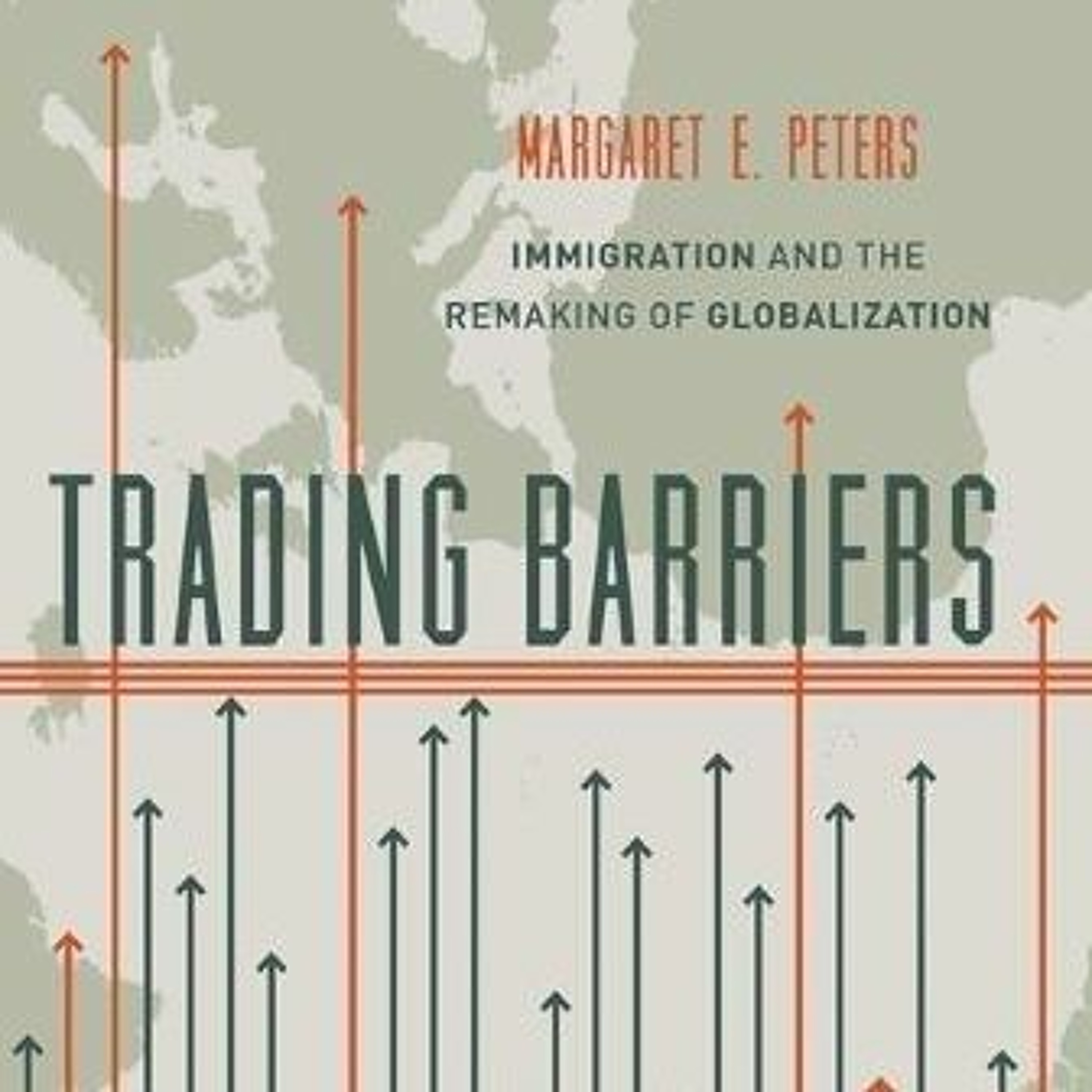
Why have wealthy countries increasingly opened their borders to international trade, but not immigrants? Dr Maggie Peters (Associate Professor at UCLA) suggests that trade openness has enabled firms to offshore production to cheap labour locations. This has reduced their incentive to lobby for low-skilled immigration back home. Without strong business support, the immigration lobby has become weaker. Forms of economic openness are thus interconnected: trade and immigration. This is shown through methodological triangulation. Buy the book here: https://press.princeton.edu/titles/11040.html Learn about Dr Peters' work here: https://polisci.ucla.edu/content/margaret-peters

Do Women Politicians Inspire Others? Dr Sarah Liu
Do women politicians inspire others? Does women's representation in politics lead to higher female political engagement? Well, it depends on the context. In countries where women have thrived in politics and in social status, then yes, it can have a positive impact. But in countries where women's social status lags behind political advancement, then women representatives do not inspire women's political engagement! Fascinating work from Dr Shan-Jan Sarah Liu and Dr Kim Yi Dionne. To learn more about Dr Liu's work click here: http://drsarahliu.com/about-me/
Feminist Protest and Women’s Economic Empowerment Worldwide: Professor Laurel Weldon
Professor Laurel Weldon is a world-leading expert on how women's organising advances gender equality. In this podcast she discusses how she and colleagues have constructed a cross-national qualitative dataset (on the strength and autonomy of women's movements), then explored impacts on women's economic empowerment. To learn more about her research, click here: http://www.laurelweldon.com/
Consciousness Raising: Professor Elisabeth Jay Friedman
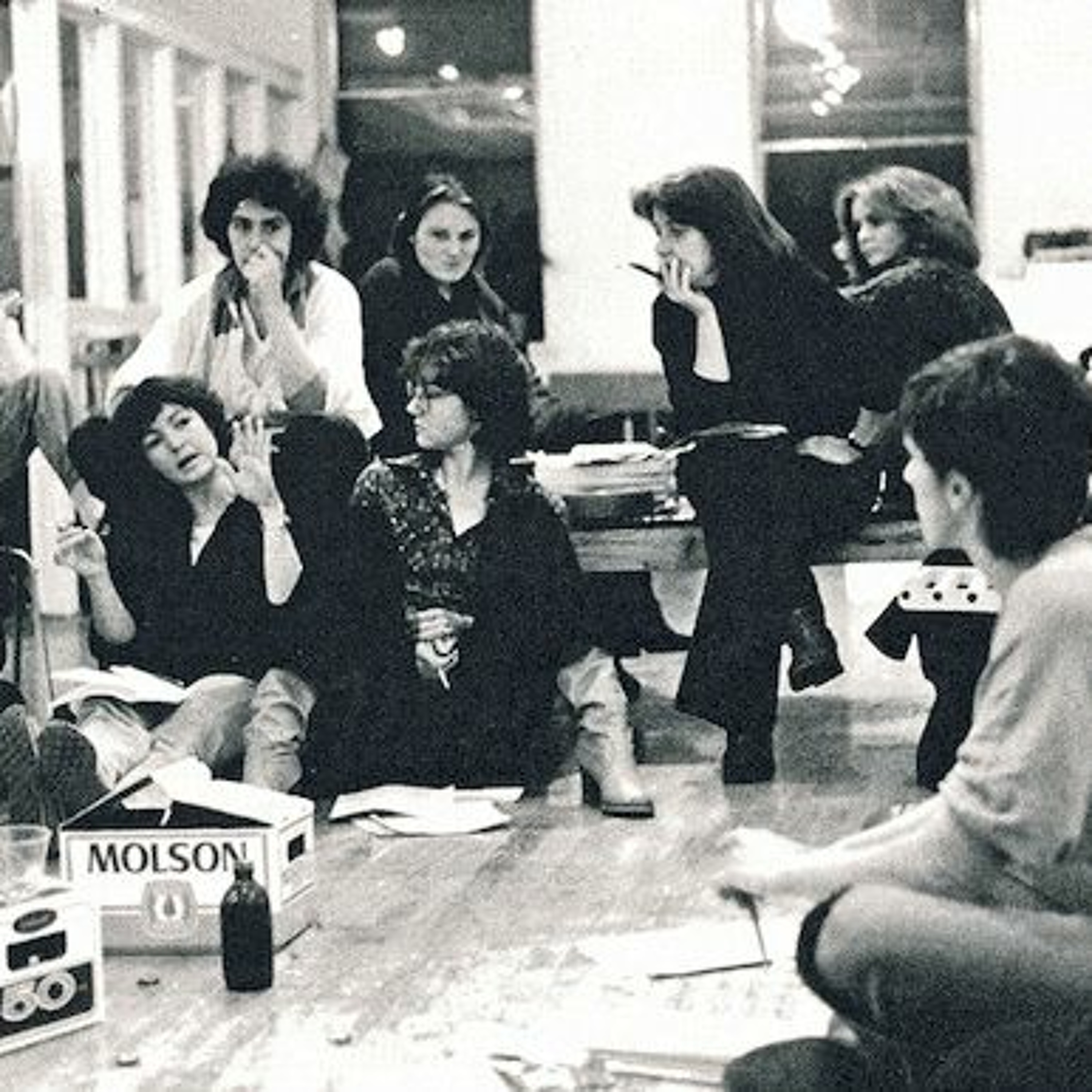
What was 'consciousness raising', and how did it contribute to contemporary feminism? Is it still useful? Professor Elisabeth Jay Friedman discusses the power of women coming together, analysing their experiences of oppression, and crafting an alternative vision. To read more about Professor Friedman's work, click here: https://www.usfca.edu/faculty/elisabeth-jay-friedman
"Public & Private Power in Economics": Dr Suresh Naidu
What is monopsony power? How can we measure it? Why does it matter? And how does democracy affect growth? To learn more about public and private power in economics, I talk to Suresh Naidu (Associate Professor in Economics at the University of Columbia). If you want to read the studies, here they are! "Monopsony Power in Migrant Labor Markets" https://t.co/3jH2PtPiH9?amp=1 "Democracy Does Cause Growth" https://t.co/BPNg2iL4t7?amp=1 You can read more about Suresh's work here: https://sipa.columbia.edu/faculty-research/faculty-directory/suresh-naidu
"The New Empirics of Industrial Policy": Dr Nathan Lane
Does industrial policy work? And how can we know? Talking causal identification and spilling the tea with Dr Nathan Lane, Assistant Professor at the University of Monash. Brace yourselves for our podcast on industrial policy: econometric methods, natural experiments, & the latest empirical advances. Full paper here: nathanlane.info/assets/papers/NathanLane_New_Empirics_of_Industrial_Policy_current.pdf

"Manufacturing Revolutions": Dr Nathan Lane
Can industrial policy promote structural transformation in developing countries? If so, how? Dr Nathan Lane (Assistant Professor of Economics at Monash) studied the impact of South Korea’s seminal, industrial push: the Heavy Chemical and Industry (HCI) drive of 1973-1979. He investigated how the large, temporary infant industry policy impacted the trajectory of treated industries, as well as sectors connected to them through the industrial network. I do hope you enjoy our discussion! Full paper here: https://www.dropbox.com/s/b9mll7fx26j6uia/ManufacturingRevolutions_Lane_Live.pdf?dl=0
Local Accountability Improves Peace-building: Dr Susanna Campbell
How can peace-building become more effective? Performance improves if organisations learn from local actors, & strengthen local accountability - finds Dr Susanna Campbell. That's a very crude summary of her fascinating book: www.susannacampbell.com/
"Why Not Default? The Political Economy of Sovereign Debt": Dr Jerome Roos
Why do countries rarely default on sovereign debts? In this episode, Dr Jerome Roos (LSE) discusses the domestic and international political economy of sovereign debt default. We explore three key enforcement mechanisms, and how they have changed over the past two hundred years. His book is fantastic: https://press.princeton.edu/titles/13318.html Read more about his work here: https://jeromeroos.com/
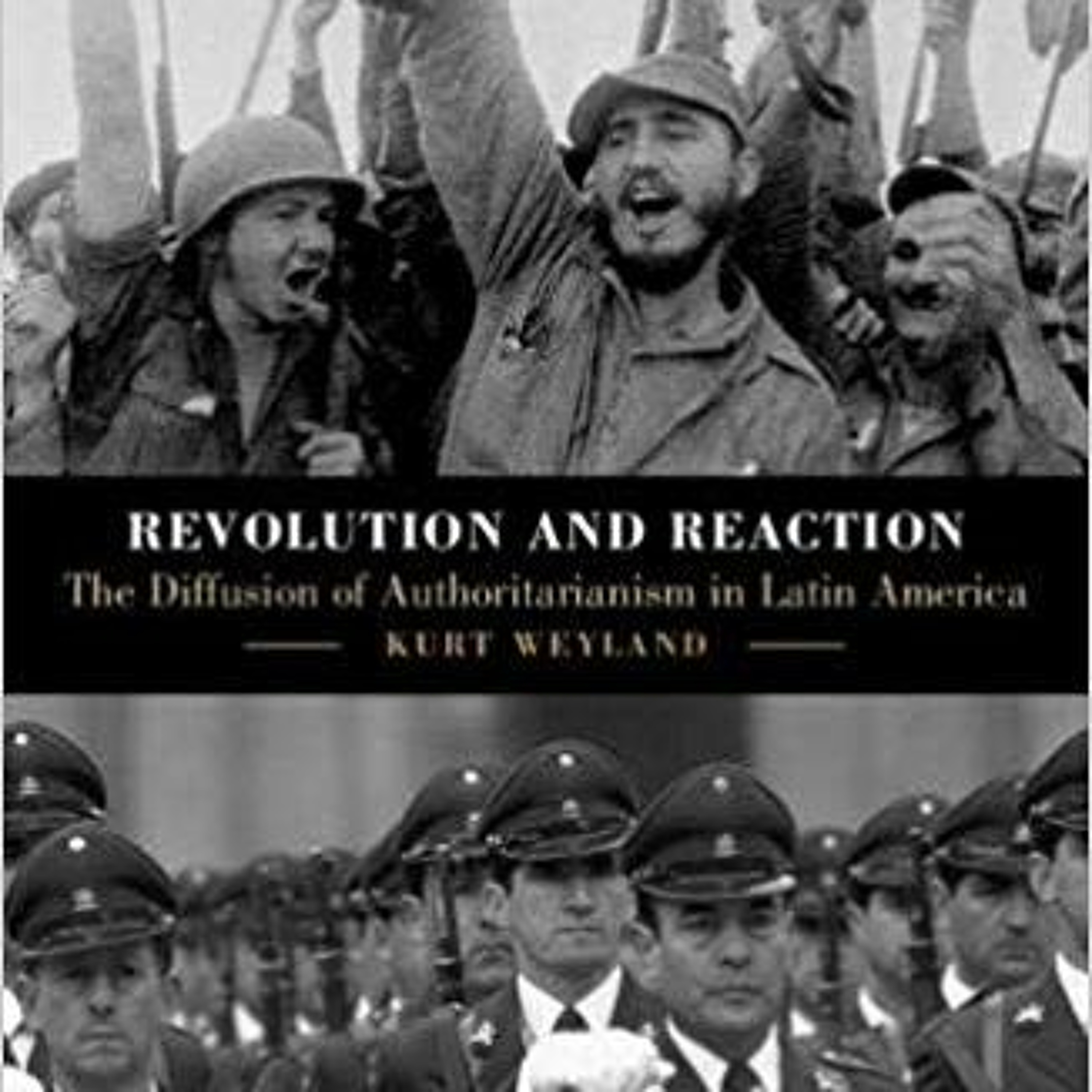
"Revolution & Reaction": Professor Kurt Weyland
Why did South American countries become more authoritarian in the 1960s and 70s? Professor Kurt Weyland explains macro-level political change by drawing on cognitive psychology! This interview draws on his new book: https://www.cambridge.org/core/books/revolution-and-reaction/B03FF36F959ADBB0A5E7B0D80AF4FC5A To learn more about Professor Weyland, click here: https://liberalarts.utexas.edu/government/faculty/weylandk
Can Buyers Reward Compliance? Dr. Matt Amengual
Do global buyers reward labour compliance in their supply chains? If not, why not. Join me as I discuss a new paper by Matt Amengual and Greg Distelhorst. Paper here: https://static1.squarespace.com/static/51cb32a4e4b07cb3e84fc963/t/5c730a91eef1a1a6b0dd09ec/1551043218939/Amengual_Distelhorst_Missing_Middle20190116.pdf Matt Amengual is an Associate Professor at the University of Oxford: https://www.sbs.ox.ac.uk/about-us/people/matthew-amengual
'Legislative Development in Africa': Dr Ken Opalo
Why are some (but not other) African countries democratising? Why have we overlooked legislatures in African politics? How can they be strengthened? What can you do if gatekeepers dismiss your topic? To discuss these questions, I'm joined by Dr Ken Opalo (Assistant Professor at Georgetown University). You can pre-order his book here: https://www.cambridge.org/gb/academic/subjects/politics-international-relations/african-government-politics-and-policy/legislative-development-africa-politics-and-post-colonial-legacies?format=HB
"Behavioural Development Economics": Dr Gautam Rao
What is behavioural development economics? How does it help us resolve key puzzles, and tackle urgent problems? My guest is Dr Gautam Rao, Assistant Professor in Economics at Harvard We discuss his chapter, which you can read here: https://economics.mit.edu/files/16499 To learn more about his research, click here: https://gautam-rao.com/
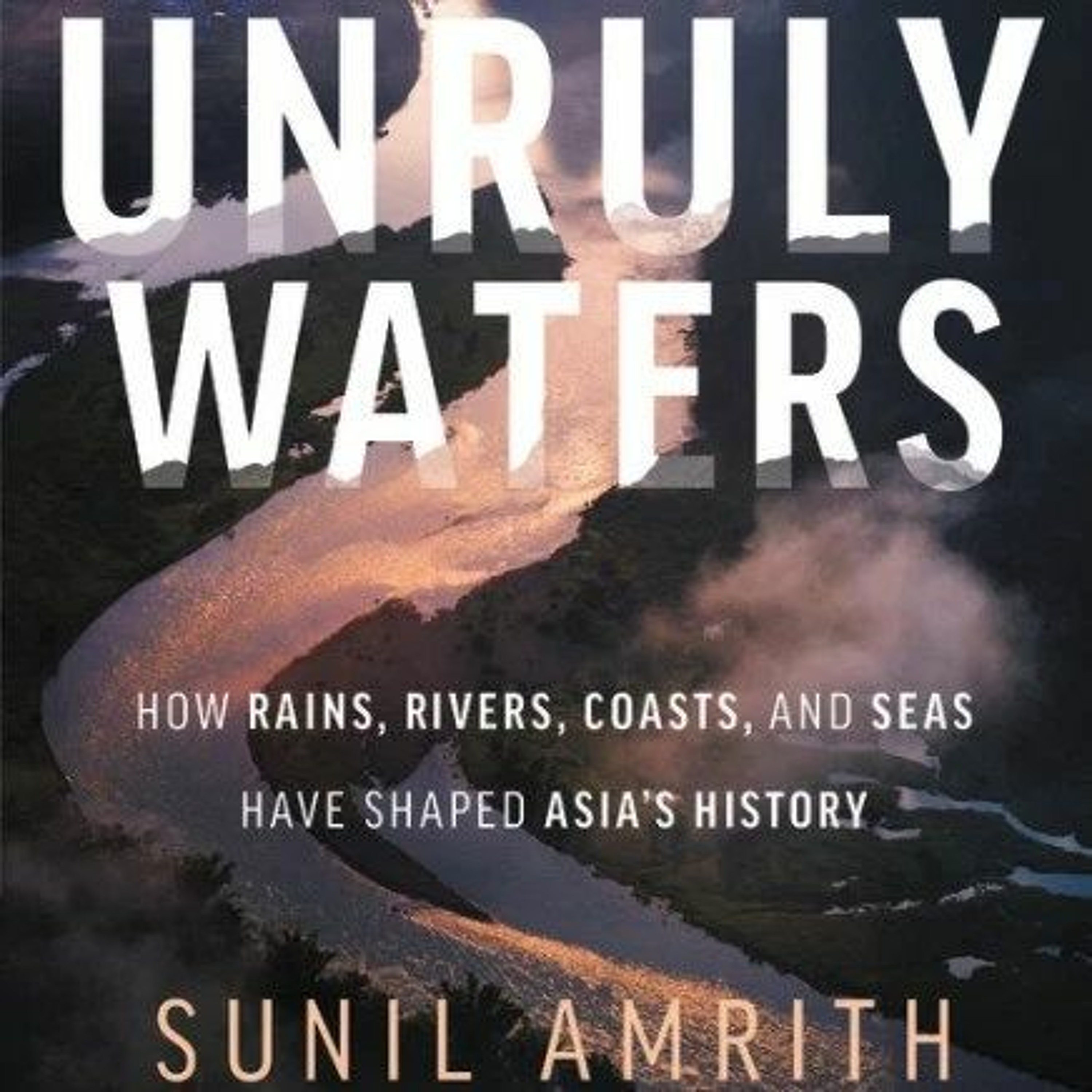
"Unruly Waters": Professor Sunil Amrith
Professor Sunil Amrith (at Harvard) shares insights from his fascinating new book: "Unruly Waters". Together we discuss: Is geography destiny? How important has mastery over water been to econ development in Asia? Why have activists been unsuccessful, in pushing for environ regulation? How are Asian govs trying to mitigate climate breakdown? What are their priorities? To learn more about the book, click here: https://www.basicbooks.com/titles/sunil-amrith/unruly-waters/9780465097739/ To learn more about Professor Amrith, click here: https://history.fas.harvard.edu/people/sunil-amrith
How Can Aid Agencies Foster "Navigation By Judgment?" - Dr Dan Honig
In "Navigation by Judgment", Dr Dan Honig demonstrates that greater autonomy for front-line staff improves performance in aid agencies. In this podcast, Dan provides practical "how to" guidance for aid agencies looking to encourage and enable local autonomy. He suggests - Learning from front line staff, understanding their constraints; - Recognising that within the formal rules, there is still room for manoeuvre; - Celebrating good practices (of navigation by judgement); - Start talking to bosses, they may actually be really supportive; - Trust your staff. In short, "there's a lot of wiggle room, start wiggling!". We do hope you enjoy this episode. To get in touch, email [email protected], danhonig.info/
Why is state capacity so uneven? Professor Anthony Pereira
Why is the Brazilian state able to collect taxes & provide services, but fails to enforce law & order, or abate homicides? What explains high state capacity in some domains, and low state capacity in others? And why has state capacity to provide public security worsened over recent decades - notwithstanding democratisation and economic growth? Professor Anthony Pereira draws on his decades of research in Brazil to explain this conundrum. You can read more about his work here: https://www.kcl.ac.uk/sspp/departments/did/People/Academic-staff/Anthony-Pereira/index.aspx

Does agricultural certification (like Fairtrade) reduce poverty? Dr Carlos Oya
I buy Fairtrade bananas, assuming farmers are getting a better deal. But a new systematic review finds that agricultural certification only results in a marginally higher price for producers, does not improve household incomes, and negatively affects farm workers' wages. Why is this? And how should we respond? You can read the World Development paper here, by CarlosOya, Florian Schaefer, & DafniSkalidou https://www.sciencedirect.com/science/article/abs/pii/S0305750X18303012 Ungated summary: http://www.3ieimpact.org/media/filer_public/2017/06/07/srs9-agricuture-certification-scehmes.pdf
Why did Asian authoritarians democratise? Professor Joseph Wong
Professor Joseph Wong argues that Asian authoritarian regimes conceded multi-party elections, in order to thrive, presuming they would win. Curious? I have a few questions. How do we know this? Is it contingent on growth, or wider international pressure for democracy? Why doesn't China concede democracy? And does this theory also explain democratic backsliding? Listen, and read the link below. Share your comments. We'd love to hear from you. https://www.cambridge.org/core/journals/perspectives-on-politics/article/strength-to-concede-ruling-parties-and-democratization-in-developmental-asia/567D16100F26FB97866BEFA9A63357DE
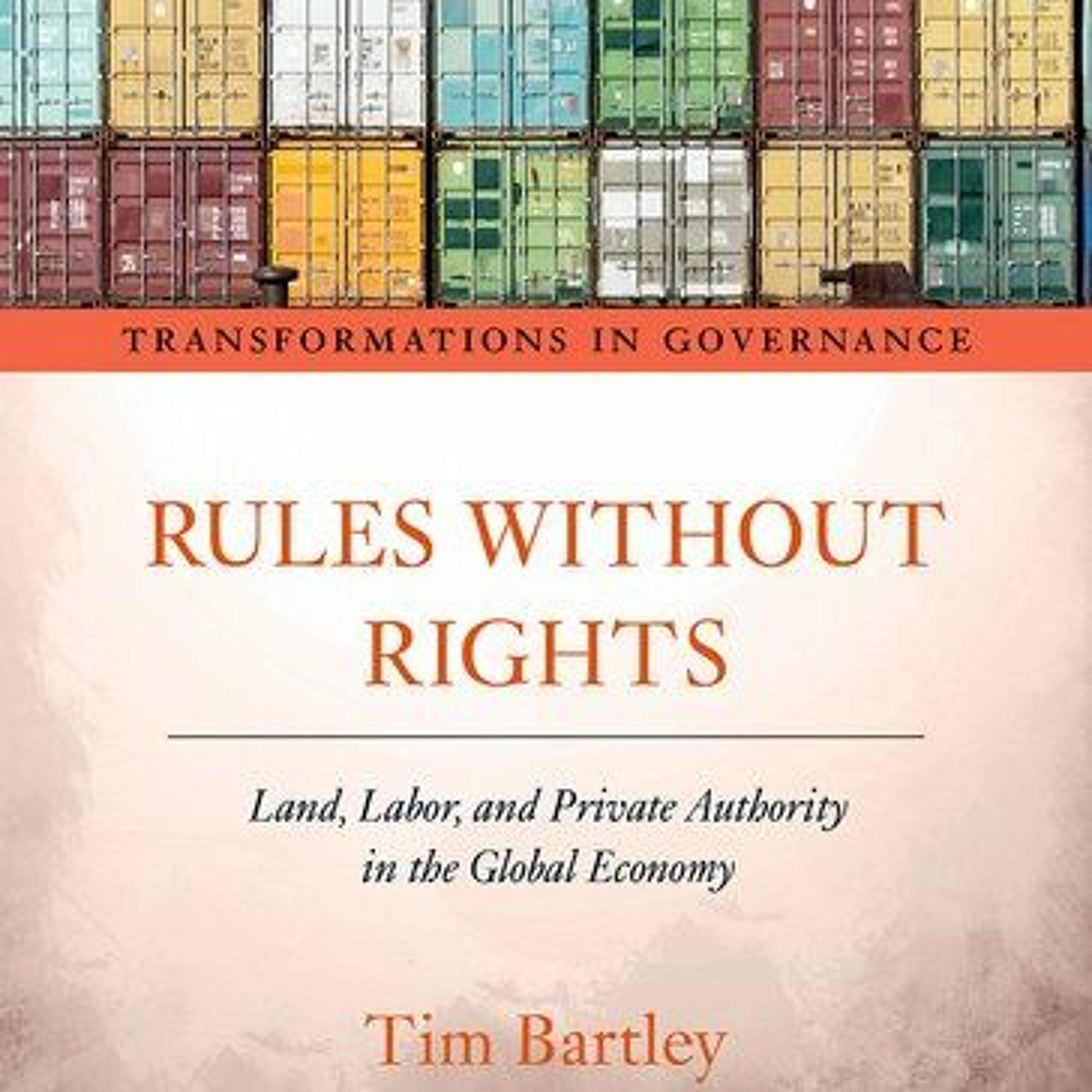
"Rules without Rights": Professor Tim Bartley
Corporate codes of conduct have become the only game in town. The global economy is governed through private regulation. Companies contract auditors to monitor labour and environmental practices in their supply chains. In his new book, Professor Tim Bartley explores 3 questions: - How did we get here? What's the political economy behind industry self-regulation? - Does it work? Does it improve labour and environmental practices? - Why does it only enable marginal improvements? - What's the alternative? How could we improve upon rules without rights? Together, we discuss these four questions. Check out the book: https://global.oup.com/academic/product/rules-without-rights-9780198794332 And learn more about Professor Bartley's research: https://sociology.wustl.edu/people/timothy-bartley
Tackling Tax Evasion: Professor Dina Pomeranz
How can governments tackle tax evasion? To explore this question, Professor Dina Pomeranz examined two Randomized Control Trials in Chile, and a natural experiment in Ecuador. Her research indicates that firms are more likely to pay their taxes when they anticipate government sanctions and enforcement. Information alone is not enough to boost compliance; firms also need to believe that government will penalise evasion. To learn more, read: https://voxdev.org/topic/public-economics/dodging-taxman-evidence-ecuador; https://www.povertyactionlab.org/sites/default/files/publications/role-vat-tax-enforcement.pdf; https://www.econ.uzh.ch/en/people/faculty/pomeranz.html We hope you enjoy our podcast!
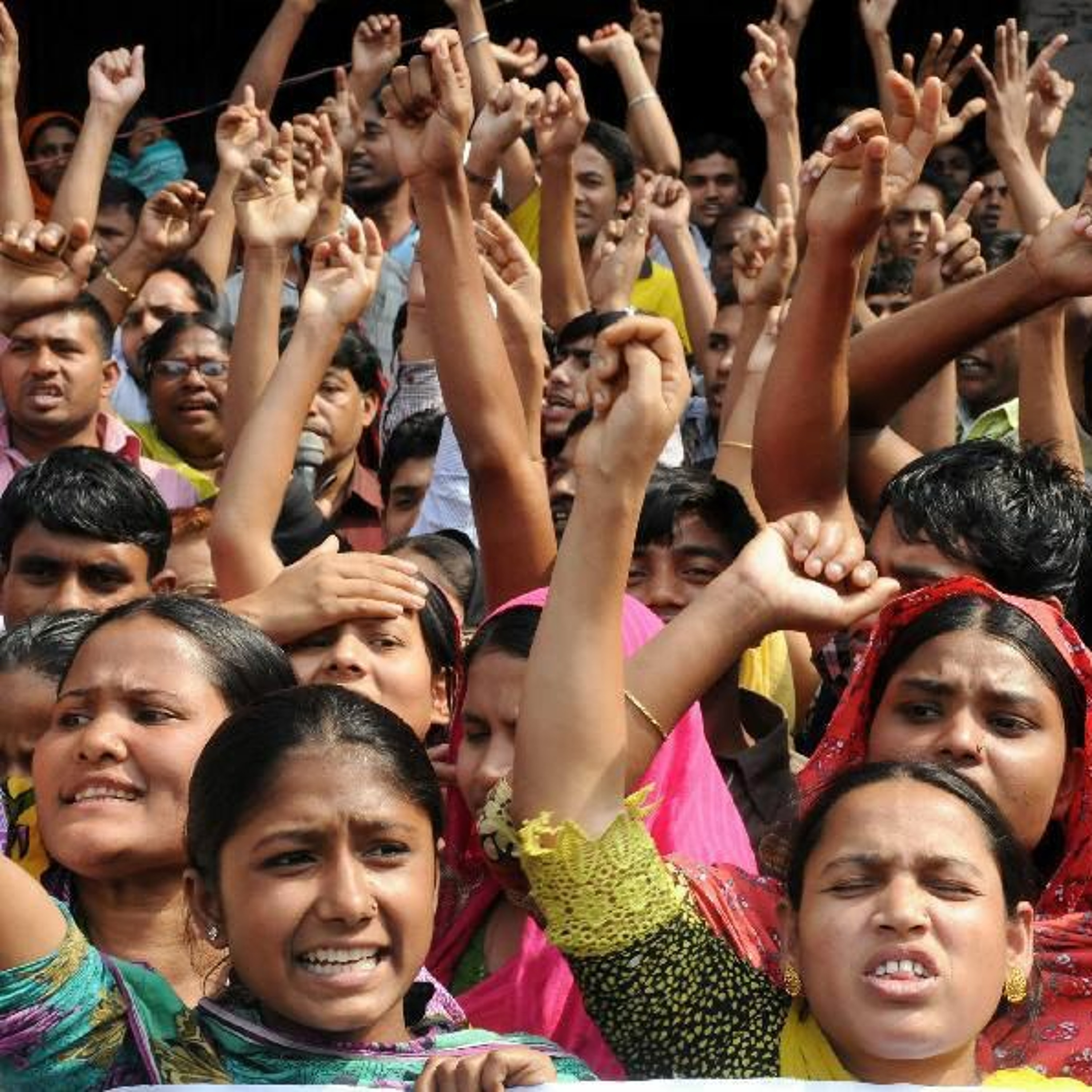
Governance & trade unions in Bangladesh: Dr. Jennifer Bair
What is motivating the Government of Bangladesh to recognise, register, & respect trade unions? And change the labour law, so all workers can organise collectively to push for better conditions, rights, and pay? 1) Commercial pressure from global buyers 2) Threats of trade sanctions from the EU 3) Voters (domestic political pressures) 4) None of the above. Dr. Jennifer Bair (Associate Professor, University of Virginia) explains why labour repression remains pervasive in Bangladesh. Notwithstanding the horrors of Rana Plaza, there is little incentive for the Government to tolerate trade unions. Instead they ban trade unions in export processing zones. This is part of their economic strategy, to keep costs low, and remain globally competitive. So what might encourage change? Stronger commercial pressure for reform, suggests Dr. Bair. Interested? You can learn more about Dr. Bair's work here: https://sociology.virginia.edu/content/jennifer-bair Research discussed in the podcast: Jennifer Bair, "Labor Administration and Inspection in Post-Rana Plaza Bangladesh" in International Labor Rights Case Law https://brill.com/view/journals/ilrc/3/3/article-p457_457.xml Jennifer Bair and others, "Forcing change from the outside? The role of trade-labour linkages in transforming Vietnam's labour regime" in Competition & Change https://journals.sagepub.com/doi/abs/10.1177/1024529417729326 Mark Anner, "Squeezing workers’ rights in global supply chains: purchasing practices in the Bangladesh garment export sector in comparative perspective" in Review of International Political Economy: https://www.tandfonline.com/doi/abs/10.1080/09692290.2019.1625426?journalCode=rrip20#.XRUS7W6rCKs.twitter Ungated working paper: https://ler.la.psu.edu/gwr/documents/CGWR2017ResearchReportBindingPower.pdf John S. Ahlquist and Layna Mosley, "Firm Participation in Voluntary Regulatory Initiatives: the Accord, Alliance, and US garment importers from Bangladesh" http://laynamosley.web.unc.edu/files/2018/04/Ahlquist-Mosley-2018.pdf Alice Evans (me!), "Export Incentives & Domestic Activists" https://www.researchgate.net/publication/331864175_Export_Incentives_Domestic_Activists
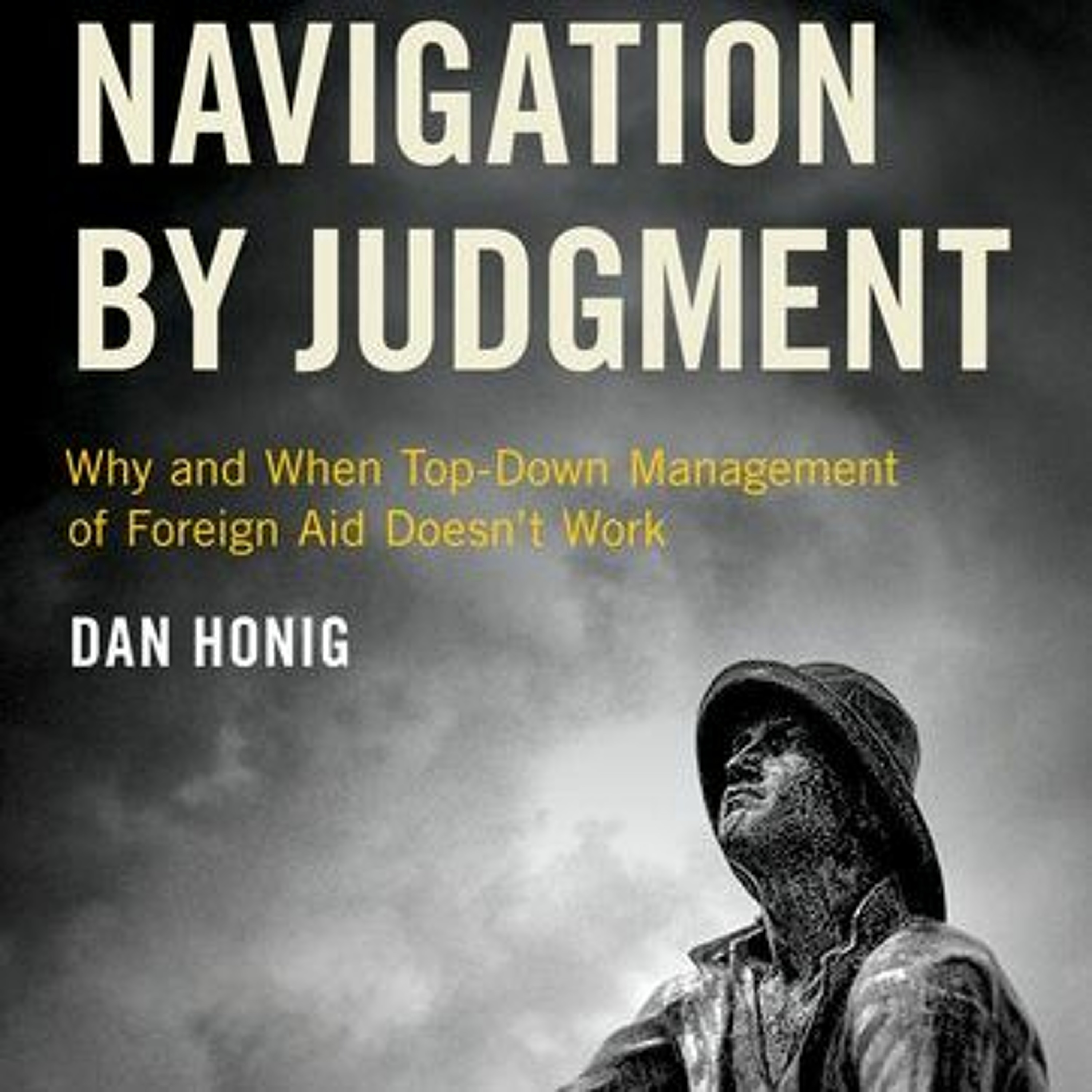
"Navigation by Judgment": Dr. Dan Honig
Which improves aid effectiveness: setting targets and monitoring delivery, or enhancing autonomy for frontline workers? Dr. Dan Honig explores this question using a database of 14,000 development projects and eight qualitative studies. We discuss his methods, findings, and implications. I do hope you enjoy it. Check out the book: https://global.oup.com/academic/product/navigation-by-judgment-9780190672454?cc=gb&lang=en&
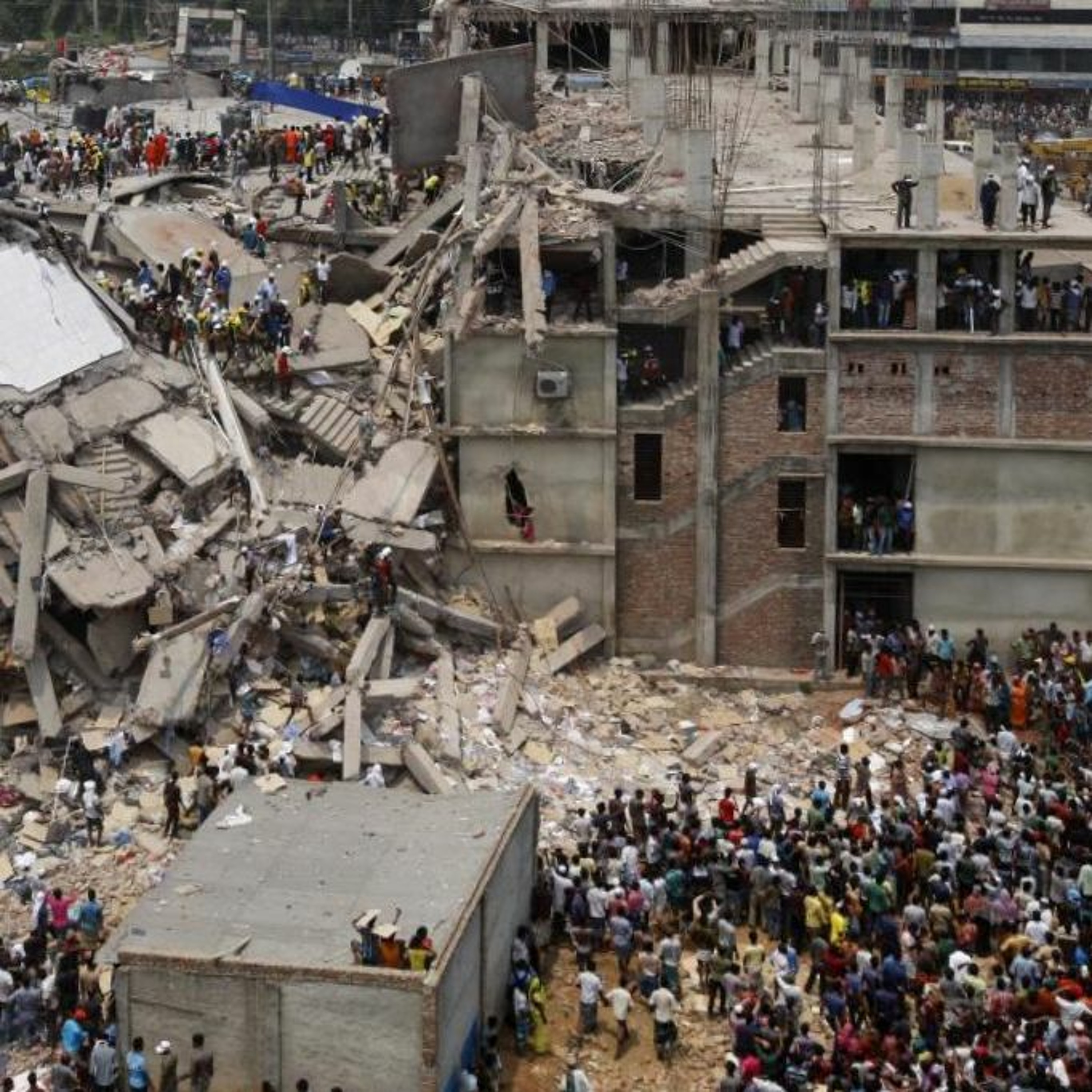
How can we prevent another Rana Plaza? Professor Juliane Reinecke
Over a thousand people died at the Rana Plaza factory collapse in Bangladesh. That was five years ago, this April. To learn what caused it, what's happened since, and how we can prevent another such tragedy I'm joined by Professor Juliane Reinecke, of King's Business School. Keen to learn more? You can read Juliane Reinecke's paper here: https://onlinelibrary.wiley.com/doi/epdf/10.1111/bjir.12242
"How To Rig An Election": Professor Nic Cheeseman
Authoritarian leaders who hold elections actually stay in power longer than those who don't. Democracy thus facilitates dictatorships, in a sense. Why is this? How do they get away with it? And what could prevent these counterfeit democracies? In this podcast, Professor Nic Cheeseman discusses his brilliant new book (co-authored with Dr. Brian Klaas). Curious? Check out the book: https://yalebooks.yale.edu/book/9780300204438/how-rig-election

Does Violence Increase Risk Aversion? Drs. Pamela Jakiela & Owen Ozier
Does violence increase risk aversion? Drs. Pamela Jakiela and Owen Ozier did a natural experiment by mistake. Their survey was interrupted by the Kenyan post-electoral violence: a thousand dead; thousands internally displaced. Participants had an equal chance of being interviewed before or after survey. So this enabled Pam and Owen to explore the impact of conflict on people's preferences. What did they find? Did conflict increase or decrease risk aversion? Do their survey results reflect real-world behavioural change? Does risk-aversion matter for development? Why do we need to know about people's preferences for risk aversion? Curious? Click here to read the paper and learn more: http://www.pamjakiela.com/JakielaOzier-riskpreferences-2017-08-29.pdf You can read more of Pam's work here: http://www.pamjakiela.com/ And Owen's here: http://economics.ozier.com/owen/ Thank you for listening!
The World Development Report 2018 on Education: Dr. David Evans
How can we ensure everyone gets a decent education? Dr. David Evans (World Bank Lead Economist) discusses the World Development Report 2018. Key points: - Focus on learning (not school enrolement); - Build inclusive coalitions; - Galvanise support for reform by highlighting faster improvements in neighbouring places; - Iteratively adapt to identify what works in context. Intrigued? Read the full report: http://www.worldbank.org/en/publication/wdr2018
Using RCTs to improve health care: Dr. David Evans
How can we improve health care management? Provide more training, or more supportive supervision? To ascertain what works, Dr. David Evans (Lead Economist at the World Bank), colleagues, and the Nigerian Ministry of Health ran a Randomised Control Trial. What did they find? Why are RCTs useful? What are their limits? And what other methodologies might we use to improve health care? Spoiler: training alone is insufficient. Supportive supervision is key to improving health care management. Curious? Check out the paper – co-authored with Felipe A. Dunsch, Felipe, Ezinne Eze-Ajoku, and Mario Macis: https://www.econstor.eu/bitstream/10419/170951/1/dp10967.pdf
How do we know what works? Professor Michael Woolcock
How can we assess the impact and scalability of complex interventions? Why use mixed methods? How can we tackle hubris among economists at the World Bank? The wonderful Professor Michael Woolcock (Lead Social Scientist at the World Bank) makes the case for mixed methods. This discussion draws on his chapter, forthcoming in Michiru Nagatsu and Attilia Ruzzene (eds.) (forthcoming) "Philosophy and Interdisciplinary Social Science: A Dialogue". (London: Bloomsbury Academic) You can read more about his work here: http://www.worldbank.org/en/about/people/m/michael-woolcock
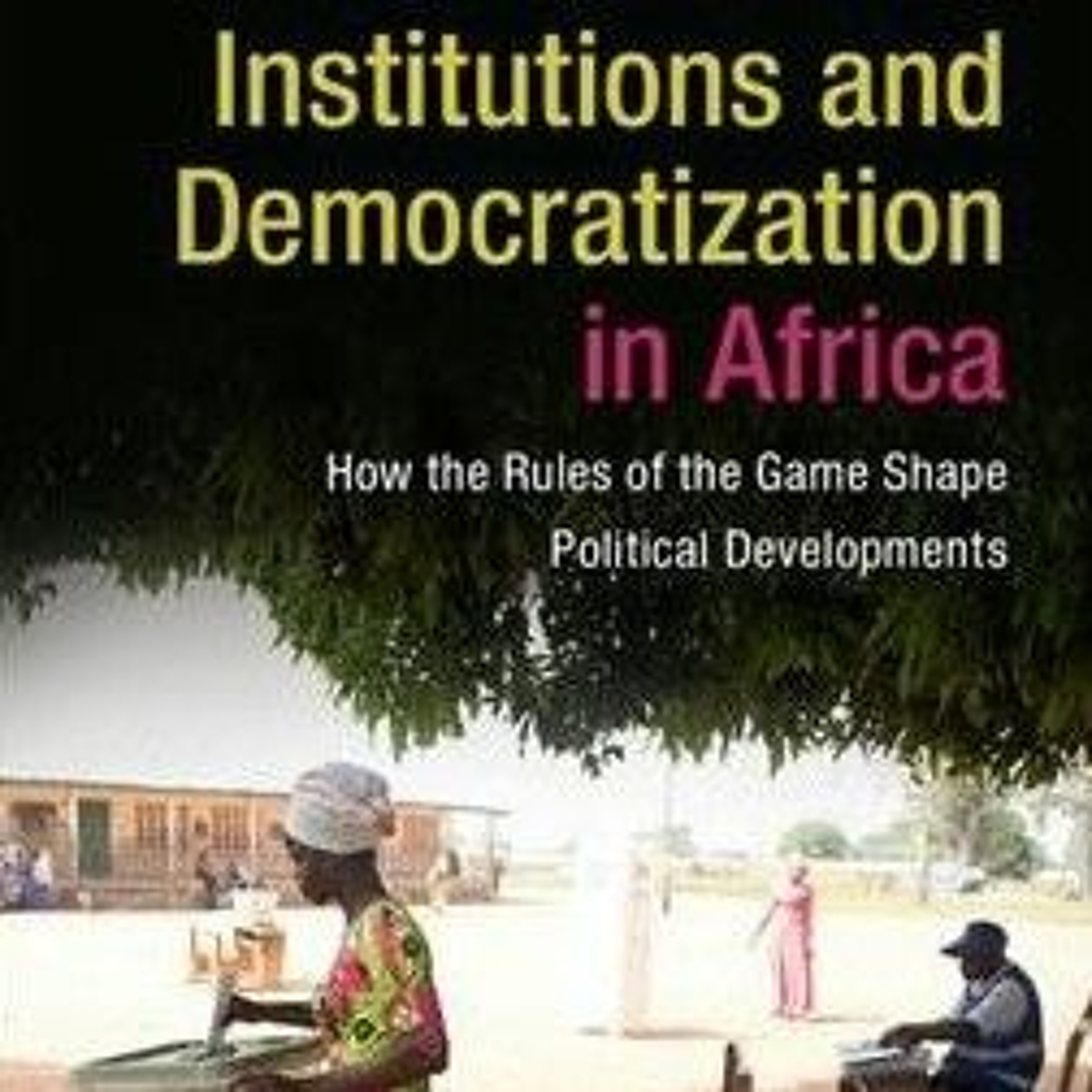
"Institutions And Democracy In Africa": Professor Nic Cheeseman
Although widely overlooked, formal rules have significantly impacted democratisation in African politics. So, to understand democratisation, we need to focus less on personal relationships (like neopatrimonialism) and more on term limits, constitutions, electoral commissions, economic regulations and systems of land tenure. When leaders uphold formal rules, this sets expectations, generating a positive feedback loop. For example, when a president stands down at the end of their term, subsequent presidents are more likely to do so. In this podcast, Professor Nic Cheeseman discusses his fascinating new book, on how the rules of the game shape political developments. Check out the book: https://www.cambridge.org/core/books/institutions-and-democracy-in-africa/73ED89DF634FAFAA2D070F0ED4EE780F
"The Struggle for Development": Professor Ben Selwyn
Poverty is falling. It's falling due to global economic integration, and growth - or so claims the international development consensus. But is this correct? And is this the best approach to meaningful poverty reduction? What's the alternative? Could labour-led development accelerate poverty reduction? Join us to discuss Professor Selwyn's new book, "The Struggle for Development". https://www.wiley.com/en-gb/The+Struggle+for+Development-p-9781509512782
Tackling Son Preference in India: Dr. Sanchari Roy
What might reduce son preference in India? Could equal inheritance rights help? Actually no. Despite legislative change, parents continue to favour sons, and protect their inheritance rights by killing or neglecting second-born daughters. Given low levels of female employment, parents still see sons as providers, and still see them as continuing the family lineage. Dr. Sanchari Roy argues that to overcome inequalities we need much wider coordination: tackling opportunity costs; increasing exposure to women in employment; and enforcing gender quotas. Or perhaps change will come from the patriarchy itself - as husbands fight for their wives' inheritance rights? Curious? Read the full paper: http://ftp.iza.org/dp11239.pdf And visit Sanchari's webpage: https://www.kcl.ac.uk/sspp/departments/did/People/Academic-staff/Sanchari-Roy/Bio.aspx
Gender Revolution & Millennials: Professor Barbara Risman
Join us to discuss Professor Risman's fascinating new book: - Are millennials more liberal? - How are they challenging gender inequalities? - Why do we need to organise collectively? - What would enable more shared care work? - Should we aspire for equality, or the destruction of gender categories? Curious? Here's the book: https://global.oup.com/academic/product/where-the-millennials-will-take-us-9780199324385?cc=gb&lang=en&
"Aid Lab: Understanding Bangladesh's Unexpected Success": Dr Naomi Hossain
How has Bangladesh rapidly reduced poverty? Is it due to microfinance, NGOs, growth, or an elite consensus? The brilliant Dr. Hossain explains the history and politics behind Bangladesh's unexpected success. Read more here: https://global.oup.com/academic/product/the-aid-lab-9780198785507?cc=gb&lang=en&
"Geopolitics in Health": Dr. Ed Gomez
Why do governments prioritise & invest in health care? Is social activism key? Not in the BRICS. These governments primarily improved health care to buttress their *international reputations* - argues Dr. Ed Gomez, Senior Lecturer at King's College London. Curious? Check out Ed's fascinating new book: https://jhupbooks.press.jhu.edu/content/geopolitics-health

"Ethnicity, national identity and the state": Dr. Elliott Green
From the USA to Uganda, strong ethnic identities can fuel hostilities; deter contributions to public goods; thwart class-based solidarity; curb economic growth; fuel secessionist movements; and ferment civil war. So, how do people come to identify with the nation, rather than their ethnicity? Can power-sharing at national level change people's identities? If so, what might lead to more inclusive politics? Why might elites come to share power with different ethnicities? Dr. Elliott Green (Associate Professor at the LSE) discusses these questions. He draws on quantitative and qualitative analysis, from his British Journal of Political Science paper: http://eprints.lse.ac.uk/84315/1/Ethnicity%2C%20national%20identity%20and%20the%20state_Final.pdf (ungated)
Brexit and British Politics: Professor Anand Menon
Why did people vote for Brexit? Why didn't attitudes towards the EU change much over the campaign? How can academics engage more effectively? How can we rebuild a fairer, more inclusive Britain? Professor Anand Menon discusses findings from his fascinating new book, co-authored with Geoffrey Evans. You can buy the book here: https://www.amazon.co.uk/Brexit-British-Politics-Geoffrey-Evans-ebook/dp/B077CLZD88/ref=sr_1_3?ie=UTF8&qid=1512504173&sr=8-3&keywords=brexit+and+british+politics Read the latest analysis from UK in a Changing Europe: http://ukandeu.ac.uk/

Does Microfinance Work? Dr. Rachael Meager
Does microfinance work? How can we investigate its impact? What about pooling Randomised Control Trials? Dr. Rachael Meager (Assistant Professor at the LSE) presents an innovative research methodology: "Aggregating Distributional Treatment Effects: A Bayesian Hierarchical Analysis of the Microcredit Literature". You can read the full paper here: https://economics.mit.edu/files/12292
"Building State Capability": Dr. Matt Andrews
How to improve state capability - such that low- and middle-income country governments can effectively tackle local problems? Instead of 'best practice' recommendations or cocooned donor projects, Dr. Matt Andrews emphasises 'Problem Driven Iterative Adaptation' (PDIA). Governments explore challenges, identify their causes, incrementally address obstacles, and build their capabilities through doing. But can such incremental adaptations enable inclusive growth? And how can researchers/ donors support this process? Listen to our discussion! You can register for their free online course here: www.buildingstatecapability.com/ Read the open access book: bsc.cid.harvard.edu/building-state-…analysis-action
"How China Escaped the Poverty Trap": Dr. Yuen Yuen Ang
How did China escape the poverty trap? And what can other emerging economies learn from China's success of 'directed improvisation'? Dr. Ang discusses findings from her fascinating new book: http://www.cornellpress.cornell.edu/book/?GCOI=80140100715940
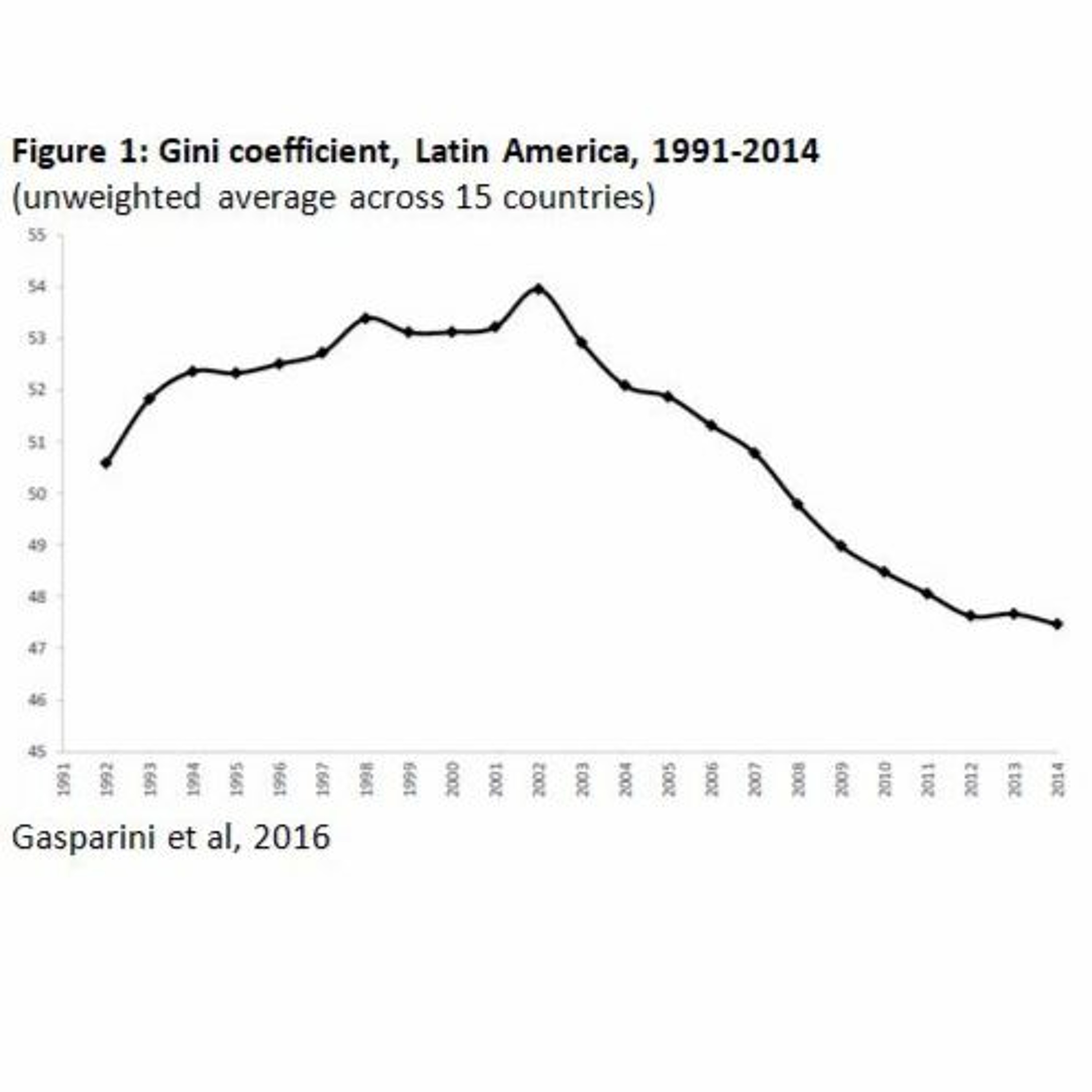
'Politicising Inequality, The Power of Ideas': Dr Evans
Is inequality inevitable? Why has inequality fallen in Latin America? Is this due to democratisation? How should we study inequality?
'Where Are The Unions?': Dr Sian Lazar
Given globalisation and precarity, are unions dead? What can they achieve? What enables unions to be more effective? How can they be better supported? Dr. Sian Lazar discusses her fascinating book on unions in Latin America, the Middle East and Europe: https://www.amazon.co.uk/Where-Are-Unions-Workers-Movements-ebook/dp/B06XF4LZ65/ref=sr_1_1?ie=UTF8&qid=1489824067&sr=8-1&keywords=Where+Are+The+Unions%3F+Workers+and+Social+Movements+in+Latin+America%2C+the+Middle+East+and+Europe

'Neoliberal Affects': Professor Ben Anderson
What are 'affects' and emotional 'atmospheres'? Why are Geographers so enraptured by them? How do they help us understand neoliberalism? Might affects and emotions be mobilised to erode neoliberalism? This interview relates to Professor Anderson's paper in Progress in Human Geography. You can read it here: http://journals.sagepub.com/doi/abs/10.1177/0309132515613167 Read more about him here: https://www.dur.ac.uk/geography/staff/geogstaffhidden/?id=985 And follow him on Twitter: @BenAndersonGeog [illustrative painting by Paolo Troilo https://www.troilo54.com/]
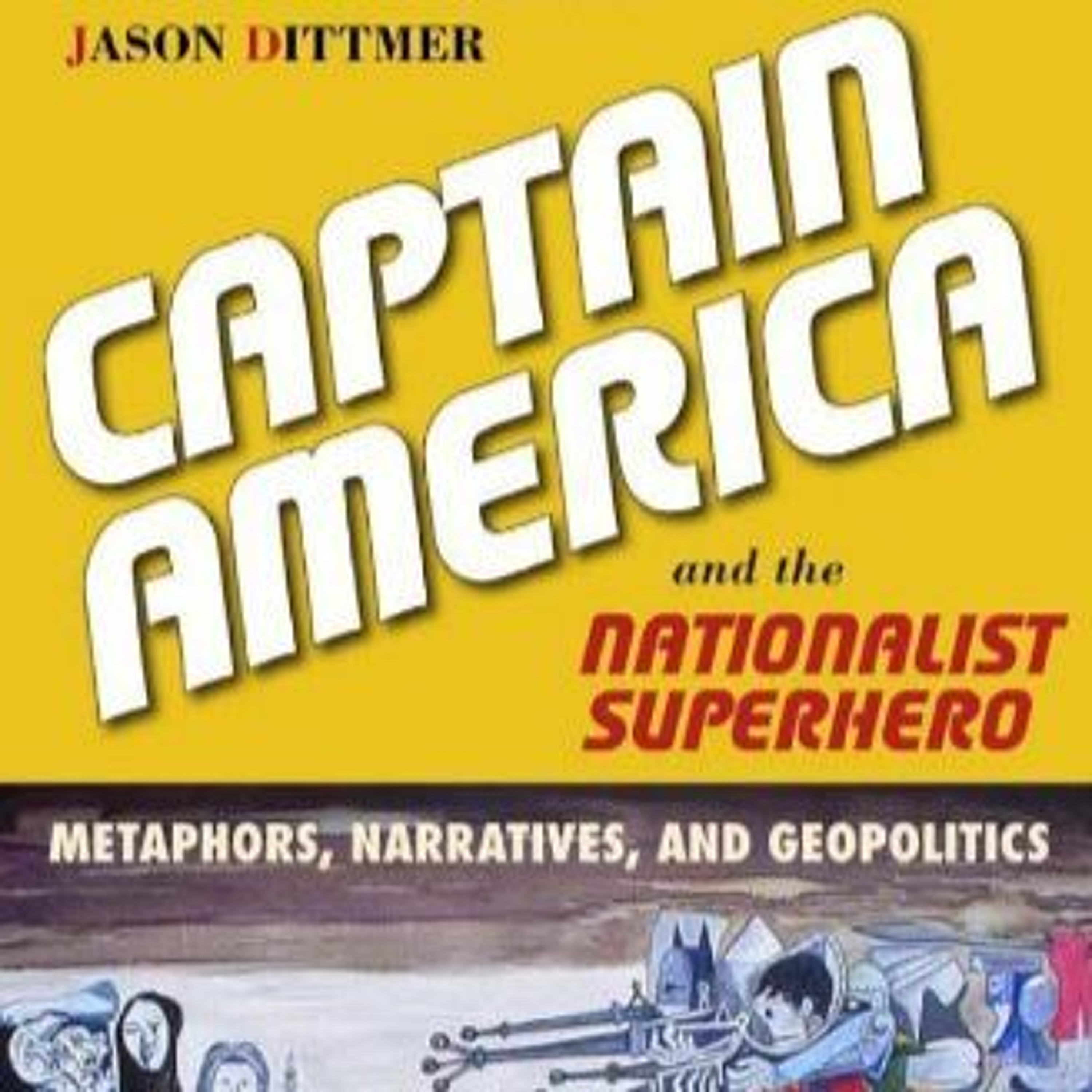
'Captain America and the Nationalist Superhero': Professor Jason Dittmer
Are there parallels between support for Trump and desire for a superhero? Professor Jason Dittmer thinks so... I'm sceptical, however. Floating above the River Cam, sharing a bakewell tart, atop a wooden punt, we discuss masculinity, geopolitics, and faith in individual agency. He's the coolest professor I know, so I do hope you enjoy listening as much as we did recording. Buy his book here: https://www.amazon.co.uk/Captain-America-Nationalist-Superhero-Geopolitics-ebook/dp/B00AATCSD8/ref=sr_1_1?ie=UTF8&qid=1487708791&sr=8-1&keywords=jason+dittmer+captain+america Follow Professor Dittmer on Twitter @realjdittmer
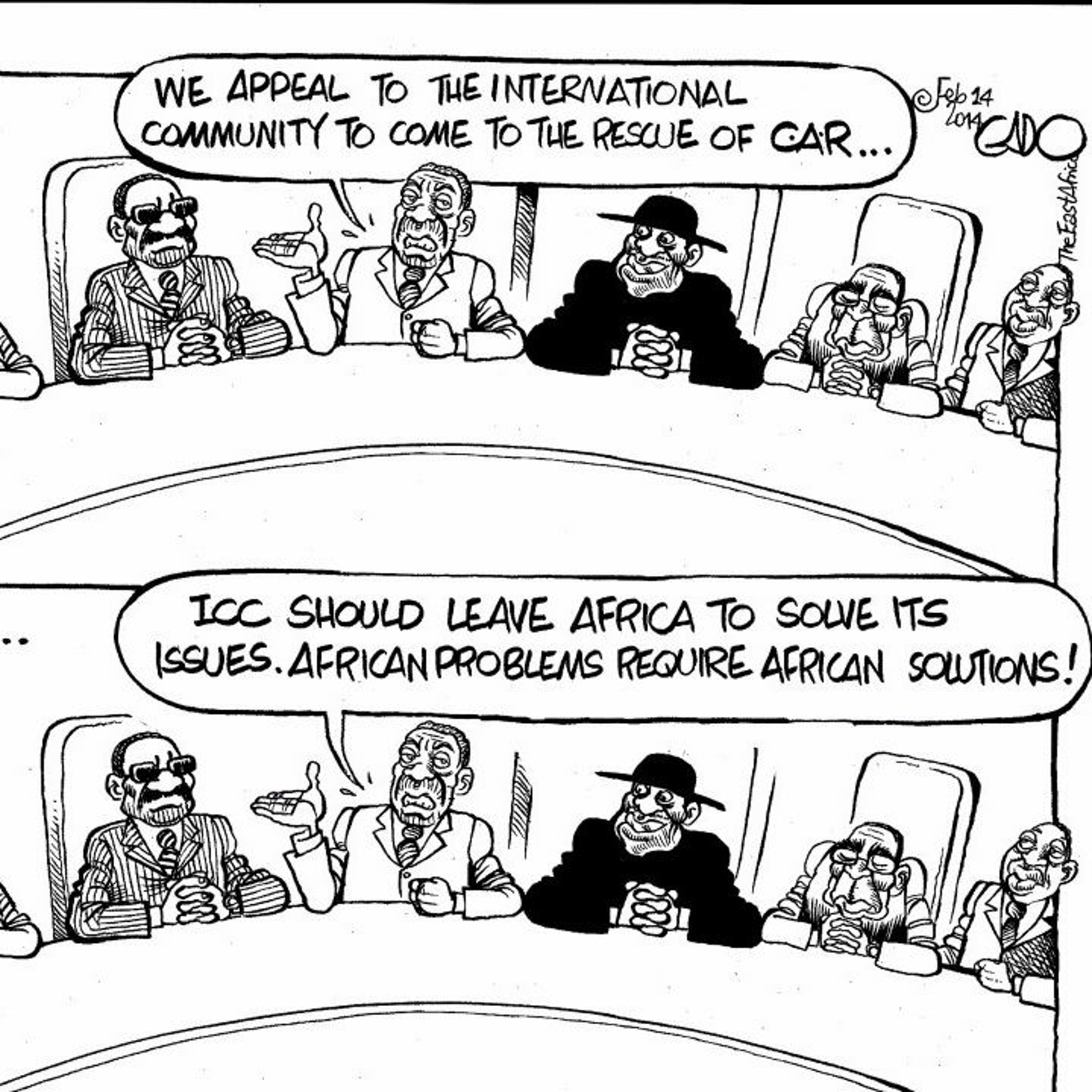
'The ICC's African Dilemmas': Dr. Adam Branch
Four Questions for Dr Adam Branch (expert in African politics and the International Criminal Court, ICC): 1. Does the ICC do any good? 2. Why has the AU announced its intention to withdraw from the ICC? 3. What's the alternative? 4. Would African leaders submit to a regional instrument? [Illustrative cartoon by Gado, http://gadocartoons.com/ @iGaddo] You can read Adam's article here: https://academic.oup.com/ijtj/article/doi/10.1093/ijtj/ijw027/2919404/Dominic-Ongwen-on-Trial-The-ICC-s-African-Dilemmas Check out his fantastic book, co-authored with Zachary Mamphilly: "Africa Uprising" https://www.amazon.co.uk/Africa-Uprising-Popular-Political-Arguments-ebook/dp/B00UAXRVS6/ref=sr_1_1?ie=UTF8&qid=1488207770&sr=8-1&keywords=africa+uprising+adam+branch
'Understanding Zimbabwe': Dr. Sara Dorman
Four Questions for Dr. Sara Dorman: Mugabe's ZANU-PF lost the 2008 election. So why does he still retain power? Why have opposition politics and civil society been unable to push back? What - if anything - can outsiders do to support 'good governance'? What does Zimbabwe's experience of power-sharing tell us about supporting 'good governance' more broadly?
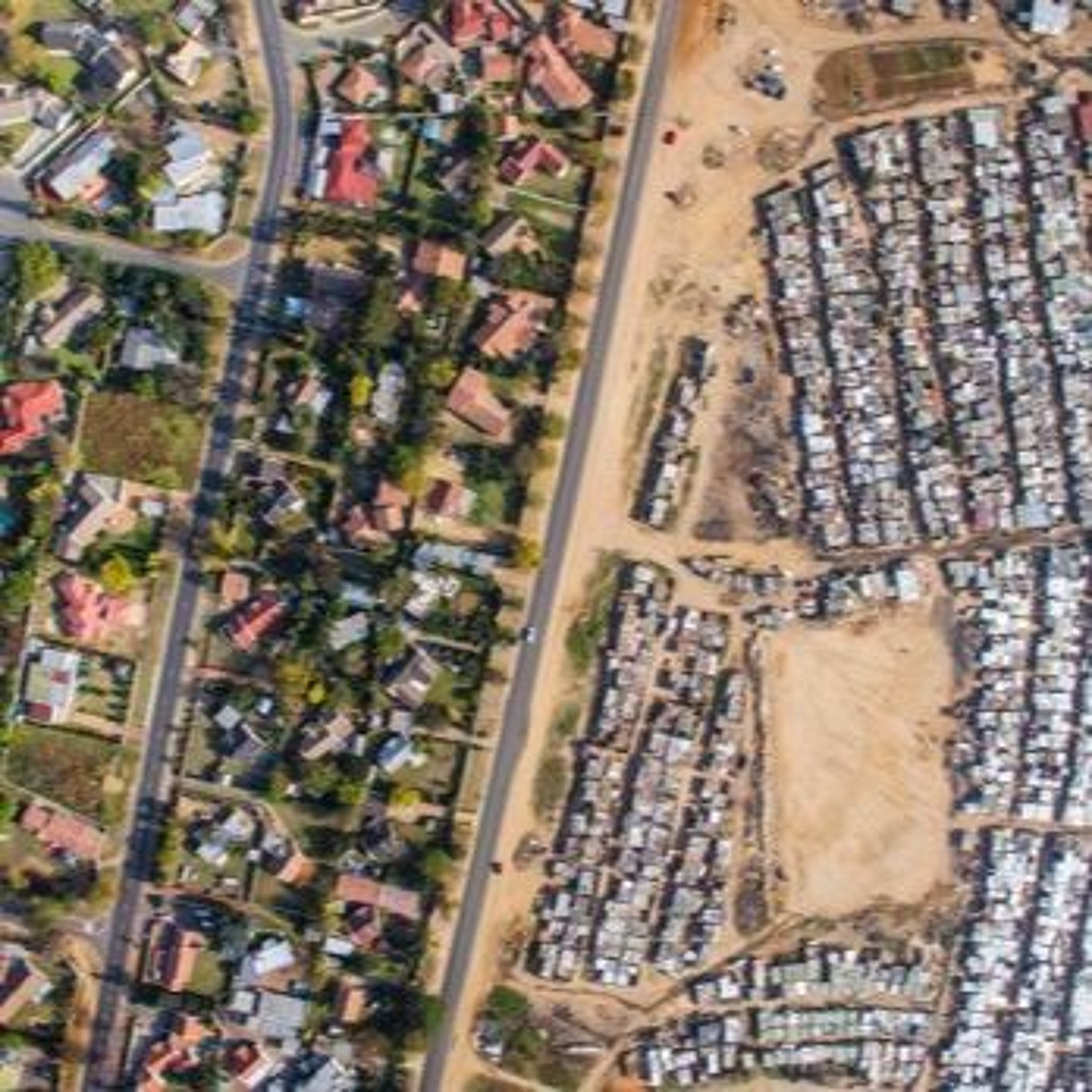
'Citizens in the middle class': Dr Charlotte Lemanski
What's driving the housing crisis for South African middle income households? Why aren't these middling households mobilising for housing reform? Yet we do see collective action in the case of 'fees must fall', for higher education. What explains this discrepancy? Charlotte, why do you think 'middle class' isn't appropriate to the South African context? Paper here: http://www.sciencedirect.com/science/article/pii/S001671851530083X Photo credits: Jonny Miller, http://www.citylab.com/housing/2016/06/apartheids-urban-legacy-in-striking-aerial-photographs-south-africa-cities-architecture-racism/487808/
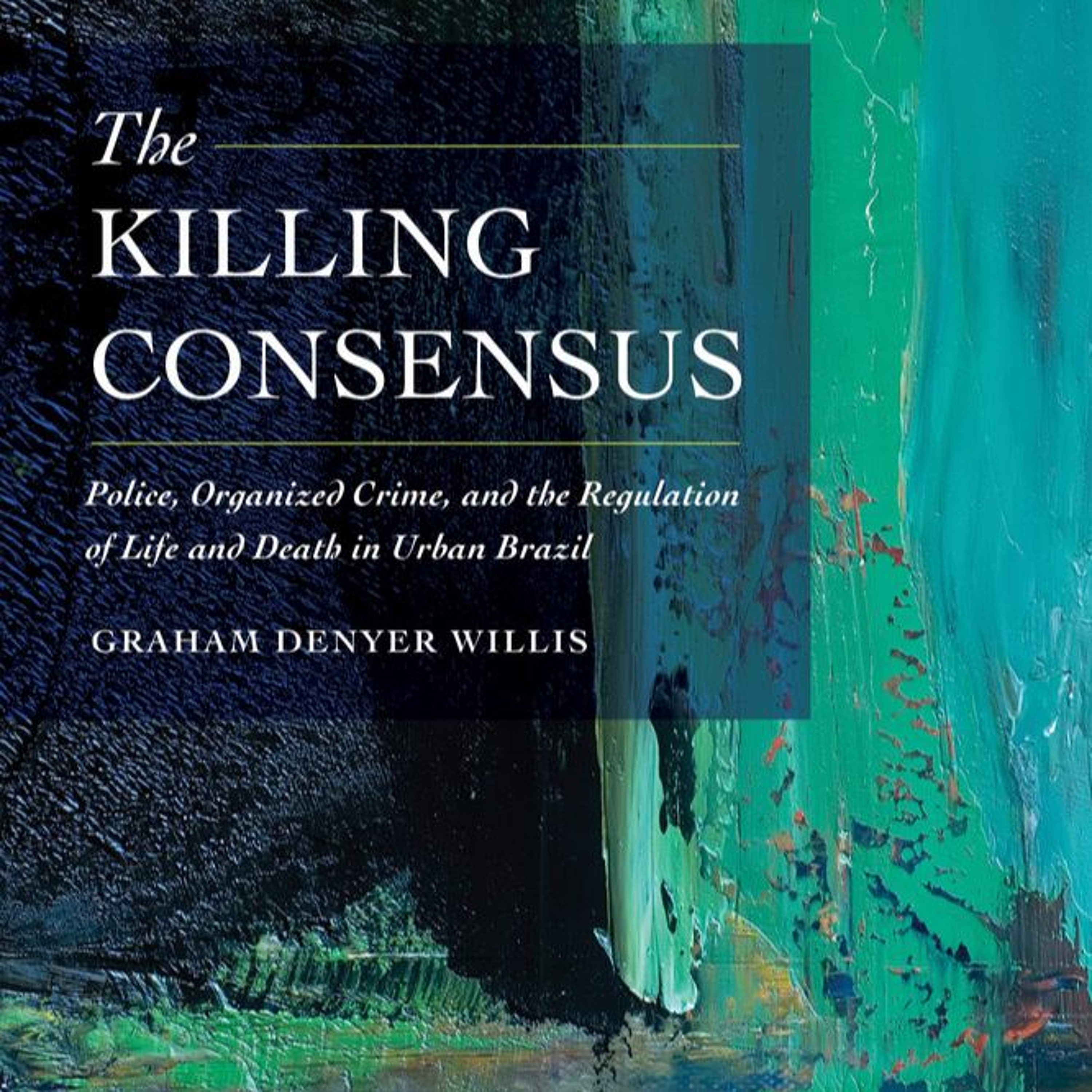
'The Killing Consensus': Dr Graham Denyer Willis
Why did the homicide rate fall in Sao Paulo? How and why has organised crime reduced homicides? Why has this happened in Brazil, but not the USA? And more... http://www.ucpress.edu/book.php?isbn=9780520285712