
ROCKING OUR PRIORS
198 episodes — Page 2 of 4

Extreme Flooding worsens Early Marriage & Early Motherhood
Monsoon rains can cause enormous damage. Extreme floods are becoming more frequent, alongside global warming. Extreme flooding may increase early marriage and early childbirth, while lowering schooling. This comes from an important new paper in the Journal of Population Economics, by Madhulika Khanna and Nishtha Kochhar. Paper link: https://link.springer.com/epdf/10.1007/s00148-023-00955-z?sharing_token=ZikcGqicftAq-ywgduXnXfe4RwlQNchNByi7wbcMAY6wF4GChhXkhRp_0NqzxJpmqSt-4RTpTB1Ap11SZymZWN3bLZbUZHz-NkFkEQksvsU1gZxPGabUegWSbc5DKPaExzPX4gE80q-1LPzd4EBgVt899muxWk1PcCOpWEbgkeo=

The East Asian Miracle (for women)
Societies vary in their preference for female seclusion. But regardless of culture, female employment rises with job-creating growth. Singapore provides a perfect natural experiment, we can observe how 3 different ethnic groups responded to industrialisation.
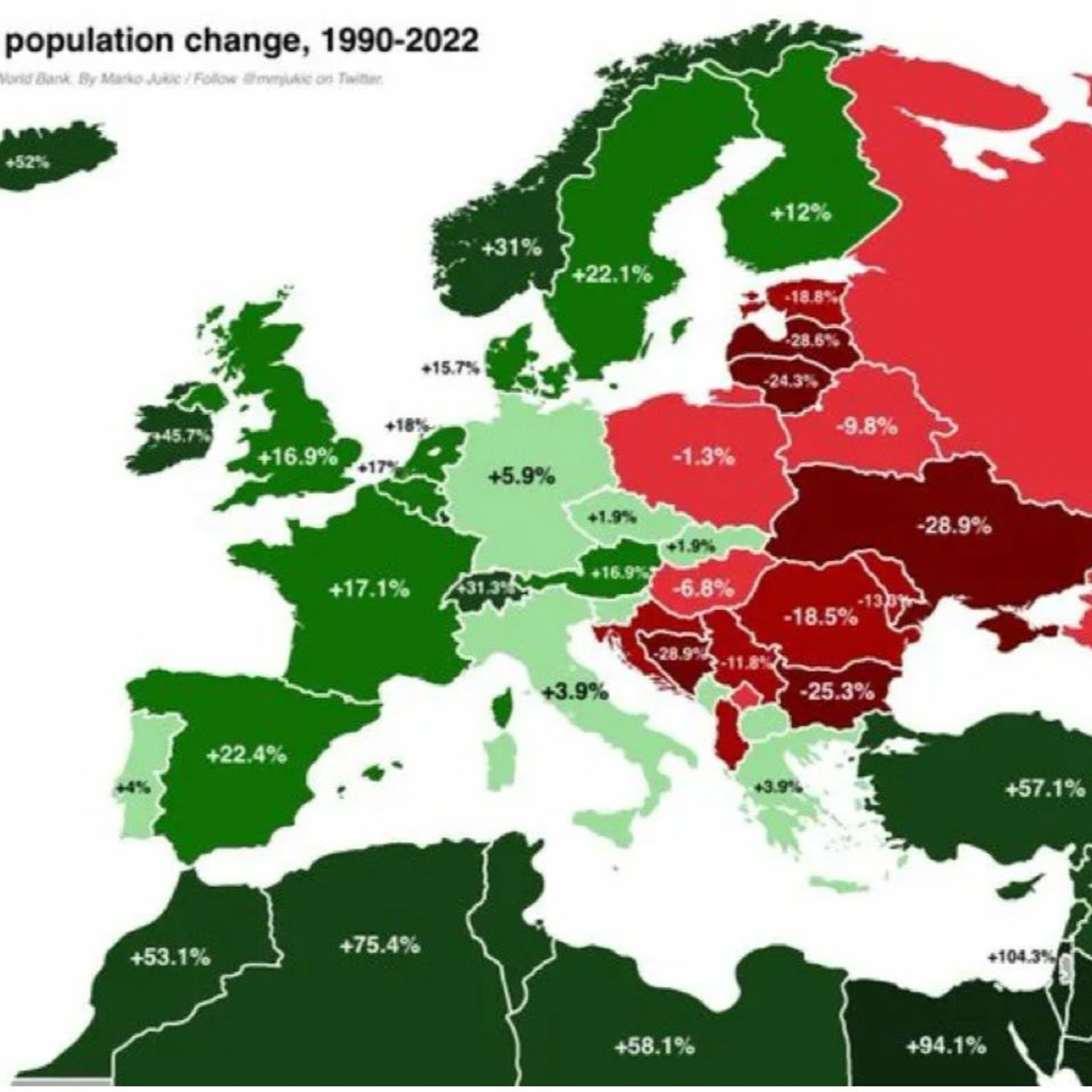
Does Emigration foster Conservatism?
Panel data provides useful information about attitudinal change in that place. But even if certain countries show persistent traditionalism, we cannot assume this is due to culture. It’s possible - as in Eastern Europe - that many liberals have simply left.

How can rich countries promote gender equality in development cooperation?
The UK government will publish a white paper on international development by the end of 2023. It will set out their approach to international development to 2030. How can they best support gender equality? I have 7 evidence-based suggestions - relating to jobs, climate, lead-poisoning, culture and migration.

Does Fiction Foster Empathy?
By immersing ourselves in another person’s trials and tribulations, are we better able to recognise diverse perspectives and constraints? Might reading fiction, viewing plays and watching television have helped Americans become culturally looser - more open-minded and tolerant?

Can Social Media Campaigns undo Sexism?
Egypt is one of the most patriarchal countries in the world. 90% of men say that ‘a woman should tolerate violence to keep the family together’. A new paper in Nature examines whether these attitudes can be changed through social media messaging. https://www.nature.com/articles/s41562-023-01665-y?utm_source=twitter&utm_medium=social&utm_campaign=nathumbehav My Substack: https://draliceevans.substack.com/p/can-social-media-undo-sexism
Culture and Jobs in Asia
A new NBER paper by Barbara Fraumeni sheds light on how culture mediates gender gaps in education and employment. https://www.nber.org/papers/w31535 My Substack: https://draliceevans.substack.com/p/culture-and-job-in-asia

"Freedoms Delayed": Timur Kuran (review)
Why does the Middle East rank poorly for rule of law, trust, civil liberties and corruption? Waqfs and apostasy rules are the root causes, argues Timur Kuran This podcast reviews his new book, "Freedoms Delayed".
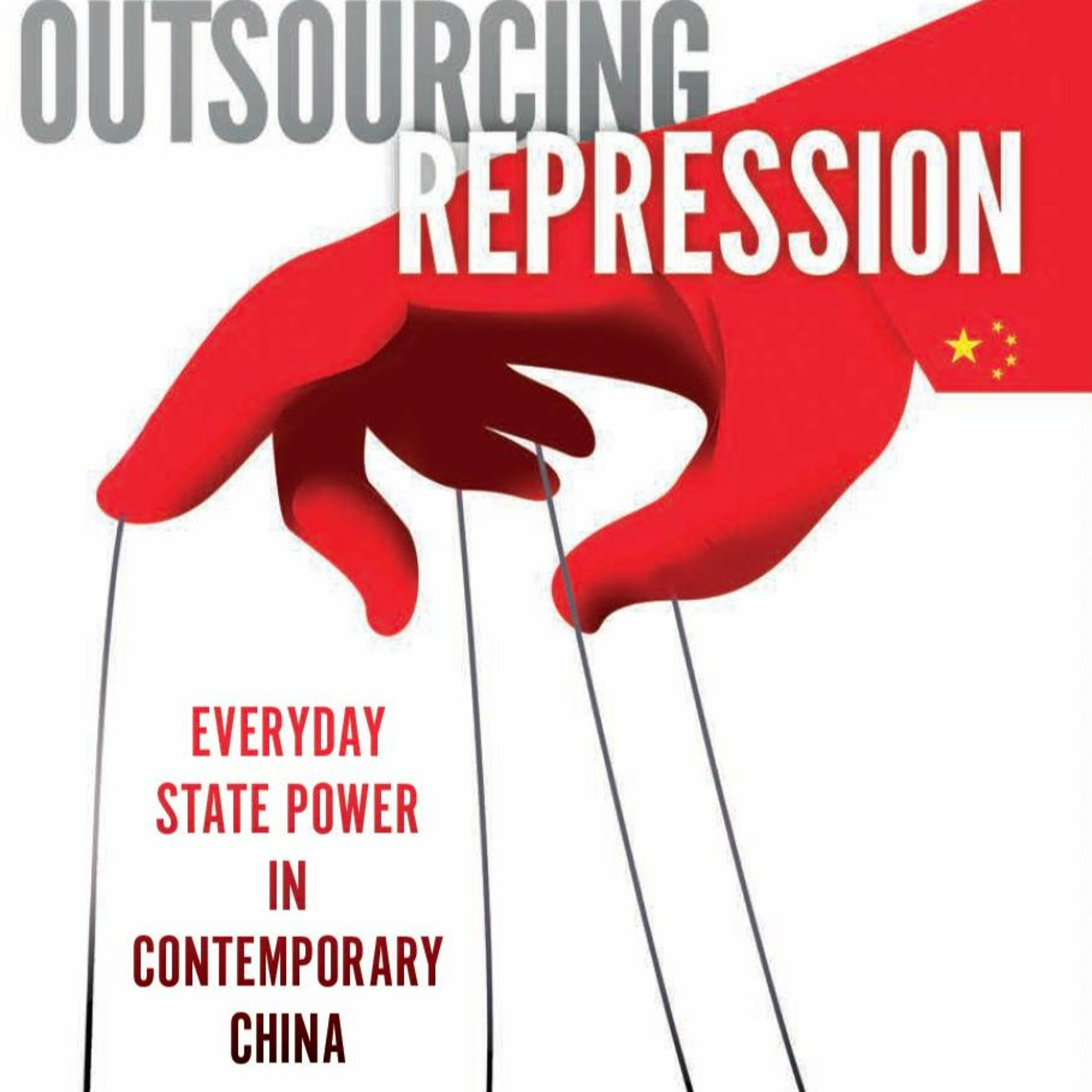
"Outsourcing Repression": Professor Lynette Ong
How has the CCP maintained control? - Coercive violence is outsourced to thugs, enabling the state to maintain legitimacy. - Respected social networks engage in ideological propaganda & persuasion (sometimes via shaming). Tremendous new book by Professor Lynette Ong Book: https://global.oup.com/academic/product/outsourcing-repression-9780197628768?cc=gb&lang=en&
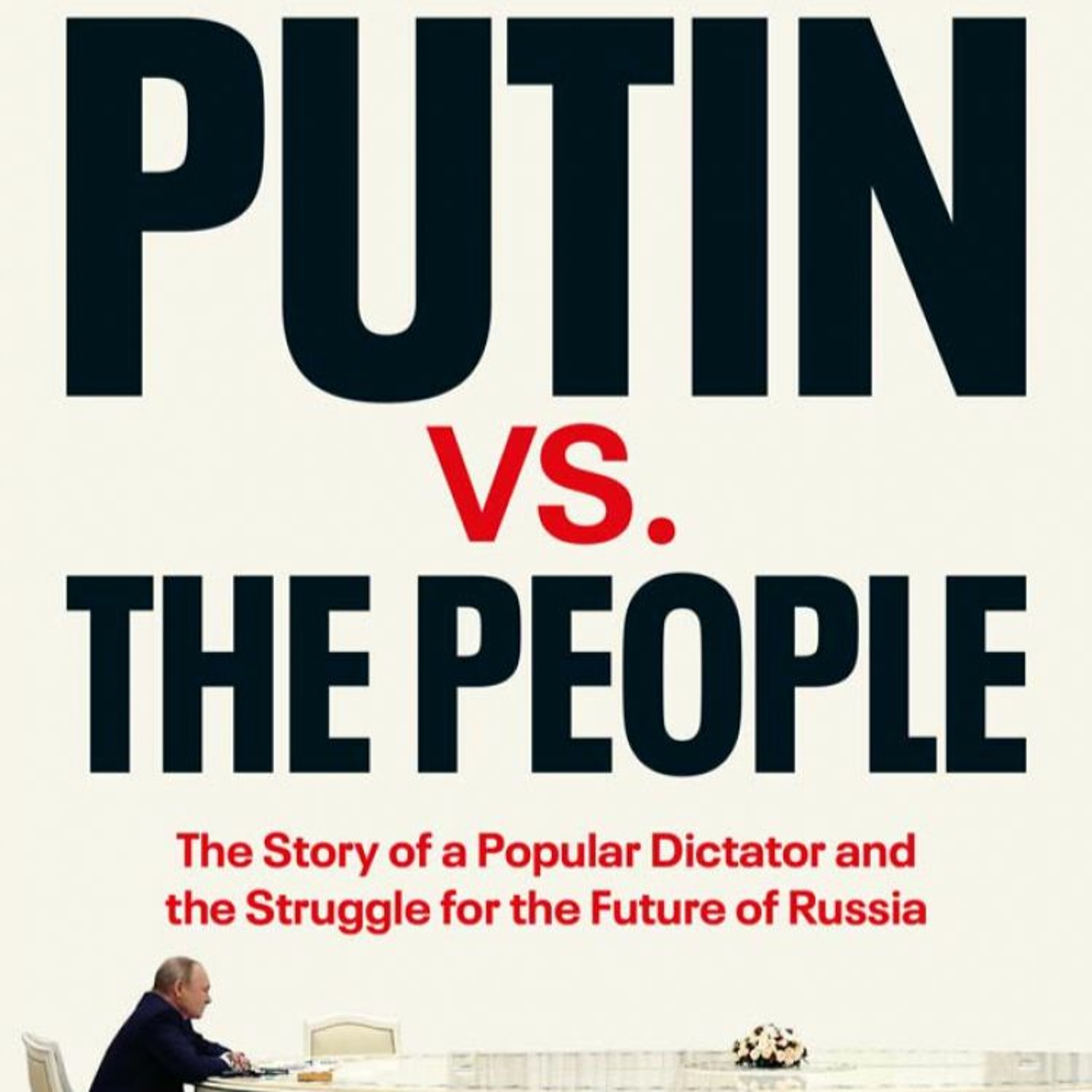
“Putin vs. the People”: Greene & Robertson (review)
In “Putin vs. the People”, Samuel Greene and Graham Robertson suggest the annexation of Crimea triggered a groundswell of national pride. Russians rallied for the flag. They saw Putin more positively, turned a blind-eye to corruption, and even became more economically optimistic. This motivated wider conformity and social policing. Seizing on geopolitical glory and newfound loyalty, Putin then tightened the screws. Book: https://yalebooks.co.uk/page/detail/putin-vs-the-people/?k=9780300268362 My Substack: https://draliceevans.substack.com/p/putin-vs-the-people-by-greene-and?sd=pf

The Origins of States
What led to the emergence of states? David Schönholzer and Pieter François have a fascinating new paper, arguing that states, cooperation and conflict all emerged more quickly and more typically in places with great farming and weak exit options. Their paper: https://www.dropbox.com/s/7c34efbpe1ezy67/OOS_web.pdf?dl=0 My substack: https://draliceevans.substack.com/p/the-origins-of-states

Wartime Patriarchs
When states are under siege, they militarise. Frightened publics want bellicose leaders and higher military spending. Once in power, militarists entrench their institutional and cultural dominance. They fan fears, act tough, and secure public support. Conflicts change popular priorities, not least by reinforcing respect and reverence for macho leaders. Countries threatened by war and terrorism are thus more likely to be governed by men. Peace, therefore, is a hugely important pathway to gender equality.
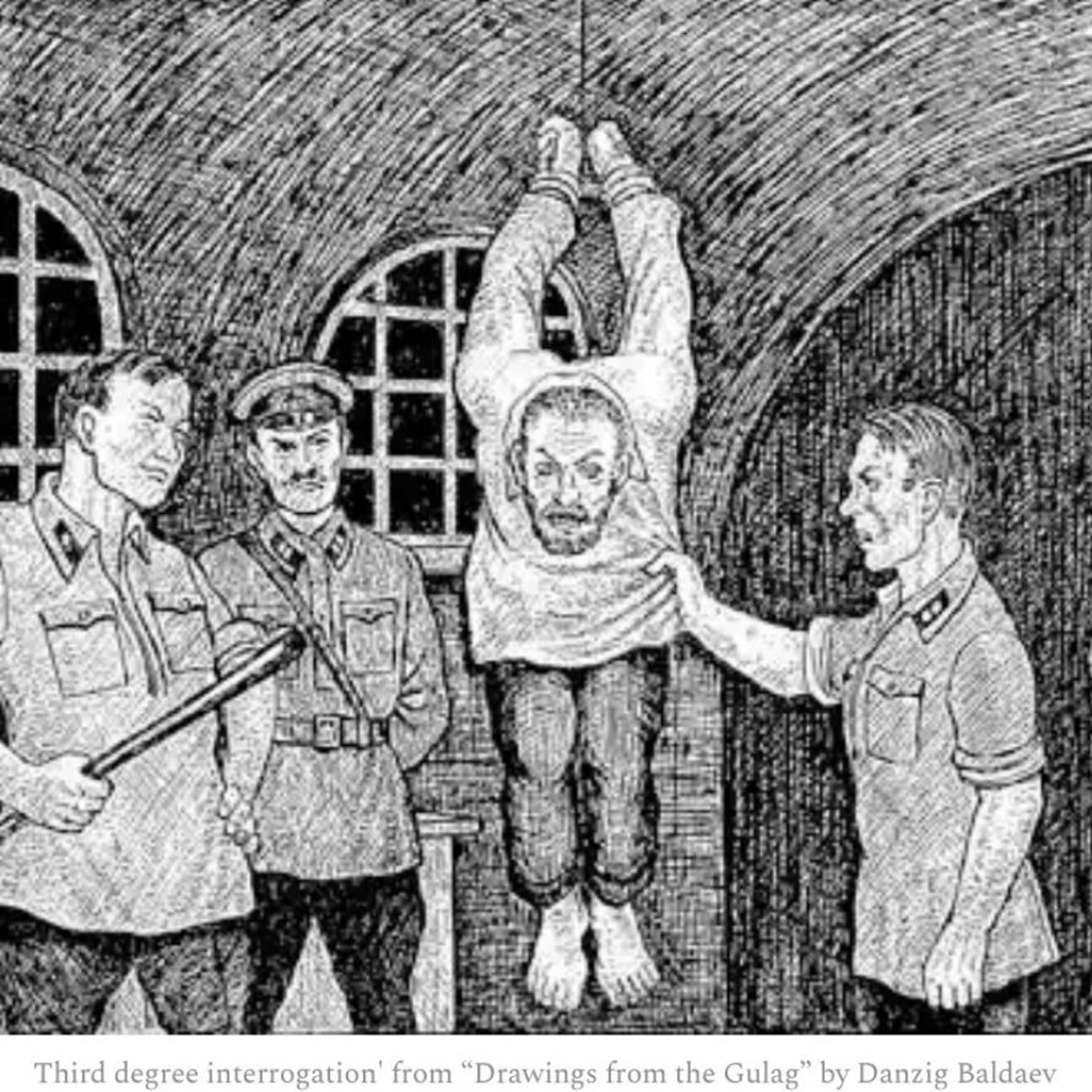
Did Gulags make Russians Anti-Gay?
Prisons may have far-reaching effects on culture, especially where incarceration is widespread. Russia has high rates of both imprisonment and homophobia. 66% of Russians don’t want gay neighbours. That’s increased from 58% in 1999. Almost everywhere elsewhere in Europe, homophobia has fallen. What explains Russian exceptionalism? An important new paper by Maxim Ananyev and Michael Poyker suggests that Russia’s prisons may have fermented homophobia. https://papers.ssrn.com/sol3/papers.cfm?abstract_id=4227900 Trigger warning: this piece discusses physical and sexual torture. Substack: https://draliceevans.substack.com/p/did-gulags-turn-russians-anti-gay
Does Patriarchal Policing Suppress Innovation?
Culturally tight societies tend to have fewer innovations. Could asymmetric cultural policing help explain women's lower share of patents and leadership? Xin Qin et al 2023: https://academic.oup.com/pnasnexus/advance-article/doi/10.1093/pnasnexus/pgad238/7227277 Link to all papers: https://draliceevans.substack.com/p/does-patriarchal-policing-suppress
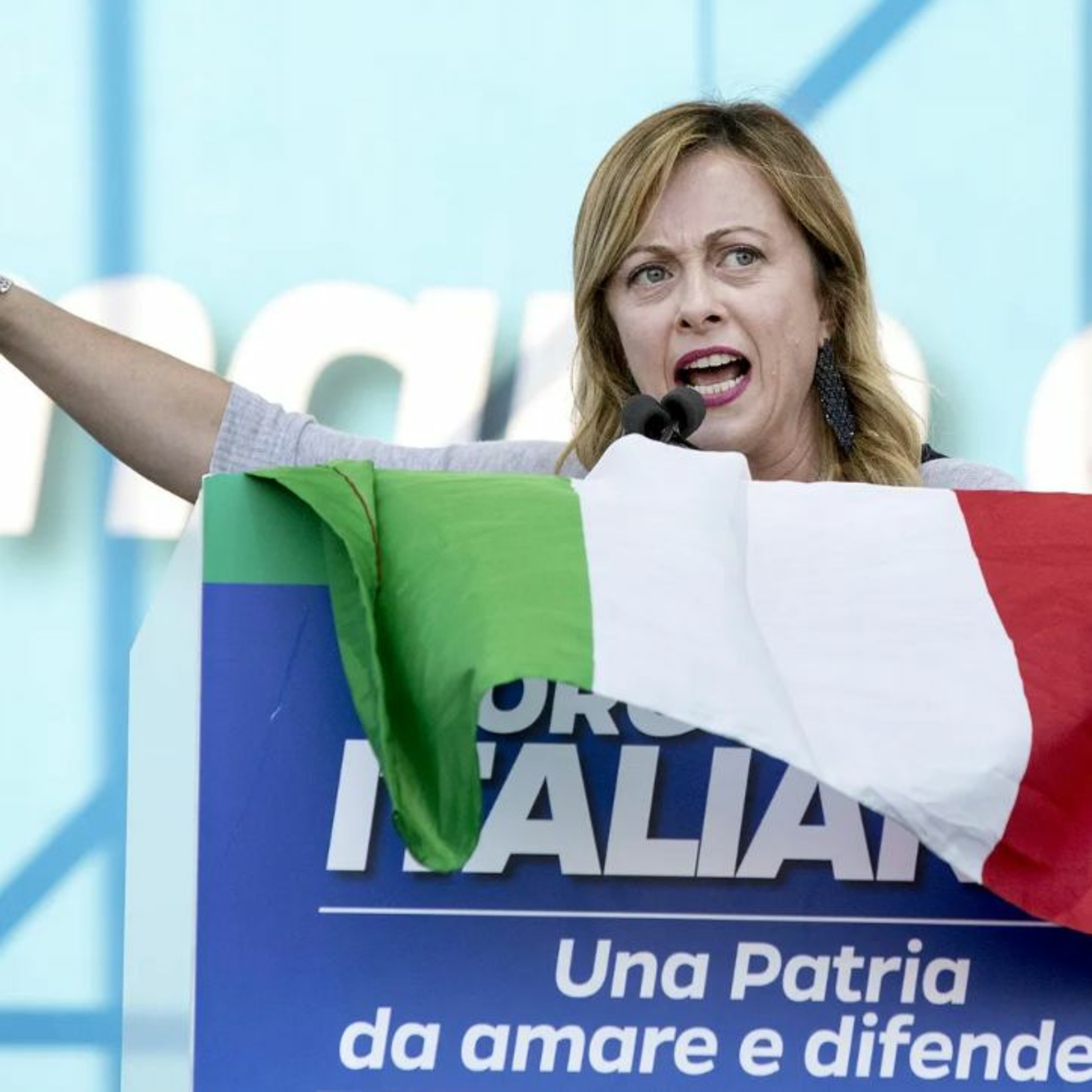
Corruption & Votes for Women
A wealth of evidence from the US, Eastern Europe and Latin America suggests that when voters are concerned about corruption, they favour female outsiders. Graphs and links to articles can be found at https://draliceevans.substack.com/p/corruption-and-votes-for-women

What does "Barbie" get wrong about patriarchy?
The new “Barbie” film portrays the rise and fall of patriarchy. I have assessed its empirical accuracy. If you’ve watched it and want to reflect on real world parallels, you might enjoy my review. But if you just want to enjoy it or are yet to see it, PLEASE DO NOT LISTEN.

The Rise of the Right in Southern Europe
Right-wing parties have surged to power in Italy and Greece. Spaniards vote tomorrow, it may be for a right-wing government. What explains this trend? Economic stagnation has exacerbated frustrations, especially around masculinity. Men can no longer provide for their families single-handedly. Right-wing leaders have gained popularity by celebrating motherhood, vilifying feminists and scape-goating migrants. Substack link: https://draliceevans.substack.com/publish/post/135352414
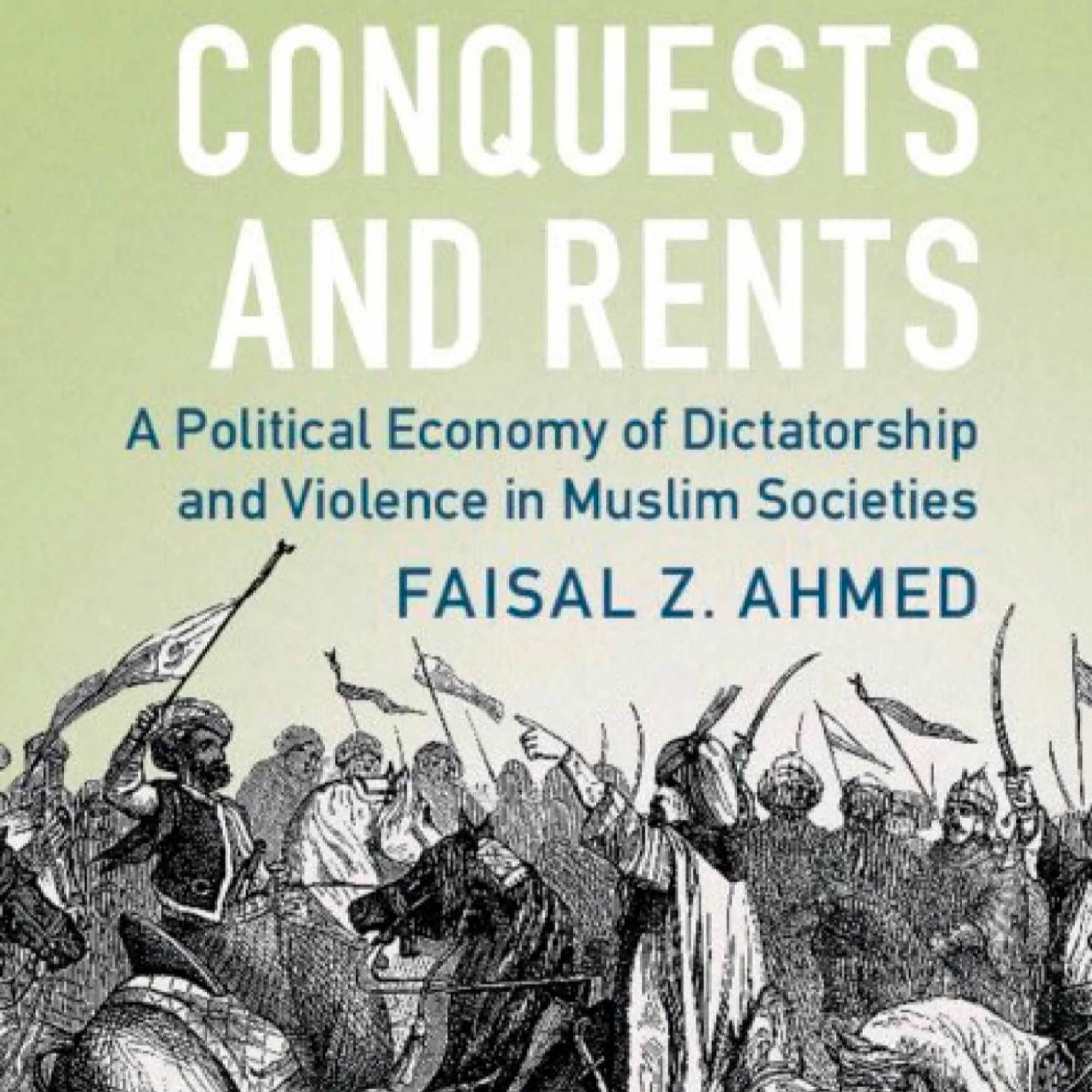
"Conquests & Rents" by Faisal Ahmed (review)
Everyone knows that Muslim societies are more likely to be authoritarian and marred in civil war. The typical Muslim society is twice as likely to experience a civil war with 1000 battle deaths a year. The big question is why? Islamic culture, Islamic law, the ulema-state alliance and oil have all been suggested. But they are inadequate. They fail to explain Muslim countries’ heterogeneity. Why are some Muslim countries (like Indonesia) actually democratic? Why are some Muslim dictatorships so durable, while others (like Somalia) have erupted in civil war? Faisal Ahmed presents a new theory: “Conquest and Rents”. Of all the books I’ve read in 2023, this is one of the most original, insightful, and important. It radically improved my understanding of our world.

Working-Class Men's Patriarchal Nostalgia
‘Good jobs’ for high school graduates have dwindled. Manufacturing and other manual-intensive occupations that on average paid substantially higher salaries than services have disappeared. This has undercut men’s ability to provide, bruised their egos, fostered patriarchal nostalgia, and catalysed votes for the far right. This podcast explains how we got here and who is affected. For graphs and links, please see my substack: https://draliceevans.substack.com/p/structural-transformation-and-patriarchal?utm_source=profile&utm_medium=reader2
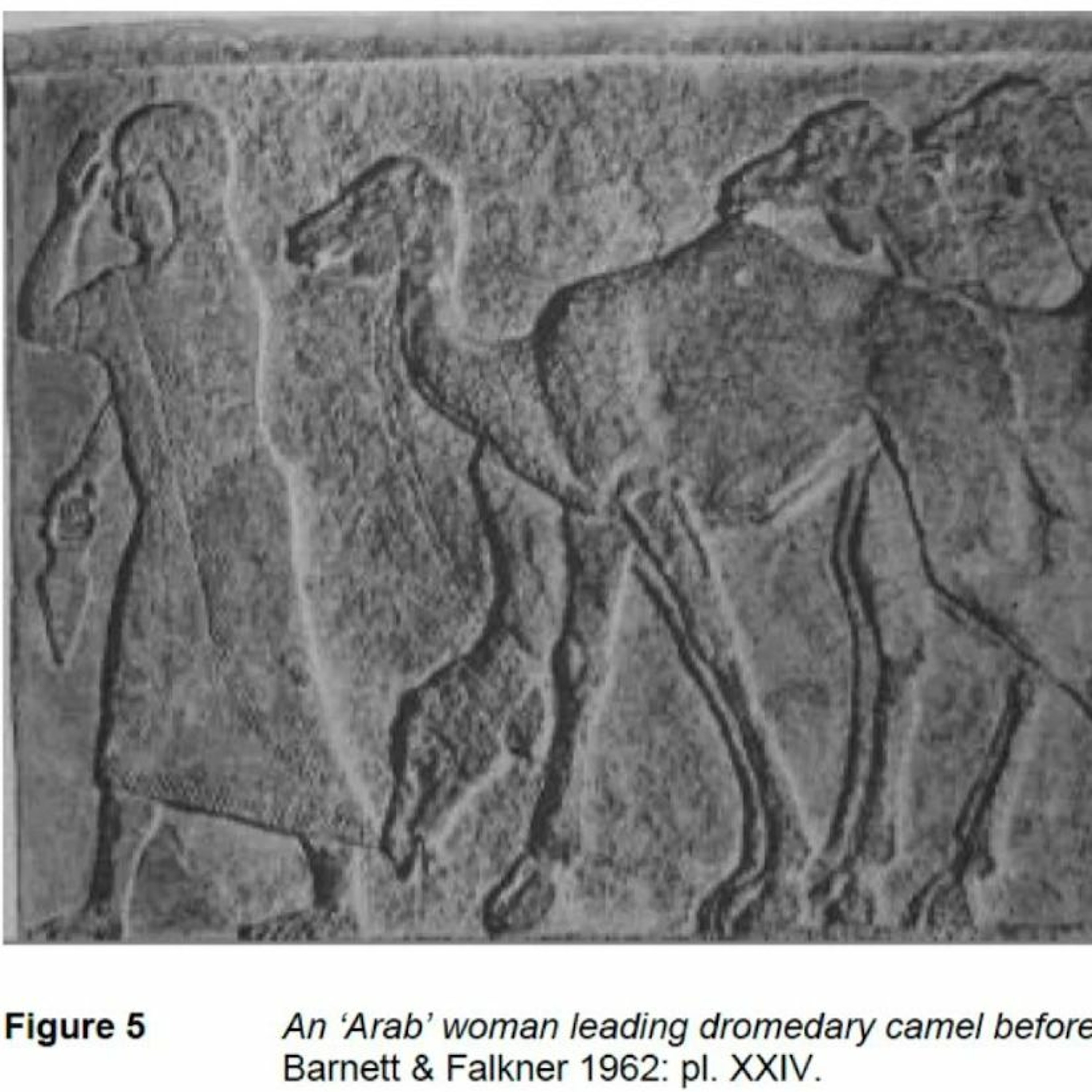
Queens of the Arabs
Did you know that Arab tribes in the 8th-7th century BCE were mostly led by women? While this is not evidence of wider matriarchy, it certainly rocks my priors. Arab women were once revered as leaders. How do we know? Assyrian royal inscriptions refer to nine “Queens of the Arabs”. The images referenced are in my substack: https://draliceevans.substack.com/p/arab-matriarchy?utm_source=profile&utm_medium=reader2 This podcast draws on research by Ellie Bennet which you can read here: https://helda.helsinki.fi/handle/10138/328402
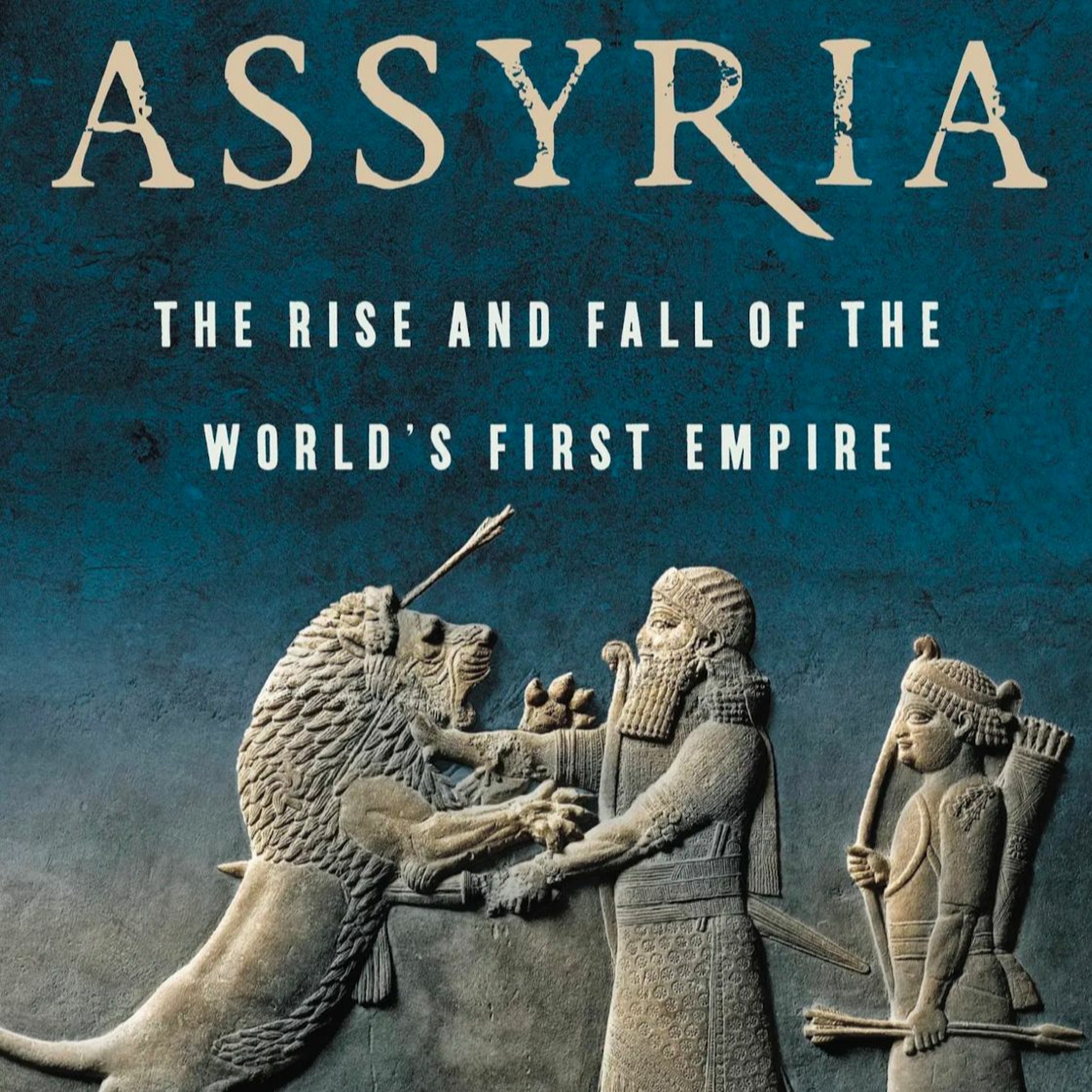
Imperial Expansion & Female Seclusion in Assyria
Assyria was the world’s first empire. Powerful kings marshalled professional armies, conquered vast territory (from Anatolia to the Persian Gulf), presided over a complex bureaucracy, deported thousands of workers, and accumulated harems of concubines. In the previous millennium, its capital (Ashur) was actually a bit more egalitarian, with checks on executive dominance. What changed and why? In this podcast, I discuss Eckhart Frahm’s fascinating new book (Assyria) alongside globally-comparative new research on imperial expansion and authoritarianism.

Attacks on Women who Rise Up
When women rise up to positions of power, they are often attacked. Gianmarco Daniele, Gemma Dipoppa, and Massimo Pulejo have a tremendous paper analysing (online and offline) attacks on Italian mayors. Marginally elected women are 3 times more likely to be attacked. The question is why? Full paper: https://papers.ssrn.com/sol3/papers.cfm?abstract_id=4508878
The Economic & Cultural Causes of Conflict
The Economic & Cultural Causes of Conflict by Dr Alice Evans
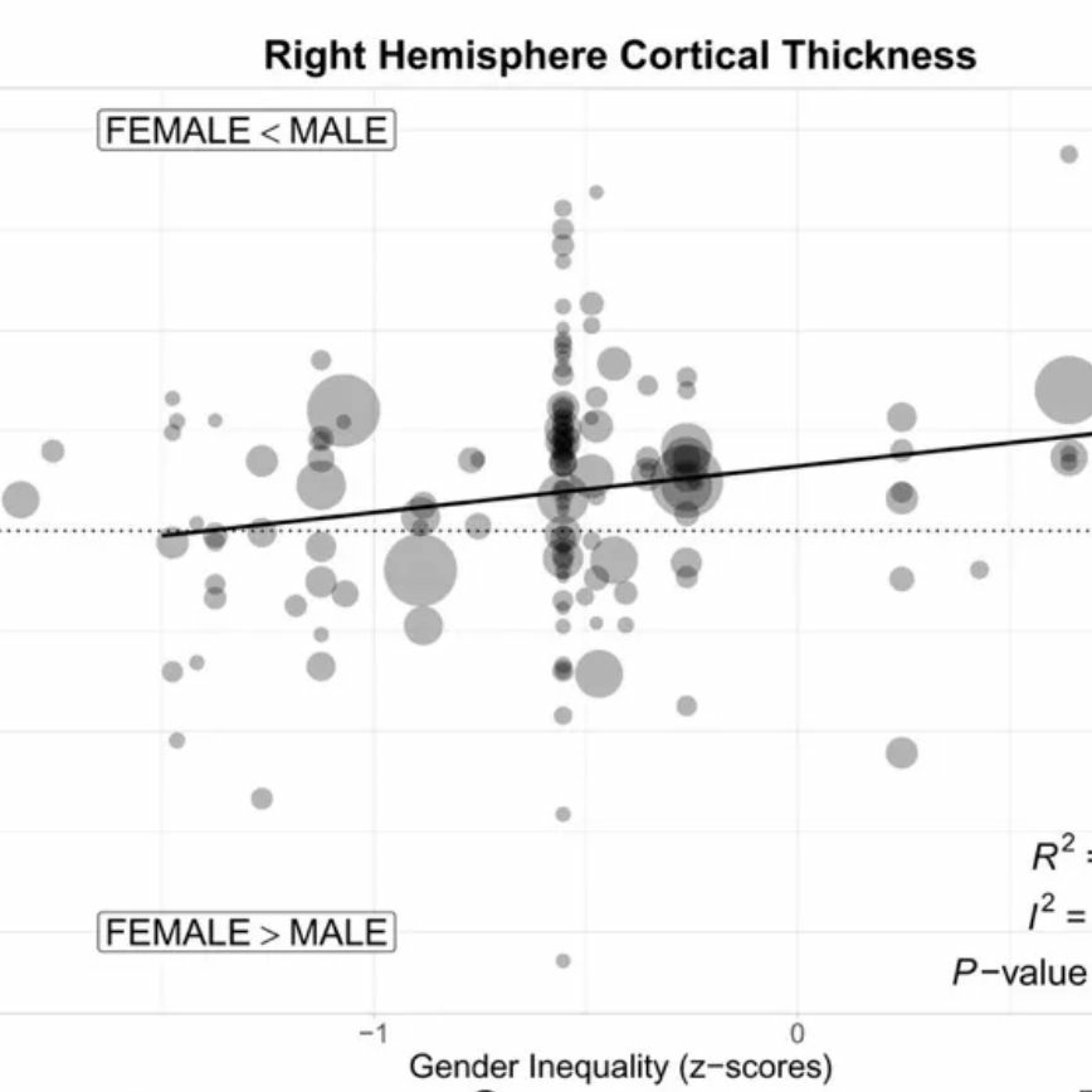
Does Patriarchy Suppress Cognitive Development?
Does Patriarchy Suppress Cognitive Development? by Dr Alice Evans

Why was Ancient Nubia less controlling than Ancient Egypt?
Ancient Nubia presents a puzzle, suggests David Wengrow. “How [did] its population manage to prevent the emergence of domination in their own midst, despite the existence of Egyptian models of governance on their doorstep and the effects of recurring Egyptian predation on their people and resources[?]”. This podcast discusses geography, states and culture.

The Roots of Cooperation
Americans used to farm a rich variety of crops. Some were very labour intensive, requiring neighbourly cooperation. In these counties, parents were more likely to give their children names that were common. This may indicate a desire for conformity. By contrast, in areas where farmers could be more self-sufficient, they chose names that were more individualistic. And when exogenous shifts propelled farmers into economic autonomy, they became even more self-expressive. This podcast digs into a phenomenal new paper by Martin Fiszbein, Yeonha Jung and Dietrich Vollrath https://www.nber.org/system/files/working_papers/w29643/w29643.pdf My Substack: https://draliceevans.substack.com/p/the-roots-of-cooperation
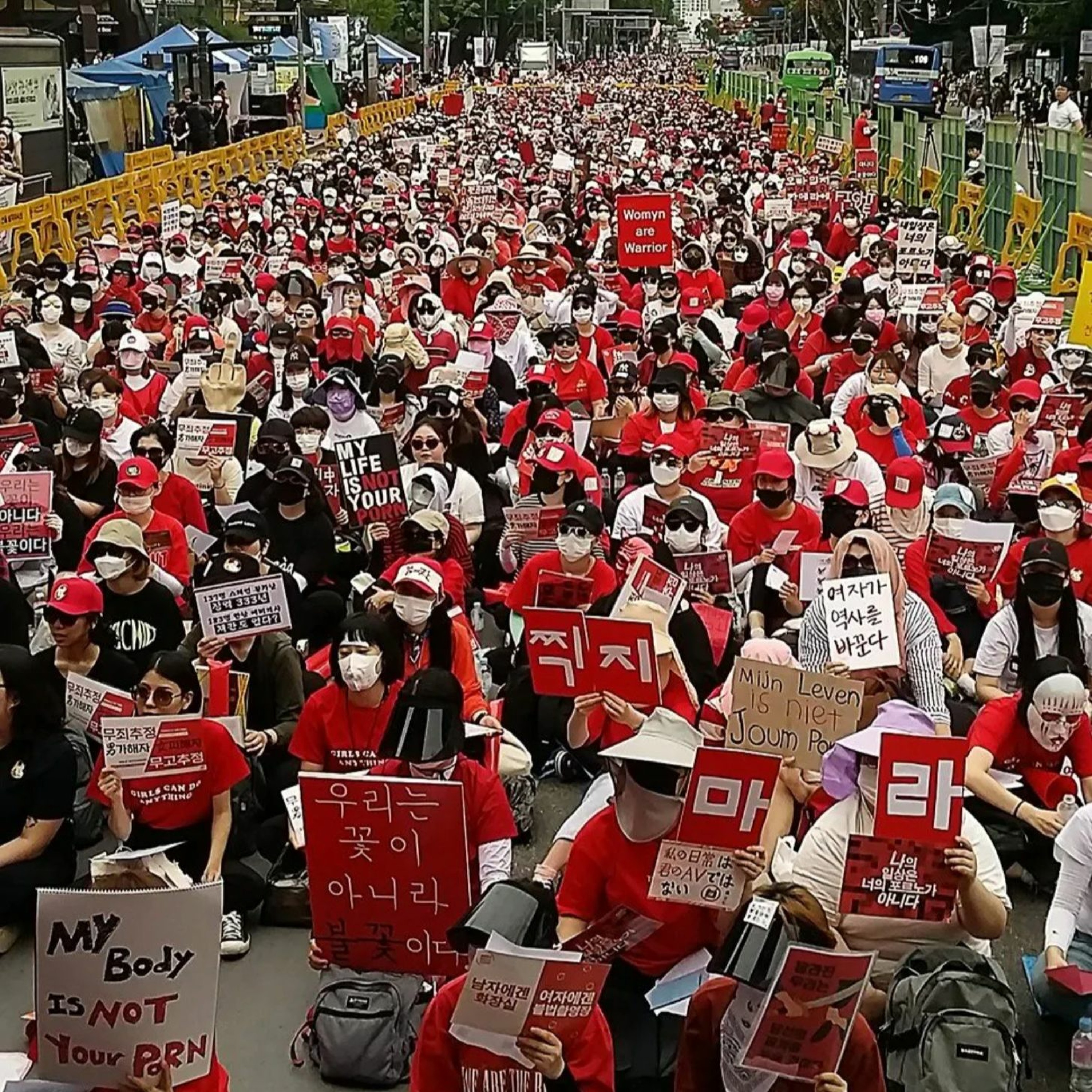
Why are East Asians culturally tight collectivists?
East Asians typically prefer social cohesion and harmony, rather than self-expression and individualism. They are ‘culturally tight’. While Latin Americans believe it’s fine to pick and choose your friends, East Asians tend to expect group loyalty. Why might this be? Let’s explore 4 hypotheses: Rice Socio-economic threats Confucianism Authoritarianism For pictures and graphs, see https://draliceevans.substack.com/p/why-are-east-asians-culturally-tight
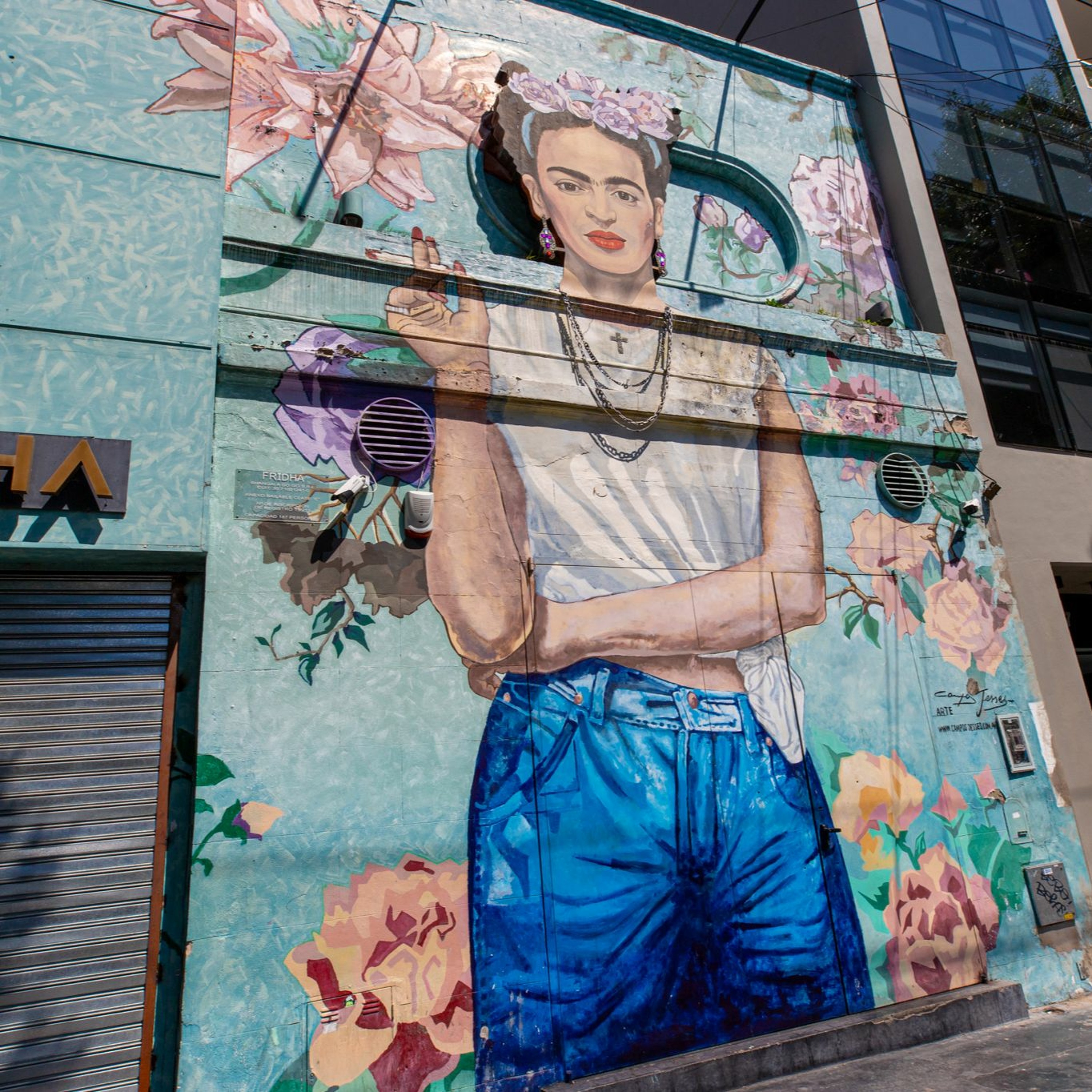
Why has Latin American female employment risen in the absence of growth?
Why has Latin American female employment risen in the absence of growth? by Dr Alice Evans

Have house prices pushed up female employment?
Have house prices pushed up female employment? by Dr Alice Evans
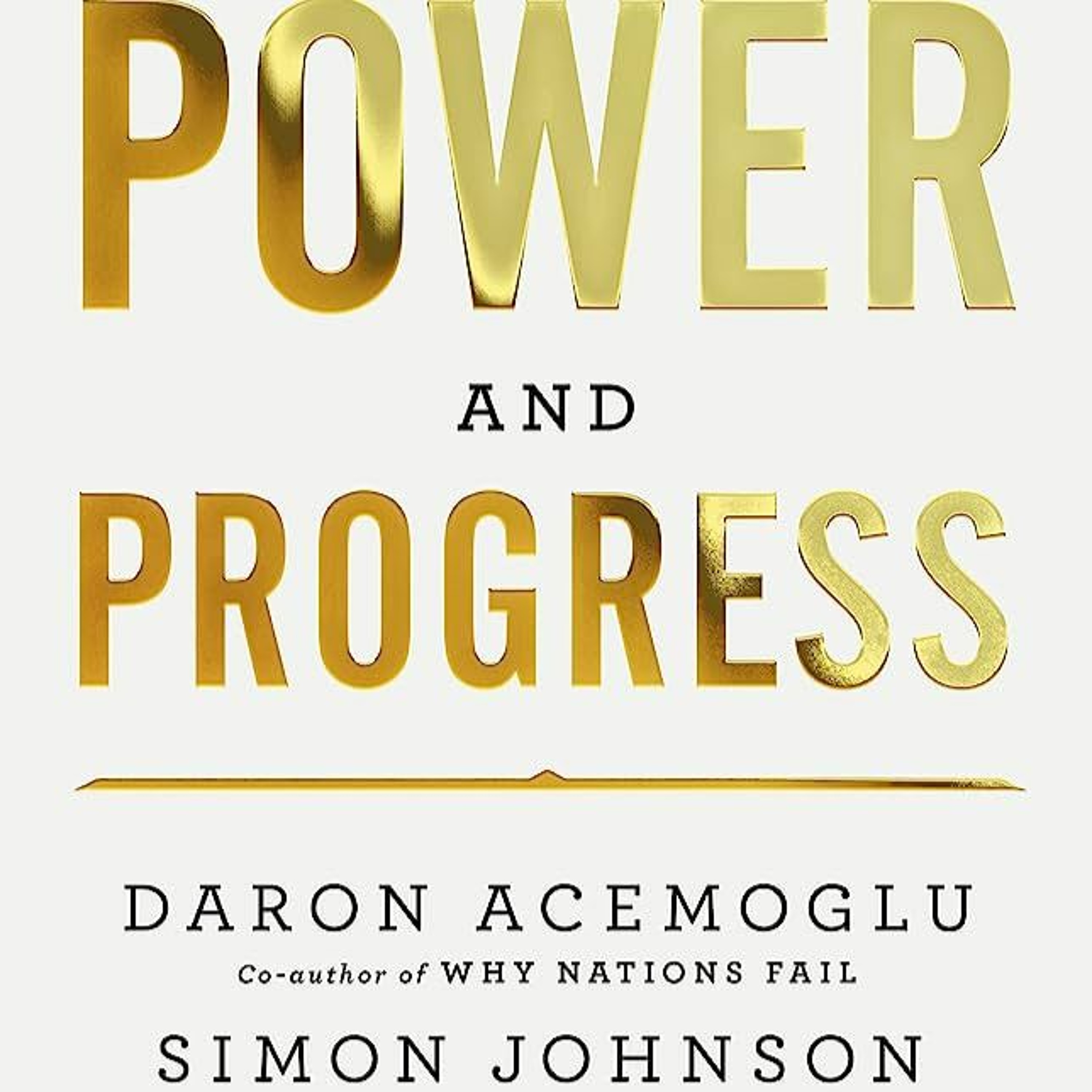
"Power & Progress": Professor Daron Acemoglu
We are living in an age of incredible technological innovation. But is it actually benefitting humanity? MIT Professors Daron Acemoglu and Simon Johnson have a tremendous new book on this exact question: “Power and Progress: Our Thousand-Year Struggle over Technology and Prosperity”. Professor Daron Acemoglu joins me today. In this podcast, we explore: • Why social scientists should pay attention to ‘vision’ • Did automation cause premature deindustrialisation? • Is firm size important? • Why did wages rise so rapidly in South Korea? • What’s caused the fall in worker power? • Why has automation increased? • How can technology be redirected?

Toxic Masculinity
Lead poisoning rots your brain. Babies exposed to lead are more likely to academically under-perform, get suspended, and become violent criminals. As far as I am aware, no one has researched how lead impacts gender. But the existing evidence suggests it could be seriously corrosive - especially in low and middle-income countries.
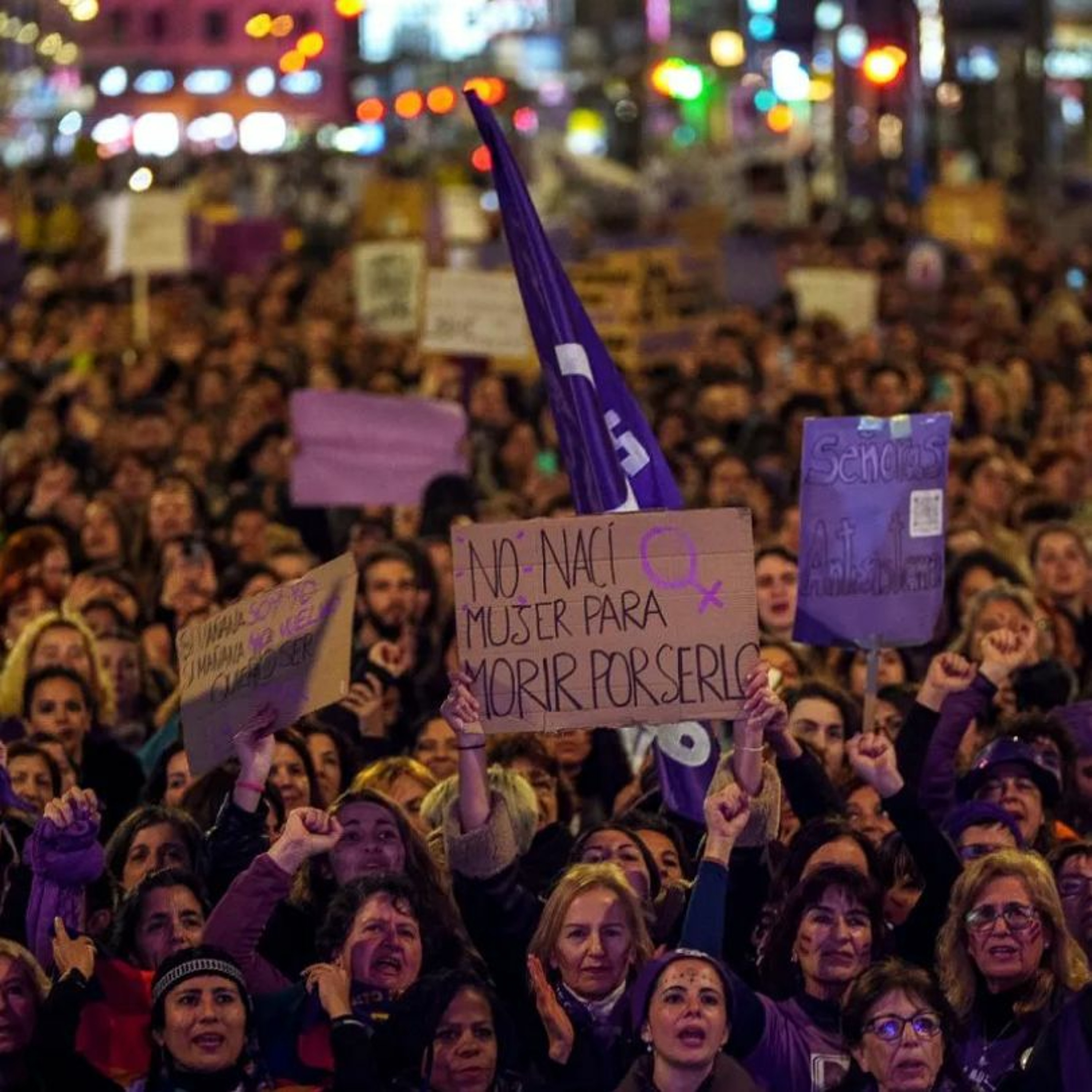
Reverse Dominance Coalitions
Status inequalities persist if they are normalised and culturally celebrated, while critics are shamed, disparaged and ostracised. Culture only changes when masses of people speak out in solidarity, embolden each other with righteous resistance, and collectively establish expectations of equality. I call these “Reverse Dominance Coalitions”.This Substack is split into 3 parts: - A Global Culture of Patriarchy - Reverse Dominance Coalitions (RDCs) - How RDCs Can Foster Gender Equality
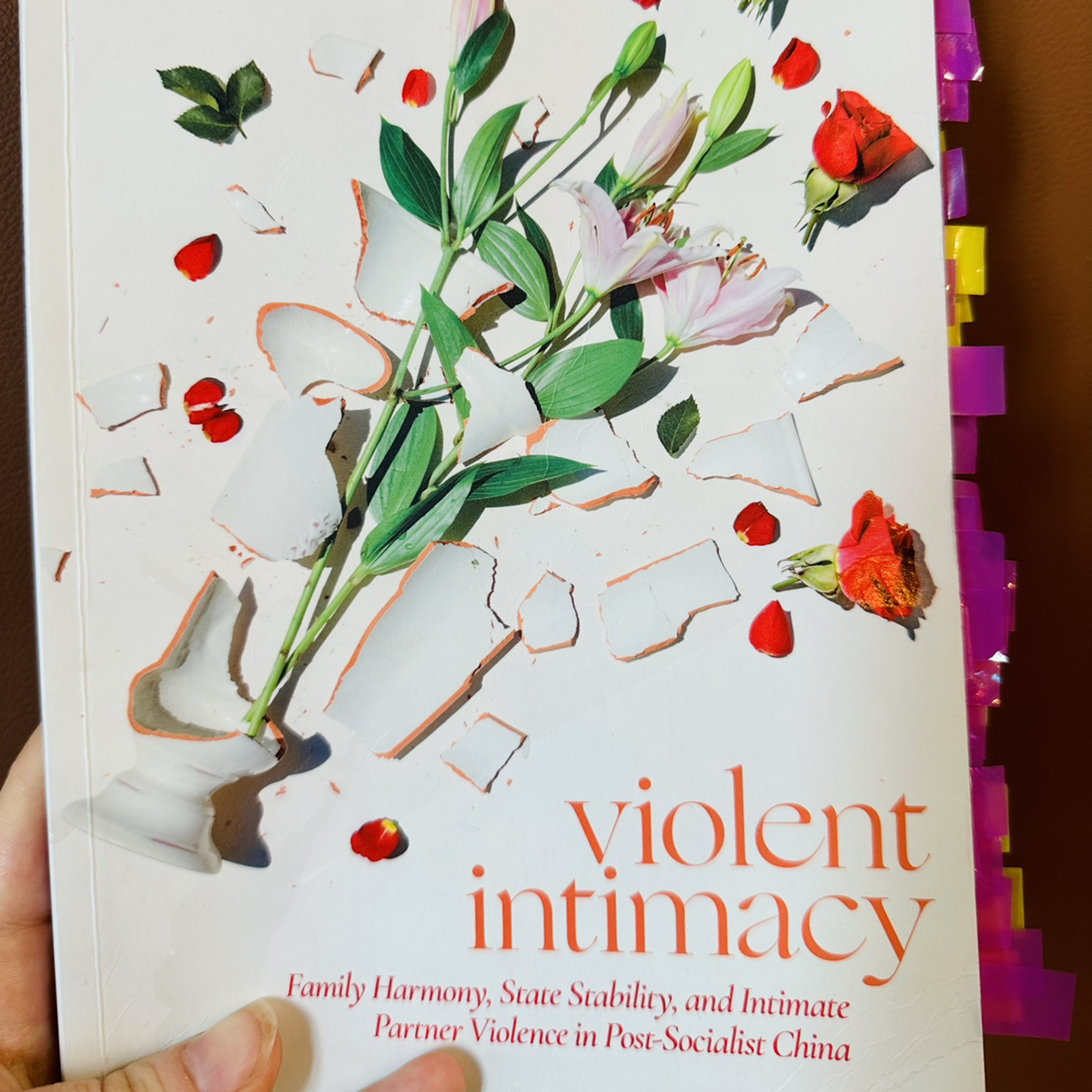
What’s the biggest human rights abuse in China?
“Violent Intimacy” - a new book by Tiantian Zhen - highlights how the Chinese state perpetuates extreme cruelty.

Why dont men want so many kids?
Both conservatives and progressives typically presume that falling fertility is due to a shift in women’s preferences. Conservatives often lay blame on “over-educated women”, privileging their careers. Progressives, meanwhile, emphasise women’s burdens. Since men and the state provide so little support, motherhood is an unbearable hit (Doepke et al 2022). Right and left both assume that men would love to have more kids, but fertility is being dragged down by women. Is that assumption correct?

Parenting, violence & fertility: 4 papers from Libertad Gonzalez
Parenting, violence & fertility: 4 papers from Libertad Gonzalez by Dr Alice Evans
What is Patriarchy?
I was just asked to define patriarchy in two sentences. Let me try! In patriarchal societies, prestigious positions are dominated by men; this reinforces beliefs that men are more competent in socially valued domains, deserving of deference, and speak with authority. Feeling entitled to higher status, men may react aggressively if given insufficient respect.

Paternity leave (in feminist Spain) promotes gender equality among kids
In 2007, the Spanish government introduced 2 weeks of paternity leave. A fantastic new paper by Lídia Farré, Christina Felfe, Libertad González and Patrick Schneider finds that children of eligible fathers are now much more gender equal. Why might this be? I suggest that Spain’s post-Franco secular backlash and relentless feminist mobilisation have pushed inequalities to the forefront of public conversations. Widespread endorsement of feminism accelerates cultural change because egalitarians anticipate social support. Spanish fathers overcame the coordination failure that elsewhere suppresses uptake of parental leave. Their children are now much more gender equal. Drawing on new work in neuroscience, I suggest this is because Spanish fathers’ bonding with their babies promoted long-run care-giving.

Economic Precarity & Cultural Persistence
Why have some countries undergone rapid cultural change, while others are marked by persistence? And why does social norm policing often revolve around gender? One key mediating factor is the great economic divergence. Some countries are now rich, while others remain poor. In places with weak job creation and chronic precarity, people remain heavily dependent on kinship networks. Men maintain inclusion in vital networks by ensuring their families conform to established strictures. Fear of social exclusion motivates an instrumental concern for approval. Insecurity and instability - exacerbated by conflicts and ecological threats - may also generate intrinsic desires for group conformity and norm enforcement. Economics is not the whole story, however. Latin America and MENA have undergone similar growth trajectories, yet Latin Americans have become considerably more liberal, secular and supportive of gender equality. Precarity thus only partly explains cultural persistence.
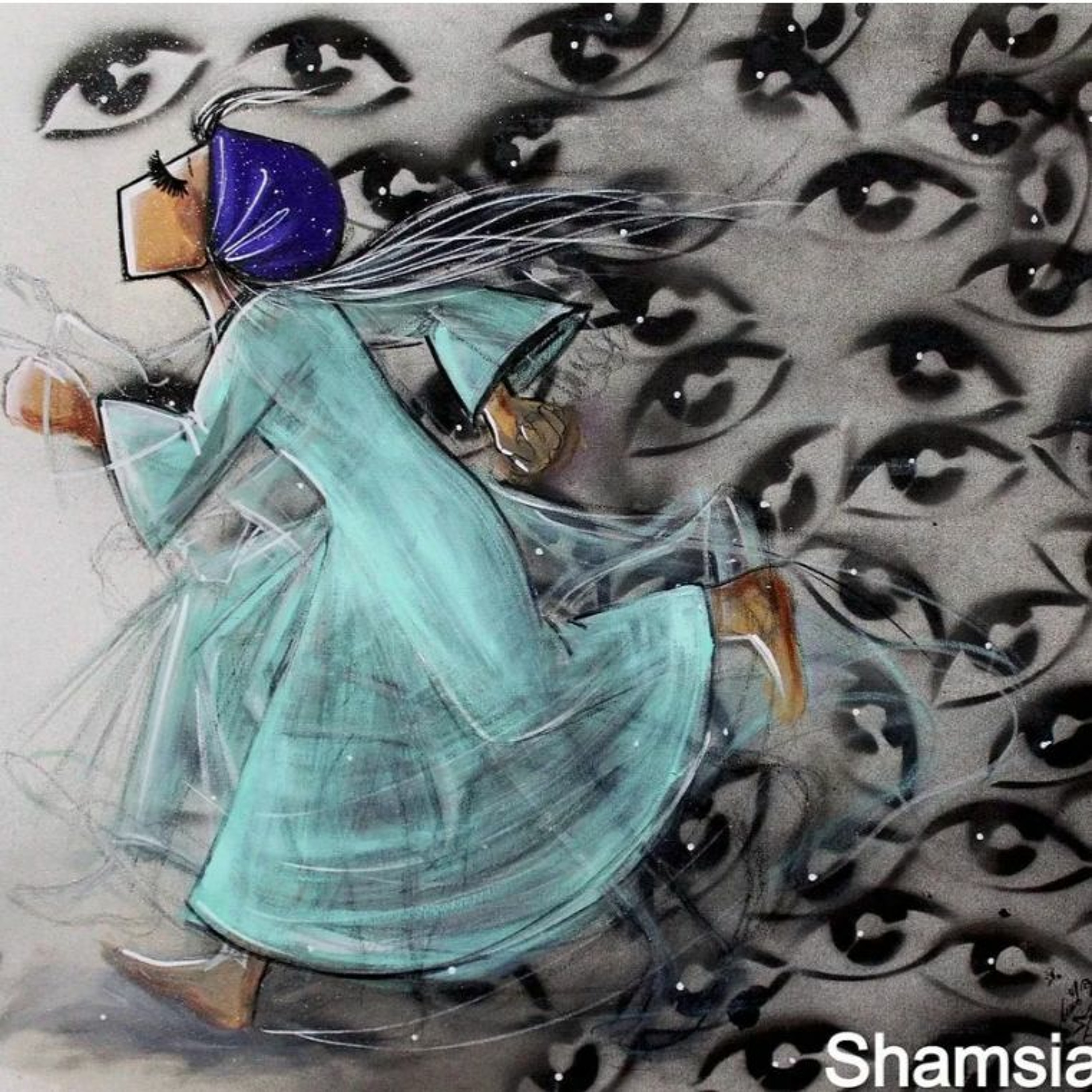
How Culture Normalises Patriarchy
Norms matter, but how exactly? What are the precise mechanisms of cultural persistence? Drawing on my qualitative research in India, Mexico, Morocco, Zambia, Cambodia, Vietnam, Italy and Turkey, I suggest 8 ways in which culture perpetuates gender inequalities: Loving mothers reproduce patriarchal sons Men amass advantage and expect respect Concern for social approval Male-dominated public spaces are seen as lecherous Dissent is suppressed Despondency traps Cultural celebrations naturalise inequalities Religion

How Popular is Andrew Tate? And Why?
Andrew Tate gained notoriety on social media for espousing sexism. A new public opinion poll by YouGov rocks my priors. Favourability is far higher than I expected. 14% of young British men agree that a wife is her husband’s property. Does this reflect genuine resentment of women’s education and employment, as well as rejection on dating apps, or should we blame social media? Determining media impact is challenging, as consumption is driven by demand. But looking back through human history as well as more recent studies on corporate algorithms, we can posit a likely explanation. Rich, successful people are widely revered. Wielding influence and charisma, they can steer public opinion, especially if they’re boosted by corporate algorithms.

Depression and low fertility. Coincidence?
Wealthy societies are struggling with twin crises: depression and low fertility. Is this a coincidence? Happiness and hope for the future may be necessary conditions for voluntary child rearing. If you think society is doomed, you may not wish to bring children into this world. Iranian exiles told me precisely this, in desperation for their country’s future. Whereas if you think life is great and full of promise, you may be more excited to bring up kids. South Korea has incredibly high rates of male and female suicide. The birth rate, meanwhile, is ultra low: 0.84 births per women. These two facts may be connected.

How might Generative AI affect patriarchy?
The future is up for grabs. Nothing is pre-determined. We are all ships navigating through oceans of technological innovations, corporate monopolies, charismatic leaders and reverse dominance coalitions. Automation could be designed in a way to raise workers’ marginal productivity and boost their pay. Recognising that there are many potential outcomes, let me share three major risks: 1) Automation could displace labour in developing countries and slow urbanisation 2) Feeling threatened, societies may ramp up cultural tightening and norm policing 3) Authoritarians may use digital technologies to repress feminist activism
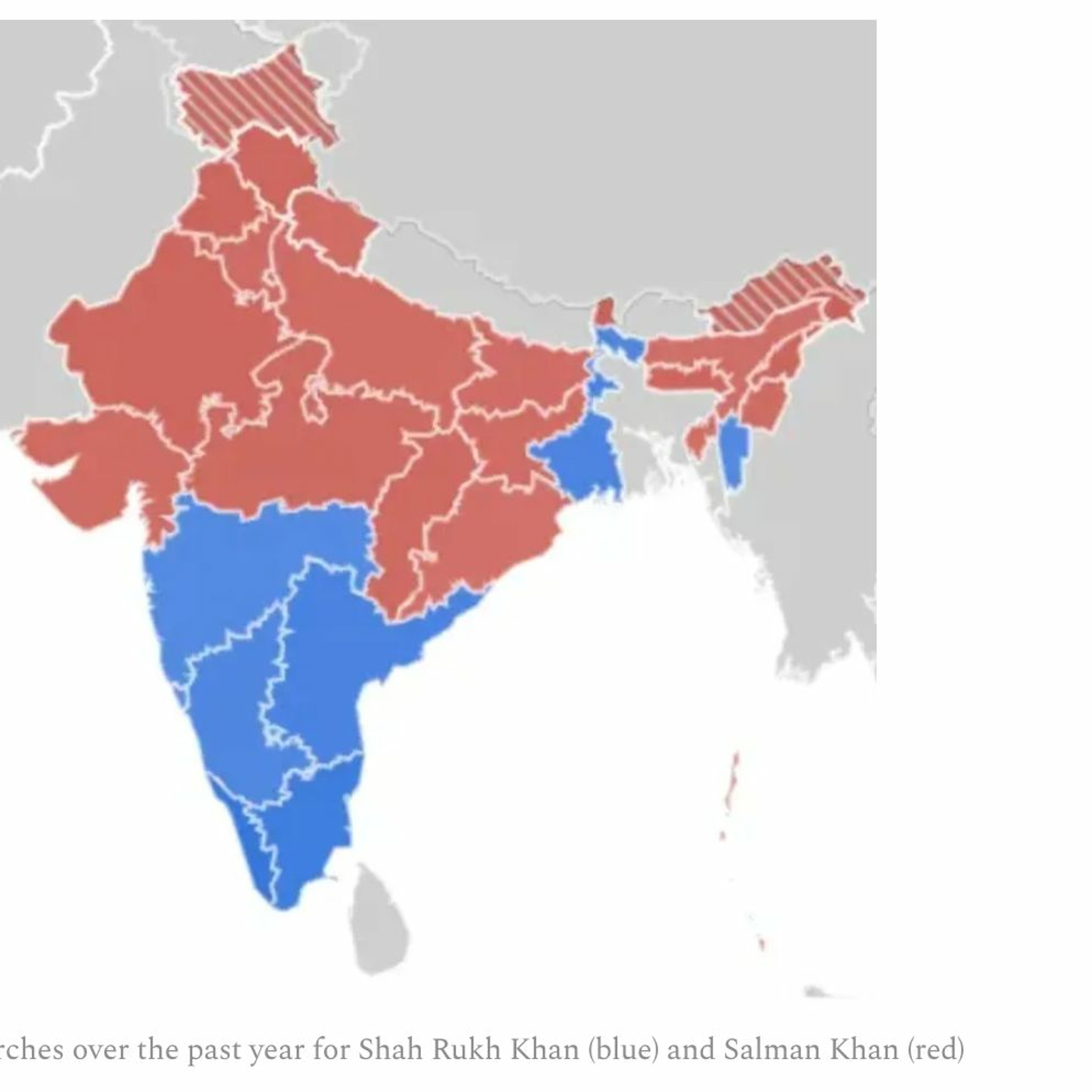
What can Google Trends tell us about secularisation and masculinity in the US, Mexico and India?
As a social scientist, I see myself as constructing a four-dimensional jigsaw, piecing together little bits of data, identifying patterns and iteratively recalibrating. No methodology is perfect, each has its strengths and limitations. Google Trends helps us triangulate public opinion polls. It reveals what internet users actually want to see and learn about. So let's run a few searches for the US, Mexico and India. Share your suggestions!

Is there a Crisis of Masculinity?
Donald Trump's and Andrew Tate's sexism may go viral, but such views are vanishing. Although algorithms turbo-charge hate, Europeans and Americans increasingly endorse gender equality. In patrilineal Asia, meanwhile, modernisation has created a real crisis of incels. This podcast discusses gender in America, Europe, South Korea, China and India.
Why isn't Canada a feminist utopia?
Top jobs are universally male-dominated. In response, feminists push for state-subsidised childcare, more involved fathers, and greater support for gender equality. But Canada has already embraced these initiatives, women work at very high rates, yet its senior management remains 64% male. So what’s propping up patriarchy? See my substack for all the graphs https://draliceevans.substack.com/p/why-isnt-canada-a-feminist-utopia
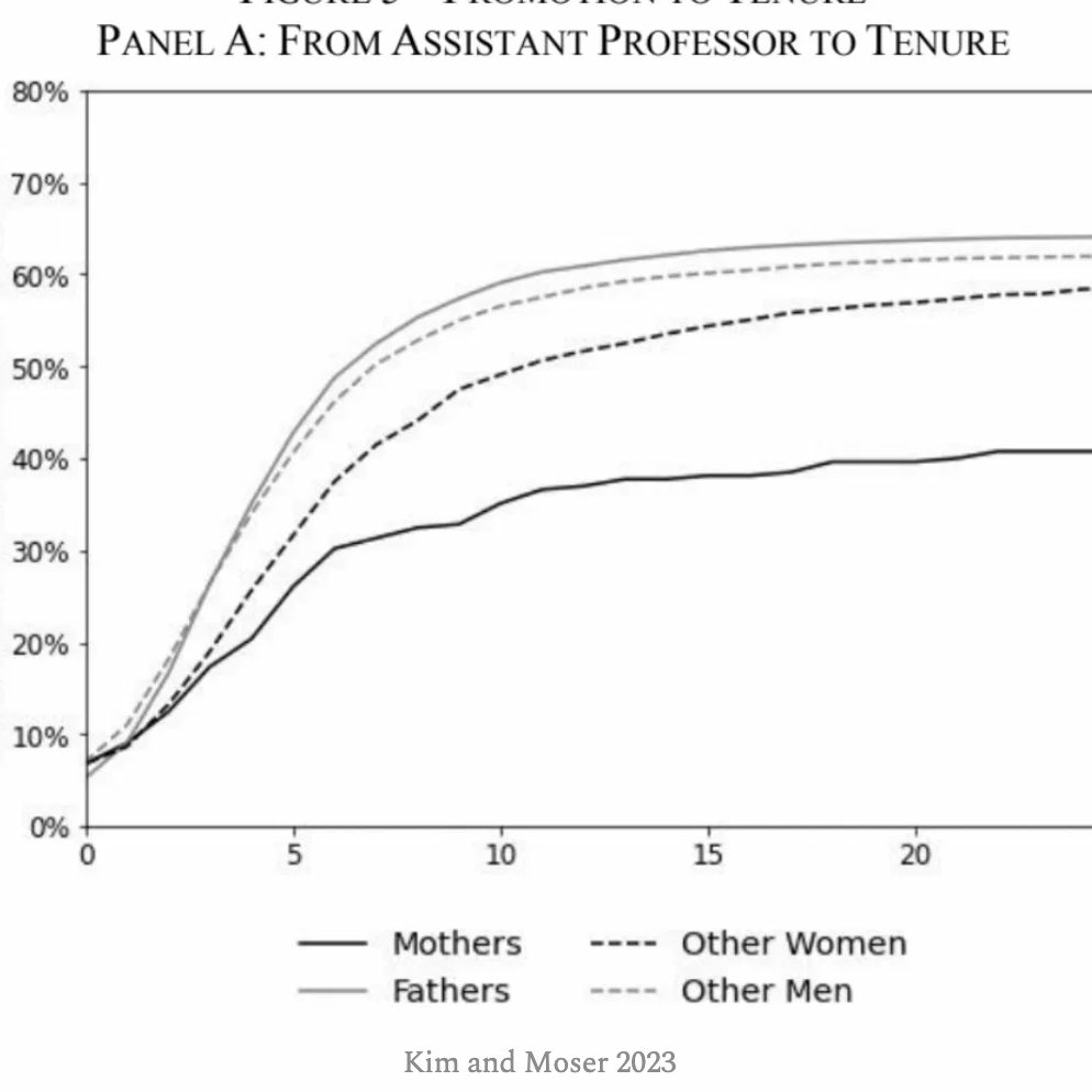
The Motherhood Penalty
Academia no longer discriminates against women. Controlling for publications, men and women are just as likely to be promoted. But this control neglects an important driver of gender inequality: motherhood. References: Ceci, Kahn and Williams 2023 https://journals.sagepub.com/doi/full/10.1177/15291006231163179 Kim & Moser 2023 https://www.dropbox.com/s/2umv5go9umjdolm/KimMoser.pdf?dl=0 Claudia Goldin 2021 https://press.princeton.edu/books/hardcover/9780691201788/career-and-family Kleven et al 2019 https://www.henrikkleven.com/uploads/3/7/3/1/37310663/klevenetal_aea-pp_2019.pdf
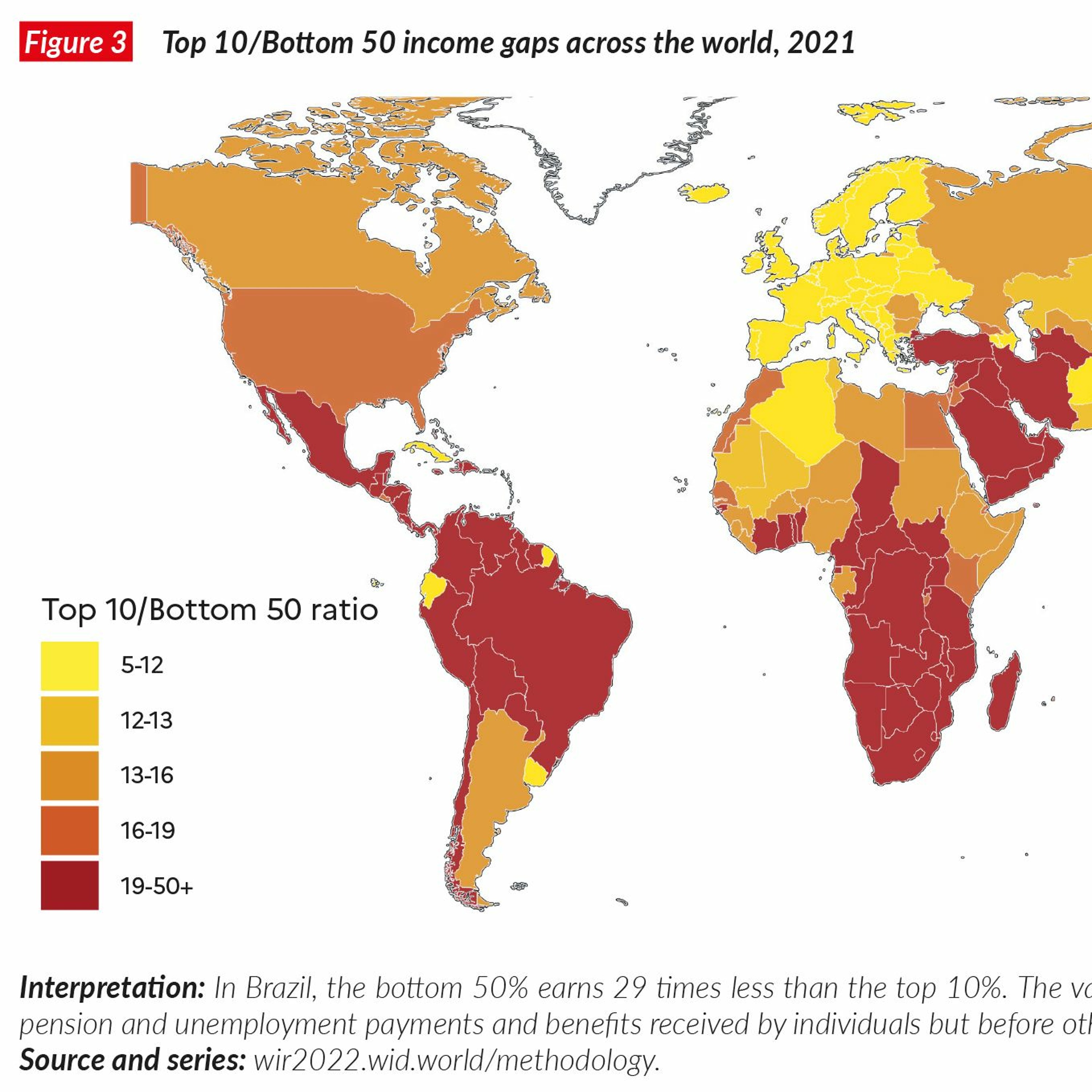
Does rising income inequality fuel female employment?
Small town Alabama rocked my priors. “People here are very judgemental, they look down on you based on wealth, your house, your car or if you’re working in consumer-facing retail”, explained Hannah (a young waitress). Wait a minute. Social judgement based on wealth? I expected social conservativism, not competitive consumerism. When I went to family barbecues, no one gossiped about impropriety. They were far more interested in prosperity. All the couples were dual earners, driving mighty SUVs. Cars are a major status signal: portable displays of wealth and affluence, often heavily bought on credit, to keep up with the Joneses. I wonder, does rising income inequality fuel female employment? Might this explain US-European differences?
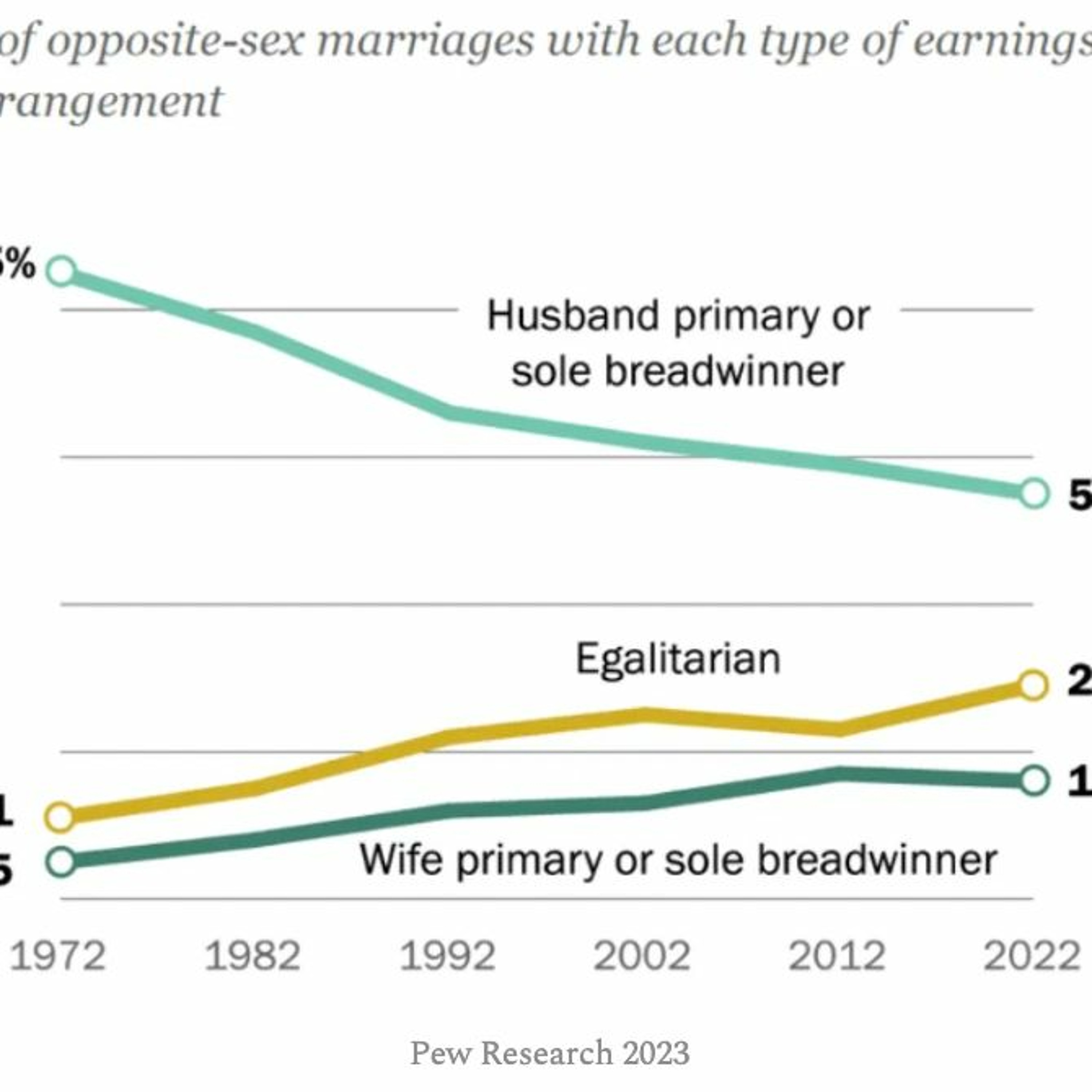
What explains uneven progress towards gender equality?
Prejudice and privilege are self-perpetuating. High-status individuals maintain institutions that serve their interests, enabling them to consolidate economic wealth and political power. Through media domination, they cast themselves as heroes. Low-status individuals seldom get the opportunity to challenge this narrative or demonstrate their equally valuable skills, so are forever denigrated. Bias thus remains entrenched. How might this change? Moreover, why have gender gaps in education and employment closed rapidly, while intimidate partner violence and unequal divisions of housework remain entrenched?
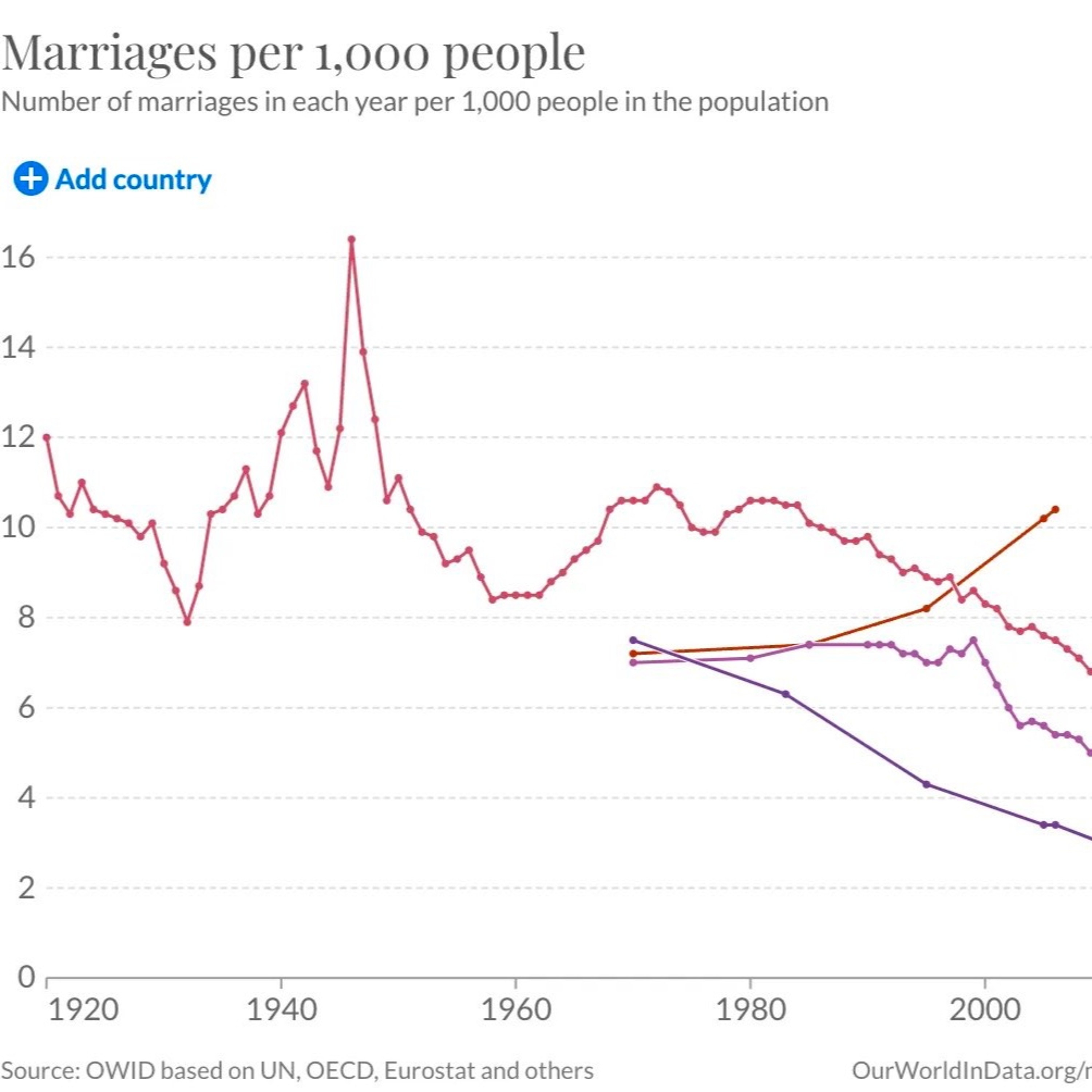
A Unified Theory of Marriage
Marriage rates are falling, in some countries faster than others. What explains this global trajectory and heterogeneity? Consider three interacting variables: Religion/ social enforcement Companionship vs. sexual variety Women’s financial security.

"Sacred Foundations: The Religious & Medieval Roots of the European State". Prof Anna Grzymala-Busse
What led to state formation in Europe? Professor Anna Grzymała-Busse argues that rivalry & emulation of the Church enabled state-making! Medieval kings and popes were counterweights (unlike elsewhere in the world). Building on ecclesiastical innovations and competition, secular rulers collected taxes, improved record-keeping and cemented the rule of law. https://politicalscience.stanford.edu/people/anna-grzymala-busse https://press.princeton.edu/books/hardcover/9780691245072/sacred-foundations