
ROCKING OUR PRIORS
198 episodes — Page 3 of 4
Status: Why Is it Everywhere? Professor Celia Ridgeway
What determines status? Why do status hierarchies persist? What happens if people push for higher status before they’re seen as competent? Why are women so nice? What’s the difference between race, gender and class inequalities? Why does racism persist in the US? Professor Celia Ridgeway is at Stanford University: https://sociology.stanford.edu/people/cecilia-ridgeway Her latest book is "Status" https://www.amazon.com/Status-Why-Everywhere-Does-Matter/dp/0871547848

Are Women Less Competitive? Professor Alessandra Cassar
Are women less competitive? Are they less likely to compete for prestige? Why might this be? Under what circumstances are men and women equally competitive? How can institutions reduce the gender gap in status? Conversation with Professor Alessandra Cassar https://www.usfca.edu/faculty/alessandra-cassar
"Rule Makers, Rule Breakers" by Michele Gelfand (Review)
"Rule Makers, Rule Breakers" by Michele Gelfand (Review) by Dr Alice Evans
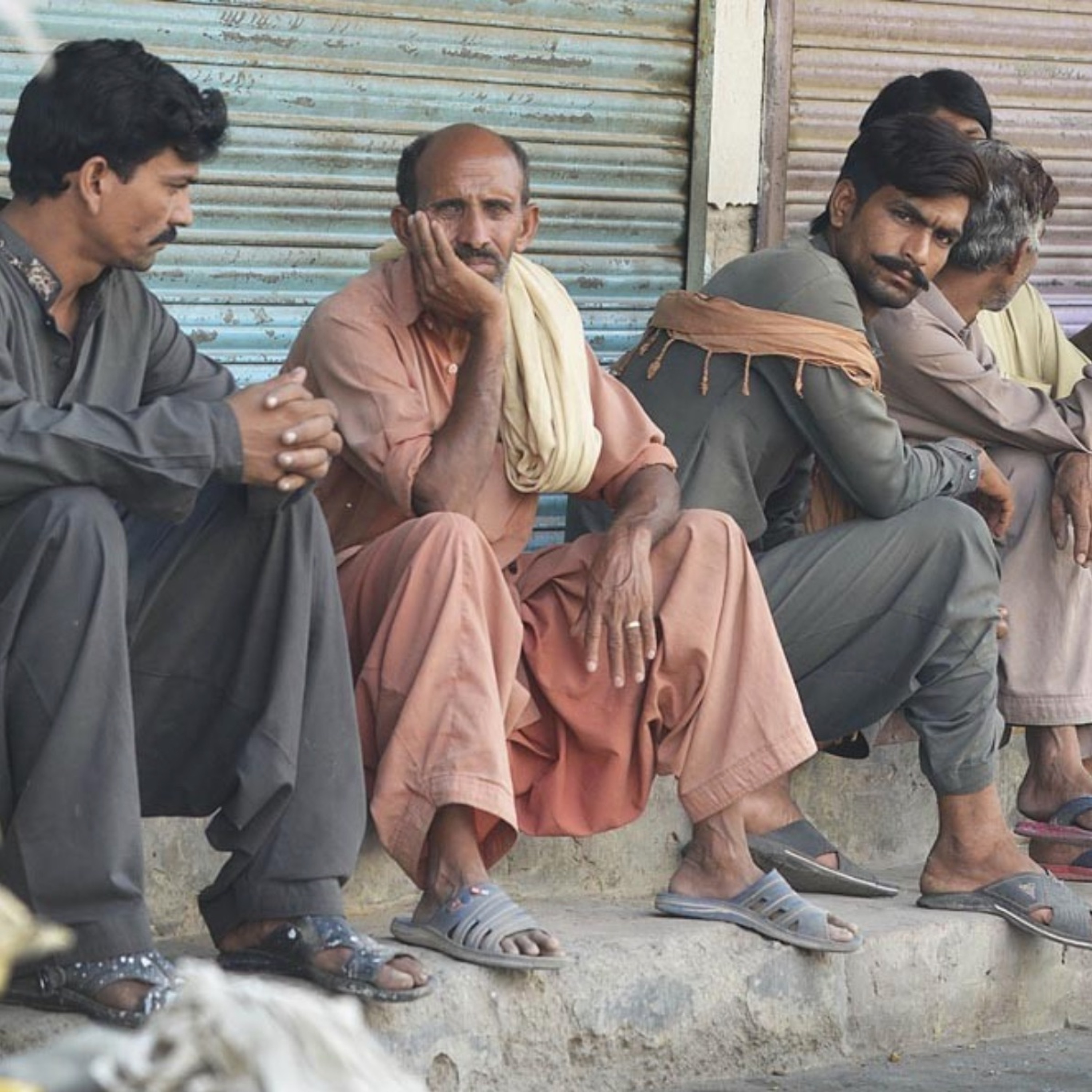
Is Joblessness Fuelling Hostile Sexism Worldwide
Economic development promotes gender equality. But why? Does industrialisation enable women to liberate themselves from patriarchal control? Or is prosperity paramount for men’s egalitarianism? I’ll try to persuade you of both! Where men’s upward mobility is thwarted, they lash out at women. This holds across America, North Africa and possibly more broadly. My Substack! https://draliceevans.substack.com/p/is-joblessness-fuelling-hostile-sexism
Why does Rwanda have a Strong State while CAR is war-torn? Professor Louisa Lombard
Why has Rwanda got a strong state while CAR is war-torn? What are the historical roots of civil war in CAR? Islamic raiding, colonialism or multi-party democracy? Why does Rwanda differ? Yale Professor of Anthropology Louisa Lombard traces the comparative histories of the Central African Republic and Rwanda. She is FANTASTIC!
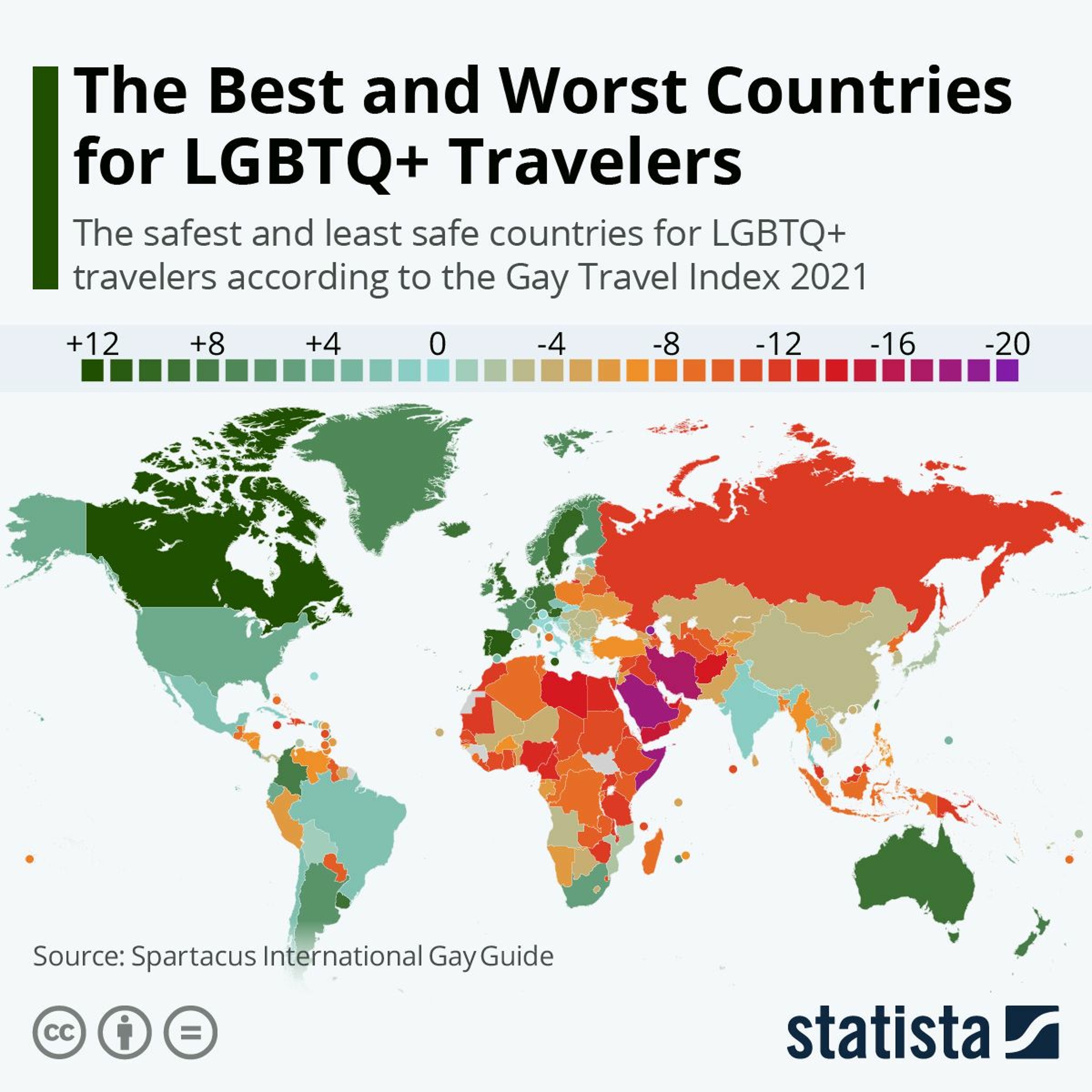
What Are The Evolutionary Origins Of Homophobia?
Male coalitions tend to denigrate and exclude effeminate men, because they perceive them as physically weak liabilities - argue Bo Winegard, Tania Reynolds, Roy Baumeister, and E. Ashby Plant. Homophobia does not stem from sexual disgust, but low value in combat! In this podcast, I briefly discuss a new paper, which you can read here: https://drive.google.com/file/d/1NsirLukIjimuuNc4-S0sir3N6a4wVlbN/view

Why Are Most Comedians Men?
Is it just sexist disregard of hilarious women? But why is it usually boys who play the 'joker' in class and why does everyone seem to laugh more readily at men's ‘humour’, especially if they're senior? Does this hark back to evolution? Is it entirely malleable? What explains this gender inequality?

Why Are Most Humans Religious? Professor Robin Dunbar
Why are most humans religious? How much can be explained by evolutionary psychology? Why do we cooperate? Is it religious injunctions or more emotional? Is religiosity really about cooperation? What about legitimising hierarchy, control, and female self-sacrifice. Muslim women are less likely to go to Friday prayers, but they are still devout. So perhaps group rituals are not so essential? Why did all doctrinal religions emerge within a narrow latitudinal band? Are groups necessarily small? Don’t films and social media scale-up solidarity? What about online mobs viciously attacking their favoured celebrity’s boyfriend’s new girlfriend? Interview with Professor Robin Dunbar, Professor of Evolutionary Psychology and Anthropology at the University of Oxford https://www.psy.ox.ac.uk/people/robin-dunbar Robin's latest book is on Religion. He has also published excellent books on the science of love and betrayal; the evolution of language; and friendships.

Did Alpha Male Alliances Institutionalise Patriarchy over 300,000 years ago?
For the past 48 hours, my brain has been on fire, transfixed by a ground-breaking new theory. Professor Richard Wrangham argues that councils of elder males enforced patriarchy in the Middle Pleistocene, over 300,000 years ago. Is he right?
Fertility, Parenting & Women’s Rights: Professor Matthias Doepke
What drives shifts in fertility, parenting styles & women's rights? What explains global heterogeneity and change over time? Culture or economics? Join me as I debate Professor Matthias Doepke at the London School of Economics https://www.lse.ac.uk/economics/people/faculty/matthias-doepke We discuss: “Love, Money & Parenting” with Fabrizio Zilibotti https://press.princeton.edu/books/hardcover/9780691171517/love-money-and-parenting “The Economics of Fertility” with Anne Hannusch, Kindermann & Michele Tertilt https://www.nber.org/papers/w29948 “The Economics of Women’s Rights” with Michele Tertilt & Alessandra Voena https://www.nber.org/papers/w17672

Mothers, friends, and male violence: Dr Anukriti
How do women perpetuate patriarchy? Can vouchers boost female friendships? With what effect? Why does female leadership increase male violence? Join me as I learn from the fantastic Dr Anukriti, researcher at the World Bank https://www.worldbank.org/en/about/people/s/s-anukriti Papers discussed: Women’s Political Representation and Intimate Partner Violence https://www.bu.edu/econ/files/2022/06/AEM_June2022.pdf Curse of the Mummy-ji: https://www.dropbox.com/s/1de4h9a5koz24d9/ajae.12114.pdf?dl=0 Convincing the Mummy-ji: Improving Mother-in-Law Approval of Family Planning in India https://www.dropbox.com/s/16qpjnav28mm6bm/aerp_p.20221122.pdf?dl=0
Is Paid Work Always Empowering?
Some economists assume that paid work enhances women’s bargaining power, such that when women earn their own money they push for greater gender equality. Is that correct? Or is the impact of paid work mediated by social context? Vidya Mahambare and Sowmya Dhanaraj often fascinating insights into this question by exploring what happens when women from North India are recruited and then migrate to either rural or urban garment factories in Tamil Nadu. Listening to their work, I learnt how weaker control mechanisms in cities enable women to pursue wider friendships, explore new environments, and exploit diverse economic opportunities. Vidya Mahambare: https://scholar.google.com/citations?user=uxprEP4AAAAJ&hl=en Sowmya Dhanaraj: https://scholar.google.co.in/citations?user=6sBTLREAAAAJ&hl=en

What Did Acemoglu Get Wrong?
What (if anything) did Acemoglu get wrong? At low levels of development, is democracy really good for growth? Have you changed your mind about religion? On automation, do you now think that culture shapes institutions? Are wages socially determined? With climate breakdown, will you become more of a geographical determinist?

What Don't We Know About Patriarchy?
Are you scrambling for research ideas? In this podcast, I outline some important questions, which existing research cannot answer: Do joint families curtail alcoholism and wife-beating? Do male-majority workplaces suppress female employment? Can gender quotas in male-majority workplaces reduce sexism? Why is the American Southeast so patriarchal? Does rule of law reduce brutish masculinity? Did Christianity curb Norse polygamy? Why are there so few female leaders in West Africa? When does religious diversity tighten patriarchal controls? Why is female employment so high among British Indians, but not British Pakistani or Bangladeshis?
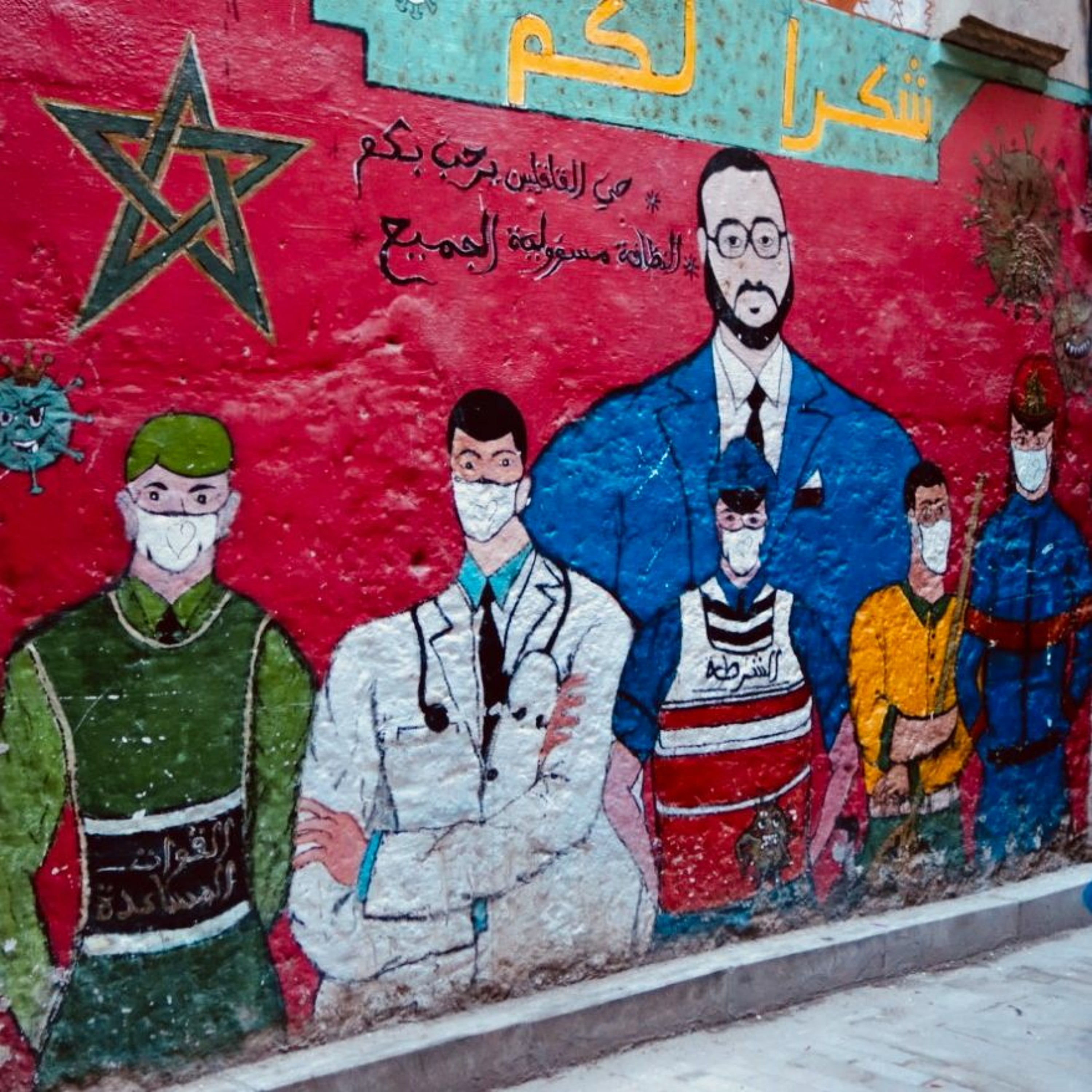
Does it Really Matter if Female Labor Force Participation is Miscounted?
Women’s unpaid work is rarely recorded. “Female labor force participation” can thus be radically underestimated. Does that matter?

3 Things I Got Wrong About Patriarchy
I want to make a confession. In the past I have got things wrong, seriously wrong. Allow me to share why I was so mistaken and how I came to revise my priors.
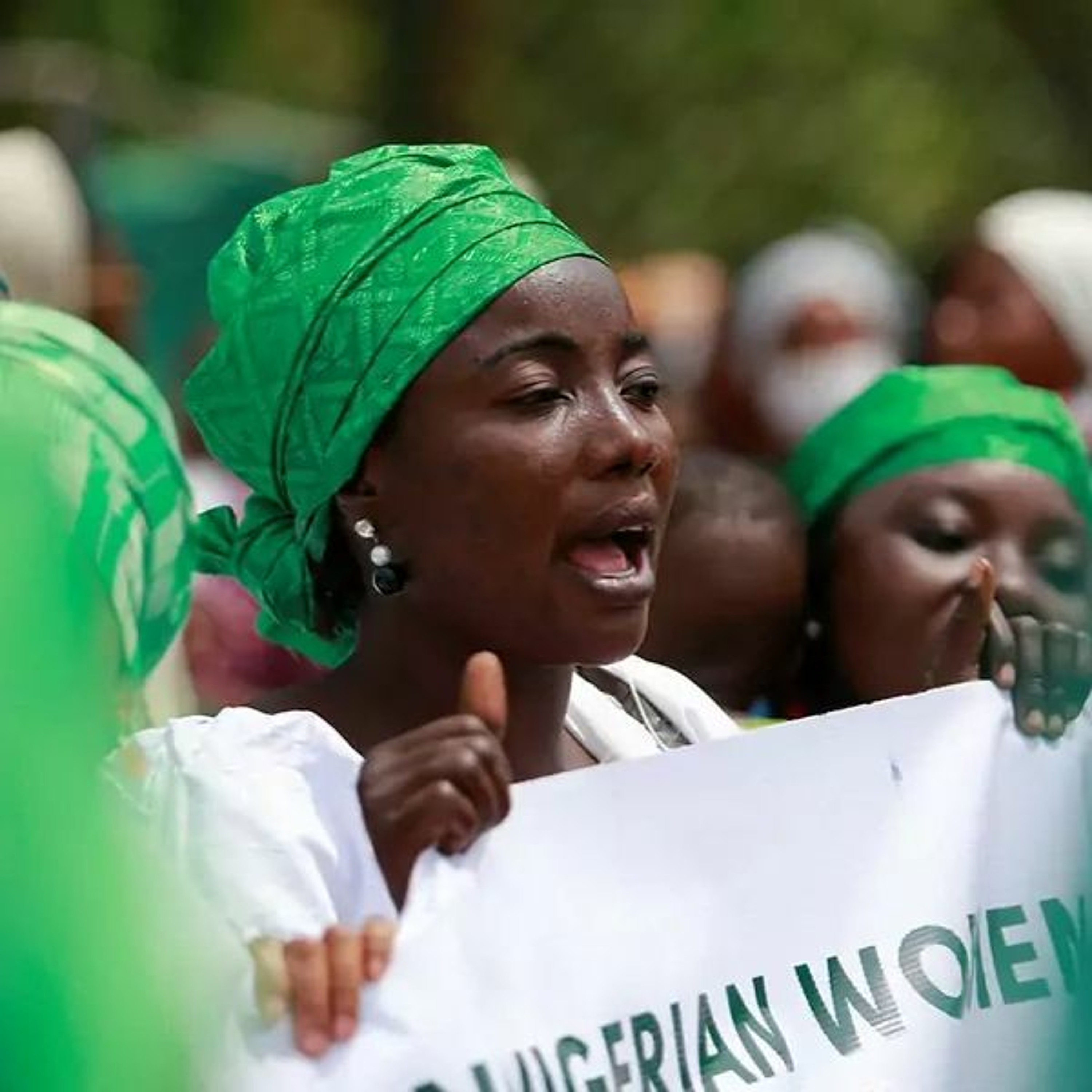
Did transatlantic slavery and colonial borders wreck West African women’s movements?
Africa’s parliaments are increasingly gender equal, thanks largely to quotas. But there is a curious heterogeneity. Southern and Eastern African legislatures have near parity, while West Africans are ruled by men. Why is West Africa such an outlier?
Ten Thousand Years of Patriarchy, updated!
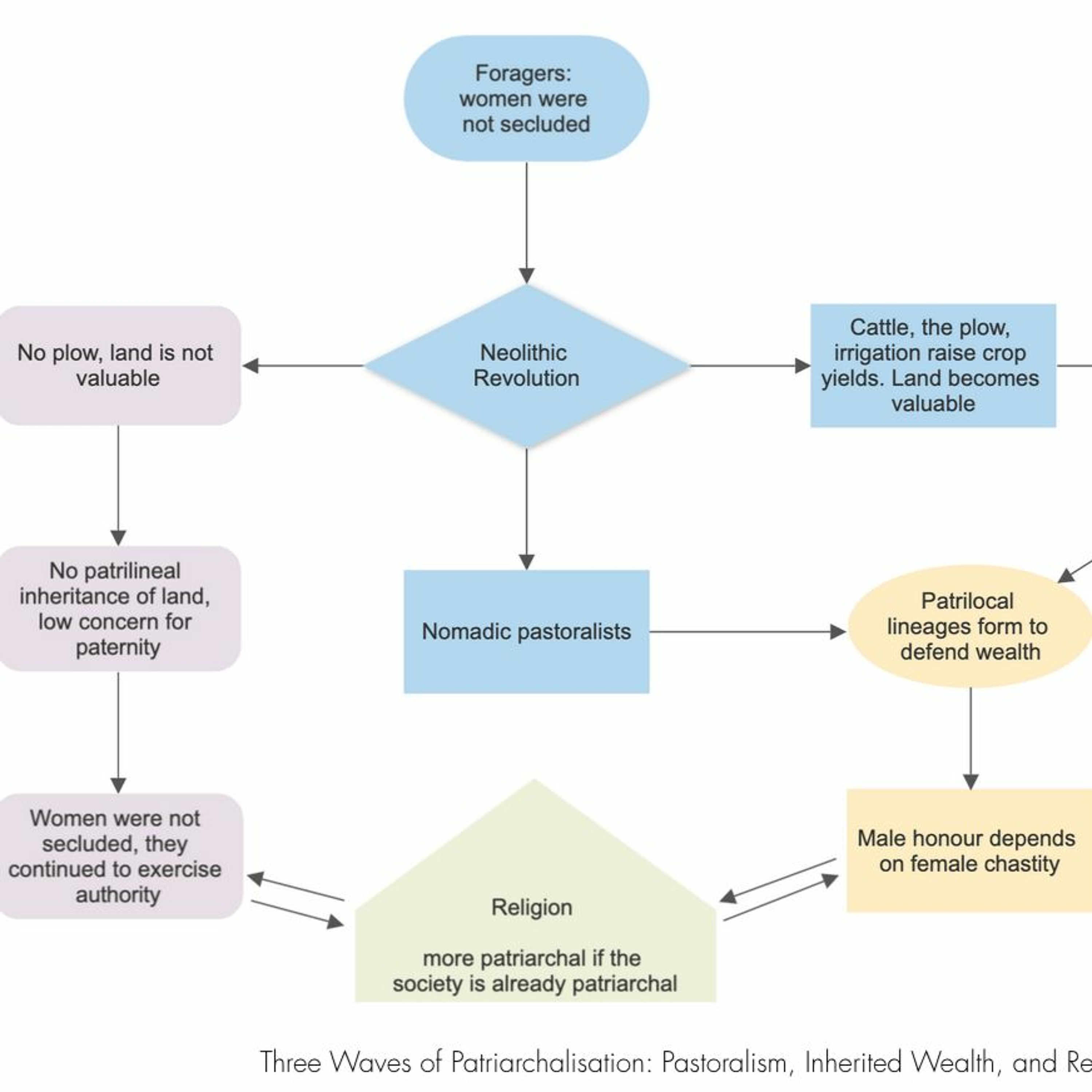
Our world is marked by the Great Gender Divergence. In South Asia, North Africa and the Middle East, most women remain secluded. Chinese women work but are locked out of politics. Latin America has undergone radical transformation, staging massive rallies against male violence and nearly achieving gender parity in political representation. Scandinavia still comes closest to a feminist utopia, but for most of history Europe was far more patriarchal than matrilineal South East Asia and Southern Africa. What explains the Great Gender Divergence? It emerged in the twentieth century as a result of the great divergence in economic and political development across countries. In countries that underwent rapid growth, technological change freed women from domestic drudgery while industry and services increased demand for their labour. Democratisation is equally fundamental. Overturning men’s political dominance and impunity for violence requires relentless mobilisation. Culture, however, mediates the rate at which women seize opportunities created by development and democratisation. Patrilineal societies face what I call an “honour-income trade-off”. Female employment only rises if its economic returns are sufficiently large to compensate for men’s loss of honour. Otherwise, women remain secluded and surveilled with very few friends. Why do some societies have a stronger preference for female cloistering? To answer that question, we must go back ten thousand years. Over the longue durée, there have been three major waves of patriarchalisation: the Neolithic Revolution, pastoral nomadism, and Islam. These ancient ‘waves’ helped determine how gender relations in each region of the world would be transformed by the onset of modern economic growth. Blog with hyperlinks to references: https://www.draliceevans.com/post/ten-thousand-years-of-patriarchy-1
An Intellectual History of the Patriarchy
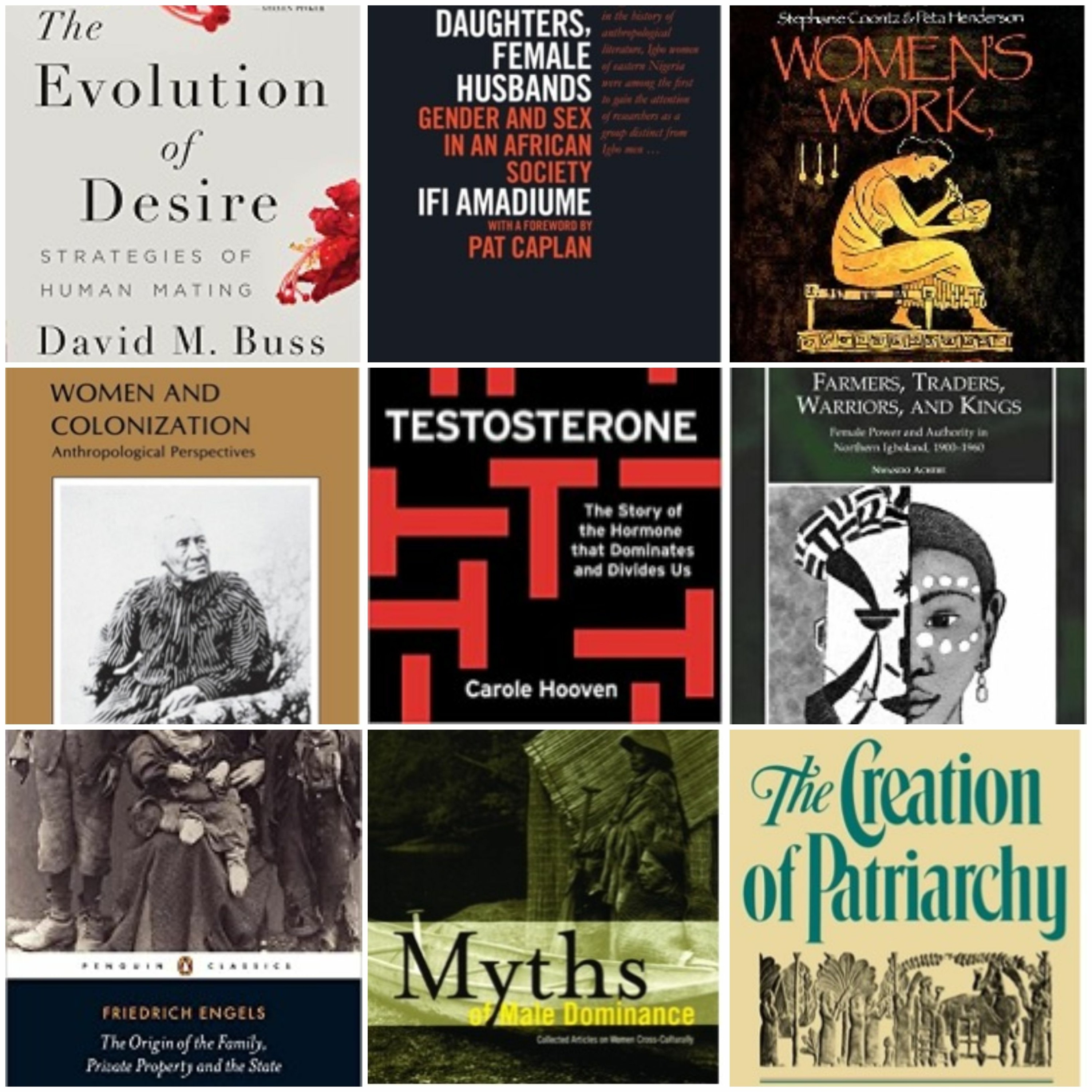
The vast majority of innovations, companies, and governments are under male authority. Why is this? What led to it? In this piece I crudely synthesise debates on the origins of the patriarchy. Although there is a wealth of research on gender - in different places and time periods, from siloed disciplines and methodologies - it is like a mountain of mosaic pieces. What we have now is millions of fragments. So, let me take a stab at building the mosaic, incorporating insights from archaeology, anthropology, economics, genetics, history, psychology and sociology on the deep roots of the patriarchy. Full text and references: https://www.draliceevans.com/post/an-intellectual-history-of-the-patriarchy
Female Monarchs and Merchant Queens in Africa: Professor Achebe
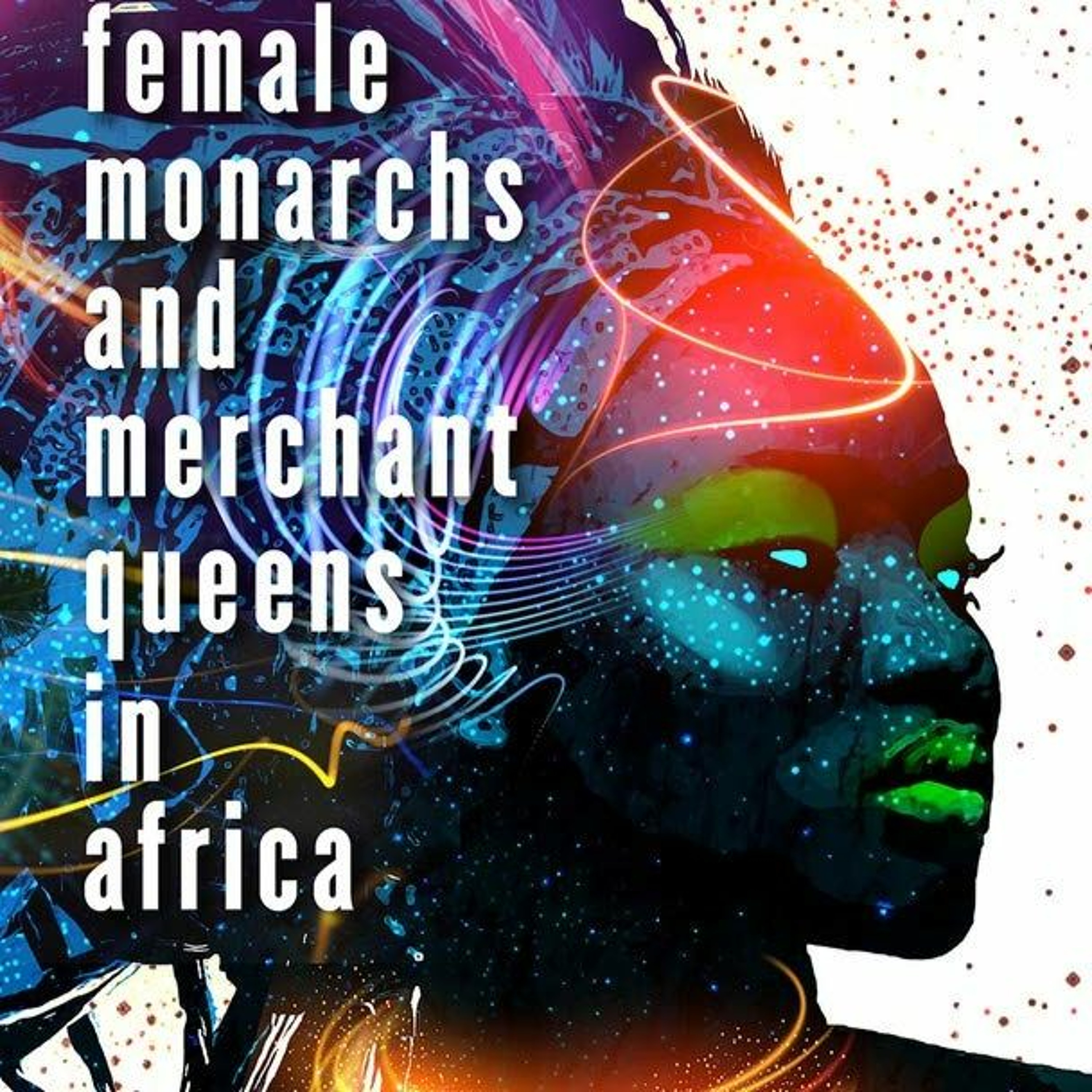
African societies have historically respected women’s authority, spiritual power, physical strength, and moral judgement. Their cosmology upholds gender complementarity. Professor Nwando Achebe (Michigan State University) and I discuss pre-colonial gender relations across Africa. Transcript: https://www.draliceevans.com/post/female-monarchs-and-merchant-queens-in-africa Book: https://www.ohioswallow.com/book/Female+Monarchs+and+Merchant+Queens+in+Africa Author, Professor Achebe: https://history.msu.edu/people/faculty/nwando-achebe/
"Career & Family": Professor Claudia Goldin
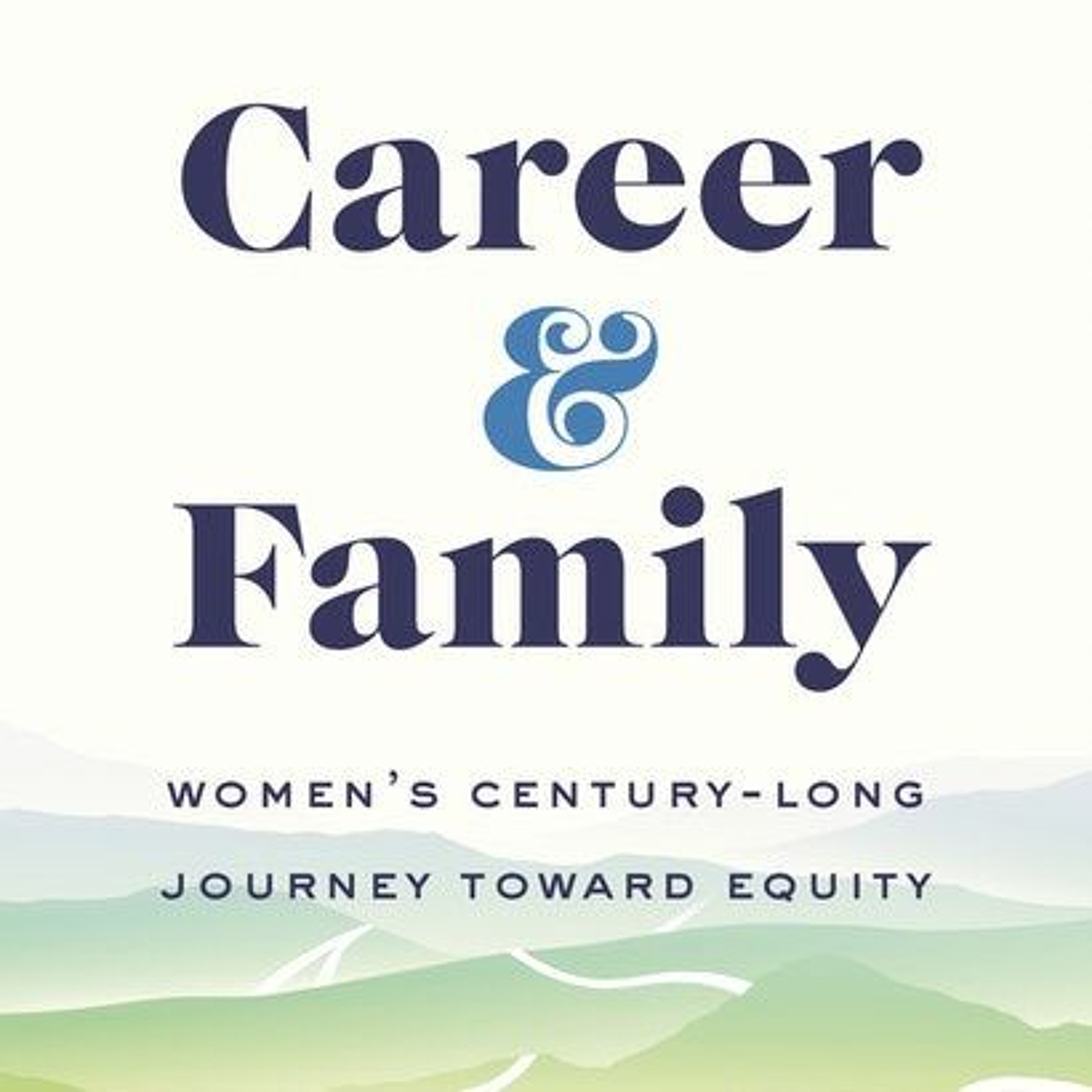
Professor Claudia Goldin joins me to discuss "Career & Family: Women's Century-Long Journey Toward Equity". Why do men dominate top jobs? Is this due to women's choices or discrimination? Why are there more women in management in the USA than Europe? What would reduce the gender pay gap? And so much more. Book: https://press.princeton.edu/books/hardcover/9780691201788/career-and-family Professor Claudia Goldin: https://scholar.harvard.edu/goldin
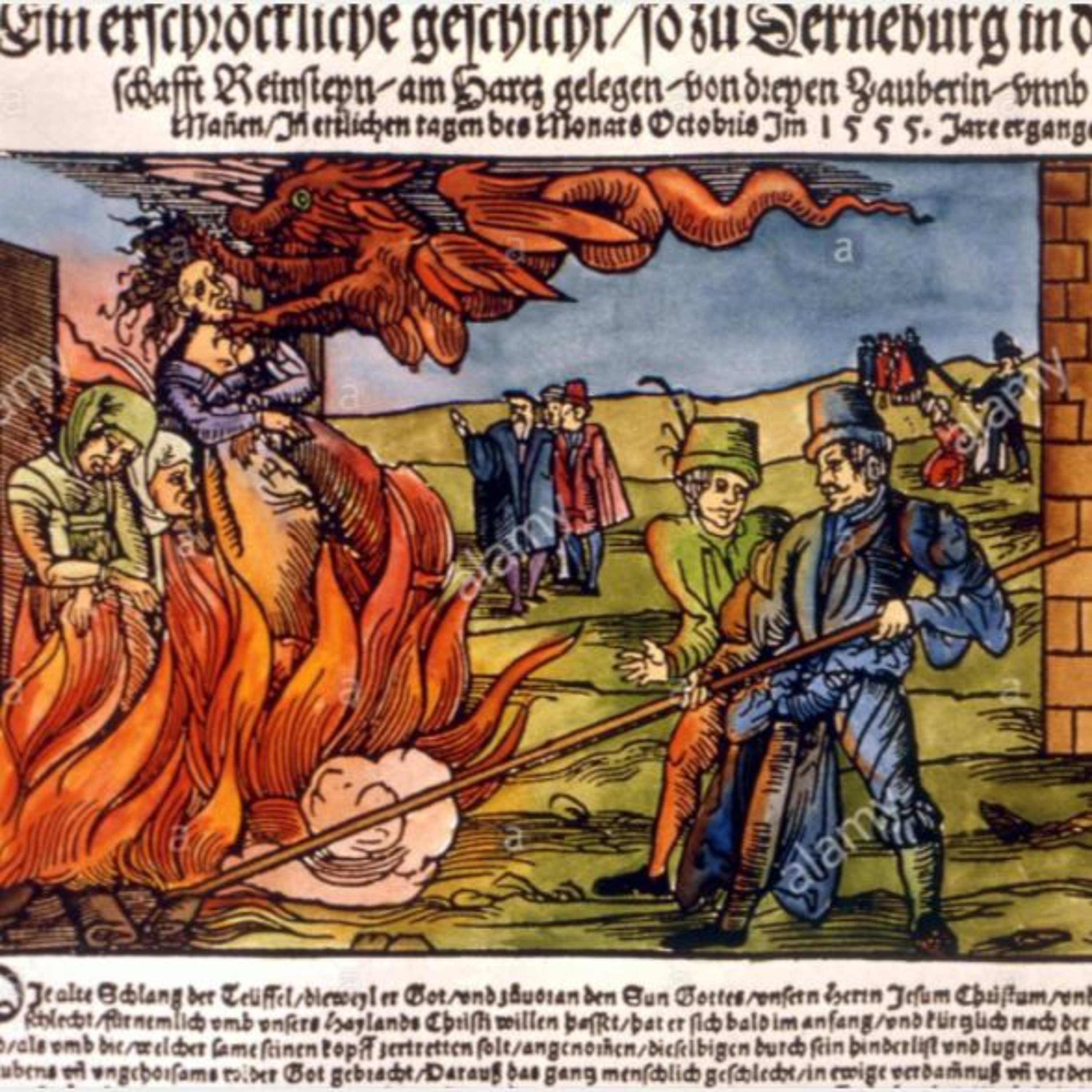
Ten Thousand Years Of Patriarchy
This podcast offers some preliminary explorations of The Neolithic Revolution Late Antiquity to the Early Middle Ages Pre-Colonial Matrilineal and Bilateral Societies The Eurasian Divergence Colonial Latin America The Death of Matriliny Communism Feminist Activism Fraternal Capital It is a work-in-progress. I still have so much to learn. Comments and criticism are very welcome!
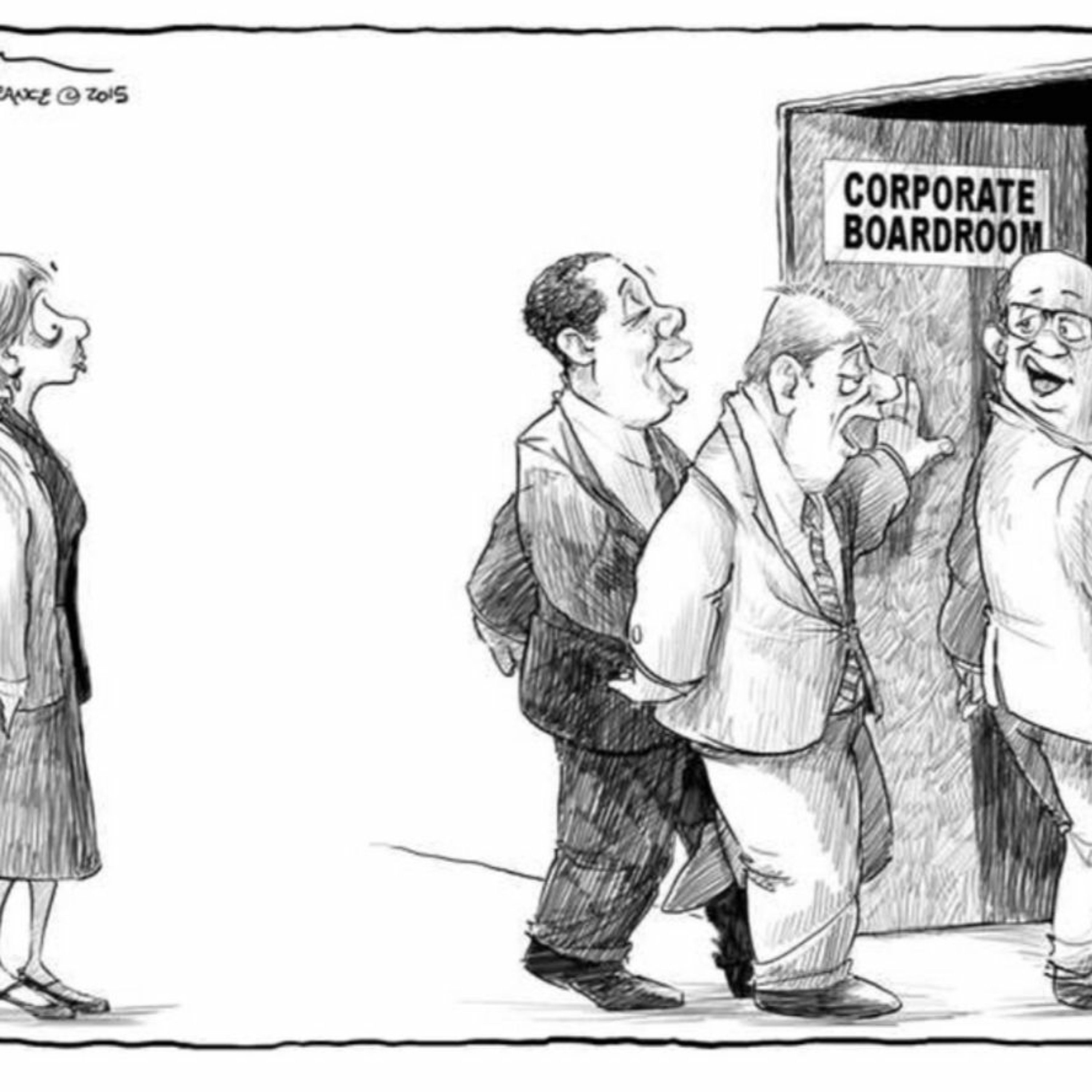
Smash the Fraternity
Male bosses and male-dominated workplaces consistently fail to recognise and elevate female talent. Rewards and promotions go to those who put in long hours. Men can take advantage of this system because they are emancipated by women who continue to shoulder the burden of social reproduction at home. Thus the contemporary system of employment is predicated on the domestic gender division of labour. Entrenching their first mover advantage, the male nomenklatura tends to disregard women’s expertise and resist family-friendly reforms. So, if you really want to level the playing field, it’s time to smash the fraternity. Full references here: https://www.draliceevans.com/post/smash-the-fraternity
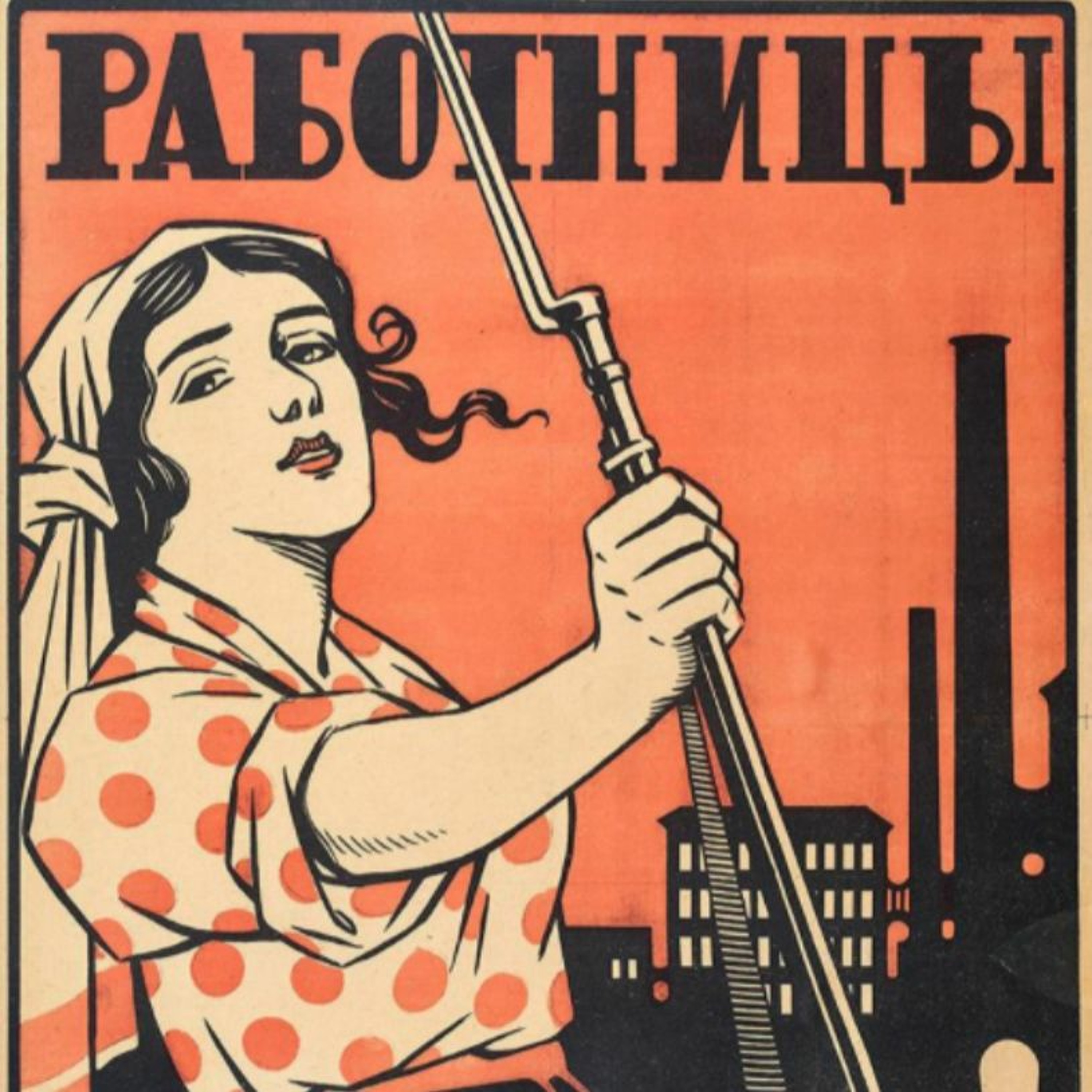
Did Communism Smash the Patriarchy?
Wherever they ruled, communists engineered cultural change by dethroning religious authorities, educating women, and harnessing them as workhorses. Today, ex-communist countries lead the world for gender parity in education, employment, and management roles. Yet it is my contention that the status of women would have been higher without communism. To the extent that communism suffocated civil society, it choked off strong independent women’s movements and stifled further progress for women that did take place in western societies. One major exception is tribalised or Muslim societies, where female emancipation either would have been severely delayed or never would have happened without communism. If you'd rather read or want the references, here's the blog link: https://www.draliceevans.com/post/did-communism-smash-the-patriarchy
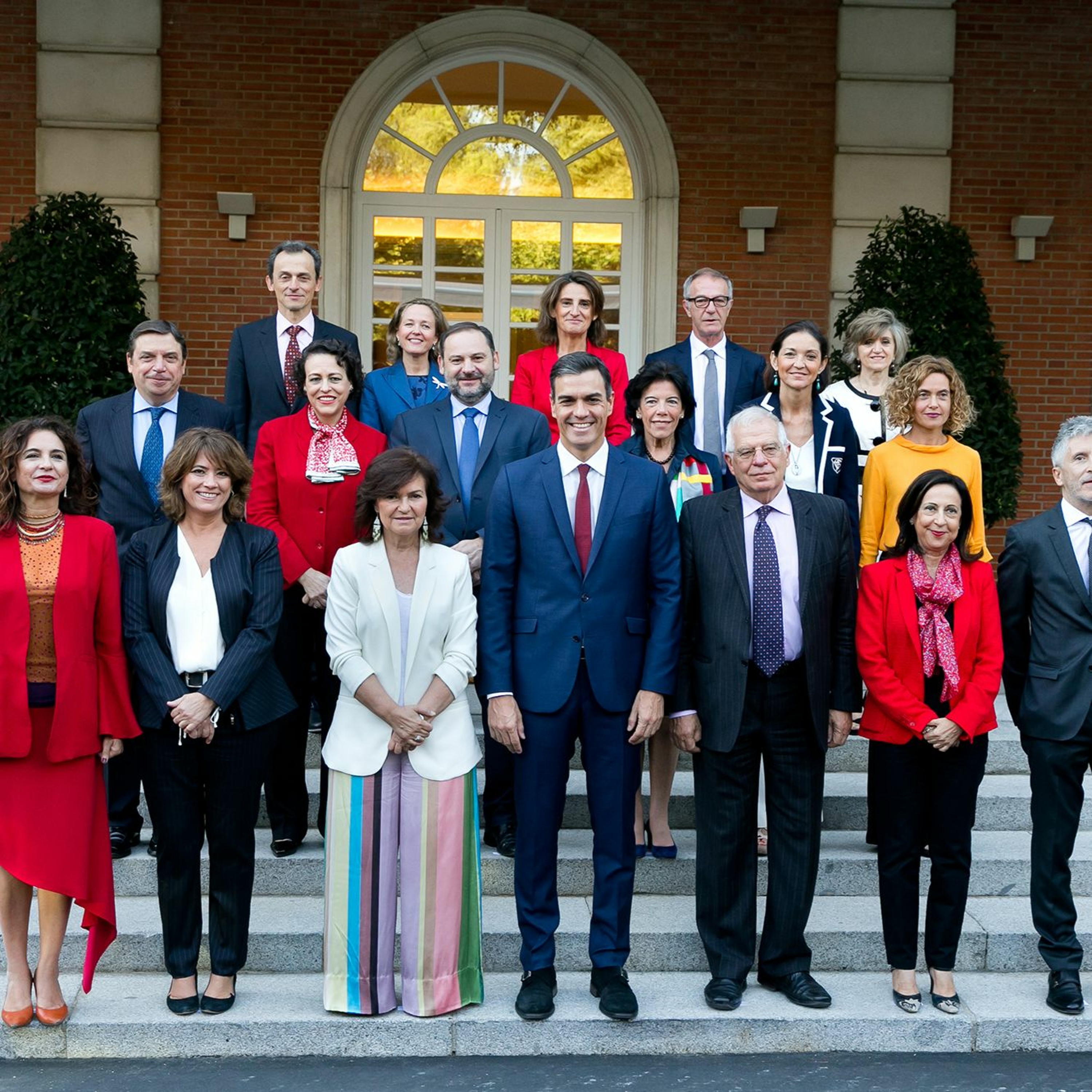
What's Spain's Feminist Secret?
Female employment and political representation have skyrocketed in Iberia. Pioneering the world's first majority-female cabinet, Spain is now the 14th most gender equal country. Italy lags behind, notwithstanding similar economies, climate, legacies of latifundia, and Catholic heritage. What is Spain's feminist secret?

Is xenophobia fuelling female empowerment in the Gulf?
The Middle East is renowned for female seclusion, cousin marriage, and discriminatory family laws. Gulf countries are especially conservative, but have actually seen the world’s greatest leap in female employment. Why is this?
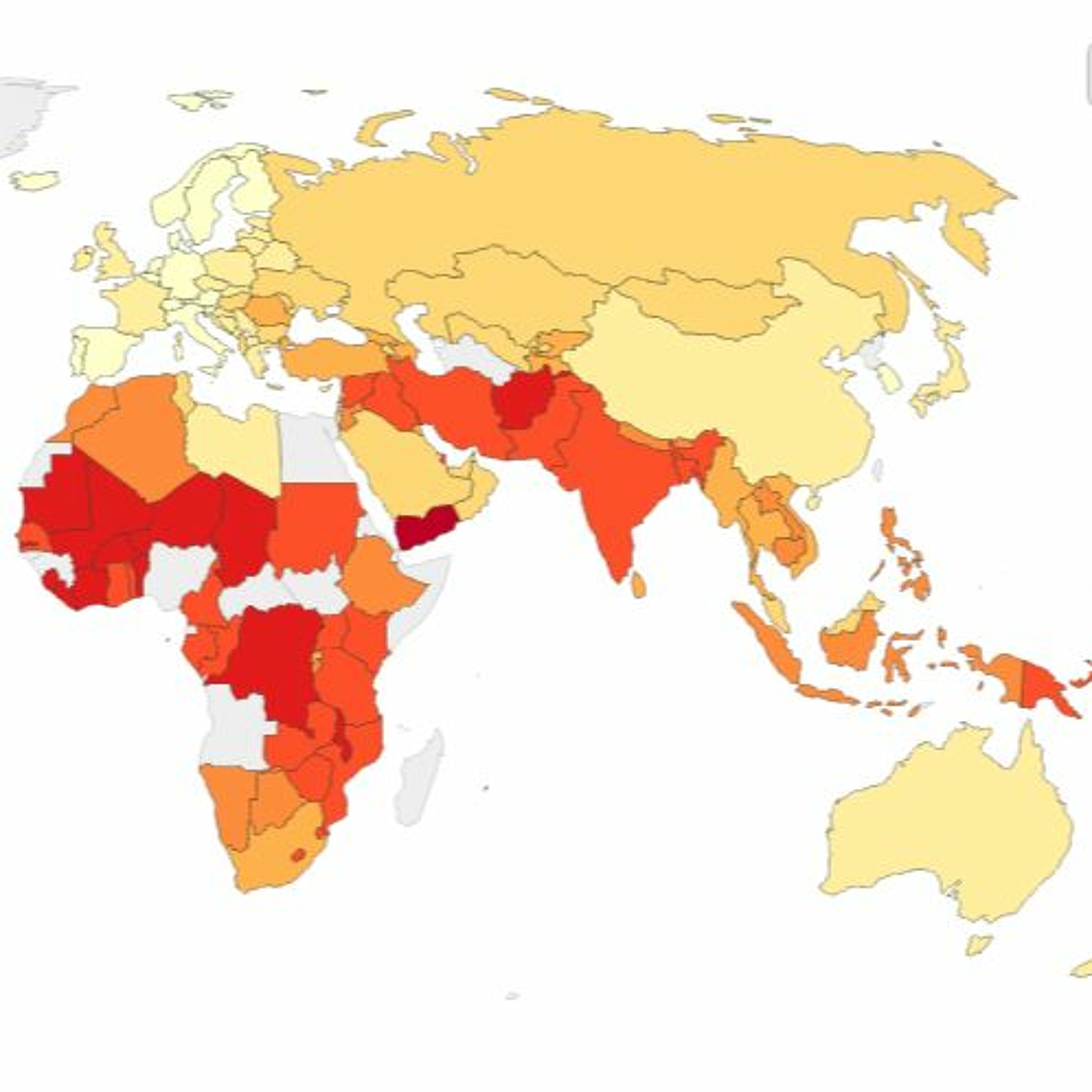
How did East Asia overtake South Asia in gender equality?
Circa 1900, women in East Asia and South Asia were equally oppressed and unfree. But over the course of the 20th century, gender equality in East Asia advanced far ahead of South Asia. What accounts for this divergence? The first-order difference between East and South Asia is economic development. East Asian women left the countryside in droves to meet the huge demand for labour in the cities and escaped the patriarchal constraints of the village. They earned their own money, supported their parents, and gained independence. By contrast, the slower pace of structural transformation has kept South Asia a more agrarian and less urban society, with fewer opportunities for women to liberate themselves. But growth is not the whole story. Cultural and religious norms have persisted in spite of growth. Even though women in South Asia are having fewer children and are better educated than ever before, they seldom work outside the family or collectively challenge their subordination. By global standards, gender equality indicators in South Asia remain low relative to regions at similar levels of development or even compared with many poorer countries. Blog with hyperlinked references here: https://www.draliceevans.com/post/how-did-east-asia-overtake-south-asia
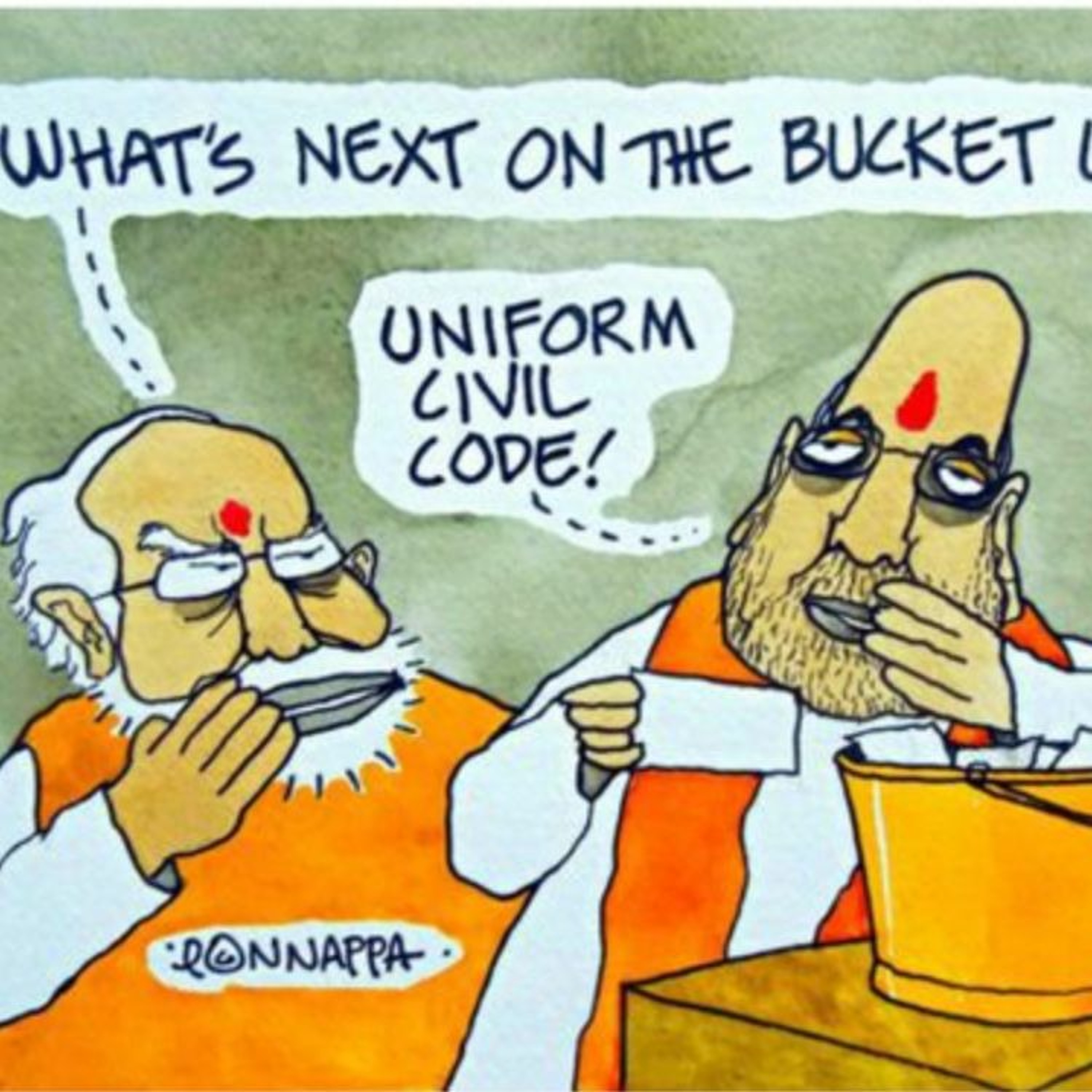
Will the BJP save Muslim women?
Indian Muslims have always been free to apply their own personal laws - concerning marriage, divorce and inheritance. Congress upheld legal pluralism, so as not to aggravate the minority. Modi has no such reservations. He is pursuing a Uniform Civil Code, and presents this as a victory for Muslim women. He's probably right. A UCC would improve gender equality - if women can claim their equal rights. To do so, they need economic autonomy and public safety. Full list of references: https://www.draliceevans.com/post/will-the-bjp-save-muslim-women

Did Irrigation Entrench the Patriarchy?
In a fascinating new paper, Per Fredriksson and Satyendra Gupta find that areas with low irrigation potential have higher female labour force participation and female property rights. Elsewhere, men cooperated between close kin, battled against outsiders for control over valuable irrigation, captured the gains of greater productivity, developed tight bonds of kinship, while women stayed at home. These irrigation societies also tended to become authoritarian, which constrains feminist activism. Paper: https://www.econstor.eu/bitstream/10419/225005/1/GLO-DP-0681.pdf Blog with pictures of irrigation systems: https://www.draliceevans.com/post/did-irrigation-entrench-the-patriarchy
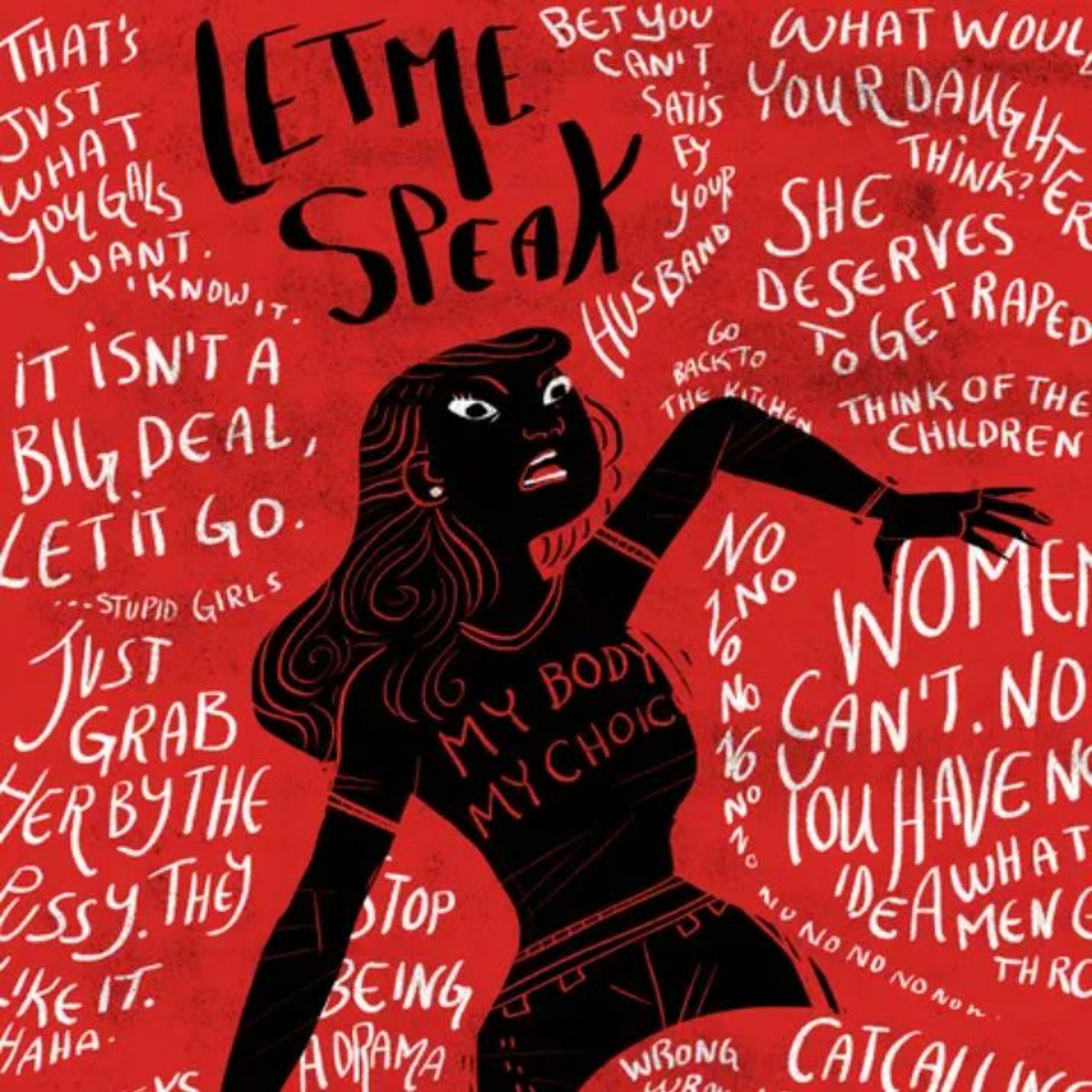
Why Do Gender Inequalities Persist? The Importance of Beliefs!
Gender inequalities can persist alongside economic development. This is partly due to gender beliefs. Seldom seeing egalitarian alternatives or successful resistance, women may internalise their subordination and reluctantly comply with a seemingly unchangeable status quo.
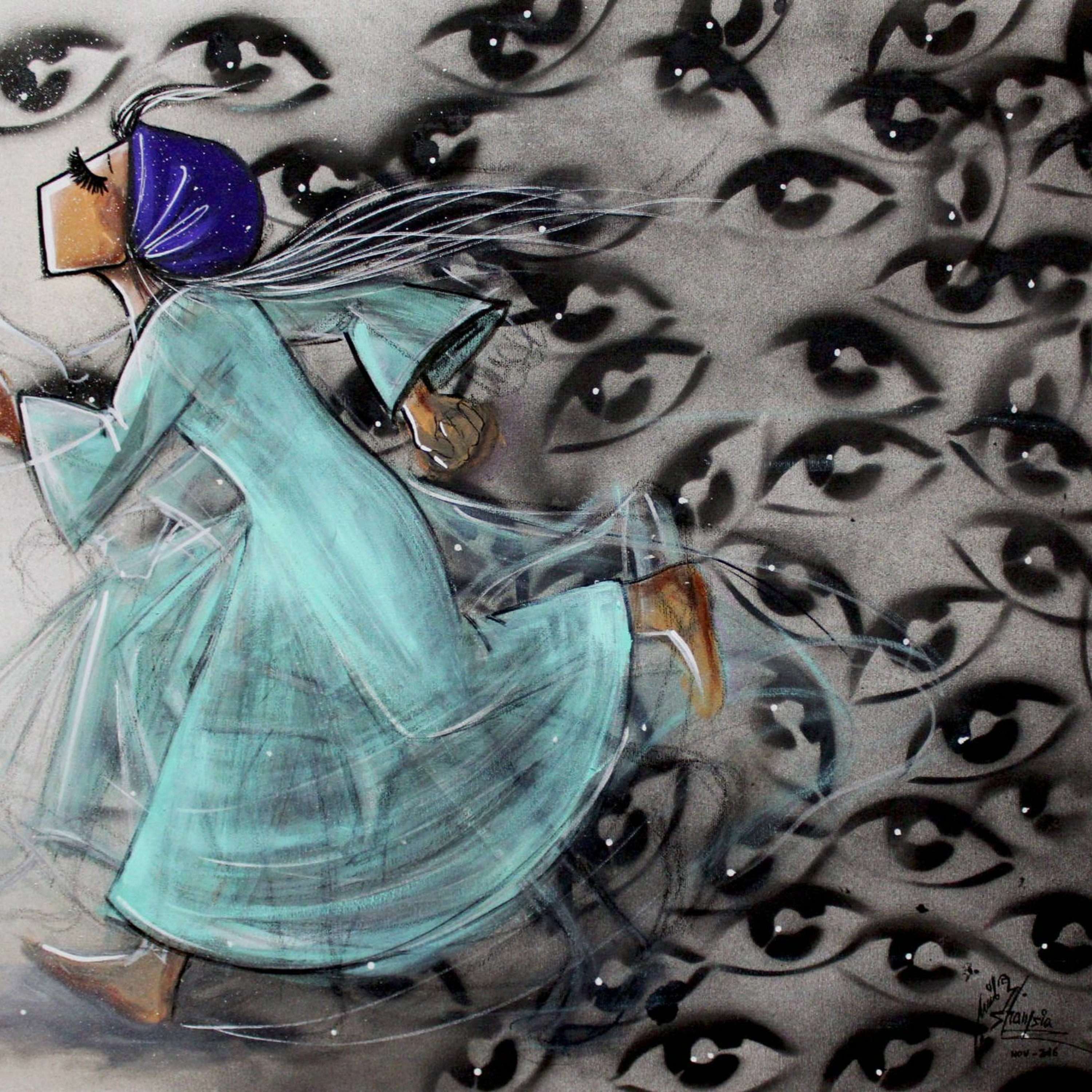
What Thwarts Feminist Activism in the Middle East, Africa, and South Asia?
Across the world, women have agitated for greater rights, freedoms, and protections, but with differing degrees of success. In some countries, feminist activists have mobilised widespread dissent, secured legal reforms, and pressed for enforcement. Elsewhere, they have been marginalised and maligned. What explains this international heterogeneity? Women are much more likely to collectively criticise unfair practices and organise for reform if they have economic autonomy, move freely in their communities, broaden their horizons through city-living, and become emboldened through civic resistance. Without these preconditions, feminist movements fail to take off. Warning: this is a very depressing post. It pinpoints obstacles in the Middle East, North Africa, Sub-Saharan Africa, and South Asia. These include powerful religious authorities, underdevelopment, and female seclusion. To read more on this, check out the references on my blog: https://www.draliceevans.com/post/what-thwarts-feminist-activism
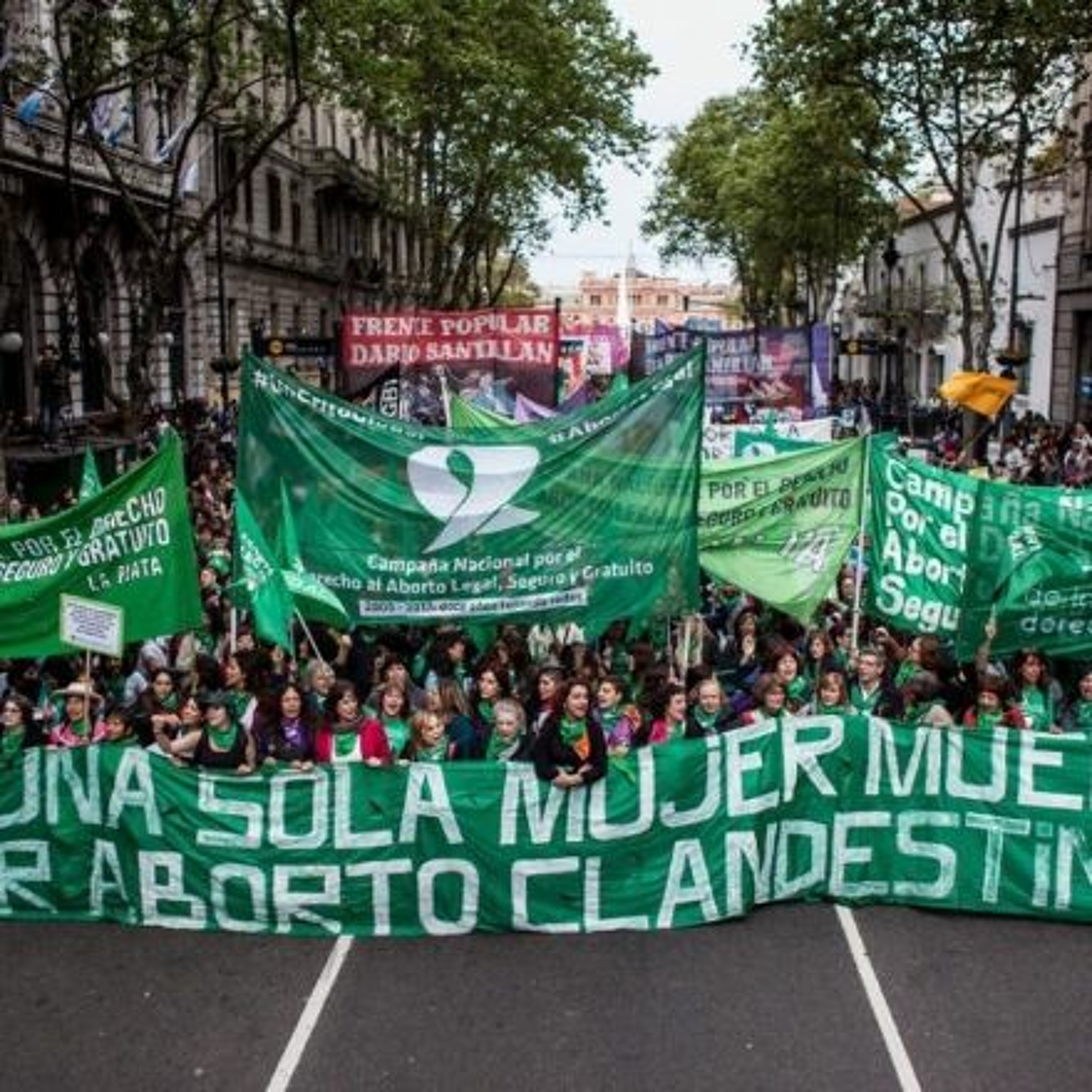
Why is Feminist Activism Thriving in Latin America?
Argentina has just legalised abortion - thanks to relentless feminist activism. Latin America can now boast rapid social change: with rising female employment, soaring representation (outpacing Europe), protections for domestic workers, and ginormous rallies against sexist violence. This sharply contrasts with entrenched patriarchy in the Middle East, North Africa, and South Asia. What is different about Latin America? I would stress relatively weak constraints on women's mobility, economic development and democratisation. These deep roots and disruptors create a fertile environment for sustained mobilisation. This is the audio version of my latest blog. It draws on a wealth of brilliant scholarship. Click here for the bibliography: https://www.draliceevans.com/post/why-is-feminist-activism-thriving-in-latin-america
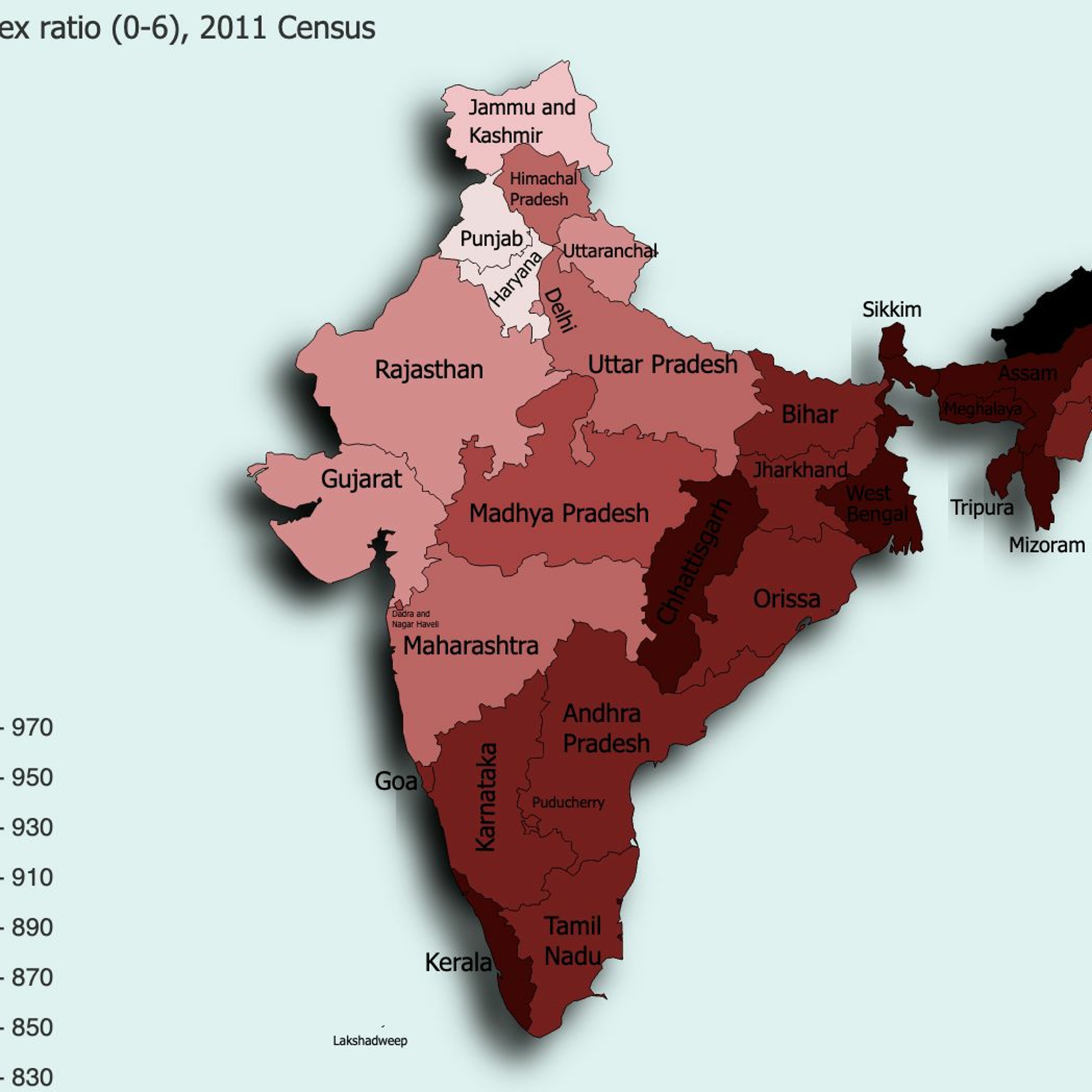
Why are North & South India so Different on Gender?
Everyone knows that Southern and Northern India are very different in culture, language, and socio-economic development. But the most dramatic regional disparity may be in gender relations. Why is this? Is it due to.. Poverty Colonialism Matriliny Cousin marriage Conquests and purdah Labour-intensive cultivation Ancestral crop yields? If you would rather read than listen, the blog is here: https://www.draliceevans.com/post/why-are-southern-north-eastern-indian-states-more-gender-equal
"The WEIRDest People in The World": Professor Joe Henrich
Professor Joe Henrich (Harvard) presents his new book on 'how Westerners became psychologically peculiar and particularly prosperous'. He suggests that the Western Church eroded kinship in Europe, which enabled a process of cultural evolution, resulting in democratisation, innovation, and economic growth. I present an alternative hypothesis: through economic development, wage labour, non-familial employment, and rural-urban migration, people broaden their networks beyond kinship. So my suggestion is that economic development fosters cultural change. Let me know what you think!! Read more about Professor Henrich: https://henrich.fas.harvard.edu/ And his book: https://weirdpeople.fas.harvard.edu/

How Cities Erode Gender Inequalities
Support for gender equality has increased across the world, especially in cities. Why is this? And what does it tell us about the drivers of social change? World Bank talk, followed by insightful audience questions. Sharing in case it's of wider interest. My research in Zambia & Cambodia suggests that cities: (i) raise the opportunity costs of the male breadwinner model, (ii) increase exposure to women in socially valued roles, and (iii) enable diverse associations, so people can collectively contest established practices. Interests, exposure, and association then reinforce a snowballing process of social change. This work has been published in Gender & Society, and the Annals of the Association of American Geographers. https://www.researchgate.net/publication/327035036_HOW_CITIES_ERODE_GENDER_INEQUALITY_A_NEW_THEORY_AND_EVIDENCE_FROM_CAMBODIA https://www.researchgate.net/publication/320921459_Cities_as_Catalysts_of_Gendered_Social_Change_Reflections_from_Zambia

Video: "The Decline and Rise of Democracy"
Here's the video of my interview with Professor Stasavage: https://youtu.be/T9VCP6ENJ6w We discuss his new book, "The Decline & Rise of Democracy".
"The Decline and Rise of Democracy": Professor David Stasavage
Crops, technology, & exit options influenced whether societies became democratic or authoritarian - argues Professor David Stasavage. Rulers wanted to tax their people at the right level: extract the maximum revenue without making the goose hiss! Their strategy would depend on crop yields and technology. If caloric output is easy to predict (owing to stable temperature, irrigation, and other technology), rulers could easily calculate the agrarian surplus. But if caloric output varies each year (owing to changing weather patterns and primitive technology), prediction is difficult. Leaders could overcome these informational constraints either by surveying with bureaucrats or by soliciting council governance. Bureaucracies and councils performed the same role: providing information on crop yields. If rulers lacked bureaucratic technology, they would solicit council governance, to ascertain how much to tax. This gave rise to large-scale representative governance - argues Stasavage. In this podcast, we discuss whether this theory explains the dearth of democracy in China and MENA today, and the rise of the Communal Movement in Europe. It's a great read, though I remain sceptical.. There remains a further question: why were European but not Chinese or MENA societies able to collectively organise, and secure democratising reforms? Curious? Buy the book: https://press.princeton.edu/books/hardcover/9780691177465/the-decline-and-rise-of-democracy Further readings: Greif & Tabellini: http://piketty.pse.ens.fr/files/GreifTabellini.pdf Joe Henrich: https://weirdpeople.fas.harvard.edu/ Jonathan Schulz & others: https://science.sciencemag.org/content/366/6466/eaau5141/tab-article-info Frank Fukuyama: https://www.amazon.co.uk/Origins-Political-Order-Prehuman-Revolution/dp/1846682576 Klaus Mühlhahn: https://www.hup.harvard.edu/catalog.php?isbn=9780674737358

Video - The Rise & Fall of the Male Breadwinner
I've made a special episode of Rocking Our Priors. It's a video: https://www.youtube.com/watch?v=KgnluTjB-YE Enjoy! So, which do you prefer? Audio or video?
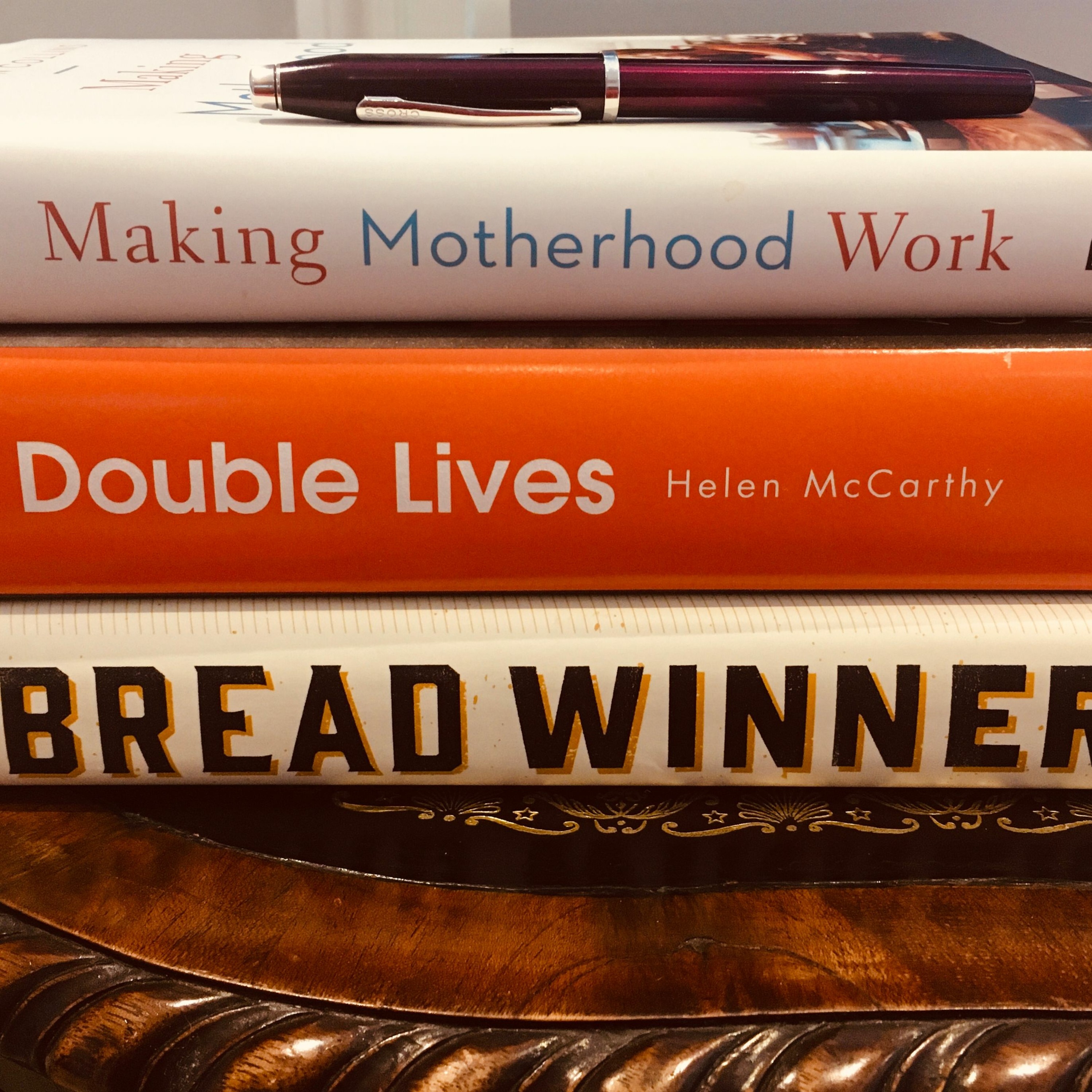
The Rise & Fall of the Male Breadwinner
Today I discuss 3 fantastic new books on work, families, and social change - C19-21. 'Making Motherhood Work: How Women Manage Careers and Caregiving', by Caitlyn Collins https://press.princeton.edu/books/hardcover/9780691178851/making-motherhood-work 'Double Lives: A History of Working Motherhood', by Helen McCarthy www.bloomsbury.com/uk/double-lives-9781408870761/ 'Bread Winner: An Intimate History of the Victorian Economy' by Emma Griffin. yalebooks.yale.edu/book/9780300230062/bread-winner Also mentioned: 'Women's labour force participation in nineteenth‐century England and Wales' onlinelibrary.wiley.com/doi/abs/10.1111/ehr.12876 'The Quiet Revolution That Transformed Women’s Employment, Education, and Family' by Claudia Goldin https://scholar.harvard.edu/files/goldin/files/the_quiet_revolution_that_transformed_womens_employment_education_and_family.pdf 'Changes in the Labour Supply of Married Women' by Francine Blau and Lawrence Kahn www.nber.org/papers/w11230.pdf 'From ‘MeToo’ to Boko Haram: A survey of levels and trends of gender inequality in the world' by Stephan Klasen https://www.nber.org/papers/w11230.pdf 'Women Forget That Men are the Masters : Gender Antagonism and Socio-economic Change in Kisii District, Kenya', by Margrethe Silberschmidt www.bookdepository.com/book/9789171064394
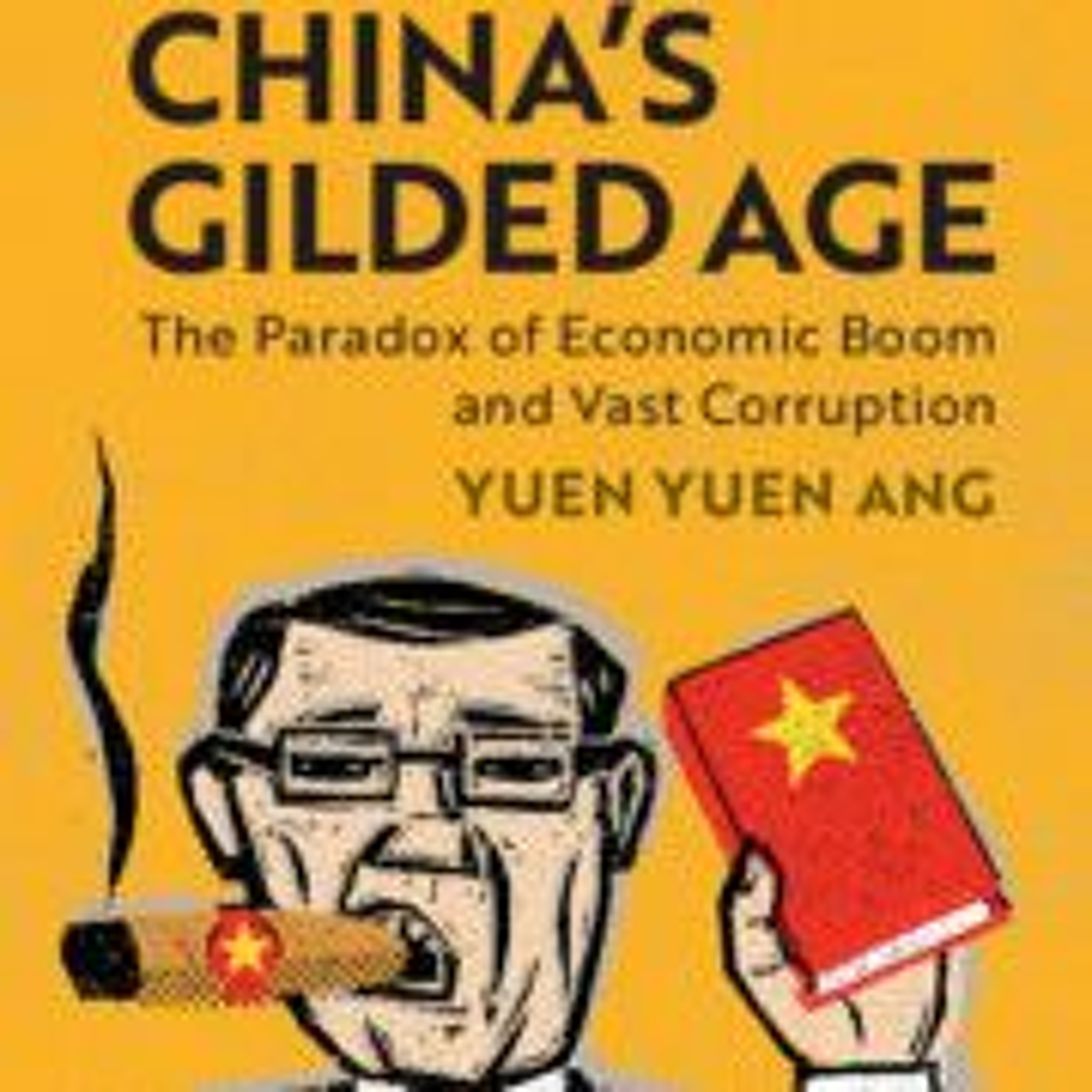
"China's Gilded Age: The Paradox of Economic Boom & Vast Corruption". Professor Yuen Yuen Ang
Why has China grown so fast for so long despite vast corruption? In China's Gilded Age, Professor Ang argues that not all types of corruption hurt growth, nor do they cause the same kind of harm. Ang reveals that the rise of capitalism was not accompanied by the eradication of corruption, but rather by its evolution from thuggery and theft to access money. In doing so, she challenges the way we think about corruption and capitalism, not only in China but around the world. This is an excerpt, read by Alice Evans. Professor Ang tweets @yuenyuenang Book details: https://sites.lsa.umich.edu/yy-ang/chinas-gilded-age/

"Bread Winner: An Intimate History of the Victorian Economy". Professor Emma Griffin
Nineteenth century Britain saw remarkable economic growth and a rise in real wages. But not everyone shared in the nation’s wealth. Unable to earn a sufficient income themselves, working-class women were reliant on the ‘breadwinner wage’ of their husbands. When income failed, or was denied or squandered by errant men, families could be plunged into desperate poverty from which there was no escape. Emma Griffin unlocks the homes of Victorian England to examine the lives – and finances – of the people who lived there. Drawing on over 600 working-class autobiographies, including more than 200 written by women, Bread Winner changes our understanding of daily life in Victorian Britain. The book: https://yalebooks.co.uk/display.asp?k=9780300230062 https://people.uea.ac.uk/e_griffin Professor Griffin's homepage: https://people.uea.ac.uk/e_griffin On Twitter: @EmmaGriffinHist This podcast is a few audio chapters, read by Dr Alice Evans.

Citizenship & Clientelism across India's Rural-Urban Divide: Dr Gabi Kruks-Wisner
Poor slum-dwellers are FOUR times less likely to believe that they will get a response when directly approaching an official than poor rural villager. So controlling for income, the slum dwellers are much more despondent about government - find Dr Gabi Kruks-Wisner (UVA) and Dr Adam Auerbach (American University). This reflects differing observations and expectations in urban and rural places. What rocked my priors is their argument that clientelism is not bad governance, it does not necessarily worsen outcomes. Perhaps it's just another mode of claims-making? Read her full paper here: https://krukswisner.files.wordpress.com/2020/03/auerbach_kruks-wisner_pop_2020.pdf If you'd like to hear more about "Claiming the State", check out my earlier podcast with Gabi. In the podcast, Gabi highlights Dr Tariq Tachil's paper how ethnographic research can improve surveys: https://link.springer.com/article/10.1007/s12116-018-9272-3 We also discuss my paper on Cambodia, which you can read here: https://journals.sagepub.com/doi/10.1177/0891243219865510 Dr Gabi Kruks Wisner is an Assistant Professor of Political Science at the University of Virginia: https://krukswisner.wordpress.com/ @gabi_kw She co-wrote this paper with Dr Adam Auerbach at American University https://www.american.edu/sis/faculty/aauerba.cfm @adam_m_auerbach

How Cities Erode Gender Inequality: Dr Alice Evans
I read aloud my latest paper, "How Cities Erode Gender Inequality", published in Gender & Society: https://journals.sagepub.com/doi/10.1177/0891243219865510 This is an experiment! Kindly recorded by the Harvard Kennedy School. One take, in my *slightly* theatrical style. Let me know what you think! :-)
Labor, Global Supply Chains, and the Garment Industry in South Asia: Professor Sanchita Saxena
Professor Sanchita Saxena shares insights on her new book on "Labor, Global Supply Chains, and the Garment Industry in South Asia". Key questions: - Why are garment wages so low in Bangladesh? - Why aren't wages improving? - What would enable higher wages? Buy the book: https://www.routledge.com/Labor-Global-Supply-Chains-and-the-Garment-Industry-in-South-Asia-Bangladesh/Saxena/p/book/9781138366800 Learn more about Professor Saxena's work, at Berkeley: https://southasia.berkeley.edu/sanchita-saxena
"Evidence for Hope": Professor Kathryn Sikkink
Professor Kathryn Sikkink (at the Harvard Kennedy School) argues that human rights laws, institutions, and movements are both legitimate and effective. We discuss whether human rights are western imperialism; whether rights movements help improve conditions for the masses; and what we still don't know about norm dynamics, but desperately need to find out! You can buy the book here: https://press.princeton.edu/books/hardcover/9780691170626/evidence-for-hope Professor Sikkink is the Ryan Family Professor of Human Rights Policy, at the Harvard Kennedy School: https://carrcenter.hks.harvard.edu/people/kathryn-sikkink
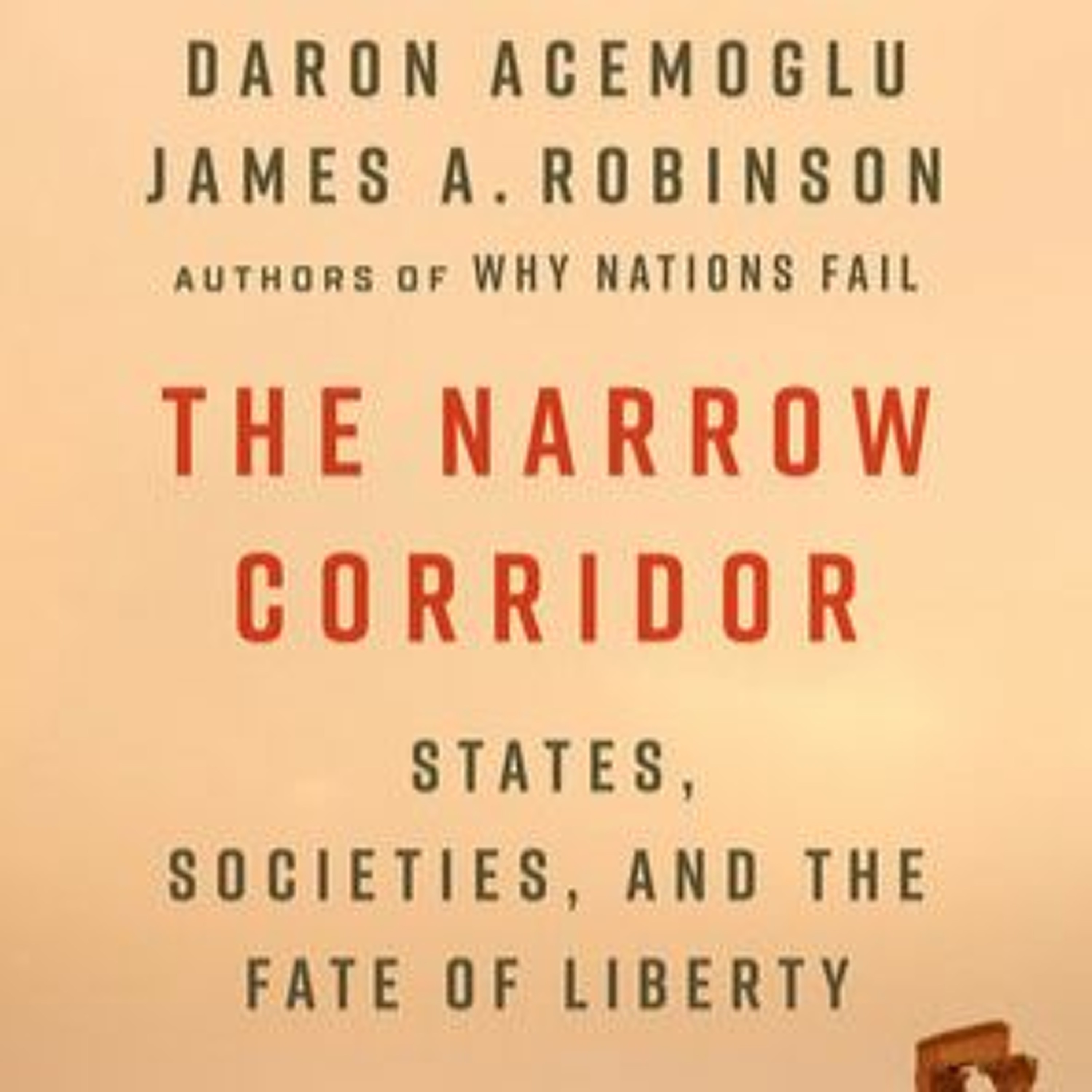
"The Narrow Corridor": Professor Daron Acemoglu
Professor Daron Acemoglu discusses his new book, arguing that liberty and prosperity require strong states and strong societies. Alice asks where do strong societies come from? What explains the global heterogeneity in social capital, as well as labour coercion? Can his theory accommodate East Asia? And whether the state-society binary is really the best way to understand threats to liberty today? Professor Acemoglu is incredibly impressive. I do hope you enjoy this episode. Buy the book: https://www.penguinrandomhouse.com/books/555400/the-narrow-corridor-by-daron-acemoglu-and-james-a-robinson/ Read more about Professor Acemoglu's work: https://economics.mit.edu/faculty/acemoglu
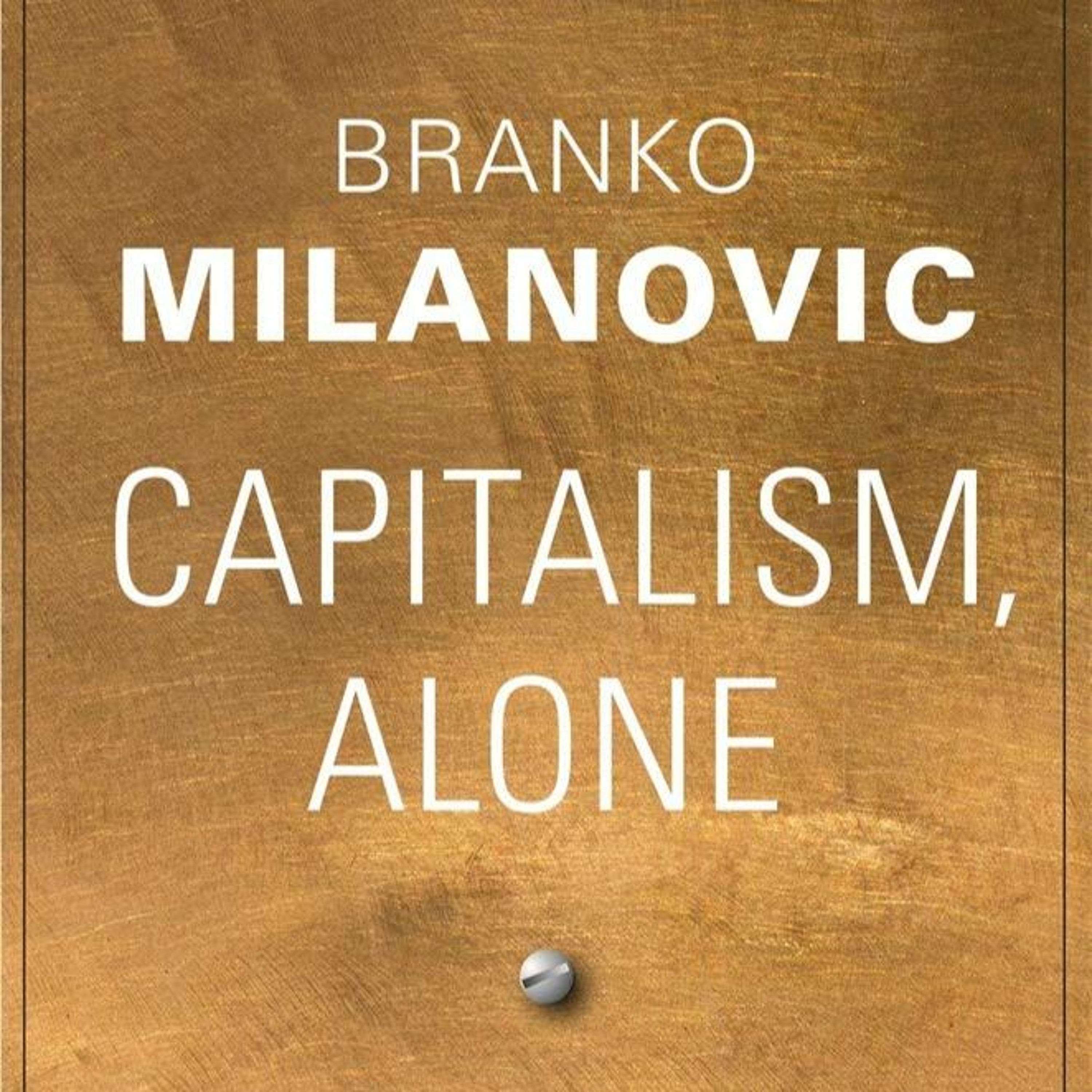
"Capitalism, Alone": Professor Branko Milanovic
Professor Branko Milanovic, world-leading expert on income inequality, discusses his fascinating new book. We discuss: - Was communism necessary for indigenous capitalism? - How can we tackle rising inequality? - How to respond to the xenophobic backlash? & - Isn't climate breakdown exacerbating global inequality. For more details on the book: https://www.hup.harvard.edu/catalog.php?isbn=9780674987593 For more about Professor Milanovic: Website: https://stonecenter.gc.cuny.edu/people/milanovic-branko/ Blog: http://glineq.blogspot.com/ Twitter: https://twitter.com/BrankoMilan
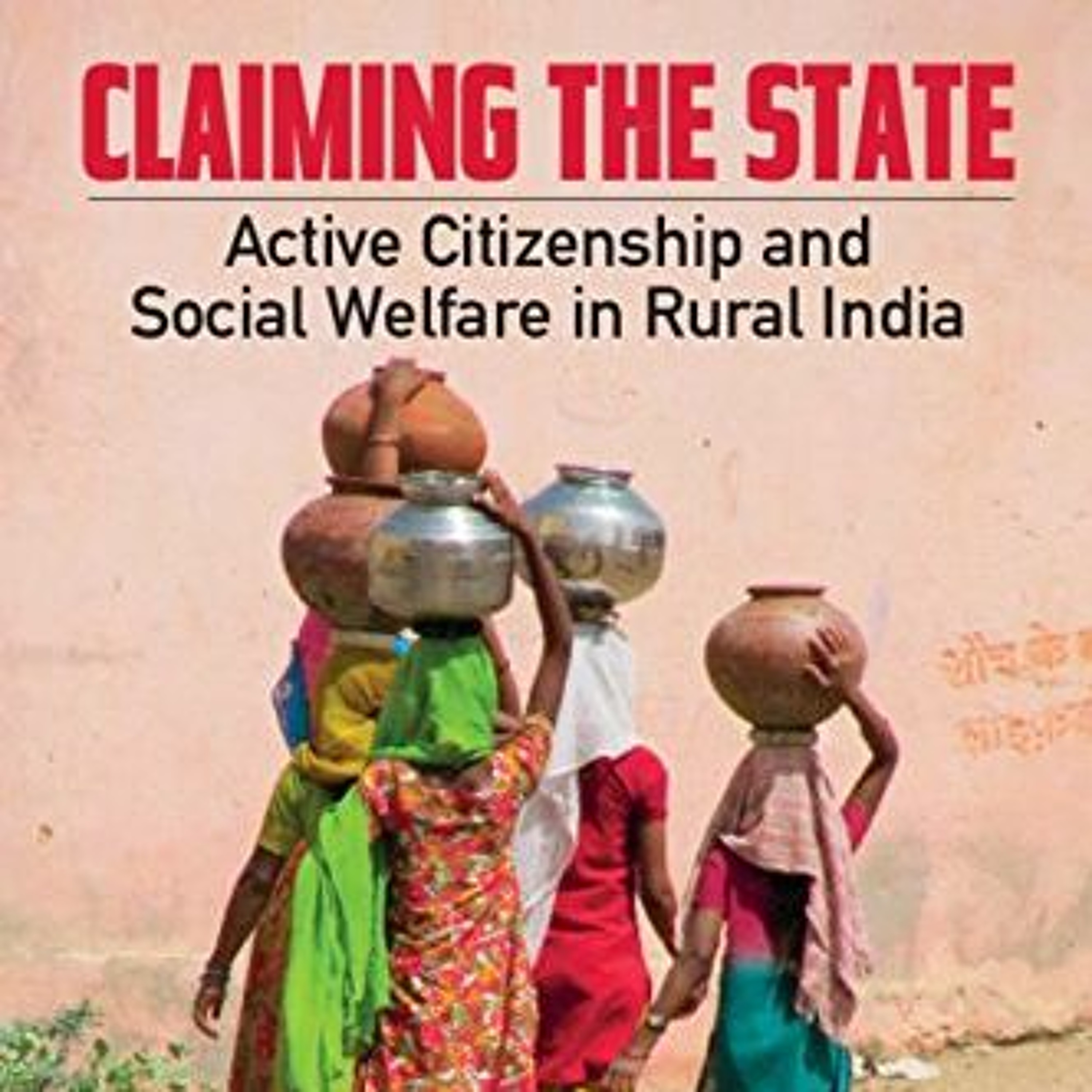
"Claiming the State": Dr Gabi Kruks-Wisner
Poor rural Indians come to expect and demand more of the state if they observe other people like them successfully mobilising for better services and public goods. Through quantitative and qualitative research in Rajasthan, Dr Gabi Kruks-Wisner shows feedback loops in observations, expectations, and claims-making. Read more about her work: https://krukswisner.wordpress.com/ Buy the book: https://www.cambridge.org/us/academic/subjects/politics-international-relations/comparative-politics/claiming-state-active-citizenship-and-social-welfare-rural-india?format=PB&isbn=9781316649008#xFBr4rHJoOX5Yzxr.97 This chimes with "Fragmented Democracy" by Jamila Michener: https://www.cambridge.org/core/books/fragmented-democracy/9A69DF1567190EF38883D4766EBC0AAC And "Forbearance as Redistribution" by Alisha Holland: http://alishaholland.com/book/ And "Making Motherhood Work" by Caitlyn Collins: https://press.princeton.edu/titles/13324.html All these new books demonstrate feedback loops, in people's observations, expectations, and demands of the state.
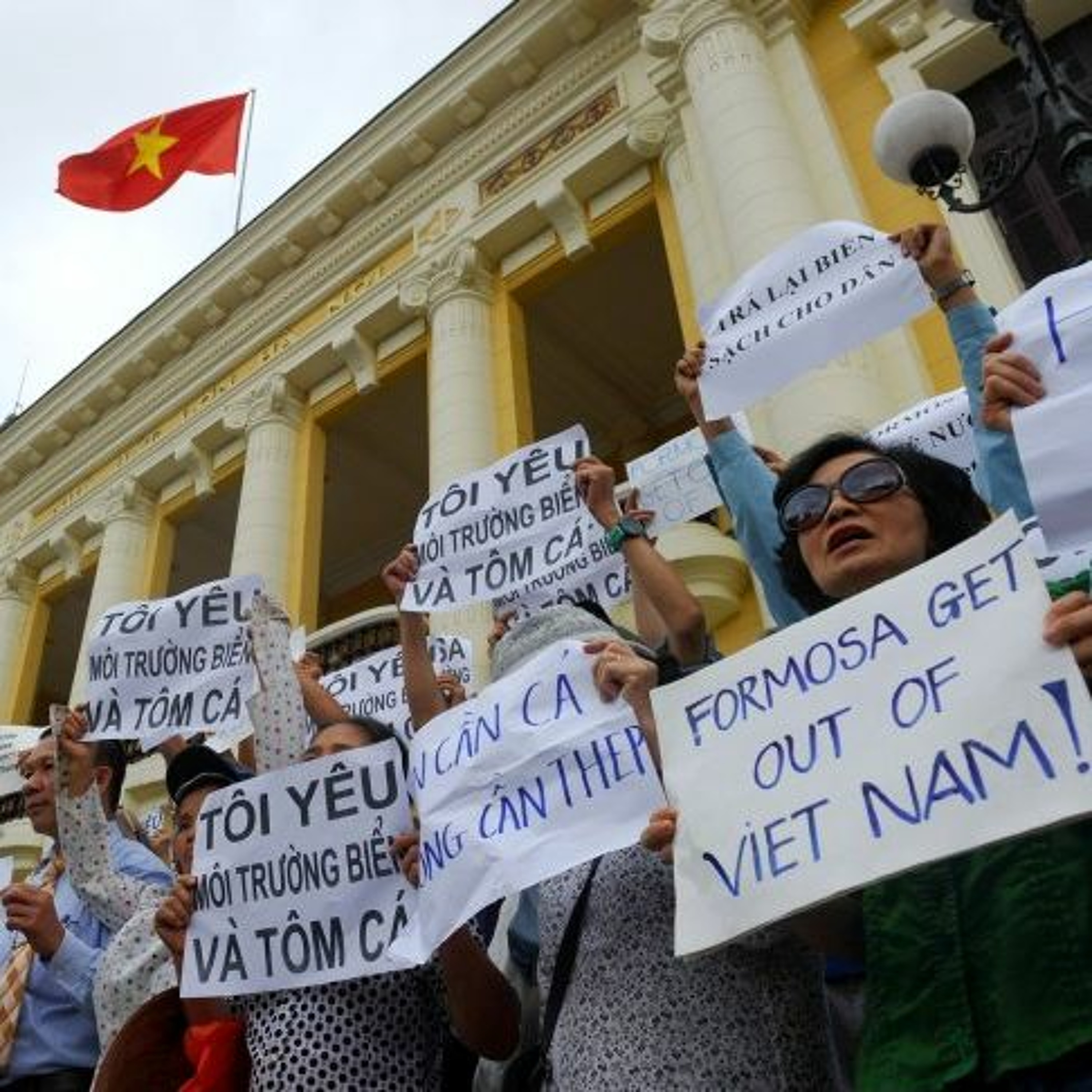
"Fish or Steel?": Dr Quynh Nguyen & Professor Eddy Malesky
Do people in developing countries prioritise the economy or the environment? To find out, Dr Quynh Nguyen & Dr Eddy Malesky undertook a nationally representative survey in Vietnam, asking people which kinds of firms they preferred. Their results may surprise you. You can read the full paper here: https://convention2.allacademic.com/one/apsa/apsa19/index.php?cmd=Online+Program+View+Paper&selected_paper_id=1513930&PHPSESSID=tqrf3ob26mr1r3i8qa97a0ghe0 Dr Quynh Nguyen is a Lecturer in international political economy at the School of Politics and International Relations at the Australian National University. https://www.quynhnguyen.net/teaching Dr Eddy Malesky is a Professor of Political Science at Duke. https://polisci.duke.edu/people/edmund-malesky

Norms, state capacity, & elections: Dr Ken Opalo & Dr Dan Honig
It's a coup! Ken Opalo and Dan Honig - Assistant Professors of International Development - have seized my podcast! They discuss brilliant new work by Dr George Kwaku Ofosu, Postdoctoral Research Associate at Washington University in St Louis: "Do Fairer Elections Increase the Responsiveness of Politicians?", forthcoming in the American Political Science Review. https://www.cambridge.org/core/journals/american-political-science-review/article/do-fairer-elections-increase-the-responsiveness-of-politicians/26AA077459ACA822C4E20A9903E64691#.XVbd_1sosiQ.twitter. Read more about his work here: https://www.georgeofosu.com/ And Tugba Bozcaga, PhD candidate at MIT. Read her paper here: https://t.co/ruc5W88M5s?amp=1 And learn more about her work her: https://www.tugbabozcaga.com/