
RCVS Knowledge - Evidence-based Veterinary Medicine
255 episodes — Page 5 of 6

Ep 32David Mills - Diagnostic Accuracy: The Wellspring of EBVM Success, and How We Can Improve It Q&A
Q&A from David's talk at the Veterinary Evidence Today conference, Edinburgh November 2nd, 2016. Read more here.

Ep 31David Mills - Diagnostic Accuracy: The Wellspring of EBVM Success, and How We Can Improve It
Therapy and prognosis are entailed by the diagnosis: the holistic success of the EBVM approach therefore firmly and critically rests on diagnostic accuracy. Unfortunately, medical professionals do not appear to be very accurate with diagnoses. In human medicine, there is 30-50% discordance reported between doctors’ ante- (presumptive) and post-mortem (definitive) diagnoses, with no significant change in the last 100 years (Goldberg et al 2002). Veterinary surgeons do not perform much better, although it is a chronically under-researched area. This talk looks at how vets and vet nurses can maximise their impact on clinical performance. Read more here. DM - Diagnostic Accuracy: The Wellspring of EBVM Success, and How We Can Improve It Veterinary Evidence Today Edinburgh, 1-3 November 2016
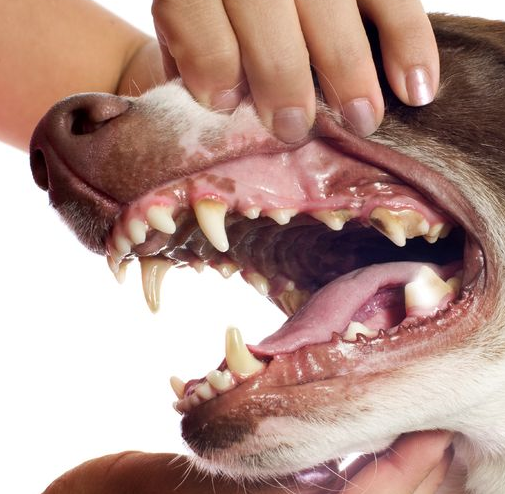
Ep 30In Dogs with Periodontal Disease Is Feeding a Complete Raw Meat Diet More Effective Than a Complete Kibble 'Dental' Diet at Reducing Periodontal Disease?
In this Audio Summary Nieky shares the evidence around whether feeding dogs a raw meat diet reduces periodontal disease. Read the full Knowledge Summary here. Audio Summaries are a free resource that enables vets and vet nurses to access and digest relevant and up-to-date evidence quicker and easier! A time-saving way to make better and faster evidence-based decisions.

Ep 28Alina Pohl - Efficacy of Non-steroidal Anti-inflammatory Drugs for the Treatment of Acute Puerperal Metritis in Dairy Cows
Acute puerperal metritis (APM) is a potentially life threatening, painful disease and is often treated with third-generation cephalosporins. Due to increasing antibiotic resistance, Alina discusses the need to evaluate alternative therapies to antibiotics. Read more, view the slides and listen to the Q&A here. AP - Efficacy of Nonsteroidal Antiinflammatory Drugs for the Treatment of Acute Puerperal Metritis in Dairy Cow Veterinary Evidence Today Edinburgh, 1-3 November 2016

Ep 29Alina Pohl - Efficacy of Non-steroidal Anti-inflammatory Drugs for the Treatment of Acute Puerperal Metritis in Dairy Cows Q&A
Q&A from Alina's talk at the Veterinary Evidence Today conference, Edinburgh November 1st, 2016. Read more, view the slides and listen to the full talk here.

S1 Ep 27Adam Swallow - Are Novel Allergen or Hydrolysed Diets an Effective Means of Reducing the Gastro-intestinal Signs in Dogs With Inflammatory Bowel Disease When Compared to Oral Prednisolone?
In this Audio Summary Adam shares the evidence around whether hydrolysed diets reduce gastro-intestinal symptoms in dogs with chronic enteropathy. Read the full Knowledge Summary here. Audio Summaries are a free resource that enables vets and vet nurses to access and digest relevant and up-to-date evidence quicker and easier! A time-saving way to make better and faster evidence-based decisions. Read the transcript.

Ep 26Katie Waine - Clinical Audit Experiences of Veterinary Surgeons Undertaking Farm Animal Work in the UK Q&A
Q&A from Katie's talk at the Veterinary Evidence Today conference, Edinburgh November 2nd, 2016. Read more here.
Ep 25Katie Waine - Clinical Audit Experiences of Veterinary Surgeons Undertaking Farm Animal Work in the UK
Clinical audit can play an important part in improving the services offered by farm animal veterinary practices. Its current use however is very varied. Understanding experiences, considering concerns and taking into account the thoughts of veterinary surgeons is vital when creating guidance for the profession. Read more here or listen to this session's Q&A. KW - Clinical Audit Experiences of Veterinary Surgeons Undertaking Farm Animal Work in the UK Veterinary Evidence Today Edinburgh, 1-3 November 2016

Ep 24Mary Fraser - Current Thoughts on the Treatment of Malassezia in Canine Otitis Externa Q&A
Q&A from Mary's talk at the Veterinary Evidence Today conference, Edinburgh November 2nd, 2016. Read more here.

Ep 23Mary Fraser - Current Thoughts on the Treatment of Malassezia in Canine Otitis Externa
In this talk, from the Veterinary Evidence Today conference 2016, Mary Fraser discusses the variety of different medications that can be used in the treatment of Malassezia otitis externa and the need for a greater number of robust clinical trials. Read more here. Veterinary Evidence Today Edinburgh, 1-3 November 2016

S1 Ep 22Erik Fausak - Can I Hang? Ideal Time to Replace Isotonic Crystalloid Intravenous Fluids and Sets to Prevent Fluid Contamination and Blood Stream Infection: a Knowledge Summary
In this Audio Summary Erik gives an overview of the evidence around when to change fluid bags and IV sets. Read the full Knowledge Summary here. Audio Summaries are a free resource that enables vets and vet nurses to access and digest relevant and up-to-date evidence quicker and easier! A time-saving way to make better and faster evidence-based decisions. Read the transcript.
Mike Clarke - Introduction to Systematic Reviews
In this talk, from the Veterinary Evidence Today conference 2016, Mike Clarke gives an introduction to systematic reviews. MC - Introduction to Systematic Reviews Veterinary Evidence Today Edinburgh, 1-3 November 2016

S1 Ep 1Louise Buckley - Are Dogs That Are Fed from a Raised Bowl at an Increased Risk of Gastric Dilation Volvulus Compared with Floor-Fed Dogs?
Louise gives a short Audio Summary of her paper 'Are Dogs That Are Fed from a Raised Bowl at an Increased Risk of Gastric Dilation Volvulus Compared with Floor-Fed Dogs?'. Read the full Knowledge Summary here. Audio Summaries are a free resource that enables vets and vet nurses to access and digest relevant and up-to-date evidence quicker and easier! A time-saving way to make better and faster evidence-based decisions. Read the transcript.

Amanda Boag - Are Blood Lactate Levels Better Than a Crystal Ball – the Veterinary Evidence Base
Blood lactate levels are a simple and inexpensive parameter that is increasingly available to practitioners in both emergency medicine and general practice. But what does it really tell us? But does the data support that? In this session we will briefly review lactate physiology and then focus on the small animal veterinary evidence base – how has it evolved, what do we now know and where are the gaps in knowledge and potential misinterpretations that could affect our use of this clinical tool. Veterinary Evidence Today Edinburgh, 1-3 November 2016

Amanda Boag - Are Blood Lactate Levels Better Than a Crystal Ball – the Veterinary Evidence Base Q&A
Q&A from Amanda's talk at the Veterinary Evidence Today conference, Edinburgh November 1st, 2016.
Living Pictures
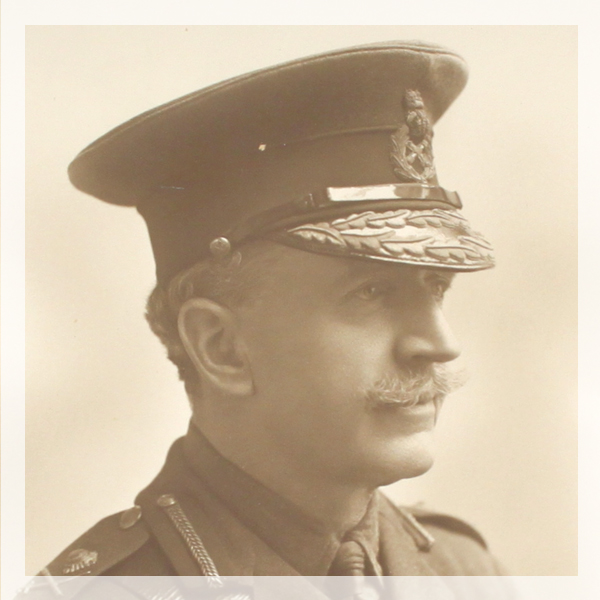
Abbie Latham, an MA History student from Kings College London discusses the Boer War correspondence of Army veterinarian Frederick Smith. Abbie transcribed the letters held by Knowledge, and in her podcast explores aspects of the letters relating to technological developments in war reporting in the nineteenth century. Abbie’s fascinating essay brings a fresh perspective and historical insight into the letters, which will be of interest to all audiences.

Ian Nicholson - Building a Multi-centre Clinical Research Facilitation Network: The ARC Experience
There is very little good-quality veterinary evidence for most of the veterinary procedures carried out every day across the world. Very few, if any, individuals have all the necessary qualities to be able to systematically produce good-quality, and relevant, clinical research on their own, in a timely manner. The Association for Veterinary Soft Tissue Surgery (AVSTS) www.avsts.org.uk is an affiliate group with the British Small Animal Veterinary Association (BSAVA), and functions as a clinical network of like-minded individuals. In 2013 AVSTS sought to create a role for itself in facilitating the production (by its members) of multi-centre clinical research of relevance to its members. Veterinary Evidence Today Edinburgh, 1-3 November 2016

Heather Moberly - Integrating Veterinary Subject Expertise With Information Literacy Expertise to Teach and Assess the Student Skills in Evidence-based Veterinary Medicine Q&A
Q&A from Heather's talk at the Veterinary Evidence Today conference, Edinburgh November 3rd, 2016.

Heather Moberly - Integrating Veterinary Subject Expertise With Information Literacy Expertise to Teach and Assess the Student Skills in Evidence-based Veterinary Medicine
A 2015 survey of veterinary educators at AVMA accredited veterinary colleges indicated use of a wide variety of teaching modalities and a broad disparity among colleges about the amount of EBVM skills taught and their place in the curriculum. Evidence in learning theory suggests that teaching the skills of EBVM requires consideration of ways to optimise the transfer of skills from the didactic or pre-clinical to the clinical setting. This talk discusses how we partnered to successfully integrate asking a clinical question, searching the literature, appraising the literature, and applying evidence to the clinical question to make a clinical recommendation. HM - Integrating Veterinary Subject Expertise With Information Literacy Expertise to Teach and Assess the Student Skills in Evidence-based Veterinary Medicine Veterinary Evidence Today Edinburgh, 1-3 November 2016
David Mills - Putting the Horse Before the Cart: the Ethical Case for Animal Patient Values in EBVM Q&A
Q&A from David's talk at the Veterinary Evidence Today conference, Edinburgh November 2nd, 2016.
David Mills - Putting the Horse Before the Cart: the Ethical Case for Animal Patient Values in EBVM
This talk will argue that patient values should be the central, primary and overriding consideration in both its practice and research if EBVM is to be an ethically acceptable pursuit. DM - Putting the Horse Before the Cart: the Ethical Case for Animal Patient Values in EBVM Veterinary Evidence Today Edinburgh, 1-3 November 2016

Hannah Doit - The Veterinary Clinical Trials Network - a Pragmatic Approach to Filling the Evidence Gaps for Veterinary Practice Q&A
Q&A from hannah's talk at the Veterinary Evidence Today conference, Edinburgh November 3, 2016.

Hannah Doit - The Veterinary Clinical Trials Network - a Pragmatic Approach to Filling the Evidence Gaps for Veterinary Practice
Including current published evidence is vital as part of evidence-based decision making in veterinary practice. Sometimes there is no published evidence which is relevant or applicable to the clinical situation. This can be either because it refers to patients with experimentally induced conditions, from a referral population or who lack the co-morbities often seen outside of the experimental context. The Veterinary Clinical Trials Network is unique. It is a rapidly expanding network of veterinary practices, with whom we are working to establish methods for running prospective, pragmatic, practical clinical trials in veterinary practice. Veterinary Evidence Today Edinburgh, 1-3 November 2016

Emma O'Neill - The Use of an Evidence Based Practice Approach to Promote Active Student Engagement and Life - Long Learning in an Online Graduate Certificate QA
Q&A from Emma's talk at the Veterinary Evidence Today conference, Edinburgh November 2, 2016.

Emma O'Neill - The Use of an Evidence Based Practice Approach to Promote Active Student Engagement and Life - Long Learning in an Online Graduate Certificate
Educational research has realigned away from the delivery of information towards the enhancement of learning and construction of knowledge (Edmondson, 2001). The availability of information is no longer the limiting factor; the ability to process and rationalise the vast amount of information available is now far more important. As suggested by Alvin Toffler, “The illiterate of the 21st century will not be those who cannot read and write, but those who cannot learn, unlearn and re-learn.” Hence, it is important to consider ways to equip students with the skills for critical appraisal and life-long learning. Teaching strategies that engender a deep approach to learning by promoting active student engagement are key to these aims. EO'N - The Use of an Evidence Based Practice Approach to Promote Active Student Engagement and Life - Long Learning in an Online Graduate Certificate Veterinary Evidence Today Edinburgh, 1-3 November 2016

Constance White - Clinical Decision Making and Treatment Patterns in Canine Prolapsed Nictitans and Feline Herpetic Keratitis
No evidence-based treatment guidelines exist for any ophthalmic conditions of dogs and there is limited published evidence supporting treatments of feline herpes viral keratitis (FHVK). The aim of this study was to document current treatment patterns of canine prolapsed nictitans (PN) and FHVK through the use of a vignette-based survey administered to general practitioner (GP) and ophthalmic specialist (SP) veterinarians. CW - Clinical Decision Maiking and Treatment Patterns in Canine Prolapsed Nictitans and Feline Herpetic Keratitis Veterinary Evidence Today Edinburgh, 1-3 November 2016

Claire Wylie - Collaboration as a Key Feature of Equine Evidence-Based Research: A Laminitis Case Study Q&A
Q&A from Claire's talk at the Veterinary Evidence Today conference, Edinburgh November 1, 2016.

Claire Wylie - Collaboration as a Key Feature of Equine Evidence-Based Research: A Laminitis Case Study
It is widely believed that laminitis poses a threat to the health and welfare of all Equidae; however, there is a paucity of evidence-based research on fundamental aspects of the disease, including how commonly it occurs, its clinical presentation and those animals at greatest risk. Following generous funding from World Horse Welfare, we have produced a programme of work over the last eight years to improve the evidence base regarding the epidemiology of laminitis. This talk will outline the methods we used to gather evidence-based data in the equine field, highlight the challenges and lessons we have learnt, and emphasise the crucial role the veterinary practitioner can play in both providing and using such evidence-based data. CW - Collaboration as a Key Feature of Equine Evidence-Based Research: A Laminitis Case Study Veterinary Evidence Today Edinburgh, 1-3 November 2016

Kristen Reyher - The Global Resource for Online Evidence-Based Veterinary Medicine Learning Q&A
Q&A from Kristen's talk at the Veterinary Evidence Today conference, Edinburgh November 2, 2016.

Kristen Reyher - The Global Resource for Online Evidence-Based Veterinary Medicine Learning
To help make EBVM accessible to the veterinary profession worldwide, we assembled an extensive international team (the EBVM Learning Consortium) with a collective passion for delivering high-quality teaching of EBVM and developed an open access, online resource: ebvmlearning.org. It is hoped that the development of this resource will increase awareness of EBVM in the veterinary profession and allow practitioners the opportunity to develop the skills needed to utilise EBVM in everyday clinical practice. Veterinary Evidence Today Edinburgh, 1-3 November 2016

Dan O’Neill - Effective Dissemination - Building an 'Evidence to Impact' Strategy Q&A
Q&A from Dan's talk at the Veterinary Evidence Today conference, Edinburgh November 2, 2016.
Dan O'Neill - Effective Dissemination - Building an 'Evidence to Impact' Strategy
When a piece of ‘evidence’ is generated in the research environment and almost nobody hears about it, then can we really still call it a piece of ‘evidence’? Does evidence only become evidence once it is used; and until then, is it just a piece of insignificant information? As we inexorably travel through the EBVM era, we must increasingly prioritise effective dissemination of evidence. This paper will use the VetCompass Programme at the Royal Veterinary College as a case study to explore a strategic dissemination plan and examine routes for effective dissemination. Dan O'Neill - Effective Dissemination - Building an Evidence to Impact Strategy Veterinary Evidence Today Edinburgh, 1-3 November 2016

Annette O'Connor - Is the Simplicity of the Evidence Pyramid Actually Detrimental for Understanding Evidence?
The evidence pyramid for assessing the efficacy of interventions under real world conditions has been used in various forms for many years, and to a lesser extent the pyramid has been used for assessing evidence for disease risk factors. While acknowledging minor differences, many pyramids list the following information sources for interventions in decreasing order of “validity”: systematic review and meta-analysis of randomised control trials, randomised controlled trials, cohort studies, case control studies, case series and case reports. In this presentation Annette discusses the validity of the evidence pyramid on the interpretation of evidence from primary research. She proposes a new way to think about evidence from primary studies using the framework for classifying epidemiologic studies proposed by Pearce (2012) based on incident and prevalent cases. This would also result in a rethinking of the current evidence pyramid. Veterinary Evidence Today Edinburgh, 1-3 November 2016

Pam Mosedale - Joined up Clinical Governance: Learning from our mistakes
This podcast discusses how a significant event can lead to the practice examining what happened, looking at the evidence base, revising protocols & auditing implementation of the new protocols. A significant event is an event thought by anyone in the team to be significant in the care of patients or the conduct of the practice. Veterinary Evidence Today Edinburgh, 1-3 November 2016

Bradley Viner - Embedding EBVM into Practice
Embracing EBVM as a concept is an important first step, but is of little value unless it is translated into an improvement in patient care. This session will discuss how EBVM can be incorporated into clinical guidelines at a practice level, using a team-based approach to maximise concordance. BV - Embedding EBVM into Practice Veterinary Evidence Today Edinburgh, 1-3 November 2016

Mirjam Nielen - Introduction to Statistics
Always wondered why research papers often present rather complicated statistical analyses? Or wondered how to properly analyse the results of a pragmatic trial from your own practice? This talk will give an overview of basic statistical principles and focus on the why of statistics, rather than on the how. MN - Introduction to Statistics Veterinary Evidence Today Edinburgh, 1-3 November 2016

Sue Badger and Andrea Jeffery - Don't Be Afraid to Ask the Question: A Simple Guide for Veterinary Nurses to Conducting Evidence-Based Research in Clinical Practice
Q&A from Sue and Andrea's talk at the Veterinary Evidence Today conference, Edinburgh November 1, 2016.

Sue Badger and Andrea Jeffery - Don't Be Afraid to Ask the Question: A Simple Guide for Veterinary Nurses to Conducting Evidence-Based Research in Clinical Practice
The evolution of veterinary nursing over the past fifty years combined with the introduction of the RCVS Register and Code of Conduct means that RVN's are now accountable for their actions and as a result must develop the ability to critically appraise, both their own practice and the protocols of the organisation in which they work, as part of clinical governance. It is therefore important that they develop the tools which enable them to confidently question all aspects of their clinical practice, but especially patient care and welfare, where necessary. Don't Be Afraid to Ask the Question: A Simple Guide for Veterinary Nurses to Conducting Evidence-Based Research in Clinical Practice Veterinary Evidence Today Edinburgh, 1-3 November 2016

Louise O'Dwyer - Challenges of EBVM as a RVN in a practice setting
Q&A from Louise's talk at the Veterinary Evidence Today conference, Edinburgh November 1, 2016.
Louise O'Dwyer - Challenges of EBVM as a RVN in a practice setting
This talk will look at difficulties for RVNs working in private practice gaining access to sufficient papers and studies in order to provide the evidence we need, and also looking at the selection of appropriate topics. We will look at sources of information such as the RCVS Knowledge library in order to collect evidence, and also how to select appropriate, relevant topics for research which will be useful to other RVNs working in practice, and will help in the creation of nursing protocols and nursing care bundles, which will advance nursing and patient care. Veterinary Evidence Today Edinburgh, 1-3 November 2016

Richard Mellanby - The only way is ethics? Undertaking research as a practice-based vet/RVN - Q&A
Q&A from Richard's talk at the Veterinary Evidence Today conference, Edinburgh November 3, 2016.
Richard Mellanby - The only way is ethics? Undertaking research as a practice-based vet/RVN
Research is essential to provide the evidence-base for veterinary science in order to improve the health and welfare of animals and to improve public health. In this session, Dr Mellanby will discuss the valuable contribution that practice-based veterinary surgeons and veterinary nurses can make to the future of veterinary knowledge. Veterinary Evidence Today Edinburgh, 1-3 November 2016

Ava Firth and Ian Robertson - Preliminary Evaluation of a Practice-Based EBVM Skills Development Program - Q&A
Q&A from Ava and Ian's talk at the Veterinary Evidence Today conference, Edinburgh November 2, 2016.

Ava Firth and Ian Robertson - Preliminary Evaluation of a Practice-Based EBVM Skills Development Program
Whilst there is a small body of research that investigates the development of EBVM skills in veterinary undergraduates there is a paucity of research that aims to understand the development of EBVM skills in practice-based post-graduate veterinary surgeons. This talk on a paper is a small step in remedying that shortfall. In particular, the paper provides a progress report on an RCVS Knowledge funded study that is evaluating a practice-based EBVM development program. AF & IR - Preliminary Evaluation of a Practice-Based EBVM Skills Development Program Veterinary Evidence Today Edinburgh, 1-3 November 2016
Steve Budsberg and David Church - Can Practice-Based Evidence Complement and Promote EBVM? - Q&A
Q&A from Steve and David's talk at the Veterinary Evidence Today conference, Edinburgh November 1, 2016.

Steve Budsberg and David Church - Can Practice-Based Evidence Complement and Promote EBVM?
Practice-based research should be performed in all practice settings if the results are to be applied to all practice settings. While the previous statement seems intuitive, that is to have practice-based evidence strengthen evidence-based medicine. The development of such a system of data collection and dissemination has not developed very rapidly. This lecture will describe how the VetCompass Programme has grown and evolved to now provide a world-leading platform for unbiased, invisible data collection... SB and DC - Can Practice Based Evidence Complement and Promote EBVM? Veterinary Evidence Today Edinburgh, 1-3 November 2016

Rachel Dean - Irrelevant, Irrelevant, Irrelevant! Time to change our approach to research?
To be able to practice evidence-based veterinary medicine, clinicians need high quality relevant evidence to integrate with their clinical decision making. Rachel's talk explores how relevance is possibly more important than quality as even the best evidence cannot be used if it can't be applied to veterinary practice. RD - Irrelevant, Irrelevant, Irrelevant! Time to change our approach to research? Veterinary Evidence Today Edinburgh, 1-3 November 2016

Emma Place - Literature Searching for Evidence-Based Veterinary Medicine: Coping with Zero Hits
Q&A from Emma's talk at the Veterinary Evidence Today conference, Edinburgh November 3, 2016.

Emma Place - Literature Searching for Evidence-Based Veterinary Medicine: Coping with Zero Hits
Emma Place gives a talk on how it can be common to get zero or low numbers of hits for a veterinary PICO search in bibliographic databases, particularly if results are screened for clinical trials... EP - Literature Searching for Evidence-Based Veterinary Medicine: Coping with Zero Hits Veterinary Evidence Today Edinburgh, 1-3 November 2016

Gillian Leng - Using Evidence: Pitfalls, Practicalities and Positive Benefits - Q&A
Q&A from Gillian's talk at the Veterinary Evidence Today conference, Edinburgh November 3, 2016.