
RCVS Knowledge - Evidence-based Veterinary Medicine
255 episodes — Page 4 of 6

Ep 82The Knowledge Sessions: Improvement not disapproval - quality improvement in veterinary regulation with Lizzie Lockett
Lizzie Lockett, CEO of the Royal College of Veterinary Surgeons, provides a personal take on quality improvement, why it's important for all people working in a practice to be alive to change, and RCVS initiatives that support the adoption of quality improvement. Download the transcript and find free quality improvement resources on the RCVS Knowledge website. The Knowledge Sessions is a series that brings together specialists from across the veterinary industry to examine the landscape, propose potential approaches to complex problems, and provide practical advice on a range of subjects. CPD: 30 mins
Ep 81Infection control Part 2: organisms of concern and modes of transmission - Tim Nuttall and Pam Mosedale
Part 2 in our series on infection control: organisms of concern and modes of transmission by: Dr Tim Nuttall: RCVS Knowledge Infection Control Advisor; Royal (Dick) School of Veterinary Studies, University of Edinburgh; and Bella Moss Clinical Advisor Pam Mosedale: Chair of the RCVS Knowledge Quality Improvement Advisory Board, Lead Practice Standards Scheme Assessor (RCVS) and Bella Moss Clinical Advisor Download the accompanying presentation and transcript from the RCVS Knowledge website. Listen to Part 1: Infection control and biosecurity during COVID-19. CPD: 1 hour

Ep 80Getting started with clinical audit - Pam Mosedale and Charlotte Hartley
Pam Mosedale (Chair of RCVS Knowledge Quality Improvement Advisory Board and Acting Lead Assessor and Veterinary Advisor for the Practice Standards Group) and Charlotte Hartley (RVN and Practice Standards Advisor for North West) advise on getting started with clinical audit in practice, discussing topics, benefits and barriers. This presentation was recorded at Ashbrook Equine Hospital during the RCVS Knowledge Equine Roadshow, kindly sponsored by the Horserace Betting Levy Board and accredited by the British Equine Veterinary Association. Download the full transcript and presentation from the RCVS Knowledge website. CPD: 35 mins
Ep 79Clinical guidelines in equine practice - Tim Mair
Tim Mair, President of the British Equine Veterinary Association and Equine Veterinary Director of CVS, looks at the challenges and benefits of introducing clinical guidelines into equine practice. Real-life examples demonstrate how to create your own guidelines and monitor their effect in practice. This session was recorded at Ashbrook Equine Hospital as part of the RCVS Knowledge Quality Improvement Equine Roadshow, kindly sponsored by the Horserace Betting Levy Board and accredited by the British Equine Veterinary Association. Download the transcript and the presentation from the RCVS Knowledge website. CPD: 35 mins

Ep 75Infection control and biosecurity during COVID-19: Pam Mosedale, Alan Radford, Tim Nuttall
Audio version of an RCVS Knowledge webinar providing an introduction to the evidence base on COVID-19 and the patient/client journey, featuring: Pam Mosedale: Chair of the RCVS Knowledge Quality Improvement Advisory Board, Lead Practice Standards Scheme Assessor (RCVS) and Bella Moss Clinical Advisor Alan Radford: RCVS Knowledge Quality Improvement Advisor and Professor in Veterinary Health Informatics at the University of Liverpool Dr Tim Nuttall: RCVS Knowledge Infection Control Advisor and Bella Moss Clinical Advisor; Royal (Dick) School of Veterinary Studies, University of Edinburgh Download the transcript from the RCVS Knowledge website. For more COVID-19 guidance, visit the RCVS Knowledge COVID-19 resources hub. CPD: 1 hour
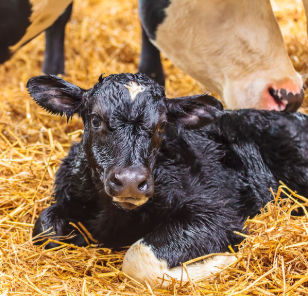
Ep 78Mike Steele - Age at first calving in dairy cows: which months do you aim for to maximise productivity?
In this Audio Summary, Mike discusses the age at first calving in order to maximise milk yield, minimize risk of non-voluntary culling and optimize fertility. Read the full Knowledge Summary here. Audio Summaries are a free resource that enables vets and vet nurses to access and digest relevant and up-to-date evidence quicker and easier! A time-saving way to make better and faster evidence-based decisions. Access the transcript here.
Ep 77The Knowledge Sessions: The clinical benefits of corporatisation - Rachel Dean and Ulrika Gronlund
Rachel Dean of VetPartners and Ulrika Gronlund of AniCura share views and experiences of the clinical benefits of corporatisation - capturing and sharing data and knowledge at scale, quality improvement approaches, benefits for the animal owner, and more. Download the transcript from the RCVS Knowledge website. This podcast is part of the Knowledge Sessions, a resource that brings together specialists from across the veterinary industry to examine the landscape, propose potential approaches to complex problems, and provide practical advice on a range of subjects. CPD: 45 mins
Ep 76Quality improvement in practice: expert panel session
Chaired by Dan Tipney, VetLed, the panel featuring Louise Northway, Wendover Heights Veterinary Centre; Alison Thomas, Blue Cross; Pam Mosedale, RCVS Knowledge Quality Improvement Advisory Board; and Richard Byrne, West Bar Hospital, discuss their experience of quality improvement in practice. Areas of discussion include topics to start with, how to record, tips to engage your team, as well as the benefits and barriers they have experienced. Download the full transcript from the RCVS Knowledge website. This session was recorded at SPVS VMG Congress, Newport in January 2020, as part of the Quality Improvement stream. CPD: 75 minutes
Ep 74Patient safety: lessons from human healthcare - Suzette Woodward
What can we learn from the NHS's approach to patient safety over the past 20 years? Suzette Woodward, a paediatric intensive care nurse who is now a Professor in patient safety, discusses the latest safety concepts and science that are sweeping the NHS - as well as what we could do differently. Download the full transcript from the RCVS Knowledge website. This session was recorded at SPVS VMG Congress, Newport in January 2020, as part of the quality improvement stream. CPD: 40 mins

Ep 73Getting your team on board to deliver quality improvement - Shobhan Thakore
Shobhan Thakore, Clinical Lead for the Scottish Quality and Safety Fellowship Programme, gives an approachable and personal perspective on how to get your team on board to deliver quality improvement. Shobhan discusses recent NHS initiatives to help manage expectations, engage and work with the team to respond to change, and deal with fear of blame. Download the full transcript from the RCVS Knowledge website. This presentation was an Adapt, Improve, Achieve session by RCVS Knowledge recorded at SPVS-VMG Congress 2020 in Newport as part of the Quality Improvement stream. CPD: 40 mins
Ep 72How and why to use checklists in veterinary practice - Pam Mosedale
Pam Mosedale, Chair of RCVS Knowledge Quality Improvement Advisory Board, shares valuable lessons about how checklists have reduced errors in human healthcare and other industries, and how checklists can be applied successfully in a veterinary setting. This presentation was recorded at Ashbrook Equine Hospital during the RCVS Knowledge Equine Roadshow, kindly sponsored by the Horserace Betting Levy Board and accredited by the British Equine Veterinary Association. Download the full transcript and accompanying presentation from the RCVS Knowledge website. CPD: 38 mins

Ep 71Hannah Greene - Are bisphosphonates a more effective treatment than intra-articular steroids in horses with distal hock osteoarthritis?
In this Audio Summary, Hannah discuses the evidence around whether bisphosphonates are a more effective treatment than intra-articular steroids in horses with OA. Read the full Knowledge Summary here. Audio Summaries are a free resource that enables vets and vet nurses to access and digest relevant and up-to-date evidence quicker and easier! A time-saving way to make better and faster evidence-based decisions. Access the transcript here.

Ep 70Significant event audit: Alice Bird, Animal Health Trust
Alice Bird, Senior Clinician in Anaesthesia at the Animal Health Trust, talks through the significant event audit of a postoperative complication that occurred in equine practice, including how a blame culture was avoided, lessons learned and resultant processes put in place. The session formed part of the RCVS Knowledge Equine Roadshow recorded at Ashbrook Equine Hospital in 2019, sponsored by the Horserace Betting Levy Board and accredited by the British Equine Veterinary Association. Download the accompanying presentation and full transcript from the RCVS Knowledge website. CPD: 40 mins

Ep 69The Knowledge Sessions: The life-saving value of checklists - Amanda Boag
Checklists have been used in aviation and human medicine for decades, given their proven power to reduce avoidable errors and significant events. Amanda Boag (Clinical Director at Vets Now, RCVS Knowledge Trustee and Vice-President of the Royal College of Veterinary Surgeons) discusses the state of play with checklists in the veterinary industry, why checklists are liberating rather than constraining, and how a simple piece of paper can save lives. Download the full transcript, the accompanying presentation and RCVS Knowledge's new Surgical Safety Checklist Manual from the RCVS Knowledge website. This podcast is part of the Knowledge Sessions, a resource that brings together specialists from across the veterinary industry to examine the landscape, propose potential approaches to complex problems, and provide practical advice on a range of subjects.
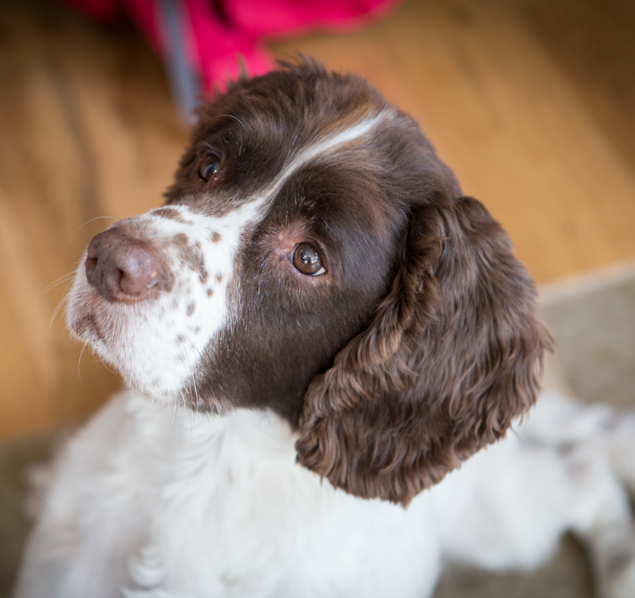
S1 Ep 68Jacqueline Oi Ping Tong - In canine acute diarrhoea with no identifiable cause, does daily oral probiotic improve the clinical outcomes?
In this Audio Summary, Jacqueline looks at the evidence around whether a daily probiotic supplement improves clinical outcomes in dogs with diarrhoea. Read the full Knowledge Summary here. Audio Summaries are a free resource that enables vets and vet nurses to access and digest relevant and up-to-date evidence quicker and easier! A time-saving way to make better and faster evidence-based decisions. Access the transcript here.
Ep 67The Knowledge Sessions: Research in Practice - A beginner's guide
Doing research as a veterinary practitioner is easier and more rewarding than you think. But what kind of research can you do? What are the benefits of doing research in practice, and what skills and resources do you need? Where do you get started, and what kind of impact can you make? Dr Marnie Brennan, Dr Zoe Belshaw and Hannah Doit from the University of Nottingham’s Centre for Evidence-Based Veterinary Medicine provide an approachable step-by-step guide, with tips on making research in practice useful and fulfilling, and some inspiring examples. Download the full transcript and the references from the RCVS Knowledge website. This podcast is part of the Knowledge Sessions, a resource that brings together specialists from across the veterinary industry to examine the landscape, propose potential approaches to complex problems, and provide practical advice on a range of subjects.
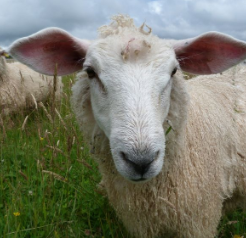
S1 Ep 66Vitória Souza - Can vaccinating sheep reduce the occurrence of caseous lymphadenitis?
In this Audio Summary, Vitória looks at the evidence around whether sheep vaccinated against caseous lymphadenitis (CLA) are less likely to develop the disease when compared to unvaccinated sheep. Read the full Knowledge Summary here. Audio Summaries are a free resource that enables vets and vet nurses to access and digest relevant and up-to-date evidence quicker and easier! A time-saving way to make better and faster evidence-based decisions. Access the transcript here.

The Knowledge Sessions: What if the dog could speak?
This roundtable discussion looks at the controversial area of patient values and ethics in evidence-based veterinary medicine. What are patient values and do they matter? How does animal sentience affect the notion of informed consent? Who should have the final say in potential treatment? Peter Cockcroft, Editor-in-chief of Veterinary Evidence, chairs this fascinating and wide-ranging podcast recorded last year featuring experts in the field: Carol Gray, David Mills, Siobhan Mullan, Francoise Wemelsfelder and James Yeates. Download the full transcript. This podcast is part of the Knowledge Sessions, a resource that brings together specialists from across the veterinary industry to examine the landscape, propose potential approaches to complex problems, and provide practical advice on a range of subjects.
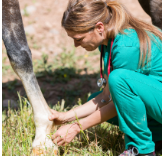
S1 Ep 65Honoria Brown - Can changes in hoof wall temperature and digital pulse pressure be used to predict laminitis onset?
In this Audio Summary, Honoria looks at the evidence around whether changes in hoof wall temperature and digital pulse pressure can be used to predict laminitis onset. Read the full Knowledge Summary here. Audio Summaries are a free resource that enables vets and vet nurses to access and digest relevant and up-to-date evidence quicker and easier! A time-saving way to make better and faster evidence-based decisions. Access the transcript.

The Knowledge Sessions: Antimicrobial resistance
For World Antibiotic Awareness Week, UK Chief Vet Christine Middlemiss chairs a roundtable discussion on challenges presented by antimicrobial resistance and ways to tackle it, with guests Ian Battersby (Davies Veterinary Specialists/Mission Rabies), Steve Howard (PDSA), Kristen Reyher (Bristol Veterinary School) and David Singleton (Small Animal Veterinary Surveillance Network). This podcast is the first of 'The Knowledge Sessions', a series of discussions with leading experts on hot topics in evidence-based veterinary medicine. Download the full transcript from the RCVS Knowledge website.

S1 Ep 64Avril McGinn - In dogs with chronic enteropathies, can oral b12 tablets be used to treat hypocobalaminaemia?
In this Audio Summary, Avril looks at the evidence around whether oral B12 tablets can be used to treat hypocobalaminaemia in dogs with chronic enteropathies. Read the full Knowledge Summary here. Audio Summaries are a free resource that enables vets and vet nurses to access and digest relevant and up-to-date evidence quicker and easier! A time-saving way to make better and faster evidence-based decisions. Access the transcript

S1 Ep 62Louise Buckley - Does Pet Remedy reduce stress in dogs?
In this Audio Summary, Louise looks at the evidence around whether Pet Remedy reduces stress in dogs. Read the full Knowledge Summary here. Audio Summaries are a free resource that enables vets and vet nurses to access and digest relevant and up-to-date evidence quicker and easier! A time-saving way to make better and faster evidence-based decisions. Access the transcript.
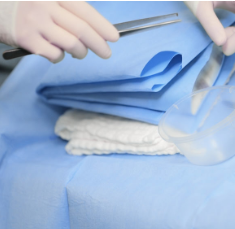
S1 Ep 61Molly Vasanthakumar - Reducing Veterinary Waste: Surgical Site Infection Risk and the Ecological Impact of Woven and Disposable Drapes
In this Audio Summary, Molly looks at the evidence around whether disposable synthetic drapes reduce the risk of surgical site infections when compared to reusable woven drapes. Read the full Knowledge Summary here. Audio Summaries are a free resource that enables vets and vet nurses to access and digest relevant and up-to-date evidence quicker and easier! A time-saving way to make better and faster evidence-based decisions. Access the transcript.

S1 Ep 60Adelle Bowden - Emergency Conditions in Horses: Opinions and Decision Making of Livery Yard Owners
In this Audio Summary, Adelle discusses equine livery yard owners’ opinions of emergency conditions, and the factors influencing emergency decision making. Read the full Knowledge Summary here. Audio Summaries are a free resource that enables vets and vet nurses to access and digest relevant and up-to-date evidence quicker and easier! A time-saving way to make better and faster evidence-based decisions. Access the transcript.

S1 Ep 59Katherine Nield - Comparison of 0.2 Mg/kg Vs. 1.0 Mg/kg of Oral Meloxicam for Safe and Effective Analgesia in Domestic Rabbits
In this Audio Summary, Kate discusses the evidence around whether 0.2 Mg/kg Vs. 1.0 Mg/kg of oral meloxicam provides adequate pain relief in rabbits. Read the full Knowledge Summary here. Audio Summaries are a free resource that enables vets and vet nurses to access and digest relevant and up-to-date evidence quicker and easier! A time-saving way to make better and faster evidence-based decisions. Access the transcript.
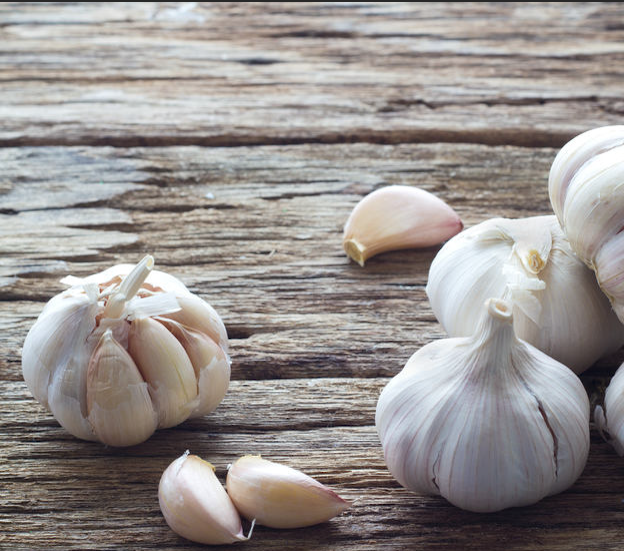
S1 Ep 58Louise Buckley - Is There Any Evidence to Support the Use of Garlic as a Wormer for Dogs and Cats in the UK?
In this Audio Summary, Louise discusses whether there is any evidence to support the use of garlic as a wormer in dogs and cats. Read the full Knowledge Summary here. Audio Summaries are a free resource that enables vets and vet nurses to access and digest relevant and up-to-date evidence quicker and easier! A time-saving way to make better and faster evidence-based decisions. Access the transcript here.
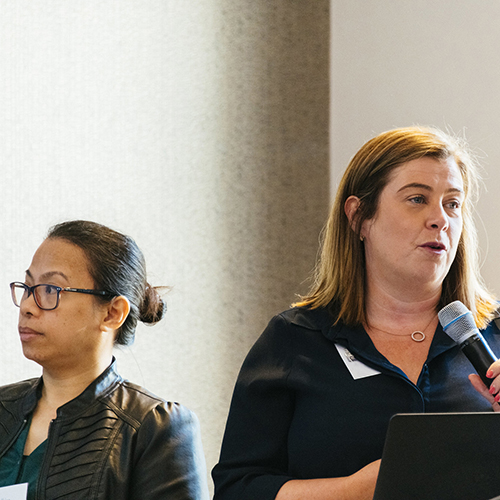
Ep 57Margaret Mary Devaney and Anita Malana: QI, Safety Systems and Just Culture in the NHS
Margaret Mary Devaney, Assistant Director for Quality and Risk at East and North Hertfordshire NHS Trust, and Anita Malana, Team Leader for Trauma, Orthopaedics and Private Theatres at the Royal Free London NHS Foundation Trust, draw on personal experiences to give a thought-provoking overview of quality improvement, approaches to safety and a learning culture in the NHS. This emotive presentation was made at RCVS Knowledge’s National Summit for Supporting Quality Improvement in Veterinary Care 2019. Follow the visual presentation while you listen

S1 Ep 56Mike Steele - Are Sand or Composted Bedding Cubicles Suitable Alternatives to Rubber Matting for Housing Dairy Cows?
In this Audio Summary, Mike discusses the evidence around whether sand or composted bedding cubicles are suitable alternatives to rubber matting for housing dairy cows Read the full Knowledge Summary here. Audio Summaries are a free resource that enables vets and vet nurses to access and digest relevant and up-to-date evidence quicker and easier! A time-saving way to make better and faster evidence-based decisions. Access the transcript here.

S1 Ep 55Erik Fausak - Does the Use of Intratesticular Blocks in Cats Undergoing Orchiectomies Serve as an Effective Adjunctive Analgesic?
In this Audio Summary, Erik discusses the evidence around whether intratesticular lidocaine works as a good adjunctive analgesic in cats undergoing orchiectomies. Read the full Knowledge Summary here. Audio Summaries are a free resource that enables vets and vet nurses to access and digest relevant and up-to-date evidence quicker and easier! A time-saving way to make better and faster evidence-based decisions. Access the transcript here.
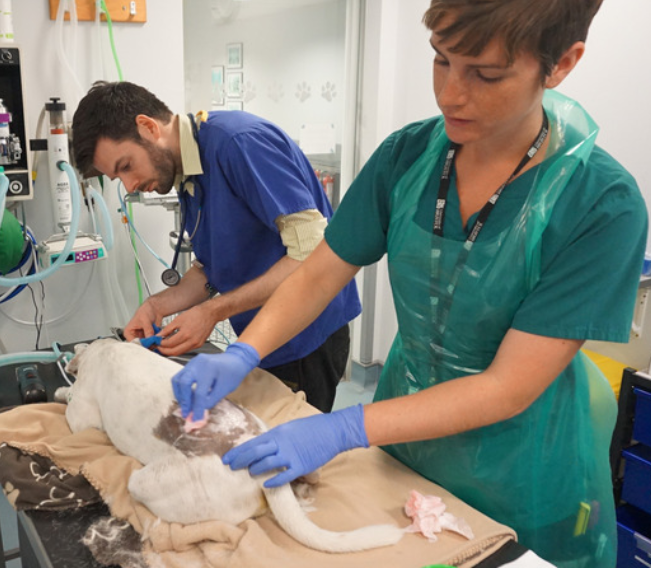
S1 Ep 54Ali Mann - When Preparing Veterinary Patients for Surgery Is the Friction (Back and Forth) Method of Scrubbing the Skin More Effective Than Concentric Circles at Reducing Bacterial Levels on the Skin?
In this Audio Summary, Ali discusses the evidence around two methods for scrubbing skin prior to surgery Read the full Knowledge Summary here. Audio Summaries are a free resource that enables vets and vet nurses to access and digest relevant and up-to-date evidence quicker and easier! A time-saving way to make better and faster evidence-based decisions. Access the transcript here.

S1 Ep 53Mike Steele - Does Heat Stress Affect Immune Function in Dairy Cows?
In this Audio Summary Mike discusses whether heat stress affects immunity in dairy cows. Read the full Knowledge Summary here. Audio Summaries are a free resource that enables vets and vet nurses to access and digest relevant and up-to-date evidence quicker and easier! A time-saving way to make better and faster evidence-based decisions. Access the transcript here.

S1 Ep 52Erik Fausak - Does the Use of Intratesticular Blocks in Dogs Undergoing Orchiectomies Serve as an Effective Adjunctive Analgesic?
In this Audio Summary Erik discusses whether the use of intratesticular lidocaine works as a good adjunctive analgesic in dogs undergoing orchiectomies. Read the full Knowledge Summary here. Audio Summaries are a free resource that enables vets and vet nurses to access and digest relevant and up-to-date evidence quicker and easier! A time-saving way to make better and faster evidence-based decisions. Access the transcript here.
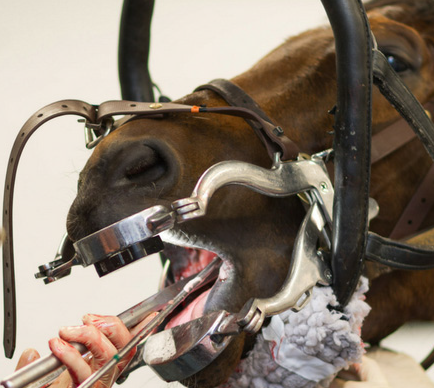
S1 Ep 51Victoria A. Colgate - Do Oral or Minimally Invasive Cheek Tooth Extraction Techniques Reduce the Incidence of Post-operative Complications in the Horse When Compared to Repulsion Methods?
In this Audio Summary Victoria discusses whether oral or minimally invasive tooth extraction techniques reduce the incidence of post-op complications when compared to repulsion methods. Read the full Knowledge Summary here. Audio Summaries are a free resource that enables vets and vet nurses to access and digest relevant and up-to-date evidence quicker and easier! A time-saving way to make better and faster evidence-based decisions. Access the transcript here.
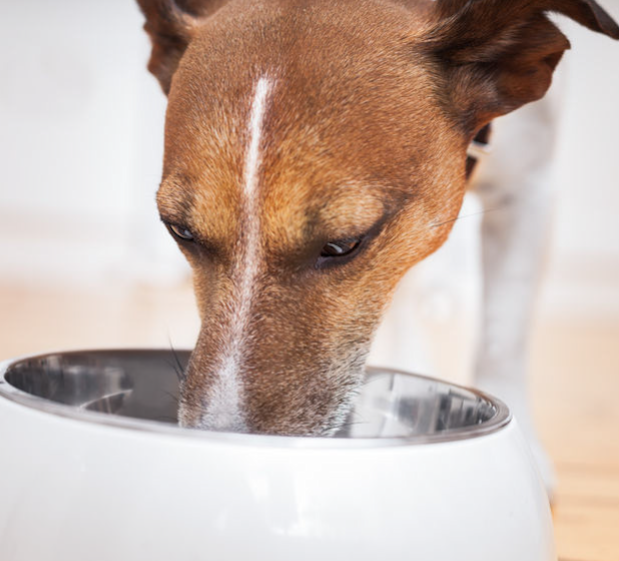
S1 Ep 50In Adult Dogs, Does Feeding a Raw Food Diet Increase the Risk of Urinary Calculi Formation Compared to Feeding a Complete Dry Kibble Diet?
In this Audio Summary Emma discusses whether feeding a raw food diet to dogs alters urine composition compared to a kibble diet. Read the full Knowledge Summary here. Audio Summaries are a free resource that enables vets and vet nurses to access and digest relevant and up-to-date evidence quicker and easier! A time-saving way to make better and faster evidence-based decisions. Access the transcript here.

S1 Ep 49Louise Buckley - Are Pressure Vests Beneficial at Reducing Stress in Anxious and Fearful Dogs?
In this Audio Summary Louise discusses whether pressure vests reduce stress in anxious dogs. Read the full Knowledge Summary here. Audio Summaries are a free resource that enables vets and vet nurses to access and digest relevant and up-to-date evidence quicker and easier! A time-saving way to make better and faster evidence-based decisions. Access the transcript here.

S1 Ep 48Foteini Kormpou - In Dogs That Have Had Intussusception Does Enterοplication Prevent Recurrence?
In this Audio Summary Foteini discusses whether enteroplication reduces the probability of recurrence of intussusception in dogs. Read the full Knowledge Summary here. Audio Summaries are a free resource that enables vets and vet nurses to access and digest relevant and up-to-date evidence quicker and easier! A time-saving way to make better and faster evidence-based decisions. Access the transcript here.
Ep 47Lothar Kreienbrock - Evidenced Based Approach for a Definition of Defined Daily Dosages of Antibiotics Used in German Pig Production
The use of antibiotics in veterinary medicine and a resulting development of antimicrobial resistance is a topic of major concern. Especially for primary care, evidence is needed to guarantee the efficacy of antibiotic drugs in future. For this, the correct dosage is an essential measure to prevent antibiotic resistance. Because veterinarians used practice differs from the manufacturer’s recommendations, data is needed to describe evidence-based defined daily doses for animals (DDDA). Read more here. LK - Evidenced Based Approach for a Definition of Defined Daily Dosages of Antibiotics Used in German Pig Production Veterinary Evidence Today Edinburgh, 1-3 November 2016
S1 Ep 46Catherine McLeonard - Are Adult Cats Fed on Wet Maintenance Diets Less at Risk of Developing Chronic Kidney Disease Compared to Adult Cats Fed on Dry Maintenance Diets?
In this Audio Summary Catherine discusses whether cats fed on wet maintenance diets are less at risk of developing CKD than those fed on dry. Read the full Knowledge Summary here. Audio Summaries are a free resource that enables vets and vet nurses to access and digest relevant and up-to-date evidence quicker and easier! A time-saving way to make better and faster evidence-based decisions. Access the transcript here.

Ep 45How the NHS has embraced Quality Improvement
Dr Bill Taylor gives a captivating plenary on ‘Quality Improvement and the NHS’, outlining some of the basics of quality improvement and its history. Follow Bill's visual presentation while you listen.
Ep 44Check, 1, 2. Making a Safer Patient Experience
Matt McMillan, Principal Clinical Anaesthetist and Critical Care Co-ordinator at Queen’s Veterinary School Hospital, delivers his talk on checklists, revealing the underlying reason why they are necessary and delving into their war-time history.
Ep 43What Person Doesn't Make a Mistake?
Lizzie Lockett, the newly appointed CEO of the Royal College of Veterinary Surgeons, presents a plenary session about the importance of adopting a learning culture.

Ep 42Bradley Viner: Quality Improvement Project
Dr Bradley Viner, Chair of our Quality Improvement Advisory Board, discusses the importance of embedding quality improvement in the profession, and introduces our Quality Improvement Project.

Ep 41Is the Use of Hypertonic Saline Effective in Reducing Intracranial Pressure After Traumatic Brain Injury in Dogs?
In this Audio Summary Alex discusses whether hypertonic saline is effective in reducing intracranial pressure after a traumatic brain injury in dogs. Read the full Knowledge Summary here. Audio Summaries are a free resource that enables vets and vet nurses to access and digest relevant and up-to-date evidence quicker and easier! A time-saving way to make better and faster evidence-based decisions.
Ep 40Mike Clarke - Evidence Aid: Using Systematic Reviews to Improve Access to Evidence for Humanitarian Emergencies Q&A
Q&A from Mike's talk at the Veterinary Evidence Today conference, Edinburgh November 2nd, 2016. Read more and listen to Mike's talk here.
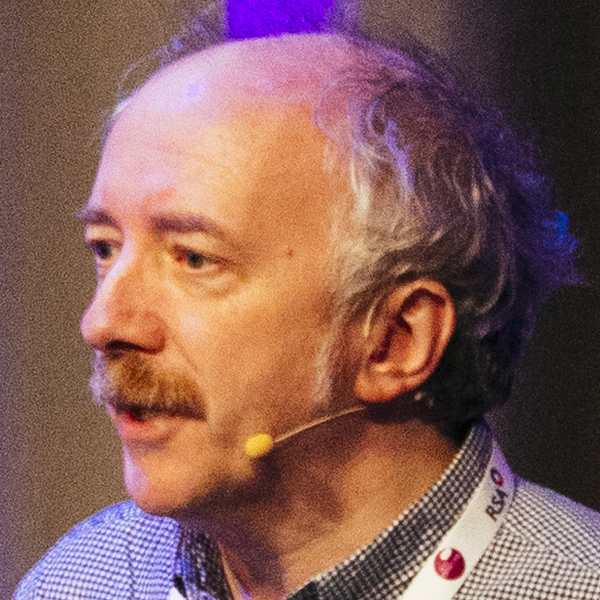
Ep 39Mike Clarke - Evidence Aid: Using Systematic Reviews to Improve Access to Evidence for Humanitarian Emergencies
Evidence Aid is an international initiative to improve access to reliable evidence that will help people and organisations make well-informed decisions about interventions, actions and strategies in the disaster setting. It focuses on systematic reviews as the most reliable source of research evidence, maximising the power of existing research, avoiding undue emphasis on single studies and reducing the waste associated with research that is ignored or not accessible to decision makers. Evidence Aid is knowledge champion for influencers of the humanitarian sector, including funders, policy makers, NGOs, and humanitarian professionals. Evidence Aid was established by members of the Cochrane Collaboration after the Indian Ocean tsunami of December 2004. It provides access to information relevant to disaster risk reduction, planning, response, recovery, resilience and rehabilitation. This presentation will discuss the need for Evidence Aid, and describes its activities. Read more and listen to the Q&As here. MC - Evidence Aid: Using Systematic Reviews to Improve Access to Evidence for Humanitarian Emergencies Veterinary Evidence Today Edinburgh, 1-3 November 2016

Ep 38Cherry Phypers - In Cats and Dogs Does Laparoscopic Ovariectomy Offer Advantages Over Open Ovariectomy for Postoperative Recovery?
In this Audio Summary Cherry discusses whether there are advantages to performing laparoscopic ovariectomy over open ovariectomy. Read the full Knowledge Summary here. Audio Summaries are a free resource that enables vets and vet nurses to access and digest relevant and up-to-date evidence quicker and easier! A time-saving way to make better and faster evidence-based decisions.

Ep 37Mariska Leeflang - Evidence Synthesis of Diagnostics: GRADE and How It Can Be Used for Veterinary Evidence Q&A
Q&A from Mariska's talk at the Veterinary Evidence Today conference, Edinburgh November 2nd, 2016. Read more and listen to Mariska's talk here.
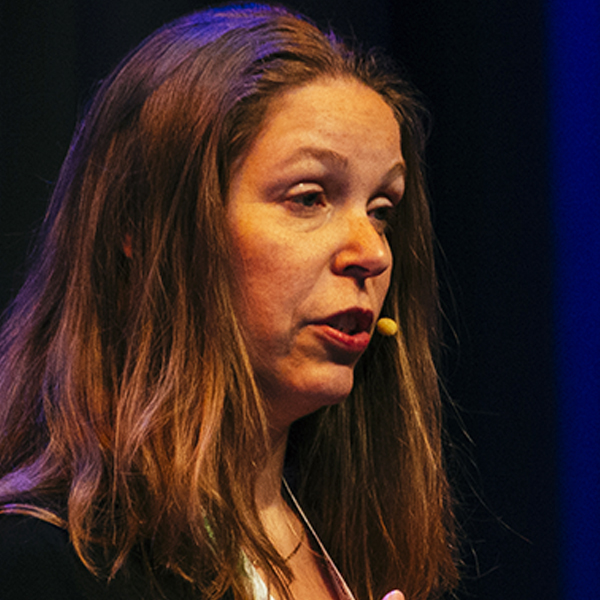
Ep 36Mariska Leeflang - Evidence Synthesis of Diagnostics: GRADE and How It Can Be Used for Veterinary Evidence
While textbooks on evidence-based medicine still mainly focus on accuracy studies as most appropriate level of evidence for diagnostic questions, the guideline developers have moved forward to patient important outcomes. In other words, a perfect test may still be useless if it does not change clinical decisionsand outcomes for patients. What is the current state of evidence-based diagnostics and how can this be translated to different veterinary situations? Read more and listen to the Q&As here. ML - Evidence Synthesis of Diagnostics: GRADE and How It Can Be Used for Veterinary Evidence Veterinary Evidence Today Edinburgh, 1-3 November 2016

Ep 35Adam Swallow - Investigating the Use of Gastroprotectants as a Means of Preventing Iatrogenic Gastrointestinal Signs Associated With Immunosuppressive Corticosteroid Therapy. A Retrospective Study
Q&A from Adam's talk at the Veterinary Evidence Today conference, Edinburgh November 1st, 2016. Read more and listen to Adam's talk here.
Ep 33Erik Fausak - Does the Use of Lidocaine in Dogs and Cats Reduce Post-Operative Tracheitis?
In this Audio Summary Erik shares the evidence around whether the use of lidocaine in dogs and cats reduces post-operative tracheitis. Read the full Knowledge Summary here. Audio Summaries are a free resource that enables vets and vet nurses to access and digest relevant and up-to-date evidence quicker and easier! A time-saving way to make better and faster evidence-based decisions.