
RA Exchange
539 episodes — Page 3 of 11
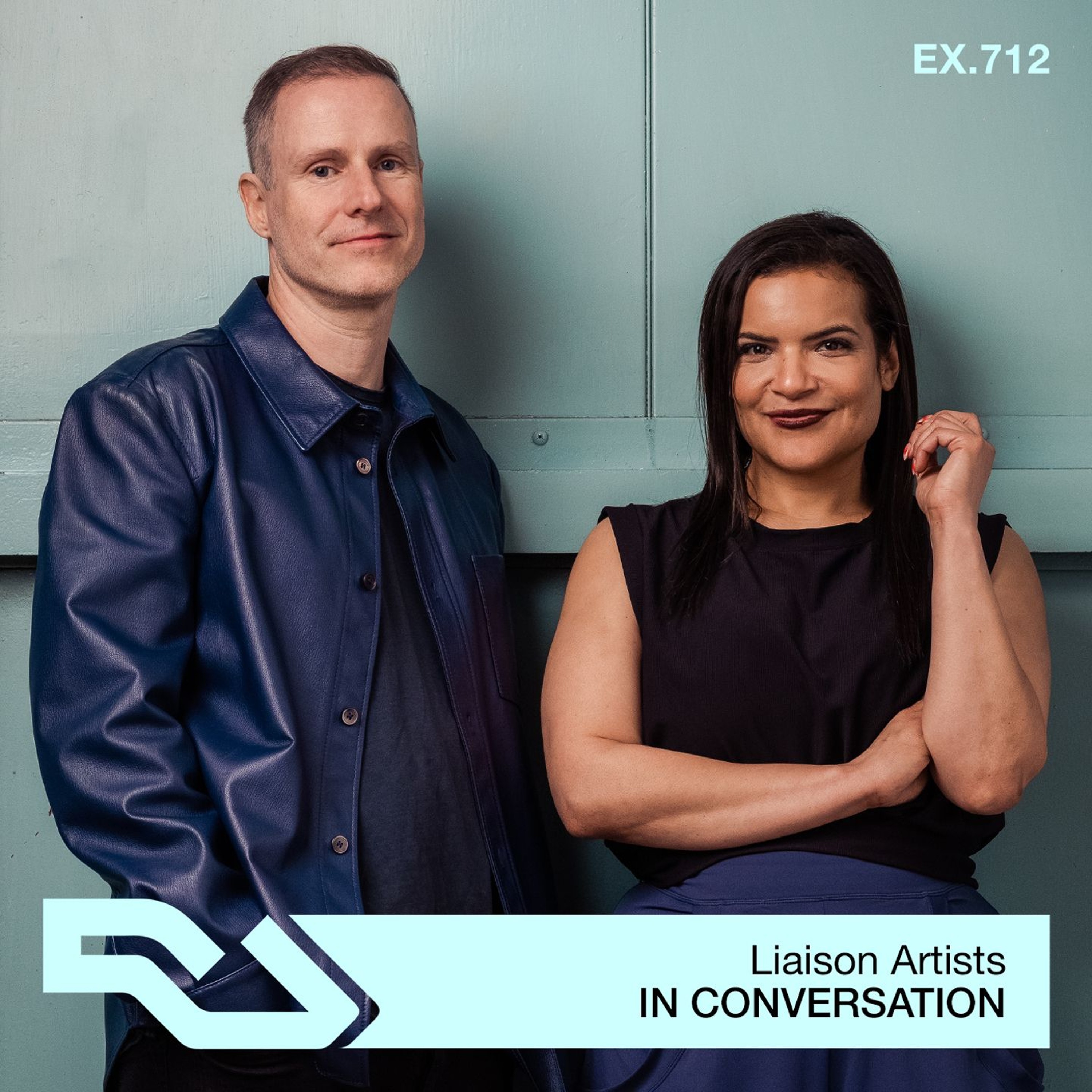
EX.712 Liaison Artists
"There's a double edged sword to success." The North American booking agency shares insights on the state of the music scene and how they grew their enterprise from the ground up.Andrew Kelsey and Mariesa Stevens started Liaison Artists—the North American booking agency that represents acts like BICEP, Maceo Plex, Dixon, Honey Dijon and many more—20 years ago. At that time, the nightlife landscape was different than the one we inhabit today; there were fewer artists, more localised scenes and a nascent but passionate group of artists leading the development of techno.In this interview with RA music editor Andrew Ryce, Kelsey and Stevens talk about the agency's humble origins in San Francisco and the challenges they overcame to get their enterprise off the ground, developing it into the power house it is today. They also spend time discussing the temperature of the contemporary climate: a swing towards new sounds and an influx of new, young talent competing for a finite number of club and festival slots. In their view, the environment, while competitive, is fertile ground for a new, exciting era of clubbing and electronic music—and a newfound challenge to stay true to their sound in a scene that's changing rapidly. Listen to the episode in full. Hosted on Acast. See acast.com/privacy for more information.
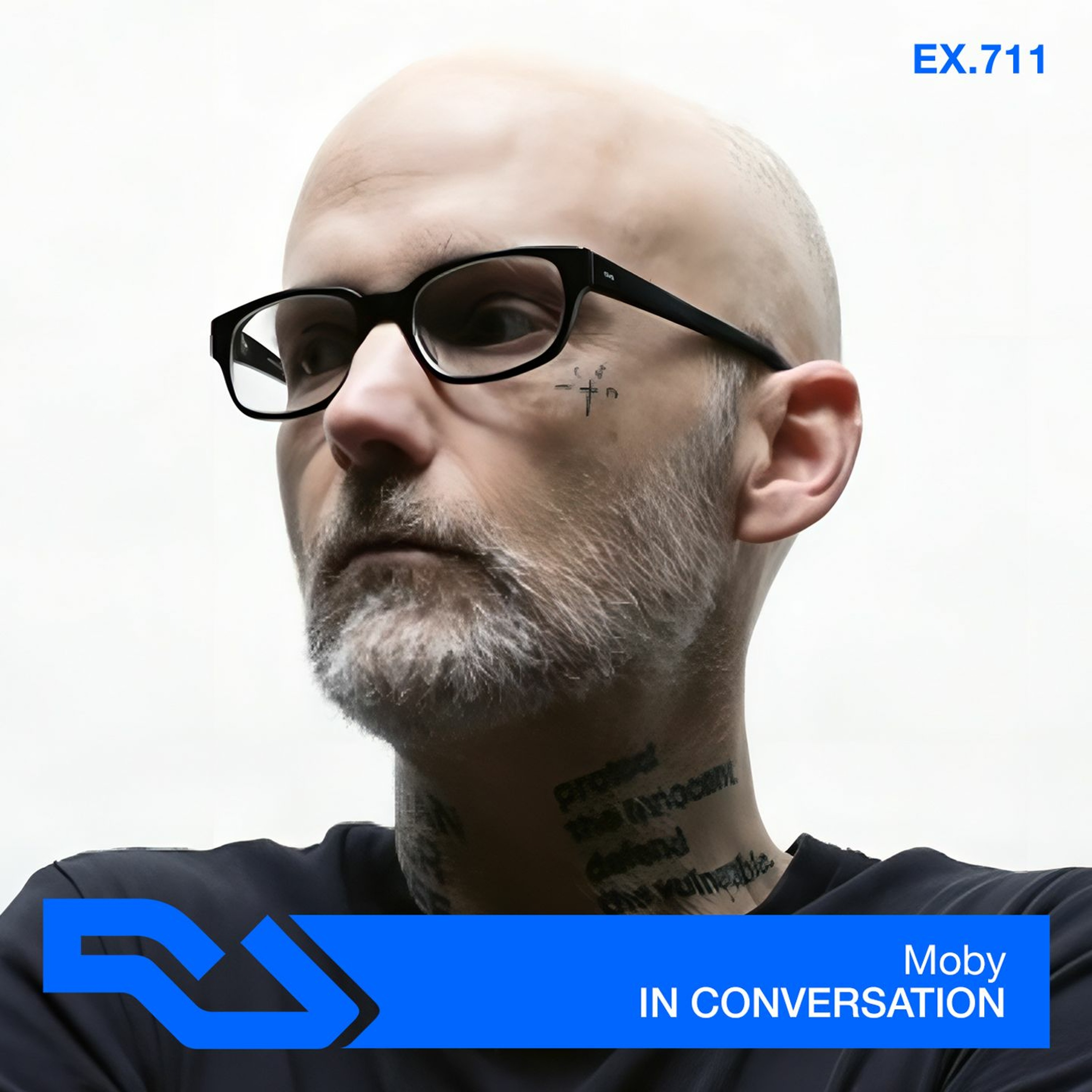
EX.711 Moby
Moby got his big break in the '90s when he released the hit "Go" followed by the hugely successful studio album Play, which has been included in countless movie and TV soundtracks. But beyond the limelight, the US artist has also gone through immense struggle. Raised in a working-class family in a wealthy part of Connecticut, he often felt displaced as a child, eventually moving to a disused factory space to make music before finally relocating to New York and trying his hand at being a DJ. In this interview, Moby reflects on the early days of his time in New York. Rejected from all the record labels he sent his demos to, he felt like an outsider, choosing to frequent clubs like The Loft and Paradise Garage before finally becoming a resident DJ at the now-defunct club Mars. He also talks about living with panic disorder, anxiety, alcohol and drug abuse, and how he's turned his life towards activism and animal rights. Listen to the episode in full. Hosted on Acast. See acast.com/privacy for more information.

EX.710 Nia Archives
"There are more safe spaces for women to be themselves." The UK star discusses the diversity of the jungle scene and her new album, Silence Is Loud.UK DJ and producer Nia Archives is among a coterie of new artists who are infusing drum & bass and jungle with heartfelt lyrics, lush chords and crowds that are more diverse and inclusive than ever before.Born in Bradford, West Yorkshire, she grew up around a rich sound system culture, developing an early interest in documentary video and choral music from her church. She left home young, setting out to London on her own to pursue a dream of making it in music and self-releasing a string of debut EPs.In the last two years, the 24-year-old has garnered a huge following. Her fans have fallen in love with her heart-on-the-sleeve lyrics taken straight from the pages of her diary—she calls herself an "emotional junglist"—as well as her fun, inclusive approach to a historically male-dominated scene. In this interview with Chloe Lula, she talks about her party series and her debut album, Silence Is Loud, produced alongside renowned songwriter and producer Ethan P. Flynn. Listen to the episode in full. Hosted on Acast. See acast.com/privacy for more information.
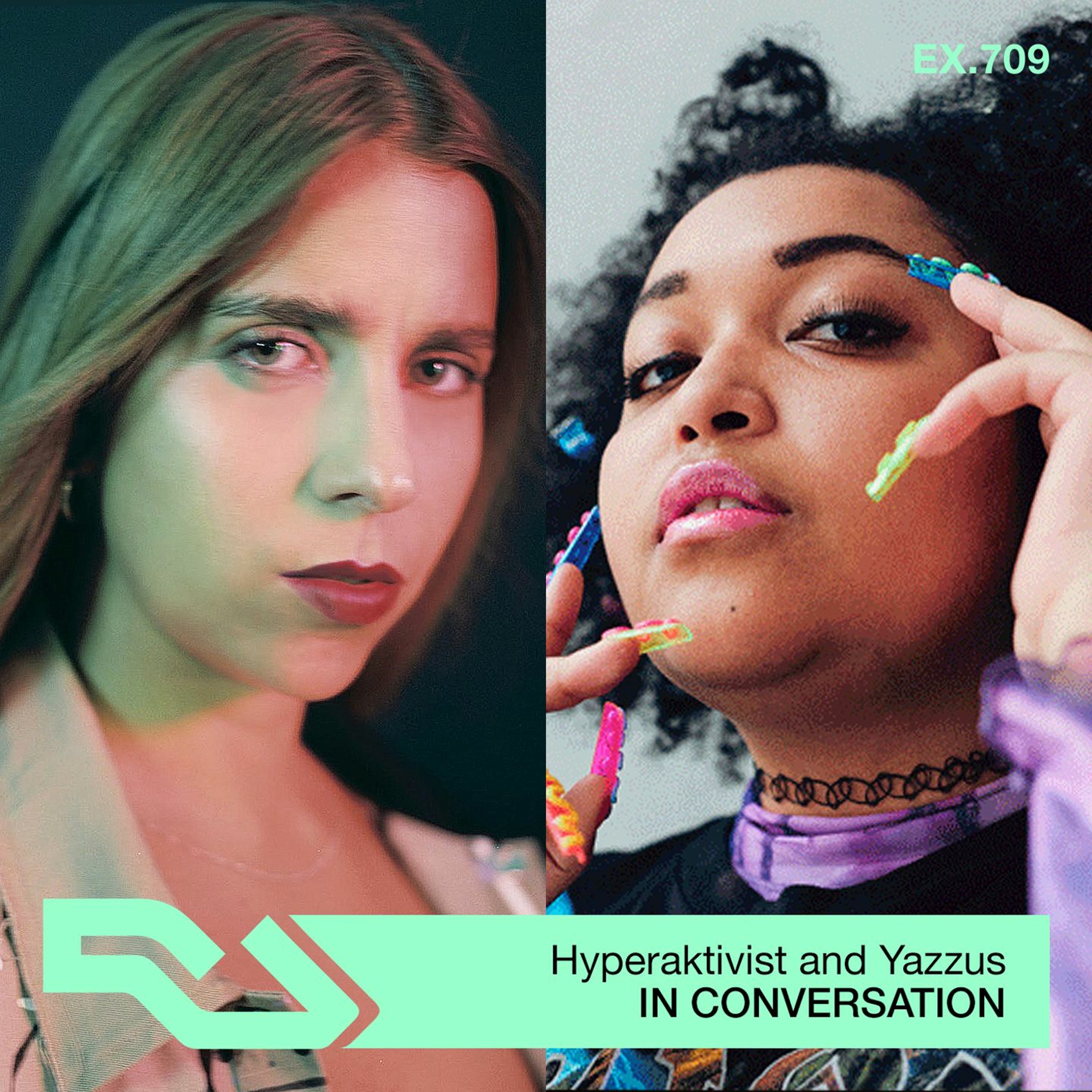
EX.709 Hyperaktivist and Yazzus
"We always put minorities to the front." The Mala Junta cofounder and affiliate talk about prioritising femme queer ravers, the value of local party crews and not taking themselves too seriously.Friends and colleagues Hyperaktivist and Yazzus share one important value: putting marginalised folks to the front. The Venezuelan and Ghana-via-London artists, respectively, met in Berlin not long after Yazzus went to the Berlin-based Mala Junta party, a collective co-founded by Hyperaktivist, DJ Tool and door selector Nyaam Hassany. Yazzus was asked to be a party resident and has collaborated with the crew extensively, playing their shows and helping curate lineups ever since. In this RA Exchange with Berlin DJ and journalist Juba, the two talk about their shared passion for better representation on party lineups and what authentic diversity means in a climate that often privileges checking boxes and meeting quotas. They also talk about their solo endeavours, their trajectories into dance music and their shared passion for nurturing the growth of homegrown parties and scenes. Amid Berlin's rising prices (and competition), they reflect that the ideals of collaboration and connection remain stronger than ever before. Listen to the conversation in full. Hosted on Acast. See acast.com/privacy for more information.
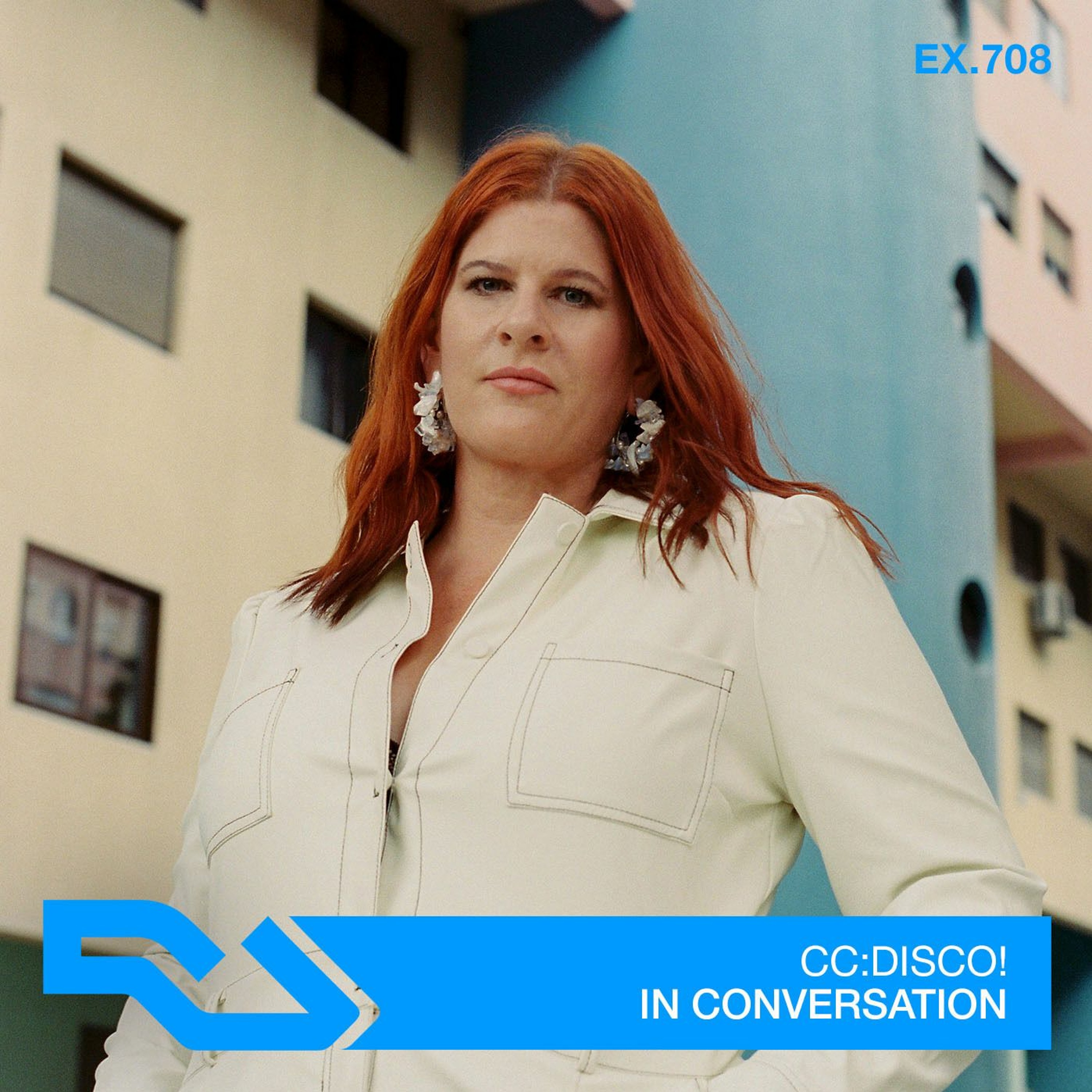
EX.708 CC:DISCO!
"I discovered how to build sound systems at our dairy farm." The DJ talks about growing up in rural Australia, starting her own label and more in this Playing Favourites live from Pitch Music & Arts.On this week's Exchange, we reintroduce our flagship live format, Playing Favourites, where artists discuss the songs that shaped their taste in music. Today's episode features CC:DISCO! at Pitch Festival in Australia. As the artist's name suggests, her style fuses disco with French touch, synth-driven electro and funk; she's collaborated with artists like Jennifer Loveless and released her first EP with Erol Alkan on his label Phantasy Sound, and last year she launched her own imprint, Miami Daddy.In this interview, CC:DISCO! plays songs that were formative in her career development and reflects on growing up outside of big cities. Born and raised on a dairy farm in rural Victoria, FM radio became her cultural lifeline and her first introduction to dance music. The artist also talks about working with indigenous promoters from beyond Sydney (Eora) and Melbourne (Naarm), the music that defines Australia today and the protest songs that have helped serve as the backdrop for the First Nations fight for representation and sociopolitical change. Listen to the episode in full. Hosted on Acast. See acast.com/privacy for more information.
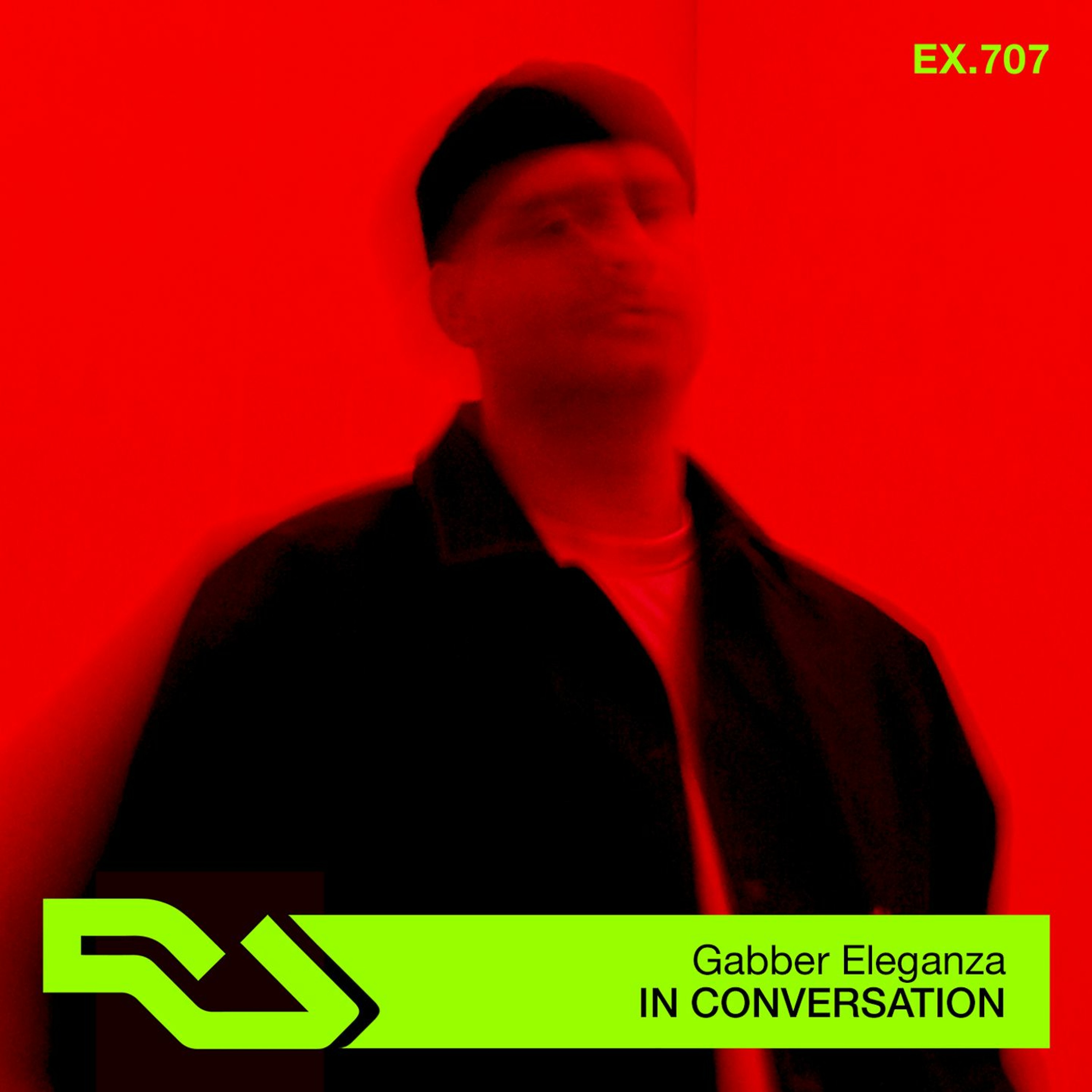
EX.707 Gabber Eleganza
"It's a pure form of love." The hardcore artist talks about collecting ephemera from rave zines, working in high fashion and his undying love for the gabber community.Alberto Guerrini, better known as Gabber Eleganza, has made a name for himself as a hardcore and gabber DJ, as well as a fervid documenter of the culture that surrounds it. Growing up in Italy, he started going to raves at a club called Number One Hardcore before eventually traveling to the Netherlands with his parents' blessing and starting to DJ himself. Guerrini's love of hardcore spilled over into a Tumblr blog he started in 2011, a project that aggregated the rave zines, photos and stories he collected from his time spent in the gabber community. The goal of the project, he says in this interview, was to build up anthropological dialogues on the "sonic landscape and aesthetic of the hardcore continuum." The online compendium contains amazing pieces of hardcore ephemera: clippings of Soviet era rave zines, letters ex-ravers sent to the hardcore community from jail and Guerrini's own appendices providing context around the global subculture.Much of this archival work made its way into a book that Guerrini published with artists Ewen Spencer Mark Leckey called Hardcore Soul, a photography collection that traces the similarities and relationships between hardcore and the UK's Northern Soul movement. He discusses this and more—including his own label, Never Sleep, and his work with the fashion industry and art worlds—in this conversation with Chloe Lula. Listen to the episode in full. Hosted on Acast. See acast.com/privacy for more information.

EX.706 Julia Holter
"The Beatles blew my mind." The LA artist talks about her new album—Something in the Room She Moves—writing music while pregnant and how she works in the studio.The LA-based composer and musician Julia Holter has garnered a reputation for releases that toe the hazy edge of shoegaze and dream pop, always skirting the contours of the electronic music world. On today's RA Exchange, she takes a deep dive into her sixth studio album, Something in the Room She Moves, with music editor Andrew Ryce. Holter talks about writing all but one of the songs while she was pregnant ("Evening Mood" even captures a sample of her child's ultrasound, recorded from her phone), which lends the album a warmth and tenderness unparalleled in any of her past releases. But it's also a somber record; her nephew died while she was recording it, an event that forced her to process the complexity and gravity of two conflicting, converging experiences while composing. For the technically inclined, Holter also discusses how she works in the studio and manages post-production. As the artist tells Ryce, she likes to play with resonant frequencies and processing that puts each of the sounds she records into the same sonic world on a record, using effects and composition tricks to give everything what she calls a "sensuous vibe." Something in the Room She Moves is out now on Domino Records. Listen to the episode in full. Hosted on Acast. See acast.com/privacy for more information.

EX.705 horsegiirL
"Humans think they're top of the hierarchy." The Live From Earth member talks about growing up in Sunshine Farms, the perils of competition in the music industry and how TikTok changed her career.You might know horsegiirL from her horse mask, her viral singles on TikTok or her hugely popular online videos. The DJ and producer—who famously never breaks character—has launched into popularity over the past two years, bringing her frenetic and contemporary style of hardstyle-meets-Europop mash-ups to dance floors around the world. Her fans, or "farmies," go crazy for her music, donning cowboy hats and pitchforks at all of her shows.In this episode of the RA Exchange, horsegiirL sits down with senior producer Chloe Lula to talk about her upbringing in Sunshine Farms and the key differences between the animal kingdom and the human world. They also discuss her involvement with the Berlin-based label Live From Earth Klub, an irreverent art and DJ collective featured as part of our latest cover story. (Two of the crew's other key artists, DJ Gigola and MCR-T, also mixed this week's RA Podcast.) Listen to the horsegiirL episode in full. Hosted on Acast. See acast.com/privacy for more information.
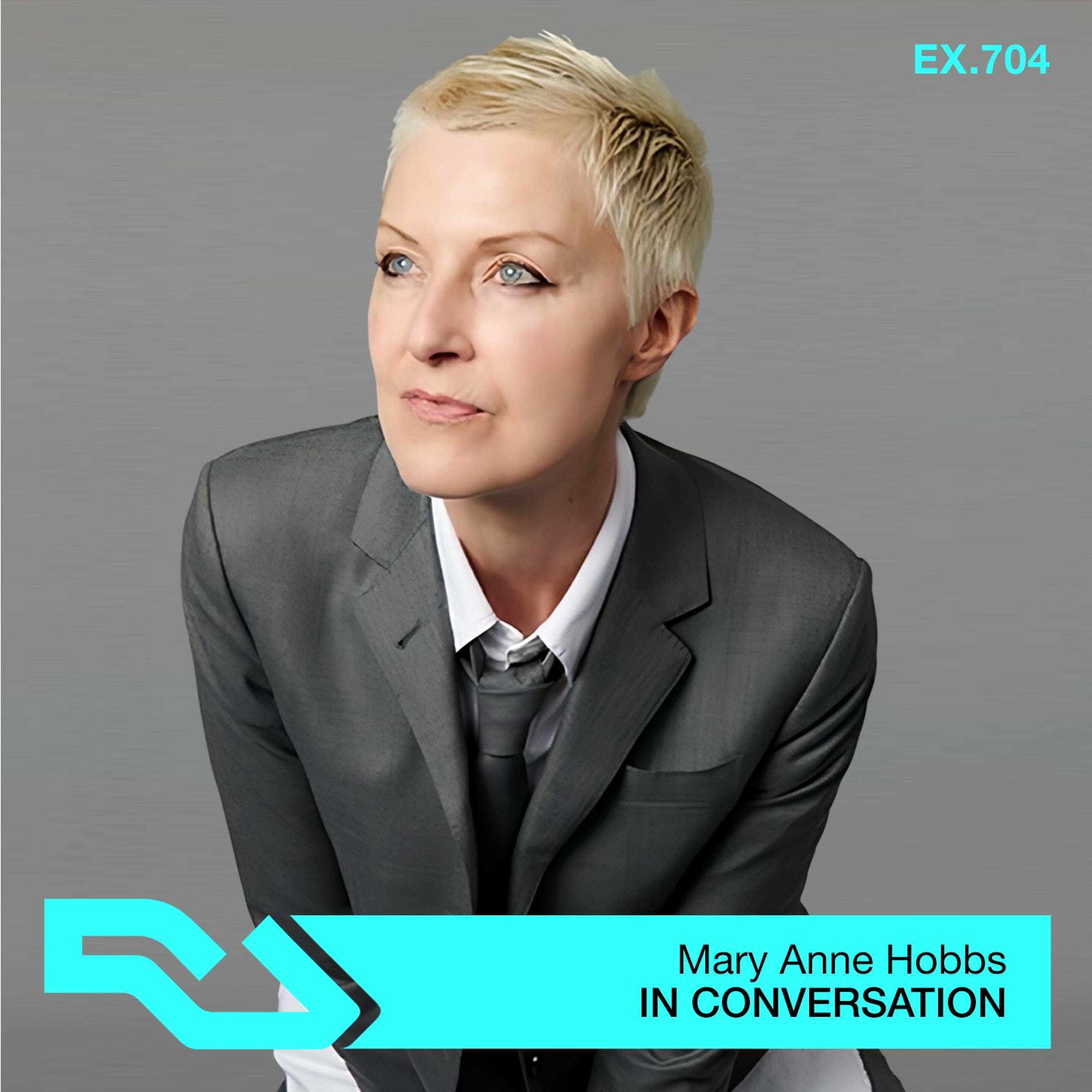
EX.704 Mary Anne Hobbs
"You could feel the ground shifting beneath you." The long time BBC Radio host talks about her party, All Queens, her love for SHERELLE and music as a force for good.Resident Advisor continues its celebration of Women's History Month (and International Women's Day) with a special conversation with Mary Anne Hobbs. The long time BBC Radio presenter has been a diehard documenter of music culture and a radio fanatic ever since she was a young girl. As she recounts in this episode, the transistor she kept in secret while growing up became her getaway to another universe, a beacon of hope that she listened to every night under the covers at home. In 1996, she became a host at BBC Radio 1. It was a time when there were few women involved in the music industry in general, and few people at all championing leftfield electronic music. Hobbs famously started the Breezeblock show and championed dubstep and grime, pushing new artists whose work she admired and helping usher them into the limelight. Today Hobbs' iconic voice is still hosting the radio every day—this time at Radio 6. She's leading an exciting project called All Queens, a platform that started as a radio show for women's music that has quickly turned into a touring club night at fabric run by and starring women, from the sound engineers to the bouncers and headliners of the night. Hobbs discusses the platform and is joined by close friend SHERELLE, who dissects some of the nuances in representation the scene fails to overlook when it discusses gender in nightlife. The pair recently performed sets together at the BBC Radio 6 Music Festival. Listen to the episode in full.This episode was recorded at Recorded at Pirate Studios – Recording, Rehearsal, DJ, Podcast and Dance studios spread across New York, London, Berlin, Los Angeles and beyond. For more information, visit pirate.com. Hosted on Acast. See acast.com/privacy for more information.
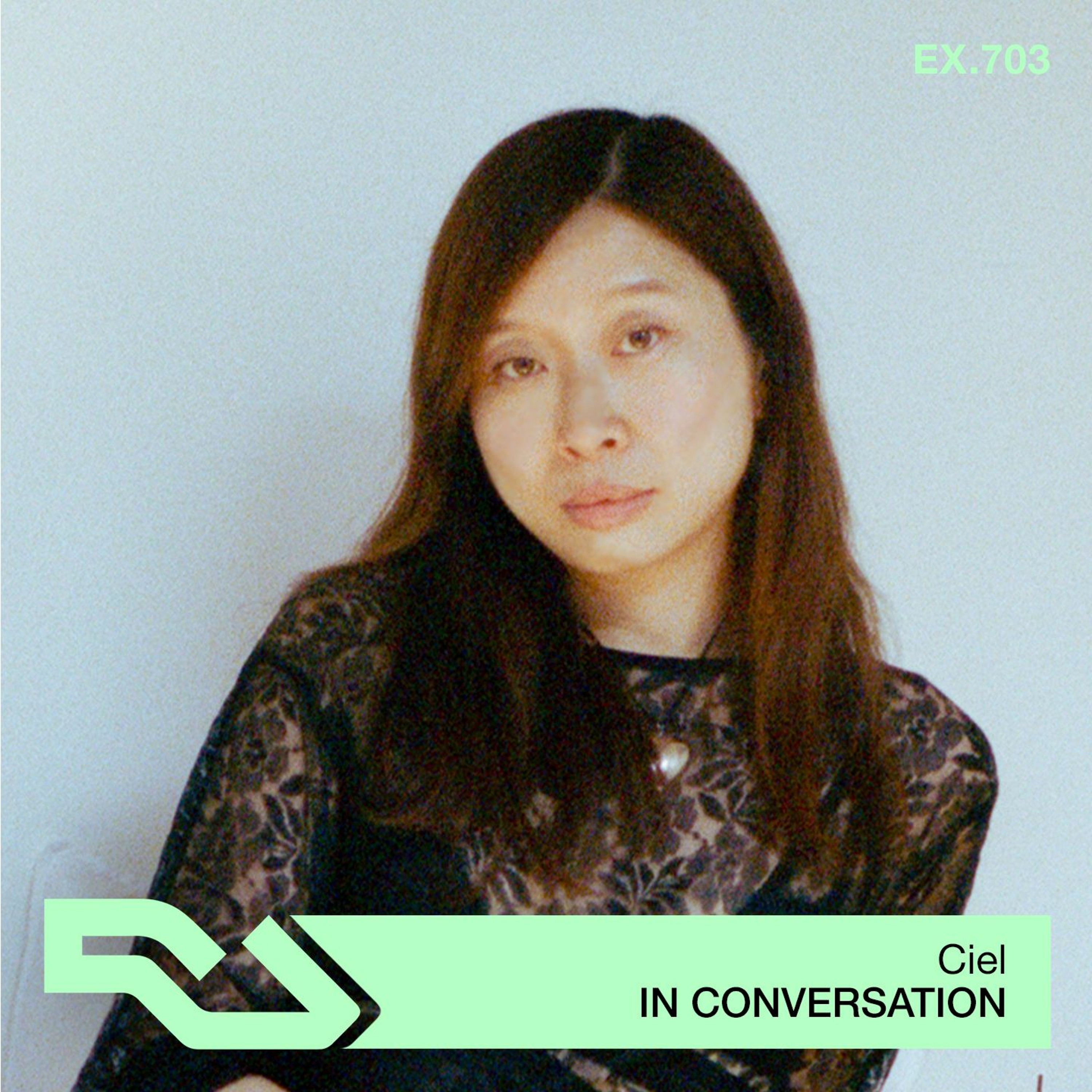
EX.703 Ciel
"Every opportunity to learn something new is what's going to grow your craft as an artist." The Toronto star talks discipline and gaining self-confidence as a producer.Cindy Li, AKA Ciel, always seems to be one step ahead. The label head, DJ, producer and activist has a hard-won career that dance music producers dream of—when she's not playing underground institutions across the globe, maintaining radio residencies, planning her own parties or collaborating with her favourite artists, she's thinking about what's next. "I'm the type of person that I'll stay up trying to finish everything rather than going to bed knowing that I didn't finish everything on my list," she tells RA's Nyshka Chandran in this week's episode.The Toronto resident is a conservatory-trained pianist who uses the discipline she learnt from a lifetime of lessons to balance DJing and production. "For me, it is challenging to juggle both because they use very different parts of my brain," she describes. A deep digger whose love for atmospheric textures and '90s grooves influences her fresh take on UKG, tech-house and jungle, Li has been putting out music since 2017. She has various EPs and singles under her name, plus several joint releases with the likes of Dan Only, D.Tiffany and Priori but says she didn't always have the confidence for a solo full-length."I never thought I could write an album," she admits. But after playing live for the first time at MUTEK Montréal in 2021, that changed, leading to the 2023 release of Homesick, her debut album. "Don't ever let fear influence your decision-making," she says, describing how that show pushed her to overcome lingering doubts in the studio.For more on Li's process, listen to the episode in full. Hosted on Acast. See acast.com/privacy for more information.

EX.702 Ben Frost
"I often myself being responsible for a film's music, but also fighting for its absence." The composer discusses movie scoring, his love of opera and his new album, Scope Neglect, on Mute Records.The multidisciplinary Australian artist Ben Frost might best be known for his score work: he's soundtracked Netflix shows like Dark and its spinoff 1899, as well as a number of major motion pictures and video games. While his formal studies were in visual art, he started experimenting with music-making from an early age, homing in on a unique sound that is truly a melange of his influences in punk, black metal, classical and modern minimalism. His unique approach to composition has led him to some extreme places to capture field recordings, like the Democratic Republic of the Congo, the Amazon rainforest and the empty hulls of fishing boats docked on the banks of Icelandic port towns. Artists like Steve Albini, Björk, Brian Eno and the band SWANS have tapped Frost to work with them, and he's performed extensively as a solo performer and as part of an A/V outfit at the world's biggest festivals and art world circuits. In this episode of the RA Exchange, he sits down with senior producer Chloe Lula to discuss his latest venture, a full-length album, Scope Neglect, on Mute. It pulls heavily from his proclivity for guitar music and metal, but still nods to the cinematic minimalism that has become one of his work's primary tropes. Frost dissects some of the recording techniques he used to make the record—he borrowed from the methods used by Mark Hollis of the band Talk Talk—as well as his studio practice, his love of opera and his approach to writing scores. Listen to the episode in full. Hosted on Acast. See acast.com/privacy for more information.

EX.701 Daniel Avery
"The road is incredible but has a lot of pitfalls." The fabric resident discusses striking the balance between DJing and production, the challenges of a life on tour and choosing to stick out.Daniel Avery wasn't expecting to make it big. Born in the seaside town of Bournemouth, his early musical diet consisted of shoegaze, post-punk, electroclash and indie rock; he was a die hard fan in attendance at every local live show. But when he moved to London, he was introduced to dance music and became immersed in nightlife, meeting artists like Erol Alkan and Andrew Weatherall who were using the sounds of guitar bands with techno and electronic music for the dance floor. Soon Daniel was working out of a studio next to Weatherall's—who became his longtime mentor—and started warming up the dance floor at fabric on a regular basis. His debut album, Drone Logic, was released to critical acclaim in 2013, and has been followed by six more full-lengths and a number of EPs and singles since. In this episode of the RA Exchange, Avery reflects on the shock of being catapulted into the limelight after Drone Logic's unexpected success, and the ongoing struggle he's contended with as he's taken on a full-time touring schedule as a DJ. He also touches on his eclectic range of influences and how he's integrated them in his forthcoming album and newly revitalised fabric party series, Divided Love, which launches on March 2. Listen to the episode in full. Hosted on Acast. See acast.com/privacy for more information.
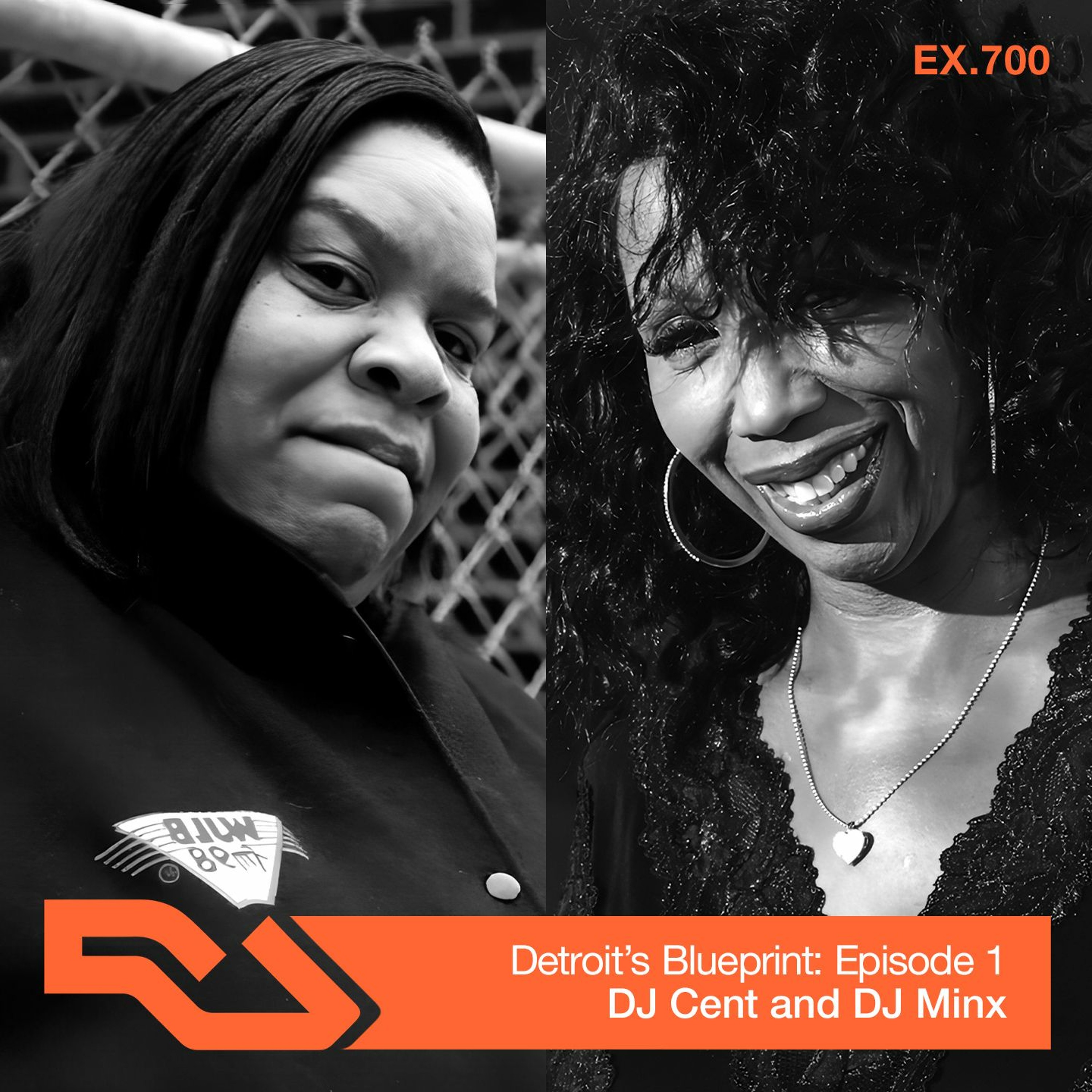
EX.700 Detroit's Blueprint: Episode 1
Our landmark 700th episode in partnership with Detroit’s Blueprint presents the first in a new three-part series exploring the untold history of Detroit techno from the perspective of the women who built it.The history of Detroit techno is often recounted in waves. First there was the Belleville Three—Juan Atkins, Kevin Saunderson, Derrick May—closely followed by a second cohort of artists who further developed the sound in the '90s. Names like Carl Craig, Octave One, Robert Hood, Jeff Mills and Mike Banks are among those that have been codified in the official annals of techno history.But there's another, lesser known story that is seldom told about the women who grew the scene right alongside them. Equally esteemed artists like DJ Minx (the founder of Women On Wax Recordings), K-Hand, DJ Cent, Stacey Hotwaxx Hale and more ran labels, collectives and DJ nights that aren't bestowed with the same credit as those from their male counterparts, and have consequently been lost in the chronicles of time. For the 700th episode of the RA Exchange, we counter correct this gender inequity with the first episode of a three-part series hosted and produced by the all-female Detroit collective and party series Blueprint. Alanna Greenlee, Janisa Nelson and Crystal Mioner embark on interviews that illuminate an alternative history of Detroit techno that unfurled alongside these better-documented techno waves, tracing the birth of a woman-led community that put mutual support at its heart and fought to earn respect from their male peers and the scene at large. Listen to the episode in full.Credits:Produced by BlueprintHosts: Alanna Greenlee, Janisa Nelson, Crystal MionerGuests: DJ Minx and DJ CentWriter/Researcher: Crystal MionerTechnical Production: Janisa NelsonConsultant: John CollinsConsultant: Conor Anderson Hosted on Acast. See acast.com/privacy for more information.

EX.699 Phase Fatale
The Berghain resident talks about re-queering the goth scene, exploring a lighter side of his sound and preparing for marathon closing sets.Hayden Payne, AKA Phase Fatale, grew up fully immersed in the world of music; his dad is a recording engineer and musician, as are many members of his family. After joining post-punk outfits like Dream Affair and consuming a diet of new wave and synth from parties like Wierd in New York, Payne eventually relocated to Berlin, where he saw possibilities emerge around ways of fusing guitar music with sounds for the dance floor. It was only shortly after relocating that he landed a residency at Berghain and began releasing his own productions as a techno artist, becoming known for darker-edged sets and productions that fuse industrial, EBM and techno.In this episode of the RA Exchange, he talks to senior producer Chloe Lula about all of this and more, like "re-queering" the goth scene; exploring a lighter side of his sound with his Italo duo, Soft Crash; his label, BITE Records; and sustaining strong ties to dance floors in Kyiv and Tbilisi, two cities that he reflects as being refreshingly socially and politically motivated for queer artists living in the margins. His new EP as Soft Crash, NRG, is out now. Listen to the episode in full. Hosted on Acast. See acast.com/privacy for more information.
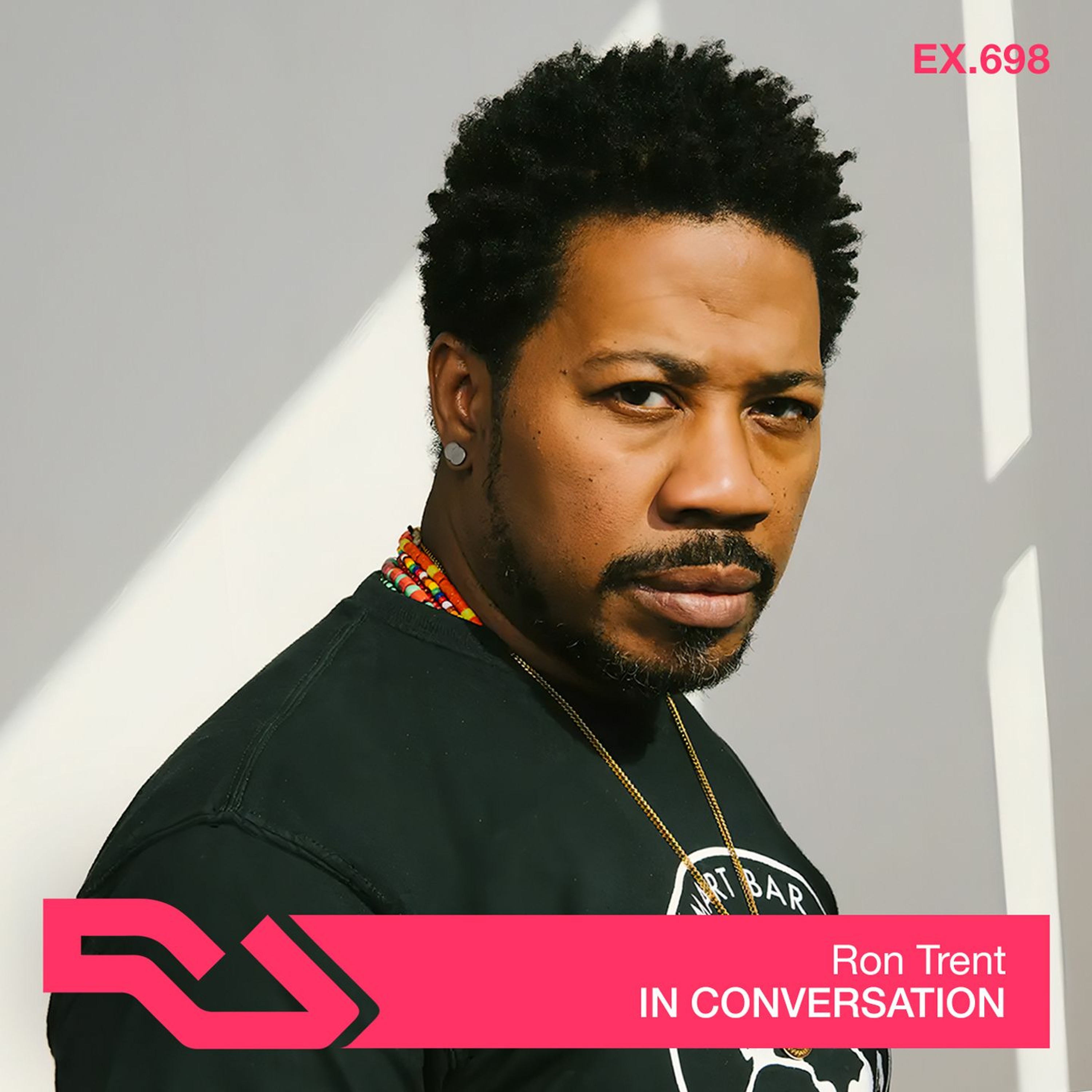
EX.698 Ron Trent
"Art and music are the same, they're just different dialects." The Chicago house music legend talks about co-curating the photo exhibit Walk The Night and nightlife's '90s heyday. Ron Trent grew up in Chicago, where he dreamed of being a musician from a young age. He would end up becoming one of the architects of the Chicago house sound and working alongside contemporaries like Chez Damier, and across the pond, Basic Channel. His label, Prescription Records, became a renowned purveyor of the deep house sound. He spread his vision from the American Midwest to New York, Europe and beyond. In this talk recorded live at Miami Art Week, Trent talks to Resident Advisor music critic Kiana Mickles about the songs and dance floors that shaped him in this early part of his musical trajectory. In addition to playing some of his favourite jazz, funk and disco songs, he reflects on clubs like Studio 54, Paradise Garage and The Warehouse, which he claims matured him as an artist and irrevocably shaped the trajectory of club culture. Trent was instrumental in co-curating an exhibit called Walk The Night (which premiered at this multidisciplinary event), a photographic homage to these spaces and other historic clubs around the world.To hear more about the legacy of Trent's favourite clubs and the music that shaped him, listen to the episode in full. Hosted on Acast. See acast.com/privacy for more information.
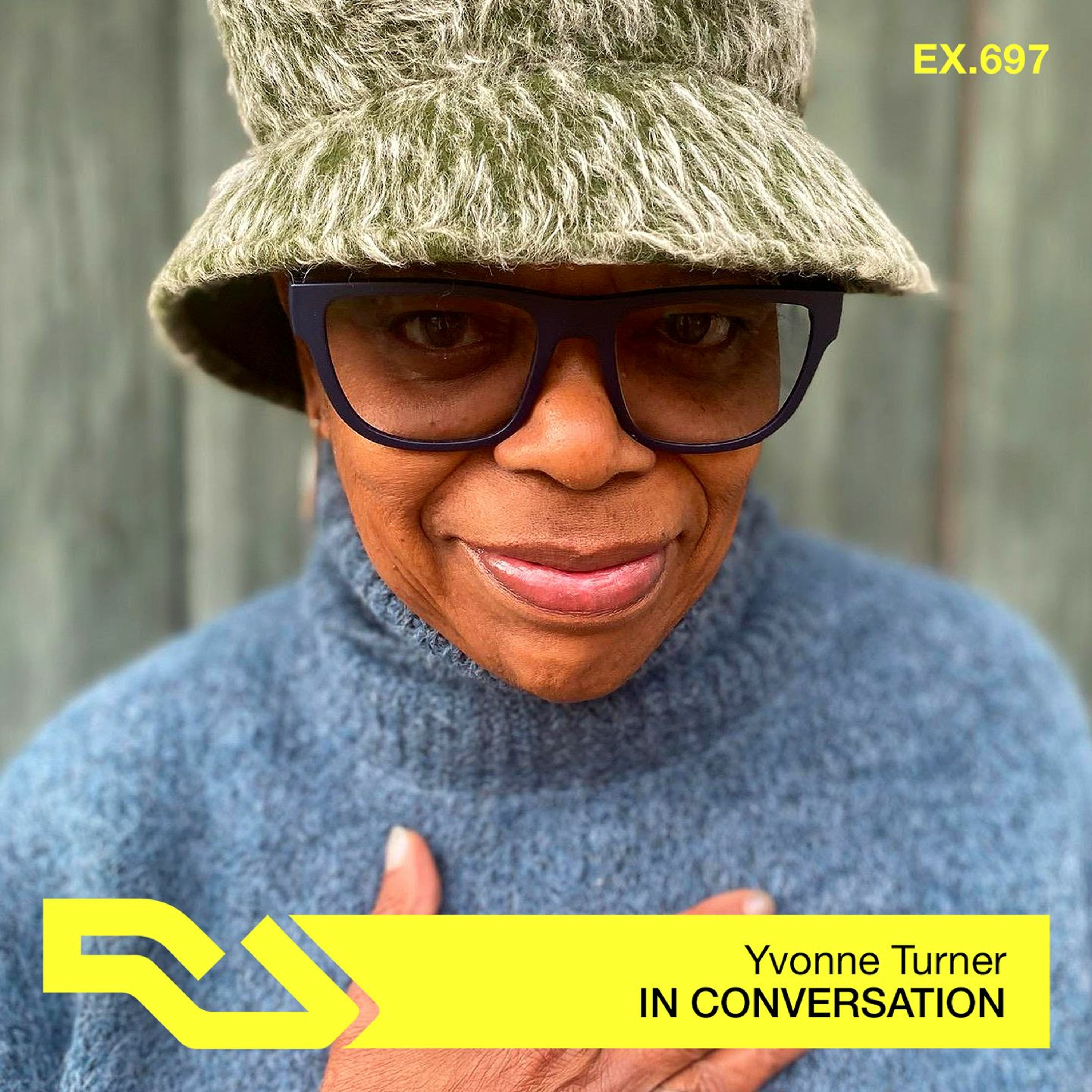
EX.697 Yvonne Turner
In this live talk with Tama Sumo, Lakuti and musclecars, the New York legend sets the record straight.DJ, producer and remixer Yvonne Turner was one of the only women instrumental in shaping New York's early house scene, yet her story has gone largely undocumented. Born in Harlem in 1953, she started DJing regularly by the late '70s, playing weekly parties in Flatbush and getting her musical education at The Loft. There, she says, she learned how "good music" should sound. It inspired her to start going to the studio and sharing her musical revelations with other people.As a woman producer, she was often relegated to the small print on records, bumped to associate or co-producer status or marked as a mixer instead of a remixer. Many of the male vocalists she worked with got credit for the music. But Turner penned some acclaimed house tracks, such as "Set Fire To Me," "Music Is The Answer" and the official remix of Whitney Houston's "I'm Your Baby Tonight." While Turner took a back seat for a few years, deciding to teach in elementary schools and wind down her touring, she recently got back in the studio and wants to set the record straight about the history of house and her place—and many other women's—within it. This conversation was moderated by Tama Sumo, Lakuti and the DJ duo musclecars live at Public Records in New York. Listen to the conversation in full. Hosted on Acast. See acast.com/privacy for more information.
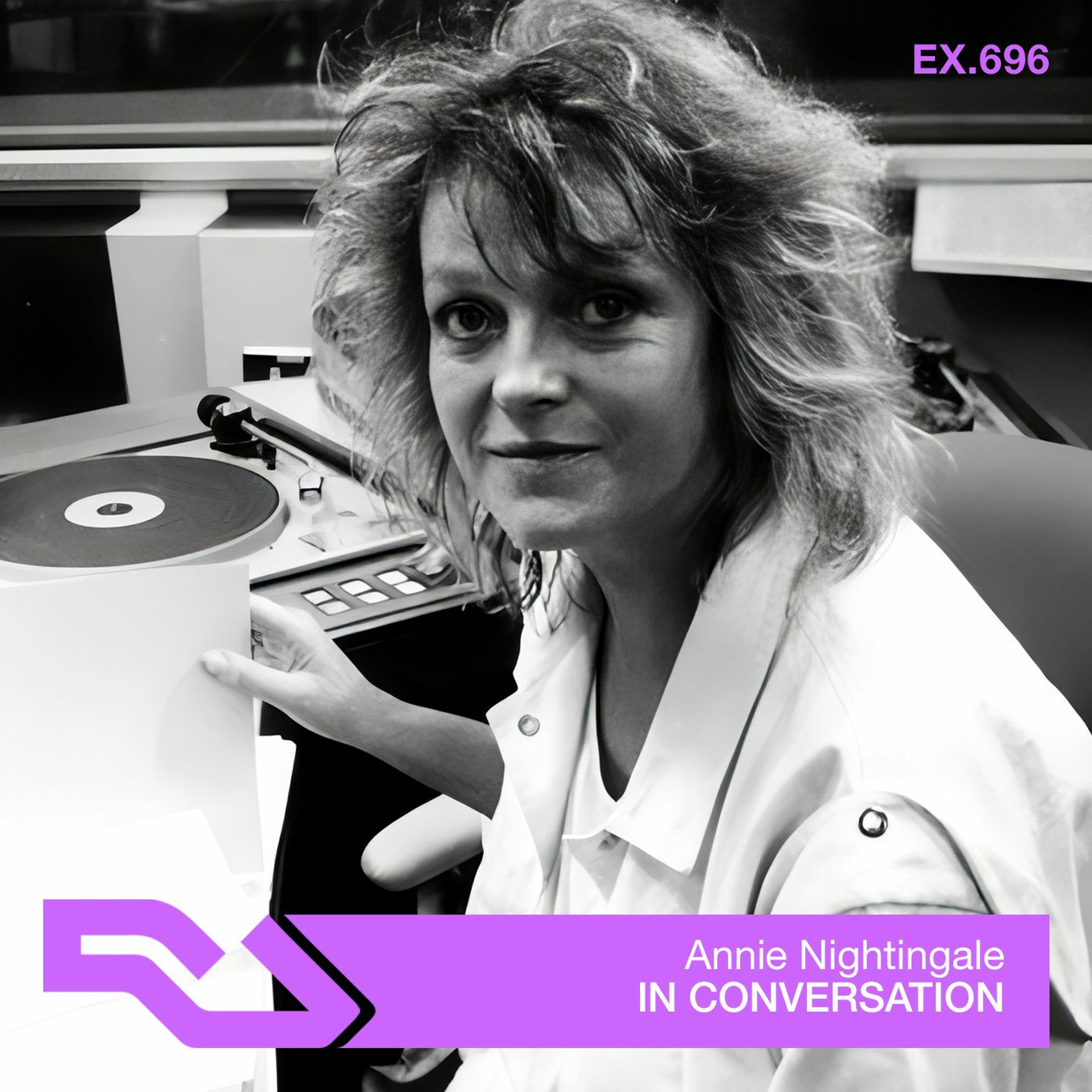
EX.696 Annie Nightingale
In this re-run from 2020, the late DJ and radio host reflects on memories from BBC Radio 1, disrupting the patriarchy and the keys to success in broadcasting.Annie Nightingale, who died last week at the age of 83, was the first women radio presenter on BBC Radio 1-and the longest serving broadcaster in the station's history. She became known for championing new, underground music and led the movement for women to become DJs and broadcasters, becoming a necessarily disruptive force across radio and live music. Fans of Nightingale's knew her as the Queen of Breaks, given her strong affinity for the sound. But she also introduced listeners to prog rock, punk, indie and dance music, and was unfeignedly passionate about them all. While she had no technical know-how when she started at the BBC, that didn't stop her. Despite her parents' request to "have something to fall back on," she dove head first into broadcasting, establishing herself quickly and even braving listeners' expectations by booking acts who weren't considered trendy or mainstream at the time. In this archival conversation with Martha Pazienti Caidan—who worked closely with Nightingale at BBC Radio 1—she discusses her memories and encounters in the music industry: being sworn at by Johnny Rotten; touring with Underworld; discovering her love for drill and grime; and the keys to success for aspiring broadcasters. Listen to the episode in full. Hosted on Acast. See acast.com/privacy for more information.

EX.695 Eastern Margins
Get familiar with Southeast Asia's myriad forms of maximalist dance music.Around Asia-Pacific, more producers and DJs are experimenting with popular music. From Vinahouse in Vietnam to dangdut in Indonesia, these interpretations of happy hardcore, house and gabber have traditionally been played out in taxi cabs, cybercafes and other public spaces but they're now increasingly being heard on the club circuit amid demand for culturally authentic sounds. Embraced by the likes of Manila Community Radio, Gabber Modus Operandi and others, these hybrid styles of high-BPM rave are part of a global movement championing local dance music—just look at the meteoric rise of South African and Afro-Portuguese genres like amapiano and batida. Since 2018, London collective Eastern Margins has been playing out music from North and Southeast Asia at parties in an effort to educate audiences on the region's diverse landscape of fast-paced club tunes. Speaking to Resident Advisor's Nyshka Chandran, cofounder David Zhou, AKA LUMI, dives into the cultural context behind Southeast Asian genres like budots and manyao, explaining their connection with contemporary rave music and the self-sustaining ecosystem behind their popularity at home.Listen to the conversation in full. Hosted on Acast. See acast.com/privacy for more information.
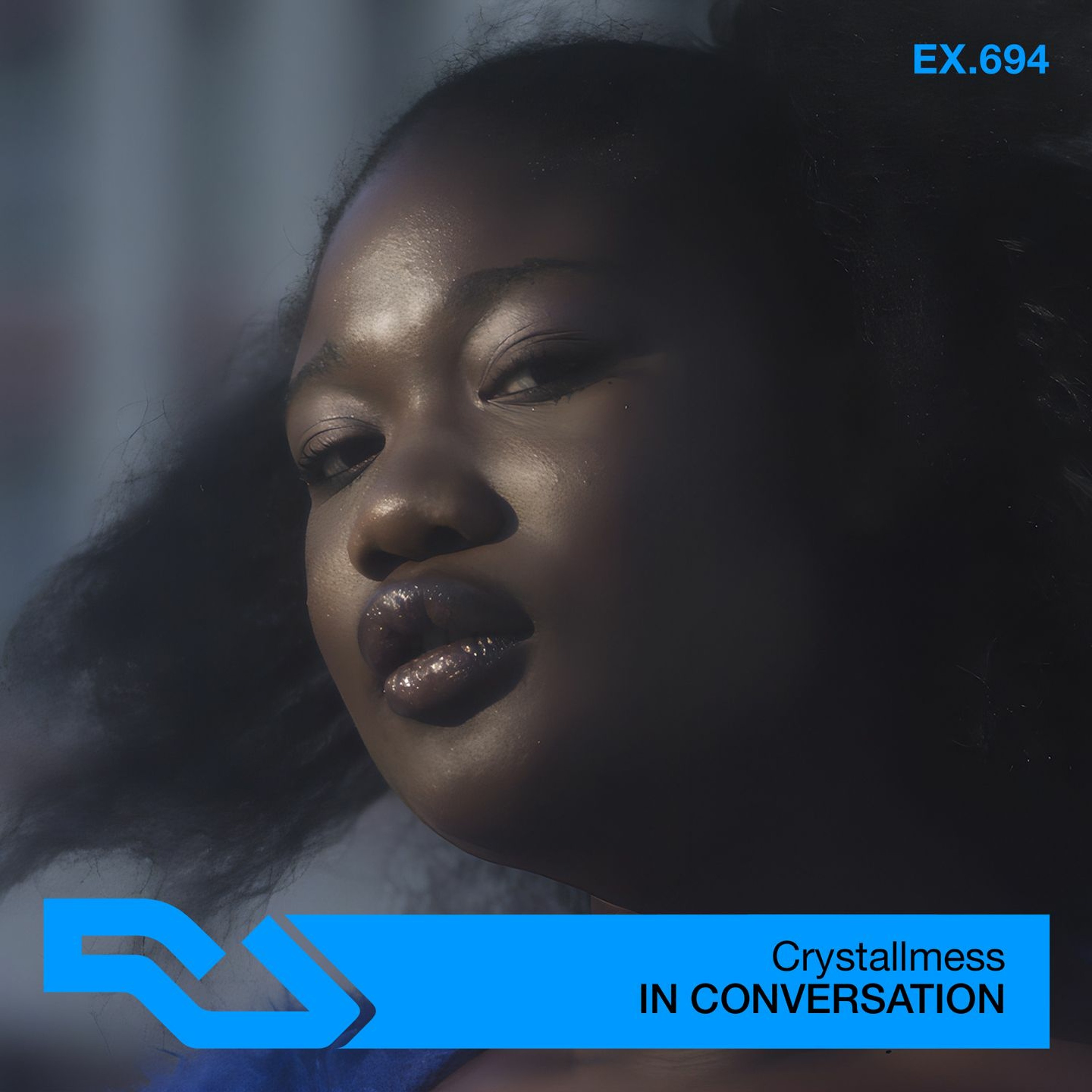
EX.694 Crystallmess
"I didn't see myself in French electronic music." The Parisian artist talks about representation, Southern rap and Notting Hill Carnival's enduring influence on her music live from C2C Festival.Crystelle Oyiri, the artist otherwise known as Crystallmess, has had a circuitous route through dance music. In this Exchange recorded live at C2C Festival with Whitney Wei, the Ivoirian-Guadeloupean artist discusses how she never saw herself represented in French techno, where artists like Daft Punk reigned supreme. "When you don't see yourself, you can't tell yourself that [music] is what you want to do," she reflects. Instead, she fell in love with Southern rap and artists like DJ Screw, who ignited her passion for music before she began experimenting with beats for the dance floor.Today, Oyiri is a full-time electronic music artist. A resident of NTS radio, she's also released on labels like PAN and created original productions for films and fashion brands, including Ottolinger. Her unique production style combines melodic techno, afro-trance, abrasive dancehall and what she calls "synthetic music"—genre-fluid mixes that switch effortlessly between pummeling techno cuts, high-speed electro and melodic trance. Listen to the conversation in full. Hosted on Acast. See acast.com/privacy for more information.

EX.693 SALOME
"When I first heard electro, I had an epiphany." The Georgian artist and Herrensauna resident talks about the genre she loves most, preparing for sets and remaining authentic to her sound.SALOME, now one of the scene's foremost purveyors of electro, has shot up in popularity over the last two years. Hailing from Tbilisi, she now lives in Berlin and is a resident of Herrensauna, where she's become a champion of the fast-paced dance music that the group tours worldwide. She's also graced the lineups of festivals like Pitch, Wire, and Dekmantel - where this talk was recorded live - and has released searing electro on labels like Lobster Theremin, Mechatronica, International Chrome, Darknet and more.In this interview moderated by Souhayla Ou-Oumar, SALOME talks about first falling in love with electronic music after a visit to Kyiv. She says she heard every local artist playing electro and breakbeats instead of techno, and she hasn't turned back since.The artist plays multiple gigs each weekend, and she talks about the process behind her preparation. She spends hours each week digging for music in multiple genres, creating what she calls "sound maps" for each of the territories she DJs in. This can be tricky, SALOME says, especially when she appears in places like Italy and Spain that expect to hear techno. But no matter where she's booked, she says she makes it a goal to remain true to her sound. Listen to the episode in full. Hosted on Acast. See acast.com/privacy for more information.
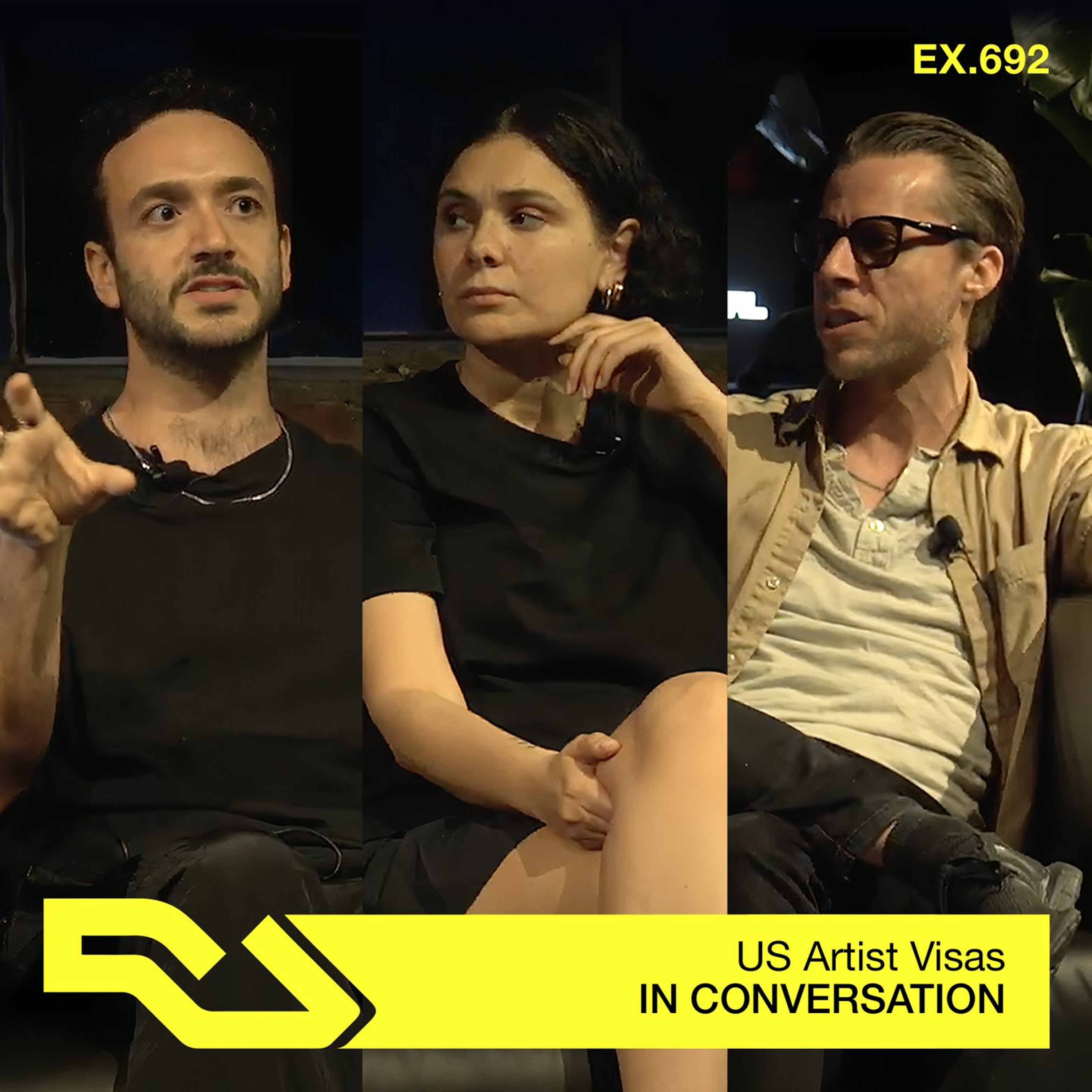
EX.692 US Artist Visas
This panel live from Wire Festival examines the insidious costs and possible solutions for a problem that continues to mire touring DJs.Artists applying for a US artist visa face multiple obstacles: application fees of up to 6,000 USD, long wait times and lack of insurance or accountability should their visas be denied. What's more, the process must be completed every few years, ushering in a new cycle of potential roadblocks.In this panel recorded live at Wire Festival in New York, moderator Tyler Myers—Wire Festival's co-director—talks to Téa Abashidze, the booker and co-founder of Basement; David Amar, the co-founder of the International Artist Assistance Agency Fanfare; and Joe Sigmund, a partner and senior agent at the booking agency Surefire. Together they discuss how the process's prohibitive costs impact the electronic music ecosystem and homogenizes lineups. They also explore ways forward, including the power of musicians unions and nonprofit organizations to help engineer a more equitable and sustainable path for our scene. How do other countries, like Canada, deal with artist visas? And what happens when the US government raises visa application fees further, as was proposed in a recent push for tightening legislative change?Resident Advisor and Basement will be looking at this issue in more detail in 2024. In the meantime, listen to the episode in full. Hosted on Acast. See acast.com/privacy for more information.

EX.691 C.FRIM
"When I got started, there wasn't much diversity at all." The young DJ discusses Australia's QTBIPOC community, debuting at Dekmantel and more live from Pitch Festival.Australian talent Charlotte Frimpong, the DJ better known as C.FRIM, has become one of the country's most in-demand DJs over the last year. The Ghanian-Filipina artist kickstarted her career with a Boiler Room set at Sugar Mountain in December 2022, and since then, she's toured around Europe (and debuted at Dekmantel), becoming known for digging deep into her musical ancestry and weaving amapiano and Afro-electronic sounds creatively through her sets.In this interview recorded live at Pitch Music and Arts Festival, Frimpong talks to journalist Tanya Akinola about "air DJing" in her bedroom before being able to afford gear, and how her career has skyrocketed at such a rapid rate. Even though she hasn't been a name on the stage for a long time, she's managed to carve out a unique space for the QTBIPOC community with the party she co-runs, Dutty, which she says is for people who can relate to the afro-diaspora or who just want to open their minds to it. Listen to her thoughts on the series, starting to produce and more in the full episode. Hosted on Acast. See acast.com/privacy for more information.
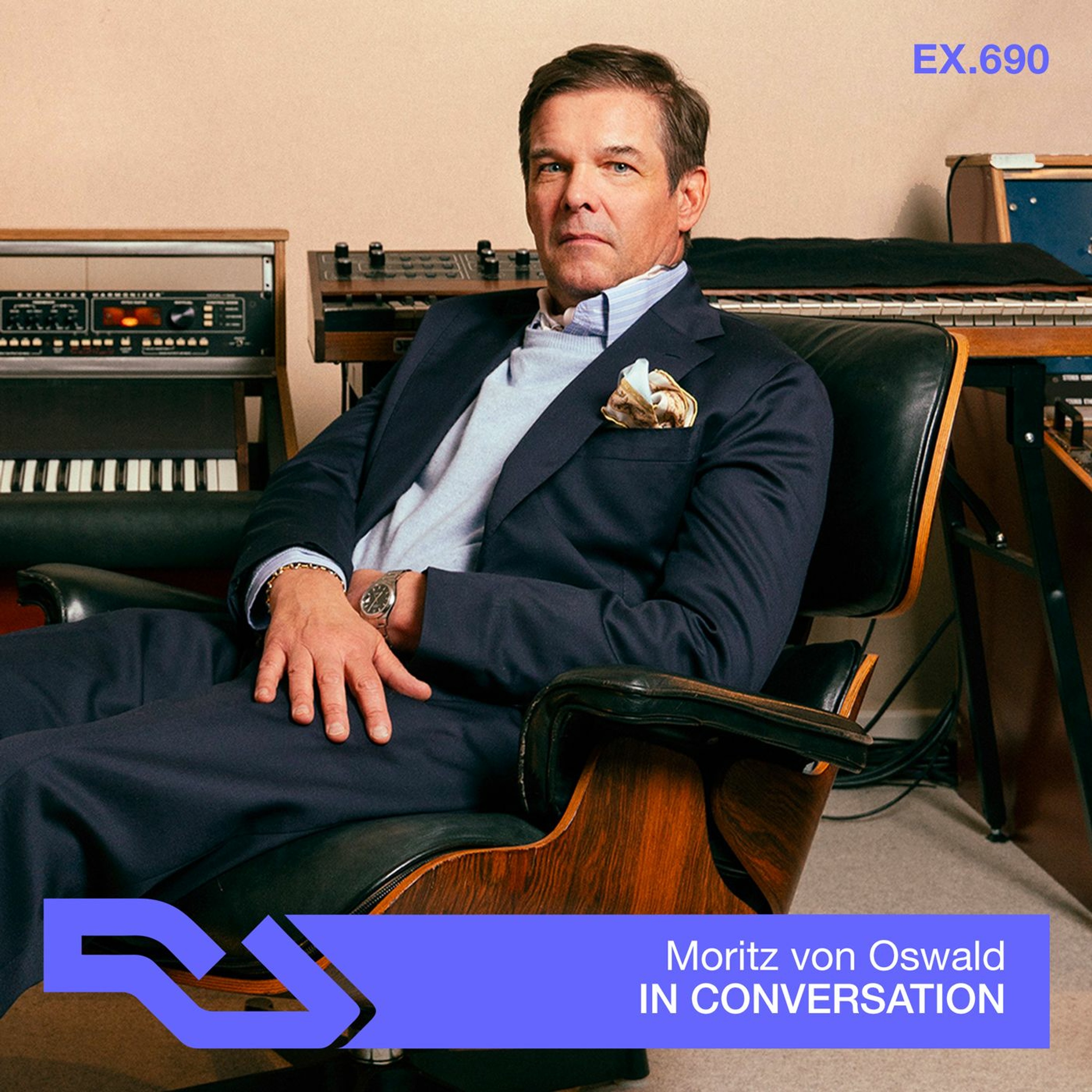
EX.690 Moritz Von Oswald
"Always notice whatever is happening in the background." The acclaimed producer and composer discusses the art of meaningful listening and his latest LP, Silencio.Moritz von Oswald's legacy as one of the trailblazers of contemporary techno precedes him. The artist's initial claim to fame was his involvement in the duo Basic Channel with Mark Ernestus, a project that formed the dub techno canon in the '90s and is still a primary reference point for many, if not most, modern producers. He was also at the helm of the famous cutting and pressing plant Dubplates and Mastering in Berlin, which has become a home for countless artists over the years.But on this occasion, Oswald sat down to discuss a more recent project: his LP Silencio on Tresor Records, which came out in November. He talked with RA's senior producer, Chloe Lula, about his lifelong love of jazz, tapestry, French film, Southern Italian opera and music from Central Asia. He also reflects on his production process—an endless exploration of drama and dynamics. Oswald is fascinated with reducing sound to its most basic elements and broadening the capacity of what the ear can perceive. Most importantly, he's a critical listener, and in the final moments of the episode, he imparts wisdom on how he's learned to keep a conscious ear open to the world around him. Check out the episode in full. Hosted on Acast. See acast.com/privacy for more information.
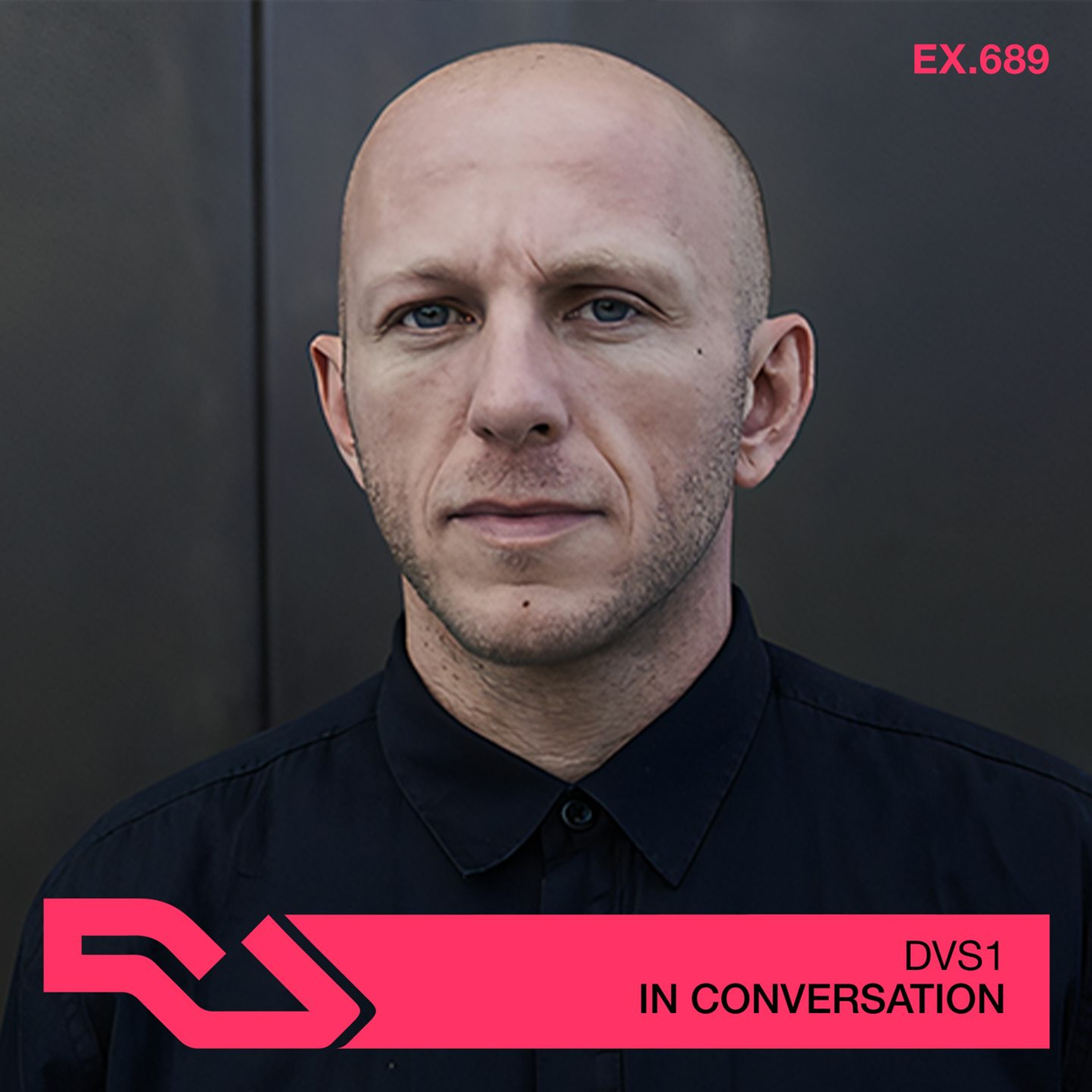
EX.689 DVS1
"All I want to do is express what I love." The beloved Berghain resident talks about learning from failure, putting in the time and how good sound systems have changed his life.Born and bred in Minneapolis, Zak Khutoretsky, AKA DVS1, has been throwing and playing raves for decades. Now 47, he's at the top of his game. As one of Berghain's most popular residents and a producer known for his deep and versatile sound, he's amassed thousands of followers around the world, releasing on Klockworks, Transmat and Ostgut Ton, in addition to his own label, HUSH.Not just an artist, Khutoretsky has garnered a reputation for speaking critically about the challenges facing the electronic music community, notably through his essay about the battle between art and entertainment, and more recently through the inauguration of his revenue sharing platform ASlice. The organisation was designed in 2020 as an antidote to the pay disparity between DJ earnings and producer earnings, and its basic conceit is that DJs submit playlists of their tracks and share small percentages of their gig fees to be redistributed among the artists whose tracks they've played.In this RA Exchange live from ADE, Khutoretsky talks with journalist Christine Kakaire about the platform and the impetus behind it, as well as his underlying tendency to be a "fixer," from the problems in his house to the issues he sees plaguing his community. Listen to the episode in full. Hosted on Acast. See acast.com/privacy for more information.
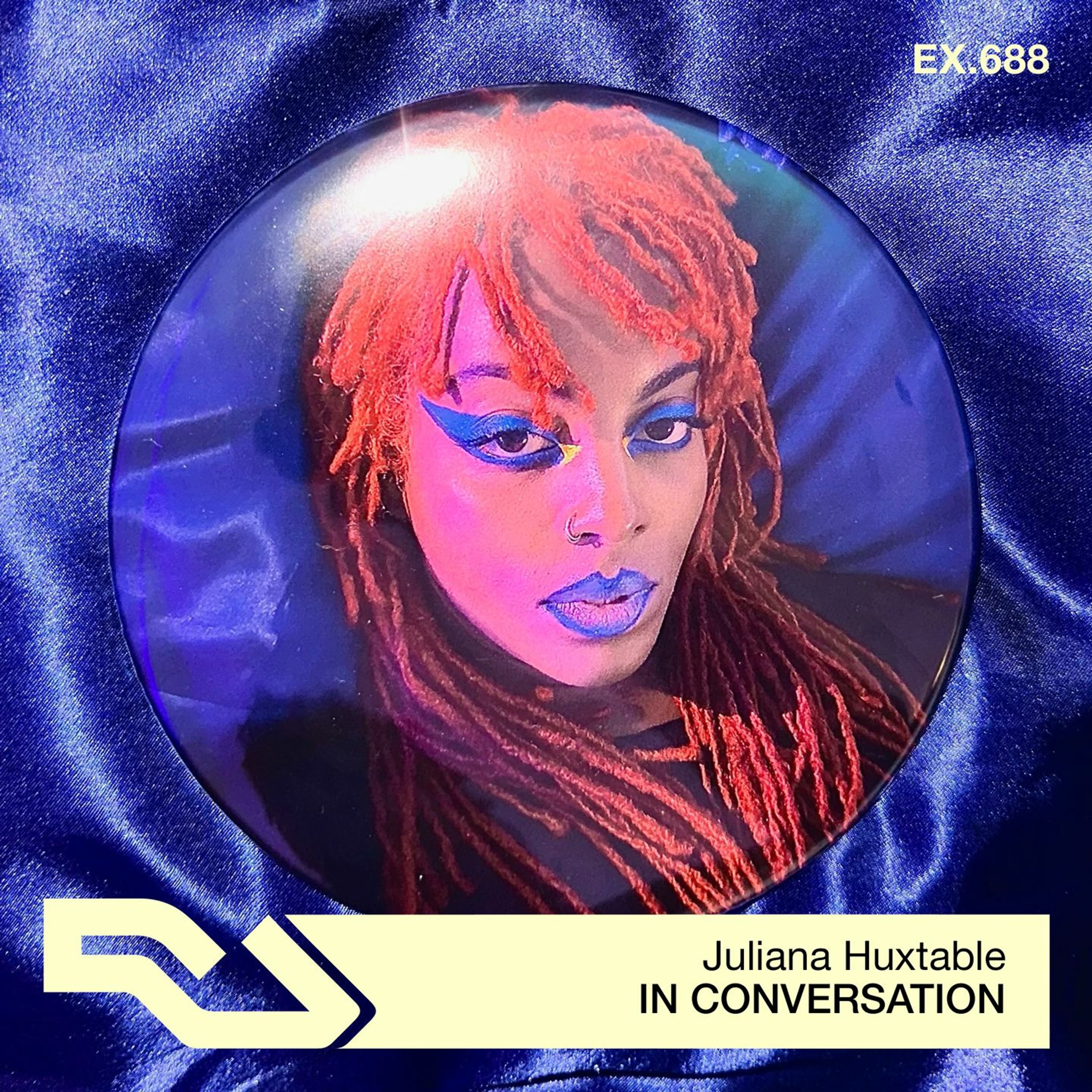
EX.688 Juliana Huxtable
"There's a joy I'm trying to depict in my artwork." The American DJ and producer discusses her latest painting exhibition, the power of poetry and exploring queer fantasy in visual art.Today, Berlin-via-New York multidisciplinary artist Juliana Huxtable might be best known for her DJing and dance floor productions. She's the co-founder of the party Shock Value and a regular at Berghain, Herrensauna, Basement and more clubs and festivals around the world. But she's equally prolific in the worlds of poetry and visual art, and in her first appearance on the RA Exchange, she talks to senior producer Chloe Lula about her multimedia painting exhibition, -USSYPHILIA, which is on display through the beginning of January. A champion of queer and trans theory, Huxtable uses collage, painting and poetry to explore themes around identity anarchy and sexuality throughout the exhibition. While the collection is serious and somewhat academic, it's also playful, diving deep into fantasy, psychedelia and allusions to soft porn.These days, Huxtable enjoys dabbling in other kinds of art as well. In her interview, she talks about her longtime love of performance art, which she says is ghettoized in the art world context, usually relegated to awkward programming add-ons in gallery exhibitions. Her band Tongue In The Mind is shaking off the performance art stigma and bringing it into the club with their forthcoming EP on PAN, Pretty Canary, out in late 2023. To hear about how she keeps on top of parallel creative practices, her thoughts on writing, experiences with psychedelics and more, listen to the episode in full. Hosted on Acast. See acast.com/privacy for more information.
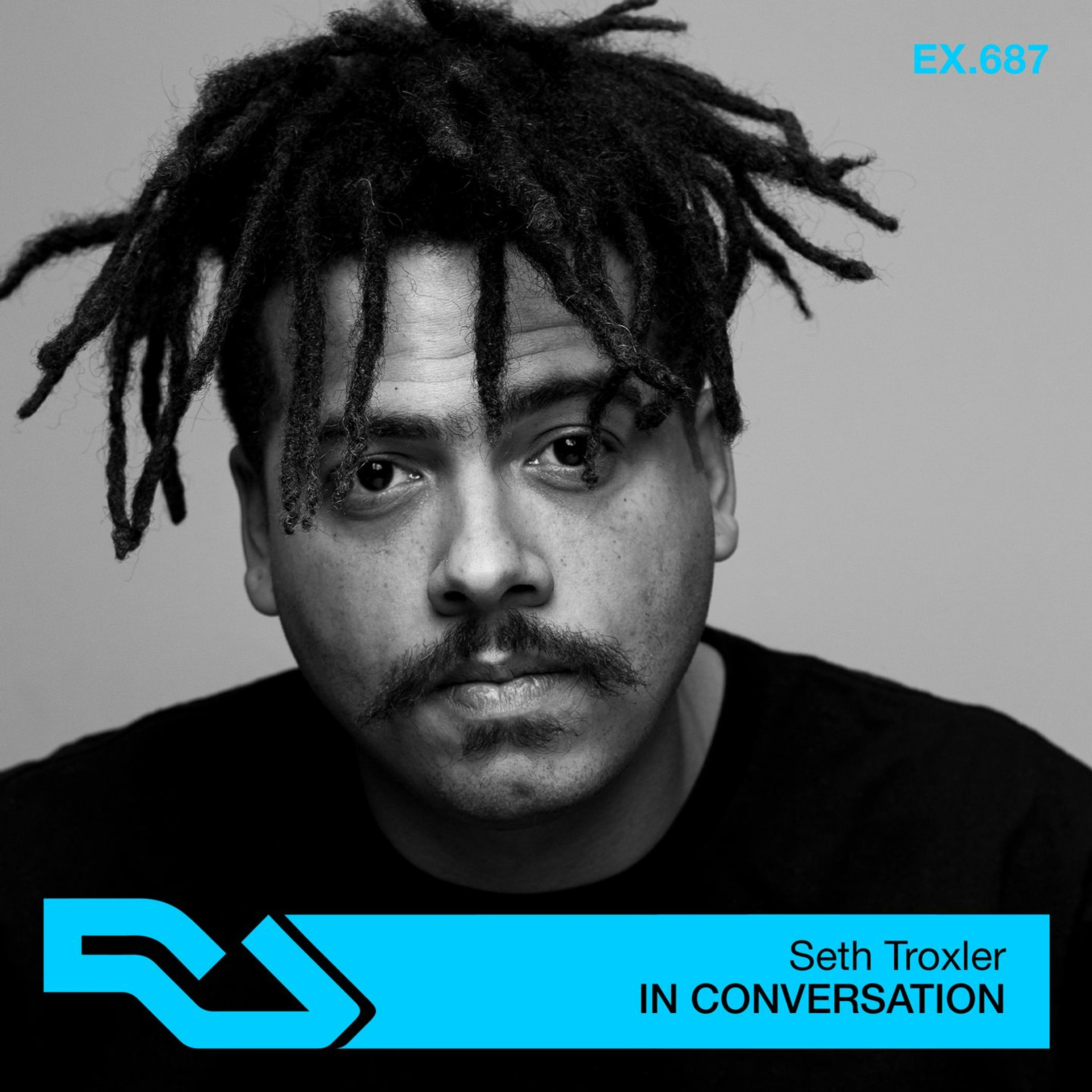
EX.687 Seth Troxler
"DJs don't hit their stride until their 40s." The DJ and creative multihyphenate discusses maturing as an artist, having a family and navigating the worlds of contemporary art and cuisine.Resident Advisor has followed Detroit native Seth Troxler's DJ career since the beginning. And on his first appearance on the RA Exchange, he is in his domestic bliss phase, living with his wife and kids in his new home of Zürich and partying at least a little less—and only on the weekends.Since taking the house and techno scene by storm in the late '00s, when he was still in his teens, Troxler has become one of the most famous DJs in the world, known almost as much for his jokester personality and party antics as his craft. But the public image belies the skill behind his work: he's one of the most popular artists in the world simply because he's also one of the best, able to string music together almost preternaturally, as if he was born to do it. You never know what kind of records he's going to play—sometimes he doesn't, either—but you can count on it being a journey worth taking.These days, Troxler isn't putting himself through the wringer like he used to, but he has his moments. Before this interview with RA music critic Andrew Ryce, he played New York, then Miami, then New York again, then Toronto, all in the span of one weekend. He opened up about his more responsible lifestyle, his family life and his love of food, as well as his passion for pairing art and technology and his hopes for a lasting legacy. Hosted on Acast. See acast.com/privacy for more information.
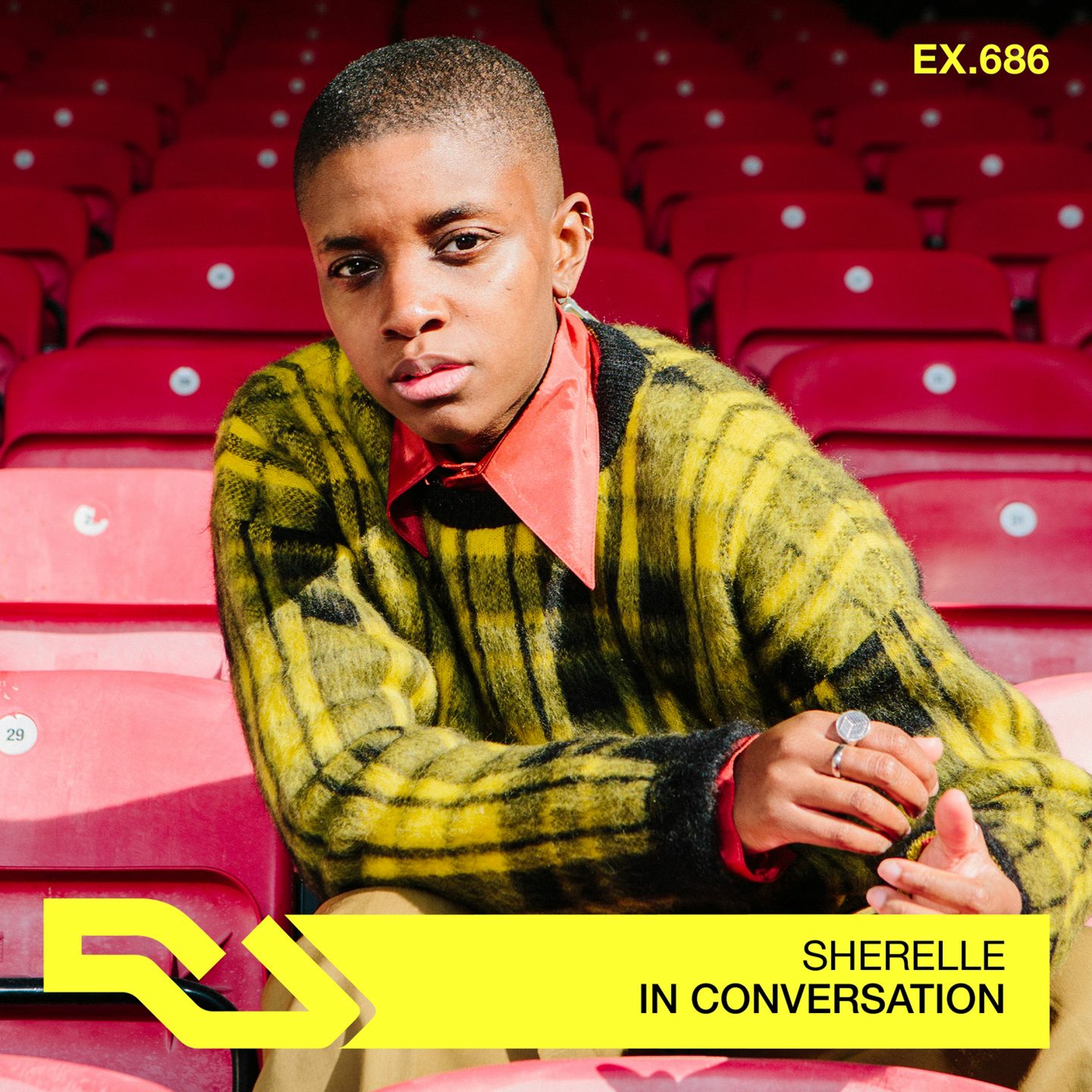
EX.686 SHERELLE
At Kraków's Unsound festival, the London-based ambassador of footwork and jungle opens up about recent musings about legacy and the art of letting go. Since her first Boiler Room set went viral (so viral, she claims, it broke her phone), SHERELLE's career has ascended with a rapidness that even she struggles to fully comprehend. Almost instantly, she went from working a day job at Mixmag to DJing major festivals around the world, where she spread the word of 160 BPM music. Today, the London artist has an NTS residency with long-time friend and partner Naina, has two EPs under her belt and is at the helm of two labels–Hoover Sound and Beautiful, as well as the show SHERELLE presents on BBC 6 Music from 11PM on Saturday nights. This year, she even planned to take her reputation as a producer to the next level with a debut album that was scheduled for release in 2023.But this summer, every musician's worst nightmare happened to SHERELLE. After a mugging in Europe, she lost every bit of her music—her DJ repertoire, her unreleased tracks and perhaps most devastatingly, her entire debut album. Discussing this at Kraków's Unsound festival, however, SHERELLE is chipper and refreshingly wise. In this intimate and hilarious conversation with RA's in-house critic, Kiana Mickles, she describes the incident as a launchpad for recent musings about the art of letting go, the importance of archiving and how she's approaching her debut album differently the second time around. Hosted on Acast. See acast.com/privacy for more information.

EX.685 Honey Dijon
"I don't complain, I create." The house DJ talks about her new multi-platform project, Honeyverse, and using music as a way to celebrate the Black queer community.Honey Dijon is a queer house music icon whose reputation precedes her. Originally hailing from Chicago, she grew up experiencing the city's nightlife, eventually beginning to DJ and produce alongside contemporaries like Derrick Carter, Mark Farina and other artists who shaped the Chicago house music canon.Throughout her career, she's been an active spokesperson for trans rights and a champion for the BIPOC community, and last month she put on her greatest platform for queer Black culture to date: Honeyverse. The multi-platform Honey Dijon experience took place at London's Southbank Centre, bringing club nights, live sets, orchestras and intimate conversations together in a takeover that drew its inspiration from her roots in Chicago's Black queer community.In this RA Exchange live from Southbank Centre, Honey Dijon talks to Josh Caffé about her connection to house music, an art form made from rejection and thus marginalised in the annals of music history. Her work, she says, is about giving visibility to the voices that were lost in its development and creating a more expansive platform for queer artists from the Black and Latinx diaspora. "This is a celebration of love, joy and acceptance," she says of Honeyverse.Listen to the episode in full, and watch video snippets of their conversation on Resident Advisor's Instagram and YouTube. Hosted on Acast. See acast.com/privacy for more information.

EX.684 ADHD and Dance Music
Dr Michelle and Mahnoor—a psychologist and a DJ, respectively—discuss ADHD and how neurodivergent individuals can find safety on the dance floor.In an age of technological surfeit and the attention economy, people are affected with ADHD diagnoses on an increasing frequency. Thinking differently can be both an obstacle and a superpower. While some ways of working and digesting information may be more challenging, others, like creativity, come with more ease.Today's episode of the RA Exchange, the final instalment of our collaboration with the UK mental health charity Black Minds Matter, explores the topic of ADHD and how it connects with dance music. The industry can attract and often be a safe space for people affected by ADHD diagnoses, says host Vanessa Maria, a London-based broadcaster whose work champions music and mental health. In two interviews, she unpacks what happens on a physiological level when one lives with neurodivergence, music's ability to alleviate many of the symptoms that accompany ADHD and how more inclusive dance music spaces could allow people to better navigate neurodivergence. Vanessa Maria's guests are Dr Michelle—a music psychologist, DJ and radio host—and Mahnoor, a DJ who lives with ADHD and creates projects for movement, music and meditation for South Asian minorities. She brings the perspective of someone navigating neurodivergence beyond BMM and the Black community. Listen to the episode in full for their insights.This edition of the RA Exchange was recorded in collaboration with The Qube, London's first members' studio for music and content creators. If you're a music producer, songwriter, artist, photographer or podcaster and would like to apply for a membership, head over to theqube.com. Hosted on Acast. See acast.com/privacy for more information.
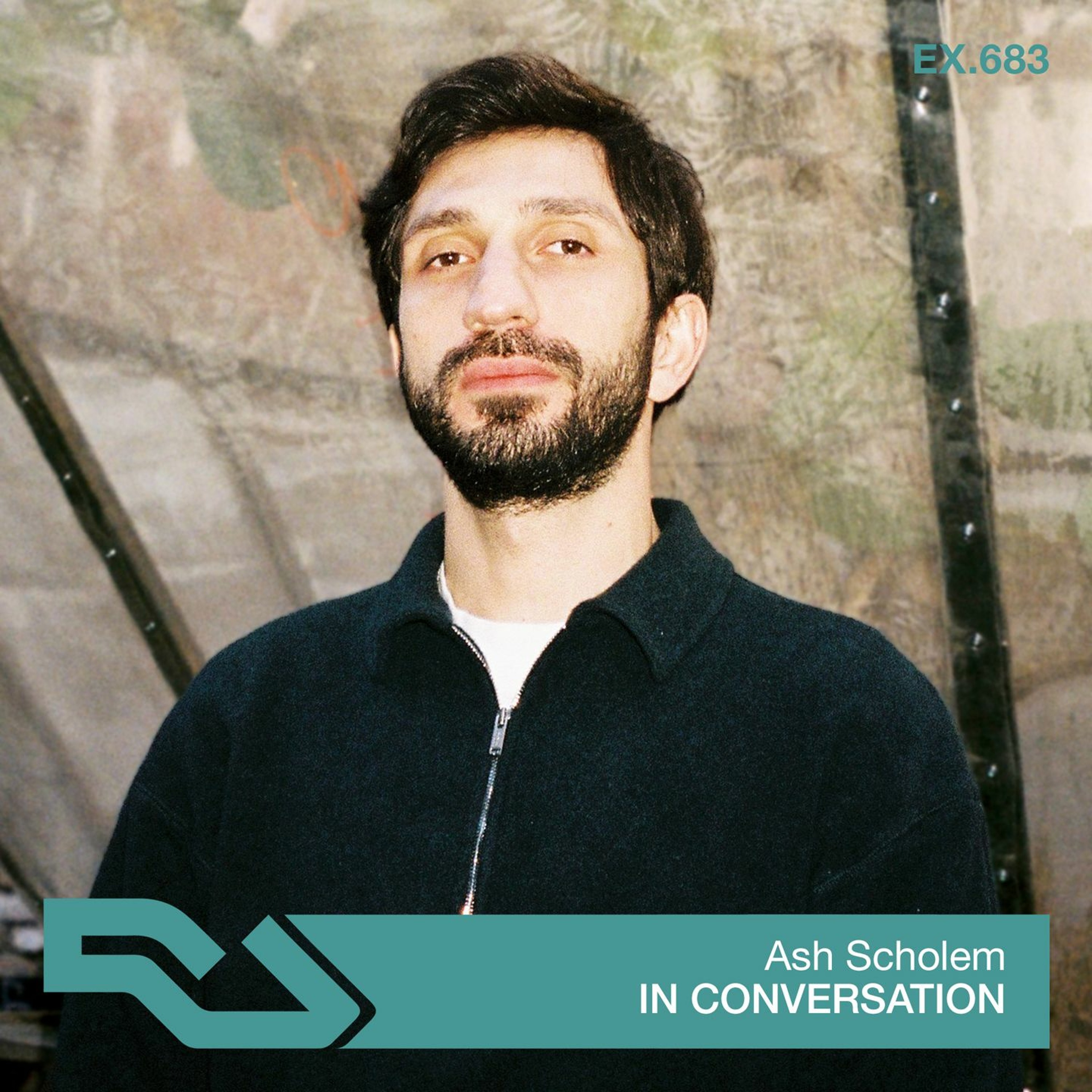
EX.683 Ash Scholem
"Dancing is never just dancing." The Tbilisi-based DJ talks about nightlife politics, the Left Bank collective and Eastern European club culture live from ICKPA Festival.Tbilisi has been experiencing a club music renaissance over the last few years, with clubs like Bassiani and Khidi opening their doors to top tier DJs from around the world and simultaneously heralding an era of world class nightlife. While techno has reigned supreme at these venues, they left a gap that the relatively new space, Left Bank, has aimed to fill. Opening in 2021, it's provided a platform for what it calls "wildly diverse electronic sounds" beyond four-to-the-floor, and it's kicking off its new record label with a thirteen-track V/A, "Stop What You're Doing," this week.Ash Scholem has been a member of the Left Bank collective and social space since its inception, and in this episode of the RA Exchange recorded live at ICKPA Festival—an event co-run by contingents from the Georgian and Ukrainian dance music communities—he speaks with the Exchange's senior producer, Chloe Lula, about his involvement with the venue. He also brings his background in political science and sociology to bear, shedding light on how Eastern European socioeconomics affect nightlife; the ways in which revolutionary ideals have become ingrained into Georgian nightlife culture and how people party; the fight for queer rights and drug policy reform in Tbilisi and broader thoughts on the role dance music plays in politics and legislative change during times of crisis. Listen to the episode in full, and grab a copy of "Stop What You're Doing" on Friday, October 20th. Hosted on Acast. See acast.com/privacy for more information.
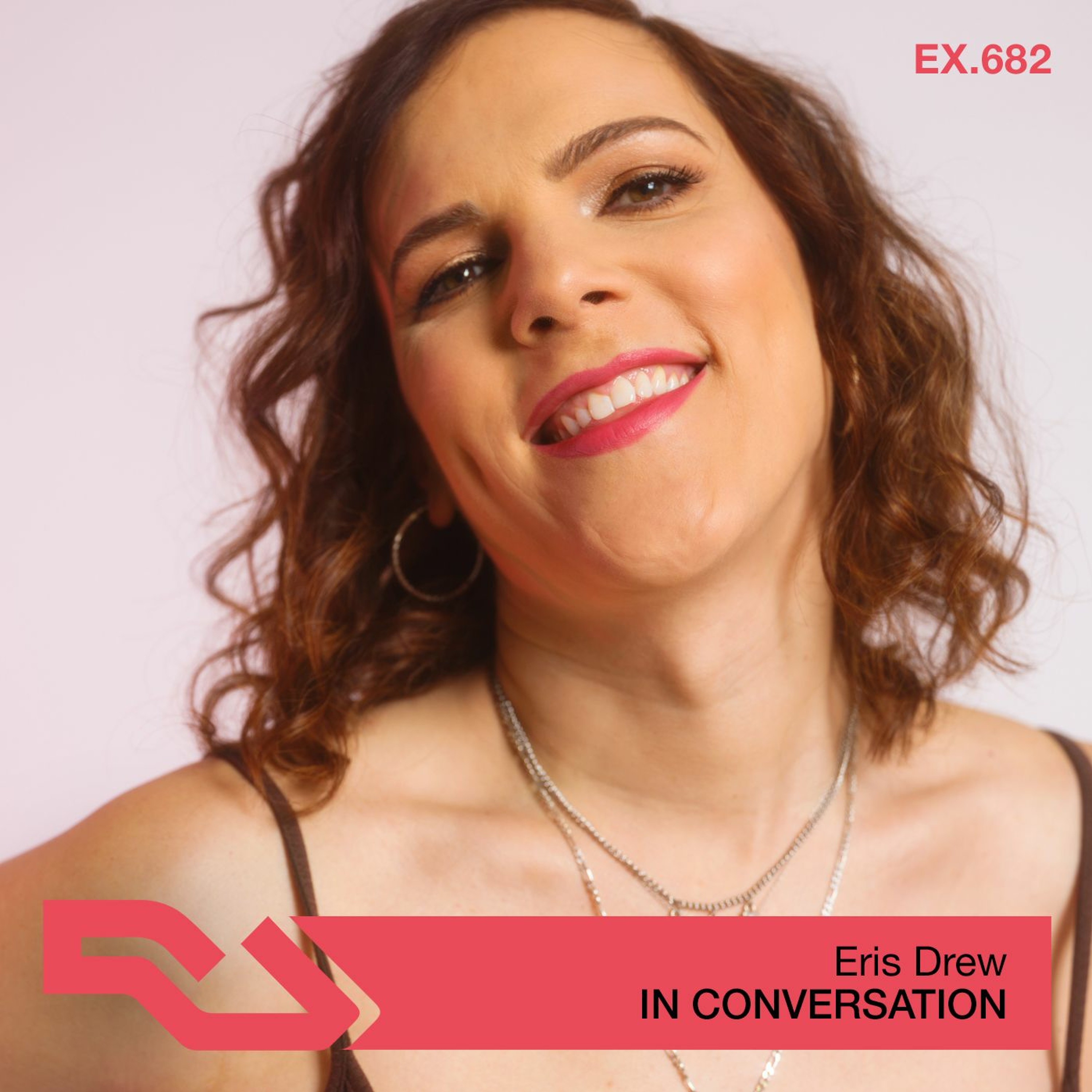
EX.682 Eris Drew
"I always want to challenge myself as a musician." The DJ, producer and T4T LUV NRG cofounder talks about her new live set and overcoming hearing loss live from MUTEK.Eris Drew is something of a mentor to many, including people she's never met. Her words on psychedelics, the ritual of dancing and other topics have become near-gospel for many fans, and it's always a treat to hear her speak on practically any topic. While many of her discussions veer towards the esoteric or spiritual, when it came time for our live RA Exchange at MUTEK, she wanted to get down to brass tacks about making and playing music.Ahead of the first North American performance of her stunning live show, Drew sat down with RA's music editor, Andrew Ryce. She spoke at length about her live show and DJing—including her old-school style of mixing she calls "riding the pitch"—and the trials and tribulations of proofing stages and booths for turntable use, hearing protection and more. She spoke with all the authority and feeling she usually does, with a deep, technical knowledge that makes this talk almost as much a tutorial as it was a conversation. Listen to the episode in full. Hosted on Acast. See acast.com/privacy for more information.
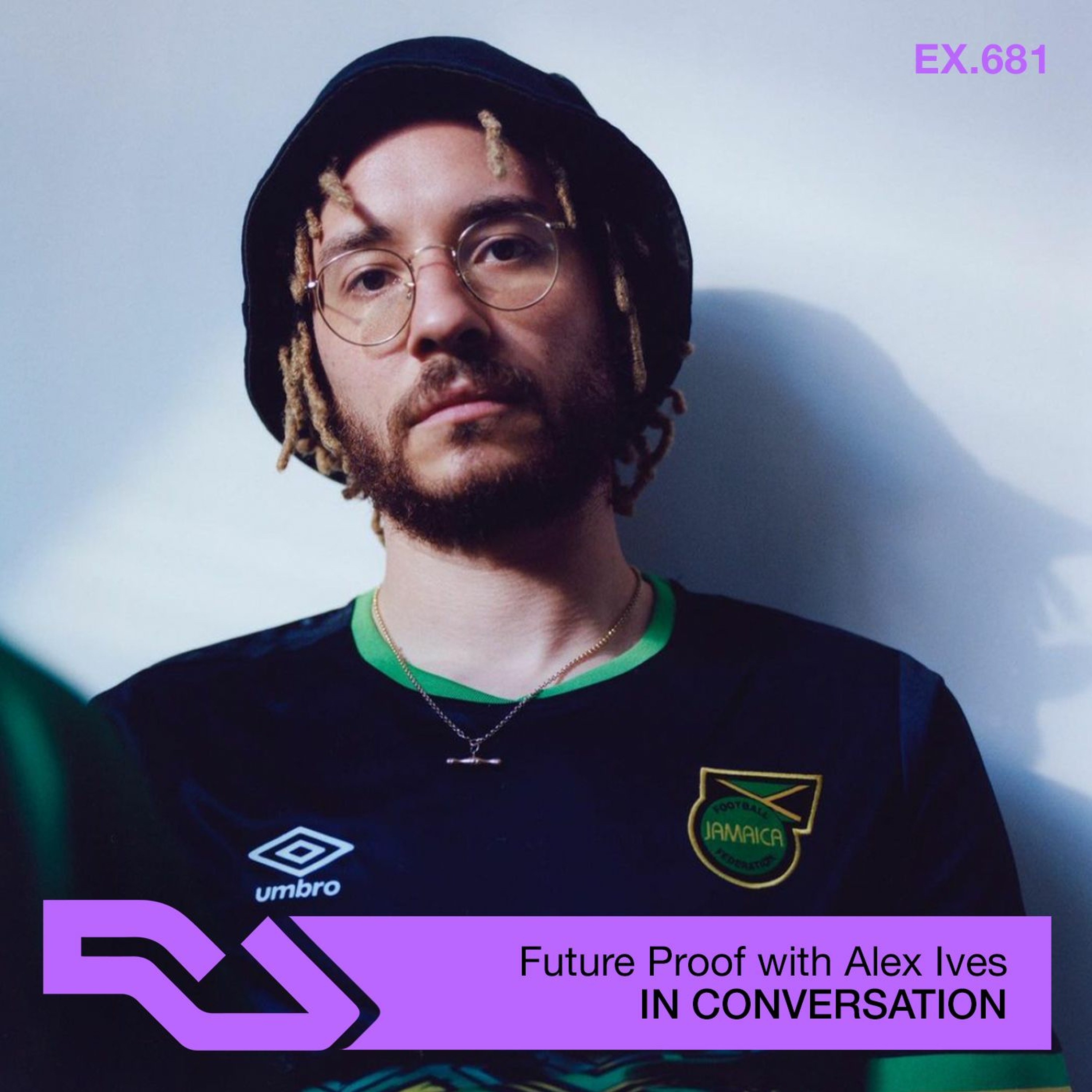
EX.681 Future Proof with Alex Ives
"You're the master of your own vision." In this collaboration with Rhythm Section, Ninja Tune's head of physical retail gives a masterclass on the inner workings of a record label.Alex Ives has been at Ninja Tune for ten years as the head of physical retail. He also runs Big Dada, a sub-label run exclusively by minorities and people of colour. In this masterclass recorded live in London, Ives unpacks the various departments and teams that make up the Ninja Tune enterprise, from manufacturing, sync and publishing, to product management and A&R. He also suggests a few routes for young people to get a foot in the door of the label world. It's often not a matter of trying to score a hard-earned internship at a major, he reflects. Often, it's easier to launch a career by starting a label yourself and adding it to your CV. "Going DIY can build a massive amount of love and interest that can lead you to a major label," he tells host Emily Jones. "Sometimes that's the best way."Working as the head of physical distribution doesn't come without its challenges in a world facing climate change, and Ives fields questions about pressing vinyl as a carbon-negative company, re-thinking record packaging, working to change consumer habits around ordering and returning records, and navigating a booming streaming economy. To hear more of his insights, listen to the episode in full.This conversation was recorded live in London, and you can watch video shorts from the talk on YouTube. Watch the Masterclass video playlist via the link below: https://www.youtube.com/watch?v=anqltFRkqVMRhythm Section’s Future Proof project is supported by Arts Council England and PRS Foundation. Hosted on Acast. See acast.com/privacy for more information.

EX.680 Disclosure
"We've never known what we're doing." Brothers Guy and Howard Lawrence talk about fame, inadvertently ending up on the pop charts and their new album, Alchemy.Many listeners of this podcast likely associate Disclosure—AKA brothers Guy and Howard Lawrence—with the hits that shot them into the spotlight as teenagers. These had a good deal of crossover success, and the Lawrence brothers went on to have an extremely active touring career and secure multiple Grammy Award nominations.But there’s much more in their brothers' creative arsenal than meets the eye, as demonstrated in their newest dance music LP, Alchemy, which came out quietly this summer. The duo released their fourth studio album under the pretence that they wanted to move away from some of the big tunes that defined the first part of their career. They did no marketing or PR, choosing to self-release and share the word via announcements on their social media pages. Alchemy is full of beautiful melodic interludes, field recordings and oblique references to the personal experiences that shaped the making of the songs—it was composed during a moment of intense heartbreak and upheaval for Howard, a narrative that weaves its way through the album. "These songs are about feeling lost and looking for love," they explain.The brothers go deep with Chloe Lula about this period of Howard's life, talking about writing music based on intuition and how they lean on each other for creative and personal support. They also share the strategy behind their rise to success, including how they've navigated record label contracts, visually finessed their performances to appear more like live bands, exchanged EPs for page follows and started a Discord server to connect directly with their fans. Listen to more of their insights in the full episode. Hosted on Acast. See acast.com/privacy for more information.
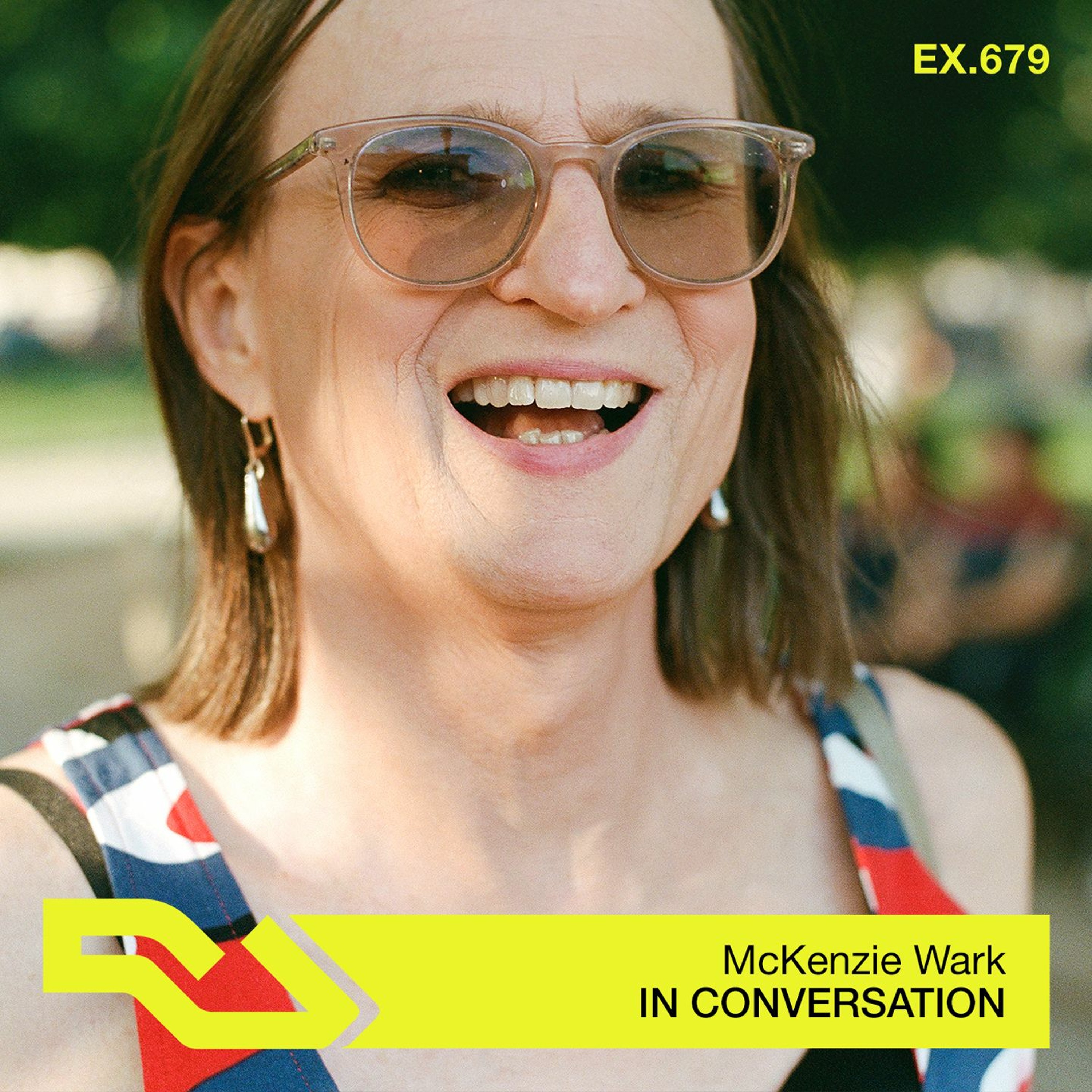
EX.679 McKenzie Wark
"There are books about techno and rave, but let's fill in the blanks." The scholar and activist talks about her book Raving, bringing club culture into academia and more.McKenzie Wark, professor of Media and Cultural Studies at the New School, is a scholar and raver who has written extensively about the world of dance music and its surrounding subculture. Most recently, Wark penned Raving, a first-person account of her experiences in the Brooklyn queer and trans rave scene. Wark's writing is a unique blend of memoir and literary criticism, and Raving takes readers straight into the heart of undisclosed locations around New York nightlife. Raving to techno is an art and a technique at which queer and trans bodies might be particularly adept, she writes—but it's also for anyone who lets the beat seduce them.In her conversation with the Brooklyn-based DJ Alyce Currier, AKA Lychee, Wark talks about how the book came to be. She explains how entire chapters of the book wrote themselves out in her head, and how she carefully chose 26 characters—all of which have a letter as a name—to represent the friends and acquaintances of hers from the world of queer nightlife. Her own relationship with raving started when she was still living in Australia. At the time, she says, she hadn't yet transitioned and was experiencing an ambient sense of gender dysphoria that only dancing and nightlife could placate. She didn't actually transition until she was in her late 50s, in 2017. "After I went on hormones, I couldn't write," she says. "But the pressure [to write Raving] was enabling, and I found my voice in this book."Wark and Currier also talk about what it means to bring club culture into academia, working with fellow rave scholar madison moore and how parties can serve the communities they're designed to cater to instead of exacerbating existing social structures that already exist. Listen to the episode in full. Hosted on Acast. See acast.com/privacy for more information.

EX.678 Nastia
"I'm curious about everything—this is my power." The Ukrainian DJ and label boss sits down to discuss her approach to curating, self-development, parenthood and more.Nastia calls herself a "true DJ." The Ukrainian artist first laid hands on a pair of decks in 2005 after moving from her small hometown and attending the University of Donetsk. Beginning as a radio host at Kiss FM, where she curated a show called Nechto—now the name of her label—she started actively touring, pursuing a career dedicated to DJing and nothing else.Nastia is proud of having reached great heights as a DJ with no productions under her belt. In this conversation recorded live at Nuits Sonores festival in Lyon, she tells moderator Christine Kakaire about her decision to turn her attention towards the studio at the apex of her career. She also discusses her idiosyncratic style of putting a set together, using each stage appearance as an opportunity to educate the audience about music and create a narrative expressive of her internal world. "I'll never be just a drum & bass DJ, or just a techno DJ," she says. "I'm curious about everything—this is my power."Among Nastia's reflections on music are her considerations of the war in Ukraine, parenthood as a touring DJ, self-development and more. Listen to the episode in full. Hosted on Acast. See acast.com/privacy for more information.

EX.677 Flowdan
"Vocals go hand in hand with the grime I know." Ahead of his appearance at London's Waterworks Festival, the UK artist discusses the significance of MCs, working with Skrillex and more.Marc Veira, AKA Flowdan, sees MCs as the "hub of all the vibes." Growing up in East London's rich dancehall and reggae scene, he developed a singular view of music that blossomed into a career as a well-known MC and cofounder of the grime collective Roll Deep. Alongside a string of successful EPs and collaborations come on labels like Hyperdub and Tru Thoughts, he recently earned widespread plaudits for his collaboration with Skrillex and Fred Again…. on their anthem, "Rumble," which came out last year.In this RA Exchange with DJ and radio host Tash LC, Veira discusses how he got to this point, starting from his time at home and his mother's passion for sound system culture. "The MC being the hub of all the vibes—I heard that in sound system culture," he says. He believes there still isn't enough credit afforded to vocalists in live performances more generally. "The grime I know, the garage I know, the drum & bass I know—vocals go hand in hand with all of that. And at festivals, massive artists headlining shows have no mention of their vocalists. That's not what the music is."Veira also unpacks his love for working with other people, his mentorship of up-and-coming producers and using Flowdan as the character behind which he hides his natural shyness on stage. To hear more about his creative process and trajectory, listen to the episode in full. Hosted on Acast. See acast.com/privacy for more information.
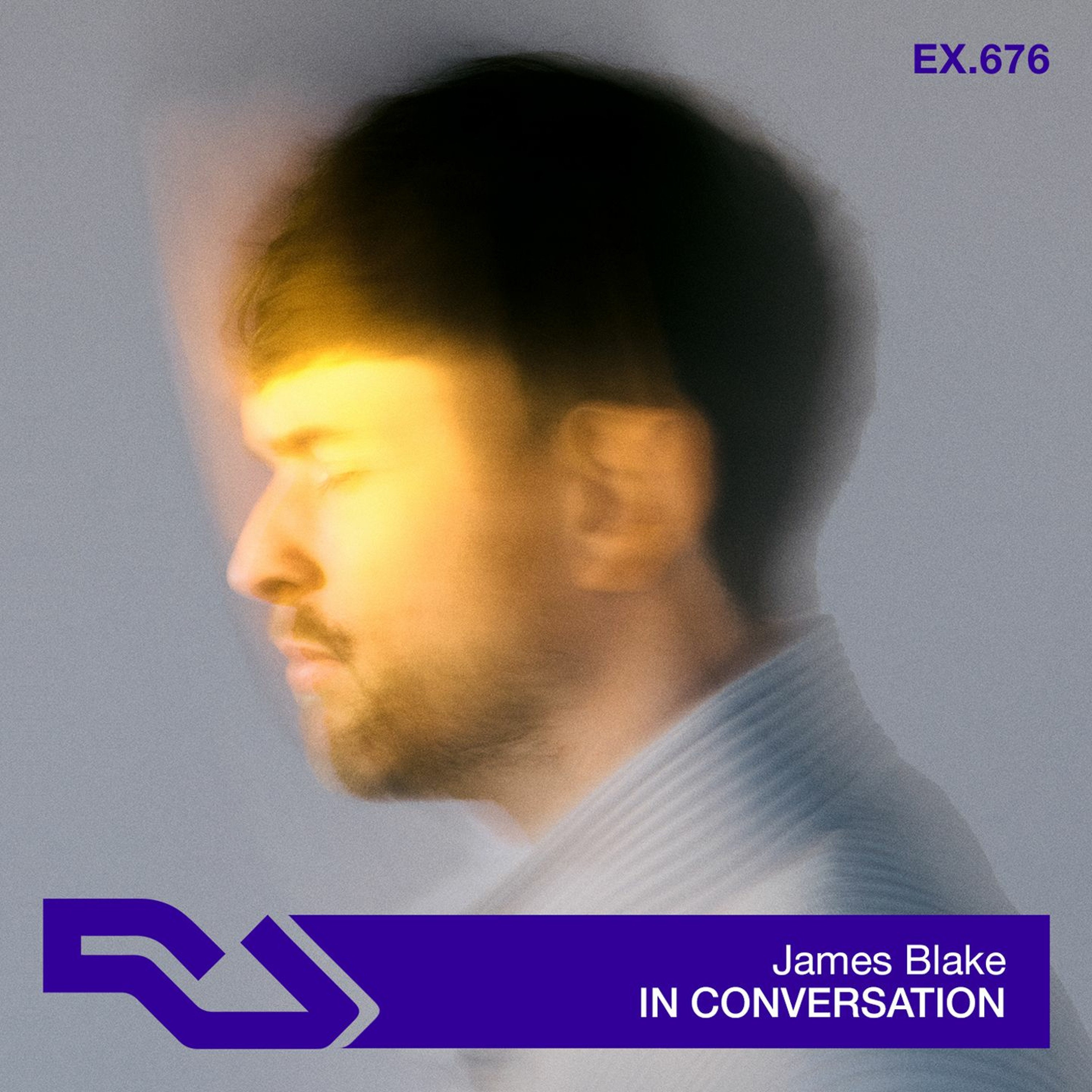
EX.676 James Blake
"I've been lucky to work with some of my favourite artists of all time." The Grammy Award-winning producer discusses working with Jay-Z, throwing dubstep parties and his new album.Many people know James Blake as the singer behind the breakout cover of Feist's "Limit To Your Love," which was a hit in the underground and global pop music charts, or the Grammy Award-winning producer who has worked with artists like Beyonce, Frank Ocean, Vince Staples and Bon Iver, among many others.Before all of this, Blake was making records for R&S and Hemlock—two UK mainstays in the dubstep and garage scenes. As a 20-year-old, he was also throwing bass nights on his Goldsmiths University campus called The Bass Society, inviting the likes of Skream & Benga to empty auditoriums. Back then, “we never made any money," he describes in this week's RA Exchange. "But we had so much fun. The feeling of promoting a night and getting Distance to come and play your night, even if there were only 20 people there, just felt like such a massive achievement."His passion for this music never left, and now he's coming full circle with his album Playing Robots Into Heaven, out September 8th. For more on his vision behind this new record, his collage-like production techniques and his take on being a producer versus an artist, listen to the episode in full. Hosted on Acast. See acast.com/privacy for more information.
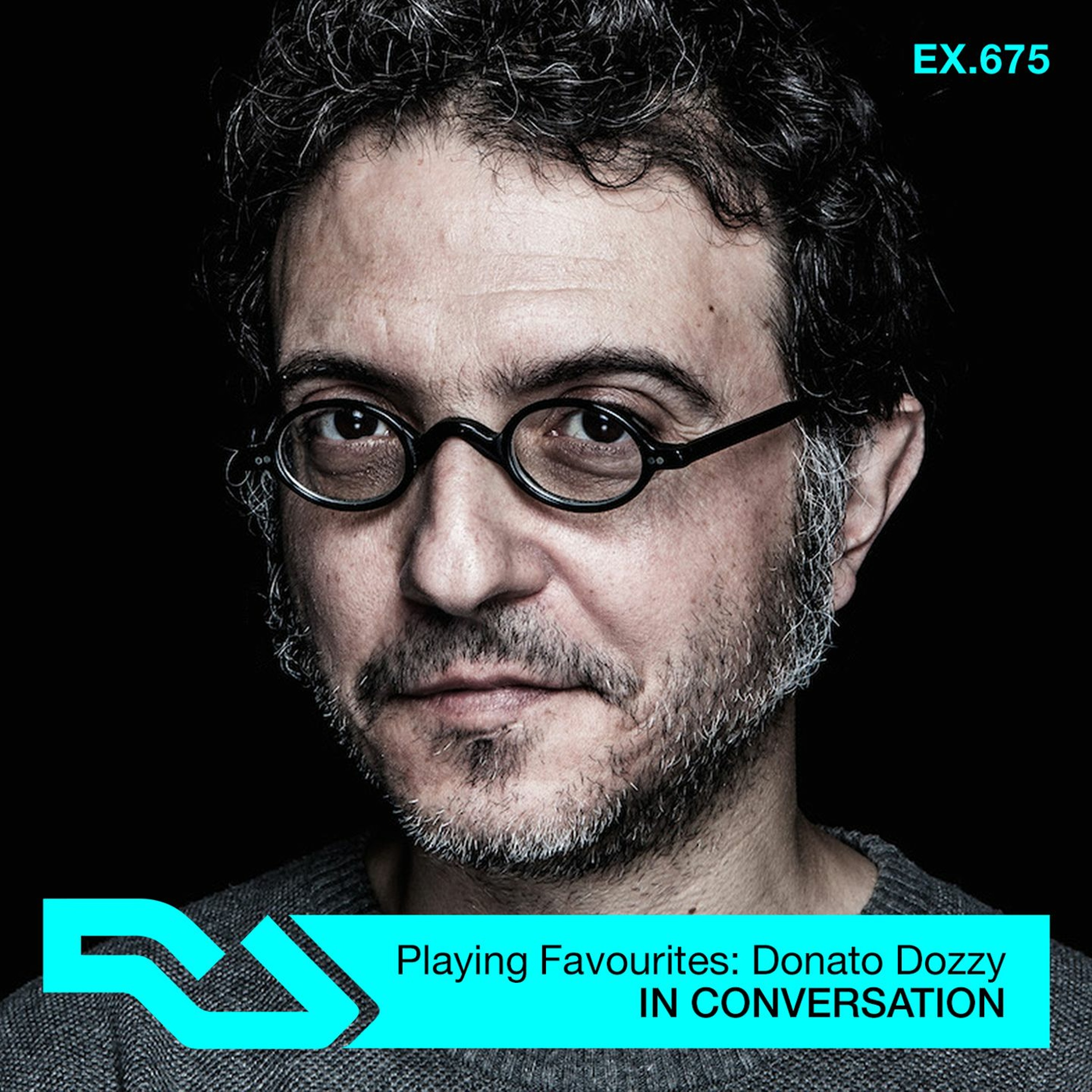
EX.675 Donato Dozzy
"These records changed my emotional perspective on music." Recorded live at Dekmantel, the Italian techno artist dissects the records that shaped his approach to DJing and production.There are few artists as widely respected as Donato Dozzy, who is known for his unique approach to building hypnotic, acid-infused atmospheres as a solo artist and as one half of Voices From The Lake. He is also a singular curator at the head of Spazio Disponibile alongside Neel, and a DJ with a reputation for building sophisticated and slowly unwinding sets at festivals like Labyrinth, Terraforma and Horst, as well as in public spaces and museums.In this Exchange live from Dekmantel 2023, Resident Advisor's editor-in-chief, Whitney Wei, asks Dozzy about the songs that shaped his craft in our Playing Favourites flagship series. He takes us back to his childhood, playing the first track that introduced him to electronic music before moving chronologically through his life and the pieces that acted as lynchpins in his creative development. He discusses how he grew up in a musical household, listening to classical orchestrations with his parents before finding Italo disco and the stylings of Giorgio Moroder, Lory D and The Future Sound of London. These albums, he says, influenced how he builds his sets, leaning into slowly unfolding narratives as he moves from one track to another. "When I started releasing albums, I decided that I wanted to create stories," he says. Listen to the episode in full.Tracklist:Franco Battiato - Summer on a Solitary BeachGiorgio Moroder - The ChaseLory D - Abrupt InterruptionThe Future Sound of London - CascadeKruder & Dorfmeister - DJ Kicks 1996Mike Parker - DispatchesDie Woodys - Fitchtl's LiedVerde Prato - Nina SonandoDonato Dozzy - Valentina Hosted on Acast. See acast.com/privacy for more information.
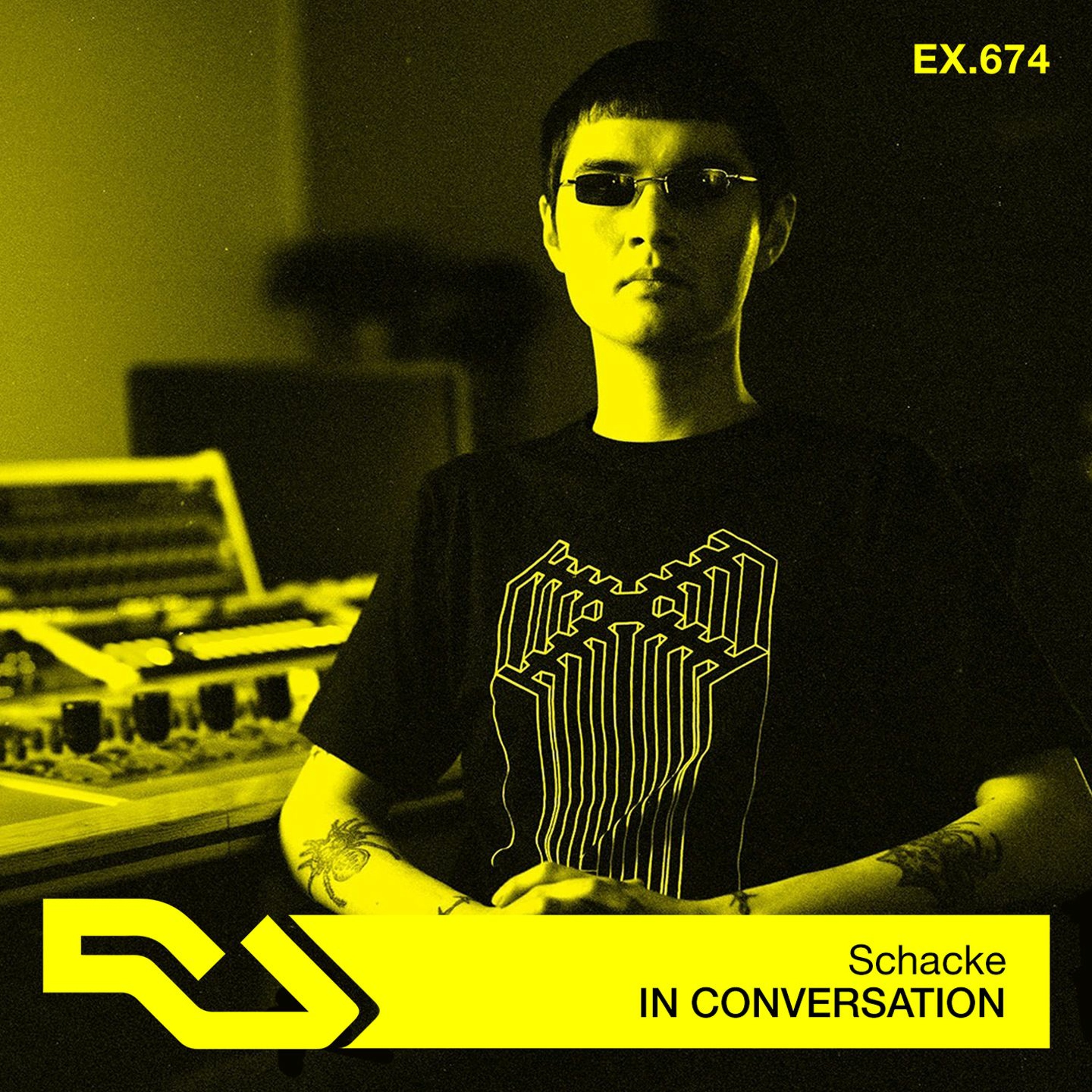
EX.674 Schacke
"I've always been fascinated with extreme art." The Fast Forward member discusses the Copenhagen techno sound, eroticism and his proclivity for noise and black metal.Martin Schacke has been leading the charge on developing the psytrance-inspired techno sound that's dominated clubs over the last couple of years. He's also known for making provocative, catchy club tunes like "Kisloty People"—his breakout single from 2019—and Apocalyptic Decadence, an LP that came out on Instruments of Discipline last year (which made Resident Advisor's "The Best Albums of 2022" list). He's joined by a rank of DJs from Copenhagen like Sugar and DJ Tool who are popularizing this fun and fast counterpoint to heads-down dance music, and which Schacke describes as originating from a desire to start a scene distinct from the Berghain sound.Interestingly, Schacke is also an artist of many trades. He's heavily involved with noise, industrial and black metal music, and he discusses how these more experimental forms have inspired his releases for the dance floor. "I've taken a lot of these ways of working with aesthetic opposites and absurdities from noise music, where it's normal to use extreme subject matter and go into dark territory and fun territory," he said. "I think those can really intertwine." In this RA Exchange, he talks about his roots in this scene as well as his proclivity for extreme aesthetics, taking breaks from dance music, the personal costs of choosing a life dedicated to being an artist and more. Listen to the episode in full. Hosted on Acast. See acast.com/privacy for more information.

EX.673 Future Proof with Moxie
"Just be obsessed with music. Love it." The beloved London artist gives a masterclass on how to make it as a DJ and build a sustainable career.Alice Moxom—better known by her stage name, Moxie—started out as a radio DJ on Kiss FM and NTS before playing parties and touring full-time. Now she has a label and party series that she curates called On Loop, which has invited artists like Matthew Herbert, Josey Rebelle, Leon Vynehall, K-Hand and Joy Orbison, in venues across Europe and the UK. The key to her success, she says, is that she hasn't rushed anything in her career. "Your sound can evolve and you can change," she says. "If you're thinking about this as a real career, the [opportunities] will always come around." In this episode of Resident Advisor's Exchange—the second in a three-part masterclass series called Future Proof, a collaboration with Rhythm Section—co-host Bradley Zero says that Moxie is "one of the most organized and graceful DJs on the circuit." She reveals how she has steadily built a career from the ground up, detailing how she's developed a synergistic relationship with her booking agent; selectively chosen gigs and mix opportunities; maneuvered stylistically without confusing promoters; and cultivated lasting relationships with a team of people she trusts. Listen to the episode in full.This conversation was recorded live in December, and you can watch video shorts from the talk on YouTube. Watch the Masterclass video playlist via the link below:https://www.youtube.com/@rhythmsectioninternational/streamsRhythm Section’s Future Proof project is supported by Arts Council England and PRS Foundation. Hosted on Acast. See acast.com/privacy for more information.

RA EX.672 Dorian Electra
"Fandom is the new religion of our capitalist society." The genderqueer pop star discusses economic philosophy, queer aesthetics and the internet ahead of their new album.Avant-pop star Dorian Electra wasn't your average American student. As an 18-year-old, they were interested in exploring philosophy and political radicalisation through music, making their debut in 2010 with the song "I'm In Love With Friedrich Hayek"—a ballad to the economist who influenced Ronald Reagan and Margaret Thatcher’s free-market ideology. Electra was simultaneously working as a stripper, channeling their exploration of gender into an early career series of pop videos that told the history of feminism, drag and vibrators. More than a decade later, the artist has brought these seemingly contradictory facets of their interests into a bizarre and beautiful symbiosis. On this week's RA Exchange, Electra speaks with moderator Gunseli Yalcinkaya about the underpinnings of Fanfare, their third album, which lands on October 6th. One of the album's central conceits is the meaning of fandom and online culture in 2023. "I've been experiencing hyper-online everything," they said. "The past few years have solidified the idea in my head that as we've grown increasingly secular, people still want something to give their life greater meaning, and they've found that in connecting with others online in a way that's largely replaced religion." They also discuss their proclivity for ultra-synthetic, cartoonishly masculine pop; their take on the internet zeitgeist; ADHD; musical performance as an expression of the extremities of human experience and more. Listen to the episode in full.This edition of the RA Exchange was recorded in collaboration with The Qube, London's first members' studio for music and content creators. If you're a music producer, songwriter, artist, photographer or podcaster and would like to apply for a membership, head over to theqube.com. Hosted on Acast. See acast.com/privacy for more information.
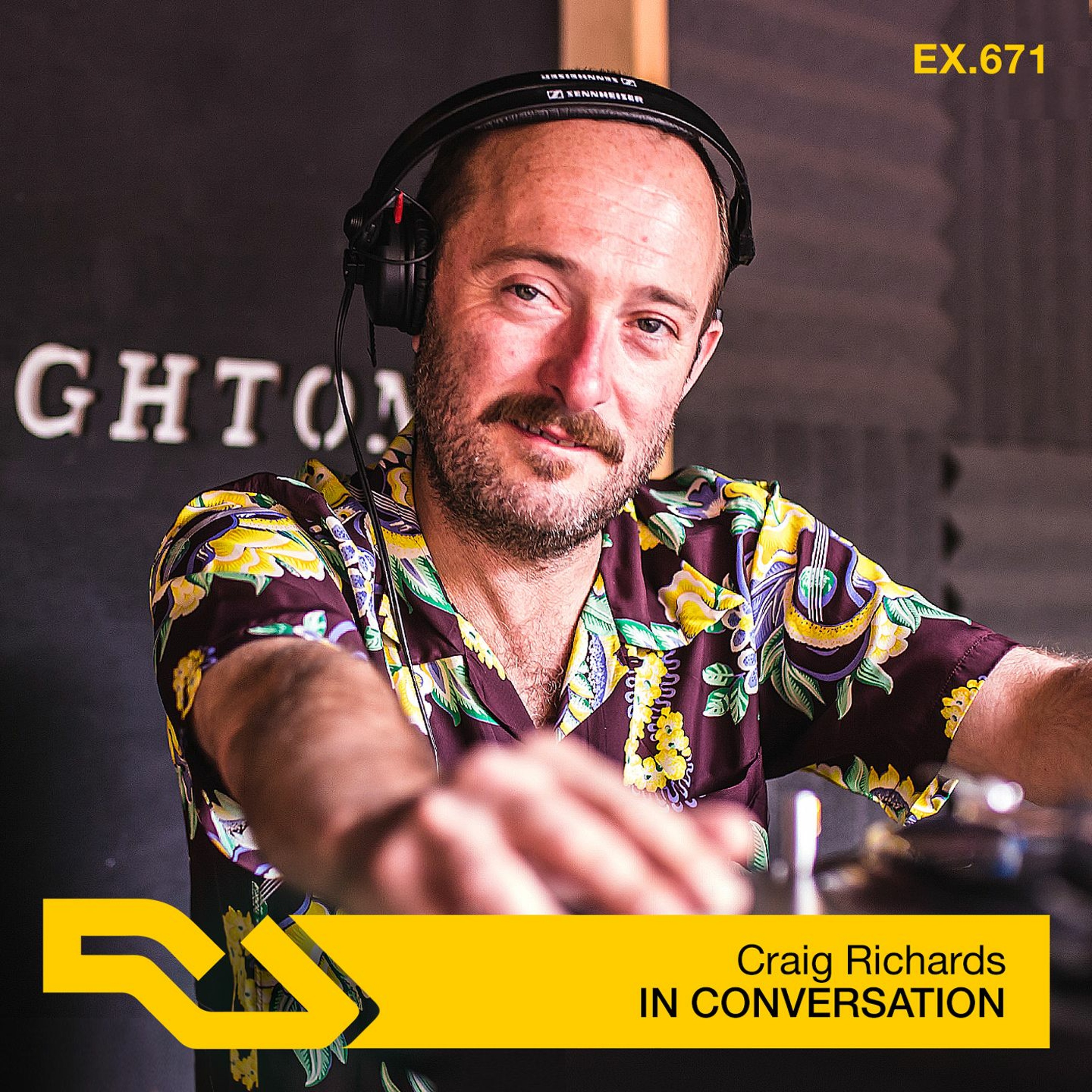
EX.671 Craig Richards
"Devotion is the main aim—to try to encourage commitment in people." The fabric resident and Houghton festival founder discusses his love of the crowd, DJing and more.Craig Richards, arguably one of UK dance music's most respected DJs, is normally averse to the spotlight. But the multi-hyphenate artist and fabric resident has played the London institution every Saturday for nearly two decades, DJing alongside fellow household names like Ricardo Villalobos and Nicolas Lutz. Over the years, Richards has profoundly shaped the canon that's defined the space and its programming week in and week out.He’s keenly attuned to other DJs and the flow of a night, and he's not indebted to one particular style or genre. In a Resident Advisor feature from 2019, Ray Philp described his sound as "intergalactic space metal" that goes far beyond techno, house or electro, instead interplaying classics with deep, headsy tunes that he tirelessly seeks out every week.In this interview with RA's European deputy editor Carlos Hawthorn, Richards talks about what makes a good record, and the DJ's role as a bridge between the past and present. He also discusses his endeavours beyond the booth—most notably the idyllic festival he started in 2017, Houghton, which is set in the English countryside—and his passion for painting and cross-disciplinary creativity. Listen to the episode in full. Hosted on Acast. See acast.com/privacy for more information.
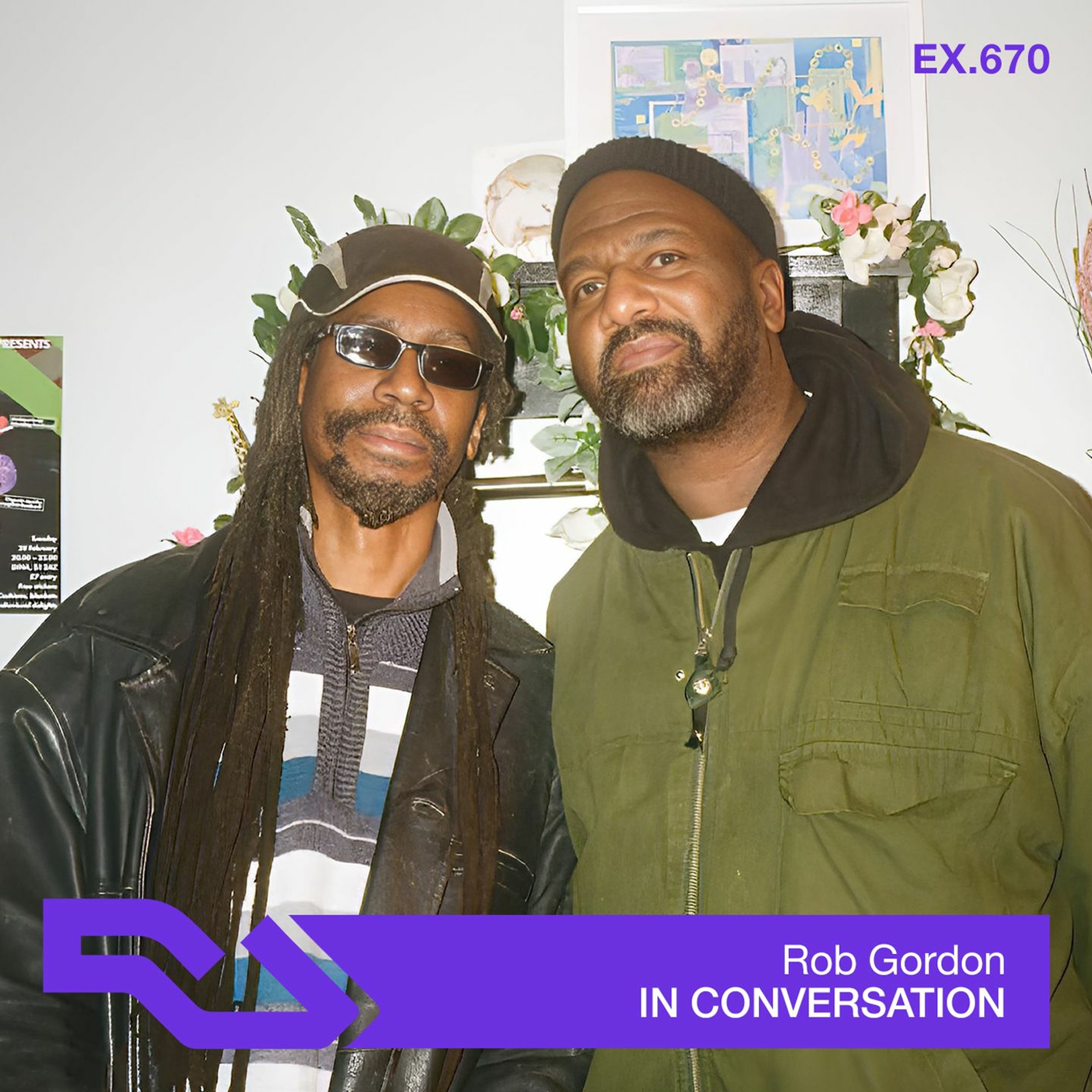
EX.670 CDR with Rob Gordon
"I approached and signed all of the first Warp acts." The Sheffield record producer and label cofounder discusses starting the UK label and the early days of bleep techno.Before Warp became the landmark label it is today, it was a Sheffield record store. Robert Gordon was an employee there in the early '80s, working alongside colleagues Steve Beckett and Rob Mitchell, with whom he'd start the label in 1989. Listeners familiar with the contemporary UK techno landscape may associate Warp with luminaries like Aphex Twin and other names associated with IDM and bleep techno. It also released a lot of artists who were recording in a Sheffield studio called FON, which is where Robert Gordon found his footing even before starting Warp.In this Exchange—conducted by DJ, producer, CDR founder and Resident Advisor board member Tony Nwachukwu—Gordon talks about FON and laying the groundwork for the Sheffield scene. In 1985, he recalls, it was the first local commercial 24-track studio and attracted luminaries like David Bowie, Yazz and groups tied to post-punk band Cabaret Voltaire. More recently, it's produced work by 808 State, Nightmares On Wax and Sweet Exorcist.Gordon also reflects on FON's early days. It was foundational to the sound of the '00s and formed a tight-knit community around itself that eventually became intrinsic to a bigger musical movement. Although Gordon left Warp in 1991, his A&Ring for the label—along with his own productions and engineering assistance—defined its sound. Listen to their conversation in full. Hosted on Acast. See acast.com/privacy for more information.
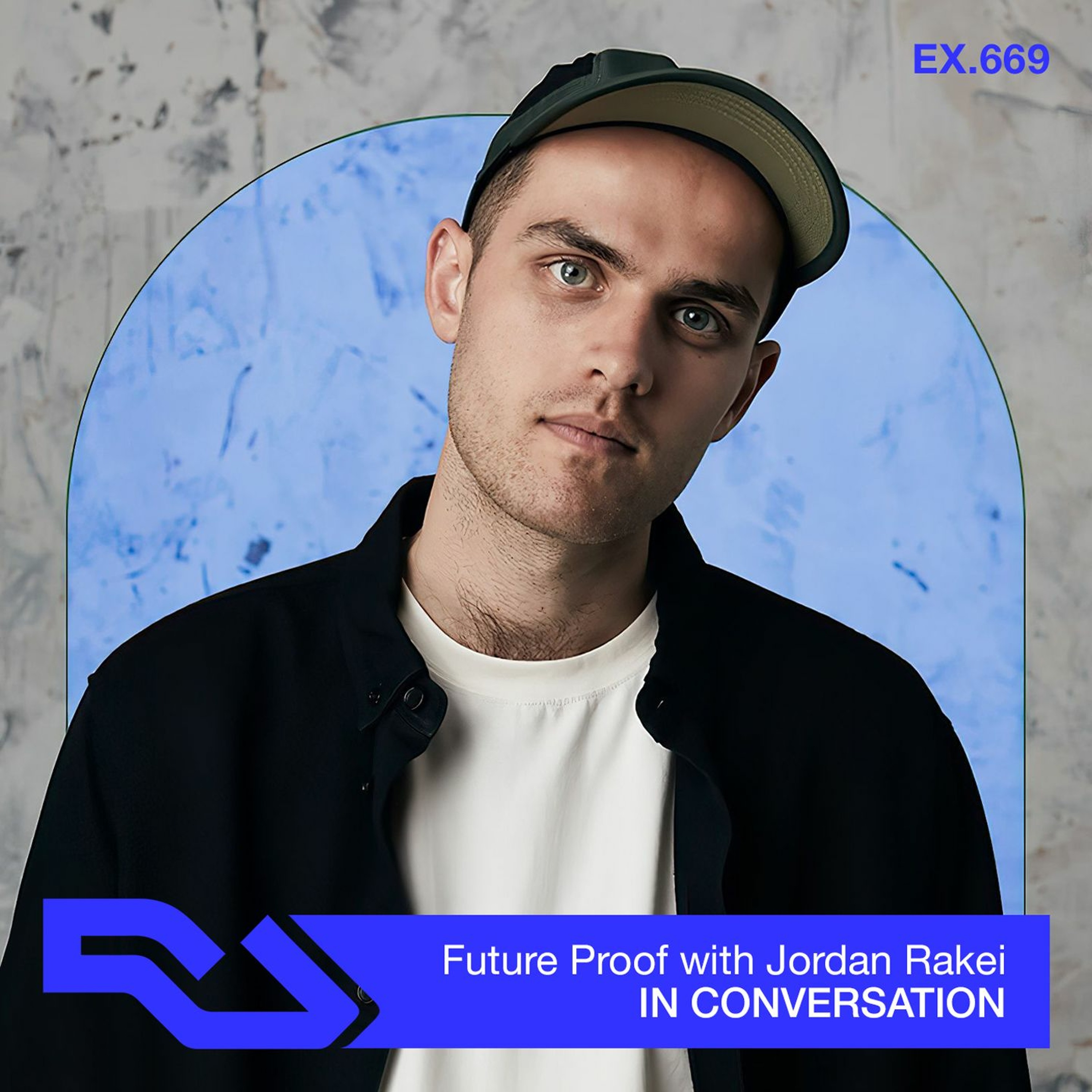
EX.669 Future Proof with Jordan Rakei
"It's through collaboration that I've grown most with my sound." In this collaboration with Rhythm Section, the multi-instrumentalist talks about how he found his style and started his career.Jordan Rakei is a self-made musician. A multi-instrumentalist, vocalist and producer whose work dips into soul, hip-hop and electronic music, he moved to London from New Zealand, giving himself a four-month "buffer budget" to get his career off the ground. Now, he's released on Ninja Tune and Rhythm Section International, and has collaborated with a number of Grammy- and Oscar-award-nominated artists.But his journey wasn't easy, as he explains in this masterclass moderated by Roy Mills and Rhythm Section's Bradley Zero. Rakei talks about how to build a career as an independent artist, why he transitioned from working alone to working with a big agency, signing deals with labels, and living close to the edge in an expensive city. It's the first in a three-part series called Future Proof hosted by Rhythm Section International, all of which explore facets of creating and sustaining a career as a musician.This episode was recorded live in May, and you can watch video shorts from the talk on YouTube. Listen to their conversation in full. Watch the Masterclass video playlist via the link below:https://youtube.com/playlist?list=PLIpCC9Ep-UEmgJkFN9QmisE_xxW-mgCOVRhythm Section’s Future Proof project is supported by Arts Council England and PRS Foundation Hosted on Acast. See acast.com/privacy for more information.
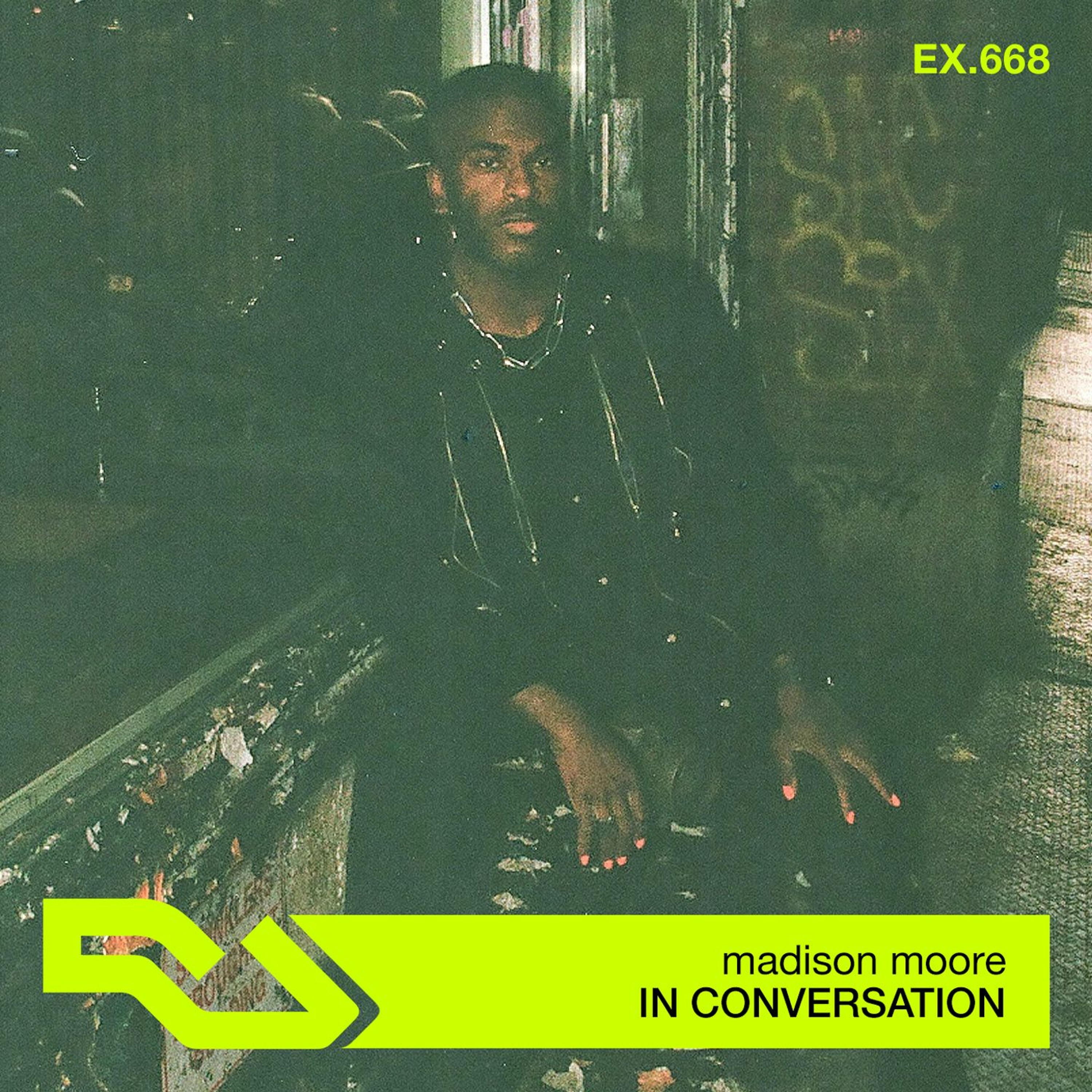
EX.668 madison moore
"DJing and lecturing aren't different practices for me. I just fuse them together." The scholar and performer reflects on bringing critical ideas to club spaces and writing about raves.madison moore is a true multi-hyphenate: an artist, scholar, DJ and assistant professor of Modern Culture and Media at Brown University. Despite having a hand in so many seemingly disparate endeavors, however, moore sees their work across academia and music as being intrinsically interconnected, and their mission is to find ways to bring theory and practice into one space.In this conversation with journalist and former RBMA editor-in-chief Aaron Gonsher, moore reflects on how he was first inspired by figures like Paul D. Miller (AKA DJ Spooky), who brought DJ technologies, parties and theory together. "Knowledge doesn't have to be gate kept behind a JSTOR portal," he says. "It doesn't have to be an institutional access thing. You can bring the knowledge, bring the ideas, bring the fun out."In a series of performance lectures focused on queer nightlife, moore teaches about the historical context around dance music and the significance of the club for queer Black folks, explaining that he sees performance as a critical tool to spread ideas. He explored this fusion of academia and dance music at his recent nightlife residency at The Kitchen in New York—where he curated a series of public programs with DJs, artists, scholars and queer nightlife performers—and in his book Fabulous: The Rise of the Beautiful Eccentric. To hear his reflections on these projects and more, listen to the episode in full.Photo by Rome God Hosted on Acast. See acast.com/privacy for more information.

EX.667 Cherie Hu
"What is our shared purpose and motivation for being here?" Our guest editor for June discusses community-building, innovation in music technology and more in this week's Exchange.Cherie Hu thinks about music differently. Trained in classical piano at The Juilliard School in New York, she went on to study math at Harvard while simultaneously launching a freelance journalism career. It was towards the end of her time in university that her parallel interests in music, writing and statistics coalesced in one long-term mission: to bridge the innovations happening in music creation and technology.First a newsletter and now an international membership-based platform, Water & Music was her answer to this unique topical intersection. "Water & Music's goal is to connect like-minded readers and develop a bottom-up culture of curiosity and critique around where music and tech are headed," she wrote earlier this month on RA. "Through media, my own personal goal is not only to document and analyse music-tech innovation as it happens, but also to foster a culture of proactive experimentation. I want to help artists and their teams use the tools at their disposal to expand the boundaries of possibility in both music and culture at large, and kickstart a longer-term dialogue around how music creators and professionals can incorporate tech into their careers in an ethical manner."Over the last few weeks, Hu has curated thoughtful and practical articles for RA that touch on the ethics and implications of AI, the metaverse and fandom, as well as more far-reaching topics that she explores in depth on the Water & Music website and Discord. In them, she urges everyone in creative ecosystems to think more critically about why trends happen, how we can cultivate sustainable artistic communities and the ways in which we can create more agency and collective ownership over how music is released and consumed. Listen to the episode in full. Hosted on Acast. See acast.com/privacy for more information.

EX.666 Jayda G
"Singing is super vulnerable, but it's such a big release." The DJ and producer opens up about her new album and how she brings deeply personal issues to bear.Jayda G's father, William Richard Guy, died shortly before she turned ten. In the months leading up to his death, with the help of Jayda G's older sister, he recorded 11 hours of video tapes documenting his story for his youngest daughter. Guy, the Canadian DJ and producer's latest album on Ninja Tune, is built around snippets of his recordings, with each track inspired by either a particular chapter of his story or something she's learned about herself as she unpacked her grief. "This album is about him and for me," she wrote on Instagram. "I needed this. It gave me perspective, understanding and depth to myself and my outlook on life and family."For this episode of the RA Exchange, Jayda G spoke with Berlin-based artist Juba about making the album and the history that inspired it. She also opened up about integrating her own voice into her songs, a process that made her feel vulnerable, but also provided an enormous sense of release. While she doesn't have plans to sing the album live anytime soon, she revealed her other upcoming projects—including a feature-length documentary about her work in environmentalism—and how she balances her busy touring schedule with her parallel interest in science, her marriage and, most critically, her much-needed downtime. Listen to the episode in full. Hosted on Acast. See acast.com/privacy for more information.
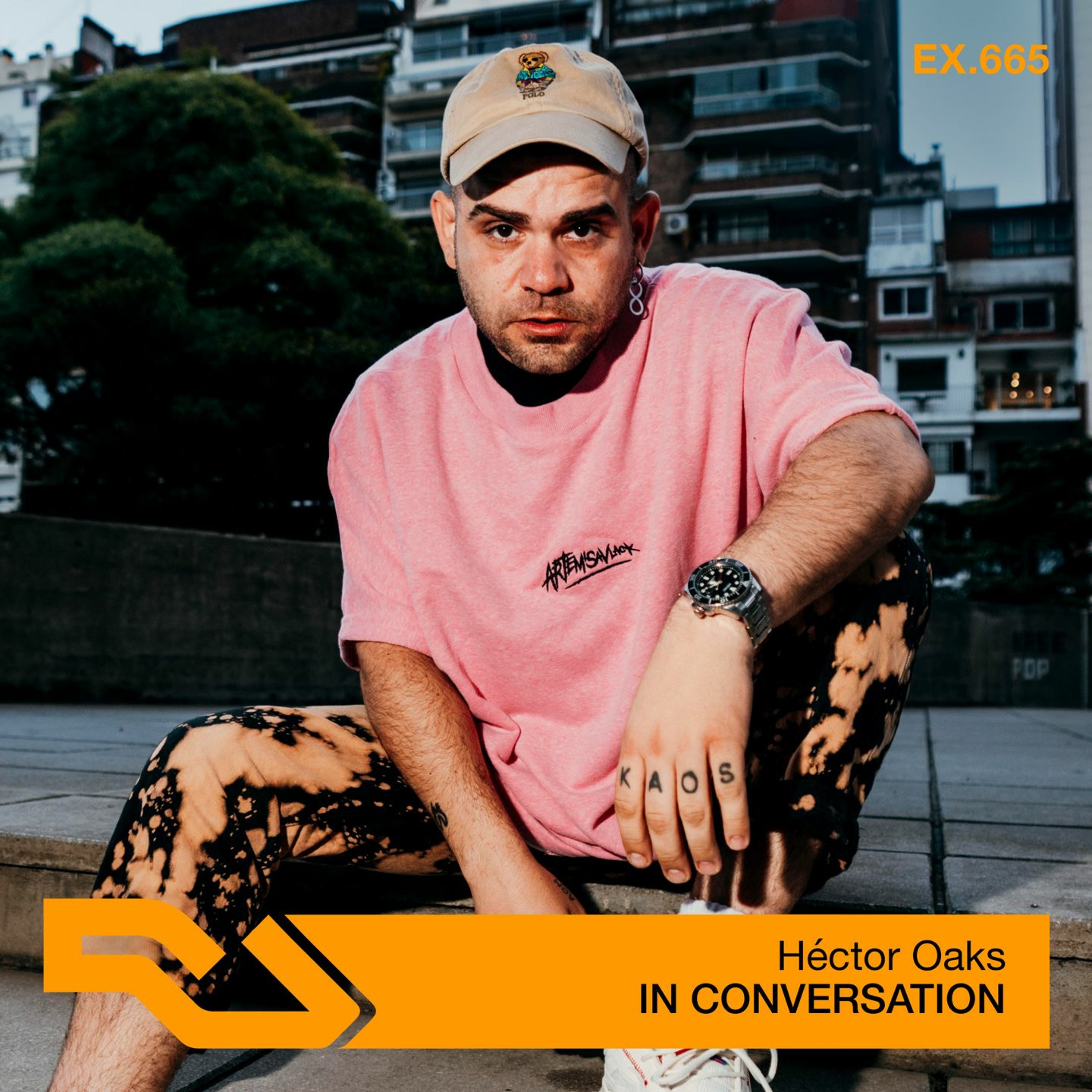
EX.665 Héctor Oaks
"Punk is more an attitude than a style of music. And I think that techno is way more punk than punk." The Spanish DJ discusses the ethos of the underground, vinyl DJing and more on this week's Exchange from AVA Festival.Héctor Oaks relocated from his hometown of Madrid to study at "Berlin University"—the clubs, record stores and underground parties that would shape his career as an artist. After once famously saying he could "live in peace" if he could play Berghain just once, the techno DJ has since graced the institution's dance floor multiple times and earned residencies at Herrensauna and Bassiani. Now one of a handful of in-demand, vinyl-only DJs, he's also a prolific artist and the head of two labels, KAOS and OAKS.What makes Oaks especially interesting as an interview subject, though, isn't his newfound popularity, but the underlying ethos that drives his music career. A self-described "techno punk," he reflects on what happens to the punk ethos around the underground once the underground becomes mainstream. "When you see that you've worked for the underground and then the underground becomes pop, do you want to fight against it, or do you want to be part of it?" he asks. "We're not only carrying the music, but we're carrying the values."In this interview, Oaks also talks about the art of playing vinyl, his new hip-hop project, working for the now-defunct Record Loft and his forthcoming album and live show. Listen to the episode in full. Hosted on Acast. See acast.com/privacy for more information.

EX.664 Black Minds Matter UK: Charisse C and Conducta
"If you feel like you're not progressing, the likelihood is that everyone else you're looking at is going through exactly the same thing." Conducta and Charisse C talk about isolation and mental health in this collaboration with Black Minds Matter UK.Resident Advisor is delighted to welcome back our quarterly collaboration with Black Minds Matter UK, a charity connecting Black individuals and families with free mental health services. In line with their mission to make topics around mental health more visible and accessible to the Black community, this recurring series dives deep into some of the issues that plague BIPOC artists specifically, not to mention people working within the creative industries more generally.In this episode, Vanessa Maria hosts engaging conversations with two London-based artists: Charisse C, a DJ and resident on NTS Radio who derives much of her musical inspiration from her Zimbabwean and South African heritage, and Conducta, a UKG tastemaker and the founder and A&R of Kiwi Rekords. The duo share their thoughts on themes around loneliness—the alienation of social media, the risk of burnout on the road and the self-doubt that accompanies any kind of achievement. But they also share inspiring ways to encourage transparency and a real dialogue around hard work and happiness in the dance music scene that isn't mitigated by social media and outward appearances of success. "Everything that people think has happened overnight in the last two or so years, that's all been a process and a journey of hard work," says Conducta. "I think one thing that will benefit young people coming up in the music industry is understanding that if you feel like you're hitting a stalemate, the likelihood is that everyone else you're looking at is going through exactly the same thing, feeling exactly the same thing." Listen to the episode in full. Hosted on Acast. See acast.com/privacy for more information.
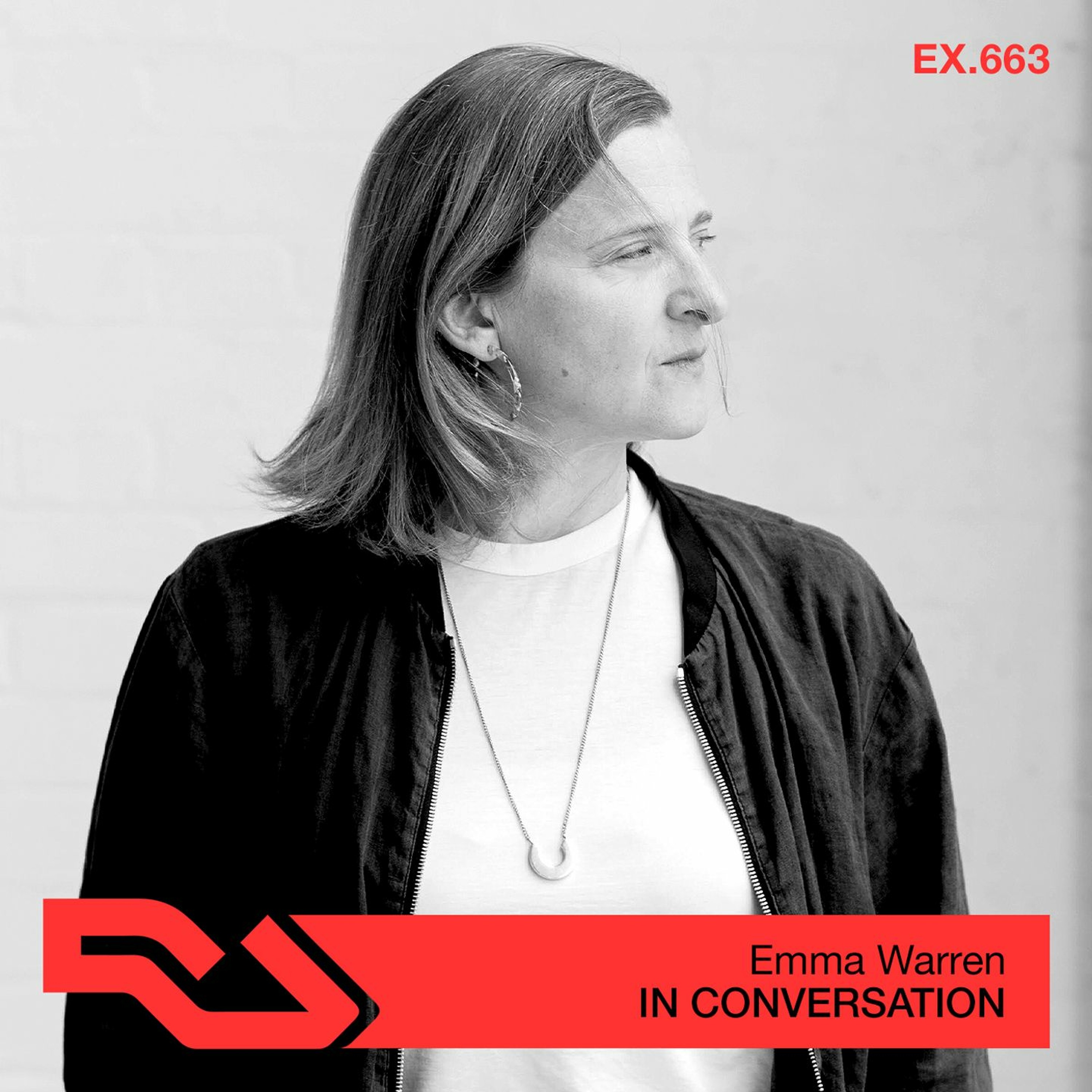
EX.663 Emma Warren
"The dance floor is a portal and a transmission tool in addition to being a technology of togetherness." The British author’s new book, Dance Your Way Home, offers a sociocultural history of the dance floor.Emma Warren has been documenting grassroots music culture since co-founding Jockey Slut magazine in the mid '90s. From those early years to subsequent stints at THE FACE and Brixton’s youth-run Live Magazine, her journey of personal growth has become intertwined with nightlife.In this episode, the UK author speaks with Aaron Gonsher, former editor-in-chief of the now-defunct Red Bull Music Academy, about her new book, Dance Your Way Home: A Journey Through The Dance Floor. Writing about how music thrives through in-person connections and physical spaces, she provides a social history of the dance floor while highlighting the power of communion.Their conversation is a fascinating and far-ranging one; they speak about writing from the heart and Warren's deep connections with nightlife communities. She also talks about how the dance floor acted as a palliative in times of personal strife. "As I was writing [the book] and working it out through the writing, I realised that the less my dad could move or had control over his body, the more I needed to dance and have control over mine," she says of her father's disability. "So, I feel this absolute connection to the strength which you bring on the dance floor: that core control, that tightening of your body, that loosening of your limbs when you're moving and just how important that was to me—and what a life saver, really."Warren is also the author of three other books, including Make Some Space: Tuning Into Total Refreshment Centre, Document Your Culture: A Manual and Steam Down: Or How Things Begin. Listen to the conversation to hear her thoughts on why we dance together and what dancing tells us about ourselves. Hosted on Acast. See acast.com/privacy for more information.