
RA Exchange
539 episodes — Page 2 of 11
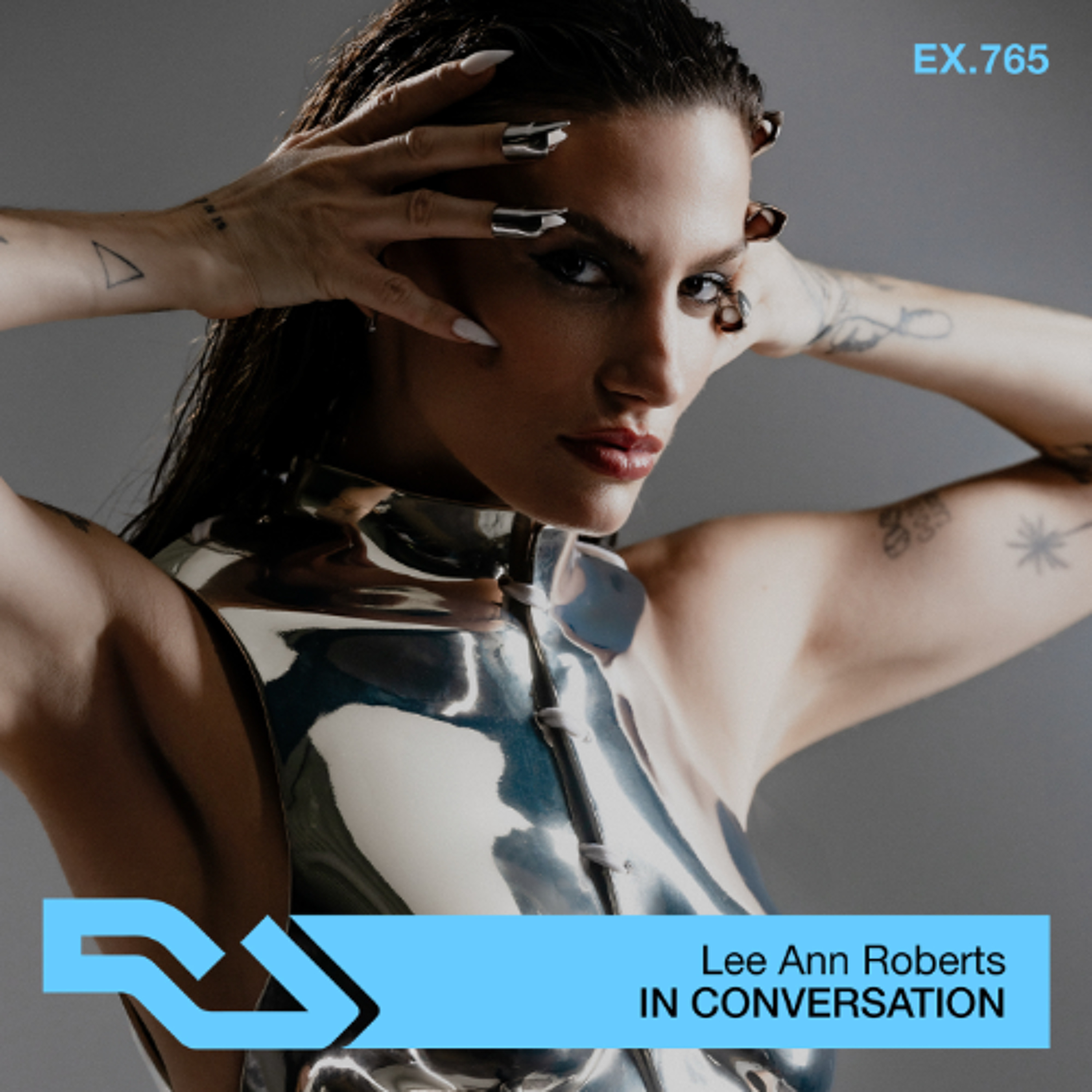
EX.765 Lee Ann Roberts
"Music kept me sane." The hard techno breakout opens up about how life's greatest challenges have made her headstrong.To honour Mental Health Awareness week, the RA Exchange sits down with hard techno DJ Lee Ann Roberts, who opens up about her tough childhood in Durban, South Africa, and how music saved her life. While to some it may appear that Roberts broke through only a few years ago, she's been hard at work for much longer, starting out in South Africa's fashion scene before moving to Los Angeles and finally committing herself to pursuing a career as a DJ and producer. She speaks candidly about her abusive household and the limited opportunities for self-expression and creativity she had as a child. As a result, she's become headstrong; nothing has stopped Roberts from being herself and chasing her dreams, and she talks about how self-care, self-compassion, authenticity and a sense of humour have gotten her through some of the darkest periods of her life.As a member of the contemporary hard techno scene, Roberts also shares her reaction to the recent Resident Advisor feature on the movement and the underpinnings of a trend that has polarised the underground. Listen to the episode in full. -Chloe Lula Hosted on Acast. See acast.com/privacy for more information.

EX.764 Maria May (CAA)
"Everyone tells me I'm terrifying." The powerhouse agent talks about being a woman in a male-dominated world and growing the careers of artists like David Guetta, Marlon Hoffstadt and more.What does it take to become a powerhouse agent in the male-dominated electronic music industry? No one can answer this question better than Maria May, a name that might be familiar to anyone who's had a brush with big-ticket dance music over the past 30 years. May is a longtime agent at CAA, or Creative Artists Agency, one of the largest booking agencies in the world. She was first hired a little over a decade ago to expand its representation of electronic music, back when the company saw that DJs were primed to become the new rockstars. She now looks after major acts like David Guetta, Paul Kalkbrenner, Marlon Hoffstadt and Sara Landry. But she isn't just a fierce businesswoman. She's also a tireless advocate for equity and inclusion in club culture. In this conversation recorded live at the International Music Summit in Ibiza, she talks about the obstacles she's faced over the course of her career as she's actively rebuilt the rooms in which major decisions are made. She was first inspired by her involvement in Britain's illegal rave scene, she recalls, which turned her onto the power of activism and showed her how on-the-ground organising can lead to real-life policy change. She also addresses the negative narrative taking hold of the music industry and the opportunities at hand to make positive, collective change. Listen to the episode in full. -Chloe Lula Hosted on Acast. See acast.com/privacy for more information.
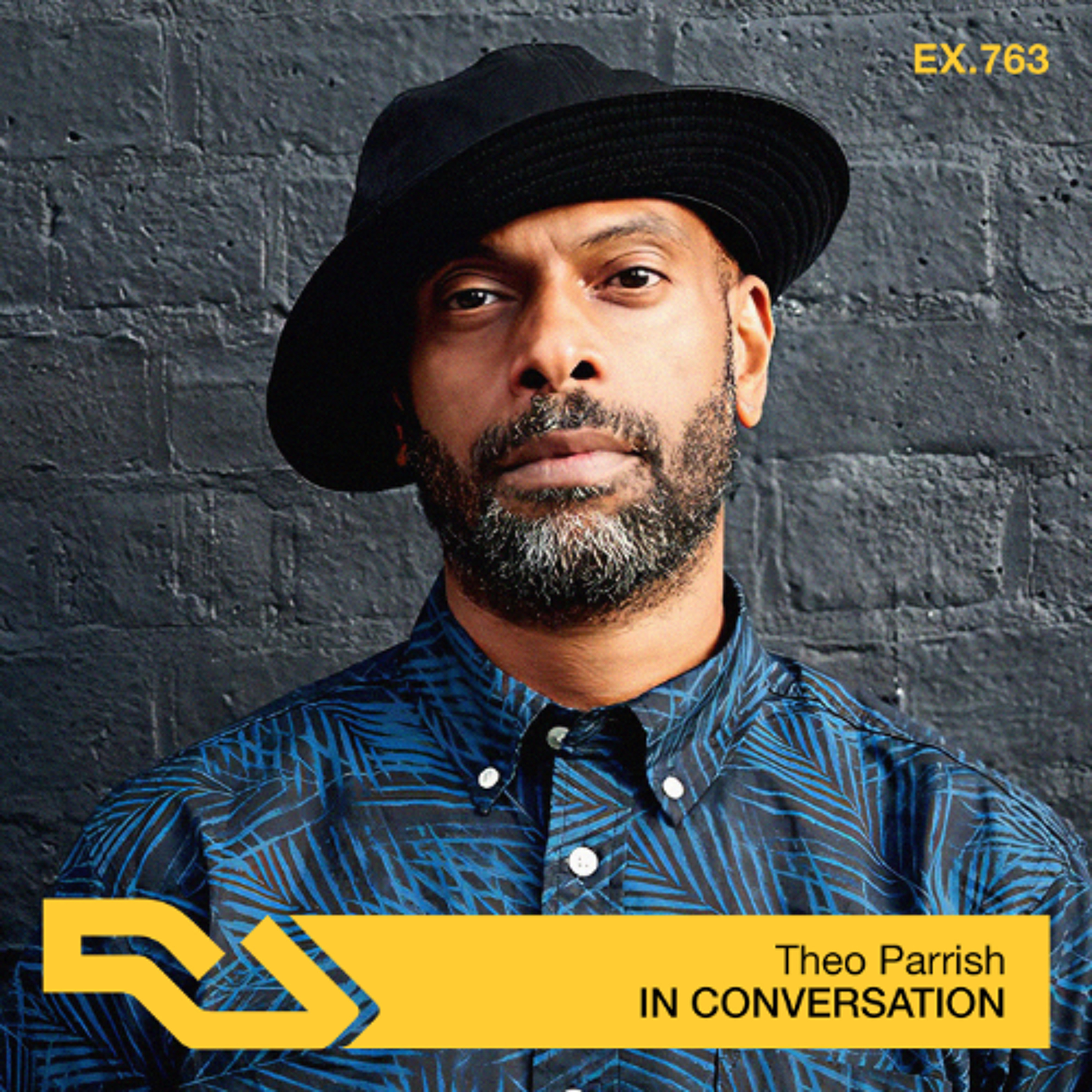
EX.763 Theo Parrish
"It was so difficult to become someone." The house hero talks about Chicago's competitive scene, developing a sound and letting go of his ego. Theo Parrish is one of dance music's most influential DJs and producers. Raised in Chicago, he's become synonymous with slow-burning, immersive grooves and sets that mix classics with obscurities. He began DJing in 1986 aged 13, eventually earning a degree in sculpture and moving to Detroit, where he hit his stride as an artist and became a member of the collective Three Chairs alongside Moodymann, Rick Wilhite and Marcellus Pittman. He also started the label Sound Signature, which uses the language of soul, jazz, disco, Chicago house and Detroit techno.A few months ago, Resident Advisor teamed up with London institution fabric to host Parrish for an eight-hour set—his first time playing the club. While he was in town, he also spoke with CDR's Tony Nwachukwu. In the Exchange, Parrish talks about the intensely competitive scene he grew up in. He DJ'd for 13 years before he was ever paid or had his name billed on a lineup. It took years of passion and hard work to break out of his local scene and build the career he's become known for. "At five years, you're dealing with the technical part [of DJing], at ten it's finding your sound and at 15 it's dealing with the ego of it all," he says. "It's not until much later that you actually start to play for and with people."Parrish also reflects on the ongoing dearth of diversity in the dance music industry and posits whether some of the most popular music in the US—such as trap—reinforces counterproductive racial stereotypes. He asks: did house music ultimately survive because it left where it originally came from? Listen to the episode in full. -Chloe Lula Hosted on Acast. See acast.com/privacy for more information.

EX.762 FKA twigs
"I'm in a place of brutal honesty." The electronic pop auteur talks about her new album, the pressures of performing and falling in love with techno.One of today's most exciting stars is Tahliah Debrett Barnett, better known as FKA twigs. Genre-wise, she's difficult to pin down; some critics call her music ethereal, alien R&B refracted through the lens of dance music. She's now touring her third album, Eusexua which she's described as "that surge of nothingness right before a surge of creativity, or the moment before an orgasm." It's a response to falling in love with techno a couple of years ago, and the songs all hover somewhere around the rave. In this RA Exchange recorded live at AVA London 2025, twigs talks to Nadine Noor, founder of queer arts platform PXSSY PALACE, about the process of putting the LP together, as well as the sometimes painful pressures involved in performing and adopting a public persona. Today, twigs says she's in a place of brutal honesty, and on the edge of 40, "hitting the perfect arc of behind hot and not an idiot anymore." She also discusses starting her dancing practice from an incredibly young age, taking her first steps on what she anticipates will be a long partnership with modular synthesis and the challenge of making original art in an era dominated by trends. Listen to the episode in full. -Chloe Lula Hosted on Acast. See acast.com/privacy for more information.
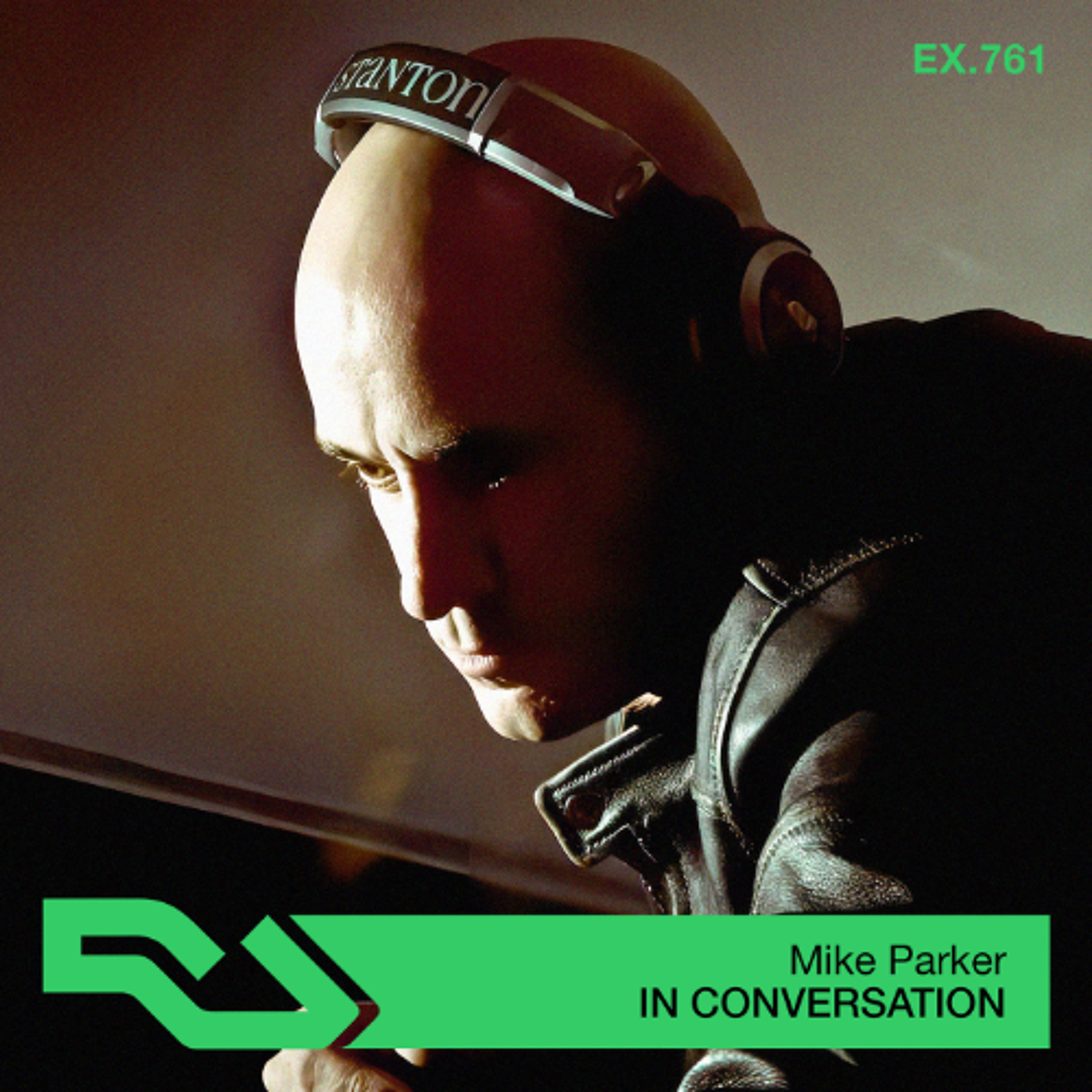
EX.761 Mike Parker
The vaunted techno producer discusses the connections between visual art and music, balancing a full-time career as a fine artist and how he creates his signature sound.There's a connection between visual art and dance music that's seldom explored on our channels. Mike Parker is well known in the underground techno scene for minimal, hypnotic and beautifully executed sound design that sits somewhere at the edges of club music. But he also received his master's degree in fine art and teaches drawing and painting at Daemon University in Buffalo, New York. Fans of Parker will recognise his visual trademark: monochromatic prints that adorn the covers of the records he puts out on his label, Geophone.In this Exchange, Parker sits down with Chloe Lula to talk about how he balances his art- and music-making practices and how they inform each other. He also opens up about the long process of sticking to his sound and finding an audience rather than catering to the demands and suggestions of labels and distributors. His 2001 breakout album, Dispatches—which he reissued last year—is a meditation on the act of living far away from any listeners or immediate influences, and he discusses the ongoing drawbacks and rewards of balancing the Eurocentric pursuit of DJing with day-to-day work that's so geographically removed. He also opens up about his longtime collaboration with Donato Dozzy, his love of mid-20th-century sci-fi movies and how free-form radio shaped his approach to music and art. Listen to the episode in full. Hosted on Acast. See acast.com/privacy for more information.

EX.760 The Economics of Independent Dance Music
"There's a long chain of people who benefit from artists making records." Nabil Ayers, the US president of Beggars Group, talks about independent artistry and how we fix a broken music economy.The independent music economy is broken. But Nabil Ayers, US President of Beggars Group—the home of independent labels 4AD, Matador Records, Rough Trade Records, XL Recordings and Young—is here to fix it. In this Exchange, he speaks with RA senior editor Nyshka Chandran about the primary issues plaguing the industry. But he also expertly articulates his efforts to address these shortcomings through research and policy initiatives from the top down. How can artists get paid more money in a world where music is a common good? And what is the role of an independent label in 2025 and beyond? Listen to the episode in full. -Chloe Lula Hosted on Acast. See acast.com/privacy for more information.

EX.759 Rene Wise
"Sound systems are really what move me." The up-and-coming techno artist talks about the physicality of sound and how psychedelics inform his work in the studio.What makes a good artist? In this RA Exchange, British DJ and producer Andrew Shobeiri, AKA Rene Wise, reflects on being a relatively new name in the scene and considers the success that ultimately comes with time and experience. "There's never a point where you're done," he says. While Shobeiri is only a few years into his career, the up-and-comer already knows how to draw a crowd. He has finely tuned a highly kinetic and hypnotic techno sound that's brought him legions of fans and bookings on the world's top club and festival lineups. He divulges the ingredients that go into a Rene Wise set, including sound sources from genres beyond the club, like salsa, Iranian radif and the strange orchestration of Steve Reich. He also talks about his experience with psychedelics—which helped lay the groundwork for some of his most formative musical experiences—as well as how sound systems have changed the way he perceives and composes tracks for the dance floor. Listen to the episode in full. -Chloe Lula Hosted on Acast. See acast.com/privacy for more information.
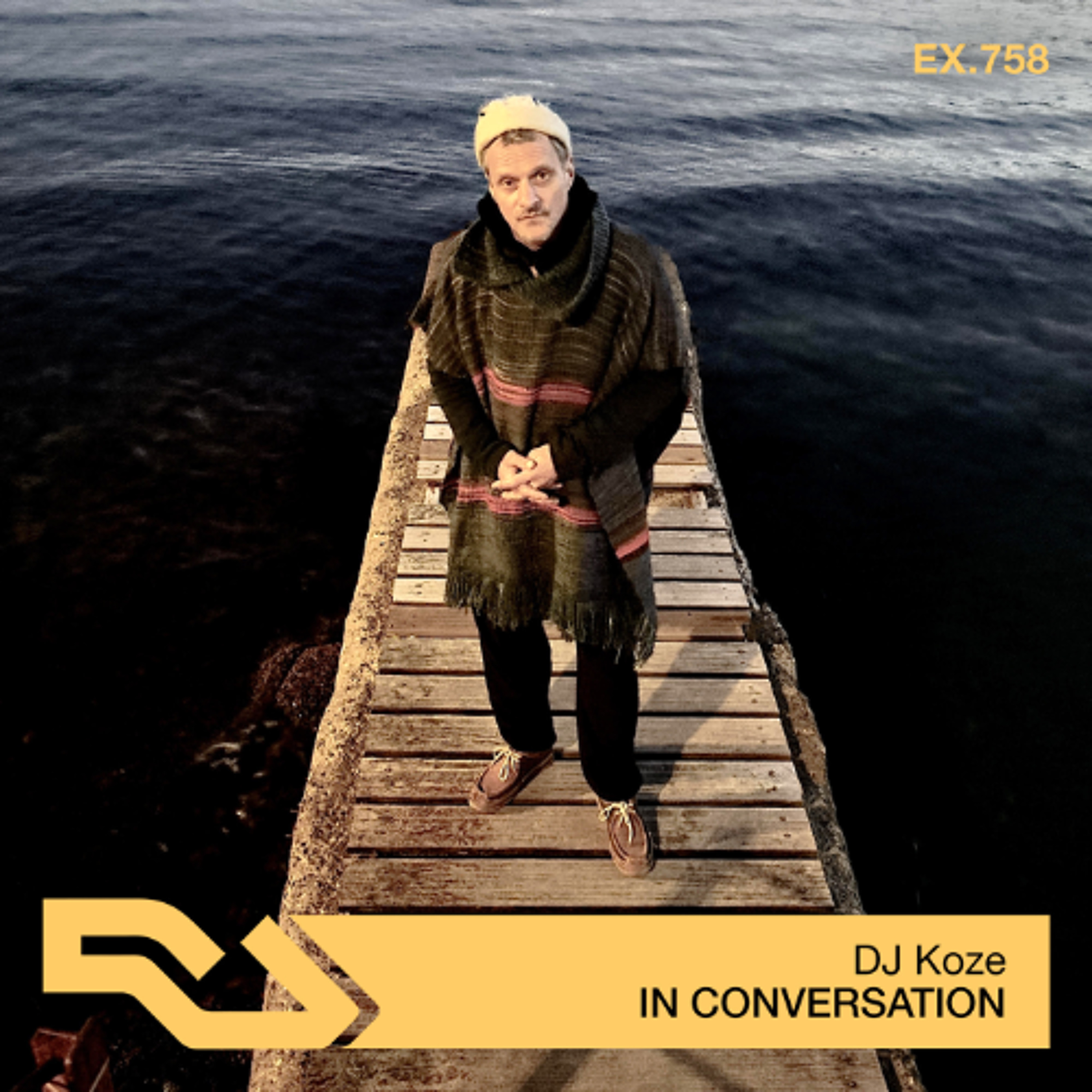
EX.758 DJ Koze
The beloved German producer talks about finding inner peace, overstimulation and his new album on Pampa Records.Mental health is a topic that comes up frequently in the music industry, but it's still not discussed enough among electronic music's top performers. In this RA Exchange, Stefan Kozalla—better known as DJ Koze—opens up about his battle with anxiety, self-doubt and rising expectations that come with being a long-standing, high-profile name. He talks about overstimulation, music as rest and the compromises artists need to make to have relevance and staying power.Kozalla, a beloved and eccentric German artist who has developed a cult following over the course of his career, has productions on esteemed labels like XL, Kompakt, Cocoon, Warp, Ninja Tune and BPitch, which garner praise as soon as they're released. "Every time DJ Koze comes out of the woodwork to drop a 12-inch—or even just a remix—we usually end up hearing it everywhere for months on end," wrote former RA editor Andrew Ryce.Kozalla talks to RA contributor (and former editor) Matt Unicomb about his production process and early influences—an uncanny combination of Basic Channel and Public Enemy—as well as his forthcoming album, Music Can Hear Us, coming out on Pampa Records on April 4th. Listen to the episode in full. -Chloe Lula Hosted on Acast. See acast.com/privacy for more information.

EX.757 Ben Klock and Fadi Mohem
"We wanted to let go of everything we know." The Berghain residents talk about underground values, leaving behind expectations and their collaborative album, LAYER ONE.Berghain residents and now frequent collaborators Ben Klock and Fadi Mohem have become synonymous with the classic, no frills aesthetic that's come to define the Berlin institution's sound, with one exception: their newest LP, LAYER ONE. The album sees them step away from techno in a listening experience that explores IDM, ambient and experimental electronic music with guest vocal appearances by UK artists Cobey Sey and Flowdan.In this Exchange, they talk to Chloe Lula about this departure from their typical style, which imagines a post-human world where AI reigns supreme. They also reflect on building generational bridges in the music industry; how their respective ideas of success have changed; underground values and sensibilities; and why the ethos of an earlier era continues to inform their work. Klock also revisits the decade that's elapsed since his last RA interview, including why he's chosen to return to the studio after years on the road, his unexpected career as a DJ and the key to long-lasting relevance in a scene that doesn't slow down. Listen to the episode in full. Hosted on Acast. See acast.com/privacy for more information.

EX.756 Sonja Moonear
The doyenne of minimal reflects on Perlon, forgotten classics and the tracks that never leave her record bag in this live edition of Playing Favourites at Dimensions Festival.Following the minimal boom of the '00s and early '10s, the sound has in more recent years flourished quietly in the smaller corners of certain scenes. It certainly, as some people like to claim, never died. In fact, if you were to discuss this with Sonja Moonear, the Swiss DJ would argue that the genre is as popular as ever.Much like the other artists in the upper echelons of the scene—Zip, Raresh, Nicolas Lutz—Moonear made a name for herself by DJing rather than making music. She cut her teeth in Geneva as a resident at its key club at the time, Weetamix. Perlon label head Zip was a regular guest and, as Moonear recounts, he invited her to play in Berlin after she warmed up for him a few times. Moonear is now an in-demand DJ in her own right, with a style that takes in a broad cross-section of house, techno and minimal.Recorded at last summer's Dimensions Festival, this edition of Playing Favourites sees Moonear select some of her favourite '90s and early '00s minimal classics and the records that never leave her record bag. She's truly obsessed with music and finding rare grooves, and her enthusiasm shines through. In between playing tracks, she talks about the squat scene in Geneva and how she spends hours preparing her bag every week. She reminisces about the first time she put her hand on a turntable; her transition away from the piano as an adolescent; and her primary goal in her career, which is "purely to enjoy herself."@moonearra.co/exchange/794 Hosted on Acast. See acast.com/privacy for more information.
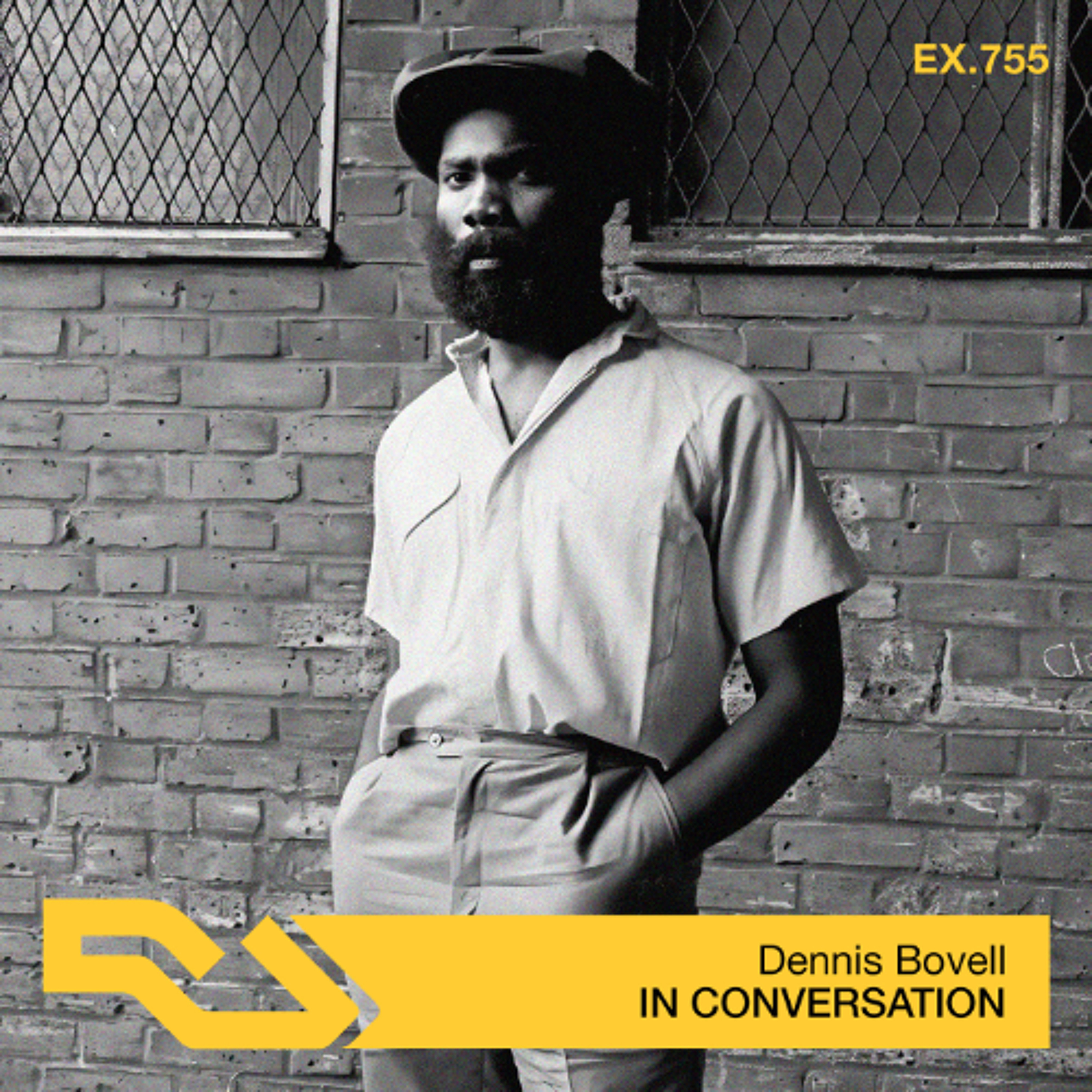
EX.755 Dennis Bovell
"I wanted to be at the forefront of the beat that would storm the world." The renowned musician talks about how reggae became the sound of resistance in the UK.How did reggae become the sound of resistance in the UK? In this RA Exchange, the influential Barbados-born guitarist, bass player and record producer Dennis Bovell talks about moving to South London aged 12 and navigating its tense racial and musical landscape. Through the music he wrote and produced, he responded directly to racist rhetoric and colonialist attitudes rocking the UK. After the arrival of the Empire Windrush ship in June 1948—which brought a generation of Caribbean people over to rebuild post-war Britain—the UK experienced new social pressures as the diaspora assimilated to their new lives. But London also became a melting pot of creative and cultural diversity. Reggae became resistance music, and artists like Bovell became bandleaders. Bovell speaks with writer and musician Tony Nwachukwu about music as social commentary, especially in his reggae band Matumbi, which was intentionally provocative, aiming to challenge the status quo and give voice to the Black British experience through its lyrics, themes and messaging. Matumbi was critical in developing the British reggae sound, and Bovell went on to record other musical projects that were key in shaping the early days of reggae, dub and lover's rock. He also reflects on his time engineering for artists in different scenes, like the German electronic duo Saâda Bonaire, the Japanese band Yellow Magic Orchestra and Ryuichi Sakamoto. Bovell's unique ability to bring together different musical styles at the peripheries of dub made him a highly sought-after collaborator with a knack for navigating delicate dynamics in the industry, especially for Black artists. Listen to the episode in full. -Chloe Lula Hosted on Acast. See acast.com/privacy for more information.
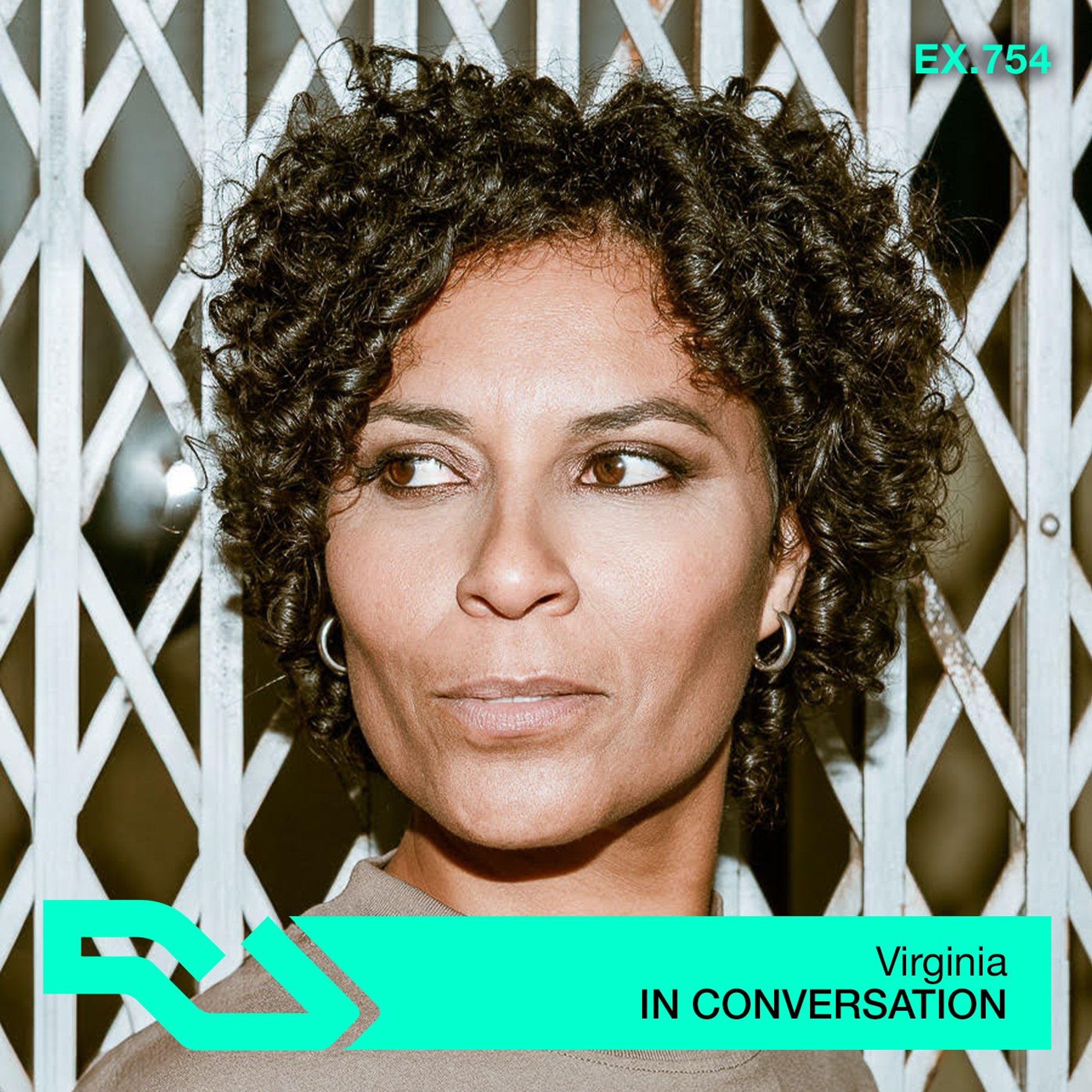
EX.754 Virginia
"It starts within yourself." The DJ, vocalist and producer talks about self-improvement, moving to rural Portugal and working alongside long-time partner Steffi.There may be no voice as rich, vibrant or easily distinguishable in today's house and techno scene than that of Virginia. The Brazilian-German DJ, producer and singer has earned a name for herself as a hybrid house vocalist and a resident at Panorama Bar, where she plays sets featuring her own live vocals. Born in Munich to a family of musicians, she became enamoured with the soulful singing of artists like Sade, Whitney Houston and Tracy Chapman, who became her early guiding lights. It wasn't until her adolescence, when her sister took her to a nightclub, that it crossed her mind to begin blending these two musical worlds. By the mid-2010s, Virginia had relocated to Berlin to earnestly pursue a career in electronic music and create a new, house-focused musical vocabulary that's become completely her own. It was around this time that Virginia met her long-time partner, fellow DJ and producer Steffi. In this week's Exchange, she speaks with Chloe Lula about their personal and creative relationship, and their love of collaborating together in the studio and behind the decks. After more than two decades in Berlin, the couple relocated to rural Portugal in 2020, a move that's opened up a world of abundant rest and opportunity. They opened up a studio and residency called Candy Mountain (so called for its veritable candy shop of synthesizers and hardware), where they've found a new appreciation for taking things slow: going on walks in the countryside, engaging in botany and inviting friends and collaborators over to work on music. She reflects on what it means to step away from the demands of Berlin's bustling music industry and why her voice has remained such a powerful source of energy and inspiration over the course of her career, and her forthcoming album with Steffi on Dekmantel, Patterns of Vibration. Listen to the episode in full. -Chloe Lula Hosted on Acast. See acast.com/privacy for more information.
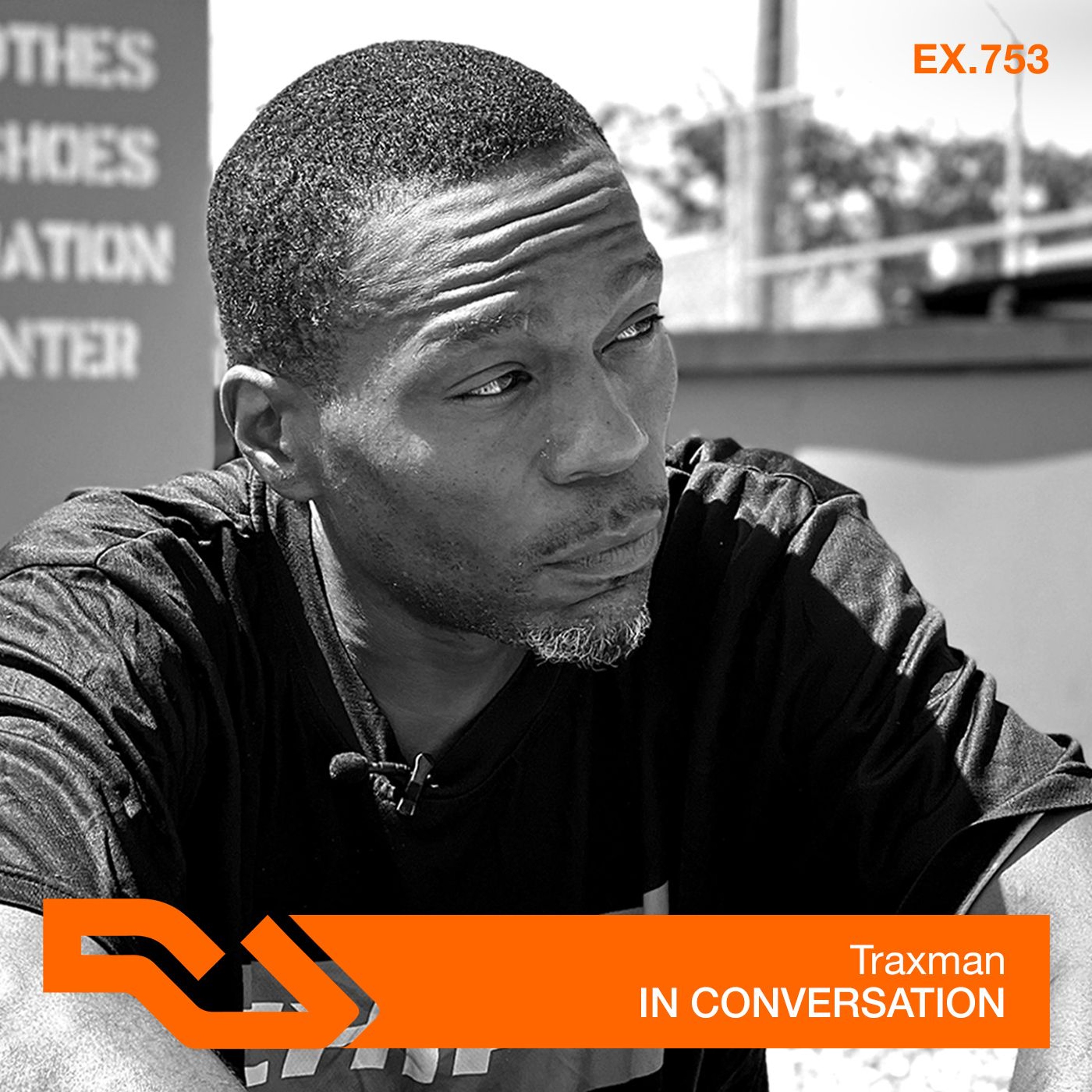
EX.753 Traxman
Anyone with a passing interest in footwork and juke will know of Traxman. Corky Strong has a long history in the world of Chicago dance music, first releasing on the legendary Dance Mania label—which is now celebrating 40 years—in the mid-'90s. He's since split his productions between ghetto house, juke and footwork, releasing alongside titans of Black American music like the late DJ Deeon and DJ Rashad. Strong went on to become a member of DJ Rashad's renowned Teklife crew, and he was one of the creators of the legendary mixtapes on coloured cassettes that became a prototype for juke and footwork's evolution. In this Exchange, Strong speaks with RA's Kiana Mickles in New York about how he first became introduced to this world through his cousins, with whom he'd listen to funk and slow jams, Parliament Funkadelic, Farley Jackmaster Funk, James Brown and a variety of hip-hop throughout the '80s. The pieces eventually fell into place, he recounts, when he met the "mysterious kid" DJ Rashad in 1997. Together, they helped shape the music scene in Chicago, and the rest, as they say, is history. Over the last few years, Strong has been celebrating footwork's past by putting out a series of albums called Da Mind of Traxman on Planet Mu. He's just released his third volume, and his first since 2014, which was crafted with the help of fellow Planet Mu artist Sinjin Hawke. Strong took on A&R duties to collate the best from hundreds of tracks dating back to 2005. The series is notable in part because it's a catalogue of footwork and its Chicago lineage—juke and house—as well as these genres' soul, funk and rock roots. Strong talks to Mickles about what Chicago's music scene was like in the '80s and '90s, why footwork was so rooted in dancing and where the genre is heading in the future. Listen to the episode in full. -Chloe Lula Hosted on Acast. See acast.com/privacy for more information.

EX.752 Justice
The famed electro house duo open up about their 2024 album and the challenges of touring live.In the mid-'00s, songs like "D.A.N.C.E." and "We Are Your Friends" emerged as stadium-sized anthems during a new wave of electro house that weaved in elements of rock and disco. The architects behind these hits were Parisian duo Justice, AKA Gaspard Augé and Xavier de Rosnay. Together with their Ed Banger contemporaries, they rode a craze that took over airwaves and dance floors, alongside peers like label founder Busy P and the late DJ Mehdi. Their first album, Cross, quickly became a classic, helping to establish Ed Banger as the flagbearer for French electro. Justice went on to tour a dynamic live show with spectacular lights and visuals, and later released two more albums before taking an eight-year hiatus and largely disappearing from the spotlight.Last year, Augé and de Rosnay returned with their fourth studio album, Hyperdrama, which features a GRAMMY-winning collaboration with Tame Impala. Referencing indie rock and early '90s hardcore techno, the LP sparked a revived interest in the duo—if you watched last year's Olympics in Paris, 18 minutes of their music featured in the closing ceremony.In this RA Exchange, Augé and de Rosnay talk to Resident Advisor's editor, Gabriel Szatan, about being back on the road and balancing touring with family life, a rhythm that hasn't felt natural to them after so much time off. They open up about dealing with technical issues and making mistakes when performing, despite having played countless iterations of their live shows. The conversation also touches on their earliest influences—like gaming culture and bands including the White Stripes, and how they've cultivated such a dedicated international fanbase. This episode was recorded over the course of multiple backstage conversations. Listen to the episode in full. -Chloe Lula Hosted on Acast. See acast.com/privacy for more information.
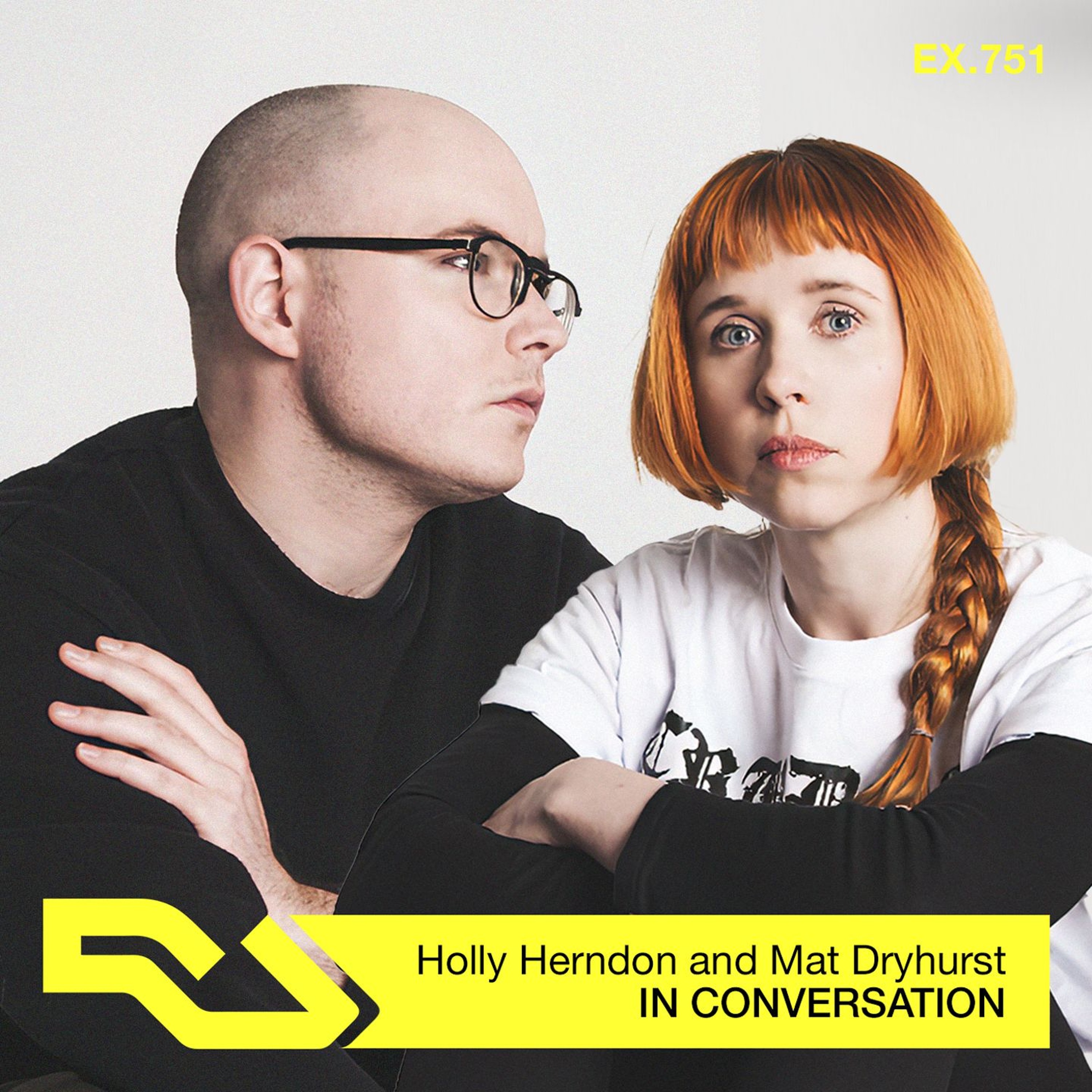
EX.751 Holly Herndon and Mat Dryhurst
"We're pro-AI and we're pro-consent. Those things don't have to be mutually exclusive." The activists and artists talk about the hot button issues facing AI's governance.The world is deep in the throes of a heightening debate over AI. Just this week, the Vatican published an essay addressing the potential, and risks, of AI in a new high-tech world as well as its intersection with religion and humanity. In politics, figures like Elon Musk are advising citizens that the US government will become increasingly "AI-first," using data about its individuals to make federal decisions. And in the world of culture and the humanities, the alarm has been sounded on AI's ability to both aid in creativity and homogenise the art and music being produced and consumed, raising concerns that much of what's being released is sounding increasingly the same.There are probably no better experts on this far-ranging topic than Holly Herndon and Mat Dryhurst, two Berlin-based academics and artists who have entrenched themselves in the world of AI ethics, advocacy and art for the past two decades. Now married, they come from DIY punk backgrounds, both having lived in the Bay Area pre-tech bubble while Herndon completed a Ph.D in Computer Music at Stanford. Their work is primarily concerned with how AI is governed as it becomes more ubiquitous in our everyday lives, and what its implications are for ownership of AI-generated artworks. In this urgent and timely RA Exchange, the duo talk about their shift closer to the art world following their 2024 exhibition at The Whitney Biennial and their most recent show at Serpentine Gallery in London, The Call, which will close at the end of this month. It's one of many forward-thinking projects they've worked on to move away from the fear narrative dominating dialogue around how AI is influencing art and music, instead showcasing how machine learning can be used to push art forward. They also address their view of socialist democratic values with the rise of the far right, raising a young child and doing work that sits squarely between activism and art. Listen to the episode in full. – Chloe Lula Hosted on Acast. See acast.com/privacy for more information.
EX.750 Call Super
"If a record is falling apart at the seams, I'll probably like it." Recorded live at Houghton 2024, our latest Playing Favourites episode sees the London artist discussing the beautiful leftfield music that's soundtracked his life.British DJ and producer Call Super brings some colour to the depths of winter with this week's RA Exchange. The multifaceted artist has released music on Houndstooth, Hessle Audio, fabric, Dekmantel and the label he co-runs with Parris, can you feel the sun, becoming known for a deep yet always party-ready sound that combines house, UK funky, tech house and plenty more besides.In this interview, recorded at last year's Houghton Festival, he talks to RA's managing editor, Carlos Hawthorn, as part of our flagship live series, Playing Favourites. Among his choices are the music he listened to as a child; the record that inspired his passion for DJing; an artist who changed his perspective on music at large; and more practical songs he deploys in sets to refresh a crowd. The territory he covers is huge, from tech house and acid house to contemporary classical, experimental leftfield, abstract percussion and choral music. There are some tracks, he claims, that only work in certain contexts, but if played at the right time, "they send people." Listen to the episode in full. – Chloe Lula Hosted on Acast. See acast.com/privacy for more information.
EX.749 Luke Slater
"I'm like a collector—everything I come across makes it into my music." The dance music don talks about the music that shaped him and his recent L.B. Dub Corp album on Dekmantel.Luke Slater, the British DJ, producer and occasional drummer, has been making music under a slew of monikers since the '80s: Planetary Assault Systems, L.B. Dub Corp, LSD, The 7th Plain, Clementine—the list goes on. While he's put out an excellent range of dynamic analogue music that runs the gamut of house, acid, breakbeat, electro and even spoken word, he's probably best known for his productions and live shows that focus on sleek and solid techno, as showcased on Ostgut Ton and his own imprint, Mote-Evolver.In the latest instalment of our flagship live series Playing Favourites, Slater unpacks the tracks that, for him, best illustrate the history of techno at large, as well as the records that define his creative process and career trajectory. He speaks with Chloe Lula live from Polifonic festival about his love of Detroit and Underground Resistance, as well as the abiding influence of hip-hop on his early work and his love of intentionally integrating mistakes in his music. He also reflects on how he became the first non-German artist to release on Berghain's esteemed record label, as well as discussing his most recent release, Saturn to Home, for Dekmantel. The double LP saw him return to his drumming practice and introduce surprising and powerful collaborations from electronic music contemporaries and vocalists like Kittin and the poet Benjamin Zephaniah. Listen to the episode in full. Hosted on Acast. See acast.com/privacy for more information.
EX.748 Faithless
"We put all of these philosophical concepts into our lyrics." Sister Bliss talks about the band after Maxi Jazz, weaving politics into rave anthems and the dance floor as salvation.Even if you're not into electronic music, chances are you've heard tracks like "Insomnia" or "God Is A DJ" on the radio or in a film. These '90s rave anthems were written by Faithless, a British electronic band that received huge acclaim in the UK especially. Its original members, who launched the project in 1995, were Sister Bliss, Rollo and charismatic lead singer Maxi Jazz, who died in 2022. At their peak, they sold millions of records, performed all over the world and played giant festivals like Coachella and Glastonbury to hundreds of thousands of people. Faithless is now toured solely by Sister Bliss, the keyboardist and songwriter. She speaks with Chloe Lula about the band's trajectory and the legacy left behind by Maxi Jazz. In her words, Faithless appeals to such a wide audience because its output isn't dance floor music in a traditional sense. Instead, it occupies a space where poetry, beats and melodies meet. With Maxi Jazz as their frontman, the group spoke to themes around human rights, politics, protest, equity, collapse, spirituality and the notion of dance music as a secular religion. Their transcendent live shows—which Sister Bliss will revive in 2025—have even been called a "church for the unchurched." Maxi Jazz was a practicing Buddhist monk whose lyrics and message of connection and compassion touched legions of fans over the years. In this Exchange, Sister Bliss reflects on Maxi Jazz's death, being a mother on the road, continuing to release music under the Faithless banner and what it ultimately means to find salvation in faith, music, community and life at large. Listen to the episode in full. Hosted on Acast. See acast.com/privacy for more information.
EX.747 Patrick Mason
"Why would you care about anyone else's opinion?" The DJ and dancer talks about work ethic, living authentically and the power of lifting each other up.DJ and dancer Patrick Mason emits high vibrations and high-energy dance music. But that wasn't always the case. Before he was playing the world's biggest techno festivals, he grew up in conservative Bavaria, where he claims that he "suppressed his truest self" as a closeted gay Black man. Born to an American GI father and a German mother, he learned the power of visualisation and hard work in order to launch himself to Berlin and the freedom of expression it represented. It was in the capital that he had his first sexual experiences and climbed the ranks of fashion and modelling, spending weekend stints at Berghain and immersing himself in the new world of techno.Career burnout and the Covid-19 lockdowns set Mason down the path of DJing in 2020, and he's since carved out a niche as a party-starter known for flamboyant selections that accompany his elaborate dance routines behind (and even on top of) the decks. In this interview recorded live at ADE 2024, he speaks with Chloe Lula about the obstacles he's overcome to get to the top, personal trauma and struggles with self-acceptance, body dysmorphia, depression, and gay male culture's sometimes unrealistic physical ideals. He also discusses his ambitions to marry the worlds of fashion and music, and his vision for a more authentic music industry. Listen to the episode in full. Hosted on Acast. See acast.com/privacy for more information.
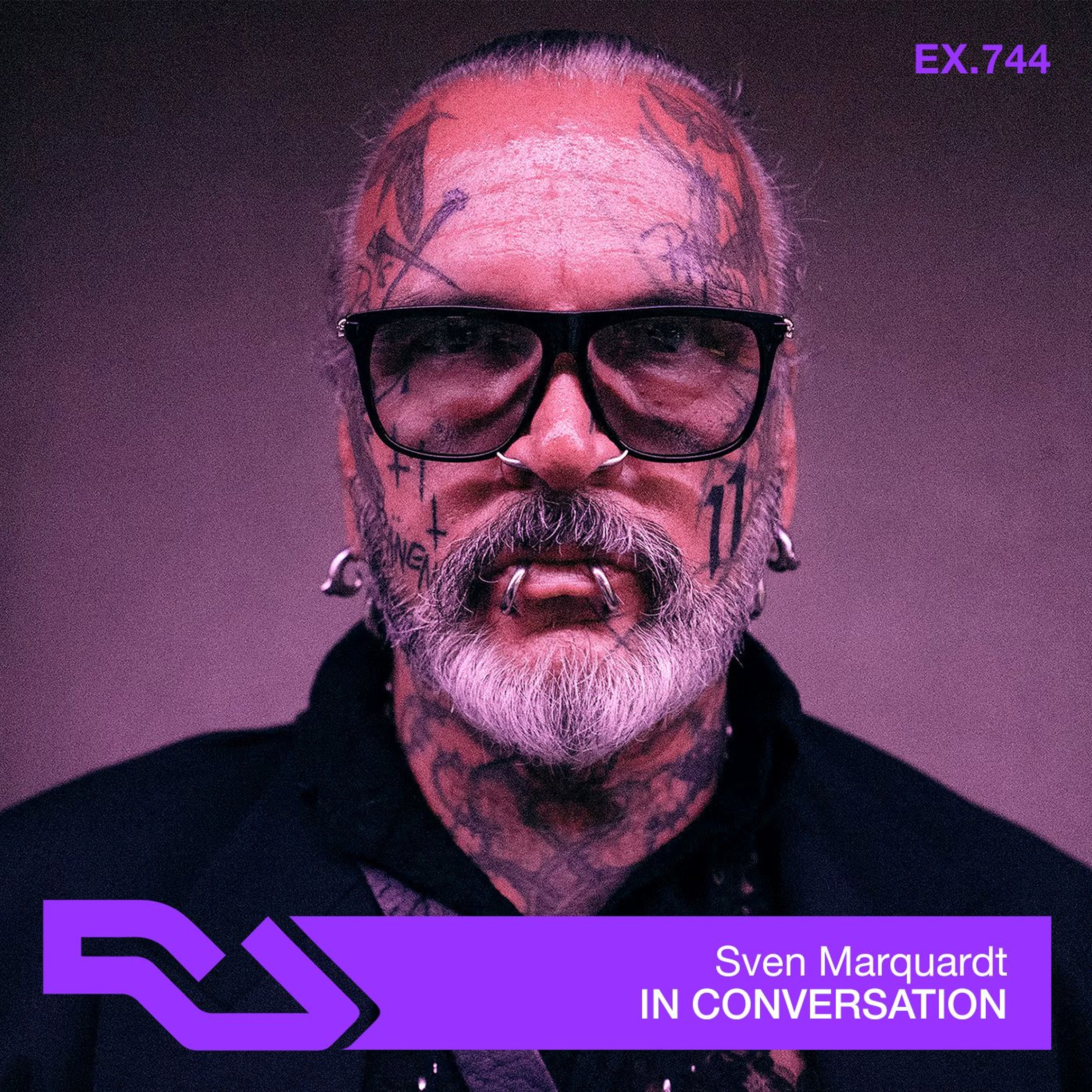
EX.744 Sven Marquardt
"You go through this feeling to then be in freedom." The notorious photographer and bouncer talks about the ethos behind selecting the world's hardest door, early life in East Berlin and Berghain's 20th anniversary.Today's Exchange guest is Berghain's infamous figurehead and doorman Sven Marquardt, who was born and raised in German Democratic Republic (GDR)-era East Berlin. He lived a rebellious life as a queer punk in Prenzlauer Berg, which banned him from entering Berlin's central districts because of how he looked. It was during these years that he congregated with fellow East Berlin new wave kids and began documenting their relationships and his own life through photography. When the wall fell, electronic music and the exciting scene that arose in the DDR's vacuum became Marquardt's focus. He started partying at gay fetish parties and bouncing doors at new clubs alongside his brother. In this interview, he talks to RA Exchange producer Chloe Lula about how Berlin has evolved from his adolescence in the post-war years and his thoughts on the changes erasing institutions in the city's clubbing landscape today. He also reflects on the contemporary nightlife industry and how Berghain's policies have shifted with the times, initially catering to an almost exclusively gay male crowd but now welcoming a demographic more representative of the diversity of people who make up club culture. While German politics and the rise of the right wing have deeply affected him, he says, he recognizes the opportunities it enables for his community to use art and culture as a reactionary, countercultural force. Listen to the episode in full.Photo by Torsten Ingvaldsen.Audio overdubs by Marios Gavrilis. Hosted on Acast. See acast.com/privacy for more information.
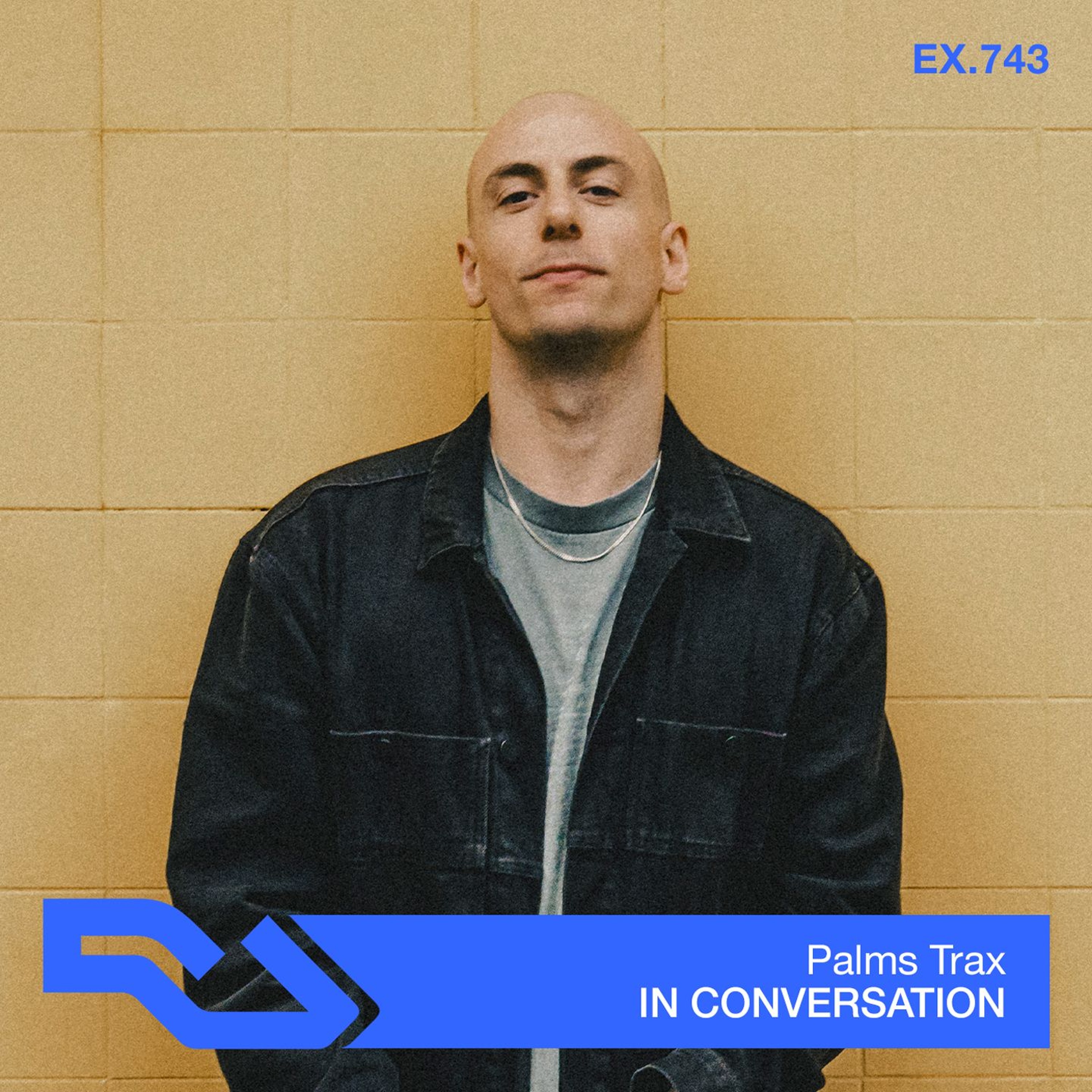
EX.743 Palms Trax
The beloved DJ unpacks his most influential records in our flagship live series, Playing Favourites, recorded at Dekmantel in August.Palms Trax, the beloved British DJ and producer considered a "veteran" of the scene at only 33 years old, hit it big with a career breakout back in 2015. Since then, he's become known for his long-running radio show and record label, Cooking With Palms Trax, where he releases new music, reissues and more. His style is soulful, gravitating towards low-BPM house, disco, zouk and everything in between.Recorded at Dekmantel in August, this RA Exchange is the latest edition of our flagship live series, Playing Favourites, where we invite artists to curate and dissect some of the records that shaped their approach to music. Palms Trax speaks to RA editor Gabriel Szatan about the song that acted as a gateway to his musical education; the track that turned him onto the idea of making music; and the band that he considers to be the "coolest of all time," as well as forthcoming music on his own label.What unites these releases, Palms Trax says, is a powerful, ageless and immediately accessible sensibility. They aren't about technical mastery but about feeling. As music-making has become easier with the advent of perfectly engineered online samples, there's more and more appeal in music with humanity and character. Listen to the episode in full. Hosted on Acast. See acast.com/privacy for more information.
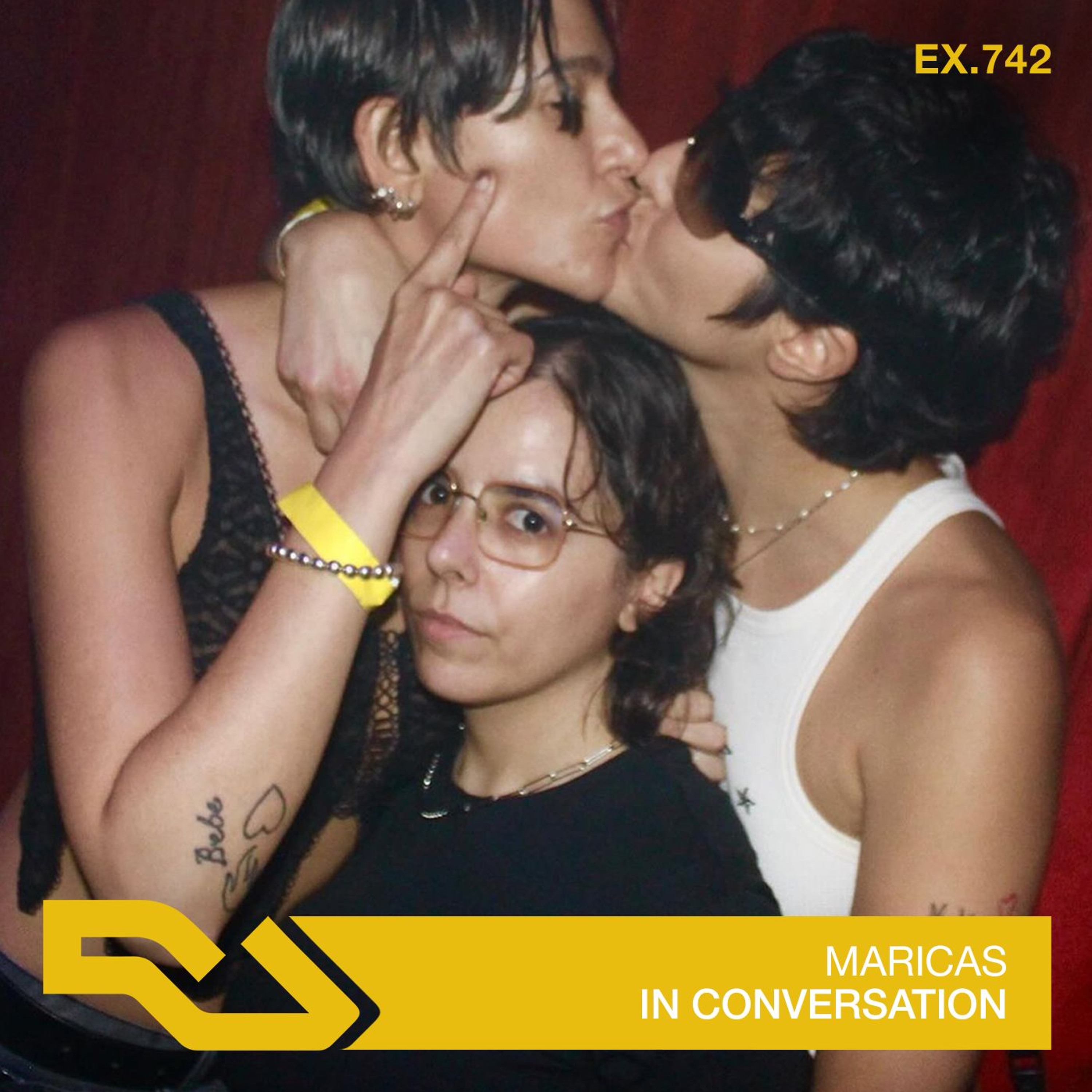
EX.742 MARICAS
The trio behind our party of the year discuss creating space for the FLINTA community, their most outrageous live performances and more.Resident Advisor is wrapping up the year, and alongside our best-of-2024 records and tracks lists comes our favourite party: Barcelona-based platform MARICAS. The self-described "loving and pervy LGBTQIA+ techno collective" started in 2018 when ISAbella, Eloisa Blitzer and graphic designer Gina Guasch decided it was time to create a fun space for queer women and nonbinary people in their city. Since then, MARICAS has become a celebrated international series, revealing in its ascent how much of the techno scene—even in its queerest corners—continues to cater to men.In this RA Exchange, the trio talk about their humble origins as well as the ongoing obstacles they face in promoting the party in the face of discrimination. Performance plays an important role in their events, and they take an entertaining trip down memory lane, discussing some of the most outlandish theatrics and installations that have made it onto their dance floors: a Catholic confessional booth where the priest gave kisses, a livestreamed toilet stall where people undressed in front of the camera and a make-out session from figures covered in paint. Underneath the showmanship, however, is an unwritten code of respect and acceptance that extends far beyond the rave—their mission is to transform the social taboo surrounding difference into a positive force in our world. Listen to the episode in full. Hosted on Acast. See acast.com/privacy for more information.
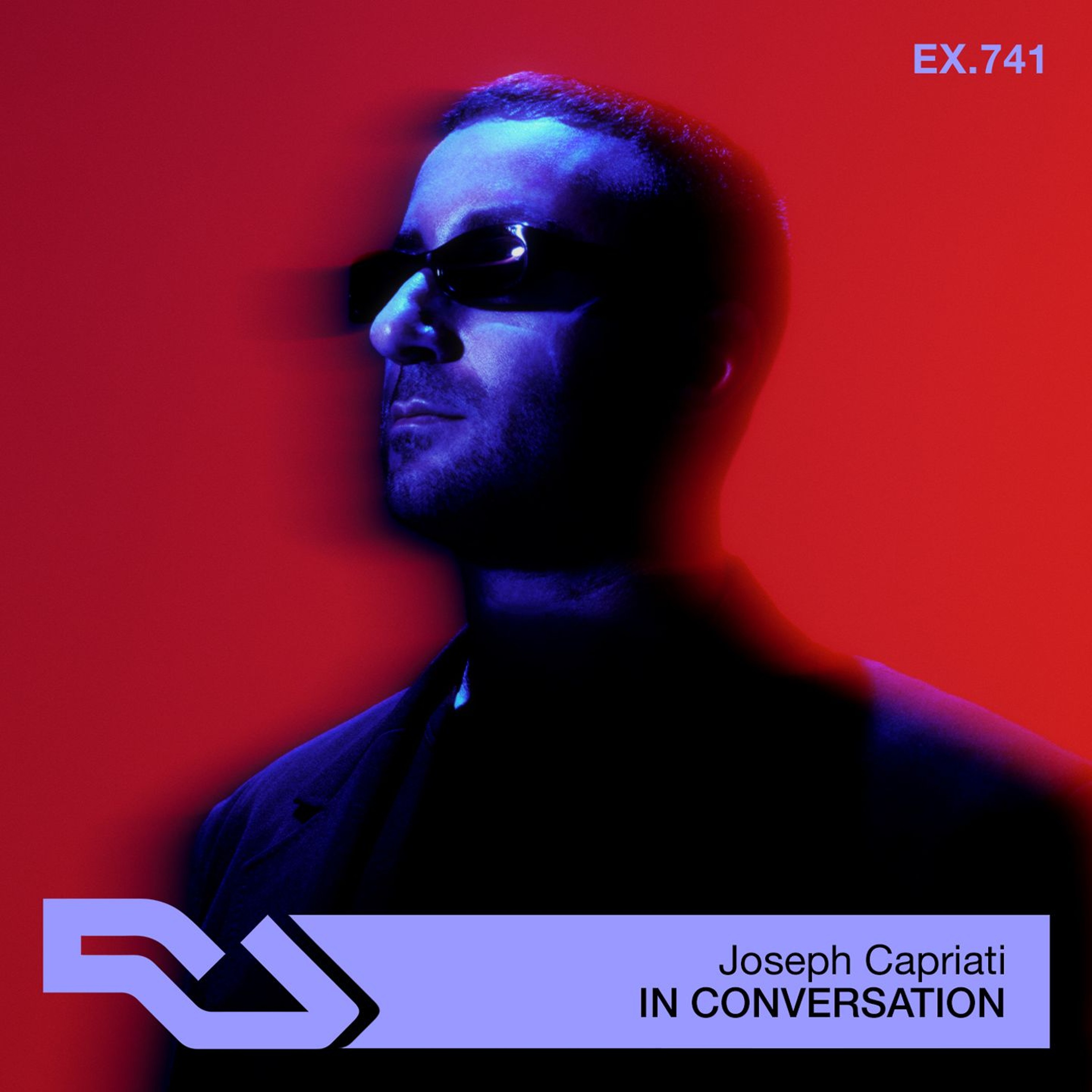
EX.741 Joseph Capriati
"I put all of my energy into what I do." The Italian DJ and producer talks about his undying passion for music, his take on "business techno" and how the scene has changed over the course of his long career.Naples native Joseph Capriati has received criticism for being the "CEO of business techno." But the longtime artist is a genuine lover of all kinds of electronic music, from the incredibly niche to the more commercial strains he plays in Ibiza, intimate clubs and major festivals. In this RA Exchange, Capriati talks about how he climbed to success in the electronic world, getting his start at the age of 11 (he's now 37) before being booked on the international circuit with breakout releases on CLR and Adam Beyer's Drumcode. While Capriati has consistently ranked high in year-end polls and music roundups, no outside plaudits have impacted the choices he's made in his career. He's doggedly followed a lifelong passion for the underground and the community surrounding it. He opens up about the changes he's made in his personal life to facilitate his rise to the top, his struggle with his mental health, his turn towards sobriety and more. Listen to the episode in full. Hosted on Acast. See acast.com/privacy for more information.
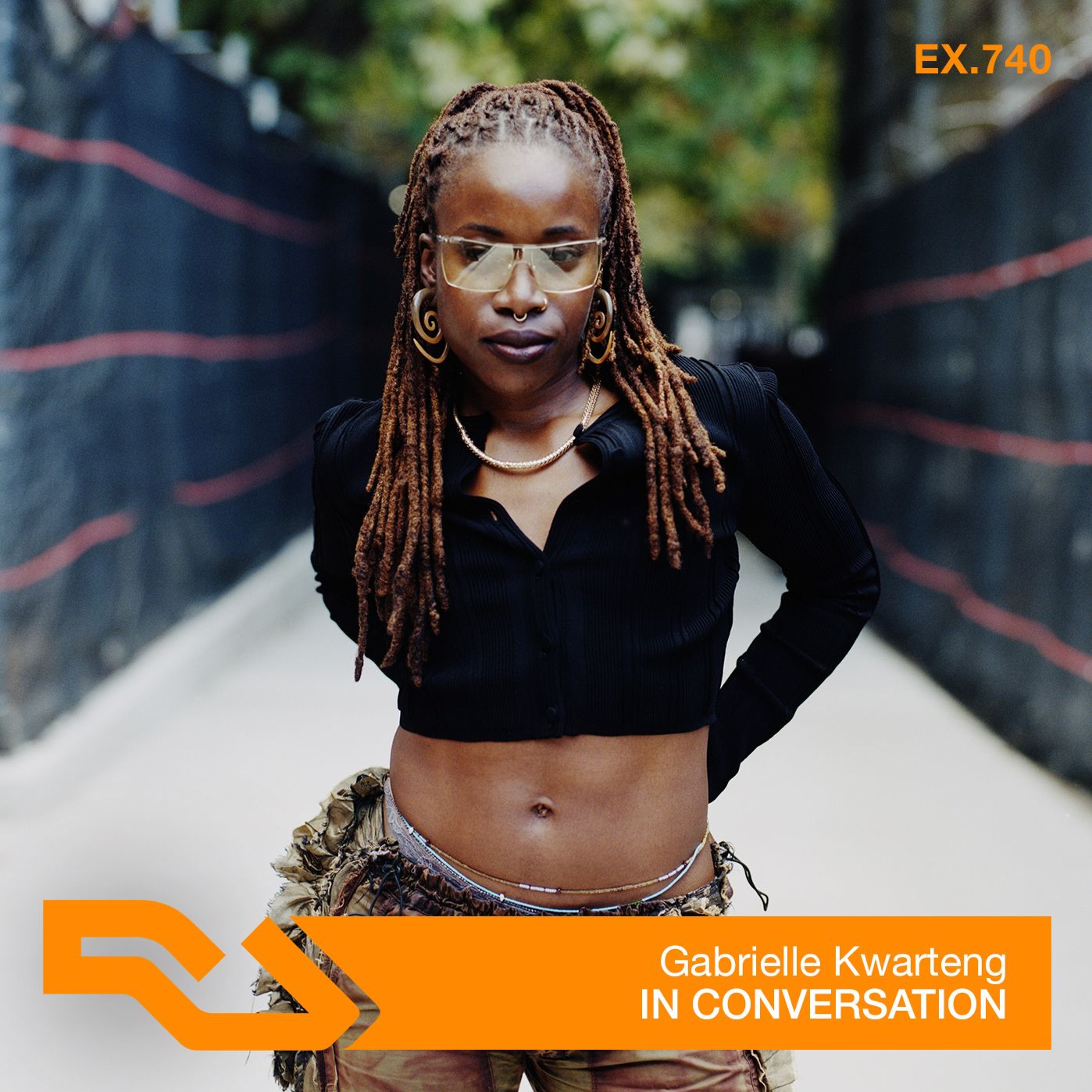
EX.740 Gabrielle Kwarteng
"I was surrounded by all walks of life." Live from Dekmantel, the New York native talks about how the Bronx shaped her taste in music, her long-time love of radio and blowing up on the international DJ circuit.Gabrielle Kwarteng is a product of her diverse musical environment. The Berlin-based New Yorker has a unique sound that's dynamic and house-heavy, incorporating elements of acid, techno and everything in between. In this interview recorded live at Dekmantel, she discussed her upbringing in a Ghanaian household in the Bronx, and how that environment (and the neighborhood itself) moulded her taste in music. The community she grew up in was culturally rich, filled with the sounds of reggaeton, bachata, merengue and freestyle from Puerto Rico, the Dominican Republic and beyond. As both of her parents moved from West Africa, she was introduced to a diet of highlife music and jazz from a young age.Kwarteng's taste began to expand when she began exploring New York's record stores. Fast forward to university, and the aspiring DJ became deeply involved in her school radio station, which she describes as a turning point and a revelation. She speaks movingly about the abiding power that radio has had in her life—she continues to be involved with stations like Refuge Worldwide and The Lot, and soon NTS Radio, where she'll hold a residency beginning in 2025. She also talks about what it's like to be a female minority in the music industry, the experience of having her career take off at such rapid speed upon relocating to Europe and the importance of summoning optimism no matter the circumstances. Listen to the episode in full. Hosted on Acast. See acast.com/privacy for more information.

EX.739 RÜFÜS DU SOL
"We're getting better at what we do." The Australian dance music trio discuss their longtime creative collaboration and their new album, Inhale / Exhale.Australian electronic dance trio Rüfüs Du Sol—composed of the artists Tyrone Lindqvist, Jon George and James Hunt—is synonymous with catchy, vocal-led bangers. They've received a huge amount of success in more commercial and underground scenes in the more than 10 years that they've been active. In fact, they hit it big from their very first release, Atlas, which peaked at #1 in the Australian charts when it came out in 2013. In the years that have elapsed since, they have won a Grammy Award (and multiple nominations) and sold out stadium shows around the world.In this Exchange, they talk to RA editor Gabriel Szatan in a closed door interview recorded at San Francisco's Portola Festival. The trio took a break from music-making for a period and even moved to different cities. Since they've reconvened, they've undertaken a number of measures to refine their inter-group communication, which has included wellness exercises, group therapy and breath work. They talk about this in some detail, as well as the realities of touring as they've gotten older and started having families. The time required to "fill their bucket" in between tours, as they say, is more critical than ever.As an outfit that's worked together for a long time, they also reveal the intricacies of their now well established creative process, such as how they create internal momentum in songwriting, and their newest album, Inhale / Exhale, which they will tour throughout 2025. Listen to the episode in full. Hosted on Acast. See acast.com/privacy for more information.
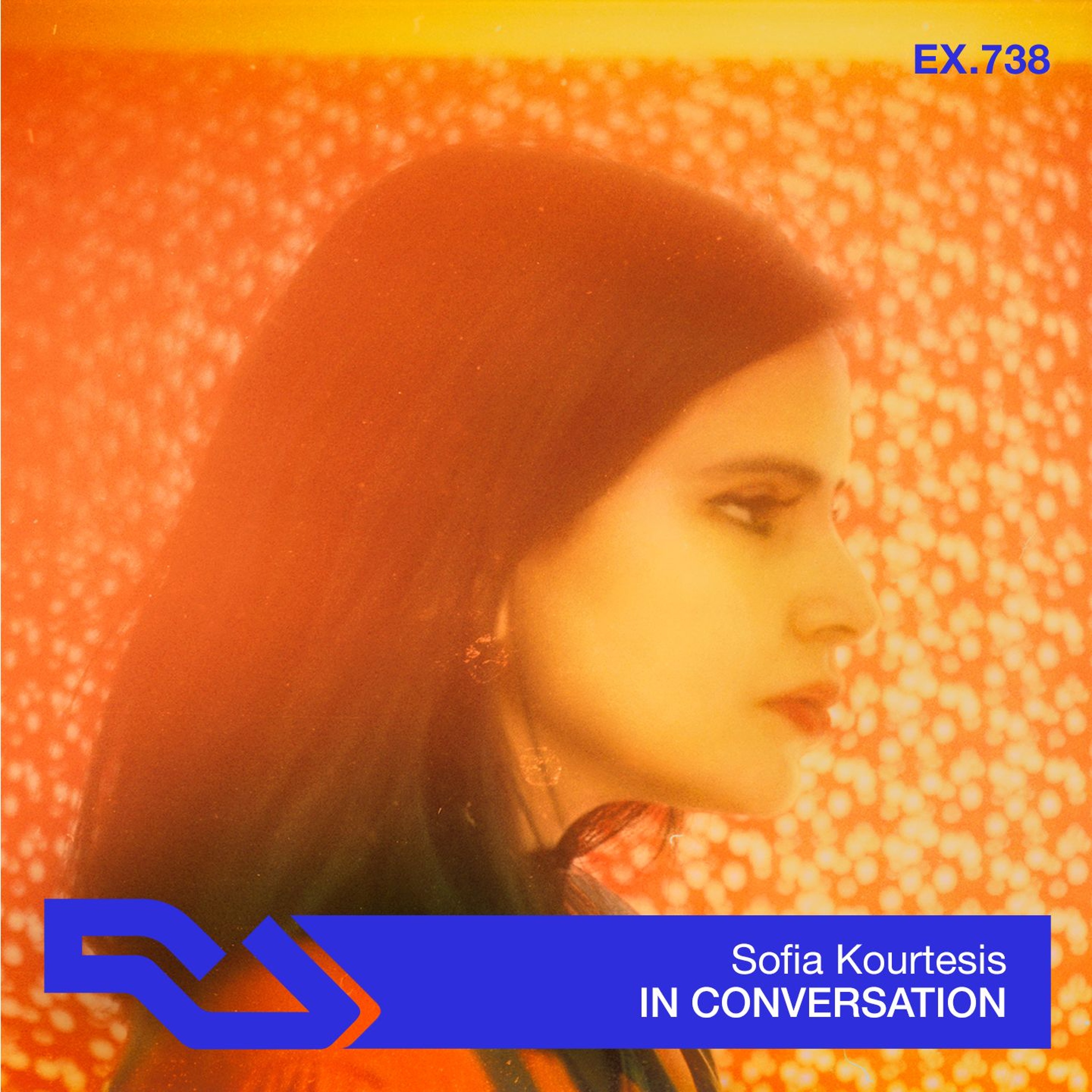
EX.738 Sofia Kourtesis
"I do activism as much as I can." The Peruvian DJ and producer talks about the human rights issues close to her heart, fighting for human rights and the incredible story behind her LP for Ninja Tune.Sofia Kourtesis is a Peruvian DJ and producer based in Berlin known for her buoyant, upbeat music that channels and transmutes sociopolitical activism and personal hardship. While she's put out a number of solo works, her EP Fresia Magdalena and her debut LP, Madres—both of which came out on Ninja Tune—have been received with exceptional critical acclaim and put her on the map as a headlining touring artist. Both speak to some of the discrimination Sofia has felt as a member of the LGBTQIA+ community in South America, as well as how she's confronted difficult topics like family caregiving, illness and death. In this RA Exchange recorded live at C2C Festival in Turin, she opened up about her mother's recent battle with cancer and the neurosurgeon who provided life-saving surgery (as a thank you, Kourtesis took him and his surgery team out to one of her shows in Berlin). She also discusses her commitment to human rights at length. For Kourtesis, music is a form of activism and healing; she uses it to talk about her Latin American community and the movements that are happening, to show the diverse range of demonstrations for equality, for the queer community and for abortion rights.In a touching final moment of our talk, she opens up about the homophobia that ultimately caused her to leave her school in Lima and then to depart from Peru to Europe altogether. She's been based in Germany since she was 17. Listen to the episode in full. Hosted on Acast. See acast.com/privacy for more information.
EX.012 Quincy Jones
In a very special Exchange from 2010, we caught up with a true legend of music. Here's what we said at the time:Revered composer, producer and bandleader Quincy Jones may not have much to do with dance music in a literal context, but his fingerprints are all over it. The impact that his work has had on countless DJs and producers over the years hardly needs explaining. So when we were offered the chance to chat with Jones around a promotional tour for his brand new line of AKG headphones, we couldn't resist. In a brief conversation, RA Todd L. Burns took the opportunity to ignore the elephants in the room, and focused his sights on a broader view of the man's career, uncovering some interesting insights as to how Jones views his work as painting with sound and how his classical training helped him make conservatory musicians play funk.In this RA Exchange, the American music legend talks some of the parts of his career that simply don't get covered elsewhere. Hosted on Acast. See acast.com/privacy for more information.

EX.737 HAAi
"We need to give more people a seat at the table." The Australian DJ and producer talks about exclusivity in the music industry, neurodivergence and London's thriving lesbian scene. The London-based Australian artist Teneil Throssell (AKA HAAi) doesn't have a typical DJ story. She moved to London in the early 2010s as part of a now defunct psych rock band, and once it broke up, she thought her stint in the music industry was over. Unsure what to do with herself, she started mixing dance music records at the bar where she was working at the time, Ridley Road Market. The right person happened to "discover" her, offering her a spot supporting Jacques Greene at the London club Phonox. She went on to hold a residency there for two years, and the rest, as they say, is history.Throssell's career blew up almost immediately. For the last eight years that she's been DJing, she's toured internationally on a massive scale, sometimes going to six different countries in one week. She's also released a number of EPs and one LP on Mute Records, remixed Kylie Minogue and started two labels of her own: Coconut Beats and Radical New Theory, which she runs with her partner. Her style is eclectic, but fans of hers will know her for her upbeat, techno- and acid-inflected sound.In this RA Exchange, Throssell dives into some emotional and complex topics, like the criticism she received from RA for her early EP Systems Up, Windows Down; London's lesbian scene; her ADHD diagnosis; and climate activism in the electronic music industry. Listen to the episode in full. Hosted on Acast. See acast.com/privacy for more information.
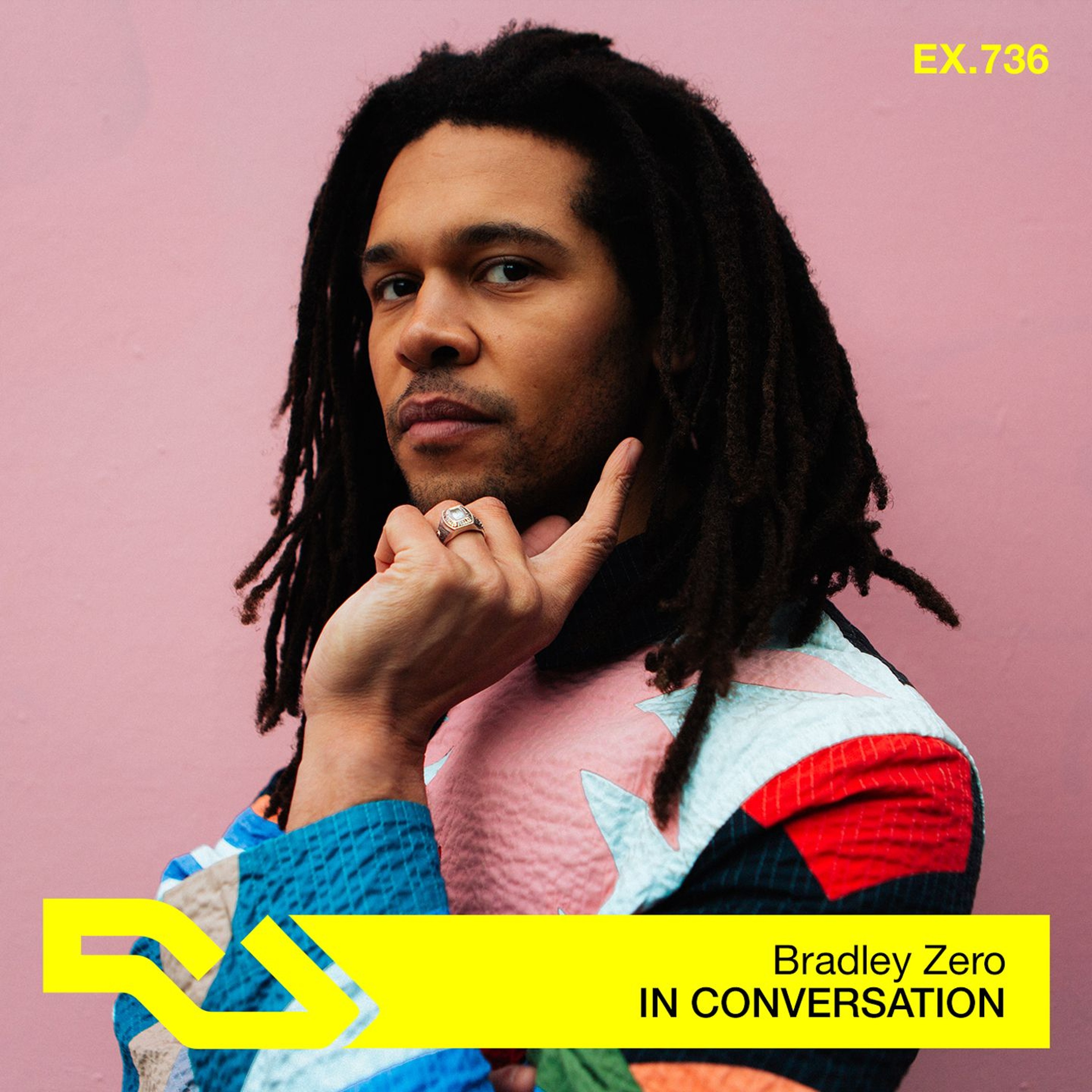
EX.736 Bradley Zero
"A system that's equal doesn't benefit the people that have the power." The Rhythm Section International founder talks about creating opportunities for Black artists and entrepreneurs, Caribbean conviviality and his abiding love for Peckham.Bradley Zero, the DJ and founder of the label Rhythm Section International, is known for his commitment to his community. Zero grew up in a rich Caribbean culture in Leeds, where he and his family gathered in friends' living rooms to listen to music and eat home-cooked food. In opening Jumbi—the bar and listening space in London's Southeast neighborhood, Peckham—Zero has attempted to recreate this lively Caribbean conviviality. The venue is filled with his own personal record collection and one turntable. His style (as reflected in his imprint) celebrates house, soul, disco, funk and various shades of music from the afro-Caribbean diaspora.In this RA Exchange, he talks about how the neighborhood has changed in the time he's been based there, how and when his career exploded from local pool hall gigs to an active global touring schedule and why he decided to study for an MBA. October is British Black History Month in the UK, and in this interview, Zero also discusses ways that he hopes to empower the Black British community to start their own businesses and assert power from the top echelons of the music industry. Rhythm Section International has started a touring series of free masterclasses called Future Proof, in which Zero and his team invite guests to teach hard skills on business and label management, how to cultivate a brand and much more. Listen to the episode in full. Hosted on Acast. See acast.com/privacy for more information.

EX.735 Sangre Nueva
"There are so many different takes on reggaeton." The Latine supergroup discusses dembow, Afro-Caribbean music and more in this Playing Favourites live from C2C Festival.This week's RA Exchange revisits one of Resident Advisor's flagship live formats, Playing Favourites, where we bring guests onto the pod to walk through their musical influences and play us some tracks that have been formative in their personal and creative development. This week, we're honouring El Dia de la Raza—which happened on October 12th—an occasion that remembers the colonisation of Latin America and pays tribute to its heritage and cultural diversity. Our guest is Sangre Nueva, a trio made up of the artists DJ Python, Florentino and Kelman Duran. They all come from different backgrounds: Kelman is a Dominican multidisciplinary artist, Florentino is a musician of Colombian heritage signed to XL Recordings and DJ Python is Ecuadorian-Argentinian, releasing prolifically under a number of aliases in the worlds of ambient and club-adjacent music. Together, their style explores pan-Caribbean musical styles, especially dembow, which is experiencing a parallel renaissance in the underground and commercial dance music spheres. In this conversation, they talk to journalist Christine Kakaire from last year's C2C Festival about what it means to approach Latin music from an experimental perspective to bring an amalgamation of Caribbean and Spanish-speaking musical cultures into their work. They also reflect on the stigma that was attached to reggaeton for a long time and the songs that represent its reclamation in the world of contemporary club music culture. Listen to the episode in full. Hosted on Acast. See acast.com/privacy for more information.

EX.734 A-Trak & The Blessed Madonna
The smartbar affiliate talks to the Fool's Gold Records founder about climbing the ranks, DJ discourse and how to exist in commercial and underground scenes simultaneously.This week's RA Exchange takes us to Chicago, where two big names—The Blessed Madonna and A-Trak—have a chat ahead of their back-to-back set at underground institution smartbar last month. These are two DJs who have been around the block. The Blessed Madonna (FKA The Black Madonna) is originally from Kentucky, but made her name in Chicago. She started out as an intern at smartbar and working at the local label Dust Trax, later becoming lead A&R and an established DJ in her own right. A-Trak is a Canadian artist who cut his teeth as head honcho of Fool's Gold Records. He's known for having developed the careers of artists like Kid Cudi and Danny Brown, and he also formed Duck Sauce with Armand Van Helden, a project synonymous with the bloghouse era. The two have a long history with Chicago, and they engage in a discussion about how they think the city looks from the outside. As one of the most segregated cities in the US, they say, what the rest of the world sees as one cohesive and unified hub for house music is instead divided by genre and area code. They also debate the complexities of existing in commercial and underground music worlds simultaneously, our collective over-fetishisation of the past, the stupidity of DJ discourse and Europe's tendency to impose its view of America—and American dance music—on the Midwest. Listen to the episode in full. Hosted on Acast. See acast.com/privacy for more information.

EX.733 Mount Kimbie
"Our collaboration is greater than the sum of its parts." Kai Campos and Dominic Maker discuss their new album on Warp and what it felt like to work together again after years apart.British outfit Mount Kimbie first made their mark with their 2010 release Crooks and Lovers, inspired by contemporaries like James Blake and King Krule. The group's two primary members, Kai Campos and Dominic Maker, met at London South Bank University, where they simultaneously became enamoured with the '00s dubstep scene and the intersection it paved between commercial stardom and the underground, illuminating an alternative path for artists, producers and selectors on a global scale. Together, they became synonymous with hazy electronics and lo-fi indie pop throughout the mid-'10s.Over the last few years, Maker and Campos have pursued different paths: Maker moved to Los Angeles, where he's produced for hip-hop giants like Travis Scott and Jay-Z, while Campos explored the world of DJing and electronic music, releasing a number of mixes geared towards the club. But they reunited for the first time in years on their newest album, The Sunset Violent, which came out on Warp Records in April. In this RA Exchange, the duo talk about the recording process and what it felt like to work together again after spending so much time on independent projects. They also unpack the power of making art for art's sake and how their respective experiences in art and in life have taught them to be better creative partners. Listen to the episode in full. Hosted on Acast. See acast.com/privacy for more information.
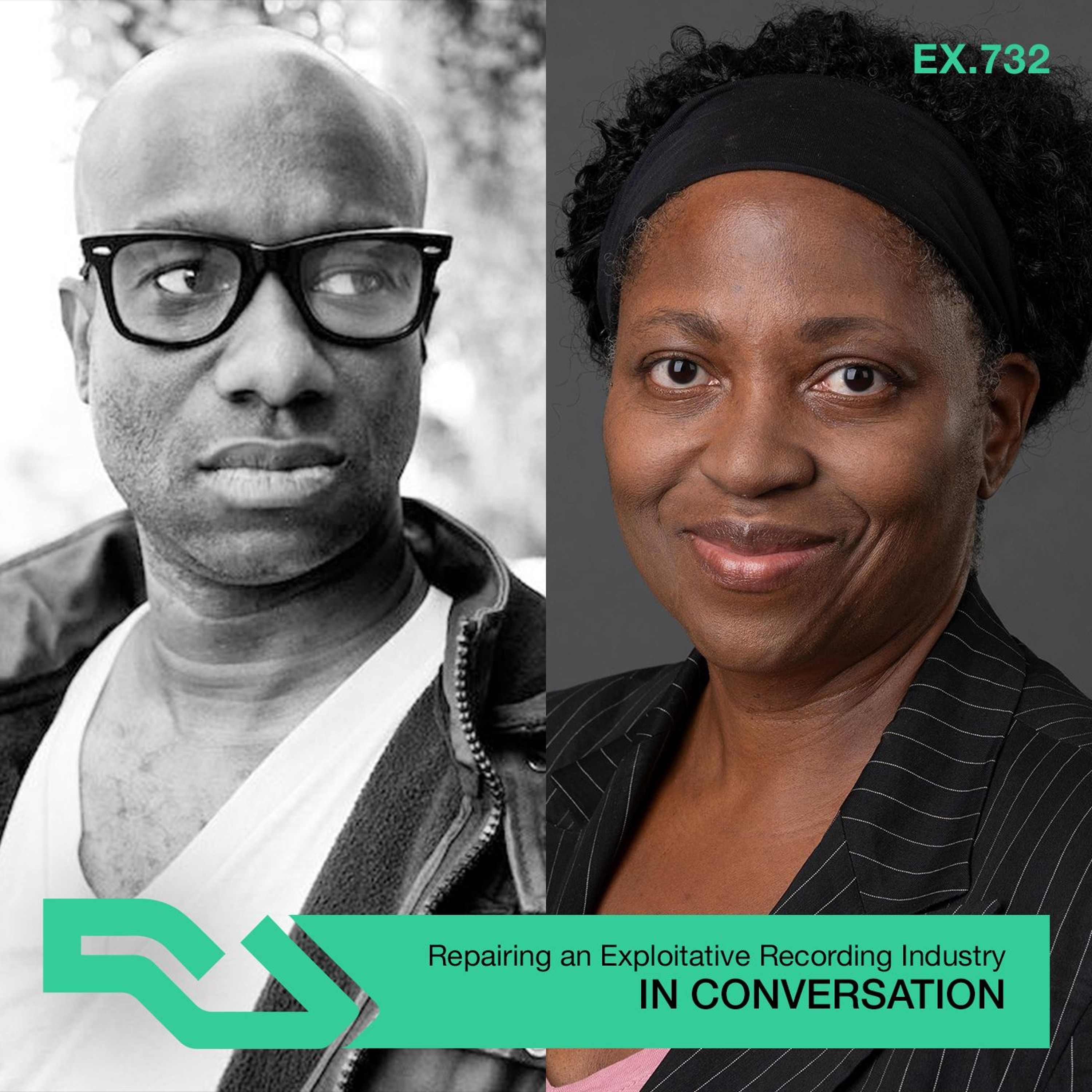
EX.732 Repairing an Exploitative Recording Industry
House music pioneer Vince Lawrence and law professor Dr. Olufunmilayo Arewa unpack how record companies have undermined Black musicians—and what we can do to enact change.This past week, Resident Advisor screened and distributed a new, award-winning documentary called Taking Back the Groove. It tells the story of Bronx-born disco legend Richie Weeks, whose song "Rock Your World" with Weeks & Co. climbed to #1 on the dance charts in the 1980s.Like many Black artists throughout American recording history, his talent was strip-mined to enrich corporate record labels. In the movie, Weeks and Still Music label owner Jerome Derradji narrate the story of how they clawed back the rights to Weeks' tracks, as well as the ongoing battle he's had to wage to restore his legacy and ownership over his creative work.This story is, sadly, perennial, especially for artists of colour and otherwise marginalised musicians who continue to be sidelined by major players in the music industry. In this RA Exchange, Vince Lawrence—a Chicago-based house music producer and original founder of Trax Records—speaks with Washington DC-based guest Dr. Funmi Arewa, a graduate of Harvard Law School and UC Berkeley, and a current professor at George Mason University, where she teaches business law in the creative industries.The two engage in a fascinating discussion about the history of the recording industry and the exploitation of marginalised artists that runs through its fabric. How do we make it easier for artists to claim things that are rightfully theirs? What if we could create incentives to create fairness at the core of how record labels function? Listen to their thoughts on these questions in the full episode. Hosted on Acast. See acast.com/privacy for more information.

EX.731 Laurel Halo
"I fell in love with the piano again." The DJ and composer discusses the vulnerability of the creative process, returning to acoustic instruments and touring her latest album.Laurel Halo has been circling around the club music world for a number of years, but she's only recently entered the echelons of jazz and contemporary classical. Originally from Michigan, she went to music school in Ann Arbor before moving to Berlin, and now Los Angeles, where she composed her album, Atlas—a release that's been met with widespread critical acclaim. She also played alongside Moritz von Oswald in his jazz outfit the Moritz von Oswald Trio, and released a number of eclectic, UK-tinged dance floor records on underground giants like Hyperdub and Livity Sound.In this RA Exchange, Laurel Halo discusses the new direction of her music and what it's been like to tour it live with cellist Leila Bordreuil. She also talks about her creative inspiration (namely, the Thai filmmaker Apichatpong Weerasethakul and books by surrealist writers like Ursula K. Le Guin and Italo Calvino), the practice of aesthetic minimalism more generally and the methods she uses to create subtle variations in pieces that are slow to evolve. Listen to the episode in full. Hosted on Acast. See acast.com/privacy for more information.
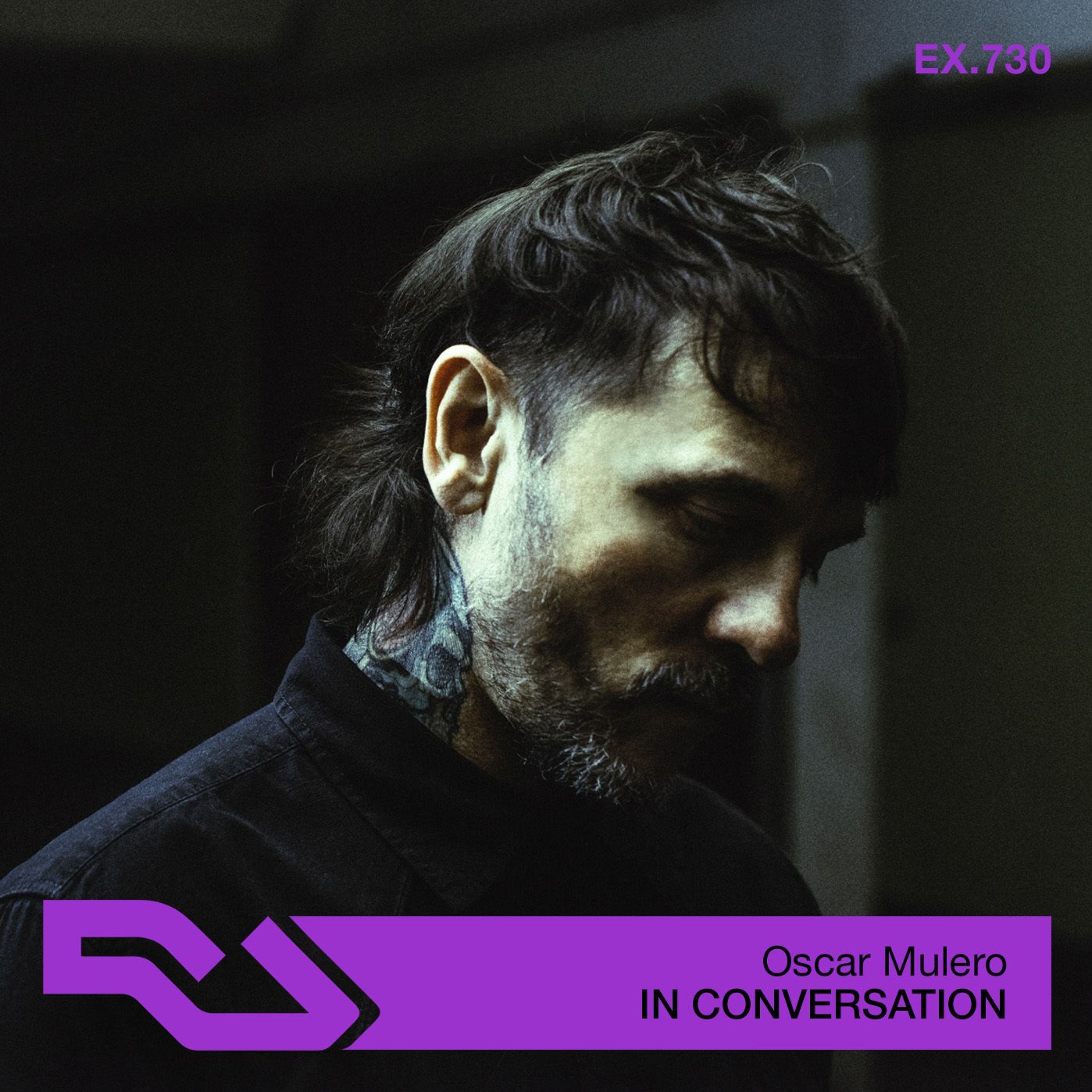
EX.730 Oscar Mulero
"They were wild and crazy years." The Spanish techno icon discusses his early years in Madrid, running record labels and staying true to his sound for more than 30 years.Spanish DJ and producer Oscar Mulero is a legend of underground techno. Since starting to play parties and make music more than 30 years ago, he's earned a reputation as an anti-conformist tastemaker who's adamantly stuck to his guns. While his trajectory began with Madrid's goth and punk clubs in the '90s, he eventually found techno in the early '00s and started two labels, PoleGroup and Warm Up, as homes for the hypnotic, spaced-out sound that's become his signature. In this RA Exchange, Mulero reflects on the early days of the Spanish techno scene and how it's evolved, as well as his own roots and influences. Today, the artist is as active as he's ever been, he discusses how he's maintained longevity as an artist in the face of changing trend, as well as his best practices for making music at home and on the road. Listen to the episode in full. Hosted on Acast. See acast.com/privacy for more information.

EX.729 Lee Gamble
"I'm a noodler." The vaunted experimental producer and DJ discusses his playful approach to engaging with philosophy and making art live at Atonal's OPENLESS in Berlin. British artist Lee Gamble has long been captivating listeners with high concept dance music. A loyal affiliate of Kode9's Hyperdub label, Gamble—whose work sits somewhere at the intersection of philosophy, computer music and sound art—has been building weird and wonderful musical worlds that have shot him to experimental stardom since the early 2010s. In this RA Exchange recorded live from Hard Wax (at the one-off weekender Atonal OPENLESS), Gamble meditates on his penchant for eschewing conventions, beginning with growing up in the countercultural, working class hub of Birmingham.Gamble reflects on the first time he experienced what's called "future shock", a reference to a book by the same name written by sci-fi author Alvin Toffler. It set him on the pursuit of finding and making music that had a similarly bizarre quality. Gamble isn't just a producer but an avid admirer and connoisseur of critical theory, and he also discusses the thinkers who have informed his production (and even his approach to DJing), as well as his recent interest in the ethics and applications of AI and deep fakes, which he explores in a touching full-length, Models. Listen to the episode in full. Hosted on Acast. See acast.com/privacy for more information.

EX.728 Anfisa Letyago
"I always find inspiration from my city." The DJ and producer talks about her love of Naples, moving from the underground to the mainstream and her new audiovisual show.If you've ever gone to big room techno hubs like Time Warp, DC-10, Awakenings or Rotterdam Rave, then Anfisa Letyago's name should be familiar to you. But Letyago actually comes from underground roots; before she played to thousands of people from the beaches of Ibiza, she was releasing on legacy labels like Hotflush, Kompakt, Nervous Records and Rekids, and collaborating with old guard artists like DJ Pierre. In this RA Exchange, the Naples-based DJ and producer talks about the strategy she employed to make it to the top. Having become enamoured with Carl Cox during her first days of raving in Naples as a university student, she flew to one of his gigs and stood outside his hotel with her tracks on a USB. She was delighted when he took them and played them in his set that night. Shortly thereafter, Cox booked Letyago to play his curated stage at Ultra Music Festival and has since acted as a close mentor, teacher and friend.Today, Letyago is preparing a live audiovisual show, Partenope, which straddles the boundary of techno and vocal-led pop. She also started her own label, NSDA—an homage to a volcanic island near Naples—and is preparing her first full-length album to be released on a sub-label of Sony Music. She also reveals some facts that fans may not know about her despite the intimate moments from her life she shares online. Listen to the episode in full. Hosted on Acast. See acast.com/privacy for more information.
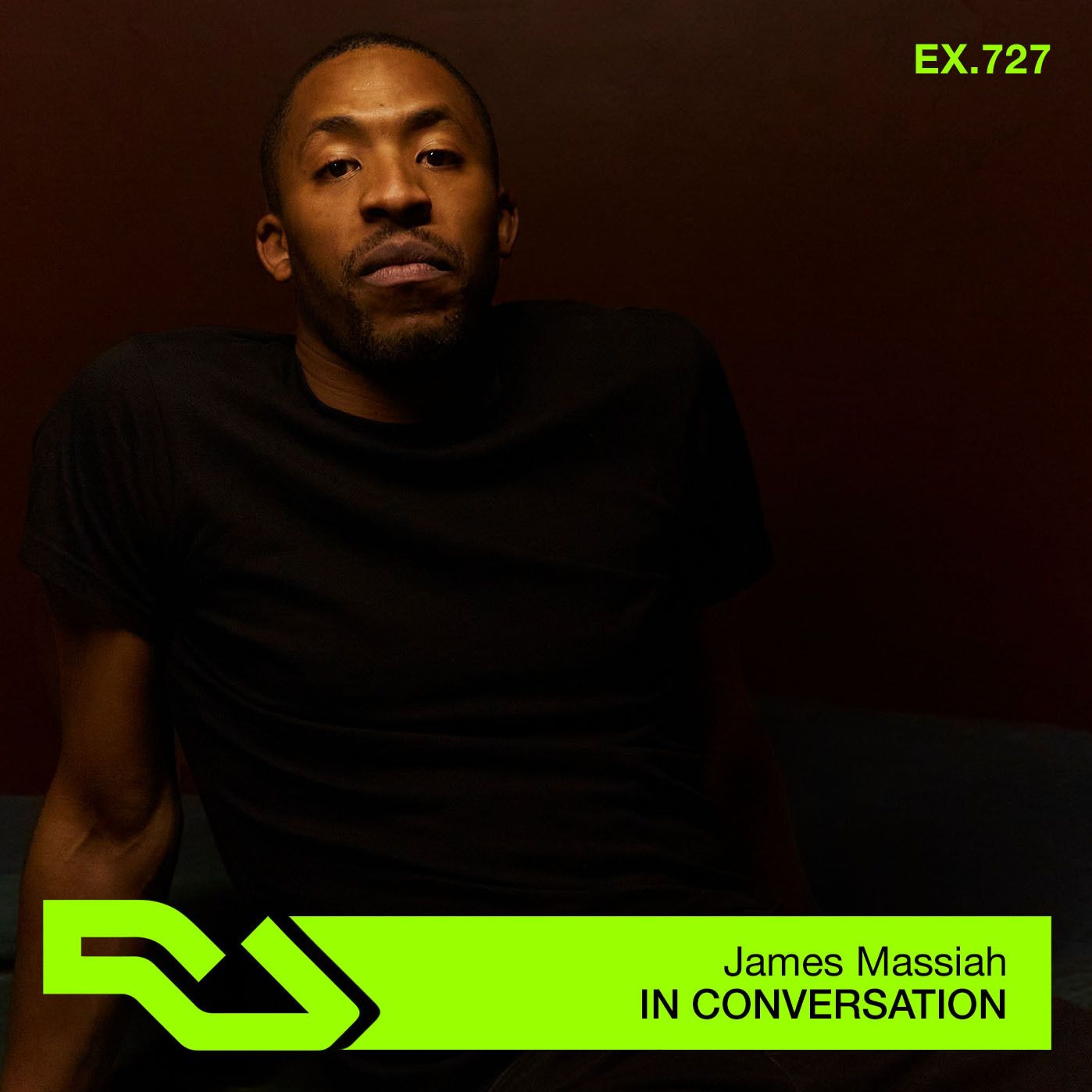
EX.727 James Massiah
The annual Caribbean street parade Notting Hill Carnival has taken place in London since 1966 to celebrate the influx of immigrants brought to the UK during Windrush. Carnival is a celebration of the rich and multifaceted artistic heritage that came with them, especially in the form of Afro-Caribbean music, dance and sound system culture.The South London-born poet, producer and NTS Radio host James Massiah is one of a generation of musicians who has been influenced by the city's Afro-Caribbean cultural legacy. In this interview, he talks to Errol Anderson of the South London-based curatorial platform Touching Bass about his connection to London's sound systems and his own artistic evolution. His output centres around hedonism and what he calls "joyful living"—a reaction to the church community he grew up in. Many of the lyrics on his most recent EPs, like True Romance, paint a picture of drugs, partying, sex, addiction and heartbreak (he's even gone on to name his recurring poetry night Adult Entertainment). Music, he reflects, has provided a powerful and cathartic means to express himself and open up.In his youth, Massiah wasn't just shaped by his church, he says, but by the Afro-Caribbean genres circulating through his neighborhood: '80s funk, raga, garage, grime and a form of Jamaican dancehall called Yardie. Later, as he was exposed to popular rock and house music, he took the sensibilities he heard in pop acts like Fleetwood Mac and applied them to a Caribbean musical framework. His sound palette is an uncanny amalgamation of Stevie Nicks' ethereal voice with the stylings of soca—a sub-genre that fuses calypso, reggae and Caribbean zouk. Listen to the episode in full. Hosted on Acast. See acast.com/privacy for more information.

EX.726 GiGi FM
"Dancing has always been visceral to me." The DJ and producer talks about bringing movement into her music practice and the role mythology and meditation plays in art and life.The Italian-French DJ, producer and dancer Giulia Fournier-Mercadante—AKA GiGi FM—has had a varied, multidisciplinary career. Originally a dancer, Fournier-Mercadante received a scholarship for the New York City Ballet and the contemporary dance outfit Alvin Ailey American Dance Theater as a teenager. Finding the dancing world difficult to navigate, especially in its approach to body image, she graduated and moved to London to focus on music. It was there that she discovered techno and its capacity to heal. She started hosting a regular show on NTS, getting booked locally and then touring around the world.Today, Fournier-Mercadante has integrated dance into her productions, which use motion sensors to transform physical movement into MIDI. Her use of her body as her basic instrument has led to a unique, kinetic sound palette that defines all of her tracks. In this Exchange, she unpacks how she's worked with this technique and rediscovered her love of dancing, as well as how spirituality, dream states and astrology inform her life and work. Listen to the episode in full. Hosted on Acast. See acast.com/privacy for more information.

EX.723 KMRU
"Soundscapes reveal a lot about how people think and behave." The field recordist and musician talks about listening culture, repatriating African sounds and his new album with The Bug.Today's conversation moves away from the dance floor, focusing instead on the soft, ambient soundscapes of the Berlin-based musician Joseph Kamaru—AKA KMRU—whose work has been featured at festivals like CTM, Mutek, Atonal, Horst Music and Arts, Dekmantel, and Unsound; concert halls like The Barbican; and major galleries and site-specific installations around the world.Kamaru moved to Europe from Nairobi, where he first became interested in music production, and field recordings specifically. As a graduate student in the sonic arts, he learned that the majority of the discourse around sound art practices is specific to Western Eurocentric or occidental ways of thinking. He's since embarked on a mission to use field recording as a means of repatriating African identities that are often left out of institutional archives and grapple with the legacy of colonialism.In this RA Exchange, Kamaru reflects on the sociopolitical angle of his work, and his observation that listening, by its very nature, is never neutral. He also talks about how civilisation and technology has changed our collective listening habits; how sound sources beyond the human hearing range make their way into his work with the use of electromagnetic microphones; and his new album, Disconnect, made with the musician Kevin Richard Martin (AKA The Bug). Listen to the episode in full. Hosted on Acast. See acast.com/privacy for more information.
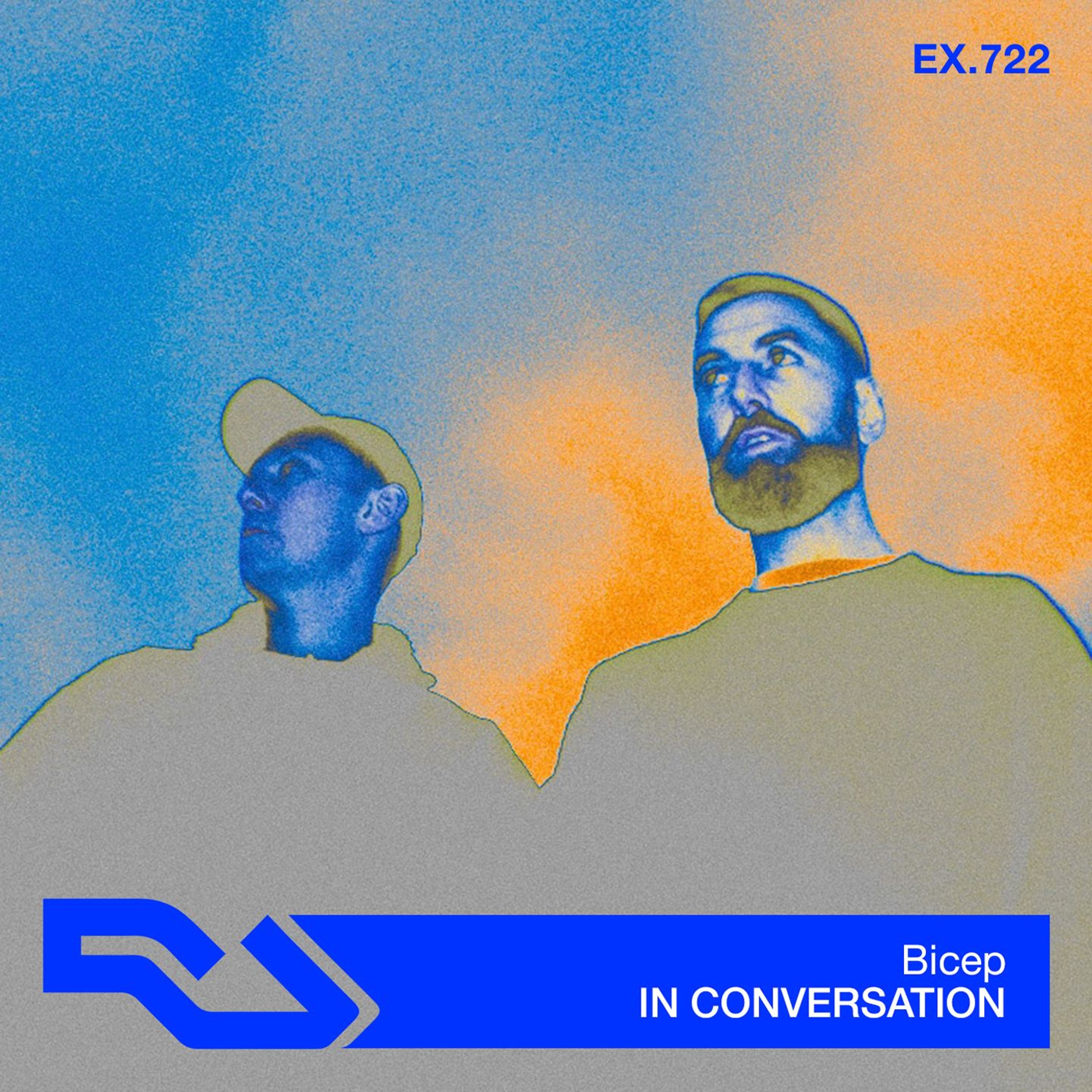
EX.722 Bicep
"We used to roll up socks in our shoes to give us an extra inch." The childhood friends talk about coming of age in Belfast and their label and event series, CHROMA.Bicep—the Irish duo Andrew Ferguson and Matthew McBriar—have been winning over the hearts of fans with trance-inflected, melancholic dance music since 2009. In this interview with RA editor Gabriel Szatan, the childhood friends talk about how they got where they are, unpacking their creative process and the abiding musical influence of their hometown, Belfast, a city where emotional trance reigned supreme. They also discuss their ongoing multidisciplinary project, CHROMA—a record label, event series and evolving live audiovisual show. Ferguson and McBriar say that the idea for CHROMA came from a sense that their DJ sets were becoming too "sugary," so they buckled down with a renewed focus on creating dynamic new productions made specifically for the dance floor and their sets. The result is a string of hard-hitting EPs which you can find online now. Listen to the episode in full. Hosted on Acast. See acast.com/privacy for more information.

EX.721 Charli XCX
"I started in the clubs, and that's where my heart is." The British singer-songwriter and RA's newest cover star talks about her new album, BRAT, live from AVA London.This week's Exchange is with Resident Advisor's latest cover star: Charli xcx. The British singer-songwriter has garnered a reputation as one of the most unpredictable and boundary-pushing pop artists of her generation, collaborating with contemporaries like A. G. Cook, Yaeji and the late SOPHIE. And she's now on the heels of her most recent album, BRAT, which came out in June and has already been lauded as one of the best albums of the year.In this conversation recorded live at AVA London with journalist Chal Ravens, Charli xcx dives into the making of the album. She calls it a club record—that, she says, is "where her heart is." After posting songs on MySpace around 2008, she was asked to DJ at warehouse parties when she was still in her teens. She felt alive in that space, she remembers, doing crazy, embarrassing things.Now in a different chapter of her life and career, she contemplates her desire to make challenging music that still appeals to a broad audience. It's a pendulum that swings radically in both ways, and she finds herself reinventing herself within the pop space and navigating that tension again and again. Listen to the episode in full. Hosted on Acast. See acast.com/privacy for more information.

EX.720 FJAAK
"It's a dream to share a passion with your best friend." The German duo talk about life on the road and writing their first album in six years.Together, Felix Wagner and Aaron Röbig make up the dynamic duo FJAAK. As one of Germany's best-known nightlife exports, they've earned a reputation for being techno's "boy band," gracing the stages of festivals and clubs all over the world for the last ten-plus years.Wagner and Röbig met in Spandau, an area just outside of Berlin, when they were both still in school. Equally interested in music (especially hip-hop), they started working on beats together alongside two other friends. The four-person group turned into FJAAK, and when they all moved to the city centre together after finishing their studies, they started living collectively and touring the project, achieving traction quickly.FJAAK is now just a duo—the group dwindled from four people to three, and then, in 2019, to just Röbig and Wagner. They claim they're closer to soulmates than friends; they know everything about each other and seem so in tune as to be almost telepathic. "The super power we've evolved over the years is to live a harmonic life together," Wagner said. In this RA Exchange, Röbig and Wagner talk about navigating through life with someone by their side, their thoughts on equality and meritocracy in the music industry, how they work together in the studio, their record label and their new album, FJAAK THE SYSTEM, which came out in May. Listen to the episode in full.This episode was recorded and filmed at Pirate Studios. Hosted on Acast. See acast.com/privacy for more information.
EX.719 Kittin
"I'm finally enjoying what I built." The DJ and producer talks about 30 years in the music industry and what it means to live a creative life.Caroline Hervé, AKA Kittin (FKA Miss Kittin), is a household name, primarily known for her contributions to the world of electroclash. As part of the duo Miss Kittin & The Hacker, Hervé wrote music that inspired a generation of artists drawn to electroclash's punky aesthetics, no-nonsense synth production and humorous, ironic lyrics and vocal delivery. In this Exchange, she unpacks how the electroclash scene became a home for artists seeking to push back against the rigidity of techno, ushering in a vanguard of performers like Peaches who created a safe space for queerness and unconventional femininity in the early 00s. Now 50 years old, Hervé is still very much active on the touring circuit. Behind the decks she's as likely to play synth wave and electro as she is to play peak-time techno, and in the studio, her creativity knows no bounds. Much of her latest chapter has been defined by learning to age gracefully in the music industry, especially given the undue expectations and double standards placed on women. "I've made a decision never to touch my face," she says. "My boobs are getting bigger. I'm gaining weight. I'm reaching menopause soon. But these are things we need to talk about." Listen to the episode in full. Hosted on Acast. See acast.com/privacy for more information.
EX.718 BASHKKA
"My place of rebirth was New York." The DJ and producer discusses Brooklyn's queer ballroom scene and advocating for Munich's queer community at BLITZ Club.BASHKKA is a name you might recognise from festival lineups. In fact, it seems to be everywhere these days. The Munich-based artist has seemingly blown up in the past 24 months, but her ascent is well-deserved. The Munich-based DJ has been a resident at BLITZ Club for two years since returning from a decade-long stint in New York, where she quickly found family with Brooklyn's trans community. While she's now living back in Germany, the experience ignited a lifelong commitment to her advocacy for the cultural, political and de-colonial advancement of electronic music. She is an activist for Southwest Asian and North African artists across the scene, especially those from queer femme backgrounds or who have been otherwise marginalised from the mainstream dance music narrative. In this interview with the Exchange's senior producer Chloe Lula, BASHKKA talks about her roots and how the dichotomy of growing up to a Turkish family in Bavaria—and then living within the trans community in New York—has shaped her creativity and her outlook on family and life. She also talks about her debut EP, Maktub, on Nene H's label Umay, where she explores a mixture of ballroom, ghetto tech, house and the legacy of her years in New York. According to the artist, it's a "hot stew of seduction"—and it's only a prelude of what's to come. Listen to the episode in full. Hosted on Acast. See acast.com/privacy for more information.
EX.717 DJ Pierre
"We were searching for our own voice." The Chicago artist talks about pioneering the sound of acid house and the spirit of experimentation in early dance music.The Chicago-based Nathaniel Pierre Jones—AKA DJ Pierre—may be best known for forming the "squelch" we now call acid. When he and his friends Spanky and Herb J picked up a TB-303 in a pawn shop, they captured the sound of the knobs being turned as a pattern started to run. While this wasn't how the instrument was intended to be used, they were enthralled by the result, reproducing it and releasing it as an EP called Acid Tracks under the name Phuture in 1987. The result was the birth of the acid house era and a new, international musical craze.In this RA Exchange recorded live at International Music Summit in Ibiza, Jones retraces the acid craze and the nature of experimentation and risk-taking more generally. In his view, there's a marked absence of this mindset in contemporary dance music as many producers have become accustomed to using sample packs, presets and generally operating within workflows that stymie originality. At the end of the interview, he raises important questions around if and how the music being released today enhances our lives, as well as what a truly transcendent and mutually supportive industry could look like. Listen to the episode in full. Hosted on Acast. See acast.com/privacy for more information.
EX.716 Wolfgang Tillmans
The photographer and musician discusses his love of nightlife, the origins of his music practice and his new album.This week's Exchange—falling on the first week of Pride Month—features the acclaimed artist Wolfgang Tillmans, a figure who has become known for documenting Berlin's queer nightlife culture. But Tillmans isn't just active behind the camera. He's also an outspoken activist for the international LGBTQIA+ community and the wave of conservatism rearing its head against gender and reproductive rights around the world. His evocative photos invite viewers to look at society straight in the face, question the status quo and harness the power of collective resistance to normative, capitalist ways of living. An ardent fan of electronic music, he also captures artists and DJs at the heart of underground club culture. When he started taking photos in the '90s, it was at the acid house parties blossoming around Germany and the UK. Now entering the height of his career at 55, Tillmans has been profiled multiple times in major magazines like the New Yorker and given career-spanning solo retrospectives at the MoMa in New York, Hamburger Bahnhof in Berlin, The Centre Pompidou in Paris and countless galleries across the world, including David Zwirner, which represents him. While it's widely acknowledged that Tillmans enjoys participating in club culture, what might be less well known is that he actually makes music himself. In recent years, he's begun putting out albums on his own label, fragile, creating new wave-tinged electronica that nods to early synth pop. Tillmans released his debut album, Moon in Earthlight, in 2021 and he's now celebrating the release of his second album, Build From Here, where he explicitly sings about human rights and violations against the LGBTQIA+ community. Overall, its message is one of hope and excited apprehension about the future and the arts' place within it. Listen to the episode in full. Hosted on Acast. See acast.com/privacy for more information.
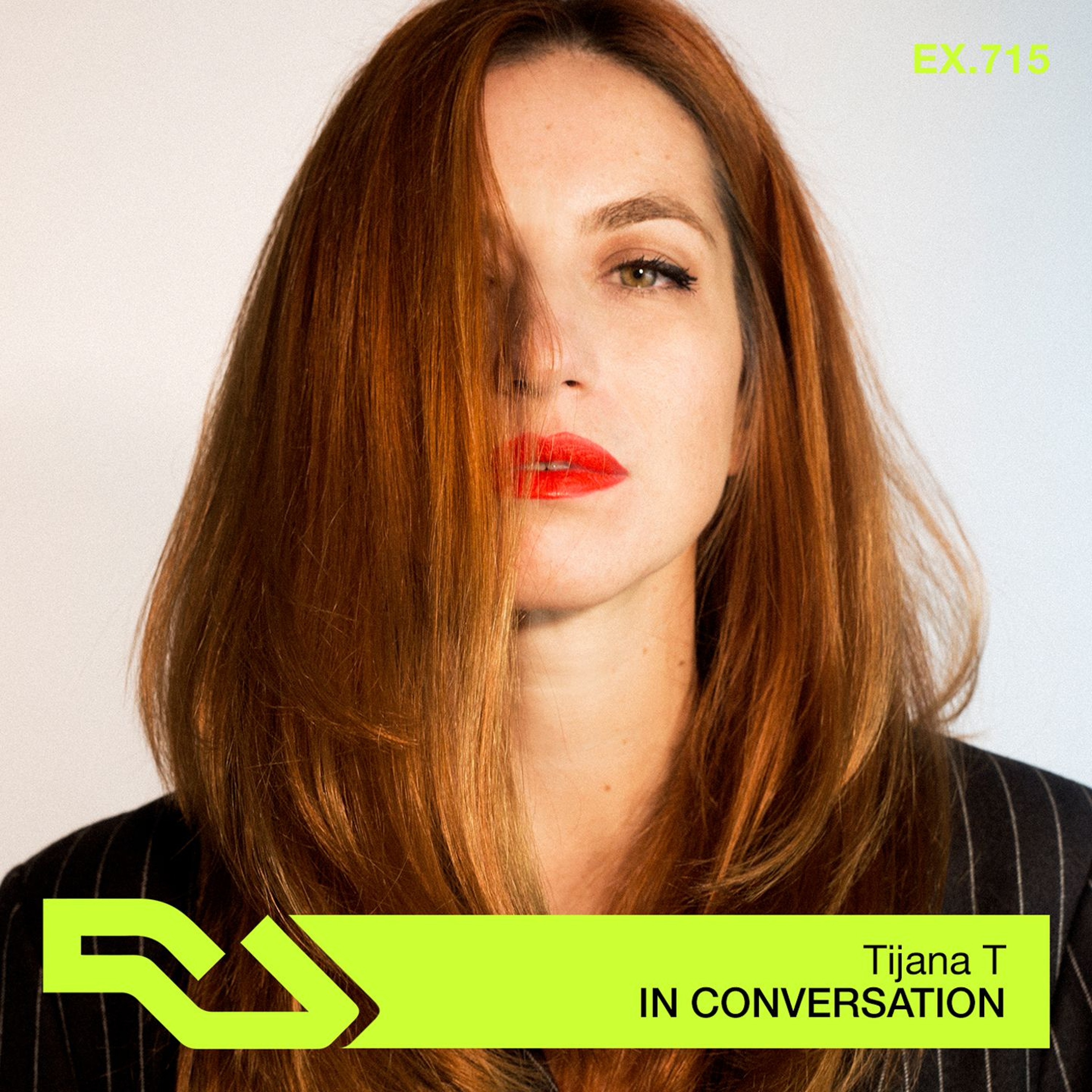
EX.715 Tijana T
"Being a part of this scene is already a political act." The longtime DJ discusses politics in dance music and Ex-Yugoslavia's dynamic anti-establishment creative culture.Tijana Todorovic (AKA Tijana T) proudly hails from the Ex-Yugoslavian capital Belgrade. The Serbian city, alongside the territories now known as Bosnia and Herzegovina, Croatia, Macedonia, Montenegro and Slovenia, were once under singular socialist rule that Tijana describes as a "utopian time" that fostered intense creativity and counter-cultural art and music. A liberal communist republic that didn't operate under the influence of the USSR, as many Eastern European countries did at that time, Yugoslavia gave birth to a dynamic, anti-establishment performance culture rooted in new wave, feminism and everything non-mainstream.In her RA Exchange with senior producer Chloe Lula, Tijana reflects on how growing up in this environment irrevocably shaped her values and taste in music, as well as how the civil war—and Yugoslavia's subsequent fall—defined the period of intense fear and poverty that followed. In Serbia, techno and nightclubs became an energetic force for young people seeking solace, community and sociopolitical change. Tijana went on to work as a TV and radio journalist that fought vehemently against the war, and to break out as an artist beyond the Ex-Yugoslavian territory. She talks about her unlikely trajectory, her view on the intrinsic connection between politics in dance music, underdeveloped music markets, sobriety and more. Listen to the episode in full. Hosted on Acast. See acast.com/privacy for more information.
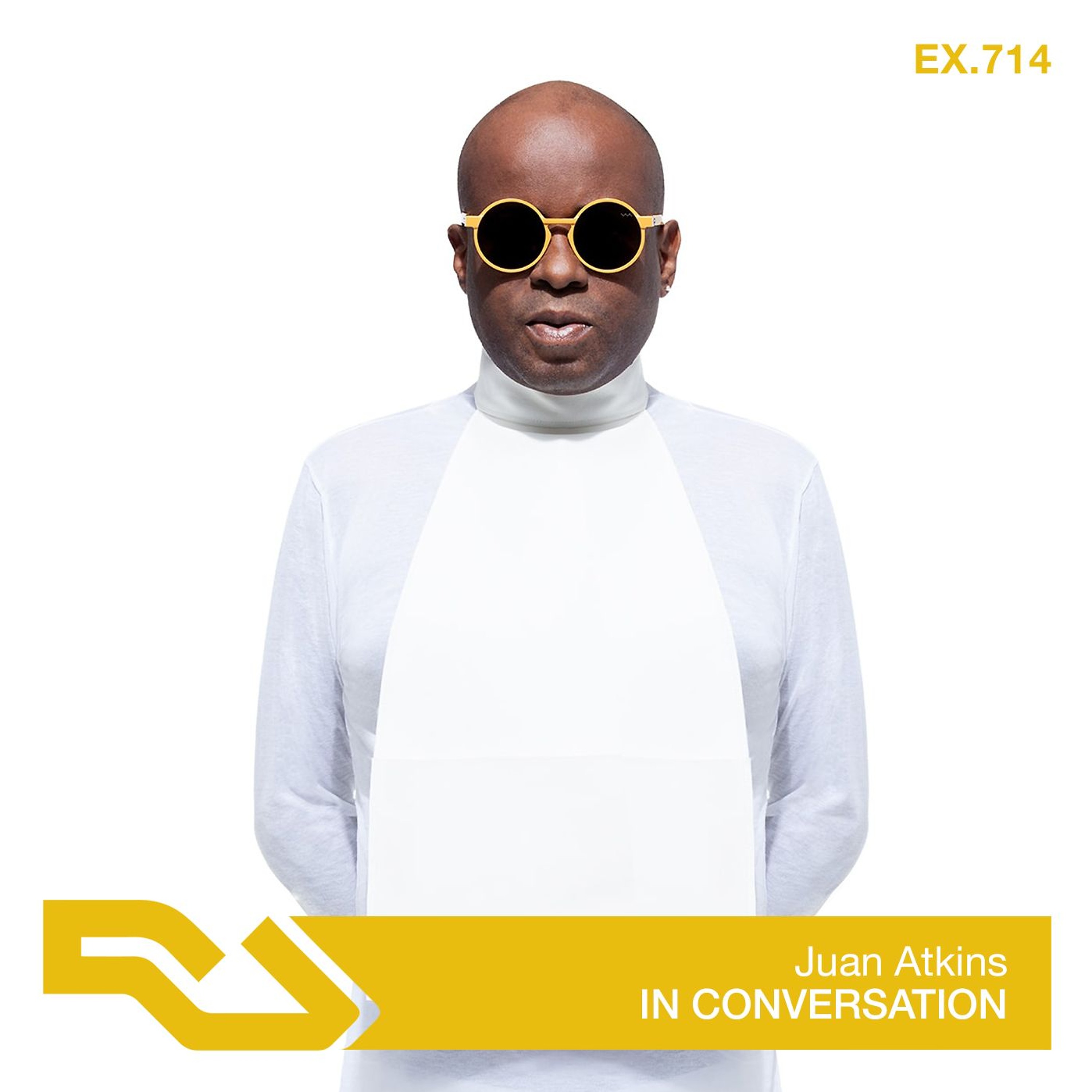
EX.714 Juan Atkins
"What is it about my music that's touching other people?" One of the forefathers of techno reflects on his legacy, the state of techno music and the city of Detroit live from IMS.Most people in nightlife are familiar with the name Juan Atkins. One of the originators of techno, he grew up in Belleville, a middle-class suburb of Detroit, and would become one of the Belleville Three alongside Derrick May and Kevin Saunderson. This first wave of Detroit techno artists was inspired by the late night emissions of radio DJ The Electrifying Mojo—a late-night presenter who famously mixed different synth music, like Krautrock and the German outfit Kraftwerk—and the writing of futurists like Alvin Toffler, who imagined a different, utopic vision of urban life and technology. In this keynote interview recorded live at International Music Summit in Ibiza, Atkins reflects on his roots and the musical movement that's grown from his first experiments with techno in the '80s. Returning to his adolescence, he unpacks the origins of his electro collaboration Cybotron, his solo project Model 500 (coming to Houghton this year) and his label, Metroplex, which became a blueprint for a hoard of techno imprints that would emerge in its wake. Now 61, Atkins also reflects on the broader impact music has had on his life—he has given lectures on the intersection of physics, music and spirituality—as well as the remaining stones left unturned as he enters the (very much still active) sunset in his career. Listen to the episode in full. Hosted on Acast. See acast.com/privacy for more information.
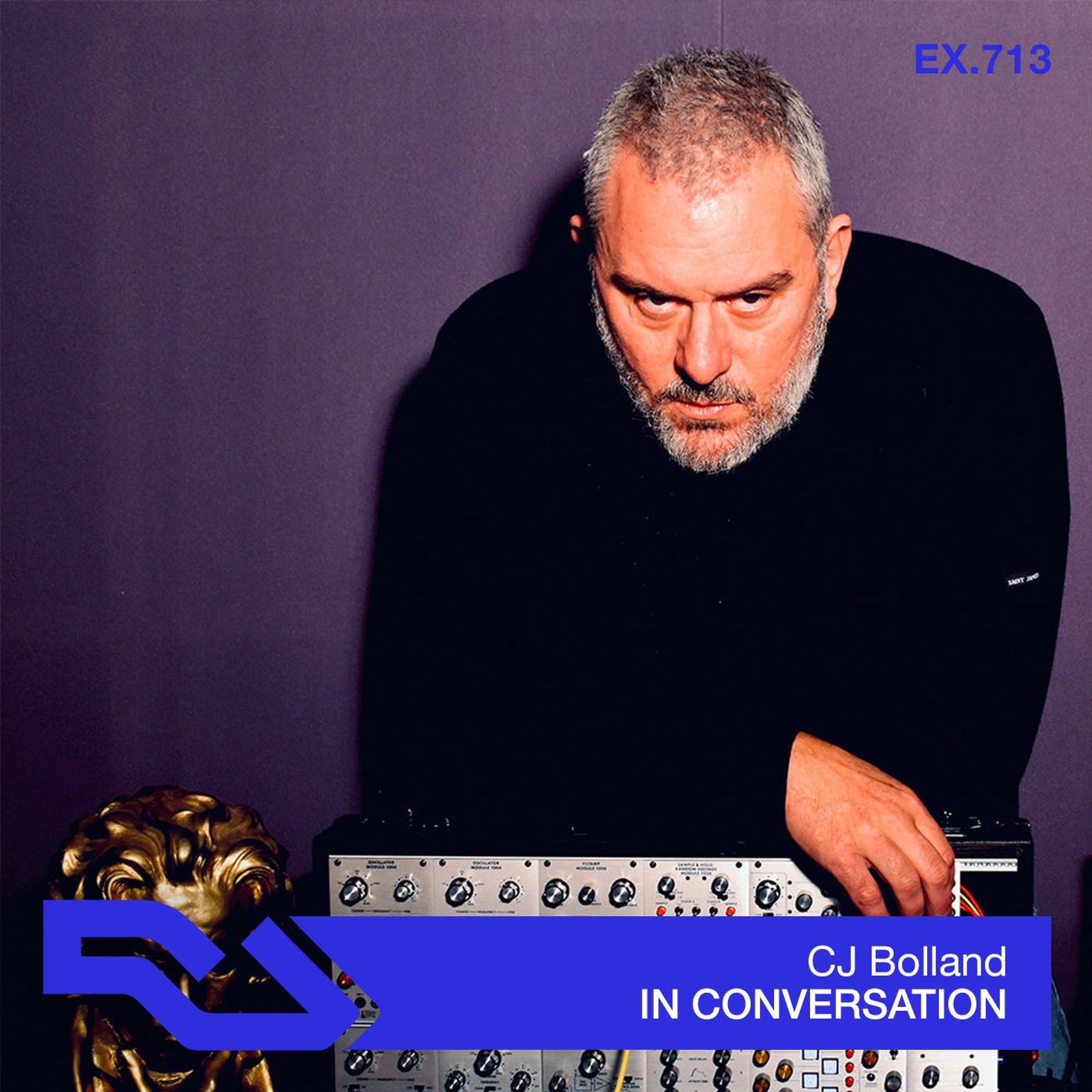
EX.713 CJ Bolland
Recorded live at Brussels festival Listen, the veteran talks about leading the birth of acid techno and the sound of proto-techno in Belgium.At the turn of the '90s, Belgium was under the twin influences of early techno and '80s new beat. It was artists like CJ Bolland who helped usher these two sounds together, bridging the low-slung sludge of bands like A Split Second and Lords of Acid with the futuristic chug of Juan Atkins, Jeff Mills and Detroit's first guard. Bolland grew up in Antwerp and was exposed to underground music from his parents, who owned a club. Eventually beginning to produce himself, he helped create the early acid rave sound that would take over Europe. He signed to then-powerhouse label R&S Records with his career-defining single, "Horsepower," in 1991, and from there embarked on a prolific touring career.In this Exchange, he talks to RA's senior producer Chloe Lula live from Listen Festival in Brussels, diving deep into Belgium's unique musical landscape and his thoughts on how it's evolved in response to its position between major techno hubs like The Netherlands and France. A massive gear head, Bolland also shares his favourite tools and reflects on how the state of music-making has changed in the years since he first started his career. Listen to the episode in full. Hosted on Acast. See acast.com/privacy for more information.