Question of the Week, from the Naked Scientists
637 episodes — Page 7 of 13

Ep 337How do octopus camouflage?
Listener Android got in touch to ask how octopuses camouflage themselves if they are colour blind. Graihagh Jackson went under the sea to see if the seaweed is always greener on the other side with Cambridge University's Felicity Bedford... Like this podcast? Please help us by supporting the Naked Scientists

Ep 336How do noise cancelling headphones work?
Mark got in touch to find out how noise cancelling headphones work. Can they damage your ears by playing back loud background noise? Fanny Yuen spoke to Trevor Cox to cut the rumble... Like this podcast? Please help us by supporting the Naked Scientists

Ep 335How does cooking affect digestion?
Listener Solomon emailed us to find out exactly what role cooking plays in digestion. Emma Sackville met up with Dr. Giles Yeo to break down the question. Like this podcast? Please help us by supporting the Naked Scientists
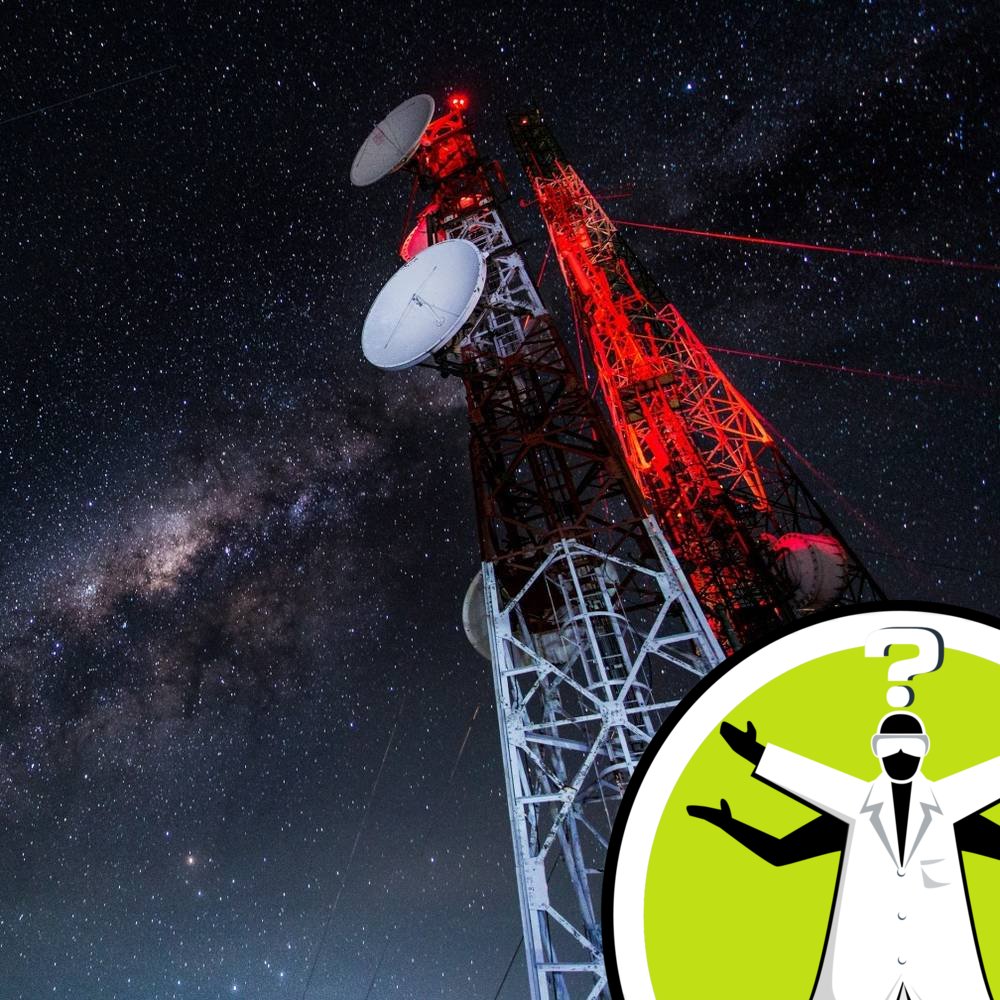
Ep 334Could we recognise a message from space?
This week, Jeff wrote in to ask whether we would be able to recognise and understand an encrypted message from space. Emma Sackville enlisted Dr. Duncan Forgan from the University of St. Andrews to help decode this question... Like this podcast? Please help us by supporting the Naked Scientists

Ep 333How fast can an elevator go?
Listener Paul got in touch to ask if it's true that there's almost no restriction in the speed an elevator could ascend when it comes to the human body, but that there was a limiting speed for the descent. Graihagh Jackson was perplexed and intrigued by the question and so went to meet engineer, Dr Philip Garsed from Cambridge University to get up to speed... Like this podcast? Please help us by supporting the Naked Scientists

Ep 332Why does spicy food make me hiccup?
Connie Orbach get's to grip with Lebonhang's question and ask Dr Clemency Booth to help... Like this podcast? Please help us by supporting the Naked Scientists

Ep 331Can two planets share the same orbit?
This week, Jonathan asked us if it's possible for two planets to share the same orbit. Naked Scientist Graihagh Jackson put this to Dr Stuart Higgins from Cambridge University... Like this podcast? Please help us by supporting the Naked Scientists

Ep 330Do humans have pheromones?
People can certainly smell whiffy and sometimes this is attractive, other times not so much but is this a feature of pheromones? Lots of species of mammals have them, so what makes us humans any different? This week , Felicity Bedford sniffed out the answer with Tristan Wyatt from the University of Oxford... Like this podcast? Please help us by supporting the Naked Scientists

Ep 329Why do mosquitoes prefer some people over others?
Felicity Bedford enlisted the help of Glasgow University's Heather Ferguson for this biting question... Like this podcast? Please help us by supporting the Naked Scientists

Ep 328Why is space so cold?
The number of stars in space is huge, so why is it so chilly? Felicity Bedford spoke to Ryan MacDonald from the Cambridge University Institute of Astronomy to find out more... Like this podcast? Please help us by supporting the Naked Scientists

Ep 327Why do our voices sound different in our heads?
Why is it that our voice sounds so different to us than when we hear it back on a recording? Connie Orbach persuaded Dr Nick Gibbons, voice surgery specialist from Lewisham Hospital to take her through Che's question... Like this podcast? Please help us by supporting the Naked Scientists

Ep 326Why do people have such a variety of appearances?
Unless you are an identical twin it's unlikely you've found anyone else who looks just like you. But, why do we all look so different? Felicity Bedford spoke to population geneticist Sir Walter Bodmer from Oxford University who is characterising thousands of faces as part of the People of the British Isles Project... Like this podcast? Please help us by supporting the Naked Scientists
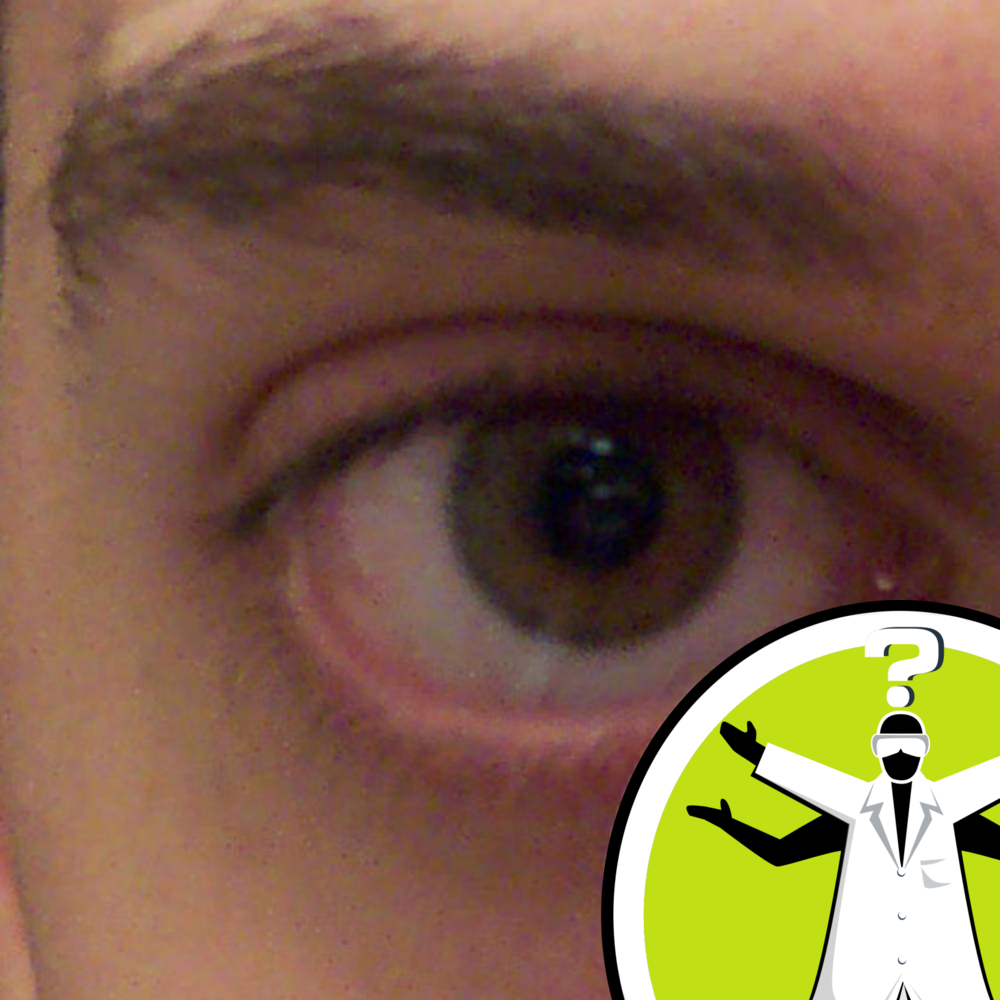
Ep 325Why do people get bags under their eyes?
We've all had days when we're tired and wish we didn't have dark circles under our eyes. But why do we get these puffy eyes and do they serve a purpose? Felicity Bedford spoke to Dr Sean Lanigan, President of the British Cosmetic Dermatology Group to find out more... Like this podcast? Please help us by supporting the Naked Scientists

Ep 324What causes sleepwalking?
Listener Sterling wanted to know what causes sleepwalking and how to prevent it. Like this podcast? Please help us by supporting the Naked Scientists
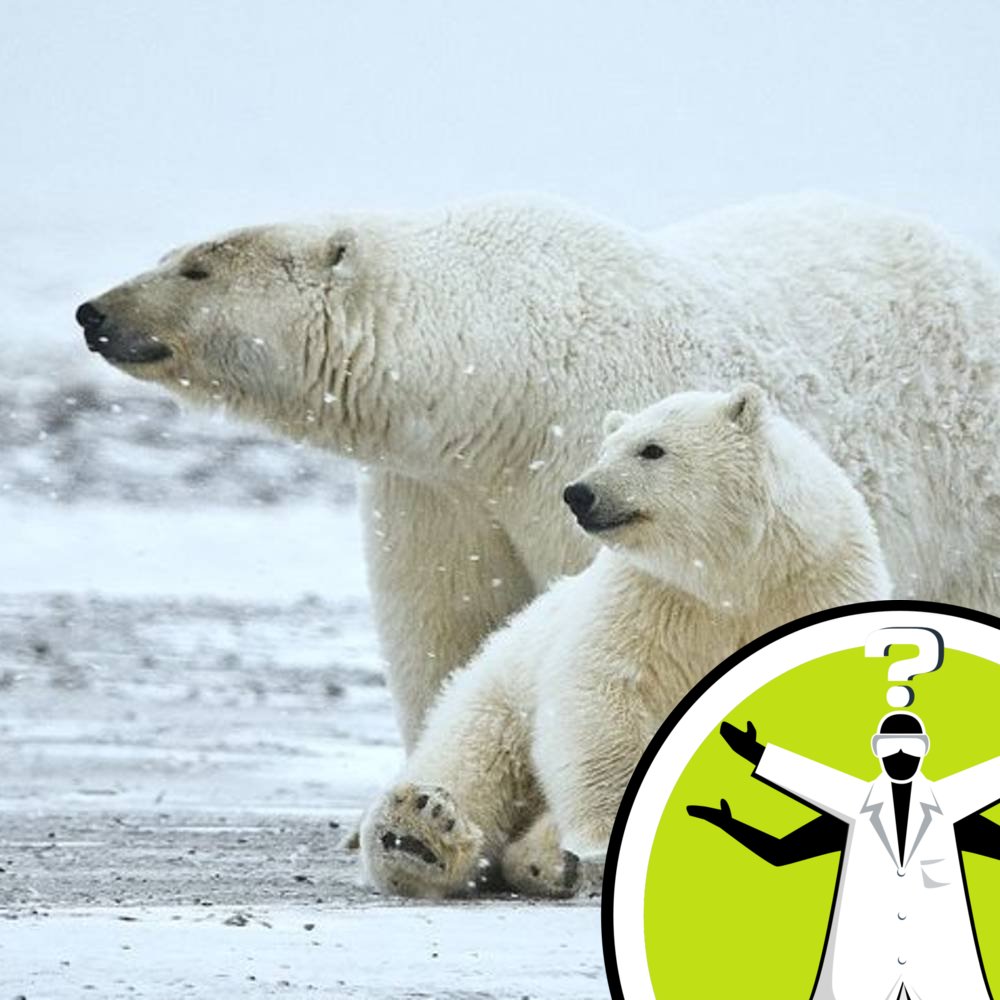
Ep 323If polar bears were transported to Antarctica, would they thrive?
Reduced sea ice is threatening polar bears in the Arctic. Listener Kevin wanted to know if they would thrive at the south pole instead? Like this podcast? Please help us by supporting the Naked Scientists

Ep 322What would happen if I plucked a guitar in space?
Jess wanted to know what would happen if she plucked a guitar in space. Would her music be out of this world? Felicity Bedford spoke to Professor Jim Woodhouse from the University of Cambridge to find out. Like this podcast? Please help us by supporting the Naked Scientists

Ep 321How can I stop a runny nose?
Winter is coming and with it comes a runny nose but how can we stop a snotty hooter? Listener Amanda was keen to nose the answer, so Felicity Bedford spoke to GP Adam Forman to find out... Like this podcast? Please help us by supporting the Naked Scientists

Ep 320Why do we go bald on our heads?
It would appear that people on go bald on their heards, but why? And why not elsewhere? Rosalind Davis has been pulling her hair our over this one with Professor Robert Foley from the University of Cambridge... Like this podcast? Please help us by supporting the Naked Scientists

Ep 319Why do we like looking at views?
Eleanor wanted to know why people enjoy looking at views. Do we learn this socially or is it innate? Rosalind Davies spoke to Michael Forster from the University of Vienna to find out. Like this podcast? Please help us by supporting the Naked Scientists

Ep 318Are zombies feasible?
With Halloween just around the corner, Stephen asks the spooky question, Are zombies feasible?. Charis Lestrange investigates with the help of pathologist Suzie English from the University of Cambridge and immunologist Khalil Thirlaway from the University of Nottingham. Like this podcast? Please help us by supporting the Naked Scientists

Ep 317What wind speed does it take to tip a lorry?
Marco got in touch after his truck tipped over on the motorway. He wanted to know what speed the wind would need to be blowing at to cause this, so he knew when to stop driving in the future. Rosalind Davies spoke to Zephyr Penoyre, a PhD student at Columbia State University, to find out the answer. Like this podcast? Please help us by supporting the Naked Scientists

Ep 316Why do power lines make so much noise?
Anders asked the electrifying question, "Why do power lines make so much noise?";. This seemed rather complicated so Charis Lestrange asked Dr Andrew Griffiths, a semiconductor engineer from the company IQE. Like this podcast? Please help us by supporting the Naked Scientists

Ep 315Why is gooseberry jam red when gooseberries are green?
Katie asked the very seasonal question of Why is gooseberry jam red, when gooseberries are green?. This really baffled the Naked Scientists, so Joanna Kerr put this thorny question to Dr Sarka Tumova, a food scientist at the University of Leeds. Like this podcast? Please help us by supporting the Naked Scientists

Ep 314Why do we make mistakes during repetitive tasks?
Is it brain fatigue? Or do we go into autopilot? Sam Mahaffey asked Dr Steve Fleming from the Wellcome Trust centre for Neuroimaging at UCL why this happens. And if there is anything we can do to stop it. Like this podcast? Please help us by supporting the Naked Scientists

Ep 313Why do we have toenails?
Fingernails seem to have obvious uses but what are our toenails for? Was their some evolutionary benefit? And does that mean we'll evolve toenail-less feet? Sam Mahaffey and Dr Isabelle Winder from the University of York go in search of a gripping answer... Like this podcast? Please help us by supporting the Naked Scientists

Ep 312Why does music sound happy or sad?
This week Dave asked why does a minor key sound mournful and a major key sound happy? Amy Goodfellow asks music psychologist Dr Andrea Schiavio from the University of Sheffield if this is really true. Like this podcast? Please help us by supporting the Naked Scientists

Ep 311Where are we within the universe?
This week Brian Lucas wanted to know: where are we within the universe? Joanna Kerr decided to try and find out with help from Dr Sean McGee, an astrophysicist from the University of Birmingham. Like this podcast? Please help us by supporting the Naked Scientists

Ep 310How many people do you need to avoid inbreeding in a population
This week Louise asked, how many people are needed to avoid inbreeding in a population? To answer her question Connie Orbach looks into setting up her own desert island with the help of Professor Mike Weale, a population geneticist from Kings Collge London. Like this podcast? Please help us by supporting the Naked Scientists

Ep 309What are wormholes?
What are wormholes, and how would one be created? James Farr investigates the secrets of the universe... Like this podcast? Please help us by supporting the Naked Scientists

Ep 308How much of a wheat field do I need to make one loaf of bread?
This week Amy Goodfellow took a trip to the country to answer Jerry's question - how much bread it takes to make one wholemeal loaf. She spoke to Andrew Whitley, the co-founder of the Real Bread Campaign... Like this podcast? Please help us by supporting the Naked Scientists

Ep 307What's the most expensive element on Earth?
This week, Graihagh Jackon drilled into John's question to try and find out what the most expensive element in the world is... But first, how do we define 'expensive?' Chemist Mark Lorch set us straight... Like this podcast? Please help us by supporting the Naked Scientists

Ep 306Are fingerprints unique?
This week, Tom Crawford put Helen's question under the magnifying glass to try and find out whether fingerprints really are unique and if so, whether the same applies to toeprints? We put this to Forensic Scientist, Professor Niamh Nic Daeid form Dundee University... Like this podcast? Please help us by supporting the Naked Scientists

Ep 305Why does the immune system not attack foetuses?
This week we've been sequencing Lorianna's question: if babies have different genetic sequences from their mother, and are technically foreign objects in the womb, why doesn't the mother's immune system attack? Ziyad Yehia asked Dr Lucy Fairclough, an immunologist from Nottingham University to find out... Like this podcast? Please help us by supporting the Naked Scientists

Ep 304Can I land on gassy planets like Jupiter?
This week we tackle Allana's question: If we were to travel to gas giant Jupiter, would we sink to the core? Or float straight on through? Heather Douglas put this to Dr Marc Rayman from NASA's Jet Propulsion Lab to see if he could clear the air... Like this podcast? Please help us by supporting the Naked Scientists

Ep 303How do black boxes work?
How do black boxes work? When a plane crashes, there's always a huge search for the elusive 'black box' to solve the mystery. But what is this, and how does it work? Heather Douglas put this to David Barry, senior lecturer in aviation safety, from Cranfield University Like this podcast? Please help us by supporting the Naked Scientists

Ep 302How are robotic voices generated?
We put this question to Dr Pierre Lanchantin from the University of Cambridge... Like this podcast? Please help us by supporting the Naked Scientists

Ep 301Why are ripe pears juicer?
Unripe pears are dry, yet ripe pears are juicy so how do they become moist? Philip Garsed put Dennis' question to plant scientist Sonja Dunbar, from Cambridge University... Like this podcast? Please help us by supporting the Naked Scientists
Ep 300Can cheese give you nightmares?
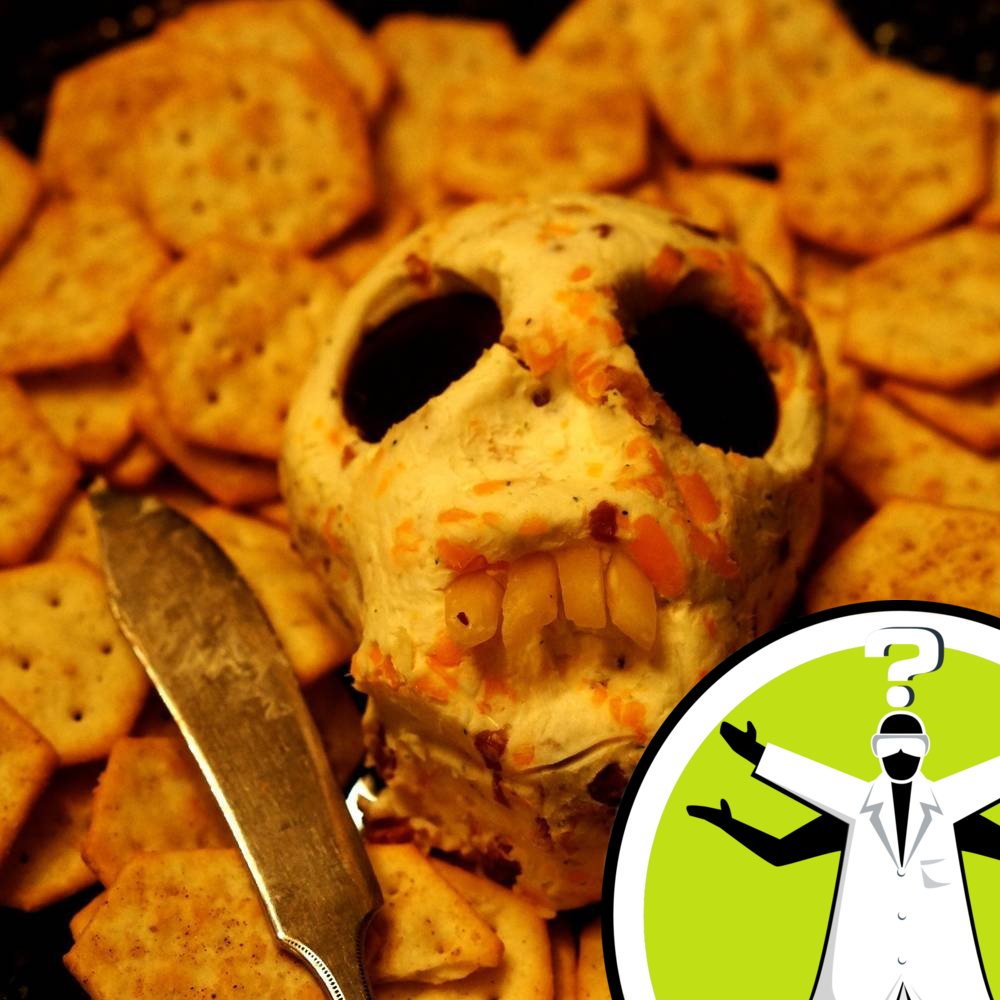
Chris wanted to know if it's true what your mum always told you. Does cheese really give you nightmares? Danielle Blackwell spoke to Max Sanderson, a neuroscientist to find out more... Like this podcast? Please help us by supporting the Naked Scientists

Ep 299Eels: A source of electricity?
Bonga tweeted us asking if we could ever use eels as a source as electricity? Would it be efficient? And how would it compare to other energy sources? Khalil Thirlaway caught up with Dr David LaVan from the National Institute of Standards and Technology to find out... Like this podcast? Please help us by supporting the Naked Scientists

Ep 298What parasites can I catch from my pets?
From worms to fleas and even microscopic single celled organisms, our pets can transfer a world of parasites to us if we are not careful. Prof Susan Little, a Veternary Parasitologist tells us what parasites we might catch and how we might prevent them. Like this podcast? Please help us by supporting the Naked Scientists

Ep 297Why do I urinate more in the cold?
Have you ever noticed that you urinate more frequently in cold weather? Why does this happen? Like this podcast? Please help us by supporting the Naked Scientists

Ep 296Are smartphones changing our brains?
It's said that taxi drivers' brains have increased growth in certain areas from navigating around cities. Is increasing smartphone use having a similar effect on other parts of our brains? Like this podcast? Please help us by supporting the Naked Scientists

Ep 295Does same-sex attraction happen in animals too?
Is homosexual behaviour seen in other species? What do they do? Why? Find out in this week's Question of the Week... Like this podcast? Please help us by supporting the Naked Scientists

Ep 294Why does petrol create a rainbow on water?
We find out why petrol creates a rainbow effect when in contact with water, and how the behaviour of light can create all these colours. Like this podcast? Please help us by supporting the Naked Scientists

Ep 293Can we vacuum up the plastics in our oceans?
Could we clean up our oceans of plastics by fitting vacuum cleaners to ships to suck them up? Like this podcast? Please help us by supporting the Naked Scientists

Ep 292Is it tiring to dream you're awake?
Different waking dream states can affect whether you feel resfreshed or not after a nights sleep. Like this podcast? Please help us by supporting the Naked Scientists

Ep 291Do we really need vitamins?
We chew over some important questions relating to vitamins, including what are they? Do we really need them? Can our bodies store them? And what would happen if we didn't consume any? Like this podcast? Please help us by supporting the Naked Scientists

Ep 290What causes the Earth's plates to move?
The tectonic plates below our feet move. But where does the energy for this come from? Apparently the reason is analogous to how your porridge gets heated up in the morning. We find out why! Like this podcast? Please help us by supporting the Naked Scientists

Ep 289Can you catch a yawn from a cat?
Why do we yawn? Is it because we're short on air? Matthew Boniface wanted to know this and whether he could catch a yawn from his cat. We spoke to Dr Hugh Matthews from Cambridge University to find out what makes them so contagious... Like this podcast? Please help us by supporting the Naked Scientists

Ep 288Will flights ever get faster?
14 hour flights sound like your idea of hell? Paul Jenn wrote in asking whether it was possible to speed up plane journeys, so we went to Neil Scott, head of engineering at Airbus, to find out. Like this podcast? Please help us by supporting the Naked Scientists