
PolliNation Podcast
305 episodes — Page 4 of 7
Episode 154 - Josh Vlach - Invasive pests and pollinators
We have all heard about Asian Giant Hornet, but what are some of the other invasive pests that threaten pollinators? We hear about species of concern in Oregon as well as measures taken to prevent their introduction.

153 - Miles Dakin - Bee Friendly Farming
Pollinator Partnership's Bee Friendly Farming programs encourages and rewards growers for taking steps to improve pollinator health on farms. We hear about some new features of the program and how people can get involved.

152 - August Jackson - The Steens Mountains
151 - Sarah Peebles - Resonating Bodies
Native bees have secret and mysterious lives. Beyond their visits to flowers, they spend most of their lives beyond our experience. This week we hear from a sound artist whose work places us deep in the lives of our native bees.

150 - Master Melittologists
The OSU Pollinator Health Program and Oregon Bee Project have worked together to develop a first of a kind Extension certificate program, the Master Melittologist program. The program is designed for people passionate about native bees and who want to embark on the long term survey of these bees in the state.
149 - Caydee Savinelli - BeSure
Growers and applicators learn about pollinator health from a wide range of sources. In this episode we hear about an initiative by a coalition led by industry groups to reduce pesticide exposure to pollinators.
148 - John Ascher - 10 Oregon Bees
There is some great information being collected about Oregon bees by non-experts use phone apps like iNaturalist. In this episode we hear about how to produce a solid record and some of the top 10 bees people are finding.

147 - Christina Groziner - BeeScape
Do you ever wonder how good the area around you is for pollinators? This week we learn about a new tool that allows you to assess your landscape for flower resources, bee nesting habitat and aggregate pesticide use.
146 - Shelby Kilpatrick - Checklist of Pennsylvania Bees
How do you figure out what bees are in a state, both in the present and historically. You build a checklist! In this episode we learn about how checklists are made from a recent effort in Pennsylvania.

145 - Native Bee Society of British Columbia - Connecting bee enthusiasts together
There are a growing number of people interested in native bees, but not many regional organizations you can belong to. Today we hear about an example of building such organizations in the Canadian province of British Columbia.
144 - Mike Burgett - The "other" honey bees
The common European honey bee is not the only species of honey bee. The biodiversity of the species Apis is rich in SE Asia. In this episode we get to know each of the species in detail.

143 - Hailey Wallace - What makes a bee garden tick?
Bee gardens involve matching plants that bloom at different times, to bees that emerge at different times. And not all bee species go to all flowers. In this episode we hear about how all these factors come together in Portland gardens.

142 Megan Asche - Social Wasps
Social wasps are in the news these days. They are often confused with bees. This week we take a deep dive into the world of our most fascinating social wasps, the paper wasps.
141 - Neil Bell - The best pollinator shrubs and trees
Shrubs and trees are key to any landscape designed for pollinators. This episode we tap OSU's shrub and tree expert to list the top picks for spring, summer and winter and to learn how to care for them.
140 Rebecca Sweet - Pollinator cover crops in vineyards
Creating pollinator habitat on farms is not as simple as it sounds. To be successful the habitat has to integrate into the cropping system and have low establishment and maintenance costs. In this episode we hear about efforts to strike this balance in Oregon vineyards.

139 Jay Evans - Beeoptimism: Reflections on the advances in bee research
It's been over 10 years since Colony Collapse Disorder beset the beekeeping industry. We catch up with an author who looks back at the advances made over this period with a sense of Beeoptimism.
138 Ron Spendal - The secret lives of mason bees
We've all heard that mason bees are amazing backyard pollinators, but did you know you can make ground-making discoveries about these bee's biology in your own backyard. This week we talk with a Master Gardener who has turned mason bees into a scientific and public outreach pursuit.
137 John Ascher - The problem with measuring bee decline
How are wild bees doing? On one hand we hear that they are in trouble and on the other we hear that surveying efforts are too small to detect differences. In this episode we explore issues associated with native bee survey with one of the world's leading native bee taxonomists.

136 Mandy Shaw - Bee Entrepreneurship
The intense interest in beekeeping has created a new wave of beekeeping businesses. In this episode we hear about how these businesses are meeting the needs of a new generation of beekeepers.
135 Suzie Savoie - Spring native pollinator plants
Southern Oregon has some of the most amazing pollinator species, in large part because of the unique native plant communities. In this episode we learn about the best spring blooming plants for pollinators and how to grow them.
134 Jim Cane - Spring Bees
You are probably familiar with familiar spring bees like bumble bees and mason bees. In this episode we take a deep dive into the biology and ecology of these bees, as well as some of the weirder spring bee species. We also look into what you can plant to encourage these bees.

133 Kim Patten - Pollinator habitat on working farms
Putting habitat into a working farm involves juggling operational constraints and pollinator biology. In this episode we hear about an innovative example of how PNW cranberry growers are attracting and boosting bee populations around their bogs.

132 - Meghan Milbrath - European Foulbrood
What is infectious, poorly understand and set to ramp up during the months of April and May? The honey bee disease European foulbrood has been a tremendous problem in Oregon over the last few springs. This week we hear the latest on research and management options for this disease.
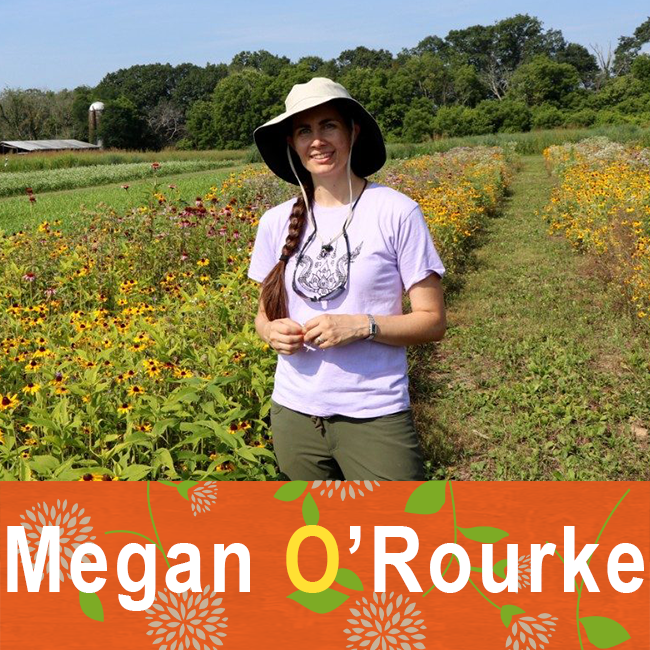
131 - Megan O'Rourke - Pasture for beef... and bees?
Livestock grazing can be very expansive. Take for instance the 'fescue belt' in the southeastern US, which spans 1,000 miles across. This week we hear from a researcher who is looking to incorporate pollinator plants into pastures, potentially providing benefits to pollinators and increasing the grazing efficiency of cattle at the same time.

130 - Carolyn Breece - Should you keep bees?
There has been an explosion in people keeping bees for a hobby. But for many, beekeeping is a bigger commitment than they expected. This week we'll help you figure out if beekeeping for you and what's involved in getting started.

129 - Ron Bitner - Vineyards for Pollinators
Idaho and Oregon's Treasure Valley have a deep connection to bee management for alfalfa seed, but in this episode we hear about how that tradition is being transferred to pollinator management in vineyards.
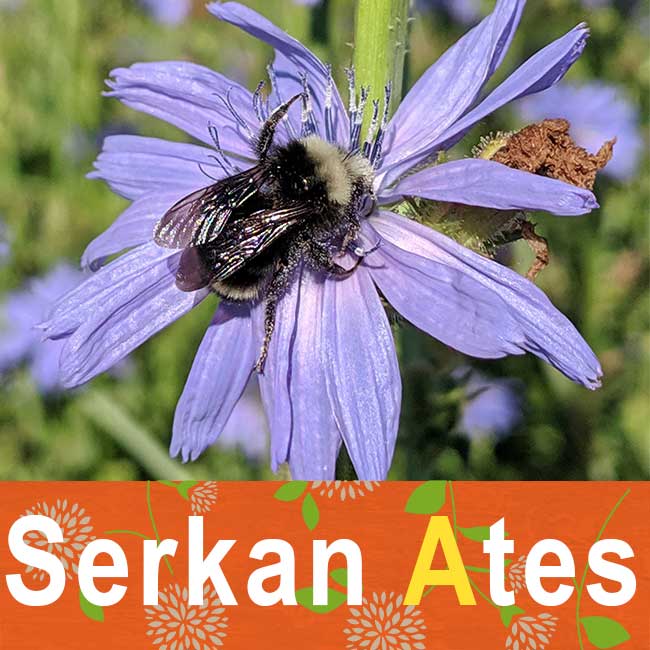
128 – Serkan Ates – Livestock forage plants and bees
Some of the best plants for long-tongued bees like bumble bees and honey bees are grown for livestock. We dive deep into these livestock plants and discuss how they can be incorporated into a dual use system that feeds both livestock and bees.

127 – Kirsten Traynor – 2 Million Blossoms
There is nothing about browsing though a magazine. There are some great beekeeping magazines, but what's missing is a magazine devoted to pollinators more broadly. Enter 2 Million Blossoms, a new magazine launched in January. We talk to the editor about the magazine and how it aims to fill this gap.
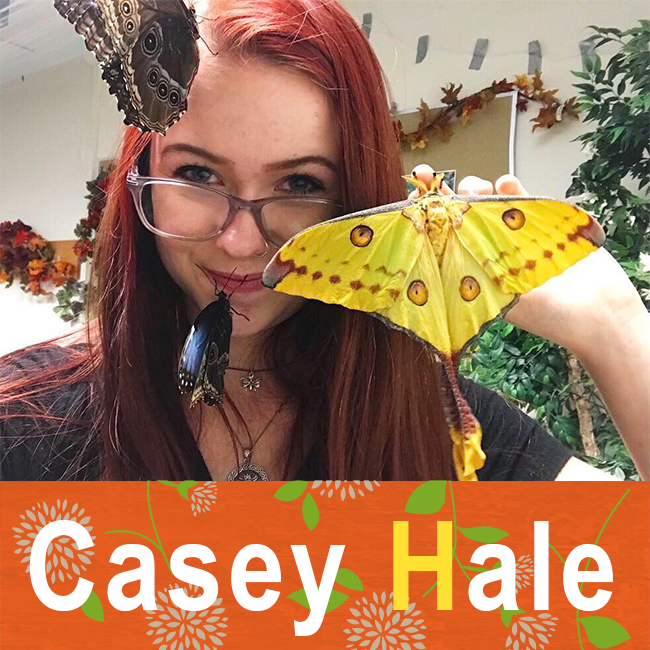
126 – Casey Hale – Bees that are parasites on other bees
When you think of a bee you probably think of an insect hard at work growing its nest and pollinating plants. But over 10% of bees are kleptoparasites; bees that don't build their own nests, but are parasites on other bees. In this episode we learn the fundamentals of this highly-evolved and sophisticated way of living.
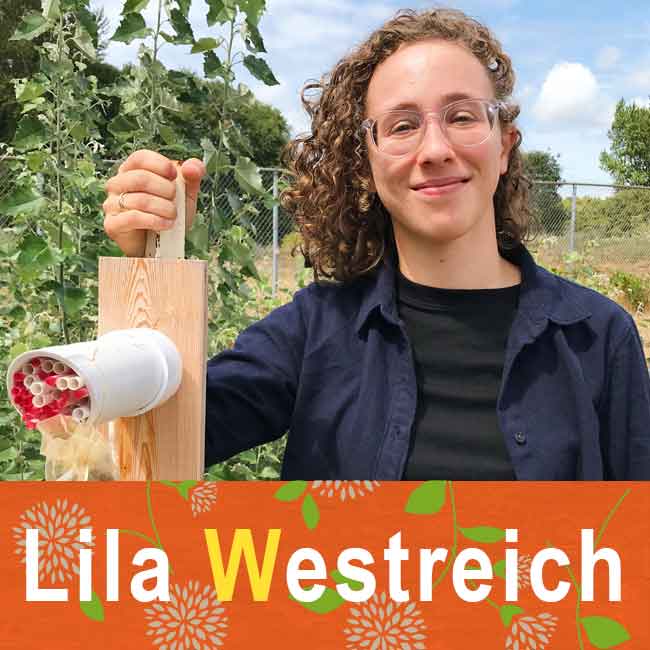
125 – Lila Westreich – The Secret Life of Mason Bees
Many of us put mason bees out in our backyard or farm. But when they leave the nest, do you know where they are going to forage? In this episode we hear how a sleuthing graduate student in Seattle is beginning to piece together a picture of what resources these bees are actually using.
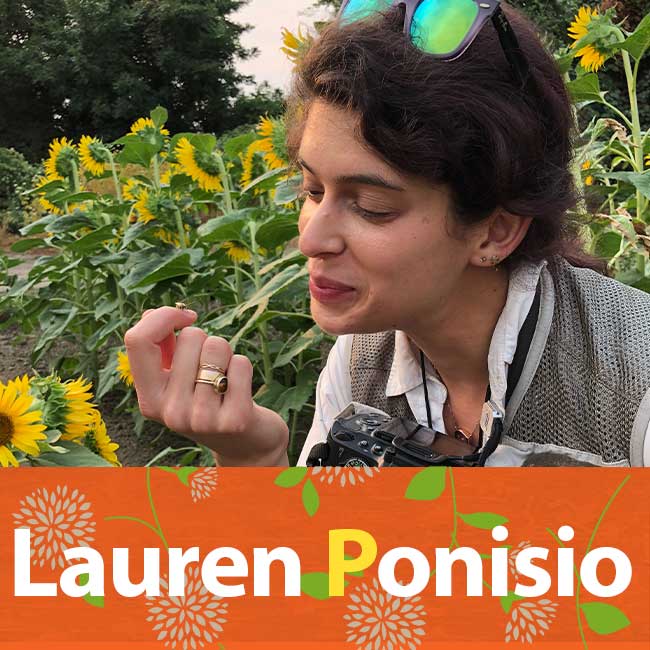
124 – Lauren Ponisio – Pollinator Hedgerows
Hedgerows can be great ways to attract pollinators in agriculture and forestry settings. But how can such relatively small plantings impact pollinator abundance and diversity on larger scales? This week we dig deep into the science of how hedgerows contribute to pollinator health.
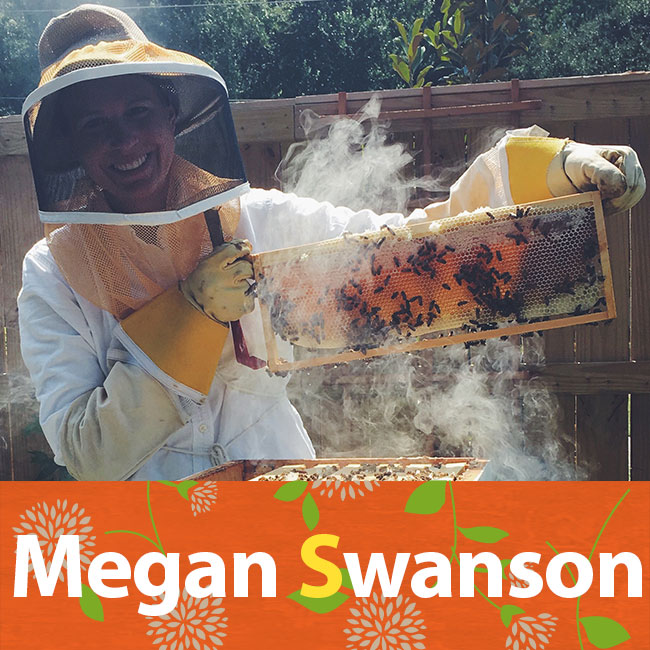
123 – Megan Swanson – Bees in the Classroom
Literacy on pollinator biology and ecology in the US is poor. But schools can be skittish about insects, especially bees, and teachers lack resources to make pollinator education come alive. This week we hear about an initiative that to get around these obstacles - The Bee Cause Project.
122 – The End of 2019 Show
What happened in 2019 when it came to Apiculture? We visit the Apiculture unit at Agriculture and Forestry Alberta in Lethbridge to find out. Hear about highlights from Apimonida, the introduction of an Asian giant hornet in Washington and BC and problems beekeepers have been having with European foulbrood.
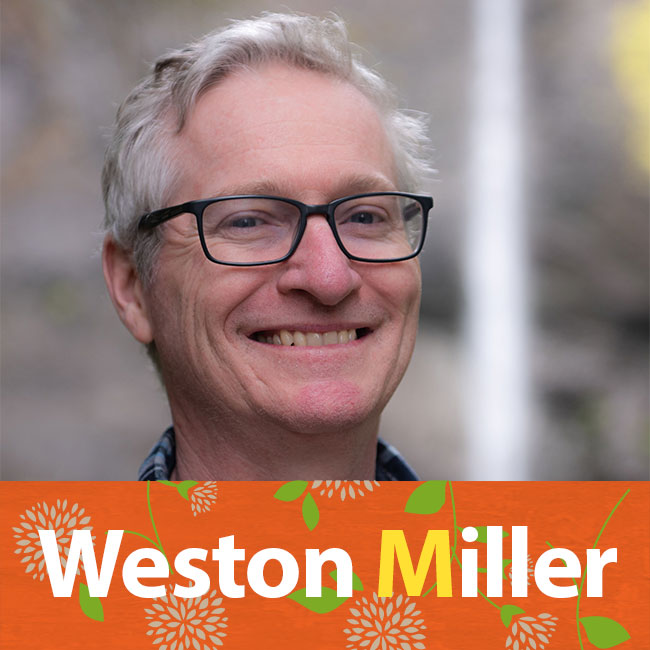
121 – Weston Miller – Solving Pest Problems
People living in cities are confronted by a range of pest problems, some of which impact pollinator health. This week we hear about an initiative to make science-based information on managing these pests clearer, more intuitive and easy to find.

120 – Claire Kremen and Corin Pease – New to the PNW
The Pacific Northwest got not just one, but two great pollinator positions in 2019. Claire Kremen has moved her lab from Berkeley to the University of British Columbia and Corin Pease is the new regional Pollinator Conservation Planner at Xerces. In this show we hear about these new programs and what they have planned for 2020.

119 – MR Pollination – Alfalfa leafcutter bees
Alfalfa leafcutting bees don't get the attention of honey bees, but they are also a remarkable example of how people have learned to manage a bee species. It's often hard to get details about this industry, but this week we bring you one of the industry's gurus - Weldon Hobbs - whose dad helped found the industry in Western Canada.
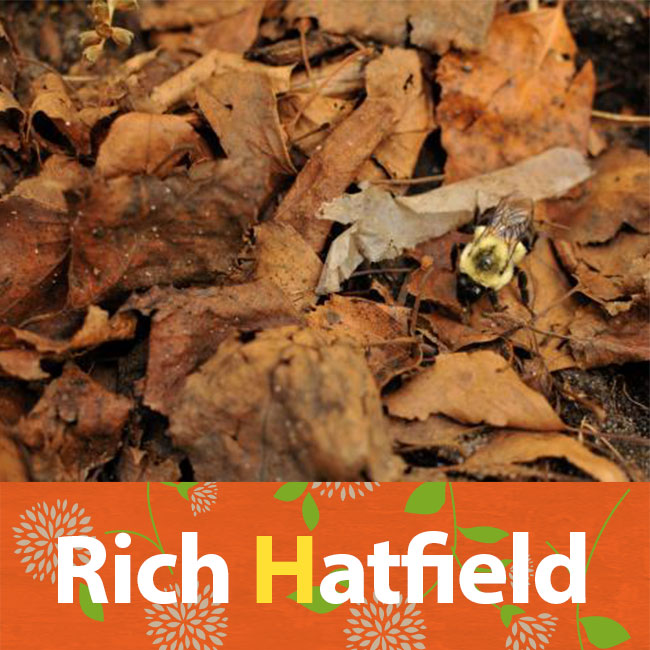
118 - Rich Hatfield - Queen Quest
Oregon's bumble bees are all hibernating. Mated bumble bee queen are known to winter in loose soil or leaf litter, but we don't know much more than that. This week we talk with Rich Hatfield, a biologist at the Xerces Society, about a new community science initiative called Queen Quest, to learn more about the wintering requirements of bumble bees.
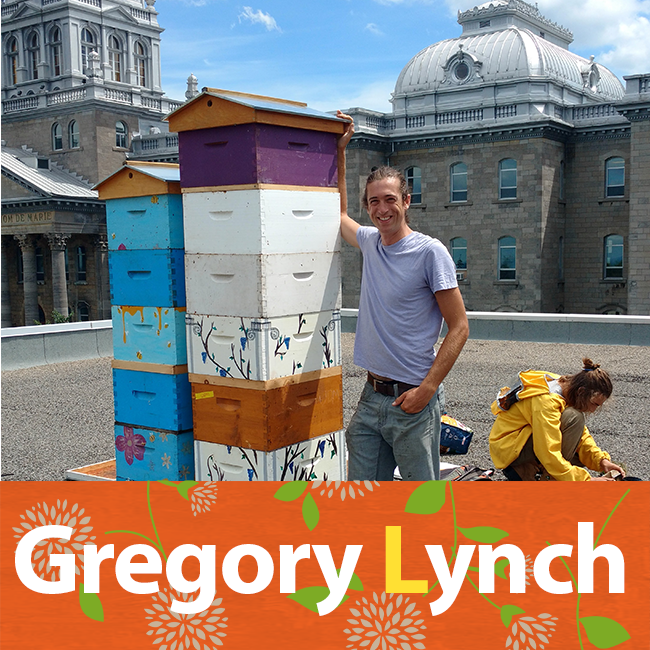
117 - Gregory Lynch - Miel Montréal Co-op
Ever heard the term "native beekeeper" before? Me neither, until I talked with Gregory Lynch from the Miel Montréal Co-op. In this episode he explains how the Co-op has developed a wide range of educational services that goes beyond (honey bee) beekeeping, to promoting native bees and urban biodiversity more generally.
116 - Highlights from Apimondia 2019
In this episode we take a stroll through the tradeshow at the world's largest beekeeping conference, Apimondia, which was held in Montreal, Canada in September. In this episode you'll hear about a machine that can turn 1000lbs of liquid honey into velvety-creamed honey, the latest in varroa control, styrofoam hive equipment and tips on how to re-use plastic foundation.
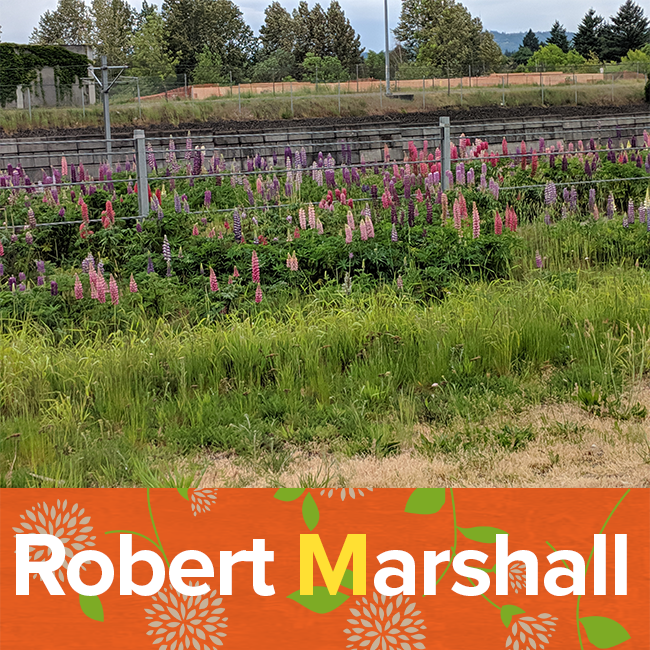
115 - Robert Marshall - Roadside pollinator habitat
Roads crisis-cross the state of Oregon, making roadsides an appealing focus for creating an interconnected network of pollinator habitat. But roadside habitat has to fit within the constraints faced by Departments of Transportation. In this episode we hear about some of those constraints and successes achieved in Oregon by ODOT.
114 - John Jacob - Solar panels and pollinator habitat
There is a lot of ground under solar panels that could be planted to pollinator habitat. In this episode guest host Maggie Graham talks with John Jacob, a Southern Oregon beekeeper who has been working with a solar panel company to get pollinator habitat into new panel installations in Oregon.
113 - Kass Urban-Mead - Bees in trees?
How important are trees to the health of bees? In many cases we don't know because trees are a lot bigger than us. That doesn't stop our next guest from scaling into the canopy for her research. This week we feature PhD Candidate Kass Urban-Mead.

112 - Bob Curtis - Improving bee health during pollination
Pollinating crops can be difficult on honey bees. Since 2014, the California Almond Board has been working with beekeepers, pest control advisors and groups like Project ApisM to come up with standards (Best Management Practices, BMPs) to increase the health of bees in California Almonds. This week we talk with former Director, Agricultural Affairs, Almond Board of California (ABC), Bob Curtis, about how the BMPs were developed and how effective they have been to help bees during pollination.
111 - August Jackson - Bees of the Willamette Valley
Learning the bees of your local area can be a daunting task. Most guides and keys, for example, include bees that don't even exist where you live, and are packed with hard-to-understand terminology. This week we talk to August Jackson, who has come up with a solution - a concise guide to the bees of the Willamette Valley.
110 - International Pollinator Conference Highlights (2019)
The Fourth International Pollinator Conference was held in Davis, CA. In this episode you will hear about some of the interesting new research happening on pollinator health from around the world.
109 - Shelley Hoover - Its all in the queen
Honey bee queen quality is an often overlooked dimension of colony health. In this episode we catch up with Dr. Shelley Hoover who is the Apiculture Researcher with Alberta Agriculture and Rural Development. She tells us about work to assess different commercial queen stocks and to fit queen production into crop pollination.
108 - Rosalyn Johnson - Bio-diverse and drought-tolerant gardens
In this episode we talk with Dr. Rosalyn Johnson from Yardbio.com about how to establish local, native, and drought-tolerant species in backyards to support pollinators and wildlife.
107 - Bryan Danforth - The Solitary Bees
Although solitary bees make up the bulk of bee diversity, there hasn't been a comprehensive biology book about them. That is until now. This week we catch up with Dr. Bryan Danforth about his new book, The Solitary Bee, authored along with Frances Fawcett, John Neff, and Robert Minckley.

106 - Jim Cane - Squash and Sunflower Bees
Squash bees were discovered in Oregon last year. This week we talk to Dr. Jim Cane about this bee, as well as a bee that is widespread in Oregon gardens, the sunflower bee.
105 - Tyson Wepprich - Insect Apocalypse?
There has been a lot of attention lately to historic declines of insect abundance across the world. This week we catch up with Tyson Wepprich who recently reported on butterfly abundance declines in Ohio over the past 20 years.