
Play Therapy Podcast: A Master-Class in Child-Centered Play Therapy
429 episodes — Page 7 of 9

S1 Ep 129129 | Q&A Lightning Round #2: 7 More Questions From Listeners Answered
Lightning Round Q&A #2! - I've gotten emails saying you like the lightning round format, and the downloads support that opinion, so here we go with Lightning Round #2. Don't forget that I now have a call-in number that you can ask questions as well. (813) 812-5525. I'm so grateful to you and your investment in child-centered play therapy. You are why I do this podcast. Thank you for your emails and phone calls. In this episode, I answer the following listener's questions: Emily - Note taking Courtney - Articulating the child-centered process to parents and caregivers Amanda - Throwing cards scenario Christine - Case regarding trauma and sexual inappropriateness Jennie - Child with OCD behaviors, how to advise parents Christien - Questions about role playing Katie - Time constraints to working with a child Ask Me Questions: Call (813) 812-5525, or email: [email protected] Podcast HQ: https://www.playtherapypodcast.com Play Therapy Training HQ: https://www.playtherapynow.com APT Approved Play Therapy CE courses: https://childcenteredtraining.com Follow me on Twitter: @thekidcounselor https://twitter.com/thekidcounselor References: Cochran, N., Nordling, W., & Cochran, J. (2010). Child-Centered Play Therapy (1st ed.). Wiley. VanFleet, R., Sywulak, A. E., & Sniscak, C. C. (2010). Child-centered play therapy. Guilford Press. Landreth, G. L. (2002). Play therapy: The art of the relationship (2nd ed.). Brunner-Routledge. Bratton, S. C., Landreth, G. L., Kellam, T., & Blackard, S. R. (2006). Child parent relationship therapy (CPRT) treatment manual: A 10-session filial therapy model for training parents. Routledge/Taylor & Francis Group. Benedict, Helen. Themes in Play Therapy. Used with permission to Heartland Play Therapy Institute.

S1 Ep 128128 | Enhancing Outcomes: Effective Communication with Parents in Play Therapy
In this episode of the Play Therapy Podcast, I discuss the importance of involving parents in the child-centered play therapy process. While parental engagement isn't a prerequisite for a child's progress, it undeniably influences overall outcomes. I can't stress enough the significance of an initial parent consultation, where therapists should help parents understand the therapeutic process, the expected progress, and normalize what might occur. I also stresses the value of subsequent parent consultations, where therapists provide updates, share observations from play sessions, and educate parents on child-centered play therapy techniques. By communicating clearly and equipping parents with knowledge and skills, therapists can enhance parental buy-in and support the child's healing journey. Podcast HQ: https://www.playtherapypodcast.com Play Therapy Training HQ: https://www.playtherapynow.com APT Approved Play Therapy CE courses: https://childcenteredtraining.com Email me: [email protected] Follow me on Twitter: @thekidcounselor https://twitter.com/thekidcounselor References: Cochran, N., Nordling, W., & Cochran, J. (2010). Child-Centered Play Therapy (1st ed.). Wiley. VanFleet, R., Sywulak, A. E., & Sniscak, C. C. (2010). Child-centered play therapy. Guilford Press. Landreth, G. L. (2002). Play therapy: The art of the relationship (2nd ed.). Brunner-Routledge. Bratton, S. C., Landreth, G. L., Kellam, T., & Blackard, S. R. (2006). Child parent relationship therapy (CPRT) treatment manual: A 10-session filial therapy model for training parents. Routledge/Taylor & Francis Group. Benedict, Helen. Themes in Play Therapy. Used with permission to Heartland Play Therapy Institute.

S1 Ep 127127 | Q&A Lightning Round #1: 7 Questions From Listeners Answered
In this episode, I get caught up on questions that listeners have emailed to me. So put your seatbelt on and hang on for the lightning round of Q&A. Here are the topics of questions answered: Donna in Virginia - Length of sessions Katarina - Hugging, terminating sessions, cleaning rooms Moshe in New York - Eating issues/disorders Sarah in North Carolina - Enuresis and encopresis Kim in Pennsylvania - Informed consent Podcast HQ: https://www.playtherapypodcast.com Play Therapy Training HQ: https://www.playtherapynow.com APT Approved Play Therapy CE courses: https://childcenteredtraining.com Email me: [email protected] Follow me on Twitter: @thekidcounselor https://twitter.com/thekidcounselor References: Cochran, N., Nordling, W., & Cochran, J. (2010). Child-Centered Play Therapy (1st ed.). Wiley. VanFleet, R., Sywulak, A. E., & Sniscak, C. C. (2010). Child-centered play therapy. Guilford Press. Landreth, G. L. (2002). Play therapy: The art of the relationship (2nd ed.). Brunner-Routledge. Bratton, S. C., Landreth, G. L., Kellam, T., & Blackard, S. R. (2006). Child parent relationship therapy (CPRT) treatment manual: A 10-session filial therapy model for training parents. Routledge/Taylor & Francis Group. Benedict, Helen. Themes in Play Therapy. Used with permission to Heartland Play Therapy Institute.

S1 Ep 126126 | Unpacking Play Therapy Themes: A Key to Effective Parent Engagement
In this episode of the Play Therapy Podcast, we dive into the practical application of understanding and using play therapy themes, which have been a hot topic in the therapy community. Recognizing and documenting themes in therapy sessions is not just for the therapist's clinical understanding but primarily for communicating with parents. Parents often want tangible and measurable outcomes from therapy, and discussing themes in the context of how they lead to the desired after state for the child can help parents understand the value of play therapy. Themes also provide a framework for the child-centered model, offering a way to track progress in therapy and demonstrate its effectiveness to skeptics. While mastering themes is important, it's okay if it takes time to recognize them during sessions, as long as therapists can reflect on them later. Podcast HQ: https://www.playtherapypodcast.com Play Therapy Training HQ: https://www.playtherapynow.com APT Approved Play Therapy CE courses: https://childcenteredtraining.com Email me: [email protected] Follow me on Twitter: @thekidcounselor https://twitter.com/thekidcounselor References: Cochran, N., Nordling, W., & Cochran, J. (2010). Child-Centered Play Therapy (1st ed.). Wiley. VanFleet, R., Sywulak, A. E., & Sniscak, C. C. (2010). Child-centered play therapy. Guilford Press. Landreth, G. L. (2002). Play therapy: The art of the relationship (2nd ed.). Brunner-Routledge. Bratton, S. C., Landreth, G. L., Kellam, T., & Blackard, S. R. (2006). Child parent relationship therapy (CPRT) treatment manual: A 10-session filial therapy model for training parents. Routledge/Taylor & Francis Group. Benedict, Helen. Themes in Play Therapy. Used with permission to Heartland Play Therapy Institute.

S1 Ep 125125 | Sexual Curiosity Theme in Play Therapy
In this episode of the Play Therapy Podcast, I discuss the theme of "sexual curiosity" in child-centered play therapy. This is the last of the sexualized play themes. This episode focuses on the curiosity children may have regarding body parts and sexual exploration during play. Sexual curiosity is a normal and developmentally appropriate behavior for children, especially those aged five and younger. It involves children exploring and investigating the bodies of dolls or figurines, often by undressing them. Understanding this behavior is essential for therapists, as it can help distinguish between normal development and potential issues that may require further exploration. Finally, giving credit where it's due, Helen Benedict's important work is the source for the themes discussed throughout this podcast series. I want to credit and acknowledge the original source of the information. You can find her work by Googling "Helen Benedict play therapy themes" and some references should result, including a very comprehensive article on Scribd. Podcast HQ: https://www.playtherapypodcast.com Play Therapy Training HQ: https://www.playtherapynow.com APT Approved Play Therapy CE courses: https://childcenteredtraining.com Email me: [email protected] Follow me on Twitter: @thekidcounselor https://twitter.com/thekidcounselor References: Cochran, N., Nordling, W., & Cochran, J. (2010). Child-Centered Play Therapy (1st ed.). Wiley. VanFleet, R., Sywulak, A. E., & Sniscak, C. C. (2010). Child-centered play therapy. Guilford Press. Landreth, G. L. (2002). Play therapy: The art of the relationship (2nd ed.). Brunner-Routledge. Bratton, S. C., Landreth, G. L., Kellam, T., & Blackard, S. R. (2006). Child parent relationship therapy (CPRT) treatment manual: A 10-session filial therapy model for training parents. Routledge/Taylor & Francis Group. Benedict, Helen. Themes in Play Therapy. Used with permission to Heartland Play Therapy Institute.

S1 Ep 124124 | Sexual Talk Theme in Play Therapy
In this episode of the Play Therapy Podcast, I take on the theme of "sexual talk" in child-centered play therapy. I emphasize the importance of recognizing this theme and understanding its implications for both the child and the therapist. Sexual talk includes discussions about body parts, genitals, and even cuss words, which can often be seen as inappropriate or taboo in other settings. I explain that when a child engages in sexual talk during therapy, they may be testing boundaries, seeking reactions, or trying to understand why certain words or topics are considered upsetting. By responding neutrally and non-reactively, therapists can create a safe space for the child to explore these topics and gain insights into their thoughts and feelings. Podcast HQ: https://www.playtherapypodcast.com Play Therapy Training HQ: https://www.playtherapynow.com APT Approved Play Therapy CE courses: https://childcenteredtraining.com Email me: [email protected] Follow me on Twitter: @thekidcounselor https://twitter.com/thekidcounselor References: Cochran, N., Nordling, W., & Cochran, J. (2010). Child-Centered Play Therapy (1st ed.). Wiley. VanFleet, R., Sywulak, A. E., & Sniscak, C. C. (2010). Child-centered play therapy. Guilford Press. Landreth, G. L. (2002). Play therapy: The art of the relationship (2nd ed.). Brunner-Routledge. Bratton, S. C., Landreth, G. L., Kellam, T., & Blackard, S. R. (2006). Child parent relationship therapy (CPRT) treatment manual: A 10-session filial therapy model for training parents. Routledge/Taylor & Francis Group. Benedict, Helen. Themes in Play Therapy. Used with permission to Heartland Play Therapy Institute.

S1 Ep 123123 | Why Child-Centered Play Therapy Works for Every Child: The Evidence to Navigate Skepticism
In this episode, I address a question from Barbara in California about how to explain to others that child-centered play therapy can work for any child. This is a crucial topic because it helps justify our work and the effectiveness of the child-centered model. Barbara shares her experience at a California agency where her supervisor initially supported her interest in child-centered play therapy but now suggests incorporating other methods, claiming child-centered doesn't work for every client. However, Barbara hasn't been given specific examples of when child-centered wouldn't be suitable. I emphasize the importance of understanding and articulating the efficacy of child-centered play therapy to others, especially when faced with skepticism. I recommend using evidence-based resources such as the book "Child-Centered Play Therapy Research" edited by Jennifer Baggerly, Dee Ray, and Sue Bratton, which provides empirical evidence supporting the effectiveness of child-centered play therapy across various populations. Additionally, I discuss the challenges of switching between therapeutic models and the importance of maintaining consistency and trust in the child-centered approach. I also debunk the notion that child-centered play therapy is easier or less clinically driven, highlighting its depth and long-term benefits. Overall, I encourage Barbara and other practitioners to trust in the evidence and confidently advocate for the child-centered model. Podcast HQ: https://www.playtherapypodcast.com Play Therapy Training HQ: https://www.playtherapynow.com APT Approved Play Therapy CE courses: https://childcenteredtraining.com Email me: [email protected] Follow me on Twitter: @thekidcounselor https://twitter.com/thekidcounselor References: Baggerly, J. N., Ray, D. C., & Bratton, S. C. (Eds.). (2010). Child-centered play therapy research: The evidence base for effective practice. John Wiley & Sons, Inc.. Cochran, N., Nordling, W., & Cochran, J. (2010). Child-Centered Play Therapy (1st ed.). Wiley. VanFleet, R., Sywulak, A. E., & Sniscak, C. C. (2010). Child-centered play therapy. Guilford Press. Landreth, G. L. (2002). Play therapy: The art of the relationship (2nd ed.). Brunner-Routledge. Bratton, S. C., Landreth, G. L., Kellam, T., & Blackard, S. R. (2006). Child parent relationship therapy (CPRT) treatment manual: A 10-session filial therapy model for training parents. Routledge/Taylor & Francis Group. Benedict, Helen. Themes in Play Therapy. Used with permission to Heartland Play Therapy Institute.

S1 Ep 122122 | Sexual Behaviors Directed At The Therapist Theme In Play Therapy
In this episode, I delve into the challenging theme of sexual behaviors directed at the therapist in play therapy sessions. This difficult subject can manifest in various ways, from sexualized contact to exhibitionism or attempts to view the therapist's body. I discuss the potential meanings behind these behaviors, including a need to test trust, seek approval, or mimic learned actions from exposure to inappropriate content. It's crucial to approach this issue with caution, understanding that such behaviors may not always indicate abuse but require careful observation and documentation. While setting clear boundaries is essential, it's equally important to maintain unconditional love and acceptance for the child. Navigating these situations with sensitivity and a focus on the child's emotional well-being is key. Podcast HQ: https://www.playtherapypodcast.com Play Therapy Training HQ: https://www.playtherapynow.com APT Approved Play Therapy CE courses: https://childcenteredtraining.com Email me: [email protected] Follow me on Twitter: @thekidcounselor https://twitter.com/thekidcounselor References: Cochran, N., Nordling, W., & Cochran, J. (2010). Child-Centered Play Therapy (1st ed.). Wiley. VanFleet, R., Sywulak, A. E., & Sniscak, C. C. (2010). Child-centered play therapy. Guilford Press. Landreth, G. L. (2002). Play therapy: The art of the relationship (2nd ed.). Brunner-Routledge. Bratton, S. C., Landreth, G. L., Kellam, T., & Blackard, S. R. (2006). Child parent relationship therapy (CPRT) treatment manual: A 10-session filial therapy model for training parents. Routledge/Taylor & Francis Group. Benedict, Helen. Themes in Play Therapy. Used with permission to Heartland Play Therapy Institute.

S1 Ep 121121 | SMART Goals and Child-Centered Play Therapy: How to Bridge the Gap in a School Setting
In this episode, I respond to a question from Emery in New Jersey, a school-based child-centered play therapist, about setting therapeutic goals in a school setting that emphasizes SMART (Specific, Measurable, Achievable, Relevant, Time-bound) goals. Emery highlights the challenge of aligning the child-centered model with the school's goal-setting approach. I address this by emphasizing that the child-centered model does have specific and measurable goals, contrary to common misconceptions. I break down the four universal outcomes of child-centered play therapy—increased self-esteem, increased regulation, increased worldview, and increased emotional vocabulary—and explain how these outcomes can be measured and applied as SMART goals. Podcast HQ: https://www.playtherapypodcast.com Play Therapy Training HQ: https://www.playtherapynow.com APT Approved Play Therapy CE courses: https://childcenteredtraining.com Email me: [email protected] Follow me on Twitter: @thekidcounselor https://twitter.com/thekidcounselor References: Cochran, N., Nordling, W., & Cochran, J. (2010). Child-Centered Play Therapy (1st ed.). Wiley. VanFleet, R., Sywulak, A. E., & Sniscak, C. C. (2010). Child-centered play therapy. Guilford Press. Landreth, G. L. (2002). Play therapy: The art of the relationship (2nd ed.). Brunner-Routledge. Bratton, S. C., Landreth, G. L., Kellam, T., & Blackard, S. R. (2006). Child parent relationship therapy (CPRT) treatment manual: A 10-session filial therapy model for training parents. Routledge/Taylor & Francis Group. Benedict, Helen. Themes in Play Therapy. Used with permission to Heartland Play Therapy Institute.

S1 Ep 120120 | Sexualized Activity Theme In Play Therapy
In this episode, we dive into the challenging topic of sexualized play themes in child-centered play therapy. I discuss how children may act out sexual activities using miniatures, dolls, or figures during play sessions. I emphasize the need for careful interpretation and understanding of potential meanings. Not all instances of sexualized play indicate abuse or trauma, as children may be mimicking what they've seen without comprehension. Therapists should observe and assess the situation over multiple sessions before jumping to conclusions or taking action, and use clinical judgment and patience. I also share my personal challenges with this theme. Podcast HQ: https://www.playtherapypodcast.com Play Therapy Training HQ: https://www.playtherapynow.com APT Approved Play Therapy CE courses: https://childcenteredtraining.com Email me: [email protected] Follow me on Twitter: @thekidcounselor https://twitter.com/thekidcounselor References: Cochran, N., Nordling, W., & Cochran, J. (2010). Child-Centered Play Therapy (1st ed.). Wiley. VanFleet, R., Sywulak, A. E., & Sniscak, C. C. (2010). Child-centered play therapy. Guilford Press. Landreth, G. L. (2002). Play therapy: The art of the relationship (2nd ed.). Brunner-Routledge. Bratton, S. C., Landreth, G. L., Kellam, T., & Blackard, S. R. (2006). Child parent relationship therapy (CPRT) treatment manual: A 10-session filial therapy model for training parents. Routledge/Taylor & Francis Group. Benedict, Helen. Themes in Play Therapy. Used with permission to Heartland Play Therapy Institute.

S1 Ep 119119 | Toy Takers!: Setting Limits On Children Taking Toys Home
In this episode, I respond to a question from Stacy in Colorado about children taking toys from the playroom. Stacy describes a situation where a girl repeatedly tries to take toys home, while her sister asks but respects the limit. I explain that children often want to take toys home because the playroom is a unique environment where they feel unconditionally loved and accepted. This desire is heightened for foster or adoptive children, for whom possessions represent safety and stability. Setting limits is key, using neutral language like "toys are for staying in the playroom" and offering choices like where to place the toy in the room. If a child refuses to return a toy, the focus shifts to gently reinforcing the limit and allowing them to choose to comply. While some toys may go missing unnoticed, maintaining a calm and child-centered approach is crucial. Thank you, Stacy, for your question, and I hope this helps others facing similar challenges. Podcast HQ: https://www.playtherapypodcast.com Play Therapy Training HQ: https://www.playtherapynow.com APT Approved Play Therapy CE courses: https://childcenteredtraining.com Email me: [email protected] Follow me on Twitter: @thekidcounselor https://twitter.com/thekidcounselor References: Cochran, N., Nordling, W., & Cochran, J. (2010). Child-Centered Play Therapy (1st ed.). Wiley. VanFleet, R., Sywulak, A. E., & Sniscak, C. C. (2010). Child-centered play therapy. Guilford Press. Landreth, G. L. (2002). Play therapy: The art of the relationship (2nd ed.). Brunner-Routledge. Bratton, S. C., Landreth, G. L., Kellam, T., & Blackard, S. R. (2006). Child parent relationship therapy (CPRT) treatment manual: A 10-session filial therapy model for training parents. Routledge/Taylor & Francis Group. Benedict, Helen. Themes in Play Therapy. Used with permission to Heartland Play Therapy Institute.

S1 Ep 118118 | Failure Theme In Play Therapy
In this episode of the Play Therapy Podcast, we explore the theme of failure in play therapy sessions. I dive into the nuances of failure play and how it differs from mastery play, which was discussed in a previous episode. Failure play can be linked to issues such as learned helplessness, where a child is used to others solving their problems, or to developmental challenges where a child may genuinely struggle due to their age or physical abilities. Additionally, failure play can stem from low self-esteem, where children may avoid activities they perceive as difficult to prevent feelings of failure. Understanding the root of the theme, such as low self-esteem, can help us effectively support the child in their play therapy journey. Podcast HQ: https://www.playtherapypodcast.com Play Therapy Training HQ: https://www.playtherapynow.com APT Approved Play Therapy CE courses: https://childcenteredtraining.com Email me: [email protected] Follow me on Twitter: @thekidcounselor https://twitter.com/thekidcounselor References: Cochran, N., Nordling, W., & Cochran, J. (2010). Child-Centered Play Therapy (1st ed.). Wiley. VanFleet, R., Sywulak, A. E., & Sniscak, C. C. (2010). Child-centered play therapy. Guilford Press. Landreth, G. L. (2002). Play therapy: The art of the relationship (2nd ed.). Brunner-Routledge. Bratton, S. C., Landreth, G. L., Kellam, T., & Blackard, S. R. (2006). Child parent relationship therapy (CPRT) treatment manual: A 10-session filial therapy model for training parents. Routledge/Taylor & Francis Group. Benedict, Helen. Themes in Play Therapy. Used with permission to Heartland Play Therapy Institute.

S1 Ep 117117 | Tackling "Boredom": Exploring the Deeper Meanings Behind a Child Saying That Play Therapy Is Boring
In this episode, I respond to a question from Yanna in Massachusetts about how to handle a child who says play therapy is boring. Yanna also expressed feeling hurt when the client seemed excited that their next session was canceled after seven months of therapy for deep anxiety. I emphasize the importance of understanding that children's words might not always reflect their true feelings or needs. Instead of taking it personally, we should focus on understanding the root cause behind their statements. Children might express boredom as a form of avoidance or resistance when facing challenging themes in therapy. I highlight the need to respond with reflective and empathetic communication, acknowledging the child's feelings without judgment. Additionally, I mention that a child's statement about therapy being boring could also indicate readiness for termination if they have achieved their therapy goals. Podcast HQ: https://www.playtherapypodcast.com Play Therapy Training HQ: https://www.playtherapynow.com APT Approved Play Therapy CE courses: https://childcenteredtraining.com Email me: [email protected] Follow me on Twitter: @thekidcounselor https://twitter.com/thekidcounselor References: Cochran, N., Nordling, W., & Cochran, J. (2010). Child-Centered Play Therapy (1st ed.). Wiley. VanFleet, R., Sywulak, A. E., & Sniscak, C. C. (2010). Child-centered play therapy. Guilford Press. Landreth, G. L. (2002). Play therapy: The art of the relationship (2nd ed.). Brunner-Routledge. Bratton, S. C., Landreth, G. L., Kellam, T., & Blackard, S. R. (2006). Child parent relationship therapy (CPRT) treatment manual: A 10-session filial therapy model for training parents. Routledge/Taylor & Francis Group. Benedict, Helen. Themes in Play Therapy. Used with permission to Heartland Play Therapy Institute.

S1 Ep 116116 | Mastery/Competence Play Theme In Play Therapy
In this episode, we're diving into the category of mastery and competence play by looking at Mastery Theme play. This is where kids engage in activities that require a sense of accomplishment. I discuss how these types of play, like building, stacking, or balancing, often occur in the category of creative and artistic toys. We also explore the potential meanings behind a child's engagement in mastery play, such as building self-esteem or proving capability, or even signaling readiness for therapy termination. I share insights into the significance of this play in a child's therapy journey, emphasizing its role in fostering confidence and self-belief. Additionally, I share a heartwarming story from one of our therapists, highlighting the transformative impact of play therapy. In closing, I extend wishes for the Christmas and Hanukkah season and invite you to consider joining our upcoming child-centered training. Podcast HQ: https://www.playtherapypodcast.com Play Therapy Training HQ: https://www.playtherapynow.com APT Approved Play Therapy CE courses: https://childcenteredtraining.com Email me: [email protected] Follow me on Twitter: @thekidcounselor https://twitter.com/thekidcounselor References: Cochran, N., Nordling, W., & Cochran, J. (2010). Child-Centered Play Therapy (1st ed.). Wiley. VanFleet, R., Sywulak, A. E., & Sniscak, C. C. (2010). Child-centered play therapy. Guilford Press. Landreth, G. L. (2002). Play therapy: The art of the relationship (2nd ed.). Brunner-Routledge. Bratton, S. C., Landreth, G. L., Kellam, T., & Blackard, S. R. (2006). Child parent relationship therapy (CPRT) treatment manual: A 10-session filial therapy model for training parents. Routledge/Taylor & Francis Group. Benedict, Helen. Themes in Play Therapy. Used with permission to Heartland Play Therapy Institute.

S1 Ep 115115 | Hugs And I Love You's: Responding to Children's Affection
In this episode of the Play Therapy Podcast, I address a significant question from Tammy in rural British Columbia and I received a similar question from listener Katarina. Both inquire about how to respond when children express love or seek hugs during therapy sessions. Exploring this, I highlight the therapist's personality and comfort with touch, stressing the importance of considering alternatives if physical touch isn't within one's comfort zone. I delve into the ethics surrounding physical affection, discussing how personal boundaries and professionalism play a role. I emphasize the significance of intention behind the child's actions, underscoring the need to understand why they seek affection. Responding to these expressions of love, I share insights into potential responses, considering the child's needs and the therapeutic relationship. Ultimately, the goal remains understanding and meeting the child's needs in a child-centered approach. Podcast HQ: https://www.playtherapypodcast.com Play Therapy Training HQ: https://www.playtherapynow.com APT Approved Play Therapy CE courses: https://childcenteredtraining.com Email me: [email protected] Follow me on Twitter: @thekidcounselor https://twitter.com/thekidcounselor References: Cochran, N., Nordling, W., & Cochran, J. (2010). Child-Centered Play Therapy (1st ed.). Wiley. VanFleet, R., Sywulak, A. E., & Sniscak, C. C. (2010). Child-centered play therapy. Guilford Press. Landreth, G. L. (2002). Play therapy: The art of the relationship (2nd ed.). Brunner-Routledge. Bratton, S. C., Landreth, G. L., Kellam, T., & Blackard, S. R. (2006). Child parent relationship therapy (CPRT) treatment manual: A 10-session filial therapy model for training parents. Routledge/Taylor & Francis Group. Benedict, Helen. Themes in Play Therapy. Used with permission to Heartland Play Therapy Institute.

S1 Ep 114114 | Exploratory Theme in Play Therapy
In this episode of the Play Therapy Podcast, we begin the final category of themes—exploration and mastery. It's been incredible to witness your enthusiasm for understanding and applying these themes in your work with children and families. Today, we delve into the exploratory theme, observing how children investigate toys in the playroom, asking questions, and exploring the unknown. This exploration is common in early sessions, as the playroom and toys are new to the child. But it can also surface later, serving as an emotional break when the child needs space from intense play. Recognizing and documenting these themes aid in understanding a child's progress and emotional shifts. Podcast HQ: https://www.playtherapypodcast.com Play Therapy Training HQ: https://www.playtherapynow.com APT Approved Play Therapy CE courses: https://childcenteredtraining.com Email me: [email protected] Follow me on Twitter: @thekidcounselor https://twitter.com/thekidcounselor References: Cochran, N., Nordling, W., & Cochran, J. (2010). Child-Centered Play Therapy (1st ed.). Wiley. VanFleet, R., Sywulak, A. E., & Sniscak, C. C. (2010). Child-centered play therapy. Guilford Press. Landreth, G. L. (2002). Play therapy: The art of the relationship (2nd ed.). Brunner-Routledge. Bratton, S. C., Landreth, G. L., Kellam, T., & Blackard, S. R. (2006). Child parent relationship therapy (CPRT) treatment manual: A 10-session filial therapy model for training parents. Routledge/Taylor & Francis Group. Benedict, Helen. Themes in Play Therapy. Used with permission to Heartland Play Therapy Institute.

S1 Ep 113113 | To Clean or Not to Clean: The Role of Playroom Cleanup in Child-Centered Play Therapy
In this episode, I answered questions raised by two listeners, Meredith and Katarina, about the role of cleaning up toys at the end of a play therapy session. Both wondered about the child-centered approach regarding this aspect. I highlighted my approach, established from the very first session, that it's the child's job to play and mine to tidy up. I emphasized that the child isn't expected to clean, giving them choices and observing their responses to this instruction, which often reveals emotional cues. I underlined why we follow this approach: it's a crucial part of the therapeutic process, showing the child that we hold their feelings and needs safely even when the session ends. By not making them clean up, we maintain the connection and trust established during the session. I discussed various scenarios of messy playrooms and clarified that the child never cleans up due to the importance of sustaining the therapeutic bond. Addressing the concern about parents seeing the messy room, I stressed the need for clear communication with parents from the outset, explaining the therapeutic reasoning behind not expecting the child to clean up. A story from a recent challenging session highlighted the occupational hazards and emphasized the power of the child-centered model. Despite bruises and challenges during the session, the trust and connection built through unconditional acceptance and firm but compassionate boundaries were evident. Ultimately, it's about providing a safe space for children to express themselves, knowing that they're unconditionally accepted and supported. Despite the physical and emotional challenges, the positive outcomes of building trust and facilitating a child's emotional growth underscore the significance of the child-centered model in play therapy. Podcast HQ: https://www.playtherapypodcast.com Play Therapy Training HQ: https://www.playtherapynow.com APT Approved Play Therapy CE courses: https://childcenteredtraining.com Email me: [email protected] Follow me on Twitter: @thekidcounselor https://twitter.com/thekidcounselor References: Cochran, N., Nordling, W., & Cochran, J. (2010). Child-Centered Play Therapy (1st ed.). Wiley. VanFleet, R., Sywulak, A. E., & Sniscak, C. C. (2010). Child-centered play therapy. Guilford Press. Landreth, G. L. (2002). Play therapy: The art of the relationship (2nd ed.). Brunner-Routledge. Bratton, S. C., Landreth, G. L., Kellam, T., & Blackard, S. R. (2006). Child parent relationship therapy (CPRT) treatment manual: A 10-session filial therapy model for training parents. Routledge/Taylor & Francis Group. Benedict, Helen. Themes in Play Therapy. Used with permission to Heartland Play Therapy Institute.
S1 Ep 112112 | Escape Play Theme In Play Therapy
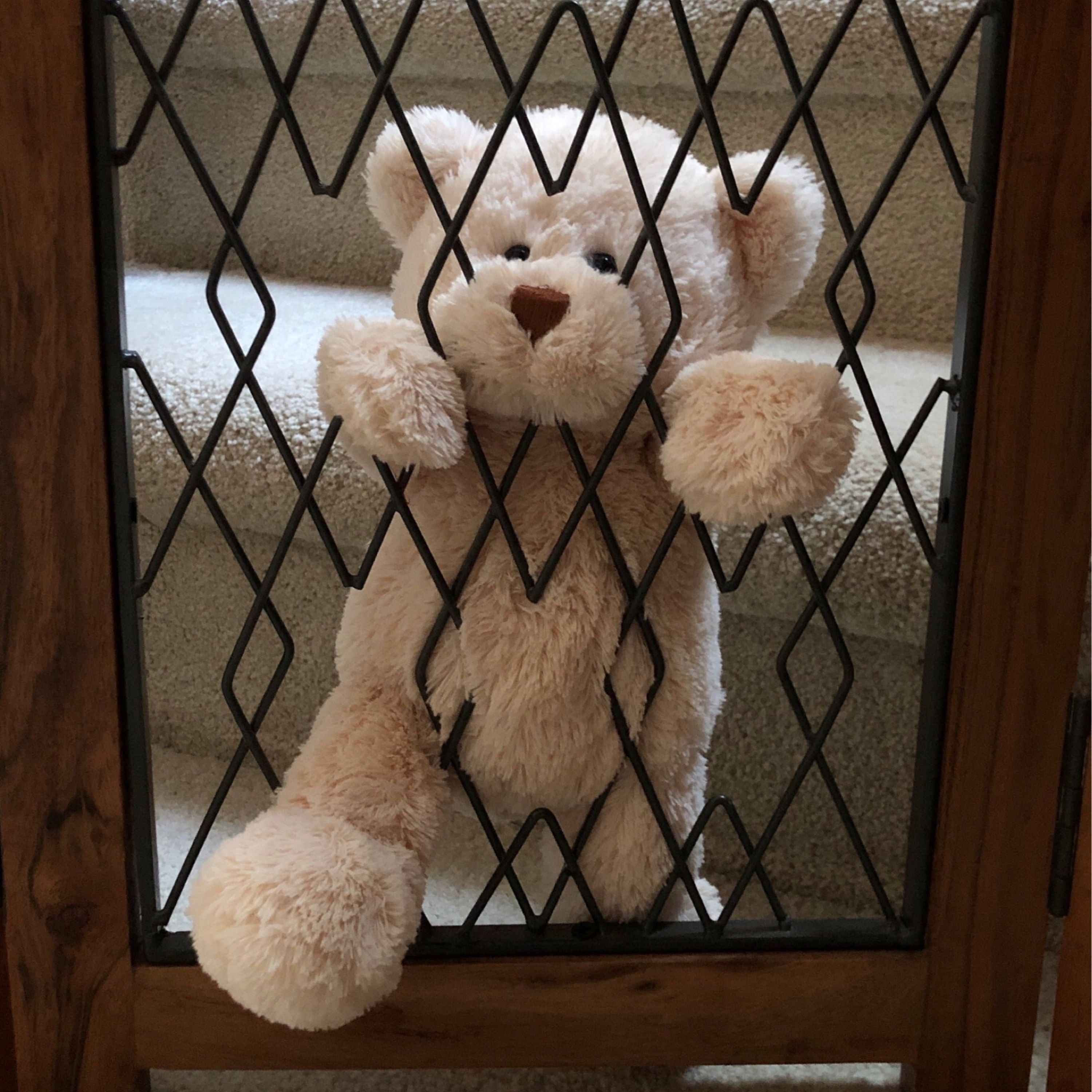
In this episode, we delve into the fifth theme within the safety play category: Escape Play. This particular theme marks a shift from the previous ones – containing, protection, danger, and rescue. Here, the focus is on a character, often the child themselves, managing to escape a hazardous situation without external rescue. I talk through some implications and potential meanings behind this form of play. Children might be demonstrating their need for self-rescue due to feelings of self-reliance or a lack of trust in others. Alternatively, it could signify their newfound sense of empowerment and belief in their own abilities. Podcast HQ: https://www.playtherapypodcast.com Play Therapy Training HQ: https://www.playtherapynow.com APT Approved Play Therapy CE courses: https://childcenteredtraining.com Email me: [email protected] Follow me on Twitter: @thekidcounselor https://twitter.com/thekidcounselor References: Cochran, N., Nordling, W., & Cochran, J. (2010). Child-Centered Play Therapy (1st ed.). Wiley. VanFleet, R., Sywulak, A. E., & Sniscak, C. C. (2010). Child-centered play therapy. Guilford Press. Landreth, G. L. (2002). Play therapy: The art of the relationship (2nd ed.). Brunner-Routledge. Bratton, S. C., Landreth, G. L., Kellam, T., & Blackard, S. R. (2006). Child parent relationship therapy (CPRT) treatment manual: A 10-session filial therapy model for training parents. Routledge/Taylor & Francis Group. Benedict, Helen. Themes in Play Therapy. Used with permission to Heartland Play Therapy Institute.

S1 Ep 111111 | Building Trust: The Key to Engaging Parents in Play Therapy
In this episode, I address a crucial question from Bethany in Mississippi about how to handle corporal punishment in her community where it's still prevalent. Although it's not directly linked to the playroom, it involves supporting parents—a critical aspect of our role as child-centered play therapists. I emphasize the significance of not solely focusing on the child but also engaging and supporting parents as part of the therapeutic process. Parental involvement significantly impacts the success of child-centered play therapy. I highlight three fundamental considerations to navigate this delicate situation: fostering trust with parents, building relationships, and conveying genuine concern for the child's well-being. Additionally, I discuss practical approaches: addressing parents' unfamiliarity with alternative parenting methods, educating them on effective tools, and presenting factual insights on corporal punishment's impacts. It's crucial to nurture a trusting relationship with parents to initiate challenging conversations effectively. Our role extends beyond the playroom to empower parents with new tools and perspectives, ensuring a positive impact on the child's overall well-being. Thank you, Bethany, for this essential question, underscoring the importance of working with parents, and to all listeners for being part of the Play Therapy Podcast family. Podcast HQ: https://www.playtherapypodcast.com Play Therapy Training HQ: https://www.playtherapynow.com APT Approved Play Therapy CE courses: https://childcenteredtraining.com Email me: [email protected] Follow me on Twitter: @thekidcounselor https://twitter.com/thekidcounselor References: Cochran, N., Nordling, W., & Cochran, J. (2010). Child-Centered Play Therapy (1st ed.). Wiley. VanFleet, R., Sywulak, A. E., & Sniscak, C. C. (2010). Child-centered play therapy. Guilford Press. Landreth, G. L. (2002). Play therapy: The art of the relationship (2nd ed.). Brunner-Routledge. Bratton, S. C., Landreth, G. L., Kellam, T., & Blackard, S. R. (2006). Child parent relationship therapy (CPRT) treatment manual: A 10-session filial therapy model for training parents. Routledge/Taylor & Francis Group. Benedict, Helen. Themes in Play Therapy. Used with permission to Heartland Play Therapy Institute.
S1 Ep 110110 | Rescue Play Theme In Play Therapy
In this week's episode, I delved into rescue play, which happens to be the fourth of the five safety play themes. Rescue play is often intertwined with the danger theme, providing a powerful means for children to address and resolve negative scenarios. When a child engages in rescue play, it's a significant indicator of healing and growth. By taking on the role of the problem solver, they rewrite their narrative, creating different endings and scenarios, thus gaining the tools to handle real-life situations. Sometimes, the child may feel they're in danger or distress, seeking rescue within their play, or they may signify the therapist as their rescuer, showcasing the impact of your support in their healing journey. However, if a rescue isn't completed in their play, it might indicate feelings of hopelessness or the lack of internal capacity to resolve issues. Nevertheless, this signals the need for more time and skill development. It's a remarkable insight into how children process and overcome challenges through play. Podcast HQ: https://www.playtherapypodcast.com Play Therapy Training HQ: https://www.playtherapynow.com APT Approved Play Therapy CE courses: https://childcenteredtraining.com Email me: [email protected] Follow me on Twitter: @thekidcounselor https://twitter.com/thekidcounselor References: Cochran, N., Nordling, W., & Cochran, J. (2010). Child-Centered Play Therapy (1st ed.). Wiley. VanFleet, R., Sywulak, A. E., & Sniscak, C. C. (2010). Child-centered play therapy. Guilford Press. Landreth, G. L. (2002). Play therapy: The art of the relationship (2nd ed.). Brunner-Routledge. Bratton, S. C., Landreth, G. L., Kellam, T., & Blackard, S. R. (2006). Child parent relationship therapy (CPRT) treatment manual: A 10-session filial therapy model for training parents. Routledge/Taylor & Francis Group. Benedict, Helen. Themes in Play Therapy. Used with permission to Heartland Play Therapy Institute.

S1 Ep 109109 | Decoding Chaotic/Messy Play: Embracing A Child's Emotional Expression
In this episode of the Play Therapy Podcast, I discuss a question by Emma in Georgia about managing messy play in therapy sessions. Emma describes a child who engages in a flurry of activities, making a mess and moving rapidly from one thing to another, leaving play unattended. First, it's crucial to understand that this behavior often mirrors a child's internal state. Frantic and chaotic play reflects their feelings, and messy play aligns their environment with those emotions. Rather than setting limits, recognize that this behavior is a form of communication; the child is showing where they are internally. Teasing apart whether it's true messy play or just chaotic behavior is essential. As for limits, ensure that safety is maintained, and toys aren't intentionally broken. Ask yourself, "Is this limit necessary? Can I accept this behavior and still accept the child? Can I consistently enforce this limit?" Remember, child-centered therapy respects the child's lead. Trust the process; eventually, they'll naturally find their balance. If you've had or will have a child like this, it's part of the journey. Keep exploring, trust yourself, and remember, patience is key. Podcast HQ: https://www.playtherapypodcast.com Play Therapy Training HQ: https://www.playtherapynow.com Email me: [email protected] Follow me on Twitter: @thekidcounselor https://twitter.com/thekidcounselor References: Cochran, N., Nordling, W., & Cochran, J. (2010). Child-Centered Play Therapy (1st ed.). Wiley. VanFleet, R., Sywulak, A. E., & Sniscak, C. C. (2010). Child-centered play therapy. Guilford Press. Landreth, G. L. (2002). Play therapy: The art of the relationship (2nd ed.). Brunner-Routledge. Bratton, S. C., Landreth, G. L., Kellam, T., & Blackard, S. R. (2006). Child parent relationship therapy (CPRT) treatment manual: A 10-session filial therapy model for training parents. Routledge/Taylor & Francis Group. Benedict, Helen. Themes in Play Therapy. Used with permission to Heartland Play Therapy Institute.

S1 Ep 108108 | Danger Play Theme In Play Therapy
In this episode of the Play Therapy Podcast, we explore the concept of danger as a safety play theme in the playroom. So we will dive into the nuances of this theme, clarifying that despite its name, danger play falls under the safety category. I talk about how children manifest danger play, whether through dangerous characters, fantastical figures, risky locations, dangerous animals, or characters in jeopardy. I also explain the potential meanings behind danger play, highlighting how it can reflect a child's perception of the world as unsafe or stem from past experiences of legitimate danger. Additionally, I touch on how danger play can sometimes serve as a subtle plea for help. Understanding these themes is crucial as danger play often evolves or runs concurrently with other play themes, providing insight into a child's inner world. Podcast HQ: https://www.playtherapypodcast.com Play Therapy Training HQ: https://www.playtherapynow.com Email me: [email protected] Follow me on Twitter: @thekidcounselor https://twitter.com/thekidcounselor References: Cochran, N., Nordling, W., & Cochran, J. (2010). Child-Centered Play Therapy (1st ed.). Wiley. VanFleet, R., Sywulak, A. E., & Sniscak, C. C. (2010). Child-centered play therapy. Guilford Press. Landreth, G. L. (2002). Play therapy: The art of the relationship (2nd ed.). Brunner-Routledge. Bratton, S. C., Landreth, G. L., Kellam, T., & Blackard, S. R. (2006). Child parent relationship therapy (CPRT) treatment manual: A 10-session filial therapy model for training parents. Routledge/Taylor & Francis Group. Benedict, Helen. Themes in Play Therapy. Used with permission to Heartland Play Therapy Institute.

S1 Ep 107107 | Highlights From My 60 Minute Conversation With Dr. Garry Landreth
Dr. Garry Landreth doesn't do "interviews" anymore, but I had the opportunity to speak with him on the phone for a whole hour last month. Of course, the conversation turned to Play Therapy, and all the wonderful history and outlook for the future of our field. I think Dr. Landreth just can't help himself talking about Play Therapy! I pulled three highlights from my conversation with him and I wanted to share it with you, my podcast audience. We talked about his path to play therapy, whether we should "do more", and why the relationship matters so much. I hope you enjoy my relaying of this conversation to you as much as I enjoyed speaking with Dr. Landreth! Podcast HQ: https://www.playtherapypodcast.com APT approved CE Training: https://childcenteredtraining.com Play Therapy Coaching HQ: https://www.playtherapynow.com Email me: [email protected] Follow me on Twitter: @thekidcounselor https://twitter.com/thekidcounselor

S1 Ep 106106 | Protection Play Theme in Play Therapy
In this episode, we're delving into the theme of Protection Play, the second segment within the safety play themes. It's crucial to distinguish Protection Play from Containing Play, ensuring a clear understanding. Protection Play is about safeguarding something or someone from danger, whereas Containing Play focuses on keeping something contained. In Protection Play, the child might build barriers, hide characters, or request the therapist's close presence to ensure safety. Understanding the different forms this play can take is essential. It could represent the child's need for safety due to feeling unsafe in their life, taking on unnecessary responsibility to protect others, or rehearsing self-protection due to anxiety or past traumatic experiences. Next week, we'll explore Danger Play, moving forward in our exploration of safety themes. Join me next week as we continue our journey through these vital play therapy themes. For any questions or feedback, reach out to me at [email protected]. Podcast HQ: https://www.playtherapypodcast.com Play Therapy Training HQ: https://www.playtherapynow.com Email me: [email protected] Follow me on Twitter: @thekidcounselor https://twitter.com/thekidcounselor References: Cochran, N., Nordling, W., & Cochran, J. (2010). Child-Centered Play Therapy (1st ed.). Wiley. VanFleet, R., Sywulak, A. E., & Sniscak, C. C. (2010). Child-centered play therapy. Guilford Press. Landreth, G. L. (2002). Play therapy: The art of the relationship (2nd ed.). Brunner-Routledge. Bratton, S. C., Landreth, G. L., Kellam, T., & Blackard, S. R. (2006). Child parent relationship therapy (CPRT) treatment manual: A 10-session filial therapy model for training parents. Routledge/Taylor & Francis Group. Benedict, Helen. Themes in Play Therapy. Used with permission to Heartland Play Therapy Institute.

S1 Ep 105105 | Child-Centered Healing: Trauma Processing in the Playroom
In this episode of the Play Therapy Podcast, I address a question from Marisol, a newcomer to play therapy, who's working in a community impacted by a traumatic school shooting incident. We delve into understanding trauma in the playroom, emphasizing that the child-centered approach remains consistent even with kids who have experienced trauma. Exploring nuances in handling recent traumatic events versus a history of trauma, I highlight the importance of building trust and rapport with these children, who might be slower to establish connections due to guardedness for self-preservation. Stressing the child's autonomy, I discuss how kids naturally bring forth trauma when they're ready, guiding their healing process through play. I outline methods to support kids processing trauma, emphasizing the significance of providing a safe space and unconditional acceptance in the playroom. Podcast HQ: https://www.playtherapypodcast.com Play Therapy Training HQ: https://www.playtherapynow.com Email me: [email protected] Follow me on Twitter: @thekidcounselor https://twitter.com/thekidcounselor References: Cochran, N., Nordling, W., & Cochran, J. (2010). Child-Centered Play Therapy (1st ed.). Wiley. VanFleet, R., Sywulak, A. E., & Sniscak, C. C. (2010). Child-centered play therapy. Guilford Press. Landreth, G. L. (2002). Play therapy: The art of the relationship (2nd ed.). Brunner-Routledge. Bratton, S. C., Landreth, G. L., Kellam, T., & Blackard, S. R. (2006). Child parent relationship therapy (CPRT) treatment manual: A 10-session filial therapy model for training parents. Routledge/Taylor & Francis Group. Benedict, Helen. Themes in Play Therapy. Used with permission to Heartland Play Therapy Institute.

S1 Ep 104104 | Containing Play Theme In Play Therapy
In this episode, I start into the category of safety play by focusing on the first theme: containing play. I explore the five themes under safety play, emphasizing their focus on ensuring safety for a child or an identified character, often the child's archetype figure in their play. Containing play involves keeping things inside or outside, represented through creating fences, pens, jails, or boundaries in the play. I explain how this theme can indicate a child's tendency to lock up their emotions, reflect their home environment's secretive nature, or seek power and control. This theme often runs alongside other themes and reflects a child's understanding of safety. Understanding these themes through the lens of safety aids in recognizing a child's perception of safety. Podcast HQ: https://www.playtherapypodcast.com Play Therapy Training HQ: https://www.playtherapynow.com Email me: [email protected] Follow me on Twitter: @thekidcounselor https://twitter.com/thekidcounselor References: Cochran, N., Nordling, W., & Cochran, J. (2010). Child-Centered Play Therapy (1st ed.). Wiley. VanFleet, R., Sywulak, A. E., & Sniscak, C. C. (2010). Child-centered play therapy. Guilford Press. Landreth, G. L. (2002). Play therapy: The art of the relationship (2nd ed.). Brunner-Routledge. Bratton, S. C., Landreth, G. L., Kellam, T., & Blackard, S. R. (2006). Child parent relationship therapy (CPRT) treatment manual: A 10-session filial therapy model for training parents. Routledge/Taylor & Francis Group. Benedict, Helen. Themes in Play Therapy. Used with permission to Heartland Play Therapy Institute.

S1 Ep 103103 | When Kids Want Out: Strategies For Play Therapists When Kids Try To Leave The Session Early
In this episode of the podcast, I answer an email from Nell in Maryland. Nell asks what to do when a child wants to leave the play therapy session early. When it rains, it pours... not only have I had a client do this to me this week, several therapists in my training cohort experienced the same scenario, so this is perfect timing to answer this email. For starters, I outline the reasons behind a child's wish to leave early. These often include resistance, insecure attachment, or feeling overwhelmed. I discuss how to validate the child's feelings and present neutral expectations with a specific timeframe remaining. By offering choices and giving them a sense of control over the remaining time, we empower the child while gently reinforcing the therapeutic boundaries. Additionally, I share insights to help manage such situations, emphasizing the importance of understanding the child's reasons, validating their emotions, and setting clear, concrete limits. I hope this episode aids fellow practitioners in navigating similar scenarios. Keep exploring and cherishing the joy of positively impacting a child's world. Email me at [email protected] with your question for discussion. Podcast HQ: https://www.playtherapypodcast.com Play Therapy Training HQ: https://www.playtherapynow.com Email me: [email protected] Follow me on Twitter: @thekidcounselor https://twitter.com/thekidcounselor References: Cochran, N., Nordling, W., & Cochran, J. (2010). Child-Centered Play Therapy (1st ed.). Wiley. VanFleet, R., Sywulak, A. E., & Sniscak, C. C. (2010). Child-centered play therapy. Guilford Press. Landreth, G. L. (2002). Play therapy: The art of the relationship (2nd ed.). Brunner-Routledge. Bratton, S. C., Landreth, G. L., Kellam, T., & Blackard, S. R. (2006). Child parent relationship therapy (CPRT) treatment manual: A 10-session filial therapy model for training parents. Routledge/Taylor & Francis Group. Benedict, Helen. Themes in Play Therapy. Used with permission to Heartland Play Therapy Institute.
S1 Ep 102102 | Sorting Play Theme In Play Therapy
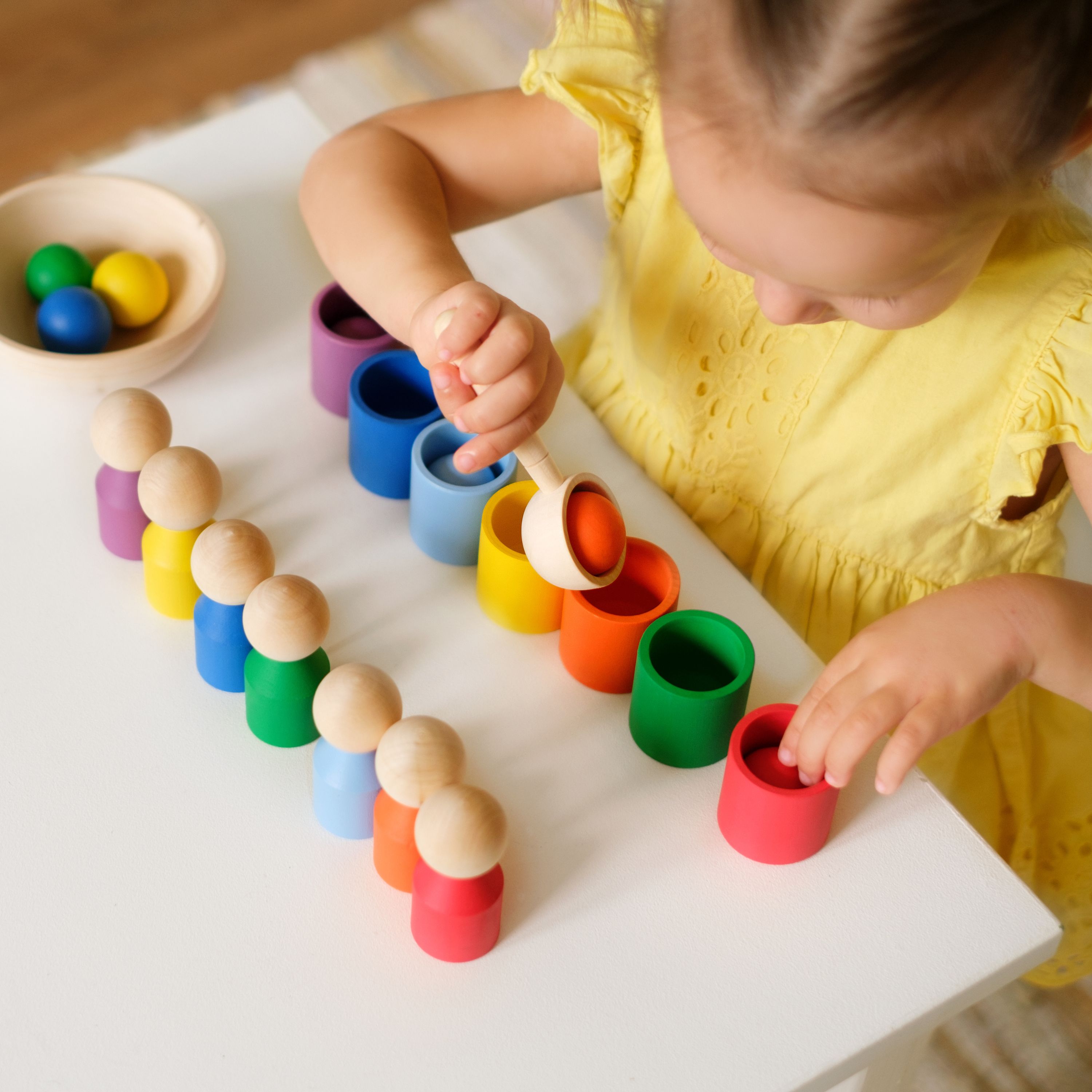
In this episode, we wrap up our exploration of the Control and Safety themes with a focus on 'sorting play.' I share an anecdote from my graduate school experience, illustrating what sorting play entails and its significance in a child's play process. Sorting play involves categorizing toys, whether by size, type, or distinct categories like types of dinosaurs, etc. We explore the purposes behind sorting play, such as creating order in a chaotic world and reconciling opposing ideas. Additionally, I discuss the concept of emotional breaks and how they interlink with these sorting plays. As we conclude this theme, we gear up to venture into Safety Play, preparing to delve into five themes within that category. Thank you for joining me on this journey into child-centered play therapy. Podcast HQ: https://www.playtherapypodcast.com Play Therapy Training HQ: https://www.playtherapynow.com Email me: [email protected] Follow me on Twitter: @thekidcounselor https://twitter.com/thekidcounselor References: Cochran, N., Nordling, W., & Cochran, J. (2010). Child-Centered Play Therapy (1st ed.). Wiley. VanFleet, R., Sywulak, A. E., & Sniscak, C. C. (2010). Child-centered play therapy. Guilford Press. Landreth, G. L. (2002). Play therapy: The art of the relationship (2nd ed.). Brunner-Routledge. Bratton, S. C., Landreth, G. L., Kellam, T., & Blackard, S. R. (2006). Child parent relationship therapy (CPRT) treatment manual: A 10-session filial therapy model for training parents. Routledge/Taylor & Francis Group. Benedict, Helen. Themes in Play Therapy. Used with permission to Heartland Play Therapy Institute.

S1 Ep 101101 | Therapist Dilemma: What To Do When A Child Falls Asleep In Session
In this episode, I addressed a question from a listener, Kianna in Pennsylvania, who is in an internship and recently inherited a playroom. She's working with three boys whose parents are going through a divorce, and one of the boys has been falling asleep during the sessions. I explained how to handle this situation and the importance of meeting the child where they are, emphasizing that we should respect their need for rest if that's what they require. I also shared a policy in my practice not to bill for sessions where therapeutic work couldn't take place due to the child's exhaustion. Providing exceptional customer service and prioritizing the child's well-being above all else is crucial in our practice. Podcast HQ: https://www.playtherapypodcast.com Play Therapy Training HQ: https://www.playtherapynow.com Email me: [email protected] Follow me on Twitter: @thekidcounselor https://twitter.com/thekidcounselor References: Cochran, N., Nordling, W., & Cochran, J. (2010). Child-Centered Play Therapy (1st ed.). Wiley. VanFleet, R., Sywulak, A. E., & Sniscak, C. C. (2010). Child-centered play therapy. Guilford Press. Landreth, G. L. (2002). Play therapy: The art of the relationship (2nd ed.). Brunner-Routledge. Bratton, S. C., Landreth, G. L., Kellam, T., & Blackard, S. R. (2006). Child parent relationship therapy (CPRT) treatment manual: A 10-session filial therapy model for training parents. Routledge/Taylor & Francis Group. Benedict, Helen. Themes in Play Therapy. Used with permission to Heartland Play Therapy Institute.

S1 Ep 100100 | Mess-Making Play Theme in Play Therapy
In this episode of the Play Therapy Podcast, I dive into the theme of mess making play in child-centered play therapy. Mess making play is when a child intentionally creates chaos and disorder within the therapeutic playroom. I explain that this behavior can manifest in various ways, such as pouring water or sand all over the room, throwing toys, or scattering items. I delve into the possible meanings behind this behavior, which can range from expressing anger towards me as the therapist, externalizing internal chaos, seeking freedom from perfectionism, to testing my ability to handle emotional messiness. Understanding these themes can help us better connect with the children in therapy and communicate the value of our work to parents and caregivers. Podcast HQ: https://www.playtherapypodcast.com Play Therapy Training HQ: https://www.playtherapynow.com Email me: [email protected] Follow me on Twitter: @thekidcounselor https://twitter.com/thekidcounselor References: Cochran, N., Nordling, W., & Cochran, J. (2010). Child-Centered Play Therapy (1st ed.). Wiley. VanFleet, R., Sywulak, A. E., & Sniscak, C. C. (2010). Child-centered play therapy. Guilford Press. Landreth, G. L. (2002). Play therapy: The art of the relationship (2nd ed.). Brunner-Routledge. Bratton, S. C., Landreth, G. L., Kellam, T., & Blackard, S. R. (2006). Child parent relationship therapy (CPRT) treatment manual: A 10-session filial therapy model for training parents. Routledge/Taylor & Francis Group. Benedict, Helen. Themes in Play Therapy. Used with permission to Heartland Play Therapy Institute.

S1 Ep 9999 | From Meltdowns to Milestones: Supporting Parents and Children in Play Therapy
In this episode, I respond to a question from Kaylee in Georgia regarding how to support parents in child-centered play therapy. It's crucial to prepare parents for the fact that behaviors can initially worsen before improving during therapy. This knowledge helps them stay committed to the process. I recommend teaching parents skills like limit setting and choice-giving to manage challenging behaviors effectively. Additionally, I highlight the link between a child's self-esteem and power struggles, emphasizing that these issues are interconnected. By addressing these concerns and their related behaviors, parents can better support their child's emotional development. Podcast HQ: https://www.playtherapypodcast.com Play Therapy Training HQ: https://www.playtherapynow.com Email me: [email protected] Follow me on Twitter: @thekidcounselor https://twitter.com/thekidcounselor References: Cochran, N., Nordling, W., & Cochran, J. (2010). Child-Centered Play Therapy (1st ed.). Wiley. VanFleet, R., Sywulak, A. E., & Sniscak, C. C. (2010). Child-centered play therapy. Guilford Press. Landreth, G. L. (2002). Play therapy: The art of the relationship (2nd ed.). Brunner-Routledge. Bratton, S. C., Landreth, G. L., Kellam, T., & Blackard, S. R. (2006). Child parent relationship therapy (CPRT) treatment manual: A 10-session filial therapy model for training parents. Routledge/Taylor & Francis Group. Benedict, Helen. Themes in Play Therapy. Used with permission to Heartland Play Therapy Institute.

S1 Ep 9898 | Cleaning Play Theme In Play Therapy
In this episode of the Play Therapy Podcast, I'm excited to explore the cleaning play theme. As a child-centered play therapist, I've observed various ways children engage in this play, from physically cleaning toys to tidying up the playroom. I break down the different meanings behind cleaning play, connecting it to feelings of anxiety, self-imposed pressure, or the need for control. Cleaning play offers a valuable window into a child's emotional state and development. Emphasizing the importance of embracing imperfection, I discuss the transformation when a child can comfortably leave things a bit messy. Podcast HQ: https://www.playtherapypodcast.com Play Therapy Training HQ: https://www.playtherapynow.com Email me: [email protected] Follow me on Twitter: @thekidcounselor https://twitter.com/thekidcounselor References: Cochran, N., Nordling, W., & Cochran, J. (2010). Child-Centered Play Therapy (1st ed.). Wiley. VanFleet, R., Sywulak, A. E., & Sniscak, C. C. (2010). Child-centered play therapy. Guilford Press. Landreth, G. L. (2002). Play therapy: The art of the relationship (2nd ed.). Brunner-Routledge. Bratton, S. C., Landreth, G. L., Kellam, T., & Blackard, S. R. (2006). Child parent relationship therapy (CPRT) treatment manual: A 10-session filial therapy model for training parents. Routledge/Taylor & Francis Group. Benedict, Helen. Themes in Play Therapy. Used with permission to Heartland Play Therapy Institute.

S1 Ep 9797 | The Art Of Not Answering: Remaining Child-Centered When Children Ask Questions In The Playroom
In this episode of the Play Therapy Podcast, I address a common concern from our listeners: how to handle children's questions during play sessions while maintaining a child-centered approach. Three listeners share their experiences and questions on this matter. Lily from chilly Minnesota, Moshe from New York, and Rachel from the UK all face the challenge of kids asking numerous questions during play. The child-centered model emphasizes not providing direct answers, but this can sometimes be challenging. I discuss strategies like generalizing or enlarging the question and returning responsibility to the child through reflective responses. Understanding why a child is asking questions, whether for connection, forming a relationship, soothing anxiety, or seeking power, helps us tailor our responses appropriately. Thank you, Lily, Moshe, Rachel, and all our listeners for engaging in this crucial discussion. Together, we're improving our child-centered play therapy practice and making a difference in children's lives. Feel free to email me your questions at [email protected]. I appreciate your support and dedication to this incredible field. Podcast HQ: https://www.playtherapypodcast.com Play Therapy Training HQ: https://www.playtherapynow.com Email me: [email protected] Follow me on Twitter: @thekidcounselor https://twitter.com/thekidcounselor References: Cochran, N., Nordling, W., & Cochran, J. (2010). Child-Centered Play Therapy (1st ed.). Wiley. VanFleet, R., Sywulak, A. E., & Sniscak, C. C. (2010). Child-centered play therapy. Guilford Press. Landreth, G. L. (2002). Play therapy: The art of the relationship (2nd ed.). Brunner-Routledge. Bratton, S. C., Landreth, G. L., Kellam, T., & Blackard, S. R. (2006). Child parent relationship therapy (CPRT) treatment manual: A 10-session filial therapy model for training parents. Routledge/Taylor & Francis Group. Benedict, Helen. Themes in Play Therapy. Used with permission to Heartland Play Therapy Institute.
S1 Ep 9696 | Instability Theme In Play Therapy
In this episode of the Play Therapy Podcast, we're diving into the theme of instability. It's a theme that often partners up with others, like good versus bad play or rescue play. Picture this: in a child's play, things are always on the edge of falling or falling apart—instability in action. This theme often appears in imaginative play, like when characters are balancing on the edge of something. But what does it mean for the child? Most of the time, it reflects how they see their own world—unstable and shaky. It's like they're mirroring their real-life feelings through their play. It's a fascinating theme that usually leads to problem-solving and fixing, showcasing a child's resilience. This podcast episode breaks it down, giving therapists valuable insights to help our young clients. Remember, our work matters. Every hour spent with a child in play therapy is a chance to make a meaningful impact on their world. So, let's keep empowering young hearts and minds. Podcast HQ: https://www.playtherapypodcast.com Play Therapy Training HQ: https://www.playtherapynow.com Email me: [email protected] Follow me on Twitter: @thekidcounselor https://twitter.com/thekidcounselor References: Cochran, N., Nordling, W., & Cochran, J. (2010). Child-Centered Play Therapy (1st ed.). Wiley. VanFleet, R., Sywulak, A. E., & Sniscak, C. C. (2010). Child-centered play therapy. Guilford Press. Landreth, G. L. (2002). Play therapy: The art of the relationship (2nd ed.). Brunner-Routledge. Bratton, S. C., Landreth, G. L., Kellam, T., & Blackard, S. R. (2006). Child parent relationship therapy (CPRT) treatment manual: A 10-session filial therapy model for training parents. Routledge/Taylor & Francis Group. Benedict, Helen. Themes in Play Therapy. Used with permission to Heartland Play Therapy Institute.

S1 Ep 9595 | How To Stay True To Child-Centered Play Therapy With Teens And Tweens
In this episode of the Play Therapy Podcast, we dive into a question raised by three listeners: Nneka from England, Anna from Canada, and Grace from California. They're curious about adjusting child-centered play therapy for tweens and teens, a topic important as kids grow into their teenage years. We talk about finding the right balance between play and more serious talk. I share why it's helpful for teens to do something with their hands while talking and how to provide various options in the playroom. It's all about keeping the child-centered approach, even with older kids. A big thank you to Nneka, Anna, and Grace for their great questions. If you have more, email me at [email protected]. Join us in this insightful discussion and let's keep learning and growing in the world of child-centered play therapy. Podcast HQ: https://www.playtherapypodcast.com Play Therapy Training HQ: https://www.playtherapynow.com Email me: [email protected] Follow me on Twitter: @thekidcounselor https://twitter.com/thekidcounselor References: Cochran, N., Nordling, W., & Cochran, J. (2010). Child-Centered Play Therapy (1st ed.). Wiley. VanFleet, R., Sywulak, A. E., & Sniscak, C. C. (2010). Child-centered play therapy. Guilford Press. Landreth, G. L. (2002). Play therapy: The art of the relationship (2nd ed.). Brunner-Routledge. Bratton, S. C., Landreth, G. L., Kellam, T., & Blackard, S. R. (2006). Child parent relationship therapy (CPRT) treatment manual: A 10-session filial therapy model for training parents. Routledge/Taylor & Francis Group. Benedict, Helen. Themes in Play Therapy. Used with permission to Heartland Play Therapy Institute.

S1 Ep 9494 | Bridge-Building Play Theme In Play Therapy
In this episode of the Play Therapy Podcast, I explore the world of bridge building play, a theme within the broader category of control and safety. Bridge building play isn't just about literal bridges; it includes structures children create to connect various elements in their play. I uncover the meanings behind this type of play, revealing how it symbolizes hope, connections between life events, rescue scenarios, and bridging the gap between one's ideal and actual self. Feel free to connect with me at [email protected] to share your thoughts and questions. Podcast HQ: https://www.playtherapypodcast.com Play Therapy Training HQ: https://www.playtherapynow.com Email me: [email protected] Follow me on Twitter: @thekidcounselor https://twitter.com/thekidcounselor References: Cochran, N., Nordling, W., & Cochran, J. (2010). Child-Centered Play Therapy (1st ed.). Wiley. VanFleet, R., Sywulak, A. E., & Sniscak, C. C. (2010). Child-centered play therapy. Guilford Press. Landreth, G. L. (2002). Play therapy: The art of the relationship (2nd ed.). Brunner-Routledge. Bratton, S. C., Landreth, G. L., Kellam, T., & Blackard, S. R. (2006). Child parent relationship therapy (CPRT) treatment manual: A 10-session filial therapy model for training parents. Routledge/Taylor & Francis Group. Benedict, Helen. Themes in Play Therapy. Used with permission to Heartland Play Therapy Institute.

S1 Ep 9393 | Tuning In: The Power Of Tone Of Voice In Play Therapy
In this episode of the Play Therapy Podcast, I delve into a topic of the power of tone of voice in play therapy. A listener from Maryland named Batsheva posed an excellent question about how our tone can profoundly impact a therapy session. I discuss the significance of aligning our tone with a child's emotions, ensuring our tone reflects their feelings accurately. Additionally, I emphasize the importance of maintaining a neutral tone when setting limits or offering choices. We explore how a positive and encouraging tone can bolster a child's efforts. Towards the end, I express my deep gratitude to our incredible community of child-centered play therapists and encourage them to keep changing lives through their invaluable work. Podcast HQ: https://www.playtherapypodcast.com Play Therapy Training HQ: https://www.playtherapynow.com Email me: [email protected] Follow me on Twitter: @thekidcounselor https://twitter.com/thekidcounselor References: Cochran, N., Nordling, W., & Cochran, J. (2010). Child-Centered Play Therapy (1st ed.). Wiley. VanFleet, R., Sywulak, A. E., & Sniscak, C. C. (2010). Child-centered play therapy. Guilford Press. Landreth, G. L. (2002). Play therapy: The art of the relationship (2nd ed.). Brunner-Routledge. Bratton, S. C., Landreth, G. L., Kellam, T., & Blackard, S. R. (2006). Child parent relationship therapy (CPRT) treatment manual: A 10-session filial therapy model for training parents. Routledge/Taylor & Francis Group. Benedict, Helen. Themes in Play Therapy. Used with permission to Heartland Play Therapy Institute.

S1 Ep 9292 | Self-Fixing Theme In Play Therapy
In this episode of the Play Therapy Podcast, I delve into a significant theme: self fixing in the context of play therapy. We've explored fixing and failure to fix before, but self fixing presents a unique perspective. It's when a child perceives something broken within themselves and takes it upon themselves to fix it, showcasing a profound level of vulnerability. This theme can arise when a child feels they must navigate growth and healing independently or when they've shouldered a caretaker role within their family dynamics. Also, I'm "re-booting" my therapist email newsletter so go subscribe at https://playtherapypodcast.com. I'll be sending out exclusive content beyond the podcast. Podcast HQ: https://www.playtherapypodcast.com Play Therapy Training HQ: https://www.playtherapynow.com Email me: [email protected] Follow me on Twitter: @thekidcounselor https://twitter.com/thekidcounselor References: Cochran, N., Nordling, W., & Cochran, J. (2010). Child-Centered Play Therapy (1st ed.). Wiley. VanFleet, R., Sywulak, A. E., & Sniscak, C. C. (2010). Child-centered play therapy. Guilford Press. Landreth, G. L. (2002). Play therapy: The art of the relationship (2nd ed.). Brunner-Routledge. Bratton, S. C., Landreth, G. L., Kellam, T., & Blackard, S. R. (2006). Child parent relationship therapy (CPRT) treatment manual: A 10-session filial therapy model for training parents. Routledge/Taylor & Francis Group. Benedict, Helen. Themes in Play Therapy. Used with permission to Heartland Play Therapy Institute.

S1 Ep 9191 | Play Therapy's "Progress Puzzle": Navigating Norms, Progress, and Expectations
In this episode of the Play Therapy Podcast, I respond to a thoughtful question from Julia in California. Julia's concern revolves around children's progress not aligning with the standard timeline or phases seen in therapy. She specifically asks about children not moving into the "work phase" or not displaying aggressive themes in child-centered play therapy. I address the importance of articulation, emphasizing that behavior often worsens before it improves as therapy stirs emotions and forces children to grapple with their issues. Additionally, I explain how the playroom becomes a safe space for children to balance their behavior and explore their playful side, aiding them in transitioning their newfound skills to other environments. Lastly, I emphasize the significance of trusting the child-centered therapy process and being patient as progress may take longer than expected. Podcast HQ: https://www.playtherapypodcast.com Play Therapy Training HQ: https://www.playtherapynow.com Email me: [email protected] Follow me on Twitter: @thekidcounselor https://twitter.com/thekidcounselor References: Cochran, N., Nordling, W., & Cochran, J. (2010). Child-Centered Play Therapy (1st ed.). Wiley. VanFleet, R., Sywulak, A. E., & Sniscak, C. C. (2010). Child-centered play therapy. Guilford Press. Landreth, G. L. (2002). Play therapy: The art of the relationship (2nd ed.). Brunner-Routledge. Bratton, S. C., Landreth, G. L., Kellam, T., & Blackard, S. R. (2006). Child parent relationship therapy (CPRT) treatment manual: A 10-session filial therapy model for training parents. Routledge/Taylor & Francis Group. Benedict, Helen. Themes in Play Therapy. Used with permission to Heartland Play Therapy Institute.

S1 Ep 9090 | Failure To Fix Theme In Play Therapy
In this episode, I delved into another control and safety theme—the "failure to fix" theme. It's a counterpart to the "fixing play" theme we explored last time. Understanding these play themes is vital for effective therapy. Failure to fix happens when a child actively tries to repair something but eventually gives up, acknowledging it cannot be fixed. I provided examples, like a pretend town being devastated by a sandstorm in play, followed by attempts to rebuild that ultimately fail. This theme often mirrors a child's feelings of hopelessness or doubts about whether any help is possible. In some cases, it's a way for the child to test the therapist, to see if they'll attempt to "fix" them. I stressed the importance of sticking to the child-centered model, highlighting how crucial it is in addressing these themes appropriately in therapy. This episode offered valuable insights into this aspect of play therapy, helping us better understand children's emotional expressions and needs. Podcast HQ: https://www.playtherapypodcast.com Play Therapy Training HQ: https://www.playtherapynow.com Email me: [email protected] Follow me on Twitter: @thekidcounselor https://twitter.com/thekidcounselor References: Cochran, N., Nordling, W., & Cochran, J. (2010). Child-Centered Play Therapy (1st ed.). Wiley. VanFleet, R., Sywulak, A. E., & Sniscak, C. C. (2010). Child-centered play therapy. Guilford Press. Landreth, G. L. (2002). Play therapy: The art of the relationship (2nd ed.). Brunner-Routledge. Bratton, S. C., Landreth, G. L., Kellam, T., & Blackard, S. R. (2006). Child parent relationship therapy (CPRT) treatment manual: A 10-session filial therapy model for training parents. Routledge/Taylor & Francis Group. Benedict, Helen. Themes in Play Therapy. Used with permission to Heartland Play Therapy Institute.

S1 Ep 8989 | Navigating Messy Play: Balancing Client Needs And Cleanliness In The Playroom
In this episode of the Play Therapy Podcast, I delve into the crucial topic of managing messy play within the therapeutic setting, especially when dealing with limited resources (if you don't have an office manager to help you clean between sessions). I stress the importance of making strategic choices when it comes to selecting materials for the playroom aligning them with your own tolerance for mess. Moreover, I underscore the significance of understanding personal boundaries in this context. I make a clear distinction between messy and mess-making play, and I emphasize the need to provide creative alternatives that allow for artistic expression while maintaining the overall cleanliness and order of the therapeutic space. Striking this balance is essential for nurturing creativity while ensuring a sense of order, benefiting both the therapist and the child in therapy. Podcast HQ: https://www.playtherapypodcast.com Play Therapy Training HQ: https://www.playtherapynow.com Email me: [email protected] Follow me on Twitter: @thekidcounselor https://twitter.com/thekidcounselor References: Cochran, N., Nordling, W., & Cochran, J. (2010). Child-Centered Play Therapy (1st ed.). Wiley. VanFleet, R., Sywulak, A. E., & Sniscak, C. C. (2010). Child-centered play therapy. Guilford Press. Landreth, G. L. (2002). Play therapy: The art of the relationship (2nd ed.). Brunner-Routledge. Bratton, S. C., Landreth, G. L., Kellam, T., & Blackard, S. R. (2006). Child parent relationship therapy (CPRT) treatment manual: A 10-session filial therapy model for training parents. Routledge/Taylor & Francis Group. Benedict, Helen. Themes in Play Therapy. Used with permission to Heartland Play Therapy Institute.

S1 Ep 8888 | Fixing Play Theme In Play Therapy
Today, we're diving into the "fixing play" theme in child-centered play therapy. This theme often follows "broken play" and is closely tied to control and safety themes. In essence, it's about a child or character working to mend something broken through actions like gluing, taping, or providing medical care. So, why is fixing play significant for a child? Firstly, it can symbolize their understanding of the therapeutic process. Kids may not fully grasp it, but they sense healing and fixing occurring, helping them navigate their journey to feeling better. Secondly, fixing play can stem from a deep desire to be okay, emphasizing the innate human drive for happiness and healing. Lastly, it can be a way for children to regain control after play goes too far, allowing them to undo what they felt was unacceptable. Fixing play is a window into a child's world, reflecting their therapeutic progress, longing for well-being, and their need for control. Podcast HQ: https://www.playtherapypodcast.com Play Therapy Training HQ: https://www.playtherapynow.com Email me: [email protected] Follow me on Twitter: @thekidcounselor https://twitter.com/thekidcounselor References: Cochran, N., Nordling, W., & Cochran, J. (2010). Child-Centered Play Therapy (1st ed.). Wiley. VanFleet, R., Sywulak, A. E., & Sniscak, C. C. (2010). Child-centered play therapy. Guilford Press. Landreth, G. L. (2002). Play therapy: The art of the relationship (2nd ed.). Brunner-Routledge. Bratton, S. C., Landreth, G. L., Kellam, T., & Blackard, S. R. (2006). Child parent relationship therapy (CPRT) treatment manual: A 10-session filial therapy model for training parents. Routledge/Taylor & Francis Group. Benedict, Helen. Themes in Play Therapy. Used with permission to Heartland Play Therapy Institute.

S1 Ep 8787 | Q&A: Working With Kids With Sexual Behavior Or Abuse Backgrounds
In this episode of The Play Therapy Podcast, I address the critical topic of working with children who have experienced sexual abuse or exhibit sexualized behaviors. Combining questions from listeners Monica and Anna, I delve into three key aspects: acknowledging and accepting your own discomfort, defining personal boundaries, and setting appropriate limits in the therapeutic setting. I discuss these topics through the lens of the child-centered approach, allowing children to naturally develop coping skills and self-regulation through play therapy, ultimately leading to positive results. I hope this episode gives you valuable insights into handling sensitive situations in child-centered play therapy. Main topics: Accept and be aware of your own discomfort Know your own boundaries Effectively use limit setting Podcast HQ: https://www.playtherapypodcast.com Play Therapy Training HQ: https://www.playtherapynow.com Email me: [email protected] Follow me on Twitter: @thekidcounselor https://twitter.com/thekidcounselor References: Cochran, N., Nordling, W., & Cochran, J. (2010). Child-Centered Play Therapy (1st ed.). Wiley. VanFleet, R., Sywulak, A. E., & Sniscak, C. C. (2010). Child-centered play therapy. Guilford Press. Landreth, G. L. (2002). Play therapy: The art of the relationship (2nd ed.). Brunner-Routledge. Bratton, S. C., Landreth, G. L., Kellam, T., & Blackard, S. R. (2006). Child parent relationship therapy (CPRT) treatment manual: A 10-session filial therapy model for training parents. Routledge/Taylor & Francis Group. Benedict, Helen. Themes in Play Therapy. Used with permission to Heartland Play Therapy Institute.

S1 Ep 8686 | Broken Play Theme in Play Therapy
In this episode, we delve into the "Broken Play Theme" in child-centered play therapy's category of safety and control themes. Exploring Broken Play Theme: Children depict brokenness in their play through two lenses: a broken self or a broken object. This theme delves into hurt, sickness, and damage, whether internal or external. Healing and Insights: Broken play offers a unique healing potential, allowing children to confront and mend their perceptions of brokenness, whether within themselves, relationships, or the world. Podcast HQ: https://www.playtherapypodcast.com Play Therapy Training HQ: https://www.playtherapynow.com Email me: [email protected] Follow me on Twitter: @thekidcounselor https://twitter.com/thekidcounselor References: Cochran, N., Nordling, W., & Cochran, J. (2010). Child-Centered Play Therapy (1st ed.). Wiley. VanFleet, R., Sywulak, A. E., & Sniscak, C. C. (2010). Child-centered play therapy. Guilford Press. Landreth, G. L. (2002). Play therapy: The art of the relationship (2nd ed.). Brunner-Routledge. Bratton, S. C., Landreth, G. L., Kellam, T., & Blackard, S. R. (2006). Child parent relationship therapy (CPRT) treatment manual: A 10-session filial therapy model for training parents. Routledge/Taylor & Francis Group. Benedict, Helen. Themes in Play Therapy. Used with permission to Heartland Play Therapy Institute.

S1 Ep 8585 | Burying Or Drowning Theme
In this episode, we're delving into the intriguing burying or drowning theme, a part of our ongoing exploration of control and safety themes. Burying involves hiding characters or objects under sand, toys, or even clothes, symbolizing various intentions. It can represent secrecy, offering a sense of power through possessing hidden knowledge. Alternatively, it might signal safety, as characters hide to shield themselves from danger. Drowning play often carries deeper emotional undertones, reflecting desperation and hopelessness. This theme can provide a platform for children to express complex emotions. Both burying and drowning themes tie into the overarching concept of control and safety, shedding light on children's intentions and emotions. Podcast HQ: https://www.playtherapypodcast.com Play Therapy Training HQ: https://www.playtherapynow.com Email me: [email protected] Follow me on Twitter: @thekidcounselor https://twitter.com/thekidcounselor References: Cochran, N., Nordling, W., & Cochran, J. (2010). Child-Centered Play Therapy (1st ed.). Wiley. VanFleet, R., Sywulak, A. E., & Sniscak, C. C. (2010). Child-centered play therapy. Guilford Press. Landreth, G. L. (2002). Play therapy: The art of the relationship (2nd ed.). Brunner-Routledge. Bratton, S. C., Landreth, G. L., Kellam, T., & Blackard, S. R. (2006). Child parent relationship therapy (CPRT) treatment manual: A 10-session filial therapy model for training parents. Routledge/Taylor & Francis Group. Benedict, Helen. Themes in Play Therapy. Used with permission to Heartland Play Therapy Institute.

S1 Ep 8484 | My Complete Interview With Dr. Jennifer Baggerly About Child-Centered Play Therapy
When you've trained directly with Dr. Garry Landreth, you gain vast knowledge and helpful perspective on the child-centered play therapy model. Join me for an insightful chat with my mentor, Dr. Jennifer Baggerly, a specialist directly trained by the renowned Dr. Garry Landreth in child-centered play therapy. Listen in as Dr. Baggerly sheds light on key aspects of this approach. Dr. Jennifer Baggerly shares her wisdom on the following topics: Advice for new child-centered play therapists What she loves about the child-centered model Why CCPT is so effective across all populations Discover tips for new child-centered play therapists straight from Dr. Baggerly's experience. Hear her genuine enthusiasm for the child-centered model and understand why Child-Centered Play Therapy (CCPT) works wonders for people of all backgrounds. In this interview, Dr. Baggerly also shares heartwarming stories from her journey, illustrating the power of CCPT in her clients' lives. Tune in for an engaging conversation about child-centered play therapy and its incredible impact. Podcast HQ: https://www.playtherapypodcast.com Play Therapy Training HQ: https://www.playtherapynow.com Email me: [email protected] Follow me on Twitter: @thekidcounselor https://twitter.com/thekidcounselor References: Cochran, N., Nordling, W., & Cochran, J. (2010). Child-Centered Play Therapy (1st ed.). Wiley. VanFleet, R., Sywulak, A. E., & Sniscak, C. C. (2010). Child-centered play therapy. Guilford Press. Landreth, G. L. (2002). Play therapy: The art of the relationship (2nd ed.). Brunner-Routledge. Bratton, S. C., Landreth, G. L., Kellam, T., & Blackard, S. R. (2006). Child parent relationship therapy (CPRT) treatment manual: A 10-session filial therapy model for training parents. Routledge/Taylor & Francis Group. Benedict, Helen. Themes in Play Therapy. Used with permission to Heartland Play Therapy Institute.

S1 Ep 8383 | Fire Play Theme In Play Therapy
Today, we're entering the realm of control and safety themes, marking a transition from our previous categories. Specifically, we're exploring the intriguing concept of fire play. Children engage in fire play with remarkable diversity, expressing it through a spectrum of scenarios. Whether it's something catching ablaze, flames engulfing, or even extinguishing a fire, this theme is unmistakably evident. Fire play often unveils deeper emotions within children. In instances where intense rage simmers, children might use fire as a symbolic channel for their anger, essentially allowing them to obliterate what they find infuriating. This dynamic reveals a profound representation of their emotions, and at times, children who fear their own powerful feelings might turn to fire play. The theme is not limited to anger; fire play can be a tool for addressing avoidance. Children may burn objects that evoke discomfort or unease, effectively erasing them from their world. Interestingly, fire play can also intertwine with other themes, such as heroism or protection, as fire becomes a conduit for bringing broader narratives to life. Remember, these themes of control and safety underpin the tapestry of play therapy. By understanding the core motivations behind a child's choice of fire play, we gain insights into their emotional landscape. Join me next week as we explore the themes of burying and drowning, and continue this enriching journey together. Podcast HQ: https://www.playtherapypodcast.com Play Therapy Training HQ: https://www.playtherapynow.com Email me: [email protected] Follow me on Twitter: @thekidcounselor https://twitter.com/thekidcounselor References: Cochran, N., Nordling, W., & Cochran, J. (2010). Child-Centered Play Therapy (1st ed.). Wiley. VanFleet, R., Sywulak, A. E., & Sniscak, C. C. (2010). Child-centered play therapy. Guilford Press. Landreth, G. L. (2002). Play therapy: The art of the relationship (2nd ed.). Brunner-Routledge. Bratton, S. C., Landreth, G. L., Kellam, T., & Blackard, S. R. (2006). Child parent relationship therapy (CPRT) treatment manual: A 10-session filial therapy model for training parents. Routledge/Taylor & Francis Group. Benedict, Helen. Themes in Play Therapy. Used with permission to Heartland Play Therapy Institute.

S1 Ep 8282 | Q&A: How To Handle A Child That Makes Animal Noises And Behaves Like A Puppy In Session
Listener, Yanna, emailed me with a scenario... she is seeing a child that acts like a puppy all session and she was wondering how I would handle that. I actually have a client right now that is doing that! So this was a timely question. In this episode, I discuss the following topics: How to respond, staying true to CCPT principles Identifying the "why" for the behavior How to elicit feedback from the child (staying true CCPT) so you can engage with the child and continue in the child's play How to preserve the relationship with unconditional acceptance Podcast HQ: https://www.playtherapypodcast.com Play Therapy Training HQ: https://www.playtherapynow.com Email me: [email protected] Follow me on Twitter: @thekidcounselor https://twitter.com/thekidcounselor References: Cochran, N., Nordling, W., & Cochran, J. (2010). Child-Centered Play Therapy (1st ed.). Wiley. VanFleet, R., Sywulak, A. E., & Sniscak, C. C. (2010). Child-centered play therapy. Guilford Press. Landreth, G. L. (2002). Play therapy: The art of the relationship (2nd ed.). Brunner-Routledge. Bratton, S. C., Landreth, G. L., Kellam, T., & Blackard, S. R. (2006). Child parent relationship therapy (CPRT) treatment manual: A 10-session filial therapy model for training parents. Routledge/Taylor & Francis Group. Benedict, Helen. Themes in Play Therapy. Used with permission to Heartland Play Therapy Institute.

S1 Ep 8181 | Adult Activity Theme In Play Therapy
In this concluding episode of the Nurturing & Caregiving category, we delve into the intriguing realm of the Adult Activity Theme. This distinctive theme revolves around activities that distinctly mimic adult behaviors. Join me as we explore the nuances of this theme within children's play, unraveling its significance and the deeper layers of meaning it holds. Podcast HQ: https://www.playtherapypodcast.com Play Therapy Training HQ: https://www.playtherapynow.com Email me: [email protected] Follow me on Twitter: @thekidcounselor https://twitter.com/thekidcounselor References: Cochran, N., Nordling, W., & Cochran, J. (2010). Child-Centered Play Therapy (1st ed.). Wiley. VanFleet, R., Sywulak, A. E., & Sniscak, C. C. (2010). Child-centered play therapy. Guilford Press. Landreth, G. L. (2002). Play therapy: The art of the relationship (2nd ed.). Brunner-Routledge. Bratton, S. C., Landreth, G. L., Kellam, T., & Blackard, S. R. (2006). Child parent relationship therapy (CPRT) treatment manual: A 10-session filial therapy model for training parents. Routledge/Taylor & Francis Group. Benedict, Helen. Themes in Play Therapy. Used with permission to Heartland Play Therapy Institute.

S1 Ep 8080 | Q&A: What To Do When You're "Stuck" With A Client On The Autism Spectrum
A listener from the UK emailed me with questions about a client on the autism spectrum. She is feeling "stuck" and was looking for some advice. In this episode, I talk about the following topics: Progress with ASD kids takes longer The proper use of "I wonder" statements Play with kids on the spectrum looks different Feeling "pressure" to get results Staying true to the child-centered model (don't deviate!!) However small, document progress with the presenting problems Never child-centered play therapy - plus, something else! Pro Tip: 5 Tips For Working With Children On The Autism Spectrum From A Child-Centered Play Therapy Approach https://www.youtube.com/watch?v=4SnBPYy0gR0 Podcast HQ: https://www.playtherapypodcast.com Play Therapy Training HQ: https://www.playtherapynow.com Email me: [email protected] Follow me on Twitter: @thekidcounselor https://twitter.com/thekidcounselor References: Cochran, N., Nordling, W., & Cochran, J. (2010). Child-Centered Play Therapy (1st ed.). Wiley. VanFleet, R., Sywulak, A. E., & Sniscak, C. C. (2010). Child-centered play therapy. Guilford Press. Landreth, G. L. (2002). Play therapy: The art of the relationship (2nd ed.). Brunner-Routledge. Bratton, S. C., Landreth, G. L., Kellam, T., & Blackard, S. R. (2006). Child parent relationship therapy (CPRT) treatment manual: A 10-session filial therapy model for training parents. Routledge/Taylor & Francis Group. Benedict, Helen. Themes in Play Therapy. Used with permission to Heartland Play Therapy Institute.