
Play Therapy Podcast: A Master-Class in Child-Centered Play Therapy
429 episodes — Page 5 of 9
S1 Ep 229229 | Why Children Ask 'How Much Time Is Left?' and Recognizing Termination Readiness
In this episode of the Play Therapy Podcast, I answer two questions from Chris in the Virgin Islands. First, Chris asks about how to respond when children frequently ask how much time is left in their session. I explain how this can indicate various needs, such as a desire for control, anxiety, or simply curiosity, and share strategies for reflecting their question and, if necessary, providing a neutral, factual answer to help them feel secure. Chris's second question focuses on recognizing when a child is ready for the termination phase. I discuss the signs that indicate a child has reached emotional stability, including resolved issues and no new play themes. I also emphasize the importance of a healthy termination process, which acknowledges the therapeutic relationship while equipping the child to move forward independently. Sign up for my exclusive newsletter at playtherapynow.com. Stay ahead with the latest CCPT CEU courses, personalized coaching opportunities and other opportunities you need to thrive in your CCPT practice! If you would like to ask me questions directly, check out www.ccptcollective.com, where I host two weekly Zoom calls filled with advanced CCPT case studies and session reviews, as well as member Q&A. You can take advantage of the two-week free trial to see if the CCPT Collective is right for you. Ask Me Questions: Call (813) 812-5525, or email: [email protected] Brenna's CCPT Hub: https://www.playtherapynow.com CCPT Collective (online community exclusively for CCPTs): https://www.ccptcollective.com Podcast HQ: https://www.playtherapypodcast.com APT Approved Play Therapy CE courses: https://childcenteredtraining.com Twitter: @thekidcounselor https://twitter.com/thekidcounselor Facebook: https://facebook.com/playtherapypodcast Common References: Cochran, N., Nordling, W., & Cochran, J. (2010). Child-Centered Play Therapy (1st ed.). Wiley. VanFleet, R., Sywulak, A. E., & Sniscak, C. C. (2010). Child-centered play therapy. Guilford Press. Landreth, G.L. (2023). Play Therapy: The Art of the Relationship (4th ed.). Routledge. Bratton, S. C., Landreth, G. L., Kellam, T., & Blackard, S. R. (2006). Child parent relationship therapy (CPRT) treatment manual: A 10-session filial therapy model for training parents. Routledge/Taylor & Francis Group. Benedict, Helen. Themes in Play Therapy. Used with permission to Heartland Play Therapy Institute.
S1 Ep 228228 | Session Savvy: Staying Neutral and Avoiding "Body" Commentary in CCPT
In this Session Savvy episode of the Play Therapy Podcast, I talk about the importance of avoiding commentary on a child's body or physical actions in the playroom, such as saying, "Your body is telling you it needs to move." While well-intentioned, these types of remarks can lead to interpretation and assumptions, which go against the neutrality required in child-centered play therapy (CCPT). I discuss the need to simply track behavior or reflect content without imposing our own ideas on the child's experience. I provide examples of CCPT-adherent responses that avoid assumptions, highlighting how neutrality supports the therapeutic process by allowing the child to fully own their actions and feelings. This approach helps therapists stay true to CCPT principles and fosters a supportive environment where the child feels free to express themselves without judgment or imposed meaning. Sign up for my exclusive newsletter at playtherapynow.com. Stay ahead with the latest CCPT CEU courses, personalized coaching opportunities and other opportunities you need to thrive in your CCPT practice! If you would like to ask me questions directly, check out www.ccptcollective.com, where I host two weekly Zoom calls filled with advanced CCPT case studies and session reviews, as well as member Q&A. You can take advantage of the two-week free trial to see if the CCPT Collective is right for you. Ask Me Questions: Call (813) 812-5525, or email: [email protected] Brenna's CCPT Hub: https://www.playtherapynow.com CCPT Collective (online community exclusively for CCPTs): https://www.ccptcollective.com Podcast HQ: https://www.playtherapypodcast.com APT Approved Play Therapy CE courses: https://childcenteredtraining.com Twitter: @thekidcounselor https://twitter.com/thekidcounselor Facebook: https://facebook.com/playtherapypodcast Common References: Cochran, N., Nordling, W., & Cochran, J. (2010). Child-Centered Play Therapy (1st ed.). Wiley. VanFleet, R., Sywulak, A. E., & Sniscak, C. C. (2010). Child-centered play therapy. Guilford Press. Landreth, G.L. (2023). Play Therapy: The Art of the Relationship (4th ed.). Routledge. Bratton, S. C., Landreth, G. L., Kellam, T., & Blackard, S. R. (2006). Child parent relationship therapy (CPRT) treatment manual: A 10-session filial therapy model for training parents. Routledge/Taylor & Francis Group. Benedict, Helen. Themes in Play Therapy. Used with permission to Heartland Play Therapy Institute.
S1 Ep 227227 | Revisiting SMART Goals with CCPT for School Settings
In this episode of the Play Therapy Podcast, I answer a question from Sandy in Iowa about creating SMART Goals, referencing the four universal outcomes in child-centered play therapy (CCPT). Sandy wanted guidance on how to document data to share with parents and teachers in a school setting. I explain how each universal outcome—such as increased self-regulation, self-esteem, emotional vocabulary, and worldview—can be broken down into observable behaviors both in the playroom and in the child's broader environment. I also discuss how to communicate these outcomes effectively, highlighting the importance of linking observed themes and shifts in play back to the child's goals. For example, shifts from power and control themes to balanced play can indicate progress in self-regulation. Finally, I provide tips on differentiating between psychotherapy notes and progress notes, emphasizing the unique purpose each serves in CCPT documentation. Related Episode: SMART Goals and Child-Centered Play Therapy: How to Bridge the Gap in a School Setting Sign up for my exclusive newsletter at playtherapynow.com. Stay ahead with the latest CCPT CEU courses, personalized coaching opportunities and other opportunities you need to thrive in your CCPT practice! If you would like to ask me questions directly, check out www.ccptcollective.com, where I host two weekly Zoom calls filled with advanced CCPT case studies and session reviews, as well as member Q&A. You can take advantage of the two-week free trial to see if the CCPT Collective is right for you. Ask Me Questions: Call (813) 812-5525, or email: [email protected] Brenna's CCPT Hub: https://www.playtherapynow.com CCPT Collective (online community exclusively for CCPTs): https://www.ccptcollective.com Podcast HQ: https://www.playtherapypodcast.com APT Approved Play Therapy CE courses: https://childcenteredtraining.com Twitter: @thekidcounselor https://twitter.com/thekidcounselor Facebook: https://facebook.com/playtherapypodcast Common References: Cochran, N., Nordling, W., & Cochran, J. (2010). Child-Centered Play Therapy (1st ed.). Wiley. VanFleet, R., Sywulak, A. E., & Sniscak, C. C. (2010). Child-centered play therapy. Guilford Press. Landreth, G.L. (2023). Play Therapy: The Art of the Relationship (4th ed.). Routledge. Bratton, S. C., Landreth, G. L., Kellam, T., & Blackard, S. R. (2006). Child parent relationship therapy (CPRT) treatment manual: A 10-session filial therapy model for training parents. Routledge/Taylor & Francis Group. Benedict, Helen. Themes in Play Therapy. Used with permission to Heartland Play Therapy Institute.
S1 Ep 226226 | When Therapy Approaches Collide: Supporting Siblings with Different Therapists
In this episode of the Play Therapy Podcast, I address a question from Sarah Beth in North Carolina about handling a tricky situation with two siblings in therapy. Sarah Beth's client feels jealous because his brother, who sees a different therapist with a more directive approach, receives prizes after his sessions. This difference has left Sarah Beth's client feeling upset, and she's looking for guidance on how to support him without introducing rewards or prizes into her child-centered play therapy (CCPT) practice. I explain why staying true to the CCPT model, which avoids external rewards, is crucial for the child's emotional growth and self-regulation. Instead, I suggest alternatives like offering a simple snack as a way to mark the end of each session without attaching any conditions or expectations. I encourage Sarah Beth to stay the course with reflective responses, acknowledging her client's feelings, and focusing on the deeper issues underlying his jealousy. Sign up for my exclusive newsletter at playtherapynow.com. Stay ahead with the latest CCPT CEU courses, personalized coaching opportunities and other opportunities you need to thrive in your CCPT practice! If you would like to ask me questions directly, check out www.ccptcollective.com, where I host two weekly Zoom calls filled with advanced CCPT case studies and session reviews, as well as member Q&A. You can take advantage of the two-week free trial to see if the CCPT Collective is right for you. Ask Me Questions: Call (813) 812-5525, or email: [email protected] Brenna's CCPT Hub: https://www.playtherapynow.com CCPT Collective (online community exclusively for CCPTs): https://www.ccptcollective.com Podcast HQ: https://www.playtherapypodcast.com APT Approved Play Therapy CE courses: https://childcenteredtraining.com Twitter: @thekidcounselor https://twitter.com/thekidcounselor Facebook: https://facebook.com/playtherapypodcast Common References: Cochran, N., Nordling, W., & Cochran, J. (2010). Child-Centered Play Therapy (1st ed.). Wiley. VanFleet, R., Sywulak, A. E., & Sniscak, C. C. (2010). Child-centered play therapy. Guilford Press. Landreth, G.L. (2023). Play Therapy: The Art of the Relationship (4th ed.). Routledge. Bratton, S. C., Landreth, G. L., Kellam, T., & Blackard, S. R. (2006). Child parent relationship therapy (CPRT) treatment manual: A 10-session filial therapy model for training parents. Routledge/Taylor & Francis Group. Benedict, Helen. Themes in Play Therapy. Used with permission to Heartland Play Therapy Institute.
S1 Ep 225225 | Session Savvy: Avoiding Value-Laden Language & Reflecting Without Owning
In this Session Savvy episode of the Play Therapy Podcast, I discuss the importance of staying neutral and avoiding value-laden language when a child disagrees with us in the playroom. Often, therapists may respond with phrases like "I made a mistake" or "I got that wrong," which can unintentionally imply fault or ownership. I explain why these responses can be problematic and share strategies to reflect the child's feelings or thoughts without assigning blame or responsibility. I emphasize the importance of validating the child's perspective without owning any perceived "mistake." Instead, using neutral phrases keeps the focus on the child's experience. This approach helps to maintain the child-centered nature of play therapy, allowing the child to express themselves freely without feeling judged or corrected. Sign up for my exclusive newsletter at playtherapynow.com. Stay ahead with the latest CCPT CEU courses, personalized coaching opportunities and other opportunities you need to thrive in your CCPT practice! If you would like to ask me questions directly, check out www.ccptcollective.com, where I host two weekly Zoom calls filled with advanced CCPT case studies and session reviews, as well as member Q&A. You can take advantage of the two-week free trial to see if the CCPT Collective is right for you. Ask Me Questions: Call (813) 812-5525, or email: [email protected] Brenna's CCPT Hub: https://www.playtherapynow.com CCPT Collective (online community exclusively for CCPTs): https://www.ccptcollective.com Podcast HQ: https://www.playtherapypodcast.com APT Approved Play Therapy CE courses: https://childcenteredtraining.com Twitter: @thekidcounselor https://twitter.com/thekidcounselor Facebook: https://facebook.com/playtherapypodcast Common References: Cochran, N., Nordling, W., & Cochran, J. (2010). Child-Centered Play Therapy (1st ed.). Wiley. VanFleet, R., Sywulak, A. E., & Sniscak, C. C. (2010). Child-centered play therapy. Guilford Press. Landreth, G.L. (2023). Play Therapy: The Art of the Relationship (4th ed.). Routledge. Bratton, S. C., Landreth, G. L., Kellam, T., & Blackard, S. R. (2006). Child parent relationship therapy (CPRT) treatment manual: A 10-session filial therapy model for training parents. Routledge/Taylor & Francis Group. Benedict, Helen. Themes in Play Therapy. Used with permission to Heartland Play Therapy Institute.
S1 Ep 224224 | CCPT and Autism: Child-Centered Play Therapy with Children on the Spectrum
In this episode of the Play Therapy Podcast, I answer a question from Michelle in Texas regarding how child-centered play therapy (CCPT) aligns with the needs of children on the autism spectrum. Michelle asked about potential differences in themes, stages, and considerations for therapists working with neurodivergent children. I share insights from my experience and explain why children on the spectrum may progress more slowly through the phases of CCPT, often requiring more sessions. Their play can be more structured and repetitive, frequently influenced by screen-based content, which can impact the typical flow of CCPT. I also discuss the importance of setting realistic expectations with parents, as children with autism process emotions and play differently. I remind listeners of the universal outcomes of CCPT—self-regulation, emotional vocabulary, self-esteem, and worldview—which are beneficial for all children, including those on the spectrum. Trusting the CCPT process allows us to support these children in a way that respects their unique developmental needs. Sign up for my exclusive newsletter at playtherapynow.com. Stay ahead with the latest CCPT CEU courses, personalized coaching opportunities and other opportunities you need to thrive in your CCPT practice! If you would like to ask me questions directly, check out www.ccptcollective.com, where I host two weekly Zoom calls filled with advanced CCPT case studies and session reviews, as well as member Q&A. You can take advantage of the two-week free trial to see if the CCPT Collective is right for you. Ask Me Questions: Call (813) 812-5525, or email: [email protected] Brenna's CCPT Hub: https://www.playtherapynow.com CCPT Collective (online community exclusively for CCPTs): https://www.ccptcollective.com Podcast HQ: https://www.playtherapypodcast.com APT Approved Play Therapy CE courses: https://childcenteredtraining.com Twitter: @thekidcounselor https://twitter.com/thekidcounselor Facebook: https://facebook.com/playtherapypodcast Common References: Cochran, N., Nordling, W., & Cochran, J. (2010). Child-Centered Play Therapy (1st ed.). Wiley. VanFleet, R., Sywulak, A. E., & Sniscak, C. C. (2010). Child-centered play therapy. Guilford Press. Landreth, G.L. (2023). Play Therapy: The Art of the Relationship (4th ed.). Routledge. Bratton, S. C., Landreth, G. L., Kellam, T., & Blackard, S. R. (2006). Child parent relationship therapy (CPRT) treatment manual: A 10-session filial therapy model for training parents. Routledge/Taylor & Francis Group. Benedict, Helen. Themes in Play Therapy. Used with permission to Heartland Play Therapy Institute.
S1 Ep 223223 | Preparing Children for Therapist Absences: Maternity Leave and Vacation
In this episode of the Play Therapy Podcast, I address a question from Melissa in Colorado about how to communicate upcoming absences to children and their parents. Melissa specifically asked about handling maternity leave and vacations that require taking time away from the playroom. I outline my approach for both scenarios, explaining that vacations can be discussed simply the week before, while extended absences, such as maternity leave, need a more gradual, structured countdown to help children adjust to the time away. I also emphasize the importance of sharing these plans with the child first, as this preserves the trust and relationship built in child-centered play therapy (CCPT). For longer breaks, I recommend a pseudo-termination process to help children prepare for the separation and understand when they'll see their therapist again. Setting clear expectations and explaining the reasons behind any absence strengthens the therapeutic relationship and reassures children during times of change. Sign up for my exclusive newsletter at playtherapynow.com. Stay ahead with the latest CCPT CEU courses, personalized coaching opportunities and other opportunities you need to thrive in your CCPT practice! If you would like to ask me questions directly, check out www.ccptcollective.com, where I host two weekly Zoom calls filled with advanced CCPT case studies and session reviews, as well as member Q&A. You can take advantage of the two-week free trial to see if the CCPT Collective is right for you. Ask Me Questions: Call (813) 812-5525, or email: [email protected] Brenna's CCPT Hub: https://www.playtherapynow.com CCPT Collective (online community exclusively for CCPTs): https://www.ccptcollective.com Podcast HQ: https://www.playtherapypodcast.com APT Approved Play Therapy CE courses: https://childcenteredtraining.com Twitter: @thekidcounselor https://twitter.com/thekidcounselor Facebook: https://facebook.com/playtherapypodcast Common References: Cochran, N., Nordling, W., & Cochran, J. (2010). Child-Centered Play Therapy (1st ed.). Wiley. VanFleet, R., Sywulak, A. E., & Sniscak, C. C. (2010). Child-centered play therapy. Guilford Press. Landreth, G.L. (2023). Play Therapy: The Art of the Relationship (4th ed.). Routledge. Bratton, S. C., Landreth, G. L., Kellam, T., & Blackard, S. R. (2006). Child parent relationship therapy (CPRT) treatment manual: A 10-session filial therapy model for training parents. Routledge/Taylor & Francis Group. Benedict, Helen. Themes in Play Therapy. Used with permission to Heartland Play Therapy Institute.

S1 Ep 222222 | The Universal Efficacy of CCPT: How to Address Doubters
In this episode of the Play Therapy Podcast, I respond to a question from Nicole in Indiana about finding research that compares child-centered play therapy (CCPT) with other types of therapy. Nicole, whose manager is skeptical of CCPT's broad applicability, especially for issues outside trauma, asked for research to support CCPT's effectiveness across various child needs. Instead of a comparison, I discuss how research shows CCPT's success with a range of issues—from ADHD and anxiety to cultural diversity and speech disorders. I highlight Child-Centered Play Therapy Research, edited by Baggerly, Ray, and Bratton, as a comprehensive resource for defending the universal efficacy of CCPT. I also encourage listeners to confidently advocate for CCPT in the face of skepticism by seeking out studies specific to their clients' needs. CCPT's effectiveness spans ages, cultural backgrounds, and conditions, making it a powerful, evidence-supported approach. Episode Reference: Baggerly, J. N., Ray, D. C., & Bratton, S. C. (Eds.). (2010). Child-centered play therapy research: The evidence base for effective practice. John Wiley & Sons, Inc.. https://doi.org/10.1002/9781118269626 Sign up for my exclusive newsletter at playtherapynow.com. Stay ahead with the latest CCPT CEU courses, personalized coaching opportunities and other opportunities you need to thrive in your CCPT practice! If you would like to ask me questions directly, check out www.ccptcollective.com, where I host two weekly Zoom calls filled with advanced CCPT case studies and session reviews, as well as member Q&A. You can take advantage of the two-week free trial to see if the CCPT Collective is right for you. Ask Me Questions: Call (813) 812-5525, or email: [email protected] Brenna's CCPT Hub: https://www.playtherapynow.com CCPT Collective (online community exclusively for CCPTs): https://www.ccptcollective.com Podcast HQ: https://www.playtherapypodcast.com APT Approved Play Therapy CE courses: https://childcenteredtraining.com Twitter: @thekidcounselor https://twitter.com/thekidcounselor Facebook: https://facebook.com/playtherapypodcast Common References: Cochran, N., Nordling, W., & Cochran, J. (2010). Child-Centered Play Therapy (1st ed.). Wiley. VanFleet, R., Sywulak, A. E., & Sniscak, C. C. (2010). Child-centered play therapy. Guilford Press. Landreth, G.L. (2023). Play Therapy: The Art of the Relationship (4th ed.). Routledge. Bratton, S. C., Landreth, G. L., Kellam, T., & Blackard, S. R. (2006). Child parent relationship therapy (CPRT) treatment manual: A 10-session filial therapy model for training parents. Routledge/Taylor & Francis Group. Benedict, Helen. Themes in Play Therapy. Used with permission to Heartland Play Therapy Institute.

S1 Ep 221221 | Staying True to the Model: Encouraging New Therapists to Trust CCPT
In this episode of the Play Therapy Podcast, I respond to a question from Deidra in Virginia, a first-year supervised therapist whose supervisor isn't child-centered and often suggests teaching coping skills to young clients in play therapy sessions. I share my perspective on why child-centered play therapy (CCPT) doesn't involve directive instruction like teaching coping skills and how children naturally develop coping mechanisms through the CCPT therapeutic process itself. I offer encouragement to Deidra and other therapists in similar situations, emphasizing the importance of adhering to the CCPT model. I also discuss how CCPT encourages therapists to trust the process, the model, and the child's ability to work through challenges in their own way. I remind listeners that it's natural to feel unsure in moments when others advocate for a different approach, but staying true to the CCPT model yields powerful, transformative outcomes over time. Sign up for my exclusive newsletter at playtherapynow.com. Stay ahead with the latest CCPT CEU courses, personalized coaching opportunities and other opportunities you need to thrive in your CCPT practice! If you would like to ask me questions directly, check out www.ccptcollective.com, where I host two weekly Zoom calls filled with advanced CCPT case studies and session reviews, as well as member Q&A. You can take advantage of the two-week free trial to see if the CCPT Collective is right for you. Ask Me Questions: Call (813) 812-5525, or email: [email protected] Brenna's CCPT Hub: https://www.playtherapynow.com CCPT Collective (online community exclusively for CCPTs): https://www.ccptcollective.com Podcast HQ: https://www.playtherapypodcast.com APT Approved Play Therapy CE courses: https://childcenteredtraining.com Twitter: @thekidcounselor https://twitter.com/thekidcounselor Facebook: https://facebook.com/playtherapypodcast Common References: Cochran, N., Nordling, W., & Cochran, J. (2010). Child-Centered Play Therapy (1st ed.). Wiley. VanFleet, R., Sywulak, A. E., & Sniscak, C. C. (2010). Child-centered play therapy. Guilford Press. Landreth, G.L. (2023). Play Therapy: The Art of the Relationship (4th ed.). Routledge. Bratton, S. C., Landreth, G. L., Kellam, T., & Blackard, S. R. (2006). Child parent relationship therapy (CPRT) treatment manual: A 10-session filial therapy model for training parents. Routledge/Taylor & Francis Group. Benedict, Helen. Themes in Play Therapy. Used with permission to Heartland Play Therapy Institute.

S1 Ep 220220 | Repetitive Play and/or Self-Soothing in Early Sessions
In this episode of the Play Therapy Podcast, I address a question from Suzanne in Maryland, who has been working with a six-year-old child that engages in repetitive dressing and undressing of Barbie dolls in each session. Suzanne wonders how to interpret this behavior and whether it aligns with themes like nurturing and caregiving. I explain that this type of repetitive play can often be a form of self-soothing, especially in early sessions when a child is still in the initiation and rapport-building phase. This repetitive, ritualistic behavior can be common for children experiencing high levels of anxiety as it creates a sense of control and comfort. I also touch on why the playroom is a screen-free zone and how to handle requests for music or technology in the playroom. While a child's desire for music may also be a self-soothing strategy, introducing technology can be a distraction from the therapeutic process. Sign up for my exclusive newsletter at playtherapynow.com. Stay ahead with the latest CCPT CEU courses, personalized coaching opportunities and other opportunities you need to thrive in your CCPT practice! If you would like to ask me questions directly, check out www.ccptcollective.com, where I host two weekly Zoom calls filled with advanced CCPT case studies and session reviews, as well as member Q&A. You can take advantage of the two-week free trial to see if the CCPT Collective is right for you. Ask Me Questions: Call (813) 812-5525, or email: [email protected] Brenna's CCPT Hub: https://www.playtherapynow.com CCPT Collective (online community exclusively for CCPTs): https://www.ccptcollective.com Podcast HQ: https://www.playtherapypodcast.com APT Approved Play Therapy CE courses: https://childcenteredtraining.com Twitter: @thekidcounselor https://twitter.com/thekidcounselor Facebook: https://facebook.com/playtherapypodcast Common References: Cochran, N., Nordling, W., & Cochran, J. (2010). Child-Centered Play Therapy (1st ed.). Wiley. VanFleet, R., Sywulak, A. E., & Sniscak, C. C. (2010). Child-centered play therapy. Guilford Press. Landreth, G.L. (2023). Play Therapy: The Art of the Relationship (4th ed.). Routledge. Bratton, S. C., Landreth, G. L., Kellam, T., & Blackard, S. R. (2006). Child parent relationship therapy (CPRT) treatment manual: A 10-session filial therapy model for training parents. Routledge/Taylor & Francis Group. Benedict, Helen. Themes in Play Therapy. Used with permission to Heartland Play Therapy Institute.
S1 Ep 219219 | Session Savvy: Reflecting Content Without Assuming Emotion
In this Session Savvy episode of the Play Therapy Podcast, I discuss an important topic: not assuming that content is emotionally connected in child-centered play therapy (CCPT). I explain that therapists often make the mistake of reacting to play scenarios based on their own assumptions rather than waiting for the child to cue the emotional response. I share specific examples, such as being handcuffed, shot, or stabbed during play, and emphasize the need to maintain neutrality unless the child clearly indicates an emotional context. I also touch on how assuming certain feelings—like excitement about a birthday—can lead to misinterpretation if the child doesn't express that emotion explicitly. The key takeaway is to reflect content or track behavior neutrally and wait for the child to clarify their emotions. This approach allows for a more accurate, child-centered response and prevents unintentional directives or assumptions by the therapist. Sign up for my exclusive newsletter at playtherapynow.com. Stay ahead with the latest CCPT CEU courses, personalized coaching opportunities and other opportunities you need to thrive in your CCPT practice! If you would like to ask me questions directly, check out www.ccptcollective.com, where I host two weekly Zoom calls filled with advanced CCPT case studies and session reviews, as well as member Q&A. You can take advantage of the two-week free trial to see if the CCPT Collective is right for you. Ask Me Questions: Call (813) 812-5525, or email: [email protected] Brenna's CCPT Hub: https://www.playtherapynow.com CCPT Collective (online community exclusively for CCPTs): https://www.ccptcollective.com Podcast HQ: https://www.playtherapypodcast.com APT Approved Play Therapy CE courses: https://childcenteredtraining.com Twitter: @thekidcounselor https://twitter.com/thekidcounselor Facebook: https://facebook.com/playtherapypodcast Common References: Cochran, N., Nordling, W., & Cochran, J. (2010). Child-Centered Play Therapy (1st ed.). Wiley. VanFleet, R., Sywulak, A. E., & Sniscak, C. C. (2010). Child-centered play therapy. Guilford Press. Landreth, G.L. (2023). Play Therapy: The Art of the Relationship (4th ed.). Routledge. Bratton, S. C., Landreth, G. L., Kellam, T., & Blackard, S. R. (2006). Child parent relationship therapy (CPRT) treatment manual: A 10-session filial therapy model for training parents. Routledge/Taylor & Francis Group. Benedict, Helen. Themes in Play Therapy. Used with permission to Heartland Play Therapy Institute.

S1 Ep 218218 | Mastering In-Session Note-taking in Child-Centered Play Therapy
In this episode of the Play Therapy Podcast, I respond to Ethan from Virginia, who asked about writing in-session notes during child-centered play therapy (CCPT). Ethan wants to know what kinds of things to document and how to categorize them effectively. I explain my personal note-taking system, breaking down how I organize observations, themes, significant quotes, and other key moments from the session to make parent consultations more efficient. I emphasize that note-taking is not so much for the therapist's benefit, but is crucial for accurately conveying a child's progress to parents. I also offer practical tips for developing the habit of taking notes in real time without losing focus or engagement with the child. If you've been hesitant to start taking notes during sessions, this episode may help you get started with a simple, replicable system. Sign up for my exclusive newsletter at playtherapynow.com. Stay ahead with the latest CCPT CEU courses, personalized coaching opportunities and other opportunities you need to thrive in your CCPT practice! If you would like to ask me questions directly, check out www.ccptcollective.com, where I host two weekly Zoom calls filled with advanced CCPT case studies and session reviews, as well as member Q&A. You can take advantage of the two-week free trial to see if the CCPT Collective is right for you. Ask Me Questions: Call (813) 812-5525, or email: [email protected] Brenna's CCPT Hub: https://www.playtherapynow.com CCPT Collective (online community exclusively for CCPTs): https://www.ccptcollective.com Podcast HQ: https://www.playtherapypodcast.com APT Approved Play Therapy CE courses: https://childcenteredtraining.com Twitter: @thekidcounselor https://twitter.com/thekidcounselor Facebook: https://facebook.com/playtherapypodcast Common References: Cochran, N., Nordling, W., & Cochran, J. (2010). Child-Centered Play Therapy (1st ed.). Wiley. VanFleet, R., Sywulak, A. E., & Sniscak, C. C. (2010). Child-centered play therapy. Guilford Press. Landreth, G.L. (2023). Play Therapy: The Art of the Relationship (4th ed.). Routledge. Bratton, S. C., Landreth, G. L., Kellam, T., & Blackard, S. R. (2006). Child parent relationship therapy (CPRT) treatment manual: A 10-session filial therapy model for training parents. Routledge/Taylor & Francis Group. Benedict, Helen. Themes in Play Therapy. Used with permission to Heartland Play Therapy Institute.

S1 Ep 217217 | Sending Birthday Cards: Balancing Customer Service and Confidentiality
In this episode of the Play Therapy Podcast, I respond to Brianna from Texas, who asks about the process of sending birthday cards to clients while maintaining confidentiality. I explain the benefits of sending birthday cards and how it strengthens the relationship between therapist and child. I also share practical steps for ensuring confidentiality, such as using only the child's name and mailing address and leaving the sender's identity discreet. I also provide tips on how to make birthday cards more meaningful, like having the therapist write a personal message and considering cost-effective options like postcards. Sending birthday cards can be a simple yet impactful gesture that adds a personal touch to the therapy process, making children feel special and appreciated. Sign up for my exclusive newsletter at playtherapynow.com. Stay ahead with the latest CCPT CEU courses, personalized coaching opportunities and other opportunities you need to thrive in your CCPT practice! If you would like to ask me questions directly, check out www.ccptcollective.com, where I host two weekly Zoom calls filled with advanced CCPT case studies and session reviews, as well as member Q&A. You can take advantage of the two-week free trial to see if the CCPT Collective is right for you. Ask Me Questions: Call (813) 812-5525, or email: [email protected] Brenna's CCPT Hub: https://www.playtherapynow.com CCPT Collective (online community exclusively for CCPTs): https://www.ccptcollective.com Podcast HQ: https://www.playtherapypodcast.com APT Approved Play Therapy CE courses: https://childcenteredtraining.com Twitter: @thekidcounselor https://twitter.com/thekidcounselor Facebook: https://facebook.com/playtherapypodcast Common References: Cochran, N., Nordling, W., & Cochran, J. (2010). Child-Centered Play Therapy (1st ed.). Wiley. VanFleet, R., Sywulak, A. E., & Sniscak, C. C. (2010). Child-centered play therapy. Guilford Press. Landreth, G.L. (2023). Play Therapy: The Art of the Relationship (4th ed.). Routledge. Bratton, S. C., Landreth, G. L., Kellam, T., & Blackard, S. R. (2006). Child parent relationship therapy (CPRT) treatment manual: A 10-session filial therapy model for training parents. Routledge/Taylor & Francis Group. Benedict, Helen. Themes in Play Therapy. Used with permission to Heartland Play Therapy Institute.

S1 Ep 216216 | Session Savvy: Eliminating "Fluff" Words in Child-Centered Play Therapy
In this Session Savvy episode of the Play Therapy Podcast, I discuss a common deviation in child-centered play therapy (CCPT)—using phrases like "you feel," "you must be," or "you seem" when reflecting a child's feelings. These phrases, often used as buffers, can unintentionally shift the focus from the child's actual feeling to the qualifier, disrupting the reflective process. I explain why it's more effective to use direct reflections like "You are mad" or "You are sad," which support the development of emotional vocabulary and keep the child grounded in their emotional experience. I also share reasons why therapists might hesitate to make direct reflections, such as fear of being wrong or discomfort with bold statements. I reassure therapists that it's okay if a child disagrees with the reflection; it actually offers an opportunity for the child to clarify their feelings. The key is to be confident, eliminate the "fluff words," and ensure the focus remains on helping children connect their feelings with their experiences. Sign up for my exclusive newsletter at playtherapynow.com. Stay ahead with the latest CCPT CEU courses, personalized coaching opportunities and other opportunities you need to thrive in your CCPT practice! If you would like to ask me questions directly, check out www.ccptcollective.com, where I host two weekly Zoom calls filled with advanced CCPT case studies and session reviews, as well as member Q&A. You can take advantage of the two-week free trial to see if the CCPT Collective is right for you. Ask Me Questions: Call (813) 812-5525, or email: [email protected] Brenna's CCPT Hub: https://www.playtherapynow.com CCPT Collective (online community exclusively for CCPTs): https://www.ccptcollective.com Podcast HQ: https://www.playtherapypodcast.com APT Approved Play Therapy CE courses: https://childcenteredtraining.com Twitter: @thekidcounselor https://twitter.com/thekidcounselor Facebook: https://facebook.com/playtherapypodcast Common References: Cochran, N., Nordling, W., & Cochran, J. (2010). Child-Centered Play Therapy (1st ed.). Wiley. VanFleet, R., Sywulak, A. E., & Sniscak, C. C. (2010). Child-centered play therapy. Guilford Press. Landreth, G.L. (2023). Play Therapy: The Art of the Relationship (4th ed.). Routledge. Bratton, S. C., Landreth, G. L., Kellam, T., & Blackard, S. R. (2006). Child parent relationship therapy (CPRT) treatment manual: A 10-session filial therapy model for training parents. Routledge/Taylor & Francis Group. Benedict, Helen. Themes in Play Therapy. Used with permission to Heartland Play Therapy Institute.

S1 Ep 215215 | Environment and Expectation Changes in a Child-Centered Play Therapy Playroom
In this episode of the Play Therapy Podcast, I respond to Nneka from England, a returning listener who recently transitioned from being a mobile therapist to setting up a permanent play therapy space. Nneka asks about how to handle the shift in dynamics when children are used to playing outdoors during mobile sessions but are now expected to remain in the playroom. I explain how to establish new expectations while maintaining the child-centered play therapy (CCPT) model. I provide guidance on setting "pseudo limits" to help children adjust to the change, reflecting their feelings, and transitioning to play that remains within the playroom. It's important to acknowledge the shift without making children feel like their previous experiences were wrong, allowing them to understand that the playroom is the new environment for their sessions moving forward. Sign up for my exclusive newsletter at playtherapynow.com. Stay ahead with the latest CCPT CEU courses, personalized coaching opportunities and other opportunities you need to thrive in your CCPT practice! If you would like to ask me questions directly, check out www.ccptcollective.com, where I host two weekly Zoom calls filled with advanced CCPT case studies and session reviews, as well as member Q&A. You can take advantage of the two-week free trial to see if the CCPT Collective is right for you. Ask Me Questions: Call (813) 812-5525, or email: [email protected] Brenna's CCPT Hub: https://www.playtherapynow.com CCPT Collective (online community exclusively for CCPTs): https://www.ccptcollective.com Podcast HQ: https://www.playtherapypodcast.com APT Approved Play Therapy CE courses: https://childcenteredtraining.com Twitter: @thekidcounselor https://twitter.com/thekidcounselor Facebook: https://facebook.com/playtherapypodcast

S1 Ep 214214 | Understanding "Storytelling" in the Playroom: A Child-Centered Play Therapy Approach
In this episode of the Play Therapy Podcast, I answer a question from Sweeney in India about how to handle a 12-year-old client who frequently makes up elaborate stories in the playroom. Sweeney is concerned that the child's storytelling might be problematic, especially since the stories appear to reflect a fantasy version of her life, and the child's mother has noticed an increase in this behavior. I explain that children often use storytelling as a coping mechanism to manage their emotions and create a sense of control in their narrative, which is common in child-centered play therapy (CCPT). I also discuss the reasons behind this behavior, including attention-seeking, projecting an idealized version of reality, and managing anxiety. I reassure Sweeney that this is a natural part of the therapeutic process and that the child will reduce this behavior over time as her self-esteem and emotional regulation improve through therapy. By continuing to reflect the child's feelings and providing a supportive environment, the child will naturally address the underlying issues driving the storytelling. Sign up for my exclusive newsletter at playtherapynow.com. Stay ahead with the latest CCPT CEU courses, personalized coaching opportunities and other opportunities you need to thrive in your CCPT practice! If you would like to ask me questions directly, check out www.ccptcollective.com, where I host two weekly Zoom calls filled with advanced CCPT case studies and session reviews, as well as member Q&A. You can take advantage of the two-week free trial to see if the CCPT Collective is right for you. Ask Me Questions: Call (813) 812-5525, or email: [email protected] Brenna's CCPT Hub: https://www.playtherapynow.com CCPT Collective (online community exclusively for CCPTs): https://www.ccptcollective.com Podcast HQ: https://www.playtherapypodcast.com APT Approved Play Therapy CE courses: https://childcenteredtraining.com Twitter: @thekidcounselor https://twitter.com/thekidcounselor Facebook: https://facebook.com/playtherapypodcast Common References: Cochran, N., Nordling, W., & Cochran, J. (2010). Child-Centered Play Therapy (1st ed.). Wiley. VanFleet, R., Sywulak, A. E., & Sniscak, C. C. (2010). Child-centered play therapy. Guilford Press. Landreth, G.L. (2023). Play Therapy: The Art of the Relationship (4th ed.). Routledge. Bratton, S. C., Landreth, G. L., Kellam, T., & Blackard, S. R. (2006). Child parent relationship therapy (CPRT) treatment manual: A 10-session filial therapy model for training parents. Routledge/Taylor & Francis Group. Benedict, Helen. Themes in Play Therapy. Used with permission to Heartland Play Therapy Institute.

S1 Ep 213213 | House-Tree-Person Assessment: When and How to Use It in Child-Centered Play Therapy
In this episode of the Play Therapy Podcast, I respond to a question from Christina in Vermont regarding the first session with a child in the playroom and how to incorporate an intake assessment without deviating from the child-centered play therapy (CCPT) model. Christina specifically asks about the "house-tree-person" drawing assessment and how to approach it during that initial session. I explain that any assessment or directive activity must only be done in the first session to avoid disrupting the CCPT process later on. I share how I integrate this drawing assessment along with a kinetic family drawing to gain a helpful snapshot of the child without steering away from CCPT principles. I also emphasize the importance of setting expectations and clear communication during the first session. By explaining the structure of the session to the child, I ensure they feel comfortable and informed. After the initial assessments, I make sure the child knows that moving forward, they are entirely in control of their play in the playroom. Sign up for my exclusive newsletter at playtherapynow.com. Stay ahead with the latest CCPT CEU courses, personalized coaching opportunities and other opportunities you need to thrive in your CCPT practice! If you would like to ask me questions directly, check out www.ccptcollective.com, where I host two weekly Zoom calls filled with advanced CCPT case studies and session reviews, as well as member Q&A. You can take advantage of the two-week free trial to see if the CCPT Collective is right for you. Ask Me Questions: Call (813) 812-5525, or email: [email protected] Brenna's CCPT Hub: https://www.playtherapynow.com CCPT Collective (online community exclusively for CCPTs): https://www.ccptcollective.com Podcast HQ: https://www.playtherapypodcast.com APT Approved Play Therapy CE courses: https://childcenteredtraining.com Twitter: @thekidcounselor https://twitter.com/thekidcounselor Facebook: https://facebook.com/playtherapypodcast Common References: Cochran, N., Nordling, W., & Cochran, J. (2010). Child-Centered Play Therapy (1st ed.). Wiley. VanFleet, R., Sywulak, A. E., & Sniscak, C. C. (2010). Child-centered play therapy. Guilford Press. Landreth, G.L. (2023). Play Therapy: The Art of the Relationship (4th ed.). Routledge. Bratton, S. C., Landreth, G. L., Kellam, T., & Blackard, S. R. (2006). Child parent relationship therapy (CPRT) treatment manual: A 10-session filial therapy model for training parents. Routledge/Taylor & Francis Group. Benedict, Helen. Themes in Play Therapy. Used with permission to Heartland Play Therapy Institute.
S1 Ep 212212 | Session Savvy: Breaking the Habit of Saying 'OK' in the Child-Centered Play Therapy Playroom
In this Session Savvy episode of the Play Therapy Podcast, I talk about the subtle impact of saying "OK" in the playroom. While it seems harmless in everyday conversation, in child-centered play therapy (CCPT), "OK" can unintentionally convey permission or agreement when the child should have full autonomy over their choices. I explain the difference between using "OK" for acknowledgment versus giving permission and why it's important to avoid this habit in the playroom. I also provide practical examples to help you identify when and how "OK" slips into sessions and how to replace it with neutral, reflective language. This episode is a reminder that the words we use in CCPT matter, and small deviations like saying "OK" can impact the child's experience in subtle but significant ways. Sign up for my exclusive newsletter at playtherapynow.com. Stay ahead with the latest CCPT CEU courses, personalized coaching opportunities and other opportunities you need to thrive in your CCPT practice! If you would like to ask me questions directly, check out www.ccptcollective.com, where I host two weekly Zoom calls filled with advanced CCPT case studies and session reviews, as well as member Q&A. You can take advantage of the two-week free trial to see if the CCPT Collective is right for you. Ask Me Questions: Call (813) 812-5525, or email: [email protected] Brenna's CCPT Hub: https://www.playtherapynow.com CCPT Collective (online community exclusively for CCPTs): https://www.ccptcollective.com Podcast HQ: https://www.playtherapypodcast.com APT Approved Play Therapy CE courses: https://childcenteredtraining.com Twitter: @thekidcounselor https://twitter.com/thekidcounselor Facebook: https://facebook.com/playtherapypodcast Common References: Cochran, N., Nordling, W., & Cochran, J. (2010). Child-Centered Play Therapy (1st ed.). Wiley. VanFleet, R., Sywulak, A. E., & Sniscak, C. C. (2010). Child-centered play therapy. Guilford Press. Landreth, G.L. (2023). Play Therapy: The Art of the Relationship (4th ed.). Routledge. Bratton, S. C., Landreth, G. L., Kellam, T., & Blackard, S. R. (2006). Child parent relationship therapy (CPRT) treatment manual: A 10-session filial therapy model for training parents. Routledge/Taylor & Francis Group. Benedict, Helen. Themes in Play Therapy. Used with permission to Heartland Play Therapy Institute.

S1 Ep 211211 | Setting Clear Expectations: How to Get Parents to Commit to Weekly Sessions
In this episode of the Play Therapy Podcast, I address a question from Sarah in Missouri about encouraging parents to commit to weekly play therapy sessions. Sarah has noticed that some families are scheduling sessions every other week or missing several weeks in between, which is affecting the child's progress. I explain why consistency is crucial in child-centered play therapy (CCPT) and how to set clear expectations with parents from the start. I share strategies for communicating the importance of weekly sessions and how to articulate this in the initial parent consultation, using specific language to ensure parents understand the process and expectations. I also offer practical advice on how to frame the conversation if parents are resistant to weekly sessions due to financial concerns, emphasizing that extended gaps between sessions simply lengthens the duration of therapy. Breaking down the commitment into chunks, such as scheduling five weekly sessions before re-evaluating, can help parents feel more comfortable with the process while ensuring the child receives the necessary consistency. Sign up for my exclusive newsletter at playtherapynow.com. Stay ahead with the latest CCPT CEU courses, personalized coaching opportunities and other opportunities you need to thrive in your CCPT practice! If you would like to ask me questions directly, check out www.ccptcollective.com, where I host two weekly Zoom calls filled with advanced CCPT case studies and session reviews, as well as member Q&A. You can take advantage of the two-week free trial to see if the CCPT Collective is right for you. Ask Me Questions: Call (813) 812-5525, or email: [email protected] Brenna's CCPT Hub: https://www.playtherapynow.com CCPT Collective (online community exclusively for CCPTs): https://www.ccptcollective.com Podcast HQ: https://www.playtherapypodcast.com APT Approved Play Therapy CE courses: https://childcenteredtraining.com Twitter: @thekidcounselor https://twitter.com/thekidcounselor Facebook: https://facebook.com/playtherapypodcast Common References: Cochran, N., Nordling, W., & Cochran, J. (2010). Child-Centered Play Therapy (1st ed.). Wiley. VanFleet, R., Sywulak, A. E., & Sniscak, C. C. (2010). Child-centered play therapy. Guilford Press. Landreth, G.L. (2023). Play Therapy: The Art of the Relationship (4th ed.). Routledge. Bratton, S. C., Landreth, G. L., Kellam, T., & Blackard, S. R. (2006). Child parent relationship therapy (CPRT) treatment manual: A 10-session filial therapy model for training parents. Routledge/Taylor & Francis Group. Benedict, Helen. Themes in Play Therapy. Used with permission to Heartland Play Therapy Institute.

S1 Ep 210210 | Why Saying "Good Choice" and "Bad Choice" Is Not Really A Choice
In this episode of the Play Therapy Podcast, I respond to a great question from Vicky in Canada about the language we use with children, particularly the phrases "good choice" or "bad choice." Vicky expressed concerns about hearing these terms frequently, especially in daycare settings, and wanted to know how this fits (or doesn't) within the child-centered play therapy (CCPT) model. I explain why labeling choices as "good" or "bad" places a judgment on the child's actions, shifting the focus away from the child's ownership and empowerment. I explain that the key principle in CCPT is to keep choices neutral and factual, allowing the child to fully own their decisions and outcomes. Using evaluative language undermines a child's ability to understand their own agency and responsibility for their actions. Instead of labeling choices, we should offer children the opportunity to make decisions without judgment, fostering independence and internal motivation. Sign up for my exclusive newsletter at playtherapynow.com. Stay ahead with the latest CCPT CEU courses, personalized coaching opportunities and other opportunities you need to thrive in your CCPT practice! If you would like to ask me questions directly, check out www.ccptcollective.com, where I host two weekly Zoom calls filled with advanced CCPT case studies and session reviews, as well as member Q&A. You can take advantage of the two-week free trial to see if the CCPT Collective is right for you. Ask Me Questions: Call (813) 812-5525, or email: [email protected] Brenna's CCPT Hub: https://www.playtherapynow.com CCPT Collective (online community exclusively for CCPTs): https://www.ccptcollective.com Podcast HQ: https://www.playtherapypodcast.com APT Approved Play Therapy CE courses: https://childcenteredtraining.com Twitter: @thekidcounselor https://twitter.com/thekidcounselor Facebook: https://facebook.com/playtherapypodcast Common References: Cochran, N., Nordling, W., & Cochran, J. (2010). Child-Centered Play Therapy (1st ed.). Wiley. VanFleet, R., Sywulak, A. E., & Sniscak, C. C. (2010). Child-centered play therapy. Guilford Press. Landreth, G.L. (2023). Play Therapy: The Art of the Relationship (4th ed.). Routledge. Bratton, S. C., Landreth, G. L., Kellam, T., & Blackard, S. R. (2006). Child parent relationship therapy (CPRT) treatment manual: A 10-session filial therapy model for training parents. Routledge/Taylor & Francis Group. Benedict, Helen. Themes in Play Therapy. Used with permission to Heartland Play Therapy Institute.

S1 Ep 209209 | Preventative Power: The Lasting Impact of Child-Centered Play Therapy
In this episode of the Play Therapy Podcast, I address a question from Jonathan in Ohio, who is curious about how child-centered play therapy (CCPT) can be preventative in nature. Jonathan asks about how the skills learned in CCPT serve children long-term, particularly in preventing issues like substance abuse, domestic violence, anxiety, and depression. I discuss how CCPT helps children develop an internal locus of control, self-regulation, and emotional intelligence, which serve them throughout their lives. I also discuss how society tends to favor quick fixes, but CCPT provides lasting, deep-rooted change. Through the four universal outcomes of CCPT—increased regulation, self-esteem, emotional vocabulary, and worldview—children are equipped to navigate life's challenges with resilience and confidence. Even if their circumstances never improve, the skills they gain through CCPT ensure that they will be able to handle their world more effectively and with greater emotional stability. If you would like to ask me questions directly, check out www.ccptcollective.com, where I host two weekly Zoom calls filled with advanced CCPT case studies and session reviews, as well as member Q&A. You can take advantage of the two-week free trial to see if the CCPT Collective is right for you. Ask Me Questions: Call (813) 812-5525, or email: [email protected] Brenna's CCPT Hub: https://www.playtherapynow.com CCPT Collective (online community exclusively for CCPTs): https://www.ccptcollective.com Podcast HQ: https://www.playtherapypodcast.com APT Approved Play Therapy CE courses: https://childcenteredtraining.com Twitter: @thekidcounselor https://twitter.com/thekidcounselor Facebook: https://facebook.com/playtherapypodcast Common References: Cochran, N., Nordling, W., & Cochran, J. (2010). Child-Centered Play Therapy (1st ed.). Wiley. VanFleet, R., Sywulak, A. E., & Sniscak, C. C. (2010). Child-centered play therapy. Guilford Press. Landreth, G.L. (2023). Play Therapy: The Art of the Relationship (4th ed.). Routledge. Bratton, S. C., Landreth, G. L., Kellam, T., & Blackard, S. R. (2006). Child parent relationship therapy (CPRT) treatment manual: A 10-session filial therapy model for training parents. Routledge/Taylor & Francis Group. Benedict, Helen. Themes in Play Therapy. Used with permission to Heartland Play Therapy Institute.

S1 Ep 208208 | Session Savvy: Avoiding Value-Laden Words in Child-Centered Play Therapy
In this Session Savvy episode of the Play Therapy Podcast, I explore the subtle but significant impact of using value-laden words in child-centered play therapy (CCPT). While many therapists avoid praise statements, there are still value judgments that can slip into our language in the playroom, such as saying "the right place" or "that looks good." These phrases, while well-intentioned, place evaluation on the child's choices and may disrupt the neutrality essential to CCPT. I discuss the importance of keeping our language neutral, allowing the child to feel fully in charge of their play and decisions. I offer alternatives to these common phrases, providing specific examples of how to reframe statements to ensure that the child remains the central focus without feeling judged. For instance, instead of saying, "You wanted the perfect spot," try saying, "You had a specific spot in mind." This shift helps preserve the therapeutic relationship and ensures that the child knows their choices are what matter most, without any implied judgment from the therapist. Sign up for my exclusive newsletter at playtherapynow.com. Stay ahead with the latest CCPT CEU courses, personalized coaching opportunities and other opportunities you need to thrive in your CCPT practice! Ask Me Questions: Call (813) 812-5525, or email: [email protected] Brenna's CCPT Hub: https://www.playtherapynow.com CCPT Collective (online community exclusively for CCPTs): https://www.ccptcollective.com Podcast HQ: https://www.playtherapypodcast.com APT Approved Play Therapy CE courses: https://childcenteredtraining.com Twitter: @thekidcounselor https://twitter.com/thekidcounselor Facebook: https://facebook.com/playtherapypodcast Common References: Cochran, N., Nordling, W., & Cochran, J. (2010). Child-Centered Play Therapy (1st ed.). Wiley. VanFleet, R., Sywulak, A. E., & Sniscak, C. C. (2010). Child-centered play therapy. Guilford Press. Landreth, G.L. (2023). Play Therapy: The Art of the Relationship (4th ed.). Routledge. Bratton, S. C., Landreth, G. L., Kellam, T., & Blackard, S. R. (2006). Child parent relationship therapy (CPRT) treatment manual: A 10-session filial therapy model for training parents. Routledge/Taylor & Francis Group. Benedict, Helen. Themes in Play Therapy. Used with permission to Heartland Play Therapy Institute.

S1 Ep 207207 | How to Let the Child Lead in Game Play: Child-Centered Examples and Guidance
In this episode of the Play Therapy Podcast, I answer a question from Theodore in the UK, who is preparing his playroom and wondering about incorporating games like Jenga and card games into child-centered play therapy. Theodore asks how to balance allowing children to lead the game while still playing "for real." I discuss the importance of letting children set the rules, even if they differ from the traditional way the game is played, and how to follow their lead without imposing any expectations or predetermined structure. I explain that when children create their own rules, they are playing "for real" in their minds. The key is to follow their cues and let them decide what "real" looks like in that moment. I also provide guidance on handling situations when a child may want to play a game by the traditional rules, as well as how to navigate moments when the child gets frustrated or confused about game rules. Ultimately, it's about maintaining the child-centered approach, allowing the child to be in control, and using "I wonder" statements to gather information about how the child wants to play. If you would like to ask me questions directly, check out www.ccptcollective.com, where I host two weekly Zoom calls filled with advanced CCPT case studies and session reviews, as well as member Q&A. You can take advantage of the two-week free trial to see if the CCPT Collective is right for you. Ask Me Questions: Call (813) 812-5525, or email: [email protected] Brenna's CCPT Hub: https://www.playtherapynow.com CCPT Collective (online community exclusively for CCPTs): https://www.ccptcollective.com Podcast HQ: https://www.playtherapypodcast.com APT Approved Play Therapy CE courses: https://childcenteredtraining.com Twitter: @thekidcounselor https://twitter.com/thekidcounselor Facebook: https://facebook.com/playtherapypodcast Common References: Cochran, N., Nordling, W., & Cochran, J. (2010). Child-Centered Play Therapy (1st ed.). Wiley. VanFleet, R., Sywulak, A. E., & Sniscak, C. C. (2010). Child-centered play therapy. Guilford Press. Landreth, G.L. (2023). Play Therapy: The Art of the Relationship (4th ed.). Routledge. Bratton, S. C., Landreth, G. L., Kellam, T., & Blackard, S. R. (2006). Child parent relationship therapy (CPRT) treatment manual: A 10-session filial therapy model for training parents. Routledge/Taylor & Francis Group. Benedict, Helen. Themes in Play Therapy. Used with permission to Heartland Play Therapy Institute.

S1 Ep 206206 | When Kids Don't Play: Screen Time or Something Else?
In this episode of the Play Therapy Podcast, I answer a question from Kira in Texas about children who come into the playroom and do not play. Kira wonders if this behavior could be related to excessive screen use, a topic that resonates deeply with me. While screen time is likely a contributing factor, I explain that there are many other reasons why a child may not engage in play during sessions. High levels of anxiety, learned helplessness, or a lack of creativity and imagination could all contribute to a child's hesitancy to play. I emphasize the importance of reflecting the child's feelings, returning responsibility for the play choices to them, and being patient. Children often need time to warm up, especially when they feel anxious or uncertain in a new environment. Over time, every child will eventually engage in play at their own pace. Trusting the child, the process, and allowing them the freedom to choose how and when they play are key principles in child-centered play therapy. If you would like to ask me questions directly, check out www.ccptcollective.com, where I host two weekly Zoom calls filled with advanced CCPT case studies and session reviews, as well as member Q&A. You can take advantage of the two-week free trial to see if the CCPT Collective is right for you. Ask Me Questions: Call (813) 812-5525, or email: [email protected] Brenna's CCPT Hub: https://www.playtherapynow.com CCPT Collective (online community exclusively for CCPTs): https://www.ccptcollective.com Podcast HQ: https://www.playtherapypodcast.com APT Approved Play Therapy CE courses: https://childcenteredtraining.com Twitter: @thekidcounselor https://twitter.com/thekidcounselor Facebook: https://facebook.com/playtherapypodcast Common References: Cochran, N., Nordling, W., & Cochran, J. (2010). Child-Centered Play Therapy (1st ed.). Wiley. VanFleet, R., Sywulak, A. E., & Sniscak, C. C. (2010). Child-centered play therapy. Guilford Press. Landreth, G.L. (2023). Play Therapy: The Art of the Relationship (4th ed.). Routledge. Bratton, S. C., Landreth, G. L., Kellam, T., & Blackard, S. R. (2006). Child parent relationship therapy (CPRT) treatment manual: A 10-session filial therapy model for training parents. Routledge/Taylor & Francis Group. Benedict, Helen. Themes in Play Therapy. Used with permission to Heartland Play Therapy Institute.

S1 Ep 205205 | Aggressive Play in the Playroom & Transitioning Kids to CCPT: Three Questions Answered
In this episode of the Play Therapy Podcast, I respond to three insightful questions from Texie in Michigan. She asks about managing aggressive play where a child consistently "kills" her in the playroom, handling what to do when the therapist is "dead," and transitioning children from directive therapy into child-centered play therapy. I break down each question, offering practical guidance for therapists navigating similar challenges in their sessions. For the first question, I discuss the importance of understanding the deeper themes behind aggressive play and how we, as therapists, should follow the limit setting criteria. Texie's example of good guy versus bad guy play is a powerful theme, and I emphasize the significance of not interfering with this processing work unless it violates our personal boundaries. Regarding the second question about being "dead" in the playroom, I highlight that therapists should continue engaging with the child, even if they've been "killed," unless the child explicitly tells them to remain silent. Lastly, I provide a step-by-step approach to transitioning children from directive therapy to CCPT, ensuring parents are on board and helping children adjust to the new approach where they are in charge of the play. If you would like to ask me questions directly, check out www.ccptcollective.com, where I host two weekly Zoom calls filled with advanced CCPT case studies and session reviews, as well as member Q&A. You can take advantage of the two-week free trial to see if the CCPT Collective is right for you. Ask Me Questions: Call (813) 812-5525, or email: [email protected] Brenna's CCPT Hub: https://www.playtherapynow.com CCPT Collective (online community exclusively for CCPTs): https://www.ccptcollective.com Podcast HQ: https://www.playtherapypodcast.com APT Approved Play Therapy CE courses: https://childcenteredtraining.com Twitter: @thekidcounselor https://twitter.com/thekidcounselor Facebook: https://facebook.com/playtherapypodcast Common References: Cochran, N., Nordling, W., & Cochran, J. (2010). Child-Centered Play Therapy (1st ed.). Wiley. VanFleet, R., Sywulak, A. E., & Sniscak, C. C. (2010). Child-centered play therapy. Guilford Press. Landreth, G.L. (2023). Play Therapy: The Art of the Relationship (4th ed.). Routledge. Bratton, S. C., Landreth, G. L., Kellam, T., & Blackard, S. R. (2006). Child parent relationship therapy (CPRT) treatment manual: A 10-session filial therapy model for training parents. Routledge/Taylor & Francis Group. Benedict, Helen. Themes in Play Therapy. Used with permission to Heartland Play Therapy Institute.

S1 Ep 204204 | Aggression Isn't Always Anger: Decoding Aggressive Play in Child-Centered Play Therapy
In this Session Savvy episode of the Play Therapy Podcast, I explore a common misinterpretation in child-centered play therapy: assuming that aggression in a child's play is rooted in anger. While aggression may appear linked to anger, it's essential not to make that assumption unless the child explicitly communicates it verbally or through non-verbal cues. I dive into the various reasons behind aggressive play—such as seeking power and control, releasing anxiety, or enacting justice—and explain why therapists should carefully assess the root cause before reflecting emotions. I offer practical guidance on how to track behavior when unsure of the emotional root, ensuring therapists don't default to labeling it as anger. By taking a moment to analyze the child's behavior and the themes present, we can make more accurate emotional reflections and deepen the therapeutic process. This episode challenges us to move beyond surface-level assumptions and truly understand the underlying emotions in aggressive play. Sign up for my exclusive newsletter at playtherapynow.com. Stay ahead with the latest CCPT CEU courses, personalized coaching opportunities and other opportunities you need to thrive in your CCPT practice! Ask Me Questions: Call (813) 812-5525, or email: [email protected] Brenna's CCPT Hub: https://www.playtherapynow.com CCPT Collective (online community exclusively for CCPTs): https://www.ccptcollective.com Podcast HQ: https://www.playtherapypodcast.com APT Approved Play Therapy CE courses: https://childcenteredtraining.com Twitter: @thekidcounselor https://twitter.com/thekidcounselor Facebook: https://facebook.com/playtherapypodcast Common References: Cochran, N., Nordling, W., & Cochran, J. (2010). Child-Centered Play Therapy (1st ed.). Wiley. VanFleet, R., Sywulak, A. E., & Sniscak, C. C. (2010). Child-centered play therapy. Guilford Press. Landreth, G.L. (2023). Play Therapy: The Art of the Relationship (4th ed.). Routledge. Bratton, S. C., Landreth, G. L., Kellam, T., & Blackard, S. R. (2006). Child parent relationship therapy (CPRT) treatment manual: A 10-session filial therapy model for training parents. Routledge/Taylor & Francis Group. Benedict, Helen. Themes in Play Therapy. Used with permission to Heartland Play Therapy Institute.

S1 Ep 203203 | From Faith to First Sessions to Flags: Answering Three Child-Centered Play Therapy Questions
In this episode of the Play Therapy Podcast, I answer three insightful questions from Grace in California, covering topics from book recommendations for counselors who are Christian to navigating the first session with a new client. I share two of my favorite books, Jesus CEO and Jesus Prom, both of which have significantly influenced my work as a counselor. These books highlight the importance of leadership and love in our profession, especially when engaging with children and their families. I also address how to approach the first play therapy session. Lastly, I discuss how to assess for potential child abuse, including strategies for making non-directive observations of physical marks like bruises, while maintaining the integrity of the child-centered play therapy model. If you would like to ask me questions directly, check out www.ccptcollective.com, where I host two weekly Zoom calls filled with advanced CCPT case studies and session reviews, as well as member Q&A. You can take advantage of the two-week free trial to see if the CCPT Collective is right for you. Ask Me Questions: Call (813) 812-5525, or email: [email protected] Brenna's CCPT Hub: https://www.playtherapynow.com CCPT Collective (online community exclusively for CCPTs): https://www.ccptcollective.com Podcast HQ: https://www.playtherapypodcast.com APT Approved Play Therapy CE courses: https://childcenteredtraining.com Twitter: @thekidcounselor https://twitter.com/thekidcounselor Facebook: https://facebook.com/playtherapypodcast Common References: Cochran, N., Nordling, W., & Cochran, J. (2010). Child-Centered Play Therapy (1st ed.). Wiley. VanFleet, R., Sywulak, A. E., & Sniscak, C. C. (2010). Child-centered play therapy. Guilford Press. Landreth, G.L. (2023). Play Therapy: The Art of the Relationship (4th ed.). Routledge. Bratton, S. C., Landreth, G. L., Kellam, T., & Blackard, S. R. (2006). Child parent relationship therapy (CPRT) treatment manual: A 10-session filial therapy model for training parents. Routledge/Taylor & Francis Group. Benedict, Helen. Themes in Play Therapy. Used with permission to Heartland Play Therapy Institute.

S1 Ep 202202 | Bad Guys Play: Healthy Expression or Cause for Concern?
In this episode of the Play Therapy Podcast, I respond to a question from Nada in Texas about working with a six-year-old boy who is fascinated with "Bad Guys" behavior in his play. The child often portrays himself as a bully or a criminal in both his drawings and role play, which has raised concerns for his parents about the social implications and his future behavior. Nada asked whether it's appropriate to encourage this type of play or whether it should be redirected, as well as whether introducing themed toys, like police or criminal kits, would be helpful. I explain that playing out "good vs. bad" themes is a healthy part of child development, especially for children who may feel powerless in their everyday lives. Children often adopt "bad guy" personas because it gives them a sense of power and control. I caution against parents actively trying to facilitate or direct this type of play at home, as children typically work through these feelings in the playroom. Instead, I suggest supporting the child's growing identity by fostering his interests in activities that boost his confidence and self-esteem, while providing a space where he can freely express his emotions and work through feelings of powerlessness. If you would like to ask me questions directly, check out www.ccptcollective.com, where I host two weekly Zoom calls filled with advanced CCPT case studies and session reviews, as well as member Q&A. You can take advantage of the two-week free trial to see if the CCPT Collective is right for you. Ask Me Questions: Call (813) 812-5525, or email: [email protected] Brenna's CCPT Hub: https://www.playtherapynow.com CCPT Collective (online community exclusively for CCPTs): https://www.ccptcollective.com Podcast HQ: https://www.playtherapypodcast.com APT Approved Play Therapy CE courses: https://childcenteredtraining.com Twitter: @thekidcounselor https://twitter.com/thekidcounselor Facebook: https://facebook.com/playtherapypodcast Common References: Cochran, N., Nordling, W., & Cochran, J. (2010). Child-Centered Play Therapy (1st ed.). Wiley. VanFleet, R., Sywulak, A. E., & Sniscak, C. C. (2010). Child-centered play therapy. Guilford Press. Landreth, G.L. (2023). Play Therapy: The Art of the Relationship (4th ed.). Routledge. Bratton, S. C., Landreth, G. L., Kellam, T., & Blackard, S. R. (2006). Child parent relationship therapy (CPRT) treatment manual: A 10-session filial therapy model for training parents. Routledge/Taylor & Francis Group. Benedict, Helen. Themes in Play Therapy. Used with permission to Heartland Play Therapy Institute.

S1 Ep 201201 | Telehealth for Child-Centered Play Therapy: Does It Work?
In this episode of the Play Therapy Podcast, I answer a question from Laura in Washington about whether child-centered play therapy (CCPT) can be effectively conducted via telehealth. As telehealth becomes more common, this question has surfaced repeatedly, especially for younger clients. Laura's situation involves an 11-year-old who may only be able to meet virtually. I share my experience from when COVID-19 forced us to move sessions online and how we managed to stay connected with families through Child-Parent Relationship Therapy (CPRT). I explain why traditional CCPT is challenging to implement over telehealth and the importance of maintaining in-person play therapy to ensure the effectiveness of treatment. I also offer suggestions on how to advocate for in-person sessions, set clear boundaries, and provide parents with the "why" behind the need for face-to-face interactions in the playroom. If you would like to ask me questions directly, check out www.ccptcollective.com, where I host two weekly Zoom calls filled with advanced CCPT case studies and session reviews, as well as member Q&A. You can take advantage of the two-week free trial to see if the CCPT Collective is right for you. Ask Me Questions: Call (813) 812-5525, or email: [email protected] Brenna's CCPT Hub: https://www.playtherapynow.com CCPT Collective (online community exclusively for CCPTs): https://www.ccptcollective.com Podcast HQ: https://www.playtherapypodcast.com APT Approved Play Therapy CE courses: https://childcenteredtraining.com Twitter: @thekidcounselor https://twitter.com/thekidcounselor Facebook: https://facebook.com/playtherapypodcast Common References: Cochran, N., Nordling, W., & Cochran, J. (2010). Child-Centered Play Therapy (1st ed.). Wiley. VanFleet, R., Sywulak, A. E., & Sniscak, C. C. (2010). Child-centered play therapy. Guilford Press. Landreth, G.L. (2023). Play Therapy: The Art of the Relationship (4th ed.). Routledge. Bratton, S. C., Landreth, G. L., Kellam, T., & Blackard, S. R. (2006). Child parent relationship therapy (CPRT) treatment manual: A 10-session filial therapy model for training parents. Routledge/Taylor & Francis Group. Benedict, Helen. Themes in Play Therapy. Used with permission to Heartland Play Therapy Institute.

S1 Ep 200200 | Free Play Resistance: Structure-Seeking Kids in Child-Centered Play Therapy
First things first... If you are planning on going to the Oct. 2024 APT Conference in Atlanta, GA, and would like to attend the Play Therapy Podcast meetup, please click the link: https://www.playtherapypodcast.com/meetup. I need to know how many are coming so I can plan for the venue. In this episode of the Play Therapy Podcast, I respond to a question from Judith in Michigan about working with a child who refuses to play in the playroom. This is a common concern among play therapists, especially when working with children who crave structure and find it challenging to engage in free play. I discuss the pitfalls of mixing directive and non-directive approaches, which can create confusion and hinder progress for the child. I explain how children who resist play often exhibit high levels of anxiety and need time to feel comfortable in the playroom. By reflecting their feelings and being patient, we allow them to work through their discomfort at their own pace. I also touch on how children gravitate towards activities that feel safe, such as arts and crafts, and how our role is to create a space where they can explore their choices freely. This episode dives into trusting the CCPT process, letting go of interventions, and fully embracing the child-centered approach. If you would like to ask me questions directly, check out www.ccptcollective.com, where I host two weekly Zoom calls filled with advanced CCPT case studies and session reviews, as well as member Q&A. You can take advantage of the two-week free trial to see if the CCPT Collective is right for you. Ask Me Questions: Call (813) 812-5525, or email: [email protected] Brenna's CCPT Hub: https://www.playtherapynow.com CCPT Collective (online community exclusively for CCPTs): https://www.ccptcollective.com Podcast HQ: https://www.playtherapypodcast.com APT Approved Play Therapy CE courses: https://childcenteredtraining.com Twitter: @thekidcounselor https://twitter.com/thekidcounselor Facebook: https://facebook.com/playtherapypodcast Common References: Cochran, N., Nordling, W., & Cochran, J. (2010). Child-Centered Play Therapy (1st ed.). Wiley. VanFleet, R., Sywulak, A. E., & Sniscak, C. C. (2010). Child-centered play therapy. Guilford Press. Landreth, G.L. (2023). Play Therapy: The Art of the Relationship (4th ed.). Routledge. Bratton, S. C., Landreth, G. L., Kellam, T., & Blackard, S. R. (2006). Child parent relationship therapy (CPRT) treatment manual: A 10-session filial therapy model for training parents. Routledge/Taylor & Francis Group. Benedict, Helen. Themes in Play Therapy. Used with permission to Heartland Play Therapy Institute.

S1 Ep 199199 | Session Savvy: Why We Don't Say 'Thank You' in Child-Centered Play Therapy
In this Session Savvy episode of the Play Therapy Podcast, I discuss a common habit in the playroom: saying "thank you" to children. While it might seem polite and appropriate in everyday conversations, thanking a child during a child-centered play therapy session can inadvertently shift the dynamics of the relationship. I explore how saying "thank you" can communicate conditional acceptance, suggesting that the child has pleased the therapist, which can unintentionally reinforce people-pleasing behaviors and perfectionism. Instead of saying "thank you," I suggest focusing on tracking the child's choices with statements like, "You chose to give me the sword," or "You chose to clean up." This approach reinforces the child's sense of agency and keeps the focus on their actions and decisions rather than the therapist's approval. By being mindful of our language, we can support the child's intrinsic motivation and maintain the child-centered nature of the playroom. Sign up for my exclusive newsletter at playtherapynow.com. Stay ahead with the latest CCPT CEU courses, personalized coaching opportunities and other opportunities you need to thrive in your CCPT practice! Ask Me Questions: Call (813) 812-5525, or email: [email protected] Brenna's CCPT Hub: https://www.playtherapynow.com CCPT Collective (online community exclusively for CCPTs): https://www.ccptcollective.com Podcast HQ: https://www.playtherapypodcast.com APT Approved Play Therapy CE courses: https://childcenteredtraining.com Twitter: @thekidcounselor https://twitter.com/thekidcounselor Facebook: https://facebook.com/playtherapypodcast Common References: Cochran, N., Nordling, W., & Cochran, J. (2010). Child-Centered Play Therapy (1st ed.). Wiley. VanFleet, R., Sywulak, A. E., & Sniscak, C. C. (2010). Child-centered play therapy. Guilford Press. Landreth, G.L. (2023). Play Therapy: The Art of the Relationship (4th ed.). Routledge. Bratton, S. C., Landreth, G. L., Kellam, T., & Blackard, S. R. (2006). Child parent relationship therapy (CPRT) treatment manual: A 10-session filial therapy model for training parents. Routledge/Taylor & Francis Group. Benedict, Helen. Themes in Play Therapy. Used with permission to Heartland Play Therapy Institute.

S1 Ep 198198 | "I'm In Charge, and I Want You To Choose!" - What To Do When Kids Try To Make You Choose (Ninja Trick!)
In this episode of the Play Therapy Podcast, I address a question from Linae in Colorado, who is working with a child that refuses to make choices during sessions. This is a common issue, as children often struggle with power and control, anxiety, or both, which can lead to resistance in making decisions. I explore how to identify the root cause of this behavior and offer strategies for reflecting feelings, narrating the situation, and using a subtle technique to return responsibility to the child without directly forcing a choice. I also discuss the importance of reflecting on the underlying reasons for the child's discomfort with decision-making. Whether it's due to a lack of practice in making choices or an attempt to avoid the consequences that come with decision-making, understanding these motives can guide us in supporting the child through this process. This episode is packed with practical tips and a helpful "ninja trick" for therapists when navigating similar scenarios in their play therapy sessions. If you would like to ask me questions directly, check out www.ccptcollective.com, where I host two weekly Zoom calls filled with advanced CCPT case studies and session reviews, as well as member Q&A. You can take advantage of the two-week free trial to see if the CCPT Collective is right for you. Ask Me Questions: Call (813) 812-5525, or email: [email protected] Brenna's CCPT Hub: https://www.playtherapynow.com CCPT Collective (online community exclusively for CCPTs): https://www.ccptcollective.com Podcast HQ: https://www.playtherapypodcast.com APT Approved Play Therapy CE courses: https://childcenteredtraining.com Twitter: @thekidcounselor https://twitter.com/thekidcounselor Facebook: https://facebook.com/playtherapypodcast Common References: Cochran, N., Nordling, W., & Cochran, J. (2010). Child-Centered Play Therapy (1st ed.). Wiley. VanFleet, R., Sywulak, A. E., & Sniscak, C. C. (2010). Child-centered play therapy. Guilford Press. Landreth, G.L. (2023). Play Therapy: The Art of the Relationship (4th ed.). Routledge. Bratton, S. C., Landreth, G. L., Kellam, T., & Blackard, S. R. (2006). Child parent relationship therapy (CPRT) treatment manual: A 10-session filial therapy model for training parents. Routledge/Taylor & Francis Group. Benedict, Helen. Themes in Play Therapy. Used with permission to Heartland Play Therapy Institute.

S1 Ep 197197 | Mobile Child-Centered Play Therapy: Tips for Success Outside the Playroom
In this episode of the Play Therapy Podcast, I answer questions from Falon in Pennsylvania and Rudi in Colorado, who are both mobile child-centered play therapists. They are navigating the challenges of conducting CCPT in various settings like homes, libraries, and outdoor spaces, often with interruptions from parents and siblings. I offer guidance on how to maintain the integrity of CCPT, even in environments that aren't dedicated playrooms. I discuss the importance of having a well-stocked, consistent mobile play kit, creating clear boundaries with parents about expectations, and finding the most suitable locations in the home to minimize distractions. Additionally, I explain why outdoor sessions may be difficult to manage within the CCPT model due to the lack of defined boundaries. Despite the challenges of mobile therapy, I assure listeners that with the right strategies and mindset, it is absolutely possible to deliver effective child-centered play therapy in a mobile environment. If you would like to ask me questions directly, check out www.ccptcollective.com, where I host two weekly Zoom calls filled with advanced CCPT case studies and session reviews, as well as member Q&A. You can take advantage of the two-week free trial to see if the CCPT Collective is right for you. Ask Me Questions: Call (813) 812-5525, or email: [email protected] Brenna's CCPT Hub: https://www.playtherapynow.com CCPT Collective (online community exclusively for CCPTs): https://www.ccptcollective.com Podcast HQ: https://www.playtherapypodcast.com APT Approved Play Therapy CE courses: https://childcenteredtraining.com Twitter: @thekidcounselor https://twitter.com/thekidcounselor Facebook: https://facebook.com/playtherapypodcast Common References: Cochran, N., Nordling, W., & Cochran, J. (2010). Child-Centered Play Therapy (1st ed.). Wiley. VanFleet, R., Sywulak, A. E., & Sniscak, C. C. (2010). Child-centered play therapy. Guilford Press. Landreth, G.L. (2023). Play Therapy: The Art of the Relationship (4th ed.). Routledge. Bratton, S. C., Landreth, G. L., Kellam, T., & Blackard, S. R. (2006). Child parent relationship therapy (CPRT) treatment manual: A 10-session filial therapy model for training parents. Routledge/Taylor & Francis Group. Benedict, Helen. Themes in Play Therapy. Used with permission to Heartland Play Therapy Institute.

S1 Ep 196196 | Separation Anxiety in Play Therapy: When Children Want Parents in the Playroom
In this episode of the Play Therapy Podcast, I address a question from Shannon in Iowa regarding managing separation anxiety when children want to bring a parent into the playroom. This is a common challenge in child-centered play therapy (CCPT), and I provide guidance on maintaining the therapeutic environment while respecting the child's need for security. The playroom is a special space reserved for the therapist and the child, and allowing a parent in can disrupt the process and relationship-building in CCPT. I explain how to manage these moments by acknowledging the child's feelings, setting the limit that the playroom is just for the child and therapist, and offering choices that help the child feel more in control of the situation. I also discuss how to involve parents in supporting the process, ensuring they understand the therapeutic value of lobby sessions and the importance of allowing the child to make the decision to enter the playroom at their own pace. If you would like to ask me questions directly, check out www.ccptcollective.com, where I host two weekly Zoom calls filled with advanced CCPT case studies and session reviews, as well as member Q&A. You can take advantage of the two-week free trial to see if the CCPT Collective is right for you. Ask Me Questions: Call (813) 812-5525, or email: [email protected] Brenna's CCPT Hub: https://www.playtherapynow.com CCPT Collective (online community exclusively for CCPTs): https://www.ccptcollective.com Podcast HQ: https://www.playtherapypodcast.com APT Approved Play Therapy CE courses: https://childcenteredtraining.com Twitter: @thekidcounselor https://twitter.com/thekidcounselor Facebook: https://facebook.com/playtherapypodcast Common References: Cochran, N., Nordling, W., & Cochran, J. (2010). Child-Centered Play Therapy (1st ed.). Wiley. VanFleet, R., Sywulak, A. E., & Sniscak, C. C. (2010). Child-centered play therapy. Guilford Press. Landreth, G.L. (2023). Play Therapy: The Art of the Relationship (4th ed.). Routledge. Bratton, S. C., Landreth, G. L., Kellam, T., & Blackard, S. R. (2006). Child parent relationship therapy (CPRT) treatment manual: A 10-session filial therapy model for training parents. Routledge/Taylor & Francis Group. Benedict, Helen. Themes in Play Therapy. Used with permission to Heartland Play Therapy Institute.

S1 Ep 195195 | Session Savvy: Avoiding Detours from the Child-Centered Model
Avoiding Third-Person in the Child-Centered Playroom In this episode of the Play Therapy Podcast, I kick off our new Session Savvy series, designed to help play therapists refine their approach and avoid subtle deviations from the child-centered play therapy (CCPT) model. Today, I address a common habit I've noticed, especially among those with an academic or school background—referring to oneself in the third person during sessions. While it may seem harmless, this creates a subtle disconnect with the child, distancing the therapist from the relationship that is so central to CCPT. I explain the importance of using first-person language to maintain and deepen the therapeutic connection. Referring to yourself as "I" or "me" reinforces the relationship, ensuring the child feels fully engaged and connected with you. This small change can significantly strengthen the relational bond, which is the foundation of CCPT. If you've developed this habit, don't worry—it's an easy adjustment, and being aware of it is the first step toward more effective sessions. Sign up for my exclusive newsletter at playtherapynow.com. Stay ahead with the latest CCPT CEU courses, personalized coaching opportunities and other opportunities you need to thrive in your CCPT practice! Ask Me Questions: Call (813) 812-5525, or email: [email protected] Brenna's CCPT Hub: https://www.playtherapynow.com CCPT Collective (online community exclusively for CCPTs): https://www.ccptcollective.com Podcast HQ: https://www.playtherapypodcast.com APT Approved Play Therapy CE courses: https://childcenteredtraining.com Twitter: @thekidcounselor https://twitter.com/thekidcounselor Facebook: https://facebook.com/playtherapypodcast Common References: Cochran, N., Nordling, W., & Cochran, J. (2010). Child-Centered Play Therapy (1st ed.). Wiley. VanFleet, R., Sywulak, A. E., & Sniscak, C. C. (2010). Child-centered play therapy. Guilford Press. Landreth, G.L. (2023). Play Therapy: The Art of the Relationship (4th ed.). Routledge. Bratton, S. C., Landreth, G. L., Kellam, T., & Blackard, S. R. (2006). Child parent relationship therapy (CPRT) treatment manual: A 10-session filial therapy model for training parents. Routledge/Taylor & Francis Group. Benedict, Helen. Themes in Play Therapy. Used with permission to Heartland Play Therapy Institute.

S1 Ep 194194 | Why Children Don't Clean Up the Playroom in Child-Centered Play Therapy
In this episode of the Play Therapy Podcast, I answer another insightful question from Danielle in Georgia about managing cleanup in child-centered play therapy (CCPT). Danielle shared that she typically gives children the choice of whether or not to clean up, but she's curious if this aligns with CCPT principles. I explain that in CCPT, the therapist is responsible for cleaning up, while the child's role is to play. This approach allows children to leave their feelings and experiences in the playroom, providing a cathartic release without the burden of "tidying up" their emotions. I emphasize that when children ask if they need to clean up, it's important to reassure them that cleanup is the therapist's responsibility. For children who still choose to clean up due to anxiety or perfectionism, we can acknowledge their choice while reinforcing that it is not an expectation. This episode also highlights the importance of explaining the cleanup process to parents so they don't inadvertently pressure the child into cleaning, which can disrupt the therapeutic process. If you would like to ask me questions directly, check out www.ccptcollective.com, where I host two weekly Zoom calls filled with advanced CCPT case studies and session reviews, as well as member Q&A. You can take advantage of the two-week free trial to see if the CCPT Collective is right for you. Ask Me Questions: Call (813) 812-5525, or email: [email protected] Brenna's CCPT Hub: https://www.playtherapynow.com CCPT Collective (online community exclusively for CCPTs): https://www.ccptcollective.com Podcast HQ: https://www.playtherapypodcast.com APT Approved Play Therapy CE courses: https://childcenteredtraining.com Twitter: @thekidcounselor https://twitter.com/thekidcounselor Facebook: https://facebook.com/playtherapypodcast Common References: Cochran, N., Nordling, W., & Cochran, J. (2010). Child-Centered Play Therapy (1st ed.). Wiley. VanFleet, R., Sywulak, A. E., & Sniscak, C. C. (2010). Child-centered play therapy. Guilford Press. Landreth, G.L. (2023). Play Therapy: The Art of the Relationship (4th ed.). Routledge. Bratton, S. C., Landreth, G. L., Kellam, T., & Blackard, S. R. (2006). Child parent relationship therapy (CPRT) treatment manual: A 10-session filial therapy model for training parents. Routledge/Taylor & Francis Group. Benedict, Helen. Themes in Play Therapy. Used with permission to Heartland Play Therapy Institute.

S1 Ep 193193 | Welcoming Back Clients: Handling Returns to Child-Centered Play Therapy
In this episode of the Play Therapy Podcast, I respond to a question from Danielle in Georgia about handling a client's return to child-centered play therapy (CCPT) after a year-long hiatus. Danielle's client has spent time reminiscing about previous therapy experiences and wondering about changes in the playroom. I explain that while the process of CCPT remains unchanged, the return of a client often brings a mix of reminiscing and exploratory play. This is natural as the child re-establishes the therapeutic relationship and reassesses old play themes to determine if they still hold significance. I emphasize that therapists should join the child in reminiscing, validating their memories and reflecting their feelings. This connection strengthens the therapeutic bond and allows the child to re-enter the process at their own pace. The goal is to acknowledge the past while supporting the child in rediscovering the work that still needs to be done. Sign up for my exclusive newsletter at playtherapynow.com. Stay ahead with the latest CCPT CEU courses, personalized coaching opportunities and other opportunities you need to thrive in your CCPT practice! Ask Me Questions: Call (813) 812-5525, or email: [email protected] Brenna's CCPT Hub: https://www.playtherapynow.com CCPT Collective (online community exclusively for CCPTs): https://www.ccptcollective.com Podcast HQ: https://www.playtherapypodcast.com APT Approved Play Therapy CE courses: https://childcenteredtraining.com Twitter: @thekidcounselor https://twitter.com/thekidcounselor Facebook: https://facebook.com/playtherapypodcast Common References: Cochran, N., Nordling, W., & Cochran, J. (2010). Child-Centered Play Therapy (1st ed.). Wiley. VanFleet, R., Sywulak, A. E., & Sniscak, C. C. (2010). Child-centered play therapy. Guilford Press. Landreth, G.L. (2023). Play Therapy: The Art of the Relationship (4th ed.). Routledge. Bratton, S. C., Landreth, G. L., Kellam, T., & Blackard, S. R. (2006). Child parent relationship therapy (CPRT) treatment manual: A 10-session filial therapy model for training parents. Routledge/Taylor & Francis Group. Benedict, Helen. Themes in Play Therapy. Used with permission to Heartland Play Therapy Institute.

S1 Ep 192192 | The Indescribable Moments in Child-Centered Play Therapy
In this final episode of the Summer School Series on the Play Therapy Podcast, I delve into the profound insights from Garry Landreth's The Art of the Relationship. As we wrap up this series, I explore Landreth's reflections on the dynamic nature of child-centered play therapy (CCPT), emphasizing the importance of presenting our authentic selves to truly connect with and understand the child. I discuss how CCPT allows therapists to experience the child's world while receiving the delicate and subtle messages that reveal the uniqueness of each child's personality. I also highlight Landreth's perspective on the complexity of the therapeutic relationship and how the experiences shared between therapist and child during play therapy are indescribable and can only be fully understood within the context of that relationship. This episode serves as a powerful reminder of the beauty and depth of CCPT, as well as the privilege we have as therapists to engage in this work. Episode Reference: Landreth, G.L. (2023). Play Therapy: The Art of the Relationship (4th ed.). Routledge. Sign up for my exclusive newsletter at playtherapynow.com. Stay ahead with the latest CCPT CEU courses, personalized coaching opportunities and other opportunities you need to thrive in your CCPT practice! Ask Me Questions: Call (813) 812-5525, or email: [email protected] Brenna's CCPT Hub: https://www.playtherapynow.com CCPT Collective (online community exclusively for CCPTs): https://www.ccptcollective.com Podcast HQ: https://www.playtherapypodcast.com APT Approved Play Therapy CE courses: https://childcenteredtraining.com Twitter: @thekidcounselor https://twitter.com/thekidcounselor Facebook: https://facebook.com/playtherapypodcast Common References: Cochran, N., Nordling, W., & Cochran, J. (2010). Child-Centered Play Therapy (1st ed.). Wiley. VanFleet, R., Sywulak, A. E., & Sniscak, C. C. (2010). Child-centered play therapy. Guilford Press. Landreth, G.L. (2023). Play Therapy: The Art of the Relationship (4th ed.). Routledge. Bratton, S. C., Landreth, G. L., Kellam, T., & Blackard, S. R. (2006). Child parent relationship therapy (CPRT) treatment manual: A 10-session filial therapy model for training parents. Routledge/Taylor & Francis Group. Benedict, Helen. Themes in Play Therapy. Used with permission to Heartland Play Therapy Institute.

S1 Ep 191191 | Beyond the Diagnosis: How Child-Centered Play Therapy Supports Children with Various Conditions and Diagnoses
In this episode of the Play Therapy Podcast, I respond to a question from Bailey in Texas about the effectiveness of child-centered play therapy (CCPT) for children with NF1, a genetic condition. Bailey is working with a six-year-old client whose symptoms resemble ADHD, and she's curious about the realistic expectations for therapy outcomes. I broaden the discussion to address how CCPT can benefit children with various disorders or diagnoses, emphasizing that while play therapy may not change the underlying condition, it significantly improves a child's ability to cope, build resilience, and develop crucial emotional and relational skills. I also discuss the importance of shifting the focus away from the condition itself and instead highlighting how play therapy fosters self-trust, problem-solving, and emotional regulation. By reframing the conversation with parents, we can help them understand that the true power of CCPT lies in equipping children to navigate their challenges with confidence and competence, regardless of the condition they face. If you would like to ask me questions directly, check out www.ccptcollective.com, where I host two weekly Zoom calls filled with advanced CCPT case studies and session reviews, as well as member Q&A. You can take advantage of the two-week free trial to see if the CCPT Collective is right for you. Ask Me Questions: Call (813) 812-5525, or email: [email protected] Brenna's CCPT Hub: https://www.playtherapynow.com CCPT Collective (online community exclusively for CCPTs): https://www.ccptcollective.com Podcast HQ: https://www.playtherapypodcast.com APT Approved Play Therapy CE courses: https://childcenteredtraining.com Twitter: @thekidcounselor https://twitter.com/thekidcounselor Facebook: https://facebook.com/playtherapypodcast Common References: Cochran, N., Nordling, W., & Cochran, J. (2010). Child-Centered Play Therapy (1st ed.). Wiley. VanFleet, R., Sywulak, A. E., & Sniscak, C. C. (2010). Child-centered play therapy. Guilford Press. Landreth, G.L. (2023). Play Therapy: The Art of the Relationship (4th ed.). Routledge. Bratton, S. C., Landreth, G. L., Kellam, T., & Blackard, S. R. (2006). Child parent relationship therapy (CPRT) treatment manual: A 10-session filial therapy model for training parents. Routledge/Taylor & Francis Group. Benedict, Helen. Themes in Play Therapy. Used with permission to Heartland Play Therapy Institute.

S1 Ep 190190 | Summer Breaks in Child-Centered Play Therapy: Strategies for Continuity
In this episode of the Play Therapy Podcast, I address a common issue many of us face every year—how to handle requests from parents to take a break from therapy over the summer. Ethan from Virginia wrote in with a question about managing this situation when parents want to pause sessions due to scheduling conflicts like camps, vacations, and other summer activities. I discuss the potential impact of long breaks on a child's therapeutic progress, the importance of honest communication with parents, and the options available when families want to take time off. I also emphasize the importance of resuming therapy before the school year begins to help ease the transition back to school. I offer practical strategies for reducing the frequency of sessions instead of stopping them altogether and share how to navigate these conversations with parents in a way that supports the child's ongoing development. This episode is a valuable resource as you prepare for the inevitable summer break requests each year. If you would like to ask me questions directly, check out www.ccptcollective.com, where I host two weekly Zoom calls filled with advanced CCPT case studies and session reviews, as well as member Q&A. You can take advantage of the two-week free trial to see if the CCPT Collective is right for you. Ask Me Questions: Call (813) 812-5525, or email: [email protected] Brenna's CCPT Hub: https://www.playtherapynow.com CCPT Collective (online community exclusively for CCPTs): https://www.ccptcollective.com Podcast HQ: https://www.playtherapypodcast.com APT Approved Play Therapy CE courses: https://childcenteredtraining.com Twitter: @thekidcounselor https://twitter.com/thekidcounselor Facebook: https://facebook.com/playtherapypodcast Common References: Cochran, N., Nordling, W., & Cochran, J. (2010). Child-Centered Play Therapy (1st ed.). Wiley. VanFleet, R., Sywulak, A. E., & Sniscak, C. C. (2010). Child-centered play therapy. Guilford Press. Landreth, G.L. (2023). Play Therapy: The Art of the Relationship (4th ed.). Routledge. Bratton, S. C., Landreth, G. L., Kellam, T., & Blackard, S. R. (2006). Child parent relationship therapy (CPRT) treatment manual: A 10-session filial therapy model for training parents. Routledge/Taylor & Francis Group. Benedict, Helen. Themes in Play Therapy. Used with permission to Heartland Play Therapy Institute.

S1 Ep 189189 | The Power of Boundaries in Child-Centered Play Therapy: Managing Separation Anxiety
In this episode of the Play Therapy Podcast, I address a question from Jonathan, whos client wanted to leave the playroom to see her grandmother in the second session. I explore the challenges of handling this situation using the child-centered protocol. We discuss the importance of setting clear boundaries within the session, maintaining the child's time in the playroom, and offering appropriate choices that keep the child engaged in therapy without letting them avoid the emotional work they need to do. This episode also emphasizes the need to reframe our perspective—recognizing that even when children become upset, we're not hurting them but helping them build resilience and emotional tools that will serve them long-term. If you would like to ask me questions directly, check out www.ccptcollective.com, where I host two weekly Zoom calls filled with advanced CCPT case studies and session reviews, as well as member Q&A. You can take advantage of the two-week free trial to see if the CCPT Collective is right for you. Ask Me Questions: Call (813) 812-5525, or email: [email protected] Brenna's CCPT Hub: https://www.playtherapynow.com CCPT Collective (online community exclusively for CCPTs): https://www.ccptcollective.com Podcast HQ: https://www.playtherapypodcast.com APT Approved Play Therapy CE courses: https://childcenteredtraining.com Twitter: @thekidcounselor https://twitter.com/thekidcounselor Facebook: https://facebook.com/playtherapypodcast Common References: Cochran, N., Nordling, W., & Cochran, J. (2010). Child-Centered Play Therapy (1st ed.). Wiley. VanFleet, R., Sywulak, A. E., & Sniscak, C. C. (2010). Child-centered play therapy. Guilford Press. Landreth, G.L. (2023). Play Therapy: The Art of the Relationship (4th ed.). Routledge. Bratton, S. C., Landreth, G. L., Kellam, T., & Blackard, S. R. (2006). Child parent relationship therapy (CPRT) treatment manual: A 10-session filial therapy model for training parents. Routledge/Taylor & Francis Group. Benedict, Helen. Themes in Play Therapy. Used with permission to Heartland Play Therapy Institute.

S1 Ep 188188 | Understanding Child Adjustment Through Play: Lessons from The Art of the Relationship and Moustakas' Research
In this episode of the Play Therapy Podcast, I continue our Summer School Series by diving into a unique section from Garry Landreth's The Art of the Relationship, focusing on Moustakas' research about the differences in play between adjusted and maladjusted children. We explore how adjusted children tend to be more conversational, spontaneous, and exploratory in their play, while maladjusted children may be either overly silent or excessively talkative and exhibit cautious, deliberate behavior. This research also highlights how maladjusted children often prefer to be told what to do, and their play is more likely to be destructive and aggressive. I discuss the importance of recognizing these behaviors in your sessions and how understanding the quantity and intensity of negative attitudes, rather than their mere presence, can help assess a child's level of adjustment. This episode is a reminder of the value of revisiting foundational texts in child-centered play therapy, as they provide deep insights into the nuances of children's behaviors. As we near the end of the Summer School Series, I'm encouraged by the feedback and thrilled that so many of you are finding these readings valuable in your practice. Episode Reference: Landreth, G.L. (2023). Play Therapy: The Art of the Relationship (4th ed.). Routledge. Sign up for my exclusive newsletter at playtherapynow.com. Stay ahead with the latest CCPT CEU courses, personalized coaching opportunities and other opportunities you need to thrive in your CCPT practice! Ask Me Questions: Call (813) 812-5525, or email: [email protected] Brenna's CCPT Hub: https://www.playtherapynow.com CCPT Collective (online community exclusively for CCPTs): https://www.ccptcollective.com Podcast HQ: https://www.playtherapypodcast.com APT Approved Play Therapy CE courses: https://childcenteredtraining.com Twitter: @thekidcounselor https://twitter.com/thekidcounselor Facebook: https://facebook.com/playtherapypodcast Common References: Cochran, N., Nordling, W., & Cochran, J. (2010). Child-Centered Play Therapy (1st ed.). Wiley. VanFleet, R., Sywulak, A. E., & Sniscak, C. C. (2010). Child-centered play therapy. Guilford Press. Landreth, G.L. (2023). Play Therapy: The Art of the Relationship (4th ed.). Routledge. Bratton, S. C., Landreth, G. L., Kellam, T., & Blackard, S. R. (2006). Child parent relationship therapy (CPRT) treatment manual: A 10-session filial therapy model for training parents. Routledge/Taylor & Francis Group. Benedict, Helen. Themes in Play Therapy. Used with permission to Heartland Play Therapy Institute.

S1 Ep 187187 | When Therapy is Cut Short: Understanding the Impact on Stages and Phases
In this episode of the Play Therapy Podcast, I respond to a listener question from Terri in Ireland, who is navigating the challenges of a truncated therapeutic process. Terri shares her experience with two clients whose sessions were limited due to her training circumstances, and she wonders about the impact on the stages and phases of therapy. Together, we explore how children adapt their therapeutic work when faced with a shortened timeline and how important it is to recognize that the stages and phases of therapy are not always linear or predictable. I emphasize that while the stages and phases of child-centered play therapy can guide us, they should not be viewed as rigid rules. Each child progresses at their own pace, and changes in their play or behavior often signify important shifts in their therapeutic journey. We also discuss how children may skip stages or phases, only to return to them later, and how critical it is to focus on the significance of any changes in their play rather than trying to precisely categorize their progress. If you would like to ask me questions directly, check out www.ccptcollective.com, where I host two weekly Zoom calls filled with advanced CCPT case studies and session reviews, as well as member Q&A. You can take advantage of the two-week free trial to see if the CCPT Collective is right for you. Ask Me Questions: Call (813) 812-5525, or email: [email protected] Brenna's CCPT Hub: https://www.playtherapynow.com CCPT Collective (online community exclusively for CCPTs): https://www.ccptcollective.com Podcast HQ: https://www.playtherapypodcast.com APT Approved Play Therapy CE courses: https://childcenteredtraining.com Twitter: @thekidcounselor https://twitter.com/thekidcounselor Facebook: https://facebook.com/playtherapypodcast Common References: Cochran, N., Nordling, W., & Cochran, J. (2010). Child-Centered Play Therapy (1st ed.). Wiley. VanFleet, R., Sywulak, A. E., & Sniscak, C. C. (2010). Child-centered play therapy. Guilford Press. Landreth, G.L. (2023). Play Therapy: The Art of the Relationship (4th ed.). Routledge. Bratton, S. C., Landreth, G. L., Kellam, T., & Blackard, S. R. (2006). Child parent relationship therapy (CPRT) treatment manual: A 10-session filial therapy model for training parents. Routledge/Taylor & Francis Group. Benedict, Helen. Themes in Play Therapy. Used with permission to Heartland Play Therapy Institute.
S1 Ep 186186 | Meeting Children Where They Are: The Power of Child-Centered Play Therapy
In this episode of the Play Therapy Podcast, I continue the Summer School Series by exploring Garry Landreth's Play Therapy: The Art of the Relationship, fourth edition. I discuss how play serves as a vital medium of communication for children, allowing them to express feelings and attitudes that may be too difficult to articulate verbally. As therapists, it's essential to meet children at their level, rather than imposing verbal or cognitive demands, which can create barriers in the therapeutic relationship. By letting children lead through play, we empower them to work through their struggles in their own way, building long-term coping skills and resilience. I also share insights from Bettelheim, emphasizing how even the most well-adjusted children encounter overwhelming challenges, and through symbolic play, they can gradually learn to cope. This episode serves as a reminder of the importance of non-directive play therapy and the significant impact it has on a child's development. My hope is that this discussion reignites your passion for child-centered play therapy and encourages you to stay grounded in the principles that make it so effective. Episode Reference: Landreth, G.L. (2023). Play Therapy: The Art of the Relationship (4th ed.). Routledge. Sign up for my exclusive newsletter at playtherapynow.com. Stay ahead with the latest CCPT CEU courses, personalized coaching opportunities and other opportunities you need to thrive in your CCPT practice! Ask Me Questions: Call (813) 812-5525, or email: [email protected] Brenna's CCPT Hub: https://www.playtherapynow.com CCPT Collective (online community exclusively for CCPTs): https://www.ccptcollective.com Podcast HQ: https://www.playtherapypodcast.com APT Approved Play Therapy CE courses: https://childcenteredtraining.com Twitter: @thekidcounselor https://twitter.com/thekidcounselor Facebook: https://facebook.com/playtherapypodcast Common References: Cochran, N., Nordling, W., & Cochran, J. (2010). Child-Centered Play Therapy (1st ed.). Wiley. VanFleet, R., Sywulak, A. E., & Sniscak, C. C. (2010). Child-centered play therapy. Guilford Press. Landreth, G.L. (2023). Play Therapy: The Art of the Relationship (4th ed.). Routledge. Bratton, S. C., Landreth, G. L., Kellam, T., & Blackard, S. R. (2006). Child parent relationship therapy (CPRT) treatment manual: A 10-session filial therapy model for training parents. Routledge/Taylor & Francis Group. Benedict, Helen. Themes in Play Therapy. Used with permission to Heartland Play Therapy Institute.

S1 Ep 185185 | Unexpected Breakthroughs: Navigating Power Dynamics When a Child Tapes Your Mouth Shut
In this episode, I address a question from Holly in Virginia about a challenging play therapy session with a 5-year-old child who has a significant trauma background. The child duct-taped Holly's mouth shut during the session, raising questions about setting limits and handling power and control dynamics in the playroom. I discuss why this situation didn't warrant setting a limit, as it didn't violate safety concerns for the therapist, child, or playroom items. I explain how to handle similar situations where children try to silence the therapist, emphasizing the importance of continued verbal engagement while respecting the child's need for control. I also address how to approach aggressive play directed at the therapist, outlining the six questions we use to determine if a limit is necessary. Finally, I share Holly's follow-up email, which reveals a significant breakthrough in her relationship with the child, highlighting how unexpected moments in play therapy can lead to valuable therapeutic progress. If you would like to ask me questions directly, check out www.ccptcollective.com, where I host two weekly Zoom calls filled with advanced CCPT case studies and session reviews, as well as member Q&A. You can take advantage of the two-week free trial to see if the CCPT Collective is right for you. Ask Me Questions: Call (813) 812-5525, or email: [email protected] Brenna's CCPT Hub: https://www.playtherapynow.com CCPT Collective (online community exclusively for CCPTs): https://www.ccptcollective.com Podcast HQ: https://www.playtherapypodcast.com APT Approved Play Therapy CE courses: https://childcenteredtraining.com Twitter: @thekidcounselor https://twitter.com/thekidcounselor Facebook: https://facebook.com/playtherapypodcast Common References: Cochran, N., Nordling, W., & Cochran, J. (2010). Child-Centered Play Therapy (1st ed.). Wiley. VanFleet, R., Sywulak, A. E., & Sniscak, C. C. (2010). Child-centered play therapy. Guilford Press. Landreth, G.L. (2023). Play Therapy: The Art of the Relationship (4th ed.). Routledge. Bratton, S. C., Landreth, G. L., Kellam, T., & Blackard, S. R. (2006). Child parent relationship therapy (CPRT) treatment manual: A 10-session filial therapy model for training parents. Routledge/Taylor & Francis Group. Benedict, Helen. Themes in Play Therapy. Used with permission to Heartland Play Therapy Institute.
S1 Ep 184184 | Unconditional Acceptance: The Heart of Child-Centered Play Therapy
In this episode of our summer school series, I delve into a powerful passage from Garry Landreth's "The Art of the Relationship." I explore the concept of children's unique personalities and how they affect their therapeutic journey. Using Landreth's vivid analogies of children being like popcorn, molasses, mushrooms, or orchids, I discuss the importance of accepting and respecting each child's individual pace and style in therapy. I emphasize the core principle of child-centered play therapy: unconditional acceptance of children as they are. I explain why it's crucial for therapists to be patient with both quick-blooming "mushroom" children and slow-developing "orchid" children. I also address the common challenge of managing expectations from parents and other adults who may not understand our non-directive approach. Finally, I share a touching anecdote about a play therapist in Iran setting up her playroom, highlighting the global impact of child-centered play therapy. I encourage listeners to remember the significance of every moment spent with a child in the playroom and the lifelong impact it can have. Episode Reference: Landreth, G.L. (2023). Play Therapy: The Art of the Relationship (4th ed.). Routledge. Sign up for my exclusive newsletter at playtherapynow.com. Stay ahead with the latest CCPT CEU courses, personalized coaching opportunities and other opportunities you need to thrive in your CCPT practice! Ask Me Questions: Call (813) 812-5525, or email: [email protected] Brenna's CCPT Hub: https://www.playtherapynow.com CCPT Collective (online community exclusively for CCPTs): https://www.ccptcollective.com Podcast HQ: https://www.playtherapypodcast.com APT Approved Play Therapy CE courses: https://childcenteredtraining.com Twitter: @thekidcounselor https://twitter.com/thekidcounselor Facebook: https://facebook.com/playtherapypodcast Common References: Cochran, N., Nordling, W., & Cochran, J. (2010). Child-Centered Play Therapy (1st ed.). Wiley. VanFleet, R., Sywulak, A. E., & Sniscak, C. C. (2010). Child-centered play therapy. Guilford Press. Landreth, G.L. (2023). Play Therapy: The Art of the Relationship (4th ed.). Routledge. Bratton, S. C., Landreth, G. L., Kellam, T., & Blackard, S. R. (2006). Child parent relationship therapy (CPRT) treatment manual: A 10-session filial therapy model for training parents. Routledge/Taylor & Francis Group. Benedict, Helen. Themes in Play Therapy. Used with permission to Heartland Play Therapy Institute.

S1 Ep 183183 | Navigating Child and Adult Therapy Coexistence in a Group Practice: Expectations, Communication, and the 'Why'
In this episode, I address a question from an anonymous listener who called in. This listener works in a multi-disciplinary practice where child-centered play therapy coexists with adult therapy. The practice owner is considering implementing restrictive rules for children's behavior in common areas, raising the listener's concerns about potential shame or guilt for families. I discuss three main points to handle this situation: setting clear expectations, effective communication, and understanding the 'why' behind the proposed changes. I emphasize that working with children inherently involves noise, mess, and emotional dysregulation, which must be accepted when choosing to include child therapy in a practice. I stress the importance of setting expectations from the beginning and having personal conversations with existing clients about any changes, rather than simply posting signs. I also explore potential reasons for the owner's concerns, such as safety, liability, or client discomfort, and how understanding these can guide appropriate solutions. Finally, I offer practical suggestions for noise reduction in the practice without restricting children's behavior. If you would like to ask me questions directly, check out www.ccptcollective.com, where I host two weekly Zoom calls filled with advanced CCPT case studies and session reviews, as well as member Q&A. You can take advantage of the two-week free trial to see if the CCPT Collective is right for you. Ask Me Questions: Call (813) 812-5525, or email: [email protected] Brenna's CCPT Hub: https://www.playtherapynow.com CCPT Collective (online community exclusively for CCPTs): https://www.ccptcollective.com Podcast HQ: https://www.playtherapypodcast.com APT Approved Play Therapy CE courses: https://childcenteredtraining.com Twitter: @thekidcounselor https://twitter.com/thekidcounselor Facebook: https://facebook.com/playtherapypodcast

S1 Ep 182182 | Mastering the 5 Goals of Child-Centered Play Therapy Sessions: From Theory to Practice
In this episode of the Play Therapy Podcast, I continue our summer school series by diving into "A Practical Handbook for Building the Play Therapy Relationship" by Giordano, Landreth, and Jones. I explore the five key goals of play therapy sessions and discuss how child-centered play therapy techniques help achieve these goals. I break down each goal, explaining how reflective responding, conveying be-with attitudes, limit setting, choice giving, and esteem building contribute to children's growth and healing. I emphasize the importance of self-directed play and how it leads to self-actualization in children. Additionally, I delve into the significance of the therapist's attitude and non-verbal communication in creating a genuine, trusting, and empathic relationship with the child. I remind my fellow play therapists that while understanding the rationale and wording of therapeutic responses is crucial, it's the relationship that truly empowers and heals. I encourage therapists to prioritize both skill development and relationship-building in their practice. Episode Reference: Giordano, M., Landreth, G., & Jones, L. (2005). A practical handbook for building the play therapy relationship. Jason Aronson. Sign up for my exclusive newsletter at playtherapynow.com. Stay ahead with the latest CCPT CEU courses, personalized coaching opportunities and other opportunities you need to thrive in your CCPT practice! Ask Me Questions: Call (813) 812-5525, or email: [email protected] Brenna's CCPT Hub: https://www.playtherapynow.com CCPT Collective (online community exclusively for CCPTs): https://www.ccptcollective.com Podcast HQ: https://www.playtherapypodcast.com APT Approved Play Therapy CE courses: https://childcenteredtraining.com Twitter: @thekidcounselor https://twitter.com/thekidcounselor Facebook: https://facebook.com/playtherapypodcast Common References: Cochran, N., Nordling, W., & Cochran, J. (2010). Child-Centered Play Therapy (1st ed.). Wiley. VanFleet, R., Sywulak, A. E., & Sniscak, C. C. (2010). Child-centered play therapy. Guilford Press. Landreth, G.L. (2023). Play Therapy: The Art of the Relationship (4th ed.). Routledge. Bratton, S. C., Landreth, G. L., Kellam, T., & Blackard, S. R. (2006). Child parent relationship therapy (CPRT) treatment manual: A 10-session filial therapy model for training parents. Routledge/Taylor & Francis Group. Benedict, Helen. Themes in Play Therapy. Used with permission to Heartland Play Therapy Institute.

S1 Ep 181181 | The Addiction We're Ignoring: Screen Time and Child Mental Health
In this episode, I dive deep into a concerning trend in child and adolescent psychotherapy: the use of video games in therapy. I address an email from Carolyn in Vermont, who asks about therapists using video games to engage "difficult" clients, often using person-centered language to justify this approach. I express my strong concerns about this practice, arguing that it dilutes the essence of therapy and may stem from laziness. I emphasize the importance of emotional engagement in child therapy, especially from a child-centered model, and highlight the potential harm of increased screen time for children who may already be addicted to video games. Drawing from my book on reducing screen time for children, I discuss the neurobiological impacts of excessive gaming and screen use. I stress the importance of returning to foundational therapeutic models rather than seeking "innovative" approaches that may compromise effective treatment. I also touch on the global recognition of screen addiction, citing examples from China's strict regulations on youth gaming. I conclude by calling on therapists to become advocates for children's health and well-being by educating parents about the dangers of excessive screen time and actively monitoring screen use during consultations. I emphasize that this is a critical issue that requires our immediate attention and action. If you would like to ask me questions directly, check out www.ccptcollective.com, where I host two weekly Zoom calls filled with advanced CCPT case studies and session reviews, as well as member Q&A. You can take advantage of the two-week free trial to see if the CCPT Collective is right for you. Ask Me Questions: Call (813) 812-5525, or email: [email protected] Brenna's CCPT Hub: https://www.playtherapynow.com CCPT Collective (online community exclusively for CCPTs): https://www.ccptcollective.com Podcast HQ: https://www.playtherapypodcast.com APT Approved Play Therapy CE courses: https://childcenteredtraining.com Twitter: @thekidcounselor https://twitter.com/thekidcounselor Facebook: https://facebook.com/playtherapypodcast
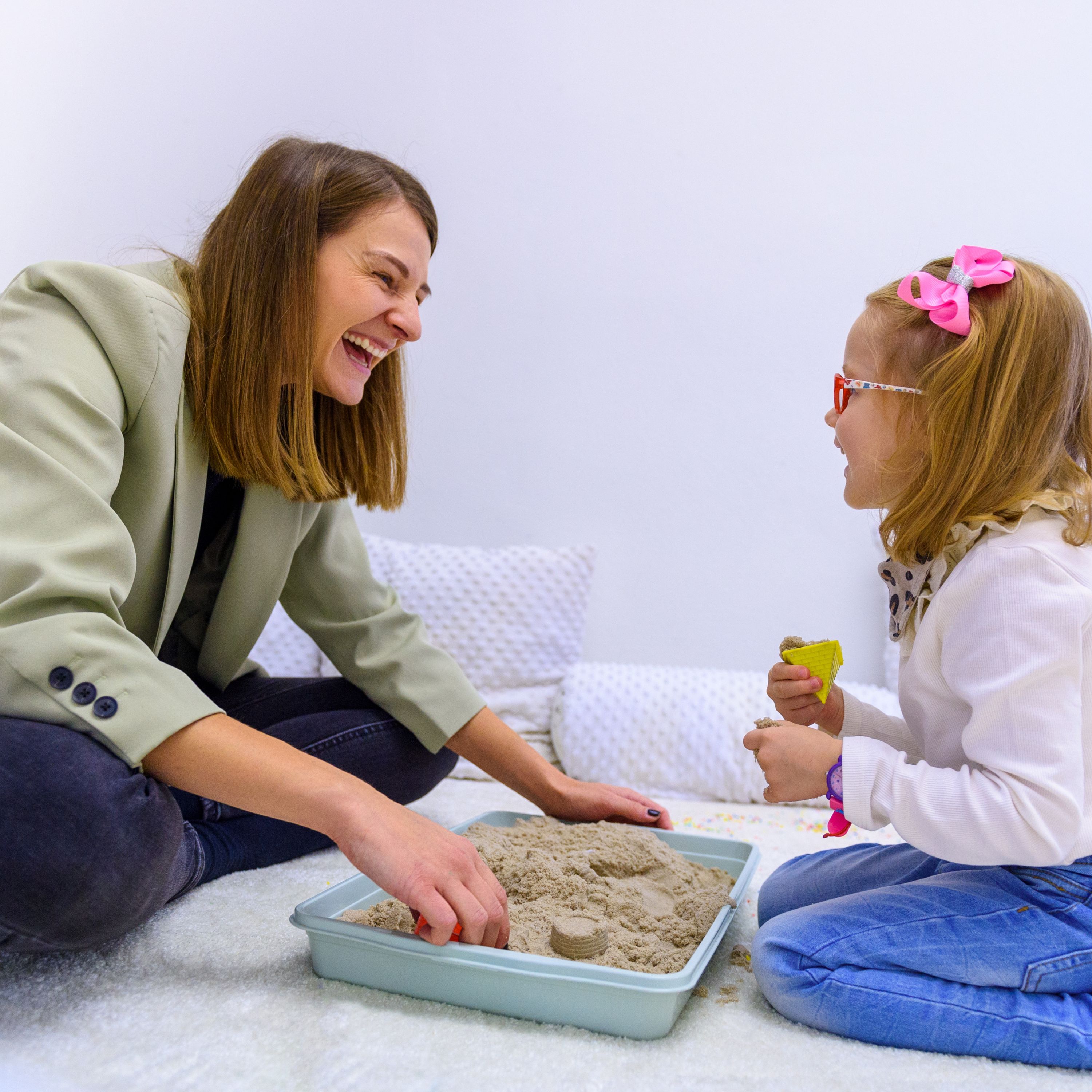
S1 Ep 180180 | The Power of You: Why Your Personality Matters in Child-Centered Play Therapy
In this episode of the Play Therapy Podcast, I continue our summer school series by diving into the eighth and final principle from Gary Landreth's "Innovations in Play Therapy." This principle focuses on establishing therapeutic limits that help children accept personal and appropriate relationship responsibility. I explore the importance of setting limits in child-centered play therapy, emphasizing how these limits provide security and safety within the therapeutic relationship. I discuss the balance between granting autonomy and setting necessary boundaries, and how this approach helps children develop self-discipline and self-control. Throughout the episode, I highlight the significance of maintaining neutrality when setting limits, the importance of being a helpful authority figure, and the critical role of the therapist's personality characteristics and interpersonal skills in building a therapeutic relationship. I conclude by reminding listeners that it's not just about techniques or materials, but about who you are as a therapist that truly makes a difference in the healing process. Episode Reference: Landreth, G. L. (Ed.). (2001). Innovations in play therapy: Issues, process, and special populations. Brunner-Routledge. Sign up for my exclusive newsletter at playtherapynow.com. Stay ahead with the latest CCPT CEU courses, personalized coaching opportunities and other opportunities you need to thrive in your CCPT practice! Ask Me Questions: Call (813) 812-5525, or email: [email protected] Brenna's CCPT Hub: https://www.playtherapynow.com CCPT Collective (online community exclusively for CCPTs): https://www.ccptcollective.com Podcast HQ: https://www.playtherapypodcast.com APT Approved Play Therapy CE courses: https://childcenteredtraining.com Twitter: @thekidcounselor https://twitter.com/thekidcounselor Facebook: https://facebook.com/playtherapypodcast Common References: Cochran, N., Nordling, W., & Cochran, J. (2010). Child-Centered Play Therapy (1st ed.). Wiley. VanFleet, R., Sywulak, A. E., & Sniscak, C. C. (2010). Child-centered play therapy. Guilford Press. Landreth, G.L. (2023). Play Therapy: The Art of the Relationship (4th ed.). Routledge. Bratton, S. C., Landreth, G. L., Kellam, T., & Blackard, S. R. (2006). Child parent relationship therapy (CPRT) treatment manual: A 10-session filial therapy model for training parents. Routledge/Taylor & Francis Group. Benedict, Helen. Themes in Play Therapy. Used with permission to Heartland Play Therapy Institute.