
Play Therapy Parenting Podcast
236 episodes — Page 4 of 5

S1 Ep 88Don't Let Disapproval Be A Lingering Voice In Your Child's Life
I came across a quote from a book that inspired this episode... "Although she hadn't seen her parents for years, it turned out that a parent's disapproval is a powerful lingering voice that shaped and defined one's self-image". So in this episode, I discuss parental disapproval, and what a child does when they experience that. I discuss unconditional love and acceptance, which is a play therapy principle. And finally the power we have as parents in a child's life Podcast HQ: https://www.playtherapyparenting.com/ My Newsletter Signup: https://www.playtherapyparenting.com/newsletter/ My Podcast Partner, Gabb Wireless: https://www.playtherapyparenting.com/gabb/ Links from this episode: Does Your Child Have At Least One Adult Who Has An Irrational, Emotional Relationship With Them?
S1 Ep 87Don't Give In To Screens!
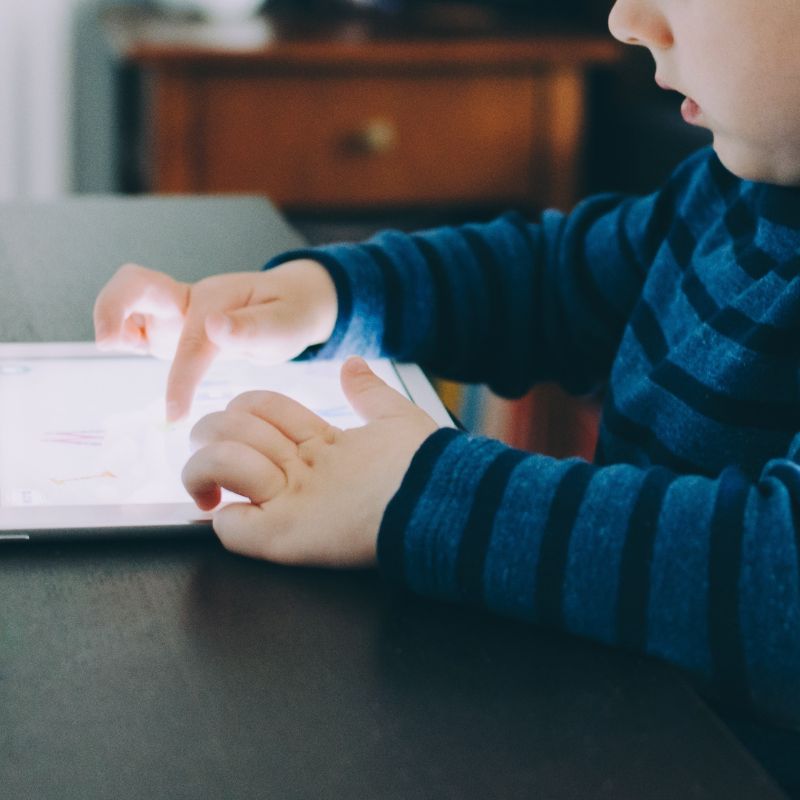
Over the weekend, I saw a disturbing scene play out while we were at a bowling ally, and it was a perfect example of what I call negative behavior reinforcement using devices. So in this episode, I share that story, then I explain the reasoning behind why negative behavior is reinforced with device use. As a bonus, I go into the addictive nature of screens from a neurobiology perspective. And finally, I share some listener feedback. Podcast HQ: https://www.playtherapyparenting.com/ My Newsletter Signup: https://www.playtherapyparenting.com/newsletter/ My Podcast Partner, Gabb Wireless: https://www.playtherapyparenting.com/gabb/ Links from this episode: Kids Bowl Free - www.kidsbowlfree.com Device Detox - www.devicedetoxbook.com

S1 Ep 86The Power Of Celebrations
In this episode, I catch you up on, and celebrate some of the things I've been involved in lately, and then I celebrate an email that I got from a Mom... She wrote me an email and it touched my heart, so I asked her if I could share it. I celebrate all of the emails and feedback that I get from you and I want you to know that I read them all and respond to all of them. So thank you for the feedback you give me and I can't express enough how much I enjoy sharing with you each week. Please email me at [email protected] with more questions and feedback. And don't forget to celebrate the relationships in your life. We have a lot to be thankful for... you don't have to look very hard to find relationships to celebrate. Podcast HQ: https://www.playtherapyparenting.com/ My Newsletter Signup: https://www.playtherapyparenting.com/newsletter/ My Podcast Partner, Gabb Wireless: https://www.playtherapyparenting.com/gabb/
S1 Ep 85"The Gratification Comes In The Doing, Not In The Results"
"The gratification comes in the doing, not in the results" - James Dean I stumbled on this quote this week and added it to my "quote book", and I realized how this ties into the play therapy concept of encouragement perfectly! In today's episode I discuss the following topics: The difference between praise vs. encouragement The use of esteem-building responses Focusing on the effort, not the outcome Podcast HQ: https://www.playtherapyparenting.com/ My Newsletter Signup: https://www.playtherapyparenting.com/newsletter/ My Podcast Partner, Gabb Wireless: https://www.playtherapyparenting.com/gabb/ Links from this episode: Praise vs. Encouragement "Encourage The Effort Rather Than Praise The Product" The "4 Pillars" of Play Therapy

S1 Ep 84It's Never Too Late To Build A Better Relationship With Your Kids
In this episode, I help a Mom that emailed me asking for help with her 15 year old son. Based on her email and my clarifying questions that she answered, I summarized many of the issues she's having into 4 areas. First, I discuss my "Parenting Prison" theory, and how we can escape from parenting the way we were parented. Second, I talk about how to get kids "un-stuck". Third, I assure this Mom that it's never too late to work on the relationship. And finally, I talk about how screens are likely affecting the child's behavior. And to help her out, as a thank you for allowing me to share her email on the podcast, I'll be sending her a link to get ALL of my online courses for free to help her build the relationship with her son. If you email me a question to [email protected], and I use your question in the episode, I'll send you the free link to all my online courses as well. Podcast HQ: https://www.playtherapyparenting.com/ My Newsletter Signup: https://www.playtherapyparenting.com/newsletter/ My Podcast Partner, Gabb Wireless: https://www.playtherapyparenting.com/gabb/ Links from this episode: What a child believes is more important that what a child knows The Parenting Prison 4 Pillars of Play Therapy Birth Order Be With Attitudes Reflecting Feelings Device Detox

S1 Ep 83Does Your Child Have At Least One Adult Who Has An Irrational, Emotional Relationship With Them?
"To develop normally, a child requires a relationship with at least one adult who has an irrational, emotional relationship with the child" - Urie Bronfenbrenner In this episode, I discuss how the development of kids is influenced by the relationships that they have, the power of acceptance of children, and the power of relationship with kids and why it's so important. Podcast HQ: https://www.playtherapyparenting.com/ My Newsletter Signup: https://www.playtherapyparenting.com/newsletter/ My Podcast Partner, Gabb Wireless: https://www.playtherapyparenting.com/gabb/ Device Detox: https://devicedetoxbook.com Links from this episode: 4 Pillars of Play Therapy episode
S1 Ep 82Teaching Kids Empathy
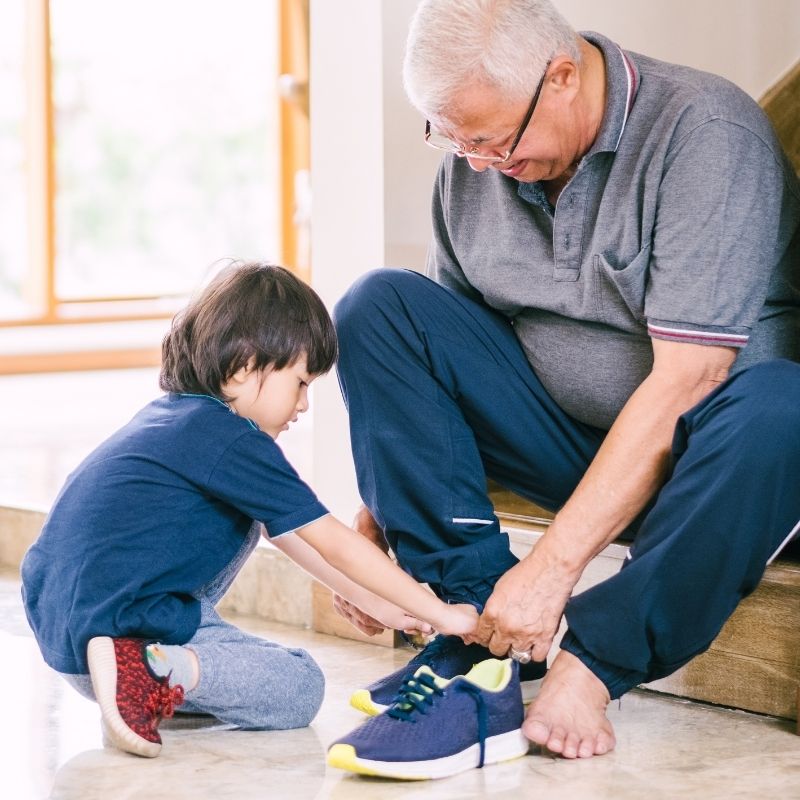
Empathy is learned. Kids aren't born with it, and they mainly learn it by observing adults displaying empathy. We want our kids to show empathy when it's appropriate. Being kind and compassionate to others is a good character trait. In this episode, I talk about how kids develop empathy, how abstract reasoning plays into empathy development, and I explain a psychology term called "other orientation". Podcast HQ: https://www.playtherapyparenting.com/ My Newsletter Signup: https://www.playtherapyparenting.com/newsletter/ My Podcast Partner, Gabb Wireless: https://www.playtherapyparenting.com/gabb/ Links from this episode: Love for our Elders: https://loveforourelders.org/

S1 Ep 81Overcoming "Mom Guilt" - Spending Time Vs. Being Fully Present
I was listening to a business podcast this week, and a successful Mom/CEO said this quote when asked how she overcomes "Mom Guilt" as she runs a multi-million dollar business, while juggling being a mom. She said "Kids don't count the hours that you're with them, but they do notice if you're present." And the truth of that quote jumped out at me, and made me take notice. I immediately related it to the Play Therapy principles, called the "Be With Attitudes," that I teach in my private parent coaching course. So I wanted to share with you some practical tips, that you can put into practice immediately, that will help you become fully present with your kids during the time you spend with them. You no longer have to feel any guilt as a mom, parent, or caregiver because your child will get intentional, quality, meaningful time with you.

S1 Ep 80Why What A Child Believes Is More Important Than What A Child Knows
Have you ever told your child something about them that you know to be true, but they just don't believe it themselves? They could be smart, athletic, funny, etc. But they may have something emotional happening that makes them believe otherwise. In this episode I share some advice about children that was given to me years ago, but impacts what I believe about kids to this day. Three points I make in this episode are: What we tell them might be true, but doesn't make it true for them The difference between the cognitive and emotional A child's view of "self" has to be developed internally Links from this episode: Gabb Wireless, safe phone for kids, Spring Promo. Use promo code "PLAY" https://playtherapyparenting.com/gabb

S1 Ep 79Discipline Is Not About "Controlling" Your Kids!
Do you often find yourself having to "step in" to control your child's behavior? In today's episode, I'm going to try to change your thinking about discipline. The goal of discipline is "self-regulation" on the part of the child. Otherwise, some children "keep pushing" until someone regulates for them. Wouldn't it be better if your child learned to self-regulate, instead of you having to regulate for them? This has dramatic implications into adulthood also. Finally, I talk about patience in parenting. We have to give time for the child to self-control, but we often don't give the child enough time. So I give you some advice on that as well.

S1 Ep 78Why Being "Vague" Is A Conversation Killer With Kids (How To Get More Than One-Word Answers)
When parents realize that kids need a different type of communication, it changes the way you interact with them. I discuss three sub-topics: kids are emotional, they do not have abstract reasoning skills yet, and how concrete "parameters" within conversations are developmentally appropriate, and will pull more than one-word answers out of your kids.

S1 Ep 77"When you focus on the problem, you lose sight of the child"
This episode continues my parenting "Rules of thumb" series [as taken from Child-Parent Relationship Therapy (Bratton & Landreth, 2019)] "When you focus on the problem, you lose sight of the child" is an important guideline to remember when dealing with parenting moments. We'll talk about how the "quick fix mentality" is not the best way to view solutions to parenting issues. I also discuss the following topics... negative vs positive framing, victim vs victor mentality, and focusing on the issue instead of the relationship.

S1 Ep 76Self-Fulfilling Prophecy
Have you heard the (true) story of the little girl that went out every morning to get the mail, and the mailman greeted her with "Hello, Miss America!" She ended up winning the Miss America pageant. We don't understand the power that words, phrases, and expressions have on people's lives unless we understand the "magic" of self-fulfilling prophecy. This is especially true of how it affects kids... in the positive AND negative! In this episode, I talk about the internal and external labels that influence self-fulfilling prophecy. Next I cover self-dialogue, and how it influences behavior. Finally, I explore how subtle expressions can influence kids, and we might not realize that it's happening.

S1 Ep 75Research Review: Chaotic households undermine children's development of executive functioning through less responsive parenting
In this episode, a research study referenced on psypost.org caught my eye and I wanted to share it and talk about how it reflects what I see in the playroom at my practice and my interaction with parents. In the research they make three points. First that executive functioning is compromised. I explain what that means and how it affects kids. Next, how parental responsiveness influences outcomes. Finally, how academic success is affected. Links from this episode: Chaotic households undermine children's development of executive functioning through less responsive parenting

S1 Ep 74"Don't Try To Change Everything At Once"
In thinking about New Year's changes, or things you want to change in this upcoming year, I want to caution you about changing too much at once! "Don't Try To Change Everything At Once" is another episode in my "Rules of Thumb" series [as taken from Child-Parent Relationship Therapy (Bratton & Landreth, 2019)]. When thinking about change in parenting or families, I often illustrate this concept using the "scales of justice". So I'll share that concept in this episode. I also talk about the "hierarchy" of change. Finally, I'll share some tips to set yourself up for success.

S1 Ep 73You Don't Know What You Don't Know
Stop beating yourself up over things that you don't know! In this episode, I go over a concept that I call the "Parenting Prison". I'll explain what that is and how to get out. Next I discuss that there is no guilt or blame in not knowing something. Our parenting is often passed down through generational cycles, so I discuss how this relates to the Parenting Prison. Finally, there is freedom in the acquisition of knowledge. Learning how to parent better is a liberating experience for you and your whole family.

S1 Ep 72Concerning Medical And Behavior Issues Emerging From Social Media Use (Especially In Teens and Girls)
I read an article that reinforces, from a medical standpoint, that social media is really harmful for our kids. A callout from the article: "Turns out the poorly regulated, 24-hour content mill of being Extremely Online is really threatening to our mental health!" I already knew this, but what is alarming is that the influences are going beyond mental health... social media (and this case, specifically TikTok videos) are affecting kids from a medical/physical standpoint. Links from this episode: https://www.buzzfeednews.com/article/tanyachen/young-women-reporting-concerning-behavioral-changes-from https://www.wsj.com/articles/teen-girls-are-developing-tics-doctors-say-tiktok-could-be-a-factor-11634389201 If you're like me and your child is begging you for a phone, but there's no way you are going to let them have an internet-connected phone, I have a compromise between you and your kids! It's called Gabb Wireless. It's essentially a "dumb" phone (that isn't a flip phone). It looks like a smart phone, but it does not have internet-connected apps. You can call, text, and take photos/videos, and not much more! My listeners can get 50% off a Gabb phone or watch by Dec. 15th if you click on the following link. https://www.playtherapyparenting.com/play or use the promo code PLAY at checkout. Stay in contact with your kids without worrying about them being on the internet unsupervised. Get a Gabb phone or watch today!

S1 Ep 71Are Schools Pushing Kids Too Far, Too Fast?
Did you have to take a career class... in middle school? Did you learn pre-algebra... in 6th grade? In this episode, I'm exploring the question: Are schools pushing kids too far, too fast? First, I read a letter from my son's school that was the spark for this episode topic. Then I talk about what I'm calling the "separation of home and state". And finally, I end with a topic that I'm calling the "content push". After you listen to this episode, I'd love to hear from you.. if you agree, or disagree. Email me at [email protected]. Links from this episode: 3 Reasons Why We Chose To Homeschool (Probably Not The Reasons You're Thinking)

S1 Ep 70Birth Order - How It Affects Your Child's Personality (w/ Focus On Only Children)
In this episode, I'm diving into Birth Order, and how that affects your children's personalities. I'm going to spend a little time on only children, in particular, but I do give an overview of first, middle, and babies of the family, so this episode has some great content if you have any number of children! My three main topics in this podcast are: the universal norms of birth order, what role-reversals, hybrids, and blends looks like and how that affects a child's personality, and then we will look at the unique subset of only children.

S1 Ep 693 Reasons Why We Chose To Homeschool (Probably Not The Reasons You're Thinking)
Increased screen use in school, homework load, and lack of time to just play. We have always monitored our son's schooling, but this year, in his transition to middle-school, my husband and I were alarmed at how school was taking over our lives. I'm not trying to convince anyone to homeschool in this episode. There's important information in this podcast for all parents... homeschoolers, those thinking about homeschool, and those not ever going to homeschool! I just want you, as a concerned and involved parent, to consider these three factors and objectively assess how school is impacting your family. Links from this episode: Finding A Balance Between Kids And Device Use "Digital Pacifiers" – Why Screen Use Is Harming, And Ruining Our Relationships With Our Kids Wake Up! Social Media is Ruining our Kids (TikTok, Snapchat, Instagram, etc.) Pediatricians should prescribe PLAY! (not meds)

S1 Ep 6810 Things Not To Say To Your Kids (A Comparison)
Do you say "Good job"? "That's what happens when..."? "If you do that again..."? I found a parents.com blog post titled "10 Things You Should Never Say to Your Kids", and I compare several of the "things" in this post to my 2011 post titled "10 Things Not To Say To Your Kids". Links from this episode: 10 Things Not to Say to Your Kids The Four "Pillars" of Play Therapy

S1 Ep 67Three Red Flags That Prove You're More Successful Than You Think (At Parenting)
Have you ever second-guessed yourself as a parent? Do you ever feel like you are not as successful as you want to be in your parenting? In this episode we look at three common "red flags" that might make you think you're failing, but are actually an indicator of success!

S1 Ep 66Parenting Styles - Why Authoritative Is The Best
Do you wonder if your parenting style is helpful or harmful to your children's long-term well being? In this episode, we look at the characteristics of the Authoritative Parenting Style, which is categorized by high levels of both demandingness and responsiveness. We discuss the characteristics of authoritative parenting, the outcomes it produces in children, and a contrast with the other parenting styles.

S1 Ep 65"I Hate My Life!" - What To Do When Your Child Says This, Or Other Shocking Things
If you have a young child between, say, 5 and 11, you've probably heard something shocking come out of their mouth like "I hate my life", or "I wish I were never born". In this episode of the podcast, I talk about how most parents respond in one of three ways. Then I discuss how to discover the emotion behind what they are saying and why that is the most important step in dealing with this. Finally, I give you a play therapy based way to respond to this that diffuses the emotions and preserves the relationship with your child.

S1 Ep 64"Parenting Hacks For 2021" - My Observations
If you follow this podcast, you know that I teach fundamentals and foundational parenting skills from a play therapy perspective. I do like to keep my "finger on the pulse" of parenting, and I search what's going on in the parenting world every so often. For a long time I have noticed that the posts that get the most attention (or at least that are at the top of search results for parenting) are "tips" and "secrets" type information. A post from Lifehacker.com made it to the top of the search results titled "16 of Our Best Parenting Hacks of 2021 So Far". After I read this post, I was happy to notice that several of these "hacks" were rooted in play therapy principles and fundamental teaching! It's nice to see that you can "hack" your parenting with play therapy!!

S1 Ep 63A "Revolutionary" Thing: Empathizing And Listening To Your Kids - A Dad's Story
In this episode, I discuss a story about a Dad that does something "revolutionary"... he tried something new to help his son's tantrums and meltdowns.

S1 Ep 62Finding A Balance Between Kids And Device Use
Are you concerned that your kids spend too much time on devices? Do you wonder if there's a happy medium between no enough and too much? In this episode of the Play Therapy Podcast, I discuss these questions, plus... The America Academy of Pediatrics (AAP) guidelines for device usage by age, How to track how much device time your child is actually getting each day, and I give you a practical tool for you use that helps your kids "earn" screen time, and helps you balance how much time they are getting.

S1 Ep 61My "Field of Dreams" Story - If I Build It, Will They Come?
In this episode I talk about my own "Field of Dreams" story. If you know me well, you'd know that I'm a huge baseball fan, and recently, the "Field of Dreams" game was played between the Yankees and White Sox played on the corn field from the movie. It reminded me that I'm in my own "Build it and they will come" moment in my life and business.

S1 Ep 60The "4 Pillars of Play Therapy" - A training presentation I gave to the 300 school and guidance counselors from the Hillsborough County School System in the Tampa, FL area.
This is a special episode of the Play Therapy Parenting Podcast. I was invited to give a training/presentation to the 300, or so, school and guidance counselors from the Hillsborough County School System on Play Therapy techniques. So during this hour training, they were exposed to the philosophies and principles of play therapy, the "4 Pillars of Play Therapy", and then some bonus topics, including the impact excessive device use is having on kids today. [parts of content taken from Child-Parent Relationship Therapy (Bratton & Landreth, 2019)] References: Cochran, N., Nordling, W., & Cochran, J. (2010). Child-Centered Play Therapy (1st ed.). Wiley. VanFleet, R., Sywulak, A. E., & Sniscak, C. C. (2010). Child-centered play therapy. Guilford Press. Landreth, G. L. (2002). Play therapy: The art of the relationship (2nd ed.). Brunner-Routledge. Bratton, S. C., Landreth, G. L., Kellam, T., & Blackard, S. R. (2006). Child parent relationship therapy (CPRT) treatment manual: A 10-session filial therapy model for training parents. Routledge/Taylor & Francis Group. Benedict, Helen. Themes in Play Therapy. Used with permission to Heartland Play Therapy Institute.

S1 Ep 59"I Wonder" Statements - How To Get Better, More Meaningful Responses From Your Kids
I wonder how often you get frustrated when your child responds with one-word answers. (See what I did there?) Using "I wonder" statements with your children is one of the greatest techniques that play therapists use to interact with kids on their emotional level to bring out meaningful responses. In this episode, I explore the topics of questions vs. statements, "if you know enough to ask a question, then you can make a statement". and finally, the importance of keeping kids in their hearts.

S1 Ep 58"I Love My Kids, But I Don't Like Parenting"
In this episode, I comment on a blog post I saw on todaysparent.com that I couldn't ignore. "I love my kids, but I don't like parenting—and I know I'm not alone". So I'll unpack my thoughts on that by first exploring my opinion that many parents may feel like this because they are not properly equipped. Second, I explore how our reality as parents and our expectations as parents might be too divergent, and this is what's causing some parents to experience these feelings.

S1 Ep 57"Encourage The Effort Rather Than Praise The Product"
This is a continuation of the "Rules of Thumb" series [as taken from Child-Parent Relationship Therapy (Bratton & Landreth, 2019)] "Encourage the effort rather than praise the product". Encouragement is probably the most important tool in your parenting toolbox even though you probably don't use it! In this episode I talk about the difference between praise vs. encouragement, the difference between outcome vs effort, and internal vs. external motivation. Learning to encourage instead of praise is instrumental in raising self-motivated, and self-empowered children that have high self-esteem. References: Cochran, N., Nordling, W., & Cochran, J. (2010). Child-Centered Play Therapy (1st ed.). Wiley. VanFleet, R., Sywulak, A. E., & Sniscak, C. C. (2010). Child-centered play therapy. Guilford Press. Landreth, G. L. (2002). Play therapy: The art of the relationship (2nd ed.). Brunner-Routledge. Bratton, S. C., Landreth, G. L., Kellam, T., & Blackard, S. R. (2006). Child parent relationship therapy (CPRT) treatment manual: A 10-session filial therapy model for training parents. Routledge/Taylor & Francis Group. Benedict, Helen. Themes in Play Therapy. Used with permission to Heartland Play Therapy Institute.

S1 Ep 56"Never Do For a Child That Which They Can Do For Themselves"
You will never know what your child is capable of unless you allow them to try! I know it's hard to watch your child struggle with something, like opening lids on a jar, or tying their shoes, or trying to pack and lug around their sports bag, but did you know that when you constantly do things for your kids, you might be "programming" them for "learned incompetence" or "learned helplessness". This is in contrast to your child positively learning that they can do things for themselves, they just need to build their competence and confidence to do so, and you can help them by letting them "struggle" a little bit. So as long as they are at the age where it's appropriate for them to do that task, such as tying their own shoes at 5, or carrying their own baseball bag at 8, then you help them build their confidence and skills to handle their own problems in the future, instead of being in a state of perpetual helplessness. In this episode, I unpack all of these points as we dive into the Rule of Thumb from the CPRT training, "Never do for a child that which they can do for themselves". [as taken from Child-Parent Relationship Therapy (Bratton & Landreth, 2019)] References: Cochran, N., Nordling, W., & Cochran, J. (2010). Child-Centered Play Therapy (1st ed.). Wiley. VanFleet, R., Sywulak, A. E., & Sniscak, C. C. (2010). Child-centered play therapy. Guilford Press. Landreth, G. L. (2002). Play therapy: The art of the relationship (2nd ed.). Brunner-Routledge. Bratton, S. C., Landreth, G. L., Kellam, T., & Blackard, S. R. (2006). Child parent relationship therapy (CPRT) treatment manual: A 10-session filial therapy model for training parents. Routledge/Taylor & Francis Group. Benedict, Helen. Themes in Play Therapy. Used with permission to Heartland Play Therapy Institute.

S1 Ep 55Adding Structure to your Summer Prevents Behavior Issues
We are a month into summer... are your kids driving you nuts? It could be that you need to add some structure back into your kids lives to prevent behavior issues. In this episode, I talk to you about the importance of structure and schedule in kid's lives, I give you a quick tip for the top 3 causes of behavior problems, and finally, why summer scheduling and structure is important for adults also. The path to calm, confident, and in-control parenting starts now!

S1 Ep 54"You can't give away what you do not possess." - How can you extend acceptance to your child if you don't extend it to yourself?
This is a continuation of the "Rules of Thumb" series from the Child-Parent Relationship Therapy curriculum, which is the core training used in my In-Home Play Therapy program. "You can't give away what you do not possess." is a reminder that you need to be good to yourself as a parent, in order to grant patience, acceptance, and grace to your kids. References: Cochran, N., Nordling, W., & Cochran, J. (2010). Child-Centered Play Therapy (1st ed.). Wiley. VanFleet, R., Sywulak, A. E., & Sniscak, C. C. (2010). Child-centered play therapy. Guilford Press. Landreth, G. L. (2002). Play therapy: The art of the relationship (2nd ed.). Brunner-Routledge. Bratton, S. C., Landreth, G. L., Kellam, T., & Blackard, S. R. (2006). Child parent relationship therapy (CPRT) treatment manual: A 10-session filial therapy model for training parents. Routledge/Taylor & Francis Group. Benedict, Helen. Themes in Play Therapy. Used with permission to Heartland Play Therapy Institute.

S1 Ep 53"Digital Pacifiers" - Why Screen Use Is Harming, And Ruining Our Relationships With Our Kids
Another Memorial Day weekend observation... I couldn't believe how many families were at our hotel (poolside, restaurant, lobby, etc.) all ignoring each other, with their faces glued to their "Digital Pacifiers!" The use by both adults and children was alarming. We need to be aware of how much screen time our children have, and realize how badly it is damaging the relationship we have with our kids. We also need to educate ourselves that psychologists, psychiatrists, and neuro-biologists are hired by these gaming companies, specifically to make devices, games and social media MORE ADDICTIVE. Finally, start being aware that as kids use more devices, diagnoses for anxiety is increasing dramatically. As a result, the prescribing of anxiety medication for kids has increased astronomically. We're also starting to see specialized facilities for "detoxing" off devices springing up nationwide. Device overuse in kids is spiking at an alarming rate, and if we don't start educating ourselves about the dangers, and making changes in our families, we are going to see generations of kids that are anxious, socially isolated, and addicted.
S1 Ep 52Why Reasoning Doesn't Work with Kids
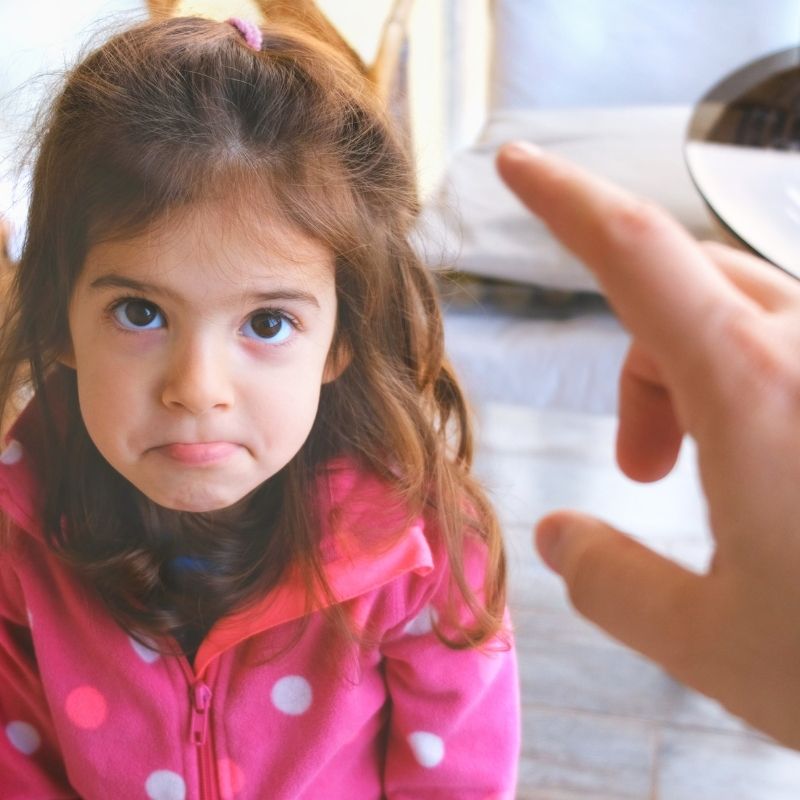
While my family was on a weekend getaway over Memorial Day weekend, I couldn't help but do some people watching while I was sitting by the pool, reading a book. I witnessed a perfect example of why it's futile to reason with a kid (a 4 year old, at that!) In this episode, I explore this concept of kids not having reasoning skills, how trying to reason with them often escalates the situation, and how a different tactic in responding to a child can completely change the outcome of what would normally be a frustrating situation. The path to calm, confident, and in-control parenting starts here!

S1 Ep 51"What's most important may not be what you do, but what you do after what you did!"
"We are certain to make mistakes, but we can recover. It is how we handle our mistakes that makes the difference." This is such a great rule-of-thumb from the Child-Parent Relationship Therapy training that is the curriculum in my In-Home Play Therapy program. In this episode I talk about how if your relationship with your kids is broken somehow, that you need to fix it. When you do, you are modeling for your kids how to handle these situations. And finally, this rule of thumb teaches our kids ownership of their behavior. - The path to calm, confident, and in-control parenting start now! References: Cochran, N., Nordling, W., & Cochran, J. (2010). Child-Centered Play Therapy (1st ed.). Wiley. VanFleet, R., Sywulak, A. E., & Sniscak, C. C. (2010). Child-centered play therapy. Guilford Press. Landreth, G. L. (2002). Play therapy: The art of the relationship (2nd ed.). Brunner-Routledge. Bratton, S. C., Landreth, G. L., Kellam, T., & Blackard, S. R. (2006). Child parent relationship therapy (CPRT) treatment manual: A 10-session filial therapy model for training parents. Routledge/Taylor & Francis Group. Benedict, Helen. Themes in Play Therapy. Used with permission to Heartland Play Therapy Institute.

S1 Ep 50The Parenting Journey - 50th Episode Celebration!
This is my 50th episode! I'm so grateful to my podcast listeners. In this episode, I'm looking back on my week's observation of the "Parenting Journey". Parenting is full of ups and downs, but we are all united in a goal of being the best parent we can be. We want happy kids and a happy family, and I'm honored that you spend time with me and that I'm a small part of your parenting journey.

S1 Ep 49"Focus on the Donut, Not the Hole"
One of the most important things we can do for our kids to cherish the relationship that we have with them. In this episode, I talk about a Rule of Thumb from the Child-Parent Relationship Training, "Focus on the Donut, Not the Hole." We look at the importance of putting our attention on the good that exists already, spending the time necessary to build the connection, and why the relationship leads to the results that you want. References: Cochran, N., Nordling, W., & Cochran, J. (2010). Child-Centered Play Therapy (1st ed.). Wiley. VanFleet, R., Sywulak, A. E., & Sniscak, C. C. (2010). Child-centered play therapy. Guilford Press. Landreth, G. L. (2002). Play therapy: The art of the relationship (2nd ed.). Brunner-Routledge. Bratton, S. C., Landreth, G. L., Kellam, T., & Blackard, S. R. (2006). Child parent relationship therapy (CPRT) treatment manual: A 10-session filial therapy model for training parents. Routledge/Taylor & Francis Group. Benedict, Helen. Themes in Play Therapy. Used with permission to Heartland Play Therapy Institute.

S1 Ep 48Natural Consequences of Behavior
In this episode of the podcast, I talk about the natural consequence of child behavior. There are three points that I'd like to share with you regarding natural consequences. The first is that children are not rational. Next is that the natural consequence is different than discipline or punishment. Finally, when a child is given the opportunity to deal with the natural consequence of their behavior, they develop self control, self regulation and self responsibility.

S1 Ep 47"When a child is drowning, don't try to teach them to swim"
One of the "Rules of Thumb" that we teach you in the In-Home Play Therapy program is this concept of "When a child is drowning, don't try to teach them to swim." In this podcast, I discuss why it is so important to remember that children don't have abstract reasoning skill until starting about 12. So "teaching a lesson" in the middle of an emotional moment for your child is absolutely futile... you need to meet them in their emotion to de-escalate the situation. References: Cochran, N., Nordling, W., & Cochran, J. (2010). Child-Centered Play Therapy (1st ed.). Wiley. VanFleet, R., Sywulak, A. E., & Sniscak, C. C. (2010). Child-centered play therapy. Guilford Press. Landreth, G. L. (2002). Play therapy: The art of the relationship (2nd ed.). Brunner-Routledge. Bratton, S. C., Landreth, G. L., Kellam, T., & Blackard, S. R. (2006). Child parent relationship therapy (CPRT) treatment manual: A 10-session filial therapy model for training parents. Routledge/Taylor & Francis Group. Benedict, Helen. Themes in Play Therapy. Used with permission to Heartland Play Therapy Institute.

S1 Ep 46The Four Universal Outcomes of Play Therapy
We all know that therapy is beneficial and that positive change is associated with the process. But what can you count on in terms of areas of growth when a child participates in play therapy? There are four universal outcomes of play therapy, regardless of what the child is dealing with when they begin. In this episode, I unpack each of the four outcomes and help you understand why growth in these areas are so beneficial for kids and their futures.

S1 Ep 45Play Therapy (spaghetti) vs. Talk Therapy (waffles) : A Comparison
Often people assume that if talk therapy works with adults, it should work with kids, too. But have you ever asked your child a question about how they feel or why they did something and gotten, "I don't know" or a blank stare with a shrug? In this episode, I talk about how adults compartmentalize their lives into boxes. But children feel everything and their lives are a big tangle of emotions. I also explain how play therapy principles make sense to a child who isn't rational or logical. You will finally understand why kids need a different approach to dealing with their issues.

S1 Ep 44Wake Up! Social Media is Ruining our Kids (TikTok, Snapchat, Instagram, etc.)
Do you know what your kids are doing on social media? Do you REALLY know? I work with a lot of pre-teens and teens every week, with debilitating personal issues. One of the common threads I see is social media use. If you really care about your kids, it's time to stop being passive, and start taking a more active role in supervising what your kids are doing on their devices.

S1 Ep 43Cutting: What You Need to Know as a Parent
Cutting: What You Need to Know as a Parent. Why kids are doing it. How they are finding out about it. How they are hiding it. How they are sharing it. What you can do about it.

S1 Ep 42Anxiety: The Untold Epidemic of 2021 Kids
You probably haven't heard many people talking about how badly our kids are absorbing the "adult response to the coronavirus". No one is really addressing it. The phones at my office are ringing off the hook with desperate parents trying to get help for their anxious kids. In this podcast, I talk about the problem, share three examples of what anxiety does to kids, and how you can effectively respond to your child, if you see the signs.

S1 Ep 41One Way Kids Bridge the Gap Between Their Actual Self and Their Ideal Self
Often one of the underlying causes of emotional and behavioral struggles is that who the child wants to be (their "ideal self") is very different from who they are (their "actual self"). In this podcast exclusive, I share what happens in the playroom when a child is ready to bridge the gap between their actual and ideal self.

S1 Ep 40How Angry Emotions Mask Deeper Feelings
Parents are often concerned when children express angry or aggressive behavior. In this podcast exclusive I discuss how parents can recognize the deeper emotions driving the angry, aggressive behavior. Once you understand why kids default to anger, you will be able to respond in a way that helps them express their vulnerability and develop an emotional vocabulary.

S1 Ep 39Lessons on Consistency and Hard Work Paying Off (Applied to Parenting)
Have you ever wondered if all the work you put into learning how to be a good parent is paying off? Have you noticed that the more consistent you are with applying your parenting skills, that you surprise yourself by how well you handle behavior situations with your kids? In this episode, I tell the story about how I noticed a parallel between something I have been personally training for, and how consistency and hard work pays off in your parenting.