Plant People
34 episodes
Kelp with Dr. April Ridlon
Cycads with Dr. Dennis Stevenson
Giant Water Lilies with Brie Langley & Vanessa Callahan
Cacao with Professor Pathmanathan Umaharan
Pawpaws with Anya Stansell
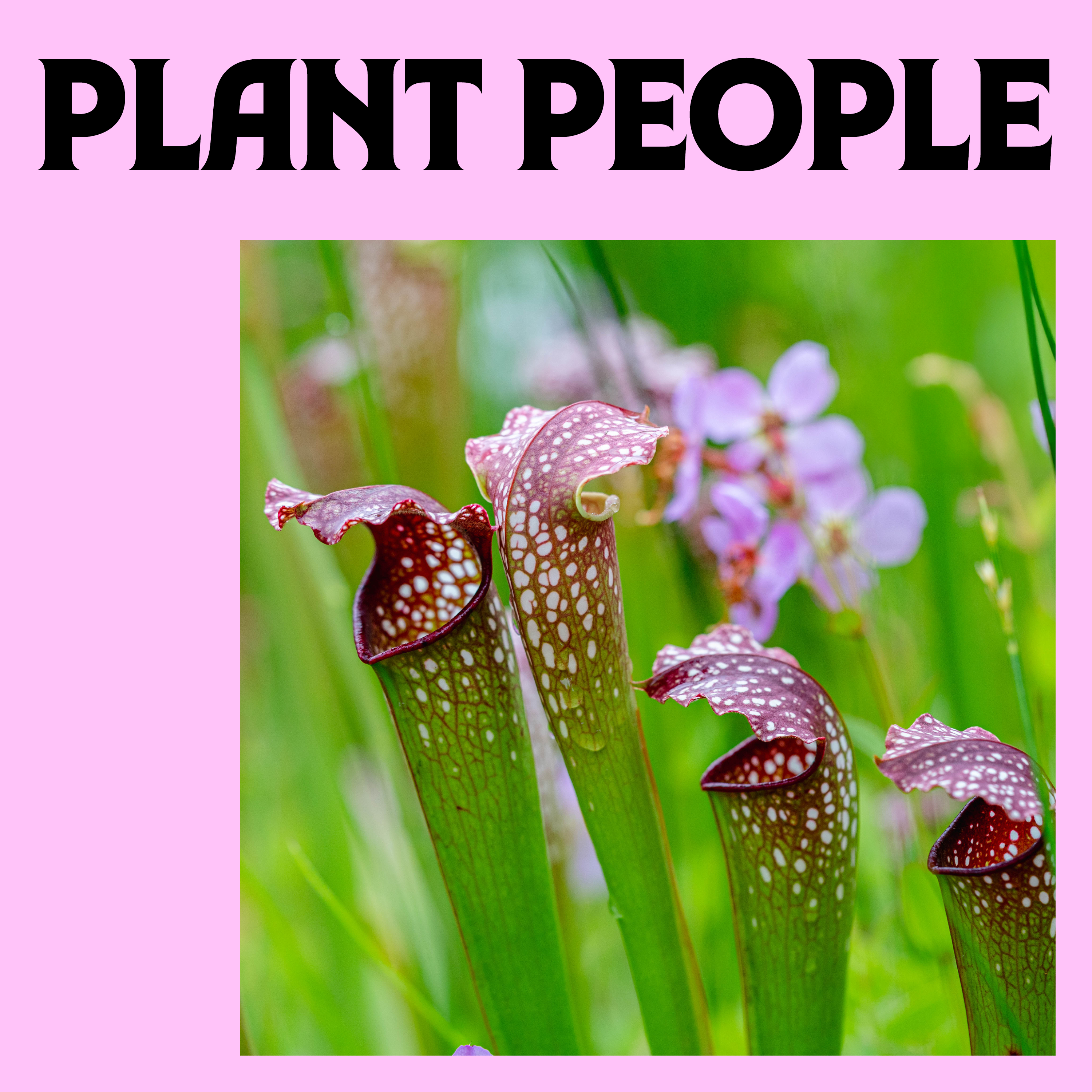
S3 Ep 5Pitcher Plants with Dr. Rob Naczi
In this episode, we’re joined by Dr. Rob Naczi, Arthur J. Cronquist Curator of North American Botany at the New York Botanical Garden. Listen in as he and host Jennifer Bernstein, NYBG President and CEO, discuss pitcher plants—carnivorous plants with unique leaves that function as traps for insects. They might look exotic, but there’s even a species native to New York. In summer, you can find them growing alongside the boardwalk here in the Native Plant Garden! Come explore why these important plants still have much to teach us, and the environmental threats they currently face.
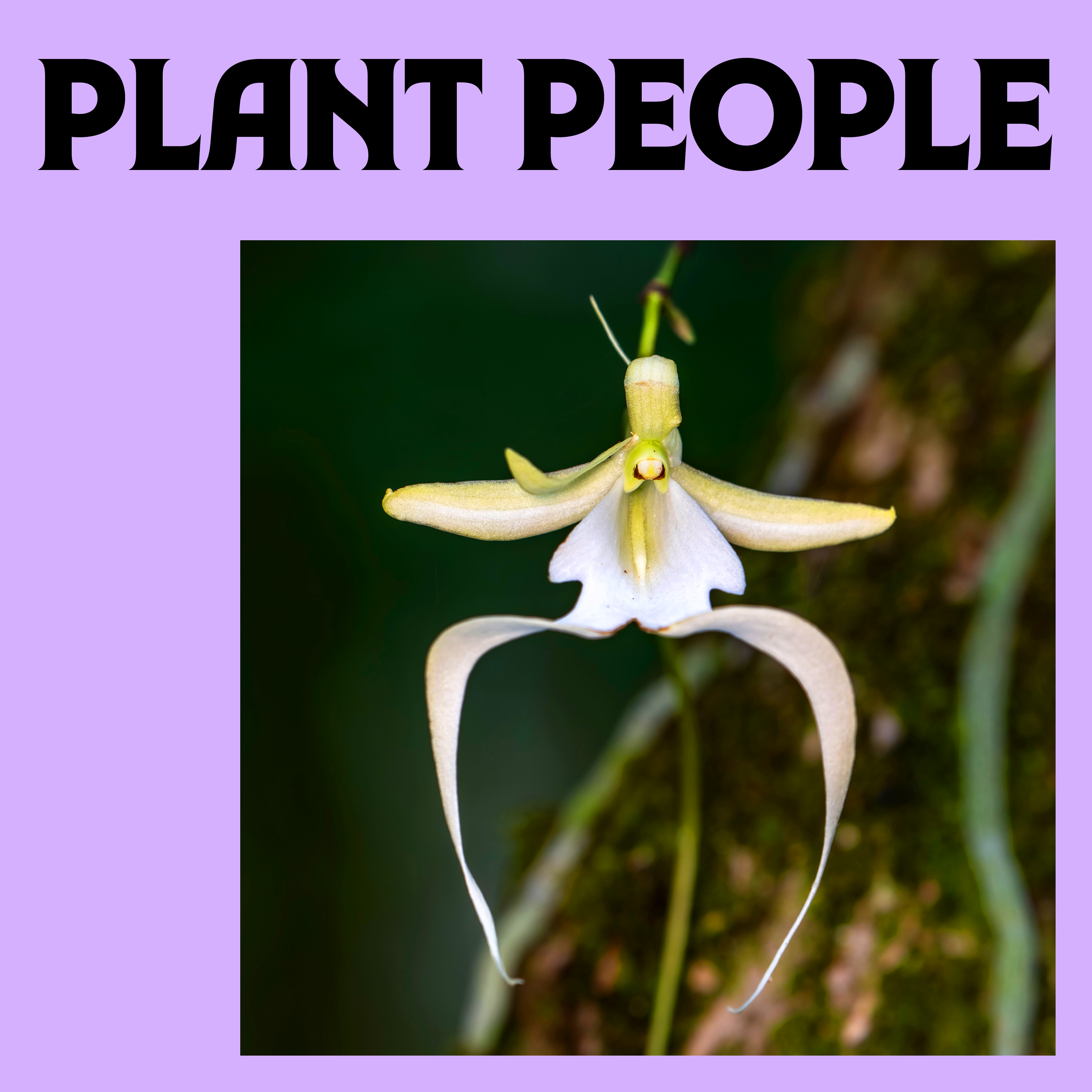
S3 Ep 4Ghost Orchid with Dr. Melissa Abdo
In this episode we’re joined by Dr. Melissa Abdo, a Floridian whose work in conservation has brought her face to face with countless captivating yet threatened plants in the swamps of the southeast—including the ghost orchid. Long coveted by poachers, and central to the plot of author Susan Orlean’s bestselling book, The Orchid Thief, this ethereal flower faces an uncertain future, inspiring calls for its protection under the Endangered Species Act. Join us as we dive into this orchid’s story, one of passion and even obsession.
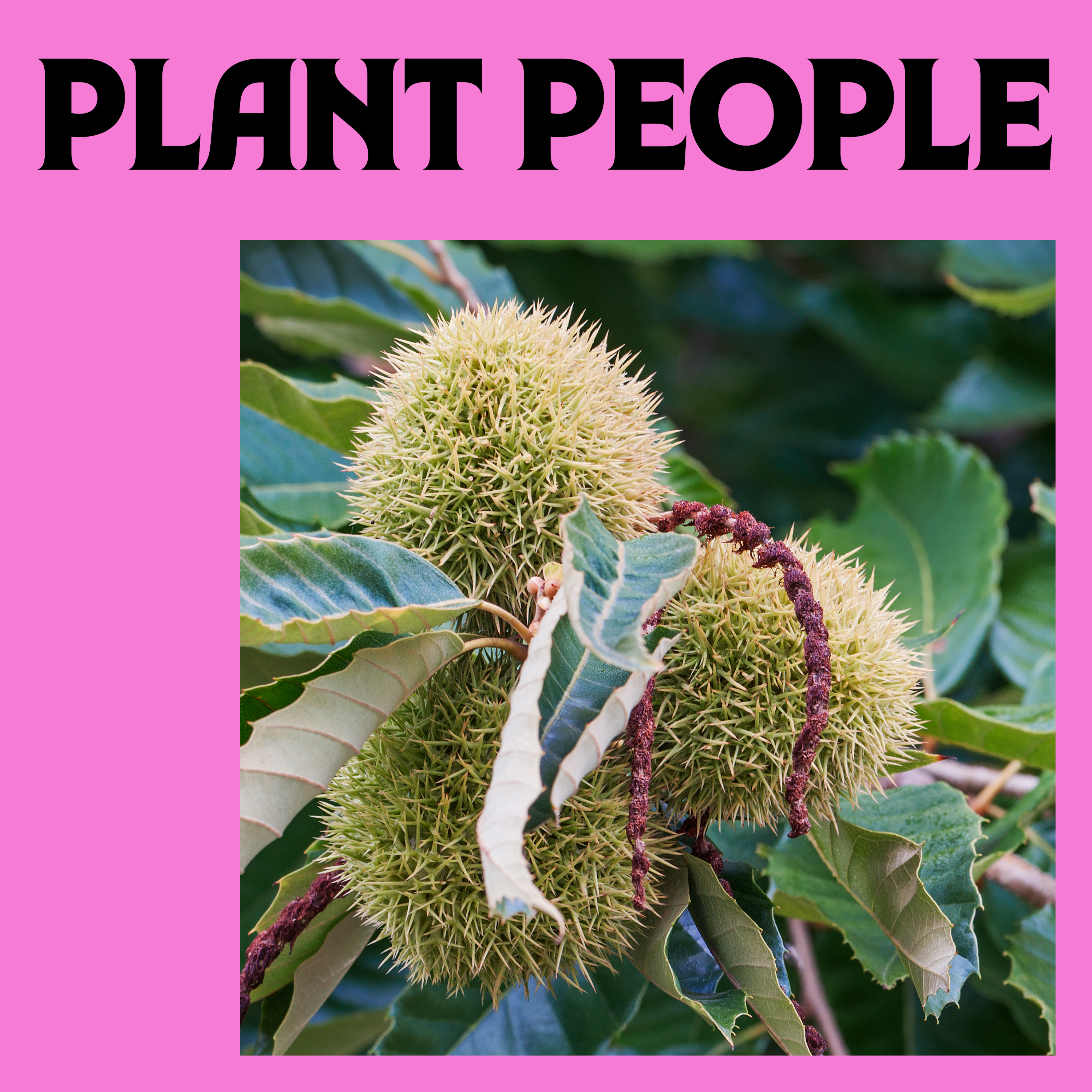
S3 Ep 3The American Chestnut with Michael Goergen
In this week’s episode of Plant People, Michael Goergen of The American Chestnut Foundation joins us to discuss the tragic history—and hopeful future—of one of North America’s most iconic trees.In the early 20th century, chestnut blight arrived in North America, a parasitic fungus that went on to kill an estimated four billion American chestnut trees. But more than a century later, work is underway to cultivate a chestnut tree that can resist the fungus—and thrive doing it.
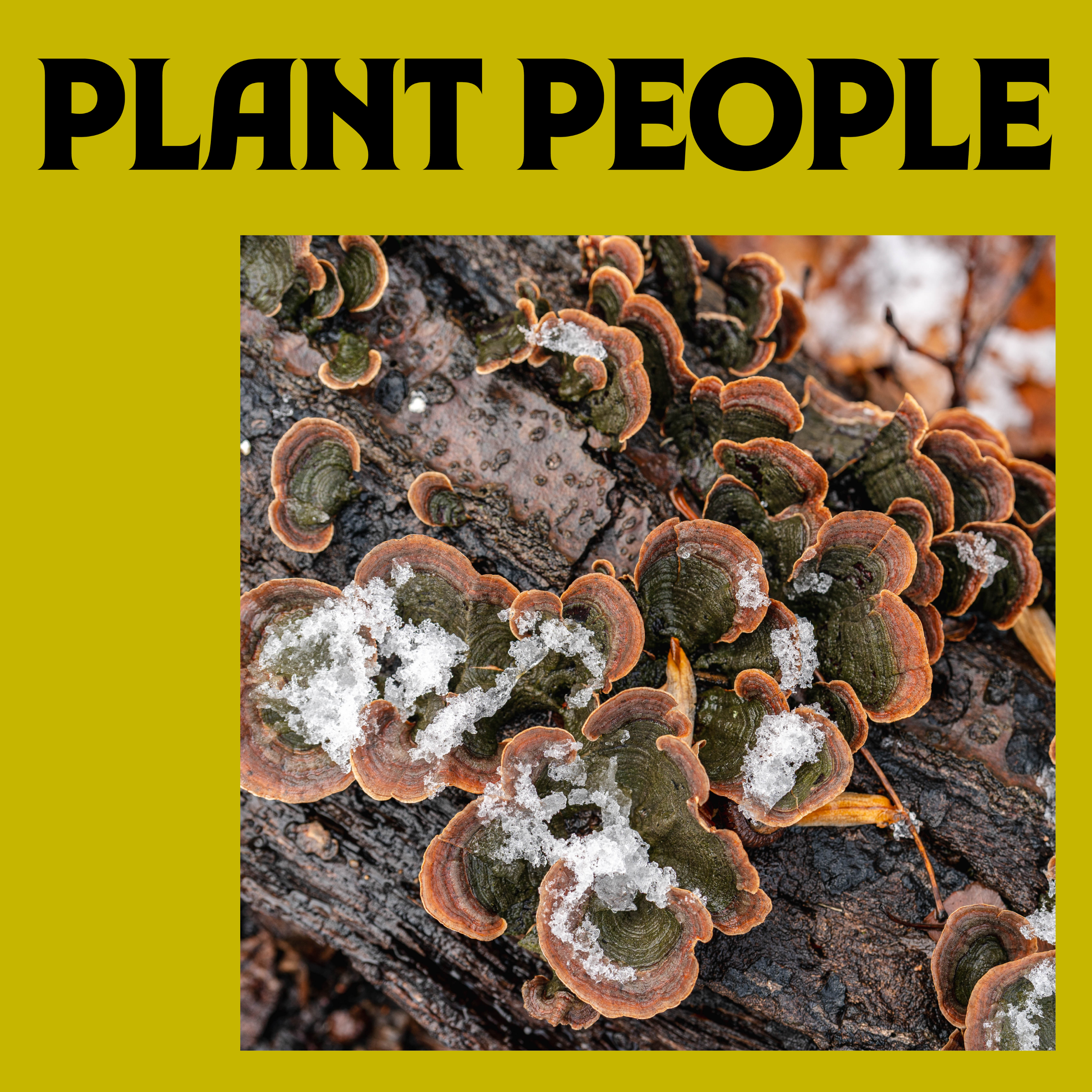
S3 Ep 2Turkey Tail Fungi with Eugenia Bone
In this episode, we’re joined by amateur mycologist, food and nature writer, and NYBG instructor Eugenia Bone to revisit the world of fungi—the not-quite-plant, not-quite-animal lifeforms that keep our planet’s biological processes churning. And as researchers continue to find, mushrooms can benefit our own human processes, too. Listen in as Bone and host Jennifer Bernstein, NYBG CEO & President, explore the ways that species like turkey tail can help our bodies fend off disease, and the promising scientific studies investigating psychedelics.
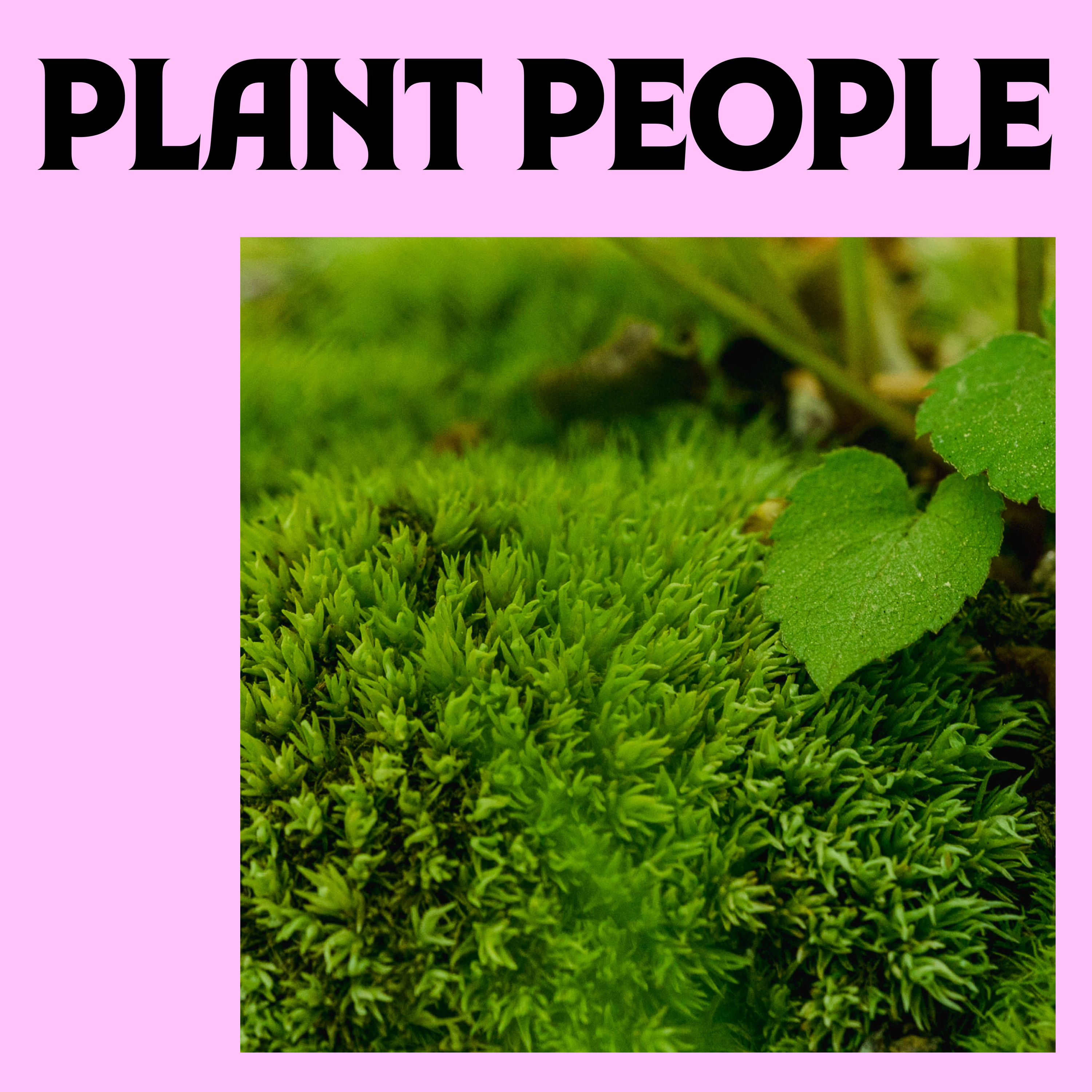
S3 Ep 1Moss with Robin Wall Kimmerer
Have you ever stopped to admire a patch of green moss—really gotten up close and SEEN the tiny forest of plantlife in all its complexity? For the first episode of Plant People Season 3, we’re doing just that. Today we’re joined by botanist and best-selling author Robin Wall Kimmerer, who sees moss and other up-close experiences in nature as the doorway to greater curiosity about our world. In today's episode, Kimmerer and host Jennifer Bernstein, NYBG CEO & President, explore the things ancient plantlife can teach us about surviving and truly thriving as people.
Plant People Season 3 Trailer
trailerFrom the tallest chestnut trees to the strangest pitcher plants, the botanical world is FULL of fascinating stories. And this season on Plant People—the third for NYBG’s award-winning podcast—we’re doing a deep dive on a different plant each episode.Tune in every other week starting February 2 as Jennifer Bernstein, the Garden’s CEO and President, joins authors, scientists, and other experts to explore the lives of particularly unique plants on our planet.
Special feature from the Smithsonian's Sidedoor podcast: "King of the Herbs"
While Plant People is between seasons, we have a special episode, "King of the Herbs", from our friends at the Smithsonian's Sidedoor podcast: It’s a wild herb that countless cultures have used for centuries as a wonder drug to cure any ailment. It's so rare and valuable that it’s been dug to extinction nearly everywhere, except a small area of the United States. This time on Sidedoor, we go searching for the elusive wild American ginseng—and find that scientists, conservationists, and criminals are also on the hunt.
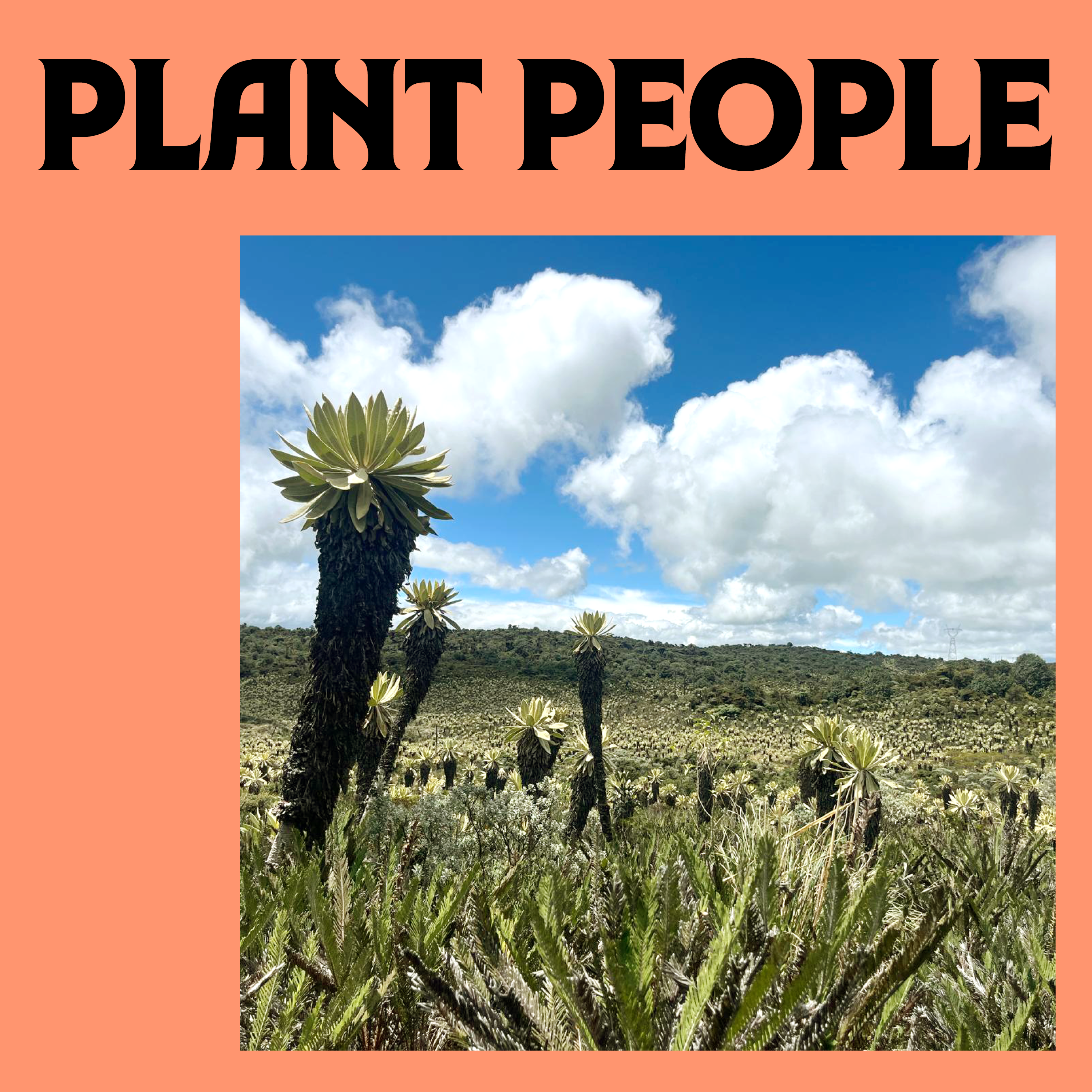
S2 Ep 10Ecotourism: Inspiring a Plant-Powered Economy
We’re wrapping up Season 2 with NYBG’s Chief Science Officer, Mauricio Díazgranados, Ph.D., who discusses how engaging with nature through travel makes us more inclined to protect it—and the ways that tourism can actually help our planet. As an avid adventurer and botanist who has worked all around the world, Dr. Diazgranados knows how vital it is to make exploration both sustainable and economically beneficial. Here he walks us through his vision for the bioeconomy, where the world’s biodiversity hotspots become opportunities for ecotourism, enhancing the lives of local communities while funding the conservation of our planet’s irreplaceable flora and fauna.
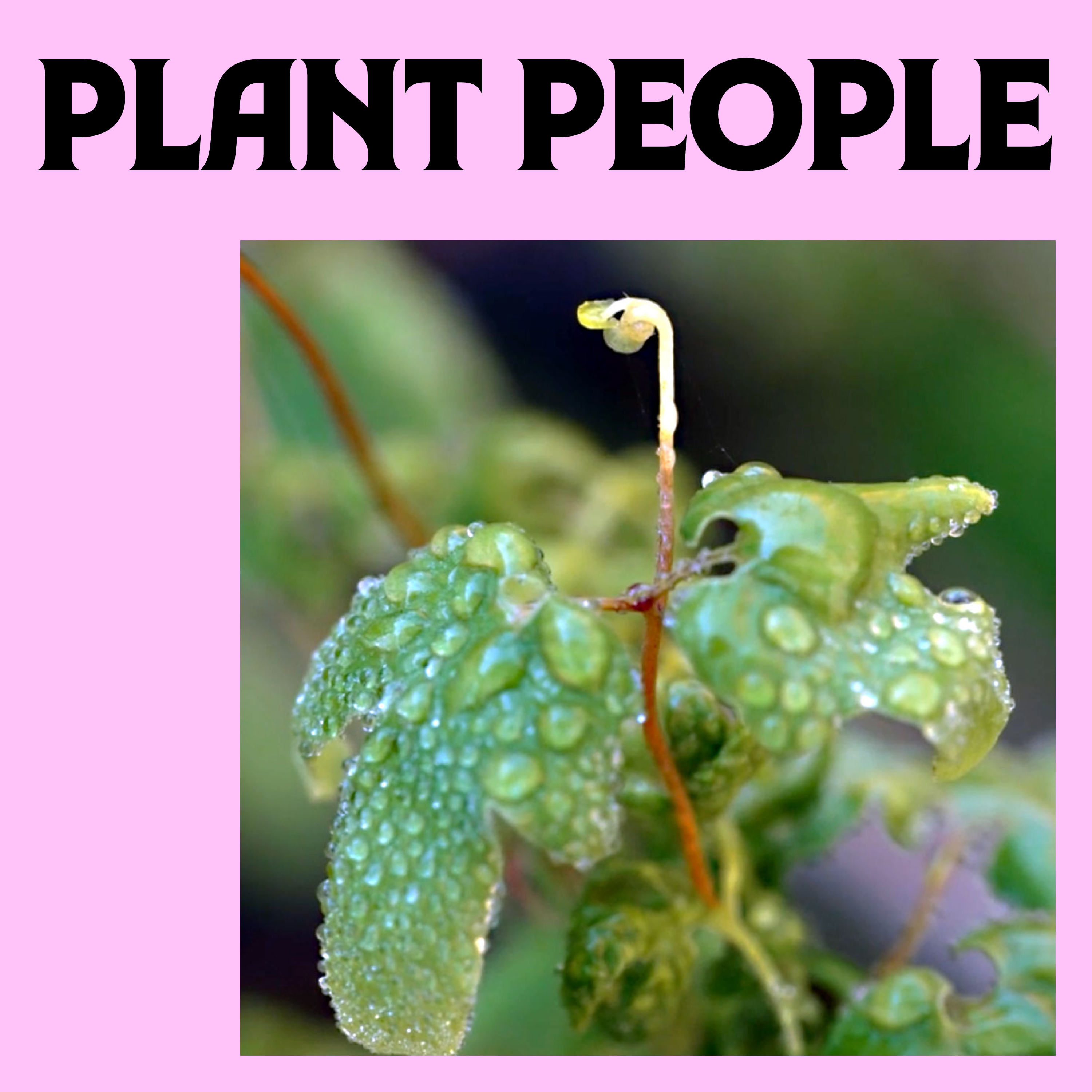
S2 Ep 9Let's Botanize
In today’s episode, we’re proving that botany is for everyone—yes, even you! We’re joined by Jacob Suissa, Ph.D., and Ben Goulet-Scott, Ph.D., botanists and founders of Let’s Botanize, a nonprofit dedicated to making plant science fun and accessible. Using social media, they share everything from practical foraging to plant identification—making it not only educational, but also exciting and easy to understand. We’ll discuss their book, learn how to dig into botany (especially for beginners!) and acknowledge why it’s important to democratize plant science—for the health of people and the planet.
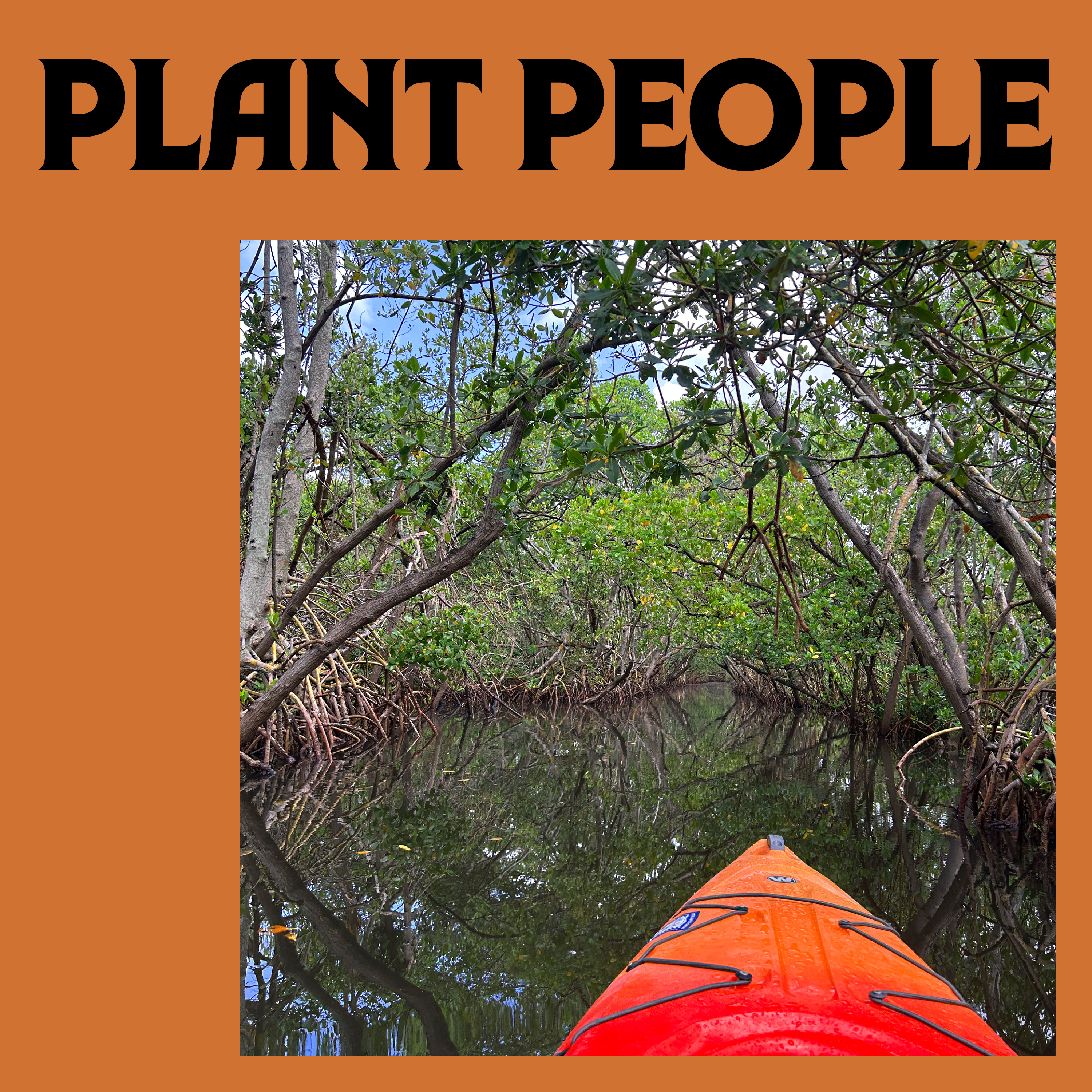
S2 Ep 8Mangroves: Earth's Coastal Caretakers
This week we’re getting right to the root of our coastlines—particularly the roots of mangrove forests, some of the most crucial and vulnerable ecosystems on Earth. Listen in as Dr. Brad Oberle, Associate Curator at NYBG’s Center for Conservation and Restoration Ecology, shares what makes these oceanside forests so important, from their role in carbon sequestration to fighting coastal erosion and providing habitat for marine animals. Dr. Oberle has worked around the world in an effort to restore these forests, and it’s to the benefit of each and every one of us that they continue to thrive.
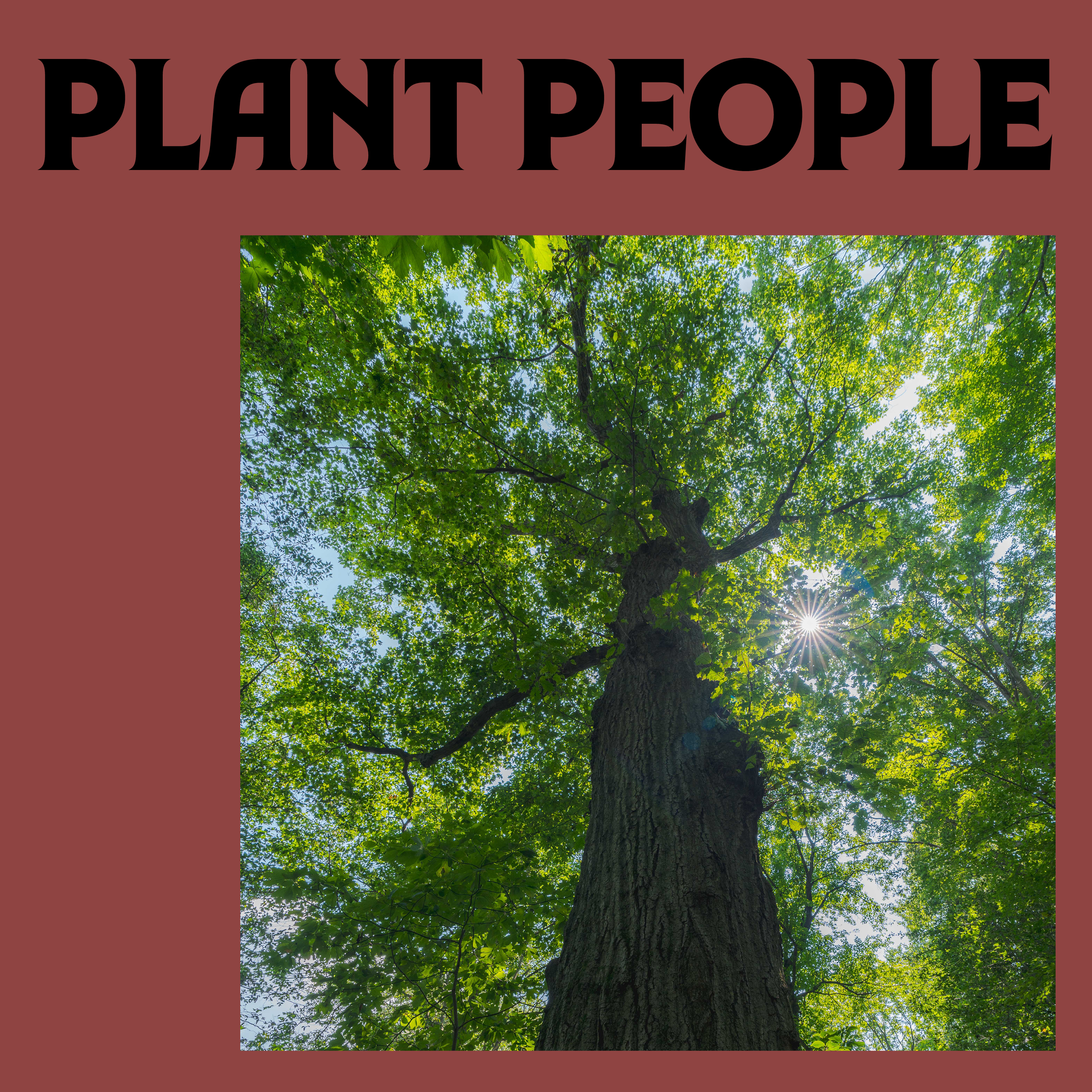
S2 Ep 7The Tree Collectors
Listen in as we talk about a niche and noble hobby: tree collecting. Author Amy Stewart joins us to discuss her newest book, The Tree Collectors: Tales of Arboreal Obsession, which profiles 50 different tree aficionados ranging from scientists cataloging rare species, to families preserving their heritage, and conservationists fighting to reforest their land. Their stories shed light on both the cultural and environmental necessity of trees—and how climate change, policy shifts, and financial barriers are all hindering their protection. Stick around for insights into the ways these collectors are benefiting biodiversity, and what roles you can play in the effort.
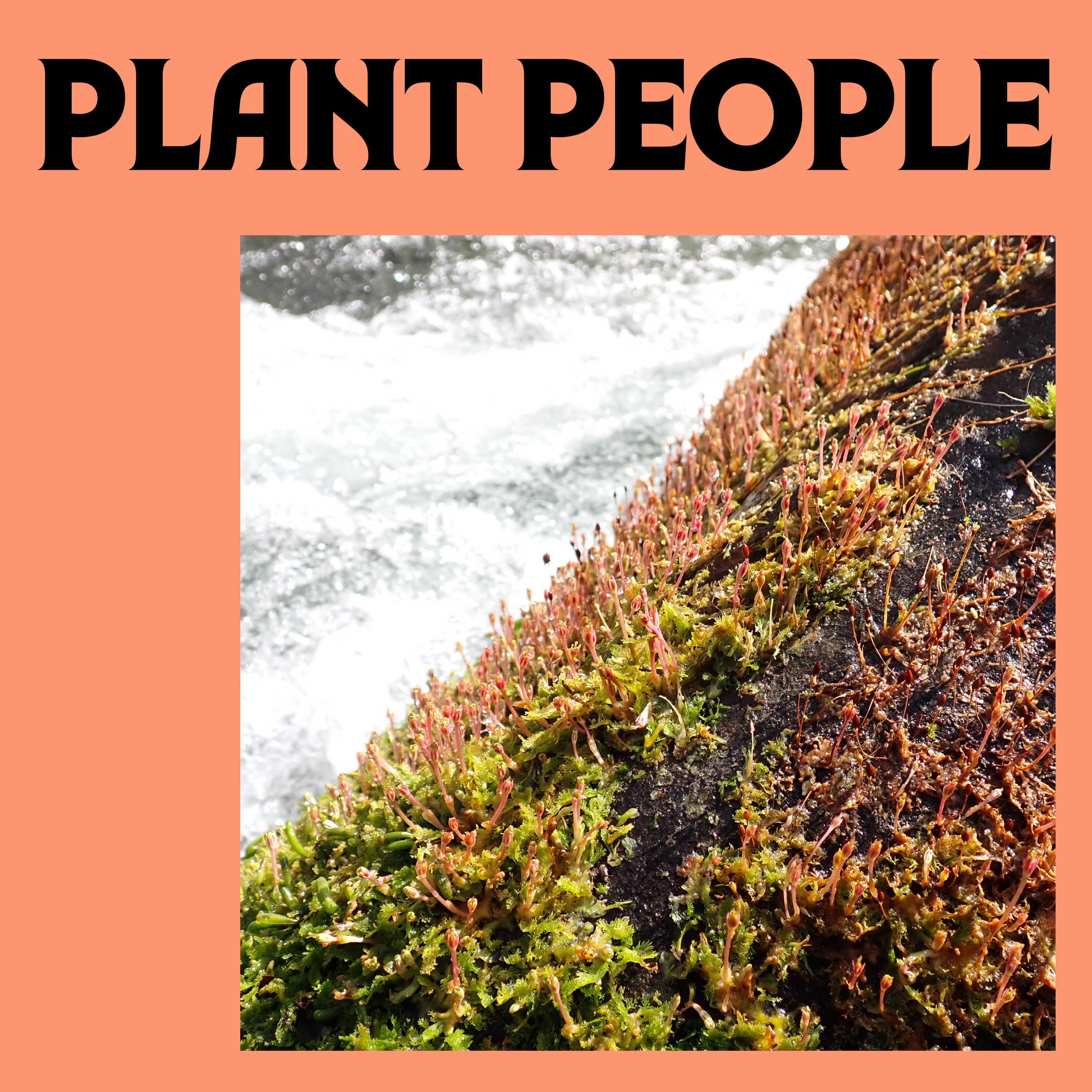
S2 Ep 6Extreme Botany
In this week’s episode, we’re joined by NYBG Assistant Curator Ana María Bedoya, Ph.D., whose career as a scientist takes her on many a wild adventure. She spends much of her time tracking down aquatic plants that live in some of the harshest conditions, including steep cliffs, river rapids, and tumbling waterfalls—a practice Bedoya likes to call “extreme botany.” Listen in as we discuss her research in the wilderness of South America, the reasons many aquatic plants are especially vulnerable to climate change, and her journeys getting her feet wet (literally) in Earth’s most extreme ecosystems.
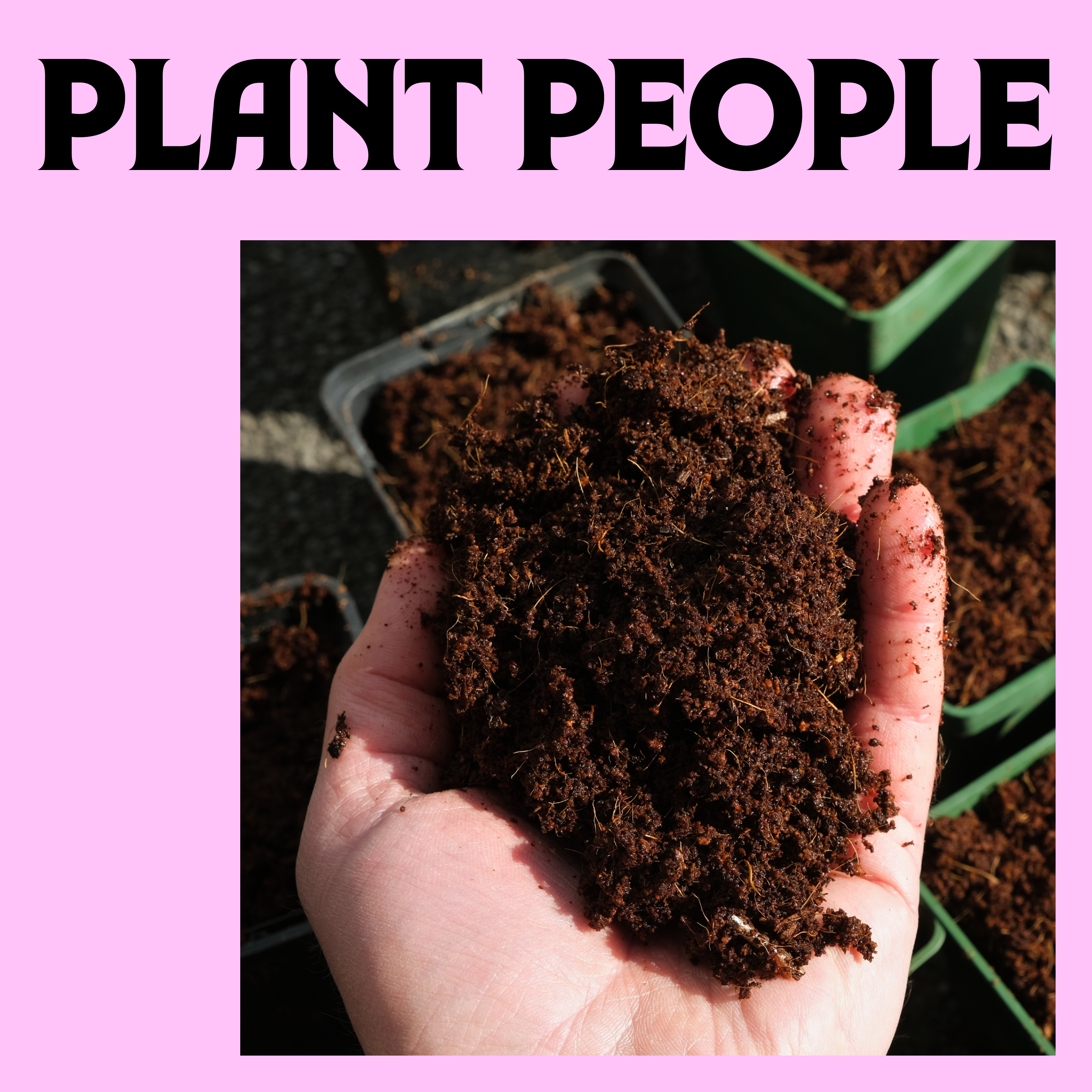
S2 Ep 5Moving Past Peat
In this week’s episode, we discuss the future of horticulture—and the simple, sustainable changes that can help the planet heal. Come join Chad Massura, founder of Rosy Soil, and Kurt Morrell, VP of Horticulture Operations at NYBG, for a chat about the importance of peat-free soil for a carbon-neutral world. Massura shares the story behind potting products like his that move beyond the extractive model of the peat industry, while Morrell elaborates on eco-friendly practices in horticulture. You’ll leave the conversation with a new tactic in hand to make your own garden greener!
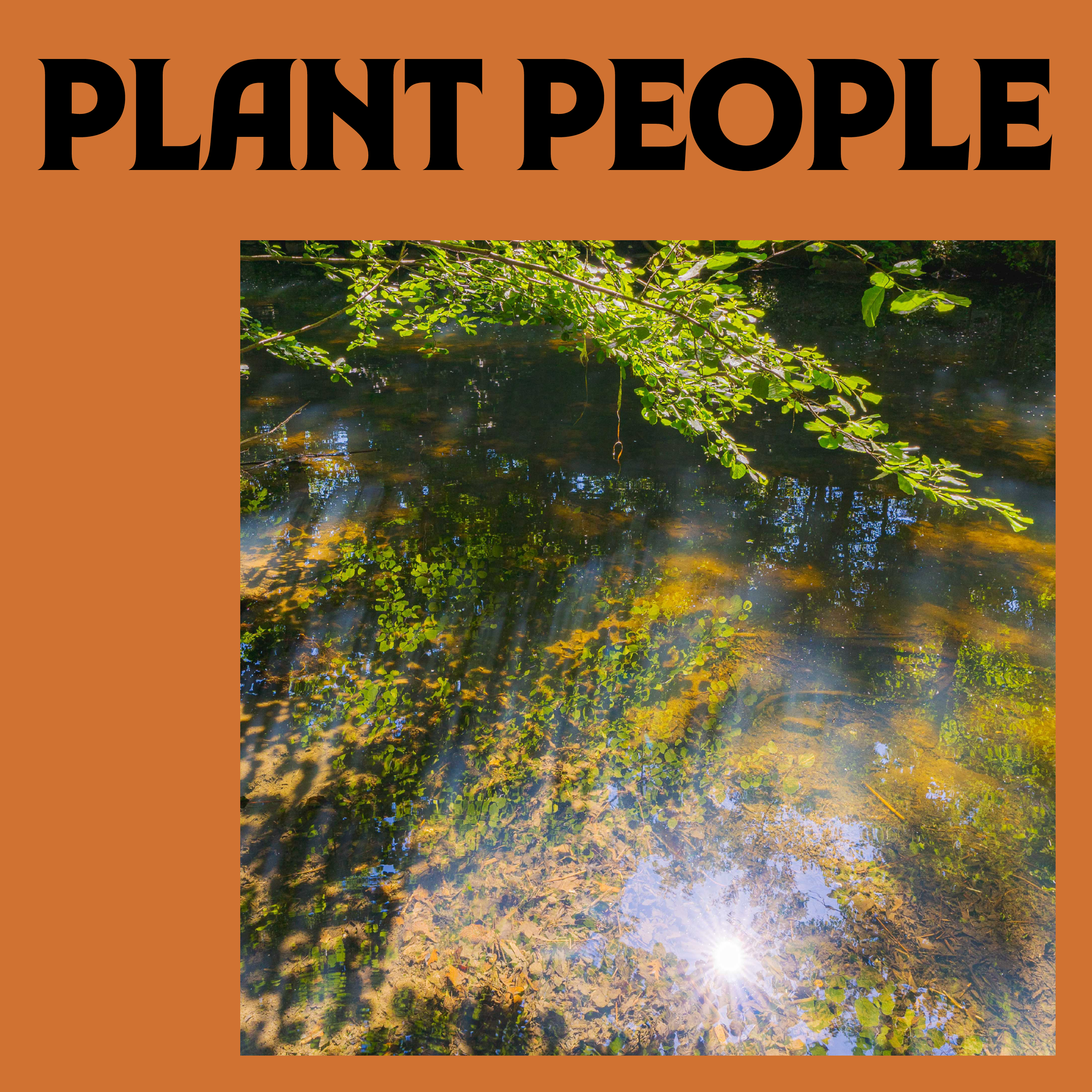
S2 Ep 4A River Runs Through The Bronx
In this episode we’re joined by Todd Forrest, NYBG’s Vice President for Horticulture and Living Collections, who turns our attention to the Bronx River—NYC’s only freshwater river and one of the highlights of the Garden’s landscape. He’ll talk us through the River’s redemption arc: from its former state as an “open sewer,” to its renewal as a hotspot for plants, animals, and the local community. We’ll discover how the Bronx River Watershed is ecologically important not only to the Garden, but to The Bronx itself—and the City at large.
S2 Ep 3Sowing Change
Acclaimed author and poet Camille Dungy joins us this week to explore the intersection of nature, identity, and systemic change. With insight from her latest book, SOIL: The Story of a Black Mother’s Garden, Dungy shares her view of gardening as another form of storytelling. Listen in as we talk about environmental advocacy and stewardship—and the ways nature and narrative are more intertwined than you might think.
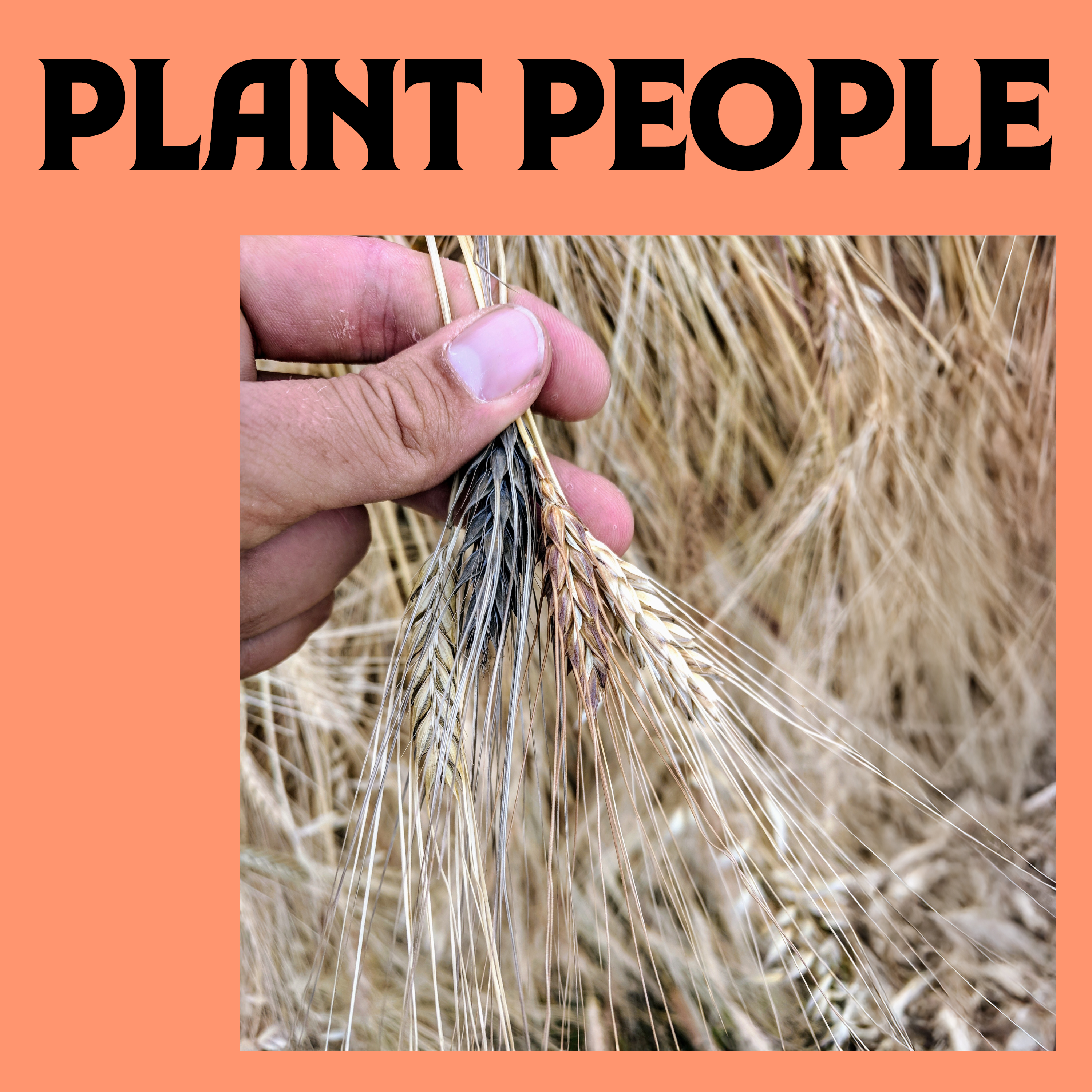
S2 Ep 2The Periodic Table of Food
Join Dr. Alex McAlvay, Assistant Curator at NYBG’s Center for Plants, People, and Culture, and Dr. John de la Parra, Director of the Global Food Portfolio at the Rockefeller Foundation, as they chat about the problems in modern agriculture (like monocrops!) that are threatening our food security worldwide. Together, they'll share some of the ways that historical farming methods might help solve these problems, diversifying our daily menu and making our food system more resilient against climate change.
S2 Ep 1Paradise Bronx
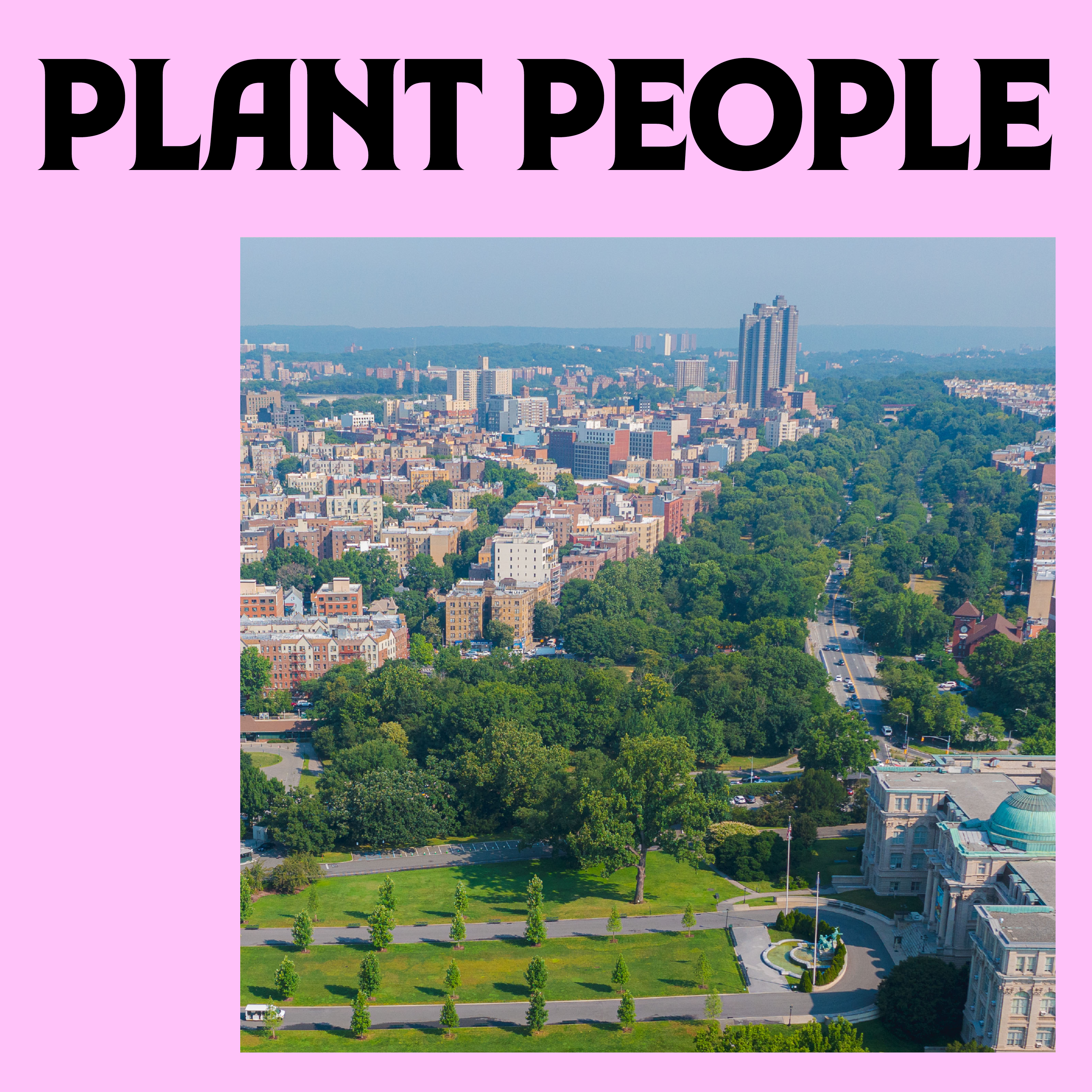
In the first episode of Season 2, we explore the resilience and creativity of the Bronx through the eyes of acclaimed author Ian Frazier, whose new book—Paradise Bronx: The Life & Times of New York’s Greatest Borough—is an ode to the City’s greenest and most diverse borough. Frazier’s love for the neighborhoods of the Bronx introduces us to a rich history of rebuilding and revitalization driven by the people who call it home, even as the borough grew and evolved around institutions like the New York Botanical Garden, which was first established in the 1890s.Through Ian’s perspective, we’ll navigate the Bronx’s complex past, from its historical landscapes and development, to environmental and municipal neglect—and its incredible bounce-back efforts over the decades.
Plant People Season 2 Trailer
trailerAre you a plant person? If you’re not quite sure, we can help get you there—with Season 2 of Plant People, dropping March 10! After an award-winning first season for NYBG’s podcast about the ways plants and people help each other thrive, we’re BACK with an all-new season of in-depth talks featuring gardeners, authors, scientists, and activists. Jump back in with NYBG President Jennifer Bernstein as she dives deep into topics like global food security, gardening as resistance, extreme botany in the world’s most challenging environments—and of course, NYC’s greenest borough, The Bronx.
S1 Ep 10Decay is an Ally
In our final episode of the season, we sit down with Merlin Sheldrake, biologist and author of Entangled Life: How Fungi Make Our Worlds, Change Our Minds, and Shape Our Futures, to talk fungi. Mushrooms are a culinary sensation, but they’re also lifeforms that we’re still trying to understand. Join in as we learn how the grim work of fungi—death, decay, and “the end” of organic life—is key to the survival of all living things, and far from a foraging fad, mycology is at the root of Earth’s ability to function.
S1 Ep 9The African American Garden
In this week’s episode, we’re joined by renowned culinary historian, author, and NYBG Trustee Dr. Jessica B. Harris, curator of the African American Garden at NYBG. Over the last three years, this important collection has used plants to tell the stories of migration, dispossession, and reclamation that inform so much of the African American experience—and define much of what American cuisine is today. As we take a stroll through the space, come hear about the ways the African diaspora has, over the course of more than 500 years, transformed the Western Hemisphere with its cultures, labor, and agricultural know-how.
S1 Ep 8Eating To Extinction
We’re joined by renowned food journalist, author, and broadcaster Dan Saladino, who's been a host on the BBC’s Radio 4 show The Food Programme for almost 20 years. Recently, he published Eating to Extinction, which explores humankind’s relationship with food, including the world’s most uncommon bites and the communities that produce them—from rare cider apples on the brink of extinction to the vanishing Old Cornish cauliflower, and a variety of Indigenous plant-based edibles from around the world that many have never experienced. Together we’ll look at how stories of endangered plant cuisines have inspired Saladino throughout his career, and discuss the future of food security—and how the preservation of these endangered eats is integral to the health of our planet and humanity at large.
S1 Ep 7Native Plants
In this week’s episode, we catch up with Doug Tallamy, Professor of Agriculture & Natural Resources at the University of Delaware. As an expert in their Department of Entomology and Wildlife Ecology, he knows a thing or two about the benefits of planting natives, and feeding the birds and the bees is high on the list. Find out how healthy ecosystems rely on these plants to thrive, and how the home garden is just the start.
S1 Ep 6What Do Plants Have To Do With Flooding?
In episode 6, NYBG’s VP of Urban Conservation, Dr. Eric Sanderson, takes us on a quick trip around the landscape of New York City—both today and in the distant past. He’ll get into the sudden rise of catastrophic floods worldwide, and how our relationship with plants centuries ago is impacting our situation right now. Then we talk solutions, ecosystem restoration, and the ways that the future of fighting floods will rely on the well-being of plant life.
S1 Ep 5Houseplants
In episode 5, we cover the surge in home horticulture spurred by the pandemic, with apartment dwellers and homeowners all over the country—and indeed the world—filling their homes with greenery at a time when almost everyone was stuck indoors. NYBG’s Marc Hachadourian, Senior Curator of Orchids and Director of Glasshouse Horticulture, joins us for a chat on the ways conservatory and botanical garden horticulture have influenced our day-to-day lives with plants, from popularizing certain species of houseplants to their impact on cultivation and care. We’ll also discuss the other side of this sudden leap in everyone’s passion for houseplants, including wild plant poaching and the conservation efforts being made to stop it. Guest: Marc Hachadourian
S1 Ep 4Invasive Plants
Dr. Evelyn Beaury joins us for a look at the state of invasive plant species in the United States, which threats are greatest to the well-being of our native ecosystems, and how changing climates and land-use patterns can expedite the spread of invasive species. From knotweed in the northeast U.S. to kudzu in the south and cheatgrass in the west, hear how these species can overwhelm native plants and habitats—and discover ways that each of us can make a difference to stop them. Guest: Dr. Evelyn Beaury
S1 Ep 3Fighting Fire With Fire
Michael Dockry, Assistant Professor of Forestry Studies at the University of Minnesota and a member of the Citizen Potawatomi Nation, explores the state of our forests—and the increased threat of wildfires in today’s climate. Then we dig into the ways that traditional means of forestry, from controlled burns to carefully considered cutting, provides the knowledge we need to tackle this problem if only we acknowledge its value.Guest: Michael Dockry
S1 Ep 2Better Lawns
We're joined by landscape designer Edwina von Gal, founder of Perfect Earth Project, for a chat exploring America's love of grass, its historic roots as a ubiquitious plant, and von Gal's advocacy for toxin-free landscaping. Dig into the ways that changing our relationship to our lawns can help our gardens work harder as part of the solution to our most pressing environmental challenges. We'll examine lawn alternatives, the "Bee Lawn" and "No Mow May" movements, and some of the other ways we can turn suburban America's landscapes into a force for the good of our planet.Guest: Edwina von Gal
S1 Ep 1The Importance of Collections
Take an in-depth look at how NYBG has championed the natural world for over 130 years by caring for its unique and historic collections — together with Dr. Emily Sessa, Director of the William and Lynda Steere Herbarium, and Rhonda Evans, Director of the LuEsther T. Mertz Library.We’re first joined by Library Director Rhonda Evans for an exploration of the world-renowned Mertz Library, where she digs into the ways that a botanical literature archive like this is incredibly important for our understanding of plants and environmental health, past, present, and future. She goes into the highlights of our collection, how we’re growing it, and takes a peek into our book restoration and conservation lab.Next, Emily Sessa takes us inside NYBG’s Steere Herbarium and its miraculous collections to share what our herbarium specialists do, and why studying the past through collections like these is key to protecting the future of biodiversity on Earth. The hidden stories of various herbarium specimens will come to life, to help listeners orient themselves amidst the centuries-old act of collecting, documenting and studying plant specimens.
Plant People Season One Trailer
trailerAt the crossroads of plants, people, and the planet, Plant People, from the New York Botanical Garden, connects the dots between the natural world and our own well-being. Through lively stories and conversations with scientists, gardeners, artists, and explorers, we dig into the many ways we rely on plants to thrive—and what we can do to return the favor for the ecosystems that sustain us.Join host Jennifer Bernstein as she explores humanity’s relationship with plants, greening our cities and communities, and how NYBG is working toward a bright and botanical future for all. Listen and subscribe to Plant People, out every two weeks starting May 20, 2024.