Plant People
Plants need people. People need plants.
New York Botanical Garden
Show overview
Plant People has been publishing since 2024, and across the 2 years since has built a catalogue of 34 episodes, alongside 3 trailers or bonus episodes. That works out to roughly 15 hours of audio in total. Releases follow a monthly cadence, with the show now in its 3rd season.
Episodes typically run twenty to thirty-five minutes — most land between 26 min and 34 min — and the run-time is fairly consistent across the catalogue. None of the episodes are flagged explicit by the publisher. It is catalogued as a EN-language Science show.
There hasn’t been a new episode in the last ninety days; the most recent episode landed 4 months ago. Published by New York Botanical Garden.
From the publisher
Plant People explores the ways our relationships with plants are tied to current environmental issues, and how art and culture reflect our connection to the ecosystems we rely on to thrive. Through lively stories and conversations with scientists, gardeners, artists, and experts, join the New York Botanical Garden (NYBG) for deep dives into everything from food systems and horticulture to botanical breakthroughs in the lab and the field, and the many ways our daily lives are sustained by plants. Then stay for discussions on how we can return the favor, protecting what we have—and cultivating what we need—to ensure plants and people continue to support each other for future generations. Host Jennifer Bernstein, NYBG’s President & CEO, guides you through the role of humans in caring for our shared planet, whether you’re in your backyard garden, tending a window sill full of houseplants, or finding your love of nature in a concrete jungle. Let NYBG—rooted in NYC’s cultural fabric for over 130 years and a beloved respite in the heart of the Bronx, the city’s greenest borough—be your anchor for understanding how plants make a difference in your life, and our world, every single day—in ways both big and small.
Latest Episodes
View all 34 episodesKelp with Dr. April Ridlon
Cycads with Dr. Dennis Stevenson
Giant Water Lilies with Brie Langley & Vanessa Callahan
Cacao with Professor Pathmanathan Umaharan
Pawpaws with Anya Stansell
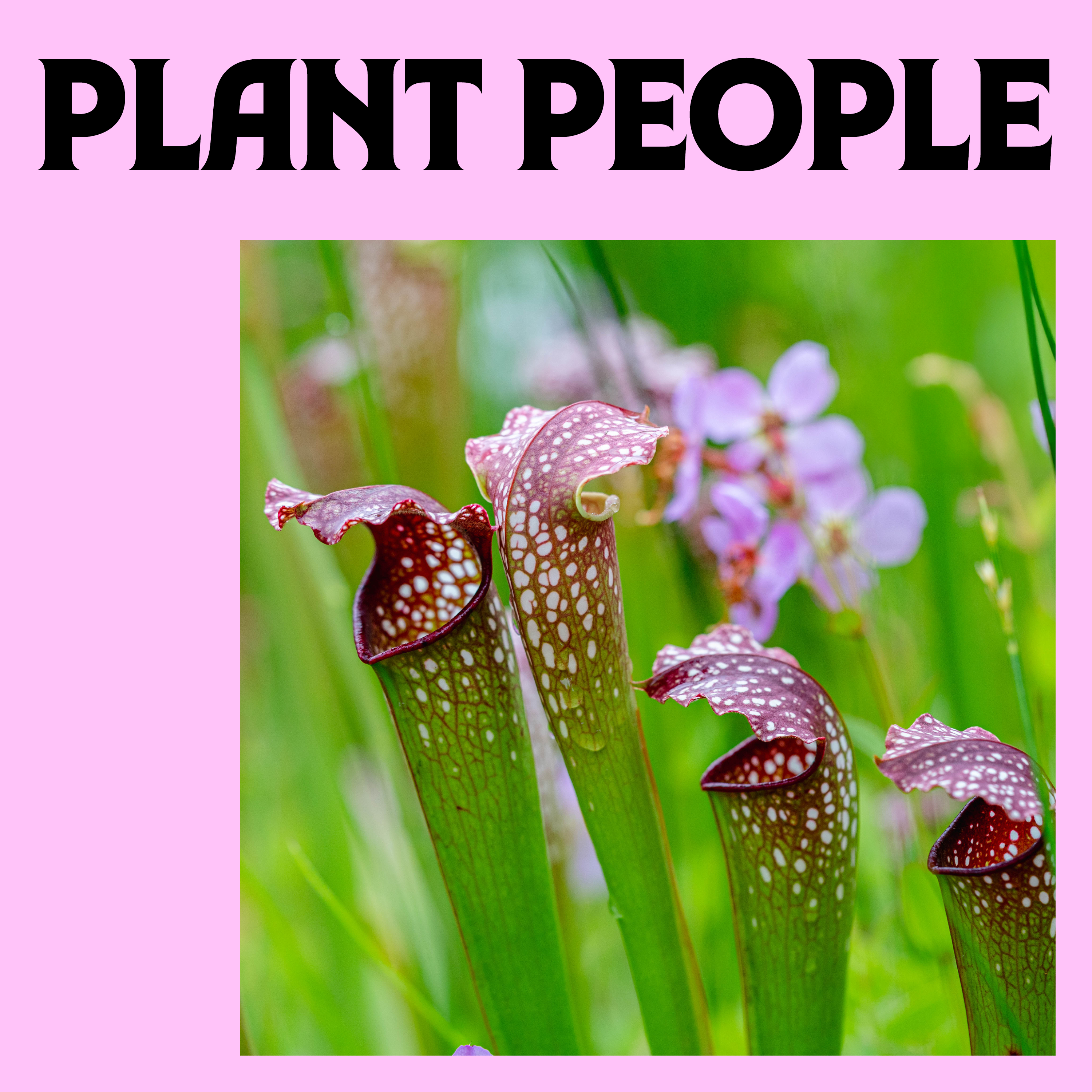
S3 Ep 5Pitcher Plants with Dr. Rob Naczi
In this episode, we’re joined by Dr. Rob Naczi, Arthur J. Cronquist Curator of North American Botany at the New York Botanical Garden. Listen in as he and host Jennifer Bernstein, NYBG President and CEO, discuss pitcher plants—carnivorous plants with unique leaves that function as traps for insects. They might look exotic, but there’s even a species native to New York. In summer, you can find them growing alongside the boardwalk here in the Native Plant Garden! Come explore why these important plants still have much to teach us, and the environmental threats they currently face.
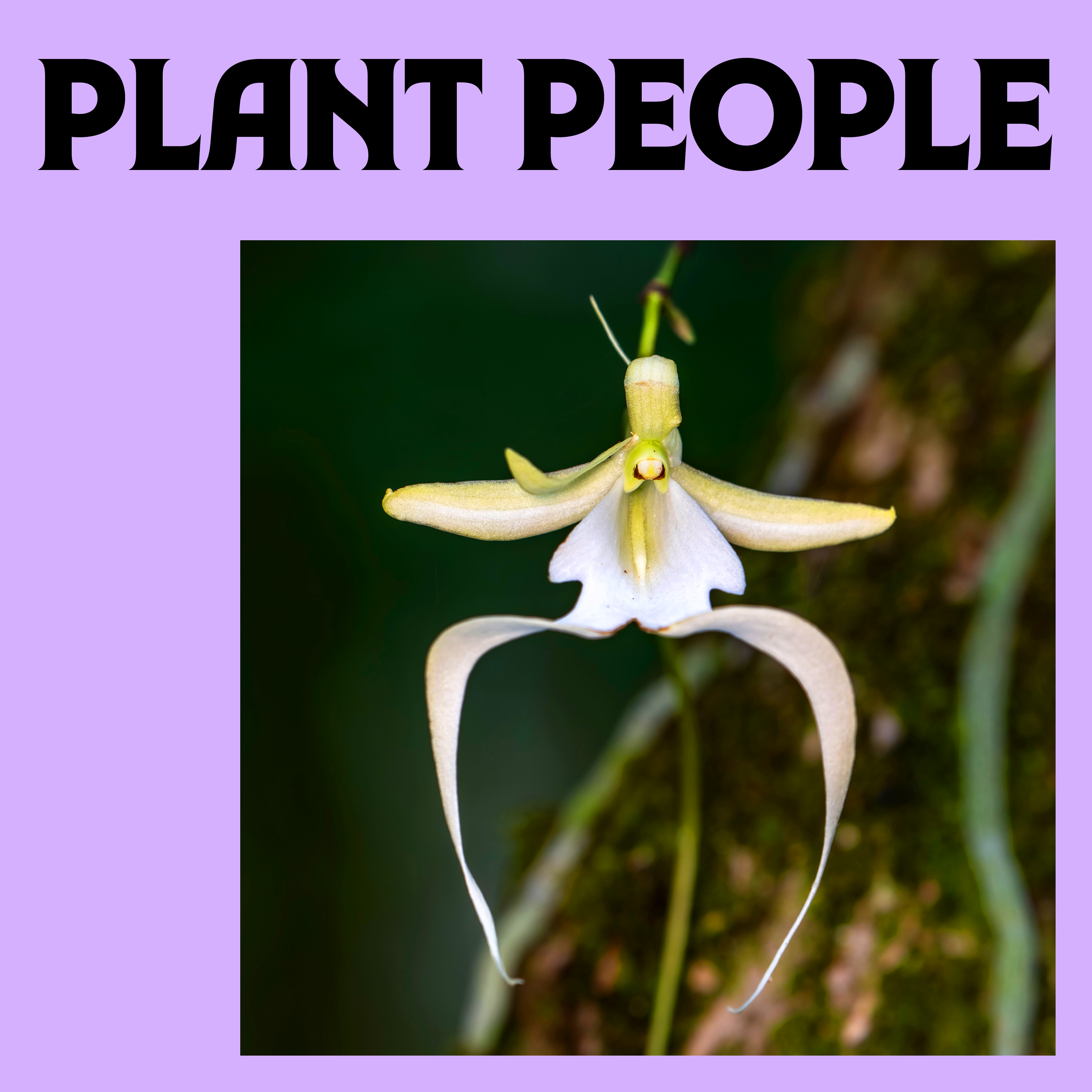
S3 Ep 4Ghost Orchid with Dr. Melissa Abdo
In this episode we’re joined by Dr. Melissa Abdo, a Floridian whose work in conservation has brought her face to face with countless captivating yet threatened plants in the swamps of the southeast—including the ghost orchid. Long coveted by poachers, and central to the plot of author Susan Orlean’s bestselling book, The Orchid Thief, this ethereal flower faces an uncertain future, inspiring calls for its protection under the Endangered Species Act. Join us as we dive into this orchid’s story, one of passion and even obsession.
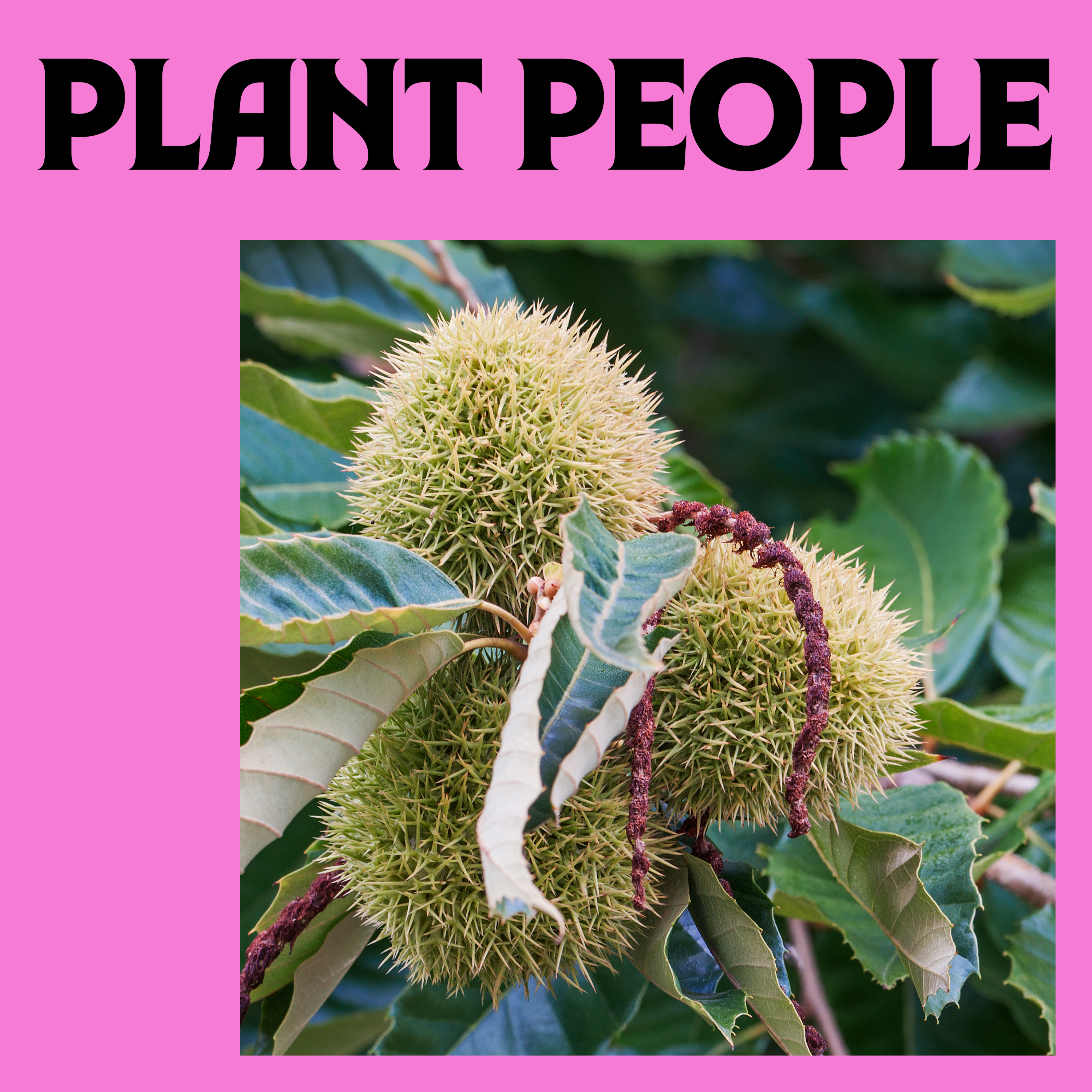
S3 Ep 3The American Chestnut with Michael Goergen
In this week’s episode of Plant People, Michael Goergen of The American Chestnut Foundation joins us to discuss the tragic history—and hopeful future—of one of North America’s most iconic trees.In the early 20th century, chestnut blight arrived in North America, a parasitic fungus that went on to kill an estimated four billion American chestnut trees. But more than a century later, work is underway to cultivate a chestnut tree that can resist the fungus—and thrive doing it.
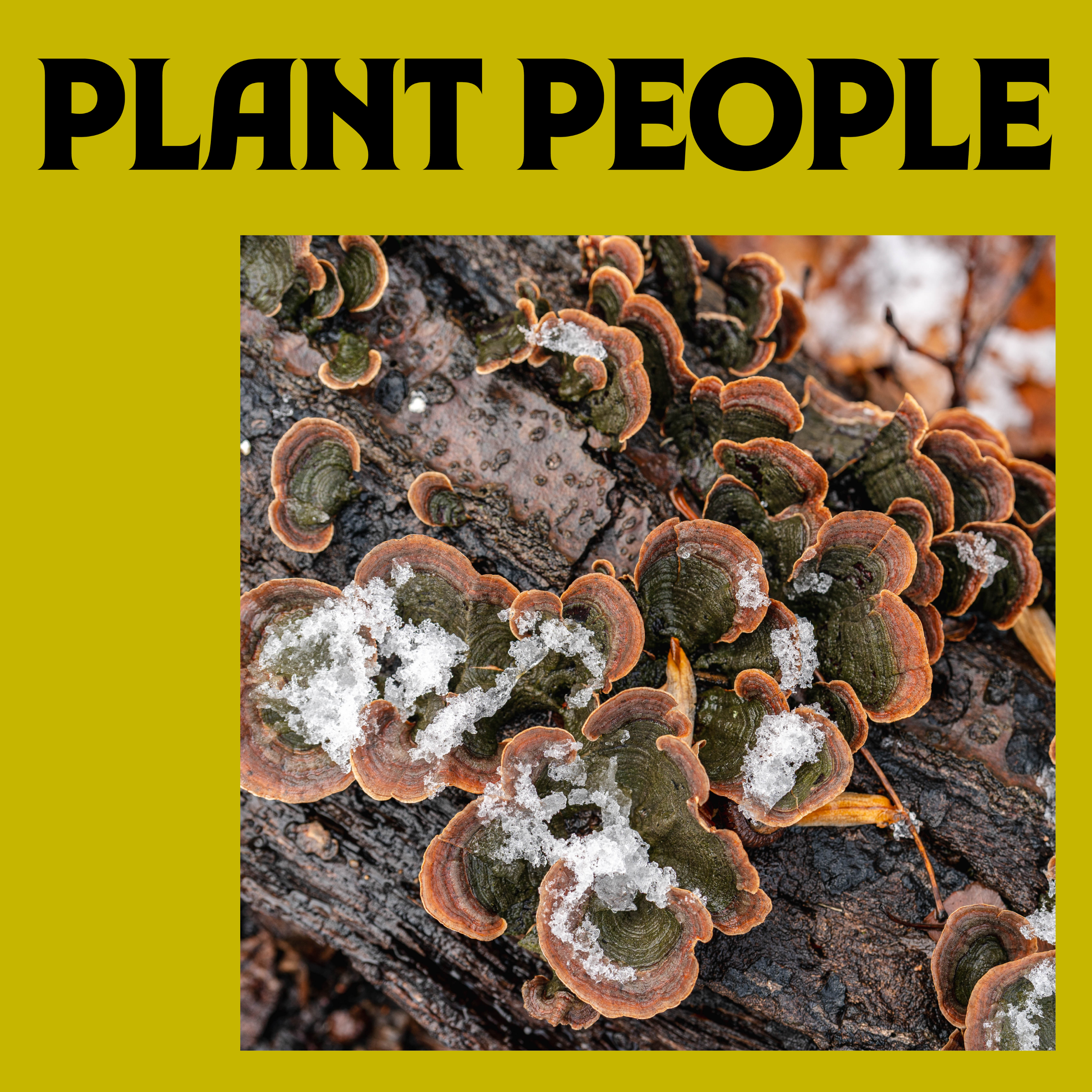
S3 Ep 2Turkey Tail Fungi with Eugenia Bone
In this episode, we’re joined by amateur mycologist, food and nature writer, and NYBG instructor Eugenia Bone to revisit the world of fungi—the not-quite-plant, not-quite-animal lifeforms that keep our planet’s biological processes churning. And as researchers continue to find, mushrooms can benefit our own human processes, too. Listen in as Bone and host Jennifer Bernstein, NYBG CEO & President, explore the ways that species like turkey tail can help our bodies fend off disease, and the promising scientific studies investigating psychedelics.
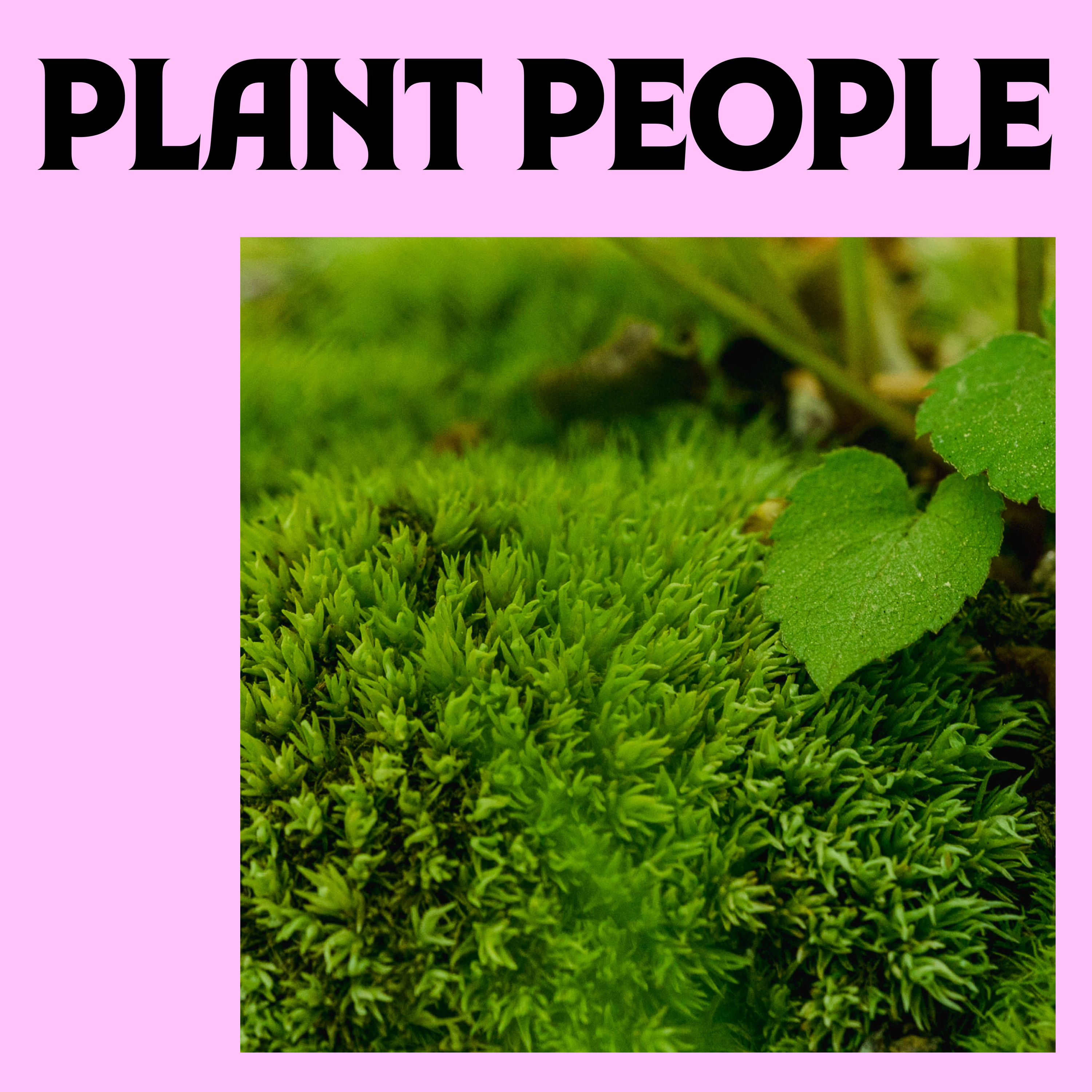
S3 Ep 1Moss with Robin Wall Kimmerer
Have you ever stopped to admire a patch of green moss—really gotten up close and SEEN the tiny forest of plantlife in all its complexity? For the first episode of Plant People Season 3, we’re doing just that. Today we’re joined by botanist and best-selling author Robin Wall Kimmerer, who sees moss and other up-close experiences in nature as the doorway to greater curiosity about our world. In today's episode, Kimmerer and host Jennifer Bernstein, NYBG CEO & President, explore the things ancient plantlife can teach us about surviving and truly thriving as people.
Plant People Season 3 Trailer
trailerFrom the tallest chestnut trees to the strangest pitcher plants, the botanical world is FULL of fascinating stories. And this season on Plant People—the third for NYBG’s award-winning podcast—we’re doing a deep dive on a different plant each episode.Tune in every other week starting February 2 as Jennifer Bernstein, the Garden’s CEO and President, joins authors, scientists, and other experts to explore the lives of particularly unique plants on our planet.
Special feature from the Smithsonian's Sidedoor podcast: "King of the Herbs"
While Plant People is between seasons, we have a special episode, "King of the Herbs", from our friends at the Smithsonian's Sidedoor podcast: It’s a wild herb that countless cultures have used for centuries as a wonder drug to cure any ailment. It's so rare and valuable that it’s been dug to extinction nearly everywhere, except a small area of the United States. This time on Sidedoor, we go searching for the elusive wild American ginseng—and find that scientists, conservationists, and criminals are also on the hunt.
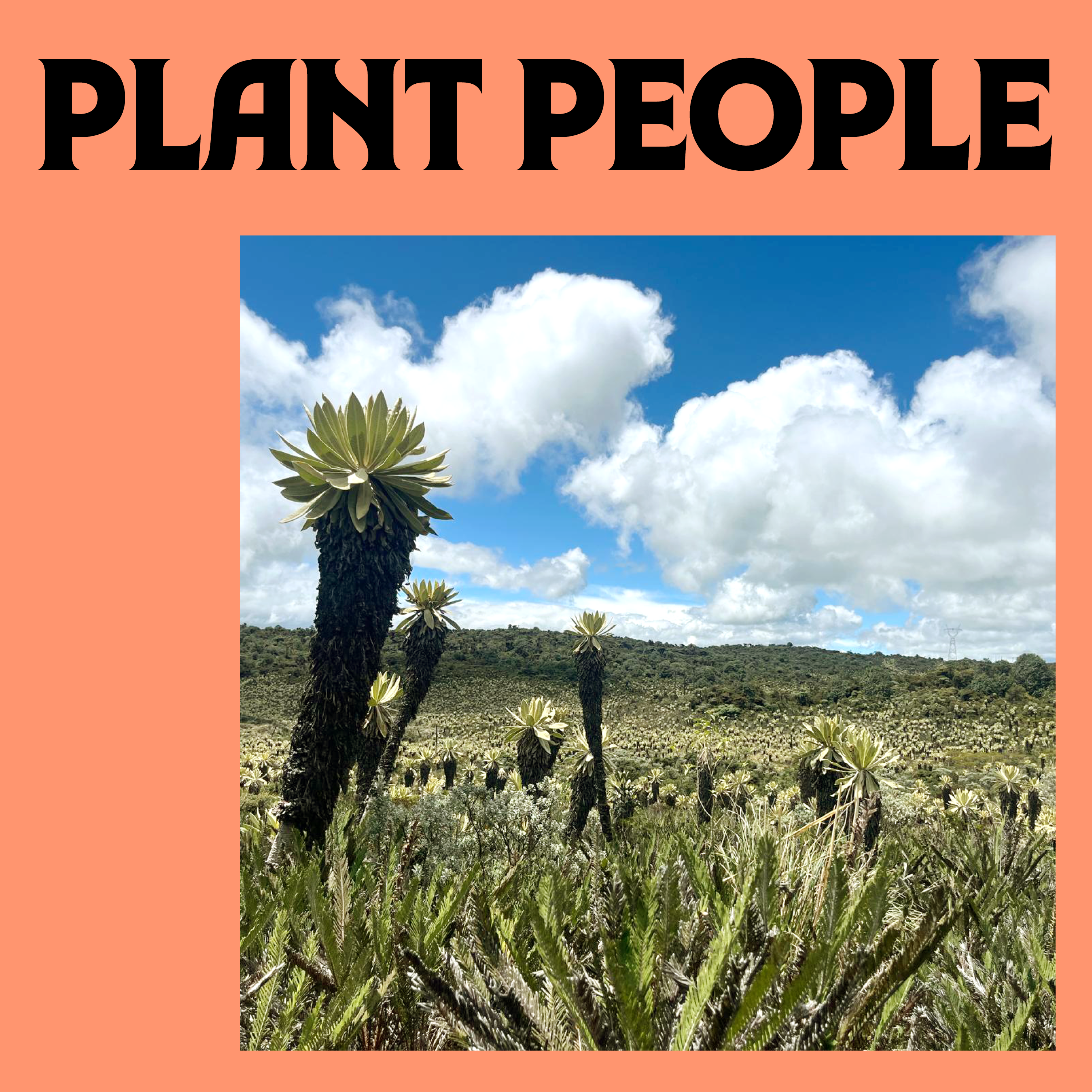
S2 Ep 10Ecotourism: Inspiring a Plant-Powered Economy
We’re wrapping up Season 2 with NYBG’s Chief Science Officer, Mauricio Díazgranados, Ph.D., who discusses how engaging with nature through travel makes us more inclined to protect it—and the ways that tourism can actually help our planet. As an avid adventurer and botanist who has worked all around the world, Dr. Diazgranados knows how vital it is to make exploration both sustainable and economically beneficial. Here he walks us through his vision for the bioeconomy, where the world’s biodiversity hotspots become opportunities for ecotourism, enhancing the lives of local communities while funding the conservation of our planet’s irreplaceable flora and fauna.
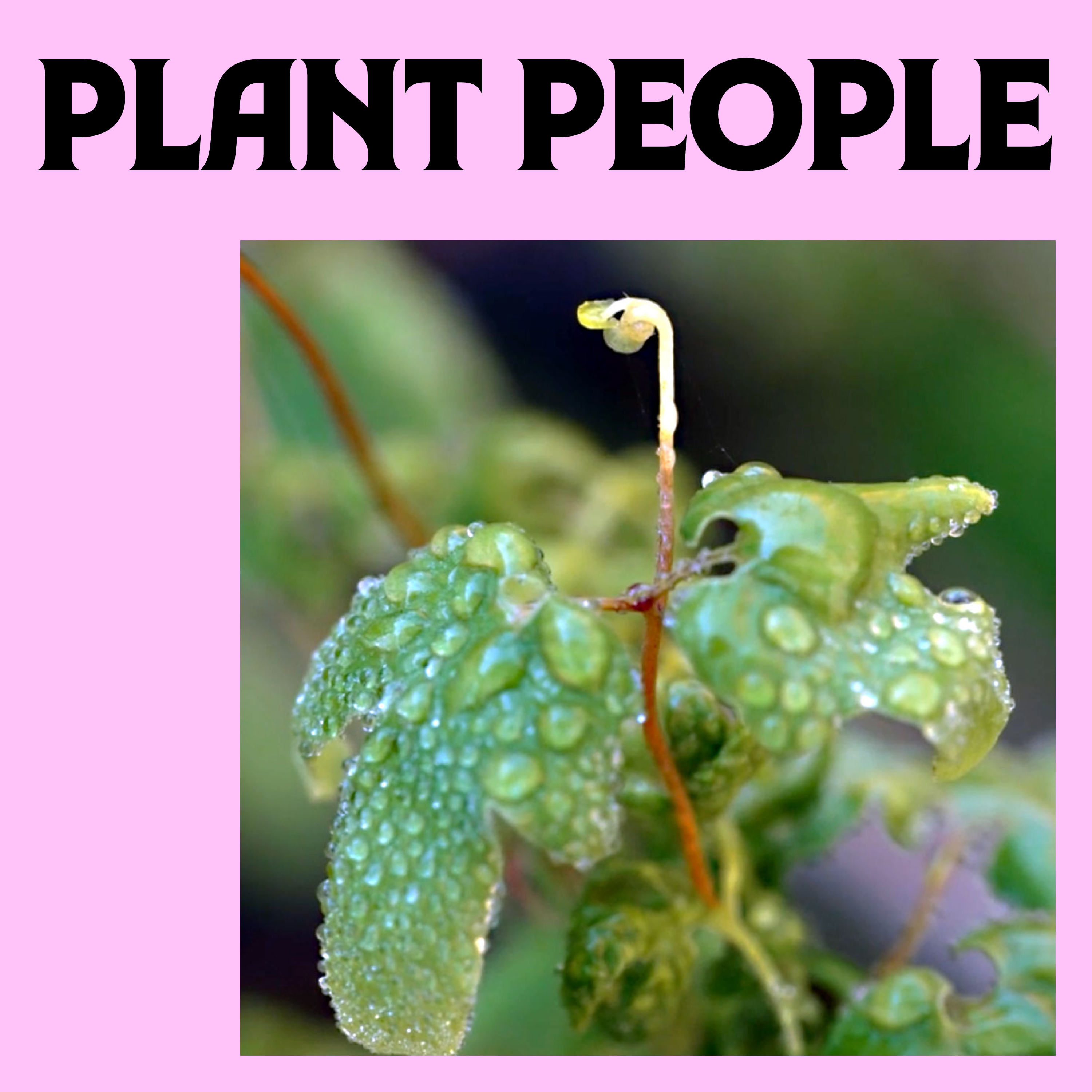
S2 Ep 9Let's Botanize
In today’s episode, we’re proving that botany is for everyone—yes, even you! We’re joined by Jacob Suissa, Ph.D., and Ben Goulet-Scott, Ph.D., botanists and founders of Let’s Botanize, a nonprofit dedicated to making plant science fun and accessible. Using social media, they share everything from practical foraging to plant identification—making it not only educational, but also exciting and easy to understand. We’ll discuss their book, learn how to dig into botany (especially for beginners!) and acknowledge why it’s important to democratize plant science—for the health of people and the planet.
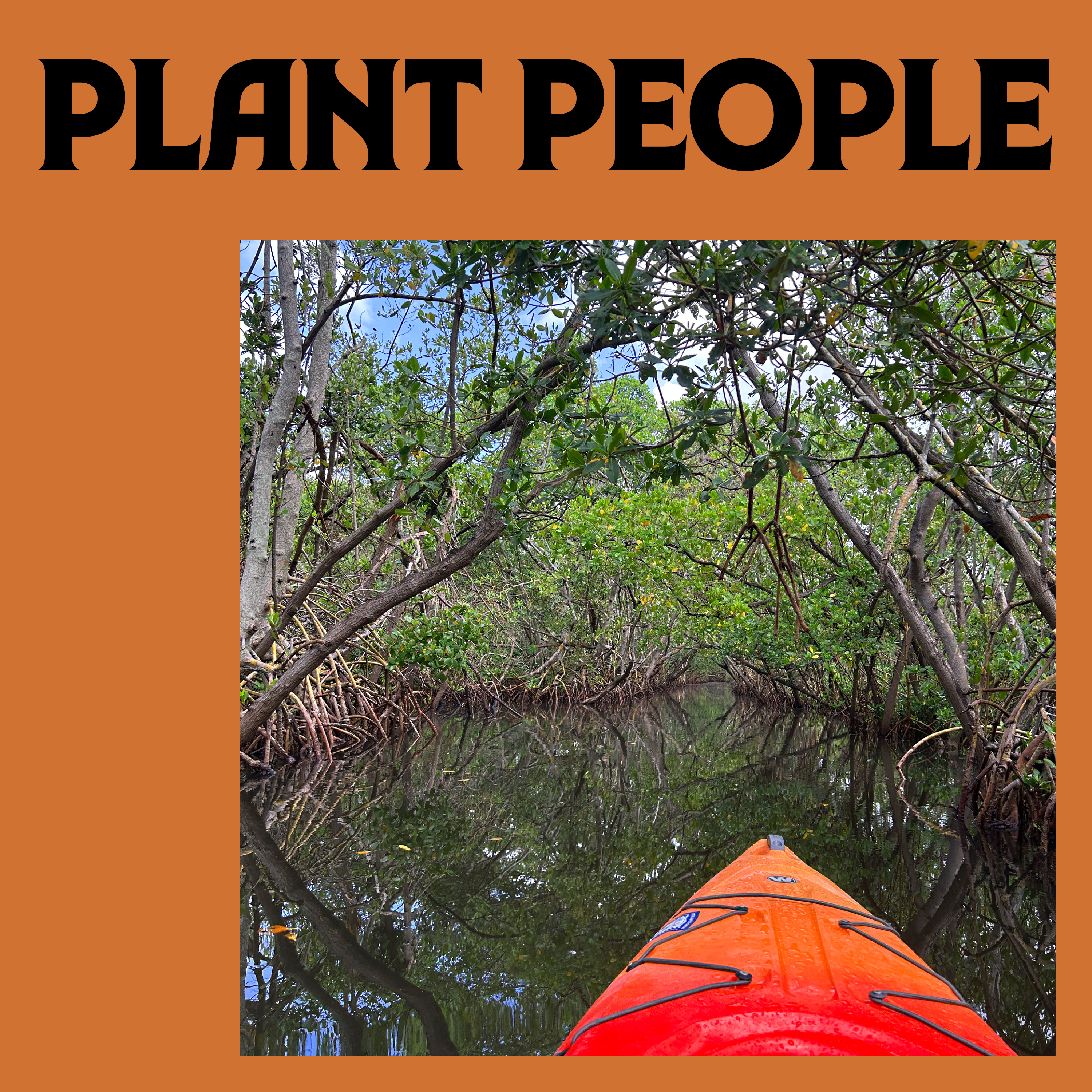
S2 Ep 8Mangroves: Earth's Coastal Caretakers
This week we’re getting right to the root of our coastlines—particularly the roots of mangrove forests, some of the most crucial and vulnerable ecosystems on Earth. Listen in as Dr. Brad Oberle, Associate Curator at NYBG’s Center for Conservation and Restoration Ecology, shares what makes these oceanside forests so important, from their role in carbon sequestration to fighting coastal erosion and providing habitat for marine animals. Dr. Oberle has worked around the world in an effort to restore these forests, and it’s to the benefit of each and every one of us that they continue to thrive.
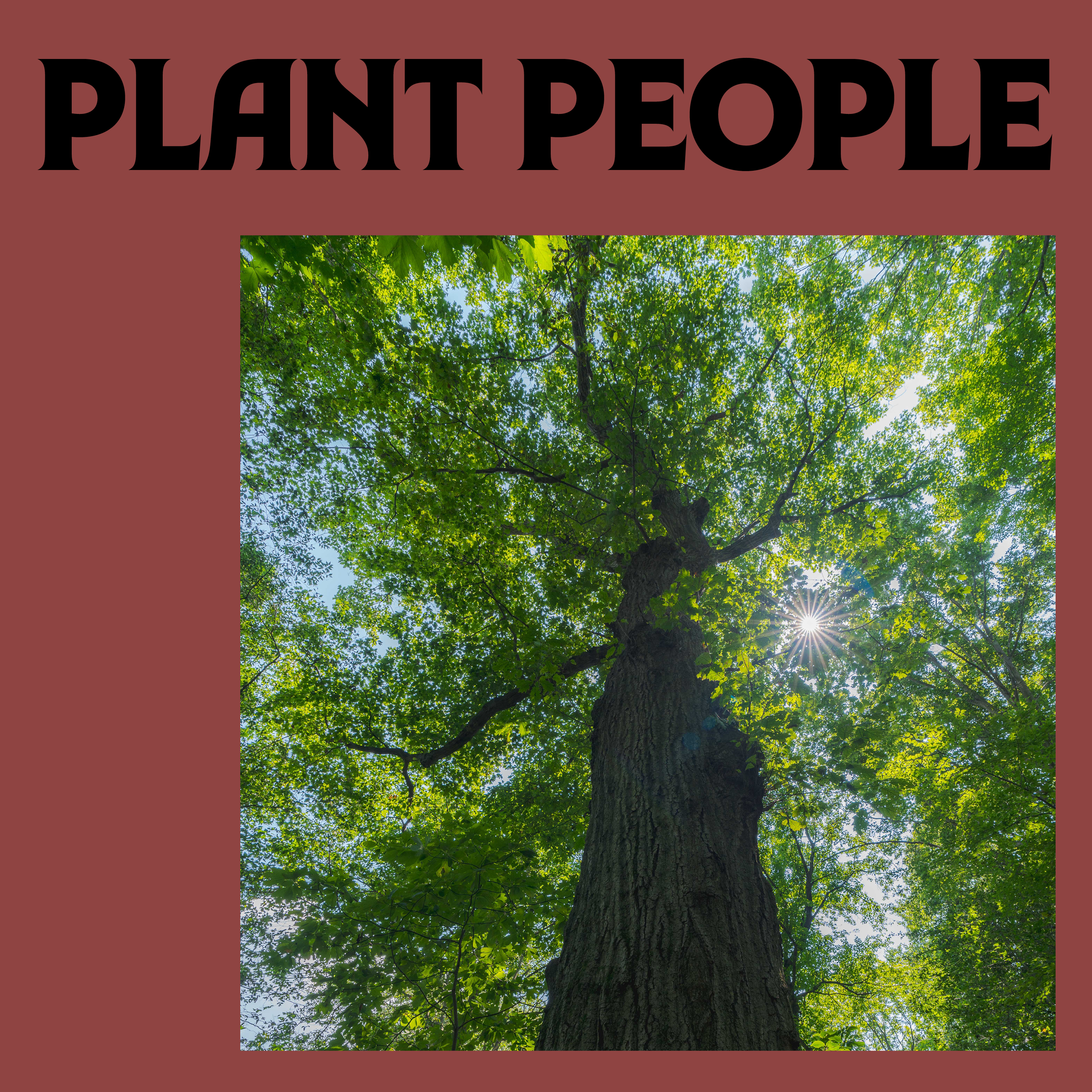
S2 Ep 7The Tree Collectors
Listen in as we talk about a niche and noble hobby: tree collecting. Author Amy Stewart joins us to discuss her newest book, The Tree Collectors: Tales of Arboreal Obsession, which profiles 50 different tree aficionados ranging from scientists cataloging rare species, to families preserving their heritage, and conservationists fighting to reforest their land. Their stories shed light on both the cultural and environmental necessity of trees—and how climate change, policy shifts, and financial barriers are all hindering their protection. Stick around for insights into the ways these collectors are benefiting biodiversity, and what roles you can play in the effort.
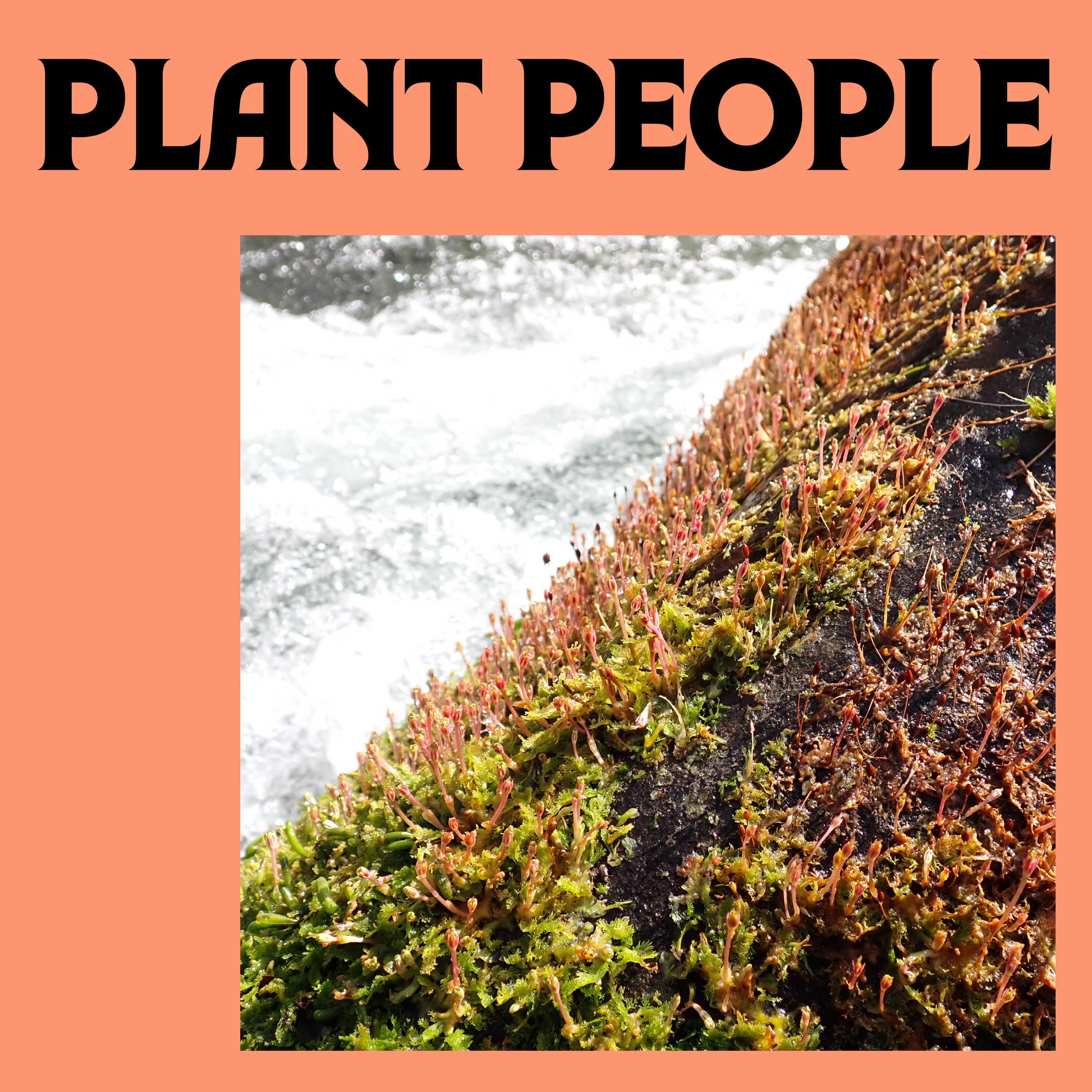
S2 Ep 6Extreme Botany
In this week’s episode, we’re joined by NYBG Assistant Curator Ana María Bedoya, Ph.D., whose career as a scientist takes her on many a wild adventure. She spends much of her time tracking down aquatic plants that live in some of the harshest conditions, including steep cliffs, river rapids, and tumbling waterfalls—a practice Bedoya likes to call “extreme botany.” Listen in as we discuss her research in the wilderness of South America, the reasons many aquatic plants are especially vulnerable to climate change, and her journeys getting her feet wet (literally) in Earth’s most extreme ecosystems.
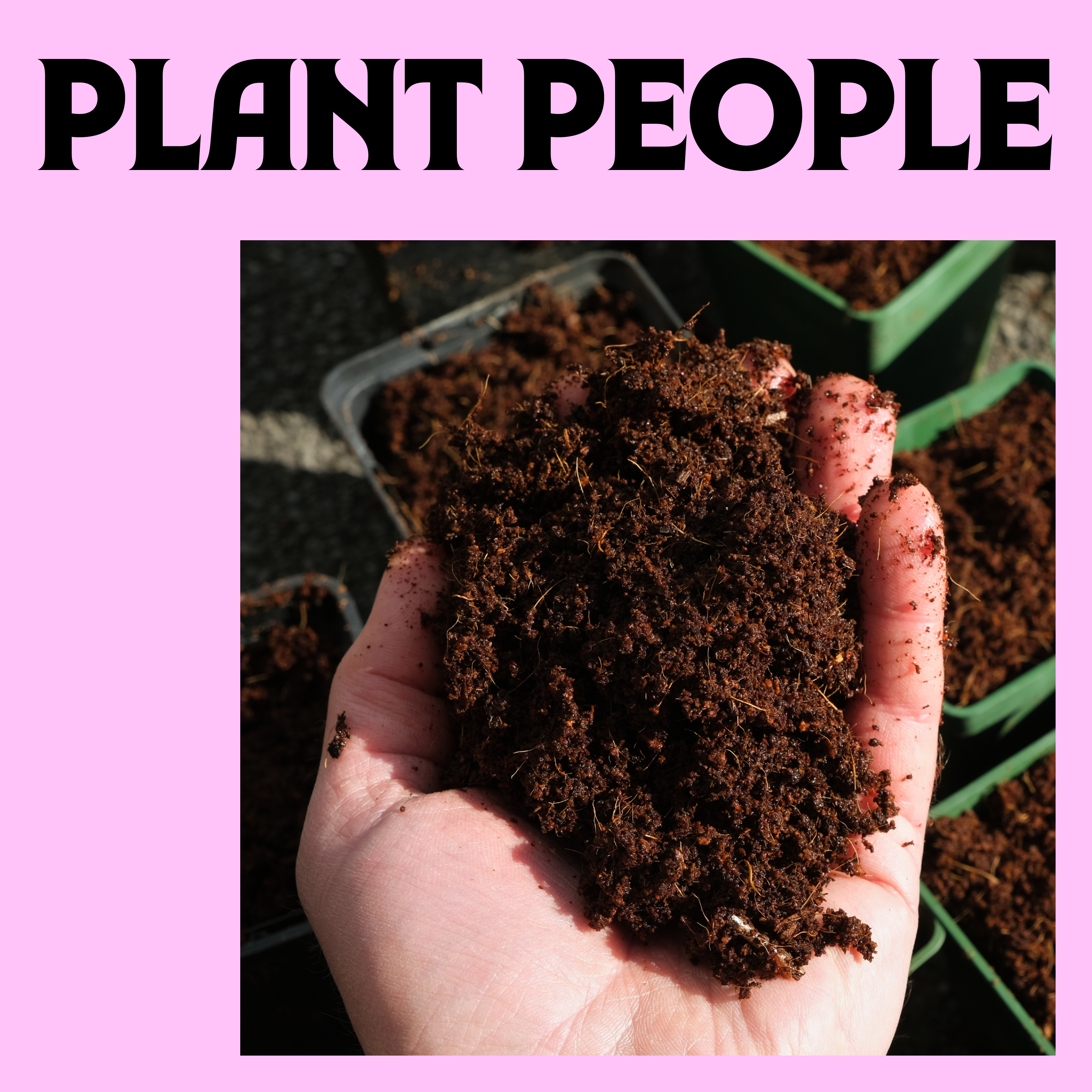
S2 Ep 5Moving Past Peat
In this week’s episode, we discuss the future of horticulture—and the simple, sustainable changes that can help the planet heal. Come join Chad Massura, founder of Rosy Soil, and Kurt Morrell, VP of Horticulture Operations at NYBG, for a chat about the importance of peat-free soil for a carbon-neutral world. Massura shares the story behind potting products like his that move beyond the extractive model of the peat industry, while Morrell elaborates on eco-friendly practices in horticulture. You’ll leave the conversation with a new tactic in hand to make your own garden greener!
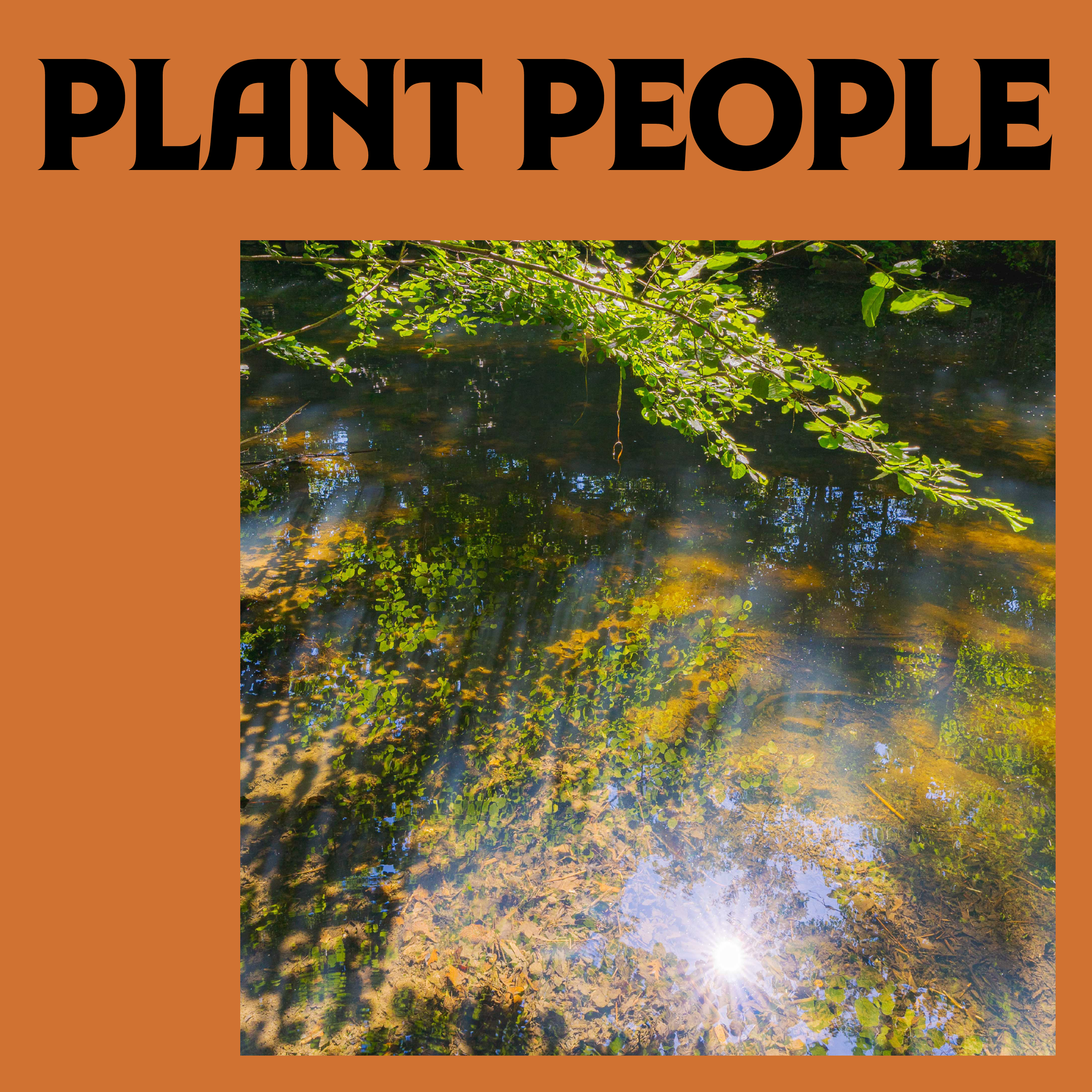
S2 Ep 4A River Runs Through The Bronx
In this episode we’re joined by Todd Forrest, NYBG’s Vice President for Horticulture and Living Collections, who turns our attention to the Bronx River—NYC’s only freshwater river and one of the highlights of the Garden’s landscape. He’ll talk us through the River’s redemption arc: from its former state as an “open sewer,” to its renewal as a hotspot for plants, animals, and the local community. We’ll discover how the Bronx River Watershed is ecologically important not only to the Garden, but to The Bronx itself—and the City at large.
S2 Ep 3Sowing Change
Acclaimed author and poet Camille Dungy joins us this week to explore the intersection of nature, identity, and systemic change. With insight from her latest book, SOIL: The Story of a Black Mother’s Garden, Dungy shares her view of gardening as another form of storytelling. Listen in as we talk about environmental advocacy and stewardship—and the ways nature and narrative are more intertwined than you might think.