Planet: Critical
242 episodes — Page 4 of 5
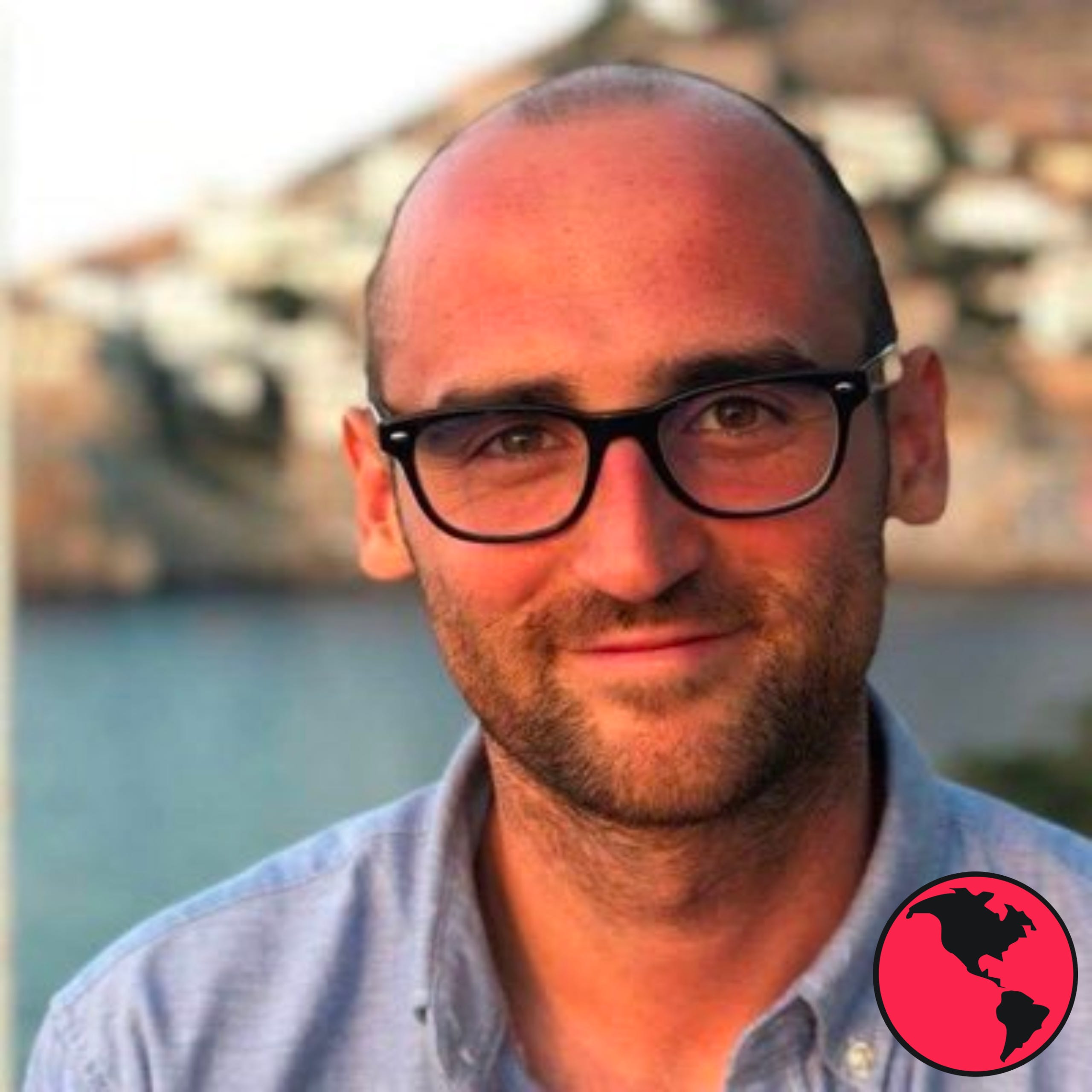
Crisis Policies: What We Need From COP27 | Laurie Laybourn
Laurie Laybourn is a policy researcher and author. He leads Cohort 2040, which explores how to deepen rapid action toward a more sustainable and equitable world even as the effects of the environmental crisis get far worse. Laurie is a visiting fellow at Chatham House and at the Global Systems Institute, University of Exeter, as well as an associate fellow at the Institute for Public Policy Research (IPPR). He is a regular commentator on TV and radio and co-author of Planet on Fire (Verso 2021). We discuss the opportunity in crisis moments throughout history, with Laurie revealing the best policies for navigating the climate crisis, nationally and internationally, as well as those for a sustainable future. He also explains how the our current fiscal ideologies, including our relationship to debt, impedes necessary climate action around the world whilst hobbling the global south’s capacity to respond to increasing catastrophes. Laurie says the climate crisis is a fiscal problem—could reimagining fiscal policies keep 1.5 alive?© Rachel Donald Get full access to Planet: Critical at planetcritical.substack.com/subscribe
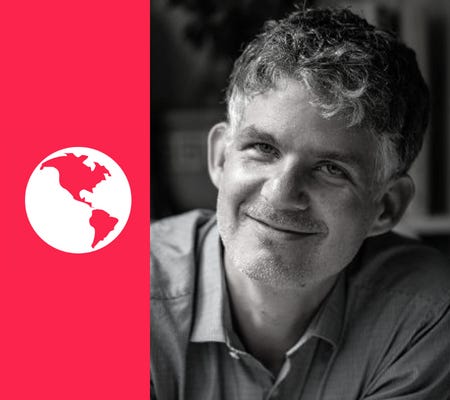
Why Scientists Choose Activism | Charlie Gardner
Charlie Gardner is a conservationist, activist and writer. An outspoken member of Scientist Rebellion, Charlie left academia last year to focus on raising the climate alarm through civil disobedience and science communication.Charlie joins me to discuss why scientists feel forced to choose activism. After decades of ignored data, warnings and suggestions, these same scientists who have been fighting to understand the crisis are taking to the streets to be heard.We discuss ecological systems, energy policy, corrupt politics, media, Extinction Rebellion, how to engage the public and how people can get involved in the face of disastrous inaction. Just this week, a new report on the state of climate action looked at 40 indicators of change and found not a single one is on track to keep the world from heating to the level at which world leaders promised to try to stop global warming.© Rachel Donald Get full access to Planet: Critical at planetcritical.substack.com/subscribe
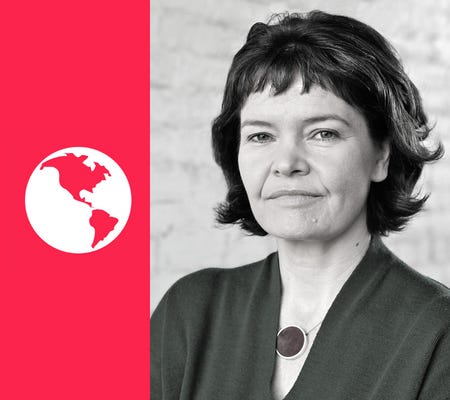
The Most Sustainable Economy in the World | Kate Raworth
Kate Raworth is a renegade economist focused on making economics fit for 21st century realities. Senior Associate at Oxford University’s Environmental Change Institute, she is the creator of the Doughnut of social and planetary boundaries, and co-founder of Doughnut Economics Action Lab.Kate joins me to discuss Doughnut Economics, her radical theory of a regenerative and distributive economics model which protects both planet and citizens. This is an economy which prioritises well-being, rejects the market principles and profit-maximisation, and enables the principles of community and creativity to flourish.We discuss the fallacy of growth and neoliberalism, the extractivism of “developed” nations, long-termism vs short-termism, and the principles of regeneration and distribution. Kate also shares success stories from the communities and local governments implementing the doughnut model.© Rachel Donald Get full access to Planet: Critical at planetcritical.substack.com/subscribe
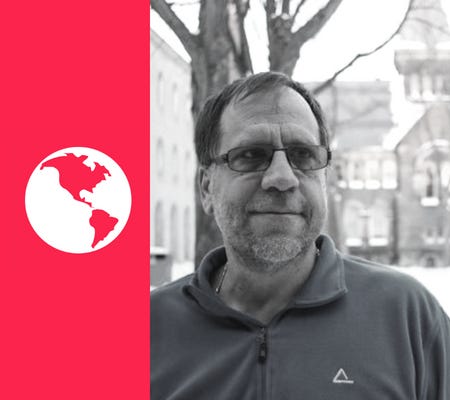
Making Sense of the Meaning Crisis | John Vervaeke
John Vervaeke is a cognitive scientist at the University of Toronto and world renowned thinker, bridging science and spirituality in order to understand the experience of meaningfulness: how to cultivate it and why it’s crucial for human beings.John joins me to discuss “the meaning crisis”—the global phenomenon of modern humans having access to so much, and yet so little profundity. Referencing neurobiology, faith and behavioural science, John explains the impact the meaning crisis is having on individuals all around the world, and what to do about it.We then explore its intersection with the metacrisis, and the historical traditions which are the root of our global energy, economic and climate crisis. Critically, John says we cannot solve the climate crisis without addressing the cultural forces driving the meaning crisisPlanet: Critical investigates why the world is in crisis—and what to do about it.© Rachel Donald Get full access to Planet: Critical at planetcritical.substack.com/subscribe
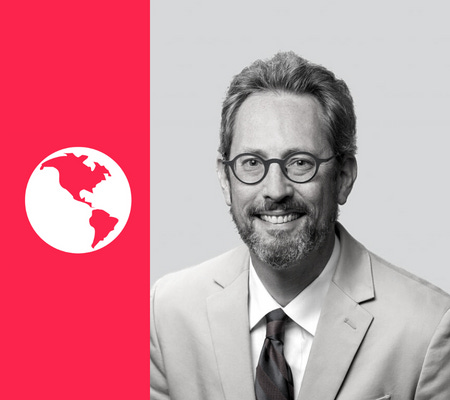
Building Democracies for the 21st Century | Matt Leighninger
Matt Leighninger is the Head of Democracy Innovation at the National Conference on Citizenship. A pioneer in democracy innovation, Matt’s spent the past 20 years working on improving our political processes, from researching voting reforms to bringing technology into a typically analogue space; he engineered the Text, Talk, Act campaign under Obama’s presidency to encourage active citizenship in the youth.Matt joins me to discuss what we can do about our increasing polarized society, insisting we must move beyond thinking about “saving” democracy and focus our energies on improving it.Explaining we currently run 21st century democracies with 20th century institutions, Matt introduces democratic innovations which are being used all over the world by cities and nations alike. He also explains the limitations elected officials face and the importance of deliberative processes in any democracy.Planet: Critical is 100% independent and reader-funded. If you value it, and have the means, become a paid subscriber today!© Rachel Donald Get full access to Planet: Critical at planetcritical.substack.com/subscribe
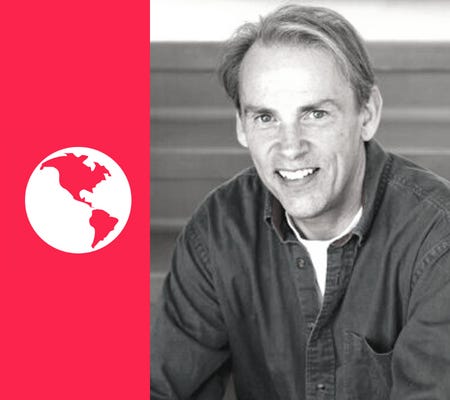
Alternatives To Capitalism | John Harvey
John Harvey, The Cowboy Economist, is a Professor of Economics at Texas Christian University, Forbes columnist, and author of Contending Perspectives in Economics: A Guide to Contemporary Schools of Thought.He joins me to discuss the history of capitalism—how we went from Friedman and Hayek’s ideas of the free market to a deregulated monstrosity driving inequality and the climate crisis—how the Cold War influenced neoclassical economics, and how to reimagine the relationship between governments, the private sector and citizens to create an alternative to capitalism.John says, “Economics is dead".” The British government certainly seem hell-bent on proving it with PM Truss and Chancellor Kwarteng delivering a neoliberal mini-budget the likes of which we’ve never seen. But here’s the thing—that neoliberal madness was rejected by people and markets alike. Is the world ready for something new?* Listen on Apple or Spotify* Watch on YoutubePlanet: Critical investigates why the world is in crisis—and what to do about it.© Rachel Donald Get full access to Planet: Critical at planetcritical.substack.com/subscribe
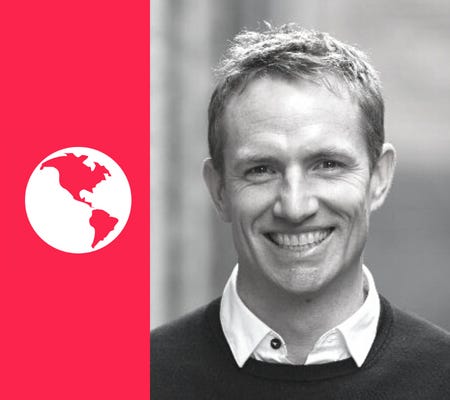
The Future is History | Jon Alexander
Jon Alexander is the co-founder of the New Citizens Project and author of Citizens: Why The Key To Fixing Everything Is All Of Us. A former award-winner in the advertising world, Jon advises companies and communities on the power of narrative, helping them reclaim and restructure the stories they tell to in order to empower the shift from consumer to citizen. Jon joined me to discuss this very problem: How do we shift the paradigm from consumer to citizen? Building on his book, he explains how how human history has shifted from the subject paradigm, to consumer, and the necessary move to a collective and community-based citizen world. He gives riveting examples of this happening all around the world today, revealing the power of the stories we choose to tell—and which we choose to suppress. We also discuss deliberative democracy, the theory of narrative, and the framework of systems. Jon’s powerful message is: If you want to build a new system, you must simply begin. We cannot know where we’re going exactly, but we’ll never get there if we don’t start. * Listen on Apple or Spotify* Watch on YoutubePlanet: Critical investigates why the world is in crisis—and what to do about it.© Rachel Donald Get full access to Planet: Critical at planetcritical.substack.com/subscribe
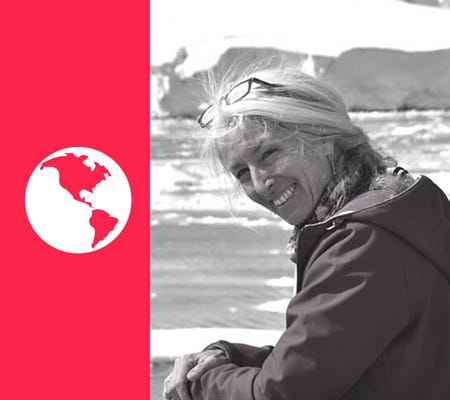
Overpopulation: From 8 billion to 3 | Phoebe Barnard
Phoebe Barnard is a biologist, global change scientist, and policy analyst with decades of experience confronting some of the most pressing problems of our time, bridging the gap between academia and government. She’s also CEO of the Stable Planet Alliance, a coalition of scientific, legal, social, health, media, policy, leadership, faith, culture, and grassroots organizations tackling the overpopulation and hyperconsumption problem.Phoebe joins me to discuss overpopulation—its effects, our trajectory, and the difficult decisions we face as a species. She argues we must reduce our population to 3 billion in the next century if planet earth is to survive, and us along with it, warning that population reduction policies may be forced on citizens in the future if we do not choose for ourselves now. We discuss the morality and politics of overpopulation, addressing the West’s all-too-recent history of eugenics and ethnic cleansing. We then explore population reduction as an intergenerational right: There may be less of us in the future, but those future people may be better off for it. Listen on Apple or SpotifyWatch on YoutubePlanet: Critical investigates why the world is in crisis—and what to do about it.© Rachel Donald Get full access to Planet: Critical at planetcritical.substack.com/subscribe
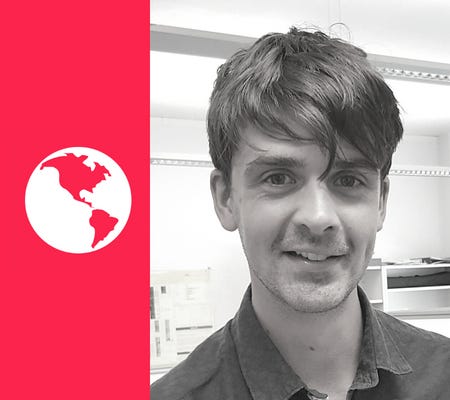
Power vs People | Robbie Watt
Robbie Watt is a Lecturer in Politics at the University of Manchester, researching climate change politics, carbon markets, global governance, and critical theory. His article, The Fantasy of Carbon Offsetting, was runner-up for Environmental Politics journal's best article award 2021.Robbie joins me to discuss the moral economy of offsetting schemes, the politics of climate change, and how power depoliticises spaces to maintain control. This is an episode all about power dynamics—where they hide and how to reveal them.Join us as we blast through psychoanalysis, postmodernism and Marx to find the right words to describe the greatest problem humankind faces: Critical Climate Theory (you heard it here first).Planet: Critical investigates why the world is in crisis—and what to do about it.© Rachel Donald Get full access to Planet: Critical at planetcritical.substack.com/subscribe
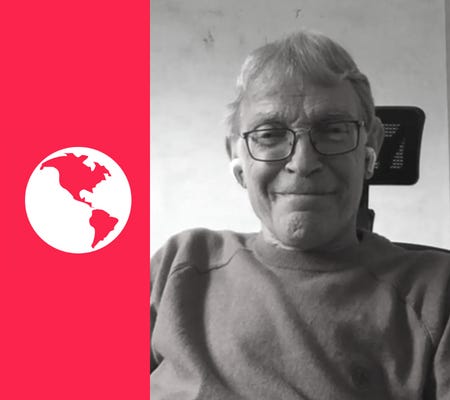
How Systems Malfunction | Trevor Hilder
Trevor Hilder is an IT expert and cybernetics specialist who worked under Stafford Beer to develop the Viable System Model. Trevor joins me to explain how systems malfunction, why organisations crumble under complexity, and how to build resilient systems by infusing them with values. He explains the Viable System Model, walking us through the key components based on cybernetics and management theory.We discuss the universal laws of organising and how to apply the VSM to the climate crisis, politics and globalisation. Trevor also teaches the Viable System Model to organisations and individuals. If you’re interested in learning more, email him: [email protected] Planet: Critical investigates why the world is in crisis—and what to do about it.© Rachel Donald Get full access to Planet: Critical at planetcritical.substack.com/subscribe
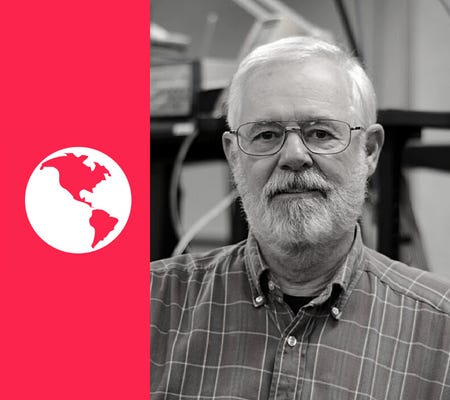
The Limits of Human Wisdom | George Mobus
George Mobus is Professor Emeritus at University of Washington, Tacoma. His broad academic background saw him conduct research on artificial intelligence, cybernetics and systems science.George joins me to discuss how systems science is failing to grasp the polycrisis—that the field has been split into silos, leaving most systems scientists without the tools to model the complexity of the emergency we face.He also explains the neurological limits of individual human wisdom, suggesting the agricultural revolution affected our capacity for abstract thinking, before revealing how humans can work past those limits—collectively.Planet: Critical investigates why the world is in crisis—and what to do about it.© Rachel Donald Get full access to Planet: Critical at planetcritical.substack.com/subscribe
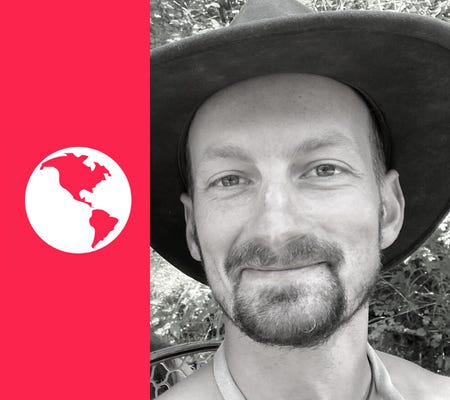
Bright Green Lies | Max Wilbert
Max Wilbert is an activist, wilderness guide and writer, co-authoring Bright Green Lies: How The Environmental Movement Lost Its Way and What We Can Do About It. Max reveals how mainstream environmentalism is merely a proponent for green growth and business as usual. He says this comfortable form of environmentalism, which sees people trade in their cars for electric vehicles and go meatless only on Mondays, is a damaging distraction to the real work which has to be done: Systemic change.We also discuss his years protesting resource extraction, the role of technology, and the trauma of the West’s colonialism.Planet: Critical investigates why the world is in crisis—and what to do about it.© Rachel Donald Get full access to Planet: Critical at planetcritical.substack.com/subscribe
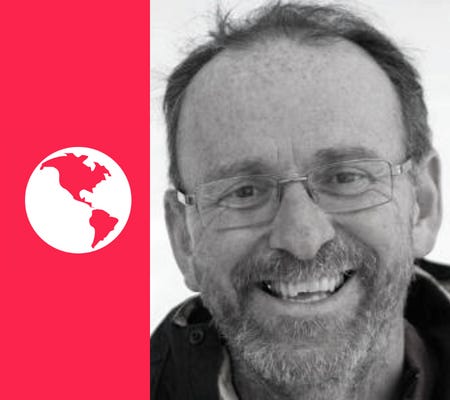
The Politics of Land | Chris Smaje
Chris Smaje is a social scientist, farmer, and author of A Small Farm Future: Making the Case for a Society Built Around Local Economies, Self-Provisioning, Agricultural Diversity, and a Shared Earth.Chris joins me for a fascinating discussion about the political importance of land, its historical context, the current inefficiencies of farming, and the liberation people can find in reclaiming land and the capacity to produce their own food. We also discuss the historical framing of peasantry and serfdom, and offer new narratives which could galvanisee urbanised populations to rebuild their relationships to land, food and independence. Planet: Critical investigates why the world is in crisis—and what to do about it.© Rachel Donald Get full access to Planet: Critical at planetcritical.substack.com/subscribe
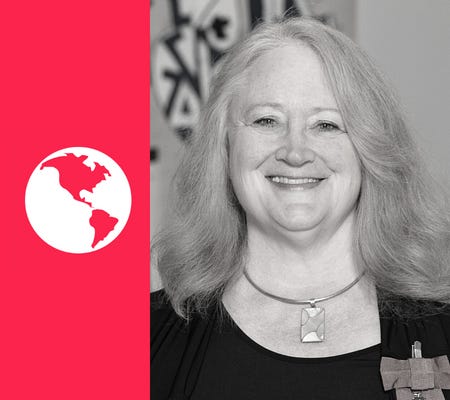
Transition Engineering: A Sustainable Future is Possible | Susan Krumdieck
Susan Krumdieck is a mechanical engineer, Professor of Engineering at Heriot Watt University, Chair of the university’s Energy Transition, and author of Transition Engineering: Building a Sustainable Future.Susan joins me to discuss how a sustainable future is possible by starting with engineering principles. Rather than focusing on politics and economics, which can only react in the short-term, engineering provides long-term vision, planning and design which will reimagine a sustainable world—and drag politics and economics into the future.She explains the inefficiencies of fossil-fuel economies, how renewable economies will automatically contract (hello, degrowth), and how sustainable engineering can provide a better quality of life for every being on the planet. We also have a lovely conversation on the importance of narrative: start with scientific principles, but sell them as a story.* Listen on Apple or Spotify* Watch on YoutubePlanet: Critical investigates why the world is in crisis—and what to do about it.© Rachel Donald Get full access to Planet: Critical at planetcritical.substack.com/subscribe
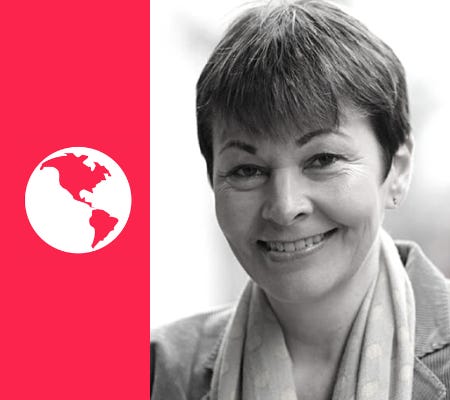
Let's Talk About Real Zero | Caroline Lucas
Caroline Lucas is the UK Green Party’s first Member of Parliament, elected to represent Brighton and Hove in the 2010 General Election. Caroline has won every subsequent election, increasing her majority each time, and has twice led the Green Party in the UK. Caroline joins me to discuss the dangerous climate ignorance of the two candidates in the running to become Britain’s next Prime Minister, why net zero isn’t enough, the “immoral” rejection of global climate justice by Western governments, and why we should beware labelling bad decisions by climate-skeptic leaders as merely “incompetent”.We also discuss the importance of platforming the radical policies happening all over the world. If you haven’t heard the news yet, Chile’s socialist government created an autonomous committee to rewrite their constitution and the proposed section on climate and environment is the most daring bid to tackle the climate crisis I have ever seen. As ever, the solutions are there—and our votes certainly do count.* Listen on Apple or Spotify* Listen on YoutubePlanet: Critical investigates why the world is in crisis—and what to do about it.© Rachel Donald Get full access to Planet: Critical at planetcritical.substack.com/subscribe
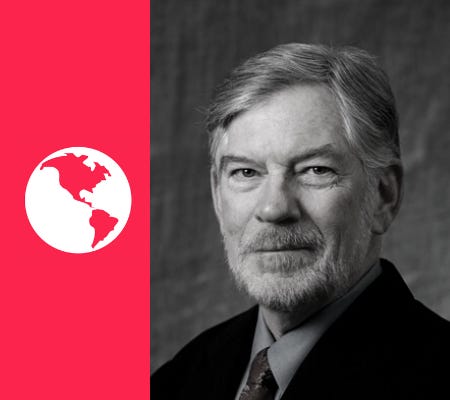
Why Complex Societies Need Simple Individuals | John Gowdy
John Gowdy is Professor of Economics and Professor of Science and Technology Studies at Rensselaer Polytechnic Institute in Troy, New York. He is the recipient of the Herman Daly Award for contributions to ecological economics, and author of Ultrasocial: The Evolution of Human Nature and the Quest for a Sustainable Future.John joins me to explain how humans, like ants and termites, are “ultrasocial” and what this form of hyper-complex social organisation does to our relationships, our neurochemistry, and our individuality.He says increasingly complex social organisation leads to a decrease in individual complexity. John argues that rather than environmental destruction and extreme inequality being due to human nature, they are the result of the adoption of agriculture by our ancestors. * Listen on Apple or Spotify* Watch on YoutubePlanet: Critical investigates why the world is in crisis—and what to do about it.© Rachel Donald Get full access to Planet: Critical at planetcritical.substack.com/subscribe
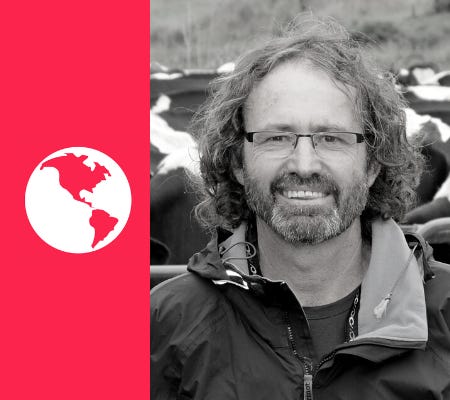
It's Not Just A Climate Crisis | Mike Joy
Mike Joy is a freshwater ecologist and Senior Researcher at IGPS Victoria University of Wellington. He has been working for two decades at the interface of science and policy in New Zealand with a goal of strengthening connections between science, policy and real outcomes to address the multiple environmental issues facing New Zealand.He explains the multiple links between New Zealand’s dairy industry and environmental damage—giving a fantastic example of what a systems problem looks like in a real-world context—before diving into an analysis of the correlation between human and planetary health.We discuss political gridlocks, science communication, activist movements, technology and art in this far-reaching conversation, before turning to the question: How do we precisely target the people causing the crises around the world?* Listen on Apple or Spotify* Watch on YoutubePlanet: Critical investigates why the world is in crisis—and what to do about it.© Rachel Donald Get full access to Planet: Critical at planetcritical.substack.com/subscribe
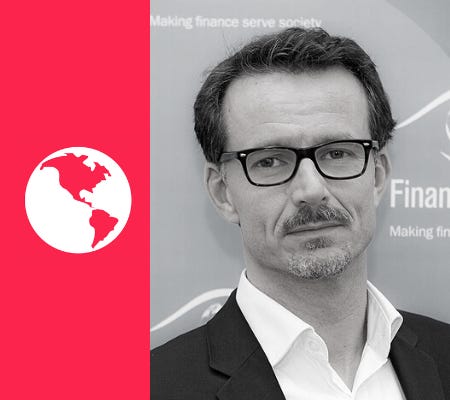
The Truth about Green Finance | Fred Hache
Frederic Hache is the cofounder and executive director of Green Finance Observatory, an NGO tracking the world of “sustainable finance”, debunking its claims, and working with European policymakers to warn against supposed market-based solutions.He joins me to explain how the markets have financialised and commodified the climate crisis: why carbon credit schemes are nonsense, the worrying advent of biodiversity offsetting, and the tokenisation of environmental protection. He explains that environmental regulations have a long history of being effective, and questions why protection of the natural world is being handed over to markets.He reveals which “green” markets are already linked to human rights abuses around the world, how crypto is muscling in on the space, and how lobbyists have hijacked the agenda to protect profits.* Listen on Apple or Spotify* Watch on YoutubePlanet: Critical investigates why the world is in crisis—and what to do about it.© Rachel Donald Get full access to Planet: Critical at planetcritical.substack.com/subscribe
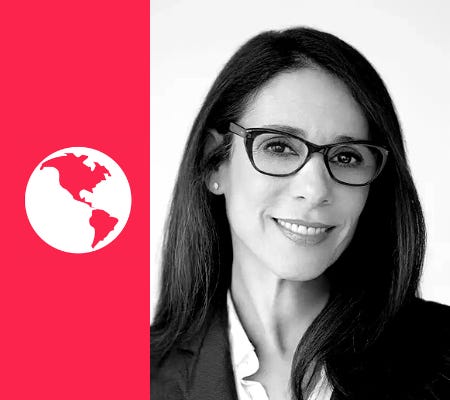
Pro-Power: How the Far Right Stole America | Katherine Stewart
Katherine Stewart is an investigative reporter and author of The Power Worshippers: Inside the Dangerous Rise of Religious Nationalism. She’s spent the past 12 years investigating how USA’s far right got organised after the original Roe vs Wade ruling, using abortion to polarize political debate in the USA and unite a multi-denominational movement to enact their vision of white ethno-nationalism.She joins me to explain how abortion became key to their rise to power; how they’ve spent the past 50 years inserting themselves into education, legislature, and government; the deep network of funders, organisations and individuals whose sole wish is to take power back from the Left. These people aren’t pro-life. They’re pro-power. And to claw it back from them, Katherine says we need to begin organising with the same vigilance and determination they exhibit.* Listen on Apple or Spotify* Listen on YoutubePlanet: Critical investigates why the world is in crisis—and what to do about it. © Rachel Donald Get full access to Planet: Critical at planetcritical.substack.com/subscribe
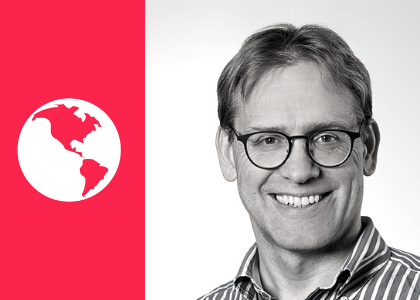
Global Climate Compensation | Henrik Nordborg
Henrik Nordborg is a physics professor at the Eastern Switzerland University of Applied Sciences, and program director for the university’s Renewable Energy and Environmental Technology. He began giving public lectures about the climate crisis some years ago when he felt his students deserved more honest information about the state of the world and the looming crisis. This led to him developing the Global Climate Compensation, a plan to tax fossil fuel companies and redistribute those funds to every nation around the world.Henrik’s plan differs from other carbon tax proposals—he wants to tax fossil fuel companies at production, not from calculations of their emissions. He says this not only prevents companies’ capacity to skew the data, but actually involves no additional accounting—these companies know exactly how much they’re producing because that’s where their profits come from.The redistribution factor is equally key. This fund would be redistributed around the world, per capita, and governments could then choose what to do with that money. It could provide a buffer for developing nations to begin their own energy transition. This is crucial in a world where Western nations are avoiding paying climate reparations—Loss and Damages payments—which Global South nations have tried to bring to the table at Cop conferences. * Listen on Apple or Spotify* Watch on Youtube* Read the interview transcriptPlanet: Critical is a resource for a world in crisis, supported by people like you. Join the community by becoming a subscriber today.© Rachel Donald Get full access to Planet: Critical at planetcritical.substack.com/subscribe
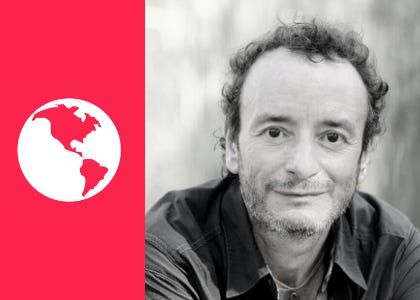
The Meaning Crisis | Jeremy Lent
Jeremy Lent is an author and integrator whose dedicated his life since the dot com boom to understanding meaning: how to find it, how to make it, and how to apply it. Author of renowned books ‘The Web of Meaning’ and ‘The Patterning Instinct’, Jeremy joins me to discuss how to combine traditional knowledge with scientific understanding to navigate the polycrisis, the impact of cultural worldviews and how to shift them, and how we can use interconnectedness as a foundation to create a better and more diverse world. * Listen on Apple or Spotify* Watch on Youtube* Read the interview transcript* Bonus video out on MondayPlanet: Critical is a resource for a world in crisis, supported by people like you. Join the community by becoming a subscriber today.© Rachel Donald Get full access to Planet: Critical at planetcritical.substack.com/subscribe
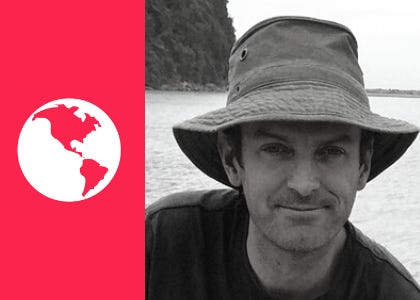
Understanding Resilience | Graeme Cumming
How do we build resilient systems? How do we allow for transformation? How do we encourage adaptation? How does this apply to both to ecosystems and human systems? And how we use this to better understand and tackle the climate crisis?These are questions Professor Graeme Cumming answers on today’s episode. Graeme is the Director of the Arc Center of Excellence coral reef studies at James Cook University in Australia. An ecologist by training, his research increasingly focuses on socio-ecological functions, problems and resilience in systems.He explains what dung beetles can teach us about political division, why resilience is not enough on its own, and ultimately why we cannot use ecological systems as an exact map for understanding the complexity of human systems. * Listen on Apple or Spotify* Watch on Youtube* Read the interview transcript* Bonus video out on Monday© Rachel DonaldPlanet: Critical is a resource for a world in crisis, supported by people like you. Join the community by becoming a subscriber today. Get full access to Planet: Critical at planetcritical.substack.com/subscribe
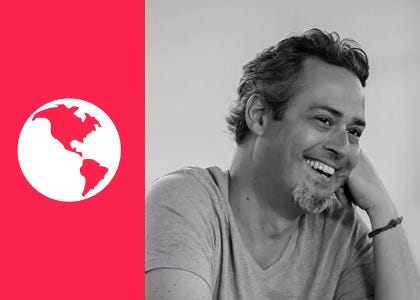
Creating Complex Solutions | Asher Miller
One of the greatest challenges we face when tackling the polycrisis is understanding and applying a diversity of approaches. This means recognising the solutions are as complex as the crisis itself. There is no singular, simple answer. Accepting the ecosystem of solutions we need to implement also comes with accepting both unknown variables and the fact that different people are going to attempt different things—but each attempt is valid, and potentially plays a significant role in the bigger picture. A diversity of approaches demands a diversity of understanding. It also demands accepting we’re not always going to agree with how some choose to fight the battle.Asher Miller, CEO of Post Carbon Institute, joins me to discuss this very problem on today’s episode. He explains the role the Institute has played in pointing out the severity of the crisis, the dangers of oversimplifying or universalising responses, and how to apply systems thinking to creating complex solutions—and just how tough that can be.* Listen on Apple or Spotify* Watch on Youtube* Read the interview transcript* Bonus video out on Monday© Rachel DonaldPlanet: Critical is a resource for a world in crisis, supported by people like you. Join the community by becoming a subscriber today. Get full access to Planet: Critical at planetcritical.substack.com/subscribe
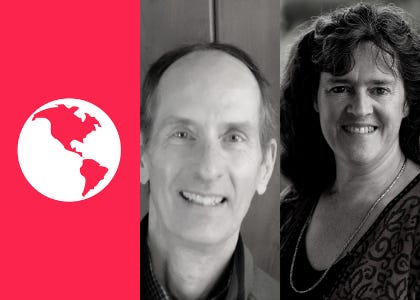
Creating Deliberative Democracies | Susan Clark & Tom Prugh
“Too many cooks spoil the broth.” That’s the old adage—but could the opposite be true when it comes to politics? Researchers and writers Susan Clark and Tom Prugh say so. Their research into deliberative democracies show that inviting local communities to take responsibility for local governance improves engagement, depoliticises debate, and achieves excellent results. And the best thing about it? The more people see their impact in the community, the more responsibility they take—creating even better results every time.What’s even more exciting is the deliberative democracy model scales up. It may not be “fast”, like the political processes we live in today, but it might just be the model we need to empower citizens to confront the climate crisis and hold their leaders to account. * Listen on Apple or Spotify* Watch on Youtube* Read the interview transcript* Bonus video out on Monday© Rachel DonaldPlanet: Critical is a resource for a world in crisis, supported by people like you. Join the community by becoming a subscriber today. Get full access to Planet: Critical at planetcritical.substack.com/subscribe
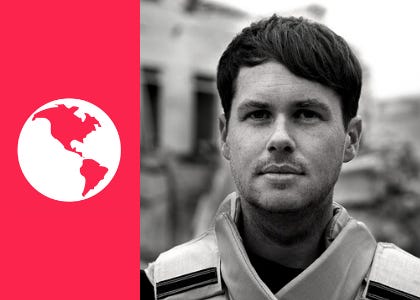
Price Wars: How Prices Caused the Crisis | Rupert Russell
From the global financial crash in 2008 to Arab Springs in 2011 to the rise of authoritarian regimes climaxing in the election of a fake-tanned despot to the White House and a compulsive liar buffoon in Downing Street, the past decade and a half has seen the unravelling of political, financial and ecological stability.What was the first domino? Academic, documentarian and author, Rupert Russell, thinks we can blame prices. Rupert spent the past few years tracking how speculative markets and the resulting volatility in prices have exacerbated and even caused much of the crises we see around the world. He joins me to explain how the coffee crash in Guatemala led to the U.S border crisis, how the Arab Springs were caused by a spike in wheat prices, and how the physical effects of the climate crisis are driving vulnerable people into market climate wars, dictated by the speculative whims of bankers in the West. * Listen on Apple or Spotify* Watch on Youtube* Read the interview transcript* Bonus video out on Friday© Rachel DonaldPlanet: Critical is a resource for a world in crisis, supported by people like you. Join the community by becoming a subscriber today. Get full access to Planet: Critical at planetcritical.substack.com/subscribe
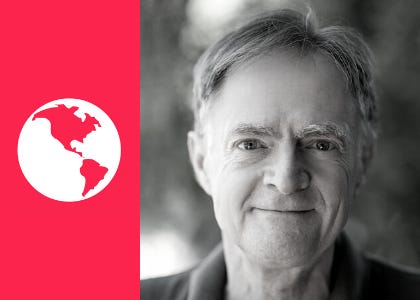
The Climate Crisis is a Social Crisis | Richard Heinberg
We’re living in the anthropocene — a geological period defined by the impact of human activity on the planet’s climate and ecosystems. Essentially, it’s our behaviour that’s at the root of the problem. But so often this isn’t addressed as the root. Our economic system claims tech will save us from ourselves—but imagine we do find a silver bullet, do we have the social cohesion in place to implement that solution, or any? That’s what Richard Heinberg, senior fellow at Post Carbon Institute, joins me to discuss. Richard’s devoted his life to understanding the crisis and its solutions, authoring 14 books and hundreds of articles on the topic. Richard’s a big picture thinker, and he believes it is our behaviour and our current political division which is the real threat to climate progress.We discuss energy rationing, political division, the effect of increasing economic inequality, and the knowledge gap between the public and leaders.* Listen on Apple or Spotify* Watch on Youtube * Read the interview transcript* Bonus video out on Friday© Rachel DonaldPlanet: Critical is a resource for a world in crisis, supported by people like you. Join the community by becoming a subscriber today. Get full access to Planet: Critical at planetcritical.substack.com/subscribe
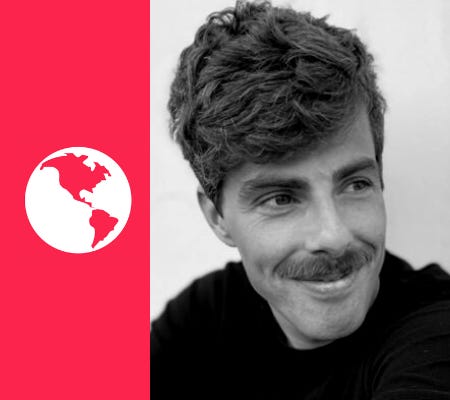
Debunking Green Growth | Tim Parrique
Degrowth is making waves in academic and climate circles. Not only does the research field provide genuine hope for a more equitable and environmental future, but its advocates are hellbent on revealing the incorrect math, manipulated data and idiotic assumptions propping up capitalism’s regime. They’re debunking the myth of green growth.Ecological Economist, Tim Parrique, the lead author of ‘Decoupling Debunked’ joins me this week to explain how neoliberal ideologies have co-opted the climate movement by promoting “green growth”. He exposes the language and mechanisms economists and politicians use to lull the public into a false sense of security, gives a damning analysis of decoupling (believe me, you need to know this), drops a bombshell about the IPCC report, and puts to bed the argument that growth on a finite planet could be a good thing. This is a brilliant episode building on Jason Hickel’s Introduction to Degrowth a few weeks ago. Listen to the full interview here, catch it on on Apple or Spotify or watch on Youtube. You’ll find the bonus episode on Youtube tomorrow, and this week everyone has access to the interview transcript.© Rachel DonaldPlanet: Critical is a resource for a world in crisis, supported by people like you. Join the community by becoming a subscriber today. Get full access to Planet: Critical at planetcritical.substack.com/subscribe
The Future of Activism | Gail Bradbrook
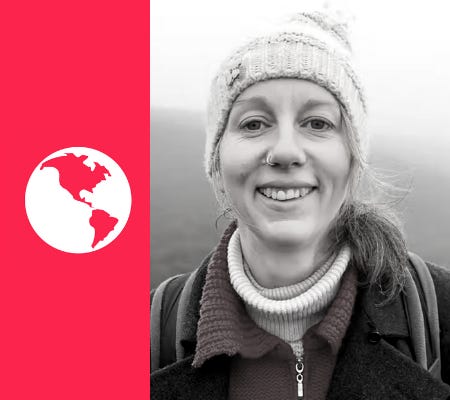
Extinction Rebellion drew attention to the climate crisis like no other group before them. Founded in just 2018, they’ve forced the climate conversation into the mainstream, and their organisation is an inspiring reminder of what citizens can achieve when mobilized.But what happens after the alarm has been raised? How do activist groups evolve their messaging and their mission to identify a new goal: solutions.That’s what Dr Gail Bradbrook joins me to discuss. Gail is one of the original members who set up Extinction Rebellion and has now transitioned to Being The Change which empowers both activist groups and members of the public to connect with one another around the world and do something. Gail also gives insight into where activism is going wrong in the West, from white saviour complex beliefs to inadequately connecting with the public. This is a fascinating discussion from someone who really knows these movements about where they’re going and what to do about it. Listen to the full interview here, catch it on on Apple or Spotify or watch on Youtube. You’ll find the bonus episode on Youtube over the weekend, and paid subscribers have access to the interview transcript on Planet: Critical.© Rachel DonaldPlanet: Critical is a resource for a world in crisis, supported by people like you. Join the community by becoming a subscriber today. Get full access to Planet: Critical at planetcritical.substack.com/subscribe
Citizens vs Oligarchies | Sally Goerner
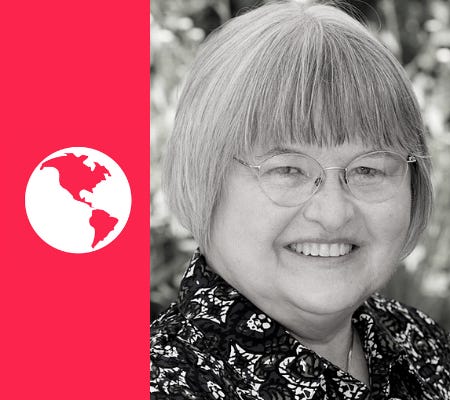
What happens when a small percentage of the population amass resources and power? Oligarchy. And polymath Sally Goerner says oligarchy is the final stage of most human civilizations—and a symptom of dysfunctional human systems.She joins me to explain why the future is integral and collaborative, why empowering people with vision and hope is key to creating systemic changes, why citizenship is the foundation of any human system, and how to measure the health of those systems.This is a far-reaching and impressive conversation covering neurobiology, history, sociology, political theory and systems thinking. I found Sally and her research utterly fascinating and hope you all get as much out of it as I did. Sally’s email: [email protected] to the full interview here, catch it on on Apple or Spotify or watch on Youtube. You’ll find the bonus episode on Youtube over the weekend, and paid subscribers have access to the interview transcript on Planet: Critical.© Rachel DonaldPlanet: Critical is a resource for a world in crisis, supported by people like you. Join the community by becoming a subscriber today. Get full access to Planet: Critical at planetcritical.substack.com/subscribe
Creating Resilient Biosystems | Walter Jehne
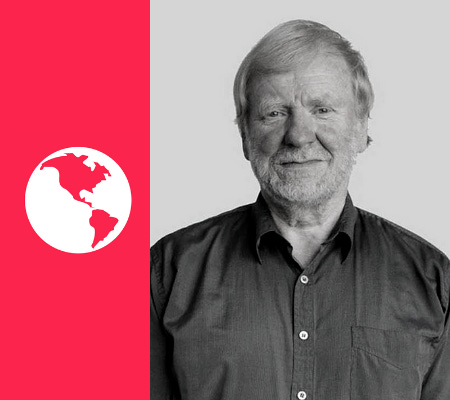
What’s a resilient biosystem? Healthy soil, healthy water, healthy cycles. They’re so key that even defence departments around the world are starting to invest in creating them, as research shows we have just 60 harvests left if we stick to our industrialised system of agriculture.There’s hope for us yet, and it lies in the soil. Microbiologist and regenerative agriculture expert, Walter Jehne, joins me to explain how soil can capture carbon, promote global cooling, and feed billions on very little space. He explains how politics got in the way of progress in the 70s, and why governments are scrambling to speak to him and his team. This is an utterly fascinating discussion (please bear with the lower quality recording). Walter was suggested by listeners so, please, if there is anyone you would like me to get on the show, don’t hesitate to reach out.Listen to the full interview here, catch it on on Apple or Spotify, or watch on Youtube. You’ll find the bonus episode on Youtube over the weekend, and paid subscribers have access to the interview transcript on Planet: Critical.© Rachel Donald Get full access to Planet: Critical at planetcritical.substack.com/subscribe
Understanding the Nature of Systems | Jessie Henshaw
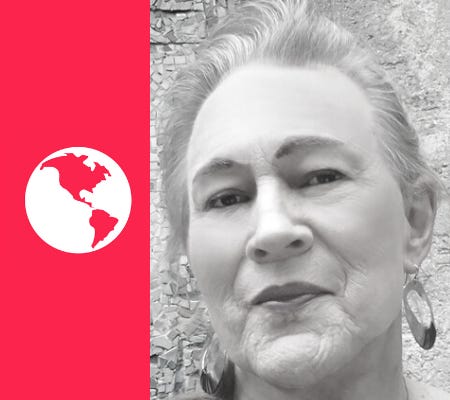
Why, when armed with so much knowledge, are we failing to tackle the climate crisis? There must be some piece of the puzzle we haven’t grasped to continue overshooting the planetary boundaries at an alarming rate. Even this week’s IPCC report—the big piece of literature that’s meant to tell us what’s going on and what to do about it—came under fire from some climate scientists for continuing to propagate the endless growth maxim.But even our valuing growth as either good or bad reveals how little we understand the complexity of natural systems—and that’s what this week’s guest joined me to discuss.Jessie Henshaw is a physicist, architect and natural systems designer who worked with the UN to reframe their sustainability goals. She believes our misunderstanding of natural systems as a whole is what’s gotten us into this mess, and why we may not get out. We discuss how and when growth is necessary, collectivism in systems, and why science’s atomisation of systems in a bid to understand them is impeding the urgent progress we need to make. Listen to the full interview here, catch it on on Apple or Spotify, or watch on Youtube. You’ll find the bonus episode on Youtube over the weekend, and paid subscribers have access to the interview transcript on Planet: Critical.© Rachel Donald Get full access to Planet: Critical at planetcritical.substack.com/subscribe
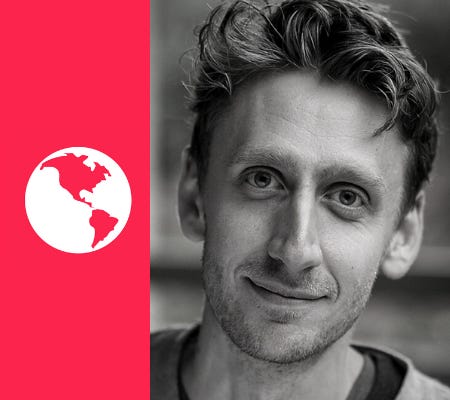
Urgency, Action and Ethics | Joseph Merz
There are no easy solutions to the climate crisis—most governments admit their hope lies in technology which doesn’t even exist yet. Science and “visionaries” propose increasingly mad ideas, like refreezing the Arctic, or sending humans to live in Space. But given the urgency of the situation, would we be mad not to consider these mad ideas?Joseph Merz thinks we’ve run out of time to ask questions. He founded the Merz Institute to combat the climate crisis, gathering some of the world’s best scientists to establish what is going wrong and how to fix it. He says the answer is behavioural change—and they’re developing a programme that would manipulate mass behaviour on a subconscious level.How? Well, using the same techniques as the advertising industry.Joseph explains how his team came to this conclusion and how they plan to effect these change, giving examples of which kinds of changes would be most beneficial. We dive deep into the ethics of such a program, the dangers of these technologies, and whether or not we even have time to be discussing ethics. Listen to the full interview here, catch it on on Apple or Spotify, or watch on Youtube. You’ll find the bonus episode on Youtube over the weekend, and paid subscribers have access to the interview transcript.© Rachel Donald Get full access to Planet: Critical at planetcritical.substack.com/subscribe
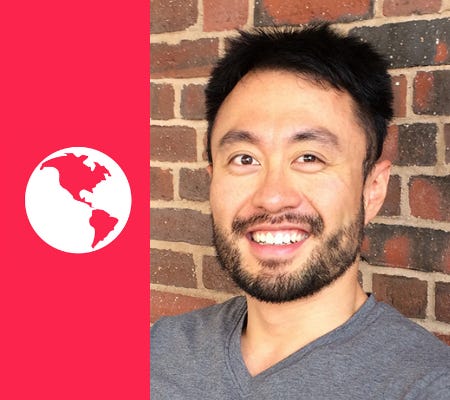
Buying Time With Geoengineering | Ye Tao
Geoengineering is often accused of falling prey to techno-optimism—that technology will get us out of this anthropocenic mess. A lot of proposals seem to have walked off the pages of a dystopian novel, existing only to prop up a destructive and unequal society. But do we need to diversify our strategy and accept these compromises just to buy time over the coming decades? This week, physicist and engineer Ye Tao introduces Meer, the mirror rays project which he says could halt global warming, buying humanity the necessary time to combat the climate crisis. He explains how Meer could cool the planet while decreasing energy demands, and improving water retention and food resources.But Ye is far from a techno-optimist. Whilst he thinks geoengineering could win us some battles, he believes dismantling power structures and our capitalist economy is key to winning the long-term war. He explains we’re locked onto a heating trajectory of at least 2 degrees Celcius, meaning we must deploy technologies to cool the planet. Once we’ve figured that out, he says we then must turn our attention to improving society for everyone—and offers a fascinating proposal to metric human progress. This episode involves some serious science and I hope you all enjoy it. Listen to the full interview here, catch it on on Apple or Spotify, or watch on Youtube. You’ll find the bonus episode on Youtube over the weekend, and paid subscribers have access to the interview transcript.© Rachel Donald Get full access to Planet: Critical at planetcritical.substack.com/subscribe
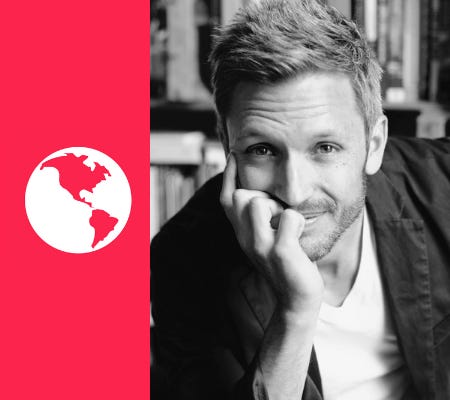
Degrowth and Ecosocialism | Jason Hickel
Imagine if we could support 10 billion people on our planet using just 60% of our current energy demands. Sound too good to be true? Not according to degrowth scholars.Economic anthropologist and author, Jason Hickel, is one of the leading degrowth researchers leading the charge for ecosocialism. He says if we limit the energy demands of the elite and hungry multinational corporations—reimagining economics to support and nurture human dignity—we could stay within our planetary boundaries and lift the entire world out of poverty.Degrowth proves putting people over profit would be good for the planet. Some of the most exciting policies include shortening the work week, providing universal basic services, and redistributing income. As we discuss, it’s a form of environmentalism that could join forces with the labour movement to dictate massive, sweeping global changes that could provide a better quality of life for every living being on earth.This episode is all about hope and vision, and I’m thrilled to present it to you all today. Listen to the full interview here, catch it on on Apple or Spotify, or watch on Youtube. You’ll find the bonus episode on Youtube over the weekend, and paid subscribers have access to the interview transcript.© Rachel Donald Get full access to Planet: Critical at planetcritical.substack.com/subscribe
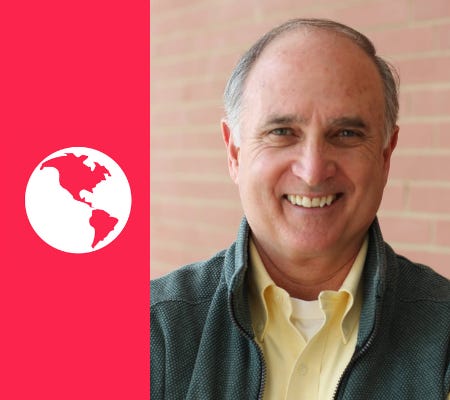
Saving Democracy to Save the Planet | David Orr
In the fight against climate change, we have some of the key details down: reducing emissions, pollution, consumption. But what about the bigger picture questions: How did we get into this mess? And how do we not only combat the climate crisis, but create a society which doesn’t have to go to war against itself every 400 years? This is what David Orr tackles on this week’s episode: What roles do democracy, education and citizenship play in building a better, safer world for both ourselves, our planet and the living things we share it with? David believes active citizenship is key, and is creating educational programmes around the United States to teach ecological literacy and active participation in democracy. These programmes reframe the concept of society to include the living planet we call home. Planet: Critical is a resource for a world in crisis, supported by people like you. Join the community by becoming a subscriber today.During the episode, David explains the historical relationship between politics and the environmental movement, giving key insight where the environmental movement went wrong in the 70s and 80s, and the politicians who rejected changing the status quo at the moment it mattered most. His work today is built upon decades of research at the forefront of the movement and, undoubtedly, the pillar of any functioning and equitable society begins with education. But, as we discuss in the episode, given the urgency of the crisis—do we have time?David W. Orr is Paul Sears Distinguished Professor of Environmental Studies and Politics Emeritus at Oberlin College. He is a founding editor of the journal Solutions, and founder of the Oberlin Project. He is the author of eight books, including Dangerous Years: Climate Change, the Long Emergency, and the Way Forward (Yale, 2016) and Down to the Wire: Confronting Climate Collapse (Oxford, 2009). David has served as a board member or advisor to eight foundations, including the Rocky Mountain Institute and the Aldo Leopold Foundation. Currently he is a trustee of the Alliance for Sustainable Colorado and the Children and Nature Network. His numerous awards include a Lyndhurst Prize, a National Achievement Award from the National Wildlife Federation, and a Visionary Leadership Award from Second Nature. You can also follow Planet: Critical on Youtube and support the project on Patreon. Read the interview transcript here.© Rachel Donald Get full access to Planet: Critical at planetcritical.substack.com/subscribe
Russia's War: The Impact of Sanctions and Markets | Chris Cook
Russia’s invasion of Ukraine is a terrible, devastating conflict causing an inexcusable loss of life. The rest of the world has bound together to sanction the nation, Putin and his oligarch friends. But how effective will these sanctions be? And how does the current market paradigm allow for war between nations?I invited Chris Cook back on the show to discuss these key questions. He explains what we can learn from the U.S’s sanctioning of Iran, what role Russia’s energy dominance will play in this war, and, crucially, how we can build markets which promote interdependence—and peace.Planet: Critical is a resource for a world in crisis, supported by people like you. Join the community by becoming a subscriber today.Chris is the former director of the International Petroleum Exchange and is now a Senior Research Fellow at the Institute for Security and Resilience Studies at University College London. He firmly believes resilient markets are built on mutuality, cooperation and ethics, and has spent the past 15 years investigating how to create legal frameworks to bind them to behave so.This episode provides a huge amount of insight into how markets impact geopolitics and how to use them to promote peace. Listen to the full interview here, catch it on on Apple or Spotify, or watch on Youtube. You’ll find the bonus episode on Youtube over the weekend, and paid subscribers have access to the interview transcript.Learn more about Chris’ work at the Institute for Security and Resilience Studies.You can also follow Planet: Critical on Youtube and support the project on Patreon. Read the interview transcript here.© Rachel Donald Get full access to Planet: Critical at planetcritical.substack.com/subscribe
Journalism's Role in a Crisis | Ian Urbina
“The media”. This is the 21st century’s term for journalism—netizens have clocked how many online publications are nothing more than content-churners. However, more care should be taken to separate what we understand as “journalism” and “media”. Rather than protect the privilege of a free press, we’ve begun using the laziest blanket word which puts journalism in the firing line alongside institutions like Facebook. The result is terrifying, but blame doesn’t lie solely with readers.This week’s guest shines a light on how journalism needs to evolve to protect both itself and its purpose—especially during this critical period in history.Planet: Critical is a resource for a world in crisis, supported by people like you. Join the community by becoming a subscriber today.Pulitzer-prize winning investigative journalist, Ian Urbina, spent 17 years at the New York Times before setting up his own non-profit newsroom in 2020, The Ocean Outlaw Project. Ian and his team investigate “the final frontier”, finding stories at the intersection of environment and human rights which typically go under the radar.The Outlaw Ocean Project models itself after ProPublica, and Ian’s explanation as to how these newsrooms can and must work alongside “legacy” newspapers is absolutely fascinating. We discuss the responsibility of journalists during a crisis, and sharing that responsibility with readers. The innovation at the heart of Ian’s work is really thrilling. Listen to the full interview here, catch it on on Apple or Spotify, or watch on Youtube. You’ll find the bonus episode on Youtube over the weekend, and paid subscribers have access to the interview transcript.Learn more about The Outlaw Ocean Project.You can also follow Planet: Critical on Youtube and support the project on Patreon. Read the interview transcript here.© Rachel Donald Get full access to Planet: Critical at planetcritical.substack.com/subscribe
How To Make Markets Serve People | Chris Cook
The global financial system is exploitative, and squeezing the vast majority of people out of living a safe, well and happy life. It’s knackered, as this week’s guest puts it, and it’s got to change.Chris Cook is the former director of the International Petroleum Exchange and is now a Senior Research Fellow at the Institute for Security and Resilience Studies at University College London. He firmly believes ethical markets are the most resilient, and has spent the past 15 years investigating how to create legal frameworks to bind markets to serve people. Planet: Critical is a resource for a world in crisis, supported by people like you. Join the community by becoming a subscriber today.Chris says we’re headed for a third market paradigm, markets 3.0, which will be network-based and inherently collaborative. During this interview he provides a series of ideas to prove that this is more than just theory or hope—it is legally possible to create mutually assured financial relationships that cut out middlemen and yet still provide the current financial system with a role in protecting populations rather than exploiting them.This is an utterly fascinating episode with one of the world’s top market strategists, and I’m thrilled to present it to you all. Listen to the full interview here, catch it on on Apple or Spotify, or watch on Youtube. You’ll find the bonus episode on Youtube over the weekend, and paid subscribers have access to the interview transcript.Learn more about Chris’ work at the Institute for Security and Resilience Studies.You can also follow Planet: Critical on Youtube and support the project on Patreon. Read the interview transcript here. © Rachel Donald Get full access to Planet: Critical at planetcritical.substack.com/subscribe
Gaianism: Can a Spiritual Movement Combat the Crisis?
I have a question for you all: Would you find interview transcriptions useful? I’m considering making them available to Patrons and paid subscribers on this platform. Let me know: [email protected] ideology and doctrine has long been used to exact swift and lasting social change throughout human history. Could faith-based teaching provide the necessary shift in modern thinking to combat the climate emergency? Or is doctrine a dangerous weapon which should be left out of the conversation?And if an ideology doesn’t lend itself to extremism—will it even take hold?Planet: Critical is a resource for a world in crisis, supported by people like you. Join the community by becoming a subscriber today.These are the questions I pose Erik Assadourian, leader of the Gaianism movement, on this week’s episode. Erik was a senior research fellow at World Watch for decades, and an expert on all things sustainability. Over the course of his research, he came to believe faith is crucial when demanding huge sociological shifts in a short space of time to deal with the climate emergency, and began the Gainism movement, connecting with people all over the world in a bid to create a hopeful and spiritual response to the necessary life-shifts the crisis demands of us. Listen to the full interview here, catch it on on Apple or Spotify, or watch on Youtube. You can also find the bonus episode on Youtube over the weekend. Discover Gainism. You can also follow Planet: Critical on Youtube and support the project on Patreon.© 2022 Rachel Donald Get full access to Planet: Critical at planetcritical.substack.com/subscribe
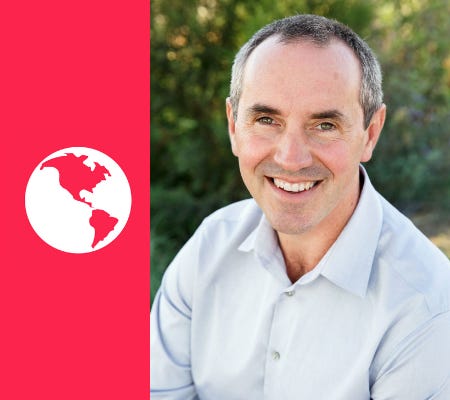
Transforming Food Systems to Transform the Future | Jason Bradford
Which animal consumes more energy producing food than it does eating that food? None, except industrialised humans. You don't need to be a scientist to know that's bad news. Jason Bradford is a biologist and farmer working on how to transform food systems to make them more rural, sustainable, and to provide a net-positive energy consumption. He explains the failings of our current food production and encourages everyone to learn to farm as soon as possible. Planet: Critical is a resource for a world in crisis, supported by people like you. Join the community by becoming a subscriber today.But beyond that, Jason provides a beacon of hope for the future, revealing the positive changes in his life and his community's since they began their own food production. Without over-simplifying "the great simplification", he thinks it could be a positive transformation. Listen to discover why veganism isn't the answer and why everyone needs to upskill their practical abilities in the next decade. Listen here, catch it on on Apple or Spotify, or watch on Youtube.Discover Jason’s work, or learn to farm on his Youtube channel.You can also follow Planet: Critical on Youtube and support the project on Patreon where I upload a bonus video every Saturday.© 2022 Rachel Donald Get full access to Planet: Critical at planetcritical.substack.com/subscribe
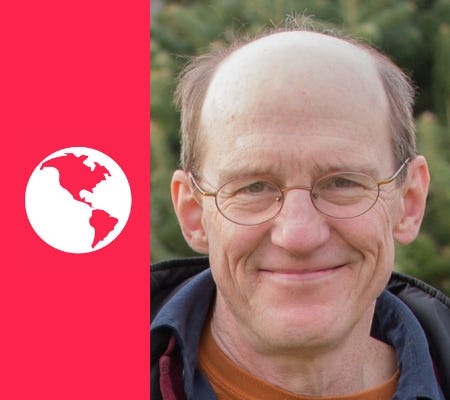
How Science is Failing the Crisis | Dan Fiscus
“Follow the science!” This value-neutral field with its objective logic and cold reasoning is our beacon of hope in an ecological crisis. But should we celebrate its lack of values, or is it time to shift our scientific paradigm?That’s the argument of this week’s guest, ecologist Dan Fiscus, who says the very nature of science as value-neutral is a driving force in the climate crisis. He argues science will never be able to tackle the scale of the problem posed by the climate crisis until we infuse the field with ethics. Planet: Critical is a resource for a world in crisis, supported by people like you. Join the community by becoming a subscriber today.It’s a fascinating proposition. Dan explains how the modern paradigm is ROAM: Reductionist, Objectivist, Analytic and Mechanistic. He describes its failures to understand and treat the environment as inseparable from Life, and proposes a new paradigm for the future. I’m thrilled to release this the week after Carl Safina took us on a journey back to Ancient Greece, to argue the climate crisis has its roots in Plato’s concept of profanity. I’d highly recommend listening to them back-to-back. Listen here or catch it on on Apple or Spotify.Discover Dan’s work.You can also follow Planet: Critical on Youtube and support the project on Patreon where I upload a bonus video every Saturday.© 2022 Rachel Donald Get full access to Planet: Critical at planetcritical.substack.com/subscribe
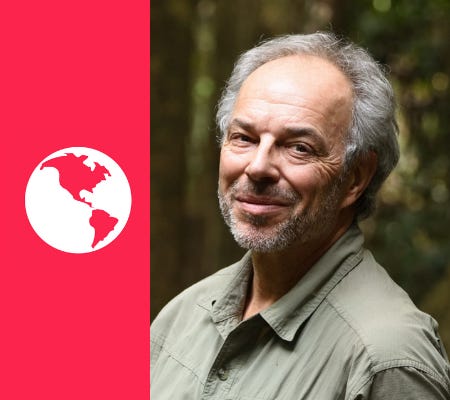
How Western Philosophy Created the Crisis | Carl Safina
What’s Plato got to do with the environmental crisis? Everything, according to Carl Safina, ecologist, author, fellow, and winner of the MacArthur genius grant. Carl joins me this week to discuss his new book which examines culture’s across the world, and their relationship to the planet. He argues that Plato’s concept of profanity engendered the Judeo-Christian monotheistic religions which view the world, and man, as sinful, in turn creating a Western culture which has no respect nor care for the natural world. Planet: Critical is a resource for a world in crisis, supported by people like you. Join the community by becoming a subscriber today.He explains how this culture exported its ideology across the world and argues solutions will be found by examining and learning from Indigenous cultures which celebrate their role as within a wider ecosystem. Carl’s fierce intellect and deep love for the natural world shine through this incredible interview. Listen here on catch it on on Apple or Spotify.Discover Carl’s books and work here.You can also follow Planet: Critical on Youtube and support the project on Patreon where I upload a bonus video every Saturday.© 2022 Rachel Donald Get full access to Planet: Critical at planetcritical.substack.com/subscribe
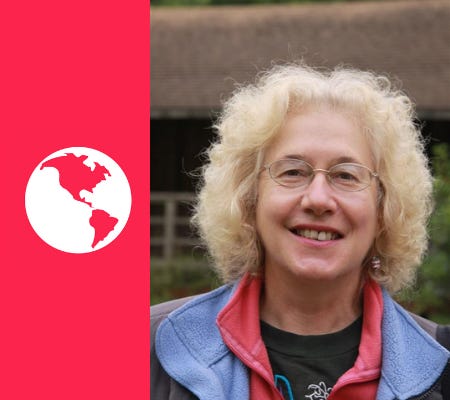
Life After Fossil Fuels | Alice Friedemann
A post-carbon world could be our opportunity to do better—and make the difficult transition much easier to swallow. That’s the message of Alice Friedemann on this week’s episode, author of When Trucks Stop Running: Energy and the Future of Transportation. The transition is coming, perhaps collapse is coming, and if the world as we know it is going to change we might as well make the most of it. She worries we won’t be given the opportunity due to all the misinformation flying around, and gives a cutting analysis of how the climate change conversation is distracting from many other dangerous, concurrent such as biodiversity loss and water scarcity.Planet: Critical is a resource for a world in crisis, supported by people like you. Join the community by becoming a subscriber today.For Alice, the big problem is the energy crisis. She explains how oil prices can precipitate nation state collapse, with high oil prices driving 11 of the past 12 recessions.This is a phenomenally interesting interview, which also manages to be a lot of fun, despite the topics! Listen here on catch it on on Apple or Spotify.Visit Alice’s website Energy Skeptic and get your hands on a copy of When Trucks Stop Running: Energy and the Future of Transportation.You can also follow Planet: Critical on Youtube and support the project on Patreon where I upload a bonus video every Saturday.© 2022 Rachel Donald Get full access to Planet: Critical at planetcritical.substack.com/subscribe
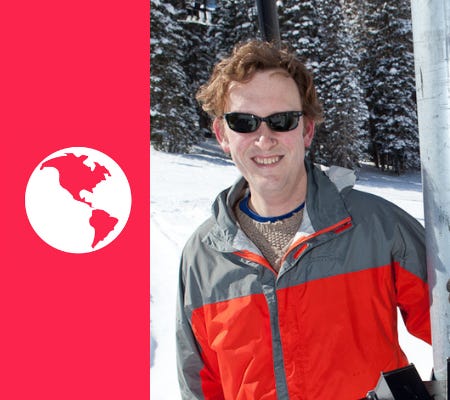
The Thermodynamics of Collapse | Tim Garrett
According to the laws of physics, the economy can only sustain itself by growing. So how bound are we by the laws of thermodynamics?Professor Tim Garrett, atmosphere scientist at the University of Utah, argues we’re completely bound by those laws. He has modelled how the behaviour of snowflakes and clouds can be used to predict energy consumption and GDP, bridging the gap between economic theory and the natural world. Planet: Critical is a resource for a world in crisis, supported by people like you. Join the community by becoming a subscriber today.Tim’s research is nothing short of fascinating; this is a mind-bending hour you won’t regret. Listen to the episode here or catch it on Apple or Spotify.Read more of Tim’s work here.You can also follow Planet: Critical on Youtube and support the project on Patreon where I upload a bonus video every Saturday.© 2022 Rachel Donald Get full access to Planet: Critical at planetcritical.substack.com/subscribe

One year of Planet: Critical
Welcome to this special episode of Planet: Critical where we journey from the podcast’s humble beginnings to what it is today, and what I hope it will evolve into.None of this would be possible without you all and so I thank you endlessly for your support and encouragement. It’s wonderful to witness a community coalesce around the podcast and the information my incredible guests provide us, and I’m so looking forward to what we will continue learning, and where it will take us. Knowledge is the only renewable fuel we have and I’m humbled to play a small part in spreading it as far and wide as possible. I wouldn’t be getting very far without you all, especially given how terrible I am at promoting the show. So to those of you who spread the word every week, and to the others who chose a paid subscription—thank you, I’m touched you find value in my work.I hope you all enjoy whatever plans you have for this December 31st, and here’s to a 2022 filled with critical thinking and vision.Cheers,RachelPlanet: Critical is a resource for a world in crisis, supported by people like you. Join the community by becoming a subscriber today. Get full access to Planet: Critical at planetcritical.substack.com/subscribe
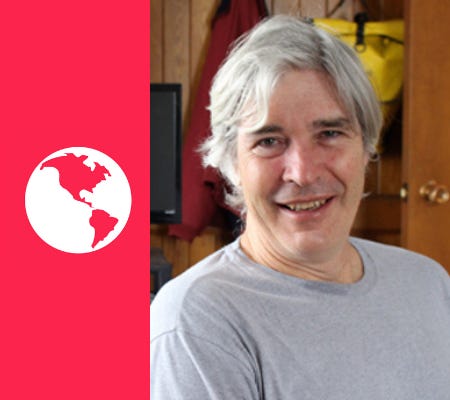
Common Sense vs Economics | Joshua Farley
Did you know that four years of studying mainstream economics at university has such a profound impact on students that their value systems change? And not for the better.Economic theory affects the very fabric of human society, and the dominant neoliberal model is at the root of many of the crises we face. Assuming human nature is fundamentally selfish has created a terrible feedback loop of individualism, precarity and abuse. Ecological economists are fighting back with new models, models they believe are more in line with humankind’s long history of collaboration.Planet: Critical is a resource for a world in crisis, supported by people like you. Join the community by becoming a subscriber today.Joshua Farley is a Professor of Ecological Economics at the University of Vermont. His research focuses on designing an economy capable of balancing what is biophysically possible with what is socially, psychologically and ethically desirable. This episode is a big picture conversation about the roots of the climate and social crises. We discuss human values—and common sense—and how to reimagine an economics which will allow the best of human nature to triumph. Listen to the episode here or catch it on Apple or Spotify.Read more of Joshua’s work here.You can also follow Planet: Critical on Youtube and support the project on Patreon where I upload a bonus video every Saturday.© 2022 Rachel Donald Get full access to Planet: Critical at planetcritical.substack.com/subscribe
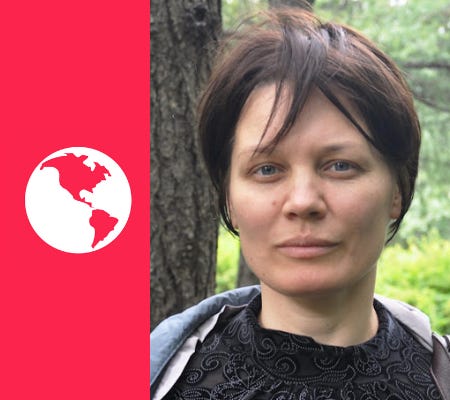
Save The Forests To Save The Planet | Anastassia Makarieva
What’s theoretical physics got to do with trees? Everything.Life on this planet is in grave danger. While life does what it can to self-regulate (breaking the second law of thermodynamics to do so), when environments become disturbed beyond repair, the “biota” breaks down exponentially. To physicist Anastassia Makarieva, this is the reality of climate change.Planet: Critical is a resource for a world in crisis, supported by people like you. Join the community by becoming a subscriber today.Anastassia has dedicated her life to understanding the biota and, more specifically, how the world’s forests regulate not just themselves but the water system of the entire planet. Alongside her colleagues, Anastassia is desperately trying to raise awareness of the dangers of disturbing the world’s forest, especially the Boreal forest, which despite being the largest on the planet is often forgotten about. She says stopping logging overnight would have the biggest impact on reducing climate change. So why isn’t anyone listening? Listen to the episode here or catch it on Apple or Spotify.Read more of Anastassia’s work here and here.You can also follow Planet: Critical on Youtube and support the project on Patreon where I upload a bonus video every Saturday.© 2022 Rachel Donald Get full access to Planet: Critical at planetcritical.substack.com/subscribe
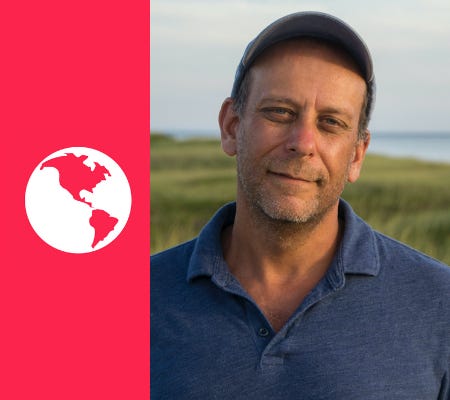
Fish, Fusion and Revolution | Paul Greenberg
Tackling climate obesity will take a very strict diet—and it’s not a one size fits all solution. We’ve got to make big changes, and fast. But who is “we” and what are these changes?Journalist and author Paul Greenberg joins me this week to break down some of the radical solutions individuals can make to fix their climate diet (that’s the fish part). We then go on to discuss renewables vs nuclear (fusion), before tackling the big problem bringing international negotiations to a grinding halt: Who’s to blame, and how do we make them change?There’s a lot to learn in this episode. Listen here or catch it on Apple or Spotify.Tuck into Paul’s fantastic range of books.You can also follow Planet: Critical on Youtube and support the project on Patreon where I upload a bonus video every Saturday.© 2022 Rachel Donald Get full access to Planet: Critical at planetcritical.substack.com/subscribe
Seeing the Big Picture | Nate Hagens
Welcome to the era of generalists, of the big picture thinkers who translate concepts into action. These are the people who join the dots to get a better sense of how our world fits together—and how we impact each other.Planet: Critical is a resource for a world in crisis, supported by people like you. Join the community by becoming a subscriber today.Nate Hagens is one of the most acclaimed big picture thinkers tackling the sustainability question. He joins me to explain that creating a sustainable future demands tackling social and economic inequalities, and ultimately creating a new system of values. Listen here or catch it on Apple or Spotify.Nate currently teaches a systems synthesis Honors seminar at the University of Minnesota ‘Reality 101 – A Survey of the Human Predicament’. Nate is on the Boards of Bottleneck Foundation, IIER and Institute for the Study of Energy and the Future.You can also follow Planet: Critical on Youtube and support the project on Patreon where I upload a bonus video every Saturday.© 2022 Rachel Donald Get full access to Planet: Critical at planetcritical.substack.com/subscribe
Confronting the crisis: Systems, solutions and stories | Ugo Bardi
Ugo Bardi is a Professor in Physical Chemistry at the University of Florence, and a member of the Club of Rome. Ugo’s work focuses on promoting a sustainable transition to renewable energy on the basis of a quantitative energy yield analysis. In his blog, he examines among other things the “Seneca Effect”, a biophysical interpretation of the collapse of complex systems.In this fascinating interview Ugo ranges from discussing what killed the dinosaurs to revealing a theory of evolution that could radically transform how we combat the climate crisis. He also provides details on some of the most exciting technological advancements which could help us navigate our energy, economic and ecological crises. This isn’t one to miss. Listen here or catch it on Apple or Spotify.Ugo’s blog, The Seneca Effect.You can also follow Planet: Critical on Youtube and support the project on Patreon where I upload a bonus video every Saturday.© 2022 Rachel Donald Get full access to Planet: Critical at planetcritical.substack.com/subscribe