Planet: Critical
242 episodes — Page 3 of 5
How Corporations Overthrew Democracy | Matt Kennard
Honduras is being sued for a third of its GDP by an American company—why?Because the developing nation changed its mind about Prospera building a charter city on its territory. This case, which could bankrupt Honduras, will be judged in a back room of the World Bank by three people, none of whom are obliged to even have a law degree.Matt Kennard, investigative journalist and author of Silent Coup: How Corporations Overthrew Democracy, explains the origin of this shadowy legal system, and how it has infiltrated politics, skews policies, and traps developing nations into exploitative relationships with some of the world’s biggest corporations, definitively undermining the democratic process.Planet: Critical investigates why the world is in crisis—and what to do about it. Support the project with a paid subscription. Get full access to Planet: Critical at planetcritical.substack.com/subscribe
Dignity and Liberation | lisa minerva luxx
Genocide.Israel will not stop until it subsumes the entirety of Gaza and, from the words of their leaders, destroys the Palestinian people.Brave people everywhere are protesting. Many are talking. Some stay quiet, for fear of losing their jobs. A minority around the world firmly believe the rhetoric developed by the Israeli state. The injustice in the Middle East, the violent impunity murdering thousands of civilians, backed by Western powers who blush not at their own hypocrisy, is uniting people all over the globe. This is an uprising against colonialism, against violence itself.lisa minerva luxx, poet, political activist, and member of Palestine Action joins me to discuss the dignity of the Palestinian people, and the dignity they have long been denied. We discuss their right to resist under international law, examining the narrative that passivity could have led to their liberation. We also explore the relationship of the Palestinian struggle for freedom to all other liberation movements around the world, with luxx highlighting the many leaders who fought for freedom using the tools of resistance, including guerilla warfare and sabotage.This is an episode about colonialism, violence, action and love. This is an episode about the reality of the situation in Palestine, and the Israelis and Palestinians suffering under this colonial regime. “Many people have been talking about and been horrified by—but not enough people—the use of “these are human animals”. We heard this before with the persecution of Jews. How are we not learning? Jews were called rats. And that's why so many people allowed for the Holocaust to happen. ‘Oh, well, it's not happening to humans, I can allow it to happen to rats. I don't like rats.’ We allowed for this to happen before. How are we back here?"Subscribe to support Planet: Critical. Get full access to Planet: Critical at planetcritical.substack.com/subscribe
Exposing UN Greenwashing | Jacob Goldberg
“I don't think you want an organisation that is misleading the public about its achievements addressing the climate crisis, to necessarily be the one leading the global effort to do something about the climate crisis.”The UN claims they're "climate neutral"—it couldn't be farther from the truth.A recent investigation done by Mongabay and the New Humanitarian revealed many carbon credit projects the UN buys are linked to protest, rainforest destruction and dispossession of indigenous people. I'm joined by reporter Jacob Goldberg who investigated this story for over a year.Shockingly, he reveals the UN performs no checks on the carbon credits they buy—and did not respond to the reporters once they raised the alarm. As he says during the episode—can we trust an institution that can’t even keep track of the harm it’s doing to really lead the world through the climate crisis?Planet: Critical investigates why the world is in crisis—and what to do about it. Support the project by becoming a free or paid subscriber. Get full access to Planet: Critical at planetcritical.substack.com/subscribe
Doubt as a Weapon of War | Marc Owen Jones
It’s one rule for Israel and her allies—another for everyone else.Israel’s allies can turn a blind eye to its genocide of Palestine—as long as some of the war crimes are denied. The settler state received unequivocal backing from the vast majority of Western leaders whilst it committed war crimes under the Geneva Convention, including cutting off electricity, water and food—everything the EU decried as war crimes when committed by Russia.On Tuesday night, a spokesperson for the Israeli government confirmed an Israeli airstrike hit the Al Ahli hospital in Gaza, killing 500 sick, wounded and refugees. But hours later, the statement was retracted and Israel began sowing doubt about the origins of the strike, pointing the finger at Palestinian Jihadis. Hamas denied the claim. Israel released footage showing the “misfiring rocket” but Twitter users pointed out the videos either had the wrong time stamp, or were clips from 2022. But by Thursday morning, Western journalists were running with the story that both sides were blaming the other—despite the fact that Israel had called the hospital and ordered it to evacuate because of planned strikes.Marc Owen Jones, Associate Professor at HBKU researching disinformation and digital authoritarianism joins me to explain how Israel weaponises doubt to allow its Western allies enough plausible deniability to continue staunchly supporting the regime, the West’s closest stronghold to the largest oil reserves in the world. Marc also explains the relationship between Israeli propaganda and Western media, revealing why so much coverage of what campaigners are calling a genocide against Palestinians only portrays Israel as the victim.Watch Bassem Youssef's amazing interview.Planet: Critical investigates why the world is in crisis—and what to do about it. Support the project by becoming a free or paid subscriber. Get full access to Planet: Critical at planetcritical.substack.com/subscribe
The Interconnected Grid | Nafeez Ahmed
“All of those sectors are rapidly changing and the incumbent industries in those sectors are going to collapse. This is being driven by economic dynamics. It's going to happen.”What if the only viable future is a better one?Whatever the future holds, one thing is certain: tomorrow’s world will not look like today’s. We could see fossil-fascism in which nations hoard their fossil reserves (coal and gas) for accelerated use at the expense of international collaboration. We could see eco-fascism after an unplanned recession which crashes the financial system and slashes demand. We could see a descent into madness in which we run out of fuel to heat, to eat, to survive.We could also see degrowth, eco-socialism, renewable sharing and governance reimagined to meet human rights. No, this isn’t utopia—it’s laid out in the policy plans of many scholars around the world as one of the only paths to navigating the planetary crisis.Systems theorist Nafeez Ahmed joins me to discuss the interconnected grid—a piece of renewable infrastructure which, by its design, would change our economic system, our geopolitics and our relationship with one another. Nafeez debated Simon Michaux a few months ago, and I highly recommend listening to these episodes as a trio: Nafeez, Simon, the debate.Planet: Critical investigates why the world is in crisis—and what to do about it. Support the project with a paid subscription. Get full access to Planet: Critical at planetcritical.substack.com/subscribe
Oligarchs, Media and Markets | Peter Jukes
“We found more undocumented meetings between senior newspaper editors—especially his real boss, as Dominic Cummings called Boris Johnson's former employer, The Telegraph,—than any other industry by far. What do they get? What does the political class get? Boris Johnson's got one million pounds per year at The Daily Mail. That's what he gets. They get cover. They get support from these papers. What do the papers get in return? We've documented it. At least 200 million in covid subsidies through this advertising, which was only given to members of the News Media Association, which includes the Guardian and The Mirror and The Independent. The Independent takes money from Saudi, so it’s greenwashing. You ask them to comment on it, they won't touch it because their salaries are being paid by it.”Oligarchy has infiltrated media—but the elite invited them in.Keeping up with the revolving door between media, politics, intelligence and corporations would make anyone queasy. There is an elite class of people with access to power, wealth and influence, and they trade that power, wealth and influence between them to keep it in the family. The press would like us to think they’re the independent watchdog above it all. It’s the greatest story they’ve ever spun.Peter Jukes is the cofounder and executive editor of Byline Times, the British media outlet created to expose corruption in media and write the stories the establishment won’t. In this episode, he explains how oligarchy took over the markets after 2008, the reality of the press ecosystem, how it’s unravelling, and how to create a forum for ideology.© Rachel DonaldPlanet: Critical investigates why the world is in crisis—and what to do about it. Support the project with a paid subscription. Get full access to Planet: Critical at planetcritical.substack.com/subscribe
Patriarchy and Pasture | Nikki Yoxall
Can regenerative farming fix our food systems?One relatively effective action for an individual to combat climate change is going vegan. Industrial agriculture is razing the Amazon rainforest, facilitating endless suffering, and causing a health crisis. However, regenerative farmer Nikki Yoxall says whilst these things are all huge problems, going vegan doesn’t treat the root of the problem—capitalism.Founder of Regenerative Women On The Land, Nikki joins me to discuss the patriarchal thinking embedded in our economic systems which trickle down to our food systems; the importance of accepting and celebrating death; the disconnection between humanity and nature; and the necessity to understand that animals—including farm animals—are a critical in healthy and functioning ecosystems. We discuss agroecology, the homogenisation of food, the disaggregation of food from our land supply, and Nikki ends by imploring us to invite farmers in to understand the complexity of the challenges we face rather than ignoring the generational wealth of knowledge, concern and connection held by the industry, many of whom are working to regenerate a healthy society from the ground up.Planet: Critical investigates why the world is in crisis—and what to do about it. Support the project with a paid subscription. Get full access to Planet: Critical at planetcritical.substack.com/subscribe
Leveraging Pensions to Force the Transition | Ian Edwards
“You can't go off and get growth. That's not the foundations of a pension, especially a public pension as a public good. It is about quality curating, stewarding a future for these people. And the reason why I get jazzed about this is because the money, the scale of mone—30 to 50 trillion dollars globally—if we started to move that money for just the beneficiaries, we fix it for everyone. Because that is a lot of money to move.”What if we bought the fossil fuel industry?The value of pension funds in the world is a staggering amount. Unlike other funds, pensions have a fiduciary duty to their beneficiaries, a guarantee to act in the best interest of those who depend on these funds for their retirement. Ian Edwards, Founder of the Bank of Nature, says fiduciary duty encompasses guaranteeing a healthy planet—without a world under 1.5 degrees, there’s no retirement fund to pull from.He joins me to explain the history of fiduciary duty, the role of pensions, and the difference in returns necessary for pensions funds compared to other investments. This lower return means we could use pensions to start leveraging the market and force a green transition. One way, he says, is buying up the fossil fuel industry to retire it. This is about the 99% recognising their combined wealth and power, and shutting down the very system which threatens us all.Planet: Critical investigates why the world is in crisis—and what to do about it. Support the project with a paid subscription. Get full access to Planet: Critical at planetcritical.substack.com/subscribe
Creating The Alternative | Pat Kane
“If the internet was based on a kind of commons, an almost scholarly freedom, then we need to pressure the people who are regulating the virtuality of our digital lives and say we need an early internet-like space and zone in this, where people can, for example, test out realities, test out new kinds of economy, prototype things, take those prototypes into reality, see if they work, take them into the virtual world again.”“I think the destruction of the biosphere is baked in and therefore the social disruption is baked in as well. So we need some kind of continuity of civic space on the virtual realm that is potentially before us. We need a civic stake in the specific continuity between being in the streets and protesting and literally having to quarantine because of the next biospheric disruption.”Imagine is a world beyond our wildest dreams...“A life beyond your wildest dreams” is promised to those entering Narcotics Anonymous, a decentralised, collectively-run program for sobriety in which fellow addicts help one another get and stay clean. The promise doesn’t make sense when you first hear it—it’s only after months, even years, of becoming someone different that you realise how limited your imagination was made by addiction. I think of our global relationship to capitalism very similarly. It’s difficult to imagine life without it, and thus a better world, but that doesn’t mean such a world isn’t possible. So how do we unleash our imaginations and creativity to create a culture and a world beyond our wildest dreams, one in which we look after one another and the more-than-human world? How do we code for care? This is what Pat Kane joins me to discuss. Pat is a writer and musician, an activist, and a futurist. He writes a column for The National in Scotland and is also the co-founder of The Alternative, a media organisation embedded into community resilience and imagining alternative ways of organising. Pat to join me to discuss culture—how to understand it, how to code it, how to change it. We explore the possibility of the internet as emergent collective consciousness and a tool for creativity, resilience and connection. We discuss the importance of play: the psychology of play, the impact of play, and how play as resistance reveals the absurdity of the human systems that we are forced to interact with. We meander through this and more on love, truth, cosmology, resilience, difficulty and imagination. © Rachel DonaldPlanet: Critical investigates why the world is in crisis—and what to do about it. Support the project with a paid subscription. Get full access to Planet: Critical at planetcritical.substack.com/subscribe
Fighting for Freedom in West Papua | Jeffrey Bomanak
“From the 1963 up until today, they can't kill our ideology. They can't kill our philosophy. They can’t kill our fight. Because we believe what we fight for. We fight for our right, freedom, dignity, and truth. So, you can come with any number, you can come with any intelligence equipment, you can come with any kind of technology, you can come. I will fight you.”What can be justified in the name of self-defence?Ranging across the vast territory of West Papua, 34,000 guerilla soldiers fight the 700,000 strong Indonesian military controlling their sovereign land. In February, these rebels took a New Zealand pilot hostage, threatening to kill him if the Indonesian government ignored their demands for independence. But in this exclusive interview, Jeffrey Bomanak, Chairman of the Free Papua Movement, promises Philip Mehrtens will make it home alive. After negotiating their freedom with their Dutch colonists, West Papuans discovered the United States had used their land to bribe Indonesia into joining the capitalist economic order in 1963. The Free West Papua Movement (OPM, Organisasi Papua Merdeka) sprung up in resistance and has been fighting ever since. Jeffrey explains how their land was used as a pawn in a battle between world orders, the “genocide” of Papuans at the hands of the Indonesian government, and why organisations like the UN ignore the desperate plea of the Papuan people to maintain their colonial oversight. © Rachel DonaldPlanet: Critical investigates why the world is in crisis—and what to do about it. Support the project with a paid subscription. Get full access to Planet: Critical at planetcritical.substack.com/subscribe
Overshooting Earth's Boundaries | Bill Rees
Humankind’s footprint threatens to squash life under its heel.Our impact on the planet cannot be understated. We have thrust Earth into a new geological period, destroyed the majority of the world’s wildlife, razed her forests, and rendered innumerable species extinct. We are expert consumers with no limits to our appetite, it seems. Unless the climate becomes so unstable our own systems break down. This, of course, is what we’re already seeing.Bill Rees, bio-ecologist, ecological economist, and originator of the ecological footprint analysis, joins me to discuss this breakdown—how we got here, where we’re going, and why he has little hope for humankind to make it through. We discuss systems change, potential outcomes, and how to create “lifeboats” in a crisis. We also go head-to-head on the framing of some of these issues before finding common ground towards the end of the episode.“Half of the fossil fuels ever used on planet Earth by human beings has been consumed in just the last 35 years. This is the power of exponential growth. So hugely important things have happened in 50 years, including the first book that warned us of limits to growth. We've seen the evidence before the US Congress on Climate Change. We've had 27 COP meetings on climate change, a half a dozen formal agreements to reduce carbon emissions. There's been several formal scientists’ warning to humanities. This has all taken place in the last 50 years.“Yet, during that past 50 years, the pace of negative change has accelerated. So, despite the best of our science, despite the best evidence you can possibly come up with in terms of climate activity and so on and so forth, the mainstream has not budged.”Planet: Critical investigates why the world is in crisis—and what to do about it. Support the project with a paid subscription. Get full access to Planet: Critical at planetcritical.substack.com/subscribe
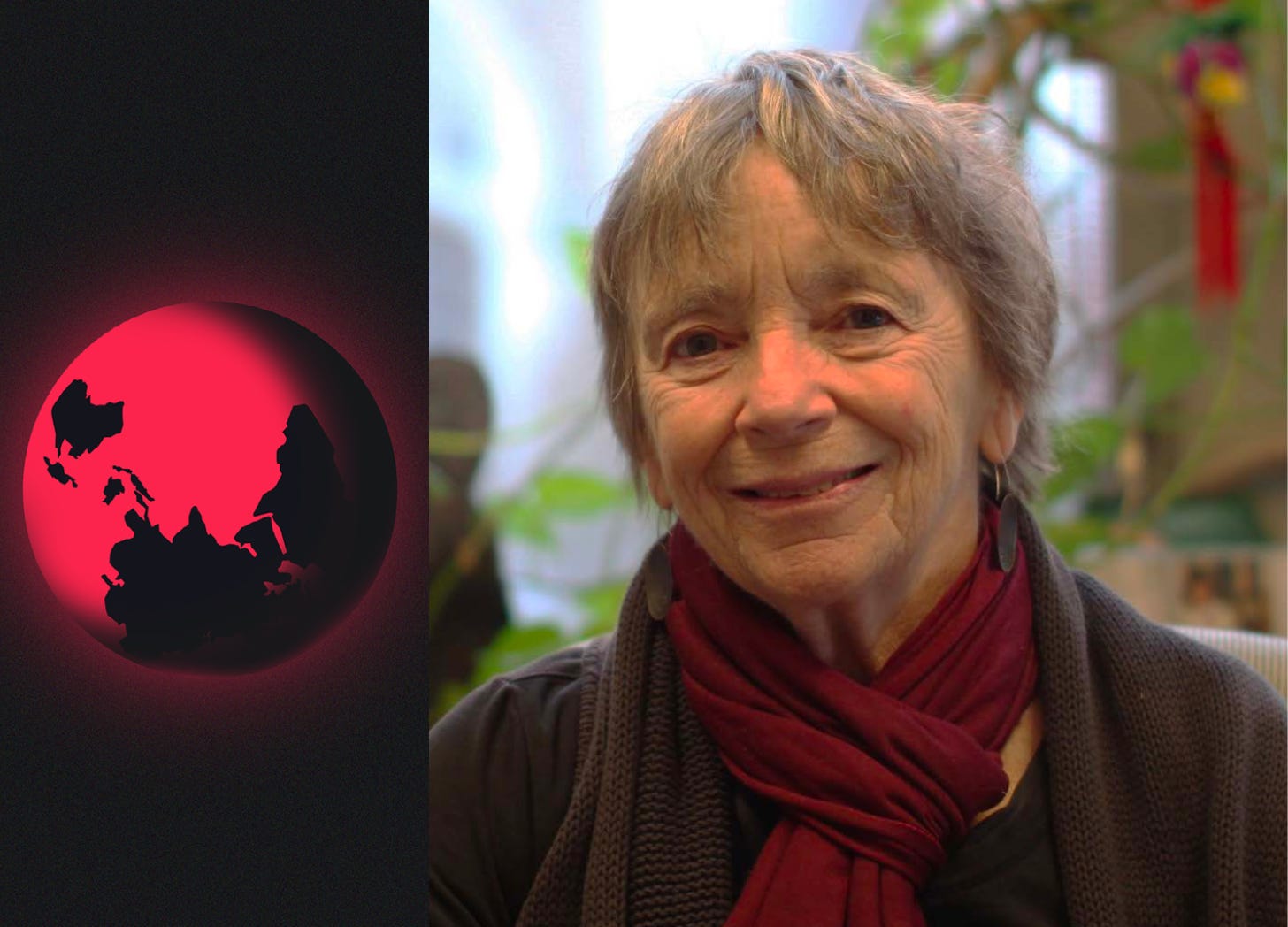
Religious Naturalism | Ursula Goodenough
“There isn't likely to be a future where all critters have no interest in themselves and are only interested in the collective. That's not gonna work. But to temper those two directions so that there is self maintenance, but also a self that joins the community, is, I would say, the goal.”What if religion wasn’t about God—but about each other?Religion is a divisive topic at best and the cause of war at worst. It has been used to control, dictate, punish and destroy people throughout the ages. Yet faith, it seems, is a critical aid in humankind’s individual and collective existence. I have always believed that faith is an act of imagination where religion is an act of dogma. That’s why I was curious when Ursula Goodenough, Professor of Biology Emeritus, emailed me a copy of her book, The Sacred Depths of Nature, suggesting we discuss “religious naturalism”. During the episode, Ursula introduces the topic as a grand story to unite humankind. We go on to discuss humankind as a symbolic species, the necessity and beauty of symbolism, how we evolve with symbolism, and how we can use story to anchor our existence. We discuss language and mindedness, consciousness and the brain, community and individuals, and the relationship between mystery and knowledge. Ursula also gives her insight into what separates religiosity, spirituality and religion.© Rachel DonaldPlanet: Critical investigates why the world is in crisis—and what to do about it. Support the project with a paid subscription. Get full access to Planet: Critical at planetcritical.substack.com/subscribe
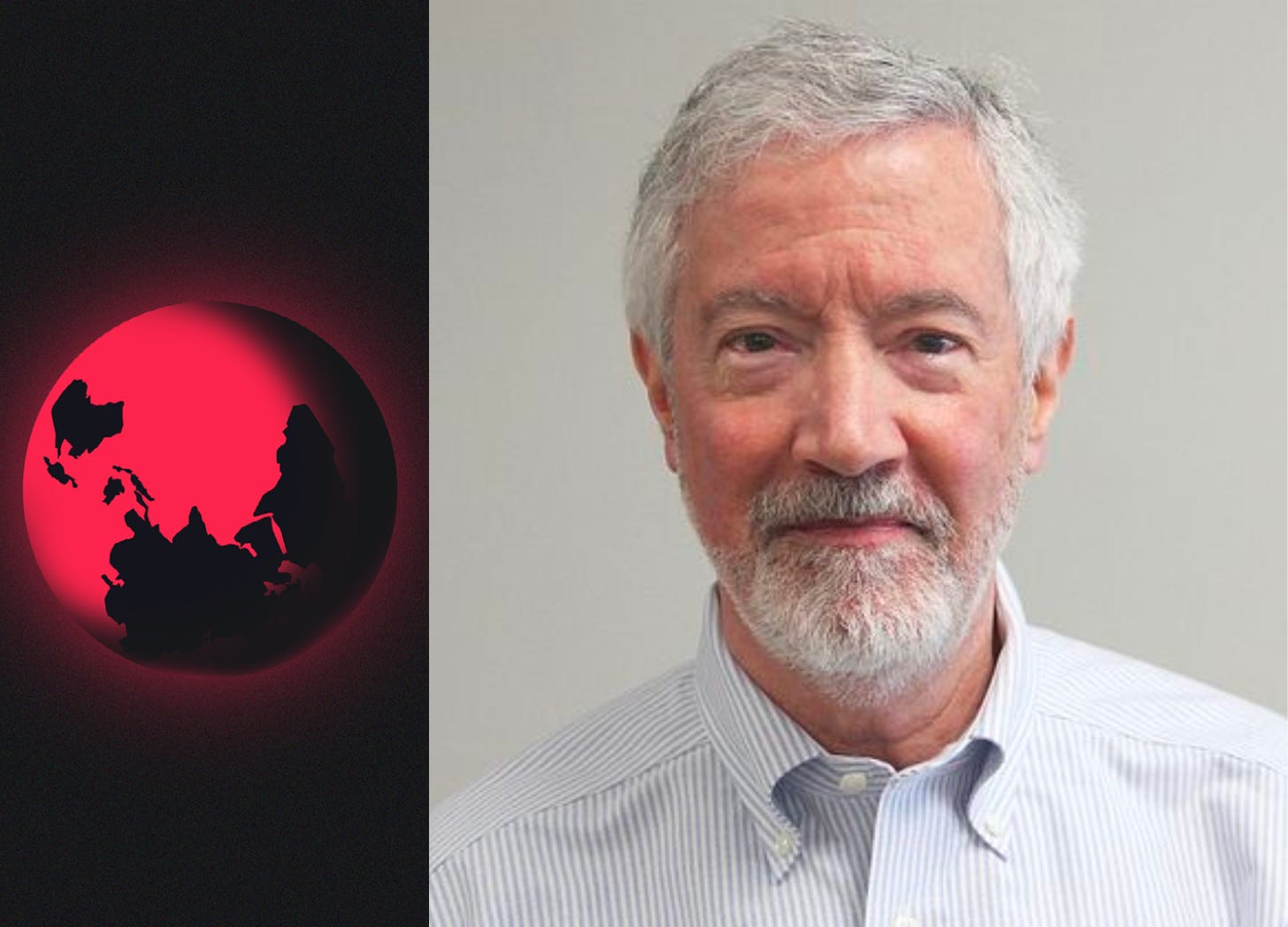
Mainstreaming Behaviour Change | Bill Ryerson
Human population is a problem—tackling it through education isn’t.We need to slow our global fertility rate to 1.5 children per woman if we’re to lower our population to a sustainable level of around 3 billion. That decline is already happening in many post-industrial nations, to the chagrin and panic of their leaders. However, many cultures around the world still prize large families. But in a world of increasingly scarce resources like water, limiting family sizes remains the main driver of some campaigners, including Bill Ryerson.Bill is an ecologist and founder of the Population Media Center, an initiative which creates mainstream entertainment in many nations around the world, pushing the needle on cultural practices to drive behaviour change on population and even gender violence. PMC produces telenovelas and radionovelas which have seen fertility rates decline in nations they’ve been shown.Bill and I spend the first half of the episode talking about the population problem, the policy problems, the history of population growth. He then introduces the concept of the demographic dividend, which showed that small families actually lead to economic growth, before explaining the successes and heartwarming stories of the work PMC has done around the world.Planet: Critical investigates why the world is in crisis—and what to do about it. Support the project with a paid subscription. Get full access to Planet: Critical at planetcritical.substack.com/subscribe
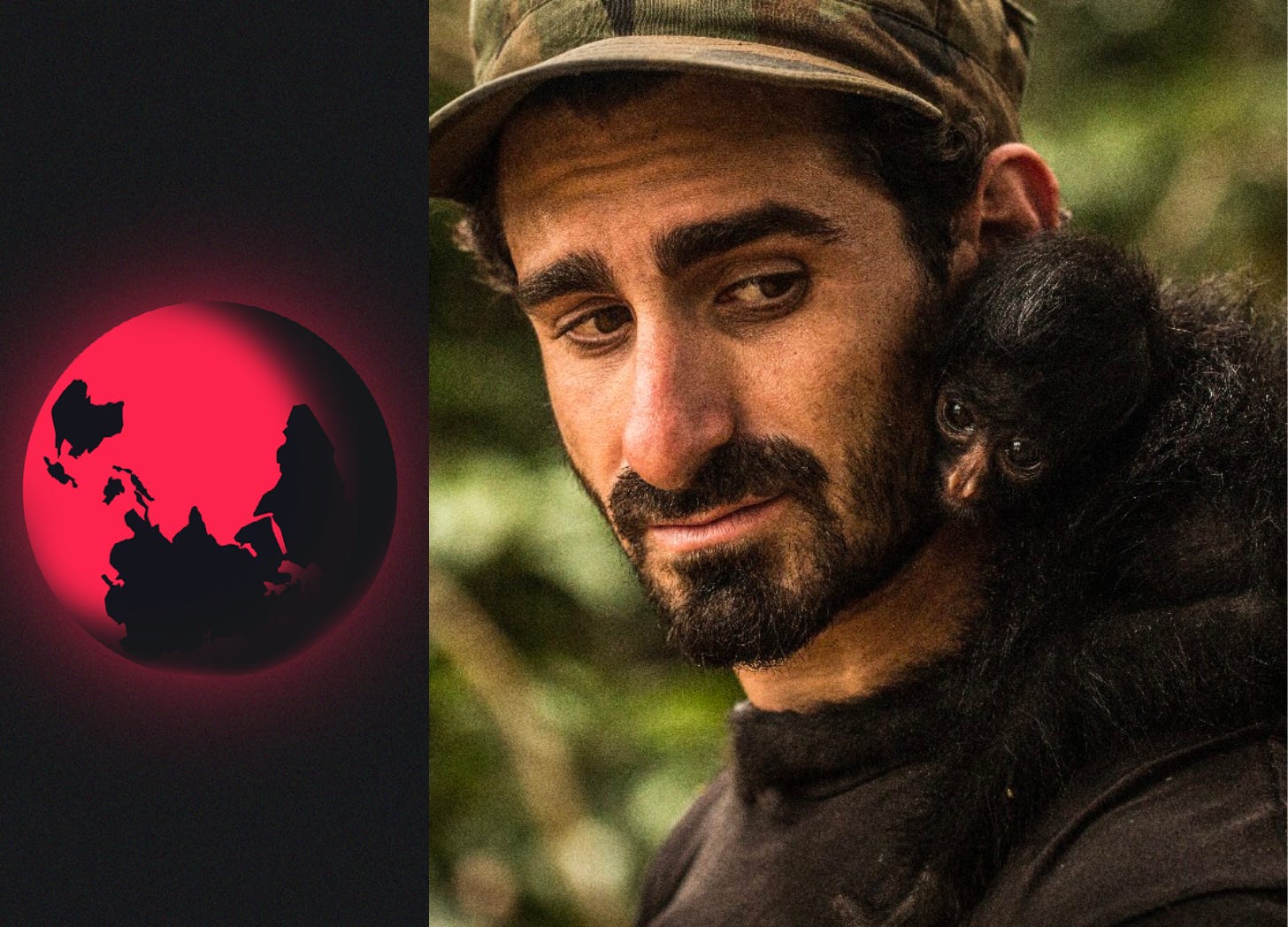
Protecting the Amazon | Paul Rosolie
It’s so much more than “climate change”.The most biodiverse regions of the world are under threat. Beyond the models, the data, the papers and the Twitter spats, the world’s ecosystems are collapsing under the pressure of mankind’s interference, extraction and exploitation. The Amazon, the world’s largest tropical rainforest, has been mined, plumbed and sawed for its resources to the extent it may soon become a carbon emitter as its systems begin to decay. Protecting it is vital in the fight against our own destruction. Paul Rosolie set out to do just that when he was 18 years old.Paul is a conservationist, writer, speaker, filmmaker, protecting 55000+ acres of Amazonian habitat and wildlife Director of JungleKeepers and Tamandua Expeditions. His memoir, Mother of God, documents his years spent deep in the jungle fighting to save it. Paul joins me to discuss this and more. He reveals the gifts of the Amazon and the lessons to be learned from its inhabitants. He also explains the limitations of typical conservation efforts due to the pressures of our globalised financial system. Finally, he gives a vision for what conservation could be in the future—and a call to action for those who understand the depth of the emergency.Planet: Critical investigates why the world is in crisis—and what to do about it. Support the project with a paid subscription. Get full access to Planet: Critical at planetcritical.substack.com/subscribe
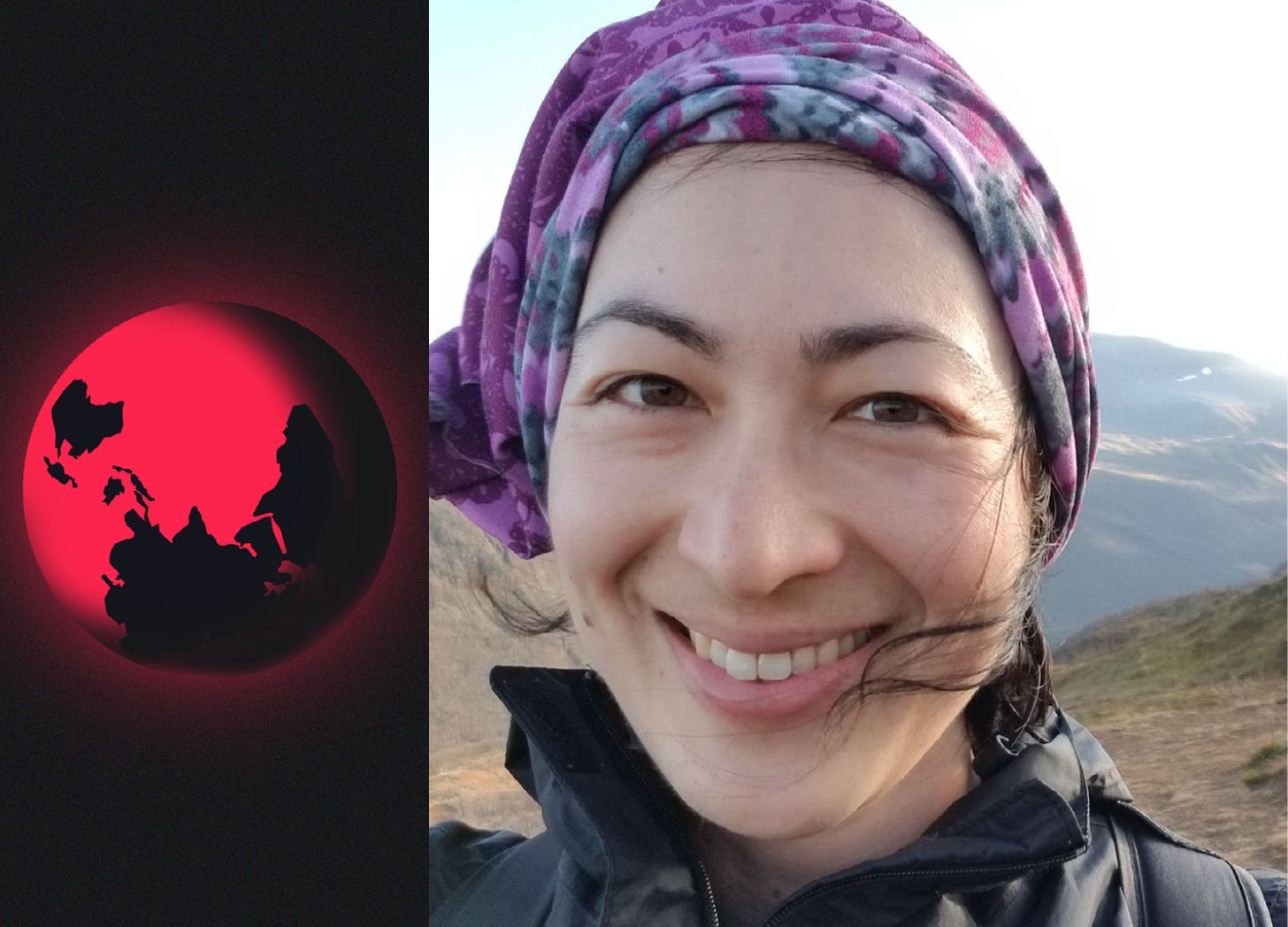
Non-Violence in the face of Violence | Rose Abramoff
“The ways in which we really value property, that to me is an extremely infinite growth capitalism, hyper-masculine and extractive and colonialist thought — this idea that property is as important as like the lives and comfort and kindness that we show people. We must show that same love and kindness and respect to property. And so in that way, I think that we could redefine nonviolence to include property destruction, destruction of specific property, which is essentially doing violence upon future generations or present generations of people in the global south.”Are we really going to protect private property at all costs?That’s the question myself and Rose Abramoff, an earth scientist and activist, circle around this week. We live in a violent world, one in which profiteering infrastructure kills, millions, threatens billions, and is tipping our planet over the edge. In the face of such violence, would sabotaging fossil fuel infrastructure really be an equivalent act of violence? Or would it be a necessary act of sabotage to protect life on earth? Rose is one of the first earth scientists to be fired for protesting against the climate crisis. We discuss the reality of the emergency, how to view taking action as a science experiment, the different kinds of action around the world, and the ethics of property destruction. Rose began her career as a forest ecologist and now studies the effect of climate change and land use change on the land carbon cycle, with a focus on plants and soil. As an activist, she works on a variety of environmental justice issues with Scientist Rebellion and other groups. She has engaged in nonviolent civil disobedience targeting colonial resource extraction, luxury emissions, and fossil fuel expansion and funding. Follow her on Twitter, Instagram and Mastodon at @ultracricket© Rachel DonaldPlanet: Critical investigates why the world is in crisis—and what to do about it. Support the project with a paid subscription. Get full access to Planet: Critical at planetcritical.substack.com/subscribe
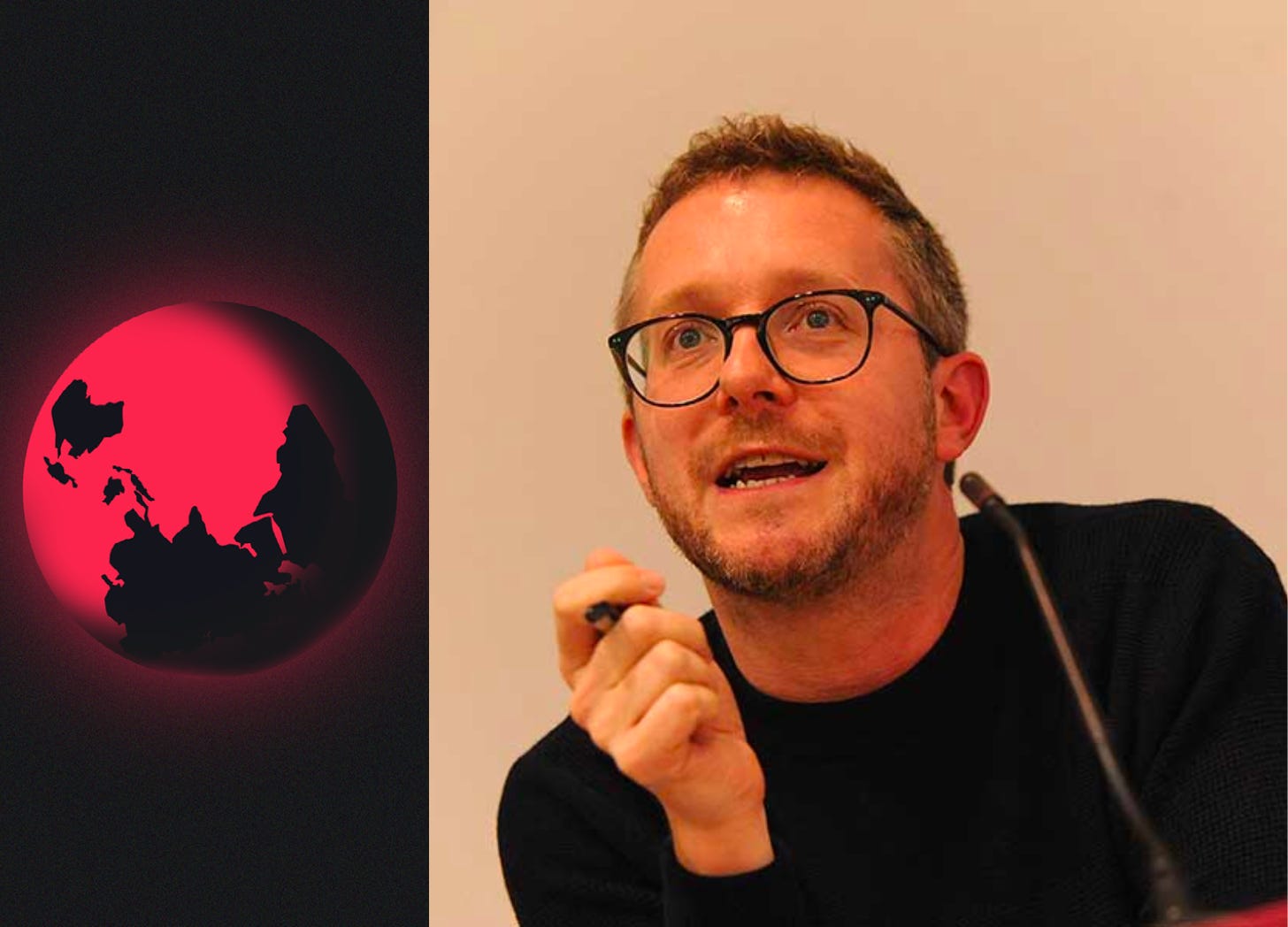
The Eco-Fiscal Crisis | James Meadway
“If you think about how you might get out of this and get to something better, what really matters is the distribution of resources. Who has what? Who holds the wealth? And what are they doing with it? Government borrowing and quantitative easing, this sort of thing, can change some of that, but really when you get down to it, you're going to have to think about how you're going to tax some of that wealth because you need to shift actual resources around. The most effective mechanism we have for doing that is taxation.”Economics is a pretty bizarre field: A social science masquerading as an actual science, economics inflexibly dictates life, relationships, election manifestos and policy despite none of it being set in stone. The beauty of economics is we can radically overhaul our economic systems and institutions to better serve us, rather than being prey to the outputs of a haggard and worn out system. Such a realisation is, though, beyond the imagination of most economic leaders.But there are economists out there working to debunk the myths, cut through the noise, and creating policies which would serve both people and planet. James Meadway—former treasury advisor, member of the Progressive Economy Forum council, and the host of the Macrodose podcast—is one of them. He joins me to discuss the emergency and long-term policies we should implement to navigate the climate crisis, the economic crisis, and to radically overhaul and transition our societies to those which support life over productivity. We discuss some alternative frameworks that are being researched around the world, including de-growth and modern monetary theory, whilst James insists that which needs to be re-evaluated is value itself.Planet: Critical investigates why the world is in crisis—and what to do about it. Support the project with a paid subscription. Get full access to Planet: Critical at planetcritical.substack.com/subscribe
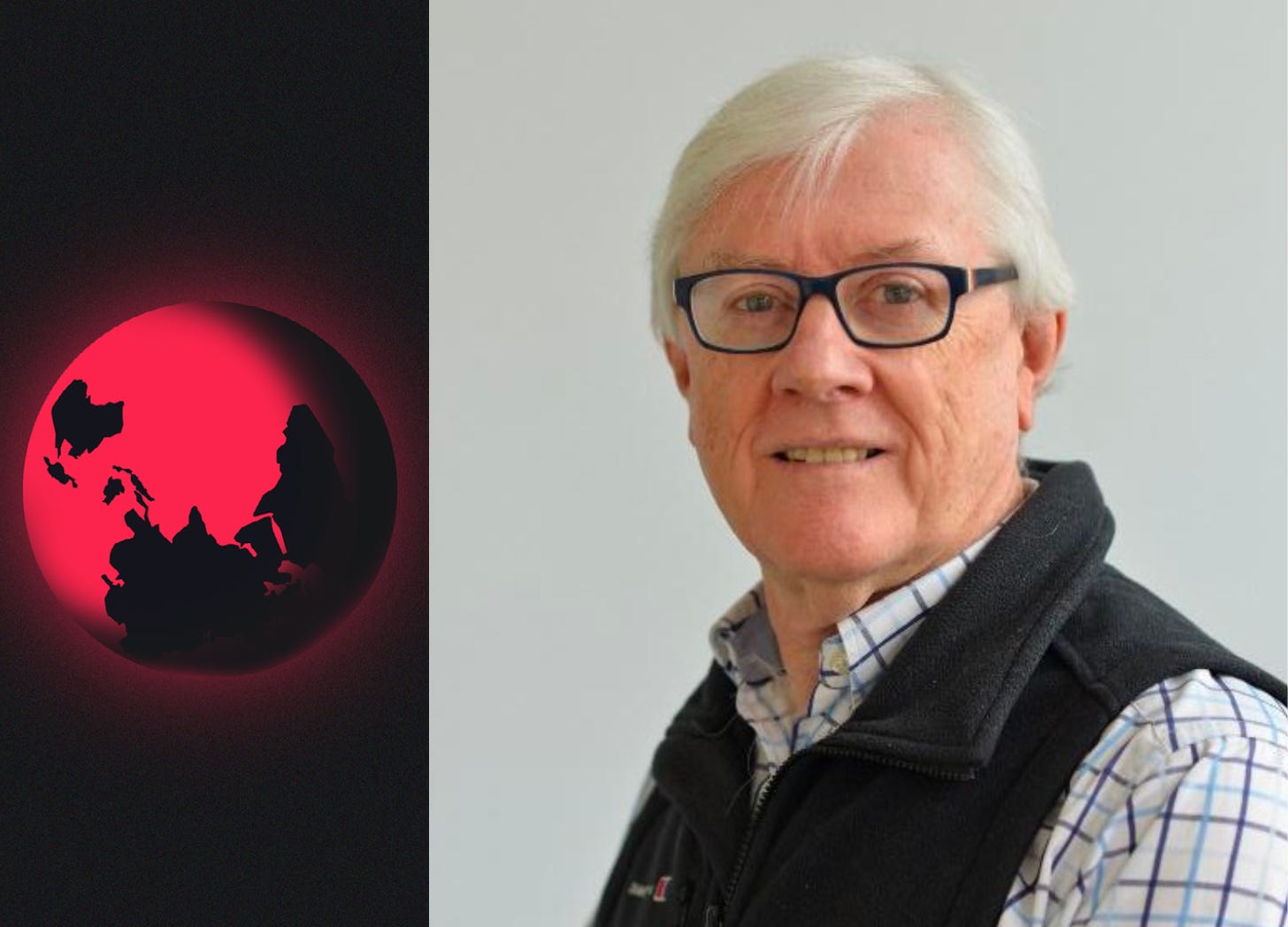
The Problem With Language | Ray Ison
What to do when words get in the way?We see the world through language, reality shaped by the words we use to signify concepts, systems, relationships and even knowledge. This surreal layer over the world then becomes more true to us than reality itself, shaping desire, hatred, ideology and conviction. Yet, we have evolved with language, we need it to make sense of the experience of being human. So, how do we reimagine our relationship to language so it may reveal the real instead of hide it?This is what Ray Ison and I discuss in today’s wonderful episode. Ray is a Professor in Systems at the Open University who has been investigating systems and language for decades. We discuss relational dynamics, metaphor theory, knowledge creation, governance, meaning and obfuscation.Ray also explains other forms of signification and communication being explored in the systems community, and how we can participate with language to deframe the world as we see it and reveal its true complexities.Planet: Critical investigates why the world is in crisis—and what to do about it. Support the project with a paid subscription. Get full access to Planet: Critical at planetcritical.substack.com/subscribe
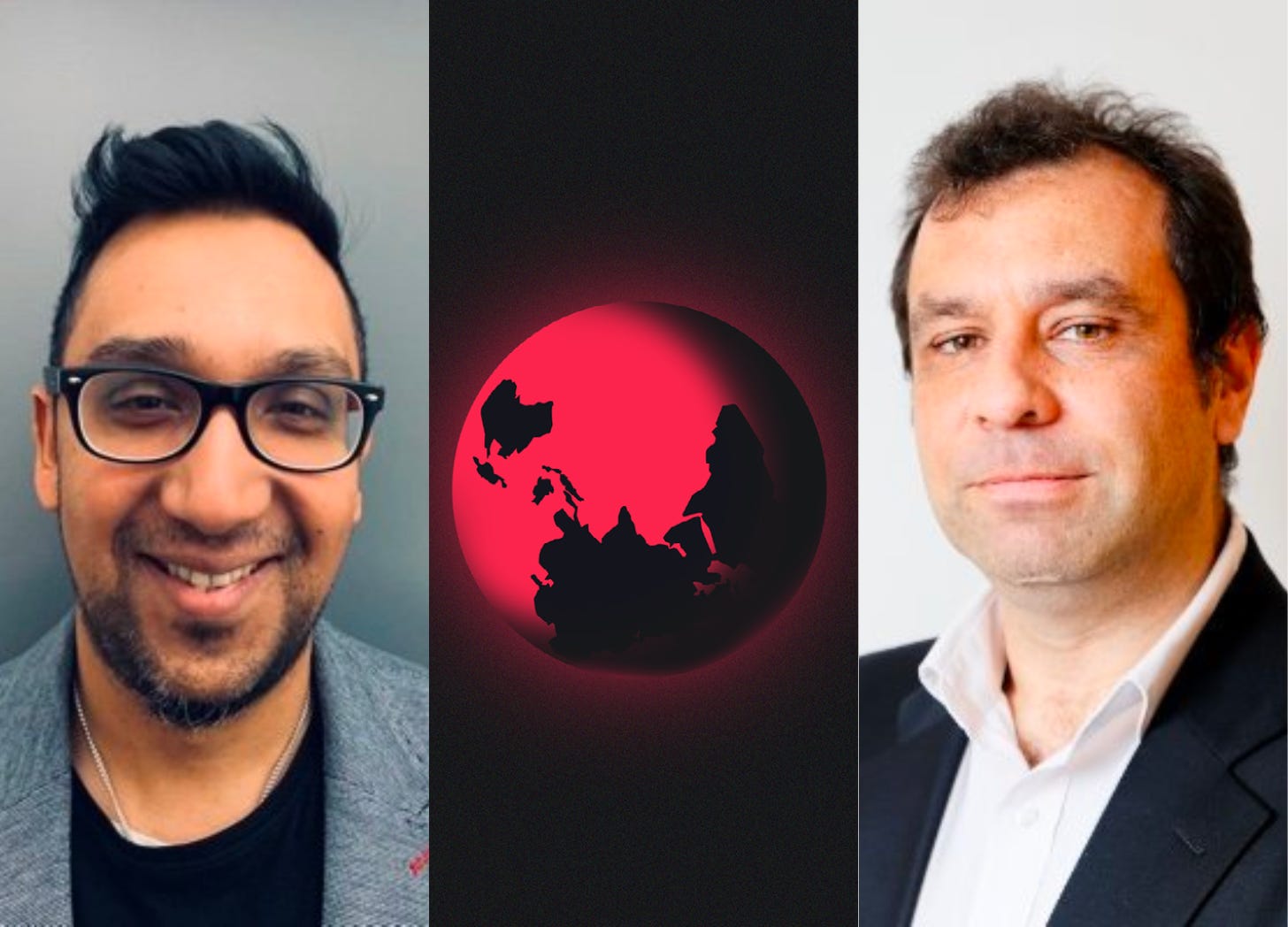
Debating the transition | Simon Michaux & Nafeez Ahmed
So do we have enough materials for a renewable economy or not? A few months ago, the energy-Twittersphere exploded into debate over Simon Michaux’s report detailing how we lack enough materials and minerals for a renewable economy. I interviewed Simon, a researcher at GTK Finland, about this report, in which he laid out the lack of raw materials and the ecological cost of mining which will impede a renewable energy future.The report was divisive, with anyone and everyone weighing in on the debate, and more than some name-calling online. Nafeez Ahmed, a systems researcher and investigative journalist who has been reporting on the environment for 20 years, published a detailed piece “debunking” Simon’s report. It caused another stir online, with calls for a debate between the two tweeted from around the world.Watching this unfold, I was concerned by how those on the same side of the fight can end up at odds, and bemused by the vitriol I witnessed on Twitter in both Simon and Nafeez’s name. Simply, if we can’t learn to speak with one another, what’s the point?They were both quick to agree to a debate, and had already been engaging over email on the topic. We go into the technical details of the report but also discuss the polarisation of science, the processing of information, the politics and tribalism driving conversation, before exploring the benefits of how an energy transformation can truly transform society.Planet: Critical investigates why the world is in crisis—and what to do about it. Support the project with a paid subscription. Get full access to Planet: Critical at planetcritical.substack.com/subscribe
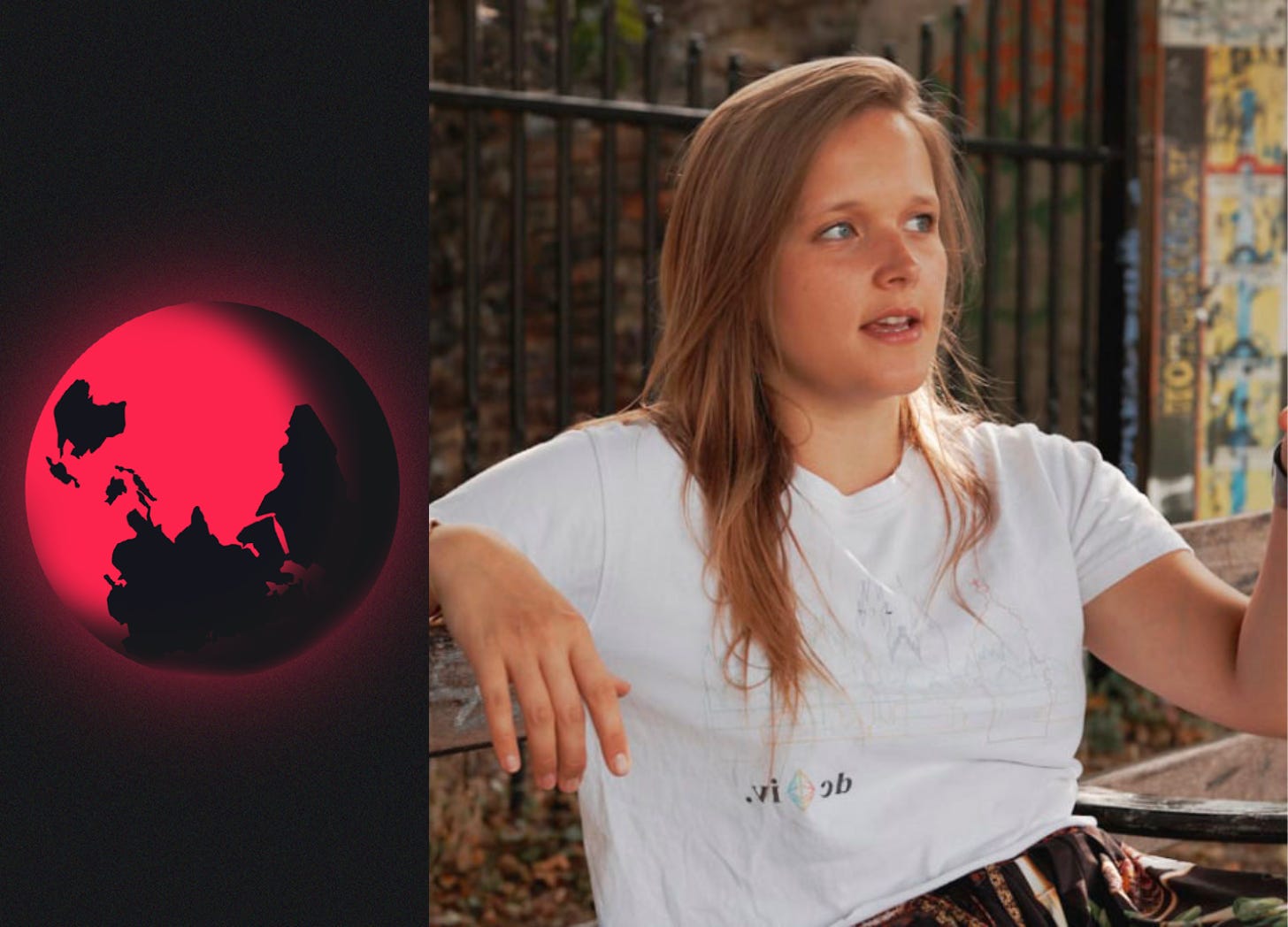
Imagination Activism | Phoebe Tickell
How do we unlock the inherent creativity of people?Imagination activist, Phoebe Tickell, founded Moral Imaginations to provide an imagination-based approach to systems change. A “renegade scientist”, Phoebe has spent the past year training the London borough of Camden in imagination activism. You can read their Phase One report here as they prepare for Phase Two of the project.Phoebe joins me to discuss the role of imagination in activism, the universality of values in human culture, and the crisis of imagination within the current system. She details the Camden Imagines Project, explaining how 32 officers were trained in moral imagining and the startling impact this has had on the organisation and the borough, revealing some of the fascinating ideas councillors had once their imagination was unleashed.“Human beings can operate in ways that are deeply loving, collaborative, imaginative, And our big challenge, I think right now, is that we've created an entire mega-structure of institutions, and ways of working, and policies and frameworks, and regulations that actually stop us from responding to the alive sense of what is needed and what we should do: what's needed, what we should do, what's possible. That's what moral imagination gestures at.”Planet: Critical investigates why the world is in crisis—and what to do about it. Support the project with a paid subscription. Get full access to Planet: Critical at planetcritical.substack.com/subscribe
Petromasculinity | Cara Daggett
We need an energy transition—a feminist energy transition.For years, Cara Daggett has been researching “petromasculinity” and how this patriarchal understanding of energy impacts our relationship to it, ourselves and the fabric with which we bind society. A political scientist at Virginia Tech, Cara’s investigations into the politics of work and feminist approaches to power reveal a new understanding about how global warming emerged—and how to navigate it.In this thrilling episode, Cara lays out the genealogy of energy back to the nineteenth-century science of thermodynamics to challenge the underlying logic that informs today’s uses of energy. She explains how sexism manifests in our energy systems, how the concept of energy is weaponised by the oil industry, and the anxiety of entropy, exploring the emotional underpinnings of a linear society which is fearful of confronting its own impermanence. She explores feminist energy systems, introducing the three spheres of a feminist energy transition which would see historically feminised work finally valued.Cara’s book, The Birth of Energy: Fossil Fuels, Thermodynamics, and the Politics of Work was awarded the Clay Morgan Award for best book in environmental political theory. In it she argues that only by transforming the politics of work — most notably, the veneration of waged work — will we be able to confront the Anthropocene's energy problem.“In the 19th century you did have people starting to warn about coal exhaustion or wonder what happens when fossil fuels are gone, but you still had this economy develop around the sense of limitless expansion. This idea that freedom could come through freeing the constraints that the earth posed to putting the world to work. Fossil fuels really help with this kind of astronomical sense of power, helped to make that fantasy seem possible; this dream, almost, of a free energy. And I think you can see that sometimes mapped onto solar and wind, that one day we will actually have free energy, energy that is somehow unbound from life and the earth and death and decay and all these things.I think this is really connected to an understanding of freedom that's about this individual independence and liberation from having to depend upon other people and having to depend upon the earth, and as a very masculine understanding, that is not just undervaluing, but also wanting to transcend, care relations and work and all these things that are feminized.”Planet: Critical investigates why the world is in crisis—and what to do about it. Support the project with a paid subscription. Get full access to Planet: Critical at planetcritical.substack.com/subscribe
An Alternative India | Ashish Kothari
Exploitative elites are everywhere—so is resistanceThe Global North vs Global South divide fails to capture the reality of power dynamics as national elites extract from their own citizens—often in the name of development. Capitalism funnels wealth to the top in every country, facilitated by a globalised system built on economic growth. But around the world, people are organising to resist these structures, to reclaim their land and their labour in order to benefit their communities. They are modelling alternative ways of being together; they are weaving together possibility.Ashish Kothari is an environmentalist who has been working at the intersection of environment, biodiversity and development for decades. He’s the founder of Kalpavriksh, an Indian non profit organisation working on environmental and social issues at local, national and global levels. He also organises both the Confluence of Alternatives and the Global Tapestry of Alternatives, projects which bring together people all around India and the world to imagine and strategise alternative ways of being, politics, economies and systems.We discuss the history of colonialism, the global obsession with economic growth, development as neo-colonialism, global and national inequality, patriarchy and the reality of elite exploitation across all nations. Ashish then goes on to introduce the people’s movements springing up around India, turning imagination into possibility as viable models are trialled which re-embed communities in their land and heal their relationship with the earth.“What we need are systems across the country, across the globe, of this kind of political and economic localisation where people are able to take control over their ecosystems, their actual resources, their knowledge, their technologies, and also invite knowledge and technologies from outside if they think that what they have is not enough—but in on their own terms. Not being dominated from outside, so the political decision making and the economic decision making is at that local level. It is not with private corporations, nor is it even with the nation state.“That is what we call radical ecological democracy, or, here in India, we call it eco-swaraj.”© Rachel Donald Get full access to Planet: Critical at planetcritical.substack.com/subscribe
The Untold Stories of the Amazon | Heriberto Araujo
The Amazon is in trouble—so are its people.Journalist Heriberto Araujo has been investigating the stories of the Amazon for over a decade. In his forthcoming book: Masters of the Lost Land. The Untold Story of the Amazon and the Violent Fight for the World's Last Frontier he presents a three-year investigation to uncover a widespread underworld of violence, corruption, and impunity that has delivered the riches of the Amazon to a ruthless elite. But in this true crime story, set against the backdrop of the towering Brazilian jungle and unfolding over five decades, not everyone surrenders to the power of guns and money. And that's what makes the story extraordinary.He joins me to tell the story of Maria Joel Dias Da Costa, the widow of murdered activist, José Dutra da Costa. Dezinho, as he was known, had rallied the rural worker’s union against rampant corruption of wealthy landowners driving deforestation and death through the jungle. He died in the arms of his wife after being shot outside their home. Maria took it upon herself to continue her husband’s work, confronting the political, economic and industry elites to save her home, family and community from these terrible forces.Heriberto goes on to discuss the fascinating connection between inflation and land-grabbing in the Amazon, explaining how many people take land to protect their interests in an unstable economic climate, before taking a wider overview of Brazilian politics and relationship with China, and the impact that may have on the climate fight in coming years.“There were many businessmen and wealthy families who saw opportunity and decided to move to the Amazon to expand dramatically the land that they could own. There are some cases which are shocking—some landowners had ranches, or claimed to have ranches, the size of Cuba or Honduras… “Maria Joel was a normal housewife with four underage children whose husband was murdered. She held her husband in her arms while he was dying. She had two choices. Either she simply move from the region, from this small town, and try to turn the page because she suspected that she would have to confront the economic and the political elite of the town. In one of those momentous situations of her life, she decided to stay in that town no matter the risk. What I found incredibly interesting from my book was exploring the feelings and the doubts and the controversies of a woman who would have chosen another life.” Planet: Critical investigates why the world is in crisis—and what to do about it. Support the project with a paid subscription.© Rachel Donald Get full access to Planet: Critical at planetcritical.substack.com/subscribe
A Humane Transition | Bob Jensen
If we can’t undo the damage, how do we survive it?Bob Jensen, political theorist, is the co-author of An Inconvenient Apocalypse: Environmental Collapse, Climate Crisis, and the Fate of Humanity. He joined me to discuss the book’s message: transitioning humanely to a more equitable and a smaller society will demand creativity, resilience and community.In this episode, we swap stories on those themes, telling tales of friends who marked us, communities who are forming in the face on political instability, the importance of storytelling as a tool with which to remind us of the best of humanity. This is a moving interview which intertwines knowledge with emotional honesty in the face of potential collapse.During, I also introduce a new project, WE WILL BEAR WITNESS, which documents stories from around the world detailing the perils and resistance of this moment in history. Sign up to bear witness.Planet: Critical investigates why the world is in crisis—and what to do about it. Support the project with a paid subscription.© Rachel Donald Get full access to Planet: Critical at planetcritical.substack.com/subscribe
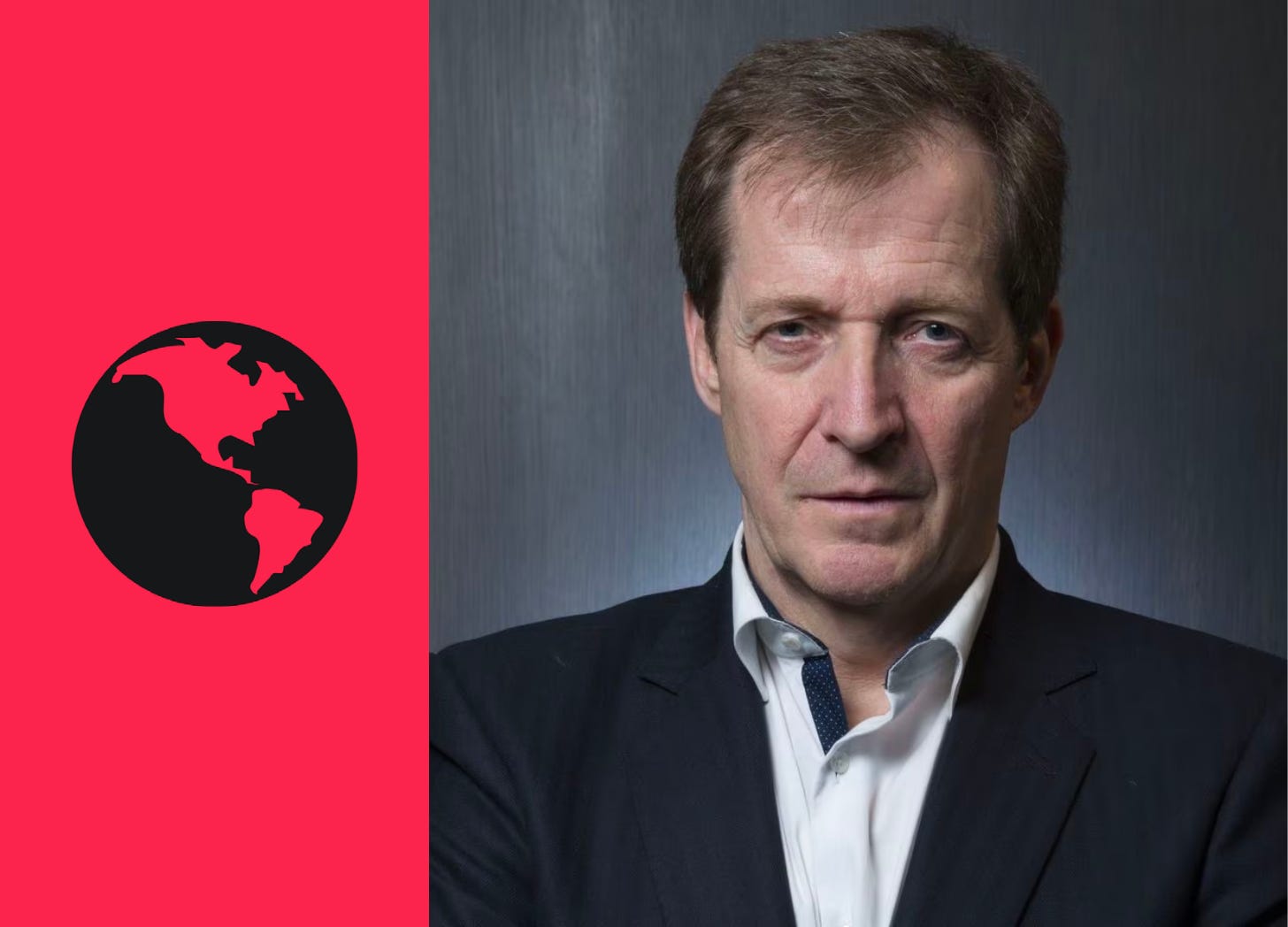
The Climate Campaign | Alastair Campbell
But What Can I Do?That’s the title of Alastair Campbell’s latest book, a passionate treatise on how broken politics is and what to do about it. His answer? Teaching the youth to oust the old.Alastair’s message is simple: Learn how to campaign and don’t stop til you win. The original spin doctor, Alastair has decades of experience campaigning as a strategist for Tony Blair’s New Labour government, and then as a mental health campaigner. He’s a prolific writer, co-host of the UK’s top podcast, The Rest is Politics, and remains one of the UK’s most sought-after strategists.We discuss what the climate campaign needs. Alastair emphasises the importance of getting both power and people onboard, stressing the importance of a unified and simply message to inspire action. He addresses the levers and systems which need to be utilised in Power and Politics, and details the roadblocks of Populism and Polarisation. Finally, we discuss the reality of politicking vs the urgency of the crisis before I ask:Will you help?“If enough people get engaged and enough people get involved, don't underestimate the power and the agency that we all have as individuals and, obviously, working together with other people.”© Rachel Donald Get full access to Planet: Critical at planetcritical.substack.com/subscribe
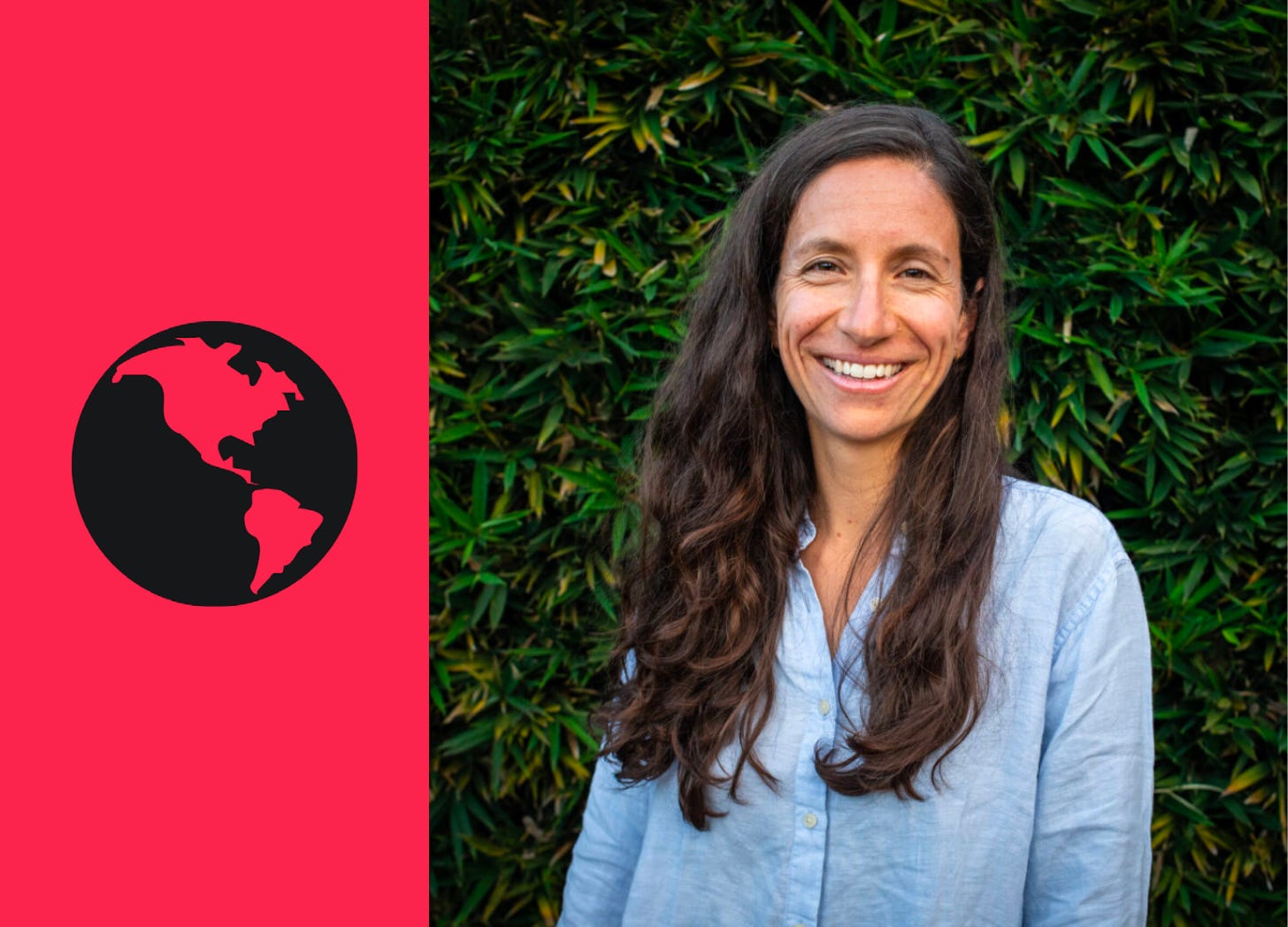
How To Change A System | Isabel Cavelier
What if the answer is all of us?We need to change the system. But if the system is made up of individuals, should we start there? On this week’s episode, Colombian changemaker Isabel Cavalier negates the binary of systems vs individuals, explaining that while cultural change starts from within, its impact and progress can be non-linear—much like climate change. Isabel effortlessly weaves political strategy with spiritual knowledge to explain how culture is the solution to the polycrisis, emphasising that we must re-embed individuals within communities to embody a politics of a better world.Isabel is a former diplomat who held advisory roles on environmental issues at the Colombian Mission to the United Nations in New York and at the Colombian Ministry of Foreign Affairs in Bogotá. After leaving international politics, Isabel co-founded Transforma, a prominent Bogota-based environmental think tank. She is a writer, story-teller and potter, who trained as a lawyer and in socio-cultural studies at the University of Los Andes. She has a Master of Laws from the University of Cambridge. She has worked and published in diverse fields including human rights, racial and gender discrimination, and climate change.“We are able to reinvent ourselves infinitely. That's the capacity of life on earth. Reality is fractal. What we see in a city is a reflection of its inhabitants. What we see in a community is a reflection of people who are part of that community. This means that. It's not that you need to forget the systemic vision; the cultural shift we are looking at is not a cultural shift of becoming more individualistic and autonomous. It’s the opposite. It's understanding that we are interdependent, that we live in systems and not in isolation. Nobody can survive in a bubble by themselves. Not an individual, not a local community, not a municipality, not a city, not a country. Nobody.”Planet: Critical investigates why the world is in crisis—and what to do about it. Support the project with a paid subscription.© Rachel Donald Get full access to Planet: Critical at planetcritical.substack.com/subscribe
Closing the Enlightenment Gap | Gregg Henriques
How can we know so much and yet continue to live so dangerously?Gregg Henriques has been working on this problem for over 20 years. He believes the problem lies with our knowledge systems, which arise from the Enlightenment but fail to make sense of the fundamental system through which we understand the world—ourselves, our own psychology. He says we need a second enlightenment, enlightenment in order to repair our relationship with ourselves, the world, one another, and with knowledge so we can respond to the climate crisis and build a better world for all.“Science afforded us a partial understanding of the world which emerged in the enlightenment. What I'm saying is they gave us physics and chemistry and biology pretty nicely. But it broke at the level of psychology, the social sciences and, in particular, how to connect sciences to the humanities.“As a function of that breakdown we built this entire institutional structure—but we don't have the wisdom to coordinate ourselves. We're flying blind with an enormous amount of power, but not wisdom. Part of the reason we don't have wisdom is because our knowledge systems are inadequate and broken.”Gregg Henriques is a a Full Professor and a core faculty member in James Madison University's Combined-Integrated Clinical and School Psychology Doctoral Program. He’s the author of A New Unified Theory of Psychology, and writes the Theory of Knowledge blog on Psychology Today. He’s a leader in the Unified Psychotherapy Movement, which attempts to use meta-theory to achieve an effective integrative scheme for the various psychotherapy paradigms. He’s also interested in synthetic approaches to philosophy, and leads a group called the Theory of Knowledge Society, which hosted its first conference in April (2018), titled: Toward a Big Theory of Knowledge. He is currently developing a systematic evaluation of character functioning and well-being (called the Well-being Checkup), examining an approach to psychological mindfulness called "CALM MO" (which stands for developing a Curious, Accepting, Loving-compassionate, and Motivated toward valued states of being Metacognitive-Observer) and researching the college student mental health crisis and what might be done about it. Planet: Critical investigates why the world is in crisis—and what to do about it. Support the project with a paid subscription.© Rachel Donald Get full access to Planet: Critical at planetcritical.substack.com/subscribe
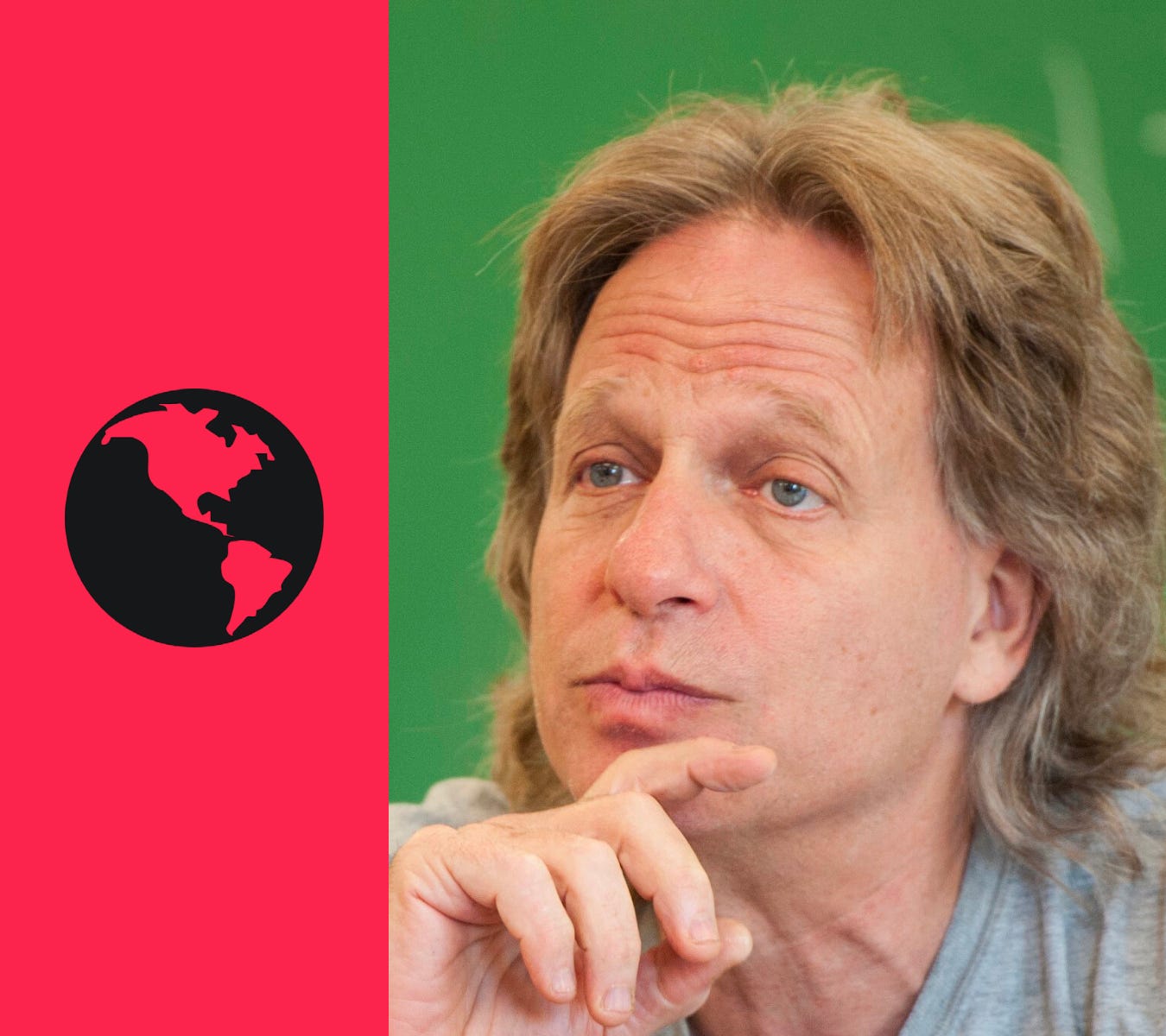
How Death Drives the Anthropocene | Sheldon Solomon
"Here we are at a crossroads of human history. There's never been this historical confluence of war, political instability, economic vulnerability, on top of the impending ecological apocalypse.Here we are, just marinated in death reminders. And what we know from our research is that that turns us into depressed, demoralized, proto fascists plundering the planet in our insatiable desire for dollars and dross in an alcohol-oxycodone-TikTok-twittering stupor.This is not a great position to be in."Are you afraid of dying?Sheldon Solomon has been researching death anxiety and its impact on our behaviour for decades, finding that unmitigated death awareness drives mindless consumption, political polarisation and more disordered behaviour. In short, our fear of death could be driving the climate crisis.We discuss the link between death awareness and self-awareness, how cultural beliefs are used to anesthetize death anxiety, how Western culture has the ironic effect of exacerbating that very anxiety that it's trying to solve, and why the solutions lie with imagination and creativity.Sheldon Solomon is Professor of Psychology at Skidmore College. His studies of the effects of the uniquely human awareness of death on behaviour were featured in the award winning documentary film Flight from Death: The Quest for Immortality. He is co-author of In the Wake of 9/11: The Psychology of Terror and The Worm at the Core: On the Role of Death in Life. Planet: Critical investigates why the world is in crisis—and what to do about it. Support the project with a paid subscription.© Rachel Donald Get full access to Planet: Critical at planetcritical.substack.com/subscribe
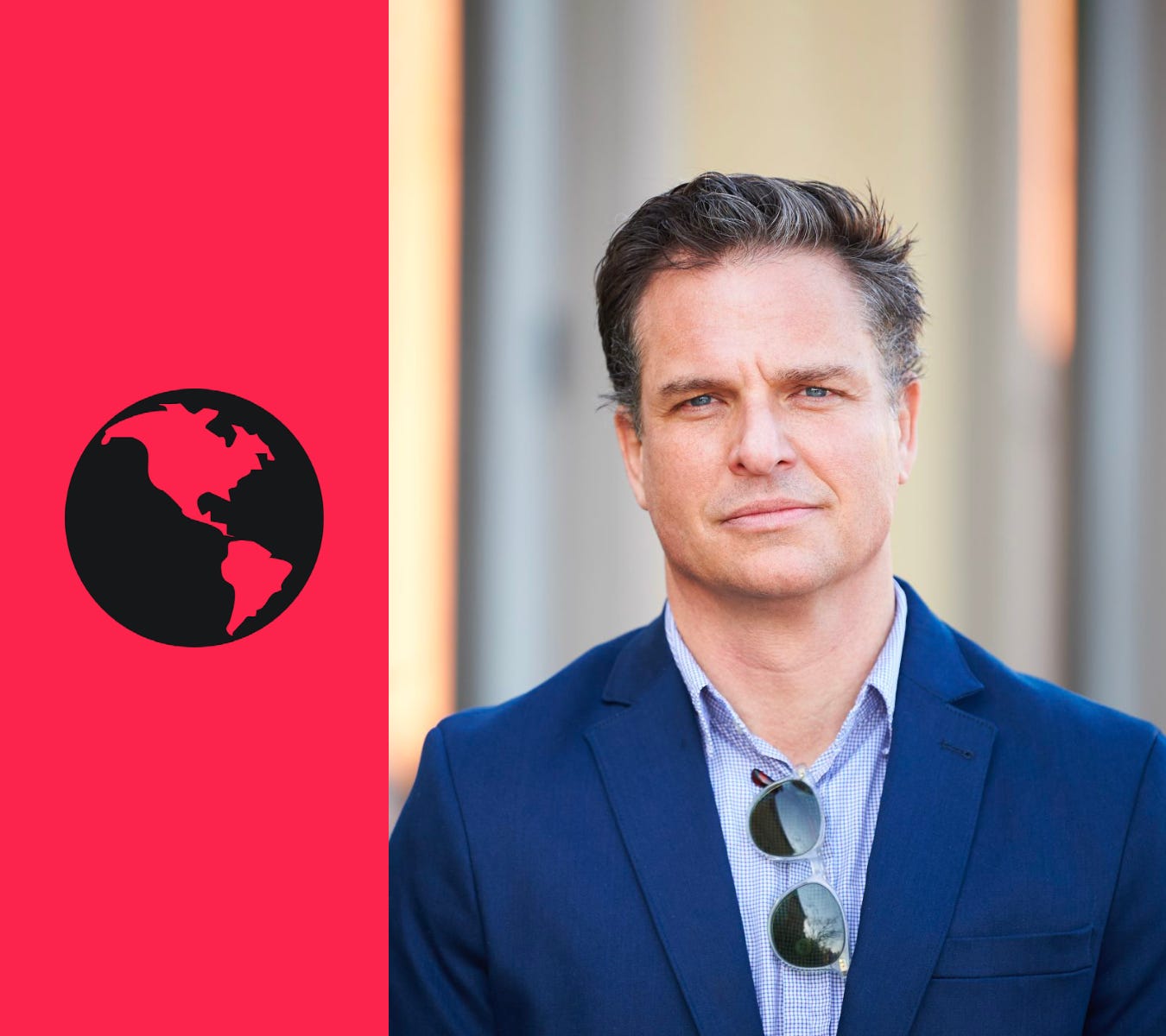
Protecting Children in a Warming World | Carter Dillard
The climate fight is a fight for children’s rights.When Carter Dillard began researching family planning systems he found a fallacy in international policy: The Children’s Rights Convention, ratified by the UN, entitles children to health, education, well-being and fulfilled potential—but no country implements family planning systems around these rights. Family planning systems are based around what parents want, not what children need. Every country, in effect, is breaking the Children’s Rights Convention.Why? For economic growth.Carter’s research shows a series of policy interventions in the 20th century made family planning a private matter. This absolved states of the responsibility to invest in children and redistribute wealth, whilst guaranteeing a boom in population to feed the economic machine.“If we'd had to invest in children to give them everything they need to ensure that children are born in what, in the conditions that comply with the convention, we would not have had growth.”Carter is the author of the Justice as a Fair Start in Life: Understanding the Right to Have Children, and the Policy Director of the Fair Start Movement, an organisation committed to raising awareness of the Children’s Rights Convention. They are currently petitioning the UN Human Rights Council claiming the UN has misinterpreted the right to have children, and have forthcoming constitutional litigation in the USA. He joins me to discuss this work, his research into the history of family planning, and the impact of climate change on children. He also provides a vision for reframing family planning reform as an active climate policy which could advocate systemic change through one simple message: that everybody deserves a fair start in life.Planet: Critical investigates why the world is in crisis—and what to do about it. Support the project with a paid subscription.© Rachel Donald Get full access to Planet: Critical at planetcritical.substack.com/subscribe
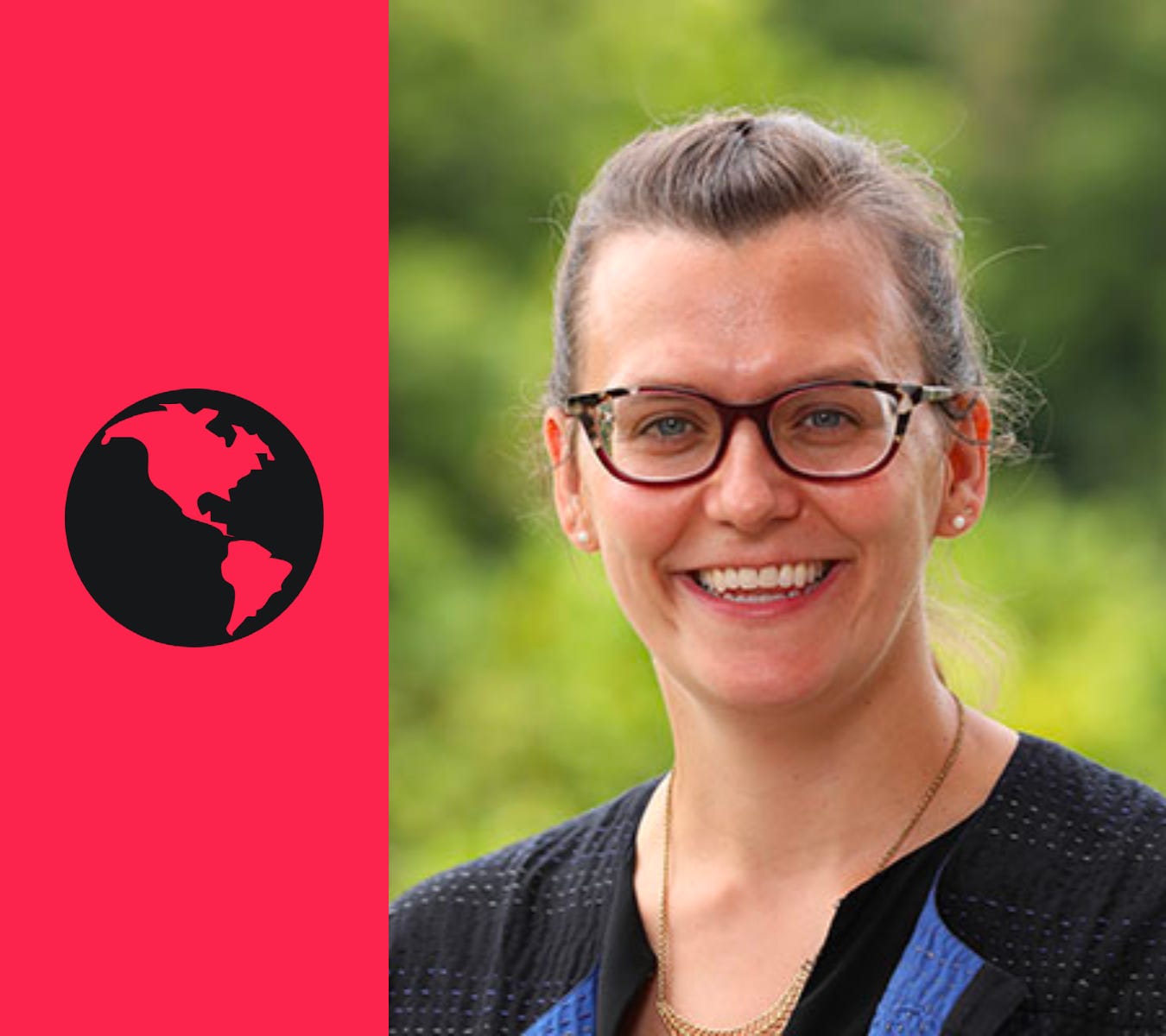
The Media's Role in the Crisis | Lucy McAllister
Which papers are telling the truth? And which are giving inches to climate skeptics?In this episode, Lucy McAllister, Assistant Professor in Environmental Studies at Denison University, explains how journalism's obsession with "balance" causes bias in climate reporting. She walks us through new research which shows how climate coverage accuracy has improved since the initial findings in 2004, but that there is still a significant divide between left-leaning and right-wing papers, specifically those owned by Rupert Murdoch.She also reveals how the tactics of muddling the discourse has become more sophisticated, with column inches now being given to climate skeptics or discourses of delays. Combatting this is critical, Lucy says, pointing to solutions journalism as critical in the fight to "reframe" narratives to empower communities around the world.“We're seeing media more accurately representing the science on climate change—climate change is happening, it's caused by humans. Now we're seeing in terms of climate action that climate skeptics, deniers, or discourses of delay, are being given more space in the news article, more power than like a relevant climate expert or policymaker.“So they're getting the science right but then when they're talking about the actual solution and action moving forward, we're still seeing this problematic balance issue where one side is being favored.”Referenced Papers/Articles:* Balance as Bias: global warming and the US prestige press* Balance as bias, resolute on the retreat? Updates & analyses of newspaper coverage in the United States, United Kingdom, New Zealand, Australia and Canada over the past 15 years* Positive, global, and health or environment framing bolsters public support for climate policies* Tactical framing around the Green New Deal* Discourses of Climate Delay* Media Representations of Climate Change: A Meta-Analysis of the Research Field* The International Reporting of Climate Scepticism* The 2021 report of the Lancet Countdown on health and climate change: code red for a healthy futureLucy McAllister is an Assistant Professor of Environmental Studies at Denison University. Prior to this position, she worked at the Technical University of Munich, Babson College, and Boston College. Lucy's interdisciplinary research focuses on the framing of overlapping global environmental injustices—climate change and hazardous waste—and the disproportionate impact on minorities, women, children, future generations, and other stigmatized groups. Broadly, her research explores how we communicate and perceive social harms and environmental injustices, and therefore informs work on inclusive, interdisciplinary solutions. She has published research in several outlets, such as Environmental Research Letters, The Lancet, The Lancet Planetary Health, Health and Human Rights, Science and Engineering Ethics, and the Sociology of Development. Lucy is a part of the research group at the Media and Climate Change Observatory, University of Colorado Boulder. Planet: Critical investigates why the world is in crisis—and what to do about it. Support the project with a paid subscription.© Rachel Donald Get full access to Planet: Critical at planetcritical.substack.com/subscribe
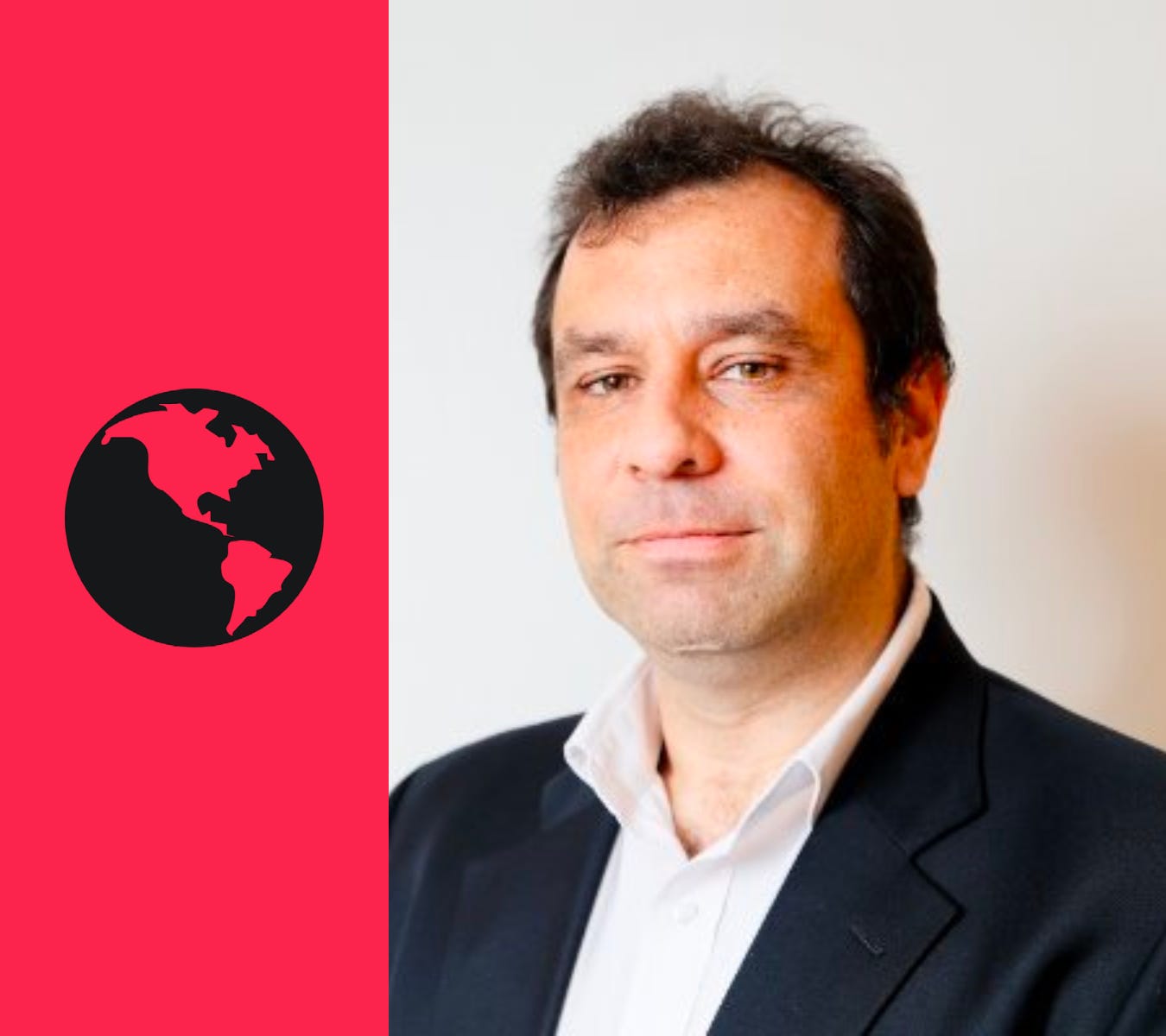
The Unsustainable Green Transition | Simon Michaux
You can’t go green without going small.Our fossil-fuelled economy is destabilising the planet. But a renewable economy might not be much better. Simon Michaux and his team at the Geological Survey of Finland have been researching how much minerals and materials we have on earth to build our renewable energy. They’ve found that we simply do not have enough—and mining for those materials would bears a huge environmental cost.On this episode, Simon walks us through the research, the possible outcomes from calculated energy contraction to collapse, what policymakers are doing with this information, and how the geopolitics of the US-China proxy war could make the green transition impossible for the West.“Renewables get cheaper when it's still a small system. But if it can be shown that we don't have enough minerals in the ground to make a replacement system, we will hit an asymptote in the market where all of a sudden there's now scarcity of metal supply, and the systems you want to use are no longer available on the market…“So when I say s**t's gonna get real, it’s when the mining industry now has to run in a situation where it is on non-fossil fuel systems only; the manufacturing supply chain at the moment is only conceptual and we just haven't thought it through. Fossil fuels are a hidden subsidy for everything. Take that away and you've now got a hidden penalty.“I think a lot of mining and a lot of manufacturing will just simply stop.”Planet: Critical investigates why the world is in crisis—and what to do about it. Support the project with a paid subscription.© Rachel Donald Get full access to Planet: Critical at planetcritical.substack.com/subscribe
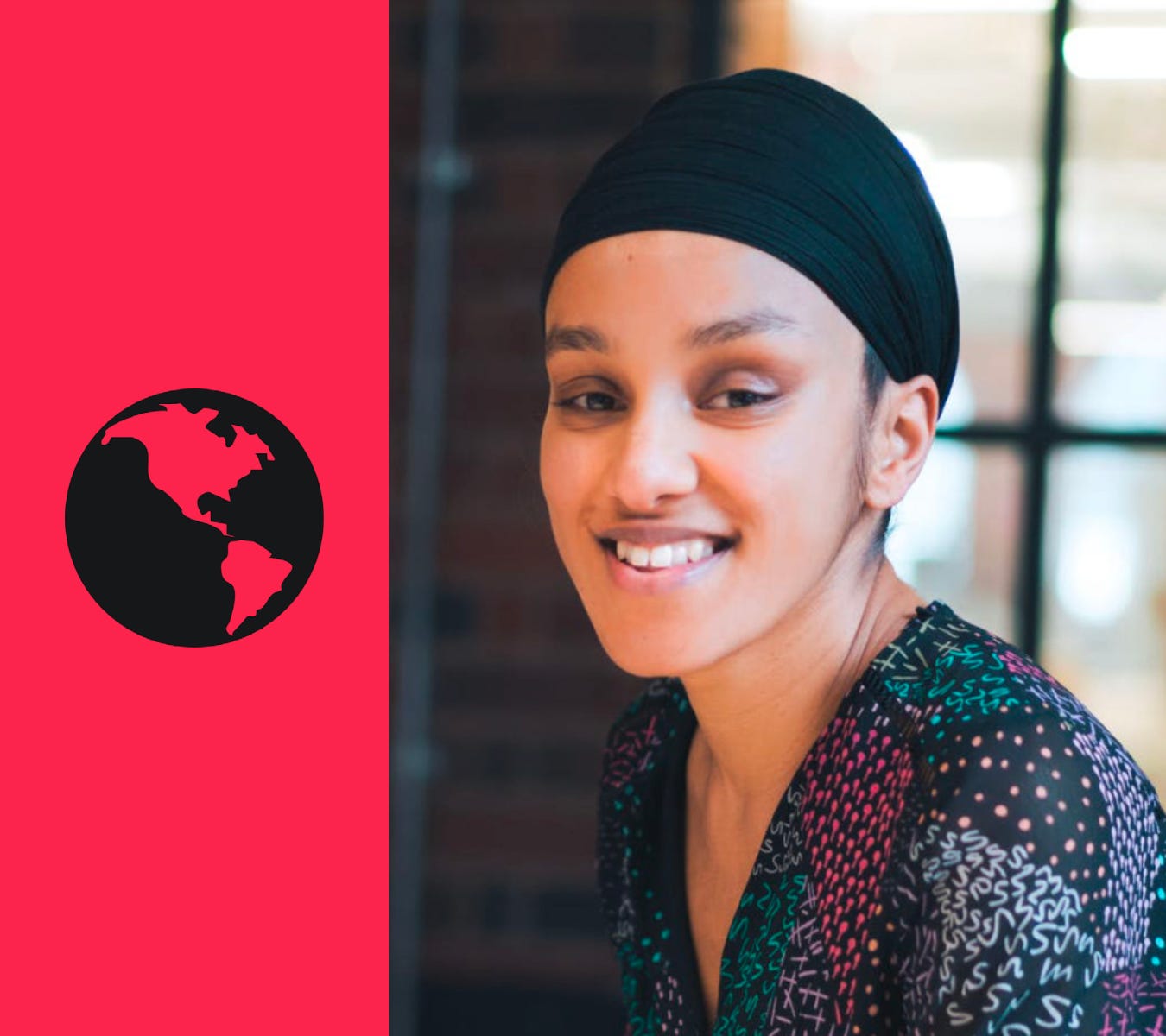
The Power of Community Imagination | Immy Kaur
When institutions fail—communities take back control.Community organising has never been more important in a world where people are increasingly isolated from one another, competing in a deliberately precarious market, dislocated from their culture, their land, their history. We experienced the power of community resilience during the pandemic, and the deep desire to help and rebuild. Humankind has a long history of doggedly overcoming the odds when facing a crisis. But we don’t have to rely on a crisis to push us over the edge—and the coming crisis will be much worse than anything we’ve ever experienced.CIVIC SQUARE in Birmingham is infrastructure for the public good, embedded in the local community’s needs, dreams and desires. Launched by the team who ran Impact Hub for five years, CIVIC SQUARE is reimagining the public space as a neighbourhood that fosters the convening of ideas in a participatory ecosystem.Immy Kaur is the co-founder of CIVIC SQUARE. She explains the history of community organising which led to this immense project, detailing how to leverage systemic change and nurture imagination. She explains the history between public good, government and industry, the importance of knowledge, and the role communities will face in the upcoming crisis.See also WeCanMake in Bristol.“You get to a stage where those systems are crumbling. You start to see a resilience, an organising, a healing, a coming together, that cannot be organised by the conglomerates, that cannot be manipulated by the mainstream media.”Planet: Critical investigates why the world is in crisis—and what to do about it. Support the project with a paid subscription.© Rachel Donald Get full access to Planet: Critical at planetcritical.substack.com/subscribe
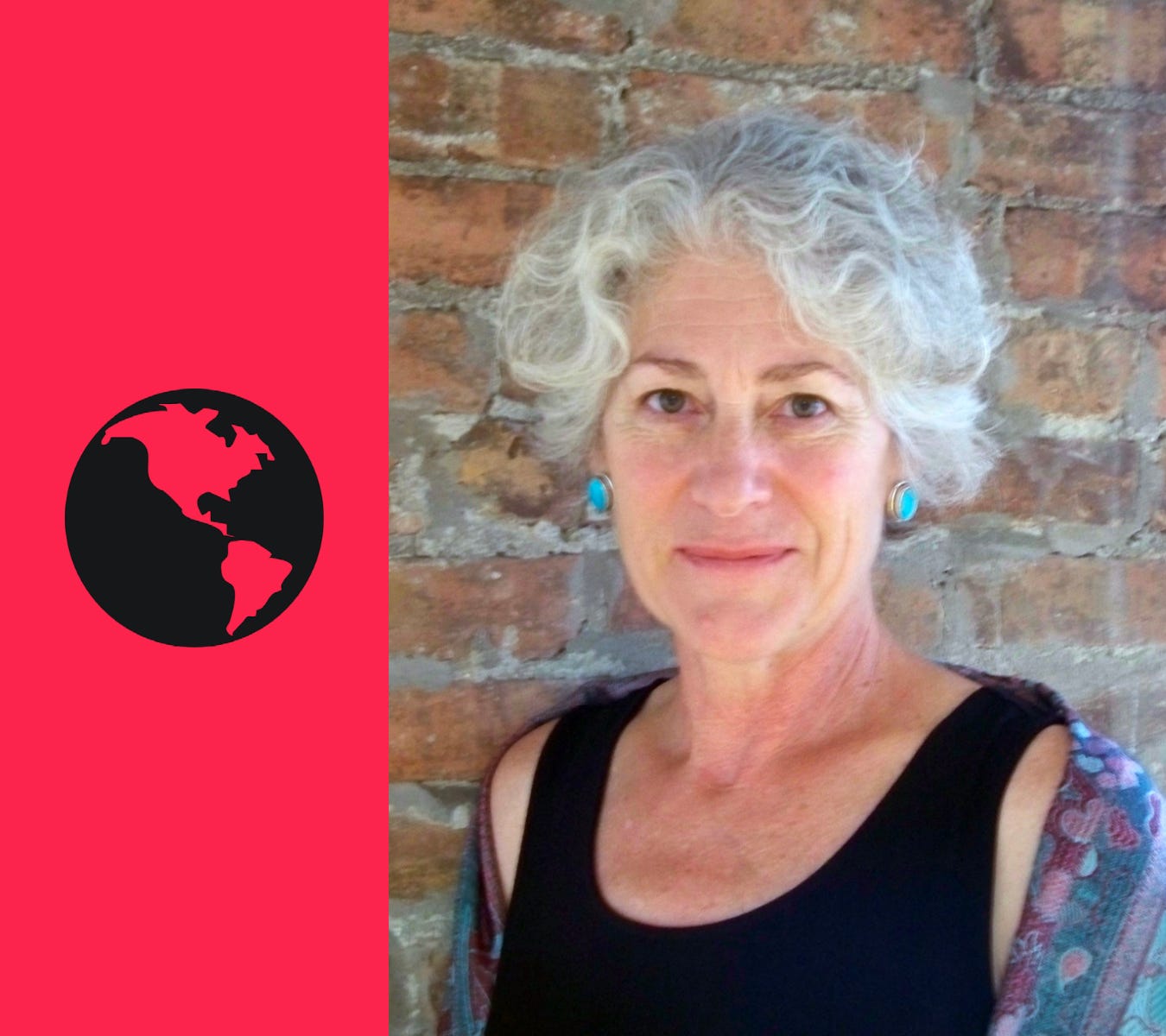
How Economics Overpowers Culture | Lisi Krall
How can we change an economic system that has a life of its own?10,000 years ago, homo sapiens began farming a grain surplus. This surplus led to the creation of societal and cultural hierarchies which divorced our species from our long relationship with the natural world.This week’s guest, Lisi Krall, argues that our current economic system of fossil-fuelled capitalism is an interpretation of that same system—and we must repair our relationship to the more-than-human world if we are to change the system. But it is a momentous challenge. One, she argues, we must not think culture alone can overcome.Lisi Krall is a Professor of Economics at the State University of New York Cortland where she researches political economy, human ecology, and the evolution of economic systems. She's also the author of Bitter Harvest: An Inquiry into the War Between Economy and Earth.“Agriculture severs the ties of humans to the more-than-human world. We're no longer embedded in the rhythm and dynamic of the more-than-human world.“But the development of capitalism is a particular institutional and energetic interpretation of what began with agriculture. You get this expansive, dynamic, interdependent system, growth system that functions unto itself as if it isn't connected to its biophysical roots.”Planet: Critical investigates why the world is in crisis—and what to do about it. Support the project with a paid subscription.© Rachel Donald Get full access to Planet: Critical at planetcritical.substack.com/subscribe
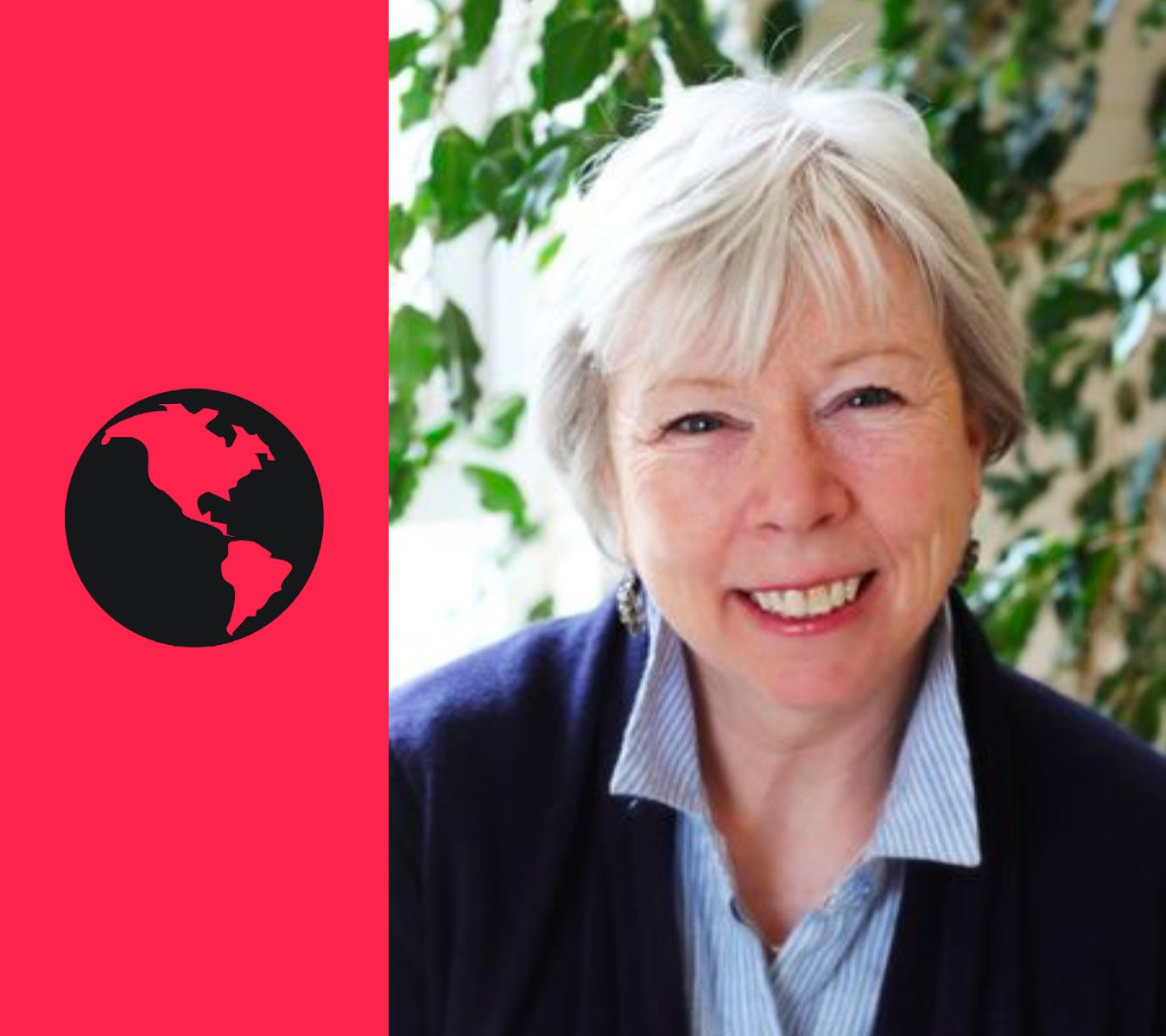
Understanding Reality | Jude Currivan
Our scientific model of the universe is changing.From the mechanistic, rational ideas of the 20th century, physics is now understanding that the universe itself is conscious—that we are all expressions of consciousness. Looks like those indigenous teachers were right.On this episode, Jude Currivan, cosmologist and author of The Story of Gaia, walks us through all of the evidence we have to suggest that the universe is conscious, from the latest Nobel Prize Award in physics to thousands of years of spiritual wisdom. Jude then explains the necessity of a new worldview of unity and wholeness to help mitigate the crises that we are seeing, whether these are human crises or the climate crisis, and become the next stage in this evolution of universal consciousness.“Our universe, we're now discovering, is innately intelligent, and its innate intelligence is meaningfully informed in a way through the laws of physics and through their relationships to enable it to not just exist, but to evolve from that first moment 13.8 billion years ago—from its initial simplicity to ever greater levels of complexity and diversity.”Planet: Critical investigates why the world is in crisis—and what to do about it. Support the project with a paid subscription.© Rachel Donald Get full access to Planet: Critical at planetcritical.substack.com/subscribe
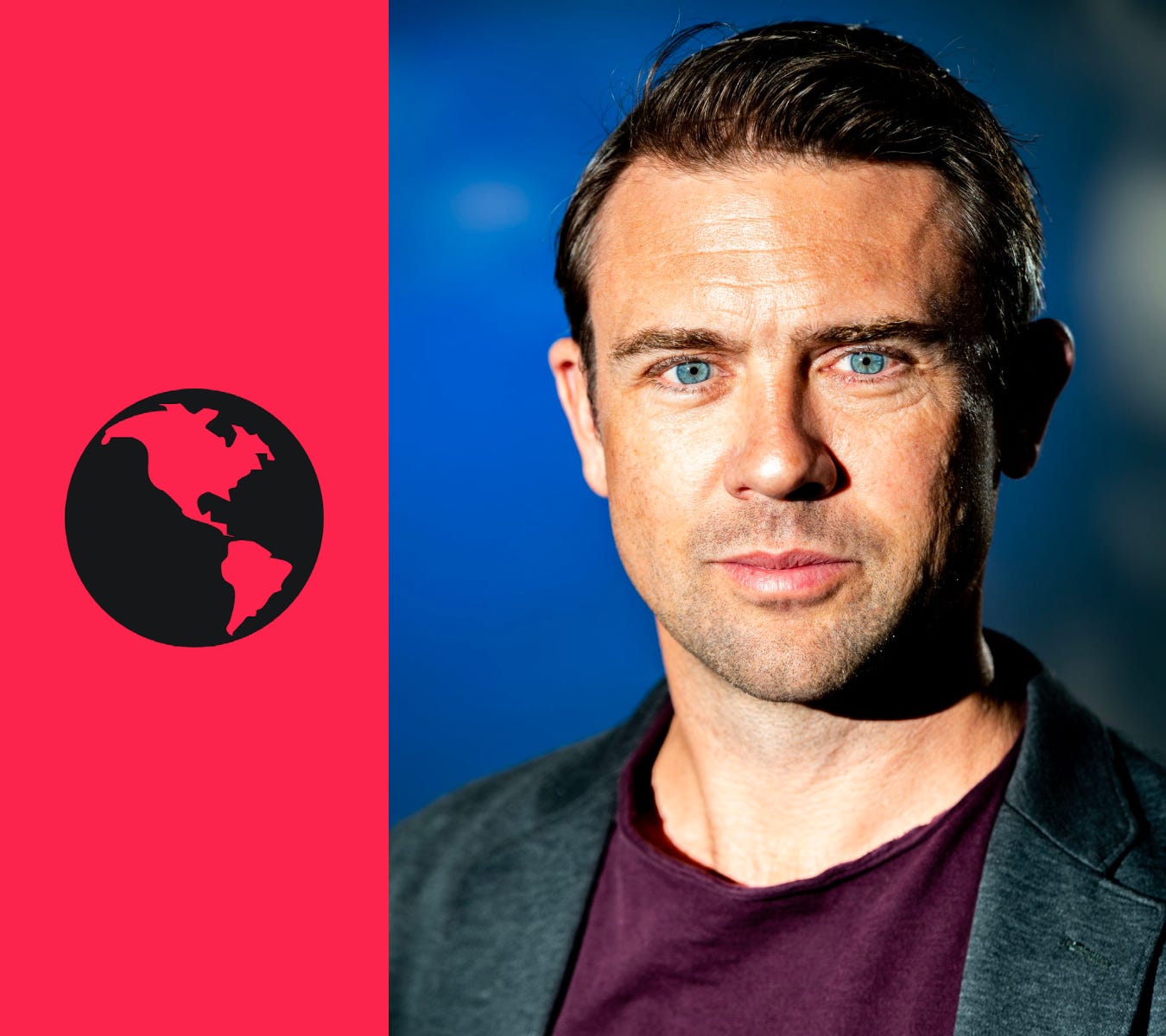
Creating the Leaders We Need | Owen Sheers
What if we educated young people in how to change the world?Black Mountains College is the world’s first college dedicated to the climate crisis. The inaugural Bachelors, Sustainability: Arts, Ecology and Systems Change launches this September, aiming to educate young people in how to navigate the polycrisis, and how to steer us to safety. Set in the heart of the Brecon Beacons National Park in Wales, BMC focuses on the challenge of our times: how to build a fair and just society within safe planetary boundaries.Owen Sheers, the college co-founder joins me to discuss the college and its aims. Owen is a writer and professor in creative practice at Swansea University. Along with his co-founder, Ben Rawlence, they’ve put creativity and systems thinking at the heart of this educational experiment, firmly believing that unlocking the imagination of young people—along with teaching them the connectivity and complexity of the natural world—will give our future leaders the knowledge and ideas we need to implement to build a better world.“The climate crisis, the ecological crisis, is a wicked problem. You can't address it by following a single discipline, it's entirely interrelated, and our learning in the face of it has to be as well. This isn't going to work if we stay within our silos.”Planet: Critical investigates why the world is in crisis—and what to do about it. Support the project with a paid subscription.© Rachel Donald Get full access to Planet: Critical at planetcritical.substack.com/subscribe
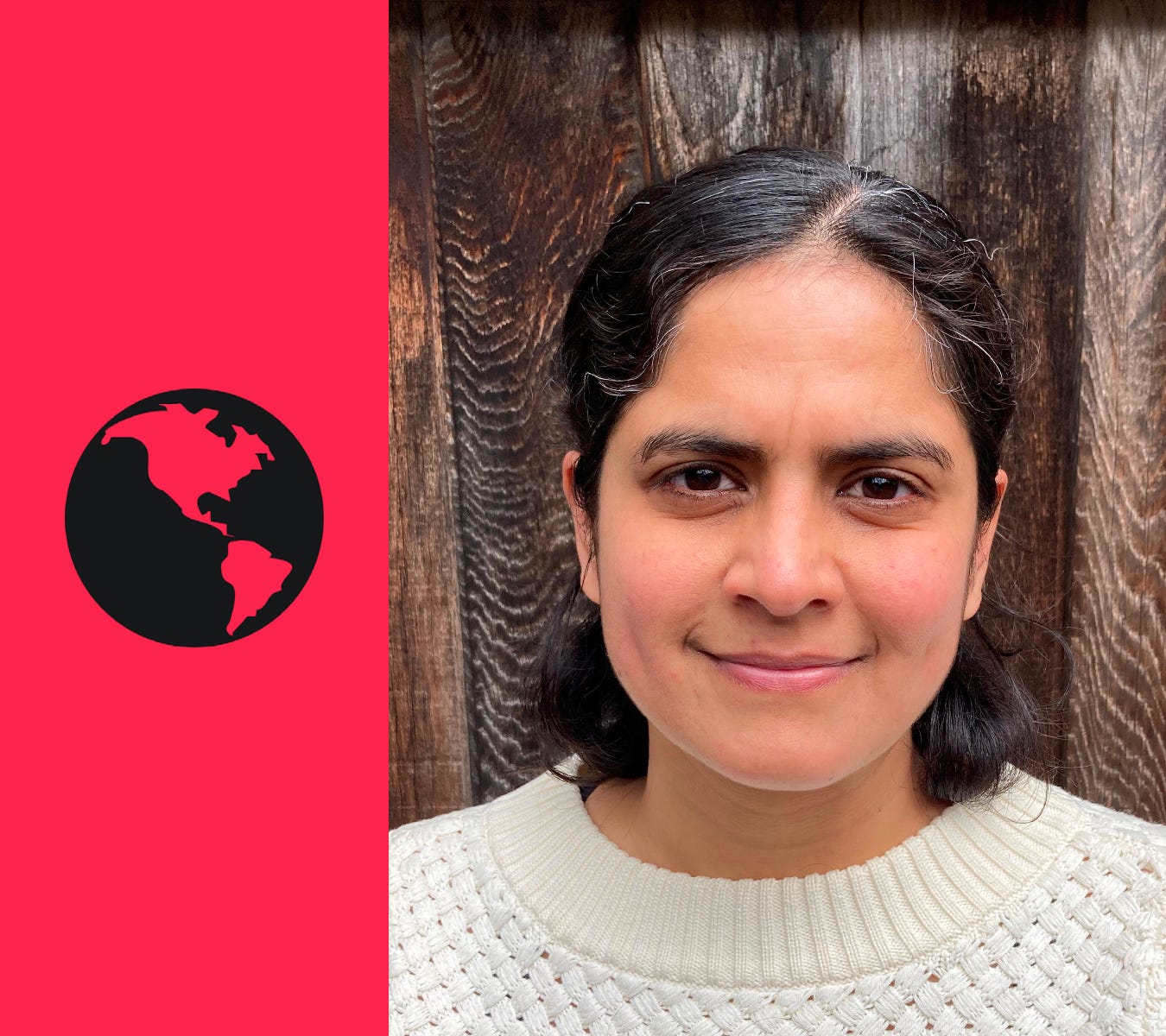
How Pronatalism Feeds The Economy | Nandita Bajaj
We’re in planetary overshoot. So why are governments coercing women into having children?Nandita Bajaj is the Executive Director of Population Balance, an organisation offering education and solutions to address the intersectional impacts of human overpopulation and over consumption on the planet, people and animals. Nandita also co-hosts The Overpopulation Podcast, and teaches at the Institute for humane education at Antioch university, where she researches prenatal ism and human supremacy and their impacts on reproductive ecological and intergenerational justice.This episode is about the dangers of pronatalism. Nandita reveals how the coercive pronatalist policies around the world coupled with cultural mechanisms are causing a devastating impact on the planet. She also explains how existing power structures benefit from a growing population, illustrating how our economic obsession with growth demands exponential population growth. Nandita also explores the elevation of rights—human, species and natural—as a cornerstone climate policy to tackle population and create a sustainable world for everyone, and everything.“Who benefits from shaming people who do not have children, or glorifying large families? Pushing marriage, pushing children, keeps corporations, the baby industry, the car industry, the housing industry, the property development industry, in business.“All lines, for the most part, lead to growth: Growth in your own kind, growth in GDP, growth in consumerism, growth of religion, growth of a certain ethnic tribe. And all of those things undermine not just reproductive autonomy, they undermine the rights of the children that are simply seen as commodities to continue on that growth.”Planet: Critical investigates why the world is in crisis—and what to do about it. Support the project with a paid subscription.© Rachel Donald Get full access to Planet: Critical at planetcritical.substack.com/subscribe
Mind Over Reality: Why Men Are Destroying The Planet | Ajit Varki
People all around the world wonder what makes human beings so special. One scientist flipped the question on its head: What got in the way of other species developing a similar consciousness?Ajit Varki met Danny Bower, the man behind the theory, by chance at a conference. They spoke for two hours and never met again. Bower died before having published his theory, but Varki received the manuscript from Danny’s widow. Denial: Self-Deception, False Beliefs, and the Origins of the Human Mind proposes a new theory of the origins of the human species. Bower and Varki suggest that human beings became aware of their own mortality and simultaneously, to deal with the terror of that knowledge, developed a profound capacity for reality denial.Ajit Varki is a physician-scientist and distinguished professor of medicine and cellular and molecular medicine, co-director of the Glycobiology Research and Training Center at the University of California, San Diego (UCSD), and co-director of the UCSD/Salk Center for Academic Research and Training in Anthropogeny (CARTA).“Everywhere you look, humans are ignoring reality – earthquakes happen and people go back and build in the same space again: “It's not gonna happen to me.”“What is optimism? Denial of reality. What is extreme optimism? Extreme denial of reality. If you didn't have optimism, humans couldn't move forward. We just ignore everything. We corrupt reality at our will look. Just look around the world today and see what's going on. What person on the people on the planet today is not ignoring reality?”Planet: Critical investigates why the world is in crisis—and what to do about it. Support the project with a paid subscription.© Rachel Donald Get full access to Planet: Critical at planetcritical.substack.com/subscribe
The Woman Who Transformed A Nation | Sophie Howe
What if a nation built policies for the future, not the election cycle?Sophie Howe was the world’s first “commissioner for the unborn”, appointed to steer Welsh politics away from short-term electoral goals to long-term policies that protect the population and planet. During her seven year term she achieved incredible successes—including stopping all new road planning projects in the nation.Sophie joins me to discuss the Future Generations Act, the progressive piece of legislation that led to her appointment and makes it statutory that the Welsh government keep seven long-term goals in mind: prosperity, resilience, health, equality, community, culture and global responsibility. She explains how the Act has transformed education, culture and political thinking in the modest nation in a short time—and why other governments around the world are putting their own Acts through parliament as we speak.“You wouldn't think it was revolutionary for a country to have a set of long-term goals but it's completely revolutionary. There's no other country in the world that has that. It's all just short-term electoral cycles, so nobody really knows where we are, and therein lies the problem with the ageing population, with addressing issues around automation and AI, with addressing issues around climate.“These things span way beyond, and so the political system doesn't account for them. So having these seven long-term goals, it means, for Wales, we know where we're going.”Planet: Critical investigates why the world is in crisis—and what to do about it. Support the project with a paid subscription.© Rachel Donald Get full access to Planet: Critical at planetcritical.substack.com/subscribe

Power, Politics and Possibility | Indra Adnan
If politics is broken—what's the alternative?Indra Adnan is an author, political entrepreneur and psychosocial therapist. She's also the founder of The Alternative UK political platform and a global consultant on soft power. For over twenty years, Indra has been writing, consulting, network-building and event-organising on the themes of future politics, conflict transformation, the role of the arts and integral thinking.She joins me to discuss the problem with narratives peddled by mainstream media, the power of story, and how to reimagine the story of now in order to get people excited about building a new future together. This episode covers so much, exploring conflict, creativity, education, the economy, disconnection, and gives a vision of a new politics centred around relationships.“Conflict can be the very thing that shows you what's wrong: there's something amiss with our relationships in this society, we need to flush this out. If you're doing it well, it can lead to the transformation of that society.“But if you're simply buying into the conflict as an opportunity to gain power over the other side, that it's a zero sum game, then it's going to lead to violence.”Planet: Critical investigates why the world is in crisis—and what to do about it.© Rachel Donald Get full access to Planet: Critical at planetcritical.substack.com/subscribe
Cleaning The Energy Grid | Dave Jones
Dave Jones is the Head of Data Insights at Ember, a think tank helping shift the world from coal to clean energy—rapidly.Dave joined me to discuss the energy transition, going into detail about the impact of coal, gas and oil before comparing our renewable options. He reveals the nations around the world leading the renewable race, the supply chain weaknesses that need to be addressed, and, as ever, the necessity of energy demands vs desires.“We need to get beyond just thinking about coal and gas power, and to be thinking about like the extra electrification of all the other sectors coming on, because that's gonna hit us really hard in the next few years….“It's not hitting us at the moment, we’re seeing it fall at the moment. But we know that we’re going to get this big increase coming in the next few years, and trying to keep an eye on that, trying to make sure that we’re putting that into our calculations —Christ, we’re going to have to build an awful lot of clean electricity for all of this.”Planet: Critical investigates why the world is in crisis—and what to do about it.© Rachel Donald Get full access to Planet: Critical at planetcritical.substack.com/subscribe
How To Sue Big Oil | Benjamin Franta
Benjamin Franta is the founder of the Climate Litigation Lab at the University of Oxford, informing climate litigation around the world. The lab researches how to bring—and win— lawsuits against companies, institutions, and individuals who have aided and abetted public deception, the suppression of information, and put the whole world in danger by driving the climate crisis.In the episode, Ben reveals the “fossil fuel playbook”, explaining the industry’s long history of suppressing information about its impacts on the climate, and twisting the arms of the powerful in order to stop governmental action. He also discusses the lawsuits happening around the world, the fossil fuel defence, and what we can learn from these cases to reform the intimate relationship between corporate and political interests.“Those companies also knew, and we know this from their internal documents, that to avoid severe global warming they needed to act then. They needed to start replacing fossil fuels then. When governments tried to act, fossil fuel companies banded together and came up with a playbook to stop that from happening…“We could see trials in this climate litigation. We could also see the biggest settlement in legal history potentially because the damages are so enormous.”Planet: Critical investigates why the world is in crisis—and what to do about it.© Rachel Donald Get full access to Planet: Critical at planetcritical.substack.com/subscribe
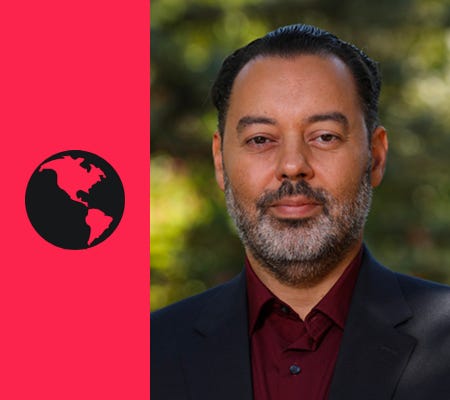
Decolonise to Decarbonise | Fadhel Kaboub
Fadhel Kaboub is a former Associate Professor of Economics at Denison University where he researched political economy, decarbonisation, colonialism, and the financial and agricultural policies necessary to facilitate a global—and just—green transition. Since recording, Fadhel has been appointed Under-Secretary-General for Financing for Development at the international intergovernmental organisation, Organisation of Educational Cooperation.This episode is thrilling. Fadhel explains the traps of inflation, debt, globalisation, and the financial and agricultural policies weaponised by the global north to exploit the global south. He walks us through the three structural traps which keep wealth pouring out of the global south into the global north, amounting to modern colonialism. And he explains why we can afford a just transition, revealing the exciting mechanisms of Modern Monetary Theory by exploring the solutions global south countries can implement to ensure their sustainable development."You can't decarbonise a system that hasn't been decolonized yet, economically speaking. Similarly, you can't democratise a system that hasn't been decolonised yet.Because you can't meet the aspirations of your people and meet their needs in terms of food or housing or quality of life if your economic paralyses you and prevents you from serving those needs, and requires of you to serve the needs of the global supply chains in manufacturing or energy and so on."Planet: Critical investigates why the world is in crisis—and what to do about it.© Rachel Donald Get full access to Planet: Critical at planetcritical.substack.com/subscribe
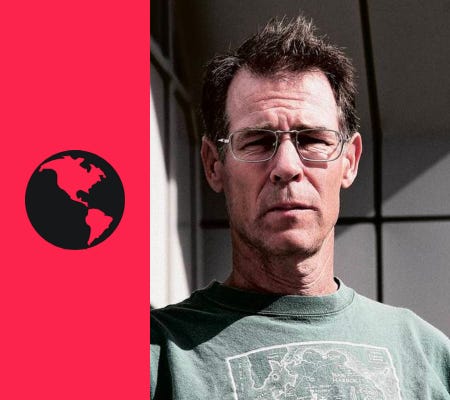
Writing A Better World | Kim Stanley Robinson
Kim Stanley Robinson is a science fiction writer and author of the acclaimed novel, The Ministry for the Future. Set in the near future, this work of climate fiction explores the geopolitical, technological, political and economic demands of the climate crisis, imagining how nations around the world will respond to its impacts—resulting in the destruction and reimagining of the world order.Stan joins me to discuss the role of writing, of art, of fiction in particular in the face of a crisis. He gives a fascinating overview of science fiction’s response to the world over the past few decades, exploring the role of stories, narrative, and how citizens can both grapple with and demand change in their societies.“History is malleable and is constantly changing in people's heads. I say there was a moment that was intensely revolutionary in the new wave science fiction between 1965 and 1975. Then, along with Reagan and Thatcher, came this kind of reactionary, defeatist science fiction, sometimes called cyberpunk. And that was dispiriting, and science fiction kind of lost its way and fantasy came in to replace it.“So I have a macro story for even my own field that is very personal, but what I can say is that now it has blown up. There are scores of writers with scores of stories coming at it from every possible angle trying to say, we can make a better world. In other words, I think utopia keeps rising to the top; the story of things getting better is something that people are hungry for, and so people keep writing it. And sometimes it does feel like magical thinking. Other times it's like social planning.”Planet: Critical investigates why the world is in crisis—and what to do about it.© Rachel Donald Get full access to Planet: Critical at planetcritical.substack.com/subscribe
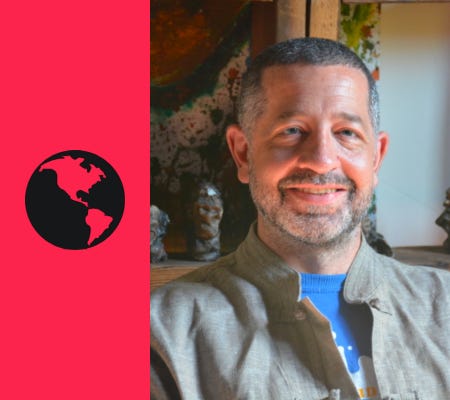
The Green Transition Needs Land | Max Ajl
Max Ajl is a fellow at Ghent university researching the climate and agrarian issues. He's also the author of the acclaimed A People’s Green New Deal, a “radical alternative” to the Green New Deals peddled by government institutions over the past years.Max joined me to discuss the necessity of land reform in the global green transition, explaining the importance of peasants, the relationship between land, production and debt, and how the post-colonial nations can liberate themselves from the late stage capitalist economy inflicted upon them by the global north.“In many post-colonial countries, if the issue is that you have an excess of labour, which is the case across Latin America, Africa, West Asia, you actually have capacity to mobilise labour and apply it to land. And the best way to do that is to carry out an agrarian reform, to actually increase the size of the units of land available to the poorest people…“Automatically, you would increase national production and you would increase the wellbeing of the poorest sectors of your population. So this is actually a developmental imperative. Therefore, unless there's some overriding ecological reason to say we shouldn't be doing that, then it should be an overriding developmental imperative in any form of green transition.”Planet: Critical investigates why the world is in crisis—and what to do about it.© Rachel Donald Get full access to Planet: Critical at planetcritical.substack.com/subscribe
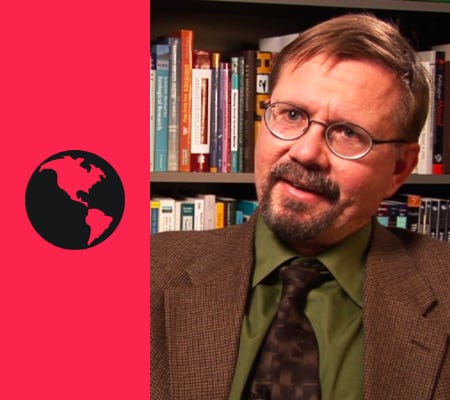
The Steady State Economy | Brian Czech
Brian Czech, founder of the Center for the Advancement of the Steady State Economy, is an ecological economist and former conservation biologist. Brian joined me just after returning from COP15 and, thankfully, says the fallacy of economic growth is finally being discussed at these critical conferences.On the episode, Brian explains the relationship between economics and the planet’s biosphere before introducing steady state economics, an economic model which prioritises stability and the protection of planetary boundaries. He also describes his time working for the US government, and walks us through the trophic theory which dismantles any techno-utopian argument that we can innovate our way out of the climate crisis and continue to enjoy growth for growth’s sake.Planet: Critical investigates why the world is in crisis—and what to do about it.© Rachel Donald Get full access to Planet: Critical at planetcritical.substack.com/subscribe
Solving the Climate Crisis | Roundtable
In July, I recorded a roundtable with six of my former guests. The aim was to create an interdisciplinary assessment of the climate crisis, and what to do about it. Today, you can listen to the roundtable here, or watch it on Youtube.There were six fascinating presentations, each followed by a round of questions. This is what to expect:Maximum Power Principle in Biology & EconomicsCarey King, research scientist and Assistant Director at the University of Texas Energy InstituteGlobal Climate CompensationHenrik Nordborg, Physics Professor and Renewable Energy and Environmental Technology Program Director at the Eastern Switzerland University of Applied SciencesMEER & Warming MitigationYe Tao, Physicist and FounderCarbon Credit CurrencySteve Keen, Economist and AcademicEconomy 3.0: Networked Societies & Energy StandardChris Cook, Senior Research Fellow at the Institute for Security and Resilience Studies at University College LondonOligarchy & Energy Systems PrinciplesSally Goerner, Director of Edinburgh University’s Planetary Health LabPlanet: Critical is 100% independent and reader-funded. If you value it, and have the means, become a paid subscriber today!© Rachel Donald Get full access to Planet: Critical at planetcritical.substack.com/subscribe
Message From The Future | Wendy Schultz
Wendy Schultz is an academically trained futurist with over thirty-five years of global foresight practice. Director at Infinite Futures, she has designed futures research projects for NGOs, government agencies, and businesses.Wendy and I discuss the Law in the Emerging Bio-Age report she recently published, which asked how legal structures can support second chances at improving human relations with living systems and our planet. We also discuss how to bridle the finance industry to support a just transition, the role of activism, governments’ relationship to information, and, more generally, how to solve wicked problems.Support Planet: Critical: www.planetcritical.com Get full access to Planet: Critical at planetcritical.substack.com/subscribe
Why Scientists Must Rebel | Aaron Thierry
“The public do trust science and scientists more than probably any other social group, according to social surveys. The public have expectations on scientists that they will speak out if they see issues of national or social concern because they expect that scientists are working in the public good.“So what’s the responsibility on us as academics then, knowing what we know, knowing that we're heading for disaster, knowing that that governments aren't doing nearly enough to avert it, in fact are actually pouring fuel on the fire? What do we do? And I think for us to not then speak out about that, to not resist, that would be to really fail in our duty, both as scholars, but also as citizens.”Aaron Thierry is an ecologist and environmental activist. After spending years on the frontline of the climate crisis in the Arctic, Aaron now researches the communication strategies of activist organisations, examining the interplay between reason and emotion in the climate emergency movement.Aaron joins me to discuss his research, explaining the positive impact of scientists rebelling against government inaction, and why all academics must broaden their understanding of their role as educators to warn their students of the realities of the crisis. Aaron explains the benefits of a decentralised activist movement sharing one single coherent message—and, in doing so, reveals the true sunken cost of fossil fuel infrastructure that will likely send us well over the 1.5 degree limit. Planet: Critical is 100% independent and reader-funded. If you value it, and have the means, become a paid subscriber today!© Rachel Donald Get full access to Planet: Critical at planetcritical.substack.com/subscribe
Information Pollution | Dahr Jamail
“How long do we keep pretending that capitalism works? How long are we going to keep pretending that there is such a thing as objectivity? How long are we going to keep pretending that we're not in a runaway climate crisis? Systems are literally collapsing – the UK is in massive crisis, the United States is in massive crisis. These countries are seen as the leaders of the western world in a lot of ways and the reality is neither country is even a democracy anymore. We're a corporatocracy at best.“What happens in countries where there's not legitimate journalism in the mainstream is you end up with a society that's overwhelmed with information. In the United States, huge swaths of the country can't even tell truth from fiction, which is something that Hannah Arendt in Origins of Totalitarianism warned: the best subject for totalitarian rule is not someone with a certain political bias, but someone who literally just can't tell truth from fiction anymore.”Dahr Jamail is an award-winning journalist and author, who was one of the few independent journalists to report extensively from the ground during the 2003 invasion of Iraq. Dahr later became a climate reporter, tracking climate disruption around the world and collating his knowledge in the wonderful book, The End of Ice.Dahr joined me to discuss what’s going wrong with journalism and how to create a journalism which can respond to the climate crisis. We discuss information pollution in the mainstream media, the fallacy of objectivity, the corruption of profit-maximising goals, self-selecting biases, and how the abject failures of the mainstream media have disempowered, disengaged and confused populaces around the world—making them ripe for manipulation by populists.Planet: Critical investigates why the world is in crisis—and what to do about it.© Rachel Donald Get full access to Planet: Critical at planetcritical.substack.com/subscribe
Activism: The Moderate Flank | Rupert Read
“How do we challenge the hegemony and change it, and start to plan for a future for our children, for our grandchildren, for our great grandchildren? That is the great challenge. But as I've been implying, it's really something which is or should be an incredibly mainstream and commonsensical point of view. Everybody cares about their children having a decent life, and that means they care about their grandchildren and their great grandchildren and their great, great grandchildren having a decent life.“So this is why perhaps this can be a hopeful moment that the kind of shift that we're talking about here, which is very, very far from where the UK government in particular is right now, is one which should be and can be and, I think, is deeply and widely appealing to a broad spectrum of people.”Rupert Read is an ecological philosopher and activist. Associate Professor of Philosophy at the University of East Anglia, Rupert has written over a dozen books whilst campaigning for the climate with the Green Party and Extinction Rebellion. His recent work focuses on the precautionary principle—examining how humankind often fails to act cautiously despite not having enough evidence to warrant our choices and decisions. This can be applied both to the climate crisis and the development of AI.Rupert joins me to discuss truth, counter-histories, chance, through-topias, and the moderate flank—the next branch of activism which seeks to recruit those resistant to the radical action which more commonly makes the headline. Don’t fancy throwing soup at paintings or shutting down roads? There are myriad ways we can all get involved in resisting the fossil-fuel economy and demand change. Rupert reveals the many campaigns happening in the UK for those who want to take action but don’t know where to start. Planet: Critical is 100% independent and reader-funded. If you value it, and have the means, become a paid subscriber today!© Rachel Donald Get full access to Planet: Critical at planetcritical.substack.com/subscribe
The World We Leave Behind | Ella Saltmarshe
Ella Saltmarshe is “incorrigibly plural” — an anthropologist by training, Ella is a writer, activist, organiser, founder and narrative strategist with experience in public policy and international development. Ella works at the intersection of stories and the climate crisis, channeling her immense creative energy and agency into creating a world we can leave behind for generations to come.Alongside discussing Ella’s impressive work in the narrative field, which includes helping policy-makers around the world reframe their understanding of the future to consider our long-term impacts and responsibilities, we delve into the principles of storytelling, the fight against propaganda, short-term vs long-term thinking, and the fascinating concept of considering oneself an ancestor to future generations.© Rachel Donald Get full access to Planet: Critical at planetcritical.substack.com/subscribe