Pitch Cafe Podcast
133 episodes — Page 3 of 3
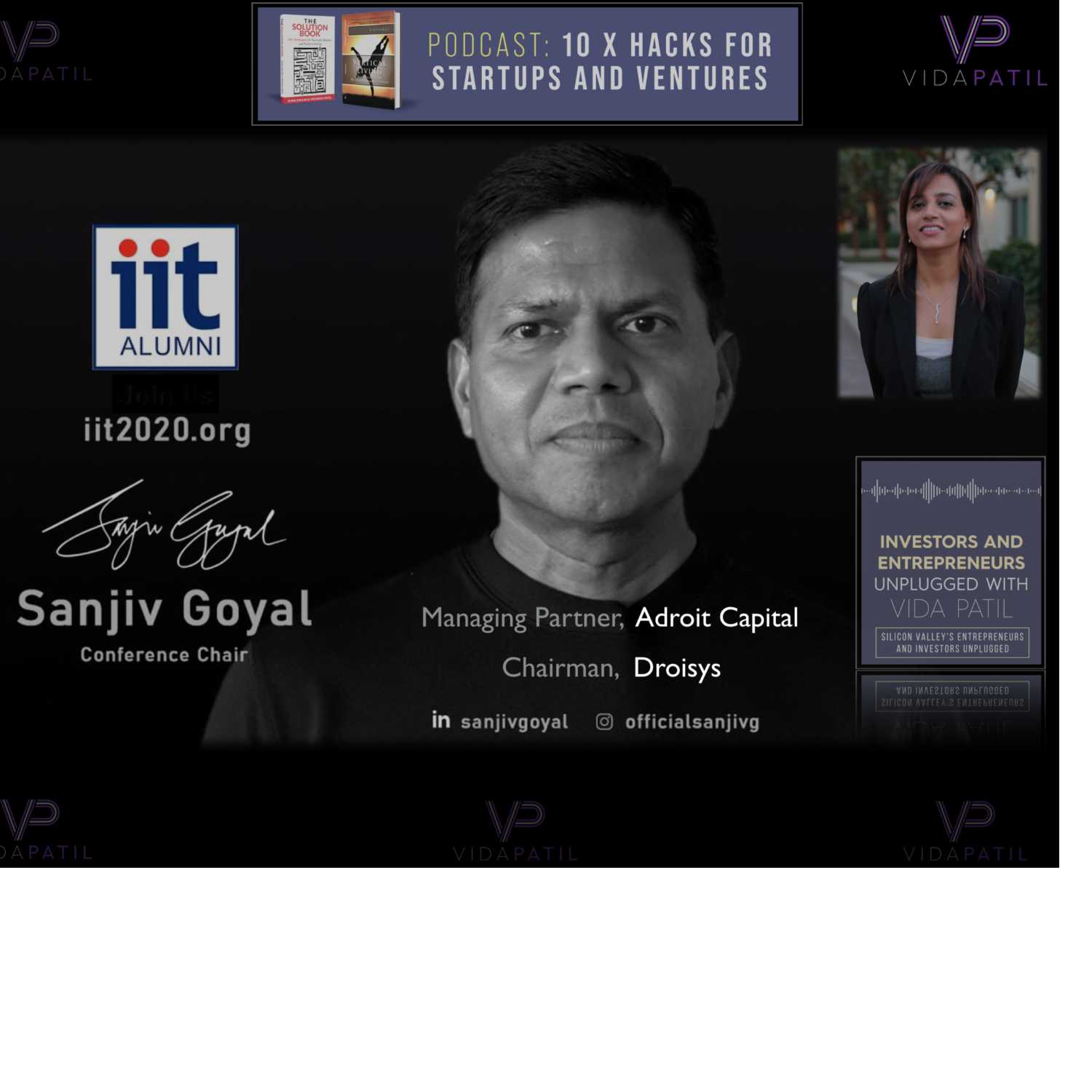
S2 Ep 10Podcast#20 with Sanjiv Goyal - Silicon Valley Investor, Chair-IIT2020
A podcast with Sanjiv Goyal, IIT-Alumnus based in the Silicon Valley, and chair of. the conference IIT2020. Learn interesting insights on how IITians succeed in their academics and innovative abilities. Listen to forecasts during and post-COVID new normal by tech experts, address from PM Modi from India, also what it means to be a go-giver and be successful! Memory experts like Chester Santos talk about having more exposure to facts and experiences to sharpen your memory..a fulfilling, fun, and holistic tech and growth hacking banter..
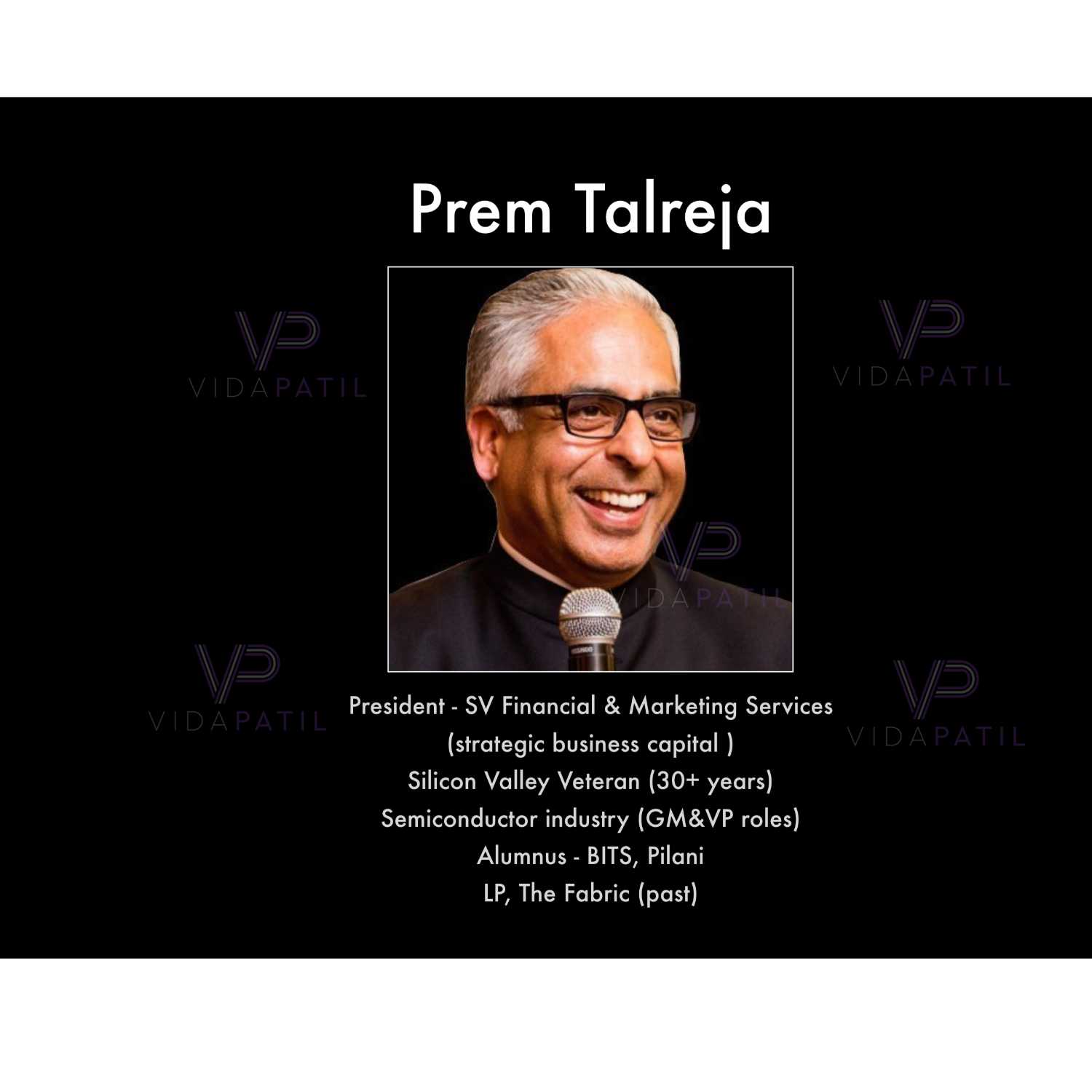
S2 Ep 9Podcast# 19 Prem Talreja- on alternative and strategic business capital and marketing
Podcast with Prem Talreja (30+ years experience in silicon valley) in cloud, semiconductor and being an investor for B2B startups. He talks about raising strategic capital and marketing solutions for small businesses, especially in the pandemic. Visit - svfinancialservices.com/ and svfinancialservices.com/digital-marketing/
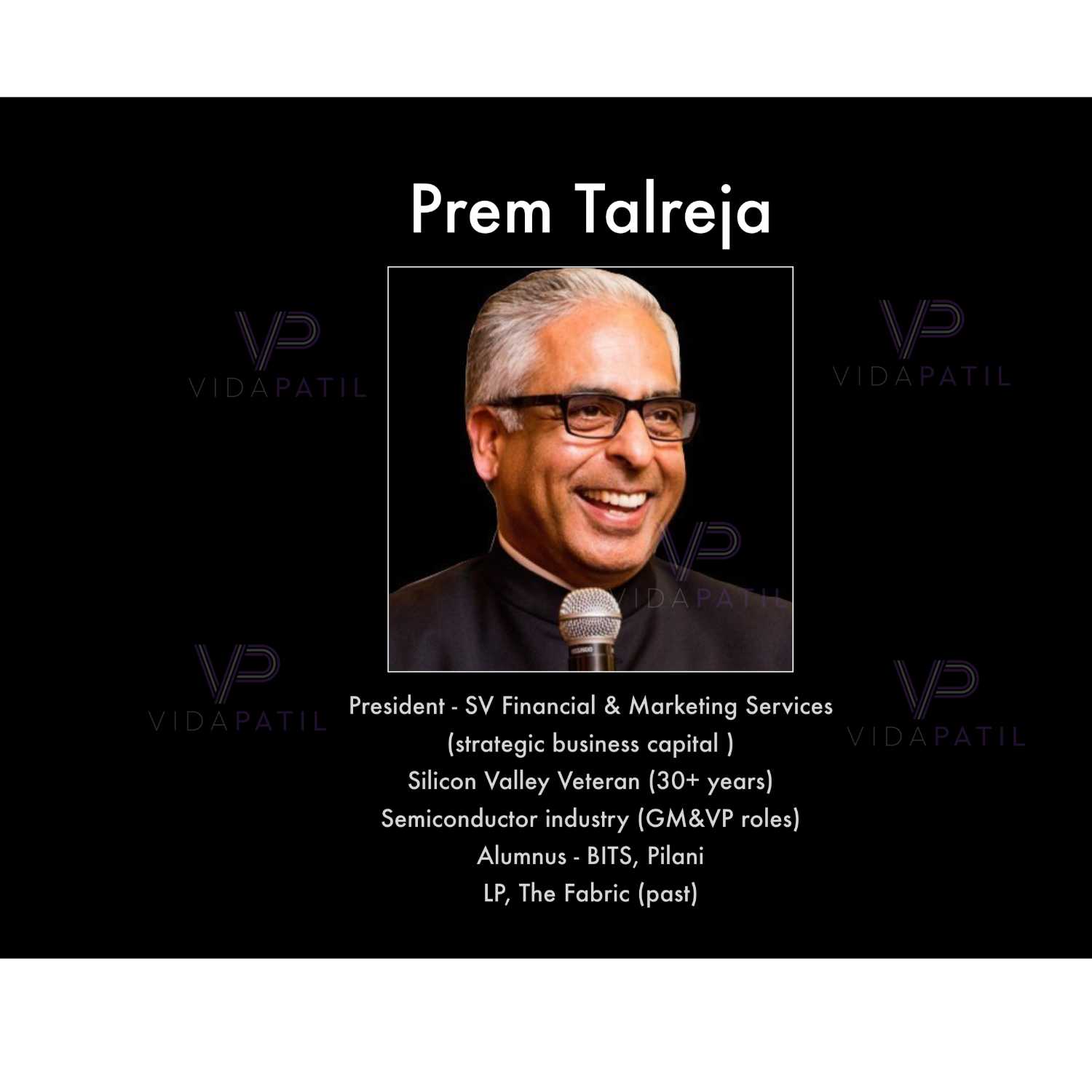
Podcast# 19 Prem Talreja- on alternative and strategic business capital and marketing
Podcast with Prem Talreja (30+ years experience in silicon valley) in cloud, semiconductor and being an investor for B2B startups. He talks about raising strategic capital and marketing solutions for small businesses, especially in the pandemic. Visit - svfinancialservices.com/ and svfinancialservices.com/digital-marketing/
S2 Ep 8Podcast#18 [P-2] Raj Jaswa on 10X Hacks (Case studies - Uber, Amul, Govt. of India Commerce/Tourism)
Raj Jaswa explores in depth the nitty-gritty of acquiring your first customer and then repeat customer, focusing on case studies on Uber, Amul India, and the Central Government of India- tourism and commerce. He talks about the top 6 parameters that surprisingly make customer repeatability and reference more likely. Raj Jaswa is an accomplished serial technology entrepreneur. Raj currently teaches Engineering Entrepreneurship at IIT Bombay, IIT Gandhinagar, VNIT Nagpur and TiE Silicon Valley. His most recent role was CEO and Chairman of Dyyno from 2009 to 2012. From 2003-2008, he volunteered full-time for TiE Silicon Valley, serving as President from 2005 to 2008 and s a Director from 2003 to 2004. TiE is the world’s largest nonprofit dedicated to helping entrepreneurs. Raj served on TiE’s Global Board of Trustees for 5 years. Before TiE, Raj was co-founder, Chairman, and CEO of Selectica from 1996 to 2002 with customers like General Electric, BMW, Cisco, Samsung, and Dell. Selectica went public in 2000 with a peak market value of $5 billion, and was named to the Forbes 500, Deloitte & Touche Technology Fast 500, Software 500, Inc 500, and Interactive Week 500. Previously, Raj co-founded Opti in 1988, where he served first as EVP of Sales and Marketing and then as President until 1996. During Raj’s tenure, Opti became the world’s largest supplier of chipsets for personal computers, powering the PCs made by IBM, Hewlett Packard, Dell, and Compaq. Earlier in his career, Raj worked for Intel, General Electric, and Chips & Technologies. He received a Bachelors degree in Electrical Engineering from the Indian Institute of Technology in Bombay , a Masters degree in Electrical Engineering from the University of Toronto , and an MBA from Stetson University.
S2 Ep 8Podcast#18- [Part-1] Silicon Valley veteran - Raj Jaswa on 10X Hacks for food entrepreneurs(case studies: Pizza Hut, Taco Bell)
Raj Jaswa, silicon valley investor-advisor and serial entrepreneur with multiple IPOs, explores in depth the nitty-gritty of acquiring your first customer and then repeat customer, focusing on case studies on Pizza Hut, KFC and Taco bell. He talks about the top 6 parameters that surprisingly make customer repeatability and reference more likely. Raj Jaswa is an accomplished serial technology entrepreneur. Raj currently teaches Engineering Entrepreneurship at IIT Bombay, IIT Gandhinagar, VNIT Nagpur and TiE Silicon Valley. His most recent role was CEO and Chairman of Dyyno from 2009 to 2012. From 2003-2008, he volunteered full-time for TiE Silicon Valley, serving as President from 2005 to 2008 and s a Director from 2003 to 2004. TiE is the world’s largest nonprofit dedicated to helping entrepreneurs. Raj served on TiE’s Global Board of Trustees for 5 years. Before TiE, Raj was co-founder, Chairman, and CEO of Selectica from 1996 to 2002 with customers like General Electric, BMW, Cisco, Samsung, and Dell. Selectica went public in 2000 with a peak market value of $5 billion, and was named to the Forbes 500, Deloitte & Touche Technology Fast 500, Software 500, Inc 500, and Interactive Week 500. Previously, Raj co-founded Opti in 1988, where he served first as EVP of Sales and Marketing and then as President until 1996. During Raj’s tenure, Opti became the world’s largest supplier of chipsets for personal computers, powering the PCs made by IBM, Hewlett Packard, Dell, and Compaq. Earlier in his career, Raj worked for Intel, General Electric, and Chips & Technologies. He received a Bachelors degree in Electrical Engineering from the Indian Institute of Technology in Bombay , a Masters degree in Electrical Engineering from the University of Toronto , and an MBA from Stetson University.
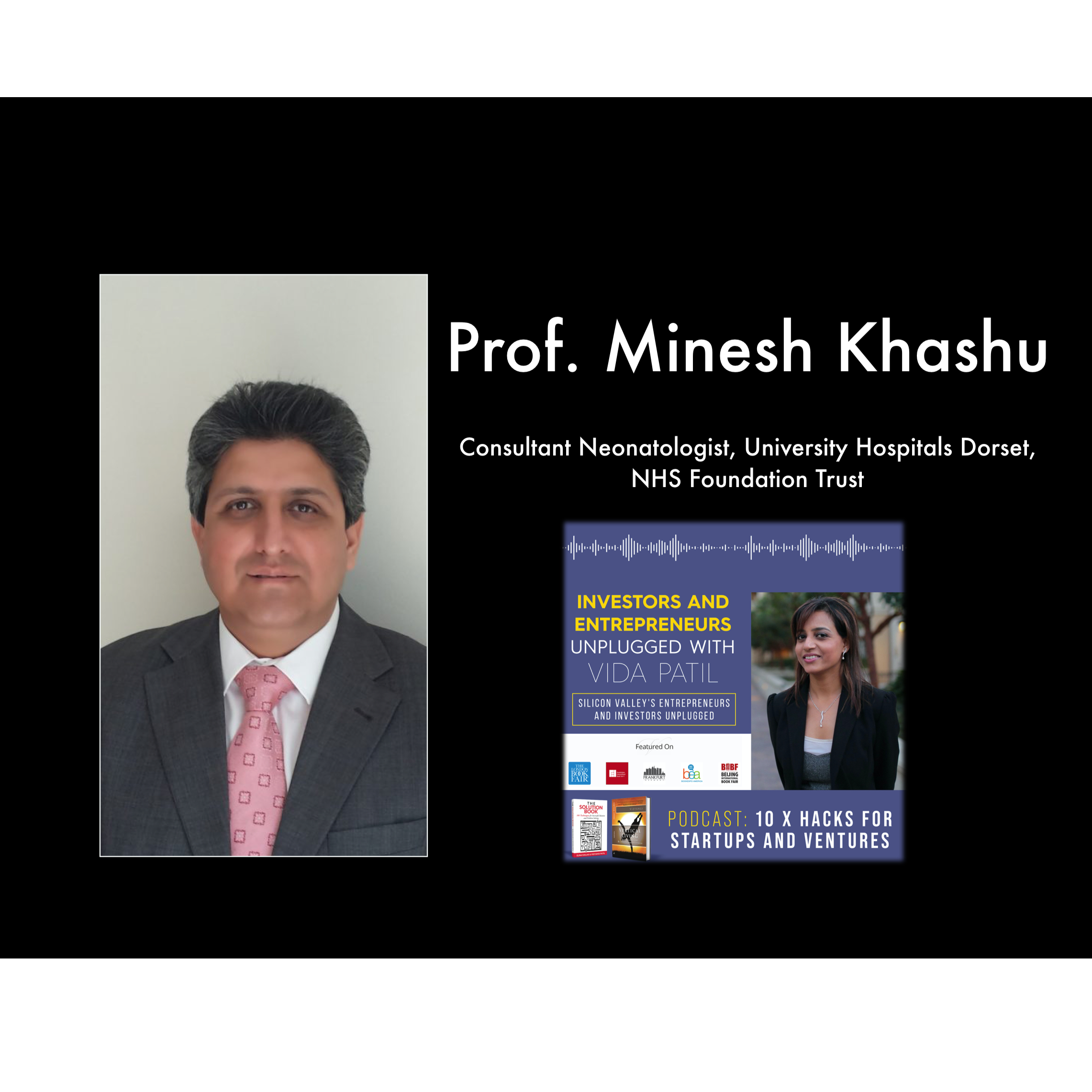
S2 Ep 7[Part 2] Prof. Minesh Khashu, Neonatologist - clinical leader reimagining healthcare during COVD 19
Prof. Khashu is a clinical leader reimagining healthcare, based out of UK and active in the silicon valley investor and startup circle. In part-1 of the podcast he focused on 3Ps (Product-People-Process) and Why-Why-Why approach to product development and also the importance of customer-centric innovation in healthcare. In the current segment, Prof. Khashu explores the future of digital health, provides guidelines on meaningful data sharing, the importance of doctor-patient bonding and eliminating middlemen in the digital transformation of healthcare workflows and a lot more exciting frontiers in healthcare. He hints at data as the next frontier in healthcare innovation and also talks about acceleration of tele-health during COVID19 scenario. Prof. Minesh Khashu focuses on system-wide transformation, and continuous Quality Improvement and Patient-Centred Care. He has experience of clinical management and leadership at hospital, regional and national level including strategic change, system redesign, large scale quality improvement and development of national guidance and multi stakeholder collaboration, and has been a strong voice for improving the conditions healthcare frontline worker addressing the COVID19 pandemic needs. LinkedIn: https://www.linkedin.com/in/minesh-kh... Twitter: https://twitter.com/mkrettiwt
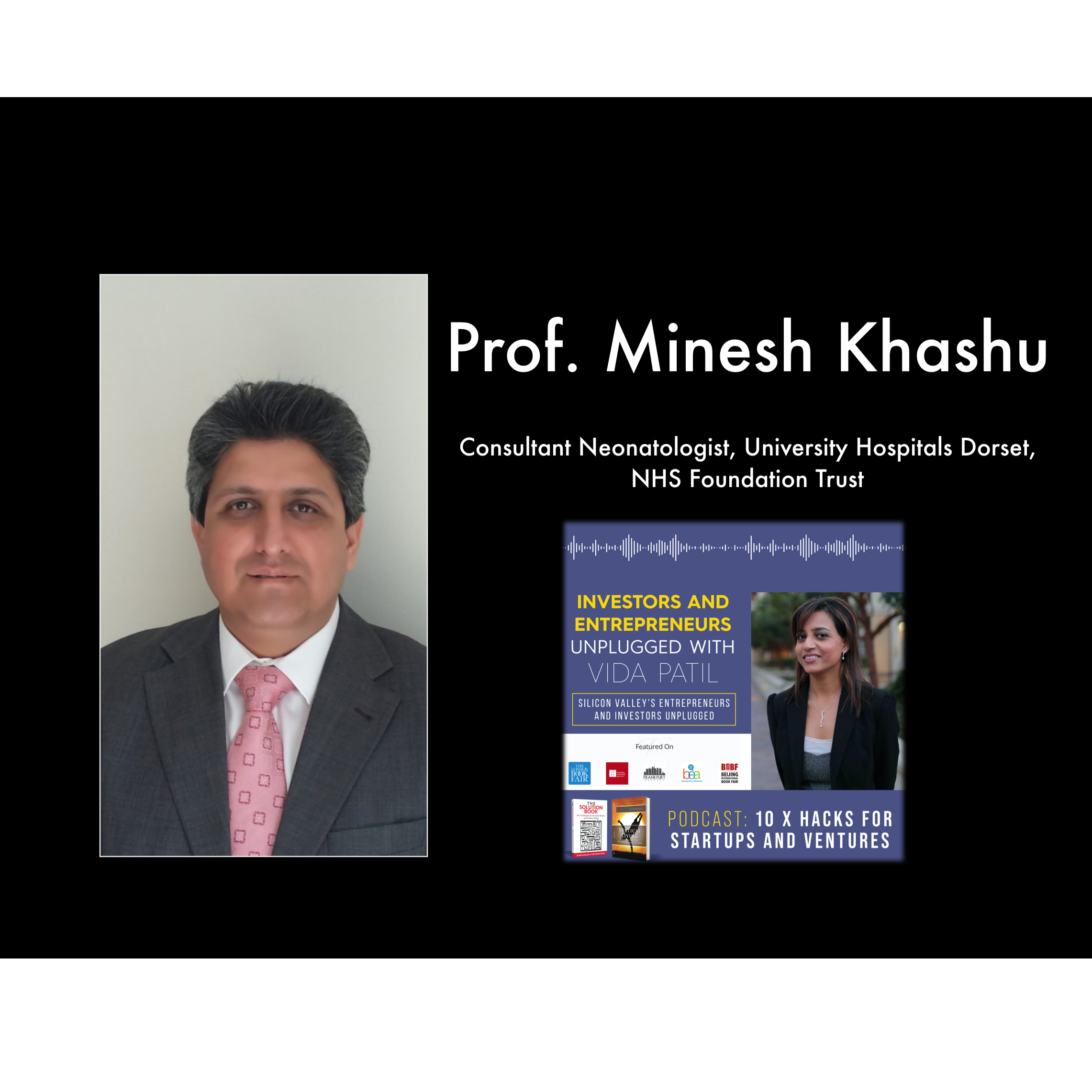
S2 Ep 7[Podcast #17 - P1] Prof. Minesh Khashu - clinical leader reimagining healthcare COVD 19 & beyond
Prof. MINESH KHASHU is a clinical leader reimagining healthcare based out of the UK, but also trained in India, Canada and US and is active in the silicon valley investor and startup circle. In this podcast he focuses on 3Ps (Product-People-Process) and Why-Why-Why approach to product development and also the importance of customer-centric innovation in healthcare. He hints at data as the next frontier in healthcare innovation and also talk about acceleration of tele-health during COVID19 scenario. He focuses on system-wide transformation, and Continuous Quality Improvement and Patient-Centred Care.He has a great blog series on reimagining healthcare system in UK- rethinking NHS, check out his blog on rethinking NHS here: https://mineshkhashu.wordpress.com/LinkedIn: https://www.linkedin.com/in/minesh-kh...Twitter: https://twitter.com/mkrettiwtPodcast links:SoundCloud: https://soundcloud.com/vidyaangi/prof-minesh-khashu-neonatologist-clinical-leader-reimagining-healthcare-during-covd-19-beyondYoutube: https://youtu.be/IcpfN5vVcj0iTunes: coming up..
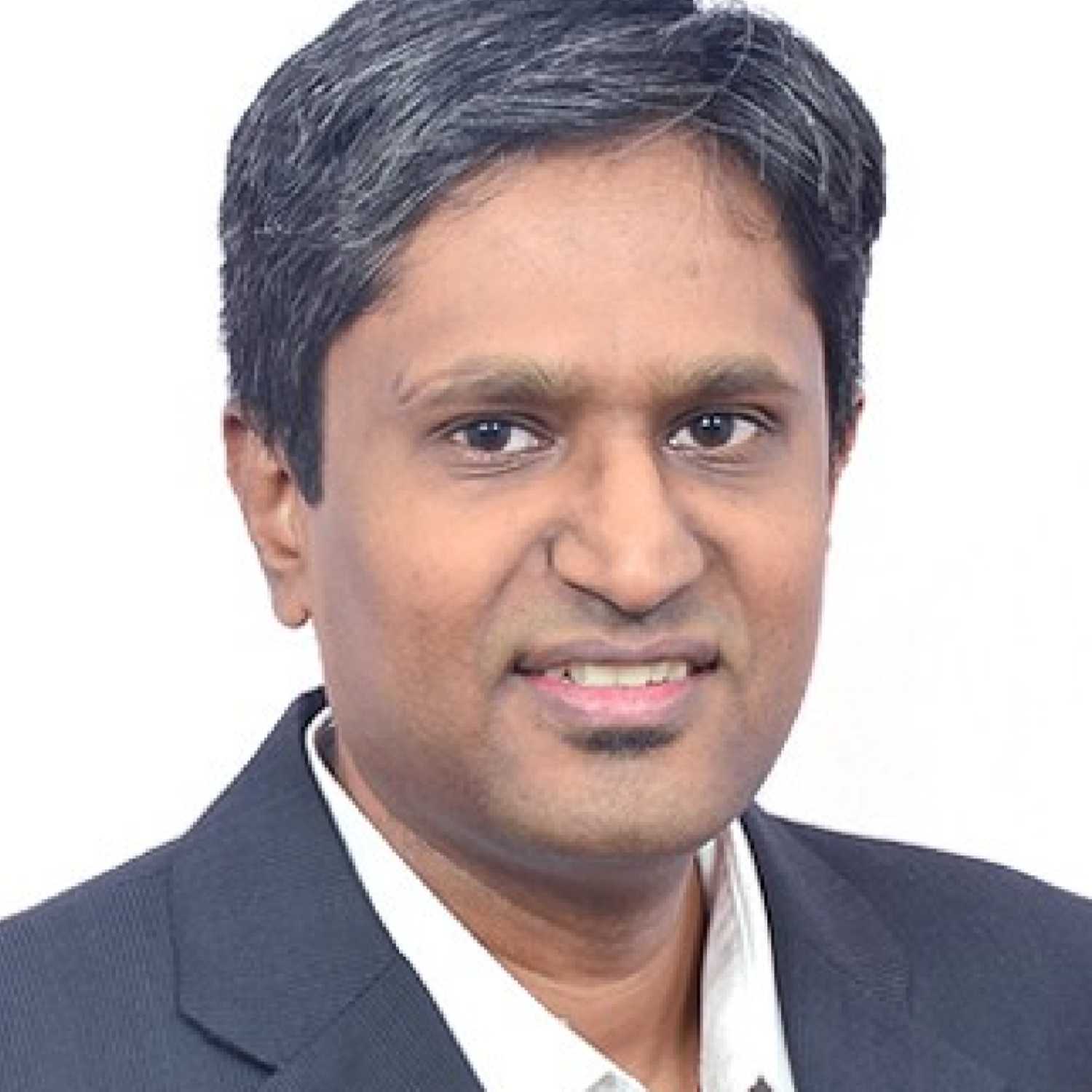
S2 Ep 6[Podcast #16 Part 2] Uttam Ramamurthy - NextGen AI platforms -telehealth, voice transcription, etc.
Part-2 of my podcast on NextGen AI platforms in healthcare with Uttam Ramamurthy covering topics like voice prescription and pick up, critical AI insights in automating emergency department workflows, prediction, and management of diabetes, heart conditions, and more.[Part 1] with Uttam Ramamurthy talks about NextGen AI platforms in India (with telehealth as a focus). In this podcast with Uttam Ramamurthy, who is currently leading cutting edge AI projects in healthcare at Cerner Corporation, talks about the accelerated pace of AI Adoption in India (accelerated by terms of data, compute and infrastructure). In part-1 of the podcast, Uttam addresses issues related to data explainability, challenges in handling structured and unstructured data on AI platforms, cleansing, ingestion,....listen on.He has authored insightful blogs on this topic as well, to name a few:https://lnkd.in/gZRkj_yhttps://lnkd.in/dQpzXvDYouTube podcast- 1 , 2 : https://lnkd.in/dxVG_rK; https://lnkd.in/gS7EubVSoundCloud podcast- 1, 2: https://lnkd.in/dTUm2be; https://lnkd.in/gc6ZSKaiTunes Podcast -1, 2: https://lnkd.in/dX7s8se; in progress..#artificialintelligence #telehealth #IoT #datacleansing #explainableai #aiplatforms #compute #healthcareai
[Podcast #15 Part 2] Uttam Ramamurthy - NextGen AI platforms -telehealth, voice transcription, etc.
Podcast #15 [Part 2] with Uttam Ramamurthy talks about NextGen AI platforms in India (with telehealth as a focus). Part-2 of the podcast focuses on fascinating case studies of AI adoption in telehealth, prescription assistants/bots, emergency department workflow optimization, etc. He brings valuable insights as seasoned AI platforms professional, listen on. He has authored insightful blogs on this topic as well, to name a few: https://www.linkedin.com/pulse/building-trustable-ai-predictions-healthcare-uttam-ramamurthy/ https://lnkd.in/dQpzXvD In this podcast part-1 with Uttam Ramamurthy, who is currently leading cutting edge AI projects in healthcare at Cerner Corporation, Uttam talks about the accelerated pace of AI Adoption in India (accelerated by terms of data, compute and infrastructure). In part-1 of the podcast, Uttam addresses issues related to data explainability, challenges in handling structured and unstructured data on AI platforms, cleansing, ingestion, ...and more
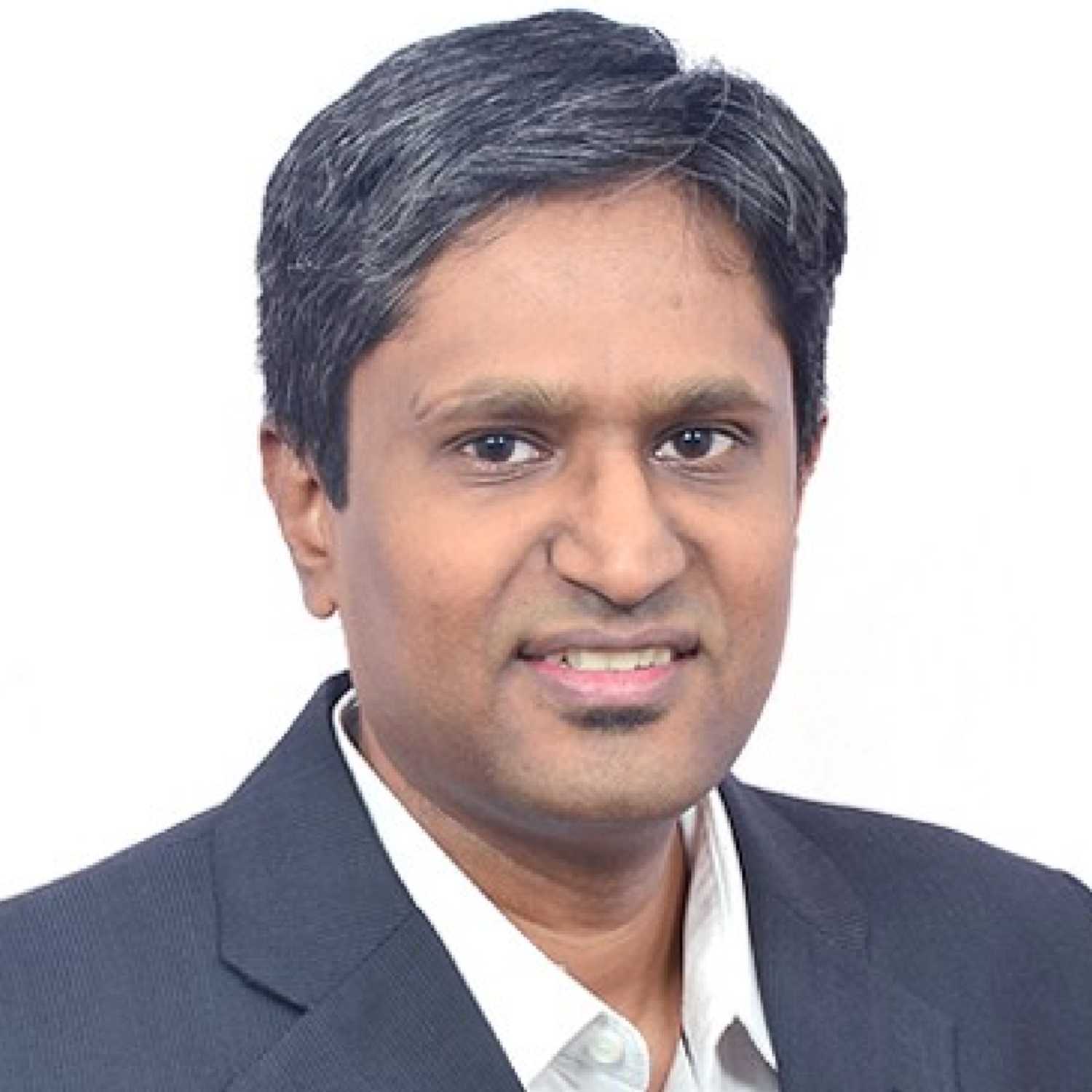
S2 Ep 6[Podcast #16- Part 1] with Uttam Ramamurthy on NextGen AI platforms in India (telehealth as a focus)
In this podcast with Uttam Ramamurthy, who is leading cutting edge AI projects in healthcare at Cerner Corporation, talks about the accelerated pace of AI Adoption in India (in terms of data, compute and infrastructure). Uttam addresses issues related to data explainability, challenges in handling structured and unstructured data on AI platforms, cleansing, ingestion, also fascinating case studies of AI adoption in telehealth, prescription assistants/bots, emergency department workflow optimization, etc. He brings valuable insights as seasoned AI platforms professional....listen on. He has authored insightful blogs on this topic as well, to name a few: https://www.linkedin.com/pulse/next-generation-ai-platforms-uttam-ramamurthy/
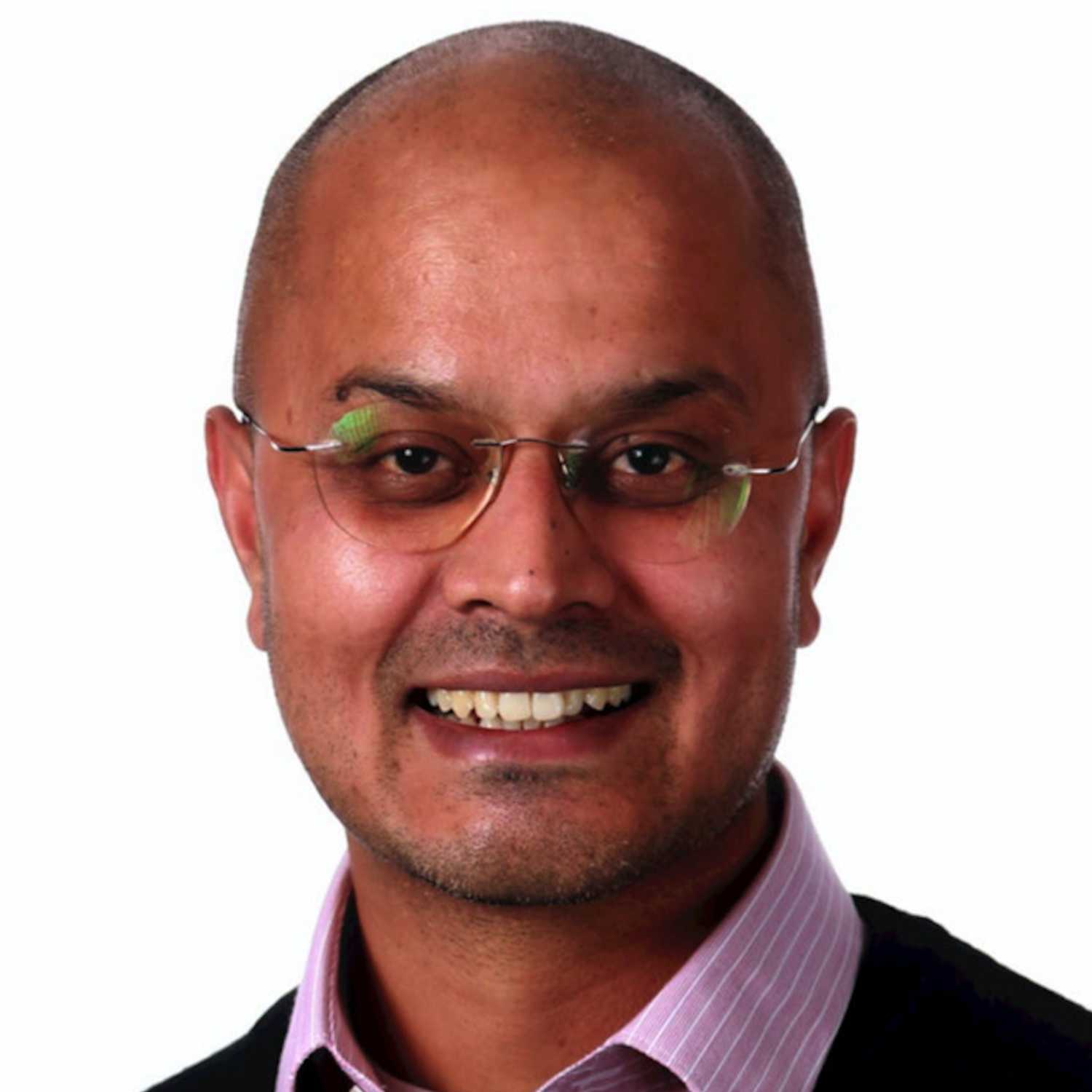
S2 Ep 4[P2 Podcast #15] Investor Nitin Vaish on Climate & Energy Tech disruption - advice to entrepreneurs
Enjoyed discussing fresh perspectives on unit metrics of clean energy with Nitin Vaish, in our podcast breaking it down to a 35 trillion dollar opportunity. A ray of hope for budding clean and energy tech entrepreneurs.Can energy be made freely available to everyone, and what will it take? An interesting conversation with investor and innovator Nitin Vaish, about the unit metrics of energy flipping towards cleantech. Nitin addresses topics like the need for cleantech and decarbonization, and how this can be accelerated by trends like Lithium-ion battery costs coming down to a couple of hundred dollars versus thousands of dollars in the unit metrics, electric cars replacing gasoline vehicles, and a Moore's Law of sorts driving technology convergence for cleantech adoption. He has some encouraging and interesting projections for aspiring cleantech and energy entrepreneurs....listen on. Don't forget to check out his latest post on medium.com: medium.com/@nitinvaish
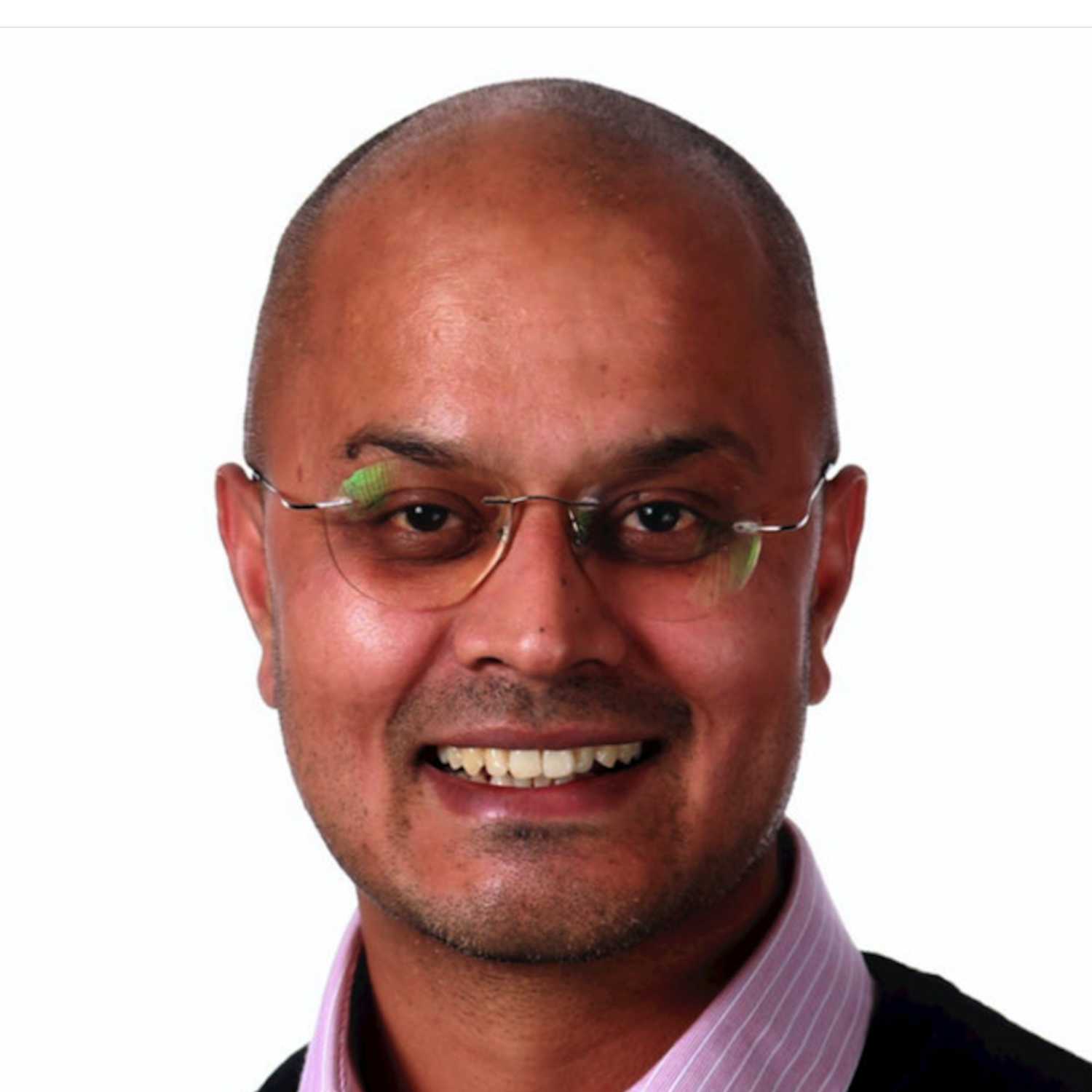
S2 Ep 5[Podcast #15] Investor Nitin Vaish takes us through Climate and Energy Tech disruption metrics & inflection points for clean/energy tech
“The cost of just running a coal plant is much higher than starting a greenfield solar plant,” says Nitin Vaish, an emerging and climate change expert, also an investor in the same space. I highly recommend his insightful personal blog which goes in-depth in analyzing metrics related to the climate and energy tech landscape. He talks about batteries, per capita energy cost and how this cost is becoming lower, accelerating the adoption of clean tech: https://medium.com/@nitinvaishHe predicts that eventually, the cost of energy will come down enough to accelerate the adoption of clean energy vehicles. He has truly amazing insights on how agriculture can impact carbon footprint adversely due to the usage of ammonia-based fertilizer, food wastage is contributing to climate change, advances in multiple technologies which can accelerate better energy capacity and adoption of electric vehicles. Please check out the top 100 projects recommended by Nitin on reversing global warming: https://drawdown.org/
S2 Ep 4[Podcast#14 P2]: Silicon Valley investor Sudhir Kadam talks about corporate-startup engagement, exits, go-to-market strategies during and post COVID19
In this podcast episode, he shares invaluable insights on corporate venture capital, corporate-startup engagement, and multiple ways for startups to engage with corporations. He touches upon exit strategies during and outside of COVID. This is part-2 of the podcast with Sudhir Kadam, partner at FYDA Growth Partners, Silicon Valley's startup and innovation & growth catalyzer. Sudhir is a seasoned entrepreneur, corporate executive, and academic.
S2 Ep 3Podcast#14 [P1]: Silicon Valley investor Sudhir Kadam talks about startup self-disruption, liquidation, pivot
A podcast with Sudhir Kadam who carries a wealth of expertise in the startup and innovation landscape as an investor, seasoned entrepreneur and silicon valley corporate executive and academic. In this podcast episode, he shares invaluable insights on how to evaluate product-market fit pre-, during and post-COVID scenarios, specific guidelines on investment rounds during COVID, assessing cyclic and seasonal technology and business trends to assess your investments, on how to self-disrupt a business during COVID like blackswan situations, and a lot more specific insights to first-time founders and entrepreneurs on how to systematically assess areas of changes or improvements in your business models during a pandemic.
S2 Ep 2Podcast #13 Sanjit Dang Sanjit Dang on one successful exit per year, going to the basics during COVID and more..
A podcast with Sanjit Dang, a seasoned Silicon Valley investor who has spanned corporate venture capital and successfully had one successful exit per year. His innovative ideas on tapping into upcoming industry trends, and helping corporations work with upcoming startups by U First Capital with the Venture-As-A-Service model. He has been an advisor, mentor, and innovation catalyzer all the way from Richard Branson’s team to the United Nations and Intel Capital. He brings great courage and deep insights to founders during COVID and shares incredibly actionable tips to founders on approaching investors.
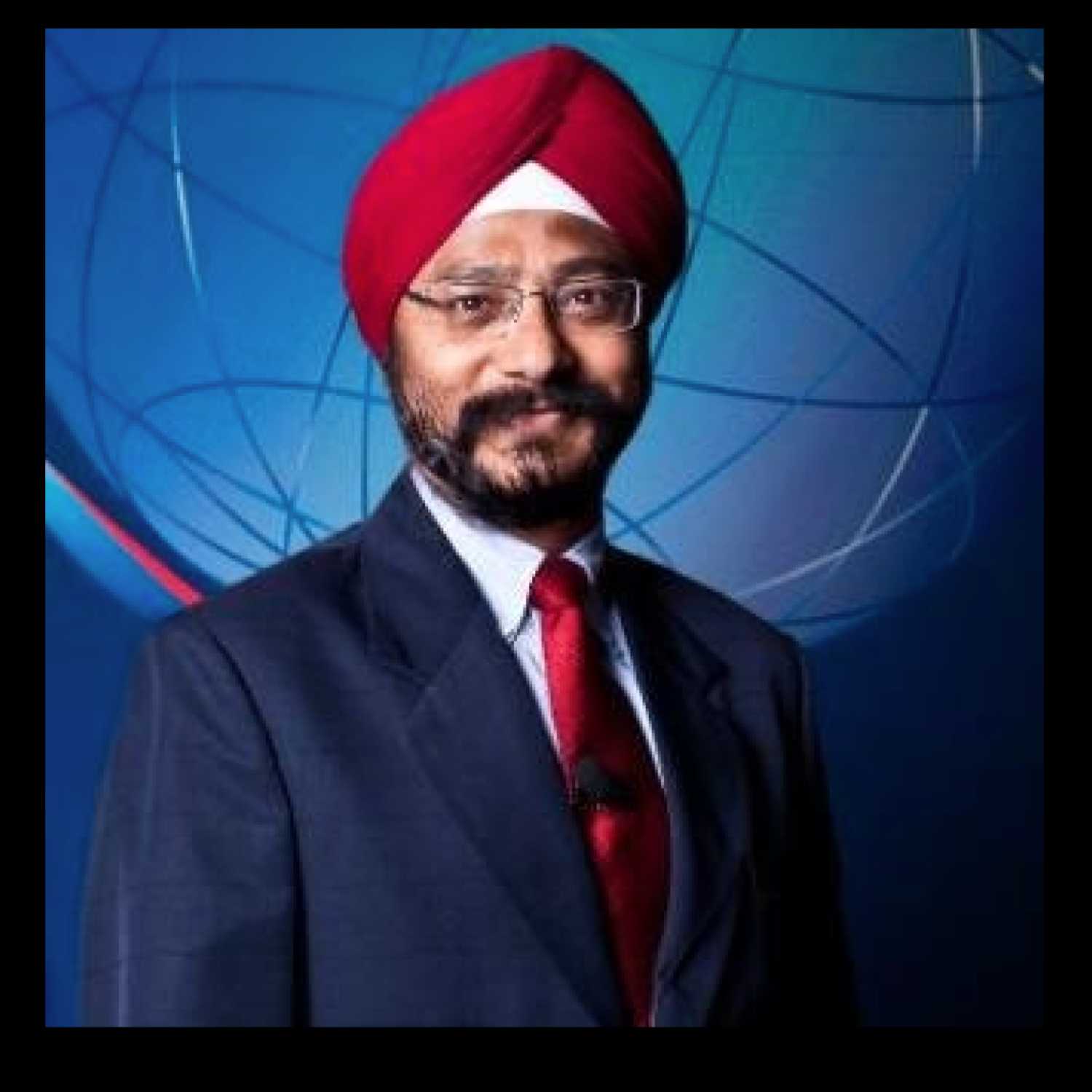
S2 Ep 2[Podcast #12 P2] R. Paul Singh, silicon valley investor - to startups, during COVID, about winning/keeping your enterprise customers
Paul Singh, seasoned silicon valley investor, serial entrepreneur, and executive talks about building startups in enterprise space during COVID. How can you train your team to get into a culture of customer success, and why the founder is the first salesperson for the company. It is true that hiring a sales team for a startup's initial success is important, it is equally important for the founder or co-founder with a sales streak to engage deeply with the customer and sales duties. Learn more in this podcast about surviving and thriving in the B2B space during COVID.
S2 Ep 1[Podcast #12 P1] Don't lose your customer to COVID-Paul Singh, Silicon Valley's successful investor-entrepreneur
Paul Singh, seasoned silicon valley investor, serial entrepreneur, and executive talks about how there is no excuse for digital transformation, and founders and corporations did not have to wait for COVID for reinventing themselves. For startups and large corporations alike, Paul Singh endorses quick experimentation during COVID-situation to see what works and not limit your opportunities because of COVID e.g., Uber, Lyft, and Airbnb were started during the recession. He asks founders and executives to focus on an increase in productivity with remote work facilities, how he decided to roll out his first company amidst the recession, how good entrepreneurship and innovation is about risk avoidance/mitigation, how there is no excuse to quick technology adoption e.g., Kaiser is already prepared for virtual healthcare scenarios, and when COVID hit us, they were ready to roll! Paul also drives home an important message as to not lose your customers to your competitor during COVID, instead, how it is a top priority to invest in learning about your customers, understand their needs, and engaging them. He shares what are his criteria for investing in a founder as well....listen on.
S1 Ep 11PODCAST#11: Ashish Seth on surviving and thriving in COVID times: startups and corporations
PODCAST#11: Surviving and thriving in COVID times with Ashish Seth seasoned entrepreneur and corporate professional with cross-border stints in both India and Silicon Valley. He advises start-up ecosystems and works on enabling digital tools for professionals to work from home during the COVID-19 lockdown. In his current role, he runs and leads the Partner Program and Strategy at NICE InContact, a leader in cloud contact-centered solutions. He offers valuable and holistic guidance for entrepreneurs and corporates in large organizations in resilience building and anti-fragility in uncertain times.A few thoughts from podcast-When entrepreneurs plan things, the sales cycle often tends to comes later. Sales should be included in your initial plan because it is the most reliable and efficient way to understand where the market is going. When you’re hit, it helps to know your surroundings.Plan for the unexpected: It is always good to expect the unexpected, whether as an entrepreneur, a large company, or in your personal life e.g., economic downturns or pandemics. If it’s a problem you’re solving as an entrepreneur, understand if the solution is a painkiller or vitamin. Try to create painkillers.#covid19 #startupsuccess #sales #productstrategy #b2b
S1 Ep 9PODCAST#10: Intel’s Innovation Coach sphere heads a Maker movement for COVID-19 crowdsourced PPE manufacture
I recently had the chance to have a fascinating conversation with the prolific Shashi Jain, Associate Entrepreneur in Residence and Innovation Manager at Intel. He was most recently in the news for equipping frontline workers with 3D printed protective equipment (PPE) for the ongoing COVID-19 response. Jain is an advisory board member at the Innovation Leader forum and a serial entrepreneur with a specific interest in inducting youth into the innovation ecosystem. His attitude as an innovator is experimental and entrepreneurial - he finds ways not just to improve but also to disrupt existing systems. Read more: https://www.linkedin.com/pulse/creating-pop-up-supply-chain-covid19-ppe-shashi-jain/Mentoring Entrepreneurs Inside and Outside IntelFor 10 years, he has been an early-stage start-up entrepreneur both in and outside Intel. At Intel, one of his roles with the emerging group incubator is to turn employee ideas into start-ups. He helps new intrapreneurs navigate the corporation, advising them on when to push their roles and when to use the brand to help them. He encourages corporate employees to develop startup skills for intrapreneurial ventures. Outside Intel, he has founded start-ups in image tagging and retail, 3D printing, and manufacturing. He mentors tech entrepreneurs and incubators. As domain experts, they find themselves often too close to the problem. He helps them identify gaps in their work by offering his own experience and expertise as an outsider. Read more: https://medium.com/@vidyangispatil/podcast-9-intels-innovation-coach-sphere-heads-a-maker-movement-for-covid-19-crowdsourced-ppe-877b913365fd
S1 Ep 9Podcast#9 - Inseparable twins: Creativity and Innovation, a tête-à-tête with Naveen Lakkur
Inspiration, Ideation and Innovation — chat with Naveen LakkurFor this episode, I had a very stimulating conversation with Naveen Lakkur, the founder and Chief Innovation Coach at the Institute of Inspiring Innovation and a serial author with three books to his name. As a practitioner, he has built companies, mentored and implemented commercial ideas worldwide, and identified methods and models from these experiences that can enrich the experiences of entrepreneurs and innovators.Mr. Lakkur defines innovation as the creation of something that is new or doing something different or making something better. It is viewed not as an exclusive exercise but a democratic one and an opportunity for all entrepreneurs and executives to expand their horizons by combining creativity with innovation and imbibing human values to generate meaningful ideas.Learnings from BooksIn his first book “Inseparable Twins”, Lakkur introduces the concept of paired principles, such as values and innovation — concepts that are dissimilar from each other but generate a new power when they come together.The second book, “FOUND: Transforming Your Unlimited Ideas Into One Sustainable Business” is a Book for Ideation, won four international awards, including the ‘USA Best Book Awards’ in the entrepreneurship category. It is targeted at people looking to work smart by helping them categorize different ideas and identify the winning one. No idea is a bad idea, and the book teaches readers to classify them by sorting and distilling, take responsibility and action, and utilize them to bring out their potential. It emphasizes that ideation is a crucial step in the innovation journey that many entrepreneurs tend to overlook.His third book “a Little Extra™: A Book of Illustrations for Extraordinary Results” uses brief and powerful messages for developing the right mindset for success. Lakkur pushes the point that only a little extra is required to change the outcome, to overcome the gap between the ordinary and extraordinary. All three books emphasize the need to link human values with innovation to make it meaningful and to democratize innovation by giving everyone the knowledge and power to innovate.Create. Operate. Disrupt.Lakkur uses Indian mythology or the principle of God as a metaphor to explain the fundamentals of innovation. He identifies the holy Hindu Trinity of Brahma, Vishnu, and Shiva with the three letters in GOD — ‘G’ as Generator, played by Brahma; ‘O’ as Operator, the role played by Vishnu, and ‘D’ or disruptor, which is Shiva. Through this, he shows how even godly roles are organizationally well-defined and are metaphors for an innovation journey or a product lifecycle. One has to create, operate, and disrupt, and keep reinventing — these elements are the foundation of entrepreneurship.Another principle is that of the inseparable twins. The consorts of these gods represent the paired principles that Lakkur proposes. Brahma’s wife, Saraswati, as a goddess of knowledge, counterbalances his role as a generator, rather main resource provider for creation. For Vishnu, the cash flow required for operations — from fundraising to revenue generation to expense management and investment — is represented in the form of his wife, Lakshmi, goddess of wealth. Shiva’s wife Shakti symbolizes the power that is the essential resource for disruption. They are ideally paired to bring optimal results. The takeaway is that entrepreneurs need to realize that it is not a single approach, but the application of these paired principles that enhance their creativity and enables their mission & vision.
S1 Ep 6FULL EPISODE #7: Aakarsh Naidu on founders going from 0 to 1 and 1 to 10X | Startupreneur
In this episode, I interviewed Aakarsh Naidu, founder and CEO of The Startupreneur (along with his brother, Adhikar Naidu) and well-known start-up enabler and talks about essential traits of successful startup founding like networking, identifying a cofounder, when to startup? developing negotiation skills, ecosystem exploration, communication skills, and more. He is an alumnus of the London School of Economics and has valuable experience helping start-ups at NSRCEL – IIMB, one of India’s top start-up incubators.The Startupreneur works with corporates, government officials, educational institutions, and incubators to provide a support system for entrepreneurs. They help start-ups in the 0–1 stage and the 1-10x stage. At the 0–1 stage, which is when the start-up is about 6 months to 2 years old. The Startupreneur offers an experiential entrepreneurship program that is specially designed for first-time founders. The modules involve founders learning how to build a business model, price their product, negotiate with co-founders, and many more tasks that help build the practical skills that founders need in their everyday business. They also receive feedback on their performance from experienced mentors.At the 1–10x stage, start-ups have found a good footing in their market but need some added expertise or funding to scale up. Startupreneur offers them an accelerated program that gives them access to the market, institution-based incubators, or venture capital firms, depending on the situation.Aakarsh believes that more than the theoretical jargon, there are essential skills and qualities that founders need to imbibe to stay in the game.Big Picture Thinking: This is, Aakarsh says, the default mode of start-up founders, who are always focused on the problem they are solving. This is what differentiates them from a regular business, so they should never lose it.Leverage Your Network: At the start, Aakarsh built his business almost entirely through his personal network. Founders need to learn how to build networks and then use them effectively; the key is to create a mutually beneficial, symbiotic relationship with the people in your network that you want to get on board.And there's more, check out the full podcast
S1 Ep 7PODCAST#8: Nate Ramanathan, serial-entrepreneur, investor, operations and 10X scaling expert
In this episode, I have an insightful conversation with Nate Ramanathan, Vice President of Operations at AEye, Inc. and a serial entrepreneur. Nate shared some valuable advice about preparing for risk in times like this when the COVID-19 pandemic has created massive disruptions in businesses around the world. Right from when he got word of the virus in December, Nate said he started making preparations—calling his Chinese suppliers, asking them what their plans were, and planning for alternative supply routes. While it may have seemed paranoid at the time, it paid off when China went into a complete lockdown and AEye faced no delays or disruptions.Nate shares that going through disruptions like the dotcom bubble, the 2007 tsunami, and the mortgage crisis have taught him that things can change in a day and that businesses always need to be prepared. In a globalized world, we must be prepared for geopolitical risks—where events in one part of the world can have far-reaching consequences in other regions. That’s why when he looks at a product, Nate immediately identifies the risks in the supply chain and prepares for the worst. Business continuity, which is his term for effective risk management in business, is of utmost importance to him.Nate states that scalability is what makes an invention valuable to humanity. Only when an invention can be scaled up can it be of service to many people. With scalability, of course, comes the need to manage risks efficiently. I asked him about how to build resilient business models that can weather any storm. Here are some nuggets of advice that he offered:- Be aware of geopolitical risks- Learn from your experiences. Nate said that people will either forget about the COVID-19 experience or they will build better systems and be better prepared for similar (or worse) situations in the future.- Prioritize risks. Nate follows the Failure Mode & Effects Analysis (FMEA) template. He recommends putting numbers to the Occurrence of an Event (the likelihood of it occurring), Severity of the Event (what effects it will have), and Detection of the Event (if it can be predicted and negated).- Balance passion and risk management. Start-up founders and inventors tend to be passionate and eager to make their businesses grow. It may be undesirable to burden them with risk management since it may take away their spark or they may become defensive of their product.Nate also shared some great insights on how intrapreneurs, who lead spinoffs of larger companies, should approach business:- They need to have the mentality of a large corporation and the flexibility of a start-up.- They should have similar incentives as investors.- They need autonomy from the parent company to be able to grow and create independently.
S1 Ep 5TEASER PODCAST#7:Aakarsh Naidu on founders going from 0-to-1 and 1-to-10X space and Startupreneur journey
In this episode, I interviewed Aakarsh Naidu, founder and CEO of The Startupreneur (along with his brother, Adhikar Naidu) and well-known start-up enabler and talks about essential traits of successful startup founding like networking, identifying a cofounder, when to startup? developing negotiation skills, ecosystem exploration, communication skills, and more. He is an alumnus of the London School of Economics and has valuable experience helping start-ups at NSRCEL – IIMB, one of India’s top start-up incubators. Aakarsh believes that more than the theoretical jargon, there are essential skills and qualities that founders need to imbibe to stay in the game.The Startupreneur works with corporates, government officials, educational institutions, and incubators to provide a support system for entrepreneurs. They help start-ups in the 0–1 stage and the 1-10x stage. At the 0–1 stage, which is when the start-up is about 6 months to 2 years old.
S1 Ep 5PODCAST #6 [FULL] Venture partner Dr. Srinivas Rao on lifestyle-innovation , founder screening & more
For Dr Rao, innovation is more than just an approach to problem-solving, it is part of the DNA of all human beings. It is not a business process, but the fundamental desire within each of us to improve our condition. We just need to mindfully experience the world, reflect on it, learn from it, and grow.Mindful reflectionThe first step toward innovation is to mindfully notice one’s work. It is only when we are continually aware of problems—and their potential solutions—can we grow continually. Dr Rao compares this mindful awareness to a spiritual feeling. While awareness equals mindfulness, mindlessness or mere repetition provides no insights to improvement. What one requires is mindful reflection.The ‘Aha momentLearning from one’s mistakes and continuous improvement can lead to a quantum jump, which becomes the ‘aha’ moment of innovation. The ‘Aha’ moment is an awakening which comes through recognition of problems towards an improvement of processes for greater outcomes. To identify this opportunity, one needs both, awareness and reflection, which in turn lead to an awakening—the ‘Aha’ moment!Mindful project managementDr Rao provides a framework for mindful project planning for start-ups: 1. Mindful thinking; 2. Mindful processing; 3. Mindful execution. Imbibing this discipline can help entrepreneurs cultivate innovation, harness that energy, and make it a sustainable process. The thumb rule of mindfulness is to be aware of what is asked of you, put those principles into practice, aided by flawless execution at all levels of performance.Understand your marketHis advice to new founders would be to understand what problem the project is solving and tweak the product accordingly. Finding the perfect product–market fit is like finding diamonds in the rough and cleaning, polishing, and embellishing the product, based on active feedback. To learn, absorb, and put things into practice is to constantly keep innovating to improve.About the interviewer: The podcast host, Vidyangi Patil, is a coach and co-author of The Solution Book.
S1 Ep 5PODCAST#5 [TEASER] Venture partner and Silicon Valley veteran Dr. Srinivas Rao on innovation
I recently had the opportunity to speak to Dr Srinivas Rao, the Operating Partner at Phoenix Venture Partners. Over his long career, he has occupied several senior management positions in corporates and has mentored several start-ups.For Dr Rao, innovation is more than just an approach to problem-solving, it is part of the DNA of all human beings. It is not a business process, but the fundamental desire within each of us to improve our condition. We just need to mindfully experience the world, reflect on it, learn from it, and grow.Snippet- Understand your market: His advice to new founders would be to understand what problem the project is solving and tweak the product accordingly. Finding the perfect product–market fit is like finding diamonds in the rough and cleaning, polishing, and embellishing the product, based on active feedback. To learn, absorb, and put things into practice is to constantly keep innovating to improve. About the interviewer: The podcast host, Vidyangi Patil, is a coach and co-author of The Solution Book.
Podcast#2: Performance Management Coach Fay talks: managing tough negotiations/employees with parenting tips
Podcast#4 with Fay Rowles-Scoch, a performance coach talks about how her parenting classes miraculously helped transform tough employees and negotiations. Human touch and interaction, social skills basically, by far surpass any other management technique she emphasizes.Managing tough employees using parenting techniques. Moving from an office desk job to senior management positions, Fay used parenting training to manage her four children. She cross-applied the techniques to team building:1. Using Adlerian Psychology for understanding what motivates a certain behavior2. Criticizing someone without using blame3. Rewarding good behavior4. What is the most common reason for an employee to quit? Mostly not being treated well by immediate supervisor5. Scheduling your leadership, or special time especially for bad employees, by making time to know your employees, even the shiest leaders have been very successfulIn this episode, we speak with Fay Rawles-Scoch, a writer and coach who trains corporates and senior ship crew members in applying parenting principles to enhance the performance of their teams. Drawing from Adlerian psychology, Fay discusses how parenting models can be used to handle difficult employees—for example, in understanding motivations for bad behaviour, expressing criticism without assigning blame, and generating relationships based on mutual respect. The concept of ‘special time’ involving one-on-one interaction is the key component of this exercise. Just as parents are recommended to spend ‘quality time’ with their children, one-on-one interaction can be used to manage difficult employees who drawnegative attention to themselves, much like children. Fay emphasizes the importance of maintaining consistent interpersonal relationships at work in order to help employees overcome their barriers to success.The central reason for people leaving their jobs is their relationship with their immediate supervisors, which impacts both performance and the desire to stay. Maintaining a timeframe and schedule for engaging with employees is a possible solution. Another concept integral to parenting that is effective in performance management is planning one’s interaction—what she calls “scheduling one’s leadership”—which leads to mutual respect and acknowledgment.Fay proposes human interaction as the most powerful management and parenting technique, especially in the age of technology. Building critical social skills within an organization by creating opportunities for one-on-one interaction and making employees feel valued underscores the enduring value of human association. Treating one’s worst employee with respect, giving them time, and overcoming one’s conditioning to find fault is the hallmark of this method. This linking of problems and solutions found in two different domains like parenting and corporate training makes this a unique and empathetic approach to performance management.Books mentioned: Children: The Challenge by Rudolf Dreikurs which Fay uses as a resource PDCtool for training middle management officials on a ship’s crew in performance management.
TEASER : An interview with Performance Management Coach who uses parenting techniques
An interview with Fay Rawles-Scoch, a Performance Management Coach who uses parenting techniques for cost cutting, constructive feedback and negotation
S1 Ep 4Podcast #5 [FULL] Mentor Coach - IIT Startups, Subhash Chowdary
Subhash Chowdary is a mentor/coach for IIT startups, a silicon valley initiative to help increase success rates and sharpen the abilities of Indian Institute of Technology students in creating a scale able businesses. He is a serial entrepreneur and corporate executive who has seen many IIT founders through various phases in their funding cycle, coached founders in transitioning to become a CEO, etc. He gives valuable guidelines to IIT founders on how and where they can improve..
TEASER - An interview with IIT Startups Mentor - Subhash Chowdary
Subhash Chowdary is a mentor for IIT startups, a silicon valley initiative to help increase success rates and sharpen their abilities in creating a scale able businesses...coming SOON
S1 Ep 3Podcast #4 10X HACKS Product - Arvind Ratnam, VP-Phantom Auto, ex-VP, Products Aeye, MIT Sloan, Intel, Deloitte
Arvind Ratnam talks about management hacks for successful product management, being a successful leader in managing engineering and sales. A few valuable guidelines to founders on how to facilitate great solutions..Some of the topics he covers are:What are a few frameworks which can be helpful in 4P-5C marketing framework, BCG framework, Ansoff matrix, can be used for e.g., how to move from a hardware to software business, due diligence during mergers and acquisition, going IPO, etc.How to facilitate productive and crucial conversations between individuals and groups, listening, empathy, etc.On why people skills are the 'most' critical for product professionalsOn why as a head of product, the goal is not to be the smart guy in the roomHow to facilitate the career success of your team, in engineering, as a head of product
S1 Ep 2[FULL EPISODE#3] Sanchit Garg, IIT Bombay Silicon Valley-India cross-border serial entrepreneur
Sanchit Garg, an, IIT Bombay graduate is a cross-border serial entrepreneur and talks about 10X hacks for founders from his past successful startups.... His first 10X profitable startup was called TravelTriangle from India, and now he is floating his second startup in mental health and wellness space: InnerFit. Let us learn more on how to create 10X startups..In the podcast he talks about: Trust is KEY to startup teams, do not think about your product when you interview your customers, how stories and metrics make a pitch deck successful, and being able to stick to your idea through upas and downs of a startup journey being a founder's greatest strength, when to use frameworks, and more....
S1 Ep 2Teaser - Sanchit Garg, IIT Bombay Silicon Valley-India cross-border serial entrepreneur of TravelTriangle, InnerFit
Sanchit Garg, an, IIT Bombay graduate is a cross-border serial entrepreneur and talks about 10X hacks for founders from his past successful startups.... His first 10X profitable startup was called TravelTriangle from India, and now he is floating his second startup in mental health and wellness space. Let us learn more on how to create 10X startups.. In the podcast he talks about: Trust is KEY to startup teams, do not think about your product when you interview your customers, how stories and metrics make a pitch deck successful, and being able to stick to your idea through upas and downs of a startup journey being a founder's greatest strength, when to use frameworks, and more....
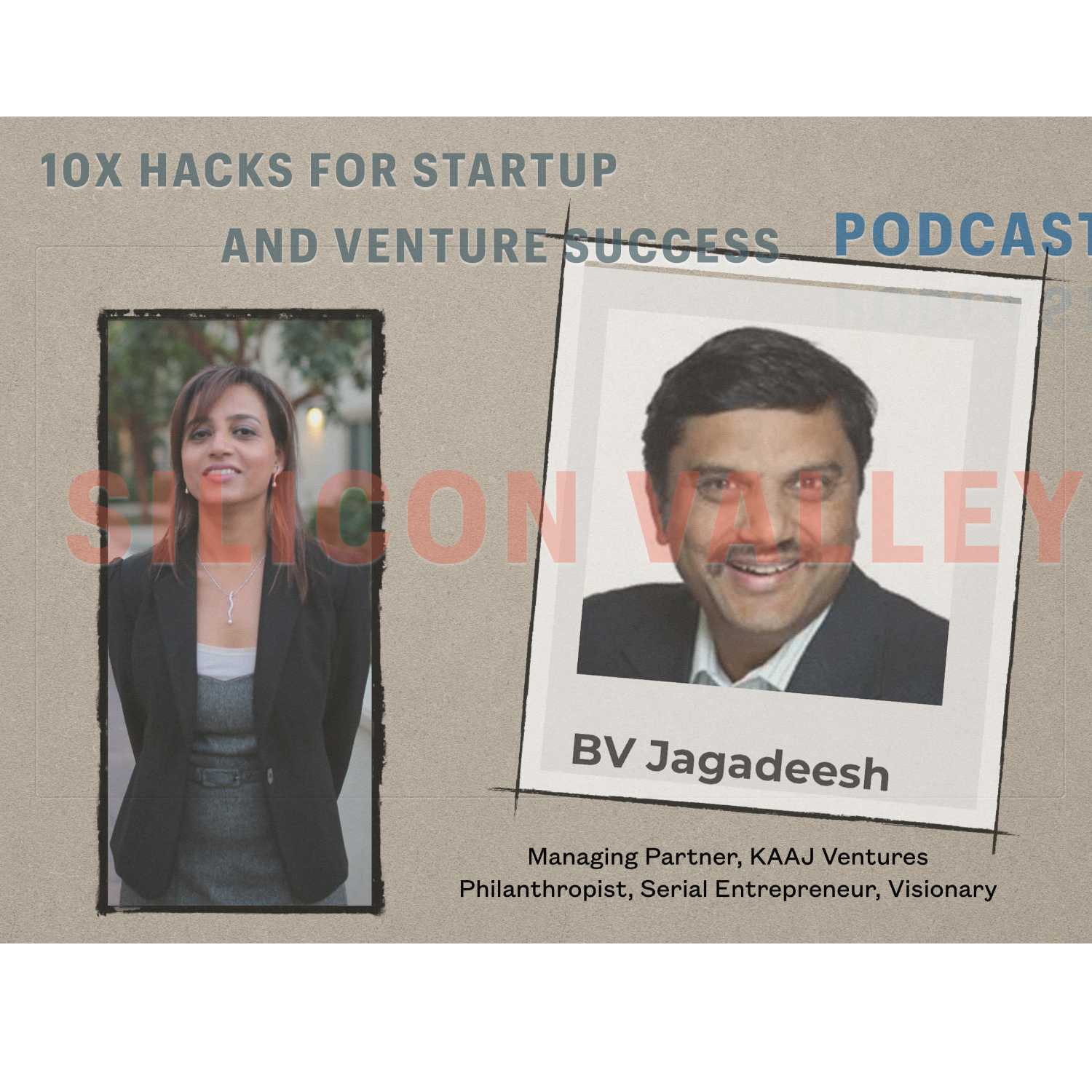
S1 Ep 1Podcast#1 BV Jagadeesh(investor-philanthropist from Silicon Valley) on Entrepreneurship & Venture - interviewed by Vidyangi (Author-Innovation Specialist )
VC and scale, founder dating, risk mitigation for startups and more...Vidyangi S. Patil in conversation with BV Jagadeesh, who is a very respected name in the Silicon Valley. BV Jagadeesh is Managing Partner at KAAJ Ventures. He has successfully invested and guided companies such as Nutanix (IPO), Yodlee (IPO), Arkin (acqd: VMWare), Elastic Box (acqd: Century Link), NetMagic Solutions (acqd: NTT), Ocarina Networks (acqd: Dell) and Ankeena (acqd: Juniper) to name a few.