
Pirate Wire Radio
Frontlines Indy journalism on Latin America
Joshua Collins
Show overview
Pirate Wire Radio has been publishing since 2021, and across the 5 years since has built a catalogue of 32 episodes. That works out to roughly 10 hours of audio in total. Releases follow a roughly quarterly cadence.
Episodes typically run ten to twenty minutes — most land between 12 min and 21 min — though episode length varies meaningfully from one episode to the next. None of the episodes are flagged explicit by the publisher. It is catalogued as a EN-language News show.
The show is actively publishing — the most recent episode landed yesterday, with 8 episodes already out so far this year. The busiest year was 2022, with 14 episodes published. Published by Joshua Collins.
From the publisher
Original journalism on Latin America, from discussion on current events to deeply human narratives, to crime and drugs www.piratewireservices.com
Latest Episodes
View all 32 episodesUnderstanding Oligarchs
Alleged CIA bombing in Ecuador shows how little we know about US actions in the country
From AI Memes to US Bombs: How the Colombian new right stormed the halls of power
Journalists in Colombia fear a return to right-wing persecution
Mining in LATAM: Is it even possible to do ethically?

The US wants you to know they're coming after Petro
The US Drug Enforcement Agency leaked ongoing investigations into Colombian President Gustavo Petro to the press this week alleging ties to drug trafficking in the country. The accusations come two months before Presidential elections in Colombia, and from an administration that has routinely lied about narco-trafficking in Latin America to further its foreign policy goals. We speak with Adriaan Alsema, executive editor of Colombia Reports about what the allegations mean moving forward, claims by Petro’s party that the leaks amount to election interference, and the context of Trump’s “War on Drugs as Foreign Policy” more broadly in the region. In short, some elements of the accusations simply don’t add up, and others are presented without proof. Learn more in this week’s podcast at Pirate Wire Radio!As media is increasingly bought up by billionaires and huge corporations, and the world veers towards authoritarianism, please consider taking out a paid subscription to support independent media. PWS will never fear criticizing power.You can also donate a one-time gift via “Buy Me a Coffee”. It only takes a few moments, and you can do so here.And if you can’t do any of that, please do help us by sharing the piece! We don’t have billionaire PR teams either.Hasta pronto, piratas! Get full access to Pirate Wire Services at www.piratewireservices.com/subscribe

Borders are meant to kill
As the United States grapples with a surge of authoritarianism under Donald Trump, much of Europe is putting up new barriers to migrants. The two issues, xenophobia and rising autocracy, are deeply related. Our modern border system of cages and walls is deadly by design, and it empower autocrats who would crack down on civil society globally. “Open Borders” advocates are often dismissed as idealistic, but Max Granger, a writer, translator and migration activist, argues that the current system in the US, built over decades by both political parties, led us precisely to where we are.“It’s the people who think these power structures can be reformed who are being naive,” he told Pirate Wire Radio.We talk about the rise of neo-fascism in the US, how we built a modern hyper militarized and securitized border system, migrants who cross continents, and what solutions might look like moving forward. Give it a listen!And you can check out Max’s Substack, the Writing on the Wall, here.As media is increasingly bought up by billionaires and huge corporations, and the world veers towards authoritarianism, please consider taking out a paid subscription to support independent media. PWS will never fear criticizing powerYou can also donate a one-time gift via “Buy Me a Coffee”. It only takes a few moments, and you can do so here.And if you can’t do any of that, please do help us by sharing the piece! We don’t have billionaire PR teams either.Hasta pronto, piratas! Get full access to Pirate Wire Services at www.piratewireservices.com/subscribe

The borderland cocaine wars
With US Secretary of State Marco Rubio, saying the US will resume attacks on Venezuela if the government doesn’t cooperate with US security concerns. Chief among those concerns are Colombian armed groups who smuggle cocaine into Venezuela. To really dig into the data about exactly how that works, and what ongoing conflict in the borderlands might look like with US involvement, we sat down with Adriaan Alsema from Colombia Reports.It’s everything you wanted to know about every armed group on the frontier, and exactly how the cocaine trade works. We also talk about a few things you wish you’d never learned.We understand that keeping all the armed groups straight can be confusing. Here is a handy guide to the acronyms!* AGC: “Clan del Golfo”* ACSN: The Conquistador Self-Defense Forces of the Sierra Nevadas: a paramilitary group that operates primary near the Atlantic coast. Also called “the Pachenkos”* ELN: The National Liberation Army* Frente Comunes del Sur: a former ELN group that splintered off to engage in negotiations with the Colombian government. They are in the process of disarming* Segunda Marquetalia, EMC, and EMFB: Three distinct FARC dissident groups that all maintain a presence in the Colombian-Venezuelan borderlandsAs media is increasingly bought up by billionaires and huge corporations, and the world veers towards authoritarianism, please consider taking out a paid subscription to support independent media. PWS will never fear criticizing powerYou can also donate a one-time gift via “Buy Me a Coffee”. It only takes a few moments, and you can do so here.And if you can’t do any of that, please do help us by sharing the piece! We don’t have billionaire PR teams either.Hasta pronto, piratas! Get full access to Pirate Wire Services at www.piratewireservices.com/subscribe
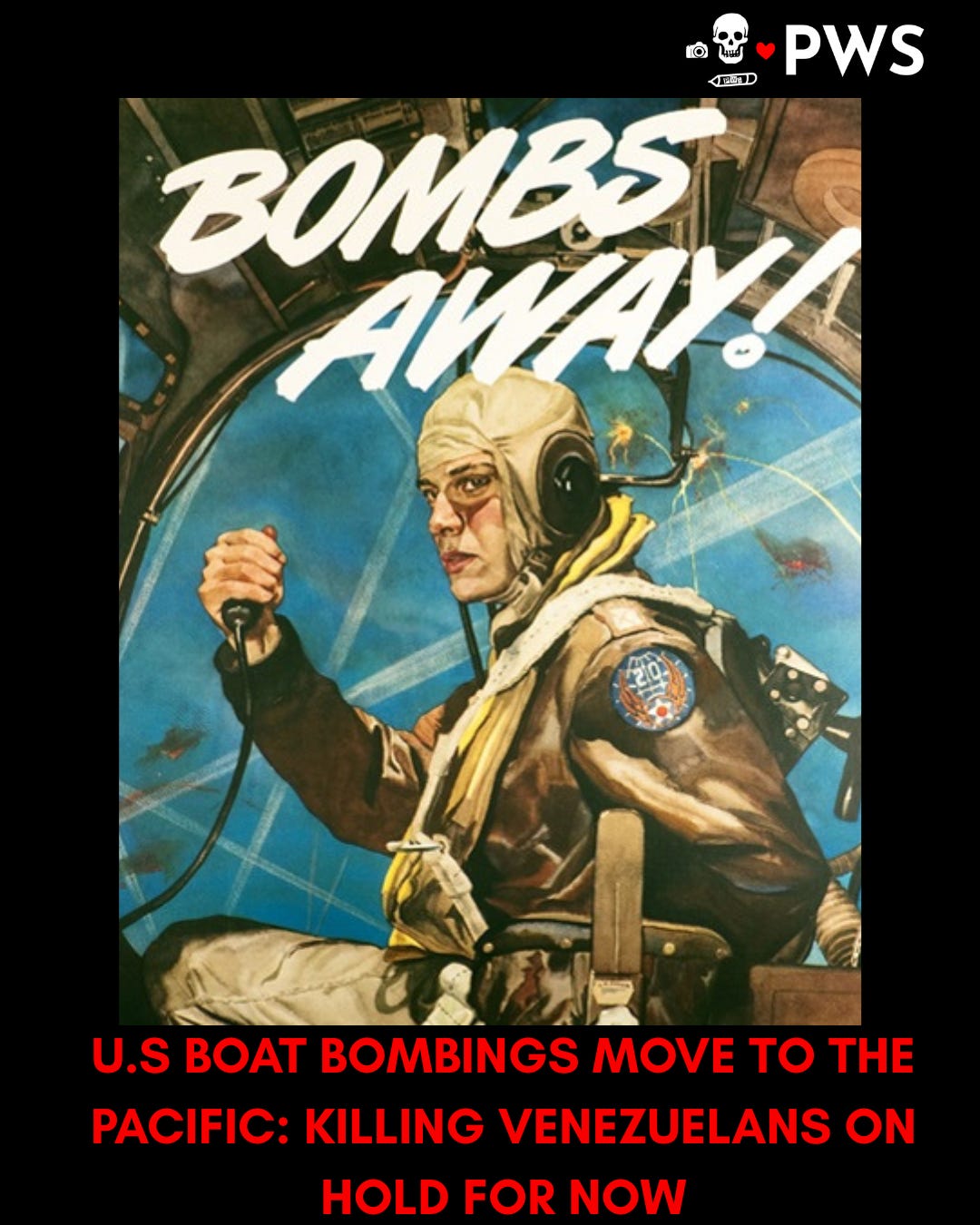
U.S boat bombings move to the Pacific: killing Venezuelans on hold for now
The Pirate Wire Radio podcast series is usually for paid subscribers, but this week we’re making it available for all! Please consider taking out a paid subscription and support indie journalism. We have plans that start at just $5/monthWe sat down with two old friends and Latin America experts to talk about Trump’s drug war in the Caribbean. We talk about false claims, opaque processes, the ‘War on Drugs’, and the US State Department blowing up fishermen. With Adriaan Alselma, from Colombia Reports, and Richard McColl, from Colombia Calling. With recent US bombings of fast boats moving to the Pacific, pressure on Venezuela has dropped, at least for the moment. But the Trump expansion of executive power under the guise of the wars on drugs and terror continues unabated. It may currently be the deadliest show on earth. Check it out on Pirate Wire Radio!As media is increasingly bought up by billionaires and huge corporations, and the world veers towards authoritarianism, please consider taking out a paid subscription to support independent media. PWS will never fear criticizing powerYou can also donate a one-time gift via “Buy Me a Coffee”. It only takes a few moments, and you can do so here.And if you can’t do any of that, please do help us by sharing the piece! We don’t have billionaire PR teams either. Get full access to Pirate Wire Services at www.piratewireservices.com/subscribe

MAS faces an existential threat in upcoming Bolivian elections
Paid subscribers get early access to the Pirate Wire Radio podcast series! This episode will become available to all subscribers in five days.Bolivia’s left-wing indigenous-led party, MAS, has governed Bolivia for almost two decades. However, infighting between former President Evo Morales and current President Arce, as well as mismanagement and economic crisis, have destroyed any chance of a leftist candidate winning the presidential elections on August 17. More than just a lost office, however, MAS may well lose its ability to present candidates in future parliamentary elections. If they can’t register 5% of the vote in August, they lose party ratification under Bolivian law. Their current candidate is averaging just slightly less than 1% in polls. We talk with anthropologist and researcher, Jordan Cooper, about his time among Aymara communities in the country, how these fissures happened, and how Evo Morales went from one of the most respected and popular figures in the country to one of the most reviled. You can find Jordan on Twitter, or see his work as a contributing editor at Negation Magazine. Get full access to Pirate Wire Services at www.piratewireservices.com/subscribe
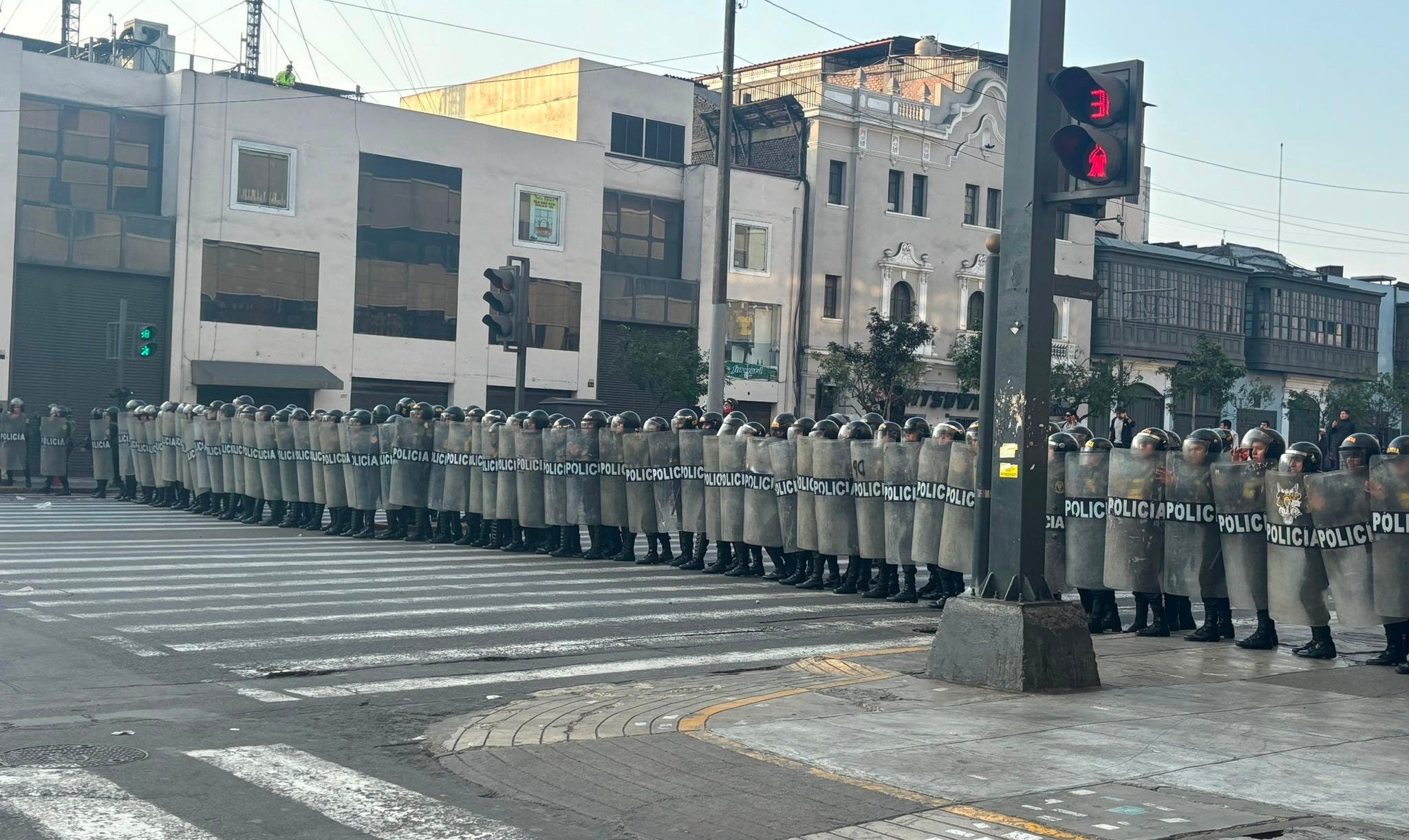
Protests in Panama: pensions, environmental issues, a state of emergency, and rising anti-U.S. sentiment
Paid subscribers get early access to the Pirate Wire Radio podcast series! This episode will become available to all subscribers in five days.In this episode of Pirate Wire Radio, we speak with Mat Youkee, a journalist in Panama City, and a regular contributor at the Guardian and the Economist, about massive protests in Panama. He describes the reasons behind growing anti-U.S and anti-Trump sentiment in the country, as well as breaks down the complex and myriad reasons that have kept thousands in the streets for months in protests that have at times clashed with police. Meanwhile, authorities have declared a state of emergency and begun crackdowns in the regions where protests have been fiercest. We get into all the details, as well the role of U.S. fruit company Chiquita!You can find Mat’s Substack, the Sulaco Times, here. Get full access to Pirate Wire Services at www.piratewireservices.com/subscribe
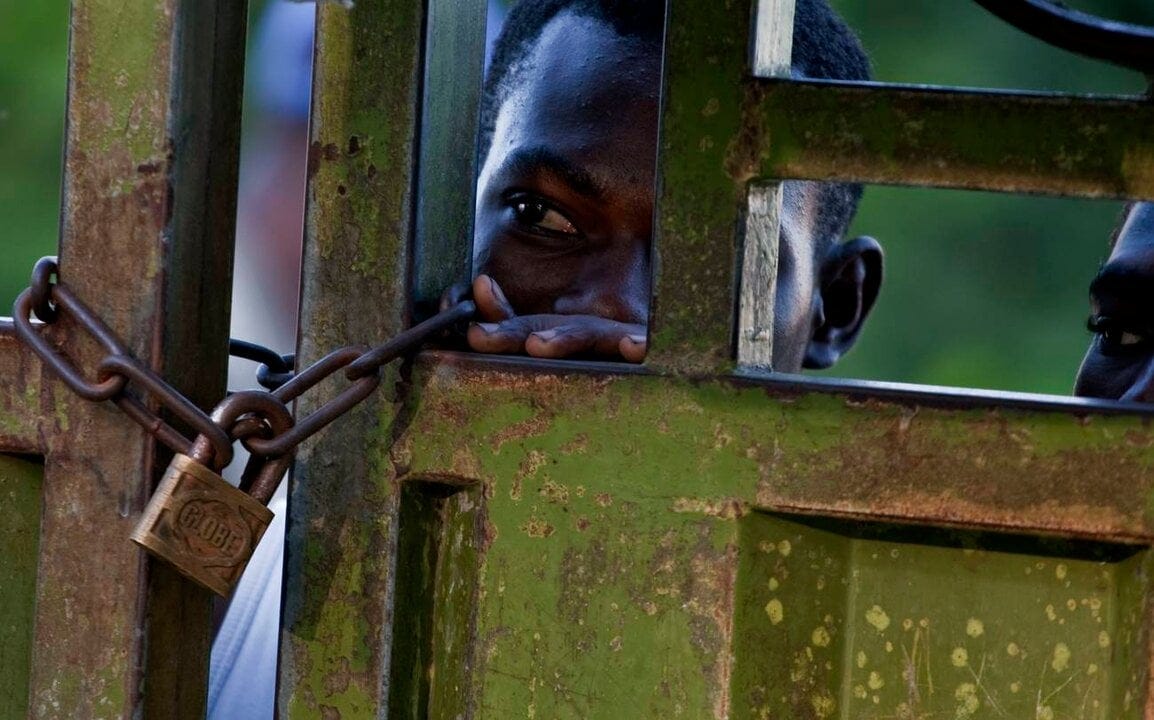
The biggest migration crackdown in the Americas no one is talking about
Paid subscribers get early access to the Pirate Wire Radio podcast series! This episode will become available to all subscribers in five days.Mass deportation programs in the United States have dominated international media headlines, but all the while a much smaller country in the Americas has been reaching much higher numbers than the Trump administration.The Dominican Republic, a country 30 times smaller than the U.S., deported more than a quarter of a million migrants, mostly Haitians, in 2024. And with a new quota of 10,000 deportations a week in 2025, the crackdowns are only getting more brutal. Interestingly enough, Venezuelans remain welcome in the D.R., suggesting that racism plays a stong role in nativist dynamics. PWS spoke this week with Simón Rodriguez, a freelance journalist in the Dominican Republic about the most brutal migrant crackdown in the western hemisphere— and the rise of ultra-right anti-migrant vigilante groups who adopt neo-nazi and fascist rhetoric in the country. Many critics describe the system as “an Apartheid system in the Caribbean.”You can find Simón’s substack here.As media is increasingly bought up by billionaires and huge corporations, and the world veers towards authoritarianism, please consider taking out a paid subscription to support independent mediaYou can also donate a one-time gift via “Buy Me a Coffee”. It only takes a few moments, and you can do so here. Get full access to Pirate Wire Services at www.piratewireservices.com/subscribe

Colombia's Dirty War Against Civil Society
The attack on Colombia’s Palace of Justice resulted in one of the country’s most famous massacres. For decades, the public largely believed government claims that it was M-19 Guerillas who killed hostages and nearly half of the Supreme Court. But new evidence and testimony have come to light that it was actually military intelligence who murdered the majority of both, even torturing some as part of special interrogations, then placing their bodies back in the burnt palace. As the country’s Truth Commissions uncover more details, a new witness has come forth to support the allegations. Gustavo Petro, who was once a member of M-19, has asked the US State Department to declassify its records about the iconic event. But perhaps most troubling of all, the episode is a powerful example of the “Dirty War”, then fought across Latin America, and supported by US policy, which resulted in the deaths of tens of thousands of people. PWS, with Adriann Alsema, from Colombia Reports, breaks it all down in this week’s feature story. It’s one of those pieces where the story is just too big for a written feature. It merits an entire podcast. PWS has edited the original conversation for brevity and story-telling purposes. But if you want to hear the entire conversation, you can do so at Colombia Reports, where it will be published in the coming days.As media is increasingly bought up by billionaires and the world veers towards authoritarianism, please consider taking out a paid subscription to support independent media Get full access to Pirate Wire Services at www.piratewireservices.com/subscribe

Colombia illegally paid $13 million for Pegasus software: but no one knows where it went
This week’s news feature is a preview of our upcoming podcast season with Adriaan Alsema from Colombia Reports.Colombian police intelligence likely purchased Israeli software Pegasus during the country’s national strike in 2021, during which police killed over 60 protesters. The sale was never declared in Colombia, and although the NSO Group, who created Pegasus, broke no laws in Israel, they defied Colombian law by accepting a $13 million payment from an unknown party in the country’s police ranks. Since the news broke, a software salesman and Israeli citizen from a company associated with the NSO Group was found dead in Medellin in a presumed homicide. Making matters worse, no one in Colombia even knows who has the weapons-grade spyware, who used it, or where it ended up. As multiple investigations proceed, they do so in the context of worsening relations between Israel, and leftist President Gustavo Petro in Colombia, who has sharply criticized Israeli actions in their ongoing war in Gaza. Israel and Colombia dissolved all diplomatic contact last year after Petro accused Israel of committing genocide. We get into all those details and more in this conversation, which result from independent investigations by both PWS and Colombia Reports. We hope you enjoy it ‘cause it’s a wild ride!This episode is free access, but the upcoming season will be released immediately only for paid subscribers. Please consider taking out a subscription to support our work. We have plans that start at just $5/month *An earlier version of this story incorrectly reported the sum as $30 million. We regret the error*In case you missed our breaking news coverage of Pegasus in Latin America you can catch up here.We will be back to the normal format next week and hope to launch the new complete podcast series for paid subscribers in mid-October. Hasta Pronto, piratas! Get full access to Pirate Wire Services at www.piratewireservices.com/subscribe

Protests: It's ColUmbia not ColOmbia
Protests over U.S. funding of the Israeli war in Gaza, originally organized at Columbia University in New York City, have spread to more than 40 campuses. Police crackdowns, including the deployment of the National Guard against students in Texas, have inspired outrage, and likely helped fuel support for a movement that seems for the moment to be spreading across the country. But media bias in protest coverage, as well as rhetorical attacks by politicians on the protesters themselves got us thinking about the parallels to social movements we’ve seen here in Colombia (with an “o” not a “u”). So we reached out to Richard McColl, who runs the country's most popular English language podcast, Colombia Calling, and our piratical companion and sometimes contributor here at PWS, Adriaan Alsema of Colombia Reports, together for a dream team explainer on the phenomenon. States often follow a playbook when delegitimizing protests they find inconvenient, and this movement has been no exception. Structural problems inherent to the legacy media model also skew coverage towards official sources, often leaving out the voice of protesters entirely. So what does Colombia have to do with Columbia? More than you might imagine, and we break it all down in the audio version of this week’s feature story.We’ve edited down the original 35-minute analysis to just 13 minutes, which is what we’ve published here. Both Colombia Calling and Colombia Reports will publish the full “director’s cut” later this week. We’ll be back to a written feature next Friday for those who prefer their news in print. In the meantime, we’re still working on a new season of feature podcasts for paid subscribers. Thanks again for listening/reading, mateys. Y hasta pronto! Get full access to Pirate Wire Services at www.piratewireservices.com/subscribe
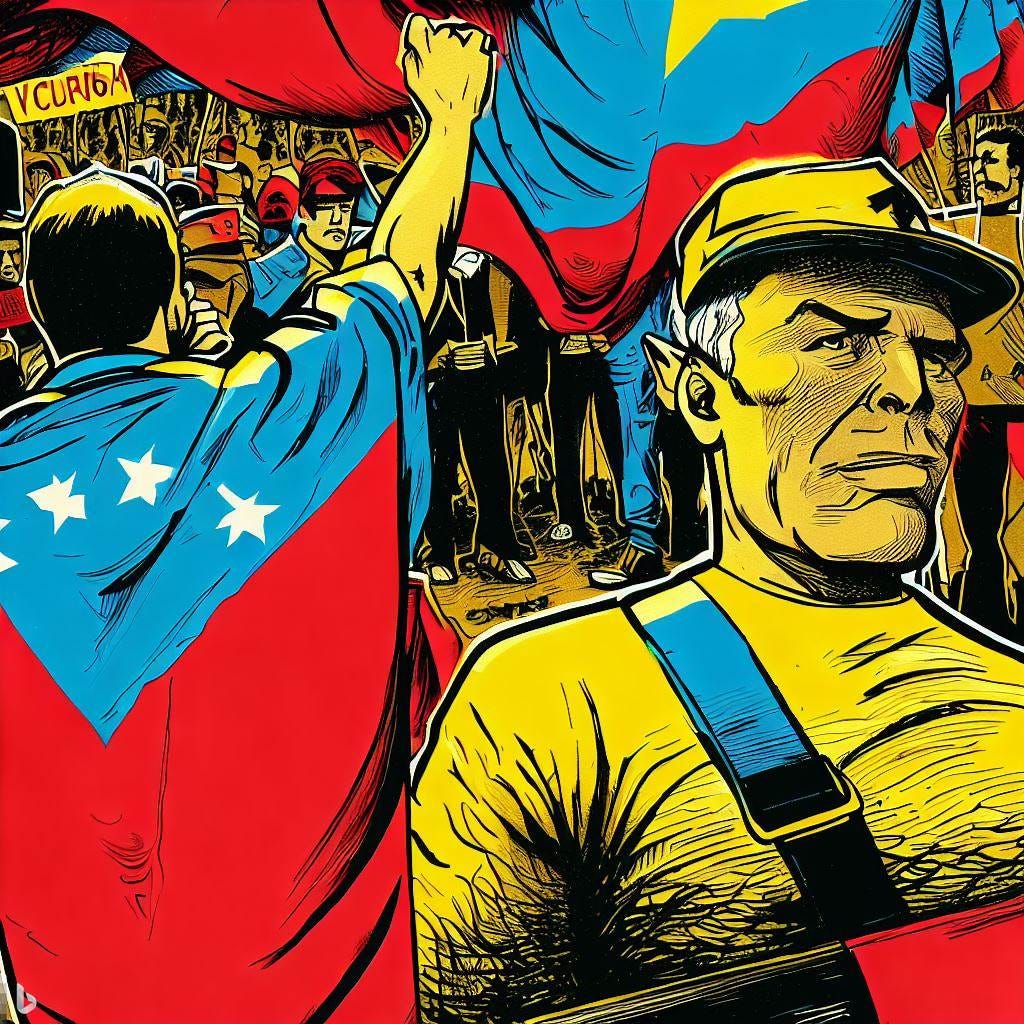
Venezuela Bans Election Frontrunner From Office
Welcome back Piratas!Yesterday the Venezuelan government banned presidential primary opposition candidate María Corina Machado from office for 15 years, sparking international condemnation.Recent polls show right-wing Machado’s popularity on the rise— she is currently leads a crowded field of 14 candidates vying to challenge socialist President Nicolás Maduro in the 2024 election.The latest survey by Caracas-based firm ORC Consultores showed her with 46.4% of voter intention, a 10% gain since the beginning of the year.In the decision, Venezuela’s Comptroller office stated that a previous ban imposed because Machado supported sanctions by the United States on the Maduro government and backed former opposition leader Juan Guaido, will now be extended.Even leaders who have been friendly towards the Maduro government, such as Petro Gustavo in Colombia, have criticized the decision.It’s a complex subject, and one of the things to do at PWS is break down the context and nuance that often gets missed by the big media companies. To that end we reached out to Caracas journalist and political analyst Tony Frangie Mawad to talk about what this means for ongoing sanctions, how the opposition is likely to respond and why Machada, often called MCM within Venezuela, has been banned.And it was a fascinating conversation. Get full access to Pirate Wire Services at www.piratewireservices.com/subscribe
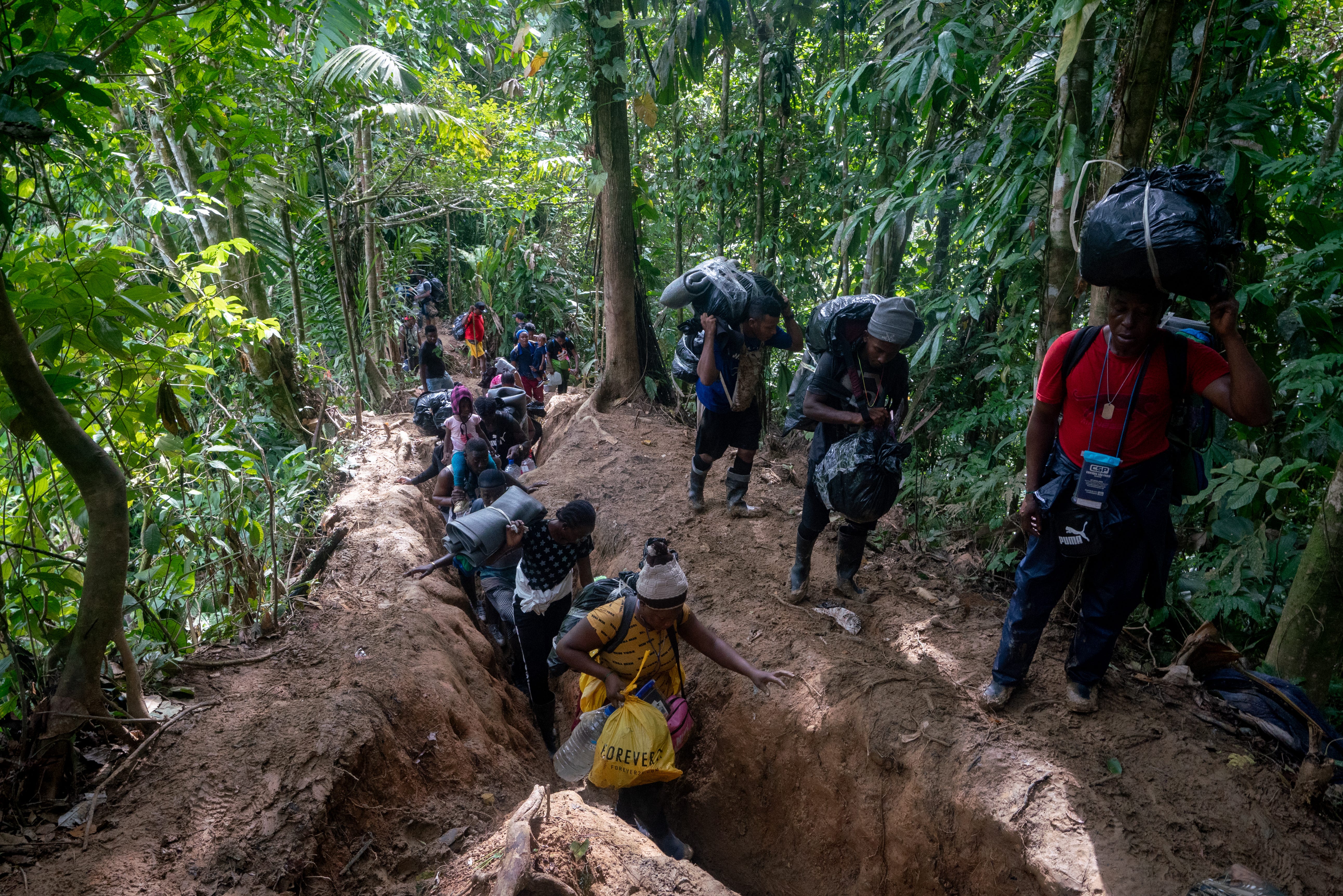
Adventure Tourism in the Darien Inspired a Social Media Firestorm: and Misinformation
Last week a German tourism company that offers $4000 USD tours of the Darien Gap —the most dangerous migration corridor in the Americas— elicited a firestorm of criticism.Some journalists erroneously claimed that the company, which provides guides and helicopter evac in case of a medical emergency, was profiting from and exploiting migration, which has expanded radically in recent years and has claimed hundreds of lives.In order to examine the dynamic further, we invited Jordan Stern, a photographer who has crossed the gap and long covered migration from various countries in South and Central America, to explain what he thought.From his point of view, the programs say more about the criminalization of migration in general and the governments who have forced migrants into life-threatening situations than it does about the insensitivity of European tour companies.But that’s not the say the dynamic isn’t without problems. Get full access to Pirate Wire Services at www.piratewireservices.com/subscribe

Truth Commission Report shines light on Colombian government atrocities
Avast, me hearties! I don’t know about you but we’re greeting the weekend like a marooned man greets a passing ship.Before we get onto the news, there’s a brief update. For the past three months, we’ve been sending you a weekly podcast episode on everything from crypto-ponzi schemes in Argentina to migrants at the US-Mexico border. But creating high-quality reported audio journalism is complex and time-consuming. Podcasts by major media companies are often the work of a team of people, but we often produce ours on our own, in addition to our day jobs, with a little voiceover assistance from our co-pirates. To give the Pirate Wire Services podcast the love and care it deserves, we’re going to try releasing the podcast in seasons: instead of publishing short weekly updates, after today the podcast will take a two-month break while we work on a season to be released in September, for our one-year anniversary. Until then, we’ll keep sending out the newsletter, with extra written stories to make up for the lack of a podcast.Don’t forget: if you’ve been enjoying our work, paid subscriptions start from just US$5 per month!For this week’s podcast episode, Josh takes a look at the new report from the Colombian truth commission., which has created waves for it’s finding on the civil war, and had powerful ramifications for the current administration. “If you wanted a business competitor gone, all you had to do was talk with the paramilitaries sipping coffee at a Bogotá mall. If you lost a ton of cocaine to the police, they could it back for you,” said the report over connections between the government and armed groups. We explore that and more in the podcast linked above!Stories we’re watching:The government of Ecuador and leaders of indigenous groups reached an agreement yesterday to end the national strike in protest against the economic measures of right-wing president Guillermo Lasso. Initially triggered by rising fuel prices, the strikes began on 13 June, and involved widespread roadblocks. The demonstrations were led by the Confederation of Indigenous Nationalities of Ecuador (Conaie) and left at least 6 dead and around 500 injured, including protesters and police officers. A key point of the agreement was a $0.15 per gallon reduction in the price of subsidized fuels (Ecuador uses the US dollar). Initially, the indigenous groups demanded a $0.40 reduction.In Colombia, at least 51 prison inmates have died and dozens have required medical attention after a riot in a prison in the city of Tuluá, in the Cauca Valley department. According to the prison director, most of the victims lost their lives after inhaling smoke from a large fire caused by the burning of mattresses during the riot. Outgoing Colombian President Iván Duque lamented the deaths, described the event as a "terrible situation", and expressed his solidarity with the victims’ families. President-elect Gustavo Petro echoed these sentiments and pointed out that "the Colombian State has viewed prison as a space for revenge and not for rehabilitation." He added that these events "force a complete rethinking of prison policy."Brazilian President Jair Bolosnaro announced on Monday his intention to offer political asylum to former Bolivian interim president Jeanine Áñez. She was sentenced to 10 years in prison for violating the constitutional order by proclaiming herself president in 2019, after controversial electoral fraud allegations, violent protests and loss of military and police support forced the resignation of incumbent president Evo Morales. Bolsonaro reportedly discussed the issue with other Latin American leaders and has stated that he will follow through with the asylum if the Bolivian government agrees. However, the Bolivian Minister of Foreign Affairs on Tuesday described the Brazilian president's offer as "impertinent", adding: “[his comments] interfere inappropriately in internal affairs, they do not respect the forms of relations between states and they do not coincide with the relations of good neighborliness and mutual respect between Brazil and Bolivia."On Monday, the bodies of 48 people and 16 others in a critical condition were found in and around a truck in the city of San Antonio, Texas. Five more individuals died over the next two days. The victims were mostly Mexican and Central American migrants attempting to reunite with loved ones or seek a better life in the United States. At least five of the 67 trafficked passengers were minors. According to the investigations, it is the deadliest case of human trafficking in recent US history. Investigations are still under way, but the migrants had been transported with no water or ventilation in temperatures of up to 40°C. Currently, the driver Homero Zamorano and three other Mexican citizens are being prosecuted in court for the deaths of the migrants.What we’re reading:* On Colombia’s Truth Commission Report: this long read, this podcast, and this blogpost (a few years old but still good)
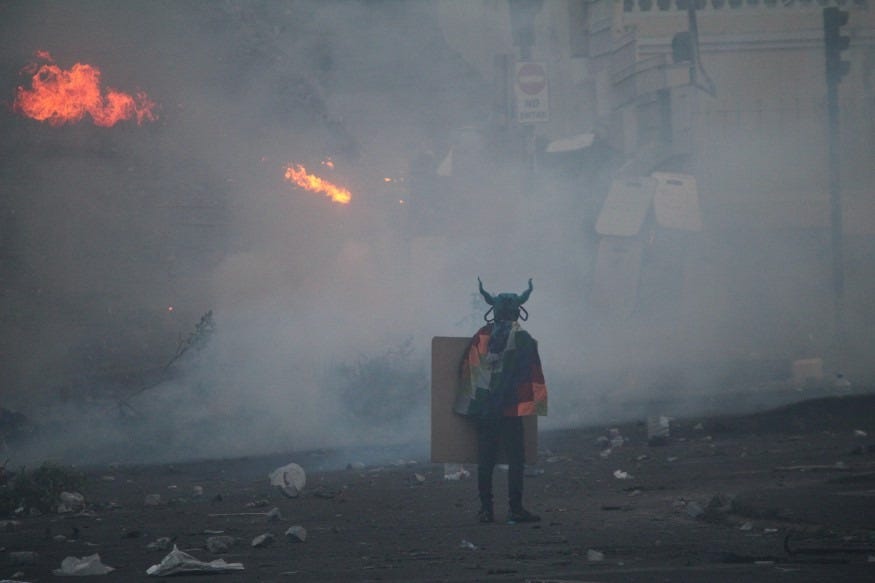
Ecuador National Strike - PWS PODCAST
News ahoy! It’s Saturday, (yeah, we're a little late, sorry, Piratas) and even though most stories reach the Good Ship Capybara via a message in a bottle, we’ve got plenty of updates for you today.Last Sunday, Colombians voted in a second round of presidential elections that saw leftist ex-mayor of Bogotá and former M19 militant, Gustavo Petro, elected to the top job. His vice president is the trailblazing Afrocolombian environmental activist, Francia Márquez. In this week’s podcast, Daniela looks at Ecuador, where Amnesty International has sounded the alarm over a “human rights crisis” as protests are met with brutal repression by the security forces. Indigenous protesters, unions and social groups have been on national strike since 13 June, protesting rising food and fuel prices. At least two people have died so far and there are widespread reports of injuries. President Guillermo Lasso declared a state of emergency last Friday suspending freedom of transit, assembly and association.In case you missed it, here’s a round-up of our Colombian election coverage lately:* Francia Márquez gave us a written interview about her candidacy and activism (click for Spanish or English)* Do last year’s protests and this year’s election mean Colombia is finally moving on from the violent legacy of far-right president Uribe? By Josh for paying subscribers (hint hint)OK, onto the news.* A judge in Brazil is facing investigation after she blocked an 11-year-old rape victim from having an abortion and separated the girl from her family. Abortions are legal only in cases of rape and risk to the pregnant person’s life in Brazil. The family had taken the girl’s case to court after medics refused to perform the procedure on the grounds that she was 22 weeks pregnant, claiming that the 20-week threshold recommended by the national health ministry was a legal limit, rather than a recommendation. Brazil is holding elections in October and with elective abortion legalized in regional neighbours Argentina and Colombia since late 2020, the procedure could become a campaign issue.* In Honduras, businessman Roberto David Castillo has been sentenced to 22 years in jail for ordering the 2016 assassination of environmental activist, Berta Cáceres. The environmentalist was leading protests against the construction of a dam by Castillo’s company, Desa, which would have destroyed large swathes of the lands of the indigenous Lenca people.* A major Brazilian drug trafficker has been caught in Hungary after faking his own death by forging a certificate saying he’d died of COVID.* This week in badass Colombian women, engineer Diana Trujillo has been named a flight director at NASA, where she will supervise the Artemis mission to the moon and missions to the International Space Station. She arrived in the US when she was 17 with USD300 and no English, and her first objective was “to not die of hunger”, she told CNN.What we’re reading/watching* On the note of the Berta Cáceres trials, the dam company executives who ordered the murder of Honduran environmental activist Berta Cáceres in 2016 may have paid for the hit with money received from Dutch investment bank FMO via offshore Deutsche Bank accounts in New York. Our friend Jared Olson published a brilliant investigation for The Intercept following the money * Horrifying, but not surprising: some of the tens of thousands of young men rounded up as part of El Salvador’s State of Exception, which the president claims is necessary to crack down on gangs, have come home in coffins: Anna-Cat Brigida reports* In Venezuela, priests convicted of abuse have returned to ministry* This is a great overview of the Argentine right’s likely presidential candidates ahead of next year’s elections from País de Boludos, delivered in the mellifluous machine-gun tones achievable only by a Buenos Aires native on his fourth jarrito of coffee* Self-described drug policy nerd and VICE World News Latin America editor, Deborah Bonello, gave a one-hour Instagram live on what Petro’s election in Colombia might mean for the cocaine tradeWhat we’re writing* The Pan-American Health Organization will elect a new leader in September. Amy spoke to the nominees about the most pressing health issues in the Americas for The LancetSpanish words of the weekOh, and please hit us with your best Shakira puns!Noticias castellanas!* En el podcast de esta semana, Daniela analiza el caso de Ecuador, donde Amnistía Internacional ha dado la voz de alarma respecto de una "crisis de derechos humanos", debido a las protestas en las que manifestantes indígenas se enfrentan a una brutal represión por parte de las fuerzas de seguridad. Los protestantes de pueblos originarios más sindicatos y grupos sociales están en huelga nacional desde el 13 de junio, en protesta por el aumento de los precios de los alimentos y el combustible. Hasta el momento, han muerto al menos dos personas y se han registrado numerosos heridos. El presidente Guillermo Lasso decla

This Argentine "university" was actually a crypto ponzi scheme
Como siempre, deslizáte para abajo para leer todo en castellano.Hola Piratas!This week was an especially chaotic one in Latin America. Joshua and Daniela are buried under a mountain of electioneering pamphlets and deadlines as they scramble to cover the end of a fractious and dramatic presidential race in Colombia.Amy and Paulo, recently recovered from the plague, have resumed full-time duties aboard our privateer vessel in search of ever more hard-hitting stories from the front lines of indy journalism. In this week’s Pirate Wire Services podcast, Amy looks at Generación Zoe, a crypto ponzi scheme under the guise of a trading “university” that scammed thousands of people out of their savings in Argentina and beyond. It all ended in a dramatic manhunt in the Caribbean - check out the podcast to hear more.And now the big stories this week in Latin America!The News:The 10-day search for journalist Dom Phillips and Indigenous specialist Bruno Pereira came to a tragic conclusion late Wednesday in Brazil, when the primary suspect in the case confessed to killing the pair. He then led officials to a remote location where human remains were found. Brazilian police swiftly tried to take credit for solving the case despite the fact that it was indigenous search groups who found the presumably guilty suspect. In comments to the media, President Bolsonaro blamed Phillips himself for the horrific event, saying both men were “unprepared” for the field mission, although they had been carrying out important work in the region for years, and that Phillips was “not well liked” by criminal groups and public forces there.Last week at Pirate Wire Services, we talked about the history of state ineptitude, neglect and possibile complicity with criminal endeavors in the region where Pereira and Phillips were killed. Just after you received your message in a bottle last week, Bolivia’s ex interim president Jeanine Áñez was sentenced to 10 years in prison over charges that she came to power via a coup. The charges relate to the dark period following the forced resignation of long-term president Evo Morales after controversial electoral fraud allegations in late 2019. It’s a divisive verdict in Bolivia: many feel the former president deserves to end up behind bars for a whole host of misdeeds, including grave human rights violations, corruption, and her shaky route to power. But others feel it was a political trial whose outcome was a forgone conclusion. They’re asking why she faced an ordinary trial rather than a trial of responsibilities, a special procedure to try former presidents in Bolivia. Others say the verdict doesn’t deliver justice to victims of massacres perpetrated by the security forces on her watch. To understand the arguments in greater depth, check out Amy’s NACLA piece from the start of the trial.Indigenous communities in Ecuador implemented a “national strike” on Monday over rising fuel prices and gasoline subsidy cuts. The government responded by arresting one of the leaders of the Indigenous Federation CONAIE, Leonidas Iza. President Guillermo Lasso denounced blockades set up by protesters on highways around the country, announcing in public comments that measures were being undertaken to carry out “the detention of the intellectual authors of these violent acts”Student groups as well as some labor organizations joined the protests shortly afterwards, which have now blockaded streets in the capital of Quito. Fuel prices have risen sharply in recent weeks in Ecuador, which is still recovering from a deep Covid-induced recession.The last time Indigenous protesters marched on the capital in 2019, then-president Lenin Moreno was forced to flee the seat of government and withdraw the economic austerity policies that sparked the uprising.Voters head to the polls Sunday to choose a new president in Colombia. Gustavo Petro, of the leftist coalition Pacto Histórico faces off against…well…whatever Rodolfo Hernandez represents. Polls currently put the construction magnate and ex-mayor of Bucaramanga in a statistical tie with Petro. Both campaigns have suggested the voting process may be plagued with fraud, causing considerable worry that the loser may not respect the results in the case the race is close, which is very likely.Over fears of election violence, Colombia has deployed 30,000 troops to guard polling stations. Police also arrested more than 20 activists Wednesday on charges related to last year's protests. Police said they were investigating Primera Linea protesters for “plotting violence on election day”. As evidence, police cited an anonymous twitter account with 94 followers that was created in March. It is unclear how that has anything to do with arresting more than 20 people for charges dating back more than a year. We are confused as well, dear reader. We are sorry we can’t explain this bizarre story better. Civil rights watchdog groups called the move “a clear attempt at intimidation.” Whoever wins the ele