
Pirate Wire Radio
32 episodes
Understanding Oligarchs
Alleged CIA bombing in Ecuador shows how little we know about US actions in the country
From AI Memes to US Bombs: How the Colombian new right stormed the halls of power
Journalists in Colombia fear a return to right-wing persecution
Mining in LATAM: Is it even possible to do ethically?

The US wants you to know they're coming after Petro
The US Drug Enforcement Agency leaked ongoing investigations into Colombian President Gustavo Petro to the press this week alleging ties to drug trafficking in the country. The accusations come two months before Presidential elections in Colombia, and from an administration that has routinely lied about narco-trafficking in Latin America to further its foreign policy goals. We speak with Adriaan Alsema, executive editor of Colombia Reports about what the allegations mean moving forward, claims by Petro’s party that the leaks amount to election interference, and the context of Trump’s “War on Drugs as Foreign Policy” more broadly in the region. In short, some elements of the accusations simply don’t add up, and others are presented without proof. Learn more in this week’s podcast at Pirate Wire Radio!As media is increasingly bought up by billionaires and huge corporations, and the world veers towards authoritarianism, please consider taking out a paid subscription to support independent media. PWS will never fear criticizing power.You can also donate a one-time gift via “Buy Me a Coffee”. It only takes a few moments, and you can do so here.And if you can’t do any of that, please do help us by sharing the piece! We don’t have billionaire PR teams either.Hasta pronto, piratas! Get full access to Pirate Wire Services at www.piratewireservices.com/subscribe

Borders are meant to kill
As the United States grapples with a surge of authoritarianism under Donald Trump, much of Europe is putting up new barriers to migrants. The two issues, xenophobia and rising autocracy, are deeply related. Our modern border system of cages and walls is deadly by design, and it empower autocrats who would crack down on civil society globally. “Open Borders” advocates are often dismissed as idealistic, but Max Granger, a writer, translator and migration activist, argues that the current system in the US, built over decades by both political parties, led us precisely to where we are.“It’s the people who think these power structures can be reformed who are being naive,” he told Pirate Wire Radio.We talk about the rise of neo-fascism in the US, how we built a modern hyper militarized and securitized border system, migrants who cross continents, and what solutions might look like moving forward. Give it a listen!And you can check out Max’s Substack, the Writing on the Wall, here.As media is increasingly bought up by billionaires and huge corporations, and the world veers towards authoritarianism, please consider taking out a paid subscription to support independent media. PWS will never fear criticizing powerYou can also donate a one-time gift via “Buy Me a Coffee”. It only takes a few moments, and you can do so here.And if you can’t do any of that, please do help us by sharing the piece! We don’t have billionaire PR teams either.Hasta pronto, piratas! Get full access to Pirate Wire Services at www.piratewireservices.com/subscribe

The borderland cocaine wars
With US Secretary of State Marco Rubio, saying the US will resume attacks on Venezuela if the government doesn’t cooperate with US security concerns. Chief among those concerns are Colombian armed groups who smuggle cocaine into Venezuela. To really dig into the data about exactly how that works, and what ongoing conflict in the borderlands might look like with US involvement, we sat down with Adriaan Alsema from Colombia Reports.It’s everything you wanted to know about every armed group on the frontier, and exactly how the cocaine trade works. We also talk about a few things you wish you’d never learned.We understand that keeping all the armed groups straight can be confusing. Here is a handy guide to the acronyms!* AGC: “Clan del Golfo”* ACSN: The Conquistador Self-Defense Forces of the Sierra Nevadas: a paramilitary group that operates primary near the Atlantic coast. Also called “the Pachenkos”* ELN: The National Liberation Army* Frente Comunes del Sur: a former ELN group that splintered off to engage in negotiations with the Colombian government. They are in the process of disarming* Segunda Marquetalia, EMC, and EMFB: Three distinct FARC dissident groups that all maintain a presence in the Colombian-Venezuelan borderlandsAs media is increasingly bought up by billionaires and huge corporations, and the world veers towards authoritarianism, please consider taking out a paid subscription to support independent media. PWS will never fear criticizing powerYou can also donate a one-time gift via “Buy Me a Coffee”. It only takes a few moments, and you can do so here.And if you can’t do any of that, please do help us by sharing the piece! We don’t have billionaire PR teams either.Hasta pronto, piratas! Get full access to Pirate Wire Services at www.piratewireservices.com/subscribe
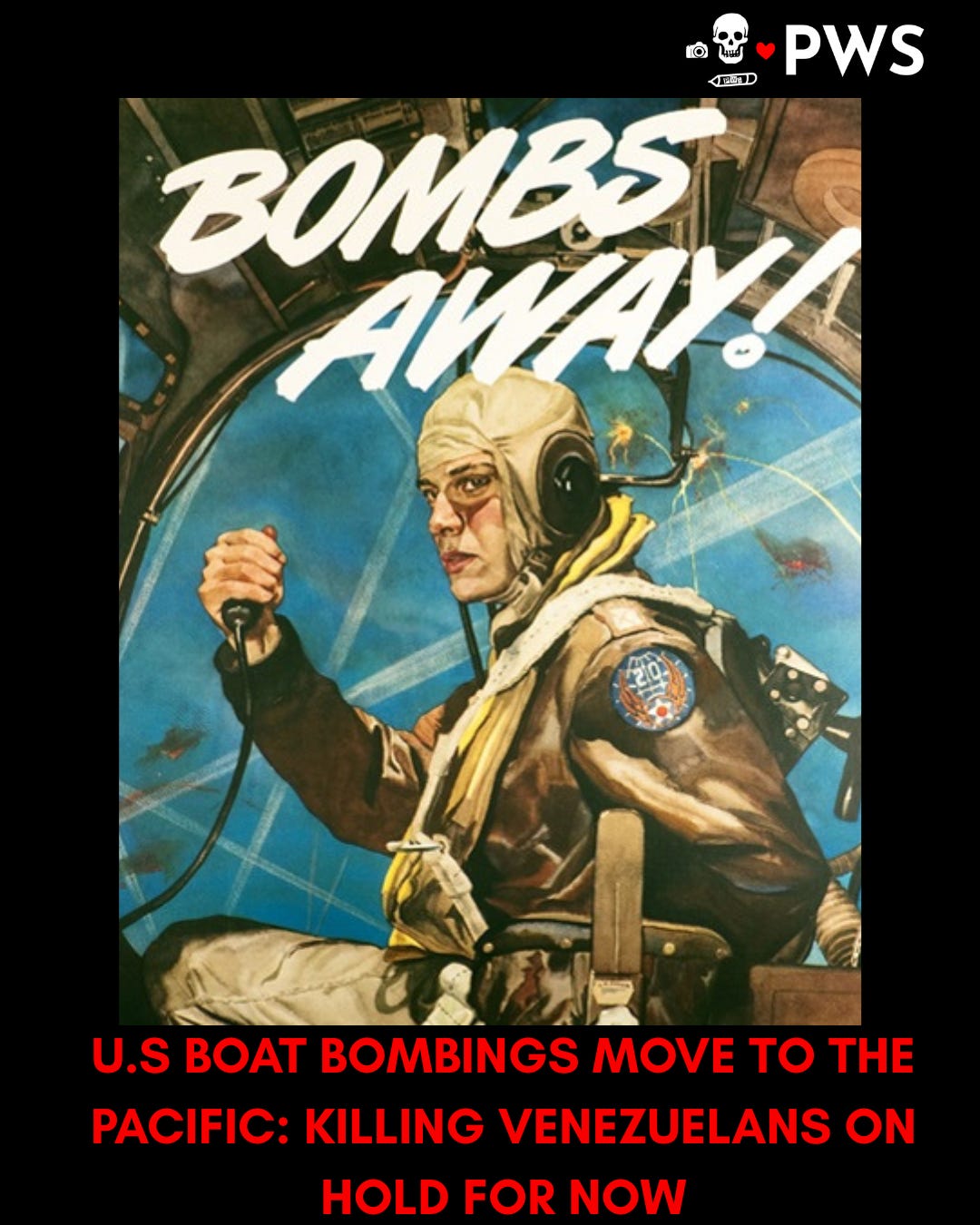
U.S boat bombings move to the Pacific: killing Venezuelans on hold for now
The Pirate Wire Radio podcast series is usually for paid subscribers, but this week we’re making it available for all! Please consider taking out a paid subscription and support indie journalism. We have plans that start at just $5/monthWe sat down with two old friends and Latin America experts to talk about Trump’s drug war in the Caribbean. We talk about false claims, opaque processes, the ‘War on Drugs’, and the US State Department blowing up fishermen. With Adriaan Alselma, from Colombia Reports, and Richard McColl, from Colombia Calling. With recent US bombings of fast boats moving to the Pacific, pressure on Venezuela has dropped, at least for the moment. But the Trump expansion of executive power under the guise of the wars on drugs and terror continues unabated. It may currently be the deadliest show on earth. Check it out on Pirate Wire Radio!As media is increasingly bought up by billionaires and huge corporations, and the world veers towards authoritarianism, please consider taking out a paid subscription to support independent media. PWS will never fear criticizing powerYou can also donate a one-time gift via “Buy Me a Coffee”. It only takes a few moments, and you can do so here.And if you can’t do any of that, please do help us by sharing the piece! We don’t have billionaire PR teams either. Get full access to Pirate Wire Services at www.piratewireservices.com/subscribe

MAS faces an existential threat in upcoming Bolivian elections
Paid subscribers get early access to the Pirate Wire Radio podcast series! This episode will become available to all subscribers in five days.Bolivia’s left-wing indigenous-led party, MAS, has governed Bolivia for almost two decades. However, infighting between former President Evo Morales and current President Arce, as well as mismanagement and economic crisis, have destroyed any chance of a leftist candidate winning the presidential elections on August 17. More than just a lost office, however, MAS may well lose its ability to present candidates in future parliamentary elections. If they can’t register 5% of the vote in August, they lose party ratification under Bolivian law. Their current candidate is averaging just slightly less than 1% in polls. We talk with anthropologist and researcher, Jordan Cooper, about his time among Aymara communities in the country, how these fissures happened, and how Evo Morales went from one of the most respected and popular figures in the country to one of the most reviled. You can find Jordan on Twitter, or see his work as a contributing editor at Negation Magazine. Get full access to Pirate Wire Services at www.piratewireservices.com/subscribe
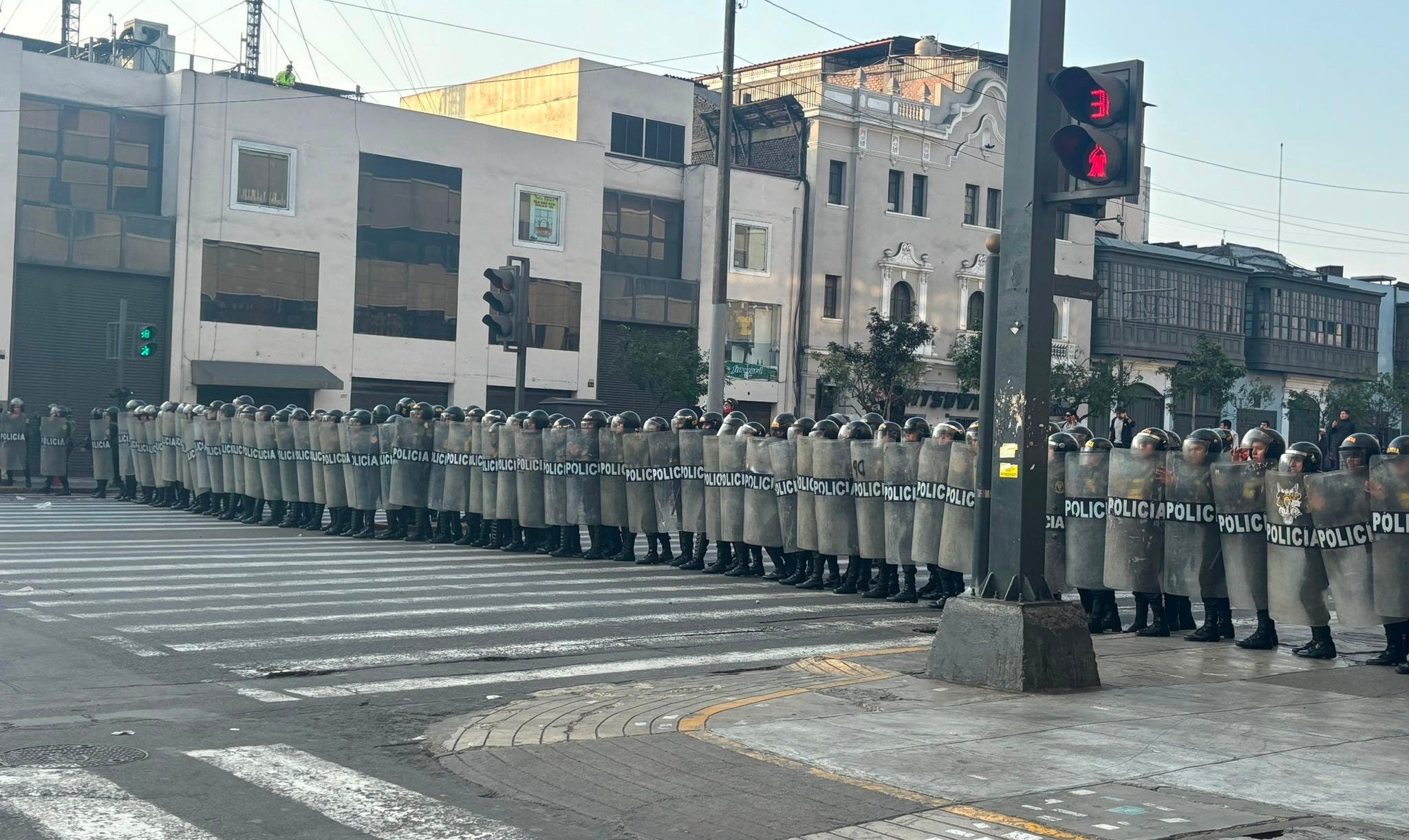
Protests in Panama: pensions, environmental issues, a state of emergency, and rising anti-U.S. sentiment
Paid subscribers get early access to the Pirate Wire Radio podcast series! This episode will become available to all subscribers in five days.In this episode of Pirate Wire Radio, we speak with Mat Youkee, a journalist in Panama City, and a regular contributor at the Guardian and the Economist, about massive protests in Panama. He describes the reasons behind growing anti-U.S and anti-Trump sentiment in the country, as well as breaks down the complex and myriad reasons that have kept thousands in the streets for months in protests that have at times clashed with police. Meanwhile, authorities have declared a state of emergency and begun crackdowns in the regions where protests have been fiercest. We get into all the details, as well the role of U.S. fruit company Chiquita!You can find Mat’s Substack, the Sulaco Times, here. Get full access to Pirate Wire Services at www.piratewireservices.com/subscribe
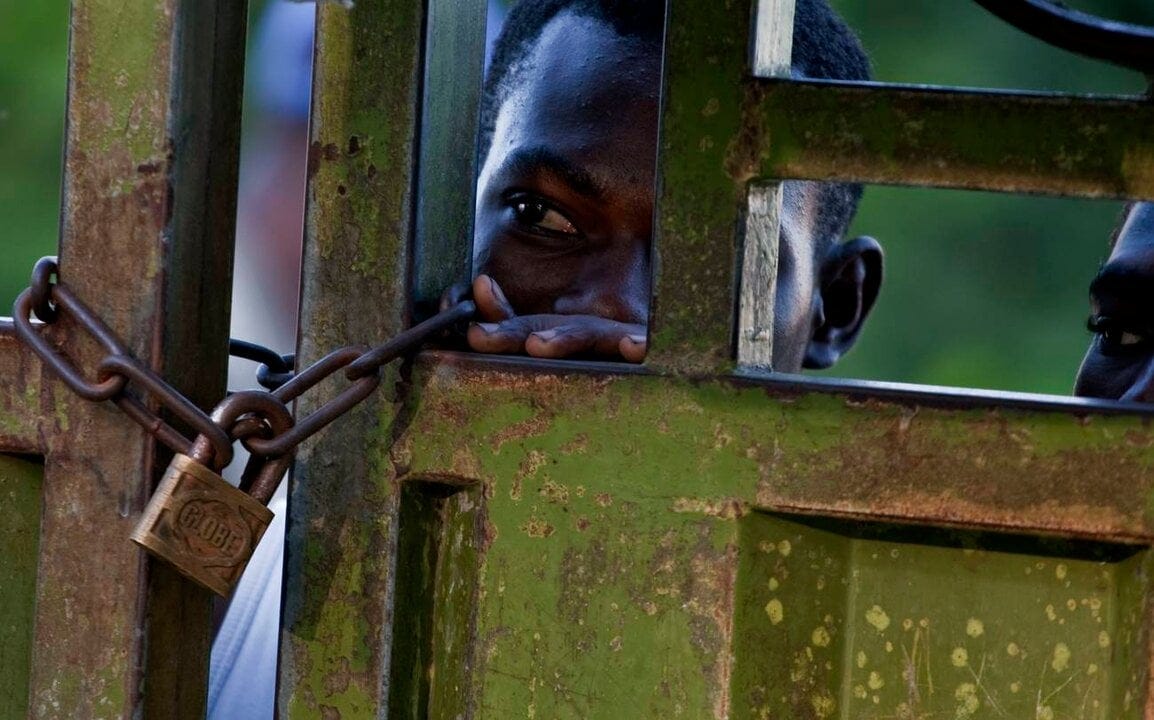
The biggest migration crackdown in the Americas no one is talking about
Paid subscribers get early access to the Pirate Wire Radio podcast series! This episode will become available to all subscribers in five days.Mass deportation programs in the United States have dominated international media headlines, but all the while a much smaller country in the Americas has been reaching much higher numbers than the Trump administration.The Dominican Republic, a country 30 times smaller than the U.S., deported more than a quarter of a million migrants, mostly Haitians, in 2024. And with a new quota of 10,000 deportations a week in 2025, the crackdowns are only getting more brutal. Interestingly enough, Venezuelans remain welcome in the D.R., suggesting that racism plays a stong role in nativist dynamics. PWS spoke this week with Simón Rodriguez, a freelance journalist in the Dominican Republic about the most brutal migrant crackdown in the western hemisphere— and the rise of ultra-right anti-migrant vigilante groups who adopt neo-nazi and fascist rhetoric in the country. Many critics describe the system as “an Apartheid system in the Caribbean.”You can find Simón’s substack here.As media is increasingly bought up by billionaires and huge corporations, and the world veers towards authoritarianism, please consider taking out a paid subscription to support independent mediaYou can also donate a one-time gift via “Buy Me a Coffee”. It only takes a few moments, and you can do so here. Get full access to Pirate Wire Services at www.piratewireservices.com/subscribe

Colombia's Dirty War Against Civil Society
The attack on Colombia’s Palace of Justice resulted in one of the country’s most famous massacres. For decades, the public largely believed government claims that it was M-19 Guerillas who killed hostages and nearly half of the Supreme Court. But new evidence and testimony have come to light that it was actually military intelligence who murdered the majority of both, even torturing some as part of special interrogations, then placing their bodies back in the burnt palace. As the country’s Truth Commissions uncover more details, a new witness has come forth to support the allegations. Gustavo Petro, who was once a member of M-19, has asked the US State Department to declassify its records about the iconic event. But perhaps most troubling of all, the episode is a powerful example of the “Dirty War”, then fought across Latin America, and supported by US policy, which resulted in the deaths of tens of thousands of people. PWS, with Adriann Alsema, from Colombia Reports, breaks it all down in this week’s feature story. It’s one of those pieces where the story is just too big for a written feature. It merits an entire podcast. PWS has edited the original conversation for brevity and story-telling purposes. But if you want to hear the entire conversation, you can do so at Colombia Reports, where it will be published in the coming days.As media is increasingly bought up by billionaires and the world veers towards authoritarianism, please consider taking out a paid subscription to support independent media Get full access to Pirate Wire Services at www.piratewireservices.com/subscribe

Colombia illegally paid $13 million for Pegasus software: but no one knows where it went
This week’s news feature is a preview of our upcoming podcast season with Adriaan Alsema from Colombia Reports.Colombian police intelligence likely purchased Israeli software Pegasus during the country’s national strike in 2021, during which police killed over 60 protesters. The sale was never declared in Colombia, and although the NSO Group, who created Pegasus, broke no laws in Israel, they defied Colombian law by accepting a $13 million payment from an unknown party in the country’s police ranks. Since the news broke, a software salesman and Israeli citizen from a company associated with the NSO Group was found dead in Medellin in a presumed homicide. Making matters worse, no one in Colombia even knows who has the weapons-grade spyware, who used it, or where it ended up. As multiple investigations proceed, they do so in the context of worsening relations between Israel, and leftist President Gustavo Petro in Colombia, who has sharply criticized Israeli actions in their ongoing war in Gaza. Israel and Colombia dissolved all diplomatic contact last year after Petro accused Israel of committing genocide. We get into all those details and more in this conversation, which result from independent investigations by both PWS and Colombia Reports. We hope you enjoy it ‘cause it’s a wild ride!This episode is free access, but the upcoming season will be released immediately only for paid subscribers. Please consider taking out a subscription to support our work. We have plans that start at just $5/month *An earlier version of this story incorrectly reported the sum as $30 million. We regret the error*In case you missed our breaking news coverage of Pegasus in Latin America you can catch up here.We will be back to the normal format next week and hope to launch the new complete podcast series for paid subscribers in mid-October. Hasta Pronto, piratas! Get full access to Pirate Wire Services at www.piratewireservices.com/subscribe

Protests: It's ColUmbia not ColOmbia
Protests over U.S. funding of the Israeli war in Gaza, originally organized at Columbia University in New York City, have spread to more than 40 campuses. Police crackdowns, including the deployment of the National Guard against students in Texas, have inspired outrage, and likely helped fuel support for a movement that seems for the moment to be spreading across the country. But media bias in protest coverage, as well as rhetorical attacks by politicians on the protesters themselves got us thinking about the parallels to social movements we’ve seen here in Colombia (with an “o” not a “u”). So we reached out to Richard McColl, who runs the country's most popular English language podcast, Colombia Calling, and our piratical companion and sometimes contributor here at PWS, Adriaan Alsema of Colombia Reports, together for a dream team explainer on the phenomenon. States often follow a playbook when delegitimizing protests they find inconvenient, and this movement has been no exception. Structural problems inherent to the legacy media model also skew coverage towards official sources, often leaving out the voice of protesters entirely. So what does Colombia have to do with Columbia? More than you might imagine, and we break it all down in the audio version of this week’s feature story.We’ve edited down the original 35-minute analysis to just 13 minutes, which is what we’ve published here. Both Colombia Calling and Colombia Reports will publish the full “director’s cut” later this week. We’ll be back to a written feature next Friday for those who prefer their news in print. In the meantime, we’re still working on a new season of feature podcasts for paid subscribers. Thanks again for listening/reading, mateys. Y hasta pronto! Get full access to Pirate Wire Services at www.piratewireservices.com/subscribe
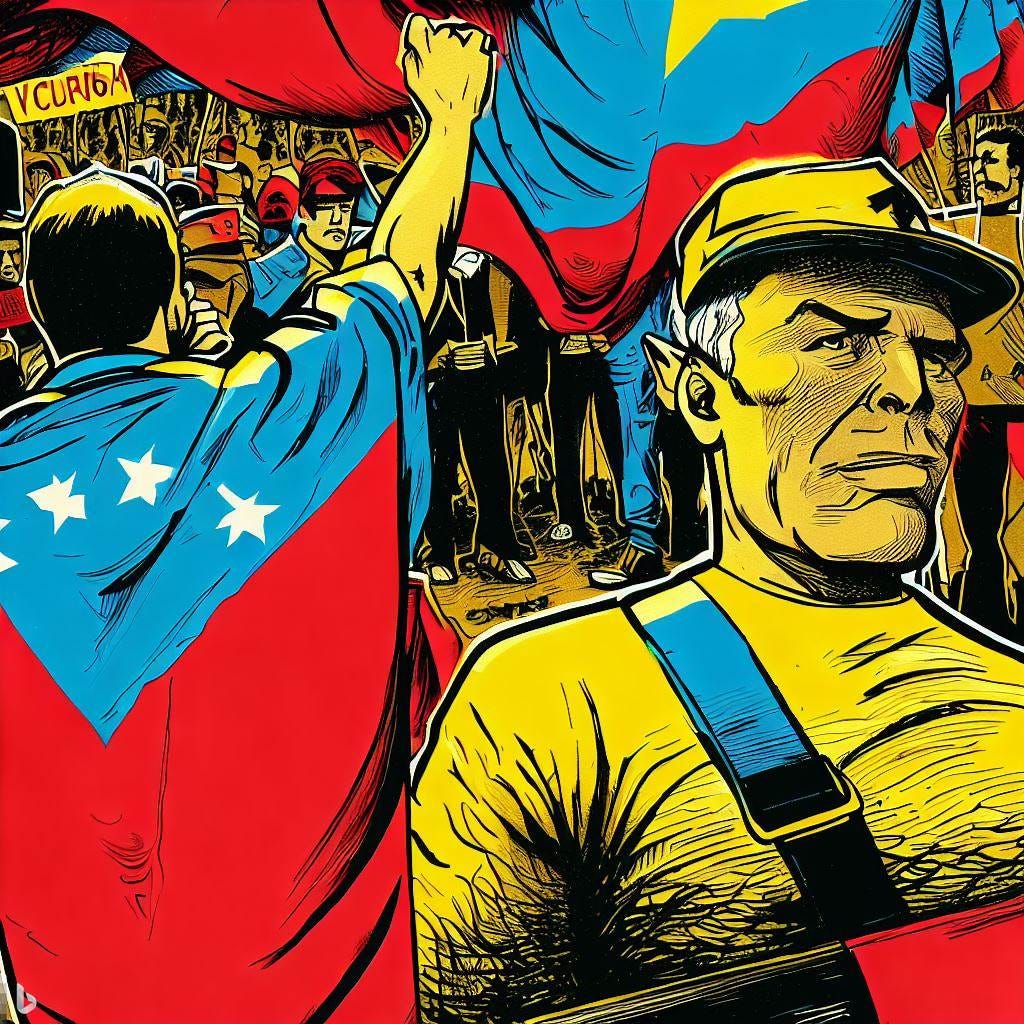
Venezuela Bans Election Frontrunner From Office
Welcome back Piratas!Yesterday the Venezuelan government banned presidential primary opposition candidate María Corina Machado from office for 15 years, sparking international condemnation.Recent polls show right-wing Machado’s popularity on the rise— she is currently leads a crowded field of 14 candidates vying to challenge socialist President Nicolás Maduro in the 2024 election.The latest survey by Caracas-based firm ORC Consultores showed her with 46.4% of voter intention, a 10% gain since the beginning of the year.In the decision, Venezuela’s Comptroller office stated that a previous ban imposed because Machado supported sanctions by the United States on the Maduro government and backed former opposition leader Juan Guaido, will now be extended.Even leaders who have been friendly towards the Maduro government, such as Petro Gustavo in Colombia, have criticized the decision.It’s a complex subject, and one of the things to do at PWS is break down the context and nuance that often gets missed by the big media companies. To that end we reached out to Caracas journalist and political analyst Tony Frangie Mawad to talk about what this means for ongoing sanctions, how the opposition is likely to respond and why Machada, often called MCM within Venezuela, has been banned.And it was a fascinating conversation. Get full access to Pirate Wire Services at www.piratewireservices.com/subscribe
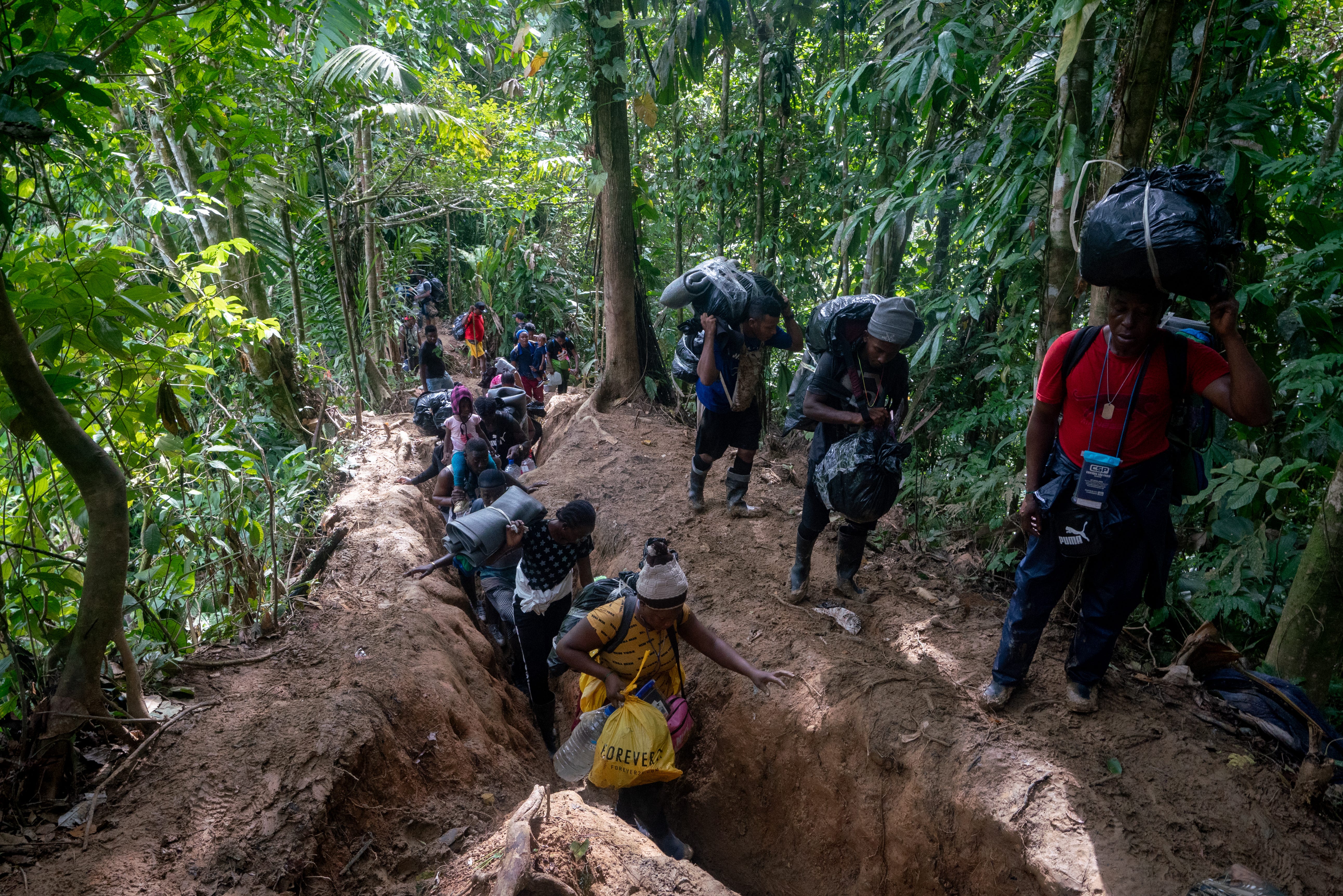
Adventure Tourism in the Darien Inspired a Social Media Firestorm: and Misinformation
Last week a German tourism company that offers $4000 USD tours of the Darien Gap —the most dangerous migration corridor in the Americas— elicited a firestorm of criticism.Some journalists erroneously claimed that the company, which provides guides and helicopter evac in case of a medical emergency, was profiting from and exploiting migration, which has expanded radically in recent years and has claimed hundreds of lives.In order to examine the dynamic further, we invited Jordan Stern, a photographer who has crossed the gap and long covered migration from various countries in South and Central America, to explain what he thought.From his point of view, the programs say more about the criminalization of migration in general and the governments who have forced migrants into life-threatening situations than it does about the insensitivity of European tour companies.But that’s not the say the dynamic isn’t without problems. Get full access to Pirate Wire Services at www.piratewireservices.com/subscribe

Truth Commission Report shines light on Colombian government atrocities
Avast, me hearties! I don’t know about you but we’re greeting the weekend like a marooned man greets a passing ship.Before we get onto the news, there’s a brief update. For the past three months, we’ve been sending you a weekly podcast episode on everything from crypto-ponzi schemes in Argentina to migrants at the US-Mexico border. But creating high-quality reported audio journalism is complex and time-consuming. Podcasts by major media companies are often the work of a team of people, but we often produce ours on our own, in addition to our day jobs, with a little voiceover assistance from our co-pirates. To give the Pirate Wire Services podcast the love and care it deserves, we’re going to try releasing the podcast in seasons: instead of publishing short weekly updates, after today the podcast will take a two-month break while we work on a season to be released in September, for our one-year anniversary. Until then, we’ll keep sending out the newsletter, with extra written stories to make up for the lack of a podcast.Don’t forget: if you’ve been enjoying our work, paid subscriptions start from just US$5 per month!For this week’s podcast episode, Josh takes a look at the new report from the Colombian truth commission., which has created waves for it’s finding on the civil war, and had powerful ramifications for the current administration. “If you wanted a business competitor gone, all you had to do was talk with the paramilitaries sipping coffee at a Bogotá mall. If you lost a ton of cocaine to the police, they could it back for you,” said the report over connections between the government and armed groups. We explore that and more in the podcast linked above!Stories we’re watching:The government of Ecuador and leaders of indigenous groups reached an agreement yesterday to end the national strike in protest against the economic measures of right-wing president Guillermo Lasso. Initially triggered by rising fuel prices, the strikes began on 13 June, and involved widespread roadblocks. The demonstrations were led by the Confederation of Indigenous Nationalities of Ecuador (Conaie) and left at least 6 dead and around 500 injured, including protesters and police officers. A key point of the agreement was a $0.15 per gallon reduction in the price of subsidized fuels (Ecuador uses the US dollar). Initially, the indigenous groups demanded a $0.40 reduction.In Colombia, at least 51 prison inmates have died and dozens have required medical attention after a riot in a prison in the city of Tuluá, in the Cauca Valley department. According to the prison director, most of the victims lost their lives after inhaling smoke from a large fire caused by the burning of mattresses during the riot. Outgoing Colombian President Iván Duque lamented the deaths, described the event as a "terrible situation", and expressed his solidarity with the victims’ families. President-elect Gustavo Petro echoed these sentiments and pointed out that "the Colombian State has viewed prison as a space for revenge and not for rehabilitation." He added that these events "force a complete rethinking of prison policy."Brazilian President Jair Bolosnaro announced on Monday his intention to offer political asylum to former Bolivian interim president Jeanine Áñez. She was sentenced to 10 years in prison for violating the constitutional order by proclaiming herself president in 2019, after controversial electoral fraud allegations, violent protests and loss of military and police support forced the resignation of incumbent president Evo Morales. Bolsonaro reportedly discussed the issue with other Latin American leaders and has stated that he will follow through with the asylum if the Bolivian government agrees. However, the Bolivian Minister of Foreign Affairs on Tuesday described the Brazilian president's offer as "impertinent", adding: “[his comments] interfere inappropriately in internal affairs, they do not respect the forms of relations between states and they do not coincide with the relations of good neighborliness and mutual respect between Brazil and Bolivia."On Monday, the bodies of 48 people and 16 others in a critical condition were found in and around a truck in the city of San Antonio, Texas. Five more individuals died over the next two days. The victims were mostly Mexican and Central American migrants attempting to reunite with loved ones or seek a better life in the United States. At least five of the 67 trafficked passengers were minors. According to the investigations, it is the deadliest case of human trafficking in recent US history. Investigations are still under way, but the migrants had been transported with no water or ventilation in temperatures of up to 40°C. Currently, the driver Homero Zamorano and three other Mexican citizens are being prosecuted in court for the deaths of the migrants.What we’re reading:* On Colombia’s Truth Commission Report: this long read, this podcast, and this blogpost (a few years old but still good)
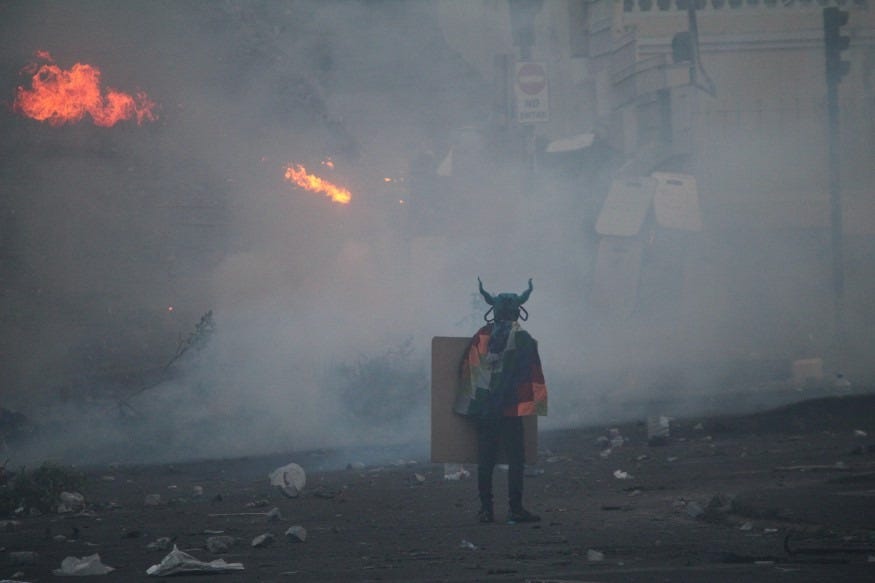
Ecuador National Strike - PWS PODCAST
News ahoy! It’s Saturday, (yeah, we're a little late, sorry, Piratas) and even though most stories reach the Good Ship Capybara via a message in a bottle, we’ve got plenty of updates for you today.Last Sunday, Colombians voted in a second round of presidential elections that saw leftist ex-mayor of Bogotá and former M19 militant, Gustavo Petro, elected to the top job. His vice president is the trailblazing Afrocolombian environmental activist, Francia Márquez. In this week’s podcast, Daniela looks at Ecuador, where Amnesty International has sounded the alarm over a “human rights crisis” as protests are met with brutal repression by the security forces. Indigenous protesters, unions and social groups have been on national strike since 13 June, protesting rising food and fuel prices. At least two people have died so far and there are widespread reports of injuries. President Guillermo Lasso declared a state of emergency last Friday suspending freedom of transit, assembly and association.In case you missed it, here’s a round-up of our Colombian election coverage lately:* Francia Márquez gave us a written interview about her candidacy and activism (click for Spanish or English)* Do last year’s protests and this year’s election mean Colombia is finally moving on from the violent legacy of far-right president Uribe? By Josh for paying subscribers (hint hint)OK, onto the news.* A judge in Brazil is facing investigation after she blocked an 11-year-old rape victim from having an abortion and separated the girl from her family. Abortions are legal only in cases of rape and risk to the pregnant person’s life in Brazil. The family had taken the girl’s case to court after medics refused to perform the procedure on the grounds that she was 22 weeks pregnant, claiming that the 20-week threshold recommended by the national health ministry was a legal limit, rather than a recommendation. Brazil is holding elections in October and with elective abortion legalized in regional neighbours Argentina and Colombia since late 2020, the procedure could become a campaign issue.* In Honduras, businessman Roberto David Castillo has been sentenced to 22 years in jail for ordering the 2016 assassination of environmental activist, Berta Cáceres. The environmentalist was leading protests against the construction of a dam by Castillo’s company, Desa, which would have destroyed large swathes of the lands of the indigenous Lenca people.* A major Brazilian drug trafficker has been caught in Hungary after faking his own death by forging a certificate saying he’d died of COVID.* This week in badass Colombian women, engineer Diana Trujillo has been named a flight director at NASA, where she will supervise the Artemis mission to the moon and missions to the International Space Station. She arrived in the US when she was 17 with USD300 and no English, and her first objective was “to not die of hunger”, she told CNN.What we’re reading/watching* On the note of the Berta Cáceres trials, the dam company executives who ordered the murder of Honduran environmental activist Berta Cáceres in 2016 may have paid for the hit with money received from Dutch investment bank FMO via offshore Deutsche Bank accounts in New York. Our friend Jared Olson published a brilliant investigation for The Intercept following the money * Horrifying, but not surprising: some of the tens of thousands of young men rounded up as part of El Salvador’s State of Exception, which the president claims is necessary to crack down on gangs, have come home in coffins: Anna-Cat Brigida reports* In Venezuela, priests convicted of abuse have returned to ministry* This is a great overview of the Argentine right’s likely presidential candidates ahead of next year’s elections from País de Boludos, delivered in the mellifluous machine-gun tones achievable only by a Buenos Aires native on his fourth jarrito of coffee* Self-described drug policy nerd and VICE World News Latin America editor, Deborah Bonello, gave a one-hour Instagram live on what Petro’s election in Colombia might mean for the cocaine tradeWhat we’re writing* The Pan-American Health Organization will elect a new leader in September. Amy spoke to the nominees about the most pressing health issues in the Americas for The LancetSpanish words of the weekOh, and please hit us with your best Shakira puns!Noticias castellanas!* En el podcast de esta semana, Daniela analiza el caso de Ecuador, donde Amnistía Internacional ha dado la voz de alarma respecto de una "crisis de derechos humanos", debido a las protestas en las que manifestantes indígenas se enfrentan a una brutal represión por parte de las fuerzas de seguridad. Los protestantes de pueblos originarios más sindicatos y grupos sociales están en huelga nacional desde el 13 de junio, en protesta por el aumento de los precios de los alimentos y el combustible. Hasta el momento, han muerto al menos dos personas y se han registrado numerosos heridos. El presidente Guillermo Lasso decla

This Argentine "university" was actually a crypto ponzi scheme
Como siempre, deslizáte para abajo para leer todo en castellano.Hola Piratas!This week was an especially chaotic one in Latin America. Joshua and Daniela are buried under a mountain of electioneering pamphlets and deadlines as they scramble to cover the end of a fractious and dramatic presidential race in Colombia.Amy and Paulo, recently recovered from the plague, have resumed full-time duties aboard our privateer vessel in search of ever more hard-hitting stories from the front lines of indy journalism. In this week’s Pirate Wire Services podcast, Amy looks at Generación Zoe, a crypto ponzi scheme under the guise of a trading “university” that scammed thousands of people out of their savings in Argentina and beyond. It all ended in a dramatic manhunt in the Caribbean - check out the podcast to hear more.And now the big stories this week in Latin America!The News:The 10-day search for journalist Dom Phillips and Indigenous specialist Bruno Pereira came to a tragic conclusion late Wednesday in Brazil, when the primary suspect in the case confessed to killing the pair. He then led officials to a remote location where human remains were found. Brazilian police swiftly tried to take credit for solving the case despite the fact that it was indigenous search groups who found the presumably guilty suspect. In comments to the media, President Bolsonaro blamed Phillips himself for the horrific event, saying both men were “unprepared” for the field mission, although they had been carrying out important work in the region for years, and that Phillips was “not well liked” by criminal groups and public forces there.Last week at Pirate Wire Services, we talked about the history of state ineptitude, neglect and possibile complicity with criminal endeavors in the region where Pereira and Phillips were killed. Just after you received your message in a bottle last week, Bolivia’s ex interim president Jeanine Áñez was sentenced to 10 years in prison over charges that she came to power via a coup. The charges relate to the dark period following the forced resignation of long-term president Evo Morales after controversial electoral fraud allegations in late 2019. It’s a divisive verdict in Bolivia: many feel the former president deserves to end up behind bars for a whole host of misdeeds, including grave human rights violations, corruption, and her shaky route to power. But others feel it was a political trial whose outcome was a forgone conclusion. They’re asking why she faced an ordinary trial rather than a trial of responsibilities, a special procedure to try former presidents in Bolivia. Others say the verdict doesn’t deliver justice to victims of massacres perpetrated by the security forces on her watch. To understand the arguments in greater depth, check out Amy’s NACLA piece from the start of the trial.Indigenous communities in Ecuador implemented a “national strike” on Monday over rising fuel prices and gasoline subsidy cuts. The government responded by arresting one of the leaders of the Indigenous Federation CONAIE, Leonidas Iza. President Guillermo Lasso denounced blockades set up by protesters on highways around the country, announcing in public comments that measures were being undertaken to carry out “the detention of the intellectual authors of these violent acts”Student groups as well as some labor organizations joined the protests shortly afterwards, which have now blockaded streets in the capital of Quito. Fuel prices have risen sharply in recent weeks in Ecuador, which is still recovering from a deep Covid-induced recession.The last time Indigenous protesters marched on the capital in 2019, then-president Lenin Moreno was forced to flee the seat of government and withdraw the economic austerity policies that sparked the uprising.Voters head to the polls Sunday to choose a new president in Colombia. Gustavo Petro, of the leftist coalition Pacto Histórico faces off against…well…whatever Rodolfo Hernandez represents. Polls currently put the construction magnate and ex-mayor of Bucaramanga in a statistical tie with Petro. Both campaigns have suggested the voting process may be plagued with fraud, causing considerable worry that the loser may not respect the results in the case the race is close, which is very likely.Over fears of election violence, Colombia has deployed 30,000 troops to guard polling stations. Police also arrested more than 20 activists Wednesday on charges related to last year's protests. Police said they were investigating Primera Linea protesters for “plotting violence on election day”. As evidence, police cited an anonymous twitter account with 94 followers that was created in March. It is unclear how that has anything to do with arresting more than 20 people for charges dating back more than a year. We are confused as well, dear reader. We are sorry we can’t explain this bizarre story better. Civil rights watchdog groups called the move “a clear attempt at intimidation.” Whoever wins the ele

Who the *BLEEP* is Rodolfo Hernandez? The possible next president of Colombia
Shiver me timbers, it’s Friday!Today, we’re marooned. Spiritually, professionally, and piratically. It’s been one of those weeks.Our podcast this week is a deep dive into who the next possible president of Colombia may be. Rodolfo Hernandez pulled off an upset in the first round and may be headed to the highest office in the land. We spoke with three experts about what that could mean for the future. Before we get going with the news, Pirate Wire Services needs your support! This project represents around a day of work a week for four experienced journalists across two countries. We have dreams for the podcast, but at the moment it’s still mostly a labour of love, and without financing, it’s extremely difficult to grow. You can take paid subscriptions from as little as US$5 per month. The paid version includes exclusives such as our fortnightly Ship’s Log series, and we’re considering launching more perks including explainers and photography. Sign up at our Substack page. Don’t forget we’re also on Spotify, Twitter, and as of this week, Facebook. Our readership survey is open for one more week - thanks to those of you who have responded so far, your feedback is extremely helpful!This week, Amy is paying tribute to Octorina Zamora, a Wichí woman who made groundbreaking progress fighting for Indigenous rights, especially for women and girls, in northern Argentina. Following a long stretch in hospital, her daughter Tujuayliya wrote to say that Octorina had passed away early on Wednesday morning. Earlier this year, she had played an instrumental role in organizing for 30 Indigenous women to file a report with the authorities demanding that the fathers of their children recognize their relationship to the children, many of whom were conceived as a result of rape. Many would describe Octorina as an activist, a leader, or a fighter, a woman who fought back against threats and violence to demand justice for her people. But she shrugged off all these honorifics and insisted on describing herself as simply a Wichí woman. Her passing is a great loss to her community and the Indigenous struggle in Argentina. Amy interviewed her for The Guardian and a tribute to her is available in Spanish here.Sadly, this week there’s more bad news from Brazil. At least 106 people have been killed in floods and landslides in the city of Recife, in the north-eastern state of Pernambuco. Local authorities estimate around 6,198 people have lost their homes across the state’s 24 municipalities, which have declared a state of emergency following torrential rains. Meteorologists told local media that the downpours are a result of a climate phenomenon known as “Waves from the East”, in which rain clouds from Africa reach Brazil.Chile’s Minister of the Interior, Izkia Siches, will tell president Gabriel Boric on 9 June whether she recommends continuing the State of Exception in the southern region known as Macrozona Sur. The measure involves military intervention in the region’s roads, in response to violence being committed in the context of a conflict between the Chilean state, large businesses, and groups demanding Indigenous sovereignty in the region. Siches highlighted a reduction in violent incidents in the zone. During a recent speech, Boric said that although these measures “don’t solve the underlying problem”, in the future he will not hesitate “to make use of these measures so that all those who live in our territory can travel safely”. This Thursday, Amnesty International presented a report on El Salvador’s State of Exception detailing at least 30 cases of “mass human rights violations”, violations of judicial due process and arrests made without evidence. In March, Salvadoran president Nayib Bukele decreed a State of Exception following a wave of murders. An investigation by El Faro revealed the slaughter to be retaliation for a breakdown in a deal the government had made with the country’s gangs. To date, the authorities say they have detained around 35,000 people they allege are linked to gangs, or “maras”, as they are known locally.What we’re reading:Carole Concha Bell’s piece in NACLA gives a brilliant analysis of Boric’s State of Exception and the struggle for Indigenous rights in southern Chile, pushing back against prevailing discourse that attacks in the region are all committed by Mapuche activists and highlighting the connivance between police and private security.Anna-Cat Brigida’s detailed Al Jazeera story shows that many of the young men arrested as part of El Salvador’s State of Exception are being detained simply to fulfill quotas“Sadly, their importance is tied to their willingness to operate on a shoestring budget and to put themselves in harm’s way on their own dime”: Briana Ellis-Gibbs’s piece on the precarious conditions of conflict photographers rings true to the PWS crewThis Twitter thread on how Rodolfo Hernández, Colombia’s presidential frontrunner, is taking up the discourse of “interior commotion” used by
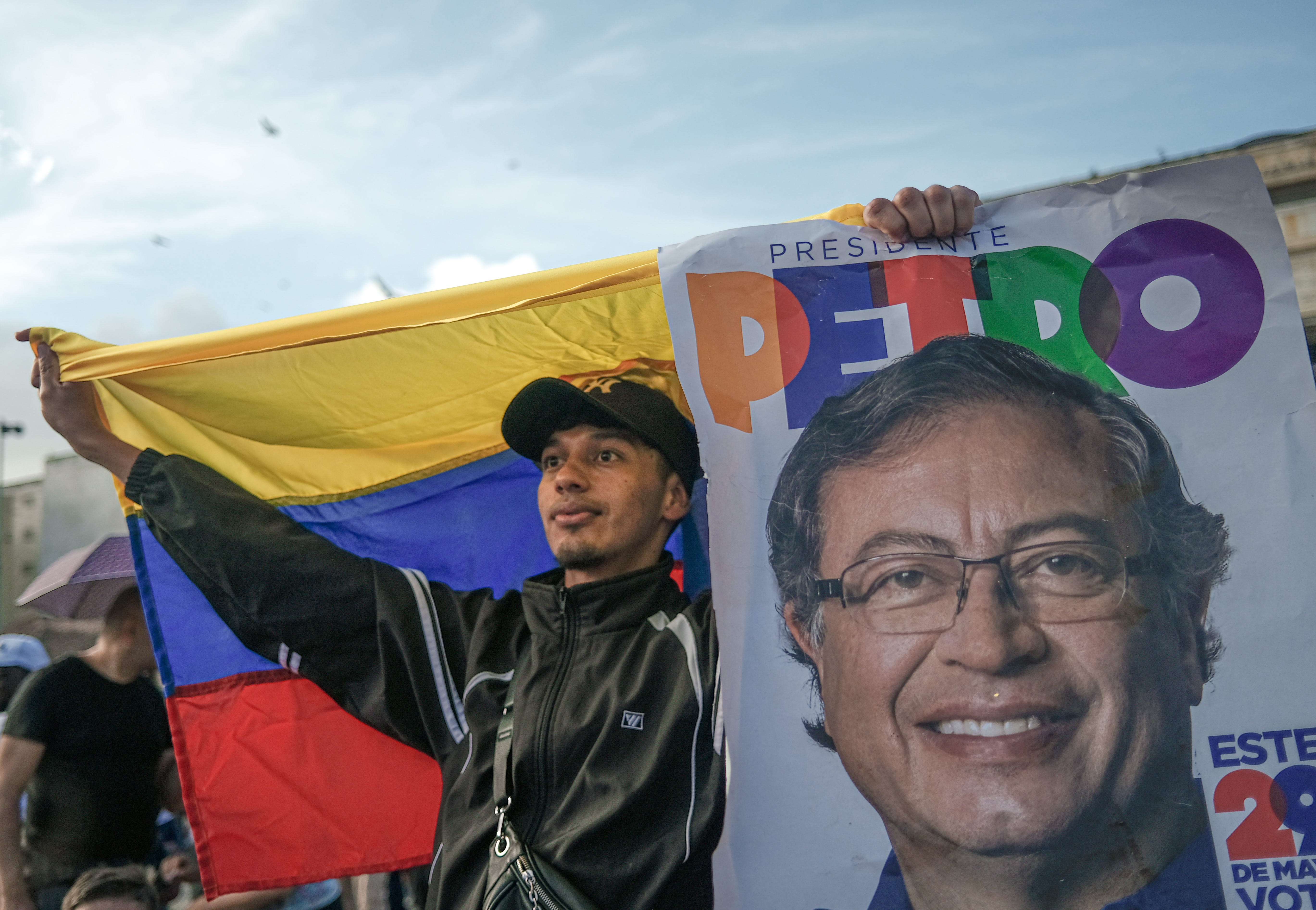
Elections in Colombia: the big explainer
Ahoy! It’s been a labor intensive week for the PWS crew as presidential elections near in Colombia, which is what we’re talking about in this week's podcast!Amy and Paulo are well on the road to recovery after involuntary Covid vacations. Daniela and Joshua meanwhile are hunkered down in Bogotá hoping that a tense election weekend passes without incident.This week in the headlines in Latam!In terrible scenes in Brazil, 26 people were killed on Tuesday in the Rio de Janeiro favela of Vila Cruzeiro during a police operation to capture drug traffickers from the “Comando Vermelho” gang. The group is allegedly responsible for over 80% of shootouts in the city. The authorities claim that the deaths were due to confrontations between the police and criminals. However, the Comptroller’s Office and Human Rights Ombudsman have questioned the official account. “Currently, the legality of the operation is under investigation and the proportionality in the use of force, the high lethality, lead us to suspect that a massacre may have been committed,” the institutions said in a statement. President Jair Bolsonaro congratulated the officers involved, in what Human Rights Watch described as a message of impunity. Black Brazilians are disproportionately likely to be killed by the police.A 66-year-old Mapuche man has been killed and at least two others suffered bullet wounds after a group of hooded attackers ambushed a bus carrying around 30 forestry workers in southern Chile. This comes a week after the government of Gabriel Boric declared a state of emergency and a military intervention in the region in response to the crime and attacks taking place in the context of a conflict over Indigenous peoples’ legitimate demands. President Boric said: “We will not tolerate violence being imposed as a conflict resolution method.”On Thursday, Peru’s congress approved a censure motion against the Labour Minister, Betssy Chávez, after questions were raised about how she handled a strike by air traffic controllers during Holy Week. The motion was approved with 71 votes, including not just the right-wing and centrist opposition parties, but also President Pedro Castillo’s ruling Perú Libre party. Chavez, who will have to present her resignation within 72 hours of the vote, is the second of Castillo’s ministers to be censured so far. Over 50 people have passed through his Cabinet in the 10 months since he became president.What we’re writing:* Josh wrote this primer on the Colombian elections for NACLA and this analysis of what the polls mean for the peace process for Preemptive Love. Both are expertly illustrated with Daniela’s photography.* Amy submitted her master’s thesis, but you can’t read it yet. Like a true pirate she has to defend it. She’s sharpening her cutlass as we speak.What we’re reading:* This story about a Bolivian student leader who allegedly stayed enrolled at a public university for 32 years so he could keep his state salary of around US$3,000 per month may not be the most profound thing you’ll read this week. But Discworld fans will appreciate the strong Rincewind energy. And it gives Amy comfort to know there’s someone out there taking longer to graduate than her.Spanish words of the week:* sabandijas (fpl): Vermin* sangría francesa (f): Because why have a hanging indent on your publication when you could have a FRENCH BLEED? We’re open to reader submissions for the most needlessly dramatic typesetting term, but we don’t think you’re going to beat thisNoticias EspañolasTerrible escenario en Brasil: 25 personas murieron el martes en un complejo de favelas de Río de Janeiro, en medio de una operación policial que pretendía la captura de narcotraficantes del ‘Comando Vermelho’, un importante grupo criminal que sería responsable de más del 80% de enfrentamientos armados en Río de Janeiro. Según las autoridades, las muertes se debieron a los enfrentamientos entre policías y delincuentes. Sin embargo, desde la Contraloría y la Defensoría Pública local han cuestionado el operativo. “Hasta el momento se está investigando la legalidad de la operación y la proporcionalidad en el uso de la fuerza, la alta letalidad levanta la sospecha de que pudo haber sido cometida una matanza”, han expresado ambas instituciones en un comunicado.El Congreso de Perú aprobó el jueves una moción de censura contra la ministra de Trabajo, Betssy Chávez, a raíz de cuestionamientos sobre el manejo de una huelga de controladores aéreos ocurrida durante la pasada Semana Santa. La censura se aprobó con 71 votos, entre los cuales, además de las bancadas de oposición de derecha y centro, se contaron votos del oficialismo de Perú Libre, el partido del presidente Pedro Castillo. Chávez, que deberá presentar su renuncia en un plazo de 72 horas, es la segunda ministra censurada en lo que va de mandato. Sin embargo, se suma a los más de 50 nombres que han formado parte del Gabinete Ministerial en 10 meses. A una semana de que el gobierno de Gabriel Boric decret
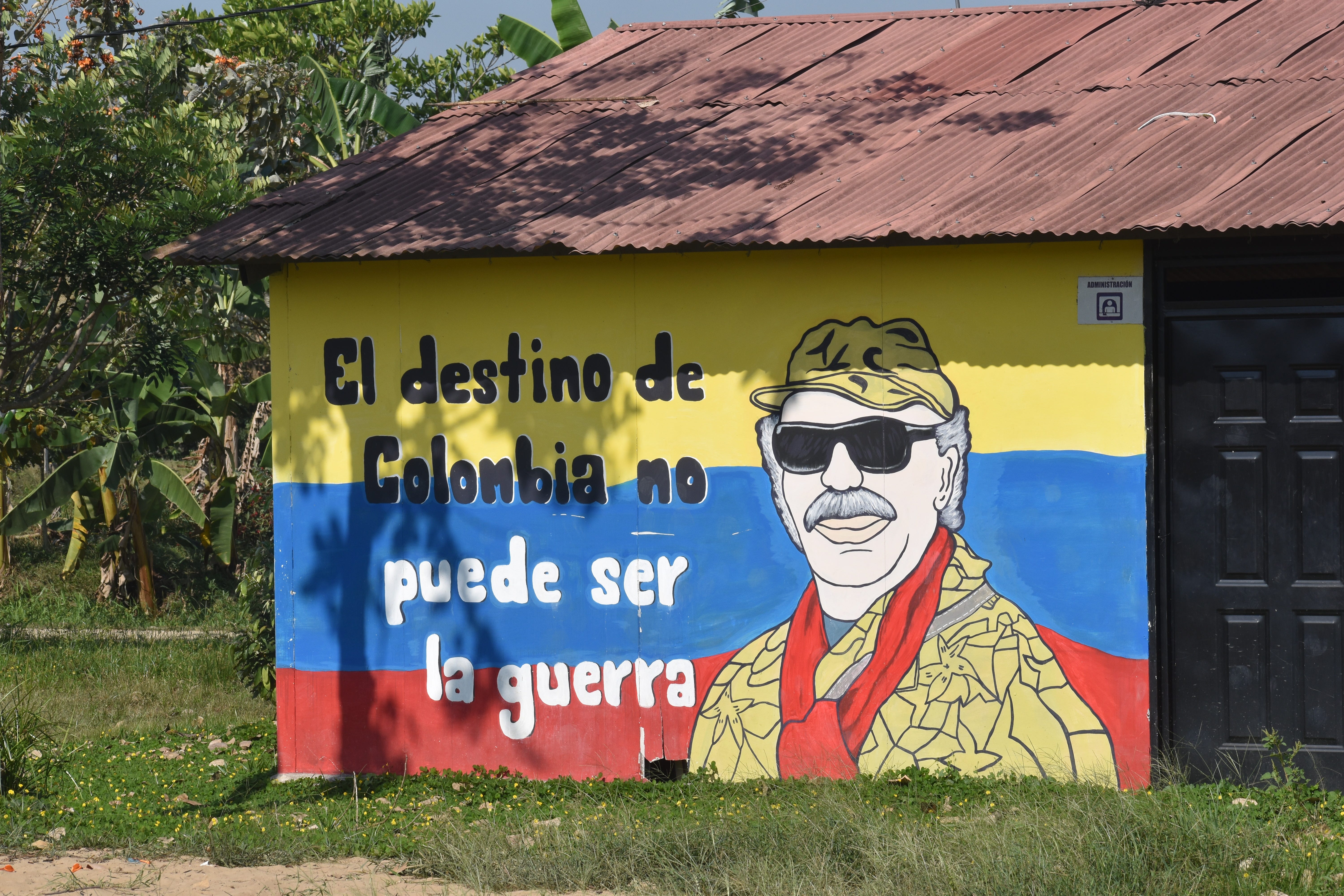
Finding the "Disappeared"- a search for reconciliation in Colombia
Avast ye! It’s Friday.This week, Amy and Paulo are shivering their timbers with scurvid, the most briny of omicron subvariants. Josh is setting sail for Bogotá and Dani is writing a lot and crying in a fetal position.Don’t forget to fill in our reader survey and check us out on Spotify!For this week’s podcast, Josh is telling a story of reconciliation. Since FARC, the Colombian insurgent group, signed a peace deal with the state in 2016, several ex-combatants have formed a team that searches for those who disappeared during the country’s armed conflict. During this humanitarian work, they met Helmut Ángulo, who was searching for the bodies of his parents. To find out what happened next, listen to the episode!Onto the news:In Chile, the government of Gabriel Boric this week declared a state of emergency and sent the military back to the south of the country. They stated that the move was to defend transport links from attacks perpetrated by members of Indigenous communities such as the Mapuche. The decision marked a new turn in Boric’s policies: on 27 March, just weeks after he came to power, he withdrew the military stationed in the same region by the right-wing government of Sebastián Piñera, fulfilling one of his campaign promises. Now, despite the rejection of parts of his coalition and his voters, Boric’s government is arguing that the military will not take part in repressive action, but rather will limit themselves to protecting highways and communication infrastructure, to avoid interruptions to the transport of essential goods. This piece from last year gives a good overview of the situation for Indigenous rights in the region.On Tuesday, José Carlos Acevedo, mayor of the Paraguayan city of Pedro Juan Caballero, was shot seven times by a band of hired killers who have yet to be identified. He is in an induced coma, with doctors saying his condition is “critical” and he is highly unlikely to recover. The attack came a week after the murder of the Paraguayan prosecutor Marcelo Pecci, who was also attacked by hitmen on a beach in Colombia. The Paraguayan government, which attributes the killings to drug trafficking rings in the country, “declared war against organized crime” on Thursday.Argentina carried out its national census on Wednesday, two years later than planned because of the COVID-19 pandemic. According to provisional information from the country’s National Institute of Statistics and Census, which carried out the study, Argentina currently has a population of 47,327,407, around seven million more than in the 2010 census. Of those, 52.83% identify as women, 47.05% as men, and 0.12% don’t identify with either category.Earlier this week, the Biden administration announced a series of measures that would ease relations between the US and Cuba, marking a break with the policies of ex-president Trump. The new measures include resuming commercial flights to Cuban cities besides Havana, suspending the US$1,000 quarterly remittance limit, allowing people to send remittances to people they’re not related to, and expanding visas, including for educational trips, work meetings, and research. In a similar vein, Washington slightly relaxed its oil sanctions on Venezuela by permitting Chevron, the last US oil giant with significant operations in the country, to restart talks with the Maduro regime. For more about what oil sanctions relief could mean for the Venezuelan people, listen to Amy’s podcast from last week.In Colombia, the Constitutional Court this week recognized the traditional midwifery practiced widely among Pacific and Caribbean populations as ancestral knowledge and national patrimony. This obliges the Ministry of Health to include those who practice midwifery in the social security system. The ruling also means that the practice will be included in the formal medical system. Happy feminist Friday!What we’re reading:* In El Salvador, the brutal spree of 87 murders that took place in March was carried out by gangs in retaliation for the government failing to keep up its end of a deal it had made, according to this El Faro long read.* We asked on Twitter for your favourite books about Colombia and this is what you said. We’d better get to the library - lots of great recommendations here!Spanish words of the week:* morlacos (m) - heavyweights, fighting bulls… or money! Dough! Cash!¡Noticias castellanas!Esta semana, nuestros piratas Amy y Paulo están con el garfío abajo por culpa del eskorbuto, la subvariente del omicron más salada. Josh zarpa rumbo a Bogotá y Dani escribe mucho y llora en posición fetal.¡Recuerda! queremos saber qué opinas de nuestro servicios piratas, así que te invitamos a completar nuestra encuesta de lector y escuchar nuestros episodios previos en Spotify. En el podcast de esta ocasión, Josh les cuenta la historia de reconciliación entre Helmut Ángulo, víctima de las FARC, y varios exguerrilleros de este grupo insurgente colombiano que en 2016 firmó un Acuerdo de Paz con el

Will the US start buying Venezuelan oil again?
Ahoy there!We hope you’ve all weighed anchor for the weekend by now, because we’re sending this super late. Soz. The podcaster responsible *ahem* will be duly keelhauled once we can find a vessel bound for Buenos Aires.In this week’s podcast, Amy is looking at whether the US will ease its sanctions on Venezuela - and whether that would be enough for the country to recover from its drawn-out crisis. You can read more from the episode’s interviewee here.Don’t forget to fill out our quick reader survey, we’d love to get to know you!The big stories in Latin America this week!Francisca Sandoval, the journalist who was shot in the face during the protests and clashes that took place on May 1 in a neighborhood of Santiago de Chile -and who we talked about in last week's podcast- died on Thursday after struggling for her life for twelve days in intensive care. She becomes the first journalist murdered in Chile since the fall of the fascist government of Pinochet in 1990. The alleged perpetrator of the attack, Mauricio Naranjo, 42, is previously accused of theft and drug dealing and could be sentenced up to 11 years in prison.A Paraguayan prosecutor investigating organized crime was shot dead on a beach located on the island of Barú in Colombia, while spending his honeymoon with his wife. Marcelo Pecci, 45, investigated drug trafficking and money laundering. According to local media reports, two men came by sea to the beach where the prosecutor was and, upon finding him, shot him before fleeing the scene in a jetski. The case is currently under investigation, and Colombian authorities are offering up to 2 million pesos- roughly 500 US dollars- as a reward for information on those involved in the attack. The president of Bolivia, Luis Arce, announced that he will not attend the upcoming Summit of the Americas if Venezuela, Cuba and Nicaragua are also not invited. The United States, where the summit will be held, publicly stated that it is considering not inviting the three countries because, they said, they "do not respect democracy”. However, from the White House press secretary, they have indicated that "a final decision has not yet been made" on the issue. Mexican president, Manuel López Obrador, also questioned the possibility of not including the three countries to the continental meeting, stating that Mexico could possibly decline to attend as well. The summit will be held from June 6-10 in Los Angeles. Last Tuesday, Peru’s Congress appointed six new members to the Constitutional Court, a judicial body in charge of resolving constitutional disputes. The six tribunes were elected without legislative debate by the votes of Fujimorismo, the right-wing political grouping, and other right-wing factions, as well as the left-wing ruling party, Peru Libre. Ten parliamentarians from the government party resigned in protest. The new Constitutional Court will likely be quite conservative.What we are listening to: This podcast by Radio Ambulante about the first Black Miss Ecuador discusses how her victory challenges assumptions about canonical beauty, representation and race in Latin America. It’s in Spanish.►https://radioambulante.org/audio/monica-la-primeraWhat we are reading:Among the threads that should have been stories, there is this one by Chris Blattman about what happens when homicide rates fall because governments reach agreements with armed gangs and organized crime►What we are writing:Joshua published “The Invisibles” for The New Humanitarian, a longform multi-media piece about following a Cuban migrant all the way from Caracas, Venezuela to Houston, Texas. For 8 months, Will faced a host of life-threatening challenges in one of the most dangerous migration corridors in the world.►https://interactive.thenewhumanitarian.org/stories/2022/05/10/us-asylum-darien-gap-cuba-central-america-mexico/And Amy published this delightful note on the BBC about the Buenos Aires custom of eating pizza with a piece of chickpea flatbread on top► https://www.bbc.com/travel/article/20220509-fain-buenos-aires-unusual-pizza-toppingSpanish words of the week:pantorillas - calves, as in the bit that gets sore when you do too much running… or too much trapeze. What a gloriously silly word.Las Noticias Castellanas!Tristes noticias. La periodista Francisca Sandoval, quien recibió un disparo en el rostro durante las protestas y enfrentamientos ocurridos el pasado 1 de mayo en un barrio de Santiago de Chile —y sobre quien hablamos en el podcast de la semana pasada—, falleció el jueves, producto de las complicaciones causadas por la grave herida que sufrió. Así, se convierte en la primera periodista asesinada en Chile tras la vuelta a la democracia en 1990. El supuesto autor del ataque, Mauricio Naranjo, de 42 años y acusado anteriormente por hurto y narcomenudeo, cumple ahora prisión preventiva y podría ser condenado hasta por 11 años de cárcel.Un fiscal paraguayo que investigaba crimen organizado fue asesinado de dos disparos en una playa ub
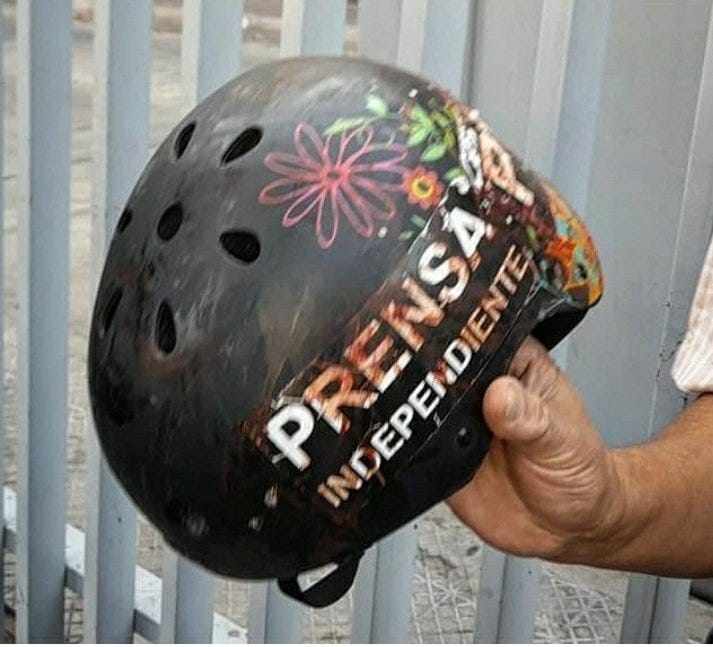
Shooting of Chilean journalists underscores challenges for president Boric
Ahoy Piratas!We hope this May Day week found you well. It’s been a chaotic news week for the Americas in general with an uncommon number of major stories! We’ve written up the bits important to the regions we report on below as always. Our audience survey is still going - it only takes five minutes and your feedback immeasurably helpful for us, so do fill it in if you can. The link is here.This week’s podcast, Paulo and Amy look at the shooting of three journalists in the Chilean capital, Santiago, after a May Day march ended in violent confrontations between demonstrators, street vendors and the police. Three reporters were wounded by gunfire, and one, Francisca Sandoval, is still in hospital fighting for her life after being shot in the face. The events underscore the magnitude of the challenge facing new president, Gabriel Boric, a former student leader elected on a platform of transformation towards social justice.THIS WEEK’S BREAKING STORIESIn Colombia an armed strike imposed by the Gaitanista Self-Defense Forces of Colombia (AGC) has paralyzed the northwestern region of the country. The paramilitary group was originally formed from the remnants of the United Self-Defense Forces of Colombia (AUC), a notorious right wing death squad during Colombia’s civil war. The strike has already left more than 32 vehicles incinerated and thousands of people confined in in the departments of Sucre, Cordoba, Bolívar, and part of Antioquia. The actions were announced in retaliation for the extradition of AGC’s top leader, alias Otoniel. Otoniel was extradited Wednesday and appeared on Thursday before a judge in the US to face drug charges.In Peru on May 1, inflation reached its highest point in ten years, closing at 8.62% on the year. Rising real wage costs of living and food prices have directly impacted working class populations. The impact on other products such as fertilizers and fuels as well has left some analysts worried the phenomenon might become a trend.In Havana, Cuba, a reported explosion destroyed the emblematic hotel, Saratoga, Friday morning and left at least 8 dead. The cause is not immediately clear. Numerous cars and adjacent buildings were also damaged or destroyed. Authorities are currently searching for survivors amid the rubble.What we’re reading:Latin American feminists are speaking out about a possible ban on abortion in the United States. This well done piece at The Guardian examines how Latin American feminist groups that for years have struggled to achieve progress in guaranteeing their reproductive rights, intend to fiercely protect their achievements in the face of a possible regressive ruling in the US. They fear the decision will have a domino effect in Latin America, where most countries have very restrictive laws for those who want to voluntarily interrupt a pregnancy.What we’re listening to:Renowned Colombian journalist, Maria Jimena Duzan, in her podcast this week called “A Fondo”, speaks in depth with vice-presidential candidate Francia Márquez. Through their conversation we get to know the most human side of the leader and clarify some unfounded scandals raised by right-wing critics. The interview provides a detailed description of the life and struggle of a social leader who is very close to being the first Black woman to hold top political office in the country.Spanish word of the week:* ictericia - jaundiceCorrections: In PWS 22 October 2021, we stated that abortion was legal in Chile. It is, in fact, legal only in cases of rape, risk to the pregnant person’s life, or fatal foetal malformation. ¡NOTICIAS CASTELLANAS!En Chile, en las manifestaciones por el Día del Trabajo, el pasado 1 de mayo, fueron heridos 3 periodistas por balas, 1 de ellos de gravedad. El caso más grave, se trata de Francista Sandoval, quien fue herida en medio de los saqueos y enfrentamientos que se registraron en un barrio en Santiago,. La periodista aún sigue en observación y en estado crítico. Hasta ahora no se sabe quien disparó a los periodistas.En Colombia, un paro armado impuesto por las Autodefensas Gaitanistas de Colombia (AGC) ha paralizado la región noroccidental del país. El grupo paramilitar se formó originalmente a partir de los remanentes de las Autodefensas Unidas de Colombia (AUC), un notorio escuadrón de la muerte durante la guerra civil de Colombia. El paro ya ha dejado más de 32 vehículos incinerados y miles de personas confinadas en los departamentos de Sucre, Córdoba, Bolívar y parte de Antioquia. Las acciones fueron anunciadas en represalia por la extradición, del máximo dirigente de las AGC, alias Otoniel. Otoniel compareció ante un juez en EE.UU. para enfrentar cargos por drogas.En Perú, se agudiza la preocupación por el alza en la inflación que el pasado 1 de mayo, llegó a su máximo en los últimos diez años, cerrando con un 8,62% para el año. La canasta familiar ha sido la principal afectada, impactando de manera directa a la población y encareciendo el costo de vida promedio. El al
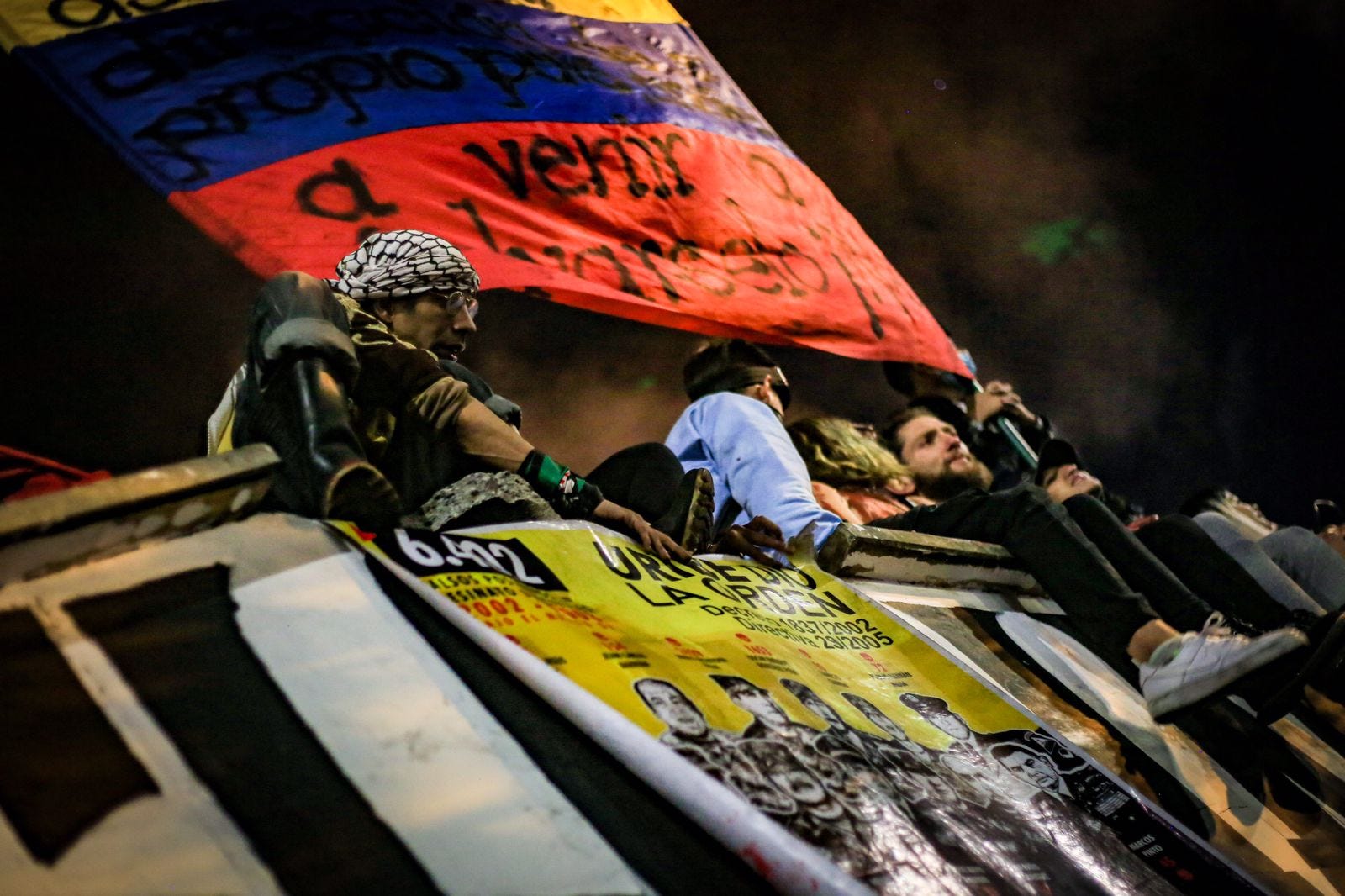
The Protests that changed Colombia
Ahoy there!We hope this week has been more plain sailing than stormy seas wherever you are. Amy is confined to hard labour in the galley after trying to pick up a pan and finding it stuck to the stovetop. Dani is fending off the dastardly cannon of the Colombian police. Josh is meddling in Medellín. And Paulo is in Córdoba, probably marauding.Before we get started with the news roundup, we would love it if you could take five minutes to fill in our audience survey. As you probably know, it’s getting harder to make a living from journalism, but this pirate crew is determined to sail against the current to tell stories about Latin America that aren’t being told elsewhere. So, we’d love to get to know our audience: who you are, why you read us, what you like about our reporting, and what we could do differently. You can reply anonymously, but we’d love to know more about you! The link is here.This weeks podcast is a retrospective on the national strike last year in Colombia, which began on April 28th last year. The protests, the largest in at least 50 years, shut down large portions of the country for nearly three months and resulted in scores of protester deaths as police initiated a brutal crackdown. Where are we a year later? Does the movement continue? What happened to all those arrested? And how does it affect upcoming elections? Listen to find out!In Colombia, President Iván Duque’s Centro Democratico (CD) party has had a rough week. Ex high-ranking members of the military admitted to crimes against humanity before the country's Special Peace Court on Tuesday. The peace court has been under fire by some CD politicians since its inception, many of whom disapprove of Colombia’s 2016 peace deal. The hearing related to their involvement in "false positives" killings in Catatumbo between 2002 and 2008, when the military extrajudicially executed civilians and reported them as combat deaths during the civil war. Families of the victims are still demanding to know how far up the chain of command responsibility goes. Under Colombia’s peace agreement, they will face punishments such as hard labour or house arrest, rather than being sentenced to jail time.Former president and party leader of Centro Democratico, Alvaro Uribe, who has faced intense criticism for the false positives scandal that occurred during his presidency, gave testimony before Colombia's prosecutor’s office regarding charges that he bribed witnesses to escape prosecution in a vote-buying scandal. The court ruled that there is sufficient evidence to take the case against him to trial. Finally, congress proposed a bill to censure current Defense Minister Diego Molano over his role in a March massacre by the military in Putumayo that left 11 dead.In Mexico, the murder of 18-year-old Debanhi Escobar has sparked outrage and protests over the growing numbers of women and girls being disappeared in and around the northern city of Monterrey. Escobar left a party in a taxi, but never made it home. Her body was discovered in a motel’s water tank. Women reacted with fury to President Andrés Manuel López Obrador, who said in a misguided attempt to reassure residents of the region that disappearances “happen everywhere”. Argentine judge Ernesto Kreplak announced today that he would prosecute several former members of the intelligence services and ex high-ranking politicians in Buenos Aires Province for illegal intelligence activity. In December, auditors at Argentina’s Federal Intelligence Agency (AFI) made public a video of spies, businessmen and provincial politicians plotting to send trade unionists in the construction sector to jail. At one point, Marcelo Villegas, the province’s labour minister at the time, says “If I could have a Gestapo, a shock force to end the syndicates, I’d do it.” The video is from mid-2017, while Trump’s business-friendly buddy Mauricio Macri was president and presidential hopeful Maria Eugenia Vidal was governor of Buenos Aires Province. Juan Pablo Medina, a construction trade unionist who was jailed shortly after the meeting, claimed at the time that the orders had come from Macri. Kreplak confirmed that the plot didn’t start with the meeting, but rather that the orders came from higher up. The AFI is currently under a long-term investigation pertaining to a vast illegal spying ring that operated during Macri’s presidency.In the Argentine province of Tierra del Fuego, authorities have voiced fears that Bitcoin mining is consuming so much power that it could collapse the grid over winter. Energy costs in the province are subsidized because it gets so cold, making it the ideal spot for crypto aficionados to host energy-intensive gear such as server farms. A Chilean polling firm has found that just seven weeks into his leadership, more people disapprove of president Gabriel Boric’s leadership than approve of it, in what could be an abrupt end to his honeymoon period compared with his predecessors. His support is strongest among wo
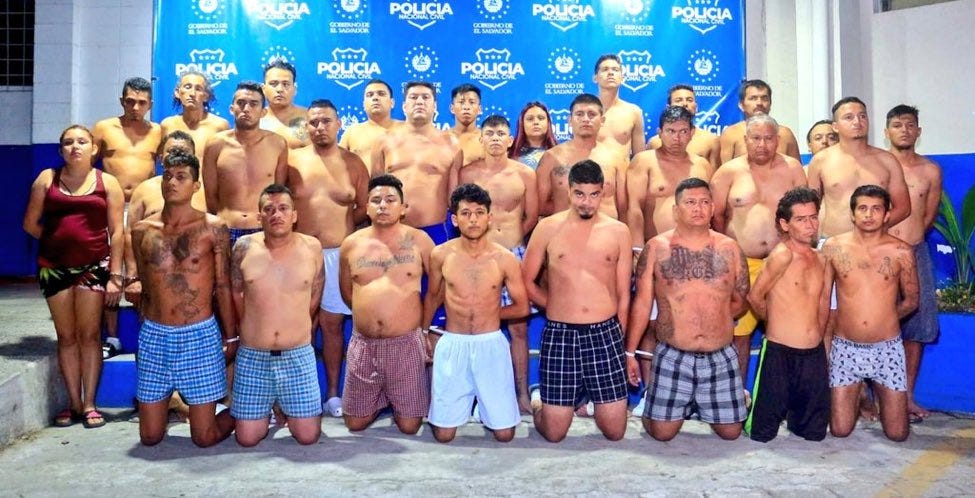
Journalists flee El Salvador amid Bukele's Tyranny of Censorship (BTC)
Avast, me hearties! We hope your week has been more rum punch than rum deal.In this week’s podcast, Josh looks at how the President of El Salvador, Nayib Bukele, has responded to a spate of murders with a brutal authoritarian crackdown, arresting well over 13,000 people and chucking them into prisons probably best described as dungeons. Many of those arrested appear to have nothing to do with gangs and observers on the ground say it pretty much amounts to rounding up poor men with tattoos. Bukele has also criminalized reporting on gang activity, prompting key critical voices in the media to flee the country.In the news this week:Ex-President of Honduras Juan Orlando Hernández has been extradited to the United States on charges of drugs and arms trafficking. He was moved in an operation involving the police, the military, and agents from the US Drug Enforcement Agency. He was not accused during his presidency, which spanned two terms between 2014 and early 2022. However, he was mentioned in the sentencing of his brother, Antonio Hernández, who was sentenced to life in prison on the same charges by a New York court in 2019. The ex-president, often known as JOH, could face a similar sentence.This week in the Argentine province of Chaco, the trial over the 1924 Napalpí massacre began. It’s estimated that 300-500 indigenous Qom and Moqoit people were killed when police and ranchers opened fire on a protest against working conditions on cotton farms. Victims included children and the elderly. The trial, which is starting 98 years later, is unprecedented: there will be no criminal consequences for anybody. Instead, it attempts to establish what happened, provide historical reparations, and formally establish that this was not a dispute between indigenous peoples, as was claimed at the time, but a massacre perpetrated by representatives of the Argentine state.Also in Argentina, the heated dispute between the ruling coalition and the opposition in Argentina had a new forum this week: the Council of Magistrates, the body in charge of appointing and disciplining judges. The supreme court ruled in December 2021 that the council had to be reformed. Since Argentina controversially includes several politicians on the council, this is seen as a fight for political control of the judiciary and influence over the nation’s judges. The council’s members include deputies and senators from majority and minority parties, and the ruling coalition decided to formally divide its senate majority into its two constituent parties (its block of 35 seats became one of 21 and one of 14) to give it one more seat in the council. The opposition and several analysts attribute this maneuver to ex-president and current Vice President Cristina Fernández de Kirchner, who is head of the senate. As well as complaining vocally about all this, the opposition has decided to take the case to court, and has filed a criminal complaint against Fernández de Kirchner. Meanwhile, the ruling coalition in the upper and lower houses of congress and President Alberto Fernández’s government have come out in favour of the new division in the Senate. The Government of Peru this week presented a bill to use drugs to “chemically castrate” offenders who rape minors and women. The proposal followed a horrific case in which a three-year-old girl was kidnapped and raped. Peruvian laws do not currently permit corporal punishment as part of a sentence, and several specialists have pointed out that it would be an extremely expensive “solution”, given the costs of the drugs that would be applied. In this case, the project will have to be debated in Parliament. In 2006, following another case involving the rape of a child, then-president Alan García proposed the death penalty for rapists. Needless to say, he was not successful. According to CNN, chemical castration is legal in countries including South Korea, Poland, the Czech Republic, and some states in the US. Amnesty International describes it as a “cruel and inhuman” punishment.And, as we say in Peru, the yapa: Brazil’s former president Luiz Inácio Lula da Silva has formally announced that he will run for president in October’s elections. Lula, as he is affectionately known, led the country between 2003 and 2011. He was prevented from running in the 2018 elections won by far-right Jair Bolsonaro because he was facing a series of major corruption charges, but the case against him fell apart after it emerged that the charges were politically motivated. Analysts say Lula is the current favourite, but Bolsonaro’s fortunes could change, between the exit from the pandemic and his popular Auxilio Brasil subsidy.What we’re reading:During World War II, a British intelligence officer is sent to interrogate a collaborator captured by the French resistance before they shoot him. The man says he'll only talk if he is handed over to the British military afterwards, but the officer knows he can't make that happen, so the collaborator t
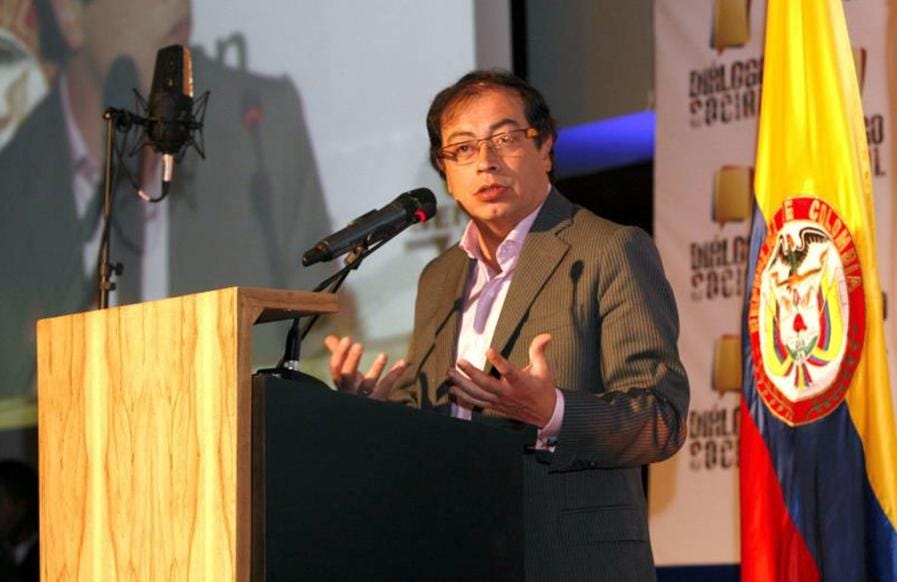
Fraud allegations are the new black?
**Deslízate hacia abajo para leer en castellano***Ahoy! It’s Holy Week (Semana Santa) and we hope you’ve all weighed anchor somewhere nice for Easter: irrespective of our faith, most of us have a long weekend. Colombia’s presidential elections are coming up on 29 May, and violence has been growing in conflict zones. Last month’s parliamentary elections saw fraud allegations on both sides after the quick count failed to pick up hundreds of thousands of votes for the poll-topping leftist coalition, Pacto Histórico. Between us, the Pirate Wire Services crew cover Colombia, Peru and Bolivia, and all of these countries have seen cries of foul play recently. So for this week’s podcast, Amy took a look at electoral fraud allegations: who’s crying fraud, in what circumstances, and are they always wrong?Don’t forget to leave us a comment telling us what you think on Substack or our Twitter. You can also contact Amy on [email protected]. Stories we’re watching* Mexican President Andrés Manuel López Obrador (AMLO) trumpeted his victory in a recall referendum last Sunday in which more than 90% of voters opted for him to remain in office. AMLO welcomed the results and stated that "Mexico has no king, it is a democracy and the people rule." Only 18% of the electorate voted in what was widely viewed as a pointless chest-beating exercise, and opposition leaders urged their supporters not to participate.* Polls suggest that Chileans could reject a proposed new constitution in a referendum later this year. One survey found that 46% would currently vote to reject it, surpassing the 40% who support it for the first time, amid concerns that some of the proposed changes are too radical. The new constitution would replace the current document, which dates back to the Pinochet dictatorship and is widely viewed as representing the inequality that sparked a massive social uprising in 2019. On Wednesday, the convention in charge of re-drafting the constitution approved an article that would replace the nation’s Senate with a “Council of regions”.* A Buenos Aires judge has ordered the suspension of the Argentine capital’s facial recognition system. First implemented during the right-wing Macri presidency in 2019, the facial recognition technology is supposedly for catching fugitives. But an investigation has found that over 9 million biometric data searches have been made, far more than the 40,000 criminals that officials claim the system is targetting. Current President Alberto Fernández, Vice President Cristina Fernández de Kirchner, and prominent human rights campaigners are among those whose data was searched, local media report.* Argentina registered 6.7% inflation for the month of March alone, according to figures released by its National Institute of Statistics and Census (INDEC) on Wednesday. The figure was even higher for food and soft drinks, at an eye-watering 7.2%. Poverty fell from 40.6% in the first half of 2021 to 37.3% in the second half of the year, but there are growing concerns about the numbers of working poor. President Alberto Fernández announced a “war against inflation” last month, which generated a lot of memes but not much difference to food prices.Stories we’re reading* Evidence continues to emerge of the alleged 'False Positive' in a military operation a few weeks ago in Putumayo, Colombia, where it has been proven that the Government distorted the facts and may even have tried to cover up the murders of at least 4 civilians. An excellent investigative long-form piece by Colombian media company Voragine reveals that the army may have planted weapons on some of the bodies of dead civilians after the fact, and that among the victims was a pregnant woman. Both UN investigators and the Colombian congress have demanded a full investigation.Stories we’re writing* An updated version of Amy’s story for PWS on Ex-President Áñez’s Trial in Bolivia was published by NACLA. “Many in the human rights community feel that holding Áñez accountable for her deeds is a crucial step towards justice,” she writes, “But others say she isn’t getting due process, which they fear could undermine faith in the proceedings and set a dangerous precedent, provoking a complex and polarized legal and social debate.”Spanish word of the week: Quincena. Payday. In Colombia, paychecks go out every 15 days, on the 15th and the 30th. Everyone loves Quincena- except if you’re trying to wait in the huge lines to use an ATM or buy liquor.¡Noticias Castellanas!Historias que estamos viendo* El presidente de México, Andrés Manuel López Obrador (AMLO), proclamó su victoria en un referéndum revocatorio el pasado domingo en el que más del 90% de los votantes optaron por su permanencia en el cargo. AMLO saludó los resultados y afirmó que “México no tiene rey, es una democracia y manda el pueblo”. Solo el 18% del electorado votó en lo que se consideró un ejercicio de golpes de pecho sin sentido, y los líderes de la oposición instaron a sus seguidores a
Protests in Peru: right-wing resistance or popular demonstrations?
Ahoy!Welcome to this week’s Pirate Wire Services, we hope you’ve successfully navigated the seas of April so far. In this podcast episode, Paulo Rosas is looking at a wave of protests in Peru this week. These were initially triggered by rising fuel prices, but spread and became more violent when beleaguered president Pedro Castillo responded by declaring a curfew in Lima.Stories we’re watching* Allegations of voter fraud in Colombia over local and senate elections are escalating. Former president Álvaro Uribe, whose party Centro Democratico faced heavy losses, is refusing to accept the results. Irregularities at some voter stations, which favored his party greatly, have been corrected by lawyers and electoral officials. As Gustavo Petro leads the polls in elections set for May, many analysts worry Uribe will call fraud in the event Colombia elects its first leftist president ever. We have an episode on fraud allegations planned for next week, so keep your eyes out for that.* In El Salvador, martial law imposed by president Nayib Bukele in response to a wave of killings is being broadened in a growing crackdown on civil liberties. Special powers granted for 30 days allow police to arrest and surveil suspects without a warrant, prohibit public gatherings and restrict journalists from reporting on gang activity. Over 6000 “suspected gang members” have been arrested so far, and Bukele has publicly threatened to deprive food to those detained.* Venezuela is showing signs of a slow recovery. Inflation this month reached the lowest point, at 1.8%, in nearly a decade. Oil production is also increasing ahead of trade hopes over the possibility of the US easing sanctions, but is still nowhere near 2017 levels.Stories we published* Joshua and Daniela looked into a military operation that killed 11 people in Colombia, including at least four civilians. The government initially said the victims were members of a dissident rebel FARC group, but that story quickly fell apart. Survivors call it a massacre, and many activists are comparing the operation to the infamous ‘false positives’, in which the army killed civilians and claimed they were guerillas during the armed conflict. You can read the details here at Al Jazeera news.What we’re reading: * This deep dive on the social and criminal impact of criminal armed group “the Clan de Golfo” is masterful. Written by Camilo Alzate González for El Espectador, the piece explores in detail how the AGC is deeply tied to the Colombian military (In Spanish).* Amores como el Nuestro is a novel by the Argentine writer Charo Márquez about an incipient romance between a woman and a trans man. Raw and searingly honest, it’s a refreshingly contemporary and relatable addition to our reading list.NOTICIAS CASTELLANAS!En el podcast de esta semana, Paulo Rosas nos habla sobre la ola de protestas ocurridas esta semana en el Perú. Estas se iniciaron a causa del alza en los precios de los combustibles, pero escalaron en violencia cuando el presidente Pedro Castillo decidió declarar un toque de queda en Lima.Historias que estamos viendo:* Las denuncias sobre un posible fraude en las recientes elecciones legislativas en Colombia han escalado. El partido político Centro Democrático, fundado por el expresidente Álvaro Uribe y que perdió numerosos escaños en el Congreso, ha declarado públicamente que no reconocerá los resultados. Las irregularidades en algunos puntos electorales, que particularmente favorecieron a su partido, ya fueron esclarecidas por testigos electorales. Teniendo en cuenta que Gustavo Petro lidera las encuestas de las elecciones presidenciales previstas para mayo, muchos analistas han expresado preocupación por que el expresidente Uribe busque posicionar la idea fraude en caso Colombia elija al primer presidente de izquierda de su historia.* La Ley Marcial impuesta por el presidente Nayib Bukele en El Salvador en respuesta a la ola de asesinatos continúa. Poderes especiales otorgados a la policía por 30 días les permiten arrestar y vigilar sospechosos sin ningún tipo de orden judicial, así como prohibir reuniones públicas y restringir que los periodistas reporten sobre la actividad de las pandillas. Más de 5.000 “presuntos pandilleros” han sido arrestados hasta ahora y Bukele ha amenazado públicamente con privar de alimentos a los detenidos.* Venezuela muestra signos de una lenta recuperación. La inflación este mes alcanzó 1,8%, su punto más bajo en casi una década. La producción de aceite también ha incrementado, trayendo esperanzas comerciales sobre la posibilidad de que EE. UU. alivie las sanciones previamente impuestas. Esta, sin embargo, continúa sin alcanzar los niveles de 2017.Historias que publicamos:* Joshua y Daniela investigaron una operación militar en Colombia que dejó 11 muertos — al menos 4 de ellos civiles. El Gobierno inicialmente sostuvo que las víctimas eran miembros de las disidencias de las FARC, un grupo guerrillero; sin embargo, esa historia se cayó rápidam
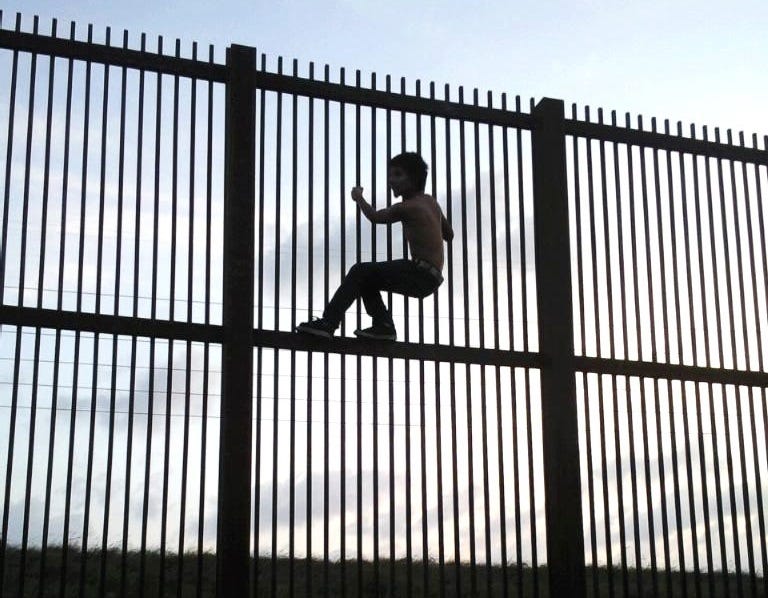
Treatment of Ukrainians at the US border raises perceptions of racism in migration policy
*Update: On April 1st, just after this podcast was published, the CDC announced an end to Title 42 beginning the end of May. You can find details on the process here.****Castellano más abajo***Ahoy there!We hope you’ve safely navigated your way to the weekend. Today, we’re interrupting normal transmission to tell you about some changes. Pirate Wire Services has just turned six months old, and we’ve decided it’s time to make good on our promise to develop the project into a podcast. Our second episode, about growing perceptions of racism as policy in migration standards, asks experts to explain the discrepancy in treatment between Ukrainian asylum seekers and those who have been waiting at the US border from Latin America and Africa, many of whom also come from conflict-ridden regions. This means we’ll be shifting our focus to bring you a podcast episode each week. It will be emailed out with a newsletter reviewing the news across Latin America, as well as Spanish Words of the Week, What We’re Reading, and other links. However, it will be shorter than the in-depth reports we’ve been sending so far. Paid subscribers will still get the Ship’s Log bonus newsletters every two weeks. The podcast will be in English, but the newsletter will still be bilingual.We’ll probably still publish occasional written features, because is there even any point in being a pirate these days if you can’t rogue publish stories that merchant vessels like VICE and the Guardian missed?John Dennehy is temporarily stranded on a desert island searching for buried treasure. So we’re welcoming two new pirates aboard.Paulo Rosas Chávez is a Peruvian freelance journalist based in Argentina, where he works on politics, immigration, and social movements, as well as fact checking. He is completing a master’s degree in Political and Social Theory at the University of Buenos Aires.Daniela Díaz Rangel is a Colombian photojournalist based in Bogotá. Her work, which focuses on gender and social issues, has appeared in Latino Rebels, World Politics Review, and NACLA, as well as numerous Colombian publications.Pirate Wire Services takes a huge amount of time and labor, and while we have a few stars who pay for their subscriptions, it’s still mostly a labor of love. To be sustainable long-term, we need to bring in more paid subscriptions - so if you like what we do, please consider supporting our work from as little as US$5 per month. You can also forward this newsletter and podcast on to others: every subscription helps!Right. On to the news…On Wednesday, the Inter-American Court of Human Rights asked the Peruvian government not to release ex-dictator Alberto Fujimori until it has made a pronouncement about a constitutional court ruling that would set him free. In mid-March, the constitutional court ruled that a pardon granted to Fujimori in 2017 by then-president Pedro Pablo Kuczyski should be reinstated following a 2018 supreme court decision to annul it. Fujimori governed Peru between 1990 and 2000. In 2009, he was convicted of corruption offenses and the killing of 25 people in two massacres during his government.Peru’s Congress rejected a fresh vacancy motion against president Pedro Castillo, who has now survived two such attempts in the first eight months of his presidency. Similar to impeachment, these motions hinge on a previously obscure provision in the constitution allowing for the president to be removed for “permanent moral incapacity.” After a debate lasting until almost midnight on Monday, the right-wing opposition secured just 55 of the 87 votes it needed to oust him. His Health Minister, the controversial doctor Hernán Condori, was less fortunate: a censure motion against him was passed on Thursday and he’ll be out by the weekend. That ministerial door is revolving so fast, they could generate electricity with it.On 2 April, Argentines will commemorate the 40th anniversary of the Falklands war, when the ruling military junta sent the armed forces in an unsuccessful attempt to reclaim the Falkland Islands (known as las Malvinas in Spanish) from the British. Argentina maintains that the islands are its sovereign territory and that the British presence there is an illegal occupation, which Britain denies. Many of the Argentine soldiers were young conscripts who suffered grotesque mistreatment at the hands of their superiors, chums of the dictatorship who used torture methods against their own troops. Earlier this week, charges of sexual abuse and antisemitism were incorporated into a trial seeking justice for the veterans. This week, President Alberto Fernández told the BBC in a rare interview on the subject: “The only thing I’m clear about is that las Malvinas aren’t English.”El Salvador has declared a state of emergency after 76 people were murdered in what’s believed to be a spate of gang violence last Friday and Saturday. The bloodshed is bad news for president Nayib Bukele: his government has long claimed that a falling murder rate
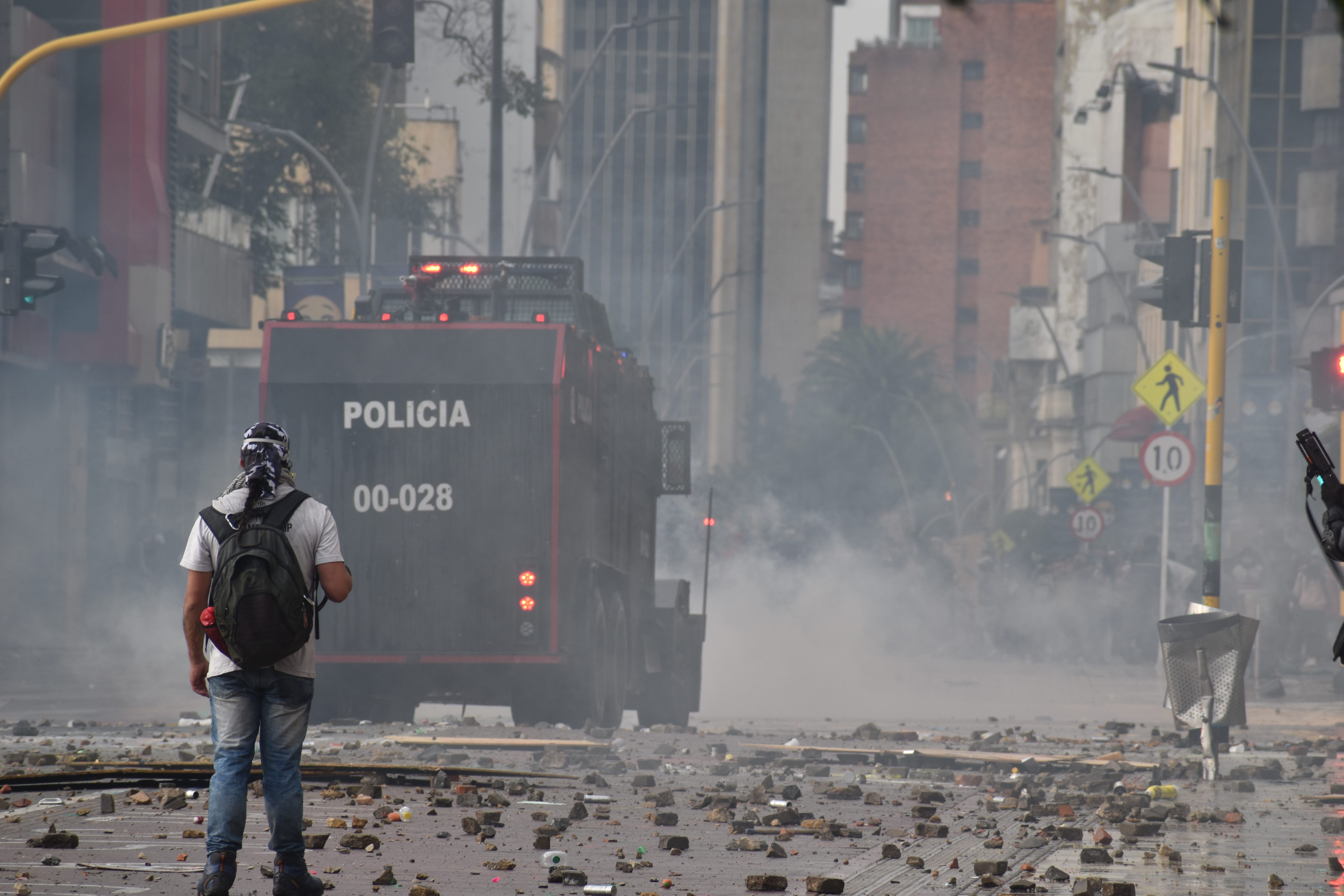
Podcast: How can media report violence well?
Buenas tardes!When we started Pirate Wire Services, we were always hoping to turn it into a podcast one day. So instead of the usual Friday newsletter, this week we’ve recorded a podcast episode.The war in Ukraine has underscored the powerful impact of reporting on violence for both everyday folk who consume news and the journalists who produce it. It’s a really thorny topic that’s often fraught with arguments about ethics, sensationalism, and the difference between staying informed and voyeurism.The Pirate Wire Services team aren’t war correspondents, but as journalists covering Latin America, reporting on violence, disaster and poverty is, unfortunately, a regular part of our work. So this week, Amy and Josh sat down to discuss what it means to report on violence responsibly. We also asked Mexico-based author and journalist Dawn Marie Paley for her thoughts, based on over a decade of experience covering the drug war.This podcast is a new project for us, so do let us know your thoughts in the comments or on social media! We’re @pirate_wire on Twitter.Stories we’re following:* Argentina’s congress has approved a deal renegotiating a $45 billion debt deal with the IMF. On Monday, protesters burned tyres and threw stones at the Congress building, breaking the windows of vice-president Cristina Fernández de Kirchner’s office. A heavy-handed police response, including raids on the homes of the accused, has sparked fears that this IMF deal, like so many before it, will be characterized by the criminalization of protest. What we’re watching:* Residente’s new music video, on social struggle in Latin America, is a work of art* This photo essay on women jailed for drug offenses in Argentina is brilliantSpanish words of the week:* atalaya (f) - watchtower. Equipped with this word, you will know that the person offering you a magazine is a Jehovah’s witness. So if you thought it rang a bell, that might be why* chapuza (f) - a botch job, so you know what to say if you listen to our podcast and you hate itWe’re still working out a regular structure for the podcast, but stay tuned and we’ll be back in either spoken or written form next week! Get full access to Pirate Wire Services at www.piratewireservices.com/subscribe
Bitcoin in El Salvador: future boom or utter bust?
Is Bitcoin a good move for El Salvador? The country is courting a boom with BTC set to become legal tender this week. We speak with an activist/journalist John Dennehy and skeptic Mat Youkee, journalist for the Guardian, on what the future may hold Get full access to Pirate Wire Services at www.piratewireservices.com/subscribe