
Physiologically Speaking
44 episodes
How I Use Ketones
The Ketone Study I've Been Waiting For...
My Home Gym / Garage Gym Tour
The Benefits (and Science) of Walking with Weight

Live with Brady | 3.2.26
This is a public episode. If you'd like to discuss this with other subscribers or get access to bonus episodes, visit www.physiologicallyspeaking.com/subscribe

Live with Brady | Is VO2 Max Cancelled?
This is a public episode. If you'd like to discuss this with other subscribers or get access to bonus episodes, visit www.physiologicallyspeaking.com/subscribe

Live with Brady | 2.23.26
This is a public episode. If you'd like to discuss this with other subscribers or get access to bonus episodes, visit www.physiologicallyspeaking.com/subscribe

Ketones for Brain Health with Dr. Latt Mansor (Ketone-IQ)
In this video, I interview Dr. Latt Mansor (Instagram: @lattmansor)—research lead at Ketone-IQ and an all-around fun and savvy guy. We chat about exogenous ketones, how they work, and their research-backed benefits for cognition, as well as their potential for treating neurological conditions such as traumatic brain injury, dementia, and Alzheimer’s disease.I’ve been using exogenous ketones for several years now, and Ketone-IQ has become the brand that I trust and use almost daily for workout recovery, performance, and cognitive enhancement. And I’m excited to announce that I just joined their scientific advisory board and can’t wait to help share the science of ketones with the world.Try some for yourself:Unlock sharper focus and support long-term brain health with Ketone-IQ— Get 30% off your subscription, plus a free gift with your second shipment at ketone.com/BRADY. This is a public episode. If you'd like to discuss this with other subscribers or get access to bonus episodes, visit www.physiologicallyspeaking.com/subscribe

Why Does 'Mainstream' Health Media Want Us to Eat Less Protein?
In this video, I critique a recent article highlighting 5 signs that you might be eating "too much protein." This is a public episode. If you'd like to discuss this with other subscribers or get access to bonus episodes, visit www.physiologicallyspeaking.com/subscribe

Physiologically Speaking Live | 12.25.25
This is a public episode. If you'd like to discuss this with other subscribers or get access to bonus episodes, visit www.physiologicallyspeaking.com/subscribe

Physiologically Speaking Live | 12.10.25
If you’re wondering, “Did he say airports in gyms instead of gyms in airports?”, the answer is yes. OOPS.Thank you to everyone who tuned into my live video! Join me for my next live video in the app. This is a public episode. If you'd like to discuss this with other subscribers or get access to bonus episodes, visit www.physiologicallyspeaking.com/subscribe

Physiologically Speaking Live | 12.4.2025
This is a public episode. If you'd like to discuss this with other subscribers or get access to bonus episodes, visit www.physiologicallyspeaking.com/subscribe

Physiologically Speaking Live | 12.1.25
This is a public episode. If you'd like to discuss this with other subscribers or get access to bonus episodes, visit www.physiologicallyspeaking.com/subscribe

Training Update + a Look into My Injury History as a Runner
Greetings!I sat down this weekend to record a short video to provide an update on my current training and injury status and share some stories about my injury history as a runner. I opened up a bit about some struggles, what I’ve learned, and what I want to improve on in the future. Thanks for watching.~Brady~ This is a public episode. If you'd like to discuss this with other subscribers or get access to bonus episodes, visit www.physiologicallyspeaking.com/subscribe

California International Marathon Training Update
This is a public episode. If you'd like to discuss this with other subscribers or get access to bonus episodes, visit www.physiologicallyspeaking.com/subscribe

Physiology Friday #285: Q&A on Ketones, Creatine, Endurance Nutrition, Heat Training, and More!
Greetings!In place of this week’s newsletter, I recorded a Q&A session based on questions I’ve received in the last few months. I had so much fun doing it and hope you enjoy listening (and learn something!)I answer a variety of questions related to training, nutrition, supplementation, and injury prevention; share insights on the use of ketones and creatine; discuss fueling strategies for workouts, and emphasize the importance of mental performance and adaptation. I also cover challenges related to heat training, health concerns associated with high training volumes, and the role of gear in running, as well as advice on weight management while training for performance.You can find an edited list of questions and my responses below (for those who prefer to read). It’s a bit shorter and punchier for better digestibility.Nutrition & SupplementationExogenous KetonesQ: How often do you use exogenous ketones? I noticed recovery benefits during ultra training but not with lower volume.A: During peak marathon blocks I currently take 4 shots/week (of Ketone-IQ: two after my hard interval session and two after my long run. I pair them with post‑workout carbs and protein. I generally don’t use them in base phases or at low training volumes.Q: What are your overall thoughts on ketones, and when/how often do you take them? Worth the investment?A: They’re not a miracle supplement, and many basics move the needle more. For me—solid sleep, nutrition, and training already in place—ketones are a small edge I experiment with mainly post‑workout for recovery. Cost matters, so I focus usage where I feel the most benefit.Q: Do you use ketones pre‑workout or pre‑race? I’ve heard folks tout recovery benefits most.A: Rarely pre‑race. Occasionally before a long run for a “flow”/focus feel, but for performance I prioritize carbohydrates during the session. My primary use case remains after hard sessions and long runs.CreatineQ: Thoughts on creatine? Do you cycle off?A: I take ~5–10 g/day, every day. There’s no need to cycle; creatine isn’t a hormone and doesn’t cause receptor “desensitization.” If you stop for a week or two, your stores remain fairly saturated; after >~1 month off, benefits likely wane.Q: Do you take creatine on non‑training days?A: Yes—daily. Creatine works via long‑term saturation, not acute timing.Q: Does timing matter?A: You can take it anytime, but I prefer post‑workout with a meal (protein + carbs). Better blood flow/insulin sensitivity may help uptake and support glycogen/protein synthesis.Q: What supplements are you taking right now?A: Daily: Omega‑3s (EPA/DHA), creatine, vitamin D, iron (FerroZorb/Thorne), and Tongkat Ali (experimental; no clear effects noticed, no downsides so far). I removed ashwagandha—I felt it sometimes blunted my drive/mood (anecdotal).FuelingQ: How do you fuel early‑morning sessions? Two‑hour rides are also hard to fuel.A: I’m not hungry early. I usually start fasted and then take carbs during (gels/drink mix). For 90–120 minutes, I aim ~40–60 g carbs/hour. ≤80‑minute easy runs I often do fasted.Q: What do you eat right after a workout if you’re not hungry?A: Hot days kill appetite. I lean on Greek yogurt + granola + berries or a smoothie (protein + fruit + greens powder + ice). Cold/sweet options go down easier than “hearty” meals.Q: You use multiple gel types. How do you choose, and why not Maurten?A: I rotate to avoid palate fatigue and to match purpose: caffeine vs. non‑caffeine; 40 g vs. 20–25 g carb gels; different carb sources (maltodextrin/fructose vs. “real‑food” blends). Current favorites:* SIS Beta Fuel (40 g, isotonic)—easy to take without water.* Minted (40 g + ~50 mg caffeine, unflavored)—simple profile.* BPN GO (25 g, real‑food)—tasty and lighter. Maurten works but the chewable texture isn’t ideal for me at race pace.Q: Benefits of fueling even “easy” long runs? Downsides of not fueling?A: Fueling easy long runs may not boost performance that day, but it protects recovery by limiting glycogen debt/calorie deficit. I feel better the next day when I fuel a 20‑miler vs. under‑fueling or going fully fasted.Training & WorkoutsQ: First six weeks of a 12‑week marathon block—what quality do you do? Continuous threshold or intervals? Key goal‑pace workout before race?A: Early and late phases look similar: lots of tempo/threshold work, with some shorter, faster reps closer to race day. I prefer continuous threshold (tempos; 2–3 mi repeats) over short reps. Two staples:* 8–10 miles at marathon pace within a long run (dress rehearsal with fueling/shoes).* 4–3–2–1 mile cut‑down (pace quickens each block; ~10 total quality miles).Q: Strength training—do you follow a program (e.g., StrengthLog)?A: Not a strict program. I do simple bodyweight/dumbbell work a few times weekly (push‑ups, pull‑ups, DB variations). It’s minimal but helps durability.Q: Go‑to bike workouts to improve running?A: Mostly aerobic intervals like 3–4 × 15–20 min @ ~80–85% FTP. Great marathon‑effort proxy. Otherwis

The Science of Protein Quality with Dr. Joseph Matthews
In this conversation, I chat with Dr. Joseph Matthews. He’s a postdoctoral research fellow in Geriatrics and Protein Metabolism, a physiologist, and a nutritionist.Joe just authored a review paper on protein quality, in which he and his coauthors define protein quality, what determines it, and why some of the methods we currently use to measure protein quality are outdated (and how we could do better).You’ll learn the highest quality sources of protein, nuances around protein timing and quantity, whether animal or plant proteins are best, and more.You can find Joe on:* X - @JosephMatthews_ * LinkedInJoe also just started writing on Substack - so check him out! This is a public episode. If you'd like to discuss this with other subscribers or get access to bonus episodes, visit www.physiologicallyspeaking.com/subscribe

Creatine for the Brain with Dr. Nicholas Fabiano
Dr. Nicholas Fabiano is a psychiatry resident at the University of Ottawa and a rising voice in the field of lifestyle psychiatry. With a background in applied life sciences and medical training at the University of Ottawa, he has developed a passion for understanding how exercise, nutrition, and sleep influence mental health.Featured in outlets such as The Washington Post and Fast Company, Dr. Fabiano has been recognized as a “rising star” in neuroscience for his evidence-based approach to mental health. In this conversation, Dr. Fabiano joins me to discuss the multifaceted role of creatine, particularly its implications for brain health, cognitive function, and mental health. We focus on a review article he just published titled "Creatine for the Brain: More is Likely Better for Brain Bioenergetics, Health, and Function,” in which he argues that 10 grams or more of creatine per day may be the optimal dose for cognitive performance and mental health.He emphasizes the importance of understanding dosing, the potential benefits of creatine in various conditions such as sleep deprivation, traumatic brain injury, Alzheimer's disease, and depression, and the need for more research to optimize creatine supplementation and its mechanisms of action in the brain.Follow Nick on X: @ntfabianoFollow Nick on Instagram: @ntfabiano This is a public episode. If you'd like to discuss this with other subscribers or get access to bonus episodes, visit www.physiologicallyspeaking.com/subscribe

Is Zone 2 Training Optimal for Mitochondrial Health? My Interview with Kristi Storoschuk
In this video, I chat with Kristi Storoschuk, a PhD candidate in muscle physiology at Queen’s University. She’s actively involved in research on high-intensity interval training, mitochondria, glucose regulation, and lactate.Kristi joined me to talk about her recent review article titled Much Ado About Zone 2: A Narrative Review Assessing the Efficacy of Zone 2 Training for Improving Mitochondrial Capacity and Cardiorespiratory Fitness in the General Population, in which she questions the bold claims made about the superiority of zone 2 training for improving mitochondrial capacity, fat oxidation, cardiorespiratory fitness, and general health outcomes. It’s a must-read.* Follow Kristi on X @k_storoschuk* Follow Kristi on Instagram @krististoroschuk This is a public episode. If you'd like to discuss this with other subscribers or get access to bonus episodes, visit www.physiologicallyspeaking.com/subscribe

Special Marathon Training Q&A with the Bone Health & Osteoporosis Foundation
On Monday, I spoke to the Bone Health & Osteoporosis Foundation's ‘Be Bone Strong’ NYC & Sydney Marathon Teams for an in-depth discussion on how to train smarter, recover better, and boost performance at any age.Thanks to Barbara Grufferman for the invitation and opportunity to speak. She’s graciously allowed me to share the webinar with my audience. Enjoy!Topics covered:* Recovery after stress fractures * Flexible training strategies that protect performance * How to improve speed without risking injury * Pacing tips for race day success * Age-related adaptations and smarter recovery for older runners * Heat training and travel prep for international races * Creatine: what kind, how much, and when to take it * Nutrition timing for energy and performance * Electrolytes, hydration, and marathon fueling * Pros and cons of ice baths, compression boots, and NSAIDs * VO₂ max: what it is and how to raise it * Why "physiological resilience" matters * Sleep, glycogen, and why gels matter mid-race* And more! This is a public episode. If you'd like to discuss this with other subscribers or get access to bonus episodes, visit www.physiologicallyspeaking.com/subscribe

David Roche Wants to “Science the Sh*t” Out of UltraRunning
This interview was originally published on September 24, 2024.David Roche is a decorated trail runner, coach, and co-founder of SWAP Running. He's a two-time national champion and a three-time Team USA member, and he recently set the course record at the Leadville 100 trail run with a time of 15 hours, 26 minutes, 34 seconds.David and his wife, Megan Roche, M.D., offer coaching that blends science, training theory, and a philosophy of joy and long-term growth for all athletes. Megan just launched a website—Huzzah—“to empower female endurance athletes by providing accessible sports science knowledge and fostering a love for sport through content, insights, and scholarships, with a focus on supporting overall health, education, and competitive edge.”I’ve become a bit obsessed with how David thinks about running and how invested he and Megan are in reading and implementing the science of training and racing. So I needed to nerd out with him on some topics.In this interview, I picked David’s mind about his scientific approach to training, and we detail several of the training practices he used in his buildup to the race, including:Sodium bicarbonateDownhill runningHigh-carb fuelingSuper shoesPost-exercise exogenous ketonesHeat training/hot water immersionCaffeineHeart rate zonesAnd more!Relevant linksFor more details about David and SWAP Running, visit their About Us pageFollow David on X @MountainRocheWatch the documentary about David’s record: Leadville 100 Ultramarathon & David Roche's Run for The Impossible Record and the other kick-ass videos he posts about training on his YouTube channel. This is a public episode. If you'd like to discuss this with other subscribers or get access to bonus episodes, visit www.physiologicallyspeaking.com/subscribe

Marathon Training Q&A
Welcome to the recap of my first live subscriber Q&A! It was a lot of fun connecting with you all and answering your thoughtful questions. In this post, I’ll walk through the key topics we discussed, including my marathon training approach, supplement routine, fueling strategies, and more.Thank you Zach Bitter, Esther VanderMark, dr_cois, Barbell Mentality, and many others for tuning into my live video! Join me for my next live video in the app.Table of contents* My Training Philosophy: Running Less, Biking More* My Supplement Routine (and Philosophy)* Fueling for Long Runs and Marathons: How I Changed My Approach* Live Q&A Questions* Have you experienced low blood sugar or bonking during runs?* What’s your advice for returning to running after an injury?* Does cycling help build your aerobic base for running?* What are your thoughts on nitrate supplements like beetroot juice?* What’s your approach to warming up before races and workouts?* Do you lift after long runs or interval workouts?* What do you think about concerns over eating high amounts of carbs during marathons?* How does race-day nutrition affect your recovery afterward?* If I’m a slower marathoner, should I train differently than you?* What’s your approach to returning to training after illness?* Is cycling useful even if your running mileage isn’t maxed out yet?* How does L-glutamine help with gut health?My Training Philosophy: Running Less, Biking MoreOne of the most common questions I get is about how I structure my training week, particularly how I balance running and cycling. For my Boston Marathon build, I chose to run five days per week and ride the bike two days per week. This approach stems from years of battling injuries, particularly bone stress injuries. Every time I tried running six or seven days per week—even at moderate mileage—I seemed to get hurt.To avoid that, I started squeezing more mileage into fewer running days, reaching 75 to 85 miles per week while running just five days. On the two non-running days, I cycled for 90 minutes to two and a half hours using Zwift. Cycling allowed me to maintain a high aerobic load without the musculoskeletal strain of running. Having two full days without running each week seemed to give my body the time it needed to recover and regenerate. I felt fresher on all my runs and stayed injury-free throughout the training block, which hadn't been the case in past training cycles.My Supplement Routine (and Philosophy)Supplements are something I get asked about all the time, and during the Q&A, I walked through my current supplement stack. I take a fairly extensive range of supplements, but my general philosophy is simple: if you have the discretionary income and a curiosity to experiment, supplements can be worth exploring.Each morning, I start with a whey protein shake, usually mixing 20 to 30 grams of whey protein with almond milk. I add a greens and probiotic powder, and I take L-glutamine daily, mostly for gut health and immune support. Creatine monohydrate is also a daily staple, as is an omega-3 supplement, iron (to correct low ferritin), and vitamin D3. I also occasionally use ashwagandha to support stress adaptation. Supplements aren’t magic, but they can help support an already solid foundation of training, nutrition, and sleep.Fueling for Long Runs and Marathons: How I Changed My ApproachFueling during training runs and races has been one of the biggest shifts in my approach over the past year. Previously, I barely fueled during runs, often going fasted. Now, for most morning runs, I eat a small snack about 30 to 45 minutes beforehand. During long runs or runs over 90 minutes, I take energy gels every 30 to 40 minutes. Science in Sport Beta Fuel gels have been my favorite because of their high carbohydrate content and easy consistency.Proper fueling has made a noticeable difference not just in performance but also in recovery. By ending long workouts with a smaller energy deficit, my next-day performance has been consistently better.Live Q&A QuestionsHave you experienced low blood sugar or bonking during runs?Yes, especially after I started eating before runs. I experienced mild reactive hypoglycemia about three miles into runs, which I confirmed using a continuous glucose monitor. It turned out the timing of my pre-run snack was causing a dip in blood sugar. Adjusting the timing—either eating earlier (45–60 minutes before) or just minutes before starting—helped eliminate the issue.What’s your advice for returning to running after an injury?I recommend the walk-run method, regardless of experience level. Coming back slowly with a run-walk protocol reduces injury risk and helps you rebuild fitness without overwhelming your musculoskeletal system. Even elite runners use this strategy when returning from time off.Does cycling help build your aerobic base for running?Absolutely. Cycling has been a key part of maintaining and building my aerobic fitness while sparing my body from the poundin

Cardiovascular Fitness: The Key to Longevity | Golden Age Health Summit 2025
This talk dives into the science of cardiovascular fitness, its profound impact on longevity, and how to train smarter without overcomplicating it. I delivered it at the Golden Age Health Summit on March 15, 2025, in Austin, TX.Key Takeaways:Why VO2 max is your longevity superpower How aerobic fitness declines with age—and what to do about it A simplified 3-zone training model: Easy (50-70% HR max), Moderate (70-85% HR max), and Hard (85-100% HR max) Practical tips to train effectively without overcomplicating it Part I explores why VO2 max—your body’s maximal oxygen consumption—is a critical marker of health and performance. Learn how VO2 max integrates multiple physiological systems (lungs, heart, blood vessels, mitochondria, and more) and why it’s a stronger predictor of longevity than traditional risk factors like cholesterol or BMI. With compelling data, he reveals how boosting your VO2 max by just 3.5 ml/kg/min can slash all-cause mortality risk by 11%, and how top-tier aerobic fitness cuts that risk by 45%. But fitness fades with age—this talk breaks down why VO2 max declines (thanks to the Fick equation!) and how building a "fitness investment account" now can keep you above the frailty threshold later in life.Part 2 demystifies heart rate percentages, lactate thresholds, and complex zone models with a practical 3-zone approach—Easy, Moderate, and Hard—showing you how to improve your VO2 max and cardiovascular health without obsessing over metrics. From the foundational benefits of the Easy Zone (think base endurance and mitochondrial efficiency) to the ceiling-raising power of the Hard Zone (hello, VO2 max gains!), this section offers actionable insights for everyone, whether you’re a beginner or a seasoned athlete. Plus, discover why wearables aren’t perfect, how individual differences matter, and why effort—not exact percentages—drives adaptation. This is a public episode. If you'd like to discuss this with other subscribers or get access to bonus episodes, visit www.physiologicallyspeaking.com/subscribe

I Got a Lower-body MRI: Here's What it Told Me about My Muscle Mass
In this episode, I sit down with Brian Heiderscheit , a professor in the Department of Orthopedics and Rehabilitation at the University of Wisconsin-Madison and director of the Badger Athletic Performance program. Brian also collaborates with Springbok Analytics, a company specializing in advanced full-body MRI scans. Together, we discuss my recent experience with a Springbok scan, how MRI data is revolutionizing athlete performance analysis, and actionable insights for reducing injury risks and improving training outcomes.Key Topics Covered:* Introduction to Springbok Analytics: Overview of their advanced MRI technology and its application in research and athletic training.* Brian’s Background: Insights into his role at UW-Madison and collaborations with Springbok Analytics on research initiatives, including a grant with the NFL.* My MRI Experience:* The scanning process, which takes 10-15 minutes.* Analysis of over 74 muscles rendered in 3D.* Comparison to population norms and evaluation of muscle size, asymmetry, and fat infiltration.* Key Findings from My Scan:* Notable asymmetry in muscle size between the left and right legs.* Larger left-side muscles, likely due to targeted rehabilitation post-injury. My left semitendinosus and other hamstrings were larger, while the right biceps femoris was bigger by about 10%.* Smaller right-side plantar flexors (e.g., soleus, gastroc) compared to the left, with a 7% size difference in the soleus. These findings align with subjective feelings of less power on the right side during runs.* My quadriceps showed strong development, particularly on the left, with right-side muscles slightly smaller.* Fat infiltration analysis, showing low levels typical of an active individual, with slight increases in the quadratus lumborum.* Actionable Insights for Athletes:* Targeted strength training to address imbalances, particularly focusing on the right-side soleus and quadriceps.* The potential value of pairing MRI data with gait analysis for a comprehensive view of biomechanics.* Using follow-up scans to evaluate the effectiveness of training programs.* The Role of MRI in Longitudinal Tracking:* Establishing a baseline for future comparison.* Monitoring recovery from injury or changes in training plans.* Brian’s Recommendations:* Adjust training to improve right-side strength, especially in the soleus and hamstrings.* Consider integrating gait analysis to identify asymmetries during running.Resources Mentioned:* Springbok Analytics: springbokanalytics.com* Badger Athletic Performance Program: BAP at UW-Madison* Brian Hederscheidt’s Google Scholar Profile for published research This is a public episode. If you'd like to discuss this with other subscribers or get access to bonus episodes, visit www.physiologicallyspeaking.com/subscribe

Creatine for endurance athletes, running a 2:26 marathon on 4 days per week, and more.
Greetings!For today’s post, I’m sharing (with permission) my appearance on the Life in Stride podcast, hosted by a few good friends and outstanding runners.Here’s the episode description and links to their content. Please give them a follow/subscribe!On this episode, the boys had on special guest Brady Holmer! The best way to describe Brady would be an expert in the science of running and human performance. We covered several interesting tops as they relate to runners such as creatine use, VO2 max, proper race weight, and more!Brady also just ran a 2:26 marathon at Indianapolis, and he told he just ran 4 days a week training for it! We get into his training block some and learned how he dropped a 10 minute PR in just his second marathon.Enjoy!FOLLOW BRADYX: https://x.com/B_HolmerStrava: https://strava.app.link/a1EYBlCC6ObFOLLOW US ON STRAVAChris: https://www.strava.com/athletes/29985667Scotty: https://www.strava.com/athletes/98633526Danny: https://www.strava.com/athletes/23504210CHECK OUT OUR INSTAGRAM: https://www.instagram.com/lifeinstridepodcast/CHECK OUT OUR YOUTUBE CHANNEL: https://youtube.com/@LifeInStridePodcast?si=icd7XfQ4HMmuBRyXEPISODE RECOMMENDATIONSFloberg Runs InterviewSobriety and Running 2:42 in the Marathon This is a public episode. If you'd like to discuss this with other subscribers or get access to bonus episodes, visit www.physiologicallyspeaking.com/subscribe

Physiology Friday #246: Black Friday Discount + My Conversation on The Mind Muscle Connection Podcast
Greetings!Happy Black Friday to those who celebrate.Are you looking for a new health, fitness, or nutrition product for yourself or to give as a gift to family and friends? Here are a few Black Friday/Cyber Monday deals from brands I’m affiliated with and use myself.Save up to 60% on an Examine.com membershipGet 30% off of your Ketone-IQ purchase30% off of FSTFUEL electrolytes with the code BRADY30 at checkout30% off of Presleep sleep supplement with the code BRADY30 at checkout10% off of a Pedal Industries Race Day bag with the code INF-BRADY at checkoutGet Decaf Drip coffeeAdditionally, for a limited time, you can snag a yearly subscription to Physiologically Speaking for $39.99 (originally $50) or purchase a subscription for a friend or family member as a gift.Physiologically Speaking is a reader-supported publication. To receive new posts and support my work, consider becoming a free or paid subscriber.Today, instead of a new study, I’m sharing the video of a podcast appearance I made on The Mind Muscle Connection with Jeff Hoehn.We talk about:* Research* Endurance exercise performance* Sleep* Training & nutrition* Supplements* Cardio* Recovery* Calorie intake* Metabolism* Aerobic exercise training* Exercise volume and intensity* How to measure improvements in cardiovascular fitness* My 7 rules for health* And more!* Be sure to check out Jeff’s podcast, subscribe, and give him a follow on Instagram and X.Thanks so much for subscribing. I’m grateful to every one of my audience members!~Brady~ This is a public episode. If you'd like to discuss this with other subscribers or get access to bonus episodes, visit www.physiologicallyspeaking.com/subscribe

How Ultrarunner David Roche Uses Science to Break Records
Greetings!David Roche is a decorated trail runner, coach, and co-founder of SWAP Running. He's a two-time national champion and a three-time Team USA member, and he recently set the course record at the Leadville 100 trail run with a time of 15 hours, 26 minutes, 34 seconds.David and his wife, Megan Roche, M.D., offer coaching that blends science, training theory, and a philosophy of joy and long-term growth for all athletes. Megan just launched a website—Huzzah—“to empower female endurance athletes by providing accessible sports science knowledge and fostering a love for sport through content, insights, and scholarships, with a focus on supporting overall health, education, and competitive edge.”I’ve become a bit obsessed with how David thinks about running and how invested he and Megan are in reading and implementing the science of training and racing. So I needed to nerd out with him on some topics.In this interview, I picked David’s mind about his scientific approach to training, and we detail several of the training practices he used in his buildup to the race, including:Sodium bicarbonateDownhill runningHigh-carb fuelingSuper shoesPost-exercise exogenous ketonesHeat training/hot water immersionCaffeineHeart rate zonesAnd more!Relevant linksFor more details about David and SWAP Running, visit their About Us pageFollow David on X @MountainRocheWatch the documentary about David’s record: Leadville 100 Ultramarathon & David Roche's Run for The Impossible Record This is a public episode. If you'd like to discuss this with other subscribers or get access to bonus episodes, visit www.physiologicallyspeaking.com/subscribe

Enhanced Games Interview
Greetings friends!In this interview, I sit down with Christina Smith, the Associate Director of Athlete Relations for the Enhanced Games.Per the Enhanced Games website:“The Enhanced Games are a celebration of the union of athletic excellence and scientific achievement.The Enhanced Movement believes in the medical and scientific process of elevating humanity to its full potential, through a community of committed athletes.”Some are calling the Enhanced Games the “Enhanced Olympics” — but I think that this movement is more than just that. After attending numerous press conferences and doing this interview with Christina, I think that the Enhanced Games has the chance — if executed correctly — to change the way that we watch sports (and the way that athletes compete in them).Due to a few issues with recording, the first 10 minutes of this interview are audio only. But the rest of the interview is video.Enjoy! This is a public episode. If you'd like to discuss this with other subscribers or get access to bonus episodes, visit www.physiologicallyspeaking.com/subscribe

The Case for Keto for Type 1 Diabetes with Andrew Koutnik, Ph.D.
Greetings!Today’s interview is with Andrew Koutnik, Ph.D. Andrew is a research scientist at Sansum Diabetes Research Institute, where he’s investigating metabolic therapies for health and disease. His mission is to optimize metabolic health and patient outcomes for people living with type 1 diabetes.Andrew is unique because he himself has type 1 diabetes. This allows him to add a bit of personal touch and a lot of passion into the work he’s doing.Andrew joins me to talk about a case study (two papers) that he and colleagues just published on the long-term safety and efficacy of the ketogenic diet for an individual with type 1 diabetes who had been using the ketogenic diet for more than 10 years (spoiler alert: it’s Andrew).We talk about why the ketogenic diet is helpful for people with diabetes and then dive into the details of each study to explore how 10 years on the diet affected cardiovascular health risk factors and clinical biomarkers.Andrew posted two great threads about the papers on X. You can check those out below. Make sure to give Andrew a follow as well while you’re there.Part I: 10-Years longitudinal data on KETOGENIC DIET and Safety, Efficacy & Advanced Cardiovascular Physiology in a patient with HIGH RISK cardiovascular disease (Type 1 Diabetes)?Part II: 10-Year Longitudinal Data On Ketogenic Diet Adverse Events, Bone Mineral Density, Thyroid Function, and Kidney FunctionHere are the links to each paper:Advanced Cardiovascular Physiology in an Individual with Type 1 Diabetes After 10-Year Ketogenic DietEfficacy and Safety of Long-term Ketogenic Diet Therapy in a Patient With Type 1 Diabetes This is a public episode. If you'd like to discuss this with other subscribers or get access to bonus episodes, visit www.physiologicallyspeaking.com/subscribe

Physiology Friday #214: Strengthening the Link Between V̇O2 Max and Longevity & Healthspan
Greetings!Welcome to the Physiology Friday newsletter.ICYMICheck out my guest appearance on The Neuro Experience podcast with Louisa Nicola, where we talk about the science of V̇O2 max.On Wednesday, I published a post about some of the most common myths about coffee and caffeine.Details about the sponsors of this newsletter including Examine.com and my book “VO2 Max Essentials” can be found at the end of the post!Physiologically Speaking is a reader-supported publication. To receive new posts and support my work, consider becoming a free or paid subscriber.If you can fill the unforgiving minute With sixty seconds’ worth of distance run, Yours is the Earth and everything that’s in it, And—which is more—you’ll be a Man, my son!— Rudyard Kipling, If—In my book “VO2 Max Essentials”, I make the case for why cardiorespiratory fitness should be considered the most important vital sign. Among all risk factors, V̇O2 max is the only one that’s a composite of multiple physiological systems, rather than a snapshot of health at one point in time or a single biomarker measured via a blood test.Your maximal oxygen utilization capacity (V̇O2 max) represents the maximum integrated capacity of the pulmonary, cardiovascular, and muscular systems to uptake, transport, and utilize oxygen during whole-body, dynamic exercise. The function of your autonomic nervous system, your heart and blood vessels, your lungs, your muscles, and your mitochondria all influence your maximal aerobic capacity. It’s not just a strong heart that gives someone a high V̇O2 max. A strong body is a prerequisite.This is, in my opinion, why a high V̇O2 max is so often associated with beneficial health outcomes. You won’t find someone with a high V̇O2 max who is in poor health, and often people with an extremely low V̇O2 max are in poor health.Though it’s not routinely measured in clinical practice (yet), V̇O2 max has recently appeared on the radar of many healthcare professionals. People are becoming aware of the predictive power of cardiorespiratory fitness and are increasingly interested in how (and why) to improve it.Over the last 20 years, evidence has emerged linking higher cardiorespiratory fitness to lower risks of all-cause mortality and other diseases. Thus, it’s about time we had a scoping review of the evidence, which brings us to today’s study.The study, published in the British Journal of Sports Medicine was an overview of all previously published systematic reviews and meta-analyses on the relationship between V̇O2 max and an array of health outcomes.The studies were eligible if they included adults with or without health conditions and measured cardiorespiratory fitness using a maximal graded exercise test, a maximal or submaximal exercise test with a prediction equation (i.e., without direct measures of gas exchange), or a non-exercise prediction equation. When pooling the data and examining the outcomes, the authors compared the groups with the highest cardiorespiratory fitness to those with the lowest cardiorespiratory fitness.Overall, a total of 26 studies with over 20.9 million participants from 199 different cohorts were included in the review. Eight of the included studies examined the association between V̇O2 max and death (mortality) from all causes, cardiovascular disease, sudden cardiac events, all cancers, and lung cancer. Compared to low cardiorespiratory fitness, having high cardiorespiratory fitness was associated with a 41% to 53% lower risk for premature mortality. Furthermore, each 1 metabolic equivalent (MET) increase in cardiorespiratory fitness (1 MET is equal to an increase in V̇O2 max of 3.5 mL/kg/min) reduced the risk of premature mortality by 7% (all cancers) to 51% (sudden cardiac mortality).A notable limitation for mortality outcomes was the large disparity in male vs. female participants — more than 1.8 million male participants were included in the studies while only 180,000 females were included.Having a higher cardiorespiratory fitness was also associated with a lower risk of developing hypertension, heart failure, stroke, atrial fibrillation dementia, kidney disease, depression, and type 2 diabetes. Specifically, the risk of a new onset condition was 37% (hypertension) to 69% (heart failure) lower when comparing high vs. low cardiorespiratory fitness.For every 1 MET increase in fitness, the risk of developing a new chronic health condition was reduced by 3% (stroke) to 18% (heart failure).Similar to mortality outcomes, a majority of the evidence was from male populations, although two studies investigated the effects in female-only cohorts. In these groups, high cardiorespiratory fitness was found to be more protective against stroke and type 2 diabetes among females compared to males. Among men, a higher cardiorespiratory fitness was not associated with prostate cancer risk.What about individuals who already have a chronic health condition? Does having a high cardiorespiratory fitness protect them from early

Physiology Friday #212: How Nighttime Alcohol Disrupts Normal Sleep Architecture
Greetings!Welcome to the Physiology Friday newsletter.ICYMIOn Monday, I posted a video interview that I recorded with Aidan Chariton from Shortcut U. We discuss the importance of endurance training and other things related to human health and performance.On Wednesday, I posted my “7 Rules for Health.”Details about the sponsors of this newsletter including Examine.com and my book “VO2 Max Essentials” can be found at the end of the post!Physiologically Speaking is a reader-supported publication. To receive new posts and support my work, consider becoming a free or paid subscriber."Drink, sir, is a great provoker of three things… nose-painting, sleep, and urine. Lechery, sir, it provokes, and unprovokes; it provokes the desire, but it takes away the performance." – 'Macbeth' (1606) act 2, scene. 3, l. [28]It’s clear that Shakespeare recognized alcohol’s role as an intoxicant, a somnogen, and a diuretic.Though alcohol may be a “provoker” of good spirits and whimsy for a short while, its “unprovoking” effects on sleep are well known to most.I’m not a teetotaler, but I recognize the harmful effects of alcohol abuse. Some people enjoy a few drinks on occasional while others wish to abstain. I support both decisions.One often-cited reason for alcohol consumption is as a sleep aid — nearly 20% of adults in the United States say that they use alcohol for this purpose.There’s one problem with this strategy. Although alcohol may help you fall asleep (it’s a depressant after all), it impairs your ability to stay asleep and worsens the quality of your sleep.I’ve written on this subject before. Alcohol can elevate body temperature and heart rate, reduce heart-rate variability (HRV), and disrupt the regulation of our autonomic nervous system during sleep, all of which reduce the restorative quality of sleep.In higher quantities, alcohol disrupts the normal architecture of our sleep — architecture referring to the time we spend in the various sleep stages (i.e., light sleep, rapid eye movement or REM, slow-wave sleep/deep sleep). Alcohol also appears to cause more fragmented sleep, characterized by more wakefulness throughout the night. This may be due to the alcohol-induced increase in body temperature, an increased need to urinate owing to alcohol’s diuretic effect, apneic episodes during sleep (when we stop breathing), and the so-called “rebound effect” that occurs when alcohol is metabolized, which leads to wakefulness due to blood glucose fluctuations, dehydration, and digestive discomfort.All of these effects are well known to occur when alcohol is consumed in close proximity (e.g., 3 hours or less) to sleep and happen in a dose-dependent fashion. The more you drink and the closer to bedtime you drink, the more you disrupt your sleep.What is less well-understood is how (or if) alcohol’s effects on sleep persist, worsen, or diminish over consecutive nights of alcohol consumption. Does our brain and body “habituate” to repeated drinking episodes or is it a downward spiral until we abstain?It’s also not known if the effects of alcohol on sleep architecture are consistent throughout the night. In other words, does alcohol affect sleep stages differently a few hours after bedtime compared to in the middle of your sleep period?These questions were investigated in a new study published in the aptly named journal Sleep.A total of 30 participants completed the study (15 men and 15 women with an average age of 33), none of whom had Alcohol Use Disorder but all of whom reported a moderate drinking habit (9–12 standard drinks per week for women and 12–15 standard drinks per week for men). An important consideration given that people who don’t drink or who drink “too much” might have different responses to alcohol consumption.The participants completed two 3-night experimental conditions in a random order. A washout period of 4 nights separated each condition.In one condition, the participants consumed 3 standard drinks (targeting a breath alcohol concentration of 0.08) in 45 minutes. The last drink was about 1 hour before bedtime. If you're curious, the two choices were Everclear or vodka in some type of mixer. They did this for 3 nights in a row.In the other condition, the participants drank just a mixer (no alcohol; this was the control condition) before bed. As in the alcohol condition, they did this for 3 nights in a row.The participants also completed a standardization phase before the study. For 8 days, they maintained a regular sleep schedule at home (7.5–8.5 hours of sleep per night) and avoided recreational drugs and alcohol, sleep medications, and excessive caffeine (more than 360 mg per day or caffeine after 2 p.m.).Overnight, brain activity and other physiological metrics were measured using a technique known as polysomnography (PSG). PSG allows for, among other things, the measurement of the time spent in various sleep stages, which for this study included slow-wave sleep (SWS) and rapid-eye-movement sleep (REM). Oth
Physiologically Speaking Q&A #1: CGMs, Time-restricted Eating, Endurance Training Structure, and More!
Greetings!Today I'm releasing the first installment of an audience question and answer!This Q&A includes questions that I've received throughout the previous month related to nutrition, health, science, my routines, my training, etc.These are questions I’ve received from my Substack subscribers, people on X who may send me direct messages, or question I’ve received about things I’ve posted on social media or my blog.Physiologically Speaking is a reader-supported publication. To receive new posts and support my work, consider becoming a free or paid subscriber.For this Q&A, I took a sampling of questions that I would be able to expand upon and provide some more context about, but also things that I thought you all might find interesting to know the answers to.If you enjoy this Q&A, I would love to make this a monthly thing and at some point, I may start to submit requests for questions from my audience.For now, the Q&As will just be a compilation of random questions that I have received.This Q&A will be free to all subscribers so you can get a taste of what future Q&As might look like.Watch the video above or, if you’re so inclined, I’ve provided a (rough) draft of the questions and my responses below! You can also download/listen to the podcast on Apple Podcasts.Alright, let’s get to your questions.Brady, how useful do you find CGMs? I have used them on and off for a while, and I have very mixed feelings. Sometimes I think they make eating more difficult. (Peter) Attia and others don't think that one should exceed a blood glucose of 140. I'm not sure that makes sense.Tl;dr: Continuous glucose monitors can be extremely insightful to use for a month or two, but unless you have diabetes or are at a high risk of having diabetes, it’s probably not something you need to use all the time. I learned a lot about my body and responses to food and exercise by using a CGM For a month.CGM is referring to continuous glucose monitoring. These are or once were only available to individuals with diabetes as a way to manage their glucose control. CGMs are a device placed on the back of your arm. A little needle is inserted and it goes into your interstitial space and it measures not blood glucose, but rather interstitial glucose.Nonetheless, it can give a 24-hour reading of your blood glucose concentrations. CGMs are a lot better to use than just say a snapshot of your blood glucose after a meal. They allow you to see what your blood glucose levels are doing throughout the day.So how useful do I find that they are?I think that everyone should probably use a CGM at least once for maybe two weeks to a month or maybe up to two months. I think they can be very valuable, perhaps invaluable tools for learning about how your body responds to certain foods, learning about how your body responds to exercise or sauna or different types of stresses, and even what your blood glucose levels look like before you go to sleep at night or while you're sleeping or when you wake up in the morning.I think that using a CGM for a month or two could give you an insight into here's what happens to my blood glucose when I eat some french fries or here's what happens when I'm fasted or you know in the middle of a high-intensity workout.I used a CGM for about two weeks maybe even more like a month and I learned some interesting things. The most interesting thing was that not a lot of things food-wise, I guess, raised my blood glucose as much as I thought they might, maybe due to my exercise levels or the fact that, I mean, generally I tend to eat fairly healthy even though I do, you know, eat some carbohydrates and sugar from time to time.But I found that it was very useful. I learned a lot, but I don't know if it's something that I would always use because in a way it did seem to get in the way of, or I guess make eating a little bit more difficult. I think that CGMs may not be good for people who are prone to having an eating disorder or who have tendencies to maybe avoid foods just because they're going to elevate your blood glucose a little bit.An increase in blood glucose in response to a meal is a normal physiological response. And of course, if you measure your glucose two hours after a meal and it's over 140 or near 200, that could be a sign that you might have diabetes. But if your glucose levels elevate to 120 in the 30 minutes after a meal and then start to decline, that's a normal response. That's what's going to happen when you eat something that contains carbohydrates and it's probably nothing to be scared of. I don't think that transient rises in blood glucose are dangerous per se.So again, I think that using it all the time, may, at least for me, it would probably be a nuisance and kind of a burden because I would always just be paying attention to my blood glucose.And I just don't think it's probably healthy, at least for someone like me in that case.If you're worried about diabetes or diabetes runs in your family, or you're worried a
A Conversation on Science Integrity, Image Forensics, and Publishing Fraud with Dr. Elisabeth Bik
Dr. Elisabeth Bik is a microbiome scientist. She received her PhD from Utrecht University in the Netherlands. Her scientific work has included time at the Dutch National Institute for Health and the Stanford University School of Medicine.She previously worked as a science editor and scientific and editorial director at uBiome, and director of science at Astarte Medical. Currently, Dr. Bik has transitioned full time to a Microbiome and Science Integrity Consultant. Her work has been featured in major news publications including Nature, the New York Times, the Washington post, le Monde, The Scientist, and more. She often shares her detective work on social media, where she has nearly 150,000 X followers. She’s doing important work and I was honored that she agreed to come on the podcast to talk about some of it. This is a public episode. If you'd like to discuss this with other subscribers or get access to bonus episodes, visit www.physiologicallyspeaking.com/subscribe
Hydration Facts & Myths with Dr. Tamara-Hew-Butler
You can also find this podcast episode on Apple Podcasts.Dr. Tamara Hew-Butler (@hyponaqueen) is a podiatric physician and associate professor of Exercise and Sports Science at Wayne State University. She earned her PhD at the University of Cape Town, South Africa, where she studied and trained under the legendary sports scientist and physician Dr. Timothy Noakes. Dr. Hew-Butler is a Fellow of the American College of Sports Medicine (FACSM) and specializes in both sports medicine and exercise physiology. Her expertise is in exercise-associated hyponatremia, a topic we cover in detail, and the hormonal regulation of water and sodium balance. She is also an avid runner.I reached out to Dr. Hew-Butler after reading a cover story on her that appeared in the Physiologist Magazine, which is a monthly publication from the American Physiological Society.After reading this story, I immediately contacted Dr. Hew-Butler to invite her on the podcast, because I knew she’d make for a fascinating guest. Given my recent interests in talking about and often debating hydration and water drinking on social media, this seemed like a perfect opportunity to interview someone with expertise on all things hydration who has both field and laboratory experience on the topic. In fact, her interest in the topic first began when she was part of the race staff at major road races and observed cases of athletes experiencing sometimes near-fatal cases of “overhydration.” This is a public episode. If you'd like to discuss this with other subscribers or get access to bonus episodes, visit www.physiologicallyspeaking.com/subscribe

A Conversation on Supplements and Lifestyle Strategies for Healthspan and Lifespan with Dr. Brad Stanfield
This is a free preview of a paid episode. To hear more, visit www.physiologicallyspeaking.comGreetings!Today, I’m (re)releasing a conversation I had with Dr. Brad Stanfield. This was initially an episode of my podcast, but now this is the only place you’ll find it.We talk about what “longevity” means, research on diet, supplements, and exercise for longevity, and controversies in the longevity field. See below for Dr. Stanfield’s bio.Enjoy.Phys…
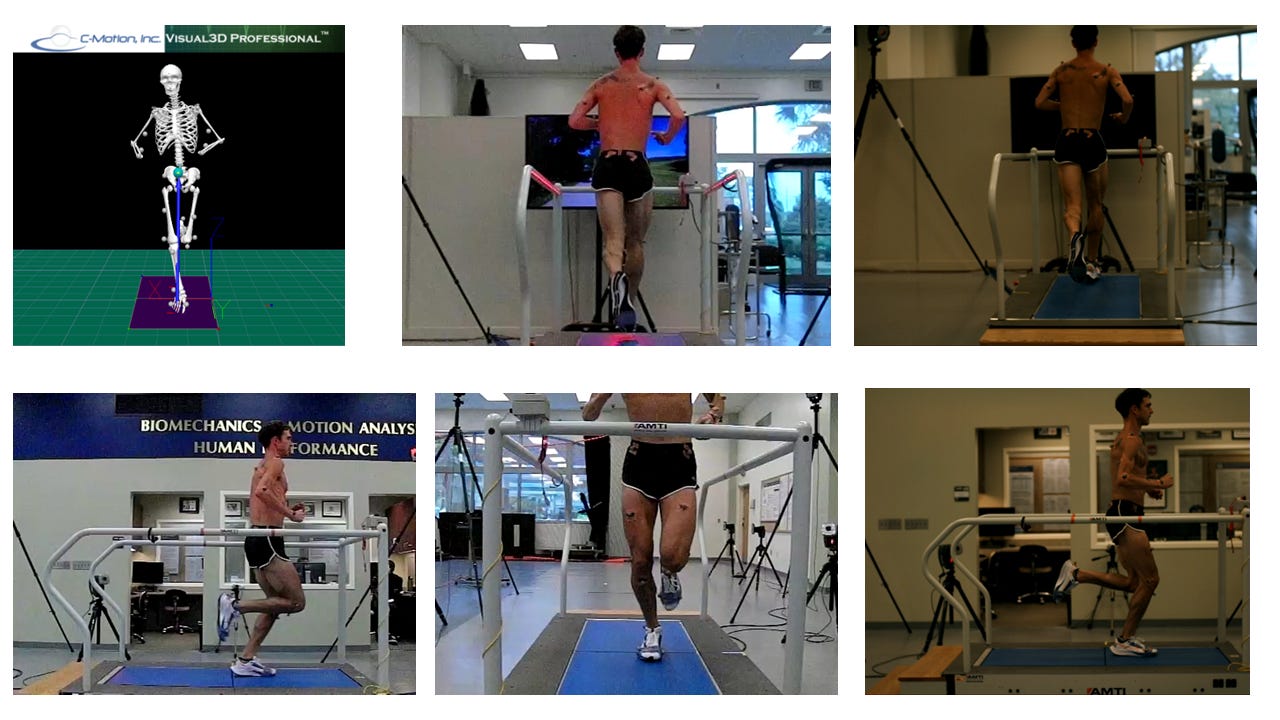
A Conversation on Healthy Running Habits, Biomechanics, and Choosing the Right Footwear with Dr. Heather Vincent
This is a free preview of a paid episode. To hear more, visit www.physiologicallyspeaking.comAuthor’s note: the first 45 minutes of this episode is a discussion between myself and Dr. Vincent about results of my gait analysis. Skip to 45 minutes if you don’t want to listen to this and prefer to hear about healthy running habits and footwear.Dr. Heather Vincent is the Director of Research and Director of the the UF Health Sports Performance Cent…
A Conversation on Simplifying Longevity with Dr. Howard Luks
This is a free preview of a paid episode. To hear more, visit www.physiologicallyspeaking.comDr. Howard Luks is a board-certified orthopedic surgeon, chief of sports medicine and arthroscopy, and assistant professor of orthopedic surgery at New York Medical College. Dr. Luks's focus is on injuries that involve the shoulder, knee, ankle, and elbow. You can find him on X at the handle @hjluks.In addition to his expertise in sports medicine, Dr. L…
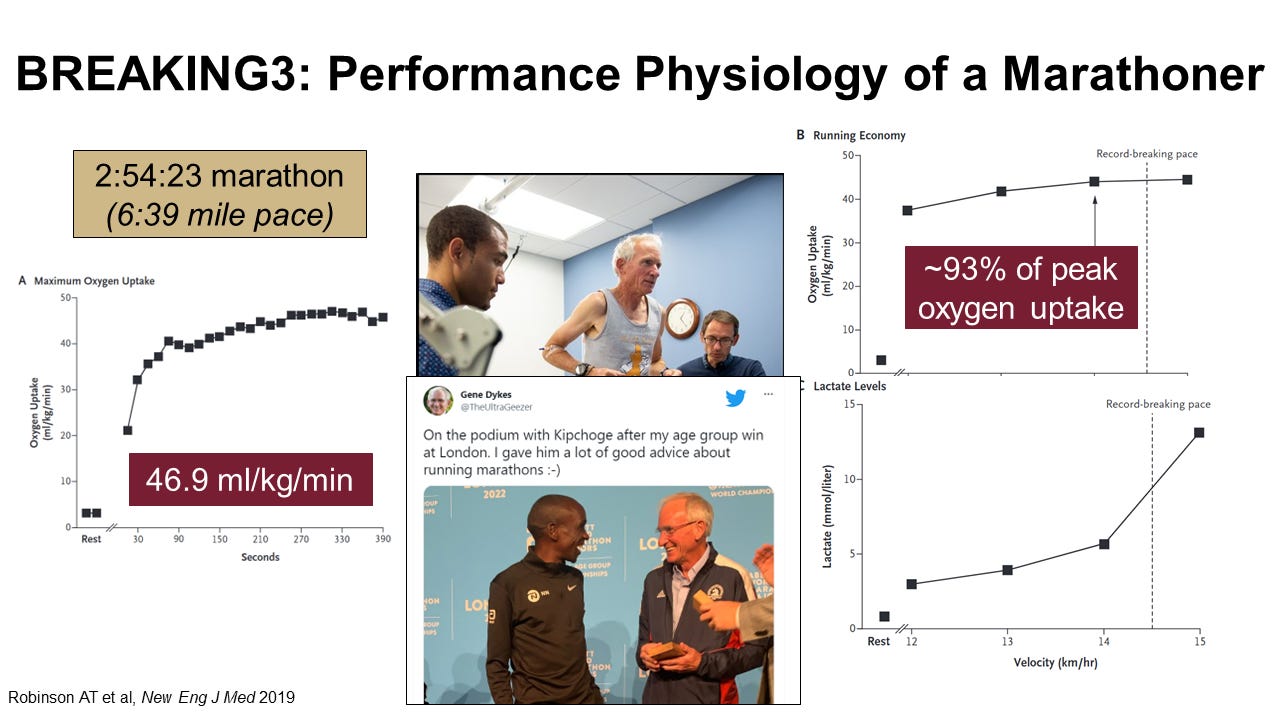
A Conversation on Lifestyle Factors for Optimizing Cardiovascular Health with Dr. Joseph Watso
This is a free preview of a paid episode. To hear more, visit www.physiologicallyspeaking.comJoseph Watso, PhD, is an Assistant Professor in the Department of Nutrition & Integrative Physiology at Florida State University. Joe directs the Cardiovascular & Applied Physiology (CAP) Laboratory which has the mission to advance knowledge on cardiovascular disease prevention and treatment strategies. His research interests include the role of lifesty…

A Conversation on Chronobiology in Medicine, Health, and Performance with Dr. John Hogenesch
This is a free preview of a paid episode. To hear more, visit www.physiologicallyspeaking.comThis interview originally appeared on my (now “defunct”) Science & Chill podcast on November 1, 2022. Now, it’s only available to Physiologically Speaking subscribers.I’ll be posting videos twice per month. Be sure to subscribe, because there’s some stellar information in these interviews!Enjoy!

(Video) New AHA Scientific Statement Endorses Resistance Training for Heart Health
This is a public episode. If you'd like to discuss this with other subscribers or get access to bonus episodes, visit www.physiologicallyspeaking.com/subscribe

Physiology Friday #195: Long-term Exercise Habits and Accelerated Biological Aging
This is a public episode. If you'd like to discuss this with other subscribers or get access to bonus episodes, visit www.physiologicallyspeaking.com/subscribe
Physiology Friday #194: Exercise "Prehab" Prevents Muscle Loss during Inactivity
To read the newsletter version of this post, follow the link below. This is a public episode. If you'd like to discuss this with other subscribers or get access to bonus episodes, visit www.physiologicallyspeaking.com/subscribe
(Podcast) Ketone Supplements for Endurance Performance: Looking beyond the Physical Realm
This is a public episode. If you'd like to discuss this with other subscribers or get access to bonus episodes, visit www.physiologicallyspeaking.com/subscribe

Physiology Friday #192: Is Morning or Evening Exercise Better for Blood Glucose Control?
This is a public episode. If you'd like to discuss this with other subscribers or get access to bonus episodes, visit www.physiologicallyspeaking.com/subscribe