Physics World Weekly Podcast
121 episodes — Page 3 of 3
Nobel predictions and humorous encounters with physics laureates
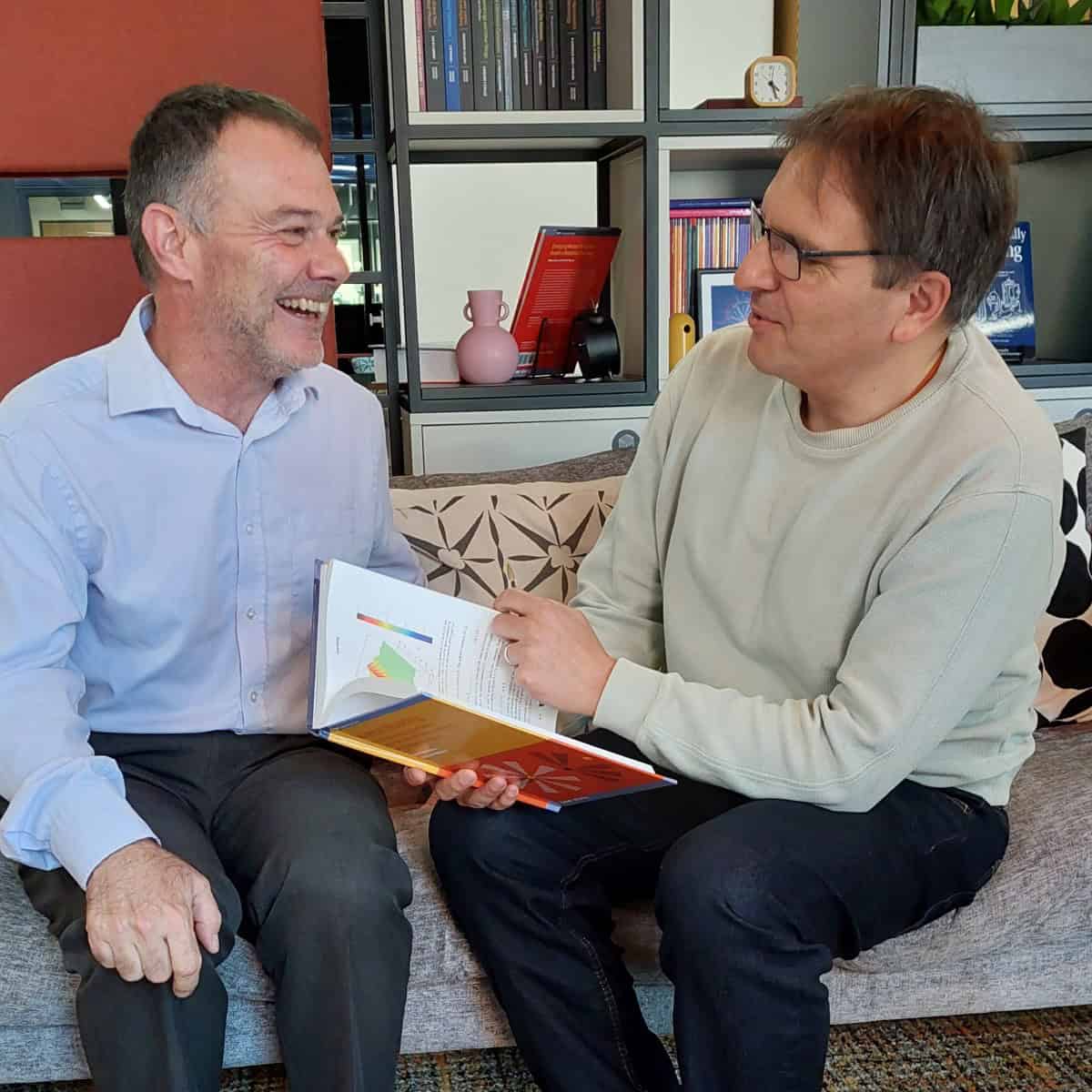
In this episode of the Physics World Weekly podcast, our very own Matin Durrani and Hamish Johnston explain why they think that this year’s Nobel Prize for Physics could be awarded for work in condensed-matter physics – and who could be in the running. They also reminisce about some of the many Nobel laureates that they have met over the years and the excitement that comes every October when the winners are announced.   SmarAct proudly supports Physics World‘s Nobel Prize coverage, advancing breakthroughs in science and technology through high-precision positioning, metrology and automation. Discover how SmarAct shapes the future of innovation at smaract.com.

Science thrives on constructive and respectful peer review
It is Peer Review Week and celebrations are well under way at IOP Publishing (IOPP), which brings you the Physics World Weekly podcast. Reviewer feedback to authors plays a crucial role in the peer-review process, boosting the quality of published papers to the benefit of authors and the wider scientific community. But sometimes authors receive very unhelpful or outright rude feedback about their work. These inappropriate comments can shake the confidence of early career researchers, and even dissuade them from pursuing careers in science. Our guest in this episode is Laura Feetham-Walker, who is reviewer engagement manager at IOPP. She explains how the publisher is raising awareness of the importance of constructive and respectful peer review feedback and how innovations can help to create a positive peer review culture. As part of the campaign, IOPP asked some leading physicists to recount the worst reviewer comments that they have received – and Feetham-Walker shares some real shockers in the podcast. The interview refers to a paper in PeerJ by Nyssa Silbiger and Amber Stubler: “Unprofessional peer reviews disproportionately harm underrepresented groups in STEM“ IOPP has created a video called “Unprofessional peer reviews can harm science” in which leading scientists share inappropriate reviews that they have received. The publisher also offers a Peer Review Excellence training and certification programme, which equips early-career researchers in the physical sciences with the skills to provide constructive feedback.

Diagnosing and treating disease: how physicists keep you safe during healthcare procedures
This episode of the Physics World Weekly podcast features two medical physicists working at the heart of the UK’s National Health Service (NHS). They are Mark Knight, who is chief healthcare scientist at the NHS Kent and Medway Integrated Care Board, and Fiammetta Fedele, who is head of non-ionizing radiation at Guy’s and St Thomas NHS Foundation Trust in London. They explain how medical physicists keep people safe during healthcare procedures – while innovating new technologies and treatments. They also discuss the role that artificial intelligence could play in medical physics and take a look forward to the future of healthcare. This episode was created in collaboration with IPEM, the Institute of Physics and Engineering in Medicine. IPEM owns the journal Physics in Medicine & Biology. This episode is supported by RaySearch Laboratories. RaySearch Laboratories unifies industry solutions, empowering healthcare providers to deliver precise and effective radiotherapy treatment. RaySearch products transform scattered technologies into clarity, elevating the radiotherapy industry.
Looking to the future of statistical physics, how intense storms can affect your cup of tea
In this episode of the Physics World Weekly podcast we explore two related areas of physics, statistical physics and thermodynamics. First up we have two leading lights in statistical physics who explain how researchers in the field are studying phenomena as diverse as active matter and artificial intelligence. They are Leticia Cugliandolo who is at Sorbonne University in Paris and Marc Mézard at Bocconi University in Italy. Cugliandolo is also chief scientific director of Journal of Statistical Mechanics, Theory, and Experiment (JSTAT) and Mézard has just stepped down from that role. They both talk about how the journal and statistical physics have evolved over the past two decades and what the future could bring. The second segment of this episode explores how intense storms can affect your cup of tea. Our guests are the meteorologists Caleb Miller and Giles Harrison, who measured the boiling point of water as storm Ciarán passed through the University of Reading in 2023. They explain the thermodynamics of what they found, and how the storm could have affected the quality of the millions of cups of tea brewed that day. The Journal of Statistical Mechanics, Theory, and Experiment is a multi-disciplinary, peer-reviewed international journal created by the International School for Advanced Studies (SISSA) and IOP Publishing, which also brings you Physics World.
Hybrid quantum–classical computing chips and neutral-atom qubits both show promise
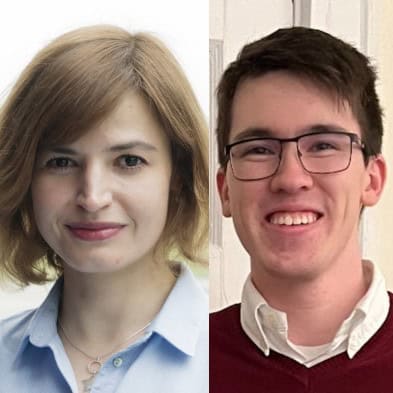
This episode of the Physics World Weekly podcast looks at quantum computing from two different perspectives. Our first guest is Elena Blokhina, who is chief scientific officer at Equal1 – an award-winning company that is developing hybrid quantum–classical computing chips. She explains why Equal1 is using quantum dots as qubits in its silicon-based quantum processor unit. Next up is Brandon Grinkemeyer, who is a PhD student at Harvard University working in several cutting-edge areas of quantum research. He is a member of Misha Lukin’s research group, which is active in the fields of quantum optics and atomic physics and is at the forefront of developing quantum processors that use arrays of trapped atoms as qubits.
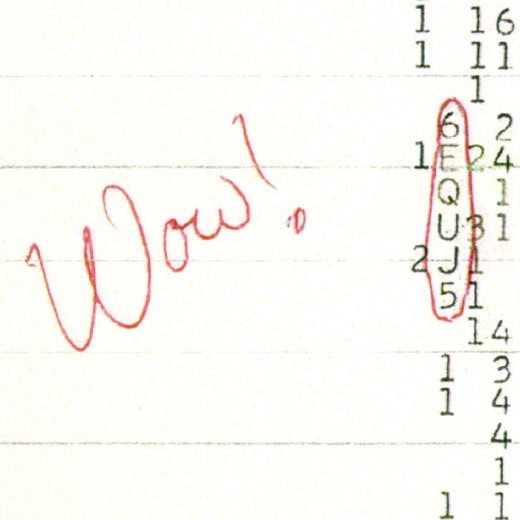
The Wow! signal: did a telescope in Ohio receive an extraterrestrial communication in 1977?
On 15 August 1977 the Big Ear radio telescope in the US was scanning the skies in a search for signs of intelligent extraterrestrial life. Suddenly, it detected a strong, narrow bandwidth signal that lasted a little longer than one minute – as expected if Big Ear’s field of vision swept across a steady source of radio waves. That source, however, had vanished 24 hours later when the Ohio-based telescope looked at the same patch of sky. This was the sort of technosignature that searches for extraterrestrial intelligence (SETI) were seeking. Indeed, one scientist wrote the word “Wow!” next to the signal on a paper print-out of the Big Ear data. Ever since, the origins of the Wow! signal have been debated – and now, a trio of scientists have an astrophysical explanation that does not involve intelligent extraterrestrials. One of them, Abel Méndez, is our guest in this episode of the Physics World Weekly podcast. Méndez is an astrobiologist at the University of Puerto Rico at Arecibo and he explains how observations made at the Arecibo Telescope have contributed to the trio’s research. Abel Méndez, Kevin Ortiz Ceballos and Jorge I Zuluaga describe their research in a preprint on arXiv.
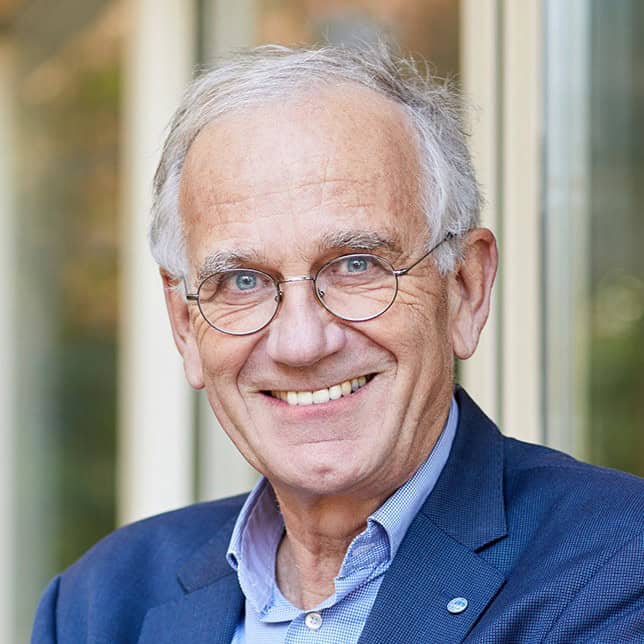
Physics for a better future: mammoth book looks at science and society
This episode of the Physics World Weekly podcast explores how physics can be used as a force for good – helping society address important challenges such as climate change, sustainable development, and improving health. Our guest is the Swiss physicist Christophe Rossel, who is a former president of the European Physical Society (EPS) and an emeritus scientist at IBM Research in Zurich. Rossel is a co-editor and co-author of the book EPS Grand Challenges, which looks at how science and physics can help drive positive change in society and raise standards of living worldwide as we approach the middle of the century. The huge tome weighs in at 829 pages, was written by 115 physicists and honed by 13 co-editors. Rossel talks to Physics World’s Matin Durrani about the intersection of science and society and what physicists can do to make the world a better place. EPS Grand Challenges is published by IOP Publishing, which also brings you Physics World
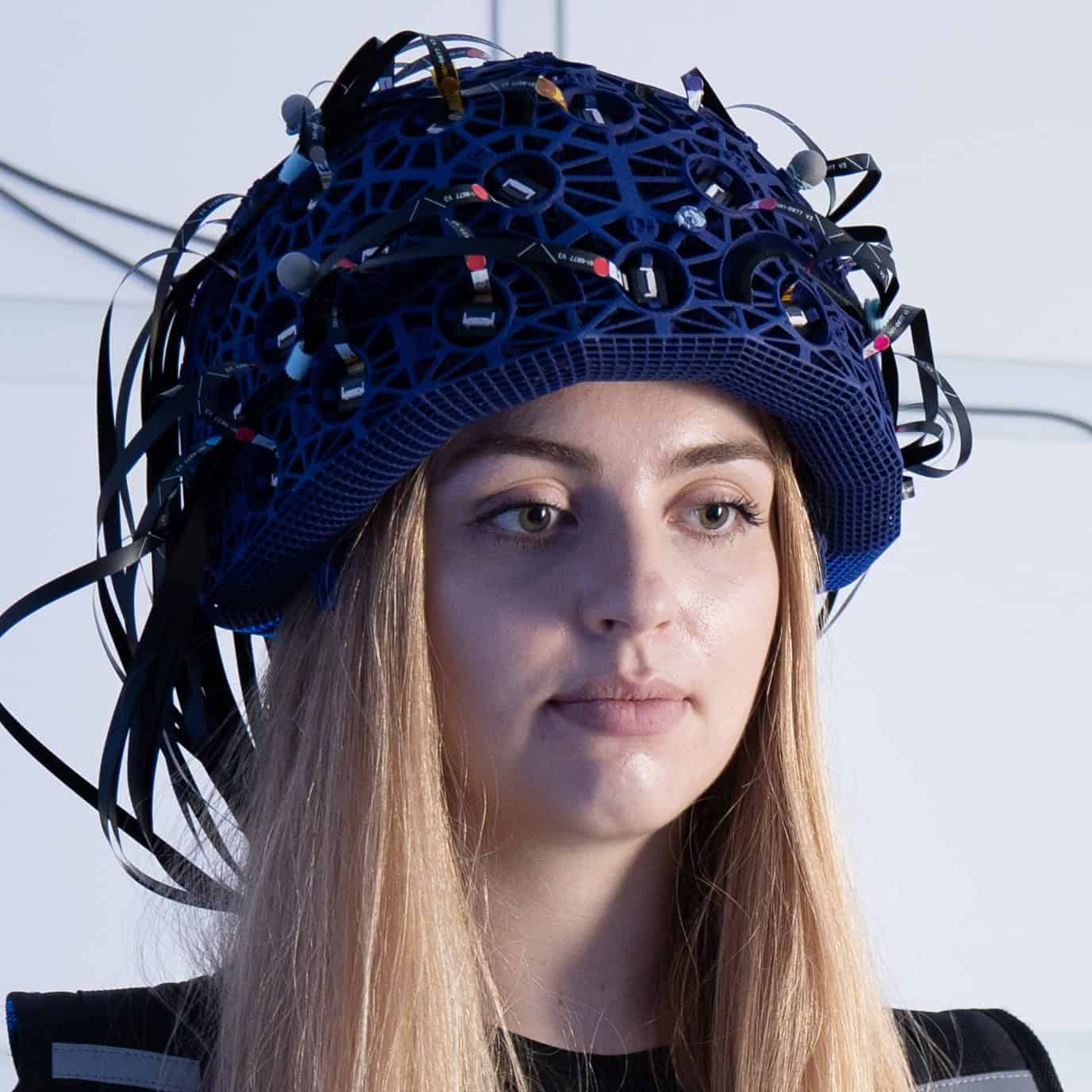
Quantum sensors monitor brain development in children
Margot Taylor – director of functional neuroimaging at Toronto’s Hospital for Sick Children – is our first guest in this podcast. She explains how she uses optically-pumped magnetometers (OPMs) to do magnetoencephalography (MEG) studies of brain development in children. An OPM uses quantum spins within an atomic gas to detect the tiny magnetic fields produced by the brain. Unlike other sensors used for MEG, which must be kept at cryogenic temperatures, OPMs can be deployed at room temperature in a simple helmet that puts the sensors very close to the scalp. The OPM-MEG helmets are made by Cerca Magnetics and the UK-based company’s managing director joins the conversation to explain how the technology works. David Woolger also talks about the success the company has enjoyed since its inception in 2020. Our final guest in this podcast is Stuart Nicol, who is chief investment officer at Quantum Exponential – a UK-based company that invests in quantum start-ups. He gives his perspective on the medical sector, talks about a company called Siloton that is making a crucial eye-imaging technology more accessible. This podcast was recorded at the Commercialising Quantum 2024 conference.
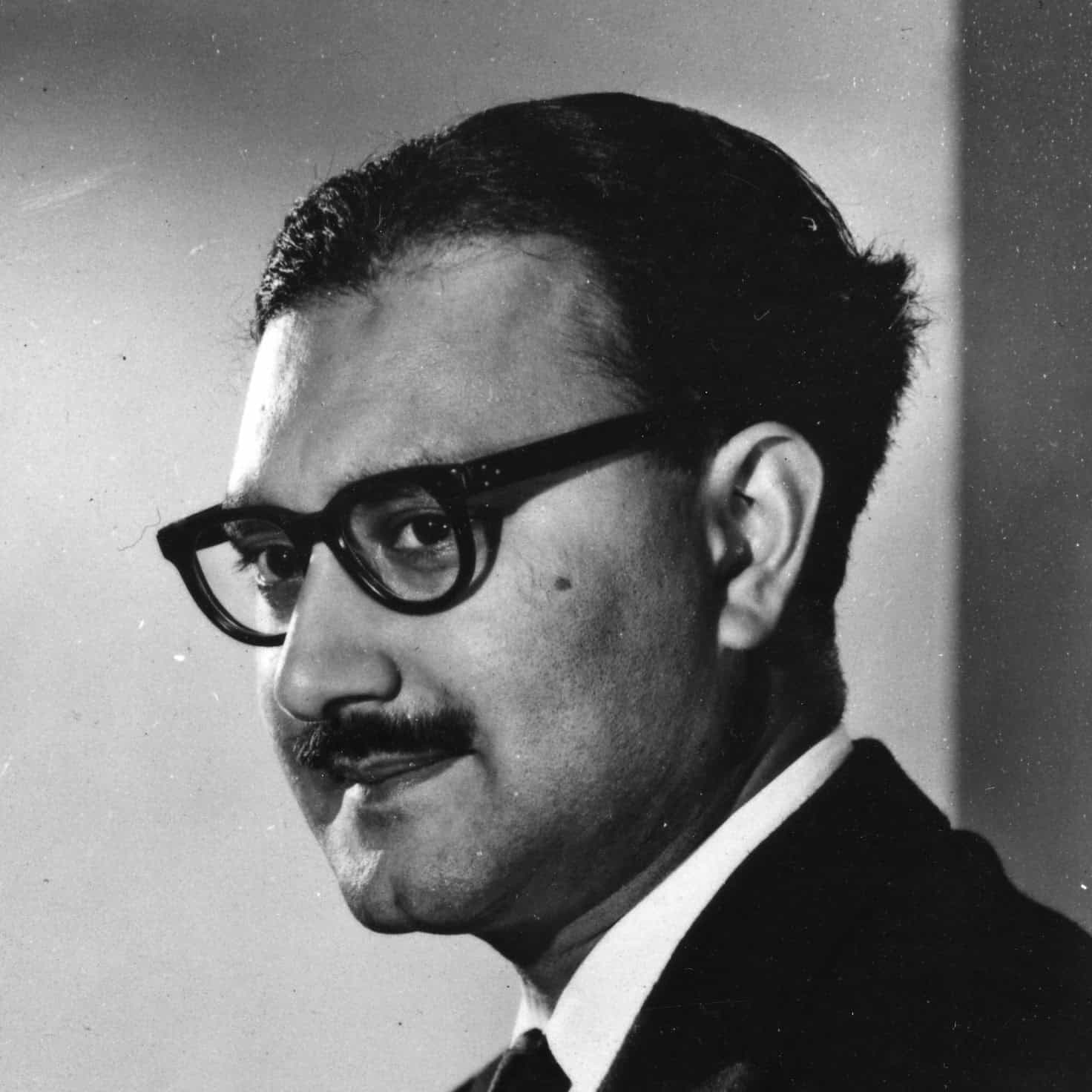
Abdus Salam: celebrating a unifying force in global physics
This podcast explores the extraordinary life of the Pakistani physicist Abdus Salam, who is celebrated for his ground-breaking theoretical work and for his championing of physics and physicists in developing countries. In 1964, he founded the Abdus Salam International Centre for Theoretical Physics (ICTP) in Trieste, Italy – which supports research excellence worldwide with a focus on physicists in the developing world. In 1979 Salam shared the Nobel Prize for Physics for his work on the unification of the weak and electromagnetic interactions. Salam spent most of his career at Imperial College London and the university is gearing up to celebrate the centenary of his birth in January 2026. In this episode of the Physics World Weekly podcast, Imperial physicists Claudia de Rham and Ian Walmsley look back on the extraordinary life of Salam – who died in 1996. They also talk about the celebrations at Imperial College. Image courtesy: AIP Emilio Segrè Visual Archives, Physics Today Collection
Non-physicists find opportunity in the quantum industry, improving the university experience
This episode of the Physics World Weekly podcast features an interview with Margaret Arakawa. She is chief marketing officer at IonQ – which makes trapped ion quantum computers. An economist by training, Arakawa spent 25 years in the (classical) computing industry before joining IonQ. We chat about why she made the move to the quantum sector and about the wide range of opportunities for non-physicists in the quantum-technology industry. Arakawa also talks about the challenges of marketing quantum technology to customers who might not understand the underlying physics and explains why the quantum industry must avoid hype. Our second guest is Nat Mendelsohn, who represents the English Midlands on the Institute of Physics’ Student Community Panel. He talks to Physics World’s Katherine Skipper about the student experience – what is good and what can be improved. He also explains how the COVID-19 pandemic continues to have a profound impact on higher education. Finally, I chat with Skipper about her trip to Prague for the 42nd International Conference on High Energy Physics. High on the agenda was what collider of the future will be the successor of the Large Hadron Collider.
Zap Energy targets fusion power without magnets, Claudia de Rham on the beauty of gravity
Our first guest in this episode of the Physics World Weekly podcast is Derek Sutherland, who is head of FuZE-Q physics at the US-based company Zap Energy. He explains how the US-based firm is designing a fusion system that does not rely on magnets, cryogenics or high-powered lasers to generate energy. We also chat about the small-scale fusion industry in general, and about career opportunities for physicists in the sector. This episode also features an interview with theoretical physicist and author Claudia de Rham. She talks to Physics World’s Matin Durrani about her new popular-science book The Beauty of Falling. They also chat about her research, which addresses a range of fundamental problems associated with gravity – from quantum to cosmological scales.   This episode is supported by Pfeiffer Vacuum. The company provides all types of vacuum equipment, including hybrid and magnetically-levitated turbopumps, leak detectors and analysis equipment, as well as vacuum chambers and systems. You can explore all of its products on the Pfeiffer Vacuum website.

Diamond dust for MRI, 4D printing creates advanced devices
New and exciting technologies feature in this episode of the Physics World Weekly podcast. Our first guest is the neuroscientist and physicist Jelena Lazovic Zinnanti, who recalls how she discovered (by accident) that nanometre-sized diamond particles shine brightly in magnetic resonance imaging (MRI) experiments. Based at Max Planck Institute for Intelligent Systems, she explains how this diamond dust could someday replace gadolinium as a contrast agent in MRI medical scans. This episode also features an interview with Mahdi Bodaghi of Nottingham Trent University, who is an expert in 4D and 3D printing. He talks about the engineering principles that guide 4D printing and how the technique can be used in a wide range of applications including the treatment of coronary heart disease and the design of flatpack furniture. Bodaghi also explains how 3D printing can be used to create self-healing asphalt. Mahdi Bodaghi is on the editorial board of the journal Smart Materials and Structures. It is published by IOP Publishing, which also brings you Physics World.
Precision medicine: meet two medical physicists who are making it possible
This episode of the Physics World Weekly podcast explores how medical physicists are using exciting new technologies to make precision medicine possible. Our guests are Anna Barnes, Director of the King’s Technology Evaluation Centre at Kings College London and President of IPEM, and Nicky Whilde, who is head of radiotherapy physics at the Mid and South Essex NHS Foundation Trust. In a wide-ranging conversation with Physics World’s Tami Freeman, Whilde and Barnes define the key concepts of precision medicine and explain how they are being implemented by medical physicists using magnetic resonance imaging, radiotherapy and other technologies. This episode was created in collaboration with IPEM, the Institute of Physics and Engineering in Medicine. IPEM owns the journal Physics in Medicine & Biology. This episode is supported by PTW, the dosimetry specialist.  

Shrinivas Kulkarni: 2024 Shaw Prize in Astronomy winner talks about his fascination with variable and transient objects
This episode features an in-depth conversation with Shrinivas Kulkarni, who won the 2024 Shaw Prize in Astronomy “for his ground-breaking discoveries about millisecond pulsars, gamma-ray bursts, supernovae, and other variable or transient astronomical objects”. Based at Caltech in the US, he is also cited for his “leadership of the Palomar Transient Factory and its successor, the Zwicky Transient Facility, which have revolutionized our understanding of the time-variable optical sky”. Kulkarni talks about his fascination with astronomical objects that change over time and he reveals the principles that have guided his varied and successful career. He also offers advice to students and early-career researchers about how to thrive in astronomy. This podcast also features an interview with Scott Tremaine, who is chair of the selection committee for the 2024 Shaw Prize in Astronomy. Based at the Institute for Advanced Study in Princeton, New Jersey, he talks about Kulkarni’s many contributions to astronomy, including his work to make astronomical data more accessible to researchers not affiliated with major telescopes. This podcast is sponsored by The Shaw Prize Foundation
Linking silicon T centres with light offers a route to fault-tolerant quantum computing
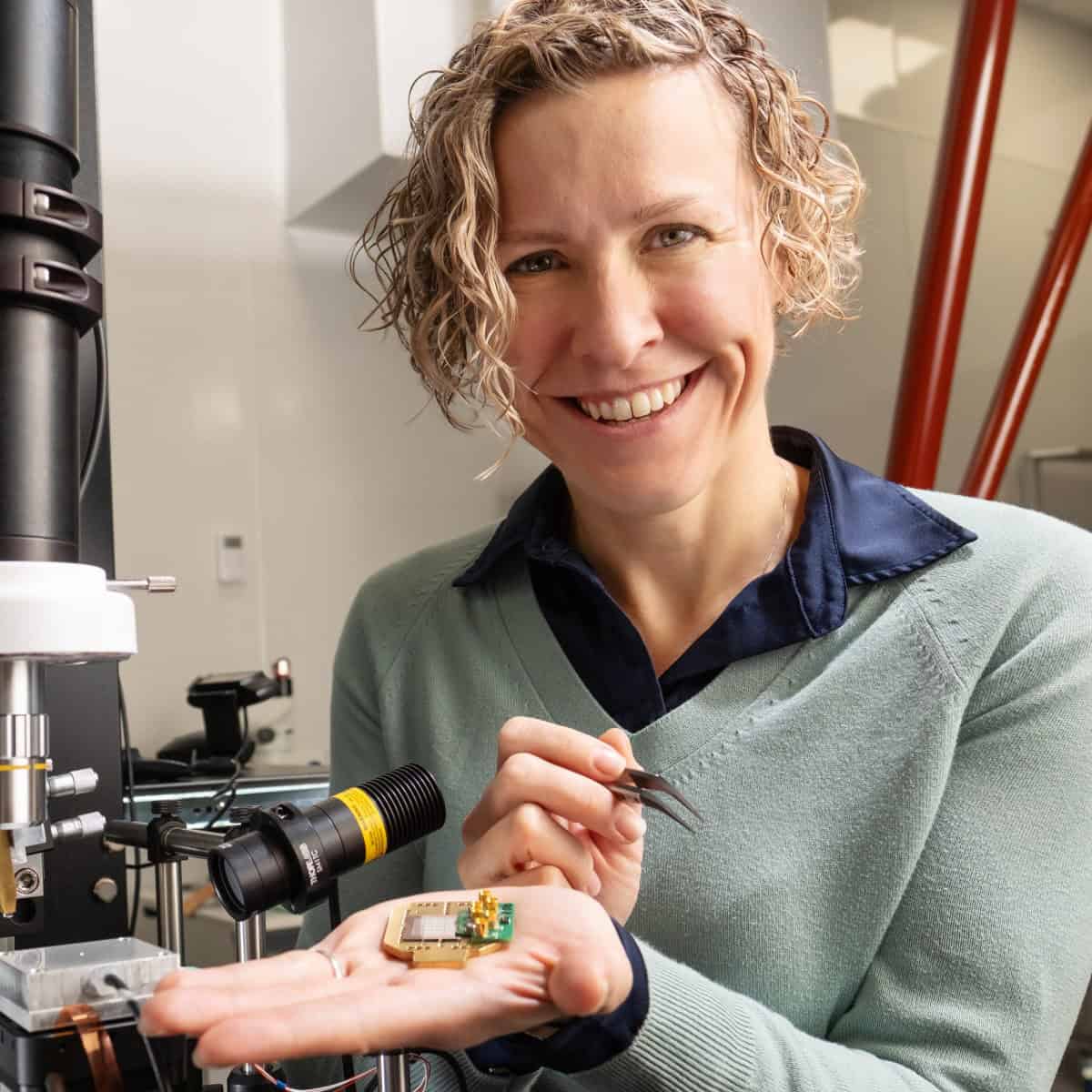
Today’s noisy quantum processors are prone to errors that can quickly knock a quantum calculation off course. As a result, quantum error correction schemes are used to make some nascent quantum computers more tolerant to such faults. This involves using a large number of qubits – called “physical” qubits – to create one fault-tolerant “logical” qubit. A useful fault-tolerant quantum computer would have thousands of logical qubits and this would require the integration of millions of physical qubits, which remains a formidable challenge. In this episode of the Physics World Weekly podcast, I am in conversation with Stephanie Simmons, who is founder and chief quantum officer at Photonic Inc. The Vancouver-based company is developing optically-linked silicon spin qubits – and it has recently announced that it has distributed quantum entanglement between two of its modules. I spoke with Simmons earlier this month in London at Commercialising Quantum Global 2024, which was organized by Economist Impact. She explains how the company’s qubits – based on T-centre spins in silicon – are connected using telecoms-band photons. Simmons makes the case that the technology can be integrated and scaled to create fault-tolerant computers. We also chat about the company’s manufacturing programme and career opportunities for physicists at the firm.
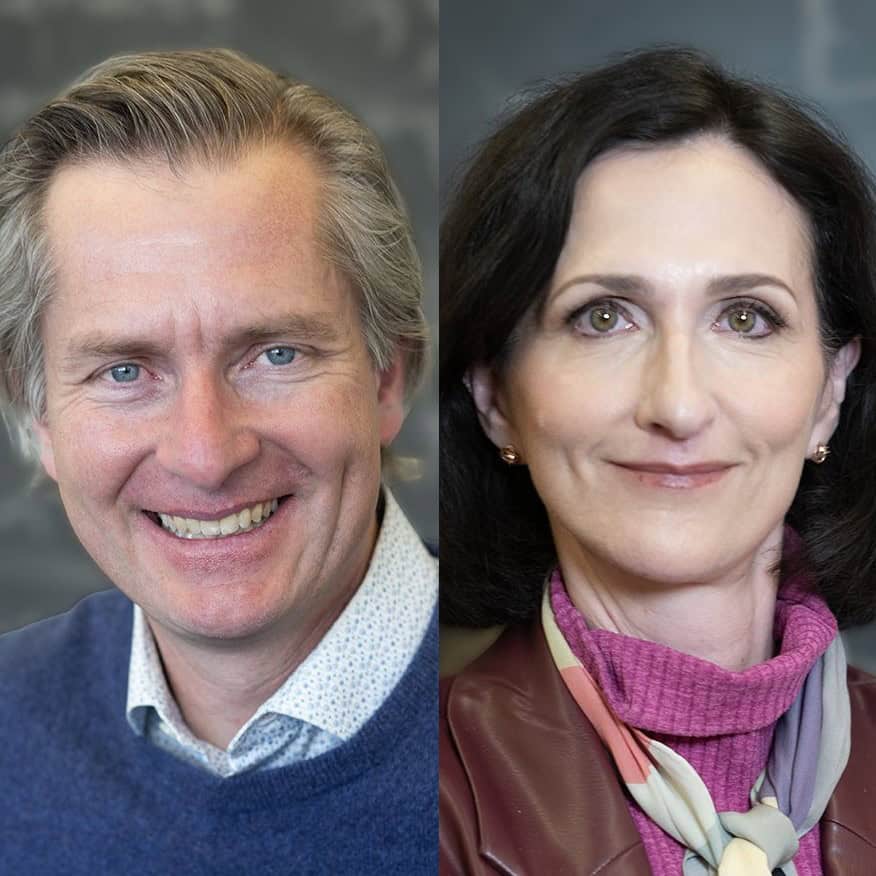
The Kavli Prize in Astrophysics: meet the 2024 laureates David Charbonneau and Sara Seager
This episode features a wide-ranging interview with Sara Seager and David Charbonneau, who share the 2024 Kavli Prize in Astrophysics. Charbonneau is at Harvard University and Seager is at the Massachusetts Institute of Technology, and they won the prize for their discoveries of exoplanets and the characterization of their atmospheres. Exoplanets are planets that orbit stars other than the Sun. Astronomers have confirmed the existence of more than 5000 exoplanets, and that number keeps increasing. In this podcast, the two laureates talk about the astonishing range of exoplanets that have been observed and explain how astronomers study the atmospheres of these faint and distant objects. Seager and Charbonneau also talk about the search for biosignatures of life on distant exoplanets and look to the future of exoplanet astronomy. This podcast is sponsored by The Kavli Prize.
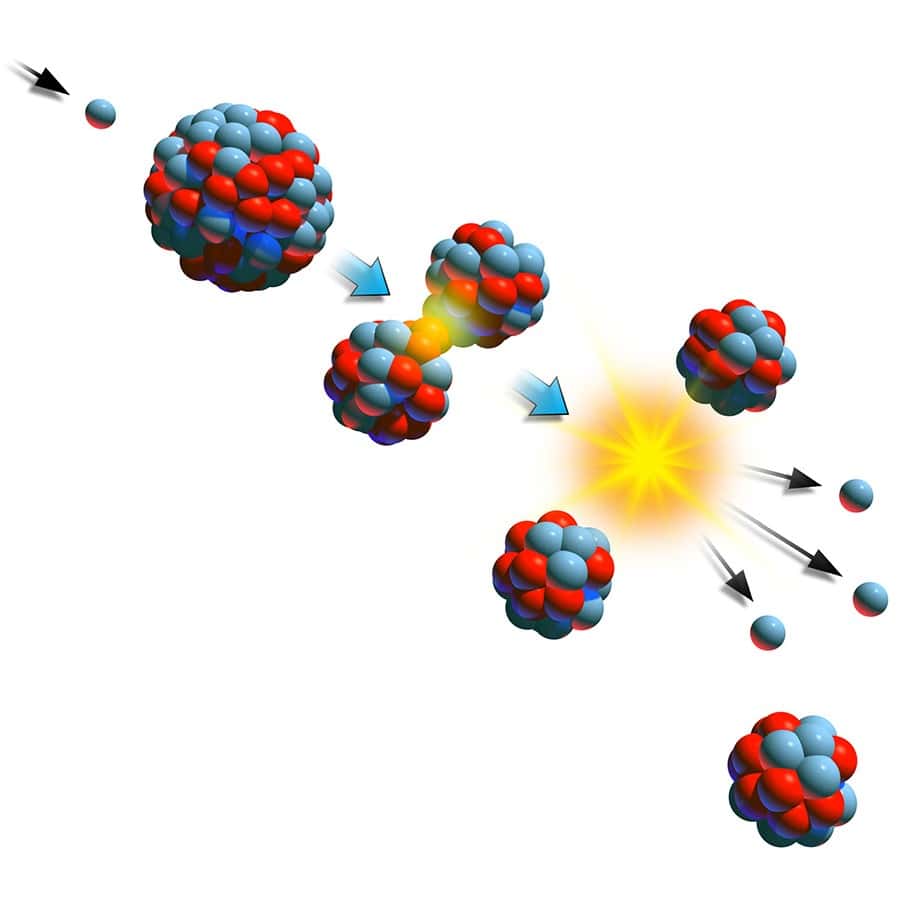
Teaching nuclear physics using data rather than models, recovering helium from party balloons
What is the best way to teach nuclear physics? Is the discipline more difficult than particle physics? What does a nuclear physicist make of the film Oppenheimer? These are just three of the questions addressed by David Jenkins in this episode of the Physics World Weekly podcast. A nuclear physicist and author based at the UK’s University of York, Jenkins is in conversation with Physics World’s Matin Durrani. Also featured in this episode is Dale Keeping, who is helium recovery manager at the UK’s ISIS Neutron and Muon Source. He explains how helium is used at the facility; where the helium supply comes from; and how he and his colleagues manage this non-renewable resource. Keeping also chats about an outreach initiative that involves collecting used party balloons so the helium can be re-used at ISIS.

Baltimore bridge collapse: engineers explain how failures can be avoided
Earlier this year, the Francis Scott Key Bridge in the US collapsed after being struck by a large container ship. Six people were killed in the disaster and many around the world were left wondering how such an important piece of infrastructure could collapse in such a catastrophic way. We investigate in this episode of the Physics World Weekly podcast, which features Erin Bell and Martin Wosnik. They are both engineers at the University of New Hampshire (UNH) and they are in conversation with Physics World’s Margaret Harris. Bell specializes in the structural design and dynamics of bridges and she explains why the bridge collapsed and talks about what can be done to avoid future catastrophes. Wosnik is an expert in fluid flow and along with Bell, is involved in the UNH Living Bridge Project. They explain how the project has transformed a lift bridge into a living laboratory that investigates, among other things, how a bridge can be used to generate tidal energy. They also talk about the Atlantic Marine Energy Center, which is developing new ways to extract useful energy from the motions of the oceans.
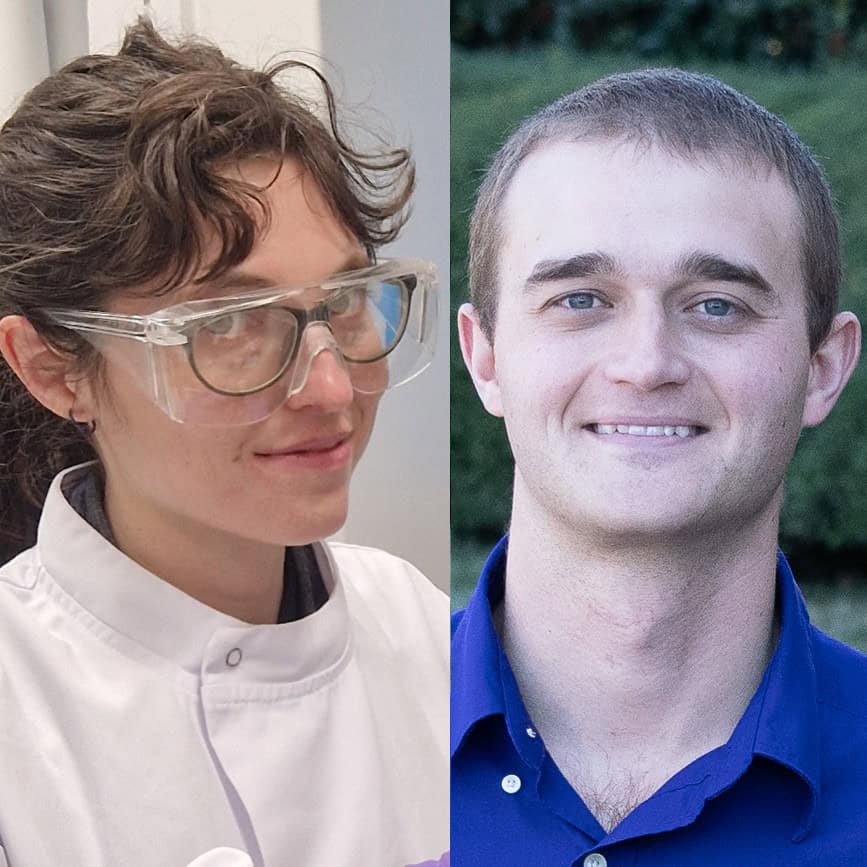
A passion for building instrumentation, and a hint of dark matter in dwarf galaxies
In this episode of the Physics World Weekly podcast we chat with Lily Ellis-Gibbings, who is a higher scientist at the UK’s National Physical Laboratory. She talks about her passion for building scientific instrumentation for fields as diverse as radiotherapy, astrochemistry and mass spectrometry. Ellis-Gibbings also shares her top tips for physics students who aspire to careers in instrumentation. Also in this episode, the astrophysicist Alex McDaniel talks about a new study of dwarf galaxies. While at Clemson University in the US, McDaniel and colleagues observed evidence that dark-matter particles in the galaxies are annihilating to create gamma-rays. While well below the statistical threshold to be called a discovery, the observation provides a tantalizing hint about the nature of dark matter.     This podcast is sponsored by Thyracont Vacuum Instruments, which provides all types of vacuum metrology for a broad variety of applications ranging from laboratory research to coating and the semiconductor industry. Explore their sensors, handheld vacuum meters, digital and analogue transducers as well as vacuum accessories and components at thyracont-vacuum.com.
Celebrating attosecond science, physics tournament focuses on fun
The 2023 Nobel Prize For Physics was shared by three scientists who pioneered the use of ultrashort, attosecond laser pulses for studying the behaviour electrons in matter. In this episode of the Physics World Weekly podcast, I chat with three people involved with the IOPP-ZJU International Symposium on Progress in Attosecond Science. The event will be held on 23 May at China’s Zhejiang University and can also be attended online via Zoom. It is organized by IOP Publishing (which brings you Physics World) and Zhejiang University. Joining me in a lively discussion of attosecond science are Haiqing Lin of Zhejiang University, Caterina Vozzi of Italy’s Institute for Photonics and Nanotechnologies and David Gevaux of the IOPP journal Reports on Progress in Physics, which is supporting the symposium. This week’s episode also features an interview with Anthony Quinlan, who was a two-time contestant in the PLANCKS international theoretical physics competition for students. He now helps organize the event, the finals of which will be held in Dublin next week. Quinlan chats with Physics World’s Katherine Skipper about competition, which involves teams of undergraduate and masters’ students solving “fun” physics problems. Quinlan explains that contestants are encouraged to come up with creative solutions – which sometimes leads to unexpected paths to the correct answer.

Artificial intelligence: developing useful tools that scientists can trust
Artificial intelligence (AI) is used just about everywhere these days and scientific research is no exception. But how can physicists best use the rapidly-changing technology – and how can they be confident in the results AI delivers? This episode of the Physics World Weekly podcast features a conversation with Rick Stevens, who is a cofounder of the Trillion Parameter Consortium, which is developing AI systems for use in science, engineering, medicine and other fields. Stevens is a computer scientist at the Argonne National Laboratory and the University of Chicago in the US and he explains how AI can help with a wide range of tasks done by scientific researchers. In a previous episode of Physics World Weekly, the academic physicist Matt Hodgson explained how he uses AI in his professional life.