Physics World Weekly Podcast
121 episodes — Page 2 of 3
Juno: the spacecraft that is revolutionizing our understanding of Jupiter
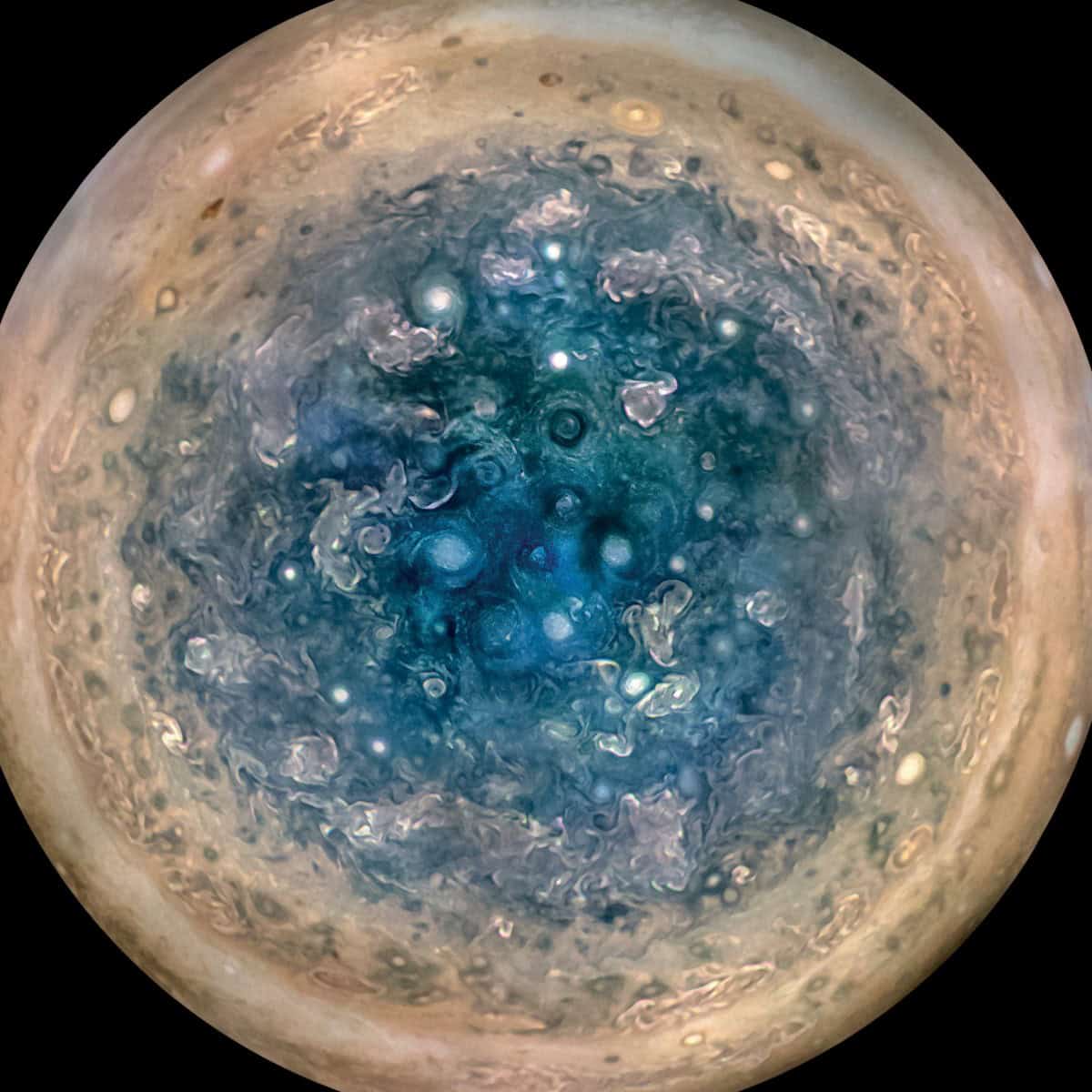
This episode of the Physics World Weekly podcast features Scott Bolton, who is principal investigator on NASA’s Juno mission to Jupiter. Launched in 2011, the mission has delivered important insights into the nature of the gas-giant planet. In this conversation with Physics World’s Margaret Harris, Bolton explains how Juno continues to change our understanding of Jupiter and other gas giants. Bolton and Harris chat about the mission’s JunoCam, which has produced some gorgeous images of Jupiter and it moons. Although the Juno mission was expected to last only a few years, the spacecraft is still going strong despite operating in Jupiter’s intense radiation belts. Bolton explains how the Juno team has rejuvenated radiation-damaged components, which has provided important insights for those designing future missions to space. However Juno’s future is uncertain. Despite its great success, the mission is currently scheduled to end at the end of September, which is something that Bolton also addresses in the conversation.

Artificial intelligence predicts future directions in quantum science
Can artificial intelligence predict future research directions in quantum science? Listen to this episode of the Physics World Weekly podcast to discover what is already possible. My guests are Mario Krenn – who heads the Artificial Scientist Lab at Germany’s Max Planck Institute for the Science of Light – and Felix Frohnert, who is doing a PhD on the intersection of quantum physics and machine learning at Leiden University in the Netherlands. Frohnert, Krenn and colleagues published a paper earlier this year called “Discovering emergent connections in quantum physics research via dynamic word embeddings” in which they analysed more than 66,000 abstracts from the quantum-research literature to see if they could predict future trends in the field. They were particularly interested in the emergence of connections between previously isolated subfields of quantum science. We chat about what motivated the duo to use machine learning to study quantum science; how their prediction system works; and I ask them whether they have been able to predict current trends in quantum science using historical data. Their paper appears in the journal Machine Learning Science and Technology. It is published by IOP Publishing – which also brings you Physics World. Krenn is on the editorial board of the journal and in the podcast he explains why it is important to have a platform to publish research at the intersection of physics and machine learning. This article forms part of Physics World‘s contribution to the 2025 International Year of Quantum Science and Technology (IYQ), which aims to raise global awareness of quantum physics and its applications. Stayed tuned to Physics World and our international partners throughout the next 12 months for more coverage of the IYQ. Find out more on our quantum channel.  
From a laser lab to the Economist: physicist Jason Palmer on his move to journalism
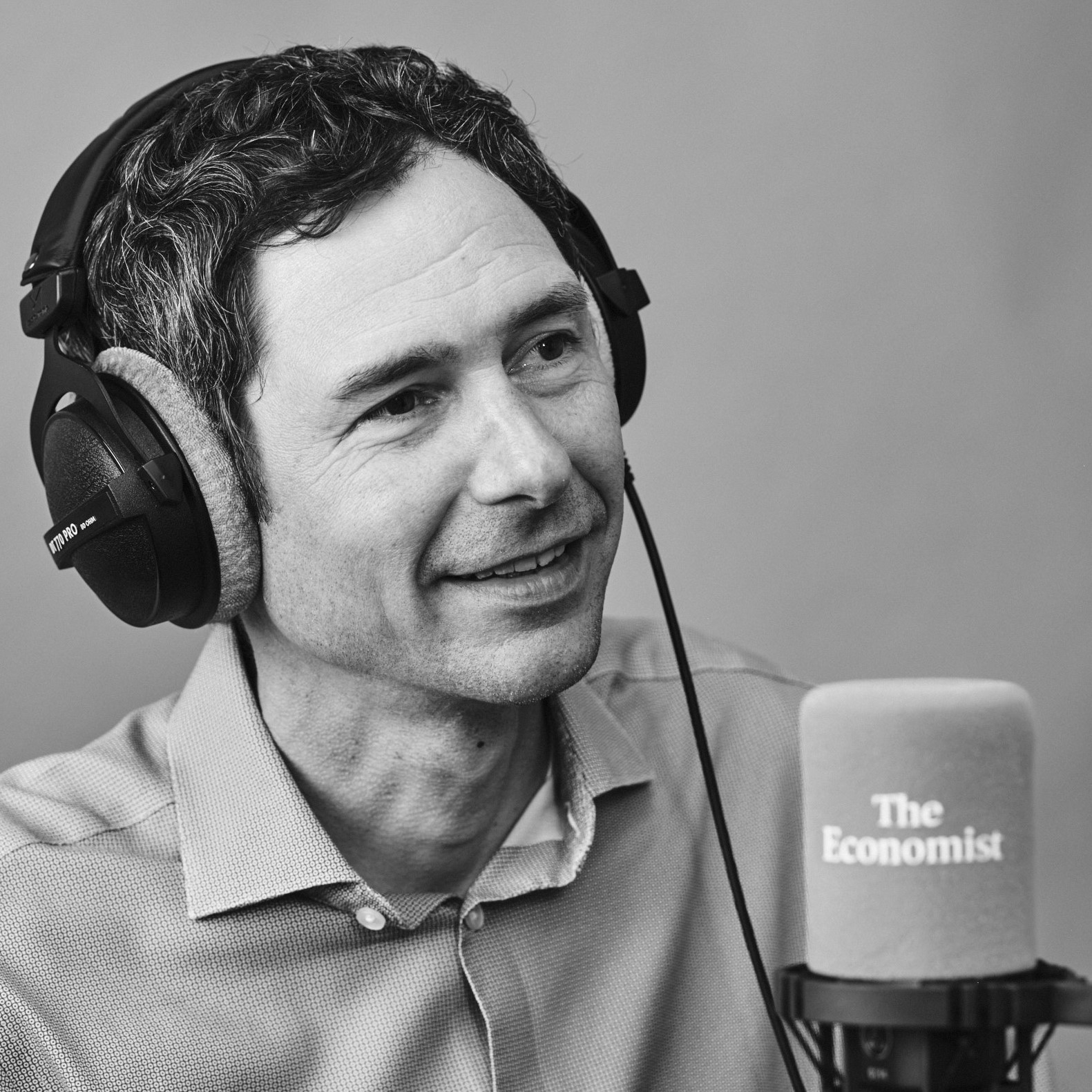
My guest in this episode of the Physics World Weekly podcast is the journalist Jason Palmer, who co-hosts the Intelligence podcast at the Economist. Palmer did a PhD in chemical physics at Imperial College London before turning his hand to science writing with stints at the BBC and New Scientist. He explains how he made the transition from the laboratory to the newsroom and offers tips for scientists planning to make the same career journey. We also chat about how artificial intelligence is changing how journalists work.
Cosmic chemistry: Ewine van Dishoeck shares her zeal for astrochemistry
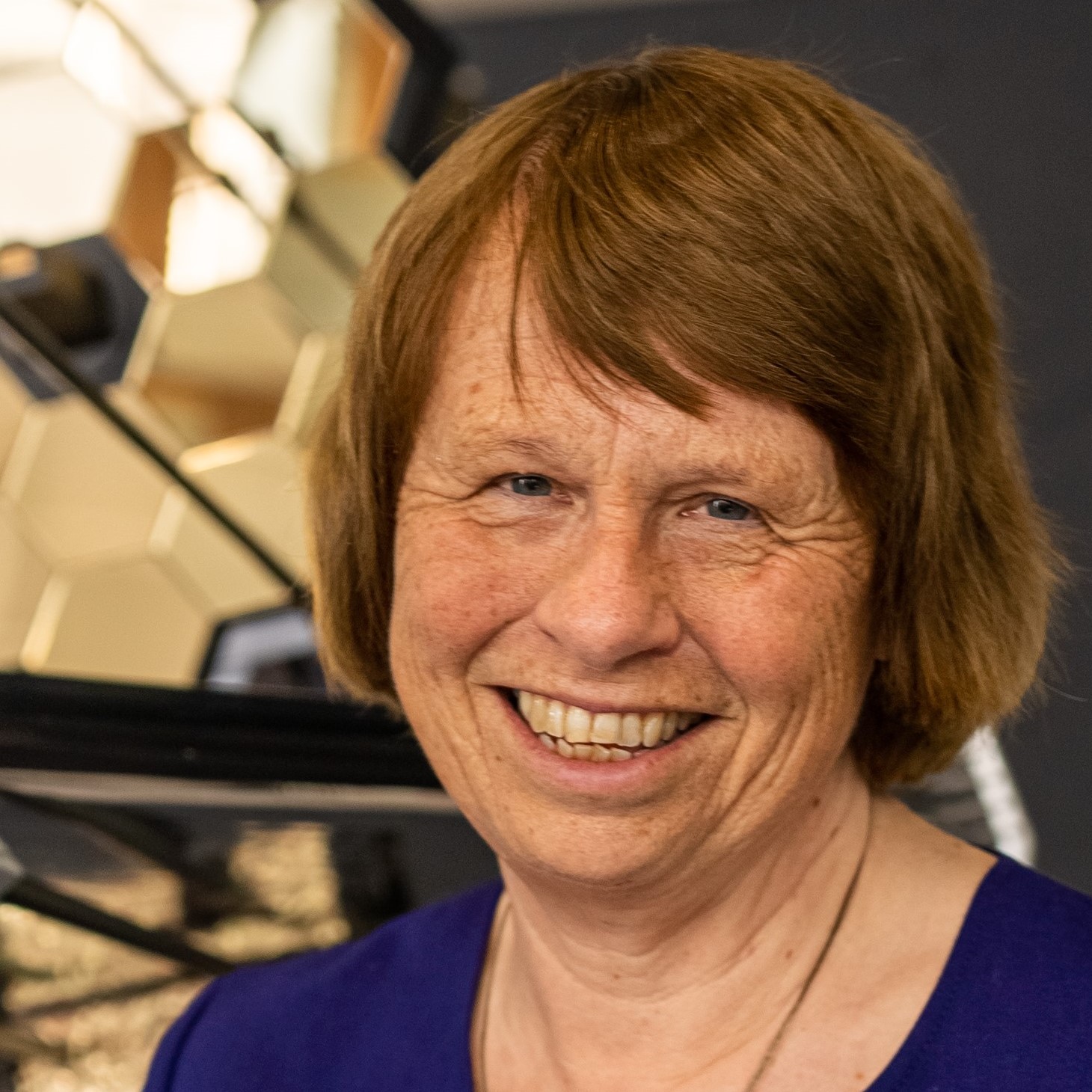
This episode features a wide-ranging interview with the astrochemist Ewine van Dishoeck, who is professor emeritus of molecular astrophysics at Leiden Observatory in the Netherlands. In 2018 she was awarded The Kavli Prize in Astrophysics and in this podcast she talks about her passion for astrochemistry and how her research combines astronomy, astrophysics, theoretical chemistry and laboratory experiments. Van Dishoeck talks about some of the key unanswered questions in astrochemistry, including how complex molecules form on the tiny specks of dust in interstellar space. We chat about the recent growth in our understanding of exoplanets and protoplanetary discs and the prospect of observing signs of life on distant planets or moons. The Atacama Large Millimetre Array radio telescope and the James Webb Space Telescope are two of the major facilities that Van Dishoeck has been involved with. She talks about the challenges of getting the astronomy community to agree on the parameters of a new observatory and explains the how collaborative nature of these projects ensures that instruments meet the needs of multiple research communities. Van Dishoeck looks to the future of astrochemistry and what new observatories could bring to the field. The interview ends with a call for the next generation of scientists to pursue careers in astrochemistry. This podcast is sponsored by The Kavli Prize. The Kavli Prize honours scientists for basic research breakthroughs in astrophysics, nanoscience and neuroscience – transforming our understanding of the big, the small and the complex. One million dollars is awarded in each of the three fields. The Kavli Prize is a partnership among The Norwegian Academy of Science and Letters, the Norwegian Ministry of Education and Research, and The Kavli Foundation (USA). The vision for The Kavli Prize comes from Fred Kavli, a Norwegian-American entrepreneur and philanthropist who turned his lifelong fascination with science into a lasting legacy for recognizing scientific breakthroughs and for supporting basic research. The Kavli Prize follows a two-year cycle, with an open call for nominations between 1 July and 1 October in odd-numbered years, and an announcement and award ceremony during even-numbered years. The next Kavli Prize will be announced in June 2026. Visit kavliprize.org for more information.
Building a quantum powerhouse in the US Midwest
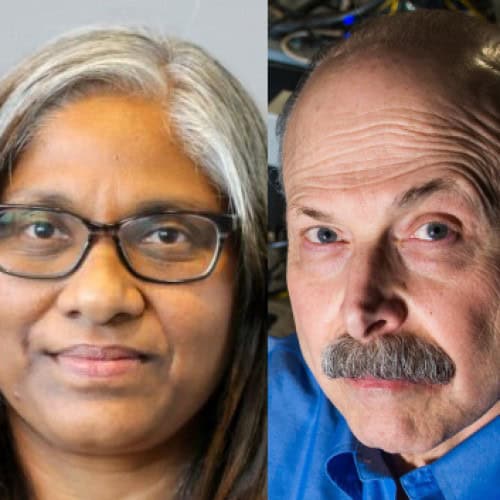
In this episode of the Physics World Weekly podcast I am in conversation two physicists who are leading lights in the quantum science and technology community in the US state of Illinois. They are Preeti Chalsani who is chief quantum officer at Intersect Illinois, and David Awschalom who is director of Q-NEXT. As well as being home to Chicago, the third largest urban area in the US, the state also hosts two national labs (Fermilab and Argonne) and several top universities. In this episode, Awschalom and Chalsani explain how the state is establishing itself as a burgeoning hub for quantum innovation – along with neighbouring regions in Wisconsin and Indiana. Chalsani talks about the Illinois Quantum and Microelectronics Park, a 128-acre technology campus that being developed on the site of a former steel mill just south of Chicago. The park has already attracted its first major tenant, PsiQuantum, which will build a utility-scale, fault-tolerant quantum computer at the park. Q-NEXT is led by Argonne National Laboratory, and Awschalom explains how academia, national labs, industry, and government are working together to make the region a quantum powerhouse. Related podcasts include interviews with Celia Merzbacher of the US’s Quantum Economic Development Consortium; Nadya Mason of the Pritzker School of Molecular Engineering at the University of Chicago; and Travis Humble of the Quantum Science Center at Oak Ridge National Laboratory This podcast is supported by American Elements, the world’s leading manufacturer of engineered and advanced materials. The company’s ability to scale laboratory breakthroughs to industrial production has contributed to many of the most significant technological advancements since 1990 – including LED lighting, smartphones, and electric vehicles.
Building a career from a passion for science communication
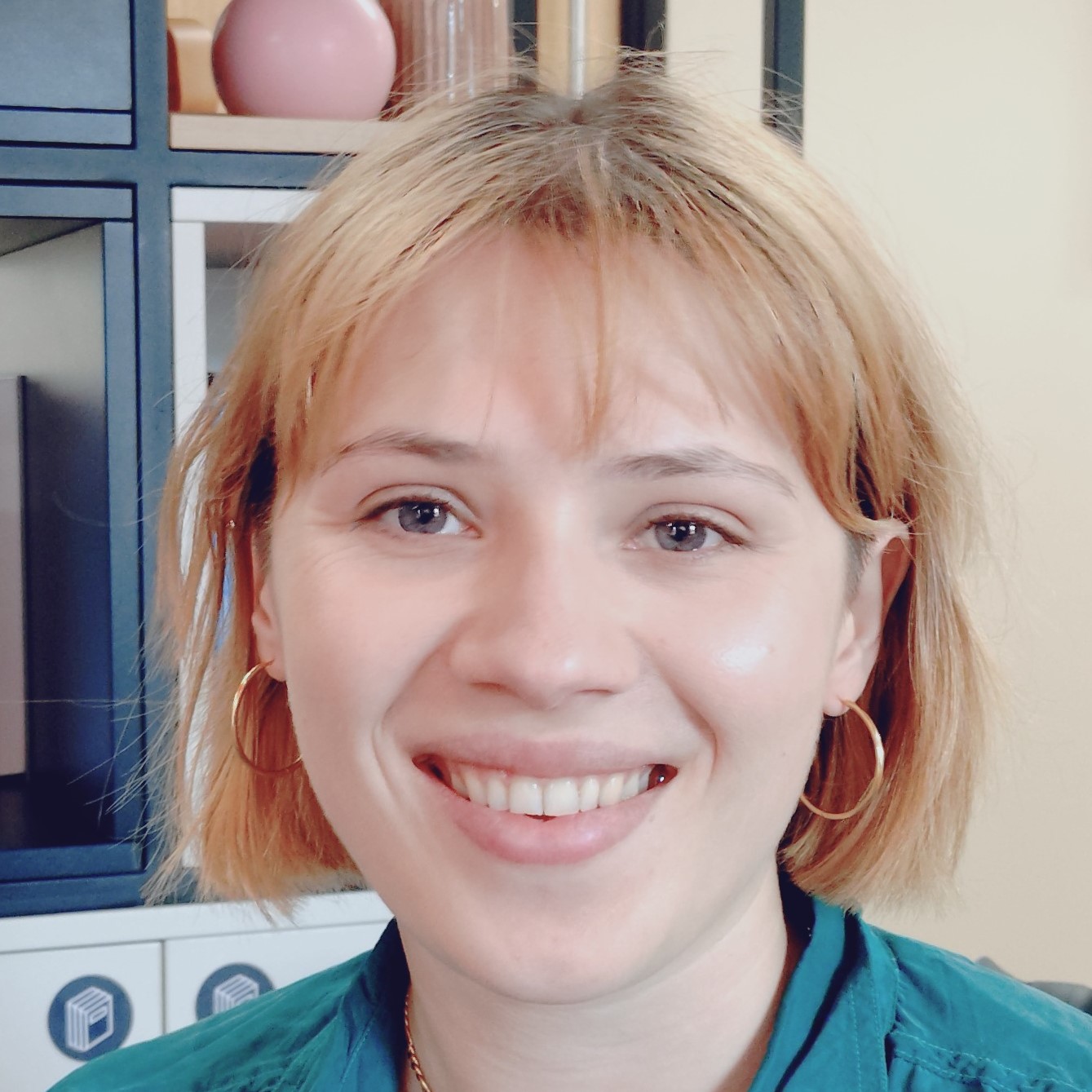
This episode of the Physics World Weekly podcast features an interview with Kirsty McGhee, who is a scientific writer at the quantum-software company Qruise. It is the second episode in our two-part miniseries on careers for physicists. While she was doing a PhD in condensed matter physics, McGhee joined Physics World’s Student Contributors Network. This involved writing articles about peer-reviewed research and also proof reading articles written by other contributors. McGhee explains how the network broadened her knowledge of physics and improved her communication skills. She also says that potential employers looked favourably on her writing experience. At Qruise, McGhee has a range of responsibilities that include writing documentation, marketing, website design, and attending conference exhibitions. She explains how her background in physics prepared her for these tasks, and what new skills she is learning. The first episode of this miniseries looks at what physicists can look forward to in retirement: “Third age careers for physicists: writing and the arts beckon“
Third age careers for physicists: writing and the arts beckon
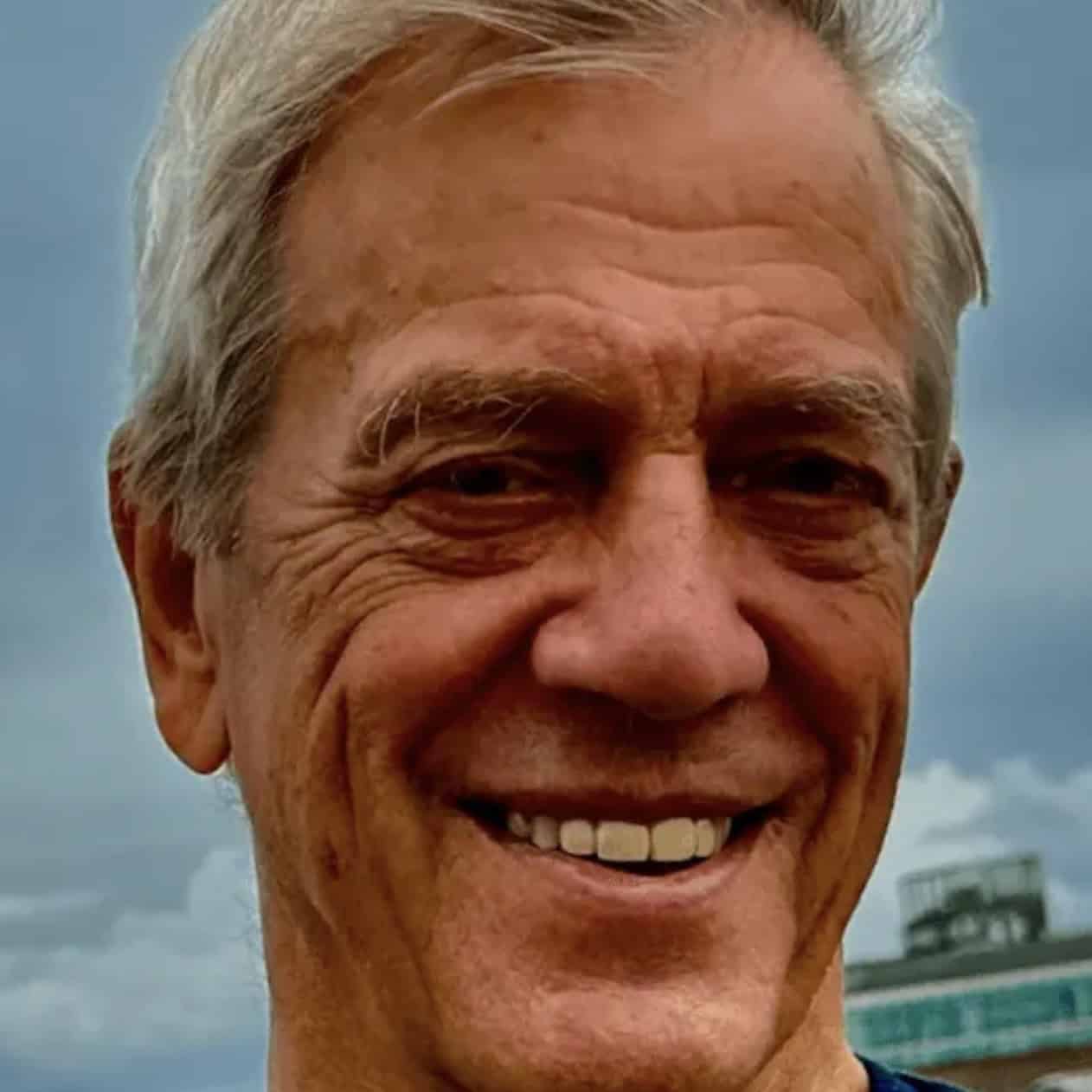
Many of us will have careers with three distinct eras: education, work and retirement. While the first two tend to be regimented, the third age offers the possibility of pursuing a wide range of interests. Our guest in this episode of the Physics World Weekly podcast is the retired particle physicist Michael Albrow, who is scientist emeritus at Fermilab in the US. He has just published his book Space Times Matter: One Hundred Short Stories About The Universe, which is a collection of brief essays and poems related to science. Much of the book comes from a newspaper column that Albrow wrote earlier in his retirement and he has also been involved in collaborations with visual and musical artists. In this podcast he talks about this third age of his career as a physicist and gives some tips for your retirement.
From rabbits and foxes to the human gut microbiome, physics is helping us understand the natural world
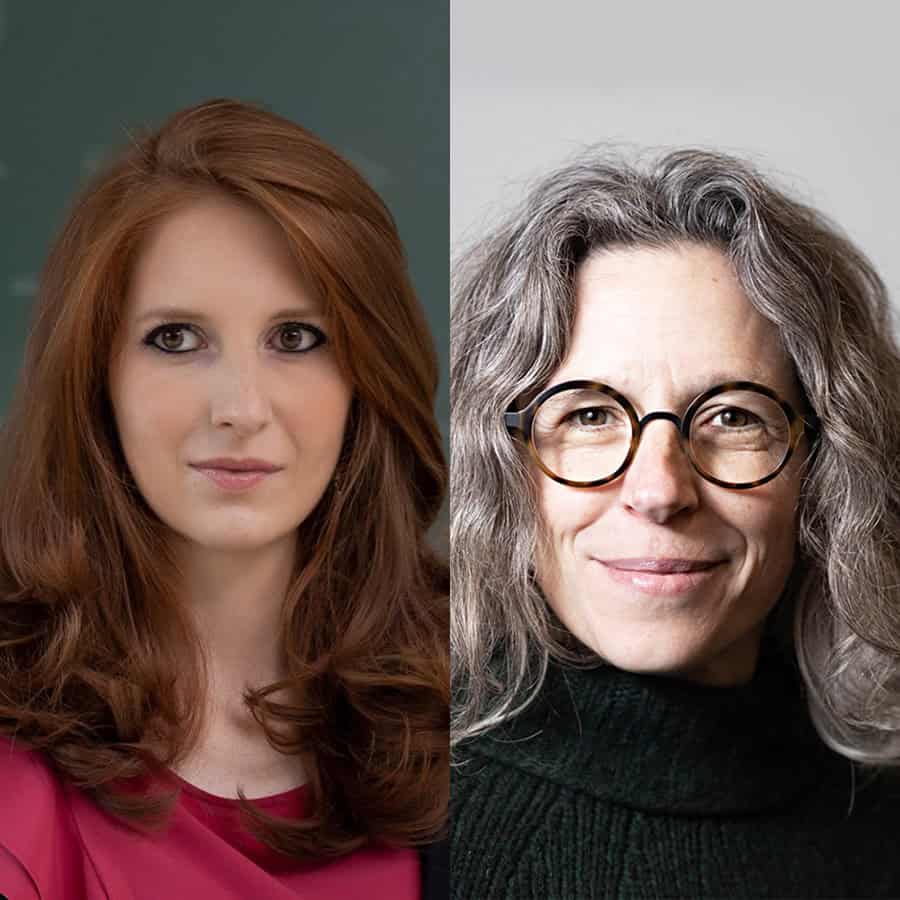
This episode of the Physics World Weekly podcast is a conversation with two physicists, Ada Altieri and Silvia De Monte, who are using their expertise in statistical physics to understand the behaviour of ecological communities. A century ago, pioneering scientists such as Alfred Lotka and Vito Volterra showed that statistical physics techniques could explain – and even predict – patterns that ecologists observe in nature. At first, this work focused on simple ecosystems containing just one or two species (such as rabbits and foxes), which are relatively easy to model. Nowadays, though, researchers such as Altieri and De Monte are turning their attention to far more complex communities. One example is the collection of unicellular organisms known as protists that live among plankton in the ocean. Another, closer to home, is the “microbiome” in the human gut, which may contain hundreds or even thousands of species of bacteria. Modelling these highly interconnected communities is hugely challenging. But as Altieri and De Monte explain, the potential rewards – from identifying “tipping points” in fragile ecosystems to developing new treatments for gut disorders such as irritable bowel syndrome and Crohn’s disease – are great. This discussion is based on a Perspective article that Altieri (an associate professor at the Laboratory for Matter and Complex Systems at the Université Paris Cité, France) and De Monte (a senior research scientist at the Institute of Biology in the École Normale Supérieure in Paris and the Max Planck Institute for Evolutionary Biology in Ploen, Germany) wrote for the journal EPL, which sponsors this episode of the podcast.
Oak Ridge’s Quantum Science Center takes a multidisciplinary approach to developing quantum materials and technologies
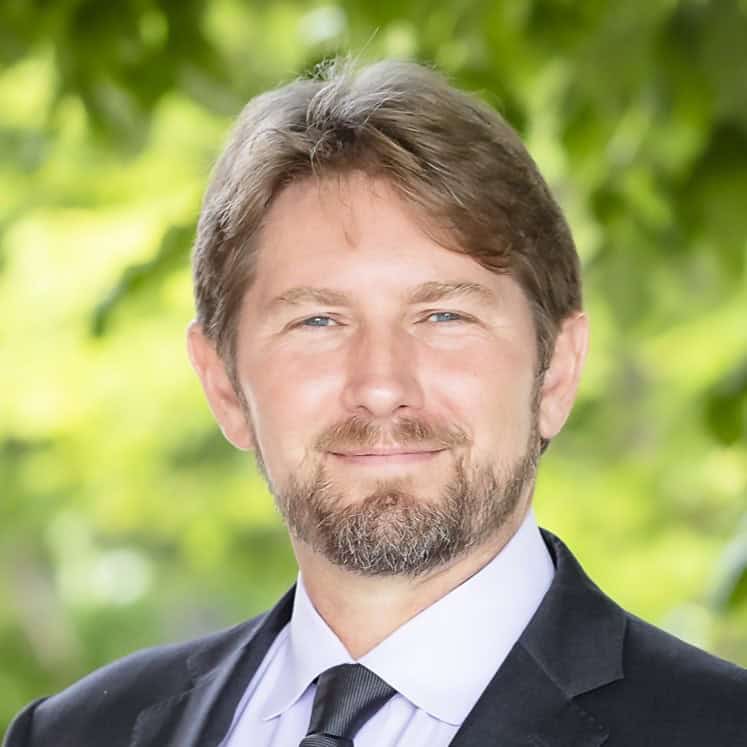
This episode of the Physics World Weekly podcast features Travis Humble, who is director of the Quantum Science Center at Oak Ridge National Laboratory. Located in the US state of Tennessee, Oak Ridge is run by the US Department of Energy (DOE). The Quantum Science Center links Oak Ridge with other US national labs, universities and companies. Humble explains how these collaborations ensure that Oak Ridge’s powerful facilities and instruments are used to create new quantum technologies. He also explains how the lab’s expertise in quantum and conventional computing is benefiting the academic and industrial communities. This podcast is supported by American Elements, the world’s leading manufacturer of engineered and advanced materials. The company’s ability to scale laboratory breakthroughs to industrial production has contributed to many of the most significant technological advancements since 1990 – including LED lighting, smartphones, and electric vehicles.
Inside ATLAS: Sara Alderweireldt explains how the CERN experiment homes in on new physics
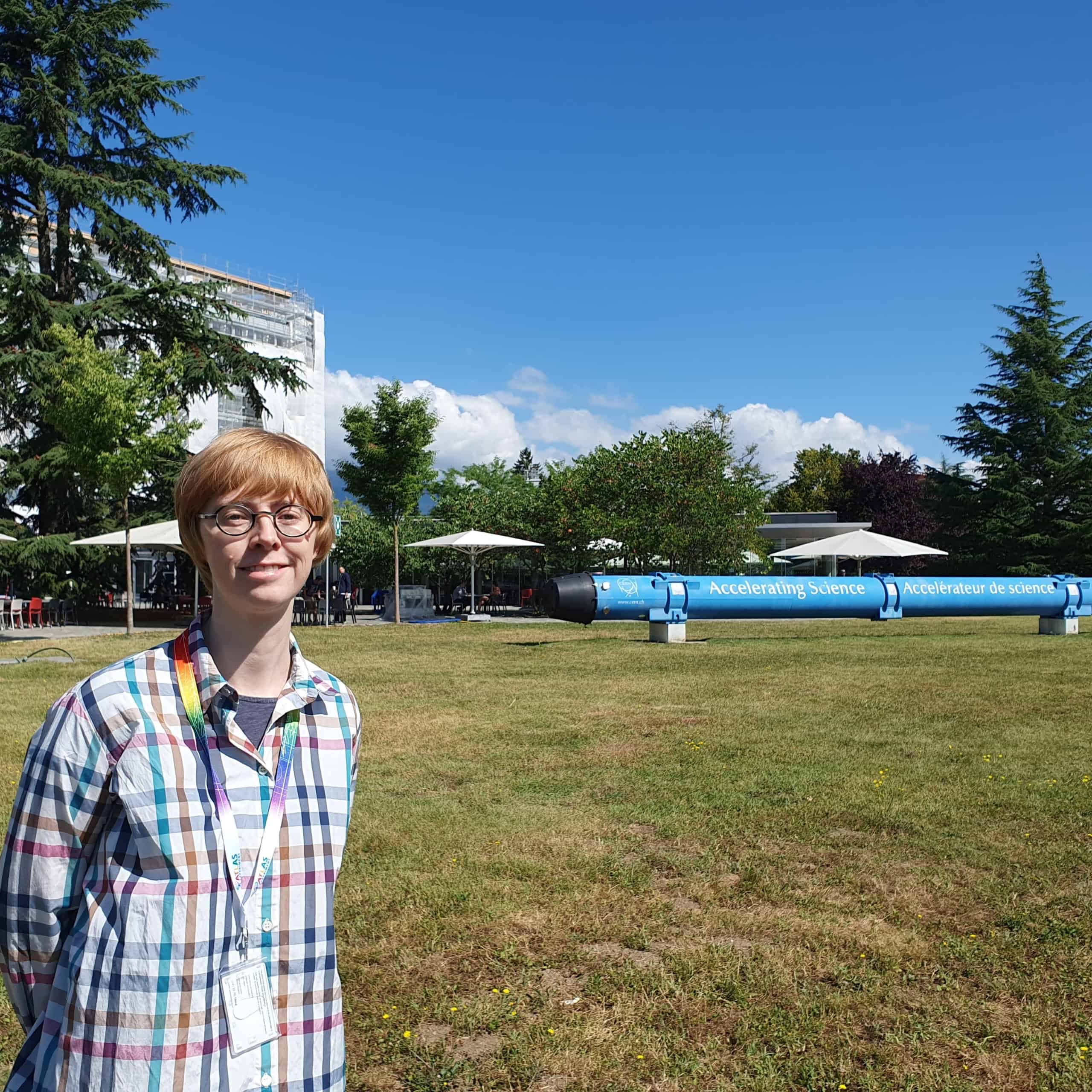
This podcast features an interview with Sara Alderweireldt, who is a physicist working on the ATLAS experiment at CERN – the world-famous physics lab that straddles the Swiss-French border and is home to the Large Hadron Collider (LHC). Based at the UK’s University of Edinburgh, Alderweireldt is in conversation with Physics World’s Margaret Harris and explains how physicists sift through the vast amount of information produced by ATLAS’ myriad detectors in search of new physics. They also chat about the ongoing high-luminosity upgrade to the LHC and its experiments – which will be finished in 2030 – and the challenges and rewards of working a very long term project.
Making science careers more accessible to people with disabilities
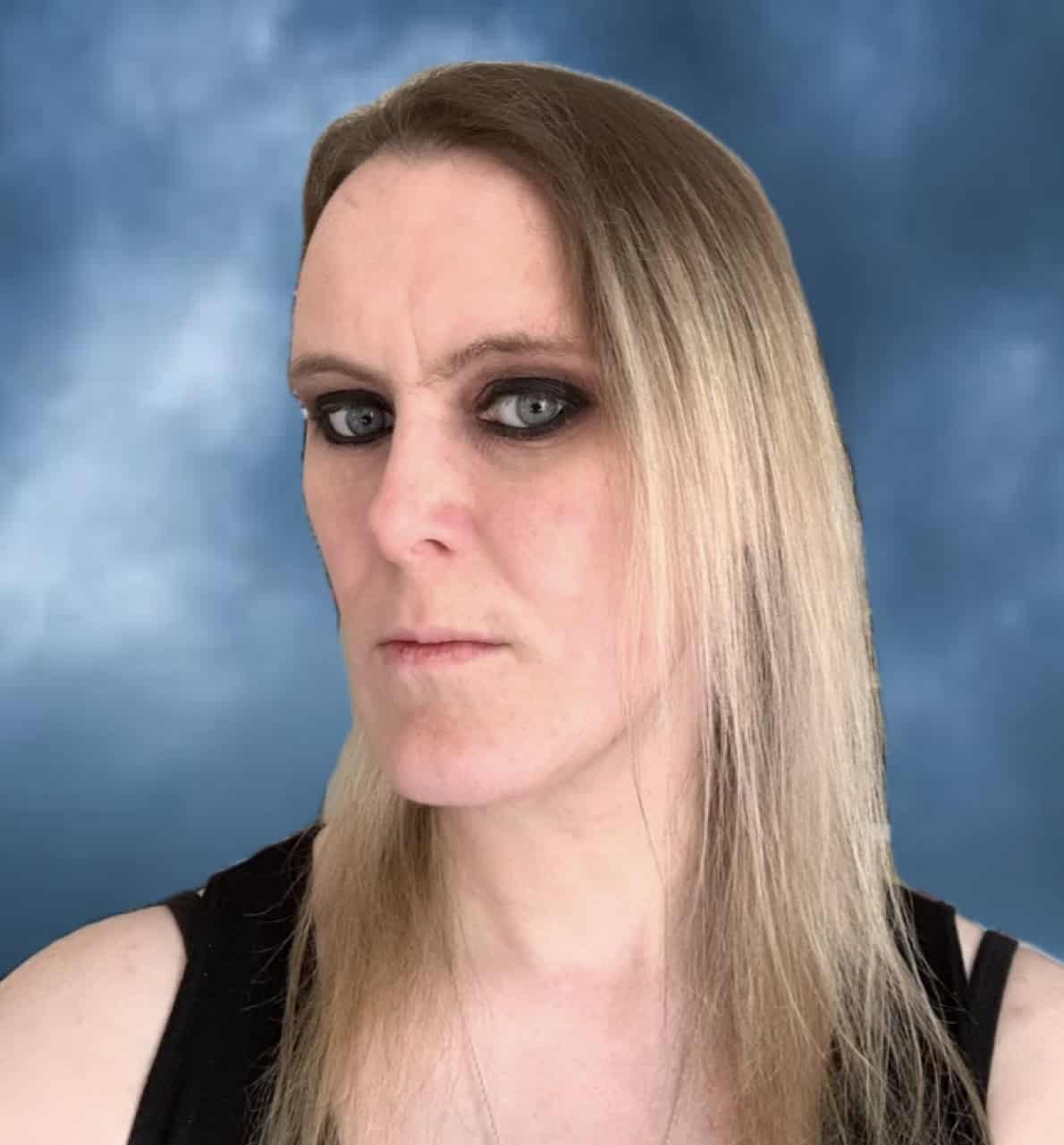
According to a recent white paper from the UK’s National Association of Disabled Staff Networks, 22% of working-age people in the UK have a disability compared to less than 7% of people working in science. At the upper echelons of science, only 4% of senior academic positions are filled with people with disabilities and just 1% of research grant applications to UK Research and Innovation are from researchers who disclose being disabled. These disappointing statistics are reported in “Towards a fully inclusive environment for disabled people in STEMM” and this podcast features an interview with one of its authors – the physicist Francesca Doddato. Based at Lancaster University, Doddato tells Physics World’s Michael Banks about the challenges facing scientists with disabilities – and calls for decision makers to engage with the issues and to remove barriers.

Reversible computing could help solve AI’s looming energy crisis
This episode of the Physics World Weekly podcast features Hannah Earley, a mathematician and physicist who is chief technical officer and co-founder of Vaire Computing. The company is developing hardware for reversible computing, a paradigm with the potential to reduce significantly the energy required to do computations – which could be a boon for power-hungry applications like artificial intelligence. In a conversation with Physics World’s Margaret Harris, Earley talks about the physics, engineering and commercialization of reversible computing. They also chat about the prototype chips that Vaire is currently working on and the company’s plans for the future.

Helgoland: leading scientists reflect on 100 years of quantum physics and look to the future
Last week, Physics World’s Matin Durrani boarded a ferry in Hamburg that was bound for Helgoland – an archipelago in the North Sea about 70 km off the north-west coast of Germany. It was a century ago in Helgoland that the physicist Werner Heisenberg devised the mathematical framework that underpins our understanding of quantum physics. Matin was there with some of the world’s leading quantum physicists for the conference Helgoland 2025: 100 Years of Quantum Mechanics – which celebrated Heisenberg’s brief stay in Helgoland. He caught up with three eminent physicists and asked them to reflect on Heisenberg’s contributions to quantum mechanics and look forward to the next 100 years of quantum science and technology. They are Tracy Northup at the University of Vienna; Michelle Simmons of the University of New South Wales, Sydney; and Peter Zoller of the University of Innsbruck. • Don’t miss the 2025 Physics World Quantum Briefing, which is free to read via this link. This article forms part of Physics World‘s contribution to the 2025 International Year of Quantum Science and Technology (IYQ), which aims to raise global awareness of quantum physics and its applications. Stayed tuned to Physics World and our international partners throughout the next 12 months for more coverage of the IYQ. Find out more on our quantum channel.
Exploring careers in healthcare for physicists and engineers
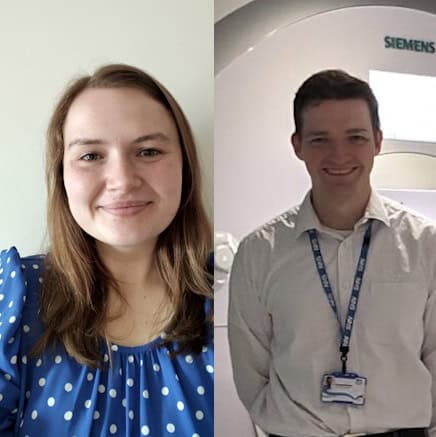
In this episode of the Physics World Weekly podcast we explore the career opportunities open to physicists and engineers looking to work within healthcare – as medical physicists or clinical engineers. Physics World’s Tami Freeman is in conversation with two early-career physicists working in the UK’s National Health Service (NHS). They are Rachel Allcock, a trainee clinical scientist at University Hospitals Coventry and Warwickshire NHS Trust, and George Bruce, a clinical scientist at NHS Greater Glasgow and Clyde. We also hear from Chris Watt, head of communications and public affairs at IPEM, about the new IPEM careers guide. This episode was created in collaboration with IPEM, the Institute of Physics and Engineering in Medicine. IPEM owns the journal Physics in Medicine & Biology. This episode is supported by Radformation, which is redefining automation in radiation oncology with a full suite of tools designed to streamline clinical workflows and boost efficiency. At the centre of it all is AutoContour, a powerful AI-driven autocontouring solution trusted by centres worldwide.
Richard Bond and George Efstathiou: meet the astrophysicists who are shaping our understanding of the early universe
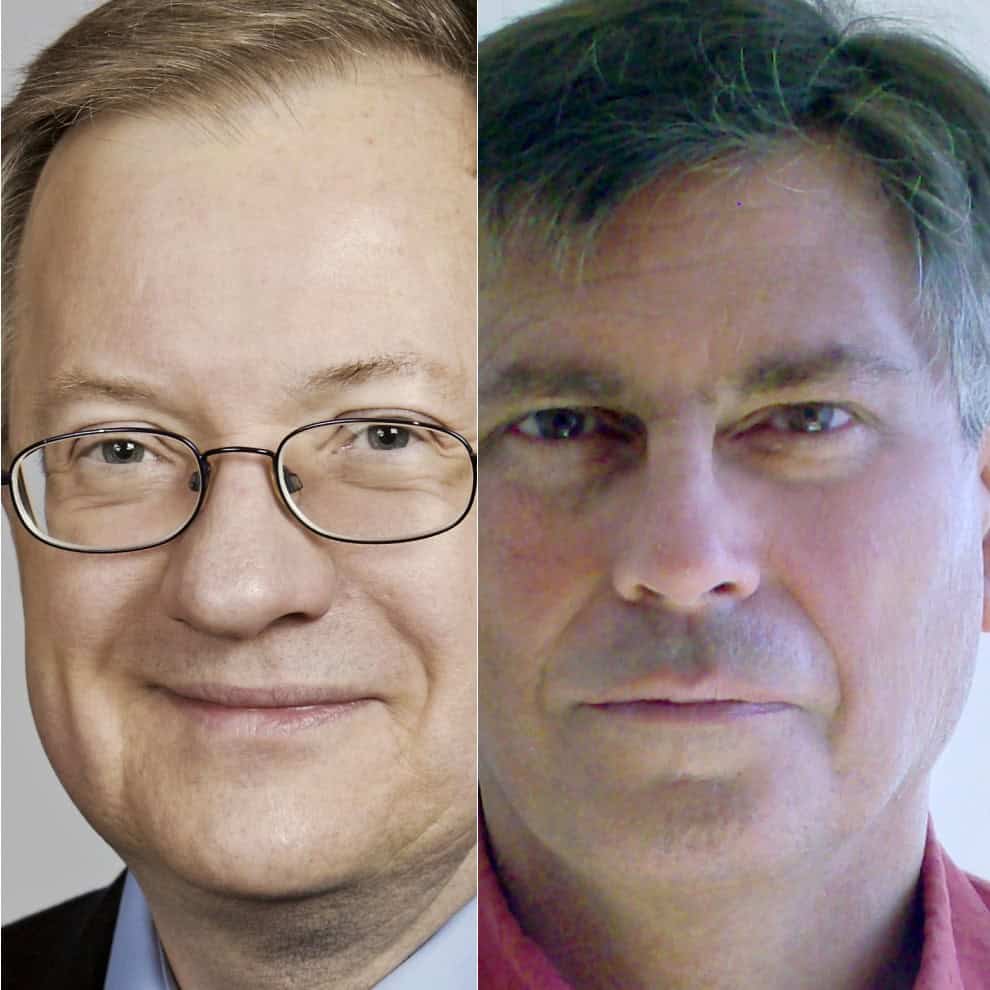
This episode of the Physics World Weekly podcast features George Efstathiou and Richard Bond, who share the 2025 Shaw Prize in Astronomy, “for their pioneering research in cosmology, in particular for their studies of fluctuations in the cosmic microwave background (CMB). Their predictions have been verified by an armada of ground-, balloon- and space-based instruments, leading to precise determinations of the age, geometry, and mass-energy content of the universe.” Bond and Efstathiou talk about how the CMB emerged when the universe was just 380,000 years old and explain how the CMB is observed today. They explain why studying fluctuations in today’s CMB provides a window into the nature of the universe as it existed long ago, and how future studies could help physicists understand the nature of dark matter – which is one of the greatest mysteries in physics. Efstathiou is emeritus professor of astrophysics at the University of Cambridge in the UK – and Richard Bond is a professor at the Canadian Institute for Theoretical Astrophysics (CITA) and university professor at the University of Toronto in Canada. Bond and Efstathiou share the 2025 Shaw Prize in Astronomy and its $1.2m prize money equally. This podcast is sponsored by The Shaw Prize Foundation. Shrinivas Kulkarni, the 2024 Shaw Prize in Astronomy winner, has also appeared on the podcast. You can listen to that interview here.
Teaching quantum physics to everyone: pictures offer a new way of understanding
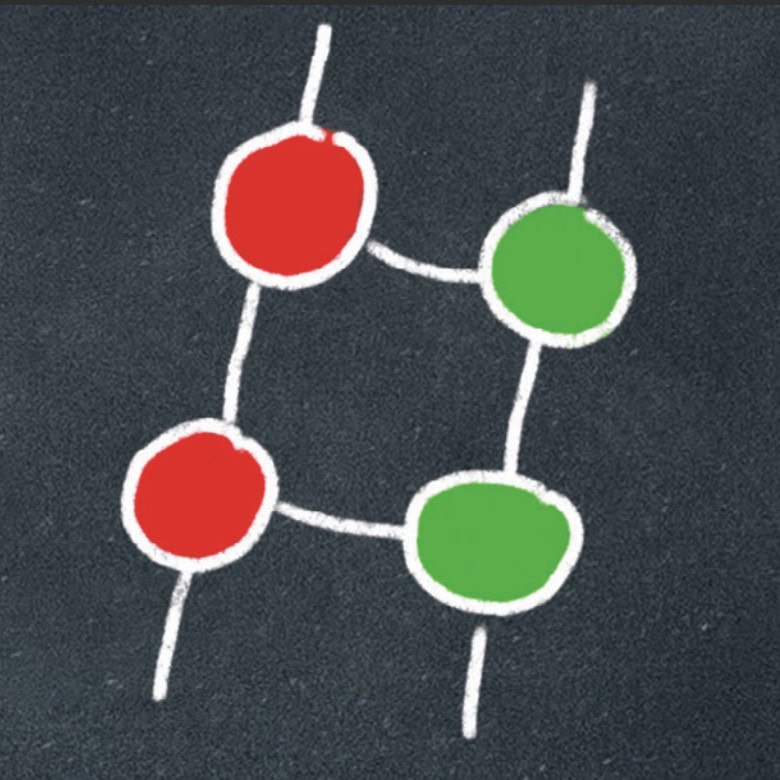
Quantum science is enjoying a renaissance as nascent quantum computers emerge from the lab and quantum sensors are being used for practical applications. As the technologies we use become more quantum in nature, it follows that everyone should have a basic understanding of quantum physics. To explore how quantum physics can be taught to the masses, I am joined by Arjan Dhawan, Aleks Kissinger and Bob Coecke – who are all based in the UK. Coecke is chief scientist at Quantinuum – which develops quantum computing hardware and software. Kissinger is associate professor of quantum computing at the University of Oxford; and Dhawan is studying mathematics at the University of Durham. Kissinger and Coecke have developed a way of teaching quantum physics using diagrams. In 2023, Oxford and Quantinuum joined forces to use the method in a pilot summer programme for 15 to 17 year-olds. Dhawan was one of their students. The books mentioned in the podcast are Picturing Quantum Processes: A First Course in Quantum Theory and Diagrammatic Reasoning by Bob Coecke and Aleks Kissinger; and Quantum in Pictures: A New Way to Understand the Quantum World by Bob Coecke and Stefano Gogioso. Physics World is brought to you by IOP Publishing, which also publishes scholarly journals, conference proceedings and ebooks. You can download the book The Ringed Planet: Second Edition free of charge for a limited time only. By Joshua Colwell, the book is a must read on Saturn and the Cassini mission. An updated and expanded third edition is also hot off the press. Browse all ebooks here and remember that you can always read the first chapters of all IOPP ebooks for free. This article forms part of Physics World‘s contribution to the 2025 International Year of Quantum Science and Technology (IYQ), which aims to raise global awareness of quantum physics and its applications. Stayed tuned to Physics World and our international partners throughout the next 12 months for more coverage of the IYQ. Find out more on our quantum channel.  
A Martian aurora, how the universe fades away, Heisenberg on holiday, physics of fake coins
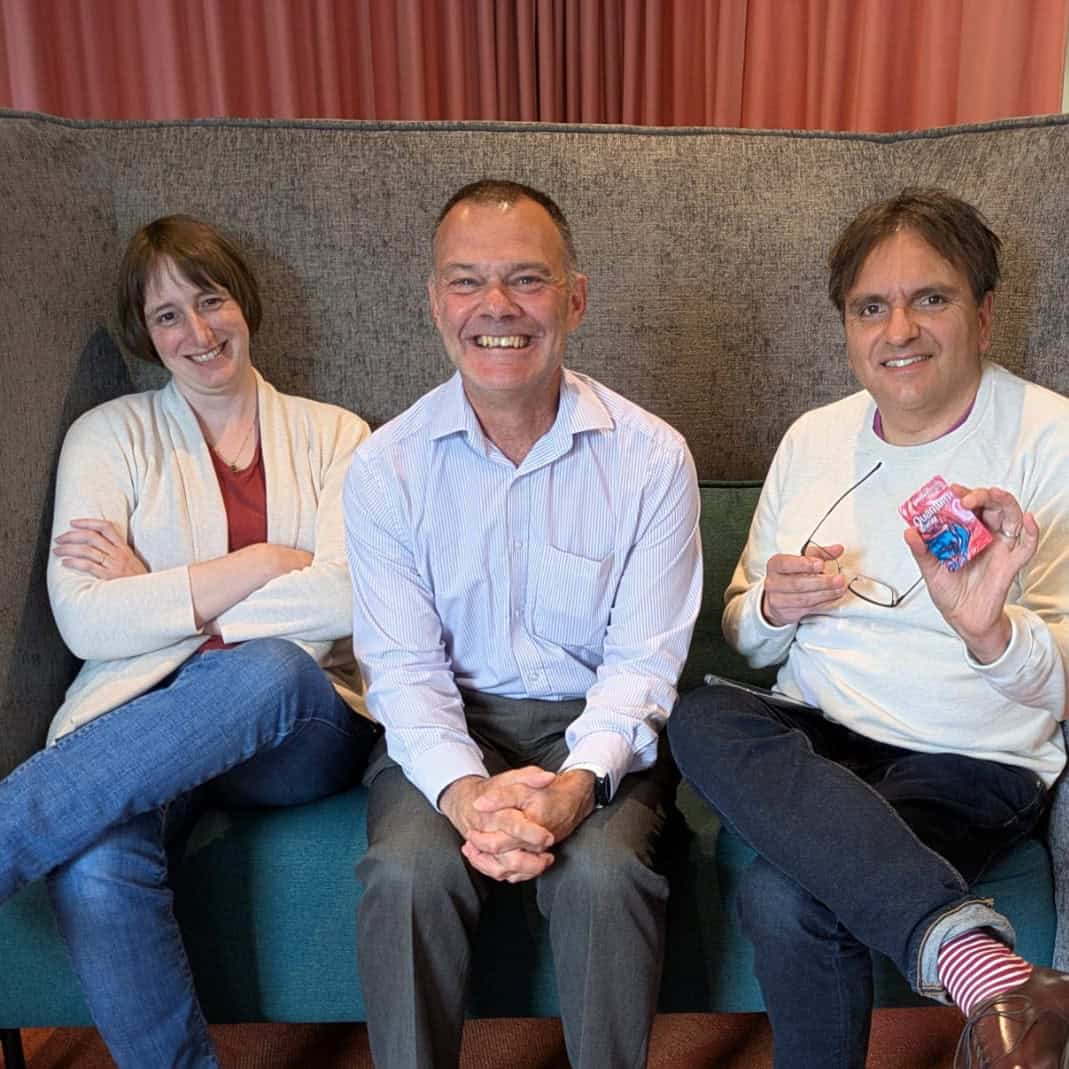
In this episode of the Physics World Weekly podcast I look at what’s new in the world of physics with the help of my colleagues Margaret Harris and Matin Durrani. We begin on Mars, where NASA’s Perseverance Rover has made the first observation of an aurora from the surface of the Red Planet. Next, we look deep into the future of the universe and ponder the physics that will govern how the last stars will fade away. Then, we run time in reverse and go back to the German island of Helgoland, where in 1925 Werner Heisenberg laid the foundations of modern quantum mechanics. The island will soon host an event celebrating the centenary and Physics World will be there. Finally, we explore how neutrons are being used to differentiate between real and fake antique coins and chat about the Physics World Quantum Briefing 2025.
Quantum computing for artists, musicians and game designers
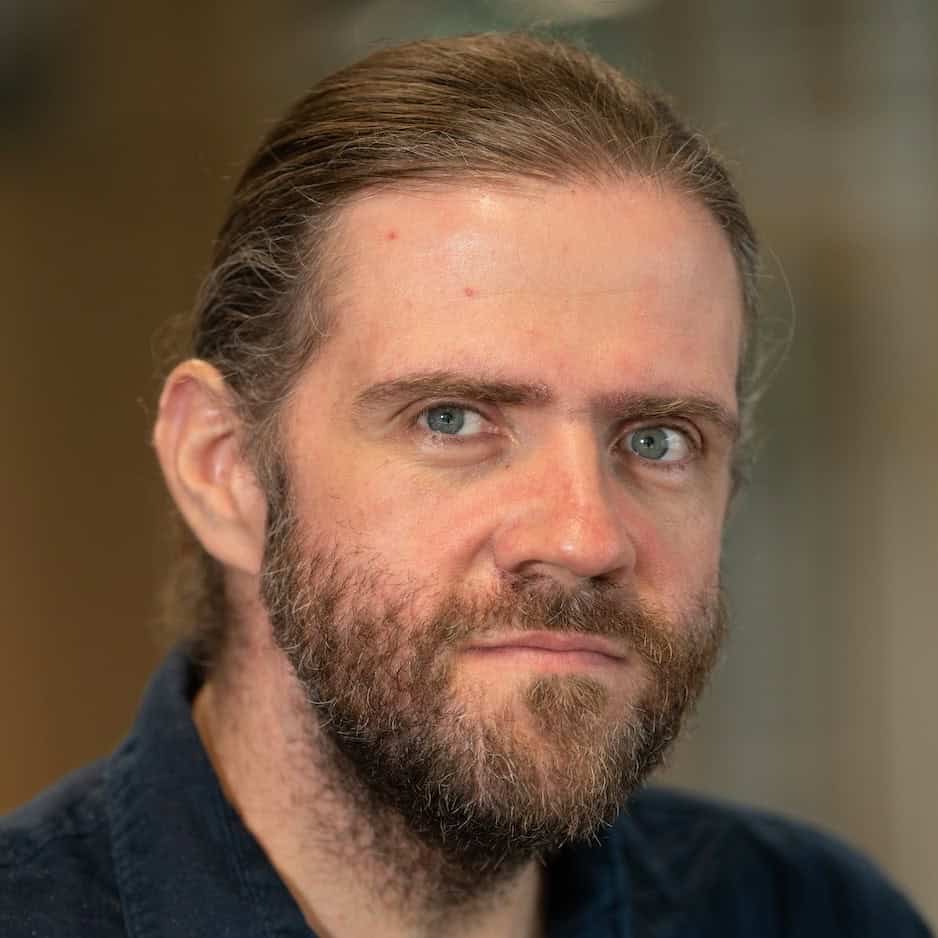
Many creative industries rely on cutting-edge digital technologies, so it is not surprising that this sector could easily become an early adopter of quantum computing. In this episode of the Physics World Weekly podcast I am in conversation with James Wootton, who is chief scientific officer at Moth Quantum. Based in the UK and Switzerland, the company is developing quantum-software tools for the creative industries – focusing on artists, musicians and game developers. Wootton joined Moth Quantum in September 2024 after working on quantum error correction at IBM. He also has long-standing interest in quantum gaming and creating tools that make quantum computing more accessible. If you enjoyed this interview with Wootton, check out this article that he wrote for Physics World in 2018: “Playing games with quantum computers“. This article forms part of Physics World‘s contribution to the 2025 International Year of Quantum Science and Technology (IYQ), which aims to raise global awareness of quantum physics and its applications. Stayed tuned to Physics World and our international partners throughout the next 12 months for more coverage of the IYQ. Find out more on our quantum channel.  

Molecular engineering and battery recycling: developing new technologies in quantum, medicine and energy
This episode of the Physics World Weekly podcast comes from the Chicago metropolitan area – a scientific powerhouse that is home to two US national labs and some of the country’s leading universities. Physics World’s Margaret Harris was there recently and met Nadya Mason. She is dean of the Pritzker School of Molecular Engineering at the University of Chicago, which focuses on quantum engineering; materials for sustainability; and immunoengineering. Mason explains how molecular-level science is making breakthroughs in these fields and she talks about her own research on the electronic properties of nanoscale and correlated systems. Harris also spoke to Jeffrey Spangenberger who leads the Materials Recycling Group at Argonne National Laboratory, which is on the outskirts of Chicago. Spangenberger talks about the challenges of recycling batteries and how we could make it easier to recover materials from batteries of the future. Spangenberger leads the ReCell Center, a national collaboration of industry, academia and national laboratories that is advancing recycling technologies along the entire battery life-cycle. On 13–14 May, The Economist is hosting Commercialising Quantum Global 2025 in London. The event is supported by the Institute of Physics – which brings you Physics World. Participants will join global leaders from business, science and policy for two days of real-world insights into quantum’s future. In London you will explore breakthroughs in quantum computing, communications and sensing, and discover how these technologies are shaping industries, economies and global regulation. Register now.
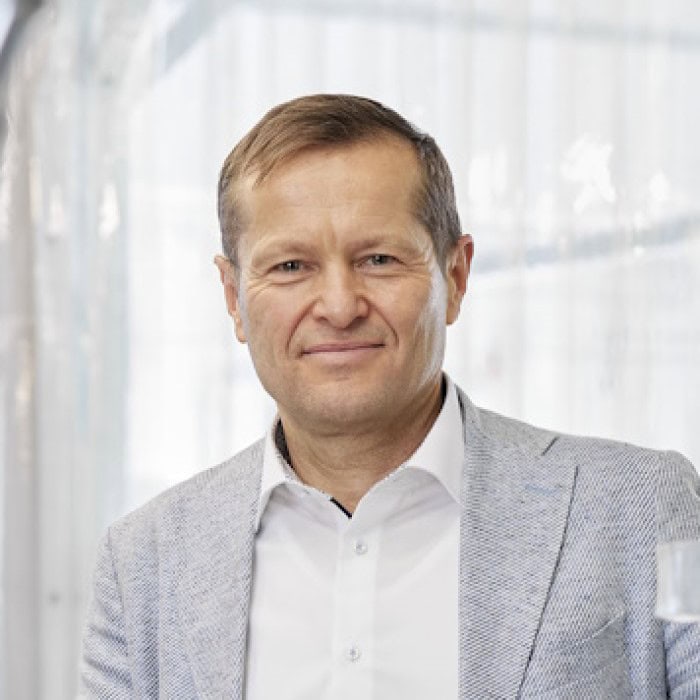
Ferenc Krausz explains how ultrashort laser pulses could help detect disease
This episode of the Physics World Weekly podcast features the Nobel laureate Ferenc Krausz. He is director of the Max-Planck Institute of Quantum Optics and a professor at LMU Munich, both in Germany, and CEO and scientific director of the Center for Molecular Fingerprinting in Budapest, Hungary. In a conversation with Physics World’s Tami Freeman Krausz talks about his research into using ultrashort-pulsed laser technology to develop a diagnostic tool for early disease detection. He also discusses his collaboration with Semmelweis University to establish the John von Neumann Institute for Data Science, and describes the Science4People initiative, a charity that he and his colleagues founded to provide education for children who have been displaced by the war in Ukraine. On 13–14 May, The Economist is hosting Commercialising Quantum Global 2025 in London. The event is supported by the Institute of Physics – which brings you Physics World. Participants will join global leaders from business, science and policy for two days of real-world insights into quantum’s future. In London you will explore breakthroughs in quantum computing, communications and sensing, and discover how these technologies are shaping industries, economies and global regulation. Register now and use code QUANTUM20 to receive 20% off. This offer ends on 4 May.
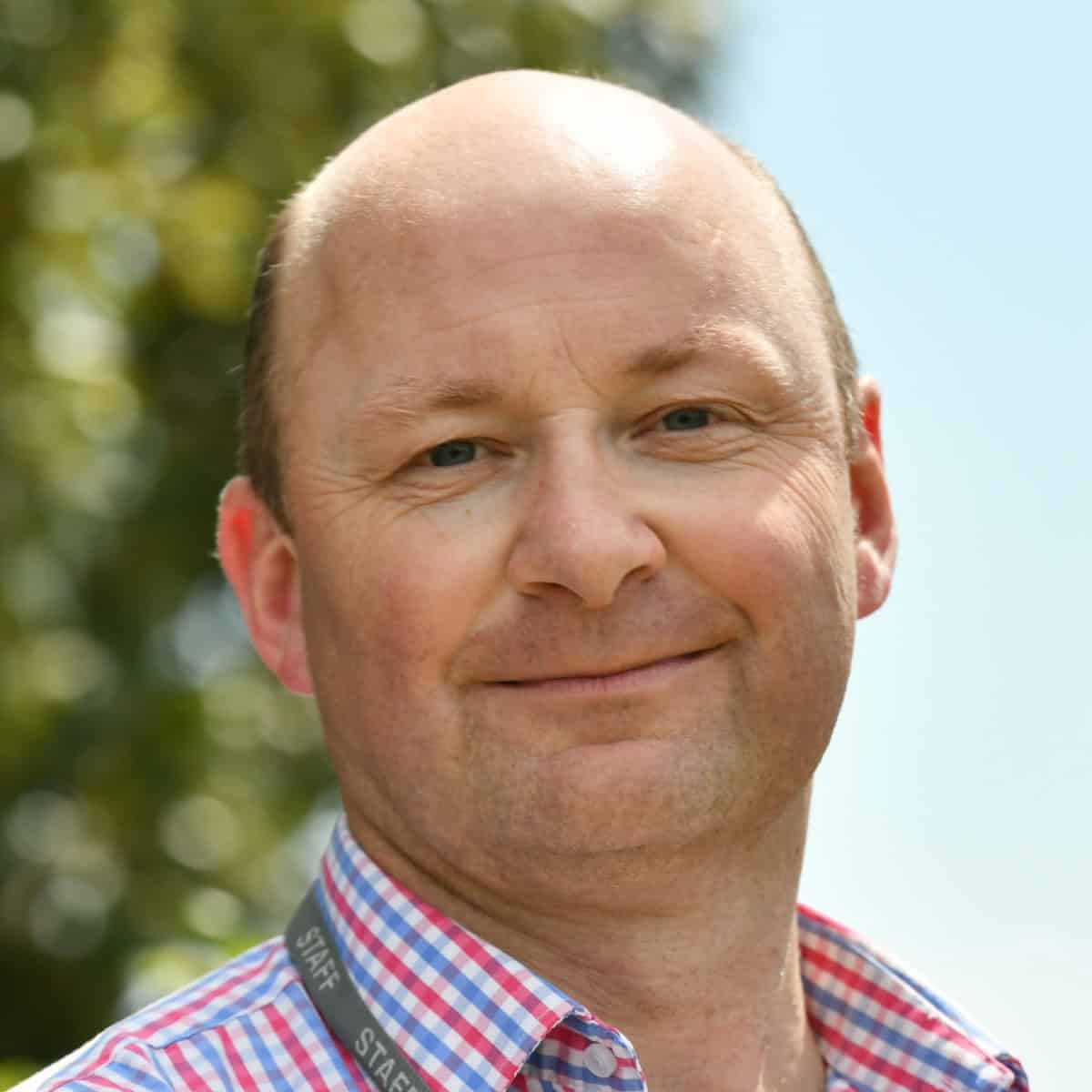
Driving skills and innovation in the UK’s semiconductor industry
This episode of the Physics World Weekly podcast features the materials scientist Paul Meredith, who is director of the Centre for Integrative Semiconductor Materials (CISM) at the UK’s Swansea University. In a conversation with Physics World’s Matin Durrani, Meredith talks about the importance of semiconductors in a hi-tech economy and why it is crucial for the UK to have a homegrown semiconductor industry. Founded in 2020, CISM moved into a new, state-of-the-art £50m building in 2023 and is now in its first full year of operation. Meredith explains how technological innovation and skills training at CSIM is supporting chipmakers in the M4 hi-tech corridor, which begins in Swansea in South Wales and stretches eastward to London.
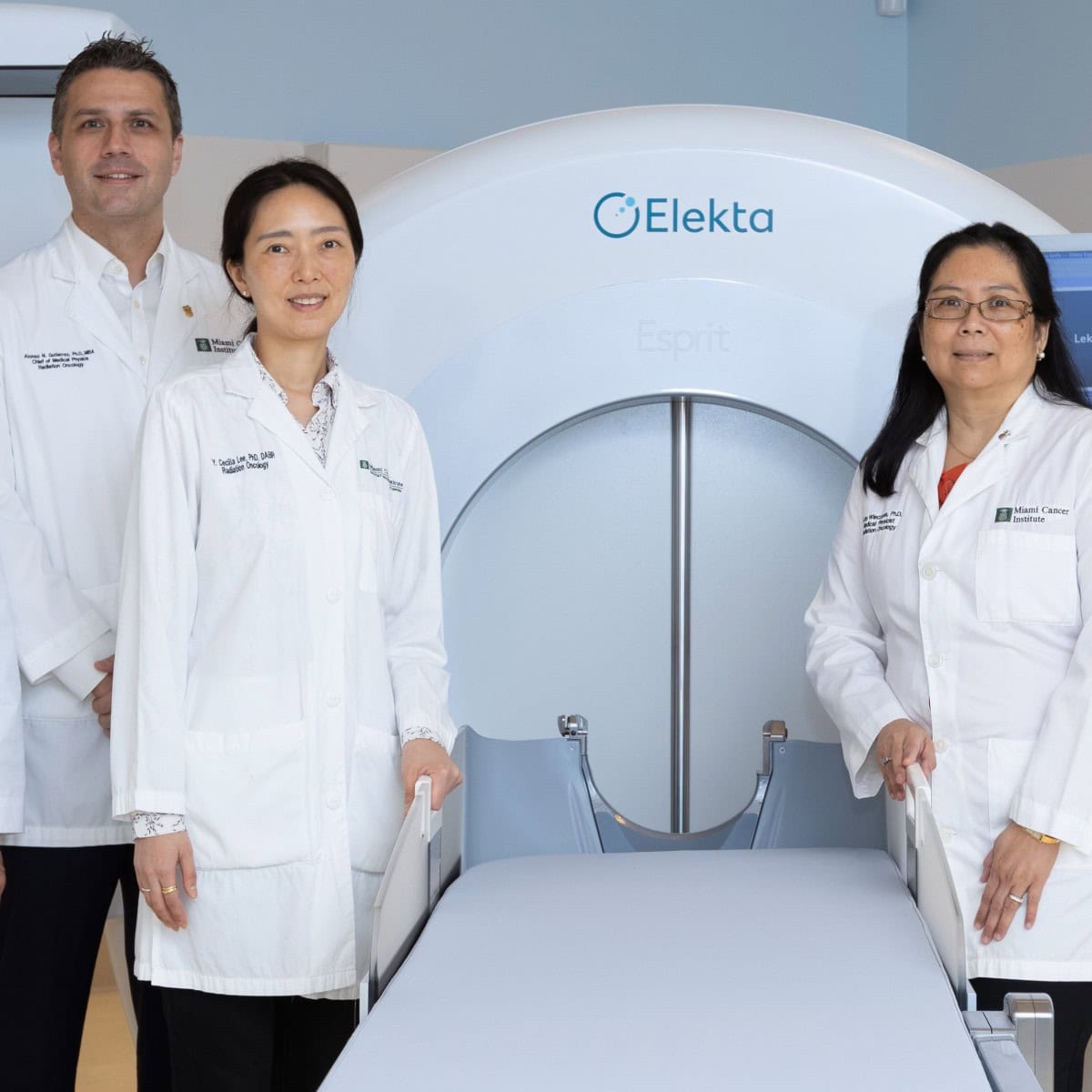
Radiosurgery made easy: the role of the Gamma Knife in modern radiotherapy
This podcast features Alonso Gutierrez, who is chief of medical physics at the Miami Cancer Institute in the US. In a wide-ranging conversation with Physics World’s Tami Freeman, Gutierrez talks about his experience using Elekta’s Leksell Gamma Knife for radiosurgery in a busy radiotherapy department. This podcast is sponsored by Elekta.

Non-invasive pressure sensor could revolutionize how brain injuries are diagnosed
This episode of the Physics World Weekly podcast features an interview with Panicos Kyriacou, who is chief scientist at the UK-based start-up Crainio. The company has developed a non-invasive way of using light to measure the pressure inside the skull. Knowing this intracranial pressure is crucial when diagnosing traumatic brain injury, which a leading cause of death and disability. Today, the only way to assess intracranial pressure is to insert a sensor into the patient’s brain, so Crainio’s non-invasive technique could revolutionize how brain injuries are diagnosed and treated. Kyriacou tells Physics World’s Tami Freeman why it is important to assess a patient’s intracranial pressure as soon as possible after a head injury. He explains how Crainio’s optical sensor measures blood flow in the brain and then uses machine learning to deduce the intracranial pressure. Kyriacou is also professor of engineering at City St George’s University of London, where the initial research for the sensor was done. He recalls how Crainio was spun out of the university and how it is currently in a second round of clinical trials. As well as being non-invasive, Crainio’s technology could reduce the cost of determining intracranial pressure and make it possible to make measurements in the field, shortly after injuries occur.

William Phillips: Nobel laureate talks about his passion for quantum physics
This episode of the Physics World Weekly podcast features William Phillips, who shared the 1997 Nobel Prize for Physics for his work on cooling and trapping atoms using laser light. In a wide-ranging conversation with Physics World’s Margaret Harris, Phillips talks about his long-time fascination with quantum physics – which began with an undergraduate project on electron spin resonance. Phillips chats about quirky quantum phenomena such as entanglement and superposition and explains how they are exploited in atomic clocks and quantum computing. He also looks to the future of quantum technologies and stresses the importance of curiosity-led research. Phillips has spent much of his career at US’s National Institute for Standards and Technology (NIST) in Maryland and he also a professor of physics at the University of Maryland.   This podcast is supported by Atlas Technologies, specialists in custom aluminium and titanium vacuum chambers as well as bonded bimetal flanges and fittings used everywhere from physics labs to semiconductor fabs. This article forms part of Physics World‘s contribution to the 2025 International Year of Quantum Science and Technology (IYQ), which aims to raise global awareness of quantum physics and its applications. Stayed tuned to Physics World and our international partners throughout the next 12 months for more coverage of the IYQ. Find out more on our quantum channel.  

Microsoft’s Chetan Nayak on topological qubits, the physics of bigger splashes
Last week I had the pleasure of attending the Global Physics Summit (GPS) in Anaheim California, where I rubbed shoulders with 15,000 fellow physicists. The best part of being there was chatting with lots of different people, and in this podcast I share two of those conversations. First up is Chetan Nayak, who is a senior researcher at Microsoft’s Station Q quantum computing research centre here in California. In February, Nayak and colleagues claimed a breakthrough in the development of topological quantum bits (qubits) based on Majorana zero modes. In principle, such qubits could enable the development of practical quantum computers, but not all physicists were convinced, and the announcement remains controversial – despite further results presented by Nayak in a packed session at the GPS. I caught up with Nayak after his talk and asked him about the challenges of achieving Microsoft’s goal of a superconductor-based topological qubit. That conversation is the first segment of today’s podcast. Distinctive jumping technique Up next, I chat with Atharva Lele about the physics of manu jumping, which is a competitive aquatic sport that originates from the Māori and Pasifika peoples of New Zealand. Jumpers are judged by the height of their splash when they enter the water, and the best competitors use a very distinctive technique. Lele is an undergraduate student at the Georgia Institute of Technology in the US, and is part of team that analysed manu techniques in a series of clever experiments that included plunging robots. He explains how to make a winning manu jump while avoiding the pain of a belly flop. This article forms part of Physics World‘s contribution to the 2025 International Year of Quantum Science and Technology (IYQ), which aims to raise global awareness of quantum physics and its applications. Stayed tuned to Physics World and our international partners throughout the next 12 months for more coverage of the IYQ. Find out more on our quantum channel.

Artur Ekert explains how Albert Einstein and John Bell inspired quantum cryptography
When physicists got their first insights into the quantum world more than a century ago, they found it puzzling to say the least. But gradually, and through clever theoretical and experimental work, a consistent quantum theory emerged. Two physicists that who played crucial roles in this evolution were Albert Einstein and John Bell. In this episode of the Physics World Weekly podcast the theoretical crypto-physicist Artur Ekert explains how a quantum paradox identified by Einstein and colleagues in 1935 inspired a profound theoretical breakthrough by Bell three decades later. Ekert, who splits his time between the University of Oxford and the National University of Singapore, describes how he used Bell’s theorem to create a pioneering quantum cryptography protocol and he also chats about current research in quantum physics and beyond. You can read more about this topic here: “Bohr, Einstein and Bell: what the 2022 Nobel Prize for Physics tells us about quantum mechanics” This article forms part of Physics World‘s contribution to the 2025 International Year of Quantum Science and Technology (IYQ), which aims to raise global awareness of quantum physics and its applications. Stayed tuned to Physics World and our international partners throughout the next 12 months for more coverage of the IYQ. Find out more on our quantum channel.

Ionizing radiation: its biological impacts and how it is used to treat disease
This episode of the Physics World Weekly podcast features Ileana Silvestre Patallo, a medical physicist at the UK’s National Physical Laboratory, and Ruth McLauchlan, consultant radiotherapy physicist at Imperial College Healthcare NHS Trust. In a wide-ranging conversation with Physics World’s Tami Freeman, Patallo and McLauchlan explain how ionizing radiation such as X-rays and proton beams interact with our bodies and how radiation is being used to treat diseases including cancer. This episode was created in collaboration with IPEM, the Institute of Physics and Engineering in Medicine. IPEM owns the journal Physics in Medicine & Biology.

New materials for quantum technology, how ultrasound can help detect breast cancer
In this episode of the Physics World Weekly podcast, we explore how computational physics is being used to develop new quantum materials; and we look at how ultrasound can help detect breast cancer. Our first guest is Bhaskaran Muralidharan, who leads the Computational Nanoelectronics & Quantum Transport Group at the Indian Institute of Technology Bombay. In a conversation with Physics World’s Hamish Johnston, he explains how computational physics is being used to develop new materials and devices for quantum science and technology. He also shares his personal perspective on quantum physics in this International Year of Quantum Science and Technology. Our second guest is Daniel Sarno of the UK’s National Physical Laboratory, who is an expert in the medical uses of ultrasound. In a conversation with Physics World’s Tami Freeman, Sarno explains why conventional mammography can struggle to detect cancer in patients with higher density breast tissue. This is a particular problem because women with such tissue are at higher risk of developing the disease. To address this problem, Sarno and colleagues have developed a ultrasound technique for measuring tissue density and are commercializing it via a company called sona. Bhaskaran Muralidharan is an editorial board member on Materials for Quantum Technology. The journal is produced by IOP Publishing, which also brings you Physics World This article forms part of Physics World‘s contribution to the 2025 International Year of Quantum Science and Technology (IYQ), which aims to raise global awareness of quantum physics and its applications. Stayed tuned to Physics World and our international partners throughout the next 12 months for more coverage of the IYQ. Find out more on our quantum channel.

Exploring CERN: Physics World visits the world’s leading particle-physics lab
In this episode of the Physics World Weekly podcast, online editor Margaret Harris chats about her recent trip to CERN. There, she caught up with physicists working on some of the lab’s most exciting experiments and heard from CERN’s current and future leaders. Founded in Geneva in 1954, today CERN is most famous for the Large Hadron Collider (LHC), which is currently in its winter shutdown. Harris describes her descent 100 m below ground level to visit the huge ATLAS detector and explains why some of its components will soon be updated as part of the LHC’s upcoming high luminosity upgrade. She explains why new “crab cavities” will boost the number of particle collisions at the LHC. Among other things, this will allow physicists to better study how Higgs bosons interact with each other, which could provide important insights into the early universe. Harris describes her visit to CERN’s Antimatter Factory, which hosts several experiments that are benefitting from a 2021 upgrade to the lab’s source of antiprotons. These experiments measure properties of antimatter – such as its response to gravity – to see if its behaviour differs from that of normal matter. Harris also heard about the future of the lab from CERN’s director general Fabiola Gianotti and her successor Mark Thomson, who will take over next year.

Jim Gates updates his theorist’s bucket list and surveys the damage being done to US science and society
This episode of the Physics World Weekly podcast features an interview with the theoretical physicist Jim Gates who is at the University of Maryland and Brown University – both in the US. He updates his theorist’s bucket list, which he first shared with Physics World back in 2014. This is a list of breakthroughs in physics that Gates would like to see happen before he dies. One list item – the observation or gravitational waves – happened in 2015 and Gates explains the importance of the discovery. He also explains why the observation of gravitons, which are central to a theory of quantum gravity, is on his bucket list. Quantum information Gates is known for his work on supersymmetry and superstring theory, so it is not surprising that experimental evidence for those phenomena are on the bucket list. Gates also talks about a new item on his list that concerns the connections between quantum physics and information theory. In this interview with Physics World’s Margaret Harris, Gates also reflects on how the current political upheaval in the US is affecting science and society – and what scientists can do ensure that the public has faith in science. Photo courtesy: Nick Dentamaro/Brown University

Quantum superstars gather in Paris for the IYQ 2025 opening ceremony
The United Nations Educational, Scientific and Cultural Organization (UNESCO) has declared 2025 the International Year of Quantum Science and Technology – or IYQ. UNESCO kicked-off IYQ on 4–5 February at a gala opening ceremony in Paris. Physics World’s Matin Durrani was there, and he shares his highlights from the event in this episode of the Physics World Weekly podcast. No fewer than four physics Nobel laureates took part in the ceremony alongside representatives from governments and industry. While some speakers celebrated the current renaissance in quantum research and the burgeoning quantum-technology sector, others called on the international community to ensure that people in all nations benefit from a potential quantum revolution – not just people in wealthier countries. The dangers of promising too much from quantum computers and other technologies, was also discussed – as Durrani explains. This article forms part of Physics World‘s contribution to the 2025 International Year of Quantum Science and Technology (IYQ), which aims to raise global awareness of quantum physics and its applications. Stayed tuned to Physics World and our international partners throughout the next 12 months for more coverage of the IYQ. Find out more on our quantum channel.

How the changing environment affects solar-panel efficiency: the Indian perspective
This episode of the Physics World Weekly podcast looks at how climate and environmental change affect the efficiency of solar panels. Our guest is the climate scientist Sushovan Ghosh, who is lead author of paper that explores how aerosols, rising temperatures and other environmental factors will affect solar-energy output in India in the coming decades. Today, India ranks fifth amongst nations in terms of installed solar-energy capacity and boosting this capacity will be crucial for the country’s drive to reduce its greenhouse gas emissions by 45% by 2030 – when compared to 2005. While much of India is blessed with abundant sunshine, it is experiencing a persistent decline in incoming solar radiation that is associated with aerosol pollution. What is more, higher temperatures associated with climate change reduce the efficiency of solar cells – and their performance is also impacted in India by other climate-related phenomena. In this podcast, Ghosh explains how changes in the climate and environment affect the generation of solar energy and what can be done to mitigate these effects. Ghosh co-wrote the paper when at the Centre for Atmospheric Sciences at the Indian Institute of Technology Delhi and he is now at the Barcelona Supercomputing Center in Spain. His co-authors in Delhi were Dilip Ganguly, Sagnik Dey and Subhojit Ghoshal Chowdhury; and the paper is called, “Future photovoltaic potential in India: navigating the interplay between air pollution control and climate change mitigation”. It appears in Environmental Research Letters, which is published by IOP Publishing – which also brings you Physics World.

Mark Thomson looks to the future of CERN and particle physics
This episode of the Physics World Weekly podcast features Mark Thomson, who will become the next director-general of CERN in January 2026. In a conversation with Physics World’s Michael Banks, Thomson shares his vision of the future of the world’s preeminent particle physics lab, which is home to the Large Hadron Collider (LHC). They chat about the upcoming high-luminosity upgrade to the LHC (HL-LHC), which will be completed in 2030. The interview explores long-term strategies for particle physics research and the challenges of managing large international scientific organizations. Thomson also looks back on his career in particle physics and his involvement with some of the field’s biggest experiments.     This podcast is supported by Atlas Technologies, specialists in custom aluminium and titanium vacuum chambers as well as bonded bimetal flanges and fittings used everywhere from physics labs to semiconductor fabs.

Why electrochemistry lies at the heart of modern technology
This episode of the Physics World Weekly podcast features a conversation with Colm O’Dwyer, who is professor of chemical energy at University College Cork in Ireland and president of the Electrochemical Society. He talks about the role that electrochemistry plays in the development of modern technologies including batteries, semiconductor chips and pharmaceuticals. O’Dwyer chats about the role that the Electrochemical Society plays in advancing the theory and practice of electrochemistry and solid-state science and technology. He also explains how electrochemists collaborate with scientists and engineers in other fields including physics – and he looks forward to the future of electrochemistry.   This podcast is supported by American Elements. Trusted by researchers and industries the world over, American Elements is helping shape the future of battery and electrochemistry technology.
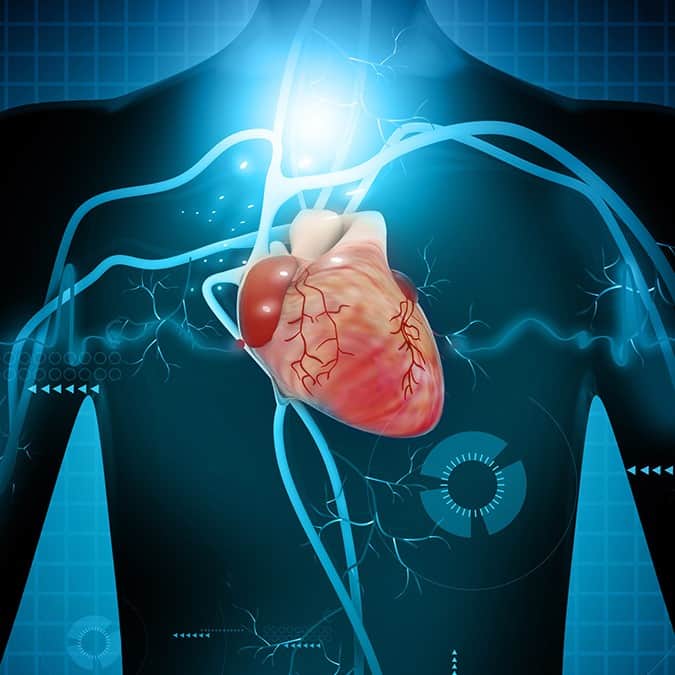
Ceryx Medical: company uses bioelectronics to coordinate the heart and lungs
Heart failure is a serious condition that occurs when a damaged heart loses its ability to pump blood around the body. It affects as many as 100 million people worldwide and it is a progressive disease such that five years after a diagnosis, 50% of patients with heart failure will be dead. The UK-based company Ceryx Medical has created a new bioelectronic device called Cysoni, which is designed to adjust the pace of the heart as a patient breathes in and out. This mimics a normal physiological process called respiratory sinus arrhythmia, which can be absent in people with heart failure. The company has just began the first trial of Cysoni on human subjects. This podcast features the biomedical engineer Stuart Plant and the physicist Ashok Chauhan, who are Ceryx Medical’s CEO and senior scientist respectively. In a wide-ranging conversation with Physics World’s Margaret Harris, they talk about how bioelectronics could be used treat heart failure and some other diseases. Chauhan and Plant also chat about challenges and rewards of developing medical technologies within a small company.
Humanitarian engineering can improve cancer treatment in low- and middle-income countries
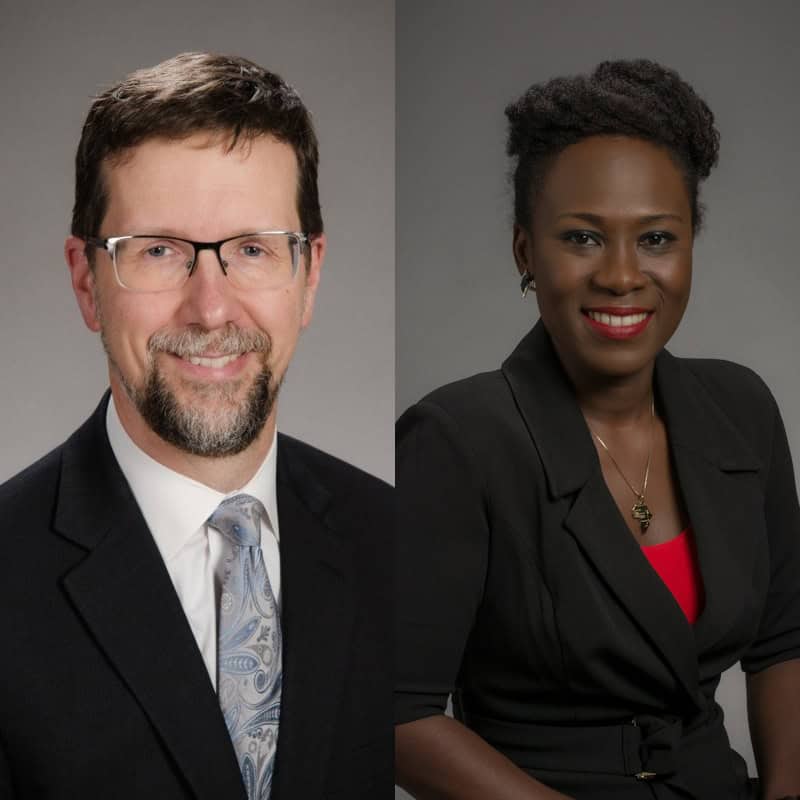
This episode of the Physics World Weekly podcast explores how the concept of humanitarian engineering can be used to provide high quality cancer care to people in low- and middle-income countries (LMICs). This is an important challenge because today only 5% of global radiotherapy resources are located in LMICs, which are home to the majority of the world’s population. Our guests are two medical physicists at the University of Washington in the US who have contributed to the ebook Humanitarian Engineering for Global Oncology. They are Eric Ford, who edited the ebook and Afua Yorke, who along with Ford wrote the chapter “Cost-effective radiation treatment delivery systems for low- and middle-income countries”. They are in conversation with Physics World’s Tami Freeman.
International Year of Quantum Science and Technology: our celebrations begin with a look at quantum networks and sensors
As proclaimed by the United Nations, 2025 is the International Year of Quantum Science and Technology, or IYQ for short. This year was chosen because it marks the 100th anniversary of Werner Heisenberg’s development of matrix mechanics – the first consistent mathematical description of quantum physics. Our guest in this episode of the Physics World Weekly podcast is the Turkish quantum physicist Mete Atatüre, who heads up the Cavendish Laboratory at the UK’s University of Cambridge. In a conversation with Physics World’s Katherine Skipper, Atatüre talks about hosting Quantour, the quantum light source that is IYQ’s version of the Olympic torch. He also talks about his group’s research on quantum sensors and quantum networks. There is much more about Heisenberg’s mathematical breakthrough in quantum physics here: “Return to Helgoland: celebrating 100 years of quantum mechanics”. This article forms part of Physics World‘s contribution to the 2025 International Year of Quantum Science and Technology (IYQ), which aims to raise global awareness of quantum physics and its applications. Stayed tuned to Physics World and our international partners throughout the next 12 months for more coverage of the IYQ. Find out more on our quantum channel.
The physics of ice cream: food scientist Douglas Goff talks about this remarkable material
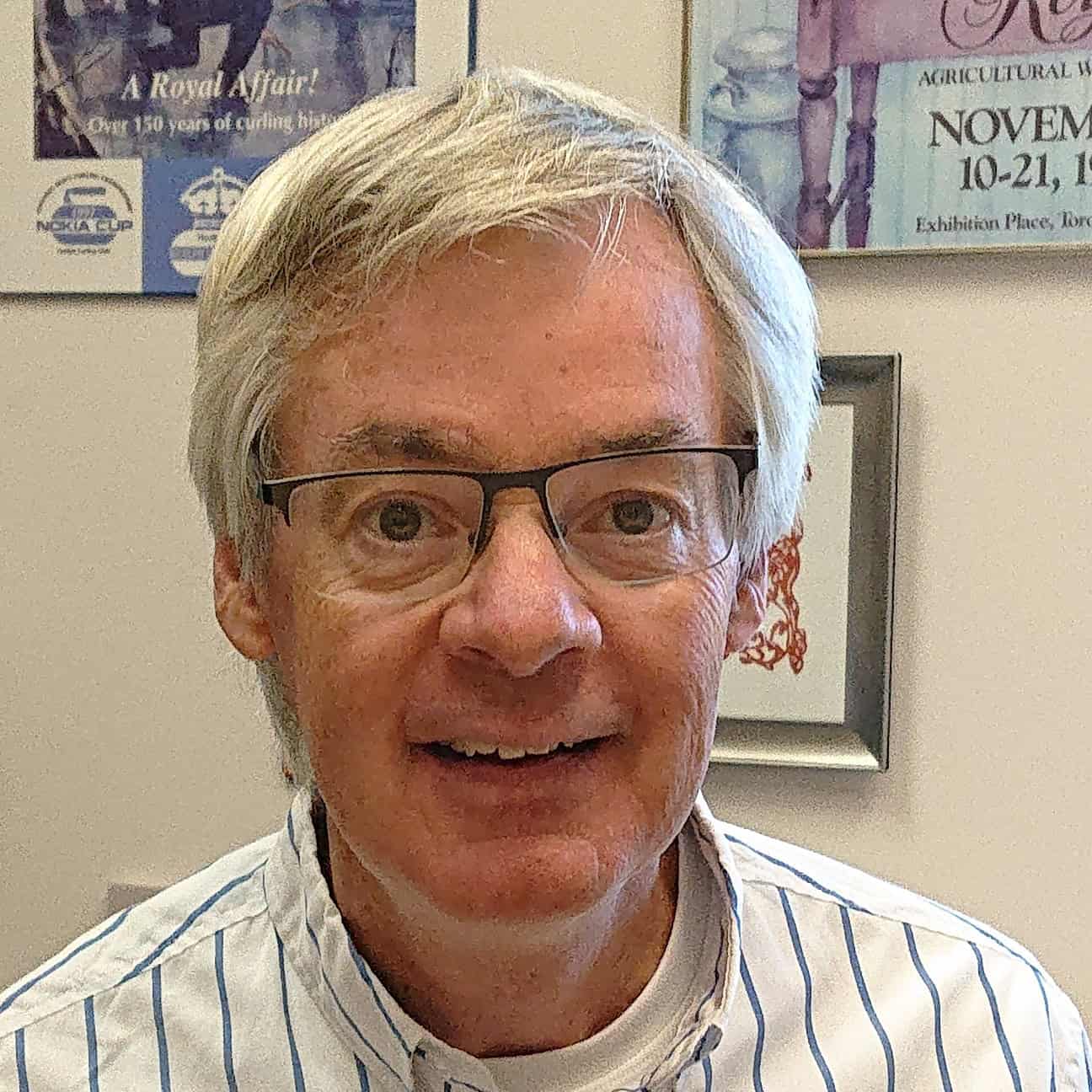
December might be dark and chilly here in the northern hemisphere, but it’s summer south of the equator – and for many people that means eating ice cream. It turns out that the physics of ice cream is rather remarkable – as I discovered when I travelled to Canada’s University of Guelph to interview the food scientist Douglas Goff. He is a leading expert on the science of frozen desserts and in this podcast he talks about the unique material properties of ice cream, the analytical tools he uses to study it, and why ice cream goes off when it is left in the freezer for too long.  
Mikhail Lukin and Dolev Bluvstein explain how they used trapped atoms to create 48 logical qubits
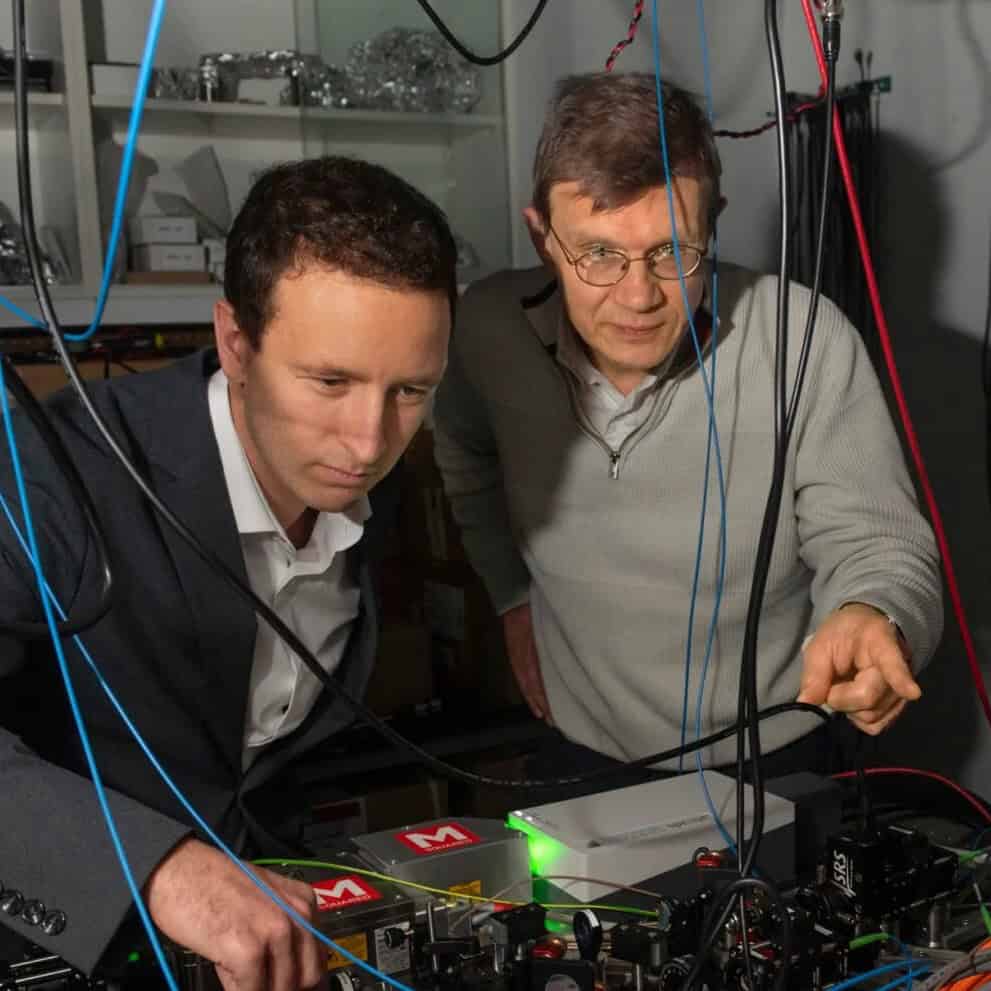
One half of the Physics World 2024 Breakthrough of the Year has been awarded to Mikhail Lukin, Dolev Bluvstein and colleagues at Harvard University, the Massachusetts Institute of Technology and QuEra Computing for demonstrating quantum error correction on an atomic processor with 48 logical qubits. In this episode of the Physics World Weekly podcast, Bluvstein and Lukin explain the crucial role that error correction is playing in the development of practical quantum computers. They also describe how atoms are moved around their quantum processor and why this coordinated motion allowed them to create logical qubits and use those qubits to perform quantum computations. The Physics World 2024 Breakthrough of the Year also cites Hartmut Neven and colleagues at Google Quantum AI and their collaborators for implementing quantum error correction below the surface code threshold in a superconducting chip. Neven talks about his team’s accomplishments in this podcast.   Physics World‘s coverage of the Breakthrough of the Year is supported by Reports on Progress in Physics, which offers unparalleled visibility for your ground-breaking research.
Hartmut Neven talks about Google Quantum AI’s breakthrough in quantum error correction
One half of the Physics World 2024 Breakthrough of the Year has been awarded to Hartmut Neven and colleagues at Google Quantum AI and their collaborators for implementing quantum error correction below the surface code threshold in a superconducting chip. In this episode of the Physics World Weekly podcast, Neven talks about Google’s new Willow quantum processor, which integrates 105 superconducting physical qubits. He also explains how his team used these qubits to create logical qubits with error rates that dropped exponentially with the number of physical qubits used. He also outlines Googles ambitious plan to create a processor with 100, or even 1000, logical qubits by 2030. The Physics World 2024 Breakthrough of the Year also cites Mikhail Lukin, Dolev Bluvstein and colleagues at Harvard University, the Massachusetts Institute of Technology and QuEra Computing for demonstrating quantum error correction on an atomic processor with 48 logical qubits. Lukin and Bluvstein explain how they did it in this podcast.   Physics World‘s coverage of the Breakthrough of the Year is supported by Reports on Progress in Physics, which offers unparalleled visibility for your ground-breaking research.
Exploring this year’s best physics research in our Top 10 Breakthroughs of 2024
This episode of the Physics World Weekly podcast features a lively discussion about our Top 10 Breakthroughs of 2024, which include important research in nuclear physics, quantum computing, medical physics, lasers and more. Physics World editors explain why we have made our selections and look at the broader implications of this impressive body of research. The top 10 serves as the shortlist for the Physics World Breakthrough of the Year award, the winner of which will be announced on 19 December. Links to all the nominees, more about their research and the selection criteria can be found here.   Physics World‘s coverage of the Breakthrough of the Year is supported by Reports on Progress in Physics, which offers unparalleled visibility for your ground-breaking research.
How the UK Metamaterials Network supports scientific and commercial innovation
This episode of the Physics World Weekly podcast explores the science and commercial applications of metamaterials with Claire Dancer of the University of Warwick and Alastair Hibbins of the University of Exeter. They lead the UK Metamaterials Network, which brings together people in academia, industry and governmental agencies to support and expand metamaterial R&D; nurture talent and skills; promote the adoption of metamaterials in the wider economy; and much more. According to the network, “A metamaterial is a 3D structure with a response or function due to the collective effect of meta-atom elements that is not possible to achieve conventionally with any individual constituent material”. In a wide-ranging conversation with Physics World’s Matin Durrani, Hibbins and Dancer talk about exciting commercial applications of metamaterials including soundproof materials and lenses for mobile phones – and how they look forward to welcoming the thousandth member of the network sometime in 2025.

Astronomers can play an important role in explaining the causes and consequences of climate change, says astrophysicist
Climate science and astronomy have much in common, and this has inspired the astrophysicist Travis Rector to call on astronomers to educate themselves, their students and the wider public about climate change. In this episode of the Physics World Weekly podcast, Rector explains why astronomers should listen to the concerns of the public when engaging about the science of global warming. And, he says the positive outlook of some of his students at the University of Alaska Anchorage makes him believe that a climate solution is possible. Rector says that some astronomers are reluctant to talk to the public about climate change because they have not mastered the intricacies of the science. Indeed, one aspect of atmospheric physics that has challenged scientists is the role that clouds play in global warming. My second guest this week is the science journalist Michael Allen, who has written a feature article for Physics World called “Cloudy with a chance of warming: how physicists are studying the dynamical impact of clouds on climate change”. He talks about climate feedback mechanisms that involve clouds and how aerosols affect clouds and the climate. Rector is editor of the book Climate Change for Astronomers: Causes, consequences, and communication. It was published earlier this year by IOP Publishing – which also brings you Physics World

Top tips for physics outreach from a prize winner, making graphene more sustainable
In this episode of the Physics World Weekly podcast I am in conversation with Joanne O’Meara, who has bagged a King Charles III Coronation Medal for her outstanding achievements in science education and outreach. Based at Canada’s University of Guelph, the medical physicist talks about her passion for science communication and her plans for a new science centre. This episode also features a wide-ranging interview with Burcu Saner Okan, who is principal investigator at Sabanci University’s Sustainable Advanced Materials Research Group in Istanbul, Turkey. She explains how graphene is manufactured today and how the process can be made more sustainable – by using recycled materials as feedstocks, for example. Saner Okan also talks about her commercial endeavours including Euronova.

Space travel: the health effects of space radiation and building a lunar GPS
We are entering a second golden age of space travel – with human missions to the Moon and Mars planned for the near future. In this episode of the Physics World Weekly podcast we explore two very different challenges facing the next generation of cosmic explorers. First up, the radiation oncologist James Welsh chats with Physics World’s Tami Freeman about his new ebook about the biological effects of space radiation on astronauts. They talk about the types and origins of space radiation and how they impact human health. Despite the real dangers, Welsh explains that the human body appears to be more resilient to radiation than are the microelectronics used on spacecraft. Based at Loyola Medicine in the US, Welsh explains why damage to computers, rather than the health of astronauts, could be the limiting factor for space exploration. Later in the episode I am in conversation with two physicists who have written a paper about how we could implement a universal time standard for the Moon. Based at the US’s National Institute of Standards and Technology (NIST), Biju Patla and Neil Ashby, explain how atomic clocks could be used to create a time system that would making coordinating lunar activities easier – and could operate as a GPS-like system to facilitate navigation. They also say that such a lunar system could be a prototype for a more ambitious system on Mars. Further reading Welsh’s ebook is called “Space Radiation: Astrophysical origins, radiobiological effects and implications for space travellers”. It is part of the IPEM–IOP Series in Physics and Engineering in Medicine and Biology. Ashby and Patla’s paper is called “A Relativistic Framework to Estimate Clock Rates on the Moon” and it appears in The Astronomical Journal.

How to boost the sustainability of solar cells
In this episode of the Physics World Weekly podcast I explore routes to more sustainable solar energy. My guests are four researchers at the UK’s University of Oxford who have co-authored the “Roadmap on established and emerging photovoltaics for sustainable energy conversion”. They are the chemist Robert Hoye; the physicists Nakita Noel and Pascal Kaienburg; and the materials scientist Sebastian Bonilla. We define what sustainability means in the context of photovoltaics and we look at the challenges and opportunities for making sustainable solar cells using silicon, perovskites, organic semiconductors and other materials. This podcast is supported by Pfeiffer Vacuum+Fab Solutions. Pfeiffer is part of the Busch Group, one of the world’s largest manufacturers of vacuum pumps, vacuum systems, blowers, compressors and gas abatement systems. Explore its products at the Pfeiffer website.  

Peter Hirst: MIT Sloan Executive Education develops leadership skills in STEM employees
Physicists and others with STEM backgrounds are sought after in industry for their analytical skills. However, traditional training in STEM subjects is often lacking when it comes to nurturing the soft skills that are needed to succeed in managerial and leadership positions. Our guest in this podcast is Peter Hirst, who is Senior Associate Dean, Executive Education at the MIT Sloan School of Management. He explains how MIT Sloan works with executives to ensure that they efficiently and effectively acquire the skills and knowledge needed to be effective leaders. This podcast is sponsored by the MIT Sloan School of Management

Julia Sutcliffe: chief scientific adviser explains why policymaking must be underpinned by evidence
This episode of the Physics World Weekly podcast, features the physicist and engineer Julia Sutcliffe, who is chief scientific adviser to the UK government’s Department for Business and Trade. In a wide-ranging conversation with Physics World’s Matin Durrani, Sutcliffe explains how she began her career as a PhD physicist before working in systems engineering at British Aerospace – where she worked on cutting-edge technologies including robotics, artificial intelligence, and autonomous systems. They also chat about Sutcliffe’s current role advising the UK government to ensure that policymaking is underpinned by the best evidence.
Data-intensive PhDs at LIV.INNO prepare students for careers outside of academia
LIV.INNO, Liverpool Centre for Doctoral Training for Innovation in Data-Intensive Science, offers students fully-funded PhD studentships across a broad range of research projects from medical physics to quantum computing. All students receive training in high-performance computing, data analysis, and machine learning and artificial intelligence. Students also receive career advice and training in project management, entrepreneurship and communication skills – preparing them for careers outside of academia. This podcast features the accelerator physicist Carsten Welsch, who is head of the Accelerator Science Cluster at the University of Liverpool and director of LIV.INNO, and the computational astrophysicist Andreea Font who is a deputy director of LIV.INNO. They chat with Physics World’s Katherine Skipper about how LIV.INNO provides its students with a wide range of skills and experiences – including a six-month industrial placement. This podcast is sponsored by LIV.INNO, the Liverpool Centre for Doctoral Training for Innovation in Data-Intensive Science.
Deep connections: why two AI pioneers won the Nobel Prize for Physics
It came as a bolt from the blue for many Nobel watchers. This year’s Nobel Prize for Physics went to John Hopfield and Geoffrey Hinton for their “foundational discoveries and inventions that enable machine learning and artificial neural networks”. In this podcast I explore the connections between artificial intelligence (AI) and physics with the author Anil Ananthaswamy – who has written the book Why Machines Learn: The Elegant Maths Behind Modern AI. We delve into the careers of Hinton and Hopfield and explain how they laid much of the groundwork for today’s AI systems. We also look at why Hinton has spoken out about the dangers of AI and chat about the connection between this year’s physics and chemistry Nobel prizes. SmarAct proudly supports Physics World‘s Nobel Prize coverage, advancing breakthroughs in science and technology through high-precision positioning, metrology and automation. Discover how SmarAct shapes the future of innovation at smaract.com.