Philosopher's Zone
268 episodes — Page 5 of 6
Power, domination and the ethics of global philanthropy
When billionaires want to make a positive difference in the world, many of them turn to philanthropy. Which is fine in principle, but this week we're asking if giving away money via huge global philanthropic foundations is really an unalloyed good.
Bilingual parenting, home and the mother tongue
Standard philosophical accounts of language present it as a kind of home – a place that we inhabit, and that shapes our sense of self. But what happens when we're not quite "at home" within a language?
Owning the public square
Confusion has reigned at Twitter since Elon Musk took the reins of the company, and one of the most pressing questions has to do with whether or not the social media platform will be reshaped to fit its new CEO's ideal of unfettered free speech. Musk has referred to Twitter as the "digital town square" – but how can the town square also be a private estate, owned by a billionaire? This week we're talking property, ownership... and how it all connects with Jane Austen's Pride and Prejudice.
Philosophy behind bars
What does it mean to study and teach philosophy in prison? Andy West has been teaching philosophy in prisons since 2015, and his memoir The Life Inside is a fascinating account of this experience - as well as a reflection on inherited trauma and the fact that his father, uncle and brother all spent time behind bars.
Causation and death
Like death, causation is something of a riddle. The death certificate of Queen Elizabeth II has "old age" given as the cause of death - but given that old age is simply an outcome of being alive for a certain period of time, what does it mean to pathologise it in this way, and to list it as a fatal condition? Far from being an exact science, death certification is rife with interpretation and contentious decision-making - and this reflects not only death's enigmatic qualities, but the mysterious nature of causation itself.
The prophetic vision of Günther Anders
Günther Anders is the most interesting and important philosopher you've probably never heard of. An exile from Nazi Germany who landed in America in the late 1930s, Anders was a prescient theorist of media and technology whose insights are remarkably pertinent to today's digital landscape. His major work is a best-seller in Europe and he's one of Germany's most well-regarded intellectuals, yet he's almost unknown in the Anglosphere. Why haven't we heard more about him?
How should we treat insects?
Insect farming, we're told by its proponents, is the next big thing in edible protein production, and it may just save the world. But an insect "farm" is more like a manufacturing plant where the tiny organisms are pulped into powder form.What is the moral status of these living things? Can we be sure they're not sentient beings, capable of experiencing pain and suffering? And if we can't be sure, how should we treat them?This program was first broadcast on August 22, 2021.
Philosophy and travel
Modern travel is a commodity: you buy a holiday. But have you ever thought of travel as a philosophical activity? Offering the discovery of new traditions, new perspectives and the acquisition of knowledge, travel should make philosophers of us all. The 19th century was an era in which travel was thought of in this way, and women were out there at the frontiers of discovery. But their independence and daring came at a potentially high cost.
Refugees and moral obligation
Refugees have been with us for millennia, but the modern refugee exists under a distinctively modern set of circumstances. Moral philosophers often fail to take these circumstances into account, and to acknowledge the ways in which the West can be responsible for refugee crises.
How Nietzsche extracts cheerfulness from suffering
Friedrich Nietzsche is popularly regarded as one of the gloomier thinkers, so people are often surprised to learn that he can be very funny. But the humour in his writing is doing serious work: Nietzsche is looking for a way to find joy in the darkest corners of life - and to do it without falling back on what he sees as false Christian comfort.
Trust and scepticism in a post-truth world
How do we know the things we know? The fact is that most of our knowledge comes down to trust - particularly trust in institutions and experts. But in a world where misinformation has become a lucrative industry, how is it possible to trust wisely?
Satanism
Can a religion be non-theistic, with no God or deity at the centre? It's a question that has exercised philosophers of religion for a long time – but members of The Satanic Temple, which was founded in the USA in 2013, would emphatically say yes. This week's guest expounds some Satanic philosophy, and has a fascinating backstory of his own.
Housing part 3 - land rights
Familiar ideas about value, ownership and market economics can obscure the fact that there are different ways to think about housing. This week, we're looking at housing through the lens of Aboriginal property development and land rights.
Housing part 2 - rent
Rent is one of those simple market economy mechanisms that seem very natural, as though it's an organic outgrowth of human society. But in fact, rent has a philosophical history, and one that's been traced in a new book by this week's guest.
Housing pt 1 - care ethics
Your guide throThese days we're increasingly led to think of a house as a commodity. But what does it mean to think of a house as a site of care, rather than an asset in a system of market exchange? This week we're re-centring people in the housing value debate.ugh the strange thickets of logic, metaphysics and ethics.
Values and goals
The recipe for living well is simple: develop a morally sound set of values, formulate goals rooted in those values, and achieve those goals. But beneath this basic formula there lurks a number of tricky questions.

What's new in death - part 2
If we cease to exist after we die, then is our fear of death a fear of... nothing?

What's new in death - part 1
Death holds a special fascination for all of us - but none more than philosophers, who have been pondering the puzzle of death for centuries. In this two-part series, we take a look at some recent approaches to an ancient mystery.
Doctors and dualism
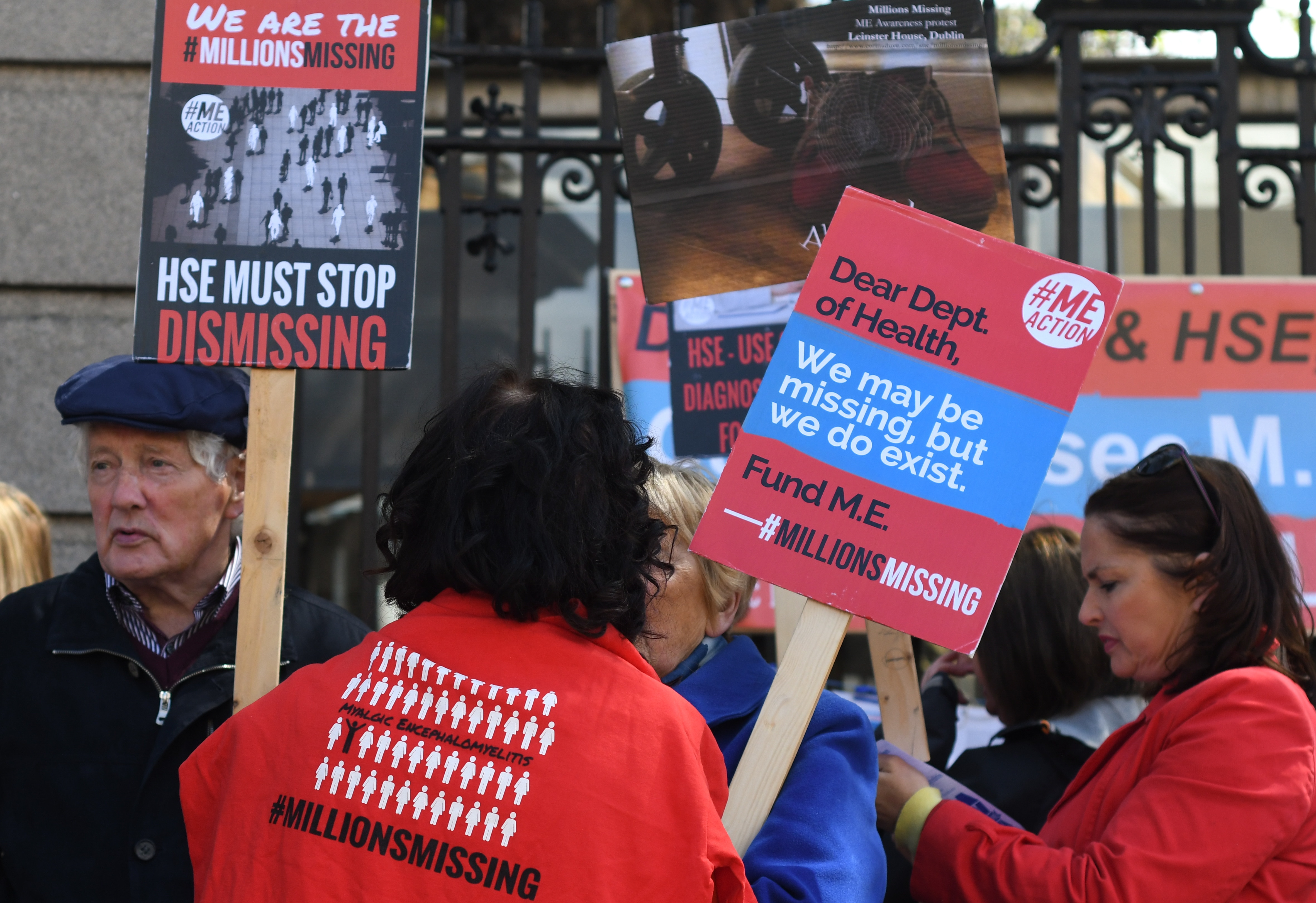
So you’re feeling sick, and you go to the doctor. The doctor sends you off for a range of diagnostic tests, which come back inconclusive. What happens next?
Art and hate speech
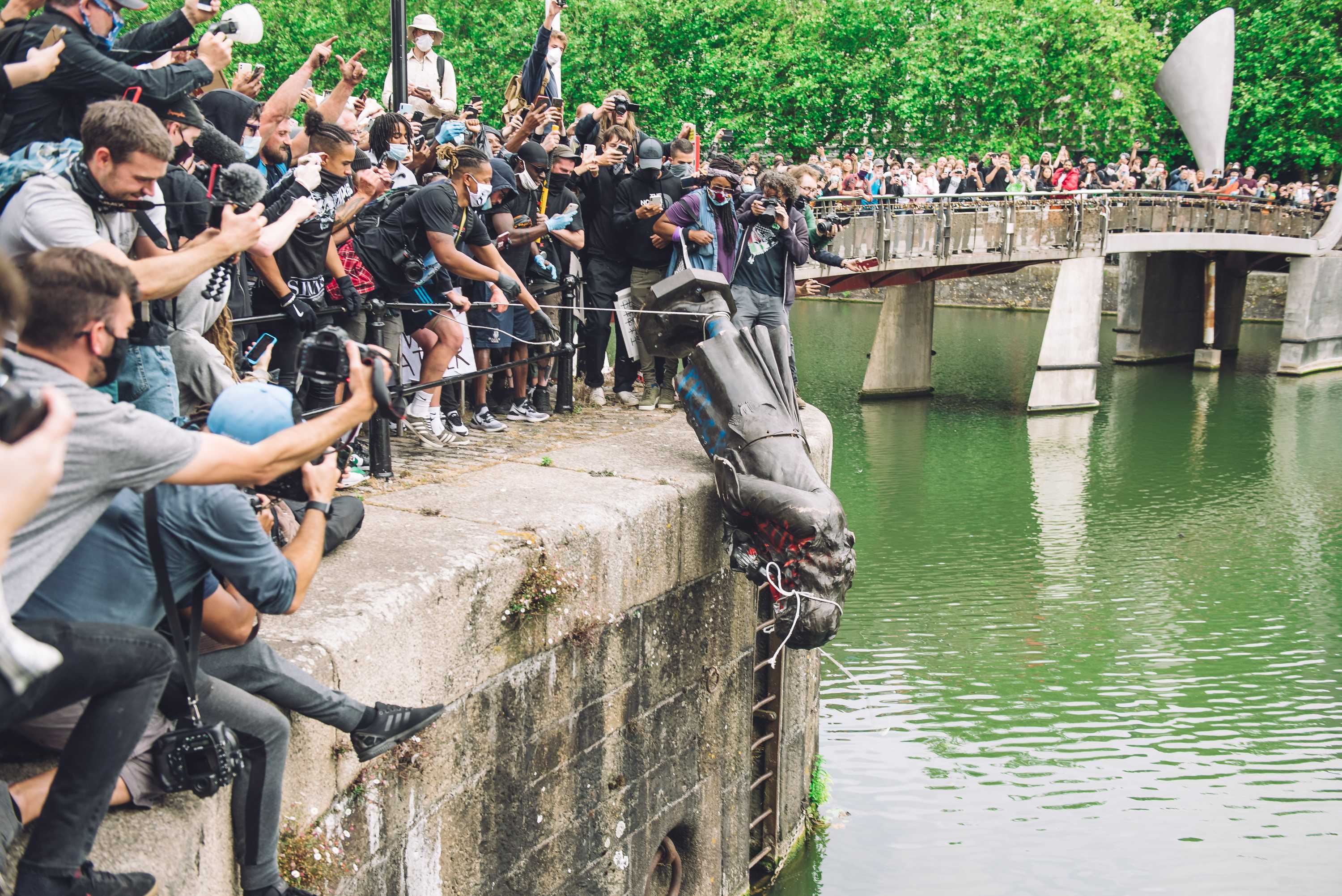
This week we're exploring the idea that art can say things, and do things, and mean different things according to shifting historical circumstances - and that those sayings, doings and meanings aren't always benign or harmless. How should we respond to morally problematic art - particularly the kind of art that can function as hate speech?
Simone de Beauvoir: becoming a woman
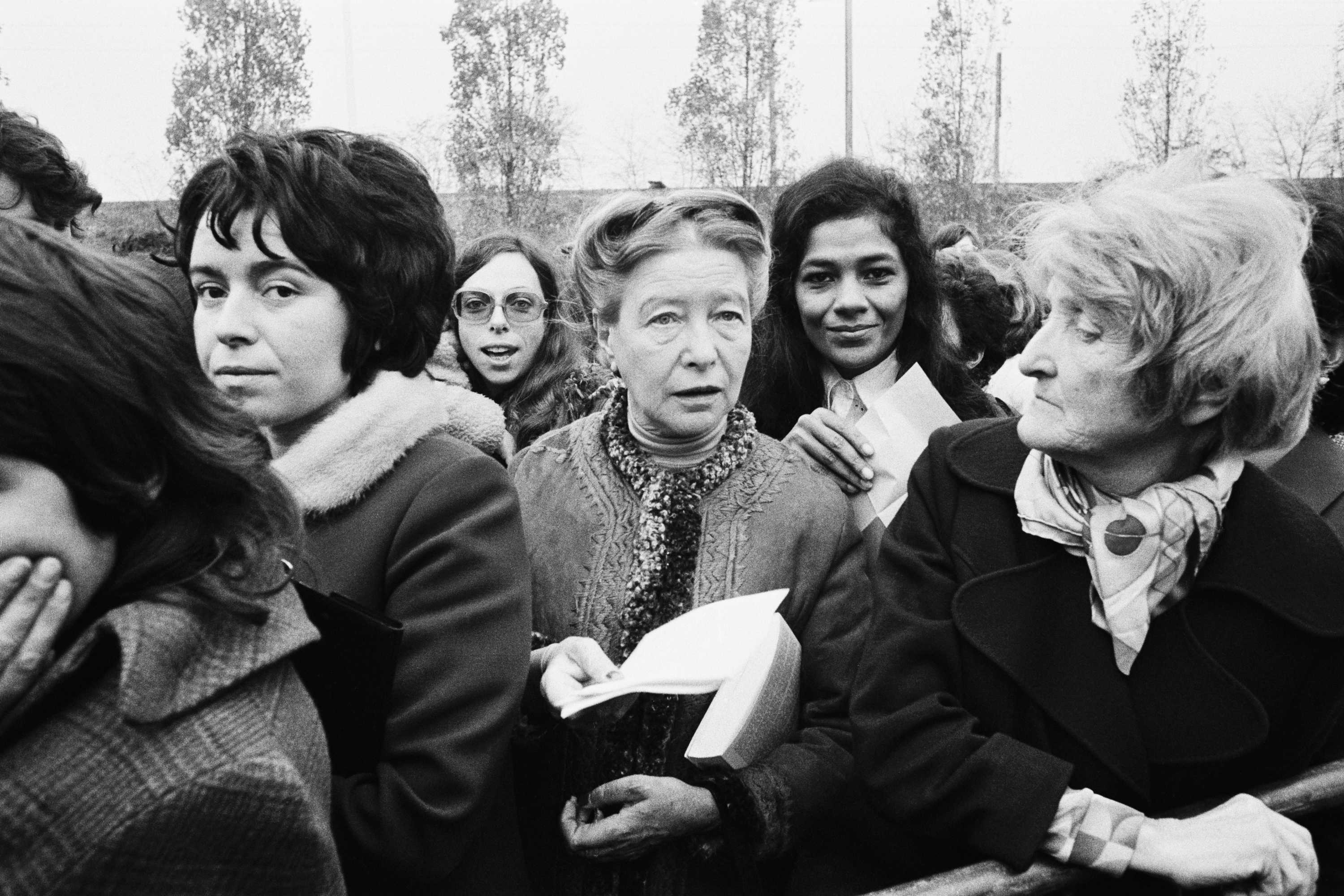
Simone de Beauvoir wrote that “One is not born, but rather becomes, a woman”. It’s a much-quoted phrase that appears to speak presciently to modern concerns around sex and gender. But how well is Beauvoir understood by contemporary feminists?
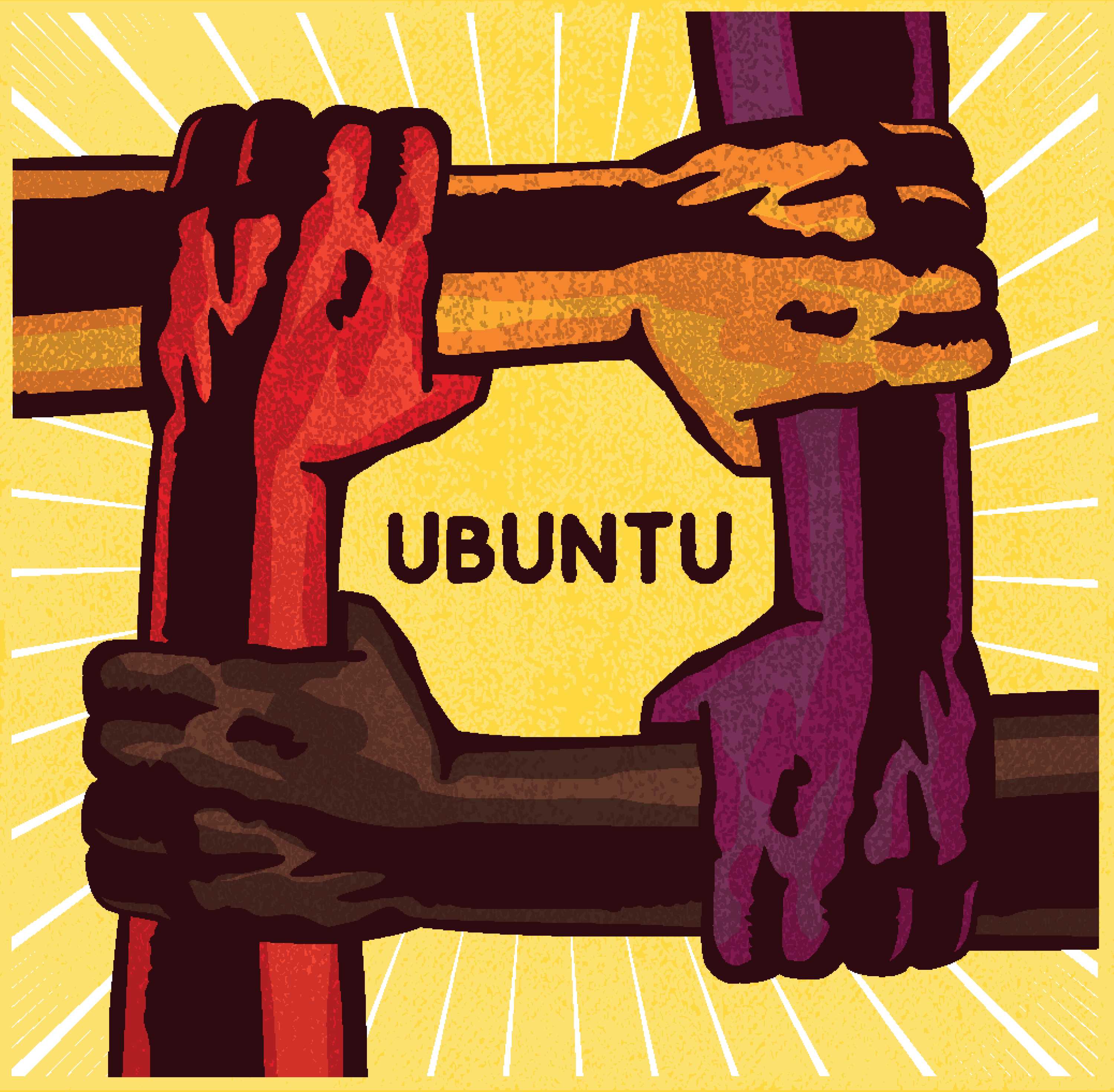
Ubuntu
Ubuntu is an African tradition of thought whose ethical orientation is captured in the well-known aphorism “I am, because we are”. But what gets lost when Ubuntu is framed as a philosophical discourse in the Western intellectual tradition? And where do we see its successes and failures in the reconstruction of post-colonial Africa?
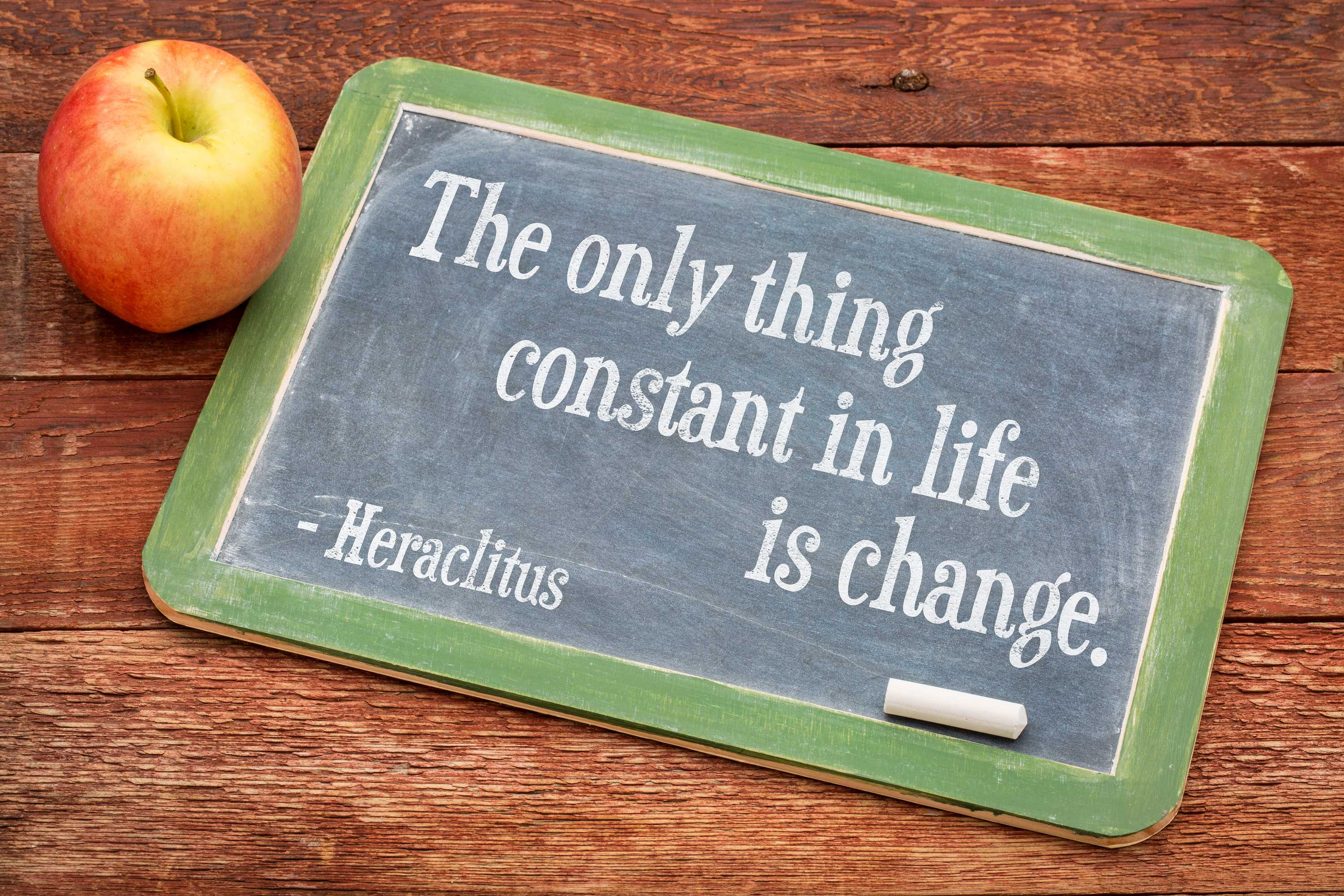
Philosophy in a nutshell: The aphorism
Philosophy is often thought of as proceeding via elaborate conceptual systems. But sometimes, a choice phrase is all you need to get you thinking.
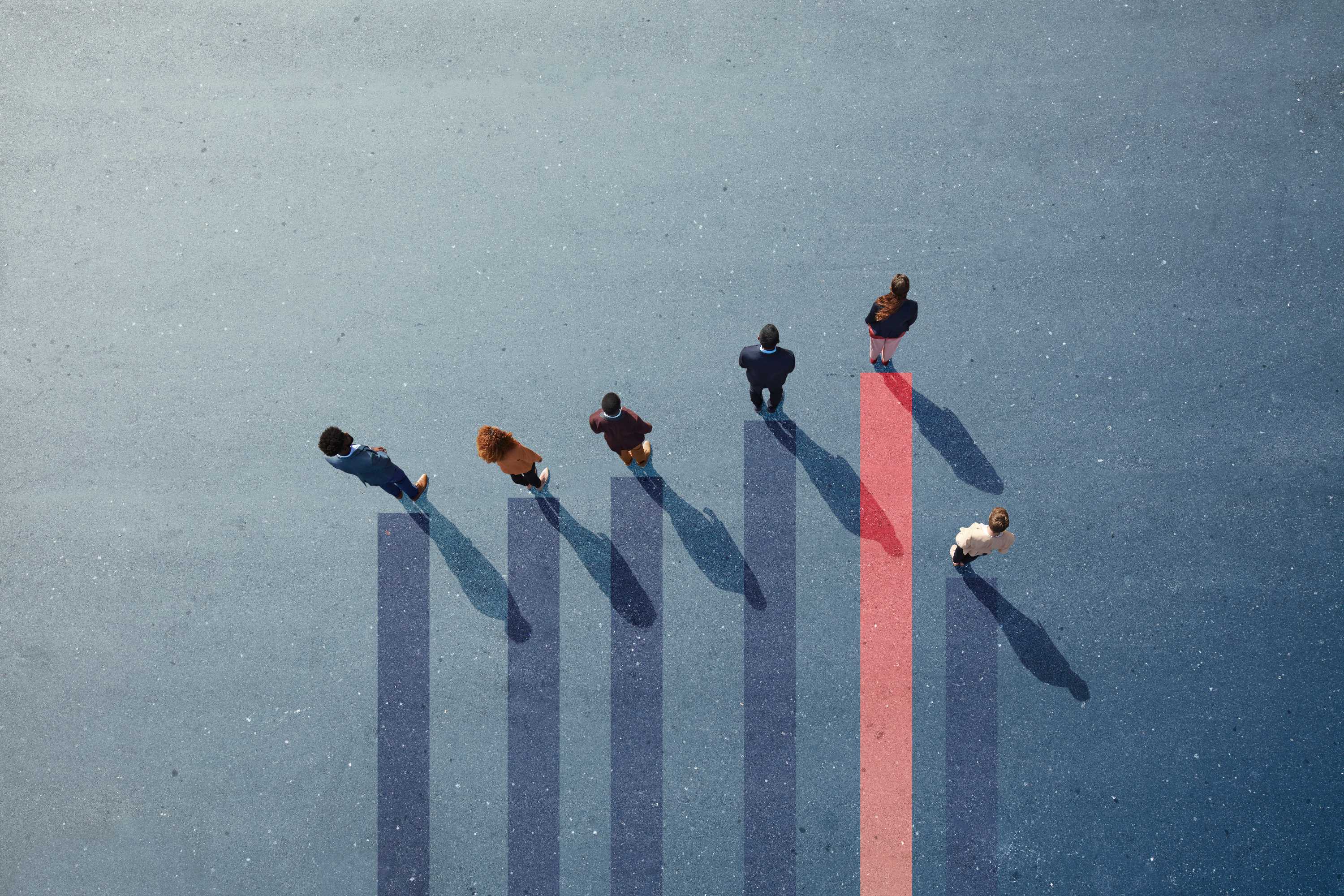
The great and the good-enough
We live in a society dominated by the aspiration to greatness, where the ancient ethical ideal of "the good life" is often framed in terms of wealth, fame and power. The notion that we might settle for a "good-enough life" seems oddly countercultural - but this week we're exploring the virtues of modest ambition, and the ways in which a relentlessly competitive social order can damage everyone, from the least to the most successful.
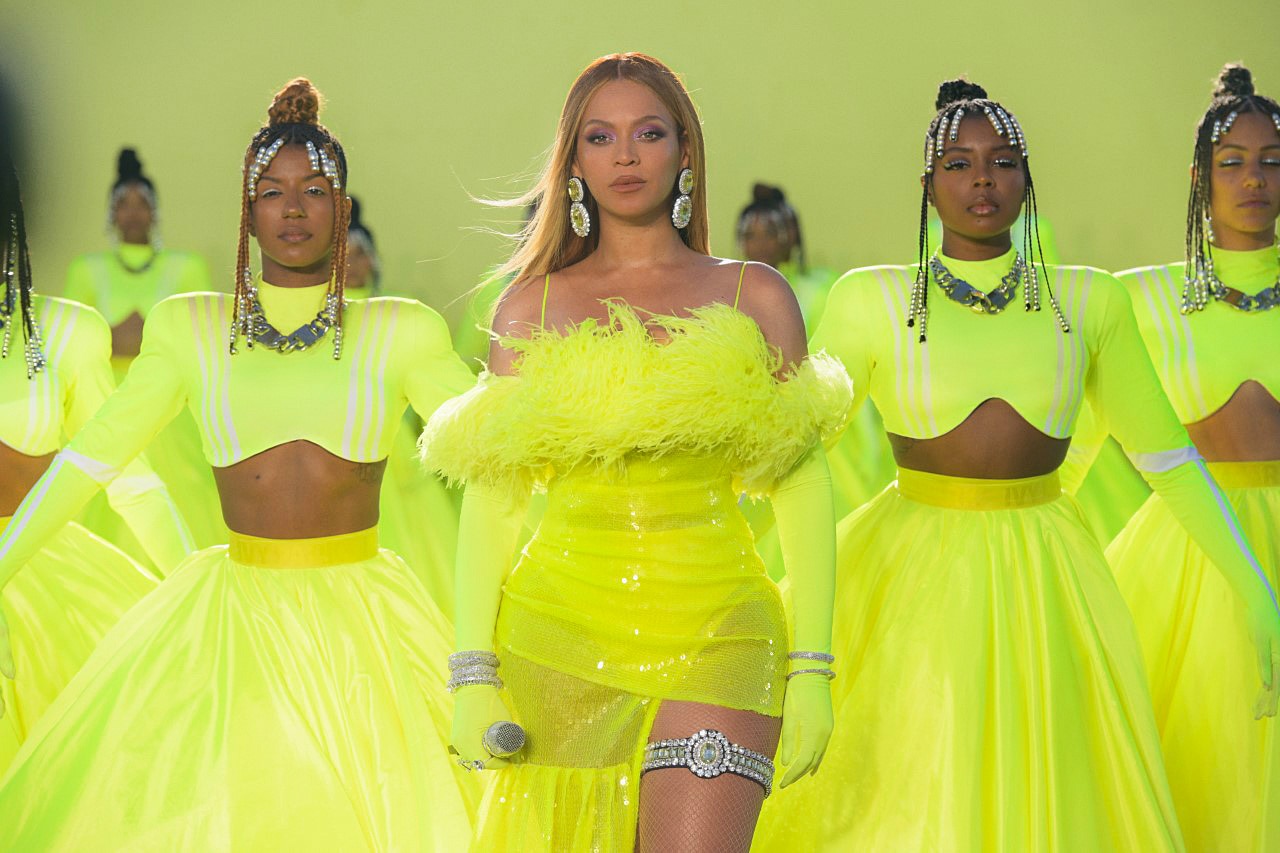
Pop, philosophy and politics
When philosophy turns its attention to music, it’s traditionally an exercise in high culture. Questions about the nature and function of music are often explored with reference to an established canon of “serious” music – while pop finds itself relegated to the margins. This week we’re getting serious about pop, and exploring the ways that the compositional and sonic structures of pop music reflect the social and political structures of the broader culture.
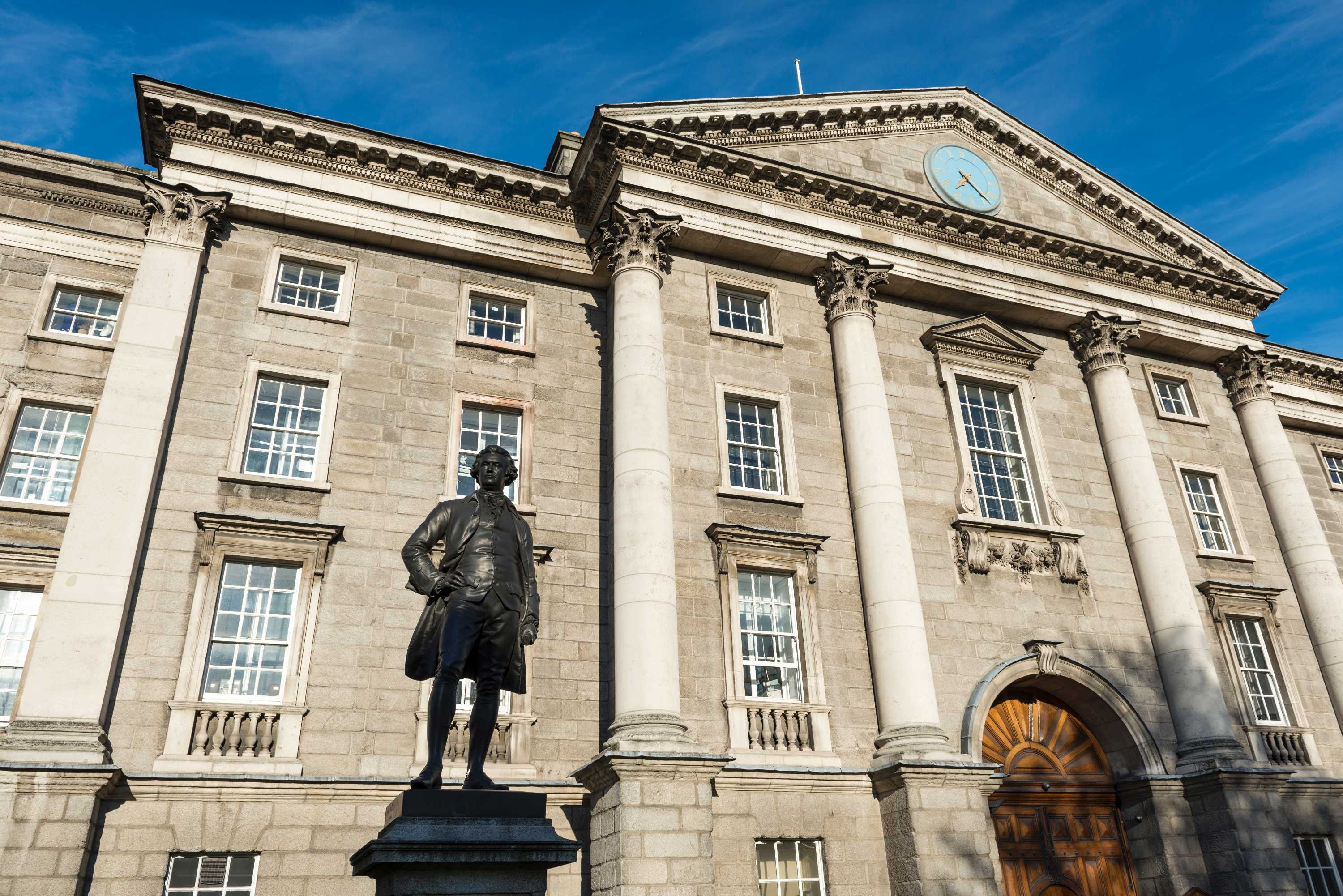
Edmund Burke, revolution and reform
The 18th century British parliamentarian and philosopher Edmund Burke is routinely referred to as "the founder of modern conservatism", and at a glance it's not hard to see why. He believed in the authority of tradition and inherited values, staunchly opposed the French Revolution, and was in many ways out of step with the Enlightenment humanism of his day. But on closer inspection, Burke can look a little different. This week we're considering Burke as a reformer, even a progressive - and someone who would probably take a very dim view of the modern British Conservative party.
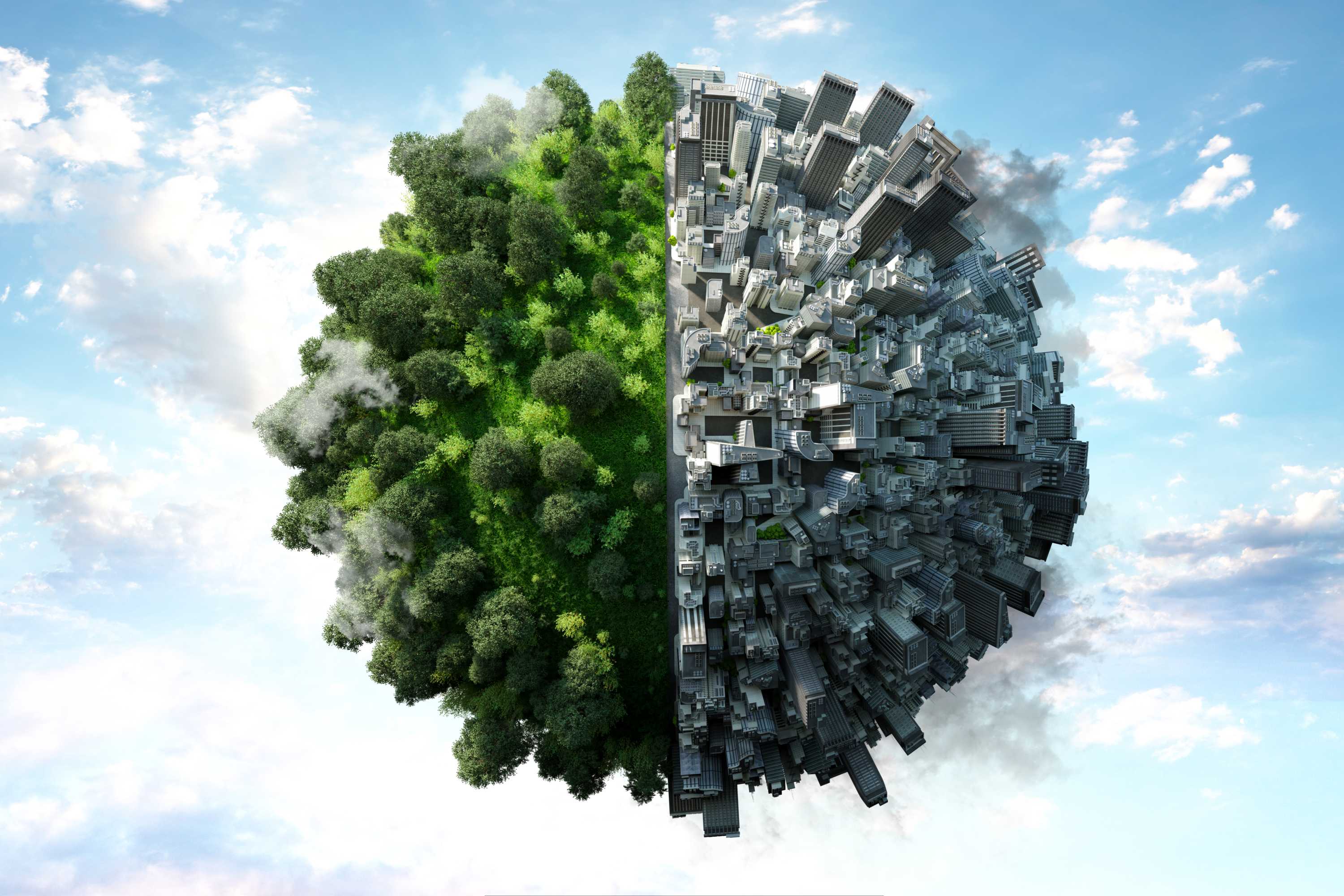
Hegel, nature and the Anthropocene
Modernity has us in a terrible bind. We know that our Western habits of growth and consumption are destroying the planet, and that we need to stop exploiting the natural world for our benefit. But at the same time, our very identity as modern humans is grounded in the notion of endless growth, self-determination and the domination of nature. The work of the 18th century German philosopher GWF Hegel provides a fascinating diagnosis of our condition. Can it also offer a cure?

The phenomenology of love
There’s a venerable philosophical tradition devoted to explaining what love is, and it stretches back to the ancient Greeks. It deals with questions like “the problem of particularity” – the mystery of why, if we fall in love with someone because of their physical beauty and attractive character, we don’t then fall in love with anyone and everyone who shares these traits. What philosophy hasn’t had so much to say about is the phenomenology of love – the question of what love feels like. This week we’re getting inside the experience.
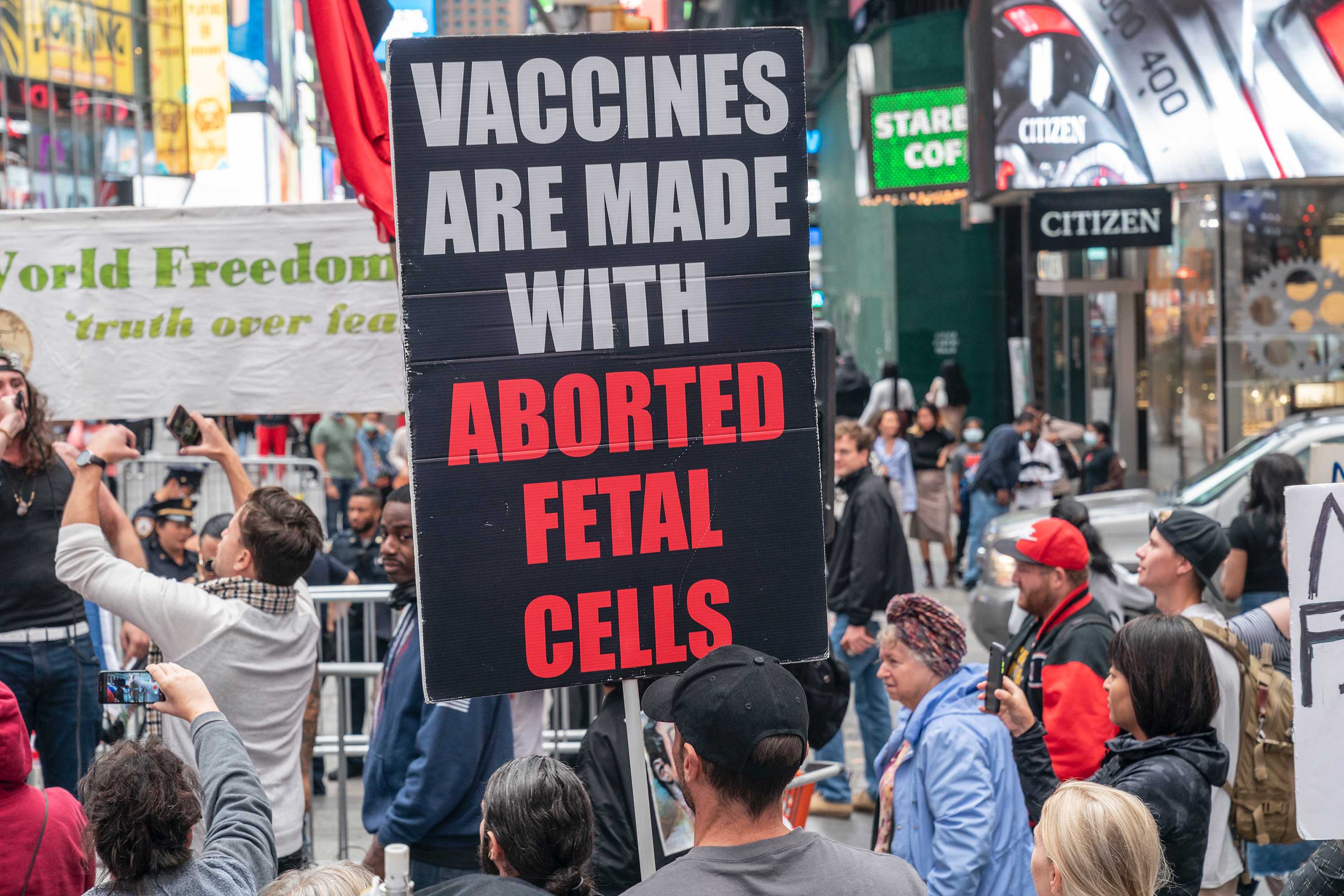
Conspiracy theories, anti-Semitism and fun
You don’t have to be stupid to be a conspiracy theorist. Many people who buy into paranoid fantasies about stolen Presidential elections and global Satanic cabals are perfectly sane, well-educated individuals. So why do they fall for these myths? This week we consider the possibility that the attraction is primarily aesthetic, and that the experience is fun. But why the perennial focus on Jews?

Adoption and moral obligation
There are an estimated 16.2 million documented orphans worldwide, with as many as 100 million more children living on the streets. It’s a problem of crisis proportions, which makes it perhaps strange that so many of us consider adoption as more of a last resort than a first-order obligation – to be considered only if the path to having genetically-related children is blocked. This week we’re looking at the justifications for genetic preference in families, and asking how these justifications stack up against the moral duty to adopt.

Identity politics
Identity politics is grounded in the appeal to a stable, unified self and the authority of testimony. But this week we’re asking whether that foundation is solid, and if deconstructing it might allow for a more flexible approach to social justice.

Beauty: aesthetic or moral ideal?
These days, beauty is a moral imperative, an ideal to live by, and one according to which we judge ourselves and others. As a result, we increasingly shape our identities around our bodies – and not just our actual bodies with their lumps and bumps, but our imaginary future bodies: thin, smooth and firm. Gradually our notion of the good life comes to be centred on physical appearance, and this causes a range of harms which until now, philosophers have not taken seriously enough.
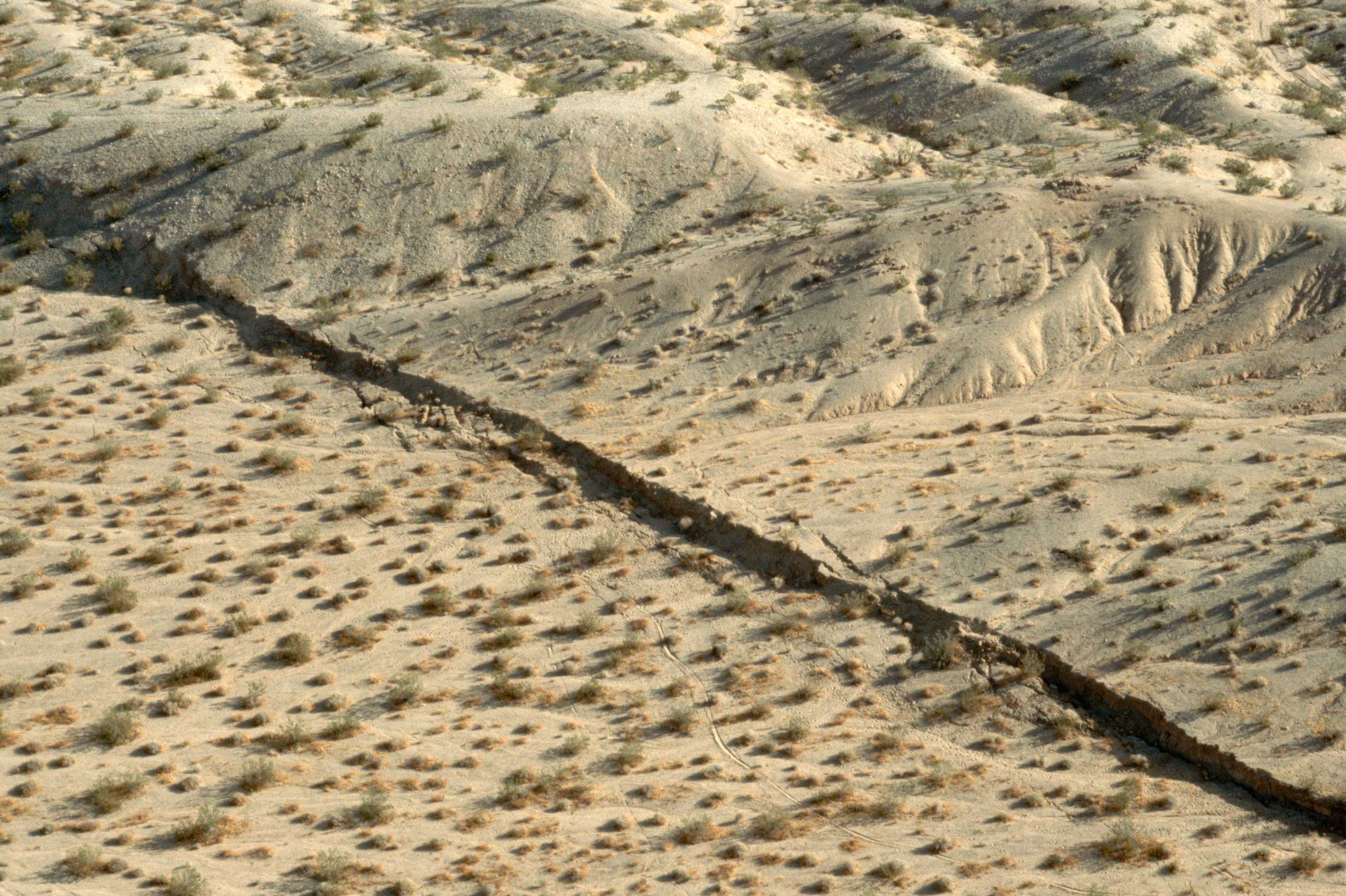
Rupture and hope
In a world shaken by war, pandemic and climate crisis, hope is a precious resource. It can be fragile, fleeting and hard to find. But what exactly does hope mean? It has clear Christian overtones, and a venerable theological tradition behind it. This week we're talking about the ways in which the theological informs the secular, and exploring how hope plays out in the political arena. We also hear a personal story of rupture and trauma, and a perspective on hope that accommodates the tunnel as well as the light at the end.
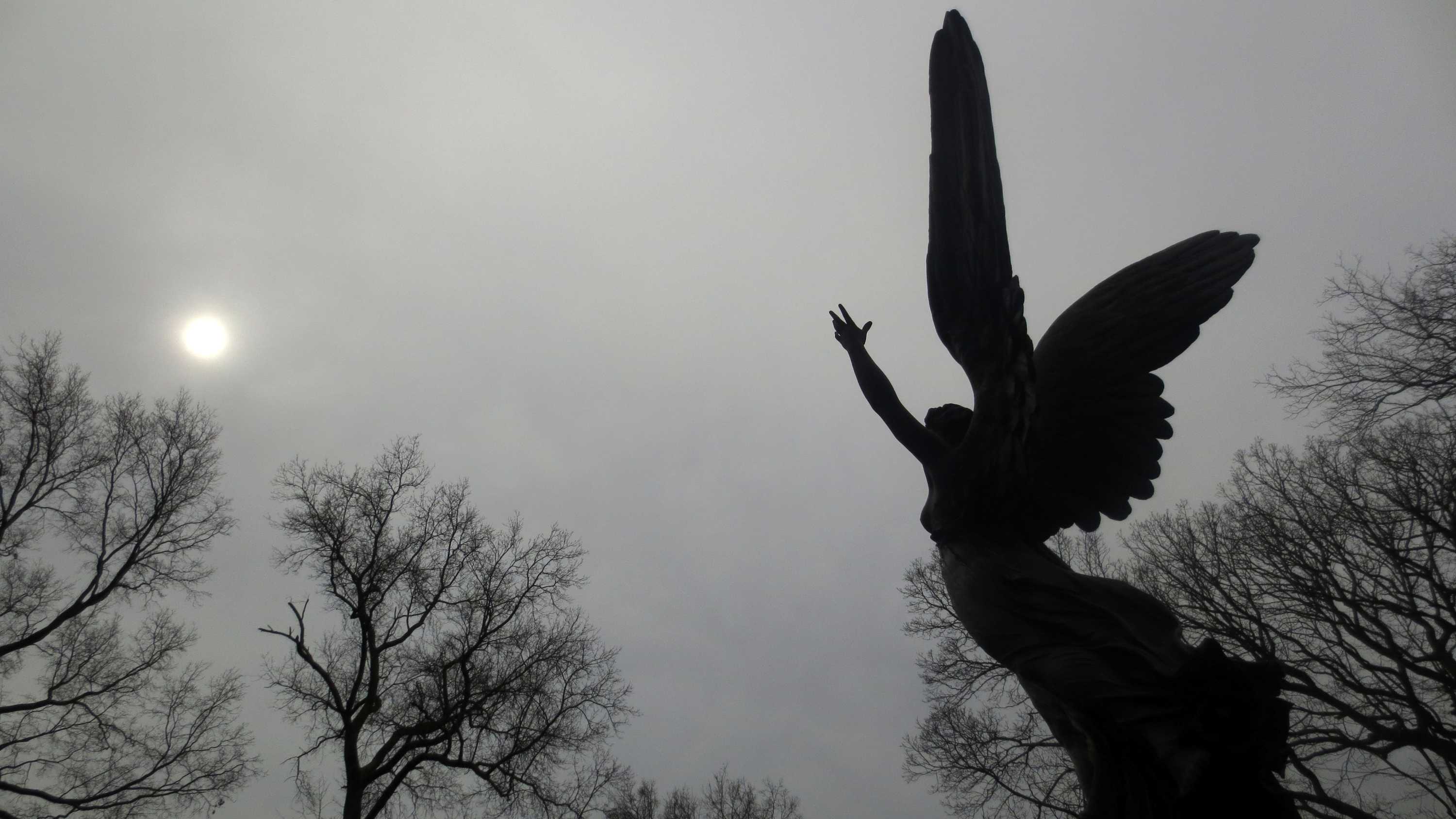
Sex, death and chilli sauce
This week, a conversation about death, and the ways in which our reluctance to face mortality results in the creation of “immortality constructs” – comforting symbolic fictions that when challenged, can elicit a violent defensive response. In order to come to terms with death, we need to come to terms with sex – but this can involve a double bind for women. Is the age-old association of women with death and sexuality helpful or harmful? And what does this all have to do with chilli sauce?
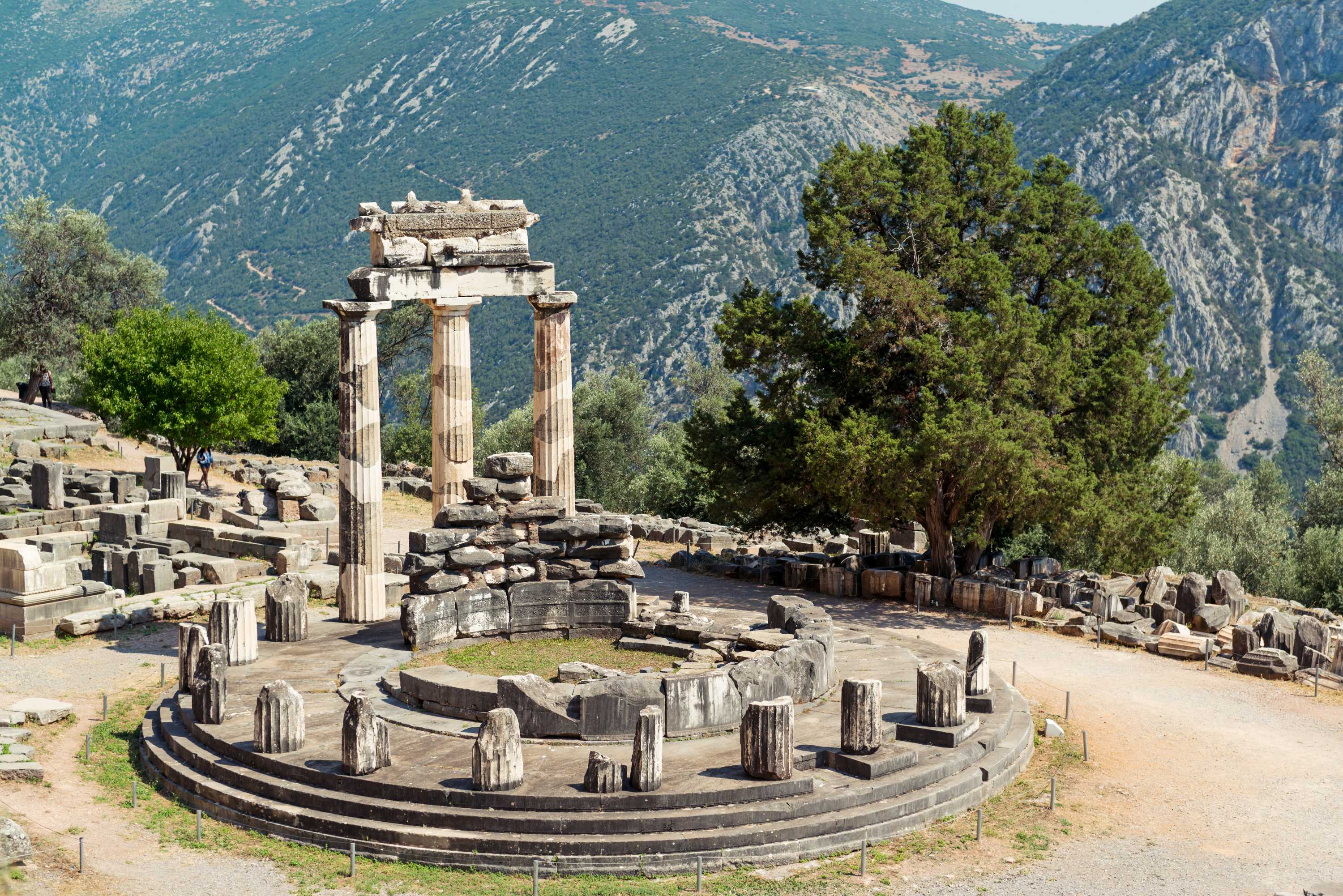
Philosophy and myth
There was once a time when mythology and philosophy got along perfectly well together. But since the Enlightenment, philosophy has come to regard myth as something of an embarrassment – and today, we often tend to view “myth” as synonymous with “falsehood”, or at least as a throwback to pre-rational, superstitious human culture. Myths are also held to be suspect in political theory, where the memory of "blood and soil" Nazi ideology is still fresh. Is there a role for myth in secular democratic politics, and in modern philosophy?

The predicament of existence
Most of us agree that pain is part of life, that none of us can escape it, and that death comes for all of us in the end. And yet many of us feel that life is worth it; that the pleasure of life outweighs the suffering. Anti-natalist philosophy takes a different view. The anti-natalist believes that pain outweighs pleasure, so much so that it's morally wrong to bring a child into the world. What follows from this? Should we not only abstain from procreation but seek to stop non-human animals from doing the same? What about the innate biological drive to reproduce? And are happy people the victims of false consciousness?

Moral beauty and art
Movies and TV series increasingly feature leading characters that are morally repugnant, and yet we respond positively to their charisma. Why do we like them so much on screen? And is our emotional investment in their stories indicative of moral failure on our own part? This week we're exploring ideas of moral beauty, moral ugliness, and the strange ways in which artists - even in apparently morally neutral fields like architecture - can play with our notions of good and evil.
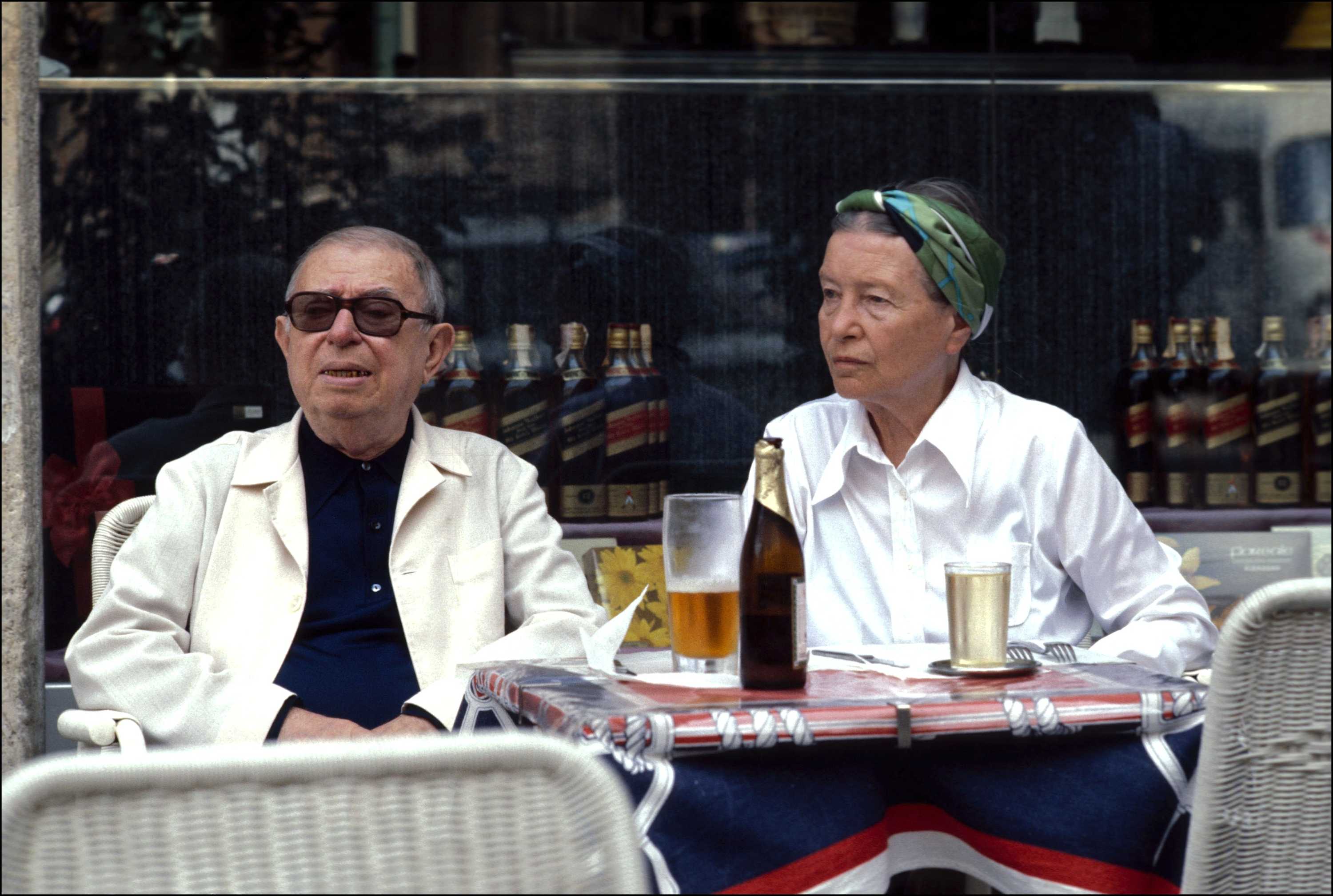
Philosophers in love
Philosophy can sometimes be an exercise in abstract, "pure" reason, unsullied by the demands of the body or the contingencies of history. But this week we're placing history and corporeality front and centre, with a look at the intimate lives of four eminent philosophers, and asking how their private entanglements shaped their public work.
The ethics of uterus transplantation
If a woman wants to experience pregnancy but can't, the answer could be a uterus transplant. The technology is promising, if still very new — but how ethically sound is it?
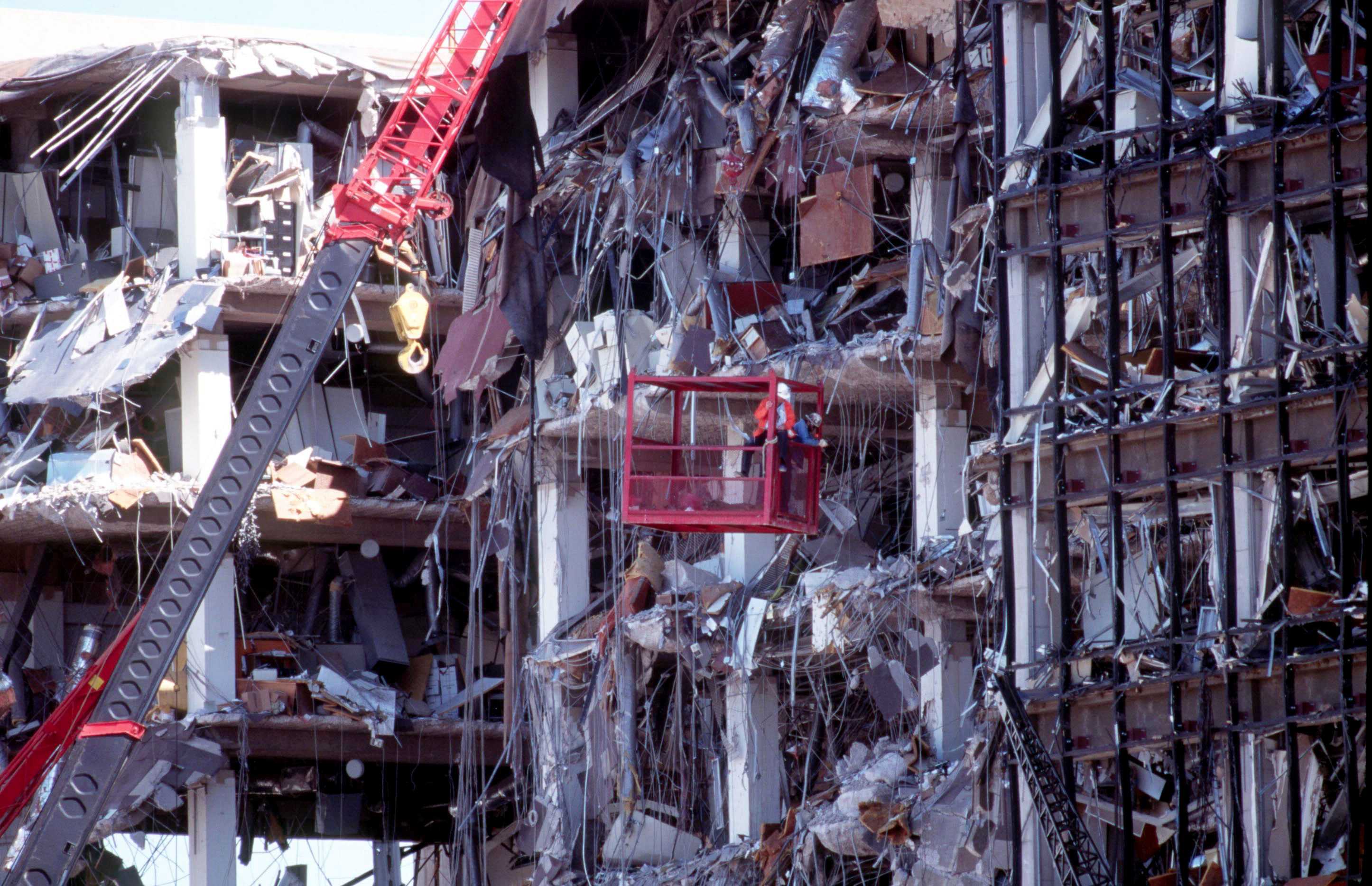
Extremism
Can all people who hold extreme views be fairly described as "extremists"? Extremism is a slippery concept. Its connotations are pejorative but at a glance, it can be difficult to see what differentiates extremism from more acceptable forms of fringe belief such as radicalism. Is it possible to be an extremist in the name of a morally worthy cause? and how should we deal with extremists in our midst?

Trans-national adoption and "blending in"
At the end of the Korean War in 1953, the government launched an adoption program for orphans, most of whom went to white families in the USA and western Europe. Since then, an estimated 200,000 South Korean children have been adopted to Western countries. This week’s guest has conducted field research to explore their experience of the “trans-racial adoption paradox”: the feeling of belonging culturally while embodying difference, and the challenges faced by adopted people of colour navigating predominantly white communities and social worlds.
Efficiency, productivity, excess
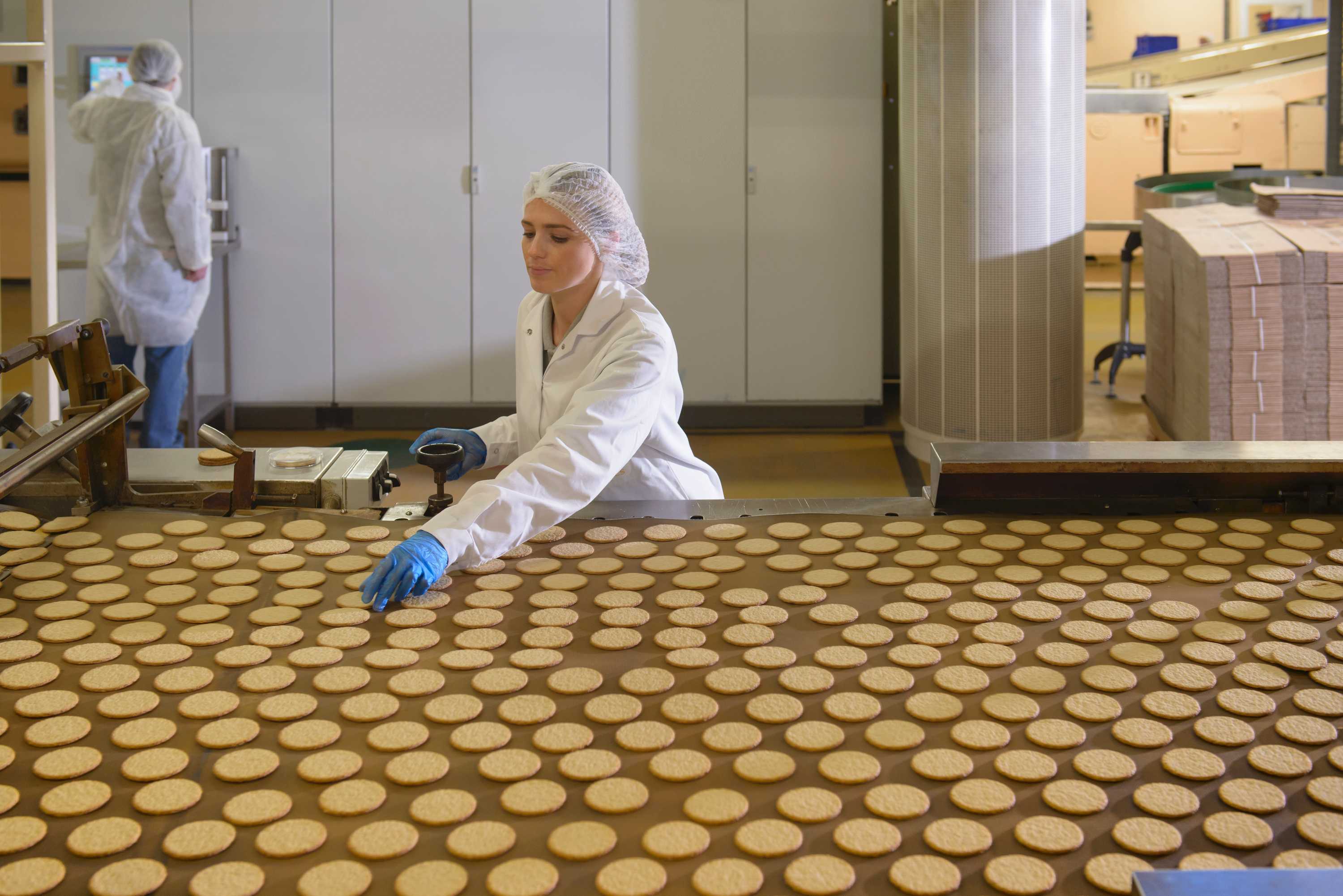
These days we’re constantly pushed to be more efficient – at work, of course, but also in our leisure pursuits and even while we sleep (“hacking your sleep cycle” to extract maximum benefit from the nocturnal hours is a staple of wellness magazine articles). How did we get here? And how can we get back to a state that’s less pressured, a state governed by principles other than accumulation and profit?

Consciousness and contemplation
Consciousness is one of those phenomena that combine the everyday with the ineffable. We experience consciousness intimately, and yet in many ways it remains ungraspable. What is consciousness? Why do we have it? How can the physical stuff of the world give rise to something as mysterious as first-person experience? Philosophy, science and contemplative traditions have all struggled with these questions - and this week, we're talking about a new Centre for Consciousness and Contemplative Studies that brings these disciplines together.

Art and climate
Our current climate crisis is, as much as anything else, a crisis of communication. Artists have a unique opportunity to step in and deliver environmental messages in a way that speaks to the emotions and the gut. And in doing this, they're reconfiguring the conceptual map of what art is supposed to be. Can a public sleepover in a town hall to raise awareness of disaster preparedness be called “art”? And what role do mystery and aesthetics play in this sort of work?

China, Confucius and the courtyard
For more than three millennia, most buildings in China were configured around a central courtyard. This week’s guest believes that the courtyard helps us to understand Chinese society and culture, as well as Confucian philosophy. Today, with increasing numbers of people living in urban apartment buildings, the courtyard has become something of a period piece. What does this tell us about Chinese thought and identity in the modern world?

Stuff
Many of us these days are buried beneath an avalanche of stuff – everyday objects that seem to proliferate in the cupboard while our back is turned. Our obsession with material technology infects our view of human history, as many anthropologists judge the progress of past civilisations on the basis of how much stuff they generated, or “failed” to generate. And the production of stuff threatens our future, with the looming catastrophe of climate change and the growing tide of microplastics.
What we talk about when we talk about race
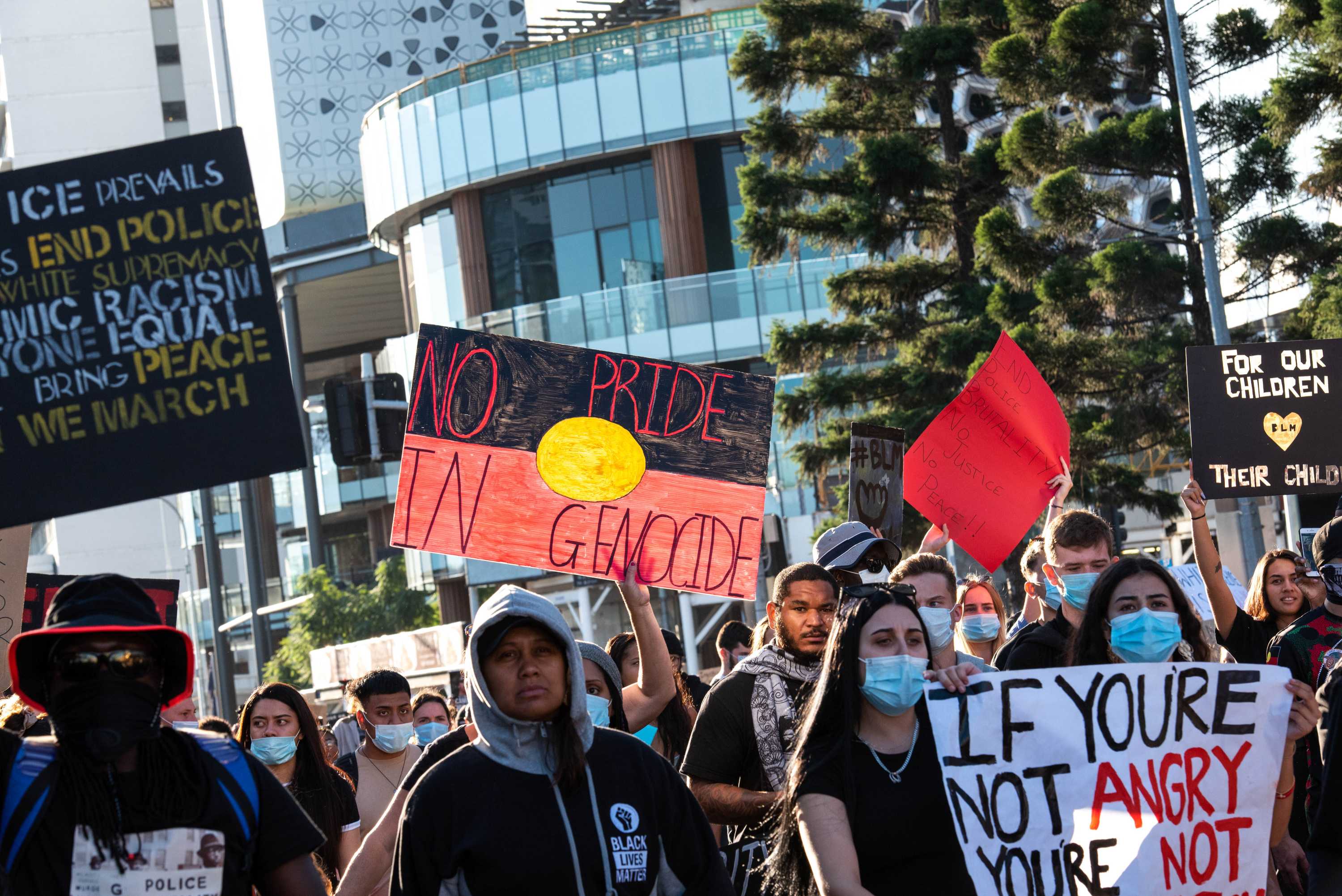
The 19th century notion of race as something rooted in biology and genetics is a well-debunked idea whose time has passed. But the more recent liberal conception of race as a social construct fails to acknowledge the ways in which race is lived in and through the body (something the COVID pandemic has thrown into sharp relief). This week we’re talking about race as theory and experience, and how best to increase racial literacy.
The death of analytic philosophy?
The death of analytic philosophy has been confidently predicted for almost as long as analytic philosophy has been around. But today, with profound challenges posed by feminism, postcolonialism and critical race theory, could its long-heralded demise finally be on the horizon? And what exactly do we mean when we talk about analytic philosophy anyway – is it a science, a tradition or little more than a style?

Restlessness
Feeling a little distracted lately? Most of us are, and not just lately. We tend to view withering attention spans and the compulsion to seek change for its own sake as curses of the social media era, but restless dissatisfaction has been the subject of philosophical inquiry for centuries.
Structural injustice and individual responsibility
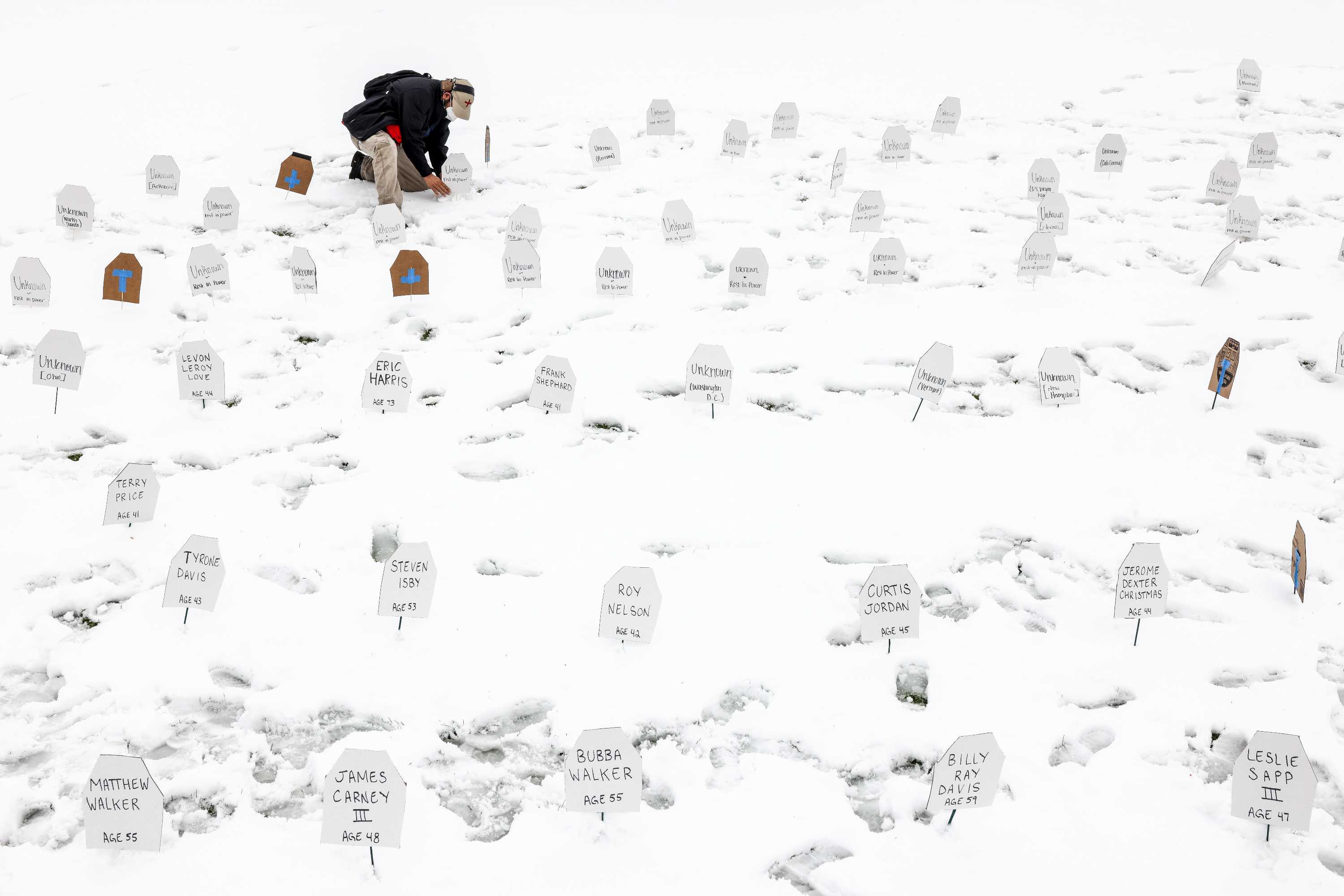
Who is responsible for structural injustice? The answer is “practically everybody” - but that can be just another way of saying “effectively nobody”. So what responsibility do individuals bear for structural injustice? And how can this responsibility be acted upon, without falling into practices of blaming and shaming?