
Palaeo After Dark
358 episodes — Page 5 of 8

Podcast 154 - Heyo Hyoliths
EThe gang gets together to record their first episode back from the holidays. And what better topic to discuss than hyoliths, those strange shelly Cambrian fossils. Specifically, the gang discusses two papers that look at new discoveries of the soft tissue and the hard shells of these hylothis to try and determine the evolutionary placement of hyoliths. Are hyoliths molluscs? Are hyoliths brachiopods? Are they somewhere in between? Meanwhile, Amanda hears some good news, Curt does his best hyolith impression, and James hits some unexpected snags when he discusses the ramifications of his ideal super powers. Up-Goer Five (Amanda Edition): Today our friends talk about animals that are big at one end and small at another end. They might be close to things with two parts that are good to eat, or they might be close to things with two parts that are not good to eat. Some people have said not long ago that they are more close to the things with two parts that are not good to eat. Our friends look at two papers that talk about these strange animals that are big at one end and small at the other. One paper says that yes, these animals are more close to the things with two parts that are not good to eat, and says that this is shown by the fact that they have a long thing that makes them stick to the ground. Animals with two parts that are good to eat don't have this long thing that makes them stick to the ground, but animals that have two parts that don't aren't good to eat do. Our friends don't really know if this thing is actually a part that makes the strange animals that are big at one end and small at the other stick to the ground, and would like to see some cool pictures taken to help show more things. The second paper tells us that actually these strange things that are bigger at one end and smaller at another are sort of between the things with two parts that are good to eat and the things with two parts that are not good to eat. They do this by looking at the hard parts that make up the strange things that are big at one end and small at the other, and then looking at the hard parts of the animals with two parts (both good and not good to eat). They look at these hard parts very, very close up. It is very cool. References: Sun, Haijing, et al. "Hyoliths with pedicles illuminate the origin of the brachiopod body plan." Proceedings of the Royal Society B: Biological Sciences 285.1887 (2018): 20181780. Li, Luoyang, et al. "Homologous shell microstructures in Cambrian hyoliths and molluscs." Palaeontology (2018).

Podcast 153 - Holiday Self Care Spectacular
EAt the end of a long year, the gang takes a moment to reflect on the various strategies they use to try and keep themselves sane when things get stressful. So please join us as we discuss the joys of knitting, painting, and unconventional youtube video series in this special self care episode of Palaeo After Dark. Honestly though, it's a lot of knitting. Here's to a safe and happy new year.

Podcast 152 - Community Reboot
The gang looks over two older review papers that are interested in communities and trophic disruption. What is important in keeping communities together and how can stable systems become destabilized? They use these two review papers as a general jumping off point to talk about the difference between a species that is just non-native vs invasive, trophic collapse or cascades, and the importance of systems interactions in keeping communities at a stable equilibrium. Meanwhile, Amanda is always meeting new people, James wants a reboot, and Curt messes up the simplest part of his job. Up-Goer Five (Curt Edition): Our friends talk about the groups that form when many different animals and the green things they eat all live in the same place and share matter. These groups are always changing over time, but they can reach an even state for a short time. First, the friends talk about what happens when a new animal or green thing moves into the group. Most of the time, this is not a problem. However, sometimes one new type of animal or green thing can cause a lot of problems for the group. Usually, we see this happening when the group has gotten sick because people keep breaking the place where the group lives. We usually tell if a group is sick by the number of different animals and green things in it. The more different things in a group, the better off it usually is. However, sometimes a group that is not sick can still have one of these new types of animals or green things move in and cause problems. This is because the new thing moving in is helped by one of the animals or green things already living in the group. This means that people need to think bigger about which groups might end up having problems with new types of things, because groups that aren't sick may still have problems. People need to be better about not moving around animals and green things that don't usually live there. Second, the friends talk about the ways in which these groups can become even over time. It turns out that just a few animals in these groups usually keep the entire group even. If these animals are taken away or hurt, then the whole group suddenly changes to a very different group with far less different animals and green things in it. In other words, if just these very important animals are hurt, the whole group can get very sick. Usually, the animals that are most important at keeping the group even are the ones that eat the most. These animals are also the things that people kill because of food or clothes or fear. People need to not kill these things or everything will break down. References: Estes, James A., et al. "Trophic downgrading of planet Earth." science 333.6040 (2011): 301-306. Bulleri, Fabio, John F. Bruno, and Lisandro Benedetti-Cecchi. "Beyond competition: incorporating positive interactions between species to predict ecosystem invasibility." PLoS biology 6.6 (2008): e162.

Podcast 151 - New Discoveries, Dickinsonia and Sauropodomorphs
EThe gang discusses two papers that use new findings to upend some of our previous interpretations of fossil taxa. First, they talk about the new biogeochemical studies that suggest the odd disc-shaped Ediacaran organism, Dickinsonia, might be the first animal in our fossil record. Second, they talk about some new fossil interpretations that challenge our understanding about the evolution of sauropods (the big, long necked dinosaurs). Also, James discusses posture, Curt buries the dinosaur lede, and Amanda finds out she has things to say… later. Up-Goer Five (Curt Edition): The friends get together to talk about new things that have been found out about some very old things. First, they talk about this round thing that was around a very very very long time ago. This round thing was very funny looking, and a lot of people had different ideas about what this round thing could have been. But some people just did a study to try and found out what the round thing was made of. It turns out, the round thing is made up of matter with 4 bits in rings. These types of matter rings are only found today in all of the animals. So, they then said that this funny looking round thing was probably an animal. The friends next talk about these very large animals that had very long necks and lived a long time ago. These long necked animals were thought to have gotten really big after they started walking on all four of their feet and their legs became like trees. However, this study found that there were earlier long necked animals that were almost just as big, but were able to spend some time on two feet and their legs were still very much like legs. This means that these long necked animals got big and got small again over time without needing to get really thick tree legs that would make them have to only walk on four feet. References: Bobrovskiy, Ilya, et al. "Ancient steroids establish the Ediacaran fossil Dickinsonia as one of the earliest animals." Science 361.6408 (2018): 1246-1249. McPhee, Blair W., et al. "A giant dinosaur from the earliest Jurassic of South Africa and the transition to quadrupedality in early sauropodomorphs." Current Biology 28.19 (2018): 3143-3151.

Podcast 150 - Podcasting About the Big Boys
EThe gang gets together to discuss two papers that are sort of… kind of… very loosely held together by… size? First, they discuss a paper looking at size biases in our current biodiversity crisis and comparing it to our past extinction events. Is the present the same as the past? Second, they discuss a paper that looks at the evolution of whales and asks whether there were long term evolutionary trade-offs associated with growing massive in size. Meanwhile, James slowly freezes to death, Amanda becomes "Memento", and Curt basically messes everything up. So, a typical podcast I suppose. HAPPY SESQUICENTENNIAL!!! Up-Goer Five (Curt Edition): Our friends look at two papers that try to see how being a big animal can maybe make it better or worse. The first paper asks whether or not being big is a bad thing for animals that live in the big blue wet thing. To do this, they looked at how many big animals who lived in the big blue wet thing died in the past during really really bad times, and then saw if that number was the same of different to the number of animals who live in the big blue wet thing today. It turns out that all the past really really bad times had about the same number of big things dying. However, today there are so many big animals dying in our big blue wet thing. This is probably because people like to eat these animals, and so they eat all the big things for food. So maybe what is happening today is maybe not quite the same as the really really bad times in the past. The second paper looks at some really big animals with warm blood that breath through a spot near the tops of their heads, and live in the big blue wet thing. These really big animals didn't always start out so big. A long long long time ago, the older mothers and fathers of these really big animals were not always so big. This paper shows how the mothers and fathers and sisters and brothers of these animals changed over time. It turns out that these animals started getting really big very late in time, and that it might have been because of some changes in the big blue wet thing where they live. Also, when some of these animals got really really big, the rest of their sisters and brothers died out. The paper says that maybe these things that get really really big might also now be very slow at making new types of these animals. References: Payne, Jonathan L., et al. "Ecological selectivity of the emerging mass extinction in the oceans." Science 353.6305 (2016): 1284-1286. Marx, Felix G., and R. Ewan Fordyce. "Baleen boom and bust: a synthesis of mysticete phylogeny, diversity and disparity." Royal Society Open Science 2.4 (2015): 140434.

Podcast 149 - GSA 2018
Come and join us for an extra length episode where we discuss the talks we saw during the 2018 Geological Society of America Meeting at Indianapolis. Day 2 starts at 0:35:09, Day 3 starts at 2:04:36, and Day 4 starts at 3:28:07.
Podcast 148 - Pterosaur Pelvises
EThe gang discusses two papers that use the pelvis and spine material from pterosaur fossils to infer locomotion of these extinct flying archosaurs, Specifically, we talk about how muscle attachment structures as well as channels within the bones can be used to infer the mobility of ancient animals. Also, Amanda tries to resist talking about food, James makes boner jokes, and Curt ends up writing odd crossover fan-fiction. Up-Goer Five (James "Oh God I Need an Adult" Edition): The group look at two papers that are studying the dead animals that can fly but do not have anything covering their bodies. The first paper looks at how the part of the flying animal with nothing on their bodies that holds the legs and also where animals have to touch to make babies (here after: the fuck box) is different in different animals. The paper shows that the fuck box looks different in baby animals to grown animals, and that we need to recognize babies so that we don't make bad ideas about how these animals changed through time. They also show that the fuck boxes in the earliest of these animals look a little more like the fuck boxes of babies, but that they are very definitely actually over 18. They also show that there are at least two different types of fuck boxes in these animals, and this means that these animals would have walked in different ways to each other. The other paper looks at the fuck box and back of a small animal that could fly that is not covered in stuff and looks at the spaces in it to see how the bits that make the animal go looked like. The spaces for the bits that make the animal go show that it had big legs, and probably was good at walking, even though it was small and would not have needed to be good at walking. It has family that got very big though, and it seems that these big family friends would have been good at walking too. References: Hyder, Elaine S., Mark P. Witton, and David M. Martill. "Evolution of the pterosaur pelvis." Acta Palaeontologica Polonica 59.1 (2014): 109-124. Martin‐Silverstone, Elizabeth, Daniel Sykes, and Darren Naish. "Does postcranial palaeoneurology provide insight into pterosaur behaviour and lifestyle? New data from the azhdarchoid Vectidraco and the ornithocheirids Coloborhynchus and Anhanguera." Palaeontology(2018).

Podcast 147 - Otters and Sharks and Wolves Oh My
EThe gang returns to one of their favorite pet topics, food! This week, we discuss two papers that investigate what different animals are eating. Specifically, we focus on a paper that uses fossil data to infer the feeding strategies of extinct giant otters, and another paper that seeks to answer the question of whether or not modern bonnethead sharks are omnivorous. Also, Amanda finds her spirit anime character, James workshops new ideas for the podcast at the worst possible time, Curt leads us on a strange aside about bears and wolves, and we all work together to invent the perfect animal. Up-Goer Five (Curt Edition) Our friends talk about what animals eat. First they talk about long four legged animals with hair who have high voices. Some of these long four legged animals from a long time ago were really really big. When we study the hard parts of these really big, long four legged animals, we find that they can break open other really hard things in order to eat them. When we look at the hard parts of living long, four legged animals with high voices, we find that these old big long four legged animals were probably able to break things in different ways than the living animals just because they were so very very big. This shows that long four legged animals in the past could fill different jobs in the world than the living, much smaller four legged animals. Second, the friends look at animals that spend all their time in the water and have lots of inside parts that do not break. These water animals are often thought to eat other animals only. However, these water animals have been shown to eat green things that make food from the sun. People did not know if these water animals meant to eat the green things that make food from the sun, or if they did not mean to. Some people took some of these water animals and had these water animals eat a lot of green things that make food from the sun. The water animals got bigger, and seemed to do well when they were made to eat only these green things. The people decided that this meant the water animals meant to eat the green things and that meant that not all water animals with inside parts that do not break eat only other animals. References: Tseng, Z. Jack, et al. "Feeding capability in the extinct giant Siamogale melilutra and comparative mandibular biomechanics of living Lutrinae." Scientific Reports 7.1 (2017): 15225. Leigh, Samantha C., Yannis P. Papastamatiou, and Donovan P. German. "Seagrass digestion by a notorious 'carnivore'." Proc. R. Soc. B 285.1886 (2018): 20181583.

Podcast 146 - Not All Insects Are in Amber
EThe gang discusses two papers that look at our amazing fossil insect record. One of these studies looks at preserved fly pupae and shows some unexpected evidence of parasitism. The other study tries to understand the properties of tree sap that allows amber to preserve such amazingly detailed fossil insects. Meanwhile, Amanda has a weather catastrophe, Curt can do better, and James is a dream warrior. Up-Goer Five (Amanda Edition): Today our friends talk about very small things with six legs that are often hard to find after they die. These very small things with six legs might get stuck in tree stuff and die. That is where we will usually find them. The first paper finds very small things with six legs inside the changing space of other even smaller very small things with six legs. These very small things with six legs would break into the changing space of the other even smaller very small things with six legs and eat them. We don't know if they ate them slowly or fast, but they ate them while they were not dead. This is not usual to find after things die so it is very good to find. The other paper talks about how very small things things with six legs get stuck in tree stuff and die. The idea is that if they dry out first maybe they are more probably not going away after getting stuck in tree stuff and dying. This paper says no, drying out will make these very small things with six legs go away more after they get stuck in tree stuff and die. They also look at the very very very small things inside the very small things with six legs and say that these very very very small things help make the very small things with six legs go away. If we make the very very very small things go away with doctor stuff then the very small things with six legs are going to stay when they get stuck in tree stuff and die. References: van de Kamp, Thomas, et al. "Parasitoid biology preserved in mineralized fossils." Nature communications 9.1 (2018): 3325. McCoy, Victoria E., et al. "Unlocking preservation bias in the amber insect fossil record through experimental decay." PloS one 13.4 (2018): e0195482.

Podcast 145 - Bones and Hard Parts
EThe gang discusses two papers that deal with the origins of biomineralization (how living things make hard minerals to serve as skeletal structures). Specifically, we look at one paper focused on the origins of bone and a second paper focusing on some of the first instances of biomineralization in the fossil record. Also, Curt keeps a promise, James knows how to make a good impression on the neighborhood, and Amanda gets blamed for the actions of her cats. Up-Goer Five (Amanda Edition): Today our friends talk about things that have hard parts before there were supposed to be hard parts and how important hard parts that are inside of animals first was made. Very early animals that have hard parts before there were supposed to be hard parts are the same as things that do not hard parts. This paper says that it is because the place that they lived had too much of stuff that makes parts hard. These animals took the stuff out of water not because they wanted to, then they had to make it go away or they would die. So they made parts of their body hard. Later on making parts of the body hard was really important and they started doing it more and more even if there wasn't too much stuff in the water that makes parts hard. The second paper talks about how a weird type of hard part that is one of the important hard parts inside animals came to be. Some people think it is a new type of hard part inside of animals, but others say it is not. It turns out it is actually not really new like we thought but is actually a type of important hard part inside animals that is still around today. It is just a type that is not around today anymore. References: Wood, Rachel, Andrey Yu Ivantsov, and Andrey Yu Zhuravlev. "First macrobiota biomineralization was environmentally triggered." Proc. R. Soc. B 284.1851 (2017): 20170059. Keating, Joseph N., et al. "The nature of aspidin and the evolutionary origin of bone." Nature ecology & evolution(2018): 1.

Podcast 144 - Return to the Sea
EThe gang discusses two papers that investigate the ways that tetrapods return to the sea. It's another opportunity for Amanda talk at length about her favorite topic, CONVERGENCE. Meanwhile, James has ideas about "moral fortitude", Curt makes slightly off references to 80s films, Amanda exercises her desire to be deadly, and Mr. Jowls has some opinions that need to be heard. Up-Goer Five (Amanda Edition): Today our friends talk about animals with four feet that go back to the water. This is just a reason for our friends to talk about why some animals that are not very close like brothers look very much the same. The first paper says that since the start of the time of large animals with no hair and big teeth, there are more animals with four feet that go back to the water. Many of the animals with four feet that go back to the water look so very the same it is sometimes hard to tell that they are different if you do not look close. They talk about things that make these animals with four feet that go back to the water better for being in water, and how whole big groups of animals do not all change the same, but small groups change faster or more than others. They also talk about how and why these animals are changing. The second paper is about an animal with four feet and a long neck that goes back to the water. It has funny teeth and did not eat very small things like the largest animals living today that have no teeth, even though some things about this animal with four feet and a long neck that goes back to the water that might make you think that they ate very small things. It also has very heavy inside hard parts like big heavy water animals that get hit by people in wood things that go fast. This makes it heavy in water so it does not stay on top of the water but goes down to the bottom. This is how it ate food maybe. References: de Miguel Chaves, Carlos, Francisco Ortega, and Adán Pérez-García. "New highly pachyostotic nothosauroid interpreted as a filter-feeding Triassic marine reptile." Biology Letters 14.8 (2018): 20180130. Kelley, Neil P., and Nicholas D. Pyenson. "Evolutionary innovation and ecology in marine tetrapods from the Triassic to the Anthropocene." Science 348.6232 (2015): aaa3716.

Podcast 143 - Squamate Talk
EWell, it has finally come to this. After almost 150 episodes under our belts, we've finally produced a podcast where almost no one read any of the papers. This episode was supposed to be about squamate (lizards and snakes) evolution. In particular, we were supposed to look at two papers that tried to determine when squamates must have first diversified. And... we kind of accomplish that. Meanwhile, James shares his weak points, Amanda demonstrates a super power, and Curt laments falling asleep on the couch being the only person to read these papers. We swear the next one will be better.... maybe. Up-Goer Five (Curt Edition): Our friends were supposed to talk about these papers that they read. However, they didn't read these papers and so they spend some of the time trying make it up as they go along. The papers that the friends were supposed to read were about cold, cute things with dry skin and four legs (most of the time). Both of these papers suggest that these cold, cute things probably came about well before we thought they did. In fact, we probably had the first cold, cute things just around or before the time a really bad thing happened that hurt all living things around the world. It was the worst of the bad things to have ever happened. These papers suggest that these cold, cute things might have done alright during these really bad times, and that may be the reason why there are so many cute, cold things around the world today. References: Tałanda, Mateusz. "An exceptionally preserved Jurassic skink suggests lizard diversification preceded fragmentation of Pangaea." Palaeontology (2018). Simões, Tiago R., et al. "The origin of squamates revealed by a Middle Triassic lizard from the Italian Alps." Nature 557.7707 (2018): 706.

Podcast 142 - The LDG
EThe gang discusses two papers that look at the origins of the latitudinal diversity gradient, the tendency for higher species diversity in the tropics and lower diversity closer to the poles. Specifically, these studies use comprehensive phylogenetic analyses of modern taxa to try and determine if the current diversity gradient is caused by increased speciation or decreased extinction at the equator. Meanwhile, Amanda shares diseases with her cat, James decides to "treat" himself to a Lime-A-Rita, and Curt just re-enacts scenes from other media. Up-Goer Five (James Edition): The group looks at two papers that are interested in where animals live. They are looking at a well known thing where more animals live near the middle of the world than at either end. However, it is not clear whether there are more animals in the middle of the world because they have been there longer and so the number of animals has just built up over time, or whether animals in these areas make more types of animals more quickly. The first study looks at animals that have no legs and live in the water that you can not drink and breath water. This study finds that animals that live in the middle of the world actually make other animals slower than animals that live at either end of the world do, so the reason there are more animals in the middle of the world is probably because they have been there longer. The second study looks at animals with hard outer skin that have six legs and live in big families. This study finds that there is no change across the world in how quickly these animals make more animals, which is different from the first study. However, this does mean that the reason there are more animals in the middle of the world is because they have been there longer, so this agrees with the first study! References: Economo, Evan P., et al. "Macroecology and macroevolution of the latitudinal diversity gradient in ants." Nature communications 9.1 (2018): 1778. Rabosky, Daniel L., et al. "An inverse latitudinal gradient in speciation rate for marine fishes." Nature (2018): 1.

Podcast 141 - Save the Weasels
EThe gang discusses two papers that look at the effects of climate change on cold adapted species, as well as the possibility of evolutionary rescue as a means of preserving this biodiversity. Also, it gives them all a great excuse to just talk about weasels (and somehow badgers as well). Meanwhile, Curt invents alternative Nintendo canon, James wants a giant robot spider body, and Amanda invents personalities for pictures of weasels. Up-Goer Five (Amanda Edition): Today our friends talk about how when things get warm it is bad for lots of things that live. Our friends look at long things with hair that need to eat more. These long things with hair that need to eat more are either dark or white. They are white when it is cold and dark when it is warm and that helps them hide. But with things turning more warm every year, it is getting too different for these long things with hair that need to eat more. Now sometimes they change from dark to white when it is still too warm, or, more often, they are still white when it is time to be dark. One paper says that this means the long things with hair that need to eat more get eaten more often by big things with big teeth and pointed fingers and hair, or by big things that fly that have no teeth and pointed fingers and no hair. The other paper says that maybe we need to look at some parts of the world that no one cares about and save them for animals, because these are places where the long things with hair that need to eat more that change color from dark to white and back to dark may be able to live. References: Atmeh, Kamal, Anna Andruszkiewicz, and Karol Zub. "Climate change is affecting mortality of weasels due to camouflage mismatch." Scientific reports 8.1 (2018): 7648. Mills, L. Scott, et al. "Winter color polymorphisms identify global hot spots for evolutionary rescue from climate change." Science 359.6379 (2018): 1033-1036.

Podcast 140 - Staying on Ecomorphic Brand
EThe gang returns to a favorite topic, the link between morphology and ecology. Specifically, they look at two studies that use the morphology of ammonites and early fish as a proxy for ecological complexity. Also, James enjoy controlling giant robots, Curt considers the impact of branding, and Amanda tries a new 14% beer with all of the expected consequences. So enjoy as we get completely sidetracked talking about feet, eating zoras, how Amanda is secretly Tien from Dragon Ball, Warhammer 40k, and Deadpool. So, it's one of those podcasts. Up-Goer Five (Curt Edition): Our friends talk about two papers that look at the way things look and how that changes what you can do to live. The first paper looks at things with long arms and hard covers that move through the water. The paper talks about how old things with long arms are the same and different to things with long arms that live today. It also looks at how these things with long arms change how they look and what they do as they get older. The paper shows that the old things often changed how they looked and do very different things as they got older. Also, the older things with long arms are doing things that are very different from the new things with long arms. The next paper talks about other things that move through water and are good to eat. It looks at the mouths of these things that are good to eat to see if the mouths have become more different over time. Some people think that the mouths might have become different very early on, while other people think the mouths slowly got more different over time. This paper says that the mouths in the past were probably not as different as the mouths today, since a new group of things that are good to eat has appeared that have very very different mouths. References: Walton, Sonny A., and Dieter Korn. "An ecomorphospace for the Ammonoidea." Paleobiology 44.2 (2018): 273-289. Hill, Jennifer J., et al. "Evolution of jaw disparity in fishes." Palaeontology (2018).

Podcast 139 - Whales and Birds Suck
EThe gang discusses two papers on suction feeding among tetrapods, the process by which animals take in water to pull food into their mouths. Specifically they look at two papers showing suction feeding strategies in fossil whales and in modern auks. Meanwhile, Amanda finds new ways to become ill, James finds new things to get angry about, and Curt makes new, very unfortunate deviant art searches. Up-Goer Five (James Edition): The group look at two papers that deal with animals that suck. The first paper is looking at how animals with hair that live in the place where water can not be drunk got big. One of the thing that these really big animals share is that they eat lots of little food all at once by pushing it through a brush, and it is thought that they got big because they could push so much food through their brush at once that they could eat lots and lots. The study looks at the hard parts of a really old hair covered water animal that got very big, but it does not have the brush and so could not eat lots of small food. Instead, it seems like the animal would have got its food by sucking, and ate lots of food that was not too big but not too small instead by sucking it into their mouth and then pushing the water out. This shows that these animals could get big without pushing lots of small food through a brush, and that the brush pushing eating might have come from sucking first. The second paper takes small animals that can fly and live on the big water that you can not drink and sees how they ate. These animals eat very small animals as their food and people have looked inside them and found out that they would need to eat a lot of these small animals in order to live. It was said that these flying animals must have eaten lots of small animals at once by pushing them through a small space like a brush like the really big animals that live if the big water you can not drink do, however no one has ever seen these flying animals eat. The study takes some of these flying animals and keeps them in a room with lots of water for a while that is full of their food and watches how they eat. It turns out that these flying animals suck too, and they suck up their small food by seeing them and sucking them in one or a few at a time. This sucking is just like the sucking that the old really big animal with hair and no legs would have done. This also suggests that the flying animals do not need to eat quite as much as the people that looked inside them thought. References: Enstipp, Manfred R., et al. "Almost like a whale–First evidence of suction-feeding in a seabird." Journal of Experimental Biology (2018): jeb-182170. Fordyce, R. Ewan, and Felix G. Marx. "Gigantism precedes filter feeding in baleen whale evolution." Current Biology(2018).

Podcast 138 - Cambrian Food
EThe gang discuss two papers that use various lines of evidence to try to determine what Cambrian animals (particularly trilobites) might have eaten. Which of these animals were detritivores or coprophagous, and which animals might have been active predators? Meanwhile, James tries to keep a schedule, Amanda finds a way to time travel 10 minutes, and Curt fights against nature. Up-Goer Five (Amanda Edition): Today our friends talk about very old things with no inside hard bits that ate shit and also how stomachs grow in cute round hard animals with lots of parts. The papers look at very old times and how all things are put together living in the same place and how they all work together in this place and time. At first our friends talk about pieces of shit that show how very old things with no inside hard bits ate food and how that means they fit into this place and time. The shit is found in the ends of where the very old things with no inside hard bits lived. There are other animals found with the shit that might be eating the shit or also might be part of the shit, meaning that the very old things with no inside hard bits ate them. They also say that these pieces of shit that have a different kind of animal that has not been well known until not long ago means that these different animals were more like a good-to-eat animal than a not-good-to-eat animal. One of our friends falls asleep but it is not because the paper is not fun. Then our friends talk about how the head-stomach gets bigger in these cute round animals with lots of parts. They think a bigger head-stomach means that these cute round animals with lots of parts ate other animals and not just stuff on the ground. References: Lerosey‐Aubril, Rudy, and John S. Peel. "Gut evolution in early Cambrian trilobites and the origin of predation on infaunal macroinvertebrates: evidence from muscle scars in Mesolenellus." Palaeontology (2018). Kimmig, Julien, and Brian R. Pratt. "Coprolites in the Ravens Throat River LAGERSTÄTTE of Northwestern Canada: Implications for the Middle Cambrian Food Web." Palaios 33.4 (2018): 125-140.

Podcast 137 - Sloth vs Sloth
EThe gang discuss several papers that detail the changes necessary for a terrestrial tetrapod to transition into aquatic marine lifestyle. They focus on two examples, fossil sloths and fossil crocodyliforms. Also, James discusses some unconventional forms of hydraulic fracking, Curt imagines the sloth action film, Amanda details her plans to get "swole", and everyone has a lively "debate" on the correct pronunciation of the word sloth. Up-Goer Five (James Edition): This week the group look at two studies of groups of animals that have moved into the big water that is full of little rocks that make food great but are bad for you if you have too much and also make it really hard for animals that are not used to it to live in the water. The first group are angry animals without hair that are around today and usually live in water that is found on land, but a long time ago some of them moved into the bit water full of little rocks. These angry animals began to change from the ones that live in the land water, and their land feet turn into water feet and their back end grows to be like a water animal's back end usually looks like. The study looks at the left overs of animals from a long time ago that show what parts of the inside of the head looked like. These show that once they moved in to the big water they grew little balls in their head that let them deal with the little rocks that are all in the big water. This shows that they spent all their time in the big water and did not go back to the land water, and that they could eat food that lived in the big water without dealing with the small rocks, such as small animals with no hard parts that had many arms. The second group are big animals with hair that are very slow today. While these slow animals are small today and live in trees, in the past they could be big and one group of them went to live in water. The study looks at the hard parts that keep the animals from falling over and found that once they move into water, the hard parts start to fill up and get more heavy. The study looks at the hard parts of other groups that go back into the water and find that they make their hard parts heavy too. References: Fernández, Marta, and Zulma Gasparini. "Salt glands in the Jurassic metriorhynchid Geosaurus: implications for the evolution of osmoregulation in Mesozoic marine crocodyliforms." Naturwissenschaften 95.1 (2008): 79-84. Fernández, Marta, and Zulma Gasparini. "Salt glands in a Tithonian metriorhynchid crocodyliform and their physiological significance." Lethaia 33.4 (2000): 269-276. Amson, Eli, Guillaume Billet, and Christian de Muizon. "Evolutionary adaptation to aquatic lifestyle in extinct sloths can lead to systemic alteration of bone structure." Proc. R. Soc. B 285.1878 (2018): 20180270.

Podcast 136 - The Haunted Podcast Returns
EThe gang discusses coprolites (fossil feces) and the interesting information that we can glean from them. Specifically, they talk about two papers which look at moa coprolites from New Zealand to determine aspects of the New Zealand ecology before human intervention. But the powers of the internet conspire to destroy our intrepid podcasting trio, ultimately claiming Amanda's internet for nearly half of the episode. Can James and Curt survive having to talk to each other for a whole 30 minutes? Tune in to find out. Up-Goer Five (Curt Edition): Today the friends talk about shit. Yes of all the words for what comes out of your bottom, the only one of them that we can use in this write up is shit. Think about that. What does that mean about us? As a people? As a world? Anyways, there is a lot we can learn from shit. The friends look at how shit from large angry things that are brother and sister to things that could fly can tell us about the world these angry things lived in. These large angry things are now dead. But we still have a lot of their shit lying around, and we can use it to find out what they ate. What they find is that these angry things might have ate some things that help green things which make food from the sun to grow, but they probably did not move those green things around in their shit. They also find that there were animals that lived in the angry things which died when the angry things died. All in all, it turns out there is a lot that shit can tell us. References: Carpenter, Joanna K., et al. "An avian seed dispersal paradox: New Zealand's extinct megafaunal birds did not disperse large seeds." Proc. R. Soc. B 285.1877 (2018): 20180352. Boast, Alexander P., et al. "Coprolites reveal ecological interactions lost with the extinction of New Zealand birds." Proceedings of the National Academy of Sciences (2018): 201712337.

Podcast 135 - Competing Convergences
EThe gang discusses a few papers that illustrate how different evolutionary processes can generate very similar morphological structures. Yes, we're talking about convergence again. But this time, things get kind of weird in the second half. Meanwhile, Amanda wrestles with the love of her cats, Curt understands his place in the group, and James invents a brand new way for birds to fly. Up-Goer Five (Amanda Edition): Today our friends talk about things that are not close but look a lot like each other. The first part is about animals that eat other things that are living. They say that sometimes it is the world around things that make them look like each other. Sometimes it is things like how much rain there is or how fast they grow up. So it is not always the fact that they all eat the same thing. But it might be. More things need to be done to see more about animals that eat other things. The second part is about things that fly and have no teeth, but also big angry animals with big teeth and no hair. They say that there is a part of where the leg ends that points behind that has parts that make the back part of the animal move, and that it is part of how the big angry animals with big teeth and no hair breathe. But they don't say how they figure this out very well. They confuse our friends. Then they say that this part of where the leg ends that points behind and the parts that make the back part of the animal move are important because they help the animals that can fly with no teeth fly the best of any big animal that can fly. They say it is important for the animals that can fly with no teeth to jump up when they fly. Our friends do not agree. References: Tseng, Z. Jack, and John J. Flynn. "Structure-function covariation with nonfeeding ecological variables influences evolution of feeding specialization in Carnivora." Science advances 4.2 (2018): eaao5441. Macaluso, Loredana, and Emanuel Tschopp. "Evolutionary changes in pubic orientation in dinosaurs are more strongly correlated with the ventilation system than with herbivory." Palaeontology (2018).

Podcast 134 - Training Fish in the Hyperbolic Time Chamber
EThe gang discusses two papers that look how the environmental stresses caused from warming temperatures can affect fish. Specifically, we look at a paleontological study focusing on the Permian and Late-Triassic extinctions (often considered to be runaway greenhouse scenarios) as well as a modern study looking at the impact modern global climate change might have on goby fishes. Also, James offers to train Amanda, Curt starts a brand new business venture, and Amanda decides to pump pure sugar into her veins. Also, apologies for the fact that James has finally finished Dragon Ball Z and naturally keeps finding patterns. Up-Goer Five (Curt Edition): The friends talk about papers that show how changes around the world can cause animals that move through the water and breathe water to die. The first paper talks about animals that move through the water and breathe water that died a very long time ago, during a time when nearly everything died. During this time when nearly everything died a lot of really bad things happened, like the world got a lot warmer and the water became hard to breathe. During this time, it appears that some of the animals that move through the water and breathe water actually did really well, while almost all of the other animals living in the water did really bad. The animals that did really well would eventually become a family we see today that has big teeth, eats a lot, and has soft parts inside. The paper says that maybe the way these animals lived help them get through this bad time when nearly everything died. The second paper looks at animals that move through water and breathe water which are around today, and how these animals are being hurt by how much warmer it has been getting each year. They took some of these animals and raised them for a year in a warm home. Then they took the animals and made it warmer and saw if the animals were happy. When the animals got sad, they stopped and looked at how warm it got. They found that lots of things changed how warm the animals could get before they got sad. Animals that were brother and sister got sad in the same kinds of ways. Also, how warm the animals got in the year of training changed when the animals got sad. They showed that there were a lot of things to consider when we want to know how warm these animals can get before they become sad. References: Vázquez, Priscilla, and Matthew E. Clapham. "Extinction selectivity among marine fishes during multistressor global change in the end-Permian and end-Triassic crises." Geology45.5 (2017): 395-398. Di Santo, Valentina, and Phillip S. Lobel. "Body size and thermal tolerance in tropical gobies." Journal of experimental marine biology and ecology 487 (2017): 11-17.

Podcast 133 - Long-Standing Pathologies
EThe gang discusses the various ways that injuries and diseases can be preserved in the fossil record, as well as the information these pathologies can give us on ancient biodiversity and behavior. Also, Amanda is coerced into accepting a delivery, James discusses the ways in which he sizes up the world, and Curt makes cutting comparisons between fictional and real life characters. Up-Goer Five (Amanda Edition): Today our friends talk about things that do not look right because the animal is broken or sick. First our friends talk about animals that are good to eat that have many arms. Some of these animals that are good to eat that have many arms are very old and do not live anymore. These animals that are gone have a rock inside their body that used to be on the outside but is now on the inside. One of these animals that are good to eat that have many arms has one of these rocks inside them and the rock has been hurt. We can look inside the rock where it has been hurt and see that it is not full of rock. We think that this rock was hurt by a little animal with many legs and a soft body that often makes water animals today sick or hurt. We think that this little animal with many legs and a soft body might have made this animal that is good to eat with many arms so sick it could not eat and died. Second our friends talk about an animal with four short legs and no hair. This animal with four short legs and no hair has a long behind. This long behind can sometimes fall off and the animal is fine. A big angry animal will eat the the behind and leave the animal with four short legs and no hair alone. Our friends talk about a very old animal with four short legs and no hair that had a behind that could fall off. It is the same as some living animals with four short legs and no hair, but it is also not the same. But it means that maybe the very oldest of these animals with four short legs and no hair could leave their behinds for big angry animals to eat, and they could run away and be safe, and so this thing that these animals can do is not a new thing but an old thing that has been around a long time, and not being able to do it is the new thing. References: LeBlanc, A. R. H., et al. "Caudal autotomy as anti-predatory behaviour in Palaeozoic reptiles." Scientific reports 8.1 (2018): 3328. Hoffmann, René, et al. "A Late Cretaceous pathological belemnite rostrum with evidence of infection by an endoparasite." Neues Jahrbuch für Geologie und Paläontologie-Abhandlungen287.3 (2018): 335-349.
Podcast 132 - We've Been Doing This For Five Years
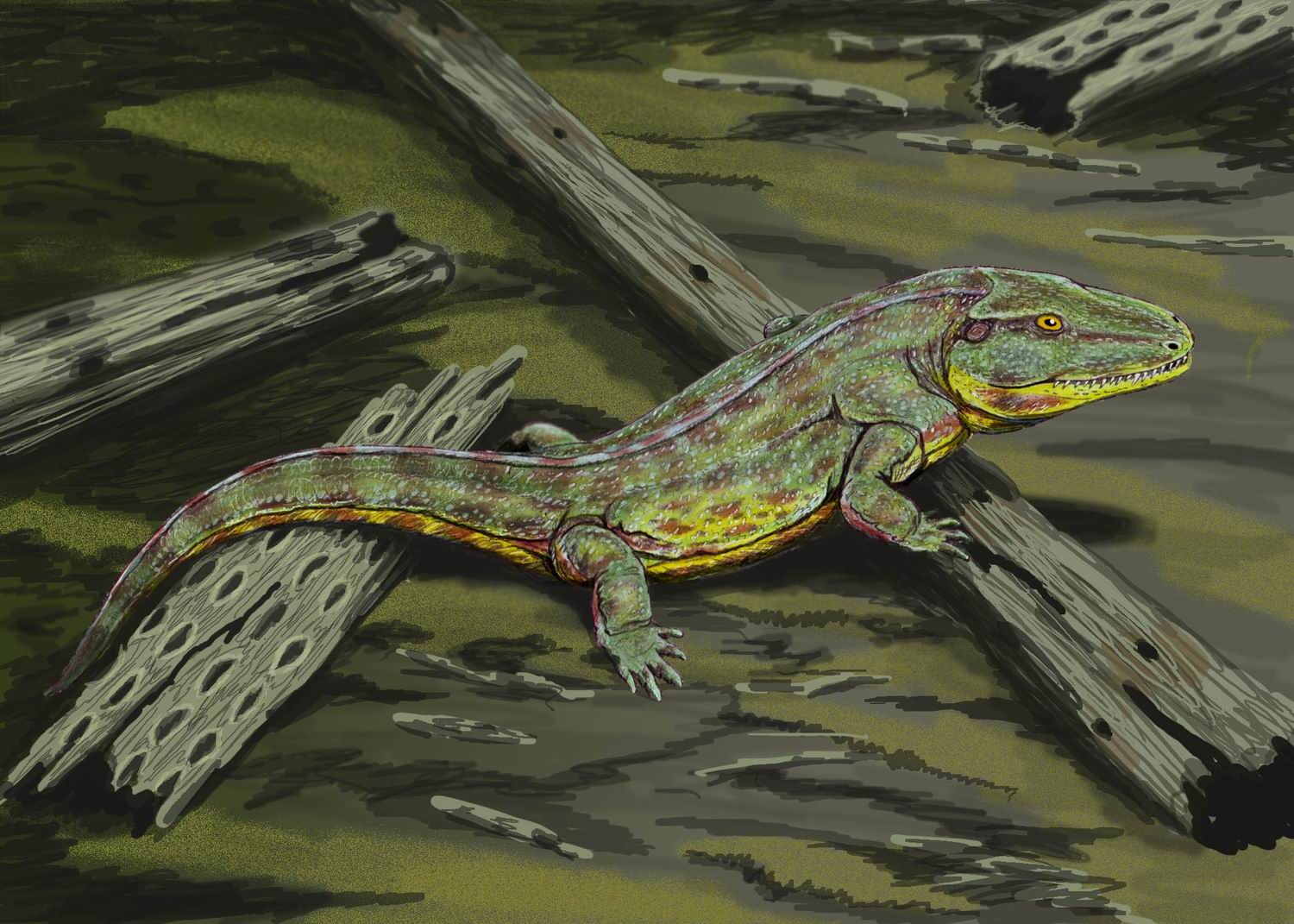
EThe gang spends their 5th anniversary podcast discussing the evolution and distribution of early tetrapods. So basically, we messed up. But at least you can enjoy some insightful discussions about how to improve Sabrina the Teenage Witch. That's something, right? Right? Up-Goer Five (James Edition): The group forget and barely care about their day which comes around every year for five times now. This time they talk about animals with four legs at around the time where they just got out of the water and lived on land before a lot of them died when the things that are not animals and are green and make air went away and everything got less wet. The first paper looks at when these wet areas went away and whether these early animals with four legs ended up with fewer animals that are found over a wider area or lots of animals that are each found in only one area each. It had been though that this change in how much wet made these animals got moved into lots of small areas, but the new paper shows that actually animals with four legs got a lot moved to much wider areas, but that this is because the animals with four legs that lived in water became much less easier to be found while animals with four legs that live on land and have balls that their babies live in early on that don't need water take over and change how animals with four legs lived on the big ball of rock we live on. The second paper looks at where animals with four legs lived before and after the bad time where almost all life died. The paper is interested at whether more animals lived on the middle of the outside of the big ball of rock that we all lived on or whether more of them lived near the top or the bottom of the outside of the big ball of rock. The paper is looking at whether there really is a time where animals with four legs do not live at the middle of the big ball of rock during the bad times where everything was dying. The paper looks at this by seeing how much the rocks lie to us and hide animals that were really there. One way they do this is by looking at tracks as well as dead bodies. This leads to shouting but both people are right and it is okay. The paper shows that while there was some time where there were less animals with four legs in the middle of the big ball of rock, they were still there and so maybe there were just less of them than before but they were not all dead. References: Dunne, Emma M., et al. "Diversity change during the rise of tetrapods and the impact of the 'Carboniferous rainforest collapse'." Proc. R. Soc. B. Vol. 285. No. 1872. The Royal Society, 2018. Bernardi, Massimo, Fabio Massimo Petti, and Michael J. Benton. "Tetrapod distribution and temperature rise during the Permian–Triassic mass extinction." Proc. R. Soc. B. Vol. 285. No. 1870. The Royal Society, 2018. Additional music by Russell Watson used in accordance with fair use under the creative commons license. Music was modified from its original form. https://creativecommons.org/licenses/by-nc-sa/2.5/

Podcast 131 - Would Sauropod Ribs Be Tasty?
EThe gang discusses two papers that look at the complex evolutionary history of sauropod dinosaurs. In particular, these papers try to determine how sauropods geography might have affected their evolutionary history. Also, James learns some valuable lessons about hot tub safety, Curt mindlessly quotes Futurama, Amanda discusses the surprising skills of her cats, and everyone has a deeply disturbing realization about the Flintstones. Up-Goer Five (James Edition): This week the group looks at two papers that focus on big stupid angry animals with no hair. Both papers are looking at the type of big stupid angry animals with no hair that were very big and had thick legs and really long necks. The papers are interested in where the big angry animals with really long necks lived, and how where they lived change over time. The first paper looks at a new big angry animal with a long neck from the place where food is big and people are armed. The reason this animal is interesting is because it is part of a group that was thought to all be dead but the new animal shows that they lived longer than we thought. All the older animals in its group came from a long way away, and so this animal shows that the group lived longer than we thought and that they did so by moving into a new place. The second paper also looks at a big angry animal with a long neck from the hot place with the long water running through it. This animal is part of a group we find on lots of other places, but not here. This animal shows that the group made it into the very large land where the rains are, even though a different group of animals with very long necks are usually there. References Sallam, Hesham M., et al. "New Egyptian sauropod reveals Late Cretaceous dinosaur dispersal between Europe and Africa." Nature ecology & evolution (2018): 1. Royo-Torres, Rafael, et al. "Descendants of the Jurassic turiasaurs from Iberia found refuge in the Early Cretaceous of western USA." Scientific Reports 7.1 (2017): 14311.
Podcast 130 - Trace Fossil Diversity is Over 9000
EThe gang discusses two papers that use ichnology (the study of traces left by animals) as evidence for biological diversity in regions where body fossils are not preserved. Also, Amanda and James have a vigorous debate about nouns while Curt retreats to his happy place, and everybody kind of vaguely remembers that thing from that one episode of Dragon Ball. Up-Goer Five (Amanda Edition): Today our friends talk about things that were once there but aren't now but you can still see where they were. Using these things that you can see where they once were, we can tell what these things were doing and what kind of place they lived in. A lot of the time we find the things that you can see where they once were, but we don't actually find the things themselves. That can mean a lot of different things. It might mean that the place they were living in was very small and didn't have a lot of space for lots of things to live in. It might mean that the place was not very good to live in and only a few things could live there. Our friends talk about a paper that says that things living in this one place were very different than things that probably lived in other places because the space was very different. Our friends also look at a paper that says someone found something of an animal that was once there but is not there now, and at the same time we have actual body pieces of the animal, just in different places. They think this thing that was left behind when the animal was once there but isn't there now means that this animal was in water. People don't know if this animal first showed up on land or in water and it seems like this should mean they first show up in water. These things that were made by something that was once there but isn't there anymore is really very good for showing things that might be around but we don't know for sure. Using these things we can show that sometimes things were around before we actually thought they were when we look at body pieces. References: Reolid, Matías, et al. "Ichnological evidence of semi-aquatic locomotion in early turtles from eastern Iberia during the Carnian Humid Episode (Late Triassic)." Palaeogeography, Palaeoclimatology, Palaeoecology 490 (2018): 450-461. Marriott, Susan B., Lance B. Morrissey, and Robert D. Hillier. "Trace fossil assemblages in Upper Silurian tuff beds: evidence of biodiversity in the Old Red Sandstone of southwest Wales, UK." Palaeogeography, Palaeoclimatology, Palaeoecology 274.3-4 (2009): 160-172.
Podcast 129 - Curt Made Us Talk About Exaptation
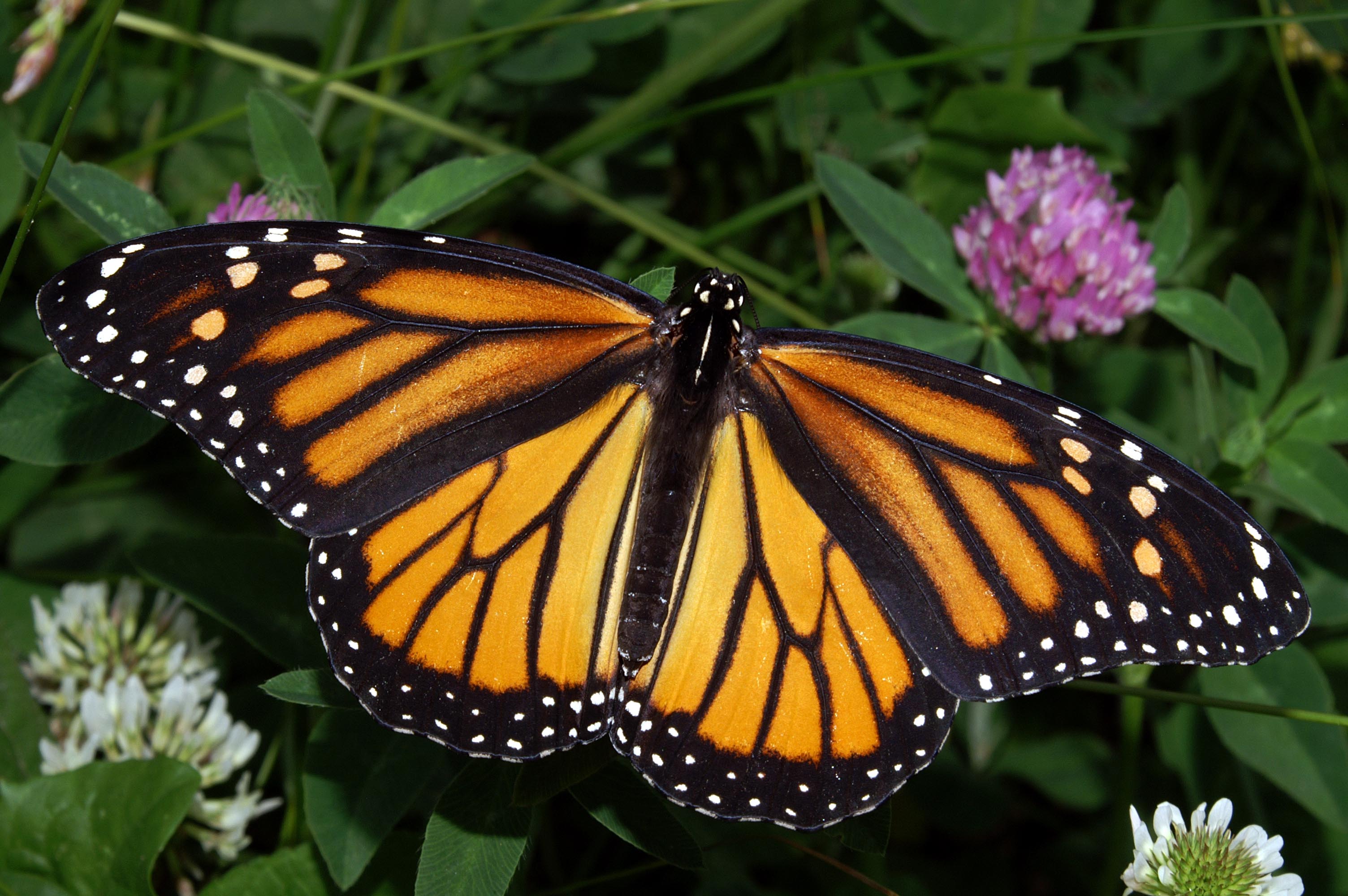
EThe gang discuss a recent paper which suggests that pollinating butterflies and moths may have evolved well before the evolution of flowering plants (angiosperms). Curt seizes this opportunity to force them all to read about exaptation. Meanwhile, James has some unique ideas about automotive safety and Amanda demonstrates her amazing Google skills in the face of uncertainty. Up-Goer Five (Amanda Edition): Today our friends talk about a thing that is very important. Many people have an idea that a thing came about because it had a use. But it might be, sometimes, that a thing came about because it was together with a thing that had a use. Or maybe it even came about because it just did. Maybe not everything has to come about because it has a use. One of the things our friends read comes up with a name for this idea. And it talks about things that mean maybe that idea is right. And it also talks a lot about words and one of our friends thinks that that part is not fun. The other thing our friends read is about little things that fly and are colored pretty. These little pretty-colored things that fly are thought to have come about along with green things that smell good. But it seems that maybe these pretty-colored things that fly come about a lot earlier than the green things that smell good. This is just like that idea where a thing has come about even though it had no use for it yet. References: Gould, Stephen Jay, and Elisabeth S. Vrba. "Exaptation—a missing term in the science of form." Paleobiology 8.1 (1982): 4-15. van Eldijk, Timo JB, et al. "A Triassic-Jurassic window into the evolution of Lepidoptera." Science advances 4.1 (2018): e1701568.
Podcast 128 - Conservation Paleoecology
EThe gang talks about conservation paleoecology; the study of the fossil record to inform modern conservation efforts. Specifically, they look at two papers, one which is an overview of the current issues in the field, and the other which focuses on how mass extinctions can change the distribution of species on the planet. Also, James has very strong opinions about the most recent Splatoon 2 Splatfest, Amanda nearly breaks an arm, and Curt tries in vain to hold everything together. Up-Goer Five (Curt Edition): The friends talk about how life is dying. A lot of people think life is dying faster than we think it should and that people might be causing life to die faster. The friends talk about how we can use the past to see how quickly life died in the past in order to let us know if the dying we see right now is a problem. There are a lot of people who have looked at the past and they find that people have changed the land and water and air a great deal. These changes do seem to have helped make life die faster. But there are things we can try to do to try and stop this, and keep more life in the land, water, and air. And we can use the past to understand what land, water, or air we should put the most work behind to really stop life from dying so quickly. The friends then talk about a time when a lot of life died at once. At this time, a big change happened in the air, land, and water. At that time, most animals in the land, water, and air died off, but some animals did really well. They seemed to like the changes and moved all around. These animals that moved all around might have changed how life gets better after dying a lot. This suggests that animals moving all around might be something we see during times when big changes in the land, air, and water cause life to start dying really fast. References: Button, David J., et al. "Mass extinctions drove increased global faunal cosmopolitanism on the supercontinent Pangaea." Nature communications 8.1 (2017): 733. Barnosky, Anthony D., et al. "Merging paleobiology with conservation biology to guide the future of terrestrial ecosystems." Science 355.6325 (2017): eaah4787.
Podcast 127 - Let's Just Talk About Birds
EThe gang celebrates the new year by just talking about birds. Specifically, they look at two papers that use the evolutionary history of birds to explore if geographic changes or ecological adaptation controlled the macroevolutionary history of birds. Meanwhile, Amanda has some technical difficulties, James becomes Legion "Destroyer of Minds", and Curt is a dick to his friends. Up-Goer Five (Amanda Edition): Today our friends look at two papers that both talk about animals that do not have hair or hard skin but rather have big pointed things on their face and can fly. The first paper looks at animals that do not have hair or hard skin but have big pointed things on their face and can fly and wants to see if these animals changed over time in and if they also changed the place they are from while changing over time. They say that most of the flying animals with no hair or hard skin but big pointed things on their face lived further down on the world until all the big angry animals with no hair that would eat them died and went away. Once all of those big angry animals were gone, the flying animals with no hair or hard skin but big pointed things on their face started moving all over the world and now live all over. They also say that they moved in a way that is easy to see and that it goes with whether it is warm or cold or wet or dry. The second paper also looks at these flying animals with no hair or hard skin but big pointed things on their face, and it talks about the "big change over time" idea. They use the big pointed thing on the animals face to tell this story. They say that the small groups of these animals changed over time in a different way than the big groups of these animals. They say that this means that the "big change over time" idea is right and that is what is going on to these flying animals with no hair or hard skin but with big pointed things on their face. References: Cooney, Christopher R., et al. "Mega-evolutionary dynamics of the adaptive radiation of birds." Nature 542.7641 (2017): 344-347. Claramunt, Santiago, and Joel Cracraft. "A new time tree reveals Earth history's imprint on the evolution of modern birds." Science Advances 1.11 (2015): e1501005.

Podcast 126 - The People of Minneapolis VS The Alchemist
EThe gang celebrates the end of the year by taking another break to play Fiasco, a crime/noir storytelling game by Bully Pit Games. A lone figure stands on the rooftops, staring down at the quiet night streets of Minneapolis below. For a moment, the hero stands tall, silhouetted against the night sky, looking like a gargoyle protecting the city, his city, from the crime that seeks to destroy it. A slight twinge of discomfort from a stiff back causes his shoulders to shrug, and he mutters to himself, "Eh, not worth it." He immediately steps off his perch on the roof's edge and lies down next an extra large meat-lovers pizza. As he ravenously devours nearly the entire pie, the low drone of the city below gradually becomes replaced by the sounds of a struggle; a woman's scream, the shuffling of footfalls, the low dull impact of a baseball bat to flesh. None of which deters the strange vigilante's steady consumption of pizza. The sound of a familiar yell catches the lone "hero's" attention, "A little help down here?!?!?" He sits up, slowly puts a half eaten slice of pizza down, and loudly sighs. "Fine..." and he casually jumps off the four story building. "The People of Minneapolis VS The Alchemist" is a story of super heroes, deception, betrayal, existentialism, and hipster heroics in the justice system. "Undaunted" and "Black Vortex" Kevin MacLeod (incompetech.com) Licensed under Creative Commons: By Attribution 3.0 http://creativecommons.org/licenses/by/3.0/

Podcast 125 - Feeling Isolated; Biogeography and Evolution
The gang discusses two papers that investigate the impact that the geographic occupation of a species has on its evolution, both in the distant past and in modern systems. Also, James pops some pills, Amanda takes a deep dive into Deviant Art, and Curt acts as a passive enabler. Up-Goer Five (Amanda Edition): This week our friends talk about how many animals there are in the whole world. They also talk about where animals live all over the world. The first paper does a good job talking about both where animals live and how many animals there are. It talks about many, many times when there were lots of new kinds of animals showing up, and also times when there were not many animals showing up. They also talk about times when it looks like many animals died but maybe they didn't. There are different ways to talk about how many animals there are in the whole world. Whether there are all kinds of different animals but they are the same all over, whether there are all kinds of different animals and they are all different all over, and whether there are some animals that are only found only in little places. The other paper talks about how when new kinds of animals show up that it is important to look at where the new animals are from, and whether they can talk to other animals that are like their brothers and sisters. If they can talk to other animals that are like their brothers and sisters, then they are not new kinds of animals. But if they can't talk to the animals that are like their brothers and sisters, then they are a new kind of animal. This paper thought that maybe it would be a kind of important piece of the animal that would make it new and not able to talk to its brother and sister animals. But it turns out that where the animal is from is very important, and it seems like if the animal lives far away and can't talk to its brother and sister animals for even a short time, it will become a new kind of animal. So we know that where animals are from is important, and if where they are from means they can't talk to brother and sister animals, that is really big for making new kinds of animals. References: Worsham, McLean LD, et al. "Geographic isolation facilitates the evolution of reproductive isolation and morphological divergence." Ecology and Evolution. Stigall, Alycia L., et al. "Biotic immigration events, speciation, and the accumulation of biodiversity in the fossil record." Global and Planetary Change 148 (2017): 242-257.

Podcast 124 - A Second Opinion
EThe gang discusses two papers that complicate our understanding of some important fossils. Specifically, we focus on abiotic "stromatolites" and cryptic tool marks on bones. Also, Curt comes up with a book title, James discusses his workout regiment, and Amanda gets very excited about all things Michigan. Up-Goer Five (Curt Edition): The friends talk about things that look like something but are actually maybe something else. First, they look at things that layer on top of each other. These things that layer on top of each other were found in rocks from a long long time ago and were thought to be made from living things that eat light. However, we can also make these things that layer on top of each other with a paint can. This means that we need to watch out when we find these things that layer on top of each other a long long time ago because they may not always be made by these living things that eat light. Second, the friends look at marks on the hard parts in animals that hold them up. Some people thought the marks on the hard parts in animals that hold them up were made by people cutting those animals to pieces. However, other people say the marks on the hard parts in animals that hold them up could be made by animals with long noses who lie in water and you should never smile at. These animals that you should never smile at who jump out of the water can cut marks on the hard parts of animals that look very very much the same as the ones that come from people cutting animals to pieces. This means we need to watch out when seeing these marks because they may or may not show that people were there. References: Sahle, Yonatan, Sireen El Zaatari, and Tim D. White. "Hominid butchers and biting crocodiles in the African Plio–Pleistocene." Proceedings of the National Academy of Sciences (2017): 201716317. McLoughlin, N., L. A. Wilson, and M. D. Brasier. "Growth of synthetic stromatolites and wrinkle structures in the absence of microbes–implications for the early fossil record." Geobiology 6.2 (2008): 95-105.

Podcast 123 - Periodicity of Extinction
EThe gang discusses two papers with differing opinions about whether or not extinction events in the fossil record follow a periodic pattern. Also, James is dealing with very reputable people, Curt forces people to talk about things they don't care about, and Amanda becomes VERY interested in energy conservation. Up-Goer Five (James Edition): This week the group looks at two papers seeing if really bad times when lots of things died happen on a time table or if really bad times when lots of things died do not run on time and came come any time they want. The first paper says the death train does not run on time and that we do note see a time table that it sticks to. They state that past papers that have tried to see the when the death train comes have made time tables out of chance visits and that we can not use these time tables because we may be waiting for the death train a long time and then find that two death trains show up at once. The other papers in the past said that this time table is caused by the stars and that things coming from space are making the death train run on time. The new paper says that this is not true because there is no time table and the stars can't control a time table that is not there. The second paper responds to the first paper and says that the time table is there and the way the first paper checked the time table was too mean. The second paper points out that the death train can be early or late and still be running on a time table. They look at the same numbers as the first paper and say that the death train is just early or late quite a bit but still runs on its time table. References: Erlykin, Anatoly D., et al. "Mass extinctions over the last 500 myr: an astronomical cause?." Palaeontology 60.2 (2017): 159-167. Melott, Adrian L., and Richard K. Bambach. "Comments on: Periodicity in the extinction rate and possible astronomical causes–comment on mass extinctions over the last 500 myr: an astronomical cause?(Erlykin et al.)." Palaeontology 60.6 (2017): 911-920.

Podcast 122 - GSA 2017; We Have a Fridge
James and Curt are joined by friends of the show Brendan and Carlie to discuss the talks presented at the Geological Society of American annual meeting in Seattle, WA. Day 2 starts at 1:12:43. Day 3 starts at 3:05:06. Day 4 starts at 3:59:34. Videos of each day are available on youtube under the channel Palaeo After Dark. Additional music: "Puzzle Pieces 2 (I Don't Believe in Ghosts)" by The Mixtapes and distributed by Paper + Plastic: http://paperplastick.limitedrun.com/products/551888-mixtapes-these-are-us

Podcast 121 - Reconstructing the Niche
EThe gang discusses two papers that use fossil evidence to determine the past ecology and niche-space of past organisms, specifically dodos and hyenas. How can we use information from bones to interpret diet, life cycle, and behaviors of long dead animals? Also, James decides to start Skynet on the grounds that they will let him become a weather controlling tiger-bot, while Amanda and Curt draw hard lines in the sand about Don Bluth cartoons. Up-Goer Five (James Edition): The group looks at two papers that are interested in seeing how things lived. The first is cutting into the inside hard parts of animals with that should fly but could not fly and are in the same family as animals that can fly and live with people in cities. These animals died when people came to their rock in the big water that you can not drink with lots of bad friends. The people that came to the home of these animals did not care about them much, and so the words we have from them are not very good and often do not agree. The study looks at the hard parts and the words of the people to see how these animals lived. They show that the animals grew quickly and changed their clothes a lot over the year which is why different people thought they looked different, and that they laid their round baby boxes during the part of the year when there was not bad sky stuff. The next study looks at the teeth of cats that want to be dogs that are today only found in the big place where the rains are down but in the past were found in many places that people lived. They want to see if these cats that want to be dogs eat the same thing at different points in time. They show that the cats that want to be dogs eat different things today than they used to, and that maybe this is because there are very big cats that are definitely cats in the big place where the rains are down that stop them getting other food. References: DeSantis, Larisa RG, et al. "Assessing niche conservatism using a multiproxy approach: dietary ecology of extinct and extant spotted hyenas." Paleobiology 43.2 (2017): 286-303. Angst, D., et al. "Bone histology sheds new light on the ecology of the dodo (Raphus cucullatus, Aves, Columbiformes)." Scientific Reports 7 (2017).

Podcast 120 - Something Something Convergence
The gang discusses two papers that deal with different examples of convergence. The first discusses how brood parasite female cuckoos mimic birds of prey, and the second paper discusses convergent morphological evolution in early tetrapodomorph fishes. What do these two papers have in common. you may ask? Both discussions have Amanda cheerfully yelling the word "Convergence!" Meanwhile, Amanda narrowly avoids drunk Amazon shopping, James demands truth in advertising, Curt doesn't believe that these papers are remotely related in any way, and everybody gets very easily distracted by the prospect of fire-belching furnaces and knife-wielding murderbots. Up-Goer Five (Curt Edition): The group looks at two papers where the same things keep happening to many different animals. The first paper looks at an animal that can fly and is a bad mom that leaves the kids with some other flying mom so she does not have to raise them. This flying bad mom can pretend to be something else and kind of looks like something else that is big and angry. When the flying bad mom drops the kids at the home of the other flying mom, she pretends to be a very big and angry flying thing by screaming as she leaves the home of the other flying mom. People showed that the sound of the bad mom screaming sounds just like the big angry thing she is pretending to be, which makes the other flying moms scared so they do not know that the kids have been left at their home. The kids then eat the other flying moms out of house and home. The other paper looks at animals that are in the water but could sometimes come out on the land from a long time ago. As time went on, more of these animals spent more time out on land than on the water, and they also changed how they looked. This made us think that the things spending more time on land changed in ways for them to spend more time on the land. But this new animal shows that those changes happened in things that didn't spend as much time on land, so maybe the changes aren't just because things were on the land so much. References: York, J. E., & Davies, N. B. (2017). Female cuckoo calls misdirect host defences towards the wrong enemy. Nature https://doi.org/10.1038/s41559-017-0279-3 Zhu, Min, et al. "A Devonian tetrapod-like fish reveals substantial parallelism in stem tetrapod evolution." Nature Ecology & Evolution (2017): 1.
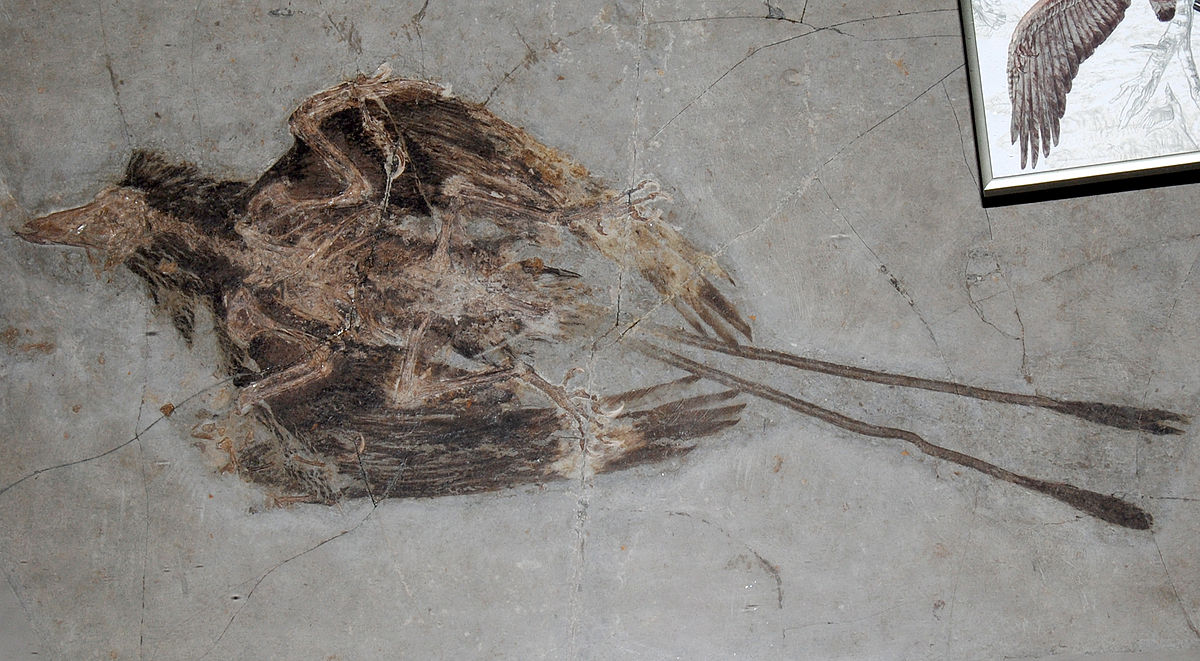
Podcast 119 - Dimorphic Dinosaurs
EThe gang discusses two papers that look at the complex issues surrounding the identification of sexual dimorphism in archosaurs (e.g. birds, dinosaurs, and alligators/crocodiles). Meanwhile, James has very strong opinions about Fat Tire beer, Amanda becomes lost in independent research, and Curt accidentally tears the podcast apart. Up-Goer Five (James Edition): The group looks at two papers that want to see whether animals that lived a long time ago are boys or girls. The first paper is looking at lots of small animals that could fly and had hard mouths. We find them in small, not so small, and big, and it has been suggested that the big ones were boys, the not so small ones were girls, and the small ones were young. Some of them have big back ends, and it was thought that maybe those that had big back ends were boys and those that did not have big back ends were girls. The paper thinks that maybe both boys and girls had big back ends, because they find big back ends on the young ones. The group however have seen another paper that thinks that boys did have big back ends and girls did not have big back ends and the small ones were actually a different type of flying animal with hard mouths. The second paper is looking at trying to tell if big angry animals without hair were boys or girls. To do this they look at big angry animals that are around today and animals with hard mouths that are too big to fly that are around today. They show that big angry animals and animals with hard mouths that can sometimes fly grow different, and if you did not know which ones were boys or girls it is very different to tell which of the big angry animals are boys and girls. They show that most big angry animals without hair from a long time ago grow like big angry animals today, and so we should wait for a lot of facts before deciding if they are boys or girls, and that when we have thought we have found different things between boys and girls in the past we may have been looking at grown ups and babies. References: Hone, David WE, and Jordan C. Mallon. "Protracted growth impedes the detection of sexual dimorphism in non‐avian dinosaurs." Palaeontology 60.4 (2017): 535-545. Peters, Winfried S., and Dieter Stefan Peters. "Life history, sexual dimorphism and 'ornamental'feathers in the Mesozoic bird Confuciusornis sanctus." Biology letters (2009): rsbl20090574.

Podcast 118 - Dealing with Problematica
EThe gang discuss two papers that attempt to resolve the taxonomic placement of animals with complex or confusing morphologies. Also, they somehow go off on a tangent about careers in academia, publish or perish, and the various lengths people can go to try and maximize their research output. Meanwhile, Amanda has some issues with her light sockets, James tries to pass off "facts"about rats, Curt makes references to 90's cartoons, and everyone greets our new guest, the "Pony". Up-Goer Five (James Edition): The group looks at two studies where animals that were thought to be one thing were shown to be another. The first paper looks at a very old animal known from three parts. One part was thought to be a soft animal that moved in the water and had the same thing for a mouth and a bottom, another part was thought to be an animal that hid in a hard house and grabbed food as it passed, and another was thought to be something that has a soft thing in it for sending news from end to end. The new study shows that these are all the same thing, and that is part of a big group of animals that can move in water or stick to rocks and attack things with small arms. The other study is looking at big angry animals with no hair, especially one big angry animal that it is not known where it should go. The big angry animal is not that big and not that angry, and seems to be like both big angry animals with no hair that ate other animals and big angry animals with no hair that ate green things that do not move. The new study shows that it is part of one of the groups of big angry animals with no hair that eats green things that do not move, but the ones that have big heads and short necks. Parts of it look like big angry animals with no hair that eat other animals because it is an early part of the big angry animals with no hair that eat green things that do not move that have big heads and short necks even though we find it after we find some of its friends. References: Ou, Qiang, et al. "Three Cambrian fossils assembled into an extinct body plan of cnidarian affinity." Proceedings of the National Academy of Sciences(2017): 201701650. Baron, Matthew G. and Barrett, Paul M. "A dinosaur missing-link? Chilesaurus and the early evolution of ornithischian dinosaurs" Biology Letters(2017): https://dx.doi.org/10.6084/m9.

Podcast 117 - Hero Terrapins and Fighting Frogs
EThe gang discuss two papers that study how the geographic ranges of turtles and frogs changed through time, and how these changes affected their ecology and evolution. Also, James drinks what he presumes is ground horse, Curt goes full Ian Malcolm, Amanda shares life lessons about furniture, and everyone imagines what turtle they are. [Editor's note: The actual science starts about 13 minutes in, I just didn't have the heart to cut it down.] Up-Goer Five (Amanda and James Edition): Today our friends talk about animals with hard backs and no hair, and also animals that jump and have little skin. The group looks at two studies that look to see whether where animals are and have been is important. We talk about how animals with hard backs and no hair used to live in many, many places. Today they live in less places. Maybe some day they will live in more places again if it gets warm because of people. But maybe not because some animals with hard backs and no hair do need it to be wet. And if it is not wet when it gets warm again then they will not be able to live in more places again. We don't know. Being wet does seem to matter a lot, though. With animals that jump and have little skin, maybe they changed in place or maybe they went all over the place and changed as they went. We read that people think that they did not change as they went, but rather changed in one place and then went to other places. References: Waterson, Amy M., et al. "Modelling the climatic niche of turtles: a deep-time perspective." Proc. R. Soc. B. Vol. 283. No. 1839. The Royal Society, 2016. Chan, Kin Onn, and Rafe M. Brown. "Did true frogs 'dispersify'?." Biology Letters 13.8 (2017): 20170299.

Podcast 116 - Changing Relationships; Dinosaurs and Marsupials
EThe gang discuss two papers that offer new evidence which re-contextualizes our understanding of the evolutionary history of two important Mesozoic groups, dinosaurs and marsupials. Meanwhile, Amanda comes up with a terrible/great new idea for liquor consumption, Curt consistently offers bad advice to his friends, and James cracks open a bottle of sangria and then everything gets a bit fuzzy. Can you guess that this was the fourth podcast recorded in a single week? Can you hear the life drain from James? (Editor's Note: The "science" starts 13 minutes in. Apologies, we will be better in the future. [Editor's Editor's Note: Probably not.]) Up-Goer Five (Amanda Edition): Today our friends talk about very large animals with no hair that everyone loves but our friends don't care about, and also funny animals with hair that are not like us because they do not have big babies. It turns out the very large animals with no hair that everyone loves are all brothers and sisters in a very funny way, not like we used to think at all. The very large animals with no hair that everyone loves have three kinds: long necks that eat leaves, ones that eat other animals, and ones that eat leaves but do not have long necks. We thought that the ones that had long necks and the ones that eat other animals were close brothers and sisters. But it turns out they might not be. The ones with long necks might be the oldest brothers and sisters, then the ones that ate leaves but did not have long necks, and then the ones that ate other animals. With the funny animals with hair that are not like us because they have small babies, they were thought to have started in places other than where our friends live. But it turns out that maybe they actually started where our friends live, and not where other people live across the big waters. References: Baron, Matthew G., David B. Norman, and Paul M. Barrett. "A new hypothesis of dinosaur relationships and early dinosaur evolution." Nature 543.7646 (2017): 501-506. Wilson, Gregory P., et al. "A large carnivorous mammal from the Late Cretaceous and the North American origin of marsupials." Nature Communications 7 (2016).

Podcast 115 - Amanda Now Wants Tiny Whales to be a Thing
EThe gang discuss two papers that discuss the methods we use to determine how different things are from each (i.e. disparity). In particular, do variations in parts of an animal give us a good sample of the morphological variability of the total animal? Meanwhile, Amanda wants a whale, James has strong opinions about vertebrae, and Curt tries to narrow in on what Amanda views as "cute". Up-Goer Five (James Edition): The group looks at two studies that want to see if we can say how different animals are. There are many ways that we can try to see how animals are different from each other. The first paper looks at two ways of seeing if animals are different, one by looking at how points on the animals change between them and another by looking at what parts the animals have. The paper shows that the both types of study give the same answer, which is good news. The second paper wants to see if we get the same answer for how animals are different from each other when we look at only one part of the animal instead of looking at the whole animal. This study also shows that when you look at part of an animal, you get the same answer as when you look at the whole animal. This is also good news! There's lots of good news, let's have a party. References: Hetherington, Alexander J., et al. "Do cladistic and morphometric data capture common patterns of morphological disparity?." Palaeontology 58.3 (2015): 393-399. Hopkins, Melanie J. "How well does a part represent the whole? A comparison of cranidial shape evolution with exoskeletal character evolution in the trilobite family Pterocephaliidae." Palaeontology 60.3 (2017): 309-318.

Podcast 114 - Trilobites; Mice of the Paleozoic
EThe gang discuss two papers that describe the life strategies of trilobites, a diverse and charismatic group of extinct arthropods. Specifically, they look at two papers that look at enrollment and movement of trilobites. Meanwhile, Amanda educates James on the nature of pain, James envisions Curt's inevitable end, and Curt invents a hockey/extinct arthropod family film. Up-Goer Five (James Edition): The group looks at two papers that look at old animals with many legs that live in the bad drink water place and are made out of rock. These animals are all over the place and are good to study much like small animals with hair and big ears are used today. One paper makes pictures of the old animal with many legs on the computer to see how they turn into a ball. This paper is very easy to understand and shows that these animals can turn into a ball in a number of different ways and that they started doing these different ways a number of different times. However, once they have made this change they seem to stick with it. The second paper is not very easy to understand. It looks at where these old animals with many legs form lines and tries to work out whether they are forming lines so it is easier for them to walk. A lot of numbers are used to work out how easy it is for them to walk, but it is not clear what the numbers say. They suggest the lines these animals with many legs make are the same as ones people that ride things with two round moving things instead of legs make, but this just makes things more confusing. References: Trenchard, Hugh, Carlton E. Brett, and Matjaž Perc. "Trilobite 'pelotons': possible hydrodynamic drag effects between leading and following trilobites in trilobite queues." Palaeontology (2017). Esteve, Jorge, et al. "Modelling enrolment in Cambrian trilobites." Palaeontology 60.3 (2017): 423-432.

Podcast 113 - What's In a Bauplan
EThe gang discuss the concept of the body plan, or "bauplan", and what it means for our understanding of evolution. When in the evolutionary history of a group do the morphological characteristics we associate with that group become fixed? Meanwhile, Amanda details the exploits of mischievous crows, Curt explains our free-to-play academic futures, and James educates America on British society. Also, we start talking about science about 9 minutes in.... it's one of those podcasts. If you want to support the podcast, you can go to www.patreon.com/palaeoafterdark to find out more. Up-Goer Five (Curt Edition): Our friends talk about body plans. Yes, we can say body plan in this. Some animals and not animals are almost the same, and people wonder if it is because those animals and not animals are brothers and sisters but bigger. Also, people wonder when these animals and not animals first became the same, because they started out not the same and became more same over time. Does it matter that these animals and not animals are the same? Why are they the same? It turns out that some animals that are small with weird mouths were more different in the past than we thought, and they got their weird mouth before they became really same. Also big animals that were brother and sister but bigger to animals that would walk and maybe fly some day were very different in the past. References: Aria, Cédric, and Jean-Bernard Caron. "Burgess Shale fossils illustrate the origin of the mandibulate body plan." Nature 545.7652 (2017): 89-92. Nesbitt, Sterling J., et al. "The earliest bird-line archosaurs and the assembly of the dinosaur body plan." Nature 544.7651 (2017): 484-487. "Brightly Friendly" Kevin MacLeod (incompetech.com) Licensed by Creative Commons: By Attribution 3.0 http://creativecommons.org/licenses/by/3.0/

Podcast 112 - How Specialized Are Specialists?
EThe gang discuss two papers that use biogeochemical evidence to determine the diets of two specialist species. Just how restricted are the diets of these species? Meanwhile, Amanda finds a new pet she desperately needs, James copes with a changing environment, and Curt gives James some advice on social situations. If you want to support the podcast, you can go to www.patreon.com/palaeoafterdark to find out more. Up-Goer Five (Amanda Edition): Today our friends talk about animals that can only do one thing or animals that can do many things. Most people think that animals that can only do one thing are not very good and will die fast. They also think that animals that can do many different things are good and will live a long time and have lots of babies. One paper our friends read actually says that sometimes animals look like they can do only one thing, but really they just really, really like to do that one thing, and if they have to they will do something else so that they can live. The other paper says that big stupid black and white animals that are not good are really not good and have been not good for a long time. A long time ago, there were even very small big stupid black and white animals that were not good, and even then they were not good. References: Terry, Rebecca C., Megan E. Guerre, and David S. Taylor. "How specialized is a diet specialist? Niche flexibility and local persistence through time of the Chisel‐toothed Kangaroo Rat." Functional Ecology. Stacklyn, Shannon, et al. "Carbon and oxygen isotopic evidence for diets, environments and niche differentiation of early Pleistocene pandas and associated mammals in South China." Palaeogeography, Palaeoclimatology, Palaeoecology 468 (2017): 351-361. "Scheming Weasel slower" Kevin MacLeod (incompetech.com) Licensed by Creative Commons: By Attribution 3.0 http://creativecommons.org/licenses/by/3.0/
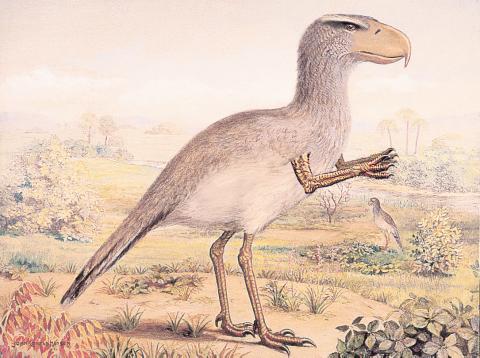
Podcast 111 - Giant Killer Birds
EThe gang discusses two papers that use fossil evidence to determine how terror birds moved. Were they lumbering giants or fast sprinters? Also, James gets metaphysical, Curt unabashedly likes old Tim Burton films, Amanda doesn't appreciate science that ruins the fun, and everyone is very excited about birds that smash proto-horses. If you want to support the podcast, you can go to www.patreon.com/palaeoafterdark to find out more. Up-Goer Five (Amanda Edition): Today our friends talk about very large animals with no teeth that could step on you. They did not fly but rather ran or walked slowly. Other animals, like big animals with little hair and long noses also walk slowly. The friends talk about how some of these very large animals with no teeth that could step on you looked like they ate other animals and ran very fast, and some looked like they ate other animals but did not and also walked very slow. But there are some very large animals with no teeth that we don't know if they ran very fast or walked very slow and there are other people trying to see if they walked fast or slow using how long legs are. Some parts of legs are longer than other parts of legs and that will mean if the very large animal with no teeth that could step on you could run or just walked slowly. One group looked at how long parts of legs are with other parts of the same legs. They found an easy way to see if these very large animals with no teeth that could step on you walked fast or slow. Another group looked at parts of legs in a different way with a harder numbers thing and found almost the same things as the first group! References: Angst, Delphine, et al. "A new method for estimating locomotion type in large ground birds." Palaeontology (2015). Degrange, Federico J. "Hind limb morphometry of terror birds (Aves, Cariamiformes, Phorusrhacidae): functional implications for substrate preferences and locomotor lifestyle." Earth and Environmental Science Transactions of The Royal Society of Edinburgh 106.4 (2017): 257-276. "Aces High" Kevin MacLeod (incompetech.com) Licensed by Creative Commons: By Attribution 3.0 http://creativecommons.org/licenses/by/3.0/

Podcast 110 - Maneater
EThe gang discuss two papers that show how diet can impact stress, strain, and wear patterns of the tooth and jaw, specifically on therizinosaur dinosaurs and lions. Also, James mistakes cats for people, Amanda makes the second worse joke of the podcast, and Curt tries to advertise at the worst possible times. Also cannibalism. If you want to support the podcast, you can go to www.patreon.com/palaeoafterdark to find out more. Up-Goer Five Summary (Amanda Edition): Today our friends talk about big animals with no hair that had big long angry things on their hands that could hurt you. We do not know much about these big animals with no hair that had big long angry things on their hands that could hurt you. For a long time we did not know what they ate or how they lived or even what they looked like. Now we know that they are round and have very long arms. They are brothers of the big angry animals with no hair that have very large teeth and short arms. But these big animals with no hair and long angry things on their hands that can hurt you are not like their brothers that are big and angry with large teeth and short arms because they eat different things. The big animals with no hair that have very large teeth and short arms eat other big animals with no hair. And animals with hair. And any animals. The big animals with no hair that have long angry things on their hands that can hurt you do not eat other big animals with no hair. They eat leaves. When we used new ideas from brain-boxes to look at the heads of the big animals with no hair that have long angry things on their hands that can hurt you we see that they eat leaves and not other big animals with no hair. Our friends also talk about big cats that ate people. References: Lautenschlager, Stephan. "Functional niche partitioning in Therizinosauria provides new insights into the evolution of theropod herbivory." Palaeontology 60.3 (2017): 375-387. DeSantis, Larisa RG, and Bruce D. Patterson. "Dietary behaviour of man-eating lions as revealed by dental microwear textures." Scientific reports 7.1 (2017): 904. "Honey Bee", "In Your Arms", "Monkeys Spinning Monkeys" Kevin MacLeod (incompetech.com) Licensed by Creative Commons: By Attribution 3.0 http://creativecommons.org/licenses/by/3.0/

Podcast 109 - Dead Squids and Graptolites
EIn this episode, the gang discusses two papers that use modern decay experiments to determine how decay can affect our understanding of the evolution of two groups, Coleoidea and Graptolithina. Are there certain structures or behaviors that make these animals more or less likely to be preserved in the fossil record? Also, the gang faces the existential void, James offers a gift, and Amanda learns something interesting about the greatest animals on the planet. Up-Goer Five (James Edition): This time, the group talks about what happens to things after they die. They look at studies that took things that were not dead and made them dead (or found dead ones on ice at a shop) and then watched what happened to them as time went on. We can then use the brain facts that we get from seeing these things continue to be dead to figure out what we are seeing when we look at things that have been dead for a really long time and turned into rock. First, we look at things that live in the water and have many arms. One group is not found in rock although they should have been around a long time ago, and because of the brain facts we get from watching them be dead we can tell it is because they do not drop in the water once they are dead. The second study looks at things that building their own houses by being sick on themselves. There are lots of them in the past but now only one group is left. By killing some of the ones that are left to see how they die we can see why we only find the old houses in rock and not the animals themselves, and also if dark bits we see in the houses in the rock may in fact be those animals! References: Clements, Thomas, et al. "Buoyancy mechanisms limit preservation of coleoid cephalopod soft tissues in Mesozoic Lagerstätten." Palaeontology 60.1 (2017): 1-14. Beli, Elena, Stefano Piraino, and Christopher B. Cameron. "Fossilization processes of graptolites: insights from the experimental decay of Rhabdopleura sp.(Pterobranchia)." Palaeontology (2017).

Podcast 108 - Homology Party
EIn this episode, the gang decides to go back to some old papers they enjoy to discuss the concept of homology. What do we really mean when we say certain characteristics are shared due to evolutionary history? Also, for a brief minute in the second half, James was spontaneously possessed by demonic spirits that made him spout nonsense he doesn't actually believe. Unrelated to this, he also had a splitting migraine. Up-goer Five (Amanda in a fever-based fugue state edition): Today our friends talk about how things are the same because animals are brother and sister. This means that the brother and sister animals have parts that are the same because they have the same mother and father animals. But the way that brother and sister animals have the same parts can be because of different ways. People do not understand really what it means when we say that these brother and sister animals have the same parts. So our friends try to explain how these parts came to be and why. References: Van Valen, Leigh M. "Homology and causes." Journal of Morphology 173.3 (1982): 305-312. Wiley, E. O. "Homology, identity and transformation." Mesozoic fishes 4 (2008): 9-21.

Podcast 107 - A Very Fishy Podcast
EThe gang talks about two papers that detail the ecology and evolution of some early fishy vertebrates. Can we tell what early coelacanth fish might have eaten? What evolutionary changes occurred when early tetrapods started making their way onto land? Is there an evolutionary trend towards kawaii? All this and less will be discussed. Oh, and James has made some interesting discoveries about The Legend of Zelda. Up-Goer Five (James Edition): The group looks at two papers that are to do with animals with no legs that live in water although in one of the papers one of the animals is trying to have legs. In the first paper we see a very old animal with no legs that lives in water that has family around today that are thought to be pretty much the same but actually may be doing different things. We see that this old thing with no legs was eating a type of animal that we do not get any more, which is interesting as we have no way of telling that anything else ate this animal. In the second paper we look at things with no legs that are starting to having legs. We see that their eyes are moving on top of their heads like big angry things with hard skin and big teeth in long faces that live in the water. At the same time the eyes are moving onto the top of the head they are also getting bigger, and it is shown that the animals would have been able to see better out of the water. This seems to be happening at the same time as them starting to change their not legs into legs. The most interesting thing is that when some of the animals that then have legs go back into the water their eyes get smaller but do not move back down the side of the head; they are stuck there even though they are no good there any more! References: MacIver, Malcolm A., et al. "Massive increase in visual range preceded the origin of terrestrial vertebrates." Proceedings of the National Academy of Sciences 114.12 (2017): E2375-E2384. Zatoń, Michał, et al. "The first direct evidence of a Late Devonian coelacanth fish feeding on conodont animals." The Science of Nature 104.3-4 (2017): 26.
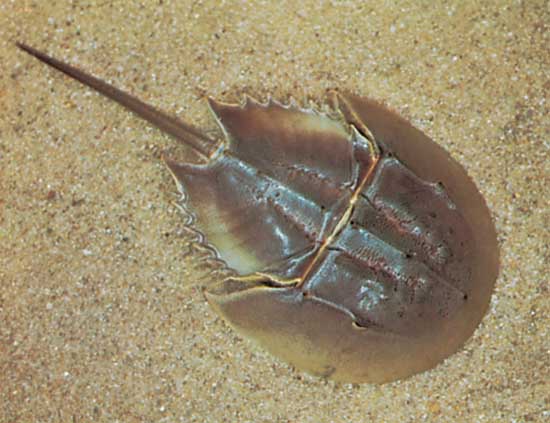
Podcast 106 - A Bunch of Living Fossils; Four Years of Podcasting
EThe gang celebrates four years of podcasting with a lengthy discussion about living fossils. What do we mean when we use the term living fossil, and can we come up with an operational definition? Also, Amanda risks invoking the destructive powers of John Wick, James invents the best Mass Effect slash fiction, and Curt plans for Amanda's replacement. Musical track, "Sail the Canals" from Mario Party 7 is owned by Nintendo and Hudson. Used under fair use. Up-goer Five (Amanda Edition): Today our friends talk about animals that lived a long time ago but still kind of are here today. People say that these animals that lived a long time ago are still here today and have not become any different than they were a long time ago. But our friends have a talk about how the animals that lived a long time ago and do not look different today are actually very different today than they were a very long time ago. Some of them might not look different but their stuff that makes them them is actually very different. Some of them have family that used to look very different even though they look like old, old animals that lived a long time ago. In the end, our friends decided that animals that look like animals that lived a long time ago are actually not the ones that lived a long time ago. References: Herrera‐Flores, Jorge A., Thomas L. Stubbs, and Michael J. Benton. "Macroevolutionary patterns in Rhynchocephalia: is the tuatara (Sphenodon punctatus) a living fossil?." Palaeontology (2017). Kin, Adrian, and Błażej Błażejowski. "The horseshoe crab of the genus Limulus: living fossil or stabilomorph?." PLoS One 9.10 (2014): e108036.

Podcast 105 - We'll Meet Again
EThe gang discusses extinction rates to determine if we are in a sixth mass extinction (spoilers we very much are). Also, Curt decides to refocus the podcast, Amanda describes a disturbing tale of assault with deadly pastry, and James has some quasi-legal ideas of branding. Up-Goer Five Summary (James and Amanda Edition): Today our three friends talk about how fast things die. Sometimes things die fast, and sometimes things die slowly. Most of the time things die slowly, but when things die fast, it is very bad. Bad things happen when everything dies fast. Right now, it looks like things are dying very fast, oh no. Things are dying so fast, it could be a hundred or even a ten hundred times faster than when things die slowly. This is bad because when things die they can't come back. Our friends talk about how bad it is when things die fast, and how people can maybe make things die slower. References: Martin, Robert A., and Pablo Peláez‐Campomanes. "Extinction rates of the Meade Basin rodents: application to current biodiversity losses." Lethaia (2016). Ceballos, Gerardo, et al. "Accelerated modern human–induced species losses: Entering the sixth mass extinction." Science advances 1.5 (2015): e1400253.