OviCast
331 episodes — Page 1 of 7
September Management Notes
September Grass Focus
Selling store lambs this autumn
The Sheep Enterprise at Mountbellew Agricultural College
August Management Notes
Finding the Right Ram for Your Flock
Inside an Organic Sheep and Tillage System
What Happens to Worm Burdens During and After a Dry Spell?
Forage Crops: Adding Value to Mixed Farming Systems
Improving Performance on a Mixed Beef and Sheep Farm
Grass Growth Update: Managing Through the Dry Spell
July Management Notes
Results from the Teagasc labour survey on sheep farms
Previewing the 2026 National Sheep Conference
June Management Notes
How are lambs performing this so far this year?
May Grass Focus
May Management Notes
Don’t Be on the Hind Foot When Tackling Scald
Weed control on pasture and silage ground
Nematodirus Forecast 2026
Ep 310April Management Notes
Sheep specialist, Michael Gottstein, joins this week’s OviCast to outline the key priorities for the month ahead.We discuss the challenges around fertiliser use and rising costs, why replacing fertiliser with concentrates can be a false economy, and how simple management changes like grouping ewes and subdividing paddocks can boost grass growth. We also cover key flock health risks, including parasites, lameness and grass tetany, before finishing up with practical tips on preparing for high-quality silage.For more episodes from the OviCast podcast, visit the show page at:https://www.teagasc.ie/animals/sheep/ovicast-sheep-podcast
Ep 309Coccidiosis in Lambs
Dr. Orla Keane joins us to discuss coccidiosis in lambs, a common but often underestimated issue affecting flock performance. We cover what causes coccidiosis, its impact on lamb health and growth, and the key symptoms farmers should watch for. With the challenging spring weather conditions, we also look at why the risk of infection may be higher this year and what that means for on-farm management. We finish with a practical discussion on treatment and prevention, including how different coccidiostats, their active ingredients, and dosing strategies work to control the disease. For more episodes from the OviCast podcast, visit the show page at:https://www.teagasc.ie/animals/sheep/ovicast-sheep-podcast
Ep 308March Grass Update
We catch up with Grass10 advisor, Nikki Kennedy, to discuss grassland management for March. Nikki shares an update on grass covers across the country, outlines key grazing targets for the first rotation, and highlights the importance of grouping ewes effectively. We finish discussing fertiliser and lime application strategies for the spring. For more episodes from the OviCast podcast, visit the show page at:https://www.teagasc.ie/animals/sheep/ovicast-sheep-podcast
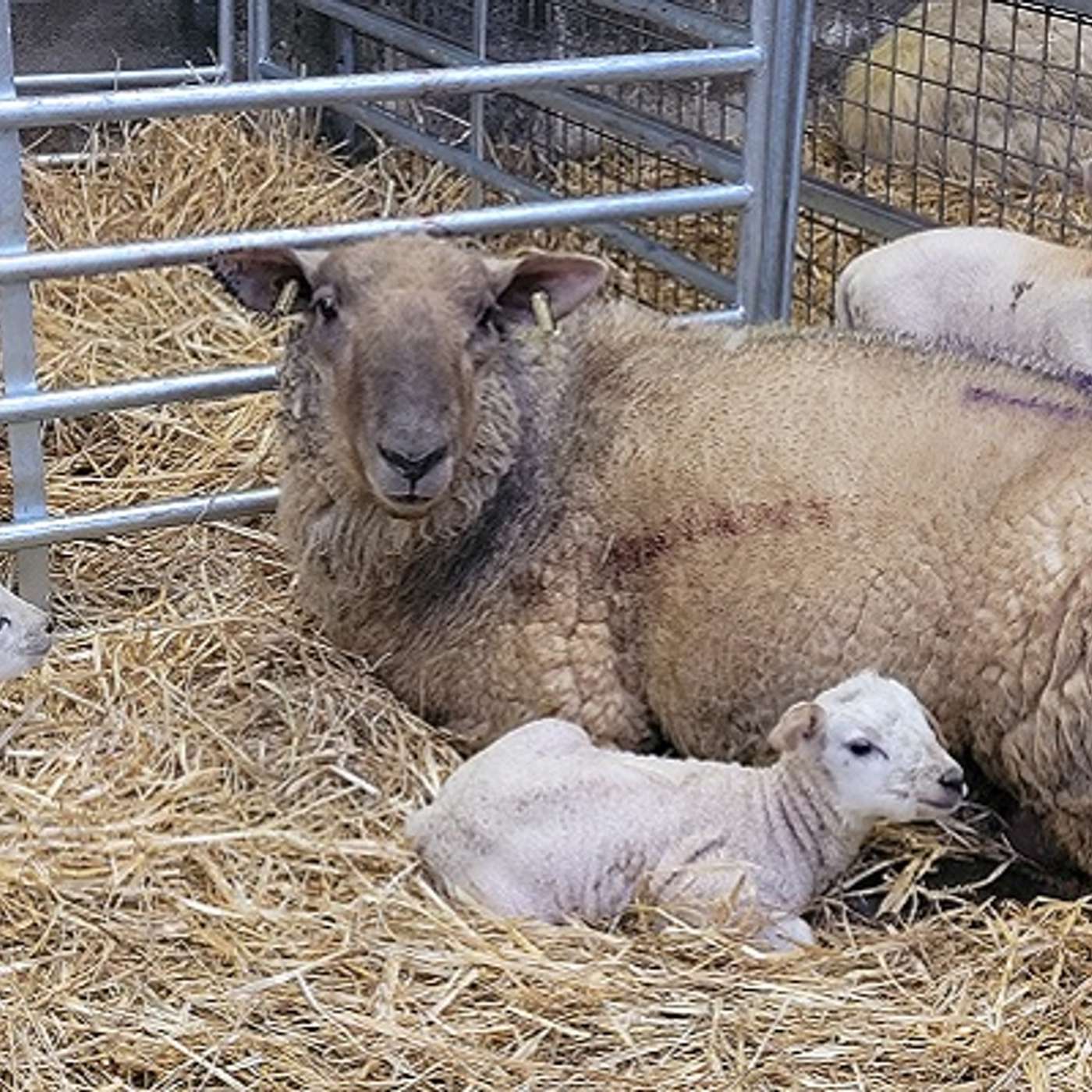
Ep 307Identifying Potential Replacements: Turning Lambing Data into Genetic Gain
With lambing season well underway, we catch up with Dr. Nóirín McHugh to discuss how to identify and select the best ewe lambs as future replacements, and what genetics we are introducing into the flock.Nóirín explains how genetics influences a wide range of production and behavioural traits — from litter size and lambing ease to mothering ability and lamb vigour — as well as their role in reducing undesirable issues such as prolapse and lameness.We also explore how observations made during lambing can be used to make more informed replacement decisions, helping to drive long-term flock performance. Finally, Nóirín outlines what to watch for as the season progresses, ensuring that selection decisions made now continue to deliver benefits throughout the yearFor more episodes from the OviCast podcast, visit the show page at:https://www.teagasc.ie/animals/sheep/ovicast-sheep-podcast
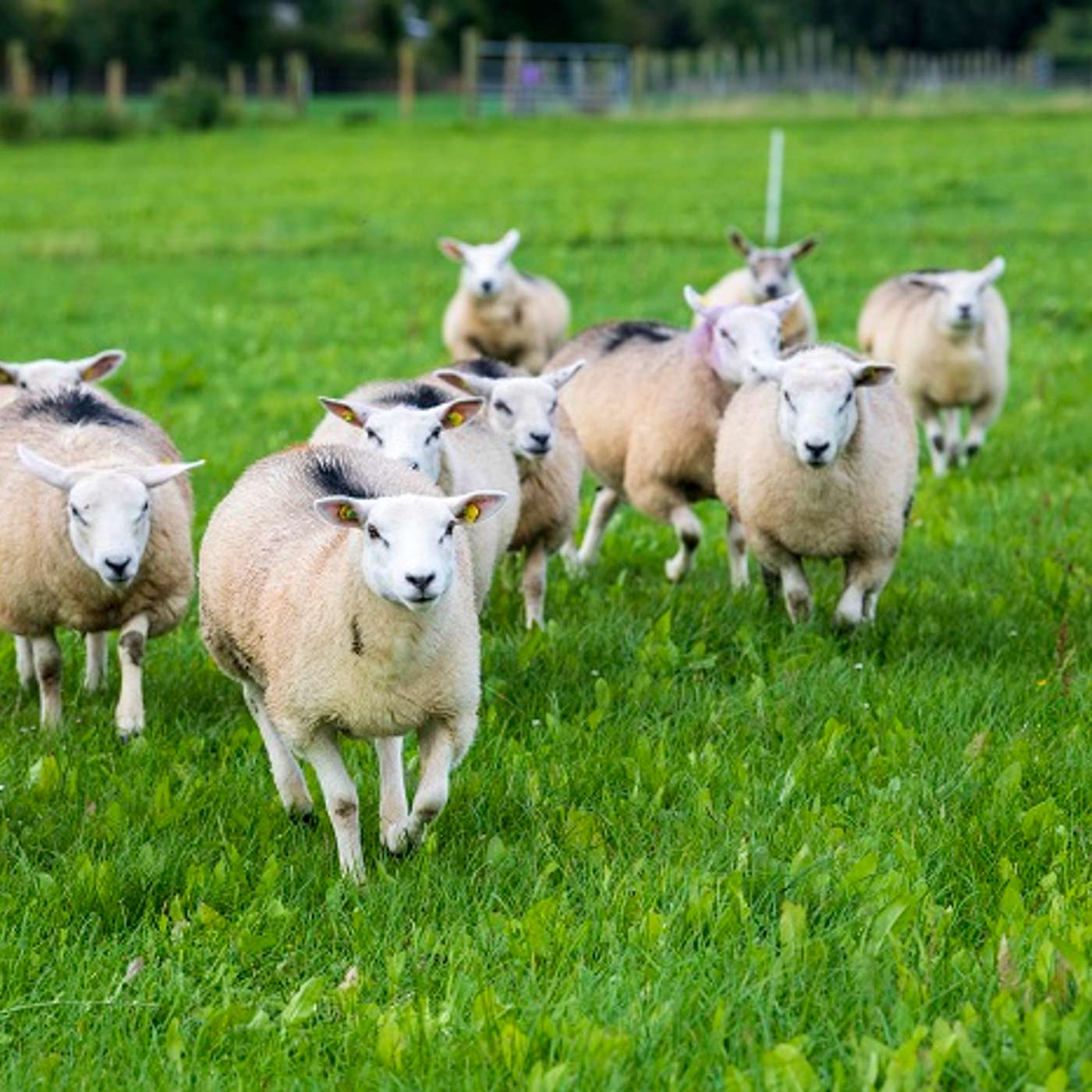
Ep 306Sheep Road Map 2030
The Teagasc Sheep Sector Roadmap 2030 outlines a strategic plan for Ireland's 34,000+ sheep farmers to enhance sustainability, productivity, and profitability. This week we’re joined by Dr Philip Creighton, Sheep Enterprise Leader, and Michael Gottstein, Head of Sheep Knowledge Transfer, to discuss this in more detail. We look at the current profile and performance of the sector, key economic metrics, and the targets set out for the industry to 2030. Michael and Philip also outline the economic, social and environmental challenges facing sheep farming, and the role research, knowledge transfer and on-farm innovation will play in helping the sector progress towards the roadmap’s targetFor more, go to: https://teagasc.ie/wp-content/uploads/uploads/media/website/publications/2026/Sheep-Road-Map-2030.pdfFor more episodes from the OviCast podcast, visit the show page at:https://www.teagasc.ie/animals/sheep/ovicast-sheep-podcast
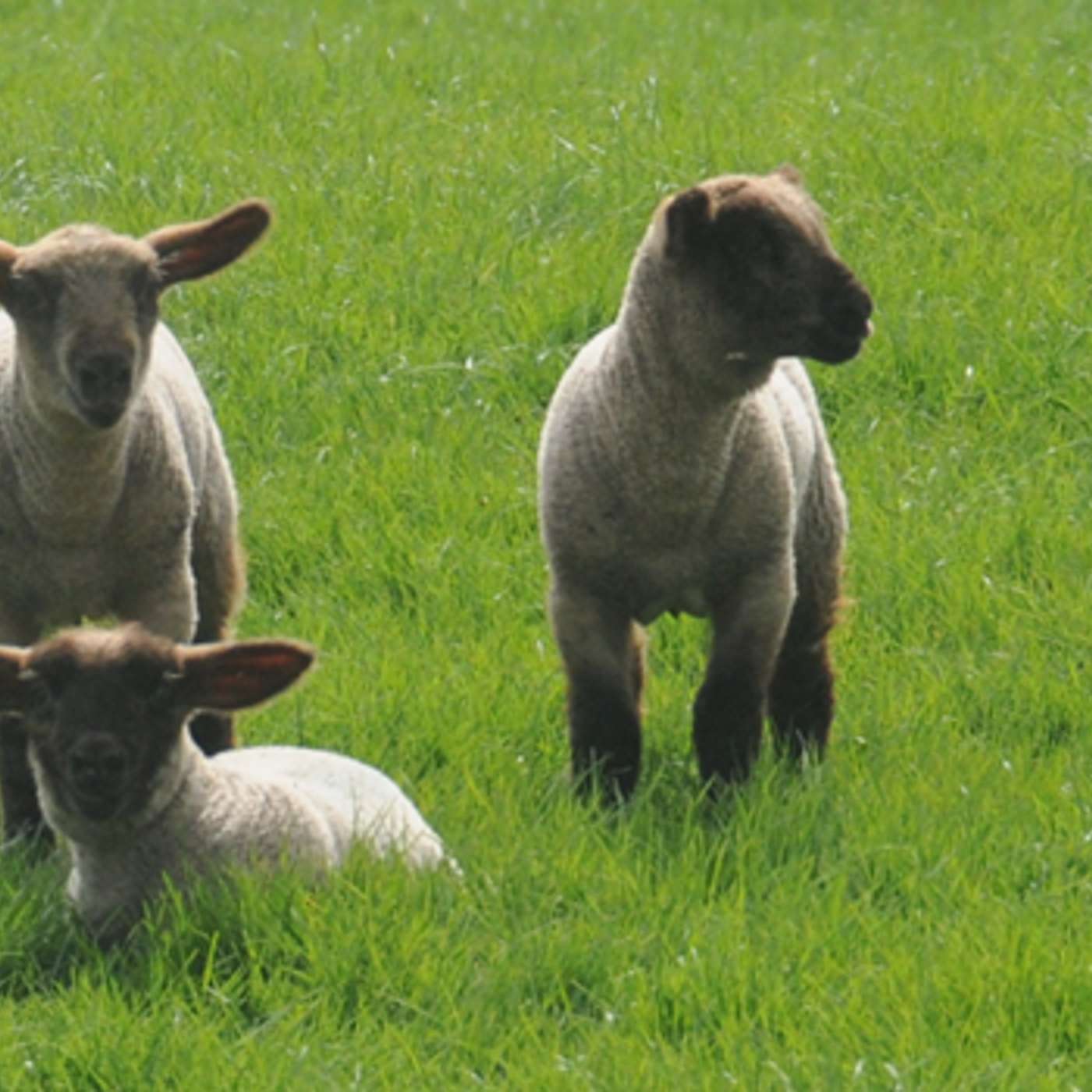
Ep 305March Management Notes
Lambing is in full swing on many farms across the country and for this episode of OviCast, Damian Costello steps in to host and is joined by Ciaran Lynch to discuss the key messages from the March sheep newsletter. They cover spring grazing targets, fertiliser planning, lamb survival and colostrum management, treating hypothermic lambs, flock biosecurity, culling problem ewes, identifying replacement ewe lambs, and managing the risk of grass tetany in early lactation.For more from the newsletter:https://teagasc.ie/news--events/daily/teagasc-advisory-newsletter-sheep/ For more episodes from the OviCast podcast, visit the show page at:https://www.teagasc.ie/animals/sheep/ovicast-sheep-podcast
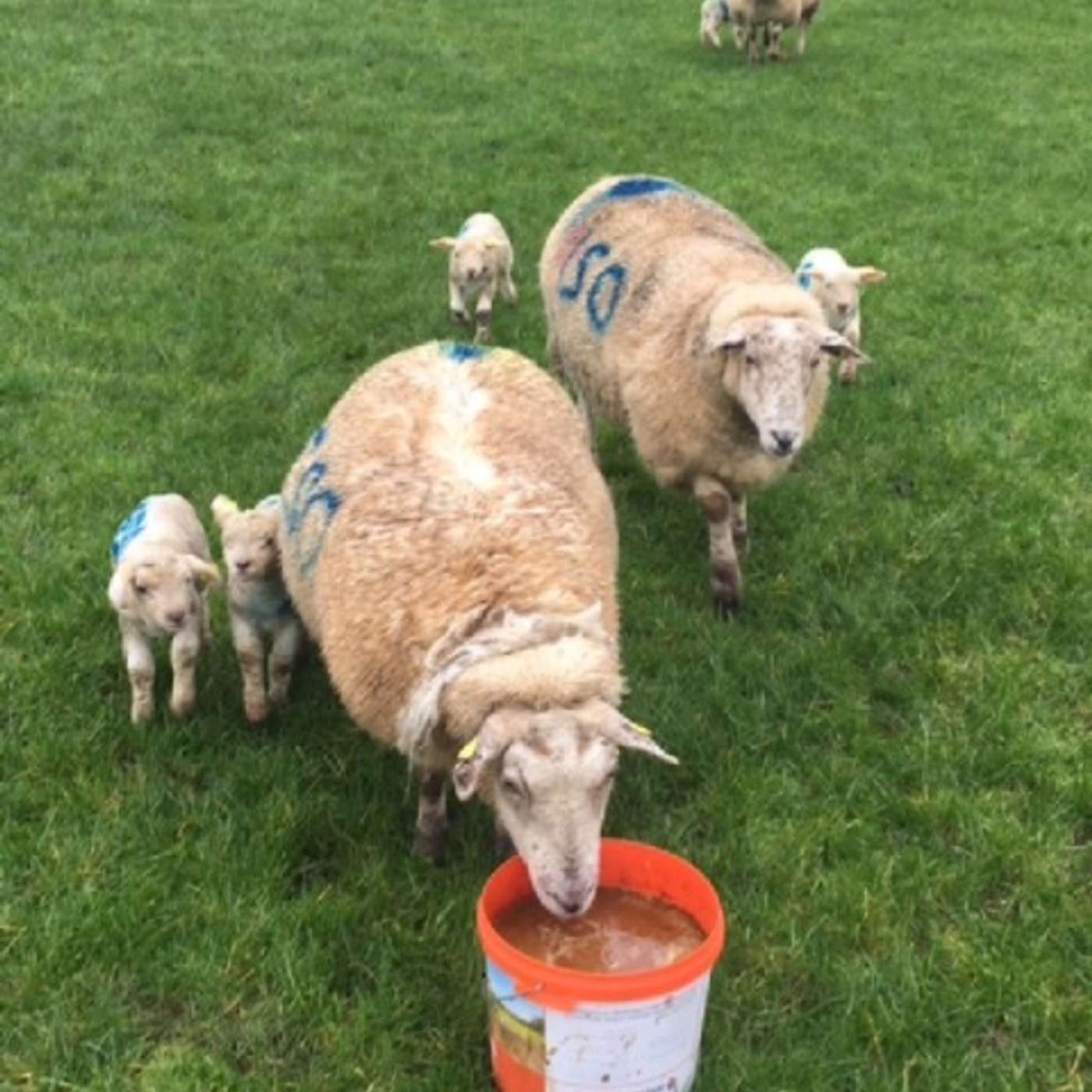
Ep 304Weather Challenges and Flock Management Strategies
With current weather conditions creating significant challenges on farms, this episode focuses on practical management strategies to support flock performance. We’re joined by Michael Gottstein, Head of Sheep Knowledge Transfer in Teagasc, to discuss key actions farmers can take during difficult weather. The conversation covers a range of important topics including maintaining hygiene standards, managing group pens effectively, and selecting and handling young lambs at turnout. Michael also shares advice on outdoor supplementation strategies and highlights common health risks to watch for during prolonged wet or cold conditions. This episode offers timely, practical guidance to help safeguard lamb performance and reduce losses during challenging periods For more episodes from the OviCast podcast, visit the show page at:https://www.teagasc.ie/animals/sheep/ovicast-sheep-podcast
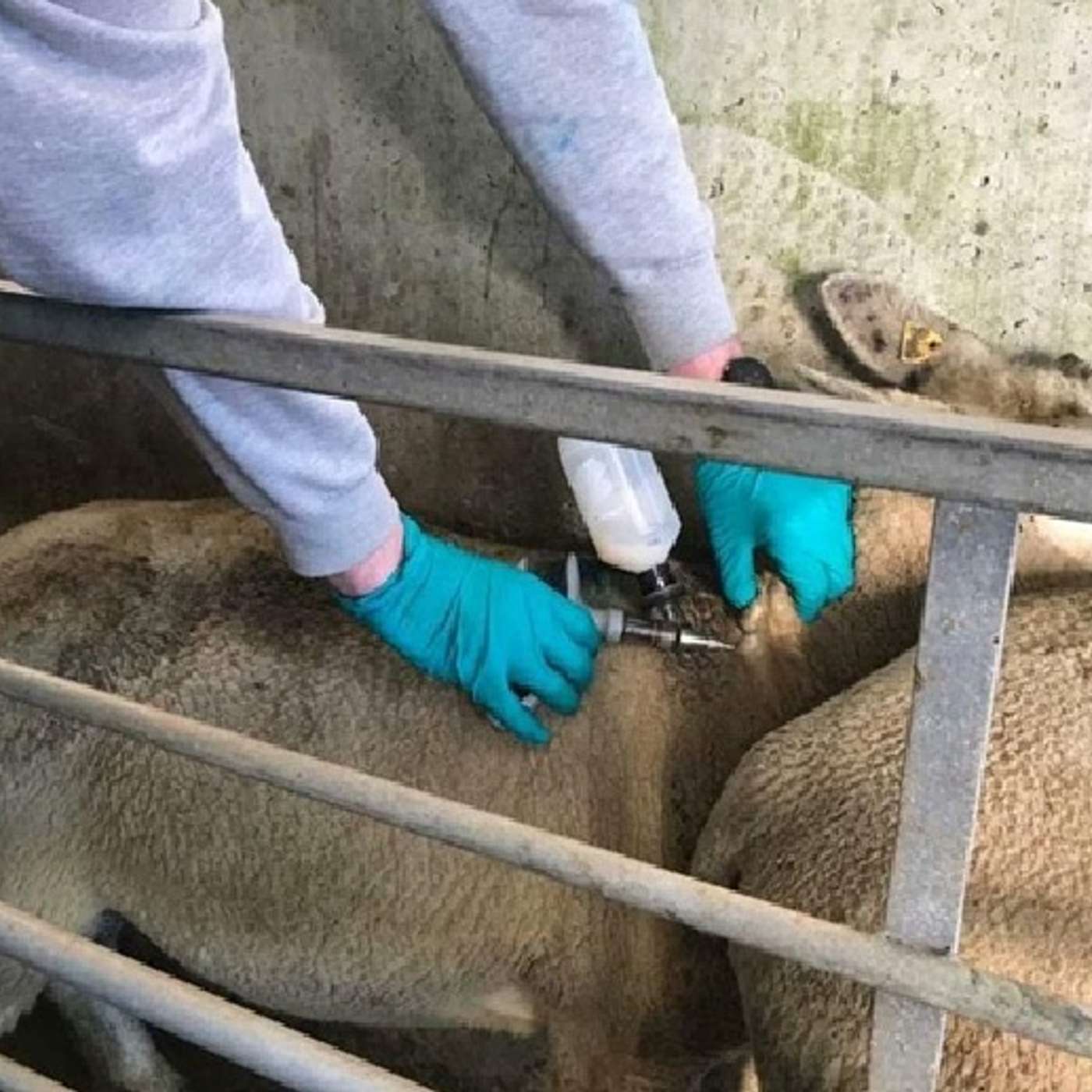
Ep 303Clostridial Vaccination Pre-Lambing – Timing, Immunity & Best Practice
Eleanor Brady, Ruminant Veterinary Manager with MSD Animal Health, joins us to discuss the critical role of clostridial vaccination in sheep flocks ahead of lambing.Eleanor outlines the impact of clostridial disease and the significant losses it can cause if not properly controlled. We explore the optimal timing of vaccination in ewes before lambing, how to maximise passive transfer of immunity to lambs through colostrum, and what this means for early lamb protection.We finish by discussing best practice when handling and administering vaccines to ensure maximum efficacy.For more episodes from the OviCast podcast, visit the show page at:https://www.teagasc.ie/animals/sheep/ovicast-sheep-podcast
Ep 302February Grass Update
Grass10 advisor, Nikki Kennedy, joins us to discuss key grassland management priorities for the weeks ahead. We look at current challenging ground conditions, opening farm covers, and the importance of soil sampling and making full use of your nutrient management plan. Nikki also shares practical advice on planning spring fertiliser purchases, along with key tips for applying fertiliser and organic manures when conditions allow.Sign up to the Grass10 newsletter here: https://www.teagasc.ie/crops/grassland/grass10/grass10-enewsletter/ For more episodes from the OviCast podcast, visit the show page at:https://www.teagasc.ie/animals/sheep/ovicast-sheep-podcast
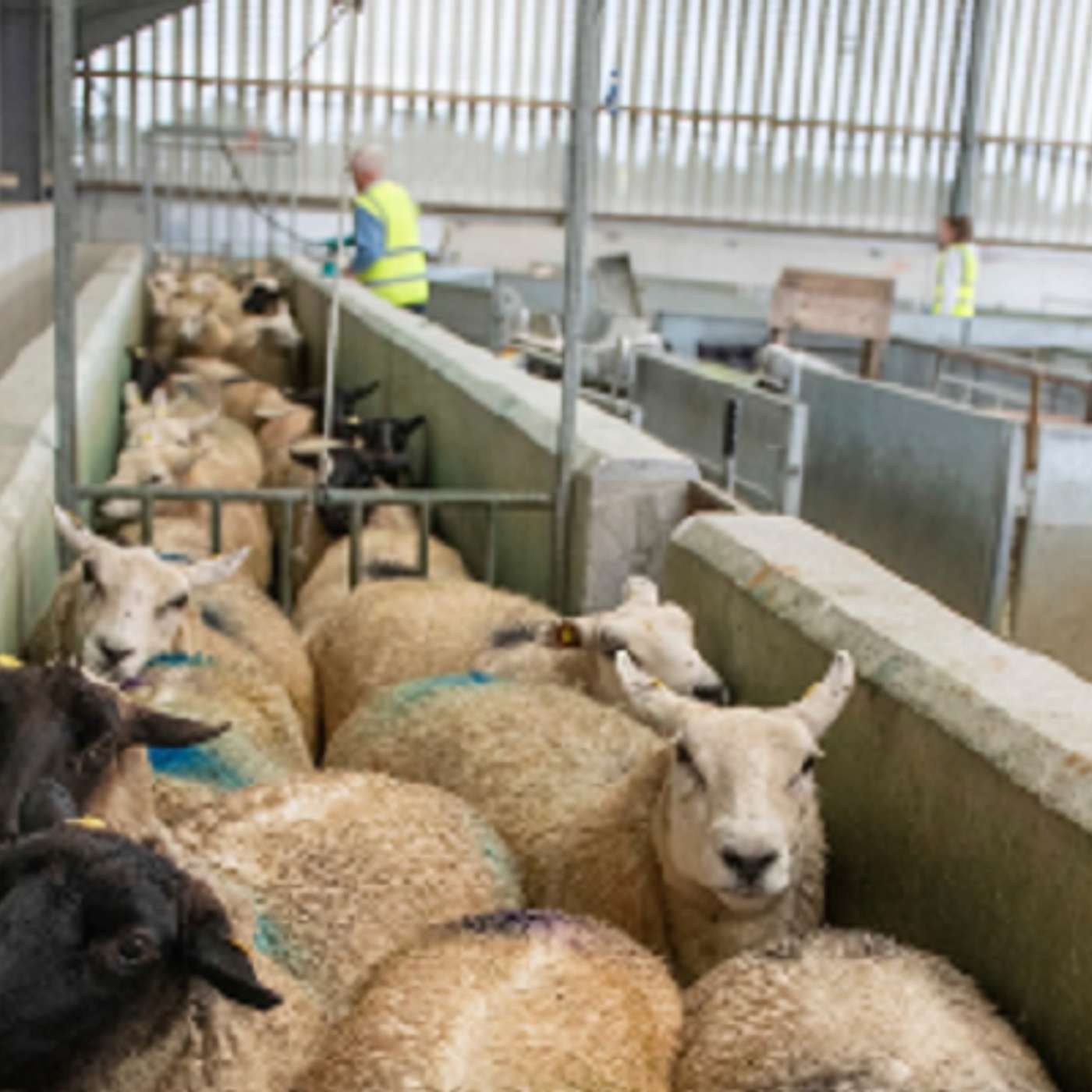
Ep 301February Management Notes
Damian Costello joins us to discuss key sheep management priorities for February as farms gear up for lambing. We cover grassland management and planning for early nitrogen applications when conditions allow, along with the importance of getting ewe nutrition right in late pregnancy, including practical feeding tips. We also discuss flock health, with a focus on lameness with advice on preparing supplies ahead of the lambing season. Damian reminds farmers about the sheep census deadline, and finishes by highlighting the upcoming Teagasc National Hill Sheep Conference For more tips and information visit: https://teagasc.ie/news--events/daily/managing-your-sheep-farm-through-february/ For more episodes from the OviCast podcast, visit the show page at:https://www.teagasc.ie/animals/sheep/ovicast-sheep-podcast
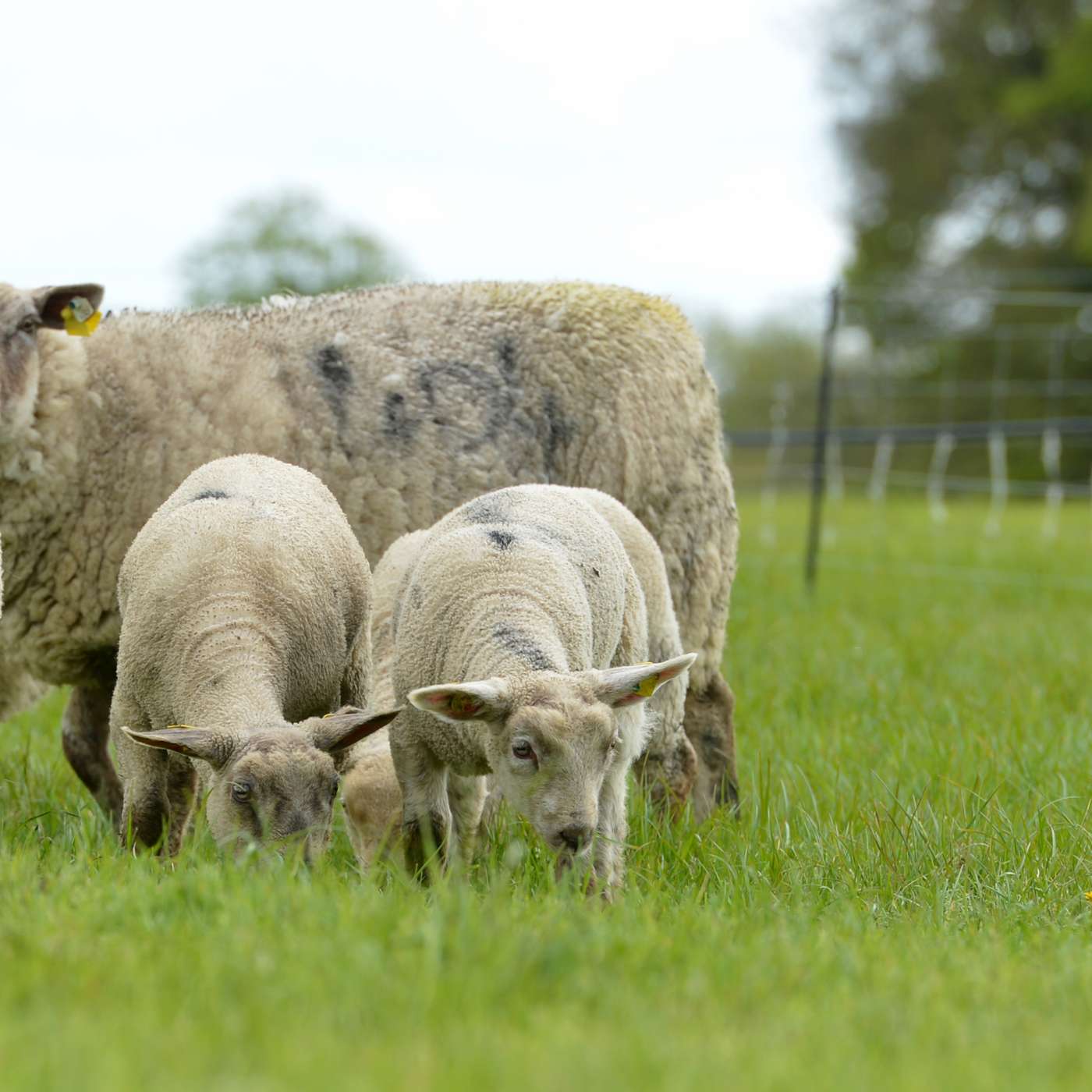
Ep 300Taking Stock: Ewe Numbers, Markets & the Road Ahead for Sheep Farming
Darren Carty, Sheep and Schemes Editor with the Irish Farmers Journal, joins this week’s 300th episode of OviCast for a wide-ranging conversation as we look at where the sheep industry stands today.We cover ewe numbers, lamb throughput, price trends, export markets and policy changes shaping farm decisions. We also touch on farmer demographics and highlight areas of resilience and opportunity and discuss what current trends could mean for the road ahead.For more episodes from the OviCast podcast, visit the show page at:https://www.teagasc.ie/animals/sheep/ovicast-sheep-podcast
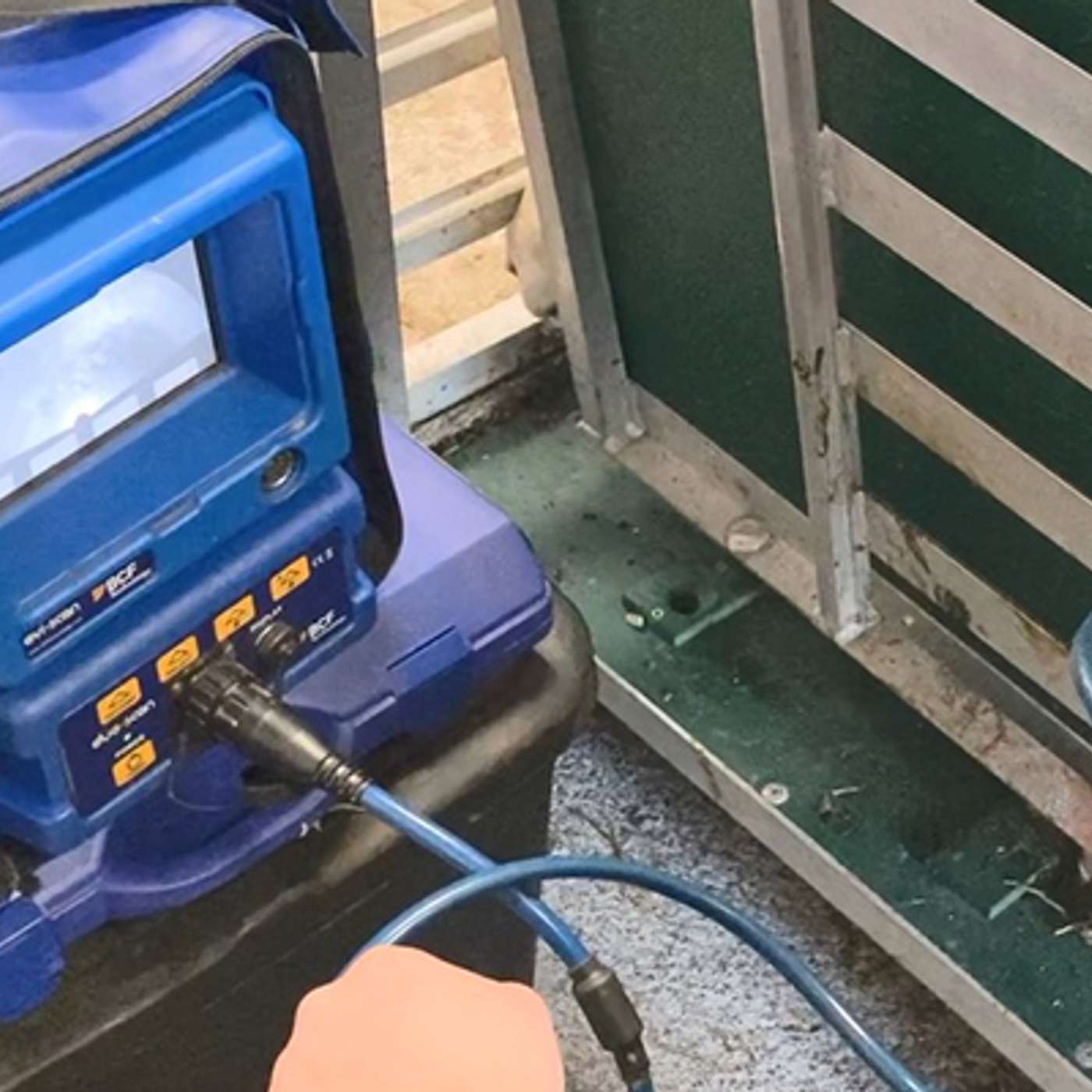
Ep 299Turning Scanning Results into Better Flock Performance
Teagasc Advisor, Edward Egan, joins us on this week's OviCast to explain about how to make the most of scanning results. Edward shares insights from over a decade of working with farmer discussion groups to help them use their scanning data more effectively to monitor flock performance. He discusses both the short-term actions that can improve outcomes immediately, and the long-term management changes that can enhance flock efficiency and productivity over time. We also explore some of the trends and patterns Edward has observed throughout the years. For more episodes from the OviCast podcast, visit the show page at:https://www.teagasc.ie/animals/sheep/ovicast-sheep-podcast
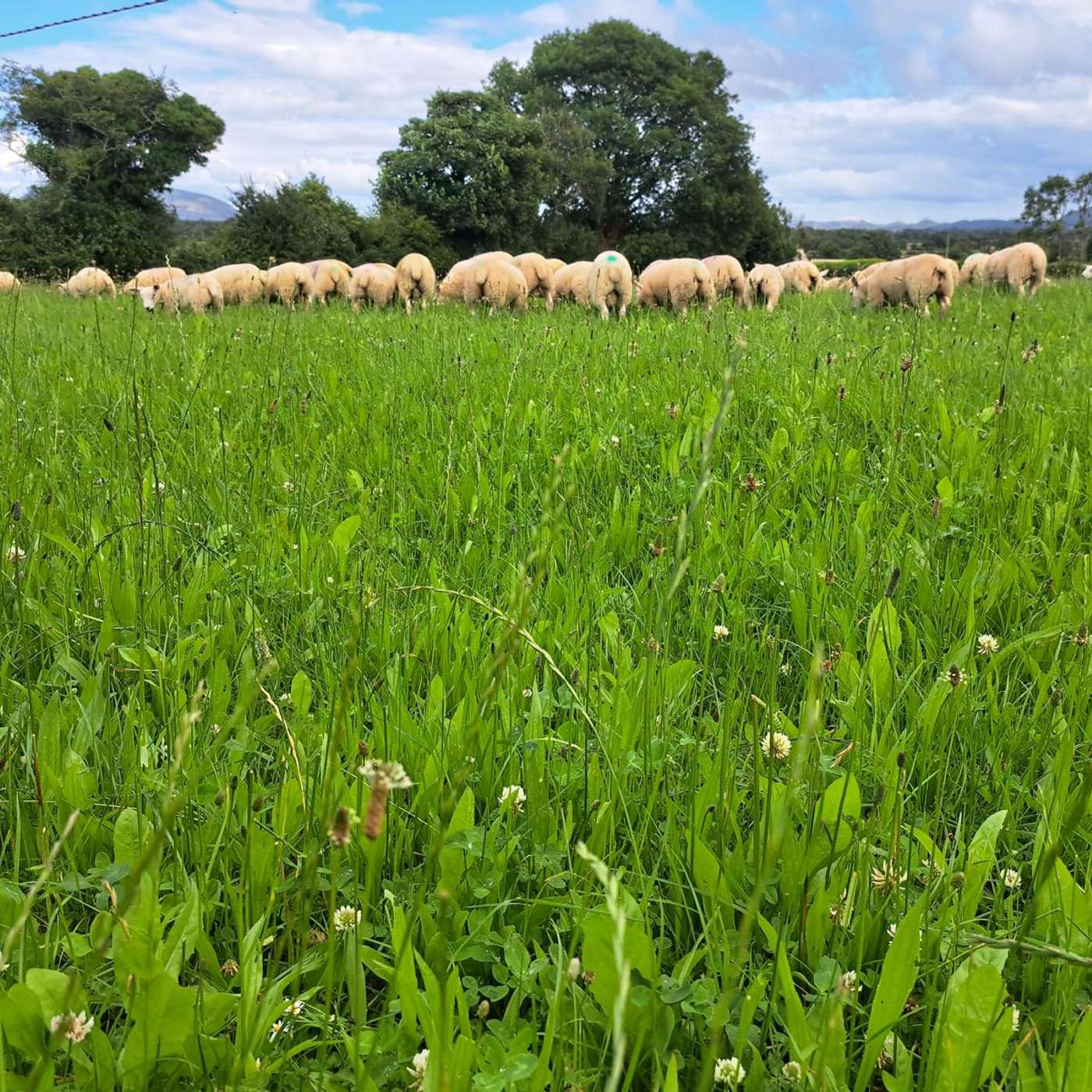
Ep 298Repost: Multispecies swards add the finishing touch on Sligo farm
For the final OviCast of the year, we're reposting one of the most popular shows from 2025 with Jonathan Higgins, who with his father Philip, runs a mid-season lambing sheep flock, alongside a contract heifer-rearing system in Skreen, Co. Sligo. Jonathan talks to us about their contract rearing system and we delve into the performance and management of the ewe flock in detail. We also explore the challenges of farming on a fragmented unit with varying land types. Plus we spend time discussing the role of mixed-species swards on the farm, with Jonathan sharing his experience of managing them over the past few seasons. For more episodes from the OviCast podcast, visit the show page at:https://www.teagasc.ie/animals/sheep/ovicast-sheep-podcast
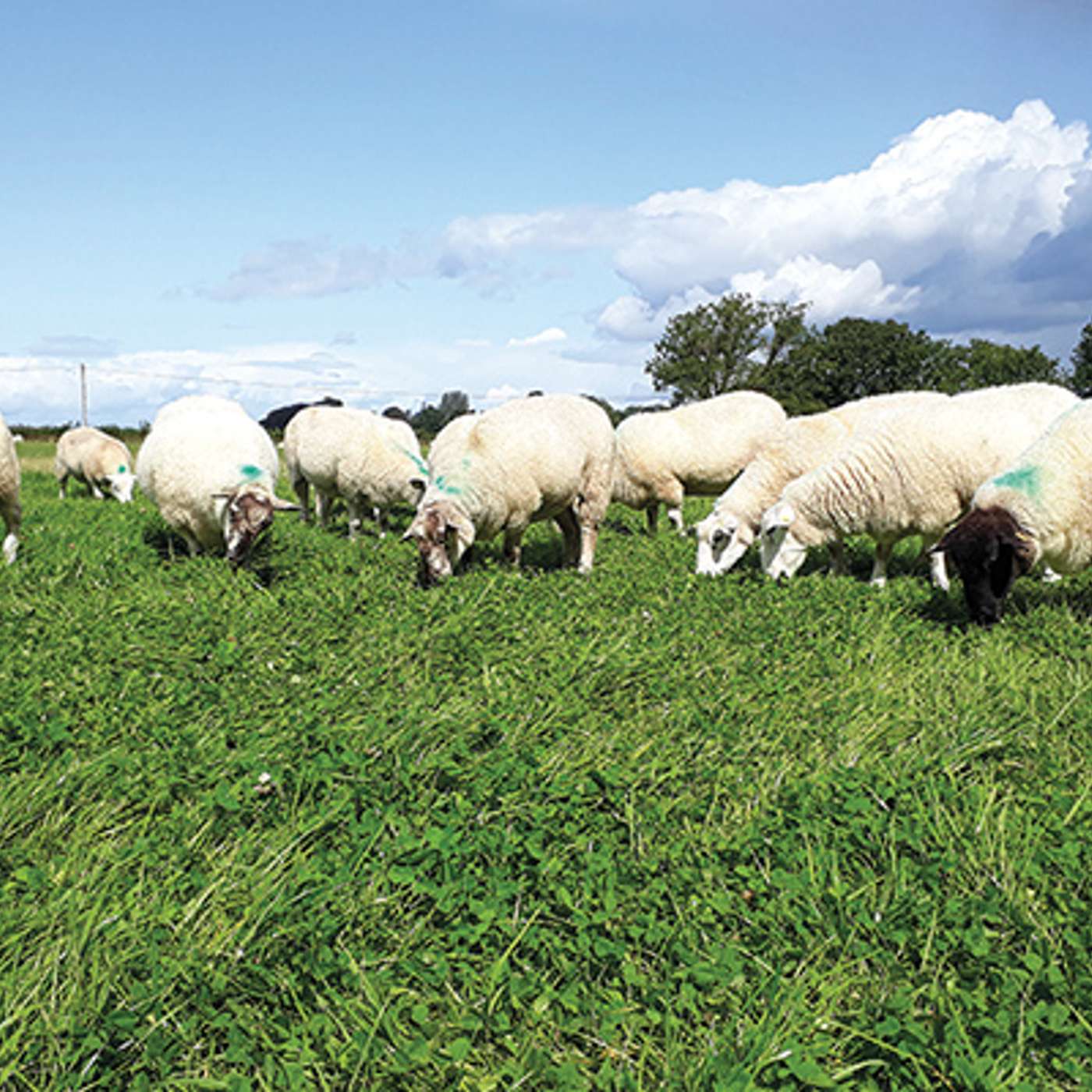
Ep 297Understanding Bluetongue: Early Signs and On-Farm Action
For this special joint podcast on bluetongue with Catherine Egan from the Beef Edge and Stuart Childs from the Dairy Edge, we’re joined by vet John Donlon to get an insight into bluetongue. Primarily transmitted via biting midges, the cases on farms in Northern Ireland significantly reinforces the need for awareness on farms in the Republic of Ireland. Early action, identification and isolation will be key in reducing the potential for further virus spread. Temperature is a major factor in the transmission of bluetongue. The typical transmission period usually runs from late spring to early autumn, especially during the summer months. During the winter, the risk of disease spread is much lower. Bluetongue is associated with many symptoms. Typically, in affected cattle and sheep, the main symptoms may include: fever and loss of appetite; drop in milk yield (dairy cows); reddening of mucous membranes; sores on the nose, gums or dental pads; swelling of the face, lips or tongue (‘blue tongue’); breathing difficulties, drooling or nasal/eye discharge; lameness due to inflammation at the top of the hoof; abortion or foetal deformities; and, in severe cases, infection can result in death. For further info: Teagasc urges vigilance on bluetongue - Teagasc | Agriculture and Food Development Authority Bluetongue is a notifiable disease, meaning anyone who suspects an animal may have the disease is legally obliged to notify DAFM without delay. To report a suspected case of Bluetongue virus to the Department of Agriculture, Food and the Marine (DAFM), you should immediately contact your local Regional Veterinary Office (RVO) or the National Disease Emergency Hotline. Contact details:· During office hours (9 am - 5 pm): Contact your local Regional Veterinary Office (RVO)· Outside office hours (operational 365 days a year): Ring the National Disease Emergency Hotline at 01 492 8026 For more episodes from the OviCast podcast, visit the show page at:https://www.teagasc.ie/animals/sheep/ovicast-sheep-podcast
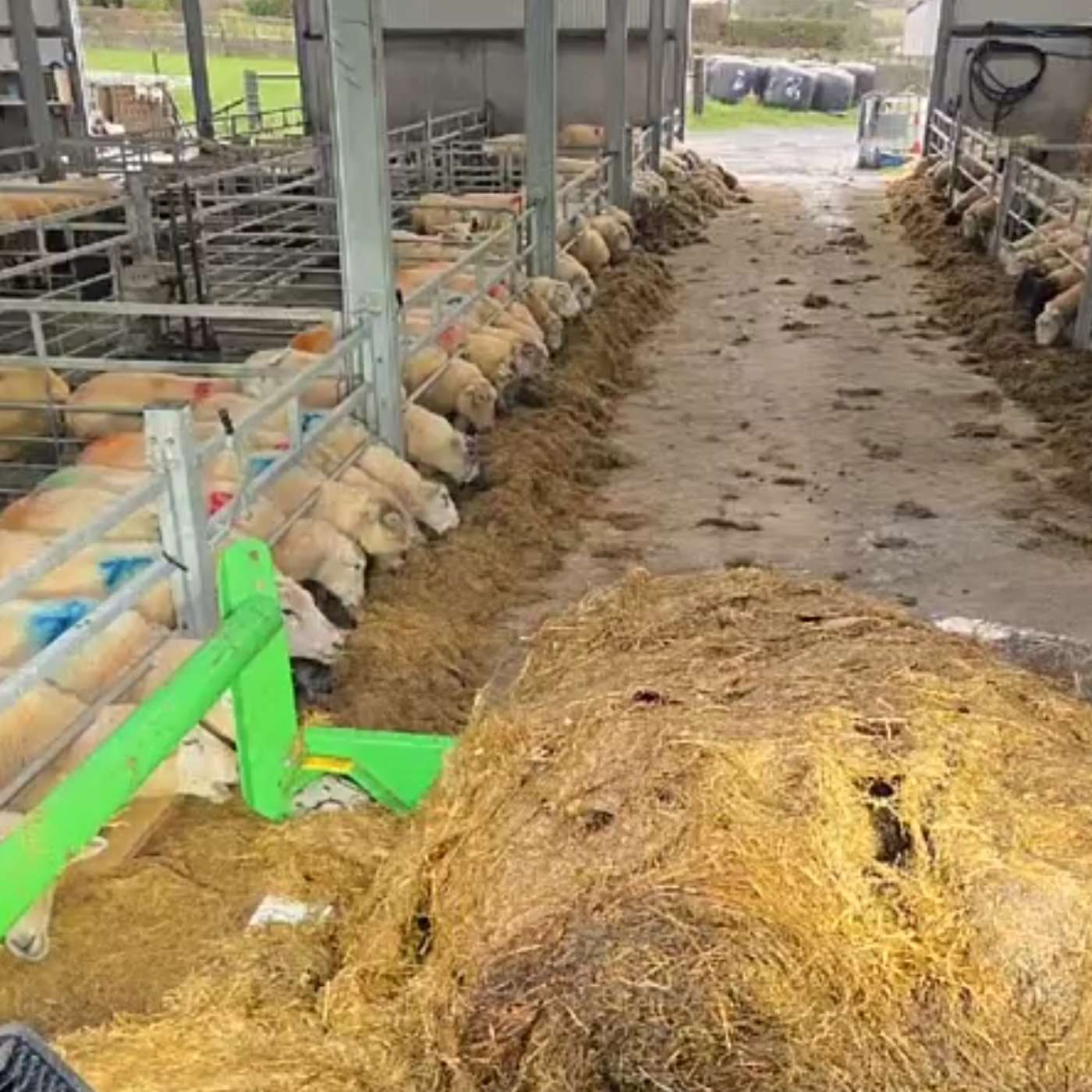
Ep 296Labour-Saving Ideas for Winter Housing and Lambing
Sheep Specialist, Damian Costello, joins us to discuss practical approaches to reducing labour demands during the winter housing and lambing period. Damian outlines key husbandry practices that can help minimise interventions with ewes later in the season, highlighting how early planning can pay dividends when workload is at its peak. We also explore the importance of shed layout, pen design and ventilation in creating an efficient working environment. The discussion covers a range of potential investments, from simple, low-cost improvements to more significant upgrades, all aimed at making day-to-day tasks easier and reducing pressure during this time of year. For more episodes from the OviCast podcast, visit the show page at:https://www.teagasc.ie/animals/sheep/ovicast-sheep-podcast

Ep 295December Grass Update
Grass10 Advisor, Nikki Kennedy, joins us to explore key grazing management tips for the weeks ahead. Nikki discusses end-of-season grazing management, including closing targets and best practices for managing forage crops. As the grazing season draws to a close, we look at reviewing field grazing performance on your own farm and identify areas for improvement. We also consider some key investments that could help boost productivity in the year ahead. Sign up to the Grass10 newsletter here:https://www.teagasc.ie/crops/grassland/grass10/grass10-enewsletter/ For more episodes from the OviCast podcast, visit the show page at:https://www.teagasc.ie/animals/sheep/ovicast-sheep-podcast
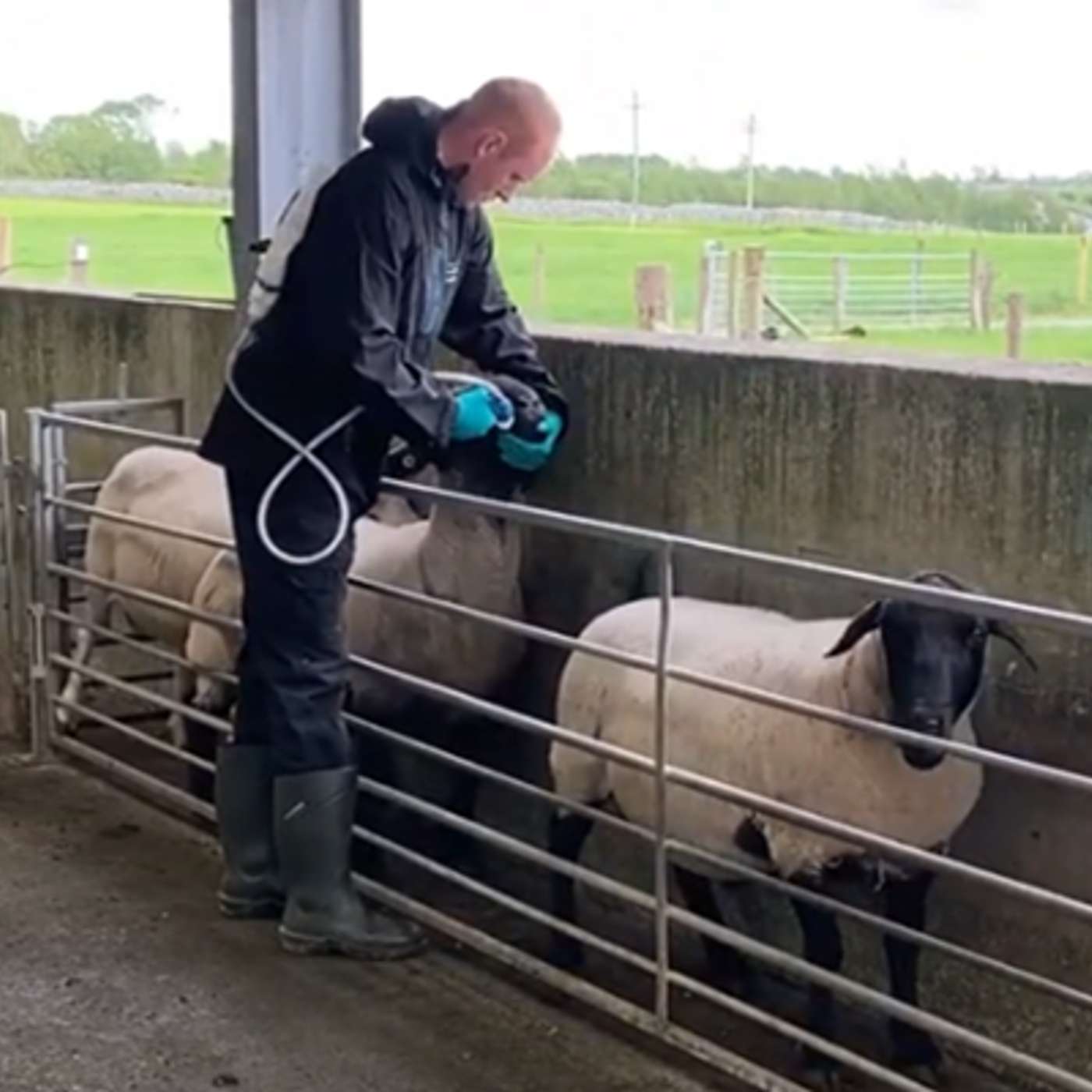
Ep 294Vet Med Shake-Up: What’s Changing on Your Farm
For this joint episode with the Beef Edge, we’re discussing one of the biggest regulatory changes affecting beef and sheep farms this year. From 1st December, new rules on veterinary medicines came into effect as part of Ireland’s national strategy to tackle antimicrobial and anti-parasitic resistance. These changes mean that a range of commonly used products will now require a veterinary prescription, and all prescriptions will be issued and recorded through the National Veterinary Prescription System, or NVPS. To help explain what this means day-to-day on your farm, we’re joined by Rebecca Fitzpatrick, Superintending Veterinary Inspector with the Department of Agriculture to outline the policy changes. For more information: https://www.gov.ie/en/department-of-agriculture-food-and-the-marine/services/national-veterinary-prescription-system/ For more episodes from the OviCast podcast, visit the show page at:https://www.teagasc.ie/animals/sheep/ovicast-sheep-podcast
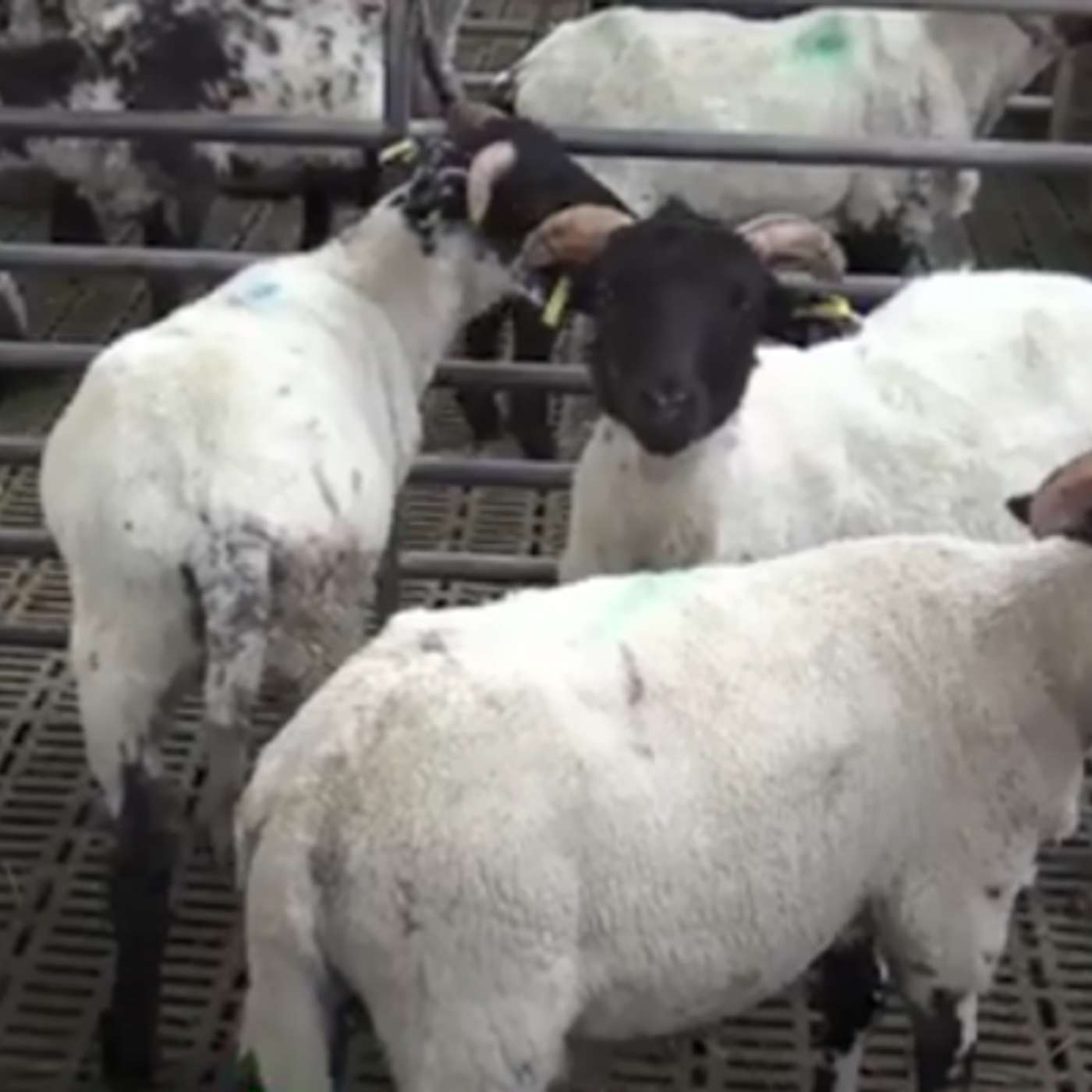
Ep 293Practical Steps for Successful Indoor Lamb Finishing
Sheep Specialist, Michael Gottstein, joins us this week to discuss the essential elements of successfully finishing lambs indoors. Michael covers everything from housing and management basics to nutrition and animal health, highlighting the practical steps farmers can take to avoid costly setbacks. The episode wraps up with guidance on the importance of regular drafting to maintain performance and efficiency. For more information, check out the Lamb Finishing Guide: https://bit.ly/lamb_finishing_guide For more episodes from the OviCast podcast, visit the show page at:https://www.teagasc.ie/animals/sheep/ovicast-sheep-podcast
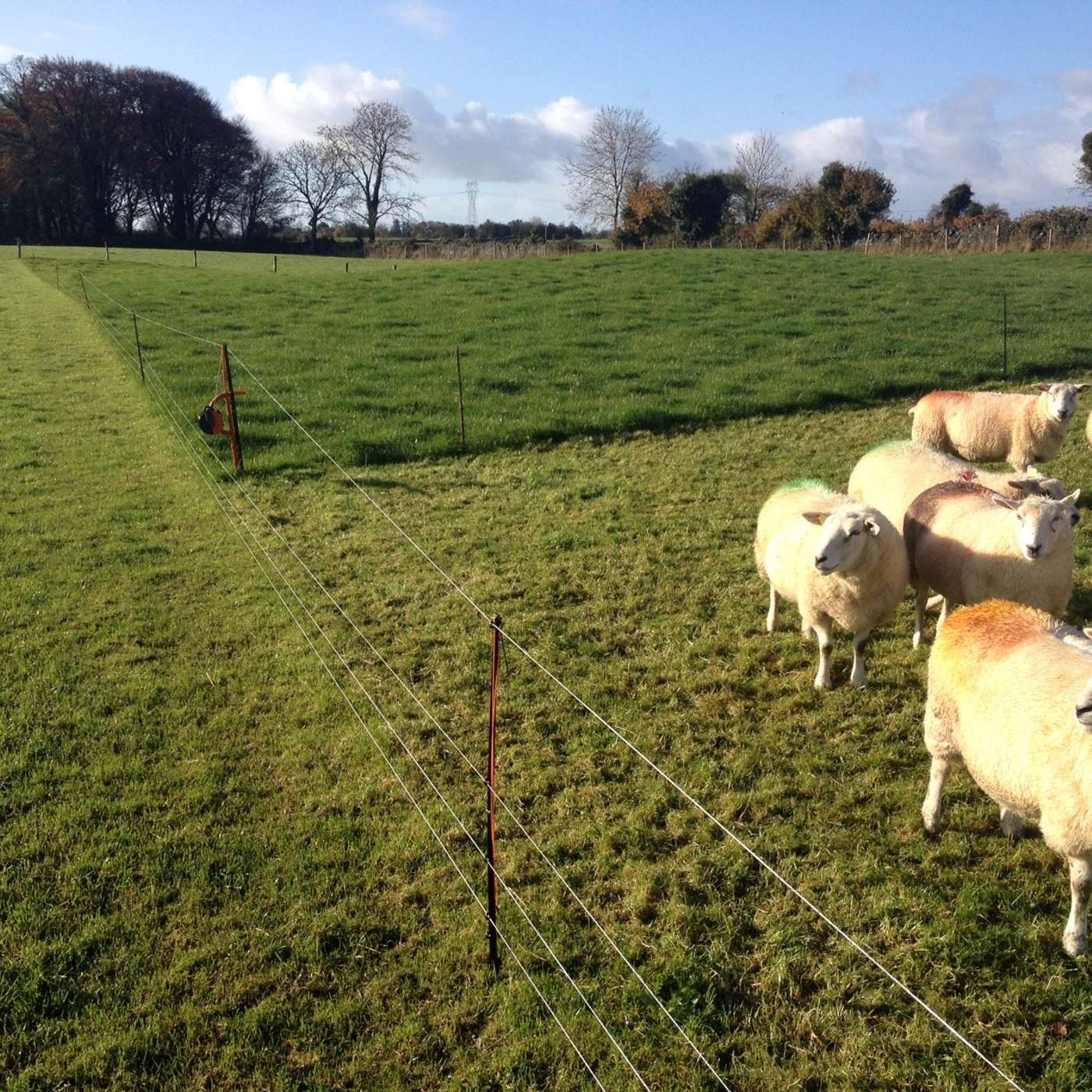
Ep 292November Grass update
Grass10 Advisor, Nikki Kennedy, is on this week’s OviCast to discuss key grazing management tips for the weeks ahead.Nikki shares the latest on grass growth rates and covers across the country, and offers practical advice for managing grazing in challenging conditions. Plus she outlines the importance of a structured closing plan. She also discusses how closing decisions now can influence grass availability at turnout, and highlights what farmers should be considering as we approach the final weeks of the grazing season. You can also sign up to the Grass10 newsletter at:https://www.teagasc.ie/crops/grassland/grass10/grass10-enewsletter/ For more episodes from the OviCast podcast, visit the show page at:https://www.teagasc.ie/animals/sheep/ovicast-sheep-podcast
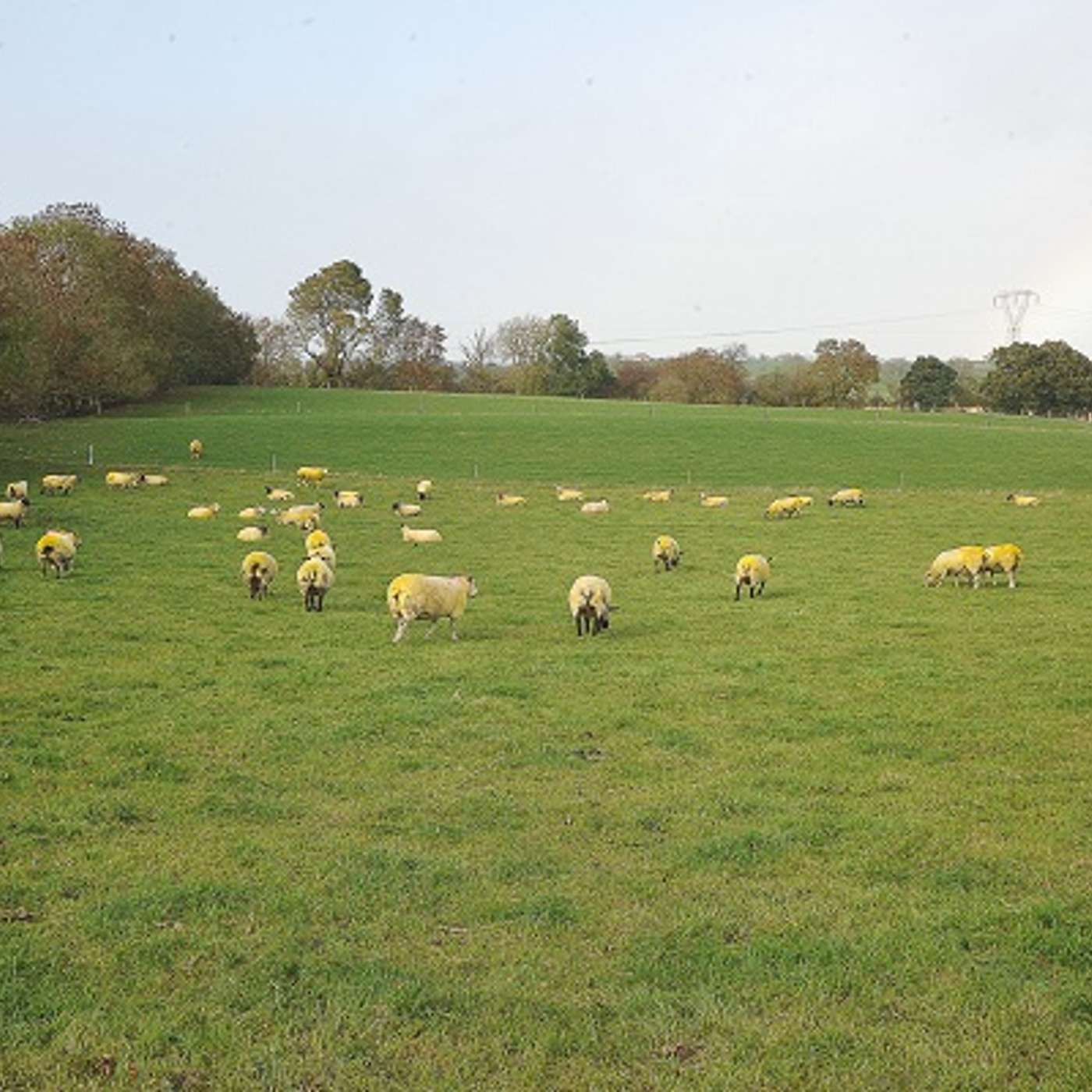
Ep 291Management tips as breeding season enters the final phase
Teagasc advisor, Tom Coll, is on this week’s OviCast with some practical management tips as the breeding season draws to a close. Tom highlights the importance of ram management at this stage — from identifying repeats to dealing with injured or lame rams. We also chat about why it’s a good idea to group ewes in the latter half of the breeding period and the benefits of having a spare ram available. The discussion then turns to managing ram lambs, reducing the risk of fighting post-mating, and best practices for ram care once the breeding season ends. We finish up by talking about the importance of monitoring and managing ewe condition in the lead-up to housing. For more episodes from the OviCast podcast, visit the show page at:https://www.teagasc.ie/animals/sheep/ovicast-sheep-podcast
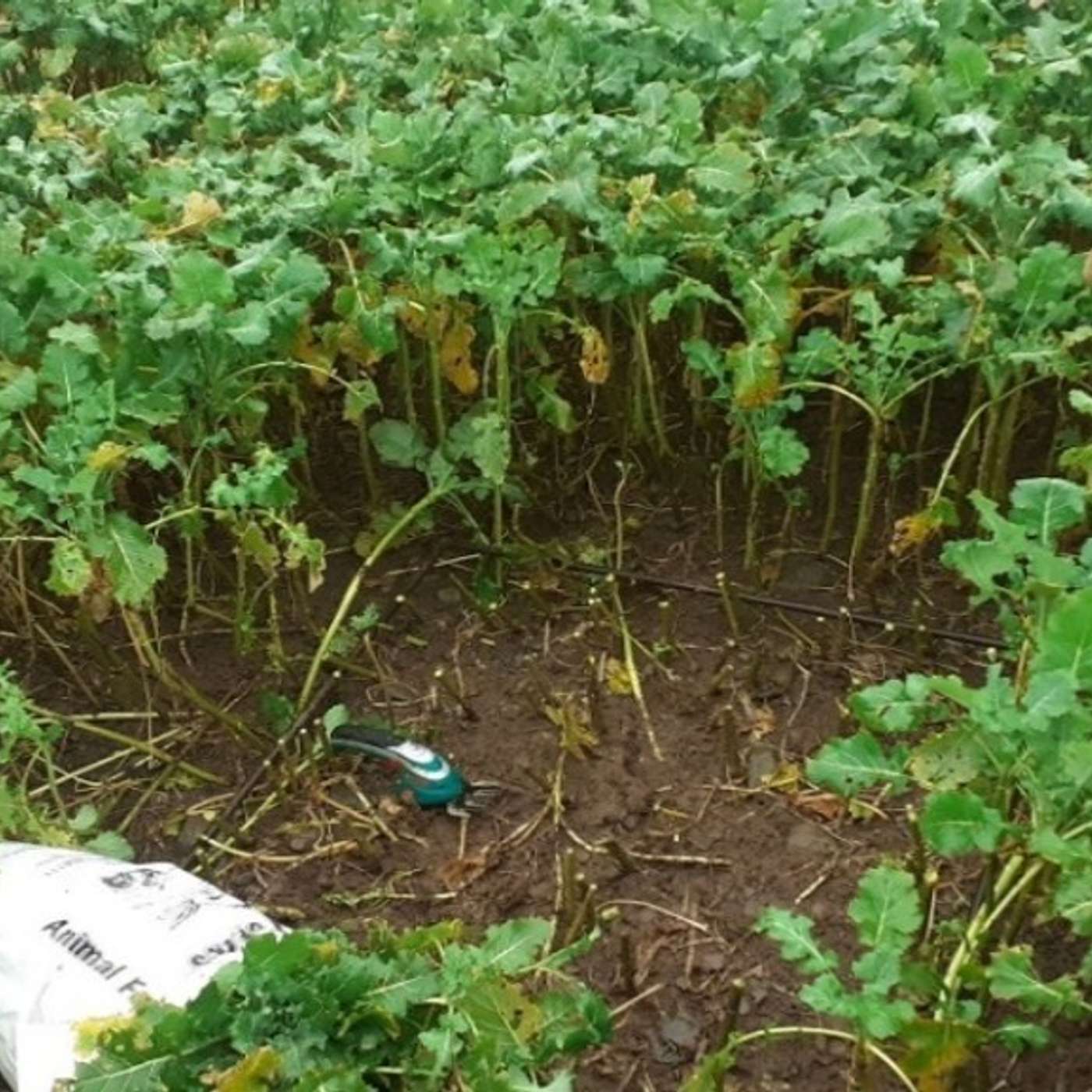
Ep 290Practical Tips for Grazing Forage Crops
Teagasc advisor, James Doran, discusses the practicalities of grazing forage crops on this week's OviCast. James and Ciaran cover key topics such as estimating yield, calculating carrying capacity, and setting up grazing systems—including fencing, crop allocation, and utilisation. James also shares advice on introducing animals to forage crops and outlines important management considerations for ewes and lambs grazing for extended periods. For more episodes from the OviCast podcast, visit the show page at:https://www.teagasc.ie/animals/sheep/ovicast-sheep-podcast
Ep 289October Grass Update
Teagasc Researcher, Sarah Woodmartin, gives us the monthly update on grassland management. In this episode, Sarah covers:- Current grass growth rates and average farm covers- Autumn closing plan and its importance- Achieving good cleanouts on swards- Tweaking the closing plan for new grass/clover and multispecies leys Whether you’re measuring grass weekly or just keeping an eye on conditions, Sarah shares timely, practical advice to help you get the best from your grazing this autumn. You can also sign up to the Grass10 newsletter here:https://www.teagasc.ie/crops/grassland/grass10/grass10-enewsletter/ For more episodes from the OviCast podcast, visit the show page at:https://www.teagasc.ie/animals/sheep/ovicast-sheep-podcast
Ep 288Genetic progress in the hills
David Coen from Sheep Ireland joins this week’s OviCast to discuss the genetic progress being made in hill flocks across the country. David outlines the ongoing efforts of various breeding groups nationwide and highlights the significant increase in the number of animals being recorded over recent years. We also delve into the OviFlock project and explore the positive impact genotyping it’s having on the sector. With the sales season now in full swing, David gives an overview of the upcoming sales and explains how farmers can check whether a hill ram meets the SIS (Sheep Ireland Scheme) requirements. Finally, we discuss the upcoming Sheep Ireland Multibreed Hill Ram Sale, and David emphasises how continued progress in the hill sector can deliver long-term benefits for the national flock. For more info: https://www.sheep.ie/ For more episodes from the OviCast podcast, visit the show page at:https://www.teagasc.ie/animals/sheep/ovicast-sheep-podcast
Ep 287What to consider if mating ewe lambs
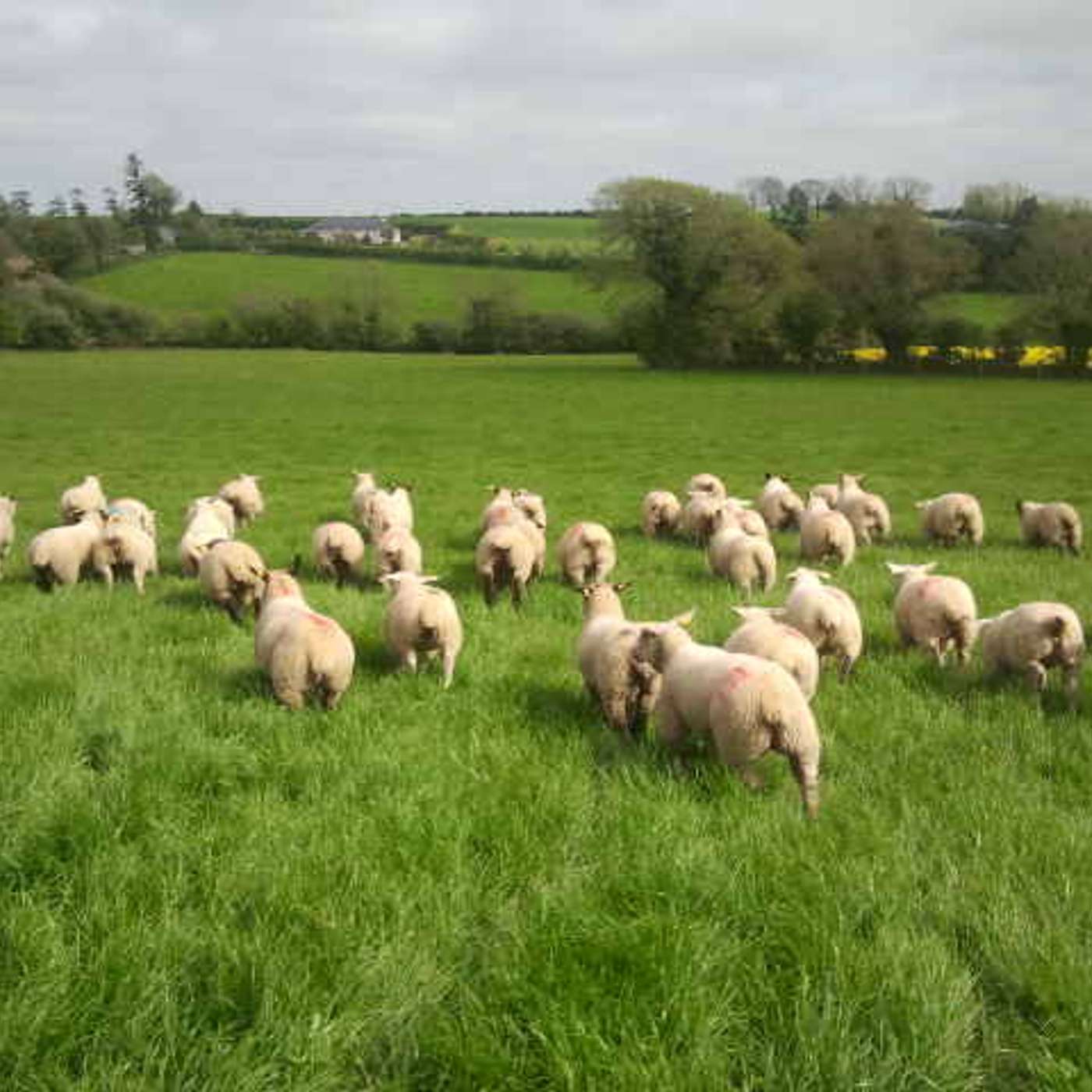
Dr. Tim Keady joins us on this week’s OviCast to explore the key considerations around mating ewe lambs. We dive into the pros and cons of including ewe lambs in your breeding programme and Tim shares insights on how they can perform within a sheep enterprise. We also discuss critical factors such as target joining weights, timing and duration of the mating period, and the strategic use of the ram effect. The conversation wraps up with a look at the importance of good nutritional management — both during mating and leading up to lambing — to optimise outcomes. If you're weighing up whether to mate ewe lambs this season, this episode is packed with timely and practical advice. For more episodes from the OviCast podcast, visit the show page at:https://www.teagasc.ie/animals/sheep/ovicast-sheep-podcast

Ep 286The essentials for successful farm succession
Teagasc Farm Management specialist, James McDonnell, and Succession Ireland mediator, Clare O’Keeffe, join Ciaran Lynch and Catherine Egan on this week’s joint episode of the Ovicast and the Beef Edge podcast to discuss all aspects of generation renewal, succession and mediation. James highlights the importance of generation renewal while Clare outlines the importance of a mediator to aid the process. It is essential for every farmer to have a farm succession plan in place. There are complex legal and taxation rules that, if planned for, can be managed easily. If not planned for, however, there could be a major impact on the viability of the farm business. Teagasc run Transferring the Family Farm clinics every year. These clinics are designed to help farm families through the process and all aspects that need to be considered when transferring the family farm. In 2025, clinics will take place at six venues throughout the country. Further details at:https://teagasc.ie/rural-economy/farm-management/succession-inheritance/transferring-the-family-farm/ If you missed the Generation Renewal Webinar , you can watch it back herehttps://www.youtube.com/watch?v=xcKGV0E2InM For more episodes from the OviCast podcast, visit the show page at:https://www.teagasc.ie/animals/sheep/ovicast-sheep-podcast
Ep 285September Grass Update
Teagasc Researcher, Philip Creighton, gives us the monthly update on grassland management.For this episode, Philip covers:- Current grass growth rates and average farm covers- Building covers and planning the grazing rotation- Grazing autumn reseeds- Fertiliser register, slurry and farmyard manure deadlines Whether you’re measuring grass weekly or just keeping an eye on conditions, Philip shares timely, practical advice to help you get the best from your grazing this autumn. You can also sign up to the Grass10 newsletter here:https://www.teagasc.ie/crops/grassland/grass10/grass10-enewsletter/ For more episodes from the OviCast podcast, visit the show page at:https://www.teagasc.ie/animals/sheep/ovicast-sheep-podcast
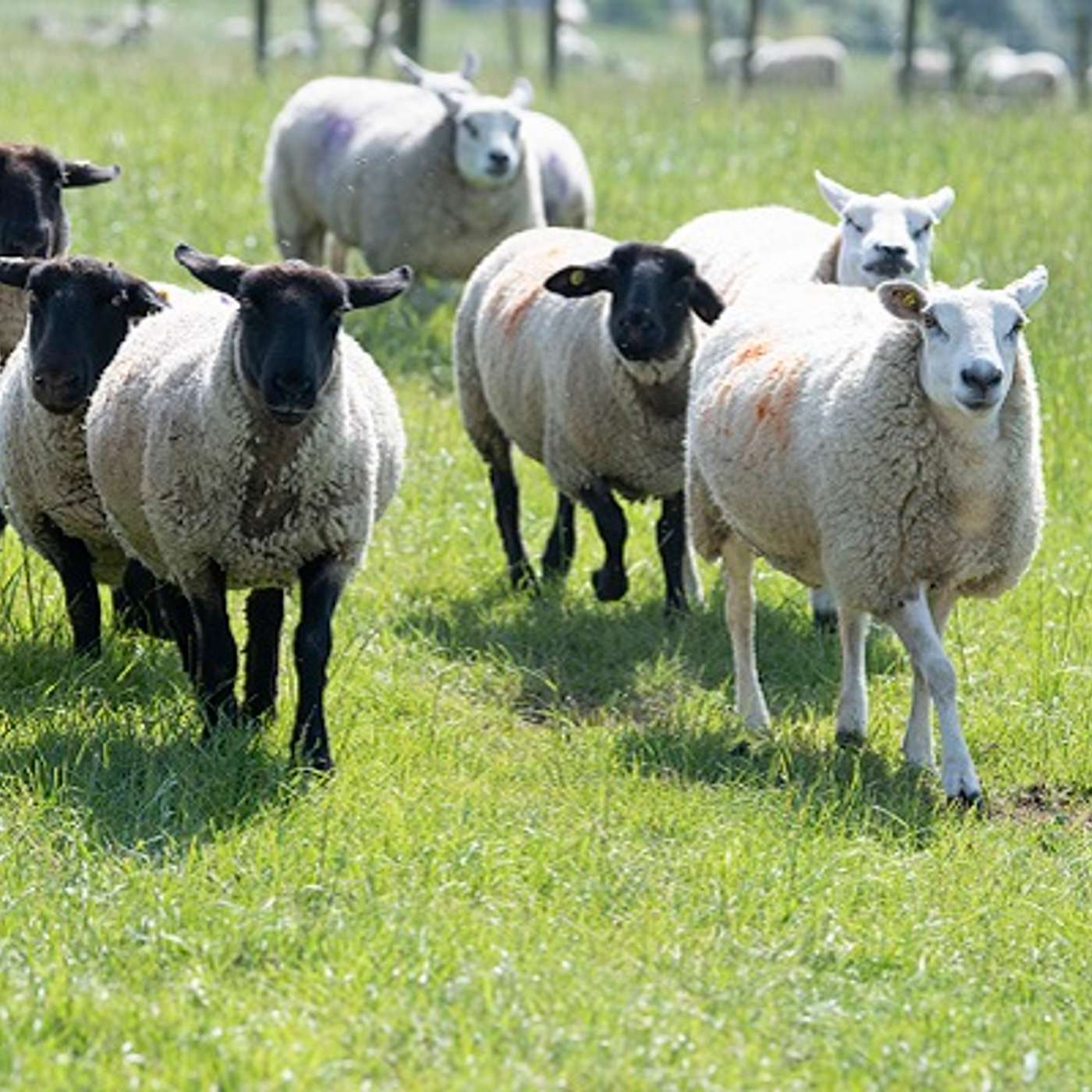
Ep 284Getting a handle on ewe condition this autumn
Dr. Frank Campion joins us to talk about managing ewe body condition in the crucial lead-up to mating. We explore why body condition scoring (BCS) is such a key driver of flock productivity for the year ahead, and how current ewe condition on better farm flocks compares to last autumn. Frank also highlights the management changes that have made a difference on farms this season, and he outlines the practical steps farmers should focus on in the final weeks before ram turnout. For more episodes from the OviCast podcast, visit the show page at:https://www.teagasc.ie/animals/sheep/ovicast-sheep-podcast
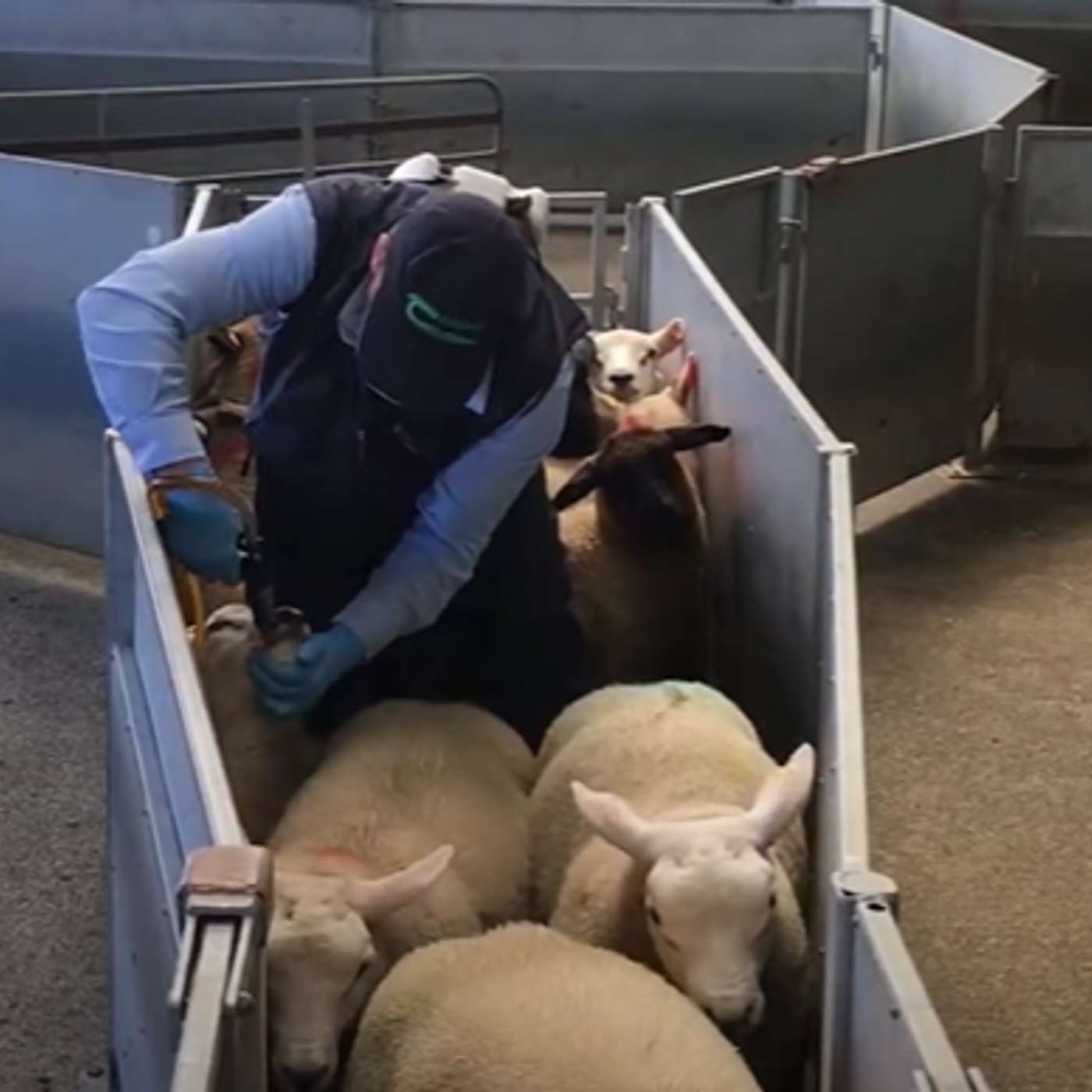
Ep 283Monitoring Worm Burden & Assessing Drench Effectiveness
One of the key factors influencing lamb performance at this stage of the season is managing and effectively treating the worm burden. For this OviCast episode, Sheep Specialist Damian Costello joins us to discuss this in detail. Damian explains why it’s important to monitor worm challenge regularly and how to interpret the results. He also highlights the key areas to focus on to ensure treatments are effective. We then look at why now is an ideal time to carry out a drench test on farms, helping to determine how well the products being used are actually working. How to conduct a drench test: https://youtu.be/1TXV1kpMhs8?si=olWviv4hcCHMjNky For more episodes from the OviCast podcast, visit the show page at:https://www.teagasc.ie/animals/sheep/ovicast-sheep-podcast
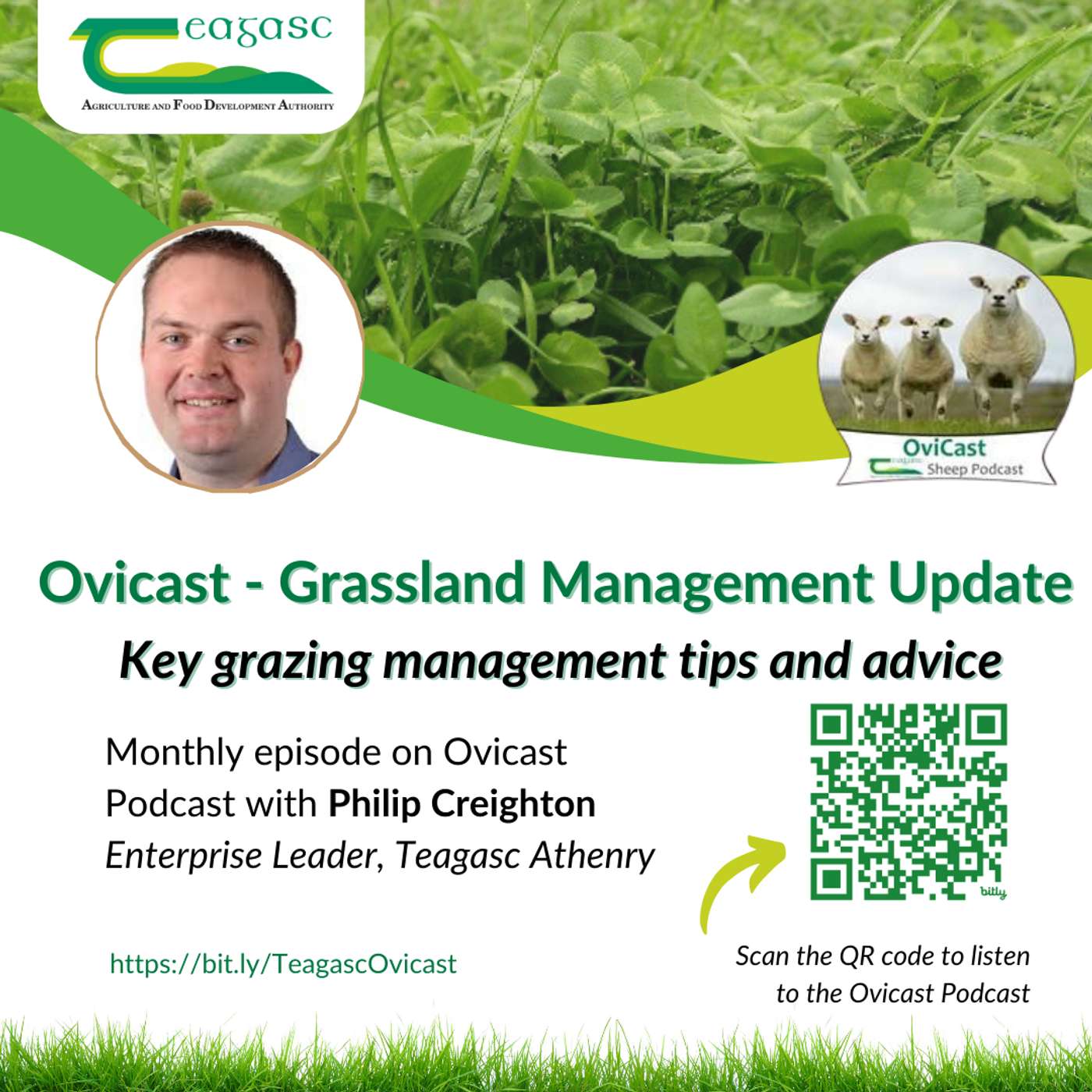
Ep 282August Grass Update
Teagasc Researcher Philip Creighton gives us the monthly update on grassland management on this week’s OviCast. In this episode, Philip covers: · Current grass growth rates and average farm covers · Assessing demand and starting to build covers · Fertiliser recommendations and timing of application · Tips for managing autumn reseeds Whether you’re measuring grass weekly or just keeping an eye on conditions, Philip shares timely, practical advice to help you get the best from your grazing this autumn. You can also sign up to the Grass10 newsletter here:https://www.teagasc.ie/crops/grassland/grass10/grass10-enewsletter/ For more episodes from the OviCast podcast, visit the show page at:https://www.teagasc.ie/animals/sheep/ovicast-sheep-podcast