One Planet Podcast · Climate Change, Politics, Sustainability, Environmental Solutions, Renewable Energy, Activism, Biodiversity, Carbon Footprint, Wildlife, Regenerative Agriculture, Circular Economy, Extinction, Net-Zero
311 episodes — Page 6 of 7
Highlights - DITTE LYSGAARD VIND - Circular Economy & Design Expert - Founder of The Circular Way
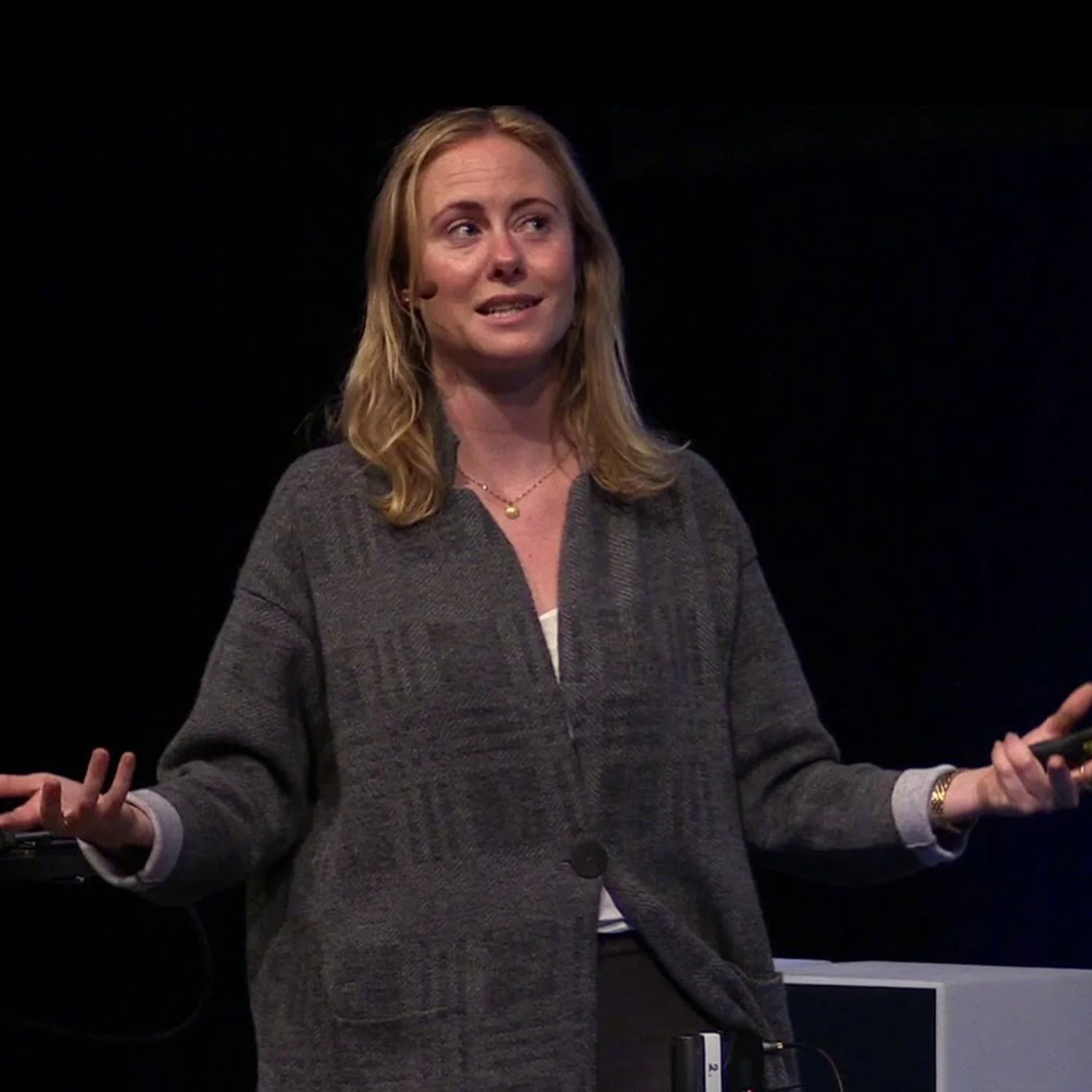
"Putting design first, it really enables us to shape a future that we don't yet know. But we need to be super tactile and practical about it as well. And then seeing that is something that design very much has the ability to do. And at the same time, having this growing frustration that wherever you go, wherever you talk about sustainability, it was a compromise. It was something that meant uglier, less convenient, more expensive, all these different things, but then diving into the Danish Design heritage, seeing that what set them apart was that after the World Wars, they had a social purpose of democratizing and rebuilding the welfare state, and that was not something that lessened the final result. On the contrary, it heightened the ambition, the final design, and the solutions."Ditte Lysgaard Vind is a renowned circular economy and design expert and author of Danish Design Heritage & Global Sustainability (Routledge 2023) and A Changemakers Guide to the Future. She is the Chairwoman of the Danish Design Council and founder of The Circular Way. She is known for pioneering new materials as well as business models, while sharing the knowledge gained from practice through teaching and thought leadership, and is a member of the Executive board of The Royal Danish Academy of Fine Arts Schools of Architecture, Design and Conservation as well as the global SDG innovation lab UNLEASH.www.thecircularway.comhttp://danishdesigncouncil.dk/enwww.routledge.com/Danish-Design-Heritage-and-Global-Sustainability/Vind/p/book/9781032198200www.creativeprocess.info www.oneplanetpodcast.orgIG www.instagram.com/creativeprocesspodcast

DITTE LYSGAARD VIND - Circular Economy & Design Expert - Author of Danish Design Heritage & Global Sustainability
Happy World Environment Day!Ditte Lysgaard Vind is a renowned circular economy and design expert and author of Danish Design Heritage & Global Sustainability (Routledge 2023) and A Changemakers Guide to the Future. She is the Chairwoman of the Danish Design Council and founder of The Circular Way. She is known for pioneering new materials as well as business models, while sharing the knowledge gained from practice through teaching and thought leadership, and is a member of the Executive board of The Royal Danish Academy of Fine Arts Schools of Architecture, Design and Conservation as well as the global SDG innovation lab UNLEASH."Putting design first, it really enables us to shape a future that we don't yet know. But we need to be super tactile and practical about it as well. And then seeing that is something that design very much has the ability to do. And at the same time, having this growing frustration that wherever you go, wherever you talk about sustainability, it was a compromise. It was something that meant uglier, less convenient, more expensive, all these different things, but then diving into the Danish Design heritage, seeing that what set them apart was that after the World Wars, they had a social purpose of democratizing and rebuilding the welfare state, and that was not something that lessened the final result. On the contrary, it heightened the ambition, the final design, and the solutions."www.thecircularway.comhttp://danishdesigncouncil.dk/enwww.routledge.com/Danish-Design-Heritage-and-Global-Sustainability/Vind/p/book/9781032198200www.creativeprocess.info www.oneplanetpodcast.orgIG www.instagram.com/creativeprocesspodcast

Special World Environment Day Stories - Environmentalists, Students & Teachers share their Love for the Planet
Today we’re streaming voices of environmentalists, students, and teachers with music courtesy of composer Max Richter. All voices in this episode are from our interviews for The Creative Process & One Planet Podcast or reflectors of our participating students.Voices on this episode areBRITT WRAY Author of Generation Dread: Finding Purpose in an Age of Climate Crisis Researcher Working on Climate Change & Mental Health, StanfordJEFFREY SACHS President of UN Sustainable Development Solutions Network Director of Center for Sustainable Development, Columbia UniversityEVELINE MOL, Student Barnard CollegeBERTRAND PICCARD, Aviator of 1st Round-the-World Solar-Powered Flight, Explorer, Founder, Solar Impulse FoundationAVA CLANCY, StudentMIRA PATLA, StudentDARA DIAMOND, StudentARIELLE DAVIS, StudentCLAIRE POTTER, Designer, Lecturer, Author of Welcome to the Circular EconomyMEGAN HEGENBARTH, Participating Student, University of MinnesotaGRACE PHILLIPS, Participating Student, Pitzer CollegeBIANCA WEBER, Participating Student, Syracuse UniversityELLEN EFSTATHIOU, Participating Student, Oberlin CollegeSURYA VIR, Participating Student, University of Wisconsin-MadisonMACIE PARKER, Participating Student, Boston UniversityBEILA UNGAR, Participating Student, Columbia UniversityCARL SAFINA, Ecologist, Founding President of Safina Center, Author of “Becoming Wild: How Animal Cultures Raise Families, Create Beauty, and Achieve Peace”Max Richter’s music featured in this episode are “On the Nature of Daylight” from The Blue Notebooks, “Path 19: Yet Frailest” from Sleep.Music is courtesy of Max Richter, Universal Music Enterprises, and Mute Song.www.creativeprocess.info www.oneplanetpodcast.orgIG www.instagram.com/creativeprocesspodcast

Happy World Environment Day! Voices from the Parkinson's Community & Artpark Bridges Celebrate the Natural World
The Creative Process and One Planet Podcast wishes listeners Happy World Environment Day. For this special episode we celebrate the natural world with Artpark Bridges, the Parkinson's Community, independent living adults with Parkinson's disease, and People Inc, the Arts Experience, a day habilitation program for adults with developmental disabilities. Artpark Bridges is a year-round community engagement program led by interdisciplinary artist Cynthia Pegado, dedicated to empowering adults of diverse abilities and backgrounds through expressive arts workshops and performance opportunities. Serving the Buffalo-Niagara Falls region of New York State, Artpark Bridges connects citizens with a sense of inclusion and purpose, healing and creative expression. Cynthia Pegado Teaching artist and movement expert, Cynthia Cadwell Pegado, weaves her passion for immersive performance into the creative process of site-specific work for people of all abilities. Ms. Pegado is an eight-time New York State Council on the Arts (NYSCA) Community Arts awardee, for “Art Moves Me”, her interpretive dance program based on visual art, designed for the Burchfield Penney Art Center and "Sound Dance" designed for Artpark. She has choreographed performance works for students in Parkinson’s specific classes as well as public programs which include Global Water Dances (a worldwide network of choreographers advocating for water quality)Muriel Louveau French vocalist composer Muriel Louveau has been invited by Sonia Kozlova Clark ,director of Artpark festival, as an international artist in residence at Artpark in 2022 to create and customize virtual expressive voice classes facilitated by Cynthia for Artpark Bridges groups including the Parkinson's and People Inc communities. This ongoing program of classes focuses on vocalizing skills and communal art-making with a theme of universal humanity."For me it is an artistic exchange but foremost a human experience. I cannot describe in words how this collaboration with the Artpark Bridges community inspires me, touches me, and opens my heart." Muriel Louveau, Artpark Bridges Sound Moves Me Artist-in-Residence.These recorded pieces have been developed with their students during "Our Garden " vocal workshop Poem "'Lily" written and read by Nancy (People Inc), "Nature" by Ed (PD group), "Fragile Beauty" by Nancy and Cynthia, "Garden of Love" by Cammie (People Inc).www.creativeprocess.info www.oneplanetpodcast.orgIG www.instagram.com/creativeprocesspodcastFlower Duet - Leo DelibesCreative Commons Attribution 3.0 Unported CC BY 3.0https://creativecommons.org/licenses/by/3.0/Conducted by Philip Milman https://pmmusic.pro/

CARL SAFINA - Ecologist - Founding President of Safina Center - NYTimes Bestselling Author
Carl Safina’s lyrical non-fiction writing explores how humans are changing the living world, and what the changes mean for non-human beings and for us all. His work has been recognized with MacArthur, Pew, and Guggenheim Fellowships, and his writing has won Orion, Lannan, and National Academies literary awards and the John Burroughs, James Beard, and George Rabb medals. Safina is the inaugural holder of the endowed chair for nature and humanity at Stony Brook University, where he co-chairs the steering committee of the Alan Alda Center for Communicating Science and is founding president of the not-for-profit Safina Center. He hosted the 10-part PBS series Saving the Ocean with Carl Safina. His writing appears in The New York Times, National Geographic, Audubon, CNN.com, National Geographic News, and other publications. He is the author of ten books including the classic Song for the Blue Ocean, as well as New York Times Bestseller Beyond Words: What Animals Think and Feel. His most recent book is Becoming Wild: How Animal Cultures Raise Families, Create Beauty, and Achieve Peace."So we tend to take living for granted. I think that might be the biggest limitation of human intelligence is to not understand with awe and reverence and love that we live in a miracle that we are part of and that we have the ability to either nurture or destroy.The living world is enormously enriching to human life. I just loved animals. They're always just totally fascinating. They're not here for us. They're just here like we're just here. They are of this world as much as we are of this world. They really have the same claim to life and death and the circle of being."www.safinacenter.orgwww.carlsafina.orgwww.oneplanetpodcast.orgwww.creativeprocess.infoIG www.instagram.com/creativeprocesspodcastPhoto: Carl Safina in Uganda
Highlights - HENRIK FEXEUS - Mentalist, Author & TV Host - The Art of Reading Minds, Mind Melt
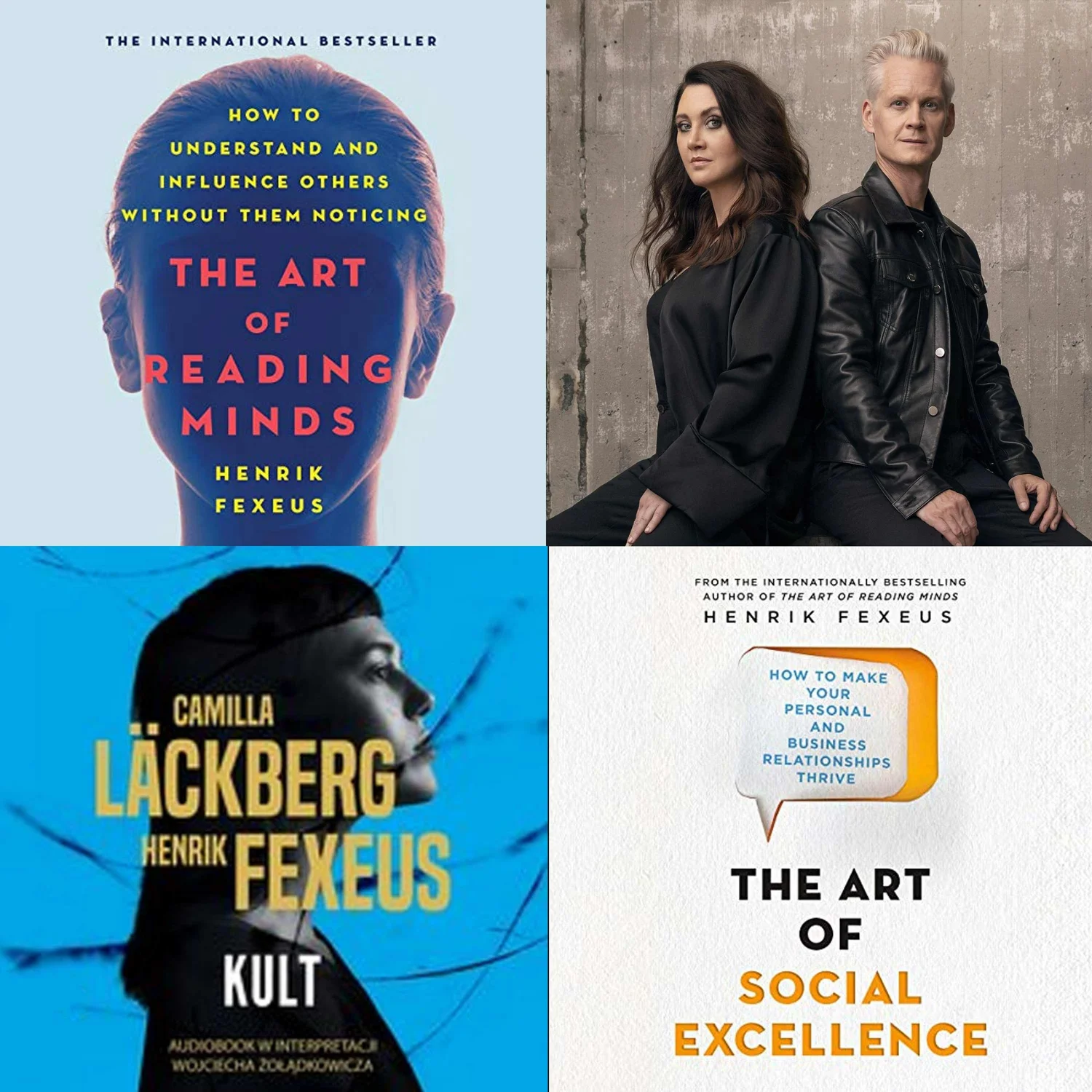
"The best way to get people to change a behaviour is to a) let them feel that they are in control (true or not) of the decision (as opposed to having a new legislation thrown upon them), b) give them the opportunity to say no (which actually increases the chance of them saying yes. And of course to show them that c) they have the ability/means to do it, and d) explain what’s in it for them on a personal level.But point a is really key here. As long as people feel that they are in control of their decisions and actions, you can get them to do anything."Henrik Fexeus is an internationally bestselling author, lecturer, performer, and star of the TV show Mind Melt. An expert in psychology and communications, he travels the world "reading minds" and teaching others how to understand and manipulate human behavior through body language and persuasion. Henrik has studied mental skills like NLP, hypnosis, acting, and magic.https://henrikfexeus.se/en/www.creativeprocess.info www.oneplanetpodcast.orgIG www.instagram.com/creativeprocesspodcast

HENRIK FEXEUS - Mentalist, Author & TV Host “The Art of Reading Minds”,“Mind Melt”,“Cult”
Henrik Fexeus is an internationally bestselling author, lecturer, performer, and star of the TV show Mind Melt. An expert in psychology and communications, he travels the world "reading minds" and teaching others how to understand and manipulate human behavior through body language and persuasion. Henrik has studied mental skills like NLP, hypnosis, acting, and magic."The best way to get people to change a behaviour is to a) let them feel that they are in control (true or not) of the decision (as opposed to having a new legislation thrown upon them), b) give them the opportunity to say no (which actually increases the chance of them saying yes. And of course to show them that c) they have the ability/means to do it, and d) explain what’s in it for them on a personal level.But point a is really key here. As long as people feel that they are in control of their decisions and actions, you can get them to do anything."https://henrikfexeus.se/en/www.creativeprocess.info www.oneplanetpodcast.orgIG www.instagram.com/creativeprocesspodcast
PABLO HOFFMAN - Whitley Award-winning Conservationist - Exec. Director & Co-Founder of Sociedade Chauá
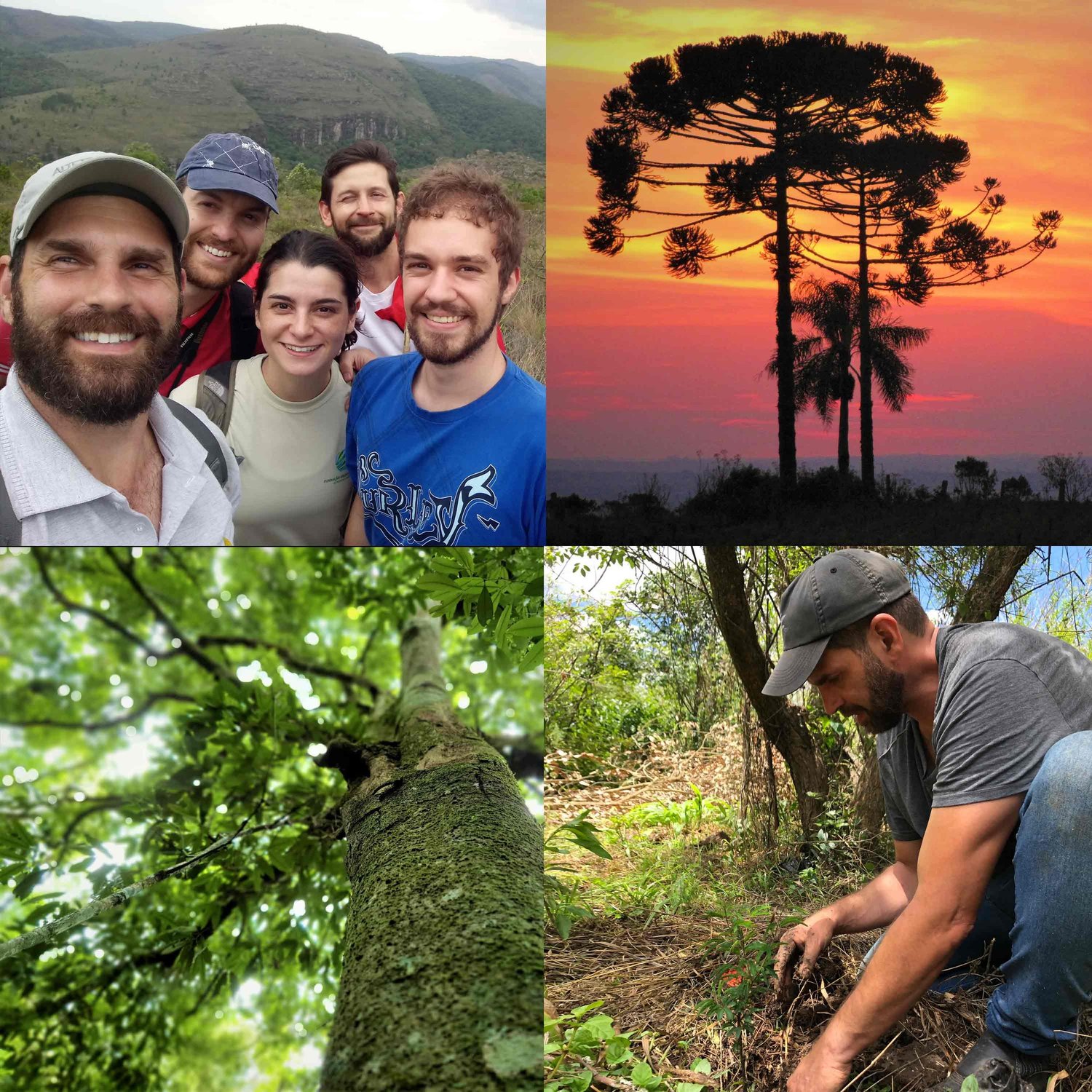
Pablo Hoffman has always been passionate about plants and natural ecosystems, with special appreciation for research and dissemination with practical results for the production and conservation of native species. Pablo graduated in Forestry at the Federal University of Paraná (UFPR) 2002, had his Master’s in Forestry – UFPR 2014, currently he is a PhD candidate in Forestry. One of the Founders of the Sociedade Chauá, Pablo has been a board member since 2008. Currently is the Executive Director as well Coordinator of the Chauá Nursery of native species. A specialist in conservation, propagation and restoration of rare and endangered species of the Araucaria Forest, whose projects are locally and internationally recognized. As a result of Sociedade’s Chauá efforts to save endangered plant species Pablo was awarded the Marsh Award (2018), Whitley Award (2022), and Guardians of Nature (2022). As a life choice, working with conservation of rare and endangered plant species is the lifeblood of his personal and professional aspirations, to leave a positive legacy for the next generations, keeping the ecosystems alive with humans as part of it."I understood that the Araucaria Forest ecosystem was really degraded and needed conservation to protect the plant species, the Araucaria Forest ecosystem where I live used to cover around 40% of the land. And nowadays there's less than 1% left of good, quality remnants of forest. So it's almost nothing. So you can imagine what happens with the plant species and also animal species. But nowadays the conversion of natural areas, even grassland savannahs are forced into agribusiness areas that have the most impact, as they have the capacity of using machines, and tractors for converting these areas, using more and more fertilizers, agrichemicals, and pesticides that can destroy one hector in less than one hour with their tractors and machines. It will take like 50 years to a hundred years to recover - if it recovers. Depending on how many species we still have left the dispersers, pollinators, and the other actors of the ecosystem to aid in the recovery."www.sociedadechaua.orgwww.creativeprocess.info www.oneplanetpodcast.orgIG www.instagram.com/creativeprocesspodcast
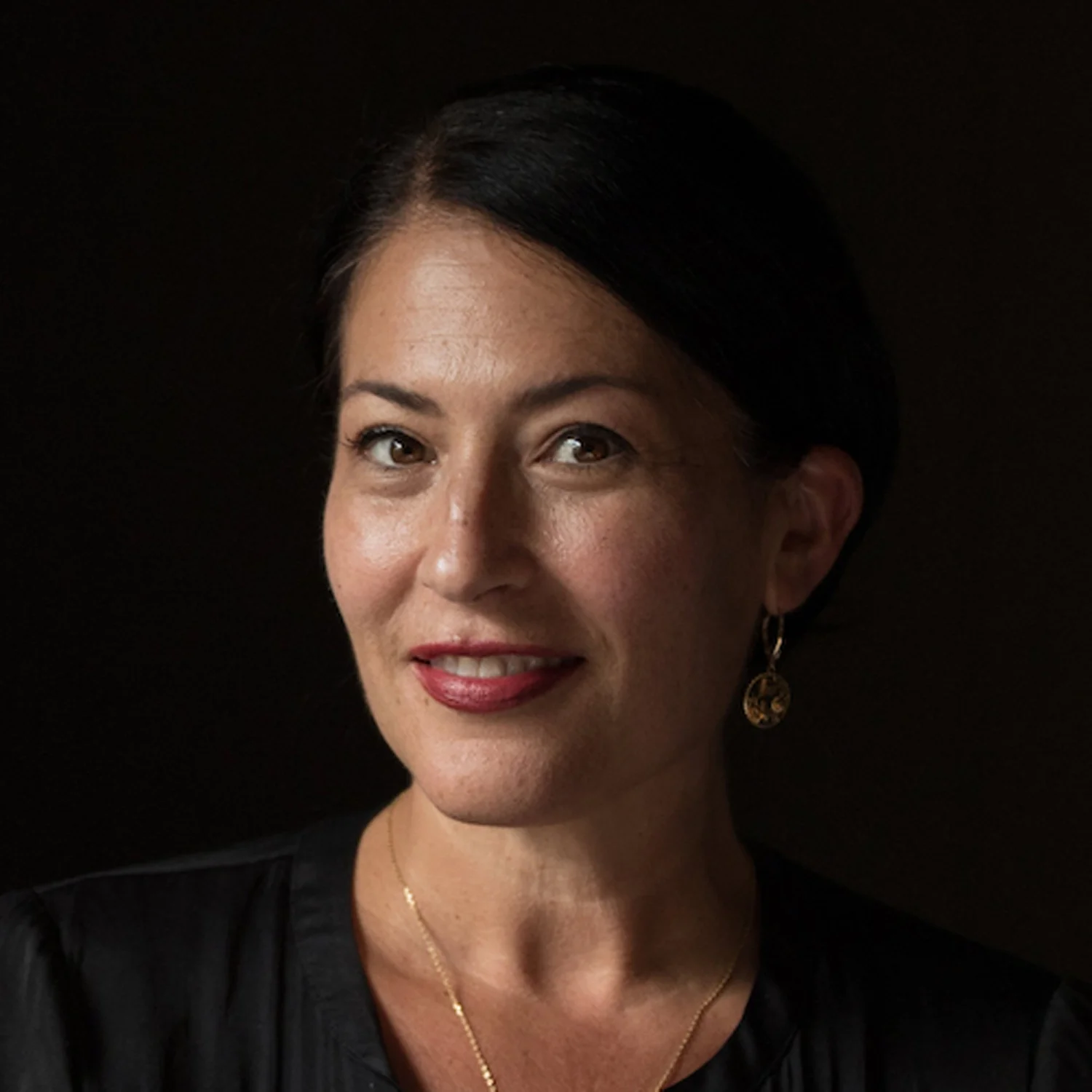
ADA LIMÓN - U.S. Poet Laureate - Host of The Slowdown podcast
Ada Limón is the author of six books of poetry, including The Carrying, which won the National Book Critics Circle Award for Poetry. Her book Bright Dead Things was nominated for the National Book Award, the National Book Critics Circle Award, and the Kingsley Tufts Poetry Award. Her work has been supported most recently by a Guggenheim Fellowship. She grew up in Sonoma, California and now lives in Lexington, Kentucky where she writes, teaches remotely, and hosts the critically-acclaimed poetry podcast, The Slowdown. Her new book of poetry, The Hurting Kind, is forthcoming from Milkweed Editions in May 2022.Photo credit: Lucas Marquardt www.adalimon.netwww.creativeprocess.infowww.oneplanetpodcast.org

Highlights - ANDRI SNÆR MAGNASON - Writer & Documentary Filmmaker - On Time and Water, The Casket of Time, LoveStar, Not Ok
"In On Time and Water, I was invited to interview the Dalai Lama twice. I was thinking, what do you ask a person that has been reincarnated 14 times? I also interviewed lots of scientists, and sometimes the gurus are more rational than scientists, and they talk about climate solutions. And I seek wisdom from my grandparents, and simple friendship and stories. They were both 98 years old, and I would ask them: 'Is 100 years a long time or a short time?' And they would tell me it's a very short time.And this climate scientist encouraged me to write and said, 'People don't understand data, but they understand stories.' And it's a very strong belief that the artist does have a role in our society. Sometimes he's an entertainer. Sometimes he's just documenting, but sometimes you maybe have a role in a very fundamental shift in our history. I think I could not be a writer here and now in history and not make some effort to address this issue."Andri Snær Magnason is an award winning author of On Time and Water, The Casket of Time, LoveStar, Dreamland and The Story of the Blue Planet. His work has been published in more than 35 languages. He has a written in most genres, novels, poetry, plays, short stories, non fiction as well as being a documentary film maker. His novel, LoveStar got a Philip K. Dick Special Citation, and the Grand Prix de l’Imaginaire in France and “Novel of the year” in Iceland. The Story of the Blue Planet, was the first children’s book to receive the Icelandic Literary Award and has been published or performed in 35 countries. The Blue Planet received the Janusz Korczak Honorary Award in Poland 2000, the UKLA Award in the UK and Children's book of the Year in China. His book – Dreamland – a Self Help Manual for a Frightened Nation takes on these issues and has sold more than 20.000 copies in Iceland. He co directed Dreamland - a feature length documentary film based on the book. Footage from Dreamland and an interview with Andri can be seen in the Oscar Award-winning documentary Inside Job by Charles Ferguson. His most recent book, Tímakistan, the Time Casket has now been published in more than 10 languages, was nominated as the best fantasy book in Finland 2016 with authors like Ursula K. le Guin and David Mitchell. In English six books are currently available: Bónus Poetry, The Story of The Blue Planet, LoveStar, Dreamland and The Casket of Time, (Tímakistan) and On Time and Water.www.andrimagnason.comwww.creativeprocess.info www.oneplanetpodcast.orgIG www.instagram.com/creativeprocesspodcast
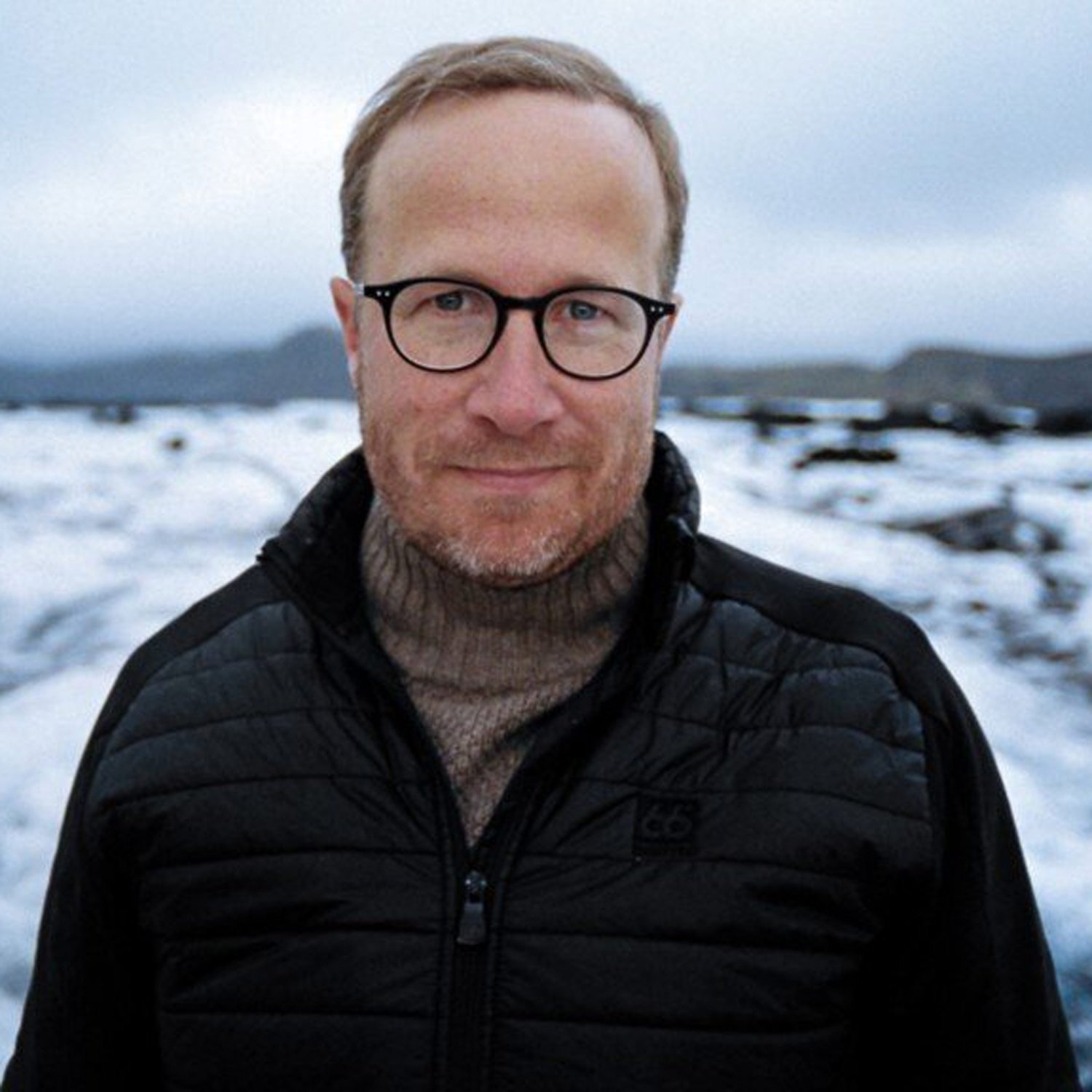
ANDRI SNÆR MAGNASON - Icelandic Writer & Documentary Filmmaker - On Time and Water, The Casket of Time, LoveStar, Not Ok
Andri Snær Magnason is an award winning author of On Time and Water, The Casket of Time, LoveStar, Dreamland and The Story of the Blue Planet. His work has been published in more than 35 languages. He has a written in most genres, novels, poetry, plays, short stories, non fiction as well as being a documentary film maker. His novel, LoveStar got a Philip K. Dick Special Citation, and the Grand Prix de l’Imaginaire in France and “Novel of the year” in Iceland. The Story of the Blue Planet, was the first children’s book to receive the Icelandic Literary Award and has been published or performed in 35 countries. The Blue Planet received the Janusz Korczak Honorary Award in Poland 2000, the UKLA Award in the UK and Children's book of the Year in China. His book – Dreamland – a Self Help Manual for a Frightened Nation takes on these issues and has sold more than 20.000 copies in Iceland. He co directed Dreamland - a feature length documentary film based on the book. Footage from Dreamland and an interview with Andri can be seen in the Oscar Award-winning documentary Inside Job by Charles Ferguson. His most recent book, Tímakistan, the Time Casket has now been published in more than 10 languages, was nominated as the best fantasy book in Finland 2016 with authors like Ursula K. le Guin and David Mitchell. In English six books are currently available: Bónus Poetry, The Story of The Blue Planet, LoveStar, Dreamland and The Casket of Time, (Tímakistan) and On Time and Water."In On Time and Water, I was invited to interview the Dalai Lama twice. I was thinking, what do you ask a person that has been reincarnated 14 times? I also interviewed lots of scientists, and sometimes the gurus are more rational than scientists, and they talk about climate solutions. And I seek wisdom from my grandparents, and simple friendship and stories. They were both 98 years old, and I would ask them: 'Is 100 years a long time or a short time?' And they would tell me it's a very short time.And this climate scientist encouraged me to write and said, 'People don't understand data, but they understand stories.' And it's a very strong belief that the artist does have a role in our society. Sometimes he's an entertainer. Sometimes he's just documenting, but sometimes you maybe have a role in a very fundamental shift in our history. I think I could not be a writer here and now in history and not make some effort to address this issue."www.andrimagnason.comwww.creativeprocess.info www.oneplanetpodcast.orgIG www.instagram.com/creativeprocesspodcast
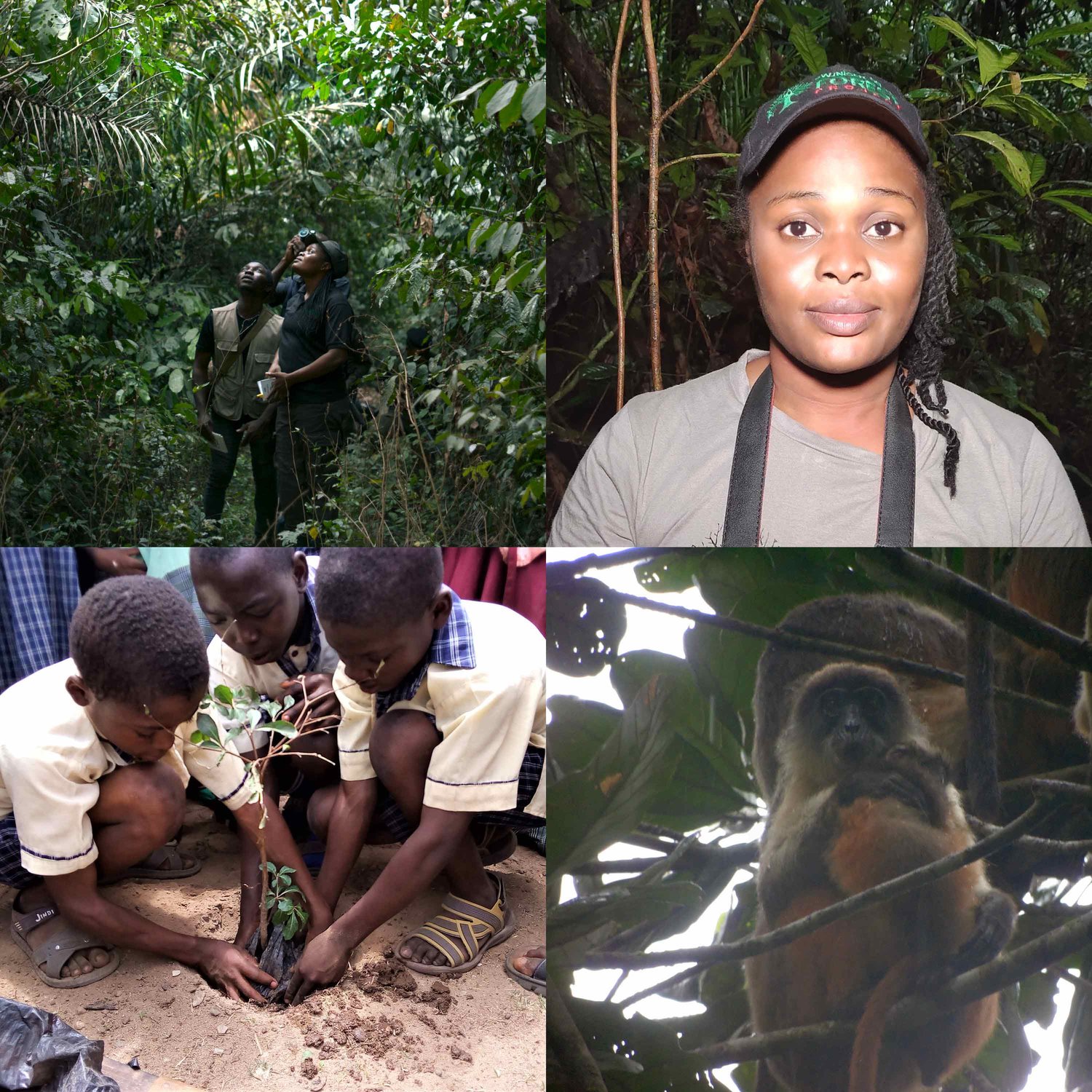
Highlights - RACHEL ASHEGBOFEH IKEMEH - Whitley Award Winner - Founder of Southwest Niger Delta Forest Project
"There's no question, we are in a state of conservation emergency. And we have a real situation on our hands and it's so fragile that if we take a step back, we could say goodbye to two types of chimpanzee species and the forest is also on the brink of disappearing forever. And when I started as a conservation researcher, there was kidnapping and insecurity throughout the Nile Delta region, and it was immersed in a lot of oil politics and civil conflicts. Kidnapping and insecurity ran throughout that region. Let's not forget that Nigeria is Africa's most populous nation now. We are over 200 million people in the country, and it's a growing population of young people who are looking for means of livelihood and on the lookout to find space to live. So parts of the forest within one year would suddenly become a new village."Rachel Ashegbofeh Ikemeh is a Whitley Award-winning conservationist and Founder/Director at the Southwest Niger Delta Forest Project, a grassroots-focused conservation initiative that has been dedicated to the protection of fragile wildlife populations and habitat across her project sites in Africa’s most populous nation. Rachel won the award in 2020 for her work on chimpanzee populations in Nigeria and is aiming to secure 20% of chimpanzee habitat in Southwest Nigeria. She is also the winner of the National Geographic Society Buffet Awards for Conservaton Leadership in Africa, a Tusk Conservation Awards Finalist.She works to protect some of the most highly threatened forest habitats and primate populations in southern Nigeria. For example, Rachel’s determined efforts has helped to bring back a species from the brink of extinction – the rare and critically endangered Niger Delta red colobus monkey, also, considered one of 25 most endangered primates in the world. She has helped to establish two protected areas and have also taken on the management of these PAs to restore habitats in these very highly threatened ecosystems which are also areas of high-security risks in the country.Rachel is the Co-Vice Chair for the IUCN/SSC Primate Specialist Group African Section and Member of the International Primatological Society (IPS) education committee. Through her strategic positions in these networks, Rachel has been committed to championing the need to increase conservation leadership amongst Africans as she co-founded the African Primatological society in 2017. She’s trained the 55 persons that make up her team from local institutions and local communities. https://swnigerdeltaforestproject.org.ngwww.creativeprocess.info www.oneplanetpodcast.org IG www.instagram.com/creativeprocesspodcast
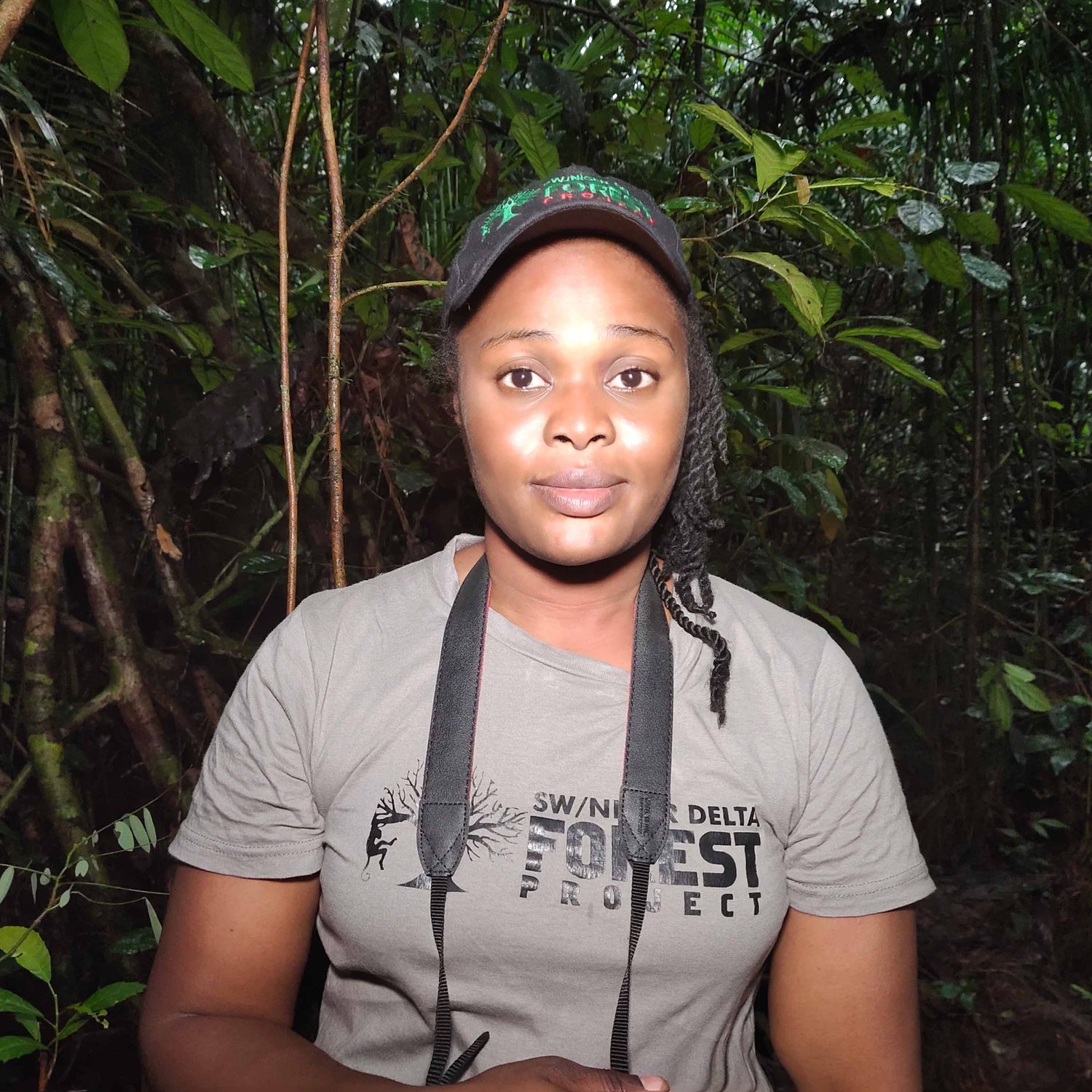
RACHEL ASHEGBOFEH IKEMEH - Whitley Award-winning Conservationist - Founder/Director, Southwest Niger Delta Forest Project
Rachel Ashegbofeh Ikemeh is a Whitley Award-winning conservationist and Founder/Director at the Southwest Niger Delta Forest Project, a grassroots-focused conservation initiative that has been dedicated to the protection of fragile wildlife populations and habitat across her project sites in Africa’s most populous nation. Rachel won the award in 2020 for her work on chimpanzee populations in Nigeria and is aiming to secure 20% of chimpanzee habitat in Southwest Nigeria. She is also the winner of the National Geographic Society Buffet Awards for Conservaton Leadership in Africa, a Tusk Conservation Awards Finalist.She works to protect some of the most highly threatened forest habitats and primate populations in southern Nigeria. For example, Rachel’s determined efforts has helped to bring back a species from the brink of extinction – the rare and critically endangered Niger Delta red colobus monkey, also, considered one of 25 most endangered primates in the world. She has helped to establish two protected areas and have also taken on the management of these PAs to restore habitats in these very highly threatened ecosystems which are also areas of high-security risks in the country.Rachel is the Co-Vice Chair for the IUCN/SSC Primate Specialist Group African Section and Member of the International Primatological Society (IPS) education committee. Through her strategic positions in these networks, Rachel has been committed to championing the need to increase conservation leadership amongst Africans as she co-founded the African Primatological society in 2017. She’s trained the 55 persons that make up her team from local institutions and local communities. "There's no question, we are in a state of conservation emergency. And we have a real situation on our hands and it's so fragile that if we take a step back, we could say goodbye to two types of chimpanzee species and the forest is also on the brink of disappearing forever. And when I started as a conservation researcher, there was kidnapping and insecurity throughout the Nile Delta region, and it was immersed in a lot of oil politics and civil conflicts. Kidnapping and insecurity ran throughout that region. Let's not forget that Nigeria is Africa's most populous nation now. We are over 200 million people in the country, and it's a growing population of young people who are looking for means of livelihood and on the lookout to find space to live. So parts of the forest within one year would suddenly become a new village."https://swnigerdeltaforestproject.org.ngwww.creativeprocess.info www.oneplanetpodcast.org IG www.instagram.com/creativeprocesspodcast

Highlights - MADELEINE WATTS - Author of The Inland Sea
"The Inland Sea came out in 2020. And in that period as I was writing it, I would keep noticing each year would be 'the worst on record.' Like the hottest day on record, the most fires on record. And there was a sort of strangeness to having written the book in a period of Black Summer fires that burned for nearly six months and just decimated huge sways of land. In 2020, I had gone back to the Sydney Writers Festival and spent some time with family, and then just got stuck for months in the COVID lockdown. And I would go on runs into these stretches of bushland that had been burned, and I would make my way through these skeleton forests. The trees were black. The soil was black. There was no color at all. No bird song. No insects. And it was March. There should have been so much wildlife. It was deeply eerie."Madeleine Watts is an Australian writer based in New York. Her first novel The Inland Sea was published in 2020 and was shortlisted for the Miles Franklin Literary Award and the UTS Glenda Adams Award for New Writing. Her essays and stories have been published in Harper’s Magazine, The Believer, The Guardian, The White Review, and The Paris Review Daily, among others. She teaches creative writing at Columbia University in New York. Her second novel, Elegy, Southwest, is forthcoming.www.madeleinewatts.comwww.penguinrandomhouse.com/books/667704/the-inland-sea-by-madeleine-wattswww.creativeprocess.info www.oneplanetpodcast.orgIG www.instagram.com/creativeprocesspodcast
MADELEINE WATTS - Author of The Inland Sea - Creative Writing Professor, Columbia University
Madeleine Watts is an Australian writer based in New York. Her first novel The Inland Sea was published in 2020 and was shortlisted for the Miles Franklin Literary Award and the UTS Glenda Adams Award for New Writing. Her essays and stories have been published in Harper’s Magazine, The Believer, The Guardian, The White Review, and The Paris Review Daily, among others. She teaches creative writing at Columbia University in New York. Her second novel, Elegy, Southwest, is forthcoming."The Inland Sea came out in 2020. And in that period as I was writing it, I would keep noticing each year would be 'the worst on record.' Like the hottest day on record, the most fires on record. And there was a sort of strangeness to having written the book in a period of Black Summer fires that burned for nearly six months and just decimated huge sways of land. In 2020, I had gone back to the Sydney Writers Festival and spent some time with family, and then just got stuck for months in the COVID lockdown. And I would go on runs into these stretches of bushland that had been burned, and I would make my way through these skeleton forests. The trees were black. The soil was black. There was no color at all. No bird song. No insects. And it was March. There should have been so much wildlife. It was deeply eerie."www.madeleinewatts.comwww.penguinrandomhouse.com/books/667704/the-inland-sea-by-madeleine-wattswww.creativeprocess.info www.oneplanetpodcast.orgIG www.instagram.com/creativeprocesspodcast
Speaking Out of Place: ADAM ARON discusses “The Climate Crisis: Science, Impacts, Policy, Psychology, Justice, Social Movements”
Adam Aron is a Professor in the Psychology Dept at UC San Diego. His research and teaching focus on the social science of collective action on the climate crisis. His climate activism has been through the Green New Deal at UC San Diego where he has worked on several campaigns such as fossil fuel divestment and also campus decarbonization via ElectrifyUC and he has also produced the documentary Coming Clean. Before switching to the climate crisis, Adam had a successful career in cognitive neuroscience. He earned his PhD from the University of Cambridge, and was a postdoctoral fellow at UCLA.“Psychology has something to tell us about why so few people are really engaged in the climate struggle. There are different components to this. First of all, there is what I call epistemic skepticism in the book, which is to say, skepticism about the facts of climate change. The second thing is threat perception, that threat levels are not as high as they should be. And the third is that people are skeptical about the response. They don't think that they can do anything, or they don't believe that groups or even countries can make a difference. Epistemic skepticism: psychologically this means that quite a lot of people, for example, the United States, don't believe in the human cause of heating. And the reason for that is very much to do in fact, with the systematic campaign of misinformation that's been fostered by the fossils industry, systematically set out to confuse people about the scientific consensus. We should be very threatened by this. In fact, the youth, generally speaking, are anxious to some extent about it. In effect, Mother Earth is saying, "I can't deal with what you're doing to me, people. I'm putting up my temperature." And if you're not feeling anxious, then you're not paying attention. That's the right way to feel on Planet Earth.”https://aronlab.org/climate-psychology-and-action-labhttps://ucsdgreennewdeal.nethttps://electrifyuc.org/www.youtube.com/watch?v=1N_dq9J7mDYJudith Butler on “Speaking Out of Place”: “In this work we see how every critical analysis of homelessness, displacement, internment, violence, and exploitation is countered by emergent and intensifying social movements that move beyond national borders to the ideal of a planetary alliance. As an activist and a scholar, Palumbo-Liu shows us what vigilance means in these times. This book takes us through the wretched landscape of our world to the ideals of social transformation, calling for a place, the planet, where collective passions can bring about a true and radical democracy.”David Palumbo-Liu is the Louise Hewlett Nixon Professor and Professor of Comparative Literature at Stanford University. He has written widely on issues of literary criticism and theory, culture and society, race, ethnicity and indigeneity, human rights, and environmental justice. His books include The Deliverance of Others: Reading Literature in a Global Age, and Speaking Out of Place: Getting Our Political Voices Back. His writing has appeared in The Washington Post, The Guardian, The Nation, Al Jazeera, Jacobin, Truthout, and other venues.www.palumbo-liu.com https://twitter.com/palumboliu?s=20
SAGARIKA SRIRAM - Founder of Kids4abetterworld, Youth Climate Change Initiative
Sagarika Sriram is currently a student at Jumeirah College in Dubai. She founded the organization Kids4abetterworld when she was 10 years old with a mission to educate and encourage young children to lead a more sustainable life and reduce their carbon footprint. Children are the worst affected by the effects of climate change, yet most children do not participate in climate change discussions or take actions to live more sustainably because they do not have the awareness and capability to do so. Kids4abetterworld conducts awareness workshops on sustainability aiming to Educate, Motivate and Activate young children to conserve natural resources, protect biodiversity, and positively impact climate change. As a UN Climate Advisor, she has participated in the global consultations that will ensure children are made aware of their environmental rights and that UN member states protect and uphold these. Kids4abetterworld is a platform for young children to connect across the globe as they adopt sustainable lifestyles and drive systemic solutions to the climate crisis.www.k4bworld.comwww.creativeprocess.info www.oneplanetpodcast.orgIG www.instagram.com/creativeprocesspodcast
We All Live on One Planet We Call Home - Part 4 - Environmentalists, Economists, Policymakers & Architects Share their Stories
Listen to Part 4 of this Special Series with music courtesy of composer Max Richter. All voices on this episode are from our interviews for The Creative Process & One Planet Podcast:INGRID NEWKIRK, Founder & President of PETA - People for the Ethical Treatment of AnimalsJEFFREY D. SACHS, President of the UN Sustainable Development Solutions Network, Director of Center for Sustainable Development, Columbia University, Economist, AuthorJENNIFER MORGAN, Fmr. Executive Director of Greenpeace International, Special Envoy for International Climate Action, German Foreign MinistryMERLIN SHELDRAKE, Biologist & Bestselling Author of “Entangled Life: How Fungi Make Our Worlds, Change Our Minds, and Shape Our Futures”, Winner of the Wainwright Prize 2021WALTER STAHEL, Architect, Economist, Founding Father of Circular Economy, Founder-Director, Product-Life InstituteARMOND COHEN, Executive Director of Clean Air Task ForcePIA MANCINI, Co-founder/CEO of Open Collective - Chair of DemocracyEarth Foundation, YGL World Economic ForumRON GONEN, Founder & CEO of Closed Loop Partners, Former Deputy Commissioner of Sanitation, Recycling & Sustainability, NYCAIMEE NEZHUKUMATATHIL, Poet & Author of “World of Wonders: In Praise of Fireflies, Whale Sharks and Other Astonishments”ANA CASTILLO, Award-Winning Xicana Activist, Editor, Poet, Novelist & Artistwww.creativeprocess.info www.oneplanetpodcast.orgIG www.instagram.com/creativeprocesspodcastwww.maxrichtermusic.comhttps://studiorichtermahr.comMax Richter’s music featured in this episode are “On the Nature of Daylight” from The Blue Notebooks, “Path 19: Yet Frailest” from Sleep.Music is courtesy of Max Richter, Universal Music Enterprises, and Mute Song.Artwork: Saudade, Mia Funk
Speaking Out of Place: ASHLEY DAWSON discusses “Environmentalism from Below”
Ashley Dawson is Professor of English at the Graduate Center / City University of New York and the College of Staten Island. Recently published books of his focus on key topics in the Environmental Humanities, and include People’s Power: Reclaiming the Energy Commons (O/R, 2020), Extreme Cities: The Peril and Promise of Urban Life in the Age of Climate Change (Verso, 2017), and Extinction: A Radical History (O/R, 2016). Dawson is the author of a forthcoming book entitled Environmentalism from Below (Haymarket) and the co-editor of Decolonize Conservation! (Common Notions, 2023). “The message is that indigenous sovereignty is connected to the preservation of biodiversity. And right now the statistics are really shocking on so-called protected areas, which currently constitute 17% of the planet. And the goal coming out of that Montreal conference for the biodiversity crisis last autumn is to roughly double that amount of protected areas, right? So the slogan was 30 by 30. 30% of the planet in protected area status by 2030. So we're really talking about massive expansion of protected areas. But within protected areas themselves, according to recent reports, only about 1% of the land actually has indigenous sovereignty. There are other arrangements like co-management, for instance, or indigenous people who are kind of encouraged to see their claims to conservation organizations with the guarantee that it will be protected and they'll have access of some kind. But, you know, as some of the indigenous activists who appeared at this conference and who are in the Decolonize Conservation! book said, they don't like the idea of co-management because it's essentially colonialism. They want control of their land.”https://ashleydawson.info www.haymarketbooks.org/books/2101-environmentalism-from-below#:~:text=Environmentalism%20from%20Below%20takes%20readers,fight%20to%20protect%20imperiled%20worlds https://viacampesina.org/en/ www.shackdwellersnamibia.comwww.palumbo-liu.com https://twitter.com/palumboliu?s=20

What Kind of World Are We Leaving for Future Generations? - Part 3 - Activists, Environmentalists & Teachers Share their Stories
Listen to Part 3 of this Special Series with music courtesy of composer Max Richter.All voices on this episode are from our interviews for The Creative Process & One Planet Podcast:PAULA PINHO, Director of Just Transition at the European Commission Directorate-General for EnergyPIA MANCINI, Co-founder/CEO of Open Collective - Chair of DemocracyEarth Foundation, YGL World Economic ForumJENNIFER MORGAN, Fmr. Executive Director of Greenpeace International, Special Envoy for International Climate Action, German Foreign MinistryWALTER STAHEL, Architect, Economist, Founding Father of Circular Economy, Founder-Director, Product-Life InstituteMERLIN SHELDRAKE, Biologist & Bestselling Author of Entangled Life: How Fungi Make Our Worlds, Change Our Minds, and Shape Our Futures, Winner of the Wainwright Prize 2021RON GONEN, Founder & CEO of Closed Loop Partners, Former Deputy Commissioner of Sanitation, Recycling & Sustainability, NYCMANUELA LUCÁ-DAZIO, Executive Director, Pritzker Architecture Prize, Fmr. Exec. Director of Venice Biennale, Visual Arts & Architecture Dept.NICHOLAS ROYLE, Co-author of "An Introduction to Literature, Criticism and Theory”, Author of “Mother: A Memoir”MARK BURGMAN, Director, Centre for Environmental Policy, Imperial College London, Editor-in-Chief, Conservation BiologyMIKE DAVIS, CEO of Global WitnessJAY FAMIGLIETTI, Fmr. Senior Water Scientist at NASA Jet Propulsion Laboratory, Exec. Director, Global Institute for Water Security, Host of "What About Water?" PodcastBRITT WRAY, Author of “Generation Dread: Finding Purpose in an Age of Climate Crisis”, Researcher Working on Climate Change & Mental Health, Stanford UniversityRICHARD VEVERS, Founder & CEO of The Ocean AgencyARMOND COHEN, Executive Director of Clean Air Task ForceBILL HARE, Founder & CEO of Climate Analytics, Physicist, Climate ScientistDAVID PALUMBO-LIU, Activist, Professor & Author of “Speaking Out of Place: Getting Our Political Voices Back”, Host of Speaking out of Place PodcastIBRAHIM ALHUSSEINI, Founder & CEO of FullCycle Fund GAIA VINCE, Science Writer, Broadcaster & Author of “Transcendence” & “Adventures in the Anthropocene”INGRID NEWKIRK, Founder & President of PETA - People for the Ethical Treatment of Animalswww.creativeprocess.info www.oneplanetpodcast.orgIG www.instagram.com/creativeprocesspodcastwww.maxrichtermusic.comhttps://studiorichtermahr.comMax Richter’s music featured in this episode are “On the Nature of Daylight” from The Blue Notebooks, “Path 19: Yet Frailest” from Sleep.Music is courtesy of Max Richter, Universal Music Enterprises, and Mute Song.Artwork: Beneath the Ice, Mia Funk

Speaking Out of Place: NAOMI ORESKES discusses “The Big Myth: How American Business Taught Us to Loathe Government & Love the Free Market”
Naomi Oreskes is Henry Charles Lea professor of the History of Science and affiliated Professor of Earth and Planetary Sciences at Harvard University. She is a world-renowned earth scientist, historian, and public speaker. Oreskes is a leading voice in the role of science in society, the reality of anthropogenic climate change, and the role of disinformation in blocking climate action.In 2010, she and her co-author Erik Conway published Merchants of Doubt: How a Handful of Scientists Obscured the Truth on Issues from Tobacco Smoke to Global Warming, where they identified something called the tobacco strategy that became paradigmatic in terms of corporate efforts to debunk science.This discovery led them to explore more deeply and more broadly the attack on science. They found that as science was demoted, the idea of market fundamentalism or the “magic of the market” became a mantra that covered up corporate malfeasance. In today's program, we discuss Oreskes’ and Conway's new book, The Big Myth: How American Business Taught Us to Loathe Government and Love the Free Market.https://histsci.fas.harvard.edu/people/naomi-oreskeswww.bloomsbury.com/us/big-myth-9781635573572/Judith Butler on “Speaking Out of Place”: “In this work we see how every critical analysis of homelessness, displacement, internment, violence, and exploitation is countered by emergent and intensifying social movements that move beyond national borders to the ideal of a planetary alliance. As an activist and a scholar, Palumbo-Liu shows us what vigilance means in these times. This book takes us through the wretched landscape of our world to the ideals of social transformation, calling for a place, the planet, where collective passions can bring about a true and radical democracy.”David Palumbo-Liu is the Louise Hewlett Nixon Professor and Professor of Comparative Literature at Stanford University. He has written widely on issues of literary criticism and theory, culture and society, race, ethnicity and indigeneity, human rights, and environmental justice. His books include The Deliverance of Others: Reading Literature in a Global Age, and Speaking Out of Place: Getting Our Political Voices Back. His writing has appeared in The Washington Post, The Guardian, The Nation, Al Jazeera, Jacobin, Truthout, and other venues.www.palumbo-liu.com https://twitter.com/palumboliu?s=20https://speakingoutofplace.comPhoto credit: Kayana Szymczak

EARTH MONTH STORIES - Part 2 - Environmentalists, Artists, Students & Teachers Speak Out & Share How We Can Save the Planet
Listen to Part 2 of this Special Series with music courtesy of composer Max Richter.All voices on this episode are from our interviews for The Creative Process & One Planet Podcast:MANUELA LUCÁ-DAZIO - Executive Director, Pritzker Architecture Prize - Fmr. Exec. Director of Venice Biennale, Visual Arts & Architecture Dept.BRITT WRAY - Author of “Generation Dread: Finding Purpose in an Age of Climate Crisis”, Researcher Working on Climate Change & Mental Health, Stanford UniversityWALTER STAHEL - Architect, Economist, Founding Father of Circular Economy - Founder-Director, Product-Life InstituteMATHIS WACKERNAGEL - Founder & President of the Global Footprint Network - World Sustainability Award WinnerJAY FAMIGLIETTI, Fmr. Senior Water Scientist at NASA Jet Propulsion Laboratory, Exec. Director, Global Institute for Water Security, Host of "What About Water?" PodcastRICHARD VEVERS - Founder & CEO of The Ocean AgencyARMOND COHEN - Executive Director of Clean Air Task ForcePAULA PINHO - Director of Just Transition at the European Commission Directorate-General for EnergyMARTIN VON HILDEBRAND - Indigenous Rights Activist - Winner of Right Livelihood & Skoll Awards - Founder of Fundacion Gaia Amazonas, named #40 NGOs of the World by The Global JournalHAROLD P. SJURSEN - Professor of Philosophy - Science, Technology, the Arts - NYU, Beihang University, East China UniversityBILL HARE - Founder & CEO of Climate Analytics, Physicist, Climate ScientistSIR ANDY HAINES - Tyler Prize Award-winner for Environmental Achievement - Professor of Environmental Change & Public HealthLISA JACKSON PULVER - Deputy Vice-Chancellor of University of Sydney's Indigenous Strategy & Services Max Richter’s music featured in this episode:“Spring 1” from The New Four Seasons – Vivaldi RecomposedVladimir’s Blues” from The Blue Notebooks"Lullaby From The Westcoast Sleepers” from 24 Postcards in Full Colour,Music is courtesy of Max Richter, Universal Music Enterprises, and Mute Song.www.maxrichtermusic.comhttps://studiorichtermahr.comwww.creativeprocess.infowww.oneplanetpodcast.orgIG www.instagram.com/creativeprocesspodcast

SPECIAL EARTH DAY STORIES - Environmentalists, Artists, Students & Teachers share their Love for the Planet - Part 1
Today we’re streaming voices of environmentalists, artists, students, and teachers. Enjoy Part 1 of this Special Series with music courtesy of composer Max Richter.All voices on this episode are from our interviews for The Creative Process & One Planet Podcast:MAX RICHTERINGRID NEWKIRK, Founder of PETABERTRAND PICCARD, Aviator of 1st Round-the-World Solar-Powered Flight, Explorer, Founder, Solar Impulse FoundationCARL SAFINA, Ecologist, Founding President of Safina CenterCLAIRE POTTER, Designer, Lecturer, Author of “Welcome to the Circular Economy”ADA LIMÓN, U.S. Poet Laureate, Host of The Slowdown podcastCYNTHIA DANIELS, Grammy and Emmy award-winning producer, engineer, composerJOELLE GERGIS, Lead Author of the IPCC Sixth Assessment Report, Author of “Humanity’s Moment”KATHLEEN ROGERS, President of EARTHDAY.ORGODED GALOR, Author of “The Journey of Humanity”, Founder of Unified Growth TheorySIR GEOFF MULGAN, Fmr. Chief Executive of Nesta, Fmr, Prime Minister’s Strategy Unit Director & Downing Street’s Head of Policy, Author of “Another World is Possible”ALAIN ROBERT, Rock & Urban Climber known for Free Solo Climbing 150+ of the World’s Tallest Skyscrapers using no Climbing EquipmentNOAH WILSON-RICH, Co-founder & CEO of The Best Bees CompanyCHRIS FUNK, Director of the Climate Hazards Center at UC Santa Barbara, Author of Drought, Flood, Fire: How Climate Change Contributes to Recent CatastrophesDAVID FARRIER, Author of “Footprints: In Search of Future Fossils”DR. SUZANNE SIMARD, Professor of Forest Ecology, Author of “Finding the Mother Tree”PETER SINGER, “Most Influential Living Philosopher”, Author, Founder of The Life You Can SaveJENNIFER MORGAN, Fmr. Executive Director of Greenpeace International, Special Envoy for International Climate Action, German Foreign Ministrywww.creativeprocess.info www.oneplanetpodcast.orgIG www.instagram.com/creativeprocesspodcastwww.maxrichtermusic.comhttps://studiorichtermahr.comMax Richter’s music featured in this episode are “On the Nature of Daylight” from The Blue Notebooks, “Path 19: Yet Frailest” from Sleep.Music is courtesy of Max Richter, Universal Music Enterprises, and Mute Song.
Highlights - MAX RICHTER - Award-winning Composer - Pianist - Environmentalist
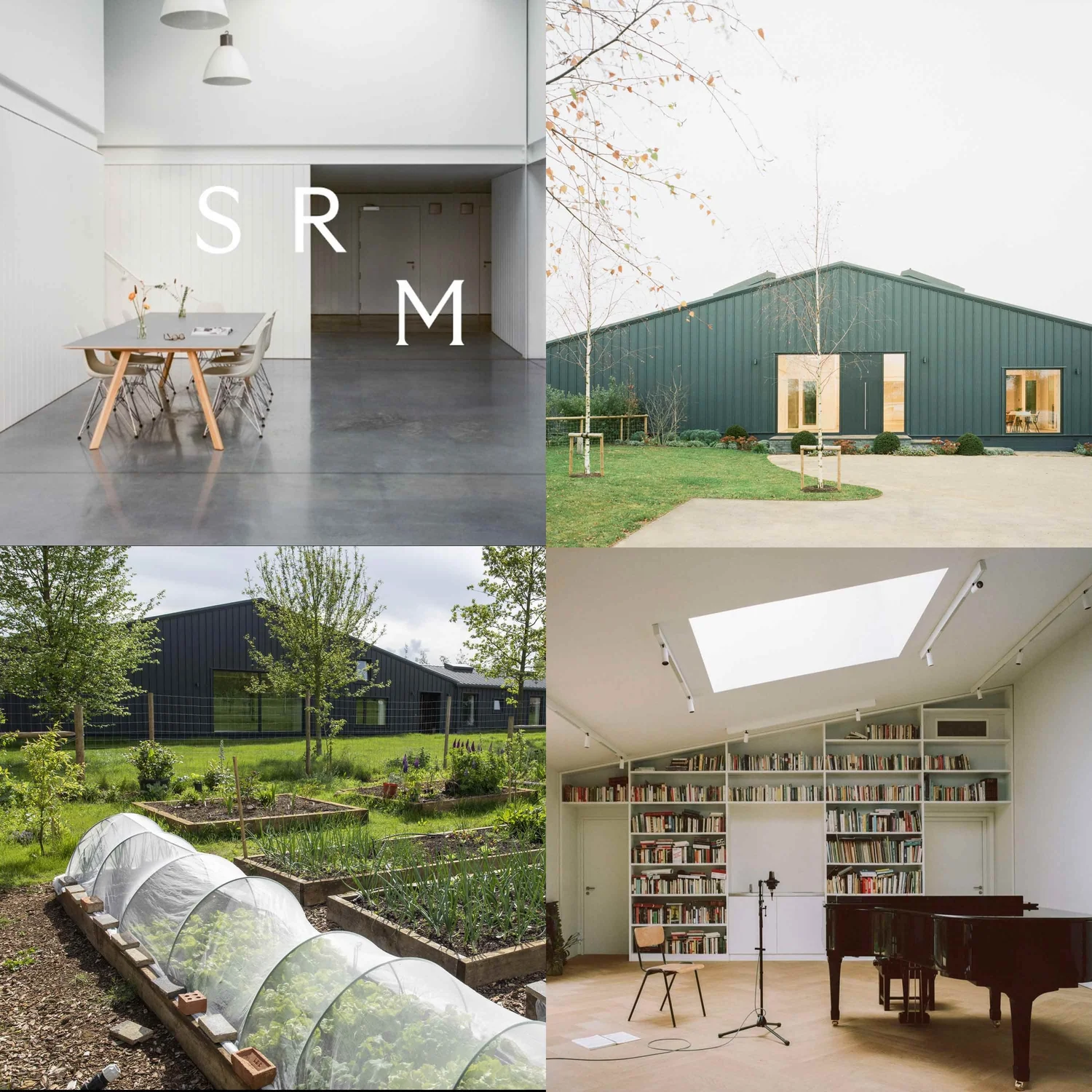
"At the Studio Richter Mahr, we're trying to make it as 360 degrees as possible. So the center of the building is a cafe, and that cafe is fueled, if you like, from the organic garden. So there are no food miles. We grow everything. The electricity comes from the solar on the roof. The building itself was upcycled from a big old tractor shed. And we took the insides out and put new insides in, which are all the studios.It's a project which really is the outcome of an idealistic vision of how creativity can coexist with the broader community, but it's something that Yulia and I passionately believe in. We believe in the possibility of creative work having an elevating effect in society more broadly.It's a challenging time, I feel like the next half a dozen decades maybe are the kind of pinch point where things can either start to get better or a lot worse. And that's to do with large-scale ideas about what society is and what it should do. And how we distribute wealth, power, opportunity, education, and creativity. And creative work, I think, can be a catalyst that can help us to see bigger contexts, and engage with deeper meanings. And these are all ways to figure out what's important and what isn't important.The world is very busy and we too tend to get sort of a bit sidetracked by things that are not important. Creativity is a way to reconnect with important things. So our children, they're facing probably some of the biggest challenges we've ever faced, in the way, they're existential. And I think the kinds of narratives, the kinds of perspectives that we put into the world with creativity can be a way to sort of elevate the gaze a little bit. You know, Beethoven, somebody who lived 250 years ago, makes my life better just every day. It's not huge, but it's a little bit better every day. And I think that's what creativity can do. And, if you multiply that across time and populations, you can make a little change, and I think that's what creativity can do."Composer Max Richter is known for his ability to translate profound human emotions into music. Max’s record Sleep is the most streamed classical album of all time and his catalogue has surpassed 3 billion streams.A prolific collaborator, he scored and performed for Kim Jones for the Dior shows, and the new Wayne McGregor and Margaret Atwood ballet MADDADDAM, and arts collective Random International on the Rain Room installation.Max has collaborated with film directors Denis Villeneuve, Martin Scorsese, and Ari Folman, and scored film & TV including Ad Astra, Black Mirror, Shutter Island, The Leftovers, Arrival and his Emmy-nominated score for Taboo.He’s the co-founder of Studio Richter Mahr, with his partner and artist Yulia Mahr in Oxfordshire, UK. Max and Yulia built the studio around an old tractor barn, and have powered it with cutting-edge solar and heat-pump technology. It’s a haven for their family and community of musicians and artists which regularly come through. Set within 31 acres of woodland, Max and Yulia have a huge passion for using the land to farm and provide a sustainable working environment as well as using creativity as an elevating force within society. Operating as a free space for artists to develop their work, the studio also works with local partners to support the local community.www.maxrichtermusic.comhttps://studiorichtermahr.comPhoto by William Waterworthwww.creativeprocess.info www.oneplanetpodcast.orgIG www.instagram.com/creativeprocesspodcastMax Richter’s music featured in this episode is "On the Nature of Daylight” from The Blue Notebooks.Music is courtesy of Max Richter, Universal Music Enterprises, and Mute Song.
MAX RICHTER - Award-winning Composer - Pianist - Environmentalist
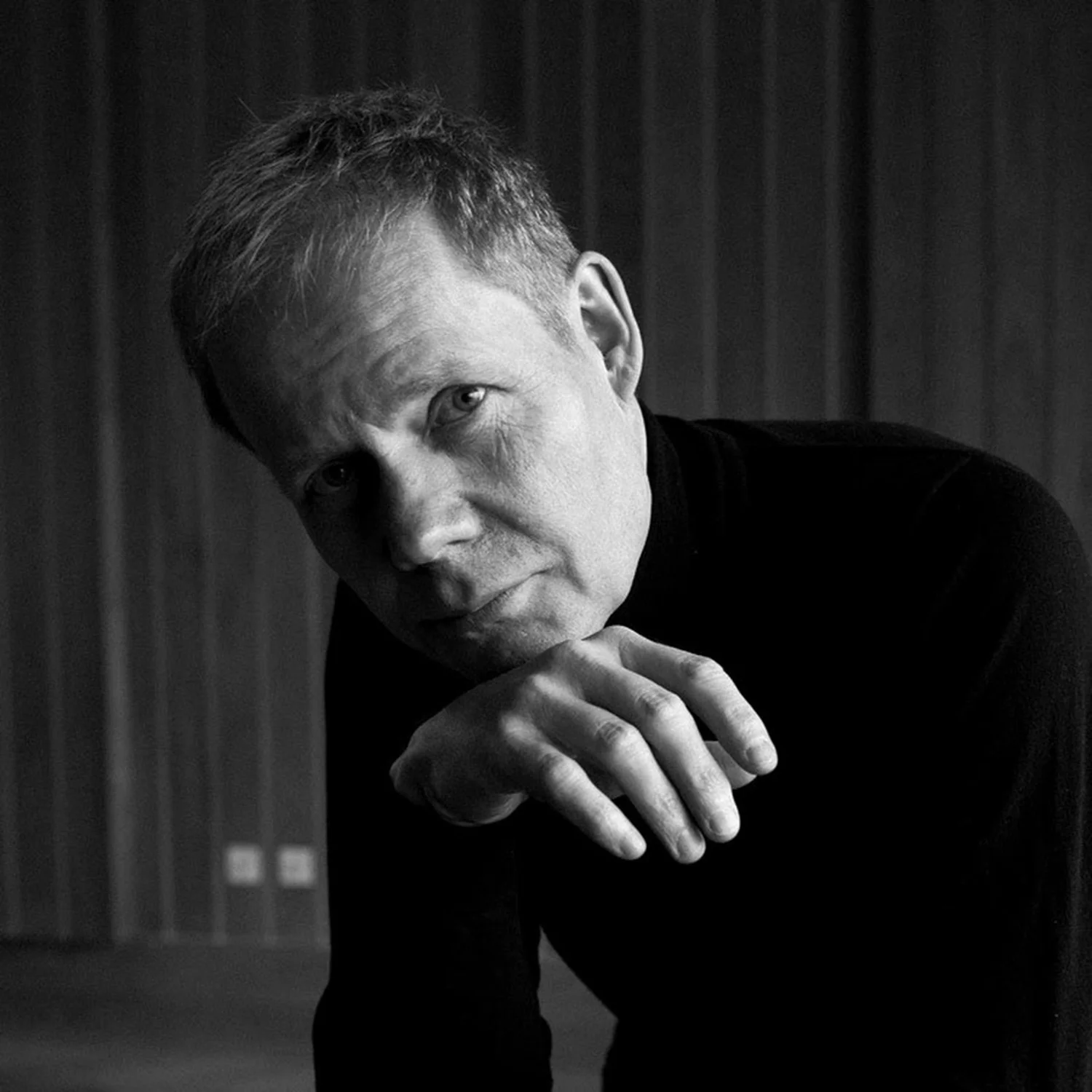
Composer Max Richter is known for his ability to translate profound human emotions into music. Max’s record Sleep is the most streamed classical album of all time and his catalogue has surpassed 3 billion streams.A prolific collaborator, he scored and performed for Kim Jones for the Dior shows, and the new Wayne McGregor and Margaret Atwood ballet MADDADDAM, and arts collective Random International on the Rain Room installation.Max has collaborated with film directors Denis Villeneuve, Martin Scorsese, and Ari Folman, and scored film & TV including Ad Astra, Black Mirror, Shutter Island, The Leftovers, Arrival and his Emmy-nominated score for Taboo.He’s the co-founder of Studio Richter Mahr, with his partner and artist Yulia Mahr in Oxfordshire, UK. Max and Yulia built the studio around an old tractor barn, and have powered it with cutting-edge solar and heat-pump technology. It’s a haven for their family and community of musicians and artists which regularly come through. Set within 31 acres of woodland, Max and Yulia have a huge passion for using the land to farm and provide a sustainable working environment as well as using creativity as an elevating force within society. Operating as a free space for artists to develop their work, the studio also works with local partners to support the local community."At the Studio Richter Mahr, we're trying to make it as 360 degrees as possible. So the center of the building is a cafe, and that cafe is fueled, if you like, from the organic garden. So there are no food miles. We grow everything. The electricity comes from the solar on the roof. The building itself was upcycled from a big old tractor shed. And we took the insides out and put new insides in, which are all the studios.It's a project which really is the outcome of an idealistic vision of how creativity can coexist with the broader community, but it's something that Yulia and I passionately believe in. We believe in the possibility of creative work having an elevating effect in society more broadly.It's a challenging time, I feel like the next half a dozen decades maybe are the kind of pinch point where things can either start to get better or a lot worse. And that's to do with large-scale ideas about what society is and what it should do. And how we distribute wealth, power, opportunity, education, and creativity. And creative work, I think, can be a catalyst that can help us to see bigger contexts, and engage with deeper meanings. And these are all ways to figure out what's important and what isn't important.The world is very busy and we too tend to get sort of a bit sidetracked by things that are not important. Creativity is a way to reconnect with important things. So our children, they're facing probably some of the biggest challenges we've ever faced, in the way, they're existential. And I think the kinds of narratives, the kinds of perspectives that we put into the world with creativity can be a way to sort of elevate the gaze a little bit. You know, Beethoven, somebody who lived 250 years ago, makes my life better just every day. It's not huge, but it's a little bit better every day. And I think that's what creativity can do. And, if you multiply that across time and populations, you can make a little change, and I think that's what creativity can do."www.maxrichtermusic.comhttps://studiorichtermahr.comPhoto by William Waterworthwww.creativeprocess.info www.oneplanetpodcast.orgIG www.instagram.com/creativeprocesspodcastMax Richter’s music featured in this episode in order of appearance "On the Nature of Daylight” from The Blue Notebooks, Path 19: Yet Frailest” from Sleep, “Spring 1” from The New Four Seasons – Vivaldi Recomposed, "Lullaby From The Westcoast Sleepers” from 24 Postcards in Full Colour, Vladimir’s Blues” from The Blue Notebooks.Music is courtesy of Max Richter, Universal Music Enterprises, and Mute Song.

HAPPY EARTH WEEK! Environmentalists, writers, filmmakers, cave divers, poets, aviators, musicians & artists explore their love for people & the planet
This Earth Week, remember to renew your commitment to sustainability and share your love for the planet.00:25 JERICHO BROWN - Pulitzer Prize-Winning Poet, Author of “The Tradition” & “The New Testament”00:39 JILL HEINERTH - Explorer, Presenter, Author of “Into The Planet: My Life as a Cave Diver”01:02 ALICE FULTON - Poet - Recipient of MacArthur “Genius”, NEA & Guggenheim Fellowships01:31 BERTRAND PICCARD - Aviator of 1st Round-the-World Solar-Powered Flight, Explorer, Founder, Solar Impulse Foundation: 1000+ Profitable Climate Solutions02:31 CHRIS BLACKWELL - Founder of Island Records - Bob Marley, U2, Cat Stevens, Grace Jones, Roxy Music, Amy Winehouse…Author of “The Islander: My Life in Music and Beyond"03:31 ALICE NOTLEY - Poet & Artist - Academy of American Poets Award Winner04:08 MIA FUNK - Artist, Writer & Host of The Creative Process reads “In My Dreams"04:45 MAX STOSSEL - Award-winning Poet, Filmmaker, Speaker - Creator of "Words That Move”05:04 GERALD FLEMING - Poet, Author of the collections “The Choreographer”, “One”, “Night of Pure Breathing”, among others05:29 MARGO BERDESHEVSKY - Award-winning Poet - "Kneel Said the Night”,"Before The Drought”, “Between Soul & Stone”05:56 SAM LEVY - Award-winning Cinematographer of “Lady Bird” “Frances Ha” “While We’re Young” “Confess, Fletch”06:31 CHAYSE IRVIN - Award-winning Cinematographer - “Blonde" starring Ana de Armas, “Beyonce: Lemonade”, Spike Lee’s “BlacKkKlansman”06:57 KARINA MANASHIL - President of Mad Solar - Creative Confidante for Kid Cudi - Executive Producer of Netflix’s “Entergalactic”, A24’s “Pearl”, “X”07:37 CARL SAFINA - Ecologist - Founding President of Safina Center - NYTimes Bestselling Author of “Becoming Wild: How Animal Cultures Raise Families, Create Beauty, and Achieve Peace”, among otherswww.creativeprocess.info www.oneplanetpodcast.orgIG www.instagram.com/creativeprocesspodcastFlower Duet - Leo DelibesCreative Commons Attribution 3.0 Unported CC BY 3.0https://creativecommons.org/licenses/by/3.0/Conducted by Philip Milman https://pmmusic.pro/

HENRY SHUE - Author of “The Pivotal Generation” - Snr. Research Fellow, Centre for International Studies, Oxford
“Well, it's because of the situation we face. We can tell from the science that we have to reach zero carbon emissions by 2050. And common sense tells you that bringing them down for the second 50% is going to be harder than the first 50%. So we have to take care of the first 50% by about 2030, and it's 2023 already. We literally must - if we're going to keep climate change from becoming even more dangerous than it is - is to do a very great deal in the next seven or eight years. And a huge amount between now and 2050. So it's not that this problem is the most important of all possible problems. There are other problems like preventing nuclear war, but this is a problem that either we get a grip on it now, or there's a real possibility that it will escape from our control. So, we need to be hardheaded about this and look very hard at what people are actually doing. Carbon credits could be a good thing, but they would need to be carefully regulated, and we would need institutions to police them and be sure people are actually doing what they say they're doing. And meanwhile, we should concentrate on reducing emissions because in theory, the carbon credits would get you to the same place but only if what they promised is actually delivered. And it very often isn't. There's a very recent study saying that something like 90% of promised carbon offsets are not actually being implemented. I don't know if it's that bad, but there's a lot of hanky-panky going on.”Henry Shue is Professor Emeritus of Politics and International Relations at University of Oxford’s Merton College. He's the author of Basic Rights, as well as The Pivotal Generation: Why We Have a Moral Responsibility to Slow Climate Change Right Now, among many other publications. In 1976, he co-founded the Institute for Philosophy and Public Policy at the University of Maryland. He was a supporter of the successful campaign by Virginia's Augusta County Alliance to stop the Atlantic Coast Pipeline, and now works primarily on explanations for the urgency of far more ambitious policies to eliminate fossil fuels in order to avoid irreversible damage for future generations.www.merton.ox.ac.uk/people/professor-henry-shue https://press.princeton.edu/books/paperback/9780691202280/basic-rights https://press.princeton.edu/books/hardcover/9780691226248/the-pivotal-generationwww.creativeprocess.info www.oneplanetpodcast.orgIG www.instagram.com/creativeprocesspodcast
HENRY SHUE - Author of “The Pivotal Generation” - Snr. Research Fellow, Centre for International Studies, Oxford
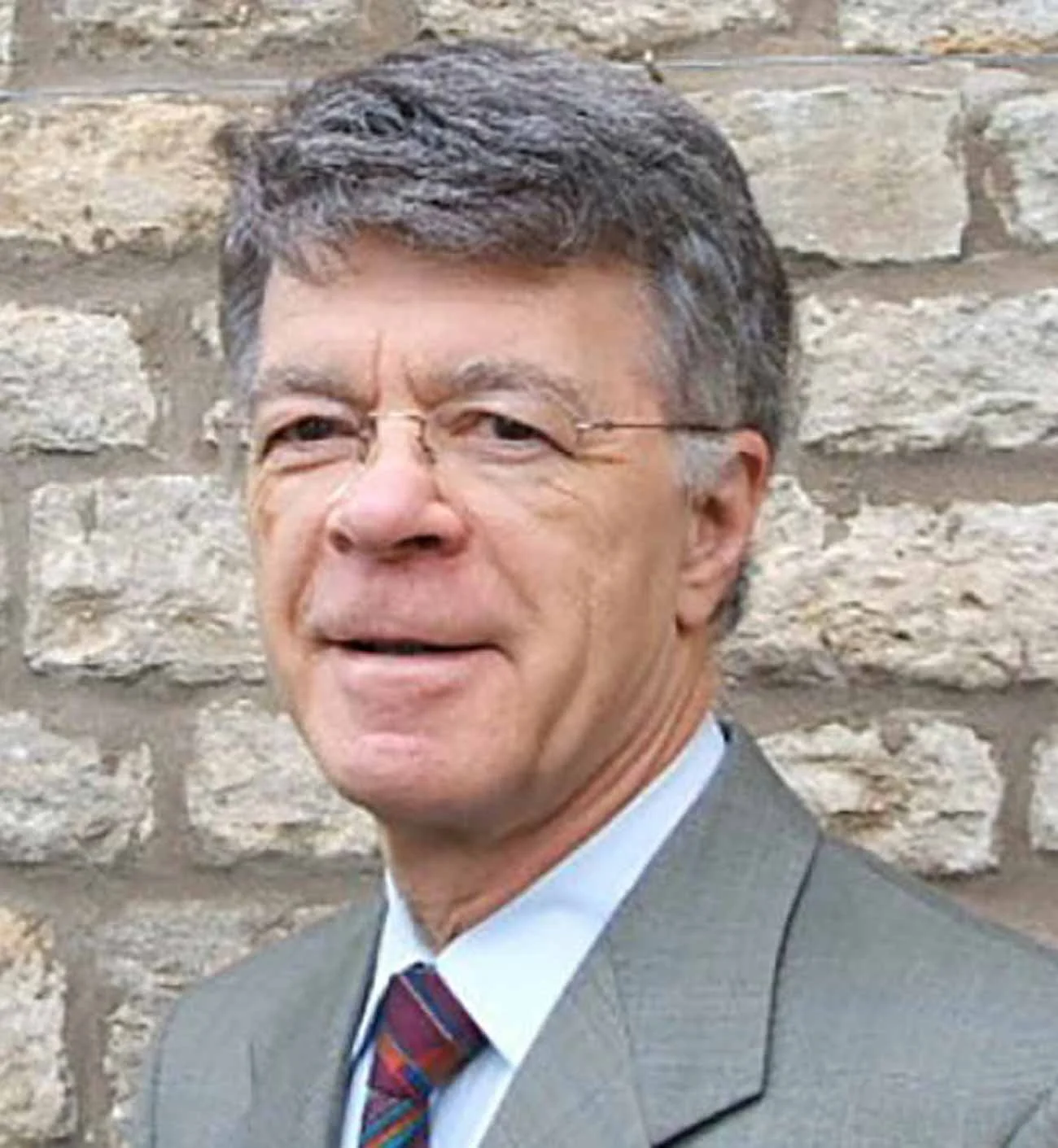
Henry Shue is Professor Emeritus of Politics and International Relations at University of Oxford’s Merton College. He's the author of Basic Rights, as well as The Pivotal Generation: Why We Have a Moral Responsibility to Slow Climate Change Right Now, among many other publications. In 1976, he co-founded the Institute for Philosophy and Public Policy at the University of Maryland. He was a supporter of the successful campaign by Virginia's Augusta County Alliance to stop the Atlantic Coast Pipeline, and now works primarily on explanations for the urgency of far more ambitious policies to eliminate fossil fuels in order to avoid irreversible damage for future generations.“Well, it's because of the situation we face. We can tell from the science that we have to reach zero carbon emissions by 2050. And common sense tells you that bringing them down for the second 50% is going to be harder than the first 50%. So we have to take care of the first 50% by about 2030, and it's 2023 already. We literally must - if we're going to keep climate change from becoming even more dangerous than it is - is to do a very great deal in the next seven or eight years. And a huge amount between now and 2050. So it's not that this problem is the most important of all possible problems. There are other problems like preventing nuclear war, but this is a problem that either we get a grip on it now, or there's a real possibility that it will escape from our control. So, we need to be hardheaded about this and look very hard at what people are actually doing. Carbon credits could be a good thing, but they would need to be carefully regulated, and we would need institutions to police them and be sure people are actually doing what they say they're doing. And meanwhile, we should concentrate on reducing emissions because in theory, the carbon credits would get you to the same place but only if what they promised is actually delivered. And it very often isn't. There's a very recent study saying that something like 90% of promised carbon offsets are not actually being implemented. I don't know if it's that bad, but there's a lot of hanky-panky going on.”www.merton.ox.ac.uk/people/professor-henry-shue https://press.princeton.edu/books/paperback/9780691202280/basic-rights https://press.princeton.edu/books/hardcover/9780691226248/the-pivotal-generationwww.creativeprocess.info www.oneplanetpodcast.orgIG www.instagram.com/creativeprocesspodcast
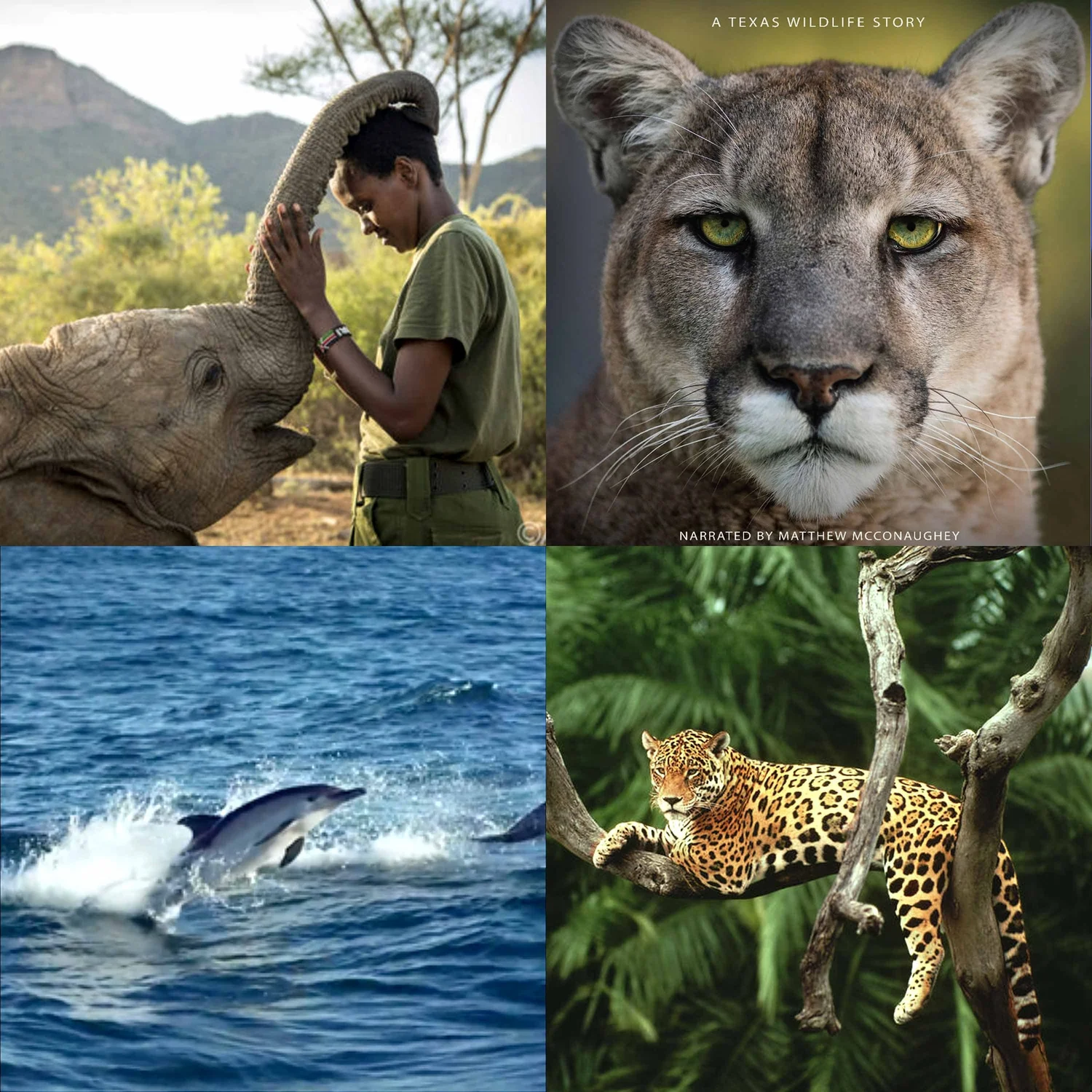
Highlights - CHRISTOPHER GERVAIS - Founder/CEO of Wildlife Conservation Film Festival - Cannes Lions Award-winning Producer
“The history of the film Dream is I was contacted by an advertising agency a number of years ago that had a client who was an animation company that wanted to do a short animation on wildlife. So we met and we discussed how long this would be, and what the content would be. And they said, "Choose several species that are impacted right now." And we chose the baby harp seal because Canada in their great wisdom decided to start hunting baby seals again in eastern Canada. A rhino was chosen because, at that time, rhino poaching was the highest level it had ever been in history. I think more than 2,000 rhinos were killed that year just in South Africa alone, not even counting other countries. We chose to the humpback whale because some imbecile within the United States government decided that there were enough humpback whales now that we could start resuming whale hunting in this country. And the pelican was chosen because of the oil spill in the Gulf of Mexico, which had devastating consequences. And we still have those consequences today. The oil is still there. It's just under the sand. It's not like all the oil has been cleaned up. We were very fortunate that that animation was presented at Cannes that year and it won two awards, a Golden Lion and a Silver Lion Award.”Christopher J. Gervais is an award winning producer. His animated film Dream won a 2017 Golden Lion for film and a Silver Lion for music at the 64th Annual International Festival of Creativity. He is environmental and marine scientist and has decades of experience in field work and research with multiple academic institutions and natural history museums. A former science and social studies teacher, later an administrator, he became the youngest principal of a public school in the state of Florida. While a graduate student, Christopher conducted fieldwork and research to study the Pleistocene Mega fauna and their fossils that were deposited over 10,000 years ago. His study of these extinct species informs his concerns for preserving biodiversity and was a significant factor in the founding of the WCFF. Christopher was one of the first scientists to conduct underwater vertebrate paleontology research. He is a professional, advanced scuba diver with NAUI, PADI, SSI and NASDS with over 2,500 logged dives. Christopher founded the WCFF in 2010 using his life savings to get the organization off the ground and has maintained the operations since then. He is a philanthropic supporter of conservation organizations across the globe. Christopher is President of the International Exploration Society, Fellow of the Royal Geographic Society, member of the Ocean Geographic Society, friend of American Philosophical Society.www.wcff.orgwww.creativeprocess.infowww.oneplanetpodcast.orgIG www.instagram.com/creativeprocesspodcast

CHRISTOPHER J. GERVAIS - Founder/CEO of Wildlife Conservation Film Festival - Cannes Lions Award-winning Producer
Christopher J. Gervais is an award winning producer. His animated film Dream won a 2017 Golden Lion for film and a Silver Lion for music at the 64th Annual International Festival of Creativity. He is environmental and marine scientist and has decades of experience in field work and research with multiple academic institutions and natural history museums. A former science and social studies teacher, later an administrator, he became the youngest principal of a public school in the state of Florida. While a graduate student, Christopher conducted fieldwork and research to study the Pleistocene Mega fauna and their fossils that were deposited over 10,000 years ago. His study of these extinct species informs his concerns for preserving biodiversity and was a significant factor in the founding of the WCFF. Christopher was one of the first scientists to conduct underwater vertebrate paleontology research. He is a professional, advanced scuba diver with NAUI, PADI, SSI and NASDS with over 2,500 logged dives. Christopher founded the WCFF in 2010 using his life savings to get the organization off the ground and has maintained the operations since then. He is a philanthropic supporter of conservation organizations across the globe. Christopher is President of the International Exploration Society, Fellow of the Royal Geographic Society, member of the Ocean Geographic Society, friend of American Philosophical Society.“The history of the film Dream is I was contacted by an advertising agency a number of years ago that had a client who was an animation company that wanted to do a short animation on wildlife. So we met and we discussed how long this would be, and what the content would be. And they said, "Choose several species that are impacted right now." And we chose the baby harp seal because Canada in their great wisdom decided to start hunting baby seals again in eastern Canada. A rhino was chosen because, at that time, rhino poaching was the highest level it had ever been in history. I think more than 2,000 rhinos were killed that year just in South Africa alone, not even counting other countries. We chose to the humpback whale because some imbecile within the United States government decided that there were enough humpback whales now that we could start resuming whale hunting in this country. And the pelican was chosen because of the oil spill in the Gulf of Mexico, which had devastating consequences. And we still have those consequences today. The oil is still there. It's just under the sand. It's not like all the oil has been cleaned up. We were very fortunate that that animation was presented at Cannes that year and it won two awards, a Golden Lion and a Silver Lion Award.”www.wcff.orgwww.creativeprocess.infowww.oneplanetpodcast.orgIG www.instagram.com/creativeprocesspodcast

Highlights - PIA MANCINI - Co-founder/CEO, Open Collective - Chair, DemocracyEarth Foundation - YGL World Economic Forum
“I think it's fundamental that we figure out a way of doing this. I think it's absolutely wrong and unfair that those who are about to leave this Earth are the ones making decisions for those staying on Earth. That doesn't make any sense. So, how do we do it? I am not the right person for doing policy. I'm a systems thinker, so I think about systems, but how we implement the policy for that, I don't know. I do know that philosophically we must include everyone who shares this planet with us in the decision-making process.It starts with different levels. It starts with how you react when you read something. It starts with each of us personally, how we behave and how we act on social media, and educating ourselves on misinformation and disinformation tactics to be able to see them and not be part of that hyper-reactionary movement where everything is like a disaster, or we react every time we feel like offended by everything.So I think this is like the same as it has been forever. This is not new. Centuries and centuries ago we had the same challenges. This all starts with how you behave. And so I think it starts there.And then I would say there are a lot of really good tooling that we can still use. If you remember, your generation has been so good at using tooling to hack and troll governments and politicians. And I am in awe. I mean, talk about hack the system. You are like the new Anonymous, and I love that. Like I am right there with you. I don't even use TikTok, but if you want me to use TikTok for something, I will. So just keep using social media to troll the trolls. I think that is a very important thing that you can do and occupy that space. And then lastly, build alternatives and support alternatives. We have distributed social media projects. We have New_ Public, which is this amazing group in the United States that is like designing public spaces and rethinking digital spaces and they're incredible. Support those projects. Support everyone who's building distributed mesh infrastructure. If there's a generation that is multiplayer, it is you guys. And so you need to play in all these different games at the same time and build the alternative while you are using whatever you have at your hands to make sure that we are pushing for our agenda.”Pia Mancini is a democracy activist, political scientist, open source sustainer, co-founder & CEO at Open Collective and Chair of DemocracyEarth Foundation. She has worked in politics in Argentina as the Chief of Advisers and Deputy Secretary of Political Affairs, Government of the City of Buenos Aires and CIPPEC think tank. She has developed technology for democracy around the world and is a YC Alum, Young Global Leaders (World Economic Forum). She co-founded DemocracyOS & The Net Party (Partido de la Red).www.piamancini.comhttps://opencollective.comhttps://democracy.earthwww.creativeprocess.info www.oneplanetpodcast.orgIG www.instagram.com/creativeprocesspodcast

PIA MANCINI - Co-founder/CEO of Open Collective - Chair of DemocracyEarth Foundation - YGL World Economic Forum
Pia Mancini is a democracy activist, political scientist, open source sustainer, co-founder & CEO at Open Collective and Chair of DemocracyEarth Foundation. She has worked in politics in Argentina as the Chief of Advisers and Deputy Secretary of Political Affairs, Government of the City of Buenos Aires and CIPPEC think tank. She has developed technology for democracy around the world and is a YC Alum, Young Global Leaders (World Economic Forum). She co-founded DemocracyOS & The Net Party (Partido de la Red).“I think it's fundamental that we figure out a way of doing this. I think it's absolutely wrong and unfair that those who are about to leave this Earth are the ones making decisions for those staying on Earth. That doesn't make any sense. So, how do we do it? I am not the right person for doing policy. I'm a systems thinker, so I think about systems, but how we implement the policy for that, I don't know. I do know that philosophically we must include everyone who shares this planet with us in the decision-making process.It starts with different levels. It starts with how you react when you read something. It starts with each of us personally, how we behave and how we act on social media, and educating ourselves on misinformation and disinformation tactics to be able to see them and not be part of that hyper-reactionary movement where everything is like a disaster, or we react every time we feel like offended by everything.So I think this is like the same as it has been forever. This is not new. Centuries and centuries ago we had the same challenges. This all starts with how you behave. And so I think it starts there.And then I would say there are a lot of really good tooling that we can still use. If you remember, your generation has been so good at using tooling to hack and troll governments and politicians. And I am in awe. I mean, talk about hack the system. You are like the new Anonymous, and I love that. Like I am right there with you. I don't even use TikTok, but if you want me to use TikTok for something, I will. So just keep using social media to troll the trolls. I think that is a very important thing that you can do and occupy that space. And then lastly, build alternatives and support alternatives. We have distributed social media projects. We have New_ Public, which is this amazing group in the United States that is like designing public spaces and rethinking digital spaces and they're incredible. Support those projects. Support everyone who's building distributed mesh infrastructure. If there's a generation that is multiplayer, it is you guys. And so you need to play in all these different games at the same time and build the alternative while you are using whatever you have at your hands to make sure that we are pushing for our agenda.”www.piamancini.comhttps://opencollective.comhttps://democracy.earthwww.creativeprocess.info www.oneplanetpodcast.orgIG www.instagram.com/creativeprocesspodcast

Highlights - MANUELA LUCÁ-DAZIO - Exec. Director of Pritzker Architecture Prize - Fmr. Exec. Director of Venice Biennale, Visual Arts & Architecture Dept.
“We should all learn to be sustainable in our daily life and find the beauty in what proves to be sustainable. And we really need to start shifting our way of looking at things because sometimes sustainability, which is a priority right now, doesn't really coincide with let's say the cheapest solution or the best economical solution. But we have to decide our priorities. So the priority now is sustainability. We have to start to think about that. If I think back to the most recent winners of the Pritzker Architecture Prize, I can see a lot of really groundbreaking innovative practices being brought to the forefront.We are living in a world that is extremely complex and complicated. So our lives have been halted, regardless of any geography, as a result of growing inequality (political, social, economical), and so on. We live now in a moment of deep shift. And I think that decolonization, decarbonization, social and environmental injustice, and gender equity, these are all terms that belong to daily vocabulary now. So we have to face and address these issues from both a personal and professional point of view, whatever our profession is.”Manuela Lucá-Dazio is the newly appointed Executive Director of the Pritzker Architecture Prize. In this capacity, she works closely with the jury, however, she does not vote in the proceedings. She is the former Executive Director, Department of Visual Arts and Architecture of La Biennale di Venezia, where she managed exhibitions with distinguished curators, architects, artists, and critics to realize the International Art Exhibition and the International Architecture Exhibition, each edition since 2009. Preceding that, she was responsible for the technical organization and production of both Exhibitions, beginning in 1999. She holds a PhD in History of Architecture from the University of Roma-Chieti, Italy and lives in Paris, France.www.pritzkerprize.com www.pritzkerprize.com/jury#jury-node-2236 www.labiennale.org/enwww.creativeprocess.info www.oneplanetpodcast.org IG www.instagram.com/creativeprocesspodcast
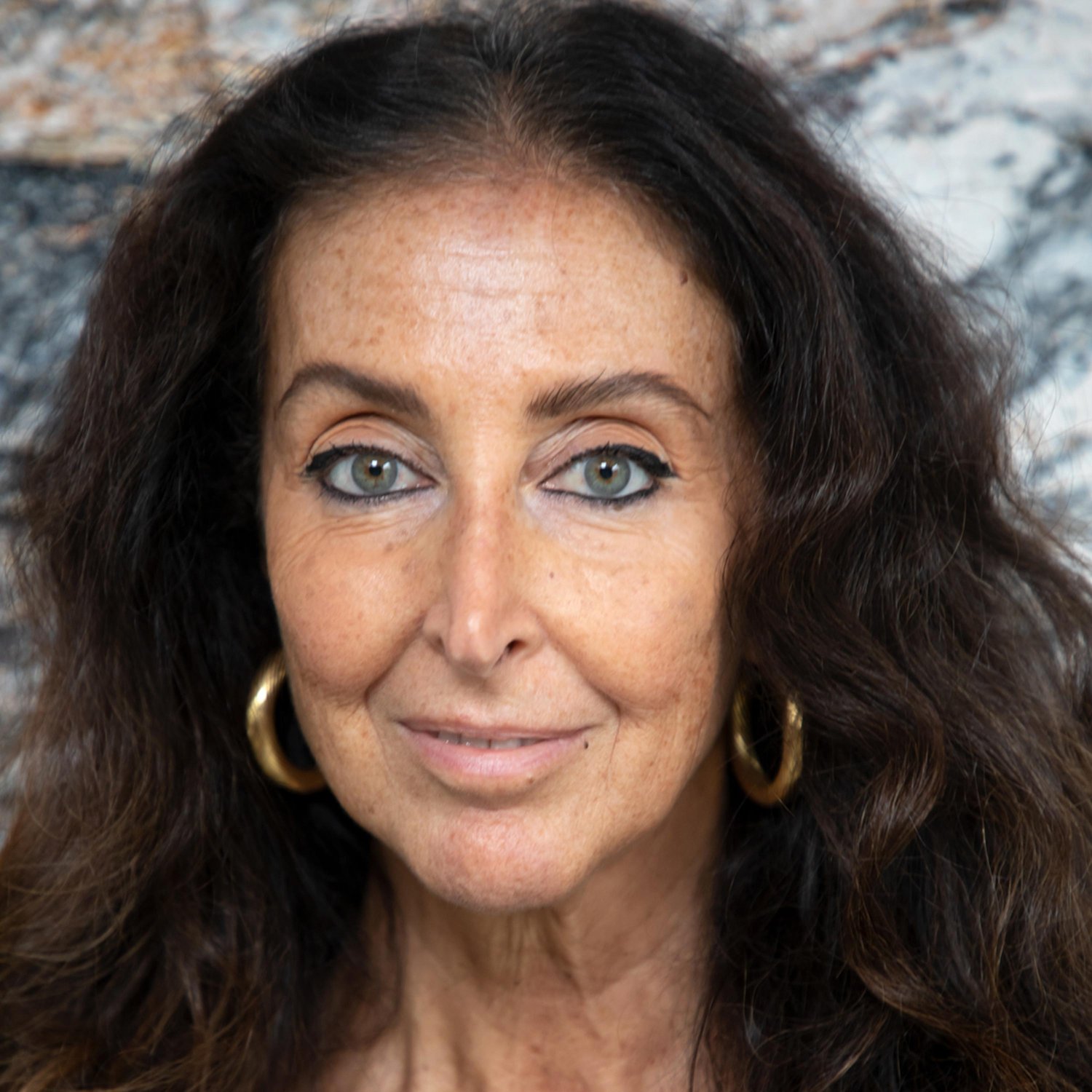
MANUELA LUCÁ-DAZIO - Executive Director, Pritzker Architecture Prize - Fmr. Exec. Director of Venice Biennale, Visual Arts & Architecture Dept.
Manuela Lucá-Dazio is the newly appointed Executive Director of the Pritzker Architecture Prize. In this capacity, she works closely with the jury, however, she does not vote in the proceedings. She is the former Executive Director, Department of Visual Arts and Architecture of La Biennale di Venezia, where she managed exhibitions with distinguished curators, architects, artists, and critics to realize the International Art Exhibition and the International Architecture Exhibition, each edition since 2009. Preceding that, she was responsible for the technical organization and production of both Exhibitions, beginning in 1999. She holds a PhD in History of Architecture from the University of Roma-Chieti, Italy and lives in Paris, France.“We should all learn to be sustainable in our daily life and find the beauty in what proves to be sustainable. And we really need to start shifting our way of looking at things because sometimes sustainability, which is a priority right now, doesn't really coincide with let's say the cheapest solution or the best economical solution. But we have to decide our priorities. So the priority now is sustainability. We have to start to think about that. If I think back to the most recent winners of the Pritzker Architecture Prize, I can see a lot of really groundbreaking innovative practices being brought to the forefront.We are living in a world that is extremely complex and complicated. So our lives have been halted, regardless of any geography, as a result of growing inequality (political, social, economical), and so on. We live now in a moment of deep shift. And I think that decolonization, decarbonization, social and environmental injustice, and gender equity, these are all terms that belong to daily vocabulary now. So we have to face and address these issues from both a personal and professional point of view, whatever our profession is.”www.pritzkerprize.com www.pritzkerprize.com/jury#jury-node-2236 www.labiennale.org/enPhoto credit: Anselm Kieferwww.creativeprocess.info www.oneplanetpodcast.org IG www.instagram.com/creativeprocesspodcast
Highlights - ARMOND COHEN - Executive Director of Clean Air Task Force
“This raises a larger point that, even as we move to advanced technology, there's still this problem that 80% of the world's energy today is coming from fossil fuels from oil, gas, and coal. So what do you do in the meantime? Because every molecule we put into the atmosphere of carbon is going to be around for another 50 or 100 years. The warming impact will be with us. So turning the spigot down, so to speak, really quickly is also important. The long-range is important, but what do we do in the meantime while we're still very fossil fuel dependent?And then capturing as much carbon as we can, while we're developing renewable strategies. In the meantime, let's take the industrial facilities that are the big emitters, the steel plants, the cement plants, and the plastics plants. Let's put some carbon capture on the back end where we can. it's not cheap, but it is doable and it's doable fairly quickly.It's a hard thing for people to accept that you have to be doing some damage control, even as you're working on long-term solutions. But I'm afraid that it's a complex and big problem. So we have to think of it as first aid before you do the surgery.”Armond Cohen is Executive Director of Clean Air Task Force, which he has led since its formation in 1996. In addition to leading CATF, Armond is directly involved in CATF research and advocacy on the topic of requirements to deeply decarbonize global energy systems. Prior to his work with CATF, Armond founded and led the Conservation Law Foundation’s Energy Project starting in 1983, focusing on energy efficiency, utility resource planning, and electric industry structure. Armond has published numerous articles on climate change, energy system transformation, and air pollution; he speaks, writes, and testifies frequently on these topics. He is a board member of the Nuclear Innovation Alliance and an honors graduate of Harvard Law School and Brown University.www.catf.uswww.creativeprocess.info www.oneplanetpodcast.orgIG www.instagram.com/creativeprocesspodcast
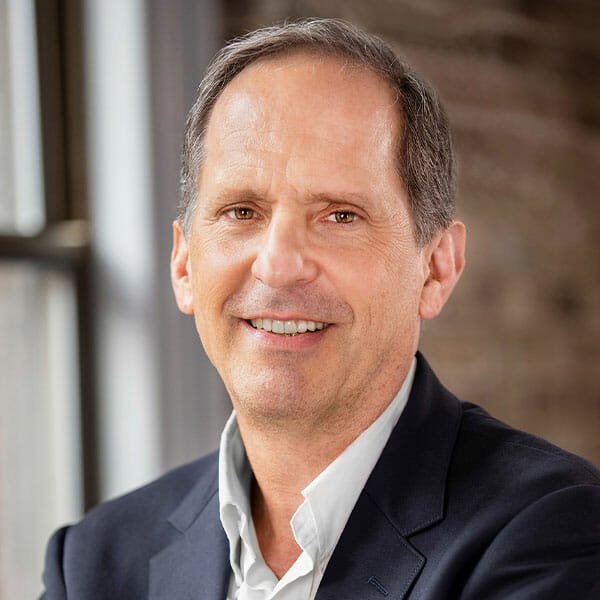
ARMOND COHEN - Executive Director of Clean Air Task Force
Armond Cohen is Executive Director of Clean Air Task Force, which he has led since its formation in 1996. In addition to leading CATF, Armond is directly involved in CATF research and advocacy on the topic of requirements to deeply decarbonize global energy systems. Prior to his work with CATF, Armond founded and led the Conservation Law Foundation’s Energy Project starting in 1983, focusing on energy efficiency, utility resource planning, and electric industry structure. Armond has published numerous articles on climate change, energy system transformation, and air pollution; he speaks, writes, and testifies frequently on these topics. He is a board member of the Nuclear Innovation Alliance and an honors graduate of Harvard Law School and Brown University.“This raises a larger point that, even as we move to advanced technology, there's still this problem that 80% of the world's energy today is coming from fossil fuels from oil, gas, and coal. So what do you do in the meantime? Because every molecule we put into the atmosphere of carbon is going to be around for another 50 or 100 years. The warming impact will be with us. So turning the spigot down, so to speak, really quickly is also important. The long-range is important, but what do we do in the meantime while we're still very fossil fuel dependent?And then capturing as much carbon as we can, while we're developing renewable strategies. In the meantime, let's take the industrial facilities that are the big emitters, the steel plants, the cement plants, and the plastics plants. Let's put some carbon capture on the back end where we can. it's not cheap, but it is doable and it's doable fairly quickly.It's a hard thing for people to accept that you have to be doing some damage control, even as you're working on long-term solutions. But I'm afraid that it's a complex and big problem. So we have to think of it as first aid before you do the surgery.”www.catf.uswww.creativeprocess.info www.oneplanetpodcast.orgIG www.instagram.com/creativeprocesspodcast

LISA JACKSON PULVER - Deputy Vice-Chancellor, University of Sydney's Indigenous Strategy and Services
Professor Lisa Jackson Pulver is a proud Aboriginal woman with connections to communities in southwestern New South Wales, South Australia, and beyond. She is the Deputy Vice-Chancellor of Indigenous Strategy and Services for the University of Sydney and leads the institution's strategy to advance Indigenous participation, engagement, education, and research, including the university's One Sydney, Many People 2021-2024 strategy.She is a recognized expert and tireless advocate for health and education. Her research focuses on capacity building for healthcare workers and improved health for Aboriginal and Torres Strait Islander people. She serves her country in the Royal Australian Air Force Specialist Reserve as a Group Captain and is a member of the Australian Statistical Advisory Committee, the Australian Medical Council, and the Health Performance Council of South Australia."And you look at your continents where you live as well, and you see exactly the same thing. Yet at the same time, we are getting pressured strongly to dig up more pristine land and pollute water sources for this thing called gas, or this thing called coal. These fossil fuels that are going out of favor and won't be around in 30, 40, 50 years.Because we would've grown a brain by then and done something quite different to resource our hungry needs of energy. But when you look at the cost of that, our world is going to take millennia to regenerate again. and it's going to take a real concerted effort for us to be careful about feral species, to be careful about weeds, about monocultures, to recognize that if we don't have diversity in our biosphere, we have got absolutely no chance of surviving.I'll put it in a slightly different way. Aboriginal people have been on this land for at least 60,000 years, through some will say it's the oldest continuing culture on the planet. People have been here in the most the driest continent on Earth, in some of the most extreme conditions on Earth through all that time and have survived. And not just survived, but thrived. And over the last 230 years, the most catastrophic events have occurred to this land because people didn't listen to ancient Aboriginal cultures and languages and knowledge. And I don't mean ancient in that they were practiced only a millennia ago. They're practiced all the way up to now. And because people haven't been listening to that, these catastrophes have been happening. And I would bet that there is all of that knowledge where you live as well, and where all of your listeners are living as well. So my question is, if people were able to look after this place for 60,000 years and thrive, what have we done to ensure that we do have a healthy fit world for the next 60,000 years?And I don't think we can see beyond a hundred, to be honest. And I think we should really get on with getting it right. And my job as an educator, I'm doing my bit and I know lots of others are doing their bit, but how do we really stand in history as being the generation, no matter what our brains, no matter what our education, no matter what our resources and our embeddedness is, that we couldn't deal with what we have faced now, and that's our own extinction."www.sydney.edu.auwww.sydney.edu.au/content/dam/corporate/documents/about-us/values-and-visions/one-sydney-many-people-digital.pdfSeason 2 of Business & Society focuses on Leaders, Sustainability & Environmental Solutions Business & Society is a limited series co-hosted by Bruce Piasecki & Mia Funk www.oneplanetpodcast.org
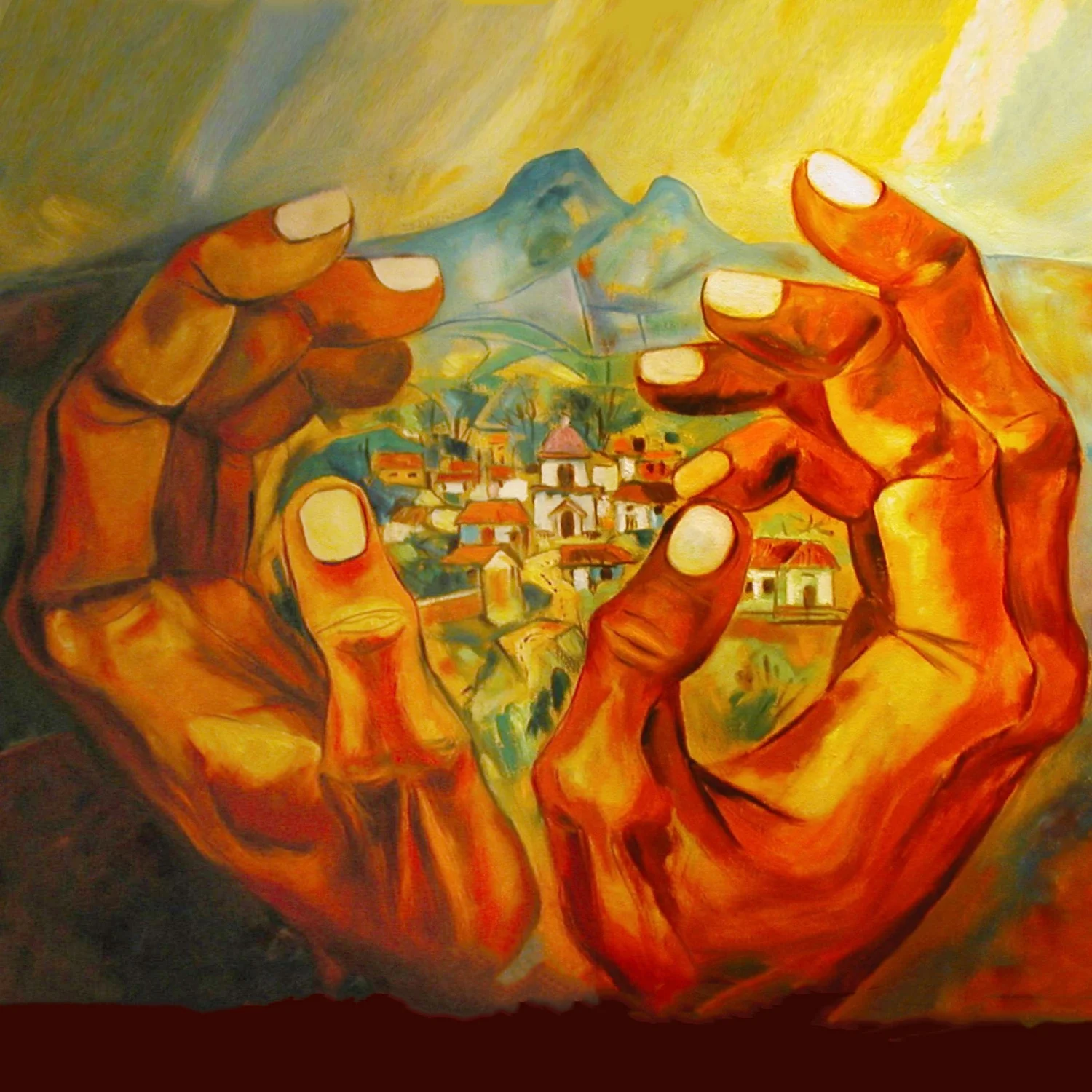
Highlights - Amanda E. Machado - Writer, Public Speaker - Founder of Reclaiming Nature Writing
“When I was 24, I decided to take a year off to travel. And I sold everything. I ended a relationship that I was in. And I ended up taking a plane trip to Colombia, a one-way ticket. And then I backpacked throughout South America for the next six months. And that's where my father is from in Ecuador. My mom is from Mexico. So a part of that trip also was trying to reconnect to a continent that I didn't really have much knowledge of or experience in, even though it was where my family came from.I did all kinds of new things that I had never tried before. But I do think now looking back, there was also an ancestral connection. So that area was really important for me and really got me thinking too about my identity as a Latinx person in the US and as a person of color. I think what also was really important about those travels is that it made me realize that identity is really malleable, that in the US, I'm considered a Latinx person of color. In South America, I was considered a white person, actually, or an American. People heard my accent, but even when I was speaking Spanish, because of my light skin, I had a different classification in Latin America than I did growing up in the States. So I think also seeing how I changed based on where I was traveling to and where I was living within, in some ways that was kind of liberating. It was educational, and it was also liberating that these identities are not fixed and that we need to be cognizant of them and responsible and accountable to the position we live in or the positionality that we have of privilege or not privilege, depending on where we are. But that there is no concrete identity really. It moves and changes and shifts with us, depending on where we go. So I think that was also something that helped expand and broaden the way I was thinking about all the things I was feeling a little bit trapped in when I was in the United States.”Amanda E. Machado is a writer, public speaker and facilitator whose work explores how race, gender, sexuality, and power affect the way we travel and experience the outdoors. She has written and facilitated on topics of social justice and adventure and lived in Cape Town, Havana, Mexico City, Berlin, Rio de Janeiro, and other cities. She has been published in The Atlantic, The Washington Post, The Guardian, New York Times, NPR, and other publications. She is also the founder of Reclaiming Nature Writing, a multi-week online workshop that expands how we tell stories about nature in a way that considers ancestry, colonization, migration trauma, and other issues.www.amandaemachado.comIG www.instagram.com/amandaemachado0www.creativeprocess.info www.oneplanetpodcast.org IG www.instagram.com/creativeprocesspodcast

AMANDA E. MACHADO - Writer, Public Speaker, Facilitator - Founder of Reclaiming Nature Writing
Amanda E. Machado is a writer, public speaker and facilitator whose work explores how race, gender, sexuality, and power affect the way we travel and experience the outdoors. She has written and facilitated on topics of social justice and adventure and lived in Cape Town, Havana, Mexico City, Berlin, Rio de Janeiro, and other cities. She has been published in The Atlantic, The Washington Post, The Guardian, New York Times, NPR, and other publications. She is also the founder of Reclaiming Nature Writing, a multi-week online workshop that expands how we tell stories about nature in a way that considers ancestry, colonization, migration trauma, and other issues.“When I was 24, I decided to take a year off to travel. And I sold everything. I ended a relationship that I was in. And I ended up taking a plane trip to Colombia, a one-way ticket. And then I backpacked throughout South America for the next six months. And that's where my father is from in Ecuador. My mom is from Mexico. So a part of that trip also was trying to reconnect to a continent that I didn't really have much knowledge of or experience in, even though it was where my family came from.I did all kinds of new things that I had never tried before. But I do think now looking back, there was also an ancestral connection. So that area was really important for me and really got me thinking too about my identity as a Latinx person in the US and as a person of color. I think what also was really important about those travels is that it made me realize that identity is really malleable, that in the US, I'm considered a Latinx person of color. In South America, I was considered a white person, actually, or an American. People heard my accent, but even when I was speaking Spanish, because of my light skin, I had a different classification in Latin America than I did growing up in the States. So I think also seeing how I changed based on where I was traveling to and where I was living within, in some ways that was kind of liberating. It was educational, and it was also liberating that these identities are not fixed and that we need to be cognizant of them and responsible and accountable to the position we live in or the positionality that we have of privilege or not privilege, depending on where we are. But that there is no concrete identity really. It moves and changes and shifts with us, depending on where we go. So I think that was also something that helped expand and broaden the way I was thinking about all the things I was feeling a little bit trapped in when I was in the United States.”www.amandaemachado.comIG www.instagram.com/amandaemachado0www.creativeprocess.info www.oneplanetpodcast.org IG www.instagram.com/creativeprocesspodcast
Highlights - HAROLD P. SJURSEN - Professor of Philosophy - Science, Technology, the Arts
“Technoscience in the first place has increased the power of our actions by orders of magnitude that you can't even really imagine. Nuclear warfare being the most stunning example of that awakened a whole generation to the need for something like engineering ethics, or the complexity of machines that only a very small group of people have sufficient expertise to even understand how they work. To the fact that the consequences of technology are often irreversible and don't appear until way in the future so that you and I don't even really need to think about them. Or at least in terms of the ordinary what is my duty or what is my contract to my children or my children's children or into the certain kind of future we can think of. So this is a complex of many problems. It touches on science and religion and art and history and sociology and everything.”Harold P. Sjursen is an educator and administrator having served on the faculty of both a liberal arts college and school of engineering. His background is in the history of philosophy, but since childhood has sustained an interest in science and technology. His current research interests focus on the philosophy of technology, global philosophy, and technological ethics. His engineering education projects address issues related to the internationalization of higher education, the integration of the liberal arts and engineering and ethics beyond the codes for engineers.http://harold-sjursen.orgwww.creativeprocess.info www.oneplanetpodcast.org IG www.instagram.com/creativeprocesspodcast
HAROLD P. SJURSEN - Professor of Philosophy - Science, Technology, the Arts
Harold P. Sjursen is an educator and administrator having served on the faculty of both a liberal arts college and school of engineering. His background is in the history of philosophy, but since childhood has sustained an interest in science and technology. His current research interests focus on the philosophy of technology, global philosophy, and technological ethics. His engineering education projects address issues related to the internationalization of higher education, the integration of the liberal arts and engineering and ethics beyond the codes for engineers.“Technoscience in the first place has increased the power of our actions by orders of magnitude that you can't even really imagine. Nuclear warfare being the most stunning example of that awakened a whole generation to the need for something like engineering ethics, or the complexity of machines that only a very small group of people have sufficient expertise to even understand how they work. To the fact that the consequences of technology are often irreversible and don't appear until way in the future so that you and I don't even really need to think about them. Or at least in terms of the ordinary what is my duty or what is my contract to my children or my children's children or into the certain kind of future we can think of. So this is a complex of many problems. It touches on science and religion and art and history and sociology and everything.”http://harold-sjursen.orgwww.creativeprocess.info www.oneplanetpodcast.org IG www.instagram.com/creativeprocesspodcast
JOSH KAMPEL - CEO of Clarim Media
Josh Kampel is the CEO of Clarim Media where he oversees the overall strategic direction of the organization as well as works closely with the management teams of the individual portfolio companies to build scalable products and services. Prior to Clarim, Josh served as CEO of Techonomy Media, which was sold to Clarim Holdings in 2018. At Techonomy, Josh spent 8 years driving sustainable business growth through strategic partnerships and new product development. He built Techonomy to be one of the leading media companies covering technology and it’s impact on business and society. Techonomy Climate 2023 takes place March 28th. The conference surveys the booming climate tech sector and highlight companies making the most significant impact.“Think about how do they deliver value to all of those constituents rather than just their shareholders. So they will create the more successful long-term companies, especially generationally, as Gen X and millennials care more and more about mission and purpose. This idea of greenwashing or now what we can call woke-washing and that ESG goals are typically held within PR groups, within companies. They just talk about what they're doing versus being held accountable. I think we will continue to see that paradigm shift towards accountability, transparency of companies doing the right thing. I'm impressed every day when I see next generation leaders, entrepreneurs, and educational institutions focus more on this idea of social entrepreneurship. That they're really embedding some of these core values into the next generation of leaders.”www.clarim-media.comhttps://techonomy.com/event/techonomy-climate-2023Season 2 of Business & Society focuses on CEOs , Sustainability & Environmental Solutions Business & Society is a limited series co-hosted by Bruce Piasecki & Mia Funk www.oneplanetpodcast.org
Highlights - TANSY E. HOSKINS - Author of "The Anti-Capitalist Book Of Fashion”, “Foot Work”, “Stitched Up”
“I definitely believe we need a Global Green New Deal which will involve massive structural de-growth of the fashion industry. But as you say, we have to make sure that we don't just repeat the sacrifice zones that we are seeing anyway with climate change, whereby we say to the 4 million garment workers in Bangladesh. ‘Okay. You know, it is been great. You've made several billion bits of clothing, but we are off now and, you know, you have no more jobs and no more no infrastructure.’ So yeah, it has to be a just transition. But I think it's in many ways a bit of an exciting opportunity whereby we could really overturn this global export economy.”Tansy E. Hoskins is an award winning author and journalist who investigates the global fashion industry. She’s the author of The Anti-Capitalist Book Of Fashion, Foot Work, and Stitched Up. This work has taken her to Bangladesh, India, North Macedonia, and to the Topshop warehouses in Solihull.www.plutobooks.com/9780745346618/the-anti-capitalist-book-of-fashion/www.amazon.co.uk/Foot-Work-What-Your-Shoes-Are-Doing-to-the-World-Tansy-Hoskins/dp/1474609856/www.creativeprocess.info www.oneplanetpodcast.org IG www.instagram.com/creativeprocesspodcast

TANSY E. HOSKINS - Author of "The Anti-Capitalist Book Of Fashion” - Freelance Fashion & Beauty Writer Award Winner
Tansy E. Hoskins is an award winning author and journalist who investigates the global fashion industry. She’s the author of The Anti-Capitalist Book Of Fashion, Foot Work, and Stitched Up. This work has taken her to Bangladesh, India, North Macedonia, and to the Topshop warehouses in Solihull.“I definitely believe we need a Global Green New Deal which will involve massive structural de-growth of the fashion industry. But as you say, we have to make sure that we don't just repeat the sacrifice zones that we are seeing anyway with climate change, whereby we say to the 4 million garment workers in Bangladesh. ‘Okay. You know, it is been great. You've made several billion bits of clothing, but we are off now and, you know, you have no more jobs and no more no infrastructure.’ So yeah, it has to be a just transition. But I think it's in many ways a bit of an exciting opportunity whereby we could really overturn this global export economy.”www.plutobooks.com/9780745346618/the-anti-capitalist-book-of-fashion/www.amazon.co.uk/Foot-Work-What-Your-Shoes-Are-Doing-to-the-World-Tansy-Hoskins/dp/1474609856/www.creativeprocess.info www.oneplanetpodcast.org IG www.instagram.com/creativeprocesspodcastPhoto credit: Sarah Van Looy

Highlights - SIR ANDY HAINES - Tyler Prize Award-winner - Fmr. Chair of WHO World Health Report - Chair InterAcademy Partnership
“In terms of the impacts of climate change on health when we started 30 years ago, because there was very little data then, so we made suggestions as to what we thought the health outcomes we thought would be affected like vector-borne diseases, crop failures, water availability, sea level rise, increasing disasters related to climatic extreme events, and obviously the effects of extreme heat on vulnerable populations. In particular, elderly people, but not just elderly people. So we suggested a whole range of different health impacts that could occur. And I think, in general, those ideas have stood the test of time, but of course, as the situation has moved on, we've also become much more preoccupied with what kind of action we need to take.So when we started, we were mainly talking about the effects of extreme heat without being able to attribute them to climate change because obviously heat waves have occurred throughout history, and populations are more or less adapted to different climates. But now I think the science has moved on, and we can be much more competent about attributing either some extreme events or trends in extreme heat exposure, for example, to human-induced climate change. So it isn't just natural fluctuation. So that's a change. And as the evidence becomes stronger, of course, it also strengthens the case for climate action, which sadly, as we know at the moment, is not sufficient to really have the desired effect.So our knowledge has advanced, but the actions that we need to put into practice have not gone at the same speed. And so we're really facing an increasing climate emergency. And we don't know quite where it's going to end up, but it could end up 2.5%, 3% hotter than pre-industrial times on global average as we reach the end of the century.”Andy Haines was formerly a family doctor and Professor of Primary Health Care at UCL. He developed an interest in climate change and health in the 1990’s and was a member of the Intergovernmental Panel on Climate Change for the 2nd and 3rd assessment exercises and review editor for the health chapter in the 5th assessment. He was Director (formerly Dean) of the London School of Hygiene & Tropical Medicine from 2001- October 2010. He chaired the Scientific Advisory Panel for the 2013 WHO World Health Report, the Rockefeller /Lancet Commission on Planetary Health (2014-15) and the European Academies Science Advisory Council working group on climate change and health (2018-19). He currently co-chairs the InterAcademy Partnership (140 science academies worldwide) working group on climate change and health and is also co-chairing the Lancet Pathfinder Commission on health in the zero-carbon economy. He has published many papers on topics such as the effects of environmental change on health and the health co-benefits of low carbon policies. His current research focuses on climate change mitigation, sustainable healthy food systems and complex urban systems for sustainability. He was awarded the Tyler Prize for Environmental Achievement in 2022.www.lshtm.ac.ukhttps://tylerprize.org www.interacademies.orgwww.creativeprocess.info www.oneplanetpodcast.org IG www.instagram.com/creativeprocesspodcast
SIR ANDY HAINES - Tyler Prize Award-winner for Environmental Achievement - Prof. Env. Change & Public Health
Andy Haines was formerly a family doctor and Professor of Primary Health Care at UCL. He developed an interest in climate change and health in the 1990’s and was a member of the Intergovernmental Panel on Climate Change for the 2nd and 3rd assessment exercises and review editor for the health chapter in the 5th assessment. He was Director (formerly Dean) of the London School of Hygiene & Tropical Medicine from 2001- October 2010. He chaired the Scientific Advisory Panel for the 2013 WHO World Health Report, the Rockefeller /Lancet Commission on Planetary Health (2014-15) and the European Academies Science Advisory Council working group on climate change and health (2018-19). He currently co-chairs the InterAcademy Partnership (140 science academies worldwide) working group on climate change and health and is also co-chairing the Lancet Pathfinder Commission on health in the zero-carbon economy. He has published many papers on topics such as the effects of environmental change on health and the health co-benefits of low carbon policies. His current research focuses on climate change mitigation, sustainable healthy food systems and complex urban systems for sustainability. He was awarded the Tyler Prize for Environmental Achievement in 2022.“In terms of the impacts of climate change on health when we started 30 years ago, because there was very little data then, so we made suggestions as to what we thought the health outcomes we thought would be affected like vector-borne diseases, crop failures, water availability, sea level rise, increasing disasters related to climatic extreme events, and obviously the effects of extreme heat on vulnerable populations. In particular, elderly people, but not just elderly people. So we suggested a whole range of different health impacts that could occur. And I think, in general, those ideas have stood the test of time, but of course, as the situation has moved on, we've also become much more preoccupied with what kind of action we need to take.So when we started, we were mainly talking about the effects of extreme heat without being able to attribute them to climate change because obviously heat waves have occurred throughout history, and populations are more or less adapted to different climates. But now I think the science has moved on, and we can be much more competent about attributing either some extreme events or trends in extreme heat exposure, for example, to human-induced climate change. So it isn't just natural fluctuation. So that's a change. And as the evidence becomes stronger, of course, it also strengthens the case for climate action, which sadly, as we know at the moment, is not sufficient to really have the desired effect.So our knowledge has advanced, but the actions that we need to put into practice have not gone at the same speed. And so we're really facing an increasing climate emergency. And we don't know quite where it's going to end up, but it could end up 2.5%, 3% hotter than pre-industrial times on global average as we reach the end of the century.”www.lshtm.ac.ukhttps://tylerprize.org www.interacademies.orgwww.creativeprocess.info www.oneplanetpodcast.org IG www.instagram.com/creativeprocesspodcast
Highlights - MARK BURGMAN - Author of “Trusting Judgments: How to Get the Best Out of Experts”
“I am the editor-in-chief of the Journal of Conservation Biology. It is the original journal for the Society for Conservation Biology, which was established in the United States in the 1980s. And the journal was created to provide a home with substantive scientific advances that form the basis for the underpinnings of action and conservation science. So we try and provide the techniques, the procedures, and the scientific experiments that underpin the actions we take to conserve biodiversity globally. It's been running since June 1985, and I've been the editor for 12 years. We receive between 900 and 1,000 papers a year. We publish about 150 or 200 of those. The topics are tremendously variable. They range from straight ecology through mathematical modeling to the psychology of human behavior and the ethics of trophy hunting, and everything in between. And so, it's a wonderfully diverse and interesting journal to read.”Mark Burgman is Director of the Centre for Environmental Policy at Imperial College London and Editor-in-Chief of the journal Conservation Biology. He is author of Trusting Judgments: How to Get the Best Out of Experts. Previously, he was Adrienne Clarke Chair of Botany at the University of Melbourne, Australia. He works on expert judgement, ecological modelling, conservation biology and risk assessment. He has written models for biosecurity, medicine regulation, marine fisheries, forestry, irrigation, electrical power utilities, mining, and national park planning. He received a BSc from the University of New South Wales, an MSc from Macquarie University, Sydney, and a PhD from the State University of New York at Stony Brook. He worked as a consultant ecologist and research scientist in Australia, the United States and Switzerland during the 1980’s before joining the University of Melbourne in 1990. He joined CEP in February, 2017. He has published over two hundred and fifty refereed papers and book chapters and seven authored books. He was elected to the Australian Academy of Science in 2006.www.imperial.ac.uk/environmental-policy www.conbio.orgwww.creativeprocess.info www.oneplanetpodcast.orgIG www.instagram.com/creativeprocesspodcast
MARK BURGMAN - Director, Centre for Environmental Policy, Imperial College London - Editor-in-Chief, Conservation Biology
Mark Burgman is Director of the Centre for Environmental Policy at Imperial College London and Editor-in-Chief of the journal Conservation Biology. He is author of Trusting Judgments: How to Get the Best Out of Experts. Previously, he was Adrienne Clarke Chair of Botany at the University of Melbourne, Australia. He works on expert judgement, ecological modelling, conservation biology and risk assessment. He has written models for biosecurity, medicine regulation, marine fisheries, forestry, irrigation, electrical power utilities, mining, and national park planning. He received a BSc from the University of New South Wales, an MSc from Macquarie University, Sydney, and a PhD from the State University of New York at Stony Brook. He worked as a consultant ecologist and research scientist in Australia, the United States and Switzerland during the 1980’s before joining the University of Melbourne in 1990. He joined CEP in February, 2017. He has published over two hundred and fifty refereed papers and book chapters and seven authored books. He was elected to the Australian Academy of Science in 2006.“I am the editor-in-chief of the Journal of Conservation Biology. It is the original journal for the Society for Conservation Biology, which was established in the United States in the 1980s. And the journal was created to provide a home with substantive scientific advances that form the basis for the underpinnings of action and conservation science. So we try and provide the techniques, the procedures, and the scientific experiments that underpin the actions we take to conserve biodiversity globally. It's been running since June 1985, and I've been the editor for 12 years. We receive between 900 and 1,000 papers a year. We publish about 150 or 200 of those. The topics are tremendously variable. They range from straight ecology through mathematical modeling to the psychology of human behavior and the ethics of trophy hunting, and everything in between. And so, it's a wonderfully diverse and interesting journal to read.”www.imperial.ac.uk/environmental-policy www.conbio.orgwww.creativeprocess.info www.oneplanetpodcast.orgIG www.instagram.com/creativeprocesspodcast

Highlights - NICHOLAS ROYLE - Author of "Mother: A Memoir"
Mother: A Memoir“Pre-word In my mind's eye she is sitting at the circular white Formica-top table in the corner. Morning sunlight fills the kitchen. She has a cup of Milky Nescafé Gold Blend and is smoking a purple Silk Cut. She is dressed for comfort in a floral bronze-and-brown blouse and blue jumper with light gray slacks and blue slippers. She is absorbed in a crossword (The Times) but not oblivious. She does what always takes me aback. She reads out one of the clues. As if I would know the answer. Her gift for crosswords is alien to me. I get stuck at the first ambiguity or double-meaning. Whereas she sweeps through all illusions allusions red herrings and anagrams and is done most days by lunchtime. But her fondness for crossword puzzles is inseparable from my interest in words. Where they come from. What they might be doing. Earliest recorded use of 'In my mind's eye': Shakespeare's Hamlet (around 1599). Referring to the Ghost.My mother died years ago. What has induced me to write about her after all this time remains mysterious to me. It is connected to the climate crisis. As the natural historian David Attenborough says: 'the collapse of our civilizations and the extinction of much of the natural world is on the horizon.' In ways I cannot pretend to fathom I have found that writing about my mother is bound up with writing about Mother Nature and Mother Earth. And no doubt it has to do also with my own aging and the buried life of mourning. The strange timetables of realization and loss. A memoir is 'a written record of a person's knowledge of events or of a person's own experiences'. 'A record of events written by a person having intimate knowledge of them and based on personal observation.' So the dictionaries tell us. But this memoir of my mother makes no attempt at a comprehensive record.”Nicholas Royle is Professor Emeritus of English at the University of Sussex, England, where he has been based since 1999. He has also taught at the University of Oxford, the University of Tampere, and the University of Stirling; and has been a visiting professor at the universities of Århus, Santiago del Compostela, Turku, Manitoba, and Lille. He is a managing editor of the Oxford Literary Review and director of Quick Fictions. He has published many books, including Telepathy and Literature, E.M. Forster, Jacques Derrida, The Uncanny, Veering: A Theory of Literature, How to Read Shakespeare, and Hélène Cixous: Dreamer, Realist, Analyst, Writing, as well as the novels Quilt and An English Guide to Birdwatching, and Mother: A Memoir. In addition, he is co-author with Andrew Bennett of three books: Elizabeth Bowen and the Dissolution of the Novel, This Thing Called Literature: Reading, Thinking, Writing, and An Introduction to Literature, Criticism and Theory Sixth edition, 2023. Royle’s current projects include a detective novel, a collection of essays about new approaches to narrative theory, and a collaborative work with Timothy Morton on Covid-19. His latest book, David Bowie, Enid Blyton and the Sun Machine, is due to be published in November 2023.www.routledge.com/An-Introduction-to-Literature-Criticism-and-Theory/Bennett-Royle/p/book/9781032158846 https://myriadeditions.com/creator/nicholas-royle/ https://quickfiction.co.uk/www.creativeprocess.info www.oneplanetpodcast.org IG www.instagram.com/creativeprocesspodcast

NICHOLAS ROYLE - Author of “Mother: A Memoir” - Co-author of "An Introduction to Literature, Criticism and Theory"
Nicholas Royle is Professor Emeritus of English at the University of Sussex, England, where he has been based since 1999. He has also taught at the University of Oxford, the University of Tampere, and the University of Stirling; and has been a visiting professor at the universities of Århus, Santiago del Compostela, Turku, Manitoba, and Lille. He is a managing editor of the Oxford Literary Review and director of Quick Fictions. He has published many books, including Telepathy and Literature, E.M. Forster, Jacques Derrida, The Uncanny, Veering: A Theory of Literature, How to Read Shakespeare, and Hélène Cixous: Dreamer, Realist, Analyst, Writing, as well as the novels Quilt and An English Guide to Birdwatching, and Mother: A Memoir. In addition, he is co-author with Andrew Bennett of three books: Elizabeth Bowen and the Dissolution of the Novel, This Thing Called Literature: Reading, Thinking, Writing, and An Introduction to Literature, Criticism and Theory Sixth edition, 2023. Royle’s current projects include a detective novel, a collection of essays about new approaches to narrative theory, and a collaborative work with Timothy Morton on Covid-19. His latest book, David Bowie, Enid Blyton and the Sun Machine, is due to be published in November 2023.“My mother died years ago. What has induced me to write about her after all this time remains mysterious to me. It is connected to the climate crisis. As the natural historian David Attenborough says: 'the collapse of our civilizations and the extinction of much of the natural world is on the horizon.' In ways I cannot pretend to fathom I have found that writing about my mother is bound up with writing about Mother Nature and Mother Earth. And no doubt it has to do also with my own aging and the buried life of mourning. The strange timetables of realization and loss. A memoir is 'a written record of a person's knowledge of events or of a person's own experiences'. 'A record of events written by a person having intimate knowledge of them and based on personal observation.' So the dictionaries tell us. But this memoir of my mother makes no attempt at a comprehensive record.”– Mother: A Memoirwww.routledge.com/An-Introduction-to-Literature-Criticism-and-Theory/Bennett-Royle/p/book/9781032158846 https://myriadeditions.com/creator/nicholas-royle/ https://quickfiction.co.uk/www.creativeprocess.info www.oneplanetpodcast.org IG www.instagram.com/creativeprocesspodcast