One Planet Podcast · Climate Change, Politics, Sustainability, Environmental Solutions, Renewable Energy, Activism, Biodiversity, Carbon Footprint, Wildlife, Regenerative Agriculture, Circular Economy, Extinction, Net-Zero
311 episodes — Page 4 of 7

How can we develop AI systems that are more respectful, ethical, and sustainable? - Highlights - DR. SASHA LUCCIONI
"The way I got into this field was working on the environmentally beneficial applications of AI, and I do believe that that's an impactful way of using AI techniques because there's so much data about the climate, satellite data, and sensor data, and the way to go about this is to work with domain experts. AI is never going to solve the problem on its own, but it can be a tool. So I think that there's a lot of promise there."What are the pros and cons of AI’s integration into our institutions, political systems, culture, and society? How can we develop AI systems that are more respectful, ethical, and sustainable?Dr. Sasha Luccioni is a leading scientist at the nexus of artificial intelligence, ethics, and sustainability, with a Ph.D. in AI and a decade of research and industry expertise. She spearheads research, consults, and utilizes capacity-building to elevate the sustainability of AI systems. As a founding member of Climate Change AI (CCAI) and a board member of Women in Machine Learning (WiML), Sasha is passionate about catalyzing impactful change, organizing events, and serving as a mentor to under-represented minorities within the AI community. She is an AI Researcher & Climate Lead at Hugging Face, an open-source hub for machine learning and natural language processing.https://www.sashaluccioni.comhttps://huggingface.co/http://www.climatechange.aihttps://wimlworkshop.org
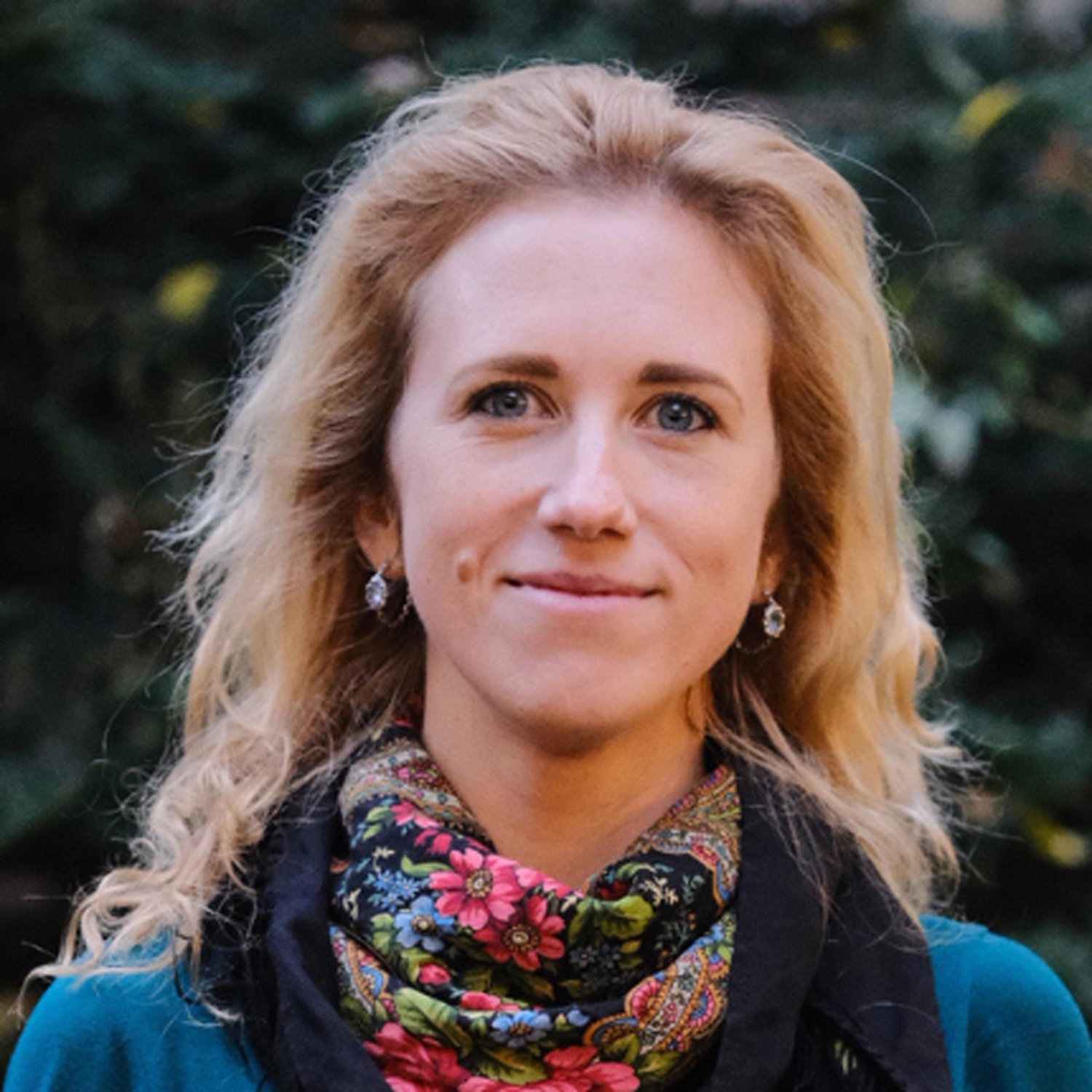
DR. SASHA LUCCIONI - Founding Member Climate Change AI - Climate Lead & AI Researcher - Hugging Face
What are the pros and cons of AI’s integration into our institutions, political systems, culture, and society? How can we develop AI systems that are more respectful, ethical, and sustainable?Dr. Sasha Luccioni is a leading scientist at the nexus of artificial intelligence, ethics, and sustainability, with a Ph.D. in AI and a decade of research and industry expertise. She spearheads research, consults, and utilizes capacity-building to elevate the sustainability of AI systems. As a founding member of Climate Change AI (CCAI) and a board member of Women in Machine Learning (WiML), Sasha is passionate about catalyzing impactful change, organizing events, and serving as a mentor to under-represented minorities within the AI community. She is an AI Researcher & Climate Lead at Hugging Face, an open-source hub for machine learning and natural language processing."The way I got into this field was working on the environmentally beneficial applications of AI, and I do believe that that's an impactful way of using AI techniques because there's so much data about the climate, satellite data, and sensor data, and the way to go about this is to work with domain experts. AI is never going to solve the problem on its own, but it can be a tool. So I think that there's a lot of promise there."https://www.sashaluccioni.comhttps://huggingface.co/http://www.climatechange.aihttps://wimlworkshop.org

How can enlightened self-interest advance social equity & climate action? - Highlights - DR. SHIV SOMESHWAR
"I'm kind of concerned when people put the promise on silver bullets of regenerative agriculture or growing a trillion trees or sucking carbon through CCS technologies. Because what happens then is people take comfort that there is a practice or a technology around the corner. Hydrogen is another one. Fusion energy is yet another. And I think we need to be going kind of full throttle on all of those, but at the same time, that doesn't mean that we give up on mitigation or we give up on climate risk management, which I think is technically the correct term to say, rather than adaptation. How do you manage the risk of a changing climate? How do you then emit less and basically get fossil fuel out of your system? And that again is long-term. It's not for the next five to ten years. So, when you have these kinds of promises, invariably the market signal is aha. So now, we don't really need to do much on mitigation because something is there around the corner, whether it's regenerative agriculture, which holds enormous promise, or through reforestation, green hydrogen. We're not anywhere close to scaling up, and some of them really have deep technological challenges."Dr. Shiv Someshwar is a Development Clinician, diagnosing development of cities and nation states. A Visiting Professor at Columbia University, New York and at Sciences Po, Paris, he was the founder chair-holder of the European Chair for Sustainable Development and Climate Transition at Sciences Po. He helped set up the initial national and regional networks of the global Sustainable Development Solutions Network.His publications cover a range of issues: planning, institutions and governance of sustainable development; climate change mitigation, adaptation, risks and offsets; and ecosystem management. He edited Re-living the Memories of an Indian Forester: Memoirs of S. Shyam Sunder and is presently writing The Fallacy of Evidence-Based Policy Making.He convened and chaired the Independent Task Force on Creative Climate Action. Dr. Someshwar received a Ph.D. in urban planning from the University of California, Los Angeles, and he was a Bell-MacArthur fellow at Harvard University. He has two masters’ degrees, on housing and on environmental planning, and is also trained as a professional architect. He has previously worked at the Earth Institute, Columbia University, the Rockefeller Foundation in New York, and the World Bank in Washington D.C.https://www.sciencespo.fr/psia/sites/sciencespo.fr.psia/files/ITFClimateReport_Web.pdf www.amazon.com/Reliving-Memories-Indian-Forester-Memoir/dp/9388337131www.creativeprocess.infowww.oneplanetpodcast.orgIG www.instagram.com/creativeprocesspodcast

DR. SHIV SOMESHWAR - Fmr. European Chair for Sustainable Development & Climate Transition - Sciences Po
How do urbanization and rural development impact communities differently? How can we make public policy and enlightened self-interest advance climate action?Dr. Shiv Someshwar is a Development Clinician, diagnosing development of cities and nation states. A Visiting Professor at Columbia University, New York and at Sciences Po, Paris, he was the founder chair-holder of the European Chair for Sustainable Development and Climate Transition at Sciences Po. He helped set up the initial national and regional networks of the global Sustainable Development Solutions Network.His publications cover a range of issues: planning, institutions and governance of sustainable development; climate change mitigation, adaptation, risks and offsets; and ecosystem management. He edited Re-living the Memories of an Indian Forester: Memoirs of S. Shyam Sunder and is presently writing The Fallacy of Evidence-Based Policy Making.He convened and chaired the Independent Task Force on Creative Climate Action. Dr. Someshwar received a Ph.D. in urban planning from the University of California, Los Angeles, and he was a Bell-MacArthur fellow at Harvard University. He has two masters’ degrees, on housing and on environmental planning, and is also trained as a professional architect. He has previously worked at the Earth Institute, Columbia University, the Rockefeller Foundation in New York, and the World Bank in Washington D.C."I'm kind of concerned when people put the promise on silver bullets of regenerative agriculture or growing a trillion trees or sucking carbon through CCS technologies. Because what happens then is people take comfort that there is a practice or a technology around the corner. Hydrogen is another one. Fusion energy is yet another. And I think we need to be going kind of full throttle on all of those, but at the same time, that doesn't mean that we give up on mitigation or we give up on climate risk management, which I think is technically the correct term to say, rather than adaptation. How do you manage the risk of a changing climate? How do you then emit less and basically get fossil fuel out of your system? And that again is long-term. It's not for the next five to ten years. So, when you have these kinds of promises, invariably the market signal is aha. So now, we don't really need to do much on mitigation because something is there around the corner, whether it's regenerative agriculture, which holds enormous promise, or through reforestation, green hydrogen. We're not anywhere close to scaling up, and some of them really have deep technological challenges."https://www.sciencespo.fr/psia/sites/sciencespo.fr.psia/files/ITFClimateReport_Web.pdf www.amazon.com/Reliving-Memories-Indian-Forester-Memoir/dp/9388337131www.creativeprocess.infowww.oneplanetpodcast.orgIG www.instagram.com/creativeprocesspodcast

From Ancient Wisdom to the Language of the Earth
Scientists, artists, psychologists, conservationists, and spiritual leaders share their stories and insights on the importance of connecting with nature, preserving the environment, embracing diversity, and finding harmony in the world. Music courtesy of composer Max Richter. All voices in this episode are from our interviews for The Creative Process & One Planet Podcast.00:05 Adapting to Earth: Indigenous PerspectivesTIOKASIN GHOSTHORSE - Founder/Host of First Voices Radio - Founder of Akantu Intelligencehttps://firstvoicesindigenousradio.orghttps://akantuintelligence.org01:06 The Beauty and Fragility of the Natural WorldAPRIL GORNIK - Artist, Environmentalist, Co-founder of The Church: Arts & Creativity Centerwww.aprilgornik.comwww.thechurchsagharbor.org02:01 The Importance of Whales in EcosystemsNAN HAUSER - Whale Researcher - President, Center for Cetacean Research & Conservation - Director, Cook Islands Whale Researchhttps://whaleresearch.org03:27 The Importance of Community and Collective Well-beingROBERT WALDINGER - Co-Author of The Good Life: Lessons from the World's Longest Scientific Study of Happinesshttps://www.robertwaldinger.com04:19 The Power of Love, Respect, and UnityJULIAN LENNON - Singer-songwriter, Photographer, Doc Filmmaker, Exec. Producer of the films Common Ground & Kiss the Groundhttps://julianlennon.comhttps://commongroundfilm.org05:05 The Importance of Cultural and Scientific KnowledgeRUPERT SHELDRAKE - Biologist & Author of The Science Delusion, The Presence of the Pastwww.sheldrake.org0:6:18 Mastering Confidence & Human PotentialIAN ROBERTSON - Author of How Confidence Works: The New Science of Self-belief - Co-Director of the Global Brain Health Institutehttps://ianrobertson.org07:01 The Magic of Coral ReefsGATOR HALPERN - Co-Founder & President of Coral Vita - UN Young Champion of the Earth - Forbes 30 Under 30 Social Entrepreneurhttps://coralvita.co08:06 Lessons from Ancient Trees and TundraDOUG LARSON - Biologist - Expert on Deforestation - Author of Cliff Ecology - The The Dogma Ate My Homeworkhttps://experts.uoguelph.ca/doug-larson09:36 Understanding the Flow of LifeMASTER SHI HENG YI - 35th Generation of Shaolin MastersHeadmaster of the Shaolin Temple Europewww.shihengyi.onlinewww.shaolintemple.euMax Richter’s music featured in this episode are “On the Nature of Daylight” from The Blue Notebooks, “Path 19: Yet Frailest” from Sleep.Music is courtesy of Max Richter, Universal Music Enterprises, and Mute Song.www.creativeprocess.info www.oneplanetpodcast.orgIG www.instagram.com/creativeprocesspodcast

Artists, Activists & Anarchists Seize Wetlands from the French Republic: We Learn How
In this episode on Speaking Out of Place podcast, Professor David Palumbo-Liu and Azeezah Kanji talk with artists and activists Isabella Frémaux and Jay Jordan about their book, We are ‘Nature’ Defending Itself: Entangling Art, Activism and Autonomous Zones Vagabonds/Pluto/Journal of Aesthetics & Protest, 2021. They tell the story of a 40-year struggle to preserve 4,000 acres of wetlands from being destroyed to make way for an airport, but the book is also a profound and beautiful meditation on what it means to live together and struggle together outside the logic of capitalist extraction and violence.Jay (formerly John) Jordan (they/them) is labelled a "Domestic Extremist" by the police, and “a magician of rebellion” by the press. Part-time author, sex worker and full time trouble maker, Jay is a lover of edges, especially between art and activism. They co-founded Reclaim the streets and the clown army.Isabelle Fremeaux (she/her) is a popular educator, facilitator, action researcher and deserter of the neoliberal academy where for a decade she was Senior Lecturer at Birkbeck College London. Co-author (with Jay) of the film/book Les Sentiers de L’utopie (2011, La Découverte), together they coordinate The Laboratory of Insurrectionary Imagination, bringing artists and activists together to co-design and deploy tools of disobedience. They live on the zad of Notre-dame-des-landes, a territory “lost to the Republic,” according to the French government.https://labo.zone/index.php/we-are-nature-defending-itself-entangling-art-activism-autonomous-zones/?lang=enwww.labo.zonehttps://www.theguardian.com/uk/2009/oct/27/police-spotter-card-john-jordanhttps://en.wikipedia.org/wiki/Reclaim_the_Streetswww.palumbo-liu.com https://speakingoutofplace.comhttps://twitter.com/palumboliu?s=20www.instagram.com/speaking_out_of_place

What can thousand-year-old trees teach us about living sustainably on this planet? - Highlights - DOUG LARSON
“I think like a scientist and my interest in stunted trees probably goes back to my upbringing. I had a difficult childhood with a father who insisted that he was right about everything all the time.And in my early years as a scientist, I was trying to find some system that would not argue back to me. I loved working with organisms that were themselves repressed by nature. It's a wonderful thing to stand like Gulliver on top of an entire ecosystem that's only three inches tall. And ask yourself, am I any happier than it? And I wasn't. And I found that tremendously thrilling to have a different perspective.”What can thousand-year-old trees teach us about living sustainably? If we want to be sustained by this planet indefinitely, we need to stop trying to suck it dry.Doug Larson is an award winning scientist, author, and Professor Emeritus of Biology at the University of Guelph. He is an expert on deforestation and regularly contributes to The Guardian and other publications. His books include Cliff Ecology: Pattern and Process in Cliff Ecosystems, The Urban Cliff Revolution: New Findings on the Origins and Evolution of Human Habitats, Storyteller Guitar, and The Dogma At My Homework.https://experts.uoguelph.ca/doug-larson https://volumesdirect.com/products/the-dogma-ate-my-homework https://www.cambridge.org/core/books/cliff-ecology/7502E52B487789BEA2CACC4553AA663Bhttps://www.amazon.com/Urban-Cliff-Revolution-Evolution-Habitats/dp/1550419927 https://www.amazon.com/Storyteller-Guitar-Doug-Larson-ebook/dp/B00B9VZQXUwww.creativeprocess.info www.oneplanetpodcast.org IG www.instagram.com/creativeprocesspodcastImage courtesy of Doug Larson
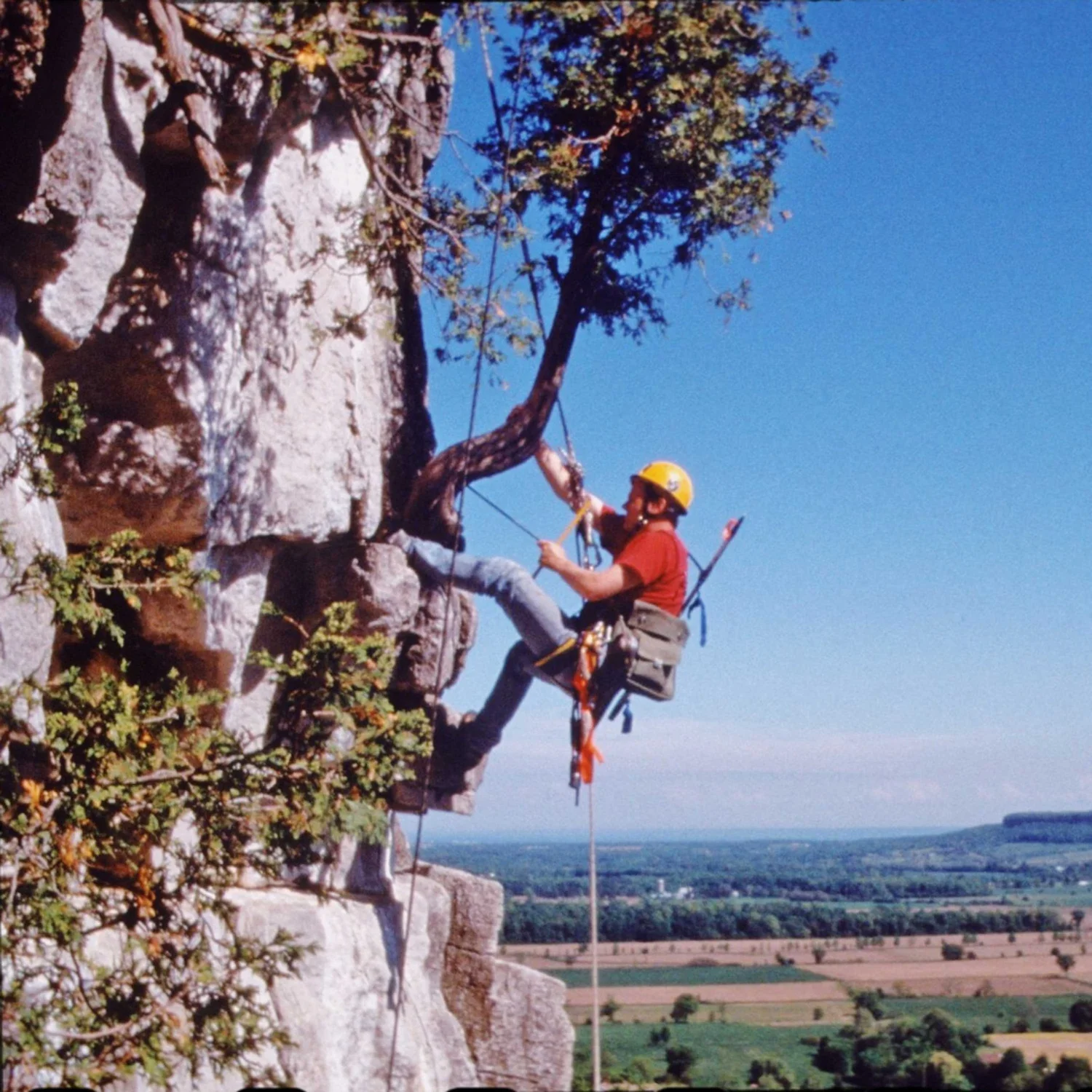
DOUG LARSON - Biologist - Expert on Deforestation - Author of Cliff Ecology - The The Dogma Ate My Homework
What can thousand-year-old trees teach us about living sustainably? If we want to be sustained by this planet indefinitely, we need to stop trying to suck it dry.Doug Larson is an award winning scientist, author, and Professor Emeritus of Biology at the University of Guelph. He is an expert on deforestation and regularly contributes to The Guardian and other publications. His books include Cliff Ecology: Pattern and Process in Cliff Ecosystems, The Urban Cliff Revolution: New Findings on the Origins and Evolution of Human Habitats, Storyteller Guitar, and The Dogma At My Homework.“I think like a scientist and my interest in stunted trees probably goes back to my upbringing. I had a difficult childhood with a father who insisted that he was right about everything all the time.And in my early years as a scientist, I was trying to find some system that would not argue back to me. I loved working with organisms that were themselves repressed by nature. It's a wonderful thing to stand like Gulliver on top of an entire ecosystem that's only three inches tall. And ask yourself, am I any happier than it? And I wasn't. And I found that tremendously thrilling to have a different perspective.”https://experts.uoguelph.ca/doug-larson https://volumesdirect.com/products/the-dogma-ate-my-homework https://www.cambridge.org/core/books/cliff-ecology/7502E52B487789BEA2CACC4553AA663Bhttps://www.amazon.com/Urban-Cliff-Revolution-Evolution-Habitats/dp/1550419927 https://www.amazon.com/Storyteller-Guitar-Doug-Larson-ebook/dp/B00B9VZQXUwww.creativeprocess.info www.oneplanetpodcast.org IG www.instagram.com/creativeprocesspodcastImage courtesy of Doug Larson

How can we reverse biodiversity loss and restore our ecosystems? - Highlights - THOMAS CROWTHER
"Global restoration really means finding and empowering the millions of local communities, indigenous populations, and farmers who are promoting biodiversity. Restor is a digital platform, sort of like Google Maps, but for restoration. So rather than seeing coffee shops and supermarkets, you will see conservation projects and Indigenous-led restoration initiatives. And that means you can find a currently on Restor - I think we have around 140, 000 - so you can go on there for free right now and find thousands and thousands of these amazing heroes of nature. And you can zoom in and you can see every single tree on the ground. You can see every bush and you can fund them or you can buy their coffee or you can go visit their projects and do ecotourism. There's a myriad of ways that we can all support their efforts by also improving our own lives. We need to be cutting our emissions so that we can allow nature to thrive and help us along the way. For far too long people have been squabbling about emissions. We should do this or we should do that. Climate change is way too big for us to be squabbling about things. We need to do everything now. When we grow the same crops every year, the soil gets more depleted and all the nutrients are lost. I've heard quotes that if we cannot find agricultural systems that rejuvenate the soil instead of depleting it, we are signing our death warrant. It's like we need to be promoting healthy soils if we're going to have any agriculture in the future."Although they comprise less than 5% of the world population, Indigenous peoples protect 80% of the Earth’s biodiversity. How can we support farmers, reverse biodiversity loss, and restore our ecosystems?Thomas Crowther is an ecologist studying the connections between biodiversity and climate change. He is a professor in the Department of Environmental Systems Science at ETH Zurich, chair of the advisory council for the United Nations Decade on Ecosystem Restoration, and founder of Restor, an online platform for the global restoration movement, which was a finalist for the Royal Foundation’s Earthshot Prize. In 2021, the World Economic Forum named him a Young Global Leader for his work on the protection and restoration of biodiversity. Crowther’s post-doctoral research transformed the understanding of the world’s tree cover, and the study also inspired the World Economic Forum to announce its Trillion Trees initiative, which aims to conserve and restore one trillion trees globally within the decade.https://crowtherlab.com/about-tom-crowther https://restor.eco/?lat=26&lng=14.23&zoom=3www.creativeprocess.info www.oneplanetpodcast.orgIG www.instagram.com/creativeprocesspodcast

THOMAS CROWTHER - Ecologist - Co-chair of the Board for UN Decade on Ecosystem Restoration - Founder of Restor
Although they comprise less than 5% of the world population, Indigenous peoples protect 80% of the Earth’s biodiversity. How can we support farmers, reverse biodiversity loss, and restore our ecosystems?Thomas Crowther is an ecologist studying the connections between biodiversity and climate change. He is a professor in the Department of Environmental Systems Science at ETH Zurich, chair of the advisory council for the United Nations Decade on Ecosystem Restoration, and founder of Restor, an online platform for the global restoration movement, which was a finalist for the Royal Foundation’s Earthshot Prize. In 2021, the World Economic Forum named him a Young Global Leader for his work on the protection and restoration of biodiversity. Crowther’s post-doctoral research transformed the understanding of the world’s tree cover, and the study also inspired the World Economic Forum to announce its Trillion Trees initiative, which aims to conserve and restore one trillion trees globally within the decade."Global restoration really means finding and empowering the millions of local communities, indigenous populations, and farmers who are promoting biodiversity. Restor is a digital platform, sort of like Google Maps, but for restoration. So rather than seeing coffee shops and supermarkets, you will see conservation projects and Indigenous-led restoration initiatives. And that means you can find a currently on Restor - I think we have around 140, 000 - so you can go on there for free right now and find thousands and thousands of these amazing heroes of nature. And you can zoom in and you can see every single tree on the ground. You can see every bush and you can fund them or you can buy their coffee or you can go visit their projects and do ecotourism. There's a myriad of ways that we can all support their efforts by also improving our own lives. We need to be cutting our emissions so that we can allow nature to thrive and help us along the way. For far too long people have been squabbling about emissions. We should do this or we should do that. Climate change is way too big for us to be squabbling about things. We need to do everything now. When we grow the same crops every year, the soil gets more depleted and all the nutrients are lost. I've heard quotes that if we cannot find agricultural systems that rejuvenate the soil instead of depleting it, we are signing our death warrant. It's like we need to be promoting healthy soils if we're going to have any agriculture in the future."https://crowtherlab.com/about-tom-crowther https://restor.eco/?lat=26&lng=14.23&zoom=3www.creativeprocess.info www.oneplanetpodcast.orgIG www.instagram.com/creativeprocesspodcast
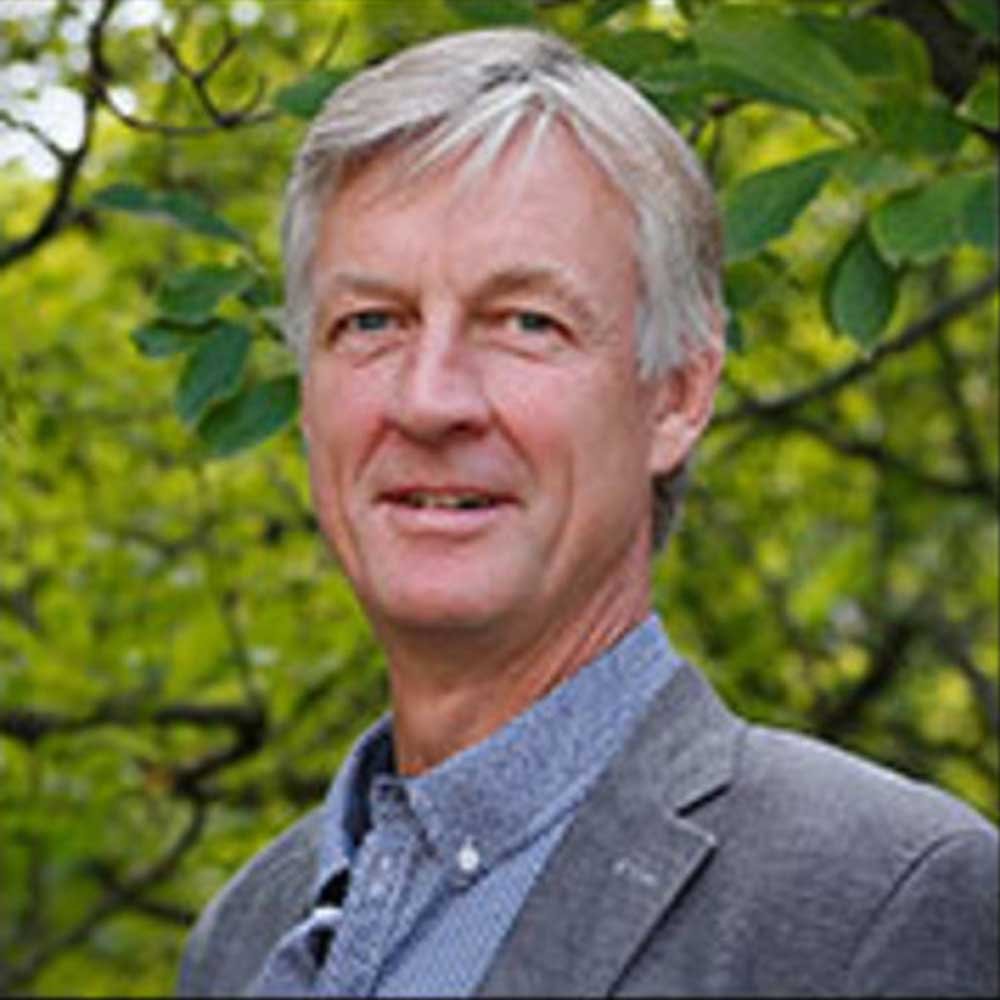
PETER DITLEVSEN - Professor of Physics, Ice, Climate & Earth at the Niels Bohr Institute
As we reach the tipping points of climate change, how will our world change? Greenland has already lost 4,700 billion metric tons of ice, an amount that is enough to flood the entire United States in 1.5 feet of water.Peter D. Ditlevsen is an Associate Professor at the Niels Bohr Institute at Copenhagen University. The institute was founded in 1921 as the Institute for Theoretical Physics. Ditlevsen is a Professor in Physics of Ice, Climate, and Earth. His fields of interest include climate research, turbulence, meteorology, complex systems, time series analysis, and statistical physics."The Sahara, which is not really desert, more like savannah, you might be able to change that [through geoengineering], but that's also connected with the monsoon system and all these chaotic systems are very hard to do. But the way we've deforested, the way we've made agriculture, the way we have messed with this planet. I mean, if you look at the biomass in mammals (it's us, it's cows, it's sheep, rhinoceroses, giraffes, whales...it's everything) 96 percent of that mass is human or livestock. That is, to me, an extremely scary number, that wild nature has so little room in our world."https://nbi.ku.dk/english/staff/?pure=en/persons/peter-ditlevsen(77e9801a-6b31-4488-a282-6c99a406a5f1)/cv.htmlwww.creativeprocess.info www.oneplanetpodcast.orgIG www.instagram.com/creativeprocesspodcast
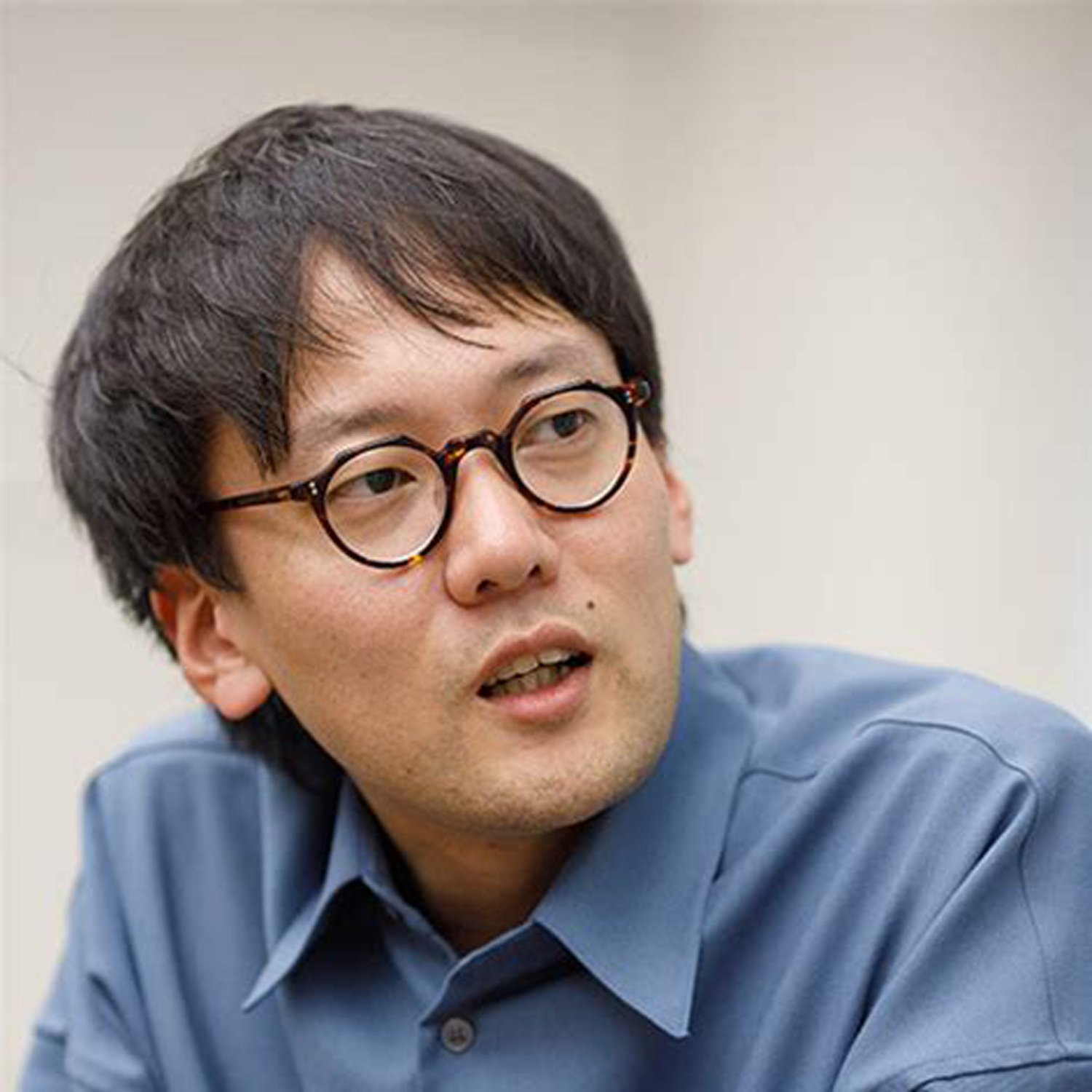
KOHEI SAITO on Degrowth Communism & the Need for Radical Democracy
Can we stop talking about growth and mediate an environmental crisis through the structures of capitalism?In this episode of the Speaking Out of Place podcast, Professor David Palumbo-Liu speaks with Japanese scholar Kohei Saito, whose book, Marx in the Anthropocene sold over half a million copies. In it, Saito shows how late in life Marx came to a richer sense of production when he released that there was a law above the economic as he had conceived it—it was the law of Nature. Marx saw how disturbing Nature’s metabolism could bring about a “rift” that sent destructive ripples across human life. Today we make the connection between that scholarly book and Kohei’s new book, Slow Down!!, which has just come out in English translation. Here he offers a sharp critique of liberal and socialist attempts to “sustain”—like the Green New Deal, and argues for a radical form of degrowth communism that de-celerates our compulsion to add more stuff into the world, in whatever form, and derails our compulsion to sustain, rather than revolutionize. Saito argues that we can lead much happier, and more healthy lives, if we emphasize use value, and revitalize democracy so we all have a hand in deciding what is valuable.“The Green New Deal presents itself as a kind of radical policy. If you look at the content, it's just simply the continuation of what capitalism wants to do. It's a massive investment in new, allegedly green industries, with the creation of more jobs with higher wages, but these are not the things that socialists or any environmentalists should be actually seeking because we recognize that capitalism is basically the root cause of the climate crisis and the misery of the workers. If so, I think it is high time to imagine something radically very different from business-as-usual capitalism.”Kohei Saito as an Associate Professor at the University of Tokyo. He completed his doctorate at the Humboldt University in Berlin. In 2018 he won the prestigious Deutscher Memorial Prize for Marxist research—becoming the first Japanese, and the youngest person, ever to win that prize. His books include: Slow Down! How Degrowth Communism Can Save the World (2023); Marx in the Anthropocene: Towards the Idea of Degrowth Communism (2022), Karl Marx’s Ecosocialism: Capital, Nature, and the Unfinished Critique of Political Economy (2017).https://researchmap.jp/7000022985?lang=enhttps://www.hachette.com.au/kohei-saito/slow-down-how-degrowth-communism-can-save-the-earthwww.palumbo-liu.com https://speakingoutofplace.comhttps://twitter.com/palumboliu?s=20
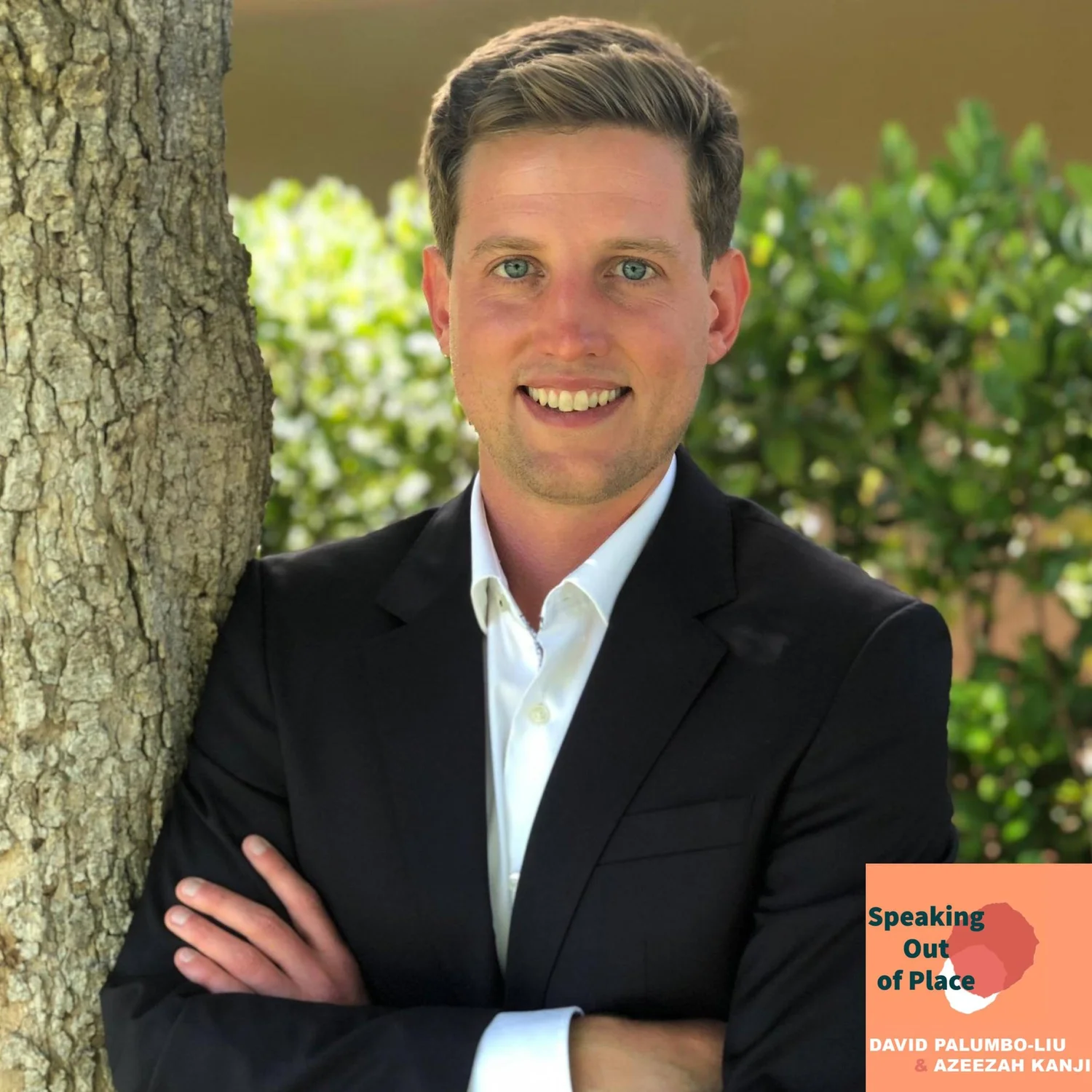
SPEAKING OUT OF PLACE: BEN FRANTA on Weaponizing Economics - Big Oil, Economic Consultants & Climate Policy Delay
In this episode of the Speaking Out of Place podcast, Professor David Palumbo-Liu speaks with noted researcher and scholar Ben Franta about two new articles he has written that add to his growing archive of seminal work on climate change. Ben tells us now the fossil fuel industry paid economists to join scientists in denying the true nature of the fossil fuel industry’s destruction of the environment. Economists argued that even if some science were correct, implementing change would be too costly. This became a powerful tool to stall and kill climate change legislation. Ben also talks about how communities have tried to sue fossil fuel companies for damages incurred by such misinformation and disinformation. In sum, we learn about what the industry has done, and how ordinary people and municipalities can fight back.Benjamin Franta is the founding head of the Climate Litigation Lab and a Senior Research Fellow at the University of Oxford Sustainable Law Programme. The Climate Litigation Lab is a multidisciplinary research initiative to inform, enable, and accelerate climate change litigation globally. Ben is also an Associate at the Institute for New Economic Thinking at the Oxford Martin School and an Associate Member of Nuffield College, Oxford, and a former research fellow at the Belfer Center for Science and International Affairs at the Harvard Kennedy School of Government. He is the recipient of numerous academic and research fellowships including the Stanford Interdisciplinary Graduate Fellowship and the National Science Foundation Graduate Research Fellowship. His research and writing have appeared in 10 languages, been featured in the Paramount+ documentary Black Gold, been cited in the U.S. Congressional Record, and been published in numerous scholarly and popular venues including Nature Climate Change, Global Environmental Change, The Guardian, Project Syndicate, and more. “For 40 years, the American Petroleum Institute has hired economists to argue it would be too expensive to try and control fossil fuels and that climate change wasn't that bad. The same go-to consultancy firm has been involved in every major climate policy fight from the very beginning and hired by the fossil fuel industry, but what are the courts going to do? It's not just the historical deception. It's an ongoing deception.”www.inet.ox.ac.uk/people/benjamin-franta www.smithschool.ox.ac.uk/oxford-sustainable-law-programme/research/climate-litigation-labwww.palumbo-liu.com https://speakingoutofplace.comhttps://twitter.com/palumboliu?s=20

Highlights - How do we navigate ambiguity, uncertainty & move beyond linear thinking? - RUPERT SHELDRAKE
"The idea that the laws of nature are fixed is taken for granted by almost all scientists and within physics, within cosmology, it leads to an enormous realm of speculation, which I think is totally unnecessary. We're assuming the laws of nature are fixed. Most of science assumes this, but is it really so in an evolving universe? Why shouldn't the laws evolve? And if we think about that, then we realize that actually, the whole idea of a law of nature is a metaphor. It's based on human laws. I mean, after all, dogs and cats don't obey laws. And in tribes, they don't even have laws. They have customs. So it's only in civilized societies that you have laws. And then if we think through that metaphor, then actually the laws do change.All artists are influenced by other artists and by things in the collective culture, and I think that morphic resonance as collective memory would say that all of us draw unconsciously as well as consciously on a collective memory and all animals draw on a collective memory of their kind as well. We don't know where it comes from, but there's true creativity involved in evolution, both human and natural."How do we navigate ambiguity and uncertainty? Moving beyond linear thinking into instinct and intuition, we might discover other sources within ourselves that lie beyond the boundaries of science and reason.Rupert Sheldrake is a biologist and author best known for his hypothesis of morphic resonance. His many books include The Science Delusion, The Presence of the Past, and Ways to Go Beyond and Why They Work. At Cambridge University, Dr. Sheldrake worked in developmental biology as a fellow of Clare College. From 2005 to 2010, he was director of the Perrott Warrick Project for research on unexplained human and animal abilities, funded by Trinity College Cambridge. He was among the top 100 global thought leaders for 2013, as ranked by the Duttweiler Institute.www.sheldrake.orgwww.amazon.com/Science-Delusion/dp/1529393221/?tag=sheldrake-20www.amazon.com/Science-Set-Free-Paths-Discovery/dp/0770436722/?tag=sheldrake-20

RUPERT SHELDRAKE - Biologist & Author of The Science Delusion, The Presence of the Past
How do we navigate ambiguity and uncertainty? Moving beyond linear thinking into instinct and intuition, we might discover other sources within ourselves that lie beyond the boundaries of science and reason.Rupert Sheldrake is a biologist and author best known for his hypothesis of morphic resonance. His many books include The Science Delusion, The Presence of the Past, and Ways to Go Beyond and Why They Work. At Cambridge University, Dr. Sheldrake worked in developmental biology as a fellow of Clare College. From 2005 to 2010, he was director of the Perrott Warrick Project for research on unexplained human and animal abilities, funded by Trinity College Cambridge. He was among the top 100 global thought leaders for 2013, as ranked by the Duttweiler Institute."The idea that the laws of nature are fixed is taken for granted by almost all scientists and within physics, within cosmology, it leads to an enormous realm of speculation, which I think is totally unnecessary. We're assuming the laws of nature are fixed. Most of science assumes this, but is it really so in an evolving universe? Why shouldn't the laws evolve? And if we think about that, then we realize that actually, the whole idea of a law of nature is a metaphor. It's based on human laws. I mean, after all, dogs and cats don't obey laws. And in tribes, they don't even have laws. They have customs. So it's only in civilized societies that you have laws. And then if we think through that metaphor, then actually the laws do change.All artists are influenced by other artists and by things in the collective culture, and I think that morphic resonance as collective memory would say that all of us draw unconsciously as well as consciously on a collective memory and all animals draw on a collective memory of their kind as well. We don't know where it comes from, but there's true creativity involved in evolution, both human and natural."www.sheldrake.orgwww.amazon.com/Science-Delusion/dp/1529393221/?tag=sheldrake-20www.amazon.com/Science-Set-Free-Paths-Discovery/dp/0770436722/?tag=sheldrake-20

What’s it like to film a supernatural thriller in darkness at minus 17 degrees? - Highlights - FLORIAN HOFFMEISTER
“I drove for like a half an hour into absolute nothingness, and I left the car. It was three o'clock in the morning. It was minus 17 degrees and it was absolutely still. I've never experienced stillness such as that. I mean, it's like you feel like you can feel your atoms move or not move because it's so cold. And the sky is full of the Northern Lights. So you are already in a remote place, but you want to go further. And I think maybe those themes of going out into the wilderness are motivated by the urge to connect. And I think Issa López has really incorporated it beautifully into the script. And the show tells of this great disconnect between people. So not only are we disconnected from our environment, but we are disconnected from each other. When we were shooting I sometimes thought, there is this beauty about collaboration between a director, cinematographer, and production designer, and all these key people. And I'm more and more convinced there's some kind of conscious thing happening. And there's also something subconscious happening.”How does the place we’re born influence our beliefs? What would it be like to live in a world run by women, where it’s perpetually night, and the dead can speak to the living? In this episode, we discuss the new season of HBO’s True Detective: Night Country with award-winning cinematographer Florian Hoffmeister.Known for his work on Tár, Pachinko, Great Expectations, and most recently, the new season of True Detective, he's also known for his collaboration with director Terence Davies on the films The Deep Blue Sea and A Quiet Passion. His work on Great Expectations earned him an Primetime Emmy and a BAFTA in cinematography, and in 2022, he was nominated for the Academy Award for Best Cinematography for his work on Tár.http://florianhoffmeister.de/ www.hbo.com/true-detective www.imdb.com/title/tt2356777/?ref_=fn_al_tt_1www.creativeprocess.info www.oneplanetpodcast.org IG www.instagram.com/creativeprocesspodcastPhoto: Jodie Foster, Kali Reis · Photograph by Michele K. Short/HBO
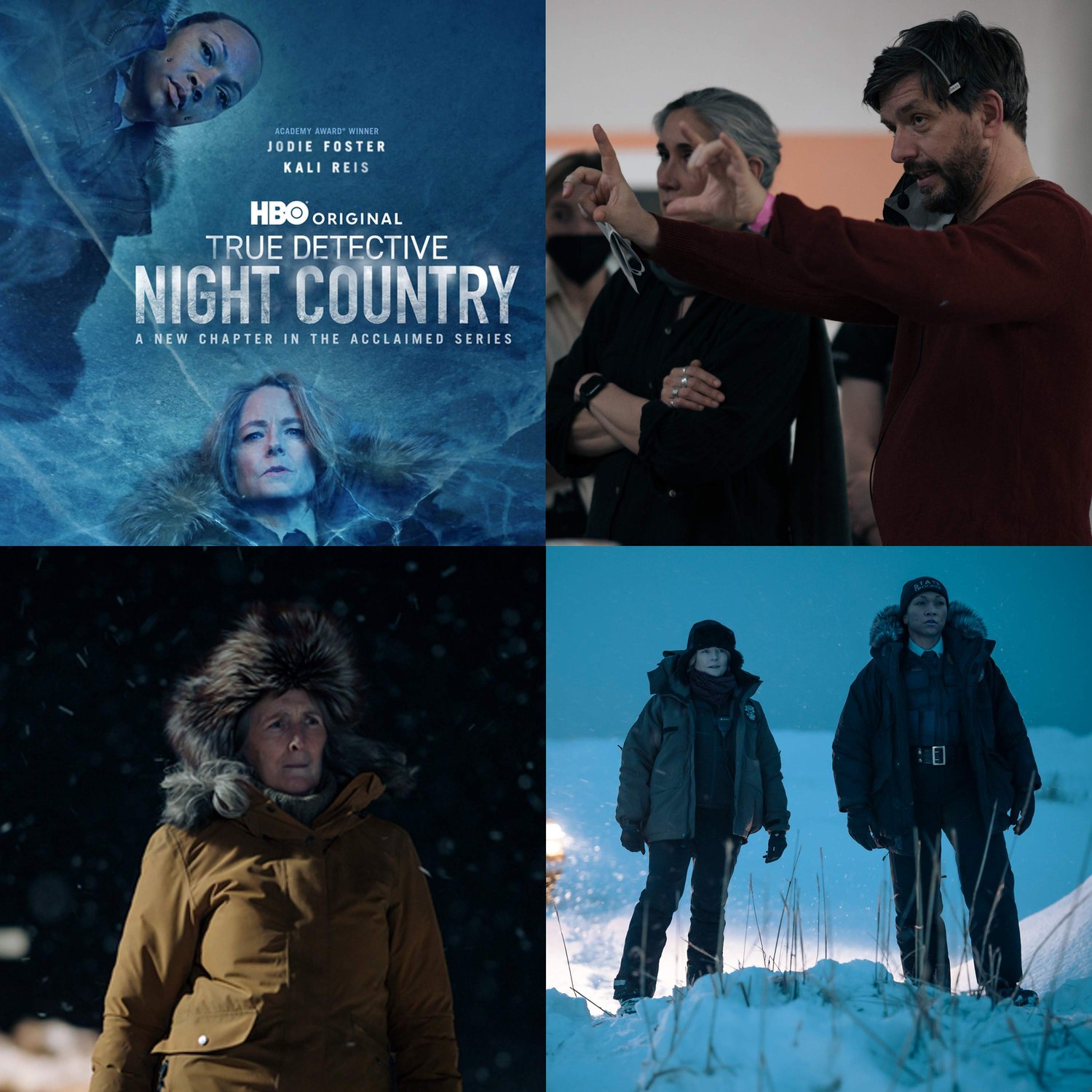
FLORIAN HOFFMEISTER - Cinematographer - True Detective: Night Country starring Jodie Foster & Kali Reis
How does the place we’re born influence our beliefs? What would it be like to live in a world run by women, where it’s perpetually night, and the dead can speak to the living? In this episode, we discuss the new season of HBO’s True Detective: Night Country with award-winning cinematographer Florian Hoffmeister.Known for his work on Tár, Pachinko, Great Expectations, and most recently, the new season of True Detective, he's also known for his collaboration with director Terence Davies on the films The Deep Blue Sea and A Quiet Passion. His work on Great Expectations earned him an Primetime Emmy and a BAFTA in cinematography, and in 2022, he was nominated for the Academy Award for Best Cinematography for his work on Tár.“I drove for like a half an hour into absolute nothingness, and I left the car. It was three o'clock in the morning. It was minus 17 degrees and it was absolutely still. I've never experienced stillness such as that. I mean, it's like you feel like you can feel your atoms move or not move because it's so cold. And the sky is full of the Northern Lights. So you are already in a remote place, but you want to go further. And I think maybe those themes of going out into the wilderness are motivated by the urge to connect. And I think Issa López has really incorporated it beautifully into the script. And the show tells of this great disconnect between people. So not only are we disconnected from our environment, but we are disconnected from each other. When we were shooting I sometimes thought, there is this beauty about collaboration between a director, cinematographer, and production designer, and all these key people. And I'm more and more convinced there's some kind of conscious thing happening. And there's also something subconscious happening.”http://florianhoffmeister.de/ www.hbo.com/true-detective www.imdb.com/title/tt2356777/?ref_=fn_al_tt_1www.creativeprocess.info www.oneplanetpodcast.org IG www.instagram.com/creativeprocesspodcastPhoto credits: Michele K. Short / HBO
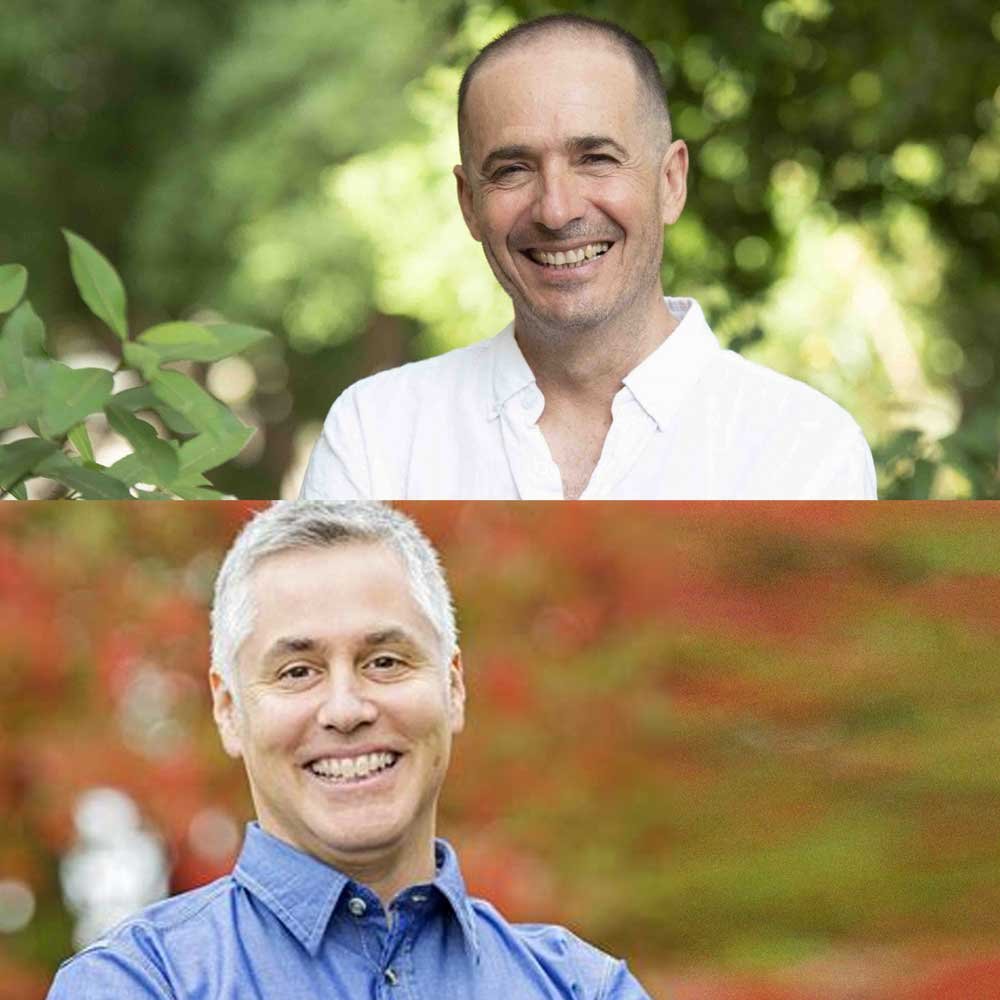
SPEAKING OUT OF PLACE: Exploring Plant Intelligence with John Burrows & Paco Calvo
In this episode of the Speaking Out of Place podcast, Professor David Palumbo-Liu and Azeezah Kanji talk with eminent Anishinaabe legal theorist John Borrows and philosopher Paco Calvo about how we might learn about, learn with, and learn from our plant companions on this earth. Plants show signs of communication and of learning. They produce and respond to many of the same neurochemicals as humans, including anesthetics. They share resources with one another, and when under threat, emit signals of warning and of pain. While Barrows and Calvo both urge us to listen to the Earth, during this conversation we discover that these two thinkers are often listening for different things. The discussion reveals fascinating points of difference and commonality. And in terms of the latter, the point both John and Paco insist upon is that we maintain our separation from other beings at our peril and at a loss.Dr. John Borrows, BA, MA, JD, LLM, PhD, LLD, FRSC, is Canada's pre-eminent legal scholar and a global leader in the field of Indigenous legal traditions and Aboriginal rights. John holds the Canada Research Chair in Indigenous Law at the University of Victoria as well as the Law Foundation Chair in Aboriginal Justice and Governance.Paco Calvo is a renowned cognitive scientist and philosopher of biology, known for his groundbreaking research in the field of plant cognition and intelligence. He is a professor at the University of Murcia in Spain, where he leads the Minimal Intelligence Lab (MINT Lab), focusing on the study of minimal cognition in plants. Calvo’s interdisciplinary work combines insights from biology, philosophy, and cognitive science to explore the fascinating world of plant behavior, decision-making, and problem-solving.https://www.uvic.ca/law/facultystaff/facultydirectory/borrows.phphttps://www.um.es/mintlab/index.php/about/people/paco-calvo/00:02 Introduction to Plant Communication00:21 Conversation with John Burrows and Paco Calvo01:11 Challenging Pre-existing Concepts about Intelligence01:37 Exploring Plant Intelligence02:32 Understanding Human Intelligence04:47 Challenging Orthodox Cognitive Psychology05:34 Ecological Approach to Intelligence07:26 The Role of Indigenous Knowledge in Understanding Intelligence09:11 Understanding Anishinaabe Law and Ethical Traditions12:09 The Role of Treaties in Indigenous Peoples' Relationships with Nature38:51 The Role of Education in Understanding Ecological Cognition45:28 The Importance of Experiential Learning and Literacy Beyond Books46:24 The Power of Ignorance and Openness to Knowledge50:00 The Ethical Obligations to the More Than Human World01:07:43 The Role of Religion in Understanding Our Relationship with the More Than Human World01:16:16 The Importance of Slowing Down to Appreciate Plant Behavior01:17:39 The Co-Evolutionary Perspective of Lifewww.palumbo-liu.com https://speakingoutofplace.comhttps://twitter.com/palumboliu?s=20

How can we learn to speak the language of the Earth? - Highlights - TIOKASIN GHOSTHORSE
"So we get to a certain stage in Western society, I'd never call it a culture, but a society trying to figure out its birth and how to become mature. Whatever it's doing it has slowed down natural relationships. It took us out of the land, put us into factories, put us into institutions where you can learn a trade. It kept giving you jobs that had nothing to do with Earth. And so if you're living, you're working in this box called a factory, and the farmers out there are becoming less and less. Even the farming, the ideas of farming are foreign. And I think that when the technical language came out, we dropped another natural umbilical cord to and with Earth. And so we severed that relationship. So you can see this gradual severing of relationships to Earth with Earth, that now we have to have retreats to learn empathy again. We do all these Westernized versions of piecing ourselves back together and as Indigenous folks where we're getting that way now, but a lot of traditional people don't need that. We don't need environmental movements. You know, Wild Earth is a foreign concept. There are a lot of words that organizations use to rationalize why we need to teach how to be human beings. So you see technology, the Industrial Machine Age taught us this language of disconnection, taught us things like plug-in, get connected. You know, all these words that came along to fill that information that could be controlled by authority now in the Western process. John Gatto, who won the New York State Teacher of the Year award in 2008, upon his retirement, specifically said, 'It takes 12 years to learn how to become reflexive to authority.' And who is the authority? Who is controlling information? Who's controlling education? Who's controlling knowledge? And now they want to control Wisdom, and all wisdom means is common sense.”Tiokasin Ghosthorse is a member of the Cheyenne River Lakota Nation of South Dakota and has a long history with Indigenous activism and advocacy. Tiokasin is the Founder, Host and Executive Producer of “First Voices Radio” (formerly “First Voices Indigenous Radio”) for the last 31 years in New York City and Seattle/Olympia, Washington. In 2016, he received a Nomination for the Nobel Peace Prize from the International Institute of Peace Studies and Global Philosophy. Other recent recognitions include: Native Arts and Cultures Foundation National Fellowship in Music (2016), National Endowment for the Arts National Heritage Fellowship Nominee (2017), Indigenous Music Award Nominee for Best Instrumental Album (2019) and National Native American Hall of Fame Nominee (2018, 2019). He also was recently nominated for “Nominee for the 2020 Americans for the Arts Johnson Fellowship for Artists Transforming Communities”. He is the Founder of Akantu Intelligence.https://firstvoicesindigenousradio.org/ https://akantuintelligence.orgwww.creativeprocess.info www.oneplanetpodcast.org IG www.instagram.com/creativeprocesspodcastSongs featured on this episode are “Butterfly Against the Wind” And from the album Somewhere In There “Spatial Moon” and “Sunrise Moon” Composed by Tiokasin Ghosthorse and Alex Alexander Music on this episode is courtesy of Tiokasin Ghosthorse.

TIOKASIN GHOSTHORSE - Founder/Host of First Voices Radio - Founder of Akantu Intelligence
How can we learn to speak the language of the Earth and cultivate our intuitive intelligence?Tiokasin Ghosthorse is a member of the Cheyenne River Lakota Nation of South Dakota and has a long history with Indigenous activism and advocacy. Tiokasin is the Founder, Host and Executive Producer of “First Voices Radio” (formerly “First Voices Indigenous Radio”) for the last 31 years in New York City and Seattle/Olympia, Washington. In 2016, he received a Nomination for the Nobel Peace Prize from the International Institute of Peace Studies and Global Philosophy. Other recent recognitions include: Native Arts and Cultures Foundation National Fellowship in Music (2016), National Endowment for the Arts National Heritage Fellowship Nominee (2017), Indigenous Music Award Nominee for Best Instrumental Album (2019) and National Native American Hall of Fame Nominee (2018, 2019). He also was recently nominated for “Nominee for the 2020 Americans for the Arts Johnson Fellowship for Artists Transforming Communities”. He is the Founder of Akantu Intelligence."So we get to a certain stage in Western society, I'd never call it a culture, but a society trying to figure out its birth and how to become mature. Whatever it's doing it has slowed down natural relationships. It took us out of the land, put us into factories, put us into institutions where you can learn a trade. It kept giving you jobs that had nothing to do with Earth. And so if you're living, you're working in this box called a factory, and the farmers out there are becoming less and less. Even the farming, the ideas of farming are foreign. And I think that when the technical language came out, we dropped another natural umbilical cord to and with Earth. And so we severed that relationship. So you can see this gradual severing of relationships to Earth with Earth, that now we have to have retreats to learn empathy again. We do all these Westernized versions of piecing ourselves back together and as Indigenous folks where we're getting that way now, but a lot of traditional people don't need that. We don't need environmental movements. You know, Wild Earth is a foreign concept. There are a lot of words that organizations use to rationalize why we need to teach how to be human beings. So you see technology, the Industrial Machine Age taught us this language of disconnection, taught us things like plug-in, get connected. You know, all these words that came along to fill that information that could be controlled by authority now in the Western process. John Gatto, who won the New York State Teacher of the Year award in 2008, upon his retirement, specifically said, 'It takes 12 years to learn how to become reflexive to authority.' And who is the authority? Who is controlling information? Who's controlling education? Who's controlling knowledge? And now they want to control Wisdom, and all wisdom means is common sense.”https://firstvoicesindigenousradio.org/ https://akantuintelligence.orgwww.creativeprocess.info www.oneplanetpodcast.org IG www.instagram.com/creativeprocesspodcastSongs featured on this episode are “Butterfly Against the Wind” And from the album Somewhere In There “Spatial Moon” and “Sunrise Moon” Composed by Tiokasin Ghosthorse and Alex Alexander Music on this episode is courtesy of Tiokasin Ghosthorse.

What makes a good life? - Highlights - ROBERT WALDINGER, Psychiatrist, Author, Zen Priest
"This generation will say to us quite clearly 'past generations have messed everything up.' And now we're left with the devastating consequences. They're angry, and it's very difficult. How do you get human beings to invest in something that pays off 20 or 50 years down the road? And that's the difficulty. It's not clear that we as humans are capable of really tackling a problem that requires so much long-term thinking. Politicians want results within the same fiscal year, right? And so what do we do with things like climate change or investing in early childhood development?Again, the payoffs are enormous, but they happen 20 years down the line. So I think that my advice to all of us is to set up structures that are going to last and support these long-term goals. So not just one government that commits itself to slowing climate change, like the current US government. Structure organizations where that won't change over 20, 30, 50 years. How could we do that? Because otherwise, we're just going to have alternating governments with alternating sets of priorities. And an inadequate response to these bigger, longer-term problems."What makes a good life? How important are relationships in helping us lead happy and meaningful lives?Dr. Robert Waldinger is a professor of psychiatry at Harvard Medical School, director of the Harvard Study of Adult Development at Massachusetts General Hospital, and cofounder of the Lifespan Research Foundation. Dr. Waldinger received his AB from Harvard College and his MD from Harvard Medical School. He is a practicing psychiatrist and psychoanalyst, and he directs a psychotherapy teaching program for Harvard psychiatry residents. He is also a Zen master (Roshi) and teaches meditation in New England and around the world. His TED Talk about the Harvard study “What makes a good life?” has been viewed more than 42 million times and is one of the 10 most watched TED Talks ever. He is co-author of The Good Life: Lessons from the World's Longest Scientific Study of Happiness.https://www.robertwaldinger.com/https://www.simonandschuster.com/books/The-Good-Life/Robert-Waldinger/9781982166694https://www.adultdevelopmentstudy.org/ https://www.lifespanresearch.orgwww.creativeprocess.info www.oneplanetpodcast.org IG www.instagram.com/creativeprocesspodcast

ROBERT WALDINGER - Co-Author of The Good Life: Lessons from the World's Longest Scientific Study of Happiness
What makes a good life? How important are relationships in helping us lead happy and meaningful lives?Dr. Robert Waldinger is a professor of psychiatry at Harvard Medical School, director of the Harvard Study of Adult Development at Massachusetts General Hospital, and cofounder of the Lifespan Research Foundation. Dr. Waldinger received his AB from Harvard College and his MD from Harvard Medical School. He is a practicing psychiatrist and psychoanalyst, and he directs a psychotherapy teaching program for Harvard psychiatry residents. He is also a Zen master (Roshi) and teaches meditation in New England and around the world. His TED Talk about the Harvard study “What makes a good life?” has been viewed more than 42 million times and is one of the 10 most watched TED Talks ever. He is co-author of The Good Life: Lessons from the World's Longest Scientific Study of Happiness."This generation will say to us quite clearly 'past generations have messed everything up.' And now we're left with the devastating consequences. They're angry, and it's very difficult. How do you get human beings to invest in something that pays off 20 or 50 years down the road? And that's the difficulty. It's not clear that we as humans are capable of really tackling a problem that requires so much long-term thinking. Politicians want results within the same fiscal year, right? And so what do we do with things like climate change or investing in early childhood development?Again, the payoffs are enormous, but they happen 20 years down the line. So I think that my advice to all of us is to set up structures that are going to last and support these long-term goals. So not just one government that commits itself to slowing climate change, like the current US government. Structure organizations where that won't change over 20, 30, 50 years. How could we do that? Because otherwise, we're just going to have alternating governments with alternating sets of priorities. And an inadequate response to these bigger, longer-term problems."https://www.robertwaldinger.com/https://www.simonandschuster.com/books/The-Good-Life/Robert-Waldinger/9781982166694https://www.adultdevelopmentstudy.org/ https://www.lifespanresearch.orgwww.creativeprocess.info www.oneplanetpodcast.org IG www.instagram.com/creativeprocesspodcast

Does privacy exist anymore? Or are humans just sets of data to be traded and sold? - Highlights - WENDY WONG
"I do think that the environment is a place where having more data will help us create better models for thinking about how climate change is going to affect life on Earth. And I agree with you, I think that we should be thinking about the now and life on Earth today and not doing harm going forward because I think it's important to live now and not in this projected future with regard to AI with the 'killer robots' but also with climate change with some of the horrible projections that people have put out there that might happen if we don't mitigate carbon production.So let's focus on creating solutions for today. Like, how are we going to get to net zero by 2050, for example, right? And so in some ways, data minimization as a standard or as a norm is really in my mind. And so when we think about other fields, if we think about climate science, for example, I don't know if I'd follow a data minimization model because I think we have a lot of data.Earlier this year, there was a lake in Ontario where they were able to pull some really important soil samples out to think about the dawn of the Anthropocene. And I think that's really important. That's a great discovery for thinking about the effects of human-driven climate change, but also it creates lots of data, more data for us to understand the process."Does privacy exist anymore? Or are humans just sets of data to be traded and sold?Wendy H. Wong is Professor of Political Science and Principal's Research Chair at the University of British Columbia, Okanagan. She is the author of two award-winning books: Internal Affairs: How the Structure of NGOs Transforms Human Rights and (with Sarah S. Stroup) The Authority Trap: Strategic Choices of International NGOs. Her latest book is We, the Data: Human Rights in the Digital Age.www.wendyhwong.comhttps://mitpress.mit.edu/author/wendy-h-wong-38397www.creativeprocess.info www.oneplanetpodcast.org IG www.instagram.com/creativeprocesspodcast

WENDY WONG - Author of We, the Data: Human Rights in the Digital Age
Does privacy exist anymore? Or are humans just sets of data to be traded and sold?Wendy H. Wong is Professor of Political Science and Principal's Research Chair at the University of British Columbia, Okanagan. She is the author of two award-winning books: Internal Affairs: How the Structure of NGOs Transforms Human Rights and (with Sarah S. Stroup) The Authority Trap: Strategic Choices of International NGOs. Her latest book is We, the Data: Human Rights in the Digital Age."I do think that the environment is a place where having more data will help us create better models for thinking about how climate change is going to affect life on Earth. And I agree with you, I think that we should be thinking about the now and life on Earth today and not doing harm going forward because I think it's important to live now and not in this projected future with regard to AI with the 'killer robots' but also with climate change with some of the horrible projections that people have put out there that might happen if we don't mitigate carbon production.So let's focus on creating solutions for today. Like, how are we going to get to net zero by 2050, for example, right? And so in some ways, data minimization as a standard or as a norm is really in my mind. And so when we think about other fields, if we think about climate science, for example, I don't know if I'd follow a data minimization model because I think we have a lot of data.Earlier this year, there was a lake in Ontario where they were able to pull some really important soil samples out to think about the dawn of the Anthropocene. And I think that's really important. That's a great discovery for thinking about the effects of human-driven climate change, but also it creates lots of data, more data for us to understand the process."www.wendyhwong.comhttps://mitpress.mit.edu/author/wendy-h-wong-38397www.creativeprocess.info www.oneplanetpodcast.org IG www.instagram.com/creativeprocesspodcast
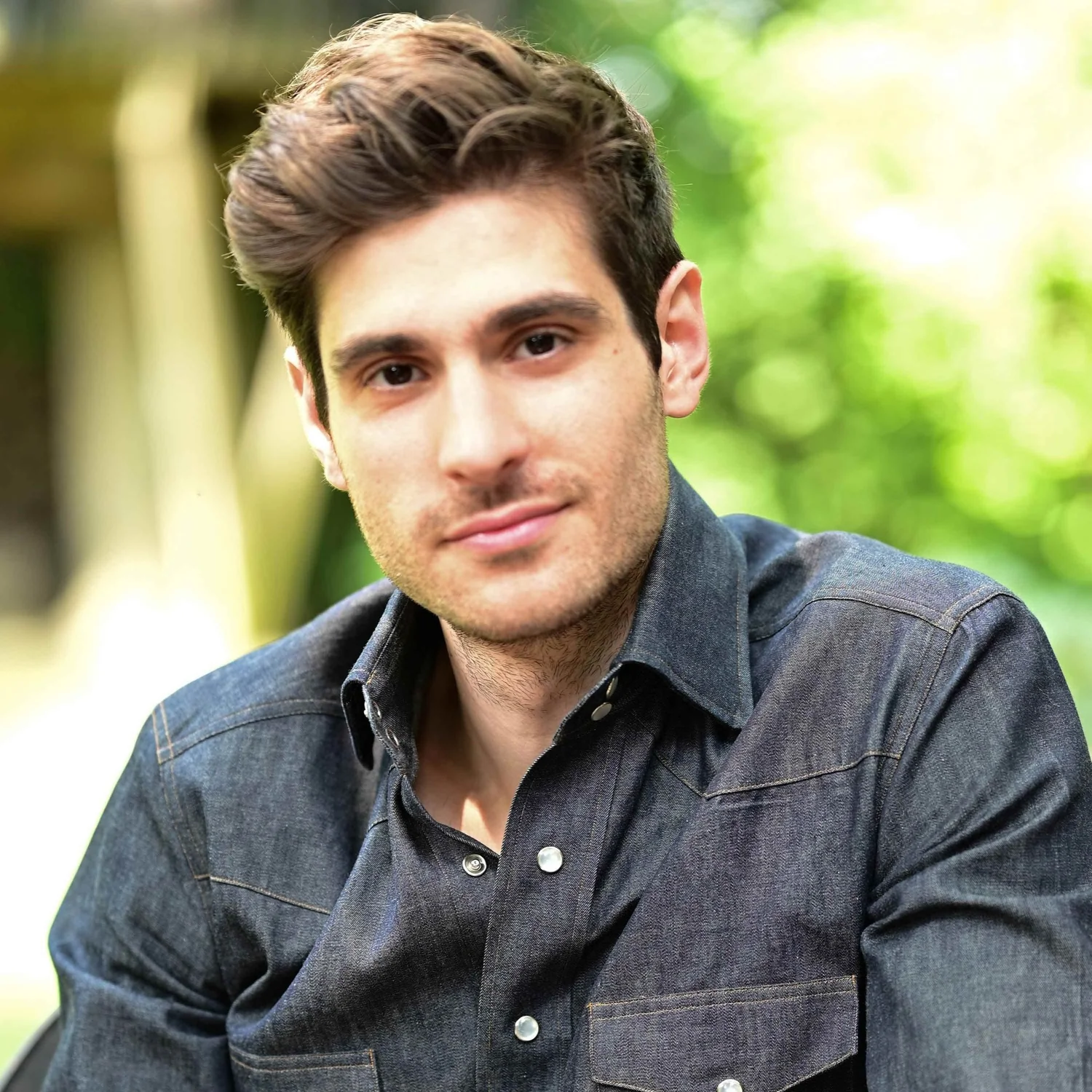
MAX BENNETT - Author of A Brief History of Intelligence: Evolution, AI, and the Five Breakthroughs That Made Our Brains - CEO of Alby
The more the science of intelligence (both human and artificial) advances, the more it holds the potential for great benefits and dangers to society.Max Bennett is the cofounder and CEO of Alby, a start-up that helps companies integrate large language models into their websites to create guided shopping and search experiences. Previously, Bennett was the cofounder and chief product officer of Bluecore, one of the fastest growing companies in the U.S., providing AI technologies to some of the largest companies in the world. Bluecore has been featured in the annual Inc. 500 fastest growing companies, as well as Glassdoor’s 50 best places to work in the U.S. Bluecore was recently valued at over $1 billion. Bennett holds several patents for AI technologies and has published numerous scientific papers in peer-reviewed journals on the topics of evolutionary neuroscience and the neocortex. He has been featured on the Forbes 30 Under 30 list as well as the Built In NYC’s 30 Tech Leaders Under 30. He is the author of A Brief History of Intelligence: Evolution, AI, and the Five Breakthroughs That Made Our Brains."We are on a speck of dust in the middle of nothingness. That is the only haven we are privy to that can support life and intelligence. I forget who came up with this analogy but I love it, which is if we think about Earth, not as a planet, but as a spaceship, and we're tunneling through the void, wouldn't we care a lot about the state of this spaceship? Like, this is where we live. Would we let it start rusting in places and things start breaking down? Would we let it run out of fuel? Would we let key parts of the spaceship's functioning just cease to be working? With the hope that, oh, we'll have generations in the future who will fix the spaceship.We have what might be called the technophiles who are fascinated with accelerating technology and expanding human consciousness into machines and seeing how far into the universe we can spread and going on these grand adventures. And some think what's beautiful about the human condition doesn't require expansion. It doesn't require more. We already have everything beautiful about sentience. We should preserve it and just share it with other animals and maintain some form of symbiosis and balance. And no matter which of these two sides of the spectrum you fall on, we must keep Earth healthy."www.abriefhistoryofintelligence.com/ www.alby.com www.bluecore.com www.creativeprocess.info www.oneplanetpodcast.org IG www.instagram.com/creativeprocesspodcast
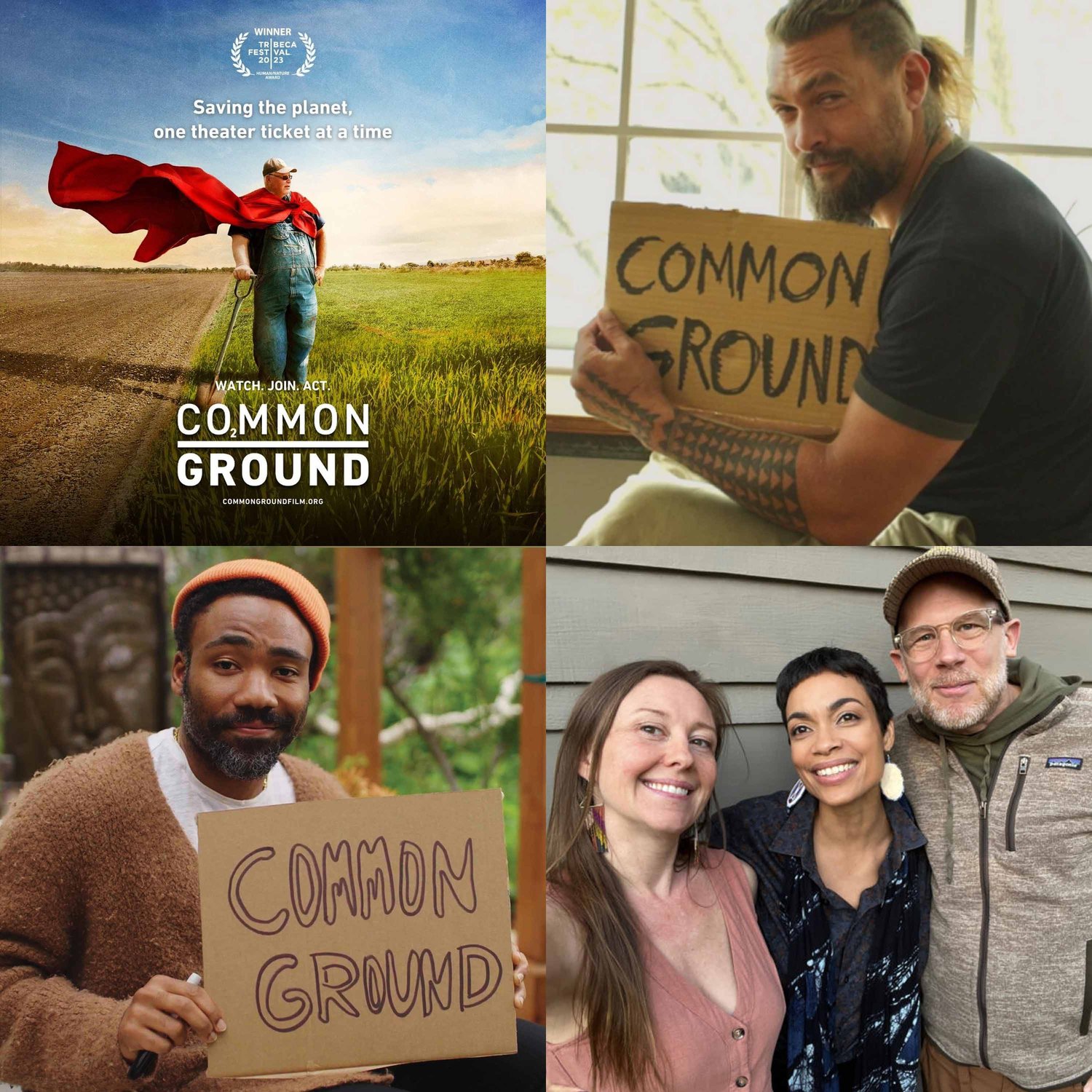
Highlights - JULIAN LENNON - Exec. Producer of Common Ground - Founder of The White Feather Foundation - Musician - Photographer
"With this film in particular tugging at people's hearts, regarding family. I mean, really trying to get the point across that this really affects all of us in every way, shape, or form, and that, you know, if we don't do anything...It seems to me that since the beginning of time almost, at least in the corporate world, there's always been walls put up for anything that's organic, positive, natural, and the list goes on. And I think that filters down in many fields. And so be part of something, a positive movement that continues to do such great work, I just keep my fingers crossed. And obviously, my job here as well is to support in any way, shape I can.And of course, I believe in everything that's being told. It is the truth. These are the facts of our lives at the moment. And, if we don't look after Mother Earth, Gaia, she can't look after us. It's a shared experience. It's a balance between things, everything in life. You know, we need each other."How can the arts inspire us to lead lives of greater meaning and connection? What kind of world are we leaving for future generations?Julian Lennon is a Grammy-nominated singer-songwriter, photographer, documentary filmmaker, and NYTimes bestselling author of children's books. Executive Producer of Common Ground and its predecessor Kiss the Ground, which reached over 1 billion people and inspired the US Department of Agriculture (USDA) to put $20 billion toward soil health. The natural world and indigenous people are also the focus of Lennon’s other documentaries Whaledreamers, and Women of the White Buffalo. In 2007, Julian founded the global environmental and humanitarian organization The White Feather Foundation, whose key initiatives are education, health, conservation, and the protection of indigenous culture, causes he also advances through his photography, exhibited across the US and Europe. His latest album Jude spans a body of work created over the last 30 years. Julian was named a Peace Laureate by UNESCO in 2020.https://julianlennon.com https://commongroundfilm.org https://kissthegroundmovie.com https://whitefeatherfoundation.com https://julianlennon.lnk.to/JudeWE https://julianlennon-photography.comwww.creativeprocess.info www.oneplanetpodcast.org IG www.instagram.com/creativeprocesspodcast
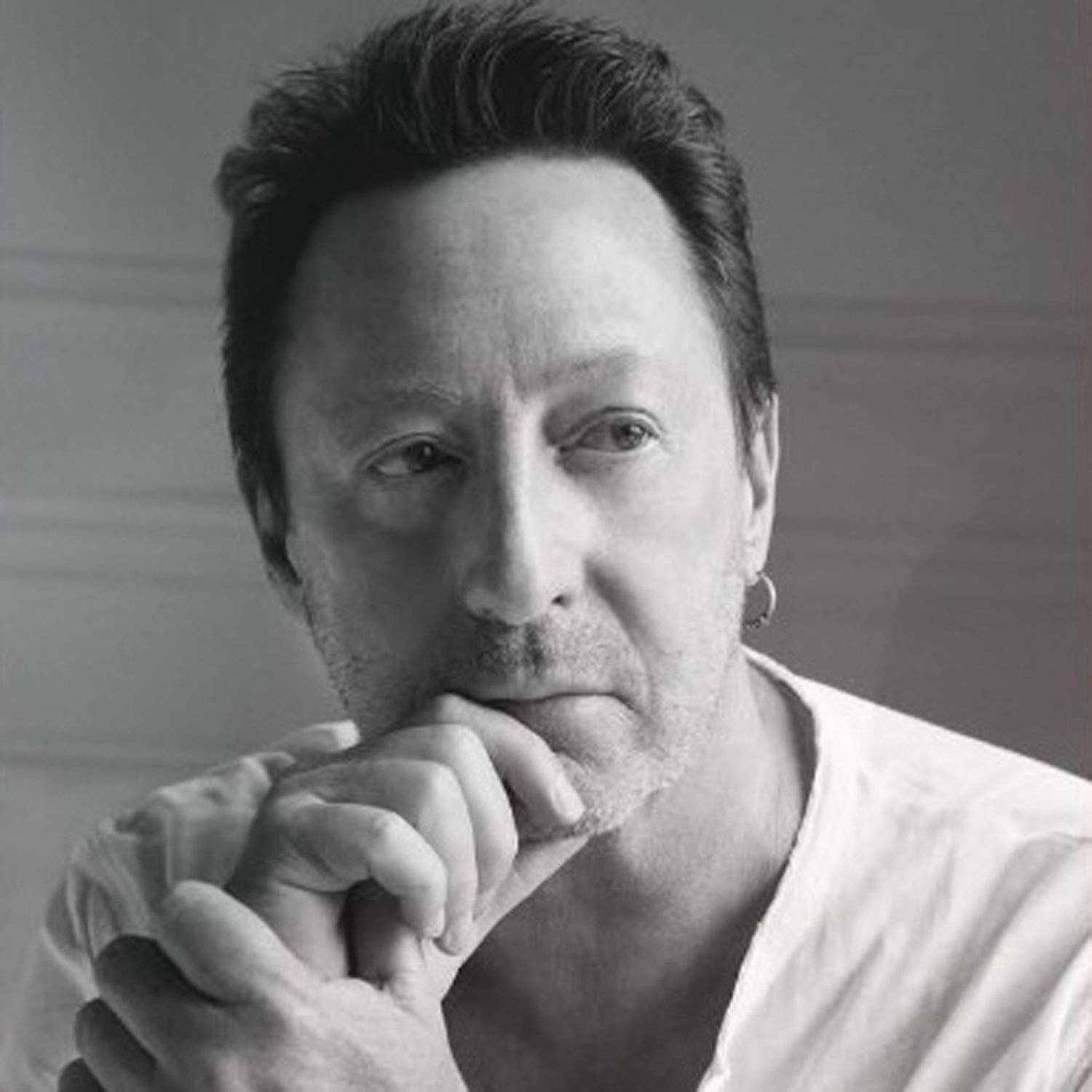
JULIAN LENNON - Singer-songwriter, Photographer, Doc Filmmaker, Exec. Producer of Common Ground
How can the arts inspire us to lead lives of greater meaning and connection? What kind of world are we leaving for future generations?Julian Lennon is a Grammy-nominated singer-songwriter, photographer, documentary filmmaker, and NYTimes bestselling author of children's books. Executive Producer of Common Ground and its predecessor Kiss the Ground, which reached over 1 billion people and inspired the US Department of Agriculture (USDA) to put $20 billion toward soil health. The natural world and indigenous people are also the focus of Lennon’s other documentaries Whaledreamers, and Women of the White Buffalo. In 2007, Julian founded the global environmental and humanitarian organization The White Feather Foundation, whose key initiatives are education, health, conservation, and the protection of indigenous culture, causes he also advances through his photography, exhibited across the US and Europe. His latest album Jude spans a body of work created over the last 30 years. Julian was named a Peace Laureate by UNESCO in 2020."With this film in particular tugging at people's hearts, regarding family. I mean, really trying to get the point across that this really affects all of us in every way, shape, or form, and that, you know, if we don't do anything...It seems to me that since the beginning of time almost, at least in the corporate world, there's always been walls put up for anything that's organic, positive, natural, and the list goes on. And I think that filters down in many fields. And so be part of something, a positive movement that continues to do such great work, I just keep my fingers crossed. And obviously, my job here as well is to support in any way, shape I can.And of course, I believe in everything that's being told. It is the truth. These are the facts of our lives at the moment. And, if we don't look after Mother Earth, Gaia, she can't look after us. It's a shared experience. It's a balance between things, everything in life. You know, we need each other."https://julianlennon.com https://commongroundfilm.org https://kissthegroundmovie.com https://whitefeatherfoundation.com https://julianlennon.lnk.to/JudeWE https://julianlennon-photography.comwww.creativeprocess.info www.oneplanetpodcast.org IG www.instagram.com/creativeprocesspodcast
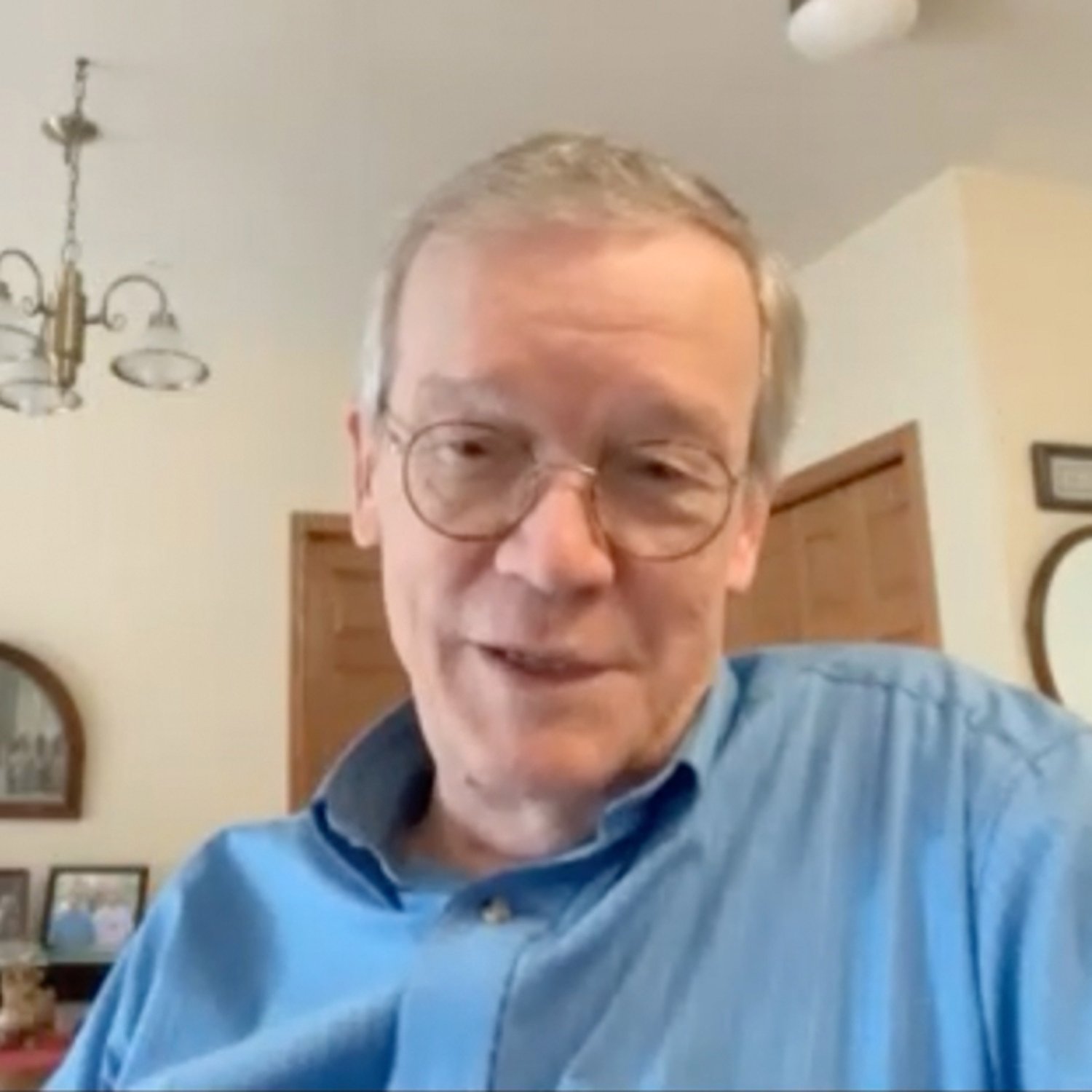
DUANE L. CADY - Philosopher, Author of Moral Vision: How Everyday Life Shapes Ethical Thinking & From Warism to Pacifism
How can we resolve conflicts without compromising our ethics and moral vision? Each year, wars are being fought in our name or with our support that citizens never get an opportunity to vote on. How can we make our voices heard?“Warism, taking war for granted as morally acceptable, even morally required, is the primary obstacle to peace.” Duane L. Cady is a philosopher and Professor Emeritus at Hamline University. He was nominated for the 1991 Grawemeyer World Order Award, was named Outstanding Educator of the Year by the United Methodist Foundation for Higher Education, and a festschiff in his honor was published in 2012. Cady is best known for his works on pacifism, including Moral Vision: How Everyday Life Shapes Ethical Thinking, and From Warism to Pacifism: A Moral Continuum."One of the statistics that sticks in my mind is that the U.S. military burns more fossil in a year than the whole country of Sweden. It's just staggering, and where do we dump military waste? Well, usually on poor people, and usually in parts of the country like on Native American reservations, where we dig into the ground and get rid of our nuclear waste. And why do we do that? Well, we wouldn't want it near us."https://duanelcady.comwww.creativeprocess.infowww.oneplanetpodcast.orgIG www.instagram.com/creativeprocesspodcast

HOWARD GARDNER - Co-director of The Good Project - Author of A Synthesizing Mind & Frames of Mind: The Theory of Multiple Intelligences
How do we define intelligence? What is the point of creativity and intelligence if we are not creating good in the world? In this age of AI, what is the importance of a synthesizing mind?Howard Gardner, Research Professor of Cognition and Education at the Harvard Graduate School of Education, an author of over 30 books, translated into 32 languages, and several hundred articles, is best known for his theory of multiple intelligences, a critique of the notion that there exists but a single human intelligence that can be assessed by standard psychometric instruments. He has twice been selected by Foreign Policy and Prospect magazines as one of the 100 most influential public intellectuals in the world. In the last few years, Gardner has been studying the nature of human synthesizing, a topic introduced in his 2020 memoir, A Synthesizing Mind.For 28 years, with David Perkins, he was Co-Director of Harvard Project Zero, and in more recent years has served in a variety of leadership positions. Since the middle 1990s, Gardner has directed The Good Project, a group of initiatives, founded in collaboration with psychologists Mihaly Csikszentmihalyi and William Damon. The project promotes excellence, engagement, and ethics in education, preparing students to become good workers and good citizens who contribute to the overall well-being of society. Through research-based concepts, frameworks, and resources, The Good Project seeks to help students reflect upon the ethical dilemmas that arise in everyday life and give them the tools to make thoughtful decisions."The barriers to climate change are largely political: individual countries and countries working together. We need to keep carbon down and have people lead lives in ways which are less destructive to our environment. And I don't have a great deal of faith that our political system can do that. I'm not religious myself, but I think that we need to have a new religious leader in the world. I always say Gandhi is the most important person of the last thousand years because he understood that if we tried to fight with weapons, we would just destroy one another. We have to disagree peacefully. And I think we need that kind of figure who can mobilize people across different nations and different attitudes on the question. Where I think I do have something to say, is I think in the schools of the future, we're going to focus much more on what it means to be human beings on our planet. I think that's the best chance for the planet to survive, which is the question of climate change, but also to thrive, which is a question of good work and good citizenship."www.howardgardner.comhttp://thegoodproject.orghttps://mitpress.mit.edu/9780262542838/a-synthesizing-mindwww.creativeprocess.infowww.oneplanetpodcast.orgIG www.instagram.com/creativeprocesspodcast
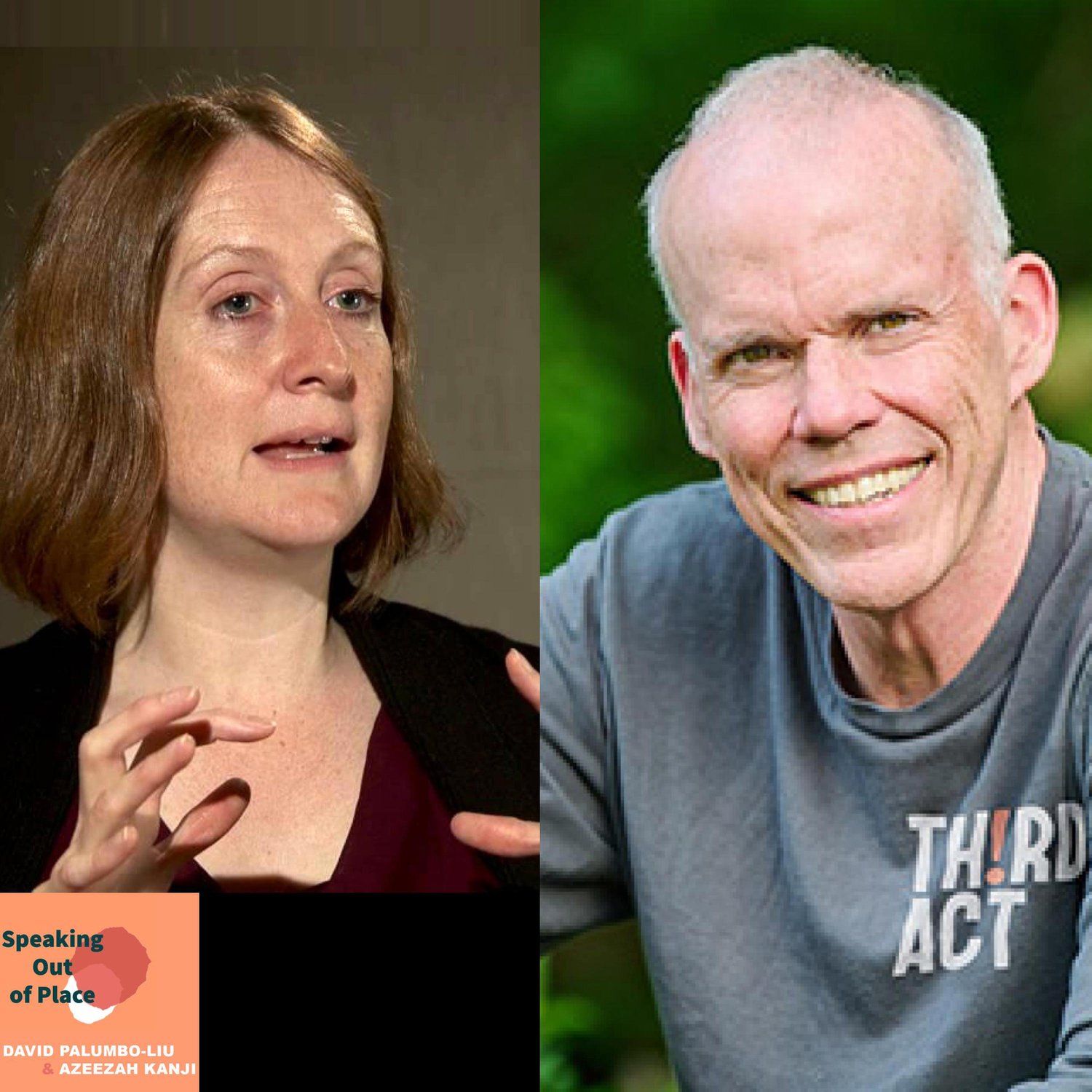
Speaking Out of Place: BILL McKIBBEN, Co-Founder of 350.org, Founder Third Act & CAROLINE LEVINE, Author of The Activist Humanist
In this episode of the Speaking Out of Place podcast, Professor David Palumbo-Liu talks with legendary climate activist Bill McKibben and scholar Caroline Levine. McKibben relates his long struggle to get companies to divest from fossil fuels and for the world in general to act immediately to seriously and substantially address this existential crisis. Levine tells of her efforts to get the giant pension fund, TIAA-CREF, to divest. She also talks about her new book, The Activist Humanist, and its relation to both her teaching and her activism.Bill McKibben is founder of Third Act, which organizes people over the age of 60 for action on climate and justice. His 1989 book The End of Nature is regarded as the first book for a general audience about climate change, and has appeared in 24 languages. He’s gone on to write 20 books, and his work appears regularly in periodicals from the New Yorker to Rolling Stone. He serves as the Schumann Distinguished Scholar in Environmental Studies at Middlebury College, as a fellow of the American Academy of Arts and Sciences, and he has won the Gandhi Peace Prize as well as honorary degrees from 20 colleges and universities. He was awarded the Right Livelihood Award, sometimes called the alternative Nobel, in the Swedish Parliament. Foreign Policy named him to its inaugural list of the world’s 100 most important global thinkers.McKibben helped found 350.org, the first global grassroots climate campaign, which has organized protests on every continent, including Antarctica, for climate action. He played a leading role in launching the opposition to big oil pipeline projects like Keystone XL, and the fossil fuel divestment campaign, which has become the biggest anti-corporate campaign in history, with endowments worth more than $40 trillion stepping back from oil, gas and coal. He stepped down as board chair of 350 in 2015, and left the board and stepped down from his volunteer role as senior adviser in 2020, accepting emeritus status. He lives in the mountains above Lake Champlain with his wife, the writer Sue Halpern, where he spends as much time as possible outdoors. In 2014, biologists credited his career by naming a new species of woodland gnat—Megophthalmidia mckibbeni–in his honor.Caroline Levine has spent her career asking how and why the humanities and the arts matter, especially in democratic societies. She argues for an understanding of forms and structures as essential both to understanding links between art and society and to the challenge of taking meaningful political action. She is the author of four books. The most recent, The Activist Humanist: Form and Method in the Climate Crisis (Princeton University Press 2023), grows out of the theoretical work of Forms: Whole, Rhythm, Hierarchy, Network (2015, winner of the James Russell Lowell Prize from the MLA, and named one of Flavorwire’s “10 Must-Read Academic Books of 2015”). Levine has also published The Serious Pleasures of Suspense: Victorian Realism and Narrative Doubt (2003, winner of the Perkins Prize for the best book in narrative studies) and Provoking Democracy: Why We Need the Arts (2007)."Viewed one way, we live in a very hopeful moment. Thanks to in large part the work of university scientists and engineers, we now live on a planet where the cheapest way to produce power is to point a sheet of glass at the sun. That is to say, we could run our Earth on energy from heaven instead of hell, and we could do it fast. The fast is the hard part here. The only difference between all the examples of the long victories of social justice activism that we're in now is that this one is a time-limited problem. If we don't solve it fast, then no one's got a plan for how you refreeze the Arctic once you've melted it. And so we have to move very quickly. Our systems are not designed to move quickly. It's the easiest thing in the world to slow down and delay change, which is all that the fossil fuel industry at this point is trying to do, and that means that it's time for maximum effort from all of us. The story to tell is that the planet is outside its comfort zone, so we need to be outside ours."https://billmckibben.comhttps://350.orghttps://thirdact.orghttps://english.cornell.edu/caroline-levinehttps://press.princeton.edu/books/paperback/9780691250588/the-activist-humanisthttps://tiaa-divest.orgwww.palumbo-liu.com https://speakingoutofplace.comhttps://twitter.com/palumboliu?s=20

GLADYS KALEMA-ZIKUSOKA - Founder/CEO, Conservation Through Public Health - UN Champion of the Earth for Science & Innovation
How do some people face incredible tragedies and find within these experiences inspiration to improve the lives of others? Our guest today lost her grandfather, who was the assassinated Prime Minister of the Buganda Kingdom, and her father, who was disappeared by Idi Amin, and yet she went on to become a leading conservationist.Dr. Gladys Kalema-Zikusoka is Uganda's first full-time wildlife veterinarian and the Founder and CEO of Conservation Through Public Health. Interested in animals from a young age, she pursued her studies at the Royal Veterinary College at the University of London before returning to Uganda. In the time since, she's worked tirelessly to preserve the animals of Uganda, being awarded the Whitley Gold Award, Sierra Club Earth Care Award, Edinburgh Medal, National Geographic Explorer, and most recently an appointment to become a United Nations Champion of the Earth for Science and Innovation. She is author of Walking with Gorillas: The Journey of an African Wildlife Vet."I have always wanted to be around animals and growing up, I cannot remember a time when there were no pets at home. My elder brother Apollo Katerega, who was 10 years older than me, also liked animals, especially dogs and was always bringing stray dogs and cats home. I was the last born of six children. My sister, Veronica Nakibule, who I followed, was five years older than me so were just outside each other's age bracket for playing. Thus the pets at home became my main companions, and we developed a strong bond.Along the way, I eventually fulfilled my lifelong dream to not only become a veterinarian, but a wildlife veterinarian. In 1996, I began to take care of the critically endangered mountain gorillas of Uganda. Since then, they've increased in number from six hundred and fifty to 1,063 individuals in Uganda, Rwanda, and the Democratic Republic of Congo(DRC). There are no mountain gorillas surviving in zoos outside their range countries, and their only hope is to keep the population thriving where they are naturally found.The gorillas have shaped my life's calling since I first studied them as a student at the Royal Veterinary College, University of London. I've treated them as the first full-time wildlife veterinarian in Uganda and supported them as Founder and Chief Executive Officer of a grassroots NGO and nonprofit, Conservation Through Public Health, more commonly known as 'CTPH,' that promotes biodiversity conservation through not only improving the health of gorillas and other wildlife, but also the health and wellbeing of the people and livestock with whom they share their fragile habitats."www.ctph.orghttps://www.skyhorsepublishing.com/9781950994267/walking-with-gorillas/www.creativeprocess.infowww.oneplanetpodcast.orgIG www.instagram.com/creativeprocesspodcast

Highlights - UN Young Champion of the Earth GATOR HALPERN - Co-Founder & President of Coral Vita - Forbes 30 Under 30 Social Entrepreneur
“Coral reefs are the most biodiverse habitat on the planet, despite covering less than 1 percent of the ocean area, over a quarter of all marine life exists in these rainforests of the sea. And if you think of a coral reef as a rainforest, the trees are the coral themselves. Which are incredible organisms, so, magic is really the right word to describe them. They're these animals that are one of the original forms of animal life, the second branch of the animal kingdom is actually Cnidaria, which includes coral and jellyfish. So, an ancient animal, but they have a symbiotic relationship with algae, and so inside the animal tissue are these zooxanthellae, these algae that do photosynthesis, like algae do, like plants do. It's able to capture sunlight and convert it into sugars and energy. And so, it's an animal, but it's got plants that live inside it, this algae, and then even more wild - it grows a skeleton that is rock!So coral skeleton is actually calcium carbonate, which is limestone. And most of the limestone that exists on the earth was grown by these organisms. And so they're animals with plants inside of them that grow rock as skeleton. And the rock skeletons form these incredibly intricate structures that are coral reefs that can grow for thousands of miles and the corals can live for thousands of years to be seen from space and to create these essential ecosystems that are really the cornerstone of all of life in the ocean and, and therefore much of life on Earth.”Coral reefs are the most biodiverse habitat on the planet, despite covering less than 1 percent of the ocean. Over a quarter of all marine life exists in these rain forests of the sea. Gator Halpern is the Co-founder and President of Coral Vita, a mission-driven company working to restore our world’s dying coral reefs. He is a lifelong entrepreneur who is passionate about starting projects that can help create a better harmony between society and nature. His work has earned him a number of awards including being named a United Nation’s Young Champion of the Earth, a Forbes 30 Under 30 social entrepreneur, and an Echoing Green fellow. Before founding Coral Vita, he worked on development projects in Brazil, Peru, and South Africa. During his career, he has helped distribute millions of baby fish for aquaculture to remote villages in the Amazon, he’s analyzed the environmental effects of land-use change projects on three different continents, and worked for the World Wildlife Fund Global Marine Program. Gator founded Coral Vita during his graduate studies at the Yale School of Forestry and Environmental Studies, and he lives and works in the Bahamas where Coral Vita operates the world’s first commercial land-based coral farm for reef restoration.https://coralvita.cowww.creativeprocess.infowww.oneplanetpodcast.orgIG www.instagram.com/creativeprocesspodcast
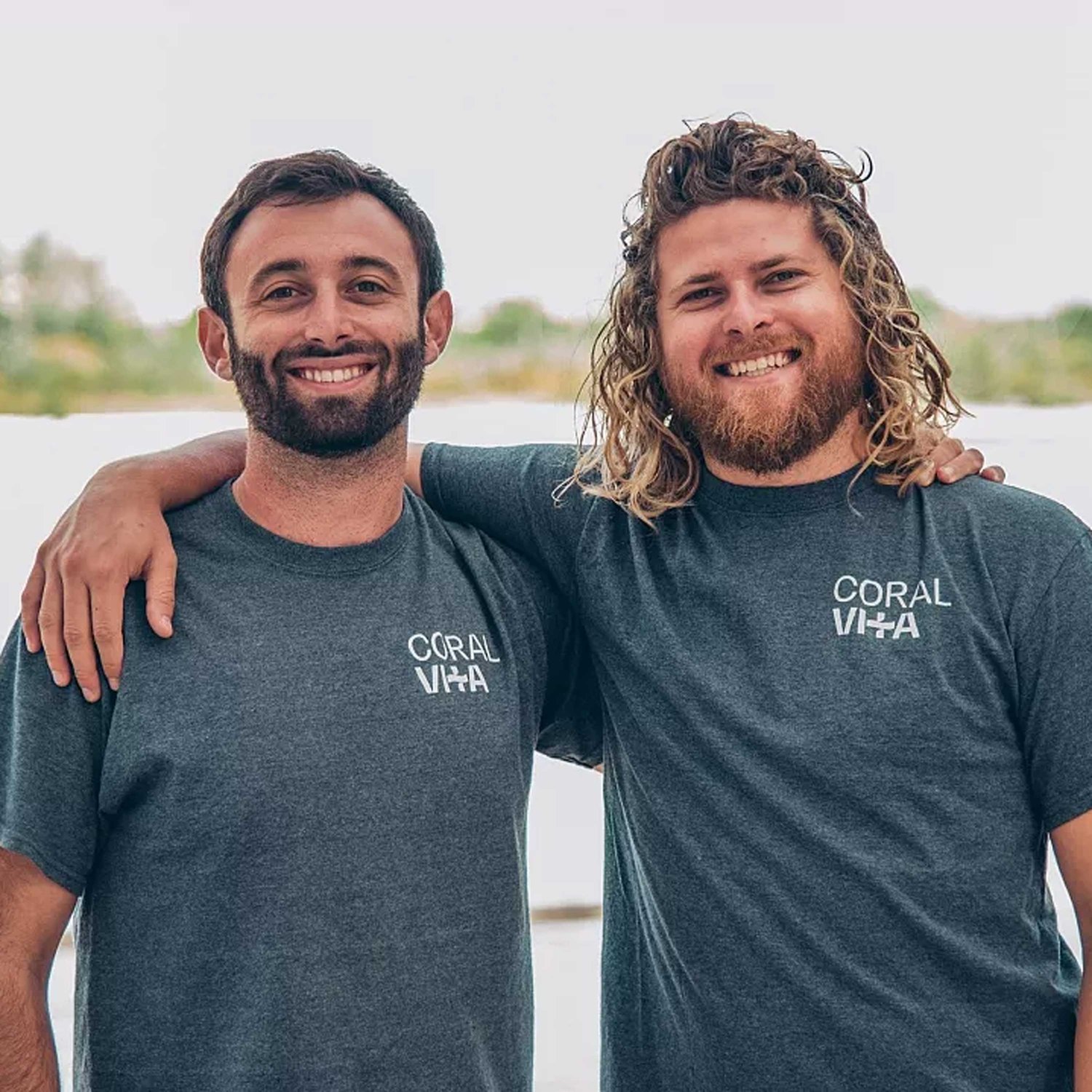
GATOR HALPERN - Co-Founder & President of Coral Vita - UN Young Champion of the Earth - Forbes 30 Under 30 Social Entrepreneur
Coral reefs are the most biodiverse habitat on the planet, despite covering less than 1 percent of the ocean. Over a quarter of all marine life exists in these rain forests of the sea. Gator Halpern is the Co-founder and President of Coral Vita, a mission-driven company working to restore our world’s dying coral reefs. He is a lifelong entrepreneur who is passionate about starting projects that can help create a better harmony between society and nature. His work has earned him a number of awards including being named a United Nation’s Young Champion of the Earth, a Forbes 30 Under 30 social entrepreneur, and an Echoing Green fellow. Before founding Coral Vita, he worked on development projects in Brazil, Peru, and South Africa. During his career, he has helped distribute millions of baby fish for aquaculture to remote villages in the Amazon, he’s analyzed the environmental effects of land-use change projects on three different continents, and worked for the World Wildlife Fund Global Marine Program. Gator founded Coral Vita during his graduate studies at the Yale School of Forestry and Environmental Studies, and he lives and works in the Bahamas where Coral Vita operates the world’s first commercial land-based coral farm for reef restoration.“Coral reefs are the most biodiverse habitat on the planet, despite covering less than 1 percent of the ocean area, over a quarter of all marine life exists in these rainforests of the sea. And if you think of a coral reef as a rainforest, the trees are the coral themselves. Which are incredible organisms, so, magic is really the right word to describe them. They're these animals that are one of the original forms of animal life, the second branch of the animal kingdom is actually Cnidaria, which includes coral and jellyfish. So, an ancient animal, but they have a symbiotic relationship with algae, and so inside the animal tissue are these zooxanthellae, these algae that do photosynthesis, like algae do, like plants do. It's able to capture sunlight and convert it into sugars and energy. And so, it's an animal, but it's got plants that live inside it, this algae, and then even more wild - it grows a skeleton that is rock!So coral skeleton is actually calcium carbonate, which is limestone. And most of the limestone that exists on the earth was grown by these organisms. And so they're animals with plants inside of them that grow rock as skeleton. And the rock skeletons form these incredibly intricate structures that are coral reefs that can grow for thousands of miles and the corals can live for thousands of years to be seen from space and to create these essential ecosystems that are really the cornerstone of all of life in the ocean and, and therefore much of life on Earth.”https://coralvita.cowww.creativeprocess.infowww.oneplanetpodcast.orgIG www.instagram.com/creativeprocesspodcast

Highlights - LEAH THOMAS - Author of The Intersectional Environmentalist: How to Dismantle Systems of Oppression to Protect People + Planet
"So I think the first step is definitely awareness. I know when I was the only Black student in my environmental science program, I didn't quite understand why I really wanted to focus on the environmental injustices that were going on in my neighborhood. Or the concept of racial justice was always kind of intertwined with my environmental advocacy. So it's something that I want other communities of color to understand that that's okay, that you can show up to this field and also have empathy for your own community and that you don't need to separate your identity from your environmental practice. And including your cultural background can actually enhance the work that you do because I think it's such a beautiful thing that we all have different identity aspects, whether that's religion, race, gender, etc.So I think that's the first step, making sure that representation is there so all people can see themselves reflected in environmental education and feel empowered to know that they belong and they can take their identity with them and that enhances their environmental practice. And secondly, through The Intersectional Environmentalist Platform, we love to platform students who are working on climate justice research and share it through kind of untraditional means. So they might not be published in a scientific paper, but it's something they can share amongst their peers in our community of about half a million people, etc. So it's another way for them to share their research at the intersection of identity and environmentalism with more people. And that's something I really enjoy with our work, just letting people know that, yeah, your work is important, even if it's not published in a scientific paper. There is a really big community of people out there who are interested in learning and might even relate to that research."Leah Thomas is an intersectional environmental activist and eco-communicator based in Southern California. She’s passionate about advocating for and exploring the relationship between social justice and environmentalism and was the first to define the term “Intersectional Environmentalism.” She is the founder of @greengirlleah and The Intersectional Environmentalist platform. Her articles on this topic have appeared in Vogue, Elle, The Good Trade, and Youth to the People and she has been featured in Harper’s Bazaar, W Magazine, Domino, GOOP, Fashionista, BuzzFeed, and numerous podcasts. She has a B.S. in Environmental Science and Policy from Chapman University and worked for the National Park Service and Patagonia headquarters before pursuing activism full time. She lives in Carpinteria, California. She is the author of The Intersectional Environmentalist: How to Dismantle Systems of Oppression to Protect People + Planet, and Winner of the Creative Force Foundation Award 2023.www.intersectionalenvironmentalist.com www.instagram.com/greengirlleah www.hachettebookgroup.com/titles/leah-thomas/the-intersectional-environmentalist/9780316281935/?lens=voraciousSeason 2 of Business & Society focuses on CEOs , Sustainability & Environmental Solutions Business & Society is a limited series co-hosted by Bruce Piasecki & Mia Funkwww.oneplanetpodcast.org

LEAH THOMAS - Author of The Intersectional Environmentalist - Founder of IE Platform & @GreenGirlLeah
Leah Thomas is an intersectional environmental activist and eco-communicator based in Southern California. She’s passionate about advocating for and exploring the relationship between social justice and environmentalism and was the first to define the term “Intersectional Environmentalism.” She is the founder of @greengirlleah and The Intersectional Environmentalist platform. Her articles on this topic have appeared in Vogue, Elle, The Good Trade, and Youth to the People and she has been featured in Harper’s Bazaar, W Magazine, Domino, GOOP, Fashionista, BuzzFeed, and numerous podcasts. She has a B.S. in Environmental Science and Policy from Chapman University and worked for the National Park Service and Patagonia headquarters before pursuing activism full time. She lives in Carpinteria, California. She is the author of The Intersectional Environmentalist: How to Dismantle Systems of Oppression to Protect People + Planet, and Winner of the Creative Force Foundation Award 2023."So I think the first step is definitely awareness. I know when I was the only Black student in my environmental science program, I didn't quite understand why I really wanted to focus on the environmental injustices that were going on in my neighborhood. Or the concept of racial justice was always kind of intertwined with my environmental advocacy. So it's something that I want other communities of color to understand that that's okay, that you can show up to this field and also have empathy for your own community and that you don't need to separate your identity from your environmental practice. And including your cultural background can actually enhance the work that you do because I think it's such a beautiful thing that we all have different identity aspects, whether that's religion, race, gender, etc.So I think that's the first step, making sure that representation is there so all people can see themselves reflected in environmental education and feel empowered to know that they belong and they can take their identity with them and that enhances their environmental practice. And secondly, through The Intersectional Environmentalist Platform, we love to platform students who are working on climate justice research and share it through kind of untraditional means. So they might not be published in a scientific paper, but it's something they can share amongst their peers in our community of about half a million people, etc. So it's another way for them to share their research at the intersection of identity and environmentalism with more people. And that's something I really enjoy with our work, just letting people know that, yeah, your work is important, even if it's not published in a scientific paper. There is a really big community of people out there who are interested in learning and might even relate to that research."www.intersectionalenvironmentalist.com www.instagram.com/greengirlleah www.hachettebookgroup.com/titles/leah-thomas/the-intersectional-environmentalist/9780316281935/?lens=voraciousSeason 2 of Business & Society focuses on CEOs , Sustainability & Environmental Solutions Business & Society is a limited series co-hosted by Bruce Piasecki & Mia Funkwww.oneplanetpodcast.org
Highlights - MICHAEL S. ROTH - President of Wesleyan University - Author of The Student: A Short History
“So I wrote this book and it was a lot of fun because I had to learn so much. The book examines three iconic teachers: Confucius, Socrates, and Jesus. And I look at how each of those teachers encourage a certain kind of student. The student as follower, someone who will take on the path that you've developed. In the case of Socrates, the student as critical interlocutor or critical conversation partner, someone who will, in dialogue with you, learn what they don't know, how to take things apart. And in the case of Jesus and the apostles, I look at trying to imitate a way of life to transform themselves to strive towards being the kind of person that Jesus incarnated. And so that's the beginning of the book, these models of studenthood, if I could use that word, and being a teacher. And then I look at the way in which these ideas reverberate in the West across a long period of time. So I'm interested in the idea of the student before there were schools. What did we expect young people to learn even when they weren't going to school?”What is the purpose of education? How are we educating students for the future? What is the importance of the humanities in this age of AI and the rapidly changing workplace?Michael S. Roth is President of Wesleyan University. His books include Beyond the University: Why Liberal Education Matters and Safe Enough Spaces: A Pragmatist’s Approach to Inclusion, Free Speech, and Political Correctness on College Campuses. He's been a Professor of History and the Humanities since 1983, was the Founding Director of the Scripps College Humanities Institute, and was the Associate Director of the Getty Research Institute. His scholarly interests center on how people make sense of the past, and he has authored eight books around this topic, including his latest, The Student: A Short History.https://www.wesleyan.edu/academics/faculty/mroth/profile.htmlhttps://yalebooks.yale.edu/book/9780300250039/the-student/www.wesleyan.eduhttps://twitter.com/mroth78www.creativeprocess.infowww.oneplanetpodcast.orgIG www.instagram.com/creativeprocesspodcast

MICHAEL S. ROTH - President of Wesleyan University - Author of The Student: A Short History
Michael S. Roth is President of Wesleyan University. His books include Beyond the University: Why Liberal Education Matters and Safe Enough Spaces: A Pragmatist’s Approach to Inclusion, Free Speech, and Political Correctness on College Campuses. He's been a Professor of History and the Humanities since 1983, was the Founding Director of the Scripps College Humanities Institute, and was the Associate Director of the Getty Research Institute. His scholarly interests center on how people make sense of the past, and he has authored eight books around this topic, including his latest, The Student: A Short History.“I've been President now for more than 15 years, and we've created I think six new interdisciplinary colleges in that period. There were two when I started, and they had been there for 50 years, but we've created a College of the Environment, a College of Film and the Moving Image, a College of Education, College of Integrated Sciences, College of East Asian Studies, and a College of Design and Engineering, the newest one. And I love these things because they bring different disciplines. In the College of the Environment, you can have a biologist, a dancer, an anthropologist, and an economist, and they're all worrying about a certain problem in environmental studies, but they come at it from different perspectives, and they join together in their work. That's extremely exciting.”https://www.wesleyan.edu/academics/faculty/mroth/profile.htmlhttps://yalebooks.yale.edu/book/9780300250039/the-student/www.wesleyan.eduhttps://twitter.com/mroth78www.creativeprocess.infowww.oneplanetpodcast.orgIG www.instagram.com/creativeprocesspodcast

Highlights - BRIAN DAVID JOHNSON - Director of the ASU Threatcasting Lab - Author of The Future You
"I think the most important thing that I would like young people to know is that they can build their future. That they have the power and they have the agency to shape their future and they have the ability and the power when working with others to have an even broader impact.The thing that scares me the most about the future is when people give up that agency and they let other people design their futures for them. For me, I think it's incredibly powerful to go to young people and say you can do it. But also you need to tell me what you want. And I think empowering them to have a vision for the future, that's why I spend so much time in schools and talking to young people because it's those visions that I think are incredibly important."Brian David Johnson is Futurist in Residence at Arizona State University’s Center for Science and the Imagination, a professor in the School for the Future of Innovation in Society, and the Director of the ASU Threatcasting Lab. He is Author of The Future You: How to Create the Life You Always Wanted, Science Fiction Prototyping: Designing the Future with Science Fiction, 21st Century Robot: The Dr. Simon Egerton Stories, Humanity in the Machine: What Comes After Greed?, Screen Future: The Future of Entertainment, Computing, and the Devices We Love.https://csi.asu.edu/people/brian-david-johnson/www.creativeprocess.infowww.oneplanetpodcast.orgIG www.instagram.com/creativeprocesspodcast

BRIAN DAVID JOHNSON - Author of The Future You: How to Create the Life You Always Wanted - Futurist in Residence, ASU’s Center for Science & the Imagination
Brian David Johnson is Futurist in Residence at Arizona State University’s Center for Science and the Imagination, a professor in the School for the Future of Innovation in Society, and the Director of the ASU Threatcasting Lab. He is Author of The Future You: How to Create the Life You Always Wanted, Science Fiction Prototyping: Designing the Future with Science Fiction, 21st Century Robot: The Dr. Simon Egerton Stories, Humanity in the Machine: What Comes After Greed?, Screen Future: The Future of Entertainment, Computing, and the Devices We Love."I think the most important thing that I would like young people to know is that they can build their future. That they have the power and they have the agency to shape their future and they have the ability and the power when working with others to have an even broader impact.The thing that scares me the most about the future is when people give up that agency and they let other people design their futures for them. For me, I think it's incredibly powerful to go to young people and say you can do it. But also you need to tell me what you want. And I think empowering them to have a vision for the future, that's why I spend so much time in schools and talking to young people because it's those visions that I think are incredibly important."https://csi.asu.edu/people/brian-david-johnson/www.creativeprocess.infowww.oneplanetpodcast.orgIG www.instagram.com/creativeprocesspodcast
Highlights - SUSAN SCHNEIDER - Author of Artificial You: AI and the Future of Your Mind, Fmr. Distinguished Scholar, US Library of Congress
"I'm using ChatGPT Plus, and you can do much better research. I think the scientific possibilities are amazing, and it's a very good research assistant. There are plugins you can use to go through scientific papers quickly. And if you feed it the right sort of data, it has near instantaneous access to a range of facts that helps me in my field. And I think any system that has these kinds of capacities...it's a sort of crowdsourced brain if you will. So it's roughly like the neocortex, very roughly. And it's a neocortex without a limbic system. So it's just an association engine without necessarily emotions, but it's able to quickly access a range of materials that humans can't. So there should be intriguing scientific discoveries, drug discovery, and computations. And of course, involving climate change."Will AI become conscious? President Biden has just unveiled a new executive order on AI — the U.S. government’s first action of its kind — requiring new safety assessments, equity and civil rights guidance, and research on AI’s impact on the labor market. With this governance in place, can tech companies be counted on to do the right thing for humanity? Susan Schneider is a philosopher, artificial intelligence expert, and founding director of the Center for the Future Mind at Florida Atlantic University. She is author of Artificial You: AI and the Future of Your Mind, Science Fiction and Philosophy: From Time Travel to Superintelligence, and The Blackwell Companion to Consciousness. She held the NASA Chair with NASA and the Distinguished Scholar Chair at the Library of Congress. She is now working on projects related to advancements in AI policy and technology, drawing from neuroscience research and philosophical developments and writing a new book on the shape of intelligent systems.www.fau.edu/artsandletters/philosophy/susan-schneider/index www.fau.edu/future-mind/www.creativeprocess.infowww.oneplanetpodcast.orgIG www.instagram.com/creativeprocesspodcast

SUSAN SCHNEIDER - Director, Center for the Future Mind, FAU, Fmr. NASA Chair at NASA
Will AI become conscious? President Biden has just unveiled a new executive order on AI — the U.S. government’s first action of its kind — requiring new safety assessments, equity and civil rights guidance, and research on AI’s impact on the labor market. With this governance in place, can tech companies be counted on to do the right thing for humanity? Susan Schneider is a philosopher, artificial intelligence expert, and founding director of the Center for the Future Mind at Florida Atlantic University. She is author of Artificial You: AI and the Future of Your Mind, Science Fiction and Philosophy: From Time Travel to Superintelligence, and The Blackwell Companion to Consciousness. She held the NASA Chair with NASA and the Distinguished Scholar Chair at the Library of Congress. She is now working on projects related to advancements in AI policy and technology, drawing from neuroscience research and philosophical developments and writing a new book on the shape of intelligent systems."I'm using ChatGPT Plus, and you can do much better research. I think the scientific possibilities are amazing, and it's a very good research assistant. There are plugins you can use to go through scientific papers quickly. And if you feed it the right sort of data, it has near instantaneous access to a range of facts that helps me in my field. And I think any system that has these kinds of capacities...it's a sort of crowdsourced brain if you will. So it's roughly like the neocortex, very roughly. And it's a neocortex without a limbic system. So it's just an association engine without necessarily emotions, but it's able to quickly access a range of materials that humans can't. So there should be intriguing scientific discoveries, drug discovery, and computations. And of course, involving climate change."www.fau.edu/artsandletters/philosophy/susan-schneider/index www.fau.edu/future-mind/www.creativeprocess.infowww.oneplanetpodcast.orgIG www.instagram.com/creativeprocesspodcast
Highlights - DAVID BYRNE'S THEATER OF THE MIND - Stories of Impact - Nicholas Bruckman, John Tracey, Ian Moubayed
"People don't change their minds when they hear facts. You're not going to shame someone into action. That's just not that's not going to happen. Stories, and importantly, who is telling that story are so essential. In terms of engaging with science and having a relationship with science, it's critical."" Speaking about theater and climate change, we produced that piece this year. We followed a young theater performer who, along with other young people, put on a play about climate change informed by real scientists, and real marine biologists, including discussion of reefs and other challenges that oceans are facing due to climate change.And I think what's really exciting about that piece and that approach, for me personally, is that we don't necessarily expect that the play will move the needle on climate change. But I think it was very clear from following this young protagonist who embarked on this act of storytelling and performance herself, that she felt a great deal of catharsis and also empowerment by creating this artistic piece and sharing it with other young people. And that this artistic expression set her on a lifelong journey to deal with this issue, which she knows - she's 17 - sits uniquely on her generation's shoulders. And so I do think there's an important synthesis between science, the arts, and the actual tackling of the formidable challenge that we face."Nicholas Bruckman is founder and CEO of People's Television, a production studio and creative agency that produces independent films, and video storytelling for brands. Collaborating with the The Simons Foundation through their 'Science Sandbox' Initiative, he directed Theater of the Mind, which takes audiences into the creative inner workings of Musician and Artist David Byrne’s brain, showcasing Byrne’s immersive theater performance, which attempts to conceptualize the idea of our sense of self and how malleable the mind truly is.He directed the award-winning healthcare justice documentary Not Going Quietly, executive produced by Mark and Jay Duplass.John Tracey is Program Director of Science, Society and Culture projects at the Simons Foundation whose mission is to advance the frontiers of research in mathematics and the basic sciences to unravel the mysteries of the universe. The foundation champions basic science through grant funding, support for research and public engagement.Ian Moubayed started his career as a cinematographer, collaborating with Emmy, Peabody, and Oscar-winning filmmakers. His work includes Netflix’s The Great Hack, NBC Peacock’s The Sit-In: Harry Belafonte Hosts the Tonight Show, and HBO’s The Vow.www.youtube.com/@sciencesandboxwww.davidbyrne.comhttps://nickny.com/biohttps://www.simonsfoundation.org/people/john-tracey/https://peoples.tv/director/ian-moubayed/www.creativeprocess.infowww.oneplanetpodcast.orgIG www.instagram.com/creativeprocesspodcast

DAVID BYRNE'S THEATER OF THE MIND - Stories of Impact produced by Simons Foundation & People’s TV
What is consciousness? The mind produces thoughts, sensations, perception, emotions. How can these inner felt experiences be produced within the darkness of the human skull?Nicholas Bruckman is founder and CEO of People's Television, a production studio and creative agency that produces independent films, and video storytelling for brands. Collaborating with the The Simons Foundation through their 'Science Sandbox' Initiative, he directed Theater of the Mind, which takes audiences into the creative inner workings of Musician and Artist David Byrne’s brain, showcasing Byrne’s immersive theater performance, which attempts to conceptualize the idea of our sense of self and how malleable the mind truly is.He directed the award-winning healthcare justice documentary Not Going Quietly, executive produced by Mark and Jay Duplass.John Tracey is Program Director of Science, Society and Culture projects at the Simons Foundation whose mission is to advance the frontiers of research in mathematics and the basic sciences to unravel the mysteries of the universe. The foundation champions basic science through grant funding, support for research and public engagement.Ian Moubayed started his career as a cinematographer, collaborating with Emmy, Peabody, and Oscar-winning filmmakers. His work includes Netflix’s The Great Hack, NBC Peacock’s The Sit-In: Harry Belafonte Hosts the Tonight Show, and HBO’s The Vow."People don't change their minds when they hear facts. You're not going to shame someone into action. That's just not that's not going to happen. Stories, and importantly, who is telling that story are so essential. In terms of engaging with science and having a relationship with science, it's critical."" Speaking about theater and climate change, we produced that piece this year. We followed a young theater performer who, along with other young people, put on a play about climate change informed by real scientists, and real marine biologists, including discussion of reefs and other challenges that oceans are facing due to climate change.And I think what's really exciting about that piece and that approach, for me personally, is that we don't necessarily expect that the play will move the needle on climate change. But I think it was very clear from following this young protagonist who embarked on this act of storytelling and performance herself, that she felt a great deal of catharsis and also empowerment by creating this artistic piece and sharing it with other young people. And that this artistic expression set her on a lifelong journey to deal with this issue, which she knows - she's 17 - sits uniquely on her generation's shoulders. And so I do think there's an important synthesis between science, the arts, and the actual tackling of the formidable challenge that we face."www.youtube.com/@sciencesandboxwww.davidbyrne.comhttps://nickny.com/biohttps://www.simonsfoundation.org/people/john-tracey/https://peoples.tv/director/ian-moubayed/www.creativeprocess.infowww.oneplanetpodcast.orgIG www.instagram.com/creativeprocesspodcast
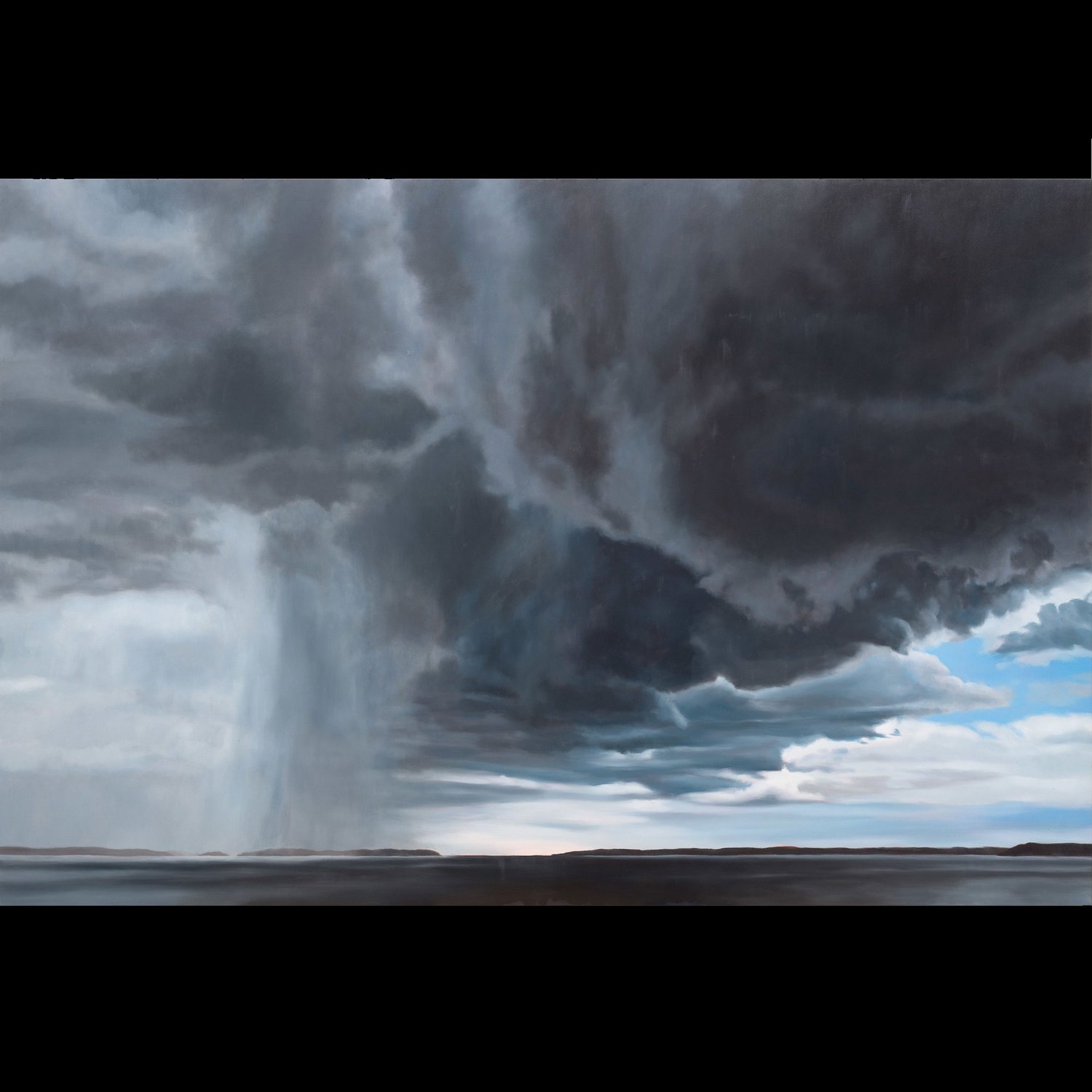
Highlights - APRIL GORNIK - Artist, Environmentalist, Co-founder of The Church: Arts & Creativity Center
"The current climate situation is so overwhelming to people. This is a scale of problem that we have never encountered before. We talk about World War this and World War that, but this is a global catastrophe that's affecting every part of our planet. And it's, importantly, I think, bigger than anyone can actually take in. And I think everyone has the best intentions of trying to make positive change - unless it disturbs their cellphone use and their car driving too much. We have to get a little more serious about that.I've chosen my work because I've loved the outside world. I love the things outside of myself. I love what isn't immediate to me. And I love projecting onto that as a way of kind of trying to reach the distance between my inner self and the vastness. To try to do that in a way that makes other people feel inspired by it, not be chided for not taking care of it. It's not something that I intend to be a message per se, but I think it might be a better message if it's not saying, "People, you've been bad. You have to change your evil ways!"You know, I'd rather people look at the natural world and see the heartbreaking beauty of it and sense its fragility and its impermanence and their own impermanence and fragility and then have a response to that rather than say, you know, you have to act, you have to do something. I would hope that would inspire action rather than to cudgel them with a directive."In this fractured world, how do the arts build community, understanding, and inspire change? How does art help us define who we are and our place in the world?April Gornik is known for her large scale landscape paintings which embrace the vastness of sea and sky. Her imagined landscapes, built up through a series of underpaintings are meditations on light and time. Her work is included in the collections of the Metropolitan Museum of Art, The Museum of Modern Art (MoMA), the Museum of Fine Arts Houston, and the Smithsonian American Art Museum in Washington, DC.She is a director of the board of the Sag Harbor Cinema Arts Center and co-founded The Church arts, exhibition space, and creativity center, which is a sanctuary for visual, performing, literary artists, and other creatives. Together with her husband the artist Eric Fischl, they are at the center of Sag Harbour’s arts district, and in this episode, we’ll also hear from some of the talented artists they’ve brought to their stages.www.aprilgornik.comwww.thechurchsagharbor.orgwww.milesmcenery.com/exhibitions/april-gornik2https://sagharborcinema.org/www.creativeprocess.infowww.oneplanetpodcast.orgIG www.instagram.com/creativeprocesspodcastKimiko Ishizaka - Bach - Well-Tempered Clavier, Book 1 - 01 Prelude No. 1 in C major, BWV 846Creative Commons CC0 1.0 Universal Public Domain

APRIL GORNIK - Artist, Environmentalist, Co-founder of The Church: Arts & Creativity Center
In this fractured world, how do the arts build community, understanding, and inspire change? How does art help us define who we are and our place in the world?April Gornik is known for her large scale landscape paintings which embrace the vastness of sea and sky. Her imagined landscapes, built up through a series of underpaintings are meditations on light and time. Her work is included in the collections of the Metropolitan Museum of Art, The Museum of Modern Art (MoMA), the Museum of Fine Arts Houston, and the Smithsonian American Art Museum in Washington, DC. She is a director of the board of the Sag Harbor Cinema Arts Center and co-founded The Church arts, exhibition space, and creativity center, which is a sanctuary for visual, performing, literary artists, and other creatives. Together with her husband the artist Eric Fischl, they are at the center of Sag Harbour’s arts district, and in this episode, we’ll also hear from some of the talented artists they’ve brought to their stages."The current climate situation is so overwhelming to people. This is a scale of problem that we have never encountered before. We talk about World War this and World War that, but this is a global catastrophe that's affecting every part of our planet. And it's, importantly, I think, bigger than anyone can actually take in. And I think everyone has the best intentions of trying to make positive change - unless it disturbs their cellphone use and their car driving too much. We have to get a little more serious about that.I've chosen my work because I've loved the outside world. I love the things outside of myself. I love what isn't immediate to me. And I love projecting onto that as a way of kind of trying to reach the distance between my inner self and the vastness. To try to do that in a way that makes other people feel inspired by it, not be chided for not taking care of it. It's not something that I intend to be a message per se, but I think it might be a better message if it's not saying, "People, you've been bad. You have to change your evil ways!"You know, I'd rather people look at the natural world and see the heartbreaking beauty of it and sense its fragility and its impermanence and their own impermanence and fragility and then have a response to that rather than say, you know, you have to act, you have to do something. I would hope that would inspire action rather than to cudgel them with a directive."www.aprilgornik.comwww.thechurchsagharbor.orgwww.milesmcenery.com/exhibitions/april-gornik2https://sagharborcinema.org/www.creativeprocess.infowww.oneplanetpodcast.orgIG www.instagram.com/creativeprocesspodcastKimiko Ishizaka - Bach - Well-Tempered Clavier, Book 1 - 01 Prelude No. 1 in C major, BWV 846Creative Commons CC0 1.0 Universal Public DomainAdditional audio courtesy of Sag Harbor Cinema Arts Center.

Highlights - LINDSEY ANDERSON BEER - Writer, Director - Pet Sematary: Bloodlines - Sleepy Hollow
"I don't think that there are any more important stories to tell right now than ones with environmental messages. You know, we obviously are beyond this tipping point. We're at a crisis point and allowing people to understand that, not just understand the ramifications, but understand what they can actually do and what life could look like if we did change our behavior and what those steps could be, I think is our greatest imperative as storytellers right now."Lindsey Anderson Beer wrote and executive produced the hit Netflix original dramedy Sierra Burgess is a Loser before making the jump to direct the horror genre with Pet Sematary: Bloodlines, starring Jackson White and Natalie Alyn Lind. The story is based on an untold chapter of Stephen King's self-proclaimed, scariest property of all time. Up next, she will helm Paramount’s Sleepy Hollow reboot as the writer, director, and producer. She also has several projects in various phases of development and production, including Disney's live action remake of Bambi, New Line's Hello Kitty, and Universal's Fast and Furious spinoff, which she wrote with Geneva Robertson-Dworet. Under her production banner Lab Brew, Lord of the Flies will be directed by Luca Guadagnino and written by Patrick Ness for Warner Bros.www.imdb.com/name/nm5170222/www.creativeprocess.infowww.oneplanetpodcast.orgIG www.instagram.com/creativeprocesspodcast
LINDSEY ANDERSON BEER - Writer, Director, Producer - Pet Sematary: Bloodlines - Sleepy Hollow - Bambi
Lindsey Anderson Beer wrote and executive produced the hit Netflix original dramedy Sierra Burgess is a Loser before making the jump to direct the horror genre with Pet Sematary: Bloodlines, starring Jackson White and Natalie Alyn Lind. The story is based on an untold chapter of Stephen King's self-proclaimed, scariest property of all time. Up next, she will helm Paramount’s Sleepy Hollow reboot as the writer, director, and producer. She also has several projects in various phases of development and production, including Disney's live action remake of Bambi, New Line's Hello Kitty, and Universal's Fast and Furious spinoff, which she wrote with Geneva Robertson-Dworet. Under her production banner Lab Brew, Lord of the Flies will be directed by Luca Guadagnino and written by Patrick Ness for Warner Bros."I don't think that there are any more important stories to tell right now than ones with environmental messages. You know, we obviously are beyond this tipping point. We're at a crisis point and allowing people to understand that, not just understand the ramifications, but understand what they can actually do and what life could look like if we did change our behavior and what those steps could be, I think is our greatest imperative as storytellers right now."www.imdb.com/name/nm5170222/www.creativeprocess.infowww.oneplanetpodcast.orgIG www.instagram.com/creativeprocesspodcast

Highlights - DEAN SPADE - Professor at SeattleU’s School of Law - Author of Mutual Aid, Building Solidarity During This Crisis (and the Next)
“I want to see movements that embolden our tactics. Like people blocking oil pipelines all over the world. That's what's required now. Asking endlessly from the dominant system to treat us fairly doesn't work. And this frustrating kind of endless appeal and hoping maybe we can get it to work this time doesn't work. And the clock is ticking, especially on ecological collapse. We need to save each other's lives and act.” Dean Spade is an organizer, speaker, author, and professor at Seattle University's School of Law, where he teaches courses on policing, imprisonment, gender, race, and social movements. Spade has been organizing racial and economic movements for queer and trans liberation for the past 20 years. Spade's books include Normal Life: Administrative Violence, Critical Trans Politics, and the Limits of Law and Mutual Aid, Building Solidarity During This Crisis (and the Next). In 2002, Dean founded the Sylvia Rivera Law Project, a non-profit law collective that provides free legal services to transgender, intersex and gender non-conforming people who are low-income and/or people of color, and which operates on a collective governance model. His writing has appeared in The Chronicle of Higher Education, Out, In These Times, Social Text, and Signs.www.deanspade.net www.southendpress.org/2010/items/87965www.deanspade.net/mutual-aid-building-solidarity-during-this-crisis-and-the-next/https://srlp.orgwww.creativeprocess.infowww.oneplanetpodcast.orgIG www.instagram.com/creativeprocesspodcast

DEAN SPADE - Author of Normal Life: Administrative Violence, Critical Trans Politics, and the Limits of Law
Dean Spade is an organizer, speaker, author, and professor at Seattle University's School of Law, where he teaches courses on policing, imprisonment, gender, race, and social movements. Spade has been organizing racial and economic movements for queer and trans liberation for the past 20 years. Spade's books include Normal Life: Administrative Violence, Critical Trans Politics, and the Limits of Law and Mutual Aid, Building Solidarity During This Crisis (and the Next). In 2002, Dean founded the Sylvia Rivera Law Project, a non-profit law collective that provides free legal services to transgender, intersex and gender non-conforming people who are low-income and/or people of color, and which operates on a collective governance model. His writing has appeared in The Chronicle of Higher Education, Out, In These Times, Social Text, and Signs.“I want to see movements that embolden our tactics. Like people blocking oil pipelines all over the world. That's what's required now. Asking endlessly from the dominant system to treat us fairly doesn't work. And this frustrating kind of endless appeal and hoping maybe we can get it to work this time doesn't work. And the clock is ticking, especially on ecological collapse. We need to save each other's lives and act.”www.deanspade.net www.southendpress.org/2010/items/87965www.deanspade.net/mutual-aid-building-solidarity-during-this-crisis-and-the-next/https://srlp.orgwww.creativeprocess.infowww.oneplanetpodcast.orgIG www.instagram.com/creativeprocesspodcast
Highlights - ANTHONY LEISEROWITZ - Host of Climate Connections - Senior Research Scientist, Yale School of the Environment
"So the why really depends on where you are. People are not all the same. There is no such thing as the public. There are many, many, many different publics within a state, within a country, within the world, right? So one of the first cardinal rules of effective communication is know your audience. Who are they? What do they know? What do they think they know? Who do they trust? Where do they get their information? What are their underlying values? And it's only once you know who they are that you as a communicator can go more than halfway to try to meet them where they are not where you are. Where they are. That's so easy to say, but it's actually so hard for so many of us within the climate community to do because we're steeped in this issue. We want to talk about things."Anthony Leiserowitz, Ph.D. is the founder and Director of the Yale Program on Climate Change Communication and a Senior Research Scientist at the Yale School of the Environment. He is an internationally recognized expert on public climate change beliefs, attitudes, policy support, and behavior, and the psychological, cultural, and political factors that shape them and conducts research globally, including in the United States, China, India, and Brazil. He has published more than 250 scientific articles, chapters, and reports and has worked with the Intergovernmental Panel on Climate Change, the National Academy of Sciences, the Smithsonian Museum of Natural History, the Harvard Kennedy School, the United Nations Development Program, the Gallup World Poll, and the World Economic Forum, among others. He is a recipient of the Friend of the Planet Award from the National Center for Science Education, the Mitofsky Innovator Award from the American Association of Public Opinion Research, the Stephen H. Schneider Award for Outstanding Climate Science Communication from Climate One, and an Environmental Innovator award from the Environmental Protection Agency. In 2020, he was named the second-most influential climate scientist in the world (of 1,000) by Reuters. He is also the host of Climate Connections, a radio program broadcast each day on more than 700 stations nationwide.https://environment.yale.edu/profile/leiserowitzhttps://climatecommunication.yale.eduwww.yaleclimateconnections.orgwww.creativeprocess.infowww.oneplanetpodcast.orgIG www.instagram.com/creativeprocesspodcast