Naked Scientists, In Short Special Editions Podcast
989 episodes — Page 1 of 20
Gorilla sperm, and subversive gambling machines
Sickle cell defeated malaria and opened up pastures new
Malaria in Africa
Driven to End Malaria: World Malaria Day 2026

Ep 985Moths hear plants, and what fingerprints do for touch
In this episode, how kangaroos alter their postures to store more energy in their Achilles tendons and boost movement efficiency, the moths that make a beeline when they hear plants "talking" to them, tracking how people pick up diseases from their surroundings, the contribution fingerprints make to touch sensation, and some forgotten female scientists are recognised at the Eiffel Tower, in France. Like this podcast? Please help us by supporting the Naked Scientists

Ep 984Nocebos, and why the eyes of some species stay shut at birth
This month, compelling evidence for why some species keep their eyes closed for sometimes several weeks after birth, scientists prove that the "nocebo" effect is more potent than a placebo, researchers report what happens when fish eggs and mouse sperm mix, the signals that cells use to measure the lengths of their telomeres, and some clever physics reveals the workings of Darwin's "warm little pond"... Like this podcast? Please help us by supporting the Naked Scientists

Ep 983Aspirin vs Clopidogrel: The blood thinner battle
Clots in our blood vessels can be responsible for very serious health problems such as strokes and heart attacks. To combat this, some people at risk of said health problems turn towards blood thinners to prevent this clotting, with the most common household blood thinner being aspirin. The issue with preventing clotting is, should you start to bleed, that bleeding is a lot tougher to stop. Now however, a new drug - clopidogrel - is being touted as coming with the same benefits of aspirin, but few of the drawbacks. To talk us through this matchup, we put in a call to the British Heart... Like this podcast? Please help us by supporting the Naked Scientists

Ep 982Public Success, Private Grief: remembering Peter Cowley
Peter Cowley was an entrepreneur, angel investor, and for many years was the Naked Scientists technology commentator, a role he fell into by accident when we met one evening at an investment meeting. He became a good friend. But his life, in many respects, despite being incredibly successful, was also touched by great sadness: he lost two sons and struggled with alcohol for a time. But he came through it all and lived his life with energy, curiosity, and generosity... Like this podcast? Please help us by supporting the Naked Scientists
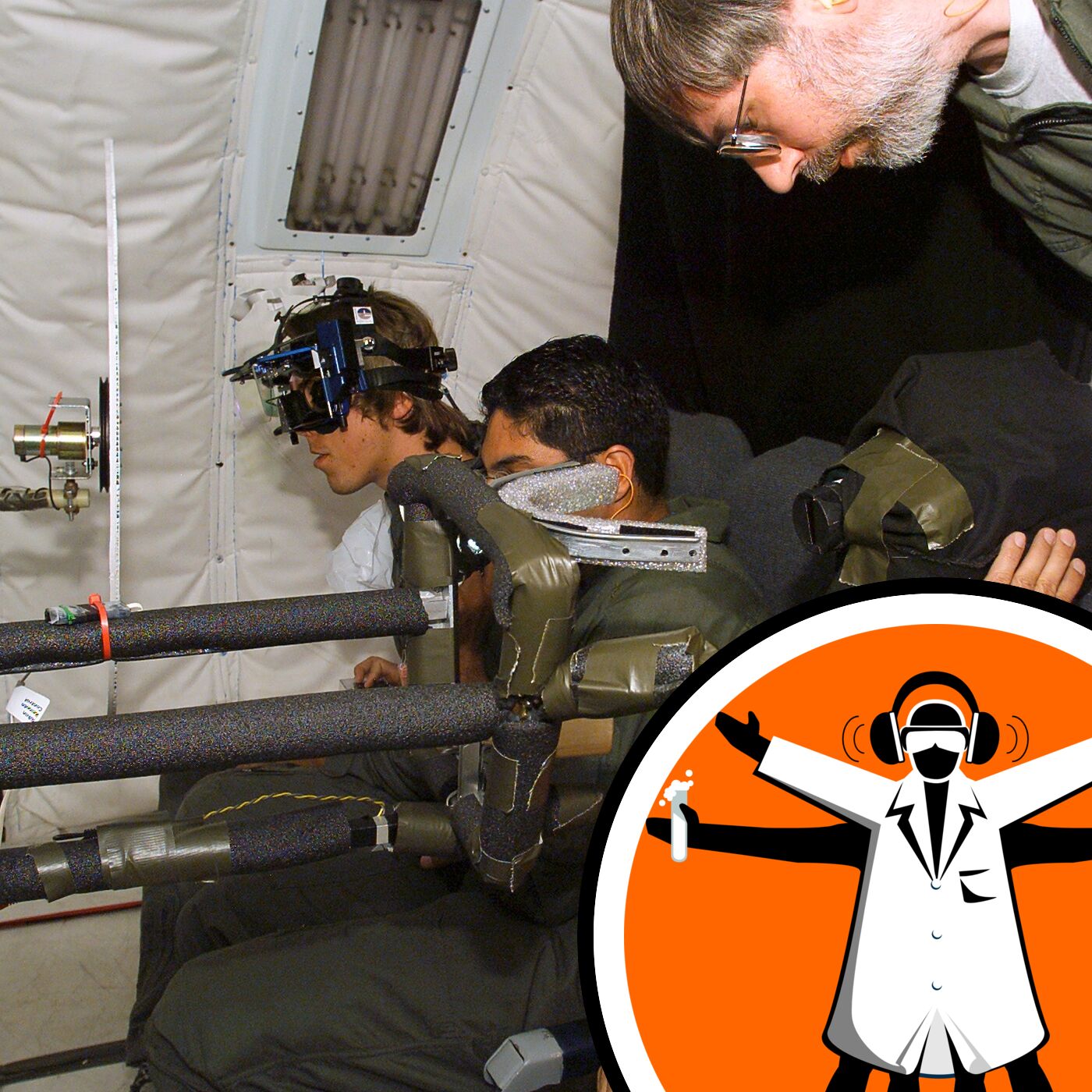
Ep 981Keeping humans healthy in orbit
With only a few walls between an astronaut and a rapid death, what do we know about the various dangers to the human body during space travel? Chris Smith spoke with Mark Shelhamer, a professor of Otolaryngology - Head and Neck Surgery at John Hopkins Medical School - about which space hazards are deemed most pressing for our up-and-coming astronauts... Like this podcast? Please help us by supporting the Naked Scientists
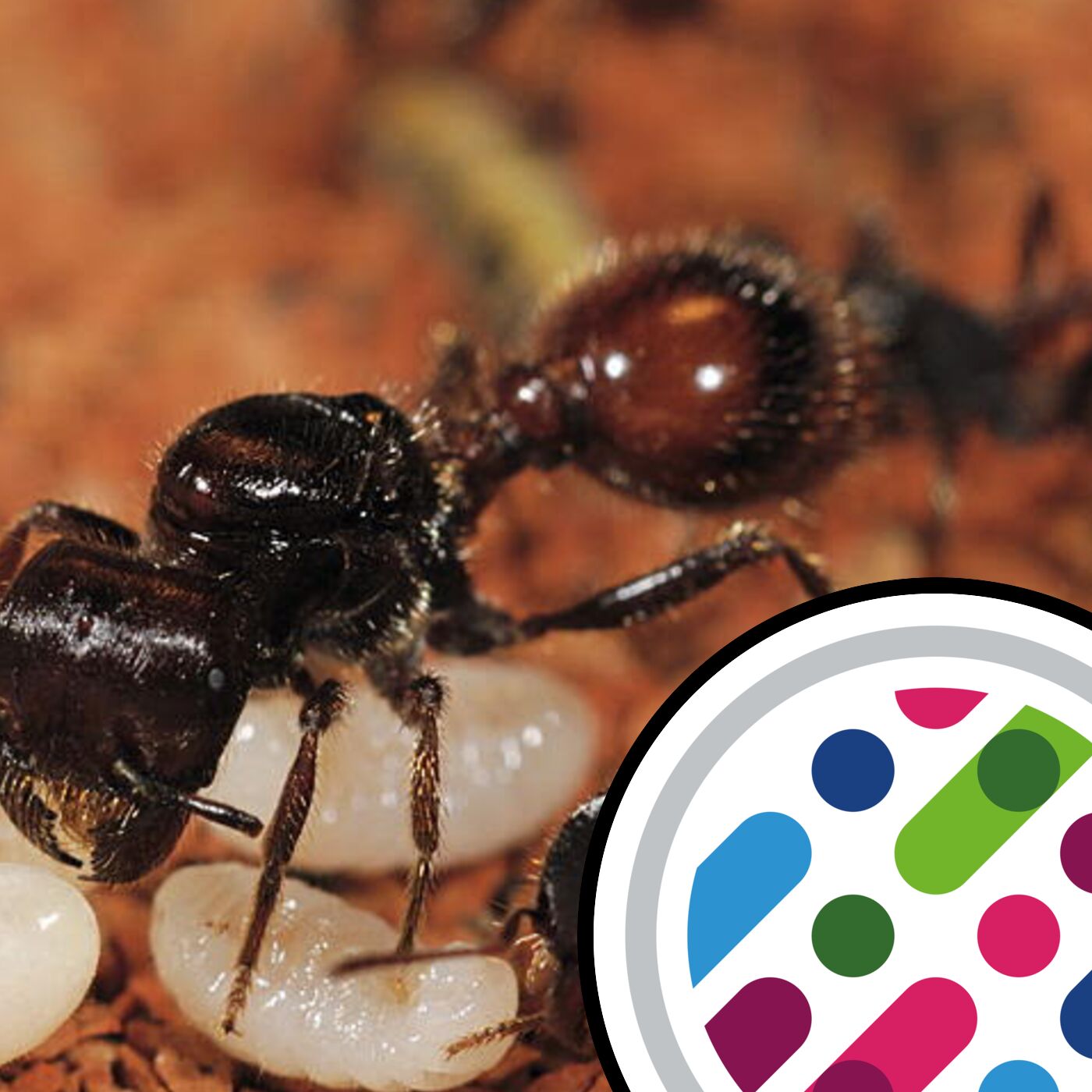
Ep 980Ants doing gene therapy, and tadpole microbiomes
This month, as the eLife Podcast hits its century, we hear how getting frog dads to cross-foster tadpoles has revealed the way in which some frogs come by their microbiomes, the ants that do gene therapy, signs that disease causes a breakdown in nutrient exchange between the elements of the microbiome, how fungi reprogram immune cells to cause over-reactions in sepsis, and new insights into how tapeworm larvae in the brain cause seizures... Like this podcast? Please help us by supporting the Naked Scientists

Ep 979Synthetic sustainable spuds
As the global population heads toward 10 billion, the pressure on agriculture is mounting. With that in mind, the UK's Advanced Research and Invention Agency (ARIA) has announced millions of pounds worth of funding for crops enhanced through synthetic biology by designing entirely new chromosomes and chloroplasts, starting with the potato, as Angie Burnett, the ARIA Programme Director and plant biologist leading this initiative explains to Marushka Soobben... Like this podcast? Please help us by supporting the Naked Scientists

Ep 978Scientists say they've bent spacetime
"Warp speed, Mr Sulu." It's the kind of command we've only heard in science fiction - until now. Did a team of scientists just bend spacetime using nothing but sparks in a lab? That's right - not black holes, not neutron stars - electrical sparks. A new experiment claims to have created tiny ripples in the very fabric of space and time, right here on Earth. If it holds up, it could be the first step toward technologies once thought possible only in science fiction: warp drives, fusion reactors, even medical time control. But is it the real deal - or just a very flashy illusion? I sat down with... Like this podcast? Please help us by supporting the Naked Scientists

Ep 977Finland's giant virus, and monkeys take care of their teeth
In the eLife podcast, a university compost heap has turned up Finland's first documented "giant virus". Also, why monkeys de-sand their supper, and how learning more languages actually makes brain tissue thinner. Then, the link between sugar and neonatal sepsis, and how a cancer controls its hydra host by bestowing it with extra tentacles... Like this podcast? Please help us by supporting the Naked Scientists

Ep 976Naked Scientists SOS
Cambridge University have informed us that, for cost cutting reasons, they intend to make Dr Chris Smith redundant. Naturally, this jeopardises the Naked Scientists programme, which is produced under his role. He will also lose his medical job. We regard this as a terrible decision and we intend to protest. Please listen to this short podcast to hear how you can help. Together we hope we can turn around this terrible decision... Like this podcast? Please help us by supporting the Naked Scientists

Ep 975Insect extinctions, and AI shot in the arm for drug design
In episode 10 of the Cambridge Prisms Podcast, the shocking finding that as many as 2 invertebrate species are going extinct each week in Australia: what can be done? Also, the shot in the arm that AI is administering to the drug discovery industry, how do you measure the microplastic problem, and why climate tipping points are a serious problem for the drinking water industry. Like this podcast? Please help us by supporting the Naked Scientists

Ep 974Storing data with "molecular firecrackers"
Your personal data could soon be stored not on a phone or server but locked inside a molecule so tiny it's invisible to the naked eye. Researchers have cracked the code on storing digital information in synthetic molecules called polymers - long chains of anything from plastic to protein made from building blocks known as monomers. Each monomer sends out a unique electrical signal that a special electrochemical technique can decode, turning these tiny sequences into passwords or secret messages. This game-changing technology could redefine data security without relying on traditional storage... Like this podcast? Please help us by supporting the Naked Scientists

Ep 973Brain-invading bacterium is making fruit flies extra frisky
What if a parasite could rewire your brain - not to harm you, but to make you... more romantic? This week on The Naked Scientists, we're exploring the bizarre world of Wolbachia - a bacterium that turns female fruit flies into mating machines. Marushka Soobben with the story... Like this podcast? Please help us by supporting the Naked Scientists Like this podcast? Please help us by supporting the Naked Scientists

Ep 972Speedy, soft robot powered by air alone
Using only soft tubes and a continuous stream of air, a team of researchers at AMOLF in Amsterdam have created one of the fastest and simplest soft robots to date. Marushka Soobben with the story... Like this podcast? Please help us by supporting the Naked Scientists

Ep 971Frog toxicity, and what a year's schooling does to the brain
What is the impact of an extra year at school on the brain? Also, how poison dart frogs come by their toxins, using movies to track the developing infant nervous system, the insect-spread bacterial plant parasite that is a mastermind of matchmaking, and a new cancer tool to link disease with the best drugs. Chris Smith takes a look at some of the most powerful papers out this month in eLife... Like this podcast? Please help us by supporting the Naked Scientists

Ep 970What climate change does to kelp forests
In this episode, how climate change impacts kelp forests, selecting for less animal-friendly variants, refining AI models for better water infrastructure design, classifying extinct marine megafauna and when best to swim with them, the coast consequences of climate change, and why a better understanding of the planet's drylands is critical... Like this podcast? Please help us by supporting the Naked Scientists

Ep 969Hollywood helps brain scientists probe thoughts
This month, how films are helping neuroscientists link brain activity patterns to specific thought processes, a breakthrough in managing opiate overdose, a technique to study animal teamwork, extracting more information from brain scan data, and how childhood adversity blunts later fear responses... Like this podcast? Please help us by supporting the Naked Scientists

Ep 968Personalised medicine, droughts, and dryland research
Personalised medicine and gene screens for disease, why dinosaurs disappeared, planning for droughts, and new vistas in the drylands arena... Like this podcast? Please help us by supporting the Naked Scientists

Ep 967Evolving flu, and the desert decomposition conundrum
Predicting how influenza viruses will evolve, how deserts decompose matter despite the dry, what worms are revealing about a gene linked to autism, and what makes mice fearful of cat smells. Dr Chris Smith talks to the authors of the latest leading research in eLife... Like this podcast? Please help us by supporting the Naked Scientists

Ep 966Cancer mood control, and birth products blocking pain
This month, signs that cancers communicate with the brain to alter mood, why antibodies are unreliable in research, evidence that social training can cut stress and boost brain volume, and agents derived from birth products that suppress inflammation and kill pain... Like this podcast? Please help us by supporting the Naked Scientists

Ep 965Future cancer care, and the cost of large animal extinction
In this episode, why approaches to cancer care need a pro-active approach in future, the opportunities arising for the cancer vaccine space, competency-based medical training, the environmental costs of losing large animals, and why water resilience needs careful planning now... Like this podcast? Please help us by supporting the Naked Scientists

Ep 964Vampire bacteria, "hangry" males, and ants using moonlight
This month, Chris Smith hears how blood-thirsty bacteria sniff out wounds to trigger infections, how ants navigate at night, how male and female brains respond differently to starvation, and inflammation linked to premature labour... Like this podcast? Please help us by supporting the Naked Scientists

Ep 963Microbiomes control blood pressure, and the cost of water
This month, evidence that the microbiome is controlling blood pressure - so will we treat hypertension with probiotics in future? Also, plastic is everywhere and an urgent environmental threat, but is the public aware, or do they care? We also consider the economics of animal extinction and species conservation, the price we pay for water, and the role of the "blue carbon" in keeping CO2 in check... Like this podcast? Please help us by supporting the Naked Scientists
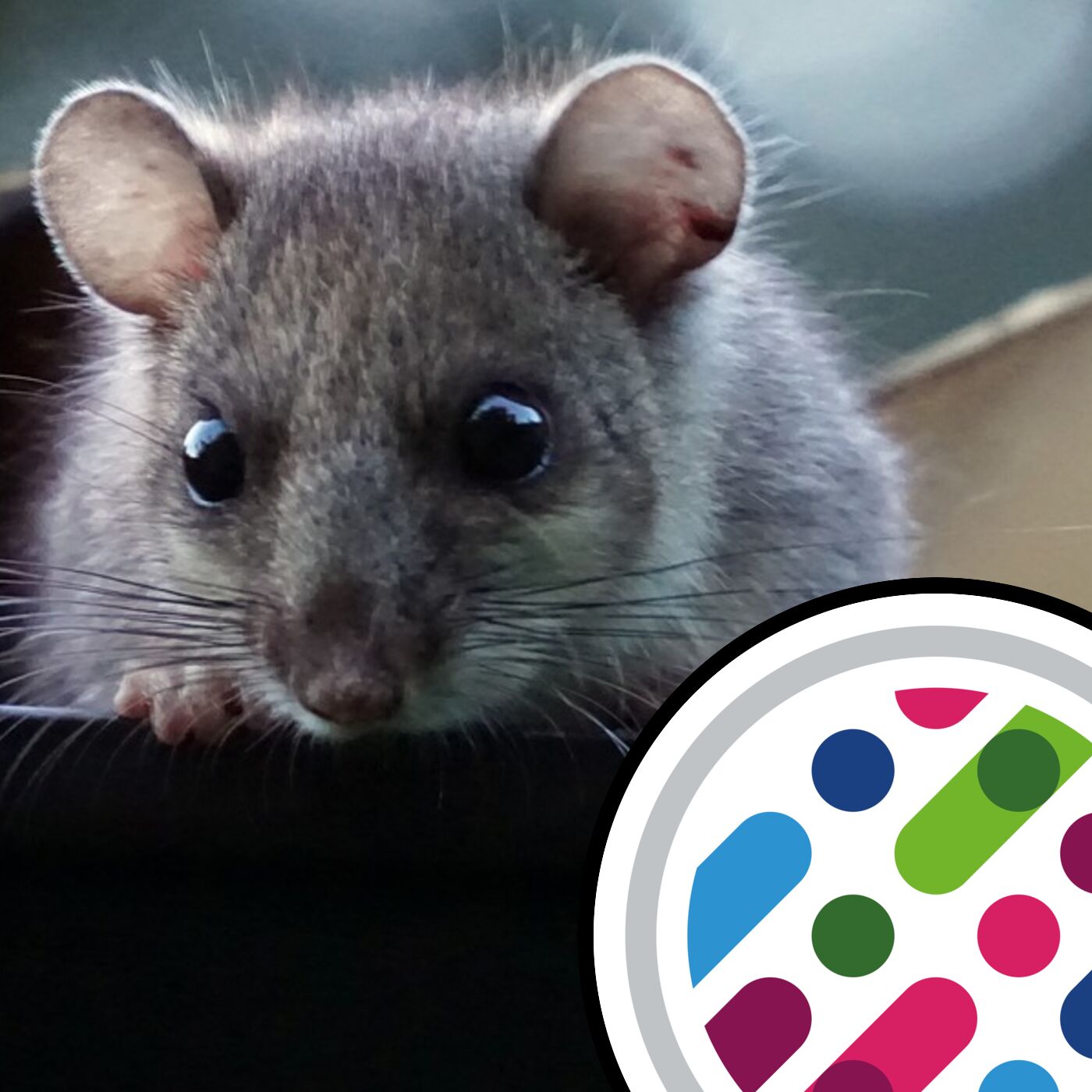
Ep 962Hibernation, Ketamine and Aphantasia
This month, how animals hibernate and evidence that muscle myosin makes its own heat in the cold, brain scans to reveal how ketamine relieves resistant depression, the way the brain changes when animals build a bond, the evolution of flu outbreaks, and how aphantasia affects autobiographical memory. Like this podcast? Please help us by supporting the Naked Scientists
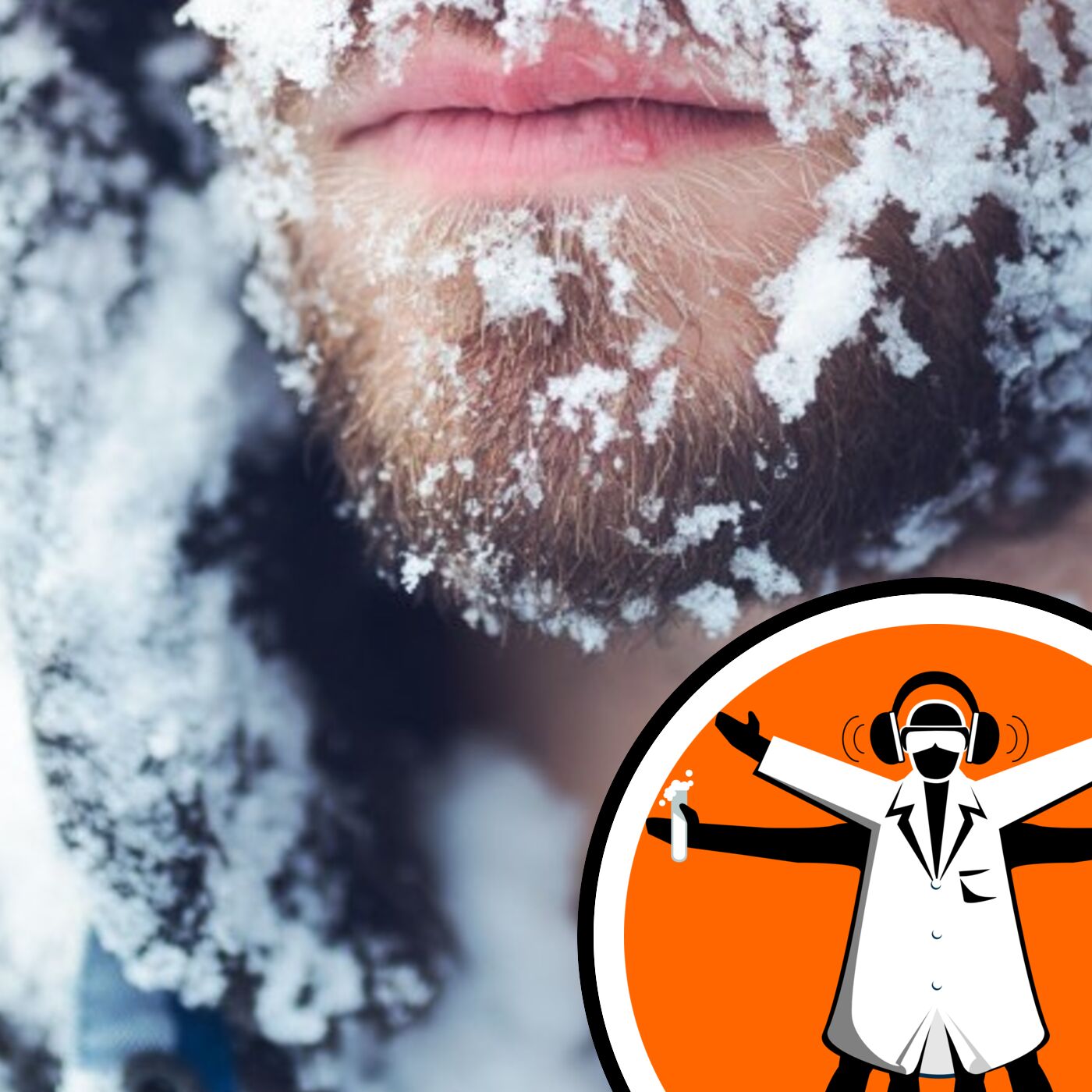
Ep 961The proteins responsible for feeling cold revealed...
A problem that's been puzzling scientists for decades is the way our bodies recognise cold stimuli, and researchers at the University of Michigan have finally got to the bottom of it. They've identified the protein GluK2 acts as a sensor in our bodies for cold temperatures, and Sannia Farrukh has been finding out more... Like this podcast? Please help us by supporting the Naked Scientists
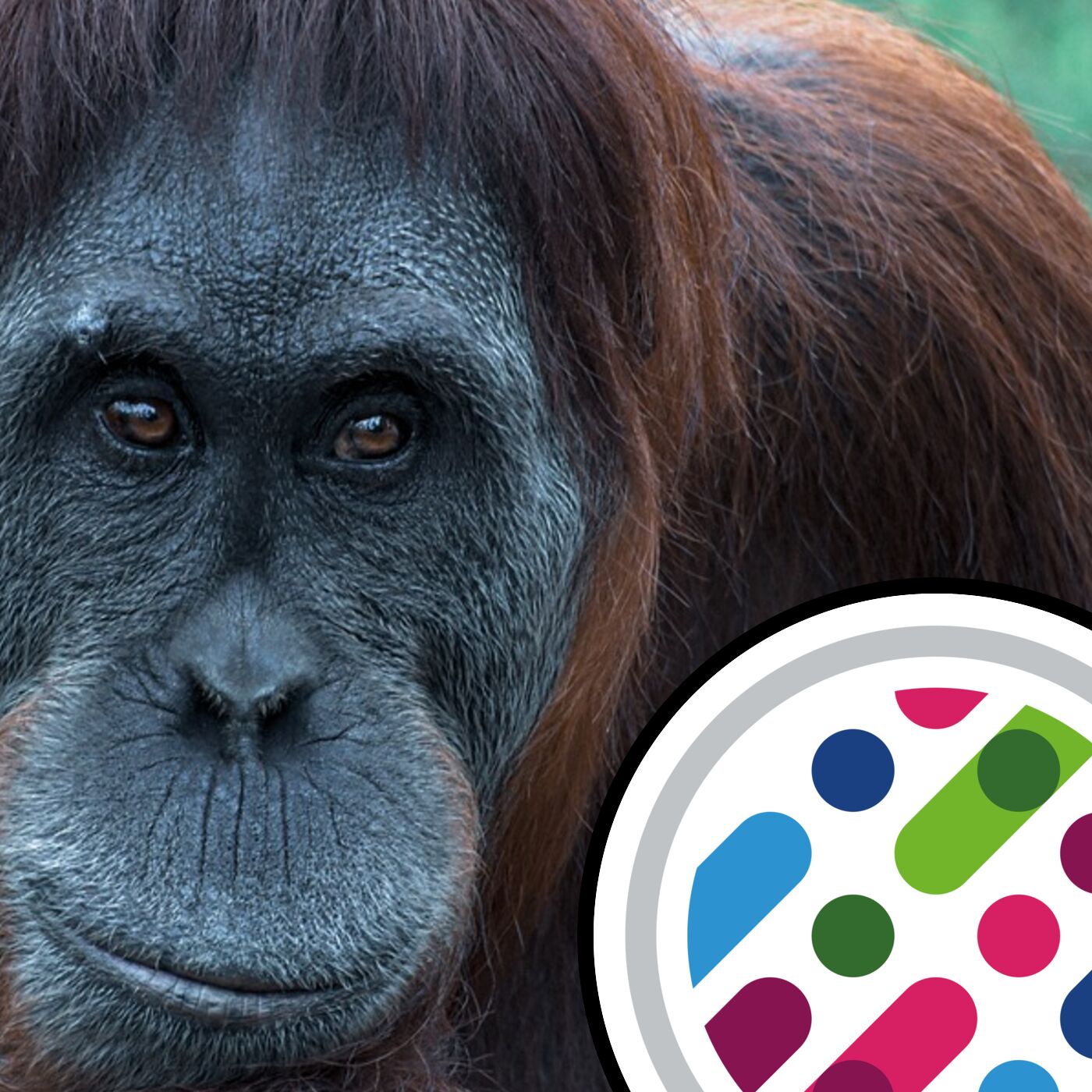
Ep 960Apes reveal language origins, and being dyslexic in science
This month we hear what orangutans can tell us about the origins of human speech, we ask if science making life even harder for dyslexics, where do the scientists we train end up and do they stay in science, and new insights into the songs whales sing underwater... Like this podcast? Please help us by supporting the Naked Scientists

Ep 959Making waves about coastline conservation, and plastic waste
This month the connections that human inhabitants have to the coast, why we're still in the middle of a worsening extinction crisis despite international laws and treaties designed to protect nature, the promise of pharmacogenomics and personalised medicine, the plastic pollution problem and how to tackle it, and why water management in the face of a changing climate needs more than just a single solution. Like this podcast? Please help us by supporting the Naked Scientists
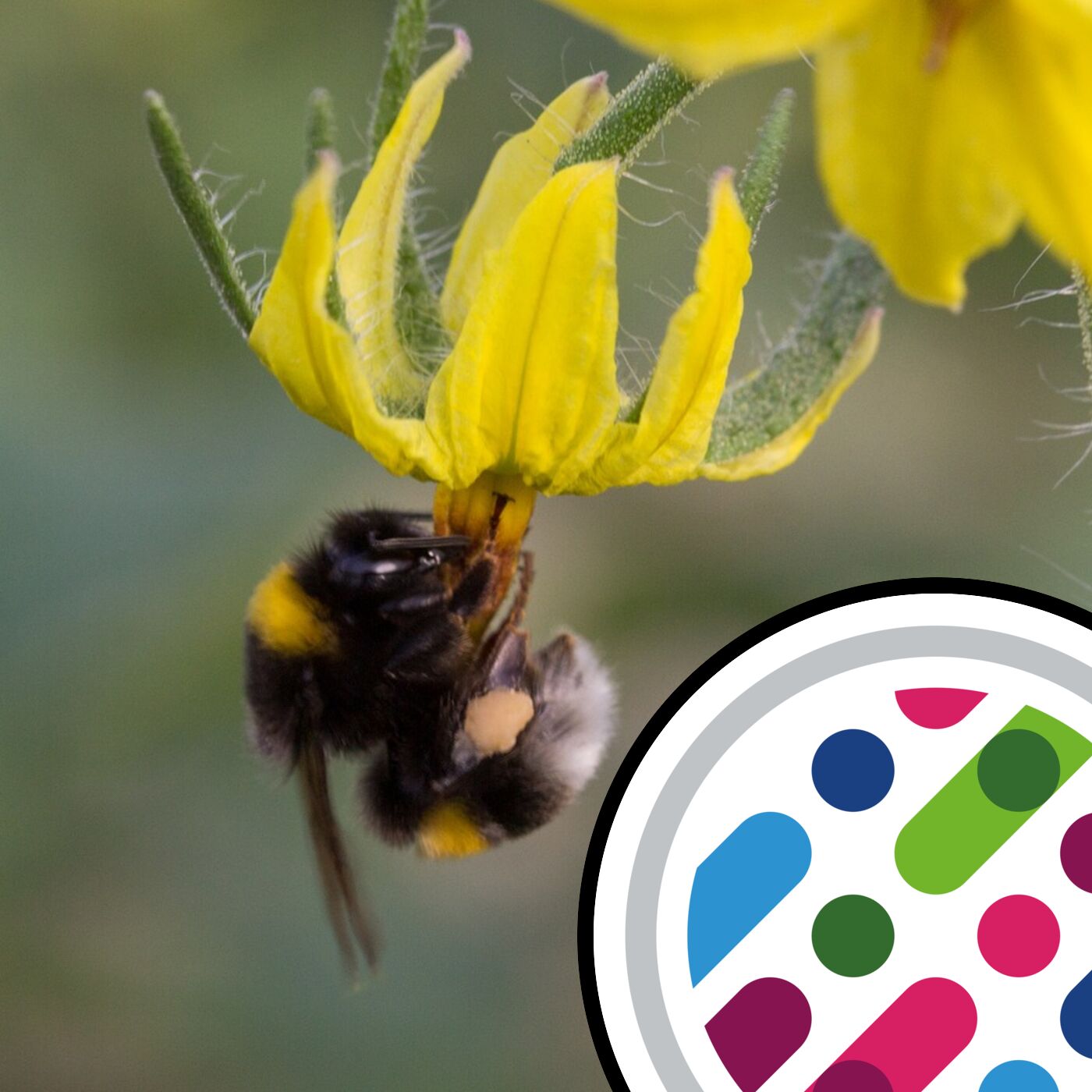
Ep 958Bees can't taste pesticides, and how albatrosses get aloft
In the eLife Podcast this month, signs that bees are oblivious to pesticides in nectar, sea anemone stinging strategies, a new means of cell-cell communication to share growth factors and other signals, how plants make a comeback when ice sheets retreat, and how the world's biggest bird uses wind and waves to good effect to minimise the costs of takeoff... Like this podcast? Please help us by supporting the Naked Scientists
Ep 957Recycled plastics pollute food, and the value of water
Better awareness of the precious resource that is water, getting a grip on coastal ecosystems and the impact of pollution, why recycled plastics are a threat for food packaging and kitchen utensils, how we can help humans to step up in extreme environments, and the opportunity offered by "lived experience" when it comes to mental health all go under the microscope in this episode of the Cambridge Prisms Podcast. Like this podcast? Please help us by supporting the Naked Scientists
Ep 956Wildlife Trade Extinctions and 21st Century Psychology
This time we hear how many species are being driven to extinction by human trade, why clinical psychology needs an update for the 21st Century, how non-specialists can help to plug the gap in mental health services, what art can do for science and conservation of coastal habitats, and the role of epigenetics in medicine... Like this podcast? Please help us by supporting the Naked Scientists
Ep 955Surviving a fusion bomb
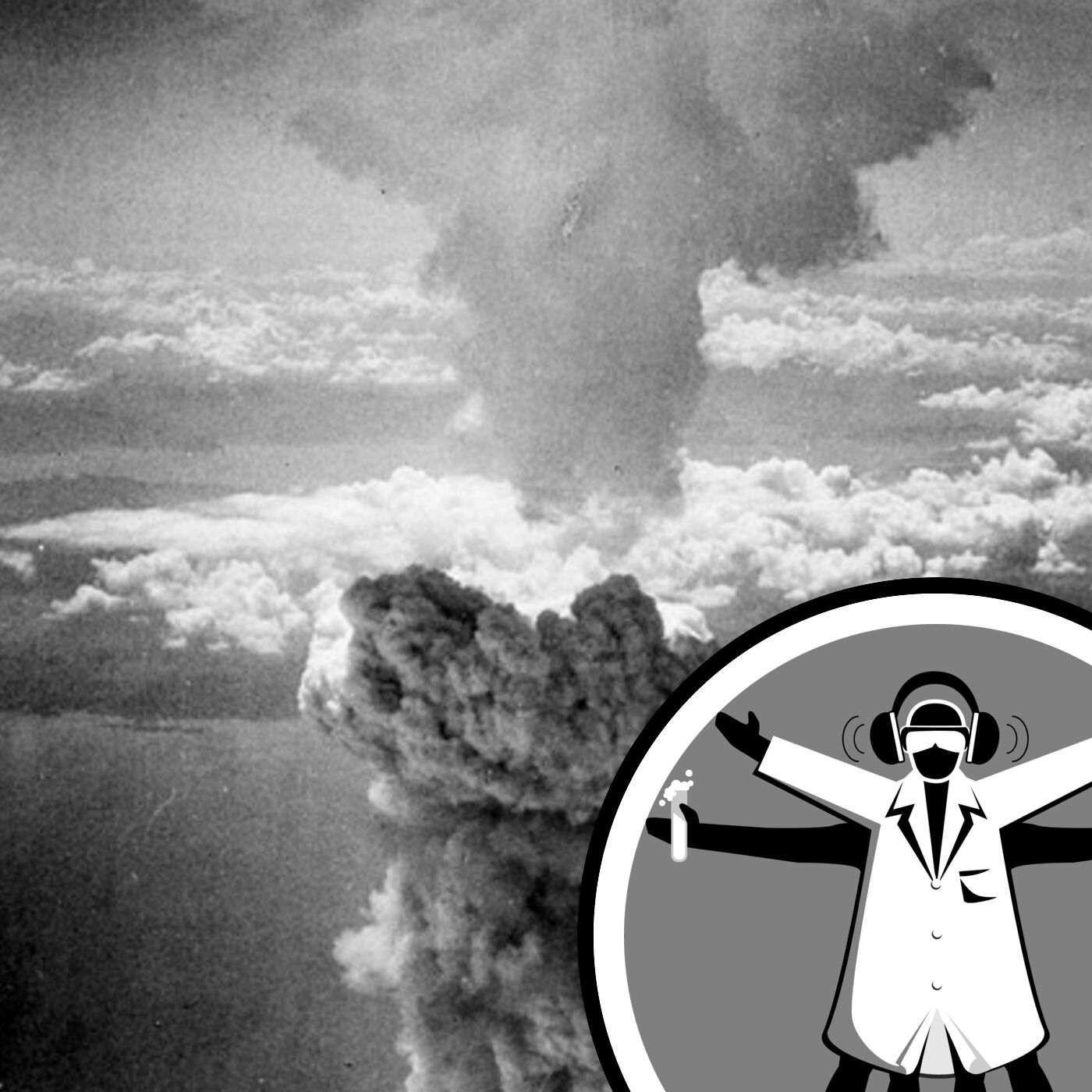
Ken Mcginley was there during some of the first tests of hydrogen bombs in the 1950s. We were lucky enough to hear his story... Like this podcast? Please help us by supporting the Naked Scientists
Ep 954Does our language affect our decision making?
There are many factors that might affect the way we make decisions: our age, our past experiences, even our mood that day. But now, a new study has suggested that the language we speak also plays a part in our willingness to wait for a reward. Researchers gave the choice of having an amount of money now, or a slightly greater amount later. But they put this choice to bilingual speakers, once in each language. So did the language in which the decision was put to these people affect their decision? Speaking to Will Tingle from Tel-Aviv University was Tali Regev and, kicking us off, Tamar... Like this podcast? Please help us by supporting the Naked Scientists
Ep 953Microbial life deep underground
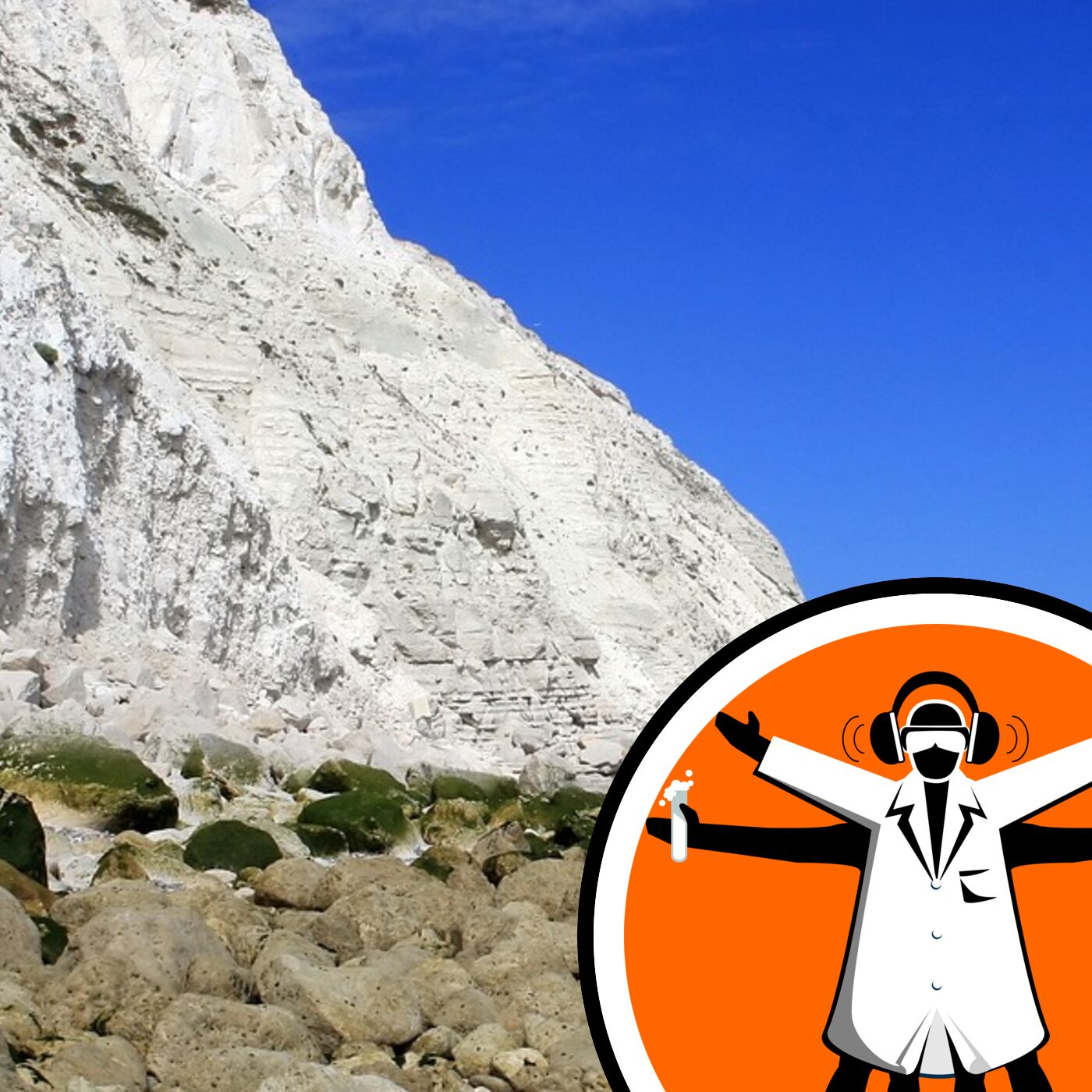
Comparatively, we know an awful lot about life on the surface of planet earth. We know a lot less about the extent of life in our oceans, and we know even less about the life festering deep beneath us, in the rocks underground. Scientists estimate that 20% of the earth's biomass (that's the combined weight of all living things) are beneath our feet - microbes adapted to the extreme temperature and pressure down there. Geologists, like Andy Mitchell from the University of Aberystwyth, are determined to understand more about these microorganisms, and not just for scientific interest. If we are... Like this podcast? Please help us by supporting the Naked Scientists
Ep 952How the pandemic affected child development
Babies born during the Covid-19 lockdowns are behind on their language development. That's the finding of a recent study comparing infants born during the pandemic with similar children born in previous years. The reason, as the Royal College of Surgeons Ireland's Susan Byrne explains to Risa Bagwandin, is that social isolation and face masks made it harder for developing youngsters to explore, socialise and interact in the key ways that help foster their communication skills... Like this podcast? Please help us by supporting the Naked Scientists
Ep 951New Ultrasound Technique for Breast Imaging
A new non invasive technique to pick up breast cancer has been unveiled by UK scientists. Breast cancer is the most diagnosed form cancer in the UK. Dense breast tissue, particularly common in young women, is difficult to image using existing techniques. Now scientists at the National Physical Laboratory have developed a new technique , using ultrasound. Risa Bagwandin spoke to senior research scientist, Daniel Sarno... Like this podcast? Please help us by supporting the Naked Scientists
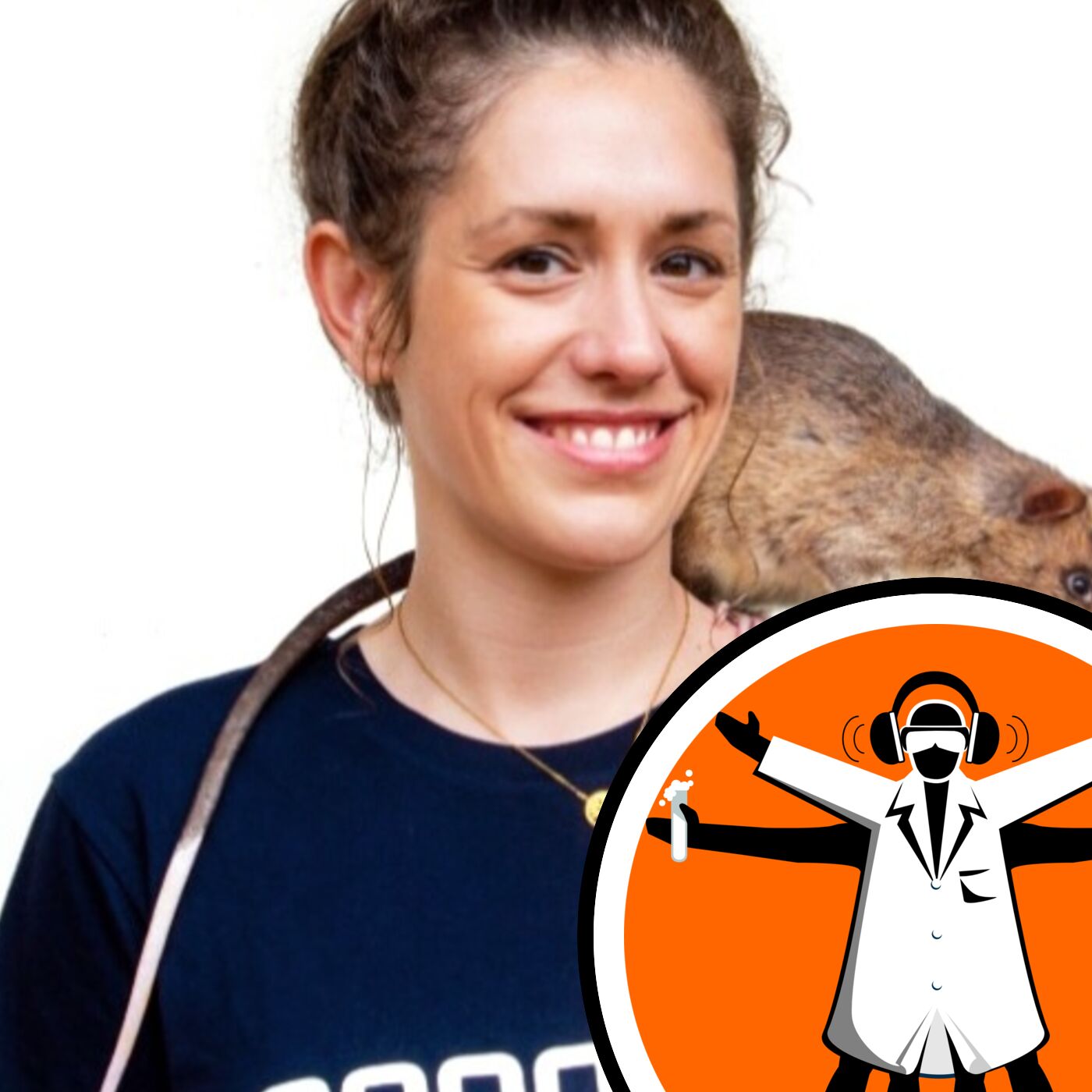
Ep 950Search and rescue rats
Apopo is a charity that trains African giant pouched rats for humanitarian purposes, with a view to combating some of the challenges faced by countries in the developing world. Originally, they trained these much shunned rodents to sniff out unexploded landmines left over from wars in countries like Mozambique. More recently, their keen sense of smell has also enabled trainers to develop them into excellent detectors of Tuberculosis carriers, so that patients can get diagnosed more quickly than before and receive treatment. Now, these Hero rats as they've been dubbed, are being prepared for a... Like this podcast? Please help us by supporting the Naked Scientists
Ep 949TV is influencing careers
Did you end up in your dream job? Or did you end up pursuing a career quite intensely for some reason that eludes you? Perhaps the media representation of your profession had a part to play. Shrikanth Narayanan and colleagues from the University of Southern California created a dataset to analyse 4000 professions in the subtitles of over 136,000 movies and TV shows and found that their representation may have influenced some of us to take up a career we loved watching on screen... Like this podcast? Please help us by supporting the Naked Scientists
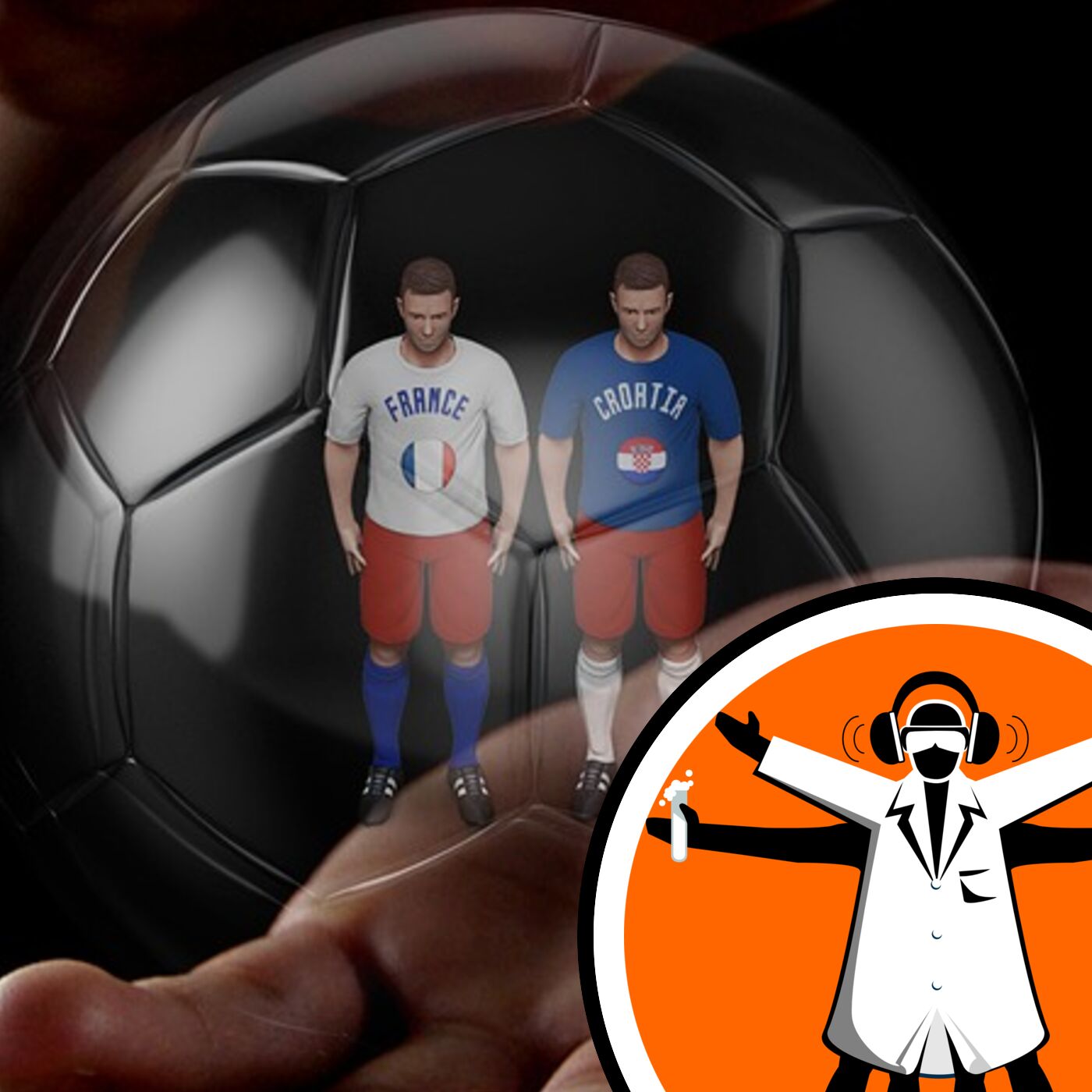
Ep 948FIFA Fall Out with EA
There's news of a huge rift in the world of video games... EA Sports, who made the first ever FIFA football game in 1993, have announced that they will no longer be licensing the FIFA name. Chris Berrow, from the Naked Gaming Podcast, has been finding out why and what the consequences might be... Like this podcast? Please help us by supporting the Naked Scientists
Ep 947Did the lockdown make us more creative?
Now, I want you to cast your mind back to that first lockdown (if you can bear it) and to think about the ways you chose to fill all that new found free time. Perhaps, like the participants of a survey conducted by the Paris Brain Institute to learn more about the effects of the pandemic on creativity, you decided to sharpen your culinary skills, or spent more time pottering in the garden. But what can this uptick in artistic endeavours in such strange circumstances tell us about the way we react to new situations? This and more was the topic of conversation between James Tytko and... Like this podcast? Please help us by supporting the Naked Scientists
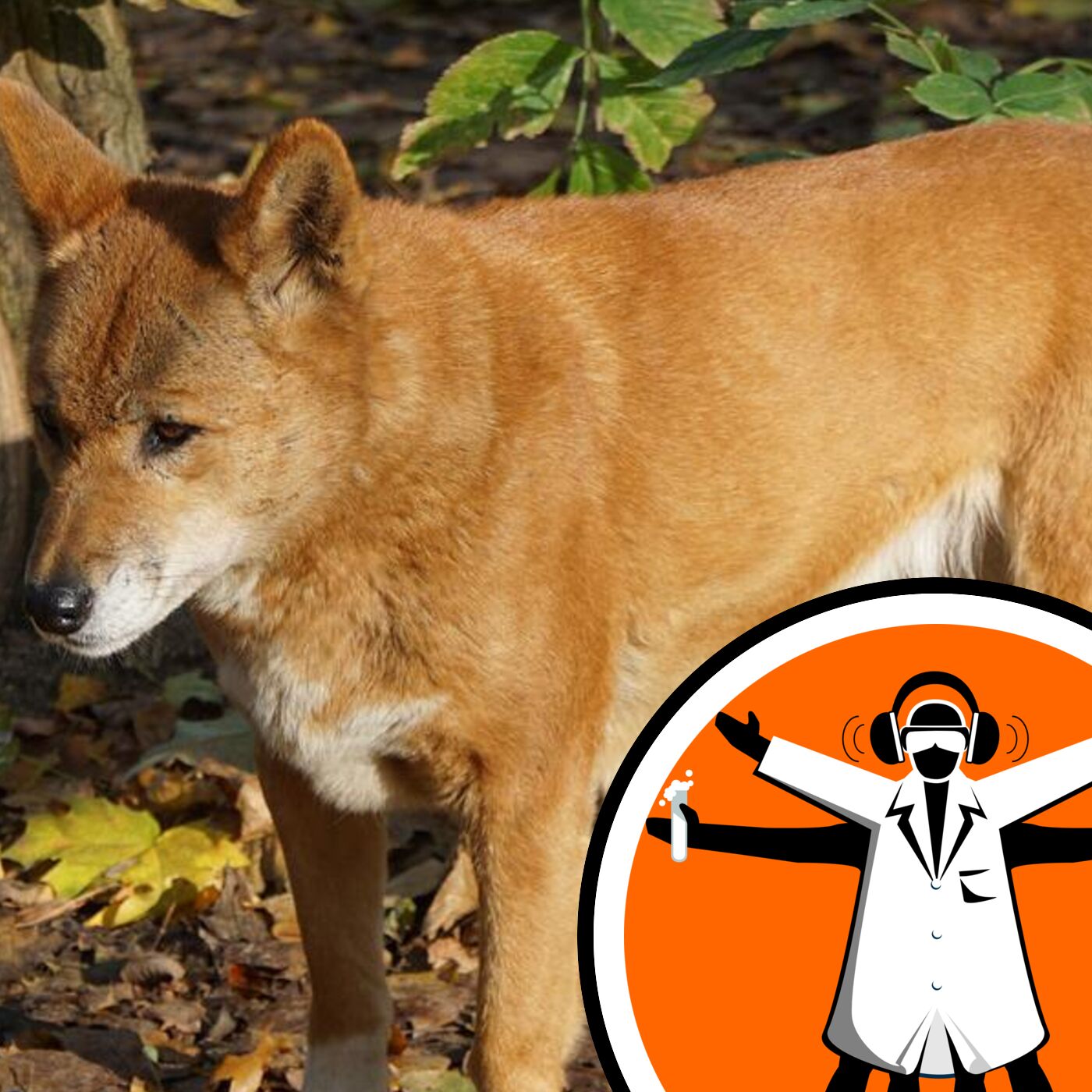
Ep 946Dog and Dingo DNA sequences
Dingoes are native Australian dogs, although how and when they got to Australia isn't known. They were certainly already there by the time the first western explorers visited the continent, but fossil dingo remains go back only a few thousand years. So what is the relationship between dogs and dingoes, and the wolves they're both related to? Speaking with Chris Smith, Latrobe University's Bill Ballard got into this debate under slightly unusual circumstances... Like this podcast? Please help us by supporting the Naked Scientists
Ep 945Coffee without the coffee beans
Coffee prices are on the rise and the plant is said to decline by 60% before 2050, meaning new coffee alternatives are being considered in order to give us that caffeine hit. Harry Lewis speaks to Charlie Shaw from Atomo coffee to find out how they've been making our favourite beverage, without the use of coffee beans... Like this podcast? Please help us by supporting the Naked Scientists
Ep 944Recreating smells from the past
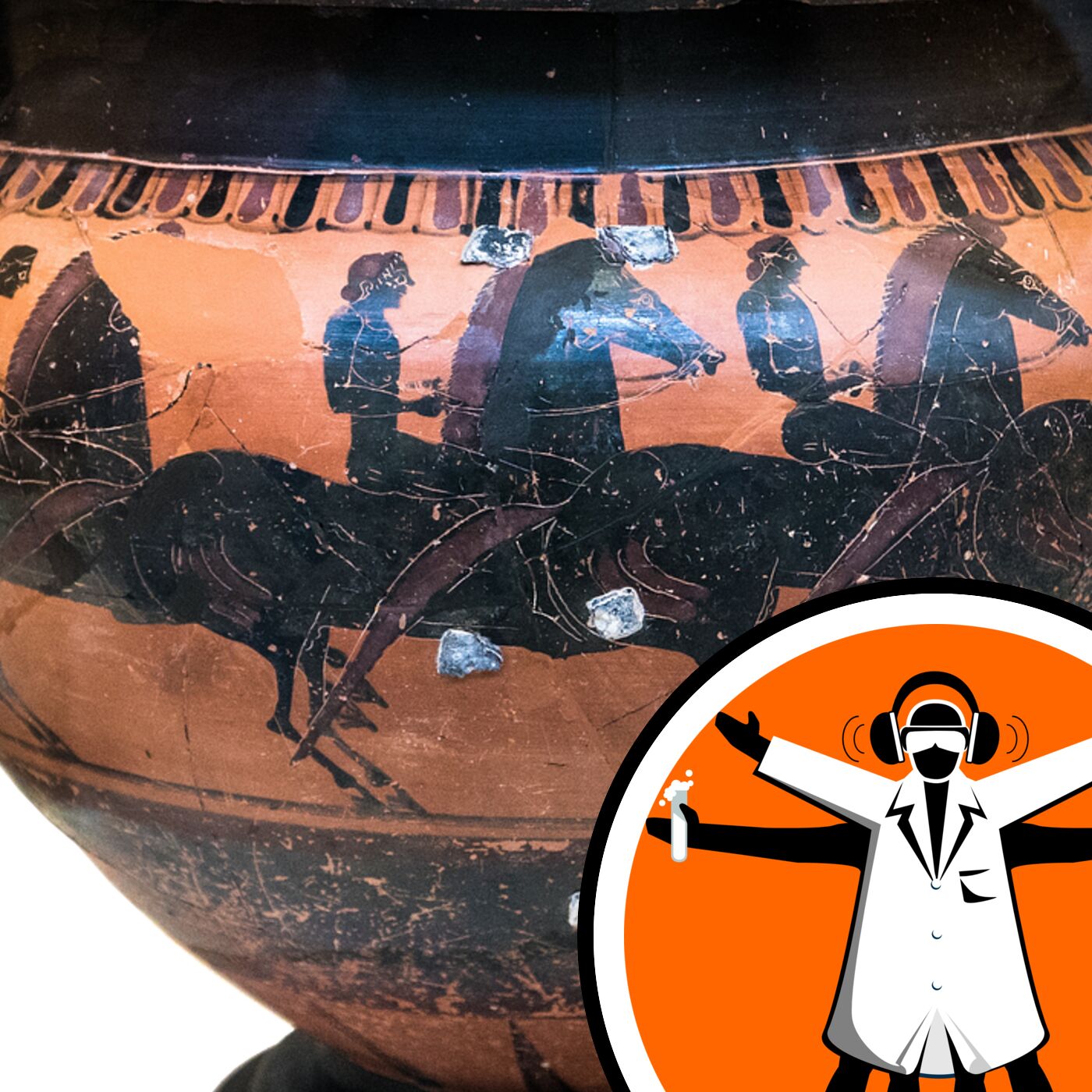
If I asked you to give up one of your five senses, which one would you choose? Chances are, instead of giving up your ability to see or hear, your sense of smell would be in pole position for the chop. Scientists in Germany think we're under appreciative of smell in our evolution as a species, with new research from the Max Planck Institute exploring biomolecular methods to bring smells from the past back to life. James Tytko spoke with Barbara Huber... Like this podcast? Please help us by supporting the Naked Scientists
Ep 943A new method for recycling plastics
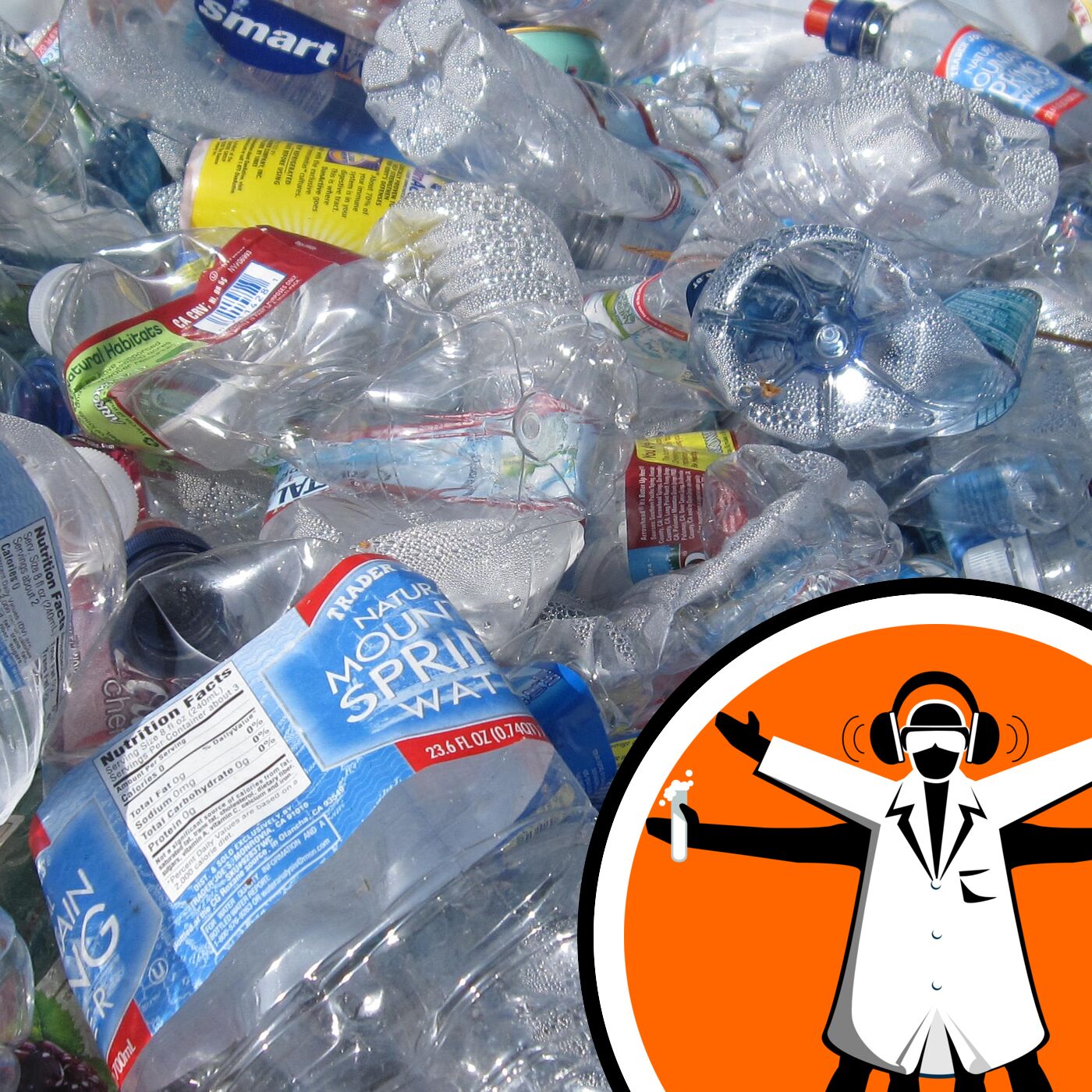
The world has a huge problem with plastics. While they are a materials scientist's dream in terms of their properties, they are an environmentalist's worst nightmare, because they don't break down naturally and are very hard to recycle. But Athina Anastasaki, from ETH Zurich, has set herself the goal of making plastics that can be recycled more easily and now she thinks getting close. Chris Smith found out more... Like this podcast? Please help us by supporting the Naked Scientists
Ep 942Data storage in DNA
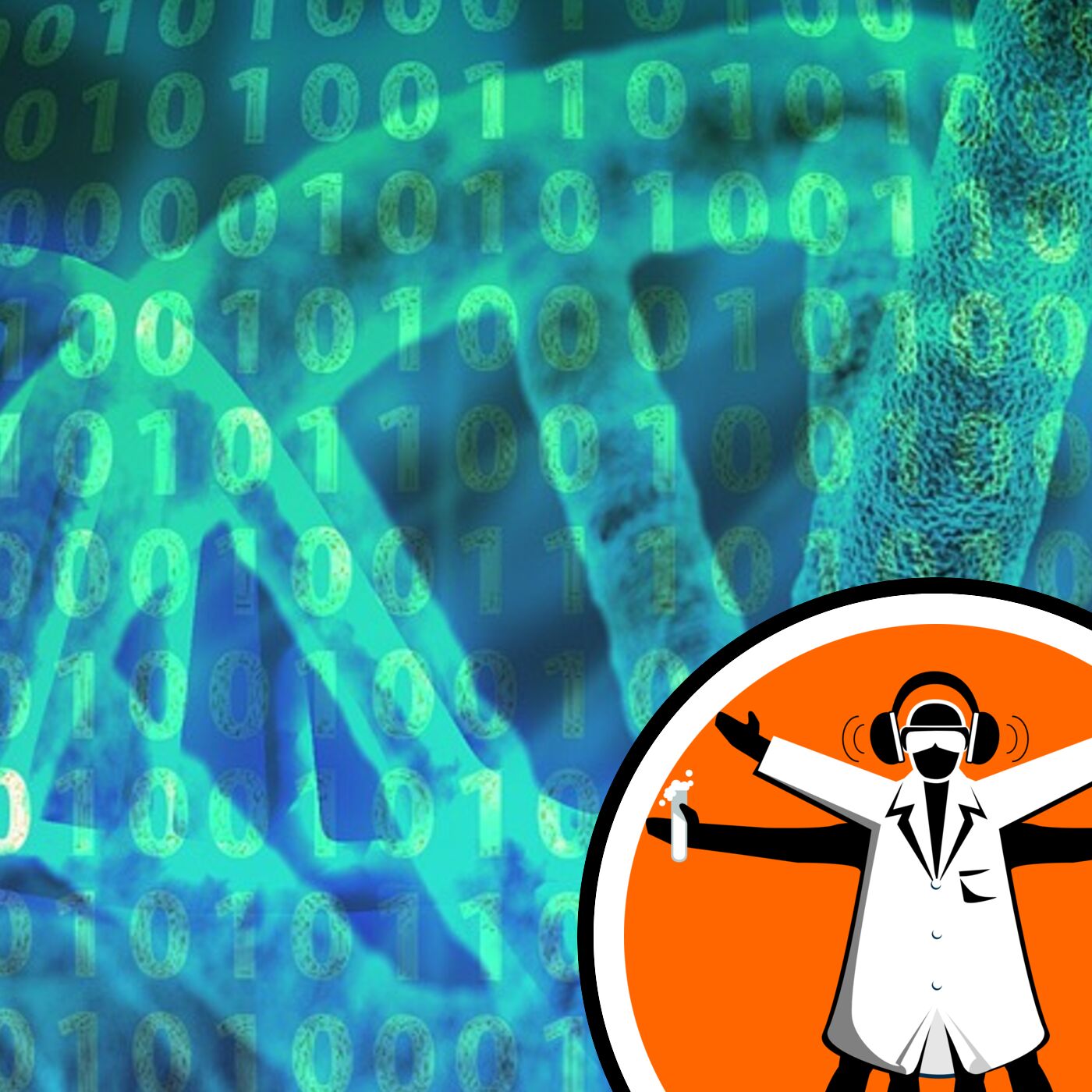
Researchers have been studying DNA as a method to store binary data. As data generation continues to increase in the information age, we need new methods to store it. DNA is extremely robust and can store data 100 times more densely compared to a computer hard drive. In order to capitalise on DNA as a data storage platform, modifications to the molecules that make up DNA are currently being studied. Like this podcast? Please help us by supporting the Naked Scientists
Ep 941Solving puzzles to help cancer research
Playing games may be something you do in your spare time or in the queue at the supermarket, but striving for that elusive high score can also now contribute to science! Julia Ravey grabbed her mobile and caught up with Marc Marti-Renom; he's part of a team at the Centre for Genomic Regulation in Barcelona, where they've built a game for your phone that will help contribute to cancer research... Like this podcast? Please help us by supporting the Naked Scientists

Ep 940Pig grunts indicate their emotions
There are over 7,000 documented languages in the world to date, and now we might have another to add to the list: the one spoken by pigs. No, this is not an April Fool come early. Elodie Mandel-Briefer, from the University of Copenhagen, has assembled a vast dataset of pig noises. And by correlating the noises the animals produced in response to positive or negative experiences, she can pin emotions on sounds. Julia Ravey got in touch to find out if the research team responsible are completely off their trotters... Like this podcast? Please help us by supporting the Naked Scientists