Museum Archipelago
113 episodes — Page 3 of 3
13. Museums at a Crossroads with Rainey Tisdale
Curator Rainey Tisdale sees two possible futures for museums: they play a more interdisciplinary role for their audiences or keep going down the same path they're on, becoming less and less relevant each year.Why should it be the job of the museum to enter the domain of other traditional institutions? And how can museums engage the public in new ways? By bringing together brain, body and spirit.Notes:- City Stories- @raineytisdale
12. Dead Bodies in Museums Part 2
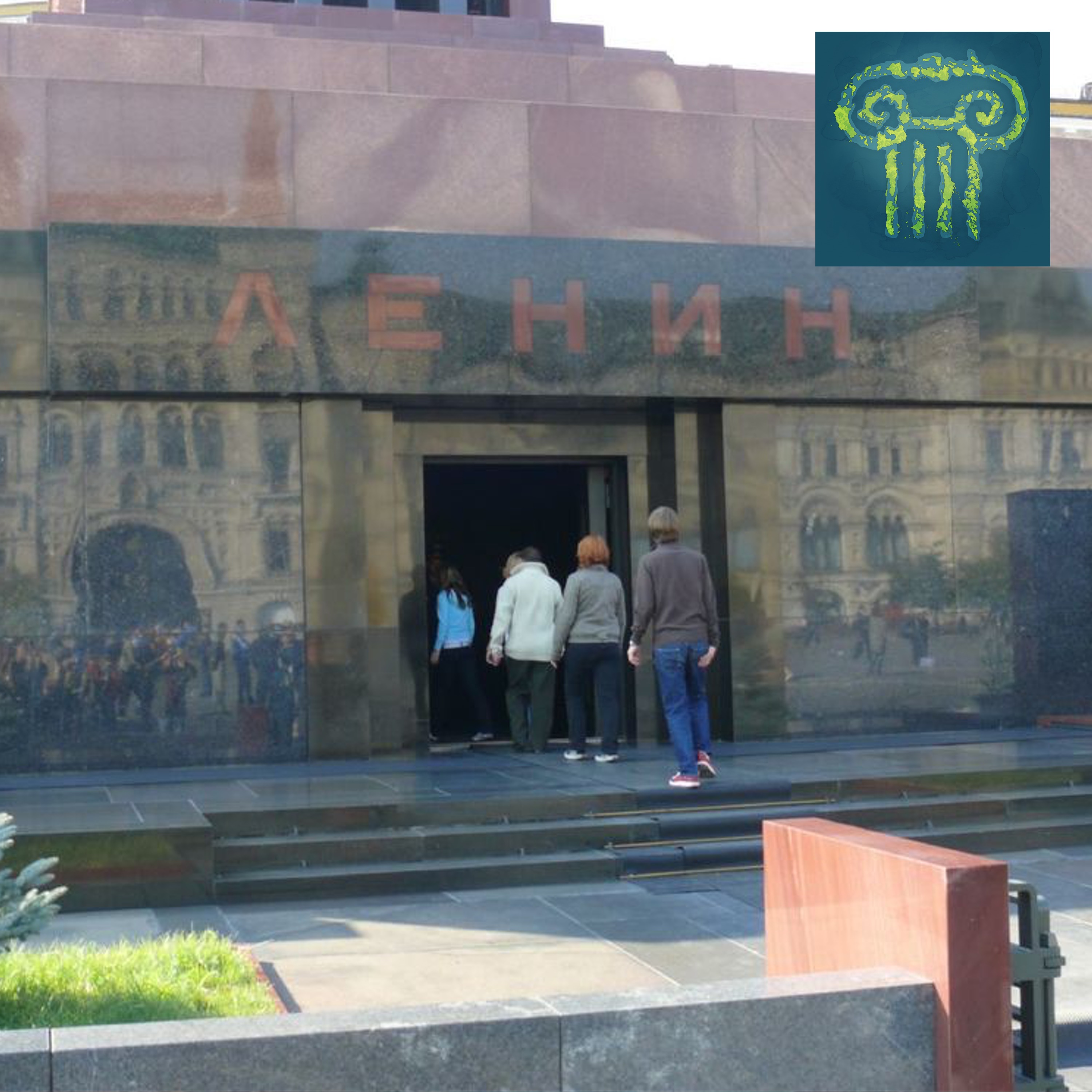
Image: Lenin's mausoleum, Moscow. CC by Veni The American Association of Museums (AAM) has this to say about human remains in its code of ethics: “The unique and special nature of human remains and funerary and sacred objects is recognized as the basis of all decisions concerning such collections collections-related activities promote the public good rather than individual financial gain.” When AAM uses the word “special,” it means that every instance of a dead body is special, not a special body from a special person. What is different about displaying the everyman?In the second half of this two part series about dead bodies, we look at how cultures view their own dead from museums to mausoleums. We explore the Body Worlds exhibits, which bring visitors face-to-face with dozens of dead bodies, all identifying markers removed. We also discuss a landfill in Staten Island, where much of the sorting of museum artifacts and human remains from rubble took place after the September 11 attacks. NOTES: Give Me My Father's Body: The Life of Minik, the New York EskimoRegarding the Dead: Human Remains in the British Museum - The British Museum creates guidelines for displaying dead bodies. Code of Ethics for Museums - AAM
11. Dead Bodies in Museums Part 1
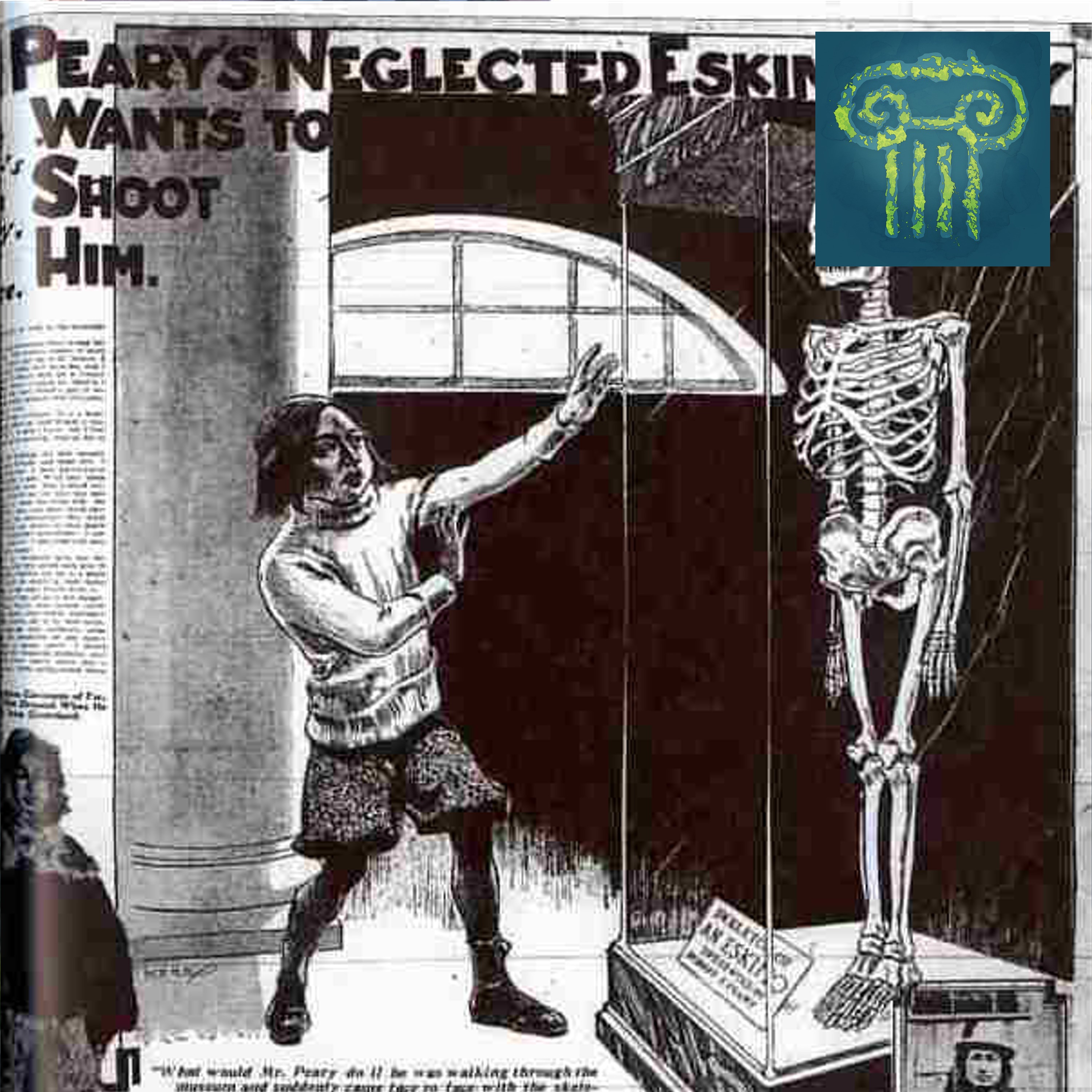
Image: A rendering of Minik in the New York World When Robert Peary brought six Inuits from Greenland back from his Arctic expedition, they landed in the care of the American Museum of Natural History. Among these people were an eight year old boy named Minik and his father Qisuk.After Qisuk became ill and died, the museum staged a fake burial and put his remains in the museum as artifacts. This is part one of a two-part series on dead bodies in museums.NOTES: Give Me My Father's Body: The Life of Minik, the New York Eskimo - The work on which most of this episode is based. Regarding the Dead: Human Remains in the British Museum - The British Museum creates guidelines for displaying dead bodies. American Experience . Minik, The Lost Eskimo | PBS
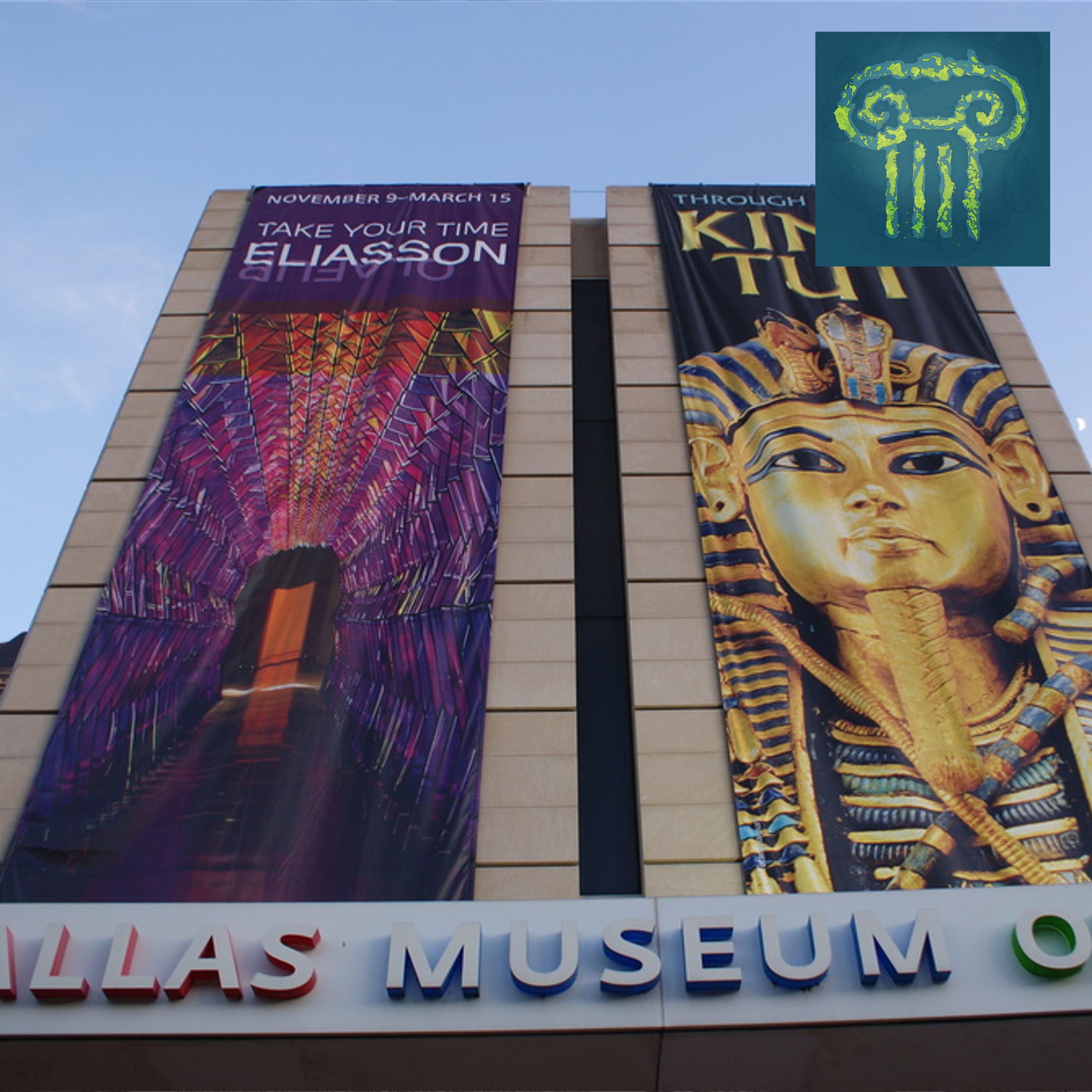
10. Framework For Engaging with Art
At an art museum, would you rather listen to a detailed guided tour or just enjoy the art without any interpretative support? Are you more comfortable visiting with a friend, or do you prefer being in a group of interested strangers? The Dallas Museum of Art has determined that visitors fall into one of four clusters, based on their preferred learning styles. While she was director of the museum, Bonnie Pitman applied the results of the survey to make the museum more engaging to all types of visitors.In this episode, we take a look at the four clusters, analyze the study, and talk to Bonnie Pitman.Notes: Ignite the Power of Art: Advancing Visitor Engagement in Museums (Dallas Museum of Art Publications) by Bonnie Pitman and Ellen HirzyDallas Museum of Art: HomeDallas Museum of Art on TwitterFramework for Engaging with Art | Dallas Museum of Art
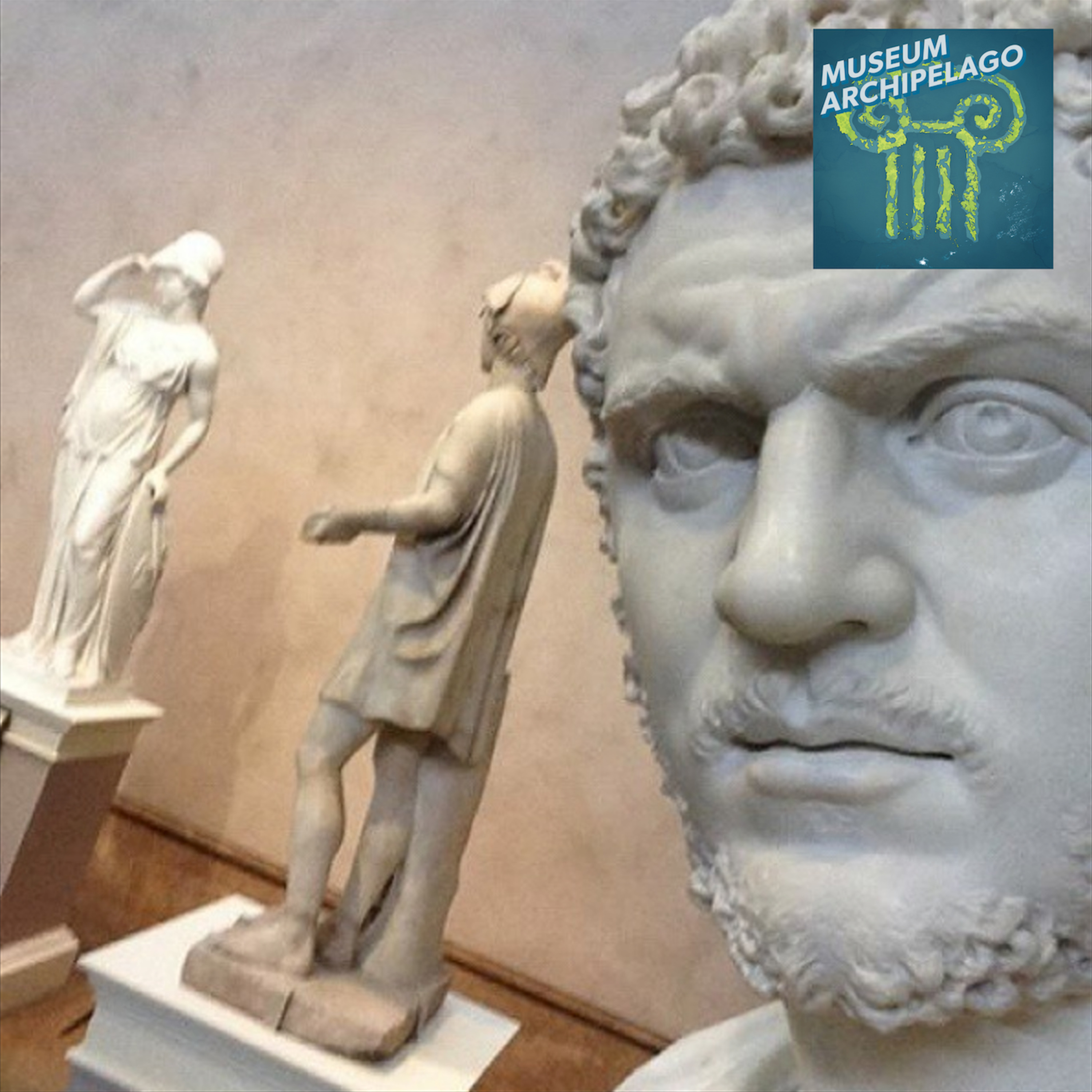
9. The Museum Selfie with Dustin Growick
Dustin Growick is in charge of audience development and the team lead for science at Museum Hack. Growick and Museum Hack treat a museum as a platform to build something more personal and fun. One of the tools that they use to make it more personal and fun is the museum selfie. The theory is that taking selfies is easy way to put yourself literally and figuratively in the context of the museum. In this this episode, Growick discusses the philosophy (as well as some dos and don'ts) of museum selfies. Museum Archipelago is a tiny show guiding you through the rocky landscape of museums. Subscribe to the podcast via Apple Podcasts, Google Podcasts, Overcast, Spotify, or even email to never miss an episode. Unlock Club Archipelago 🏖️ If you like episodes like this one, you’ll love Club Archipelago. It offers exclusive access to Museum Archipelago extras. It’s also a great way to support the show directly. Join the Club for just $2/month. Your Club Archipelago membership includes: Access to a private podcast that guides you further behind the scenes of museums. Hear interviews, observations, and reviews that don’t make it into the main show; Archipelago at the Movies 🎟️, a bonus bad-movie podcast exclusively featuring movies that take place at museums; Logo stickers, pins and other extras, mailed straight to your door; A warm feeling knowing you’re supporting the podcast. Transcript Below is a transcript of Museum Archipelago episode 9. Museum Archipelago is produced for the ear, and only the audio of the episode is canonical. For more information on the people and ideas in the episode, refer to the links above. View Transcript Welcome to Museum archipelago. I'm Ian Elsner. Museum Archipelago guides you through the rocky landscape of museums. Each episode is never longer than 15 minutes, so let's get started. Dustin Growick: You take a photo of yourself in a museum, you look smart, you look cultured. The lighting is often pretty sexy. Dustin Growick is in charge of audience development and the team lead for science at Museum Hack. Dustin Growick: We run subversive, nontraditional, incredibly fun, two hour museum adventures at the museum of natural history and the metropolitan museum of art here in New York City. When talking to Dustin, you realize that he treats a museum as a platform to build something more personal and fun and one of the tools that he uses to make it more personal and fun is the museum selfie. Dustin Growick: We find that not just selfies but using phones and taking photos and sometimes selfies as well. It's actually when given the right context is a great way to give people a personally engaging experience within a museum that isn't necessarily thought of as a context for them or a place for them or relating to them and doing. Taking selfies is easy way to put yourself literally and figuratively in the context of the museum. Part of the curriculum of museum hack is to encourage tour goers, to take selfies in a way that feeds back into the tour. For example, in the museum of natural history tour, Growick get a tiny dinosaur and they have to go on a fossil hunt to find their species of dinosaur Dustin Growick: and then approve. They found it. They have to take a dino selfie and then also learned one thing about it and then we come back and share out the things that we found in our, our stupid silly selfies, but it's part of a larger experience. Again, it just gives people like a personal inroads to make connections in a room or space they might otherwise just breeze through. For Dustin, it's all about the context. Dustin Growick: If you're just walking into like, I'm taking yourself and then walk over there and take yourself. You'll walk over here and take yourself, but you're right. Like there's, that's not really going to add to the experience, but when it's part of a larger context that we really think through and set up sort of ways to give people just easier ways to get personally connected to the experience. I think selfies are one part of that that can help facilitate that, But the context is not just making sure that a selfie can be meaningful and fit into a larger pedagogical structure. There also must be times when it's completely inappropriate to take a selfie. I ask Dustin if there was a difference between taking a selfie in the art museum where it could be just another form of expression or a history museum where there's less room for a reverence. He said it's something they think about a lot. Dustin Growick: I don't think it's necessarily history versus art as much as, again, like this specific person or thing with which you're interacting. So at an art museum, there are things that are going to be less kosher to take selfies with if they're depicting, you know, genocide or war or something like that. Slavery, um, or like a disenfranchised or marginalized people versus, there's not much threatened taking a selfie, a dinosaur. So I don't think it's necessarily like art or vers
8. Calatrava and the Museum Icon
This week, we visit two museum works by architect Santiago Calatrava: the Prince Felipe Museum of Science in Valencia, Spain and the Milwaukee Art Museum in Milwaukee, USA. Both museums look nothing like the museum icon on maps and in mapping programs. Do these facades have anything to say about about what the museum icon might look like in 50 years? Do these buildings even make good museums?Correction: This episode misidentifies the Milwaukee Art Museum as the Milwaukee Public Museum. Notes: Santiago Calatrava - Wikipedia, the free encyclopediaCity of Arts and Sciences - Wikipedia, the free encyclopediaMilwaukee Art Museum | Museum Info
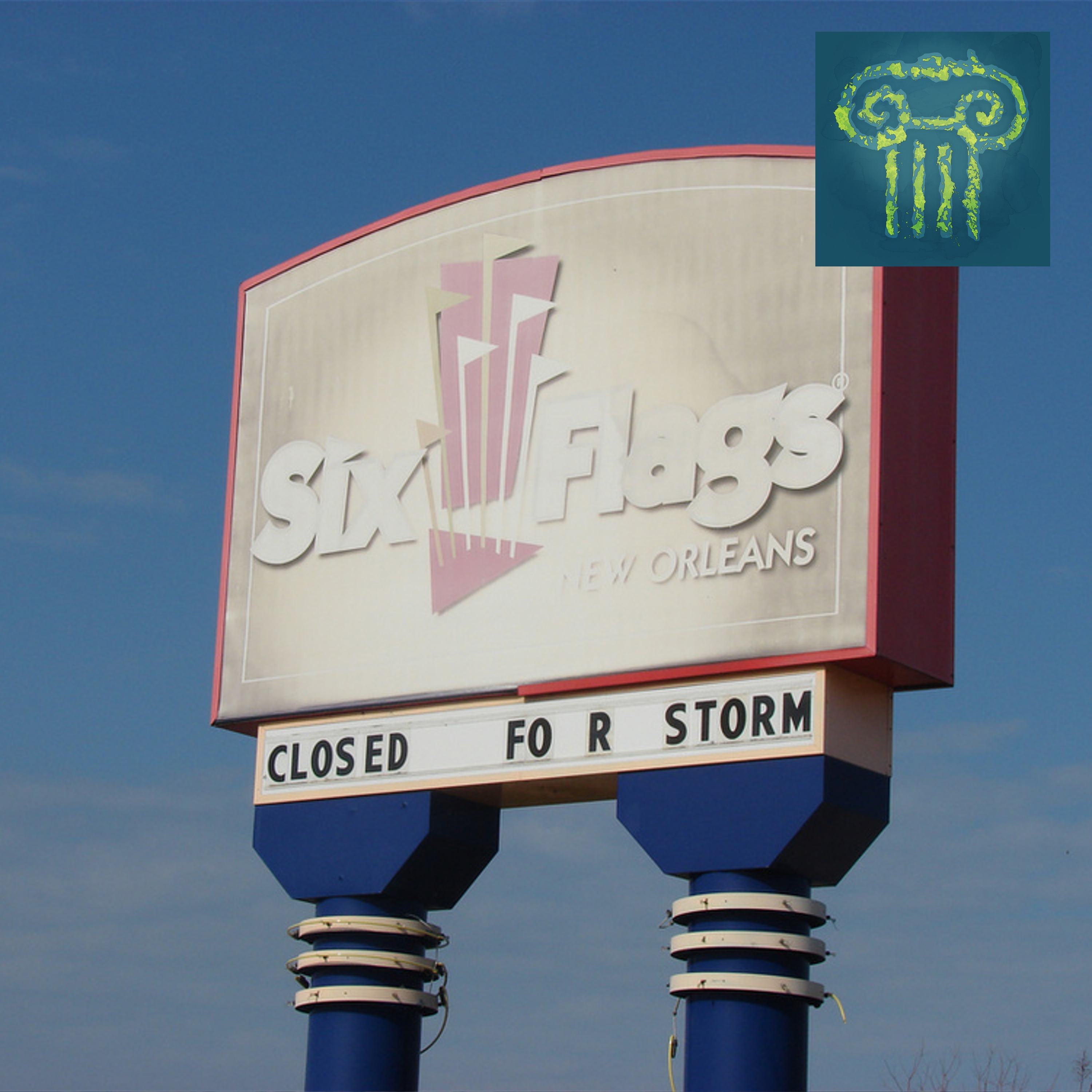
7. What Happens to Dead Amusement Parks?
Most of the time, nothing.This week, special guest Carole Sanderson of the National Roller Coaster Museum and Archives describes the process and challenges of documenting the entertainment industry.Notes:Six Flags New Orleans - Wikipedia, the free encyclopediaNational Roller Coaster Museum: WelcomeMatterhorn Bobsleds - Wikipedia, the free encyclopediaSpecial thanks to Carole Sanderson
6. Muzeiko
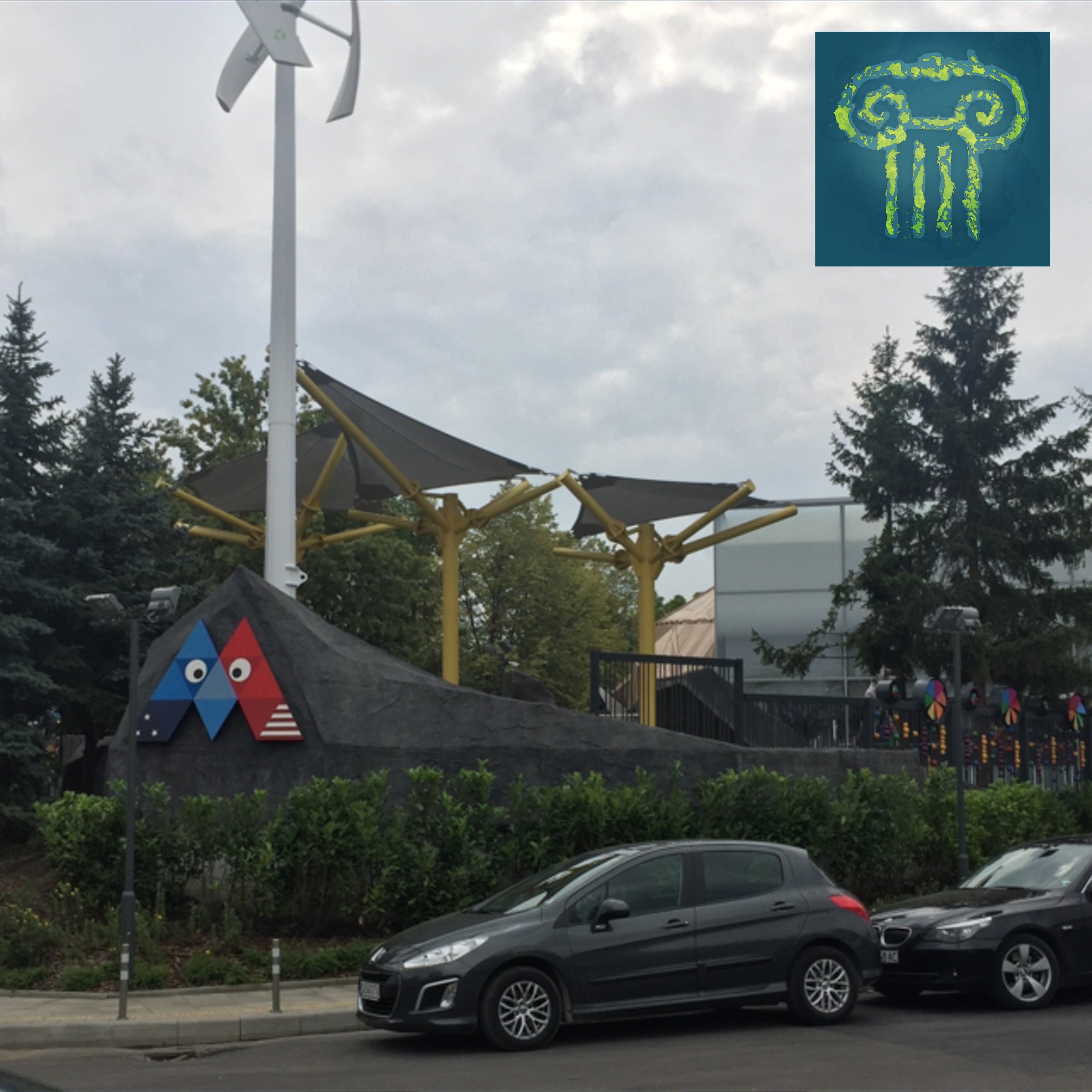
Until Muzeiko opened in Sofia, Bulgaria on October 1st 2015, there were no children’s museums in the Balkans. One of the reasons for the lack of children’s museums was a cultural attitude towards childhood education during communist times, according to Vessela Gercheva, the Programs and Exhibits Director for Muzeiko.In this episode, Museum of Museums visits Muzeiko to find a shifting attitude towards children's education. Notes:Muzeiko - Official SiteA Children’s Museum Comes to Bulgaria - NYT
5. StalinWorld
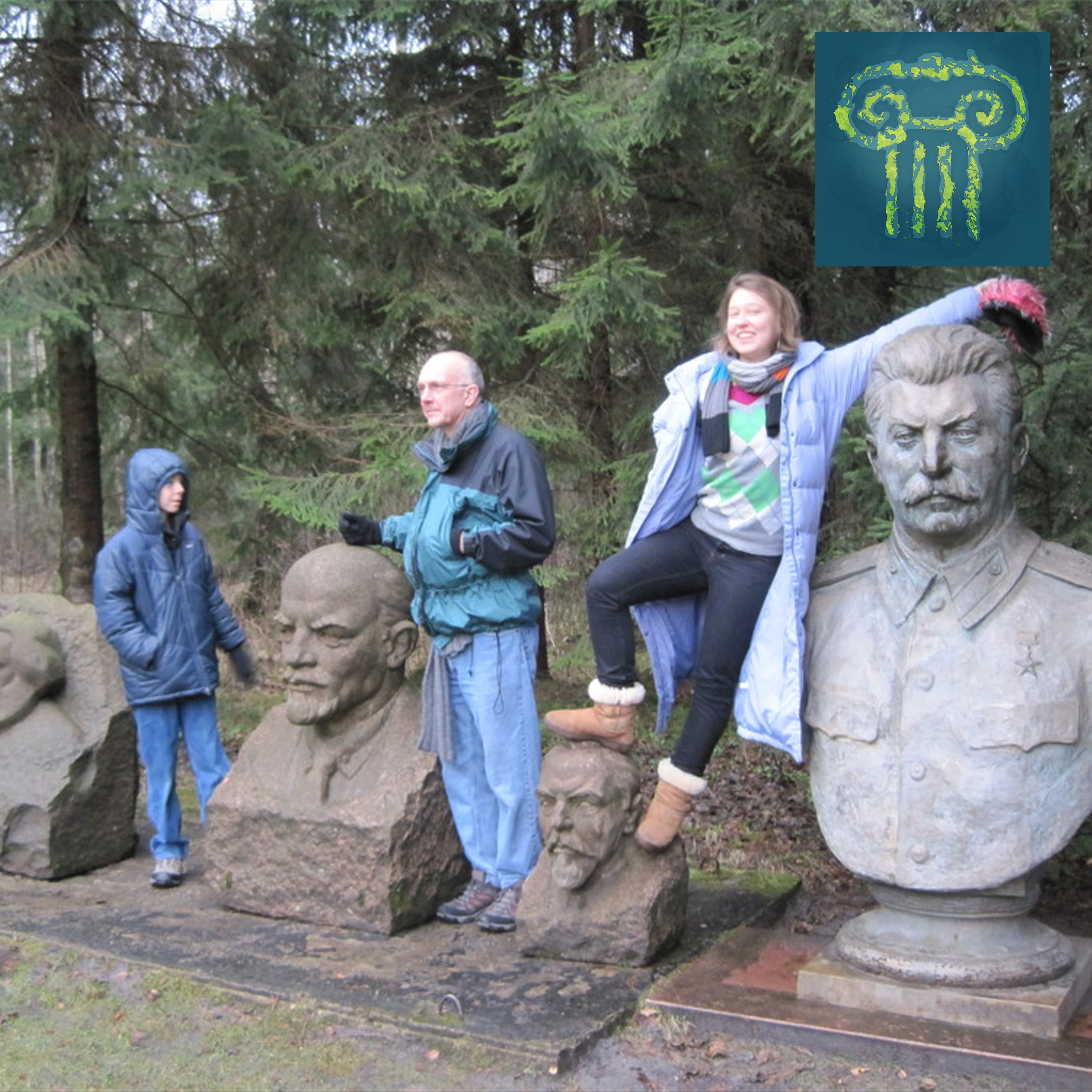
Image: Monika Bernotas and her family interact with statues of Marx, Engels, Lenin and Stalin that were previously located in the cities of Lithuania at Grutas park. Go to the central square of any Soviet influenced country like Lithuania, and you will find empty pedestals.The pedestals used hold monuments to Soviet leaders. Where there once were statues of Lenin and Stalin, you now find overgrown bushes and pop-up cell phone stores. Where are the statues now? In Lithuania, they are in a pseudo-theme park called Grūtas Park or, unofficially, Stalin World.With special guest Monika Bernotas.Notes and Links: Grutas Park and the Fate of Soviet Statuary in LithuaniaGrūtas Park - WikipediaMusic composed by Adam Emanon from his album for rest (2008). Used under a Creative Commons licence.
4. Bison Hunt on Horseback
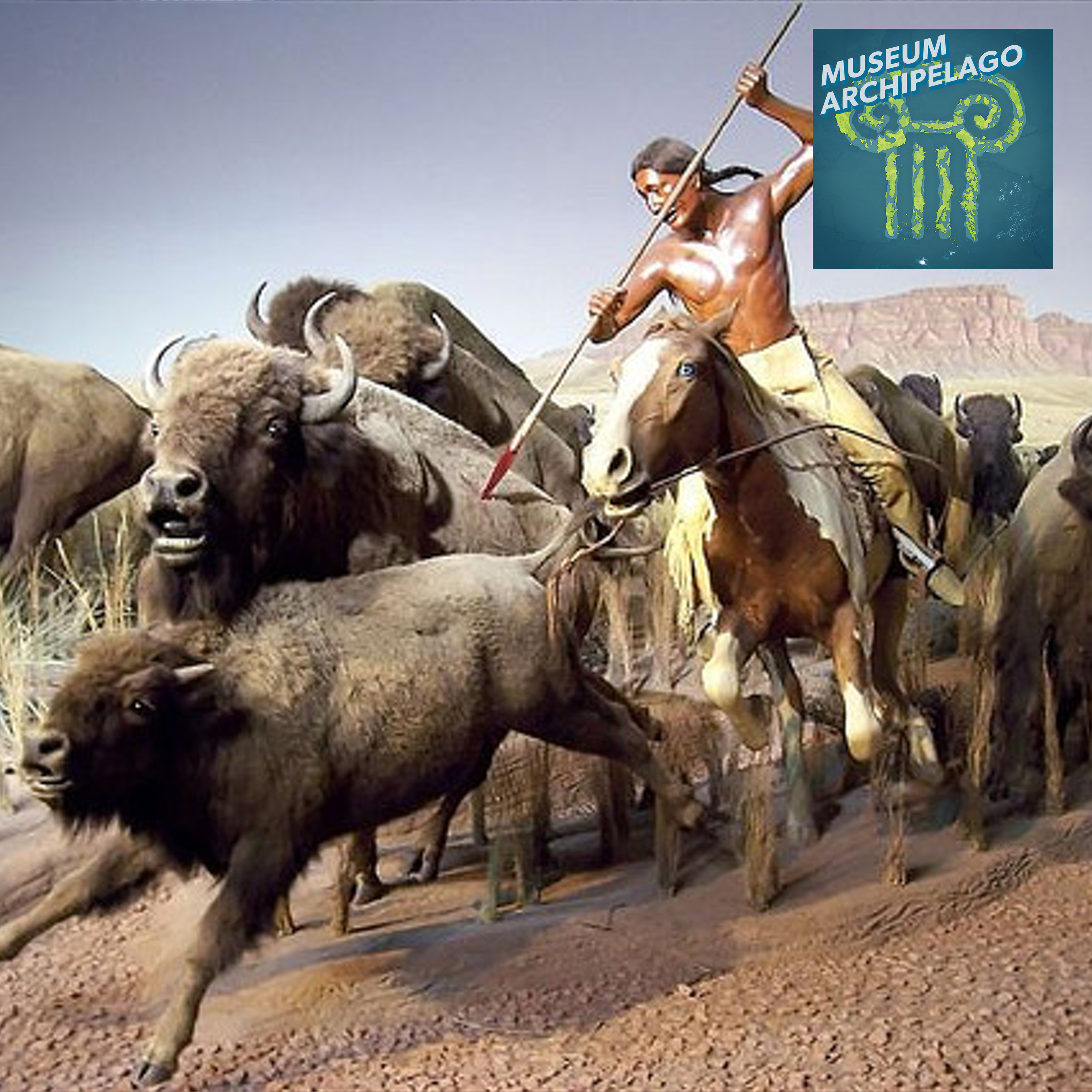
Built in 1966, the Bison Hunt on Horseback diorama at the Milwaukee Public Museum is a throwback to an older style of exhibit, without projectors or screens. In this epsiode, Dr. Ellen Censky, Senior Vice President and Academic Dean at the Milwaukee Public Museum, talks about the diorama and modern exhibit design. Museum Archipelago is a tiny show guiding you through the rocky landscape of museums. Subscribe to the podcast via Apple Podcasts, Google Podcasts, Overcast, or Spotify to never miss an epsiode.
3. Museum Authority in a World of User-Generated Content with Seb Chan
As one of the nation's most-trusted category of institutions, museums project an enormous amount of authority over their subject matter. In this episode, Seb Chan, Director of Digital & Emerging Technologies at Cooper-Hewitt Smithsonian Design Museum, talks about the ways that museums can share that authority with museum visitors comfortable with a less top-down approach to authority. For discussions on how museum's got to amass so much authority, stay tuned to Museum Archipelago. Museum Archipelago is a tiny show guiding you through the rocky landscape of museums. Subscribe to the podcast via Apple Podcasts, Google Podcasts, Overcast, Spotify, or even email to never miss an episode. Unlock Club Archipelago 🏖️ If you like episodes like this one, you’ll love Club Archipelago. It offers exclusive access to Museum Archipelago extras. It’s also a great way to support the show directly. Join the Club for just $2/month. Your Club Archipelago membership includes: Access to a private podcast that guides you further behind the scenes of museums. Hear interviews, observations, and reviews that don’t make it into the main show; Archipelago at the Movies 🎟️, a bonus bad-movie podcast exclusively featuring movies that take place at museums; Logo stickers, pins and other extras, mailed straight to your door; A warm feeling knowing you’re supporting the podcast. Transcript Below is a transcript of Museum Archipelago episode 3. Museum Archipelago is produced for the ear, and only the audio of the episode is canonical. For more information on the people and ideas in the episode, refer to the links above. View Transcript [Intro] When we walk into a museum, we trust that the objects laid out across the table are done so with some expertise. Who gets to decide where those objects go? In a school, the teacher is the authority. In a household, the parent might be the authority. And sometimes the museum can lend the parent some authority. Seb Chan: When I was working in a science museum, we would always talk about making sure that the labels had enough nuggets for the parents to feel smart. This is Seb Chan, Director of Digital and Emerging Media at the Cooper Hewitt Smithsonian Design Museum. Seb Chan: The kid would ask, "What is that, mom? What is that, dad?" Seb Chan: And mom or dad would look at the label and they would need to be able to glean, in a second or two, two or three main points about that thing and one that would make them seem really smart to their kid. That's delightful. Seb Chan: And it was a tactic that you know you employ in museums because you're not designing it for the kid to read, you're designing it for the parent to read, and the parent needs to feel that they are smart in conveying this information to their child. They also need to feel that they can trust that. Our topic today is museum authority, specifically museum authority in a world increasingly comfortable with user generated content. Our story begins in 1994 at the National Air and Space Museum. The museum plans and exhibit on the Enola Gay to commemorate the 50th anniversary of the bombings of Hiroshima and Nagasaki. Critics of the planned exhibit, particularly U.S. Veterans Groups charge that the exhibit focused too much attention on the Japanese casualties inflicted by the atomic bomb rather than on the motivations of the bombing or the discussion of the bomb's role in ending the conflict with Japan. Who gets to decide? In the earlier age, this decision is simple, it's the authority of the state. The official reason for dropping the bomb was what would be reflected in the museum. In 1994, you had the debate over the moral and military reasons for dropping the bomb play out in the context of an exhibit that hadn't opened yet. The Smithsonian canceled the exhibit and the Director of the National Air and Space Museum resigned. Seb Chan: I mean, the Enola gay at the Smithsonian is one of the canonical examples in museum studies. I mean, everyone who studies museums looks at that and looks at it almost as a cautionary tale of what happens in a politicized situation. This is Seb Chan again. Seb Chan: But I think what is important going forward and particularly in a time where more people have more voices and we can hear global perspectives. There are alternatives to traditional mainstream media. There are alternative political viewpoints available to us, perhaps not always accessed and utilized, but available to us at least. Museums more than ever need to be confident in presenting and arguing potentially controversial and difficult subject matter and they need to stay the course, I think. Why I like this story is that the controversy happened before the idea of user generated content was widespread. What would it look like today? Today, many museums allow visitor input. It doesn't have to be fancy. Sometimes it's a pile of pens and the stack of sticky notes on which visitors are invited to write about the memories of the Kennedy ass
2. Labels
Early 20th century cartoons showed exhausted visitors craning their necks to read labels and stopping over to examine artifacts. What's the story 100 years later? Topics and LinksExhibit Labels: An Interpretive Approach by Beverly SerrellMUSEUM FATIGUE, 1928, JAMA Museum Archipelago is a tiny show guiding you through the rocky landscape of museums. Subscribe to the podcast via Apple Podcasts, Google Podcasts, Overcast, or Spotify to never miss an epsiode.
1. Lobby
The lobby is where you transform from an ordinary person into a museum visitor. In this first episode of Museum Archipelago, host Ian Elsner introduces the show and describes the transformative power of the museum lobby. Topics Discussed: The British Museum by J. Mordaunt Crook The museum foyer as a transformative space of communication by Ditte Laursen, Erik Kristiansen, and Kirsten Drotner. Museum Archipelago is a tiny show guiding you through the rocky landscape of museums. Subscribe to the podcast via Apple Podcasts, Google Podcasts, Overcast, Spotify, or even email to never miss an episode. Unlock Club Archipelago 🏖️ If you like episodes like this one, you’ll love Club Archipelago. It offers exclusive access to Museum Archipelago extras. It’s also a great way to support the show directly. Join the Club for just $2/month. Your Club Archipelago membership includes: Access to a private podcast that guides you further behind the scenes of museums. Hear interviews, observations, and reviews that don’t make it into the main show; Archipelago at the Movies 🎟️, a bonus bad-movie podcast exclusively featuring movies that take place at museums; Logo stickers, pins and other extras, mailed straight to your door; A warm feeling knowing you’re supporting the podcast. Transcript Below is a transcript of Museum Archipelago episode 1. Museum Archipelago is produced for the ear and the only the audio of the episode is canonical. For more information on the people and ideas in the episode, refer to the links above. View Transcript Welcome to Museum Archipelago. I’m Ian Elsner. Museum Archipelago guides you through the rocky landscape of museums. Each episode is never longer than 15 minutes. So let’s get started. In his architectural study of the British Museum, J. Mordaunt Crook says that the modern museum is the product of renaissance humanism, 18th century enlightenment, and 19th century democracy. This project takes aim at this widely held sentiment. The landscape of museums has always been shaped by the people who created them. They institutionalize their biases, filled the collection with objects looted from far away places, as part of European colonialism, and presented themselves as enlightened luminaries in a world of superstition. Today, the landscape of museums is changing. With each episode, Museum Archipelago brings you to a different museum around the world, highlighting fundamental museum problems and introducing you to the people working to fix them. So why museums? Well museums are the only buildings, aside from maybe a school house, where you enter expecting to learn something. You might even be open to experiencing something new. For many, they still feel like a trusted institution. Even when almost nothing else does. The medium of a museum has proven powerful, and it all begins in the lobby. This is where you first see the admission price, if there is one. This is where you first judge how busy the museum is today, and what you can expect from the quality of the exhibits. This is where way finding is introduced. This is where you come in from the outside. The lobby is a transformative space that turns ordinary people into museum guests, and at the end of the day, museum guests into ordinary people. This is done through a series of transformations supported by the services of the lobby. As part of a study on museum lobbies, Erik Kristiansen, et al. noted that at a particular German museum, many people would try to get as close to the information counter as possible, to get information about the prices without yet coming in contact with the staff behind the counter. These people are dividing the lobby as a transformative space into the exact point where the transformation happens. As a retailer will tell you, people are more likely to buy an object in a store if they’ve already touched it. Once the outside person comes in contact with a front desk staff, the transformation to museum guest is almost complete. We can think of extending the transformation point as long as possible. When Walt Disney built Disneyland in California in 1955, visitors would go through the ticket purchasing counters immediately before entering the park. By the time the Magic Kingdom opened at Disney World in Florida in 1971, the lobby, sort to speak, was extended out several acres. Guests would buy a ticket but they still weren’t in the park. Instead, they would hop on the monorail or a boat to get to the park. A journey that takes at least a few minutes and a few miles. This journey serves to lengthen the transition time between person and guest. To make the guest feel the feeling of being whisked away from the real world and into the fantasy world. By the time visitors actually entered the park, having disembarked the monorail or boat, the rather unhappy experience of buying a ticket was now literally miles away. The lobby transforms you. Welcome to the show.